


EV Charging Stations
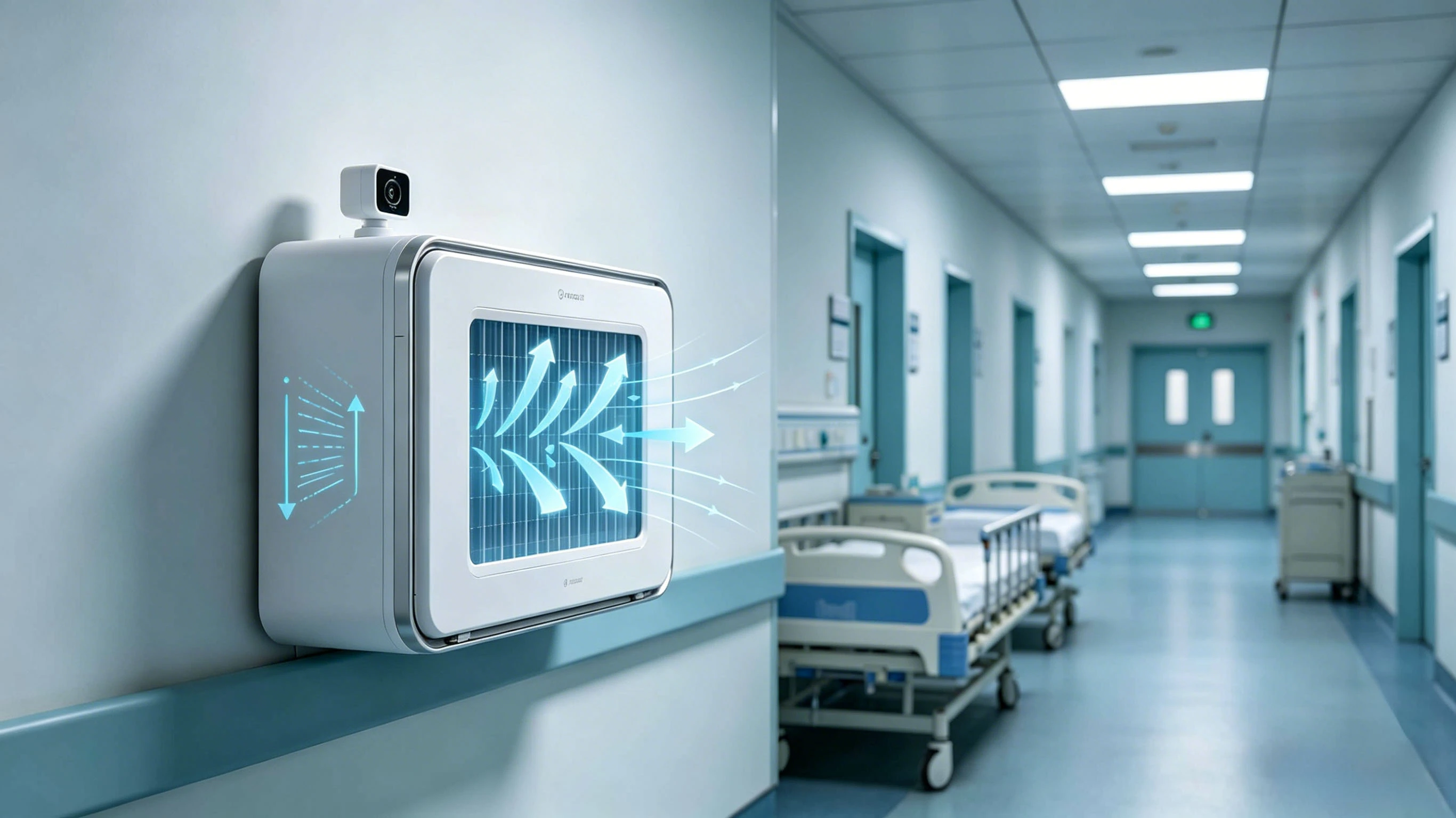
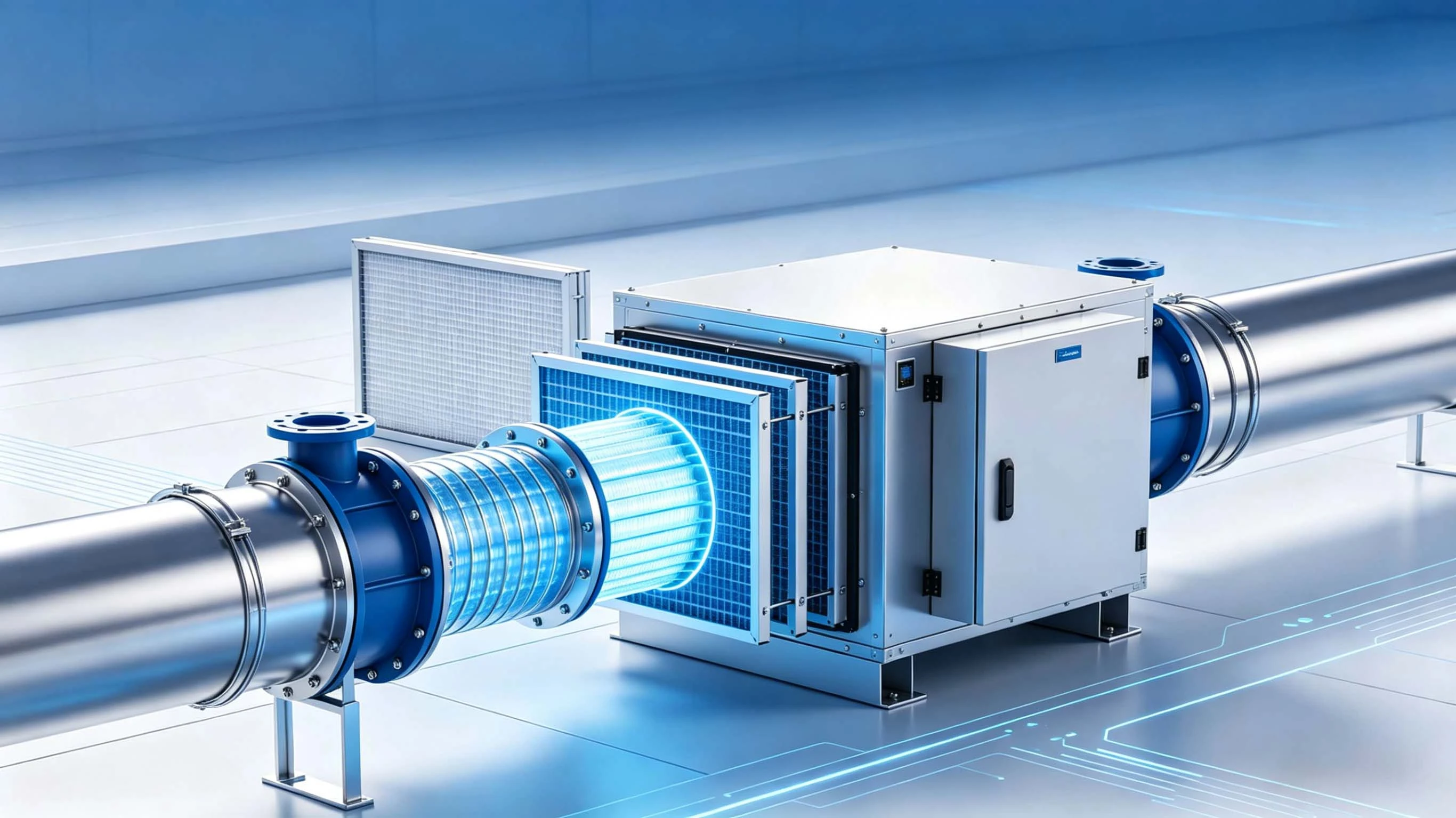
Filtration for Power Equipment
Cleanroom & Semiconductor
Ultra-High Cleanliness Filtration
Commercial HVAC
Central Air System Filtration
Data Centers
Precision Equipment Protection
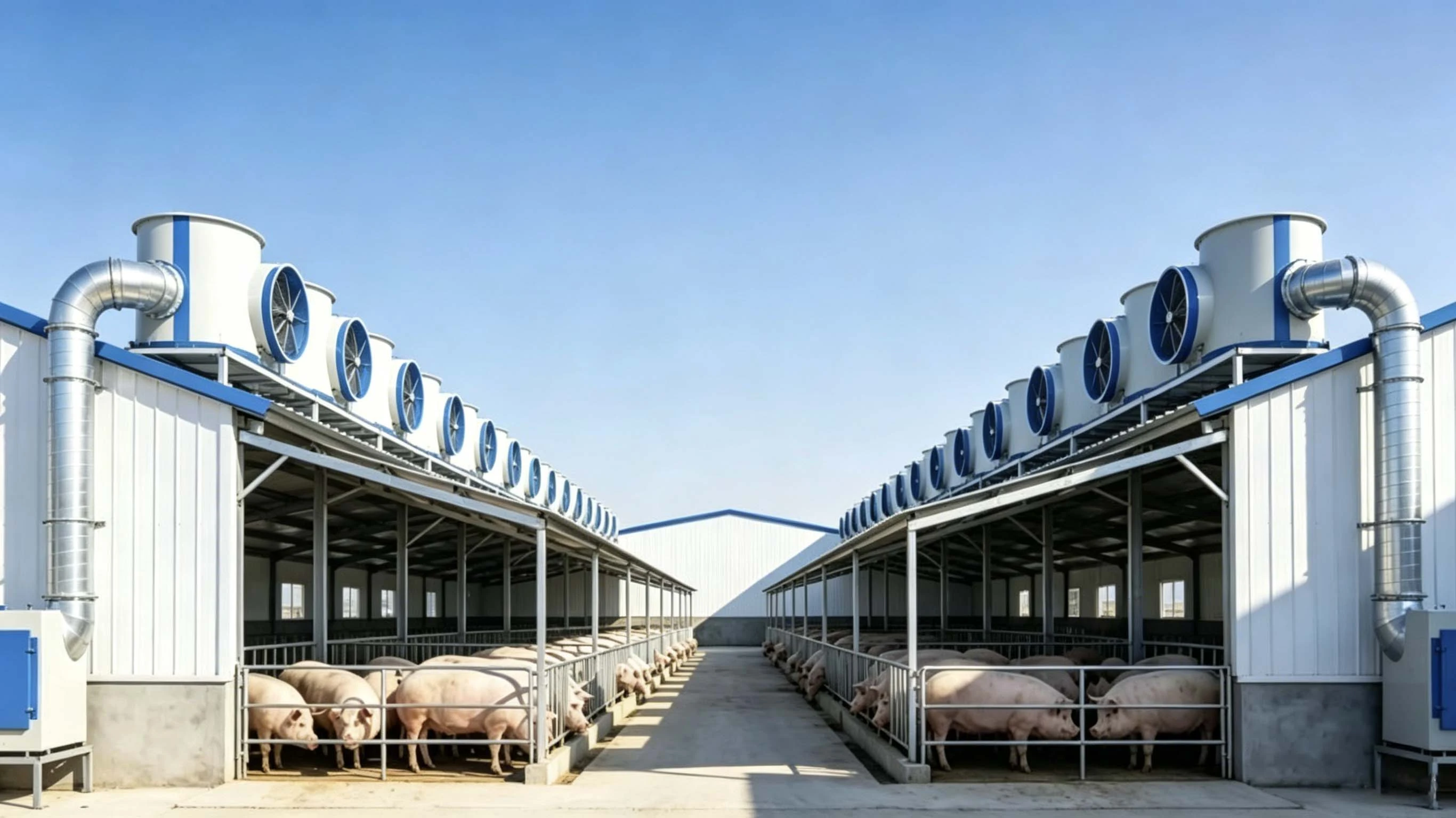
Livestock & Farming
Farming Environment Purification
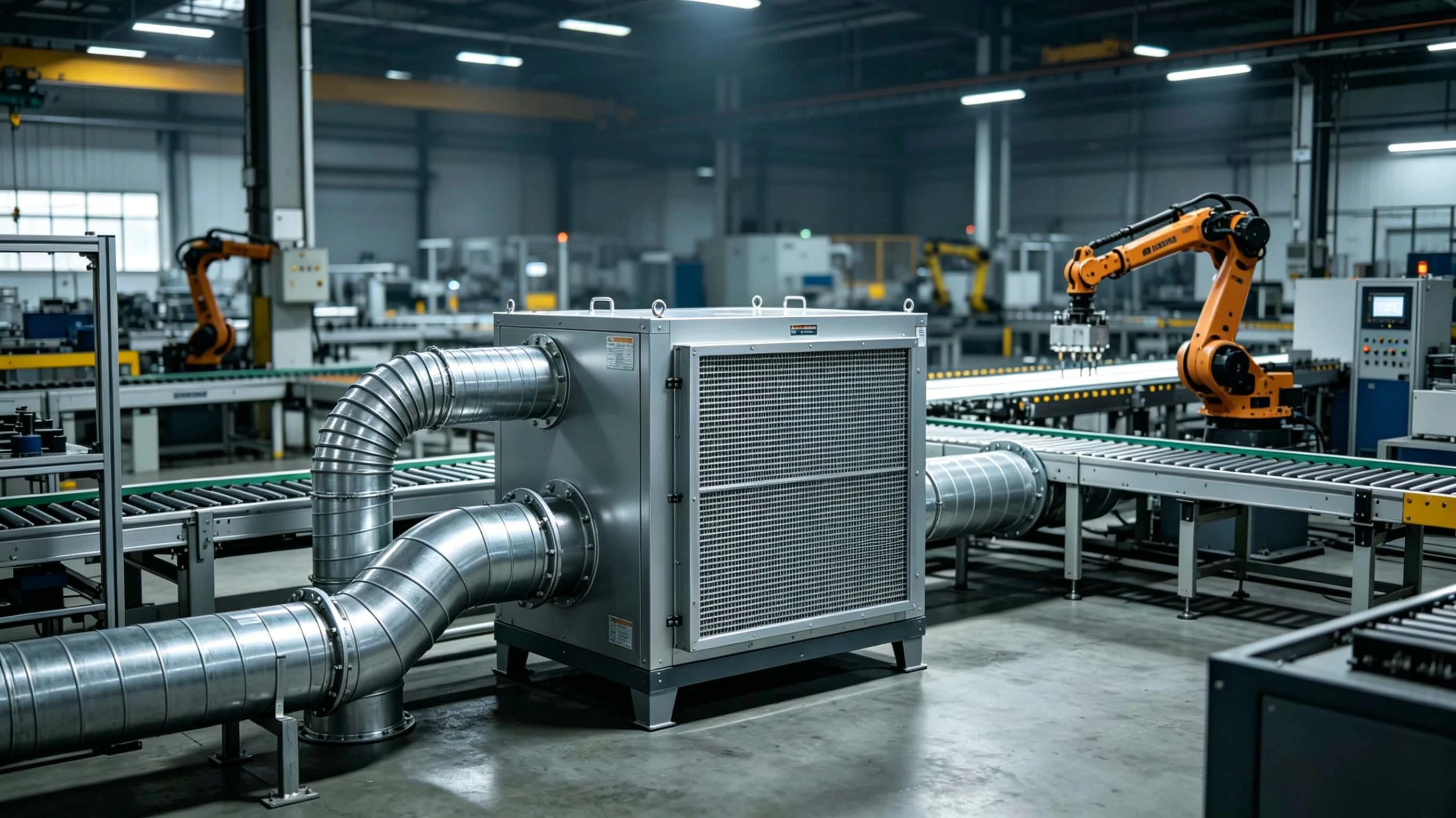
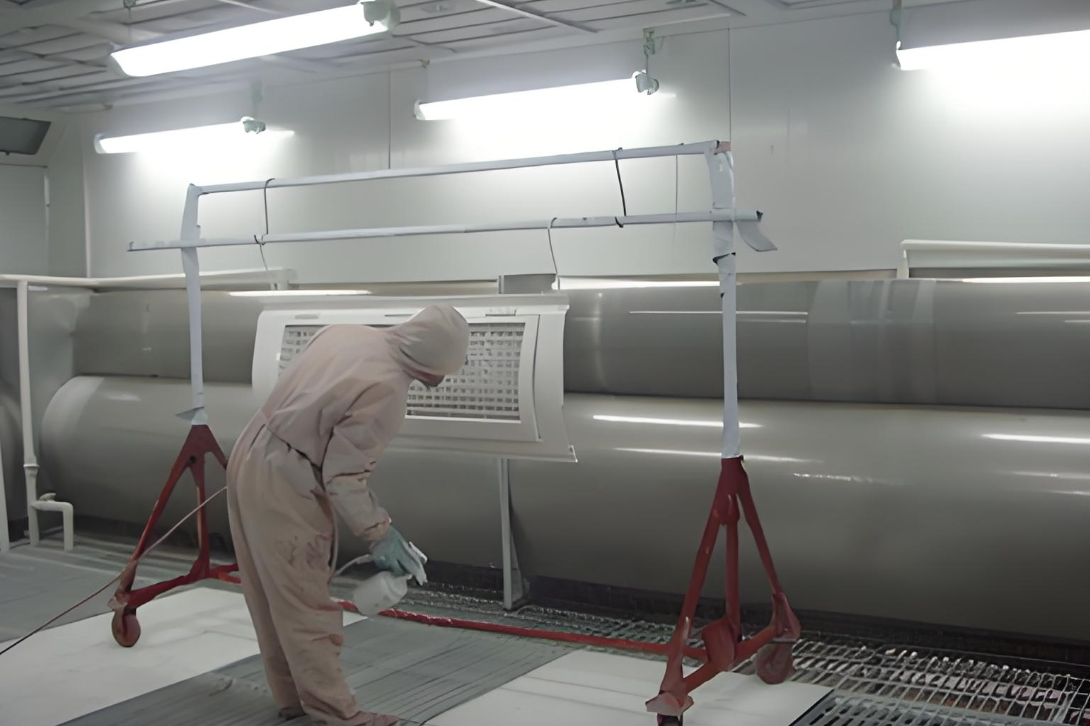
Spray Booths & Industrial Dust
Paint Mist & Dust Purification
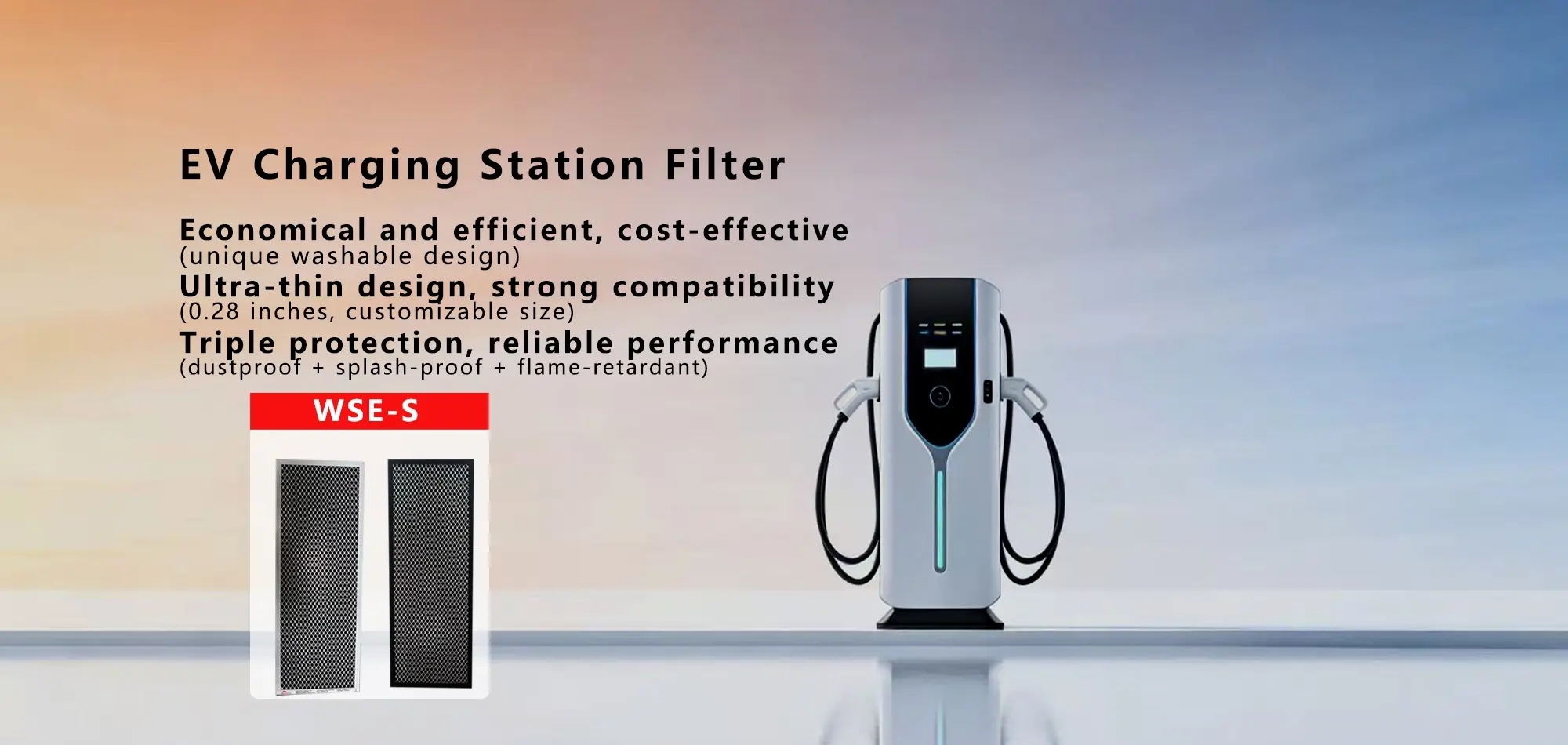
Filtration for Power Equipment
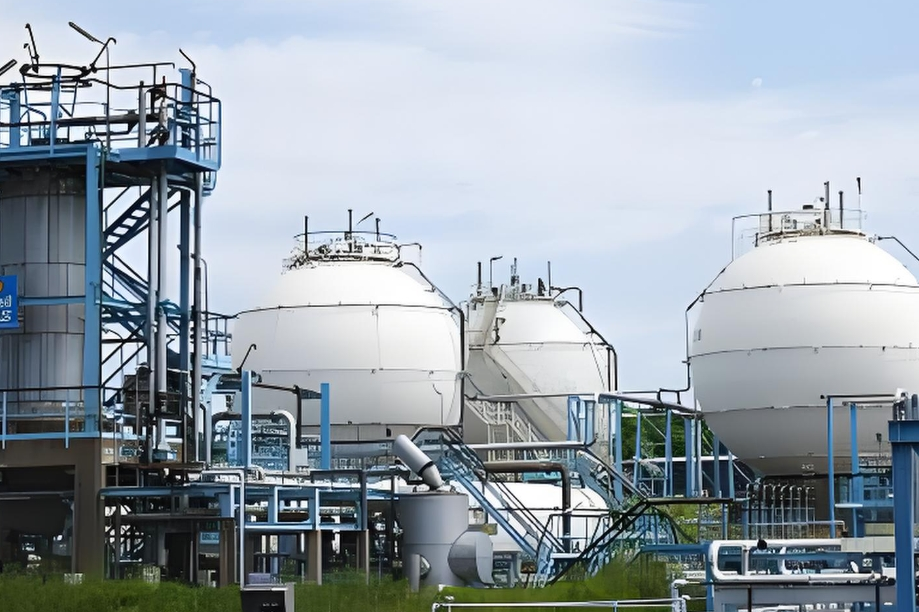
Professional air filtration for EV charging devices, protecting against dust and sand ingress to ensure stable, reliable operation of charging piles and station infrastructure.
View Related Products →Ultra-High Cleanliness Filtration
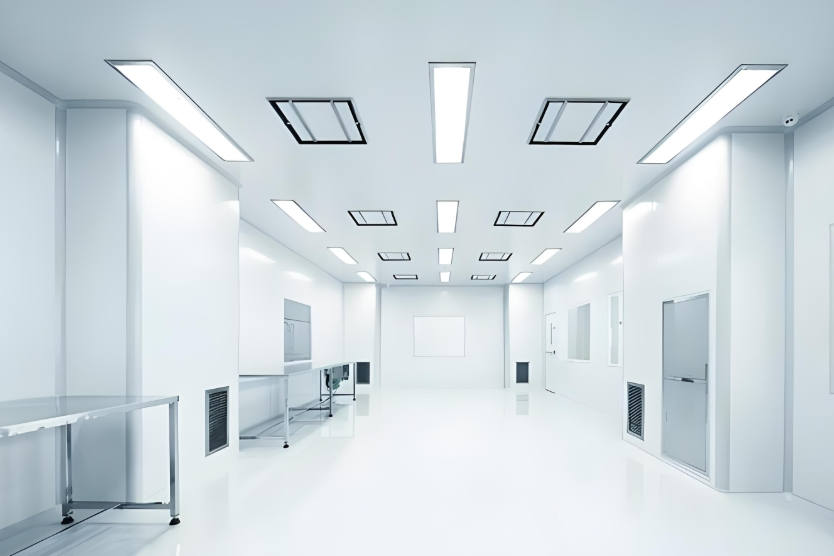
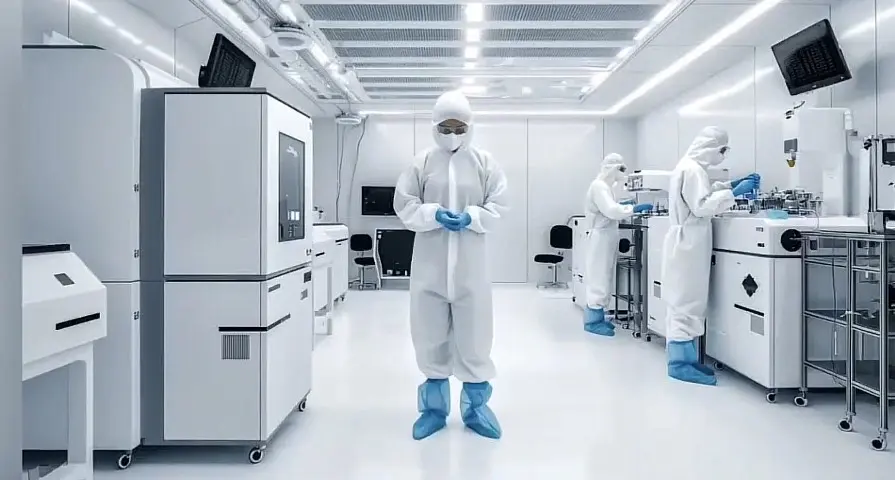
Ultra-high efficiency filtration for semiconductor wafer fabs and precision electronics cleanrooms, capturing nano-scale particles to meet ISO Class 1–3 standards and maximize product yield.
View Related Products →Central Air System Filtration
High-efficiency filtration for commercial building HVAC systems, improving indoor air quality, reducing energy consumption, and extending equipment service life.
View Related Products →Precision Equipment Protection
Precision air filtration for data centers, shielding servers and critical hardware from dust contamination to keep cooling systems running efficiently and reliably.
View Related Products →Farming Environment Purification
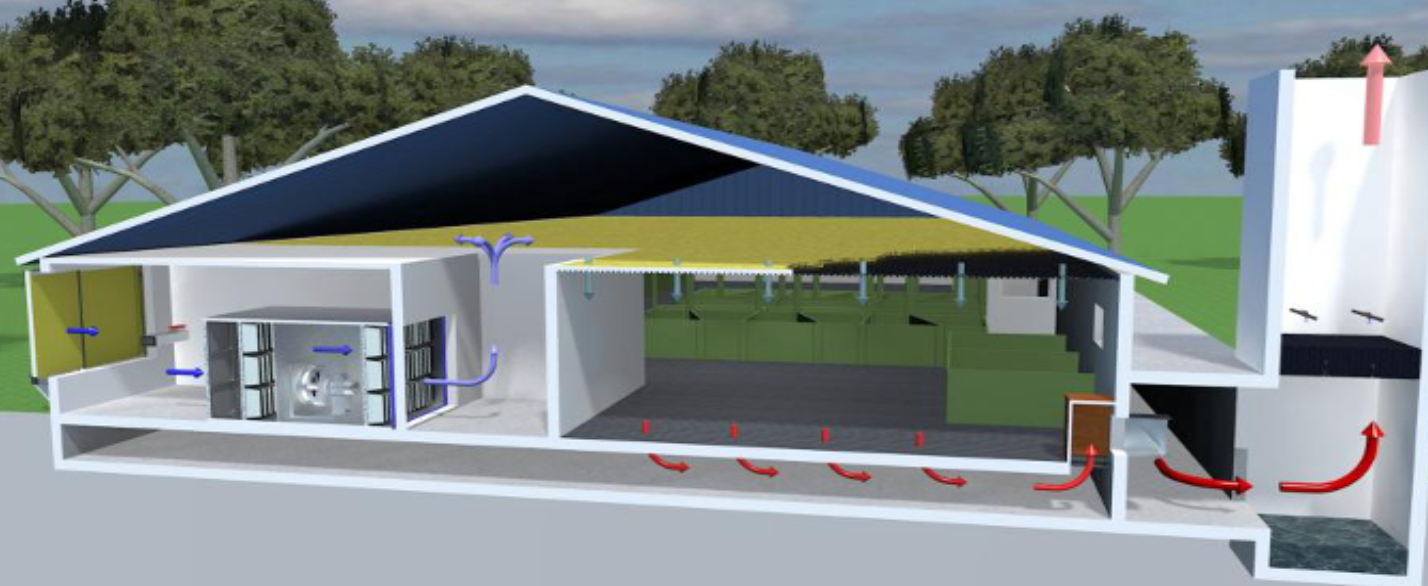
Dedicated filtration systems for farms and livestock facilities — capturing dust, adsorbing ammonia, and inhibiting pathogen spread to improve animal health and overall productivity.
View Related Products →Paint Mist & Dust Purification
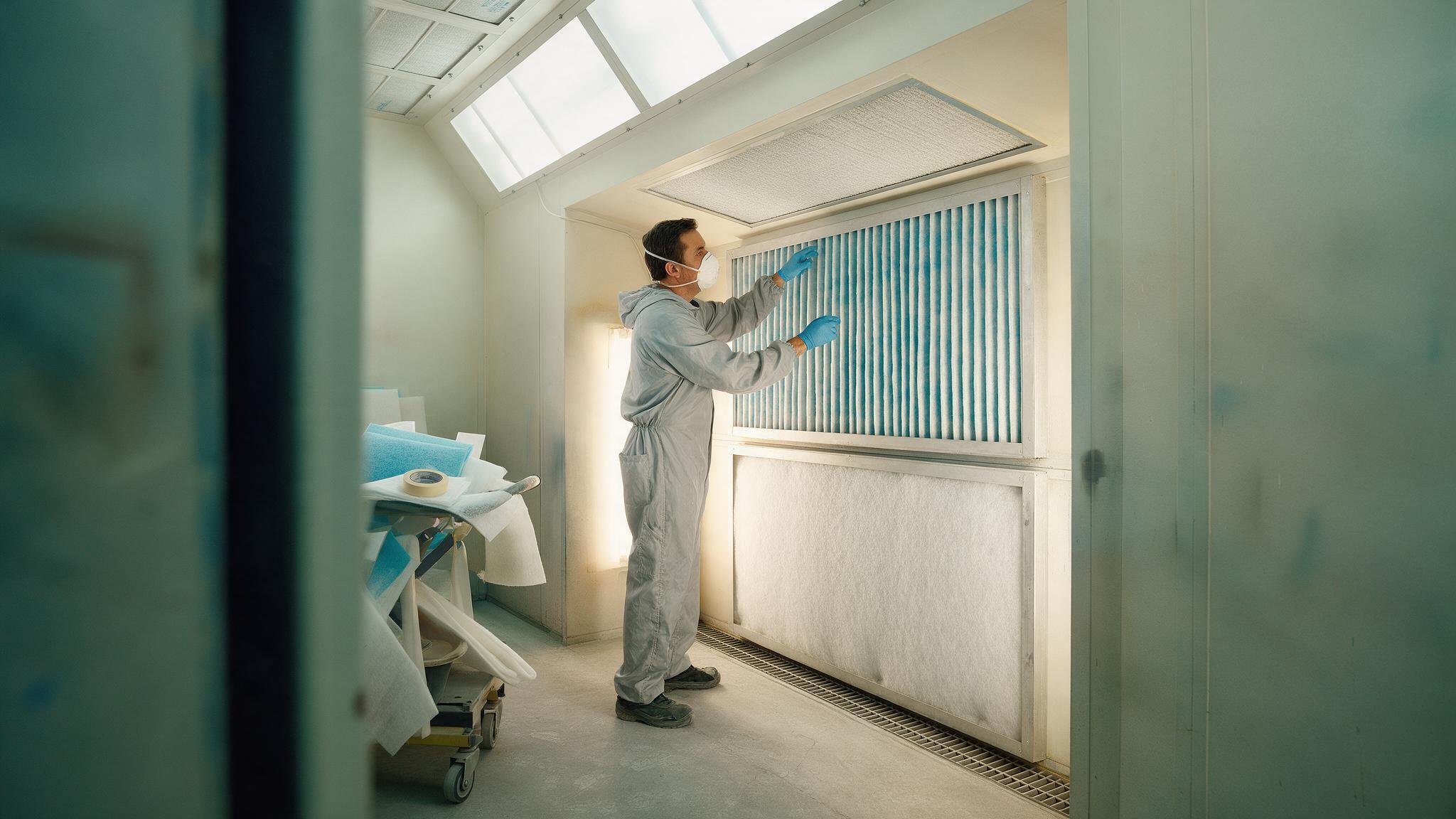
Designed for spray booths and grinding workshops, efficiently capturing paint mist, metal dust, and wood chips to meet emission standards while protecting finished surface quality.
View Related Products →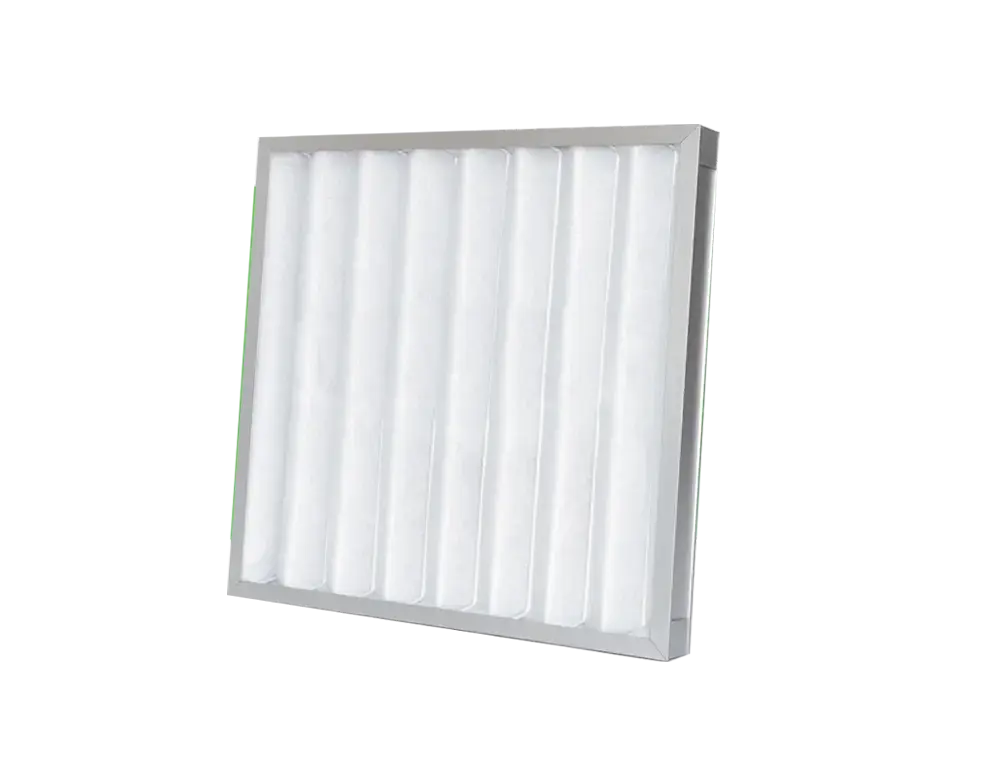
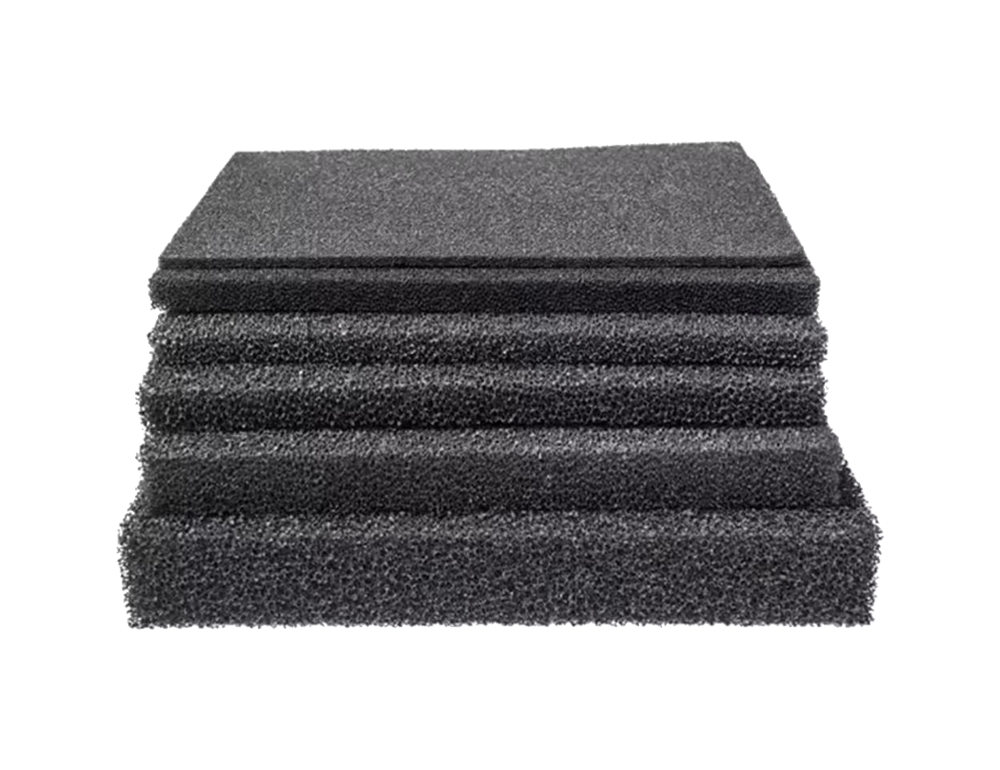
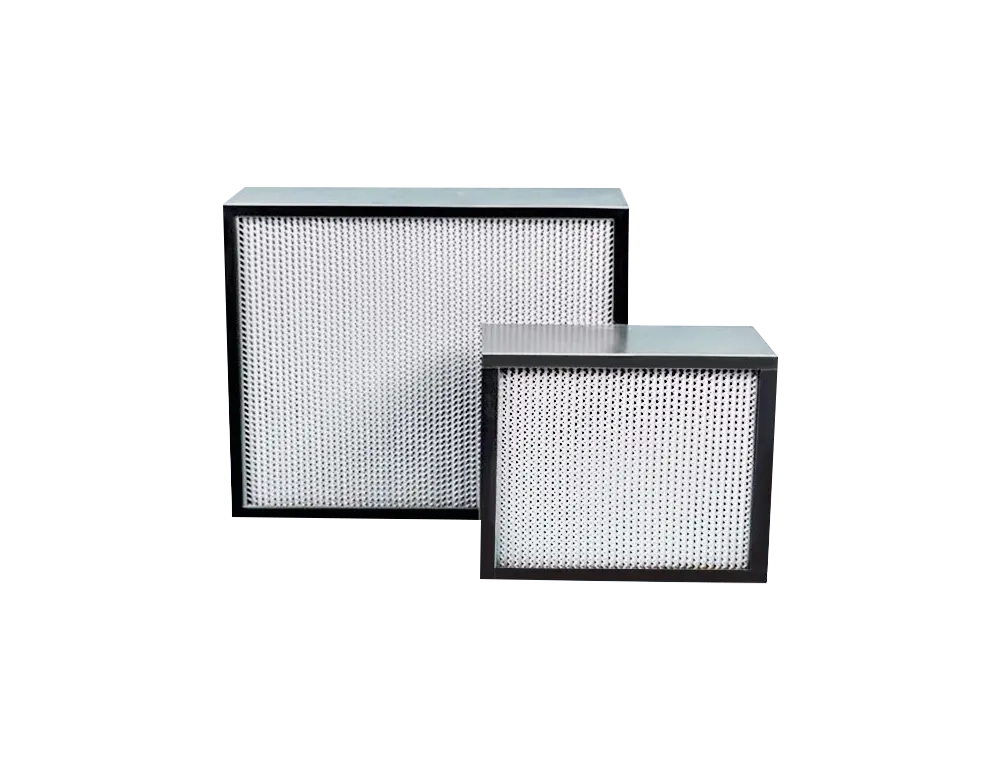
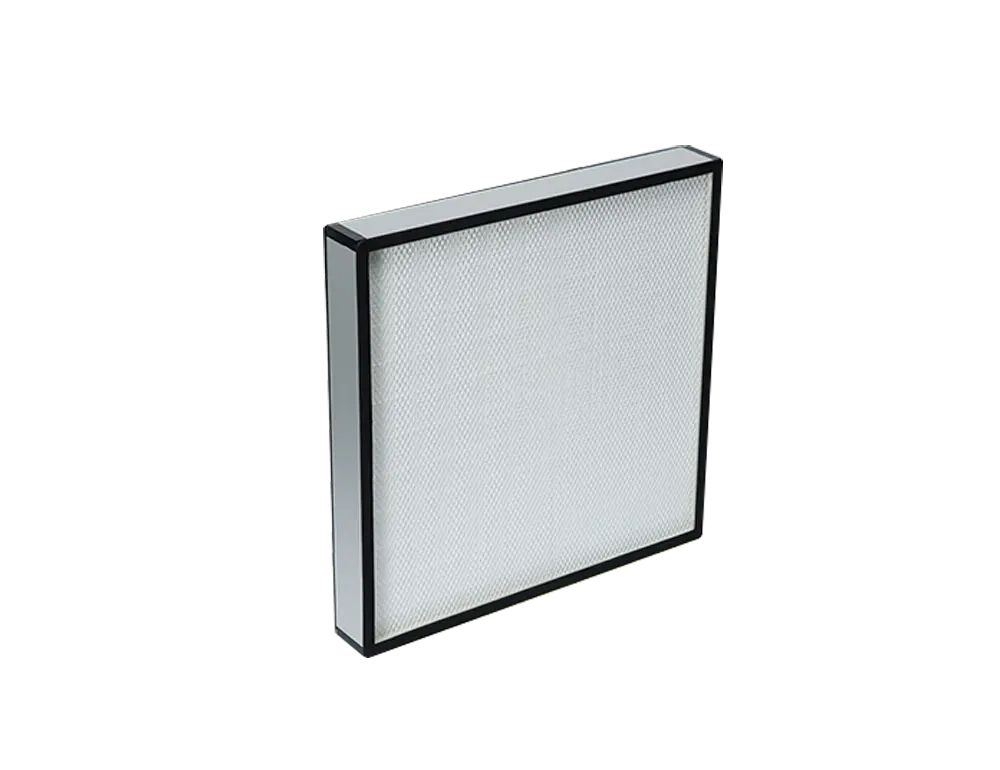
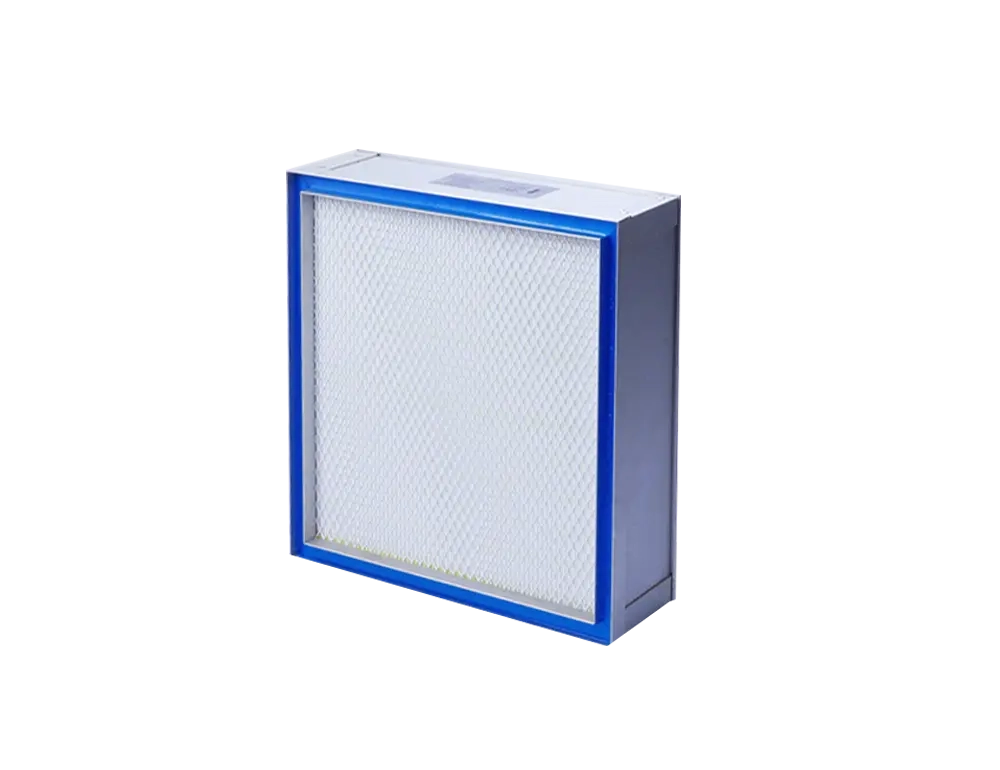
Pre-Filter (G1–G4)
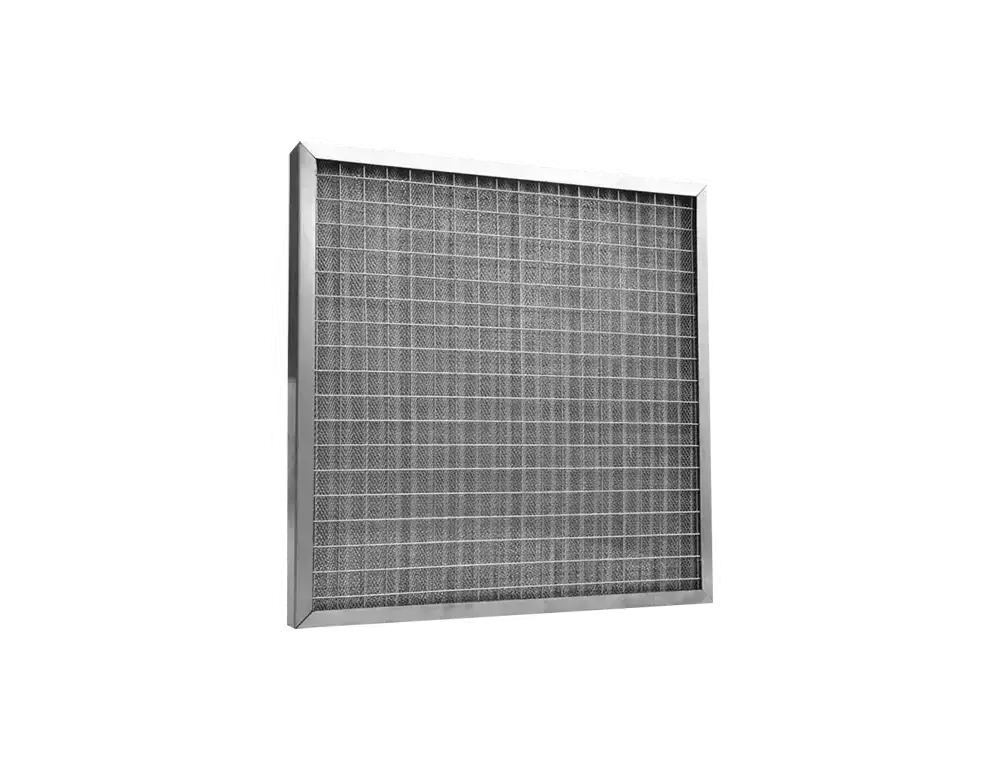
First-Stage Large-Particle Capture
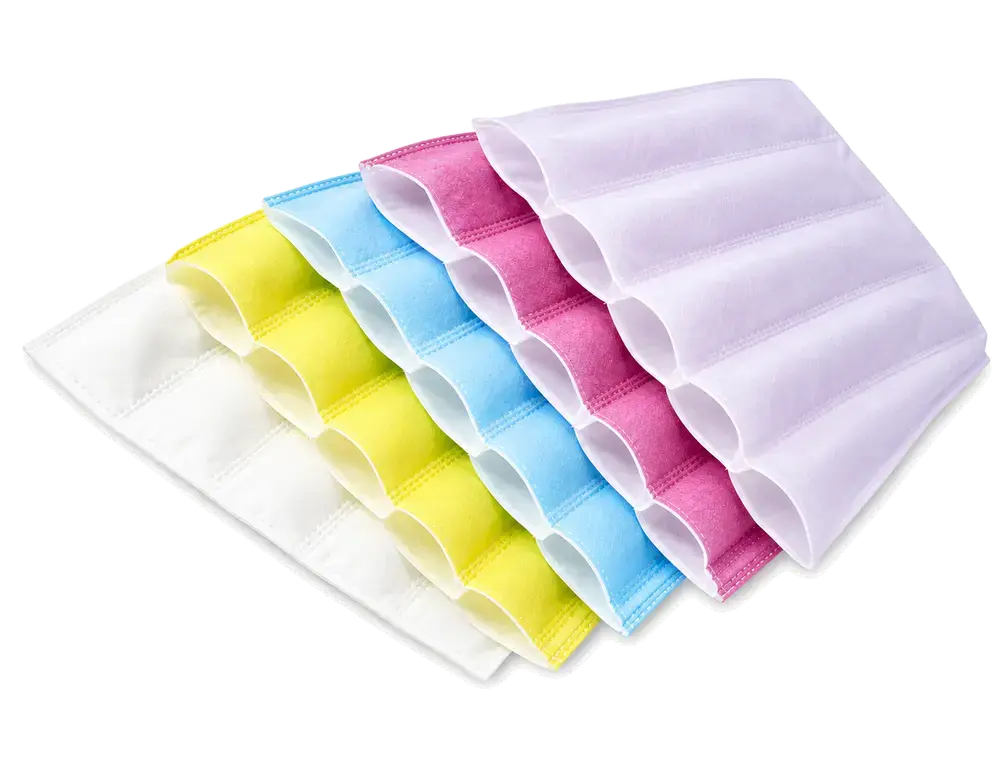
Medium-Efficiency Filter (F5–F9)
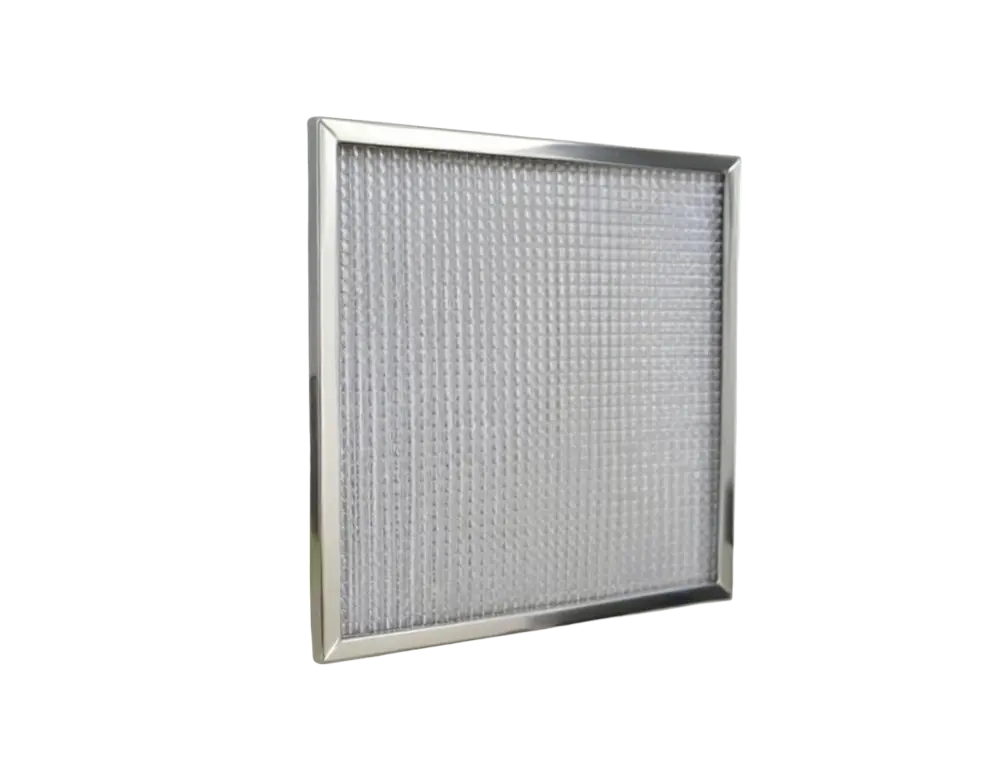
Precise PM2.5 Capture
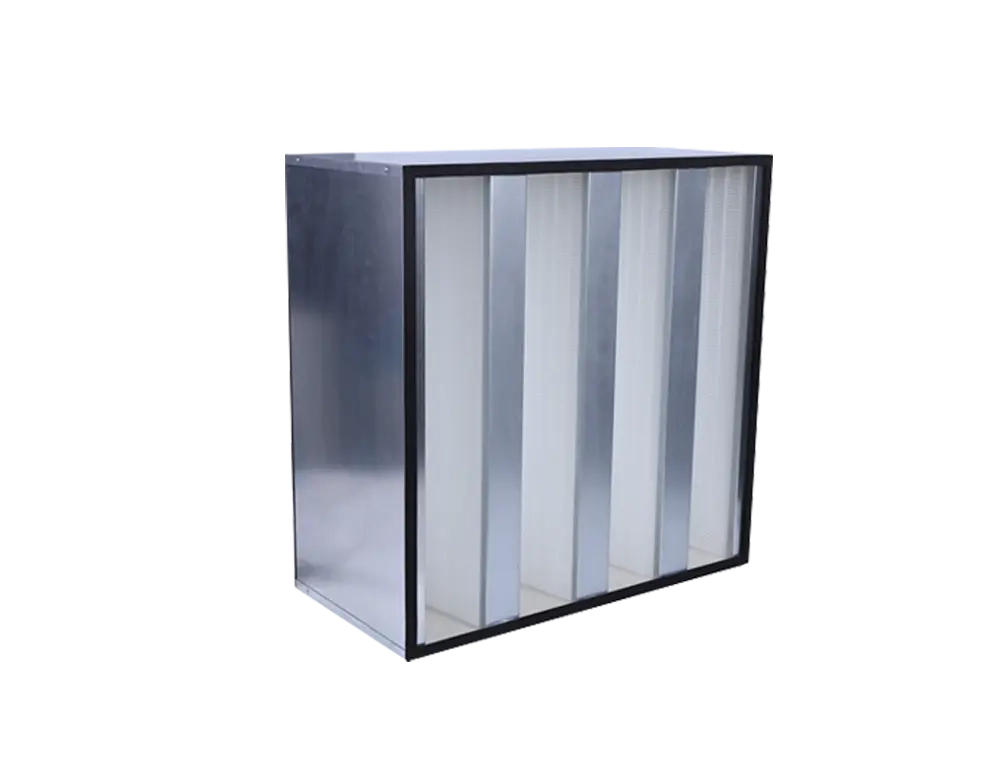
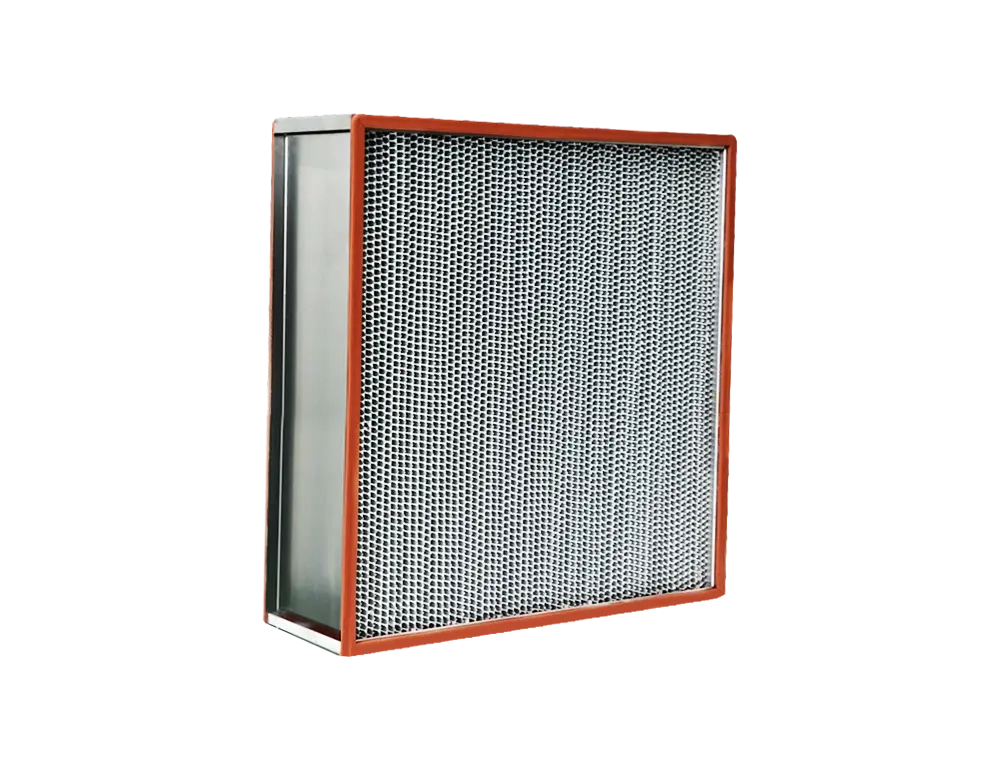
HEPA High-Efficiency Filter
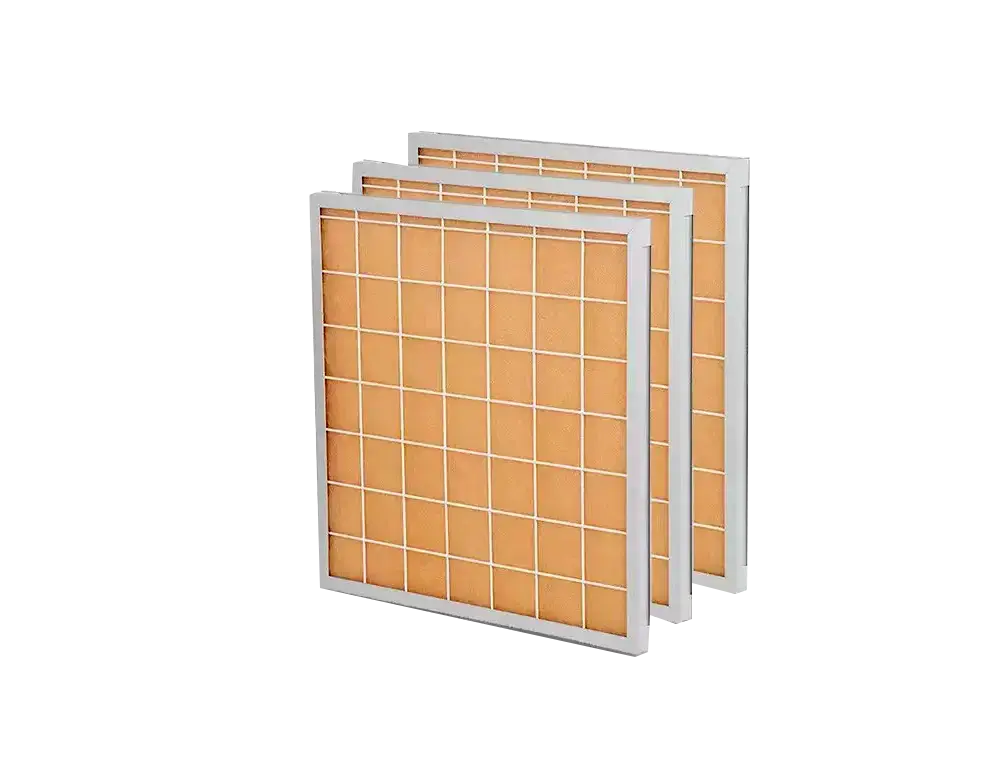
Sterile-Grade Purification
ULPA Ultra-High Efficiency Filter
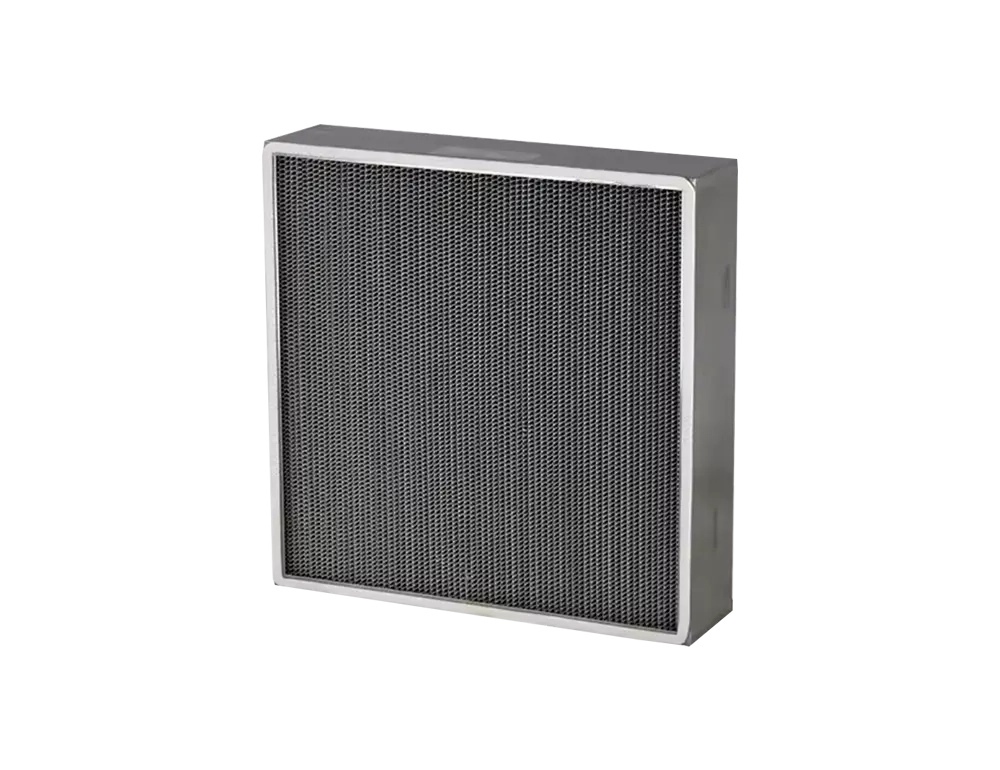
Sub-Micron Particle Capture
First-Stage Large-Particle Capture
The first line of defense, capturing particles ≥5 μm such as dust, hair, and fibers to protect downstream filters and extend overall system service life.
View Related Products →Precise PM2.5 Capture
Captures fine particles of 1–5 μm including PM2.5, pollen, and mold spores, significantly improving indoor air quality for commercial HVAC and ventilation systems.
View Related Products →Sterile-Grade Purification
≥99.97% filtration efficiency for particles ≥0.3 μm, delivering sterile-grade clean air widely used in medical, pharmaceutical, and electronics manufacturing.
View Related Products →Sub-Micron Particle Capture
≥99.9995% efficiency for particles ≥0.12 μm, meeting the extreme cleanliness demands of semiconductor fabs, aerospace, and other ultra-precision applications.
View Related Products →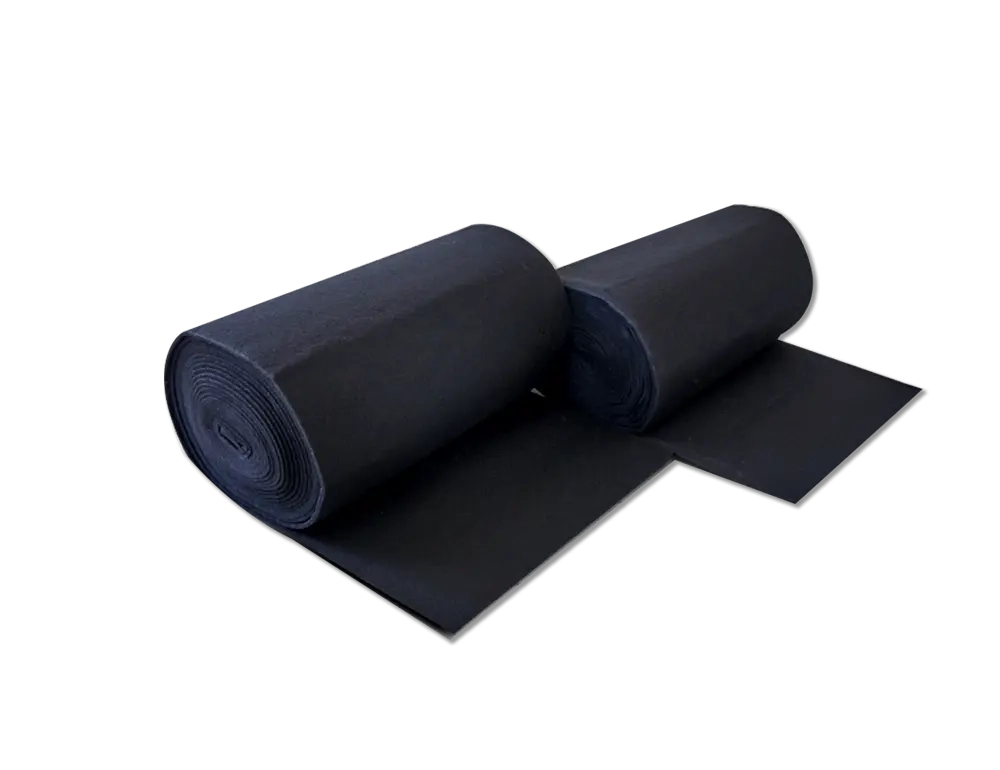
High-Temperature Resistant
Industrial-Grade Heat Tolerance
Washable & Reusable
Cut Costs, Reduce Waste
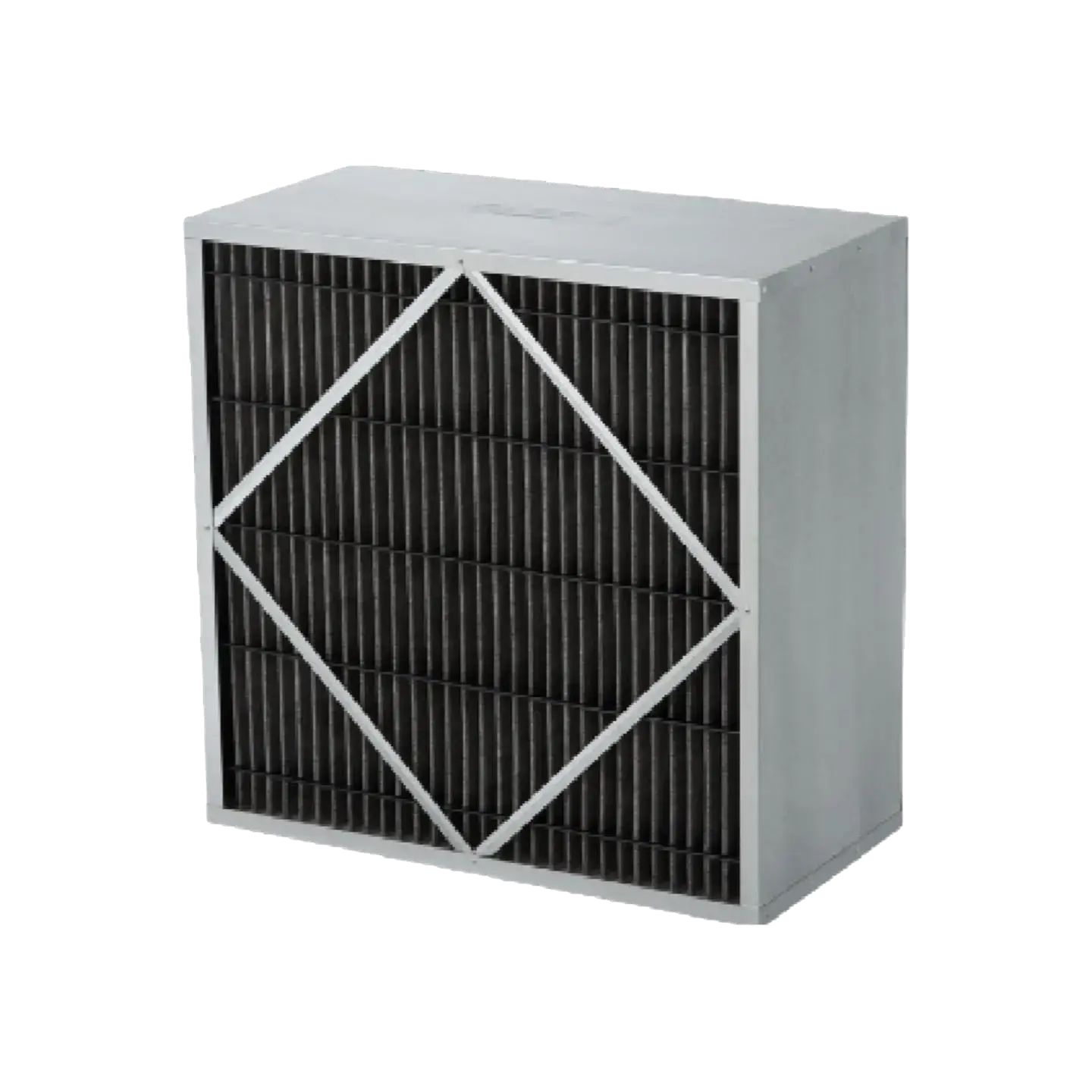
Activated Carbon
Odor & Harmful Gas Removal
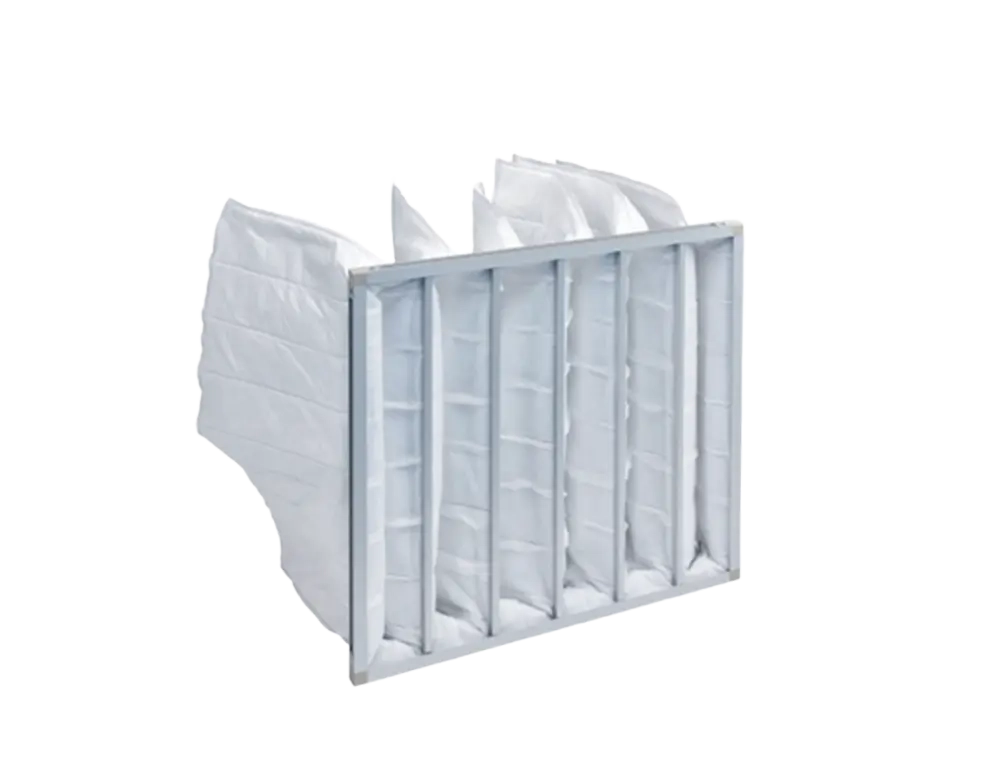
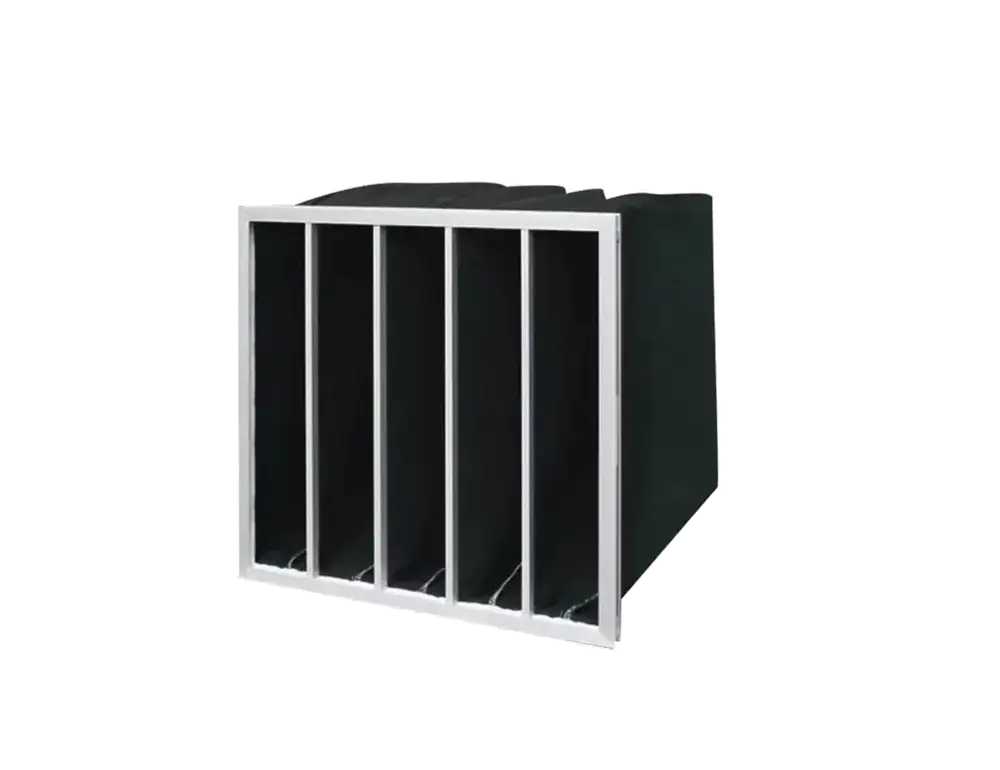
Bag Filter
High Dust-Holding, Long Life
Panel / Pleated Filter
Compact Space-Saving Design
Low-Resistance Airflow
Energy-Saving Operation
Industrial-Grade Heat Tolerance
Built with specialized heat-resistant materials, operating stably up to 250°C for paint ovens, industrial dryers, and high-temperature process environments.
View Related Products →Cut Costs, Reduce Waste
Cleanable by water washing or air blowing, reusable multiple times to significantly reduce replacement frequency and O&M costs — an economical, eco-friendly choice.
View Related Products →Odor & Harmful Gas Removal
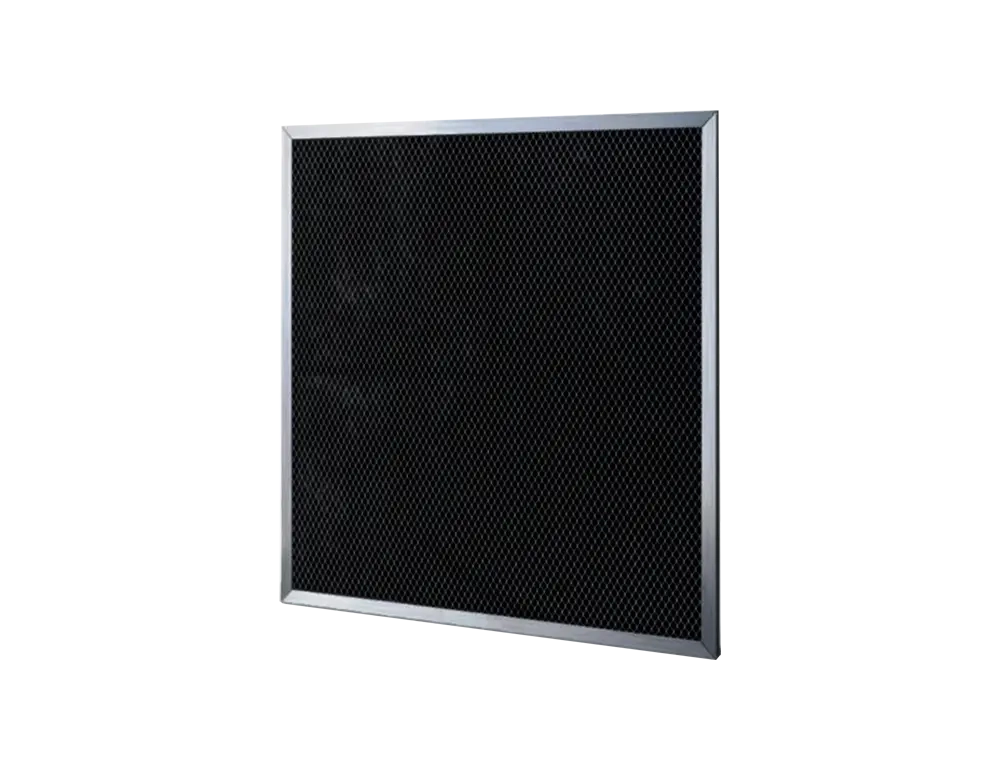
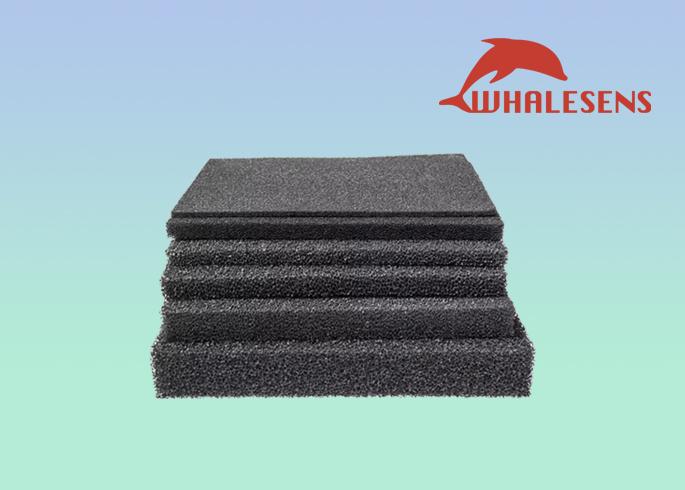
Leverages activated carbon's high adsorption capacity to eliminate odors, VOCs, and formaldehyde, ideal for newly renovated spaces and industrial exhaust treatment.
View Related Products →High Dust-Holding, Long Life
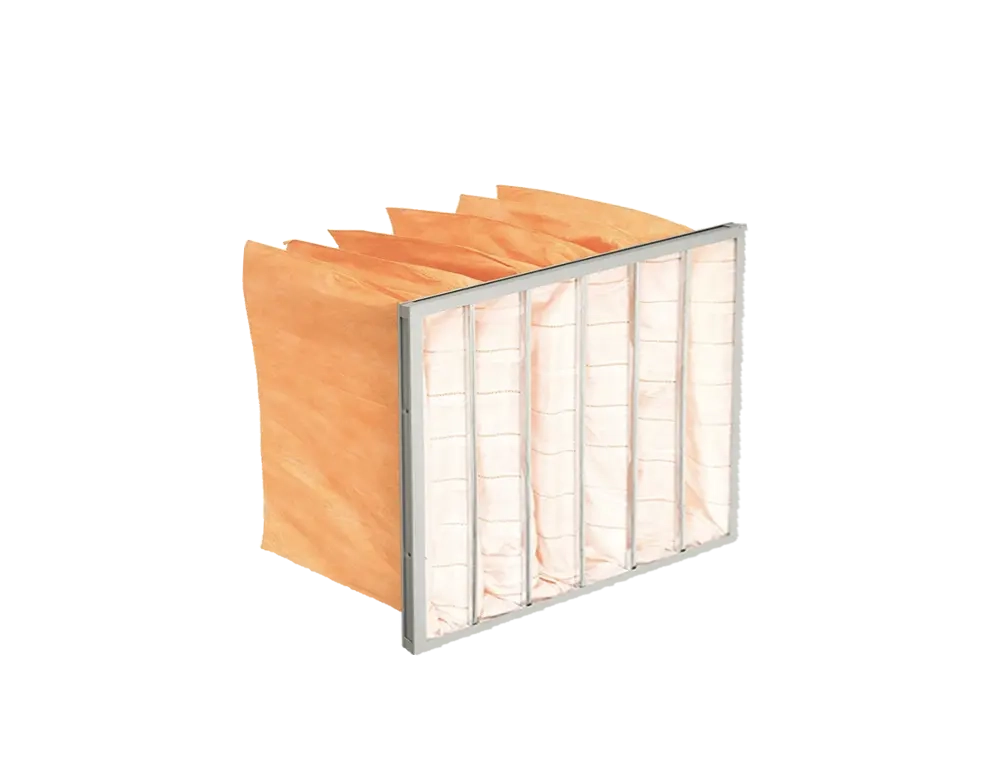
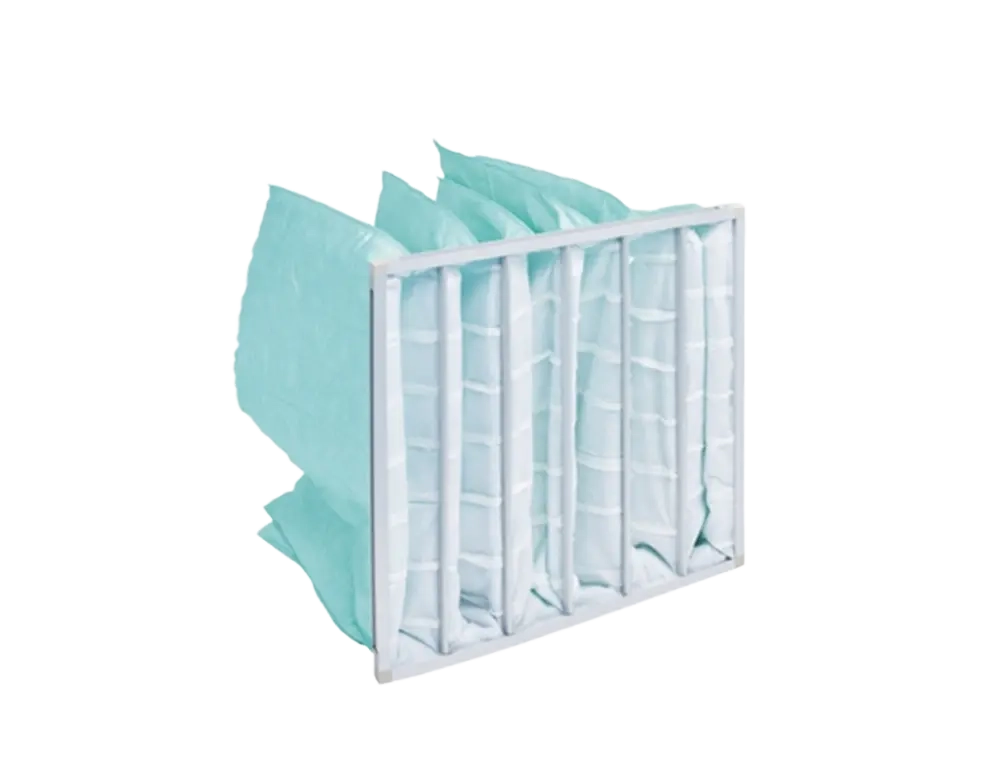
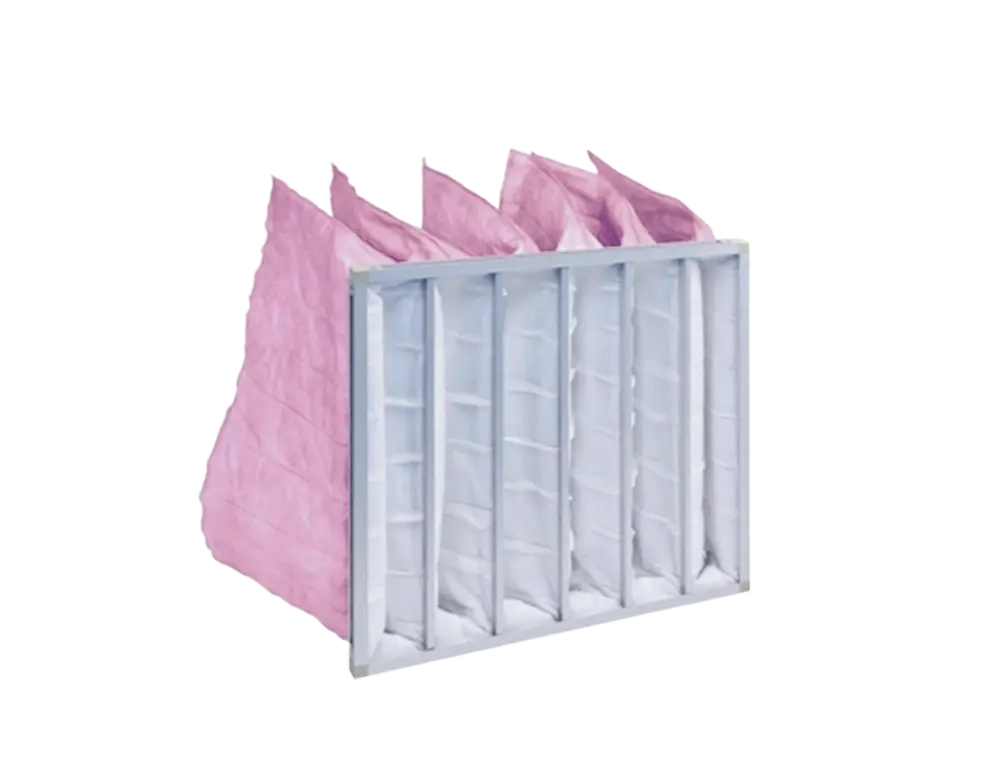
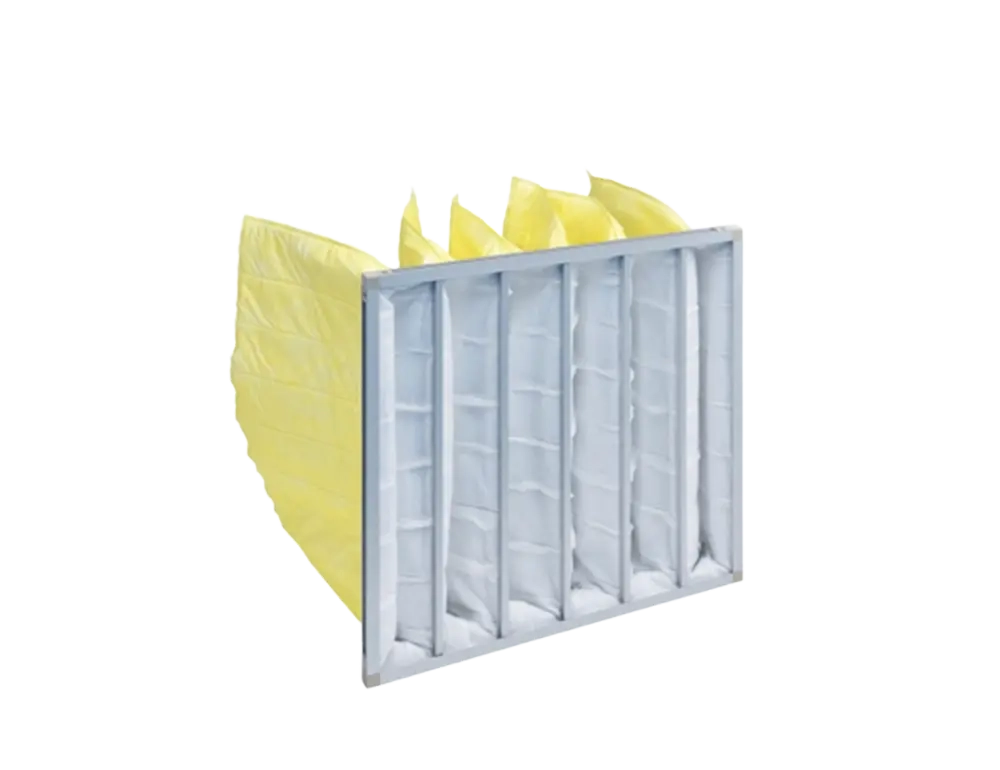
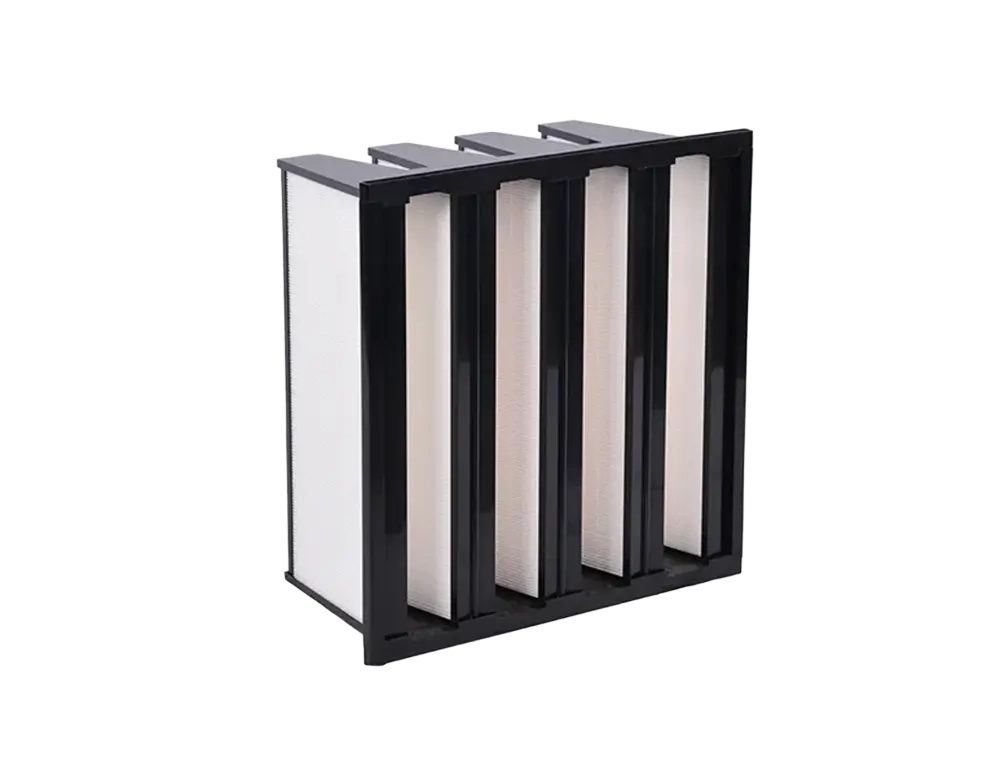
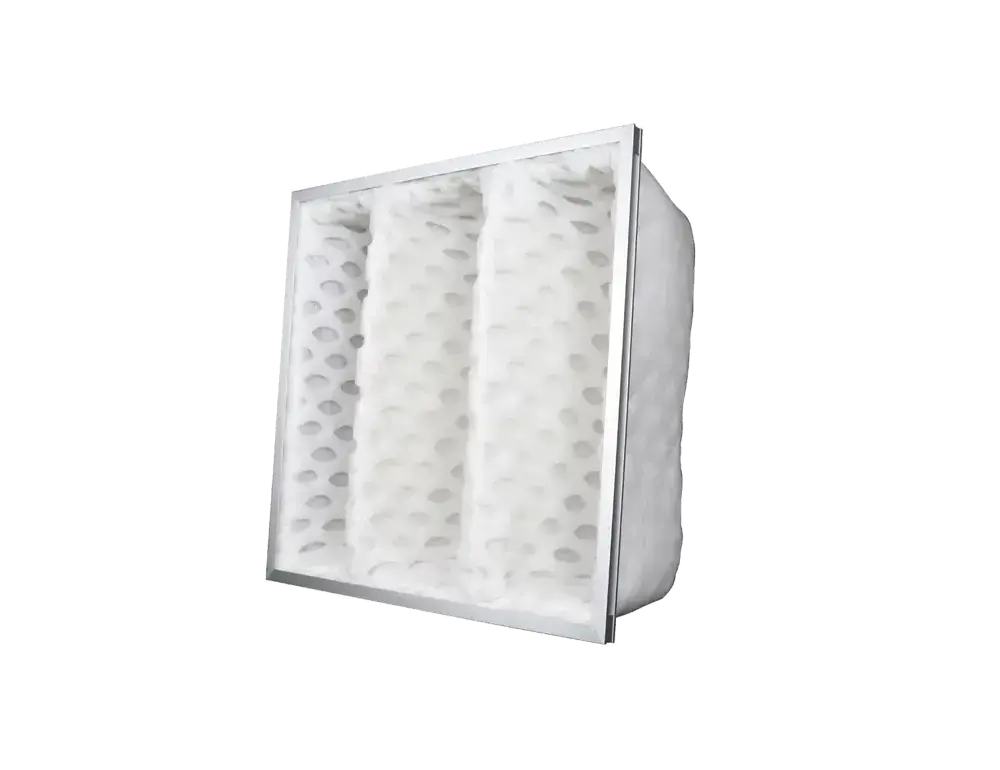
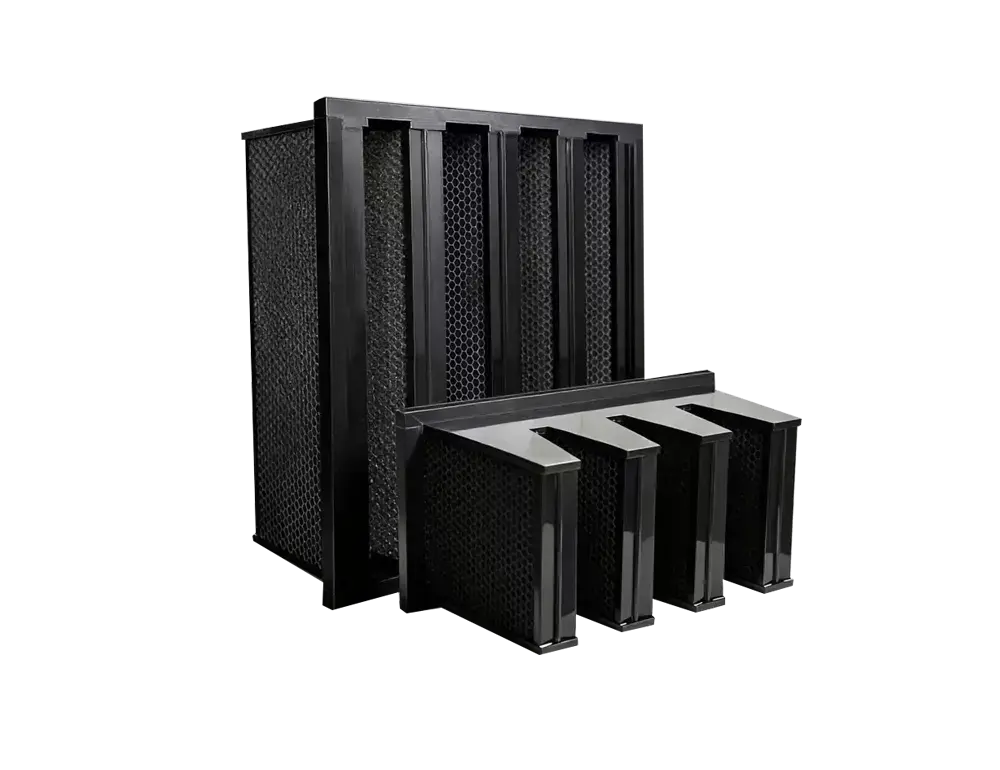
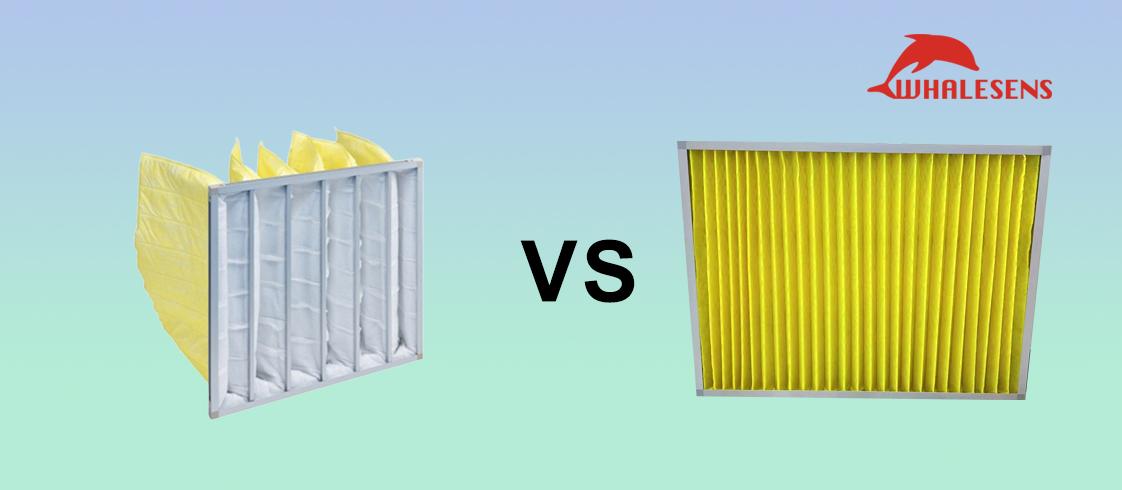
Bag-style construction delivers a larger filtration area, high dust-holding capacity, and extended service life — ideal for high-dust environments with reduced replacement frequency.
View Related Products →Compact Space-Saving Design
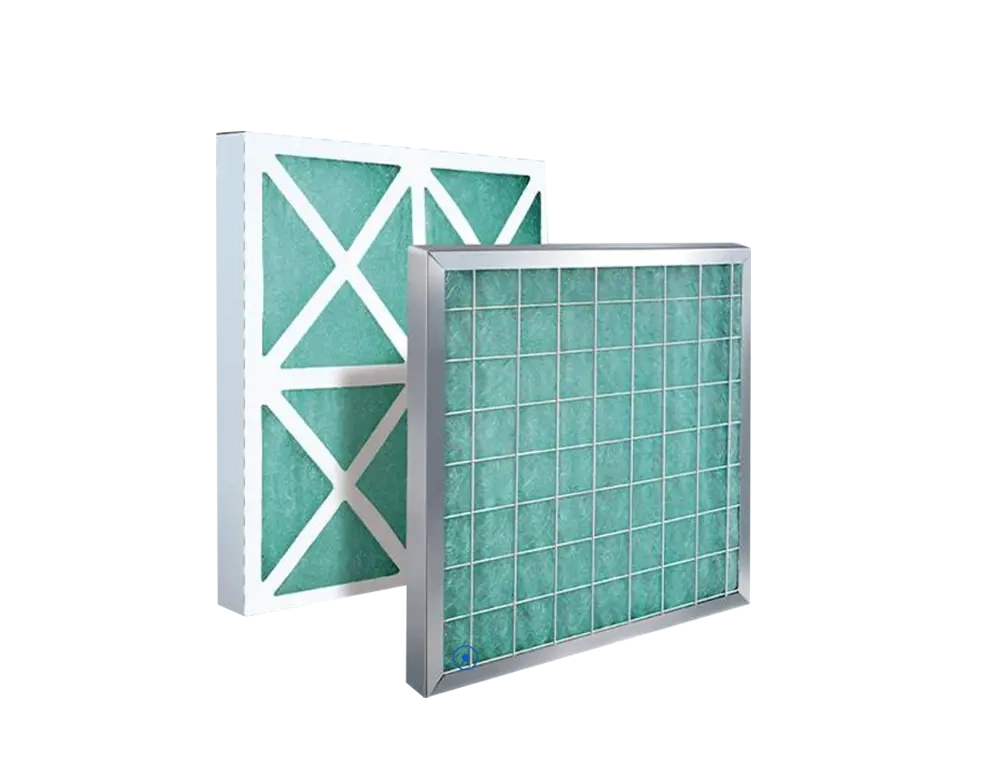
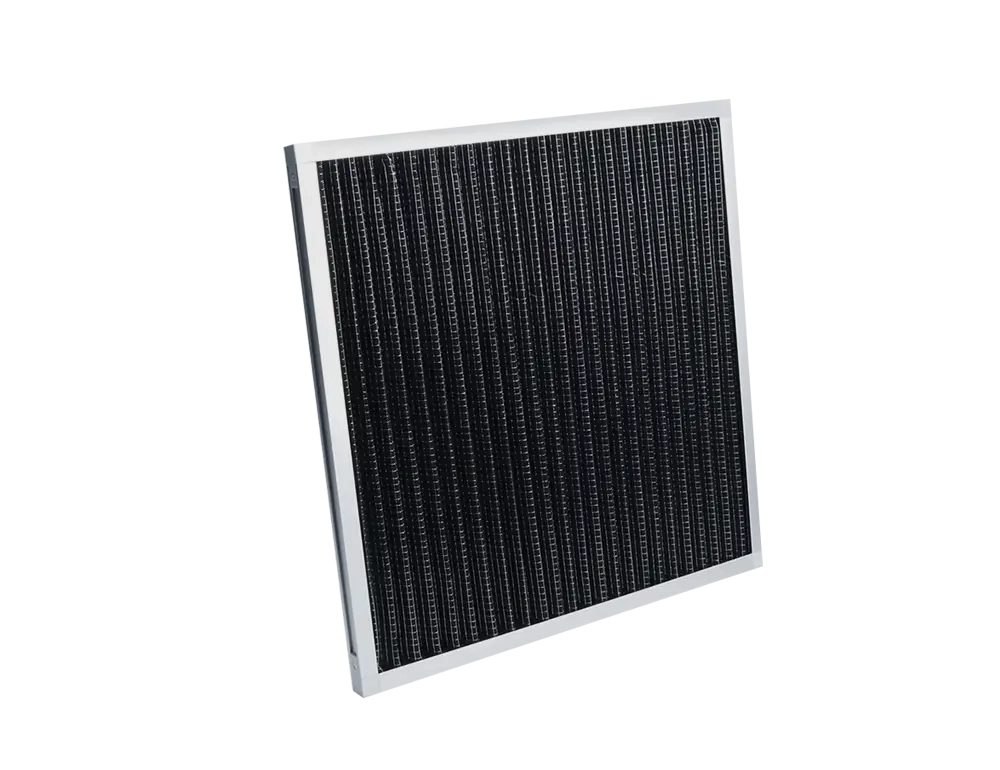
Compact form factor for easy installation and replacement; pleated structure maximizes filtration area within a small footprint for higher efficiency.
View Related Products →Energy-Saving Operation
Low-resistance design minimizes pressure drop while maintaining filtration performance, reducing fan energy consumption for cost-effective, eco-friendly operation.
View Related Products →



















 English(Global)
 简体中文
简体中文 Language
Paint Booth Filters
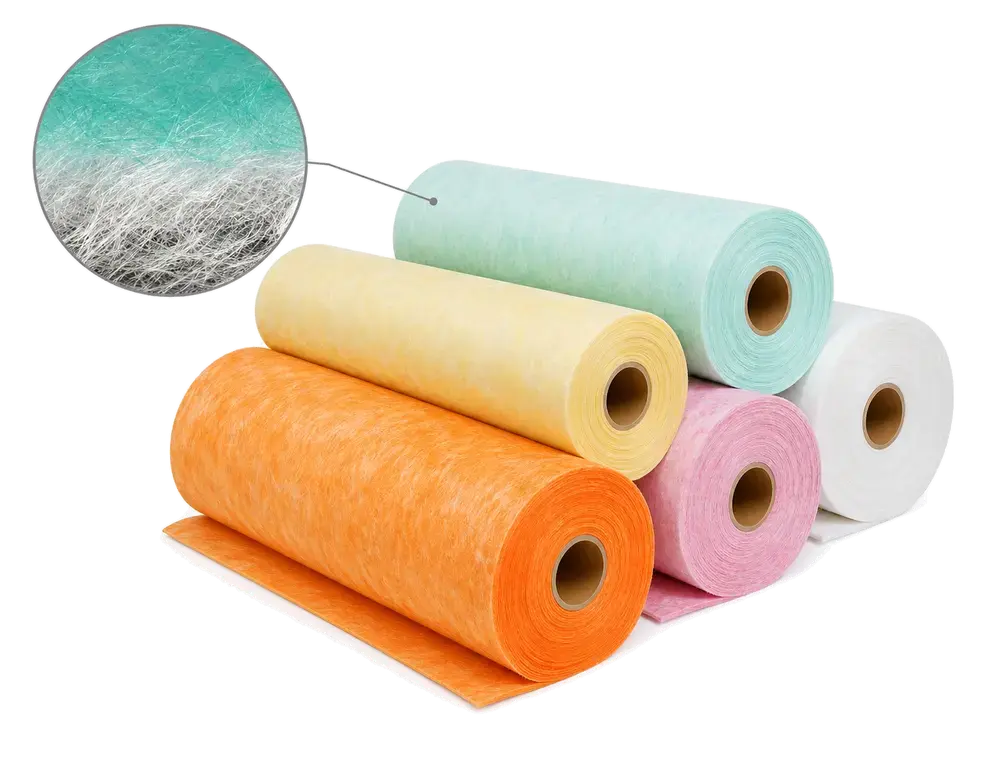
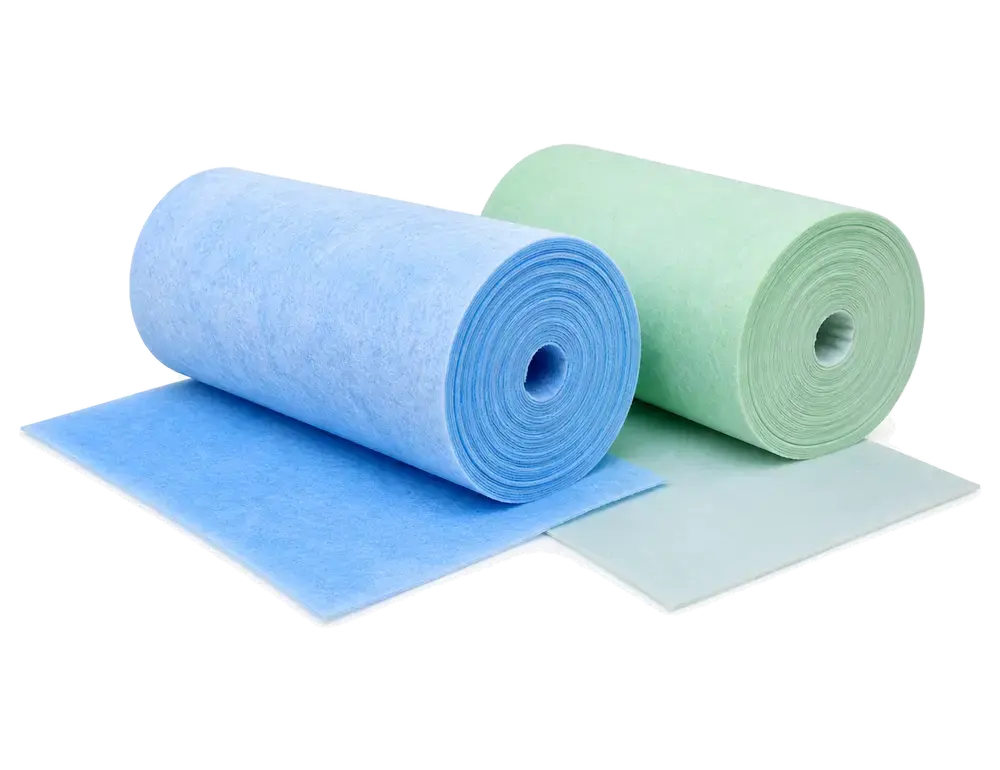
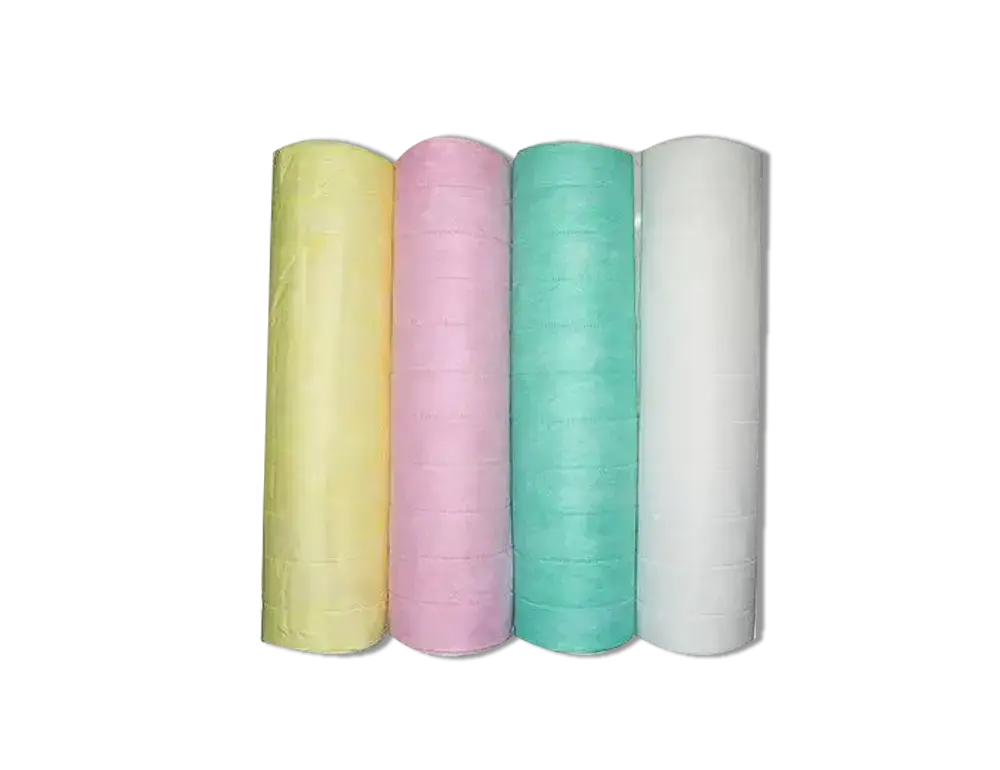
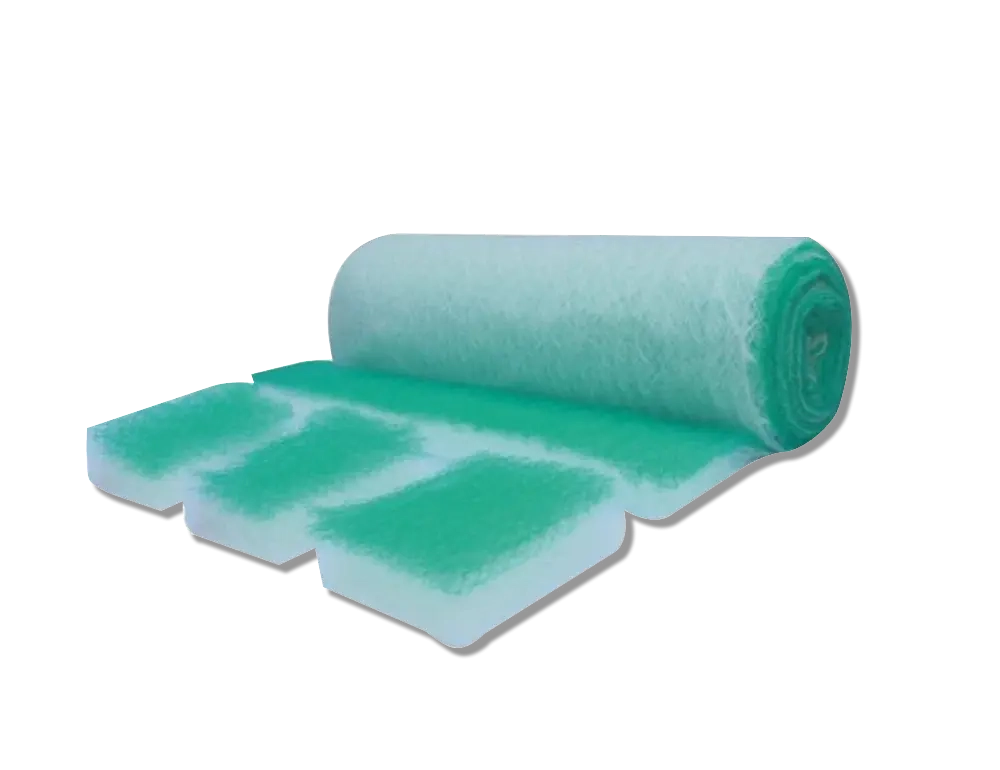
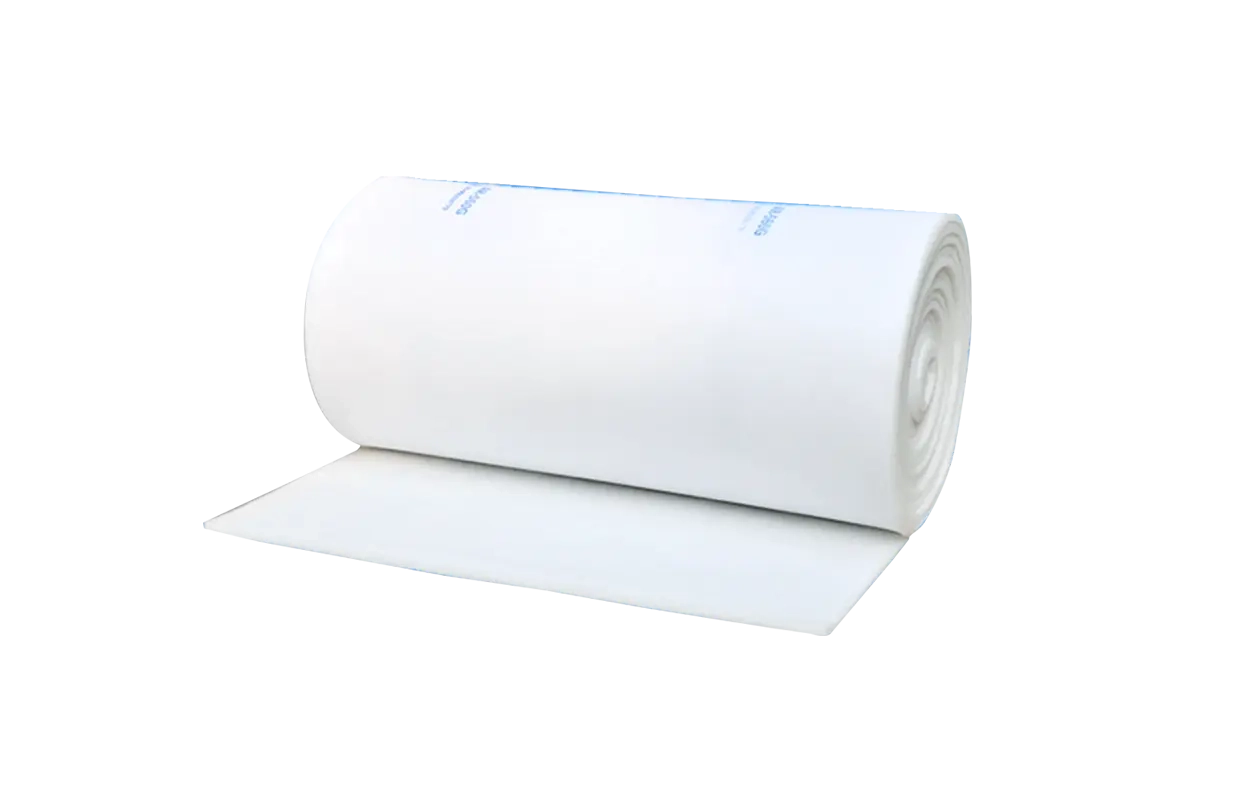
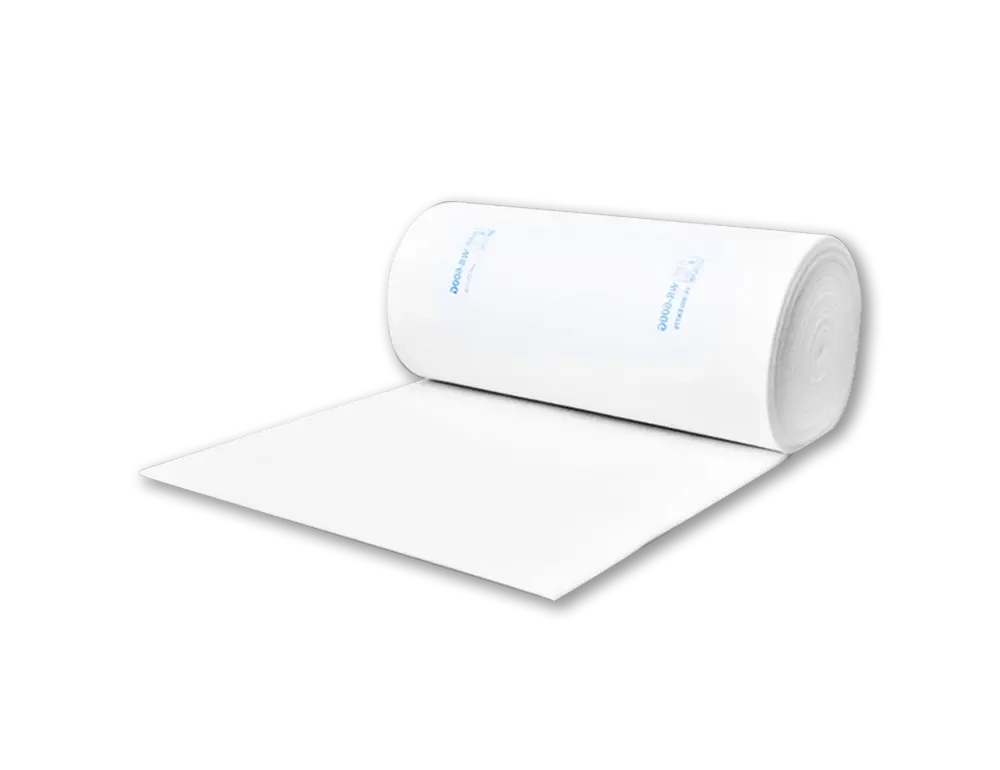
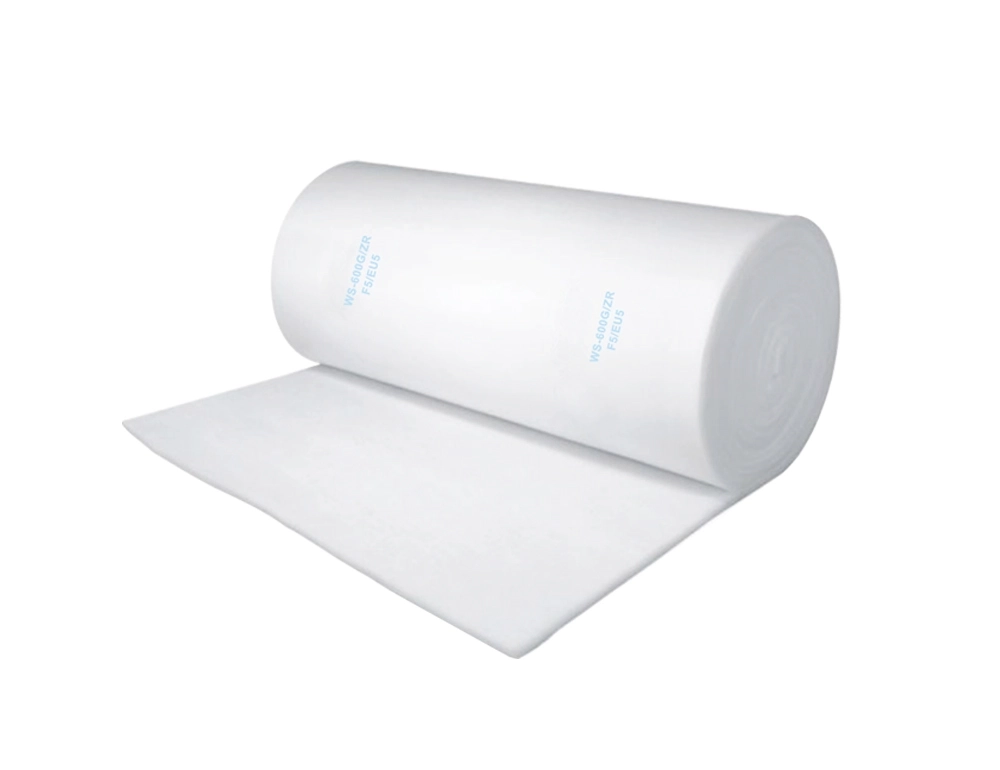
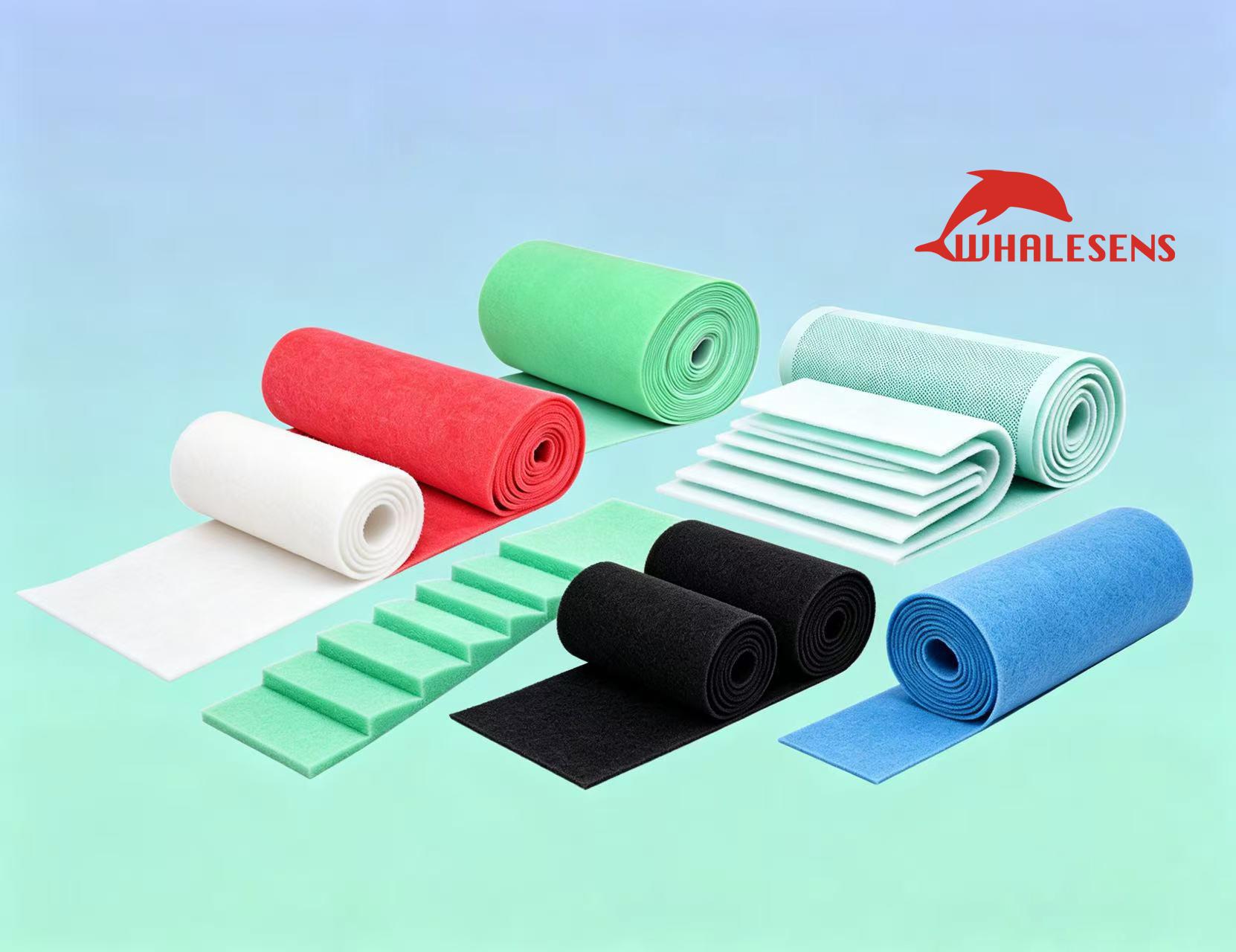
A paint booth asks three different things of its filters. Intake air has to be clean before it reaches the booth; the ceiling filter has to spread that air evenly and hold overspray; and the exhaust stage has to trap what is left before it leaves the stack. Whalesens supplies all three: intake panel filters, ceiling filter media in rolls, and DPA pocket filters for the exhaust plenum.
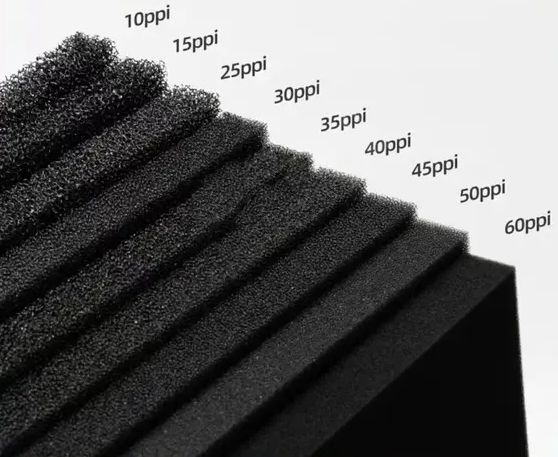
Ceiling media is graded F5 / M5 with a polyester gradient density, and the pocket filters are G3 and G4 with an anti-adhesive surface treatment so overspray does not bridge the pockets. Tell us the booth type, the paint system and the airflow, and we will match the stages.
Paint Booth Filters range
Selection table
| Model | Filtration grade | Media | Initial resistance | Final resistance | Rated airflow | Temperature |
|---|---|---|---|---|---|---|
| DPA Spray Booth Bag Filters | G3, G4 (EN779); EU3, EU4 | Special synthetic fiber with anti-adhesive surface treatment, strong water resistance | 30 Pa (G3), 45 Pa (G4) | 200 Pa (G3), 250 Pa (G4) | 3,200 m³/h | ≤100 °C |
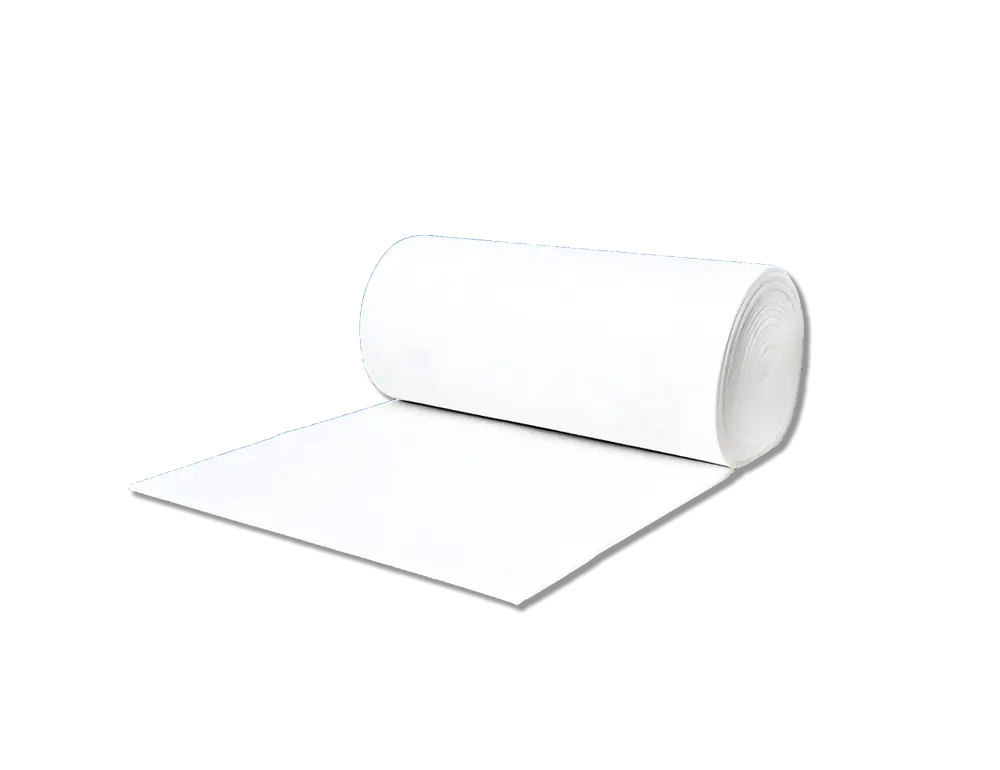
| Paint Booth Ceiling Air Filter Media (WS-560G) | F5 / M5 (EN779), MERV9 | Polyester fibre (PET), gradient density | 25 Pa | 125 Pa | 1,080 m³/h | ≤100 °C |
| Paint Booth Ceiling Air Filter Media (WS-ZR600G) | M5 (EN779), MERV9 – MERV10 | 100% polyester fibre (PET), graded density | ≤ 45 Pa | 400 Pa | 900 m³/h | ≤ 100 °C |
| Paint Booth Ceiling Air Filter Media (WS-600G) | F5 / M5 (EN779), MERV9 | Polyester fibre (PET), gradient density | 30 Pa | 450 Pa | 900 m³/h | ≤100 °C |
| Spray Booth Air Filter | G3, G4 (EN779); EU3, EU4 (EUROVENT) | Non-woven fabric with progressive density; optional activated carbon filter cotton | 10 Pa (G3) / 20 Pa (G4) | 250 Pa | 1,600 – 3,200 m³/h | ≤ 170 °C |
How it compares
Intake, ceiling and exhaust
The intake filter protects the booth from outside dust and is a coarse to medium panel or bag. The ceiling filter is judged on diffusion — it has to spread air evenly and hold paint mist without sagging. The exhaust filter carries the heaviest load and is selected on paint-holding capacity, not on filtration grade.
Ceiling media vs pleated panel
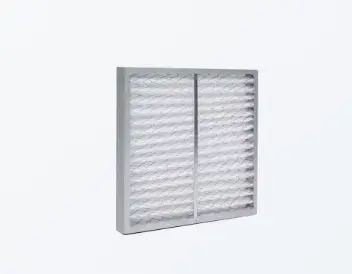
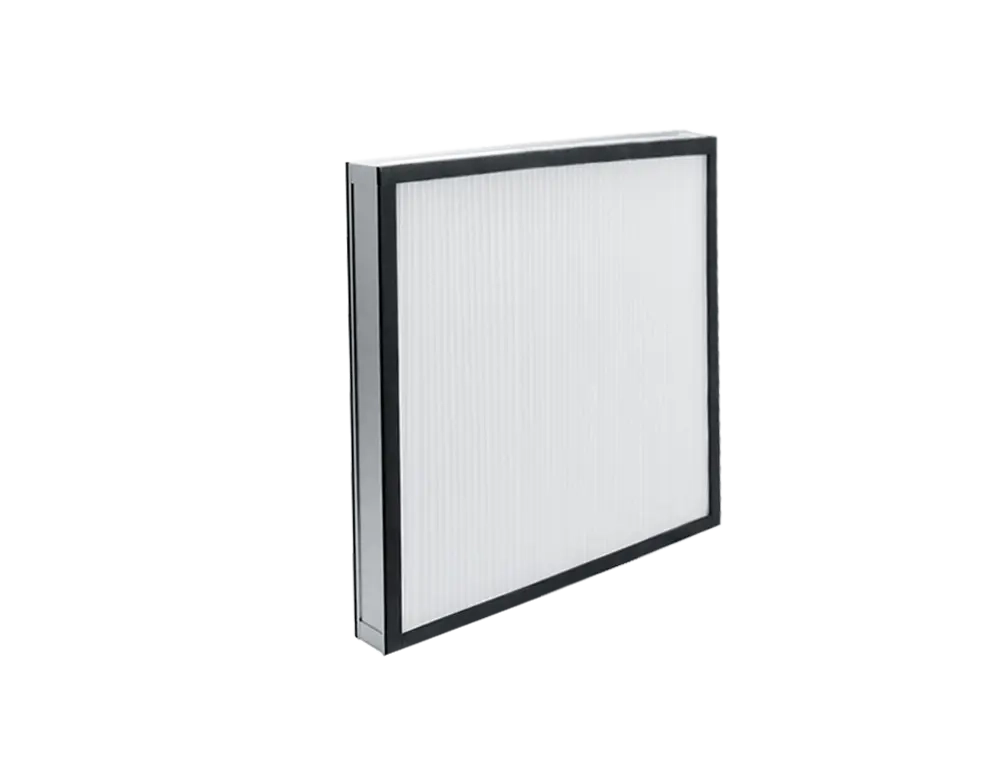
Roll media is laid over the ceiling grid and replaced by the sheet, which suits a large flat area and a frequent change interval. A pleated panel is a framed filter used in the intake plenum or on smaller booths where a holding frame already exists.
Dry booth vs wet booth
A dry booth relies on filter media for the overspray and generates a solid waste stream, which is cheaper to dispose of than water treatment. A wet booth uses a water curtain for most of the paint and filters only the residue, so the filter load is much lighter.
Where it is used
Automotive refinish and paint shops
Full intake, ceiling and exhaust filter sets for spray booths, including the pocket stage that keeps paint mist out of the extraction duct.
Paint shop case →Industrial coating lines
Coil, furniture and general industrial coating lines, where overspray volume is high and the exhaust filter is the bottleneck.
Coating line solutions →VOC compliance in chemical plants
Where the booth sits inside a VOC-controlled process, the paint arrestor stages have to protect the carbon stage that follows.
Chemical VOC case →Paint shops under VOC regulation
Filter checklists for shops that have to demonstrate compliance under national VOC rules, including change intervals and waste handling.
VOC filter checklist →