


EV Charging Stations
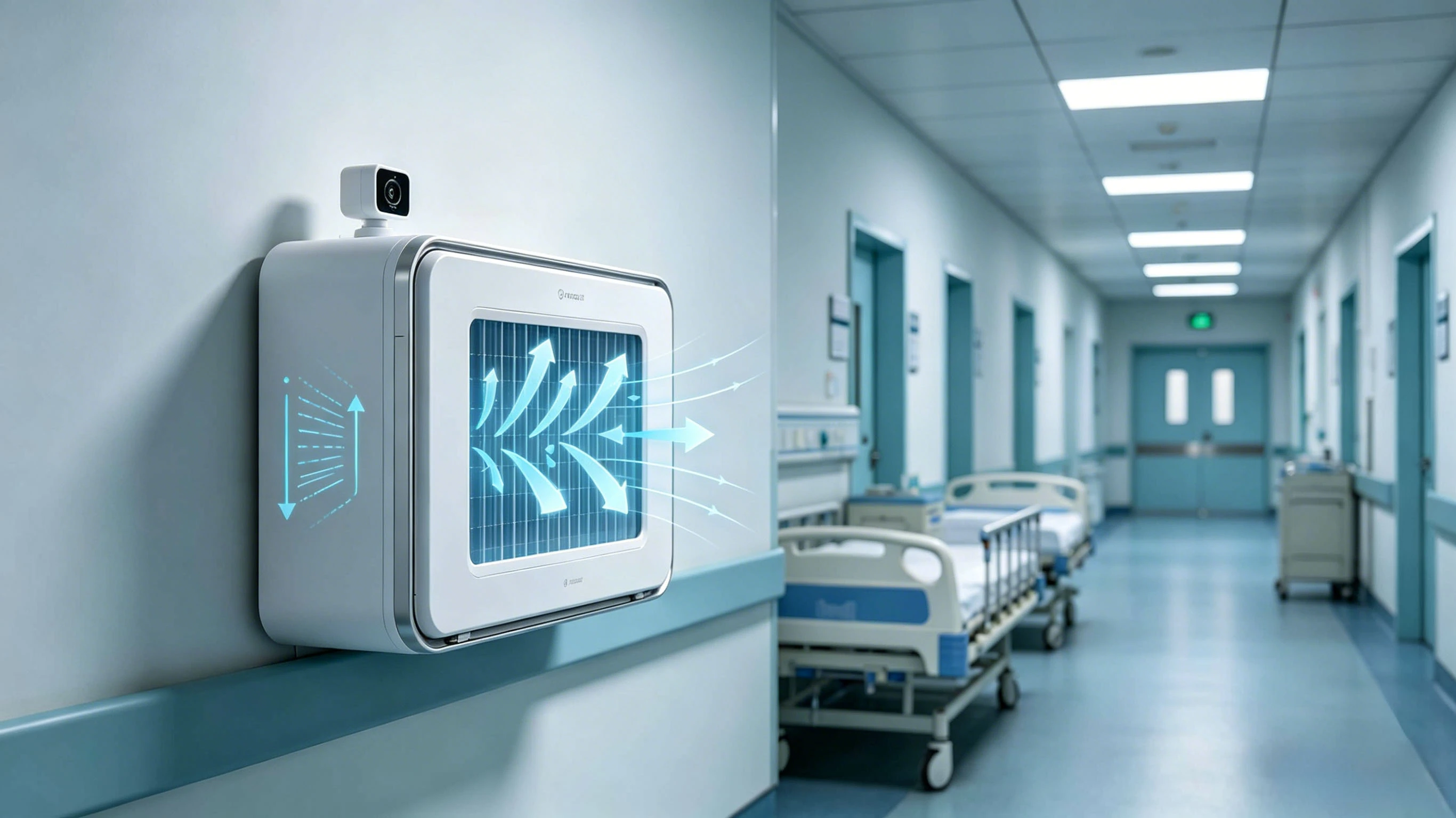
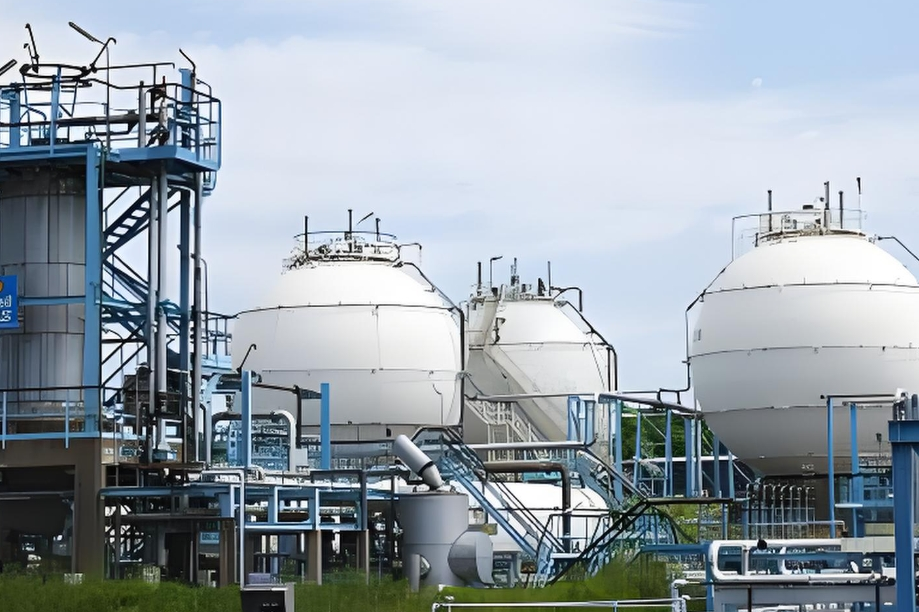
Filtration for Power Equipment
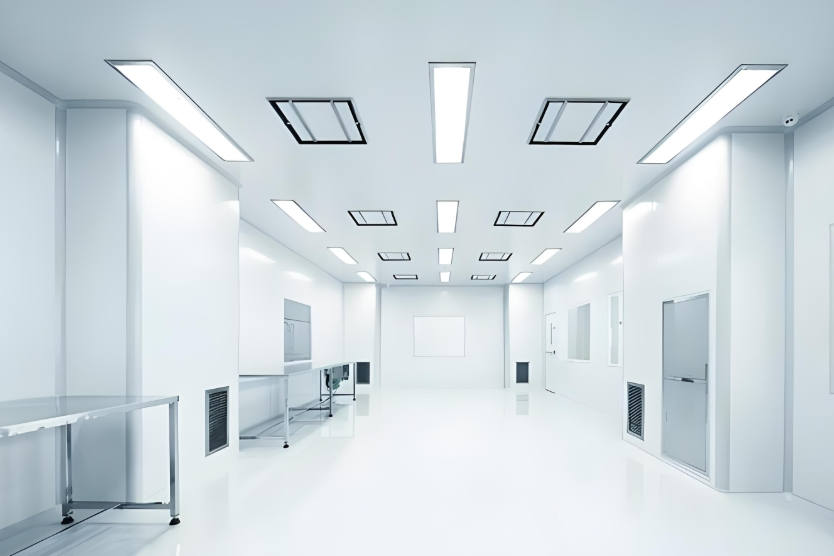
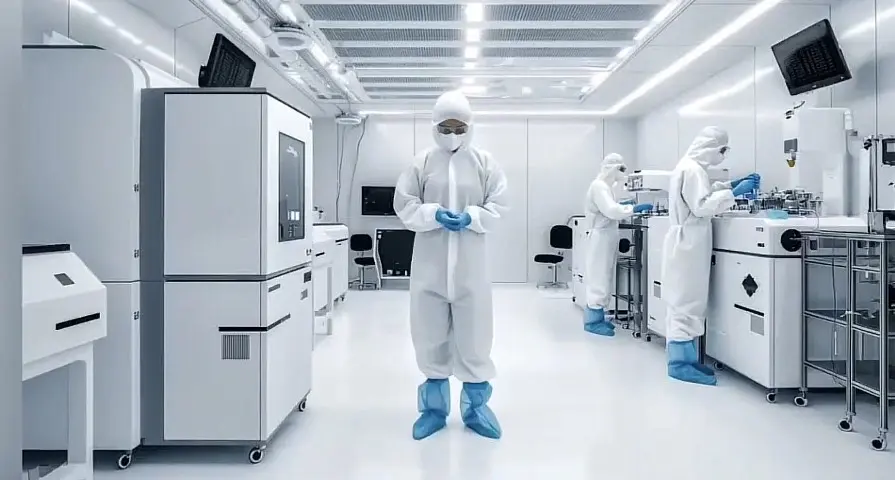
Cleanroom & Semiconductor
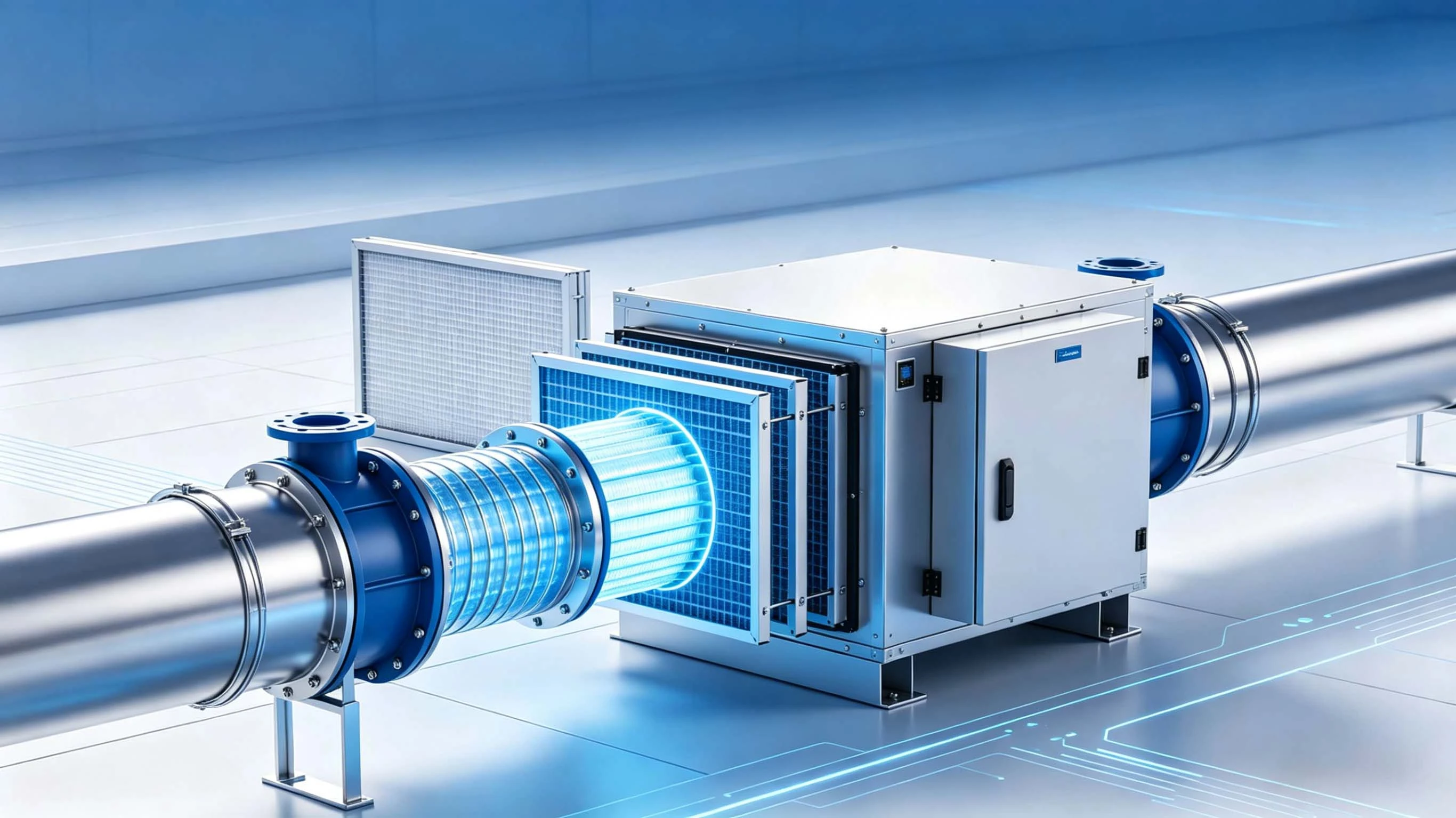
Ultra-High Cleanliness Filtration
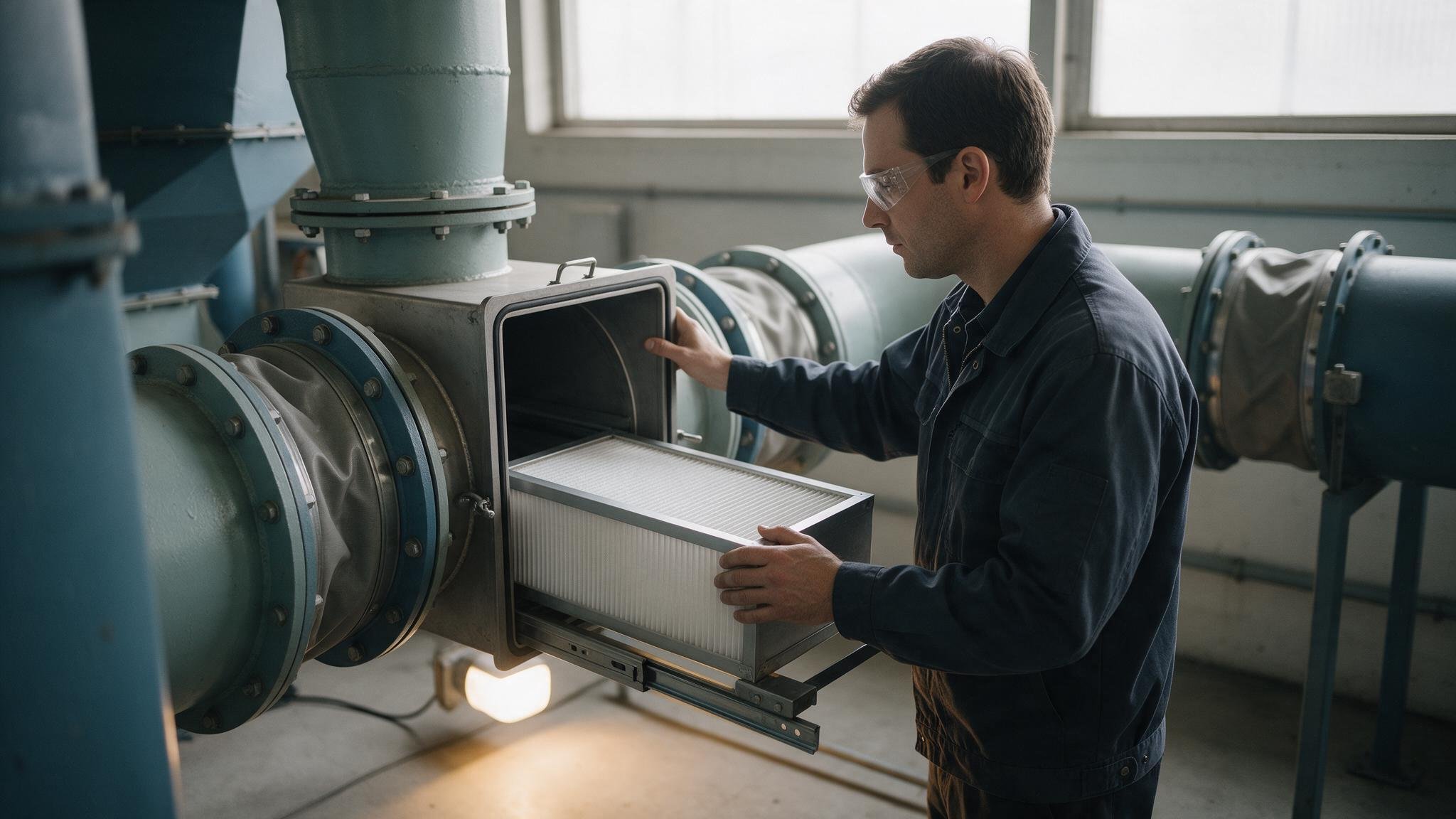
Commercial HVAC
Central Air System Filtration
Data Centers
Precision Equipment Protection
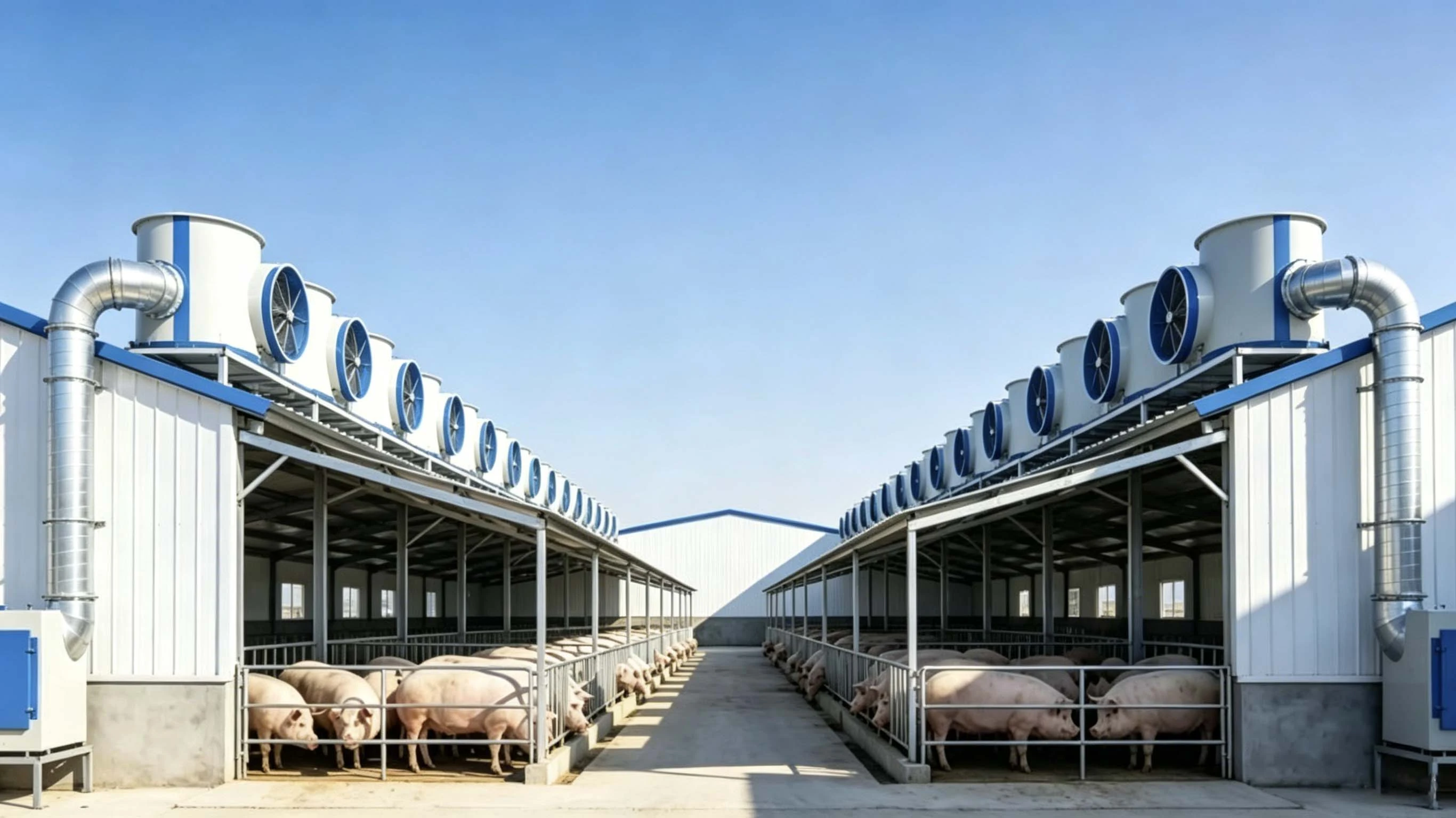
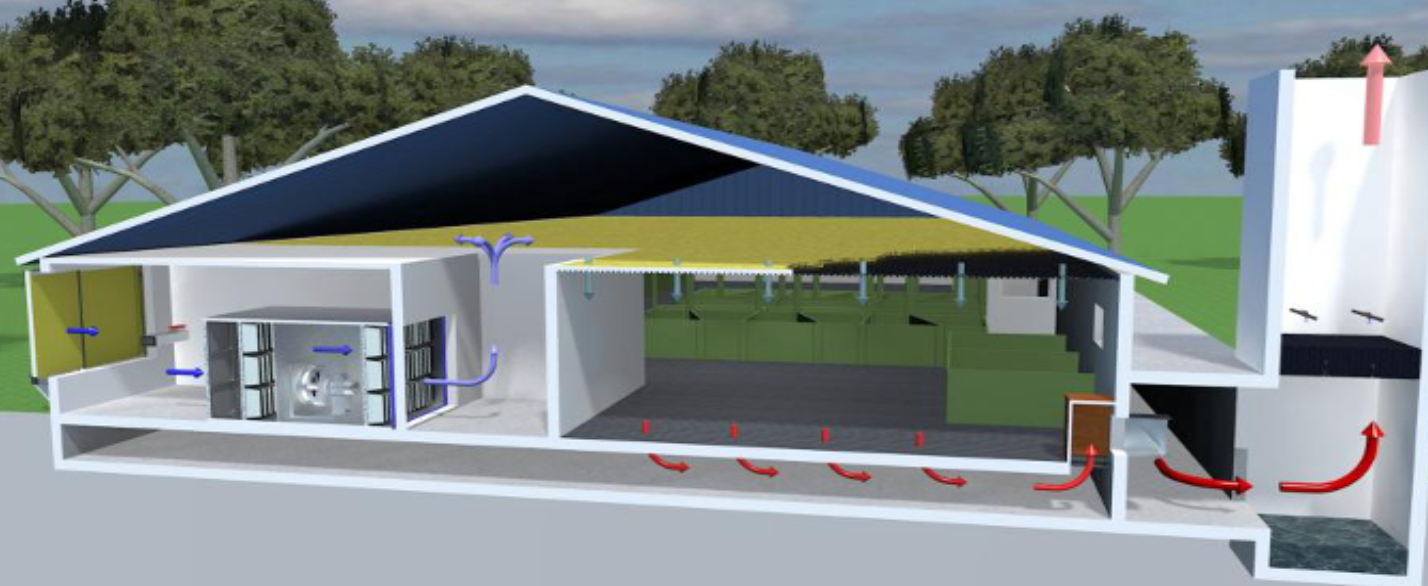
Livestock & Farming
Farming Environment Purification
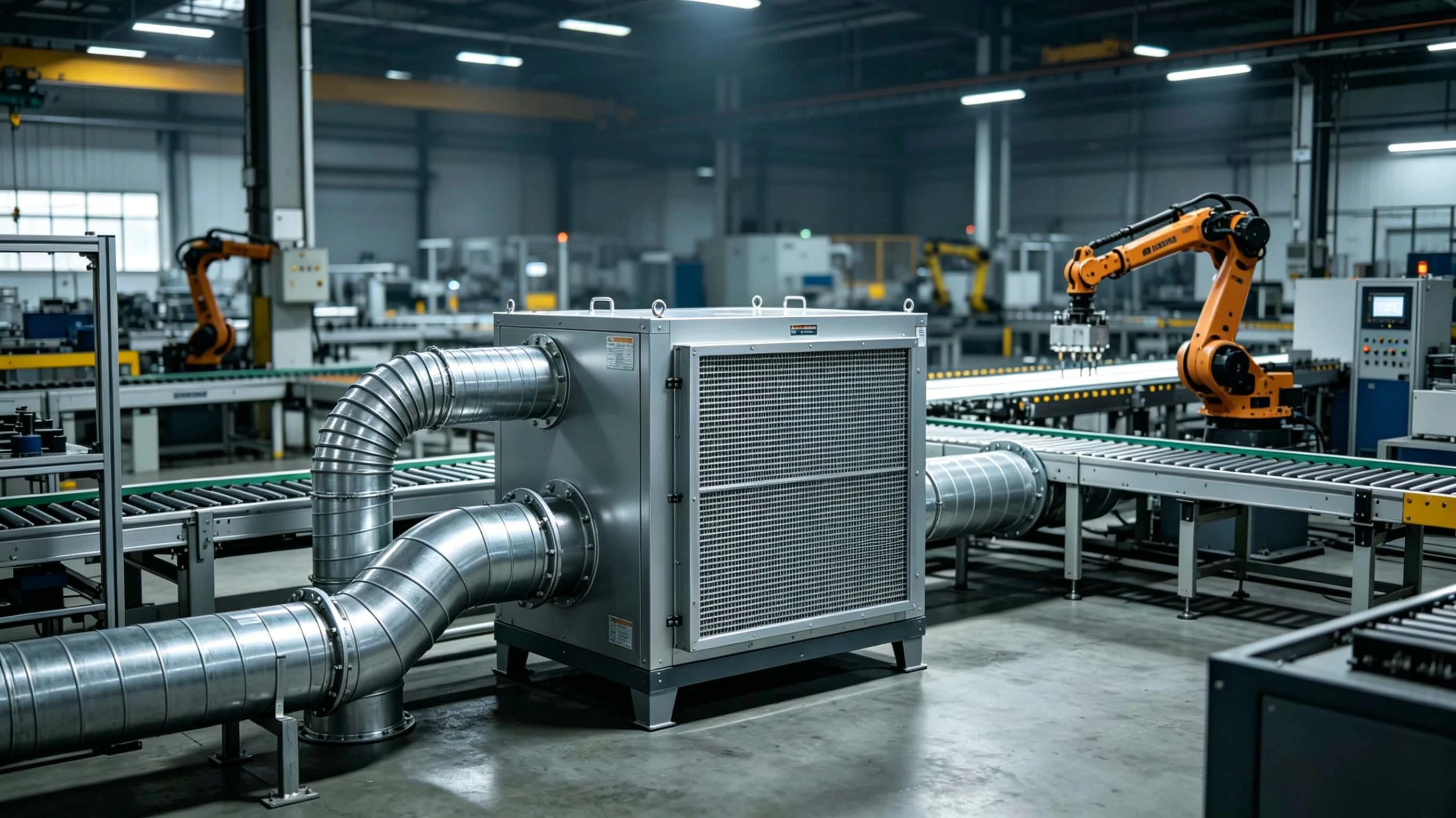
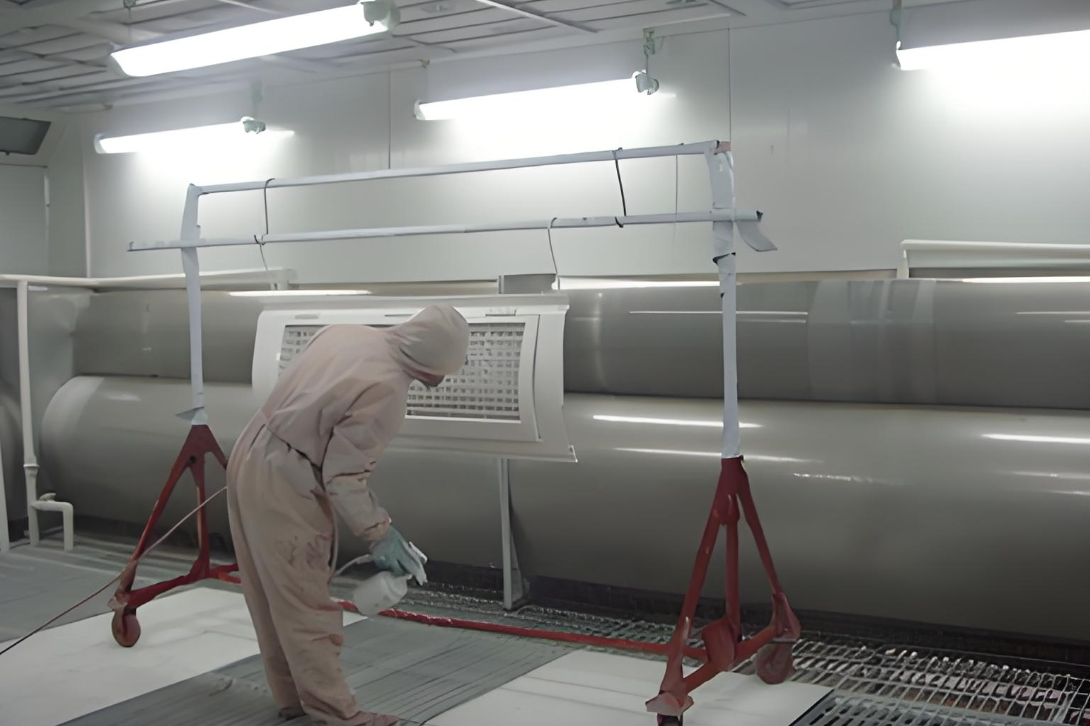
Spray Booths & Industrial Dust
Paint Mist & Dust Purification
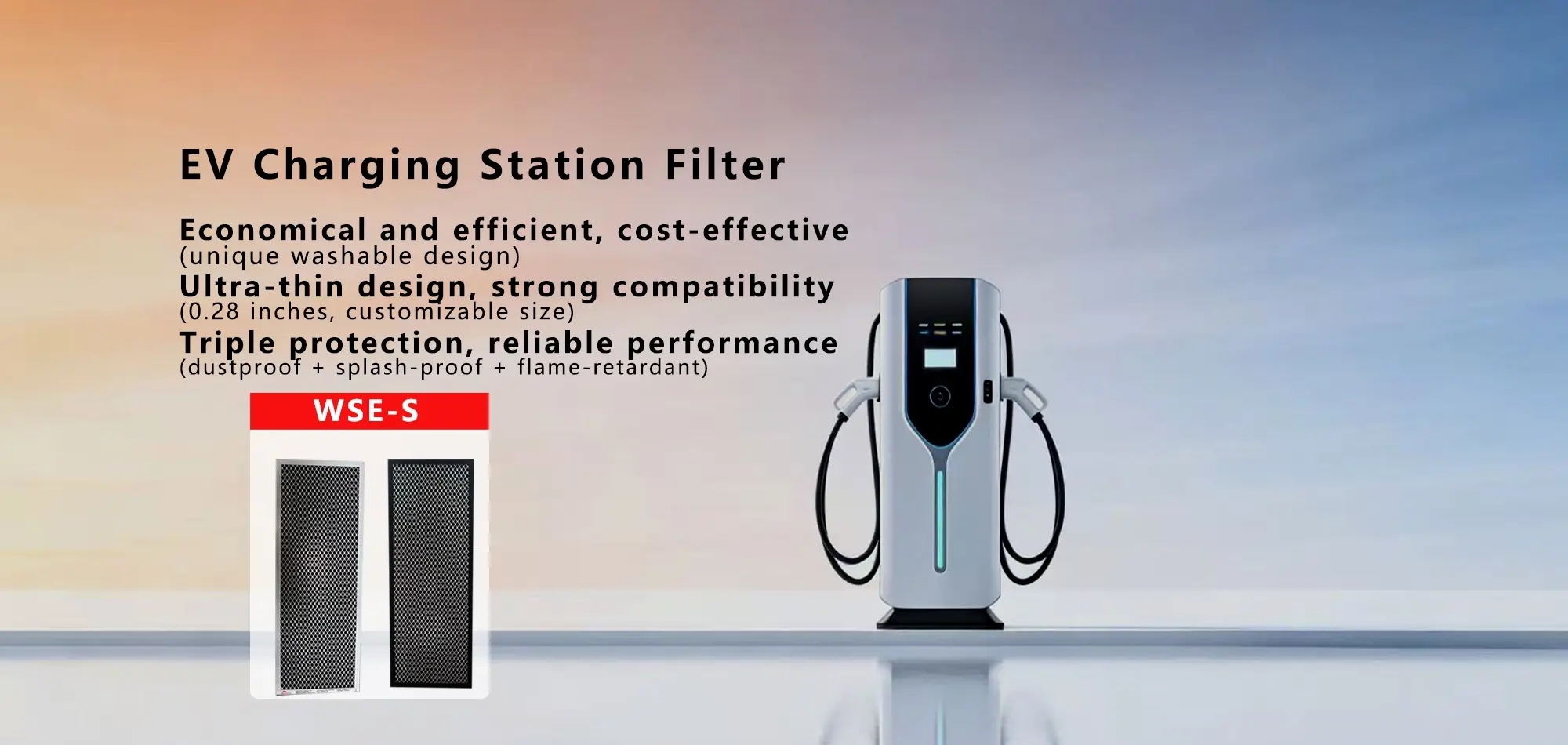
Filtration for Power Equipment
Professional air filtration for EV charging devices, protecting against dust and sand ingress to ensure stable, reliable operation of charging piles and station infrastructure.
View Related Products →Ultra-High Cleanliness Filtration
Ultra-high efficiency filtration for semiconductor wafer fabs and precision electronics cleanrooms, capturing nano-scale particles to meet ISO Class 1–3 standards and maximize product yield.
View Related Products →Central Air System Filtration
High-efficiency filtration for commercial building HVAC systems, improving indoor air quality, reducing energy consumption, and extending equipment service life.
View Related Products →Precision Equipment Protection
Precision air filtration for data centers, shielding servers and critical hardware from dust contamination to keep cooling systems running efficiently and reliably.
View Related Products →Farming Environment Purification
Dedicated filtration systems for farms and livestock facilities — capturing dust, adsorbing ammonia, and inhibiting pathogen spread to improve animal health and overall productivity.
View Related Products →Paint Mist & Dust Purification
Designed for spray booths and grinding workshops, efficiently capturing paint mist, metal dust, and wood chips to meet emission standards while protecting finished surface quality.
View Related Products →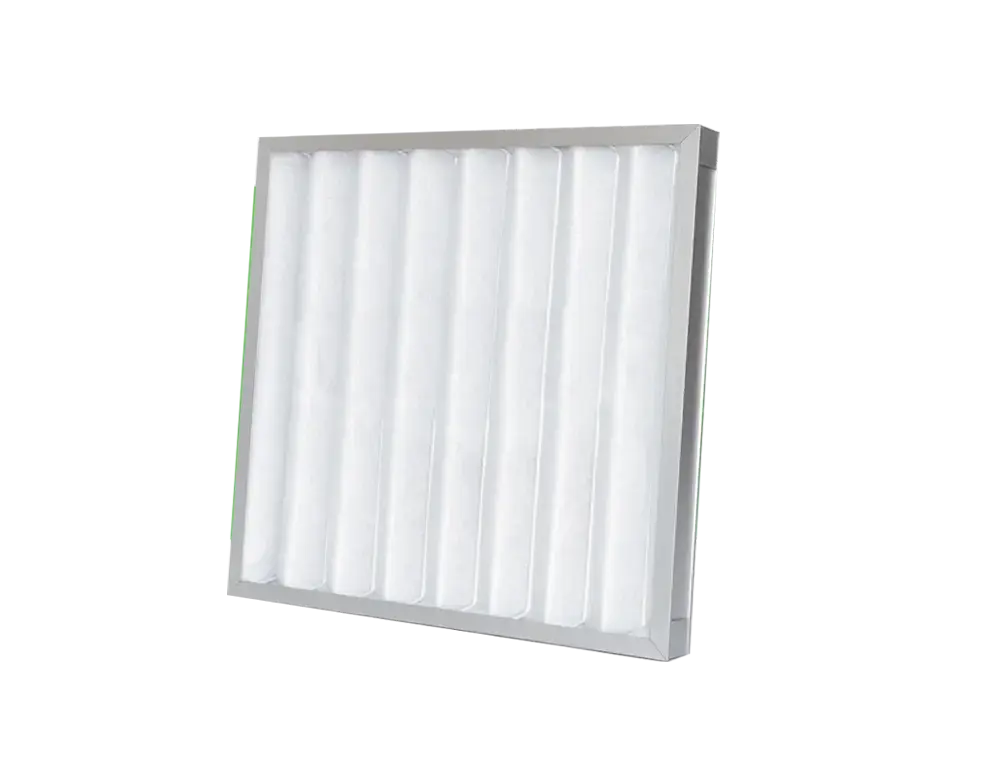
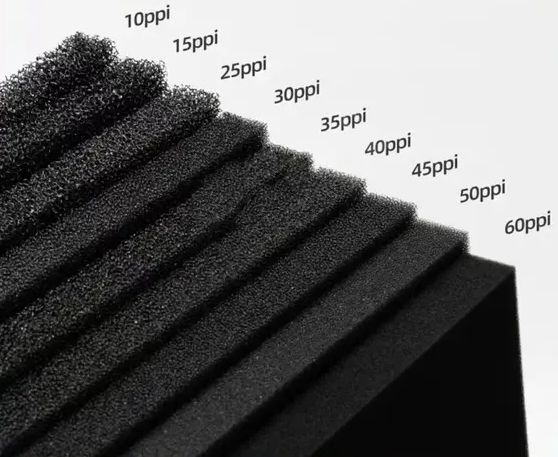
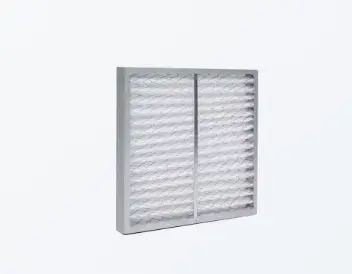
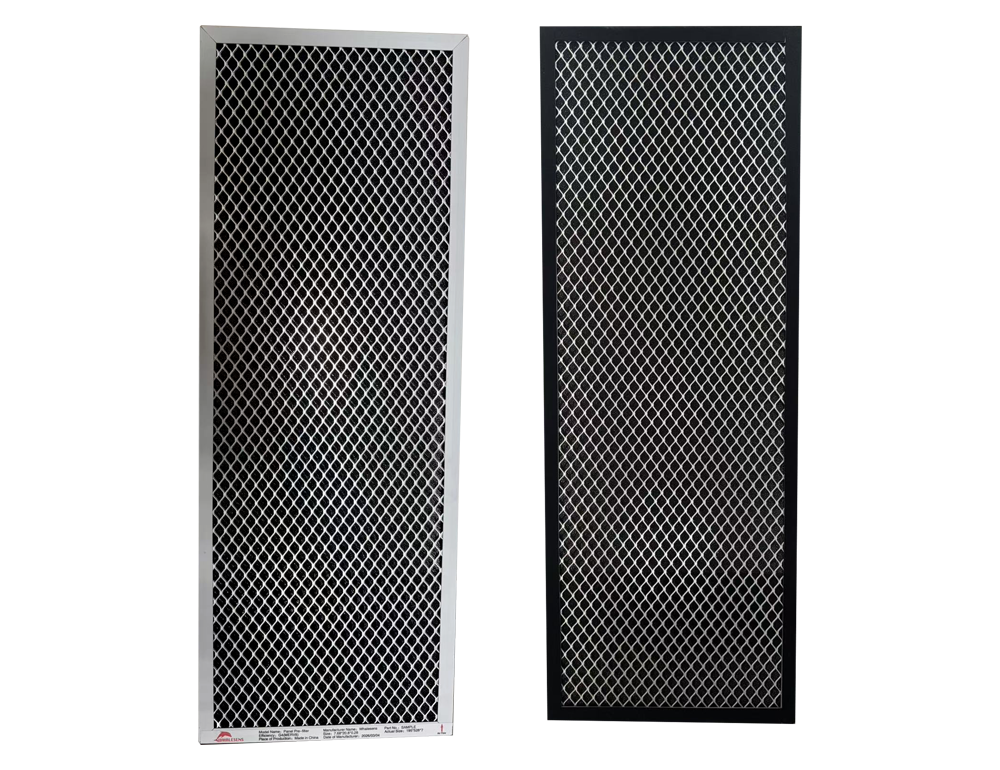
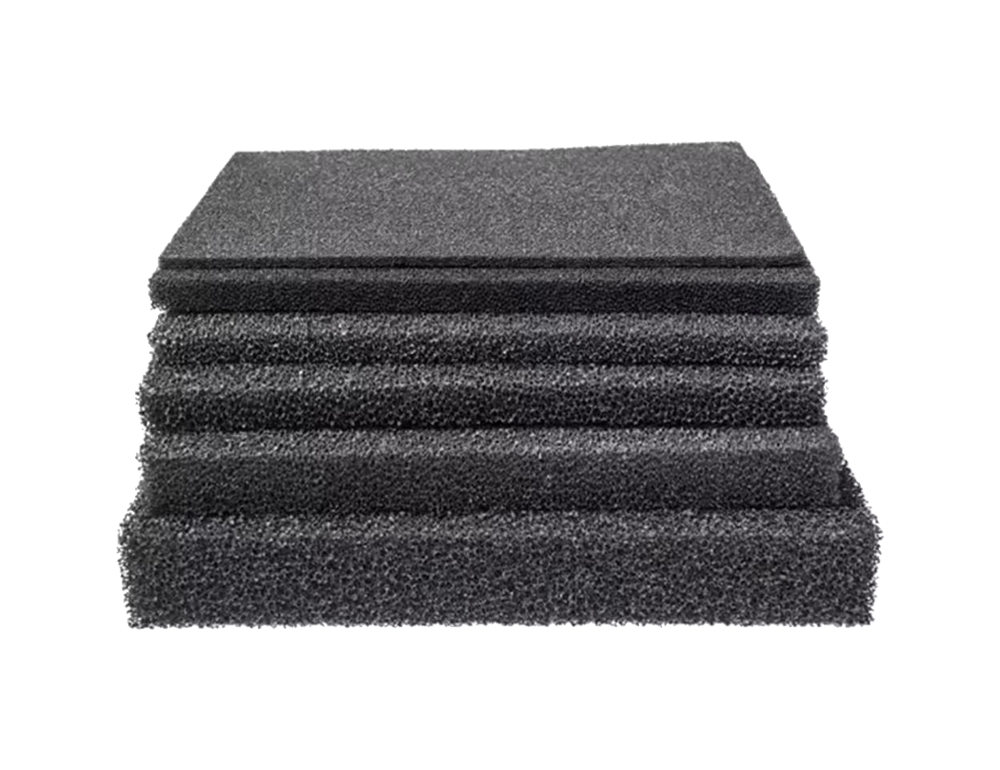
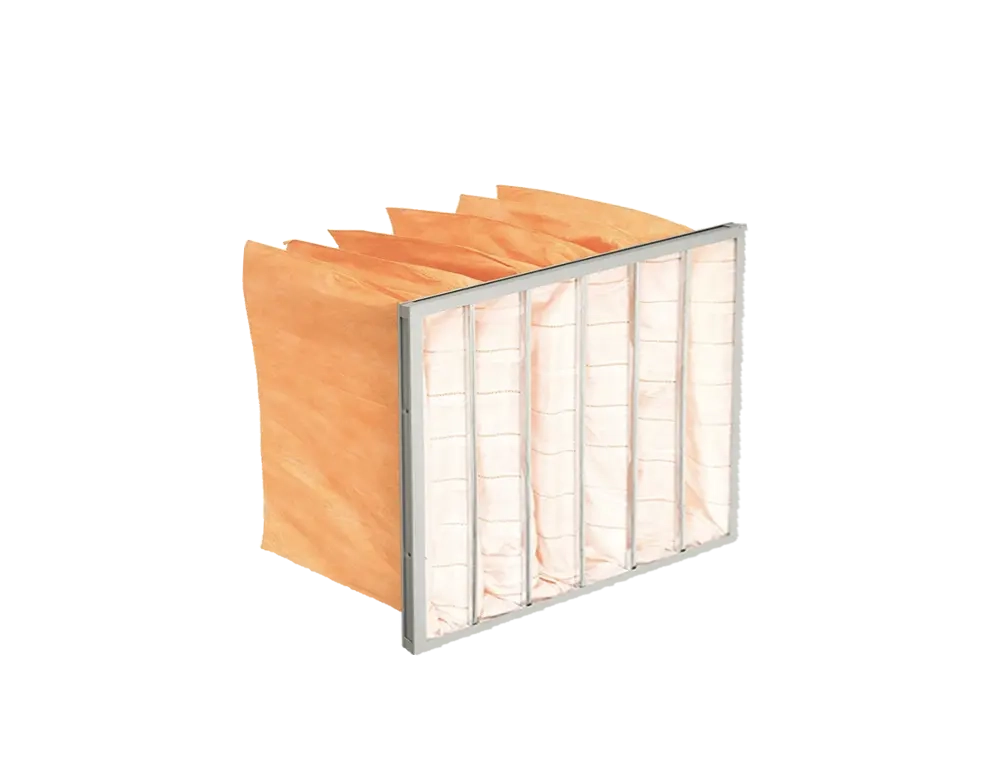
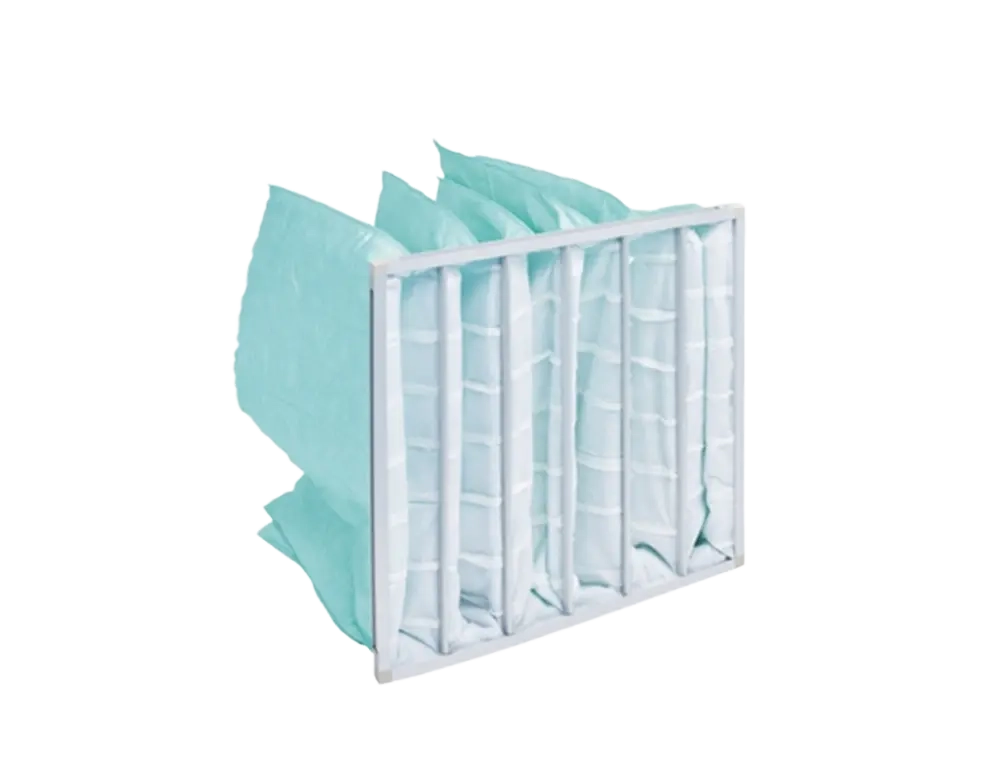
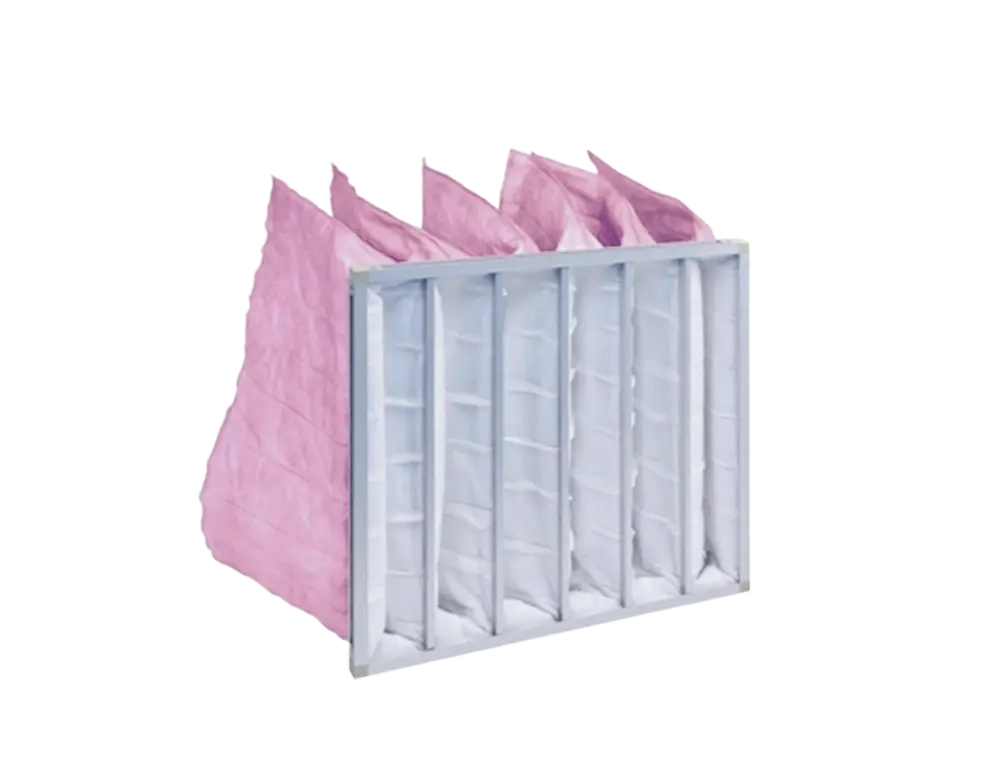
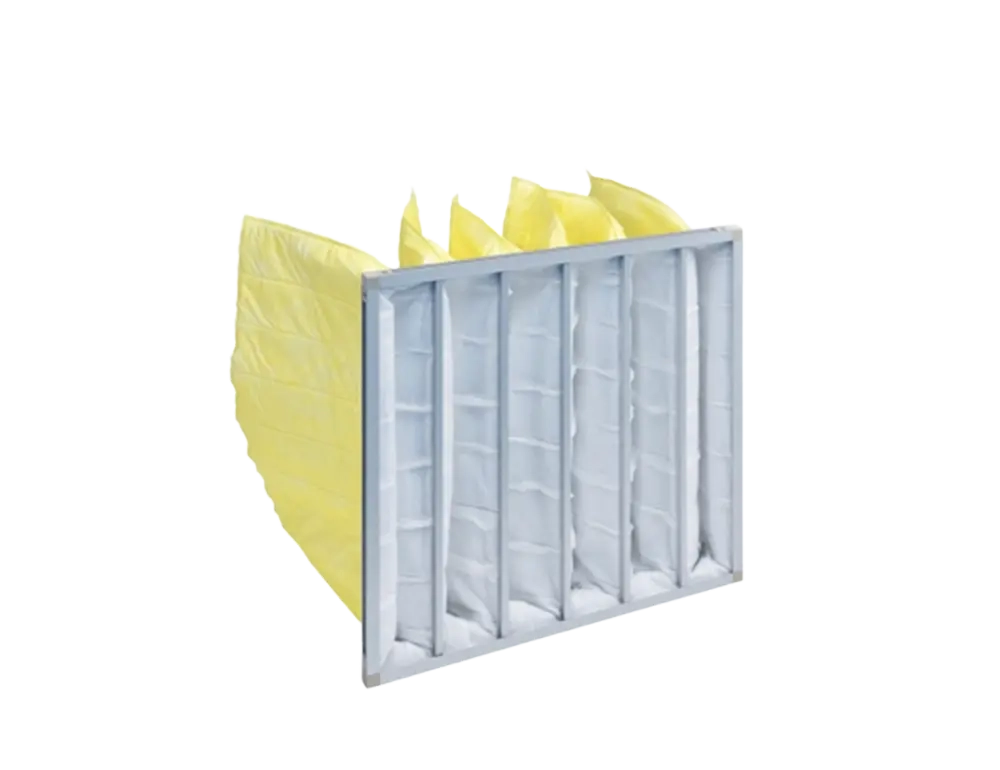
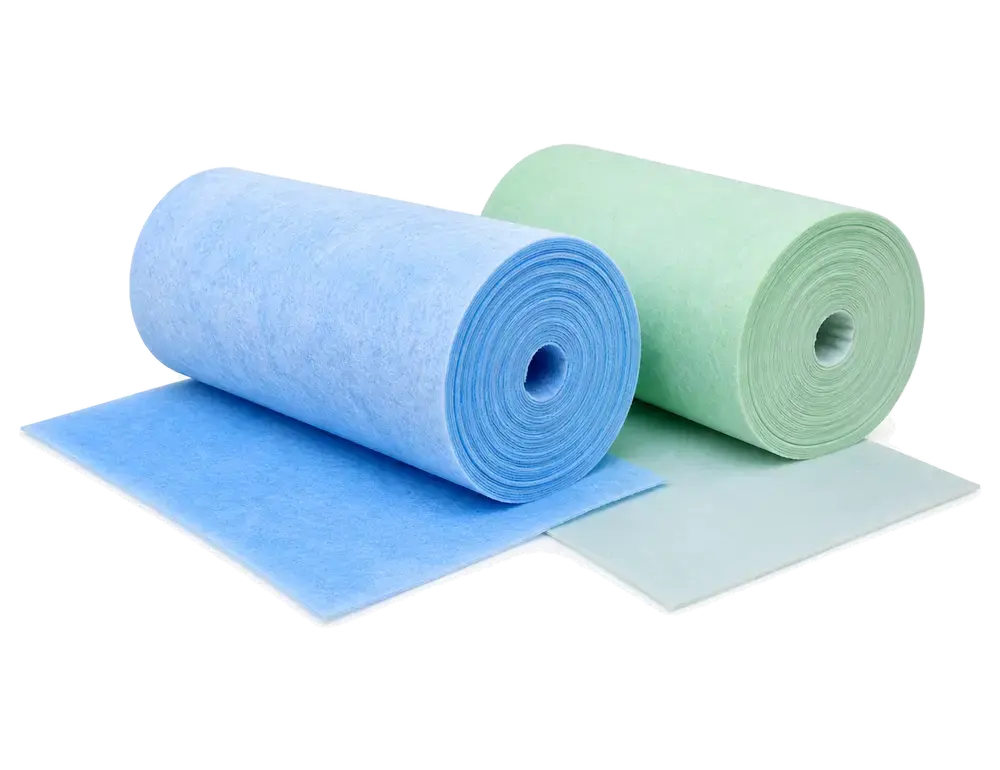
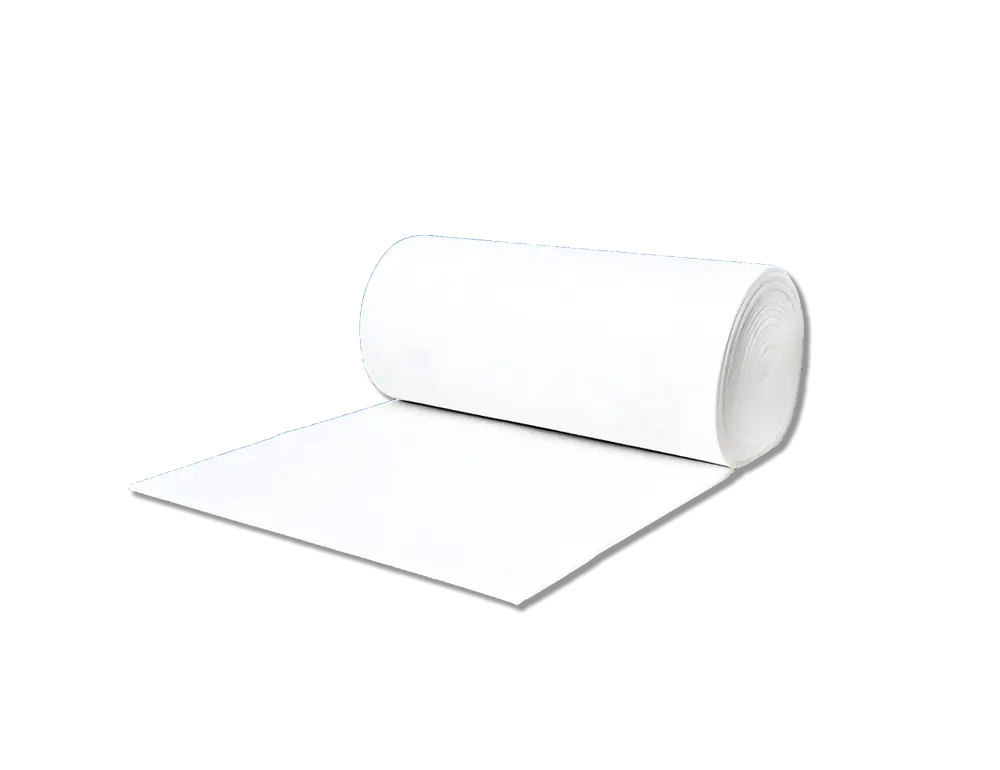
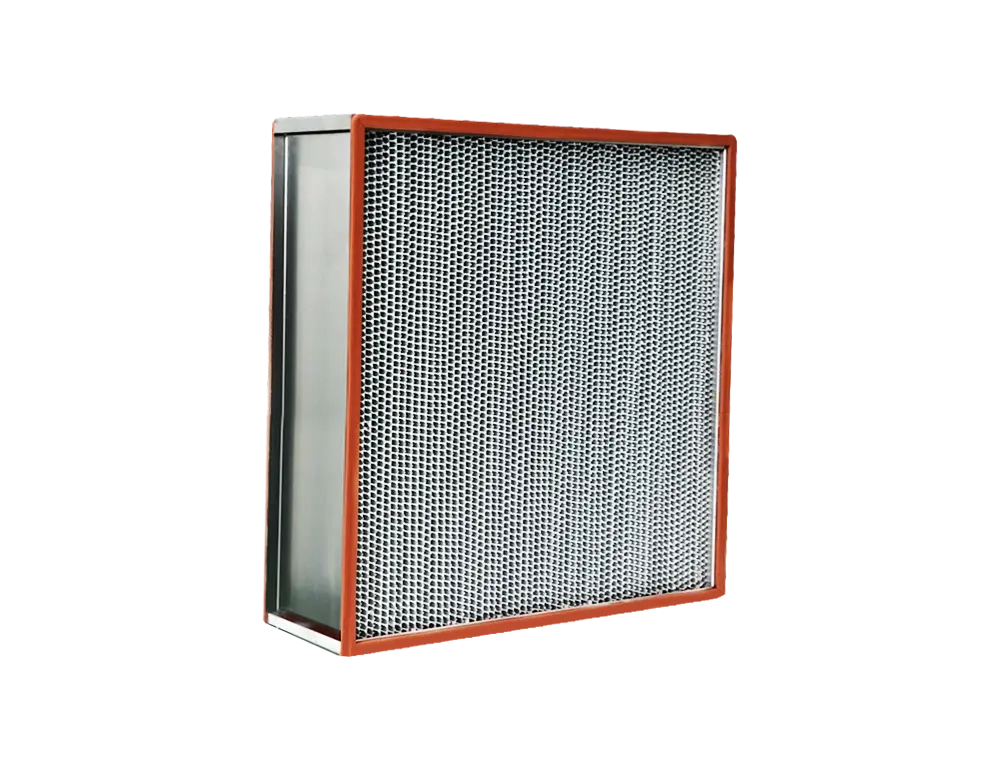
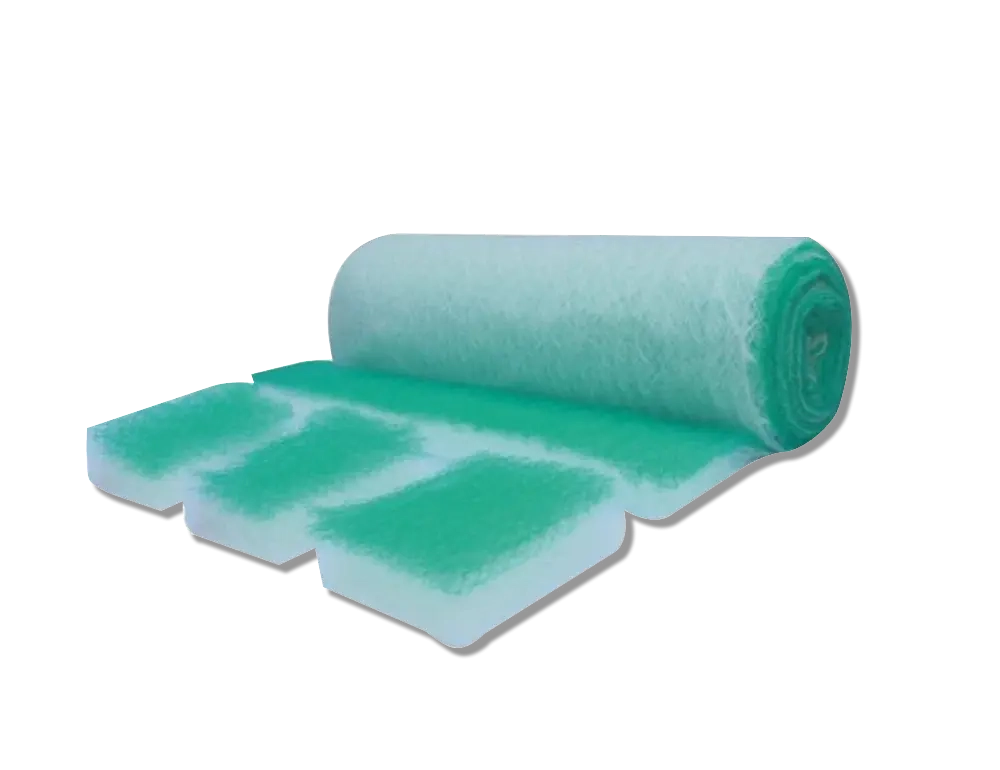
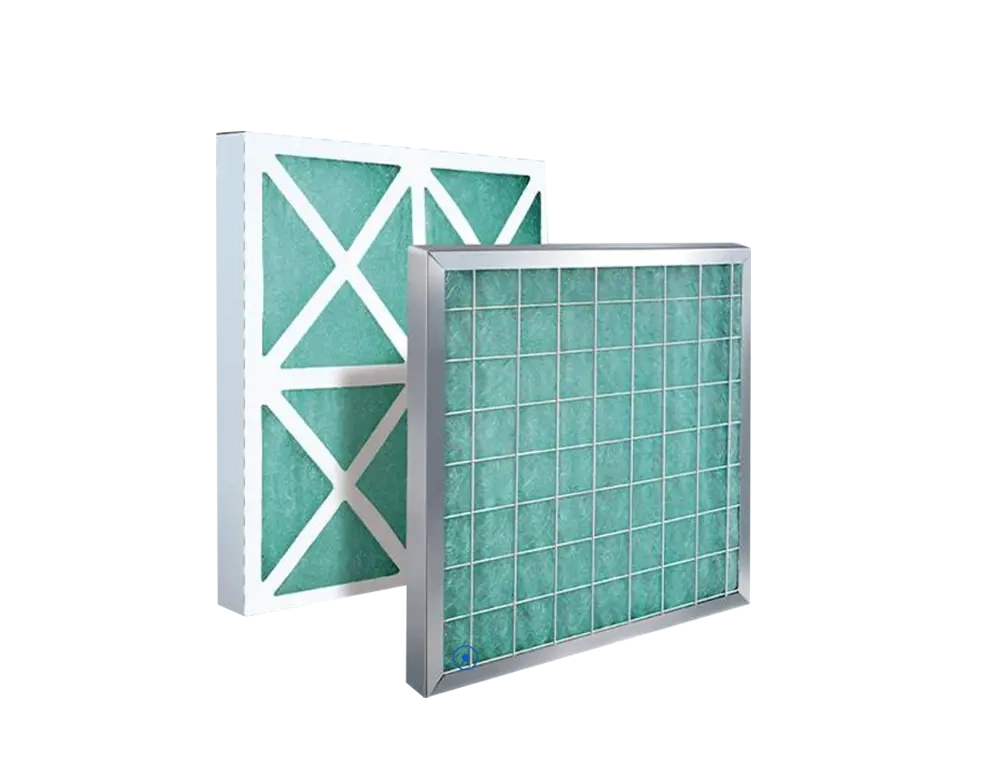
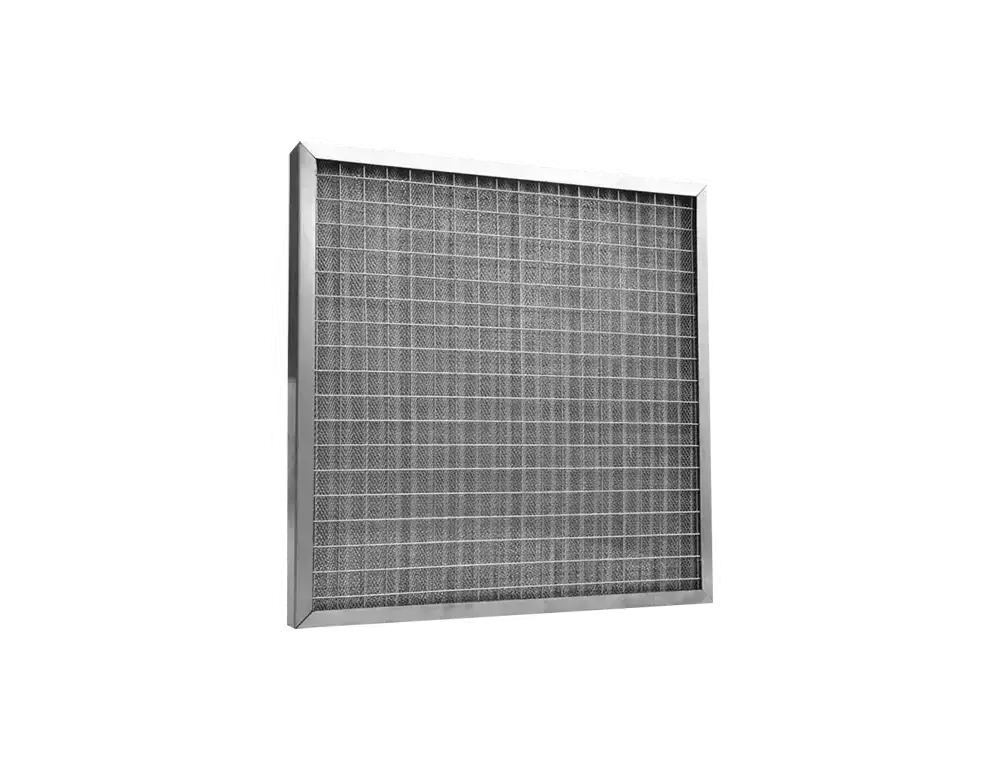
Pre-Filter (G1–G4)
First-Stage Large-Particle Capture
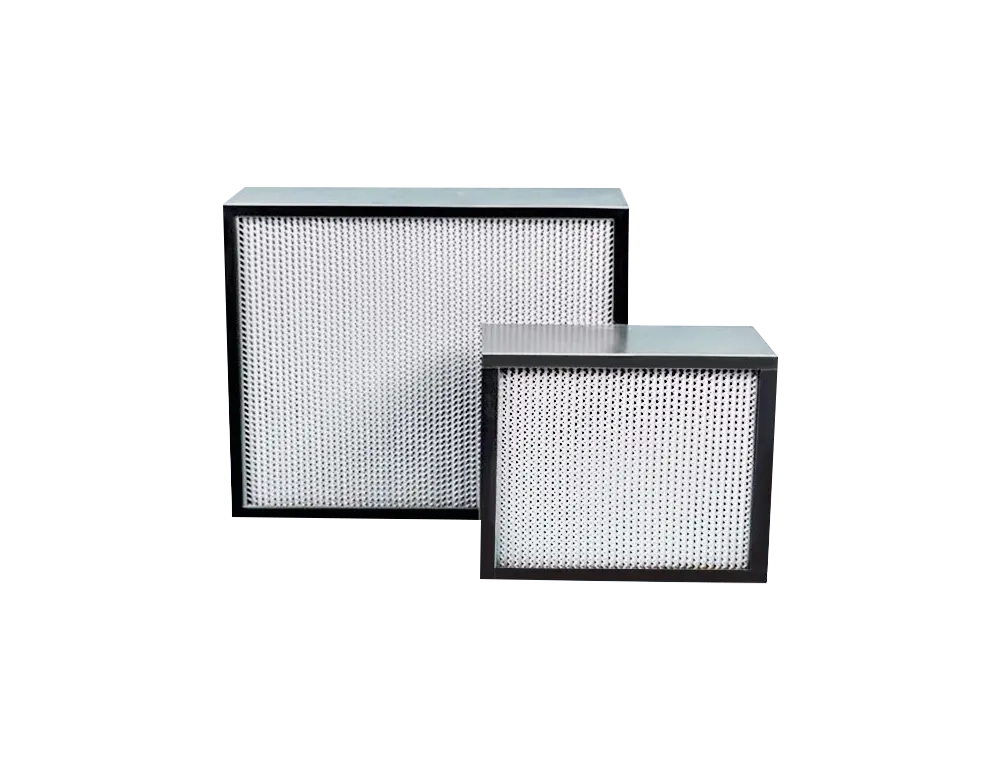
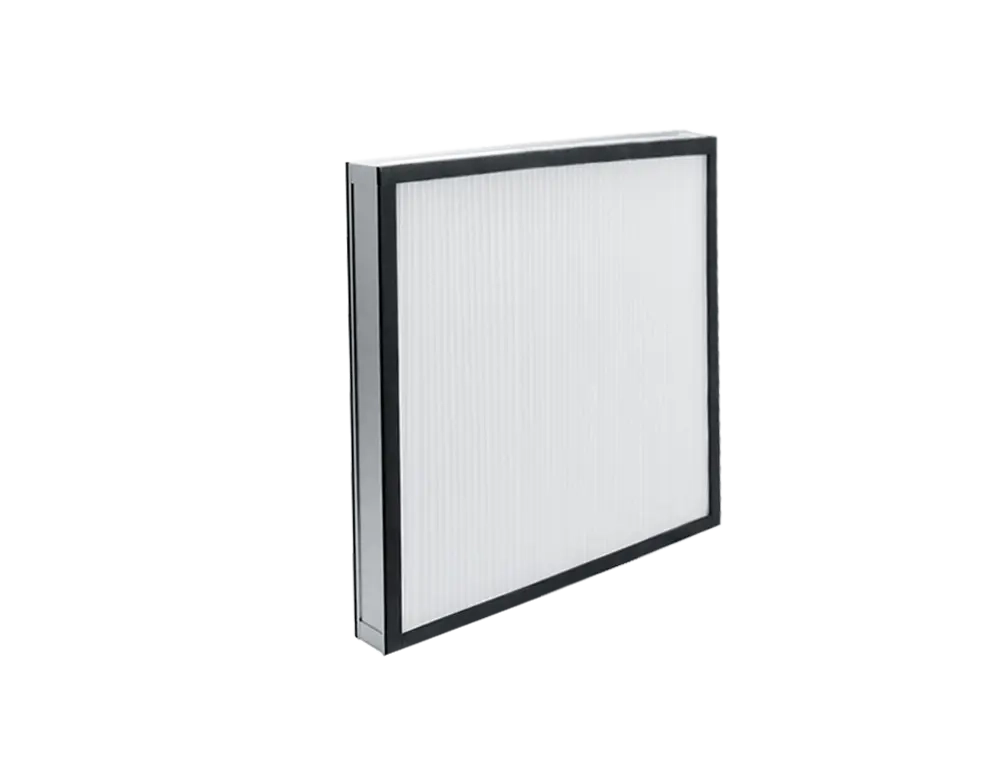
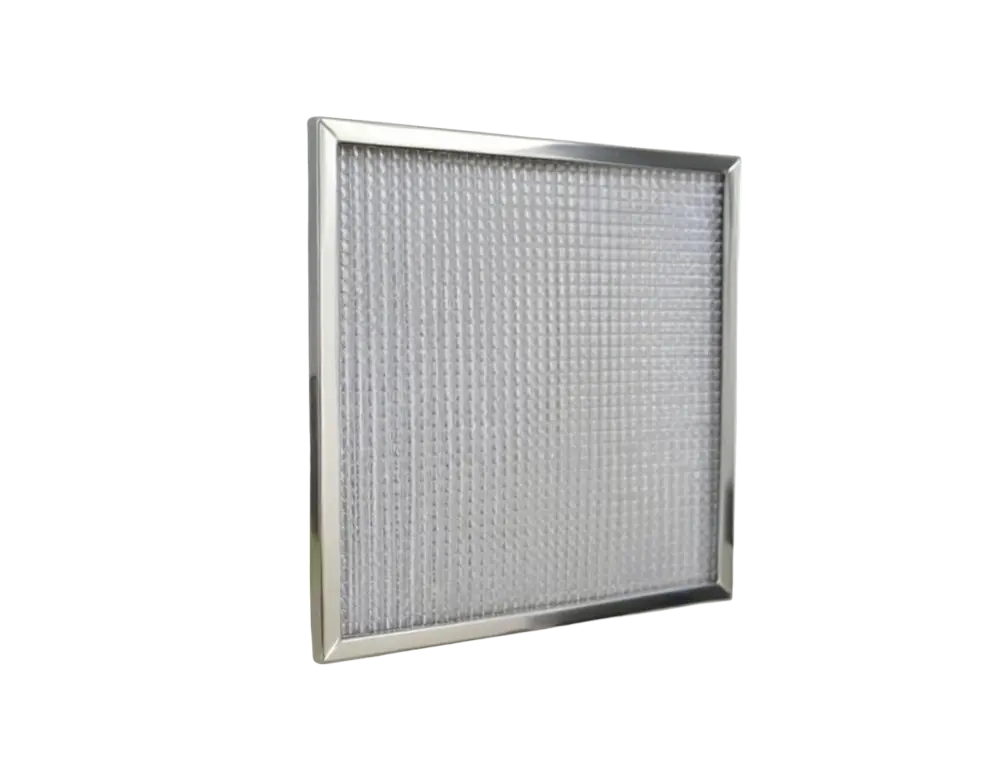
Medium-Efficiency Filter (F5–F9)
Precise PM2.5 Capture
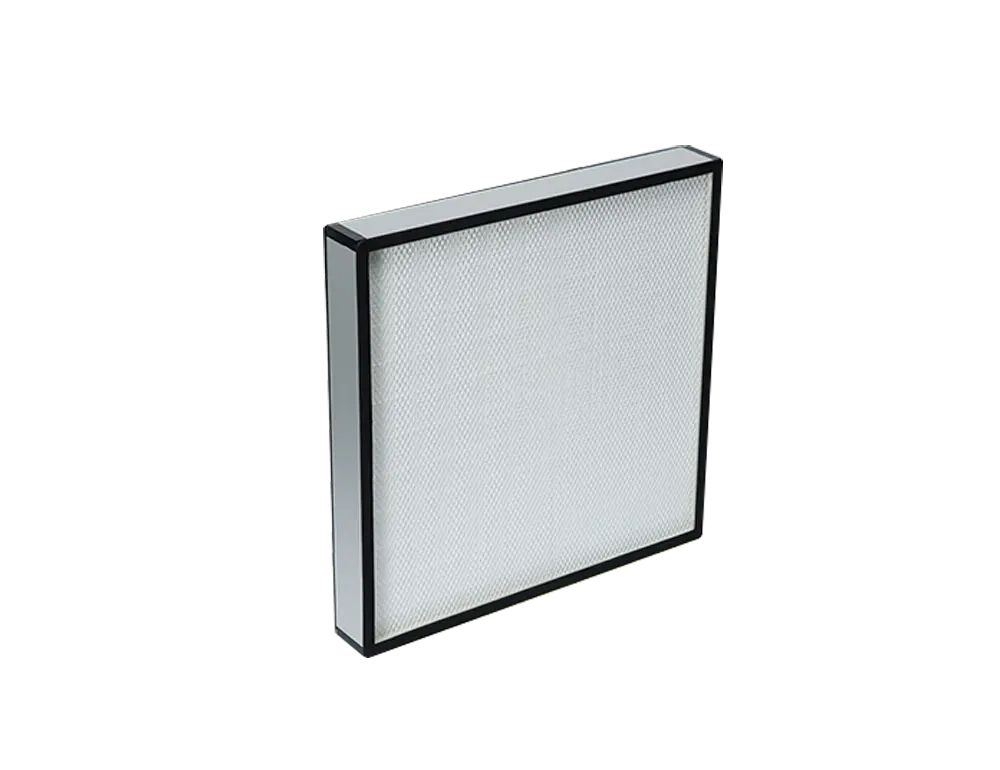
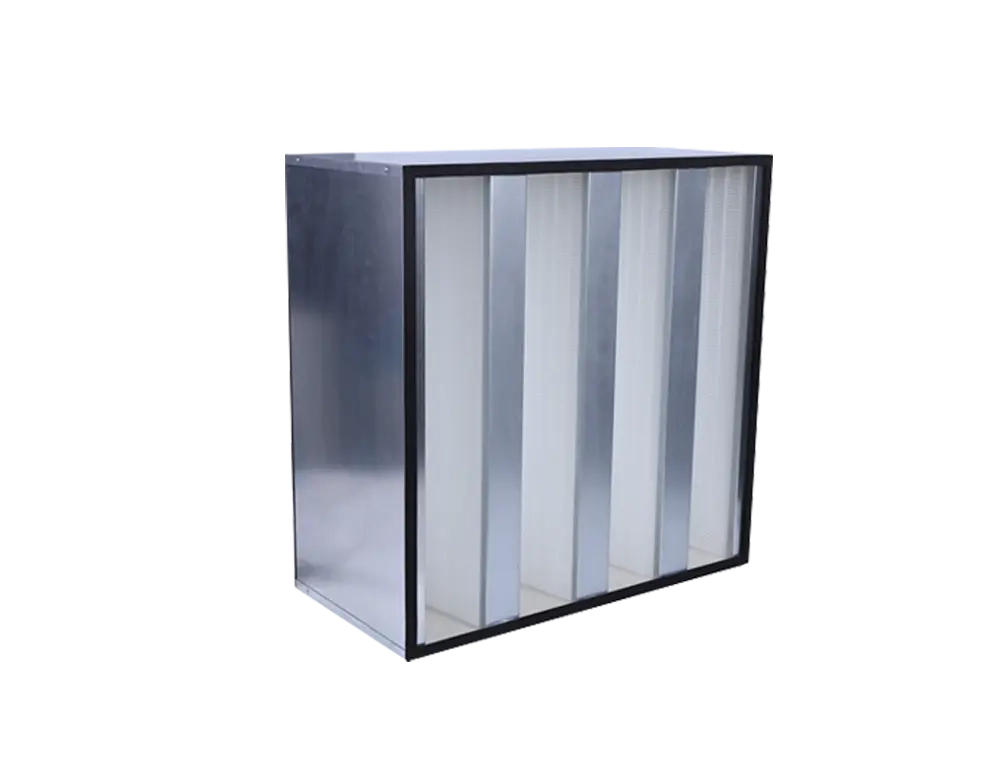
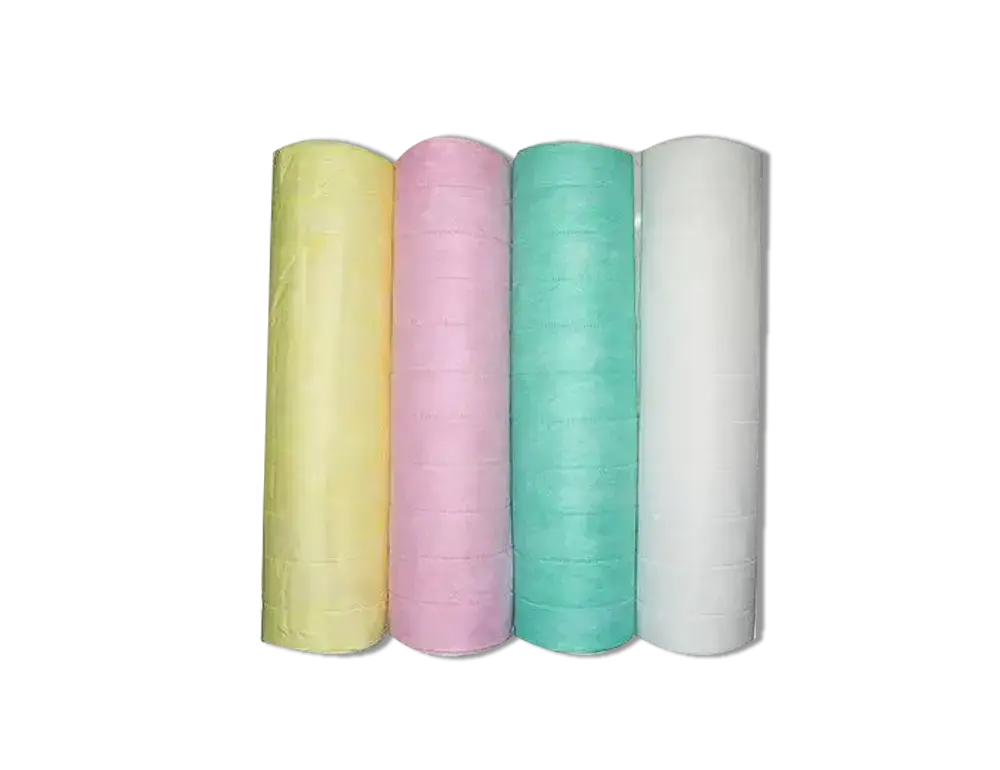
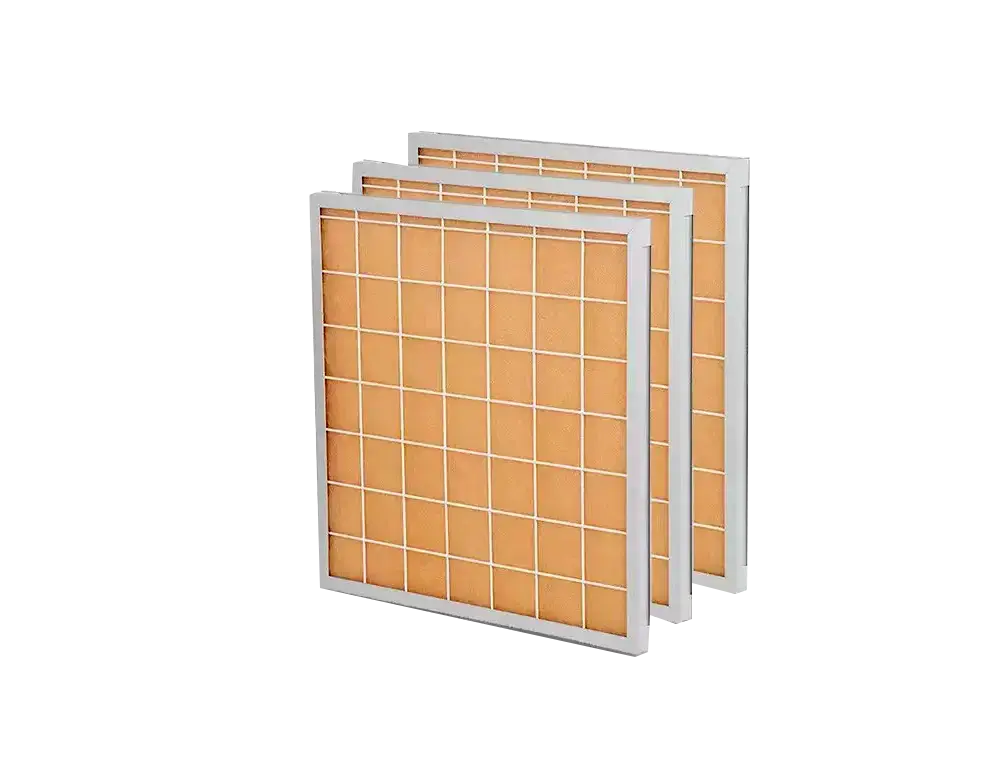
HEPA High-Efficiency Filter
Sterile-Grade Purification
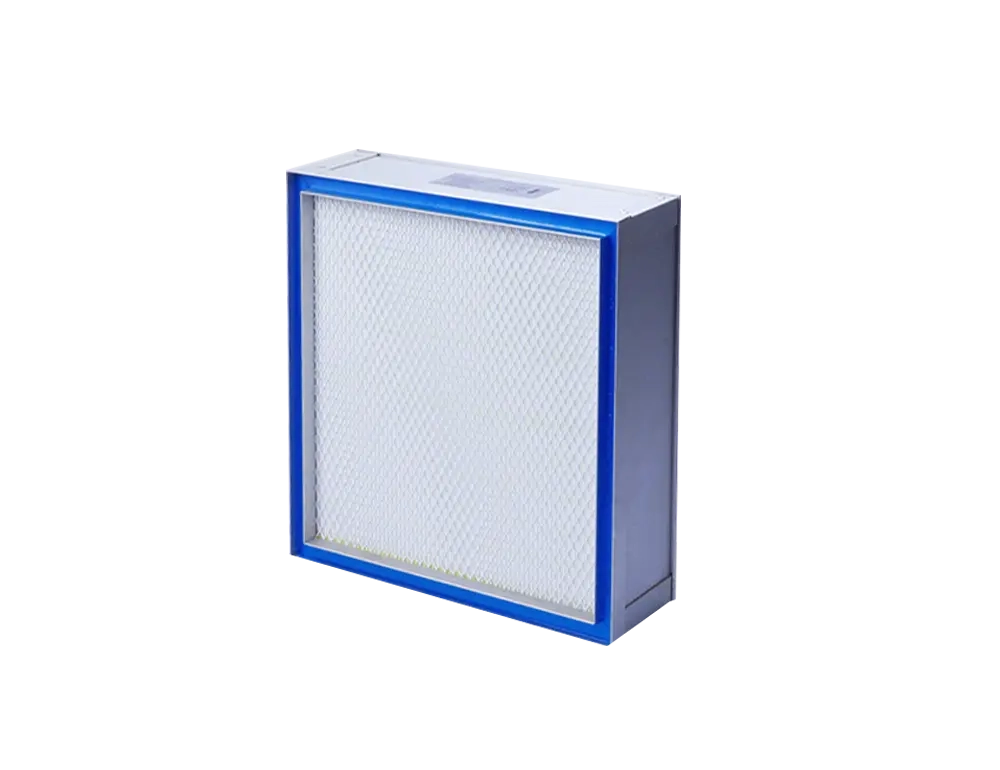
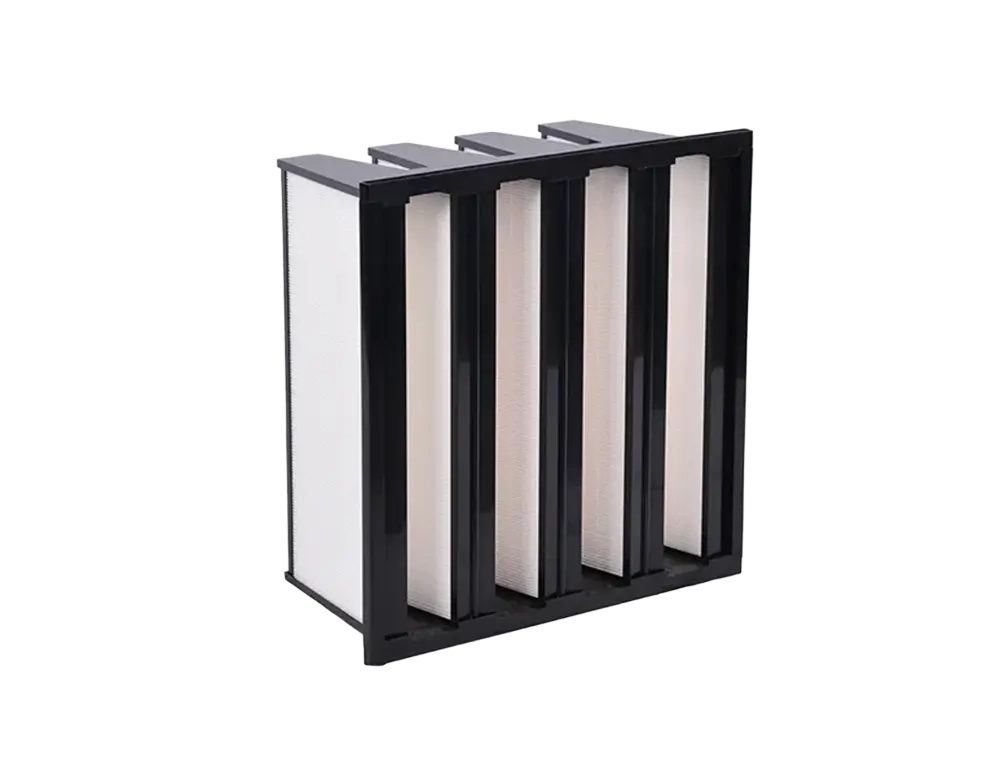
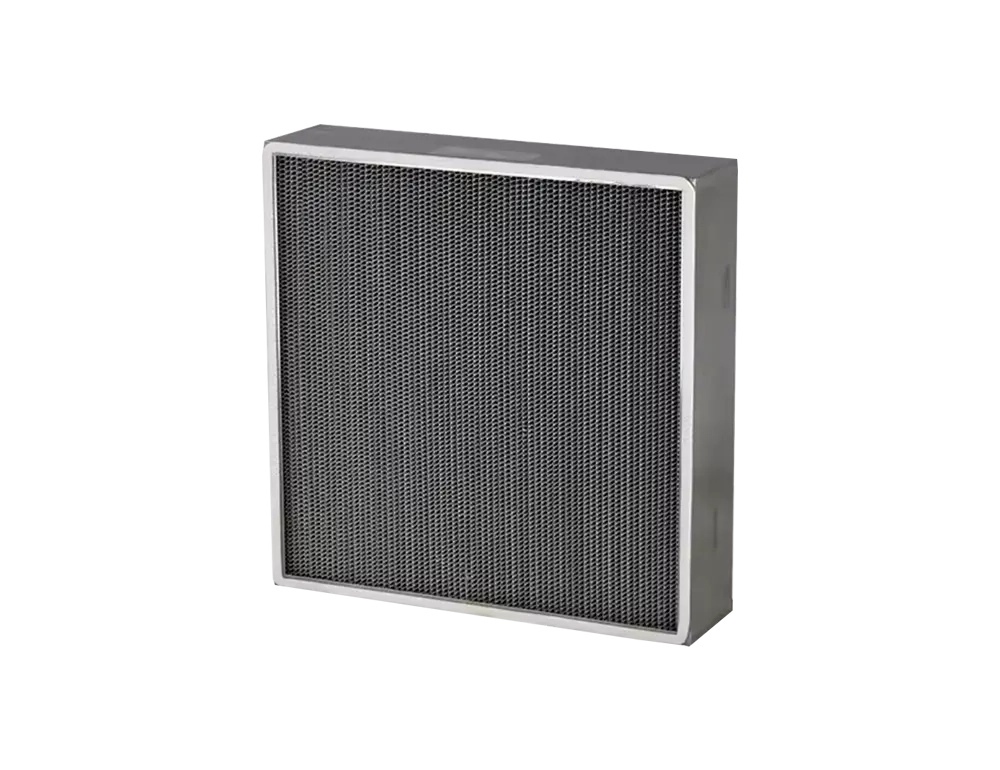
ULPA Ultra-High Efficiency Filter
Sub-Micron Particle Capture
First-Stage Large-Particle Capture
The first line of defense, capturing particles ≥5 μm such as dust, hair, and fibers to protect downstream filters and extend overall system service life.
View Related Products →Precise PM2.5 Capture
Captures fine particles of 1–5 μm including PM2.5, pollen, and mold spores, significantly improving indoor air quality for commercial HVAC and ventilation systems.
View Related Products →Sterile-Grade Purification
≥99.97% filtration efficiency for particles ≥0.3 μm, delivering sterile-grade clean air widely used in medical, pharmaceutical, and electronics manufacturing.
View Related Products →Sub-Micron Particle Capture
≥99.9995% efficiency for particles ≥0.12 μm, meeting the extreme cleanliness demands of semiconductor fabs, aerospace, and other ultra-precision applications.
View Related Products →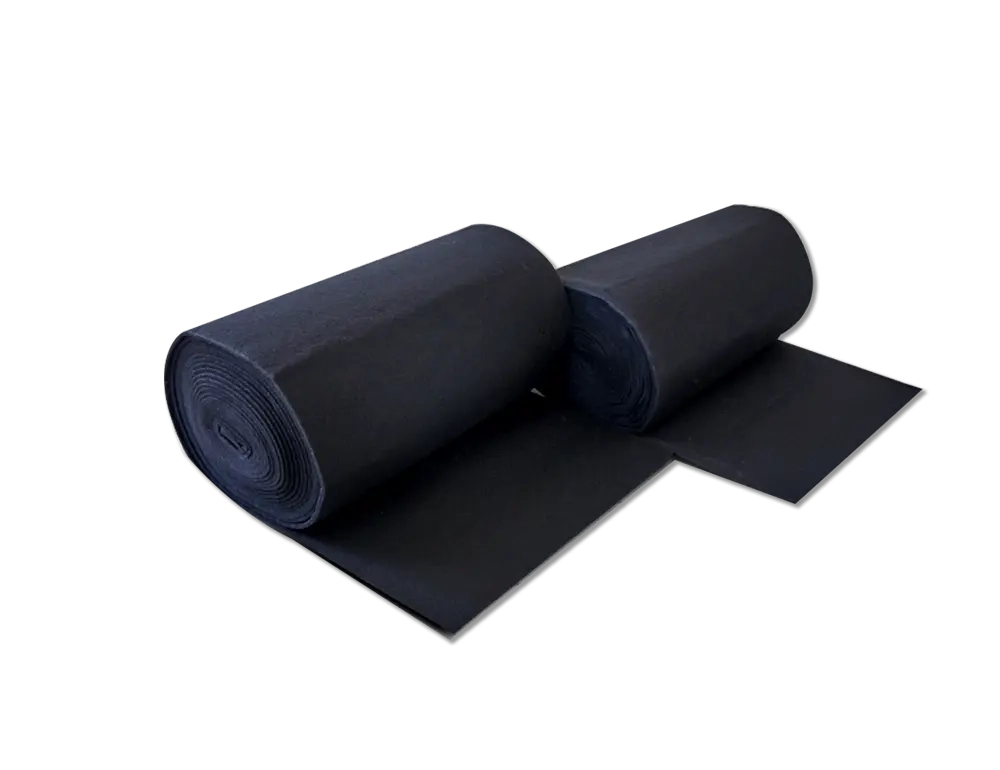
High-Temperature Resistant
Industrial-Grade Heat Tolerance
Washable & Reusable
Cut Costs, Reduce Waste
Activated Carbon
Odor & Harmful Gas Removal
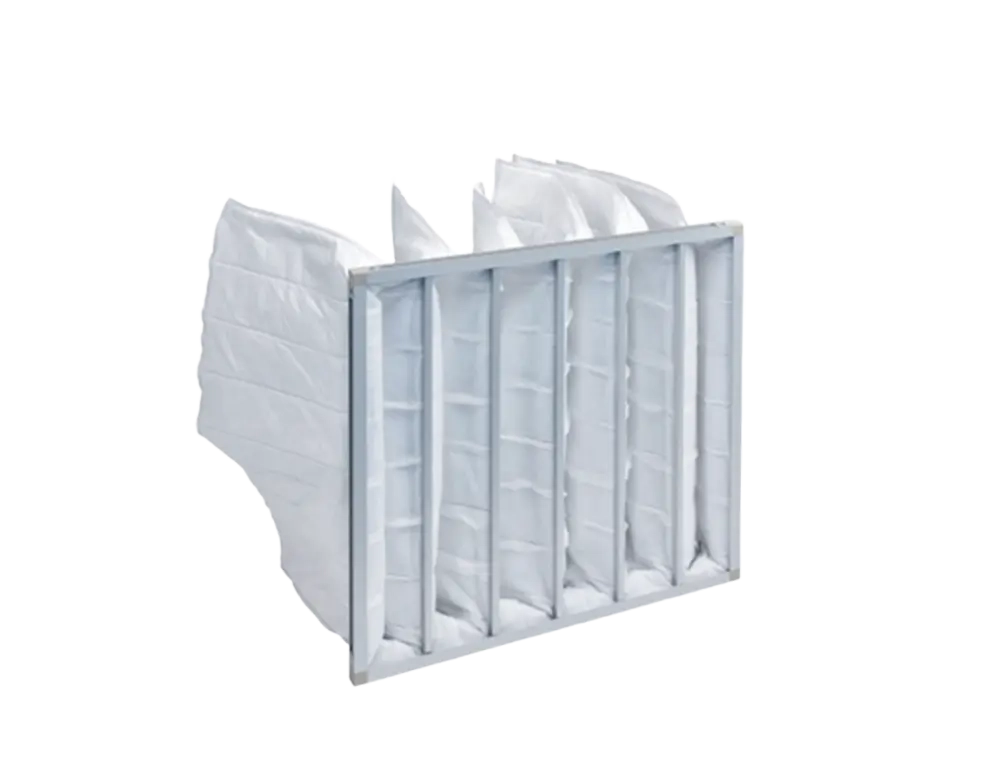
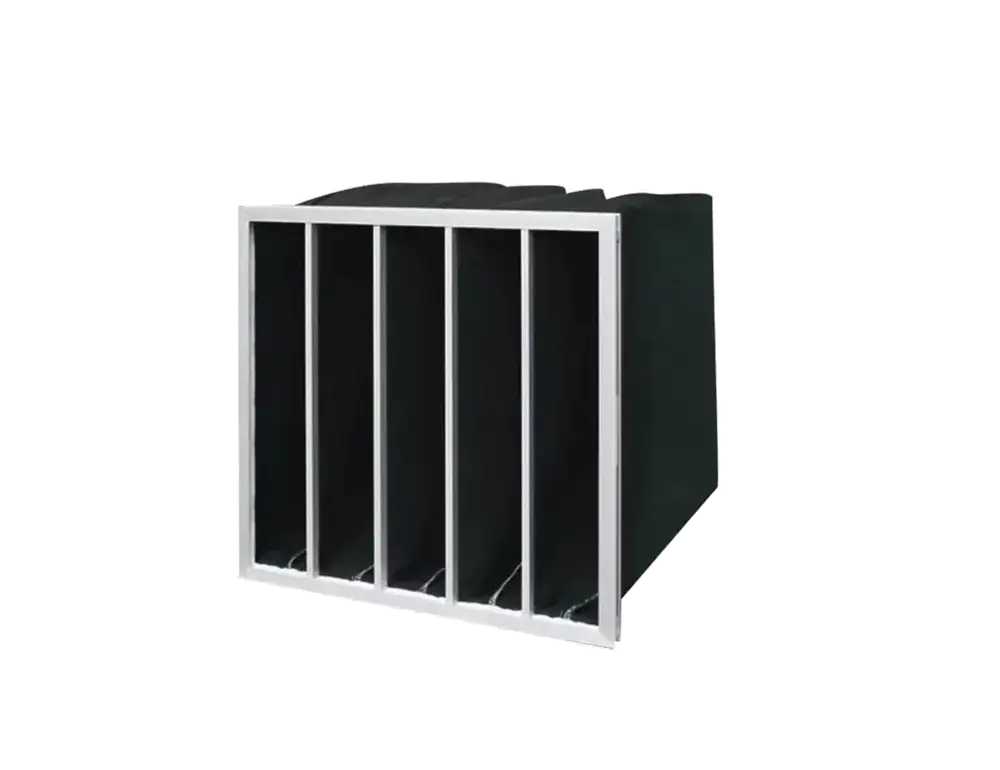
Bag Filter
High Dust-Holding, Long Life
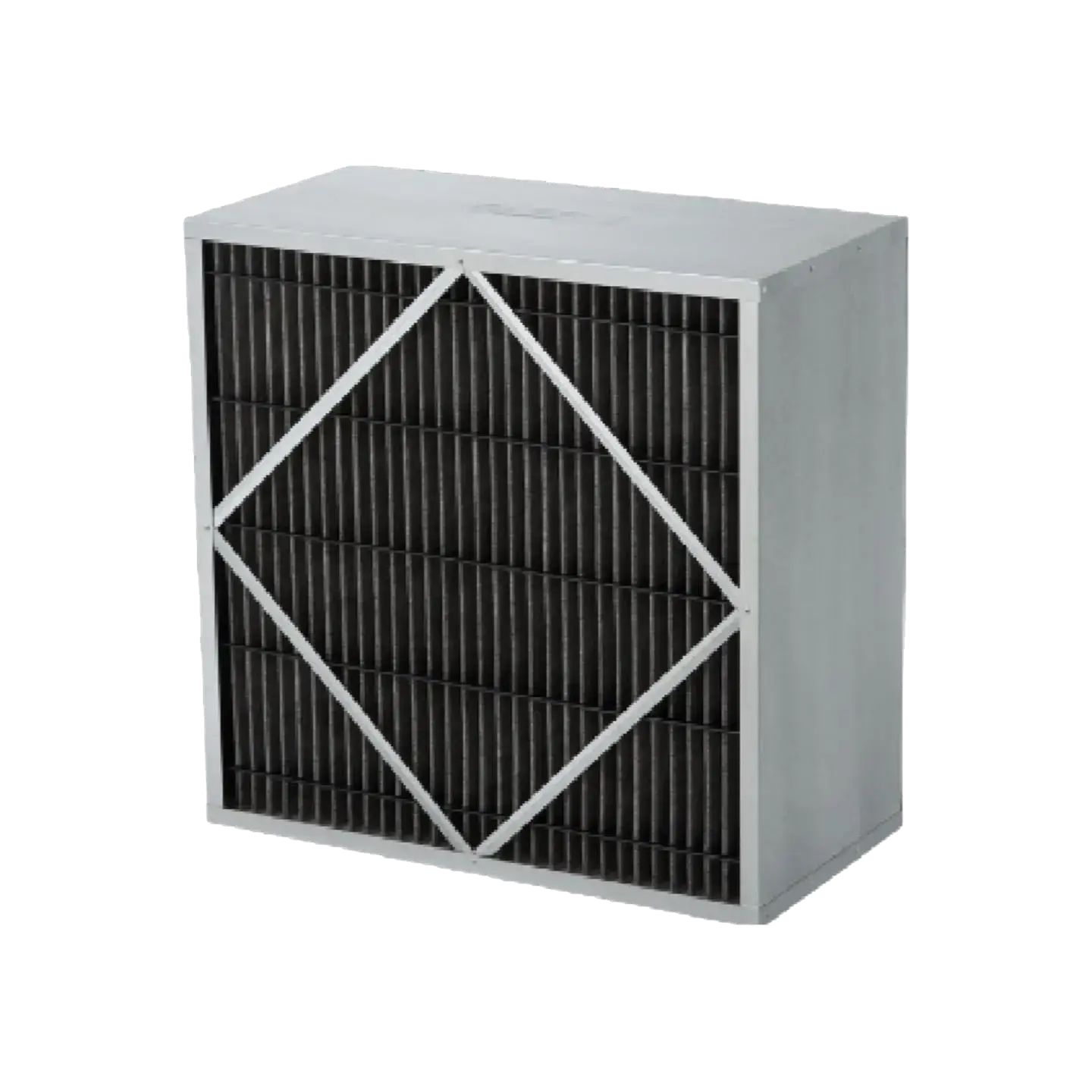
Panel / Pleated Filter
Compact Space-Saving Design
Low-Resistance Airflow
Energy-Saving Operation
Industrial-Grade Heat Tolerance
Built with specialized heat-resistant materials, operating stably up to 250°C for paint ovens, industrial dryers, and high-temperature process environments.
View Related Products →Cut Costs, Reduce Waste
Cleanable by water washing or air blowing, reusable multiple times to significantly reduce replacement frequency and O&M costs — an economical, eco-friendly choice.
View Related Products →Odor & Harmful Gas Removal
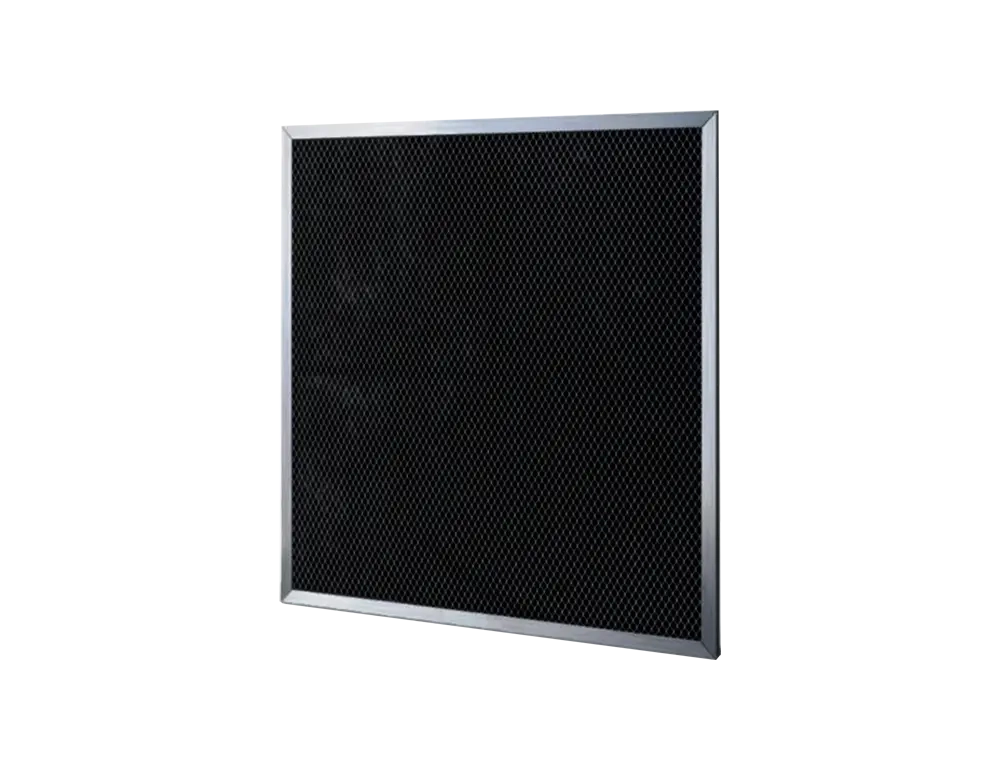
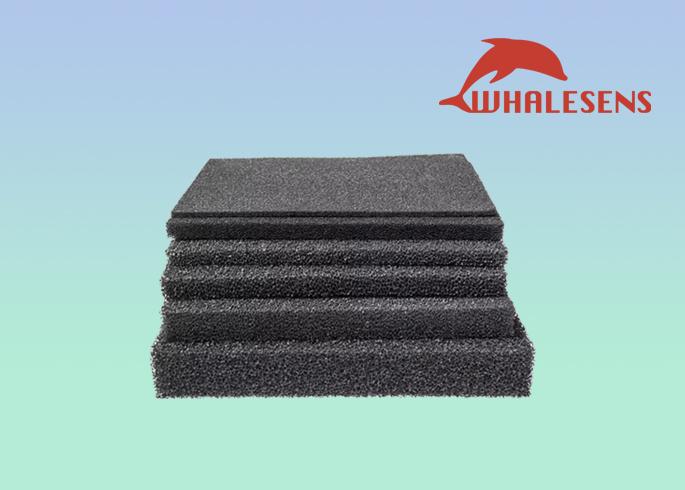
Leverages activated carbon's high adsorption capacity to eliminate odors, VOCs, and formaldehyde, ideal for newly renovated spaces and industrial exhaust treatment.
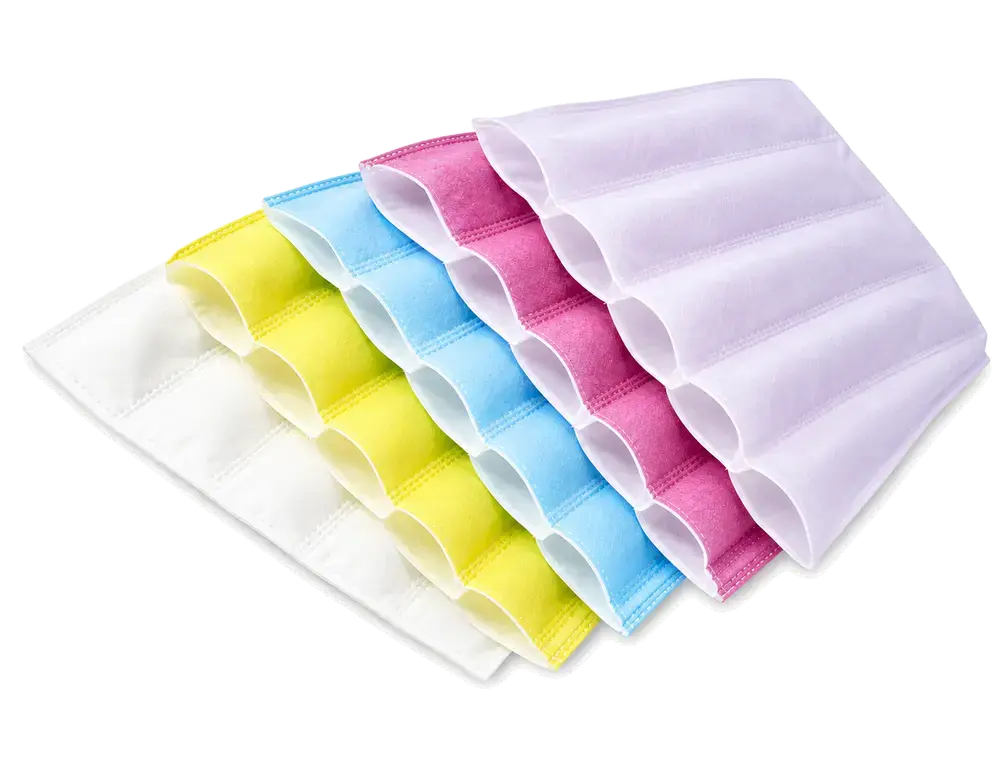
View Related Products →High Dust-Holding, Long Life
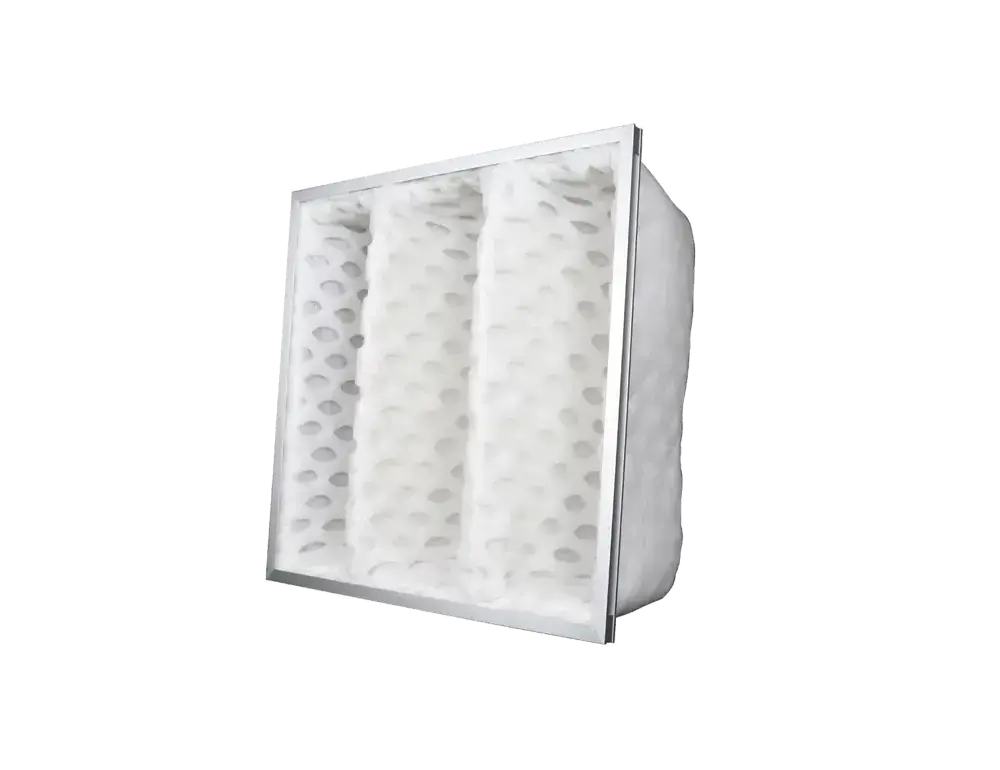
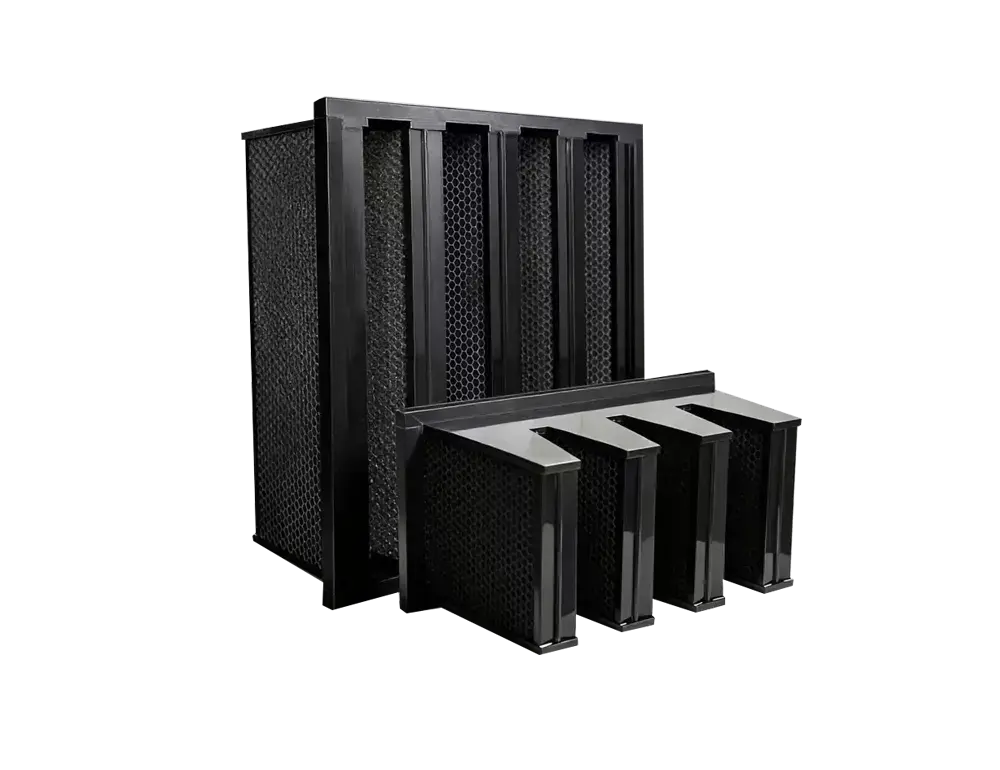
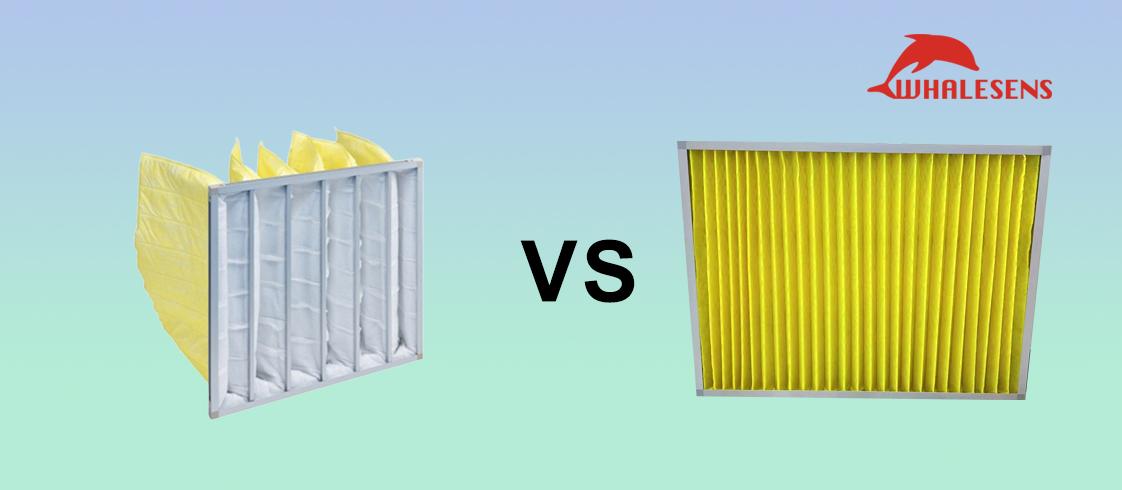
Bag-style construction delivers a larger filtration area, high dust-holding capacity, and extended service life — ideal for high-dust environments with reduced replacement frequency.
View Related Products →Compact Space-Saving Design
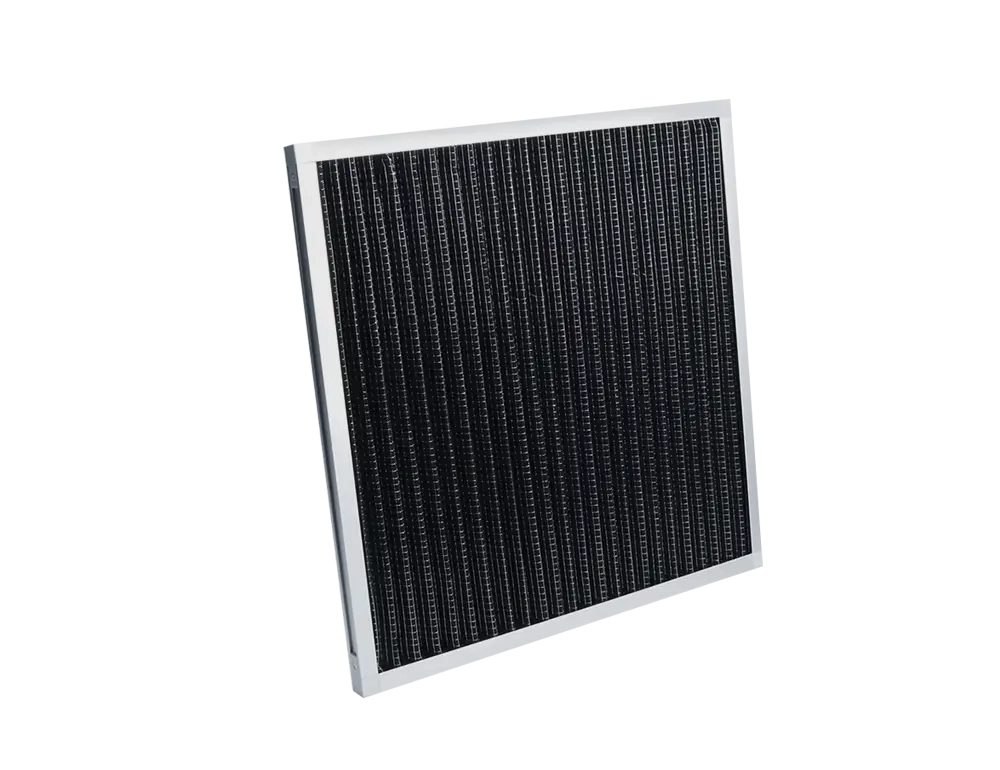
Compact form factor for easy installation and replacement; pleated structure maximizes filtration area within a small footprint for higher efficiency.
View Related Products →Energy-Saving Operation
Low-resistance design minimizes pressure drop while maintaining filtration performance, reducing fan energy consumption for cost-effective, eco-friendly operation.
View Related Products →



















 English(Global)
 简体中文
简体中文 Language


Under the New National VOCs Standard: Essential Filter Checklist for Paint Shops!

Under the New National VOCs Standard, as environmental awareness continues to grow, the control and management of VOCs (Volatile Organic Compounds) have become critical issues in the coating and painting industry. In 2024, a new round of national VOC standards officially came into effect, directly impacting the operation and compliance of paint shops. How can paint shops meet the new standards and avoid environmental penalties? The key lies in upgrading and selecting the right filters. This article provides a detailed overview of the main points of the 2024 national VOC standard and offers an essential filter checklist to help paint shops effectively tackle the challenges brought by the new regulations.
Key Elements Under the New National VOCs Standard
The new VOCs (Volatile Organic Compounds) national standard, which came into effect in 2024, imposes significantly stricter emission requirements on paint shops. Under the New National VOCs Standard, VOC concentrations released during painting operations must be more tightly controlled, with the goal of reducing air pollution and safeguarding public health.
- Emission Limits: The new standard specifies targeted emission limits for different types of coatings and solvents. For instance, the VOC content in water-based coatings must not exceed a designated threshold, while solvent-based coatings are subject to even more stringent restrictions.
- Monitoring and Reporting: Paint shops must implement routine VOC emission monitoring systems, keeping regular records of coating usage and exhaust gas emissions. This ensures transparency and traceability. In addition, emission reports must be submitted to environmental authorities on a regular basis.
- Technical Upgrades: Enterprises are encouraged—or in some cases required—to upgrade their existing painting processes. This may include adopting low-VOC coatings or optimizing spraying techniques to minimize VOC emissions.
Basic Measures for VOCs Control in Paint Shops
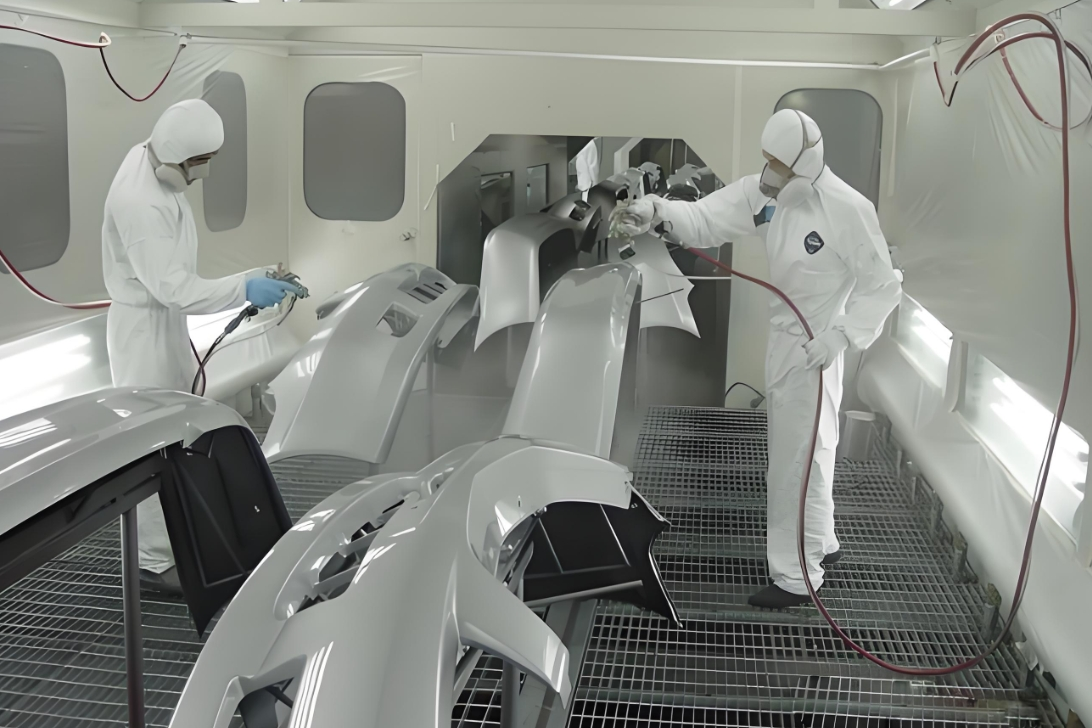
To comply with the new 2024 national VOCs standard, paint shops must adopt a series of effective control measures. Key actions include:
- Using Eco-Friendly Coatings: Switching to water-based or low-VOC coatings is a fundamental step in reducing emissions at the source.
- Optimizing Painting Processes: Upgrading spray equipment and processes helps improve paint transfer efficiency and minimize VOCs volatilization.
- Installing High-Efficiency Filters: Advanced air filtration systems can effectively capture volatile organic compounds emitted during the painting process, thereby reducing their release into the atmosphere. Traditional filters may no longer meet the new standards, making replacement or upgrades necessary. Compared to the previous two approaches, upgrading filters is a lower-cost, more reliable, and longer-lasting solution for enterprises.
Dry Paint Booth
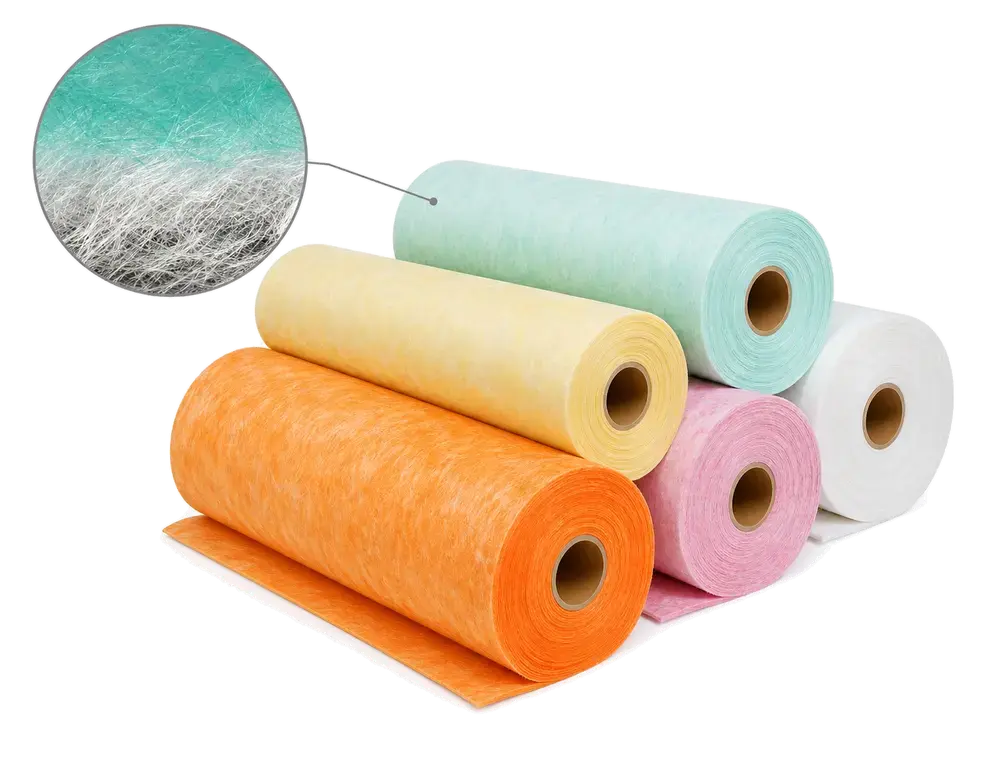
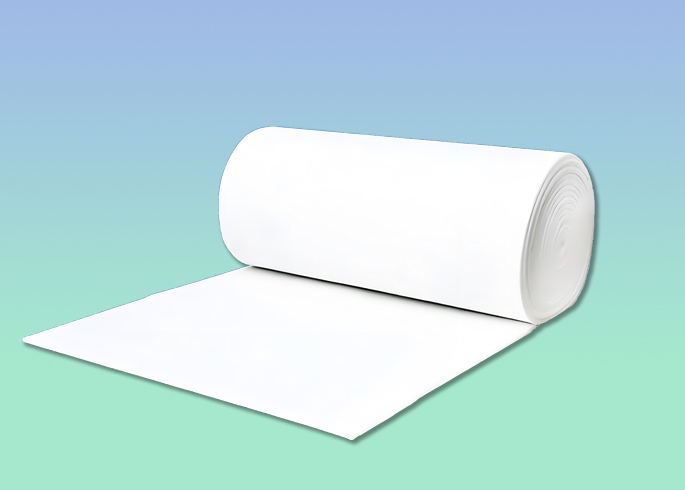
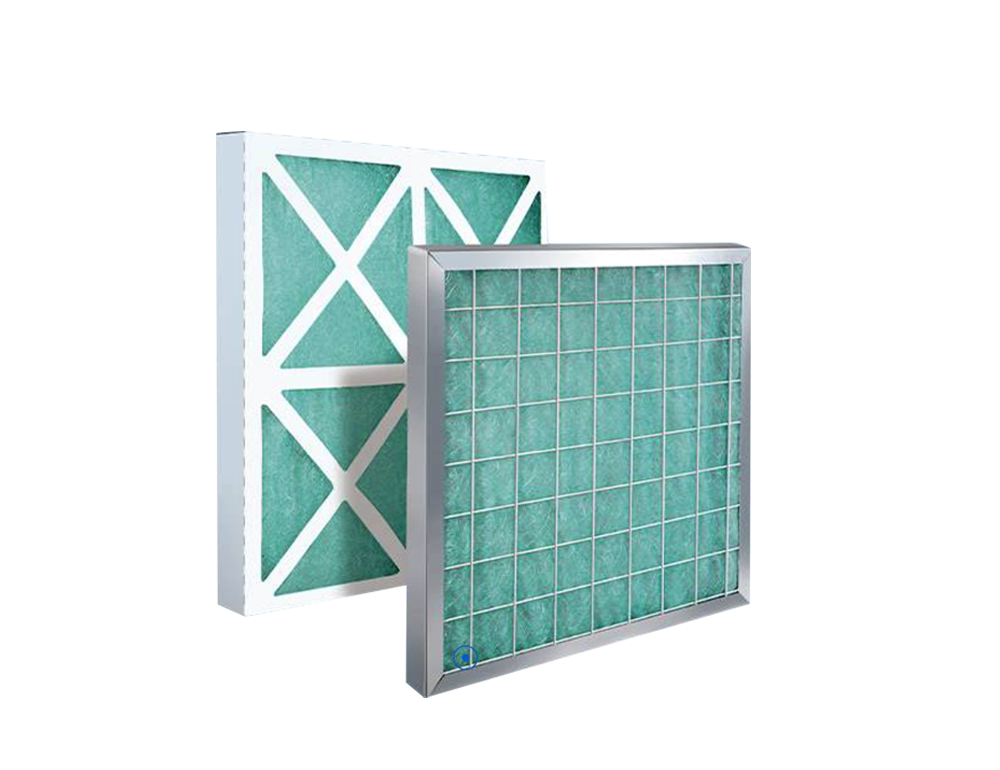
1. Primary Filter Media (Pre-filter Cotton):
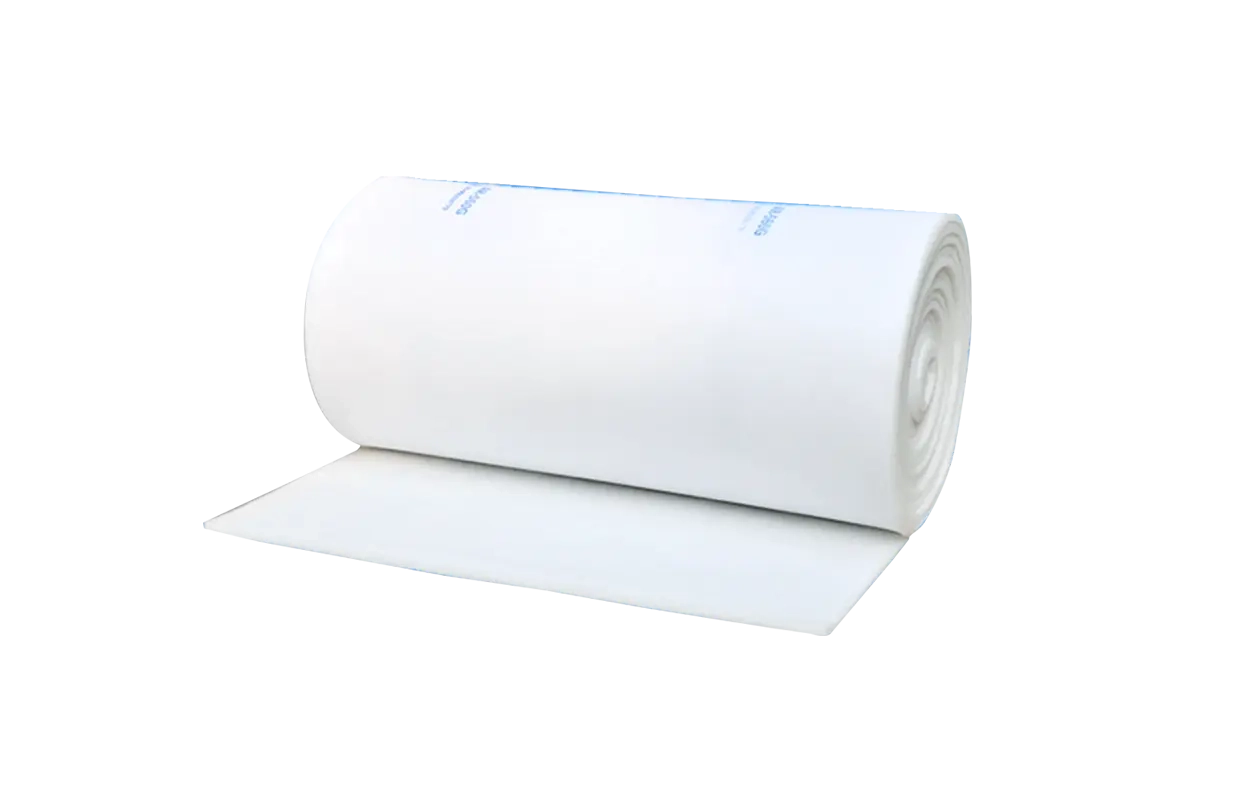
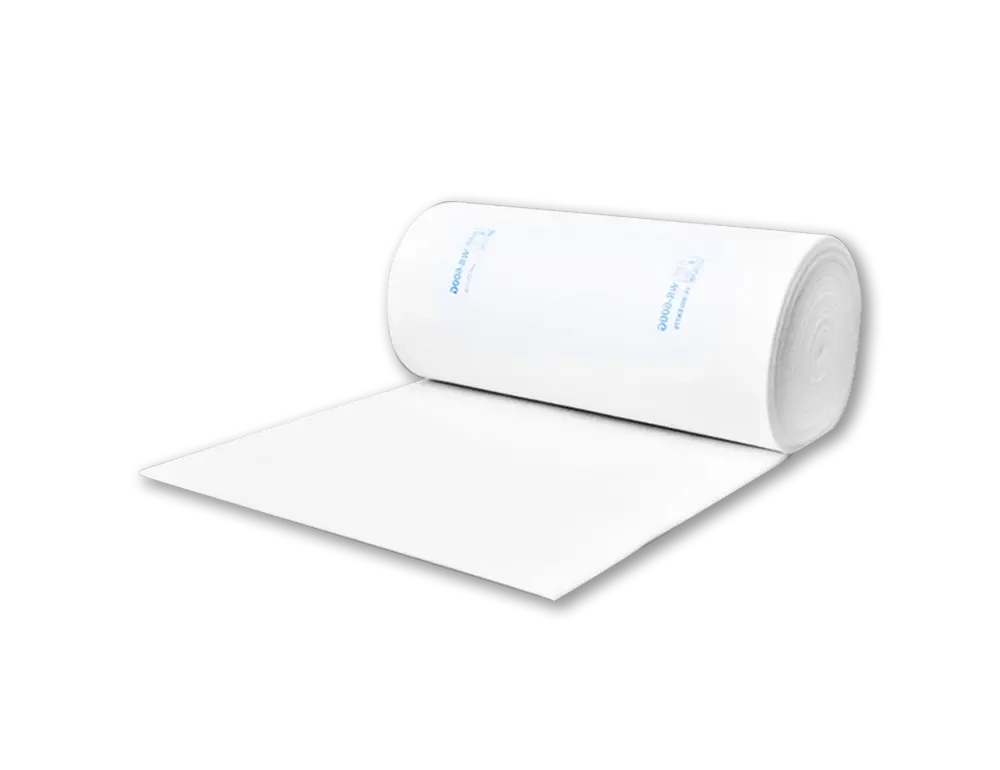
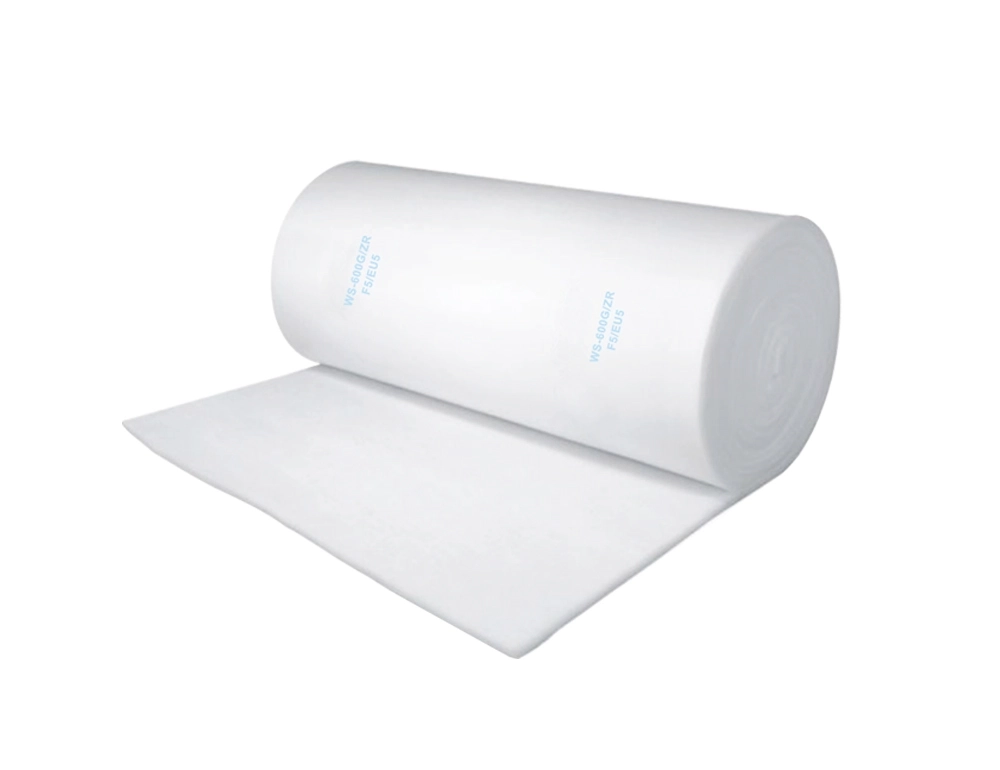
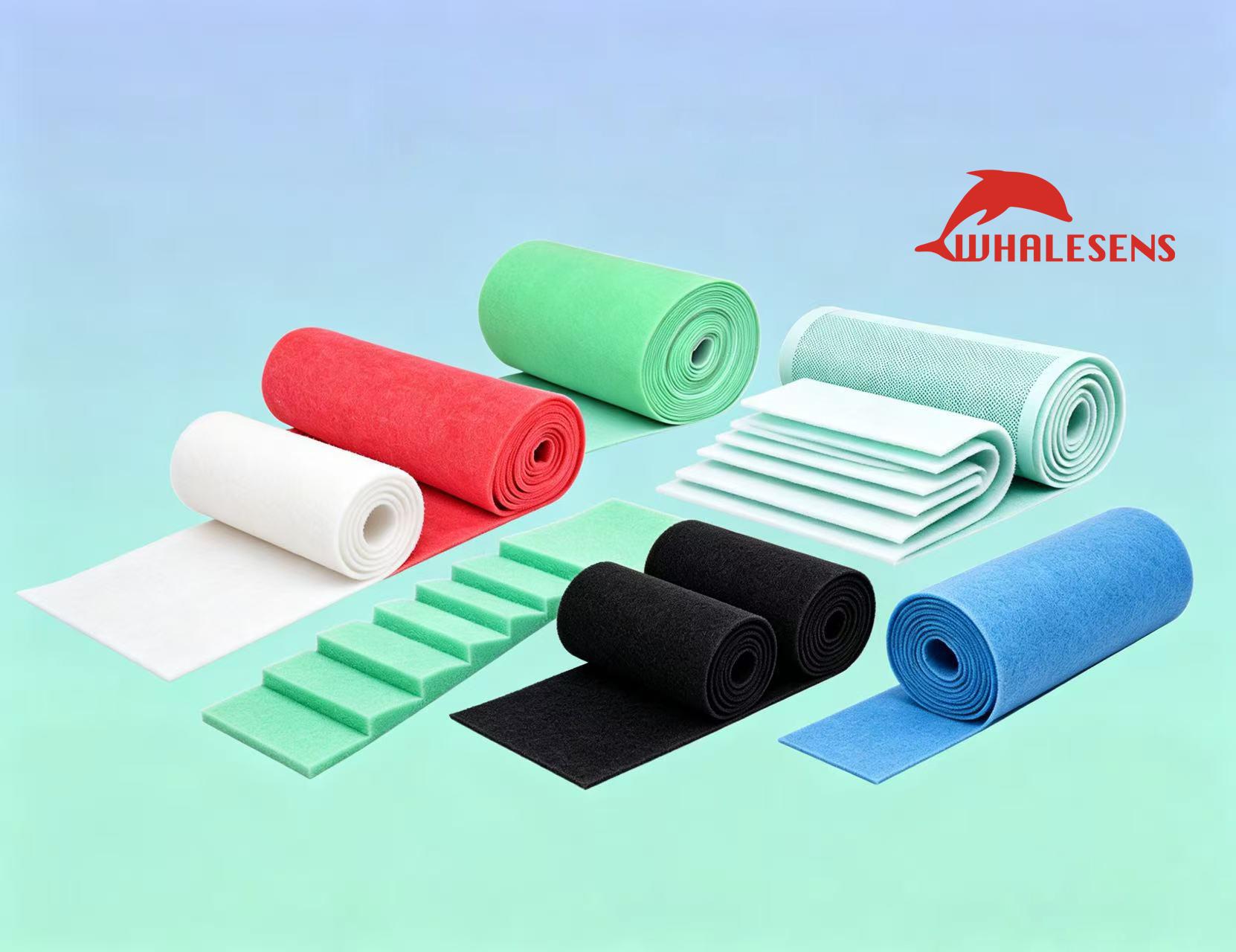
Installed at the air inlet, this polyester fiber filter media is specifically designed for the coating industry. It features a progressive density multilayer structure that provides high dust holding capacity and low resistance, resulting in long service life and cost-effectiveness. It can be reused multiple times after vacuuming or washing.
- Pre-filtration in HVAC and ventilation systems
- Protective dust filtration for electromechanical equipment
- High-quality spray booths to remove large airborne particles (dust, fibers), effectively protecting downstream filtration systems
2. Flame-Retardant Ceiling Filter:
Used in automotive and furniture spray/curing booths. Fresh air is drawn in by the fan system, filtered through ceiling filter media at the air inlet, then uniformly distributed throughout the booth, creating positive pressure and ensuring effective paint fume exhaust.
Three-stage filtration process:
- Stage 1: Inlet filter media removes coarse airborne dust and debris.
- Stage 2: Ceiling filter provides fine filtration, distributing fully purified air evenly to create laminar flow for optimal coating results.
- Stage 3: Paint stop mat under the floor grating captures excess overspray and paint particles, reducing VOCs and odors in the exhaust.
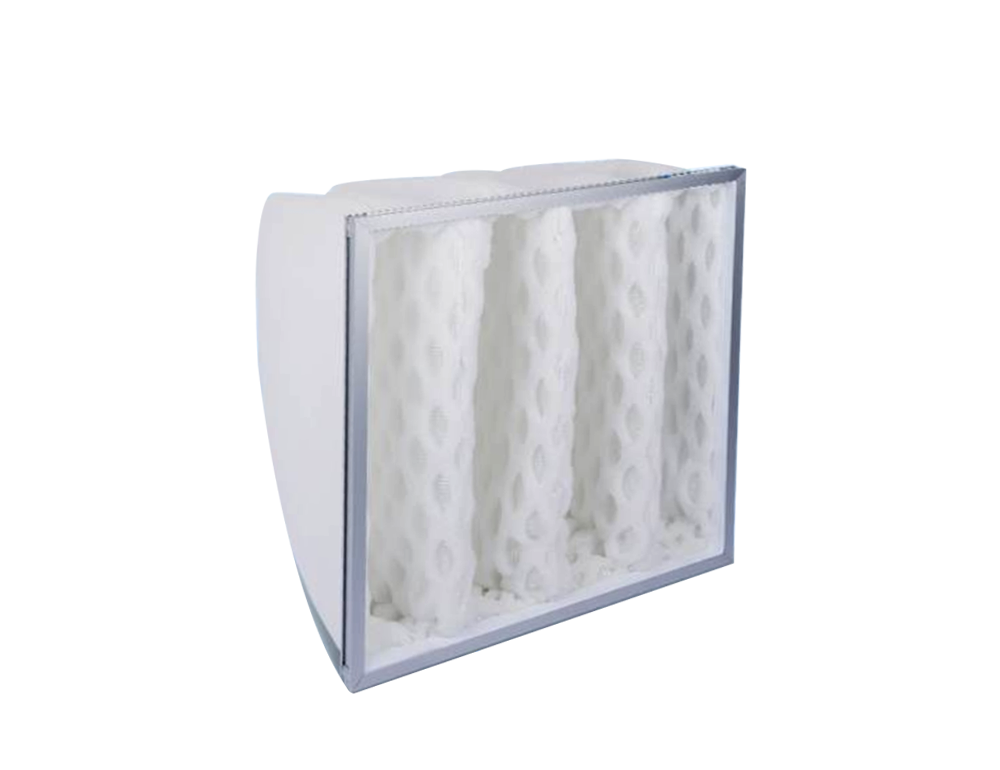
3. DPA Paint Mist Bag Filter:
Also known as the new-generation eco-friendly paint mist filter. Its unique bag-type design increases the filtration surface area by up to 3 times compared to traditional panel filters. During painting, a large volume of mid-sized overspray particles spreads through the booth; this filter captures them efficiently through optimized airflow guidance.
- High paint holding capacity (up to 27 kg)
- Low pressure drop (20 Pa)
- High efficiency (99.8%)
- Long service life
- Water-resistant media (flame-retardant versions available on request)
4. Glass Fiber Filter Media:
Installed at the bottom, this media features a progressive, lofty glass fiber structure with increasing density from air inlet to outlet. Its resilience and tear resistance prevent premature surface clogging and deformation under pressure, fully utilizing the entire media volume for overspray and dust collection.
- High corrosion resistance
- Excellent chemical and solvent resistance
- Heat resistance up to 170°C
- 100% humidity resistance
- High air permeability, low resistance
- Outstanding paint mist capture performance
- Long service life
Applications: Ideal for high-performance paint mist filtration in automotive paint booths, furniture production lines, baking booths, and even kitchen exhaust systems.
Wet Paint Booth
1. Primary Filter Media (Pre-filter Cotton):
At the air inlet, polyester fiber filter media is used, specifically designed for the coating industry. It features a multilayer structure with progressively increasing density, ensuring high dust holding capacity and low resistance. It is durable, cost-effective, and reusable after vacuuming or washing.
2. Water Curtain / Water Screen Pretreatment:
During the painting process, overspray particles come into full contact with the water curtain or water screen. Since most components of paint mist are water-soluble or can be adsorbed by water, the majority of paint particles are captured at this stage. This significantly reduces the load on subsequent filtration systems.
3. High-Efficiency Activated Carbon Filter Media:
Made from high-quality coconut shell activated carbon, this filter ensures excellent adsorption performance while minimizing airflow resistance and extending service life. Its porous structure increases contact surface area for enhanced adsorption.
- Carbon content: 35%–50%
- Surface area: 1000–1600 m²/g
- Micropores: ~80%
- Adsorbs: Benzene compounds, formaldehyde, VOCs, and odor molecules
This filter combines physical filtration (particle interception) and chemical adsorption (removal of harmful gases/odors), making it ideal for environments where particulate and gaseous pollutants coexist.
4. Water-Resistant Filter Components:
All filter components are made from specially treated water-resistant materials, including waterproof synthetic fibers and corrosion-resistant plastic frames. These materials maintain stable physical and chemical performance in humid environments, resisting deformation, damage, or filtration efficiency loss caused by water exposure.
Maintenance and Management of Filtration Systems
1. Routine Inspection:
It is recommended to perform a full inspection monthly—checking filter appearance, condition, and pressure drop. Replace immediately if damage or failure is detected.
2. Cleaning and Replacement:
Follow usage conditions and manufacturer guidelines for cleaning or replacing filters.
- Activated carbon filters: Replace every 3–6 months
- HEPA filters: Replace approximately once a year
3. Monitoring Systems:
To enhance management efficiency, install online monitoring systems that track real-time VOC concentrations and generate analytical reports. This helps facilities respond promptly to potential over-limit risks.
4. Staff Training:
Companies should regularly train staff on VOC control and compliance requirements, ensuring full understanding of national standards and their responsibilities—boosting overall compliance and operational standards.
Conclusion
The implementation of the 2024 VOCs National Standard raises the bar for environmental management in the coating industry. By selecting the right filters, optimizing coating processes, and strengthening system management, paint shops can ensure regulatory compliance, enhance competitiveness, and create a healthier, more sustainable production environment.
As an innovator in the air filtration industry, WhaleSense Technology offers efficient, reliable, and practical solutions through advanced technologies and processes—helping paint shops meet regulatory challenges, avoid environmental fines, and provide a safer workspace for professionals.
Need a custom air filtration solution?
Contact the Whalesens engineering team for product selection and OEM/ODM support.
Email whalesens@gmail.com