


EV Charging Stations
Filtration for Power Equipment
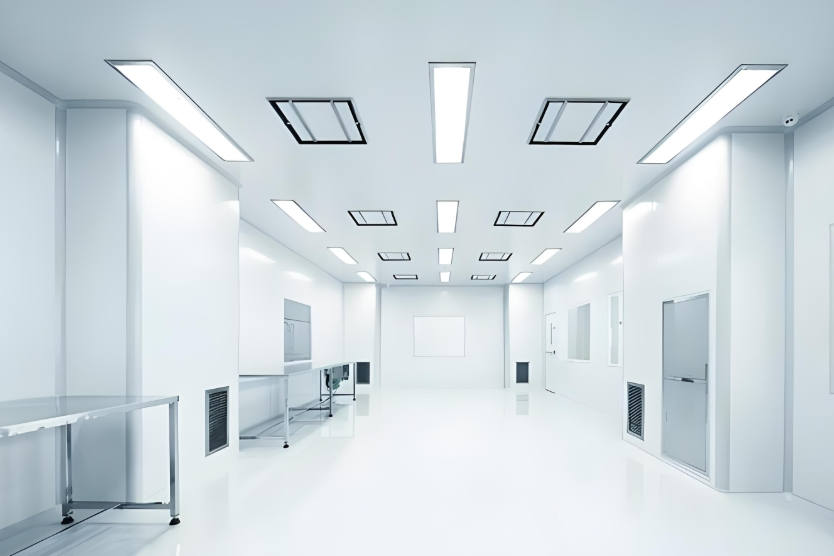
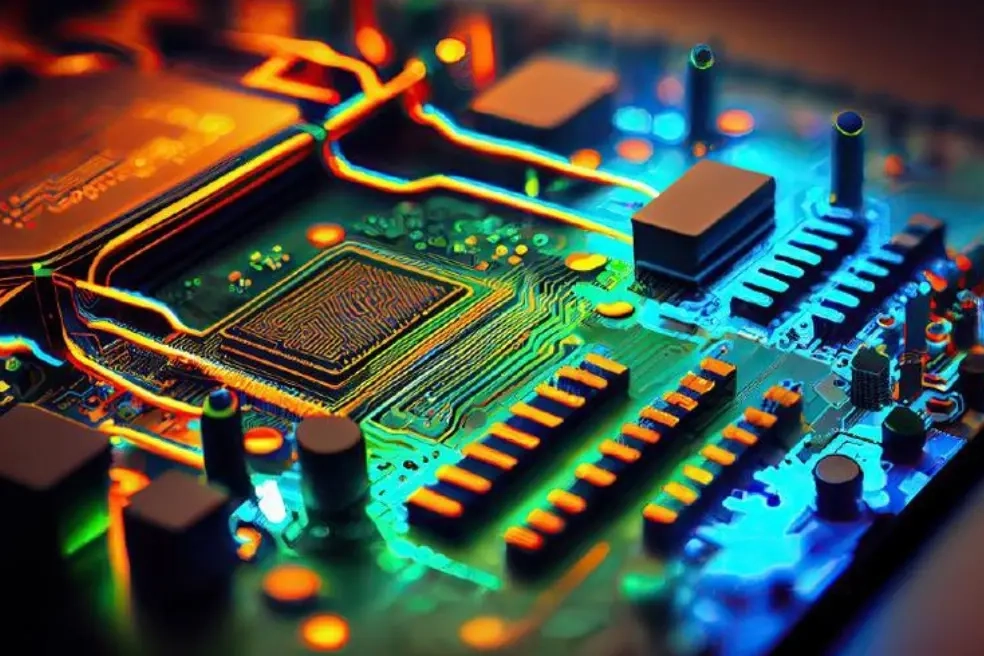
Cleanroom & Semiconductor
Ultra-High Cleanliness Filtration
Commercial HVAC
Central Air System Filtration
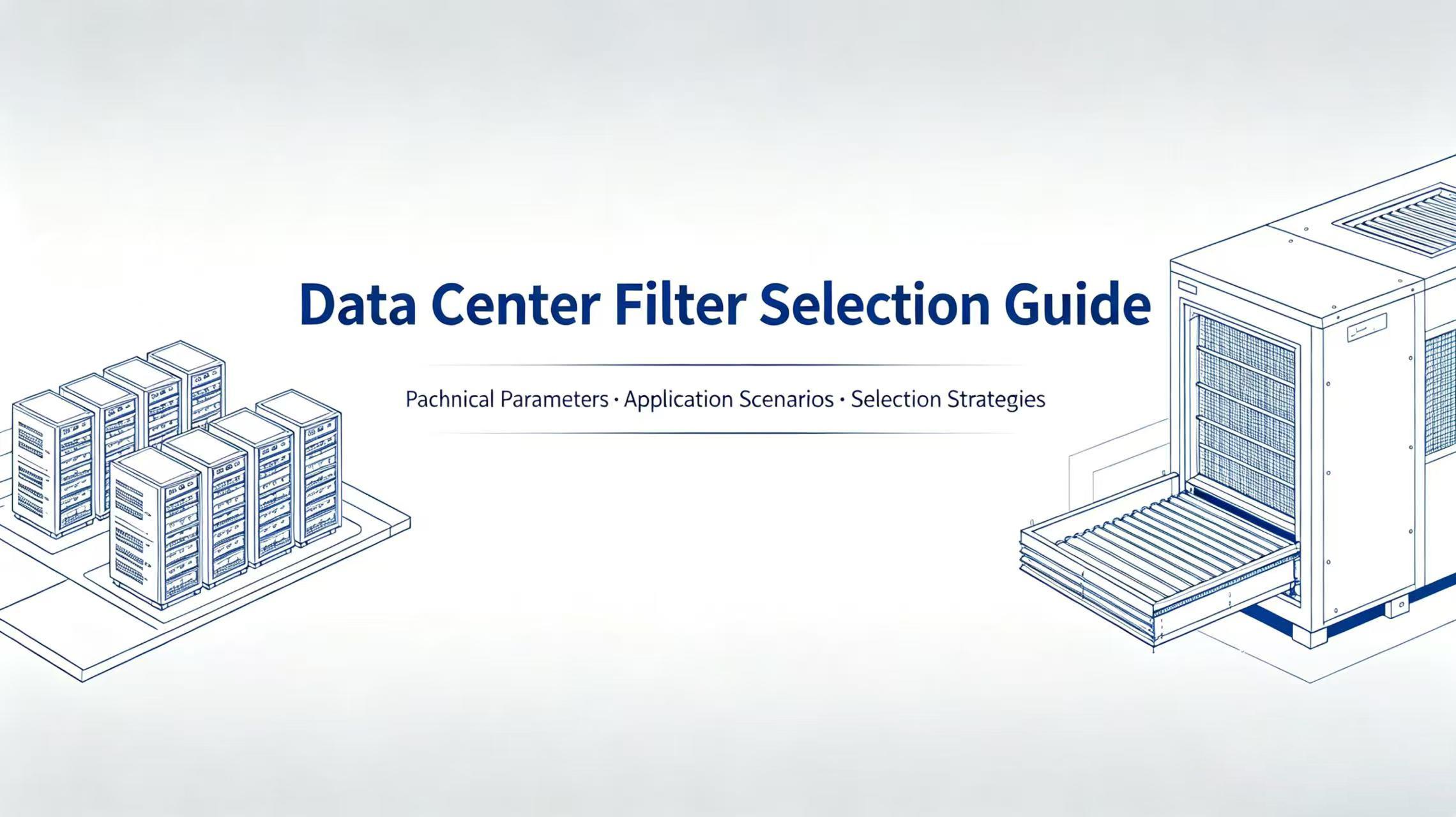
Data Centers
Precision Equipment Protection
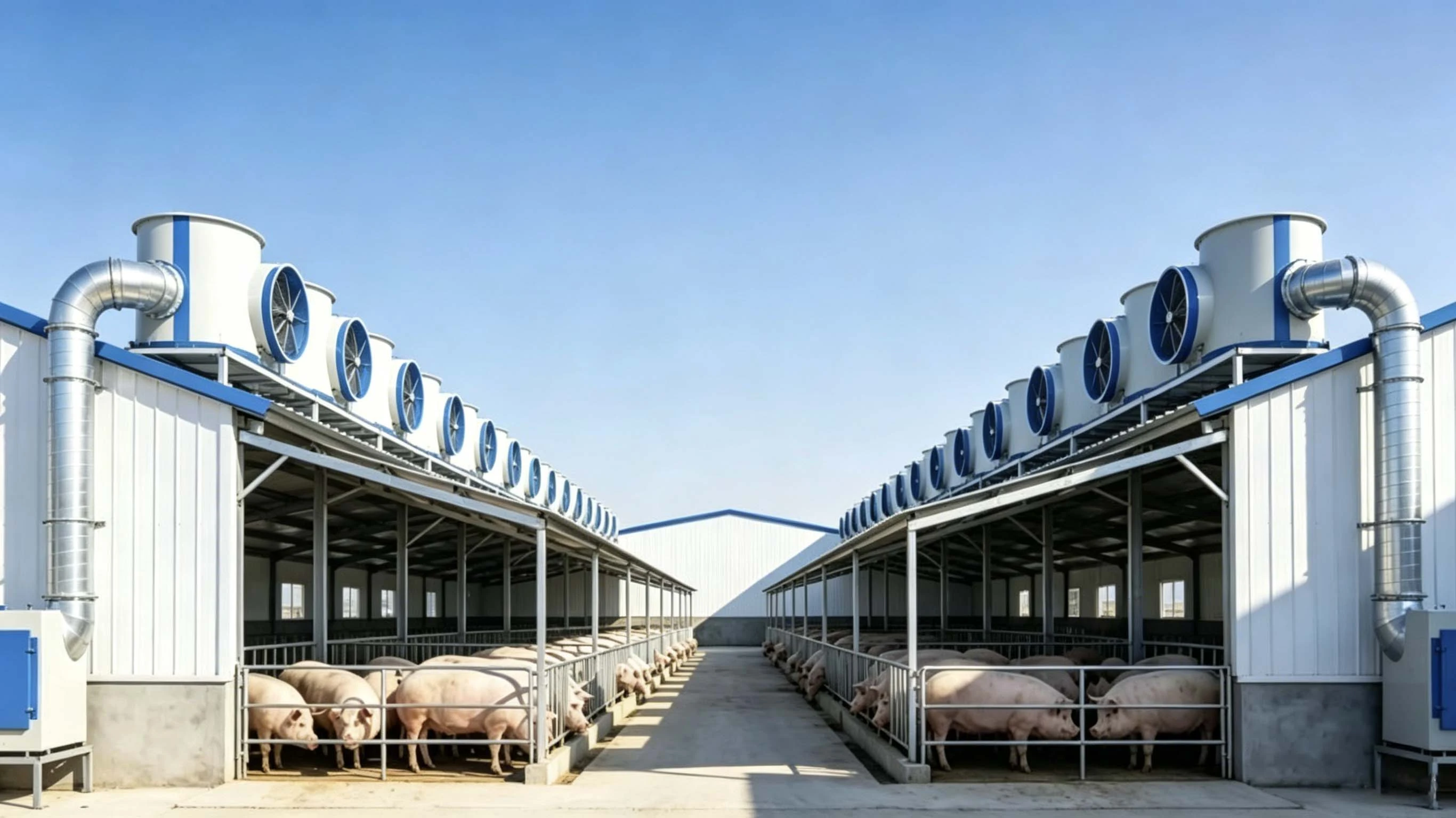
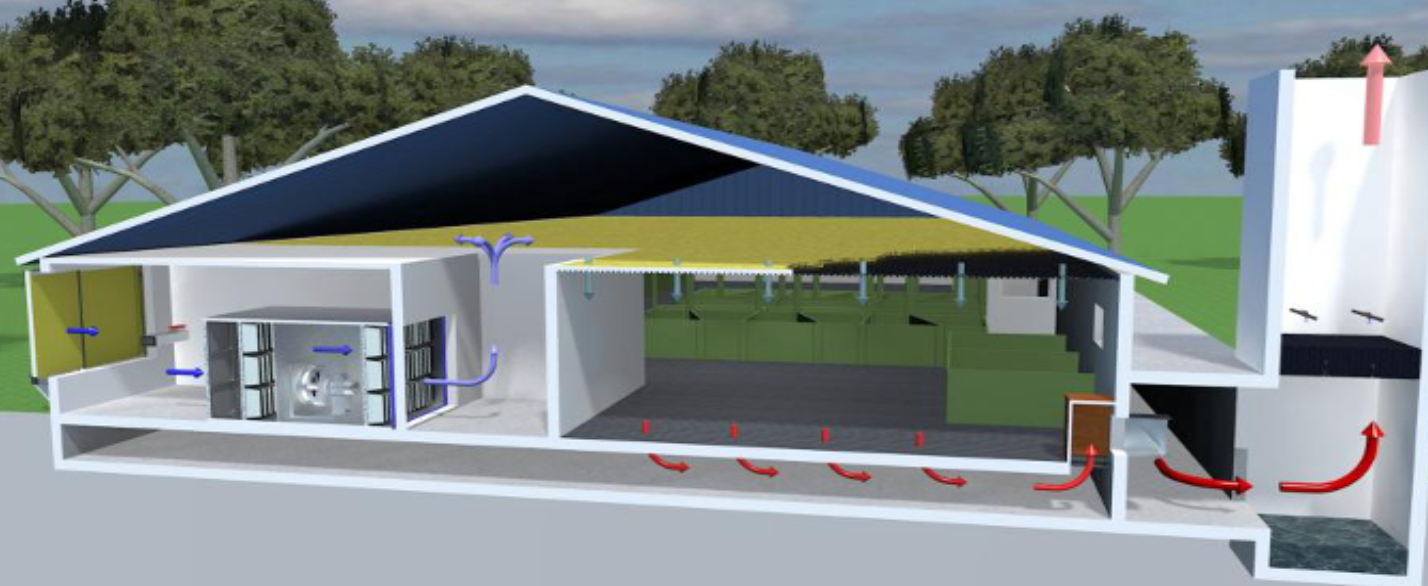
Livestock & Farming
Farming Environment Purification
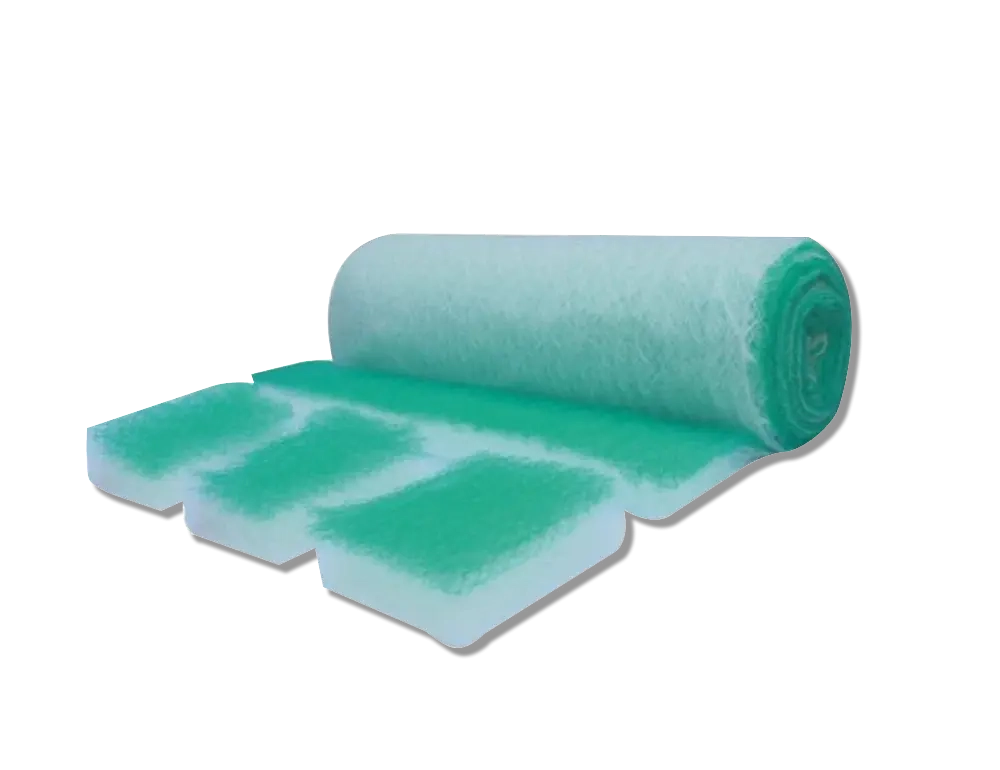
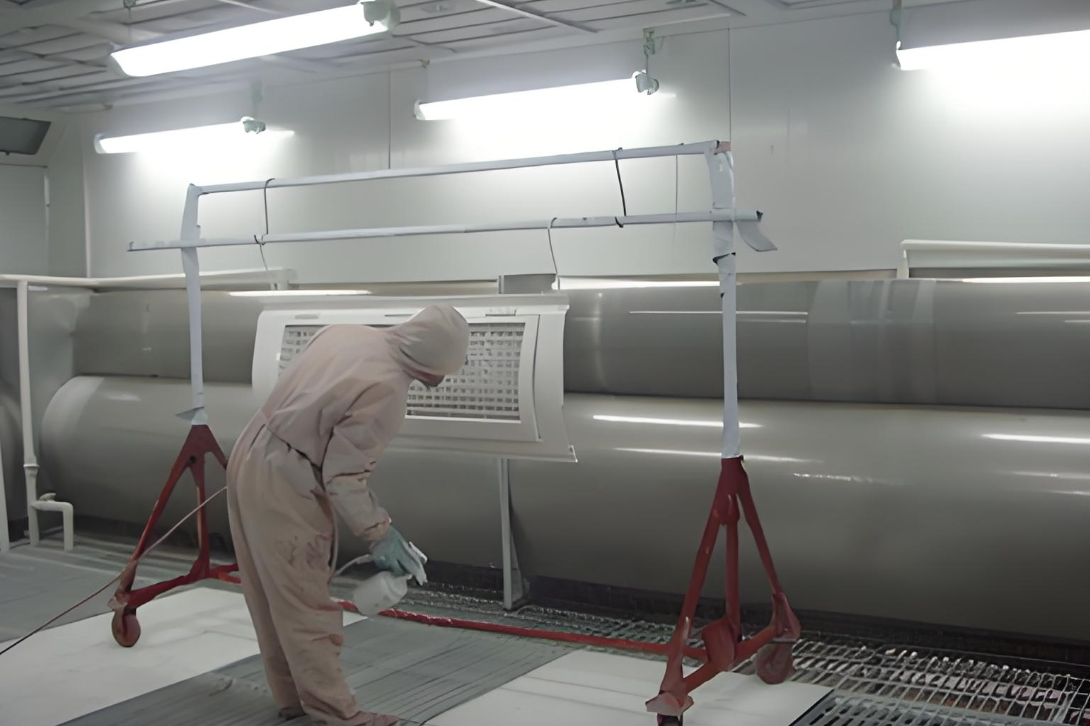
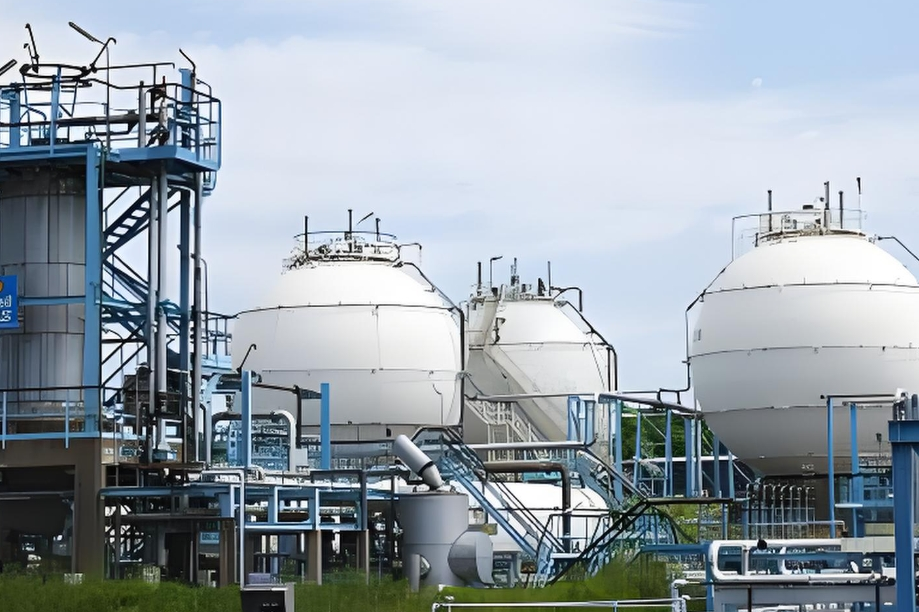
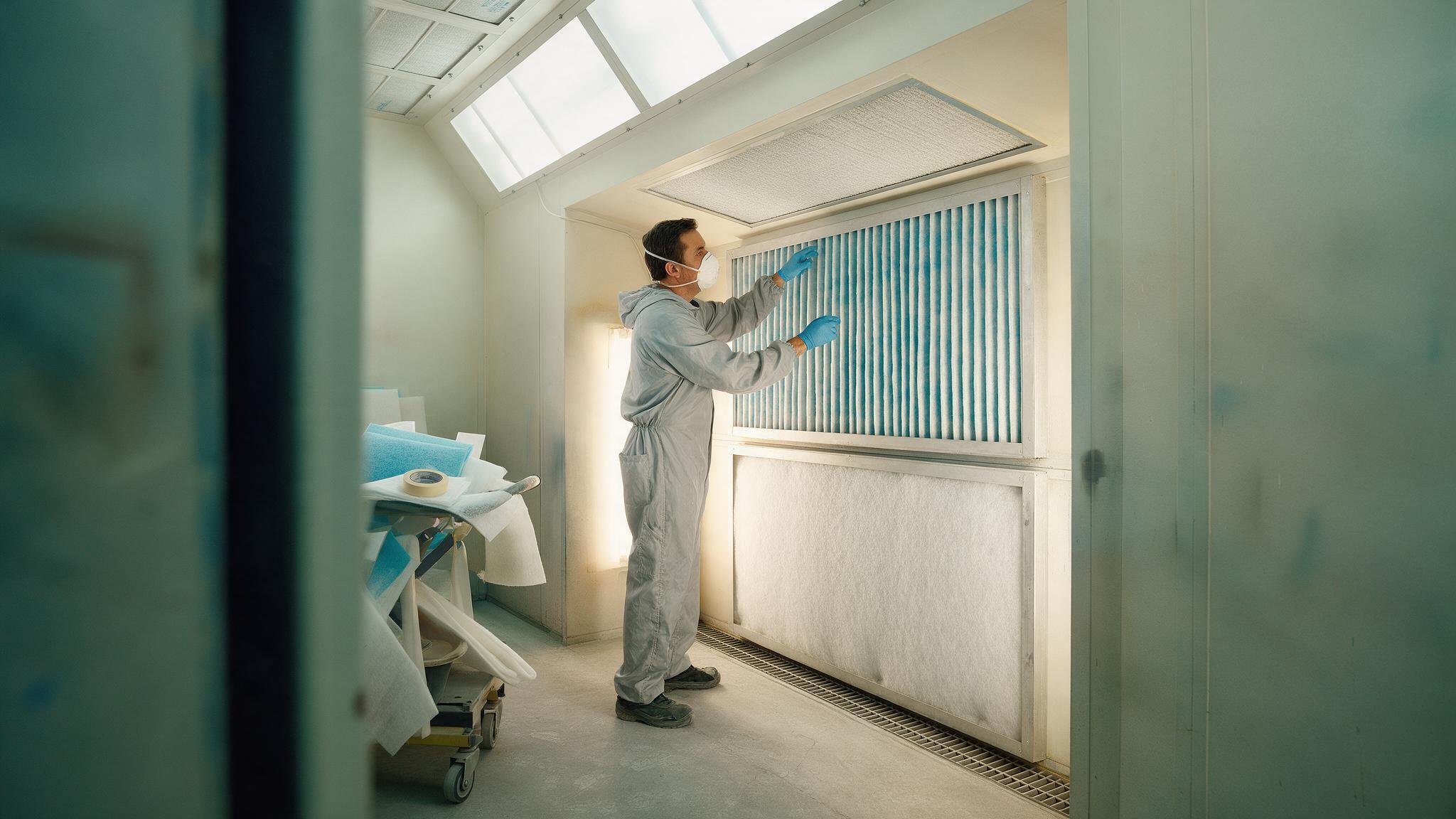
Spray Booths & Industrial Dust
Paint Mist & Dust Purification
Filtration for Power Equipment
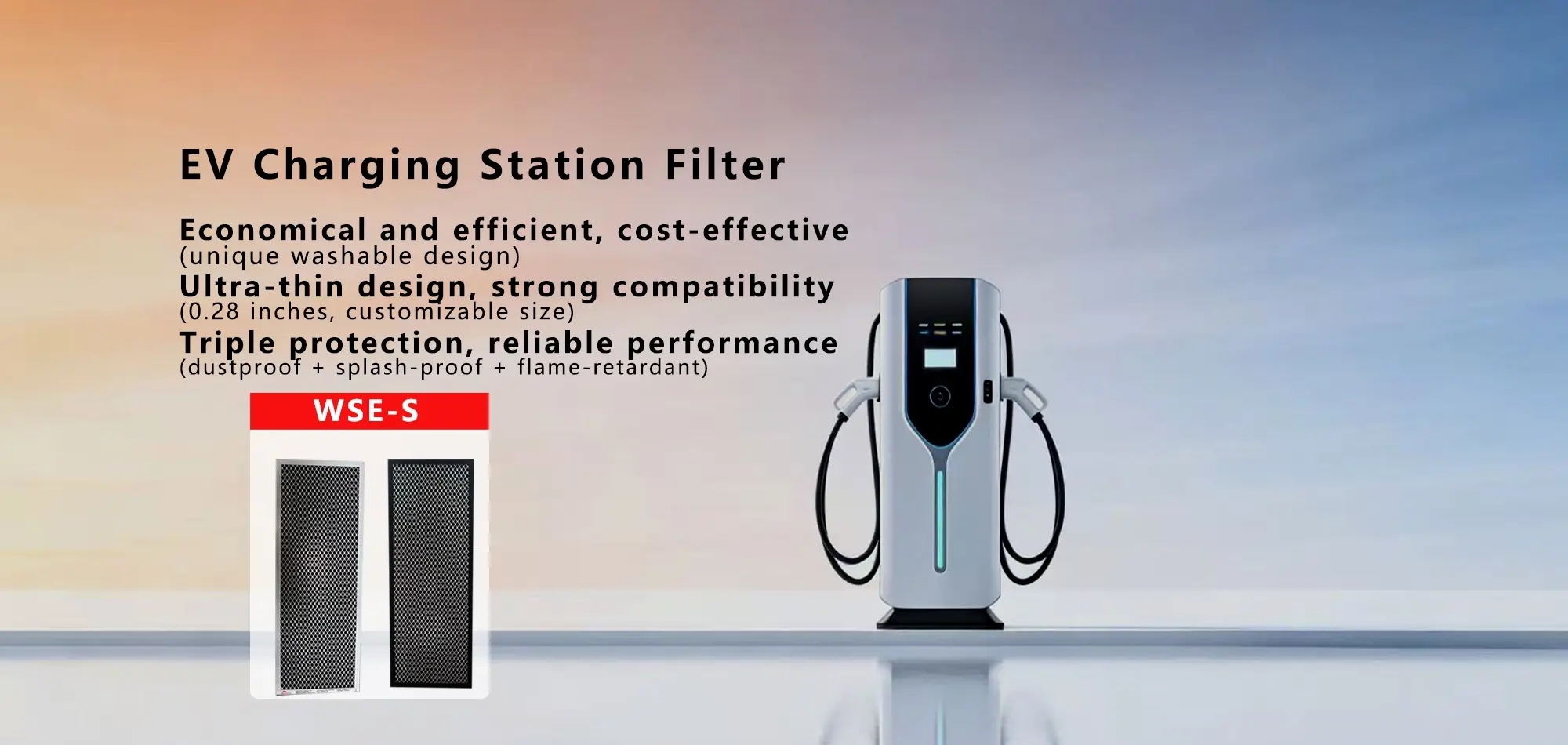
Professional air filtration for EV charging devices, protecting against dust and sand ingress to ensure stable, reliable operation of charging piles and station infrastructure.
View Related Products →Ultra-High Cleanliness Filtration
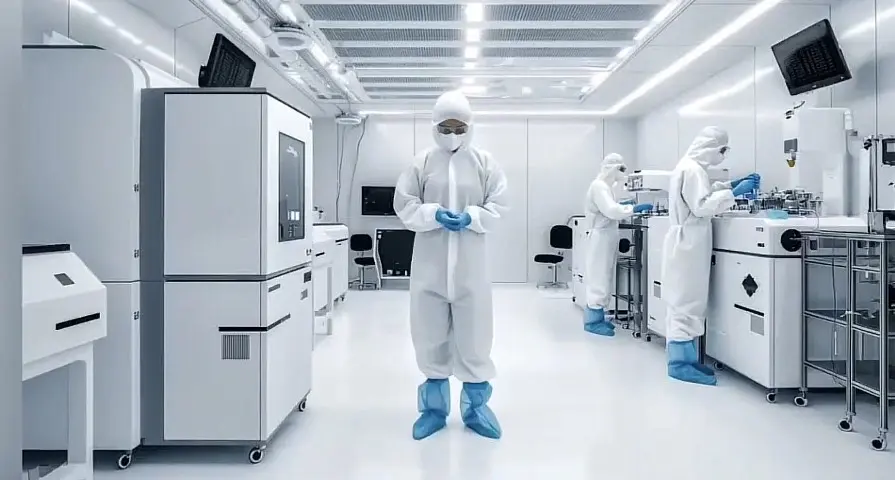
Ultra-high efficiency filtration for semiconductor wafer fabs and precision electronics cleanrooms, capturing nano-scale particles to meet ISO Class 1–3 standards and maximize product yield.
View Related Products →Central Air System Filtration
High-efficiency filtration for commercial building HVAC systems, improving indoor air quality, reducing energy consumption, and extending equipment service life.
View Related Products →Precision Equipment Protection
Precision air filtration for data centers, shielding servers and critical hardware from dust contamination to keep cooling systems running efficiently and reliably.
View Related Products →Farming Environment Purification
Dedicated filtration systems for farms and livestock facilities — capturing dust, adsorbing ammonia, and inhibiting pathogen spread to improve animal health and overall productivity.
View Related Products →Paint Mist & Dust Purification
Designed for spray booths and grinding workshops, efficiently capturing paint mist, metal dust, and wood chips to meet emission standards while protecting finished surface quality.
View Related Products →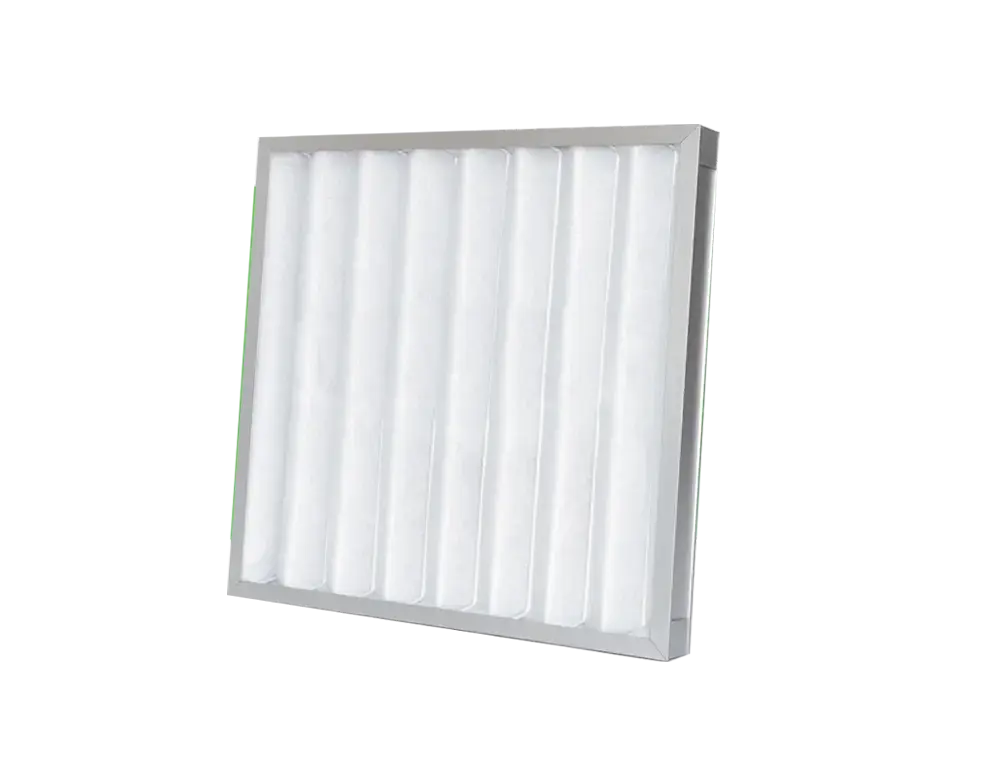
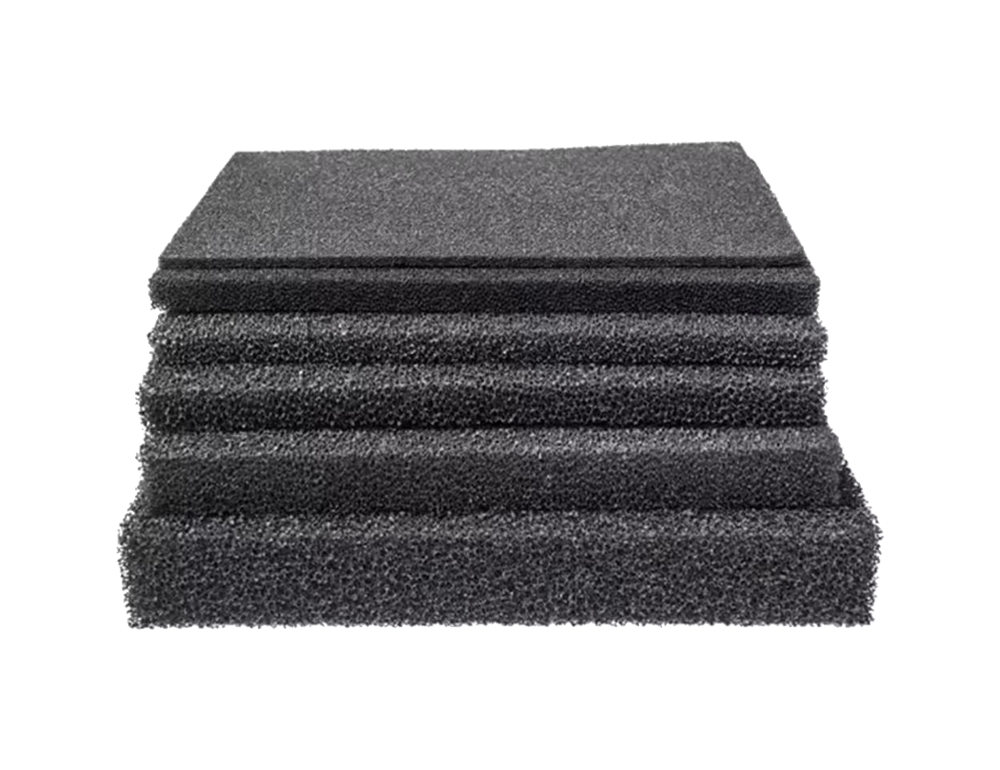
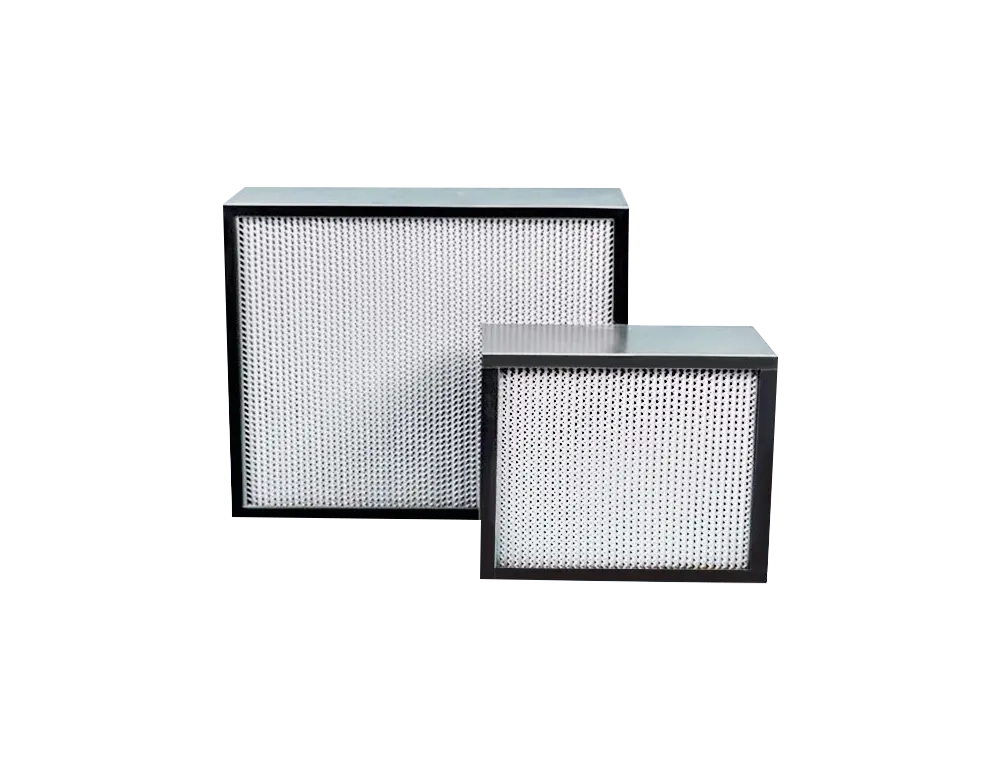
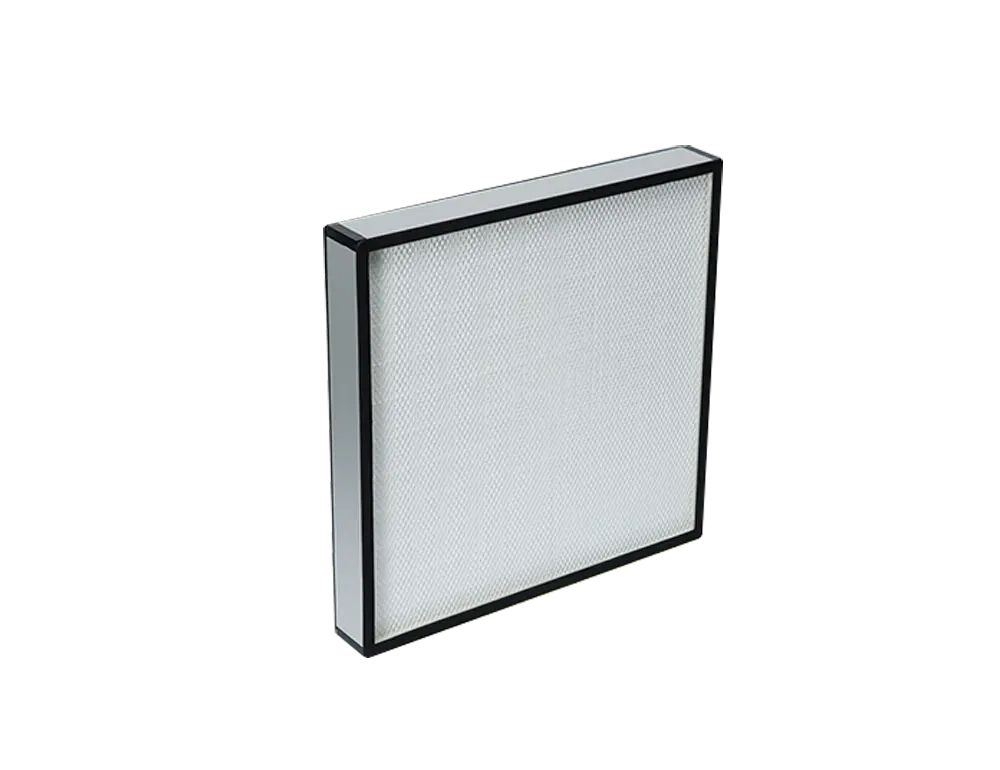
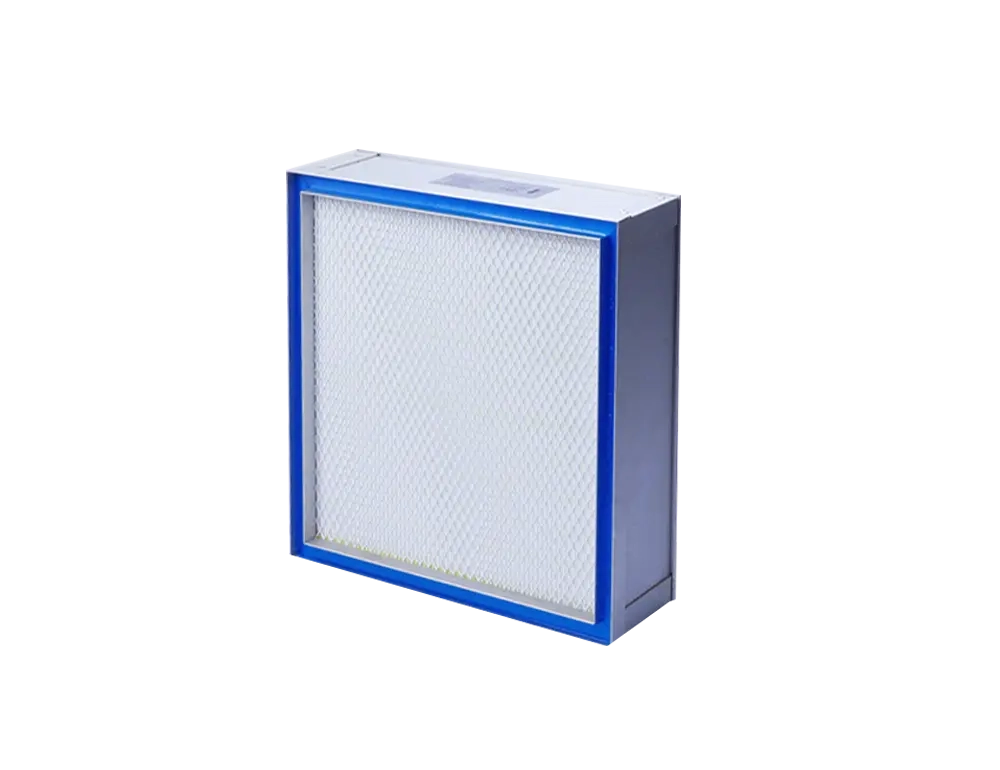
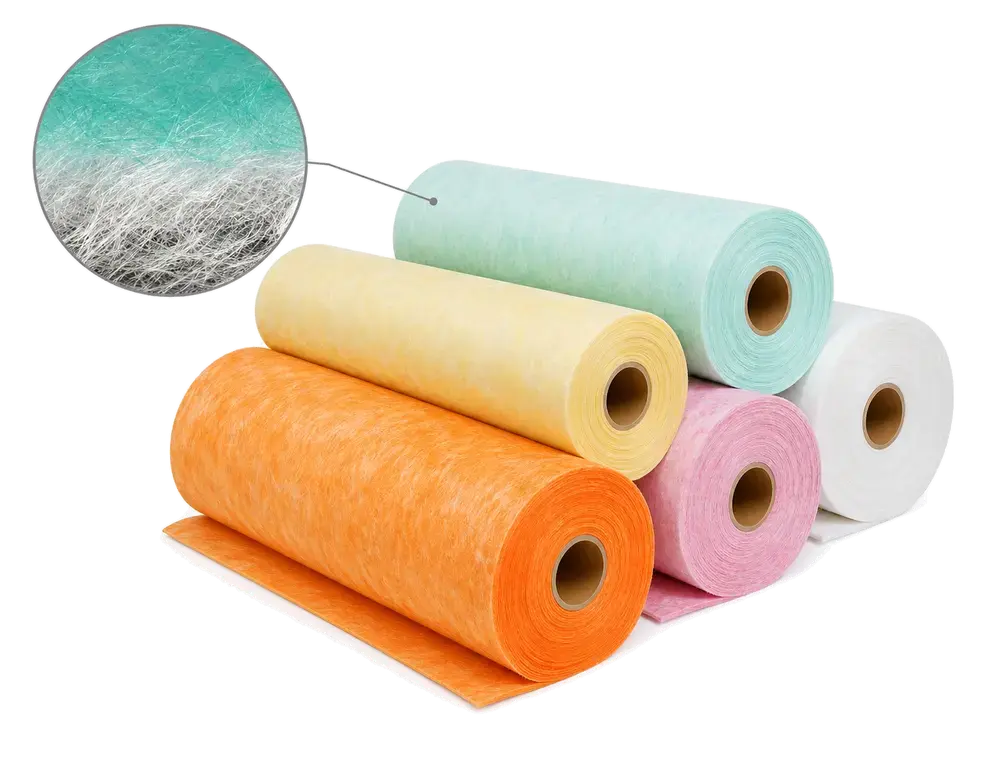
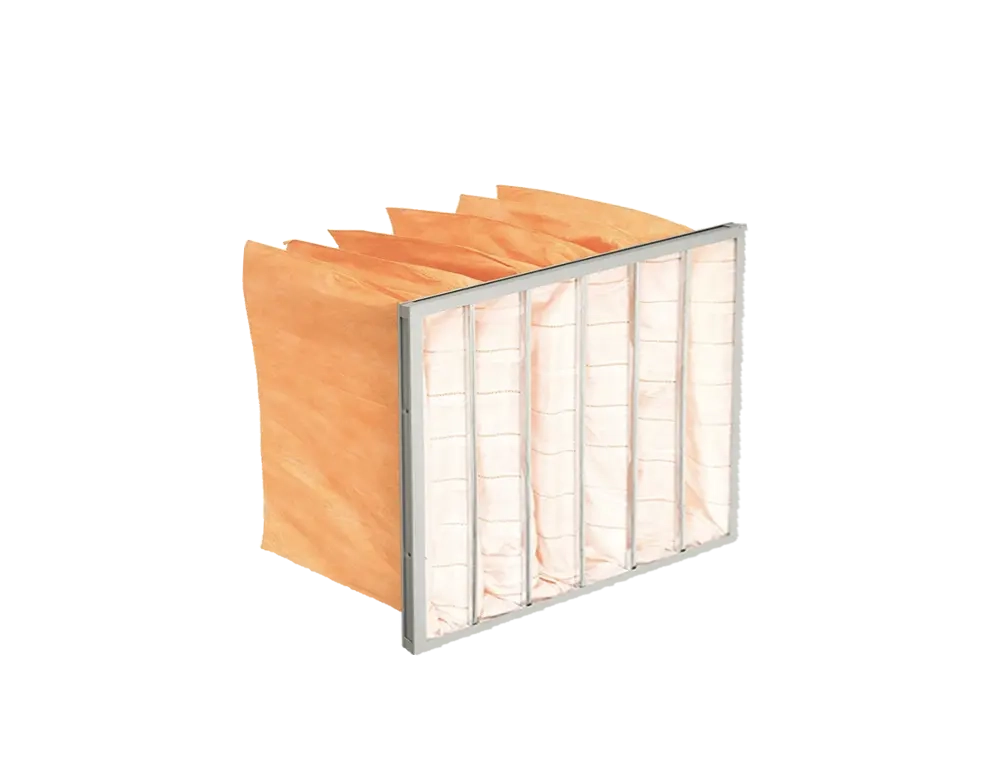
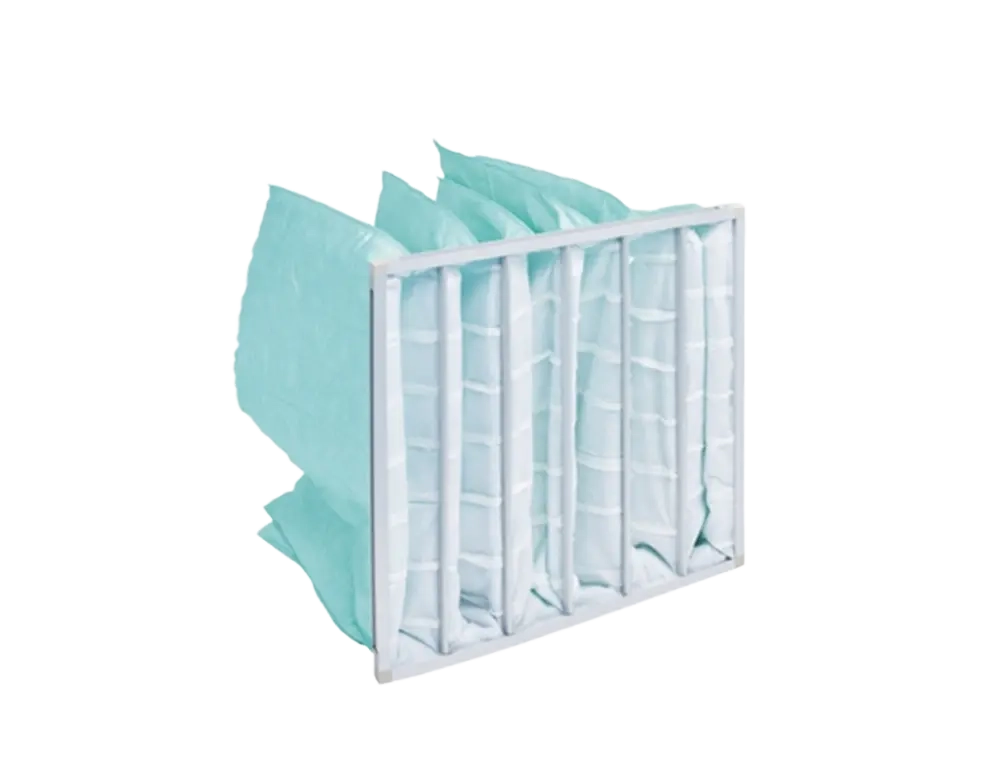
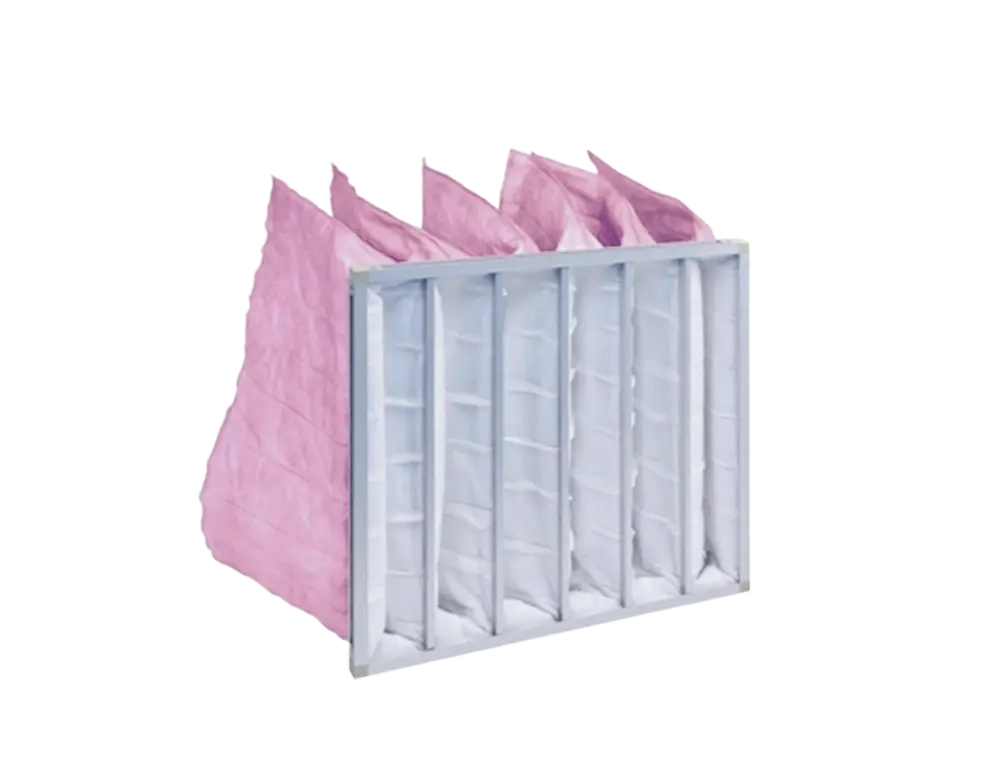
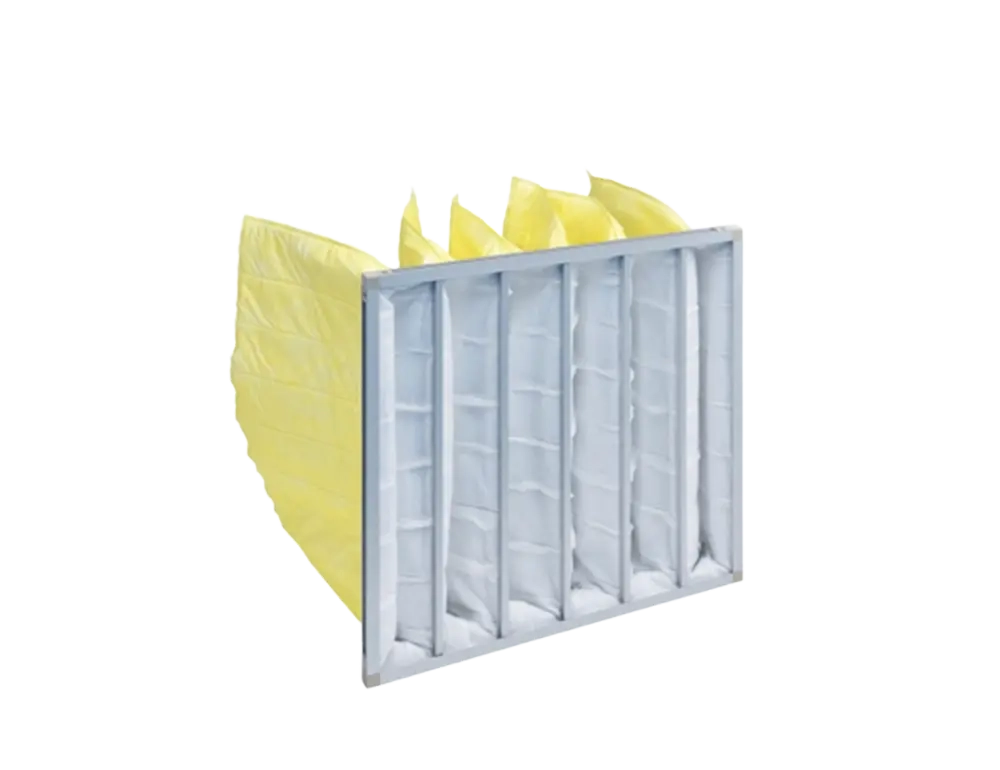
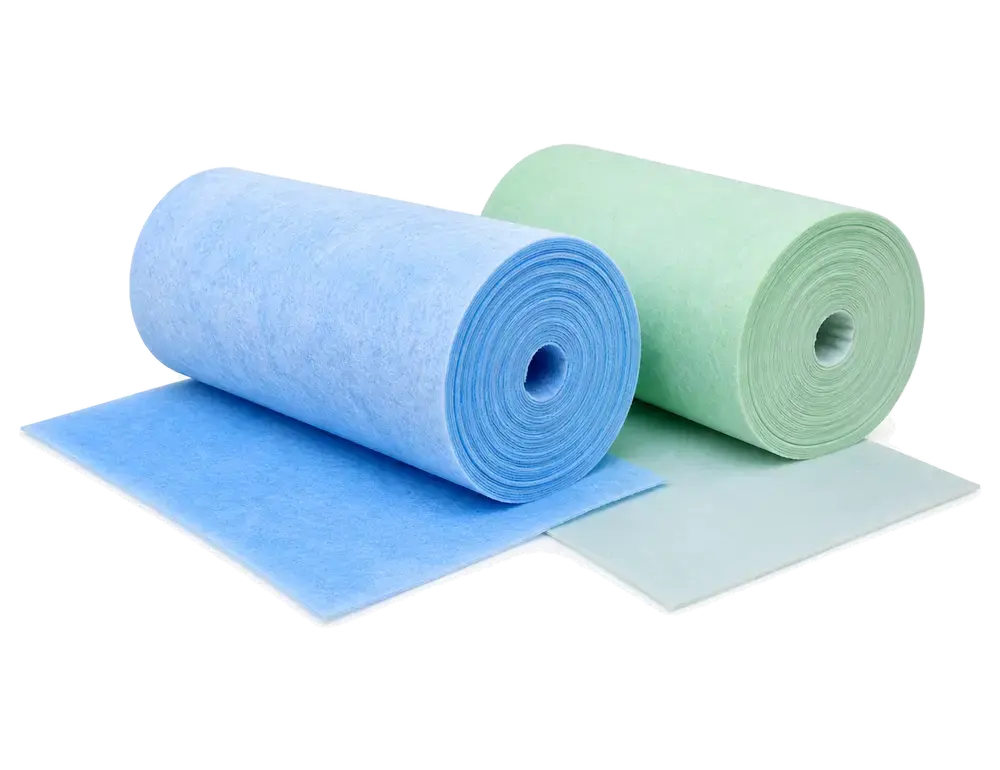
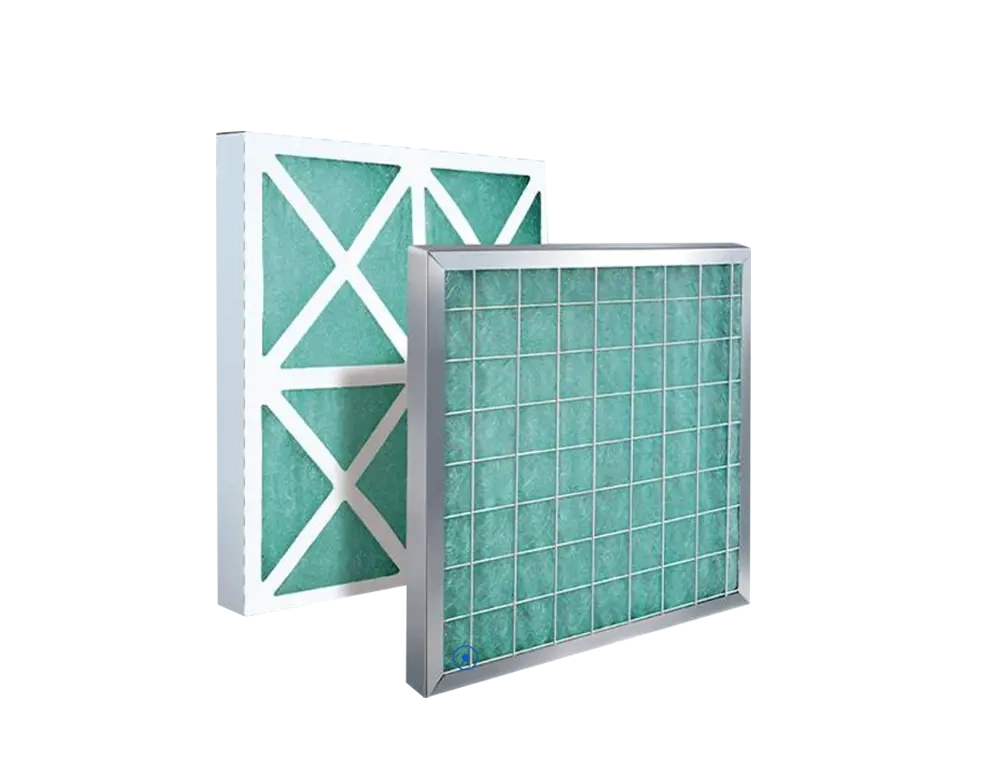
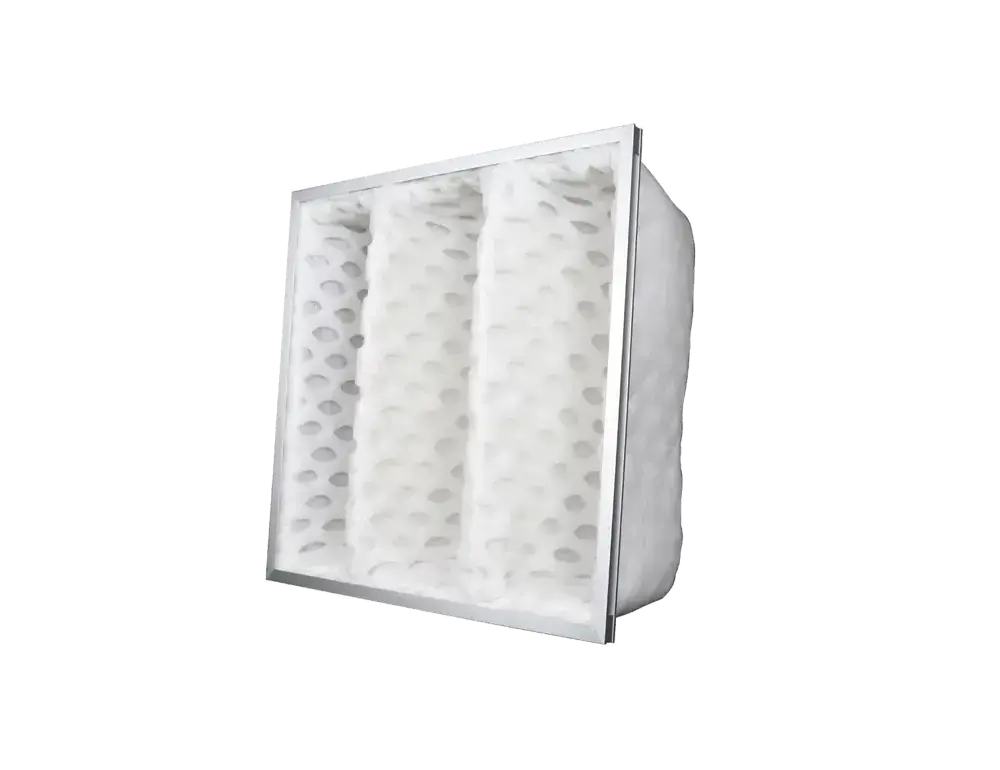
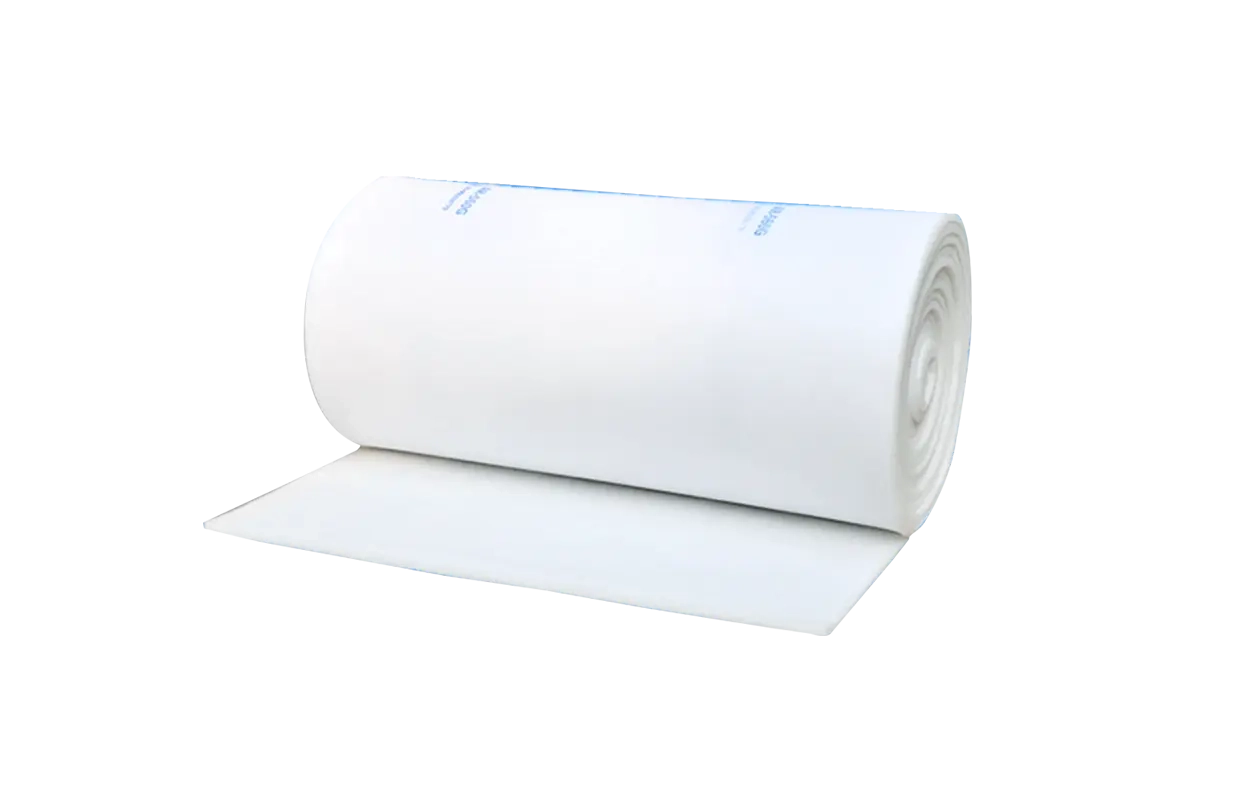
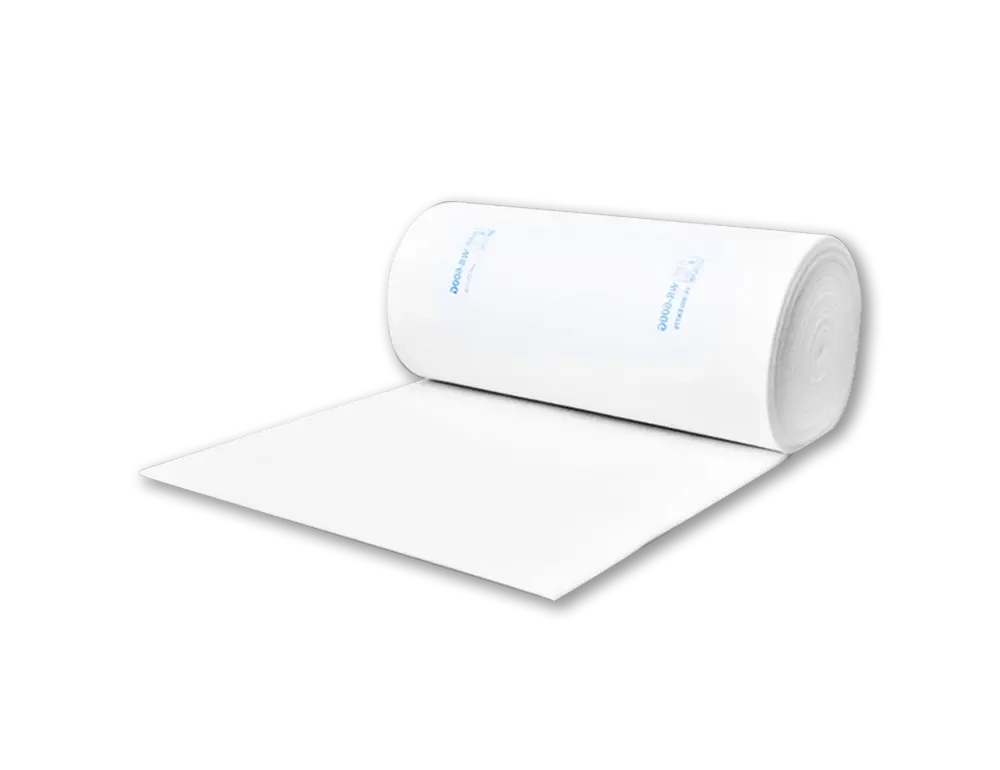
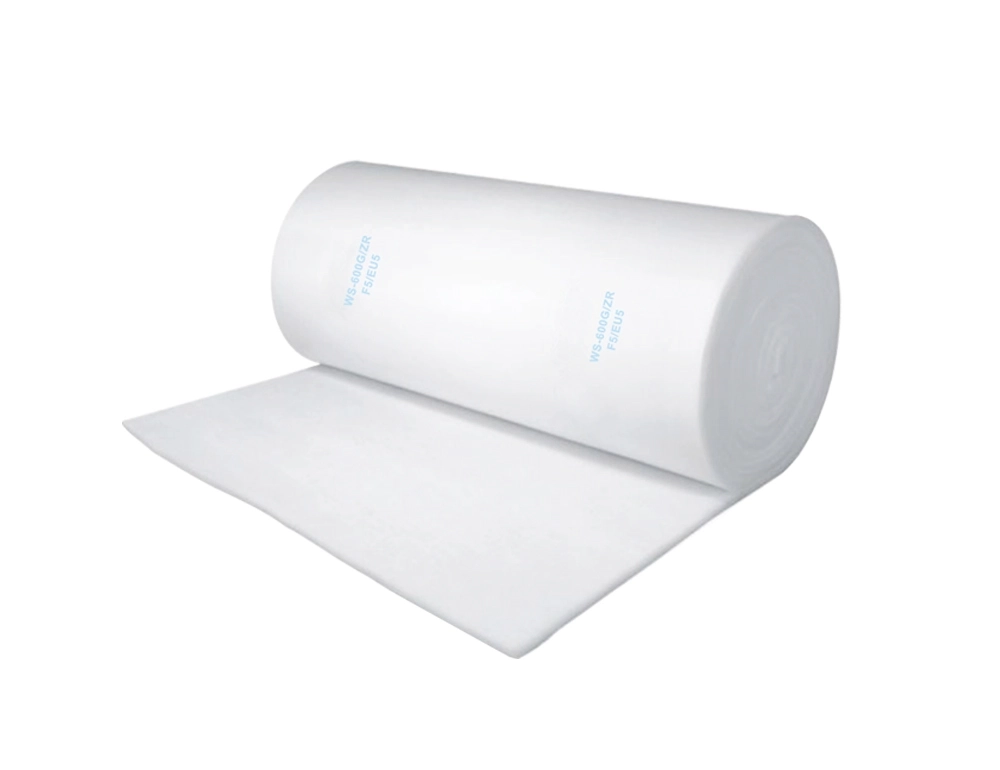
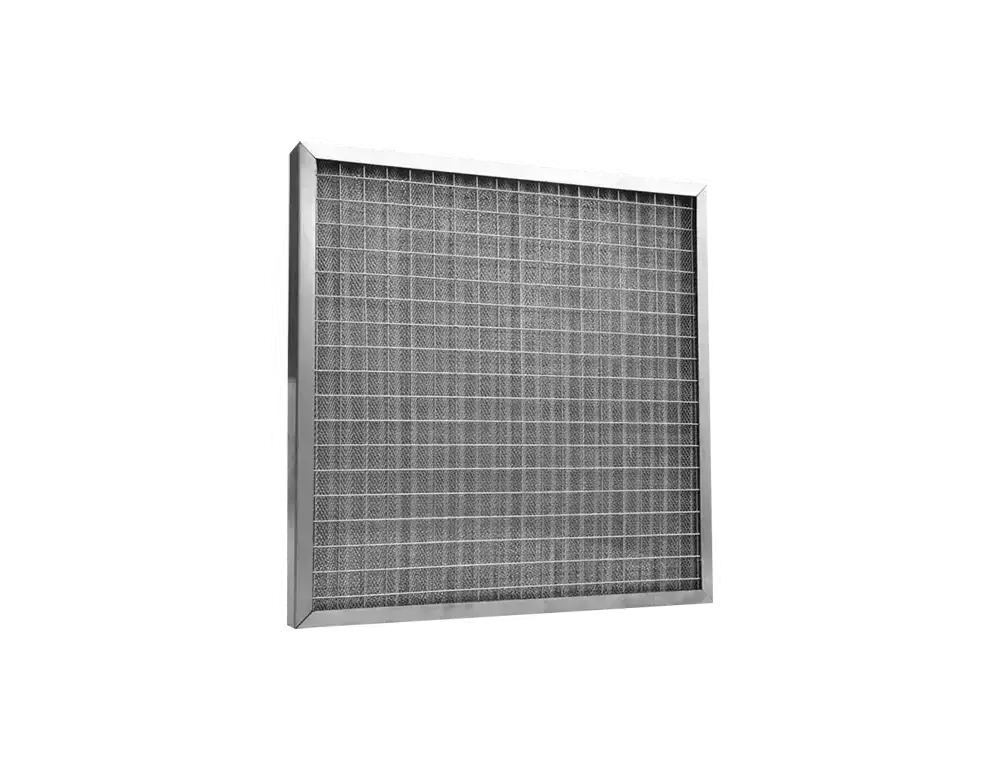
Pre-Filter (G1–G4)
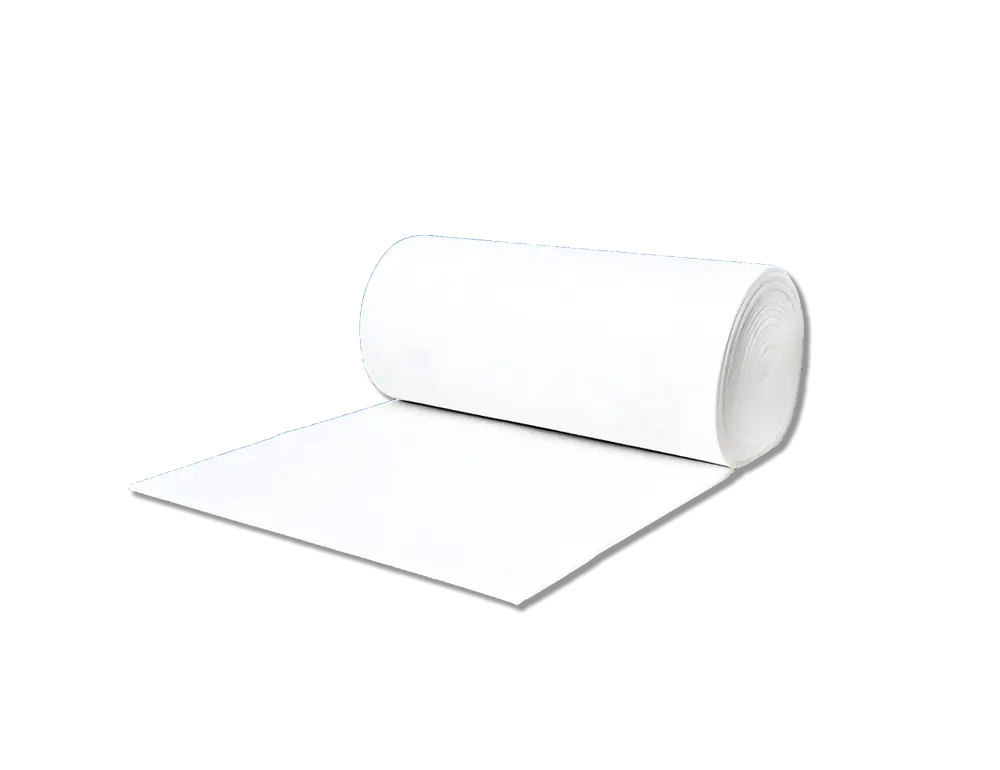
First-Stage Large-Particle Capture
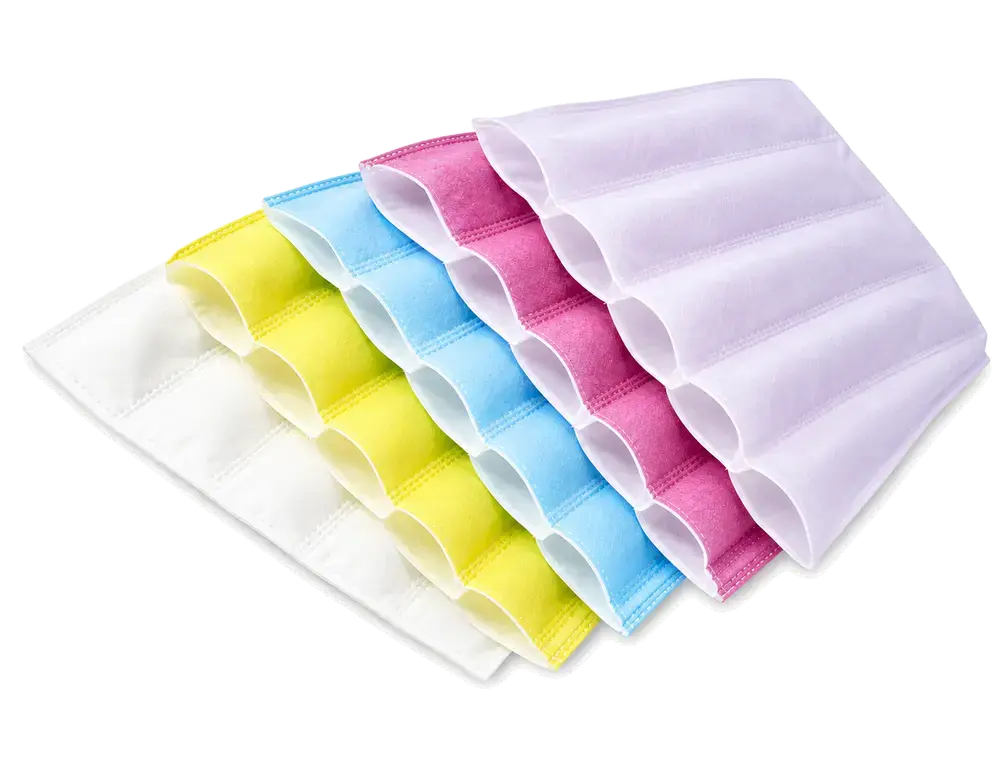
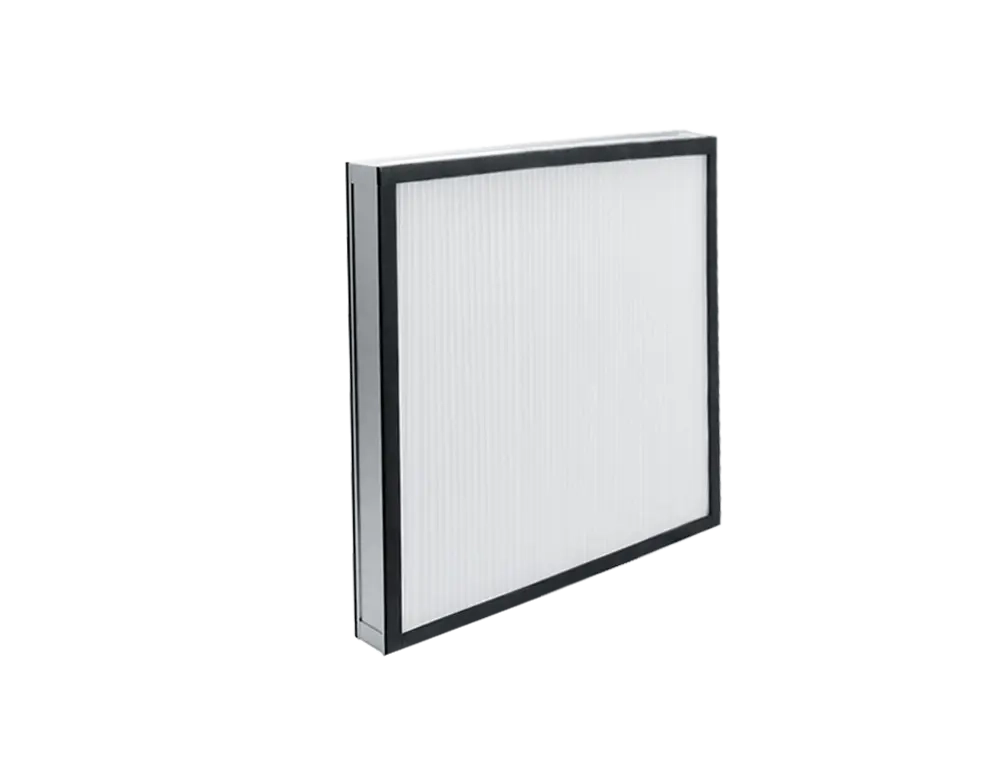
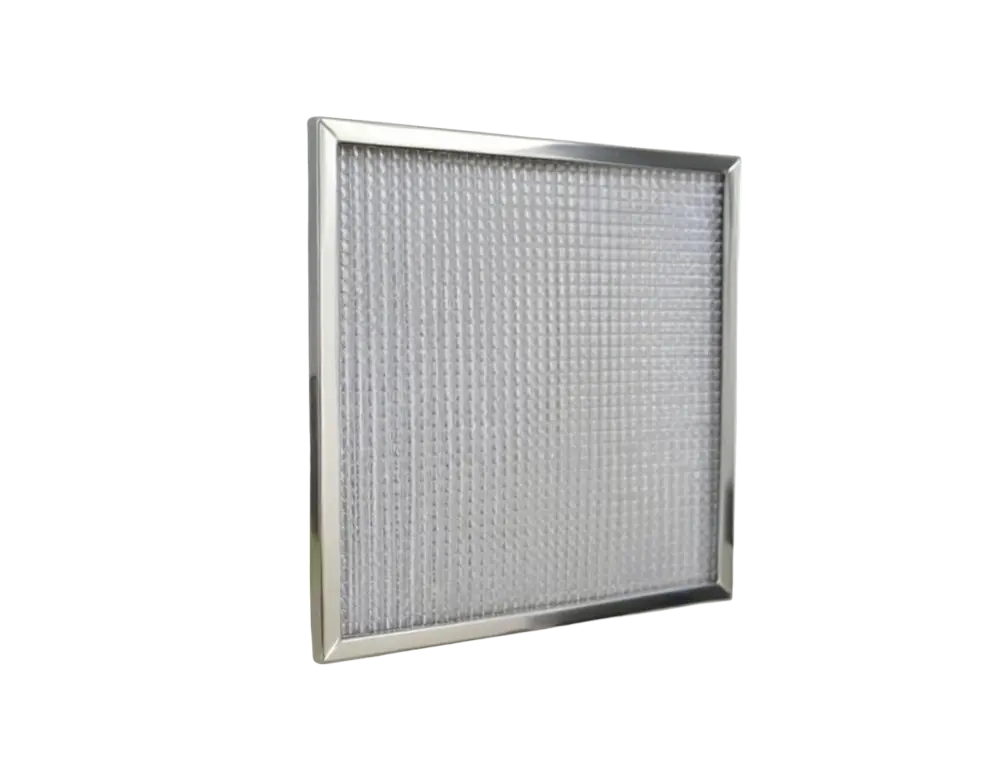
Medium-Efficiency Filter (F5–F9)
Precise PM2.5 Capture
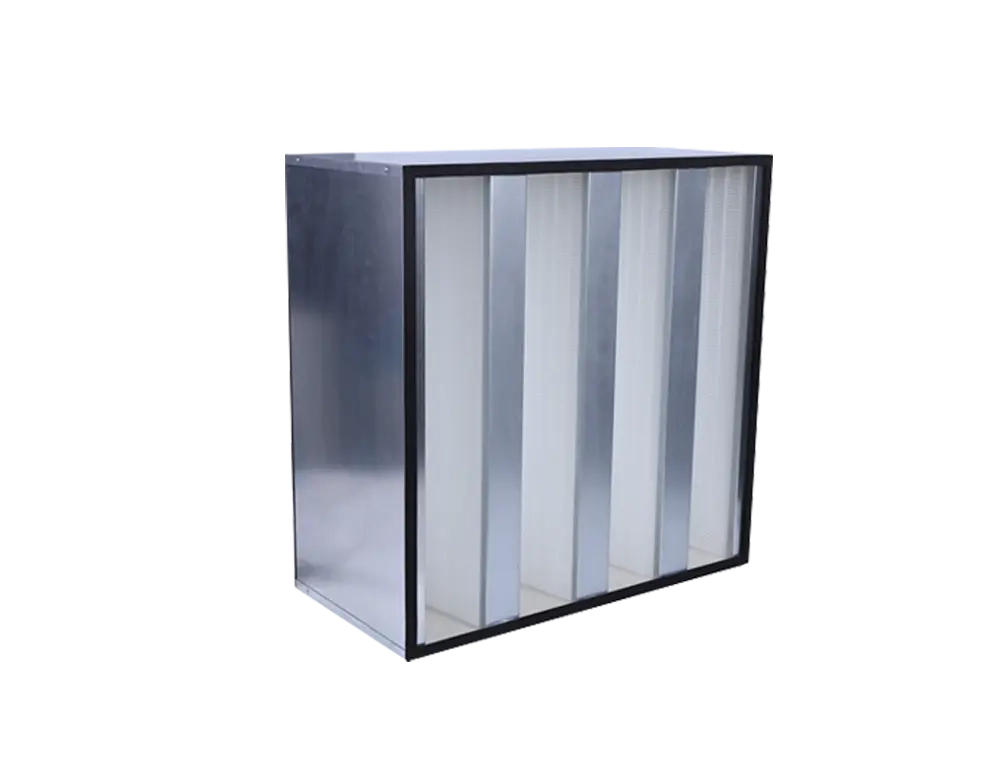
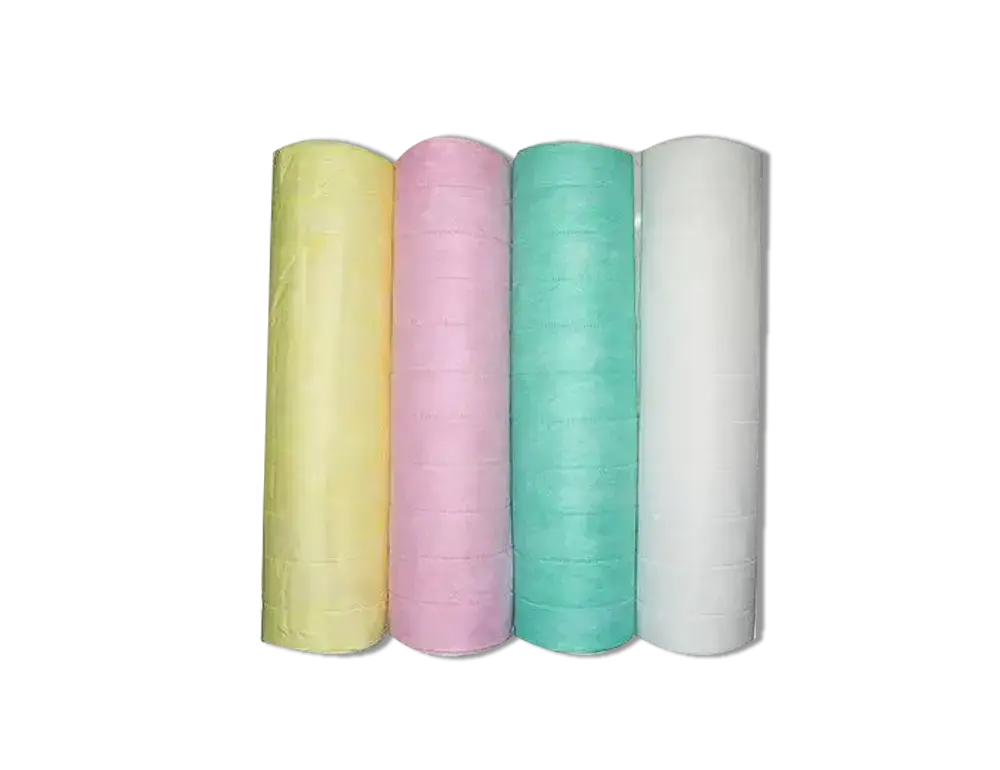
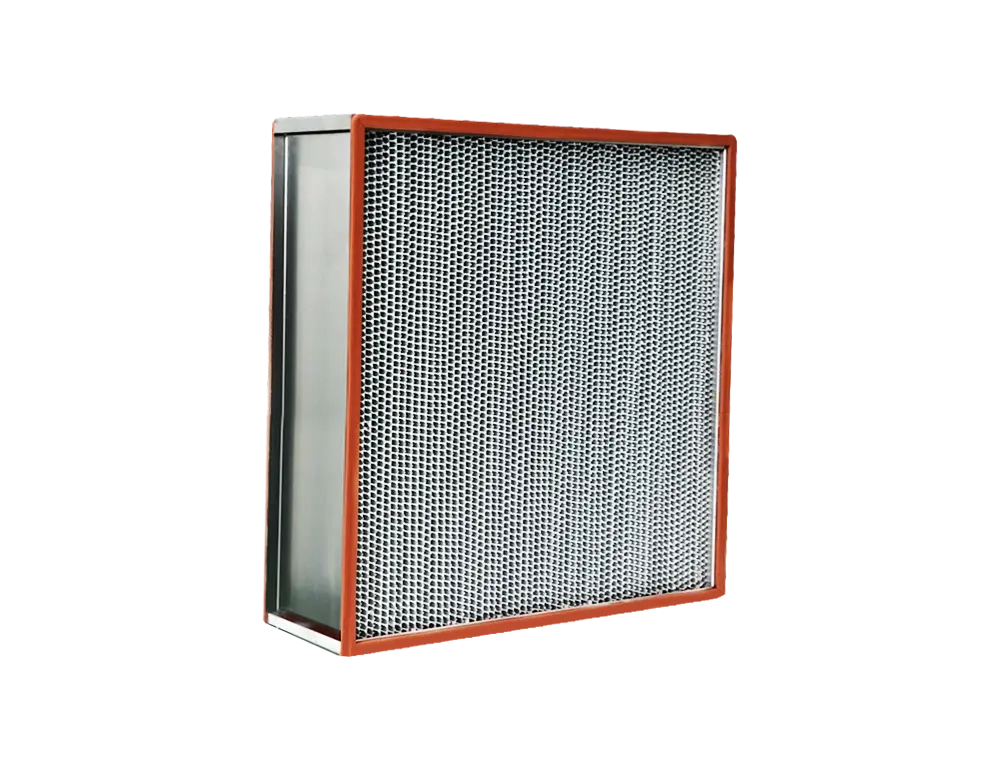
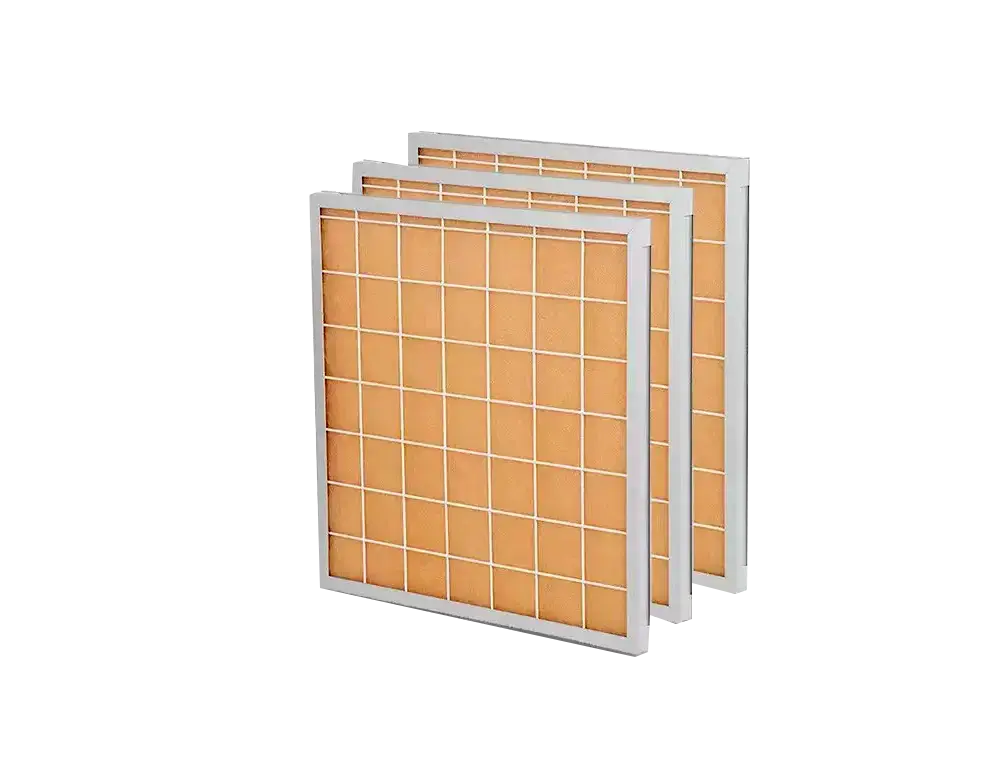
HEPA High-Efficiency Filter
Sterile-Grade Purification
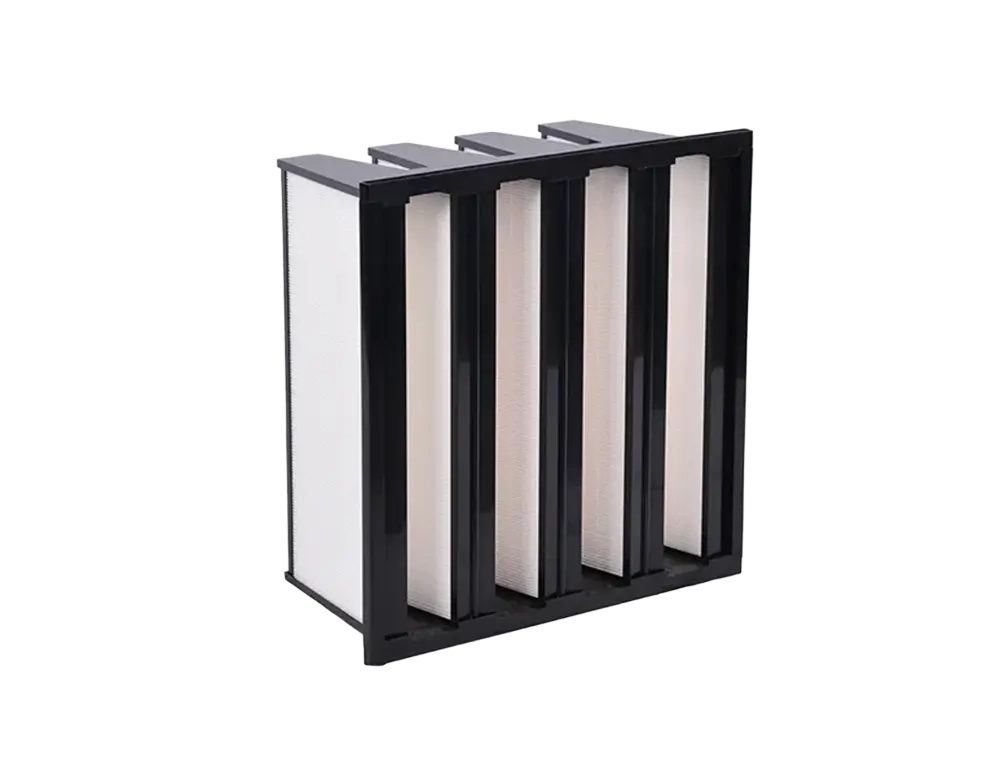
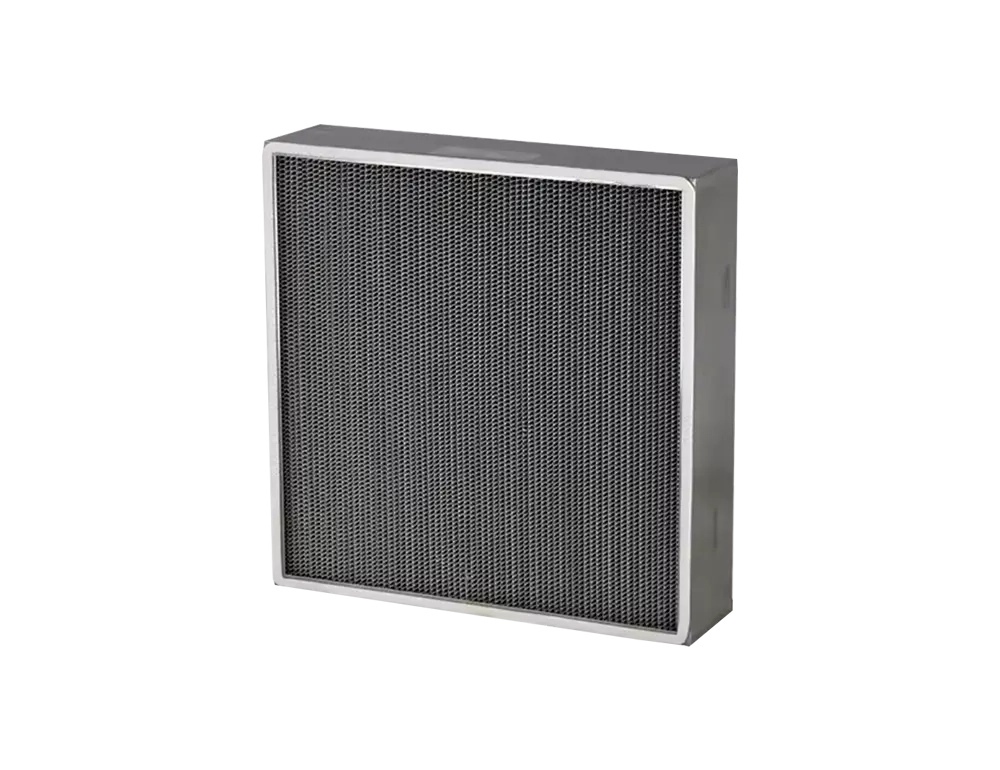
ULPA Ultra-High Efficiency Filter
Sub-Micron Particle Capture
First-Stage Large-Particle Capture
The first line of defense, capturing particles ≥5 μm such as dust, hair, and fibers to protect downstream filters and extend overall system service life.
View Related Products →Precise PM2.5 Capture
Captures fine particles of 1–5 μm including PM2.5, pollen, and mold spores, significantly improving indoor air quality for commercial HVAC and ventilation systems.
View Related Products →Sterile-Grade Purification
≥99.97% filtration efficiency for particles ≥0.3 μm, delivering sterile-grade clean air widely used in medical, pharmaceutical, and electronics manufacturing.
View Related Products →Sub-Micron Particle Capture
≥99.9995% efficiency for particles ≥0.12 μm, meeting the extreme cleanliness demands of semiconductor fabs, aerospace, and other ultra-precision applications.
View Related Products →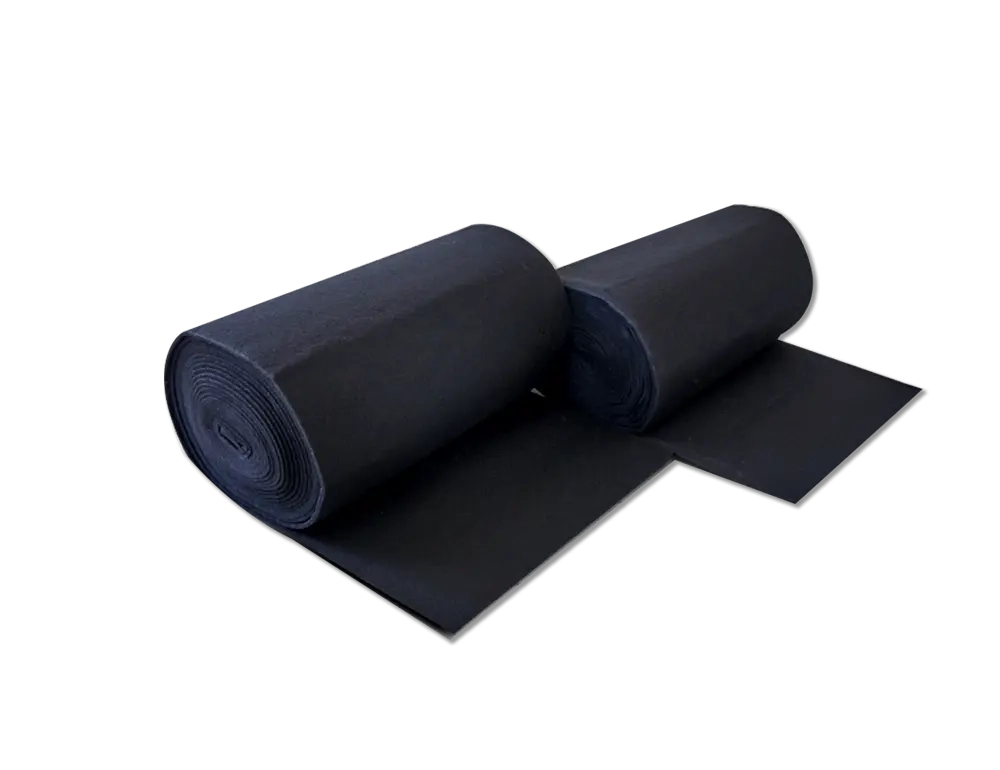
High-Temperature Resistant
Industrial-Grade Heat Tolerance
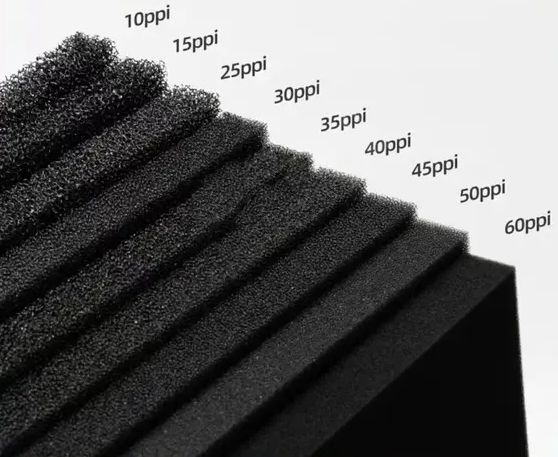
Washable & Reusable
Cut Costs, Reduce Waste
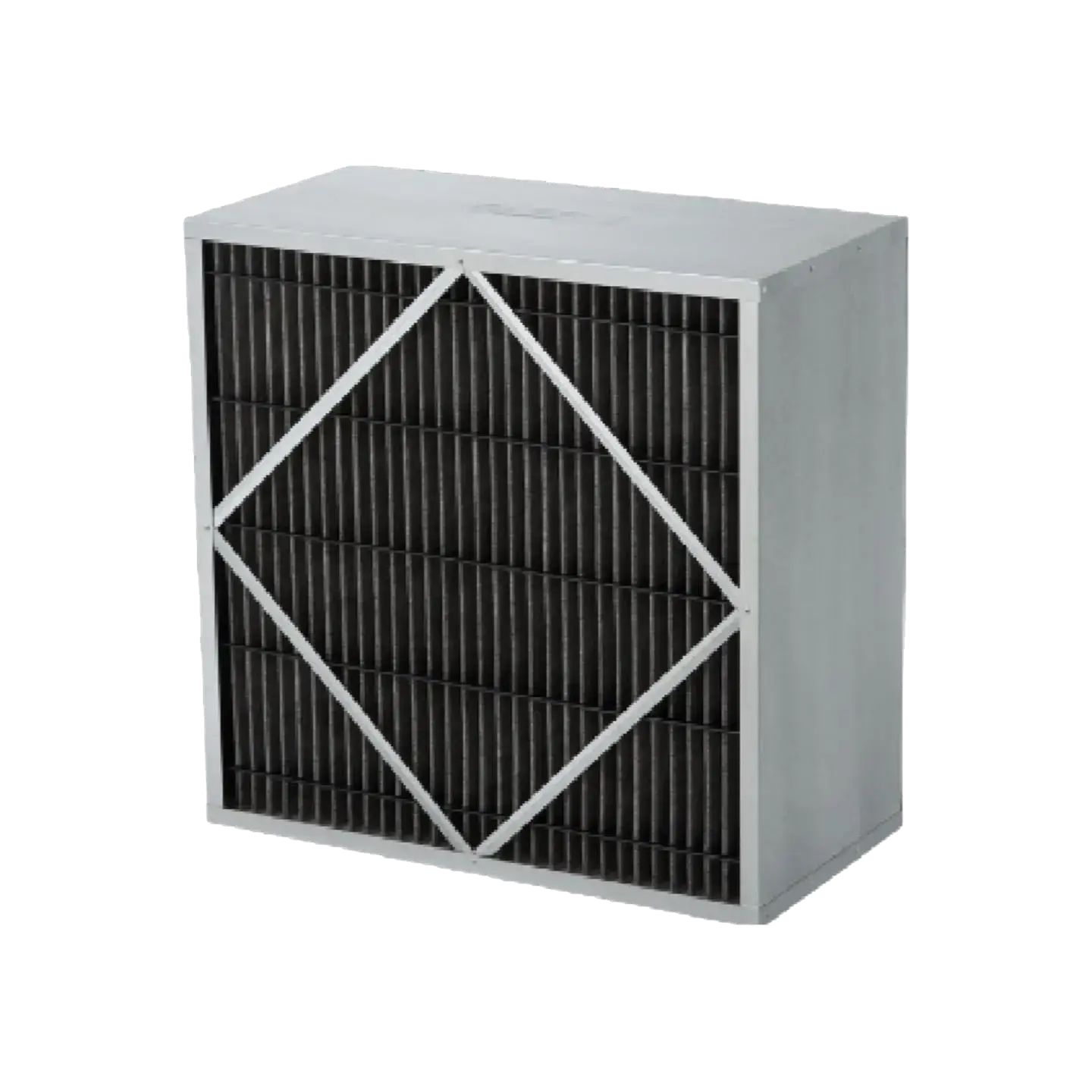
Activated Carbon
Odor & Harmful Gas Removal
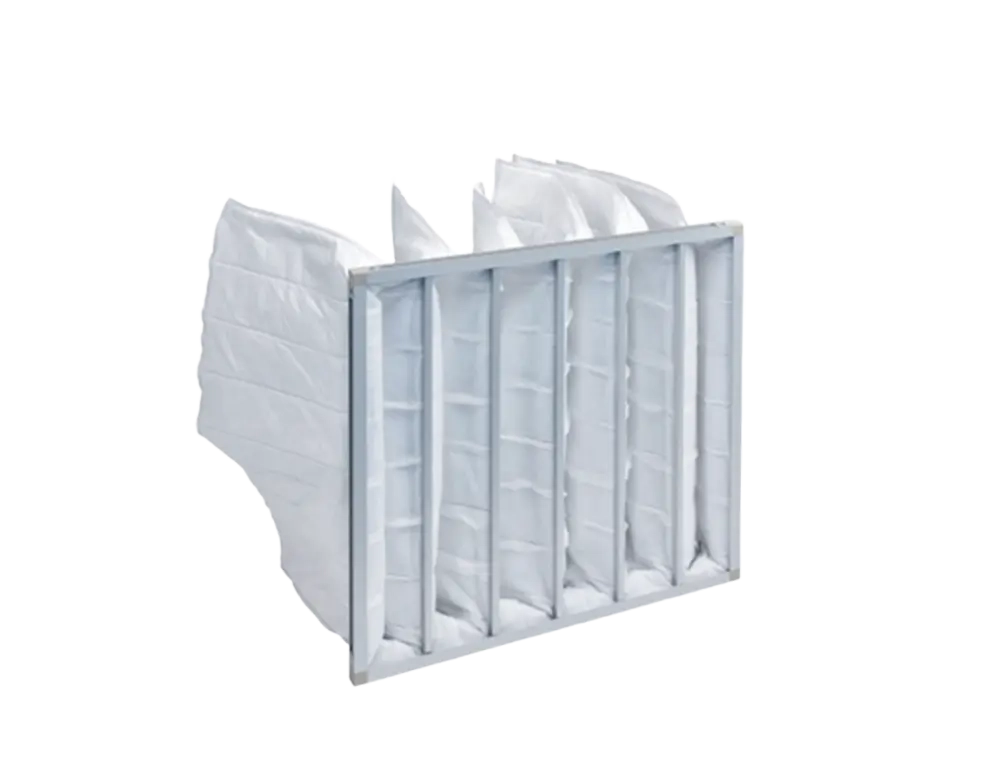
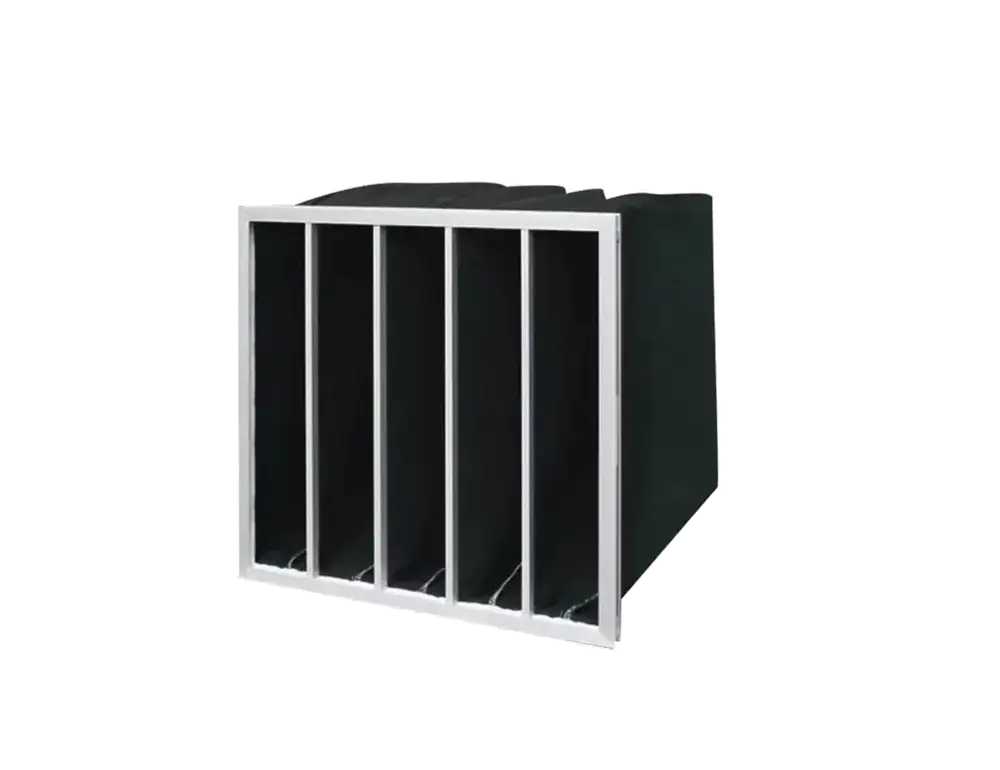
Bag Filter
High Dust-Holding, Long Life
Panel / Pleated Filter
Compact Space-Saving Design
Low-Resistance Airflow
Energy-Saving Operation
Industrial-Grade Heat Tolerance
Built with specialized heat-resistant materials, operating stably up to 250°C for paint ovens, industrial dryers, and high-temperature process environments.
View Related Products →Cut Costs, Reduce Waste
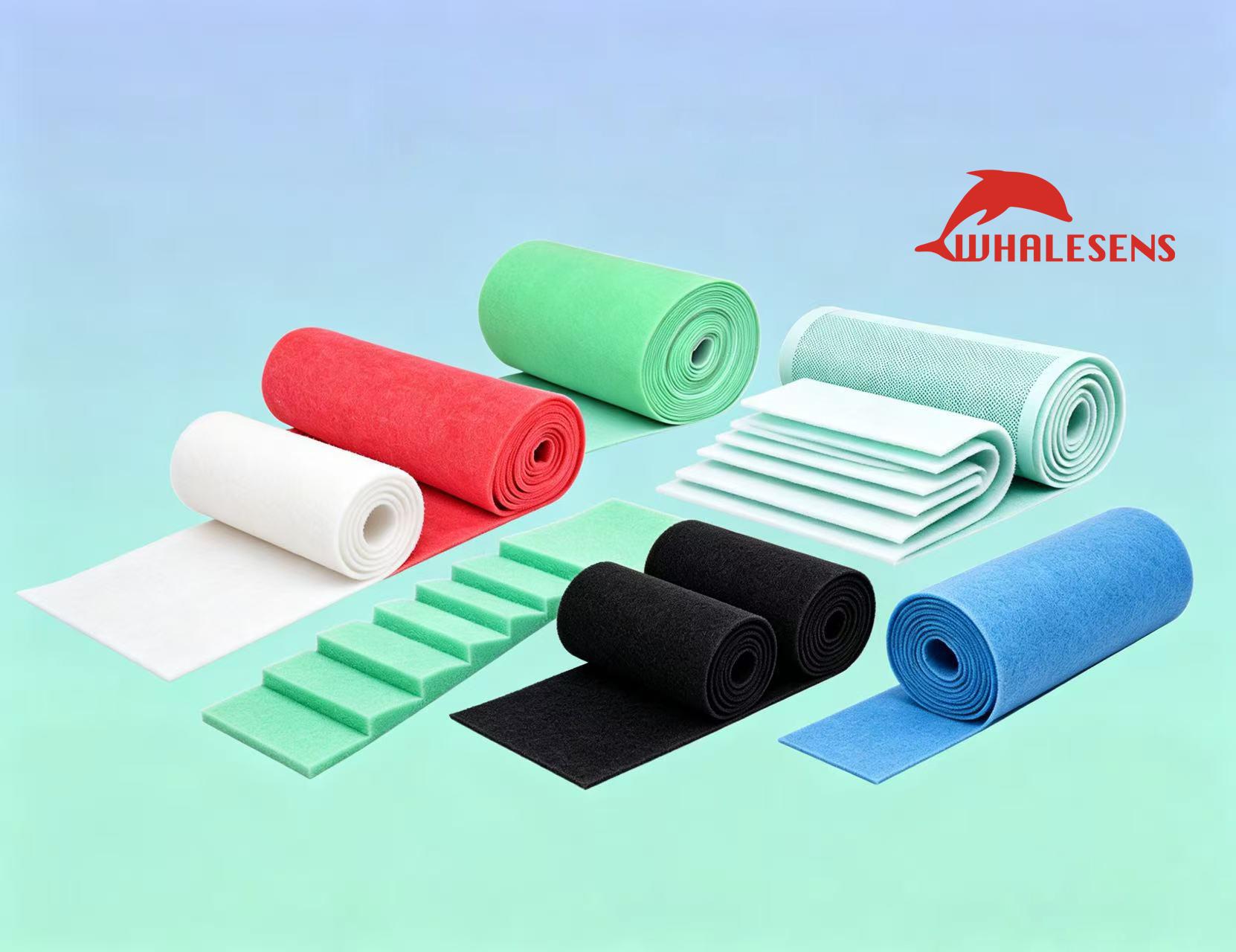
Cleanable by water washing or air blowing, reusable multiple times to significantly reduce replacement frequency and O&M costs — an economical, eco-friendly choice.
View Related Products →Odor & Harmful Gas Removal
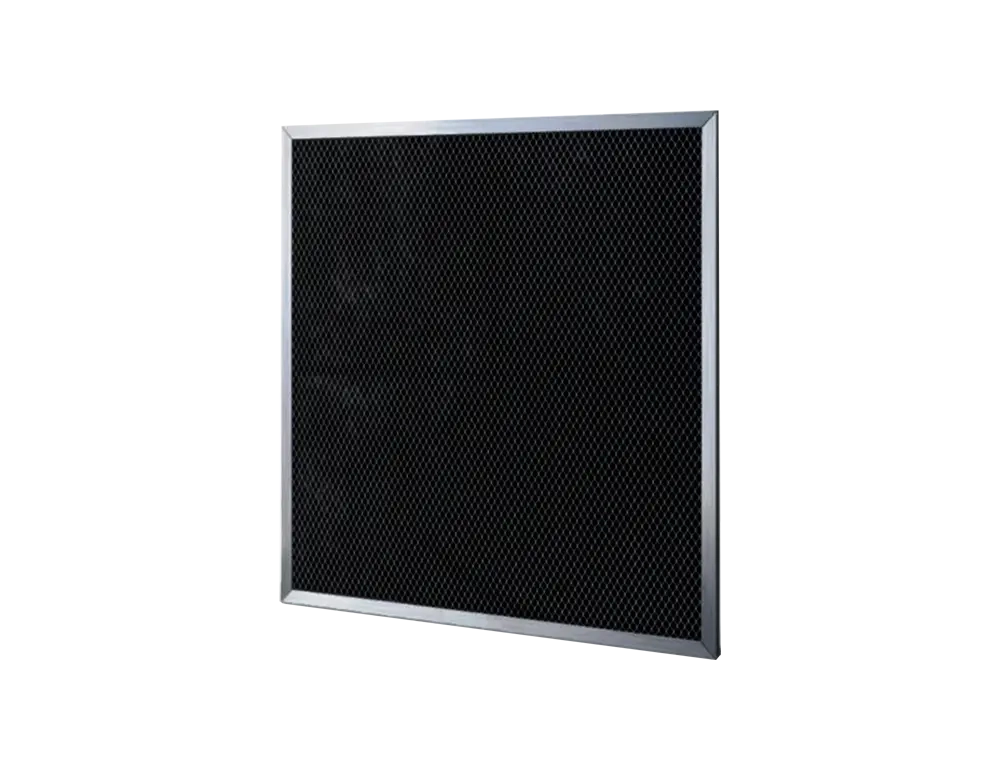
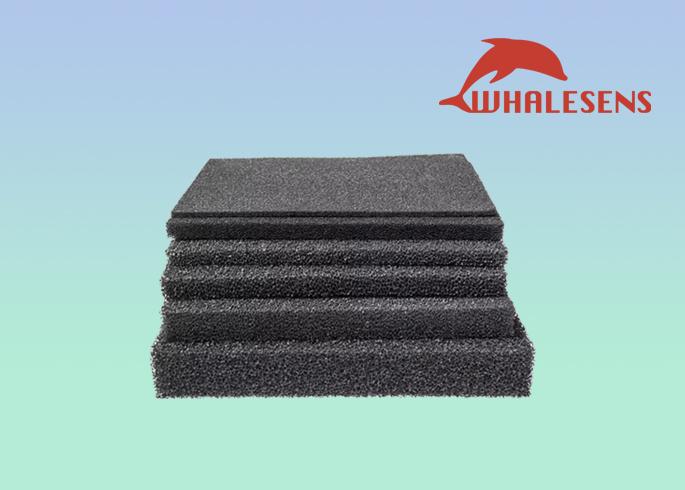
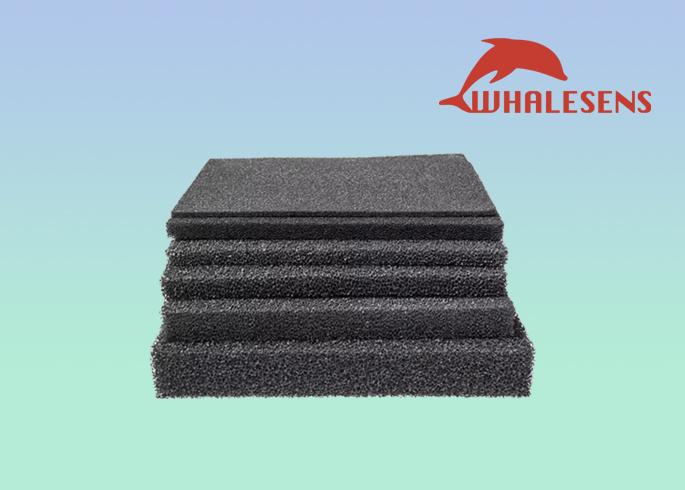
Leverages activated carbon's high adsorption capacity to eliminate odors, VOCs, and formaldehyde, ideal for newly renovated spaces and industrial exhaust treatment.
View Related Products →High Dust-Holding, Long Life
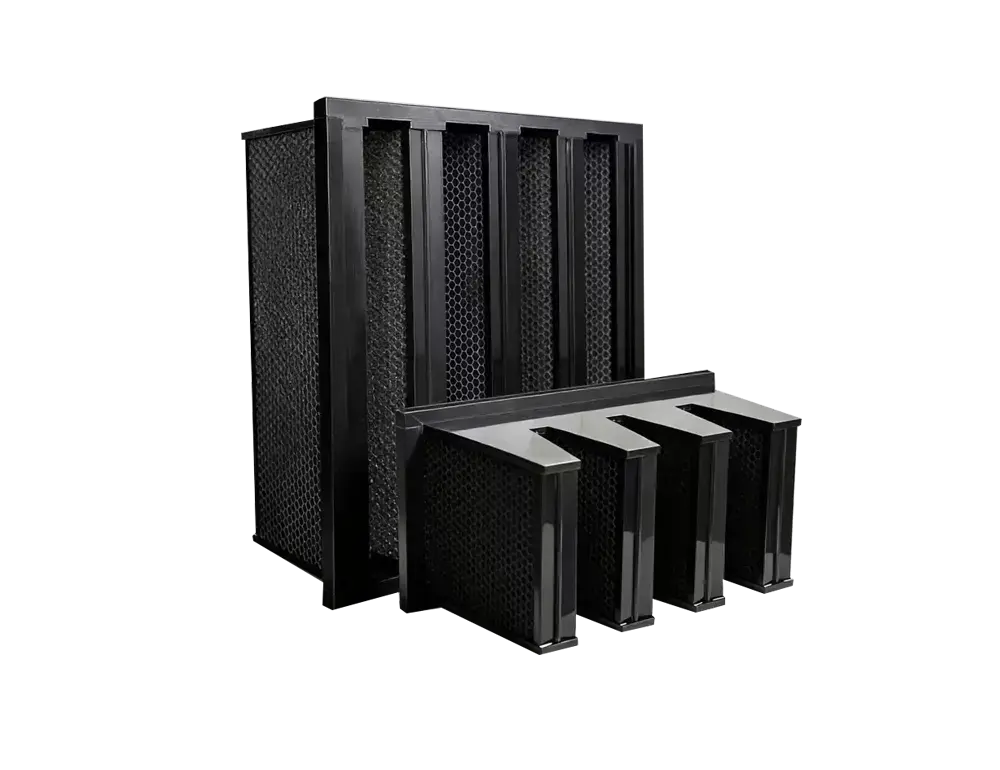
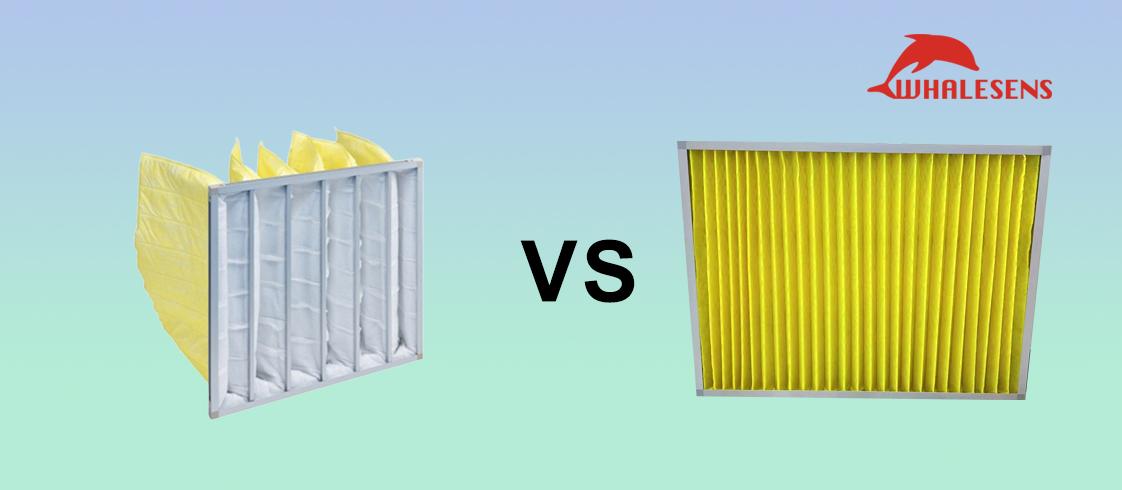
Bag-style construction delivers a larger filtration area, high dust-holding capacity, and extended service life — ideal for high-dust environments with reduced replacement frequency.
View Related Products →Compact Space-Saving Design
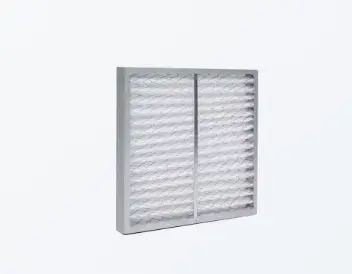
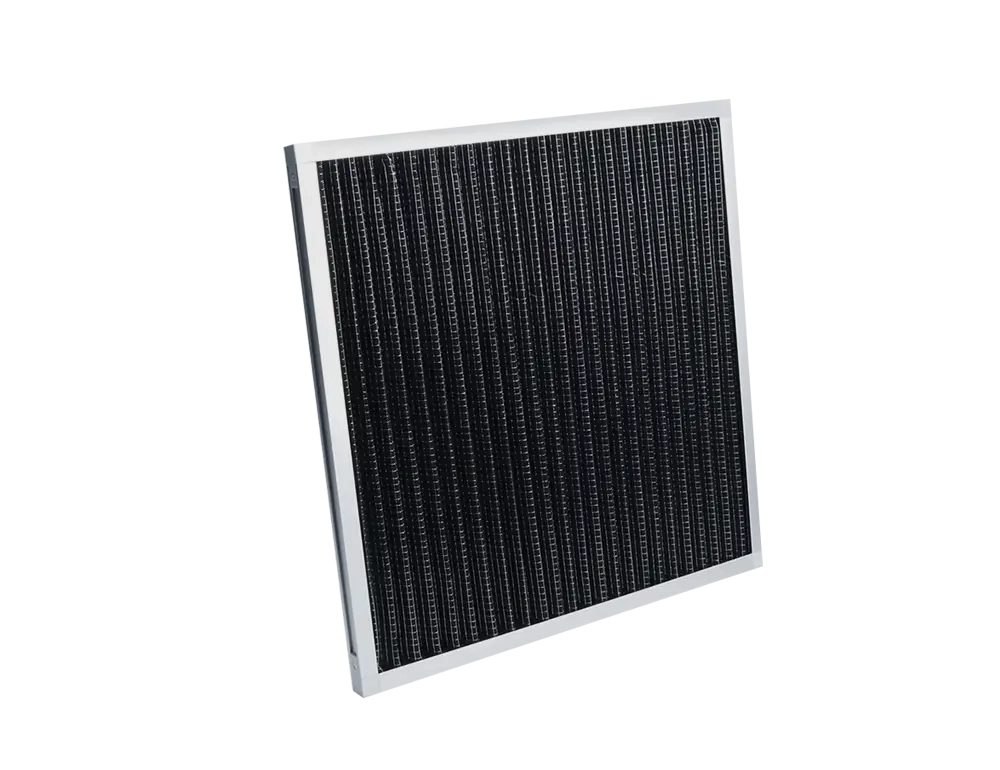
Compact form factor for easy installation and replacement; pleated structure maximizes filtration area within a small footprint for higher efficiency.
View Related Products →Energy-Saving Operation
Low-resistance design minimizes pressure drop while maintaining filtration performance, reducing fan energy consumption for cost-effective, eco-friendly operation.
View Related Products →















 English(Global)
 简体中文
简体中文 Language




Why an Activated Carbon Filter Cannot Replace a Particle Filter
Why an Activated Carbon Filter Cannot Replace a Particle Filter
An activated carbon filter is built for odors, selected VOCs, solvent vapors, and low-concentration gas-phase contaminants. It is not an upgraded particle filter. Dust, fibers, fumes, pollen, and mist droplets require a particle filter, such as a pre-filter, medium-efficiency filter, or HEPA filter. When an activated carbon filter is used as the only filtration stage, the system may still pass particles while the carbon media becomes clogged before its adsorption capacity is fully used.
Identify the contaminant before choosing the filter
Particle filtration captures solids and droplets; activated carbon adsorption targets gas-phase molecules.
Particle Pollution and Gas-Phase Pollution
Particle pollution has size, shape, and mass. Dust, fibers, smoke particles, pollen, oil mist, and paint overspray can travel with airflow and settle on ducts, coils, equipment, or products. A particle filter uses fiber layers, filter paper, glass fiber, or bag structures to capture these particles through interception, inertial impaction, diffusion, and sometimes electrostatic effects.
Gas-phase pollution behaves differently. Odor molecules, selected VOCs, solvent vapors, and certain chemical gases pass through many ordinary particle filter materials because they are molecular contaminants, not dust loads. An activated carbon filter works because carbon pores provide high internal surface area for adsorption.
| Item | Particle Pollution | Gas-Phase Pollution |
|---|---|---|
| Typical contaminants | Dust, fibers, fumes, mist droplets | Odors, VOCs, solvent vapors |
| Main mechanism | Interception, impaction, diffusion | Activated carbon adsorption |
| Common filter types | Pre-filter, bag filter, HEPA filter | Activated carbon filter, chemical filter |
| Maintenance focus | Pressure drop, dust holding, sealing | Adsorption capacity, contact time, breakthrough |
What an Activated Carbon Filter Actually Does
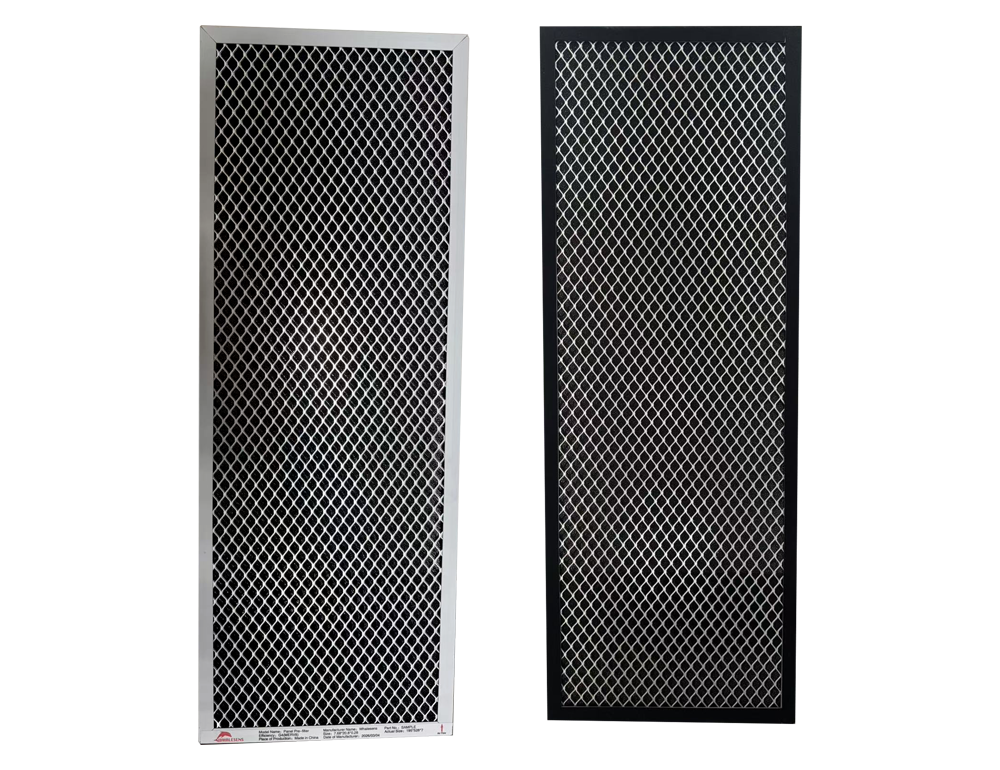
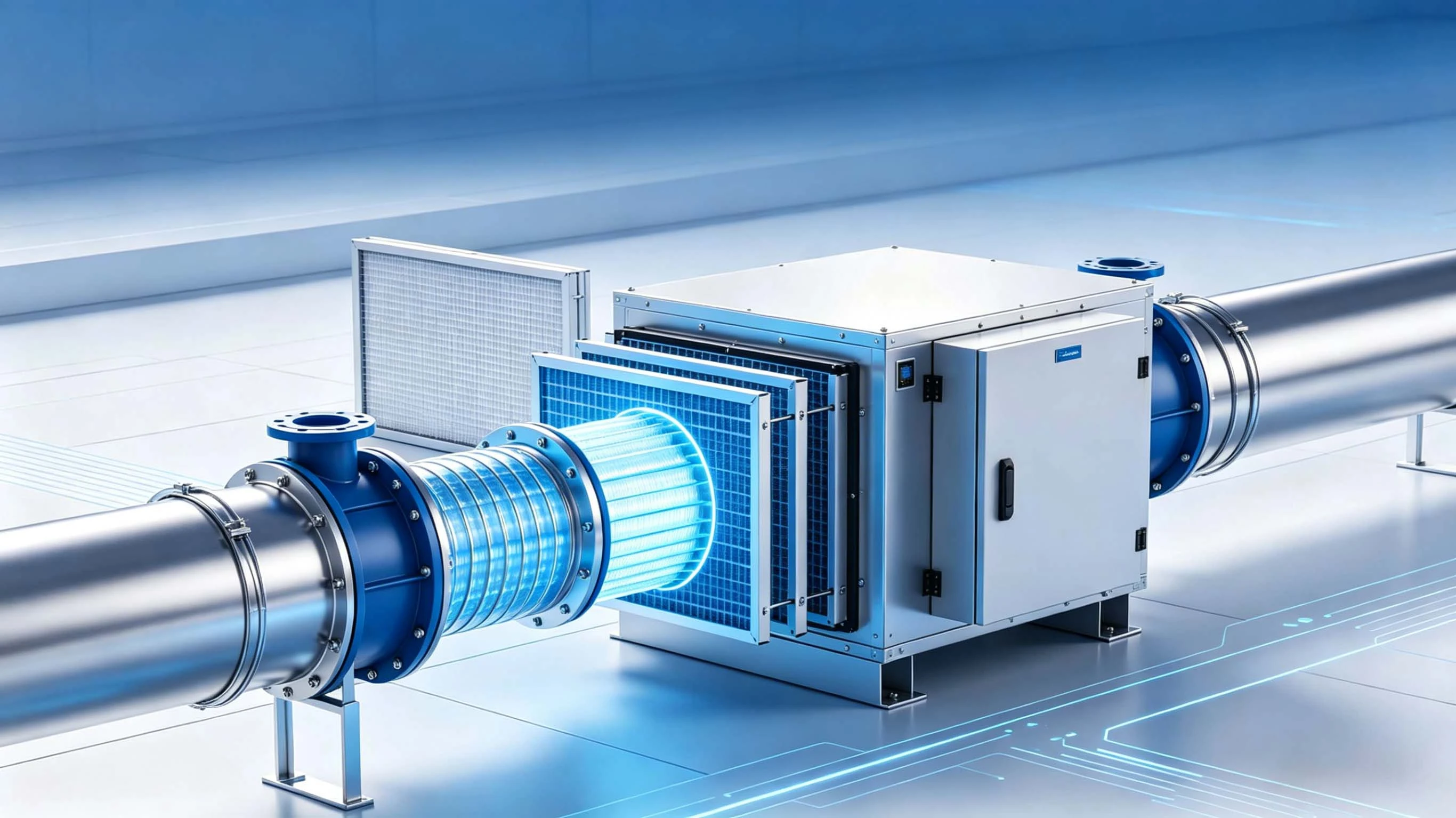
An activated carbon filter uses a porous carbon structure. Gas molecules enter the pores and attach to internal surfaces, reducing odor or selected VOC concentration. Honeycomb activated carbon filters, carbon panel filters, carbon pocket filters, and box-type chemical air filters are designed around airflow contact area, carbon loading, bed depth, residence time, and pressure drop.
That structure is not designed to carry heavy dust. When dust reaches an activated carbon filter, it can cover the carbon surface, block pore entrances, and increase resistance. The activated carbon filter may be replaced because it is physically clogged, not because its gas adsorption capacity is fully consumed.
Technical noteActivated Carbon Filter
A filtration stage that uses activated carbon pores and surface adsorption to reduce gas-phase contaminants. It should normally be protected by particle filtration upstream.
Why It Cannot Replace a Particle Filter
An activated carbon filter cannot replace a particle filter for three practical reasons. First, it is not a high-efficiency particle capture layer, so fine dust, fumes, or fibers may still pass through. Second, dust blocks the activated carbon surface and shortens service life. Third, the two filter types are maintained by different indicators: particle filters are managed by pressure drop and dust holding, while an activated carbon filter also depends on contaminant concentration, humidity, contact time, and breakthrough risk.
1
Dust reaches the carbon bed
Carbon surface and pore entrances become covered.
2
Resistance increases
Airflow becomes harder to maintain.
3
Adsorption capacity is wasted
Carbon is replaced before treating enough gas-phase contaminants.
4
Downstream parts remain exposed
Fine particles can still reach fans, coils, or process zones.
Correct Arrangement: Particle Filter First, Activated Carbon Filter Later
A more reliable air filtration system separates the jobs. A pre-filter captures large dust and fibers. A medium-efficiency filter or HEPA filter reduces the fine particle load. The activated carbon filter then treats odors, selected VOCs, or other gas-phase contaminants. This arrangement protects the activated carbon filter and helps the carbon media spend its service life on adsorption rather than dust loading.
Pre-filter / Medium / HEPA filter / Activated carbon filter / Supply or exhaust air
Upstream particle filtration protects the activated carbon filter in mixed dust-and-odor applications.
Before selecting an activated carbon filter, confirm whether the particle filtration stage is sufficient. Review dust source, particle size, concentration, sticky mist risk, airflow, allowable pressure drop, installation space, and maintenance access. If the dust load is high, the activated carbon filter needs proper pre-filtration.
Selection Guidance
If the problem is visible dust, filter clogging, equipment fouling, or particles on finished products, inspect the particle filter stage first. If the problem is odor, solvent smell, selected VOCs, or return-air complaints, evaluate the activated carbon filter stage. If both problems exist, combine particle filtration with activated carbon adsorption instead of choosing one filter to do both jobs.
📋 Activated carbon filter selection checks
- ✔ Have you identified whether the main contaminant is particulate, gas-phase, or both?
- ✔ Is there a pre-filter or medium filter protecting the activated carbon filter?
- ✔ Have airflow, initial resistance, final resistance, and installation space been checked?
- ✔ Is there a replacement plan based on adsorption performance and breakthrough risk?
An activated carbon filter is valuable when it is placed in the right part of the system. A particle filter protects equipment and downstream filtration stages by controlling dust load. Separating these roles makes the filtration system more stable, easier to maintain, and more predictable over its service life.
Need a combined air filtration solution?
Contact the Whalesens engineering team for product selection and OEM/ODM support.
Email whalesens@gmail.com
Contact Whalesens
Frequently Asked Questions
Can an activated carbon filter remove dust?
It may block a small amount of large dust, but its main role is gas adsorption, not particle capture.
Where should an activated carbon filter be installed?
In most mixed-contaminant systems, it should be installed after pre-filtration or medium-efficiency particle filtration.
Need a custom air filtration solution?
Contact the Whalesens engineering team for product selection and OEM/ODM support.
Email whalesens@gmail.com