


EV Charging Stations
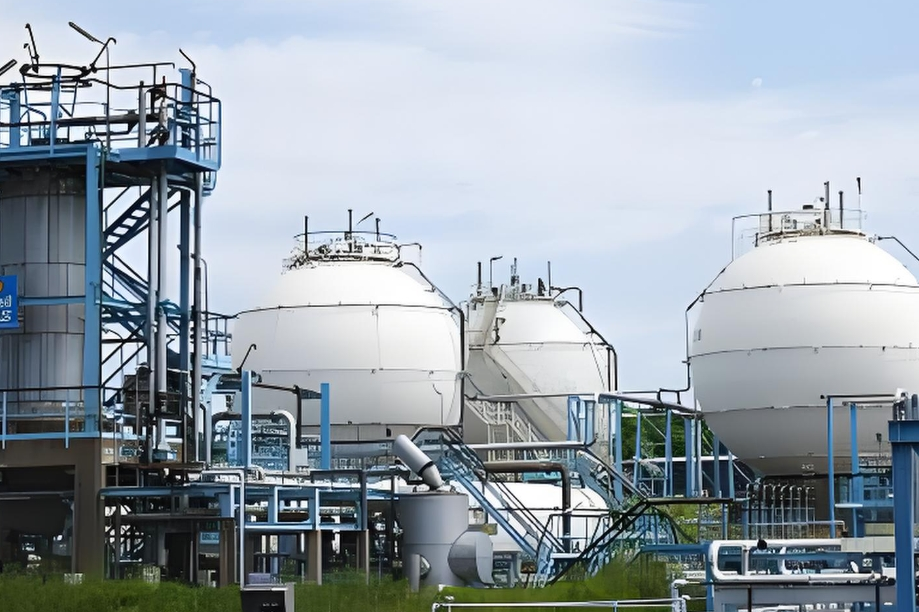
Filtration for Power Equipment
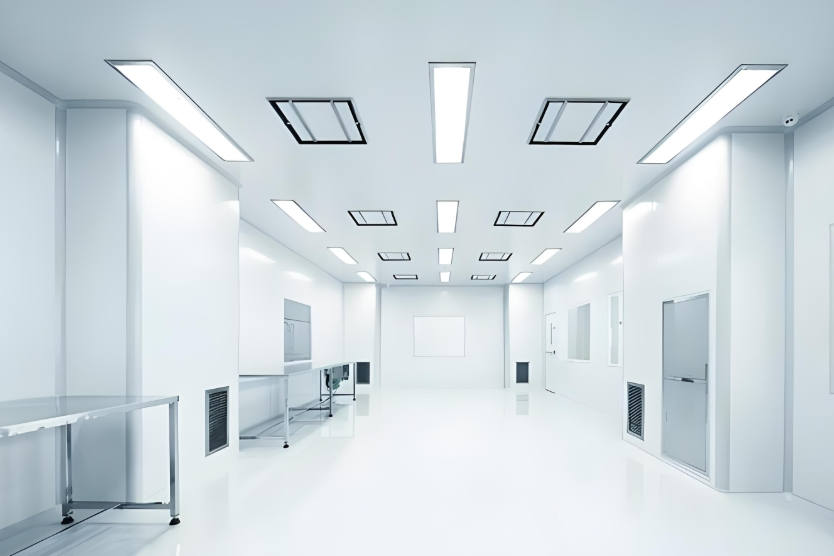
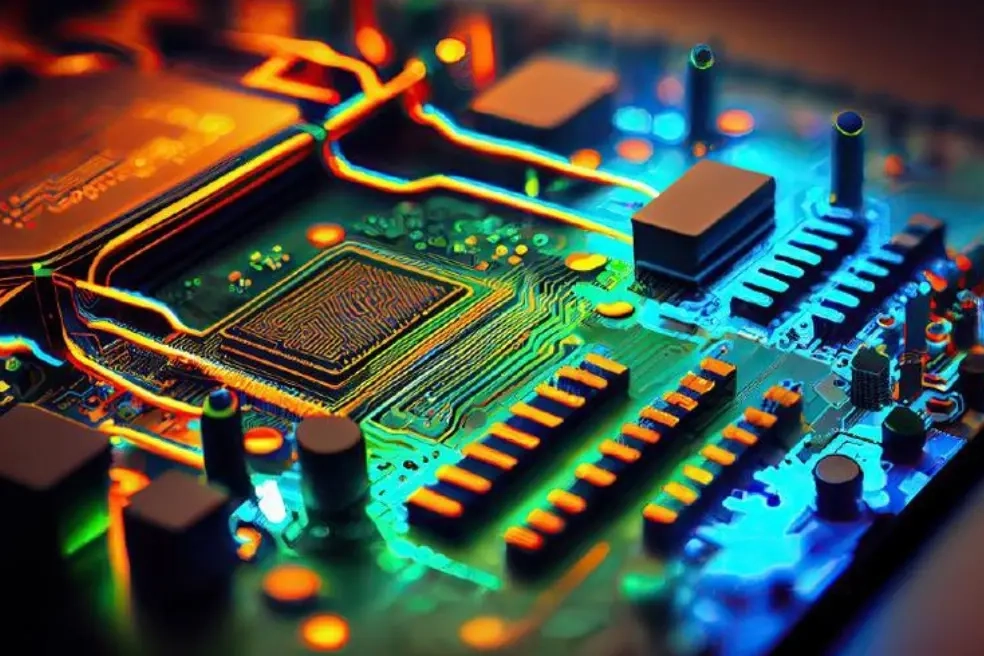
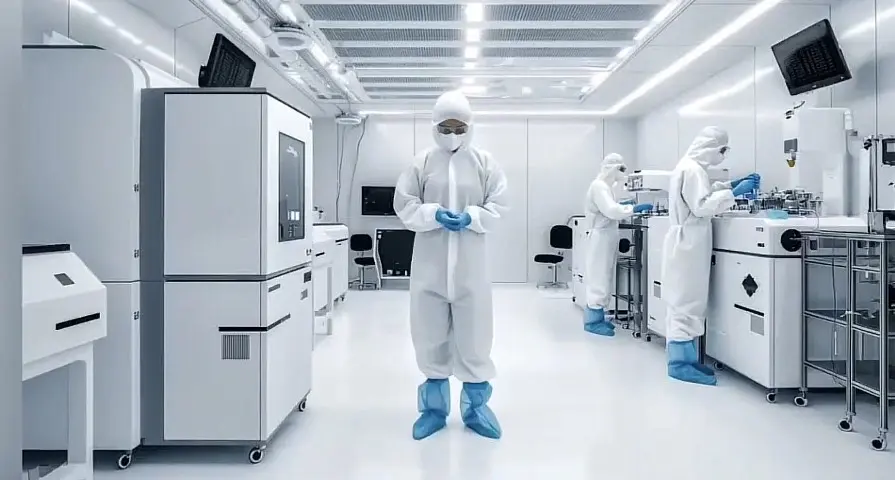
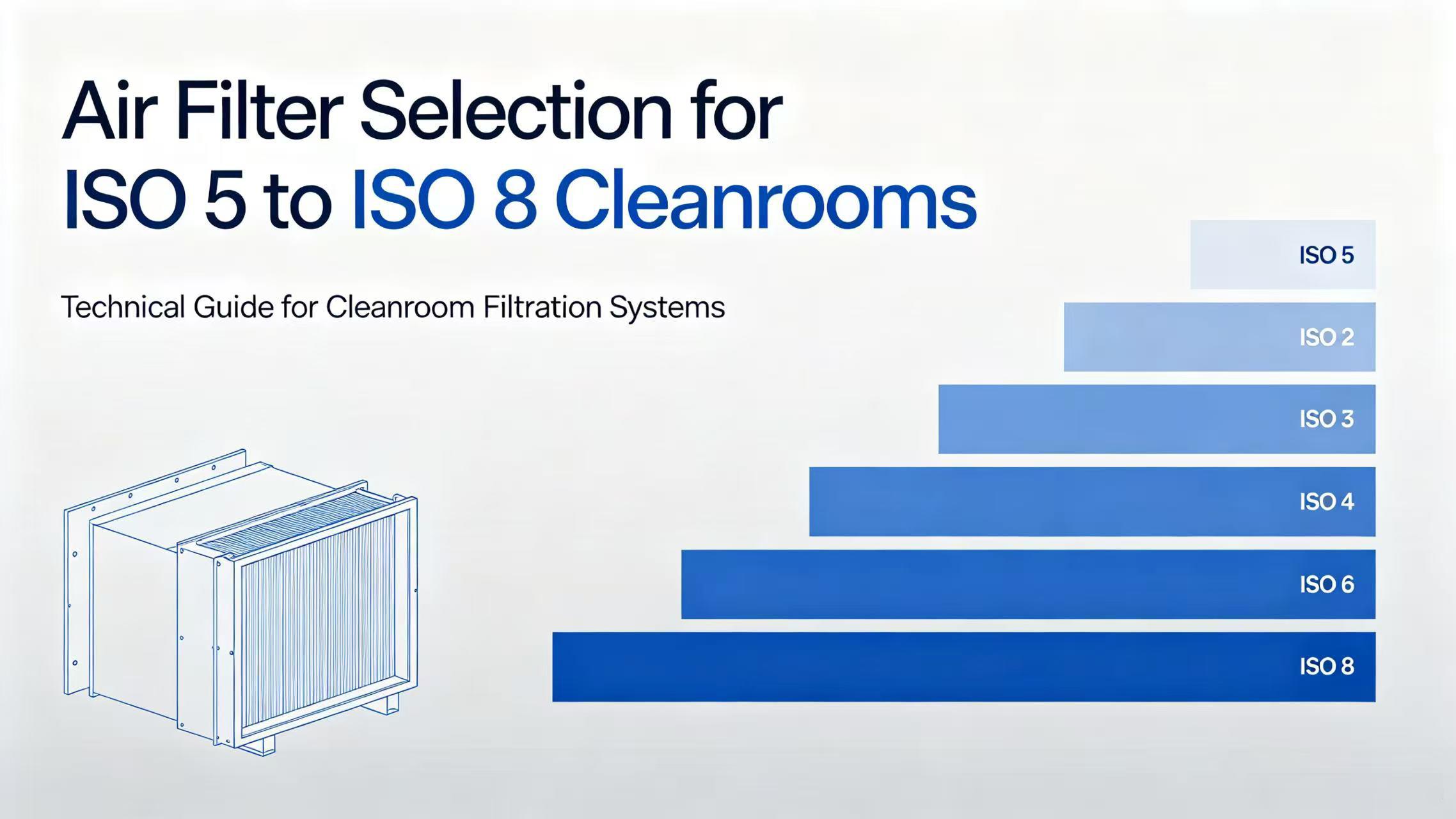
Cleanroom & Semiconductor
Ultra-High Cleanliness Filtration
Commercial HVAC
Central Air System Filtration
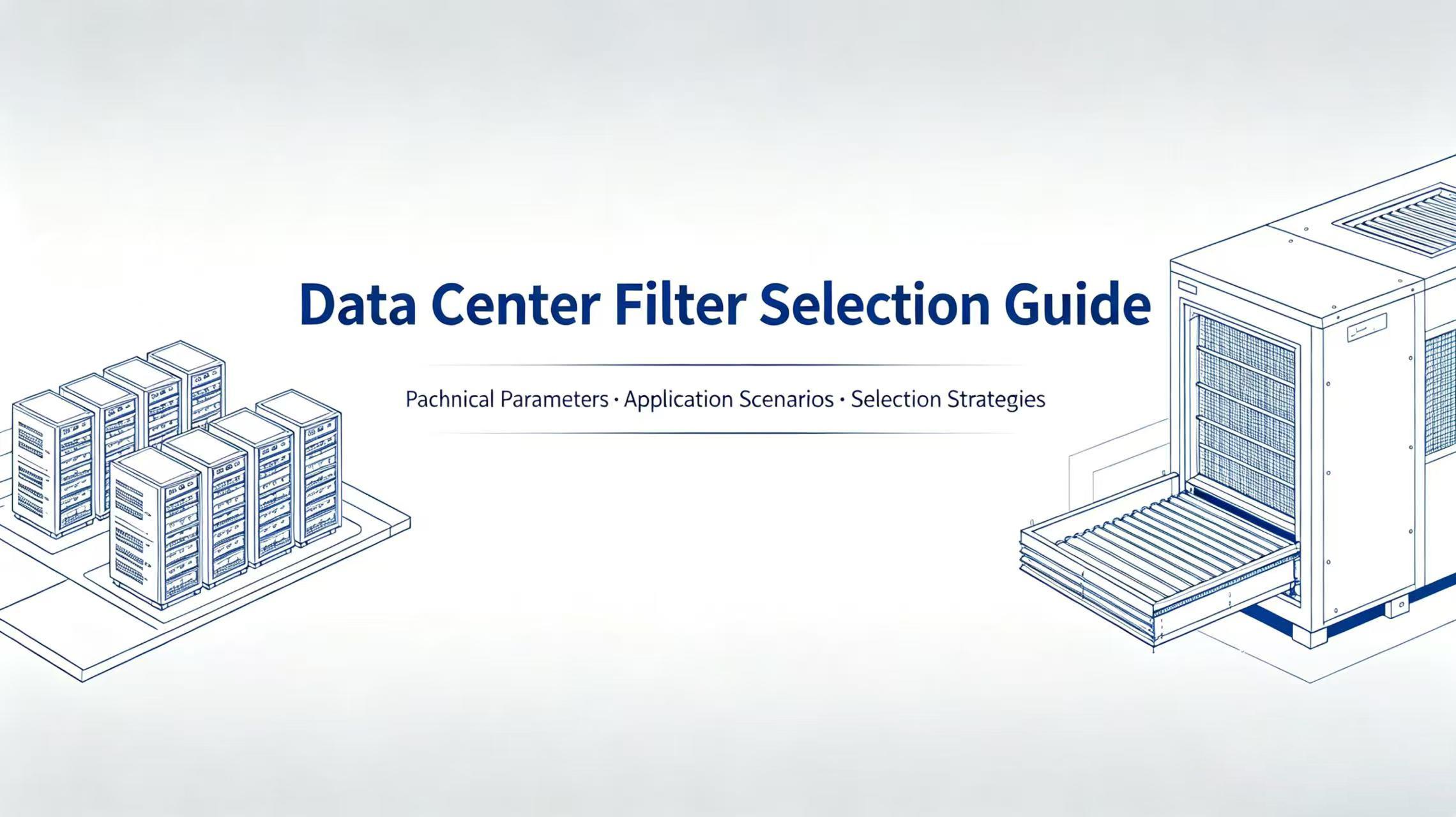
Data Centers
Precision Equipment Protection
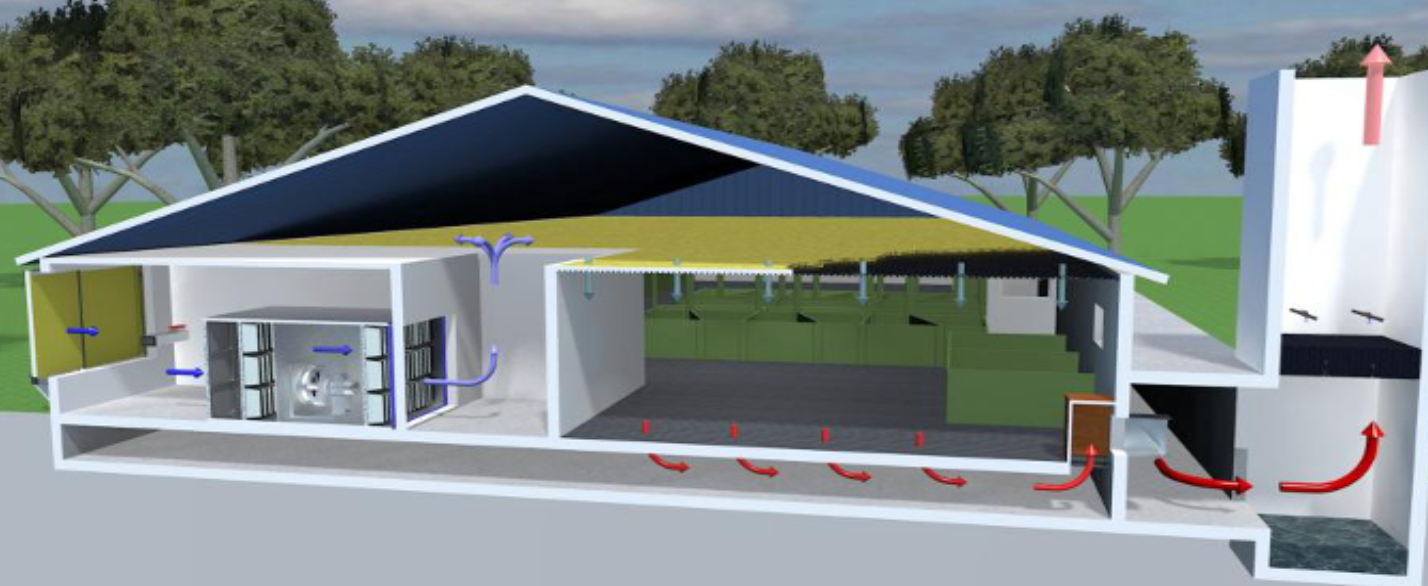
Livestock & Farming
Farming Environment Purification
Spray Booths & Industrial Dust
Paint Mist & Dust Purification
Filtration for Power Equipment
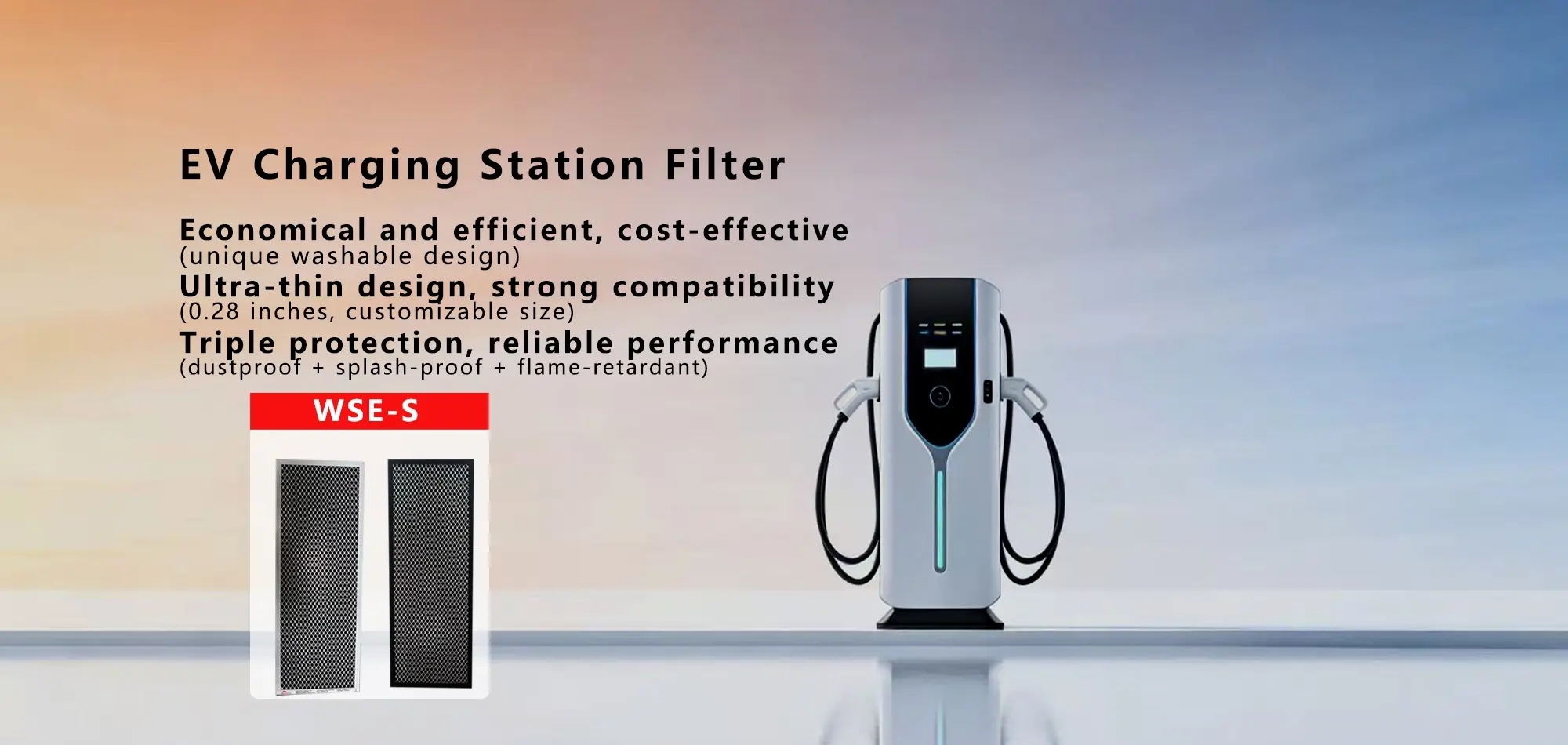
Professional air filtration for EV charging devices, protecting against dust and sand ingress to ensure stable, reliable operation of charging piles and station infrastructure.
View Related Products →Ultra-High Cleanliness Filtration
Ultra-high efficiency filtration for semiconductor wafer fabs and precision electronics cleanrooms, capturing nano-scale particles to meet ISO Class 1–3 standards and maximize product yield.
View Related Products →Central Air System Filtration
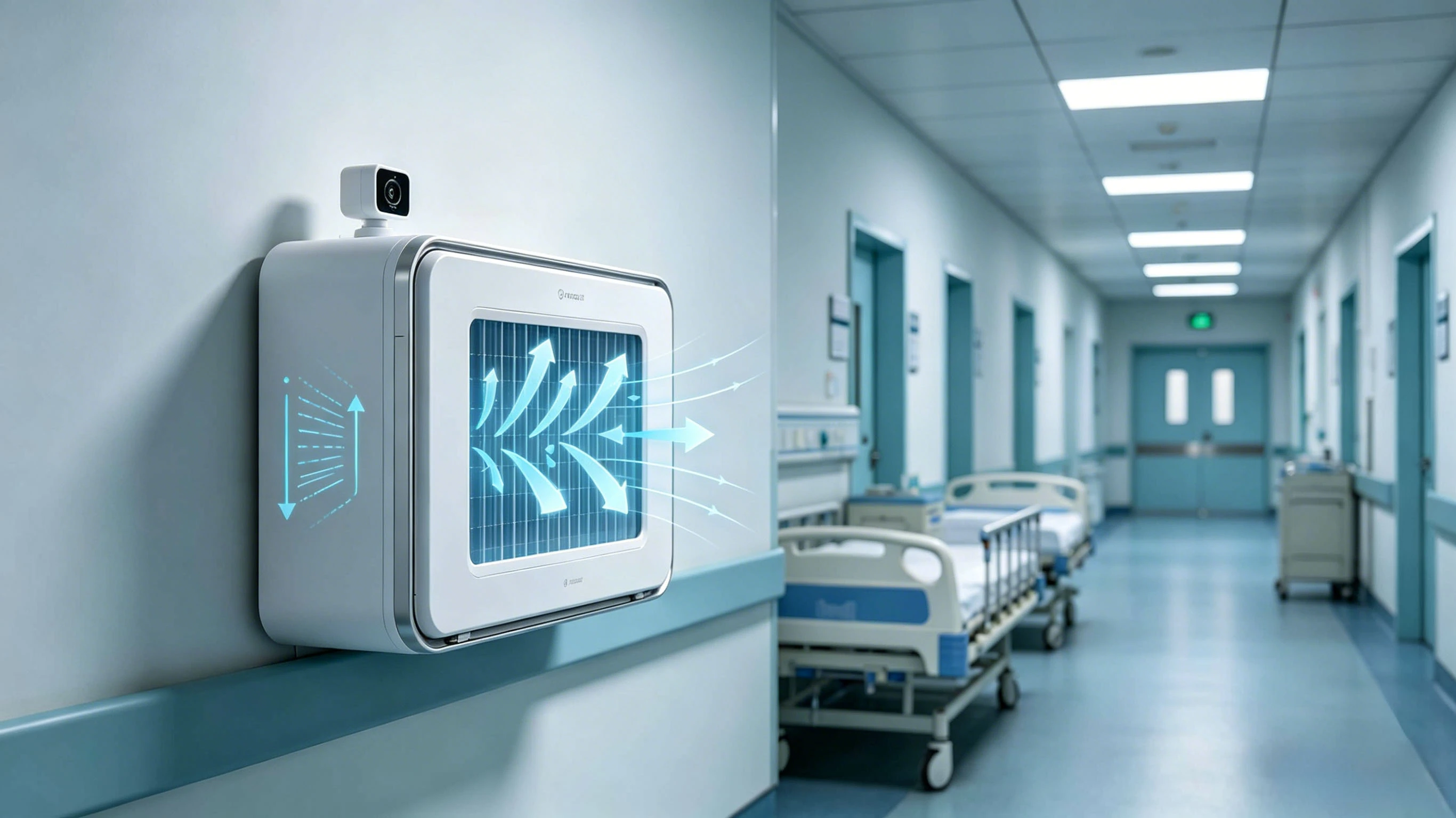
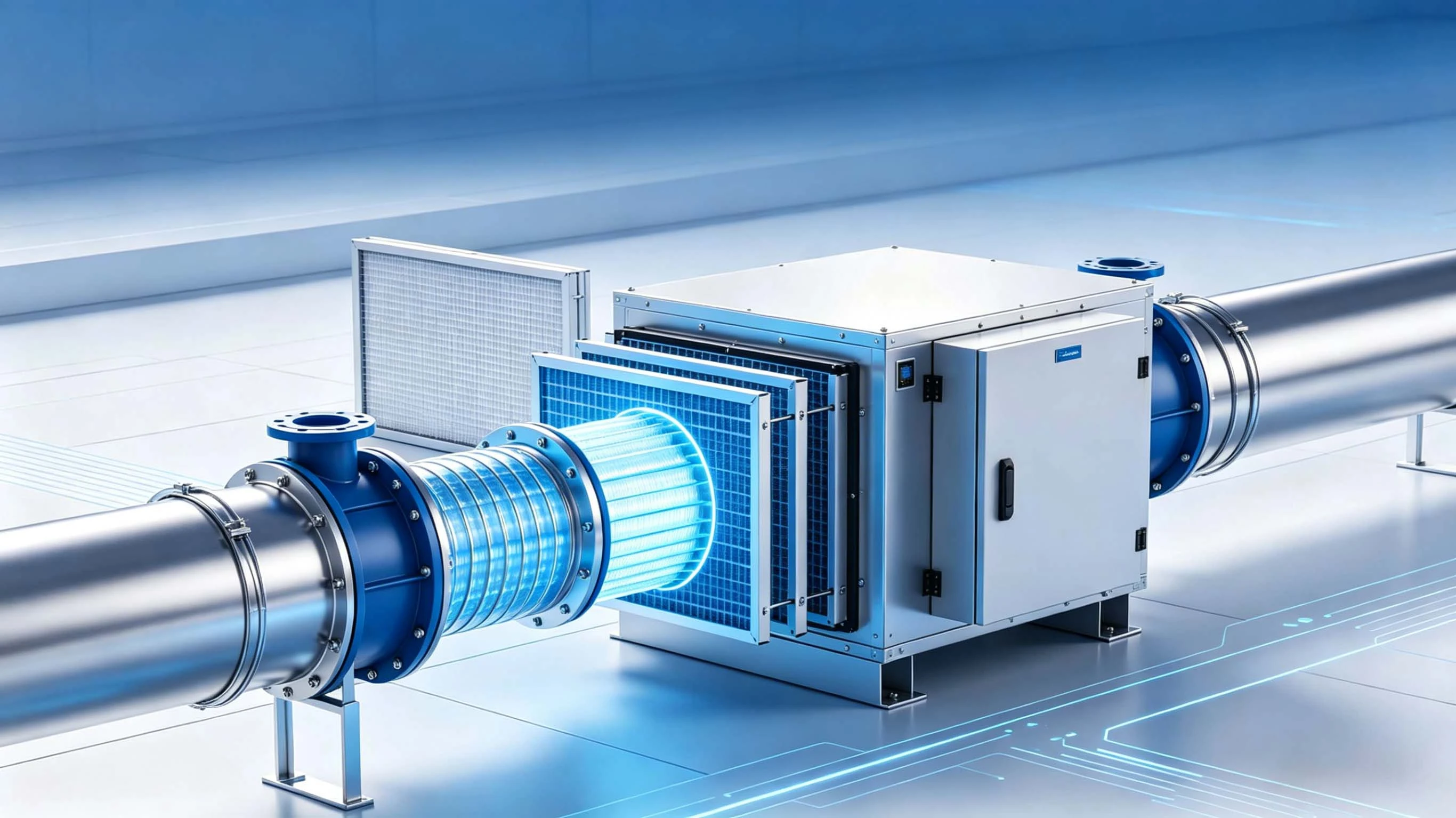
High-efficiency filtration for commercial building HVAC systems, improving indoor air quality, reducing energy consumption, and extending equipment service life.
View Related Products →Precision Equipment Protection
Precision air filtration for data centers, shielding servers and critical hardware from dust contamination to keep cooling systems running efficiently and reliably.
View Related Products →Farming Environment Purification
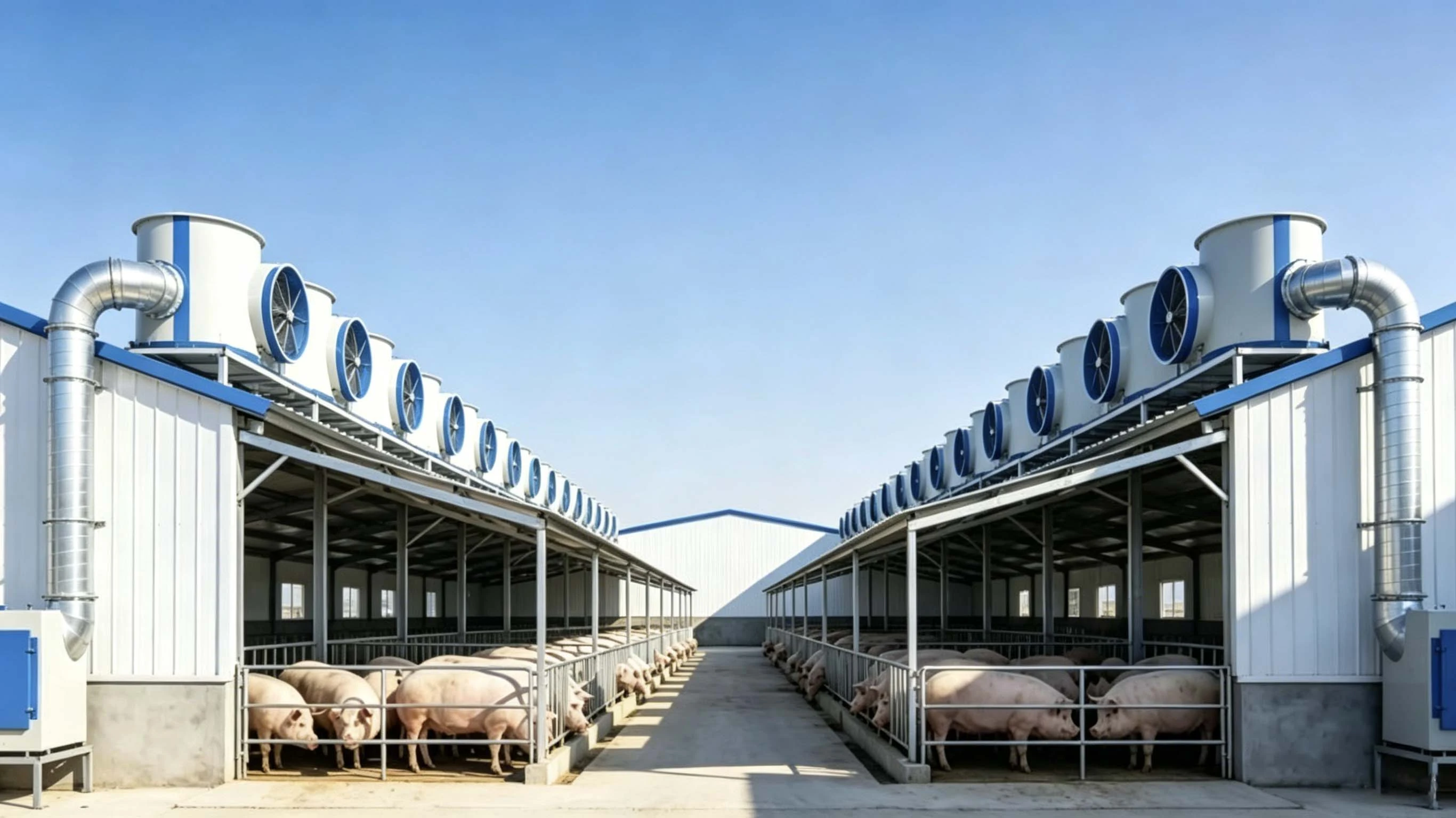
Dedicated filtration systems for farms and livestock facilities — capturing dust, adsorbing ammonia, and inhibiting pathogen spread to improve animal health and overall productivity.
View Related Products →Paint Mist & Dust Purification
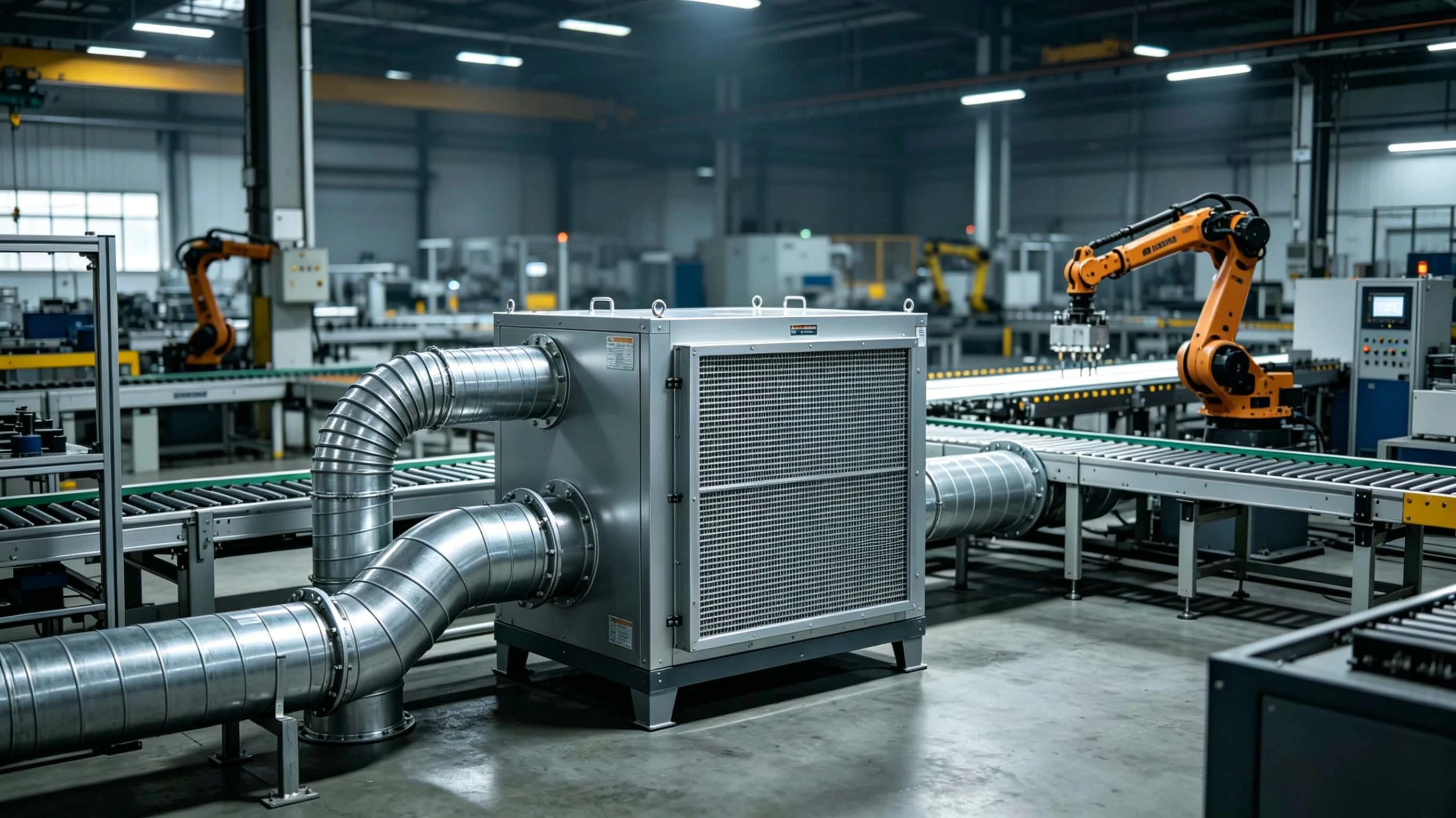
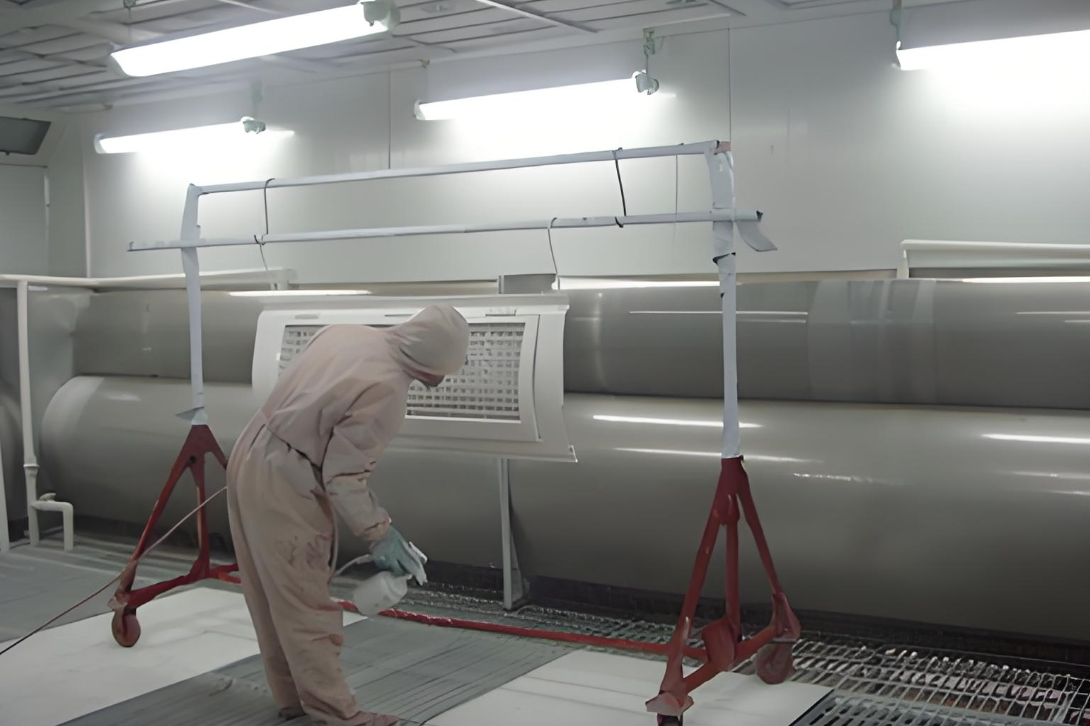
Designed for spray booths and grinding workshops, efficiently capturing paint mist, metal dust, and wood chips to meet emission standards while protecting finished surface quality.
View Related Products →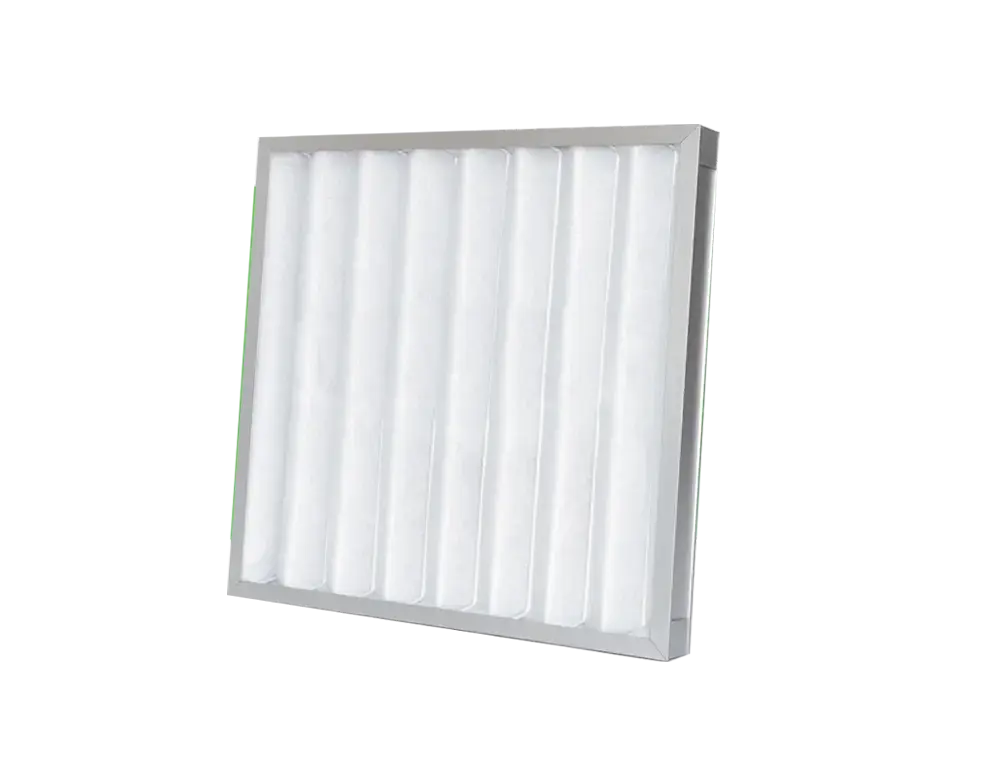
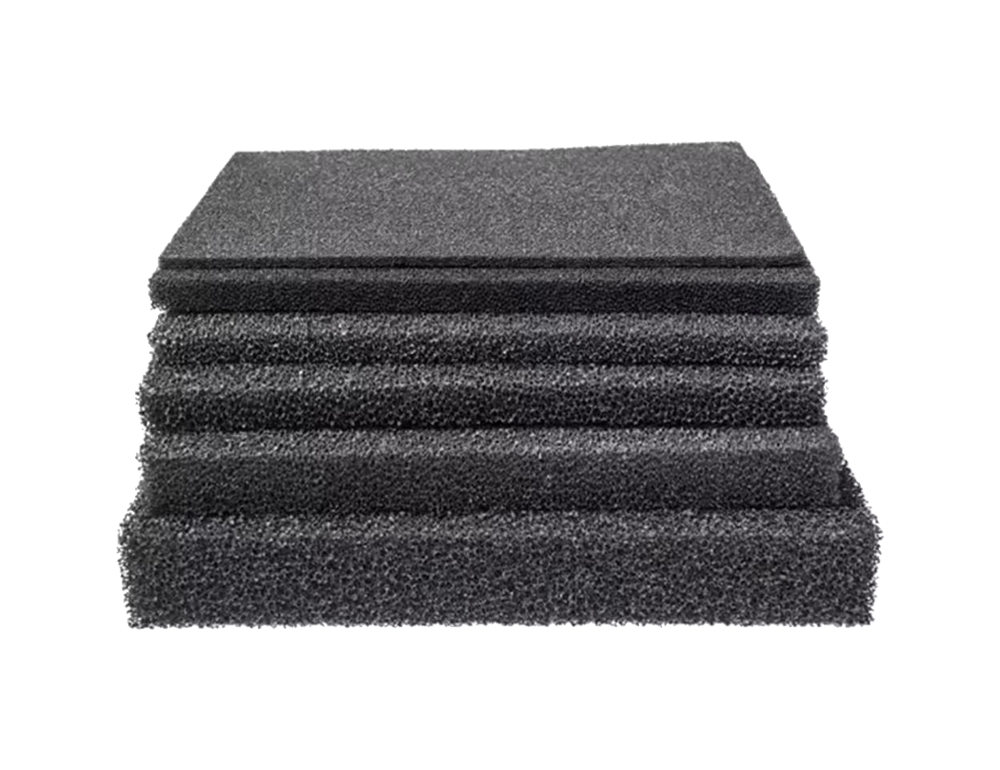
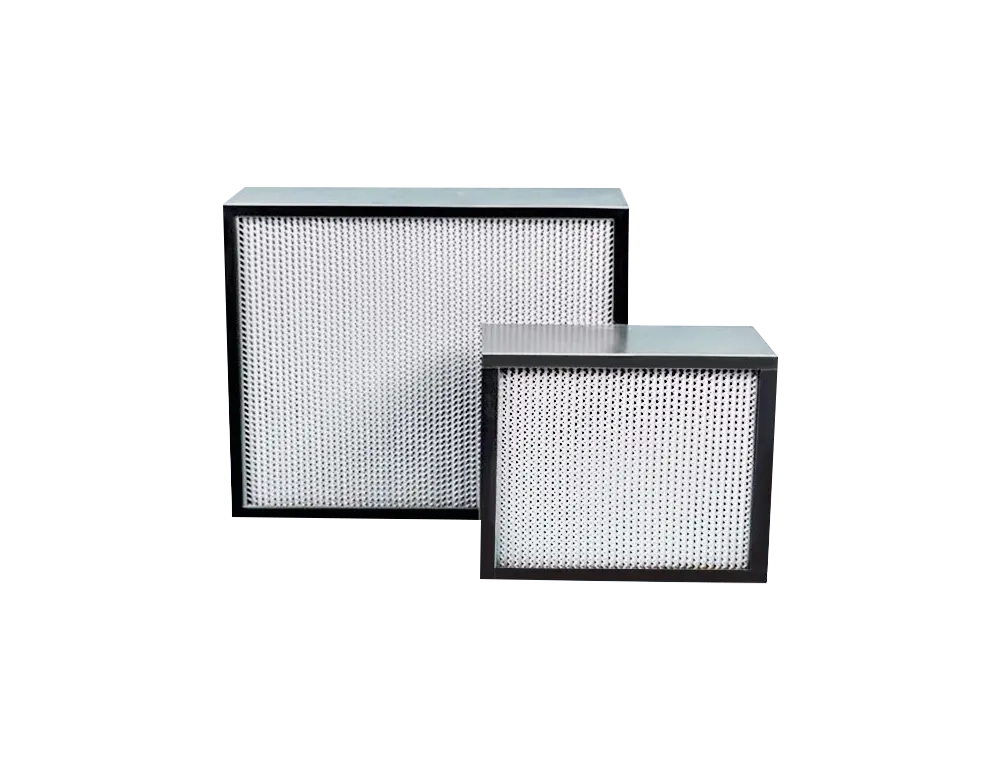
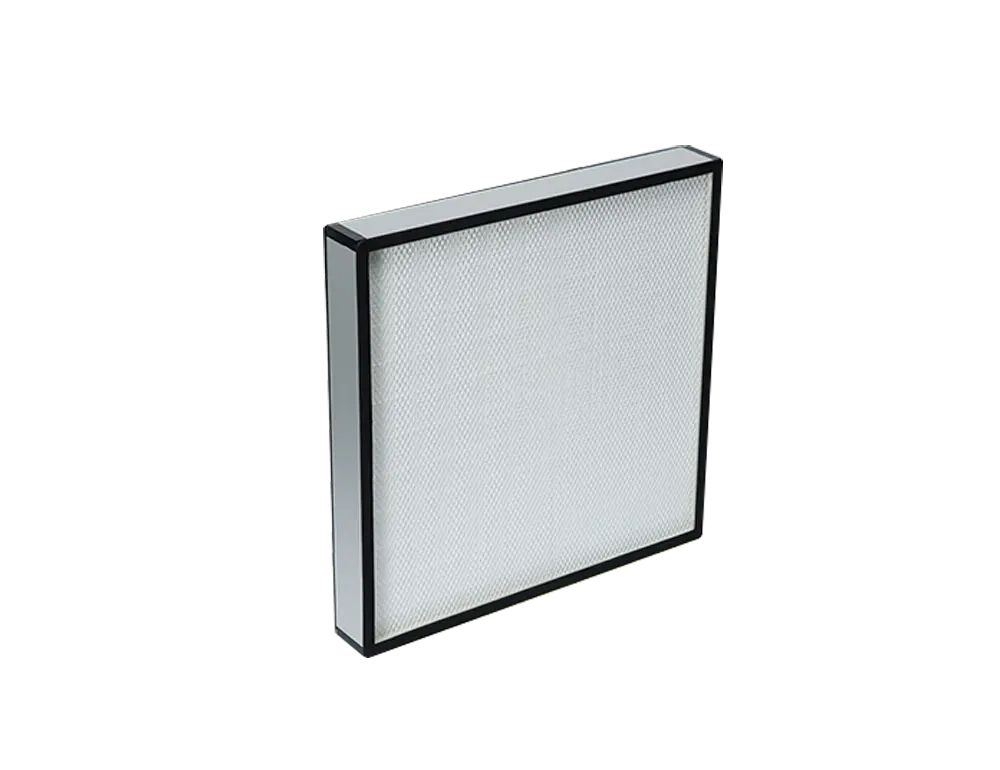
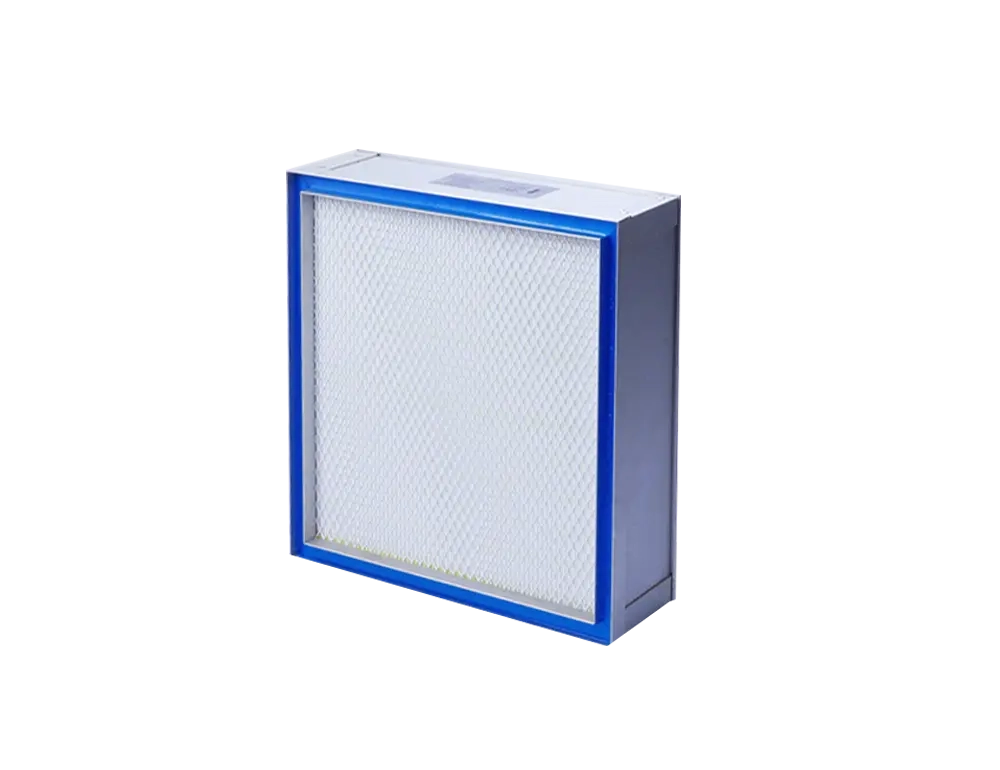
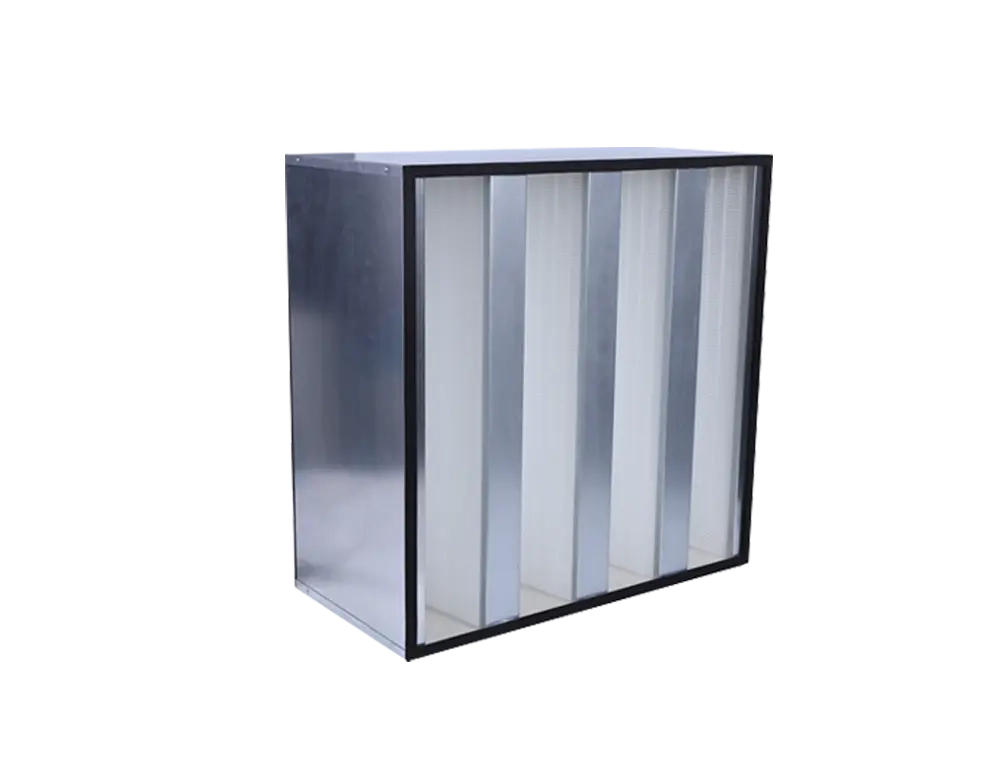
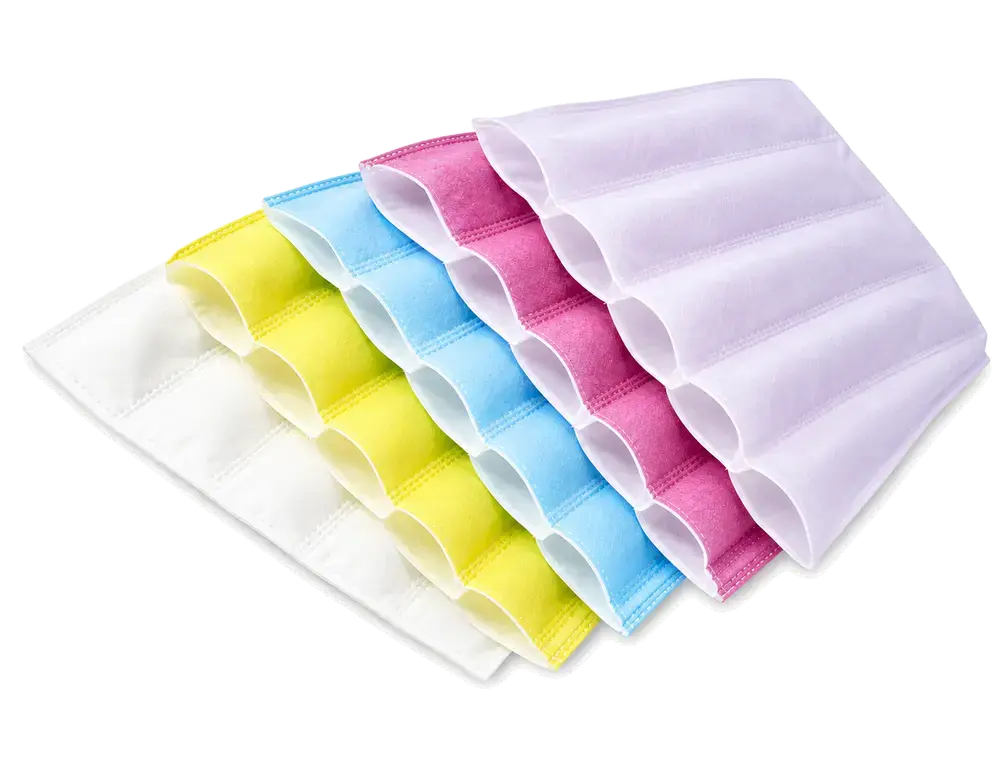
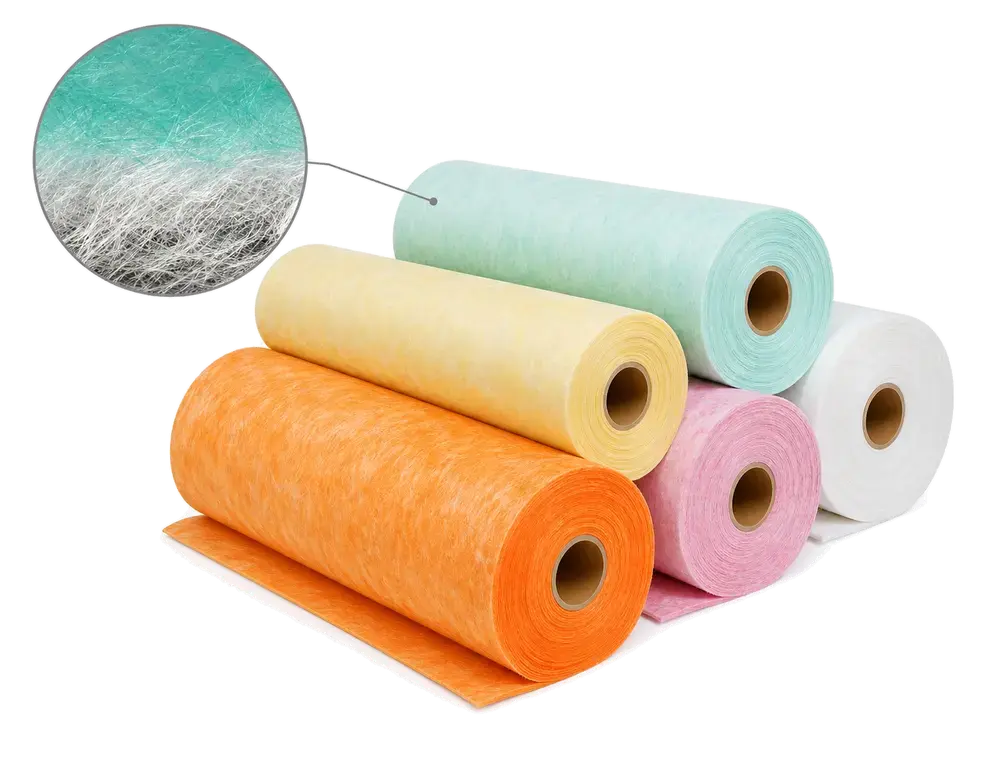
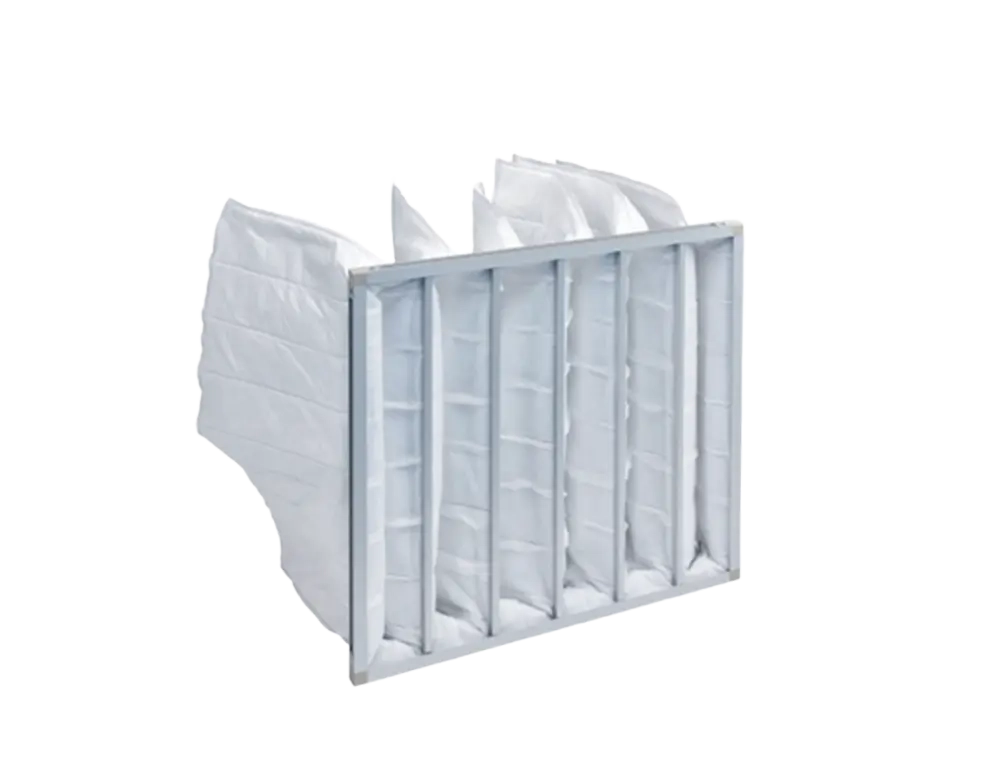
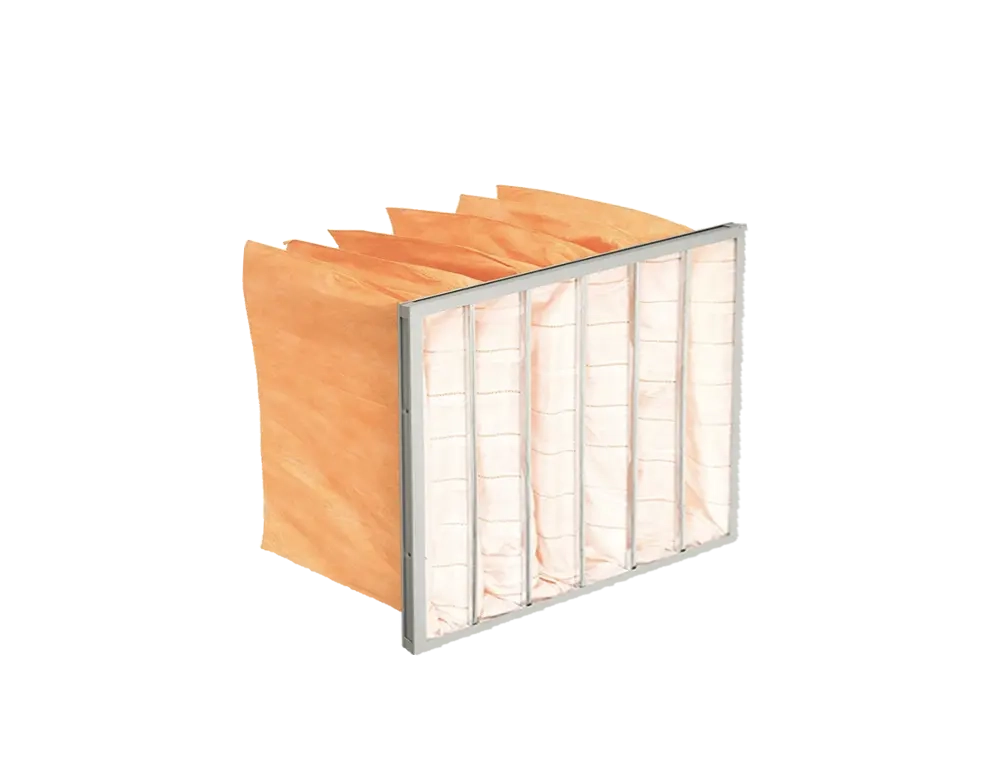
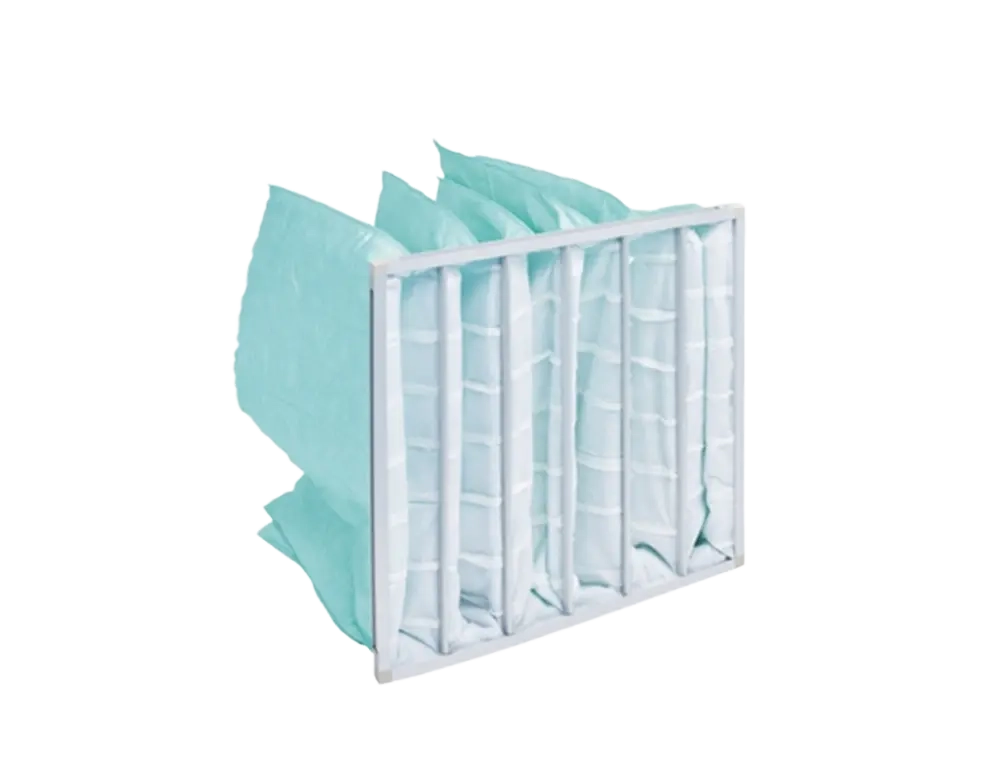
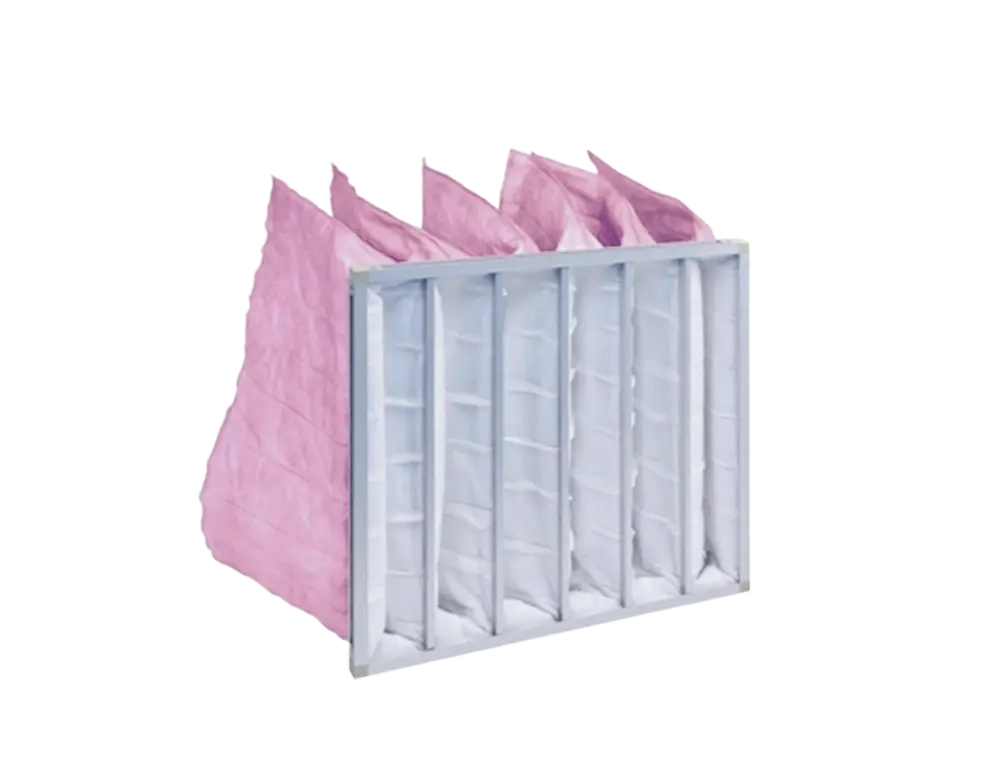
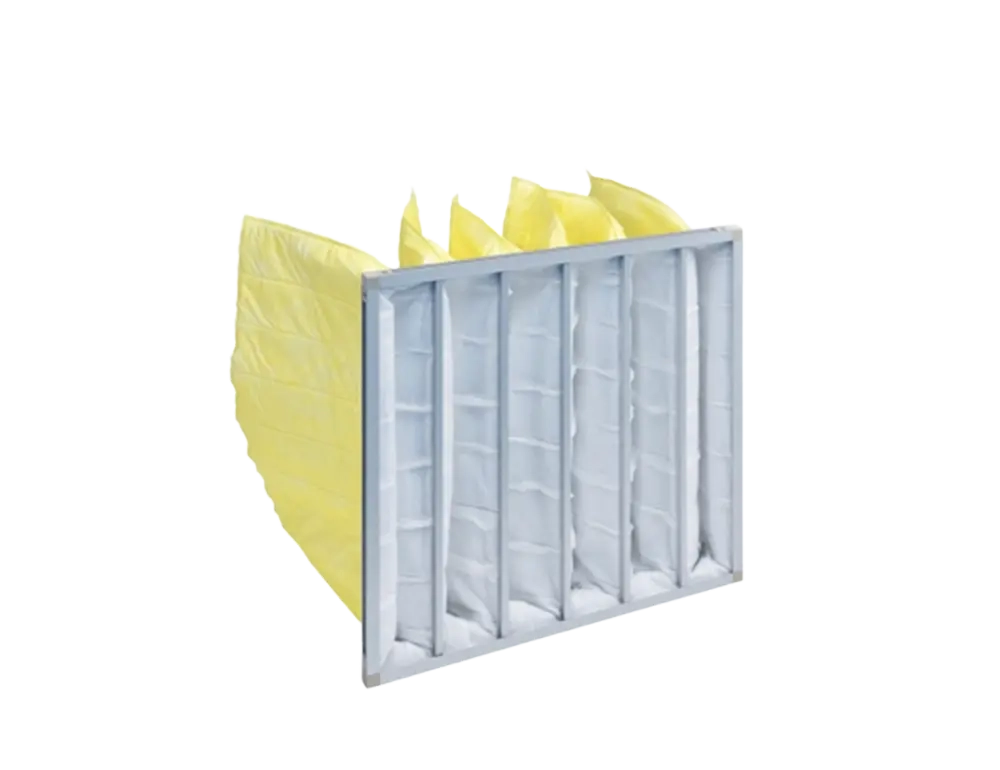
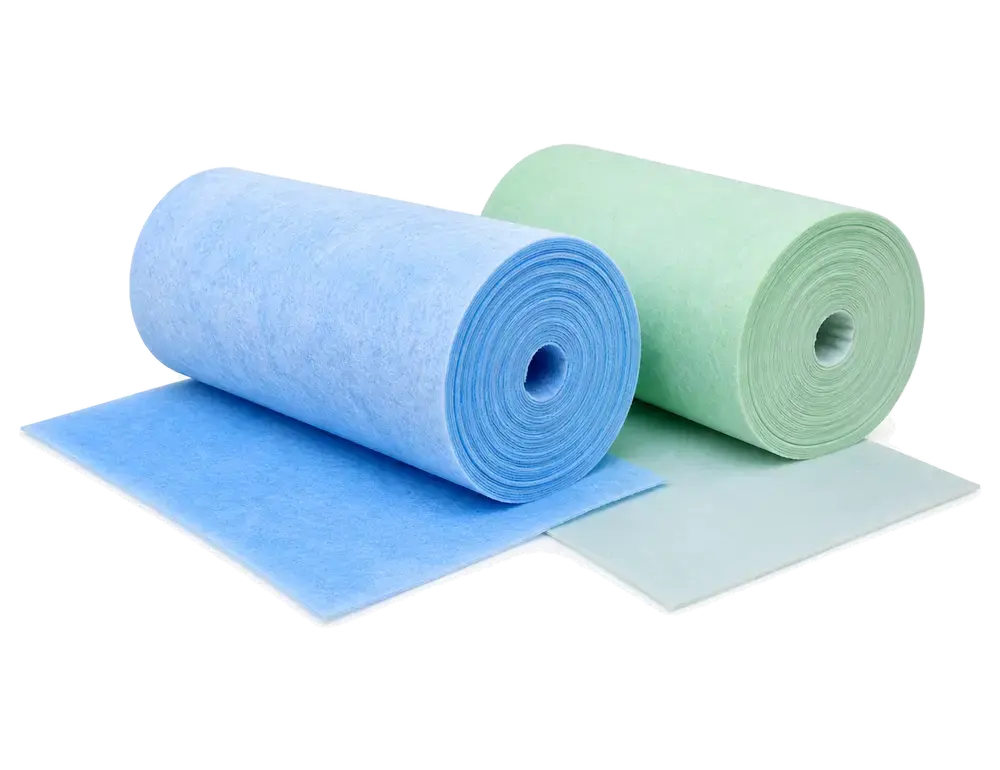
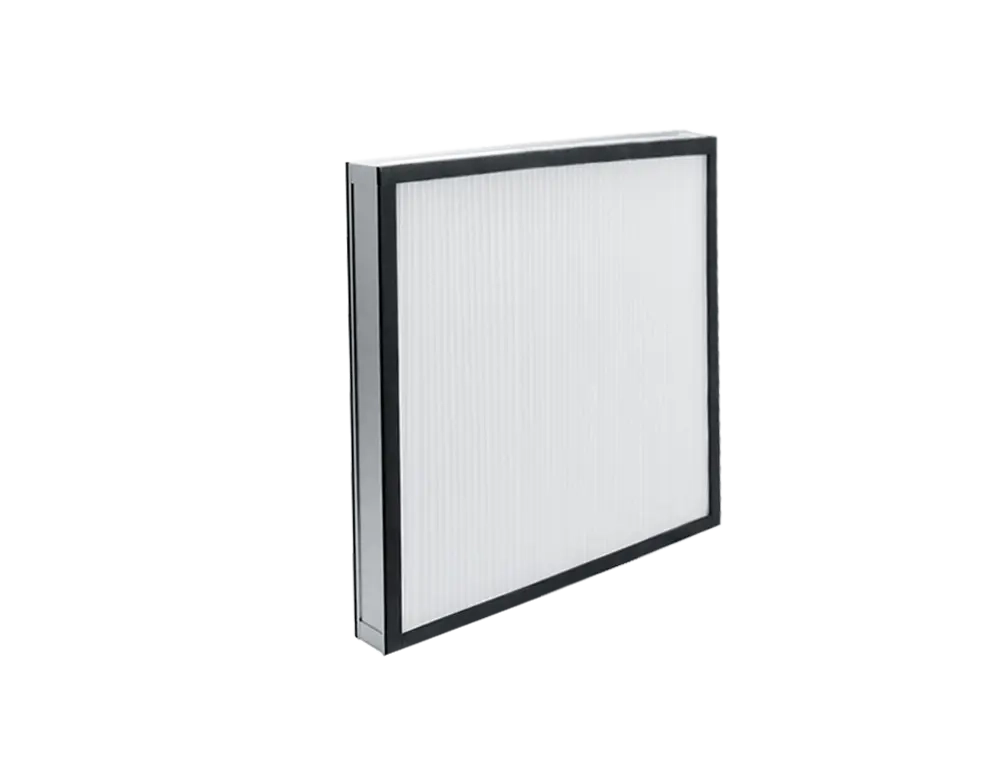
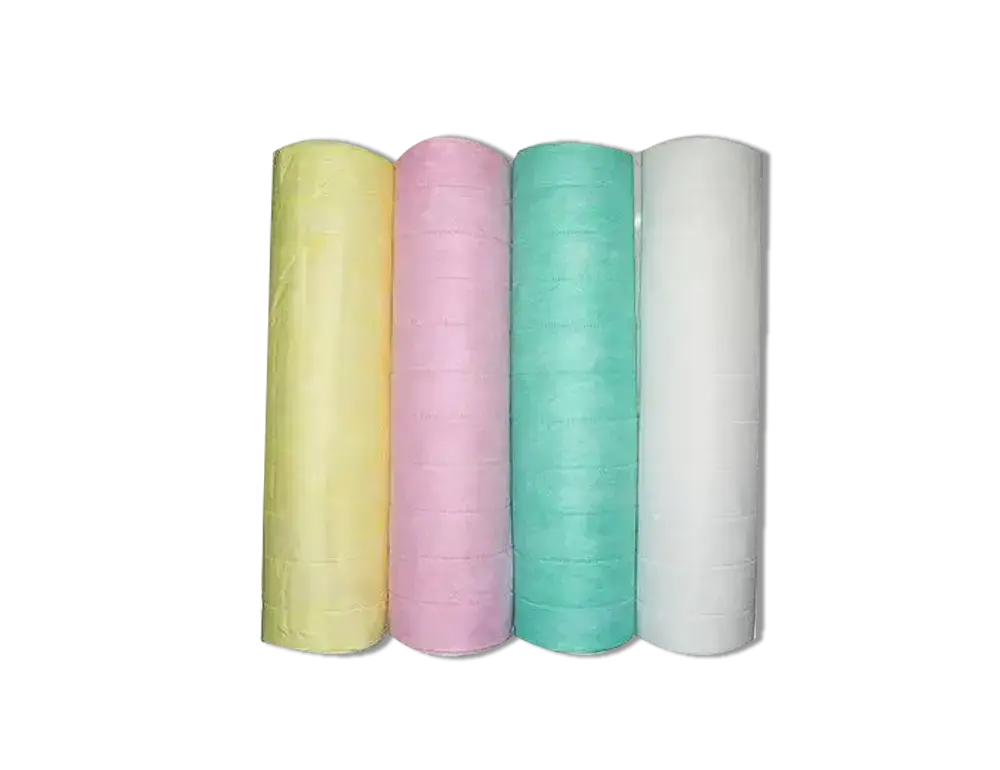
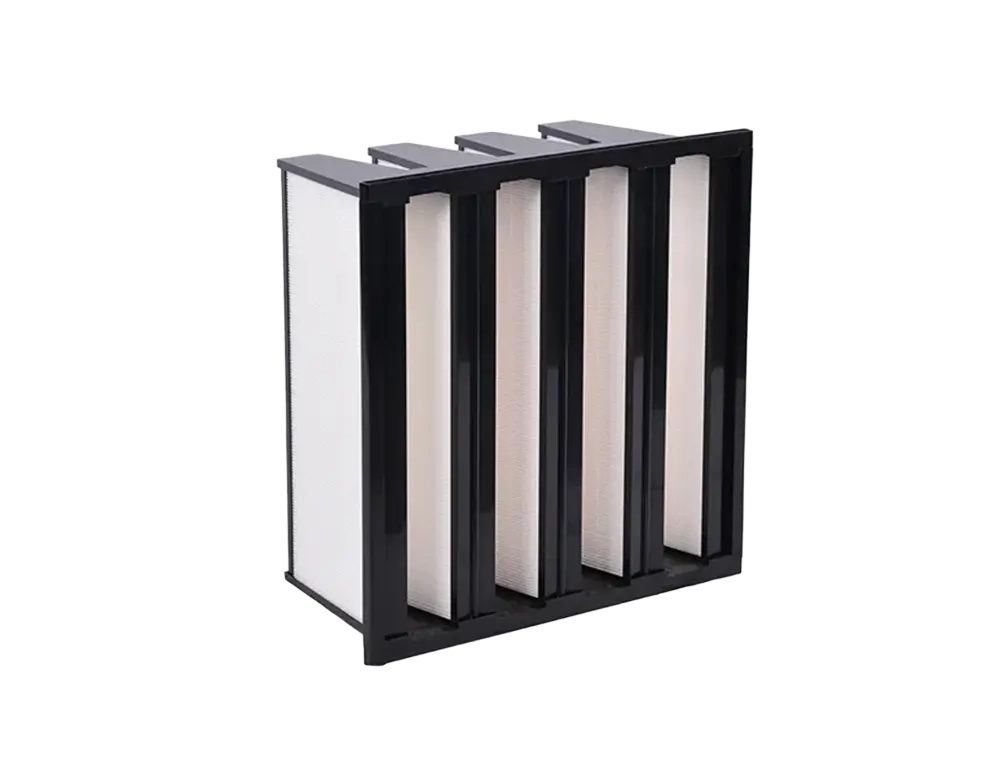
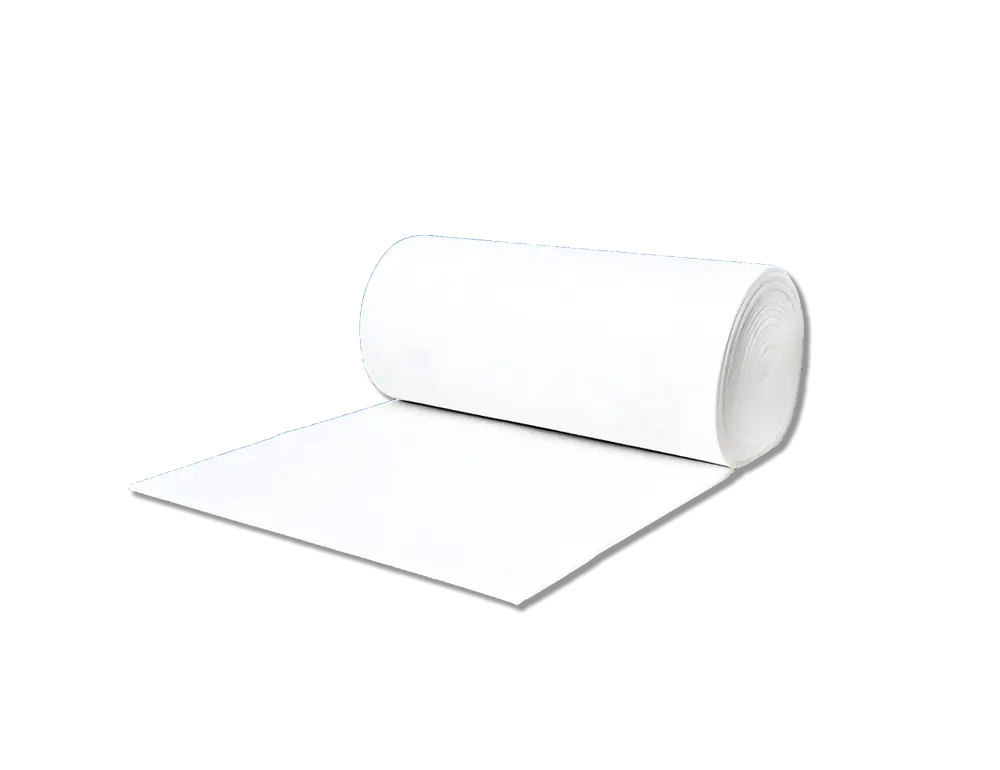
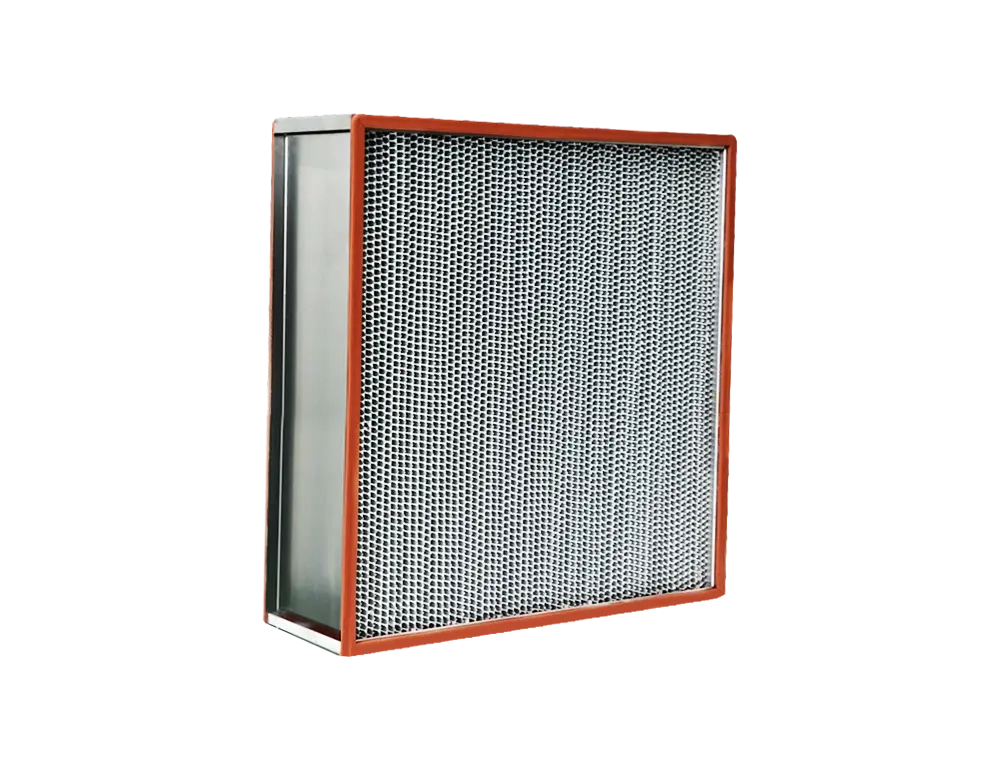
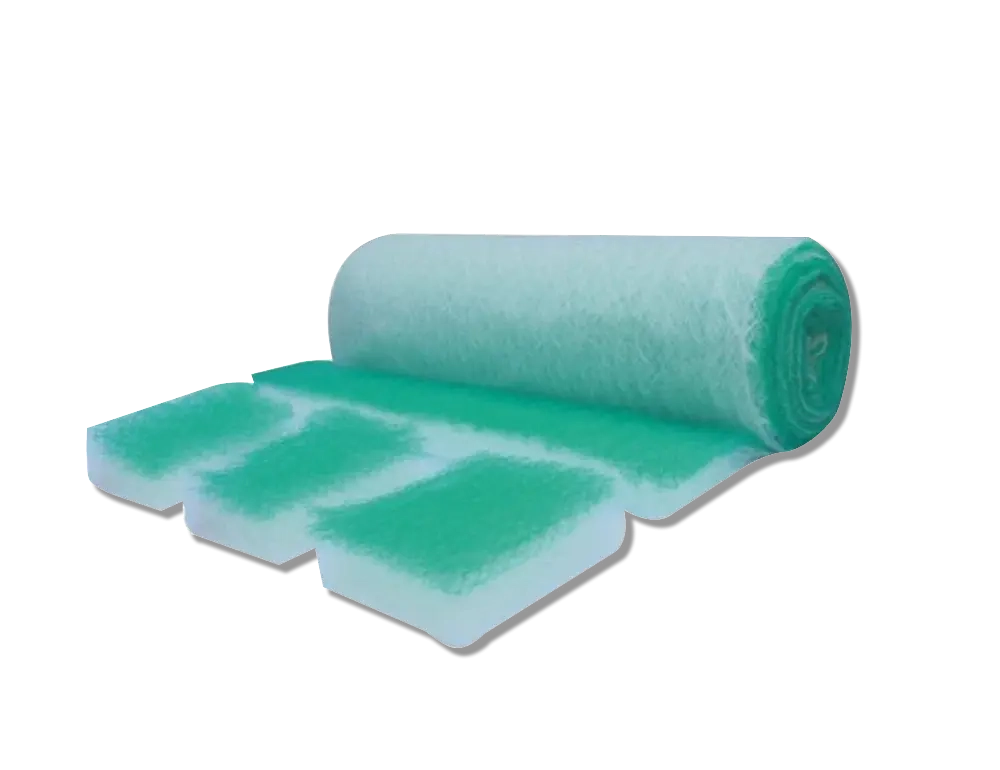
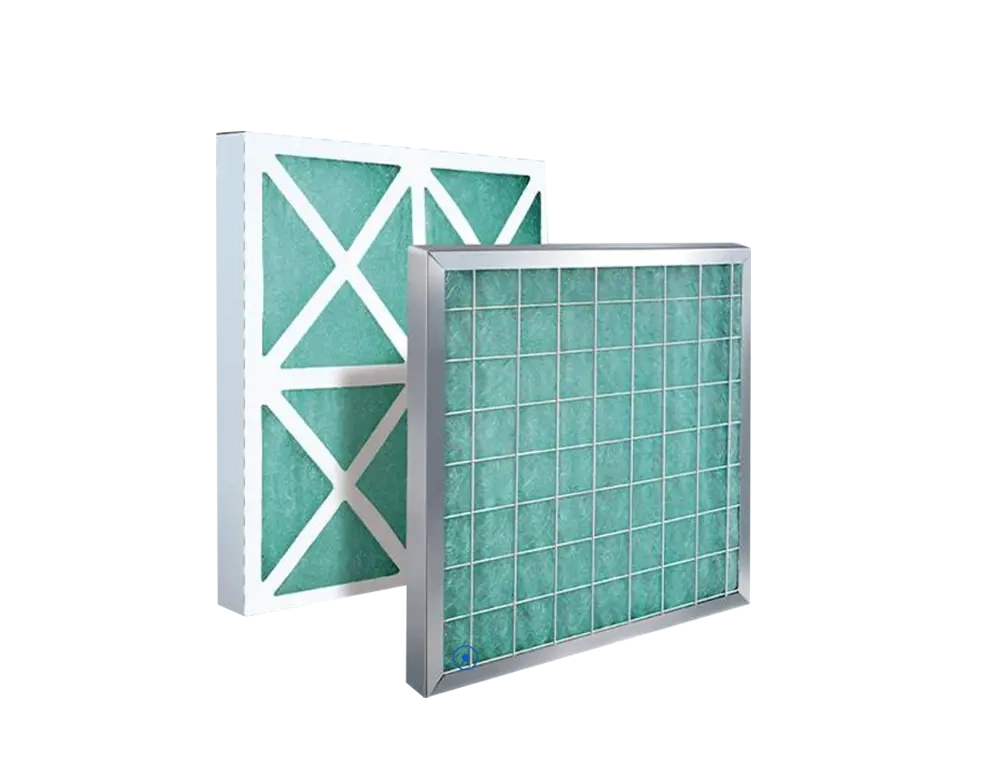
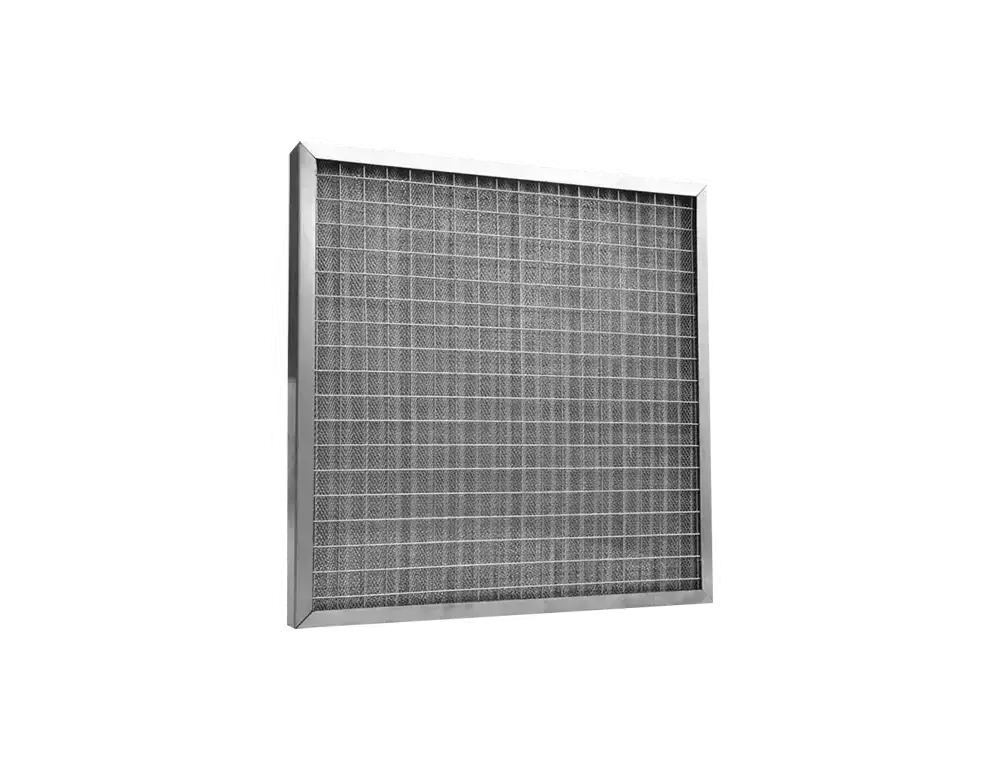
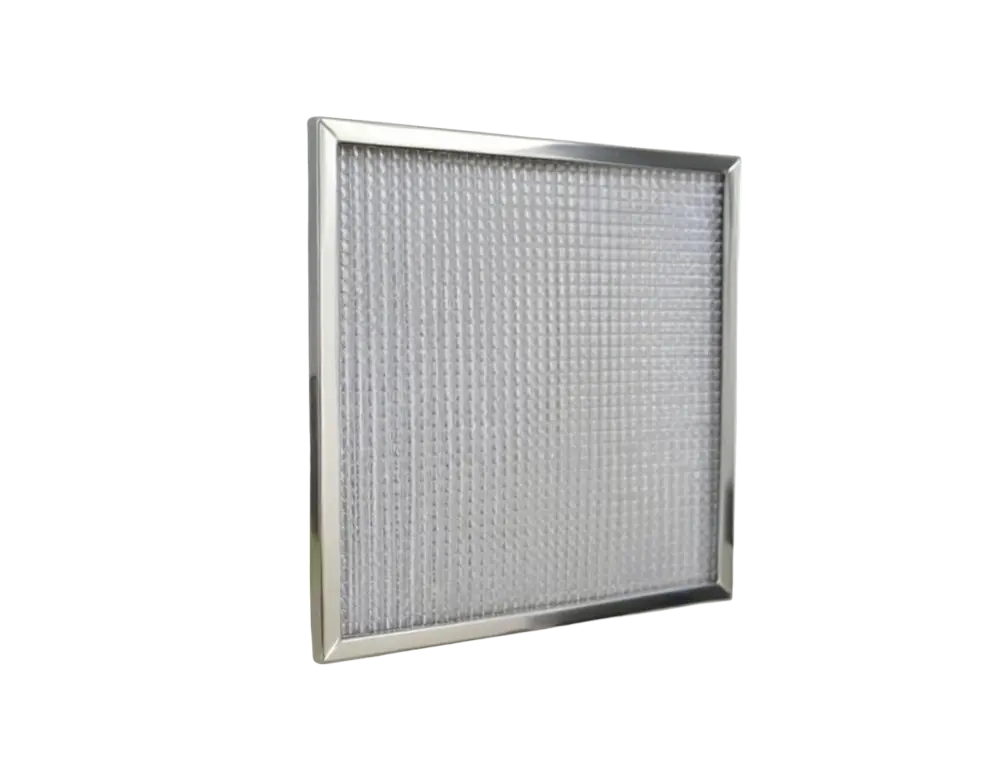
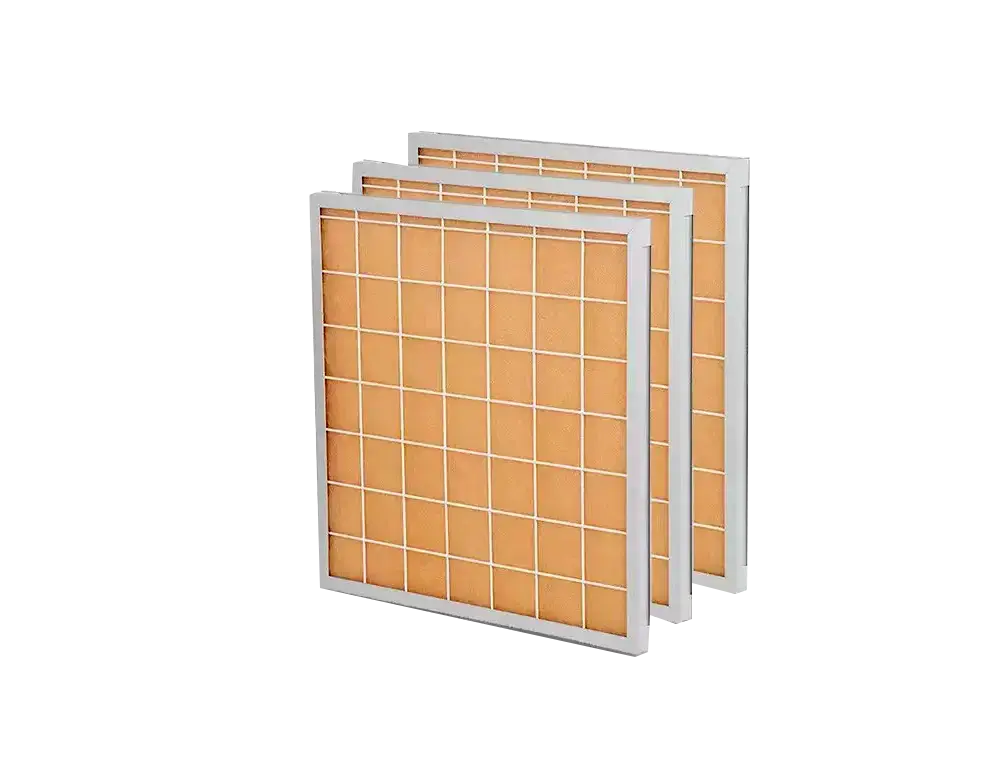
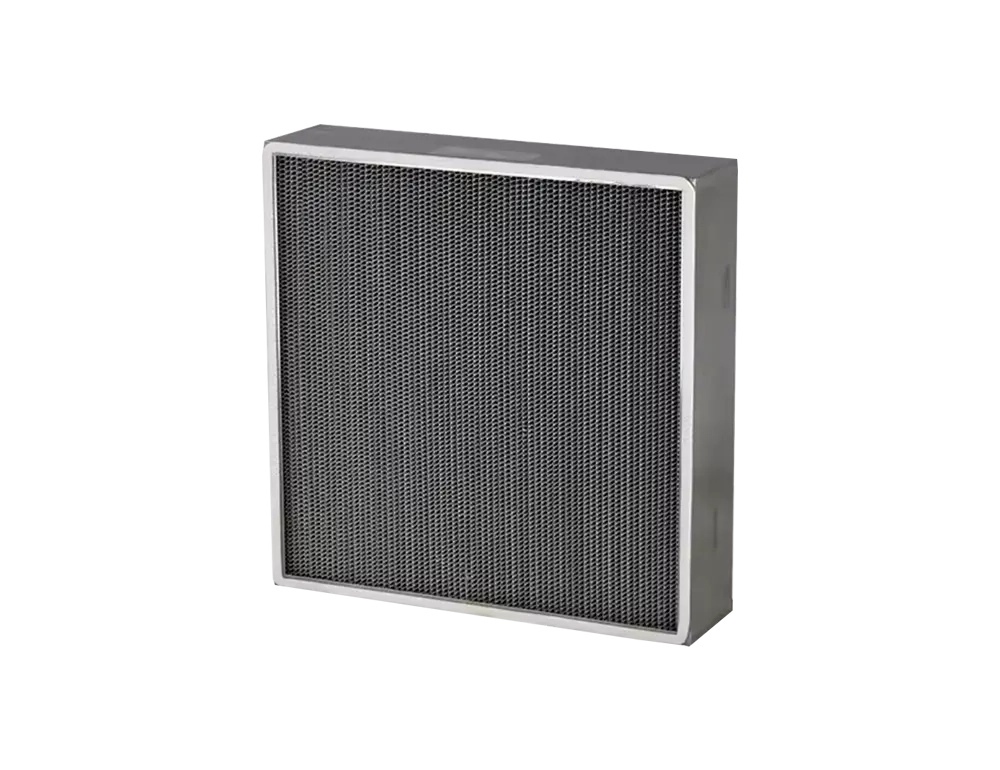
Pre-Filter (G1–G4)
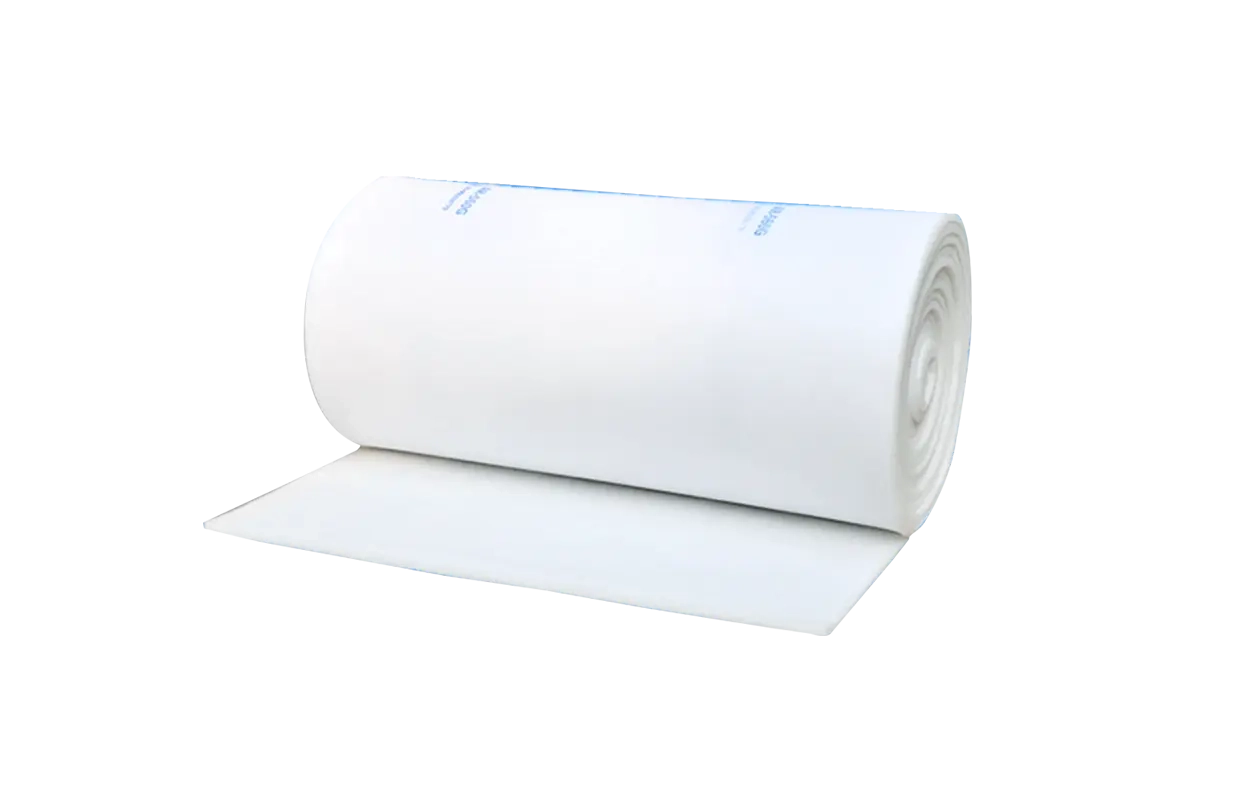
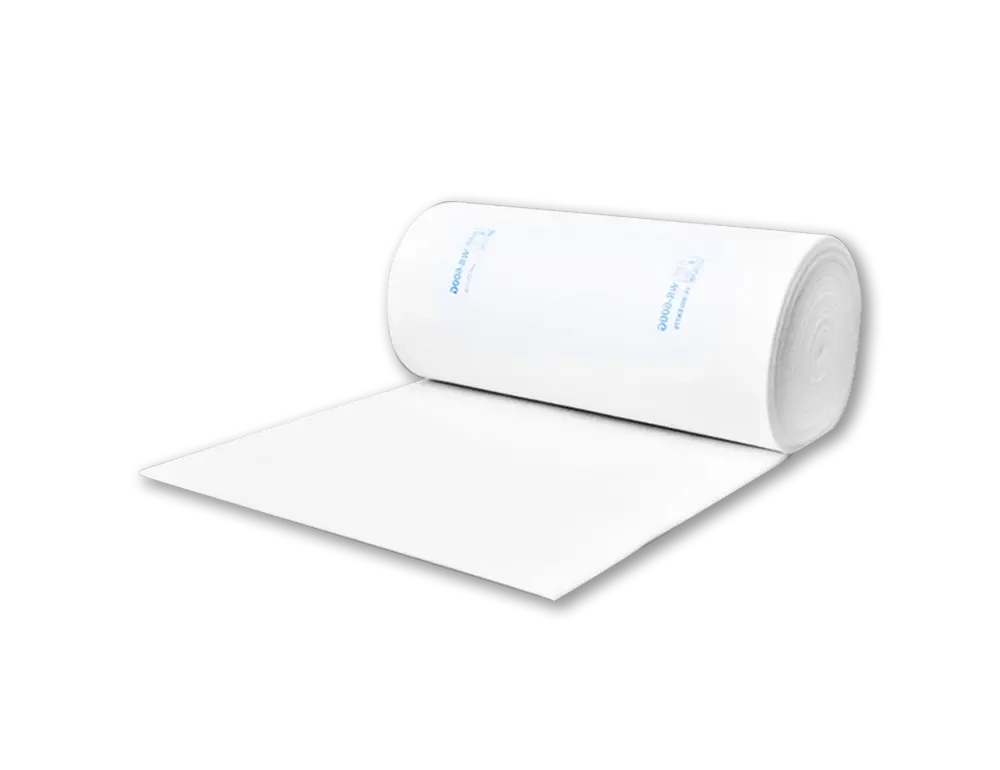
First-Stage Large-Particle Capture
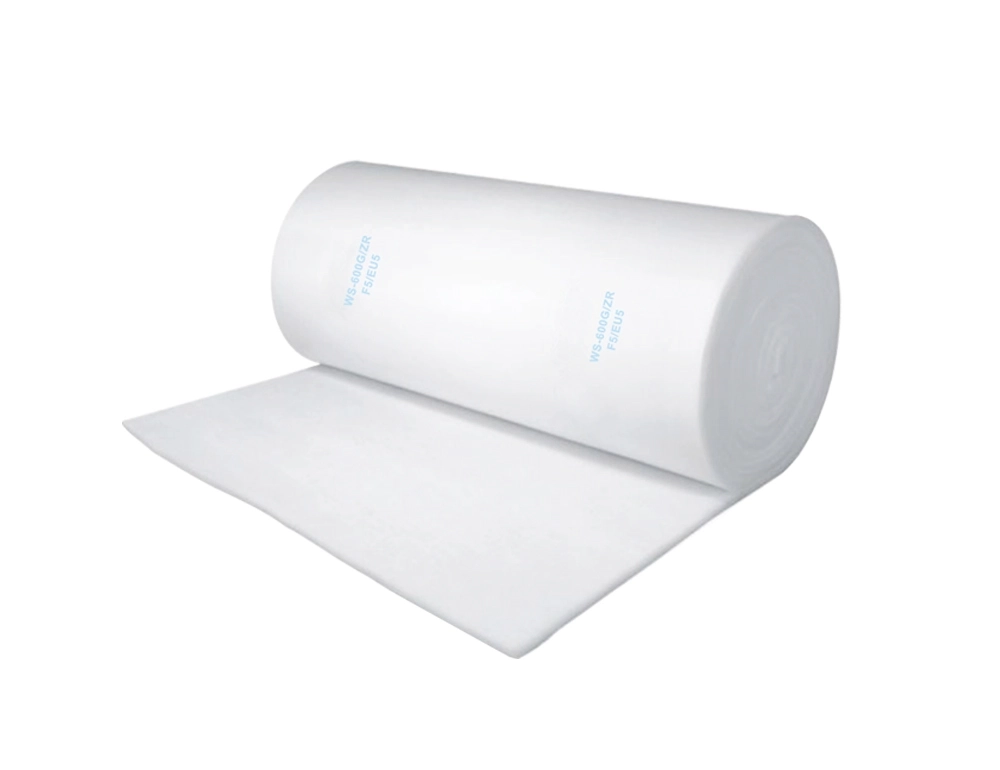
Medium-Efficiency Filter (F5–F9)
Precise PM2.5 Capture
HEPA High-Efficiency Filter
Sterile-Grade Purification
ULPA Ultra-High Efficiency Filter
Sub-Micron Particle Capture
First-Stage Large-Particle Capture
The first line of defense, capturing particles ≥5 μm such as dust, hair, and fibers to protect downstream filters and extend overall system service life.
View Related Products →Precise PM2.5 Capture
Captures fine particles of 1–5 μm including PM2.5, pollen, and mold spores, significantly improving indoor air quality for commercial HVAC and ventilation systems.
View Related Products →Sterile-Grade Purification
≥99.97% filtration efficiency for particles ≥0.3 μm, delivering sterile-grade clean air widely used in medical, pharmaceutical, and electronics manufacturing.
View Related Products →Sub-Micron Particle Capture
≥99.9995% efficiency for particles ≥0.12 μm, meeting the extreme cleanliness demands of semiconductor fabs, aerospace, and other ultra-precision applications.
View Related Products →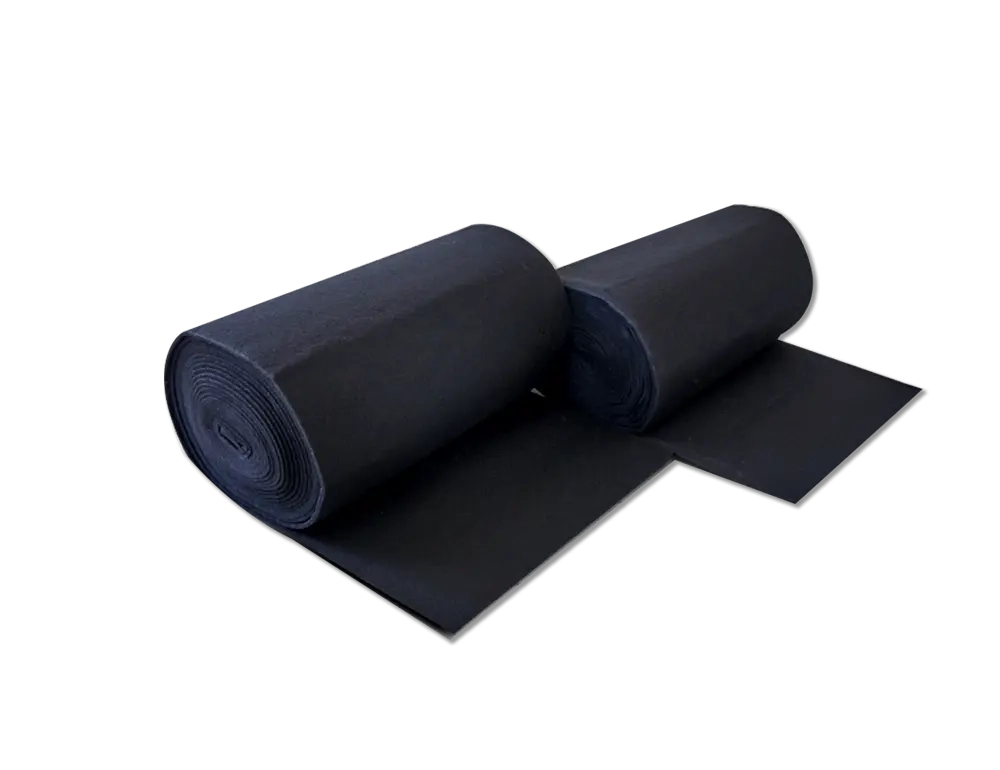
High-Temperature Resistant
Industrial-Grade Heat Tolerance
Washable & Reusable
Cut Costs, Reduce Waste
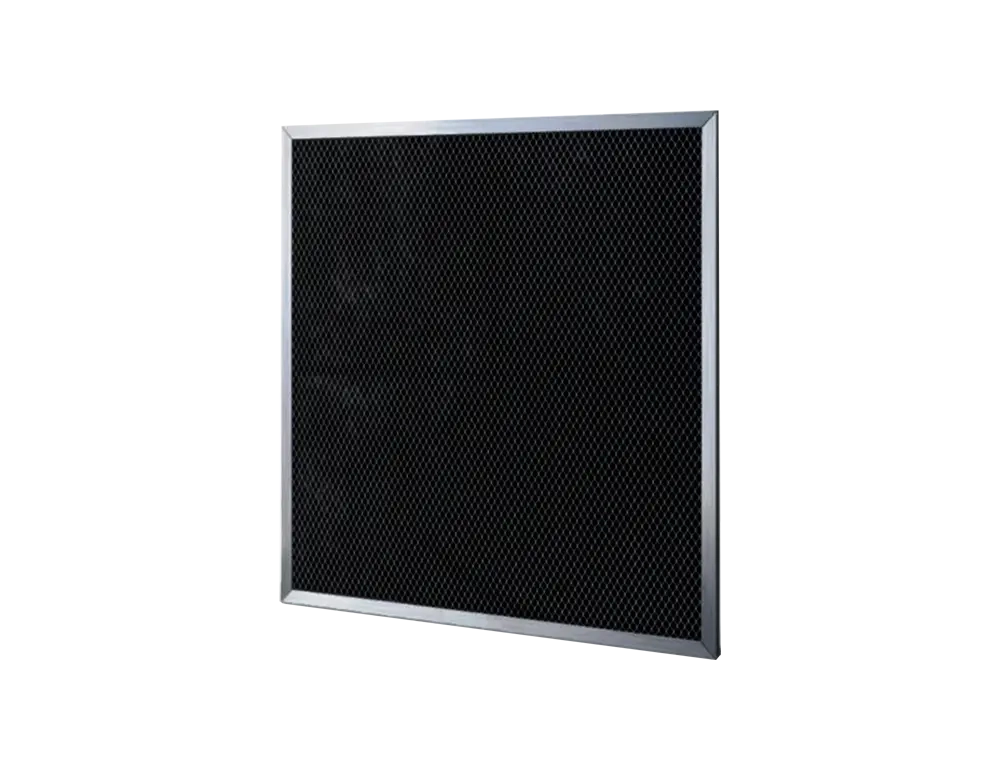
Activated Carbon
Odor & Harmful Gas Removal
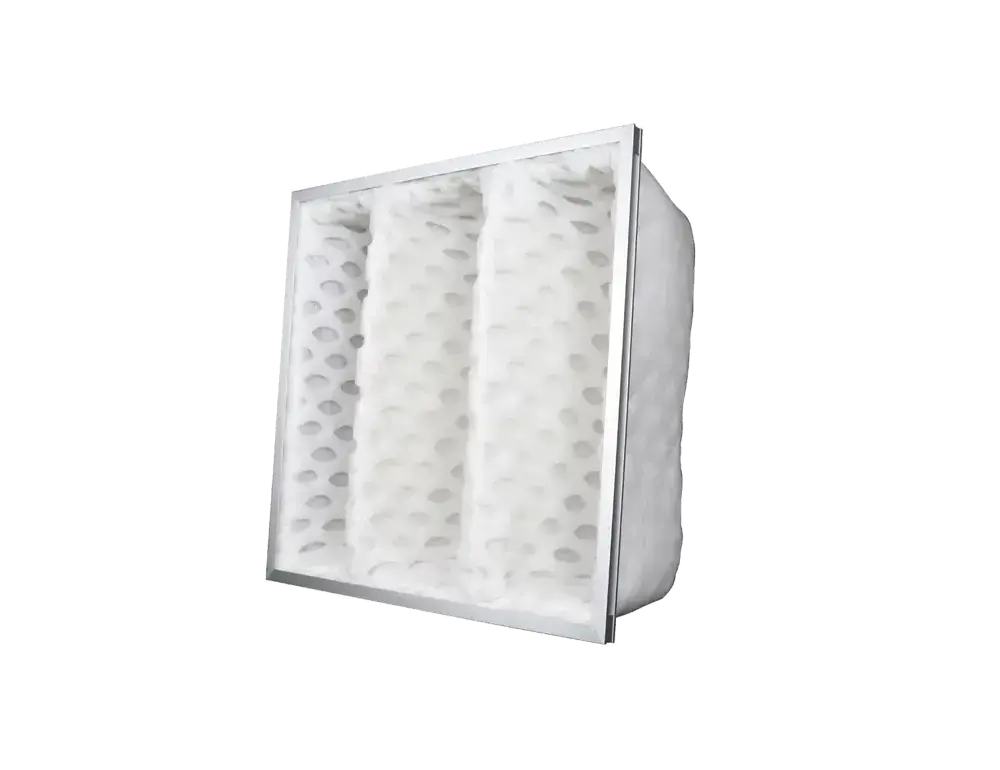
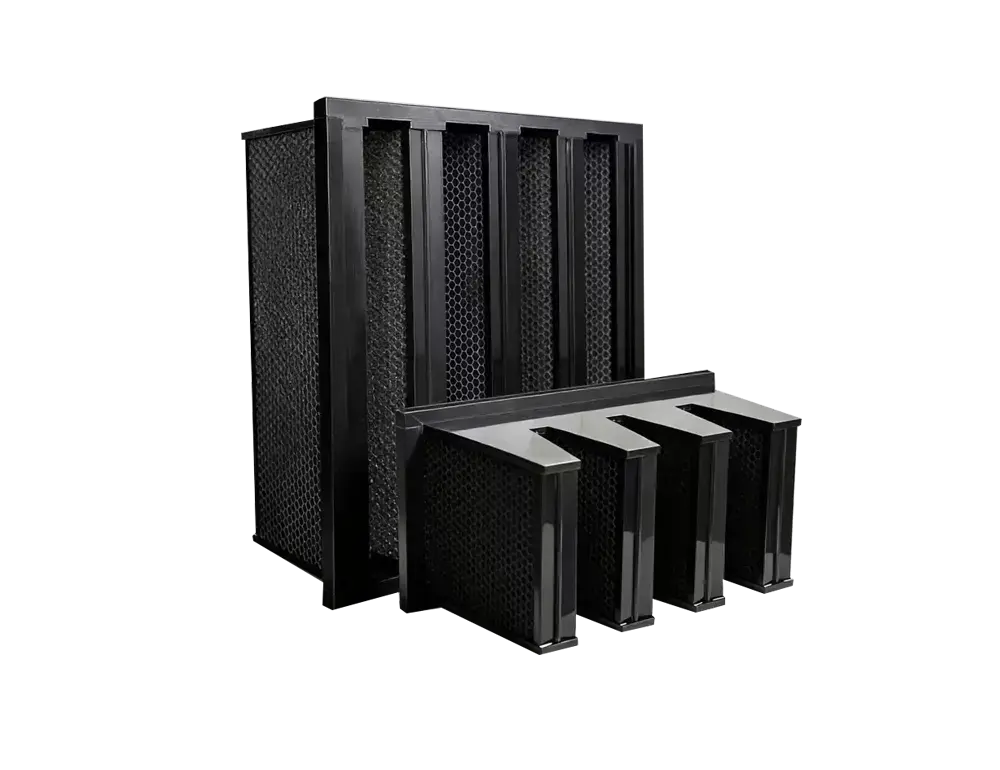
Bag Filter
High Dust-Holding, Long Life
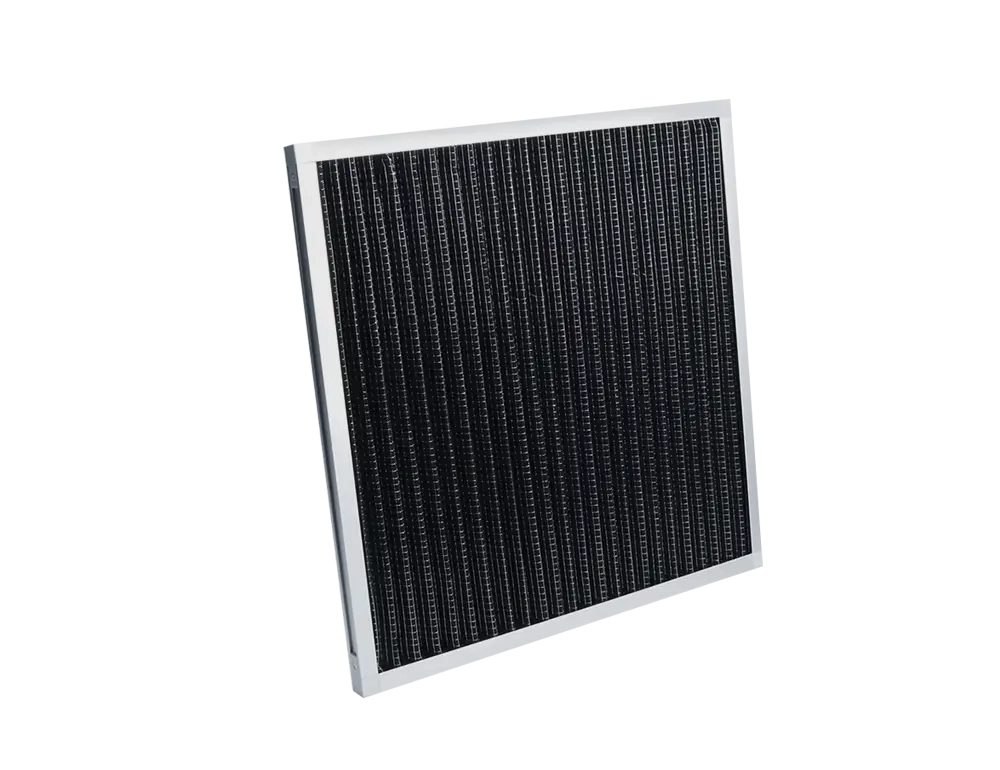
Panel / Pleated Filter
Compact Space-Saving Design
Low-Resistance Airflow
Energy-Saving Operation
Industrial-Grade Heat Tolerance
Built with specialized heat-resistant materials, operating stably up to 250°C for paint ovens, industrial dryers, and high-temperature process environments.
View Related Products →Cut Costs, Reduce Waste
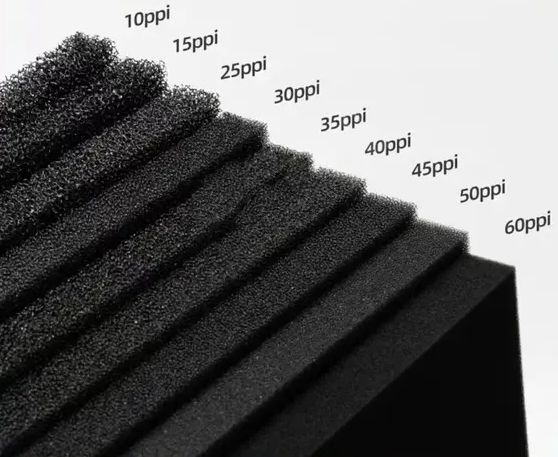
Cleanable by water washing or air blowing, reusable multiple times to significantly reduce replacement frequency and O&M costs — an economical, eco-friendly choice.
View Related Products →Odor & Harmful Gas Removal
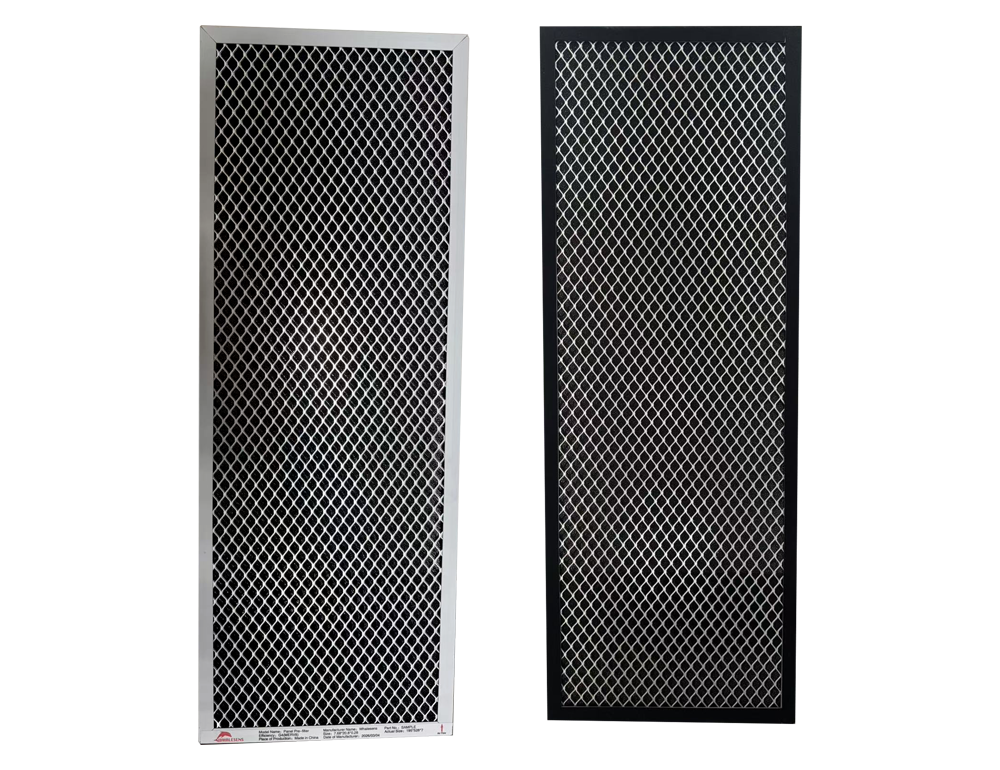
Leverages activated carbon's high adsorption capacity to eliminate odors, VOCs, and formaldehyde, ideal for newly renovated spaces and industrial exhaust treatment.
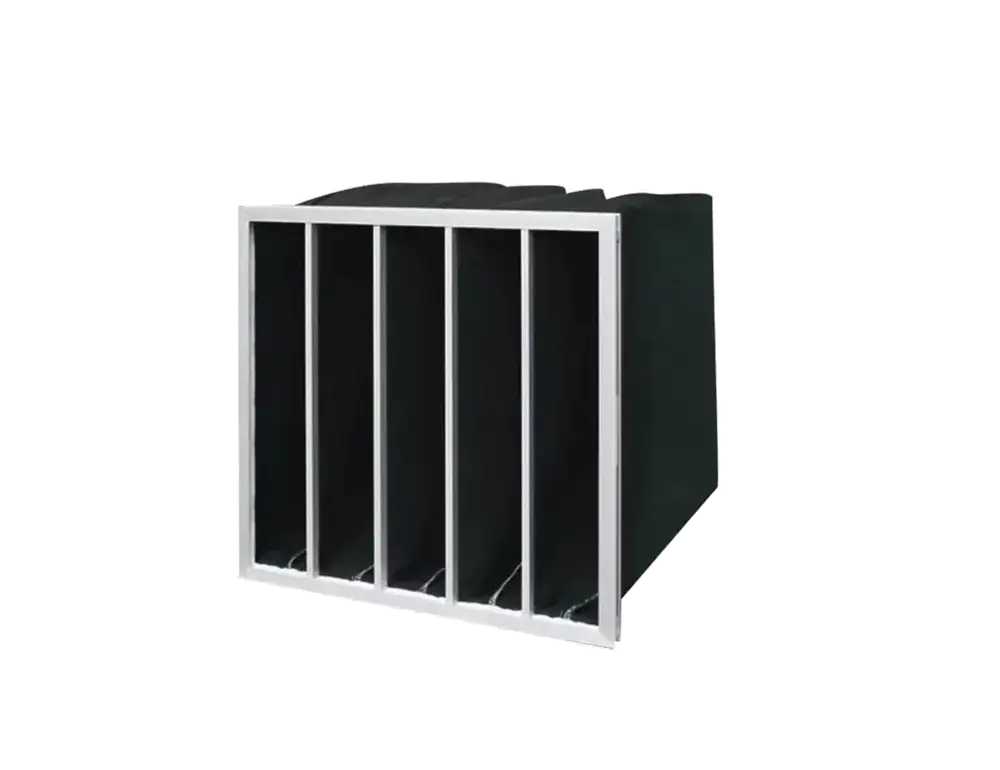
View Related Products →High Dust-Holding, Long Life
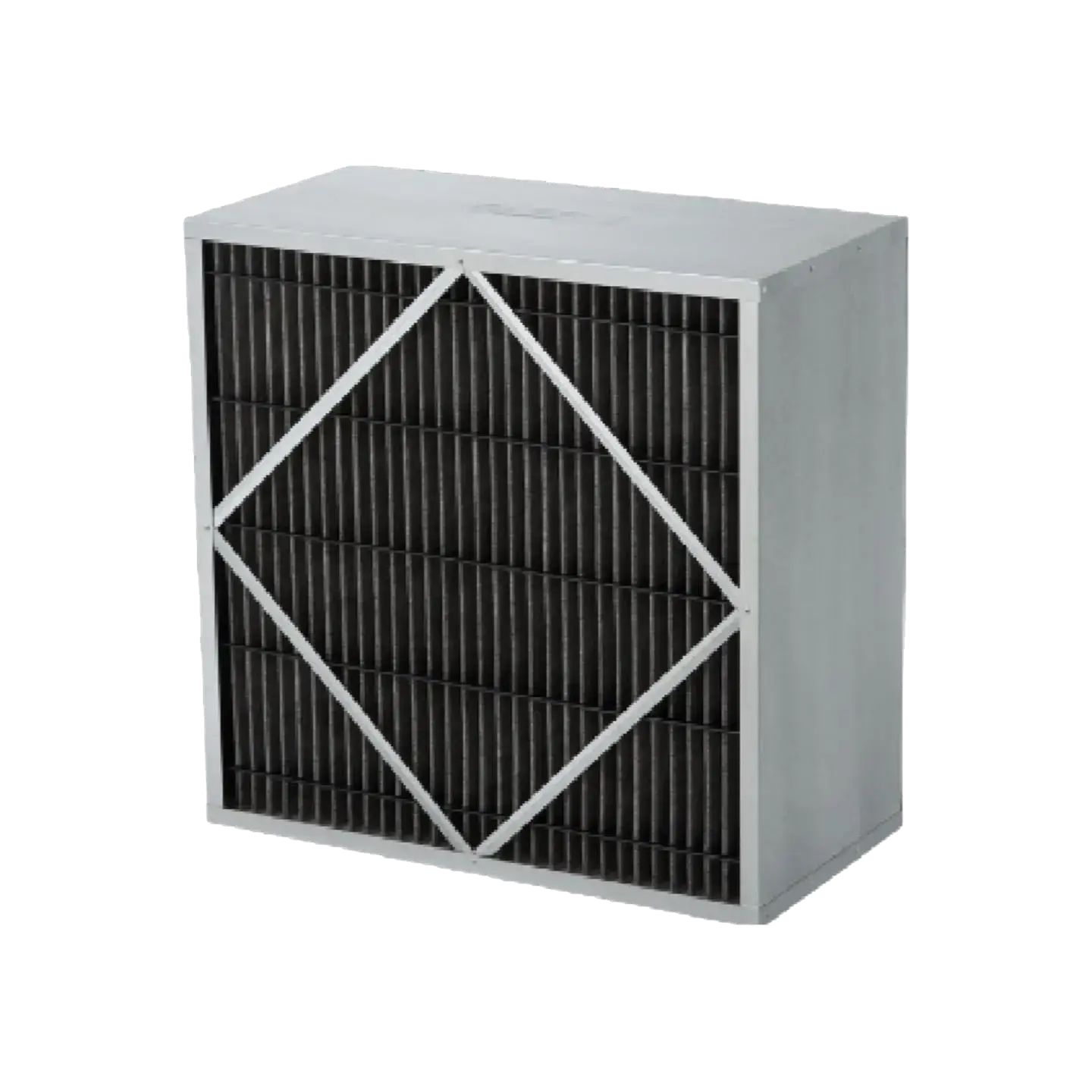
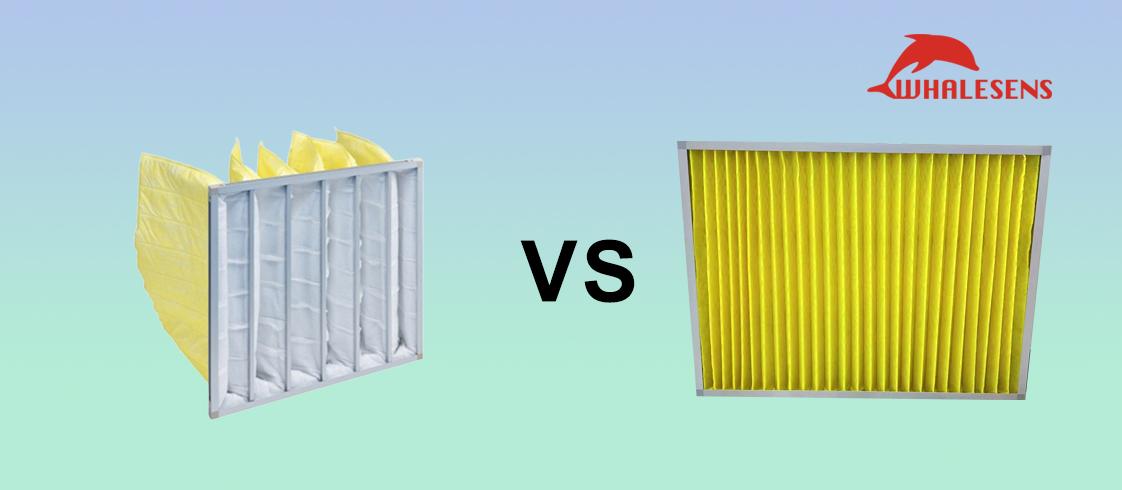
Bag-style construction delivers a larger filtration area, high dust-holding capacity, and extended service life — ideal for high-dust environments with reduced replacement frequency.
View Related Products →Compact Space-Saving Design
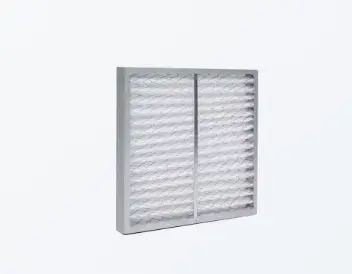
Compact form factor for easy installation and replacement; pleated structure maximizes filtration area within a small footprint for higher efficiency.
View Related Products →Energy-Saving Operation
Low-resistance design minimizes pressure drop while maintaining filtration performance, reducing fan energy consumption for cost-effective, eco-friendly operation.
View Related Products →
















 English(Global)
 简体中文
简体中文 Language




The History and Facts of HEPA Filters: From Gas Masks to Modern Air Purification
HEPA (High Efficiency Particulate Air) filters are one of the most critical components in modern air filtration technology. They can remove extremely fine particles from the air, improving cleanliness and safety. HEPA filters are widely used in healthcare, cleanrooms, nuclear facilities, electronics manufacturing, and many other industries. This article provides a detailed overview of HEPA filters from their historical origins and milestones to their working principles, standards, and modern developments.
Historical Origins and Milestones
Early Discovery during World War II (1939–1945)
A British soldier discovered a special filter paper inside a captured German gas mask canister. After analysis, the British Army found it highly effective in absorbing and filtering chemical smokes. The filter paper was replicated and used in military gas masks.
Significance: Demonstrated that natural fiber-based filter media (e.g., cellulose, asbestos) were effective against chemical aerosols, laying the foundation for HEPA technology.
Mid-War Development
The British Army’s Chemical Corps developed a “Collective Protector”, a device combining mechanical blowers with filtration units. It used deep-pleated cellulose-asbestos filter paper with spacers to maintain airflow. This “Absolute Air Filter” became the direct predecessor of HEPA filters.
1942 – Manhattan Project
At Oak Ridge, Tennessee, the United States launched the Manhattan Project to develop the atomic bomb. With nearly 900,000 workers involved, protecting staff from radioactive aerosols was critical.
The U.S. Army Chemical Corps, in collaboration with the National Defense Research Committee, built upon British “Absolute Filter” knowledge to design filters for radioactive protection. Scientists, including Irving Langmuir, identified the Most Penetrating Particle Size (MPPS) — approximately 0.3 µm — as the critical benchmark for testing.
Result: The first true HEPA filter was developed.
1950s – Declassification and Civilian Adoption
HEPA technology was declassified and introduced into civilian sectors. The term “HEPA” became a widely used generic trademark for high-efficiency particulate filters.
1960s – Cold War Expansion
With the rise of nuclear power and the microelectronics industry, demand for particle-free environments increased rapidly. HEPA filter production matured, and efficiency standards became systematic.
Result: HEPA filters achieved full commercialization and broad adoption.
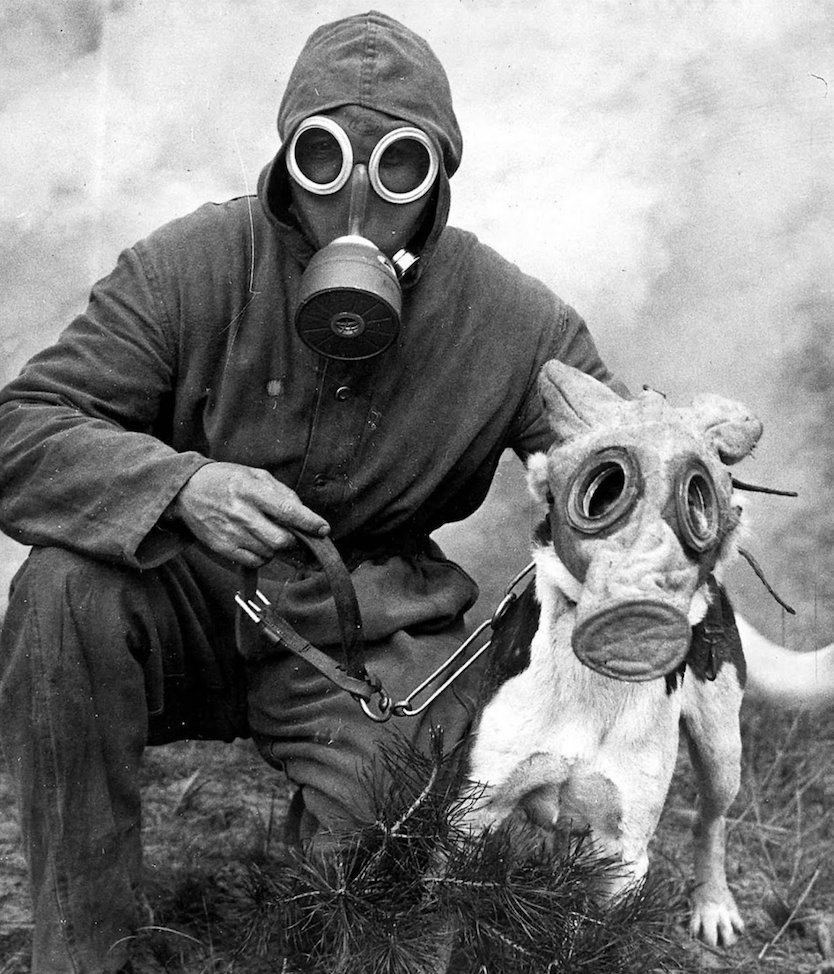
Filtration Principles and Technical Facts
Filtration Mechanisms
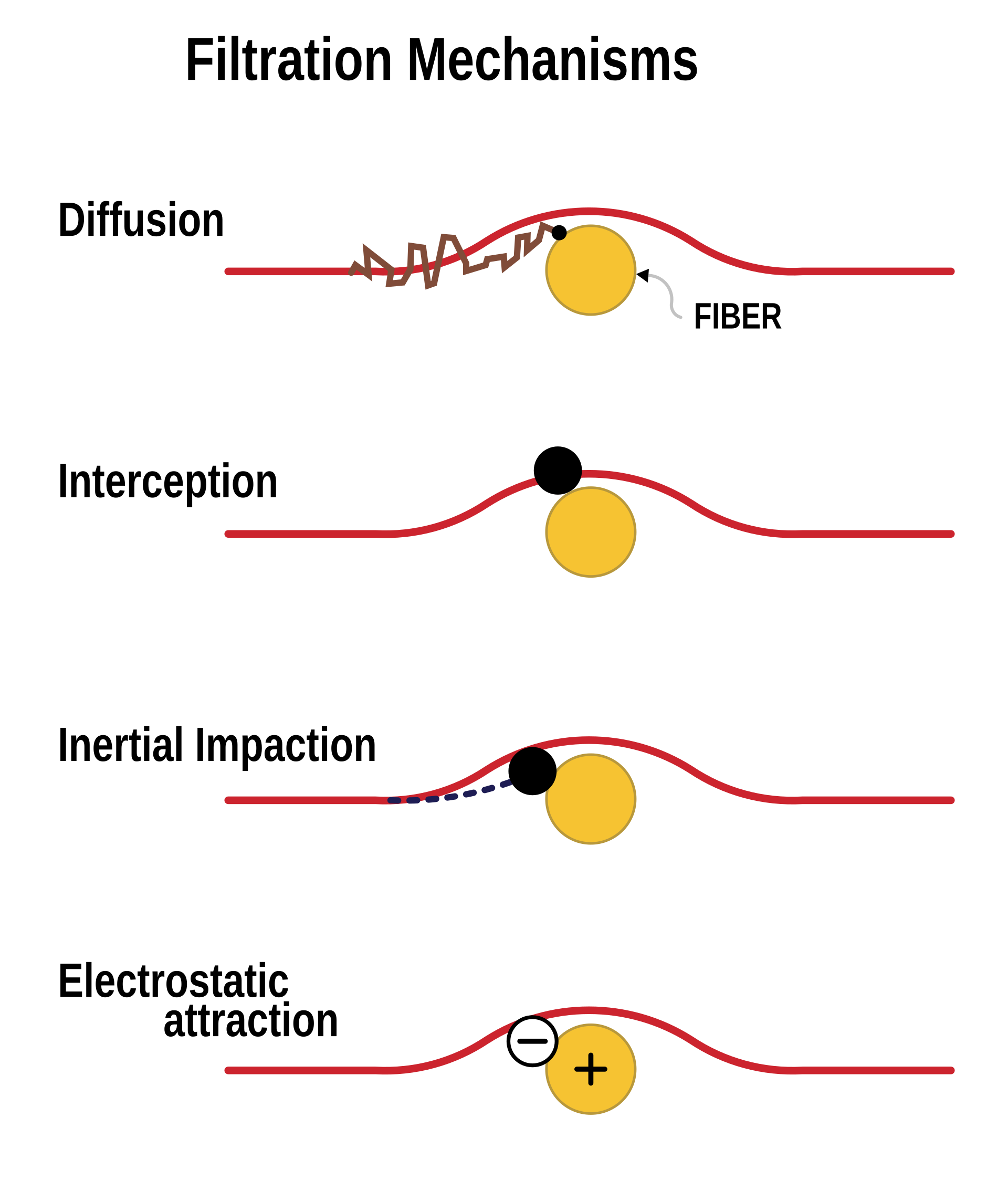
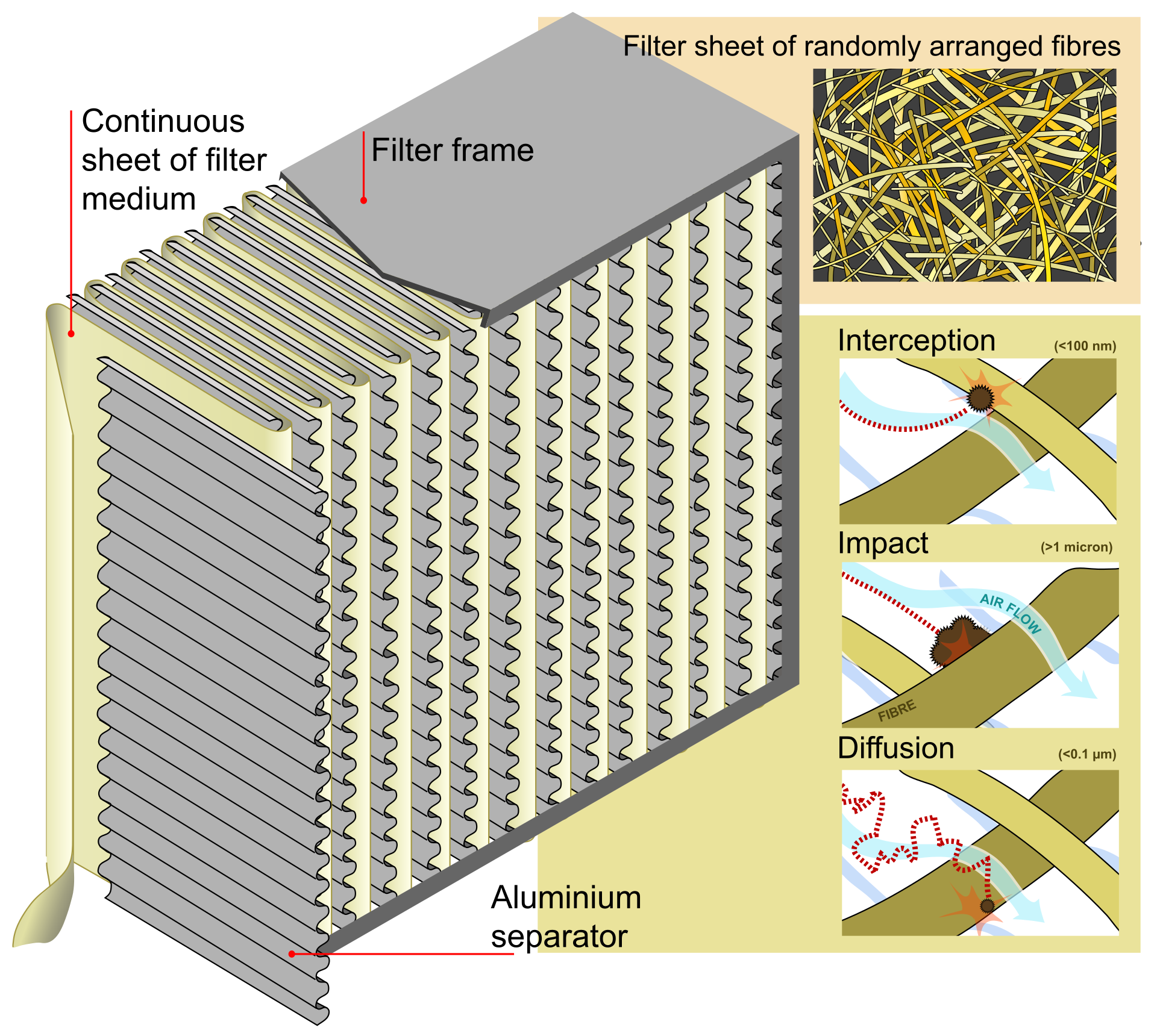
HEPA media are typically made of fine fiberglass or similar materials in a pleated structure, with spacers to ensure airflow uniformity. Filtration efficiency arises from multiple mechanisms:
- Sieving / Impaction: Large particles collide with fibers and are intercepted.
- Inertial Impaction: Medium particles deviate from airflow lines and impact fibers.
- Diffusion (Brownian Motion): Very small particles...
Need a custom air filtration solution?
Contact the Whalesens engineering team for product selection and OEM/ODM support.
Email whalesens@gmail.com