


EV Charging Stations
Filtration for Power Equipment
Cleanroom & Semiconductor
Ultra-High Cleanliness Filtration
Commercial HVAC
Central Air System Filtration
Data Centers
Precision Equipment Protection
Livestock & Farming
Farming Environment Purification
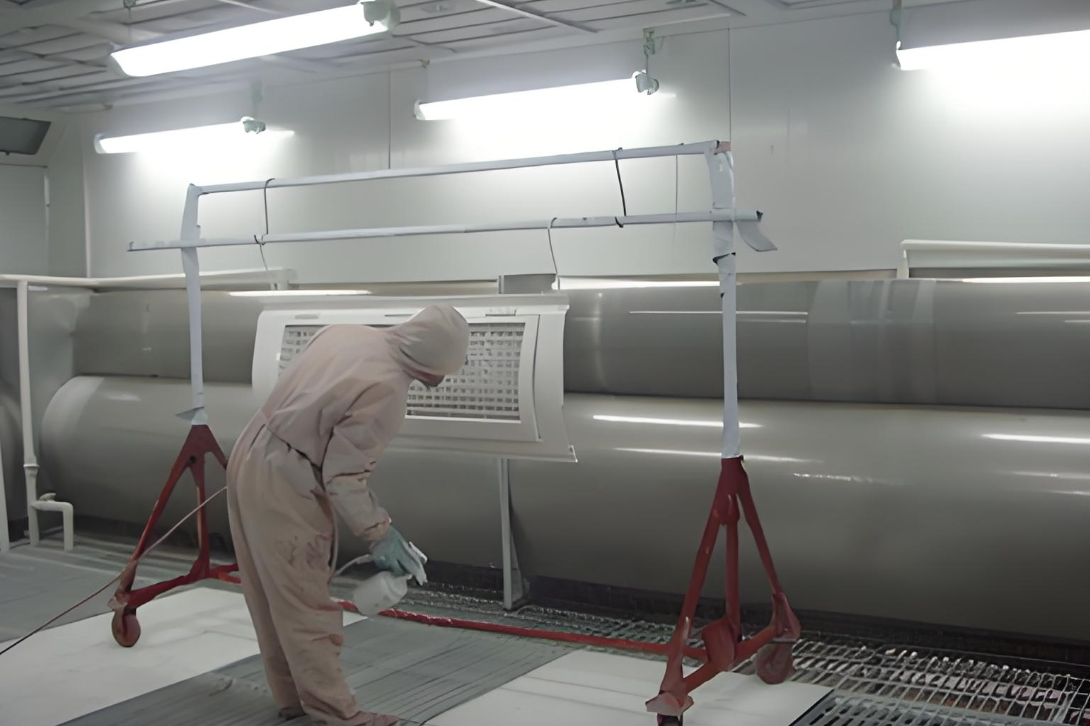
Spray Booths & Industrial Dust
Paint Mist & Dust Purification
Filtration for Power Equipment
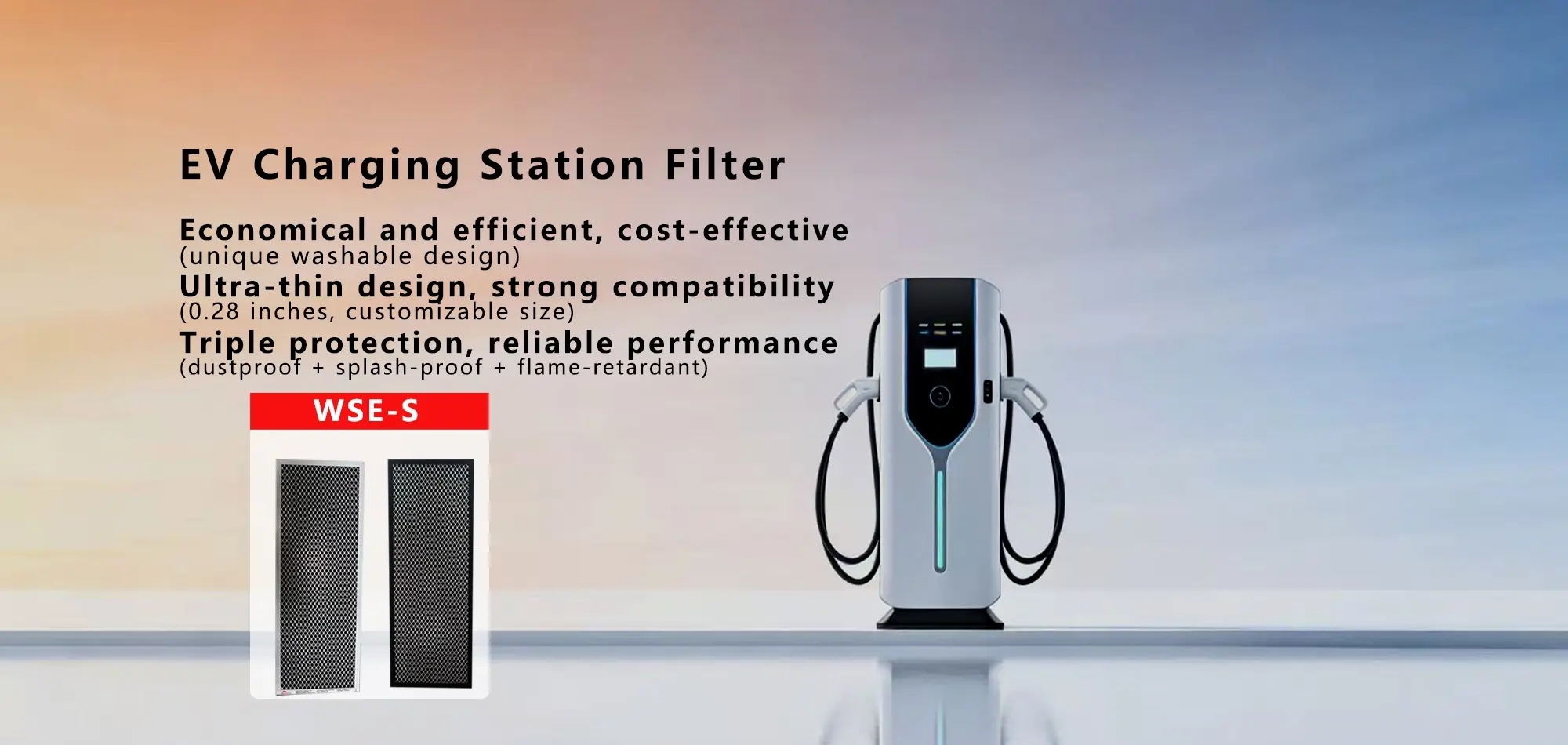
Professional air filtration for EV charging devices, protecting against dust and sand ingress to ensure stable, reliable operation of charging piles and station infrastructure.
View Related Products →Ultra-High Cleanliness Filtration
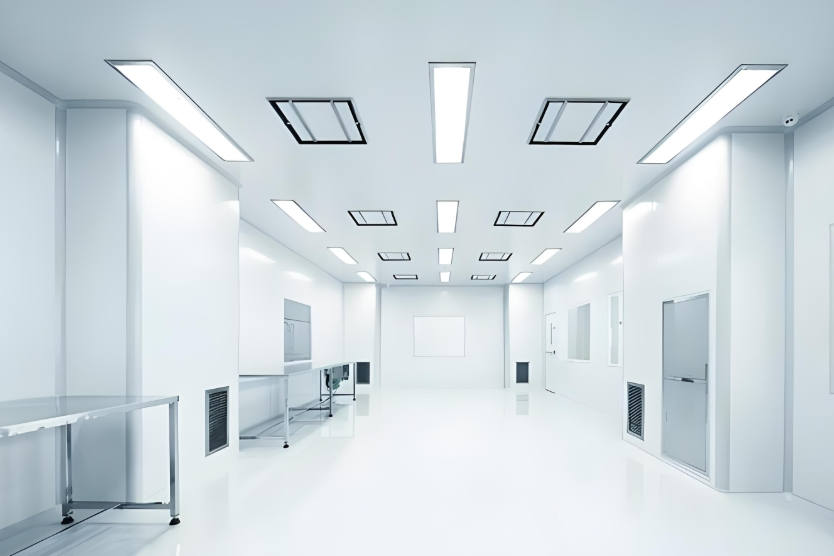
Ultra-high efficiency filtration for semiconductor wafer fabs and precision electronics cleanrooms, capturing nano-scale particles to meet ISO Class 1–3 standards and maximize product yield.
View Related Products →Central Air System Filtration
High-efficiency filtration for commercial building HVAC systems, improving indoor air quality, reducing energy consumption, and extending equipment service life.
View Related Products →Precision Equipment Protection
Precision air filtration for data centers, shielding servers and critical hardware from dust contamination to keep cooling systems running efficiently and reliably.
View Related Products →Farming Environment Purification
Dedicated filtration systems for farms and livestock facilities — capturing dust, adsorbing ammonia, and inhibiting pathogen spread to improve animal health and overall productivity.
View Related Products →Paint Mist & Dust Purification
Designed for spray booths and grinding workshops, efficiently capturing paint mist, metal dust, and wood chips to meet emission standards while protecting finished surface quality.
View Related Products →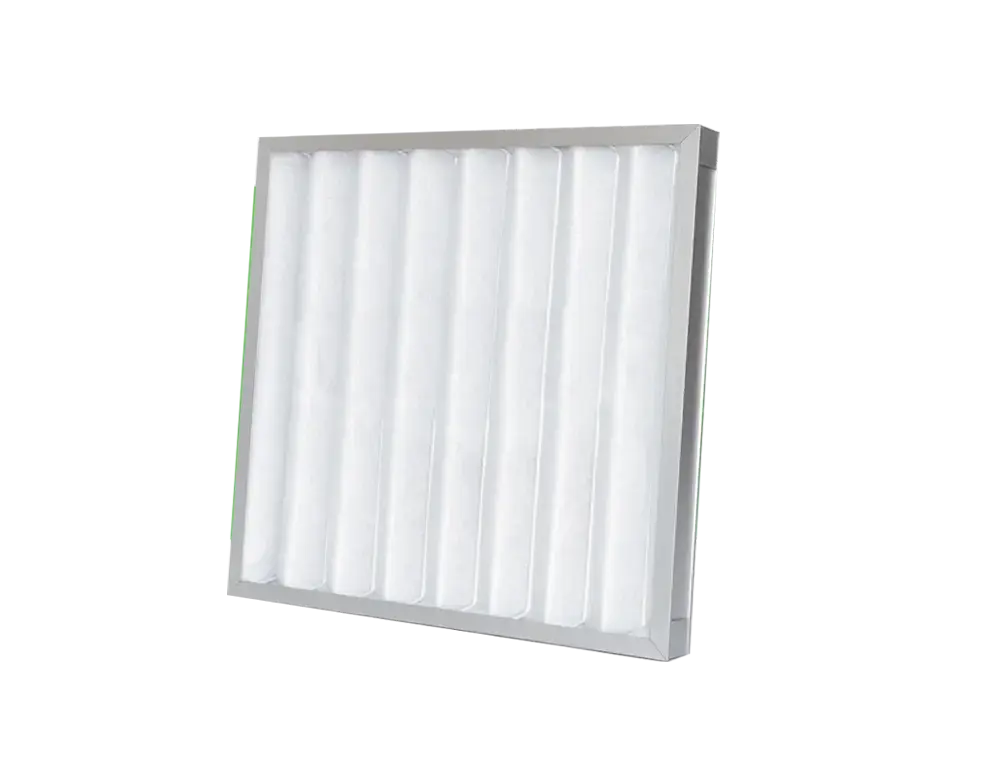
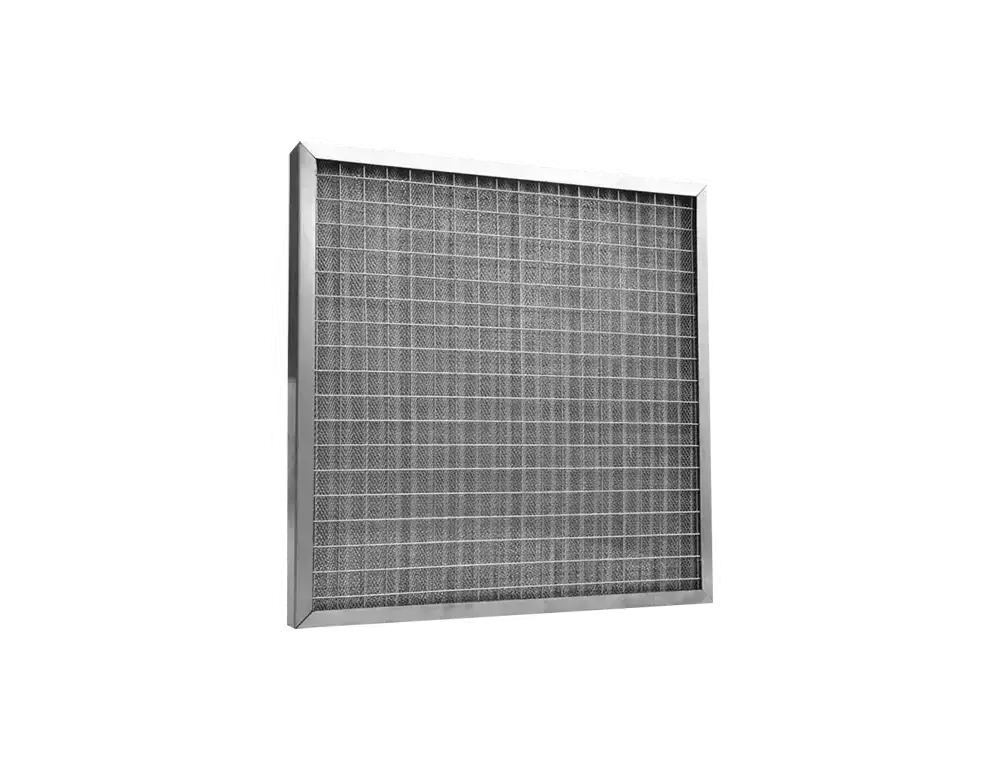
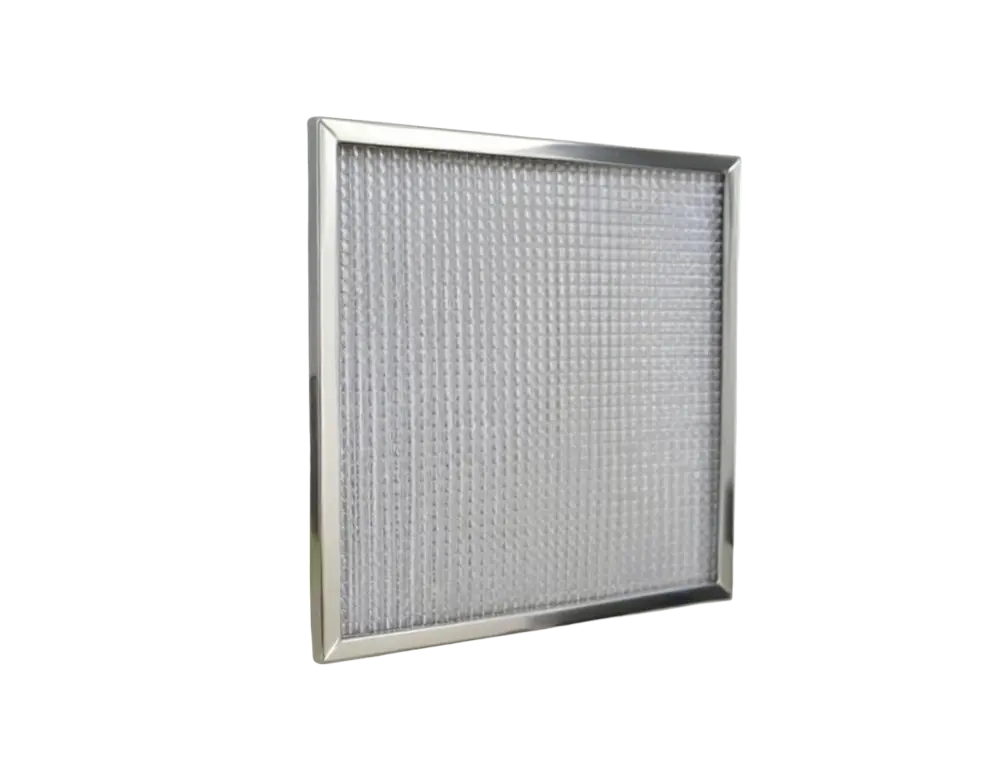
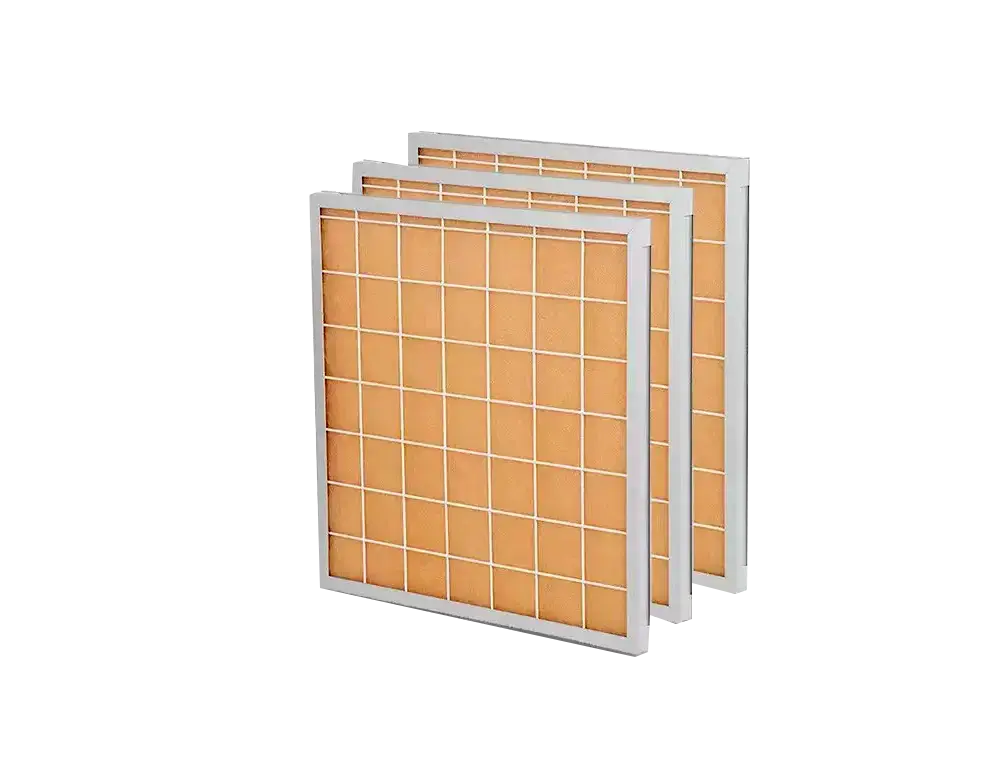
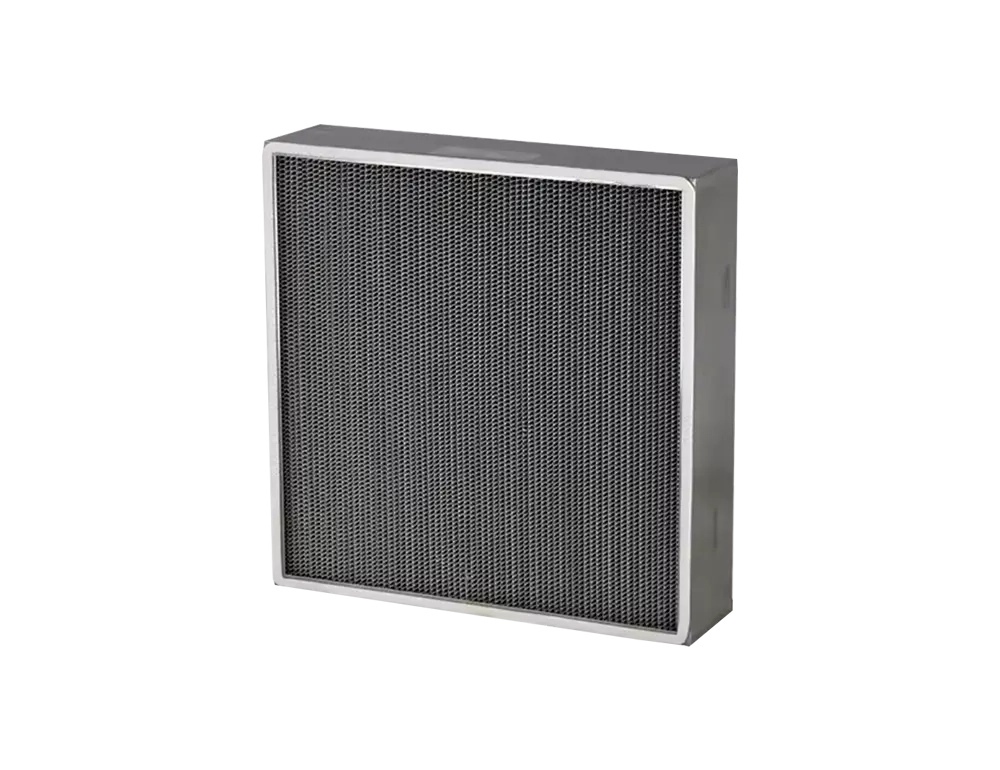
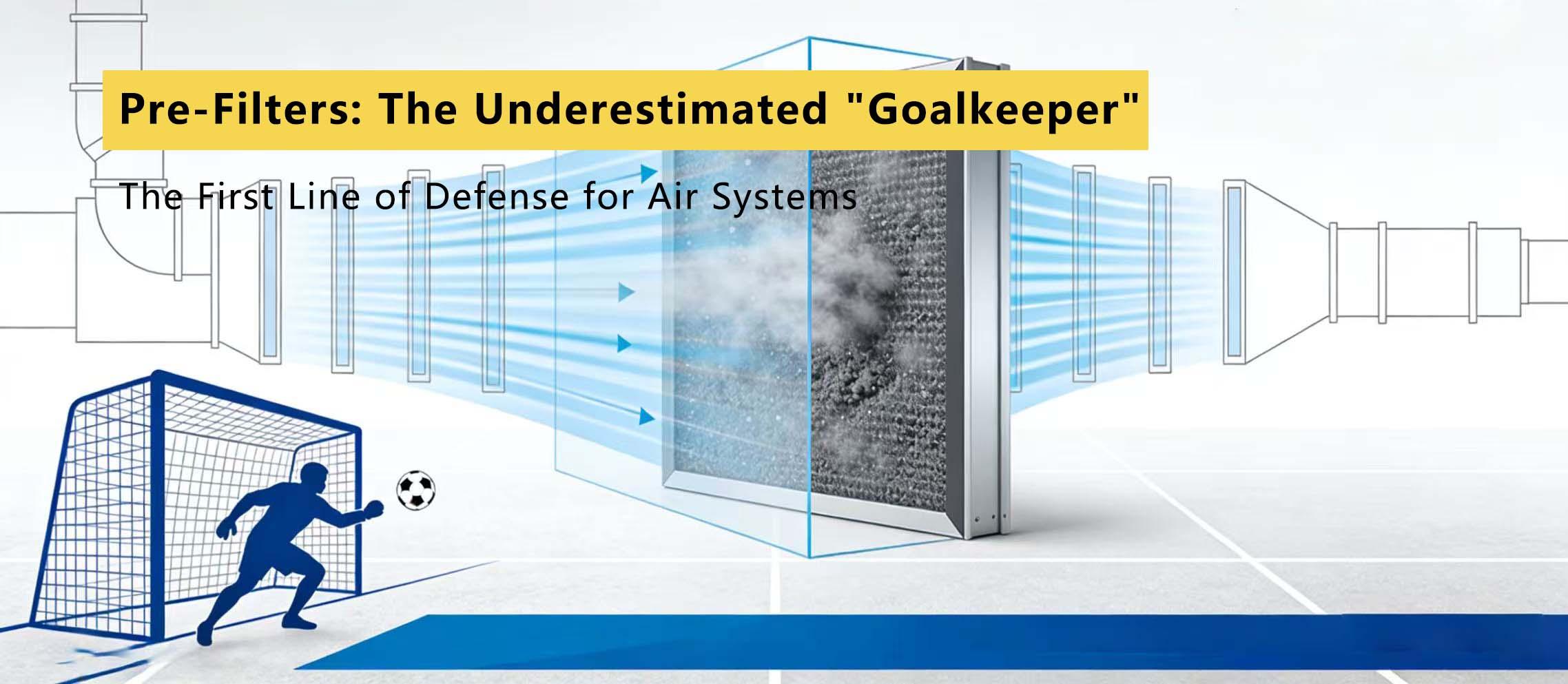
Pre-Filter (G1–G4)
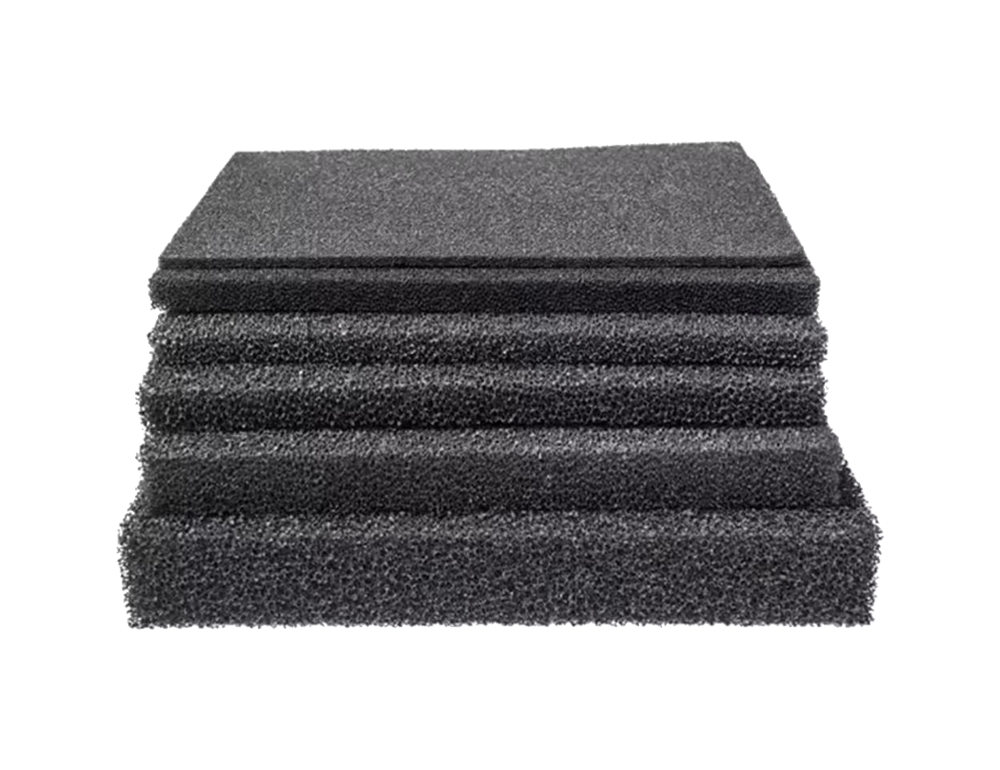
First-Stage Large-Particle Capture
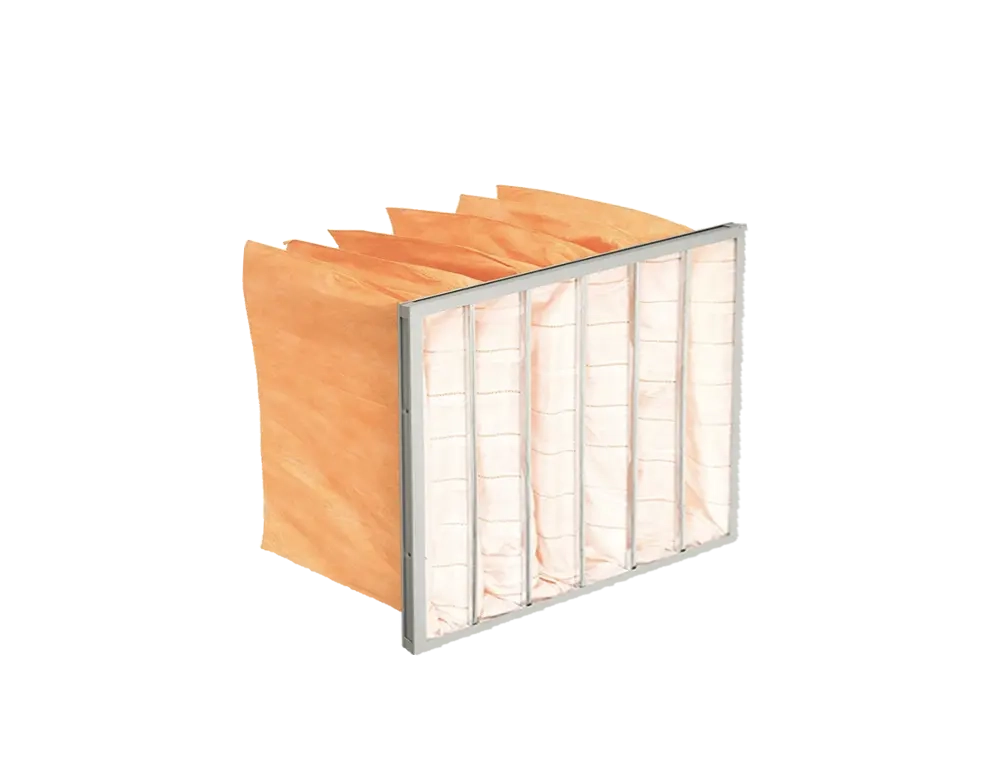
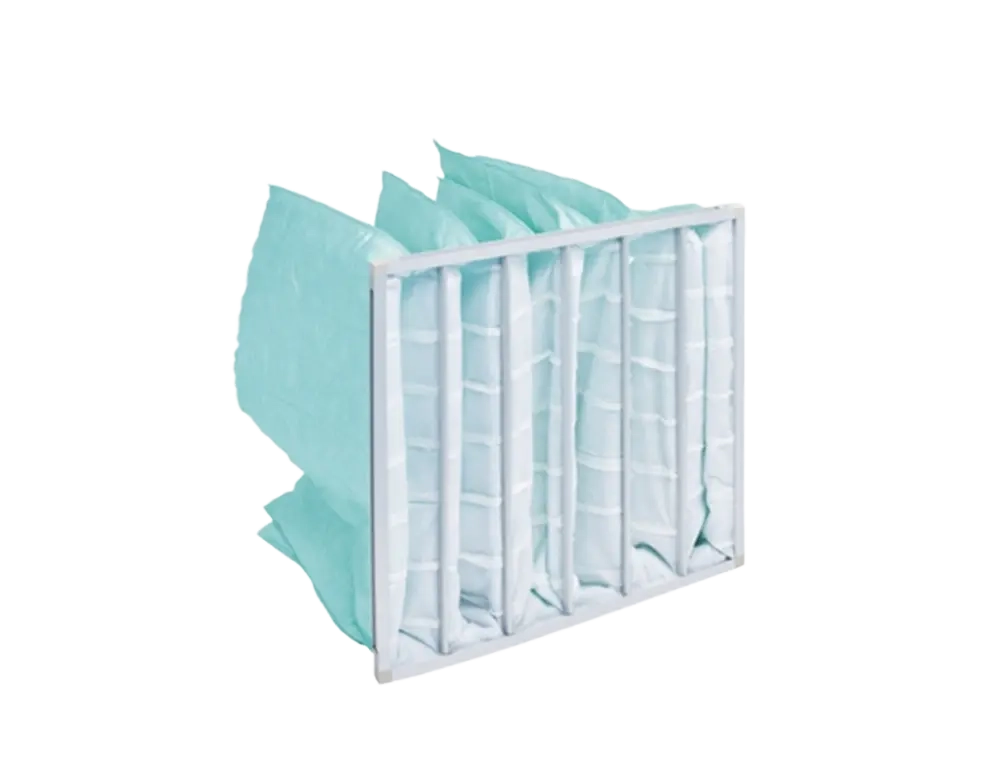
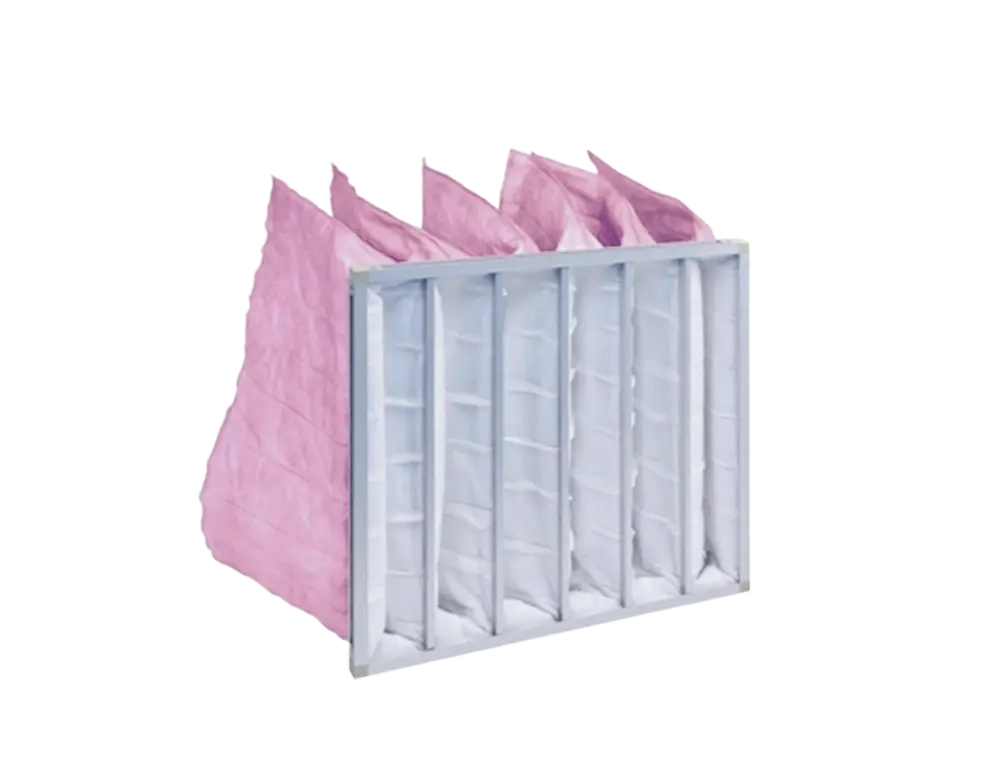
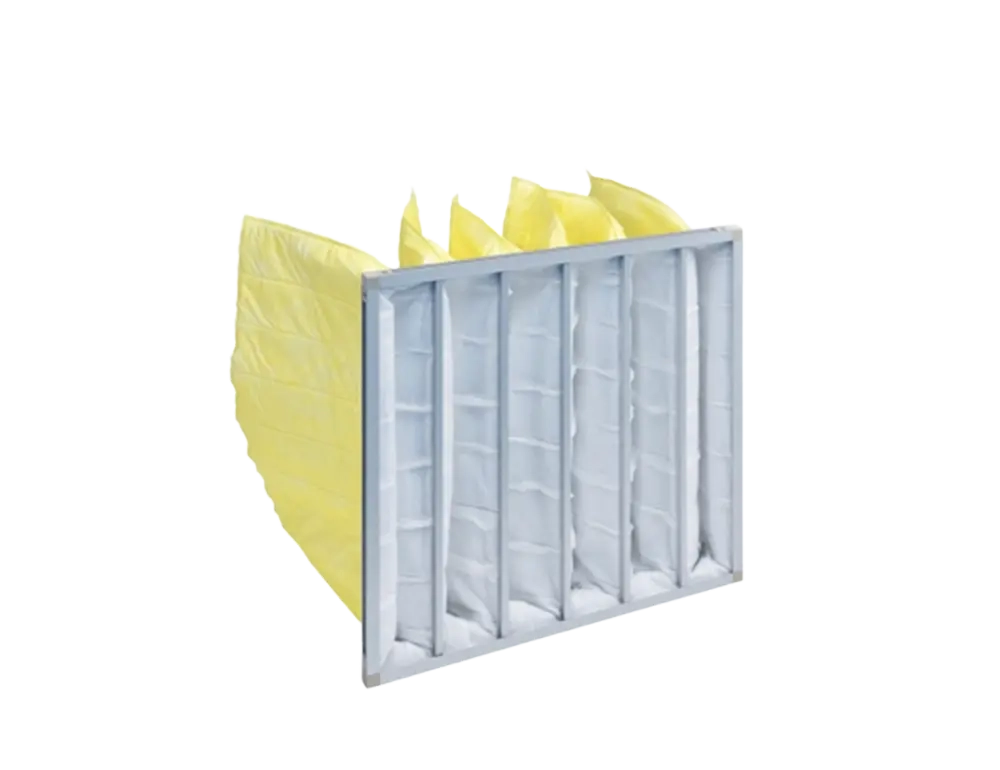
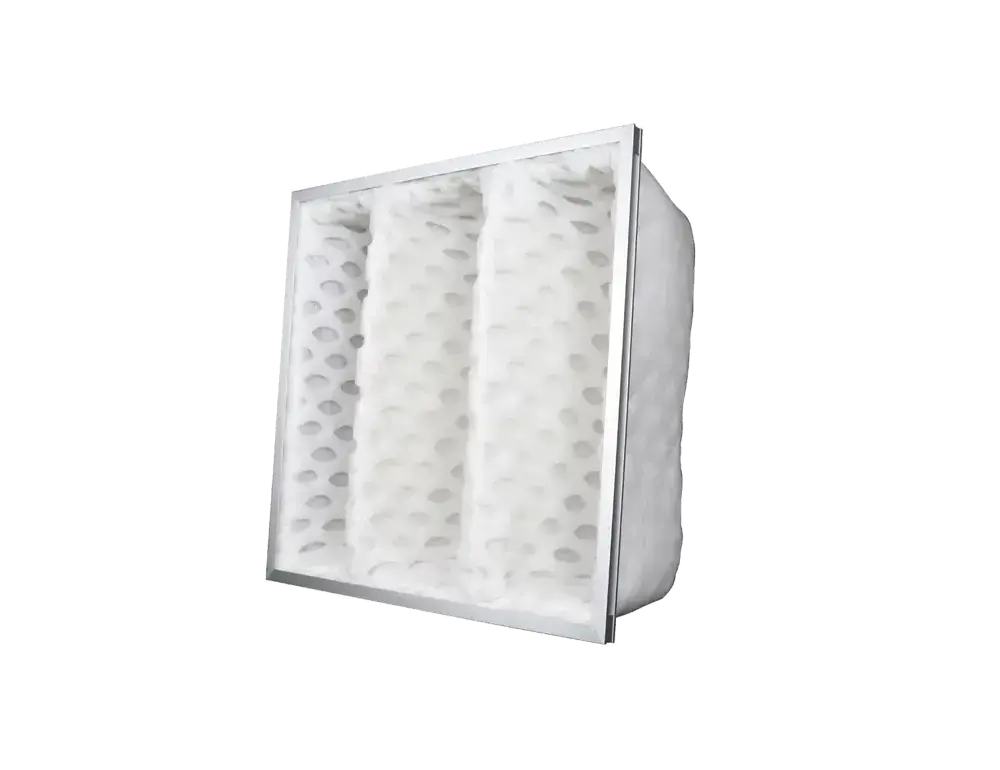
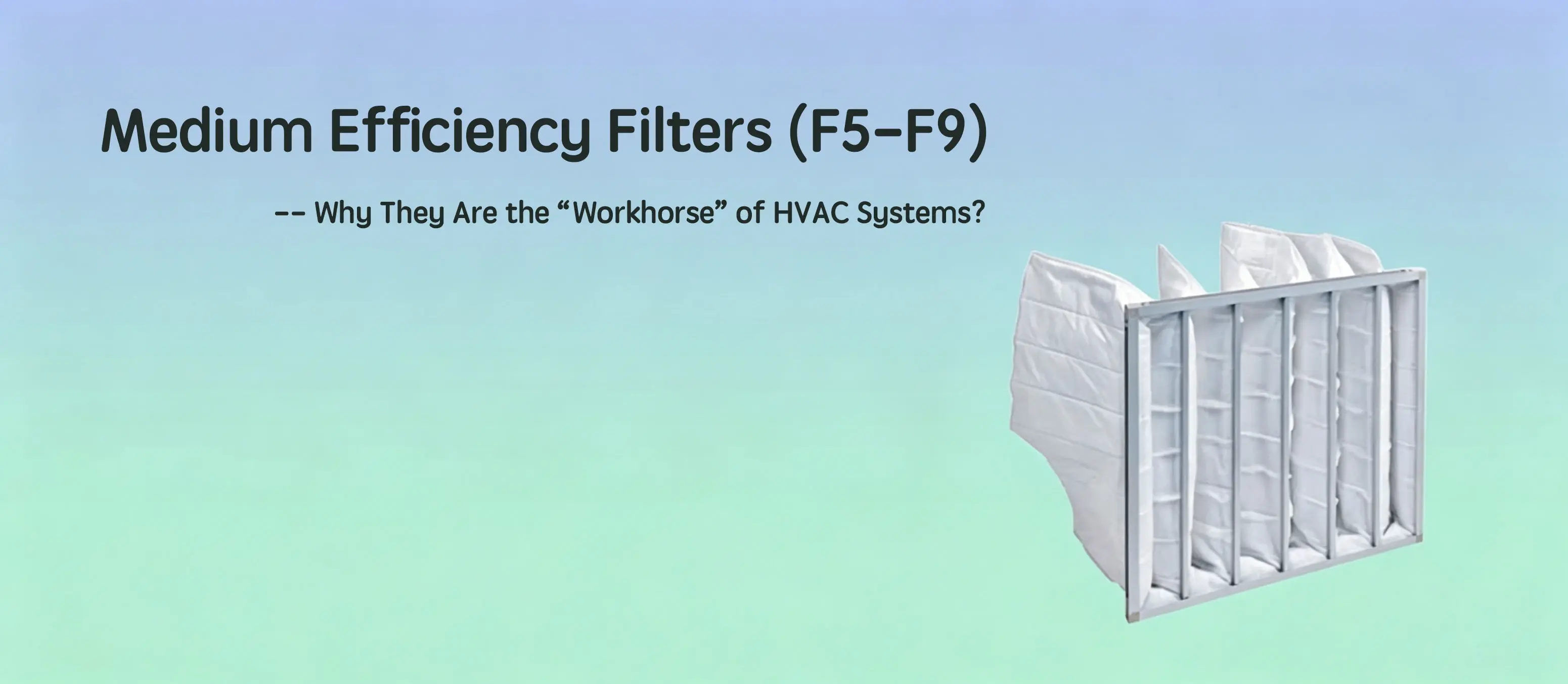
Medium-Efficiency Filter (F5–F9)
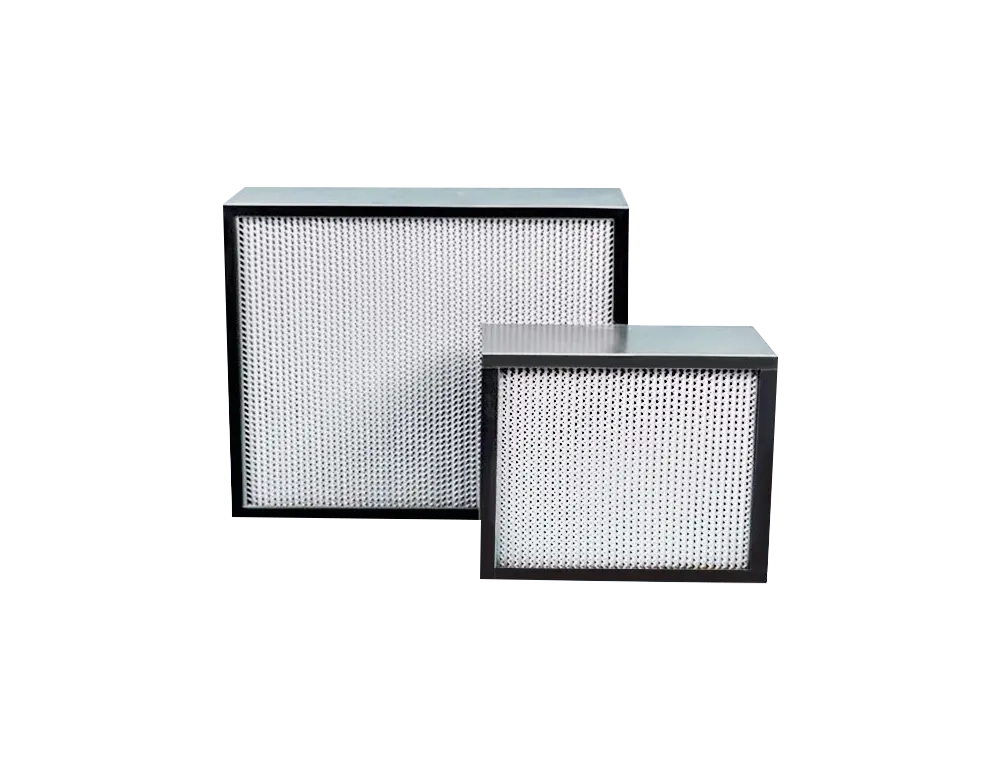
Precise PM2.5 Capture
HEPA High-Efficiency Filter
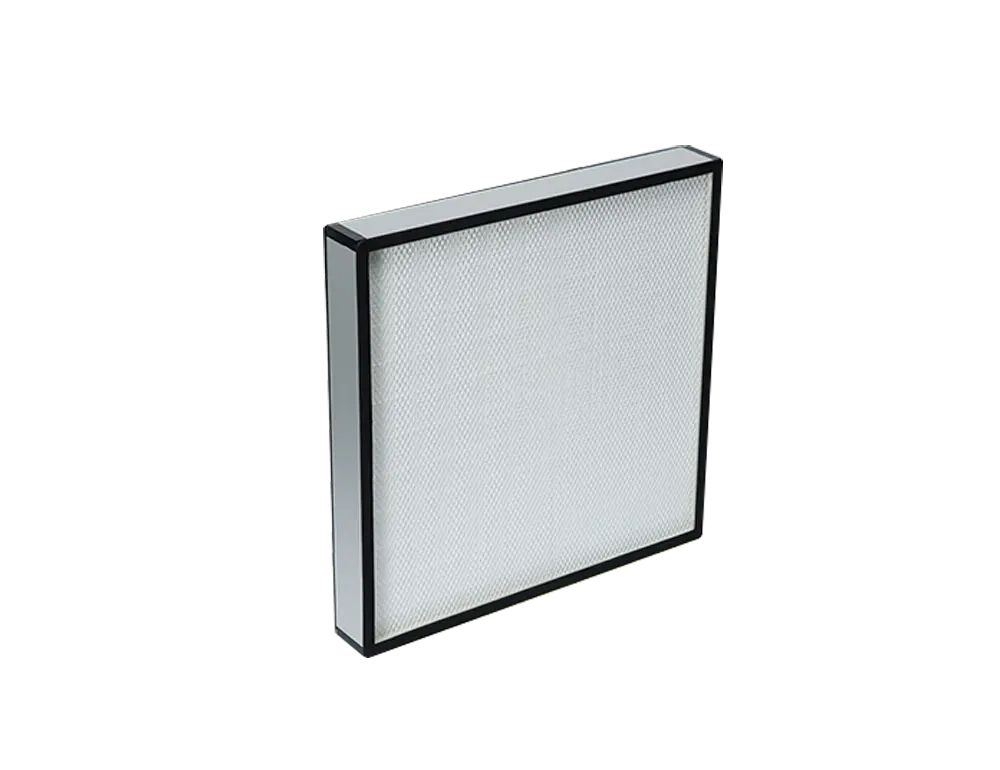
Sterile-Grade Purification
ULPA Ultra-High Efficiency Filter
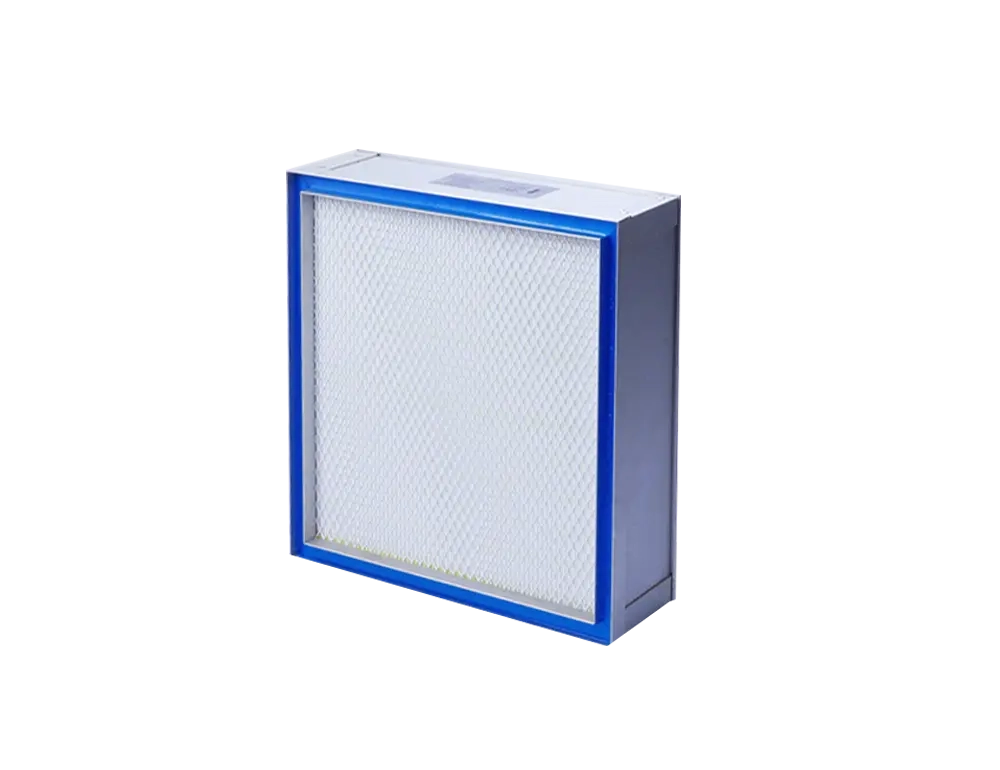
Sub-Micron Particle Capture
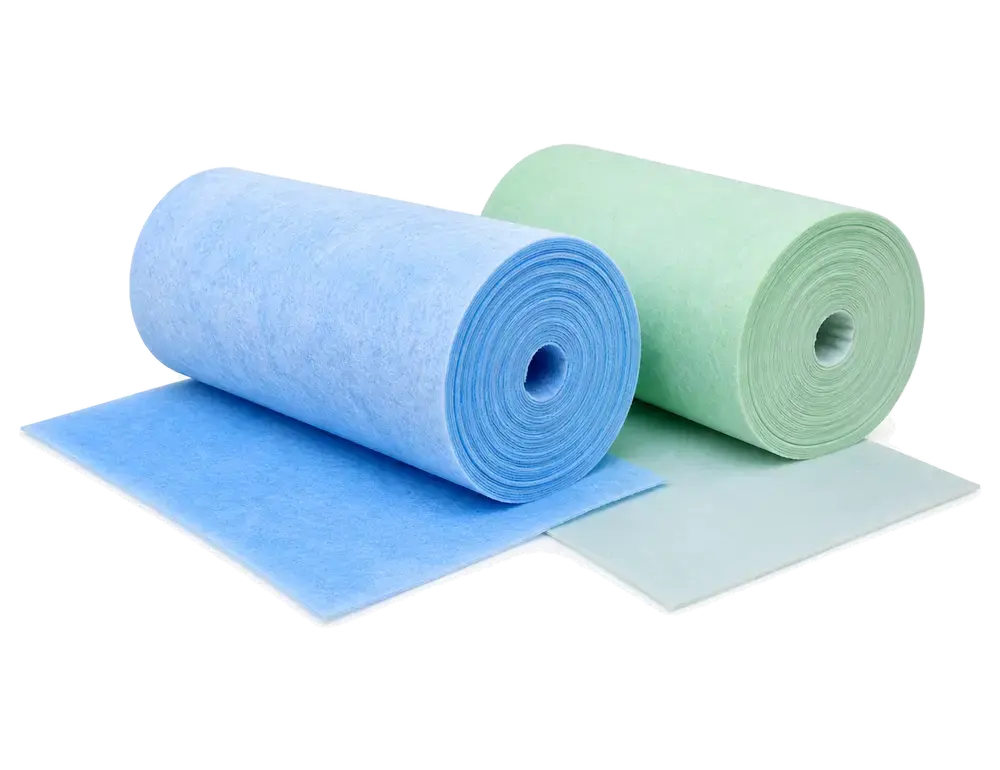
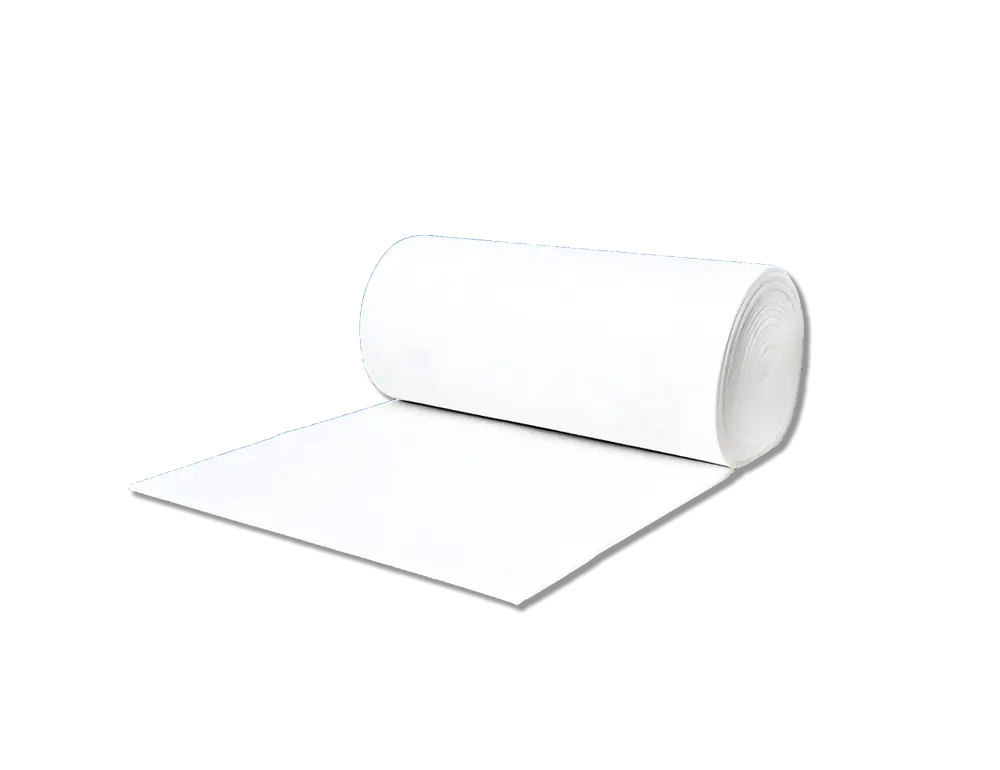
First-Stage Large-Particle Capture
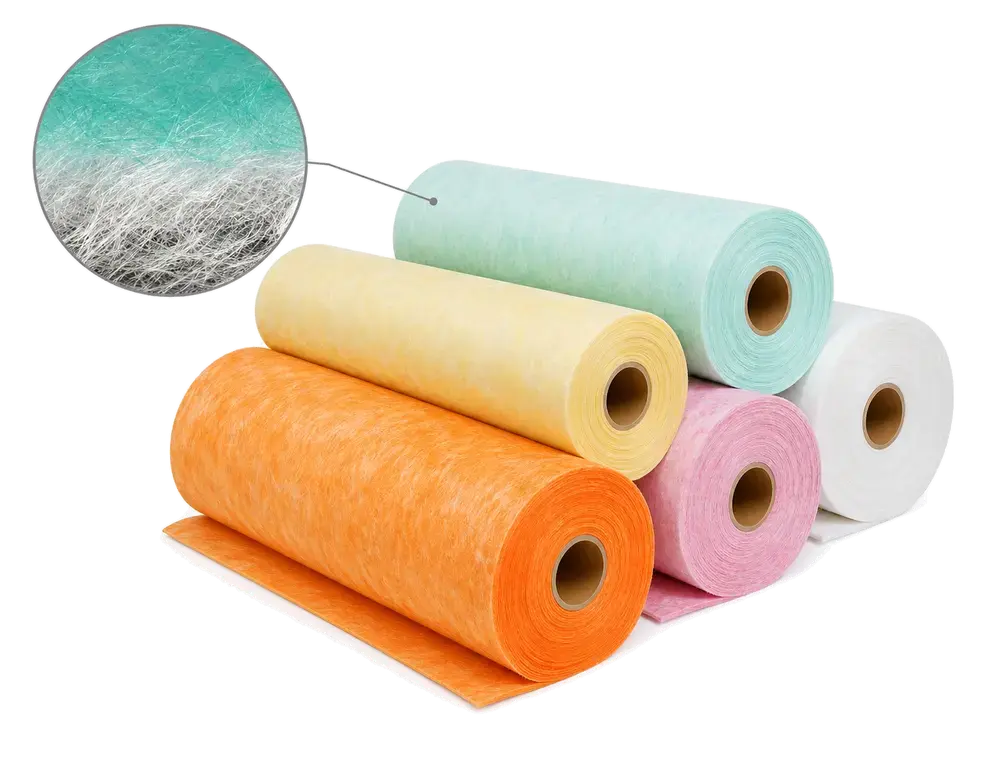
The first line of defense, capturing particles ≥5 μm such as dust, hair, and fibers to protect downstream filters and extend overall system service life.
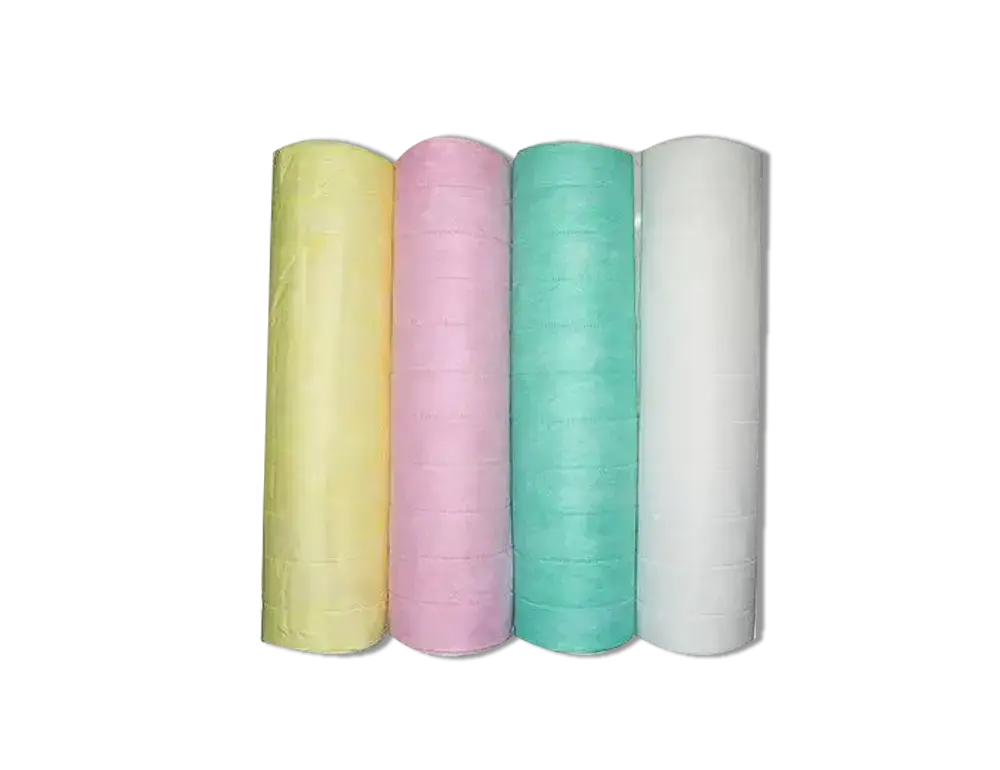
View Related Products →Precise PM2.5 Capture
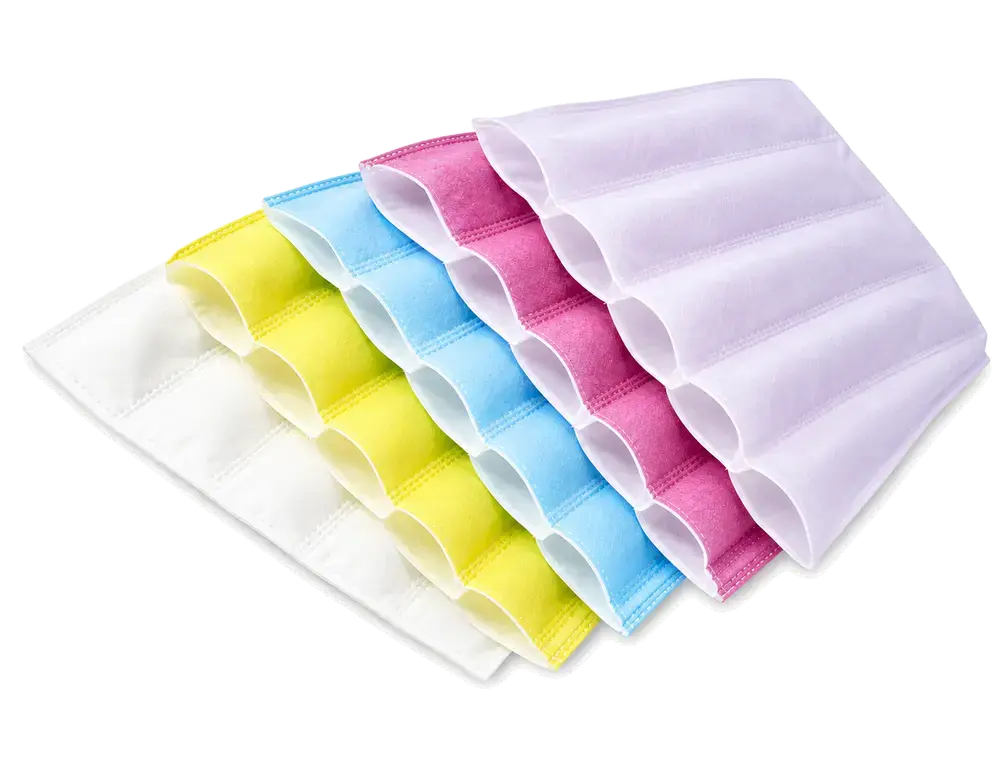
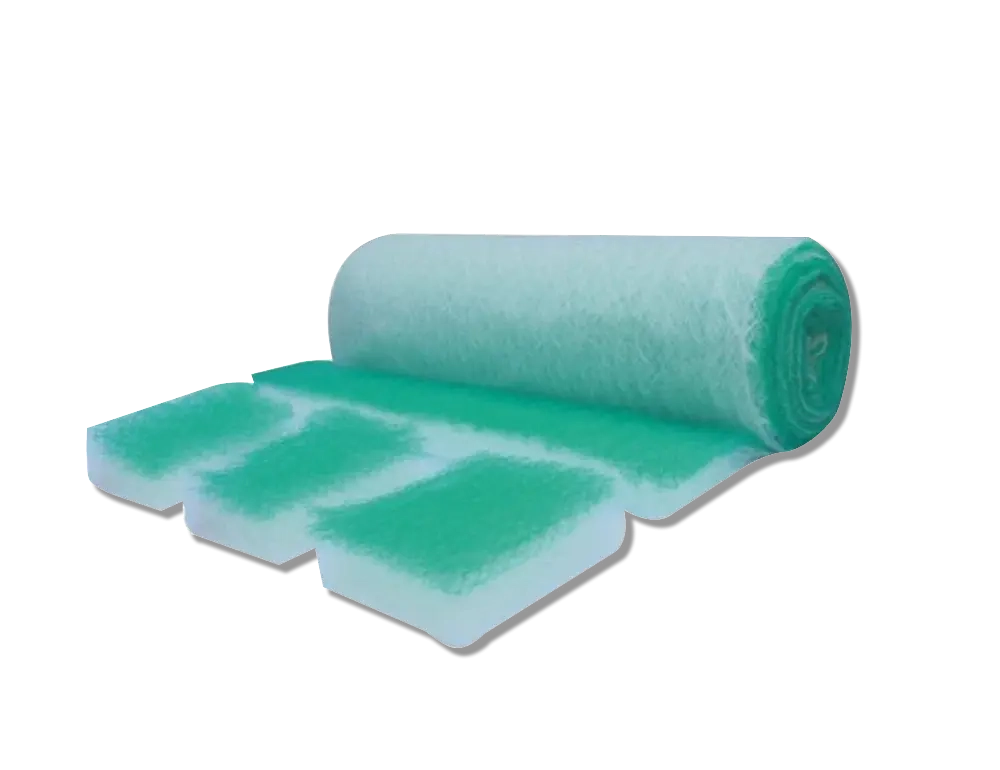
Captures fine particles of 1–5 μm including PM2.5, pollen, and mold spores, significantly improving indoor air quality for commercial HVAC and ventilation systems.
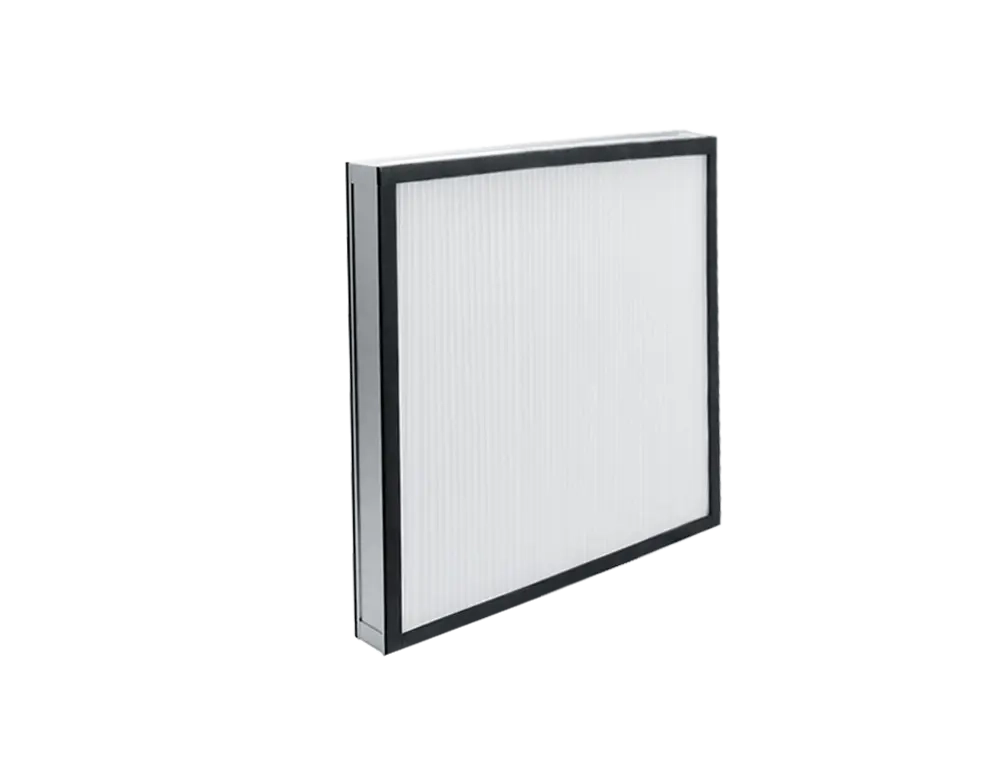
View Related Products →Sterile-Grade Purification
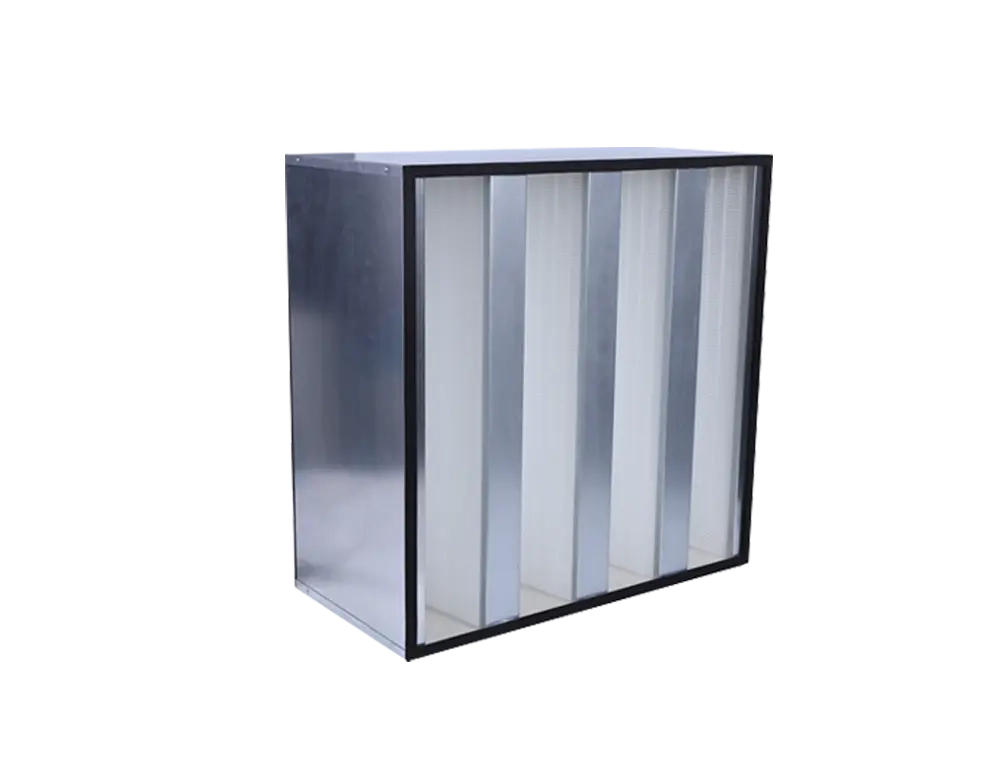
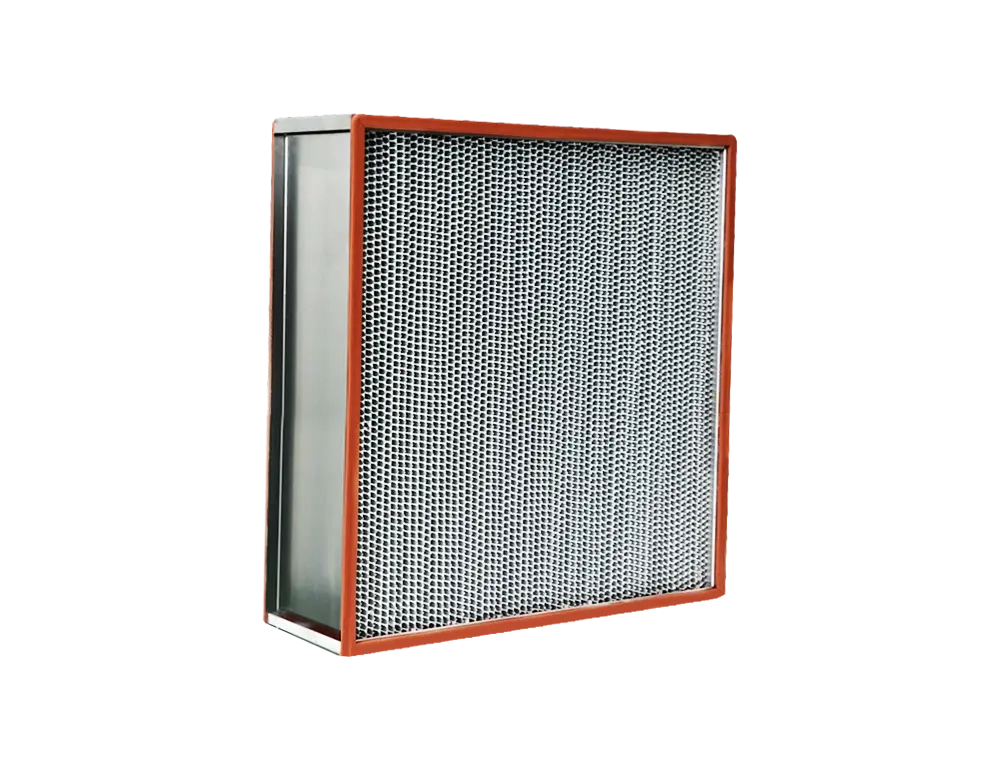
≥99.97% filtration efficiency for particles ≥0.3 μm, delivering sterile-grade clean air widely used in medical, pharmaceutical, and electronics manufacturing.
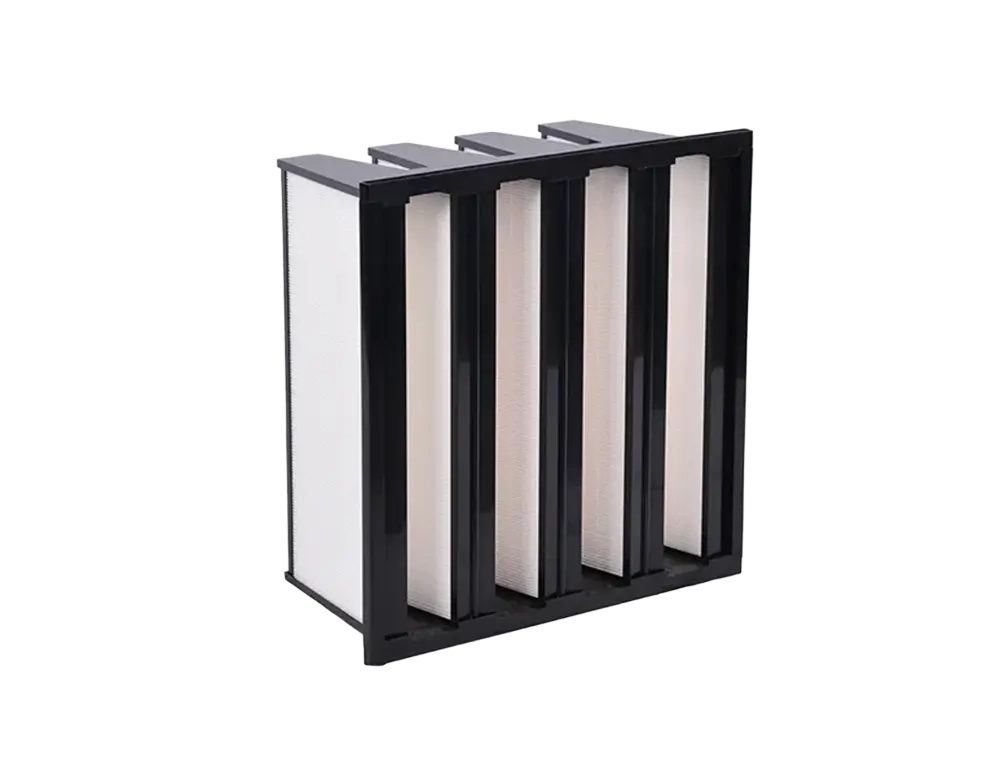
View Related Products →Sub-Micron Particle Capture
≥99.9995% efficiency for particles ≥0.12 μm, meeting the extreme cleanliness demands of semiconductor fabs, aerospace, and other ultra-precision applications.
View Related Products →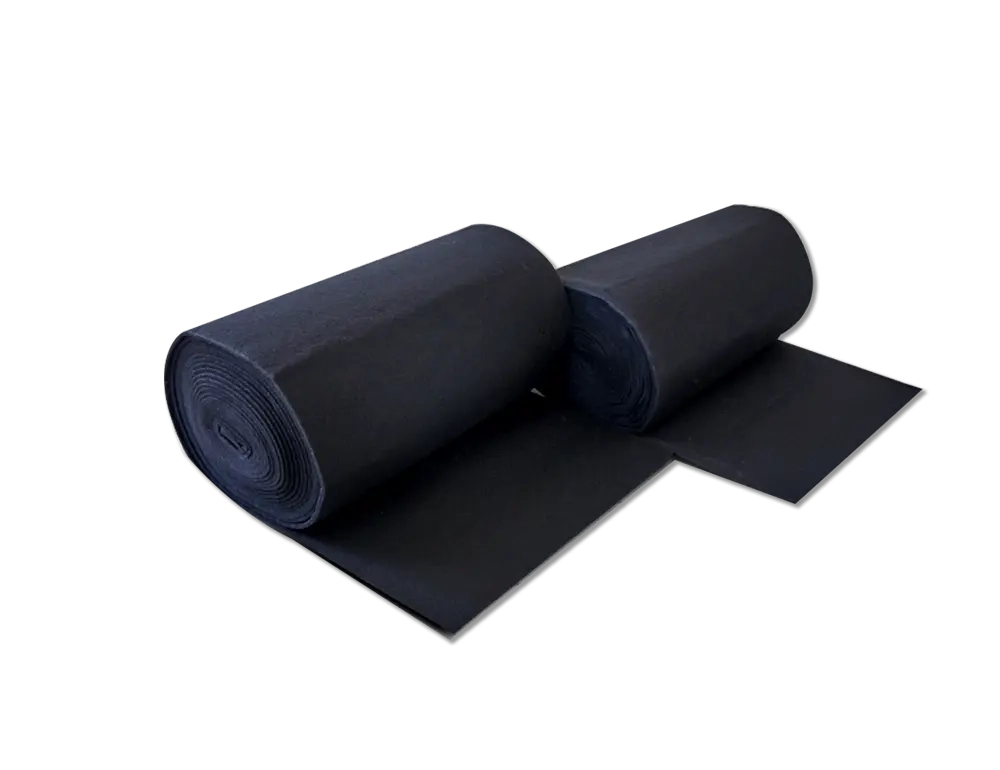
High-Temperature Resistant
Industrial-Grade Heat Tolerance
Washable & Reusable
Cut Costs, Reduce Waste
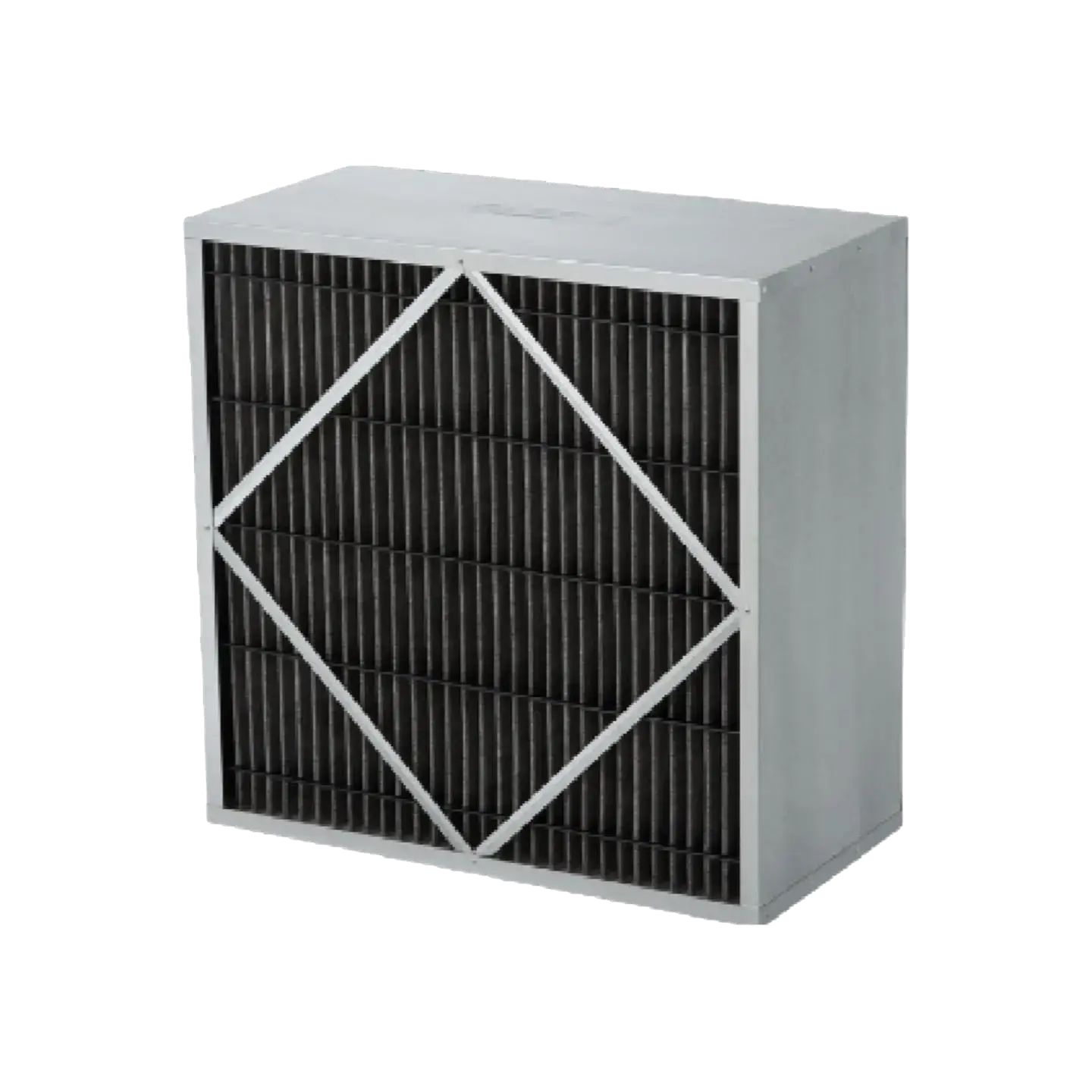
Activated Carbon
Odor & Harmful Gas Removal
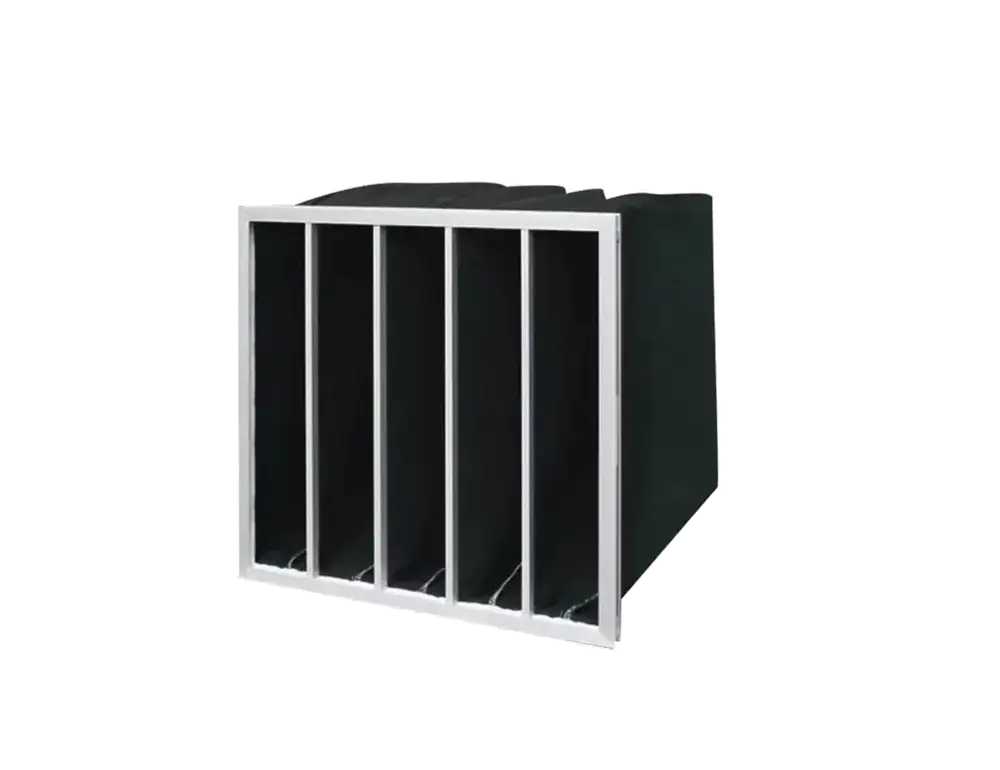
Bag Filter
High Dust-Holding, Long Life
Panel / Pleated Filter
Compact Space-Saving Design
Low-Resistance Airflow
Energy-Saving Operation
Industrial-Grade Heat Tolerance
Built with specialized heat-resistant materials, operating stably up to 250°C for paint ovens, industrial dryers, and high-temperature process environments.
View Related Products →Cut Costs, Reduce Waste
Cleanable by water washing or air blowing, reusable multiple times to significantly reduce replacement frequency and O&M costs — an economical, eco-friendly choice.
View Related Products →Odor & Harmful Gas Removal
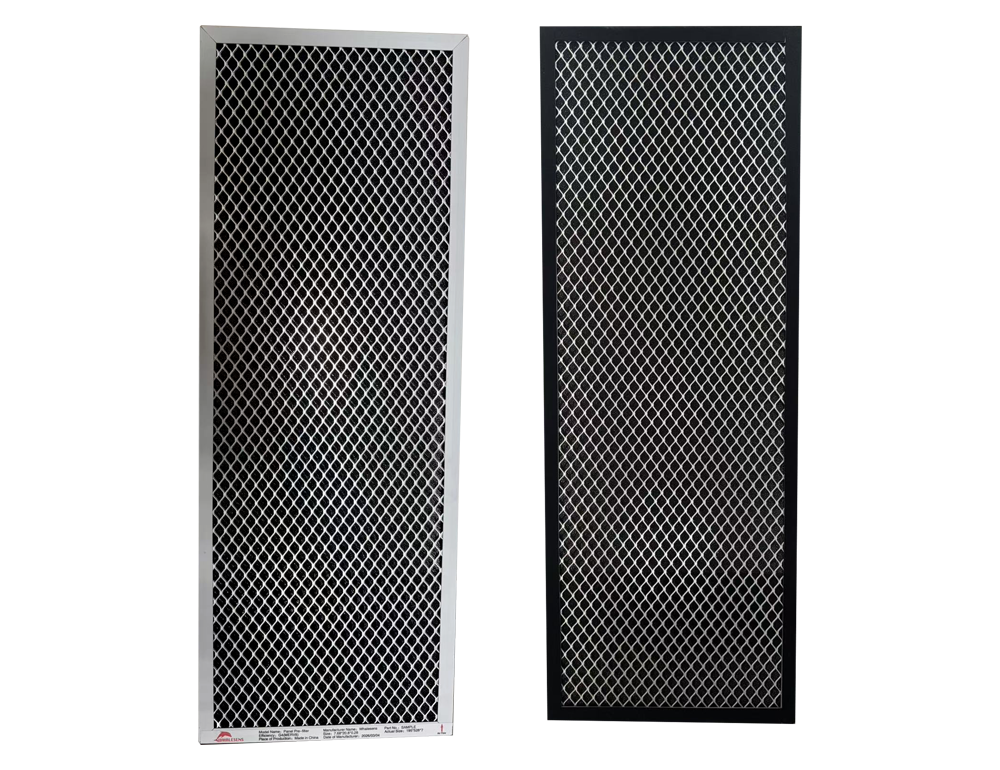
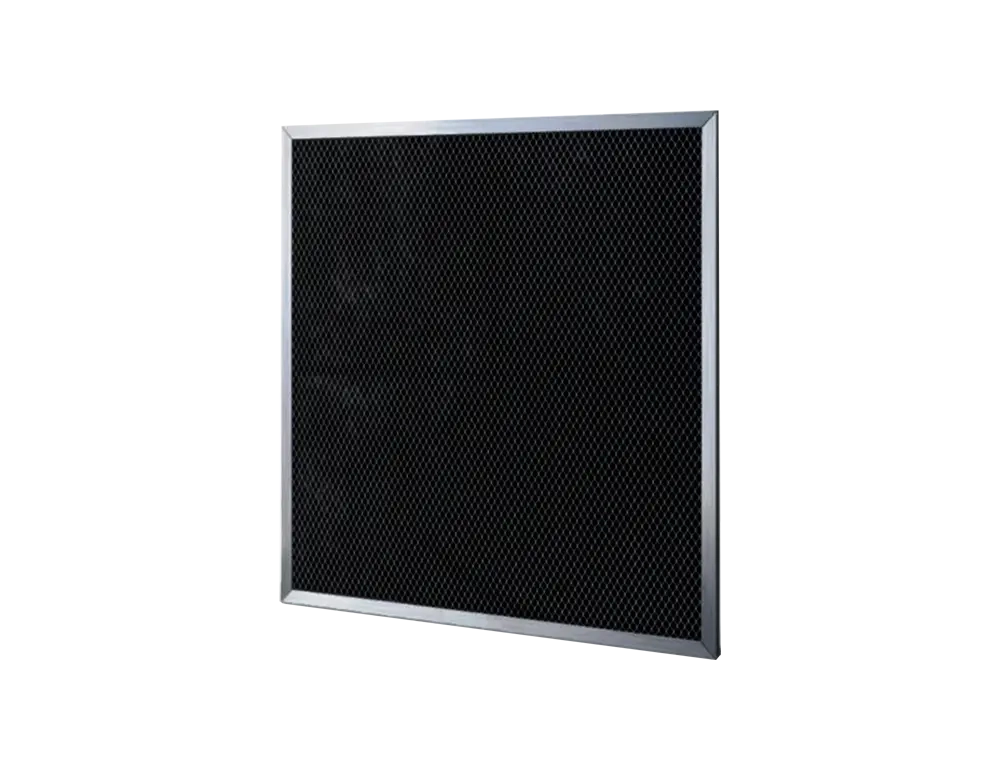
Leverages activated carbon's high adsorption capacity to eliminate odors, VOCs, and formaldehyde, ideal for newly renovated spaces and industrial exhaust treatment.
View Related Products →High Dust-Holding, Long Life
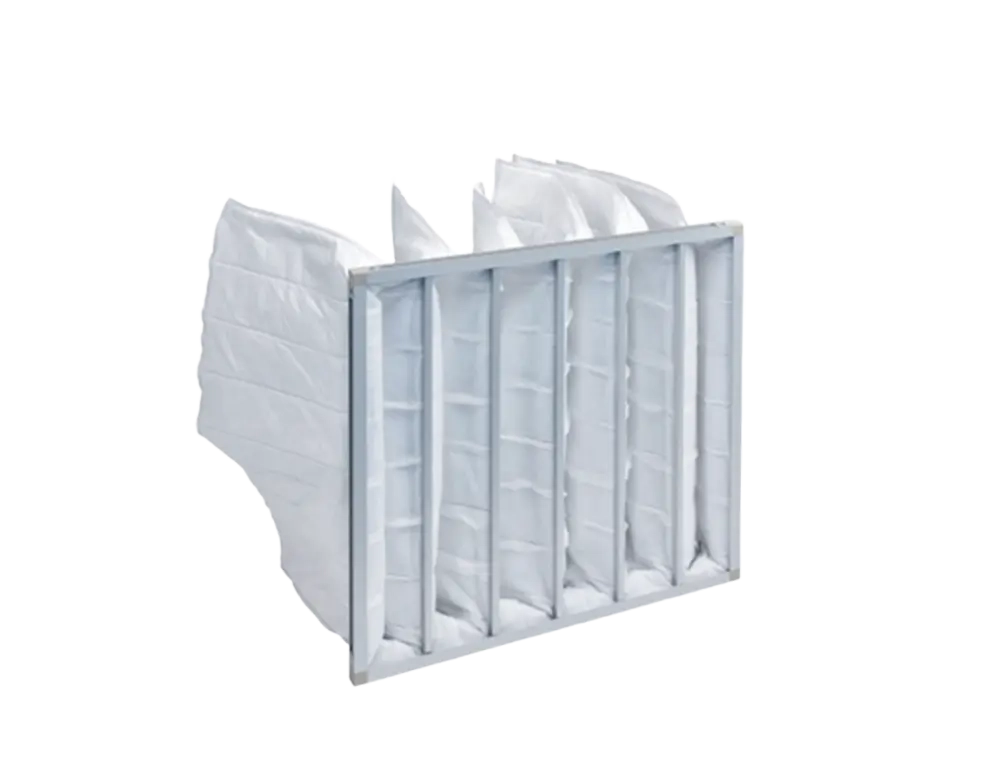
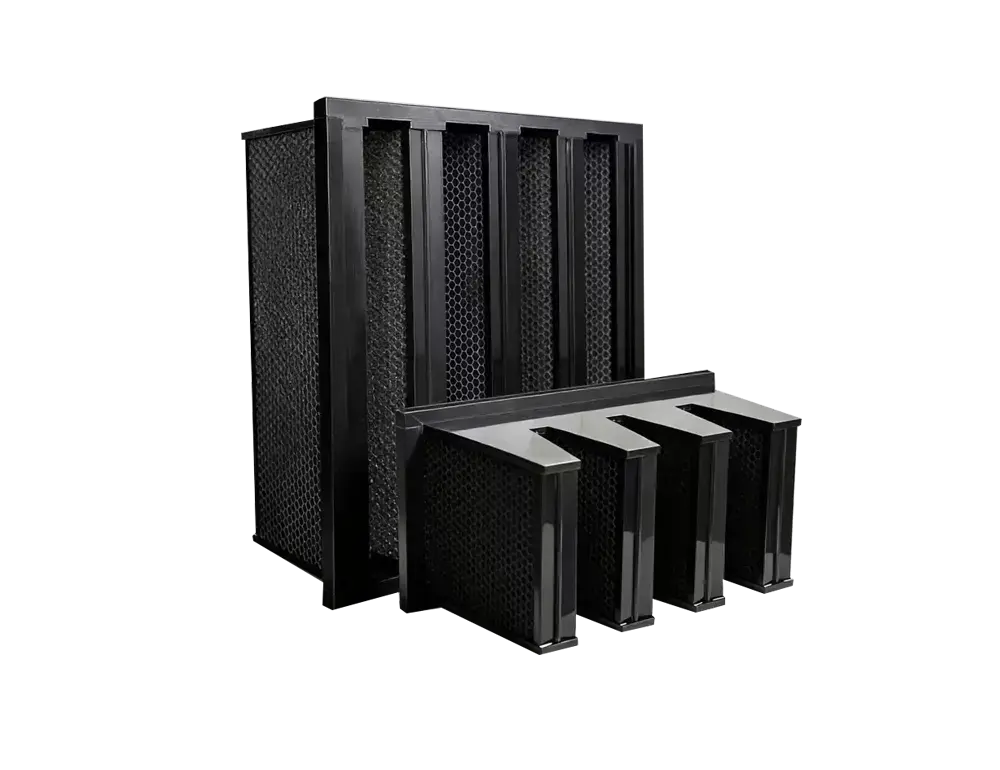
Bag-style construction delivers a larger filtration area, high dust-holding capacity, and extended service life — ideal for high-dust environments with reduced replacement frequency.
View Related Products →Compact Space-Saving Design
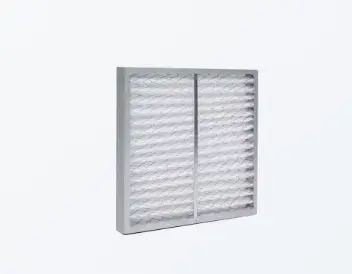
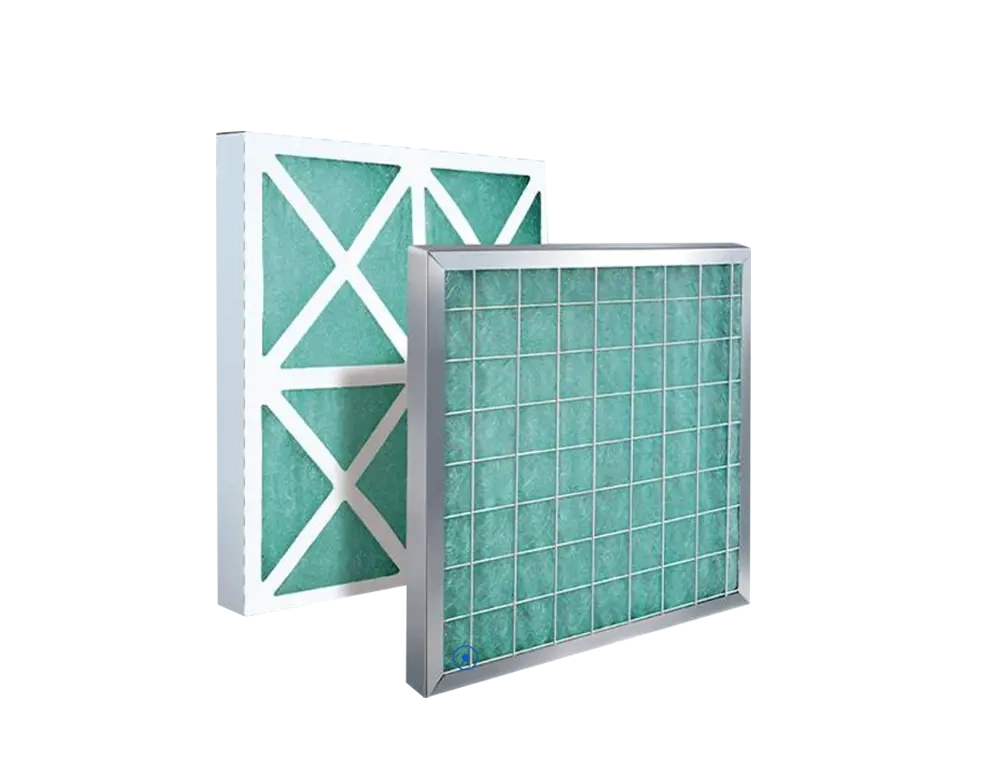
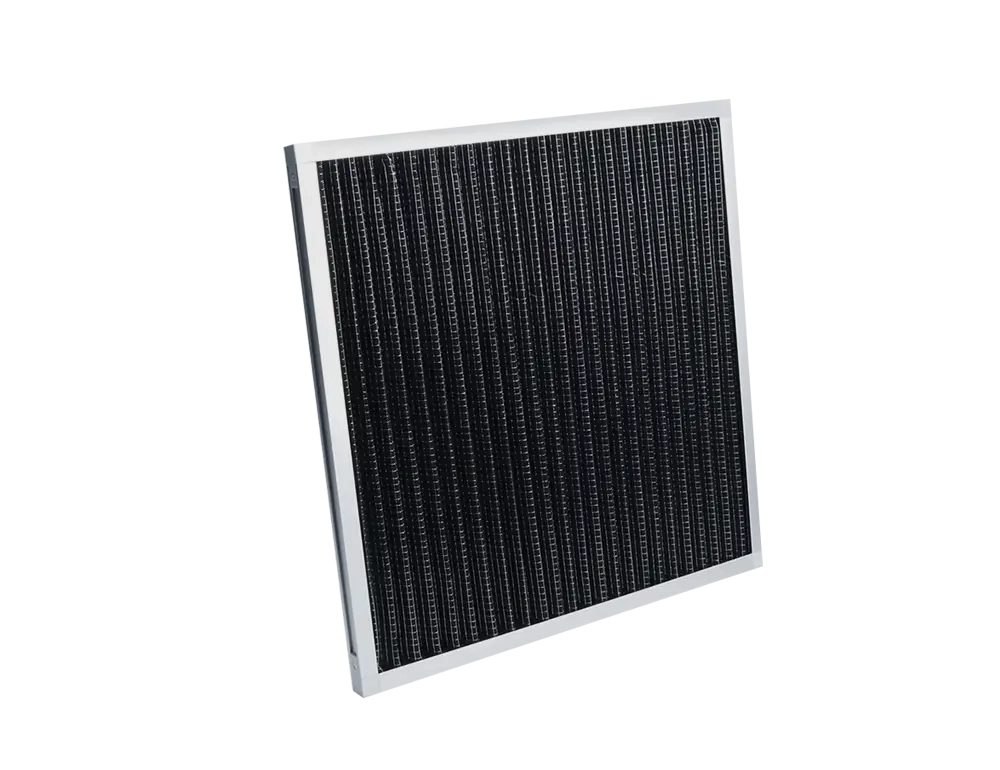
Compact form factor for easy installation and replacement; pleated structure maximizes filtration area within a small footprint for higher efficiency.
View Related Products →Energy-Saving Operation
Low-resistance design minimizes pressure drop while maintaining filtration performance, reducing fan energy consumption for cost-effective, eco-friendly operation.
View Related Products →
















 English(Global)
 简体中文
简体中文 Language




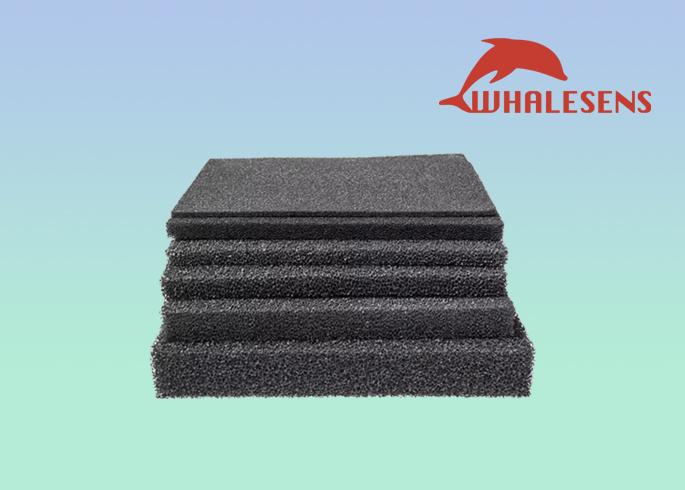
Polyurethane Foam Filter for EV Charger: Weathering Outdoor Extremes
polyurethane foam filter is a key specification for safe, reliable industrial air filtration in this application.
The Outdoor Exposure Challenge

Outdoor electric vehicle charging stations are proliferating worldwide, with millions of units deployed in open parking lots, highway rest areas, and remote corridors. Inside each enclosure, power electronics generate significant heat, requiring robust ventilation and filtration to maintain operating temperature. The polyurethane foam filter for EV charger sits at the heart of this thermal management system, capturing dust, pollen, and road debris while allowing cooling air to flow. Yet outdoor environments are unforgiving. Enclosure temperatures can soar above 70°C in summer sunlight and plummet below −30°C in winter. In high‑altitude regions, UV irradiance peaks at over 1000 µW/cm², while coastal humidity often exceeds 90%. These factors combine to form an accelerated aging furnace for filter media. When a foam filter fractures, clogs, or loses its flame retardancy, the charger faces reduced efficiency, thermal runaway, or even electrical fire. Industry data indicates that approximately 23% of EV charger field failures are linked directly to compromised air filtration.
Why Polyurethane Foam Filter for EV Charger Must Resist UV, Rain, and Temperature Shifts

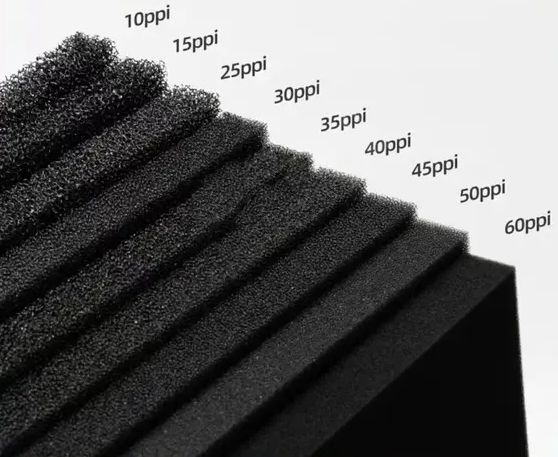
The majority of EV charger filters use open‑cell polyurethane foam. Its three‑dimensional reticulated skeleton provides high particle capture efficiency with low pressure drop—a critical balance for cooling fans that operate continuously. However, the enormous internal surface area of the foam is directly exposed to the environment. Long‑term durability hinges on molecular design and post‑treatment processes.
Conventional polyurethanes contain ester or ether linkages that undergo photo‑oxidative chain scission under UV radiation, leading to chalking and embrittlement. By formulating with aliphatic isocyanates and advanced light stabilizer packages, yellowing resistance can be elevated to grade 4 or higher per ISO 105‑A02. Additionally, resilience across a wide temperature range is vital: a premium polyurethane foam filter for EV charger should exhibit compression set below 15% after cycling from −40°C to 80°C, ensuring that sealing interfaces remain intact.
Thermal Cycling and Mechanical Durability
EV charger power modules operate intermittently, creating violent temperature fluctuations. During a rapid charge session, internal temperature can leap from −10°C to over 60°C, then cool down during standby. Such thermal cycles accelerate plasticizer migration and polymer chain scission in the filter foam. Laboratory tests show that unstabilized polyurethane sponge loses more than 40% of its tensile strength after 200 cycles between −30°C and +70°C. In contrast, a weather‑stabilized polyurethane foam filter for EV charger retains over 85% of its original strength.
Low‑temperature brittleness is another hazard. As the temperature approaches the glass transition point, some foams stiffen and lose flexibility, cracking under vibration. Therefore, chargers in cold climates demand filter foam with a sub‑ambient Tg and proven performance in cryogenic impact testing.
UV and Rain Synergy: From Surface Erosion to Functional Collapse
Intake grilles cannot fully shield the filter from direct sunlight. Continuous UV radiation cleaves chemical bonds, generating free radicals that propagate chain degradation. When condensation or rainwater simultaneously penetrates the foam, the moisture combines with acidic degradation by‑products to create a mildly corrosive environment, exacerbating fiber swelling and contraction stresses. In one documented case, a coastal public charger suffered a power module shutdown after only 18 months because disintegrated filter foam allowed debris to block the heat sink. Post‑mortem analysis revealed the residual polyurethane foam filter for EV charger had completely lost its resilience, and mold colonies had formed—a classic outcome of UV‑moisture synergistic attack.
To combat this combined aging, high‑end filter foams employ a dual hydrophobic‑UV treatment. For instance, fluorocarbon surface modification can achieve a water contact angle above 120°, minimizing moisture retention. Nano‑titanium dioxide acts as a UV screener, dissipating absorbed radiation as heat instead of breaking bonds.
UL94 HF-1 Flame Retardancy: A Non‑Negotiable Safety Baseline
EV chargers house dense electrical components, and the risk of arc faults must be mitigated. In the event of an internal fire, non‑flame‑retardant foam becomes a fuel source. Consequently, global OEMs demand that filter media meet the stringent UL 94 certified filter foam classification HF‑1. Unlike the more common V‑0 rating, HF‑1 targets horizontally oriented foam specimens: the material must not sustain combustion, and no molten drips may ignite a cotton indicator below. For a UL94 HF-1 flame retardant air filter, each of ten test samples must show average afterflame time ≤2 seconds and zero drip ignition.
“EV charger filter foam must simultaneously satisfy weather resistance and flame retardancy. Fire protection is not optional—it is mandatory.
”
Achieving HF‑1 typically requires halogen‑free flame retardants such as phosphorus‑based intumescent systems. Upon heating, these additives form a porous char layer on the foam surface, insulating the underlying polymer from heat and oxygen. It is crucial to note that some flame retardants can accelerate UV aging, necessitating careful co‑stabilization with antioxidants and UV absorbers.
Balancing Weather and Fire Resistance: Engineering Case and Selection Guide
Whalesens Technology supported a provincial highway fast‑charging network in a region with a 15°C daily temperature swing and 2,500 annual sunshine hours. We recommended a polyurethane foam filter for EV charger based on an aliphatic polyurethane substrate, nano‑stabilizer blend, and halogen‑free intumescent flame retardant. After 24 months of field monitoring, the filter exhibited only slight discoloration and airflow resistance increase below 8%—vastly outperforming the previous standard flame‑retardant foam that required replacement every 12 months. Annual safety audits confirmed continued compliance with UL 94 certified filter foam requirements, ensuring uninterrupted charger operation.
- Aromatic substrate prone to yellowing
- Did not meet HF-1
- No hydrophobic treatment
- Service life <1 year
- Aliphatic substrate, UV‑resistant
- Compliant with UL94 HF-1
- Fluorocarbon hydrophobic finish
- Service life ≥3 years
For procurement and engineering teams, the following checklist streamlines specification:
- ✔Confirm ISO 14644 cleanliness class required
- ✔Specify operating temperature range (minimum −40°C to 80°C)
- ✔Require UL94 HF-1 certification with test reports
- ✔Evaluate UV aging performance per ISO 105‑A02 (grade ≥4)
- ✔Ask for hydrophobic treatment evidence (contact angle >120°)
- ✔Request tensile strength retention after thermal cycling
- ✔Insist on full‑scale dust loading and pressure drop curves
Looking for reliable industrial air filtration solutions? Contact Whalesens Technology for customized proposals and quotes.
Contact the Whalesens engineering team for product selection and OEM/ODM support.
Email whalesens@gmail.com
Get a free consultation →