


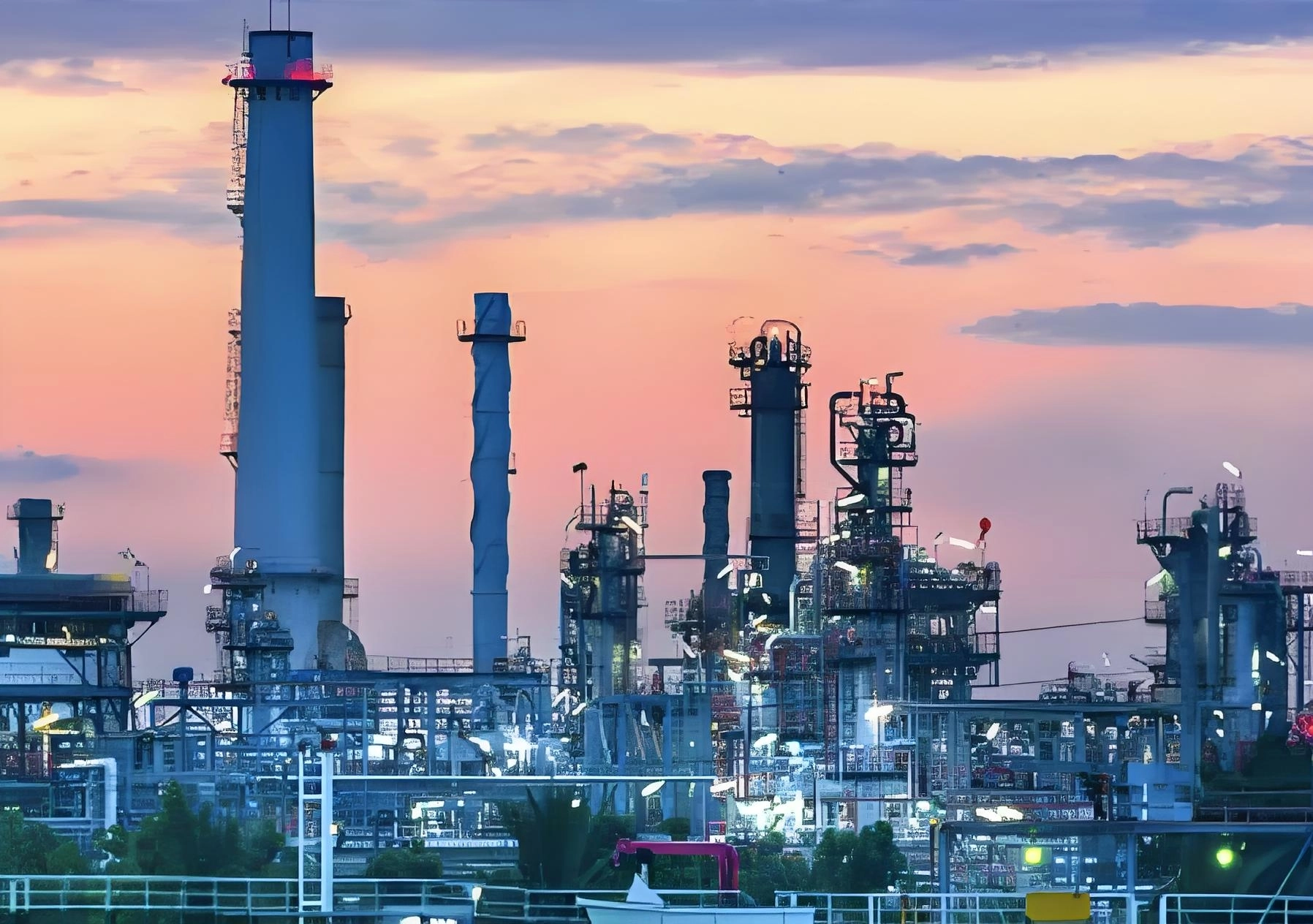
EV Charging Stations
Filtration for Power Equipment
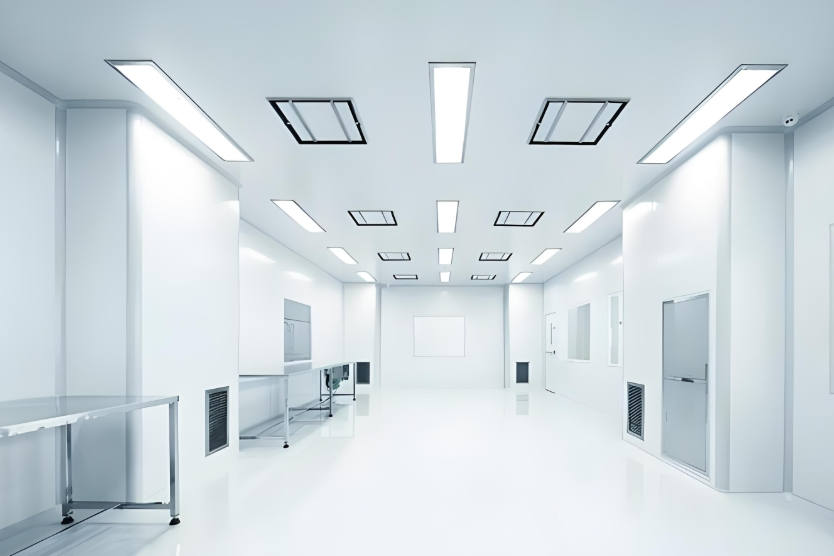
Cleanroom & Semiconductor
Ultra-High Cleanliness Filtration
Commercial HVAC
Central Air System Filtration
Data Centers
Precision Equipment Protection
Livestock & Farming
Farming Environment Purification
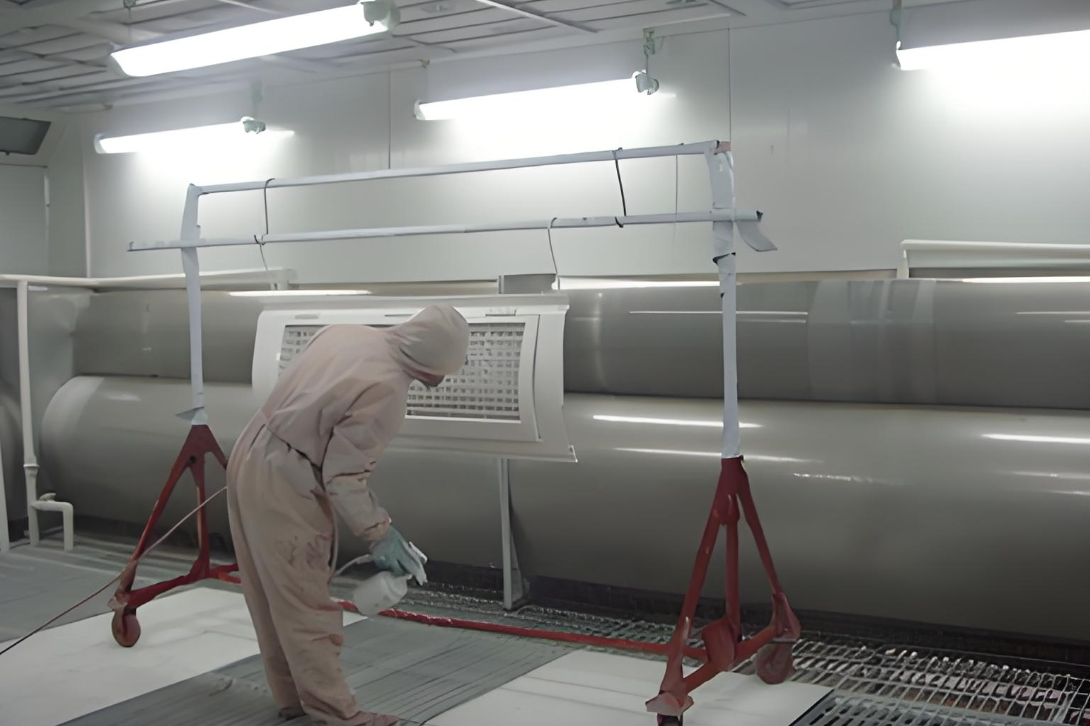
Spray Booths & Industrial Dust
Paint Mist & Dust Purification
Filtration for Power Equipment
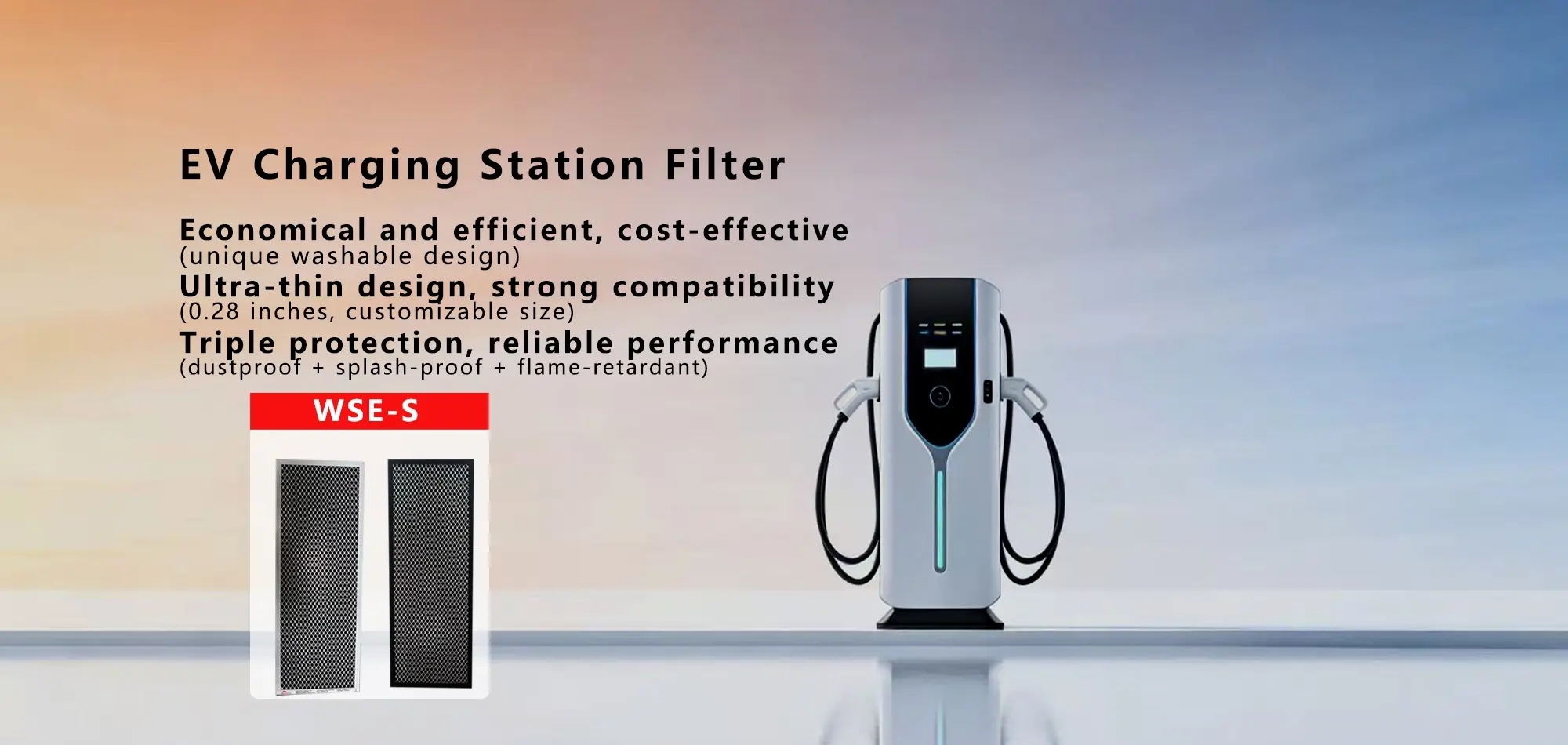
Professional air filtration for EV charging devices, protecting against dust and sand ingress to ensure stable, reliable operation of charging piles and station infrastructure.
View Related Products →Ultra-High Cleanliness Filtration
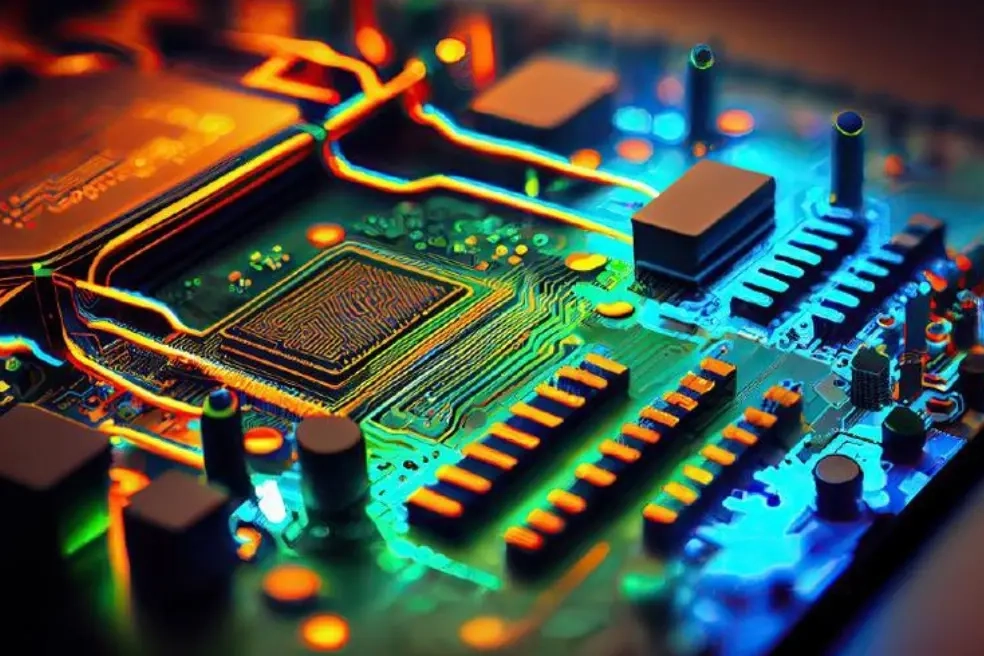
Ultra-high efficiency filtration for semiconductor wafer fabs and precision electronics cleanrooms, capturing nano-scale particles to meet ISO Class 1–3 standards and maximize product yield.
View Related Products →Central Air System Filtration
High-efficiency filtration for commercial building HVAC systems, improving indoor air quality, reducing energy consumption, and extending equipment service life.
View Related Products →Precision Equipment Protection
Precision air filtration for data centers, shielding servers and critical hardware from dust contamination to keep cooling systems running efficiently and reliably.
View Related Products →Farming Environment Purification
Dedicated filtration systems for farms and livestock facilities — capturing dust, adsorbing ammonia, and inhibiting pathogen spread to improve animal health and overall productivity.
View Related Products →Paint Mist & Dust Purification
Designed for spray booths and grinding workshops, efficiently capturing paint mist, metal dust, and wood chips to meet emission standards while protecting finished surface quality.
View Related Products →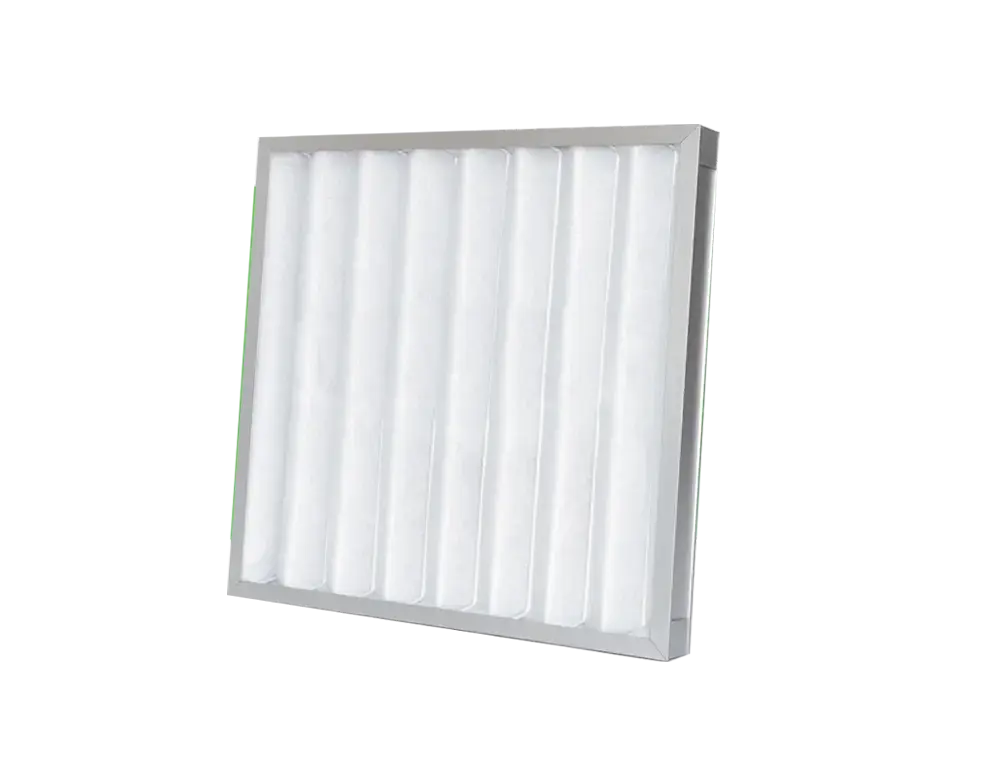
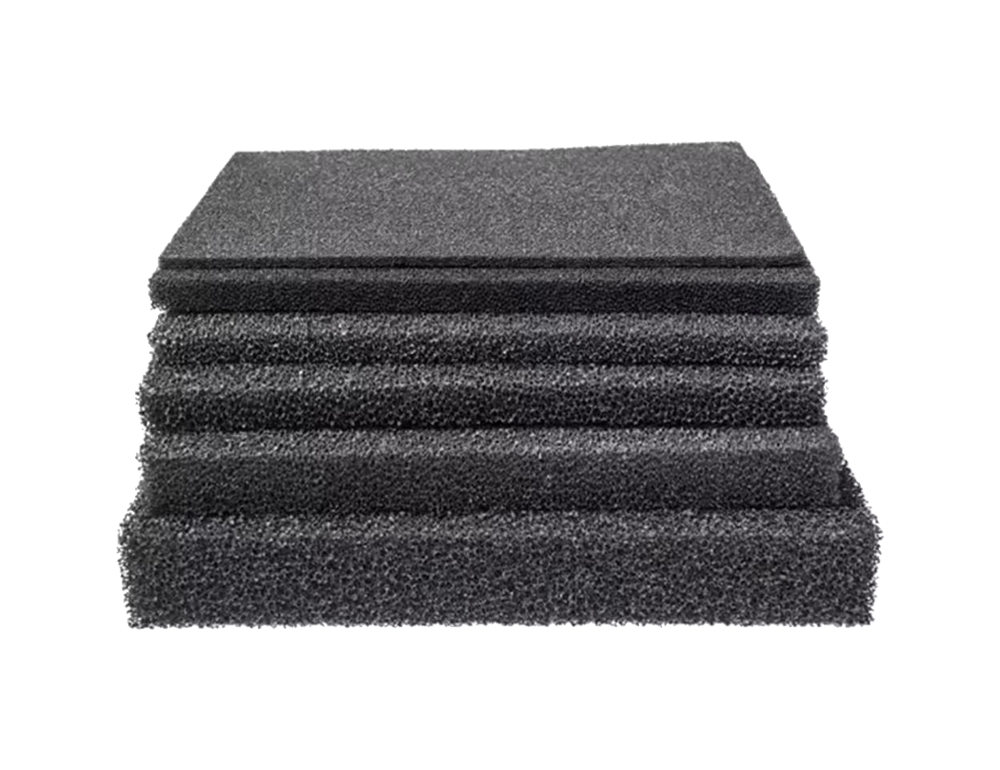
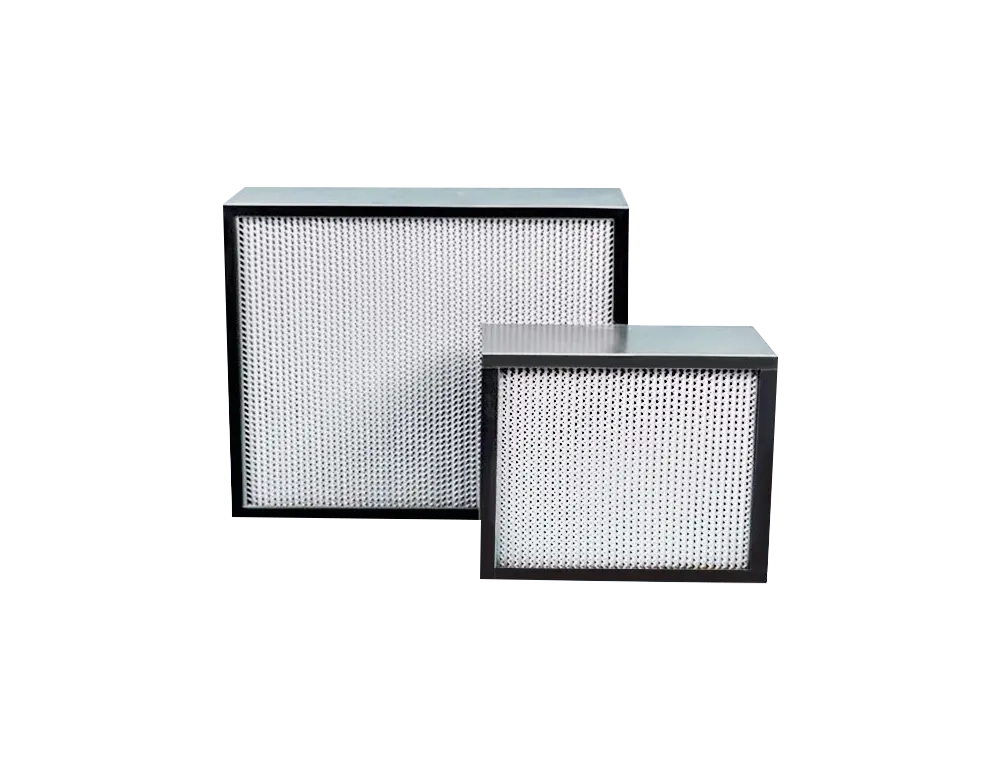
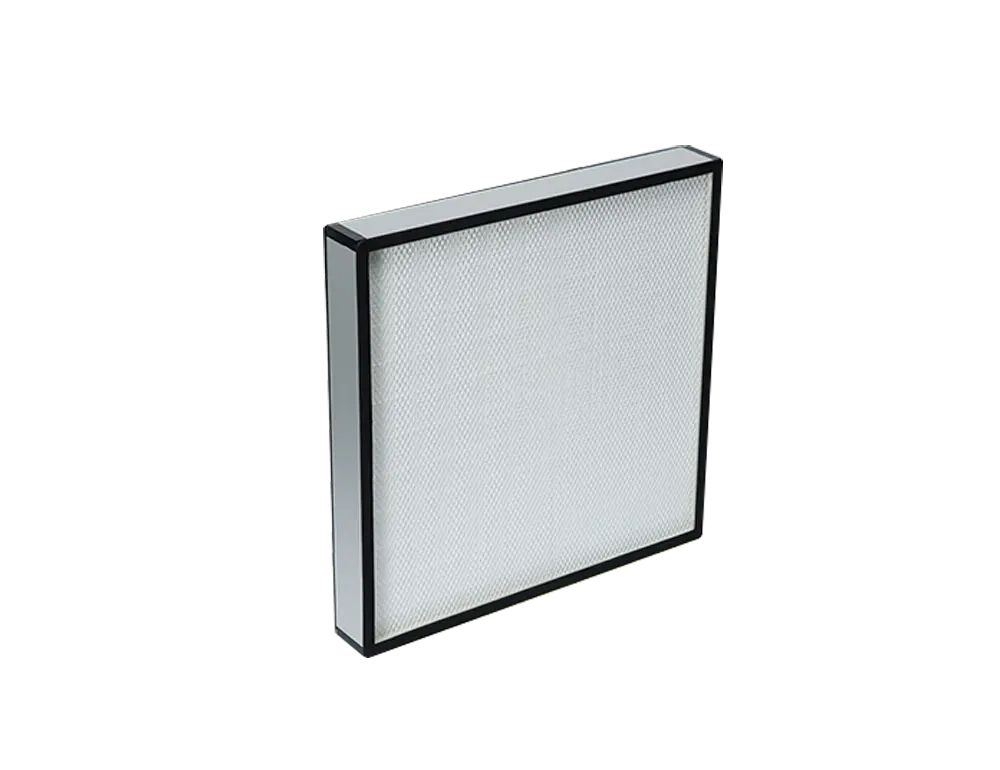
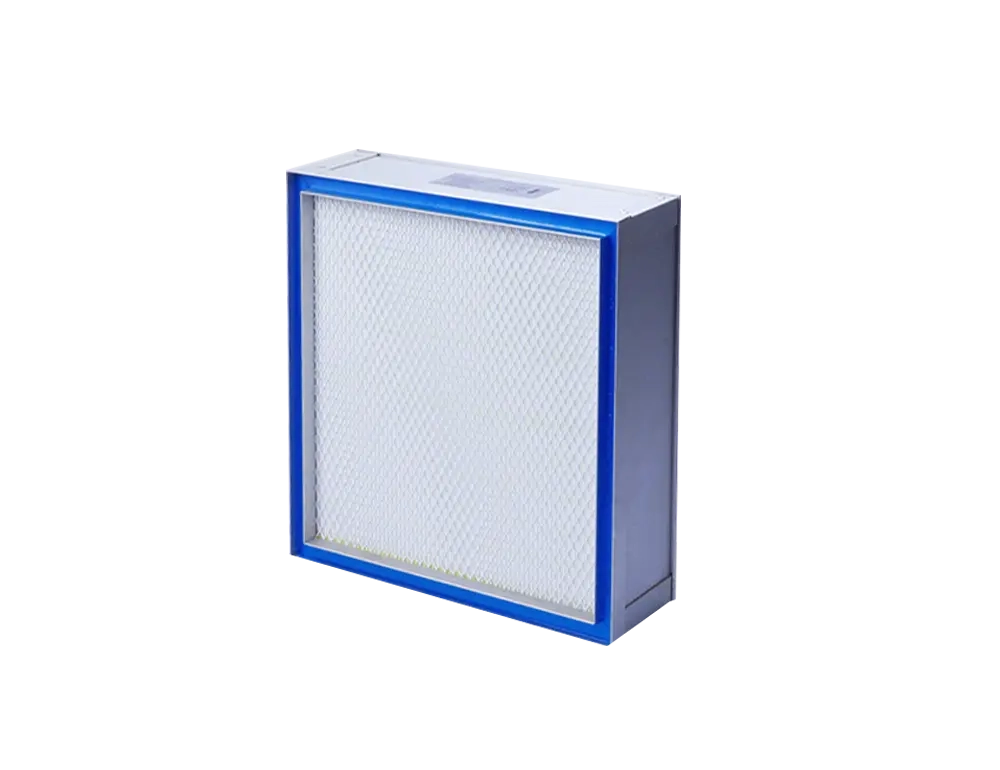
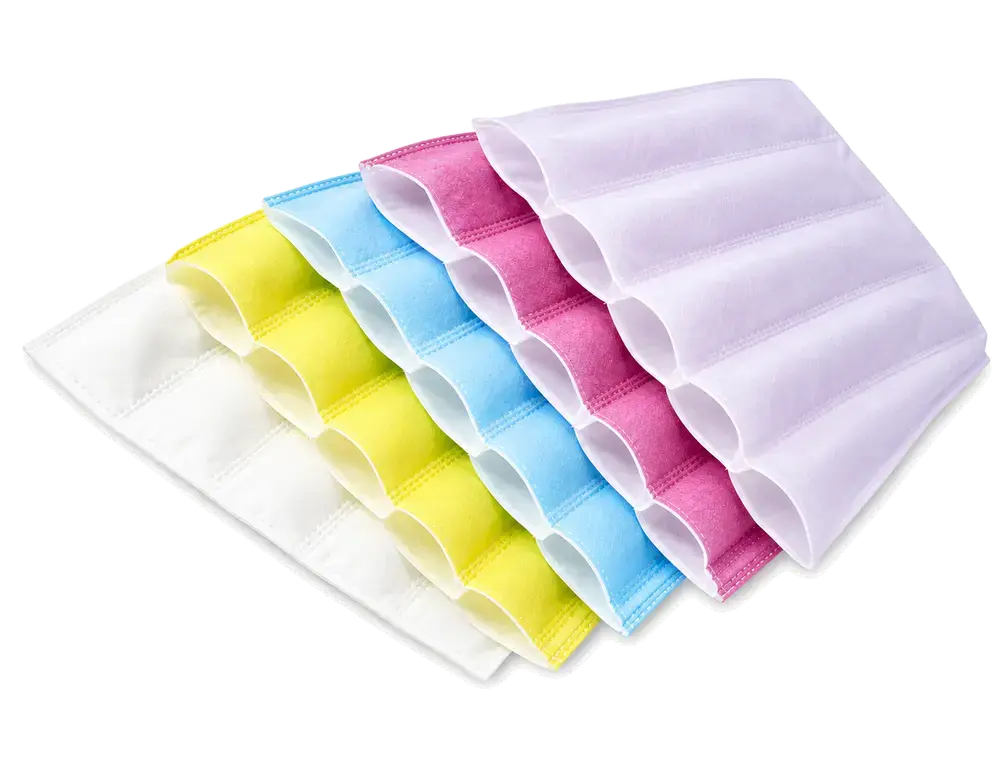
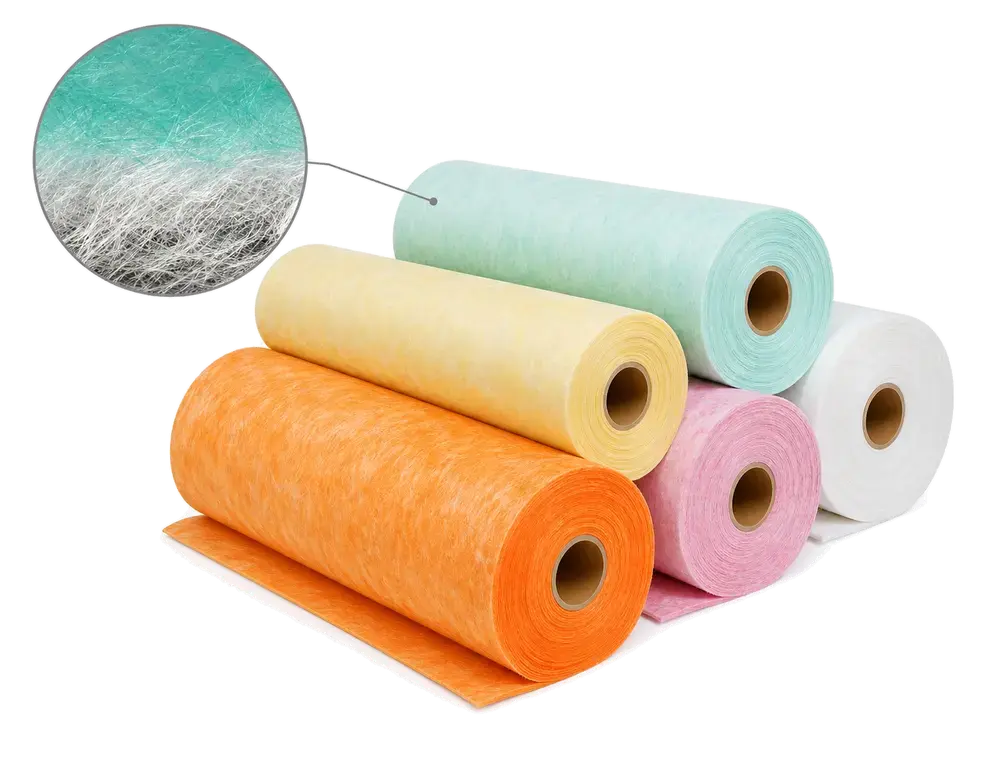
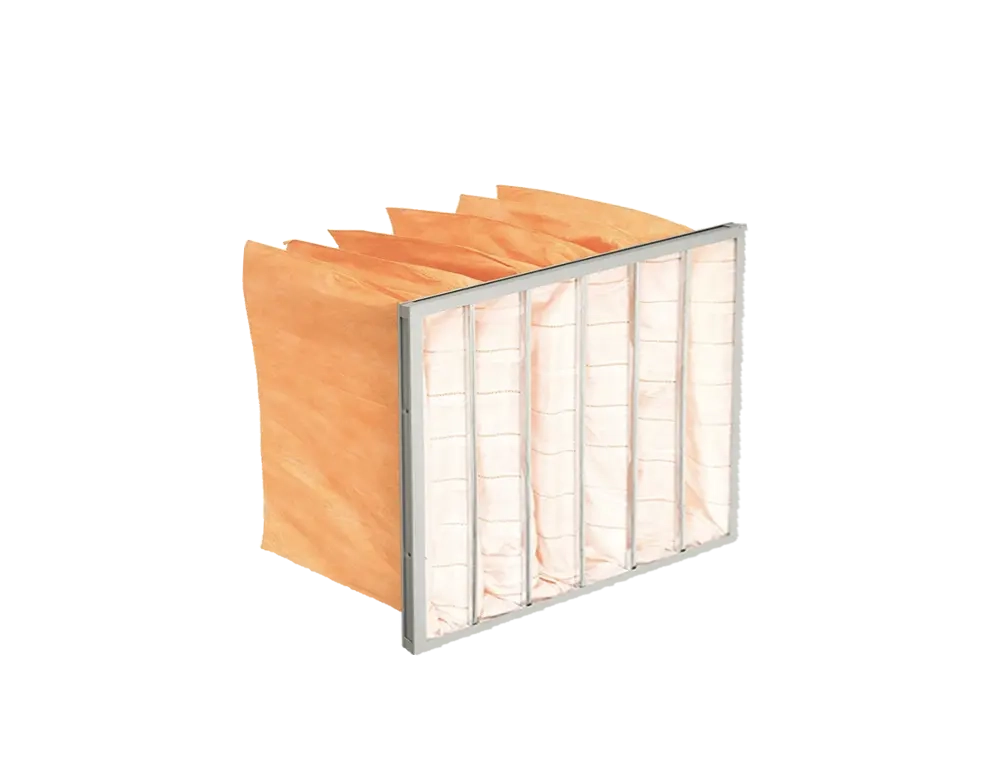
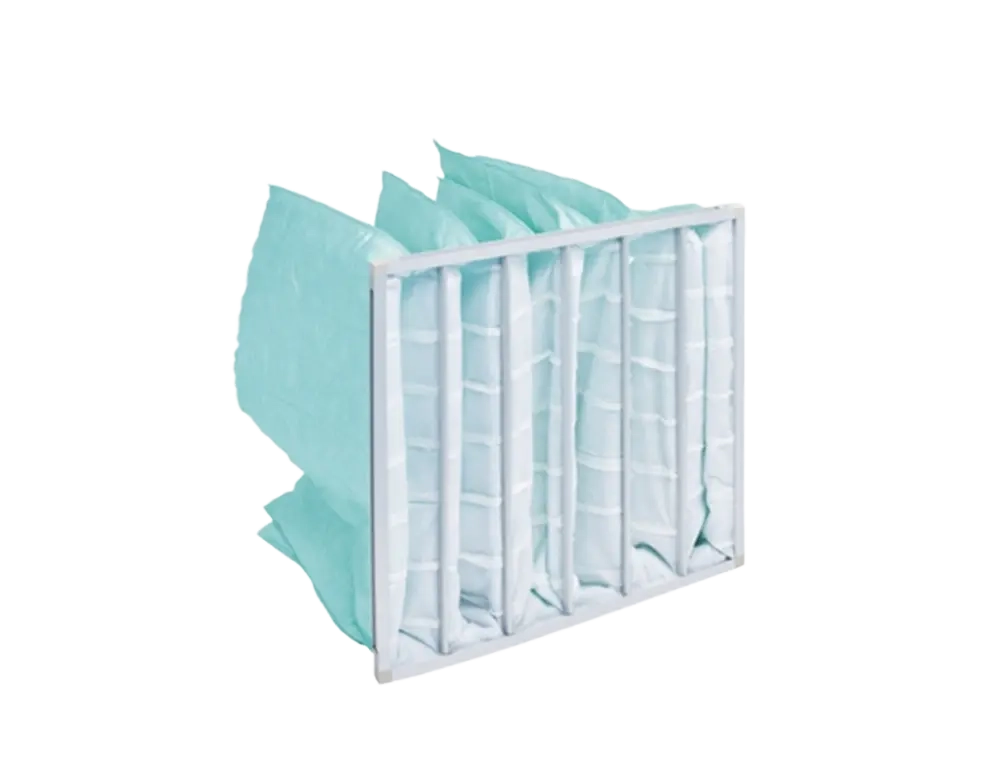
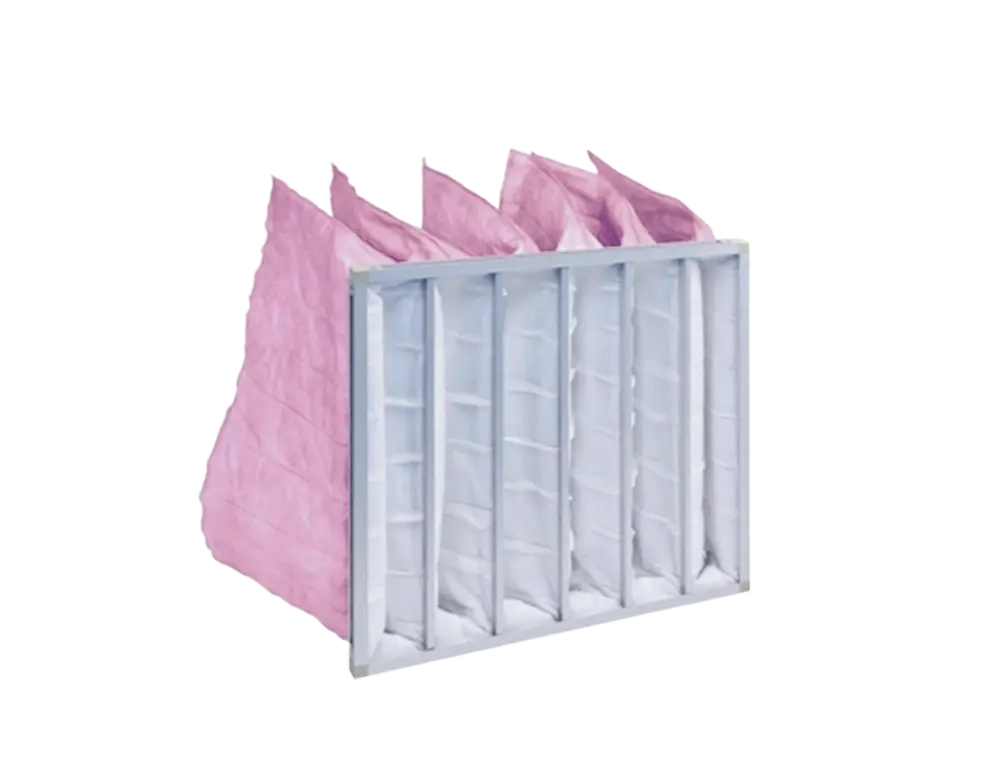
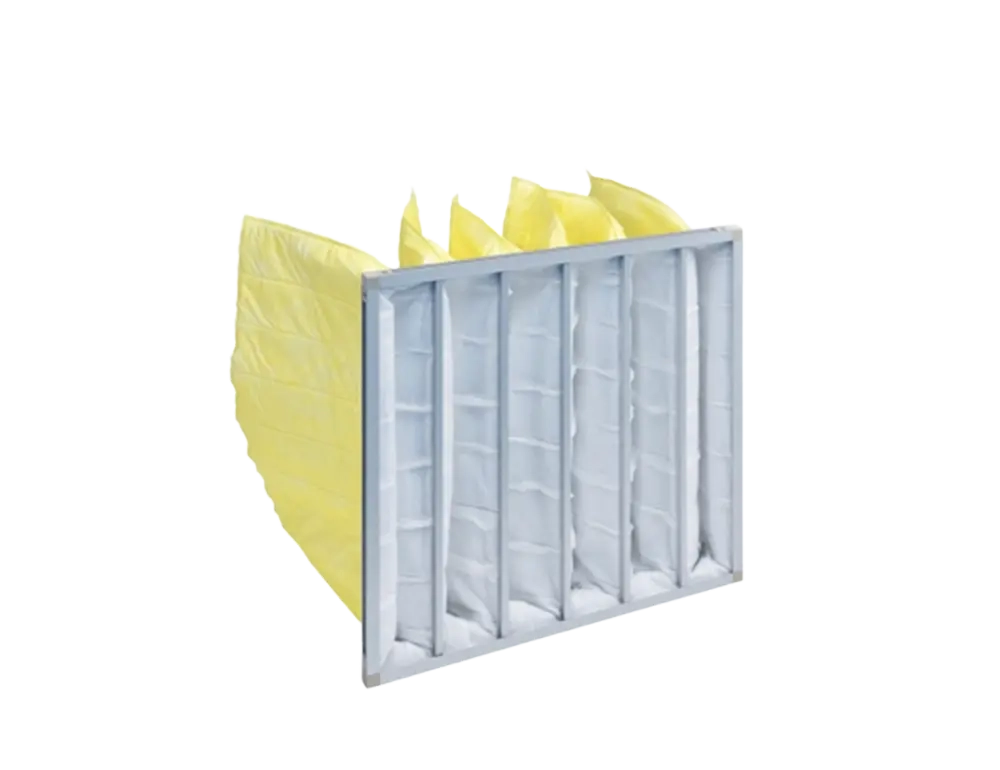
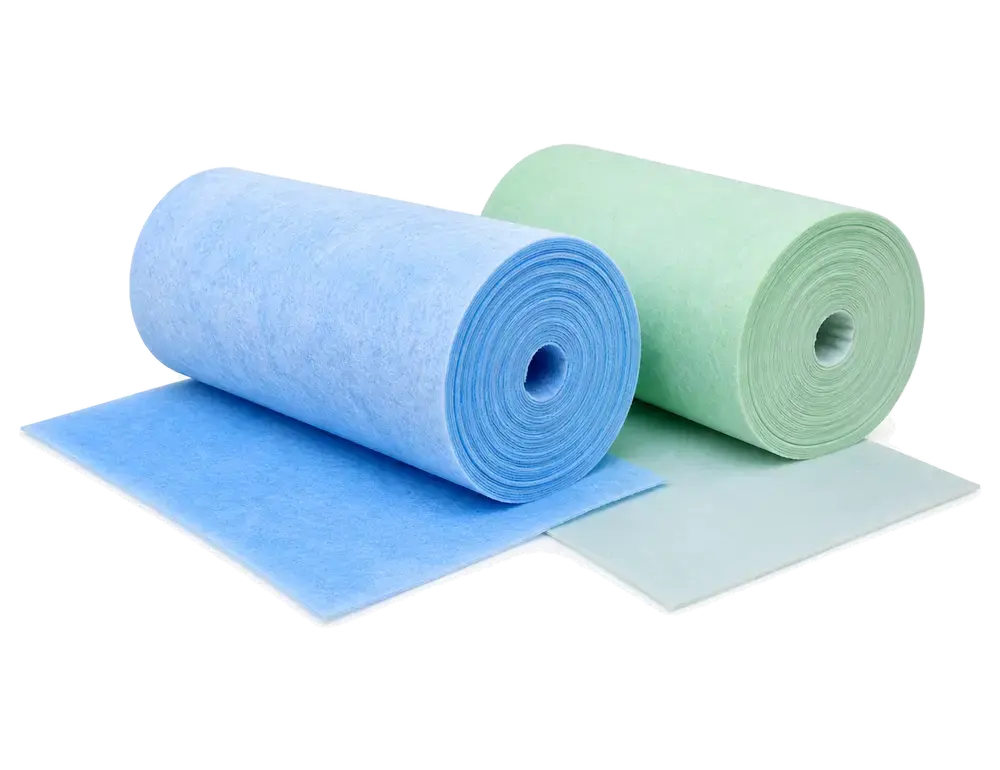
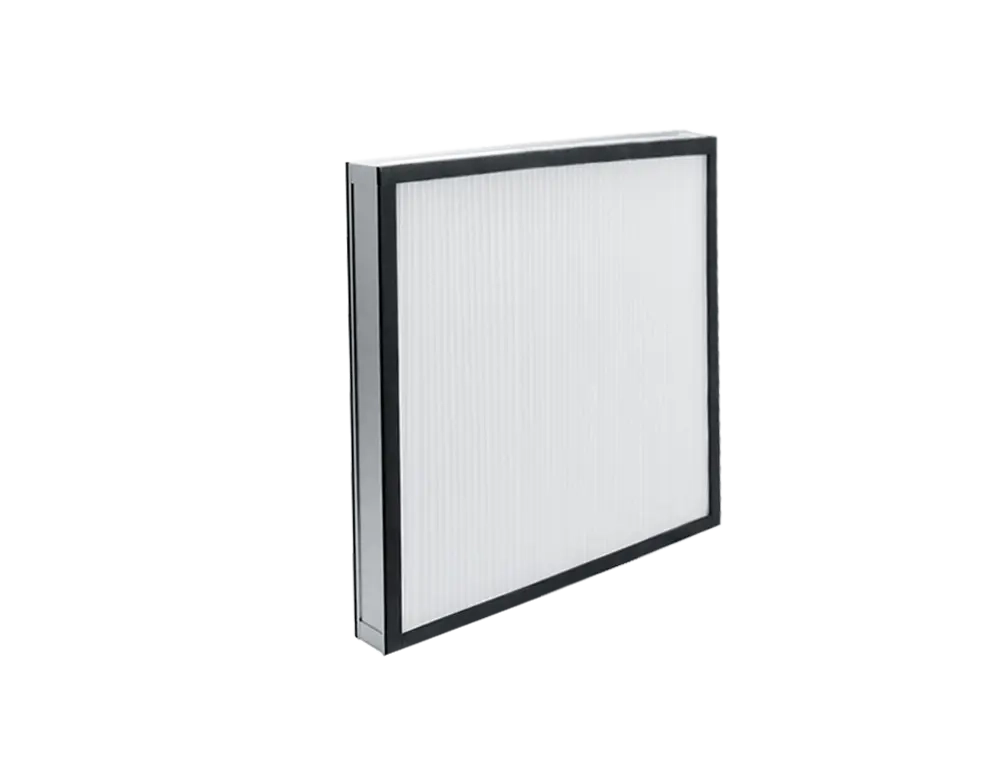
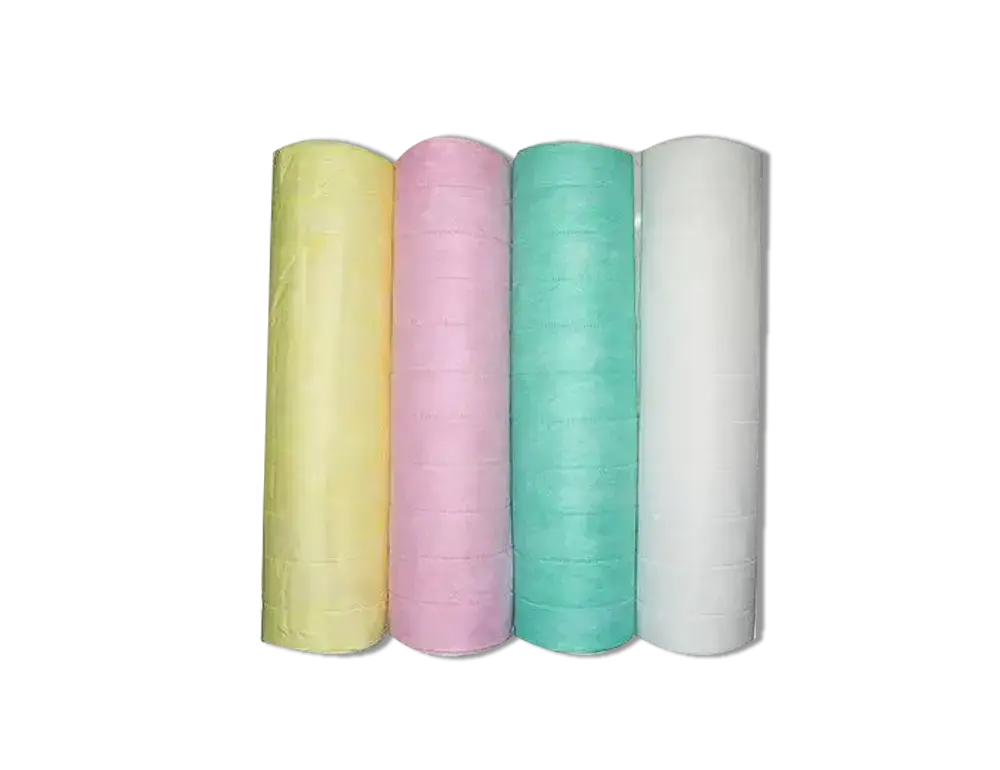
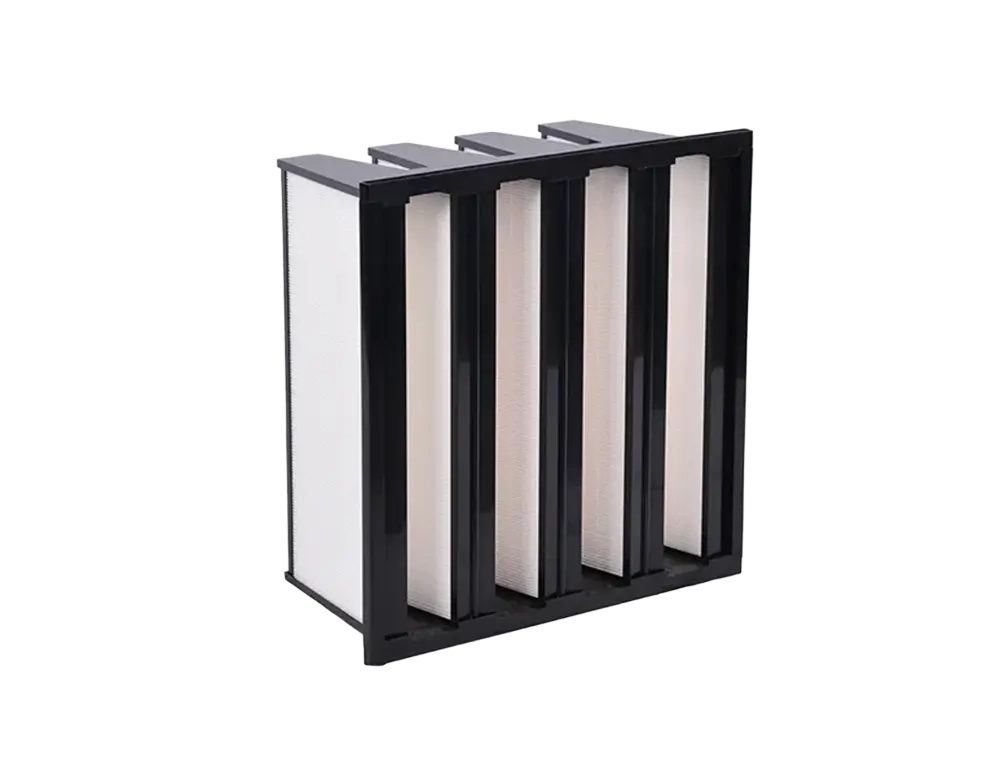
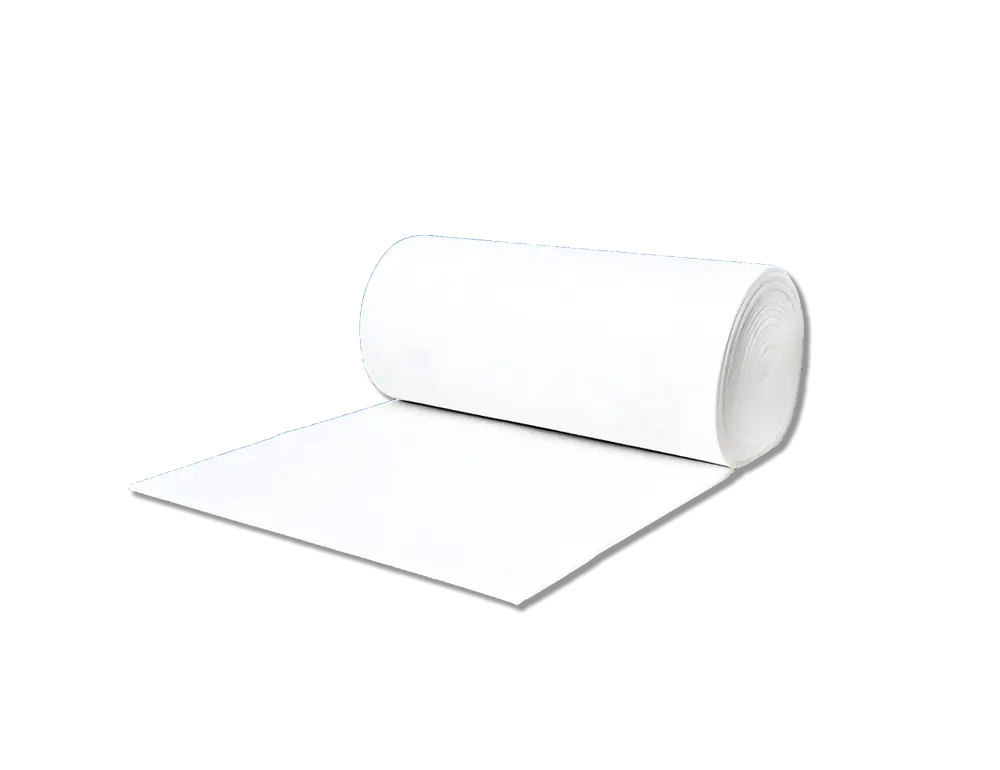
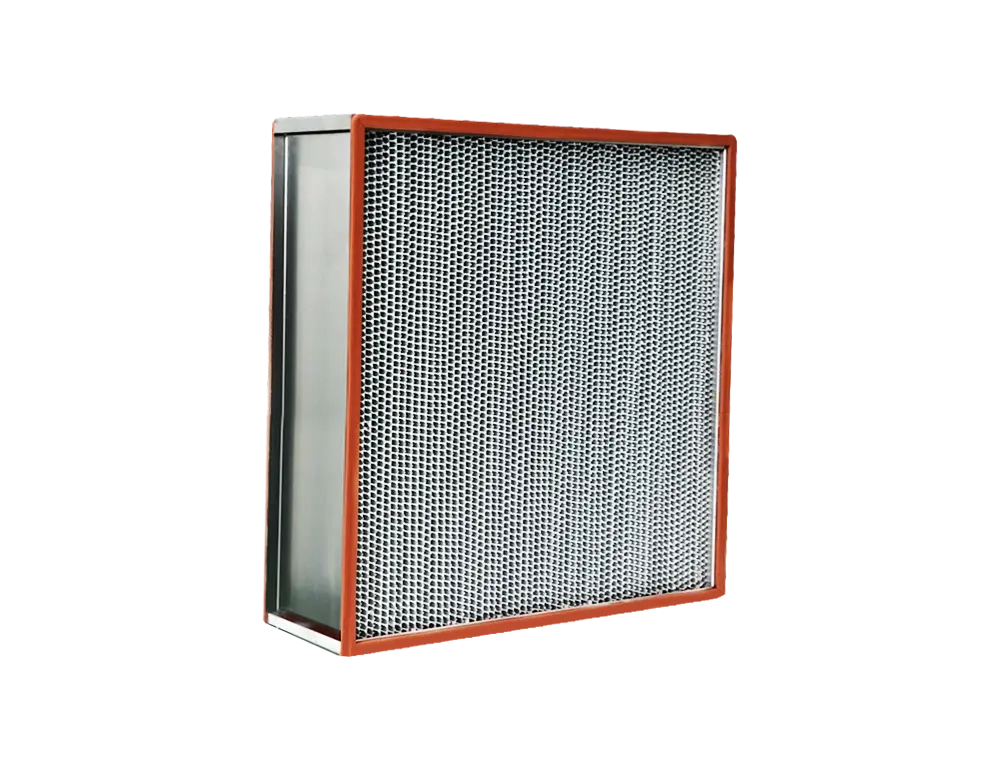
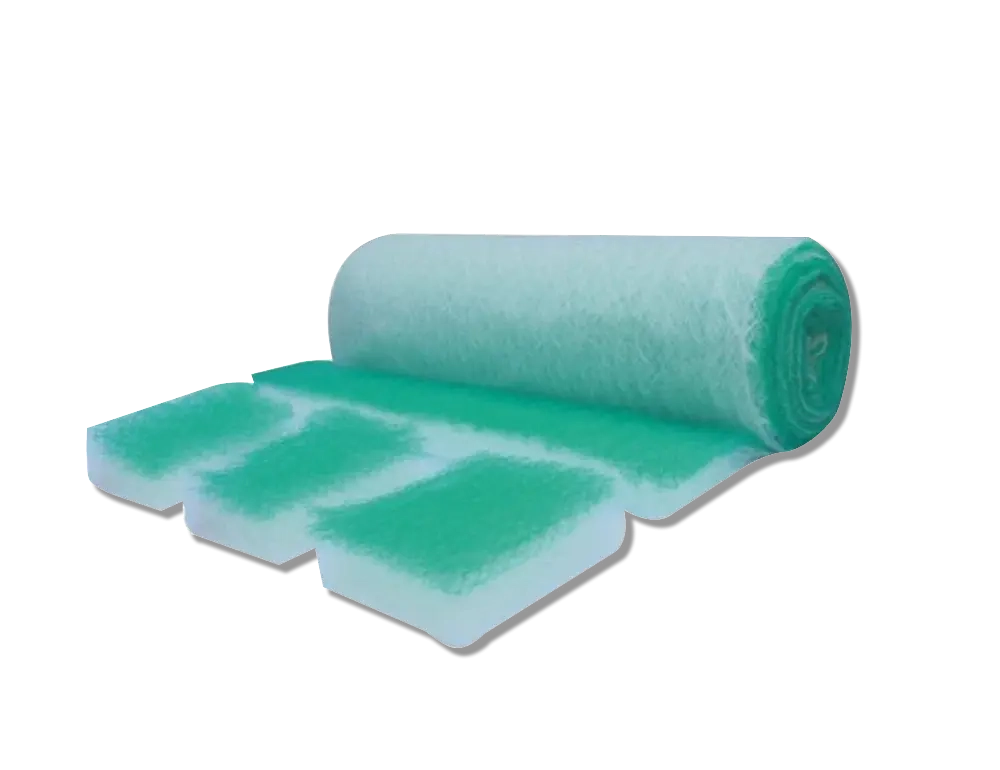
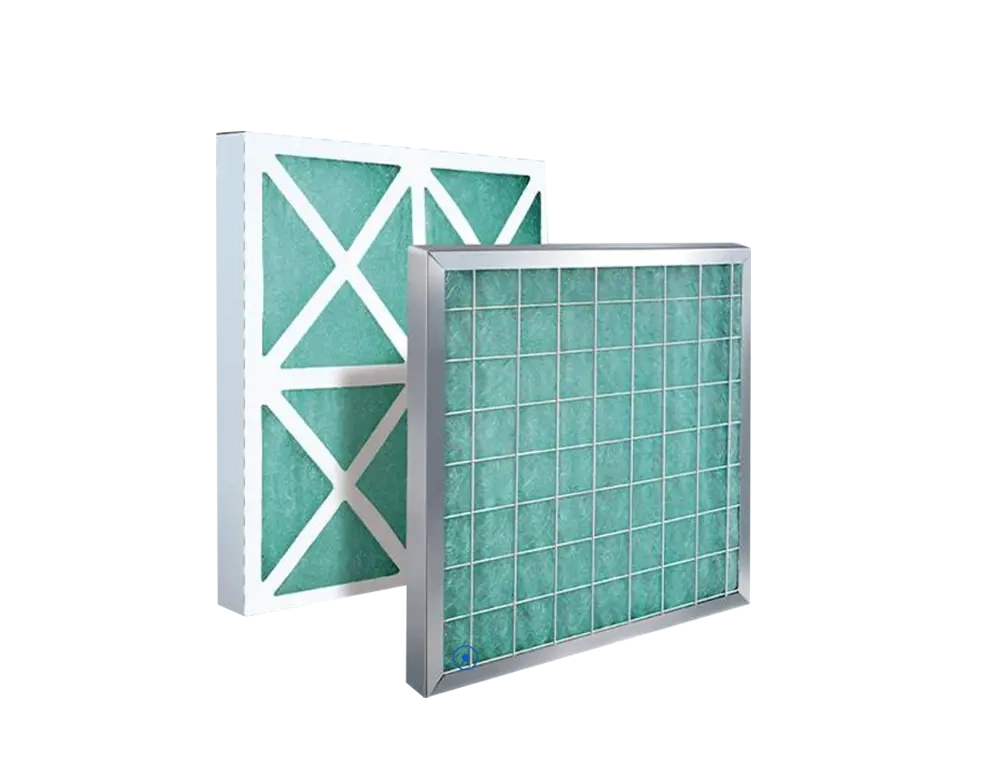
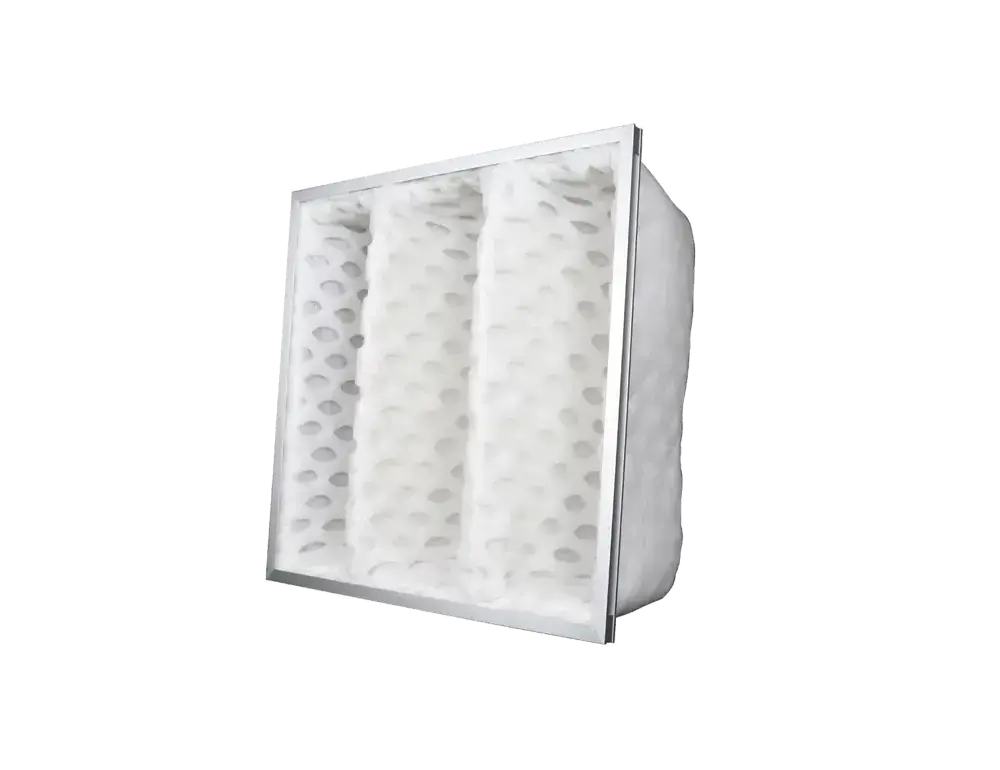
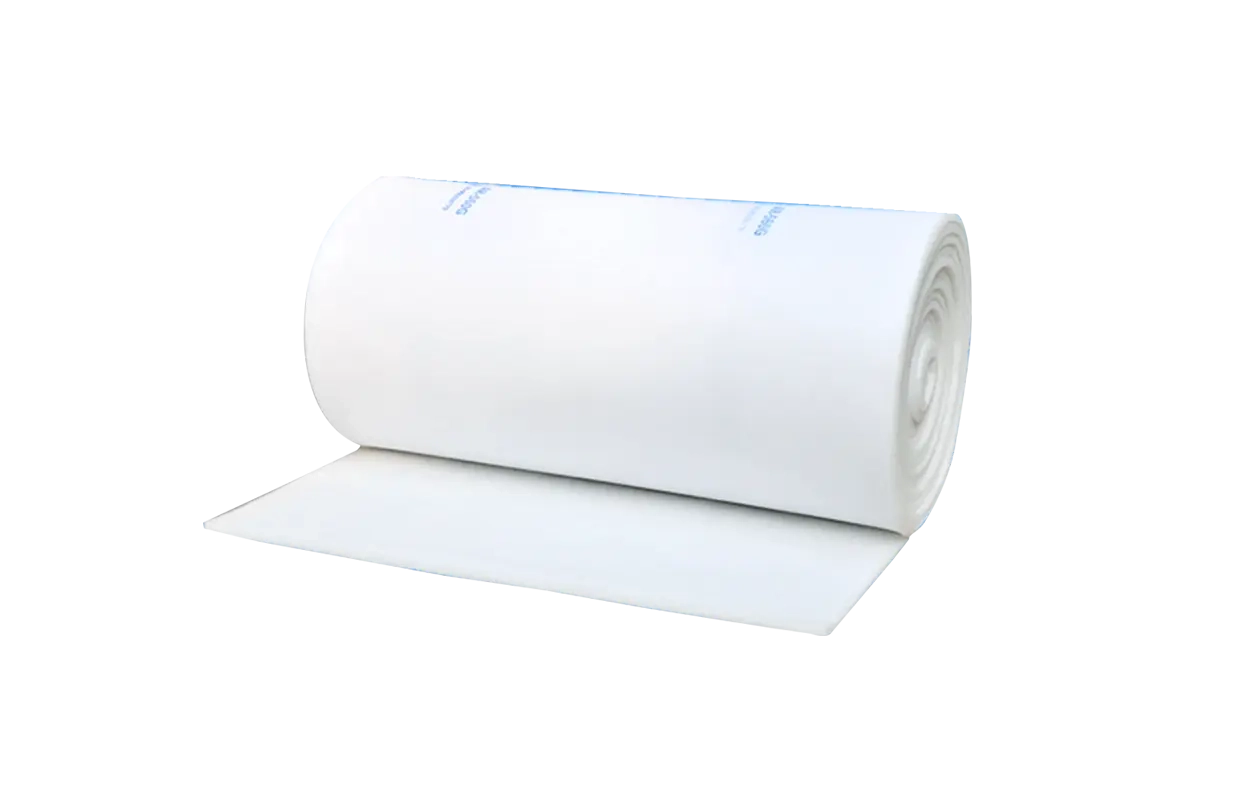
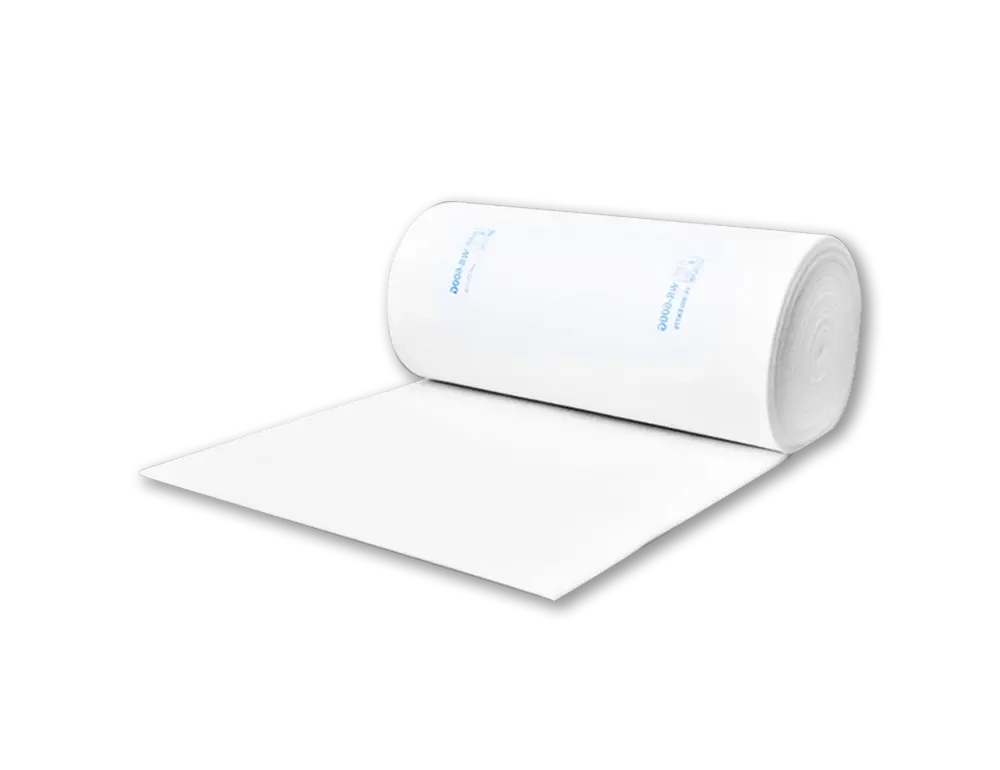
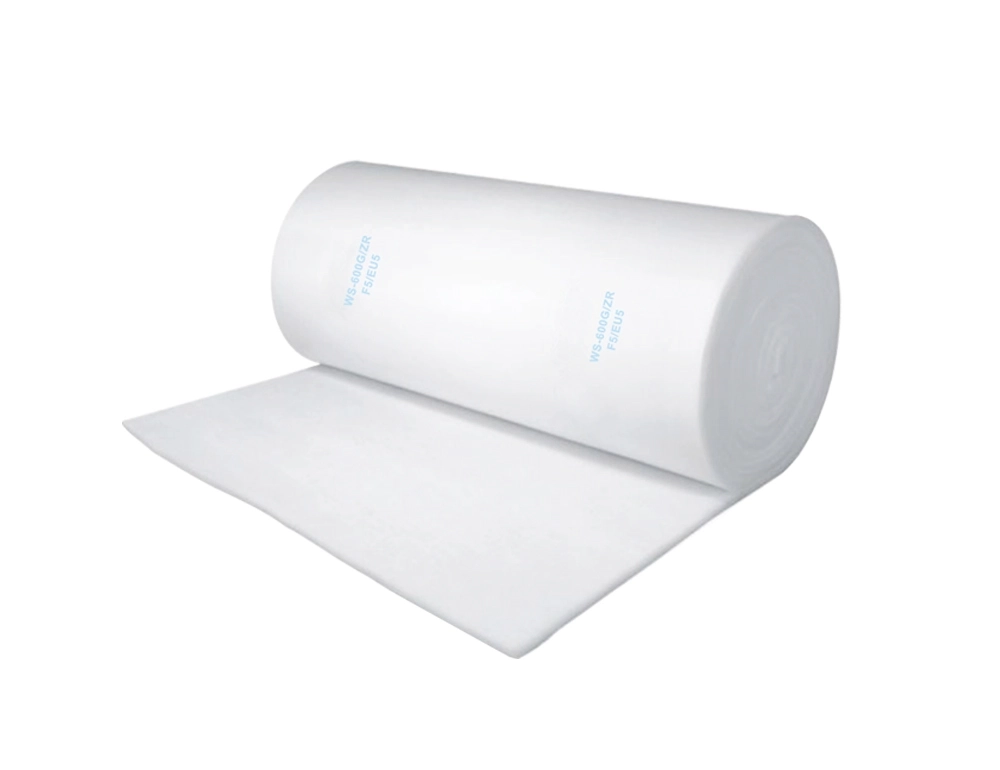
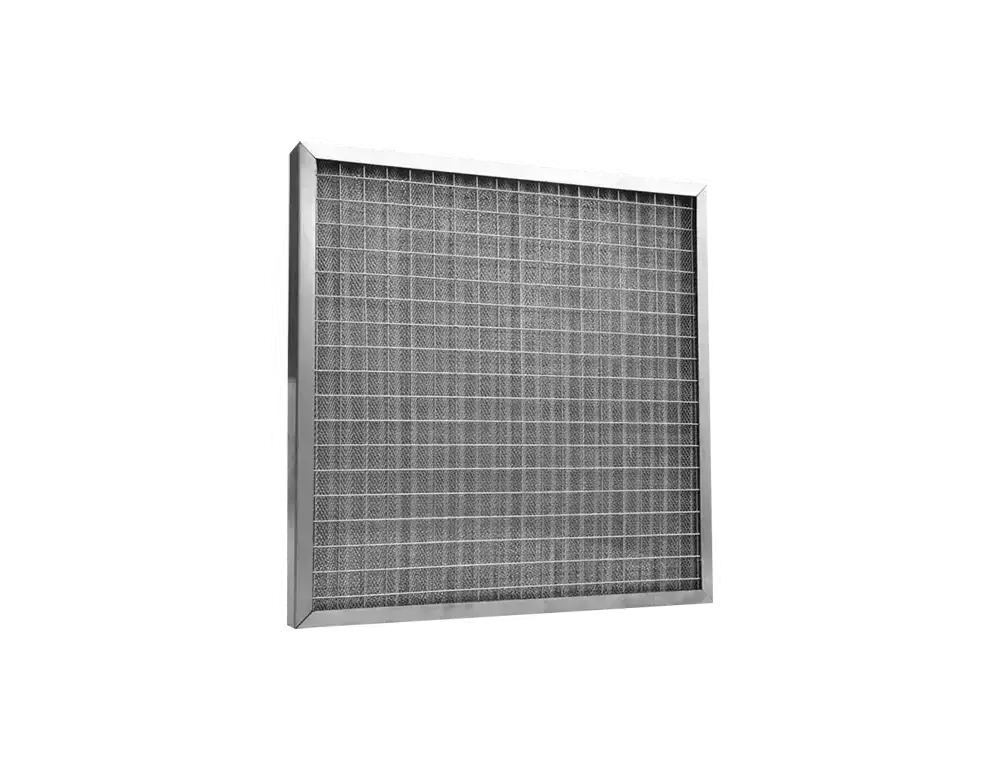
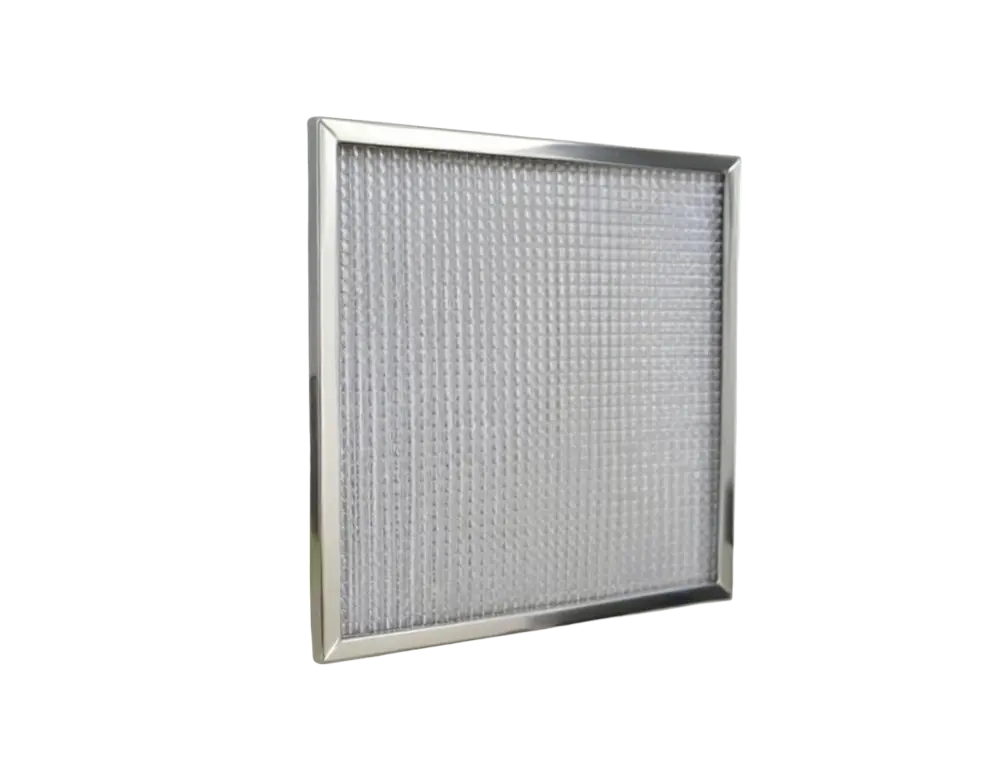
Pre-Filter (G1–G4)
First-Stage Large-Particle Capture
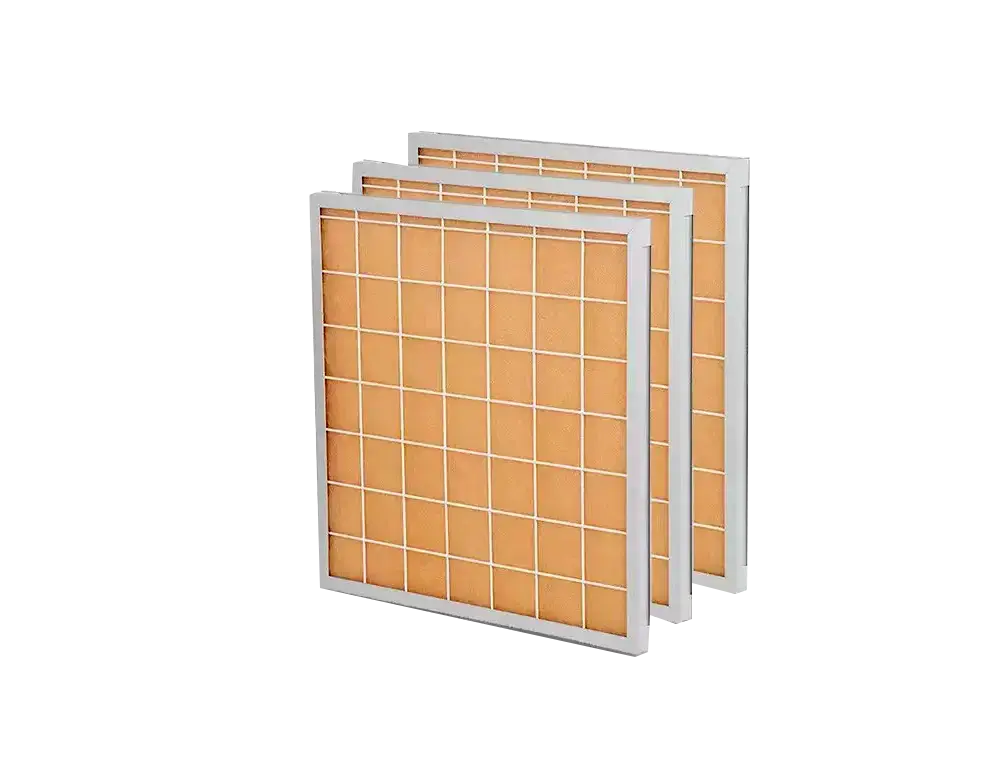
Medium-Efficiency Filter (F5–F9)
Precise PM2.5 Capture
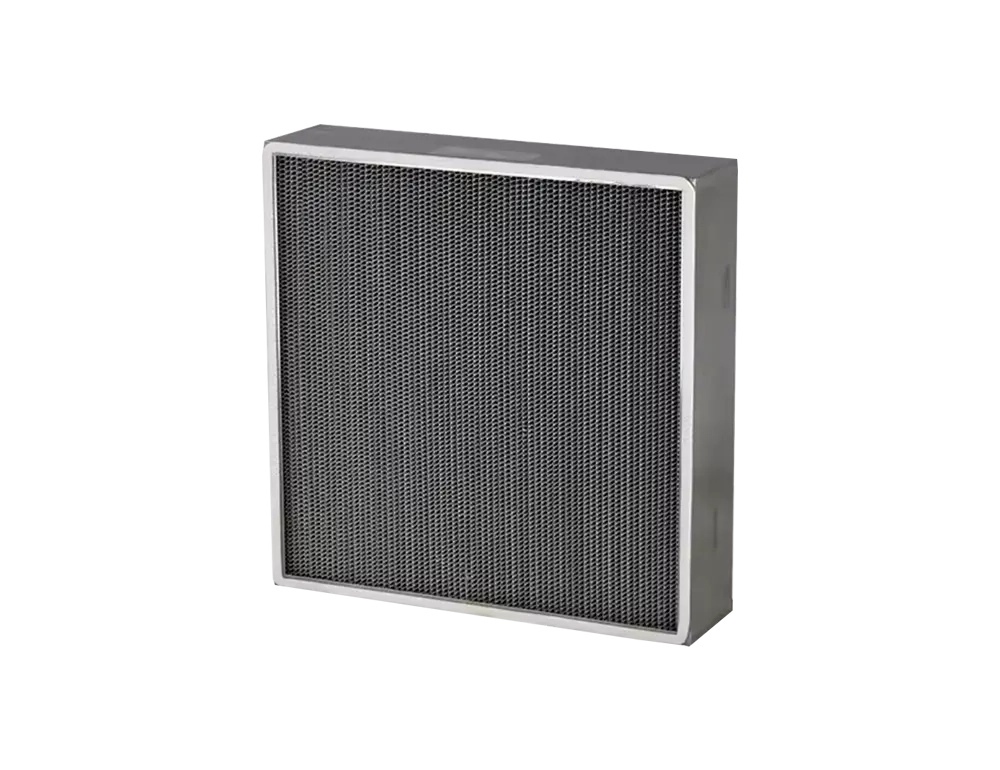
HEPA High-Efficiency Filter
Sterile-Grade Purification
ULPA Ultra-High Efficiency Filter
Sub-Micron Particle Capture
First-Stage Large-Particle Capture
The first line of defense, capturing particles ≥5 μm such as dust, hair, and fibers to protect downstream filters and extend overall system service life.
View Related Products →Precise PM2.5 Capture
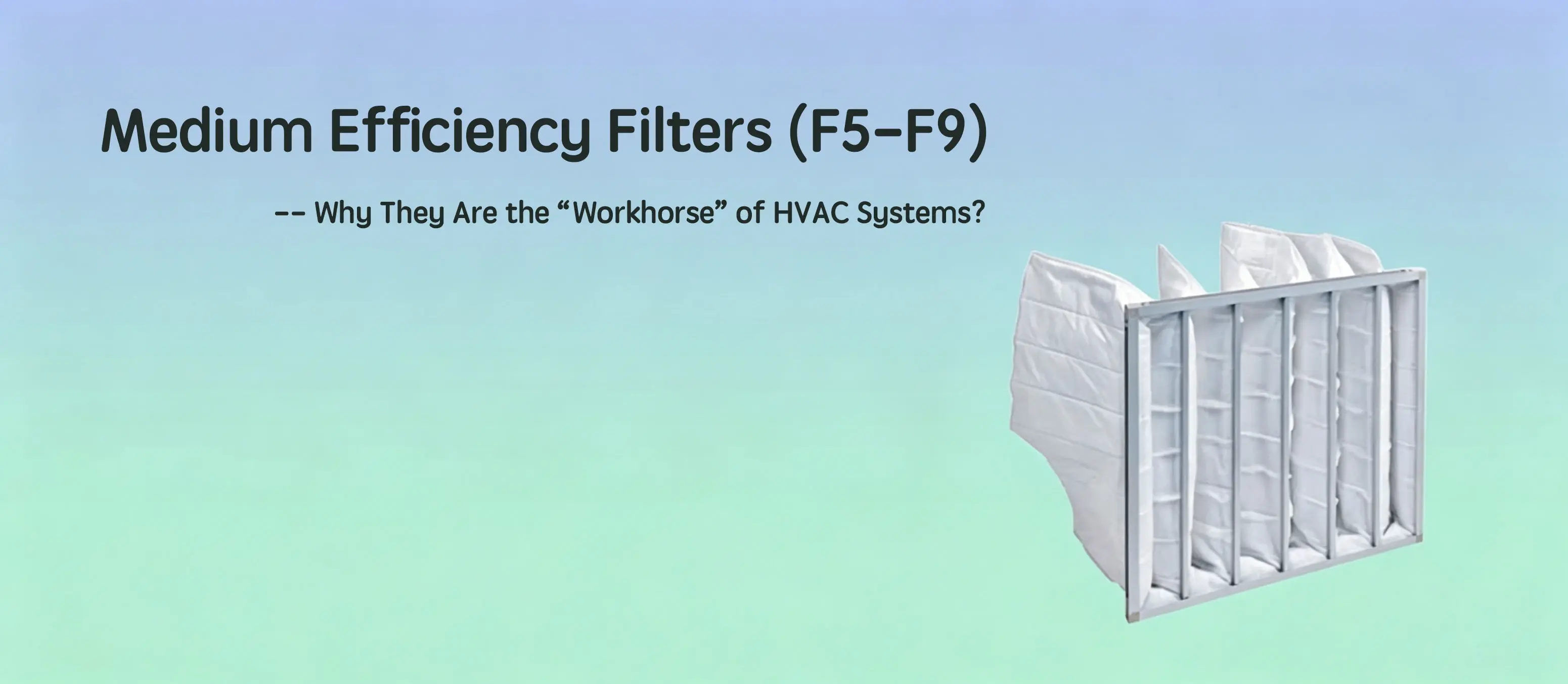
Captures fine particles of 1–5 μm including PM2.5, pollen, and mold spores, significantly improving indoor air quality for commercial HVAC and ventilation systems.
View Related Products →Sterile-Grade Purification
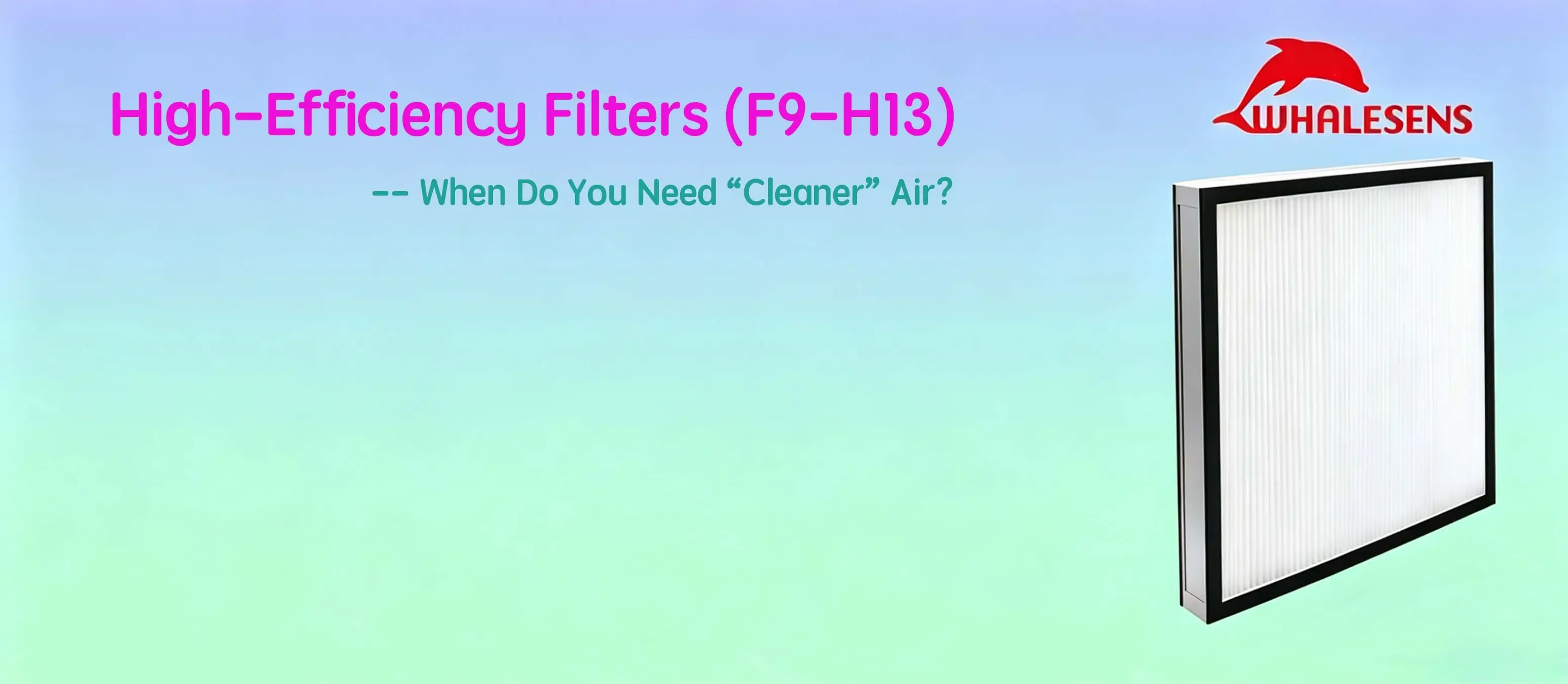
≥99.97% filtration efficiency for particles ≥0.3 μm, delivering sterile-grade clean air widely used in medical, pharmaceutical, and electronics manufacturing.
View Related Products →Sub-Micron Particle Capture
≥99.9995% efficiency for particles ≥0.12 μm, meeting the extreme cleanliness demands of semiconductor fabs, aerospace, and other ultra-precision applications.
View Related Products →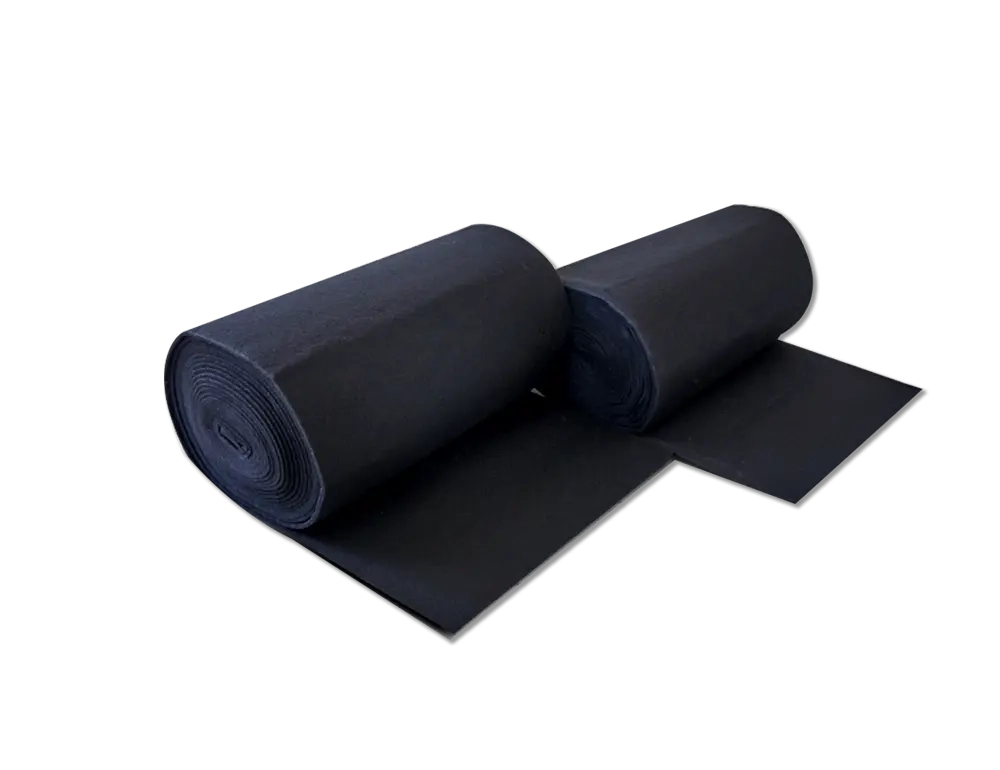
High-Temperature Resistant
Industrial-Grade Heat Tolerance
Washable & Reusable
Cut Costs, Reduce Waste
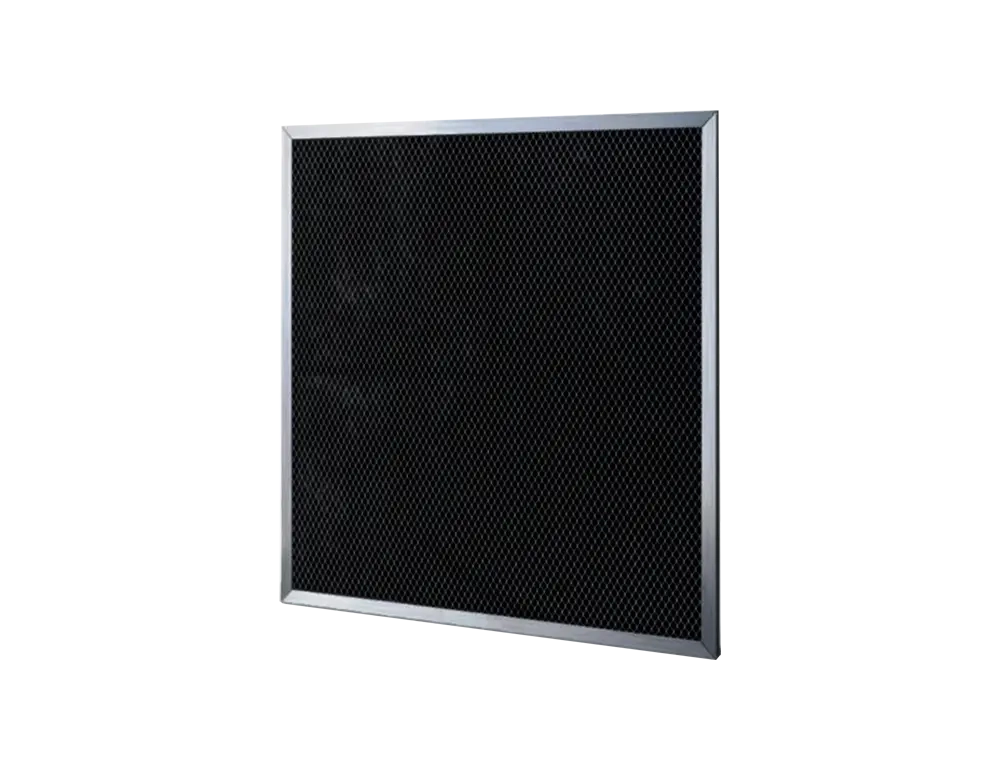
Activated Carbon
Odor & Harmful Gas Removal
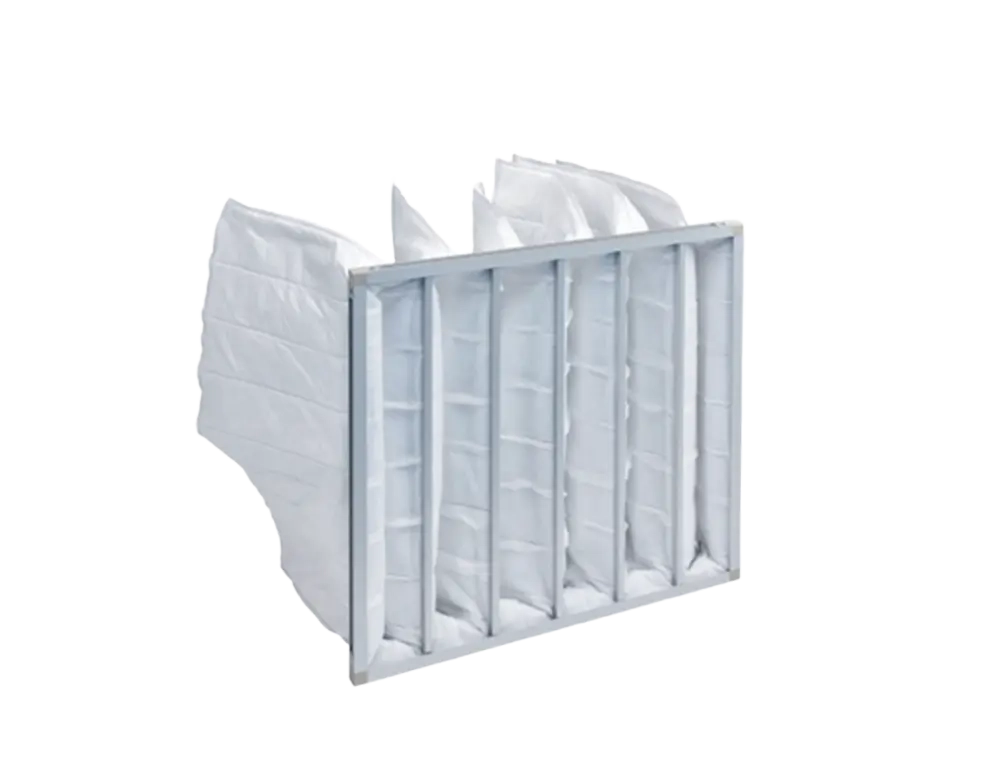
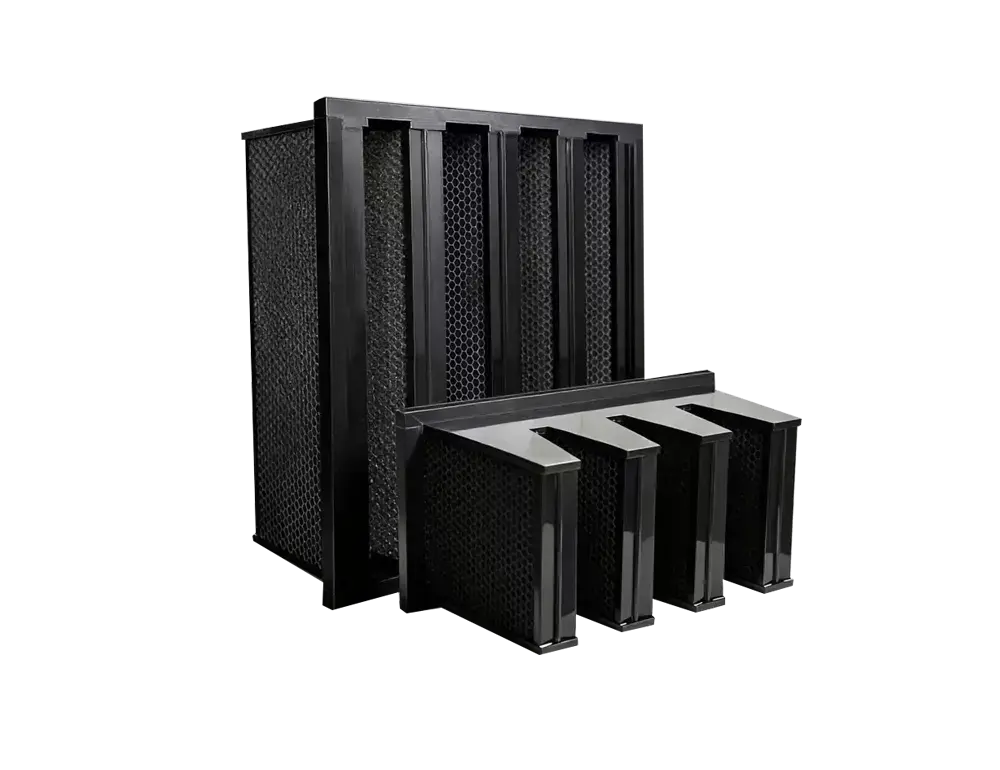
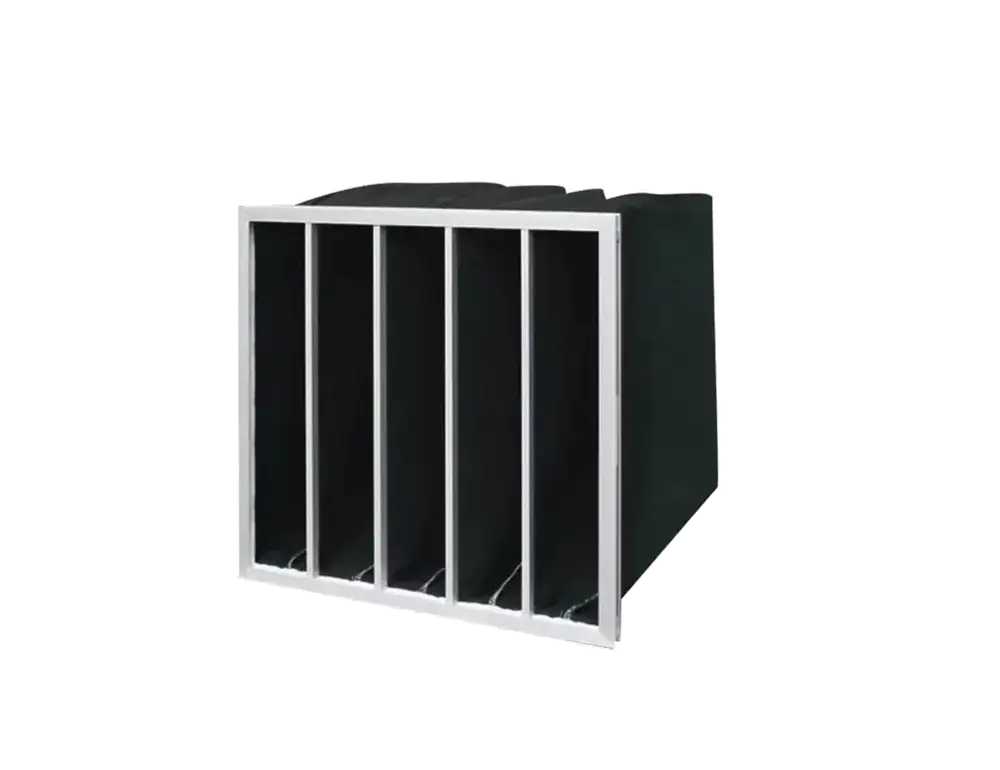
Bag Filter
High Dust-Holding, Long Life
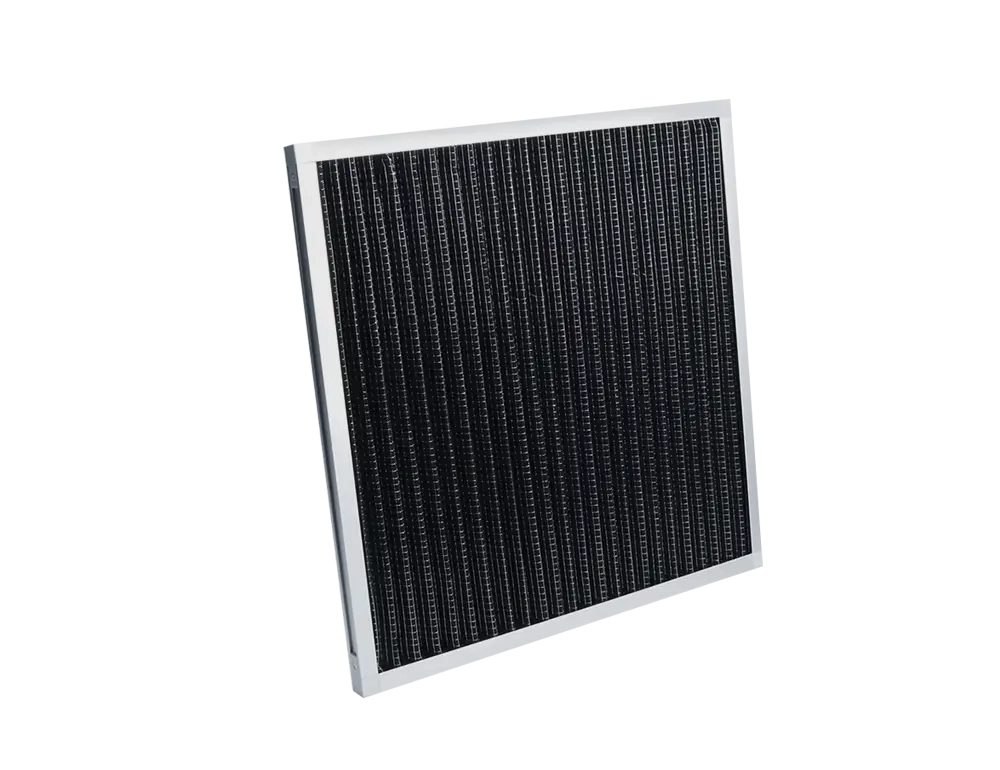
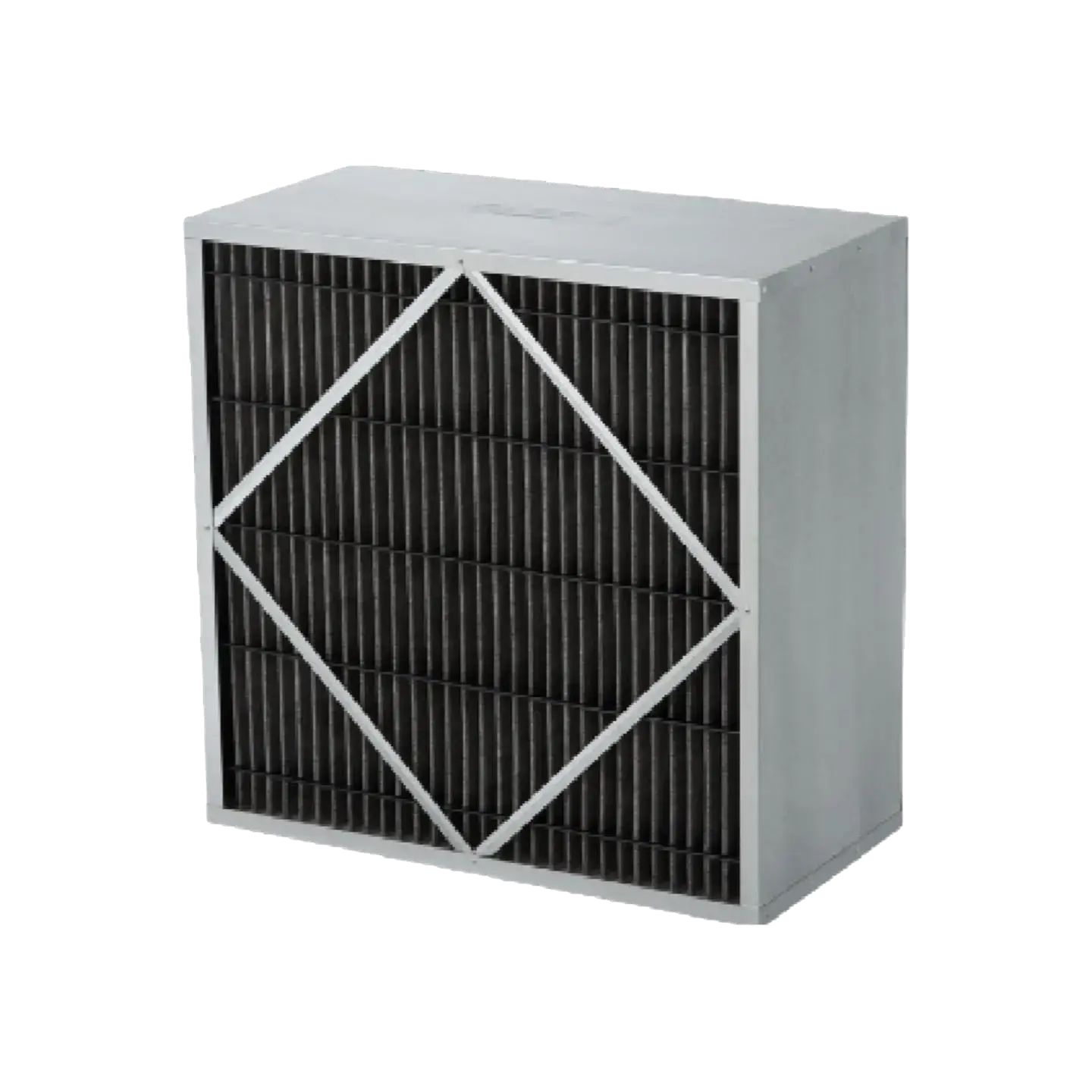
Panel / Pleated Filter
Compact Space-Saving Design
Low-Resistance Airflow
Energy-Saving Operation
Industrial-Grade Heat Tolerance
Built with specialized heat-resistant materials, operating stably up to 250°C for paint ovens, industrial dryers, and high-temperature process environments.
View Related Products →Cut Costs, Reduce Waste
Cleanable by water washing or air blowing, reusable multiple times to significantly reduce replacement frequency and O&M costs — an economical, eco-friendly choice.
View Related Products →Odor & Harmful Gas Removal
Leverages activated carbon's high adsorption capacity to eliminate odors, VOCs, and formaldehyde, ideal for newly renovated spaces and industrial exhaust treatment.
View Related Products →High Dust-Holding, Long Life
Bag-style construction delivers a larger filtration area, high dust-holding capacity, and extended service life — ideal for high-dust environments with reduced replacement frequency.
View Related Products →Compact Space-Saving Design
Compact form factor for easy installation and replacement; pleated structure maximizes filtration area within a small footprint for higher efficiency.
View Related Products →Energy-Saving Operation
Low-resistance design minimizes pressure drop while maintaining filtration performance, reducing fan energy consumption for cost-effective, eco-friendly operation.
View Related Products →











 English(Global)
 简体中文
简体中文 Language




Air Filtration in Semiconductor Fabs: HEPA Selection, Cleanroom Standards & System Design
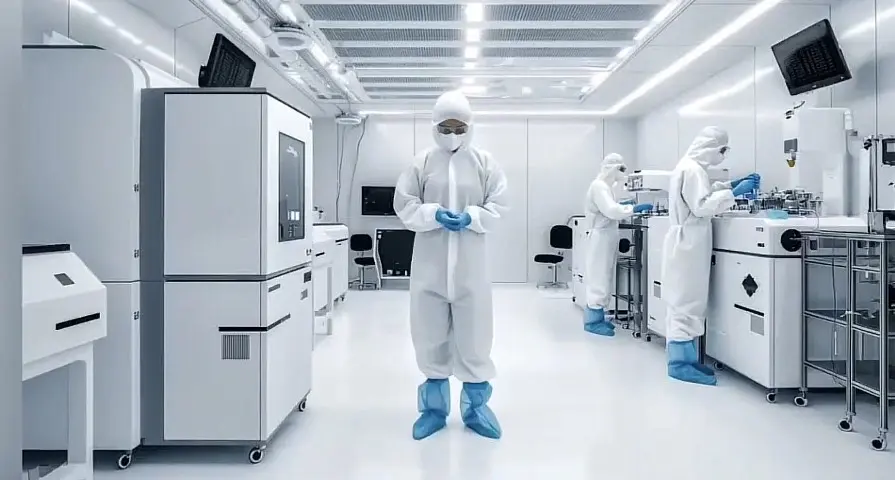
Semiconductor fabs operate under some of the strictest air filtration requirements on earth. A single 0.1 μm particle landing on a photoresist layer can destroy an entire wafer — translating directly into yield loss worth thousands of dollars per incident. From the ISO 5 lithography bay to the ISO 7 packaging area, every zone demands a precisely matched air filtration strategy: the right HEPA or ULPA grade, a properly designed three-stage filtration system, and a disciplined differential pressure monitoring program. This guide walks cleanroom engineers and procurement managers through the core selection logic for semiconductor air filtration.
Key Data At a Glance
Cleanroom ISO Classes & Particle Concentration Limits
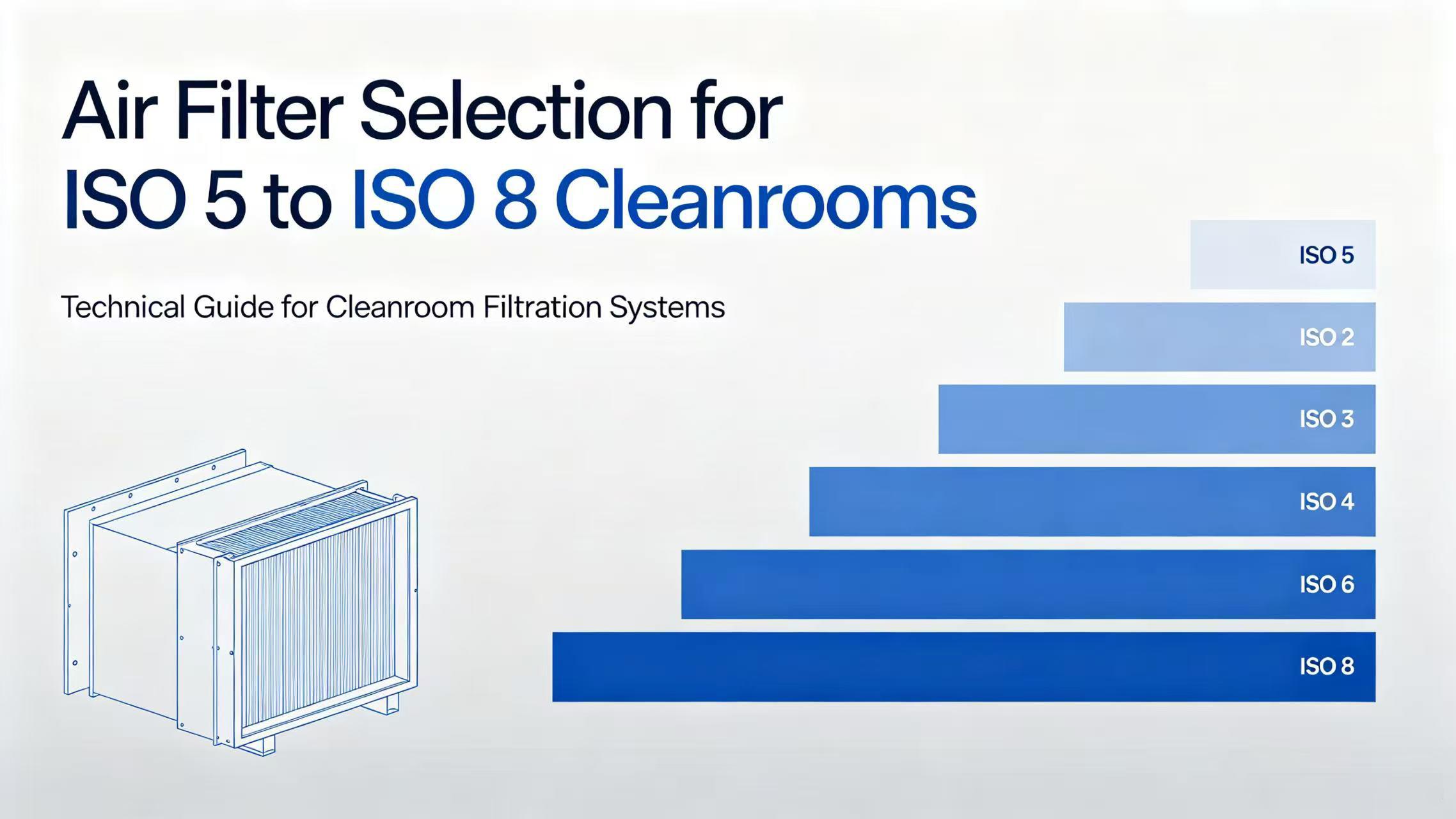
ISO 14644-1 defines nine cleanroom classes (ISO 1 through ISO 9), with lower numbers indicating higher air purity. Semiconductor manufacturing spans the full range: advanced lithography and etch bays typically run at ISO 4–5, while wafer cleaning, diffusion, and ion implantation zones operate at ISO 5–6. Packaging and final test areas are generally relaxed to ISO 6–8.
As process nodes shrink below 5 nm, tolerance for airborne molecular contamination (AMC) and ultra-fine particles drops further — some exposure chambers now require ISO 2–3 environments where ULPA filters (≥99.9995% @ 0.12 μm) are the only viable option.
Three-Stage Filtration: How Pre-Filter, Medium-Filter & HEPA Work Together
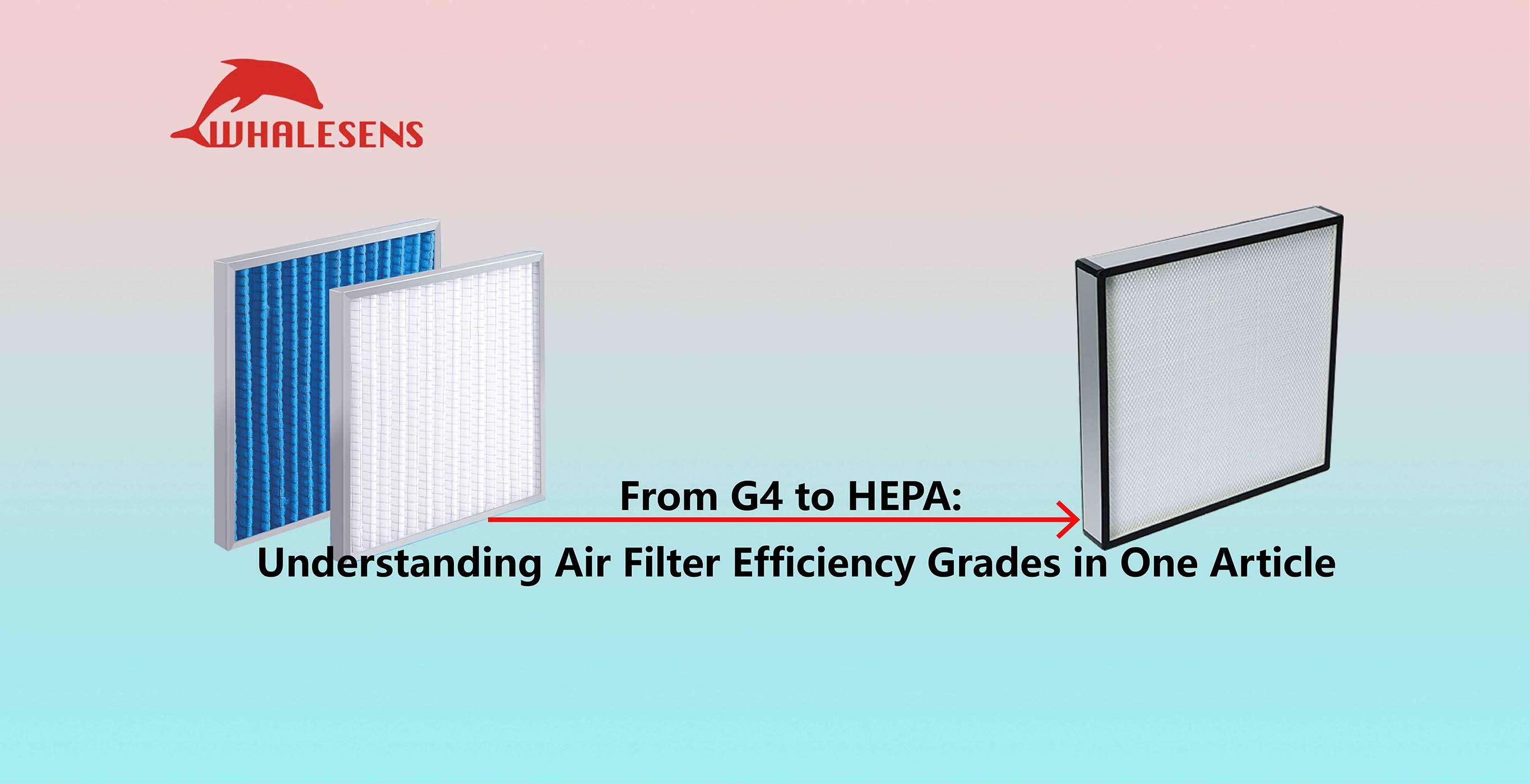
Cleanroom air purity cannot be achieved by HEPA alone — the engineering consensus is a three-stage filtration system that intercepts particles progressively, protecting each downstream stage. Each filter grade has a distinct role, and skipping a stage dramatically shortens HEPA life and inflates total cost of ownership.
Stage 1: Pre-Filter (G3/G4)
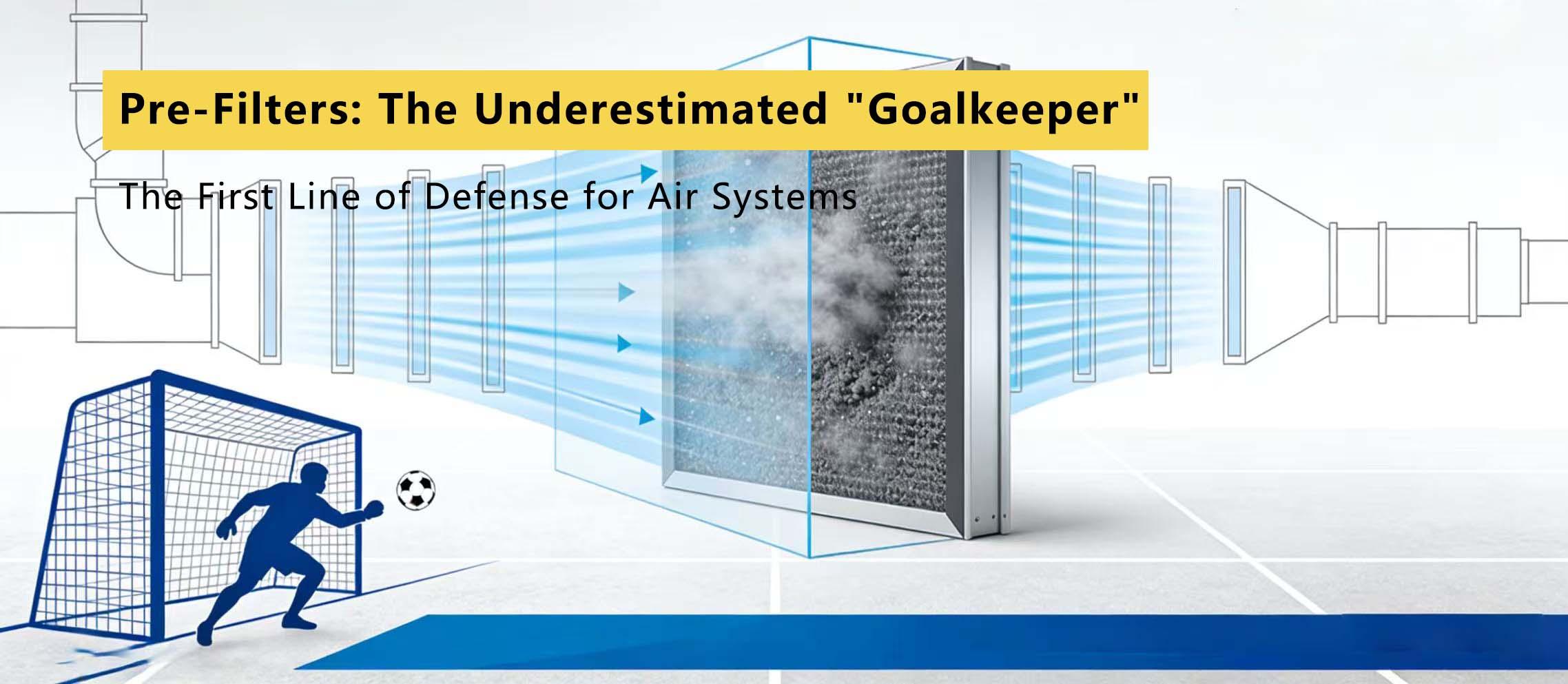
Installed at the fresh-air intake, pre-filters capture PM10+ particles — dust, fibers, insects — before they enter the air handling unit. They are cheap, replaced frequently, and serve as the primary shield for all downstream filters. Optimizing pre-filter change schedules is the single highest-leverage cost-control variable in any cleanroom operation.
Stage 2: Medium Efficiency Filter (F7/F8)
Positioned in the supply-air section of the AHU, F7/F8 medium-efficiency filters target 1–10 μm particles at 80–95% efficiency (EN779 / ISO 16890). Their primary mission is to protect the terminal HEPA from premature loading. Without this stage, a HEPA filter that would otherwise last three years can be exhausted in weeks, forcing unplanned shutdowns that cost far more than the filter itself.
Stage 3: Terminal HEPA / ULPA
Installed directly at ceiling supply diffusers or within FFU units, HEPA and ULPA filters are the final line of defense. Grade selection must match the zone's ISO class: H13 for ISO 5/6, H14 for ISO 4/5, or U15/U16 for ISO 3/4. A single HEPA changeout typically requires 4–8 hours of downtime; protecting filter life through proper upstream staging is the central engineering rationale for the three-stage approach.
Three-Stage Air Filtration Airflow Path
HEPA & ULPA Selection Guide: Liquid-Tank vs. Mini-Pleated
Semiconductor terminal filters fall into four primary configurations. Choosing the right form factor is as important as choosing the right efficiency grade — the wrong mechanical design can compromise seal integrity, increase energy consumption, or create fire risk in high-temperature process bays.
- ✅ Aluminum foil / corrugated paper separators
- ✅ Rigid structure, withstands high-temp (up to 350°C special grade)
- ✅ Standard FFU and ceiling diffuser compatible
- ⚠️ Slightly higher resistance than mini-pleated type
- 🏭 Use case: Diffusion furnace supply, AHU terminal
- ✅ Hot-melt bead spacers — zero fiber shedding risk
- ✅ 10–15% lower resistance, ideal for high ACH applications
- ✅ De-facto FFU standard, maximizes face-area utilization
- ⚠️ Not suitable for 150°C+ environments
- 🏭 Use case: Lithography bay FFU, ISO 5–6 ceiling arrays
- ✅ Liquid-filled gel-seal channel — zero leakage, highest seal class
- ✅ GMP / pharma / semiconductor front-end compliant
- ✅ Available H13–U16 across all efficiency grades
- ⚠️ Requires matching liquid-seal diffuser; retrofit cost higher
- 🏭 Use case: ISO 4/5 ultra-clean zones, GMP critical areas
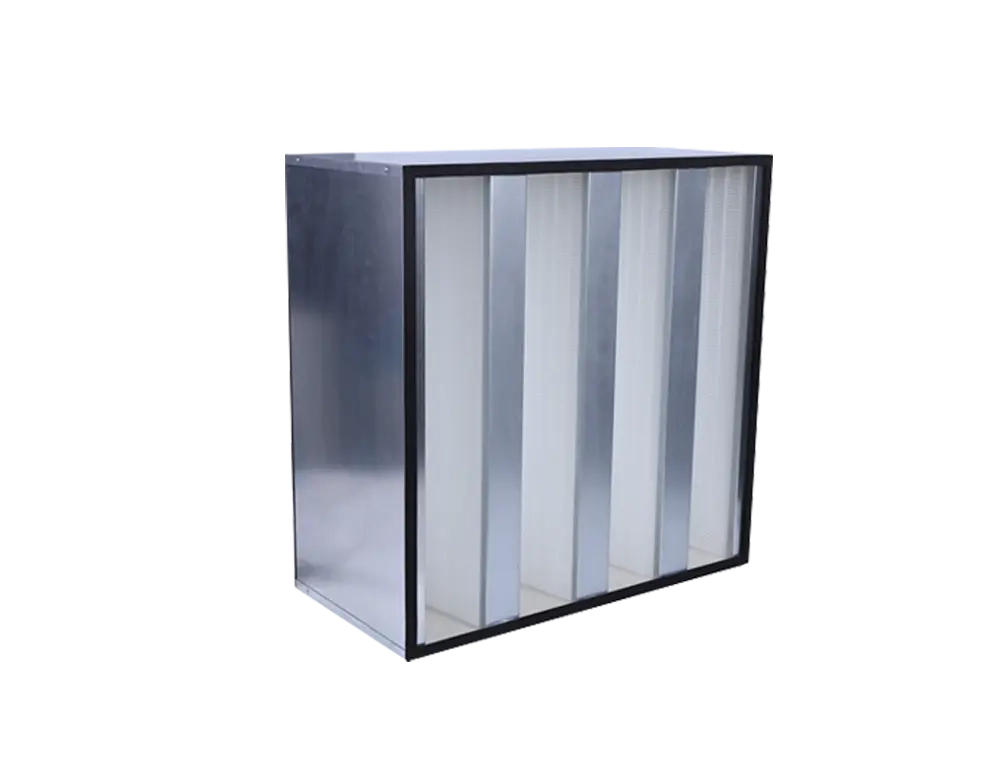
- ✅ V-shaped pleat increases face area — 40%+ more dust capacity
- ✅ Lower resistance per unit flow — ideal for high-volume AHUs
- ✅ Extends replacement interval, reduces downtime frequency
- ⚠️ Greater installation depth required
- 🏭 Use case: AHU terminal supply section, recirculation handling
FFU Fan Filter Units & Cleanroom Airflow Design
The Fan Filter Unit (FFU) is the workhorse of modern semiconductor cleanrooms. Each FFU integrates a brushless DC motor with a HEPA or ULPA filter element. When arrayed across a ceiling plenum, FFUs generate a uniform, vertical laminar flow that sweeps particles downward and out through low-side return grilles — keeping the entire working zone within particle concentration targets.
📐 Quick FFU Coverage Estimator
Coverage ratio (%) = FFU supply area ÷ cleanroom floor area × 100
ISO 5 target: ≥ 80% (100% full-ceiling coverage recommended)
ISO 6 target: 50–70%
ISO 7/8 target: 15–40% (turbulent-flow cleanrooms acceptable)
ACH reference: ISO 5 ≥ 240 ACH; ISO 6 ≈ 90–150 ACH; ISO 7 ≈ 30–60 ACH
Airflow design principle: supply from ceiling FFUs, return at low side-wall grilles or underfloor plenums, creating top-down unidirectional flow. Contamination sources — equipment heat, personnel movement — generate particles that ride the downward airflow toward return grilles, preventing recirculation at working height.
Differential Pressure Monitoring & HEPA Replacement Cycles
Differential pressure (ΔP) across the filter element is the most direct indicator of remaining filter life. As dust loading increases, ΔP rises — once it exceeds 1.5–2× the design value, the fan must ramp up to maintain flow, energy consumption surges, and unplanned shutdown becomes inevitable. A systematic ΔP monitoring program is the single most effective tool for turning reactive maintenance into scheduled preventive action.
HEPA Full-Lifecycle Management Milestones
Installation & Acceptance (Day 0)
DOP/PAO aerosol scan-test to confirm zero pinhole leaks; record initial ΔP (typically 80–150 Pa) as the lifecycle baseline.
Routine Monitoring (Quarterly)
Log ΔP for each FFU / diffuser against baseline trend; alert when ΔP rises 20% above baseline; schedule replacement when ΔP exceeds 50% above baseline.
Preventive Replacement (Year 2–4)
Execute during a planned maintenance window; typical HEPA life in ISO 5 zones: 2–3 years; ISO 7/8 zones: 4–5 years.
Post-Replacement Verification
Re-run aerosol scan and particle count to confirm ISO class recovery; update ΔP baseline; begin the next lifecycle.
📋 HEPA Replacement Trigger Checklist
- ☑ΔP exceeds 1.5× initial baseline (mandatory replacement threshold)
- ☑Particle counts exceed ISO class limit on two consecutive measurements
- ☑DOP/PAO scan detects pinhole leak that patch repair cannot seal
- ☑Filter has exceeded manufacturer-recommended service life (typically 3–5 years)
- ☑Physical damage to media or frame (moisture ingress, chemical corrosion, impact deformation)
FAQ
❓ How often do HEPA filters need replacement in a semiconductor fab?
ISO 5 front-end zones: typically 2–3 years. ISO 7/8 packaging areas: up to 4–5 years. Always follow differential pressure data — mandatory replacement when ΔP exceeds 1.5× the initial baseline value.
❓ H13 vs H14 HEPA — which grade for semiconductor applications?
Sub-5 nm lithography and etch bays should use H14 or ULPA. Standard diffusion and wet-clean zones are well-served by H13, which also offers lower airflow resistance and lower energy cost.
❓ Liquid-tank vs. mini-pleated HEPA — how to choose?
Liquid-tank provides the best seal integrity for ISO 4/5 and GMP zones. Mini-pleated is the low-resistance, energy-efficient standard for large-area FFU arrays in ISO 5–7 cleanrooms. Whalesens supplies both with custom sizing.
❓ Why three-stage filtration instead of HEPA alone?
Without G4 and F8 upstream stages, HEPA media loads within weeks on coarse particles, forcing expensive unplanned shutdowns. Proper upstream staging extends HEPA life by 3–5×, dramatically cutting total cost of ownership.
Conclusion
Air filtration in semiconductor fabs is not a one-time procurement decision — it is a full-lifecycle systems engineering discipline spanning design, installation, operation, and maintenance. ISO class requirements drive HEPA grade selection; the three-stage cascade protects capital investment; and differential pressure monitoring converts reactive crises into scheduled preventive actions. Each element directly influences wafer yield and production continuity.
Whalesens specializes in air filtration solutions for cleanrooms and semiconductor applications, supplying deep-pleated HEPA, mini-pleated HEPA, liquid-tank high-efficiency filters, and V-bank HEPA in the full H13–U16 efficiency range. All products are available with OEM/ODM customization, non-standard sizing, and third-party test reports.
Need a Custom Semiconductor Cleanroom Air Filtration Solution?
Contact the Whalesens engineering team for HEPA/ULPA selection advice and OEM/ODM customization support.