


EV Charging Stations
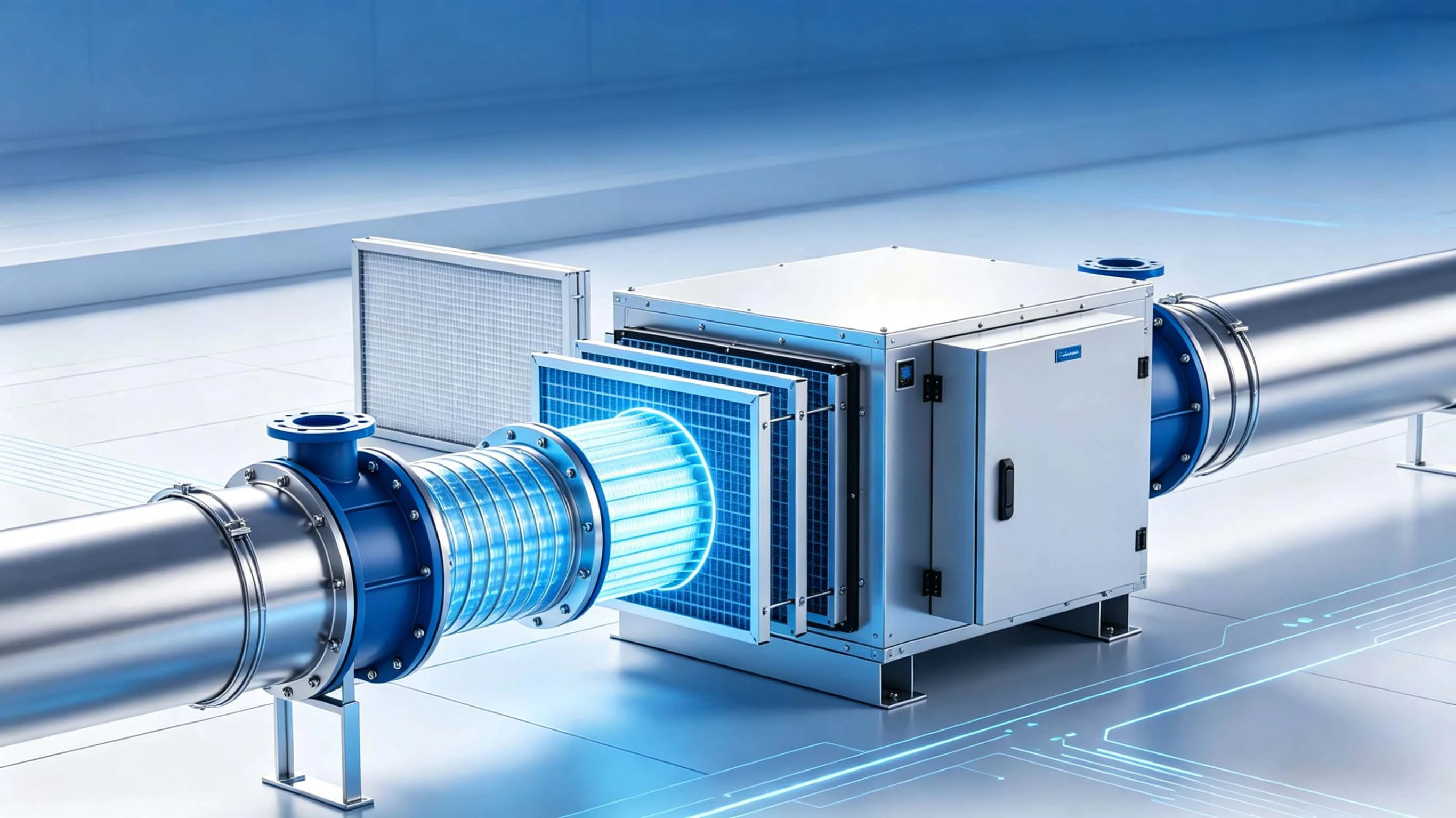
Filtration for Power Equipment
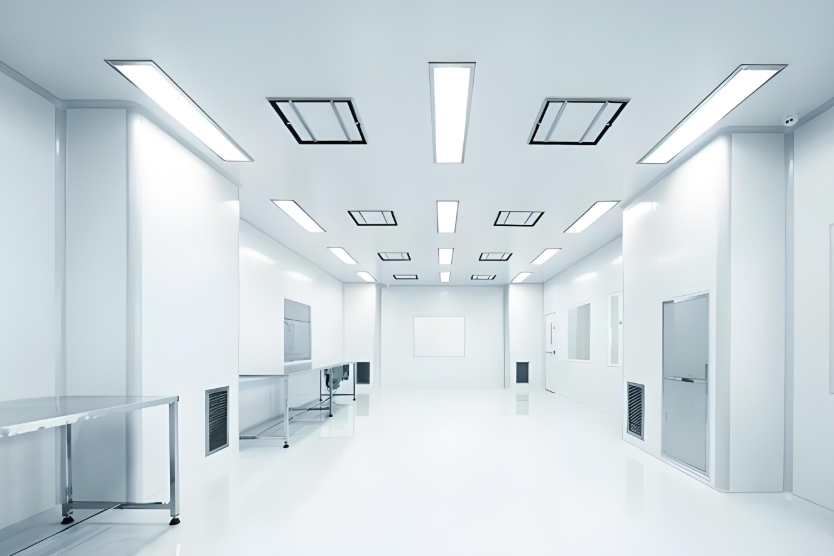
Cleanroom & Semiconductor
Ultra-High Cleanliness Filtration
Commercial HVAC
Central Air System Filtration
Data Centers
Precision Equipment Protection
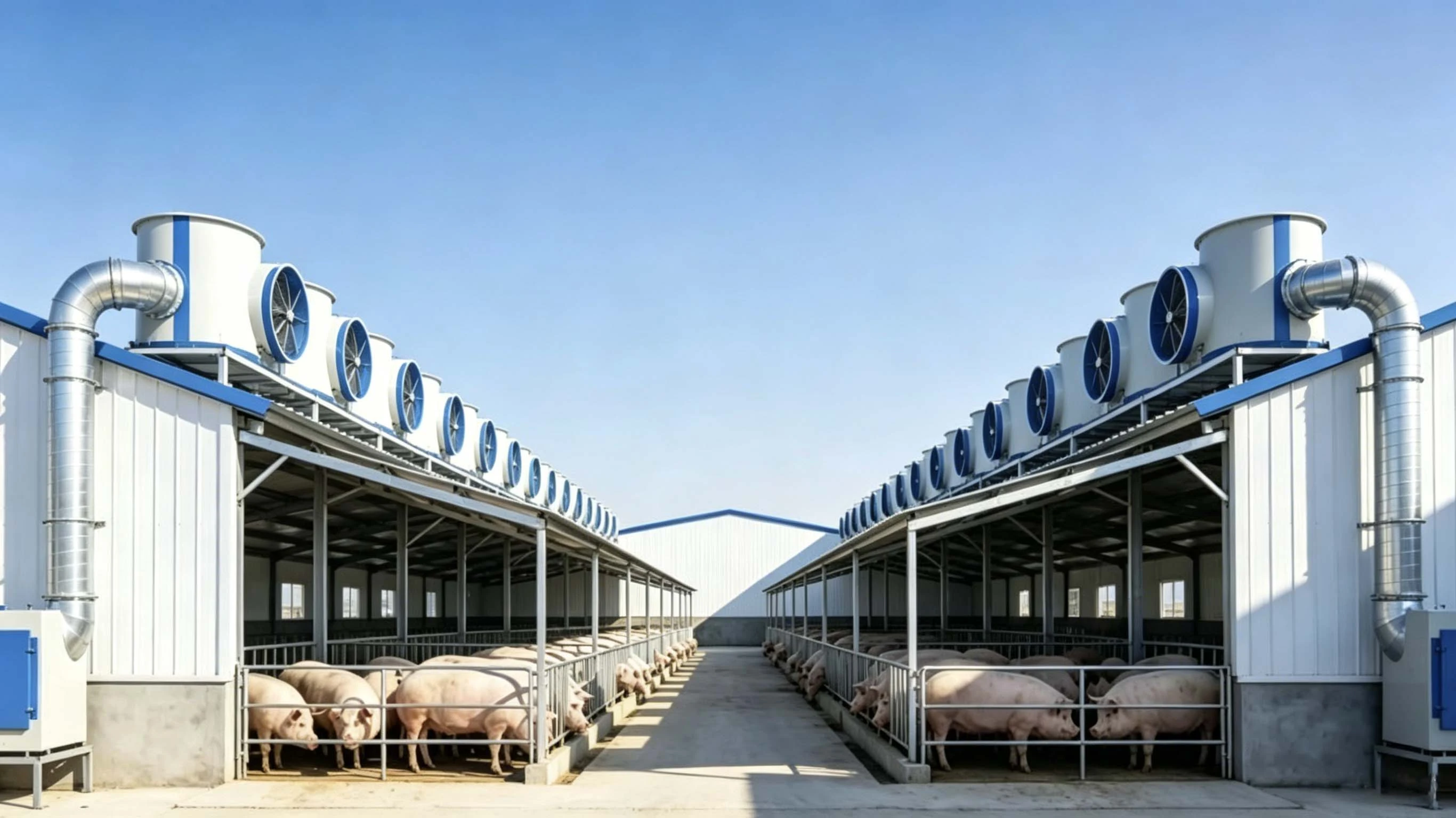
Livestock & Farming
Farming Environment Purification
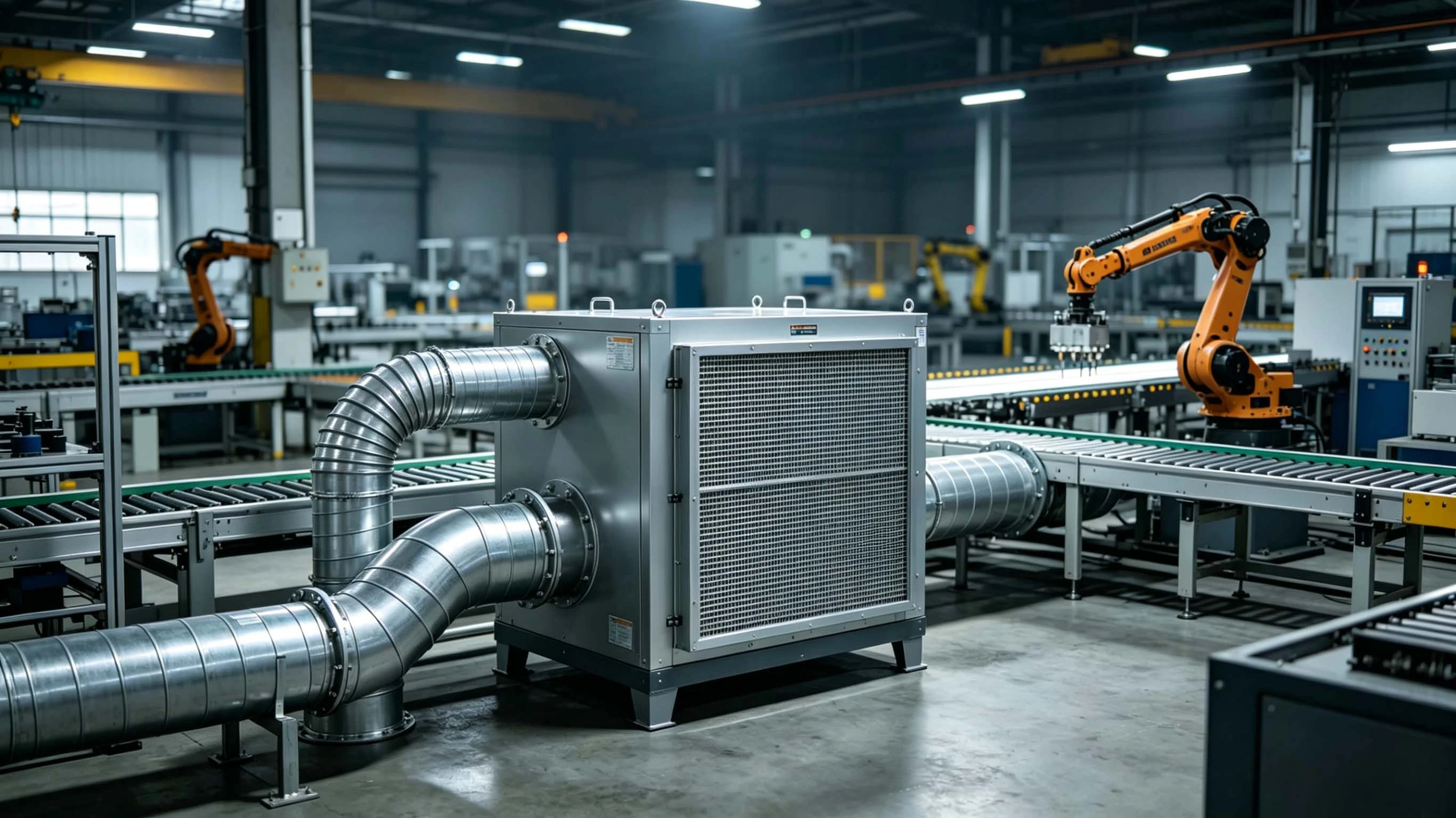
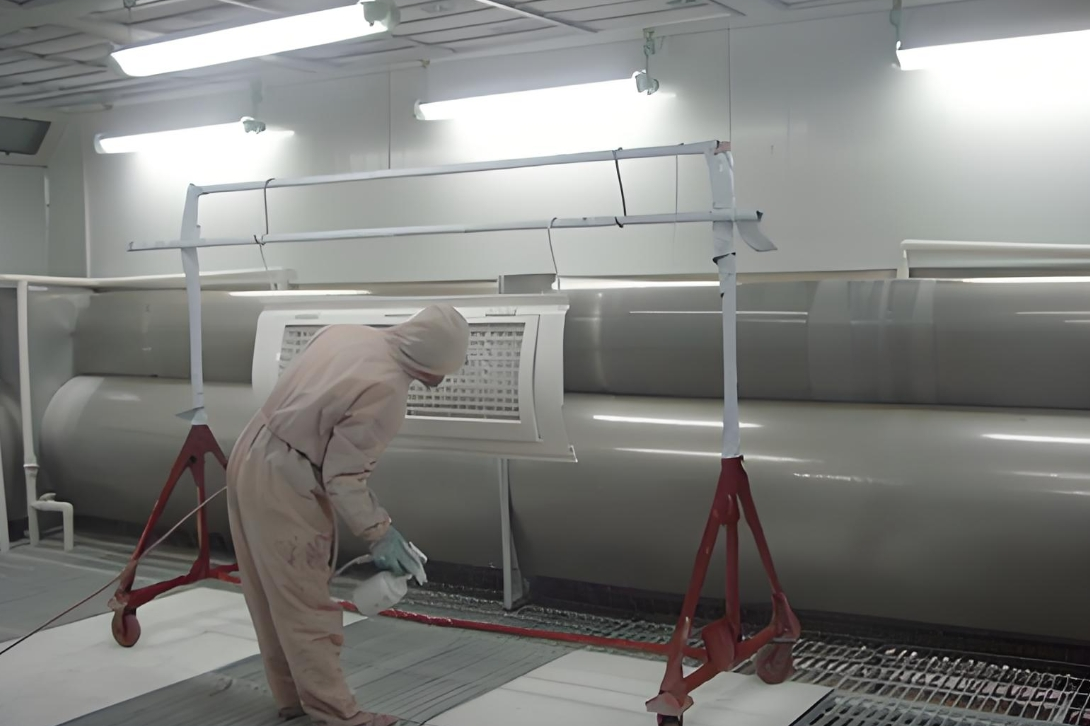
Spray Booths & Industrial Dust
Paint Mist & Dust Purification
Filtration for Power Equipment
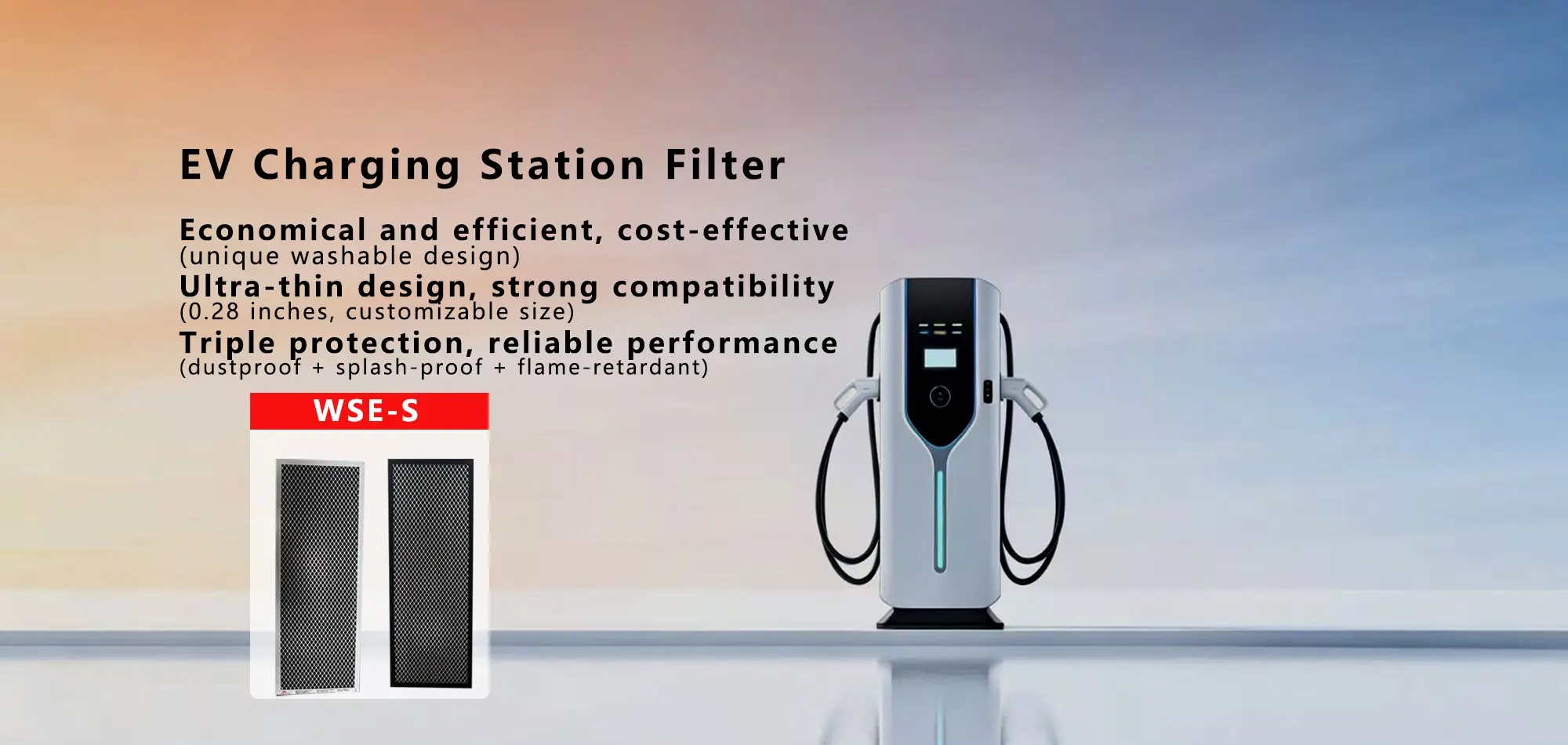
Professional air filtration for EV charging devices, protecting against dust and sand ingress to ensure stable, reliable operation of charging piles and station infrastructure.
View Related Products →Ultra-High Cleanliness Filtration
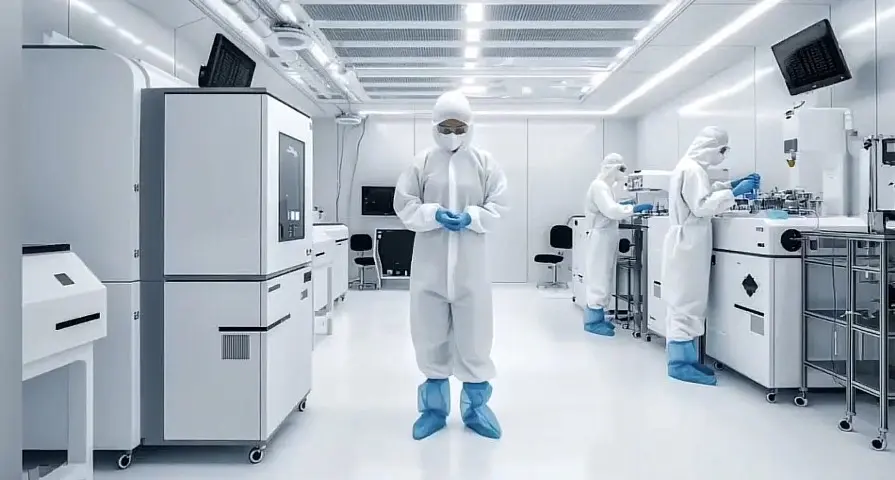
Ultra-high efficiency filtration for semiconductor wafer fabs and precision electronics cleanrooms, capturing nano-scale particles to meet ISO Class 1–3 standards and maximize product yield.
View Related Products →Central Air System Filtration
High-efficiency filtration for commercial building HVAC systems, improving indoor air quality, reducing energy consumption, and extending equipment service life.
View Related Products →Precision Equipment Protection
Precision air filtration for data centers, shielding servers and critical hardware from dust contamination to keep cooling systems running efficiently and reliably.
View Related Products →Farming Environment Purification
Dedicated filtration systems for farms and livestock facilities — capturing dust, adsorbing ammonia, and inhibiting pathogen spread to improve animal health and overall productivity.
View Related Products →Paint Mist & Dust Purification
Designed for spray booths and grinding workshops, efficiently capturing paint mist, metal dust, and wood chips to meet emission standards while protecting finished surface quality.
View Related Products →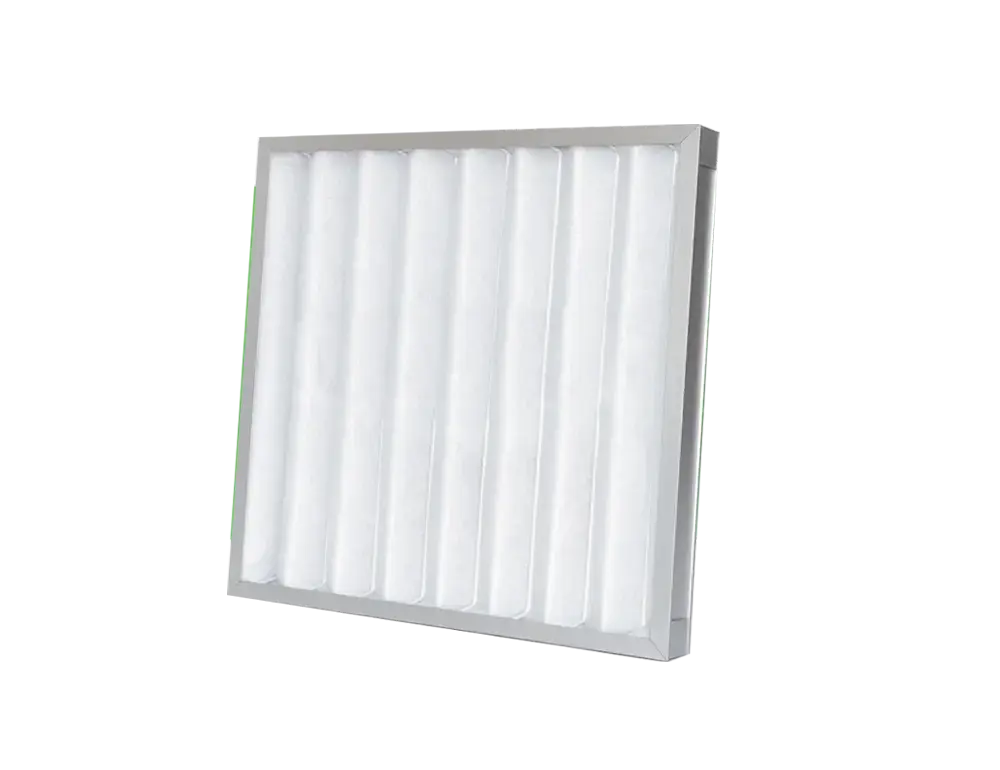
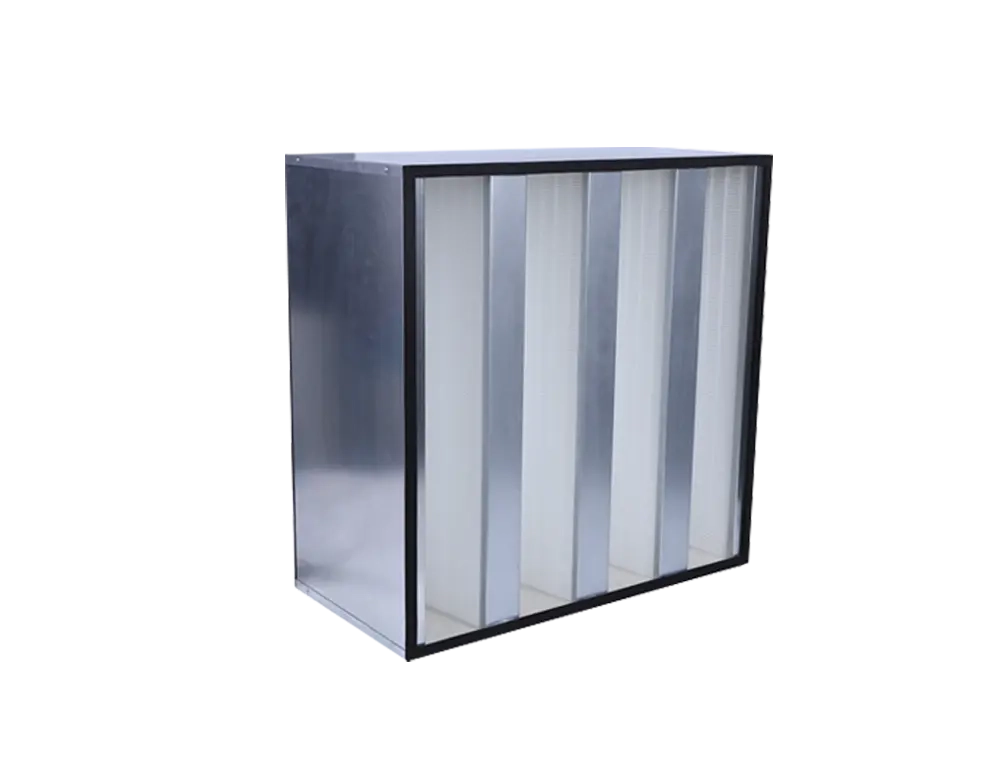
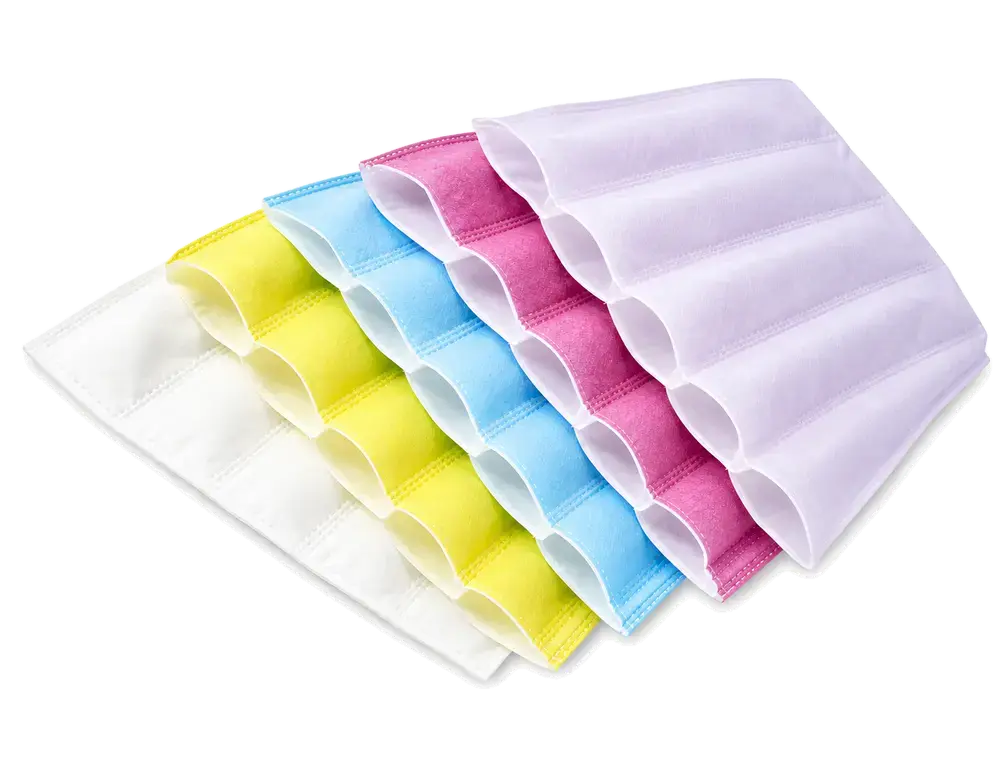
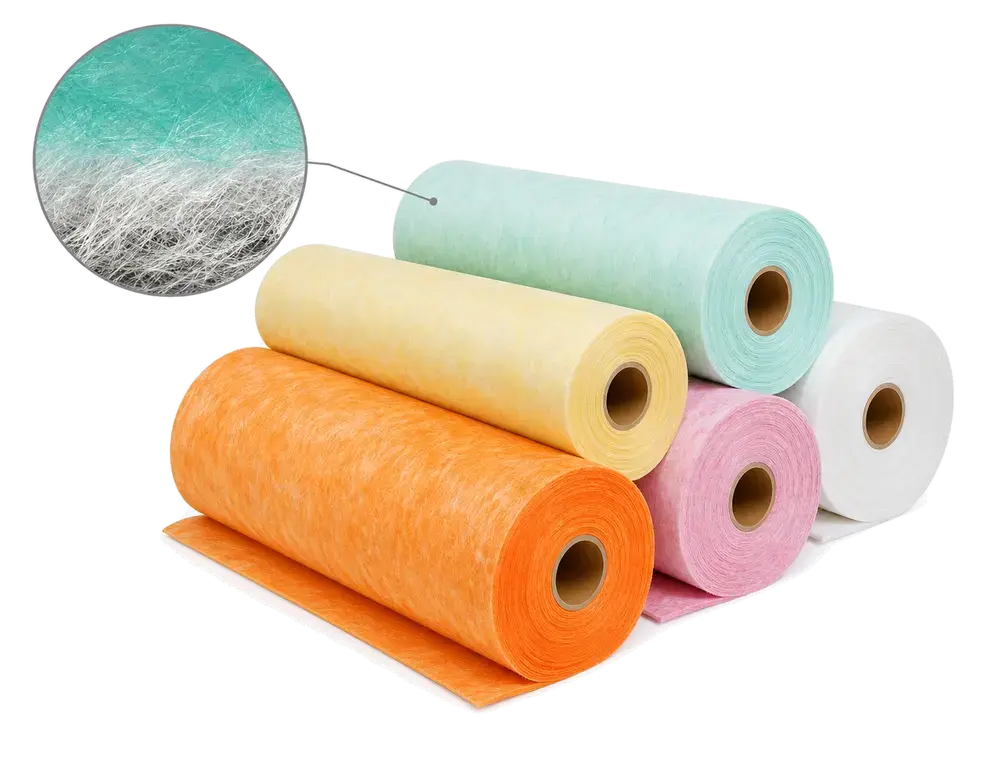
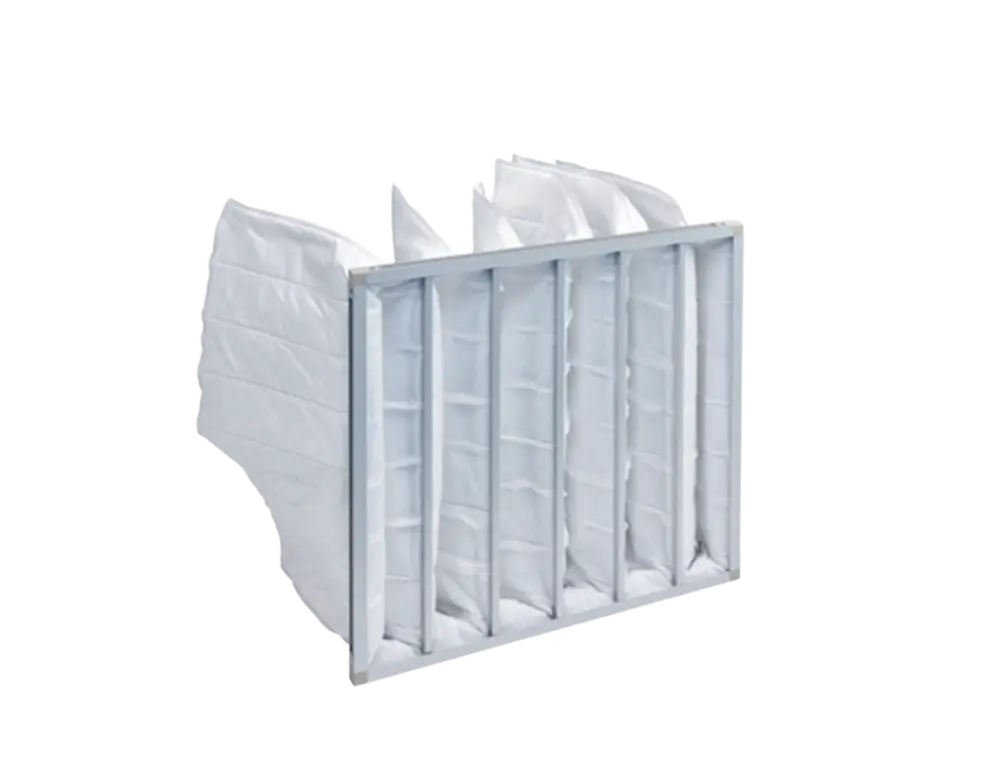
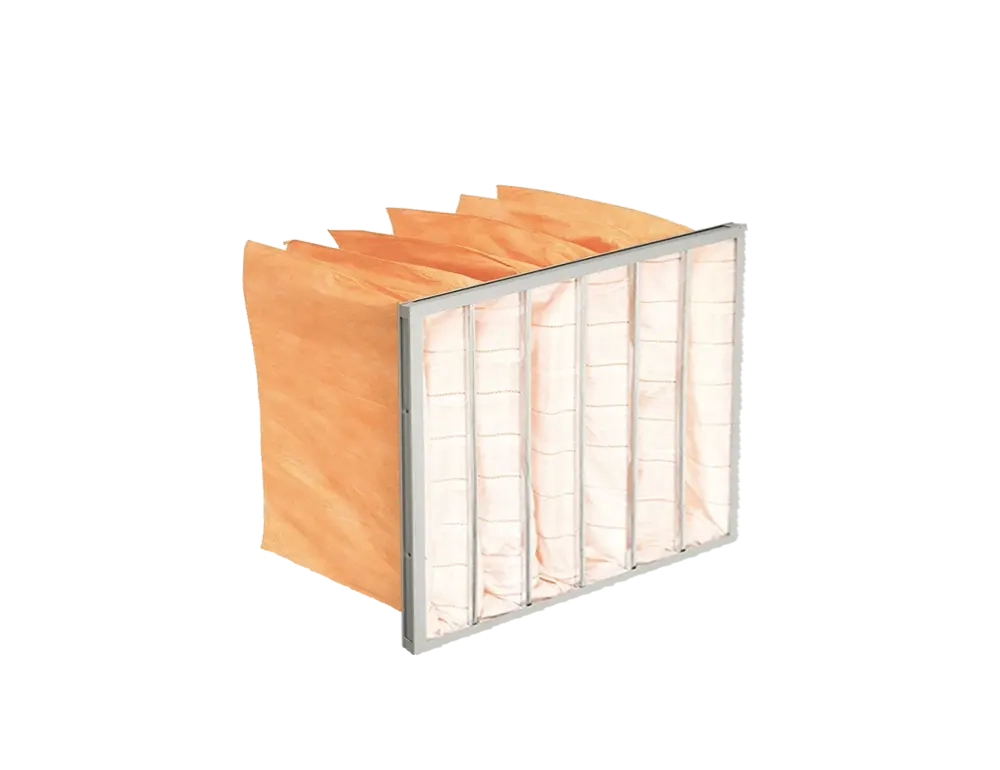
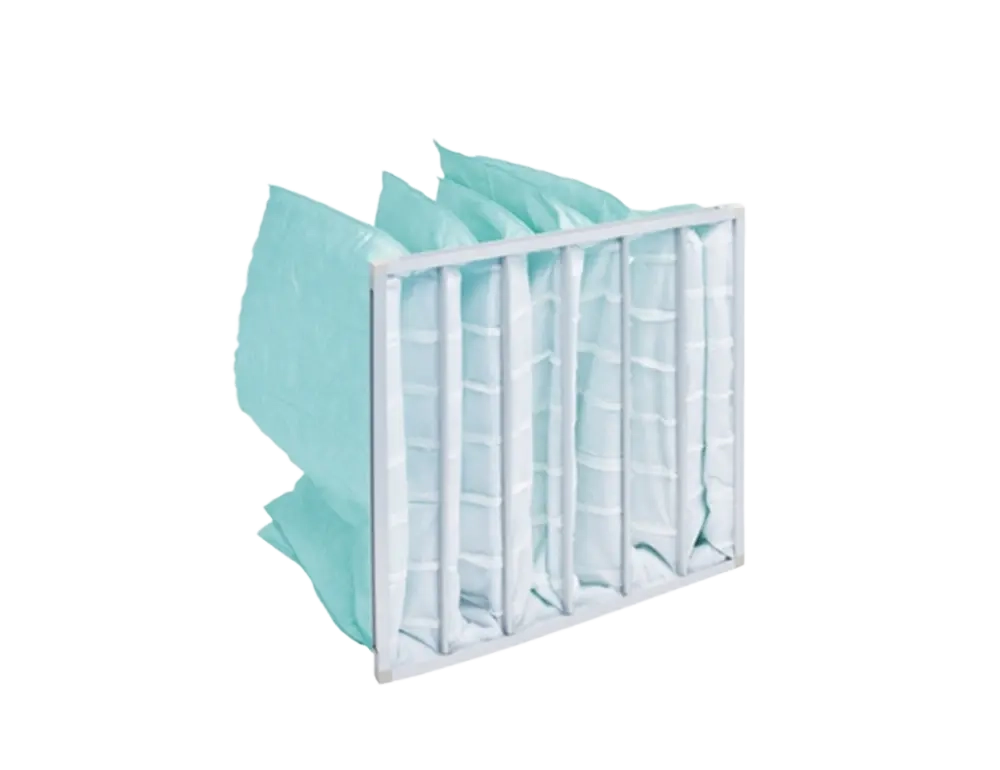
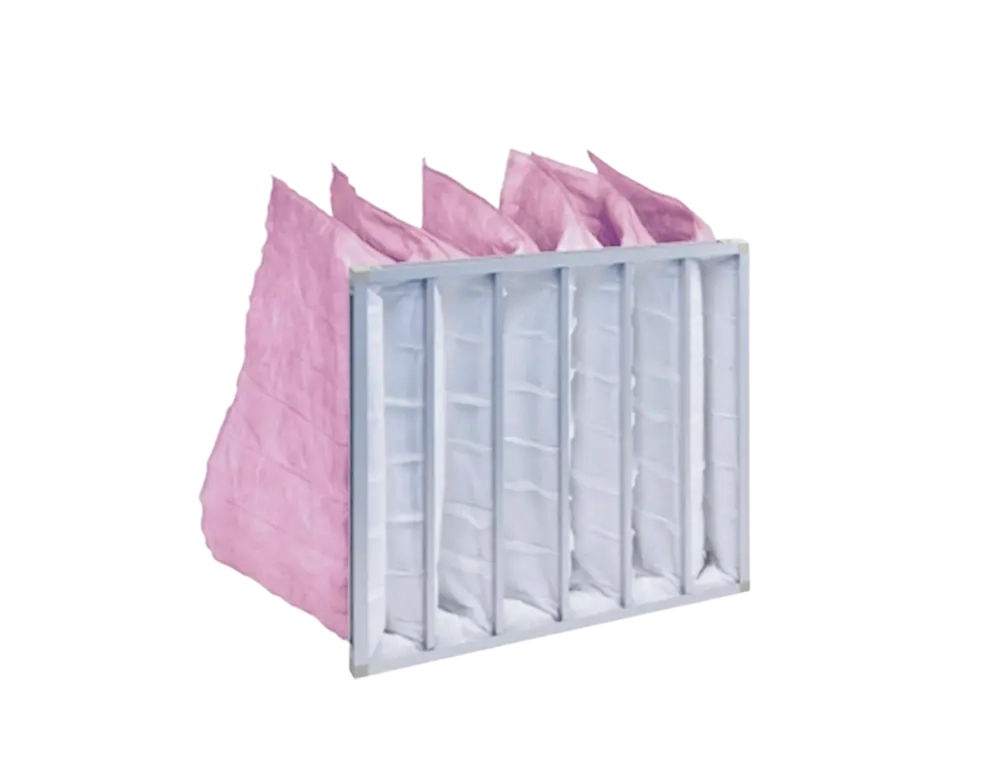
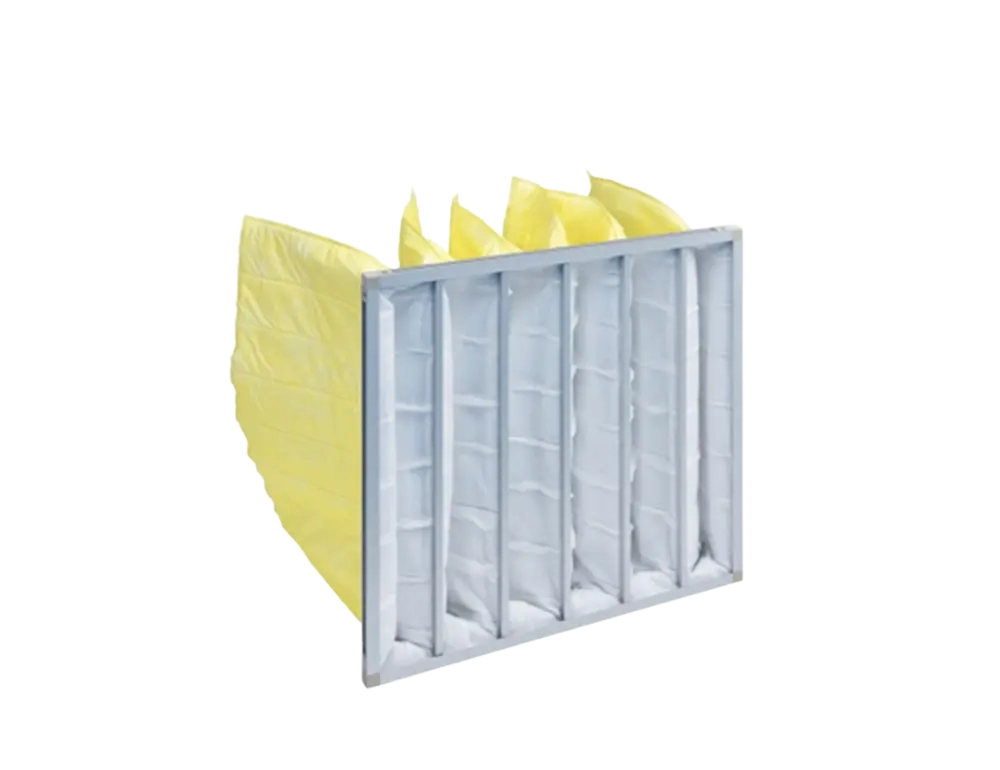
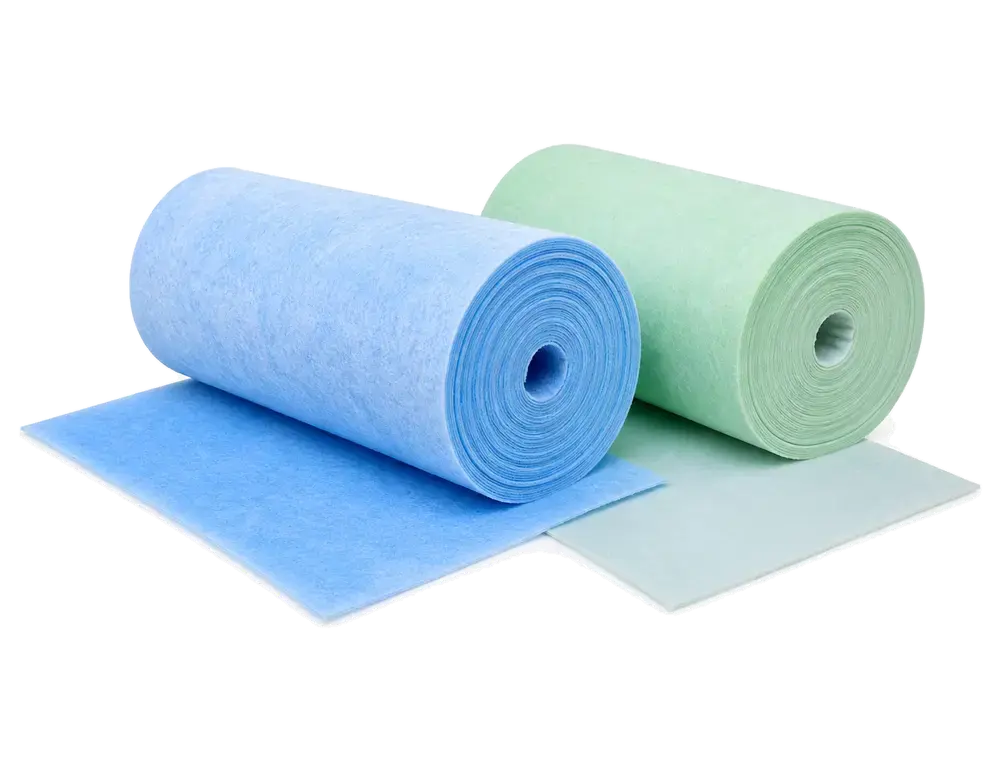
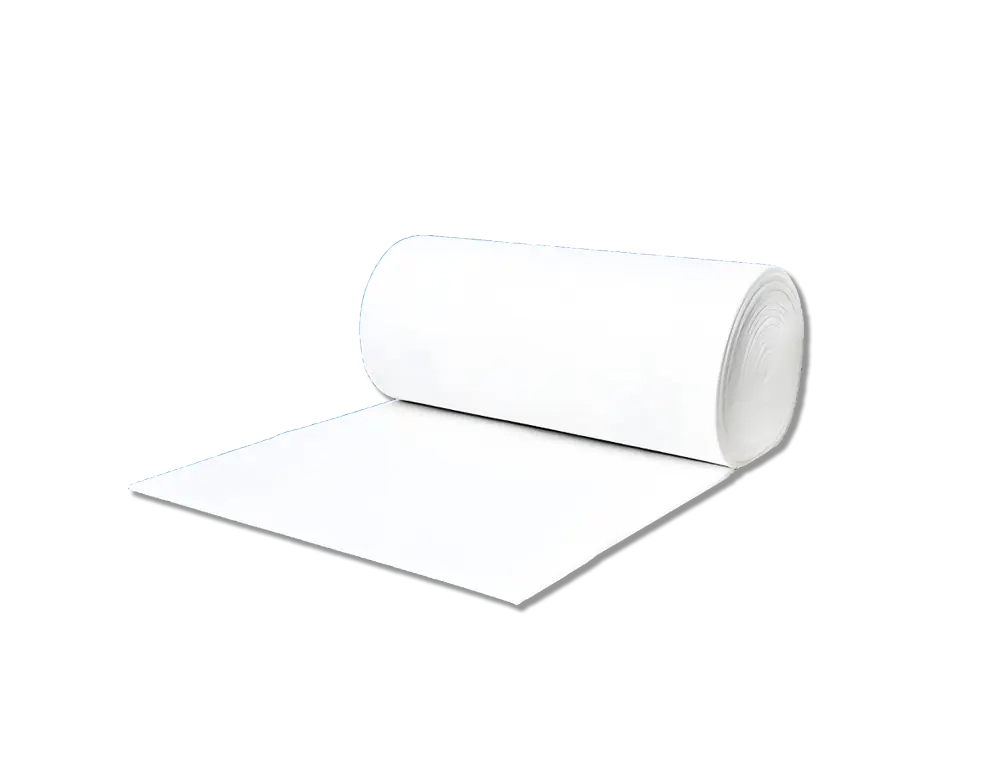
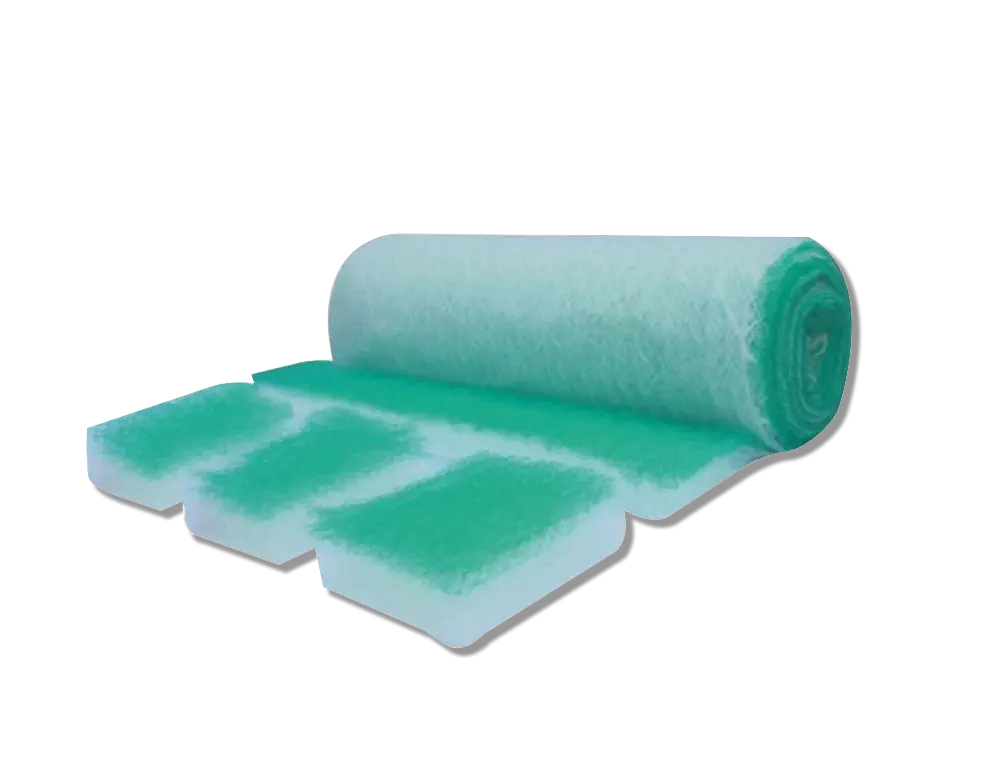
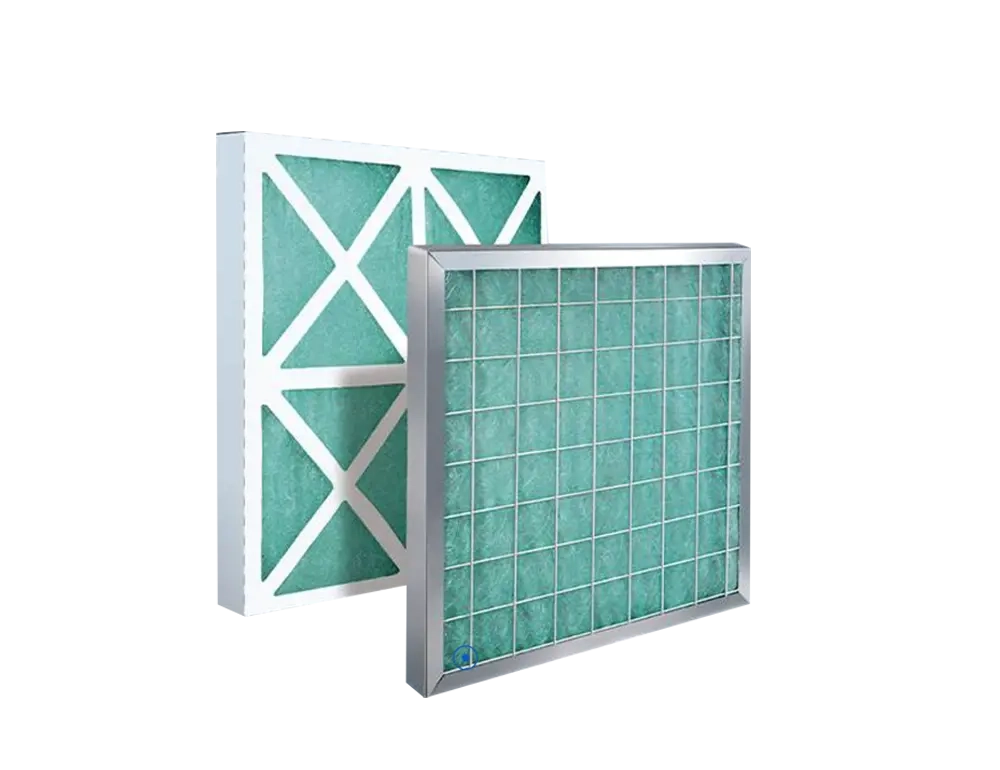
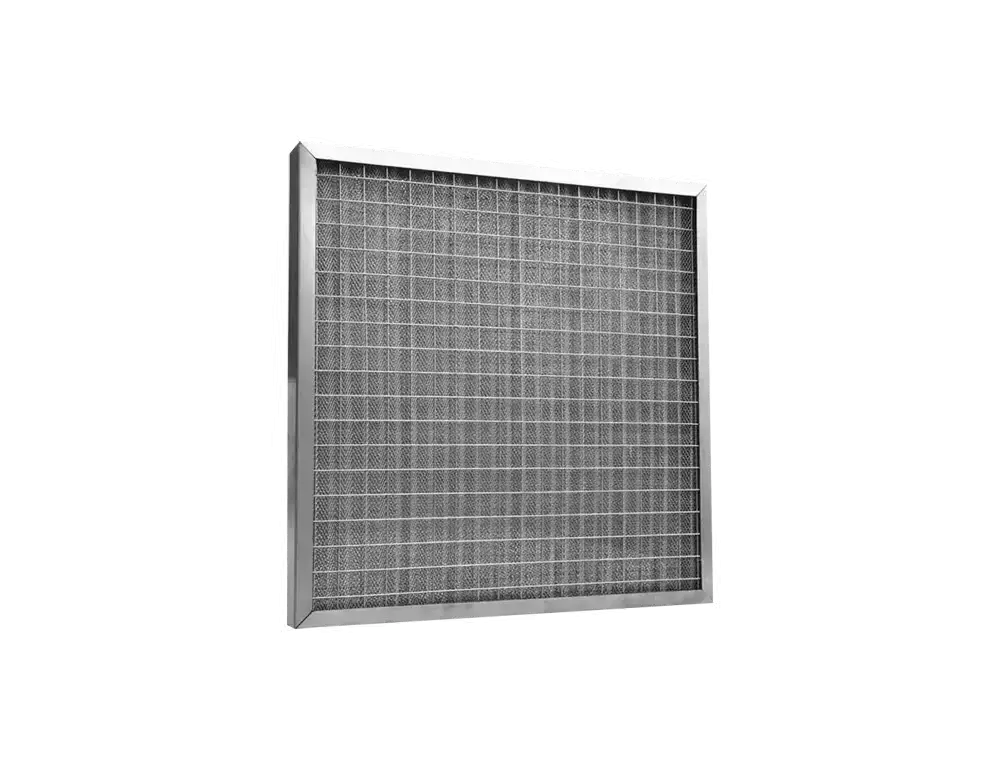
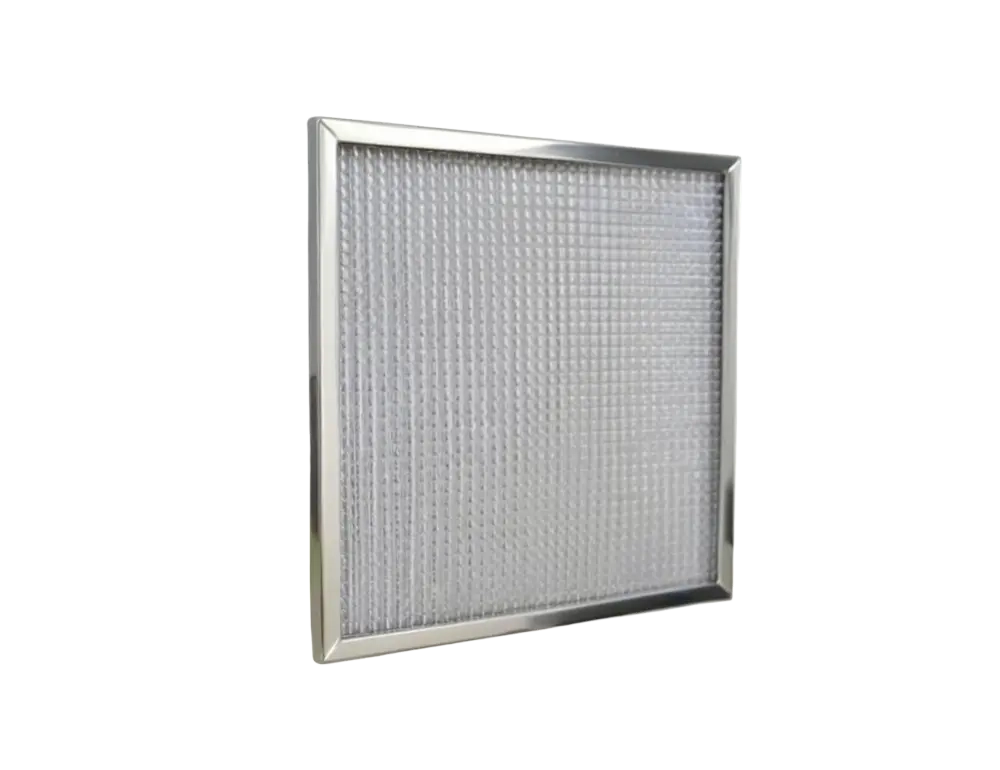
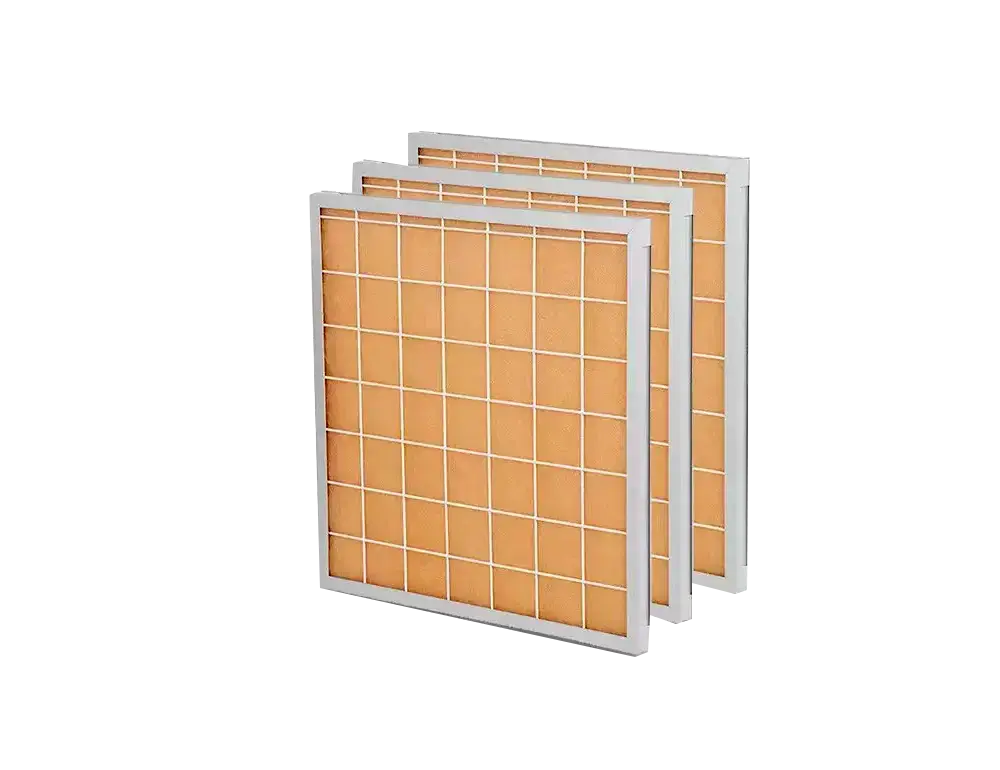
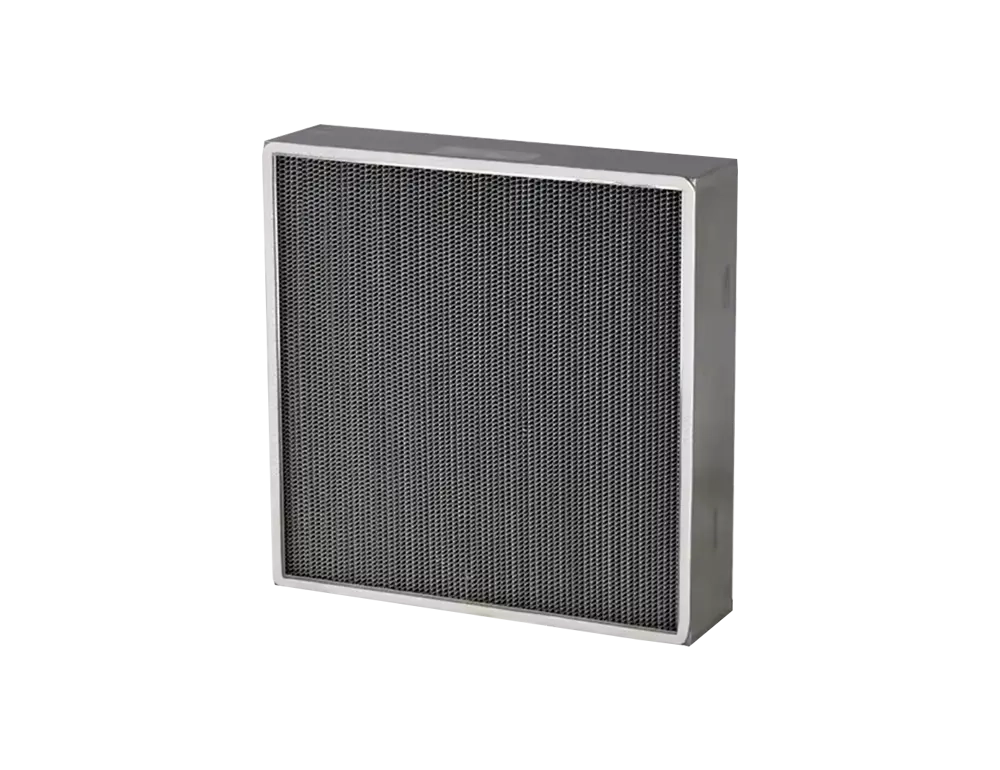
Pre-Filter (G1–G4)
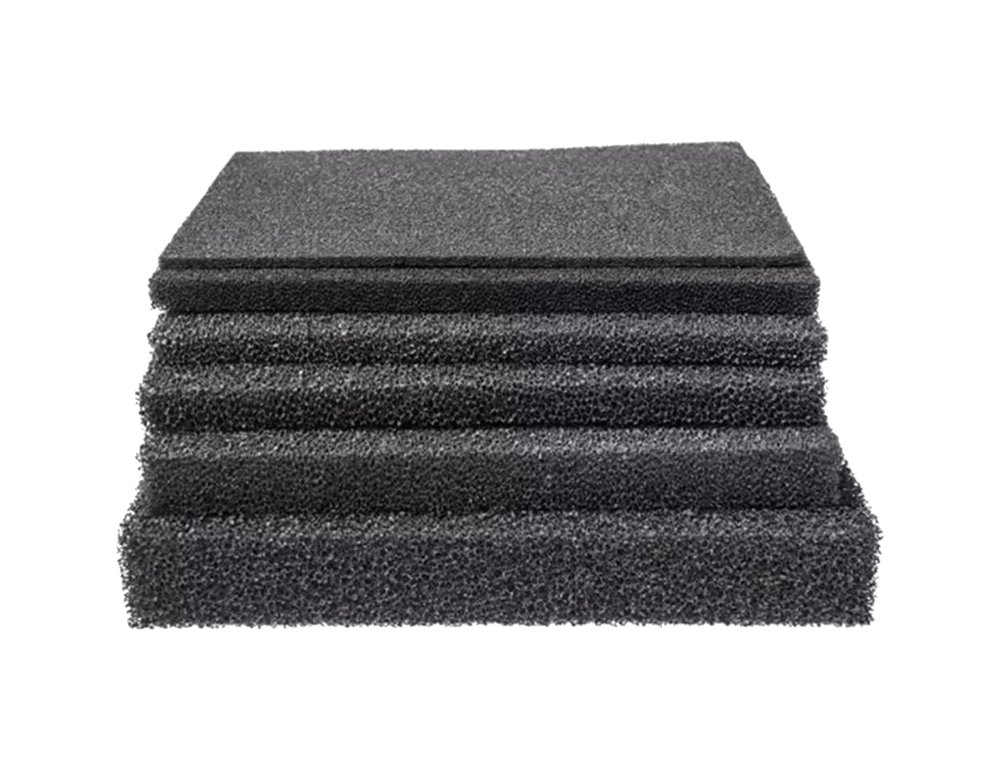
First-Stage Large-Particle Capture
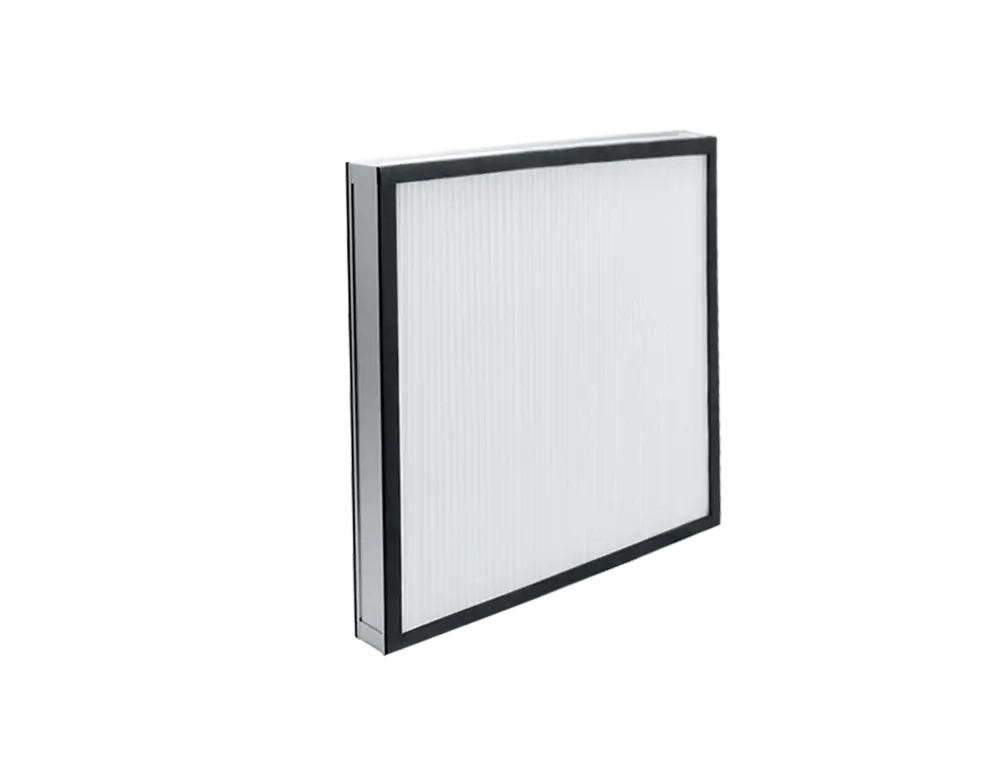
Medium-Efficiency Filter (F5–F9)
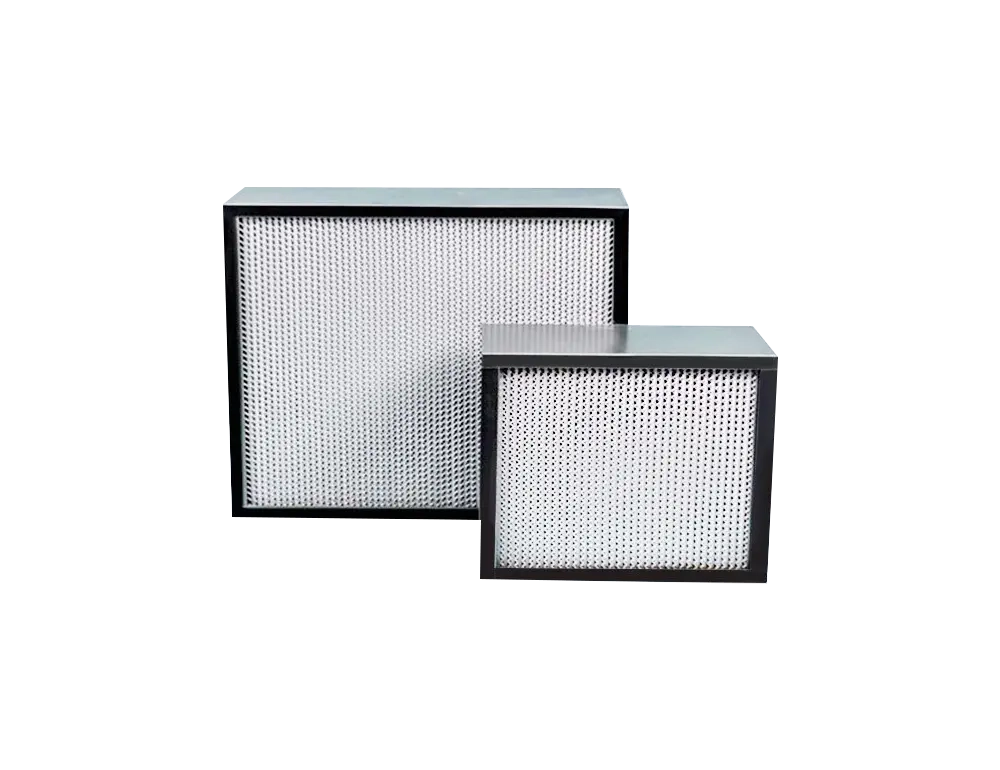
Precise PM2.5 Capture
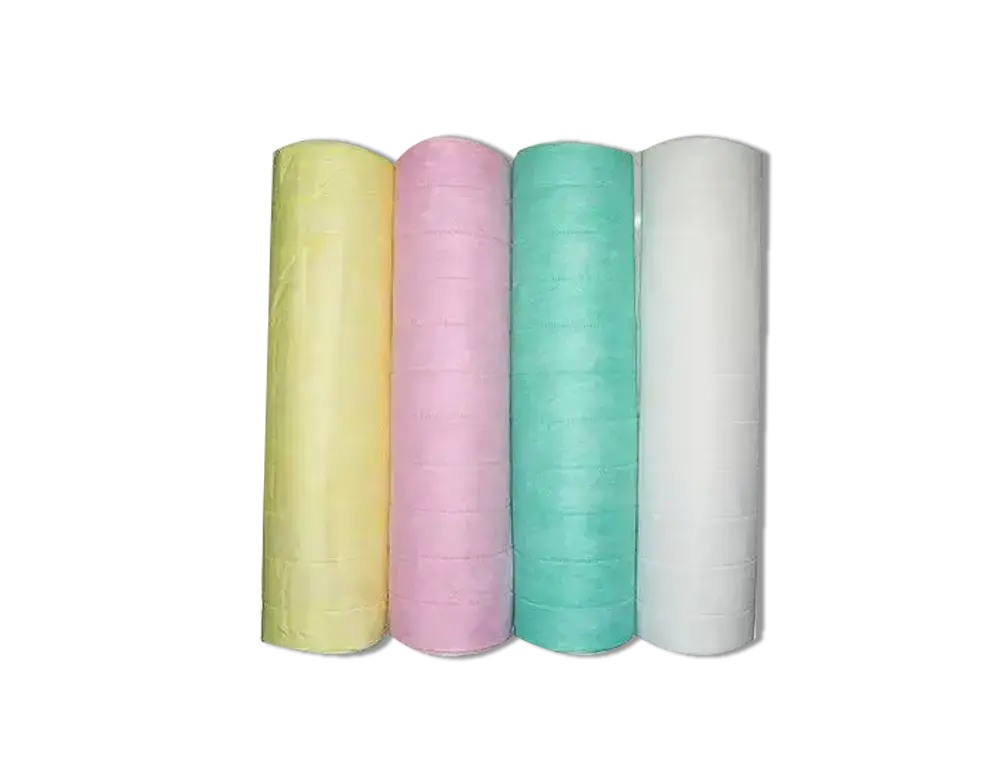
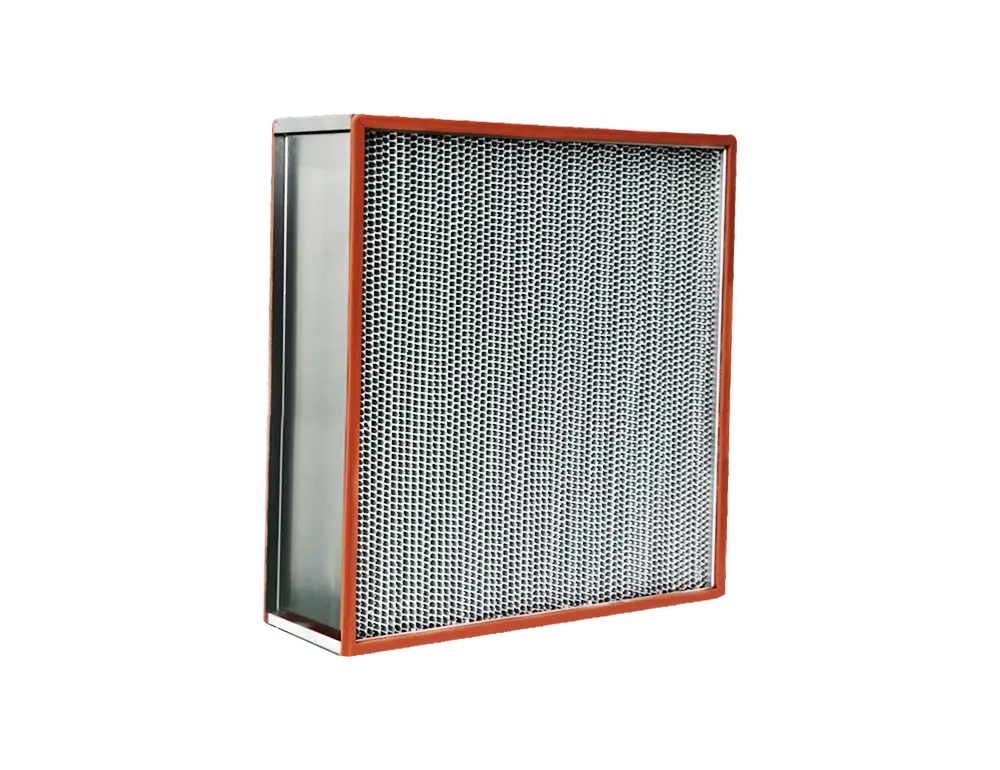
HEPA High-Efficiency Filter
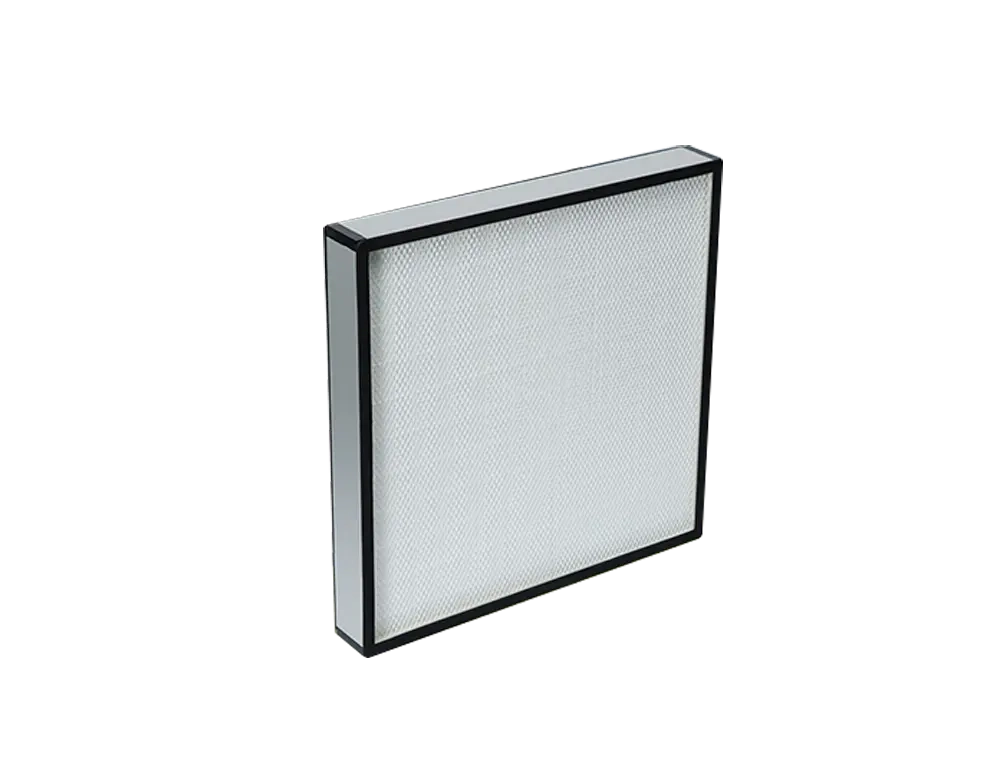
Sterile-Grade Purification
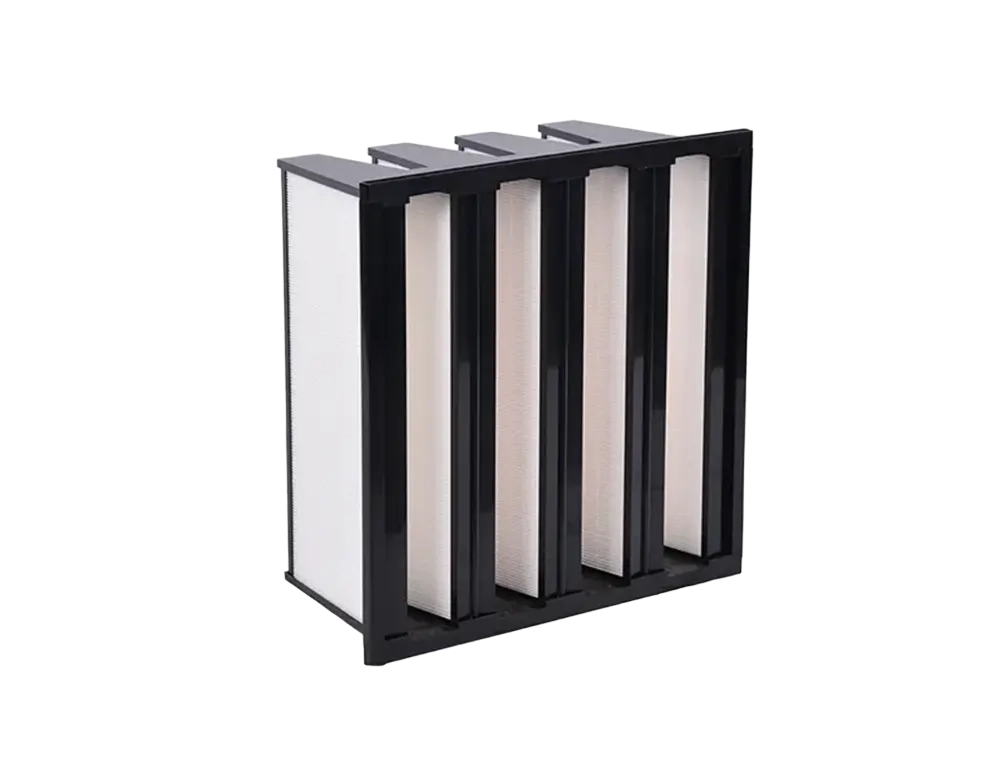
ULPA Ultra-High Efficiency Filter
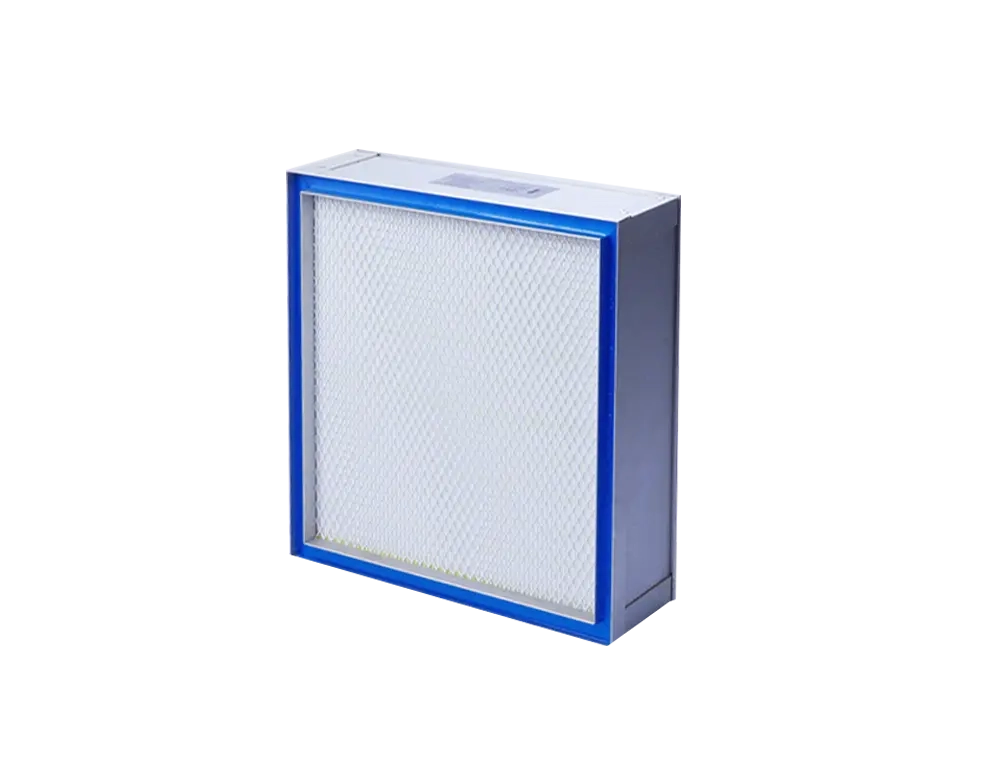
Sub-Micron Particle Capture
First-Stage Large-Particle Capture
The first line of defense, capturing particles ≥5 μm such as dust, hair, and fibers to protect downstream filters and extend overall system service life.
View Related Products →Precise PM2.5 Capture
Captures fine particles of 1–5 μm including PM2.5, pollen, and mold spores, significantly improving indoor air quality for commercial HVAC and ventilation systems.
View Related Products →Sterile-Grade Purification
≥99.97% filtration efficiency for particles ≥0.3 μm, delivering sterile-grade clean air widely used in medical, pharmaceutical, and electronics manufacturing.
View Related Products →Sub-Micron Particle Capture
≥99.9995% efficiency for particles ≥0.12 μm, meeting the extreme cleanliness demands of semiconductor fabs, aerospace, and other ultra-precision applications.
View Related Products →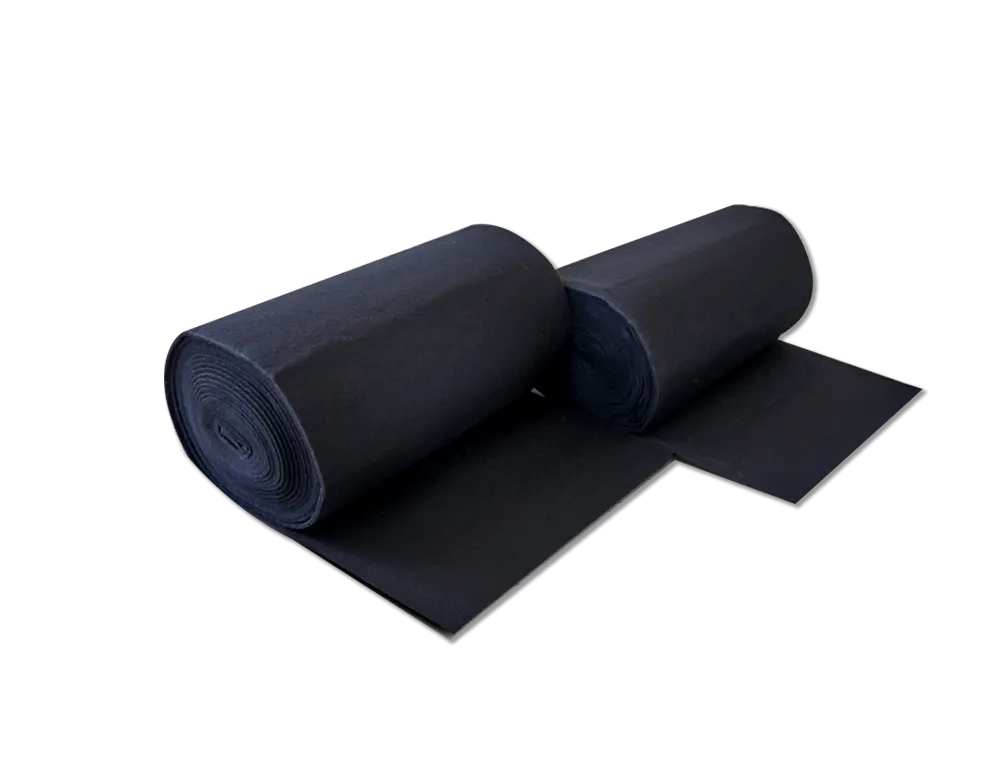
High-Temperature Resistant
Industrial-Grade Heat Tolerance
Washable & Reusable
Cut Costs, Reduce Waste
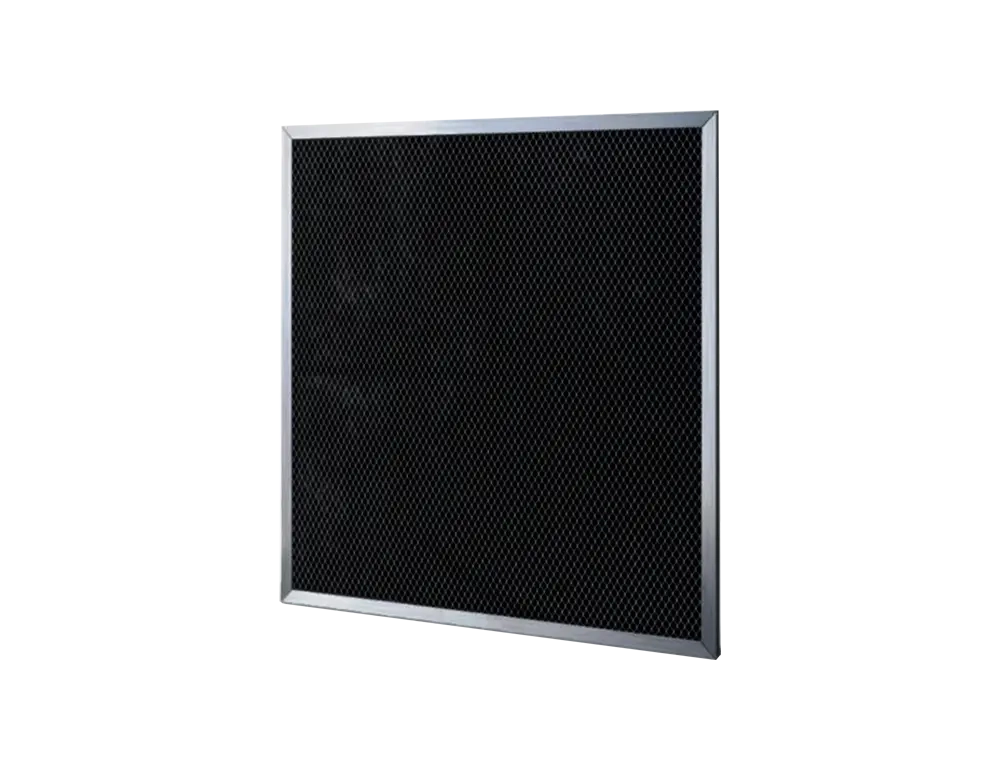
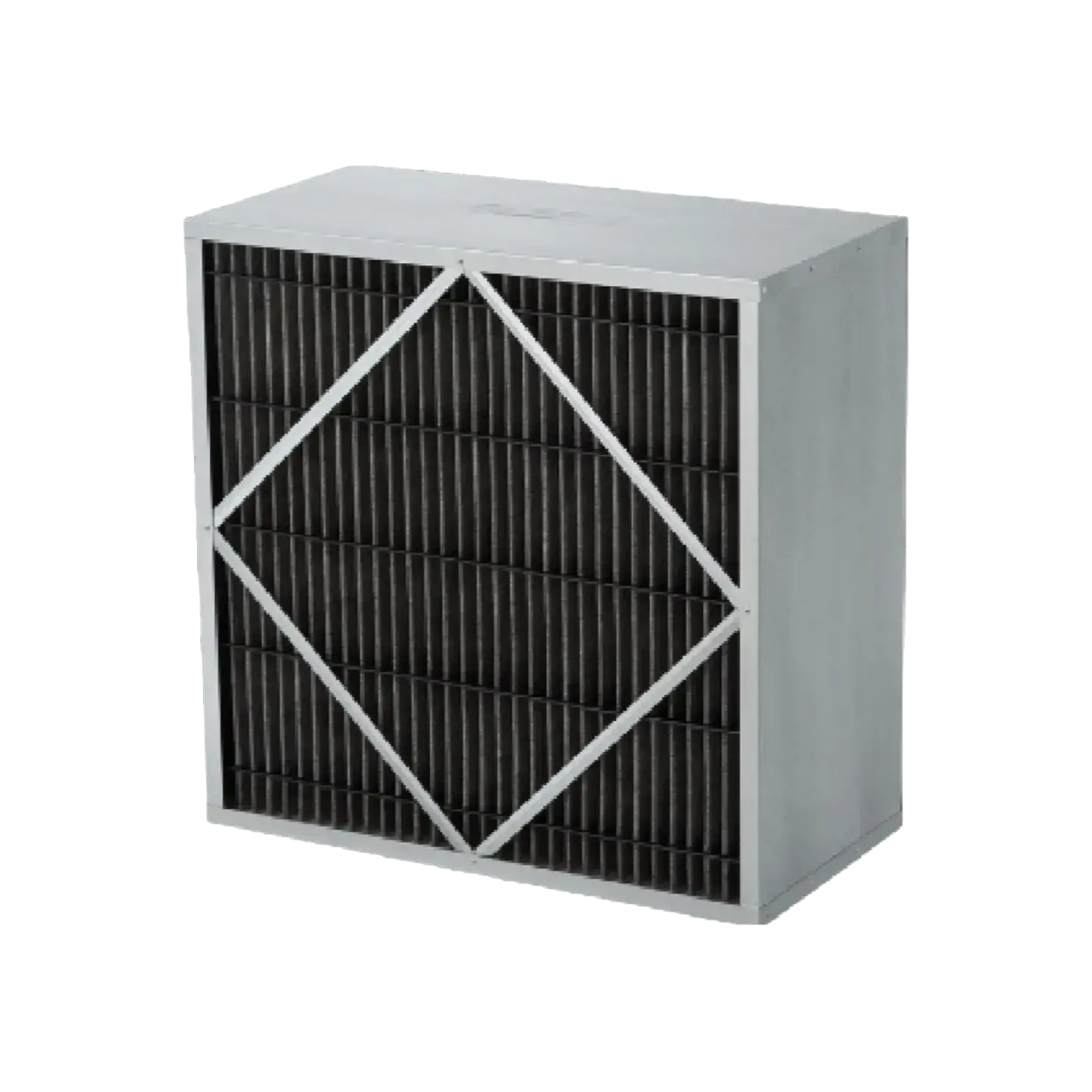
Activated Carbon
Odor & Harmful Gas Removal
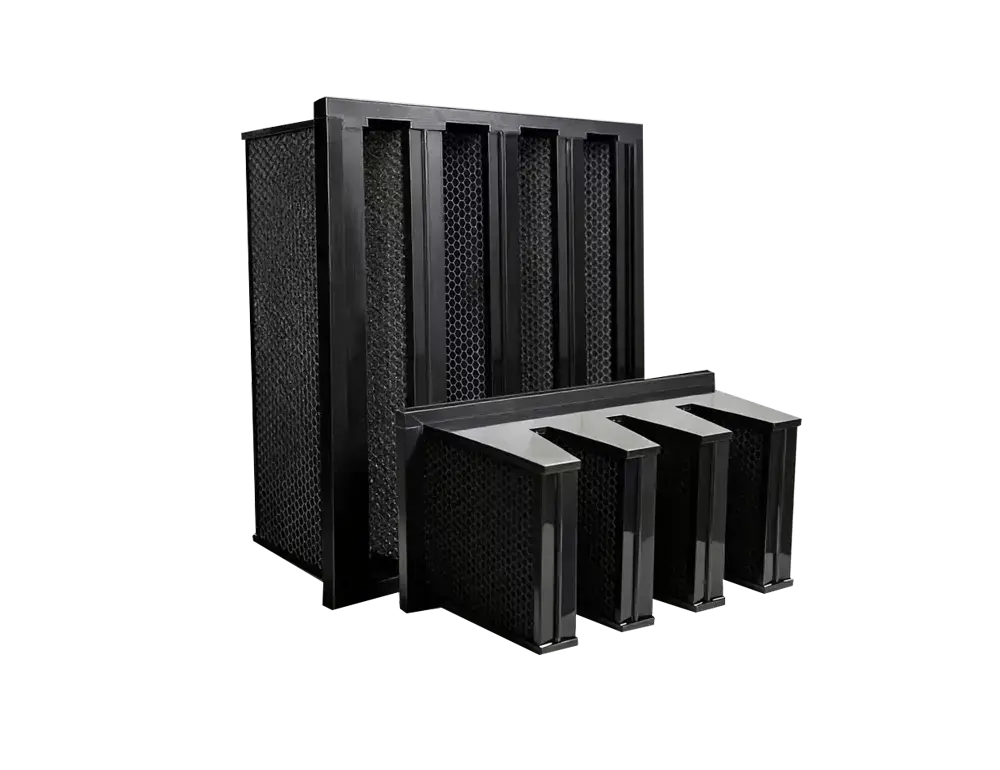
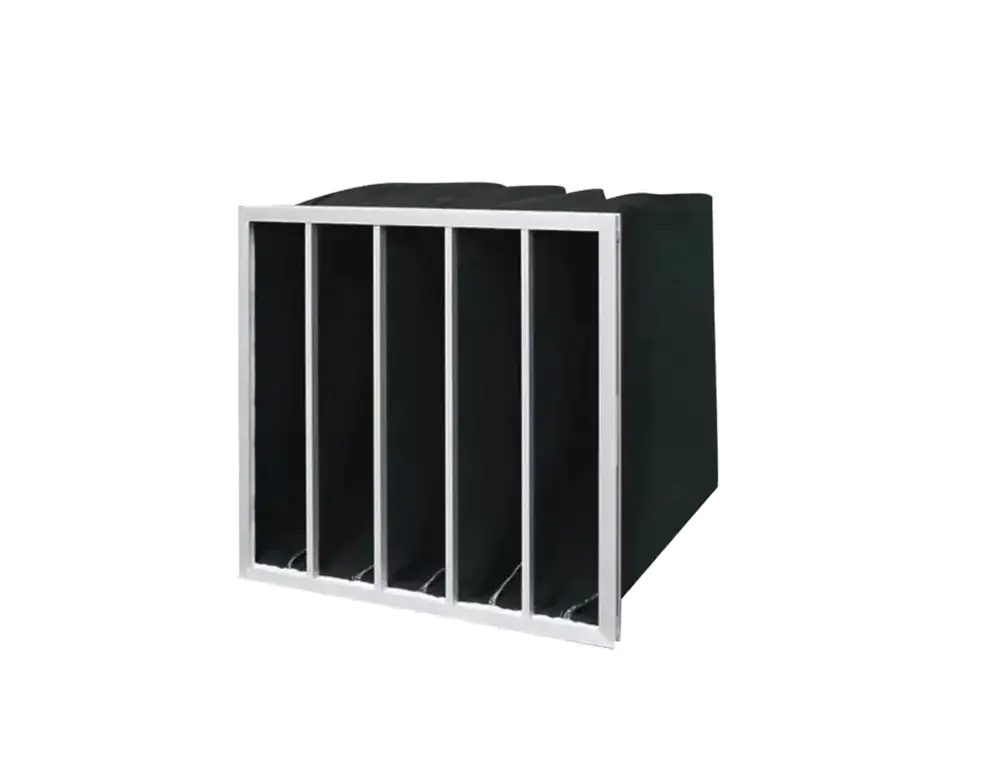
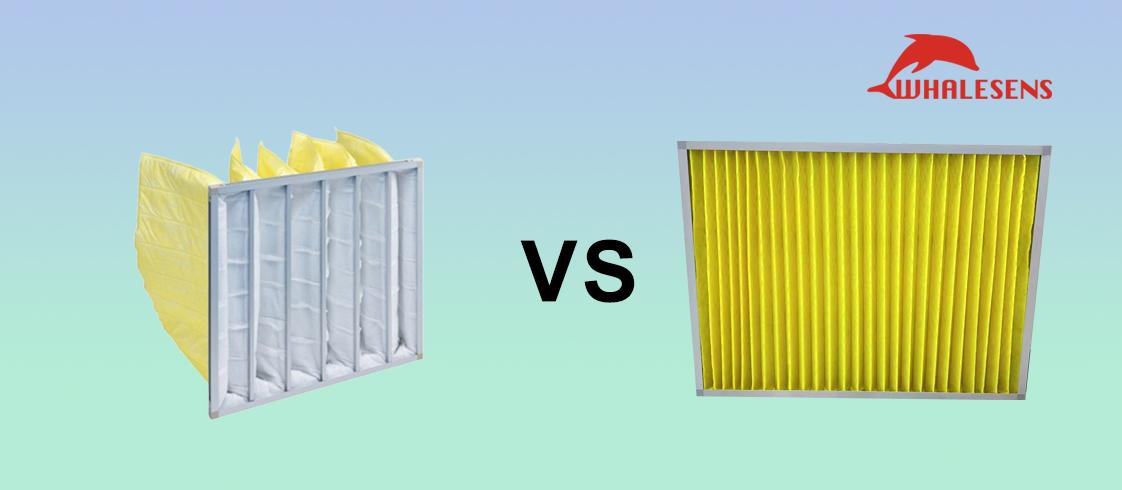
Bag Filter
High Dust-Holding, Long Life
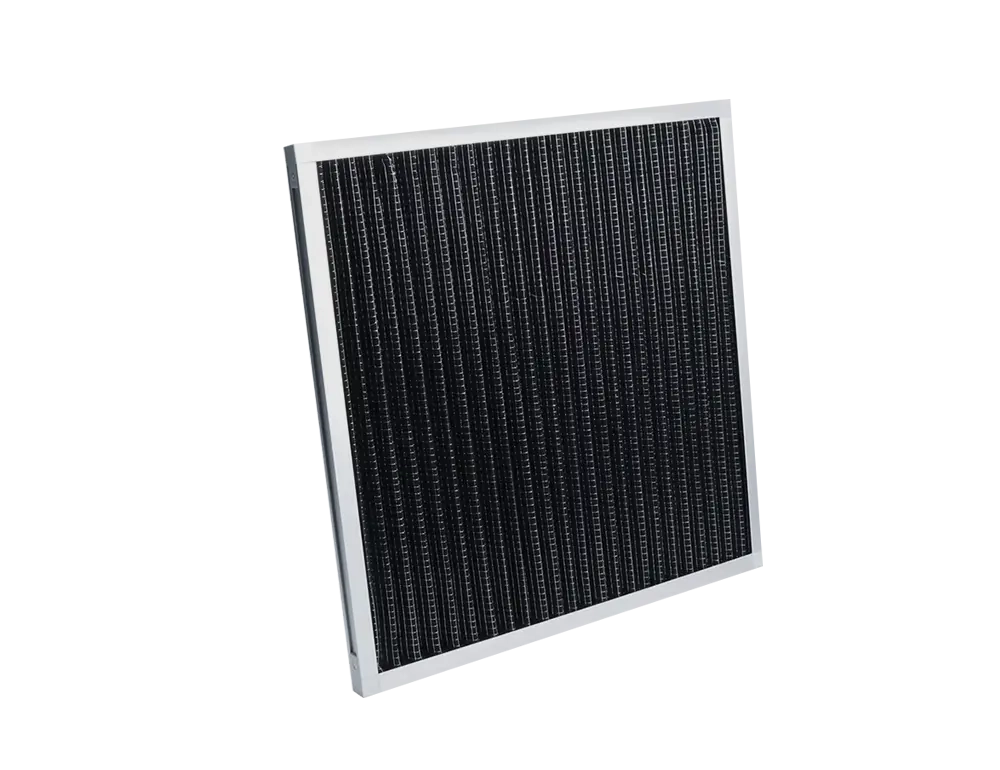
Panel / Pleated Filter
Compact Space-Saving Design
Low-Resistance Airflow
Energy-Saving Operation
Industrial-Grade Heat Tolerance
Built with specialized heat-resistant materials, operating stably up to 250°C for paint ovens, industrial dryers, and high-temperature process environments.
View Related Products →Cut Costs, Reduce Waste
Cleanable by water washing or air blowing, reusable multiple times to significantly reduce replacement frequency and O&M costs — an economical, eco-friendly choice.
View Related Products →Odor & Harmful Gas Removal
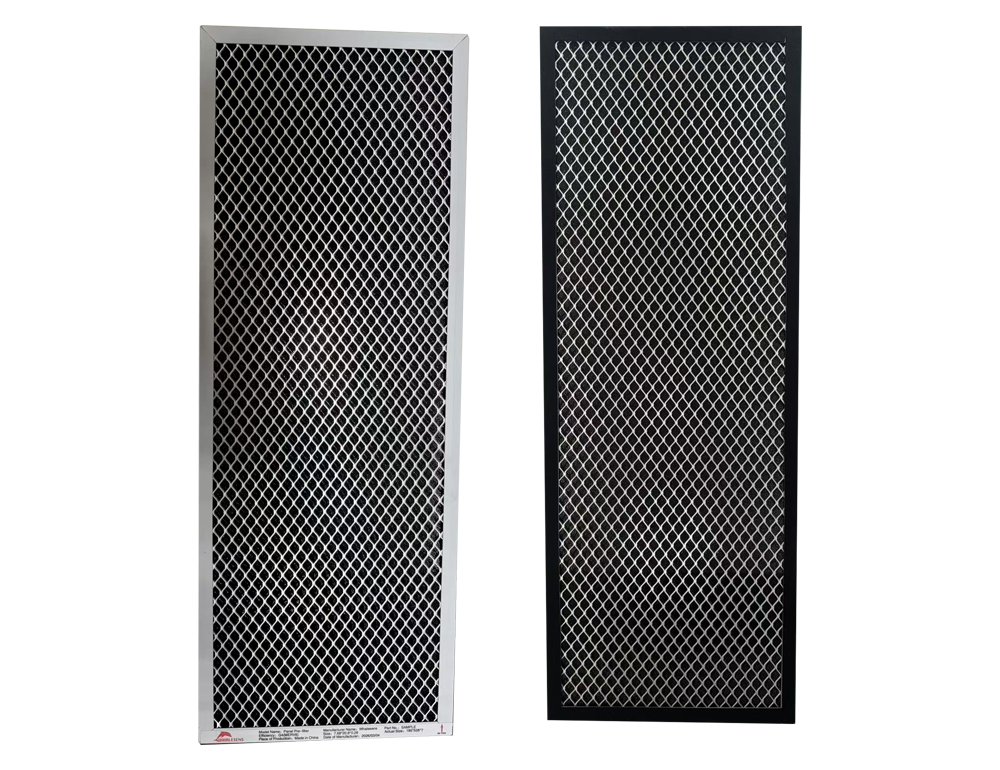
Leverages activated carbon's high adsorption capacity to eliminate odors, VOCs, and formaldehyde, ideal for newly renovated spaces and industrial exhaust treatment.
View Related Products →High Dust-Holding, Long Life
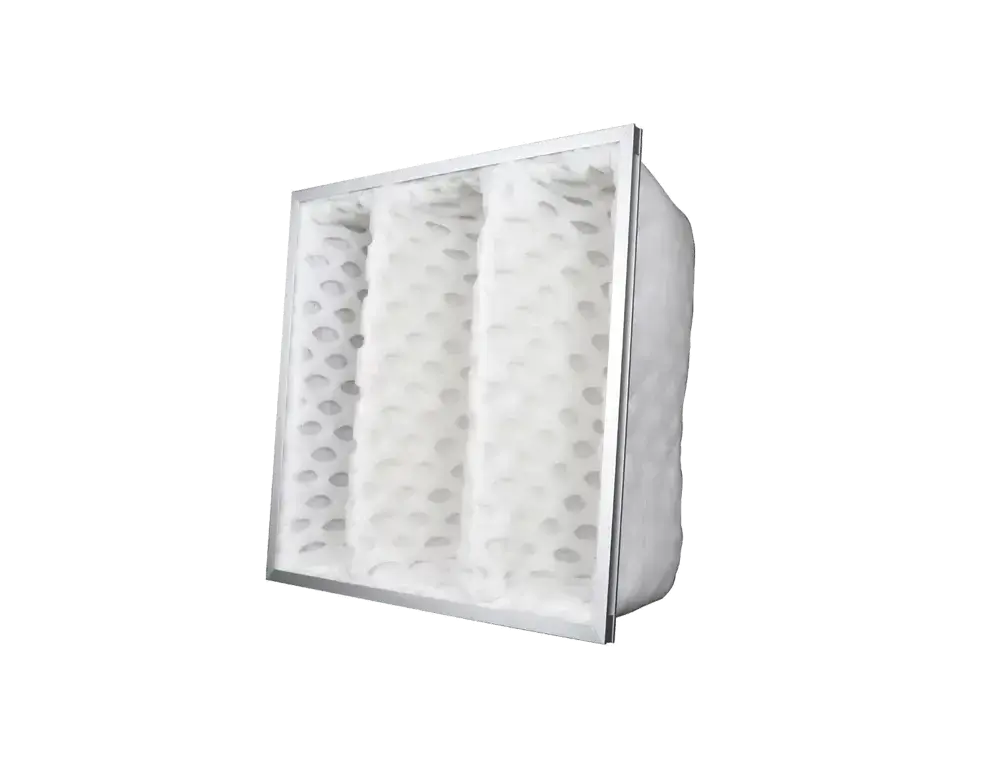
Bag-style construction delivers a larger filtration area, high dust-holding capacity, and extended service life — ideal for high-dust environments with reduced replacement frequency.
View Related Products →Compact Space-Saving Design
Compact form factor for easy installation and replacement; pleated structure maximizes filtration area within a small footprint for higher efficiency.
View Related Products →Energy-Saving Operation
Low-resistance design minimizes pressure drop while maintaining filtration performance, reducing fan energy consumption for cost-effective, eco-friendly operation.
View Related Products →



















 English(Global)
 简体中文
 Language




Filter Media Failure Analysis: Yellowing, Brittleness and Loose Fiber
Filter media failure analysis starts with four inputs: the material, the duty, the installation and the maintenance. Yellowing, brittleness and loose fiber are symptoms, not verdicts, and the same appearance can come from a dirty process or from a bad roll. Those two need opposite responses, so the order of the questions decides the outcome more than the strength of anyone's opinion.
When a filter comes out yellow, brittle or shedding fiber, the site splits into two positions within a day: the supplier says the duty is too aggressive, the user says the media quality is poor, and either answer ends the filter media failure analysis before it has started.
Color and hand feel rarely settle that argument on their own; a filter media failure analysis works from position, timing and comparison instead.
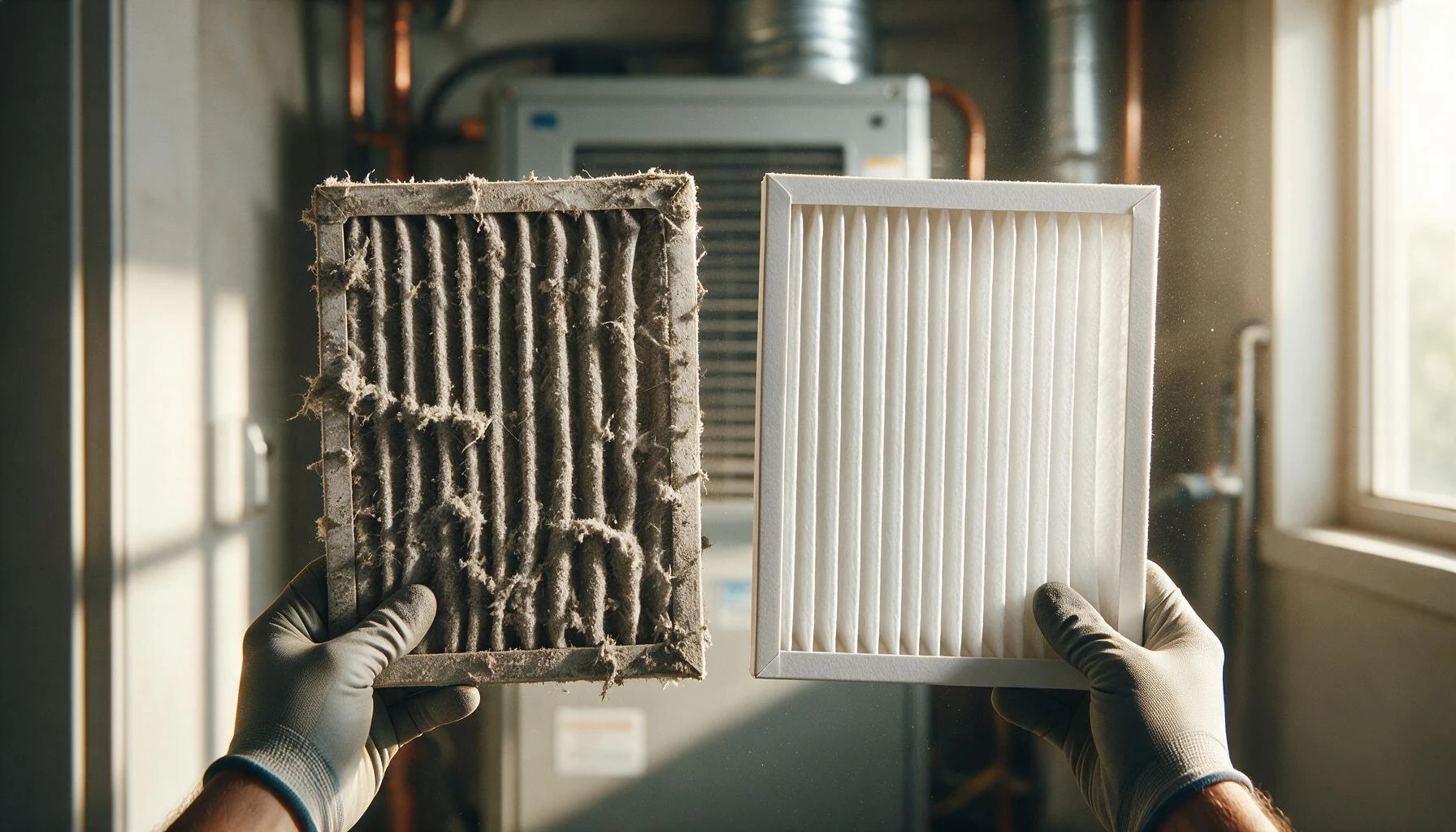
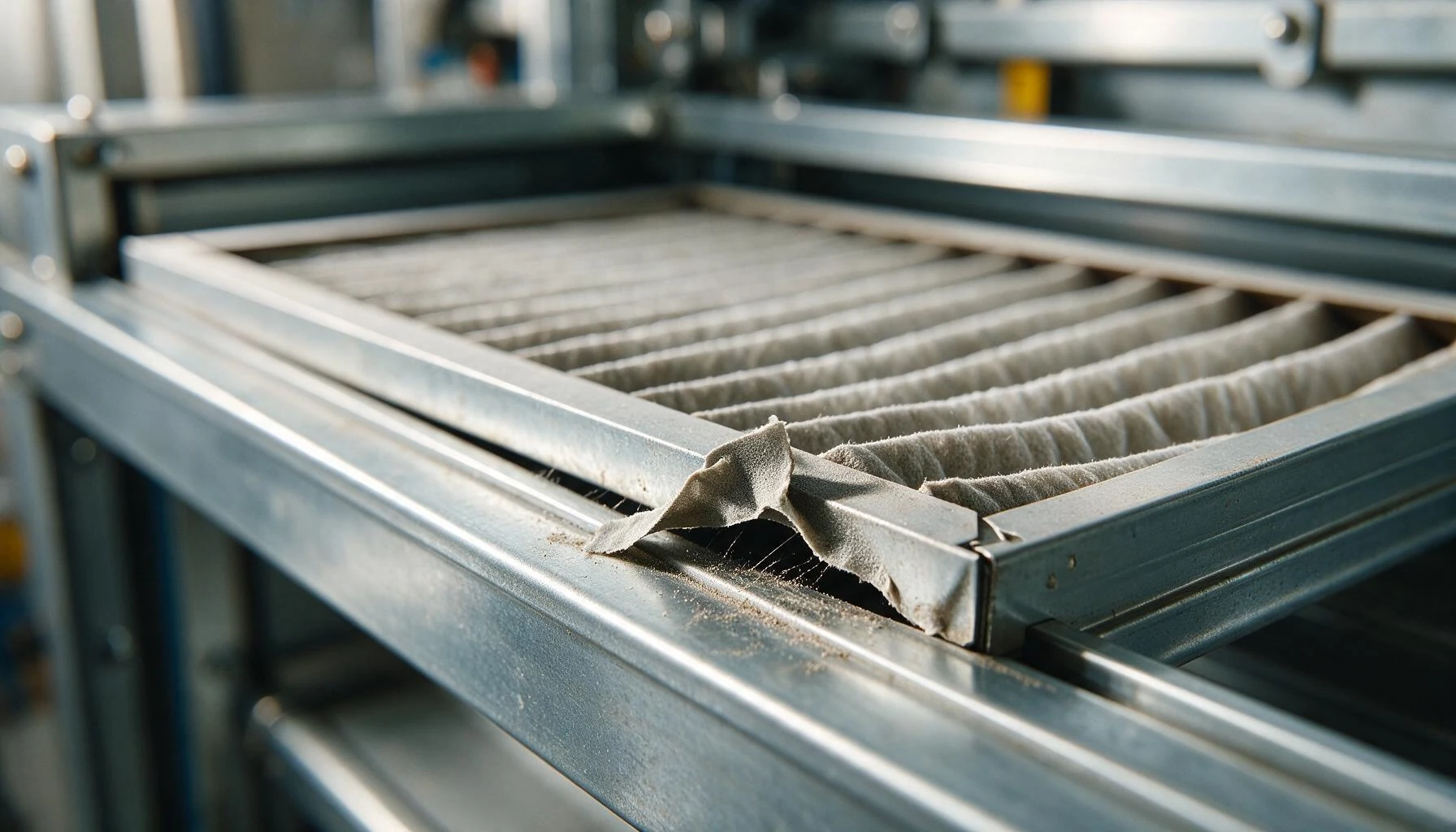
Yellowing may be oil mist, dust or fume deposited on the dirty-air face, or adhesive and fiber ageing under long-term heat and oxygen. Shedding may come from weak bonding inside the sheet, or from high face velocity, frame friction and pulling during a change-out. A useful filter media failure analysis therefore establishes where the failure sits, when it started and which duty change coincided with it, instead of opening with who should pay.
Three visible symptoms
- Yellowing: color that landed on the media, or color that developed inside it
- Brittleness: overall embrittlement, or localised brittle cracking
- Fiber shedding: steady loss downstream, or rubbing at folds and corners
The boundary to settle first
- Patchy, oily-looking marks on the dirty-air face point to deposited contamination
- A uniform color shift plus hardening across the sheet points to material ageing
- Crumbling as soon as the panel is removed points to bonding and consistency
Reading the three symptoms separately
Yellowing: color that arrived versus color that developed
Where the yellow sits mainly on the dirty-air face, in patches, streaks or greasy spots, deposited oil mist, fume, volatiles and dust are the first suspects.
Where the whole sheet has shifted color evenly, including the clean-air face, and the media has hardened and lost its resilience, thermal-oxidative ageing, light exposure or a change in the material system belong on the shortlist.
Appearance alone cannot confirm the mechanism, so material type, running temperature and hours, and a retained reference sample all belong in the filter media failure analysis. One further case is common: the sheet itself is sound and the color is soluble contamination sitting on the surface. Controlled wiping or sampling against an unused piece is more reliable than a visual call.
Brittleness: overall embrittlement versus localised cracking
Overall embrittlement usually means the material has spent a long time under heat, moisture, chemicals or UV, and overlong storage can produce the same result.
Localised brittle cracking looks more like a local duty or a mechanical injury: the section nearest a heater runs hotter, the panel next to an access door gets crushed, and edges rub against a frame or a support.
Do not judge it by squeezing the media once. Look at whether fibers break easily when pulled, whether creases crack first, whether the edges are scuffed, and whether unused media from the same batch behaves the same way, which is the comparison that settles this branch of the filter media failure analysis.
Fiber shedding: locate where it comes from
Where loose fiber appears mainly downstream and gets worse as the unit runs, check the structural stability of the media, the face velocity, the fixing method and the frame sealing.
Where it is confined to the perimeter or to folds on the dirty-air face, cut edges, assembly friction, weak grid support and pulling during replacement are the usual causes.
Only when the media crumbles on removal, or sheds heavily when tapped, does bonding strength and manufacturing consistency deserve priority in the filter media failure analysis.

Three causes behind most filter media failures
The mechanisms below are not all present in every filter. Which one applies depends on the fiber, the web or bonding process, and the product data sheet, which is why a filter media failure analysis names the candidate mechanism before it looks for evidence.
Cause one: the media itself, or manufacturing consistency
These faults show up early even in normal duty, and they cluster by batch, repeat at the same position or run through a whole delivery.
Typical signs: fiber that releases under light rubbing, adhesive distributed unevenly so it hardens or cracks in one area, grammage, thickness and loft that move too much between rolls, and media that already looks brittle, smells wrong or shows a color cast before it is fitted.
One used panel cannot prove a media defect. Keep unused media from the same batch, a sample from another batch and media from the exact failure position for side-by-side comparison, which is the control set that keeps a filter media failure analysis from resting on one panel.
Cause two: duty-driven ageing and contamination
Heat is the most under-recorded factor in filter media failure analysis. Media that runs above its design temperature loses durability in the fiber, the binder and the support material.
High humidity, condensate and repeated wet-dry cycles let the sheet absorb moisture, distort, and loosen a bond that was stable when dry. Dust, contaminants and persistent damp together also raise the risk of mold growth.
Coating, printing, chemical and lithium-battery duty adds oil mist, solvent vapor, acid or alkaline gas and organic contaminants to the list.
Failure of this kind carries a timing signature that a filter media failure analysis can test: it accelerates after the media is moved to a hot section, worsens with seasonal humidity, or eases when a production line stops.
Cause three: mechanical failure from installation and maintenance
Installation is not the end of the job. On media with limited strength, weak fixing or existing ageing, high velocity and differential pressure amplify distortion, friction and the risk of instability.
Uneven support, a frame that does not match, over-tight clamping and poor sealing all concentrate load on small areas, and that is where a filter media failure analysis looks for mechanical marks.
Cleaning and back-pulsing carry the same risk when pressure, medium and drying are wrong. Media that is not rated for washing should never be washed and put back into service, and where washing is permitted the method should follow the product instructions and the supplier's technical requirements.
Field work has to read the media and the way it was fitted, run and removed as one item, the point where a filter media failure analysis most often loses evidence. Air filter installation: airflow direction, sealing and commissioning goes into the loads and sealing detail.

How a filter media failure analysis separates a defect from misuse
Five steps, taken in this order, keep the comparison honest between supplier and plant, which is what makes a filter media failure analysis repeatable.
Every item belongs on one sheet, so the other party can re-run the analysis without a second site visit.
Evidence that supports a media defect claim
A filter media failure analysis should not settle on the defect route until several conditions line up, not just one visible symptom.
Four kinds of evidence that favour a media defect
- Unused media from the same batch already shows the fault, or freshly installed media embrittles or sheds within weeks; stock samples and other batches still need to be compared.
- Several samples fail inside the design window for temperature, humidity, velocity and pressure drop.
- The fault clusters by batch, with the same supplier, specification and lot worse than other lots or alternative media that behave normally.
- The failure pattern follows the material or manufacturing structure rather than duty positions such as the dirty-air face, a heat source or a frame contact point.
Meeting these conditions raises the priority of the defect route in a filter media failure analysis; it does not replace material testing or a quality liability decision.
One yellow panel next to an oil mist source is weaker evidence in a filter media failure analysis than unused media from the same batch that has already gone brittle.
When duty and maintenance explain it better
Inside a filter media failure analysis, the duty side gets the first look when the fault sits only near a heat source, a humidifier, an access door or a local air leak; when the media runs in high humidity, condensate or chemical gas; when differential pressure has been over the limit for a long period or face velocity is clearly above design; and when the symptom appears after cleaning, back-pulsing or a change-out.
Rated data is not a promise that media works in any environment. A selection that compares only initial resistance and efficiency, while ignoring temperature, moisture, oil and chemical compatibility, makes yellowing and brittleness later on no surprise, and that is a selection problem rather than a media defect.

Where a claim, a batch dispute or downstream cleanliness and product safety are involved, a filter media failure analysis has to keep the failed sample, unused media from the same batch and any installation-position sample. Those go to a laboratory able to test the relevant properties for that media type: material and grammage, thickness, strength, fiber release, temperature resistance or chemical compatibility.
Settling the duty window at selection stage is cheaper than proving it in a filter media failure analysis afterwards, which is the point of why filter efficiency, resistance and energy are a balancing act.
Turning blame into a checkable question
Two sentences ruin most filter media failure analysis work: "it was always fine before, so it must be this batch" and "the duty here is complicated, so it cannot be the media". Both turn the investigation into a verdict before the evidence exists.
A minimum evidence sheet is what makes a filter media failure analysis checkable: photographs of the failure, its position, running hours, temperature and humidity, differential pressure, face velocity, the cleaning and service record, batch information and at least one control sample.
With those in hand a supplier can check material consistency, the plant can re-check its duty boundaries, and the maintenance team can find the improvement point in installation and change-out, which are the three answers a filter media failure analysis is supposed to deliver.
Yellowing is not proof of poor quality, brittleness is not proof of ageing, and loose fiber is not proof of a media defect. Read the symptom, then the position; run the comparison, then discuss liability.
The order of a filter media failure analysis
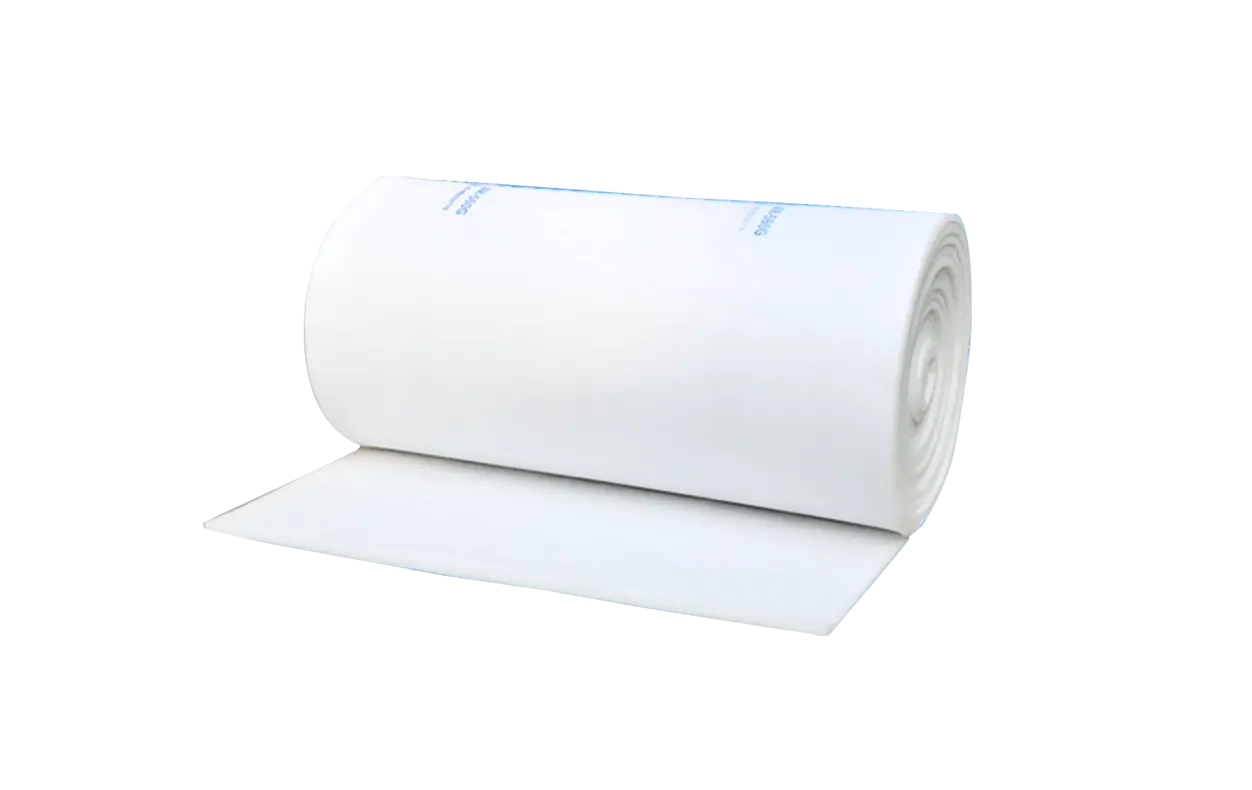
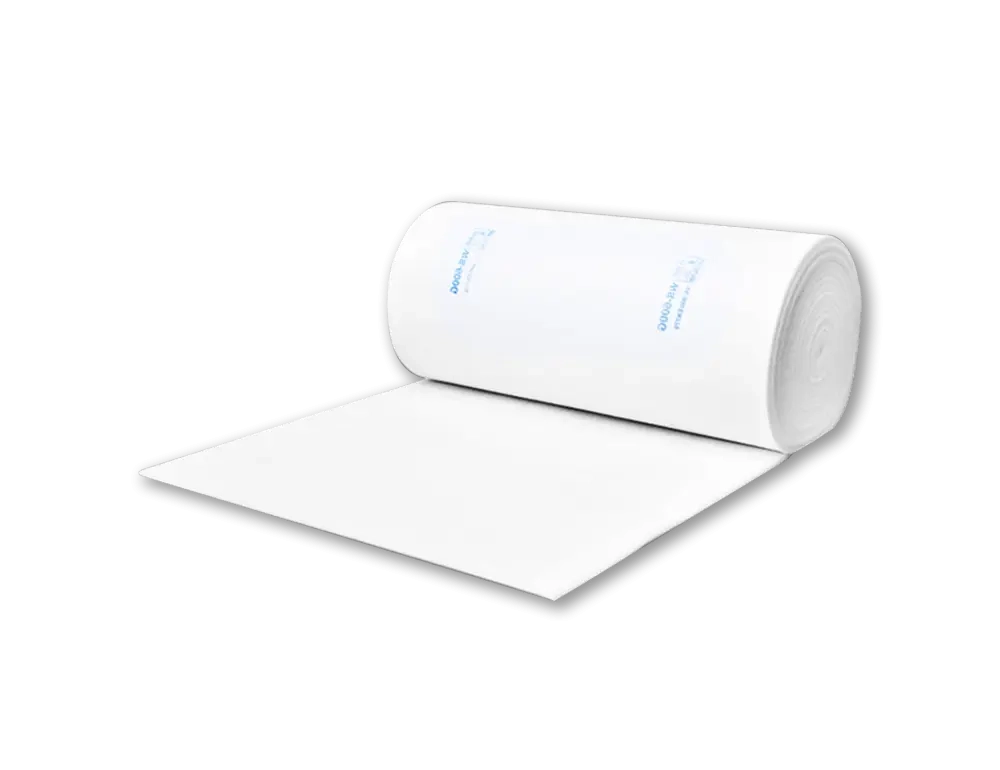
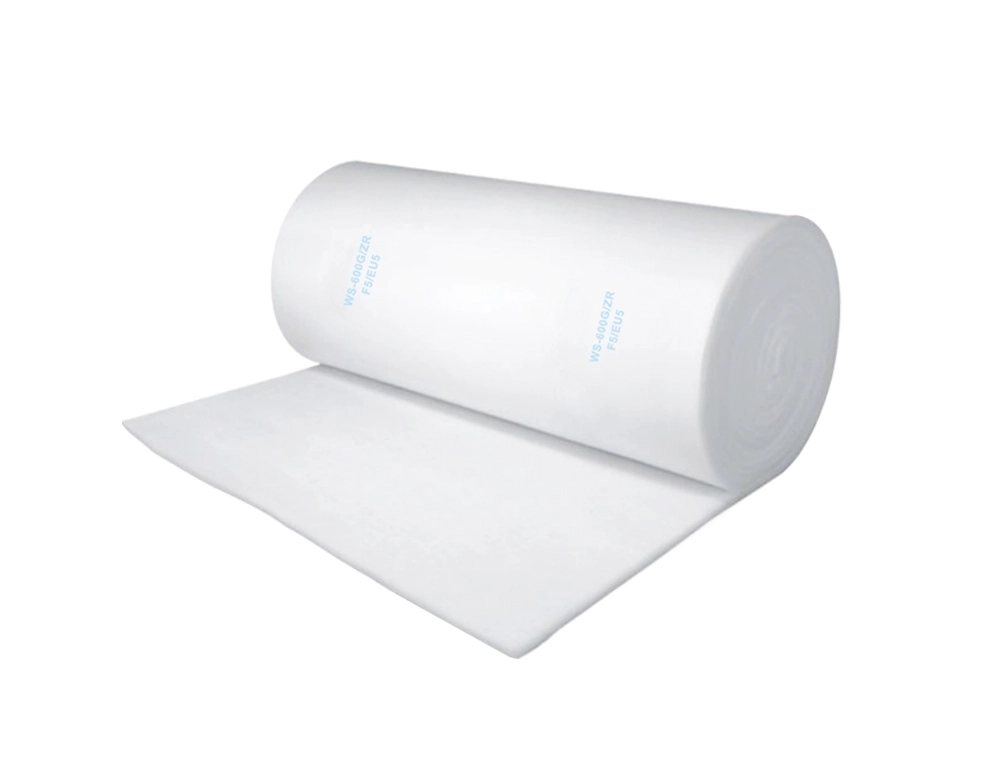
In practice a filter media failure analysis of this kind usually happens when a pre-filter or a second stage is being replaced. Pre air filter media serves air handling units, fresh-air systems and the front of industrial ventilation, while bag air filter media roll serves HVAC and cleanroom second-stage filtration. Their duty windows are not the same, so confirm which stage failed before judging the media.

Need a custom air filtration solution?
Contact the Whalesens engineering team for product selection and OEM/ODM support.
Email whalesens@gmail.com
Related Products
These products cover the filtration stages discussed above; see each product page for full specifications.
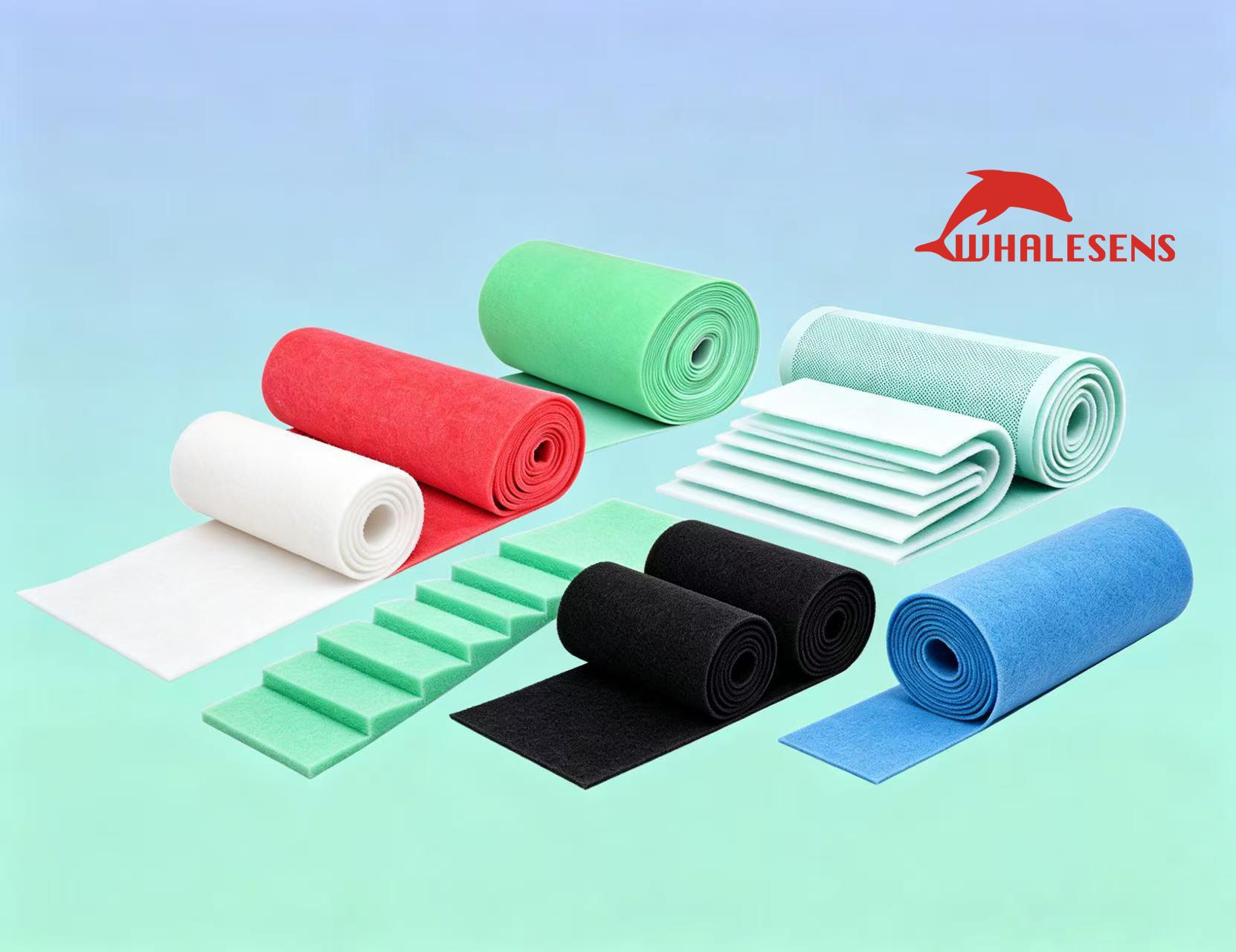
ProductPre Air Filter MediaPre-filtration in air handling units, fresh-air systems and the front of industrial ventilation, where low resistance and stable dust holding matterView product details → ProductHVAC Air Filter MediaSecond-stage filtration in HVAC systems where efficiency, dust holding and pressure drop have to be balancedView product details →ProductBag Air Filter Media RollHVAC and cleanroom bag filtration supplied in rolls, so the workshop cuts its own sizes and holds spare stockView product details →ProductFiberglass Filter MediaHotter or chemically harsher duty where dimensional stability and a high temperature ceiling decide media lifeView product details →ProductWashable Plank Air FilterReusable protection ahead of coating and industrial dust duty, cleaned to the product instructions rather than washed at willView product details →