


EV Charging Stations
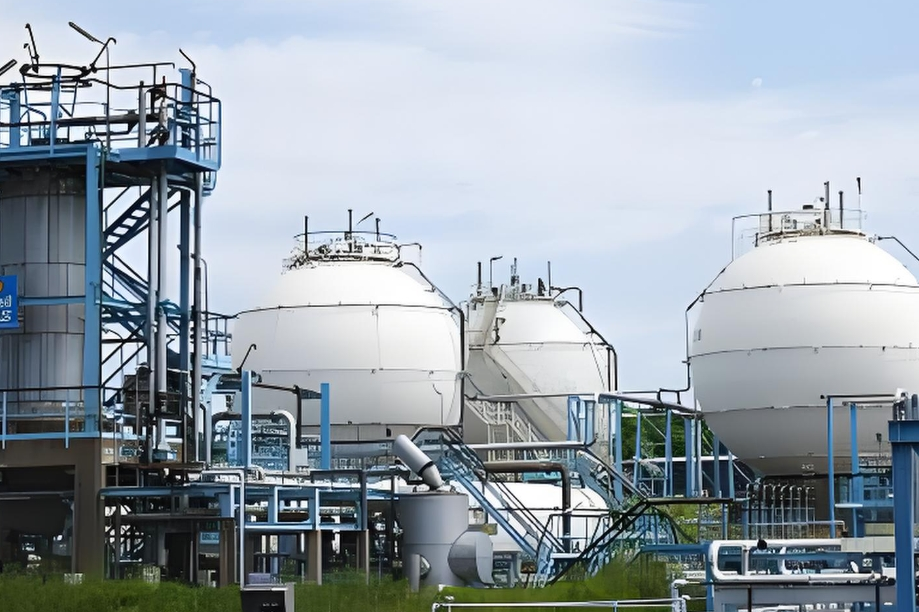
Filtration for Power Equipment
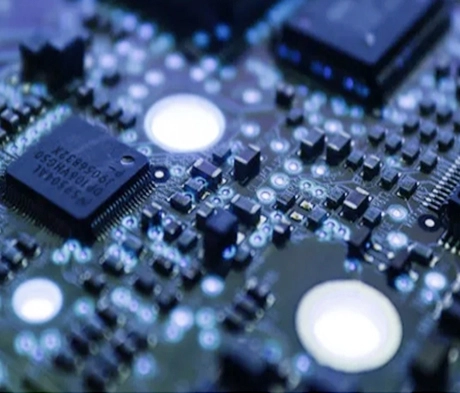
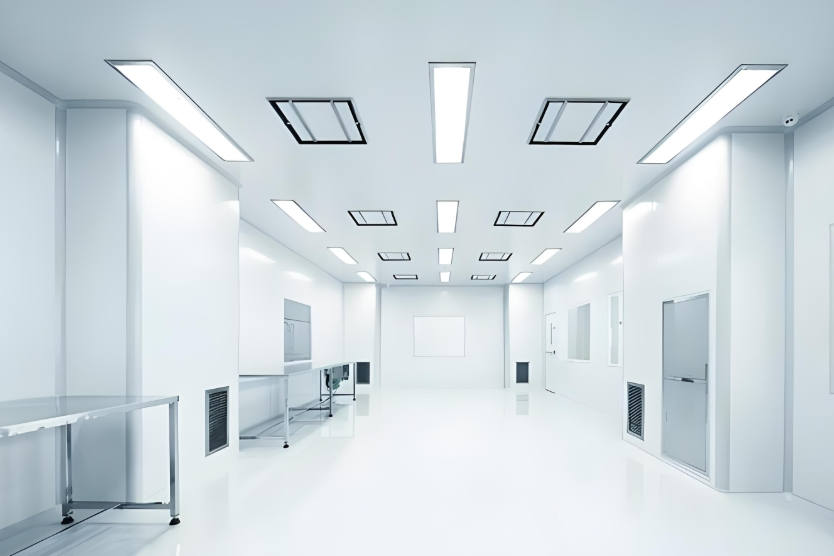
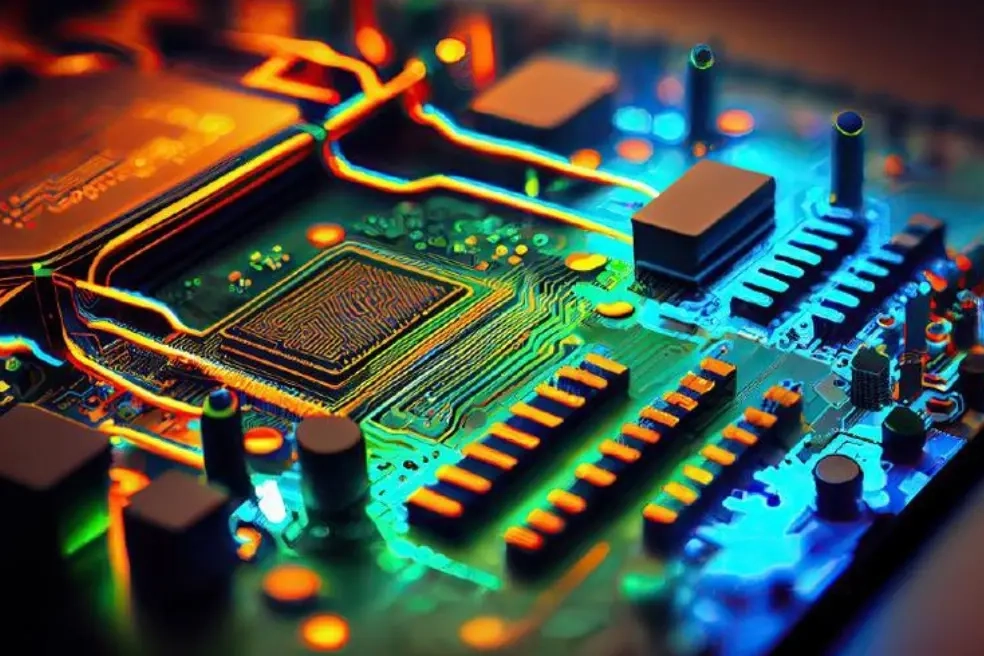
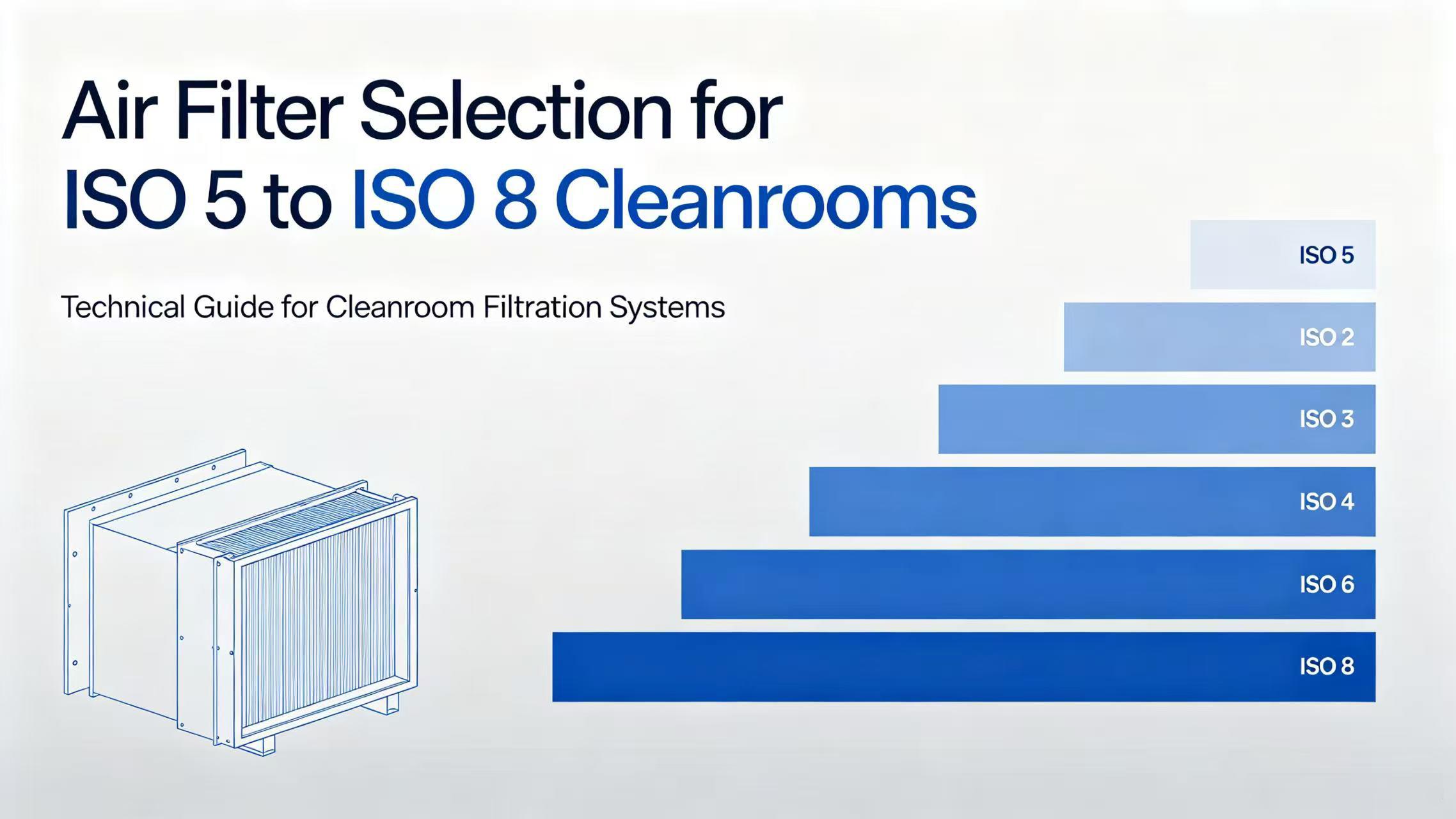
Cleanroom & Semiconductor
Ultra-High Cleanliness Filtration
Commercial HVAC
Central Air System Filtration
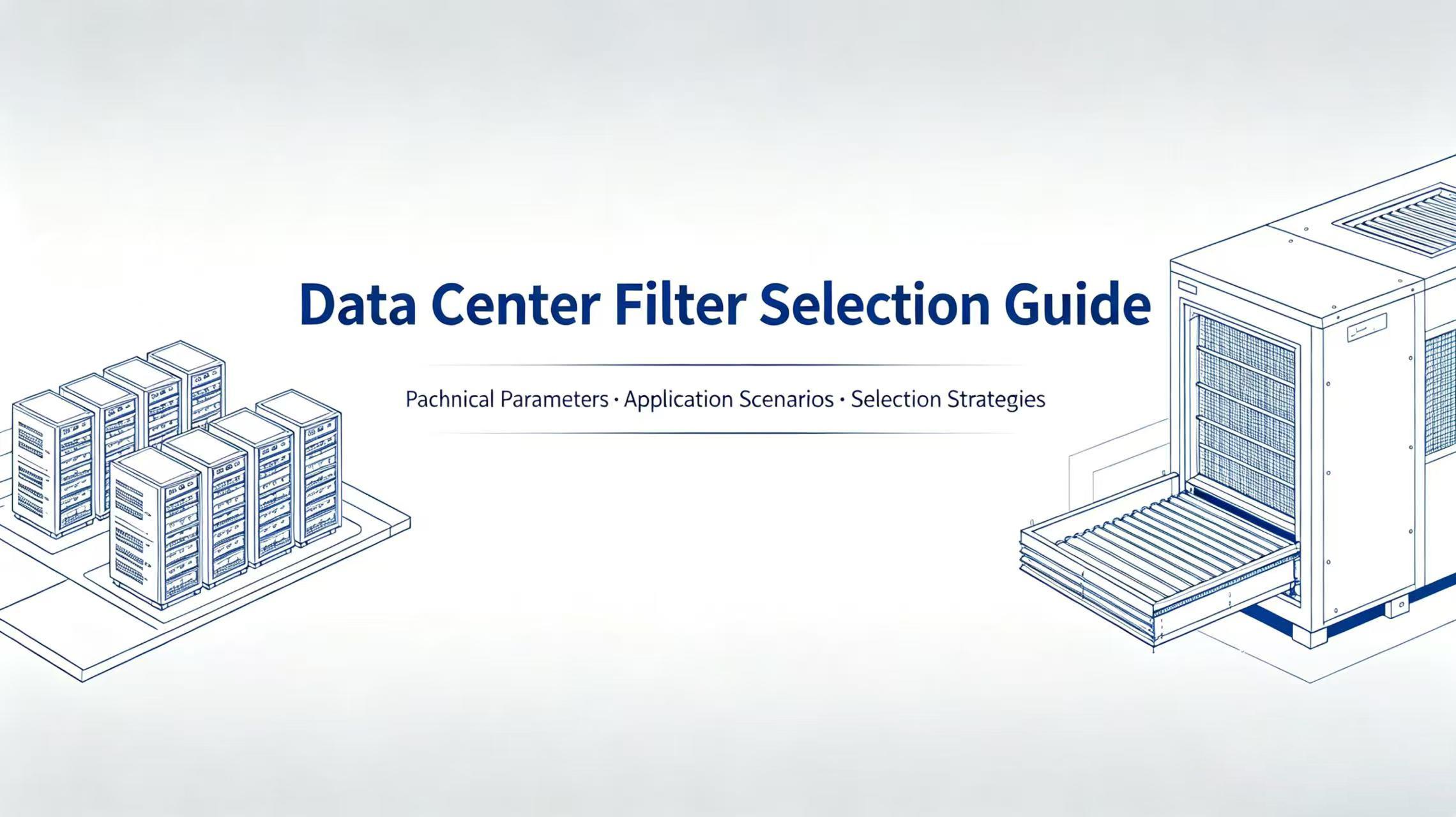
Data Centers
Precision Equipment Protection
Livestock & Farming
Farming Environment Purification
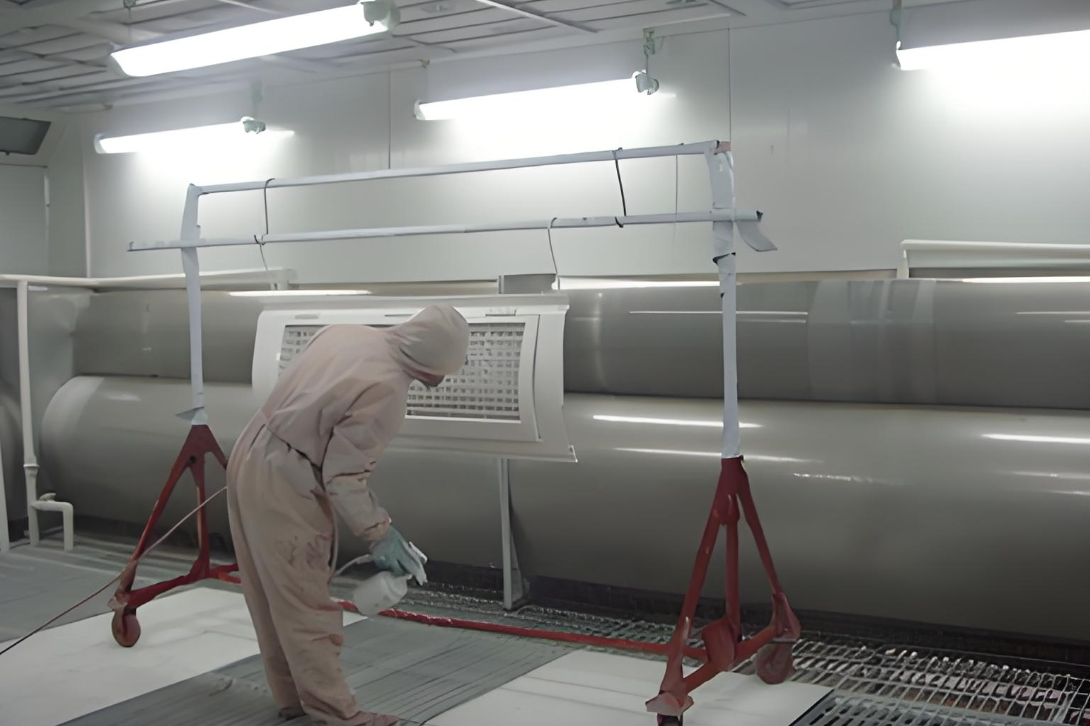
Spray Booths & Industrial Dust
Paint Mist & Dust Purification
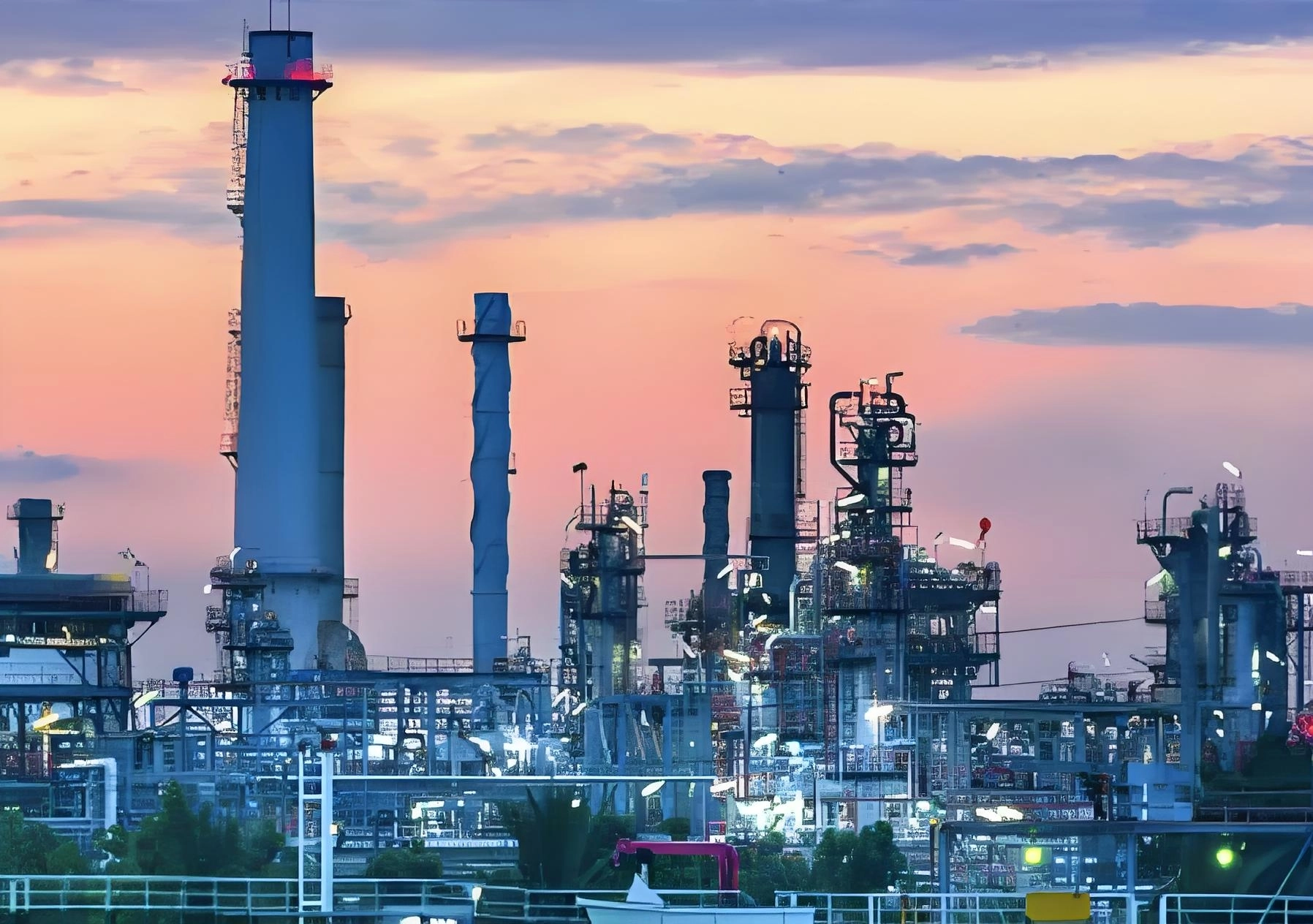
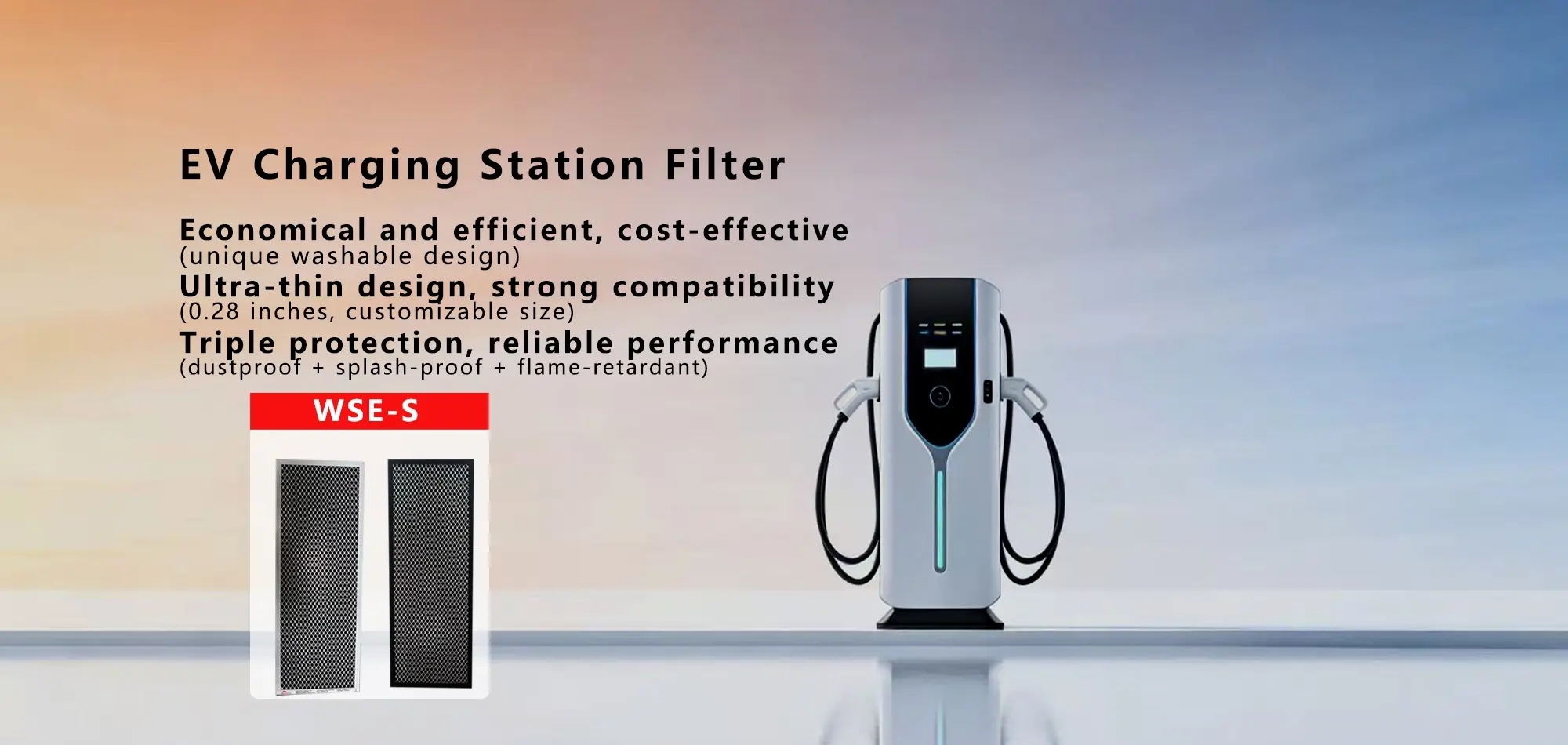
Filtration for Power Equipment
Professional air filtration for EV charging devices, protecting against dust and sand ingress to ensure stable, reliable operation of charging piles and station infrastructure.
View Related Products →Ultra-High Cleanliness Filtration
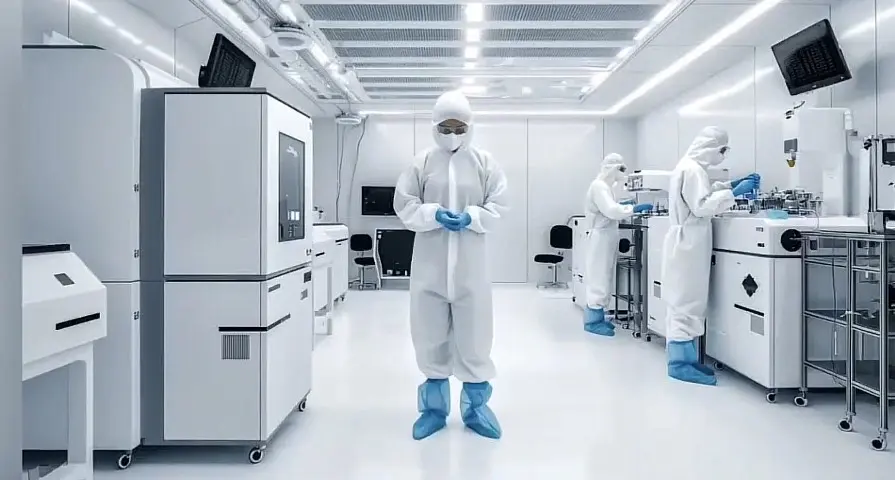
Ultra-high efficiency filtration for semiconductor wafer fabs and precision electronics cleanrooms, capturing nano-scale particles to meet ISO Class 1–3 standards and maximize product yield.
View Related Products →Central Air System Filtration
High-efficiency filtration for commercial building HVAC systems, improving indoor air quality, reducing energy consumption, and extending equipment service life.
View Related Products →Precision Equipment Protection
Precision air filtration for data centers, shielding servers and critical hardware from dust contamination to keep cooling systems running efficiently and reliably.
View Related Products →Farming Environment Purification
Dedicated filtration systems for farms and livestock facilities — capturing dust, adsorbing ammonia, and inhibiting pathogen spread to improve animal health and overall productivity.
View Related Products →Paint Mist & Dust Purification
Designed for spray booths and grinding workshops, efficiently capturing paint mist, metal dust, and wood chips to meet emission standards while protecting finished surface quality.
View Related Products →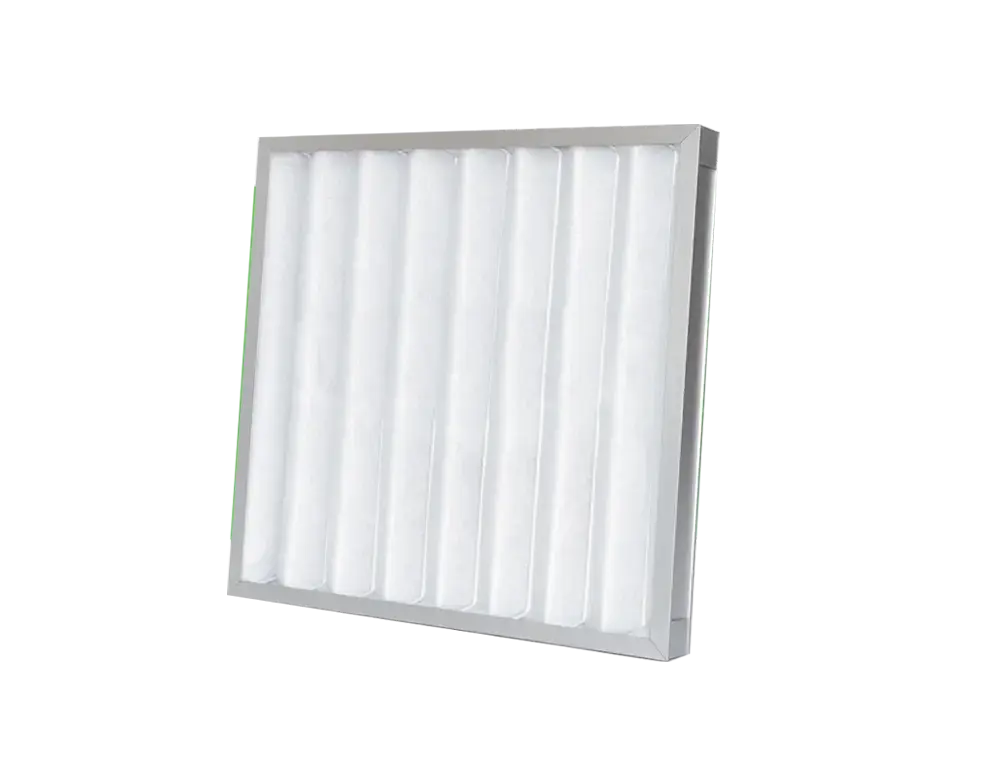
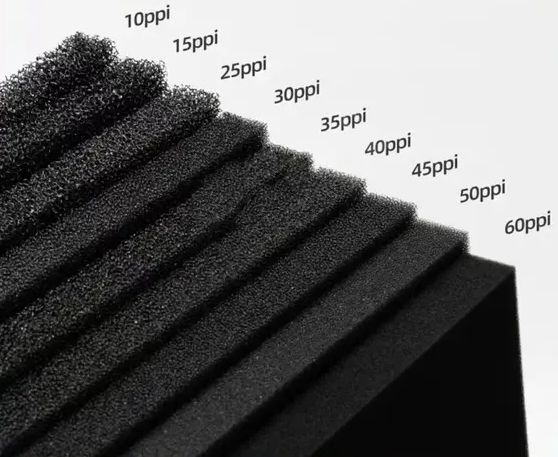
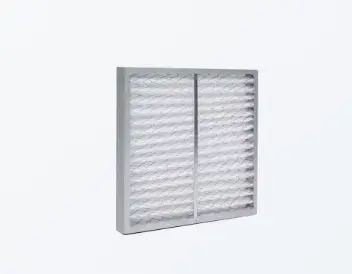
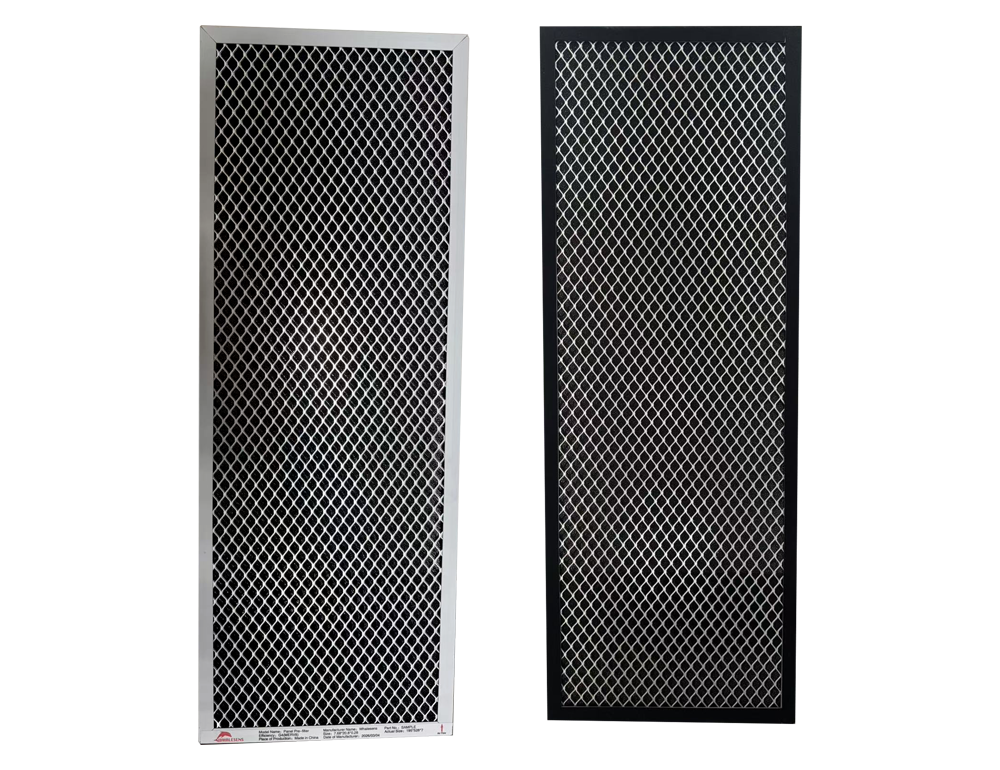
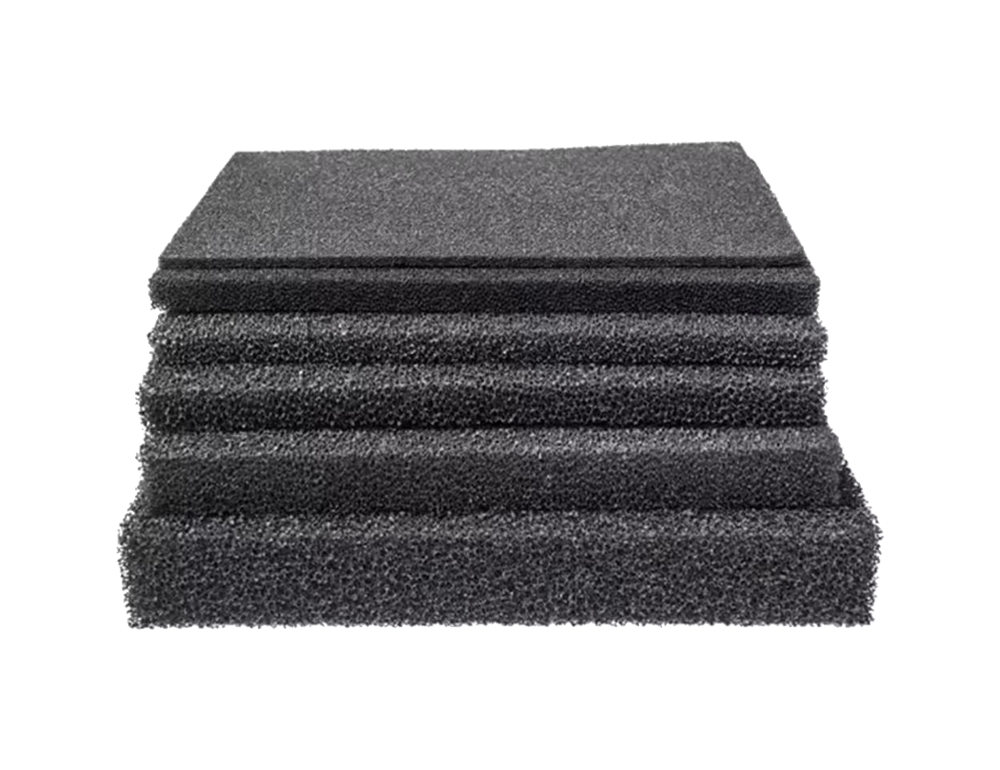
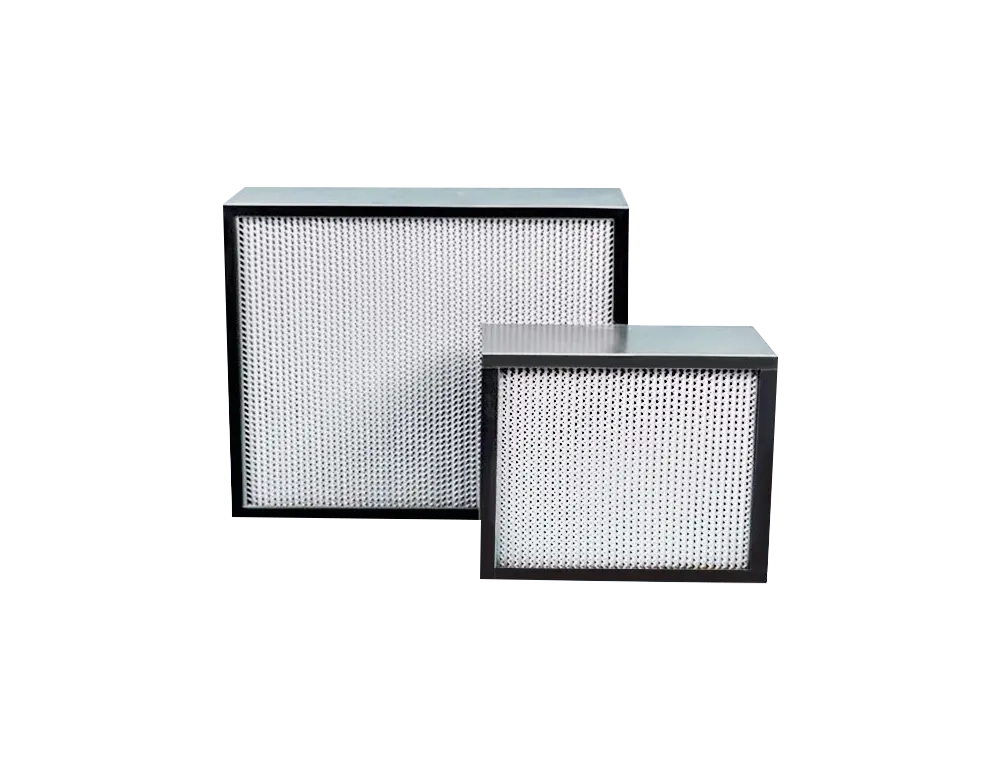
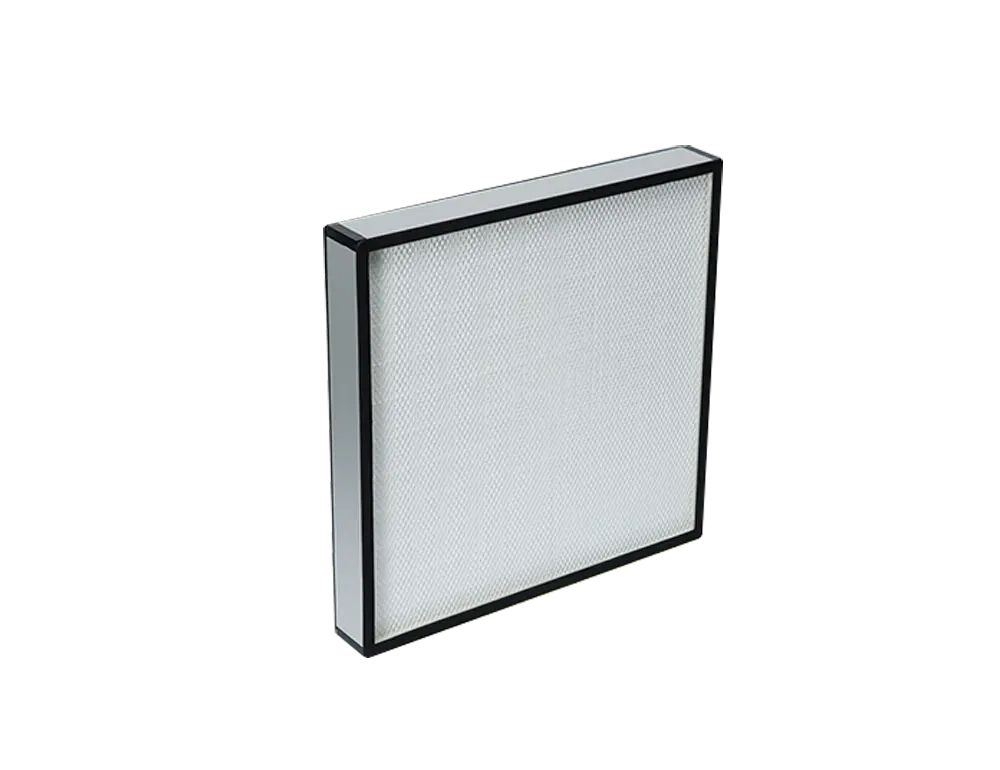
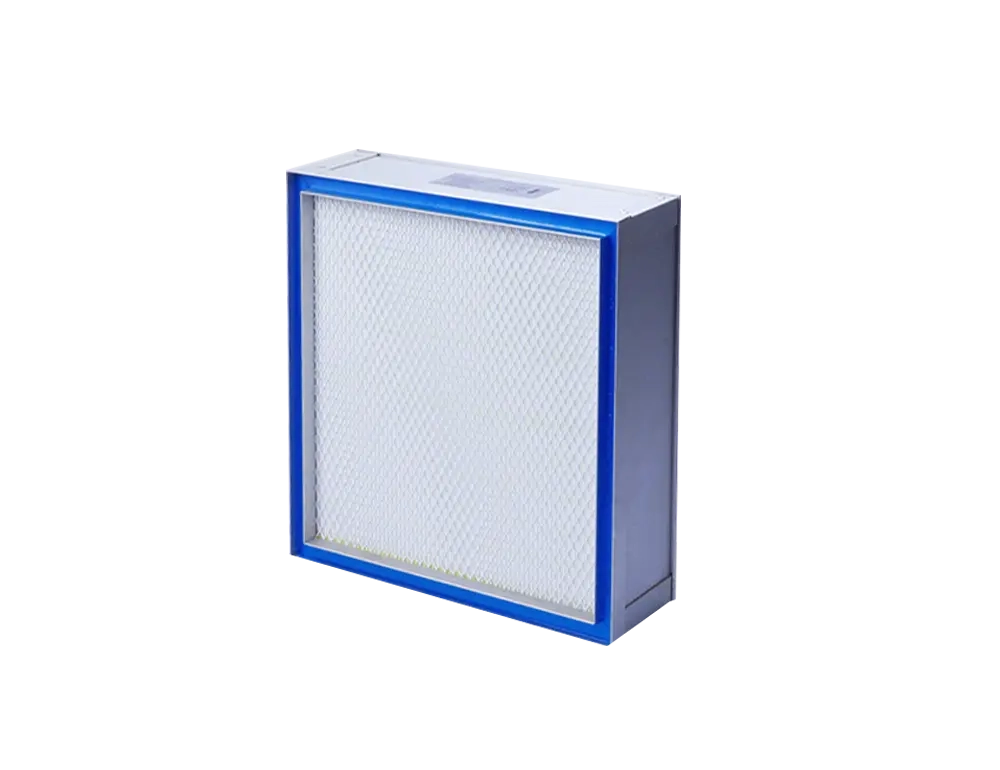
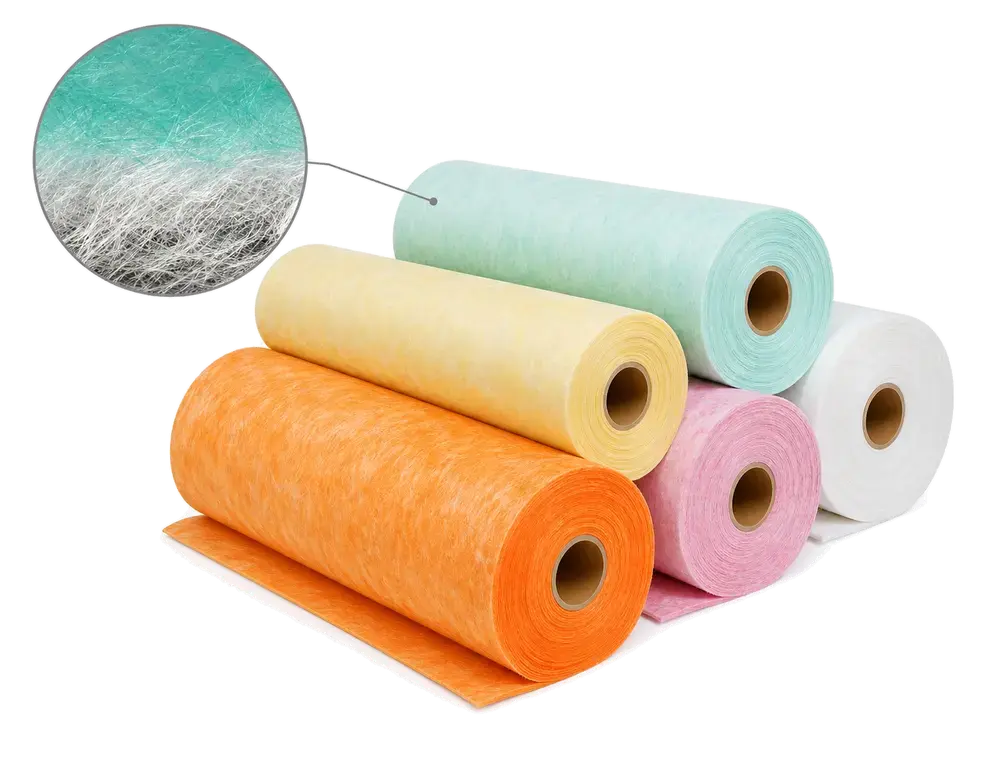
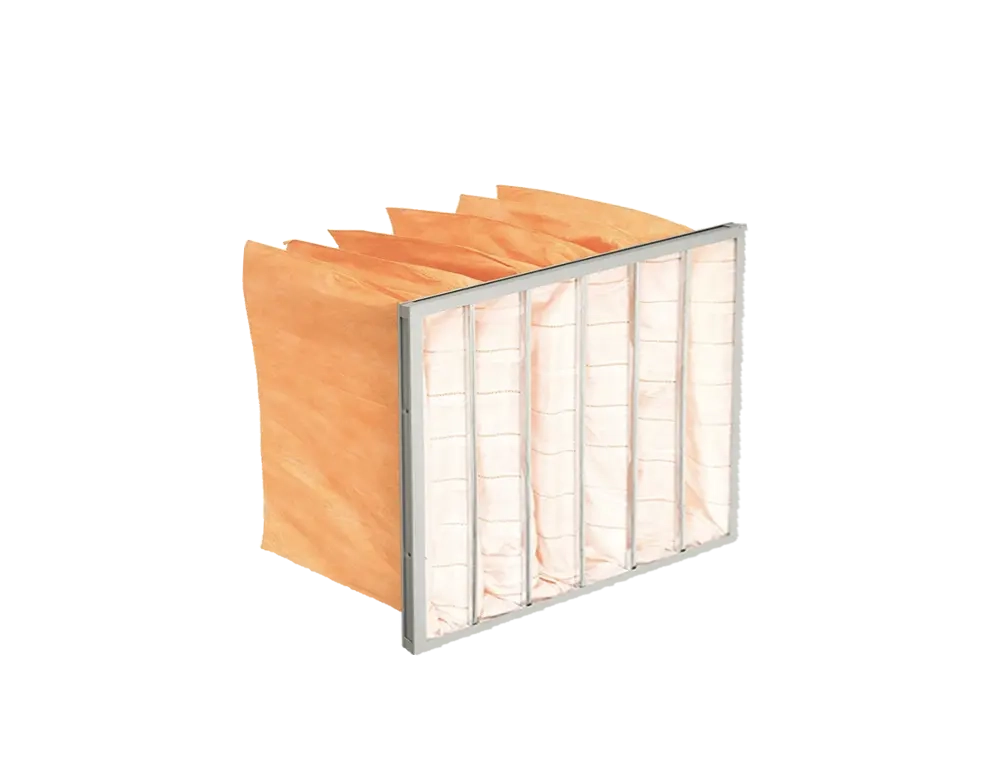
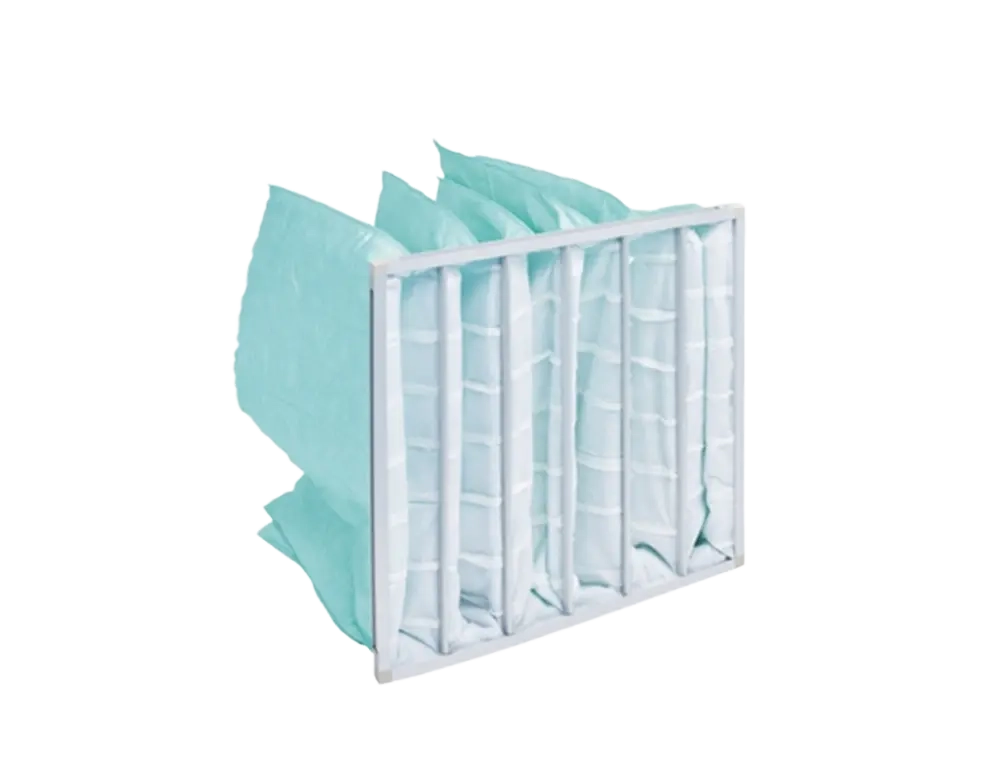
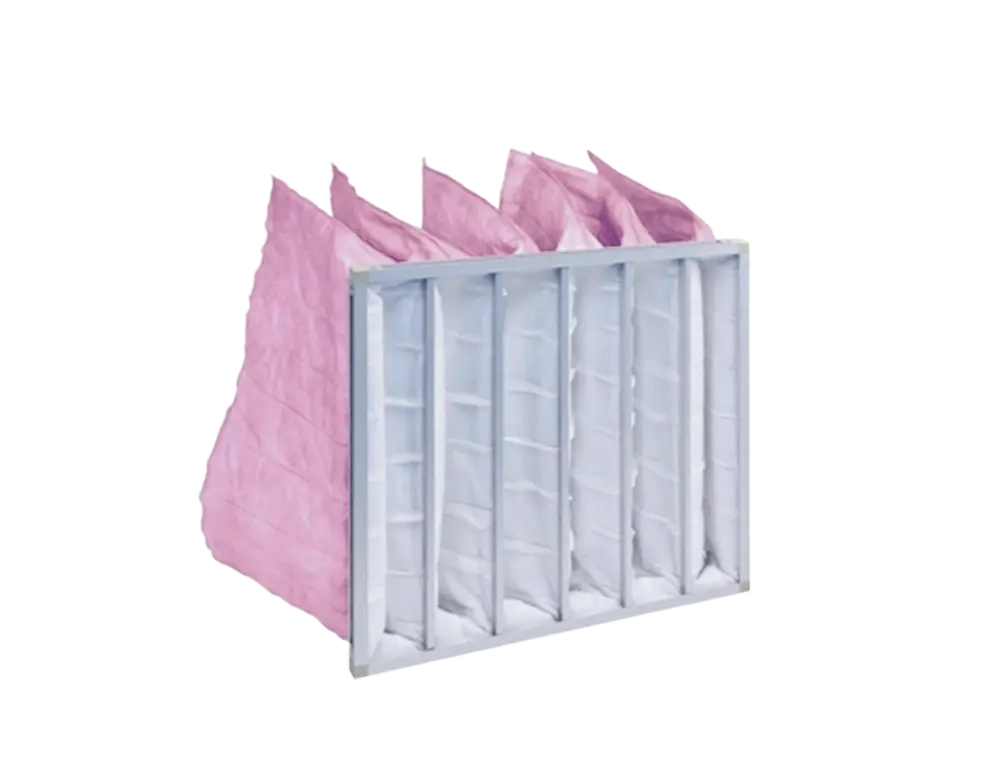
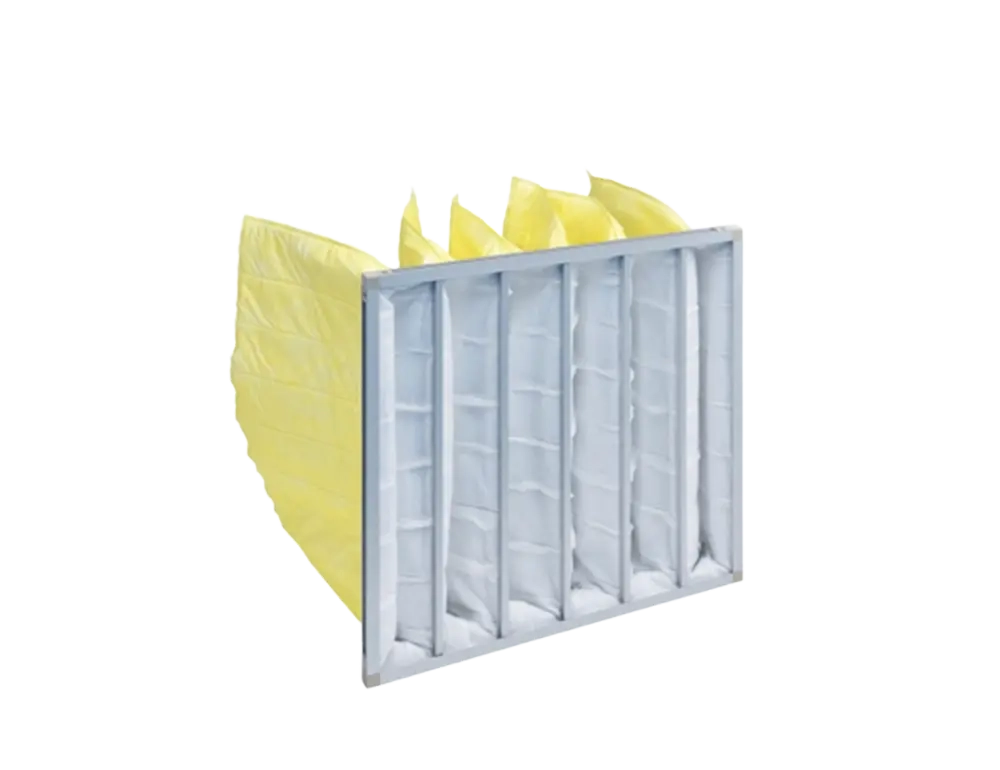
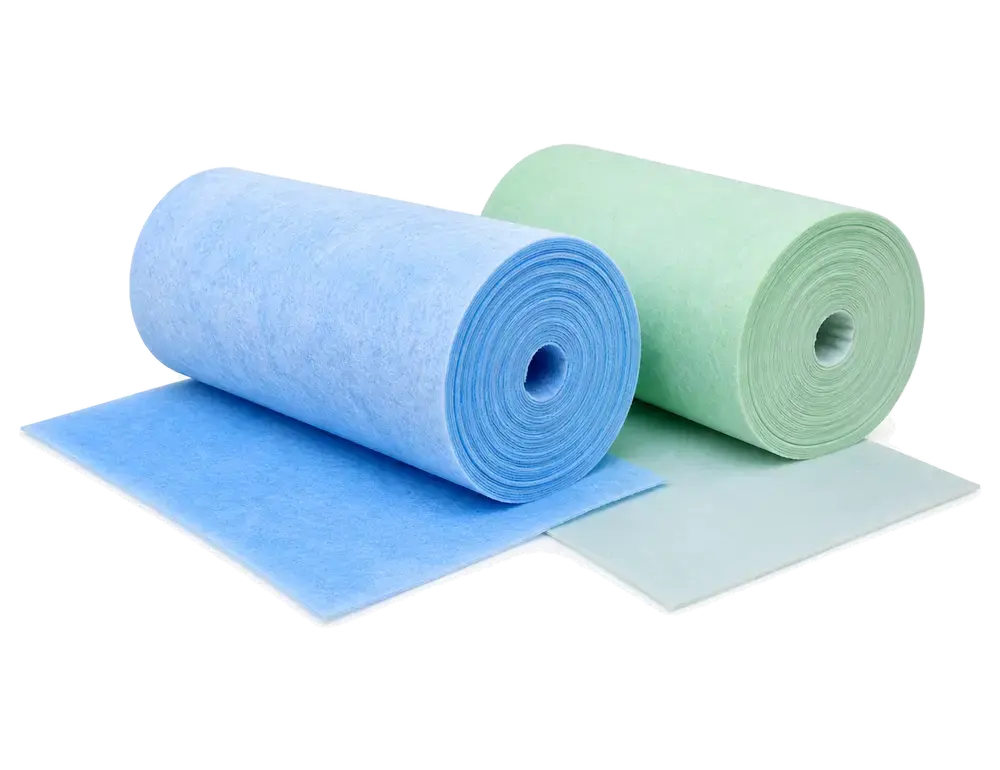
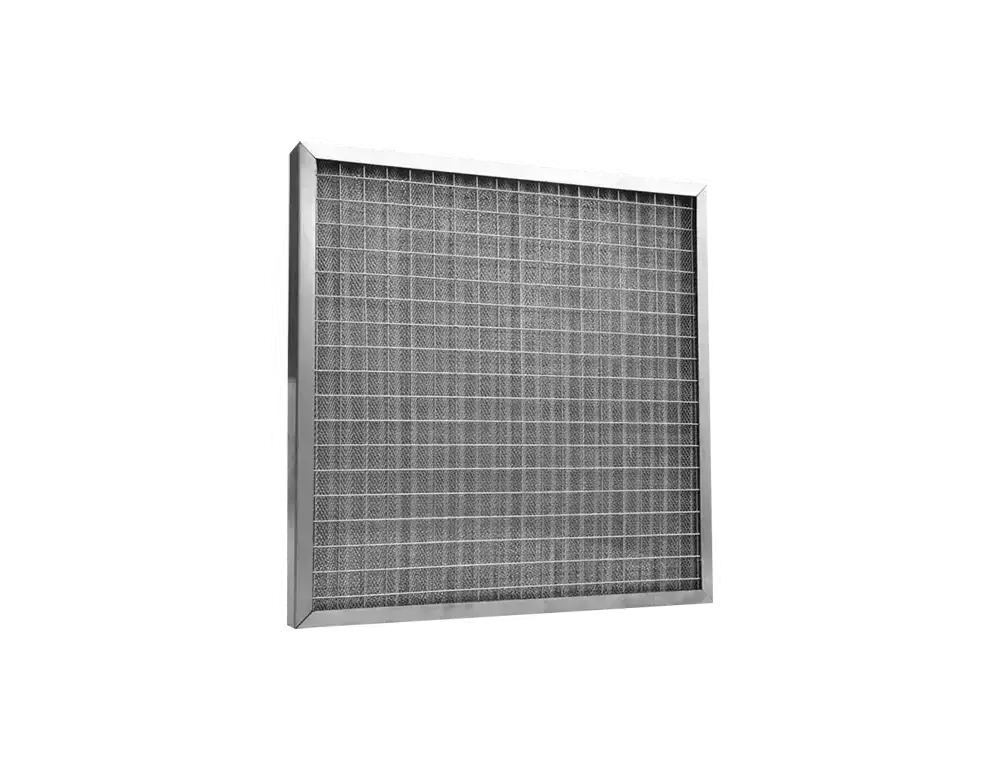
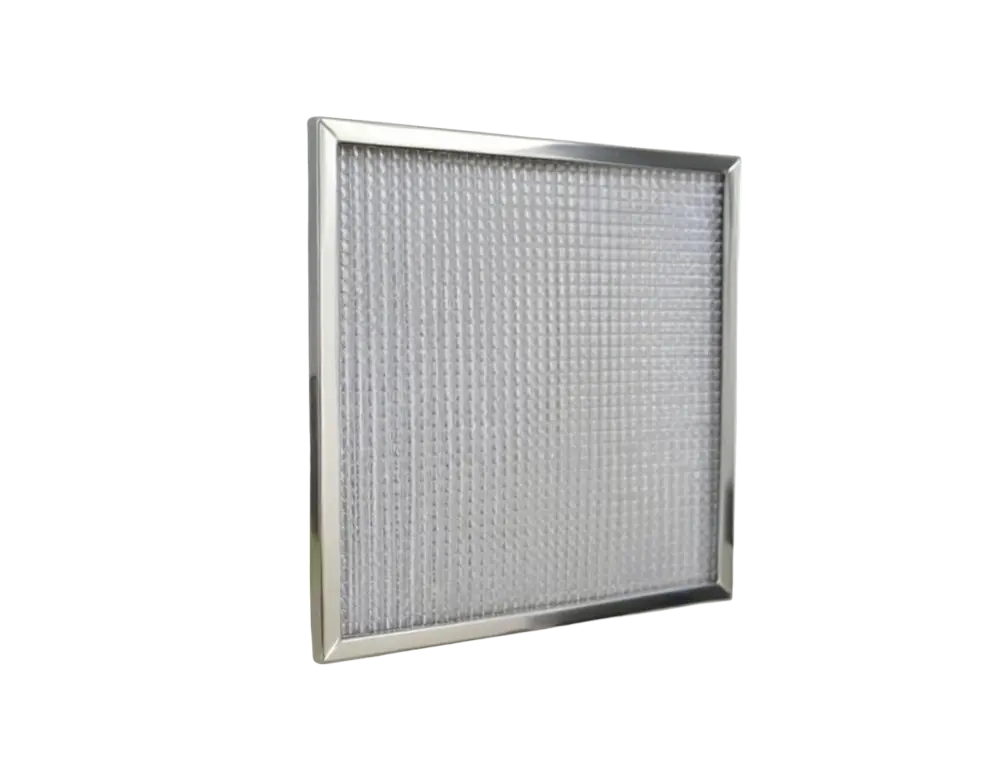
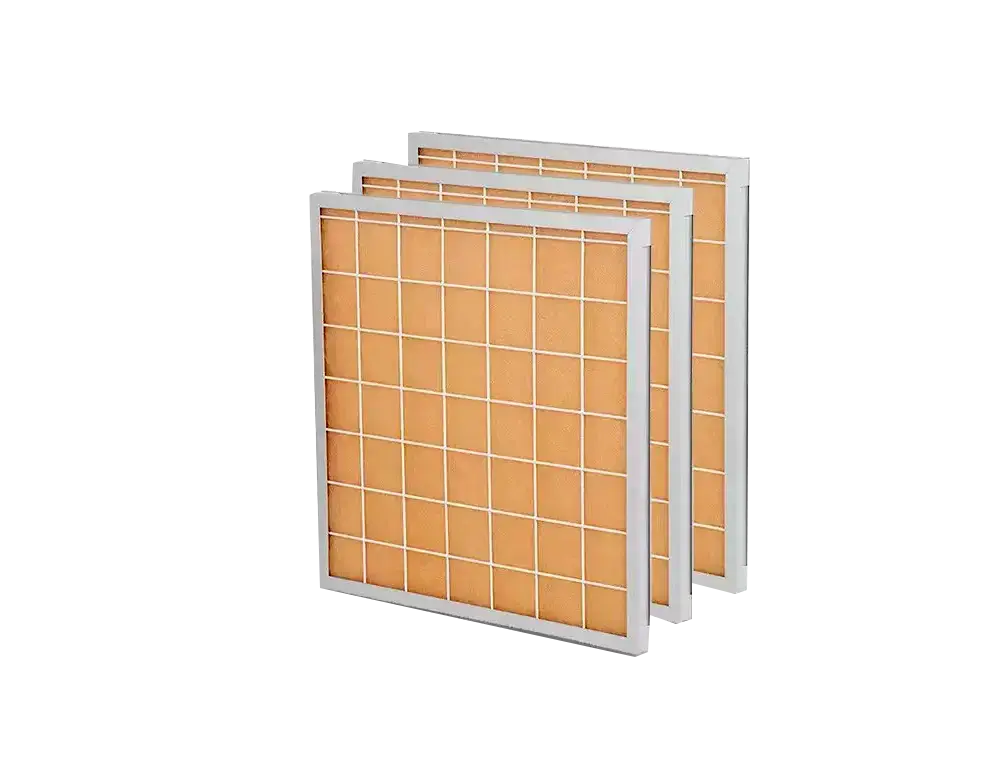
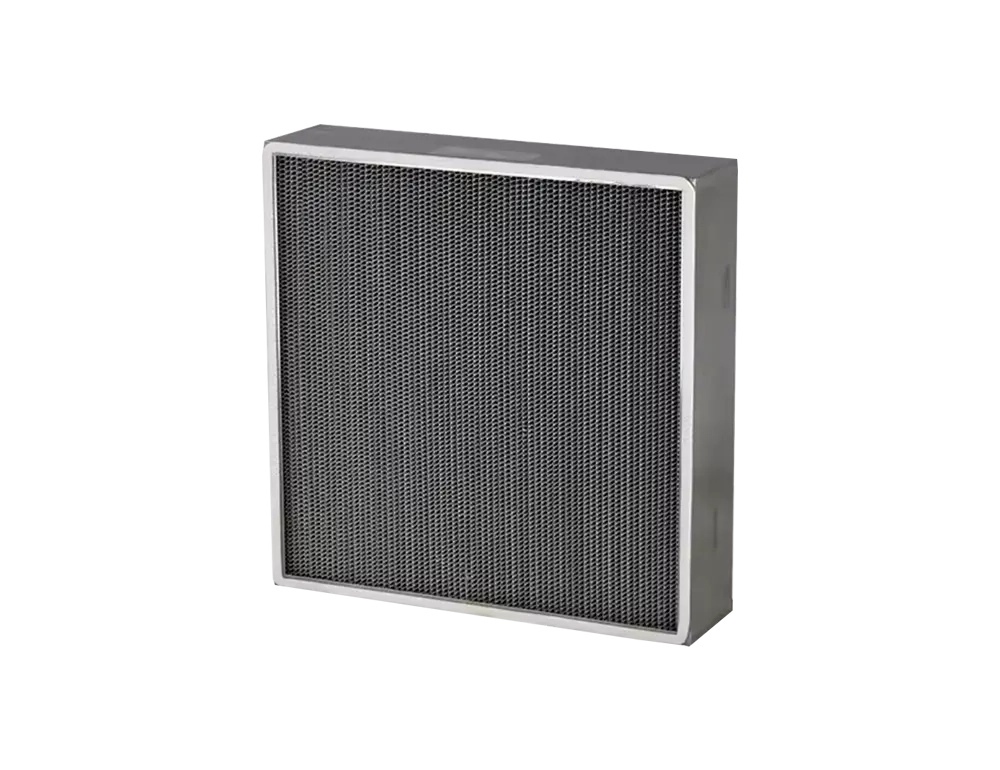
Pre-Filter (G1–G4)
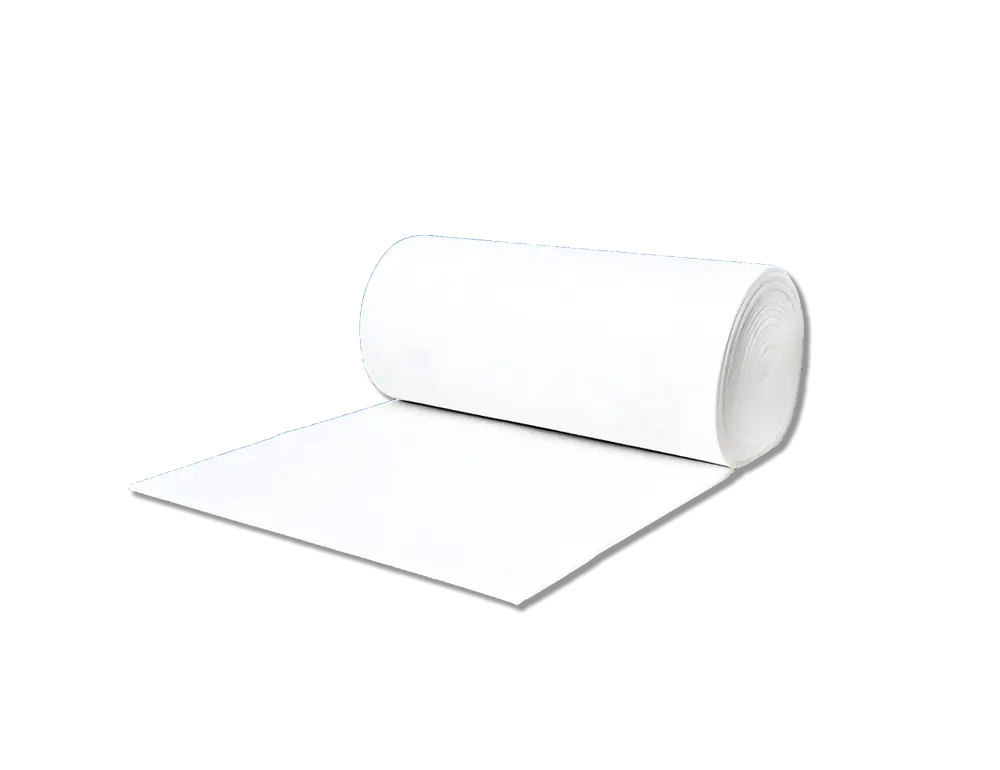
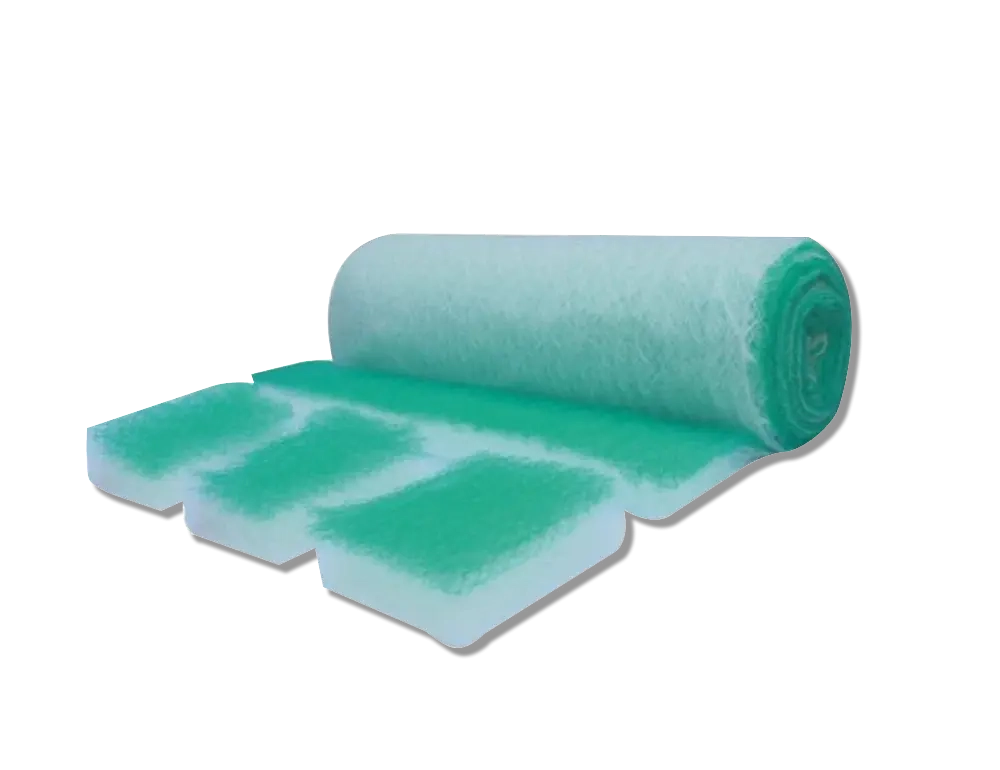
First-Stage Large-Particle Capture
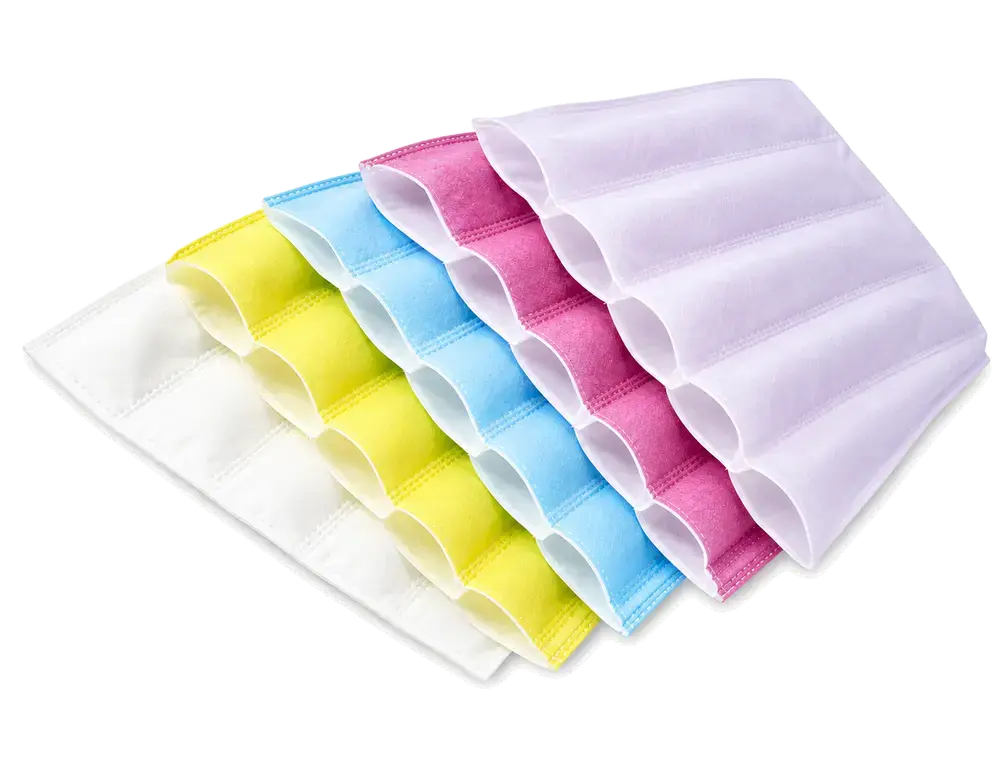
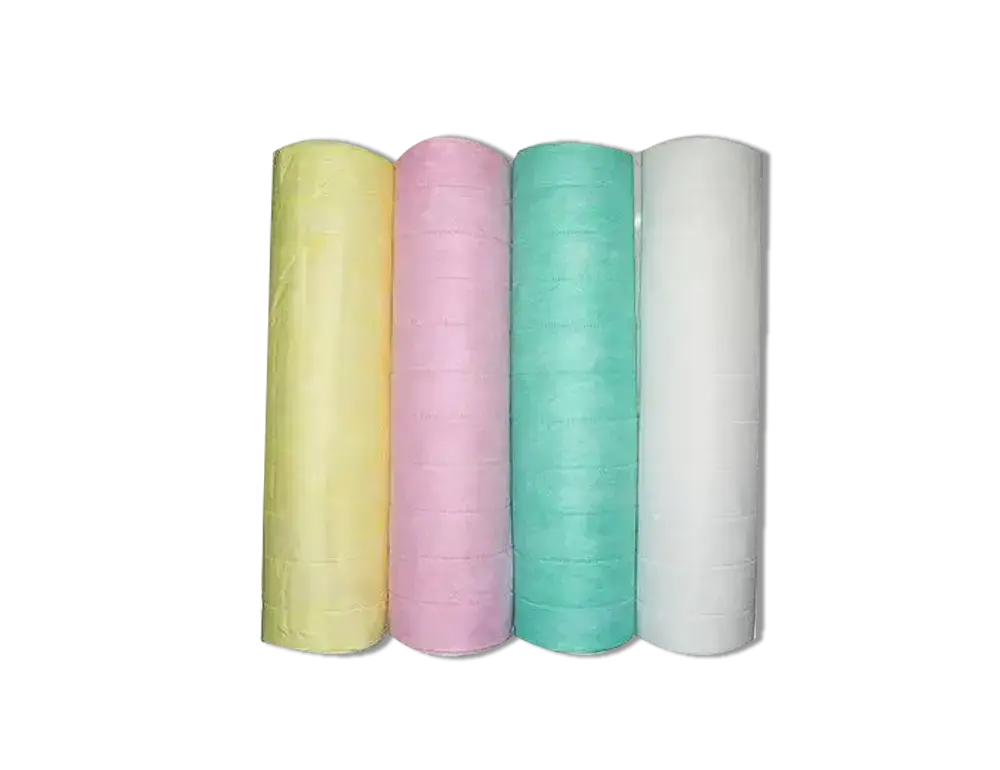
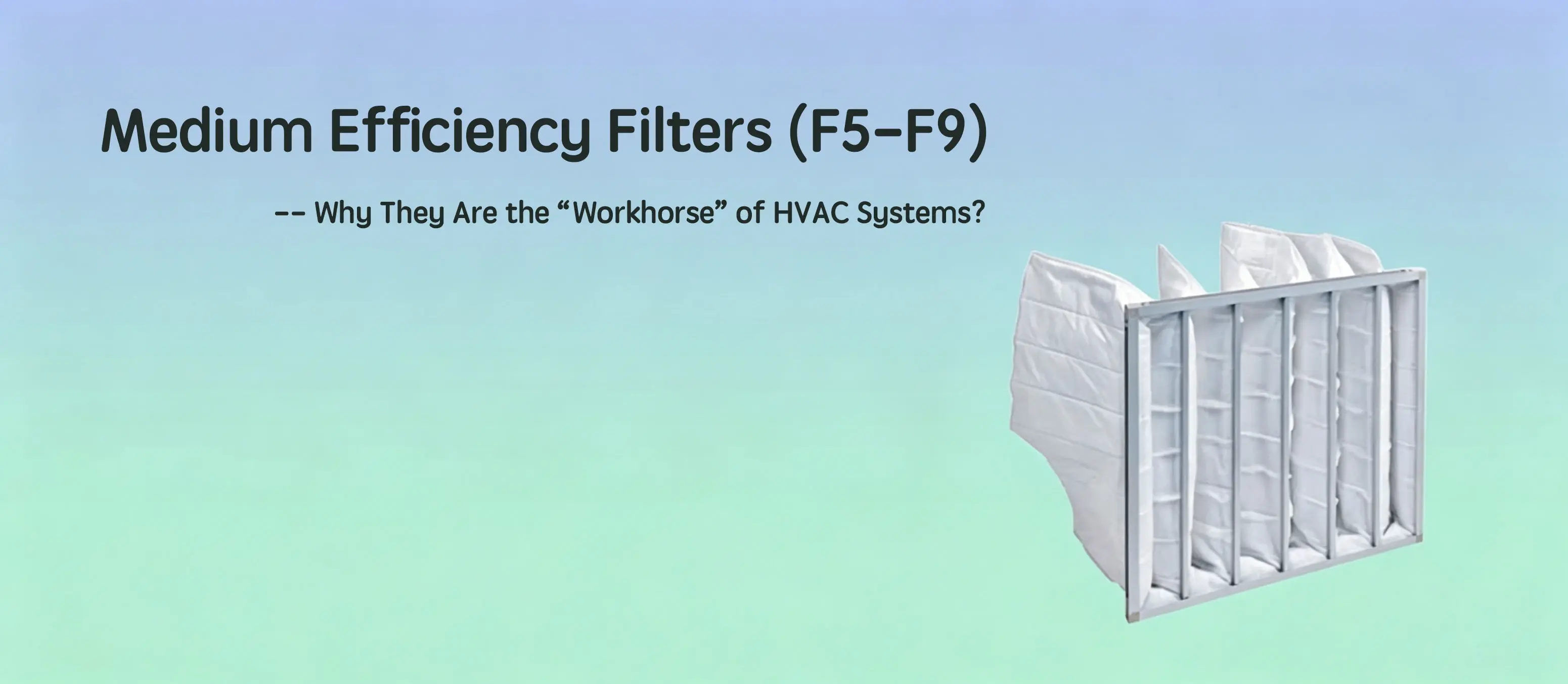
Medium-Efficiency Filter (F5–F9)
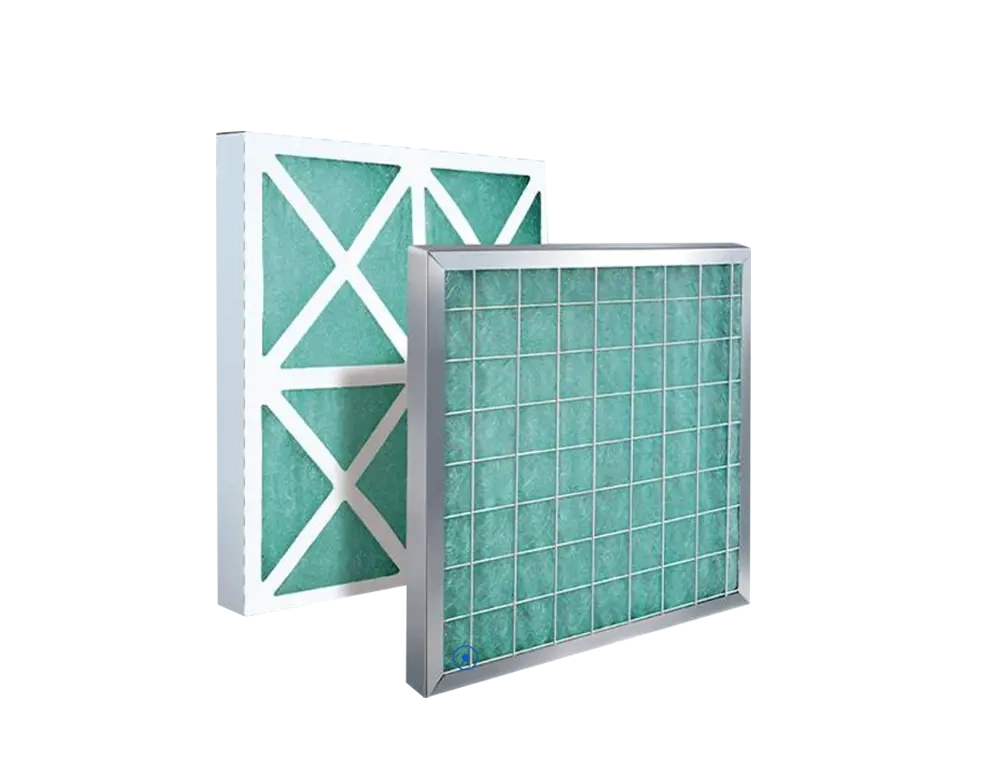
Precise PM2.5 Capture
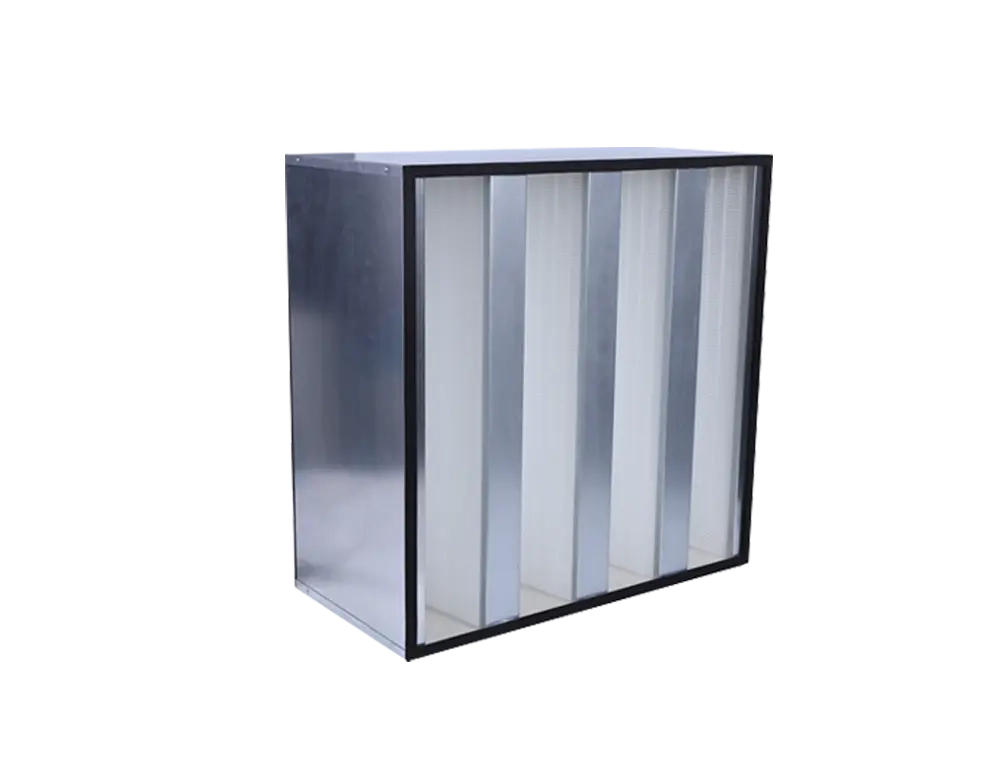
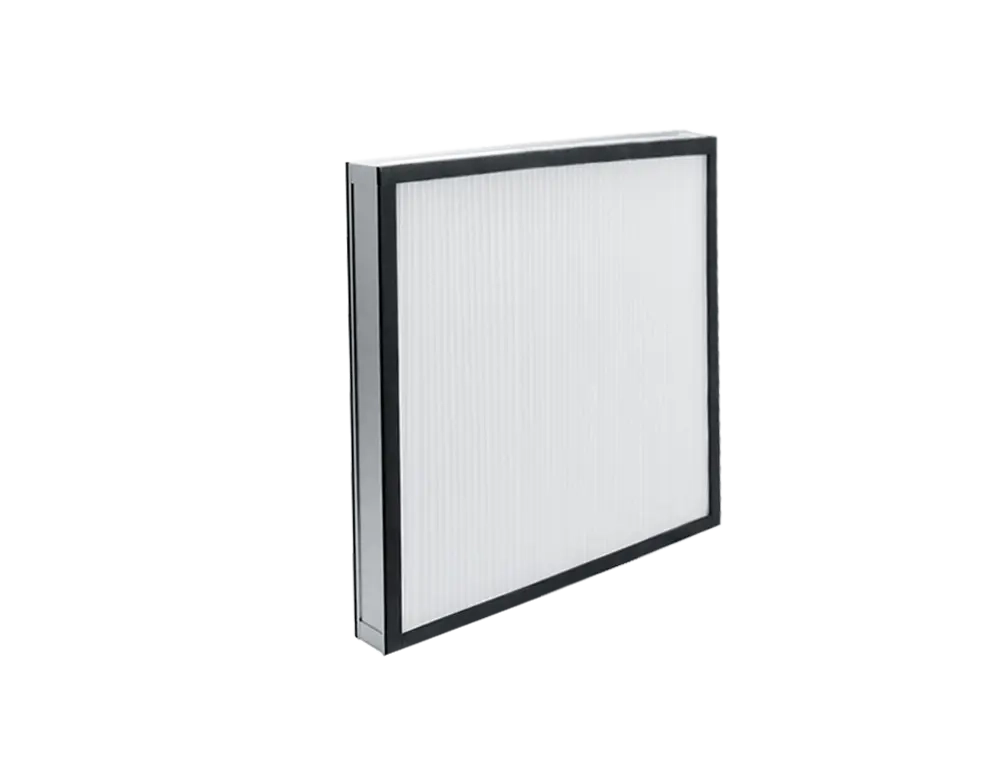
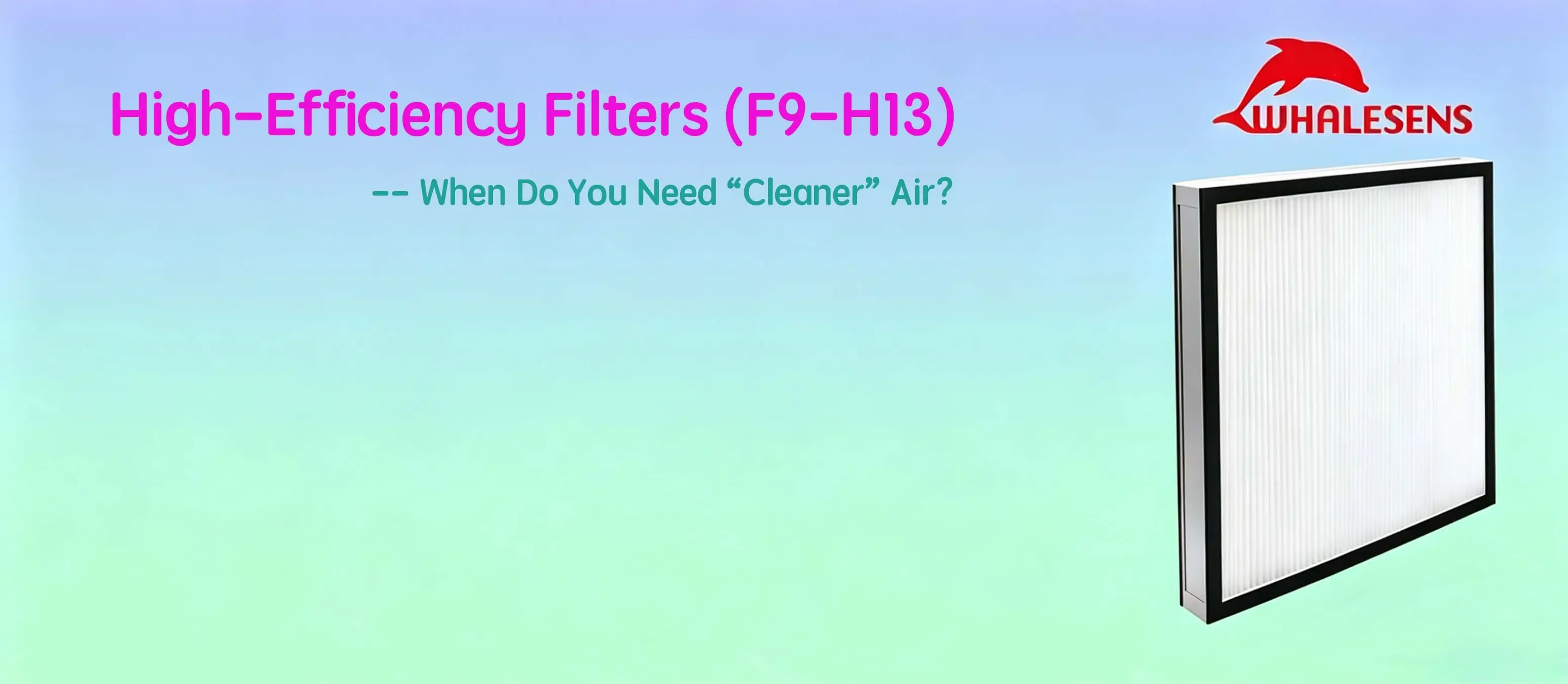
HEPA High-Efficiency Filter
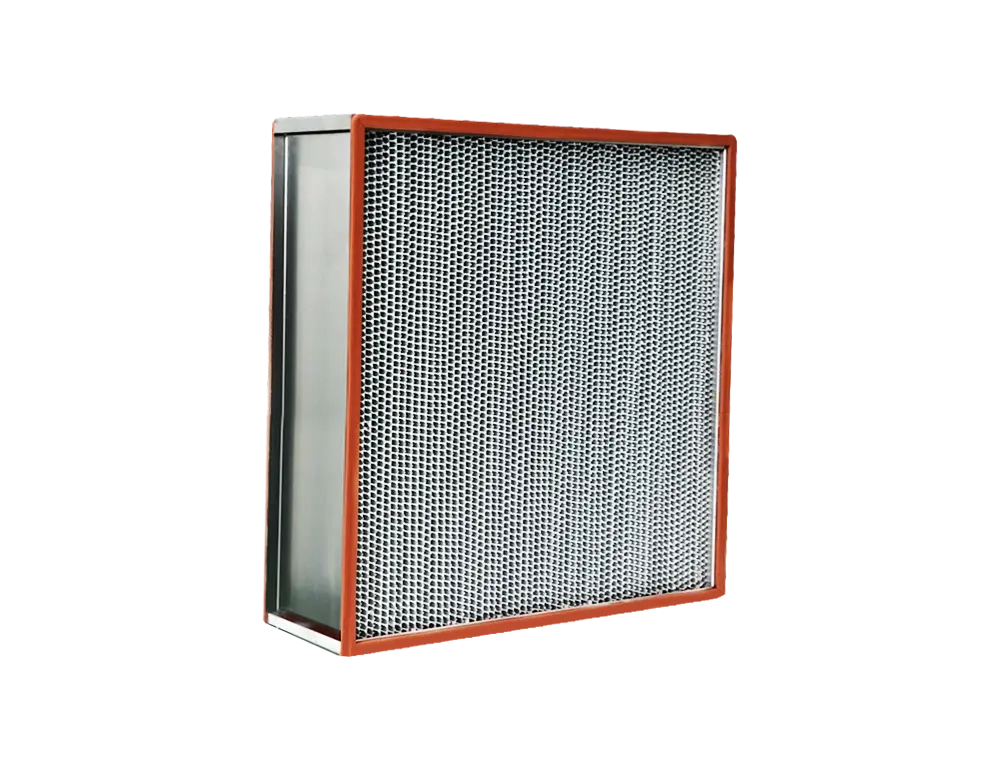
Sterile-Grade Purification
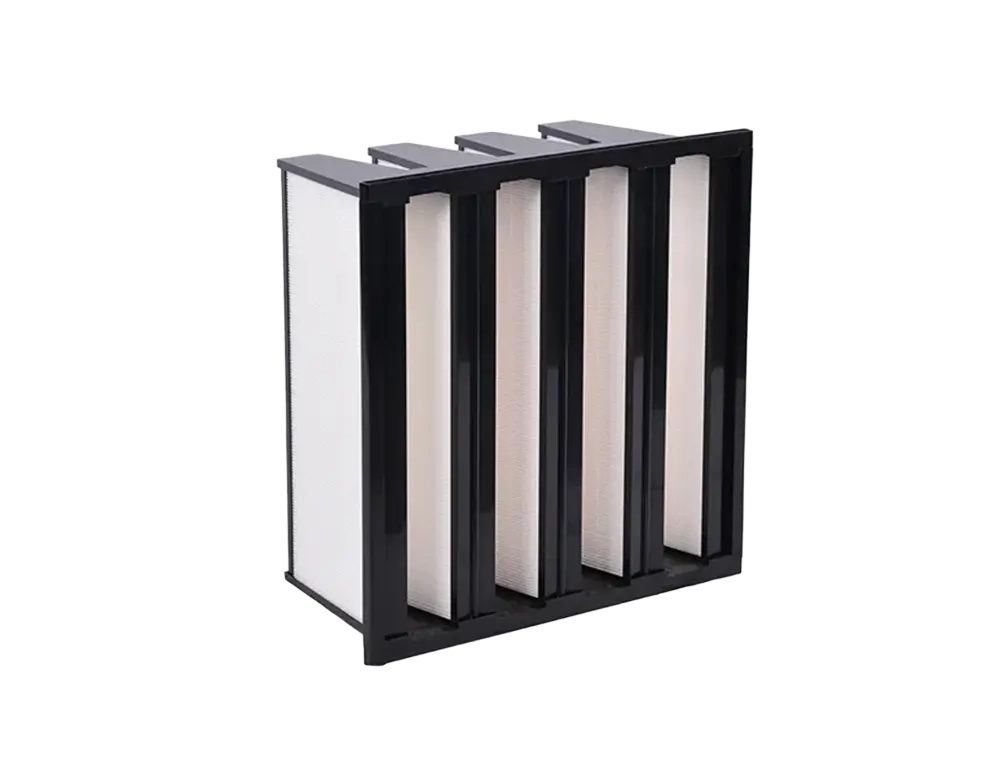
ULPA Ultra-High Efficiency Filter
Sub-Micron Particle Capture
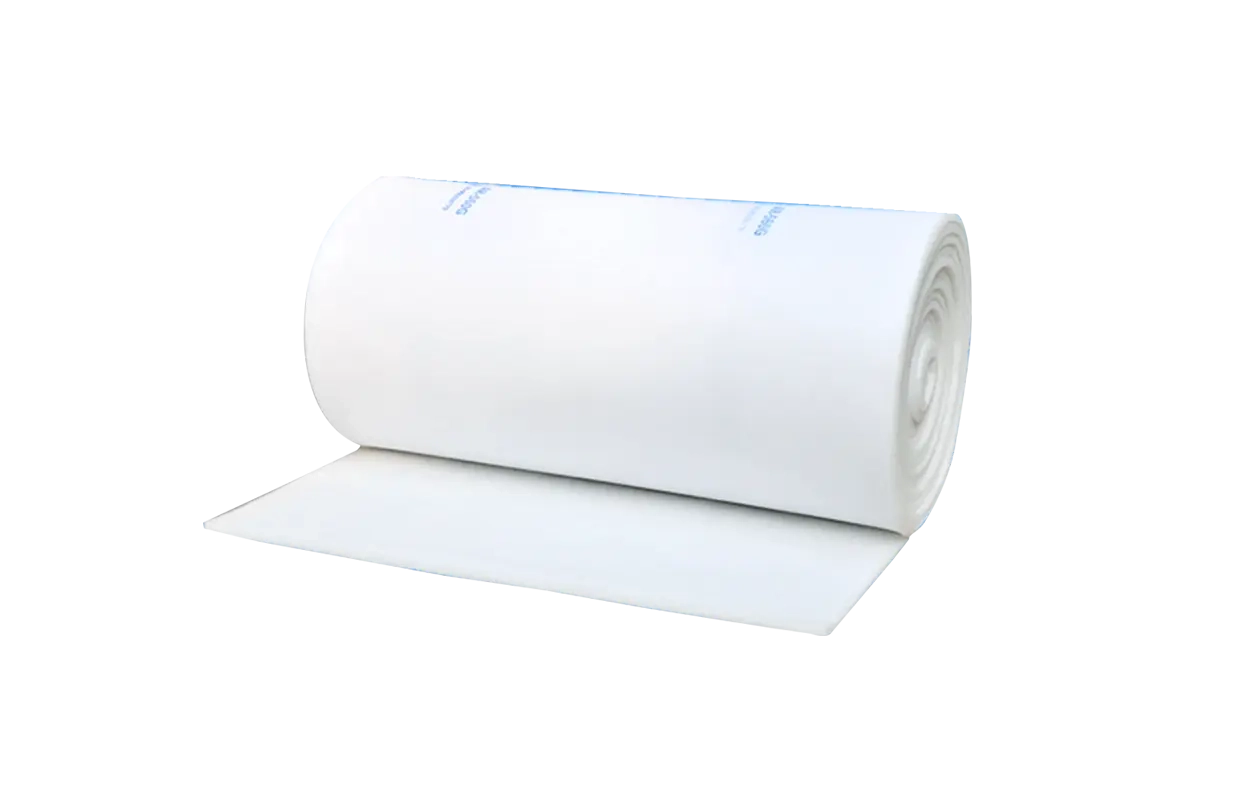
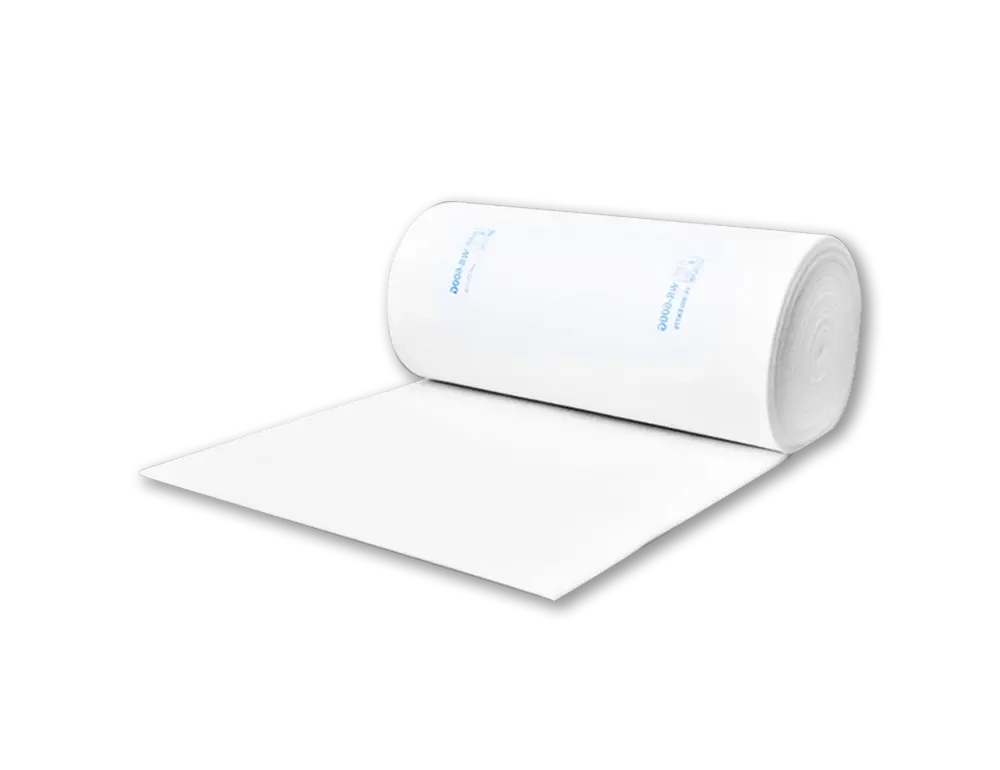
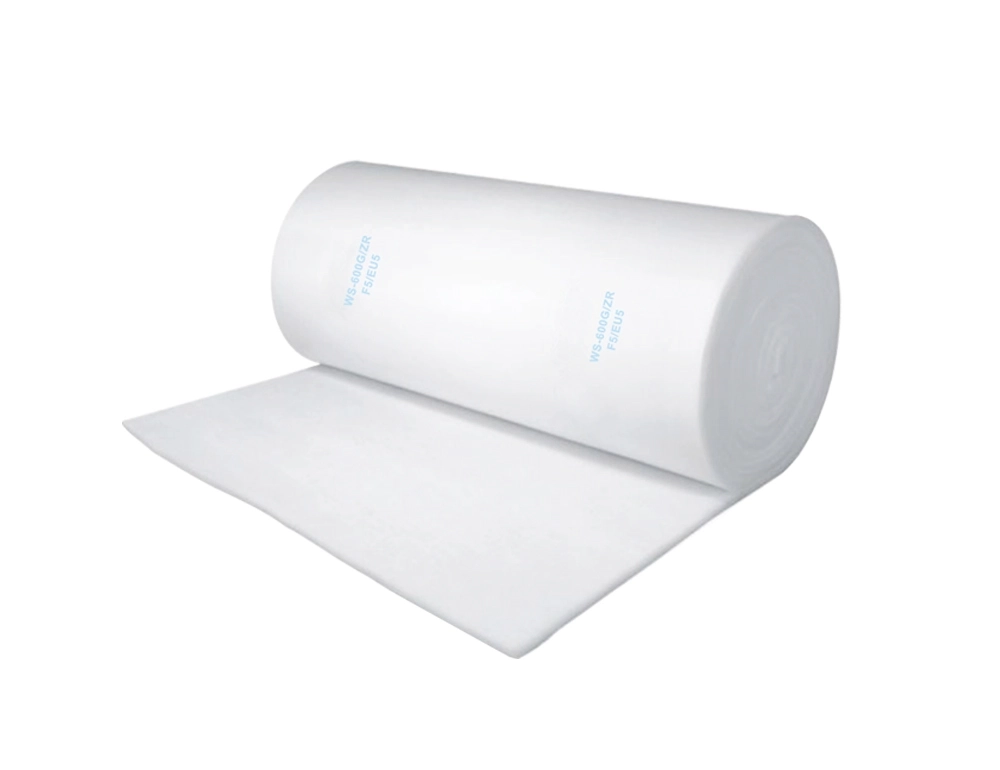
First-Stage Large-Particle Capture
The first line of defense, capturing particles ≥5 μm such as dust, hair, and fibers to protect downstream filters and extend overall system service life.
View Related Products →Precise PM2.5 Capture
Captures fine particles of 1–5 μm including PM2.5, pollen, and mold spores, significantly improving indoor air quality for commercial HVAC and ventilation systems.
View Related Products →Sterile-Grade Purification
≥99.97% filtration efficiency for particles ≥0.3 μm, delivering sterile-grade clean air widely used in medical, pharmaceutical, and electronics manufacturing.
View Related Products →Sub-Micron Particle Capture
≥99.9995% efficiency for particles ≥0.12 μm, meeting the extreme cleanliness demands of semiconductor fabs, aerospace, and other ultra-precision applications.
View Related Products →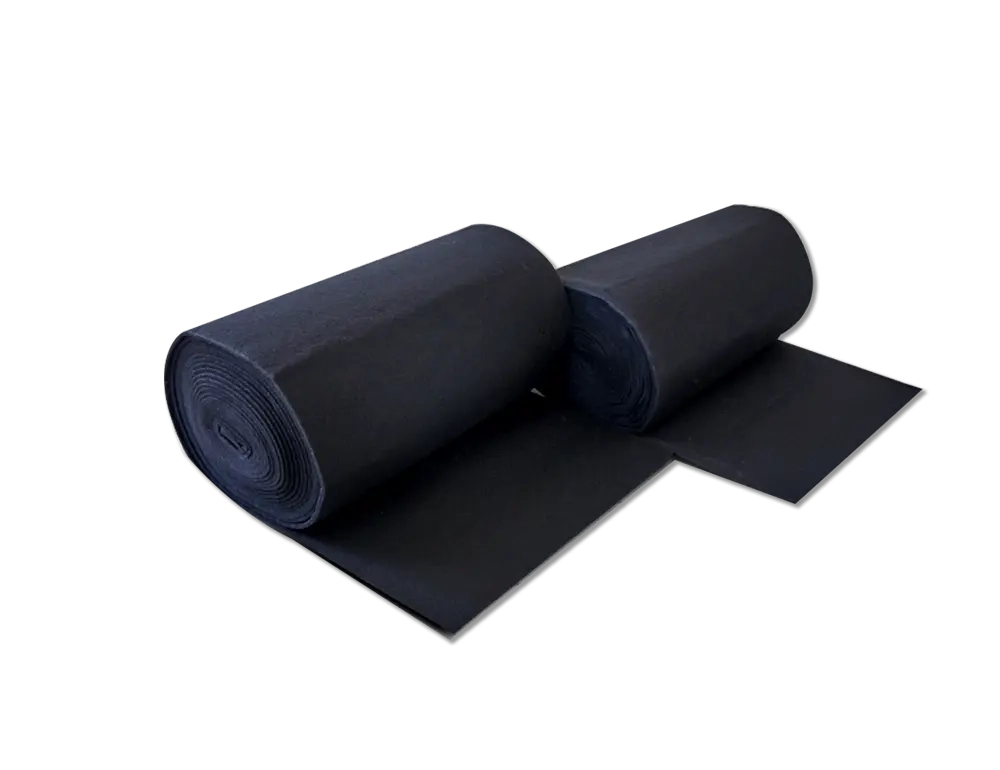
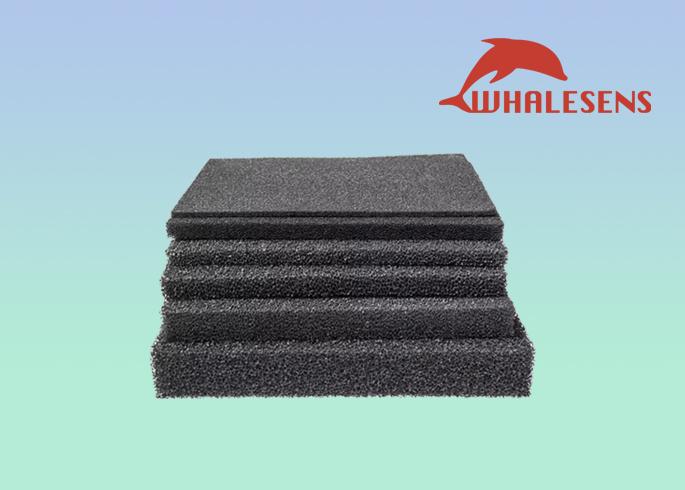
High-Temperature Resistant
Industrial-Grade Heat Tolerance
Washable & Reusable
Cut Costs, Reduce Waste
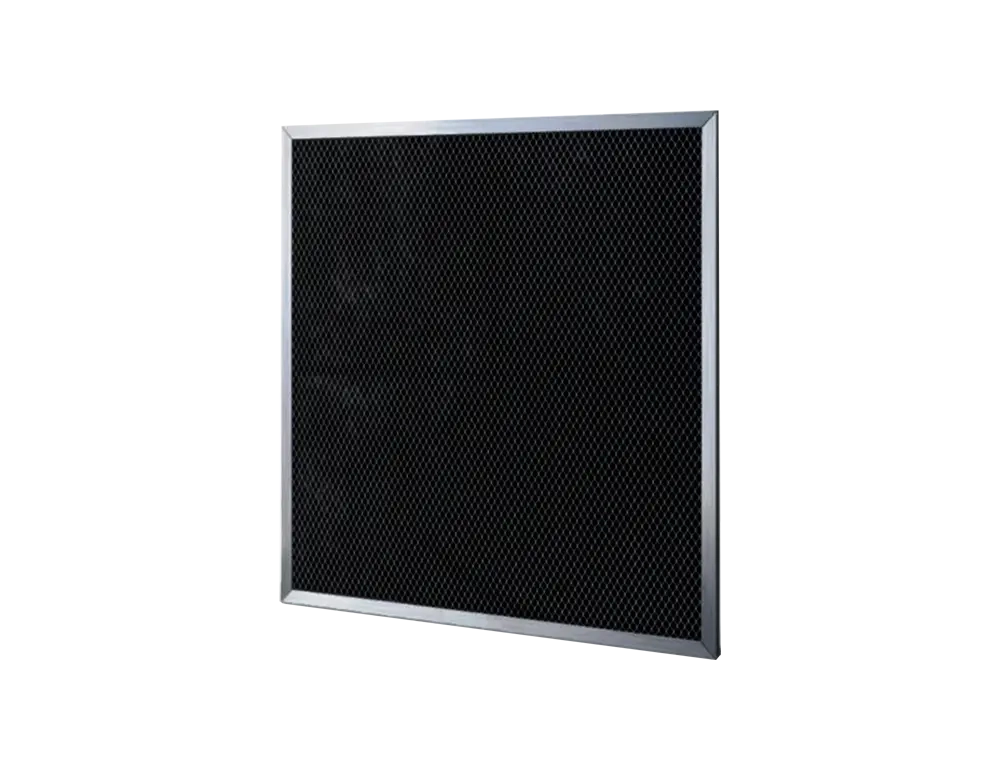
Activated Carbon
Odor & Harmful Gas Removal
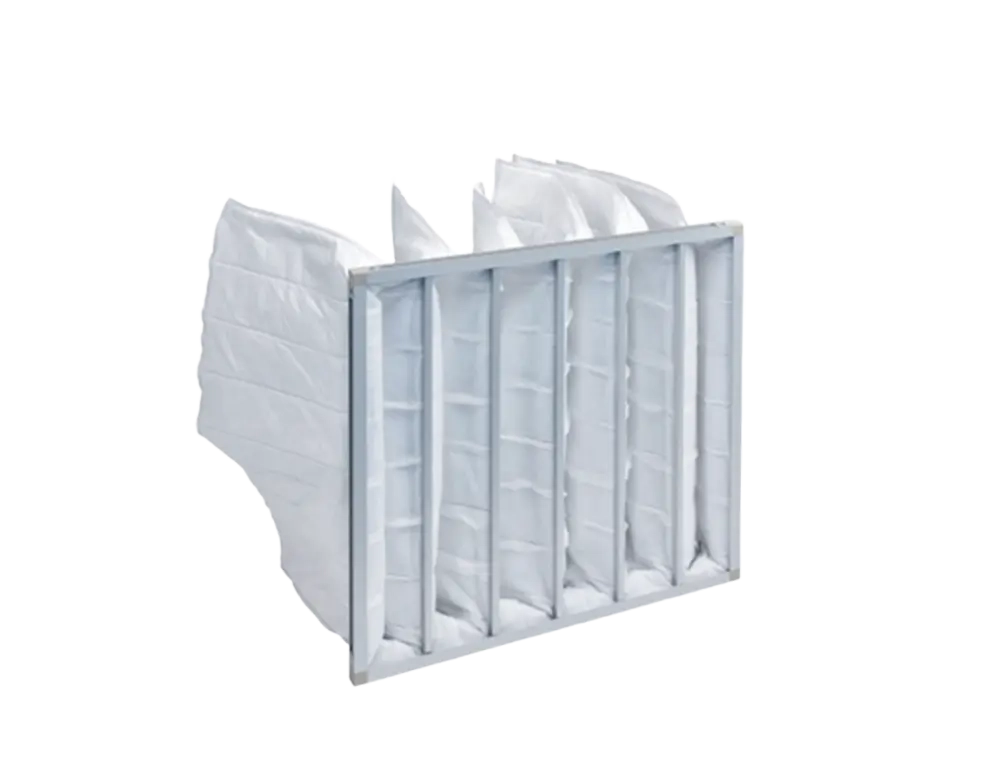
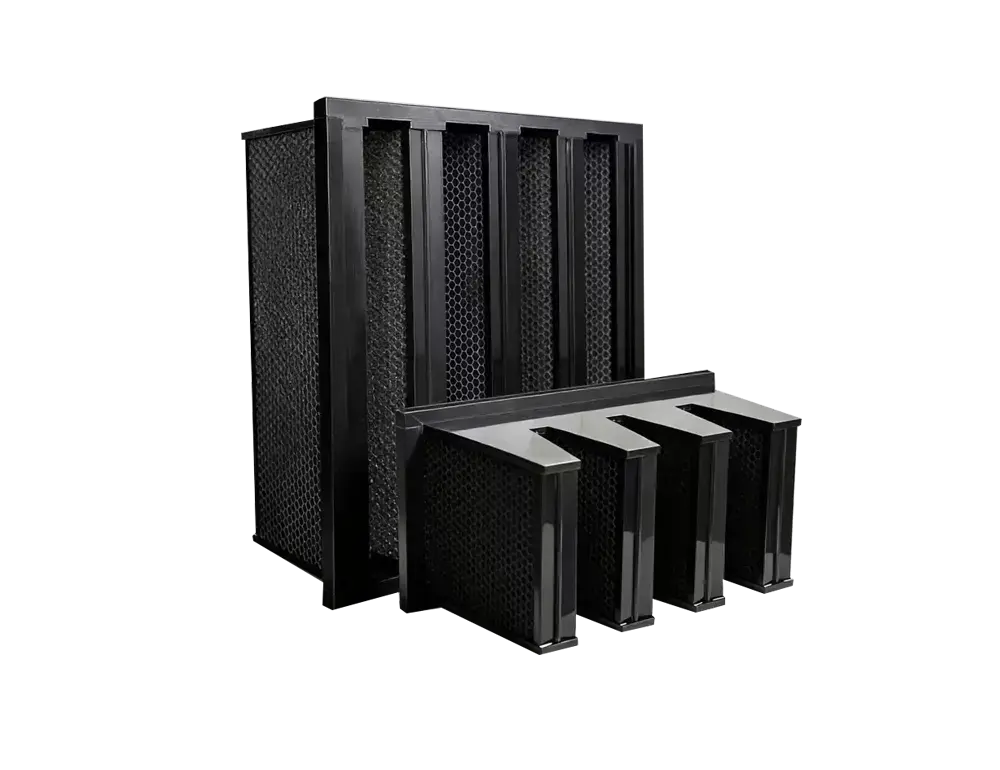
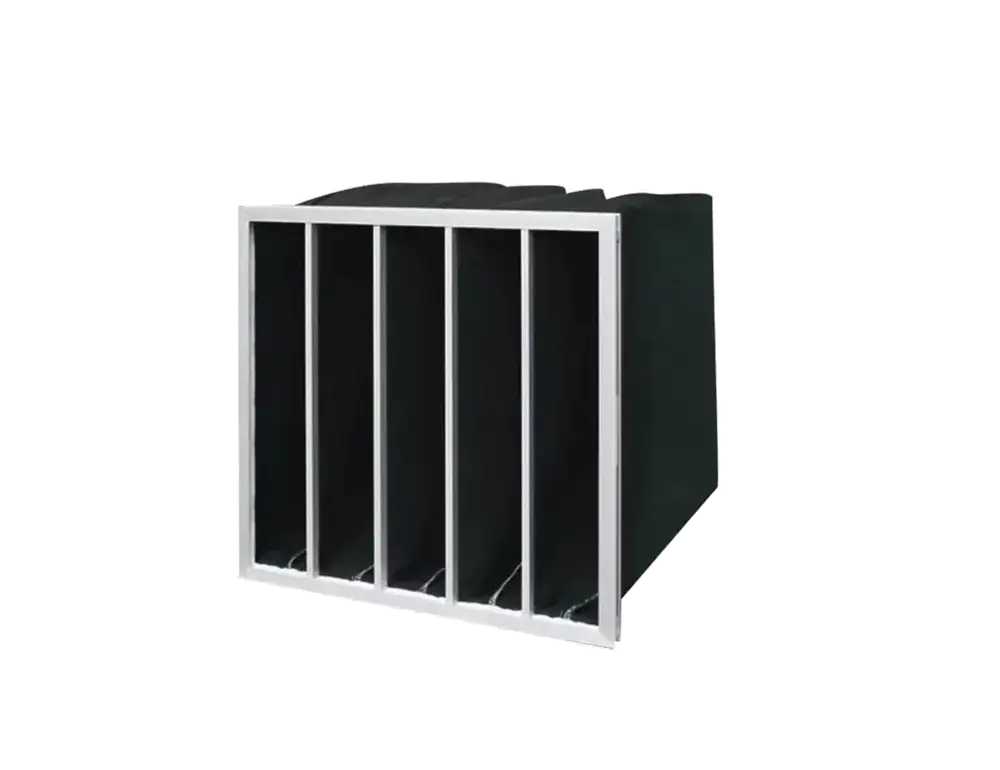
Bag Filter
High Dust-Holding, Long Life
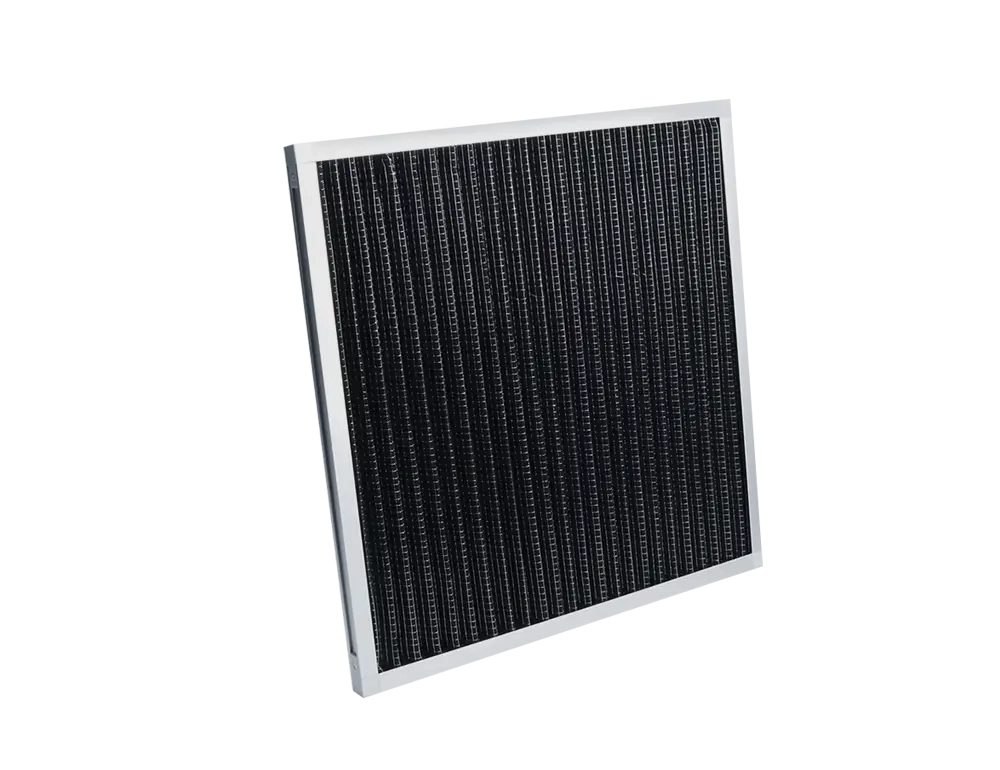
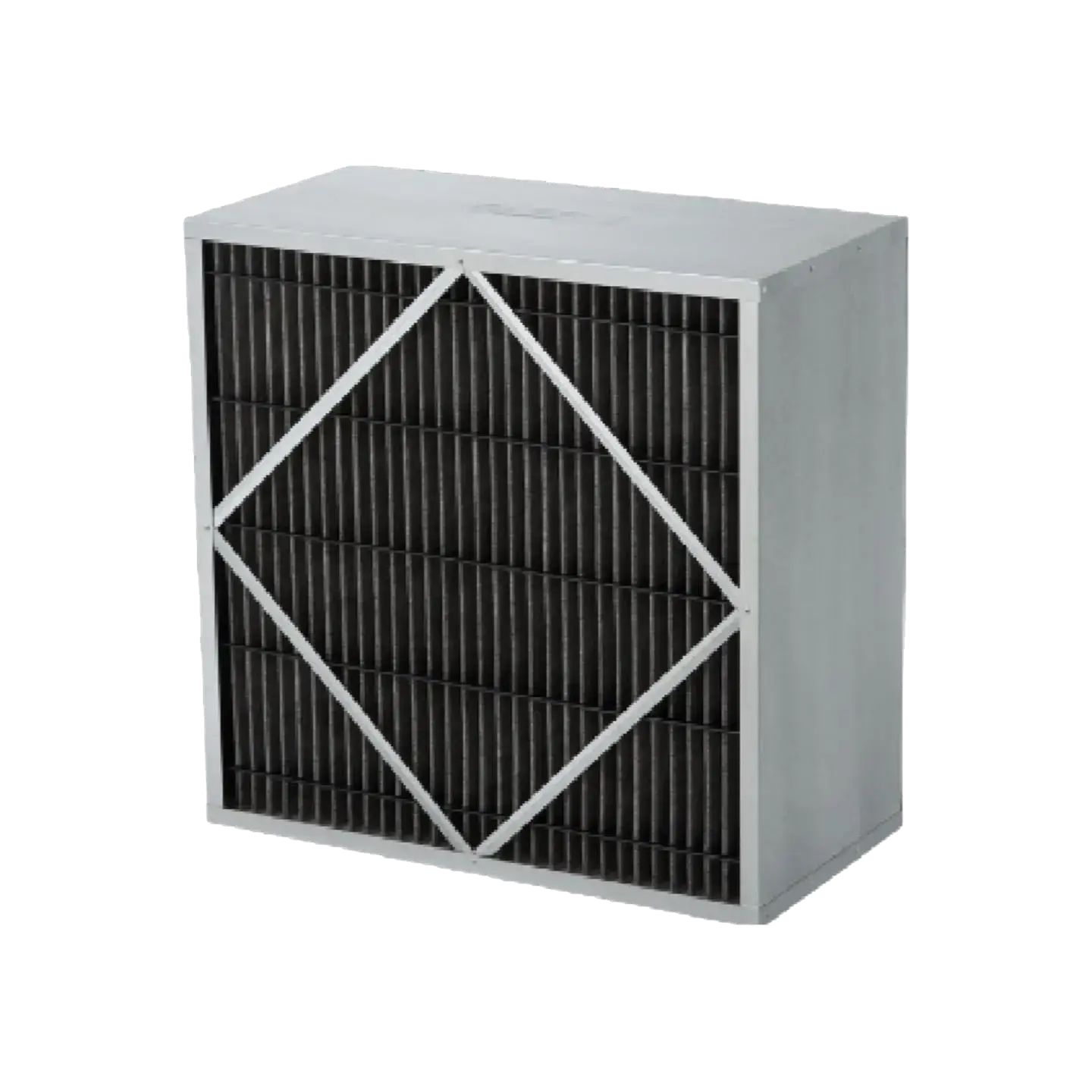
Panel / Pleated Filter
Compact Space-Saving Design
Low-Resistance Airflow
Energy-Saving Operation
Industrial-Grade Heat Tolerance
Built with specialized heat-resistant materials, operating stably up to 250°C for paint ovens, industrial dryers, and high-temperature process environments.
View Related Products →Cut Costs, Reduce Waste
Cleanable by water washing or air blowing, reusable multiple times to significantly reduce replacement frequency and O&M costs — an economical, eco-friendly choice.
View Related Products →Odor & Harmful Gas Removal
Leverages activated carbon's high adsorption capacity to eliminate odors, VOCs, and formaldehyde, ideal for newly renovated spaces and industrial exhaust treatment.
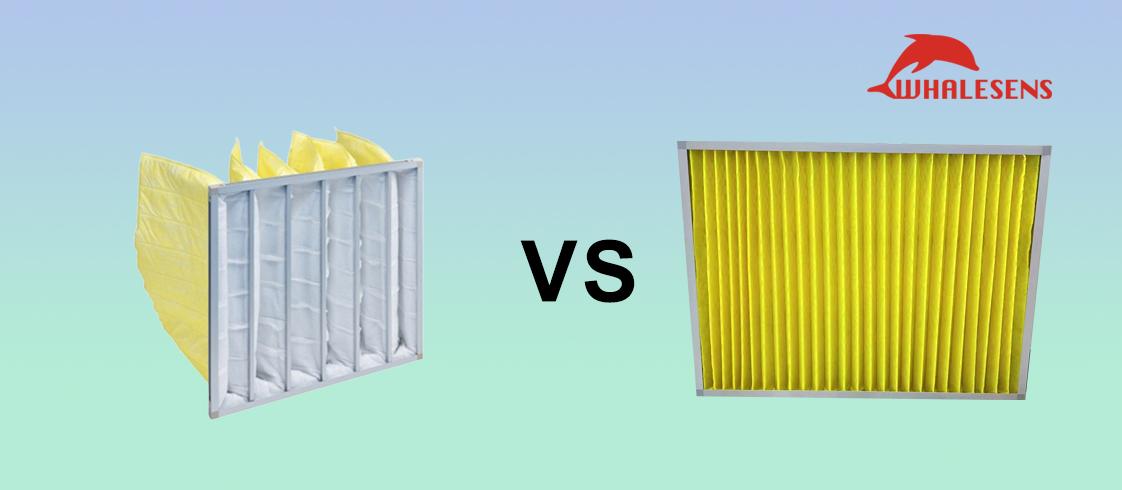
View Related Products →High Dust-Holding, Long Life
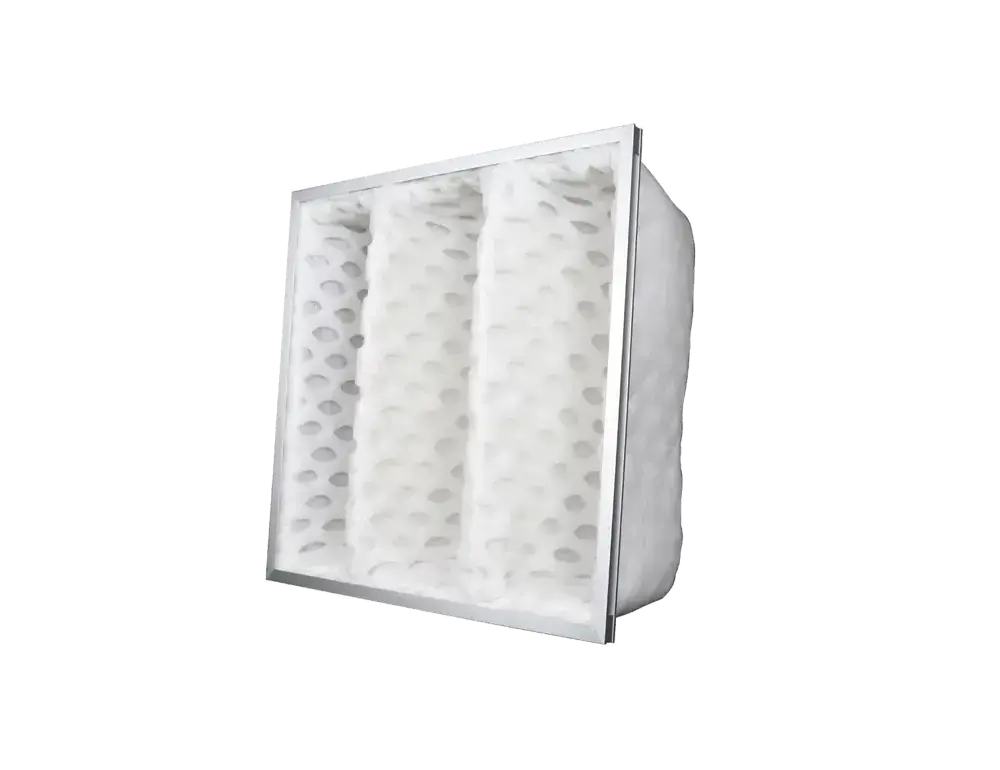
Bag-style construction delivers a larger filtration area, high dust-holding capacity, and extended service life — ideal for high-dust environments with reduced replacement frequency.
View Related Products →Compact Space-Saving Design
Compact form factor for easy installation and replacement; pleated structure maximizes filtration area within a small footprint for higher efficiency.
View Related Products →Energy-Saving Operation
Low-resistance design minimizes pressure drop while maintaining filtration performance, reducing fan energy consumption for cost-effective, eco-friendly operation.
View Related Products →










 English(Global)
 简体中文
简体中文 Language




Application of Air Filtration Systems in Commercial Buildings

Principles of Application
- Protect Occupant Health and Well-being: Remove or reduce indoor and outdoor pollutants, including PM2.5, PM10, pollen, industrial dust, and vehicle emissions. Control indoor particulates such as dust, fibers, skin flakes, biological aerosols (bacteria, mold spores, viral carriers), and VOCs from building materials, furniture, and cleaning agents. Reduce risks of respiratory diseases, chemical exposure, and Sick Building Syndrome (SBS).
- Enhance Comfort: Remove dust and odors to provide a cleaner and more pleasant indoor environment.
- Improve Productivity: Studies show high IAQ correlates with improved cognitive performance, decision-making, and overall efficiency for occupants.
- Protect HVAC Equipment and Reduce Maintenance Costs: Prevent dust accumulation on coils, fans, impellers, and sensors. Maintain heat exchange efficiency and operational performance, reducing cleaning frequency and extending equipment life.
- Compliance with Standards and Regulations: Meet local and international IAQ and ventilation standards, such as ASHRAE 62.1 and regional indoor air quality regulations.
- Increase Building Value and Appeal: High IAQ attracts tenants, customers, and employees. Certifications such as LEED, WELL, and other green building ratings enhance market value.
Filtration Technologies and Methods
- Pre-filters (G4/MERV8/ISO Coarse): Capture large particles at fresh air or return air intakes to protect medium and high-efficiency filters and coils.
- Main/Final Filters (MERV13+ / F7-F9 / ePM1 50-65%, ePM2.5 65-85%): Remove fine particles, allergens, and microbial carriers, balancing IAQ improvement and energy efficiency. Trend: Higher efficiency filters (MERV13 or above) are recommended, provided the system can handle additional pressure drop.
- Chemical Filtration: Used in buildings with high outdoor pollution or significant indoor VOC sources (newly renovated spaces, commercial activities, kitchens). Activated carbon filters or chemical adsorbents are installed after particulate filters to remove gases and odors. Correct media selection and sufficient contact time are critical.
- Local Air Purification: Portable air purifiers supplement central systems in areas requiring higher air quality (meeting rooms, offices, nurseries). Ensure CADR matches room size and filters are high-efficiency (HEPA or equivalent).
- Maintenance and Replacement: Filters are typically replaced on schedule (pre-filters every 1–3 months, main filters every 6–12 months). Differential pressure monitoring is the most accurate method for timely and cost-effective replacement. Modern systems integrate sensors with Building Management Systems (BMS) for real-time monitoring and alerts.
Key Benefits of Effective Air Filtration
- Significantly Improved IAQ: Reduces PM2.5, PM10, pollen, mold spores, and, with chemical filtration, VOCs and odors.
- Enhanced Health and Comfort: Minimizes respiratory irritation, allergy symptoms, and SBS complaints.
- Increased Productivity: Supports cognitive performance, focus, and reduced absenteeism for occupants.
- HVAC Protection and Reduced Costs: Maintains system efficiency, lowers failure rates, and reduces maintenance costs.
- Regulatory Compliance and Certification: Meets IAQ standards, facilitating LEED, WELL, or other health-focused certifications.
- Competitive Advantage: High IAQ differentiates buildings to attract tenants, customers, and employees.
Challenges and Considerations
- Cost: High-efficiency and chemical filters have higher initial and replacement costs.
- Energy Consumption: Higher filter efficiency increases pressure drop, potentially raising fan energy usage. Optimize by selecting low-resistance filters and integrating smart control strategies.
- System Retrofit Limitations: Older buildings may lack capacity or space to accommodate high-efficiency filters without upgrades.
- Maintenance Complexity: Large buildings have many units and filters; require systematic maintenance plans and professional support.
- Source Control: Combine filtration with active source control (low-VOC materials, zoning, odor management).