


EV Charging Stations
Filtration for Power Equipment
Cleanroom & Semiconductor
Ultra-High Cleanliness Filtration
Commercial HVAC
Central Air System Filtration
Data Centers
Precision Equipment Protection
Livestock & Farming
Farming Environment Purification
Spray Booths & Industrial Dust
Paint Mist & Dust Purification
Filtration for Power Equipment
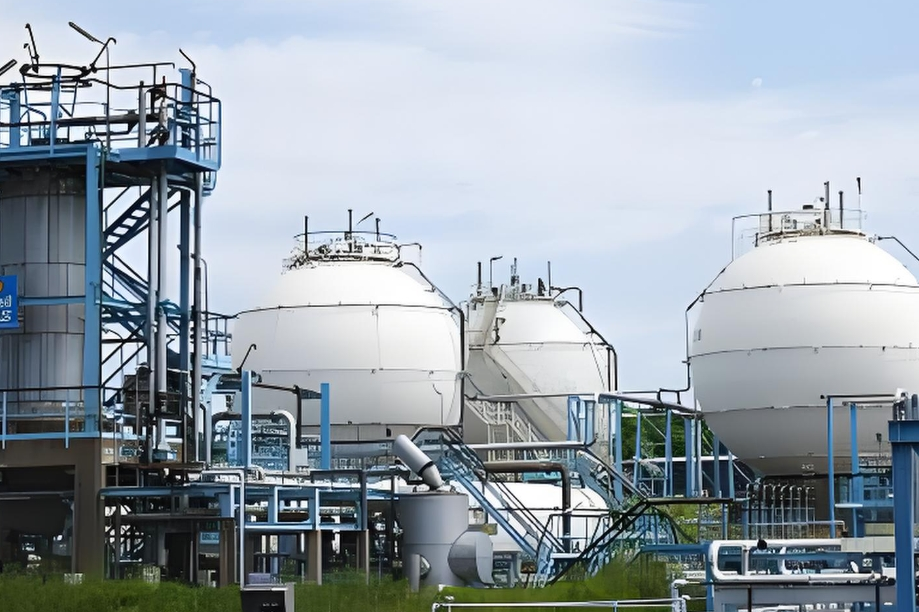
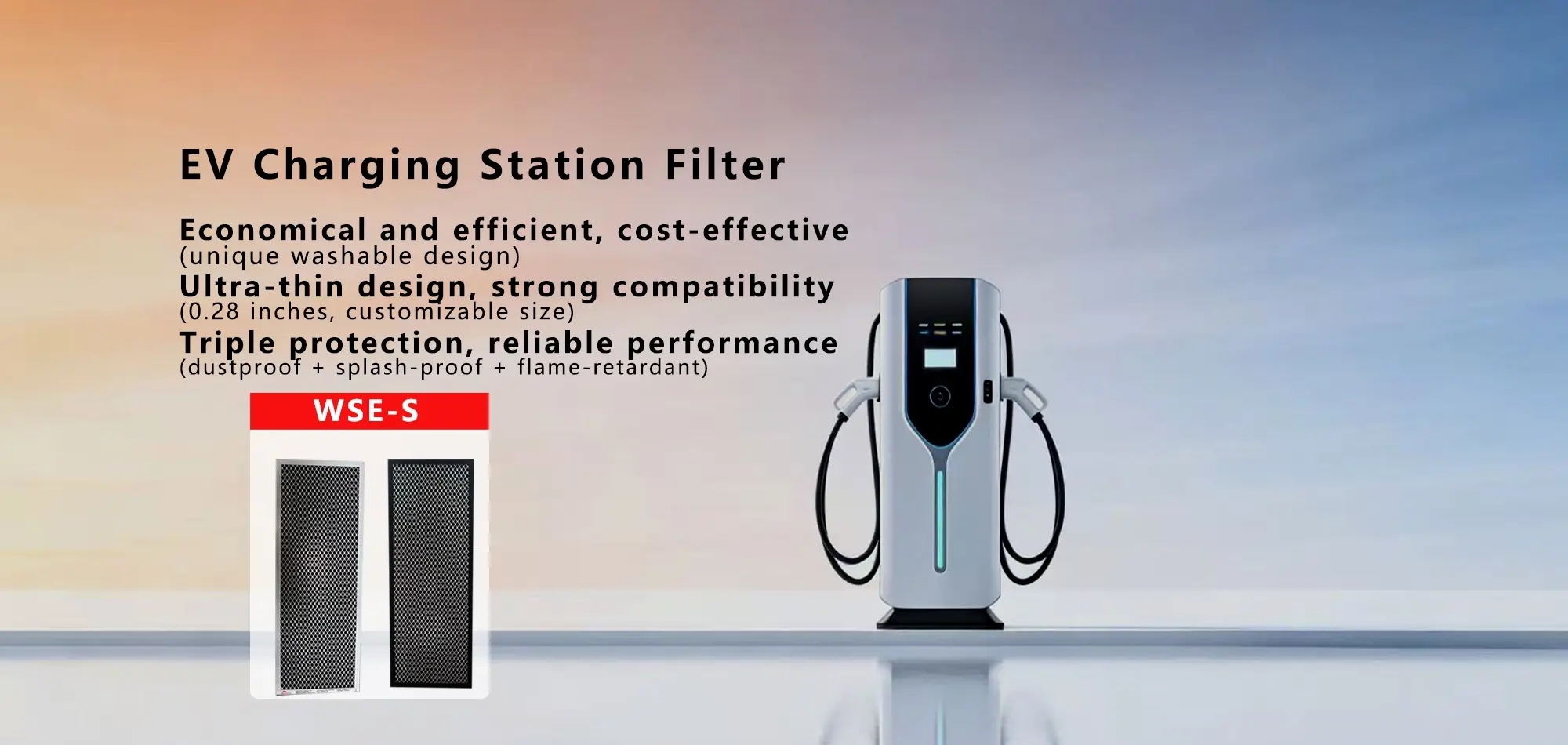
Professional air filtration for EV charging devices, protecting against dust and sand ingress to ensure stable, reliable operation of charging piles and station infrastructure.
View Related Products →Ultra-High Cleanliness Filtration
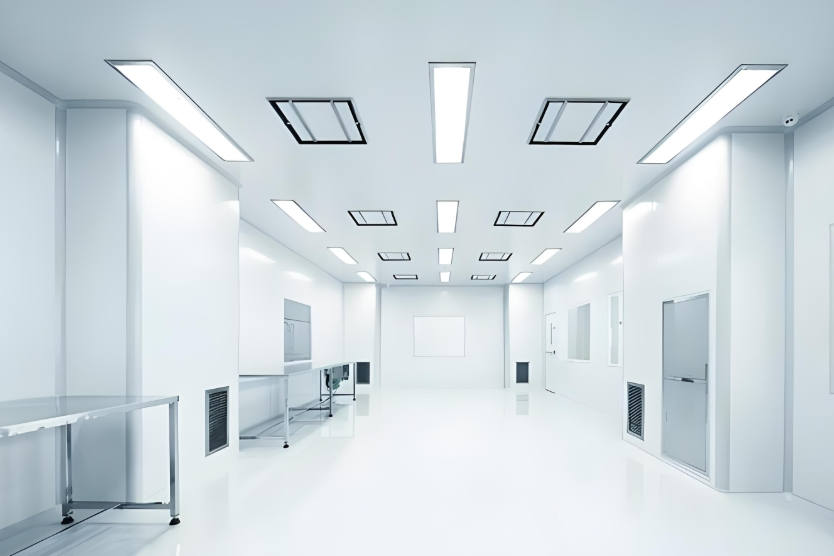
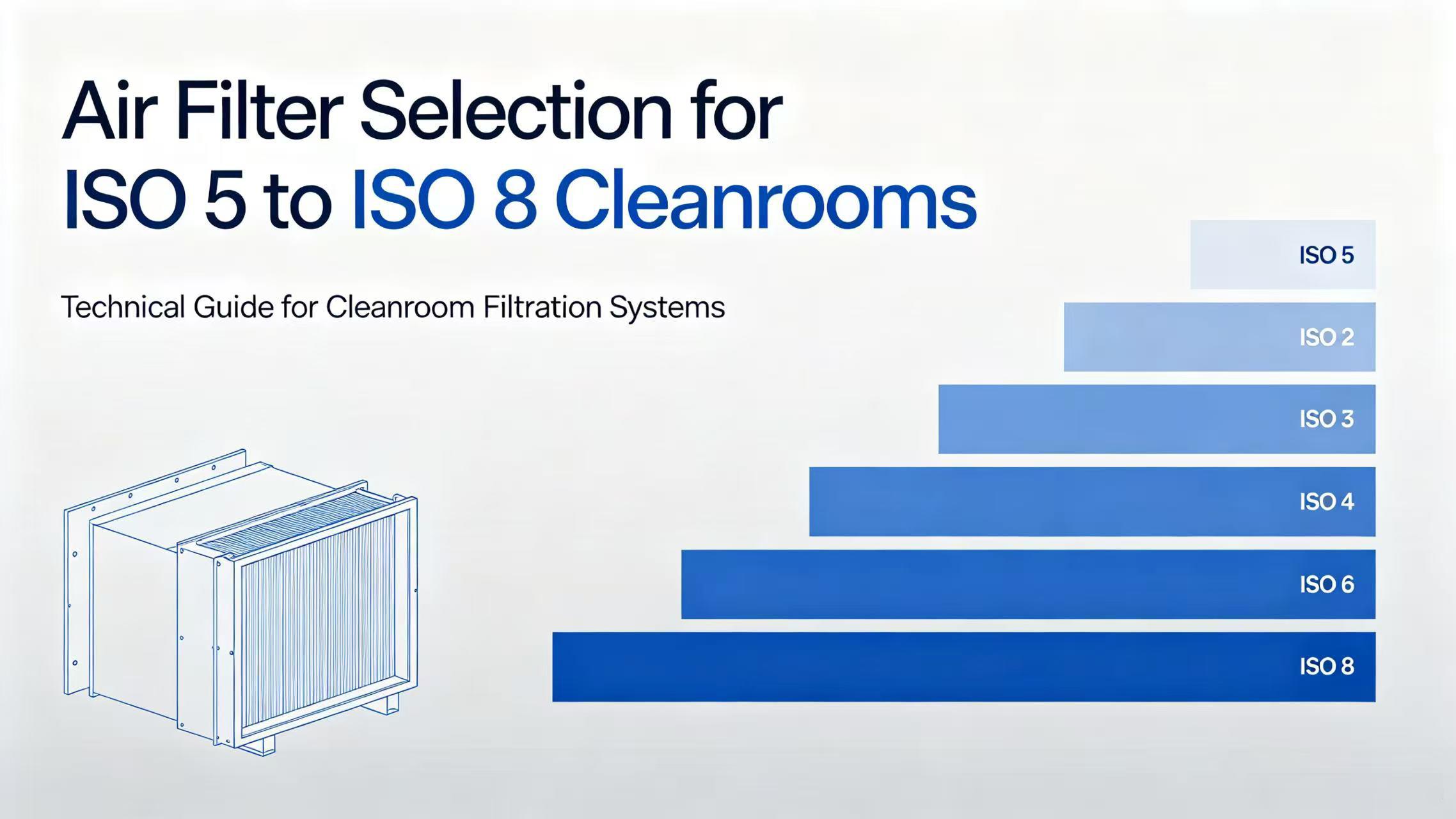
Ultra-high efficiency filtration for semiconductor wafer fabs and precision electronics cleanrooms, capturing nano-scale particles to meet ISO Class 1–3 standards and maximize product yield.
View Related Products →Central Air System Filtration
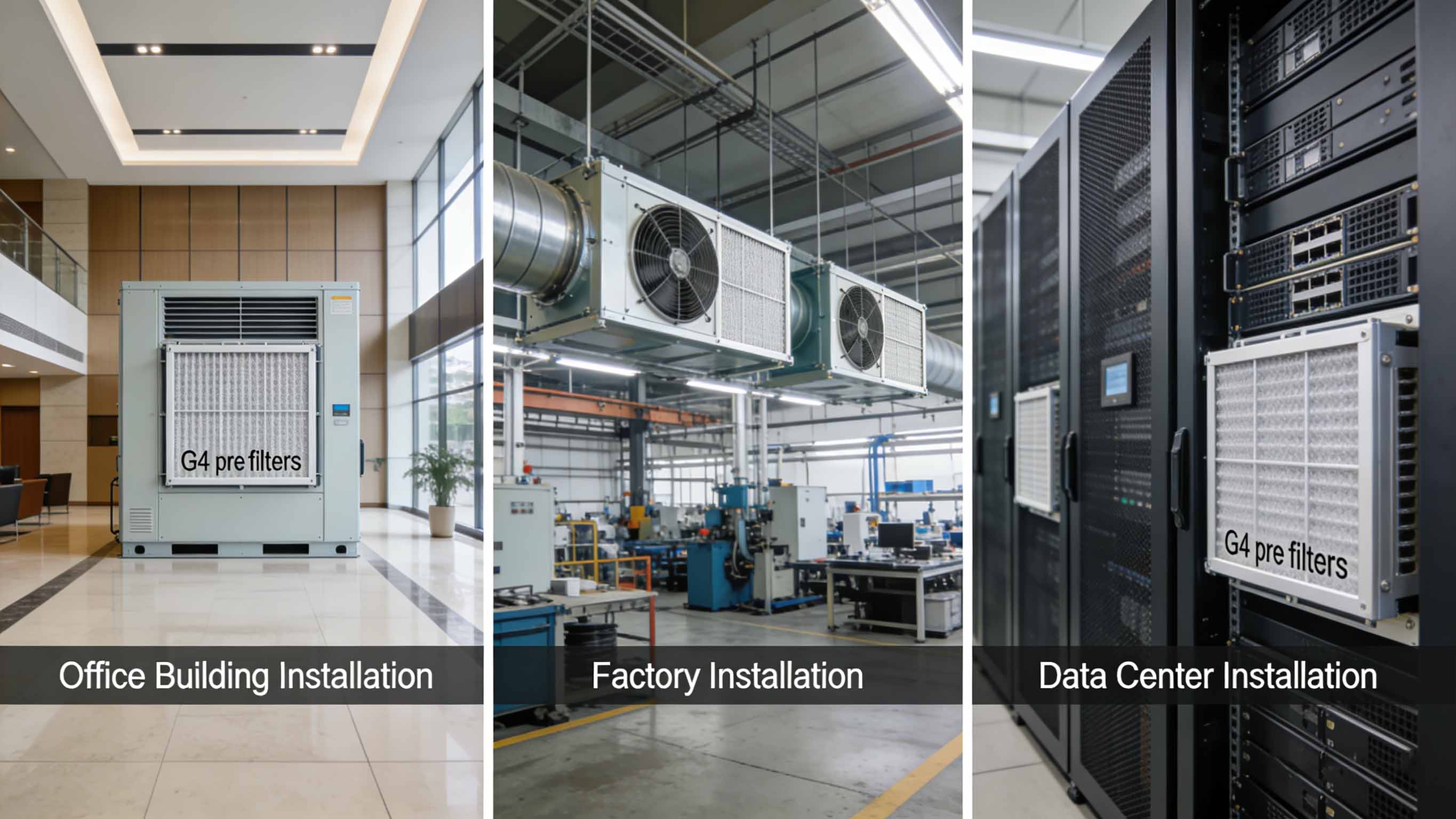
High-efficiency filtration for commercial building HVAC systems, improving indoor air quality, reducing energy consumption, and extending equipment service life.
View Related Products →Precision Equipment Protection
Precision air filtration for data centers, shielding servers and critical hardware from dust contamination to keep cooling systems running efficiently and reliably.
View Related Products →Farming Environment Purification
Dedicated filtration systems for farms and livestock facilities — capturing dust, adsorbing ammonia, and inhibiting pathogen spread to improve animal health and overall productivity.
View Related Products →Paint Mist & Dust Purification
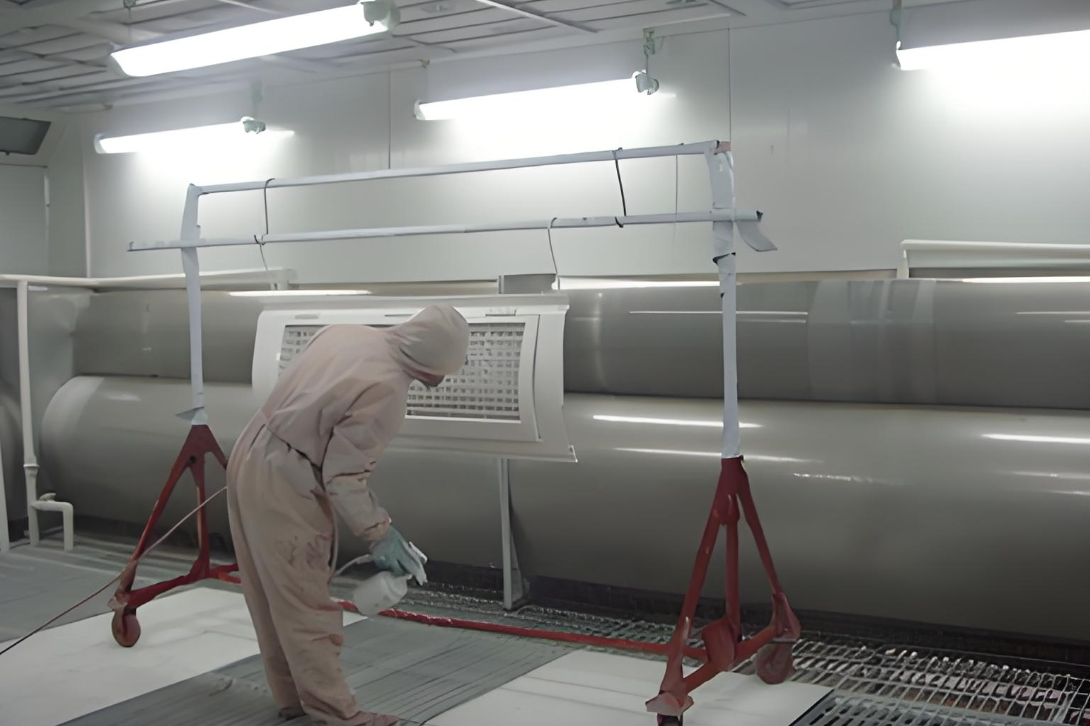
Designed for spray booths and grinding workshops, efficiently capturing paint mist, metal dust, and wood chips to meet emission standards while protecting finished surface quality.
View Related Products →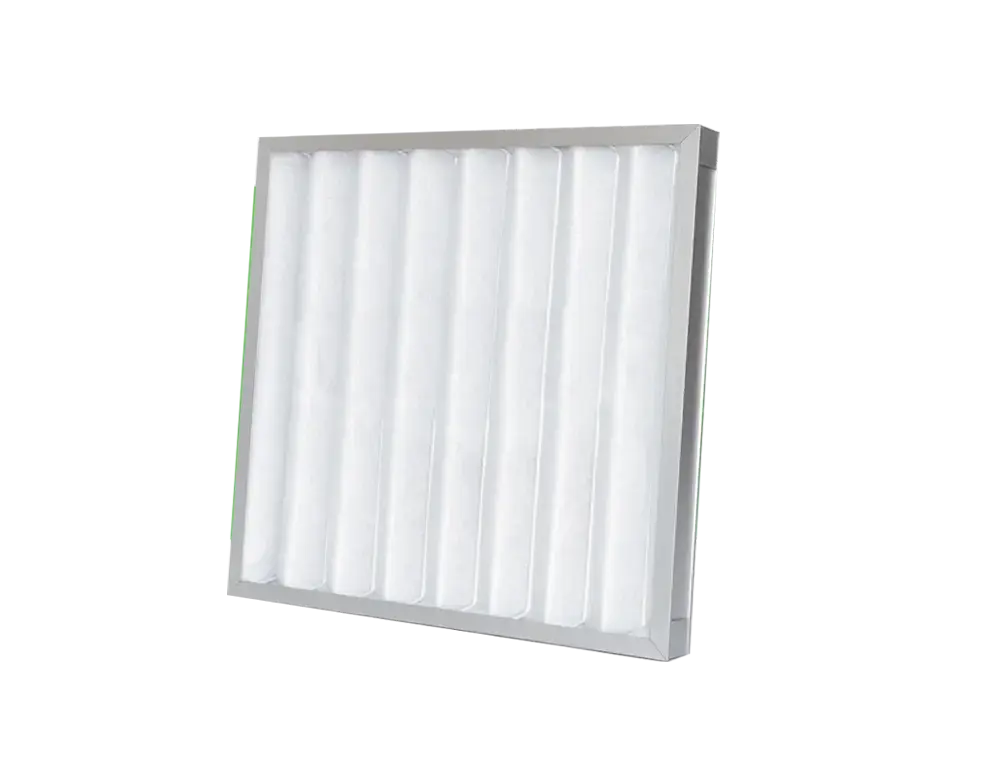
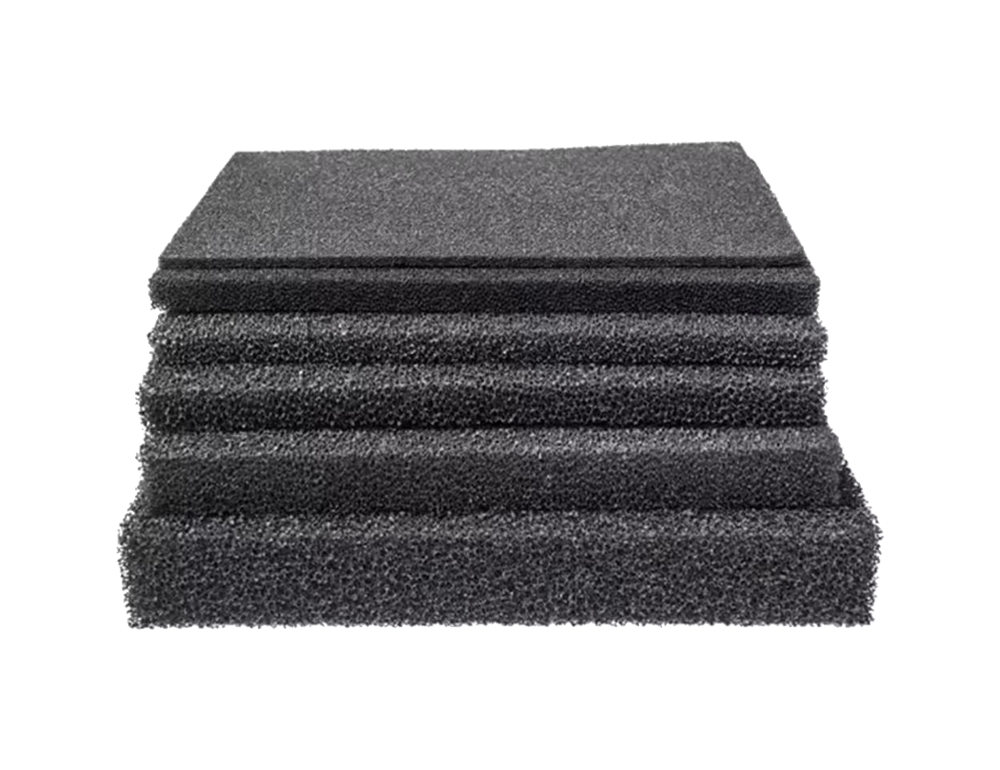
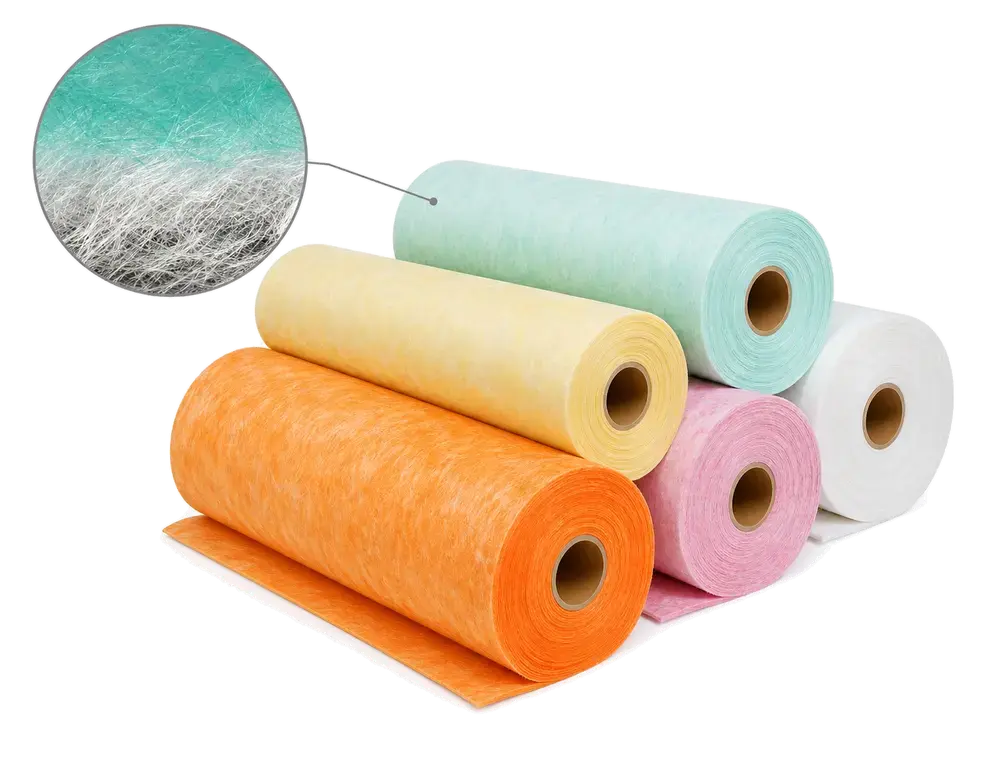
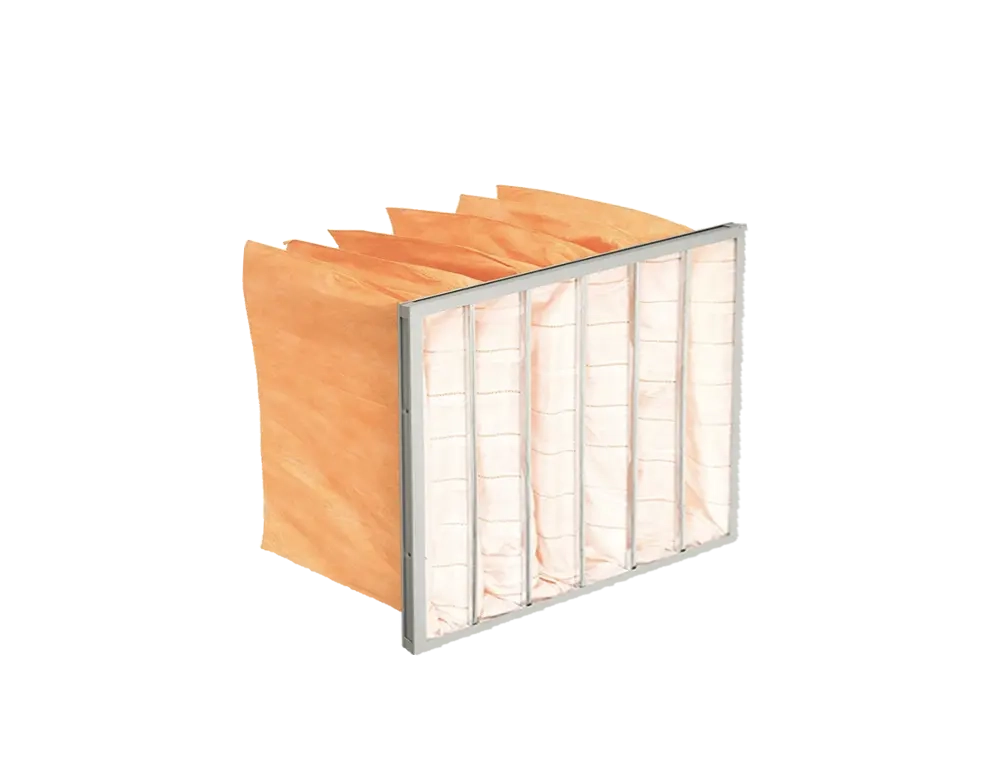
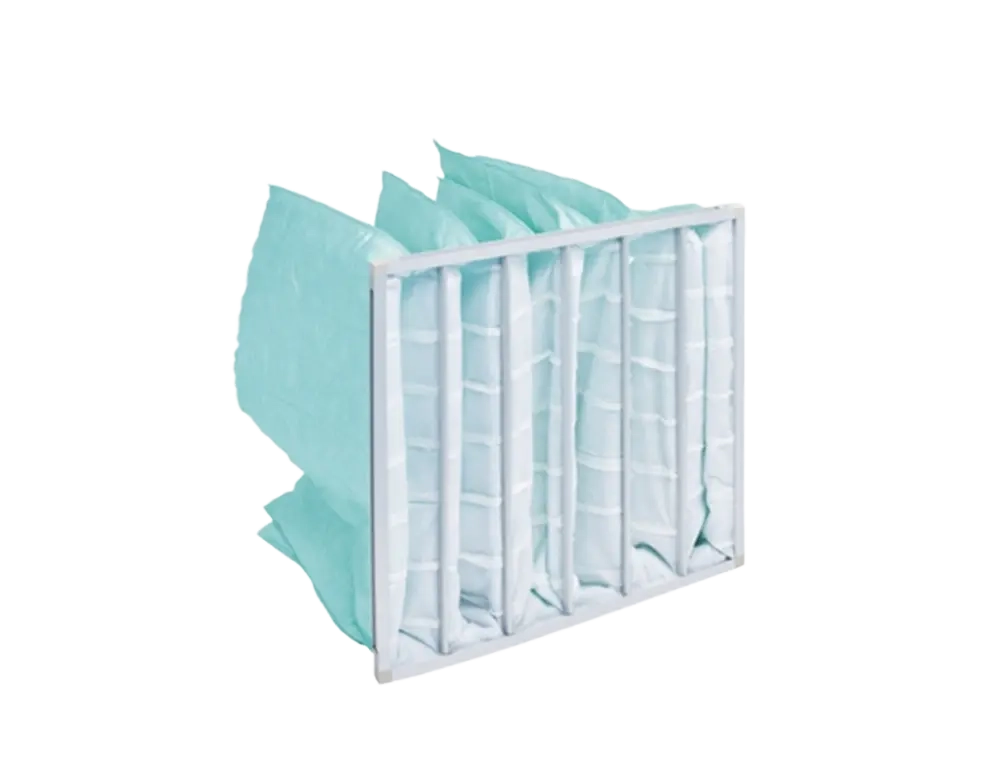
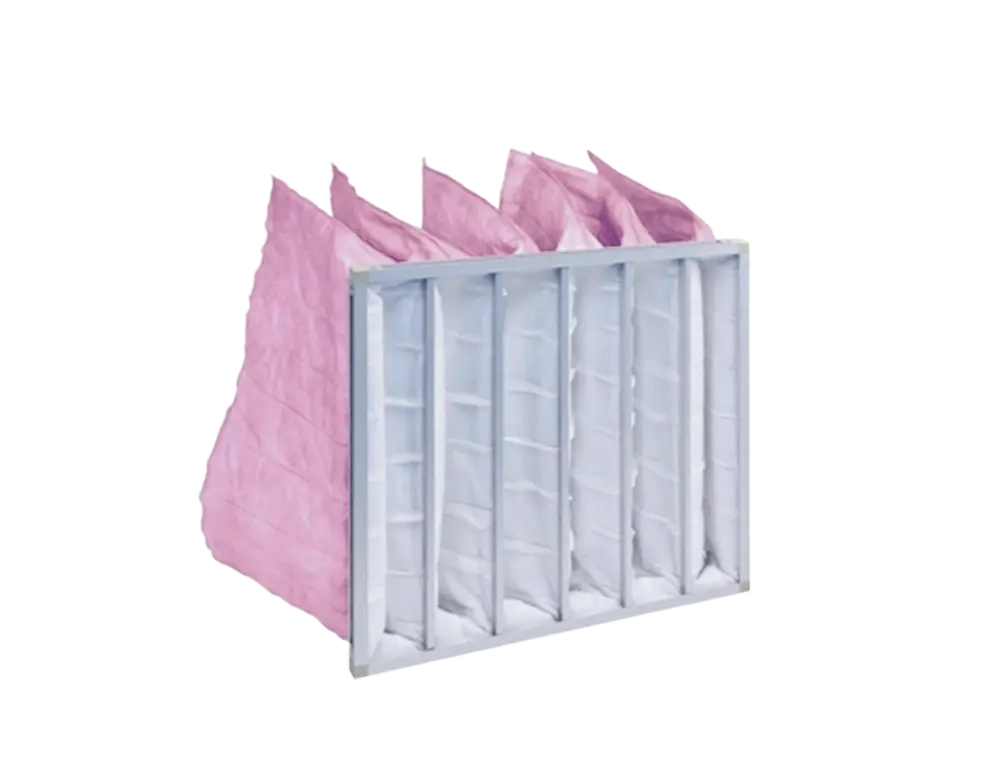
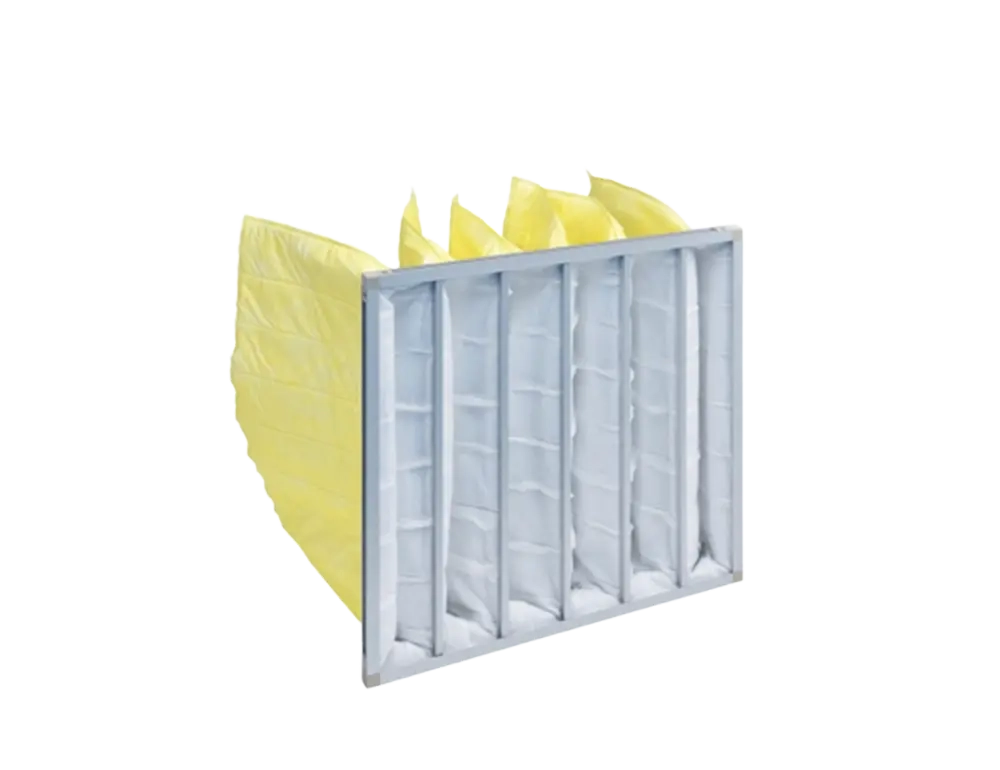

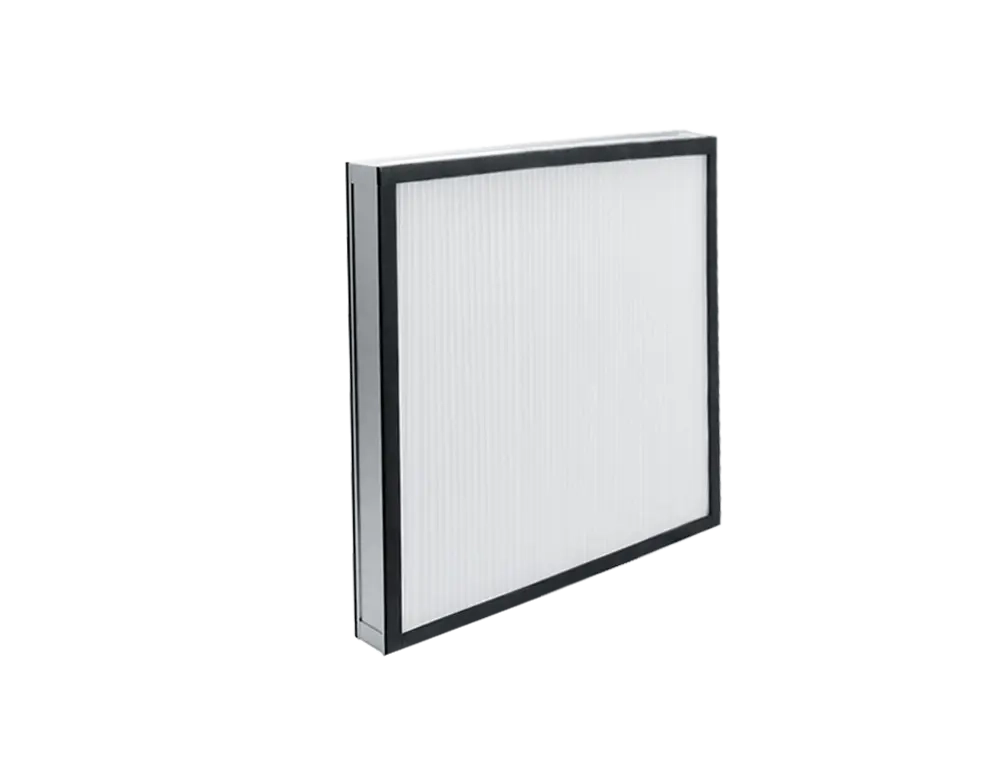
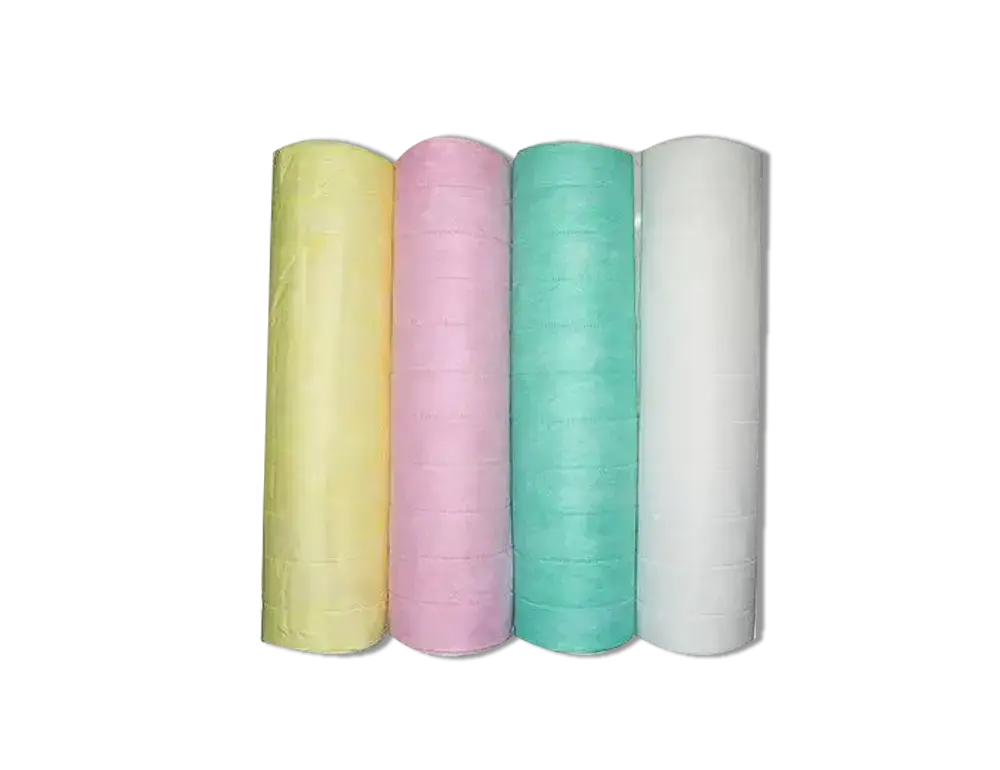
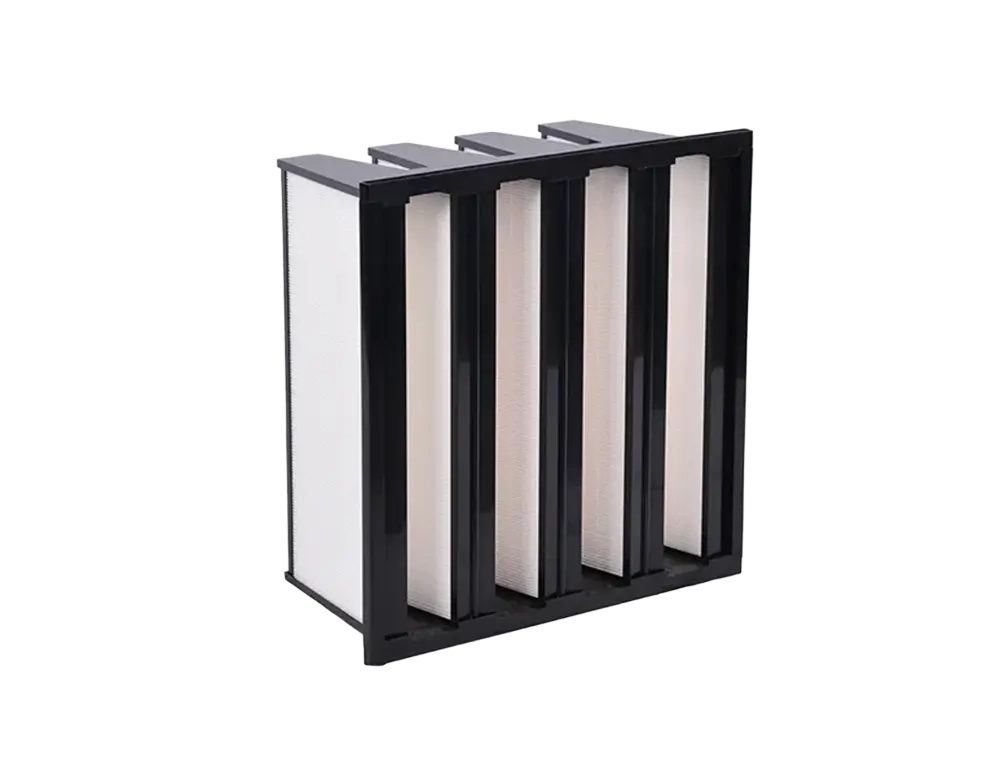
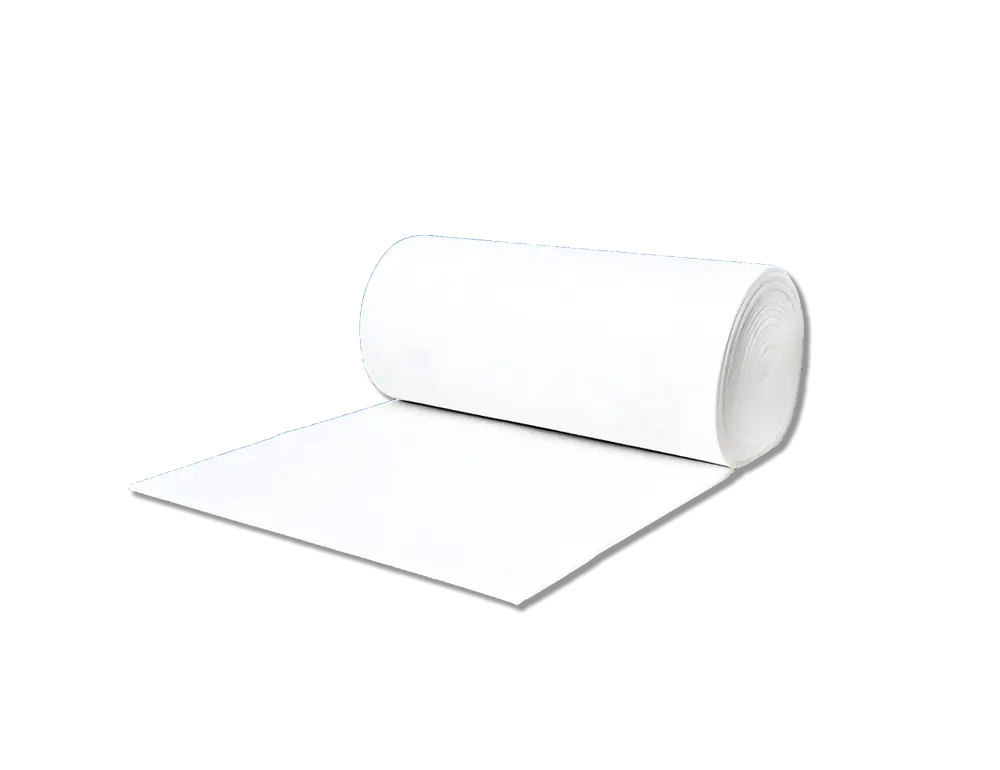
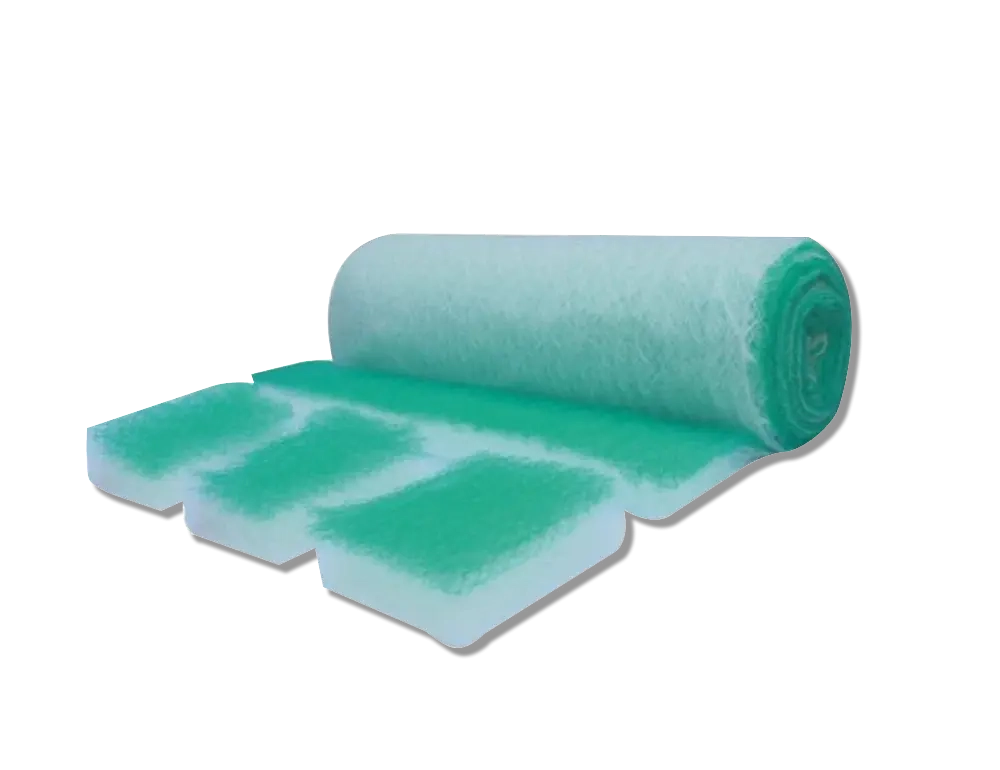
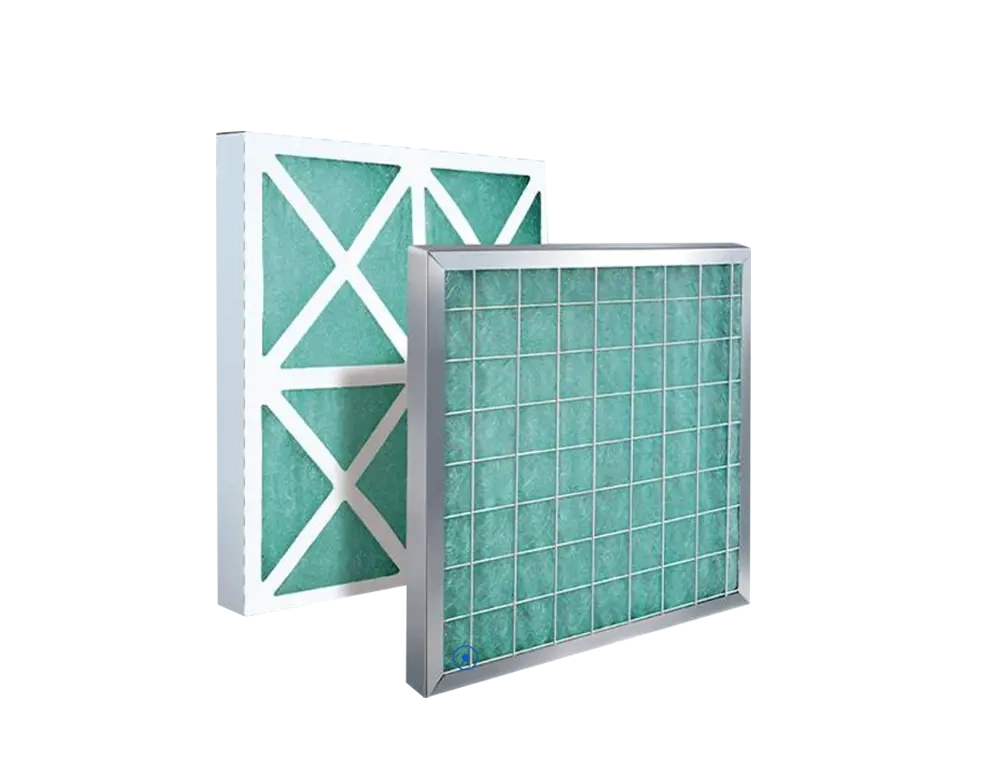
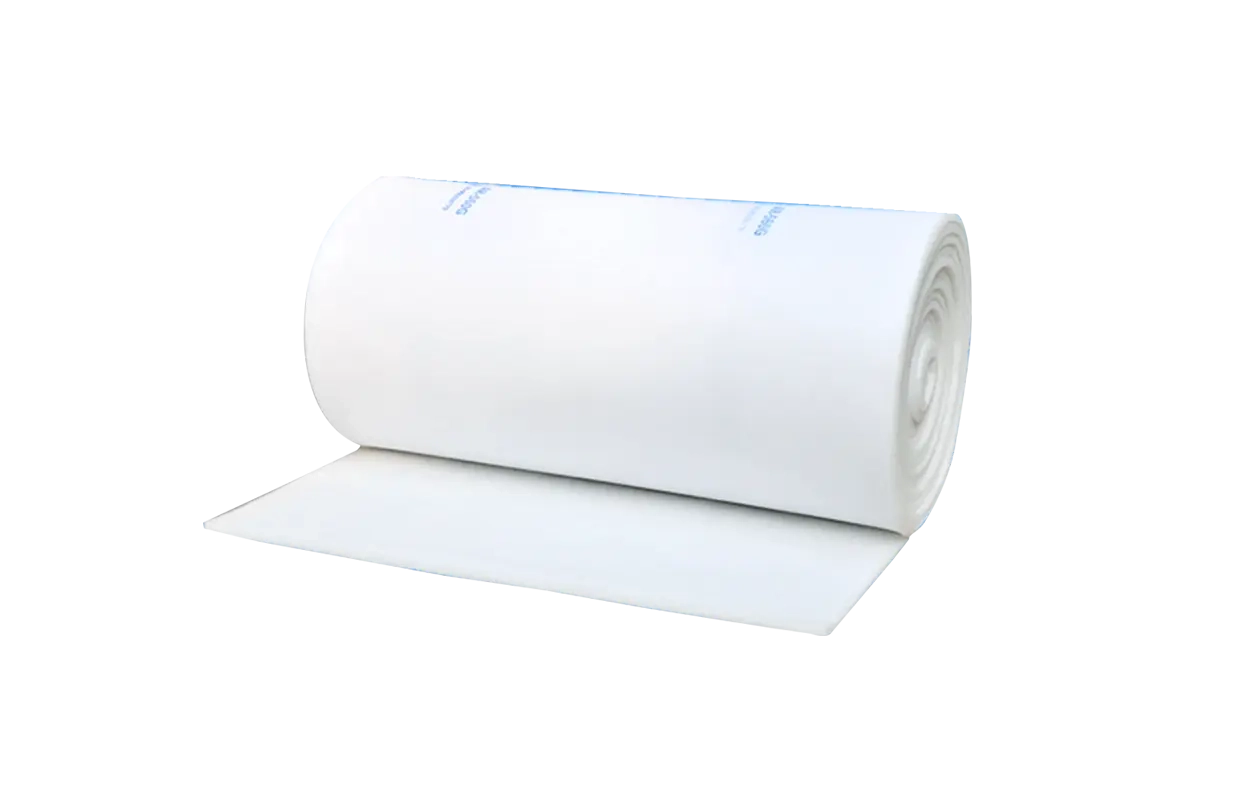
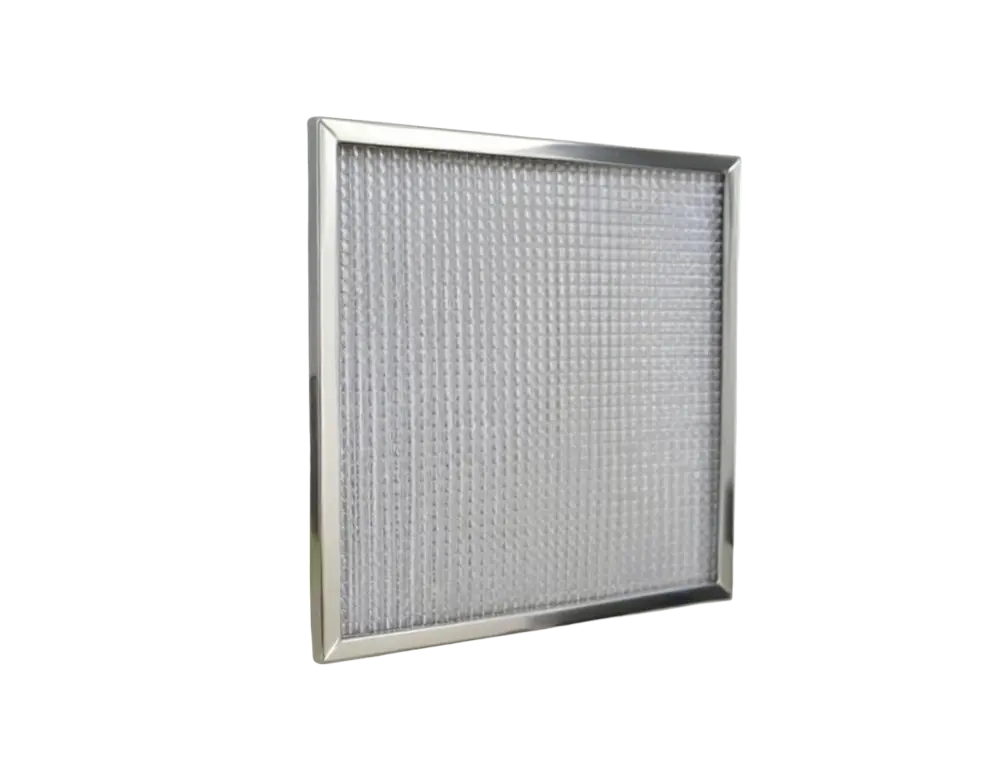
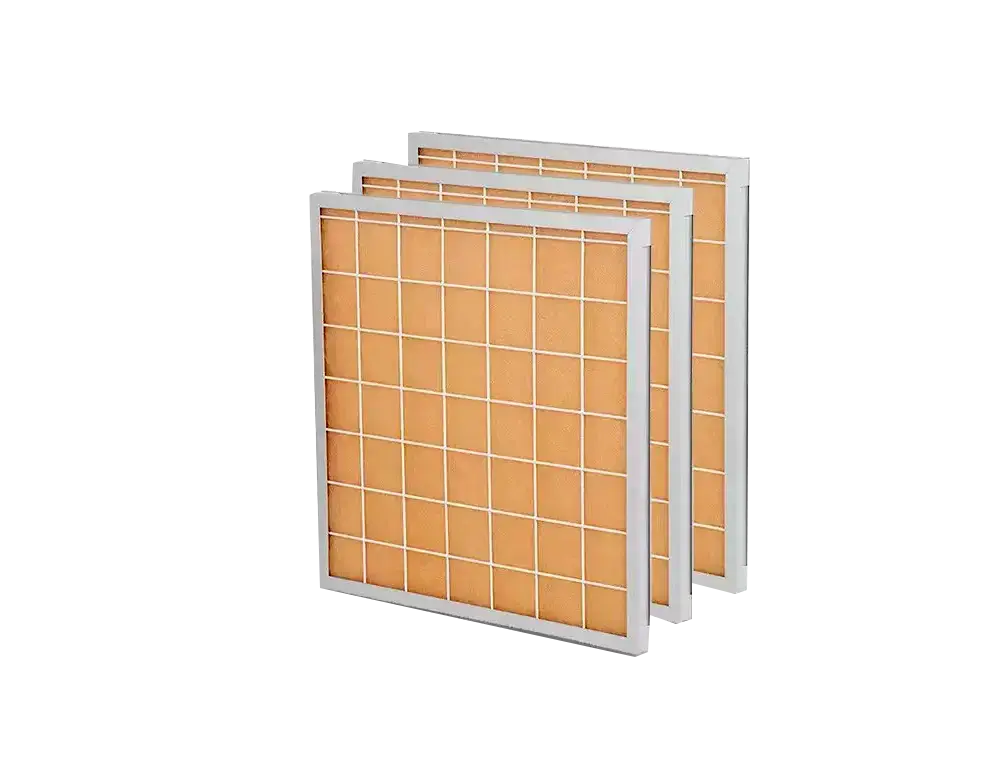
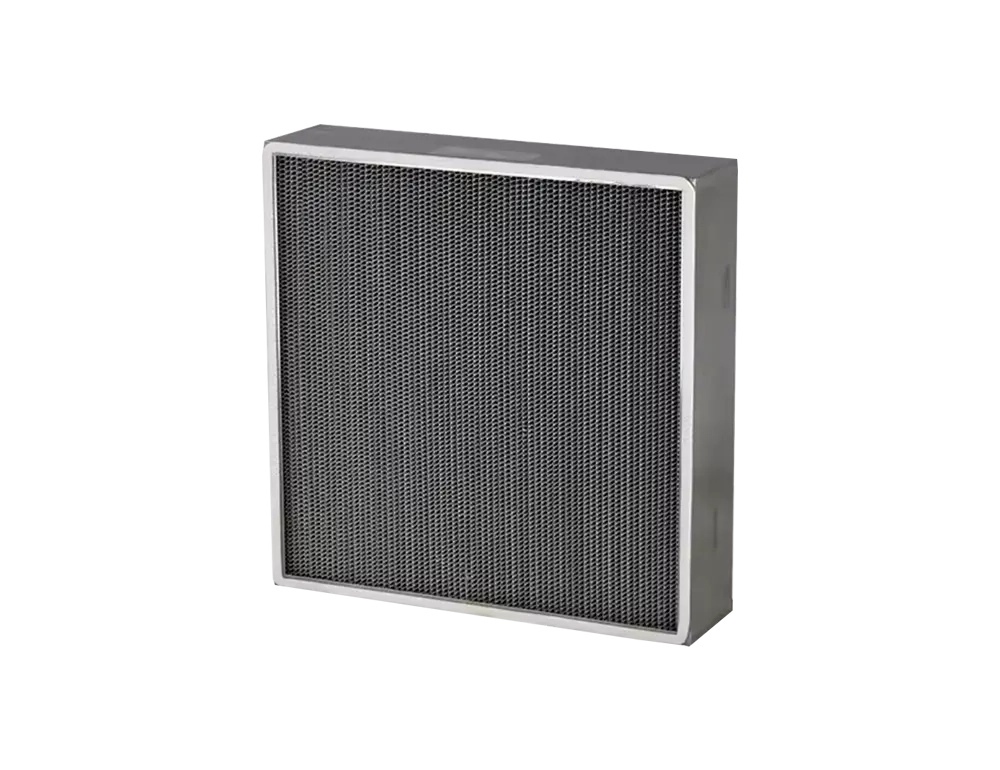
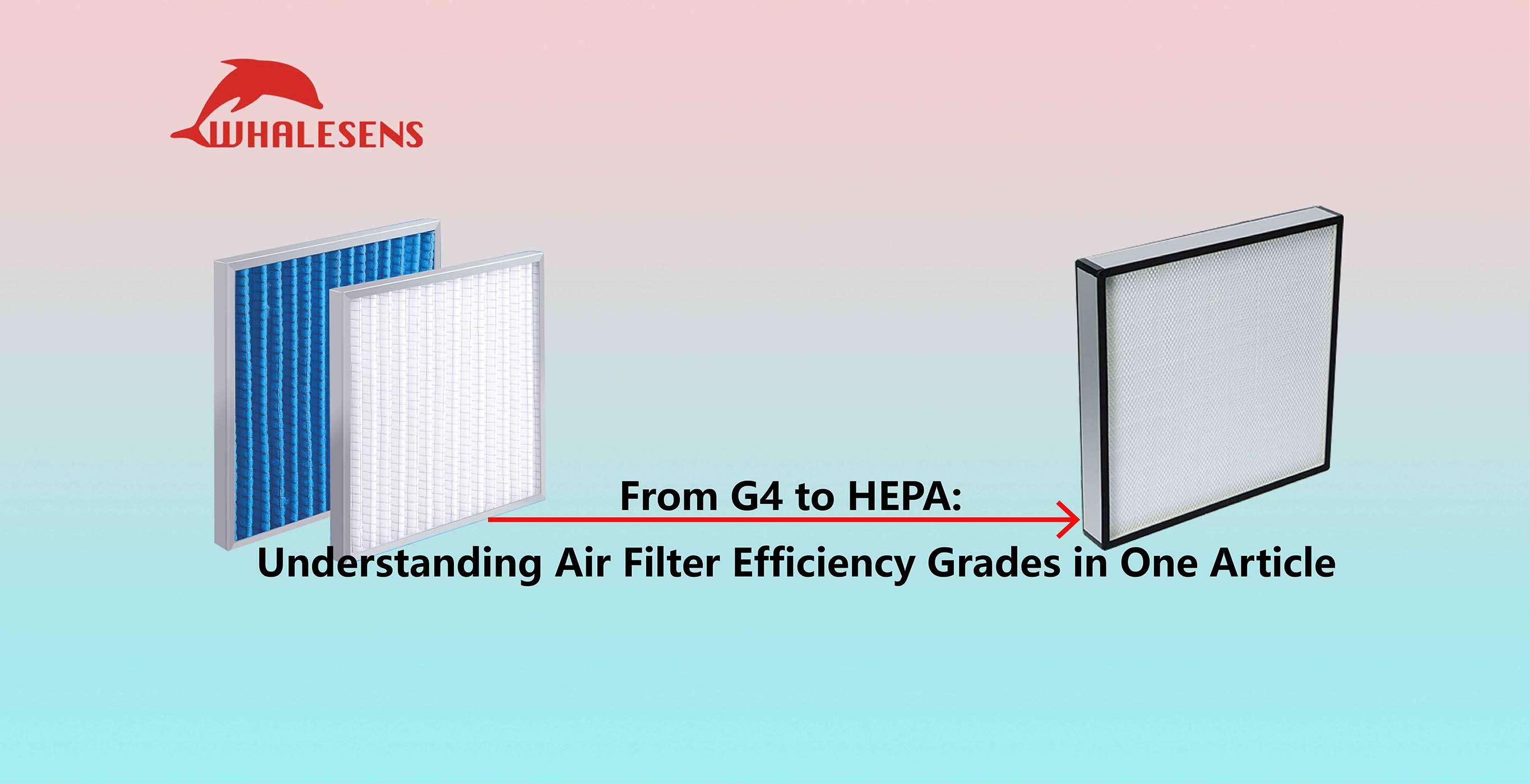
Pre-Filter (G1–G4)
First-Stage Large-Particle Capture
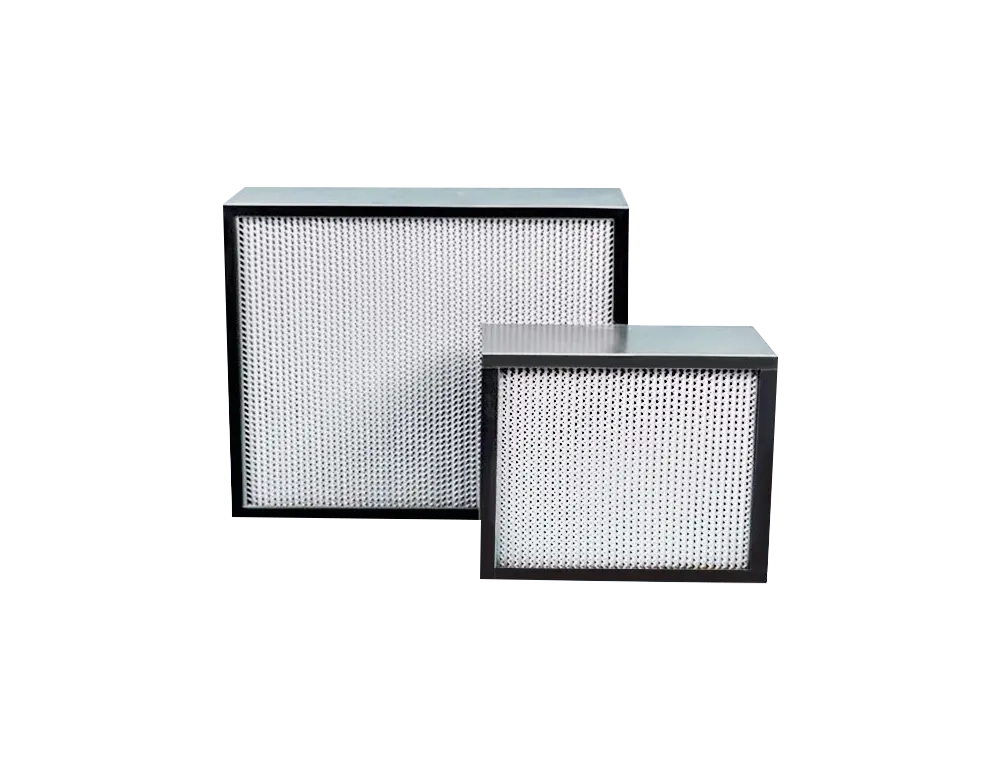
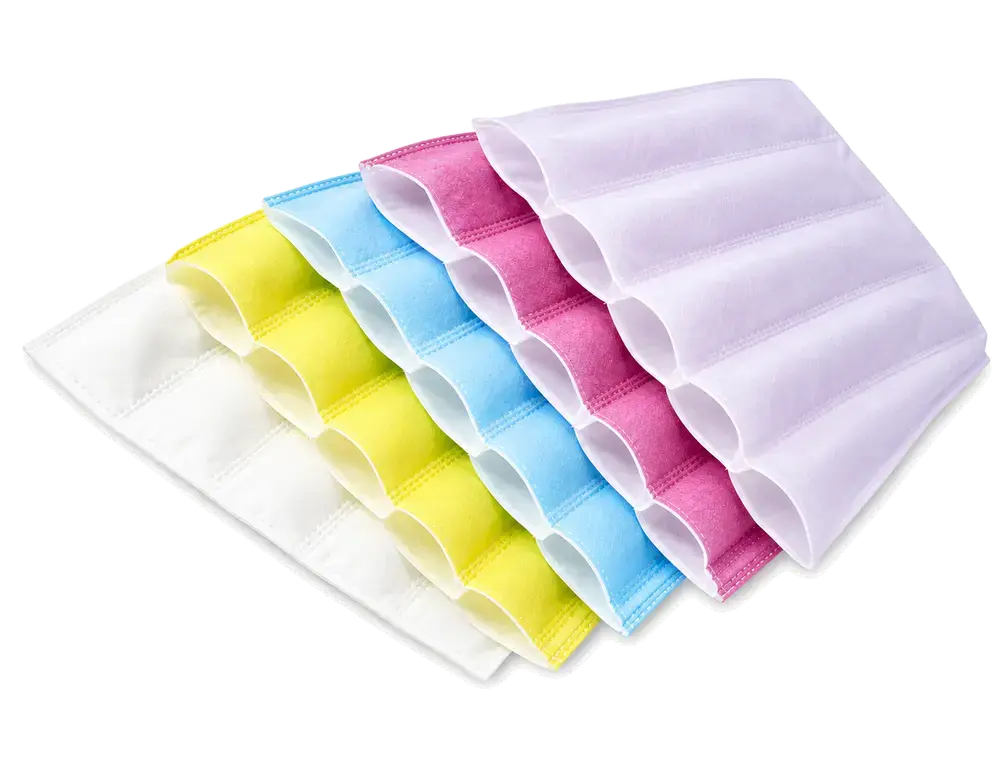
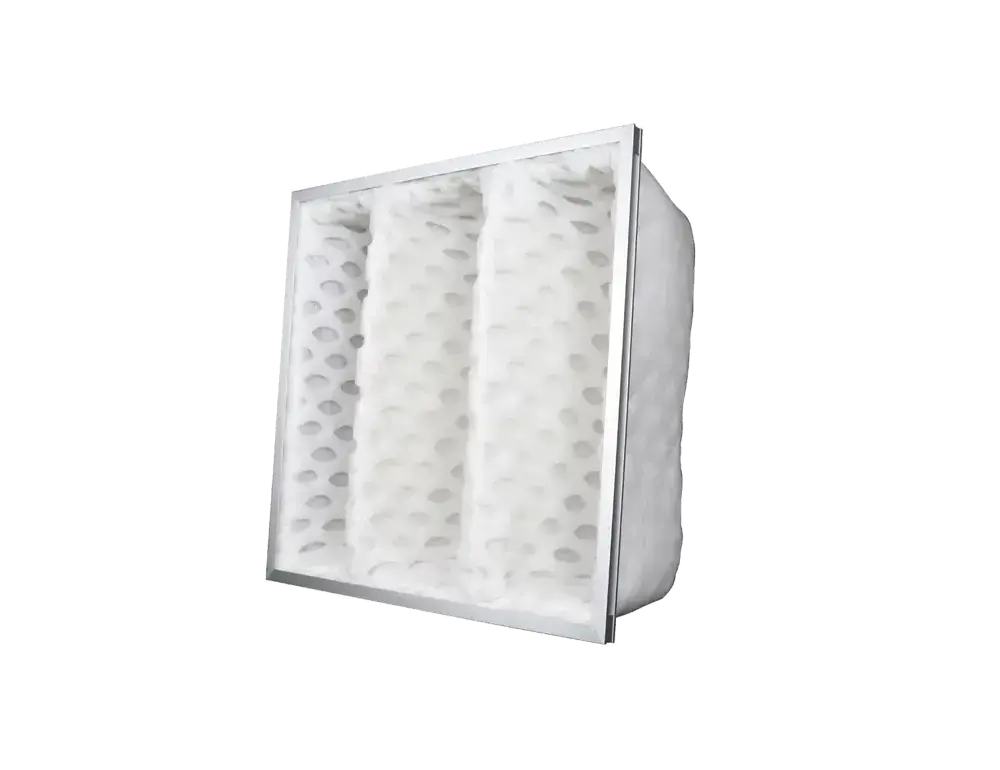
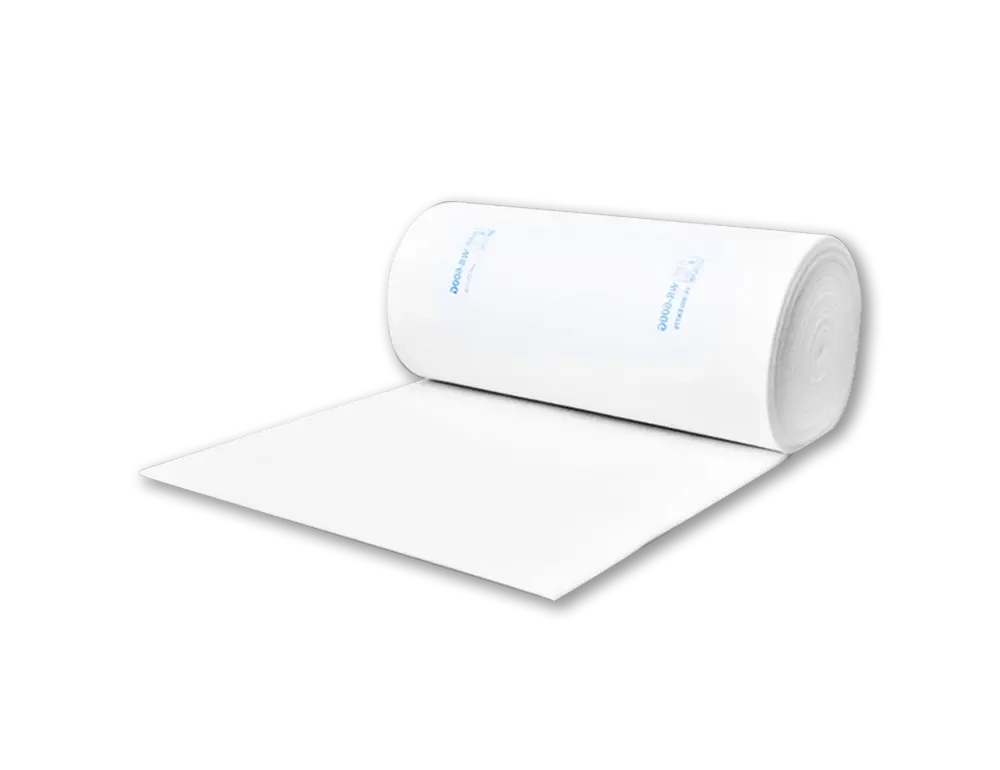
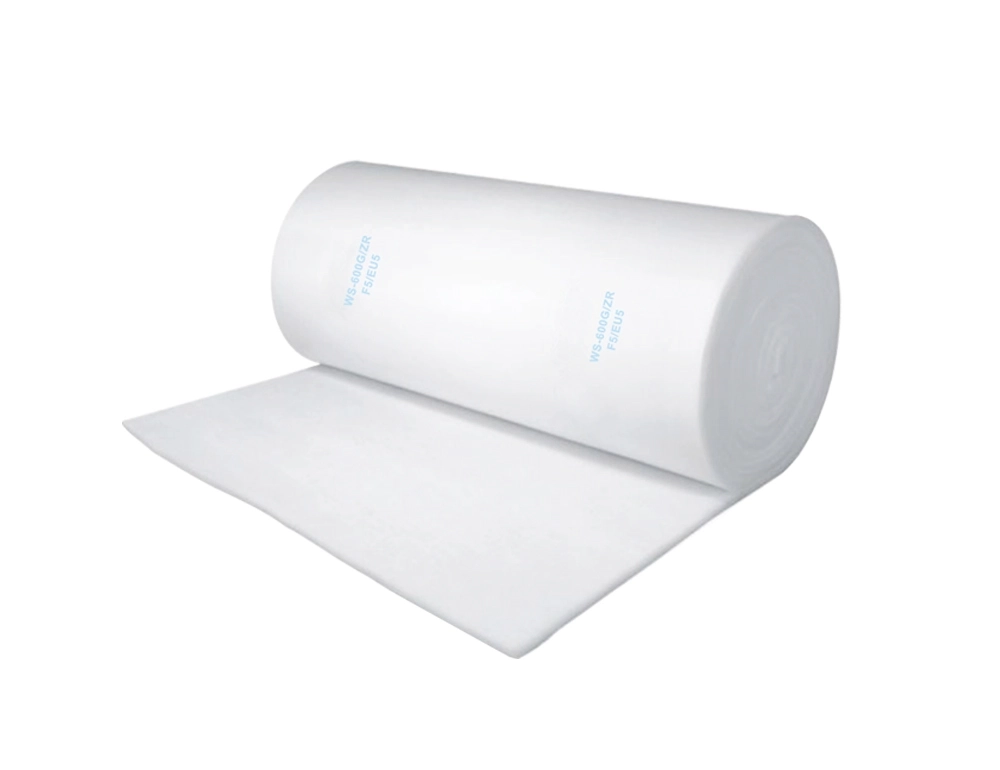
Medium-Efficiency Filter (F5–F9)
Precise PM2.5 Capture
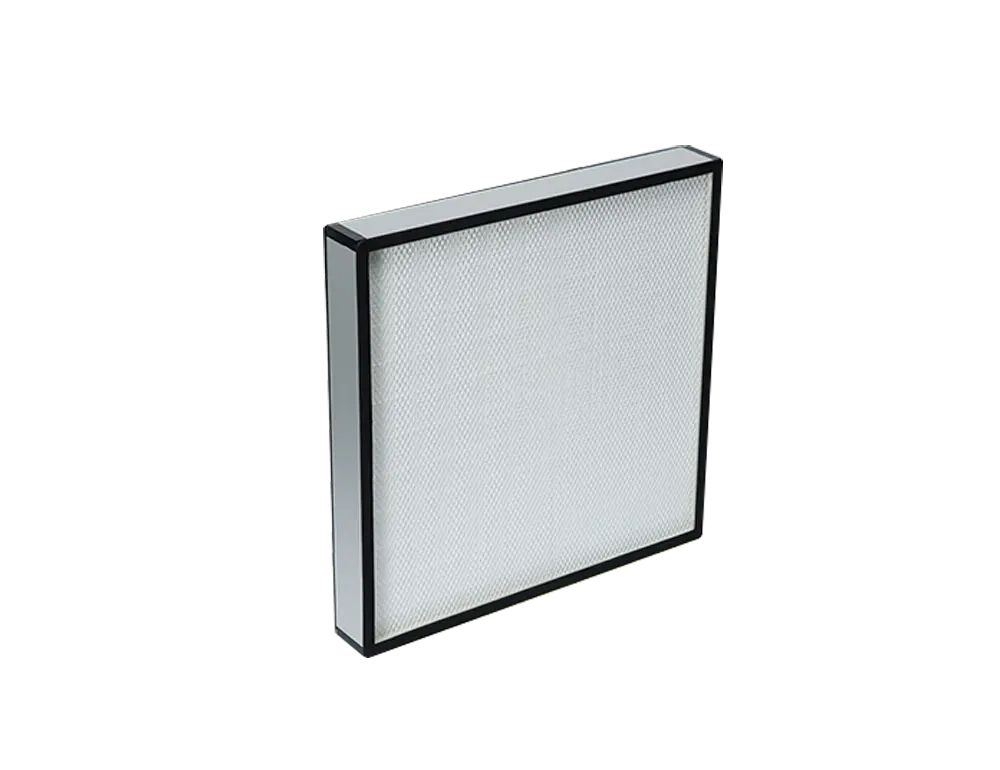
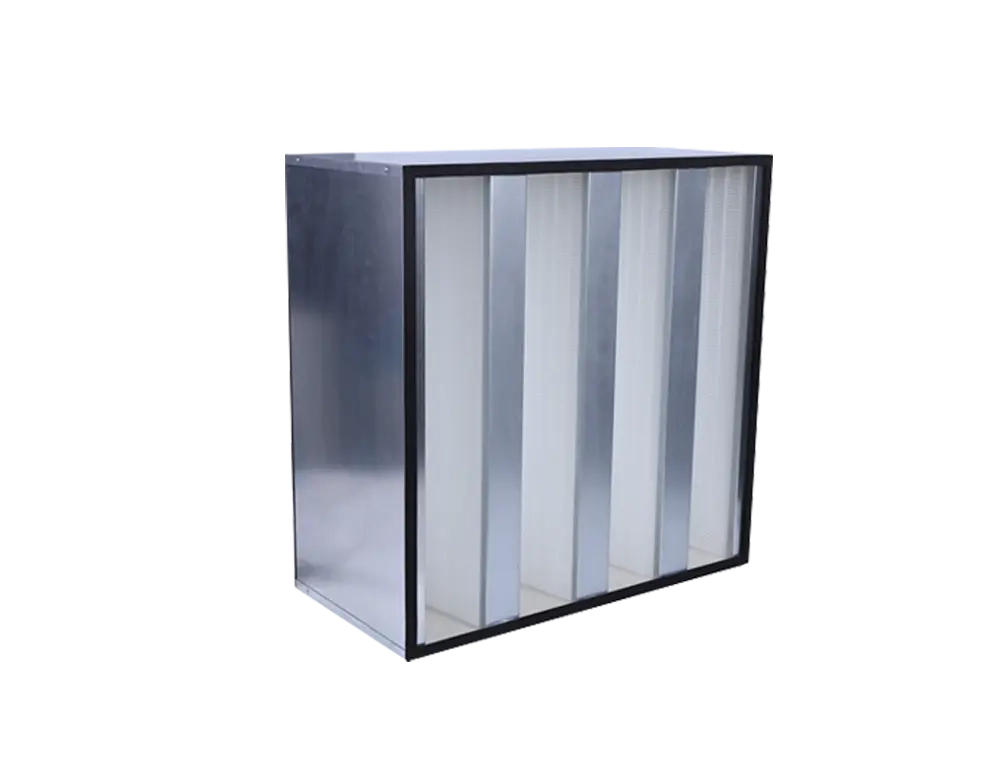
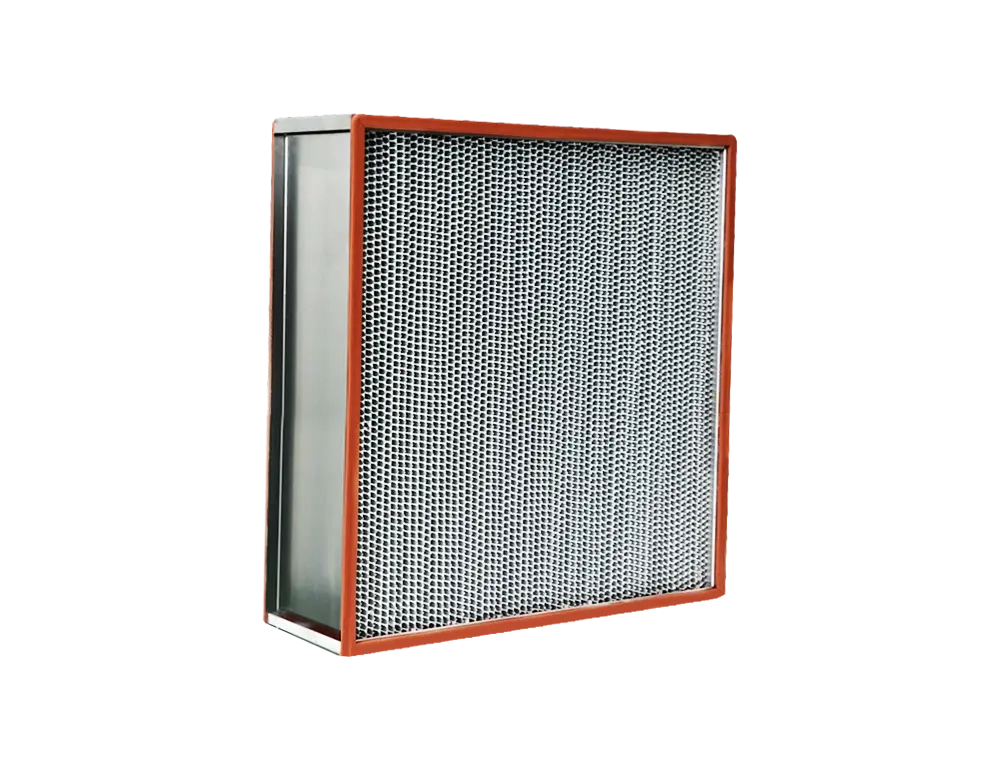
HEPA High-Efficiency Filter
Sterile-Grade Purification
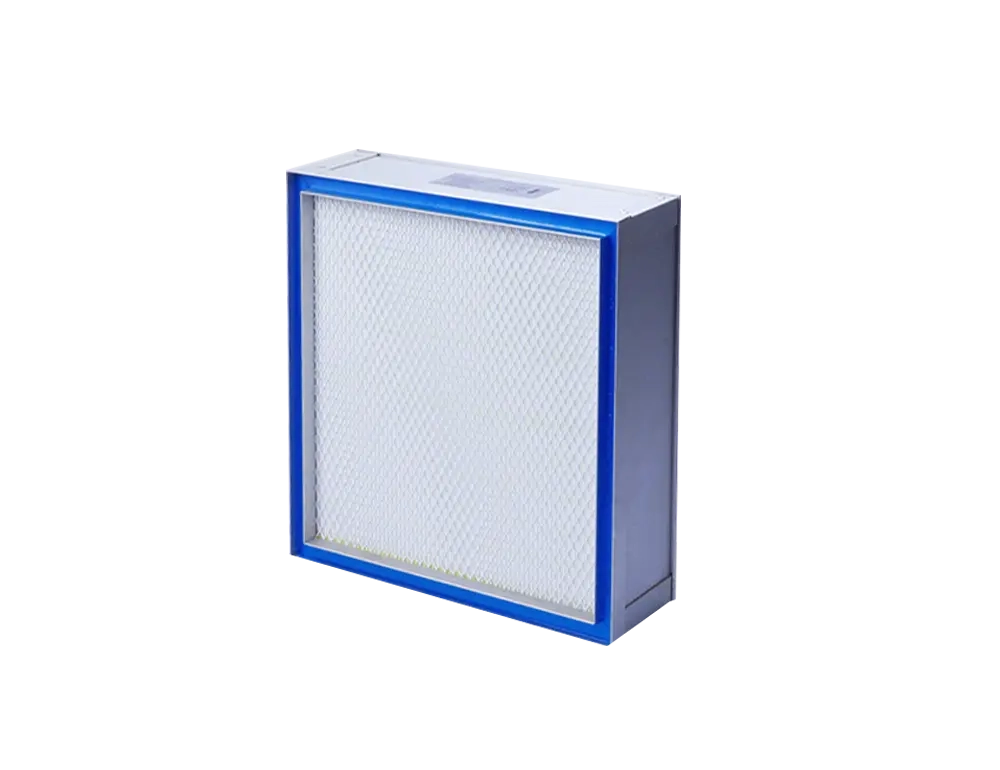
ULPA Ultra-High Efficiency Filter
Sub-Micron Particle Capture
First-Stage Large-Particle Capture
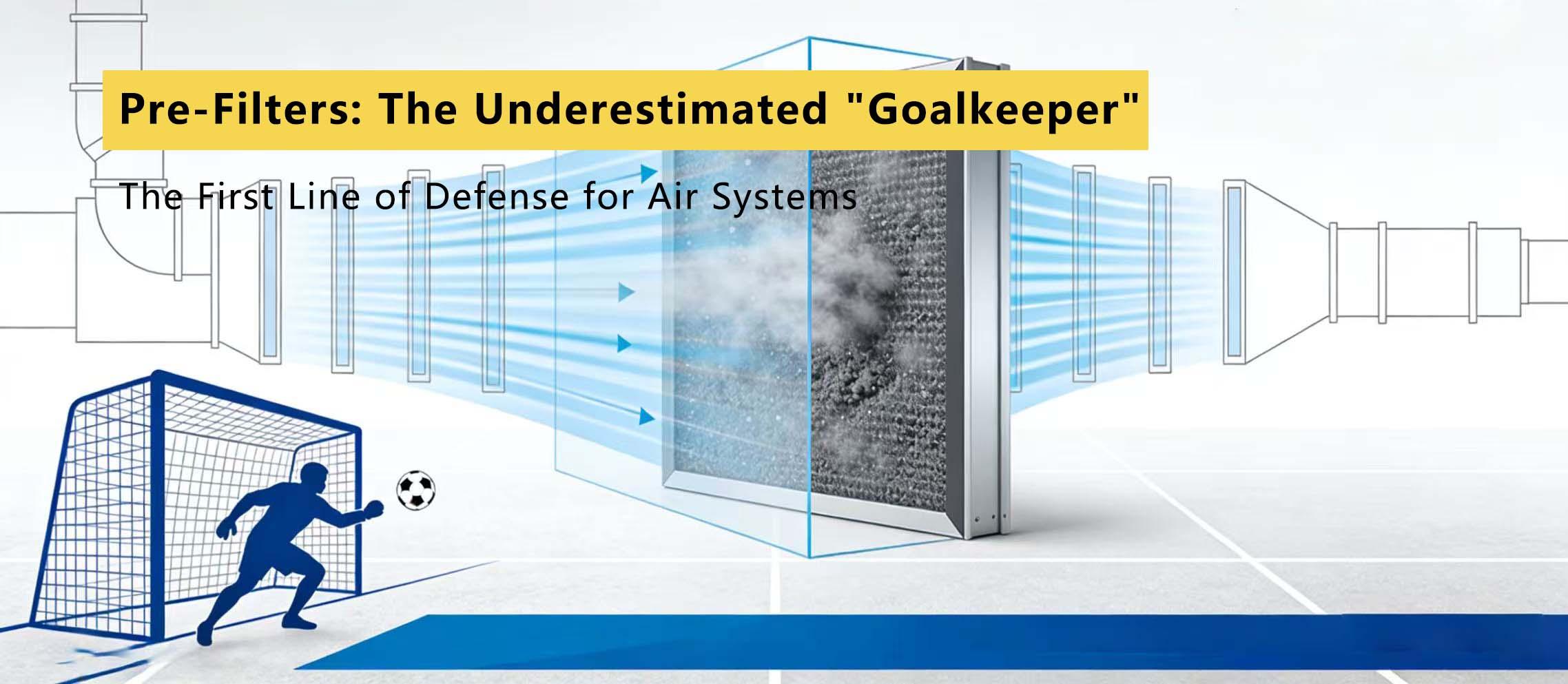
The first line of defense, capturing particles ≥5 μm such as dust, hair, and fibers to protect downstream filters and extend overall system service life.
View Related Products →Precise PM2.5 Capture
Captures fine particles of 1–5 μm including PM2.5, pollen, and mold spores, significantly improving indoor air quality for commercial HVAC and ventilation systems.
View Related Products →Sterile-Grade Purification
≥99.97% filtration efficiency for particles ≥0.3 μm, delivering sterile-grade clean air widely used in medical, pharmaceutical, and electronics manufacturing.
View Related Products →Sub-Micron Particle Capture
≥99.9995% efficiency for particles ≥0.12 μm, meeting the extreme cleanliness demands of semiconductor fabs, aerospace, and other ultra-precision applications.
View Related Products →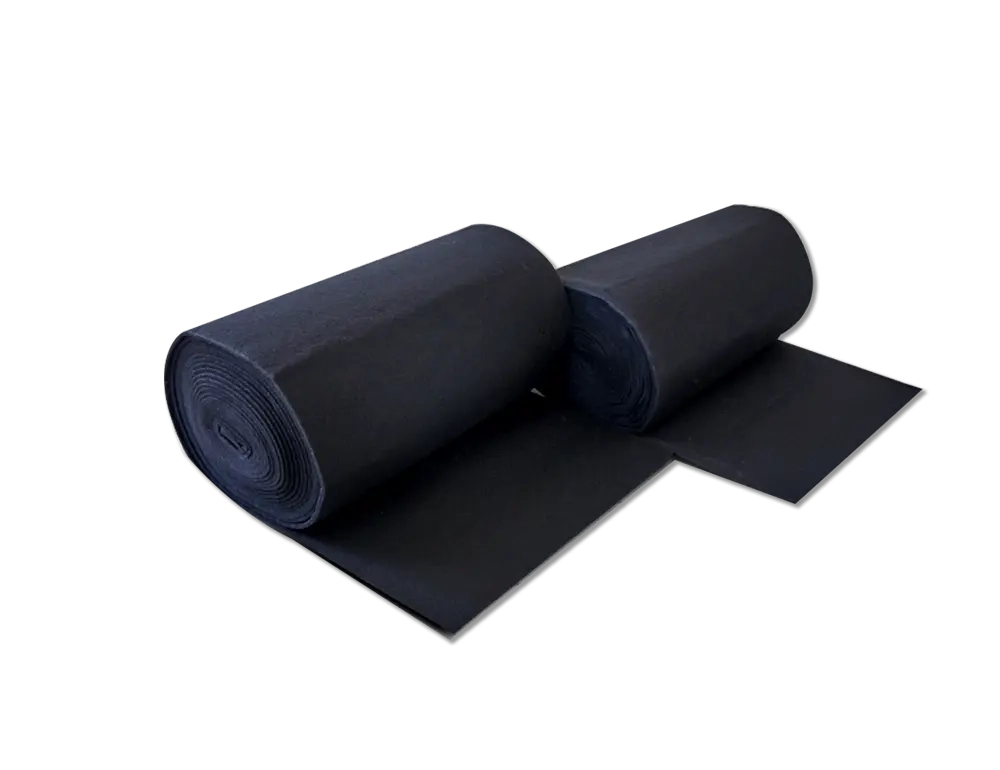
High-Temperature Resistant
Industrial-Grade Heat Tolerance
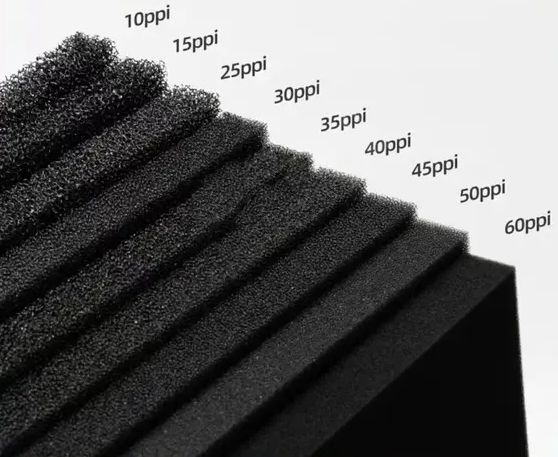
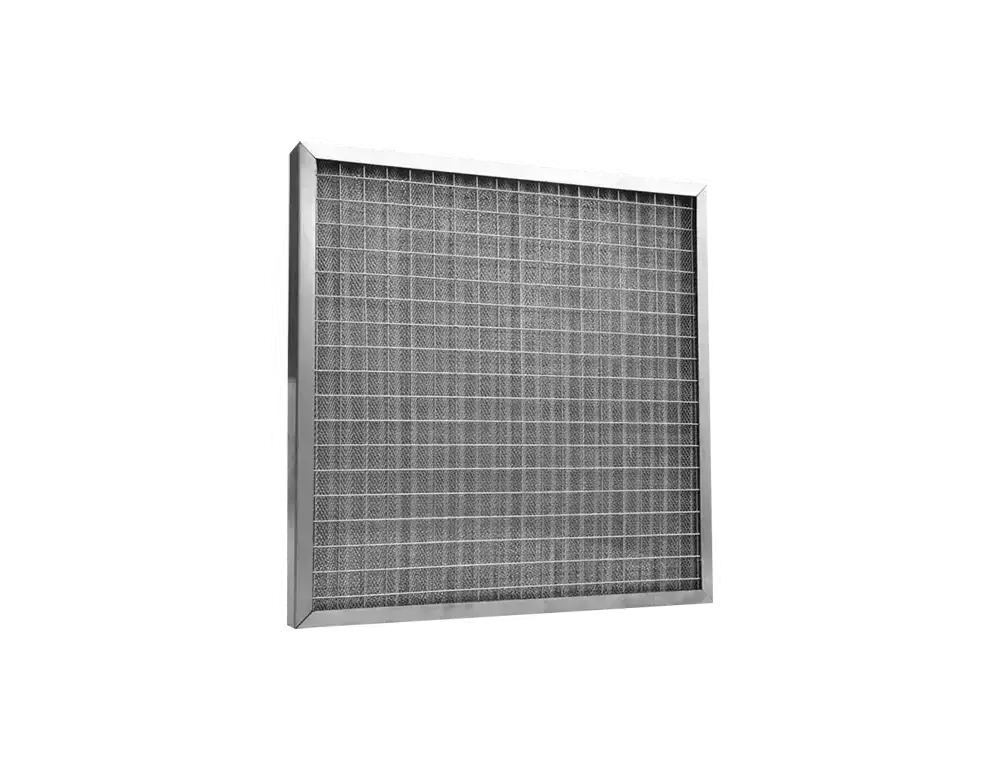
Washable & Reusable
Cut Costs, Reduce Waste
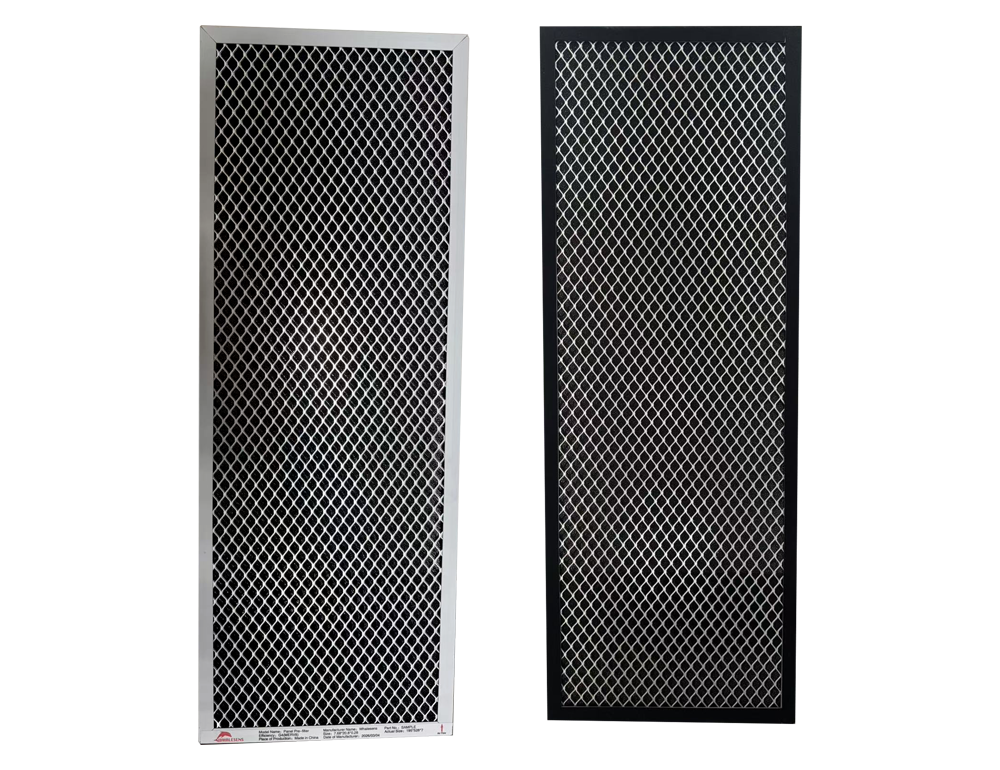
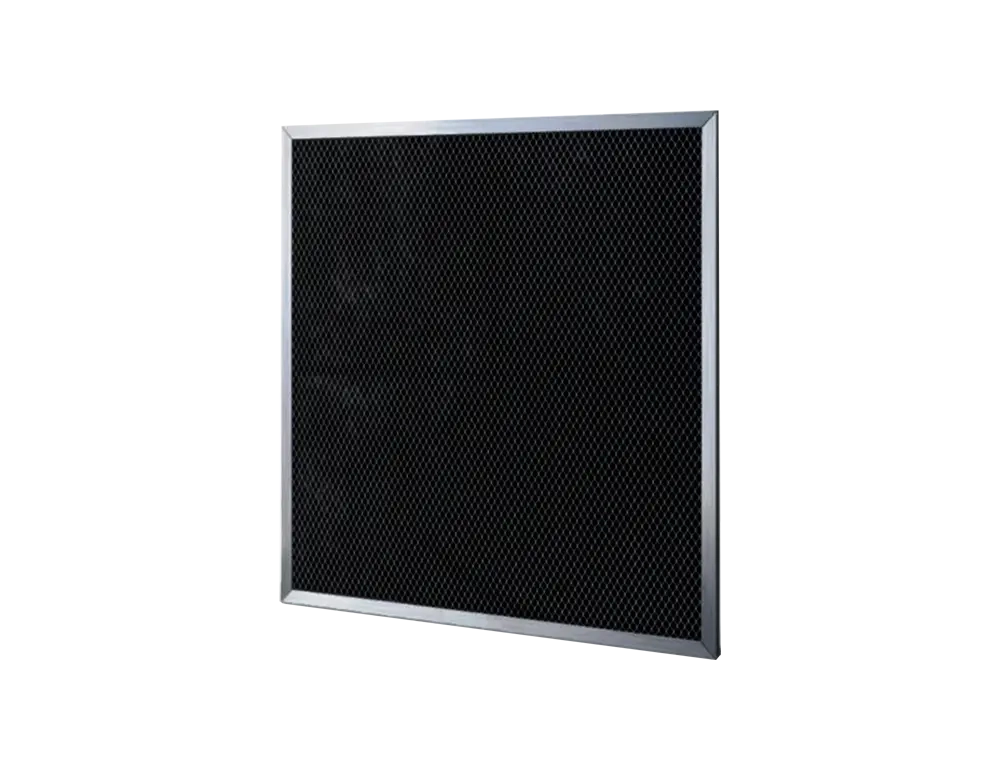
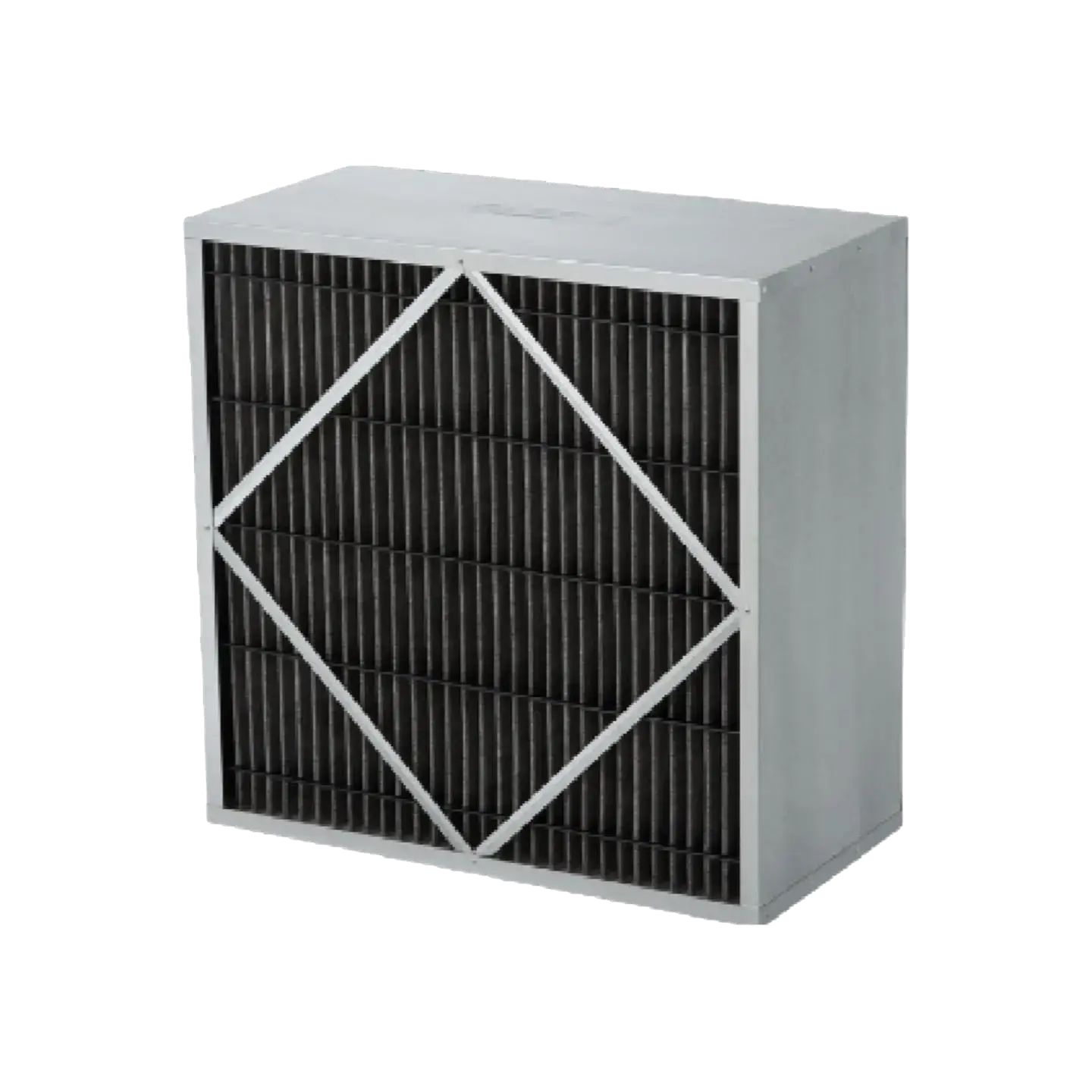
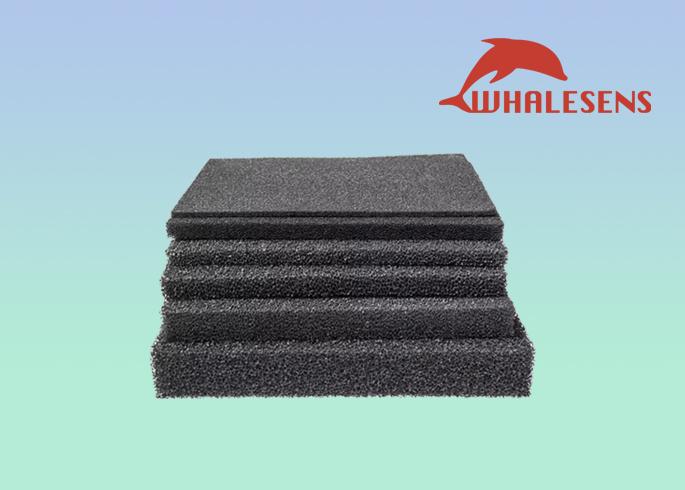
Activated Carbon
Odor & Harmful Gas Removal
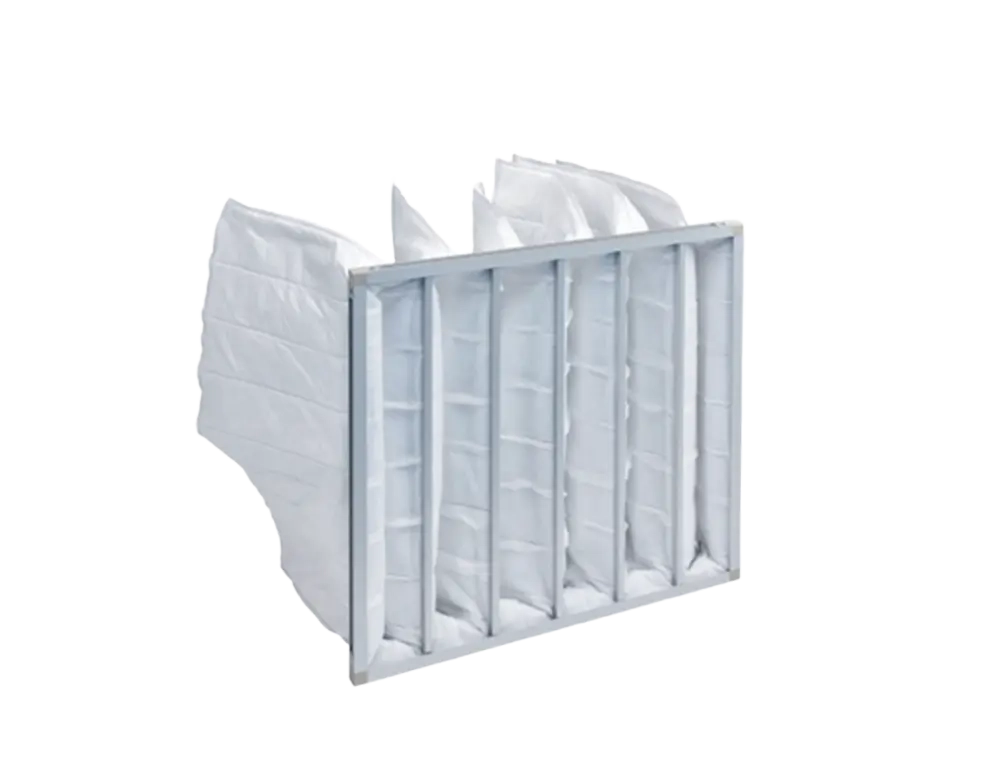
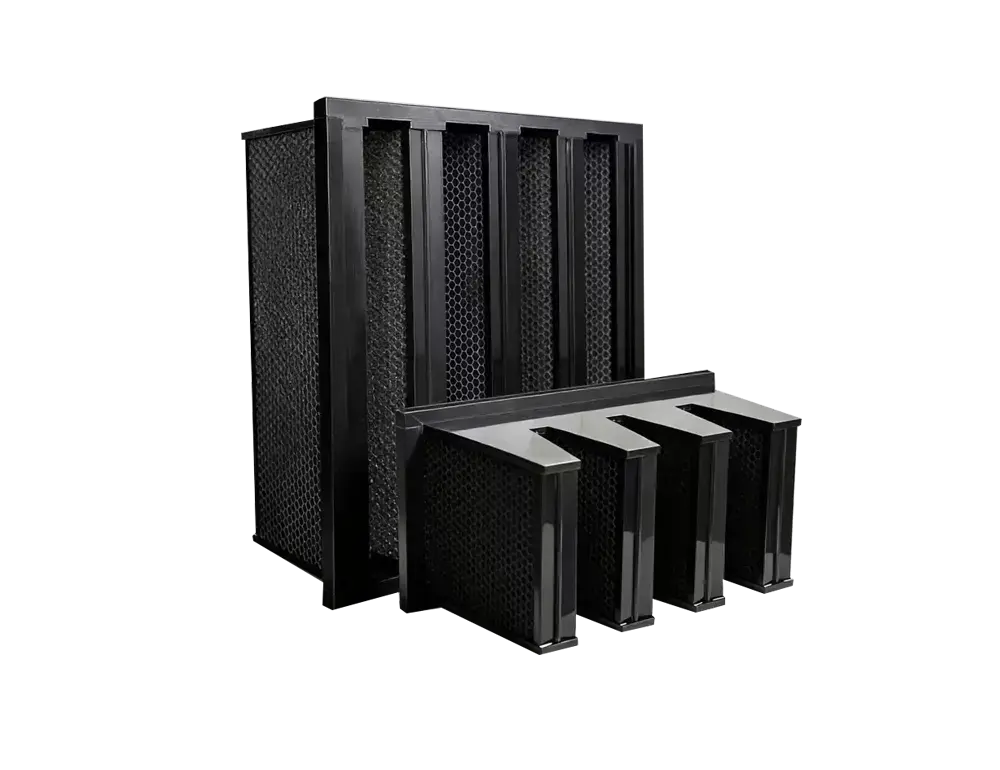
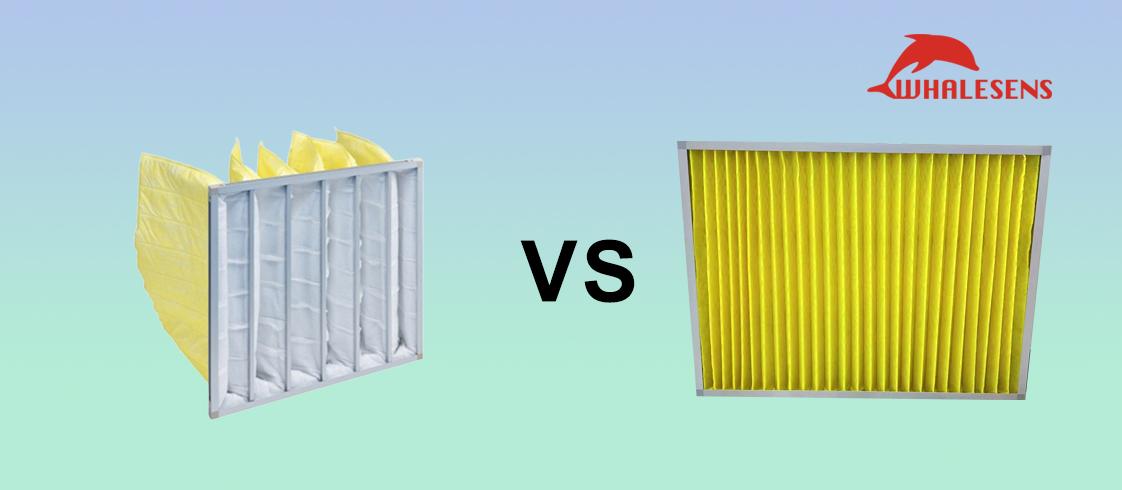
Bag Filter
High Dust-Holding, Long Life
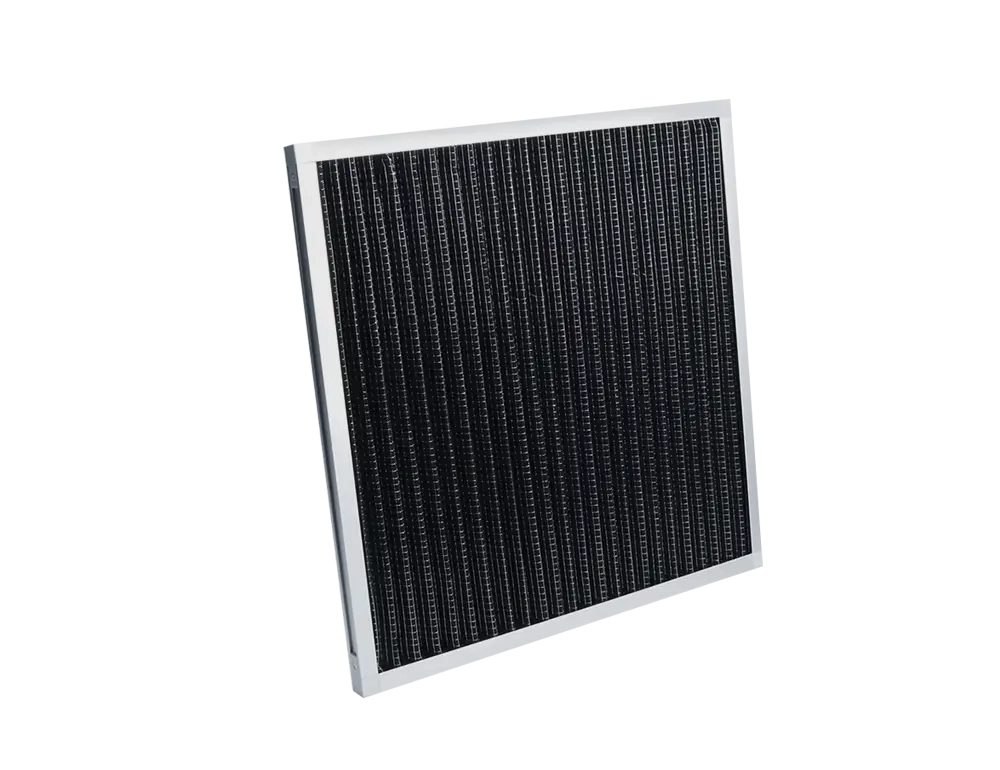
Panel / Pleated Filter
Compact Space-Saving Design
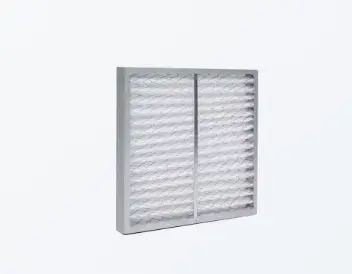
Low-Resistance Airflow
Energy-Saving Operation
Industrial-Grade Heat Tolerance
Built with specialized heat-resistant materials, operating stably up to 250°C for paint ovens, industrial dryers, and high-temperature process environments.
View Related Products →Cut Costs, Reduce Waste
Cleanable by water washing or air blowing, reusable multiple times to significantly reduce replacement frequency and O&M costs — an economical, eco-friendly choice.
View Related Products →Odor & Harmful Gas Removal
Leverages activated carbon's high adsorption capacity to eliminate odors, VOCs, and formaldehyde, ideal for newly renovated spaces and industrial exhaust treatment.
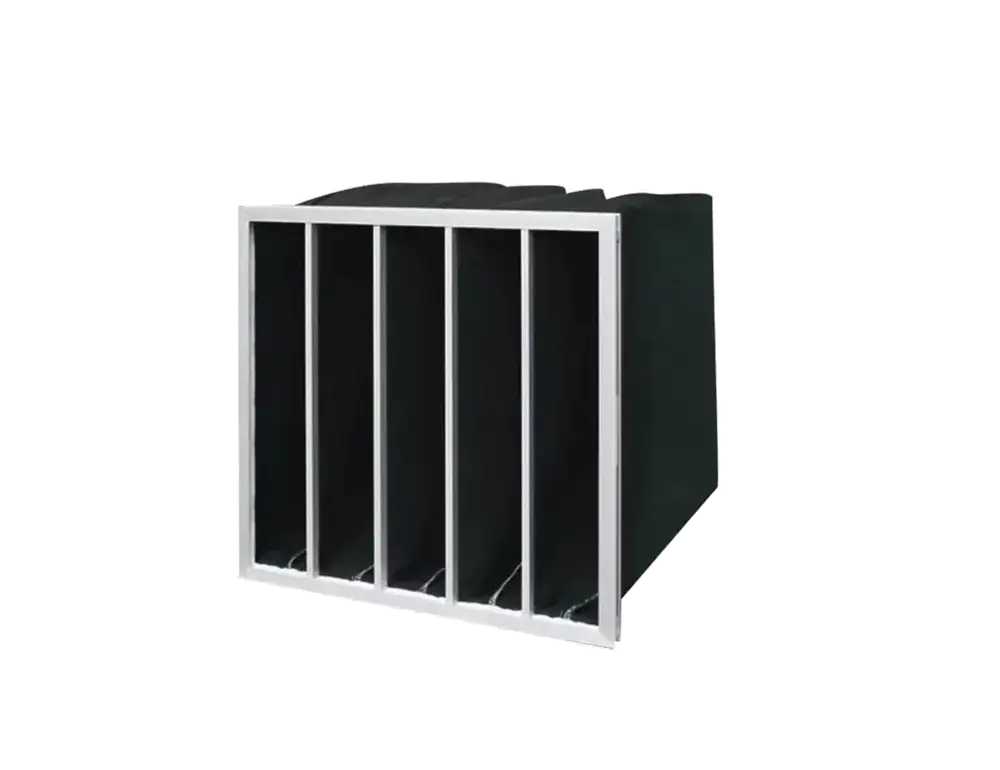
View Related Products →High Dust-Holding, Long Life
Bag-style construction delivers a larger filtration area, high dust-holding capacity, and extended service life — ideal for high-dust environments with reduced replacement frequency.
View Related Products →Compact Space-Saving Design
Compact form factor for easy installation and replacement; pleated structure maximizes filtration area within a small footprint for higher efficiency.
View Related Products →Energy-Saving Operation
Low-resistance design minimizes pressure drop while maintaining filtration performance, reducing fan energy consumption for cost-effective, eco-friendly operation.
View Related Products →



















 English(Global)
 简体中文
简体中文 Language




Core Performance Indicators of Air Filters: 5 Key Parameters & 4 International Standards
No more confusion when choosing air filters! This article provides a detailed analysis of five core performance indicators—filtration efficiency, pressure drop, dust holding capacity, rated airflow, and service life—while comparing ISO 16890, MERV, EN 1822, and other international standards. Understand technical specifications easily and select the most suitable product.
The performance of an air filter directly affects effectiveness and cost. Knowing the core performance indicators and international test standards is key to selecting the right filter. This guide explains the 5 critical parameters and 4 major international standards comprehensively.
5 Core Performance Indicators: Understanding Technical Specifications
Filtration Efficiency
Definition: The percentage of particles of a specific size that the filter can capture.
Example: 99% PM2.5 efficiency = only 1 out of 100 PM2.5 particles passes through.
Importance: The most critical indicator of filtration performance.
Rated Airflow
Unit: m³/h (cubic meters per hour) or CFM (cubic feet per minute).
Meaning: The airflow the filter can handle at optimal working conditions.
Selection Tip: Should match system airflow; too low increases resistance, too high reduces efficiency.
Pressure Drop
Initial Pressure Drop: Pressure loss of a new filter at rated airflow.
Final Pressure Drop: Recommended replacement point (usually 2–3 times initial pressure).
Impact: Directly affects system energy consumption; every 50Pa increase can raise fan energy use by ~15%.
Dust Holding Capacity
Definition: Total dust weight the filter can hold at final pressure drop (grams).
Significance: Higher dust capacity = longer service life and less frequent replacement.
Factors: Filter media area, structural design, filtration efficiency.
Service Life
Determining Factors: Environmental dust concentration, operating hours, dust capacity.
Practical Application: Typically monitored via differential pressure, not a fixed duration.
4 Major International Standards: Testing and Classification
| Standard | Applicable Range | Classification | Features & Advantages |
|---|---|---|---|
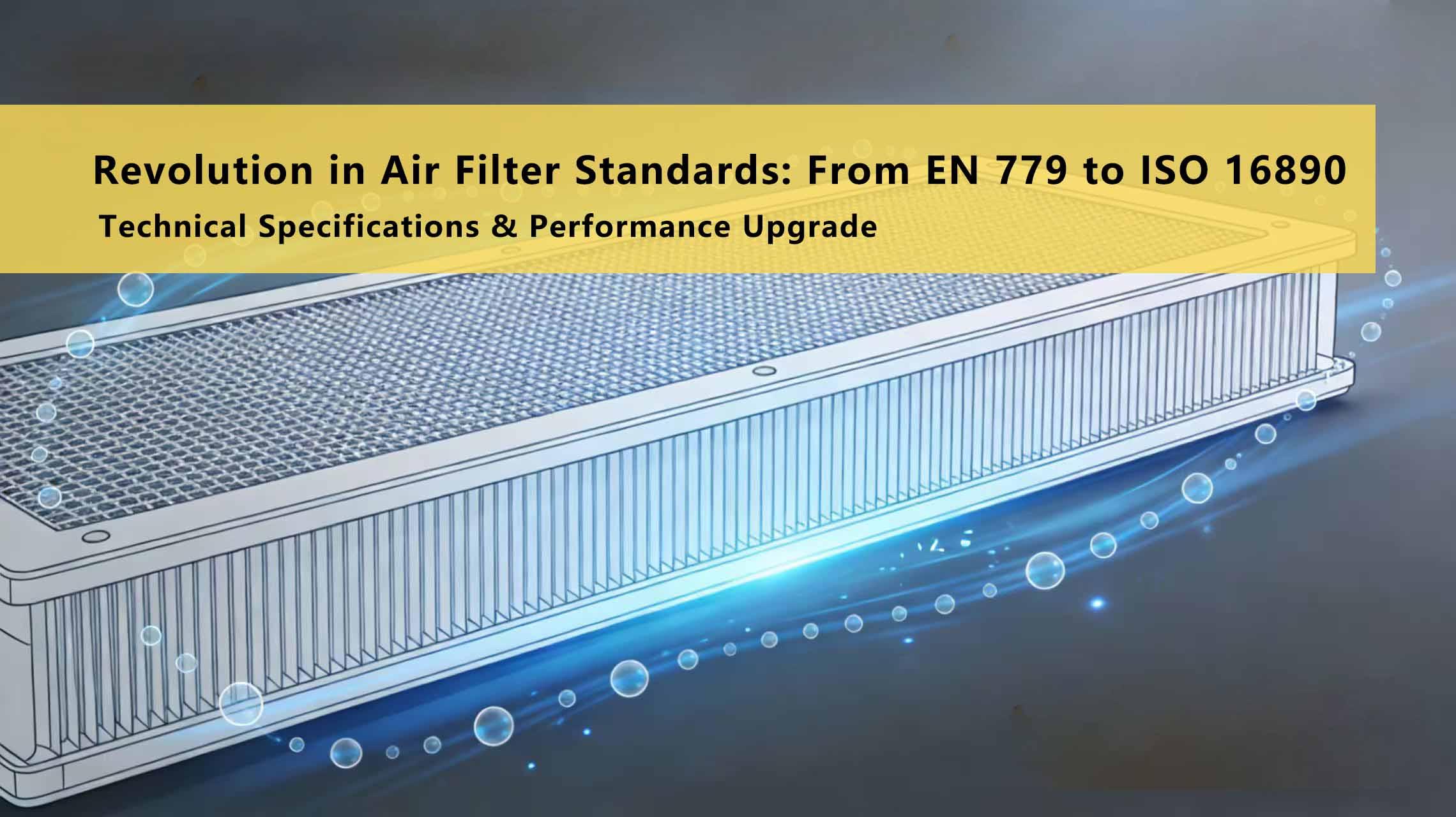
| ISO 16890 (International) | General ventilation filters | ePM1, ePM2.5, ePM10 | Closer to real-world air quality assessment |
| ASHRAE 52.2 (US) | Commercial ventilation filters | MERV 1-16 | Detailed grading, widely applied |
| EN 1822 (Europe) | High-efficiency/ultra-high-efficiency filters | H10-U17 MPPS | Strictest testing method |
| GB/T 14295 (China) | General ventilation filters | Coarse, medium, high-efficiency | Meets domestic requirements |
Detailed Explanation of Standards
ISO 16890 – International Standard: Test particles: PM1 (≤1μm), PM2.5 (≤2.5μm), PM10 (≤10μm). Reporting: ePM1ₓ%, ePM2.5ₓ%, ePM10ₓ% (x = minimum efficiency). Advantage: Reflects real-world air pollution, helps choose filters for specific pollutants.
ASHRAE 52.2 (MERV) – Widely Used in the US: Rating: MERV 1-16 (higher number = higher efficiency). Test method: Multi-disperse aerosol from 0.3–10 μm. Application: Main standard in North America, adopted by many international brands.
EN 1822 – Authoritative HEPA/ULPA Standard: Applicable: HEPA/ULPA filters (high-efficiency/ultra-high-efficiency). Key Concept: MPPS (Most Penetrating Particle Size). Rating: H10-H14 (HEPA), U15-U17 (ULPA). Strictness: Globally the most rigorous high-efficiency filter standard.
China National Standards: GB/T 14295: General ventilation air filters. GB/T 13554: High-efficiency air filters. Feature: Tailored for Chinese environmental conditions and widely used domestically.
CADR Value: Key Indicator for Household Purifiers
Definition: Clean Air Delivery Rate (CADR). Test pollutants: Smoke, dust, pollen. Significance: Higher CADR = faster purification. Selection Formula: Suitable area = CADR × (0.07–0.12).
How to Choose a Filter Based on Indicators?
Step 1: Determine Needs
Target pollutants: PM2.5? Pollen? Bacteria? Application: Home? Commercial? Industrial?
Step 2: Check Efficiency Ratings
General ventilation: ISO ePM or MERV ratings. High-efficiency requirements: EN 1822 or GB/T 13554 levels.
Step 3: Evaluate Cost-effectiveness
Low initial resistance: saves operational energy. High dust-holding capacity: longer replacement cycle. Comprehensive consideration: lowest lifecycle cost.
Professional Selection Support
Need expert guidance? Whalesens provides:
- ✅ Free technical consultation: recommend the most suitable model based on your needs.
- ✅ Lifecycle cost analysis: help you make the most economical choice.
Get professional selection advice now:
🌐 Official Website: www.whalesens.com
📞 WhatsApp: (+86) 13119189886
📧 Email: whalesens@gmail.com