


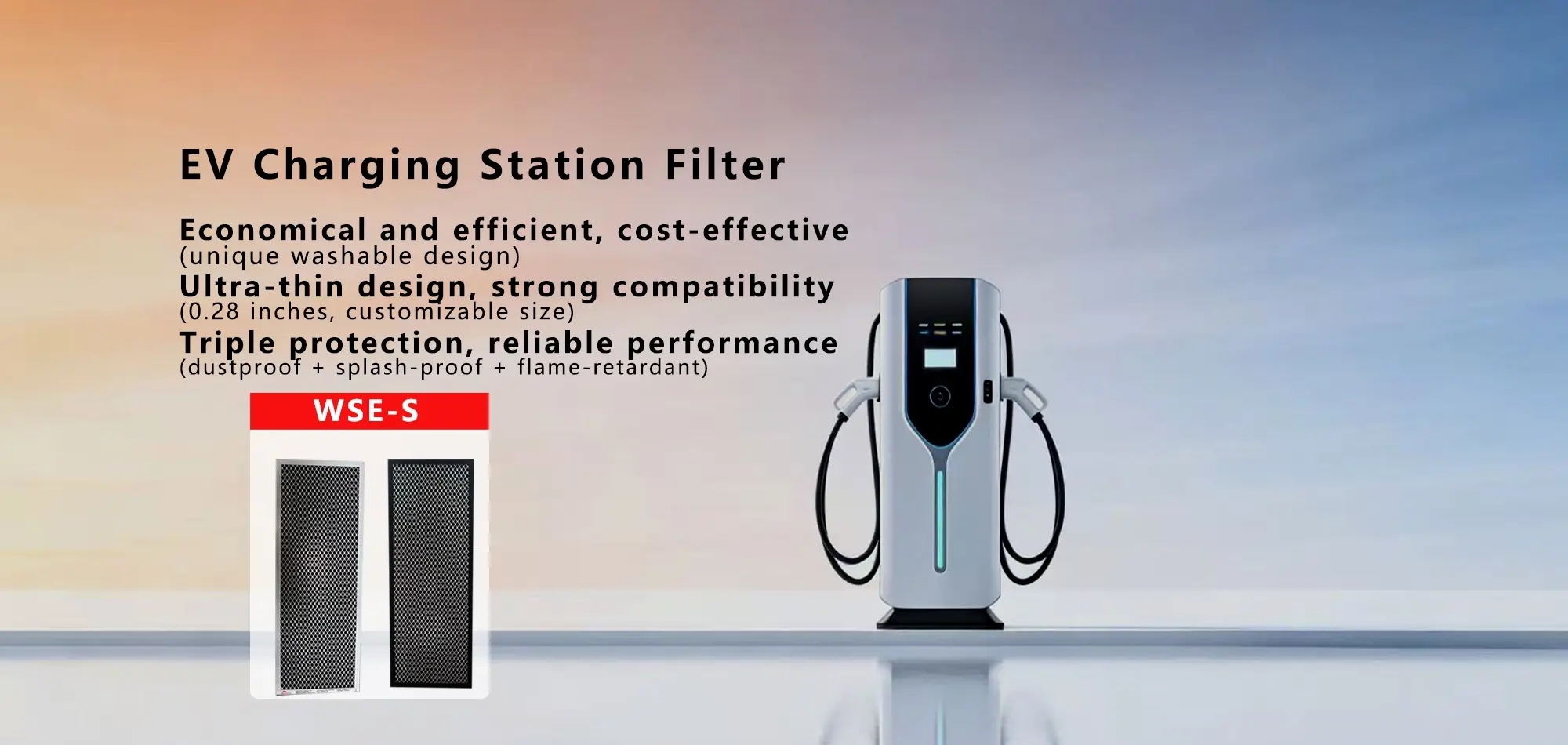
EV Charging Stations
Filtration for Power Equipment
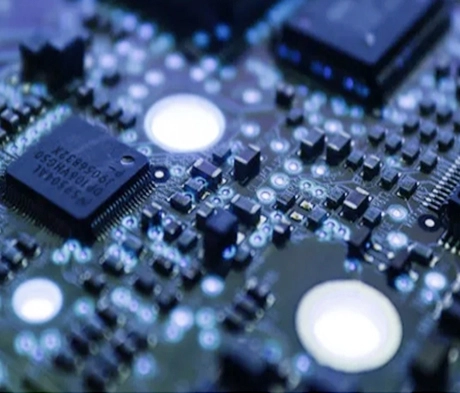
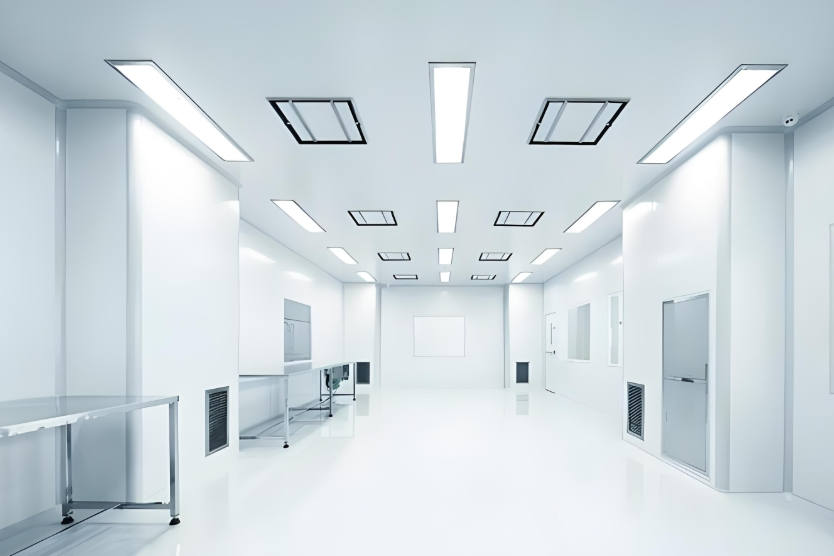
Cleanroom & Semiconductor
Ultra-High Cleanliness Filtration
Commercial HVAC
Central Air System Filtration
Data Centers
Precision Equipment Protection
Livestock & Farming
Farming Environment Purification
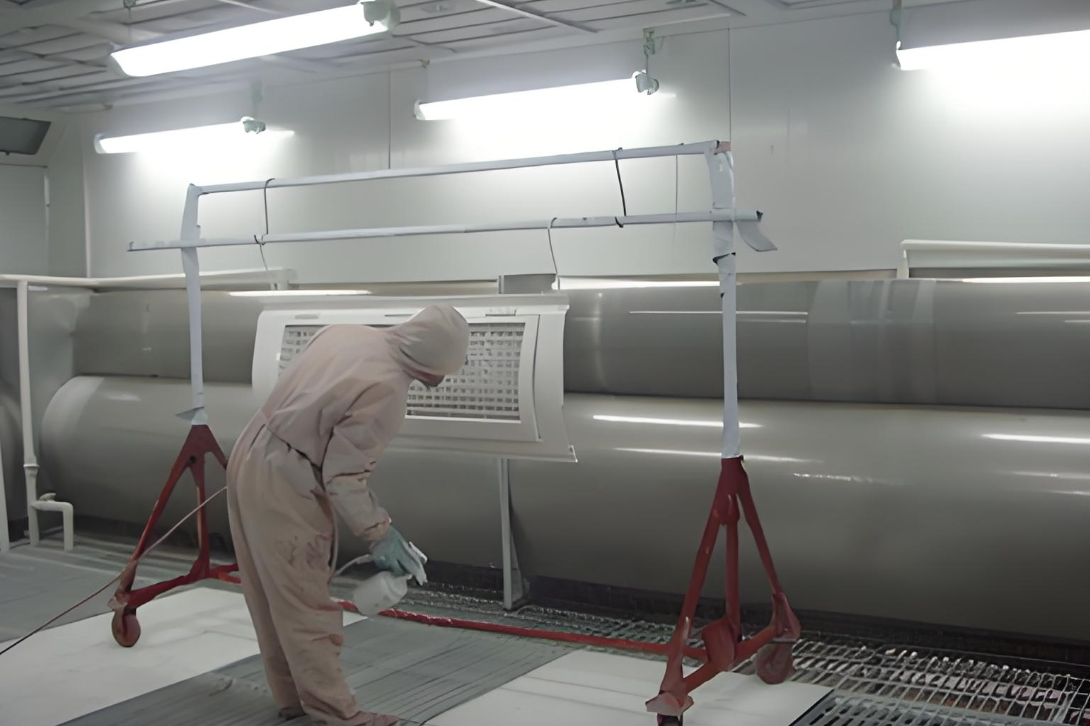
Spray Booths & Industrial Dust
Paint Mist & Dust Purification
Filtration for Power Equipment
Professional air filtration for EV charging devices, protecting against dust and sand ingress to ensure stable, reliable operation of charging piles and station infrastructure.
View Related Products →Ultra-High Cleanliness Filtration
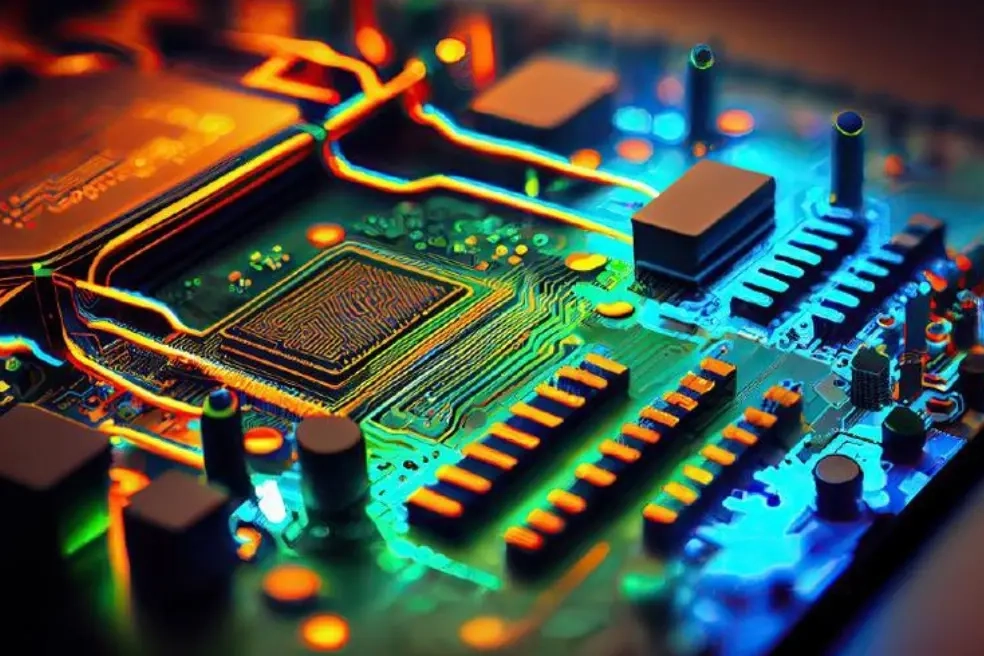
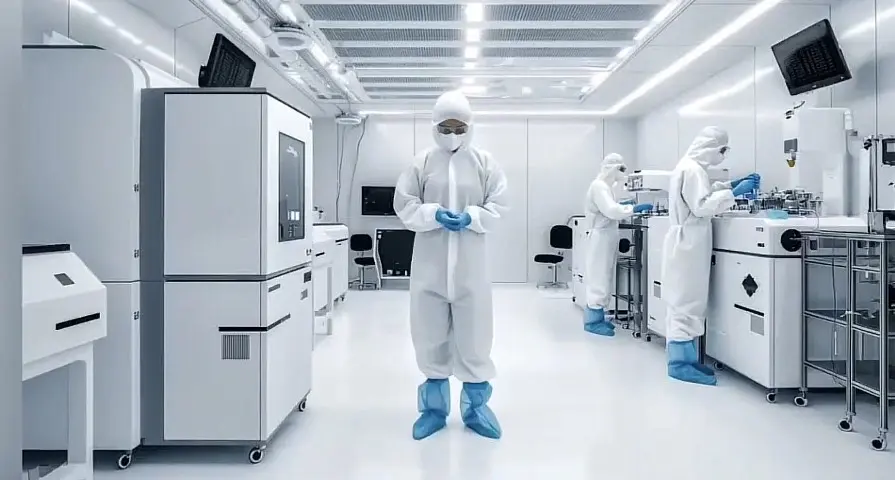
Ultra-high efficiency filtration for semiconductor wafer fabs and precision electronics cleanrooms, capturing nano-scale particles to meet ISO Class 1–3 standards and maximize product yield.
View Related Products →Central Air System Filtration
High-efficiency filtration for commercial building HVAC systems, improving indoor air quality, reducing energy consumption, and extending equipment service life.
View Related Products →Precision Equipment Protection
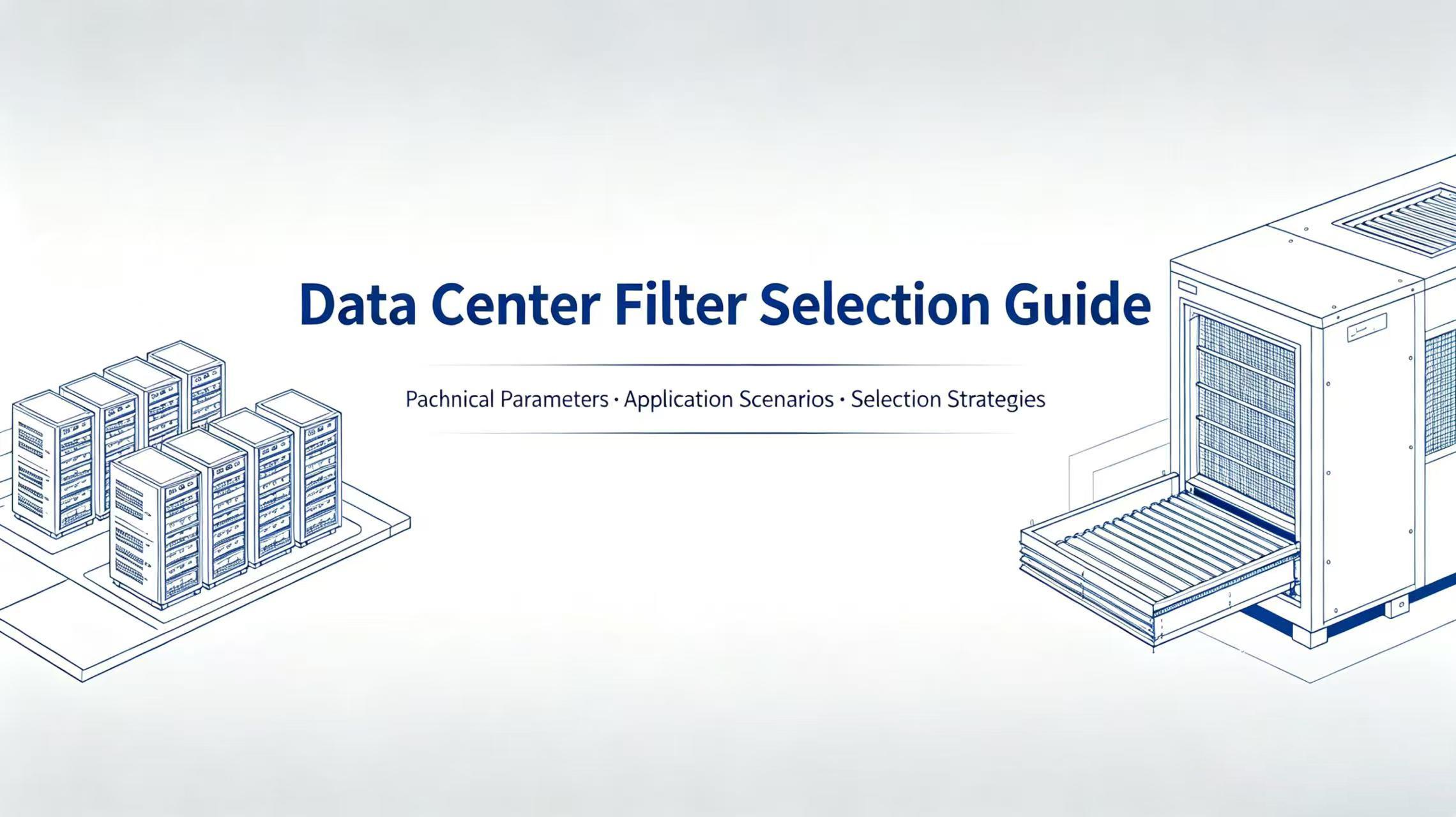
Precision air filtration for data centers, shielding servers and critical hardware from dust contamination to keep cooling systems running efficiently and reliably.
View Related Products →Farming Environment Purification
Dedicated filtration systems for farms and livestock facilities — capturing dust, adsorbing ammonia, and inhibiting pathogen spread to improve animal health and overall productivity.
View Related Products →Paint Mist & Dust Purification
Designed for spray booths and grinding workshops, efficiently capturing paint mist, metal dust, and wood chips to meet emission standards while protecting finished surface quality.
View Related Products →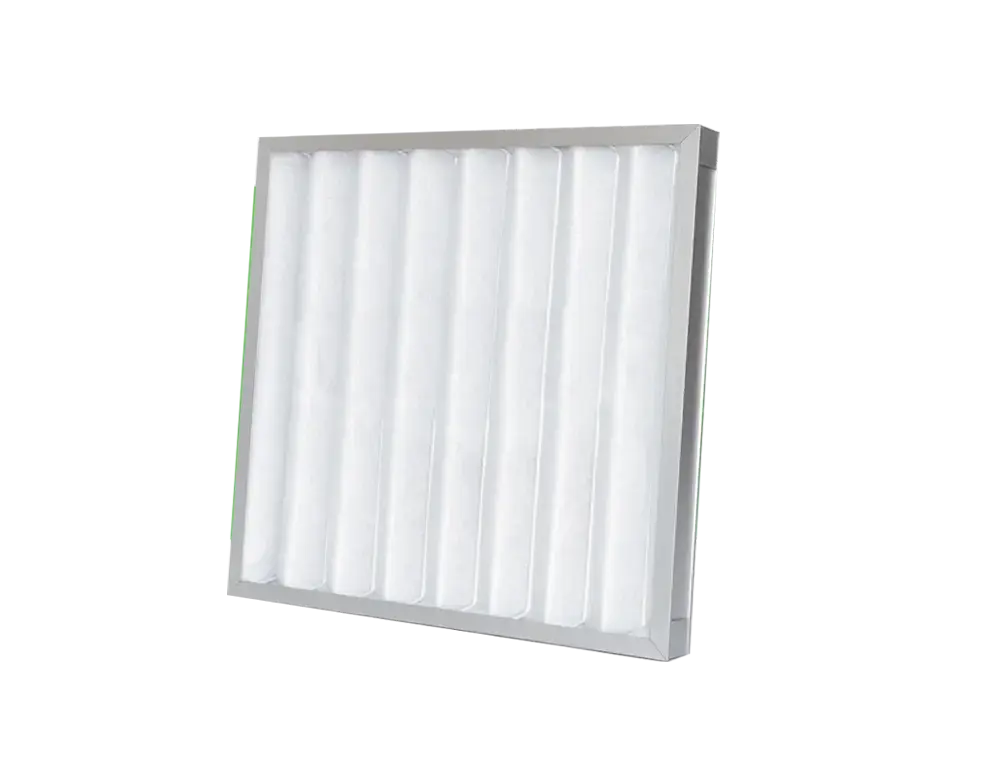
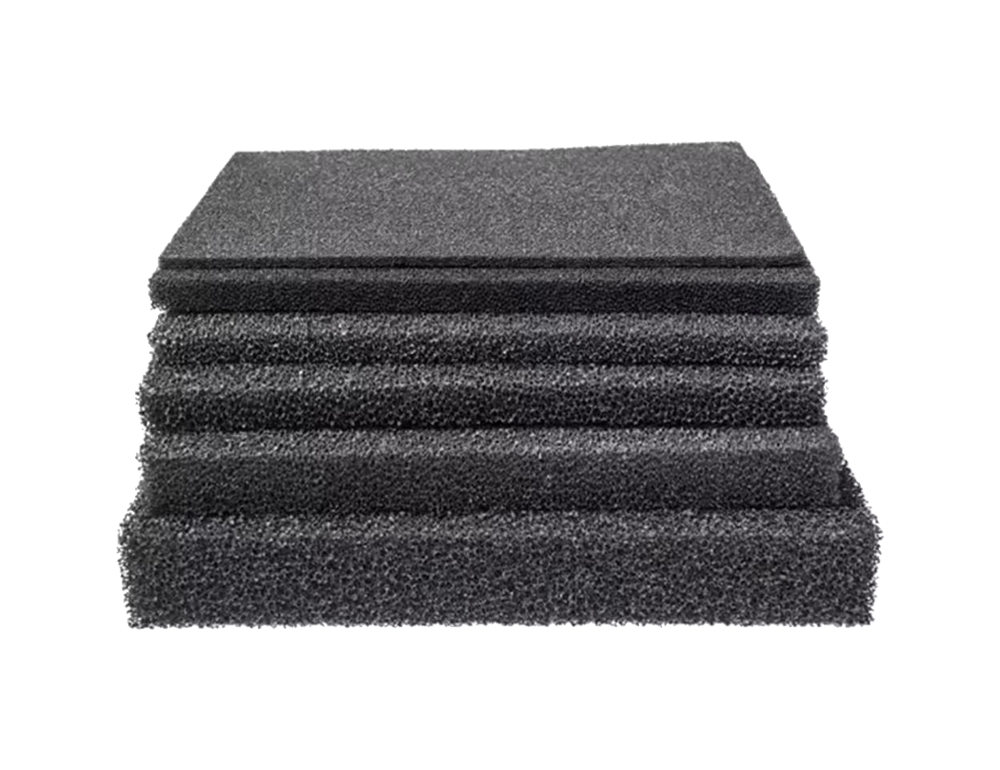
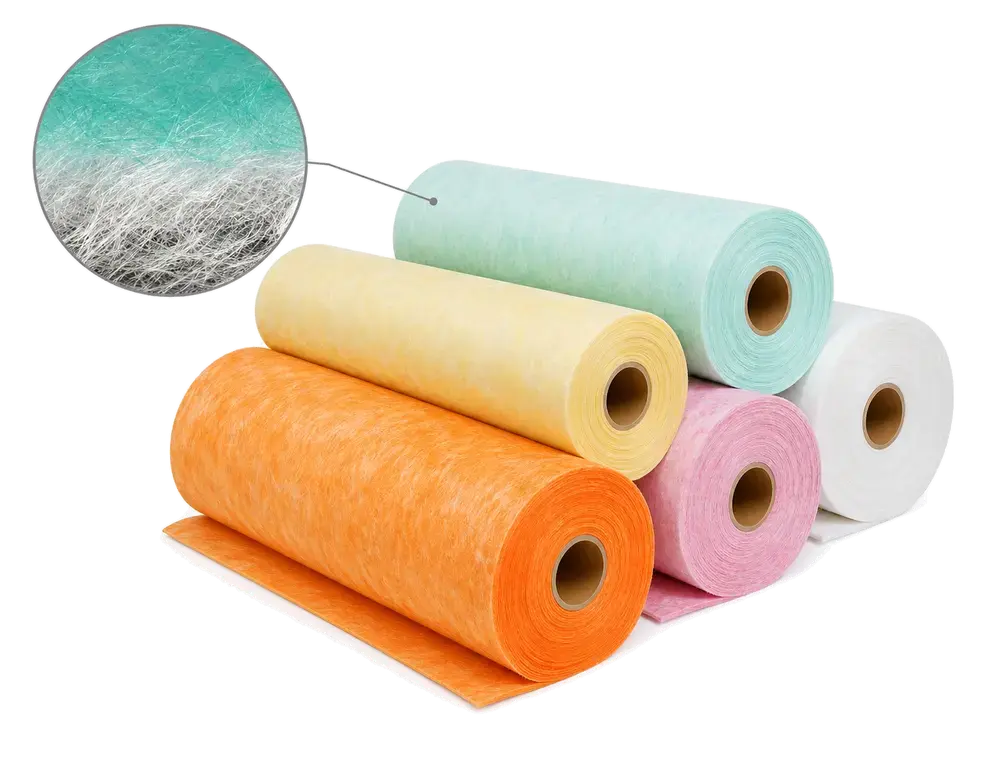
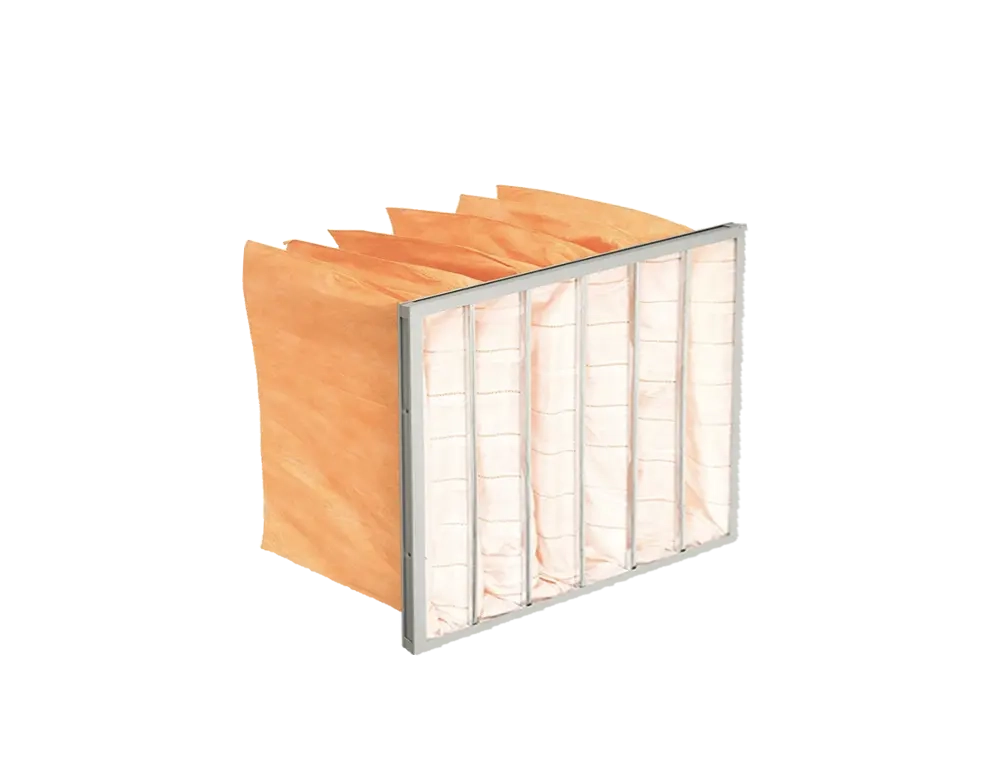
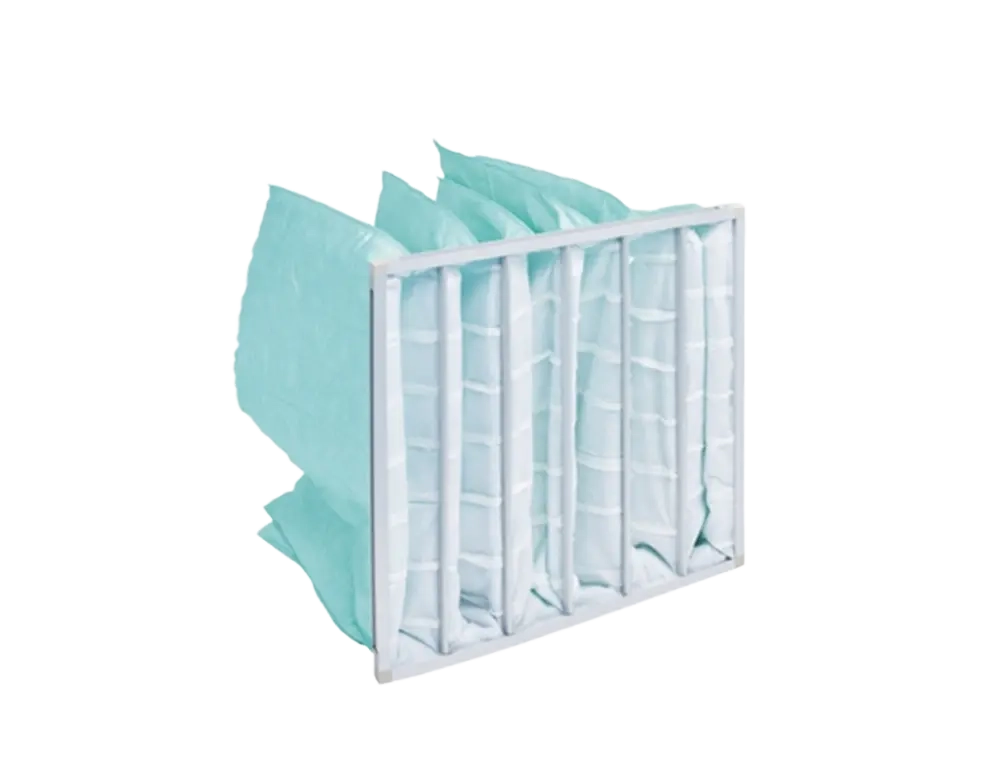
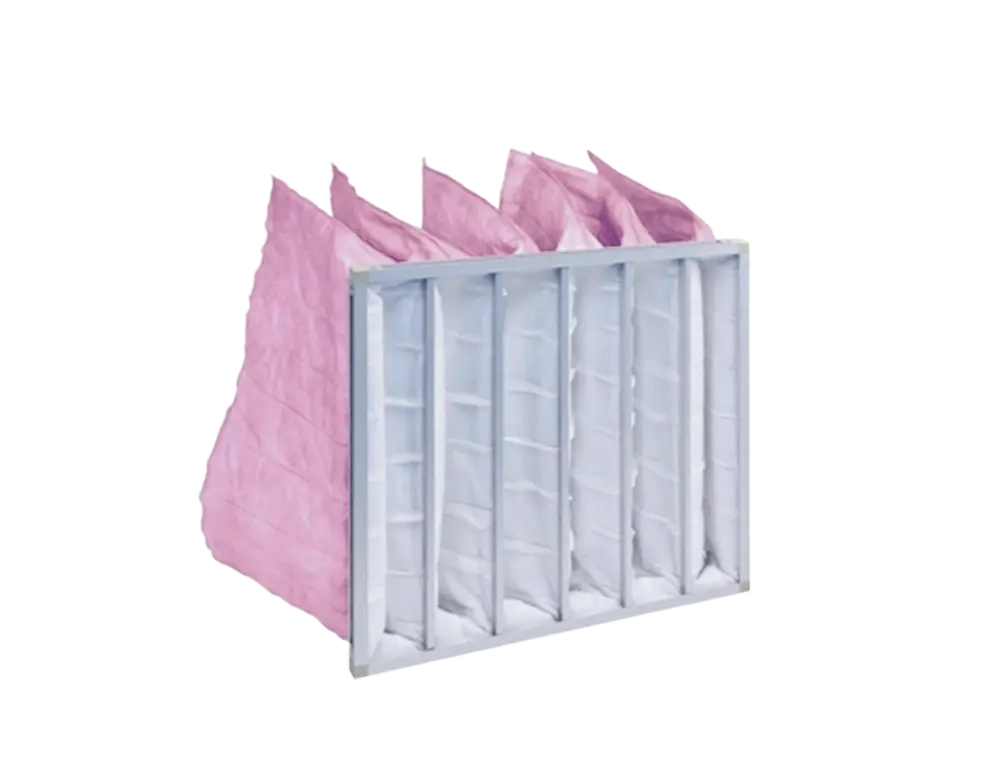
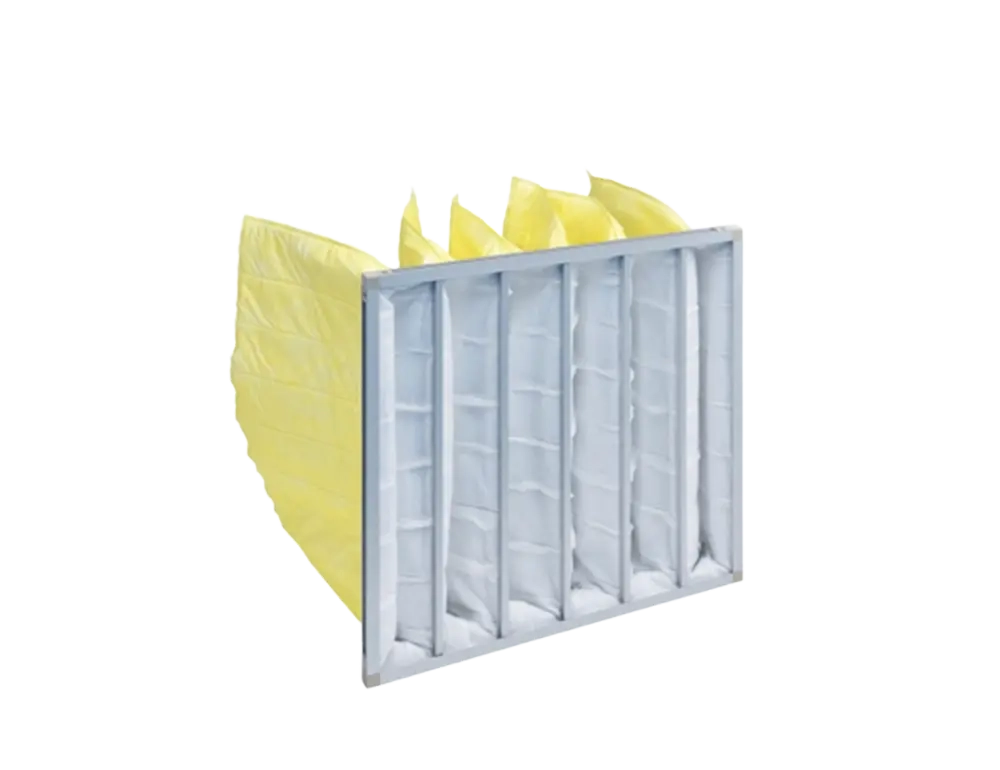
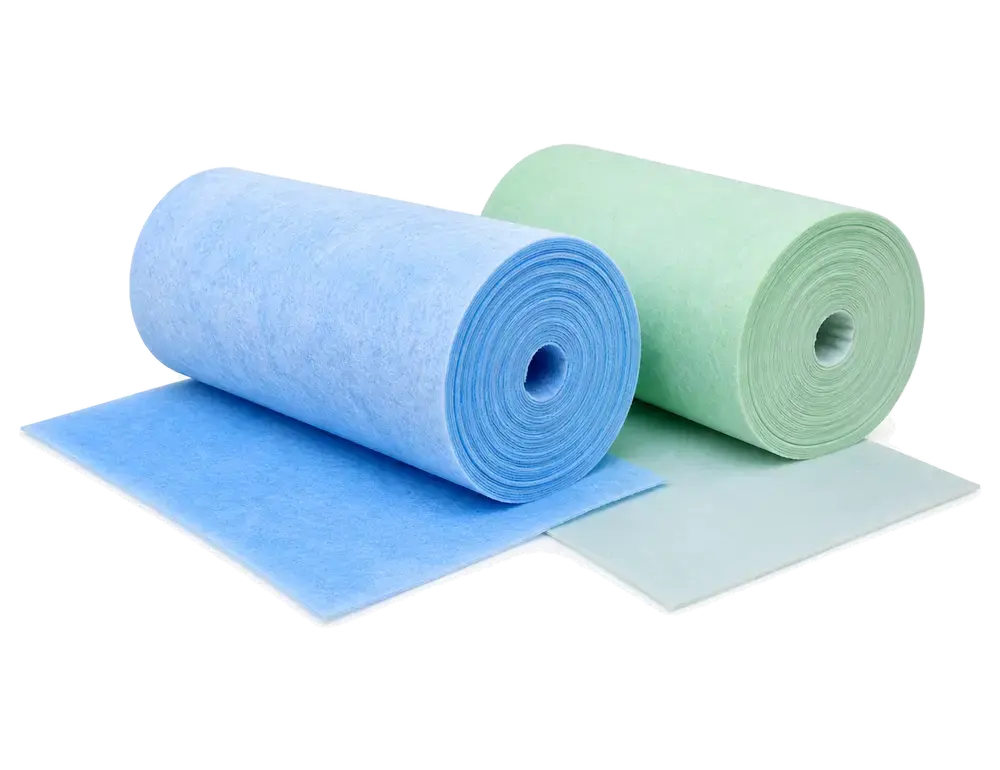
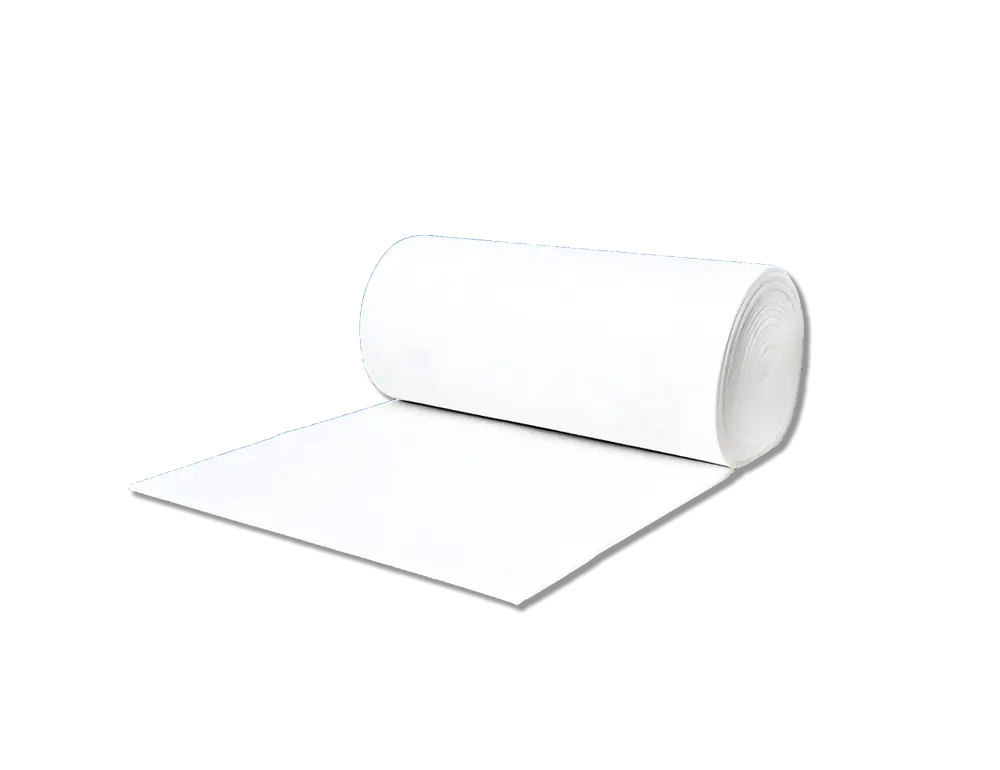
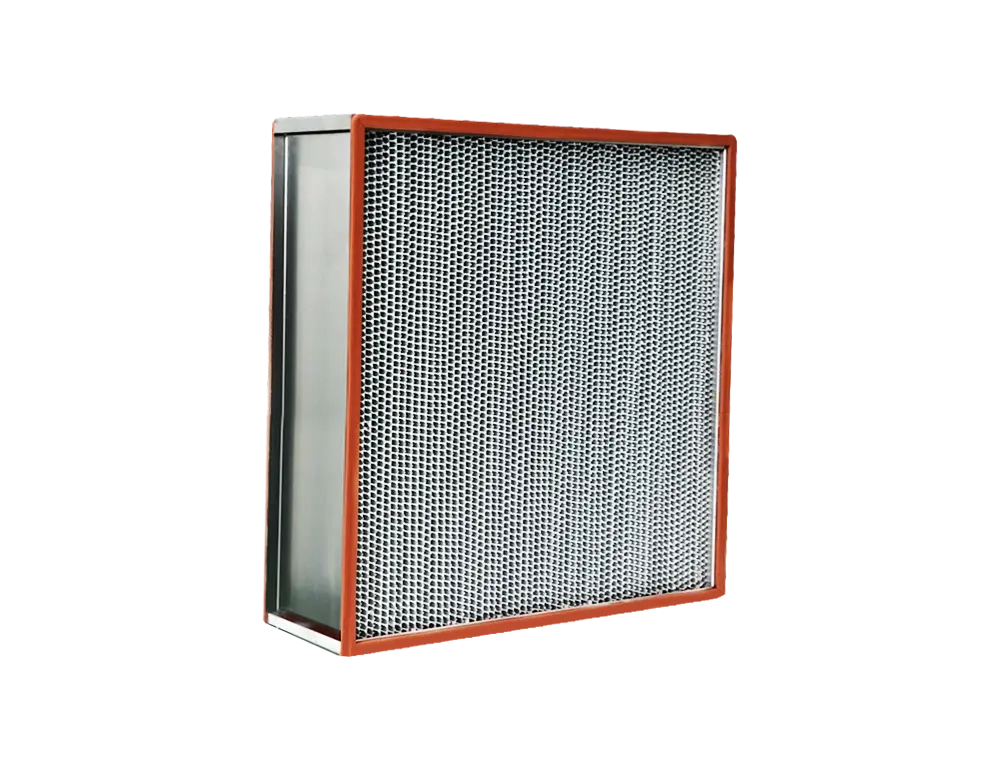
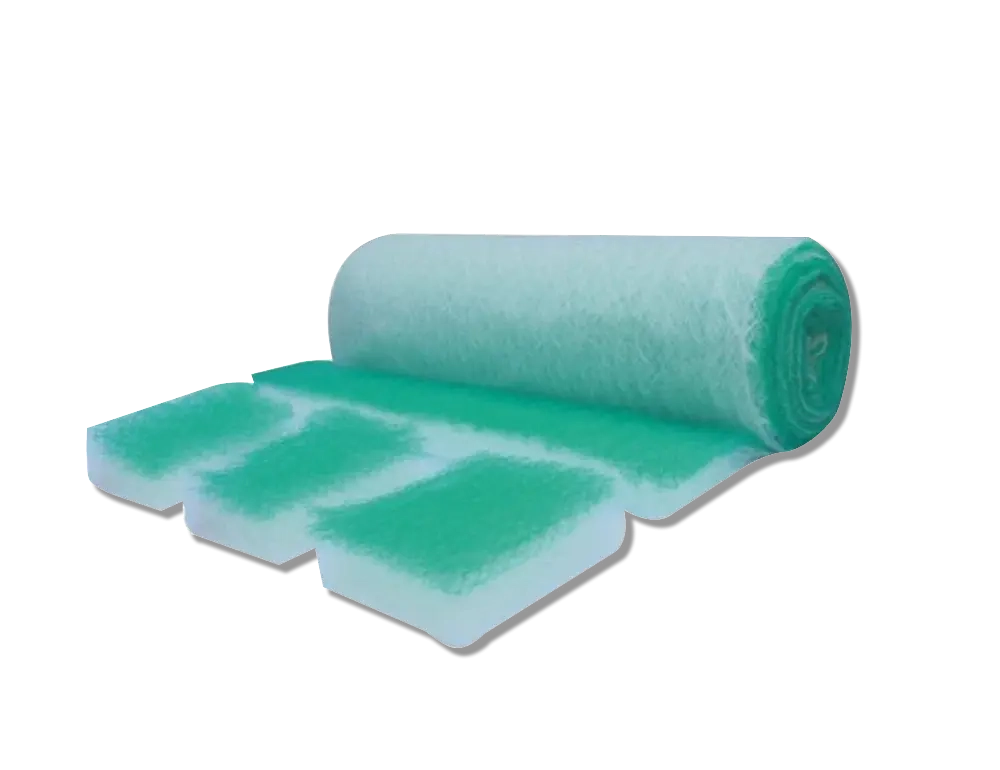
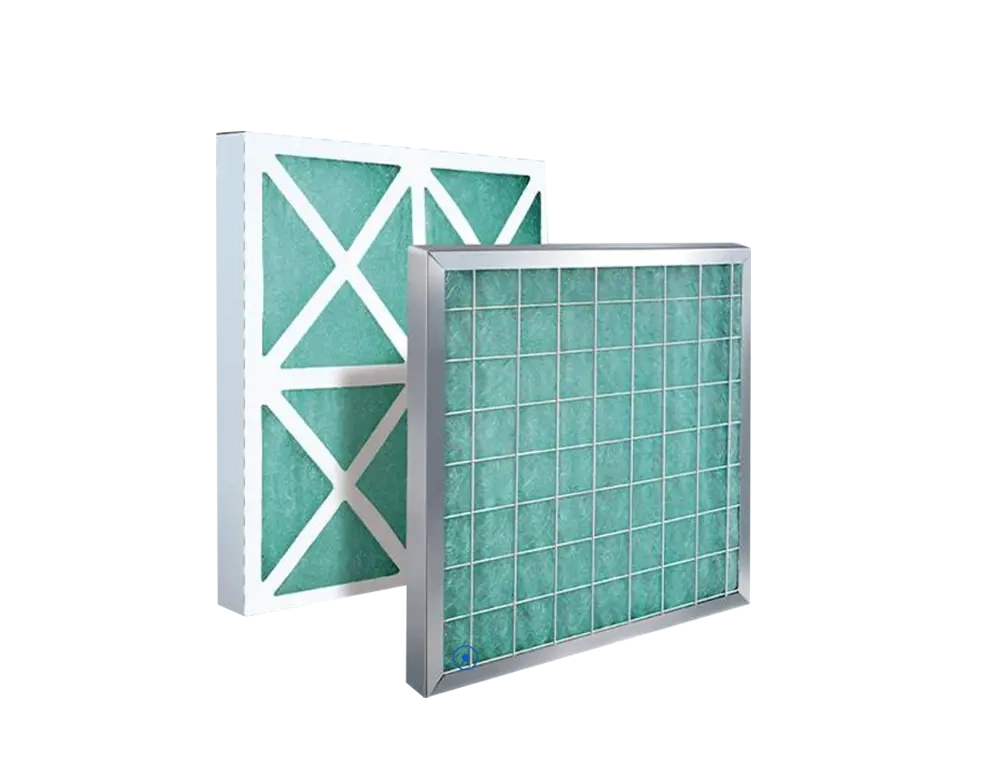
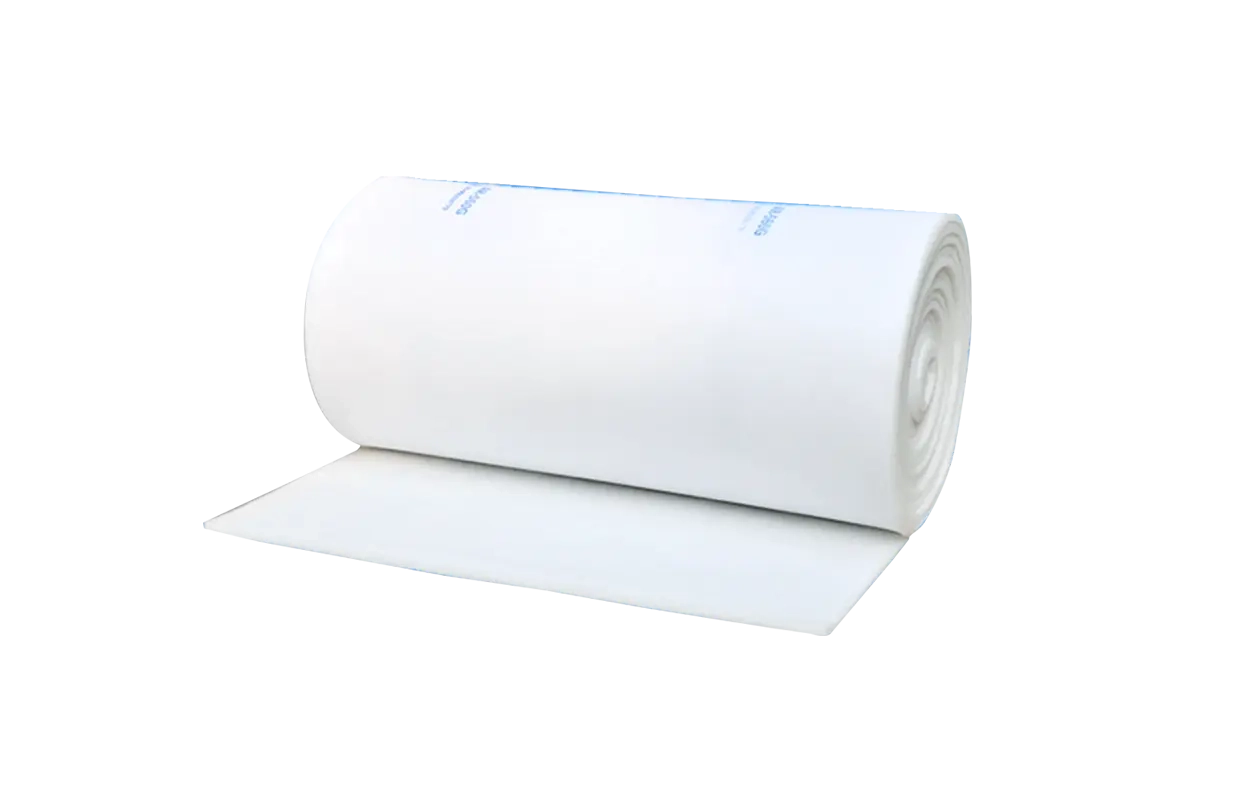
Pre-Filter (G1–G4)
First-Stage Large-Particle Capture
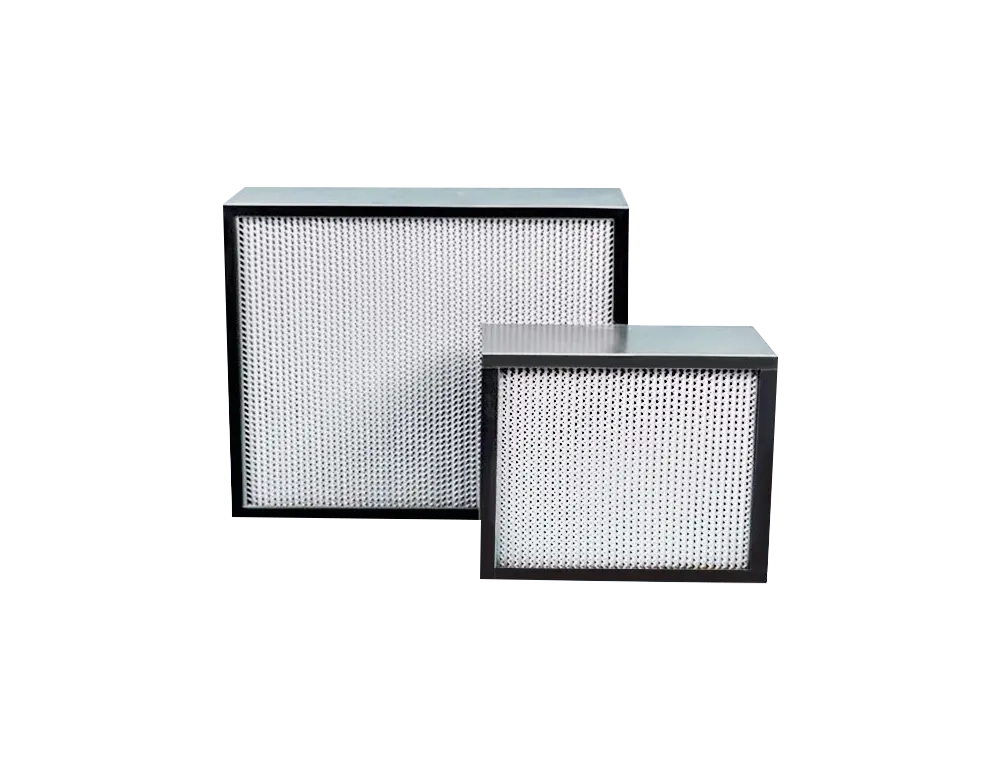
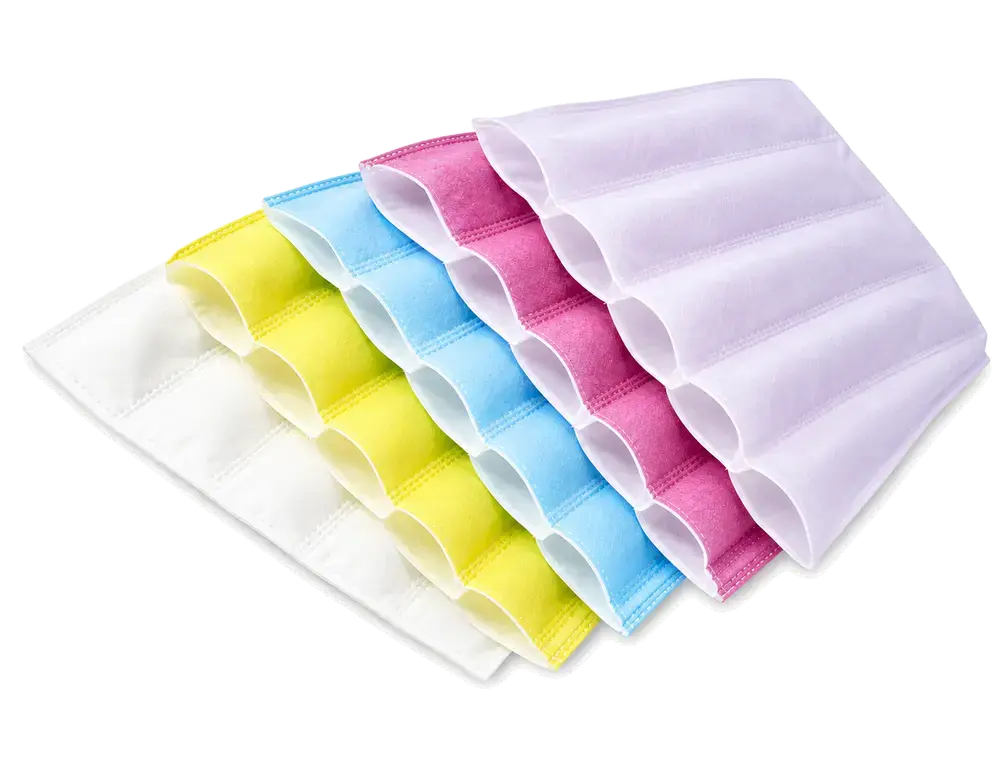
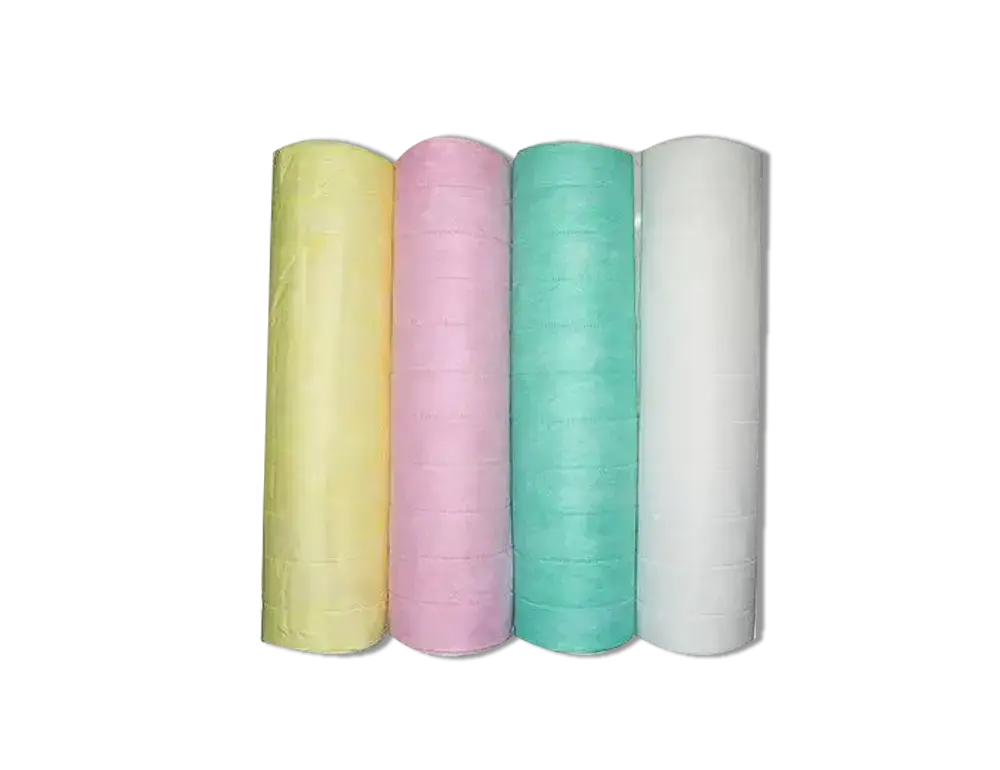
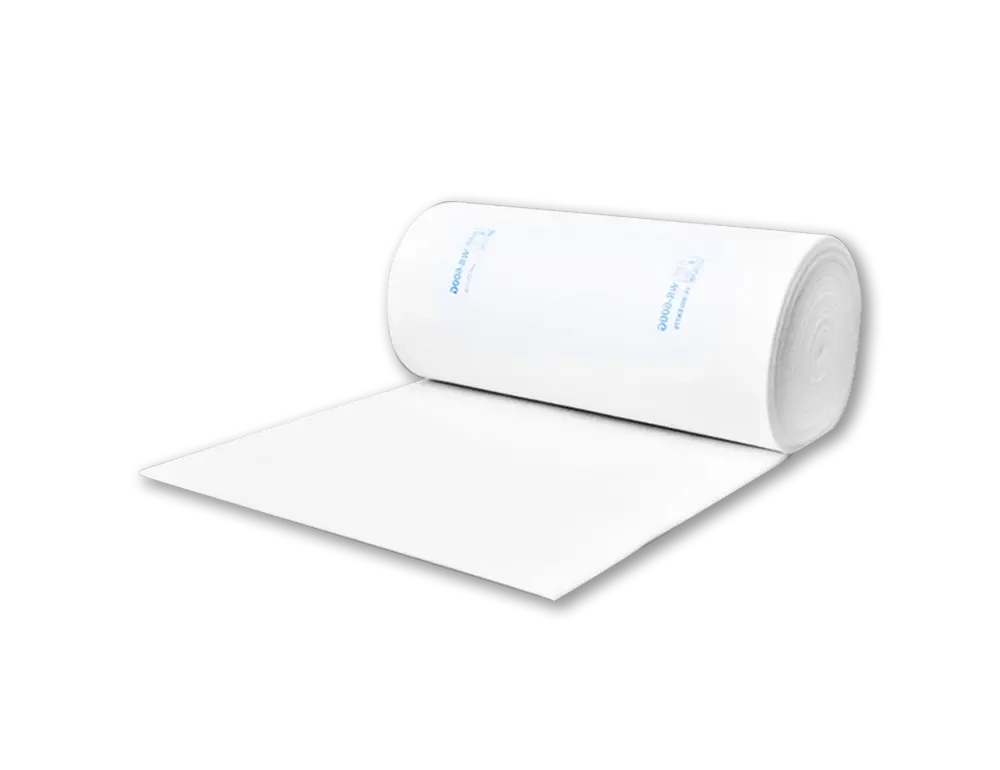
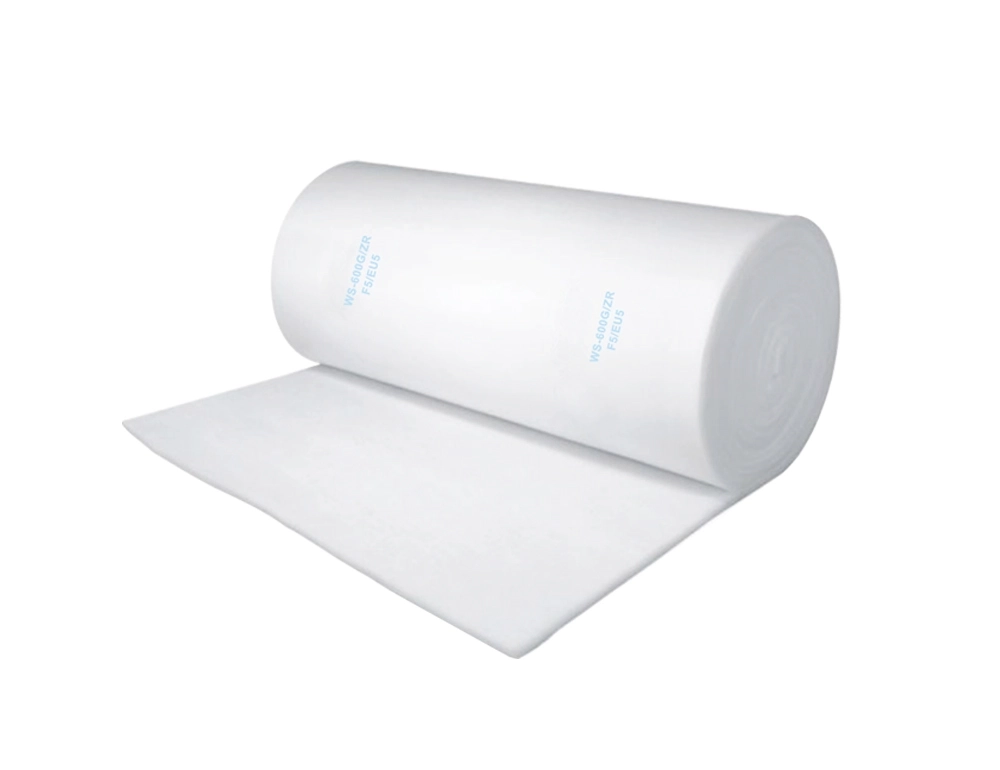
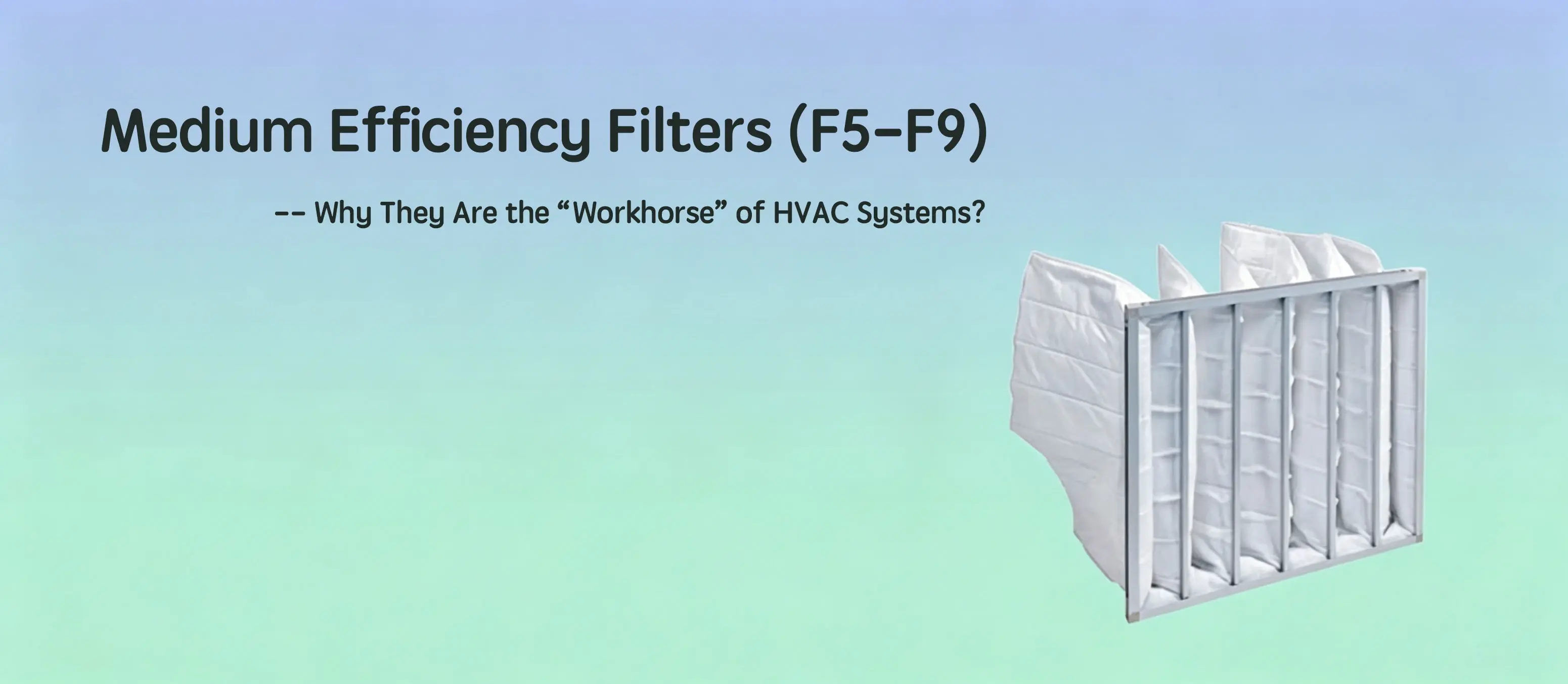
Medium-Efficiency Filter (F5–F9)
Precise PM2.5 Capture
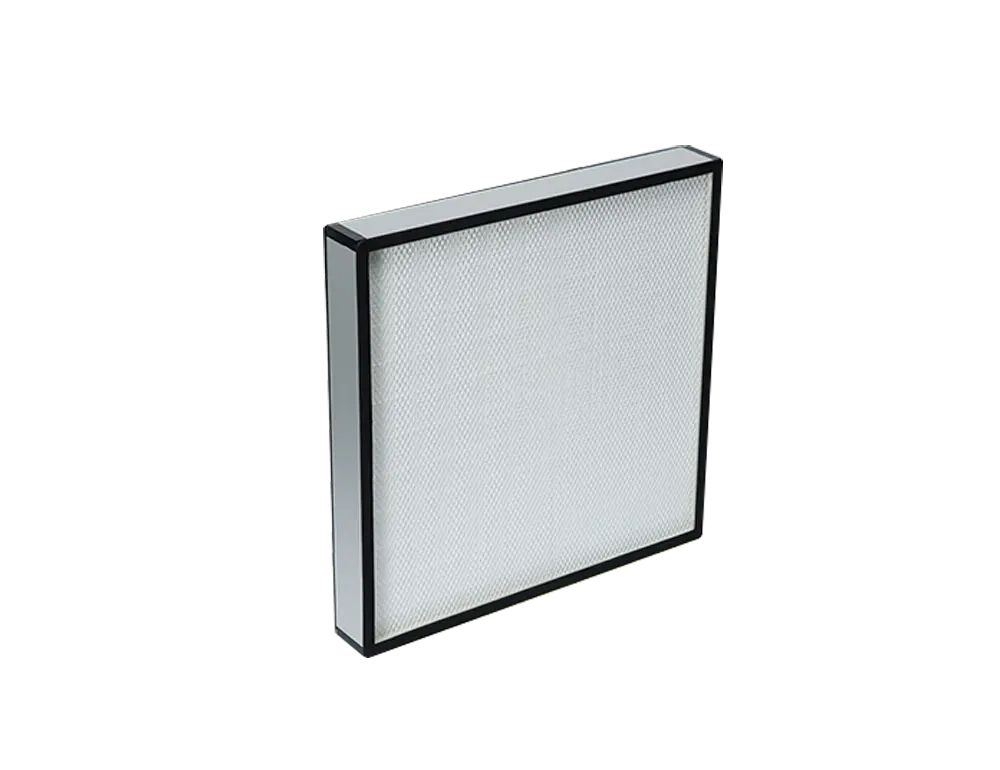
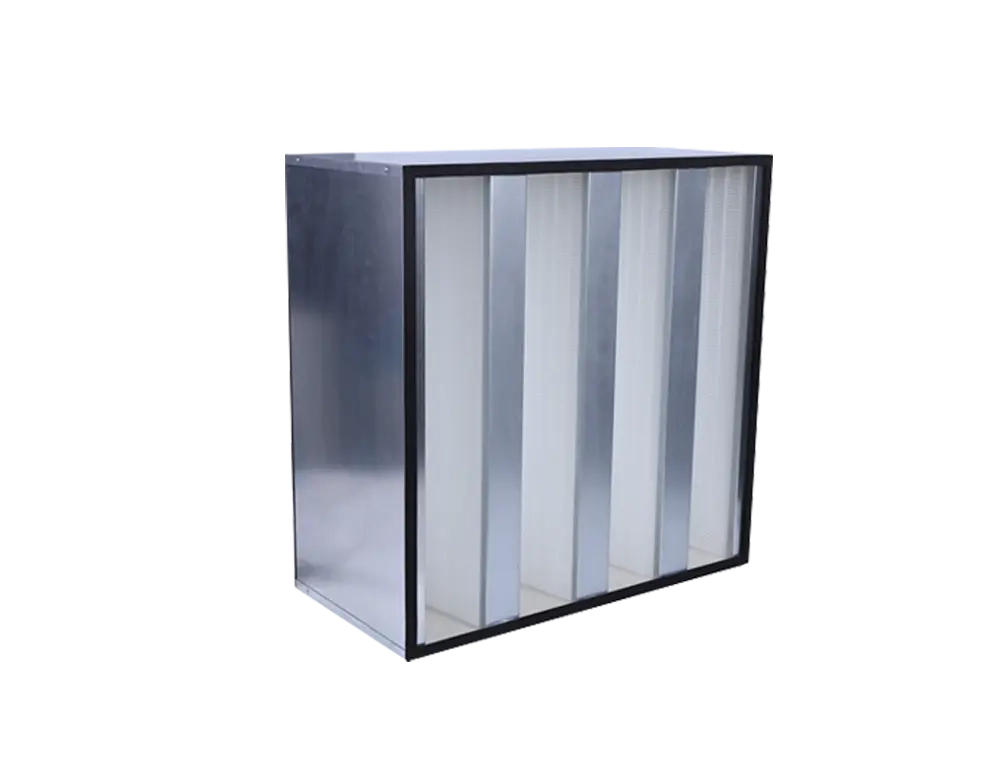
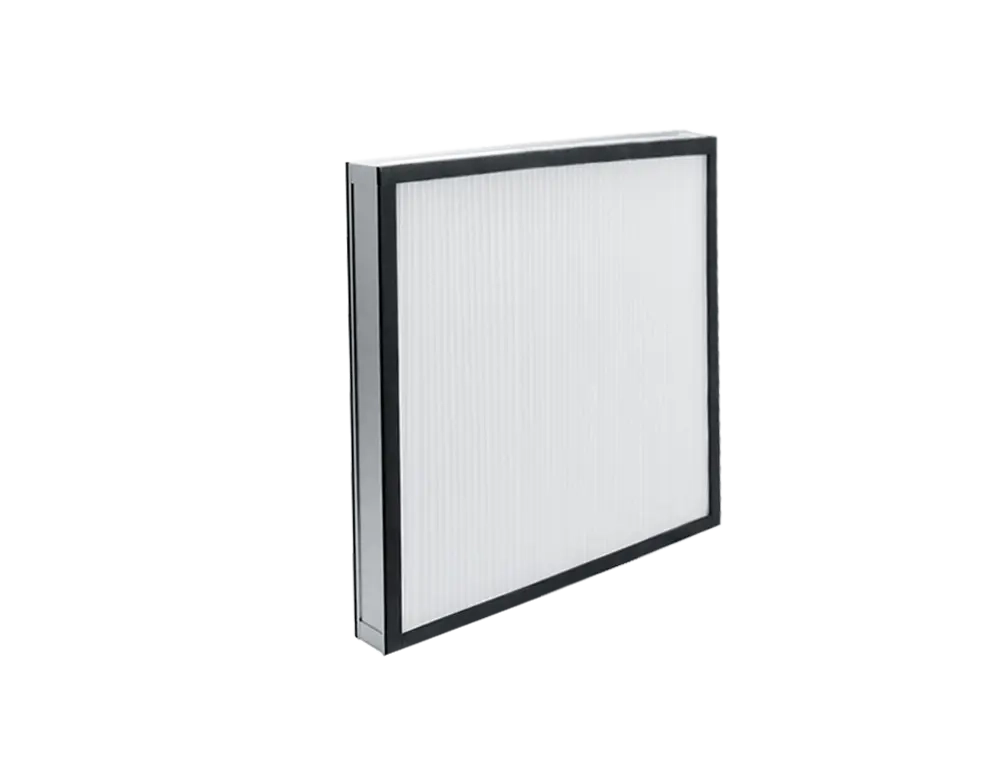
HEPA High-Efficiency Filter
Sterile-Grade Purification
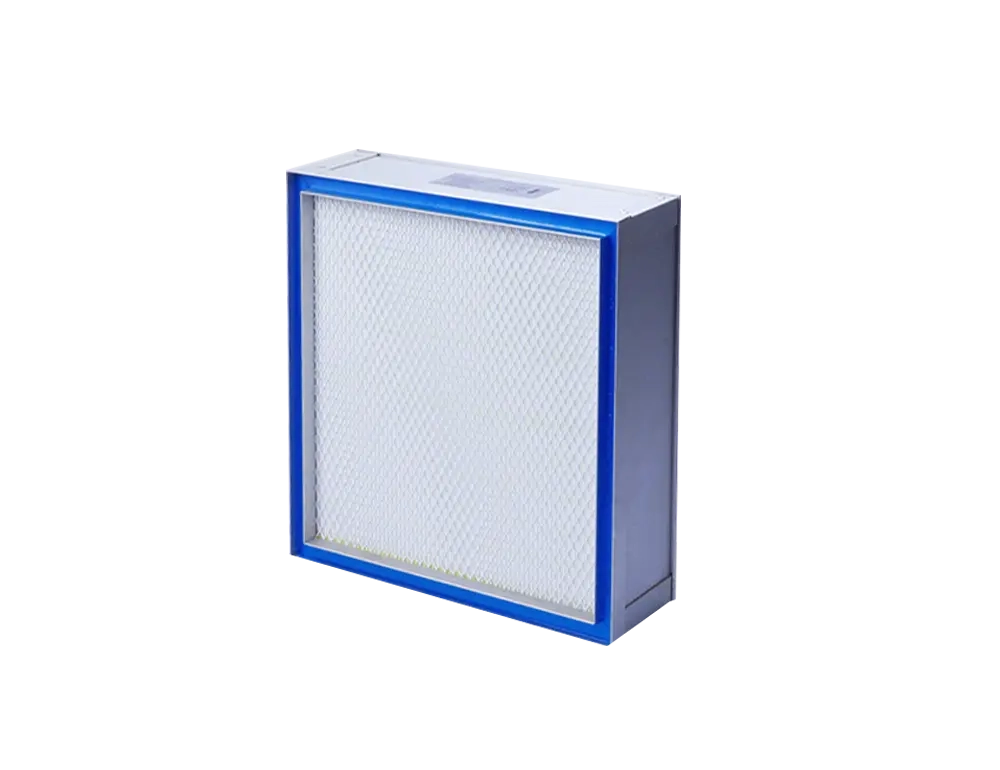
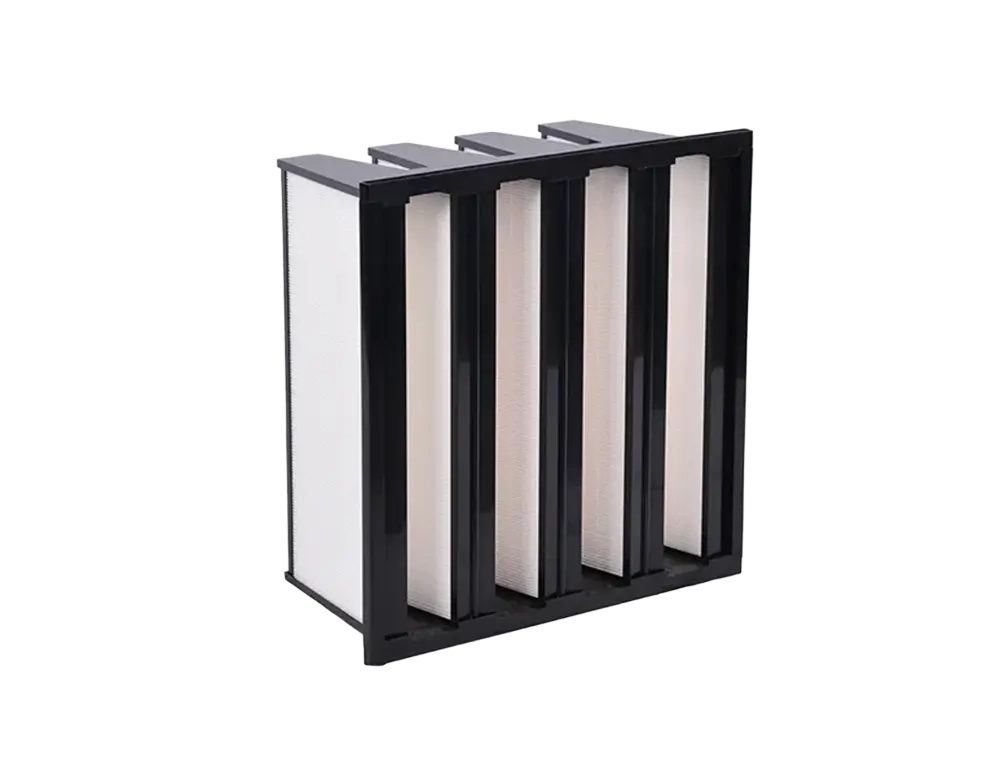
ULPA Ultra-High Efficiency Filter
Sub-Micron Particle Capture
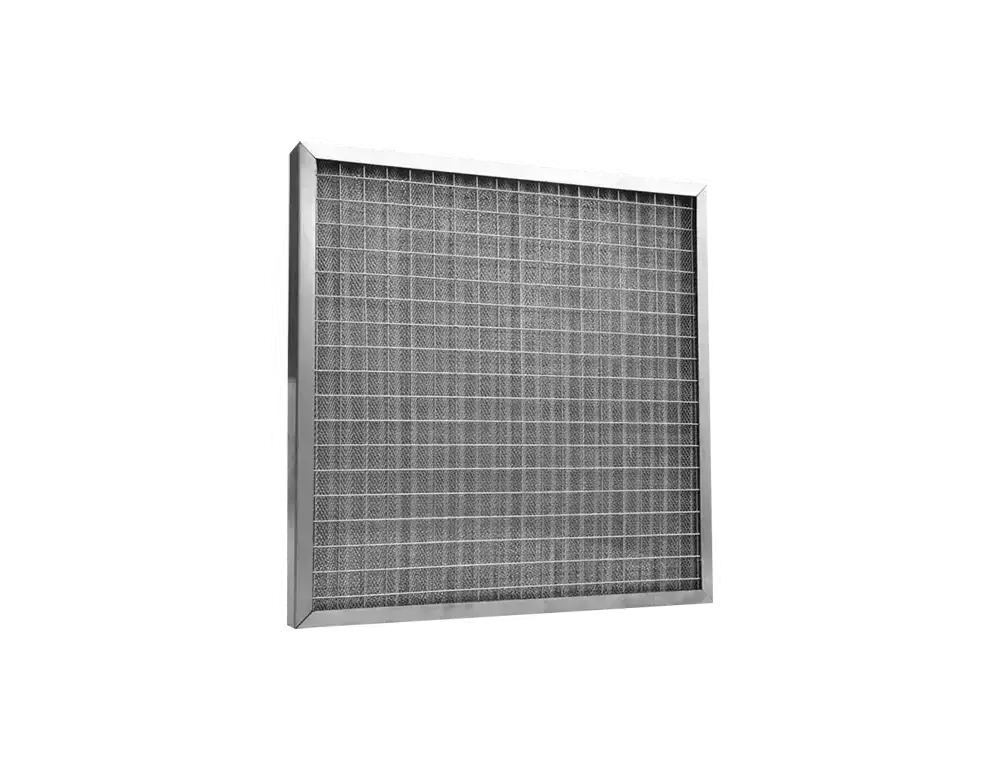
First-Stage Large-Particle Capture
The first line of defense, capturing particles ≥5 μm such as dust, hair, and fibers to protect downstream filters and extend overall system service life.
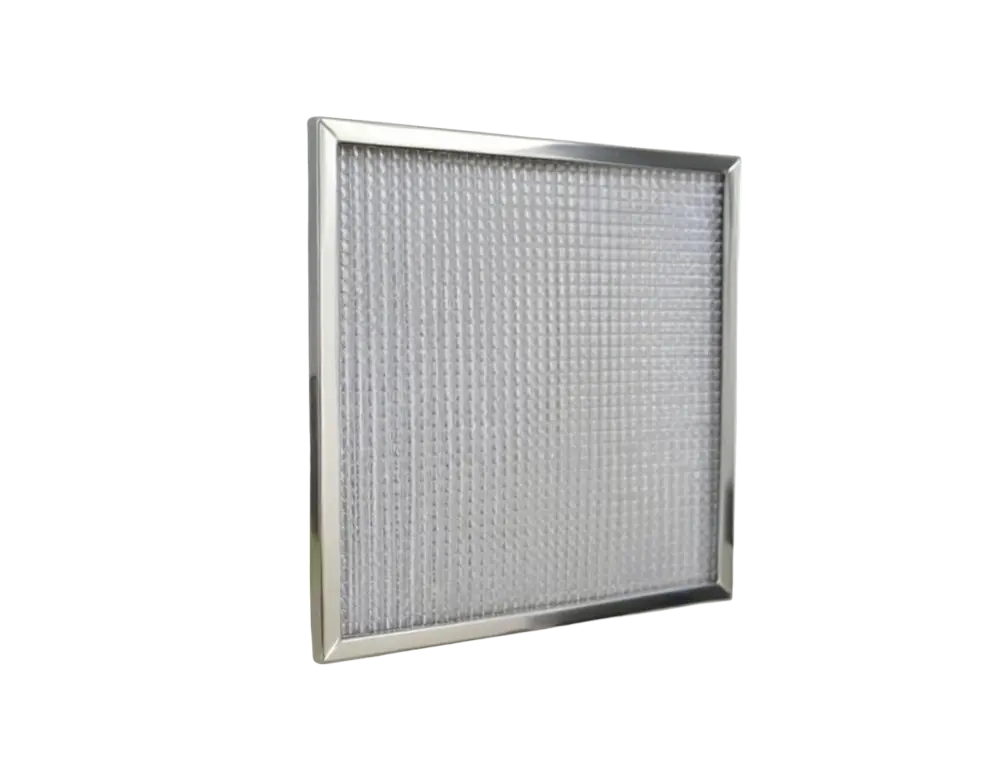
View Related Products →Precise PM2.5 Capture
Captures fine particles of 1–5 μm including PM2.5, pollen, and mold spores, significantly improving indoor air quality for commercial HVAC and ventilation systems.
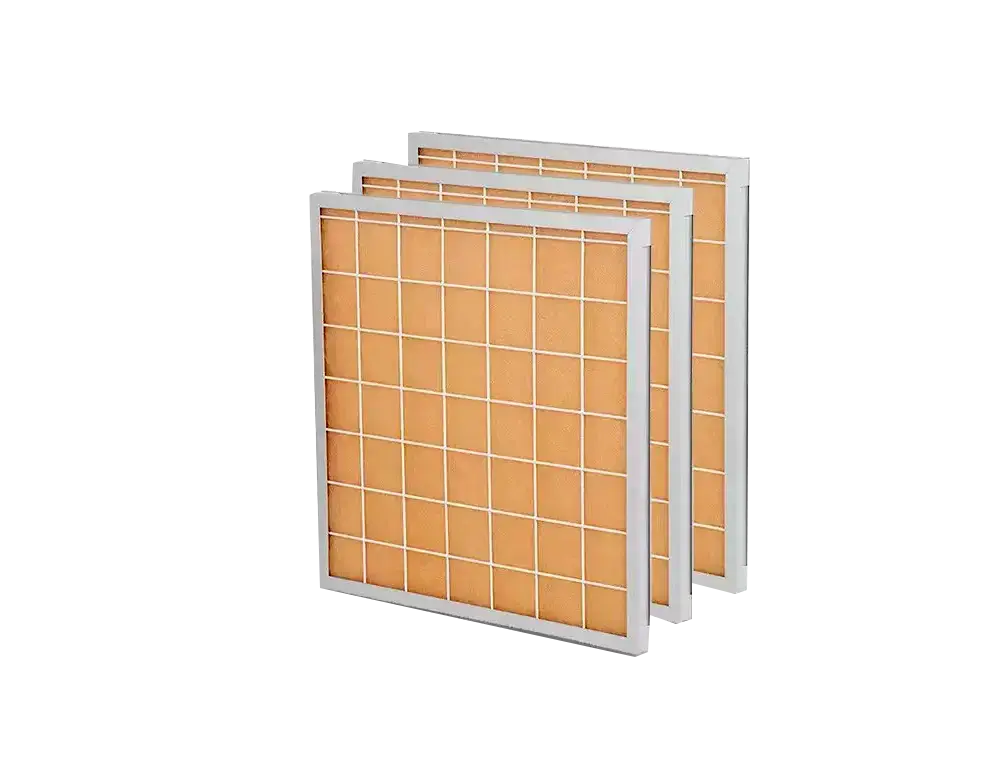
View Related Products →Sterile-Grade Purification
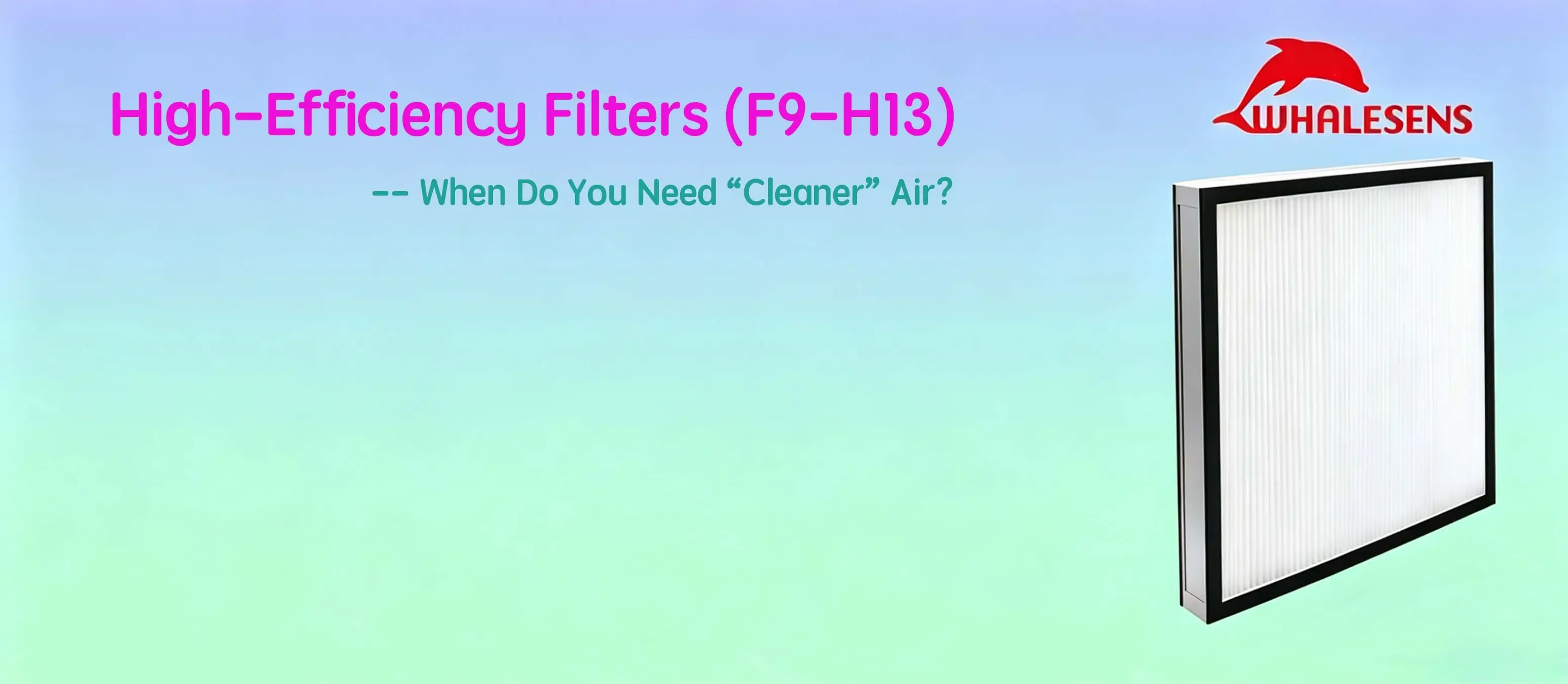
≥99.97% filtration efficiency for particles ≥0.3 μm, delivering sterile-grade clean air widely used in medical, pharmaceutical, and electronics manufacturing.
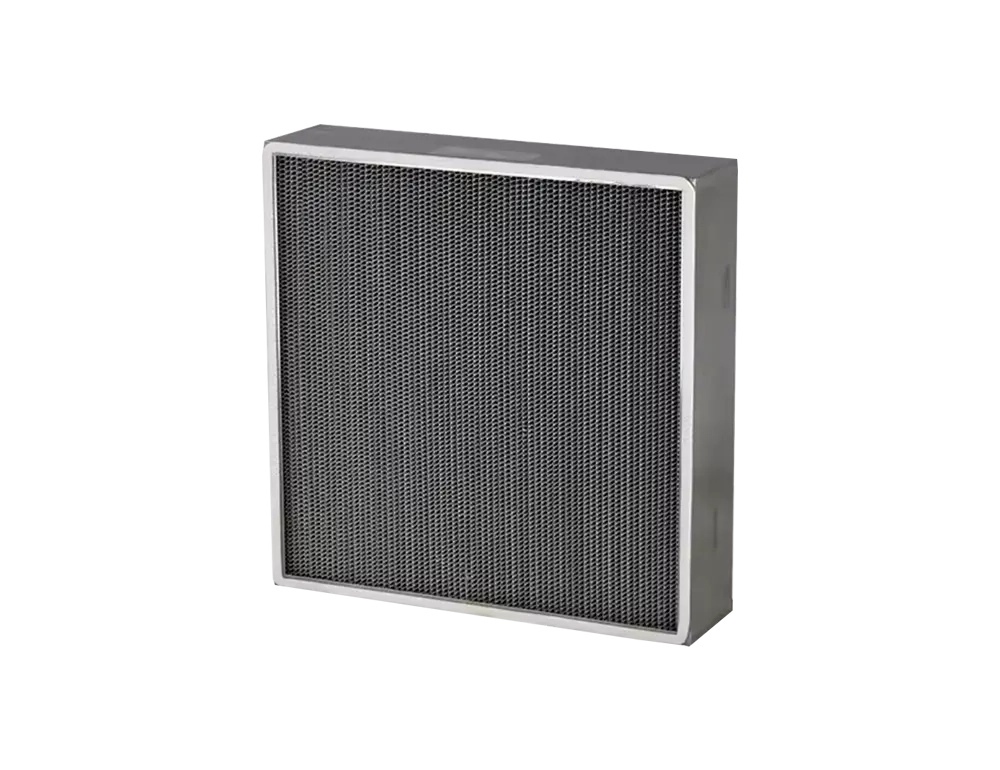
View Related Products →Sub-Micron Particle Capture
≥99.9995% efficiency for particles ≥0.12 μm, meeting the extreme cleanliness demands of semiconductor fabs, aerospace, and other ultra-precision applications.
View Related Products →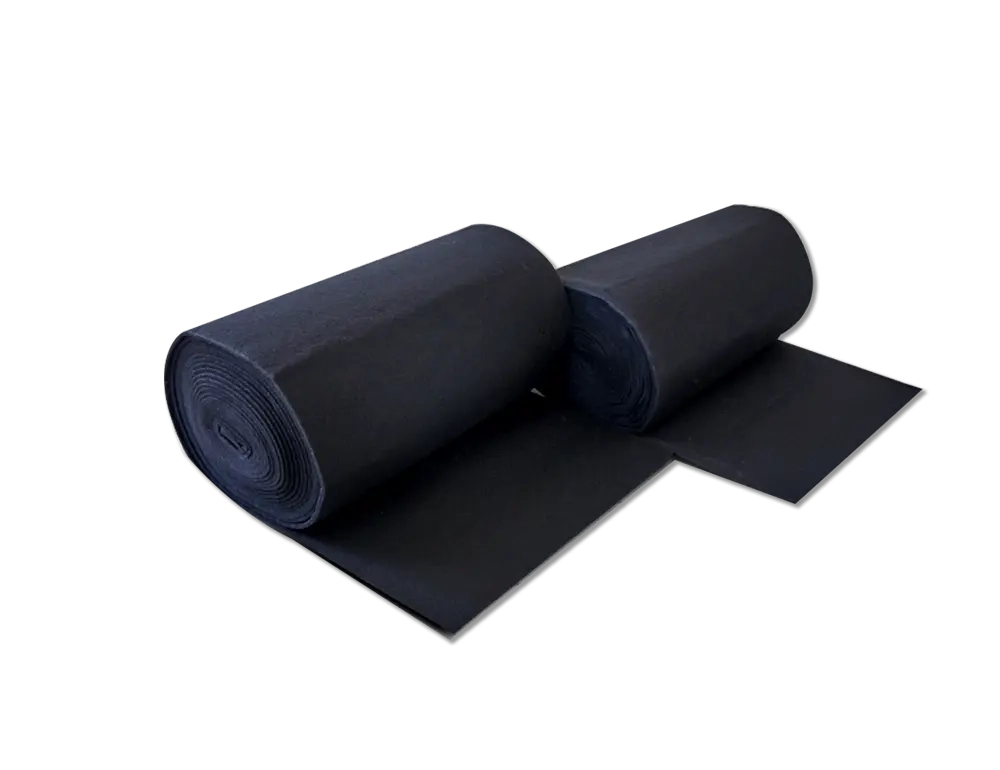
High-Temperature Resistant
Industrial-Grade Heat Tolerance
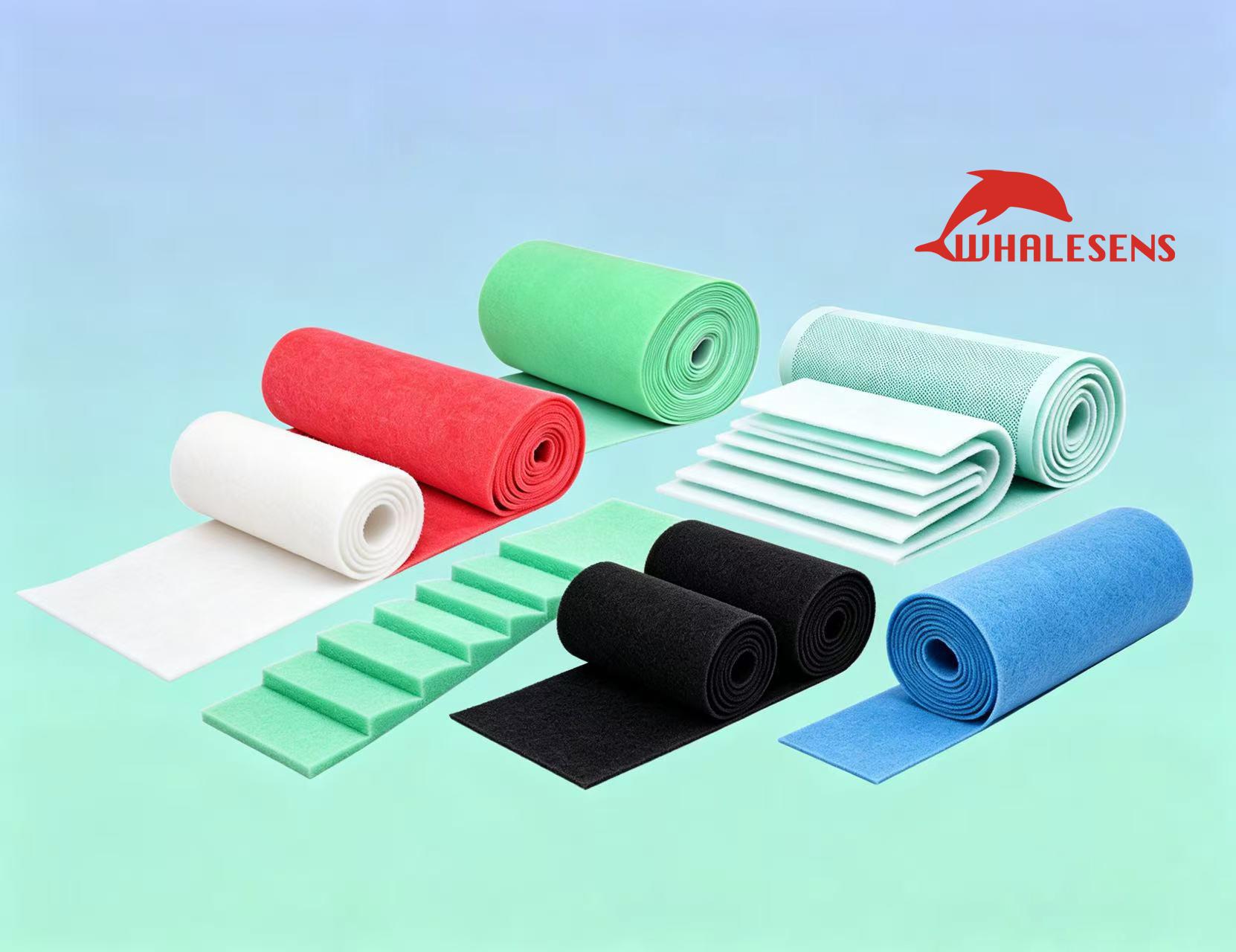
Washable & Reusable
Cut Costs, Reduce Waste
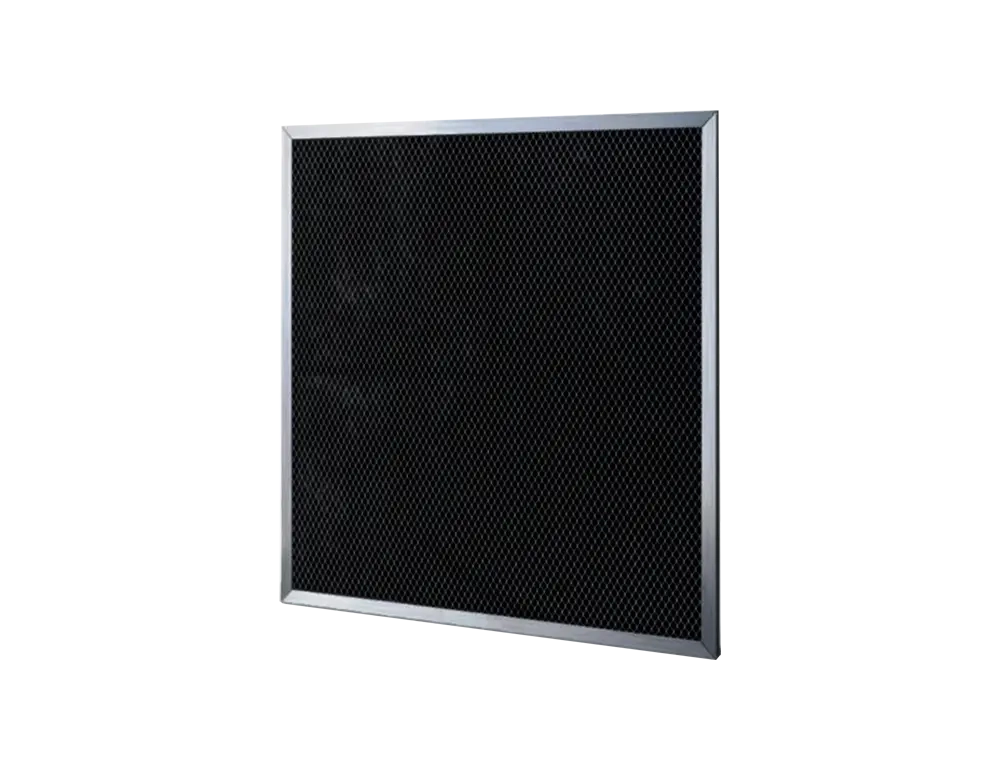
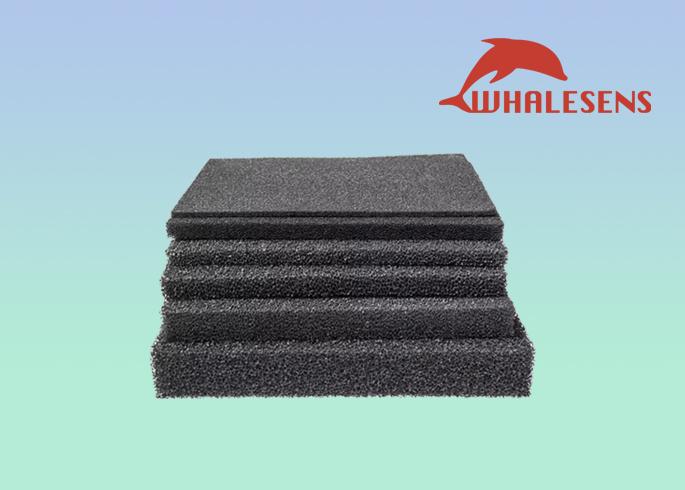
Activated Carbon
Odor & Harmful Gas Removal
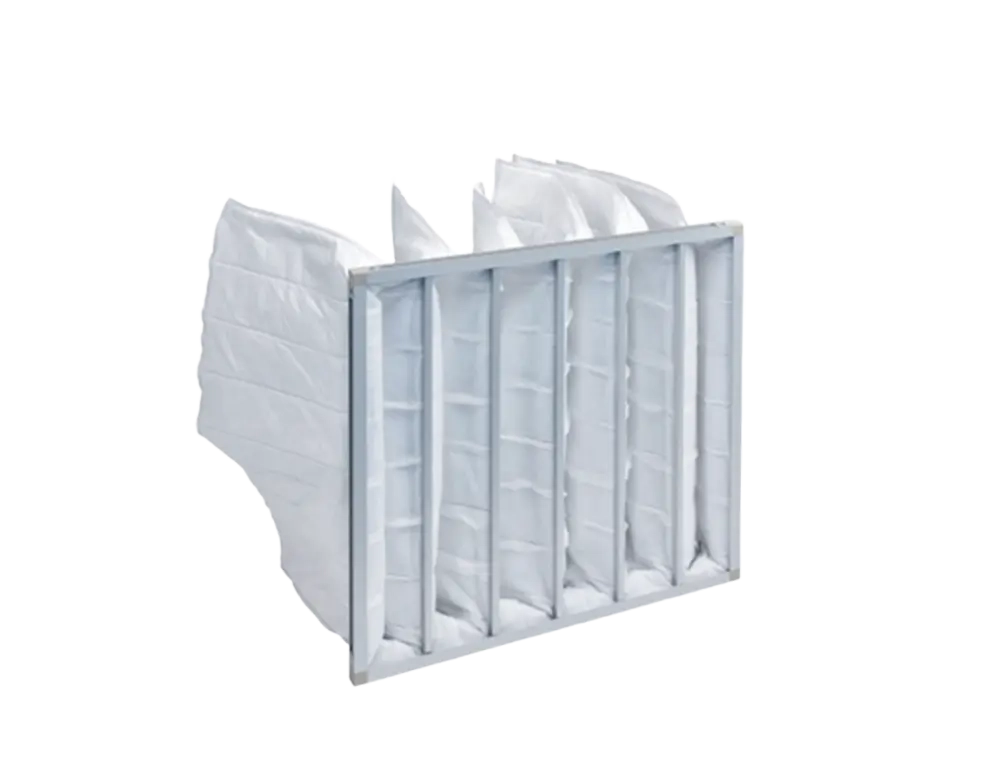
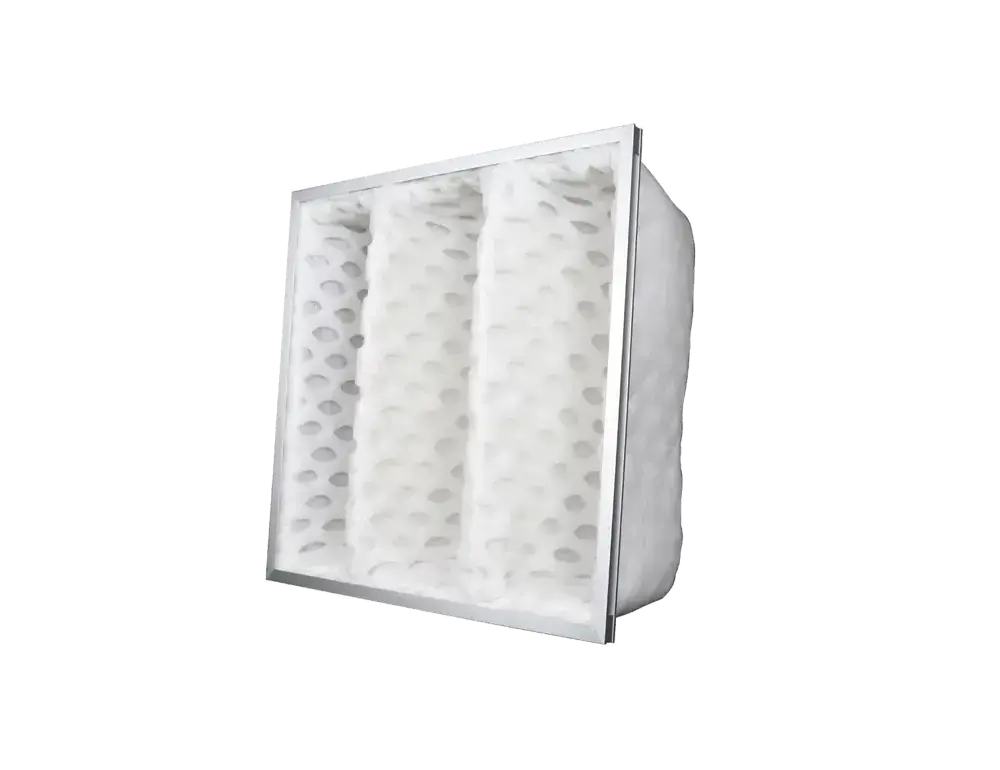
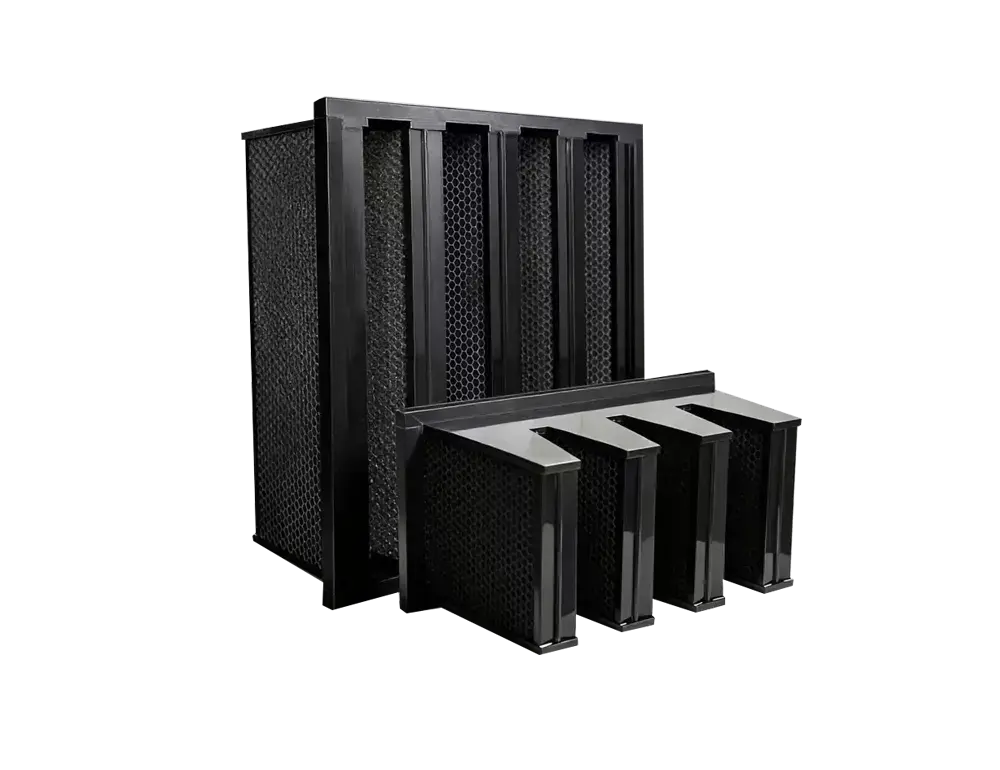
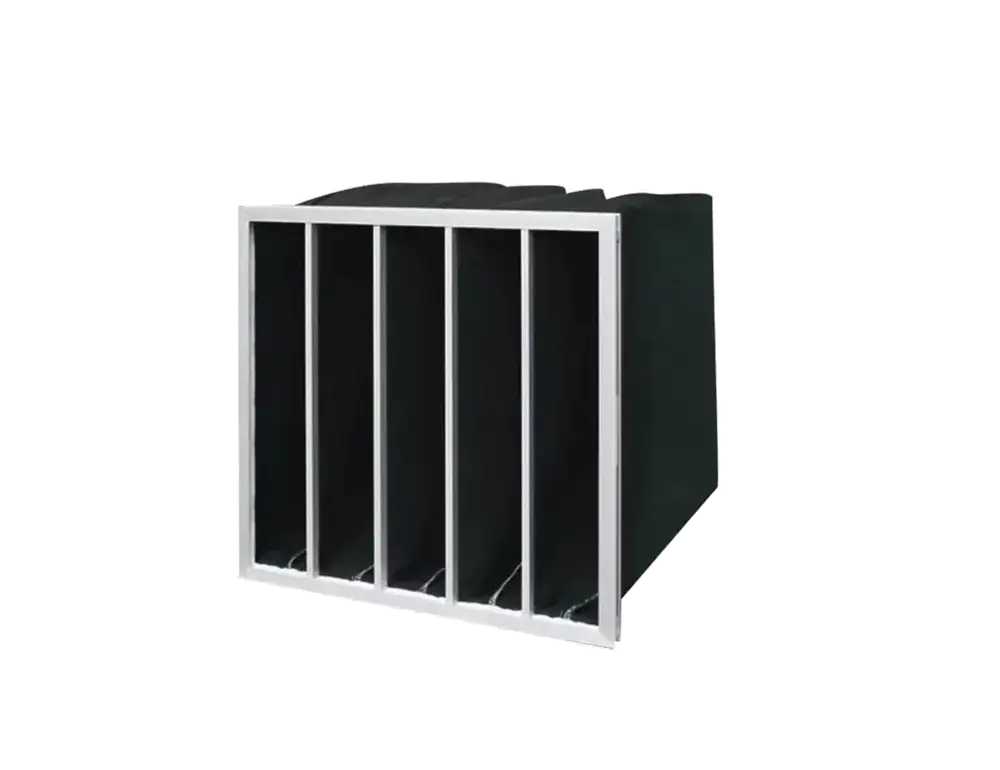
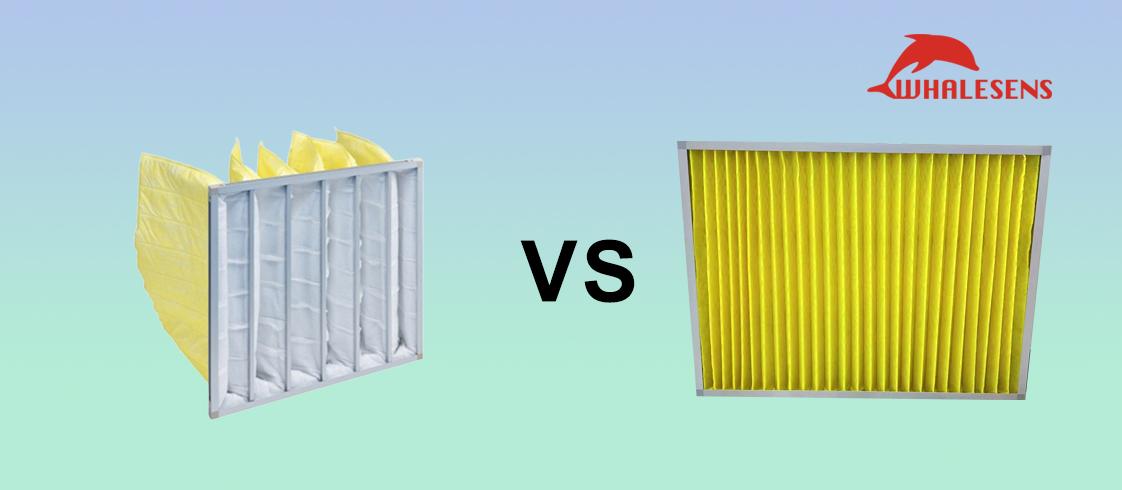
Bag Filter
High Dust-Holding, Long Life
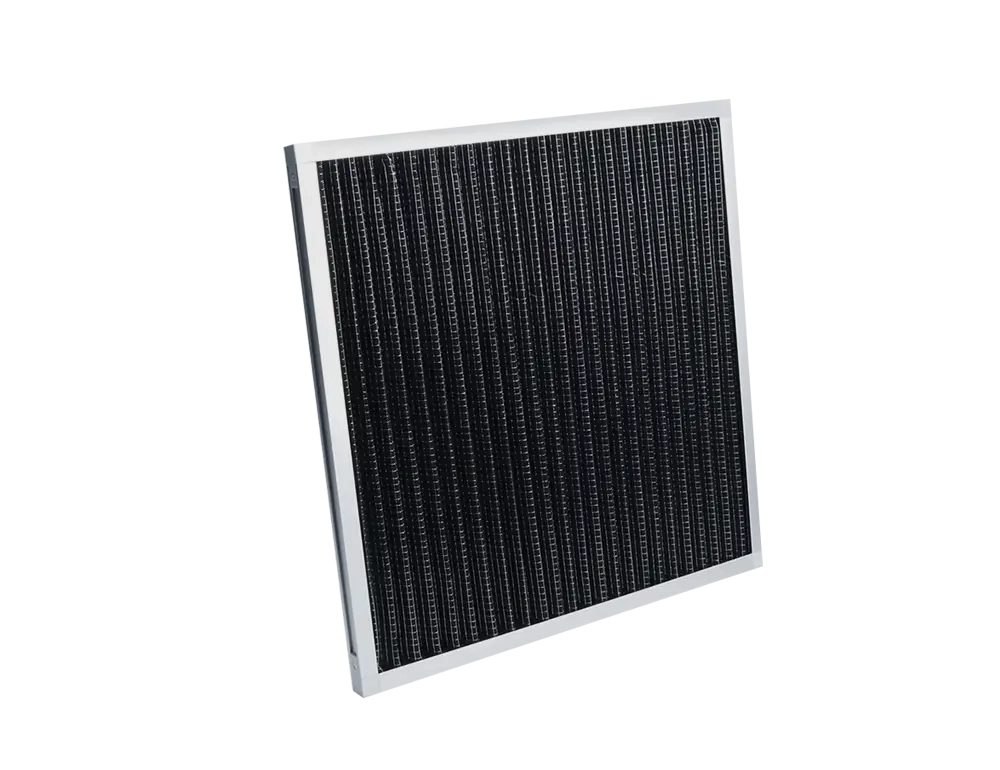
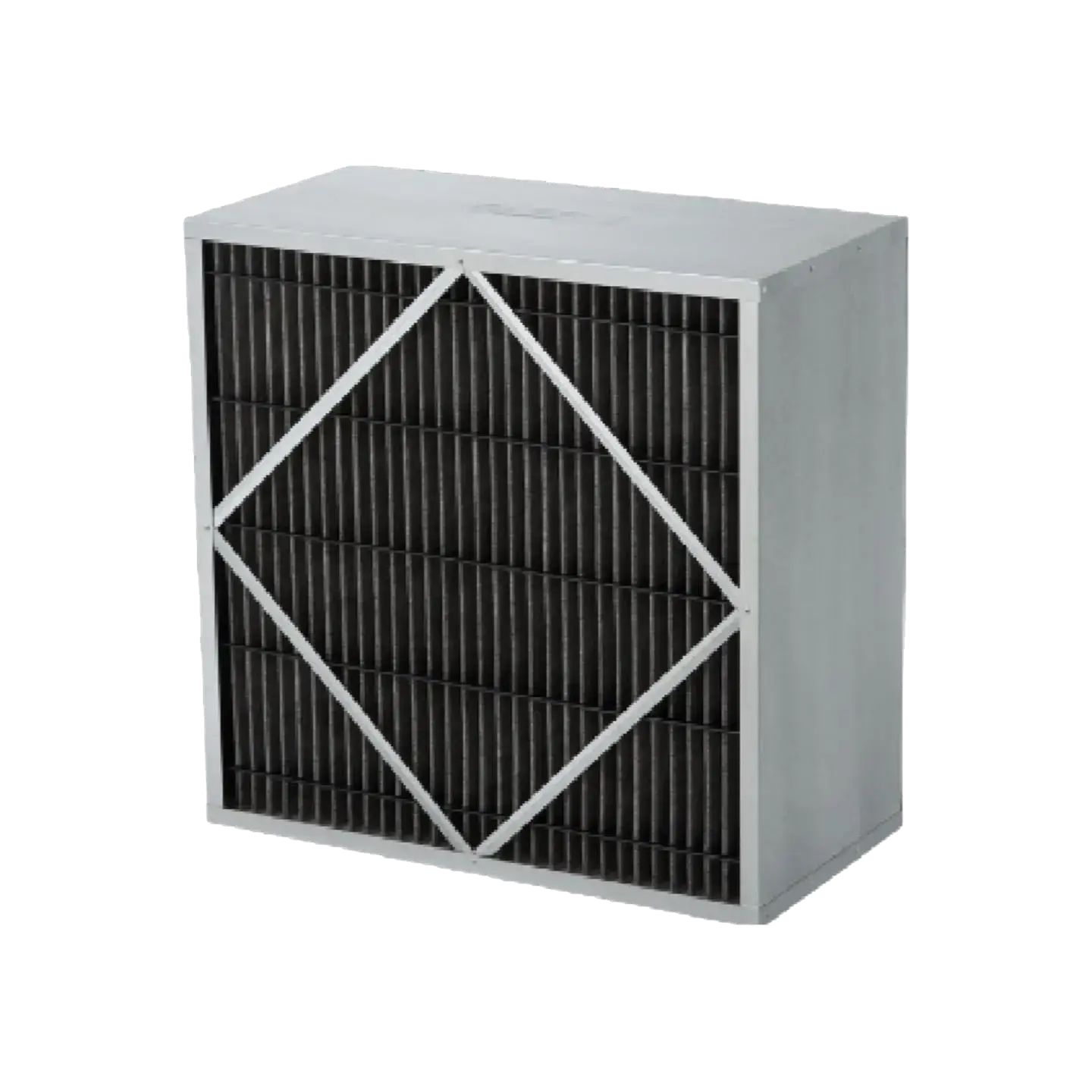
Panel / Pleated Filter
Compact Space-Saving Design
Low-Resistance Airflow
Energy-Saving Operation
Industrial-Grade Heat Tolerance
Built with specialized heat-resistant materials, operating stably up to 250°C for paint ovens, industrial dryers, and high-temperature process environments.
View Related Products →Cut Costs, Reduce Waste
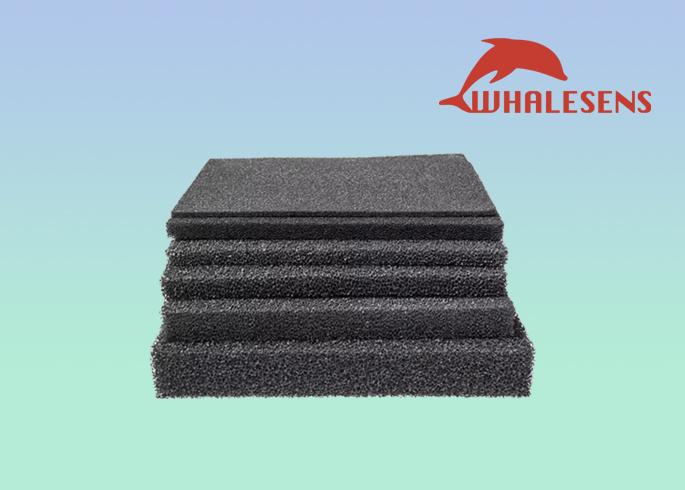
Cleanable by water washing or air blowing, reusable multiple times to significantly reduce replacement frequency and O&M costs — an economical, eco-friendly choice.
View Related Products →Odor & Harmful Gas Removal
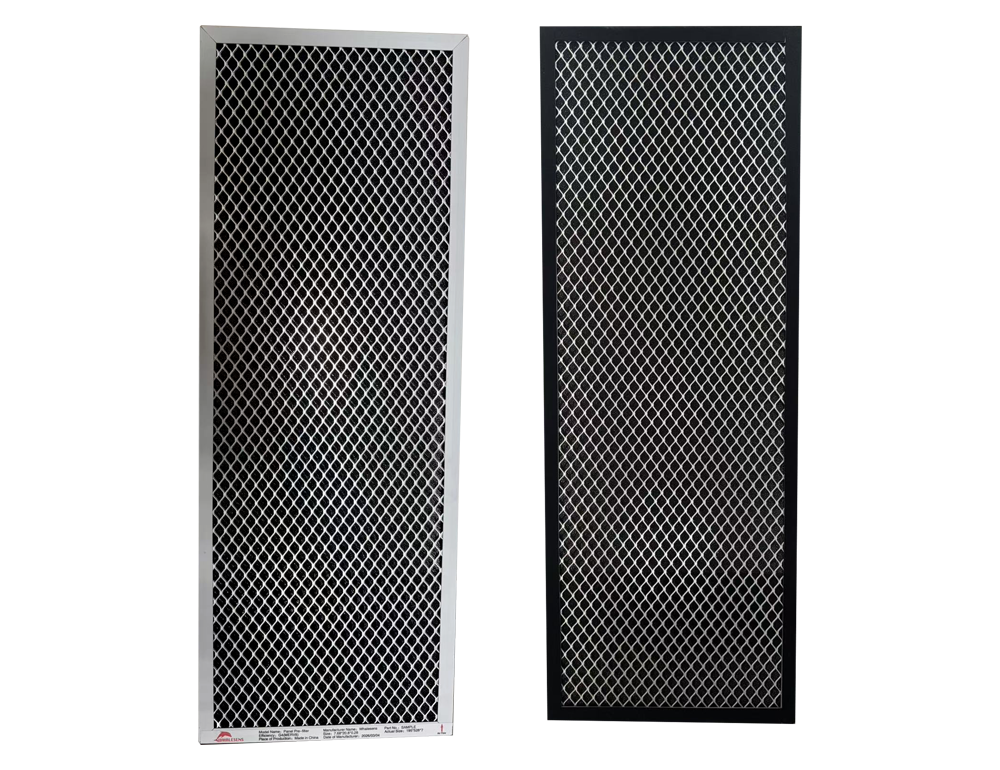
Leverages activated carbon's high adsorption capacity to eliminate odors, VOCs, and formaldehyde, ideal for newly renovated spaces and industrial exhaust treatment.
View Related Products →High Dust-Holding, Long Life
Bag-style construction delivers a larger filtration area, high dust-holding capacity, and extended service life — ideal for high-dust environments with reduced replacement frequency.
View Related Products →Compact Space-Saving Design
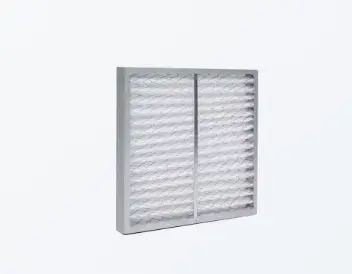
Compact form factor for easy installation and replacement; pleated structure maximizes filtration area within a small footprint for higher efficiency.
View Related Products →Energy-Saving Operation
Low-resistance design minimizes pressure drop while maintaining filtration performance, reducing fan energy consumption for cost-effective, eco-friendly operation.
View Related Products →












 English(Global)
 简体中文
简体中文 Language




Evolution, Technological Innovations, and Standards of Air Filters
From Nothing to Something: The History and Technological Leap of Air Filters
The evolution of air filters mirrors humanity’s efforts to tackle environmental challenges, pursue healthy living, and refine industrial processes.
Early Development and Industrial Era (Late 19th – Early 20th Century)
The Industrial Revolution brought coal combustion and industrial emissions, causing unprecedented air pollution. To protect machinery (such as early HVAC heating coils) and provide rudimentary worker protection, primitive filtration methods emerged: metal wire meshes, oiled sticky filters, gravity-based settling chambers, and simple cloth bag filters. These technologies were rudimentary, inefficient, and mainly targeted large dust particles, lacking unified standards.
Birth of HEPA and Transition from Military to Civilian Use (1940s – 1960s)
Technological breakthroughs often arise from urgent needs. During World War II, the Manhattan Project (atomic bomb development) required the prevention of radioactive particulate leakage, leading to the birth of HEPA (High Efficiency Particulate Air) filters. Developed by U.S. military scientists, HEPA filters used ultra-fine glass fiber media and deep pleated structures, achieving 99.97% efficiency for 0.3-micron particles. After the war, this technology was declassified and rapidly applied to nuclear industry, aerospace, precision electronics, and biomedicine, laying the foundation for modern high-tech industries.
Standardization and Material Innovation (1970s – 1990s)
Growing public concern over environmental and health issues (urban smog, sick building syndrome) pushed air filtration toward standardization and diversification.
Standards: ASHRAE 52.2 introduced the MERV (Minimum Efficiency Reporting Value) scale for unified performance assessment.
Material innovation: Synthetic fibers such as polyester (PET) and polypropylene (PP) replaced natural fibers. Electrostatic charging improved fine particle capture efficiency while maintaining low resistance.
Expanded applications: Activated carbon filters began adsorbing gaseous pollutants; household air purifiers emerged and gradually became popular.
Intelligent and Sustainable Development (21st Century – Present)
The recognition of PM2.5 health hazards, energy-saving requirements, and public health events like COVID-19 have shaped the modern air filter landscape:
- High efficiency with low resistance: Nanofiber media and optimized pleating increase filtration efficiency for ultrafine particles (UFP) while reducing airflow resistance and energy consumption.
- Intelligent systems: Integrated sensors and IoT enable real-time monitoring, lifespan prediction, and building automation integration.
- Multifunctional composite filters: Combine particulate filtration, gaseous pollutant adsorption (modified activated carbon), catalytic decomposition (photocatalysis), and antimicrobial/antiviral functions.
- Sustainability: Use of recyclable and bio-based materials, extended product life, and reduced environmental impact.
WhaleSens Technology exemplifies this trend, integrating intelligent monitoring, high-efficiency design, and composite filtration technologies into its product line, demonstrating strong capabilities in technological innovation and market application.
Benchmarks of Performance: Air Filter Standards and Certification Systems
Understanding global standards is essential for selecting and evaluating filters.
International Standards for Filter Media
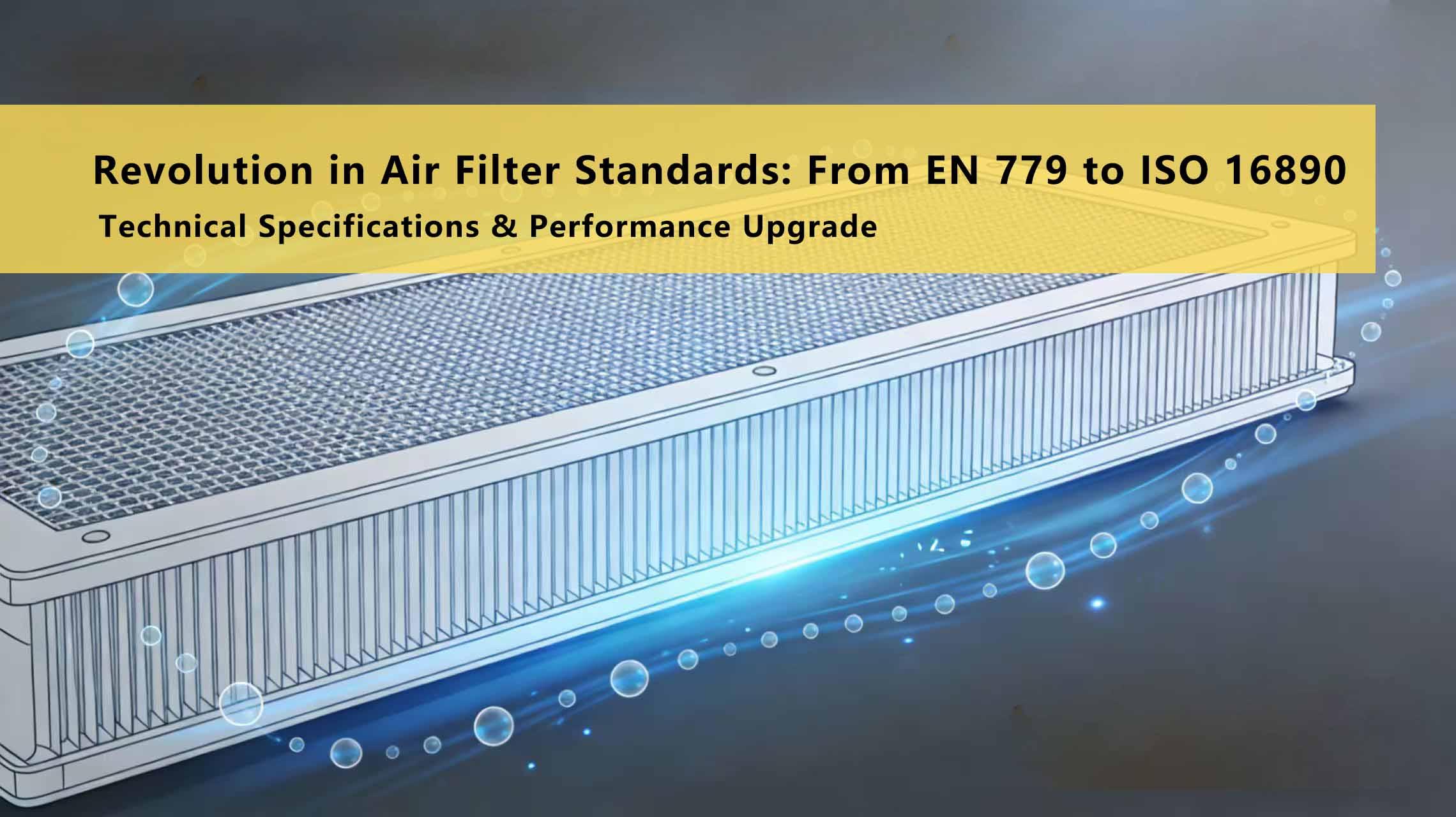
ISO 16890: General ventilation filter standard, replacing EN 779, grading filters by efficiency against PM₁, PM₂.₅, and PM₁₀ (ePM₁₀, ePM₂.₅, ePM₁). Tests include electrostatic discharge to reflect long-term real-world performance.
ISO 29463 / EN 1822: Authoritative standards for HEPA/ULPA filters, testing the most penetrating particle size (MPPS) and scanning for leaks in high-efficiency filters to ensure reliability.
North American Standards
ASHRAE 52.2: Main method for evaluating filter performance, using the MERV 1-16 scale for 0.3–10 micron particles.
AHAM CADR: Clean Air Delivery Rate test for household air purifiers, measuring smoke, pollen, and dust removal efficiency and recommending room size suitability.
Safety Certifications: UL 2998 (zero ozone ≤5 ppb) and CARB (≤50 ppb) ensure products are safe, especially for electrostatic or ionizing purifiers.
Chinese National Standards (GB)
GB/T 14295 & GB/T 13554: General and high-efficiency filter standards.
GB/T 18801: Comprehensive air purifier standard covering CADR (clean air delivery), CCM (cumulative pollutant removal), energy efficiency, and noise limits.
WhaleSens Technology strictly adheres to ISO and GB standards, ensuring product performance is reliable and transparent, providing both consumers and industrial users with peace of mind.
Whalesens – Experience the Future of Air Purification
- Free Technical Consultation: Expert guidance on the latest technologies and applicability.
- Customized Solutions: Tailored filter systems designed for your specific needs.
- How to Install and Maintain Air Filters Correctly: 5 Steps to Extend Service Life
- In-Depth Analysis of Bag Air Filters: Applications and Advantages
- Case Study: Air Filtration Solutions for Semiconductor Cleanrooms
Learn more about our innovative technologies:
- Official Website: www.whalesens.com
- WhatsApp: (+86) 13119189886
- Email: whalesens@gmail.com