


EV Charging Stations
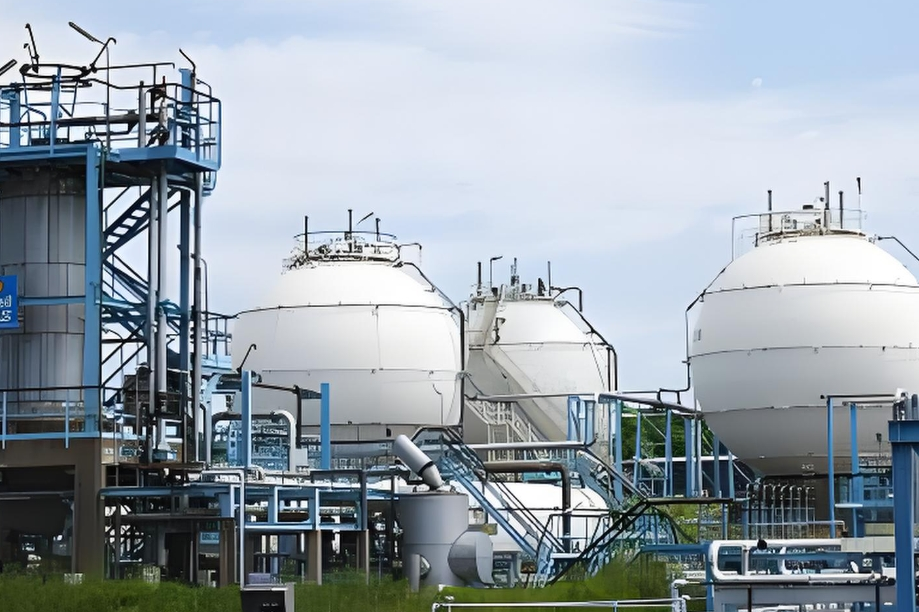
Filtration for Power Equipment
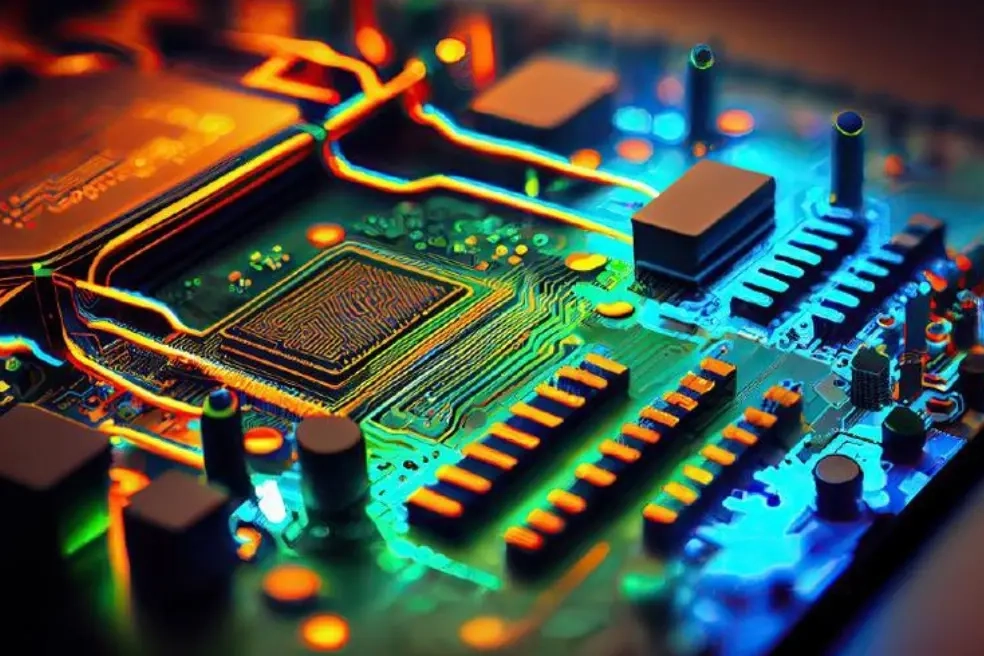
Cleanroom & Semiconductor
Ultra-High Cleanliness Filtration
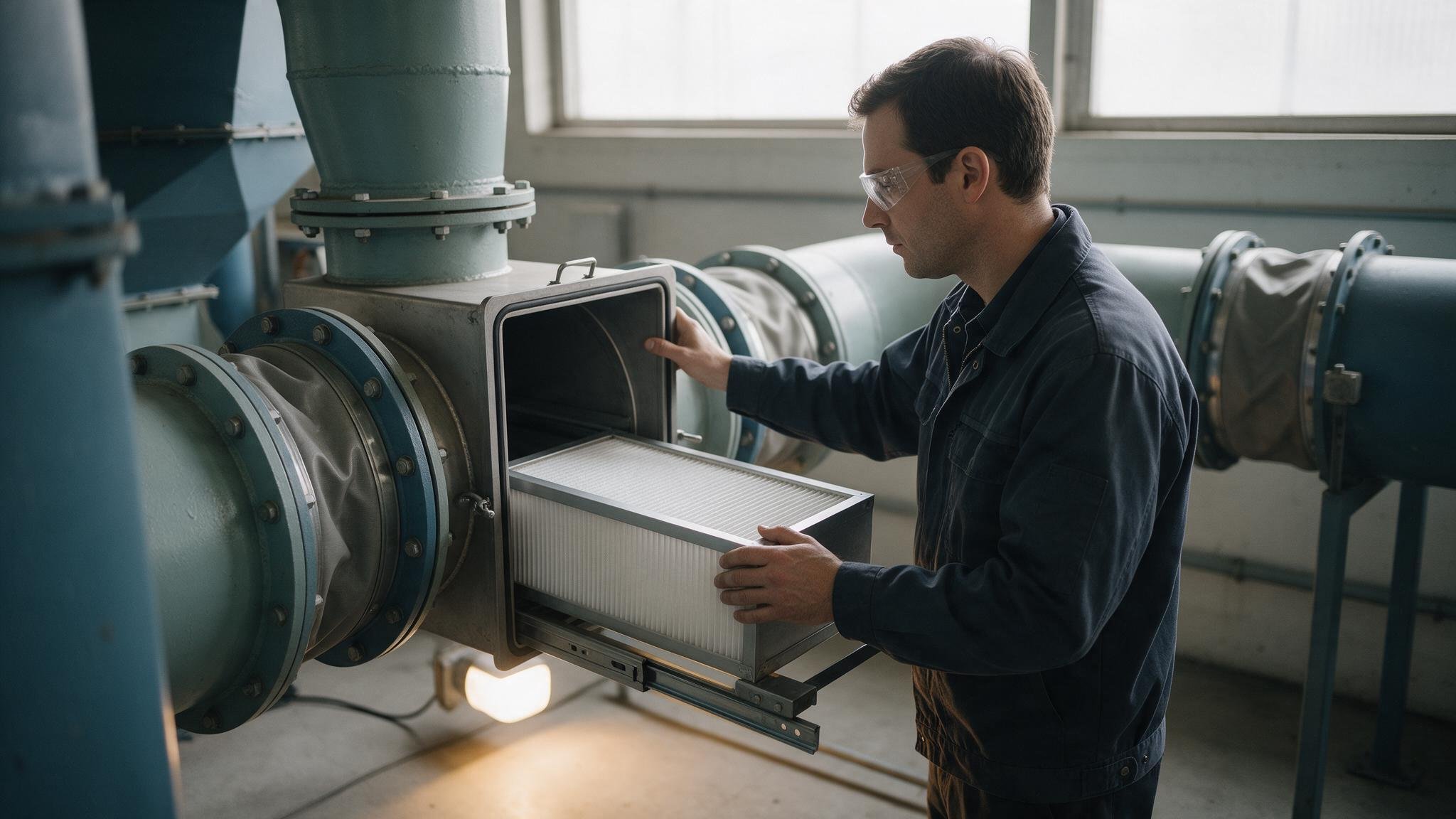
Commercial HVAC
Central Air System Filtration
Data Centers
Precision Equipment Protection
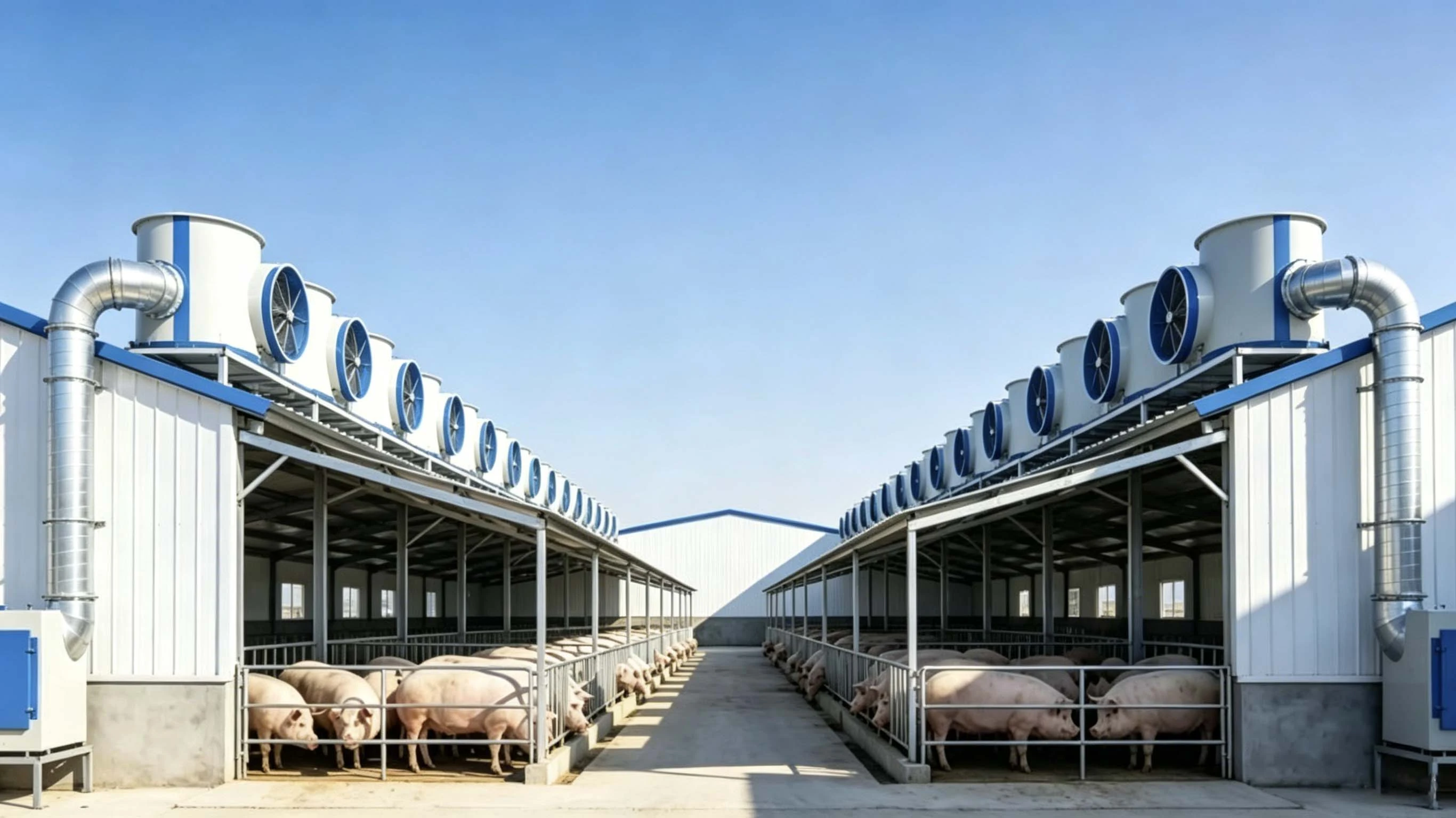
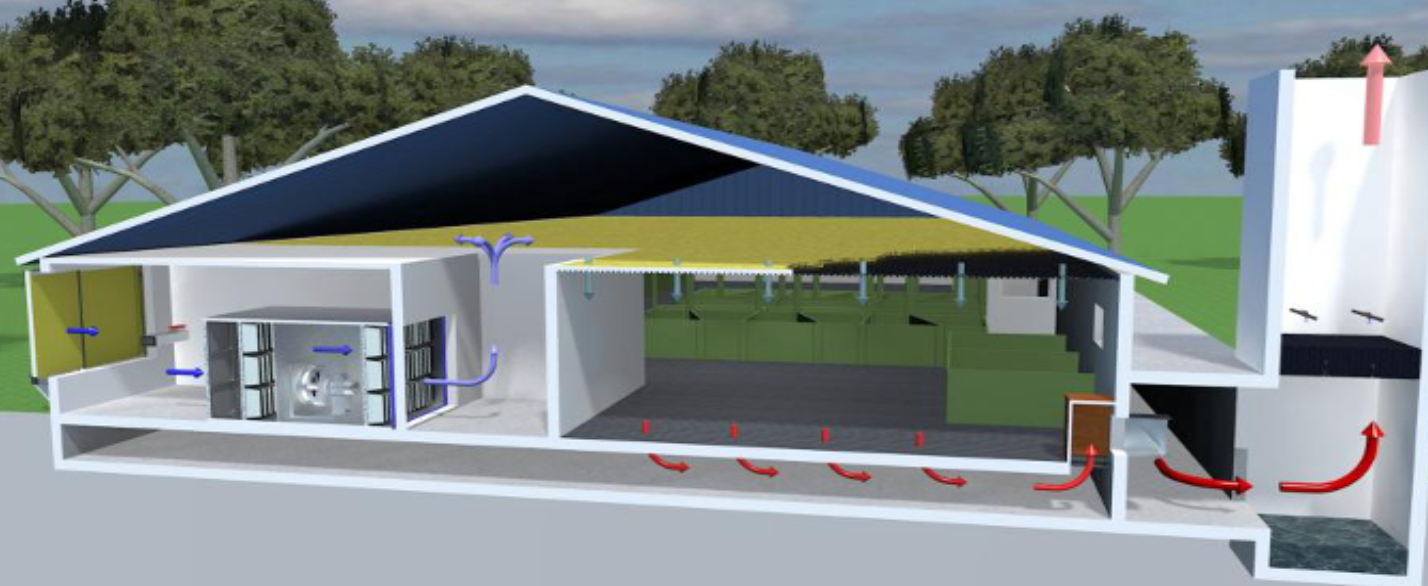
Livestock & Farming
Farming Environment Purification
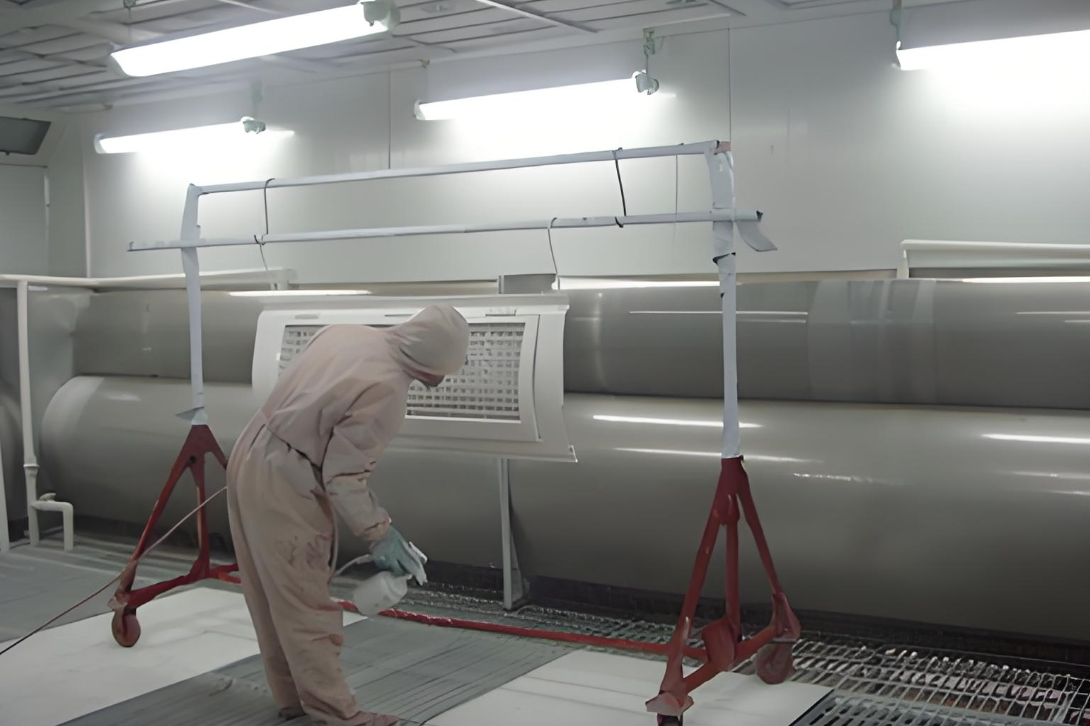
Spray Booths & Industrial Dust
Paint Mist & Dust Purification
Filtration for Power Equipment
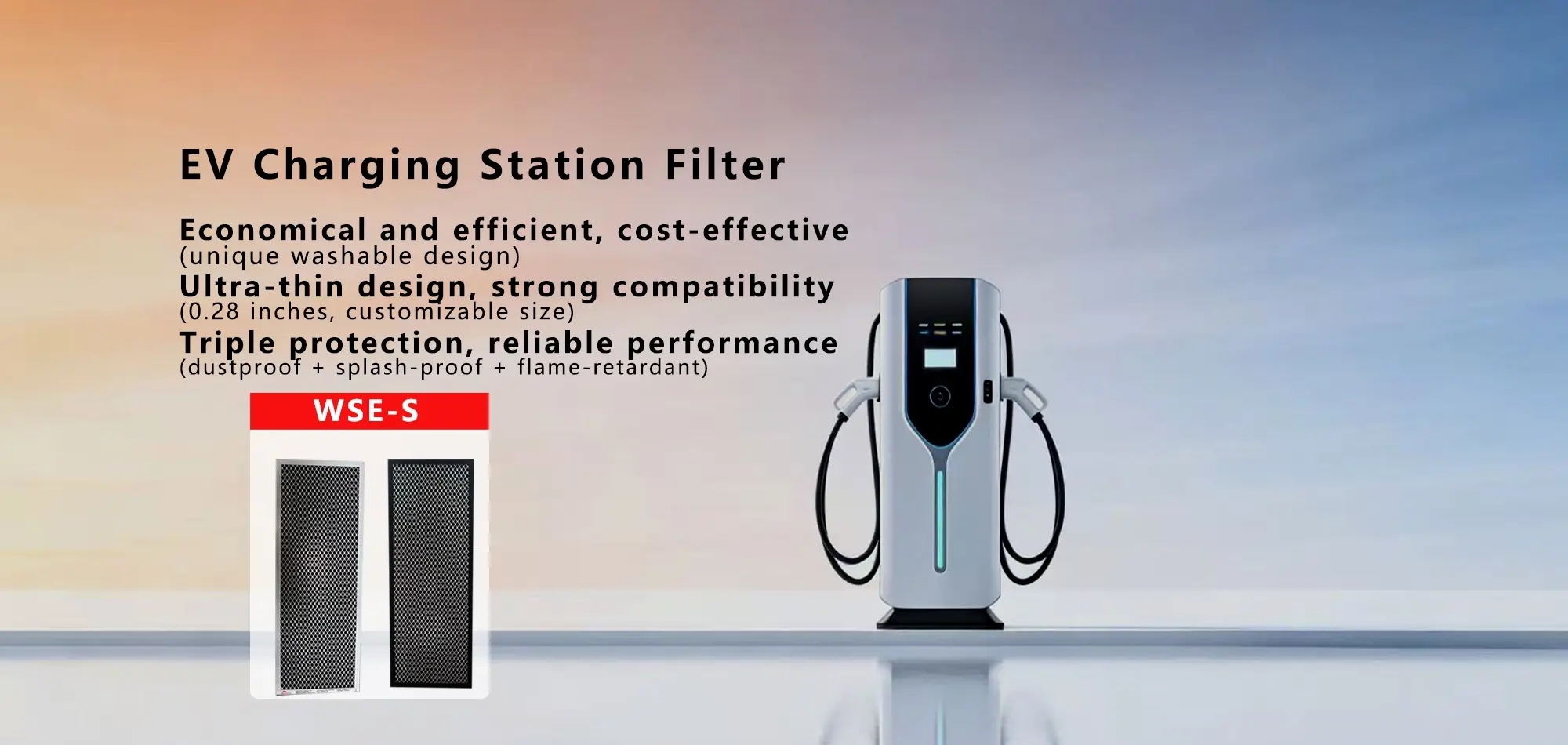
Professional air filtration for EV charging devices, protecting against dust and sand ingress to ensure stable, reliable operation of charging piles and station infrastructure.
View Related Products →Ultra-High Cleanliness Filtration
Ultra-high efficiency filtration for semiconductor wafer fabs and precision electronics cleanrooms, capturing nano-scale particles to meet ISO Class 1–3 standards and maximize product yield.
View Related Products →Central Air System Filtration
High-efficiency filtration for commercial building HVAC systems, improving indoor air quality, reducing energy consumption, and extending equipment service life.
View Related Products →Precision Equipment Protection
Precision air filtration for data centers, shielding servers and critical hardware from dust contamination to keep cooling systems running efficiently and reliably.
View Related Products →Farming Environment Purification
Dedicated filtration systems for farms and livestock facilities — capturing dust, adsorbing ammonia, and inhibiting pathogen spread to improve animal health and overall productivity.
View Related Products →Paint Mist & Dust Purification
Designed for spray booths and grinding workshops, efficiently capturing paint mist, metal dust, and wood chips to meet emission standards while protecting finished surface quality.
View Related Products →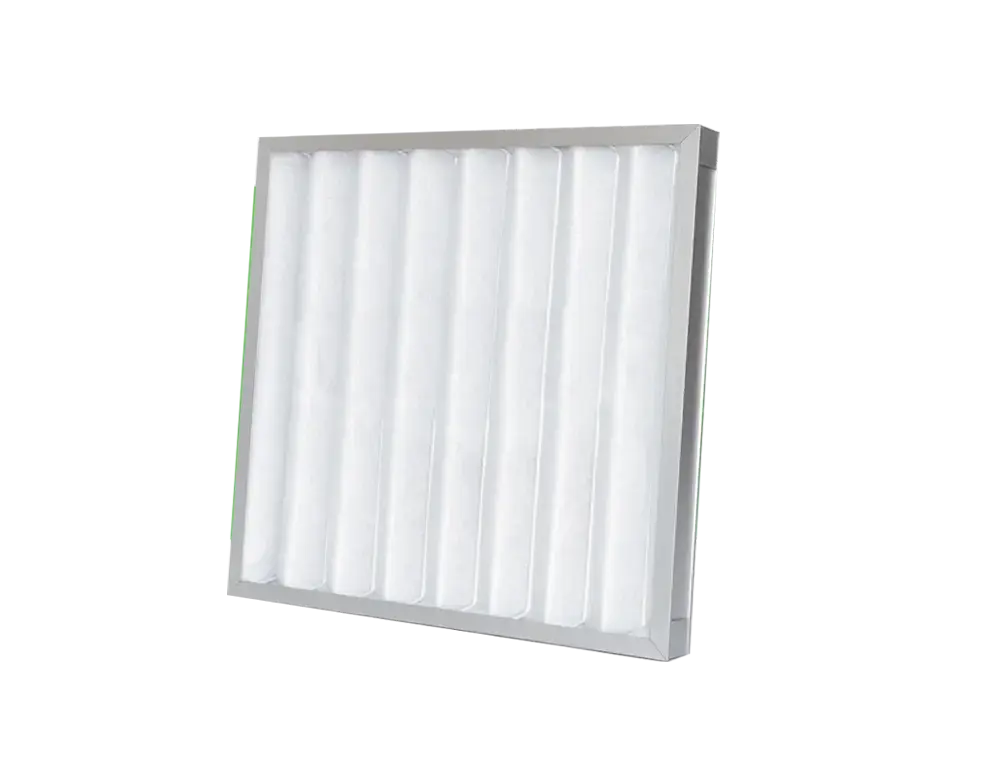
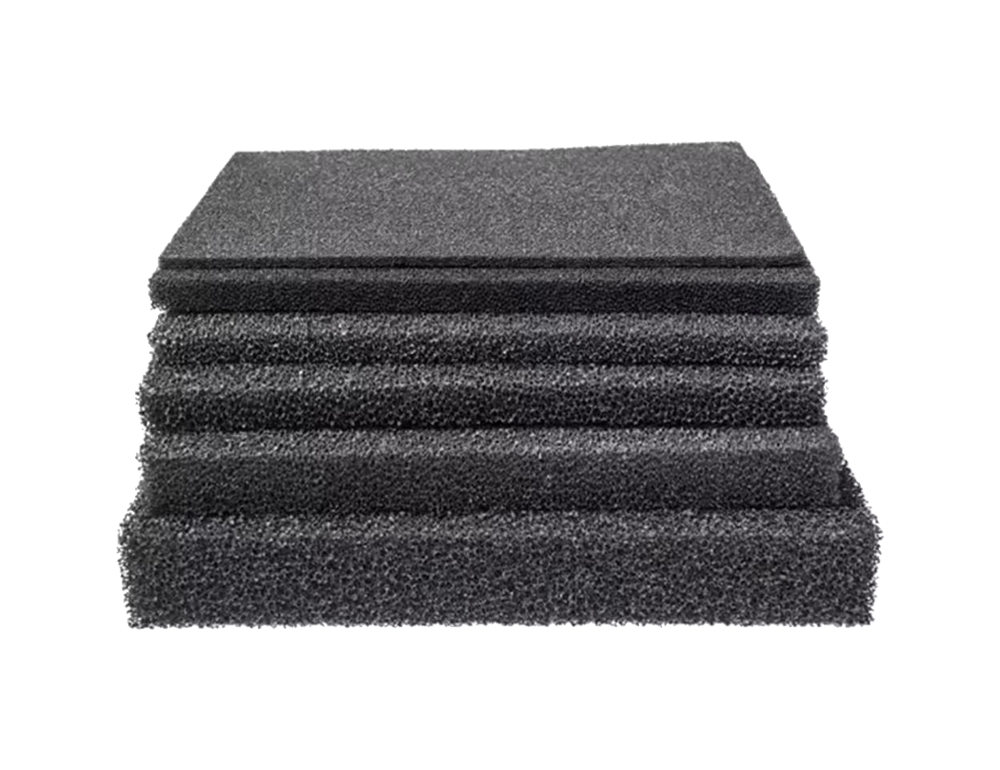
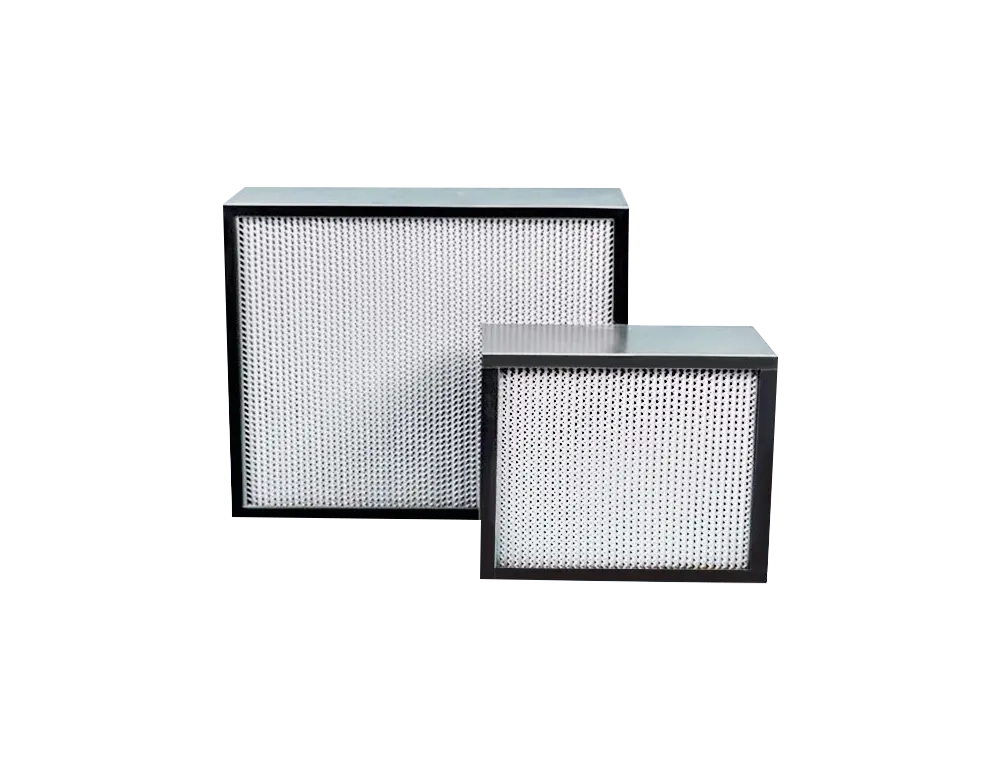
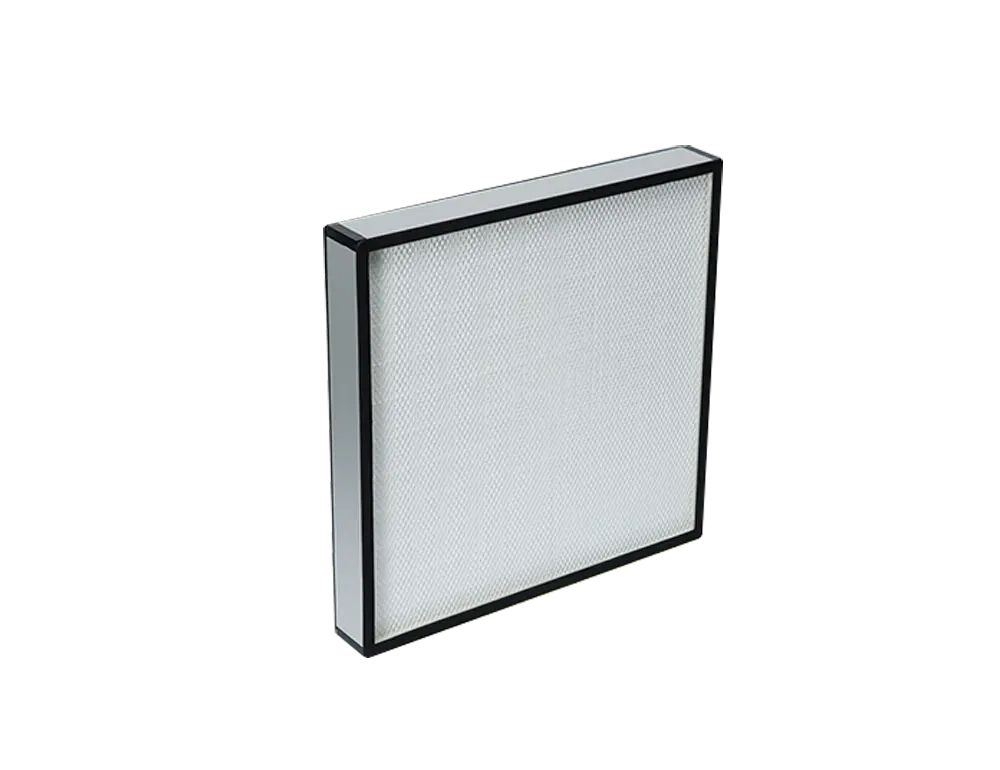
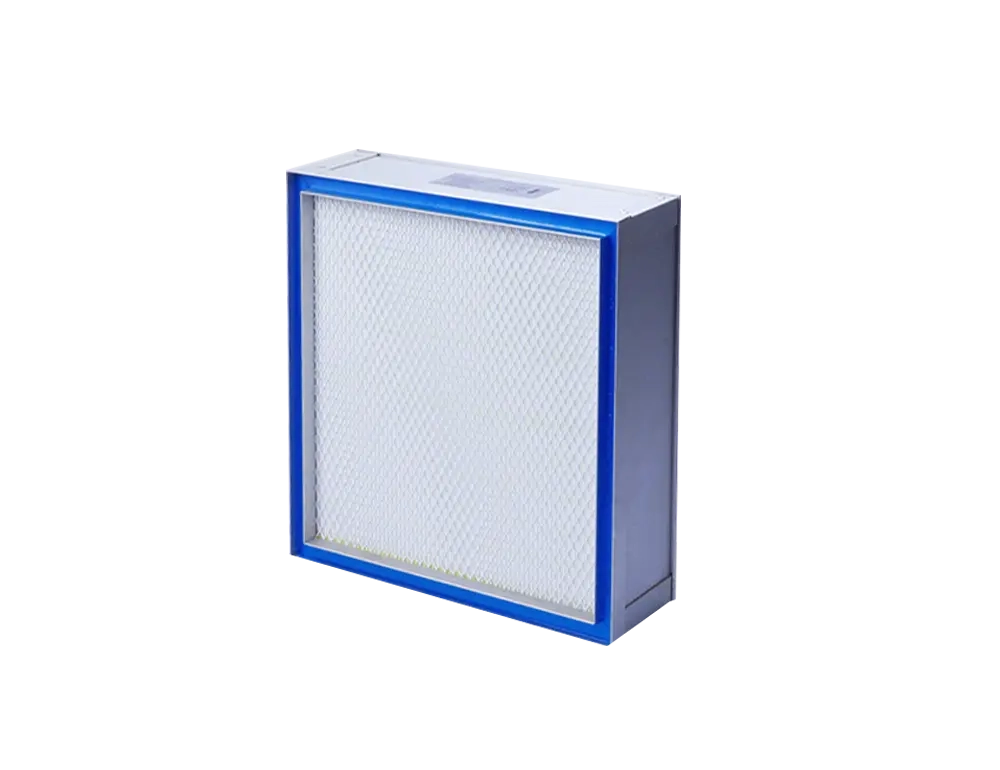
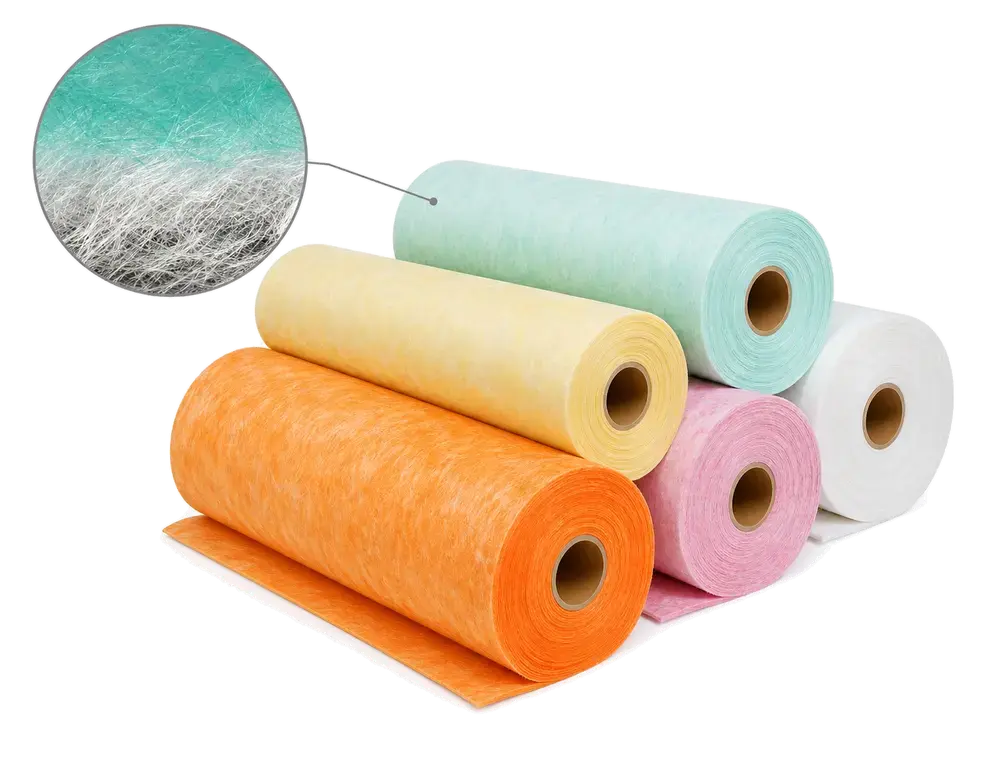
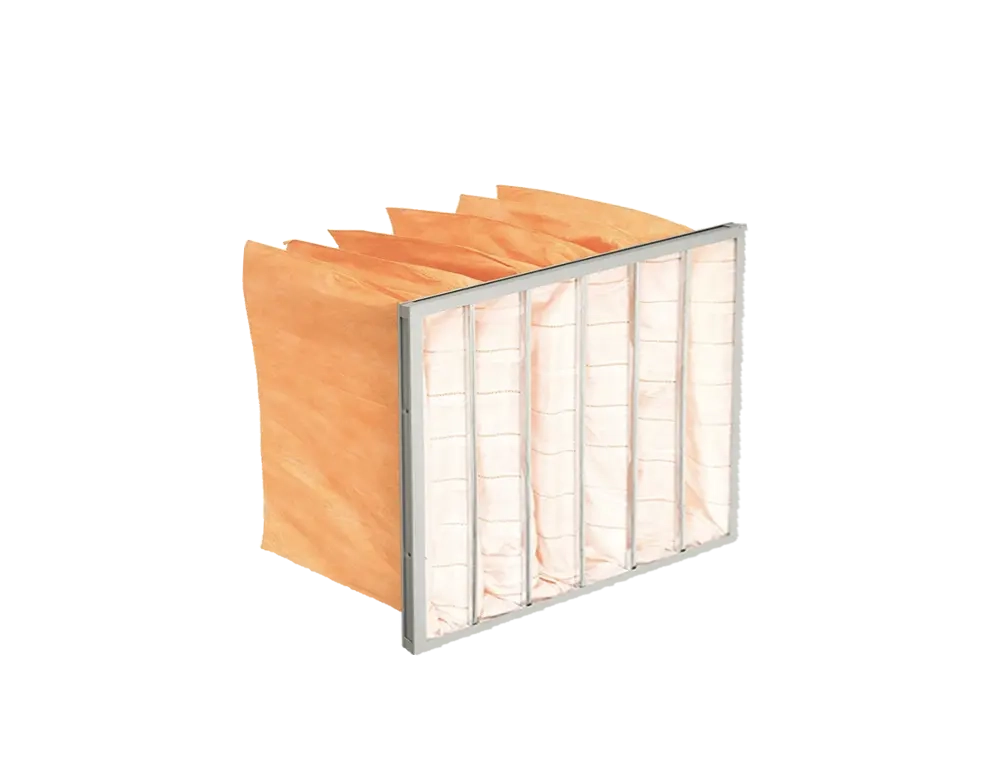
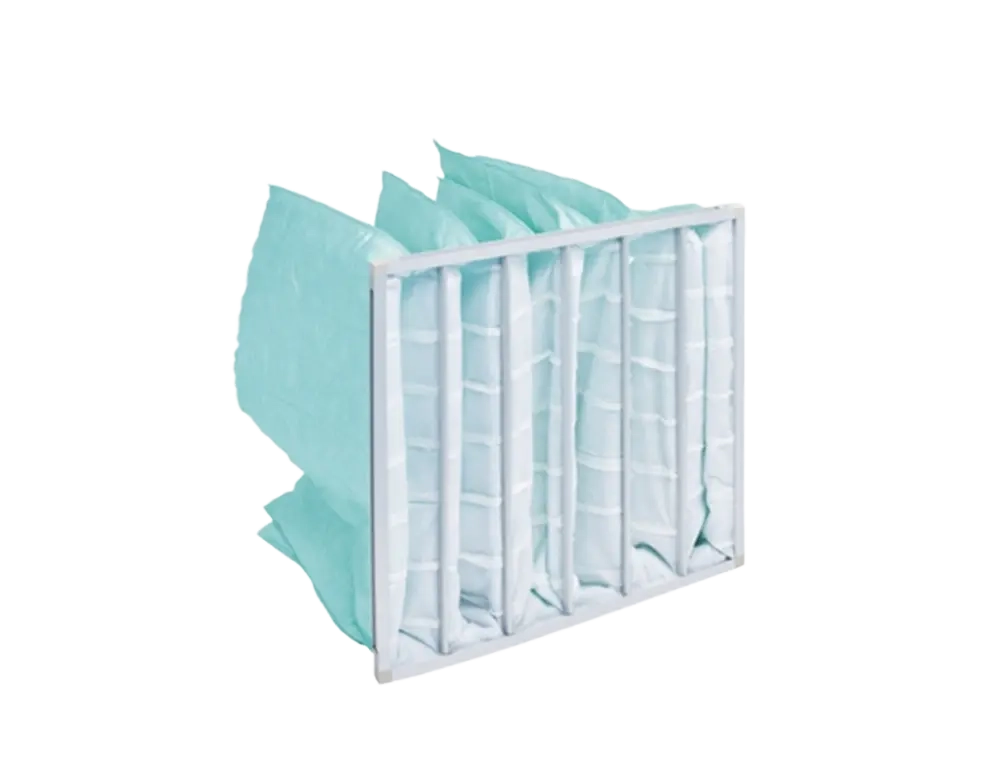
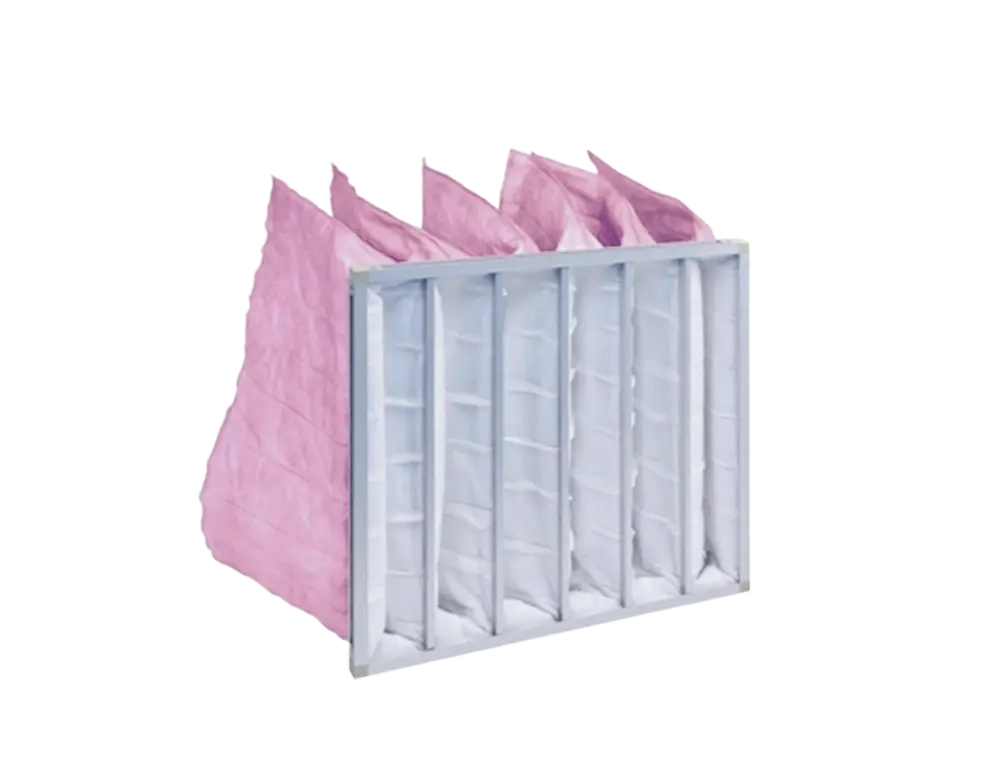
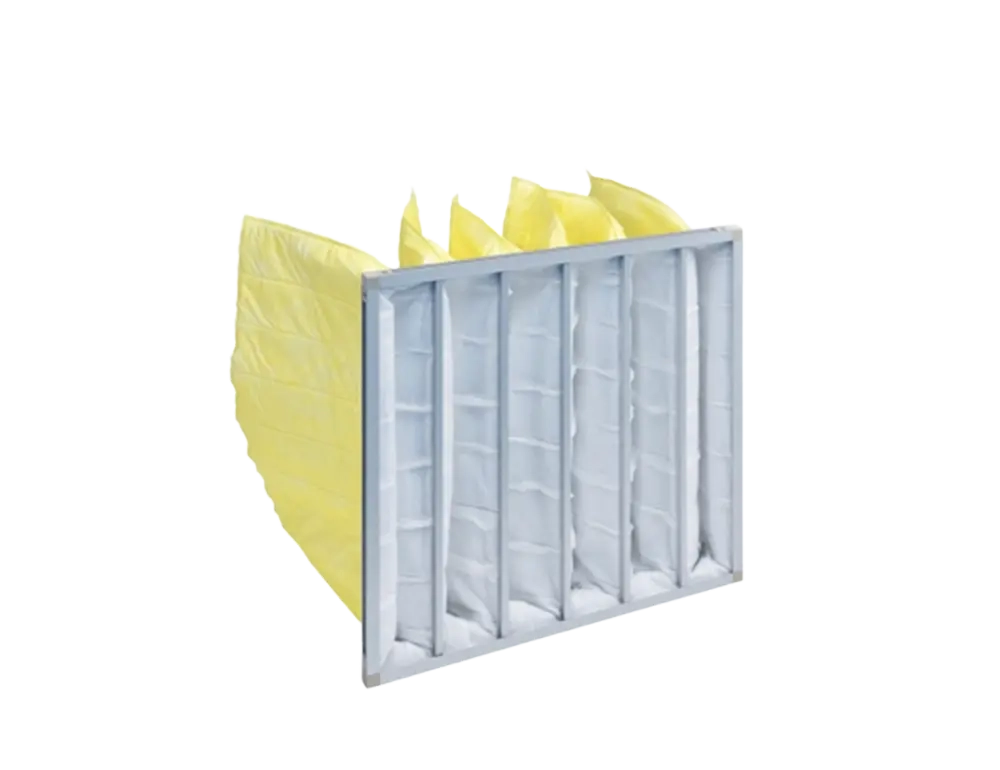
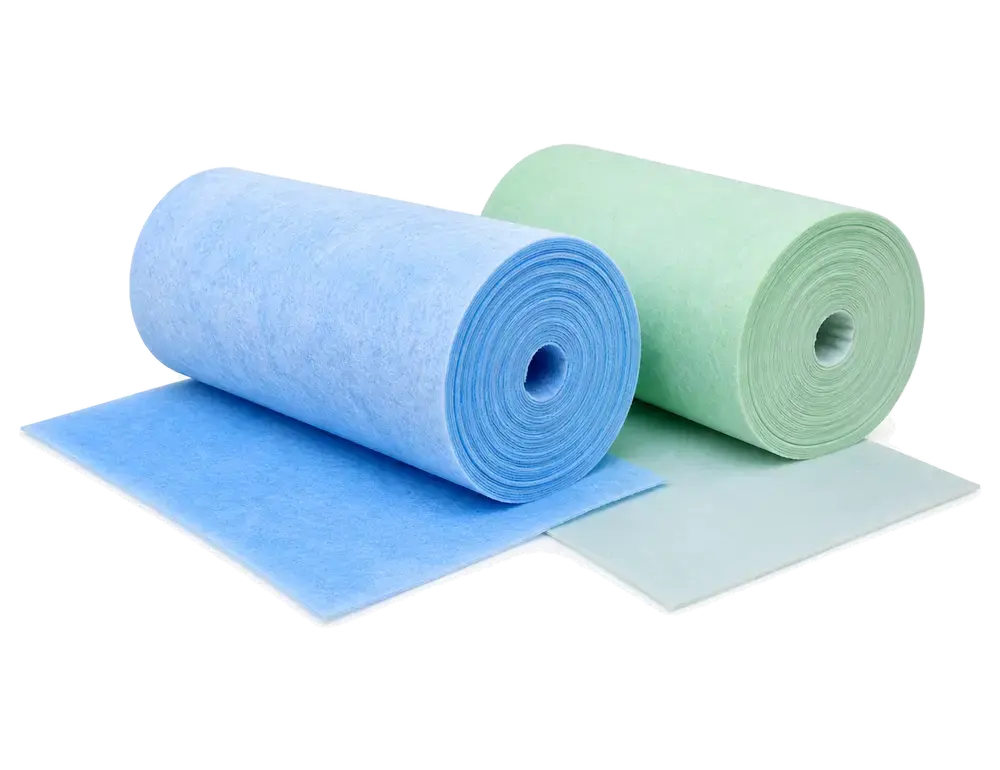
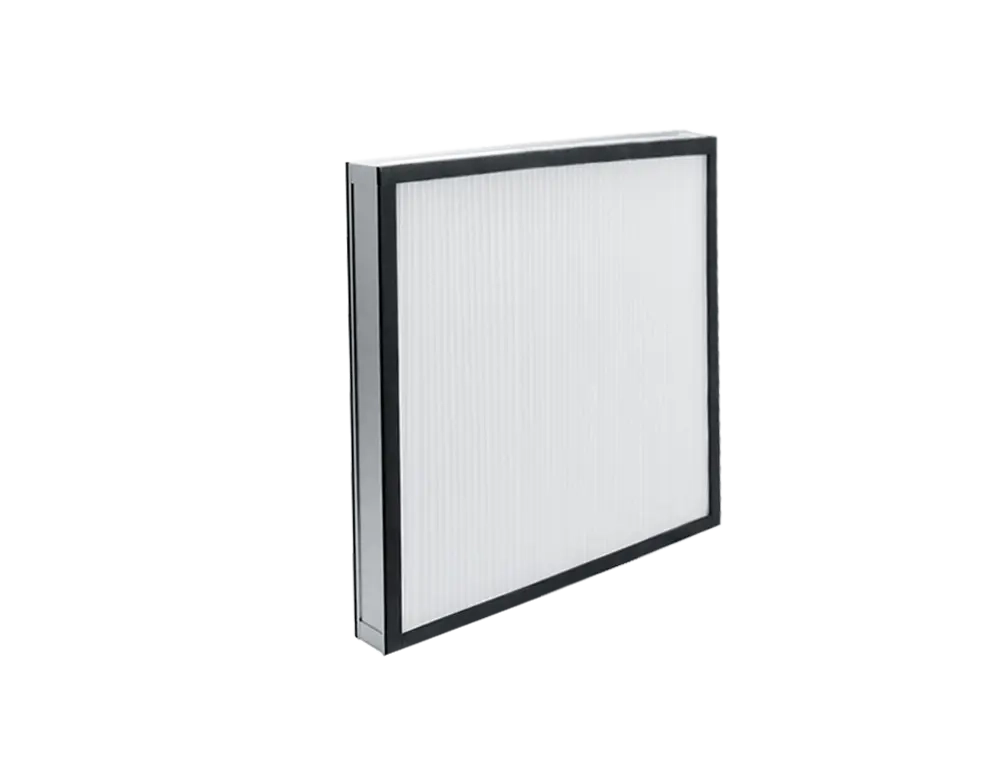
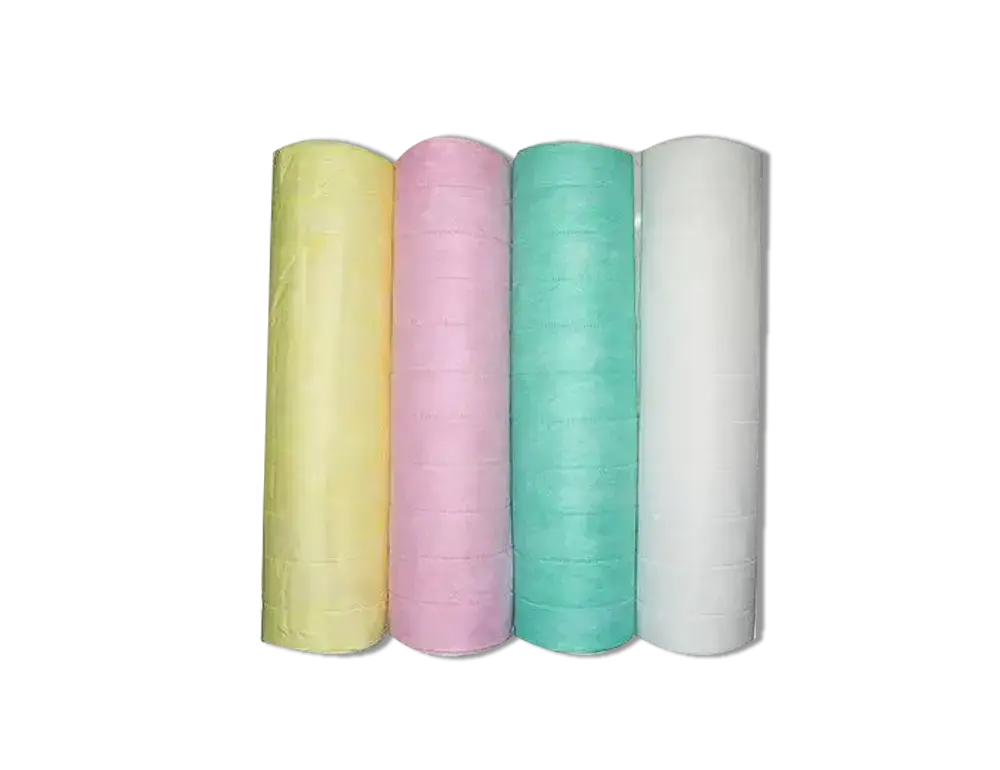
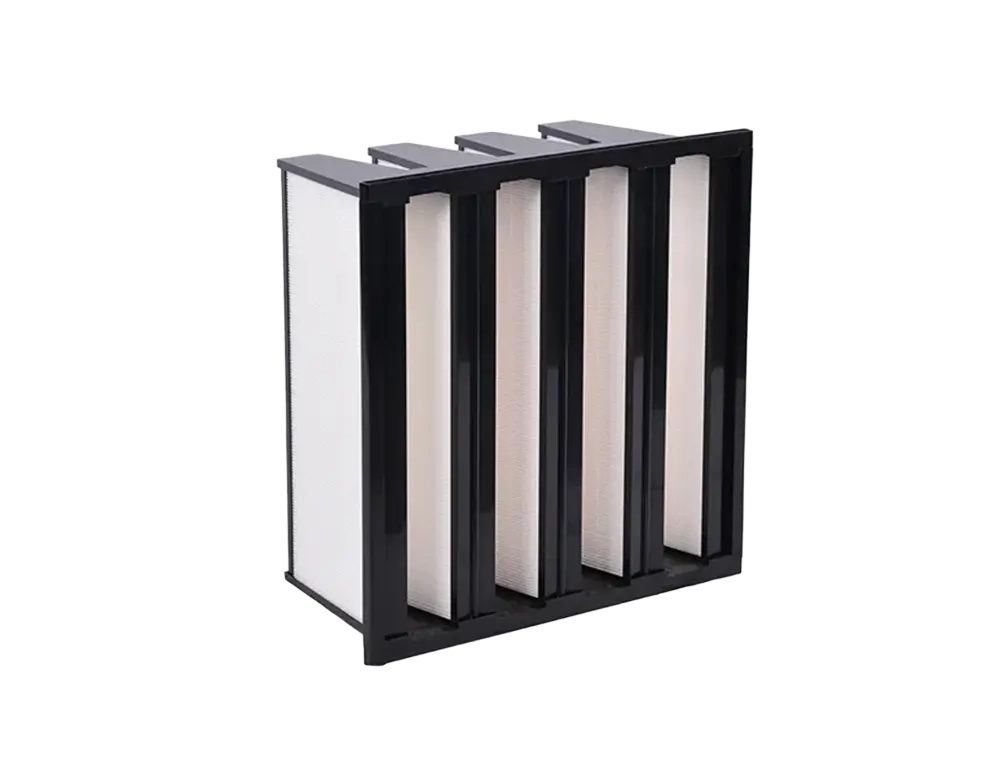
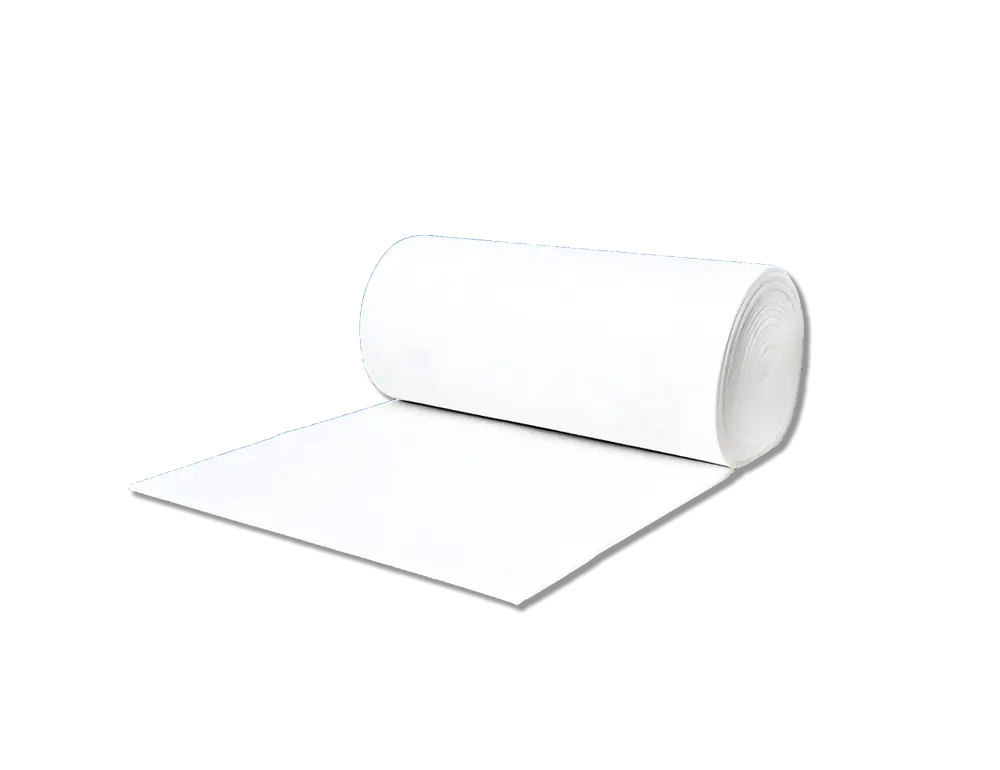
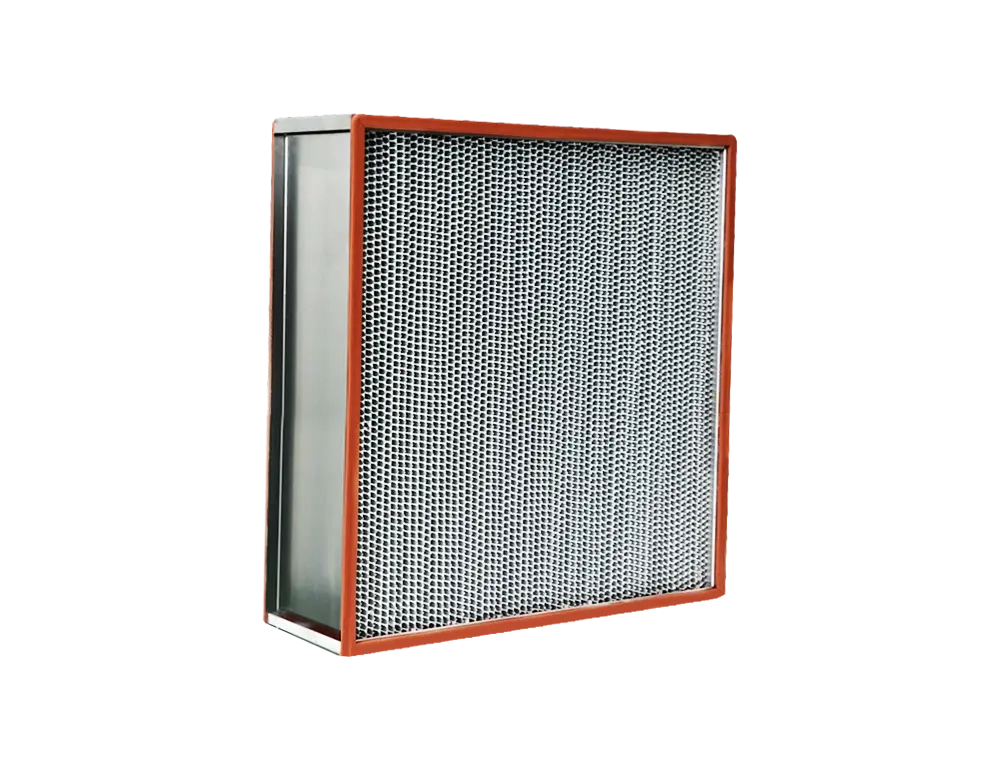
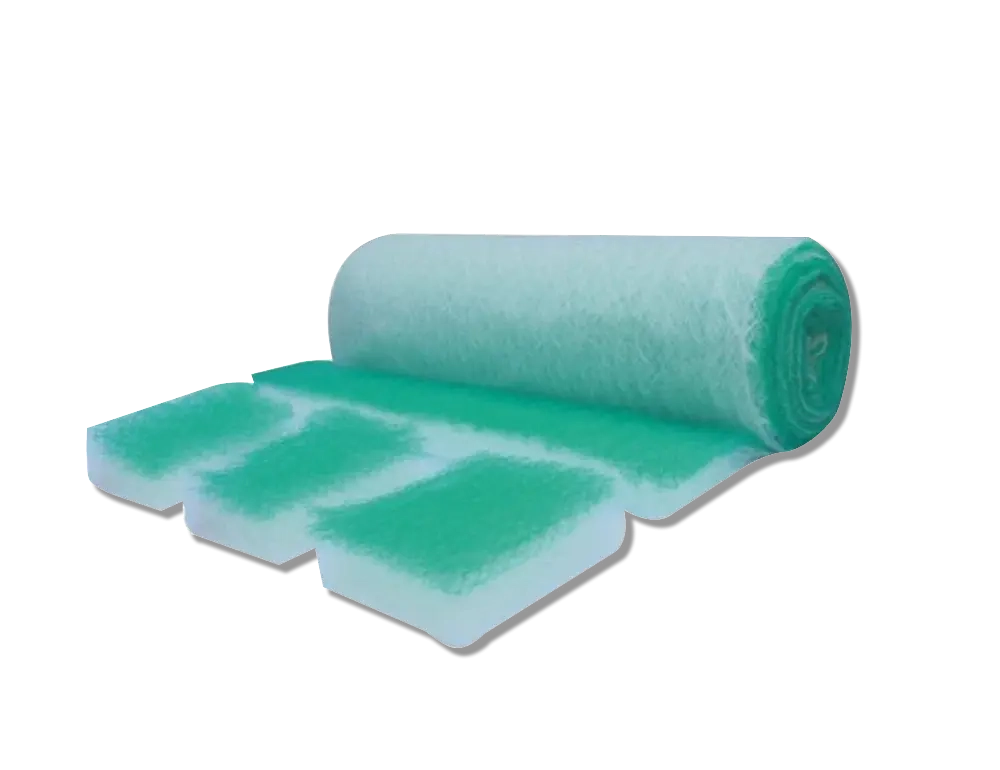
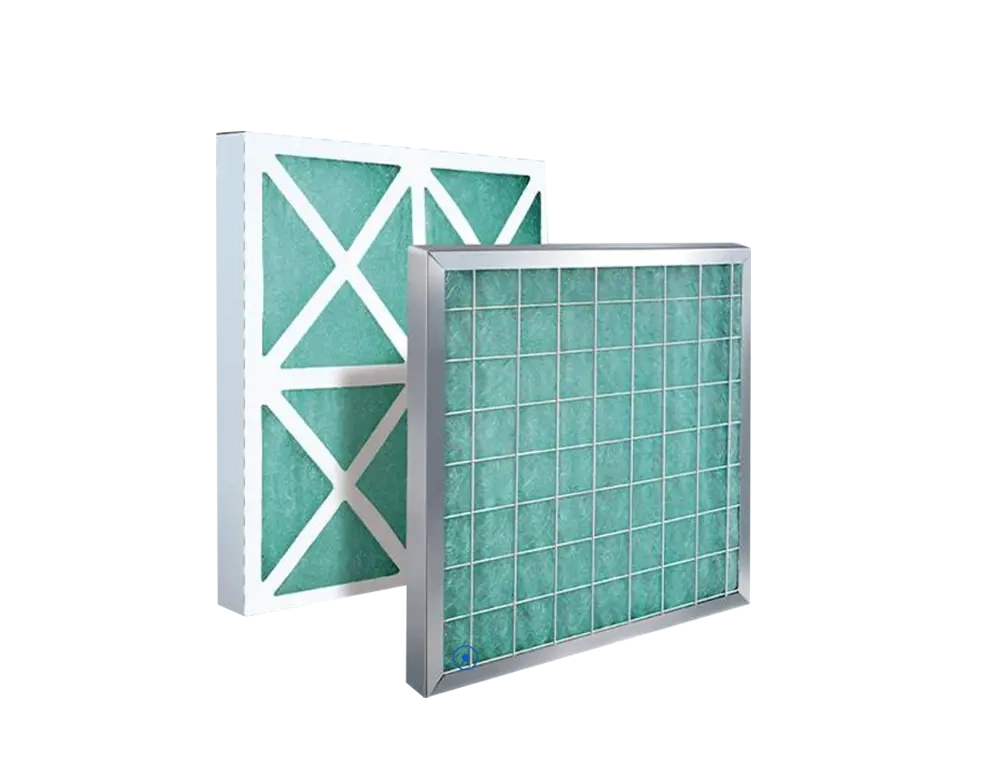
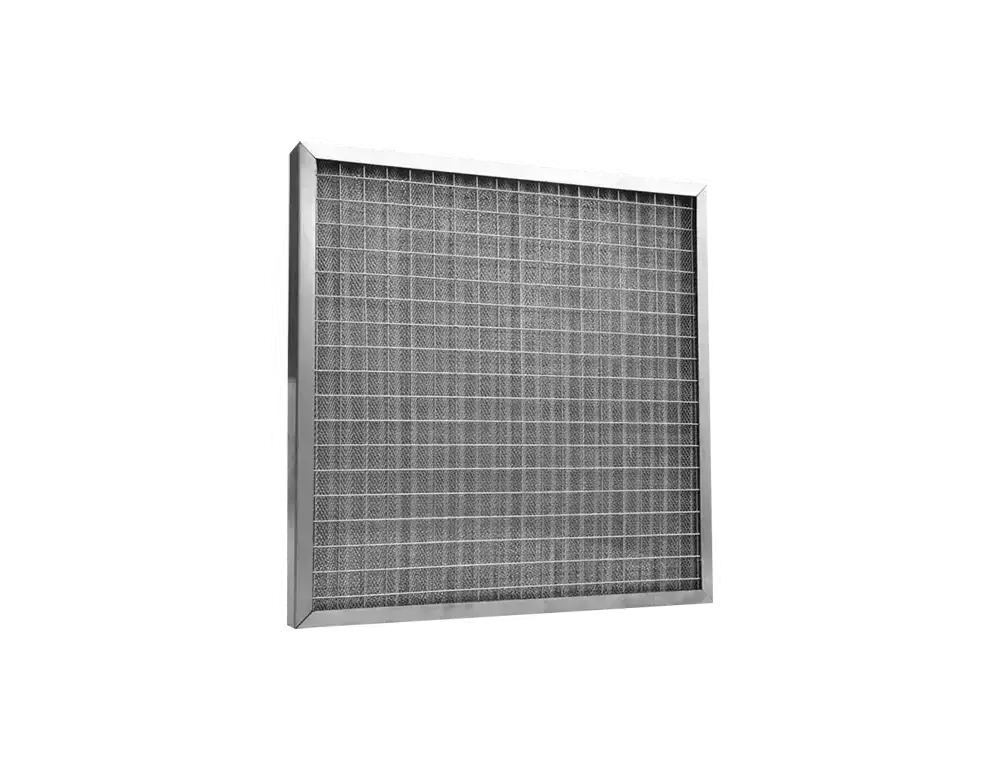
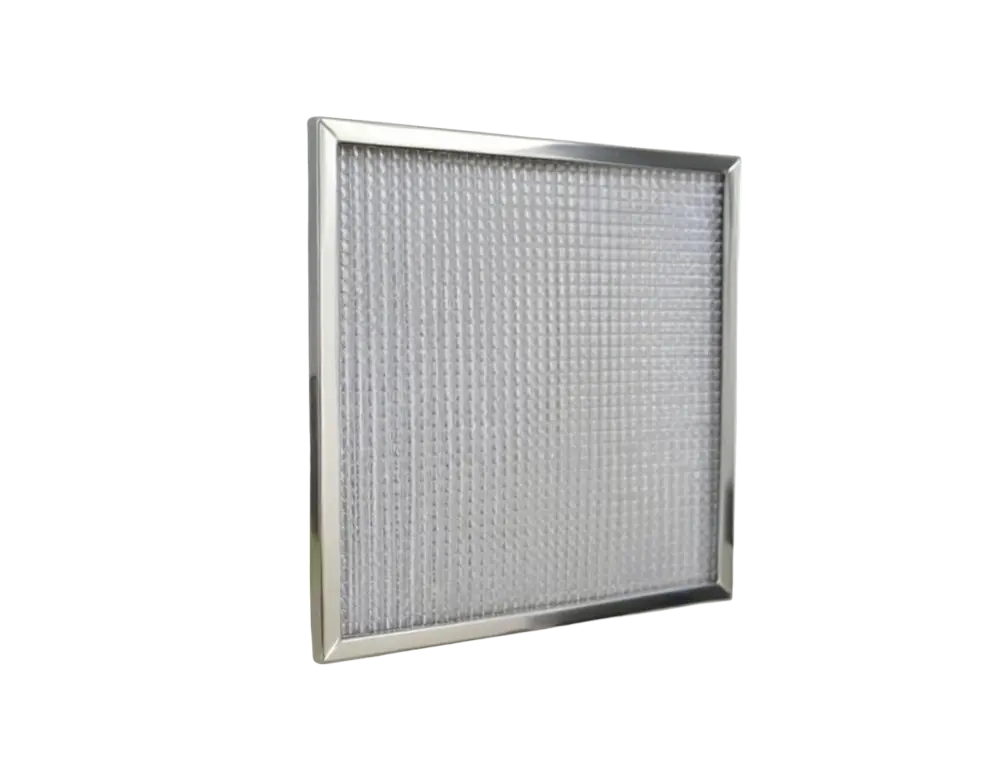
Pre-Filter (G1–G4)
First-Stage Large-Particle Capture
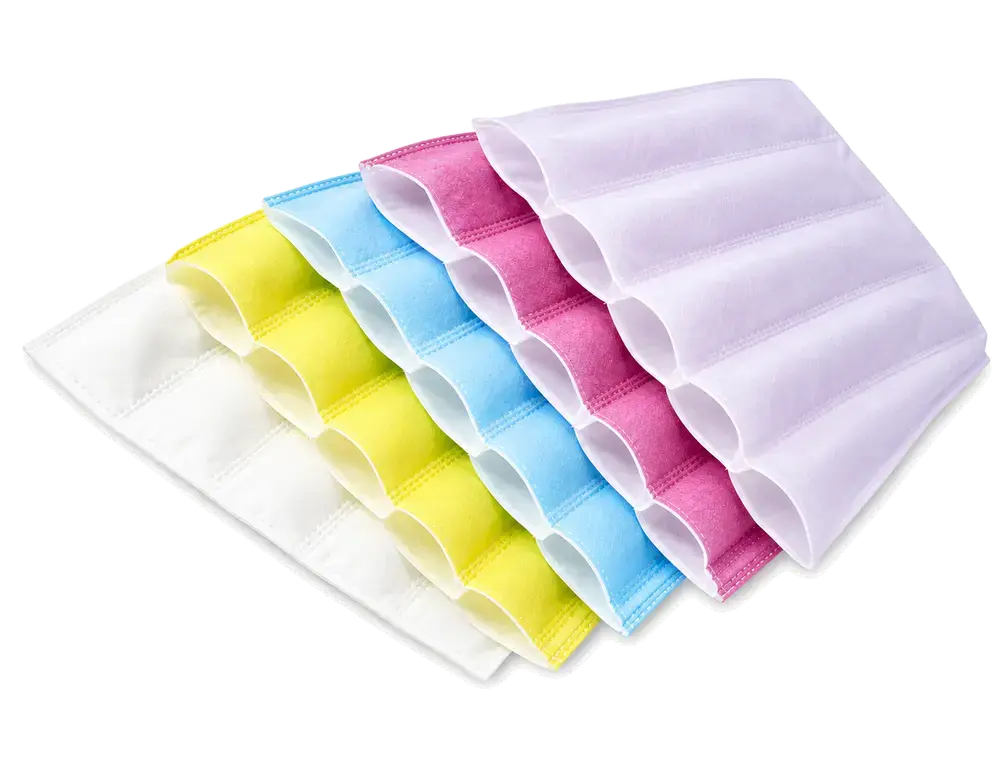
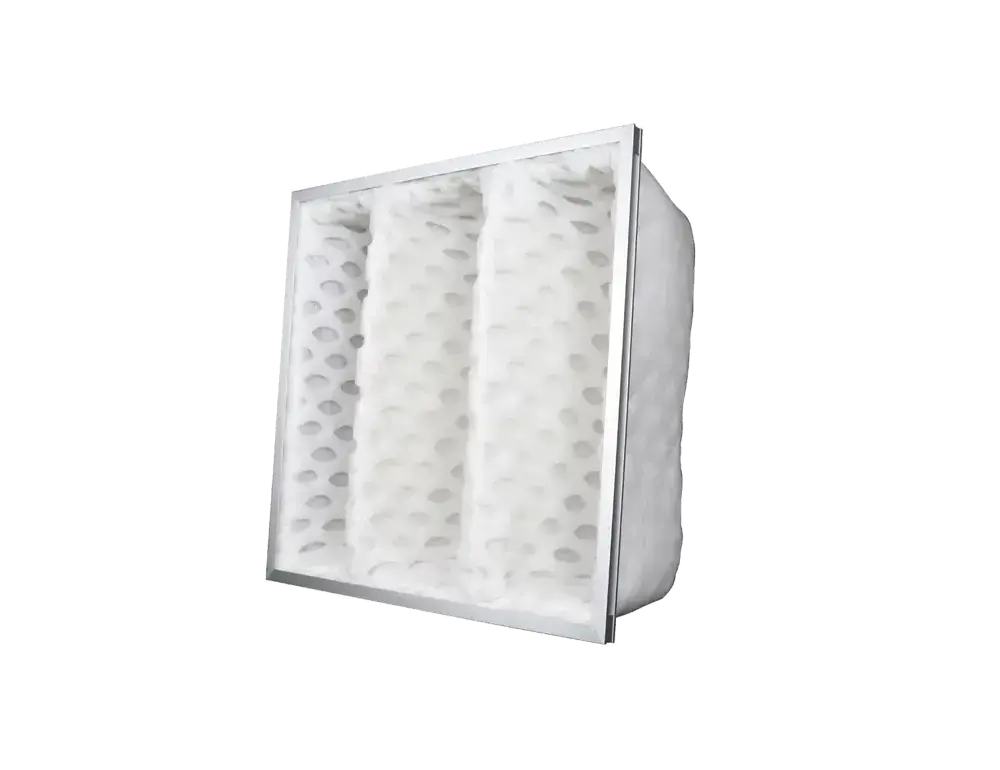
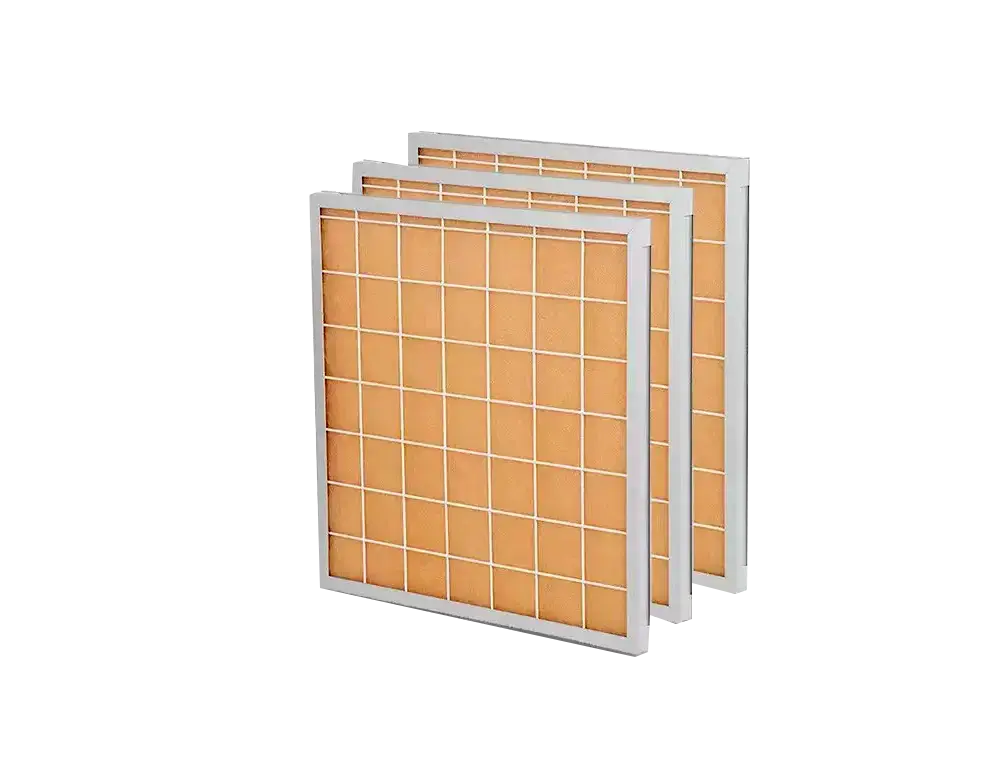
Medium-Efficiency Filter (F5–F9)
Precise PM2.5 Capture
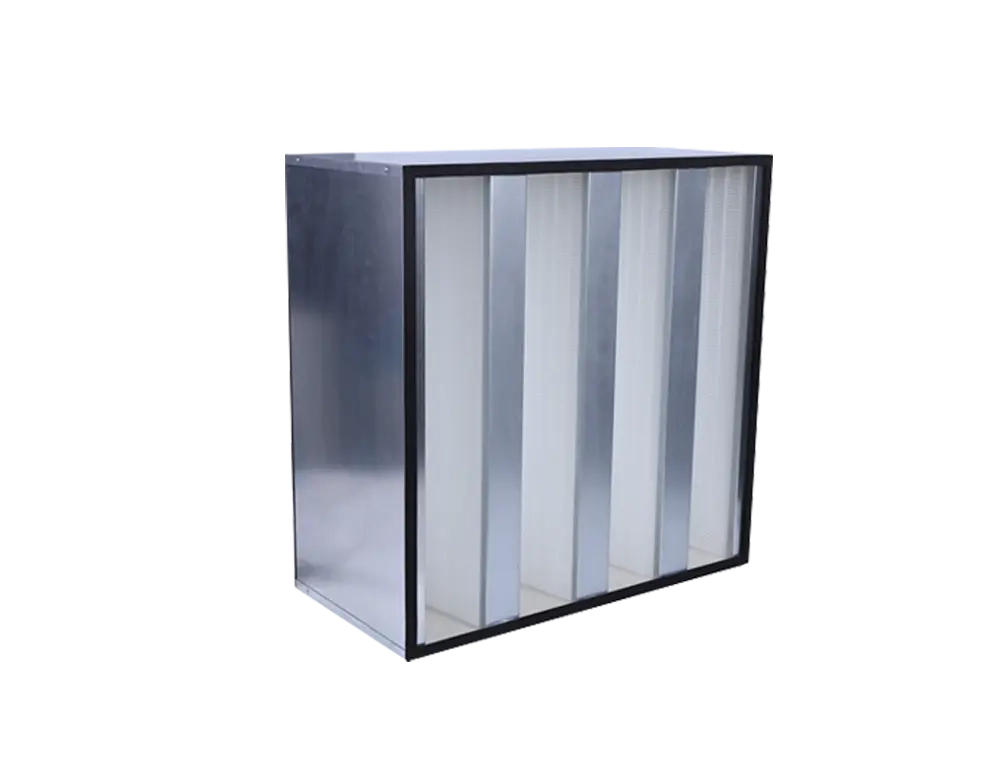
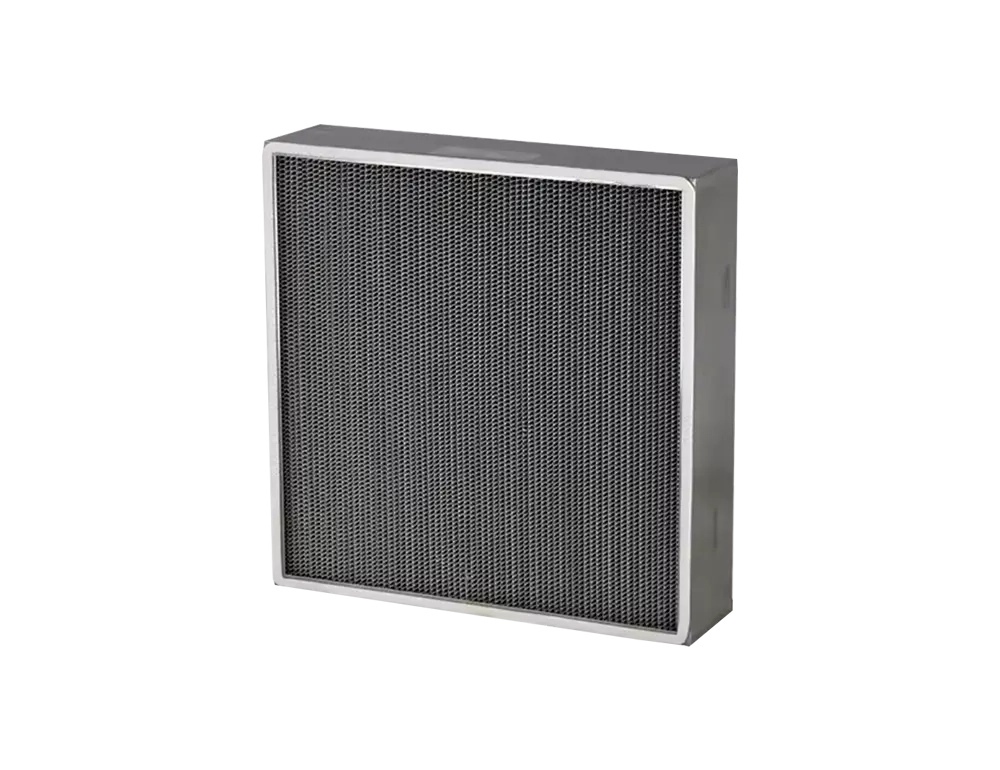
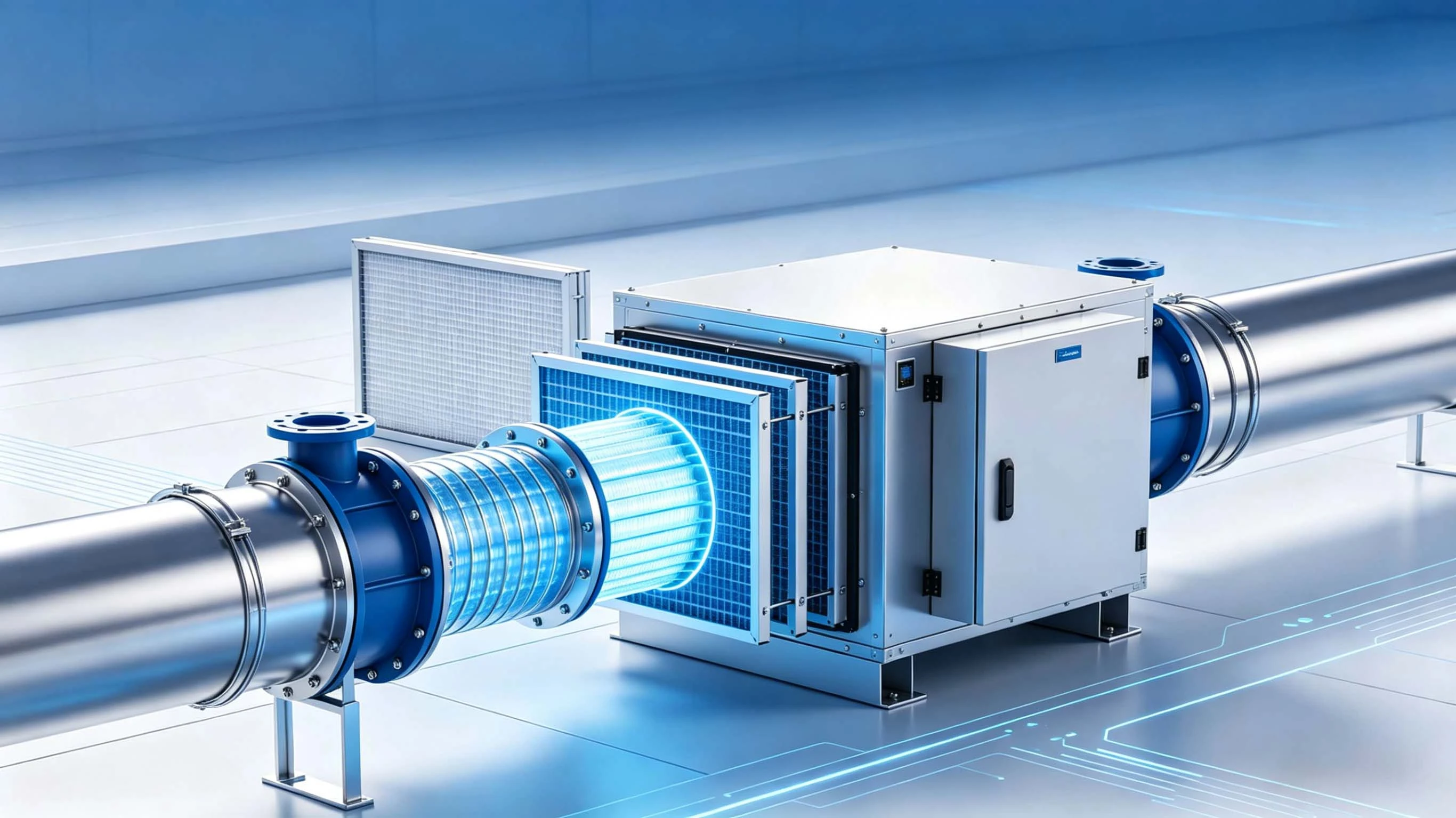
HEPA High-Efficiency Filter
Sterile-Grade Purification
ULPA Ultra-High Efficiency Filter
Sub-Micron Particle Capture
First-Stage Large-Particle Capture
The first line of defense, capturing particles ≥5 μm such as dust, hair, and fibers to protect downstream filters and extend overall system service life.
View Related Products →Precise PM2.5 Capture
Captures fine particles of 1–5 μm including PM2.5, pollen, and mold spores, significantly improving indoor air quality for commercial HVAC and ventilation systems.
View Related Products →Sterile-Grade Purification
≥99.97% filtration efficiency for particles ≥0.3 μm, delivering sterile-grade clean air widely used in medical, pharmaceutical, and electronics manufacturing.
View Related Products →Sub-Micron Particle Capture
≥99.9995% efficiency for particles ≥0.12 μm, meeting the extreme cleanliness demands of semiconductor fabs, aerospace, and other ultra-precision applications.
View Related Products →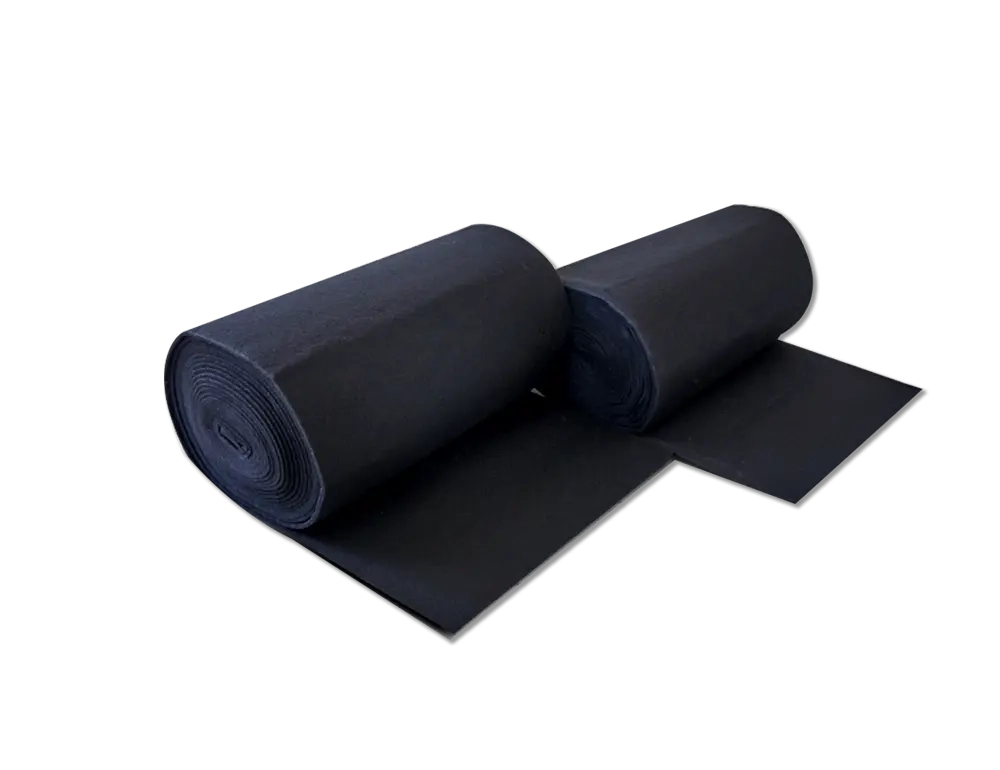
High-Temperature Resistant
Industrial-Grade Heat Tolerance
Washable & Reusable
Cut Costs, Reduce Waste
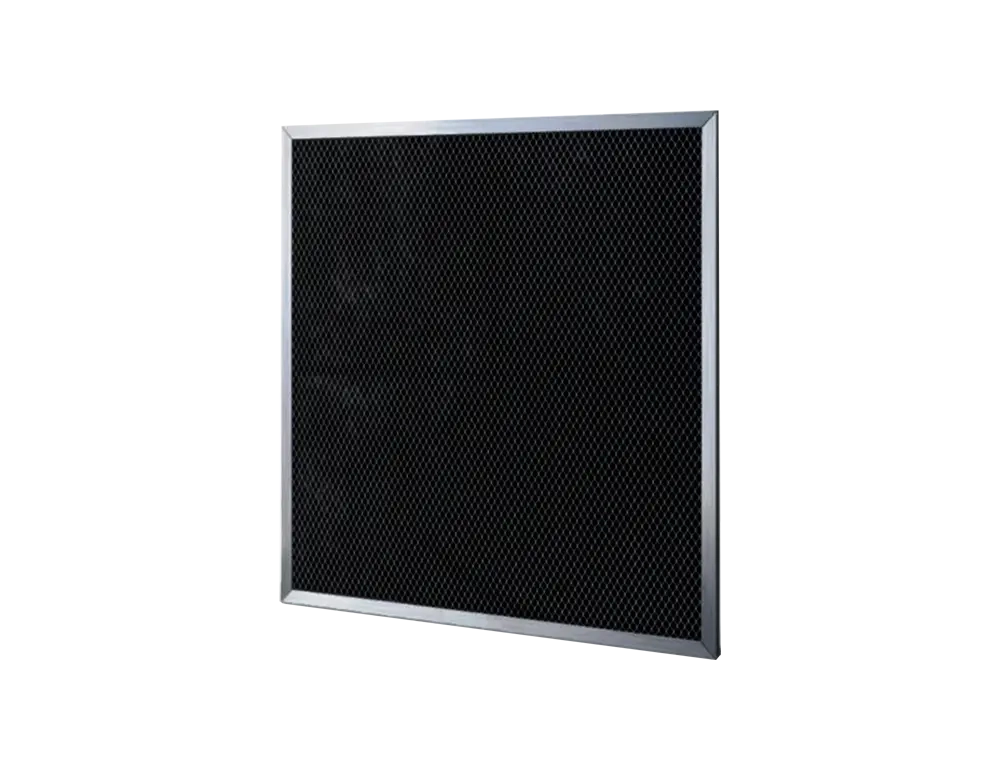
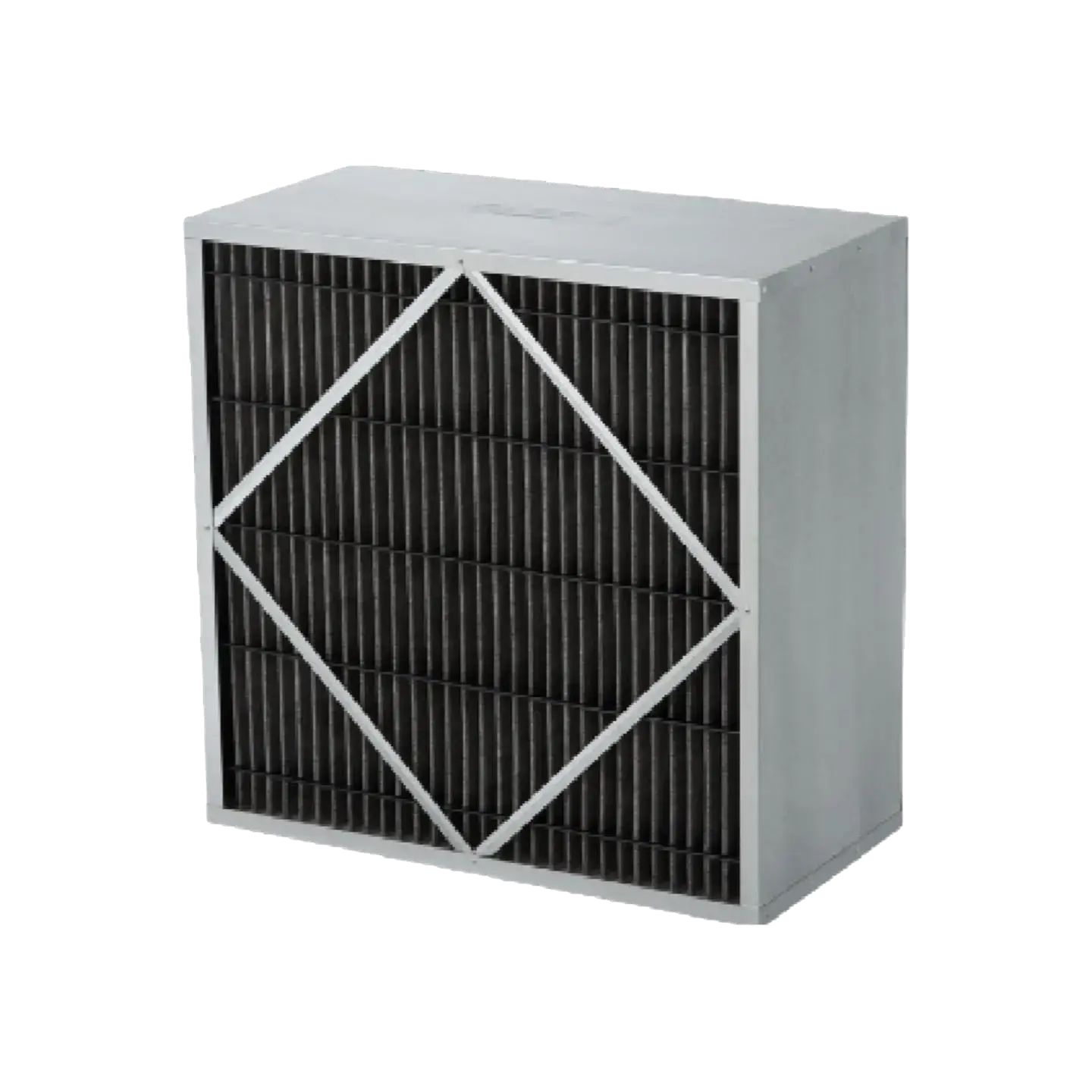
Activated Carbon
Odor & Harmful Gas Removal
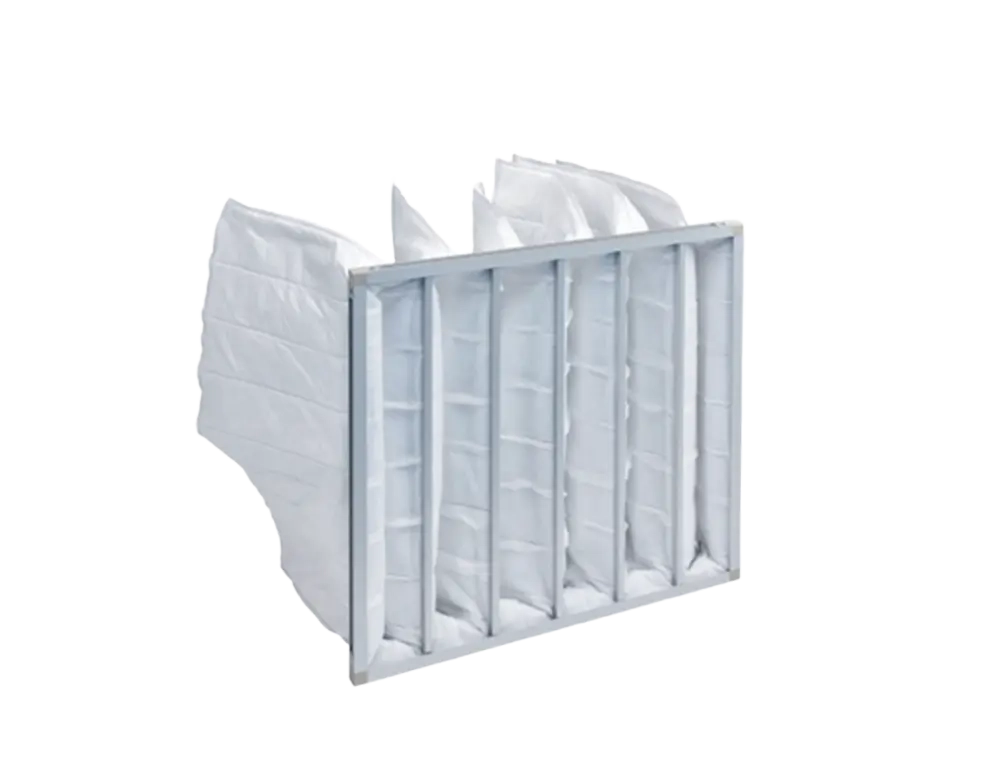
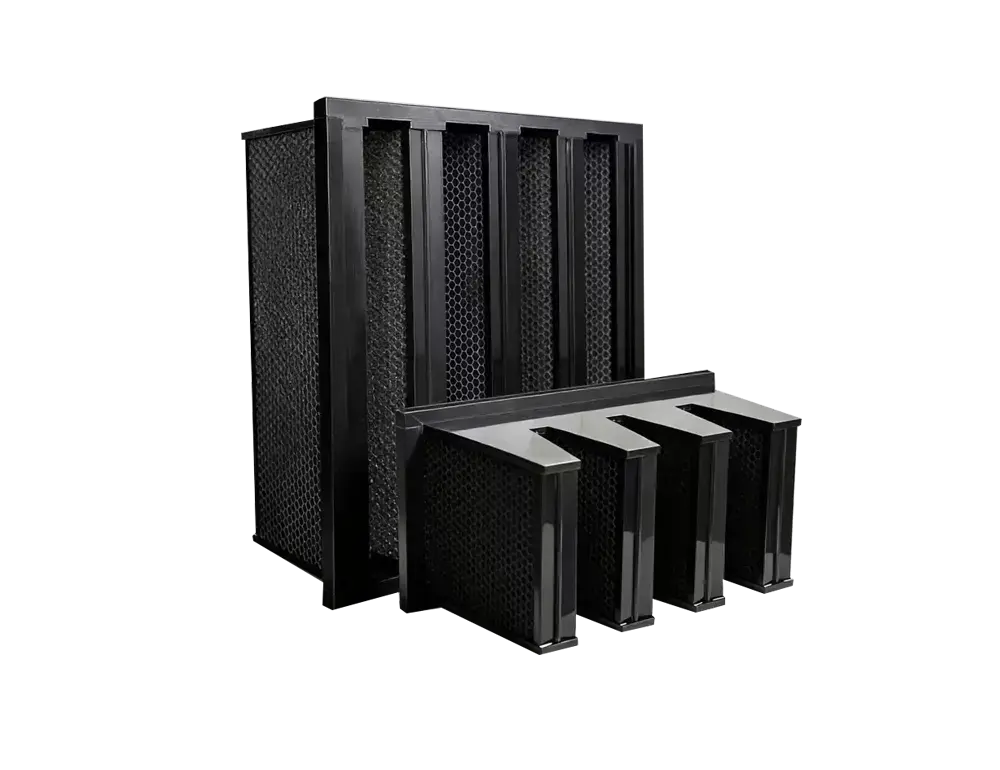
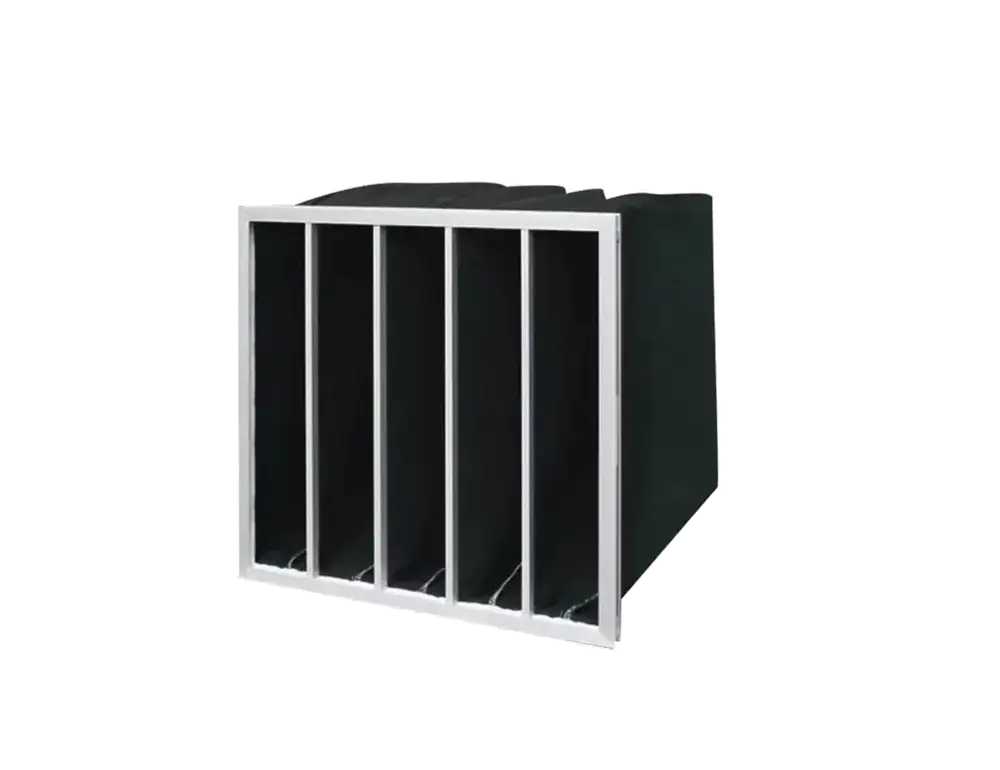
Bag Filter
High Dust-Holding, Long Life
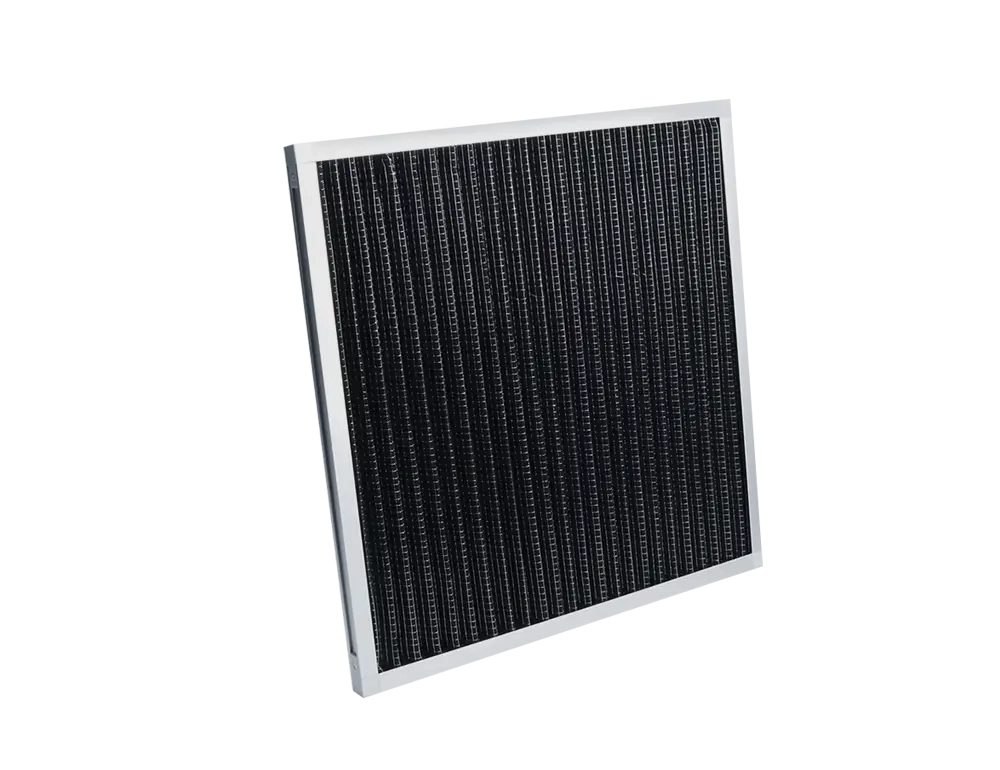
Panel / Pleated Filter
Compact Space-Saving Design
Low-Resistance Airflow
Energy-Saving Operation
Industrial-Grade Heat Tolerance
Built with specialized heat-resistant materials, operating stably up to 250°C for paint ovens, industrial dryers, and high-temperature process environments.
View Related Products →Cut Costs, Reduce Waste
Cleanable by water washing or air blowing, reusable multiple times to significantly reduce replacement frequency and O&M costs — an economical, eco-friendly choice.
View Related Products →Odor & Harmful Gas Removal
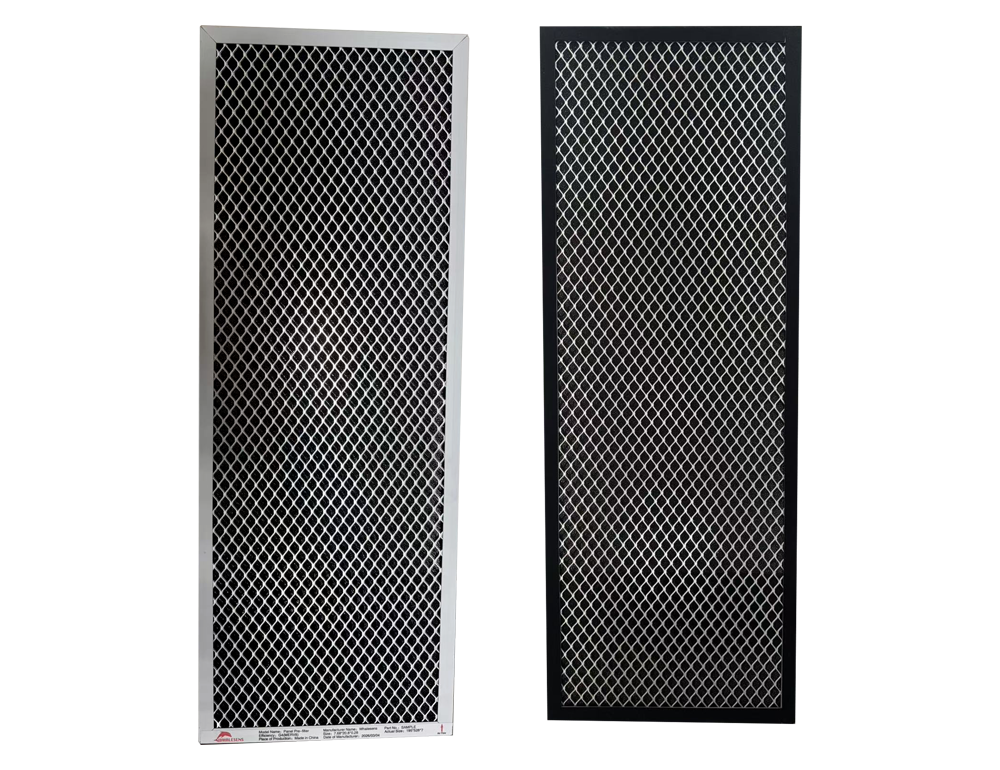
Leverages activated carbon's high adsorption capacity to eliminate odors, VOCs, and formaldehyde, ideal for newly renovated spaces and industrial exhaust treatment.
View Related Products →High Dust-Holding, Long Life
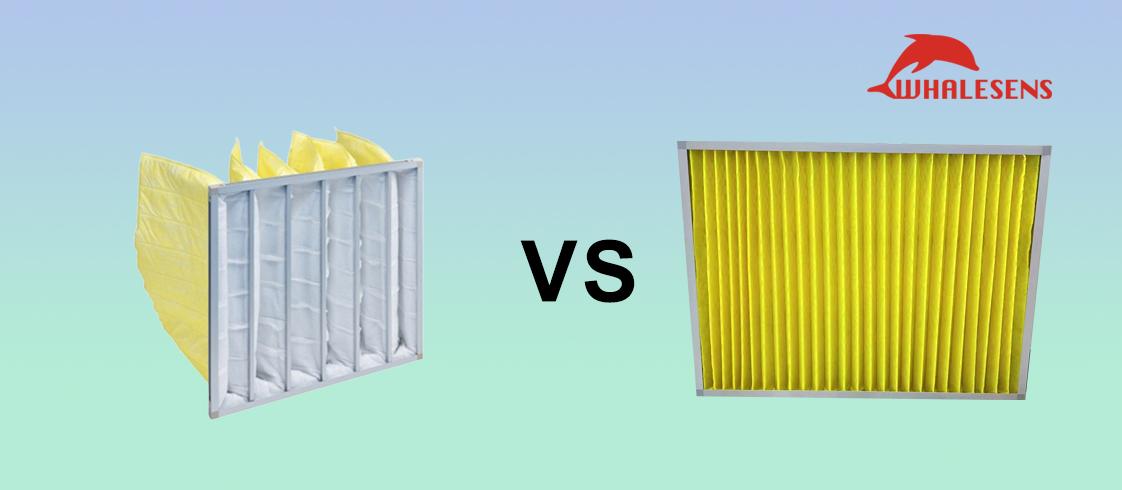
Bag-style construction delivers a larger filtration area, high dust-holding capacity, and extended service life — ideal for high-dust environments with reduced replacement frequency.
View Related Products →Compact Space-Saving Design
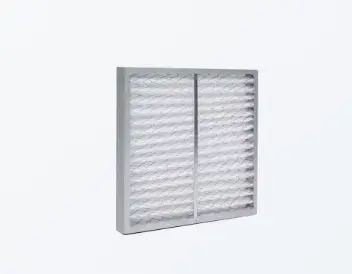
Compact form factor for easy installation and replacement; pleated structure maximizes filtration area within a small footprint for higher efficiency.
View Related Products →Energy-Saving Operation
Low-resistance design minimizes pressure drop while maintaining filtration performance, reducing fan energy consumption for cost-effective, eco-friendly operation.
View Related Products →

















 English(Global)
 简体中文
简体中文 Language




EV Charger Filter PPI Selection: 40, 45, or 50 PPI?
The Critical Role of EV Charger Filter PPI in Cooling
As EV fast chargers leap from 60 kW to 240 kW and beyond, internal heat density skyrockets. EV charger filter PPI selection becomes the frontline defense for reliable operation. PPI—Pores Per Inch—dictates how effectively the filter media traps dust, fibers, and debris while allowing air to flow. A mismatch can trigger thermal throttling, premature component failure, or excessive maintenance. Most chargers rely on forced air cooling: fans pull outside air over heat sinks. Without proper filtration, particulates settle on fins and PCBs, reducing insulation and inviting corrosion or short circuits. The filter’s PPI must strike a delicate balance between particle capture and minimal pressure drop.
What Is PPI? Unpacking the Core Parameter of Charger Filters
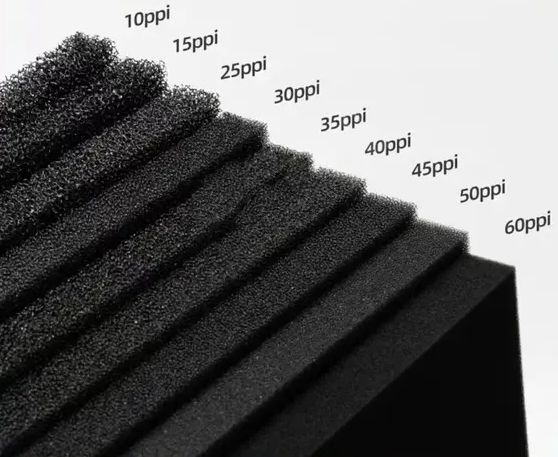
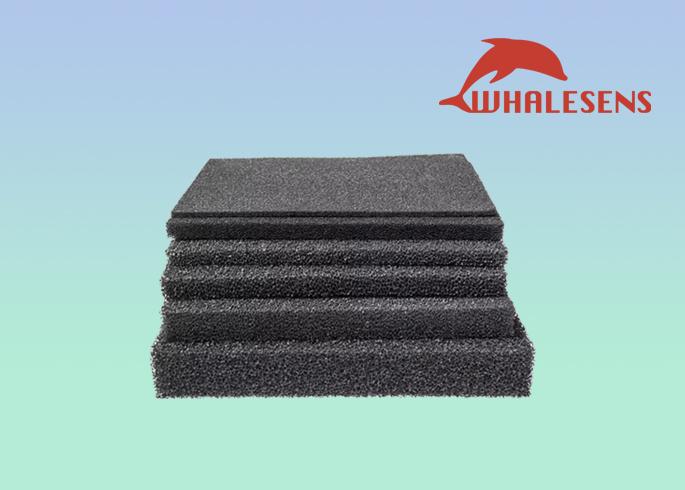
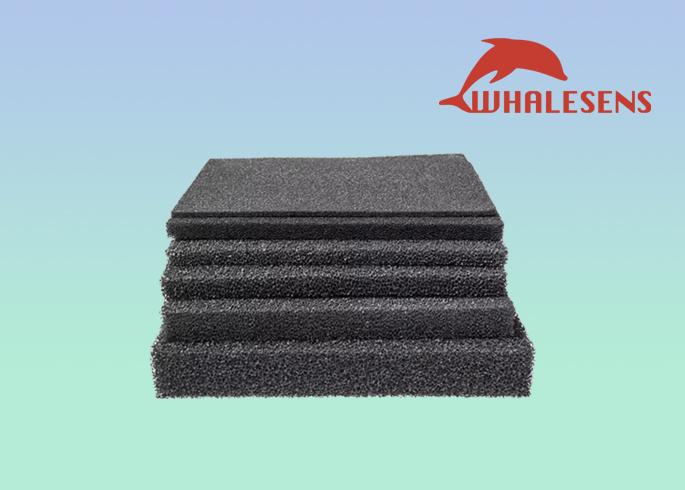
PPI is the standard metric for open-cell polyurethane foam used in most EV charger intake filters. It directly correlates with average pore size: at 40 PPI, pores are roughly 400 µm in diameter; at 45 PPI, about 350 µm; at 50 PPI, around 300 µm. However, filtration efficiency also depends on material thickness, fiber structure, and face velocity. Lab tests at 1.5 m/s with 30 mm thick foam show that for 0.5 µm particles, 40 PPI achieves 68–75% efficiency, 45 PPI reaches 82–88%, and 50 PPI delivers 93–97%. Over a year in a typical outdoor environment (0.5 mg/m³ dust concentration), a 40 PPI filter might allow 0.3 mm of dust buildup on heat sinks, while a 50 PPI filter restricts it to just 0.08 mm. Yet the pressure drop penalty is stark: at the same velocity, 40 PPI incurs only 60 Pa initial resistance, 45 PPI around 85 Pa, and 50 PPI up to 120 Pa. That extra 60 Pa can reduce fan airflow by 10–15%, demanding careful matching with the charger’s thermal design headroom.
Head-to-Head: 40 vs 45 vs 50 PPI Filter Performance
Quantitative data clarifies the trade-offs. The following compares three standard 30 mm PU foams tested at 1.5 m/s face velocity.
Filtration Efficiency for 0.5 µm Particles (%) / 40 PPI / 72 / 45 PPI / 85 / 50 PPI / 95
60 Pa
40 PPI Initial Pressure Drop
85 Pa
45 PPI Initial Pressure Drop
120 Pa
50 PPI Initial Pressure Drop
Higher PPI sharply lifts efficiency but nearly doubles resistance. Dust holding capacity follows the opposite trend: 40 PPI accepts up to 450 g/m² (at 250 Pa final resistance), 45 PPI about 350 g/m², and 50 PPI only 280 g/m². In practice, the 40 PPI filter may last 1.5 times longer than 50 PPI before reaching the change-out threshold.
40 PPI Filter
- ~72% efficiency
- Low 60 Pa pressure drop
- High dust loading
- Suits low-dust indoor sites
50 PPI Filter
- ~95% efficiency
- High 120 Pa pressure drop
- Lower dust loading
- Suits dusty outdoor or critical scenarios
How to Select the Right PPI: A Scenario-Based Guide
Effective EV charger filter PPI selection starts with the deployment environment. Use this proven three-step process:
Recommended PPI by environment:
- Indoor / underground parking (annual dust <0.2 mg/m³): 40 or 45 PPI, replacement every 6–8 months.
- Urban outdoor / highway service areas (0.2–0.5 mg/m³): 45 PPI, balancing protection and service life.
- Mining, construction, desert zones (>0.5 mg/m³): 50 PPI is a must. But verify fan capability; if pressure drop is too high, add a pre-filter or specify low-resistance 50 PPI grade.
For high-power DC fast chargers (120 kW+), fans often move over 600 m³/h. Even a small pressure drop increase consumes noticeable extra energy. A hybrid “40+50” dual-layer design can cap total pressure drop at 150 Pa: the outer 40 PPI catches coarse particles, extending the life of the inner 50 PPI layer.
Real-World Impact: 45 PPI Upgrade Cuts Overheating by 81%
A North China highway service operator deployed 30 units of 120 kW dual-gun chargers, initially all with 40 PPI filters. Within six months, many units reported power derating and module overheating alarms. Teardowns revealed heat sink blockage exceeding 40% in several cabinets. Whalesens Technology’s field audit led to retrofitting 20 chargers with custom 45 PPI nano-coated filter media for improved dust release, while 10 units remained as controls.
68%
Heat sink dust accumulation reduction
81%
Overheating alarm frequency drop
2 months → 3.5 months
Filter replacement interval extension
9% (from improved thermal efficiency)
Fan energy savings
After eight months, the 45 PPI units maintained significantly cleaner interiors. The operator upgraded the entire fleet to 45 PPI and applied 50 PPI with anti-salt-mist treatment at exposed coastal stations.
Maintenance Best Practices to Sustain Performance
Even the best EV charger filter PPI selection fails without proper upkeep. Adopt a proactive maintenance regimen:
📋 EV Charger Filter Maintenance Checklist
- ✔ Perform monthly visual checks; if dark dust coverage exceeds 30% of area, plan replacement.
- ✔ Measure pressure drop across the filter quarterly with a manometer; replace when it doubles the initial value.
- ✔ Log filter change dates and operating conditions per charger to optimize spare part inventory.
- ✔ Monitor fan outlet air velocity; if it drops more than 15% from baseline, inspect for clogging.
Installation quality matters equally: ensure sealing gaskets are intact to prevent bypass. For smart chargers, differential pressure sensors can relay filter life data directly to the monitoring system.
Beyond Standard PPI: Customized Solutions and Future Trends
Even as liquid-cooled ultra-fast chargers gain ground, air filtration remains critical—liquid cooling systems still require ambient air radiators. Whalesens has developed gradient-density filter foam that transitions from 40 to 50 PPI within a single layer, merging high dust holding capacity and high efficiency in one material. It is already deployed by leading charger manufacturers. For extreme environments—coastal salt spray, chemical plants, mining—customization rules. Surface treatments (oleophobic, hydrophobic, flame retardant), multilayer composites, and IoT-enabled smart filter monitoring transform EV charger filter PPI selection from a simple number choice into a system-level engineering decision.
Optimize your EV charger cooling with the right filter PPI. Contact Whalesens Technology for a customized filtration proposal and sample testing.
Need a custom air filtration solution?
Contact the Whalesens engineering team for product selection and OEM/ODM support.
Email whalesens@gmail.com
Get a free consultation →
Need a custom air filtration solution?
Contact the Whalesens engineering team for product selection and OEM/ODM support.
Email whalesens@gmail.com