


EV Charging Stations
Filtration for Power Equipment
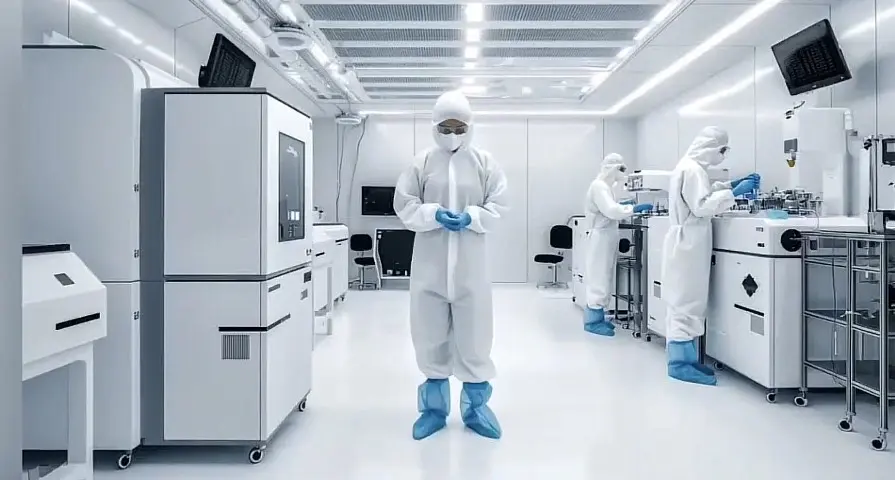
Cleanroom & Semiconductor
Ultra-High Cleanliness Filtration
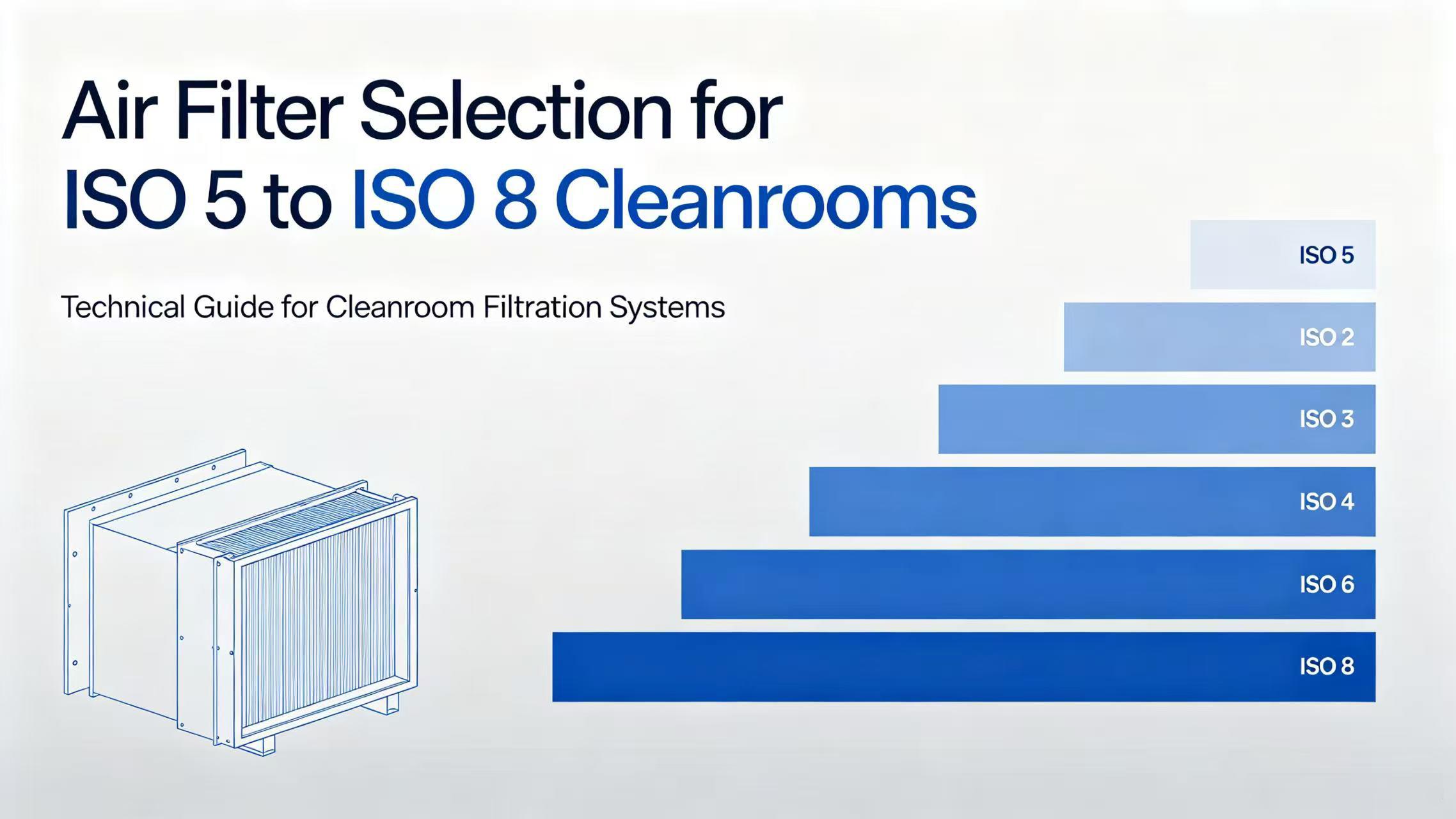
Commercial HVAC
Central Air System Filtration
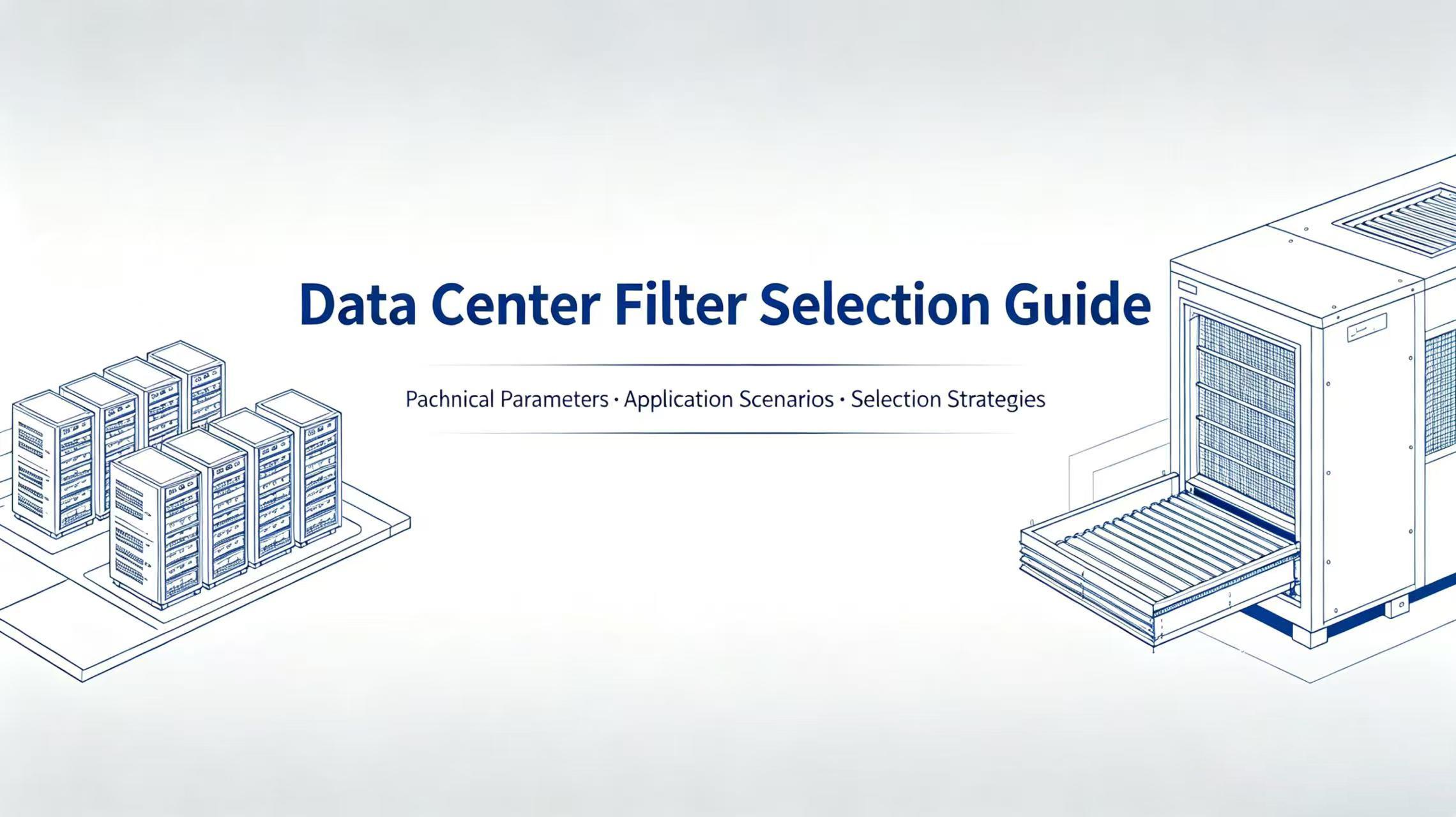
Data Centers
Precision Equipment Protection
Livestock & Farming
Farming Environment Purification
Spray Booths & Industrial Dust
Paint Mist & Dust Purification
Filtration for Power Equipment
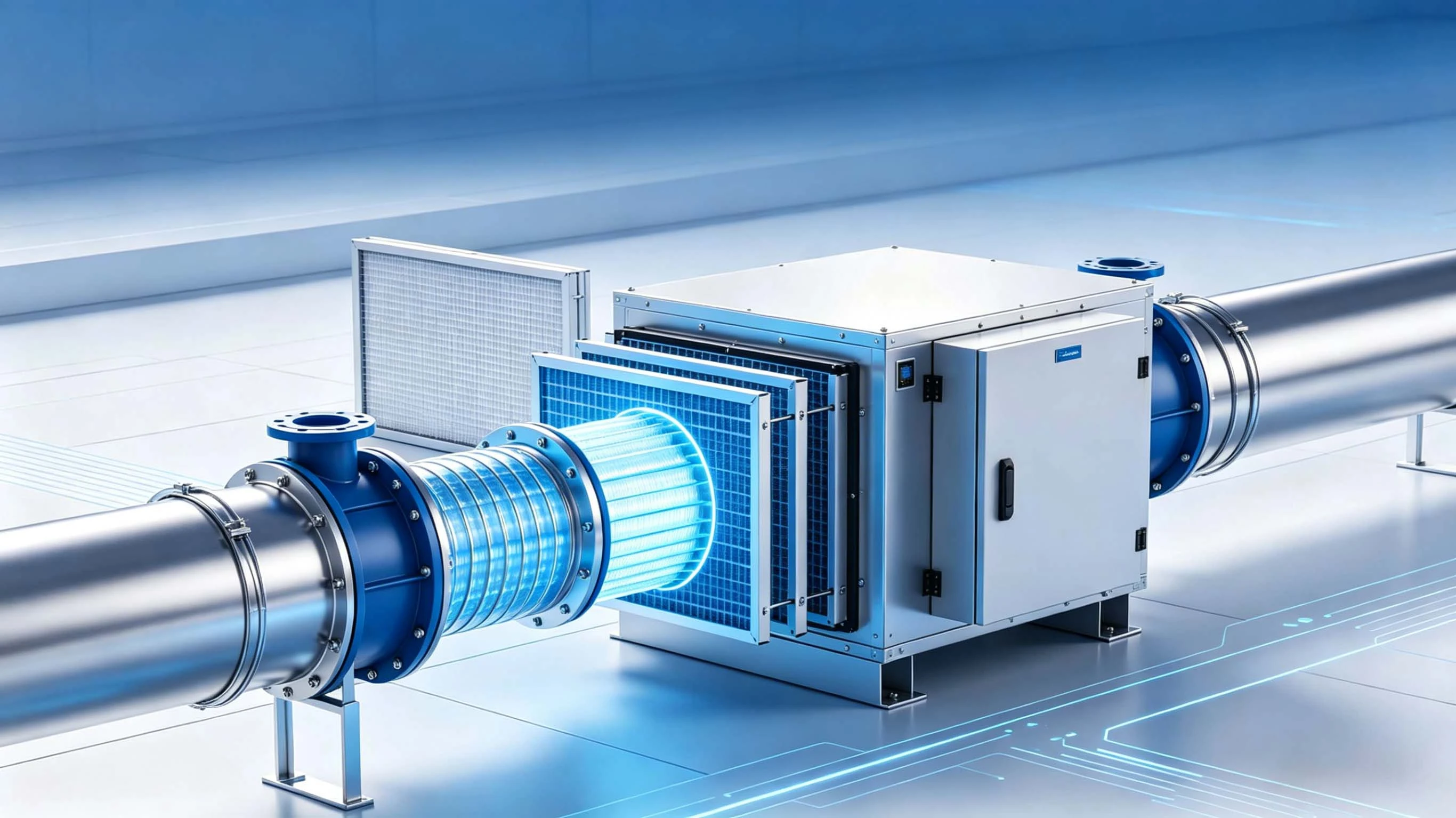
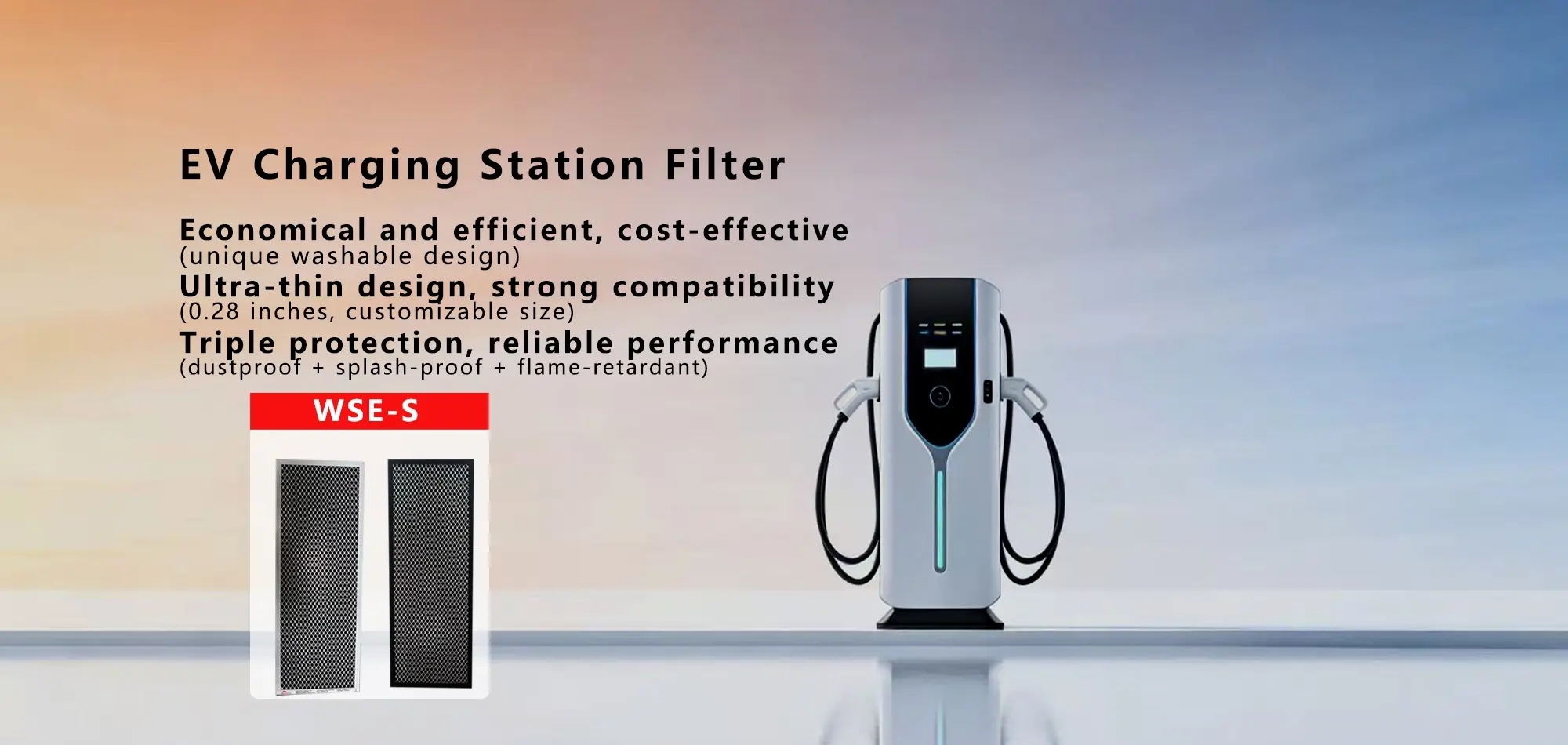
Professional air filtration for EV charging devices, protecting against dust and sand ingress to ensure stable, reliable operation of charging piles and station infrastructure.
View Related Products →Ultra-High Cleanliness Filtration
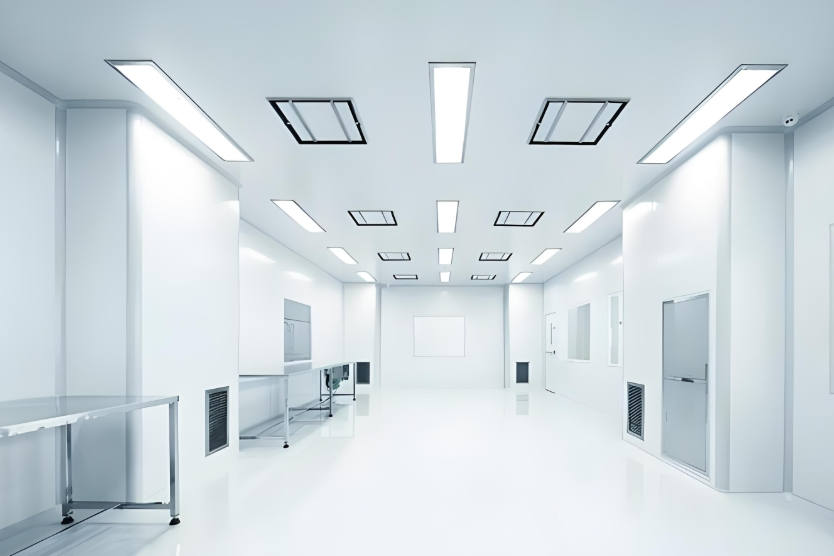
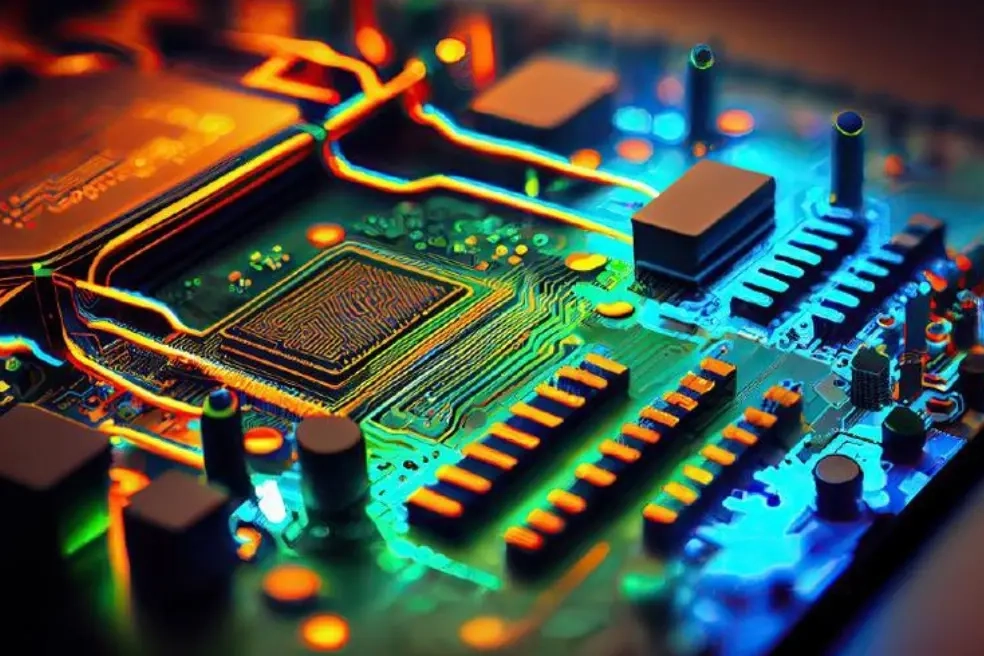
Ultra-high efficiency filtration for semiconductor wafer fabs and precision electronics cleanrooms, capturing nano-scale particles to meet ISO Class 1–3 standards and maximize product yield.
View Related Products →Central Air System Filtration
High-efficiency filtration for commercial building HVAC systems, improving indoor air quality, reducing energy consumption, and extending equipment service life.
View Related Products →Precision Equipment Protection
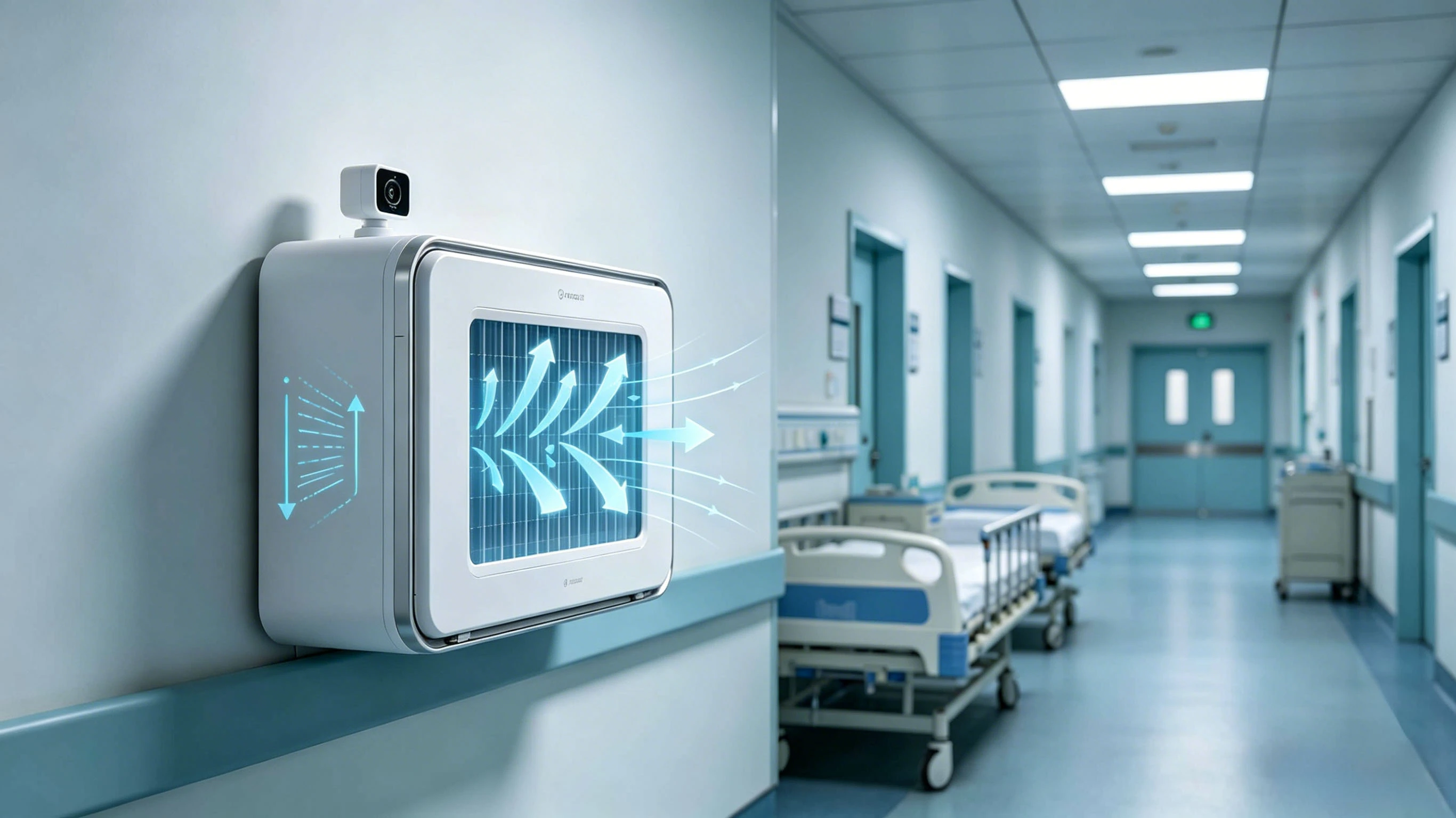
Precision air filtration for data centers, shielding servers and critical hardware from dust contamination to keep cooling systems running efficiently and reliably.
View Related Products →Farming Environment Purification
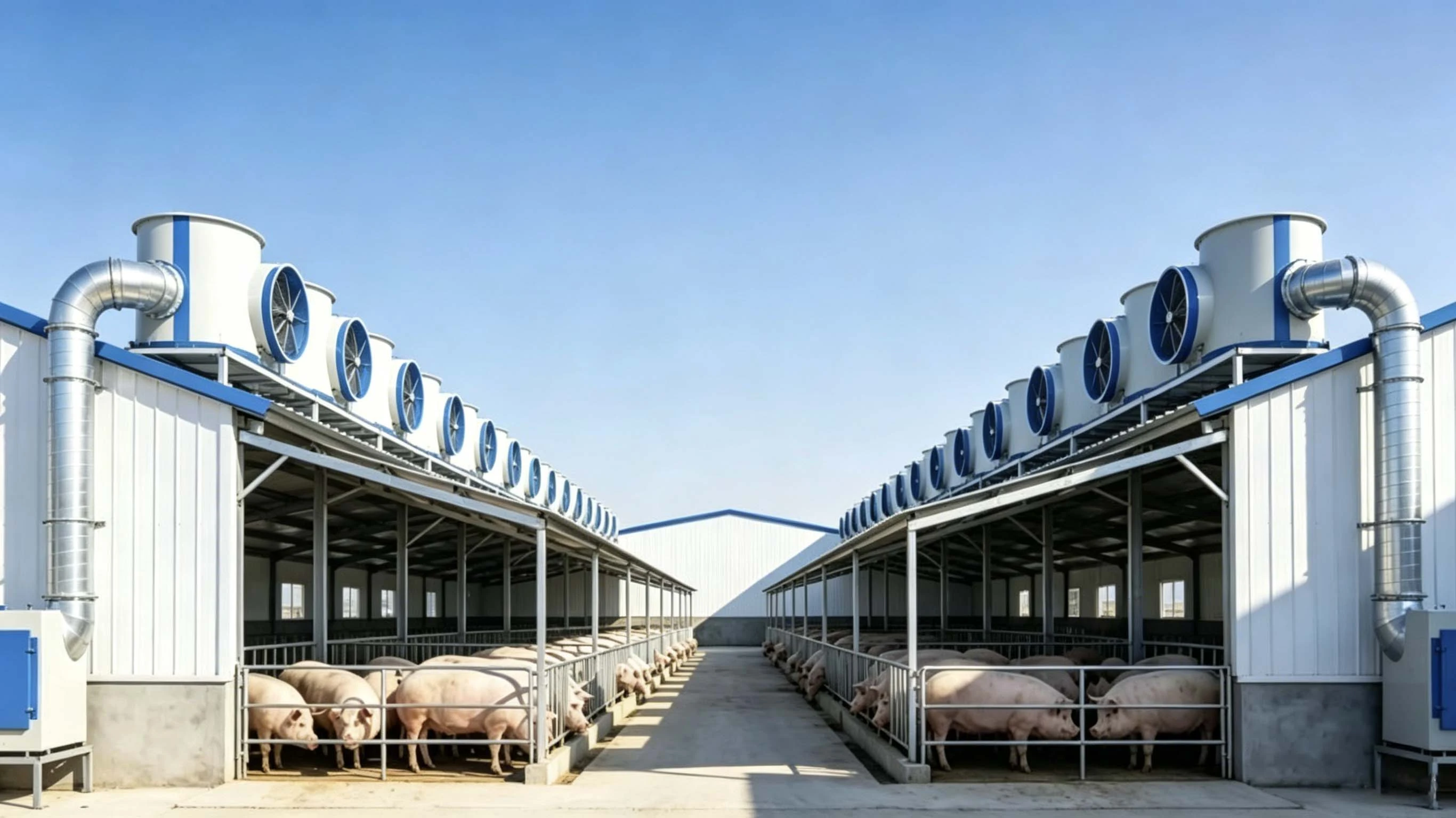
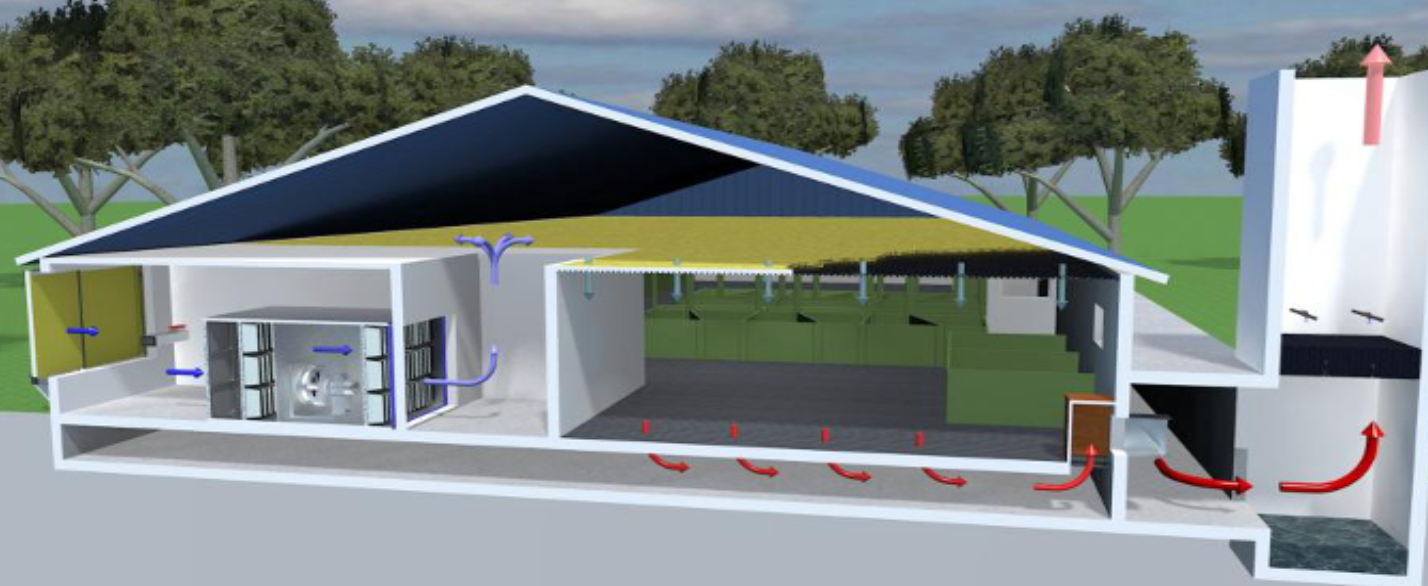
Dedicated filtration systems for farms and livestock facilities — capturing dust, adsorbing ammonia, and inhibiting pathogen spread to improve animal health and overall productivity.
View Related Products →Paint Mist & Dust Purification
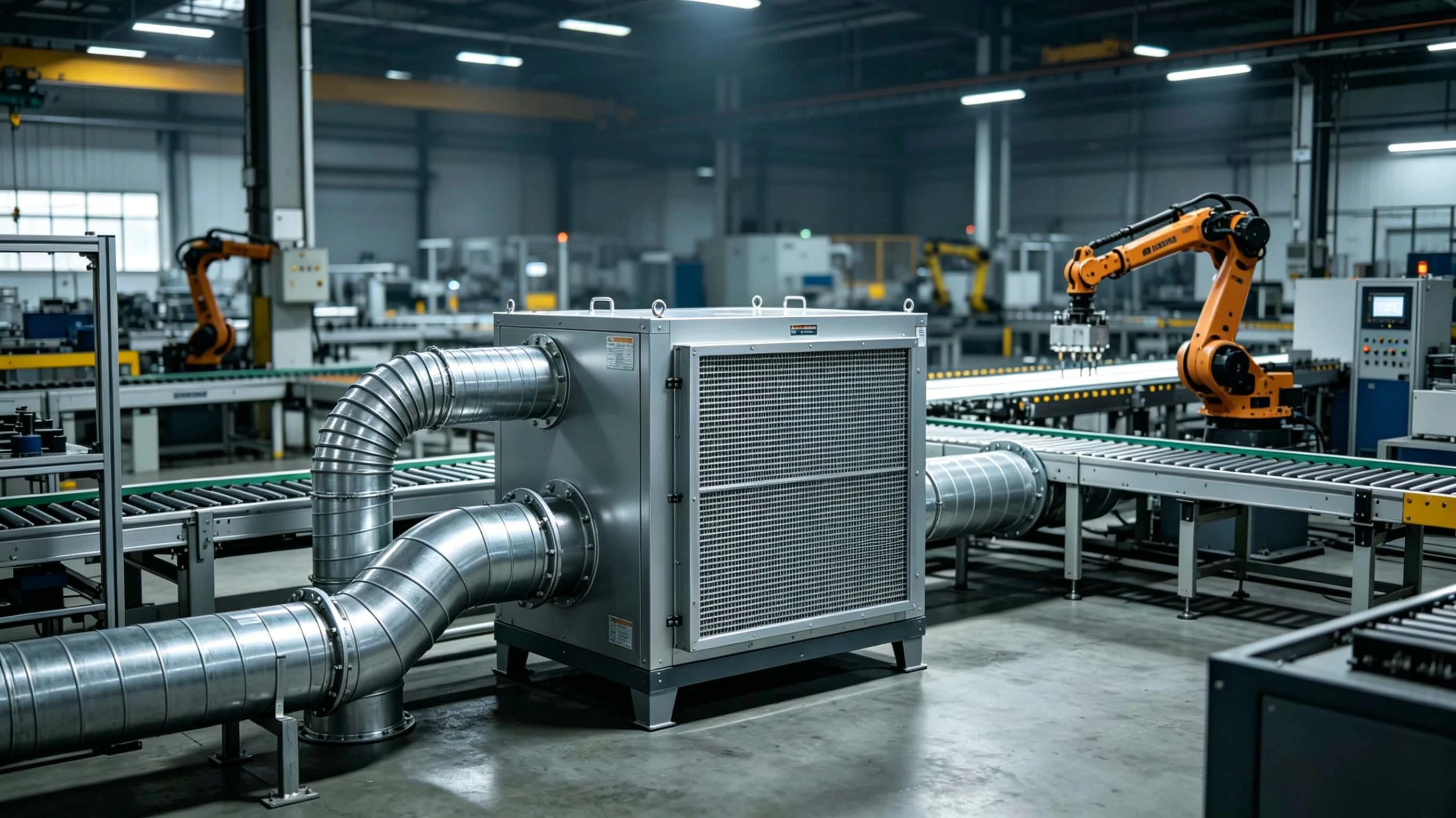
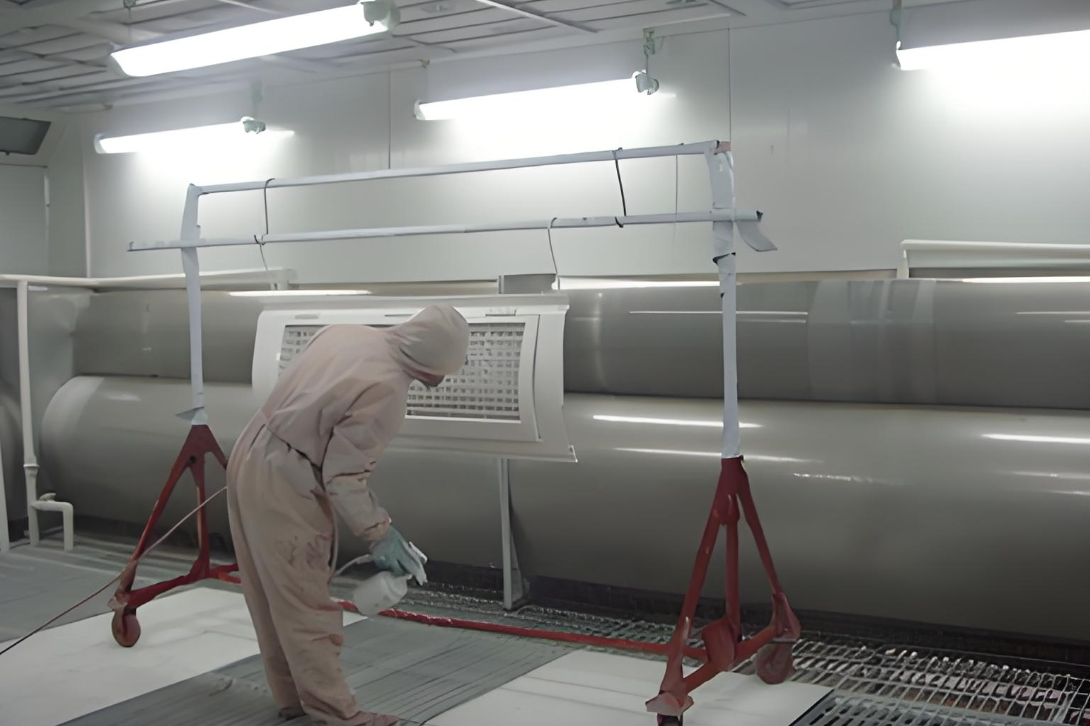
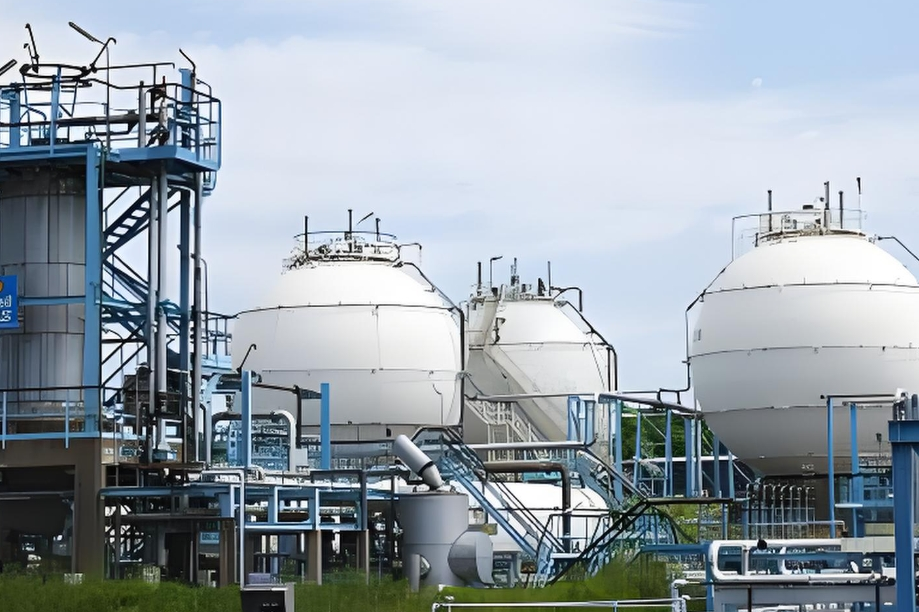
Designed for spray booths and grinding workshops, efficiently capturing paint mist, metal dust, and wood chips to meet emission standards while protecting finished surface quality.
View Related Products →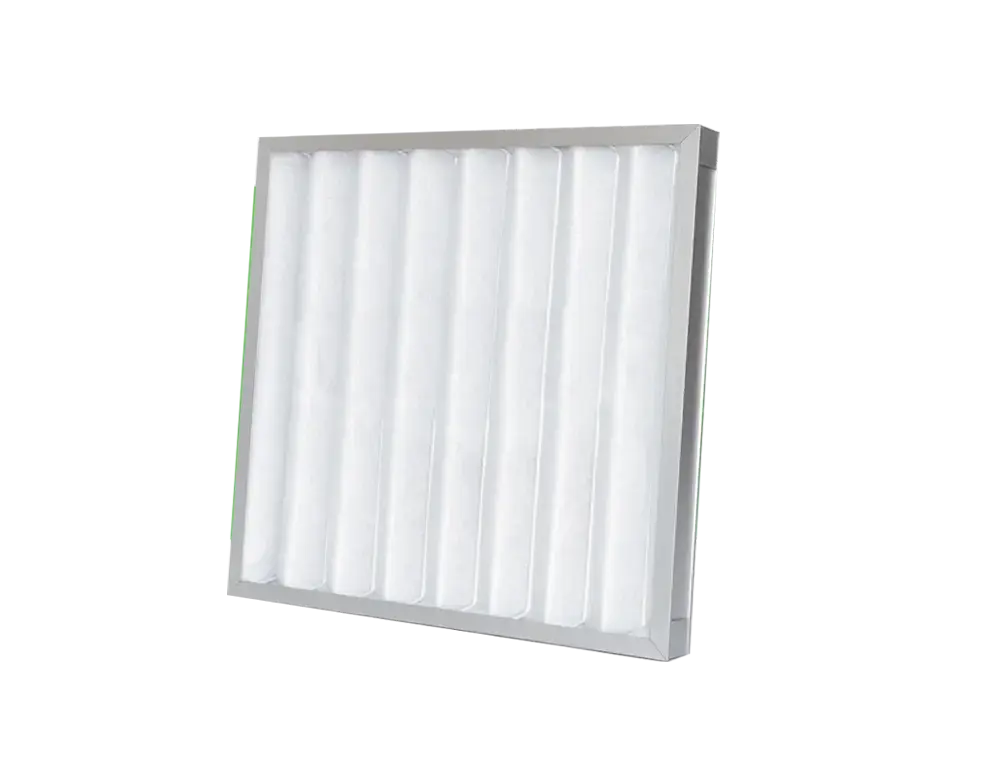
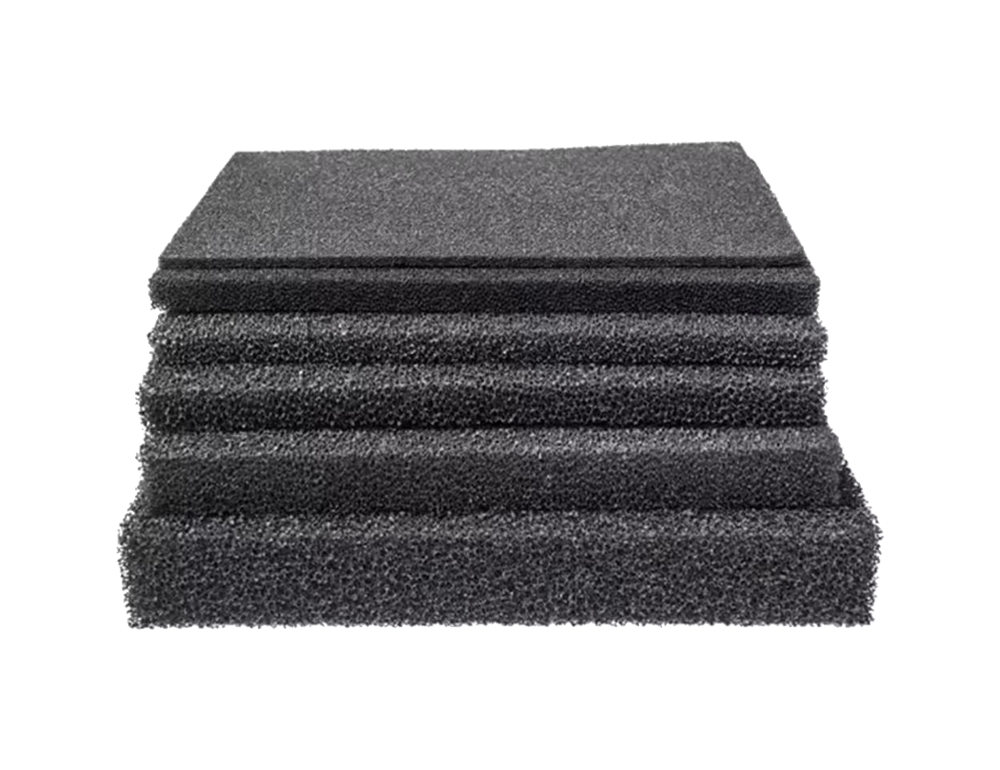
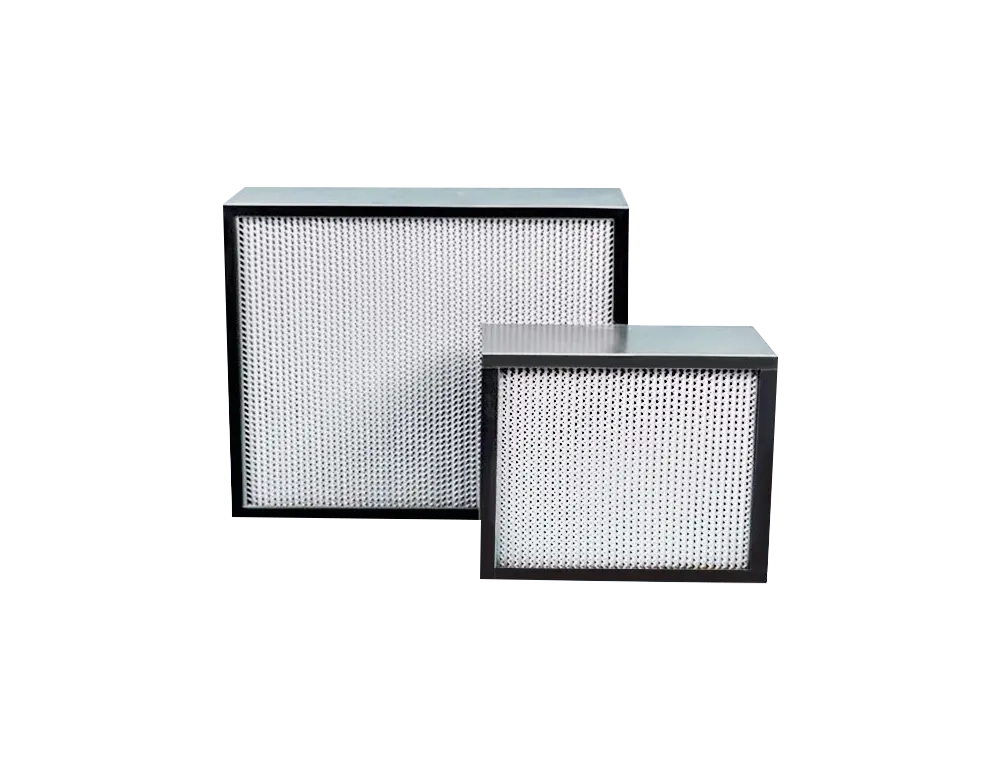
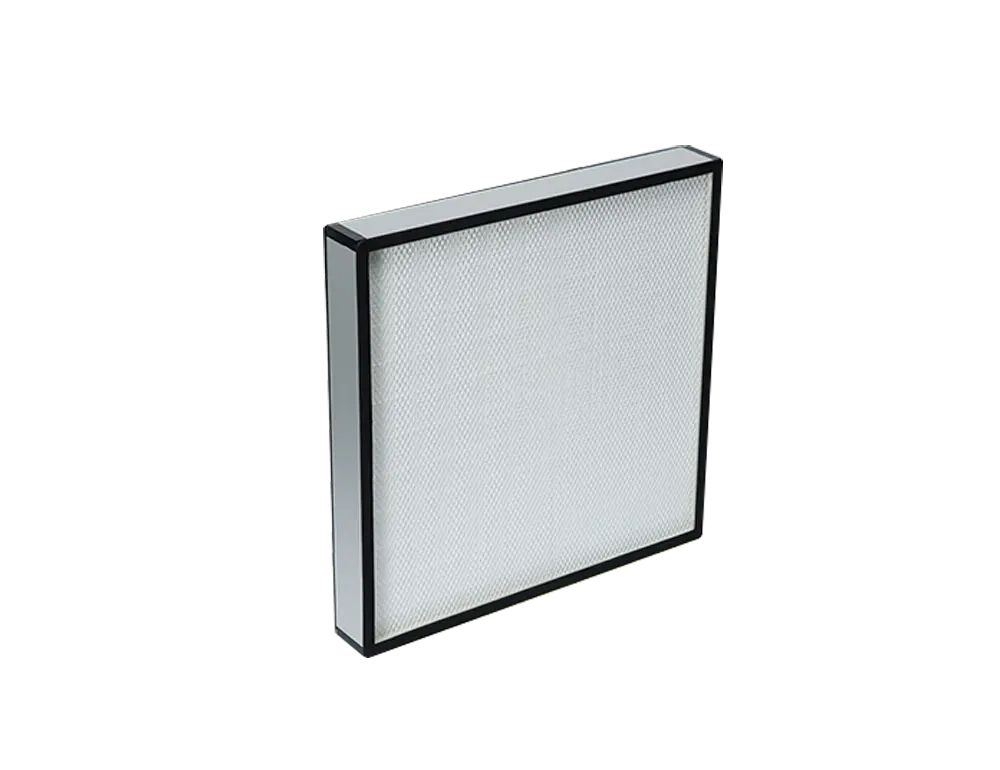
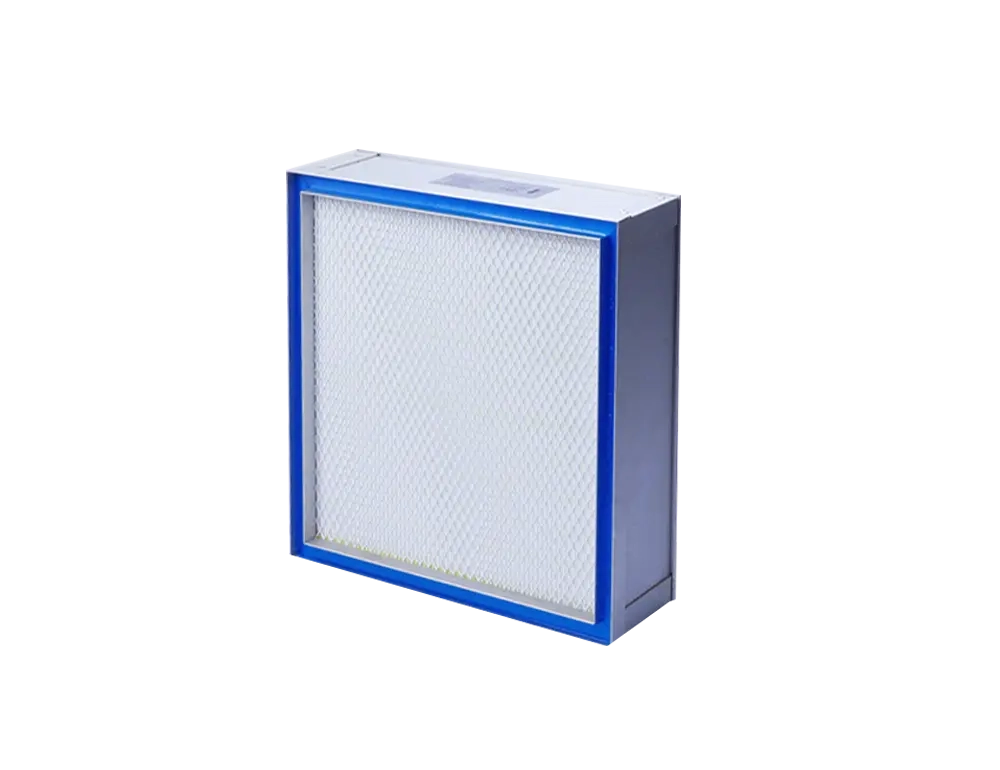
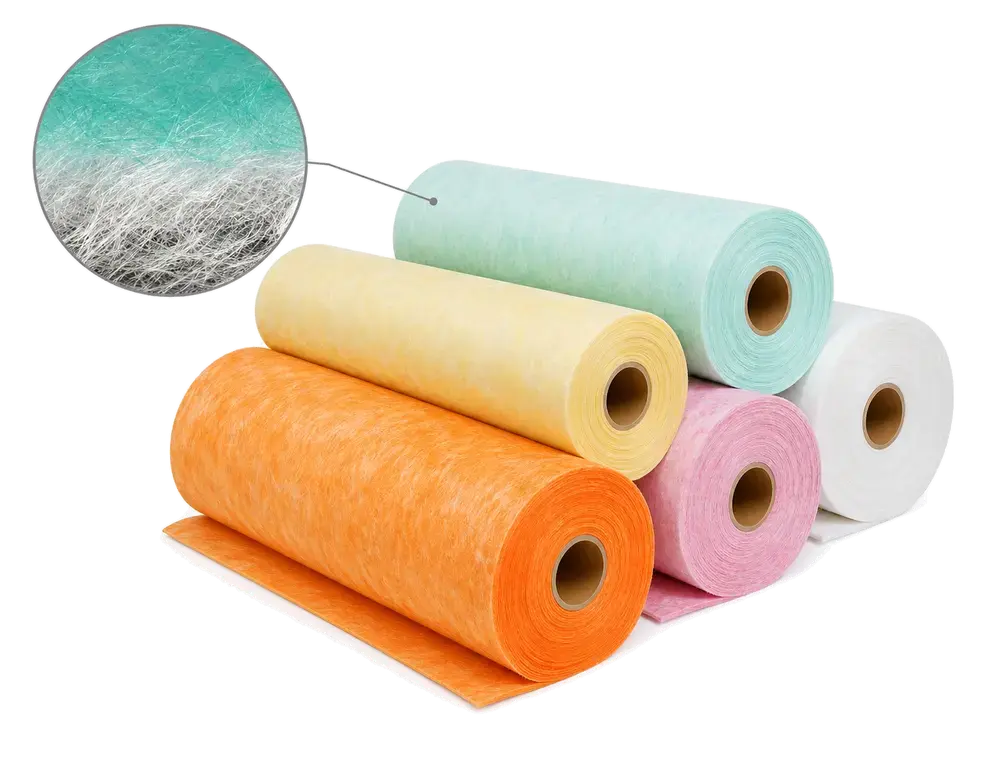
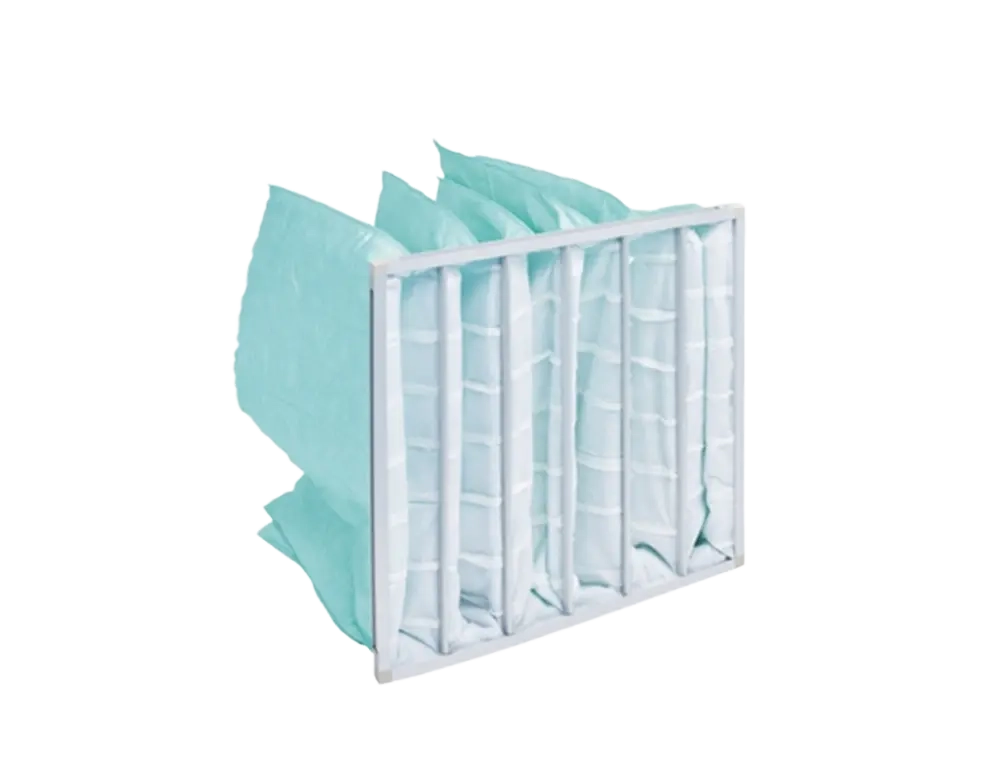

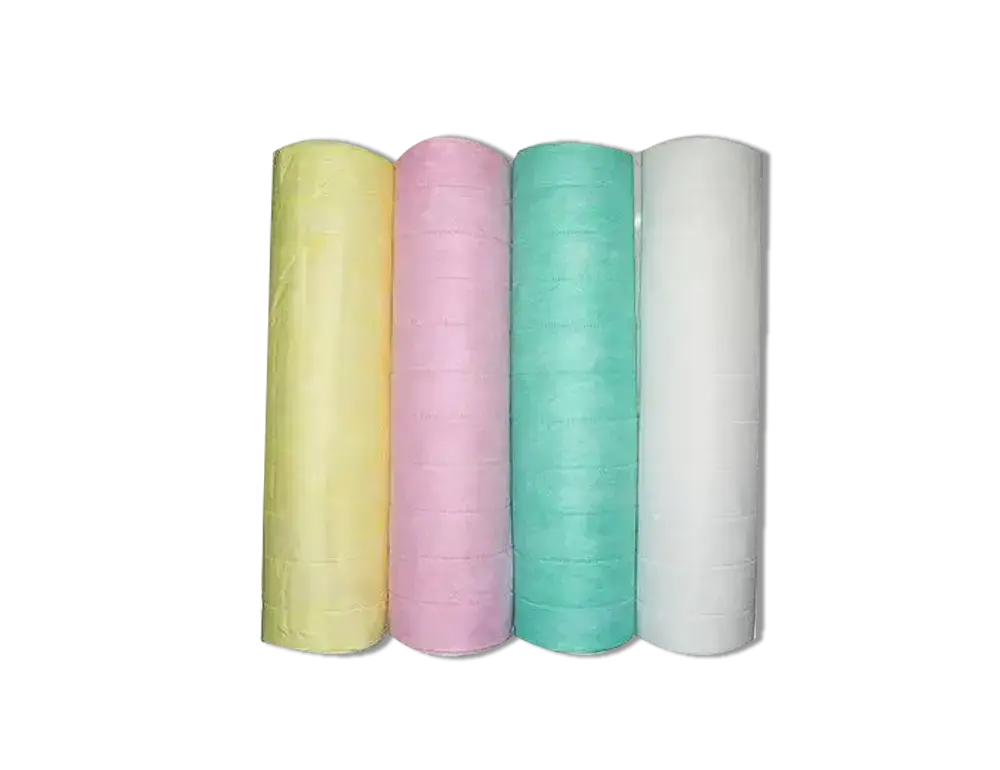
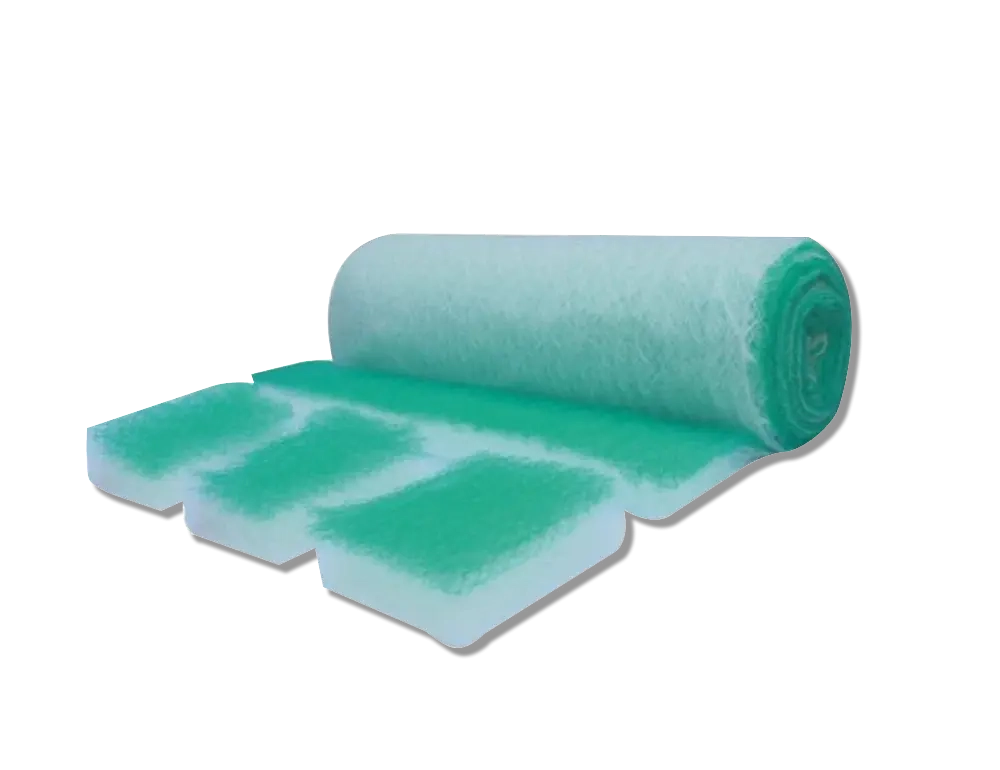
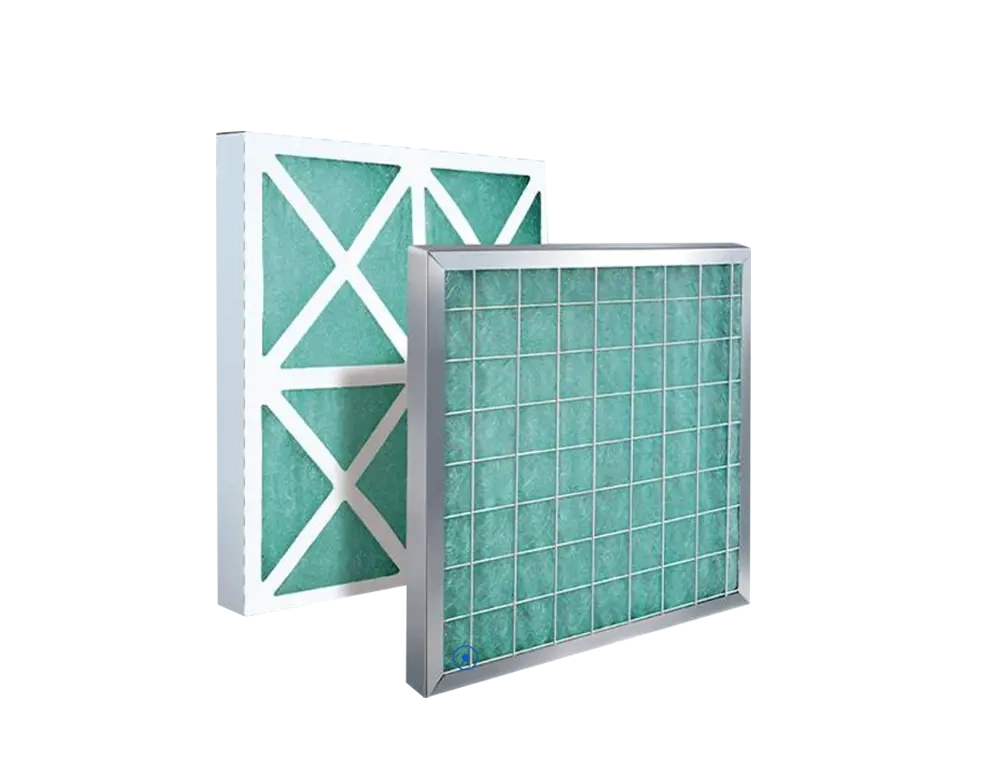
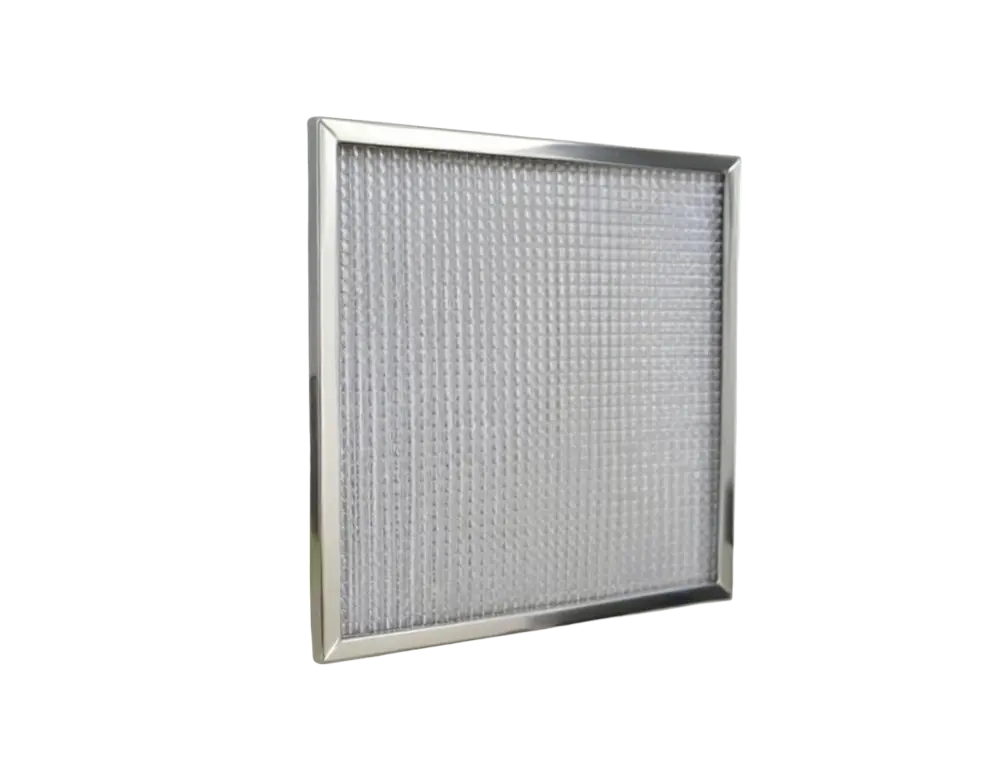
Pre-Filter (G1–G4)
First-Stage Large-Particle Capture
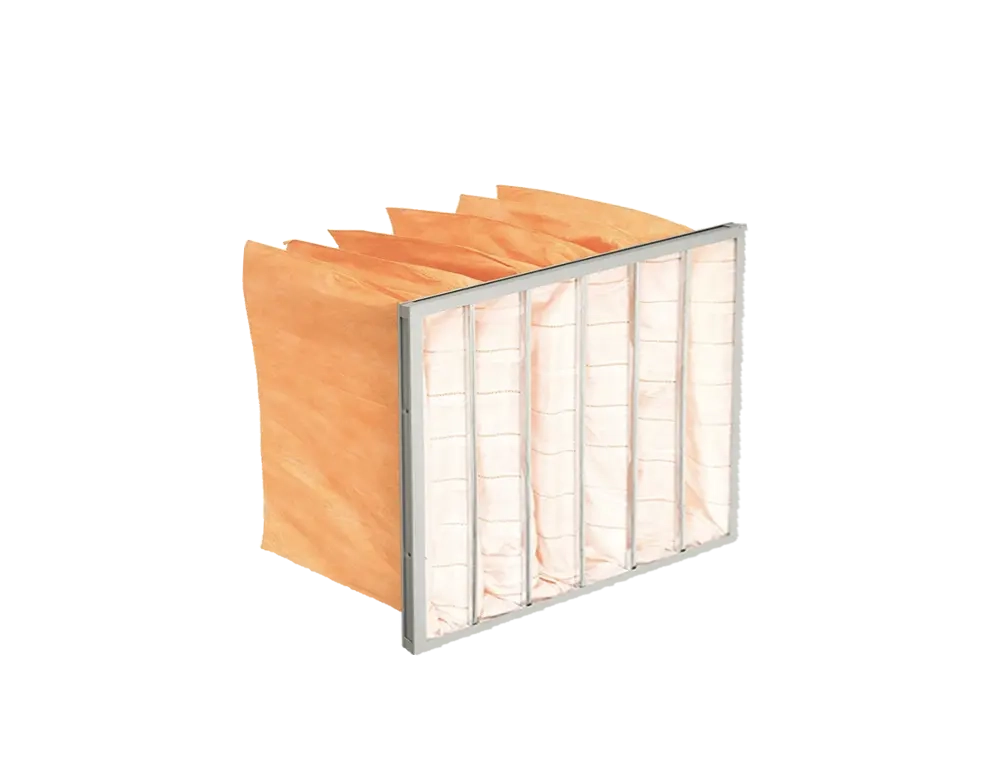
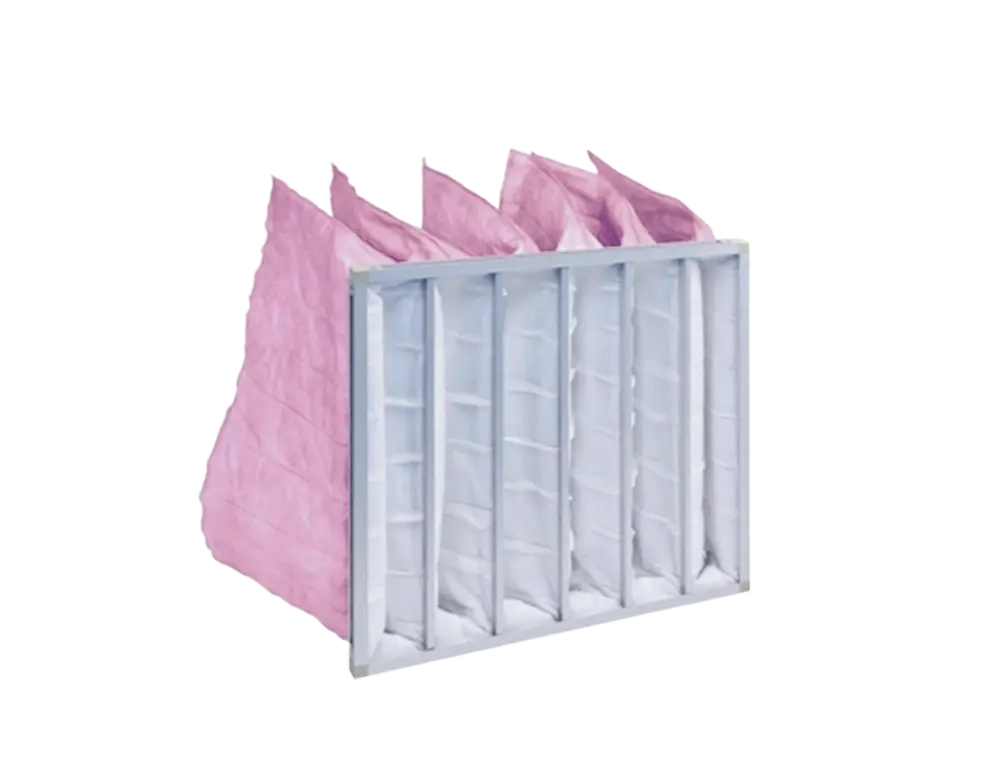
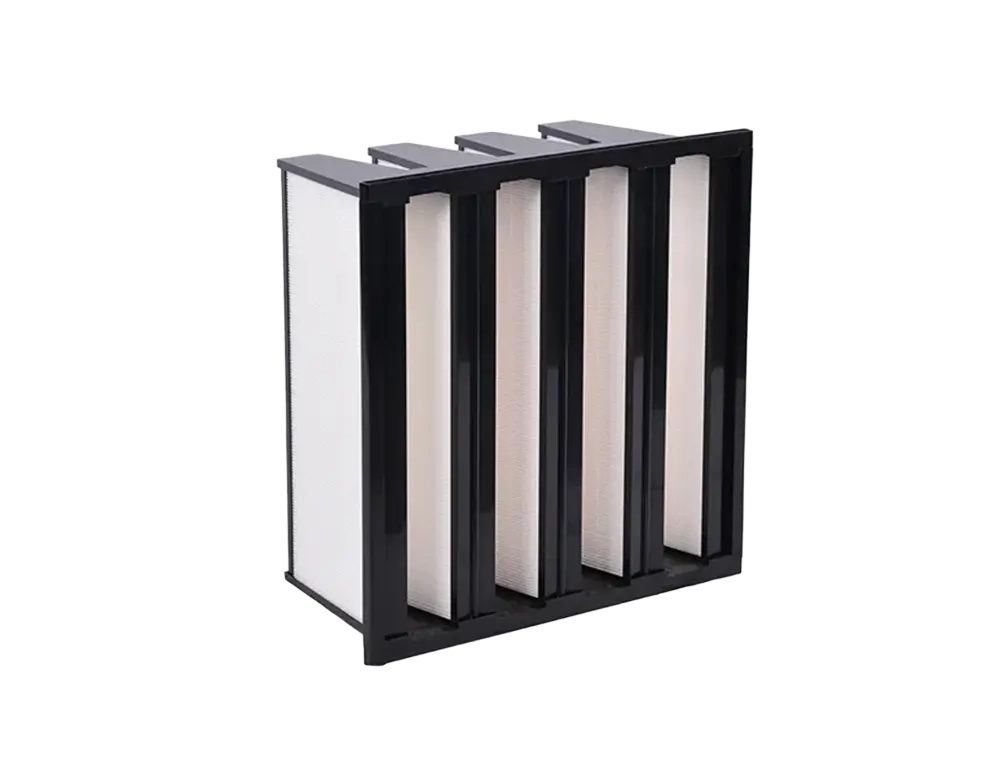
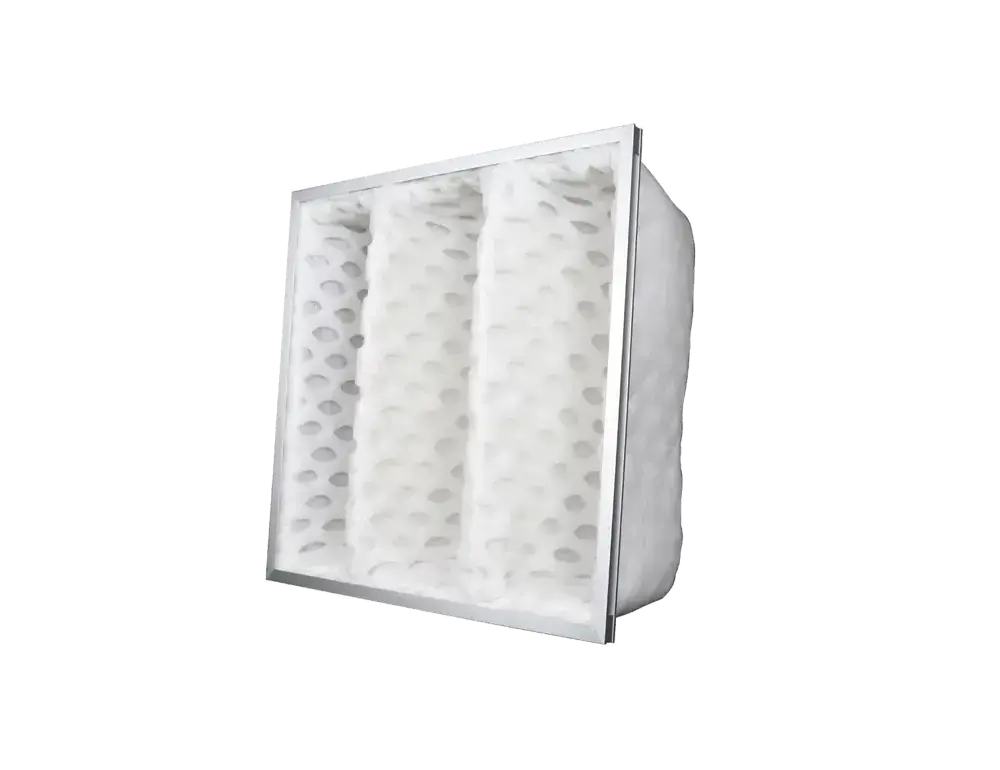
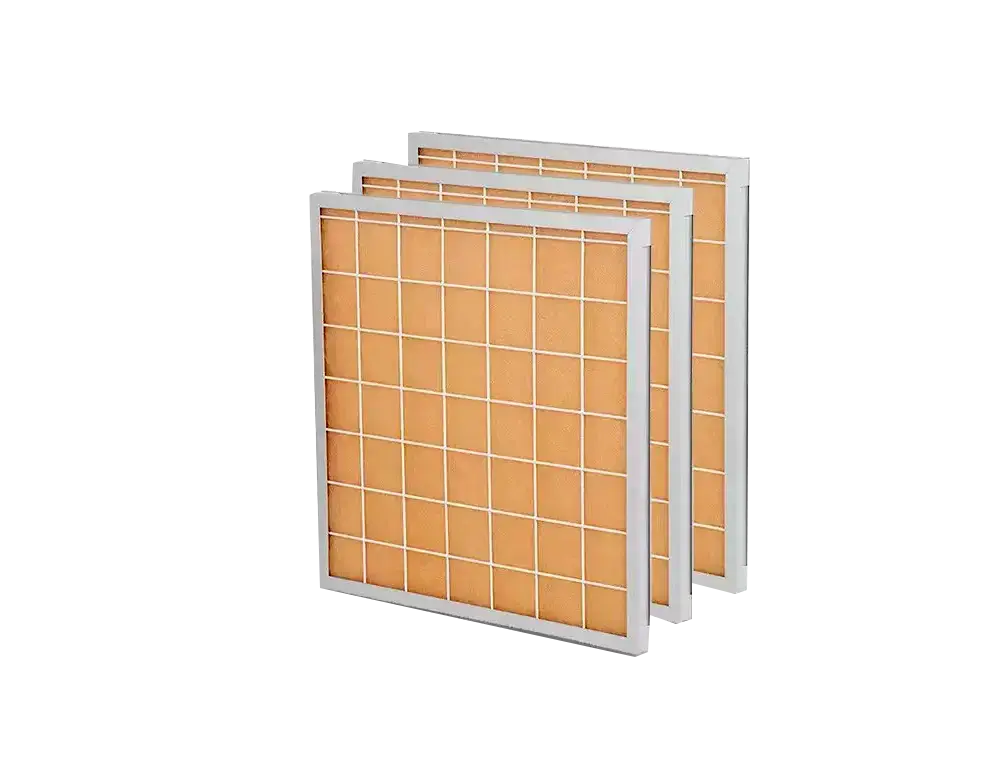
Medium-Efficiency Filter (F5–F9)
Precise PM2.5 Capture
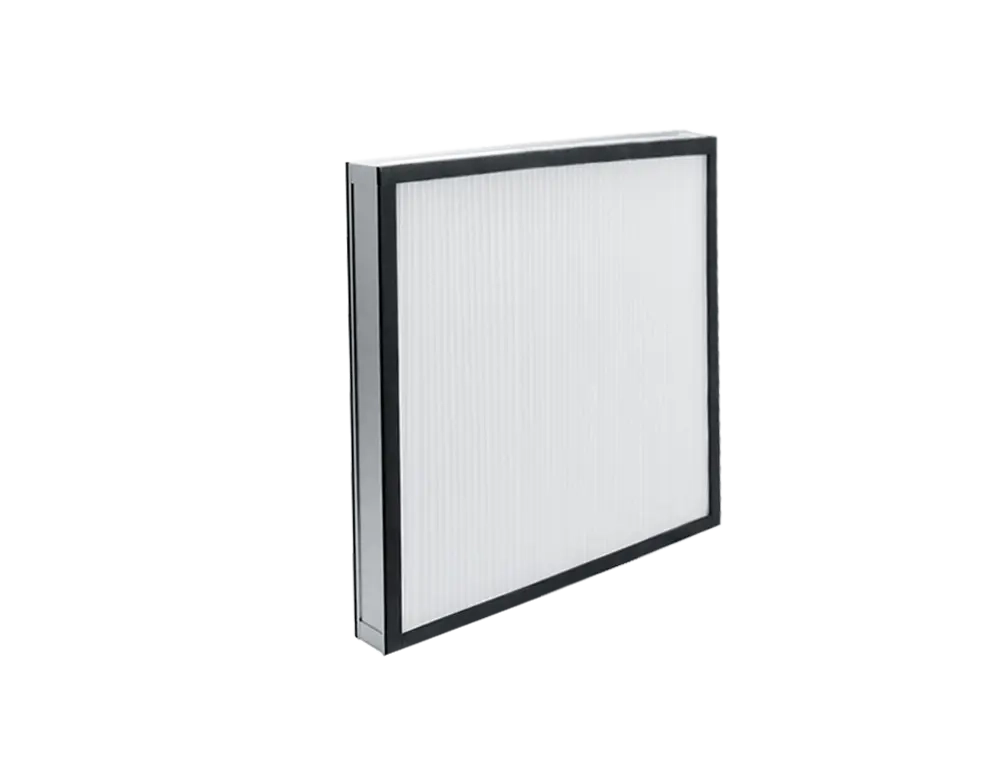
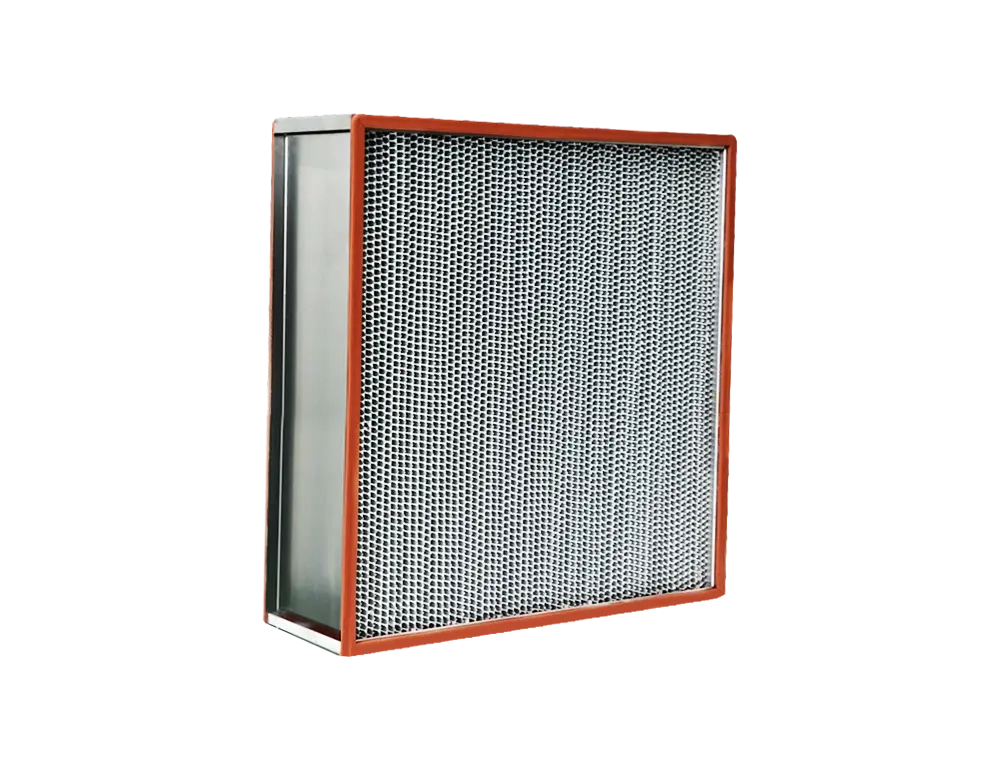
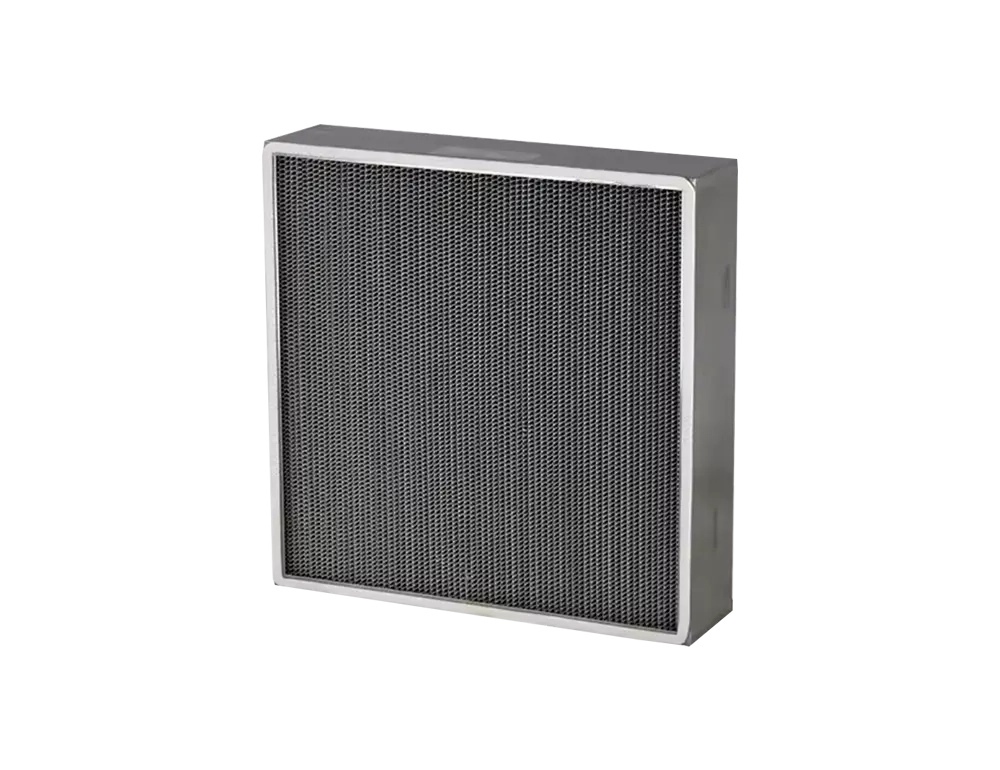
HEPA High-Efficiency Filter
Sterile-Grade Purification
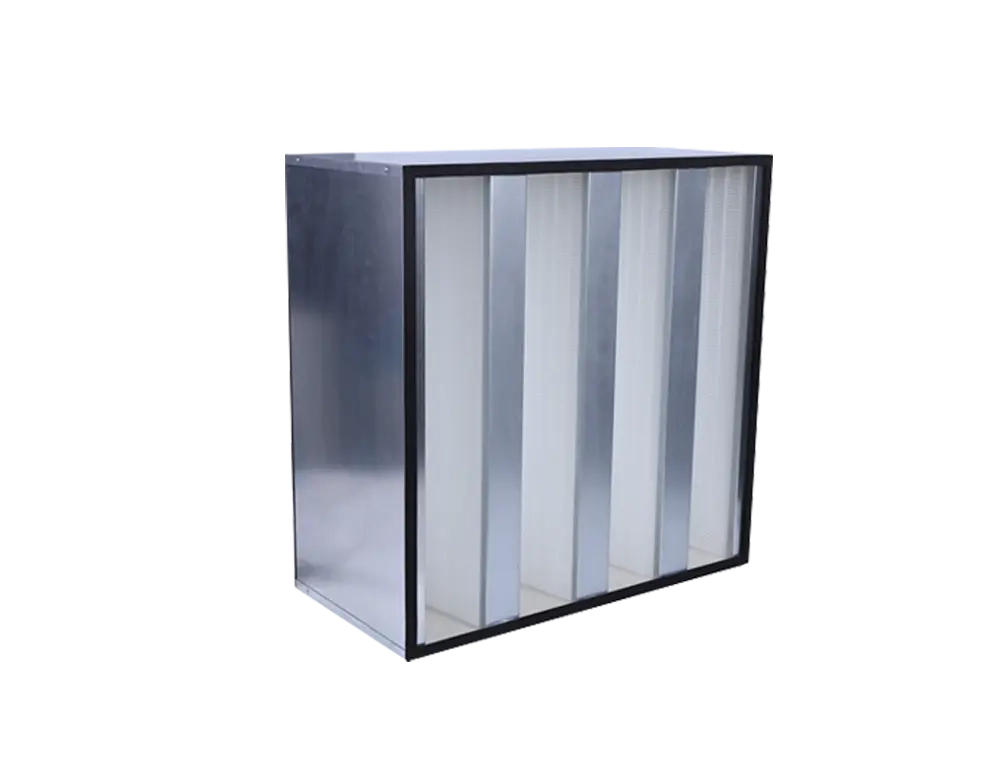
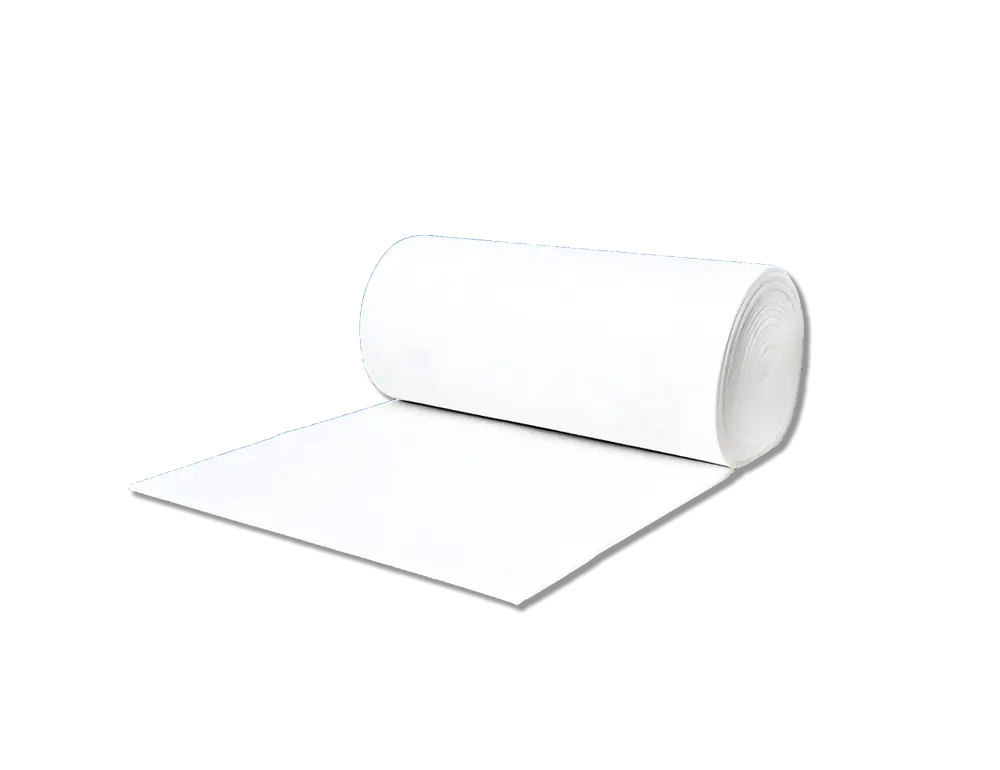
ULPA Ultra-High Efficiency Filter
Sub-Micron Particle Capture
First-Stage Large-Particle Capture
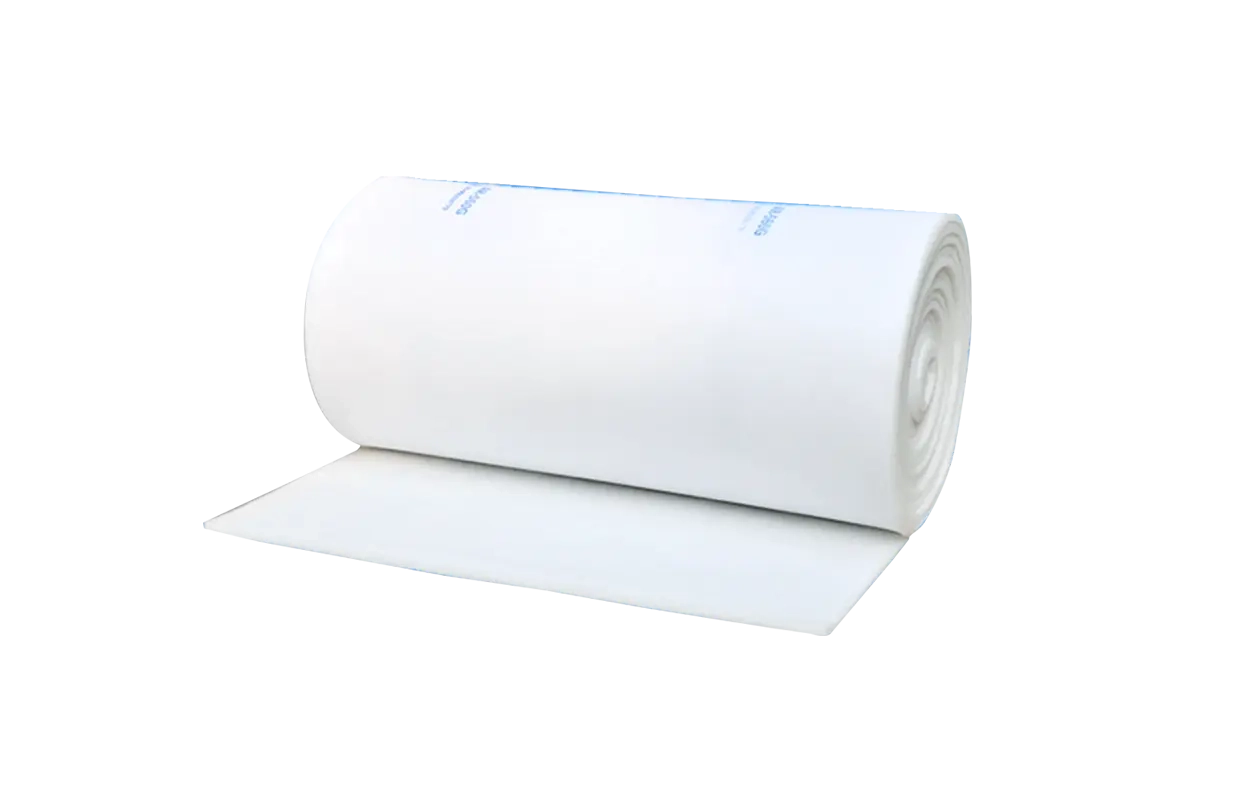
The first line of defense, capturing particles ≥5 μm such as dust, hair, and fibers to protect downstream filters and extend overall system service life.
View Related Products →Precise PM2.5 Capture
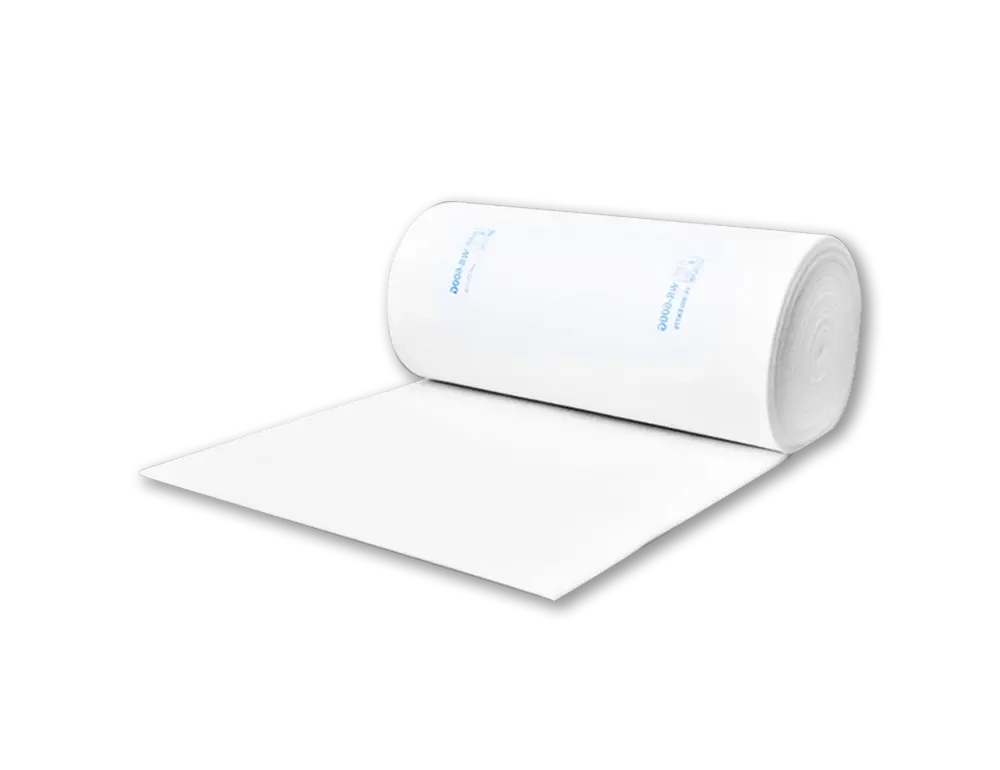
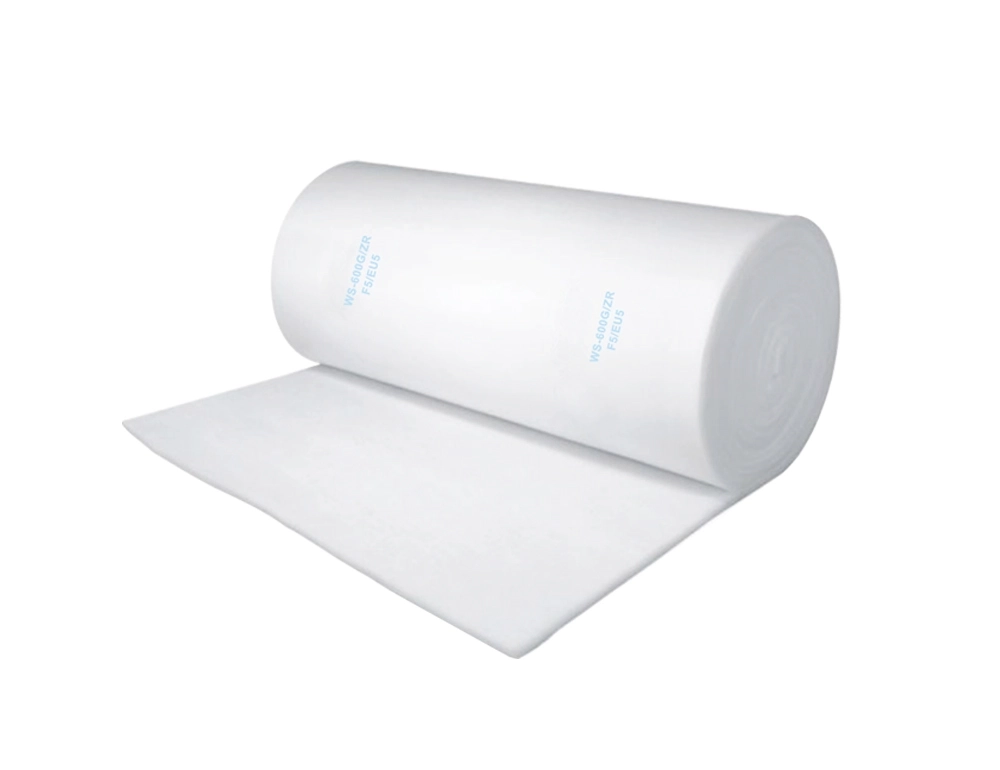
Captures fine particles of 1–5 μm including PM2.5, pollen, and mold spores, significantly improving indoor air quality for commercial HVAC and ventilation systems.
View Related Products →Sterile-Grade Purification
≥99.97% filtration efficiency for particles ≥0.3 μm, delivering sterile-grade clean air widely used in medical, pharmaceutical, and electronics manufacturing.
View Related Products →Sub-Micron Particle Capture
≥99.9995% efficiency for particles ≥0.12 μm, meeting the extreme cleanliness demands of semiconductor fabs, aerospace, and other ultra-precision applications.
View Related Products →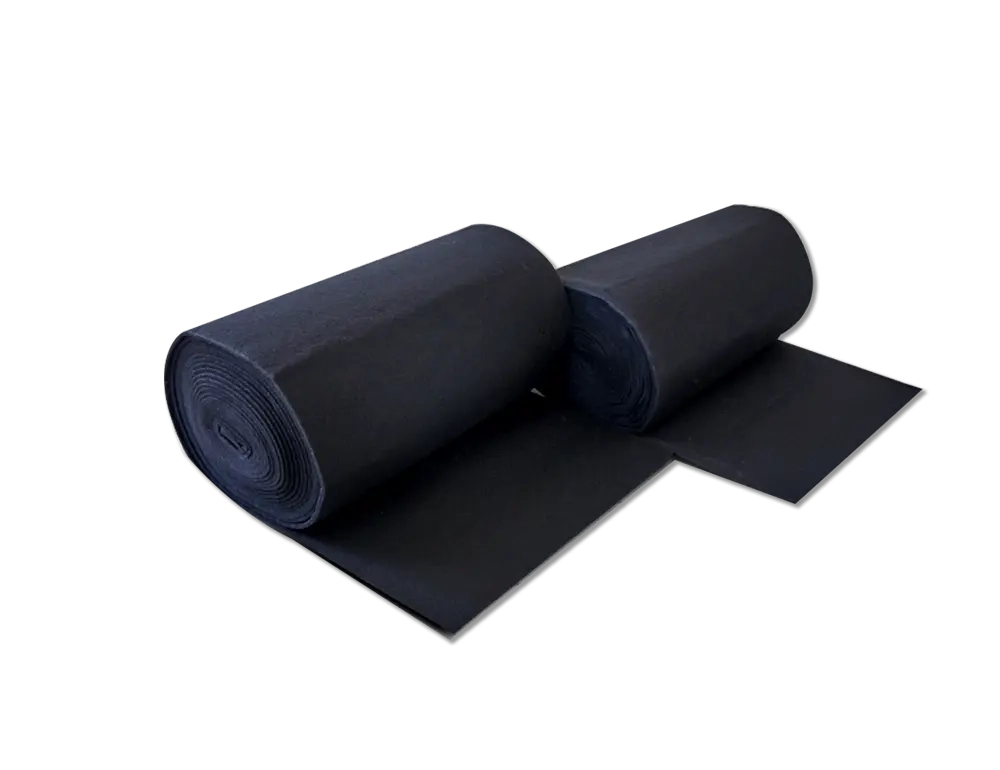
High-Temperature Resistant
Industrial-Grade Heat Tolerance
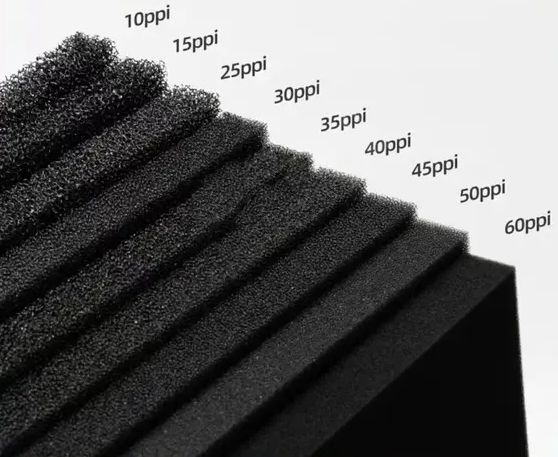
Washable & Reusable
Cut Costs, Reduce Waste
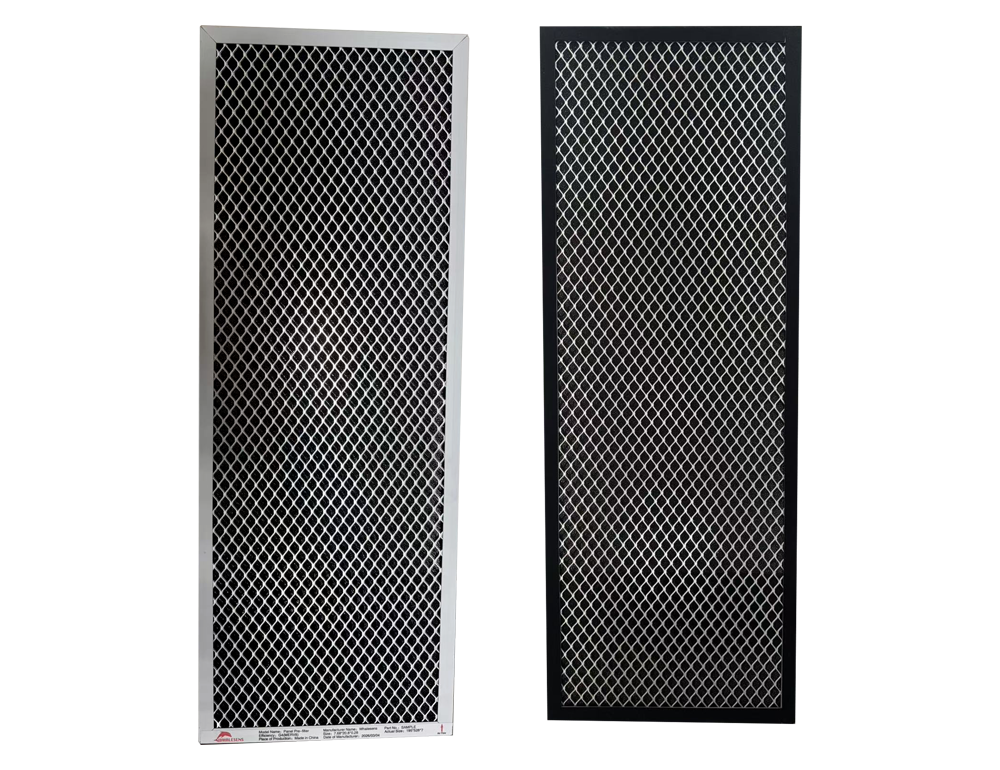
Activated Carbon
Odor & Harmful Gas Removal
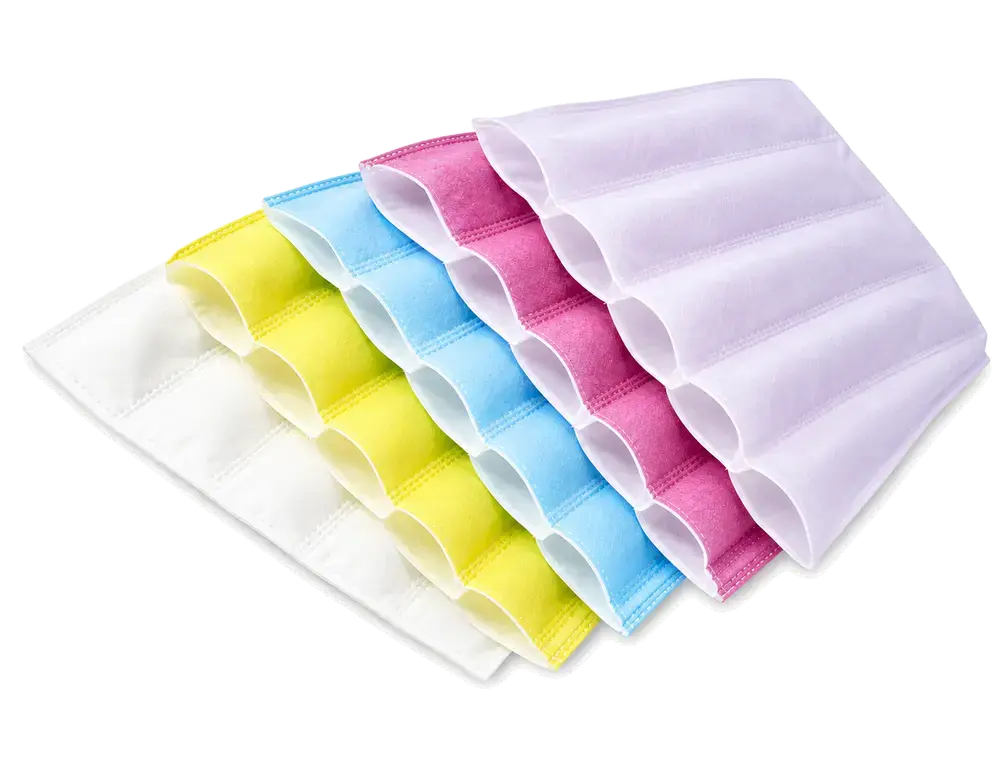
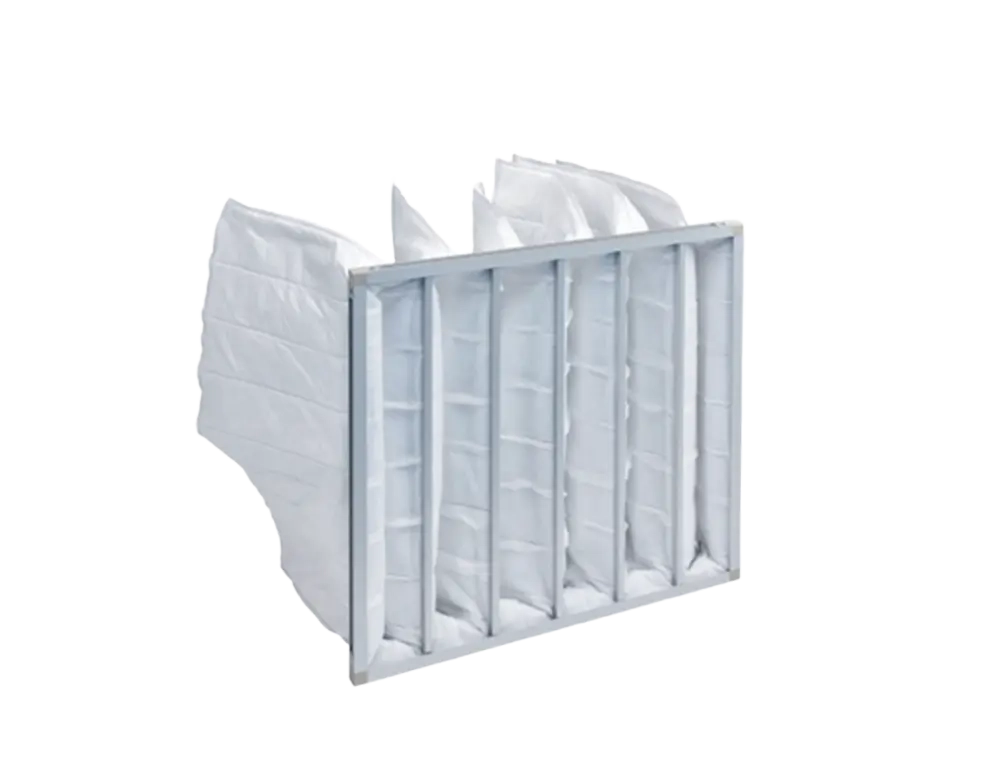
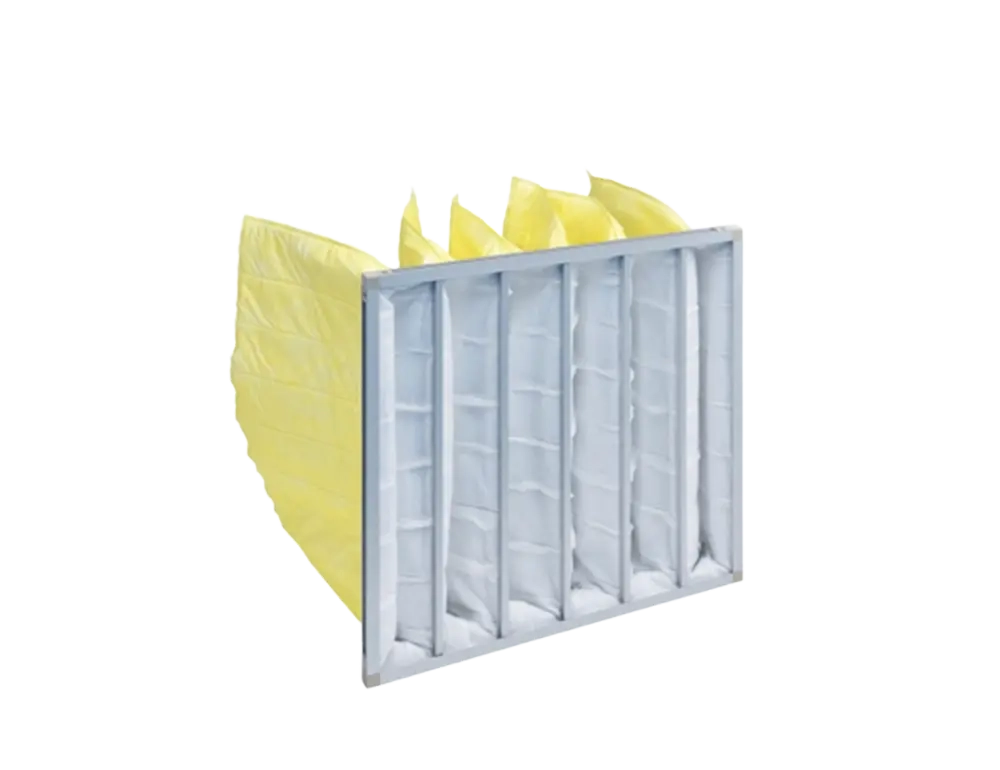
Bag Filter
High Dust-Holding, Long Life
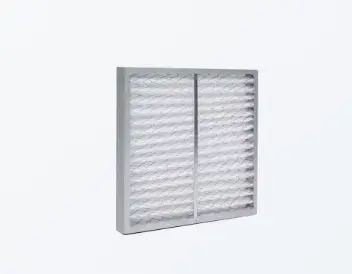
Panel / Pleated Filter
Compact Space-Saving Design
Low-Resistance Airflow
Energy-Saving Operation
Industrial-Grade Heat Tolerance
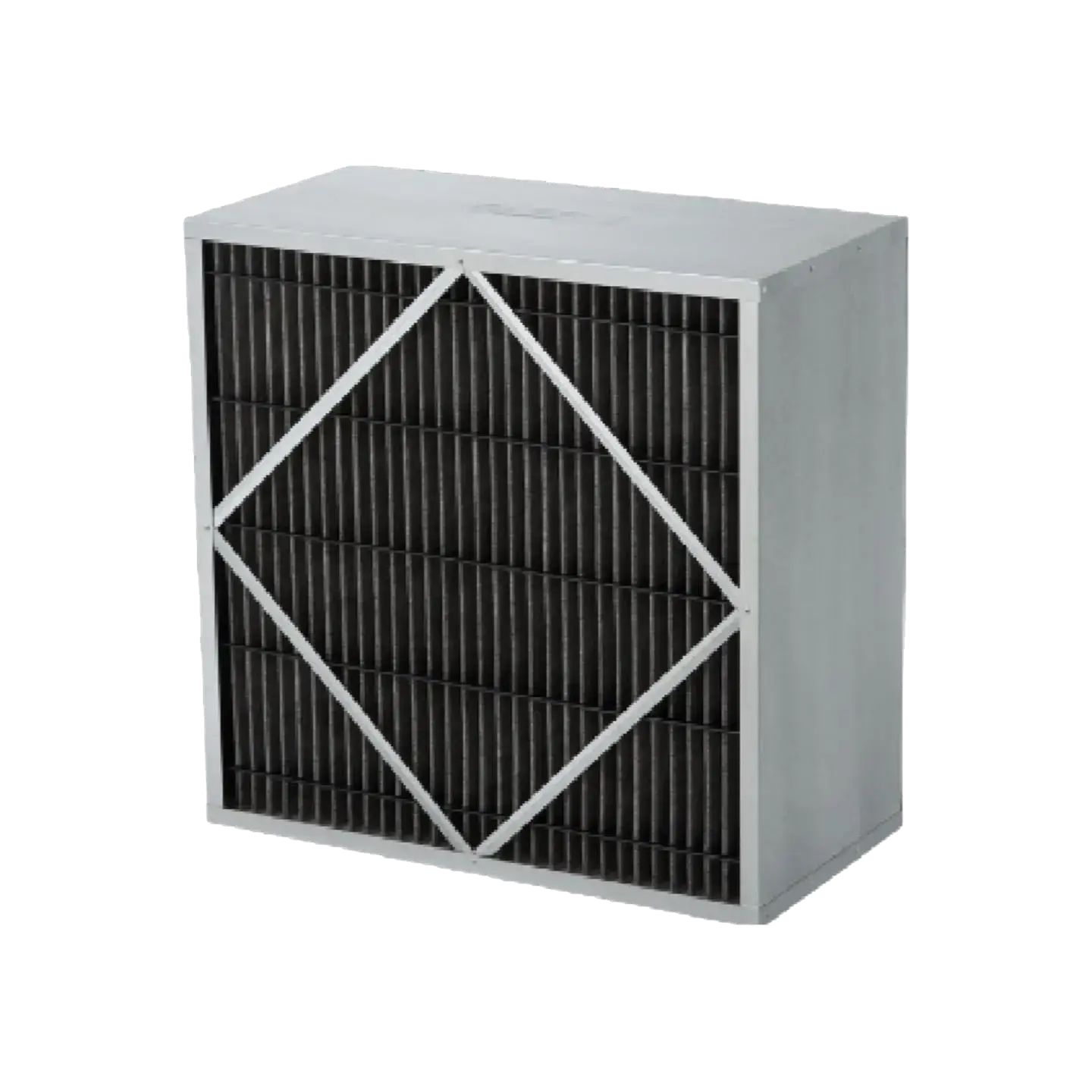
Built with specialized heat-resistant materials, operating stably up to 250°C for paint ovens, industrial dryers, and high-temperature process environments.
View Related Products →Cut Costs, Reduce Waste
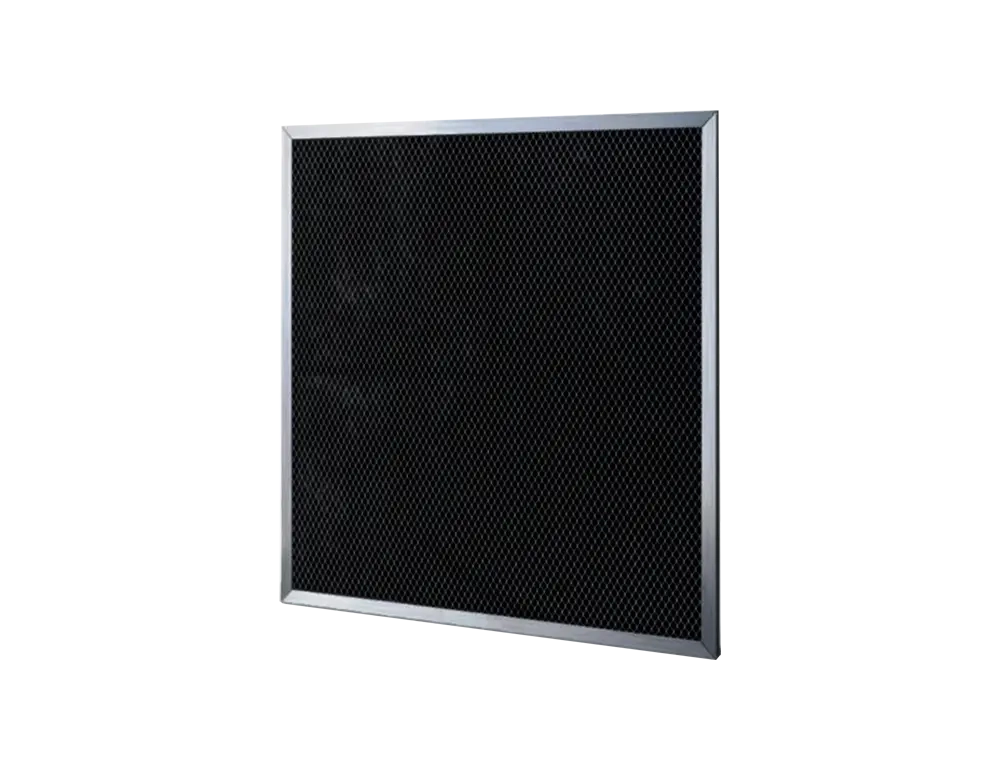
Cleanable by water washing or air blowing, reusable multiple times to significantly reduce replacement frequency and O&M costs — an economical, eco-friendly choice.
View Related Products →Odor & Harmful Gas Removal
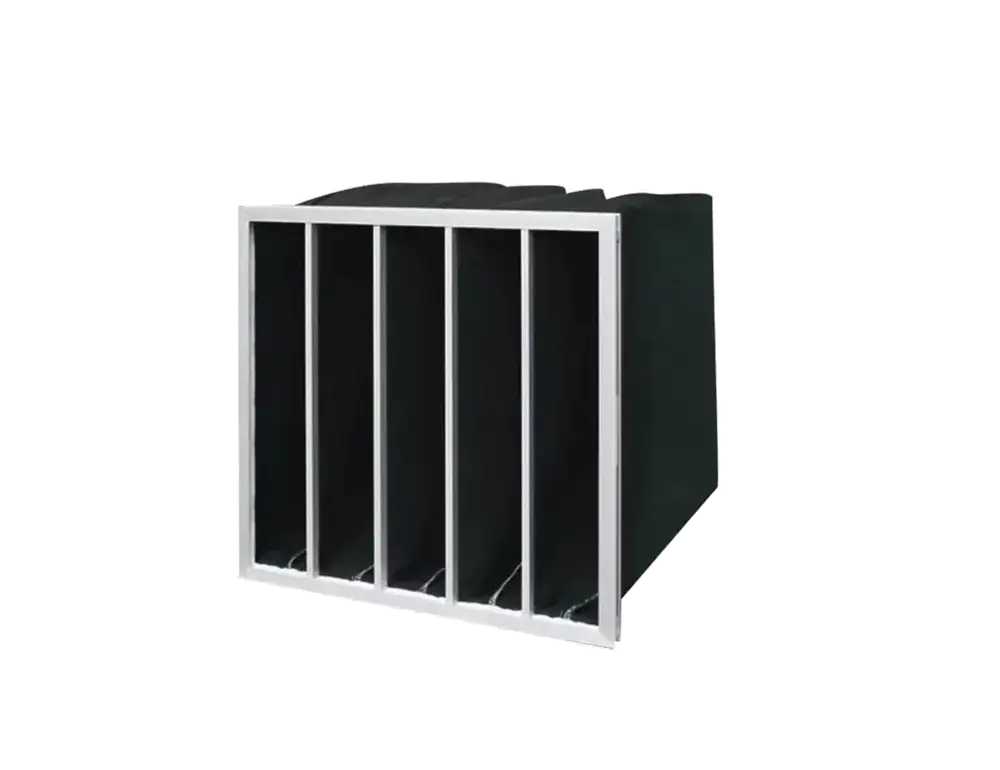
Leverages activated carbon's high adsorption capacity to eliminate odors, VOCs, and formaldehyde, ideal for newly renovated spaces and industrial exhaust treatment.
View Related Products →High Dust-Holding, Long Life
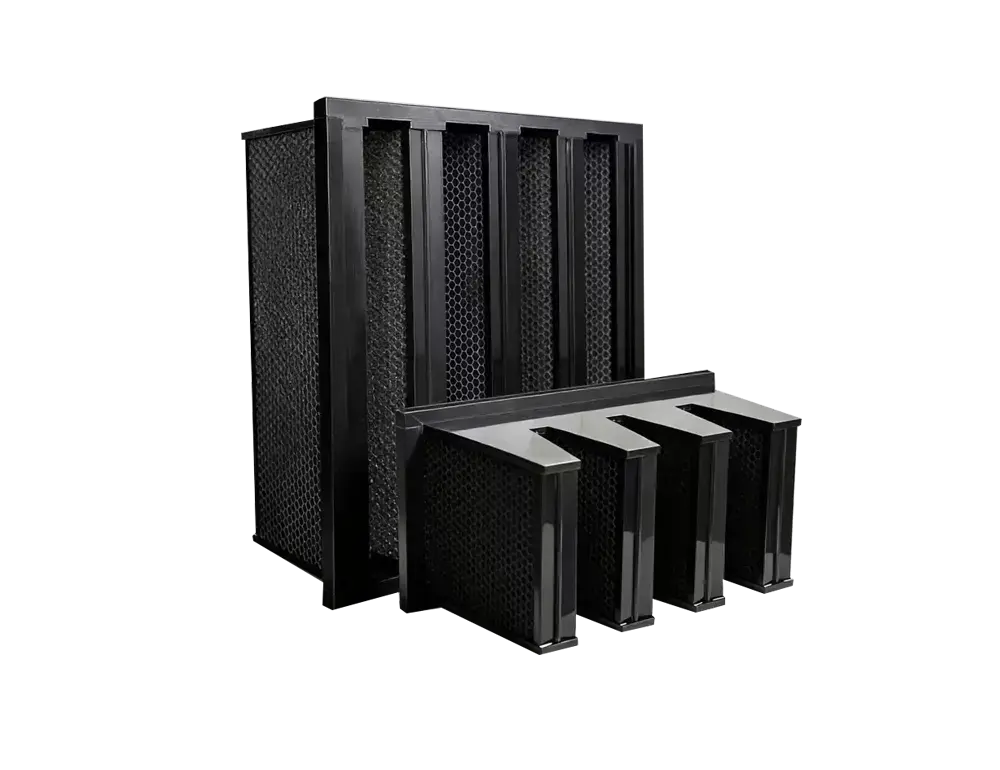
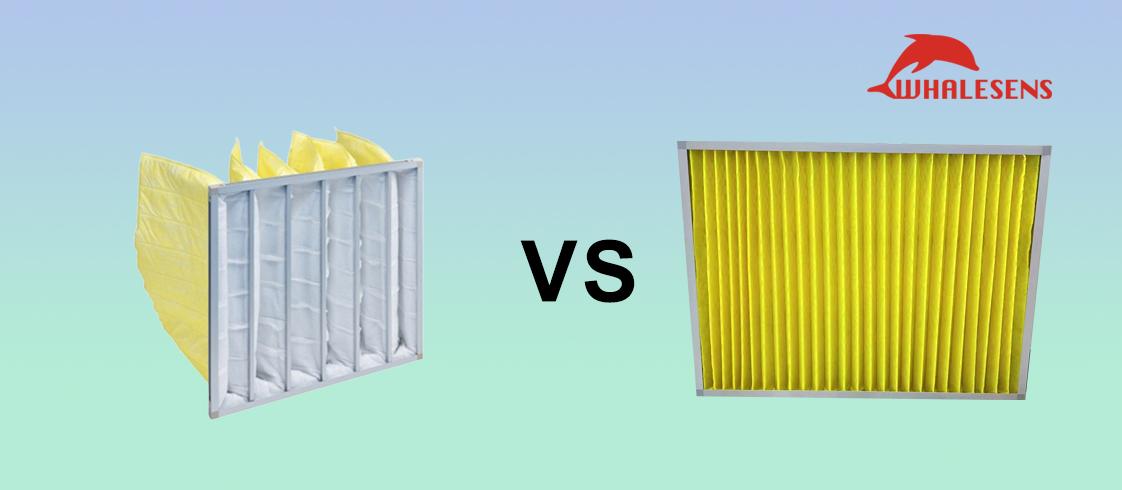
Bag-style construction delivers a larger filtration area, high dust-holding capacity, and extended service life — ideal for high-dust environments with reduced replacement frequency.
View Related Products →Compact Space-Saving Design
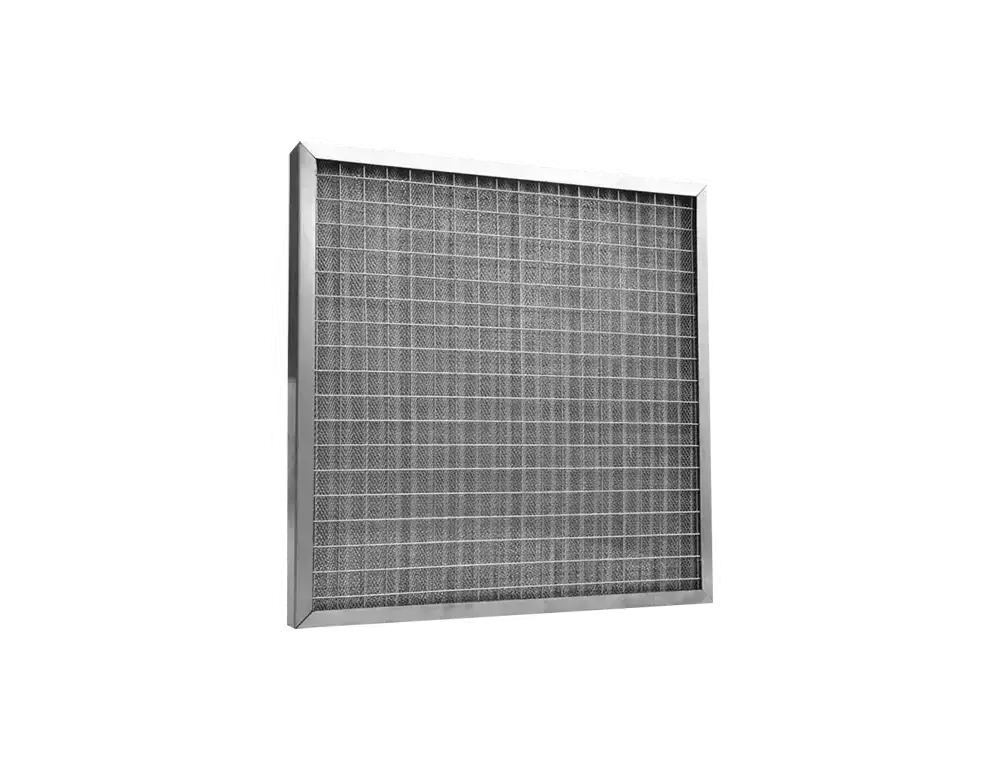
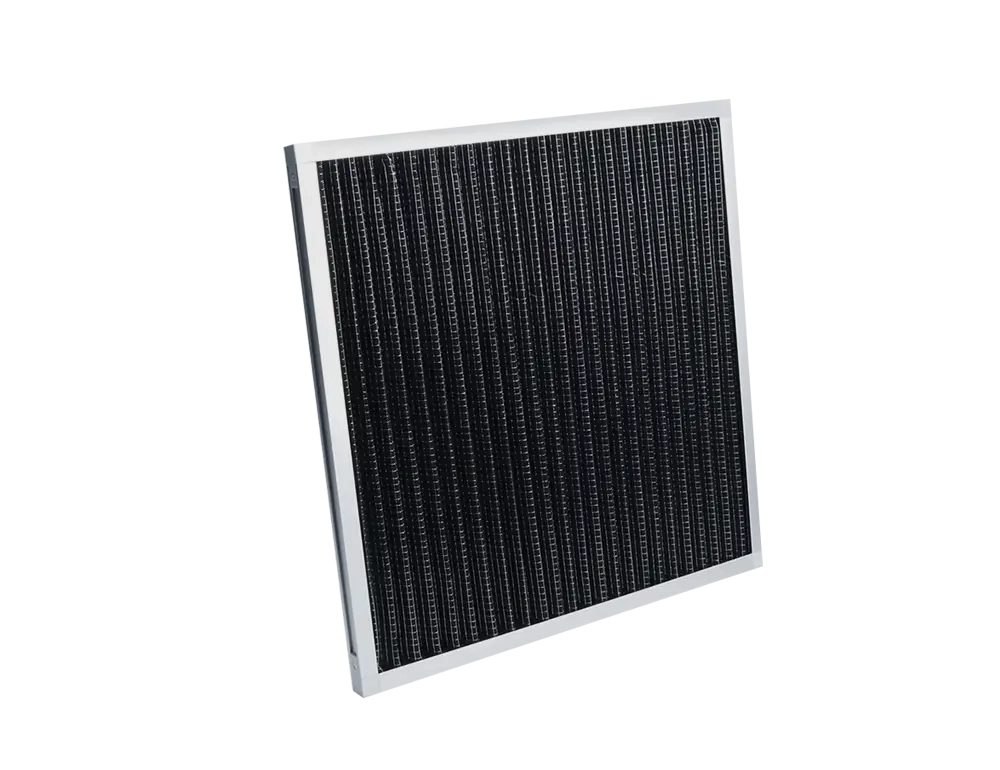
Compact form factor for easy installation and replacement; pleated structure maximizes filtration area within a small footprint for higher efficiency.
View Related Products →Energy-Saving Operation
Low-resistance design minimizes pressure drop while maintaining filtration performance, reducing fan energy consumption for cost-effective, eco-friendly operation.
View Related Products →
















 English(Global)
 简体中文
简体中文 Language


EV Fast Charger Air Filters: Solutions for Pollution & Equipment Protection
Abstract: As global EV adoption accelerates, DC fast charging stations have become the backbone of sustainable mobility—but a hidden threat looms: air pollution-induced equipment failure. Recent studies highlight that unfiltered air carries fine particulates, dust, salt spray, and corrosive gases, which degrade precision electronics, reduce charger uptime by 30% or more, and inflate maintenance costs. Compounded by the industry’s shift toward higher power outputs, expanded deployment scenarios, and smarter operations, filtration has evolved from an afterthought to a strategic necessity.
This article examines the latest EV fast charger development trends, the critical importance of specialized EV fast charger air filters in this evolving landscape, outlines tailored filter solutions with detailed performance metrics, and introduces Whalesens Tech’s industry-leading filtration systems—backed by real-world case studies—designed to enhance reliability, extend asset lifespan, and lower total cost of ownership (TCO) for charging network operators and OEMs.

1. The Overlooked Crisis: Air Pollution’s Impact on EV Fast Chargers
The rapid expansion of EV fast charging networks has outpaced attention to a critical vulnerability: the sensitivity of high-power charging electronics to airborne contaminants. Unlike traditional gas stations, DC fast chargers (DCFCs) generate substantial heat—up to 3,000W for 60kW units, three times that of standard telecom cabinets—requiring constant air circulation for cooling. This airflow acts as a carrier for pollutants that trigger cascading failures:
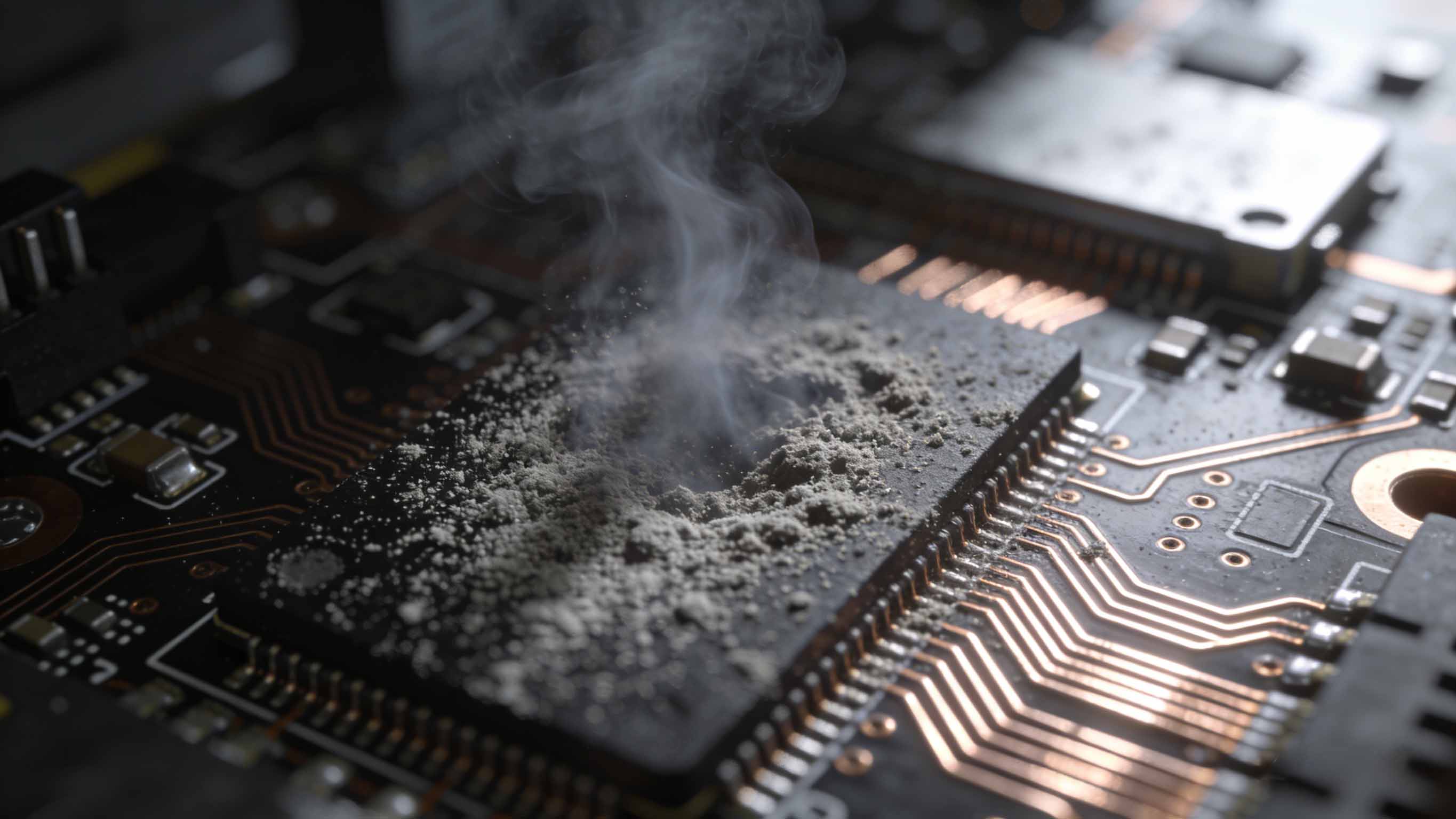
Particulate Buildup: Dust and fine particles (PM2.5, PM10) accumulate on heat sinks and circuit boards, reducing heat dissipation efficiency by 20-30% and causing overheating. Conductive particles may even lead to short circuits, resulting in permanent damage.
Corrosion Risks: In coastal or industrial areas, salt spray and corrosive gases accelerate electrochemical degradation of metal components, accounting for over 70% of charger failures in these regions.
Regulatory and Operational Pressures: With WHO guidelines tightening air quality standards and charging network operators targeting >99% uptime, unfiltered chargers face compliance risks and reputational damage from frequent outages.
Industry leaders like MANN+HUMMEL have already recognized filtration as a non-negotiable component of charging infrastructure, framing it as a proactive investment rather than an afterthought. For charging OEMs and network operators, ignoring filtration translates to lost revenue, increased truck rolls, and shortened asset lifespans—costs that far outweigh the investment in specialized filters. These risks are only amplified by the industry’s latest development trends, which place greater demands on charger durability and performance.
2. EV Fast Charger Development Trends: Raising the Stakes for Filtration
The global EV fast charging sector is undergoing rapid transformation, driven by technological innovation, policy mandates, and evolving market demands. Four key trends are reshaping the landscape and intensifying the need for robust air filtration solutions:
2.1 Ultra-High Power Output & 800V Platform Proliferation
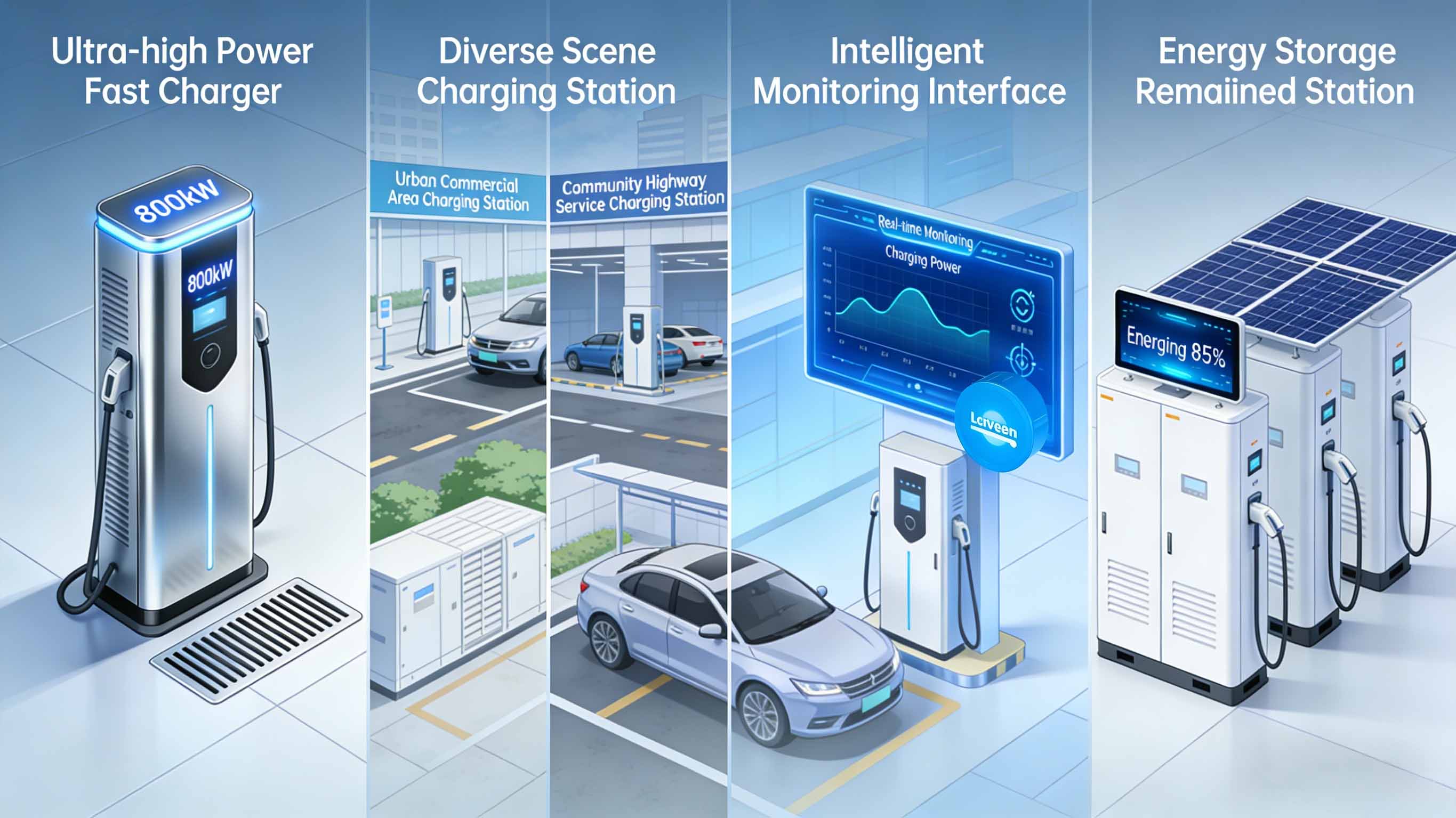
Charging power is scaling rapidly, with mainstream DC fast chargers moving from 350kW to 600kW, while 800V high-voltage platforms now have a penetration rate exceeding 35%. This shift delivers tangible user benefits—10-minute charging for 400km of range has become a reality—but creates new thermal challenges. Higher power outputs generate 40-60% more heat than traditional 400V systems, requiring increased airflow for cooling. This amplified airflow pulls more contaminants into the charger enclosure, making effective filtration critical to prevent accelerated particle buildup on heat sinks and power semiconductors (e.g., SiC components) that are sensitive to debris.
2.2 Diversified Deployment Scenarios
The charging infrastructure is expanding beyond urban centers to diverse environments, driven by global targets to increase public charging access sixfold by 2035. Key growth areas include:
- Highway Corridors: Highway charging stations are growing at a 22.46% CAGR, with density increasing by 42% year-over-year, exposing chargers to road dust, tire particles, and exhaust emissions from passing vehicles.
- Coastal & Industrial Zones: As charging networks extend to these regions, salt spray and corrosive gases pose severe corrosion risks to charger electronics.
- Rural & Remote Areas: Deployments in these locations often face limited maintenance access, requiring filters with longer service lives to reduce replacement frequency.
- Commercial Fleet Hubs: The electrification of logistics trucks, buses, and public transport is driving demand for high-power charging at depots, where chargers operate in high-duty cycles and dusty environments.
2.3 Intelligence & Predictive Maintenance Integration
Nearly 95% of new charging stations now include remote diagnostics and predictive maintenance capabilities, enabling operators to monitor charger health in real time. However, airborne contaminants can undermine these smart systems by damaging sensors, communication modules, and circuit boards—leading to false alarms or unplanned downtime. Filtration has become an integral part of predictive maintenance strategies, as clean electronics ensure the reliability of smart monitoring tools.
2.4 Business Model Innovation: From Single Charging to Integrated Services
Charging operators are moving beyond basic charging services to diversify revenue streams, including energy storage integration, virtual power plant (VPP) participation, and retail auxiliary services. These models rely on maximum charger uptime—any downtime disrupts multiple revenue streams simultaneously. For example, light storage charging integrated stations (with over 120,000 global deployments) require 24/7 operation, making filtration a critical investment to protect both charging and storage components.
3. Why Generic Air Filters Fail: The Need for EV Charger-Specific Solutions
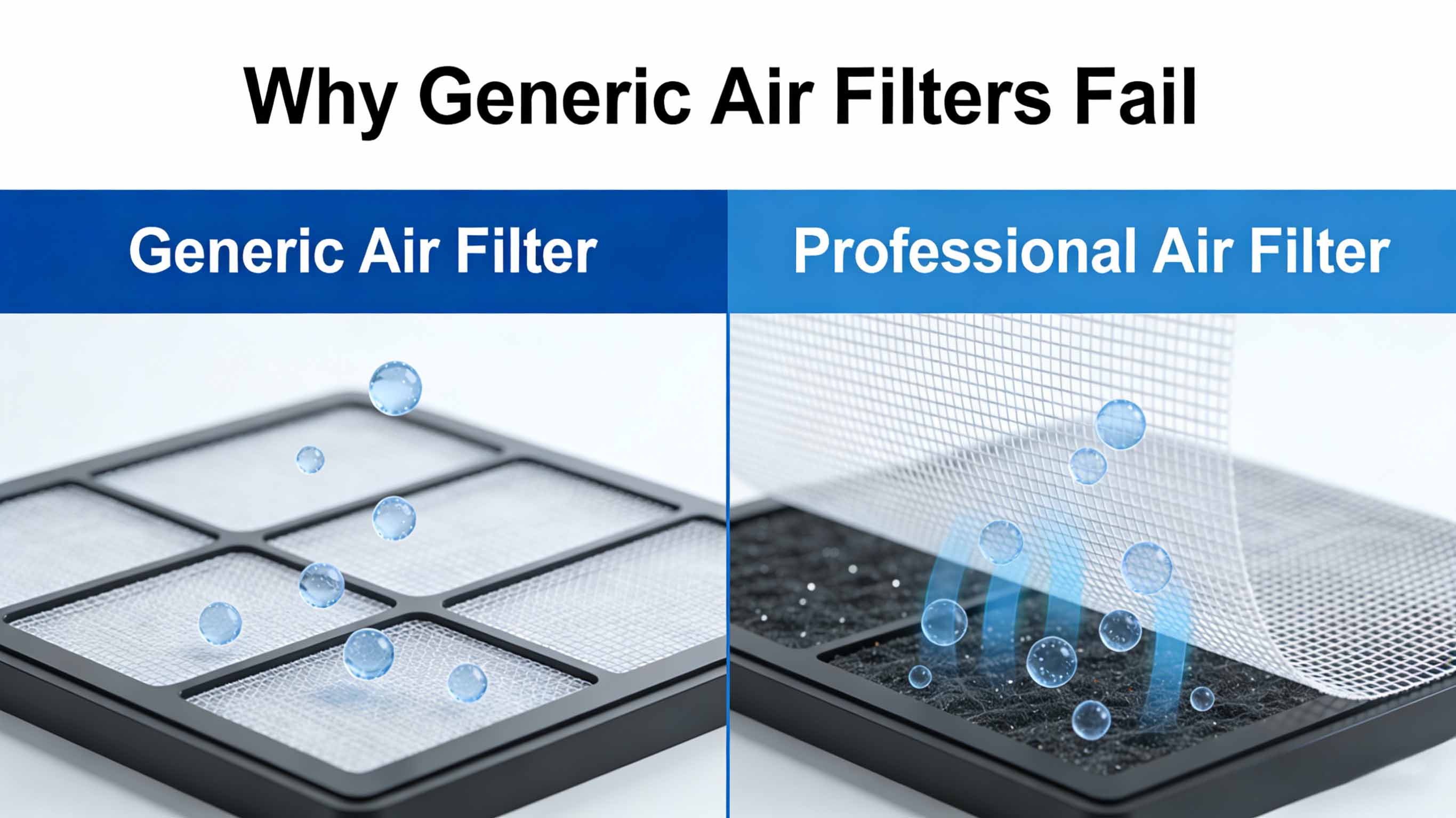
EV fast chargers operate in extreme, diverse environments—exacerbated by the latest industry trends—demanding filters engineered for their unique challenges. Generic air filters fall short in three critical ways:
Inadequate Particle Capture: Standard filters lack the efficiency to trap sub-micron particulates that infiltrate charger enclosures, while high-efficiency generic filters create excessive airflow resistance, compromising cooling performance—especially critical for 800V high-power systems.
Poor Environmental Resilience: Generic filters degrade quickly under UV exposure, temperature fluctuations, and humidity, failing to block salt spray or corrosive gases in coastal/industrial deployments.
Mismatched Design: Charger cabinets (increasingly compact to fit highway and urban deployments) require low-profile filters that fit tight spaces without restricting ventilation—a requirement generic filters rarely meet.
Specialized EV fast charger air filters must balance three core priorities: high particle retention efficiency, minimal pressure drop, and durable construction for outdoor or semi-outdoor deployment. This balance is not optional—it’s the foundation of reliable charging infrastructure in the era of ultra-high power and diversified deployment.
4. Whalesens Tech Filter Performance Metrics: Engineered for EV Charger Demands
Whalesens Tech’s filtration solutions are tailored to address the unique challenges of EV fast charger air filters, with performance metrics optimized for high-power systems, diverse environments, and low TCO. Below is a detailed breakdown of core product specifications:
| Product Series | Filter Grade | Key Performance Metrics | Environmental Adaptability | Design Features |
|---|---|---|---|---|
| Primary Filtration (EV-P Series) | G3/G4 | - Filtration Efficiency: G3 (85%), G4 (91%) - Dust Holding Capacity: 500-580g/m² - Initial Resistance: 20-25Pa - Final Resistance: 200-250Pa | - Temperature Range: -40°C to 85°C - Humidity: ≤100%RH | - UV Resistant - Metal grille reinforcement - Synthetic PET fiber media - Tool-free installation |
| Medium-Efficiency (EV-M Series) | F5-F8 | - Filtration Efficiency: F5 (92% @ 1-5μm), F8 (95% @ 1-5μm) - Dust Holding Capacity: 800-1200g/m² - Initial Resistance: 30-40Pa - Final Resistance: 300Pa | - Temperature Range: -40°C to 100°C - Corrosion-resistant frame | - Hydrophobic coating - Mini-pleated design (high surface area) - MERV 10-13 rating - Compatible with 800V systems |
| Specialized Enhanced (EV-S Series) | F8-F9 | - Filtration Efficiency: F9 (98% @ 0.5μm), Salt Mist Removal >95% - Dust Holding Capacity: 1500g/m² - Initial Resistance: 45Pa - Final Resistance: 350Pa | - Temperature Range: -40°C to 120°C | - Salt spray/corrosive gas protection - Flame Retardant (B1 Grade) - Stainless steel frame - Activated carbon/chemical adsorption options - 6-12 month service life |
5. Performance Comparison: Whalesens vs. Generic/Industry Alternatives
To highlight the competitive advantage of Whalesens Tech’s solutions, below is a head-to-head comparison against generic filters and industry standard products—focused on metrics critical to EV charger reliability:
| Comparison Dimension | Whalesens Tech (EV-S Series) | Generic High-Efficiency Filters | Industry Standard EV Filters | Whalesens Advantage |
|---|---|---|---|---|
| Filtration Efficiency (0.5μm) | 98% | 95% | 90-92% | Superior capture of sub-micron particles (PM2.5, tire debris) reducing short-circuit risks |
| Dust Holding Capacity | 1500g/m² | 800g/m² | 1000g/m² | 50% higher capacity → longer replacement cycles (6-12 months vs. 3-6 months) |
| Pressure Drop (Initial) | 45Pa | 60Pa | 55Pa | Lower airflow resistance → supports cooling for 600kW ultra-fast chargers |
| Environmental Resilience | Salt spray resistance >95% | No salt protection | Salt spray resistance | Enhanced protection against coastal/industrial contaminants |
Need Custom Solutions?
Contact Whalesens Engineering Team
Get Consultation →
Need a custom air filtration solution?
Contact the Whalesens engineering team for product selection and OEM/ODM support.
Email whalesens@gmail.com