


EV Charging Stations
Filtration for Power Equipment
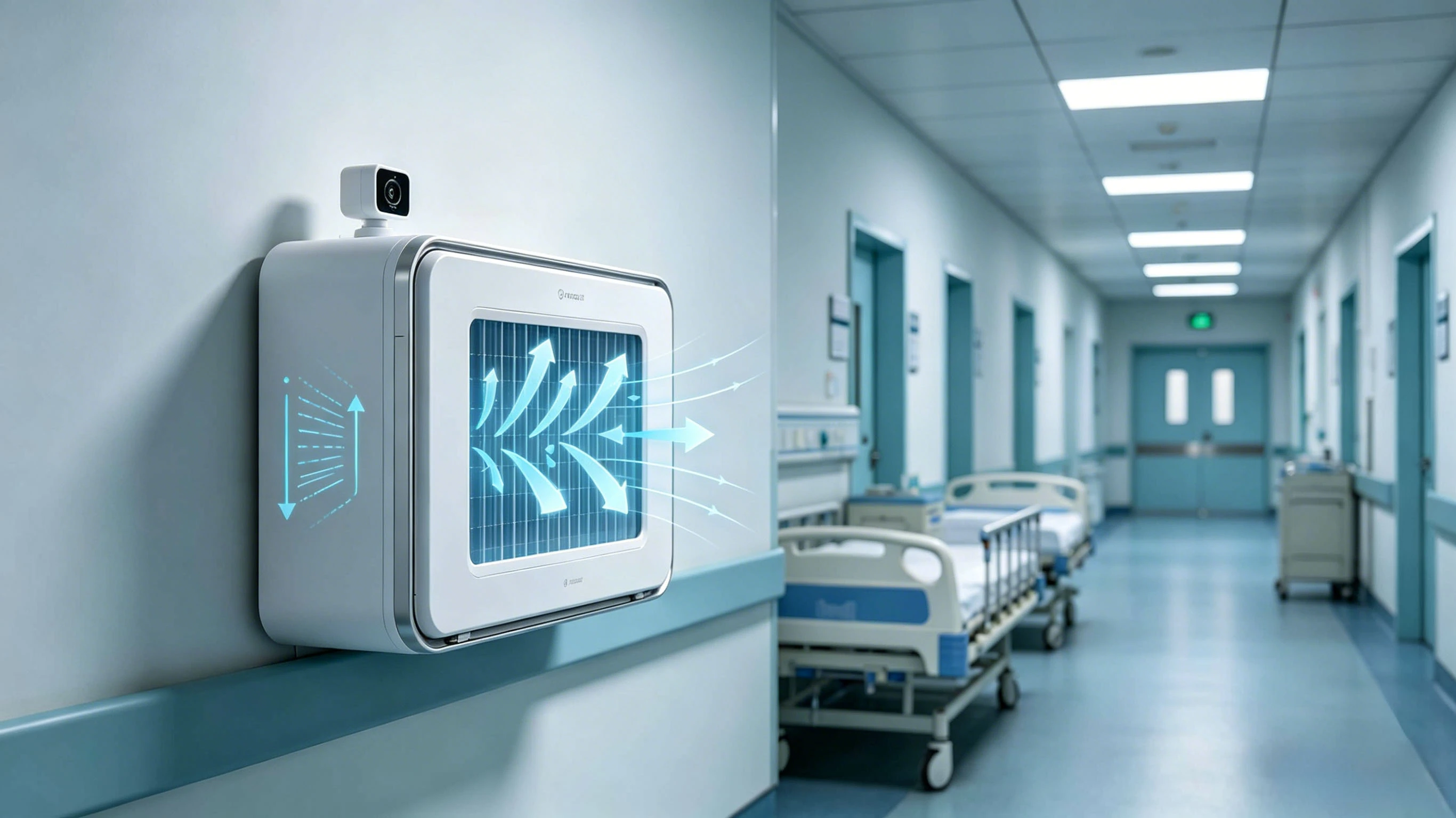
Cleanroom & Semiconductor
Ultra-High Cleanliness Filtration
Commercial HVAC
Central Air System Filtration
Data Centers
Precision Equipment Protection
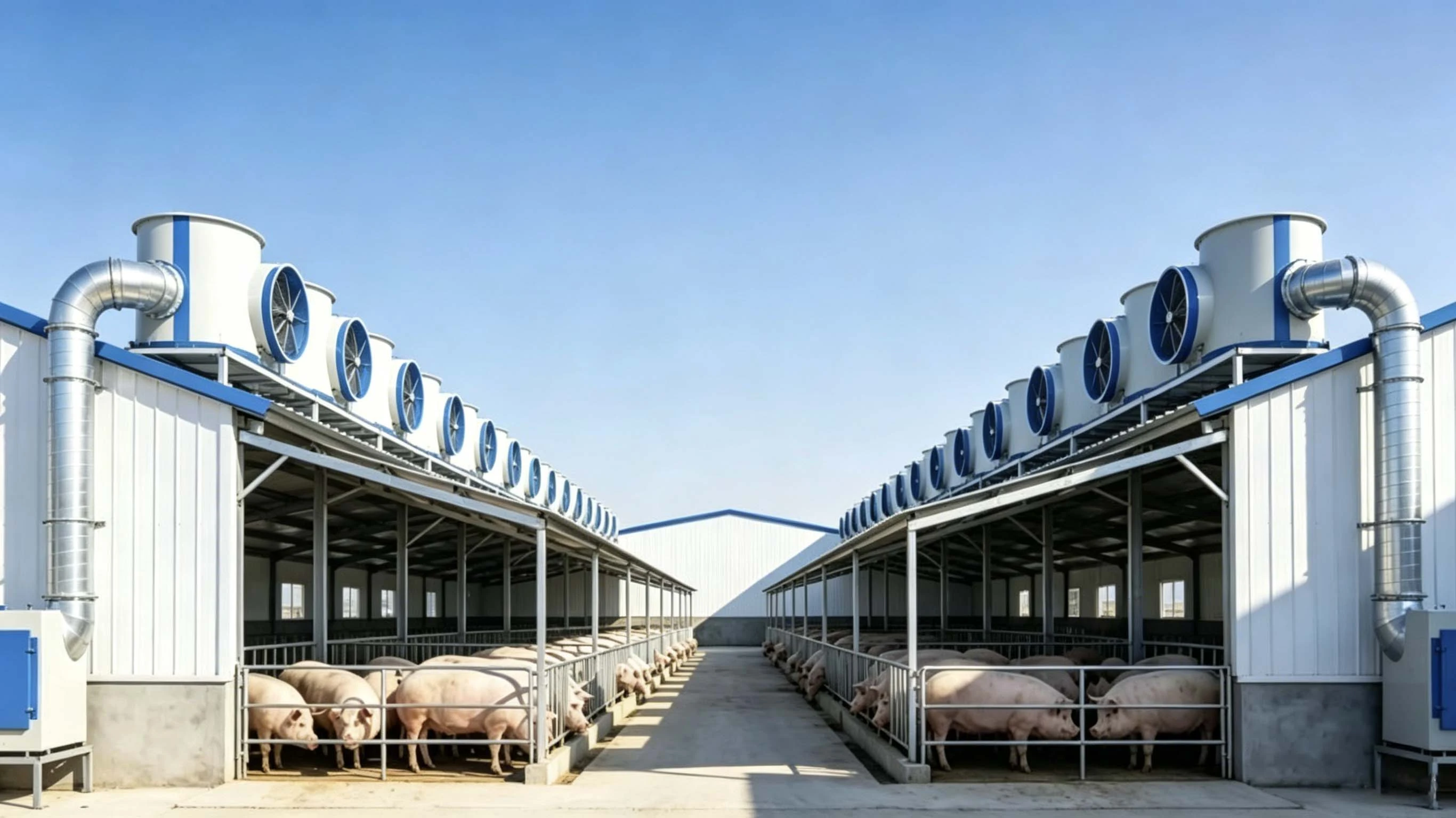
Livestock & Farming
Farming Environment Purification
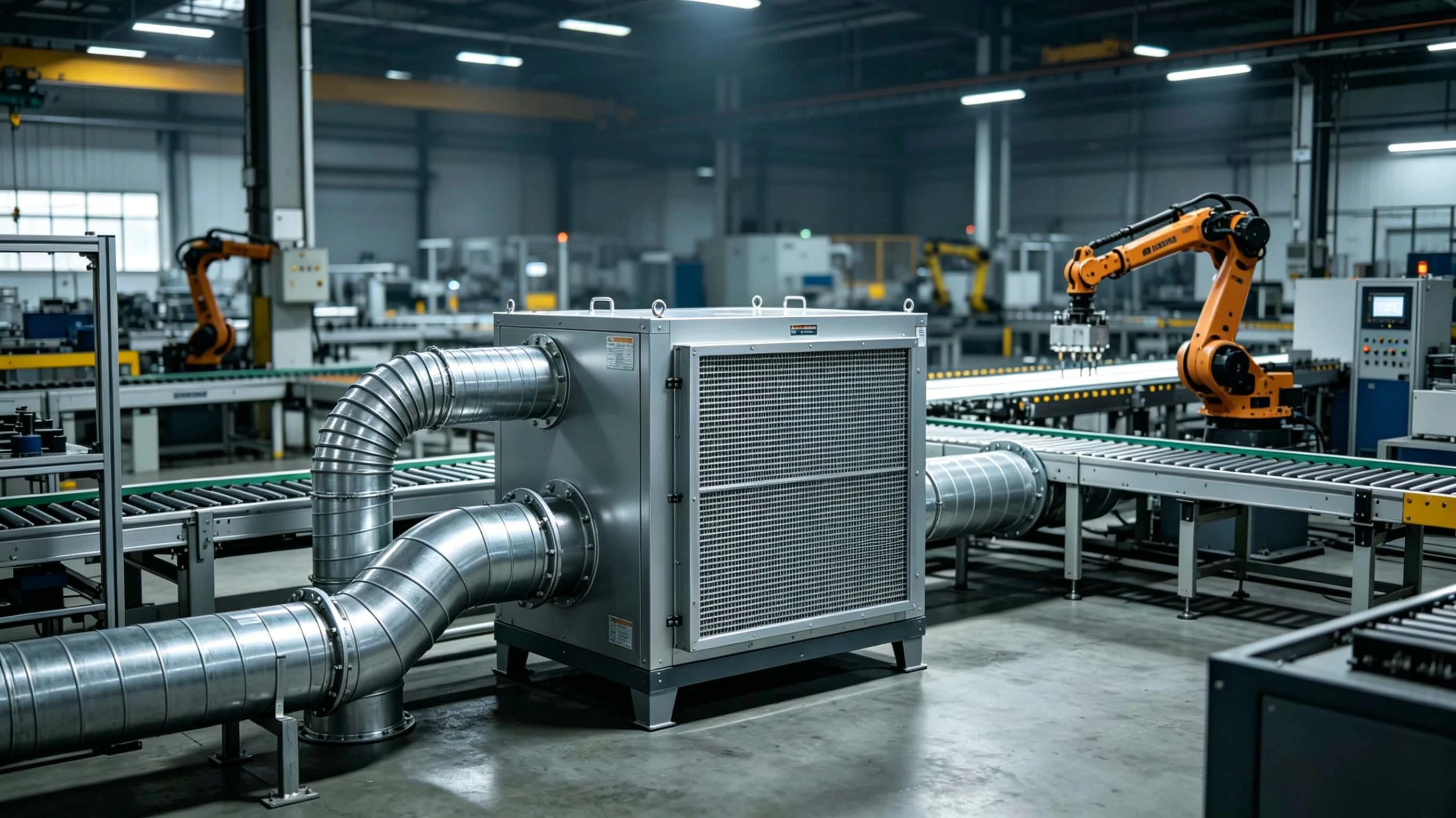
Spray Booths & Industrial Dust
Paint Mist & Dust Purification
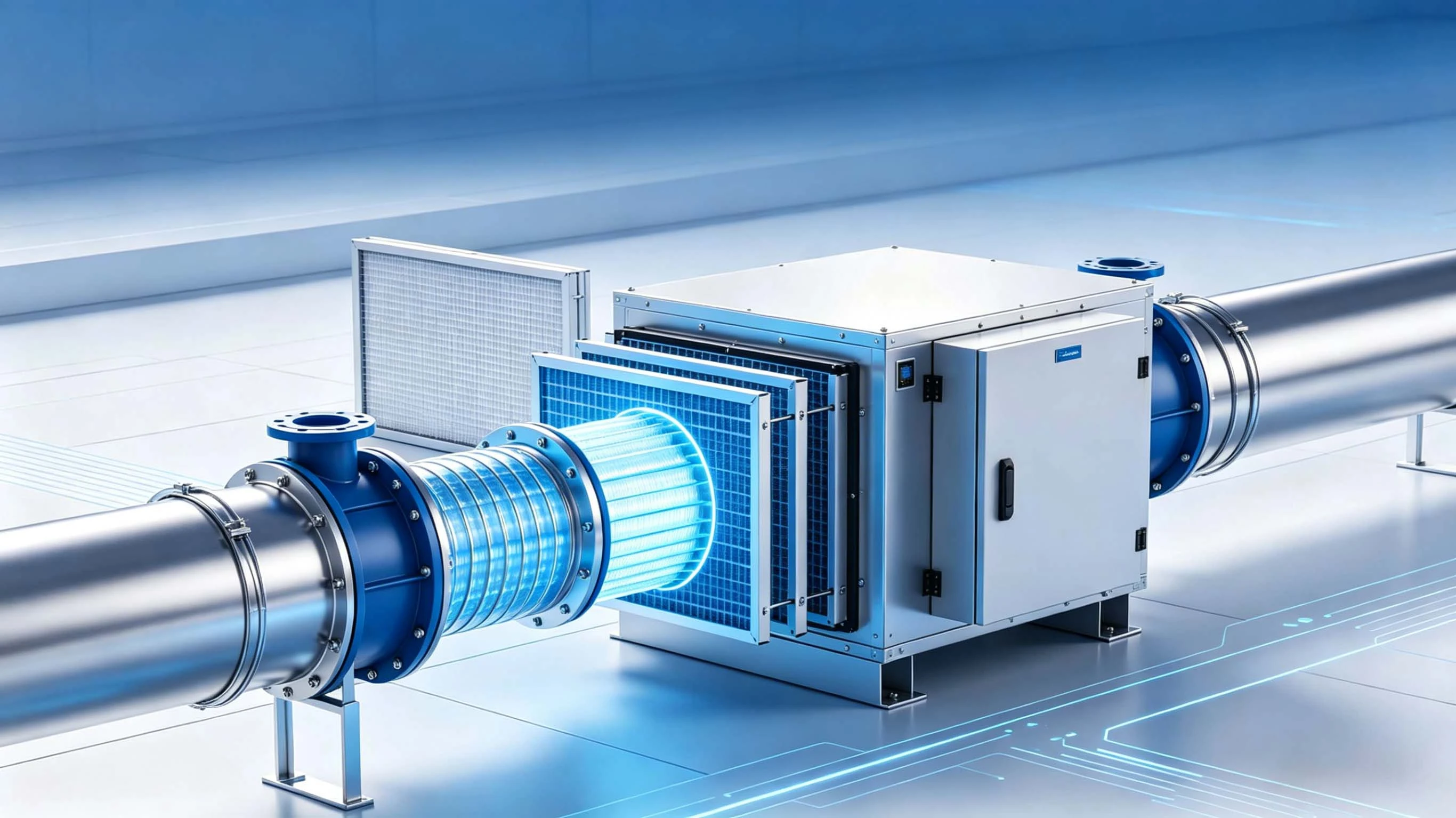
Filtration for Power Equipment
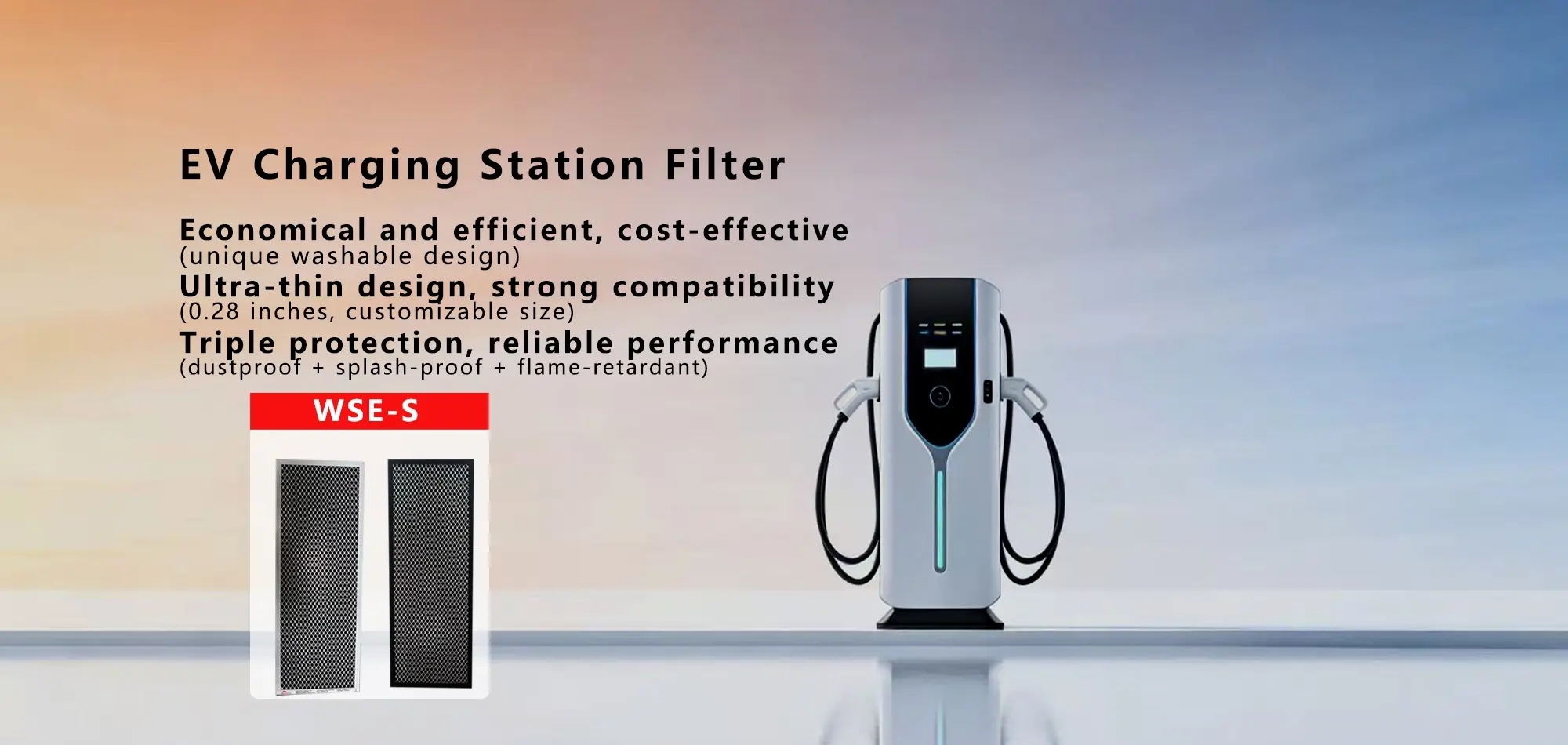
Professional air filtration for EV charging devices, protecting against dust and sand ingress to ensure stable, reliable operation of charging piles and station infrastructure.
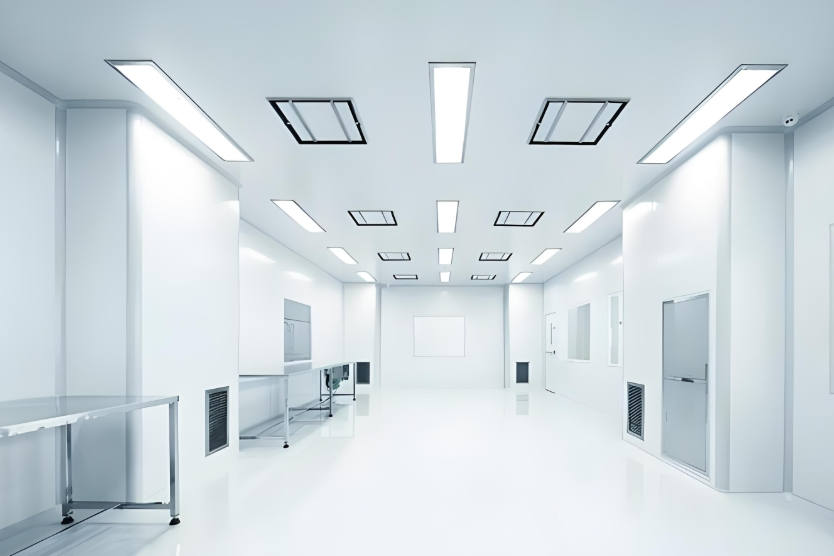
View Related Products →Ultra-High Cleanliness Filtration
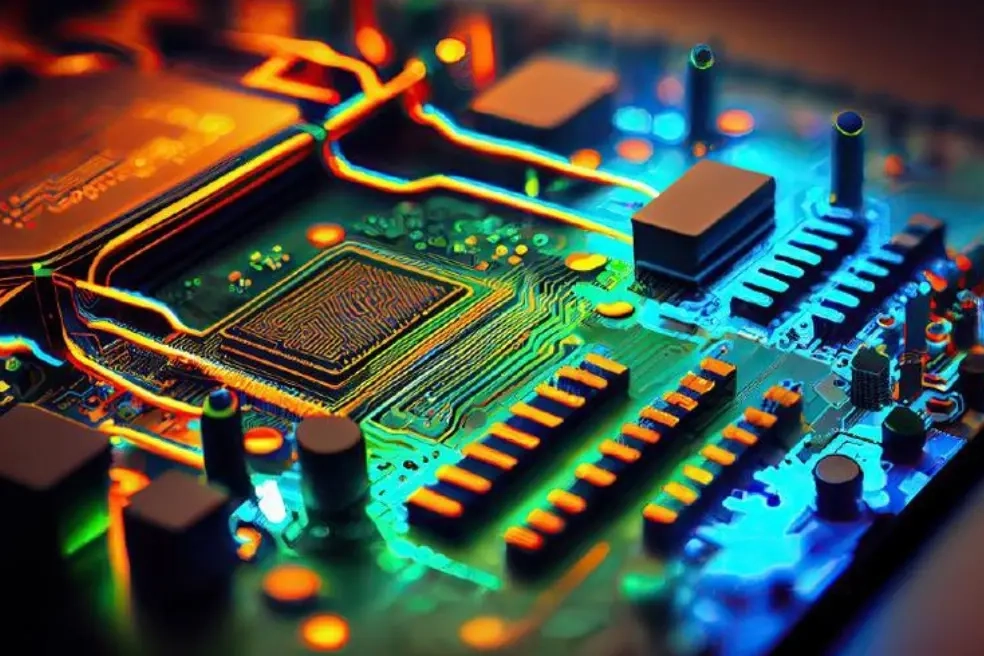
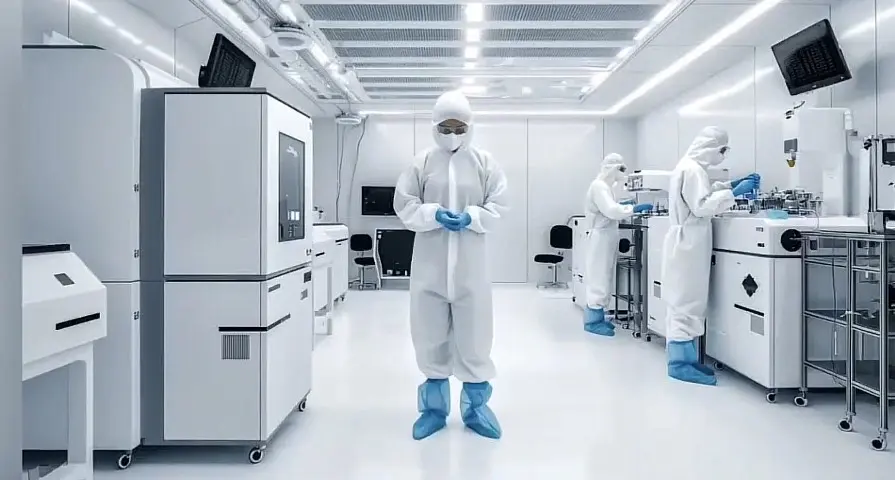
Ultra-high efficiency filtration for semiconductor wafer fabs and precision electronics cleanrooms, capturing nano-scale particles to meet ISO Class 1–3 standards and maximize product yield.
View Related Products →Central Air System Filtration
High-efficiency filtration for commercial building HVAC systems, improving indoor air quality, reducing energy consumption, and extending equipment service life.
View Related Products →Precision Equipment Protection
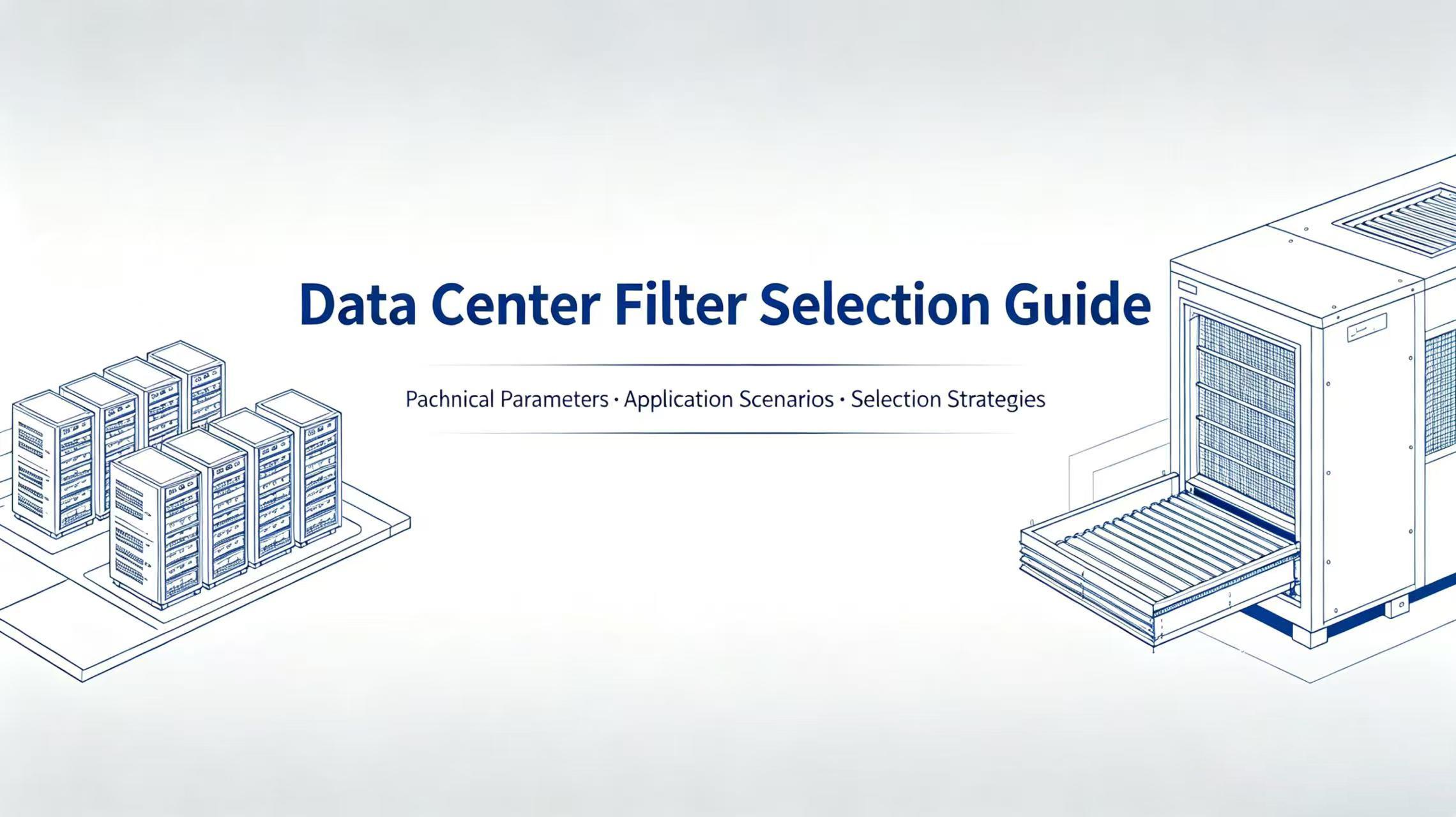
Precision air filtration for data centers, shielding servers and critical hardware from dust contamination to keep cooling systems running efficiently and reliably.
View Related Products →Farming Environment Purification
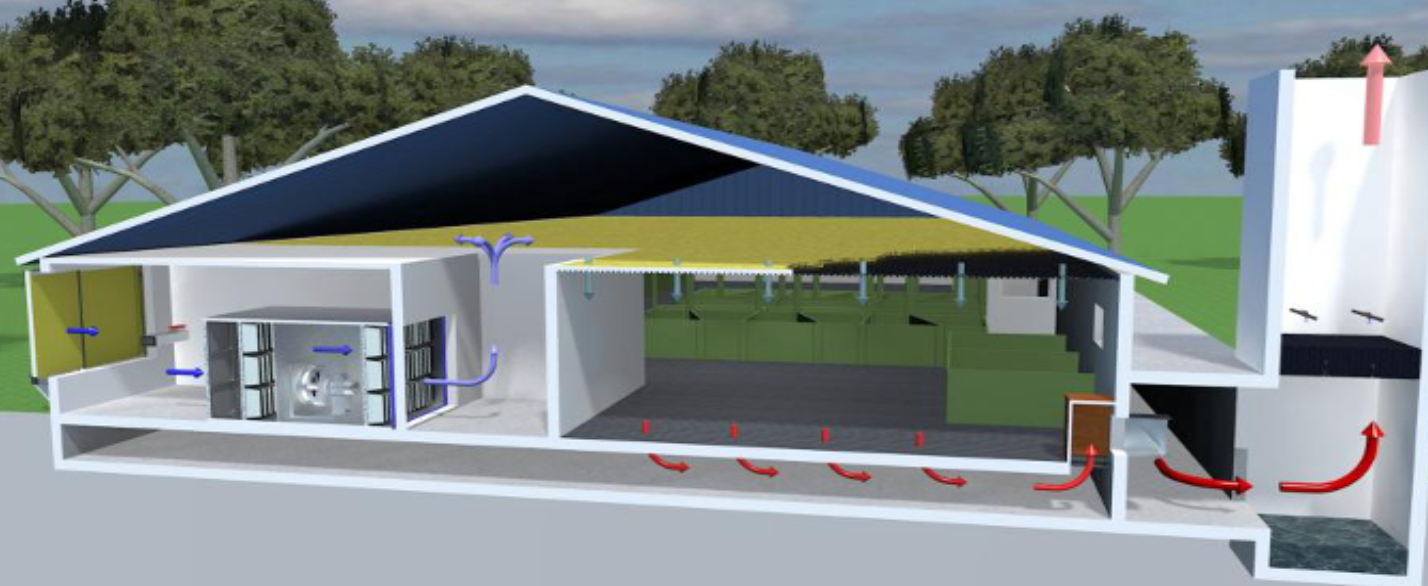
Dedicated filtration systems for farms and livestock facilities — capturing dust, adsorbing ammonia, and inhibiting pathogen spread to improve animal health and overall productivity.
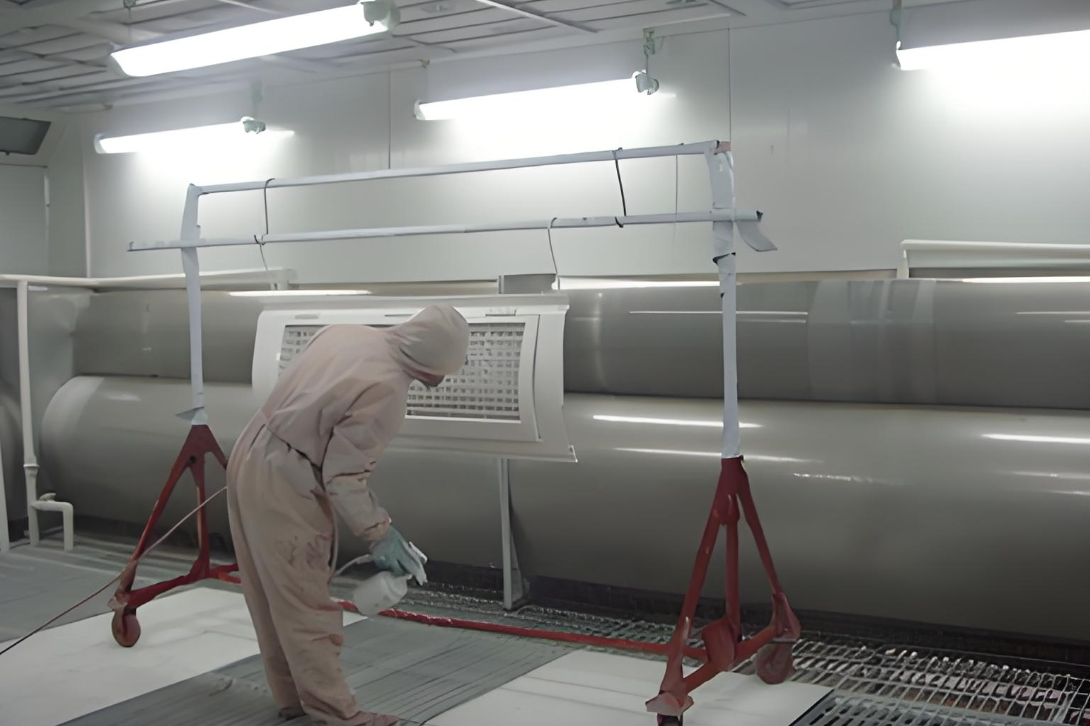
View Related Products →Paint Mist & Dust Purification
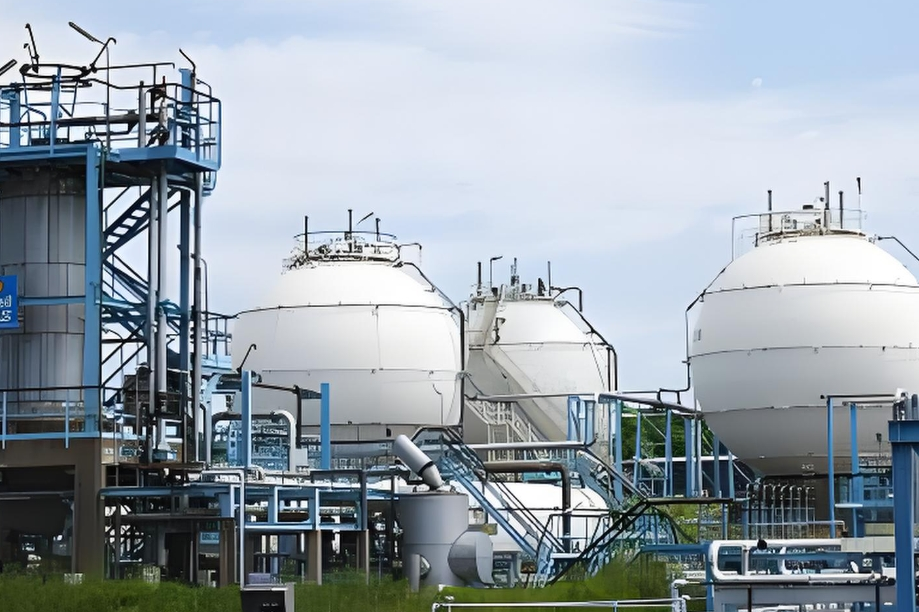
Designed for spray booths and grinding workshops, efficiently capturing paint mist, metal dust, and wood chips to meet emission standards while protecting finished surface quality.
View Related Products →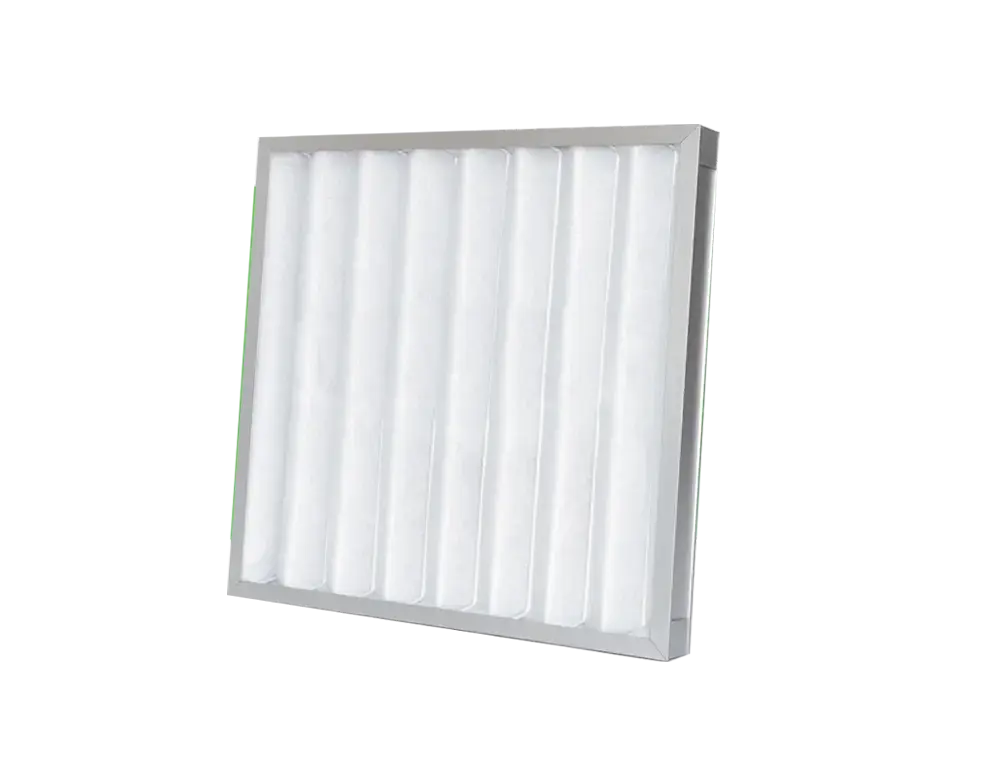
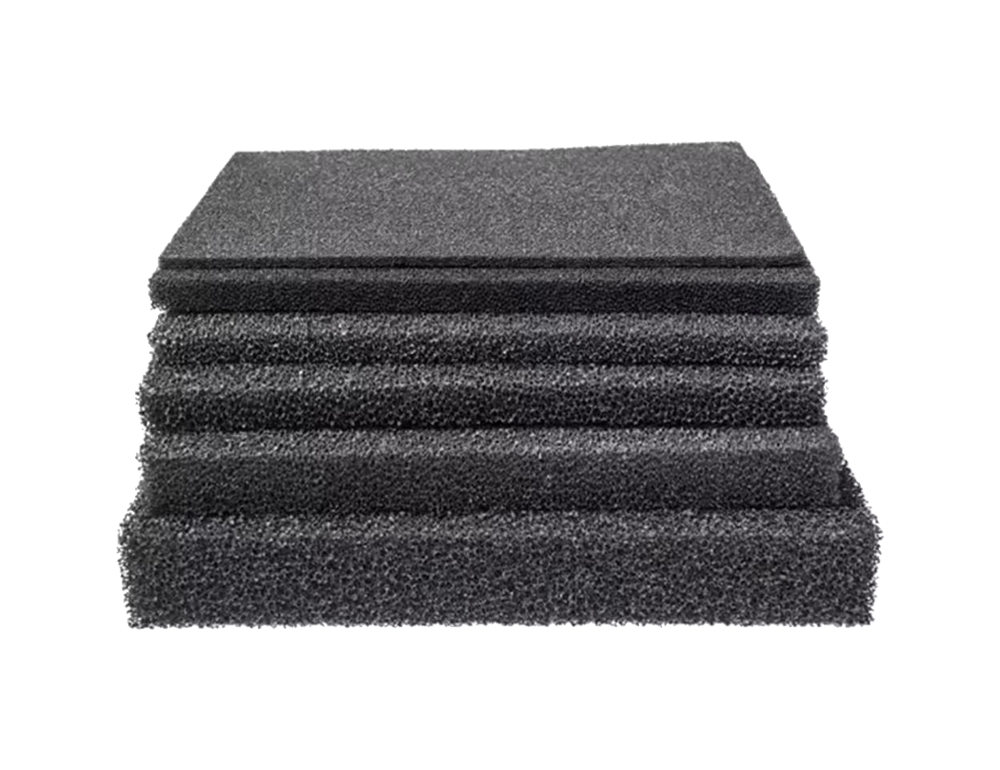
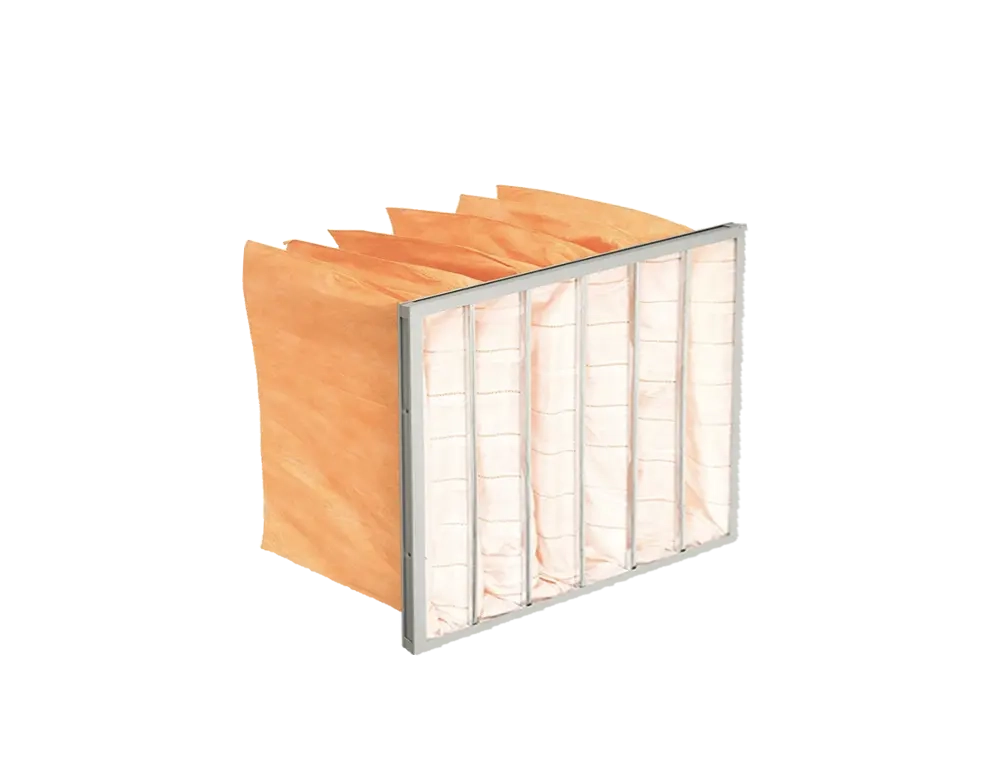

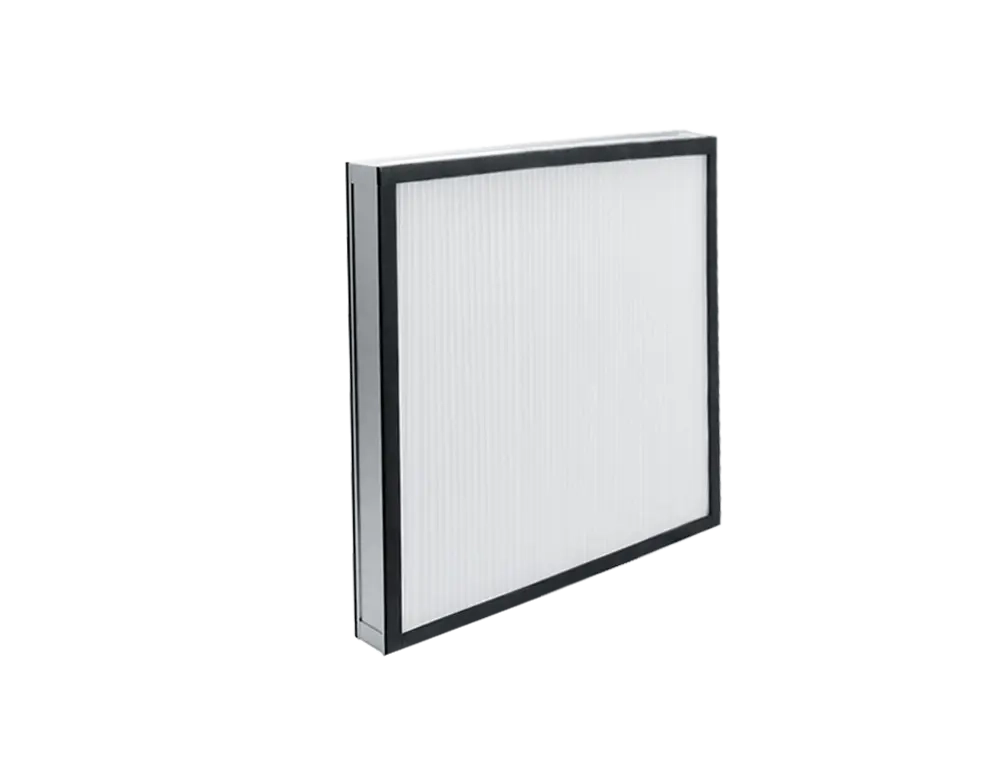
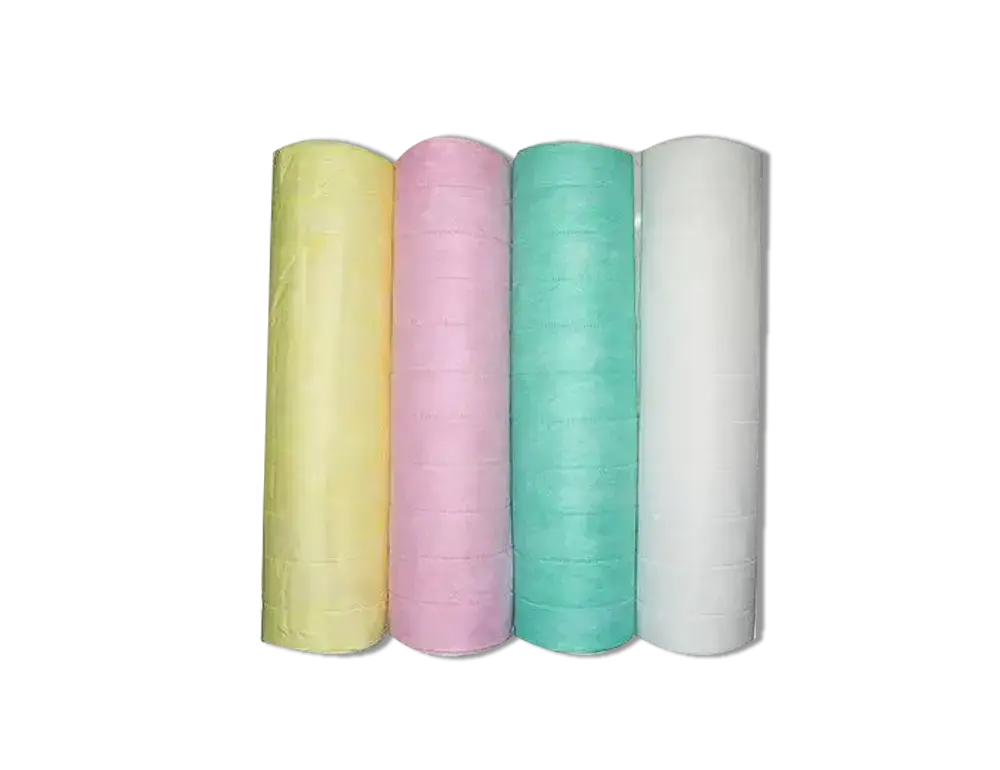
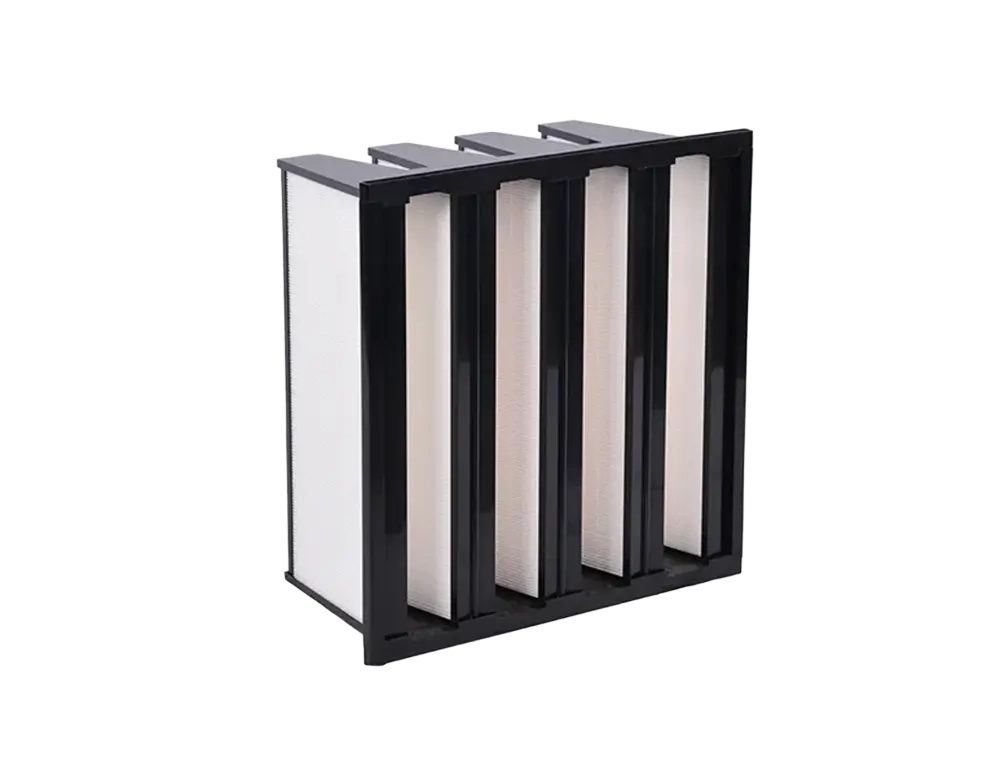
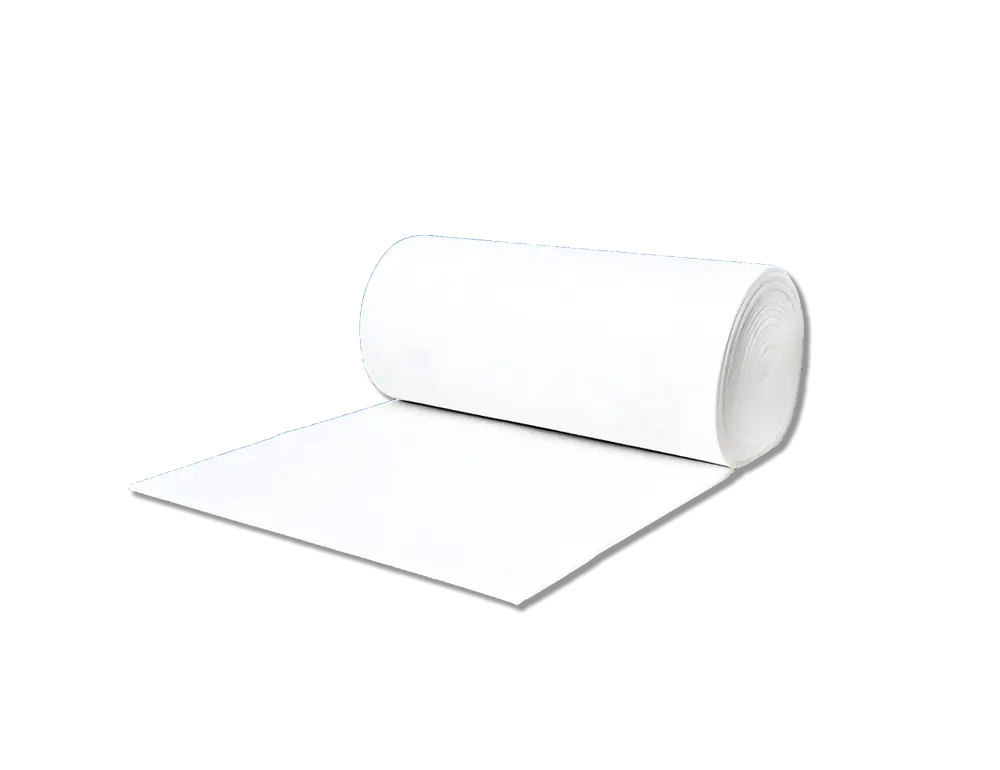
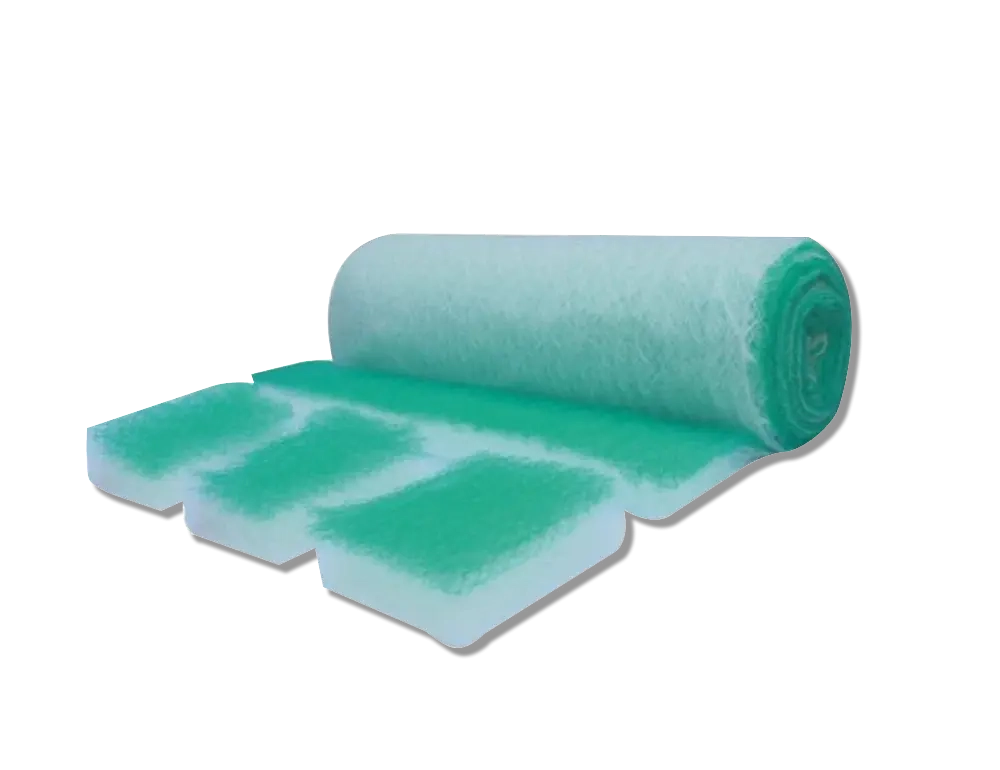
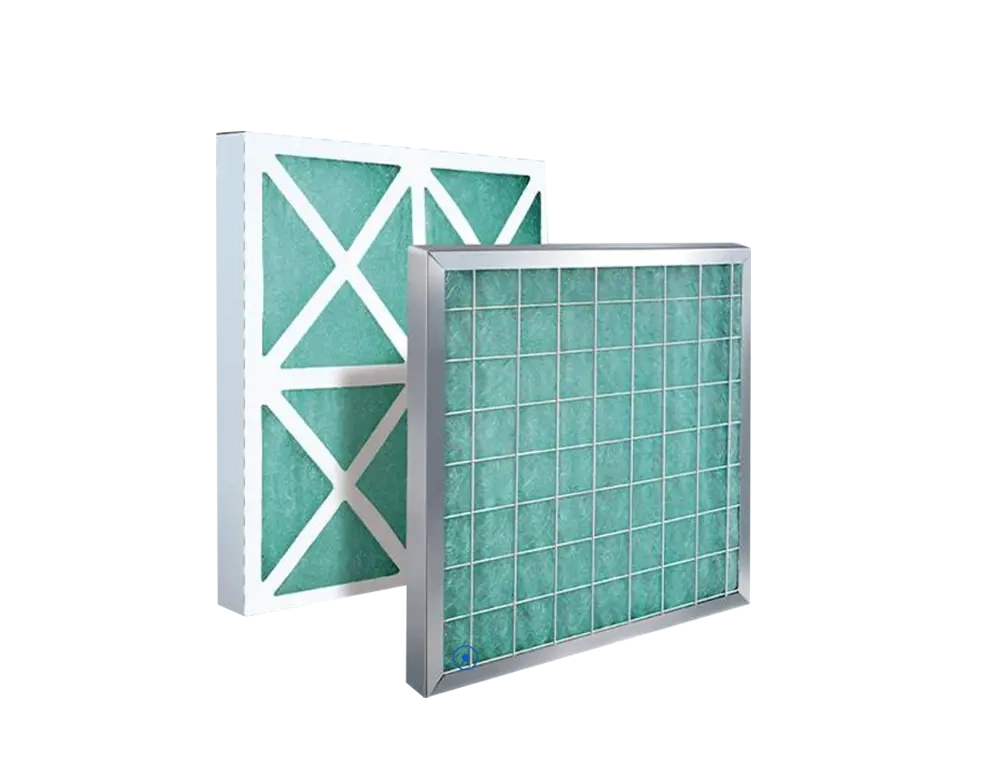
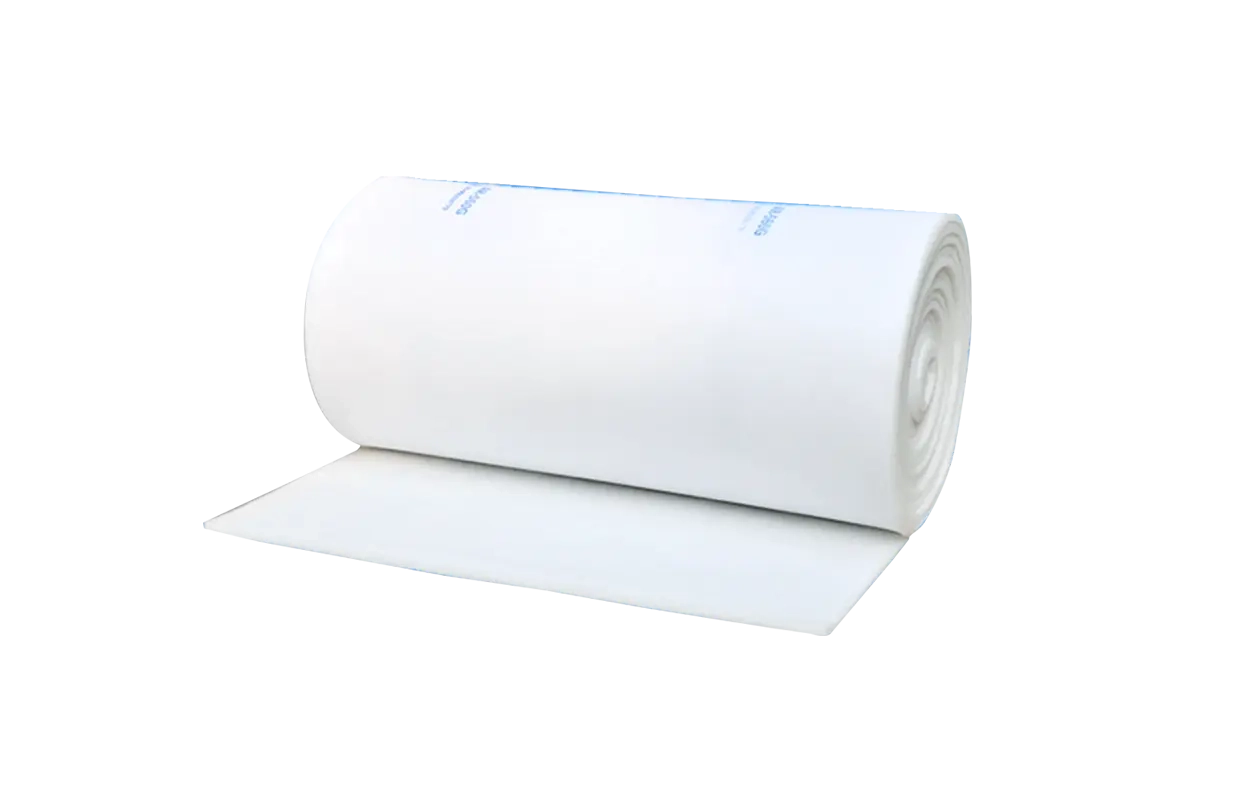
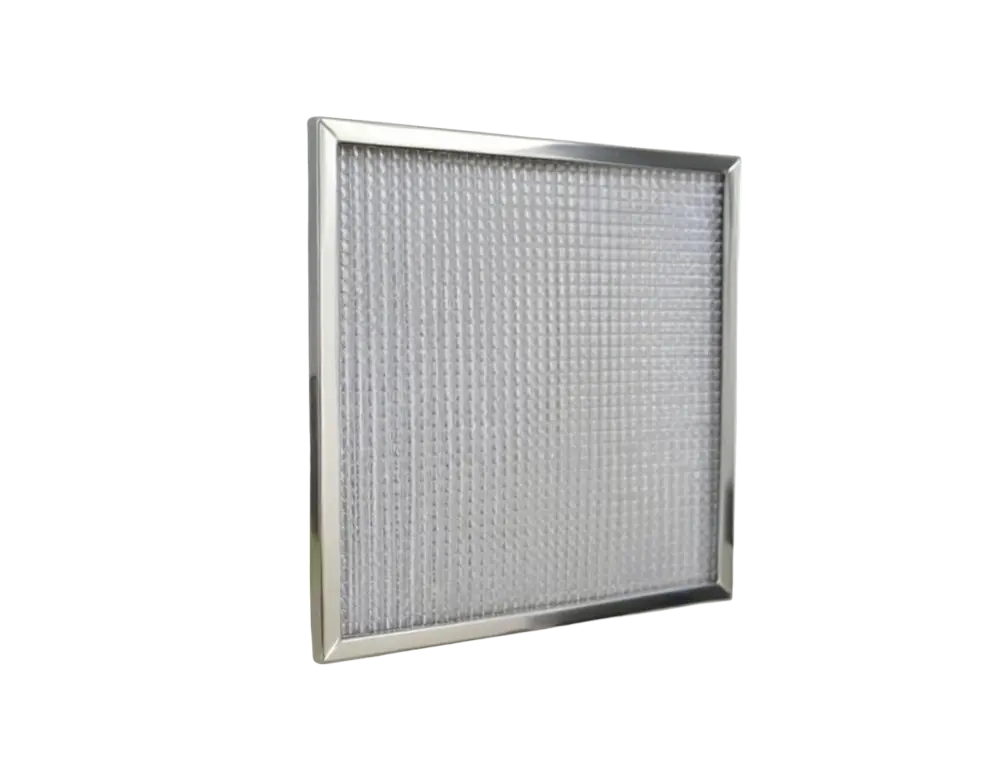
Pre-Filter (G1–G4)
First-Stage Large-Particle Capture
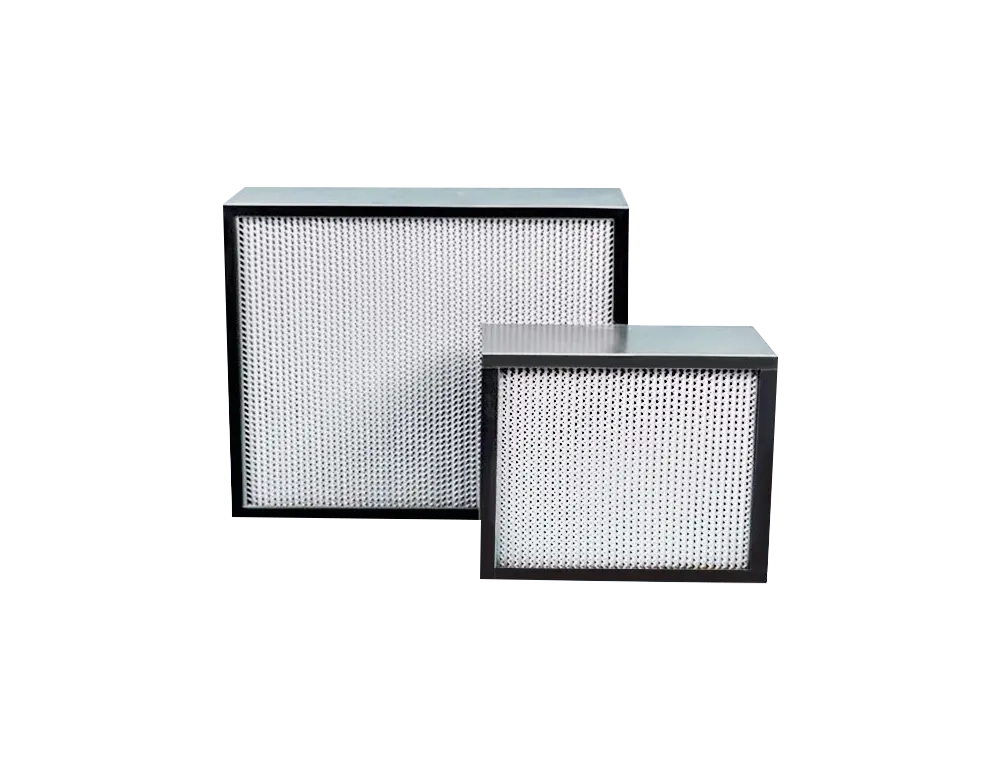
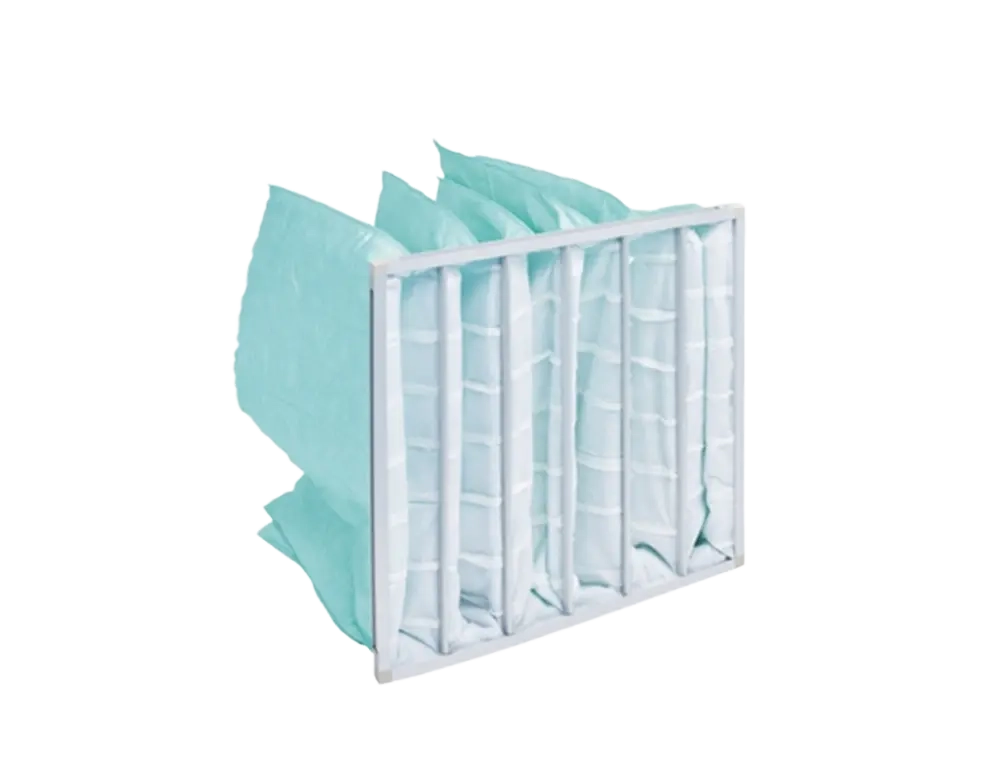
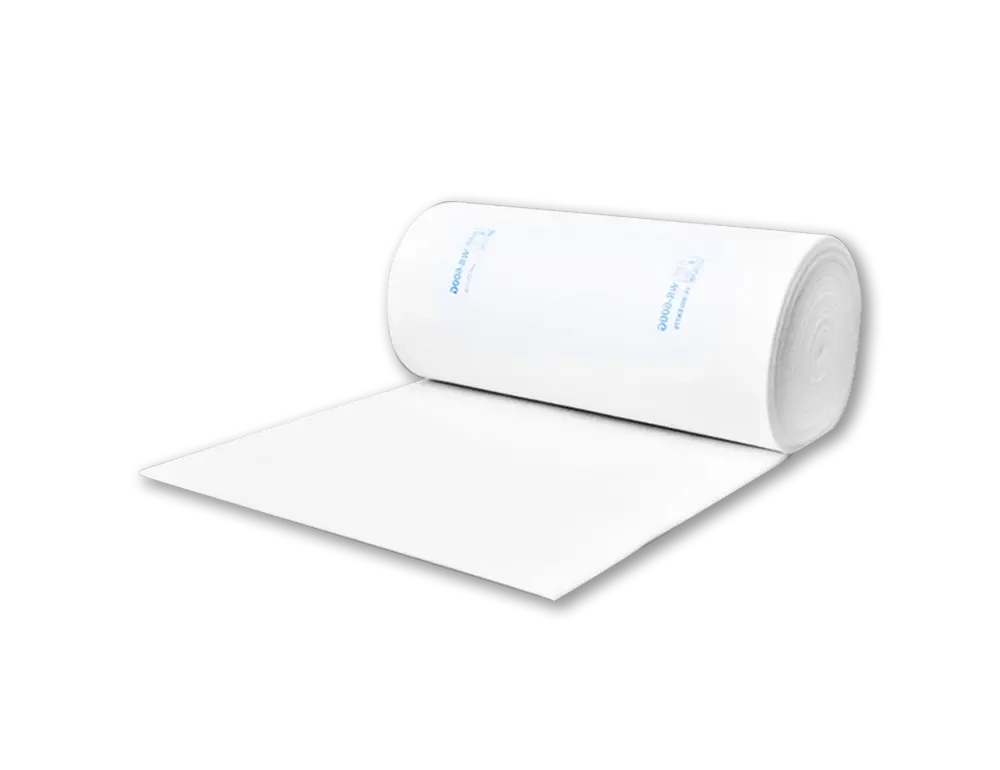
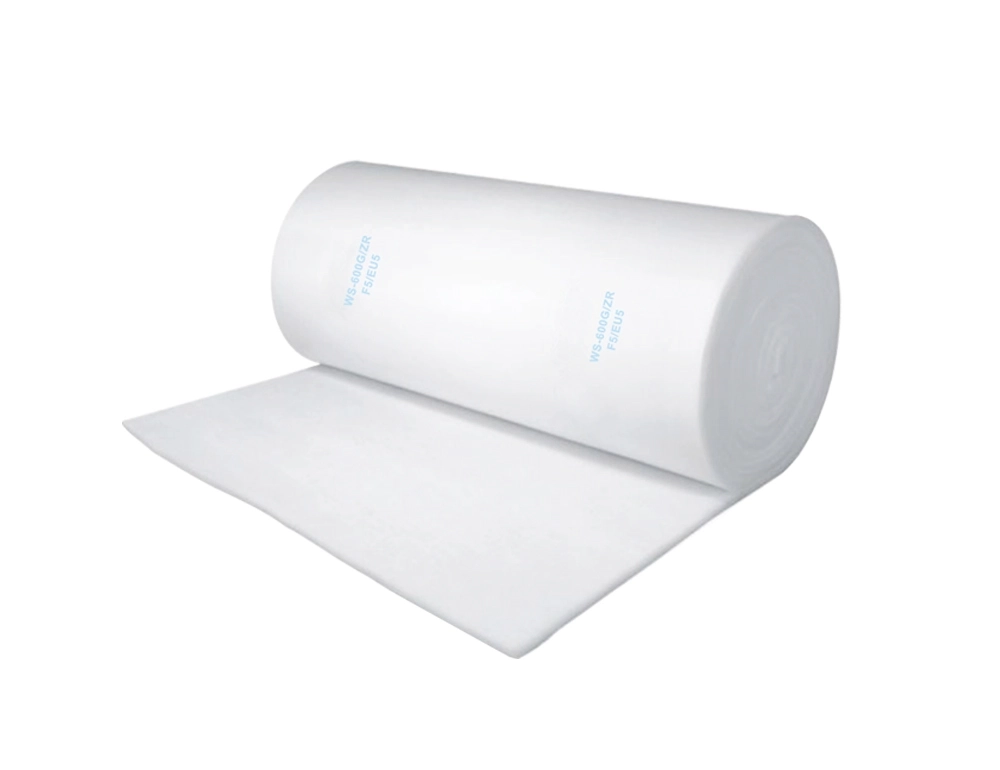
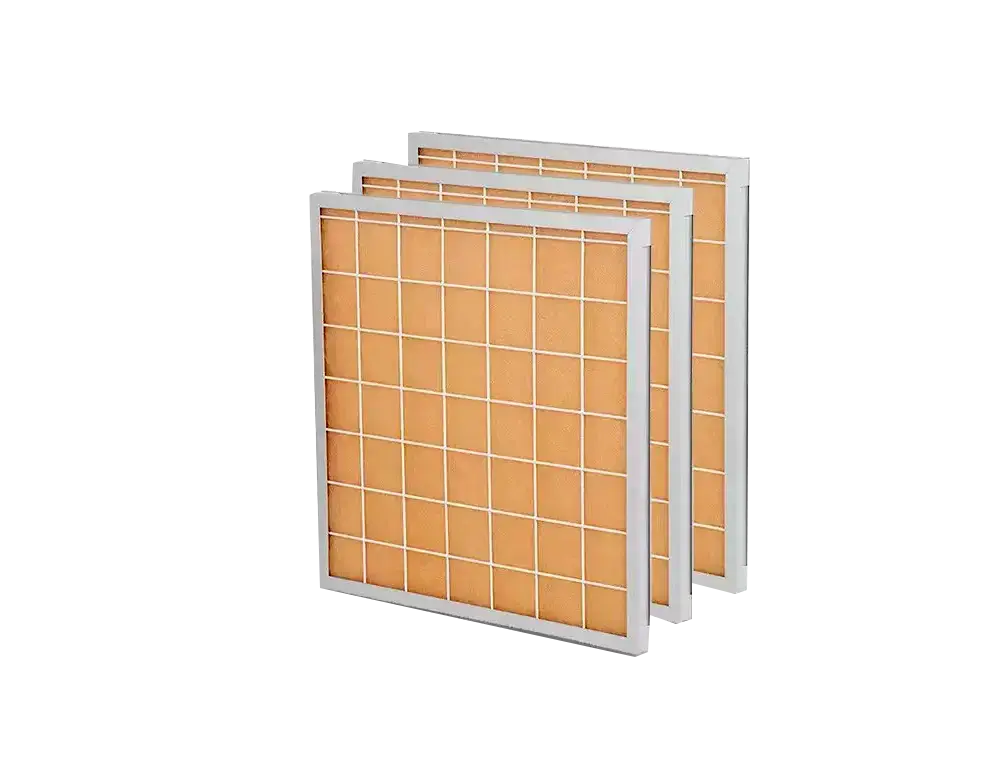
Medium-Efficiency Filter (F5–F9)
Precise PM2.5 Capture
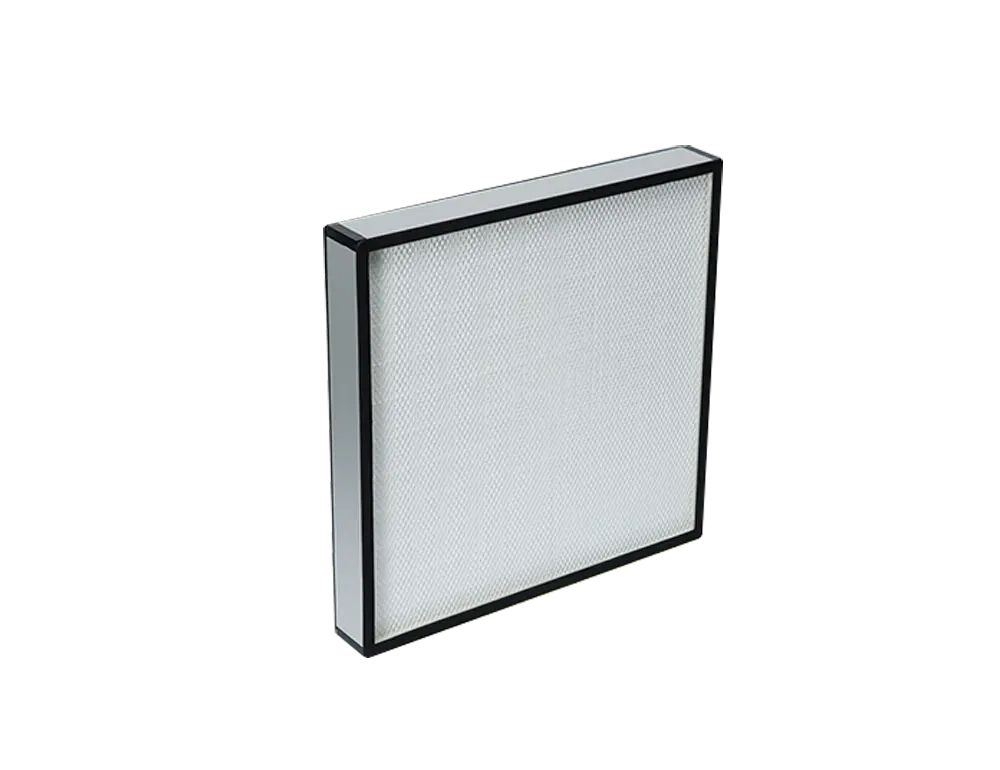
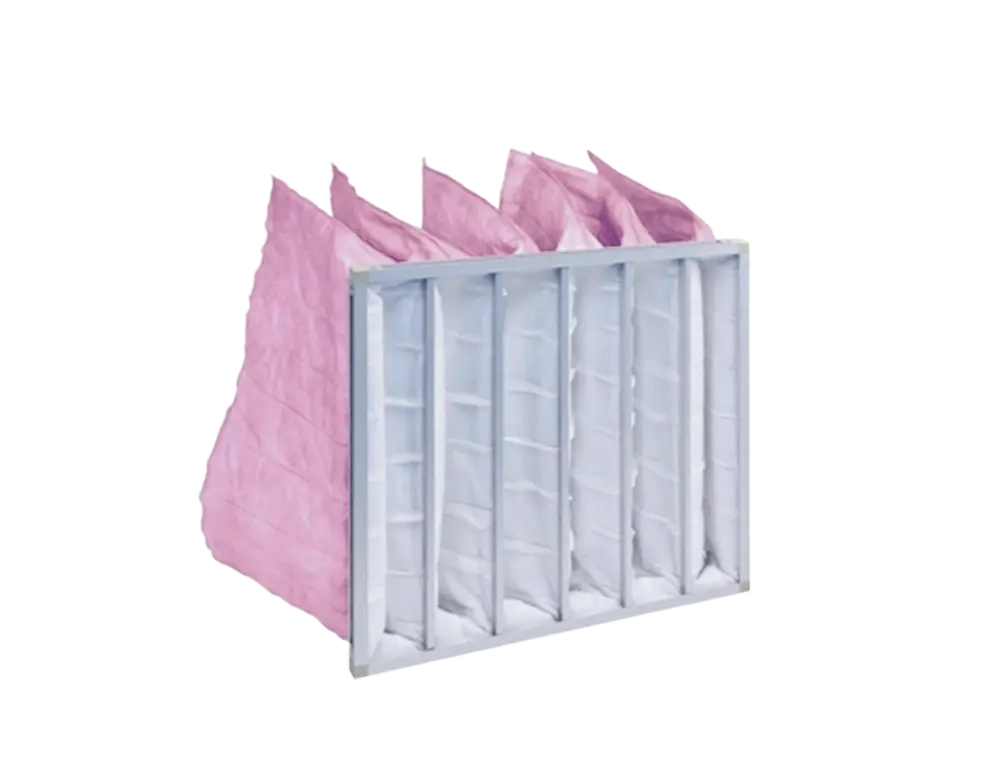
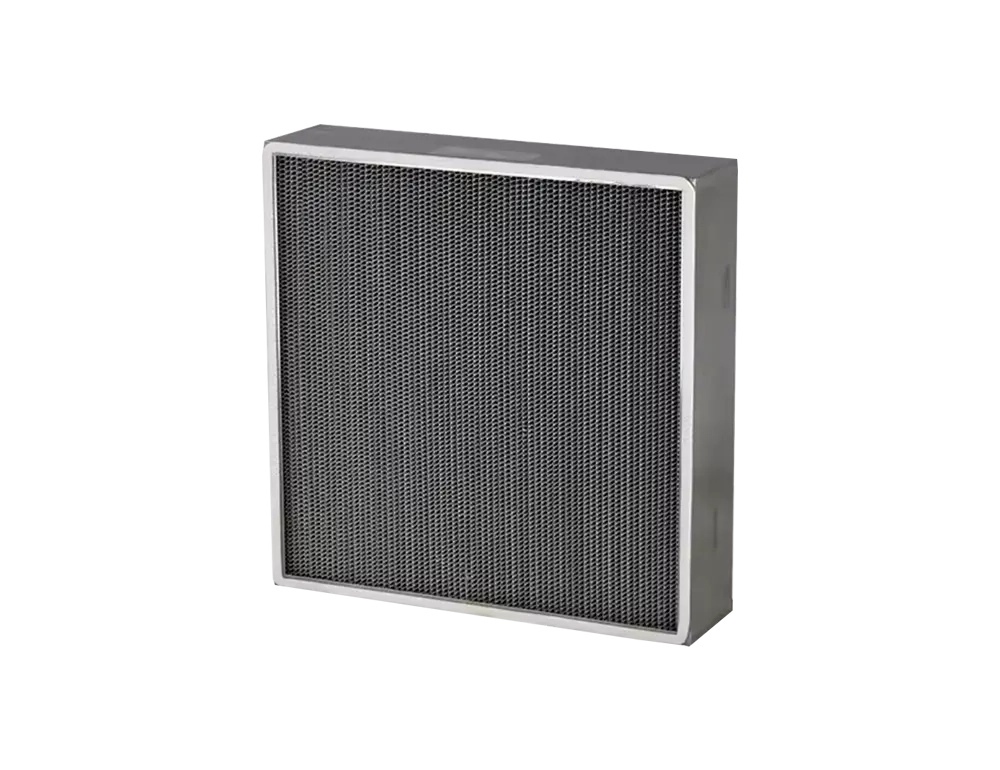
HEPA High-Efficiency Filter
Sterile-Grade Purification
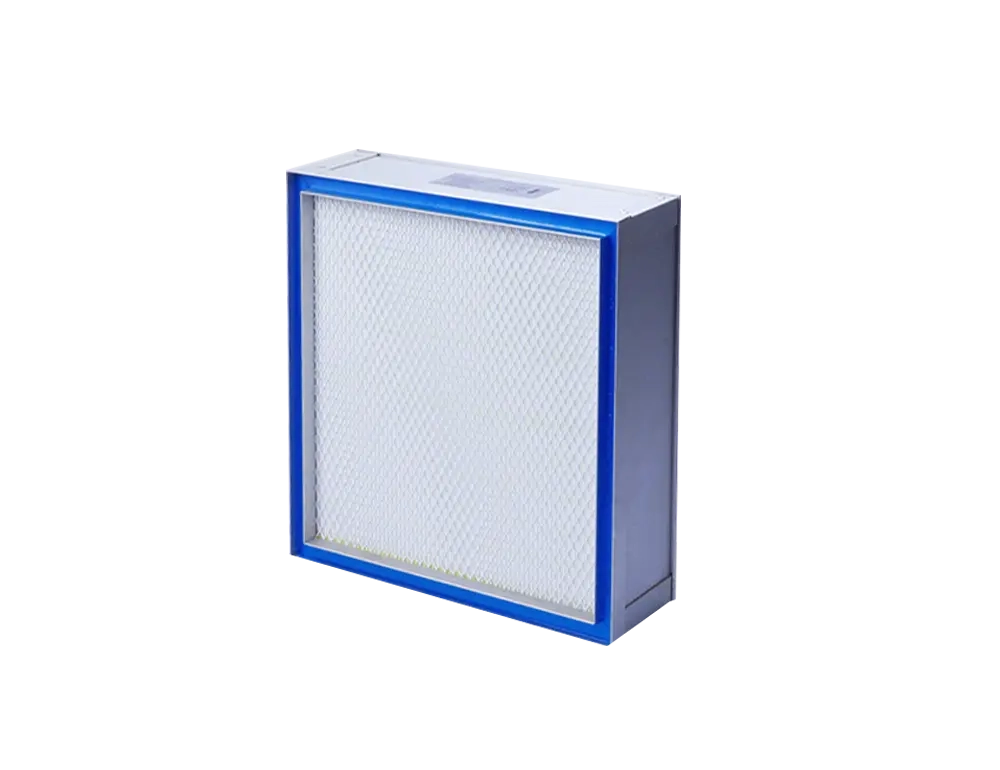
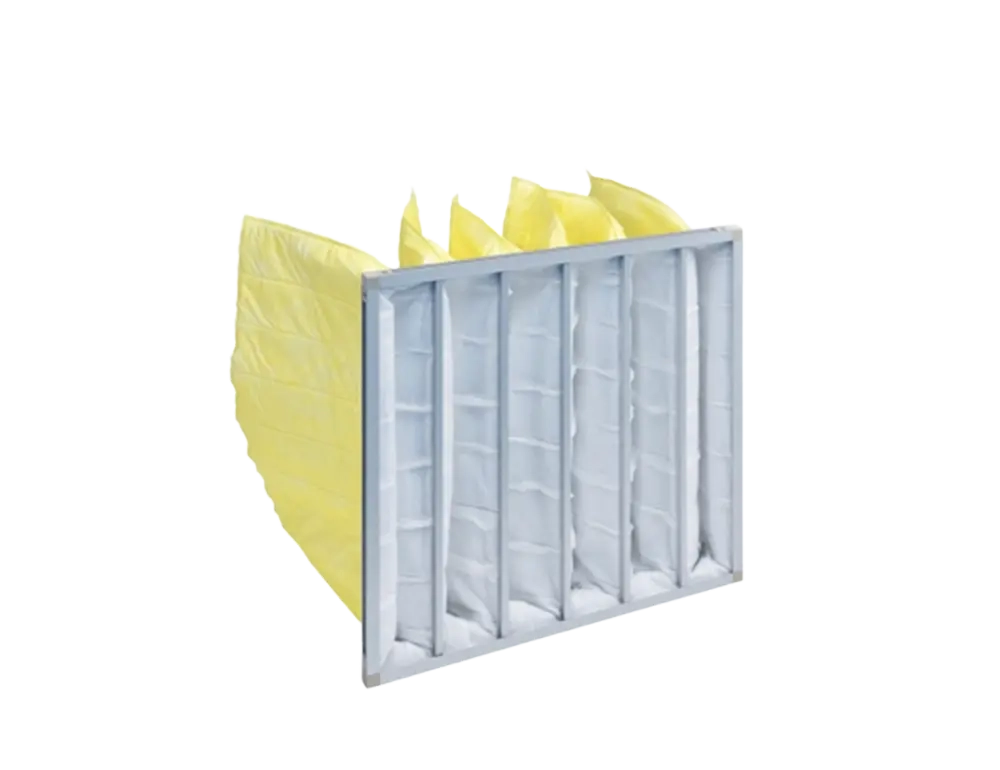
ULPA Ultra-High Efficiency Filter
Sub-Micron Particle Capture
First-Stage Large-Particle Capture
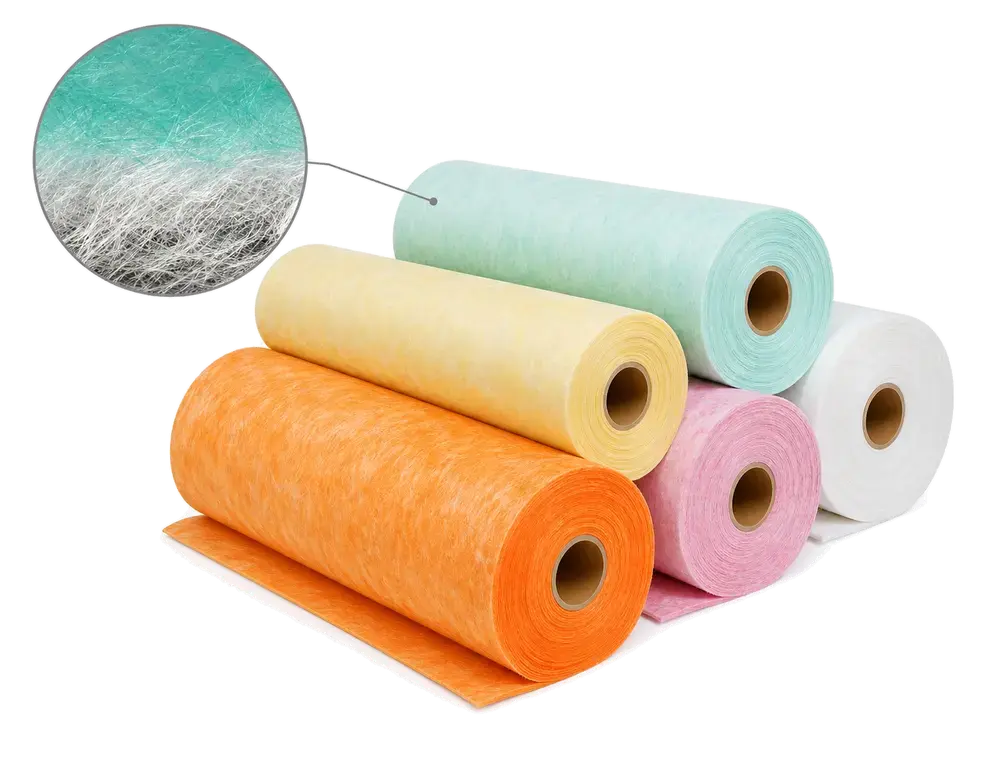
The first line of defense, capturing particles ≥5 μm such as dust, hair, and fibers to protect downstream filters and extend overall system service life.
View Related Products →Precise PM2.5 Capture
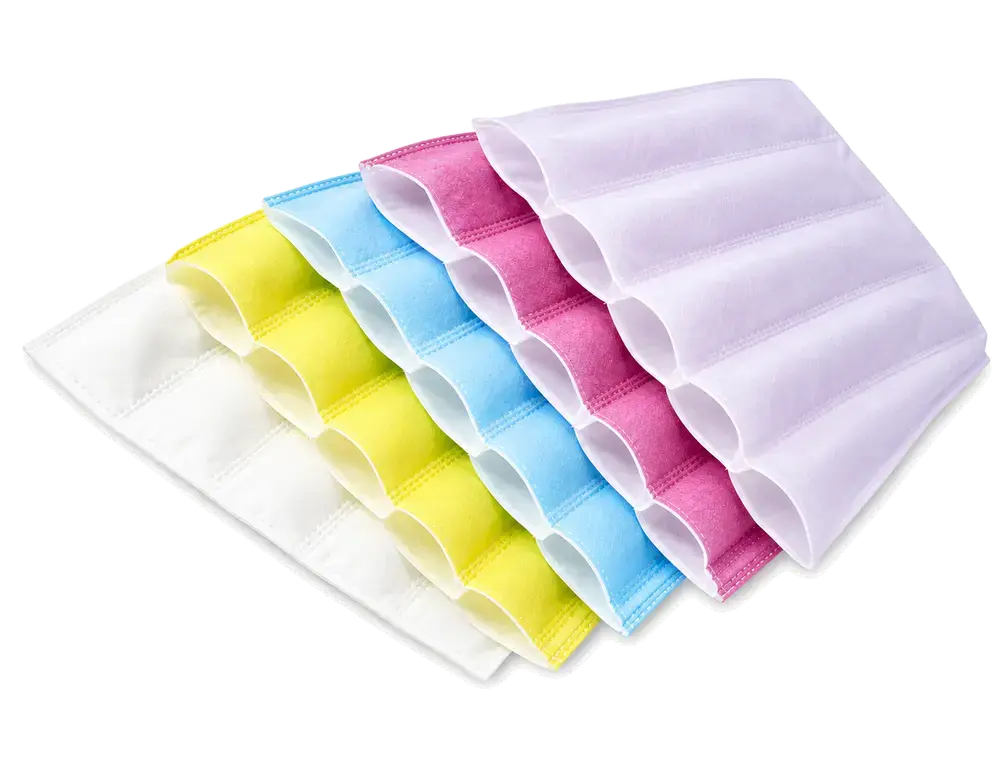
Captures fine particles of 1–5 μm including PM2.5, pollen, and mold spores, significantly improving indoor air quality for commercial HVAC and ventilation systems.
View Related Products →Sterile-Grade Purification
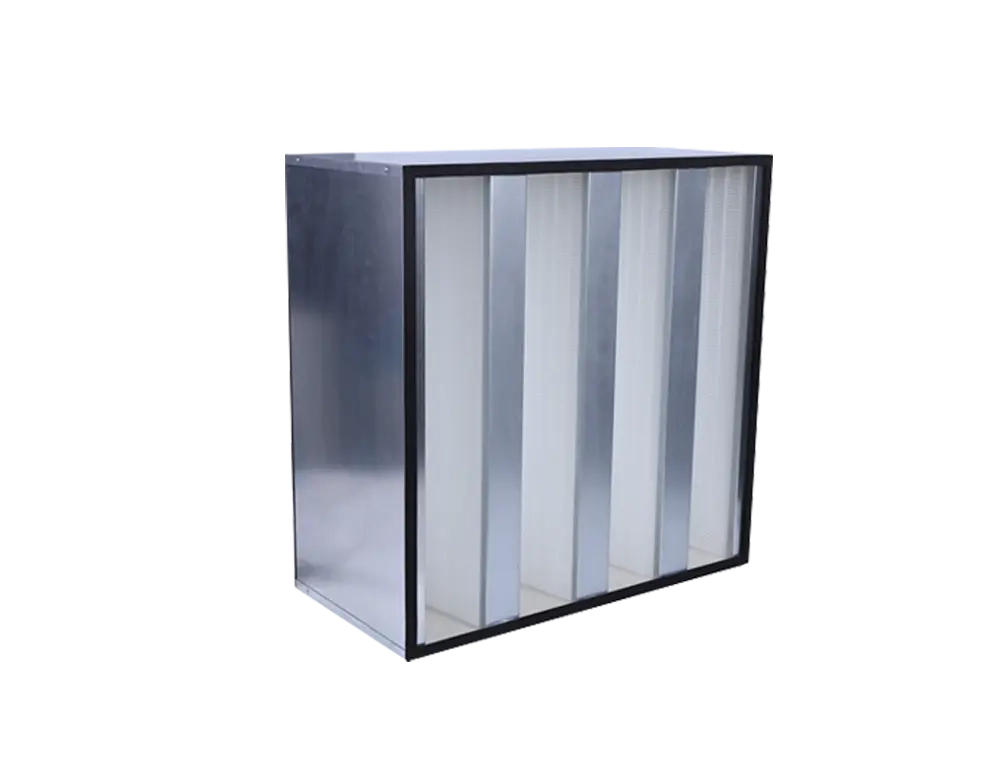
≥99.97% filtration efficiency for particles ≥0.3 μm, delivering sterile-grade clean air widely used in medical, pharmaceutical, and electronics manufacturing.
View Related Products →Sub-Micron Particle Capture
≥99.9995% efficiency for particles ≥0.12 μm, meeting the extreme cleanliness demands of semiconductor fabs, aerospace, and other ultra-precision applications.
View Related Products →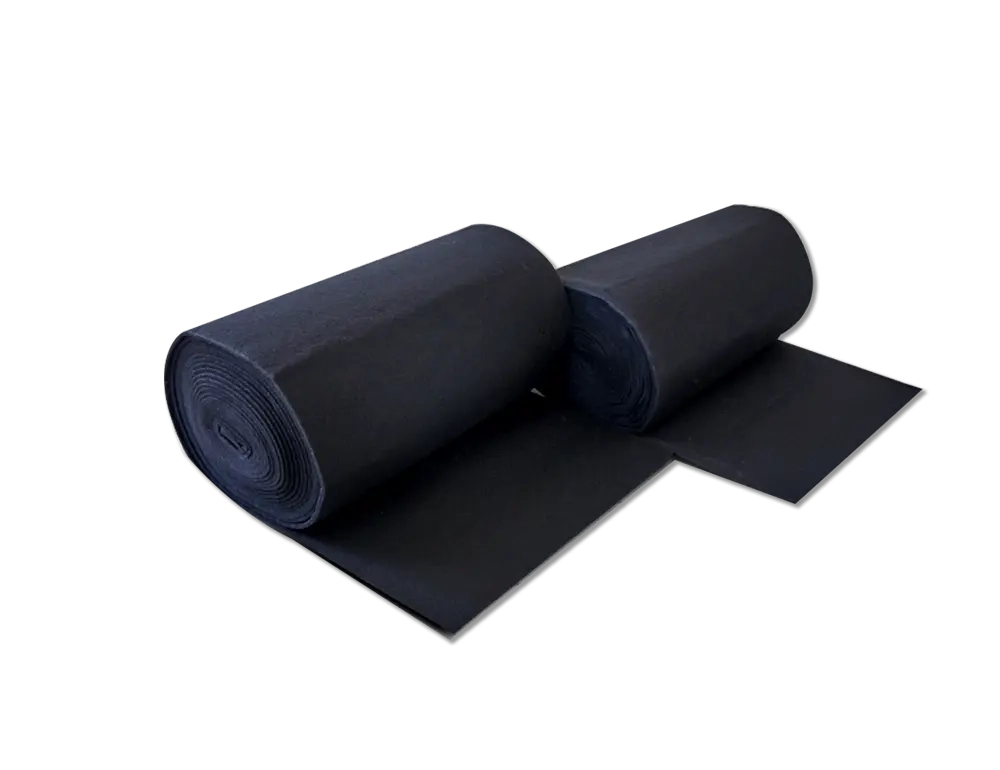
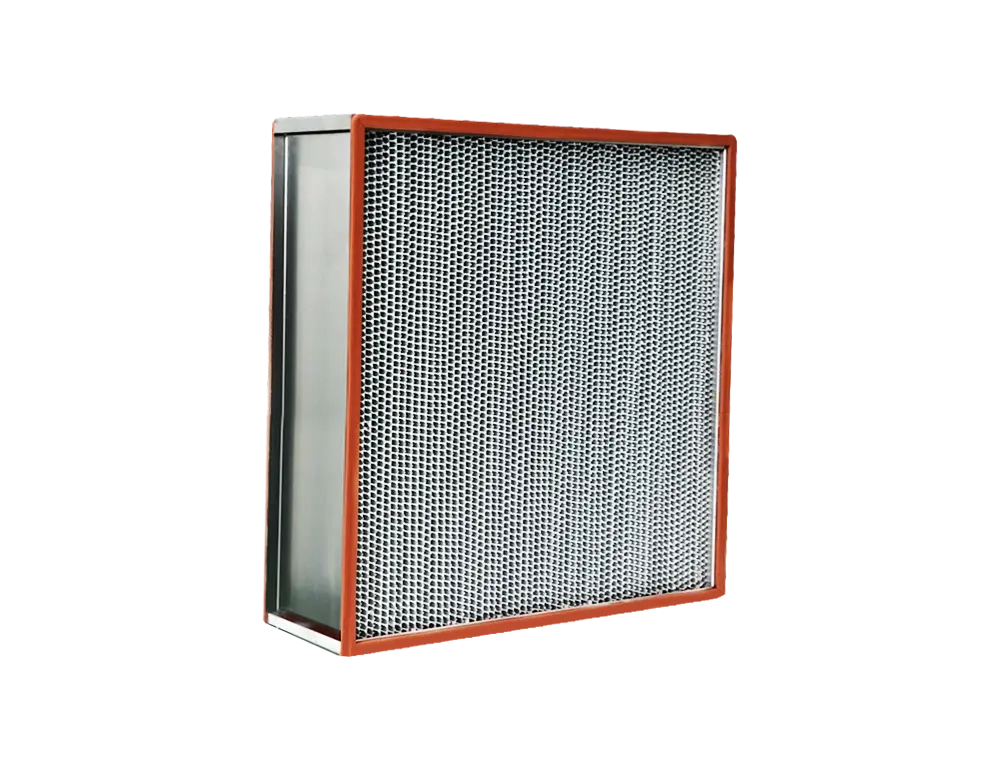
High-Temperature Resistant
Industrial-Grade Heat Tolerance
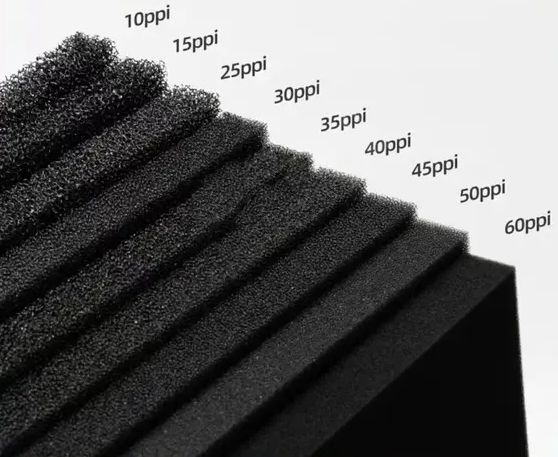
Washable & Reusable
Cut Costs, Reduce Waste
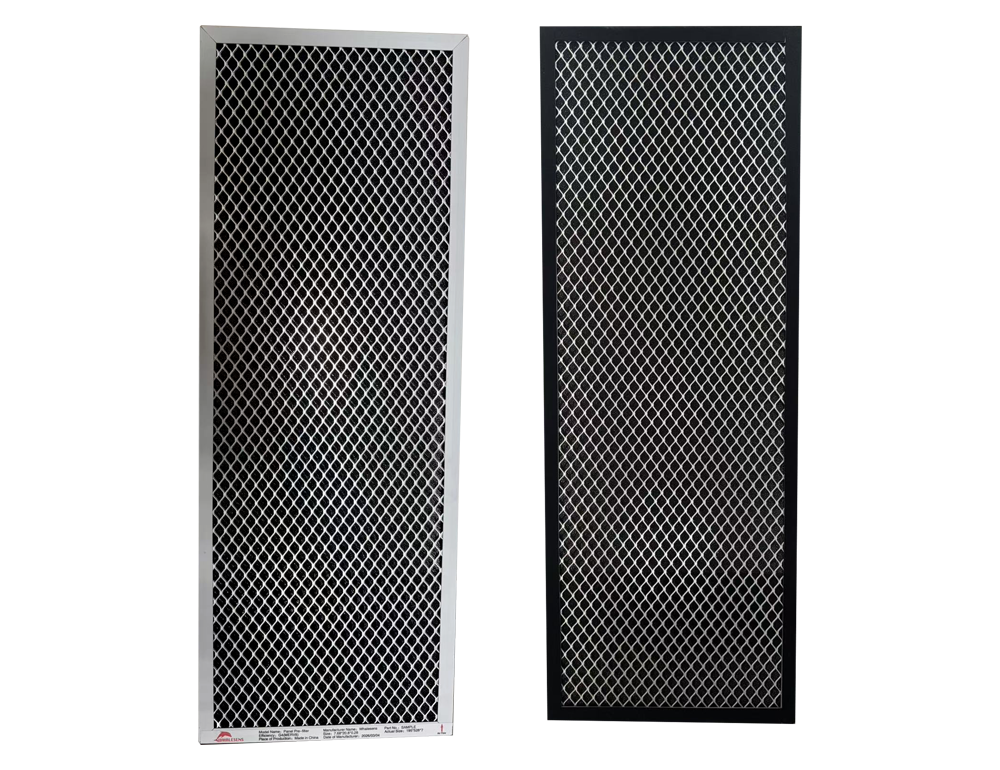
Activated Carbon
Odor & Harmful Gas Removal
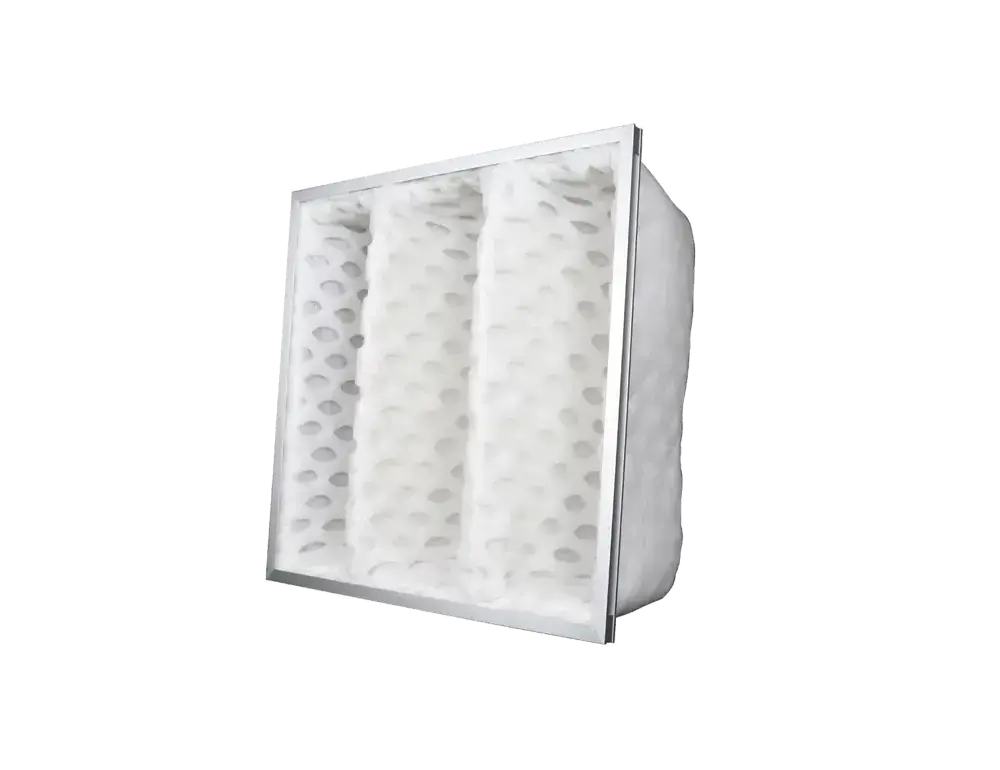
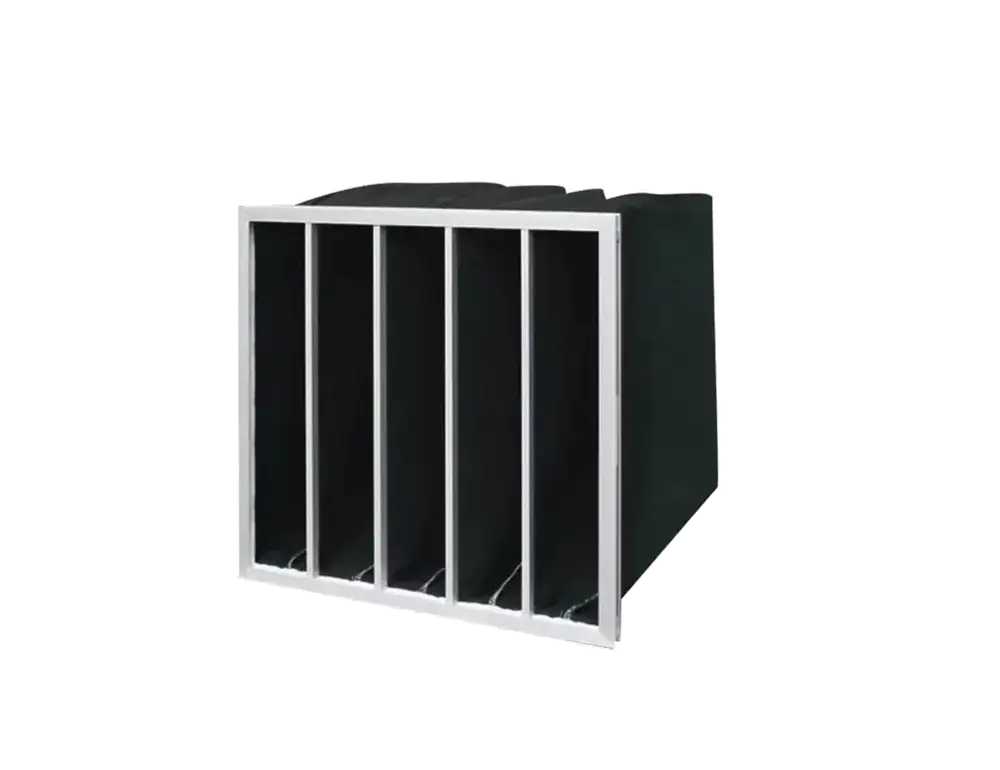
Bag Filter
High Dust-Holding, Long Life
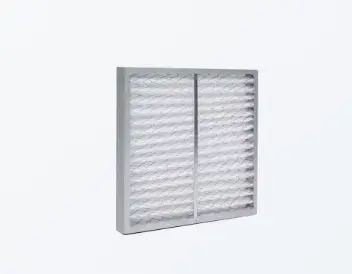
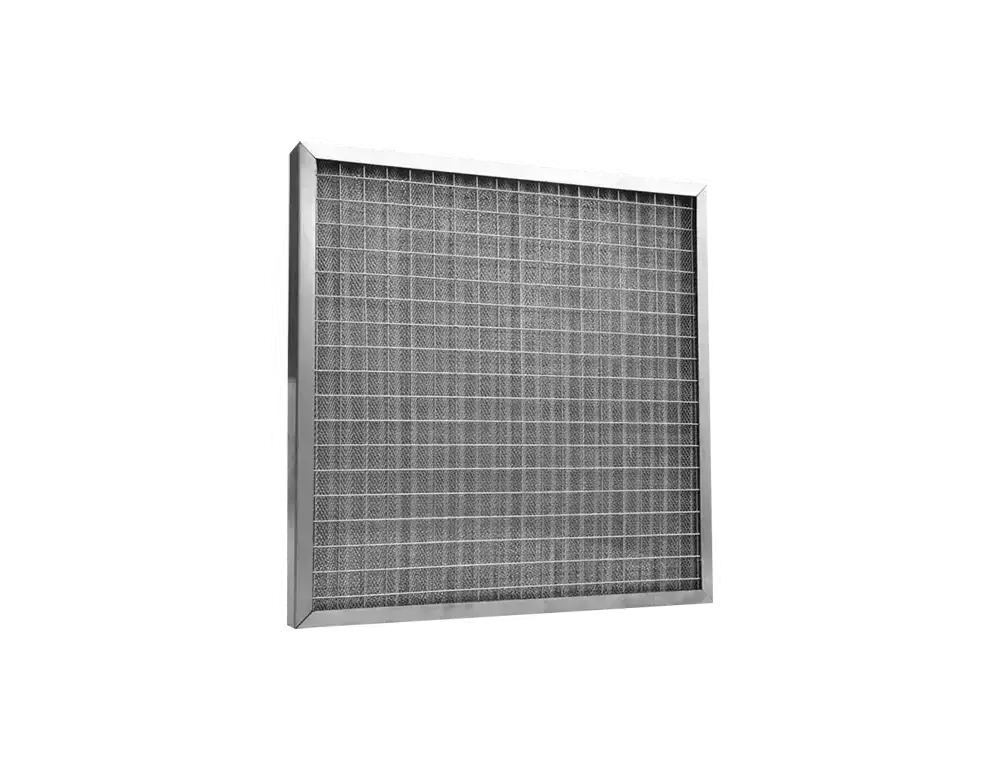
Panel / Pleated Filter
Compact Space-Saving Design
Low-Resistance Airflow
Energy-Saving Operation
Industrial-Grade Heat Tolerance
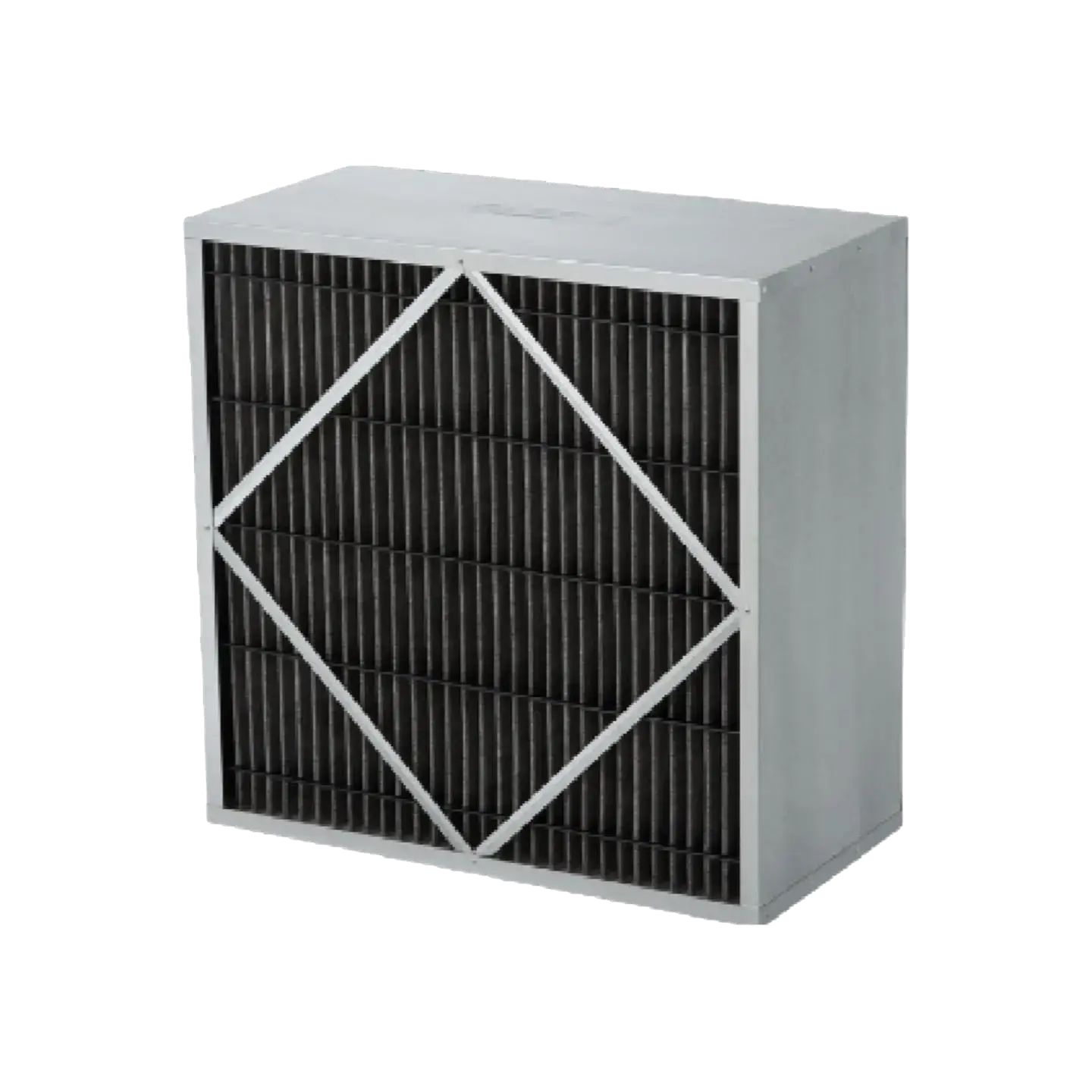
Built with specialized heat-resistant materials, operating stably up to 250°C for paint ovens, industrial dryers, and high-temperature process environments.
View Related Products →Cut Costs, Reduce Waste
Cleanable by water washing or air blowing, reusable multiple times to significantly reduce replacement frequency and O&M costs — an economical, eco-friendly choice.
View Related Products →Odor & Harmful Gas Removal
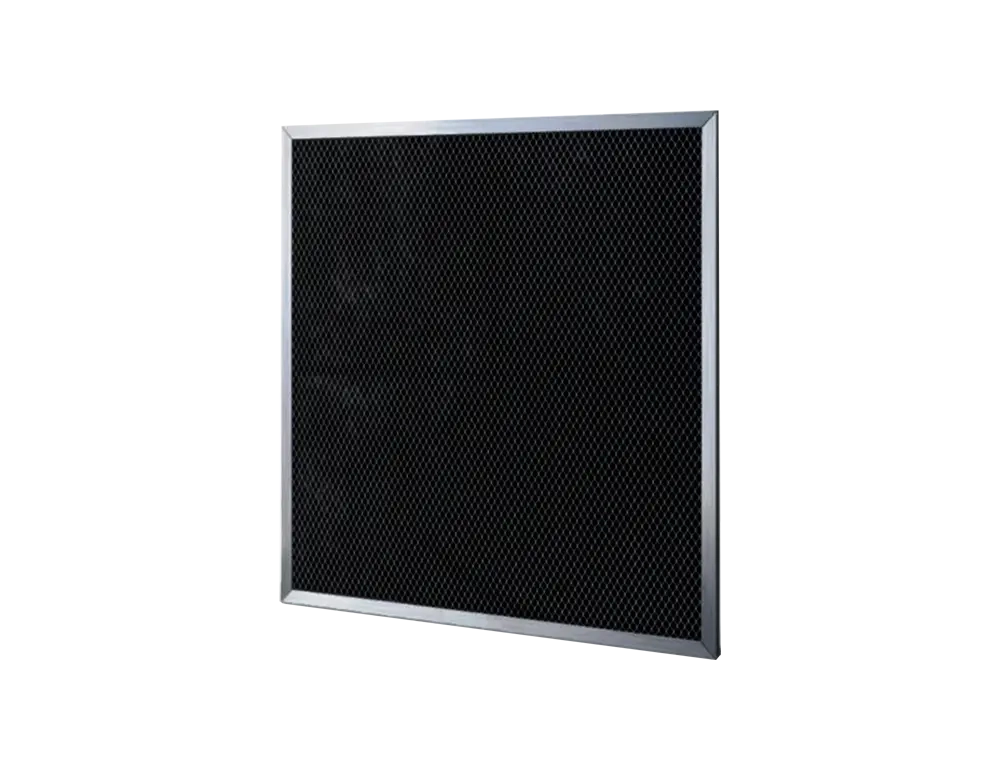
Leverages activated carbon's high adsorption capacity to eliminate odors, VOCs, and formaldehyde, ideal for newly renovated spaces and industrial exhaust treatment.
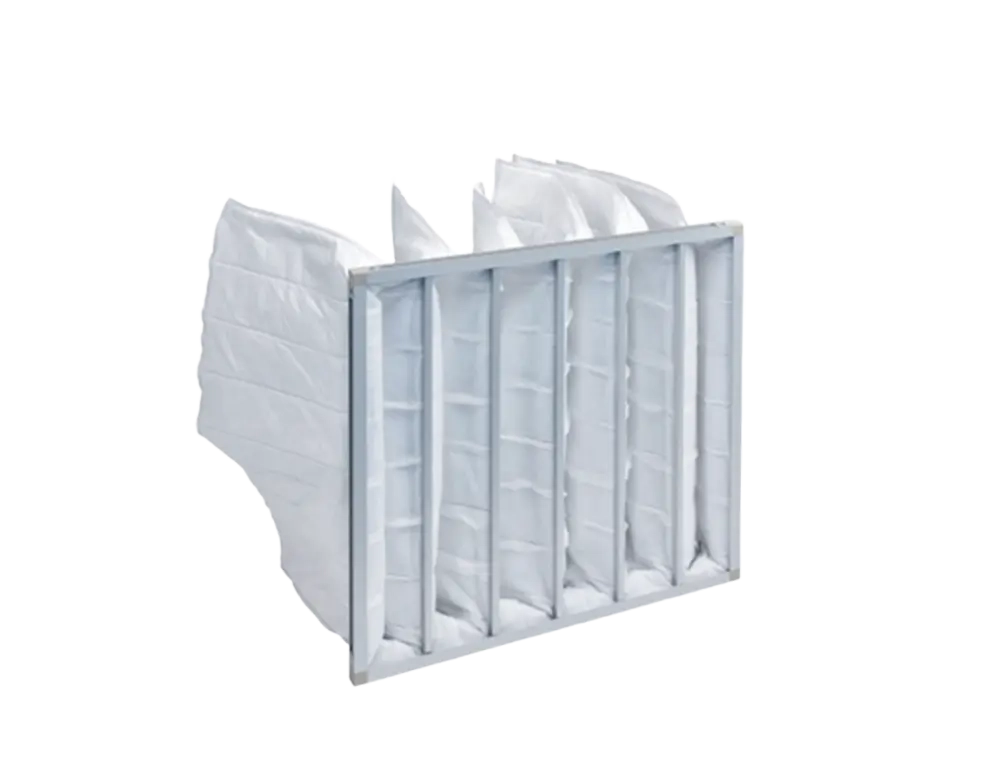
View Related Products →High Dust-Holding, Long Life
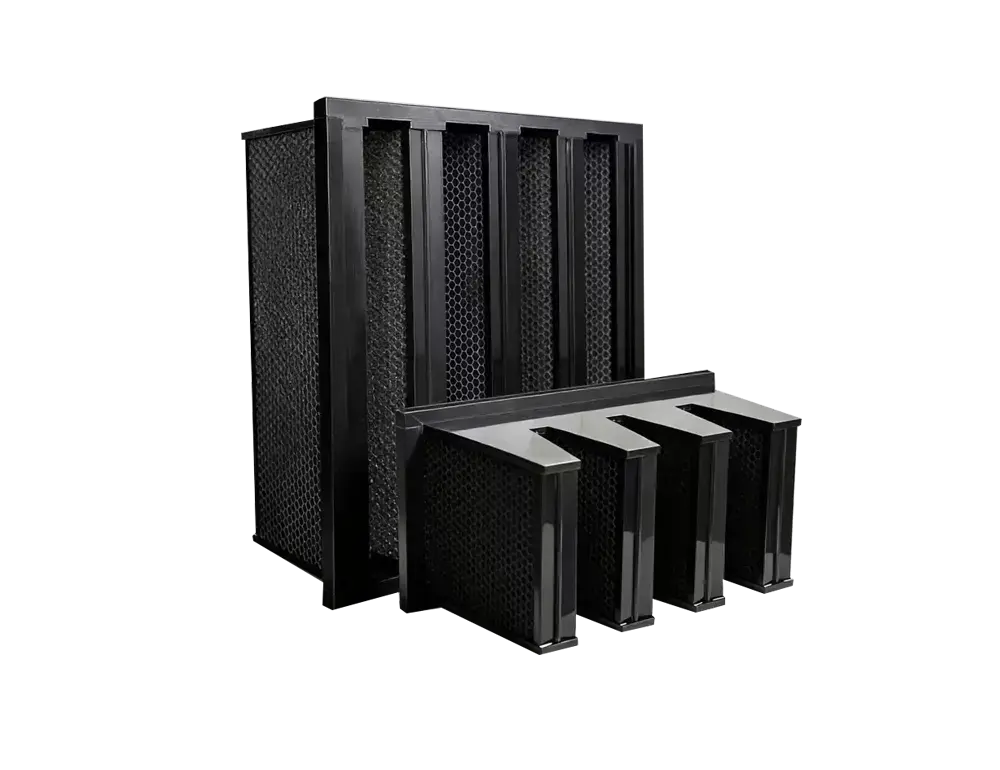
Bag-style construction delivers a larger filtration area, high dust-holding capacity, and extended service life — ideal for high-dust environments with reduced replacement frequency.
View Related Products →Compact Space-Saving Design
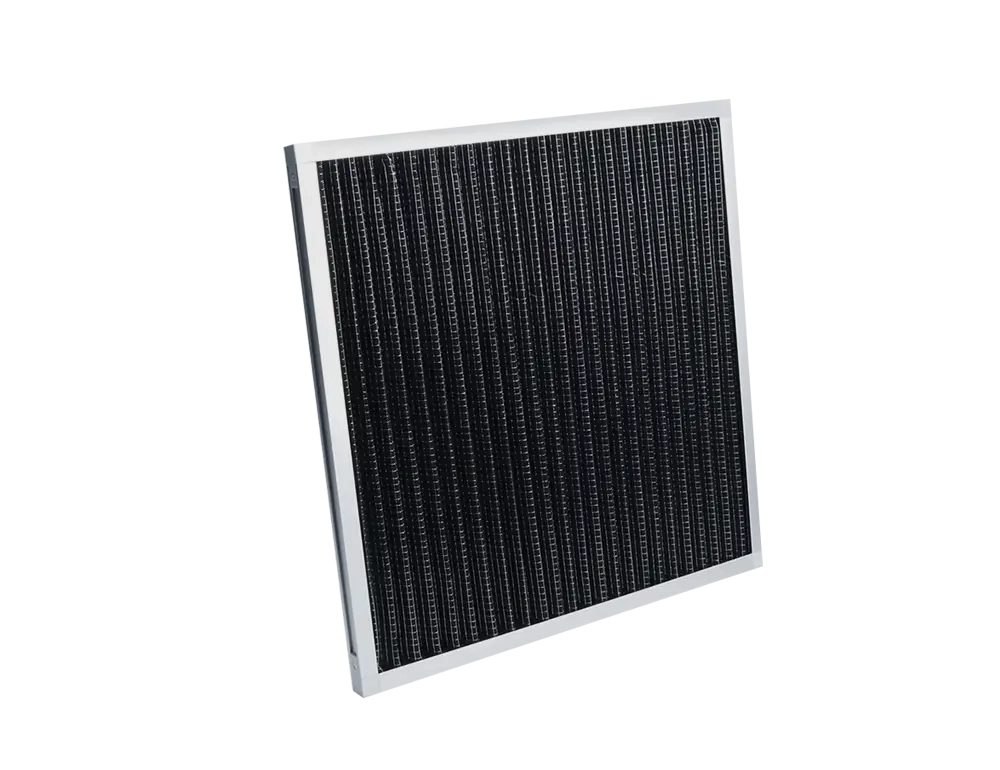
Compact form factor for easy installation and replacement; pleated structure maximizes filtration area within a small footprint for higher efficiency.
View Related Products →Energy-Saving Operation
Low-resistance design minimizes pressure drop while maintaining filtration performance, reducing fan energy consumption for cost-effective, eco-friendly operation.
View Related Products →
















 English(Global)
 简体中文
简体中文 Language


Air Filters for EV Chargers: Complete Guide for DC Fast Charging (DCFC) Protection, Configuration & Reliability Enhancement
Protect your DC fast charging stations (DCFC) from dust, moisture, and corrosion with air filters. Our guide explains how air filters extend equipment life, ensure uptime >99%, and reduce maintenance costs. Get the right filter solution for coastal, industrial, or urban environments. Download the free whitepaper.
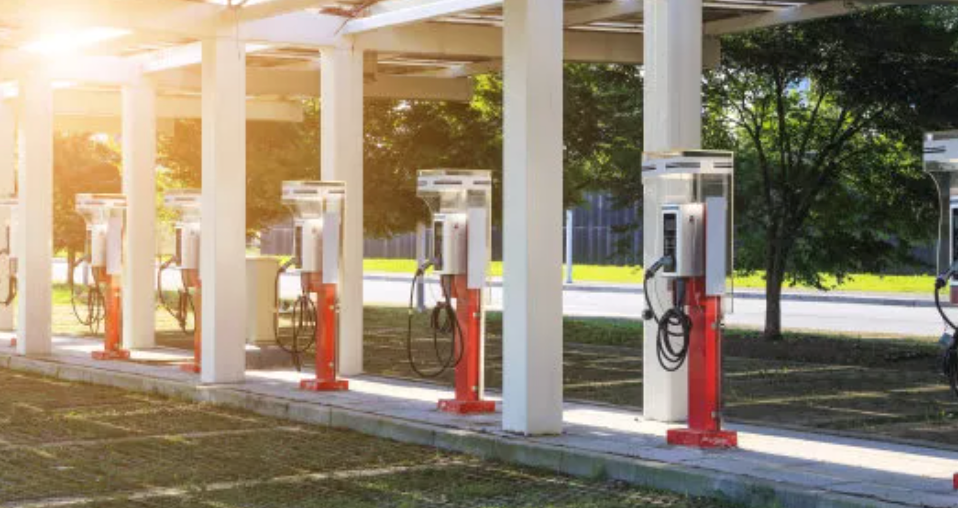
Air Filters for EV Chargers: Complete Guide for DC Fast Charging (DCFC) Protection, Configuration & Reliability Enhancement
Ensuring the reliability and durability of Electric Vehicle (EV) charging infrastructure is critical. Direct Current Fast Chargers (DCFC), packed with high-value, heat-sensitive power electronics, are particularly vulnerable to environmental contaminants. Air filters serve as the essential first line of defense, purifying the cooling air to prevent damage from particles, humidity, and corrosive agents, thereby safeguarding your investment and ensuring maximum uptime.
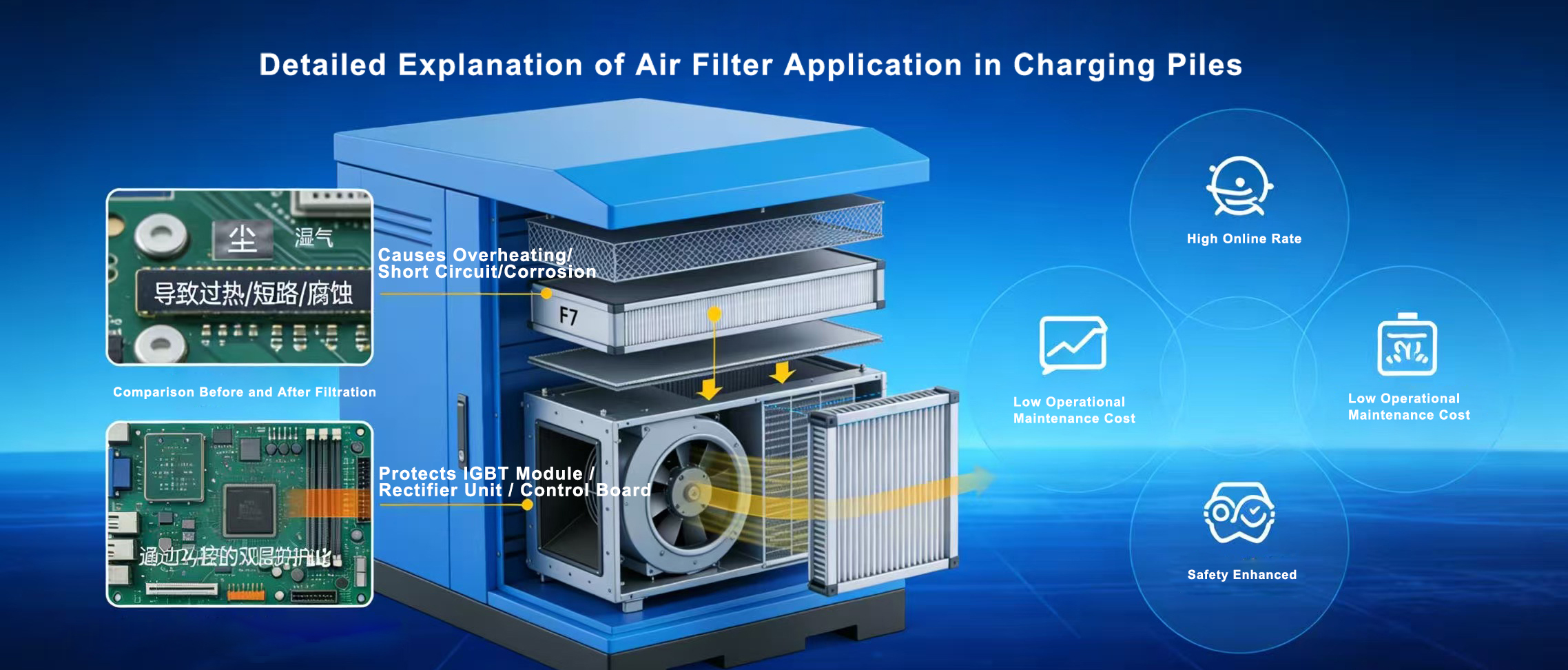
1. The Critical Need: Why EV Chargers Require Air Filtration
Outdoor DCFC units face harsh environmental challenges. Air filtration creates a protected micro-climate for sensitive internal components.
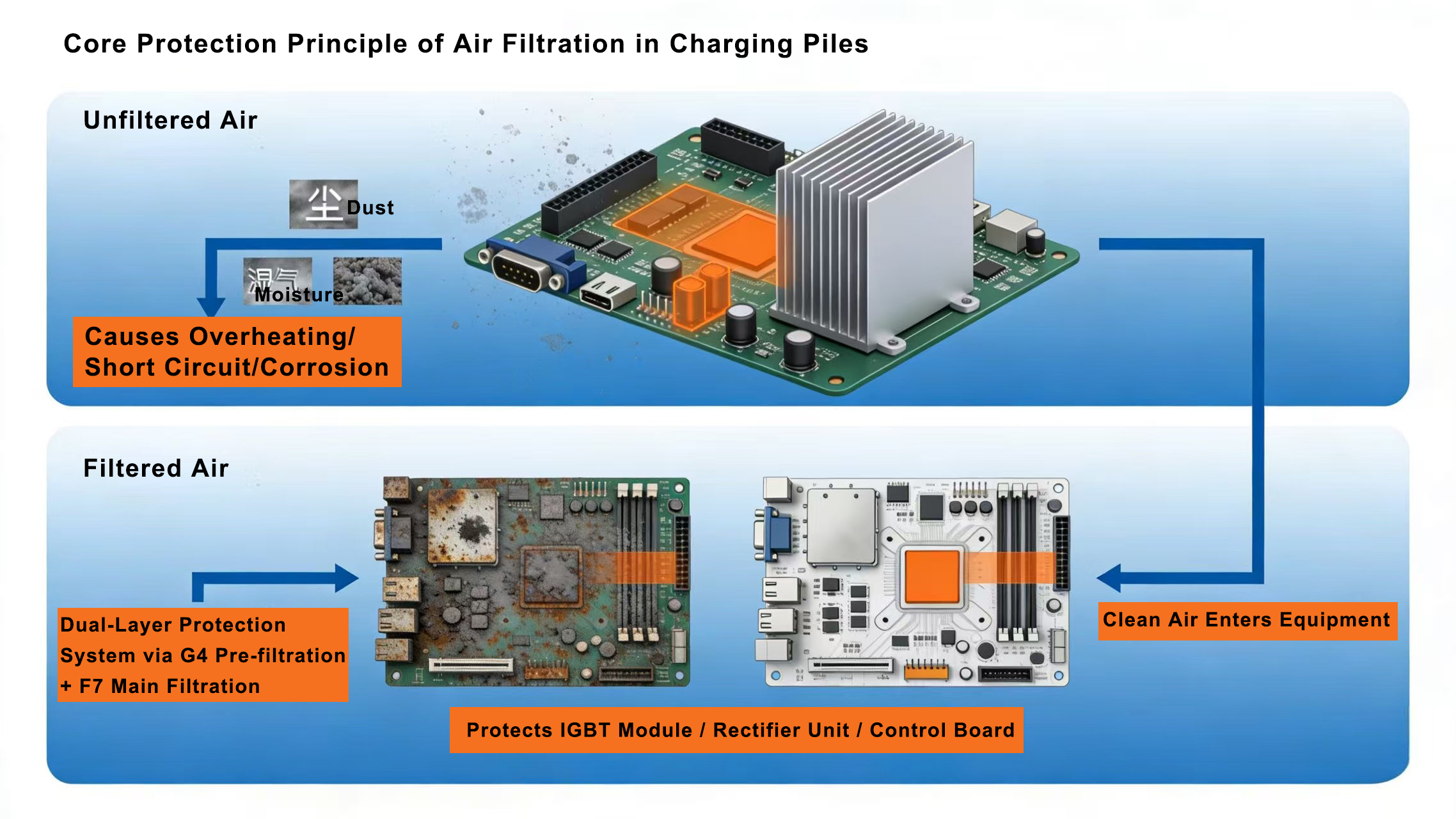
1.1 Preventing Particulate Contamination & Ensuring Safety
- Heat Exchanger Clogging: Dust, sand, and pollen can block cooling fins and air ducts, causing critical power modules (IGBTs) to overheat, degrade, or fail.
- Electrical Short-Circuit Risk: Conductive dust (e.g., metal debris, salt-laden particles) can create current leakage paths on PCBs, especially in humid conditions.
- Mechanical Wear: Abrasive particles accelerate bearing wear in cooling fans, leading to noise and premature failure.
1.2 Combating Moisture & Corrosive Substances
- Condensation & Humidity: In coastal or high-humidity areas, internal condensation can cause electrochemical corrosion and insulation breakdown.
- Corrosive Gases: Sulfur compounds (H₂S), nitrogen oxides (NOx), and salt spray (NaCl) prevalent in industrial/coastal environments corrode solder joints, connectors, and heat sinks, leading to malfunctions.
1.3 Maximizing Operational Economics
- Maximize Uptime: Reduce environmentally-induced failures, directly increasing service availability and operator revenue.
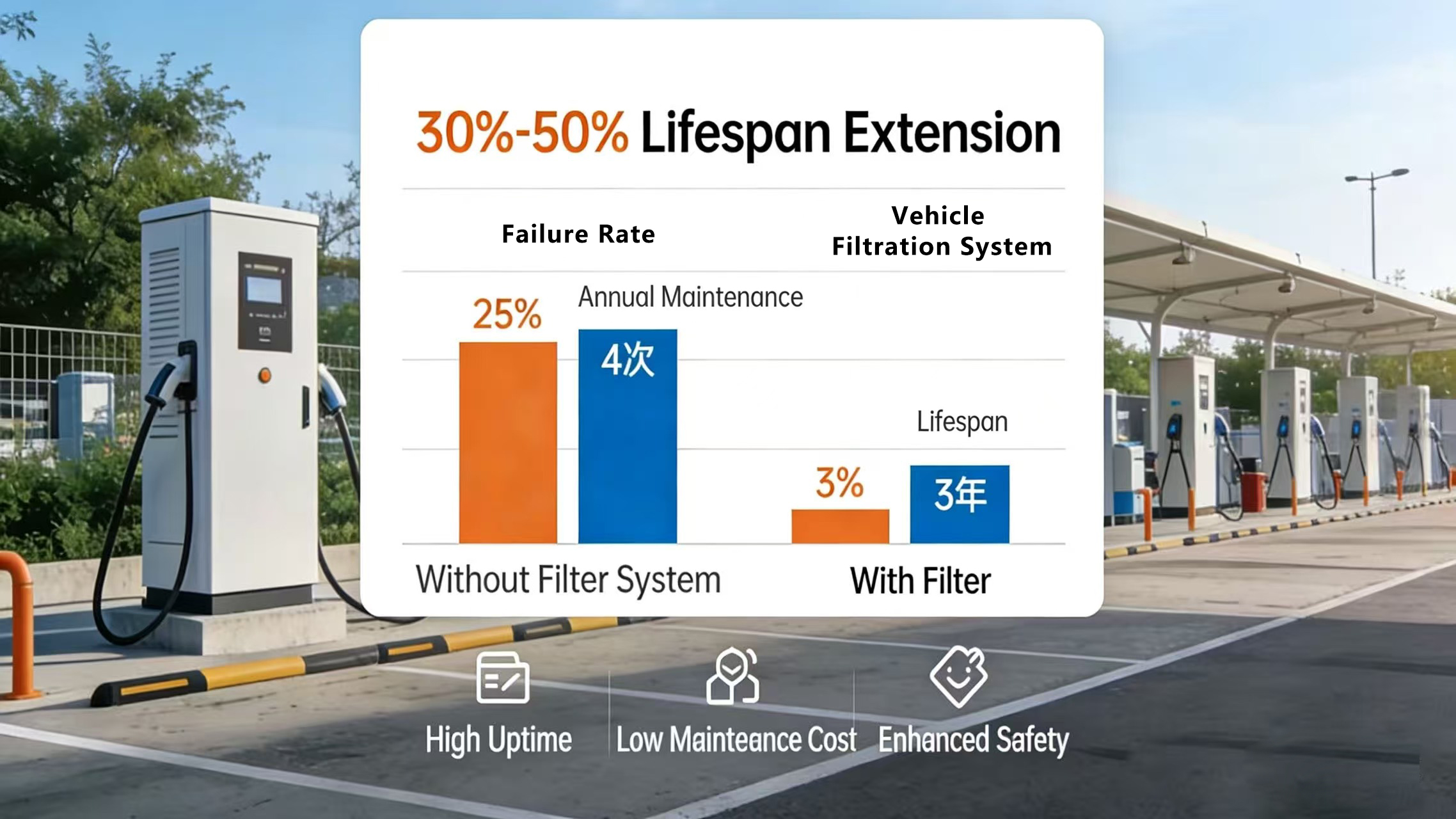
- Extend Equipment Lifespan: A clean internal environment can prolong the service life of core power components by 30-50%, lowering the Total Cost of Ownership (TCO).
- Optimize Maintenance Costs: Scheduled filter replacement is far more economical than unscheduled repairs of contaminated hardware.
2. System Configuration: Designing an Effective Charger Filtration System
A balanced design must optimize protection, airflow for cooling, and ease of maintenance.
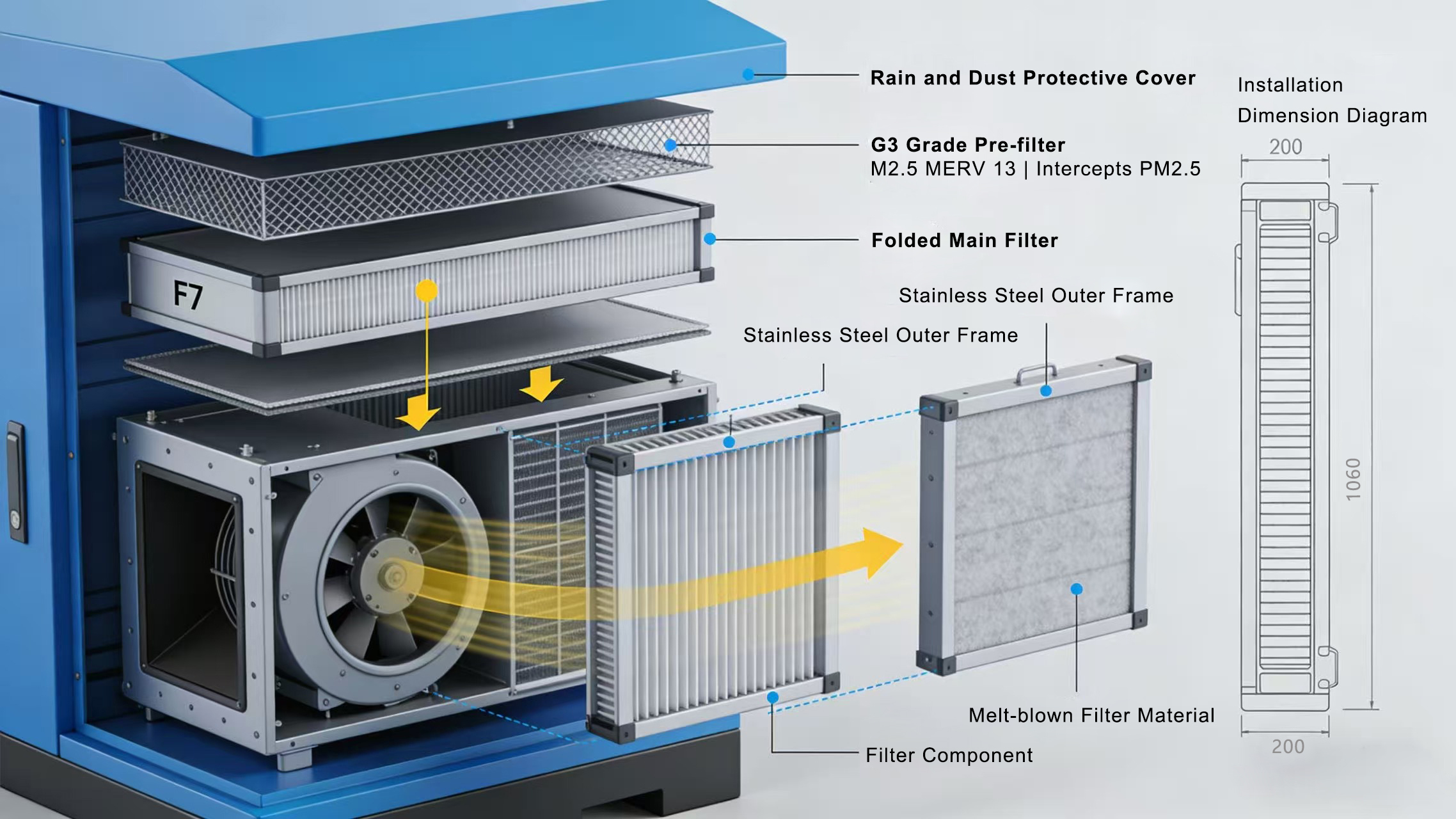
2.1 Main Air Intake Filtration System (Primary Defense)
- Pre-Filter (Essential):
- Type: Metal mesh, louver, or coarse synthetic fiber pad (G3/G4 grade).
- Function: Blocks large debris like leaves, insects, and airborne fibers.
- Main Particulate Filter (Critical):
- Type: Panel-type or mini-pleated filters.
- Efficiency: Typically MERV 10-13 (equiv. to F6-F7, or ISO ePM2.5~ePM1), effectively capturing fine particles (PM10, PM2.5) harmful to electronics.
- Material: Must offer moisture resistance and weatherability for outdoor conditions.
- Specialized Configurations for Harsh Environments (Optional):
- Corrosion-Resistant Design: For coastal/industrial sites, use stainless steel frames and anti-corrosive filter media.
- Chemical Filtration: Incorporate thin activated carbon or chemisorption layers to mitigate corrosive gases.
- Weather Protection: Intake design must integrate with the enclosure's IP Rating (e.g., IP54/IP55), often using rain hoods and drainage paths.
2.2 Internal Recirculation Air Filtration (For advanced/modular units)
Used in sealed cabinets with internal fans to keep the recirculated air clean from internally generated particles.
2.3 Key Design Considerations
- Airflow vs. Pressure Drop: Filters must provide low initial pressure drop to meet maximum cooling airflow without overloading fans.
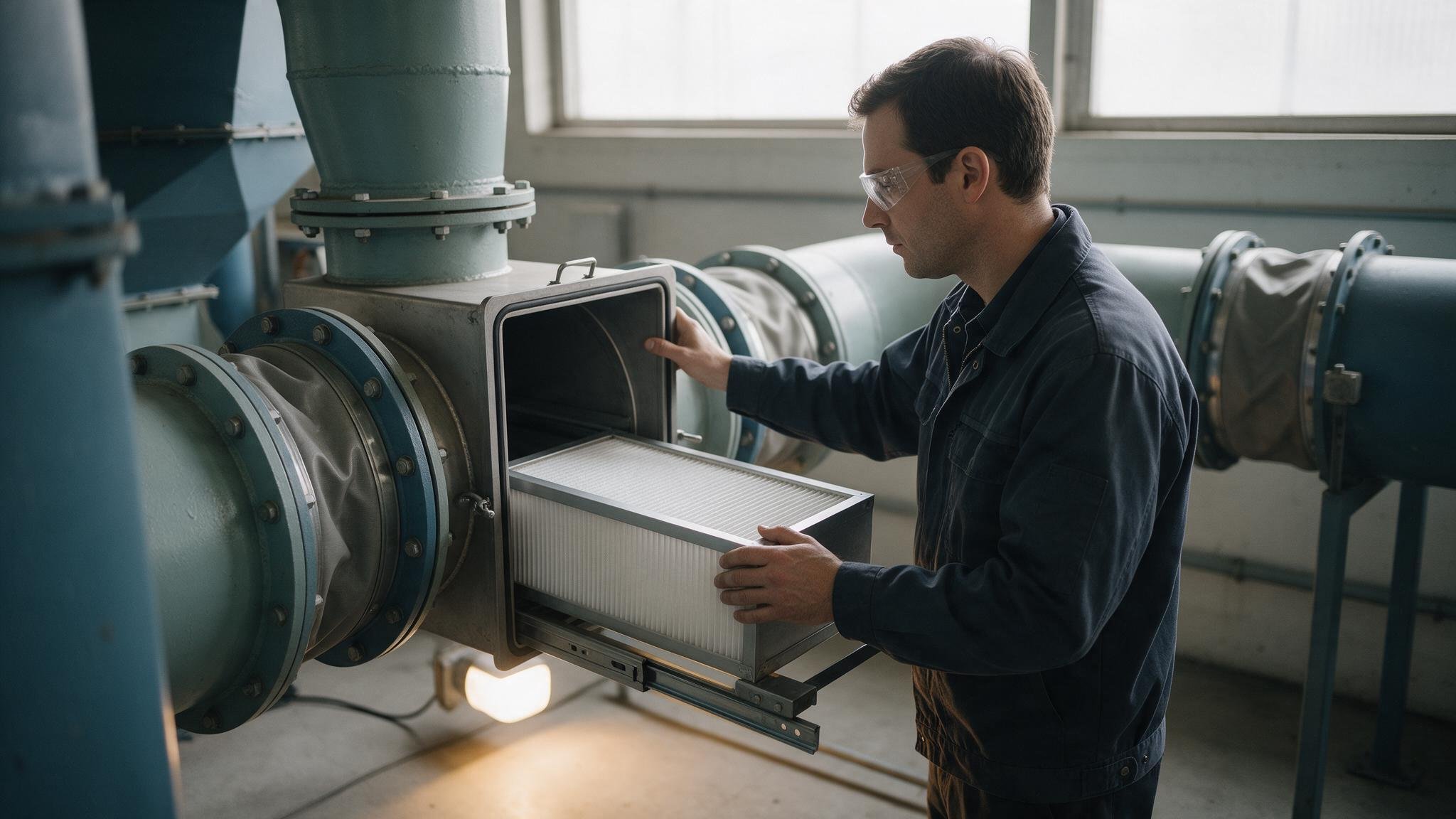
- Maintenance Accessibility: Design should allow for tool-free or quick-change cartridge replacement for distributed site management.
- Durability: Materials must withstand UV exposure, temperature cycles, and moisture.
3. Tangible Benefits: The ROI of Effective Air Filtration
- Enhanced Reliability: Dramatically reduces unexpected failures from overheating/corrosion, supporting >99% operational uptime.
- Sustained Performance: Maintains optimal efficiency, ensuring stable rated power output during peak demand.
- Extended Asset Life: Increases the operational lifespan of high-cost power electronics, improving long-term ROI.
- Predictable Maintenance: Transforms unpredictable hardware repairs into scheduled filter service, lowering total operational costs.
- Improved Safety: Mitigates fire risks associated with dust accumulation and localized overheating.
4. Challenges & Optimization Strategies
- Environment-Specific Selection:
- Standard Urban: F7-grade filters are often sufficient.
- High-Dust/Construction Sites: Upgrade to F8-F9 efficiency with shorter service intervals.
- Coastal/Industrial: Mandatory use of corrosion-resistant frames (stainless steel) and salt-spray protective media.
- Smart Maintenance Management:
- Implement differential pressure sensors to monitor filter loading and enable predictive maintenance.
- Establish site-specific replacement schedules based on actual environmental severity, not just time.
- System Integration:
- Ensure excellent sealing between the filter and cabinet to prevent air bypass.
- Charger design must prioritize easy filter access and replacement.
5. Conclusion
As EV charging infrastructure evolves towards high-reliability and low-maintenance standards, air filters have transitioned from an accessory to a core protective component for DCFC units. A properly specified and maintained air filtration system is a decisive technical measure for ensuring charger reliability in all weather conditions, maximizing uptime, and protecting your capital investment. For charger OEMs and network operators, optimizing this aspect translates directly to lower failure rates, longer asset life, and higher customer satisfaction.
Equip Your Chargers with a Reliable "Respiratory System"
Whalesens Tech provides specialized air filter solutions engineered for EV charging applications:
- Environment-Matched Selection: We recommend optimal protection based on your deployment site (coastal, industrial, urban).
- High-Performance, Durable Products: Featured filters with moisture resistance, corrosion protection, and low airflow resistance.
- Maintenance Optimization: We help establish smart monitoring and efficient service protocols to reduce OPEX.
Contact us today for a free Charger-Specific Air Filtration Guide and Protection Whitepaper!
Website: www.whalesens.com WhatsApp: +86 131 1918 9886 Email: whalesens@gmail.com
Need a custom air filtration solution?
Contact the Whalesens engineering team for product selection and OEM/ODM support.
Email whalesens@gmail.com