


EV Charging Stations
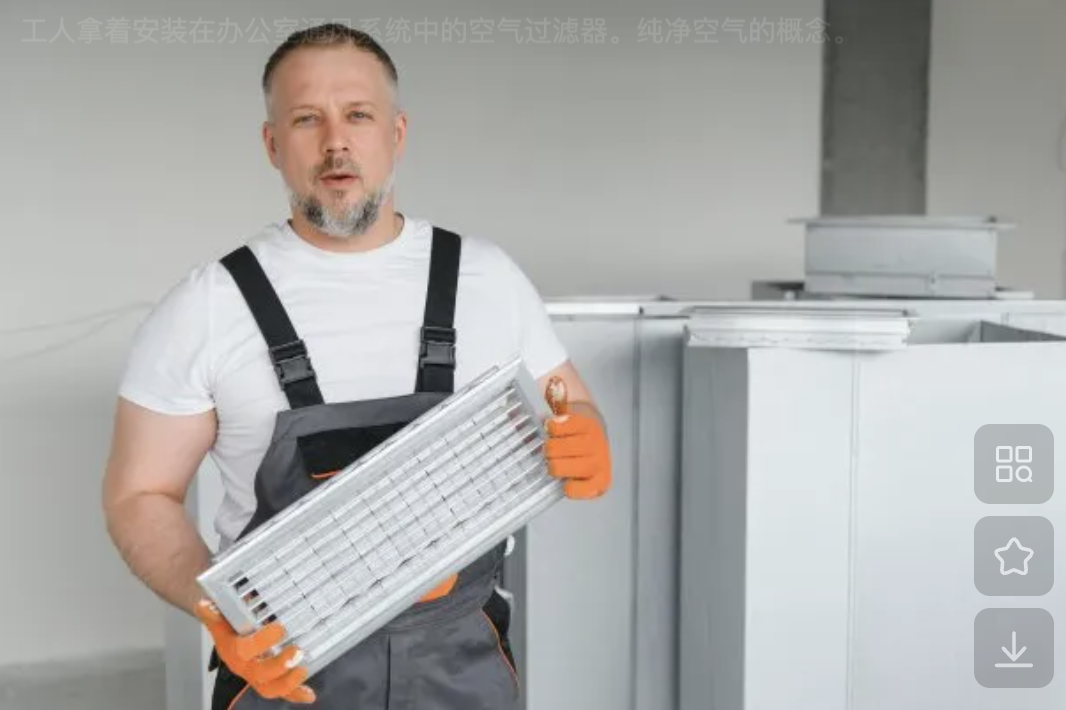
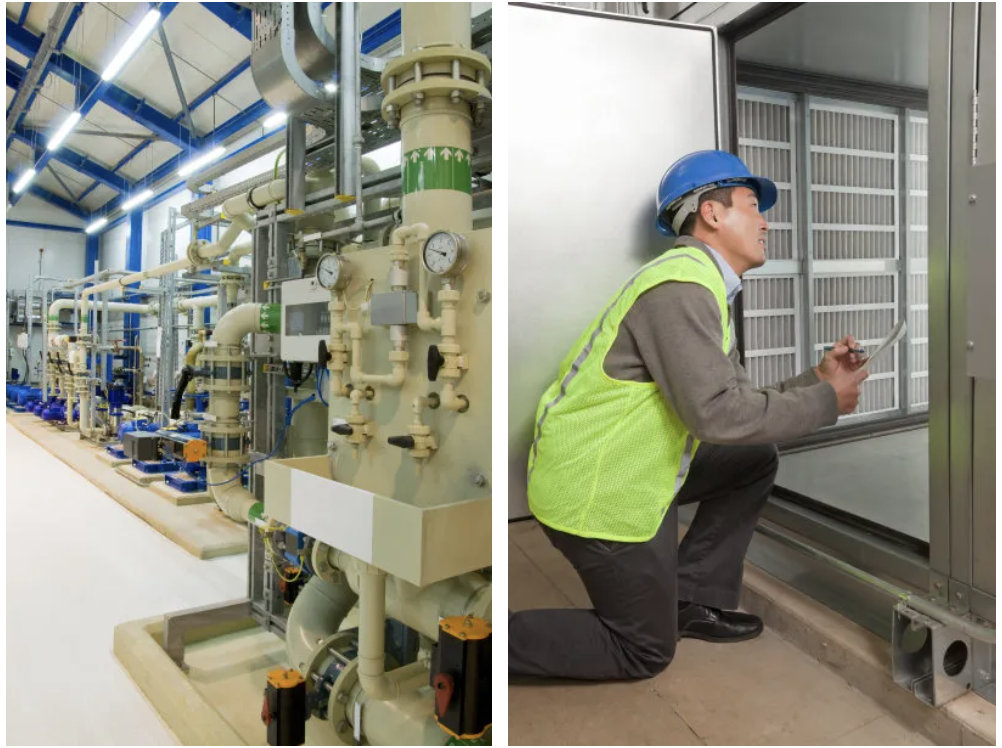
Filtration for Power Equipment
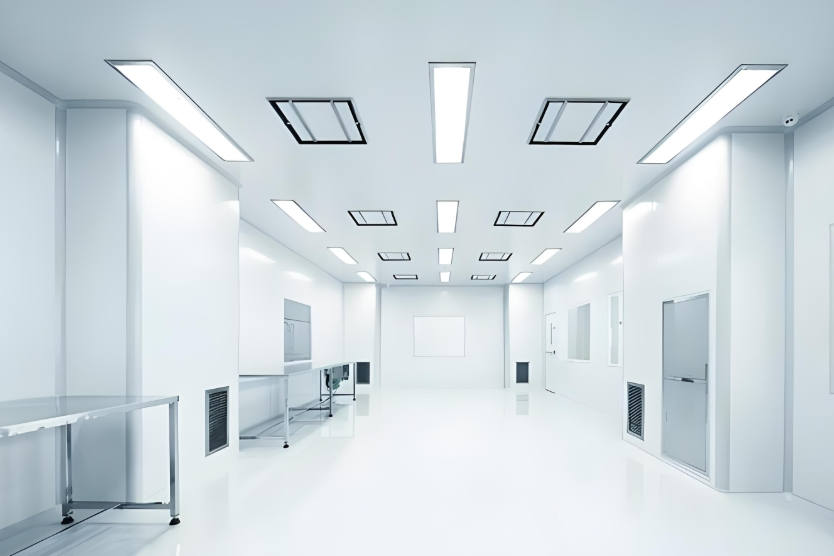
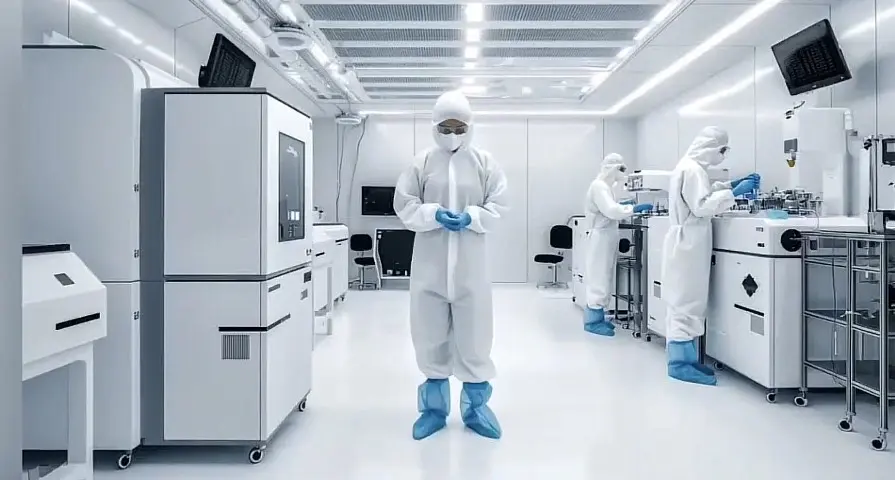
Cleanroom & Semiconductor
Ultra-High Cleanliness Filtration
Commercial HVAC
Central Air System Filtration
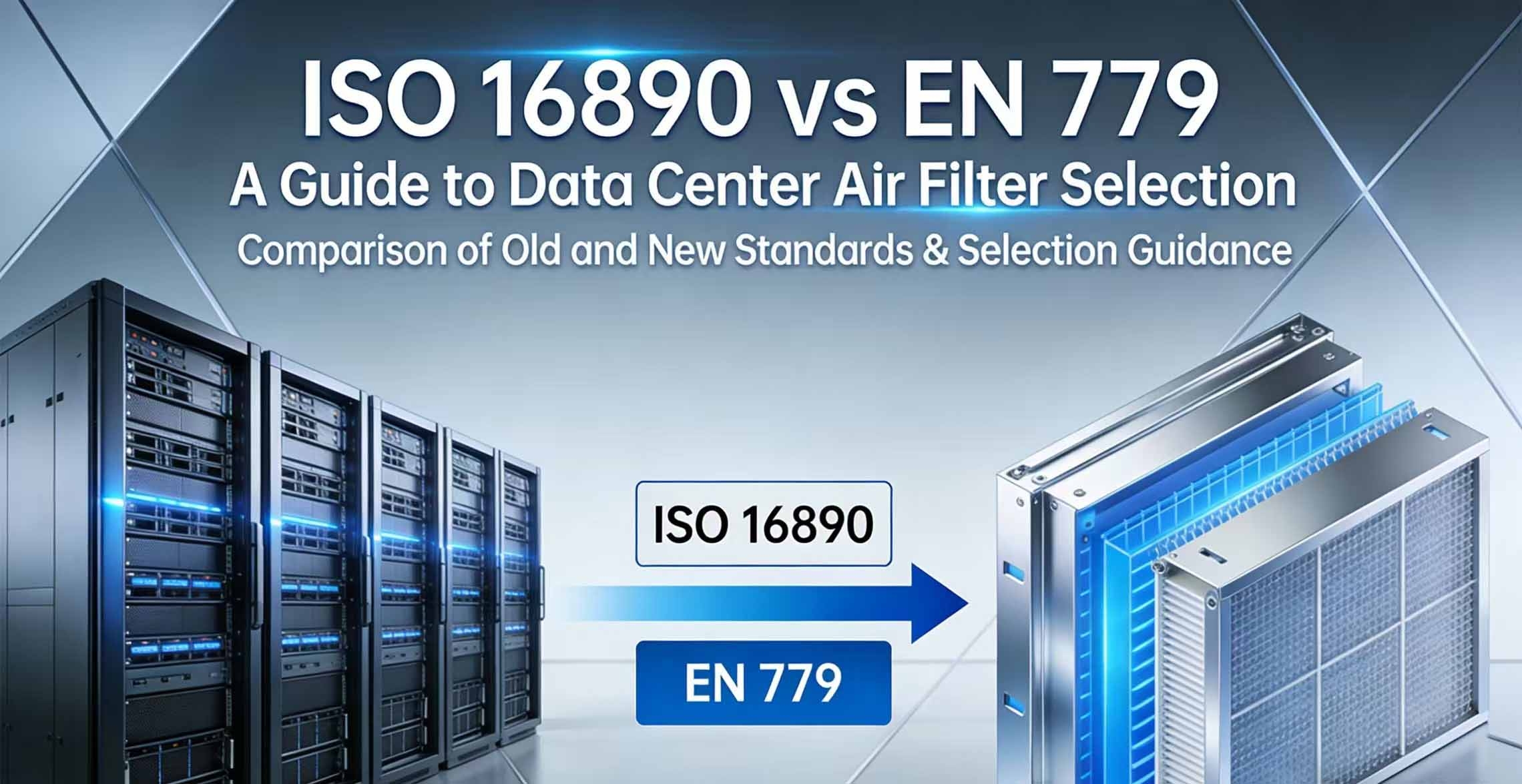
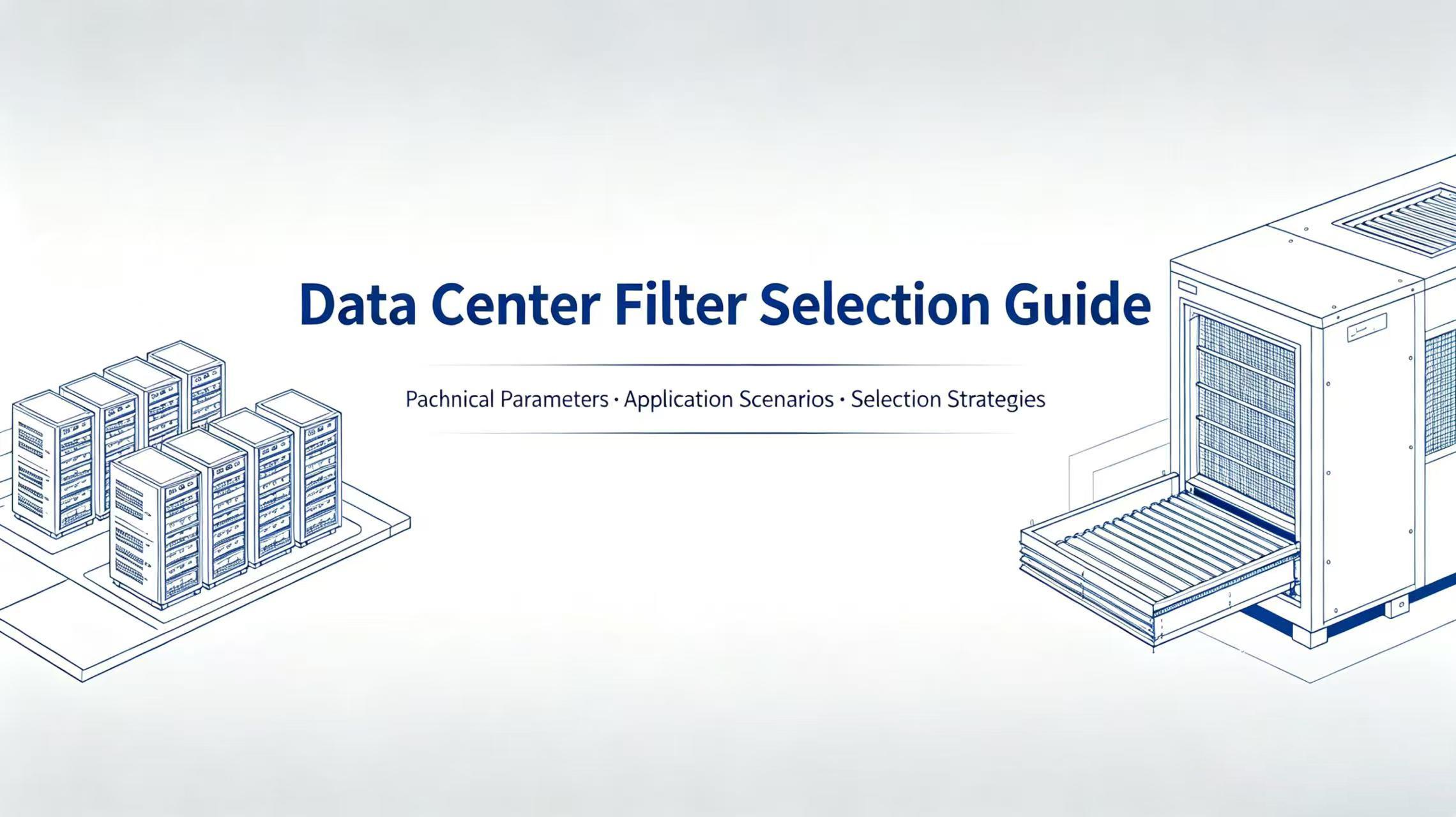
Data Centers
Precision Equipment Protection
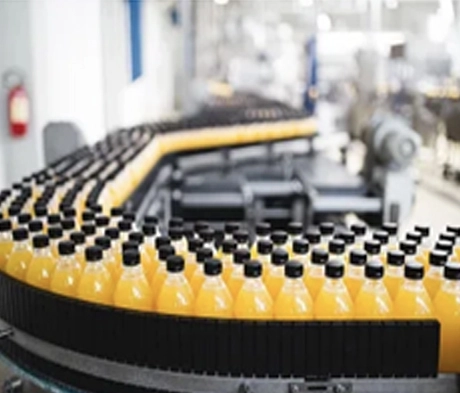
Livestock & Farming
Farming Environment Purification
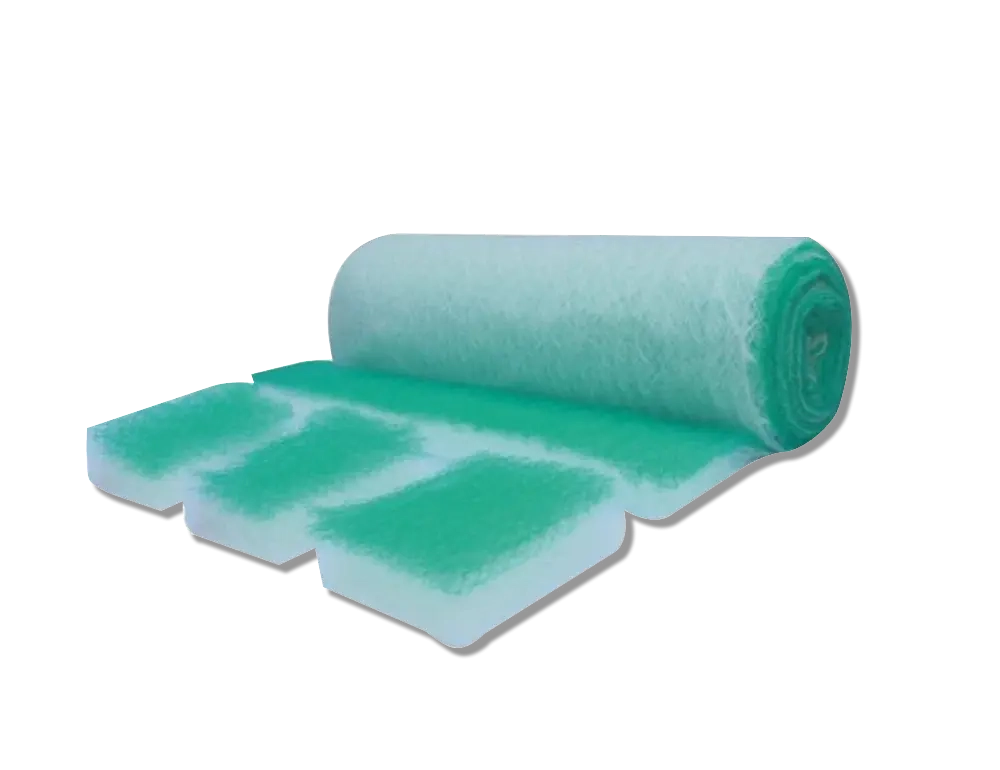
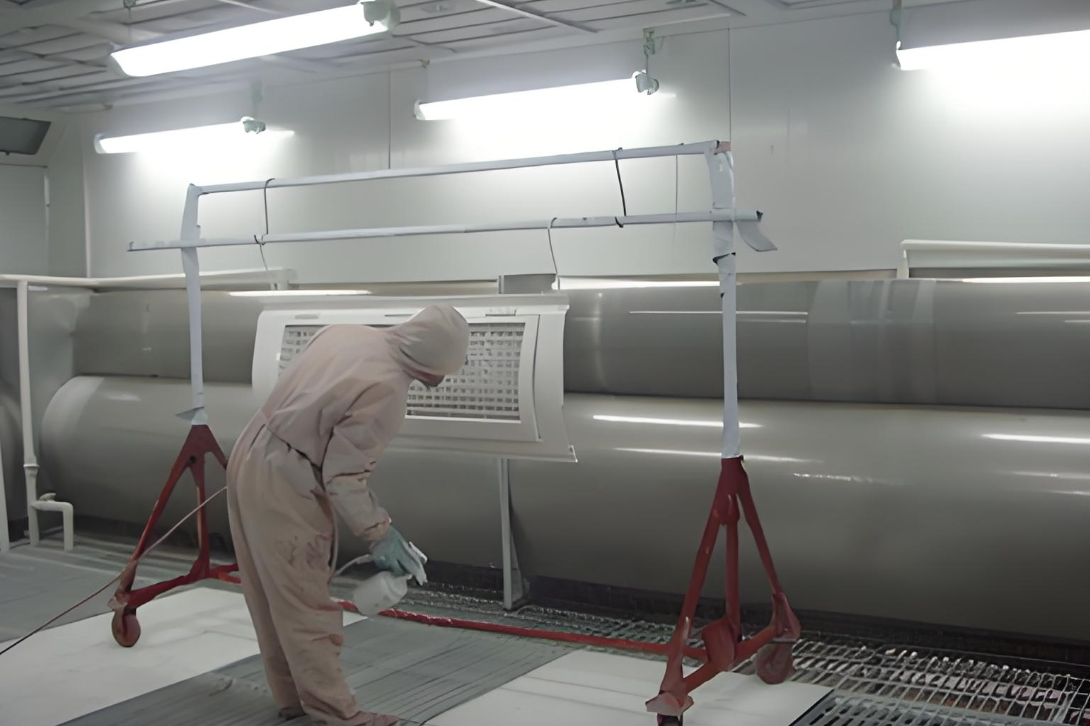
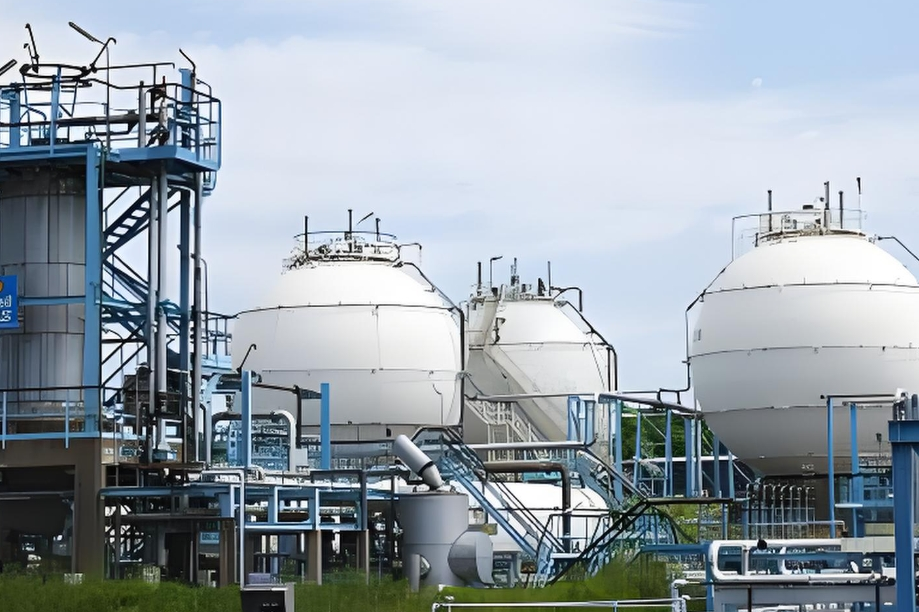
Spray Booths & Industrial Dust
Paint Mist & Dust Purification
Filtration for Power Equipment
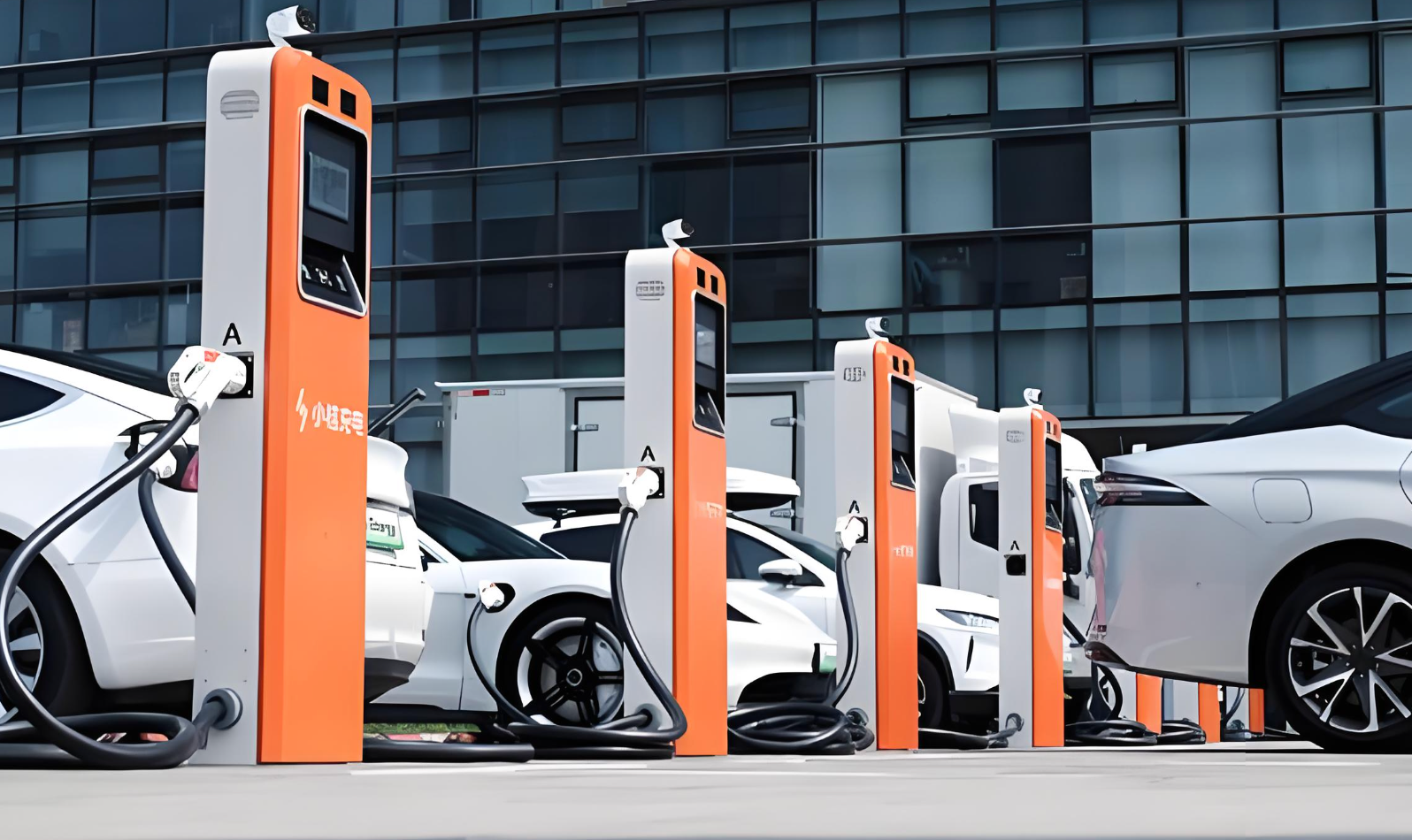
Professional air filtration for EV charging devices, protecting against dust and sand ingress to ensure stable, reliable operation of charging piles and station infrastructure.
View Related Products →Ultra-High Cleanliness Filtration
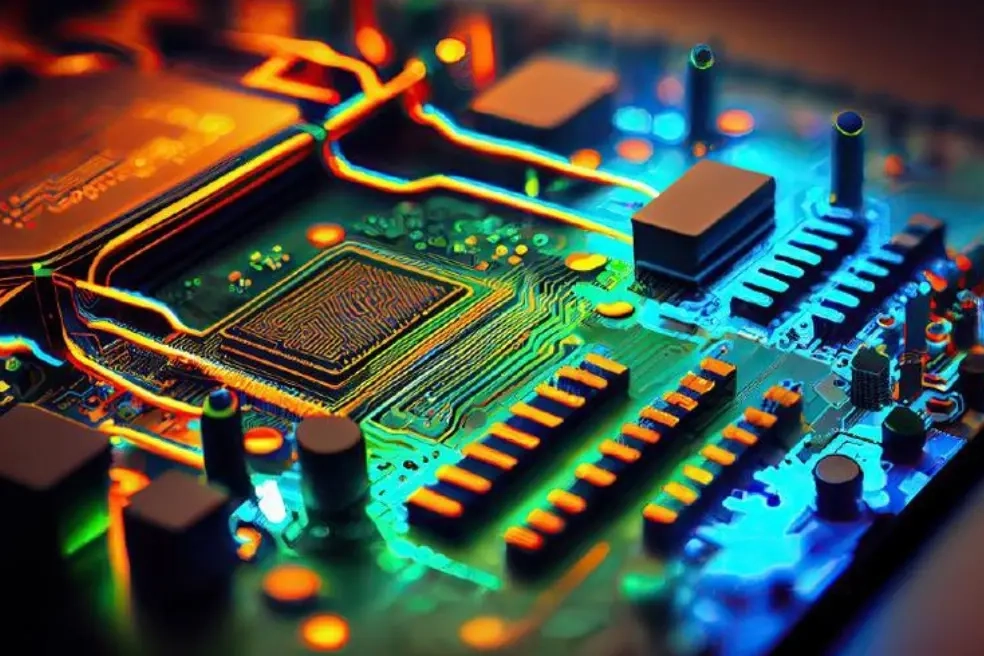
Ultra-high efficiency filtration for semiconductor wafer fabs and precision electronics cleanrooms, capturing nano-scale particles to meet ISO Class 1–3 standards and maximize product yield.
View Related Products →Central Air System Filtration
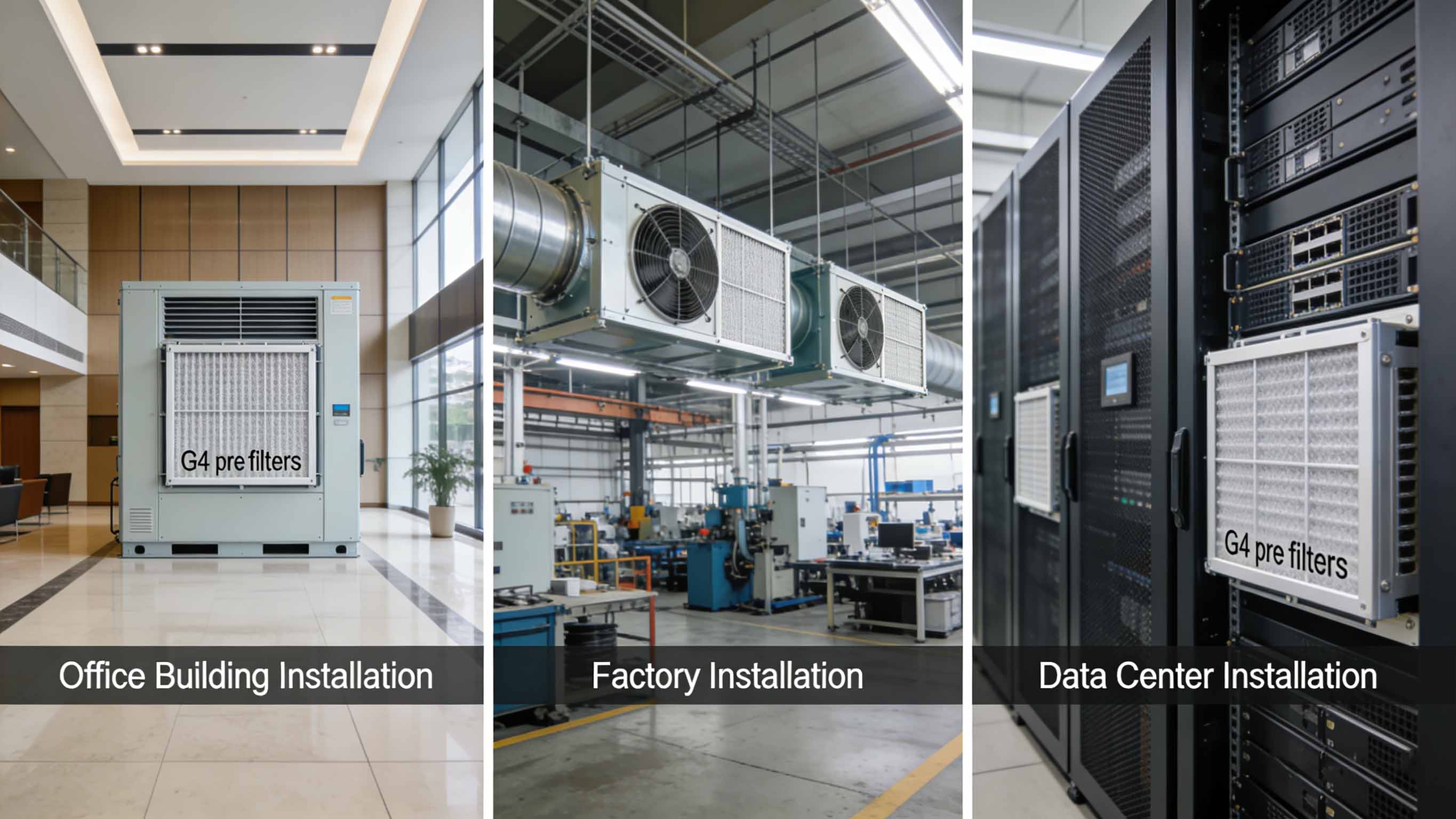
High-efficiency filtration for commercial building HVAC systems, improving indoor air quality, reducing energy consumption, and extending equipment service life.
View Related Products →Precision Equipment Protection
Precision air filtration for data centers, shielding servers and critical hardware from dust contamination to keep cooling systems running efficiently and reliably.
View Related Products →Farming Environment Purification
Dedicated filtration systems for farms and livestock facilities — capturing dust, adsorbing ammonia, and inhibiting pathogen spread to improve animal health and overall productivity.
View Related Products →Paint Mist & Dust Purification
Designed for spray booths and grinding workshops, efficiently capturing paint mist, metal dust, and wood chips to meet emission standards while protecting finished surface quality.
View Related Products →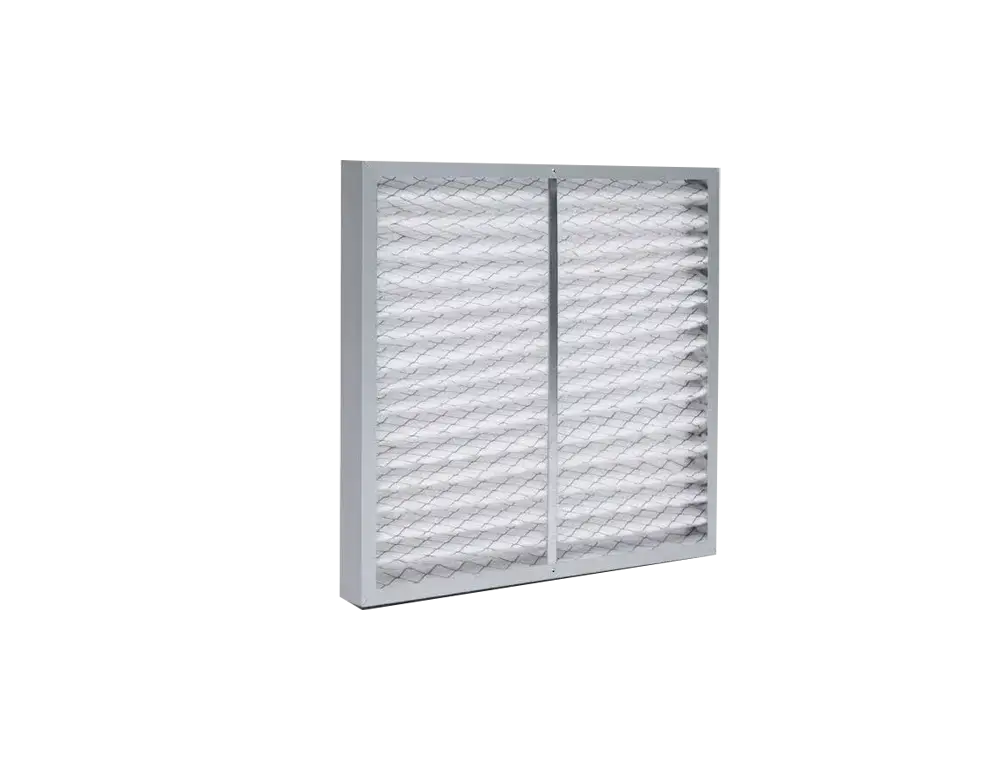
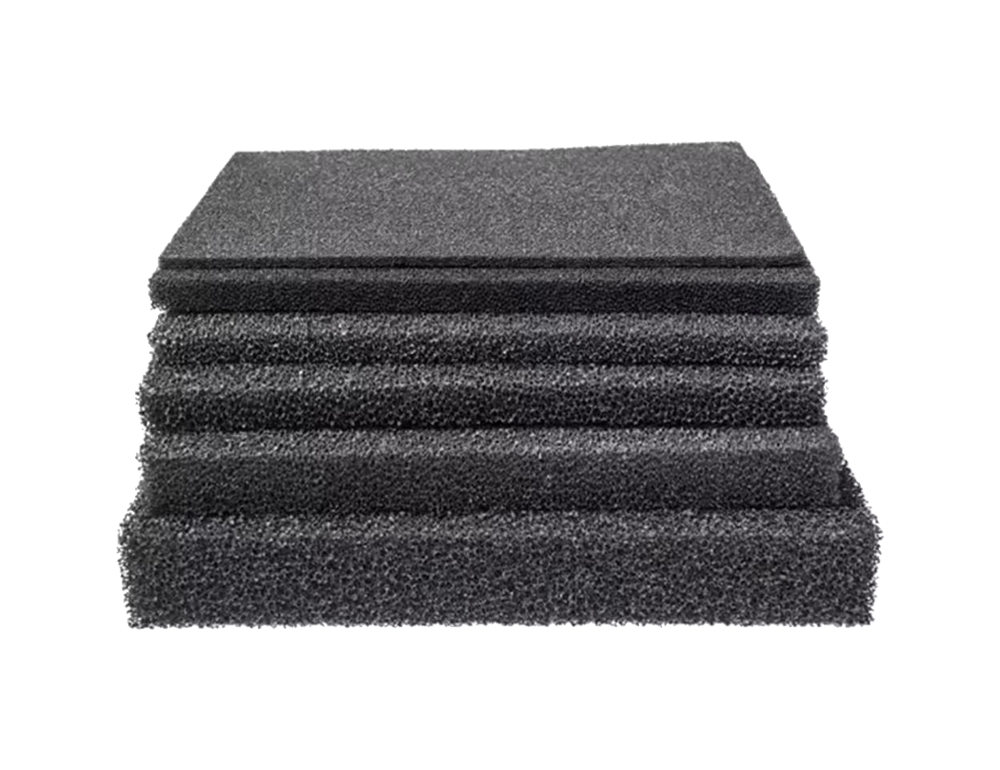
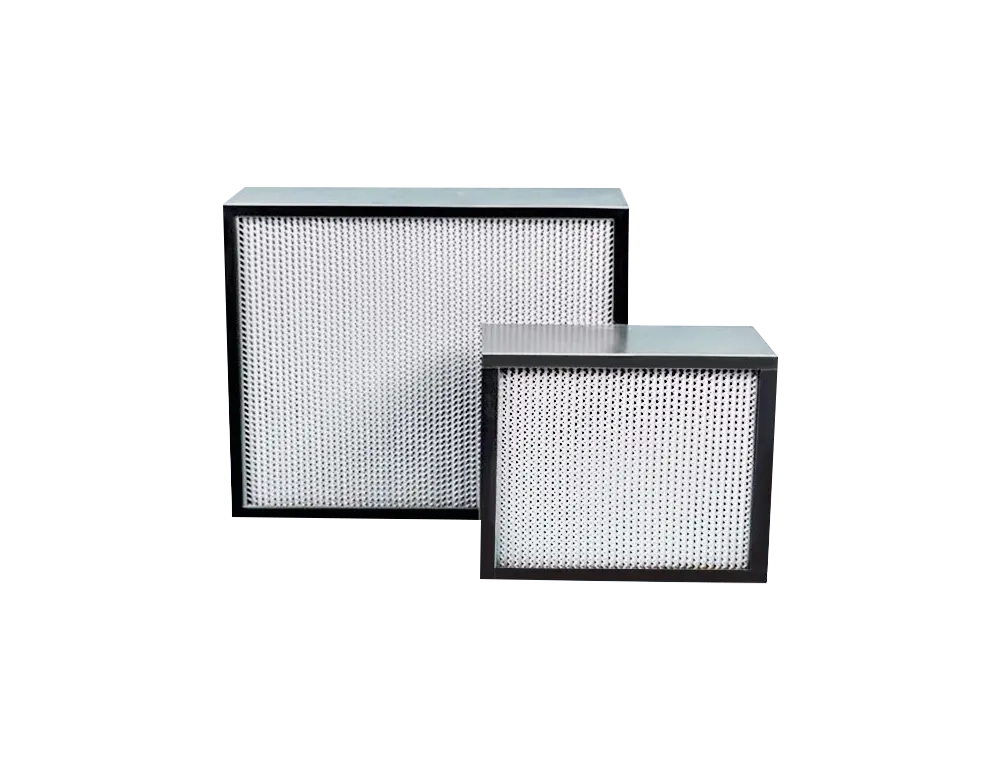
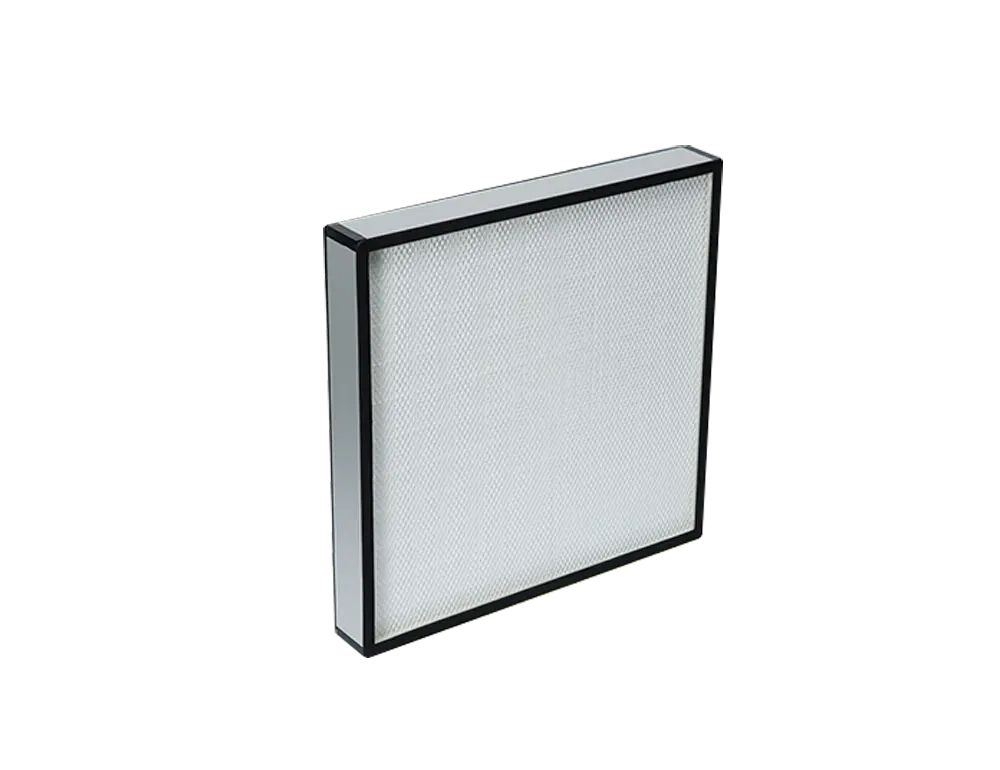
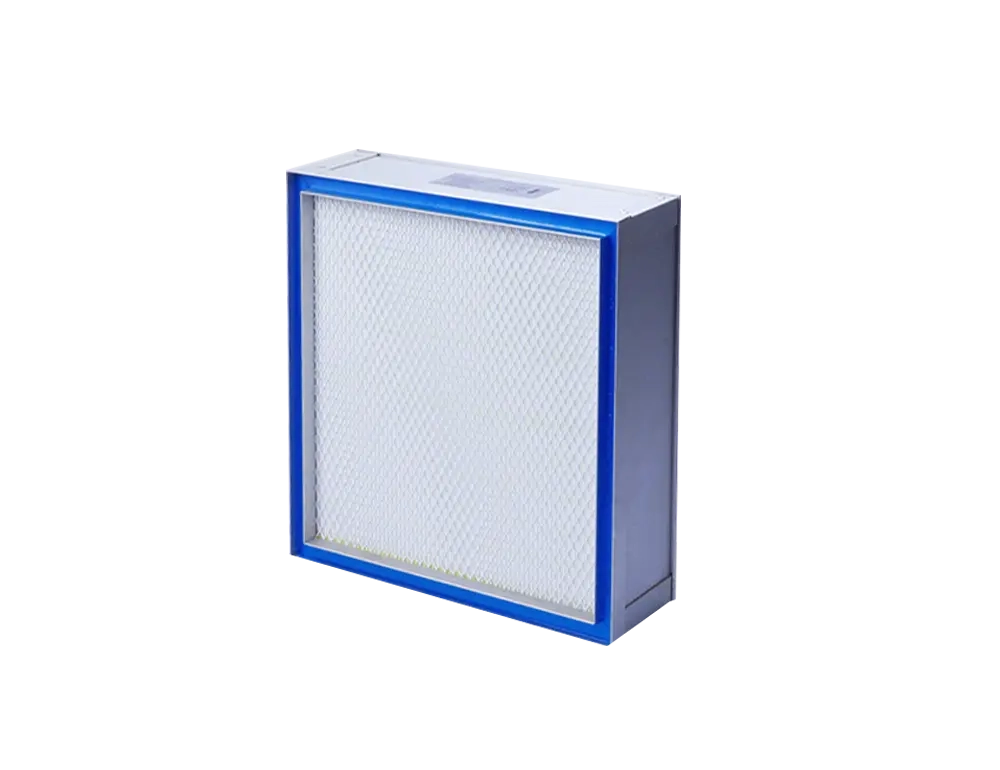
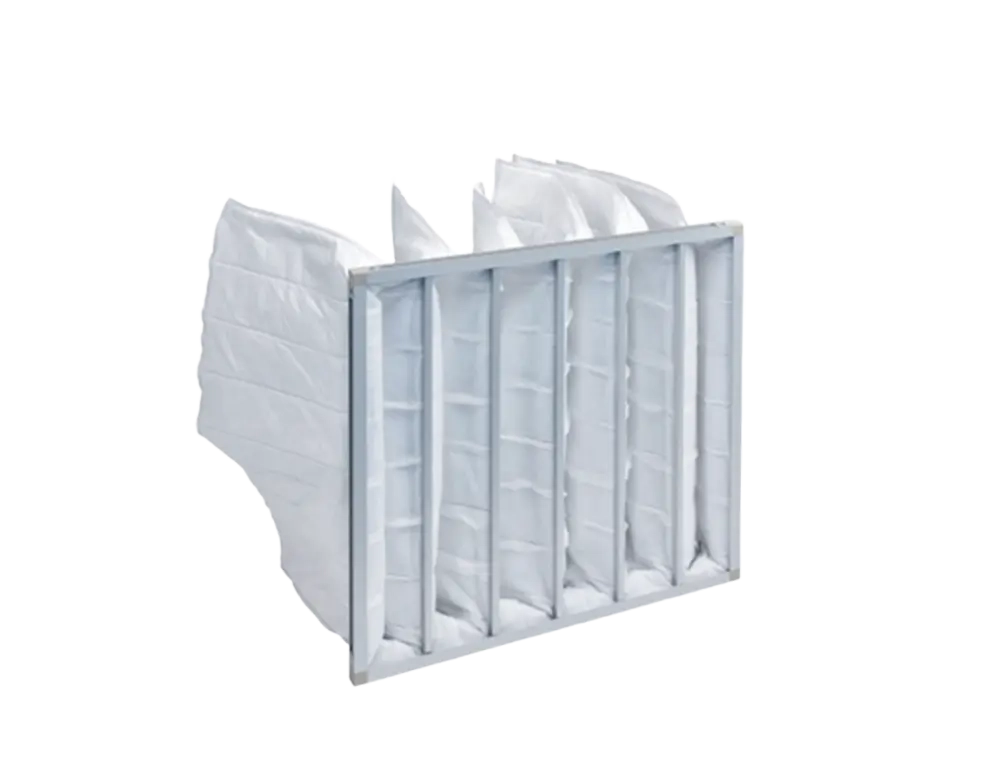
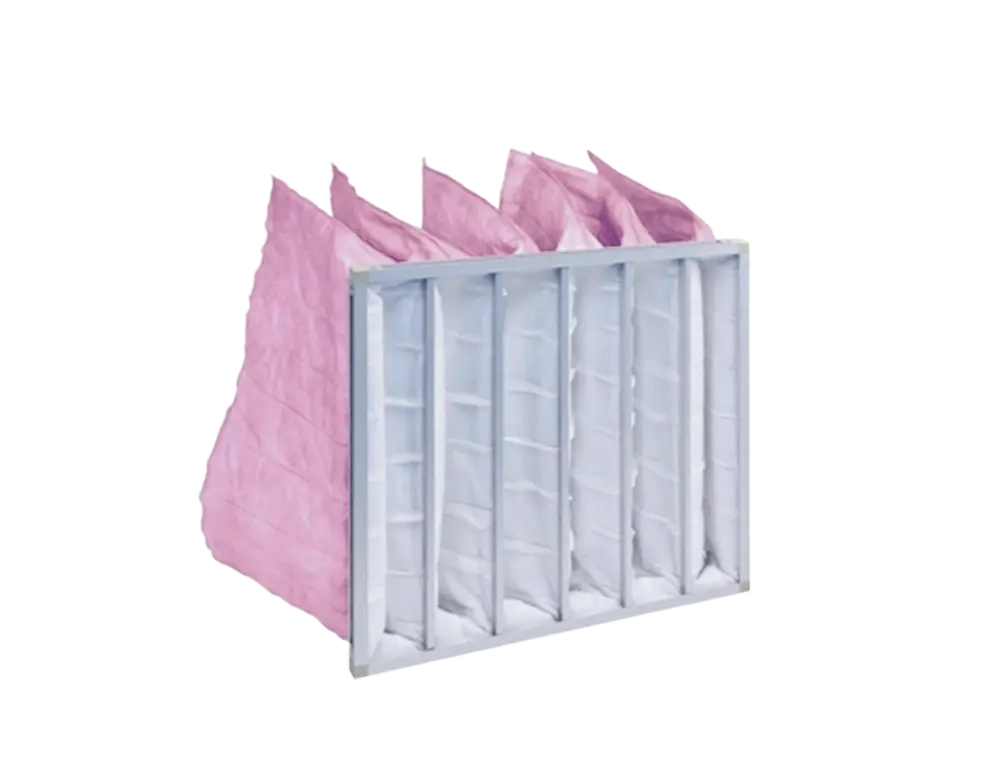
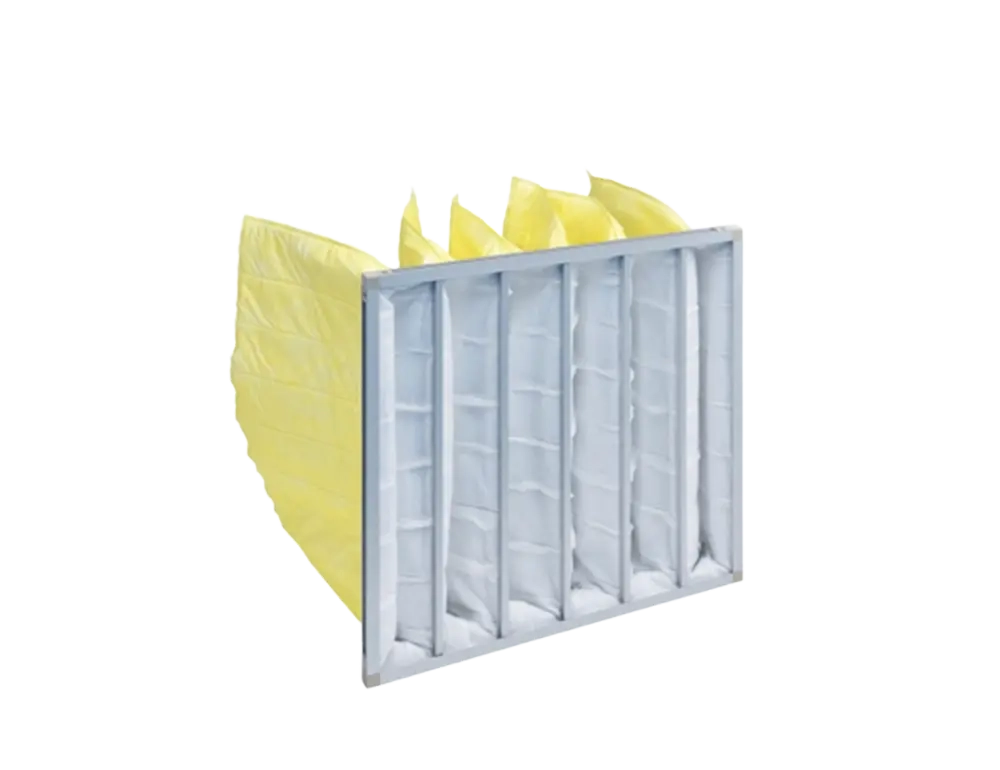

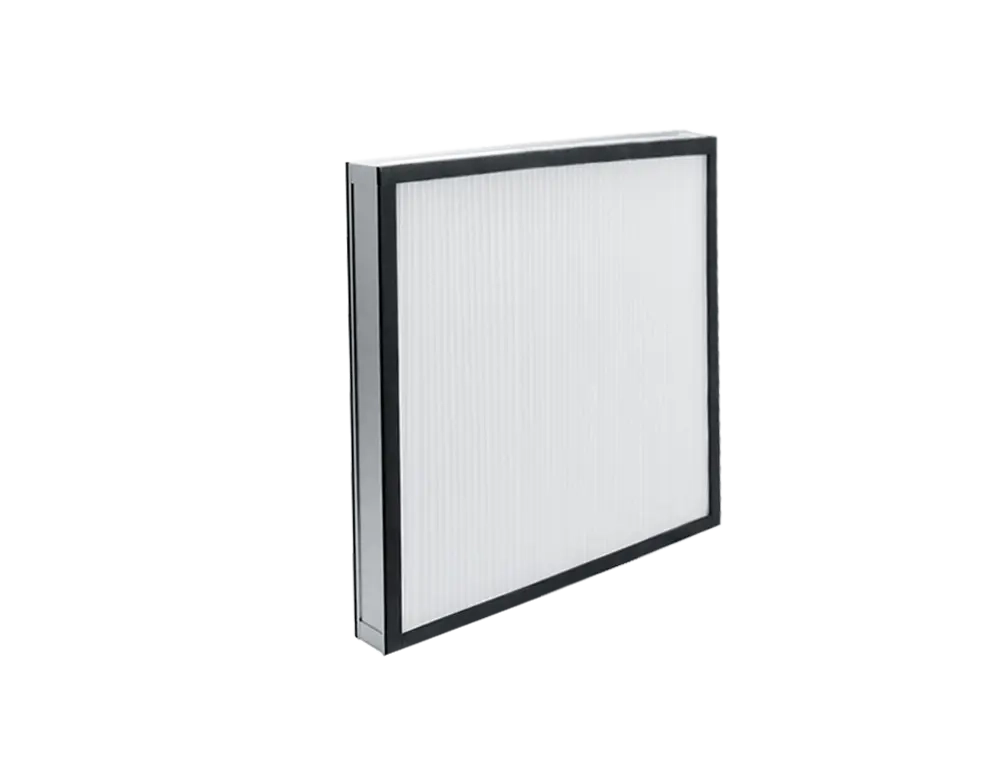
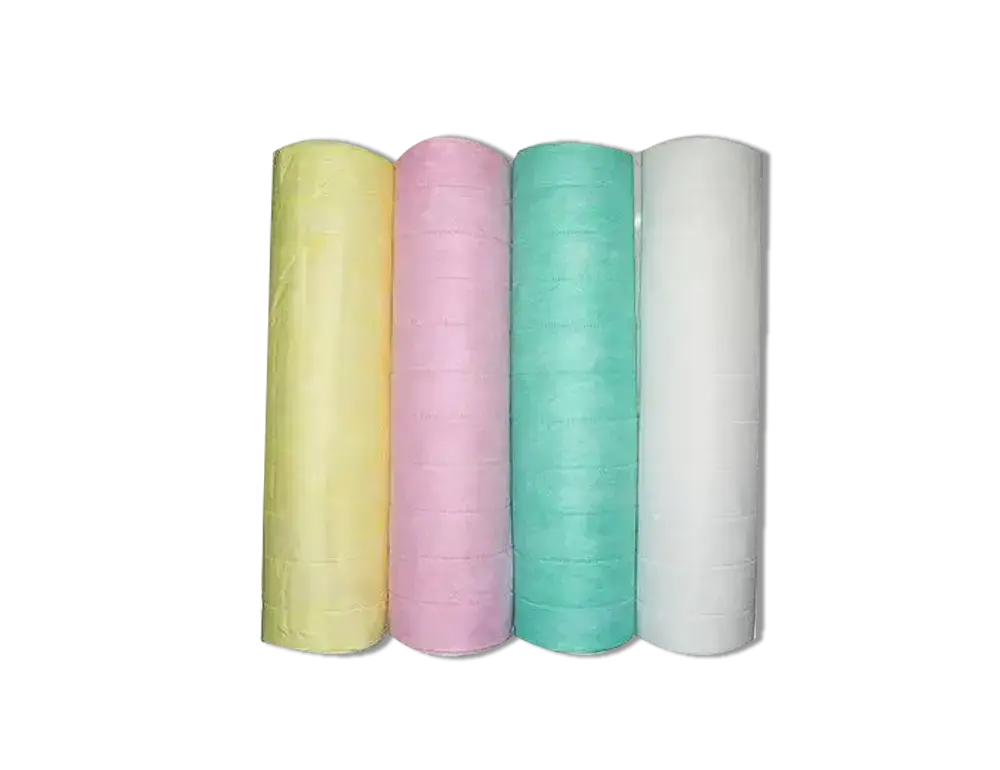
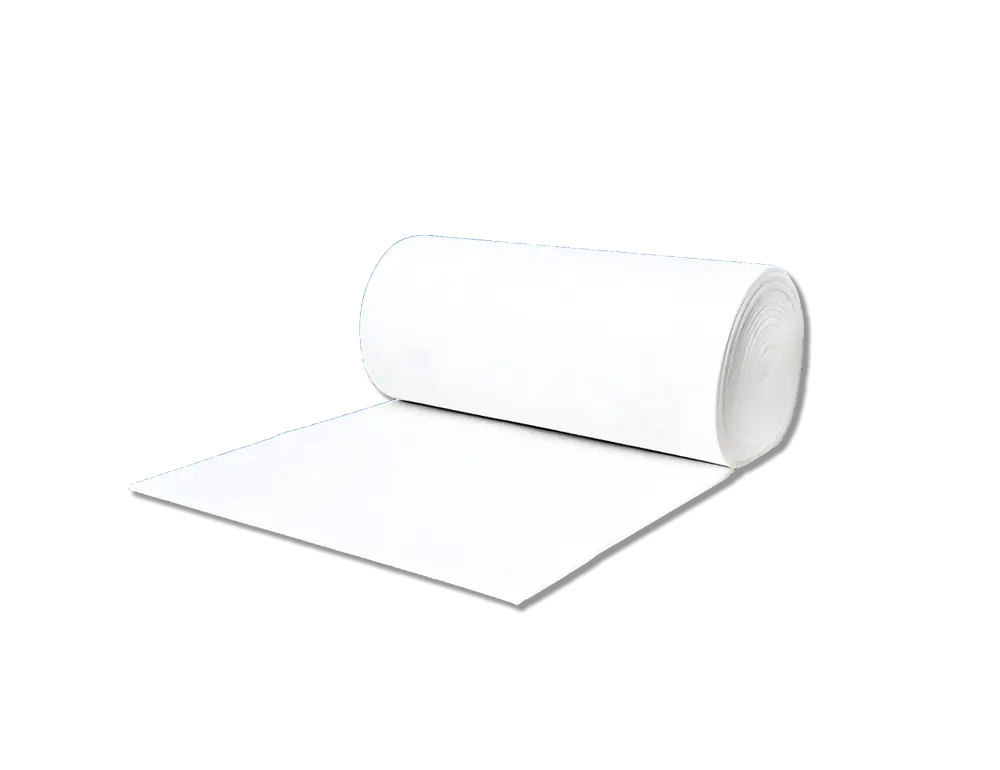
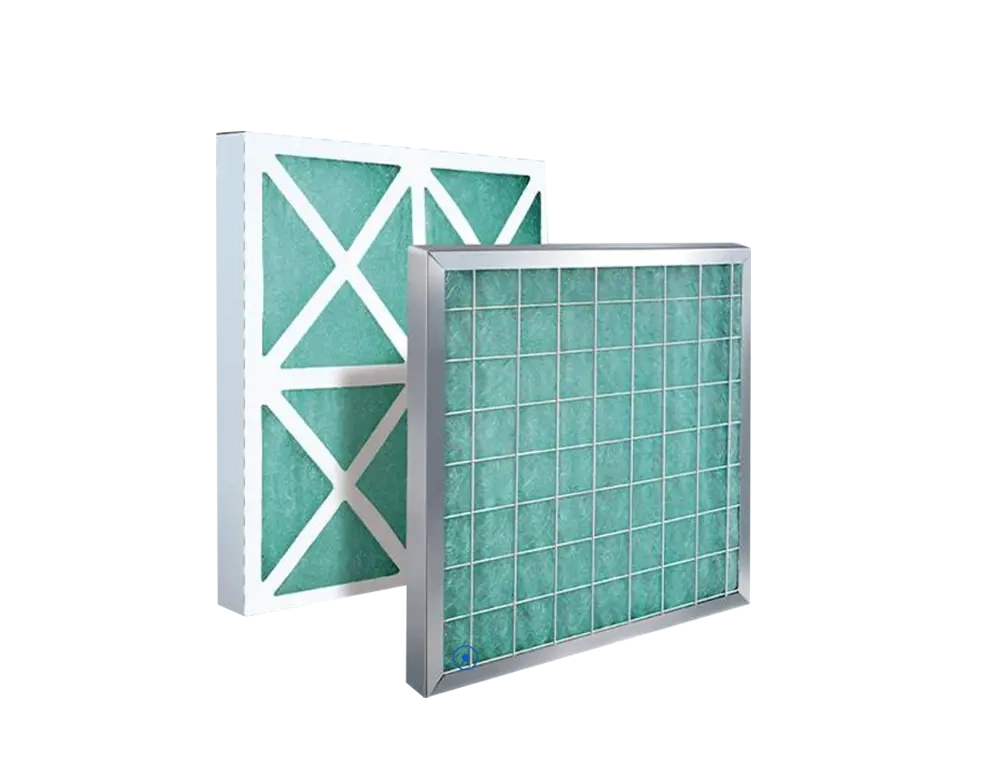
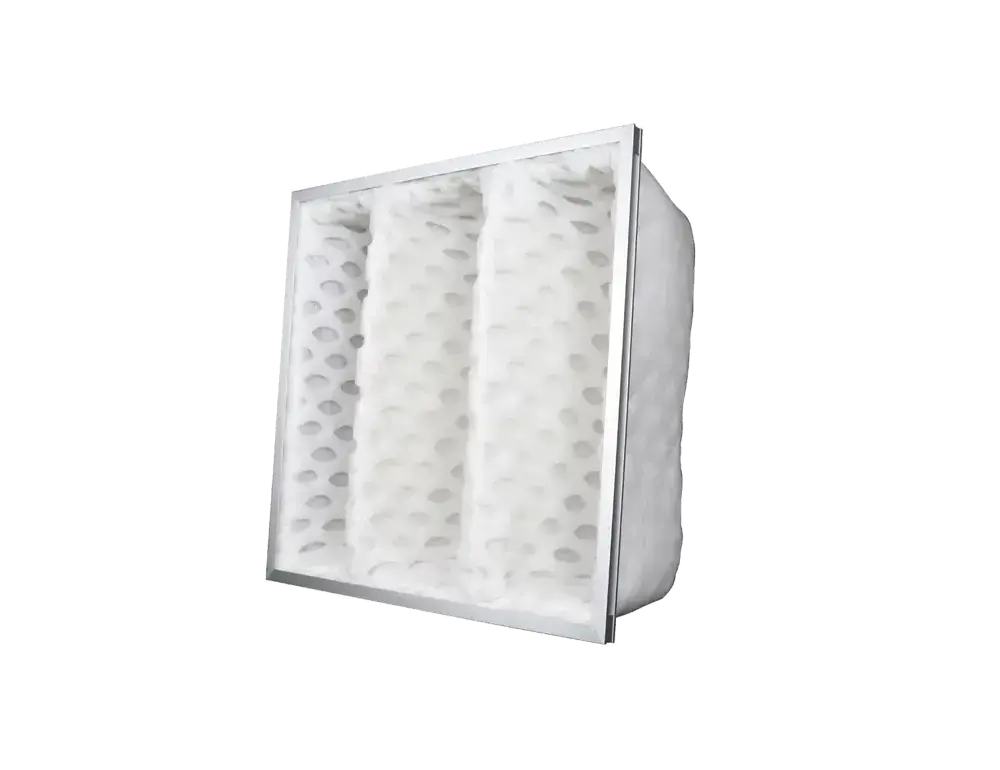
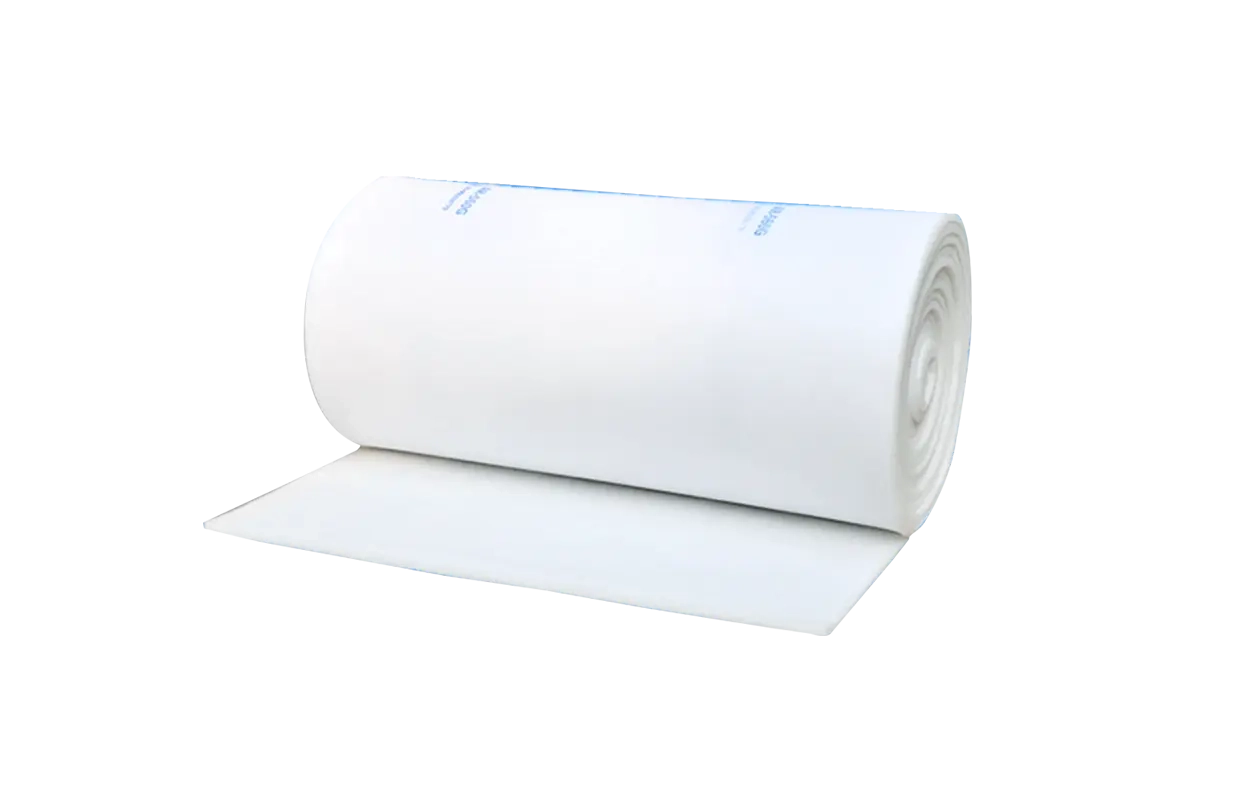
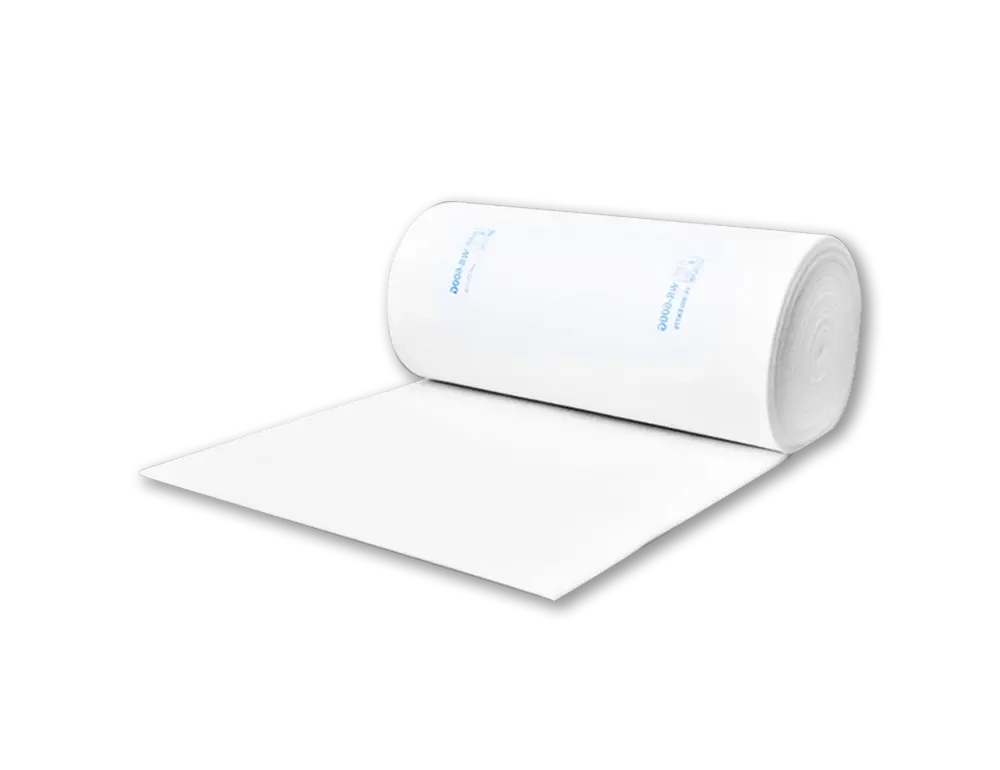
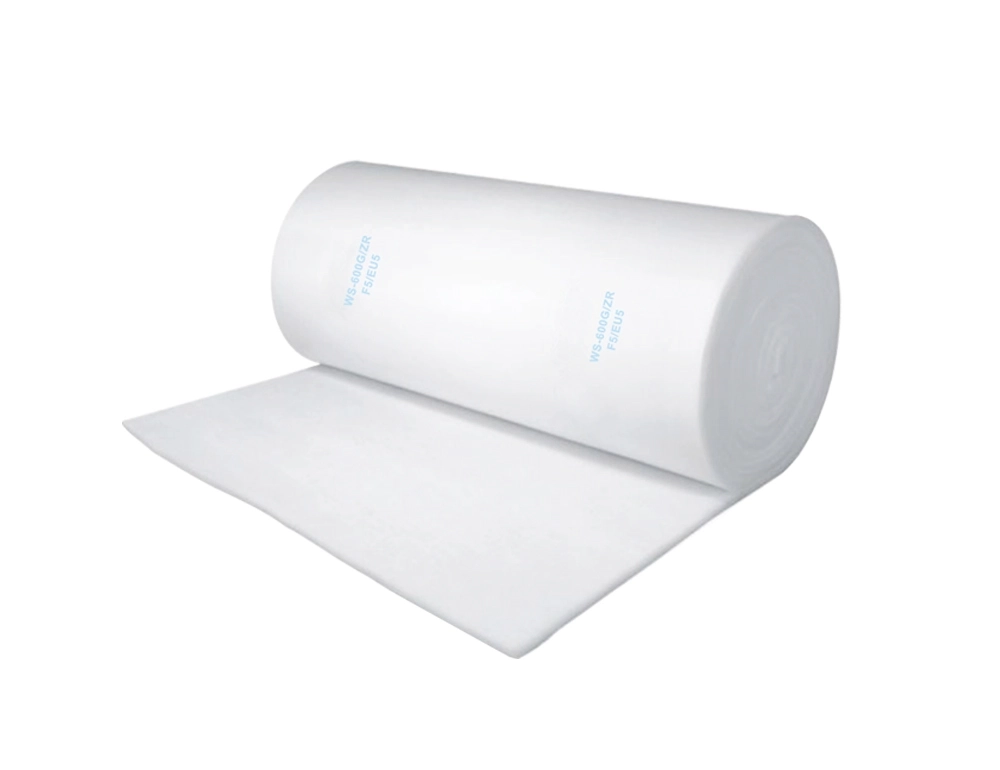
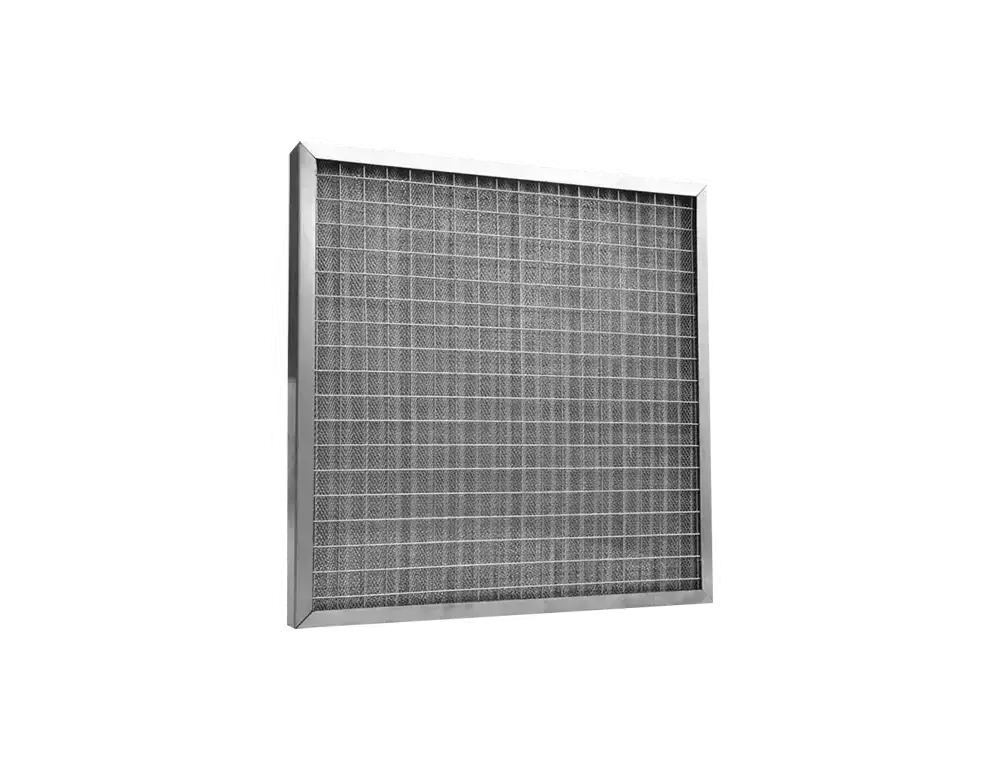
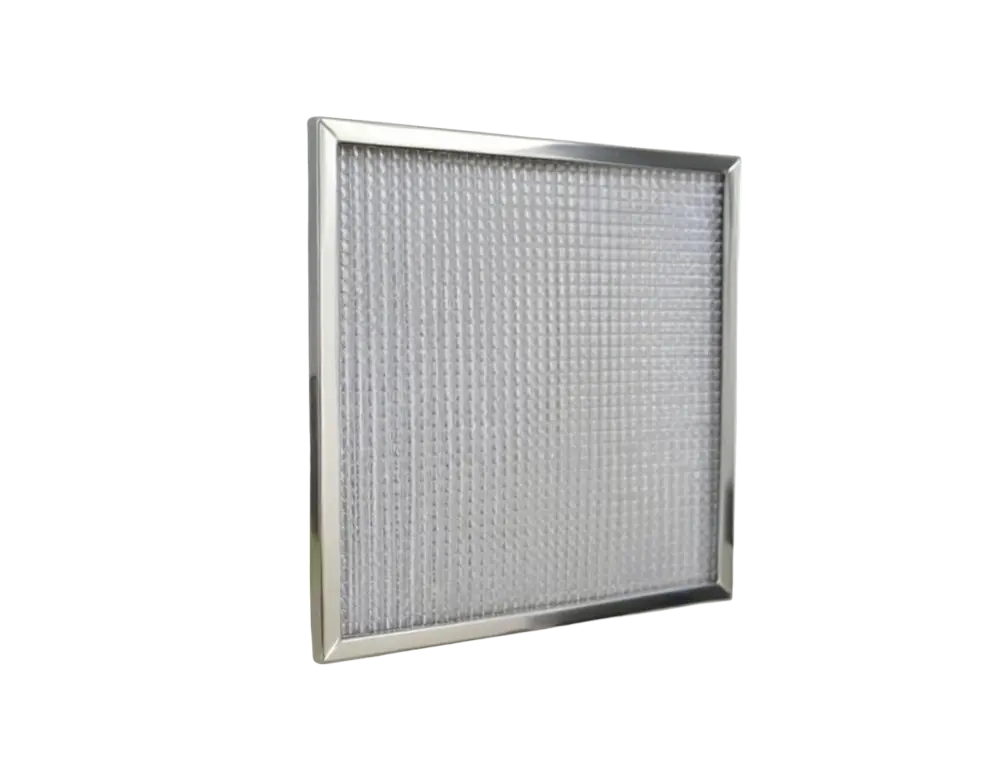
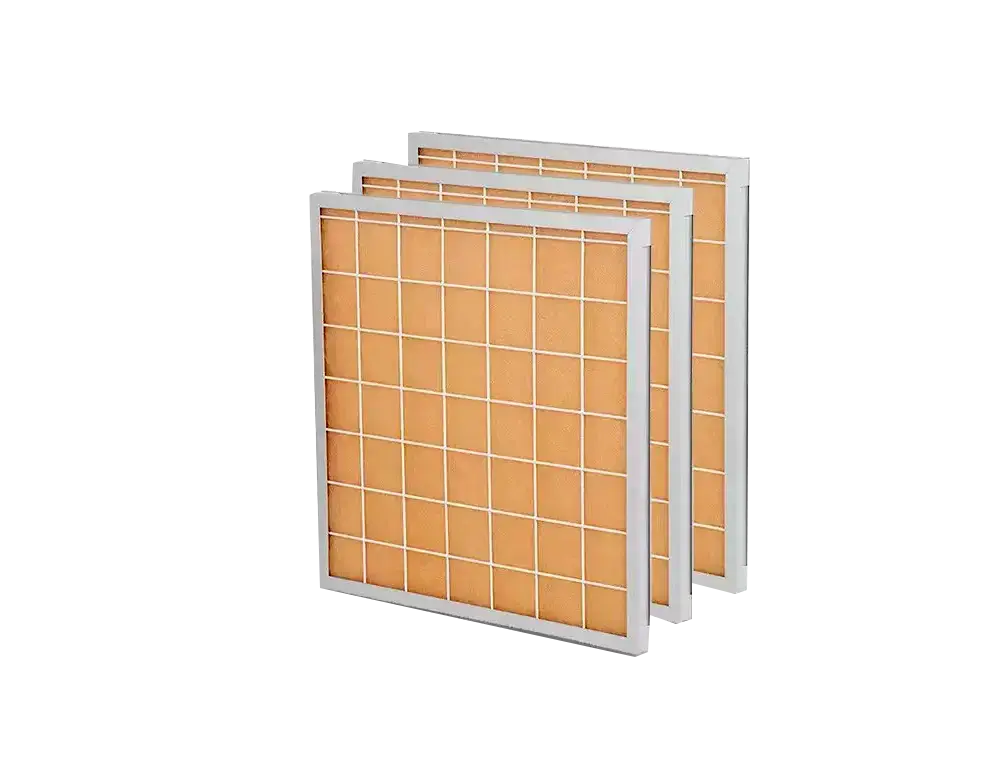
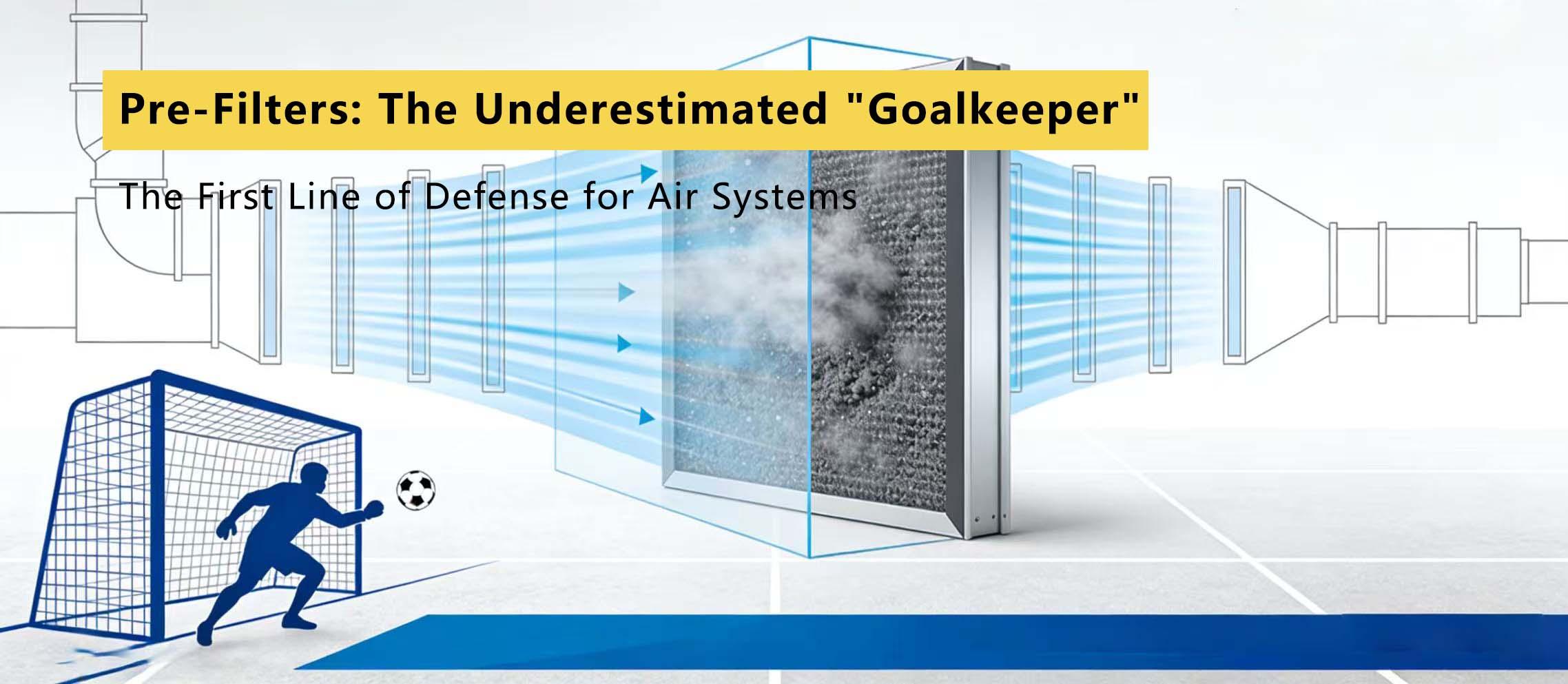
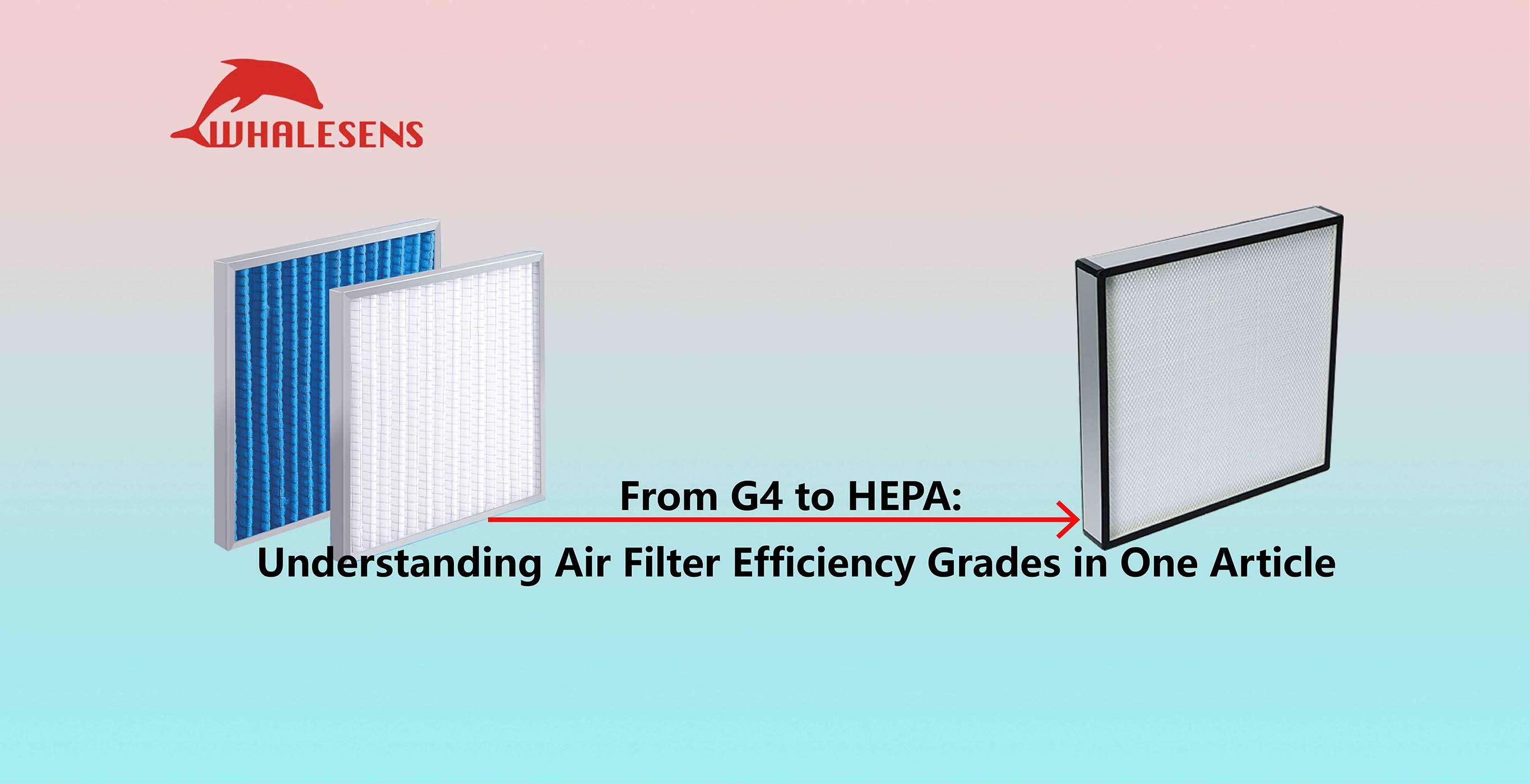
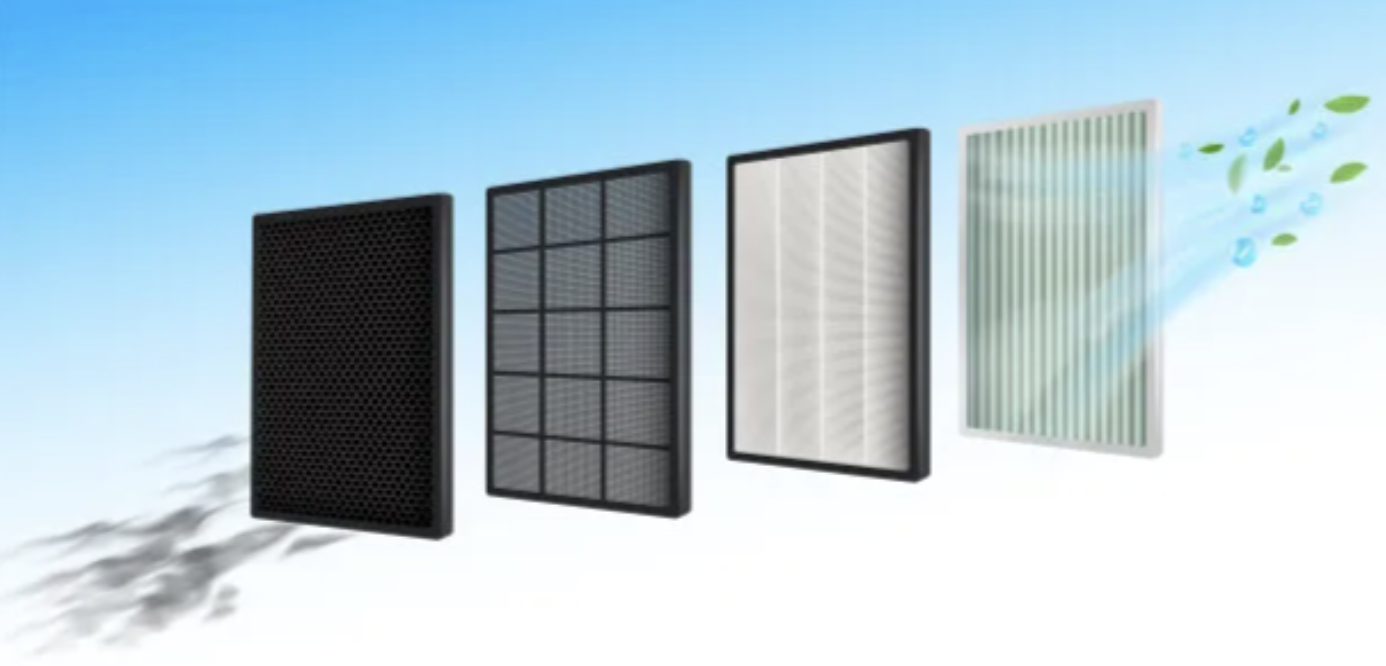
Pre-Filter (G1–G4)
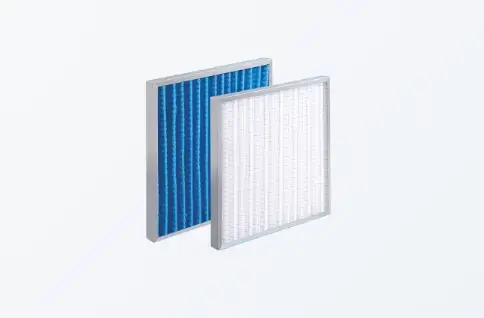
First-Stage Large-Particle Capture
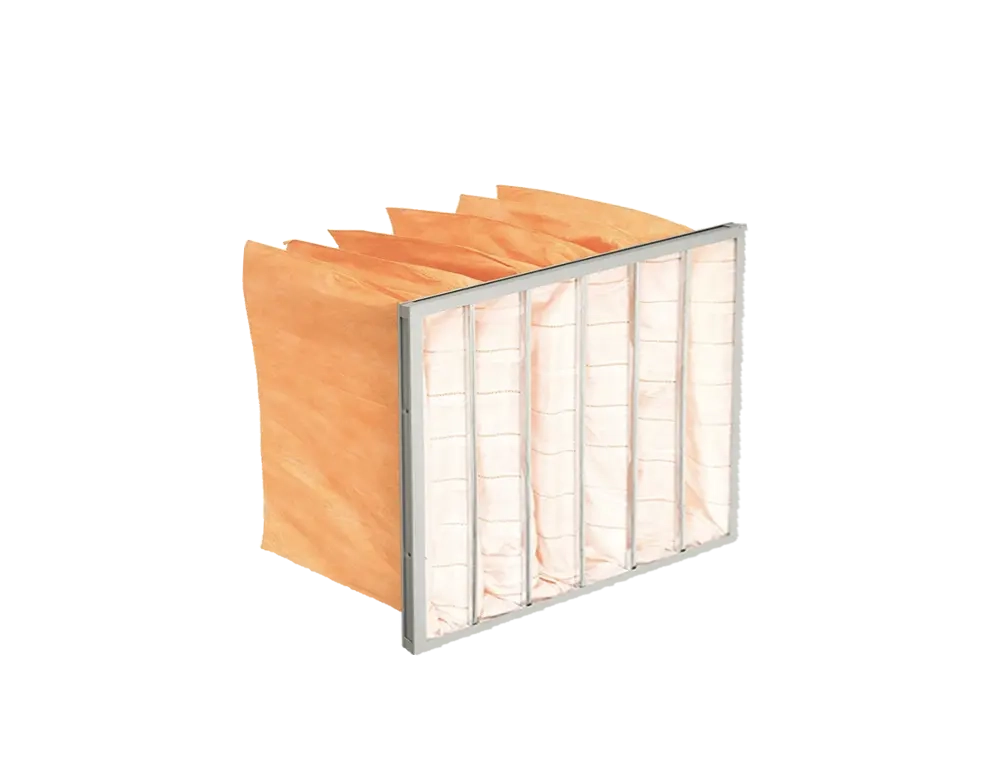
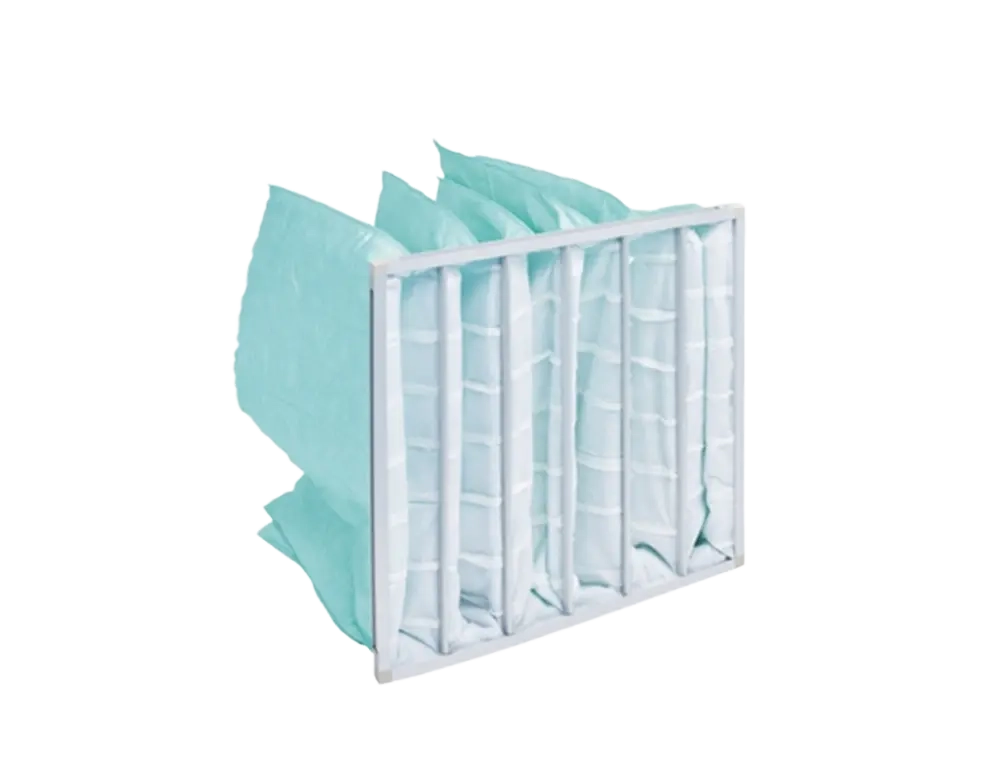
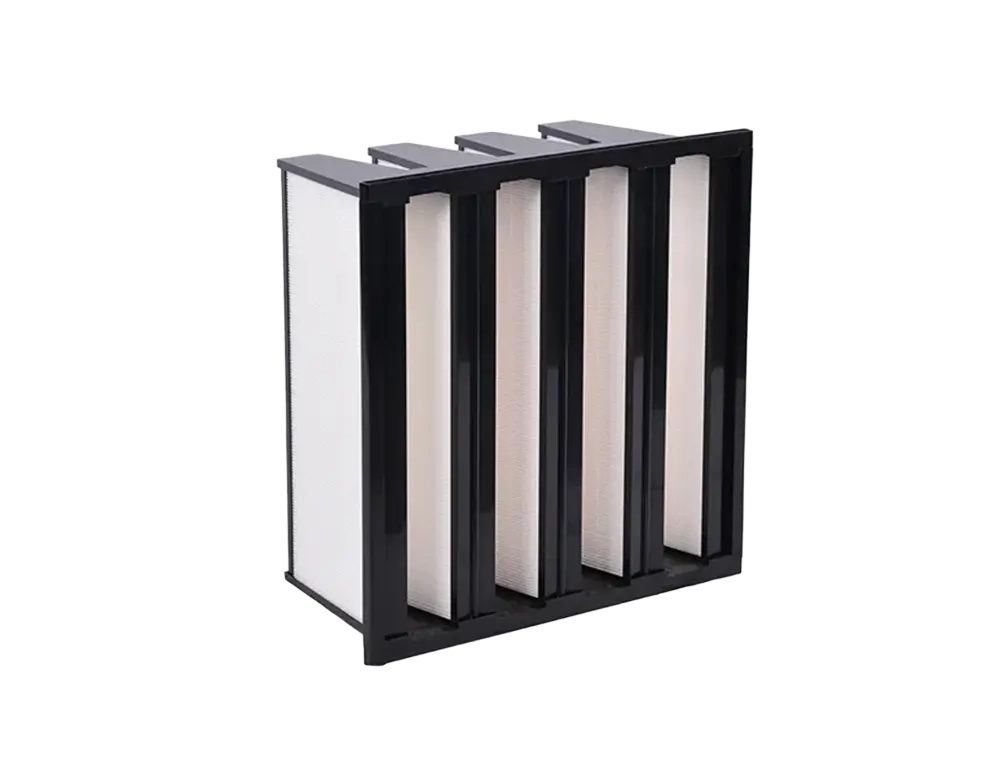
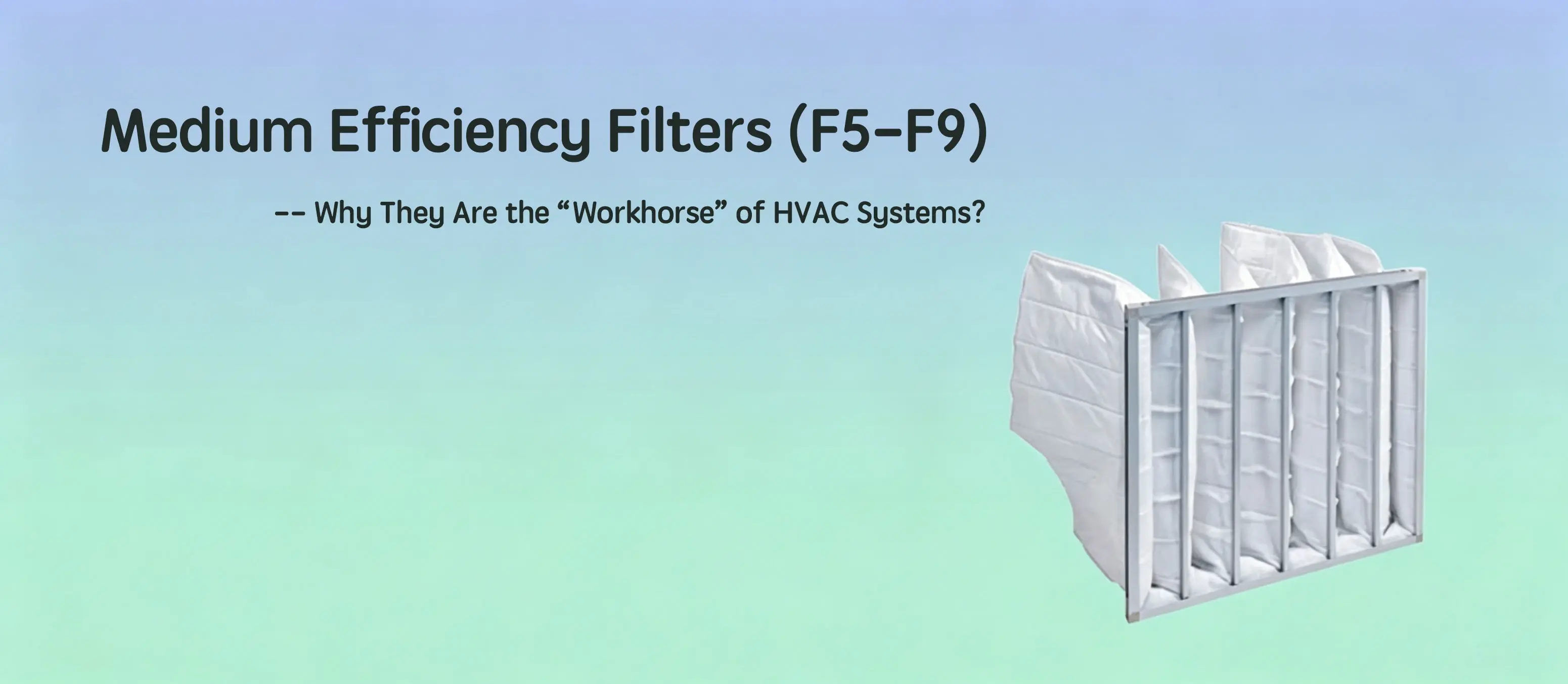
Medium-Efficiency Filter (F5–F9)
Precise PM2.5 Capture
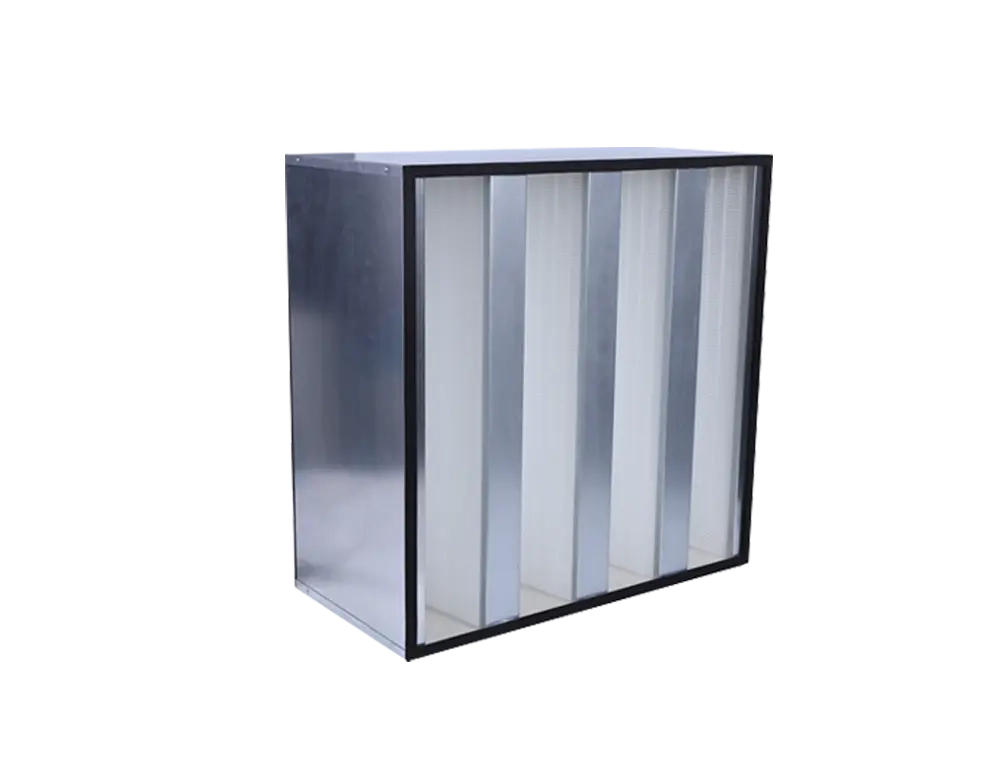
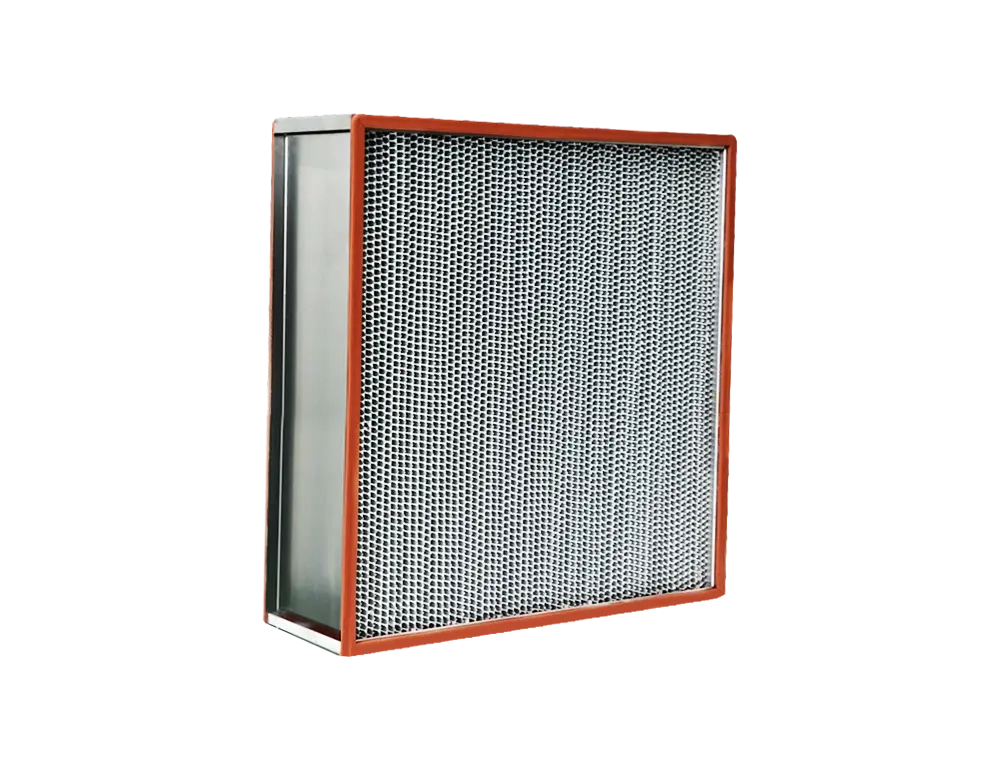
HEPA High-Efficiency Filter
Sterile-Grade Purification
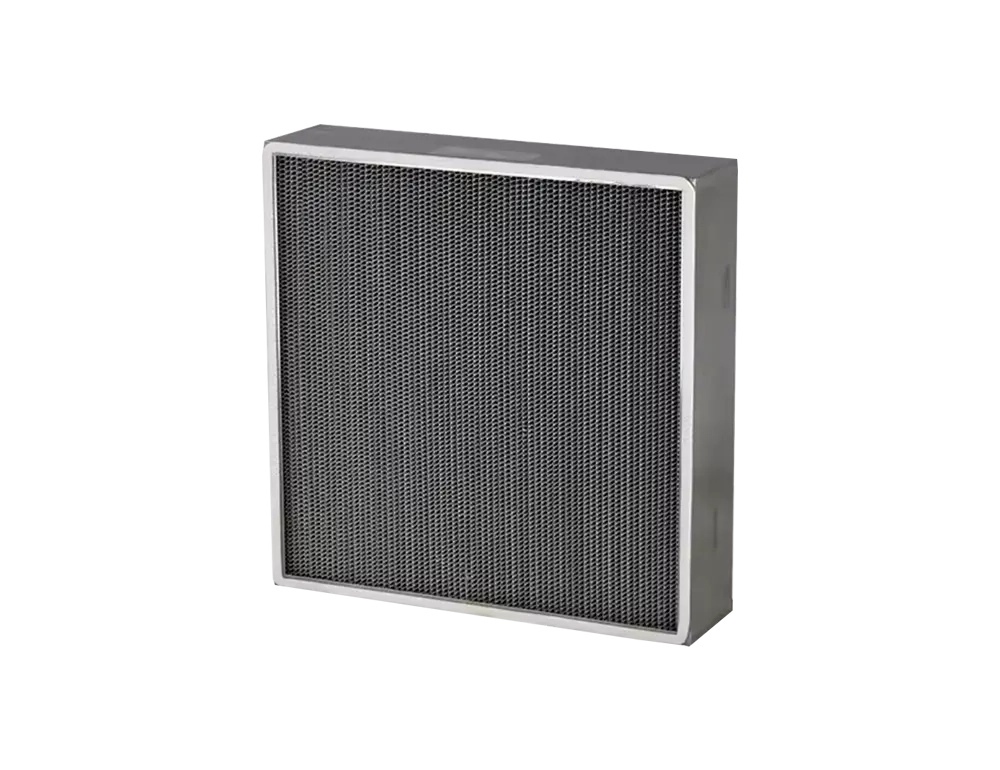
ULPA Ultra-High Efficiency Filter
Sub-Micron Particle Capture
First-Stage Large-Particle Capture
The first line of defense, capturing particles ≥5 μm such as dust, hair, and fibers to protect downstream filters and extend overall system service life.
View Related Products →Precise PM2.5 Capture
Captures fine particles of 1–5 μm including PM2.5, pollen, and mold spores, significantly improving indoor air quality for commercial HVAC and ventilation systems.
View Related Products →Sterile-Grade Purification
≥99.97% filtration efficiency for particles ≥0.3 μm, delivering sterile-grade clean air widely used in medical, pharmaceutical, and electronics manufacturing.
View Related Products →Sub-Micron Particle Capture
≥99.9995% efficiency for particles ≥0.12 μm, meeting the extreme cleanliness demands of semiconductor fabs, aerospace, and other ultra-precision applications.
View Related Products →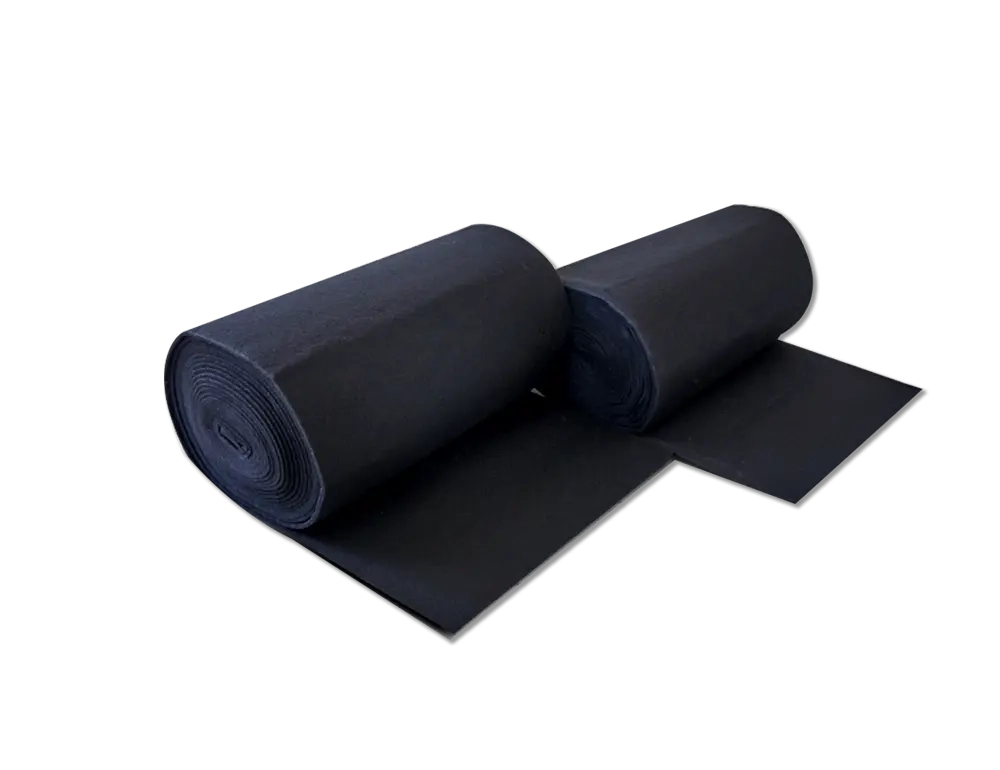
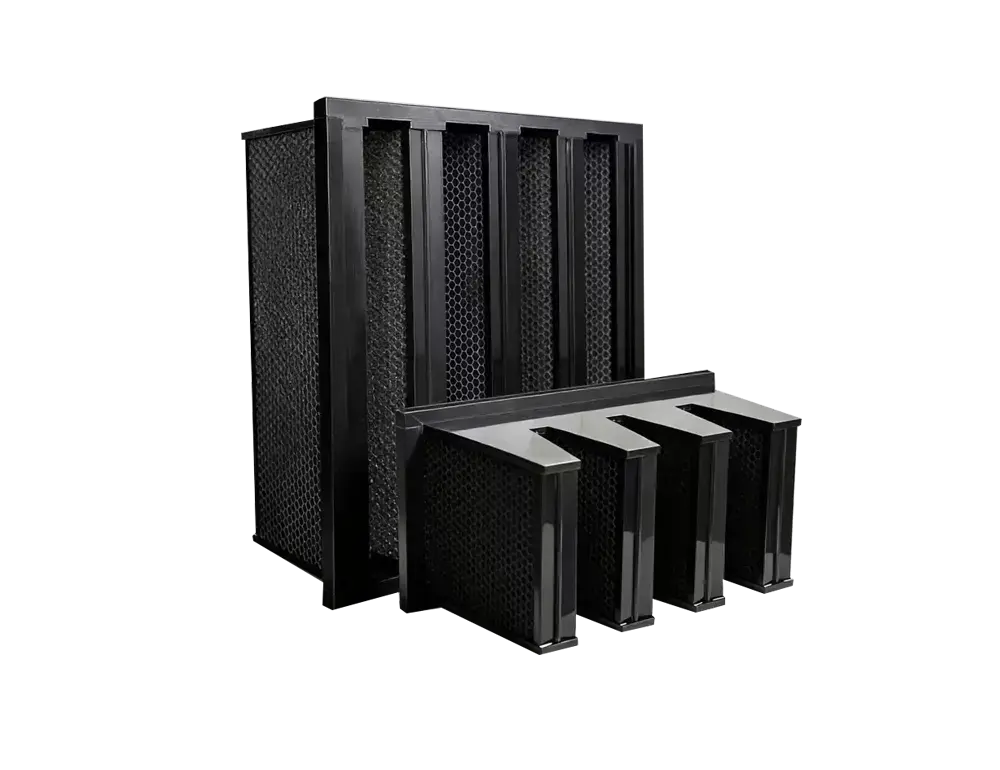
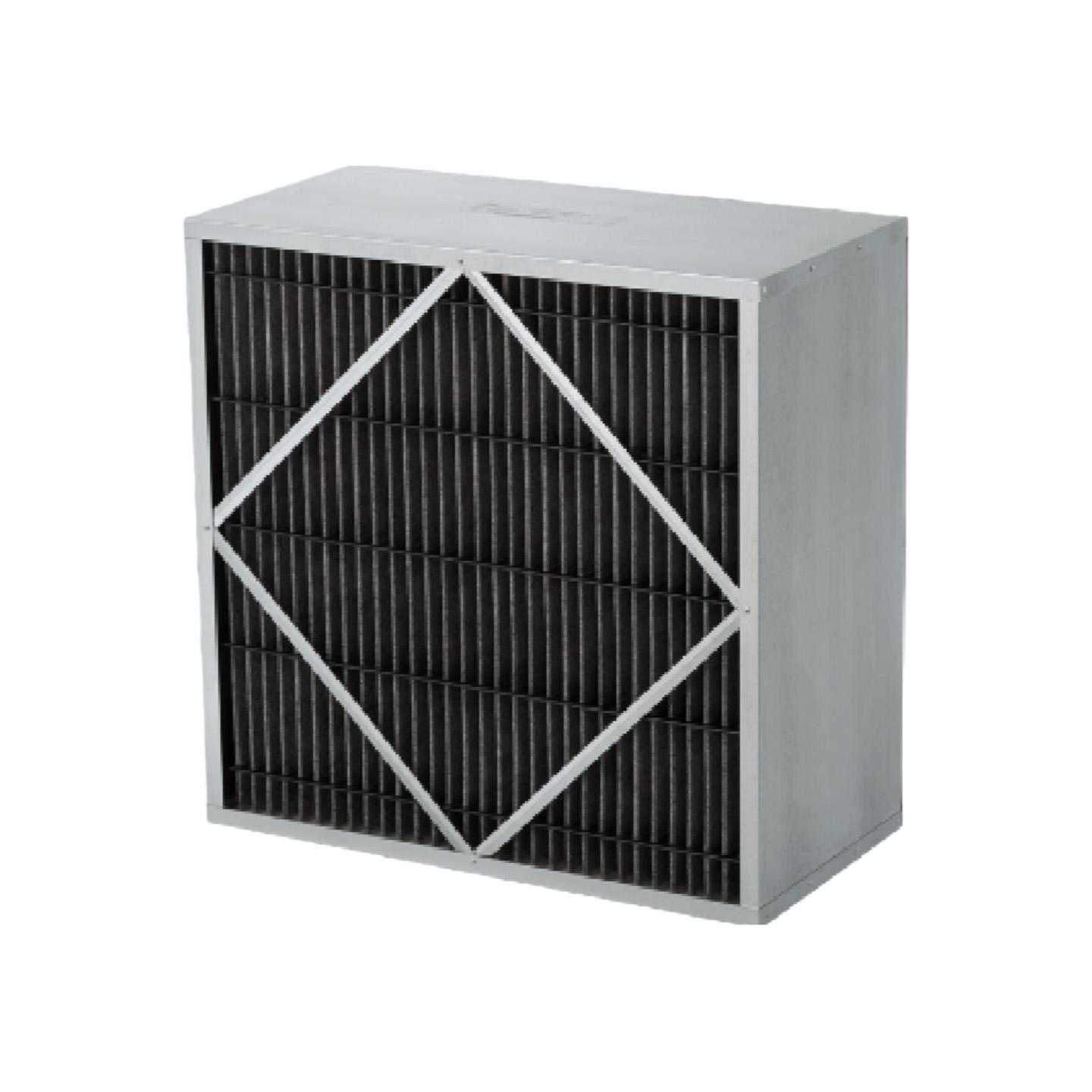
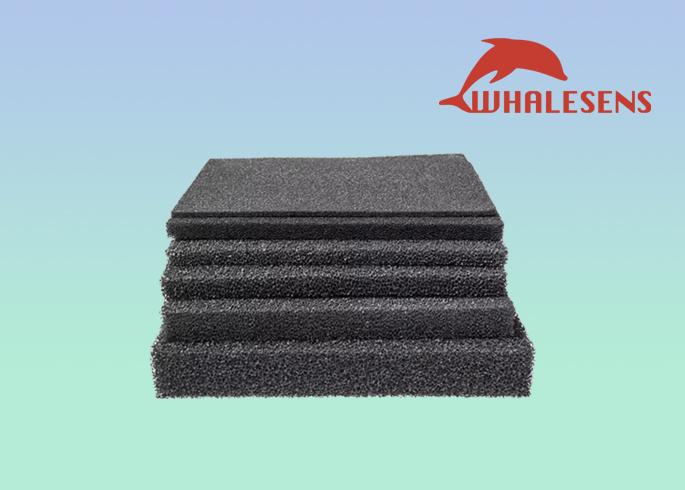
High-Temperature Resistant
Industrial-Grade Heat Tolerance
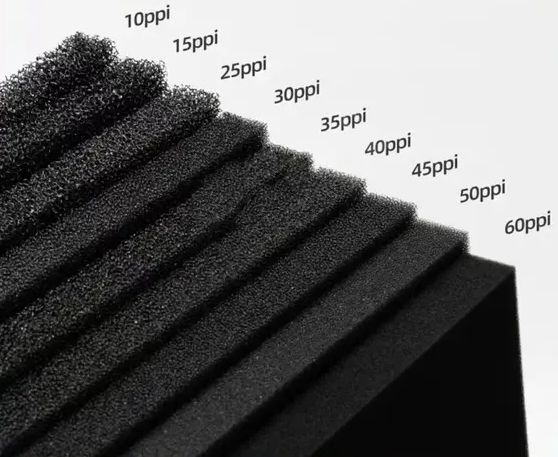
Washable & Reusable
Cut Costs, Reduce Waste
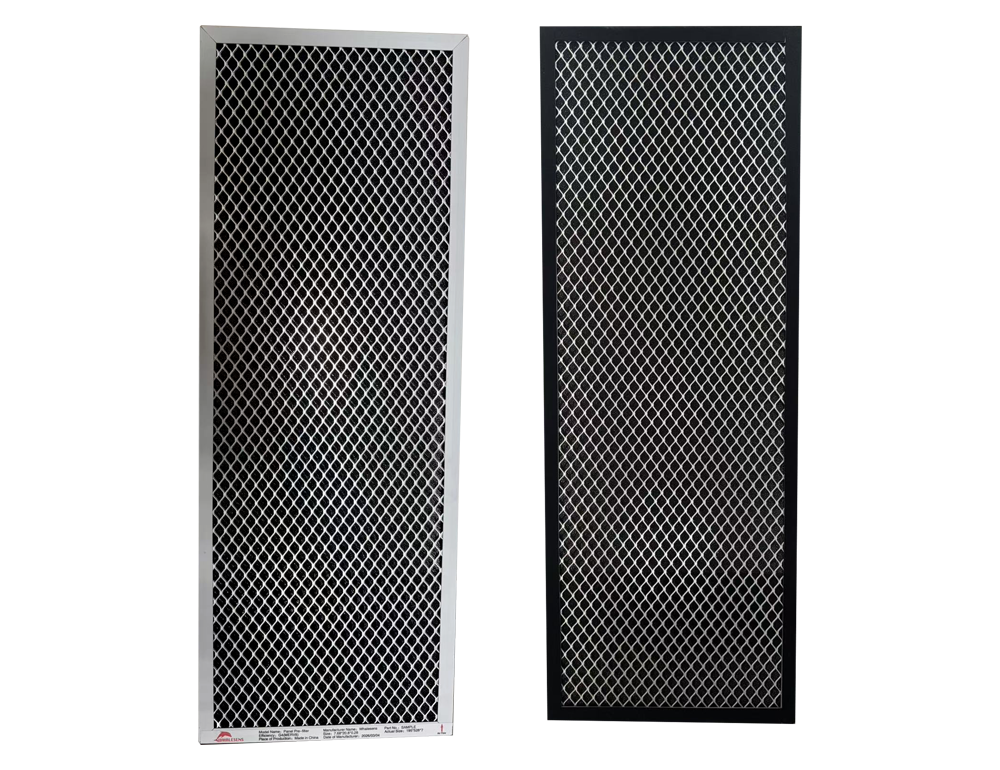
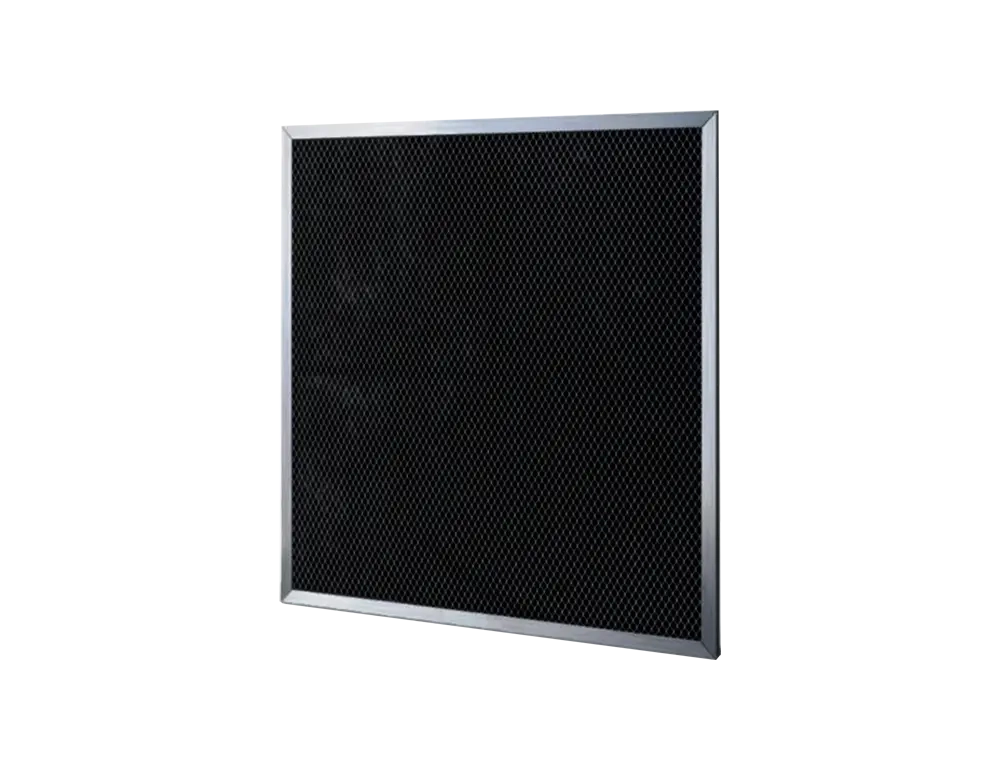
Activated Carbon
Odor & Harmful Gas Removal
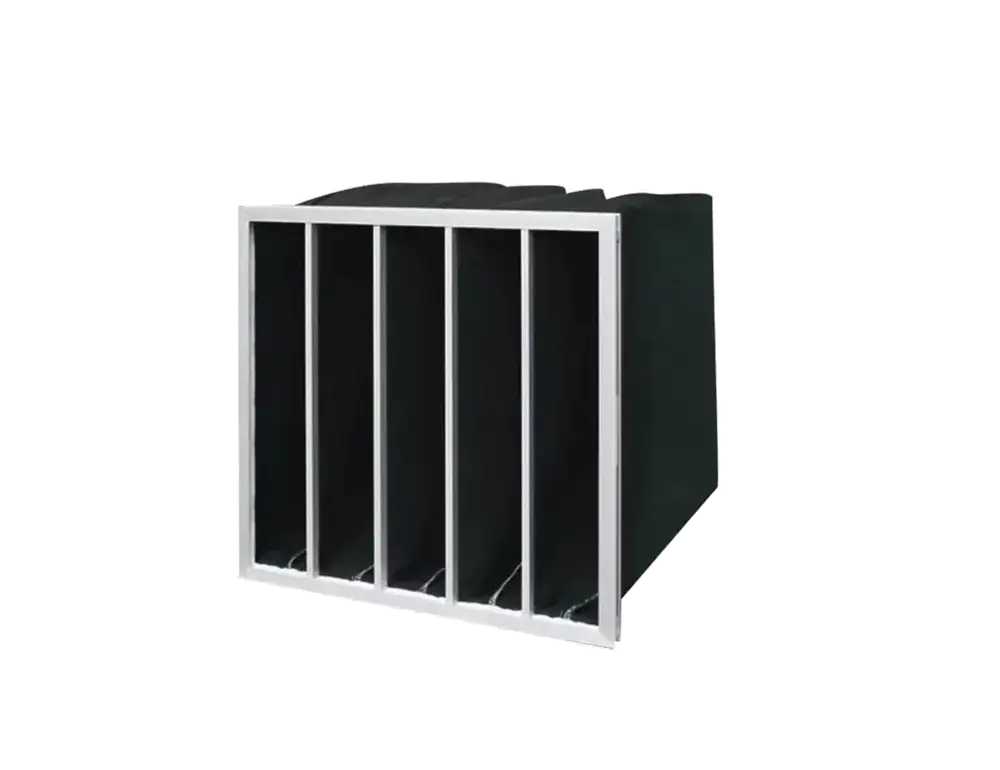
Bag Filter
High Dust-Holding, Long Life
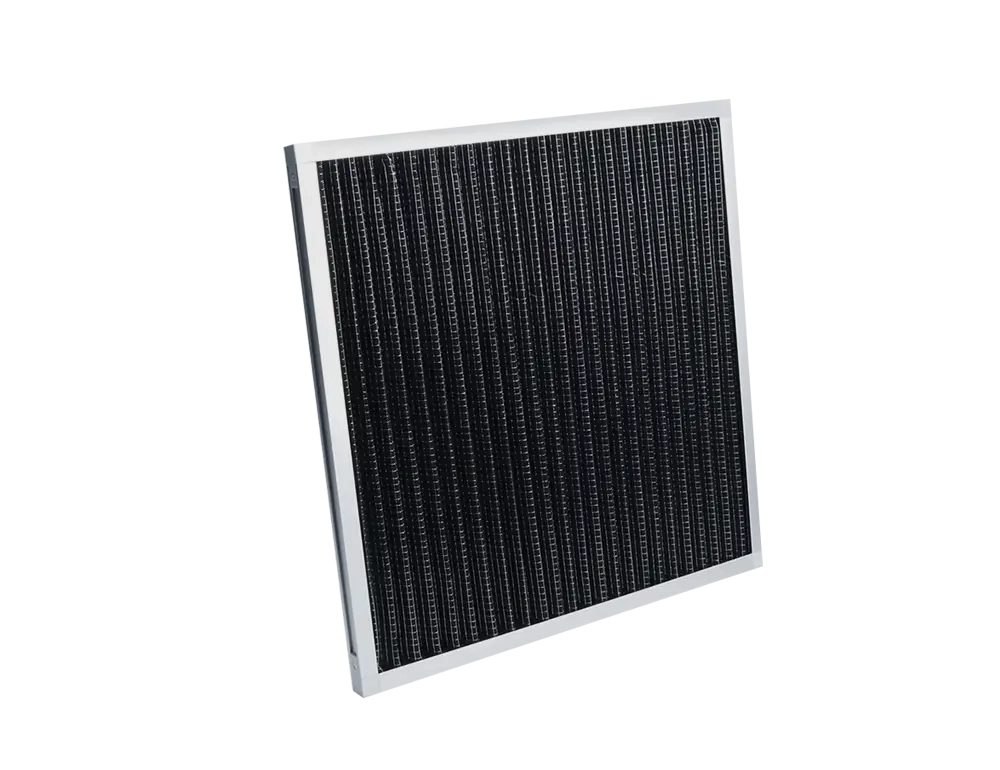
Panel / Pleated Filter
Compact Space-Saving Design
Low-Resistance Airflow
Energy-Saving Operation
Industrial-Grade Heat Tolerance
Built with specialized heat-resistant materials, operating stably up to 250°C for paint ovens, industrial dryers, and high-temperature process environments.
View Related Products →Cut Costs, Reduce Waste
Cleanable by water washing or air blowing, reusable multiple times to significantly reduce replacement frequency and O&M costs — an economical, eco-friendly choice.
View Related Products →Odor & Harmful Gas Removal
Leverages activated carbon's high adsorption capacity to eliminate odors, VOCs, and formaldehyde, ideal for newly renovated spaces and industrial exhaust treatment.
View Related Products →High Dust-Holding, Long Life
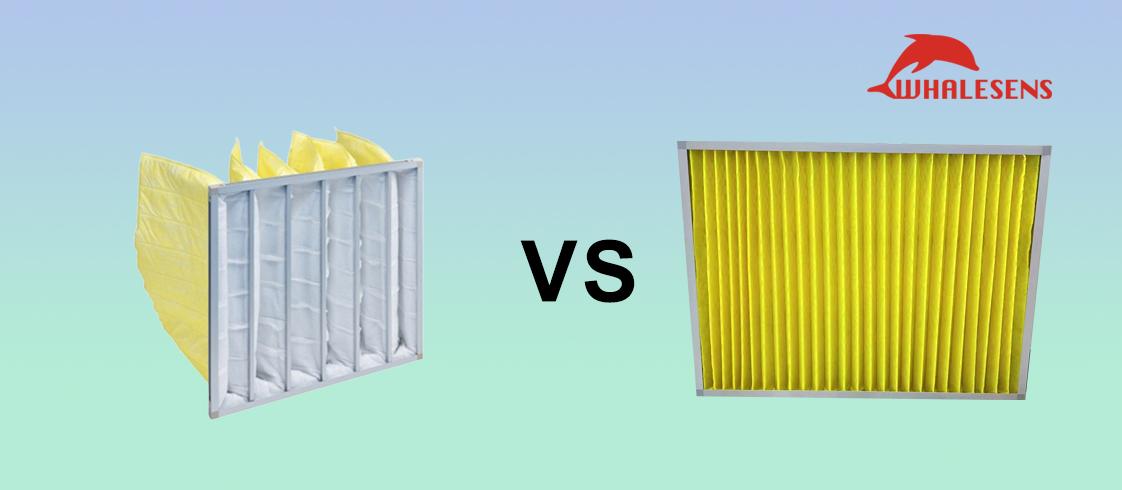
Bag-style construction delivers a larger filtration area, high dust-holding capacity, and extended service life — ideal for high-dust environments with reduced replacement frequency.
View Related Products →Compact Space-Saving Design
Compact form factor for easy installation and replacement; pleated structure maximizes filtration area within a small footprint for higher efficiency.
View Related Products →Energy-Saving Operation
Low-resistance design minimizes pressure drop while maintaining filtration performance, reducing fan energy consumption for cost-effective, eco-friendly operation.
View Related Products →









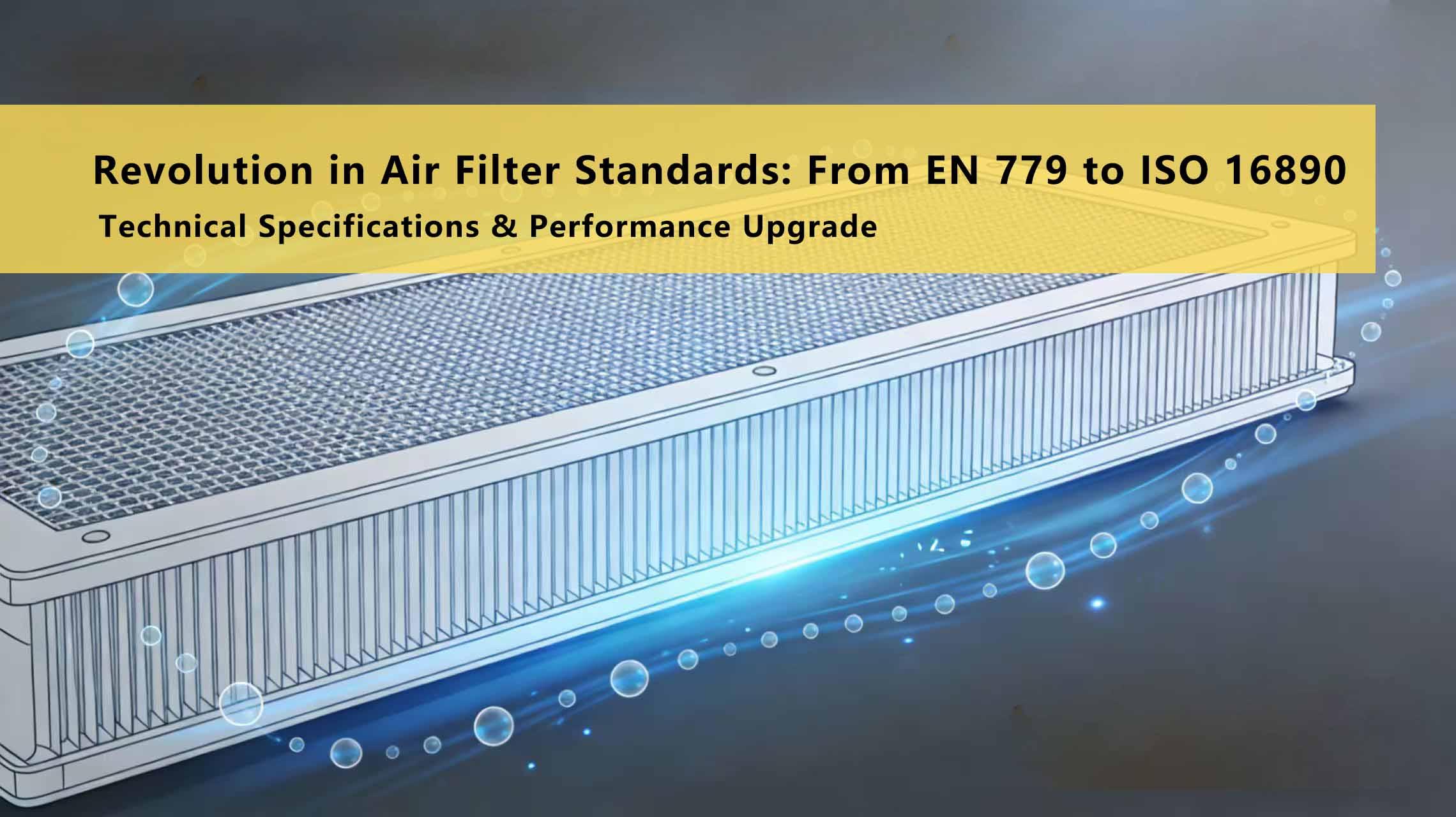

 English(Global)
 简体中文
简体中文 Language


EV Charger Air Filters: Prevent Downtime, Boost Revenue & Protect 800V Systems | Whalesens
New research reveals a startling fact: nearly half of all DC fast chargers exceed WHO air quality guidelines, and the resulting pollutant-driven equipment failures cost operators millions of dollars annually. This is a comprehensive guide to air filtration for EV charging stations.
1. The Overlooked Crisis: When "Clean" Energy Creates Dirty Air
1.1 The Particulate Paradox
Electric vehicles eliminate tailpipe emissions, but their charging infrastructure might be creating a new pollution problem. DC fast chargers (DCFCs) rely on powerful fans to dissipate the immense heat generated during high-power charging—a single 60kW charger can dissipate up to 3,000W of heat, three times that of a standard telecommunications cabinet. These fans draw in ambient air to cool the enclosure, but they also pull in road dust, tire particles, brake residue, and exhaust emissions.
The result: charging stations are becoming unintended sources of particulate dispersion. The 2025 Los Angeles County study found DCFC sites averaged 15.2 µg/m³ of PM2.5—surpassing WHO guidelines and rivaling levels at busy urban intersections. With the U.S. alone adding 11,400 DCFCs by mid-2025, this issue demands urgent attention from regulators, operators, and manufacturers.
1.2 The Equipment Reliability Crisis
Beyond public health implications, airborne contaminants pose an existential threat to charger reliability:
| Contaminant Type | Source | Impact on Charger |
|---|---|---|
| Particulate Matter (PM2.5/PM10) | Road dust, tire wear, construction | Accumulates on heat sinks, reducing cooling efficiency by 20-30% |
| Conductive Dust | Industrial zones, metal processing | Can cause short circuits, leading to permanent component damage |
| Salt Spray | Coastal environments | Leads to electrochemical corrosion; accounts for >70% of failures in coastal areas |
| Corrosive Gases (SO₂, NOx) | Vehicle exhaust, industrial emissions | Degrades circuit boards and corrodes connectors |
💰 The financial impact is staggering. For a 150kW DC fast charger generating $1,000 in daily revenue, increasing uptime from 93% to 98% adds over $18,000 in annual income per charger—far exceeding the cost of a proper filtration system.
2. Market Dynamics: A $2.11 Billion Opportunity
2.1 Market Growth Trajectory
The EV charging filter market is experiencing unprecedented growth, fueled by infrastructure expansion and rising demands for reliability.
2.2 Key Market Drivers
Driver 1: Ultra-High Power Output and 800V Platform Adoption
Charging power is rapidly increasing, with mainstream DC fast chargers moving from 350kW to 600kW. 800V high-voltage platforms now account for over 35% of the market, enabling a 400km range charge in just 10 minutes. However, this higher power output generates 40-60% more heat than 400V systems, demanding greater airflow and, consequently, more effective filtration.
Driver 2: Diversified Deployment Scenarios
Charging infrastructure is expanding from urban centers into diverse environments:
- ✅Highway Corridors: Experiencing a CAGR of 22.46%, exposed to road dust and tire particles.
- ✅Coastal and Industrial Zones: Facing high risks of salt spray corrosion.
- ✅Commercial Fleet Hubs: Operating high-duty cycles in dusty environments.
Driver 3: Regulatory Pressure
The EU's Battery Regulation (effective 2028) and California's 2026 zero-emission vehicle mandate are accelerating the adoption of sustainable charging solutions. New U.S. tariff measures in 2025 are also reshaping procurement strategies, incentivizing domestic manufacturing and localized supply chains.
3. Why Generic Filters Fail: The Engineering Challenge
3.1 The Airflow-Filtration Paradox
EV fast chargers face a fundamental engineering trade-off: maximizing cooling airflow while minimizing contaminant ingress. Generic filters fail on both counts:
| Requirement | Generic Filter Failure | Consequence |
|---|---|---|
| High Airflow | Excessive pressure drop | Reduced cooling, leading to thermal derating |
| Fine Particle Capture | Low efficiency | Dust accumulation on sensitive electronics |
| Environmental Resilience | Degradation from UV/moisture | Rapid performance decay |
| Salt Spray Protection | No specialized media | Corrosion failures |
3.2 Thermal Derating: The Hidden Performance Killer
Modern EV chargers continuously monitor internal temperatures. When thresholds are approached, the control system reduces output power to protect components—a behavior known as thermal derating.
4. The Science of EV Charger Filtration
4.1 Filtration Mechanisms
Effective EV charger filters utilize several mechanisms:
- 1Depth Loading: Gradient density media uses coarser fibers on the intake side to capture larger debris (insects, leaves), while finer fibers deeper within capture small dust particles. This approach increases dust-holding capacity without a rapid rise in pressure drop.
- 2Hydrophobic Media: Synthetic, hydrophobic fibers repel water, maintaining airflow even during severe weather. Thermal bonding improves structural integrity, preventing deformation under high air velocity.
- 3Electrostatic Enhancement: Some high-performance media incorporate electrostatic charges to attract and capture sub-micron particles without increasing airflow resistance.
4.2 Key Performance Parameters
| Parameter | Importance | Target Range |
|---|---|---|
| Initial Pressure Drop | Determines cooling airflow | < 50 Pa @ rated flow |
| Efficiency (MERV Rating) | Particle capture capability | MERV 13-16 (F7-F9) |
| Dust-Holding Capacity | Service life between changes | > 200 g/m² |
| Salt Spray Removal | Coastal protection | > 95% |
| Flame Rating | Fire safety | UL94 HF-1 or UL900 |
5. Whalesens EV Charger Filtration Solutions
Whalesens offers a comprehensive portfolio of specialized EV charger filters, engineered for the unique demands of high-power charging infrastructure.
5.1 Product Matrix
| Series | Target Environment | Efficiency | Pressure Drop | Salt Spray | Service Life |
|---|---|---|---|---|---|
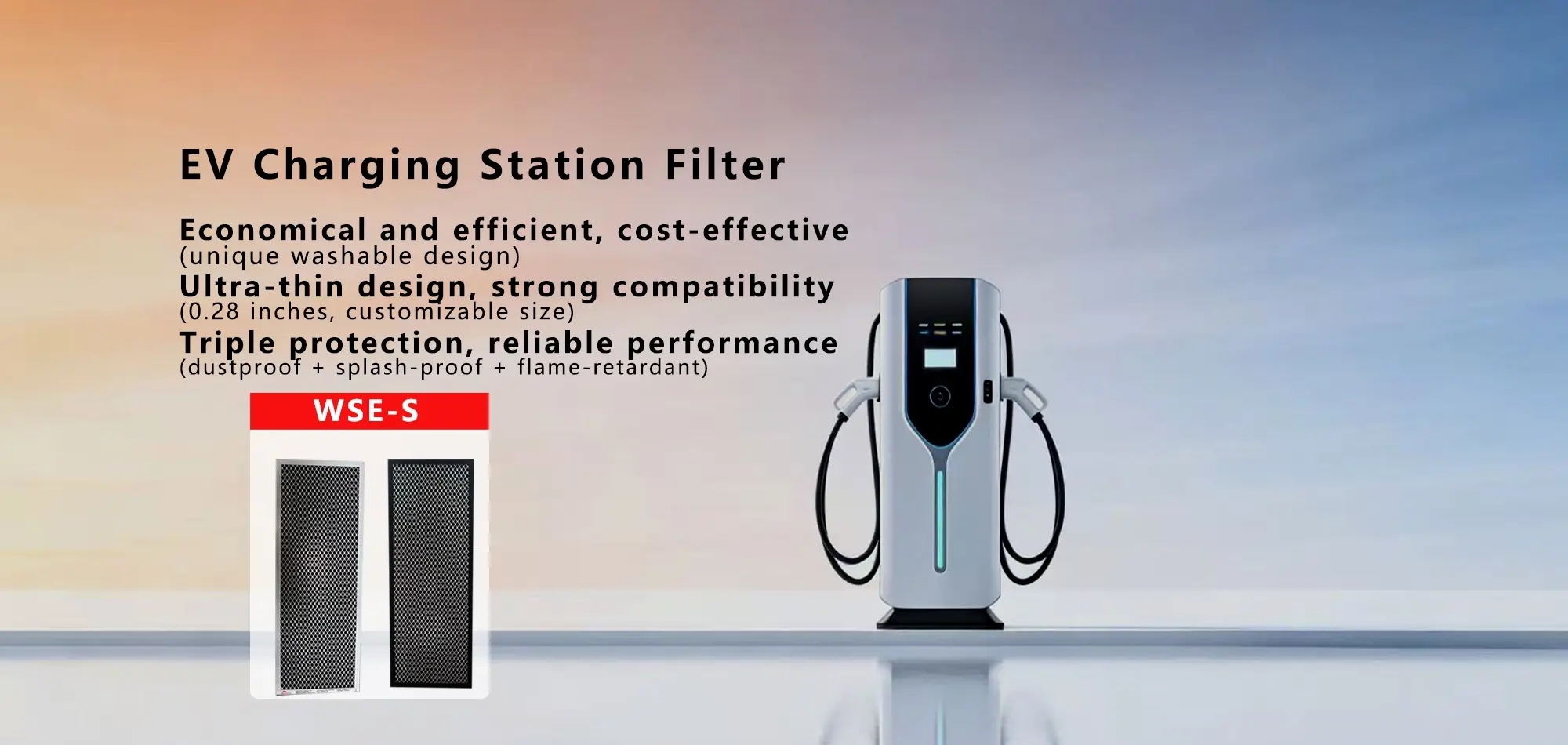
| WSE-S (Standard) | Urban centers, highways | F7-F8 (MERV 13-14) | Low | Basic | 6-12 months |
| WSE-M (Solution) | Highways, industrial zones | F9 (MERV 15) | Medium | 85% | 6 months |
5.2 Key Technical Advantages
⚡ 800V System Optimization
Specifically engineered for the thermal demands of 800V ultra-fast chargers. Low-pressure drop designs ensure adequate cooling airflow for 600kW systems, preventing thermal derating.
🧱 Advanced Media Technology
Gradient density structure + hydrophobic treatment + anti-microbial protection — three-layer defense for humidity, dust and biology.
🌍 Extreme Environment Durability
UV-resistant frames, operating range -40°C to 85°C, IP44–IP54 ingress protection options available for the harshest deployments.
6. Real-World Performance: Case Studies
📍 Case Study 1: 600kW Ultra-Fast Charging Network — Indian Highway
Challenge: Frequent overheating and component failures due to road dust and high airflow demands on a major highway.
Solution: Whalesens WSE-S Series filters with anti-dust media and low-pressure drop design.
Results: 45% ↓ failure rate & 50% ↓ maintenance frequency (3-month → 6-month cycles).
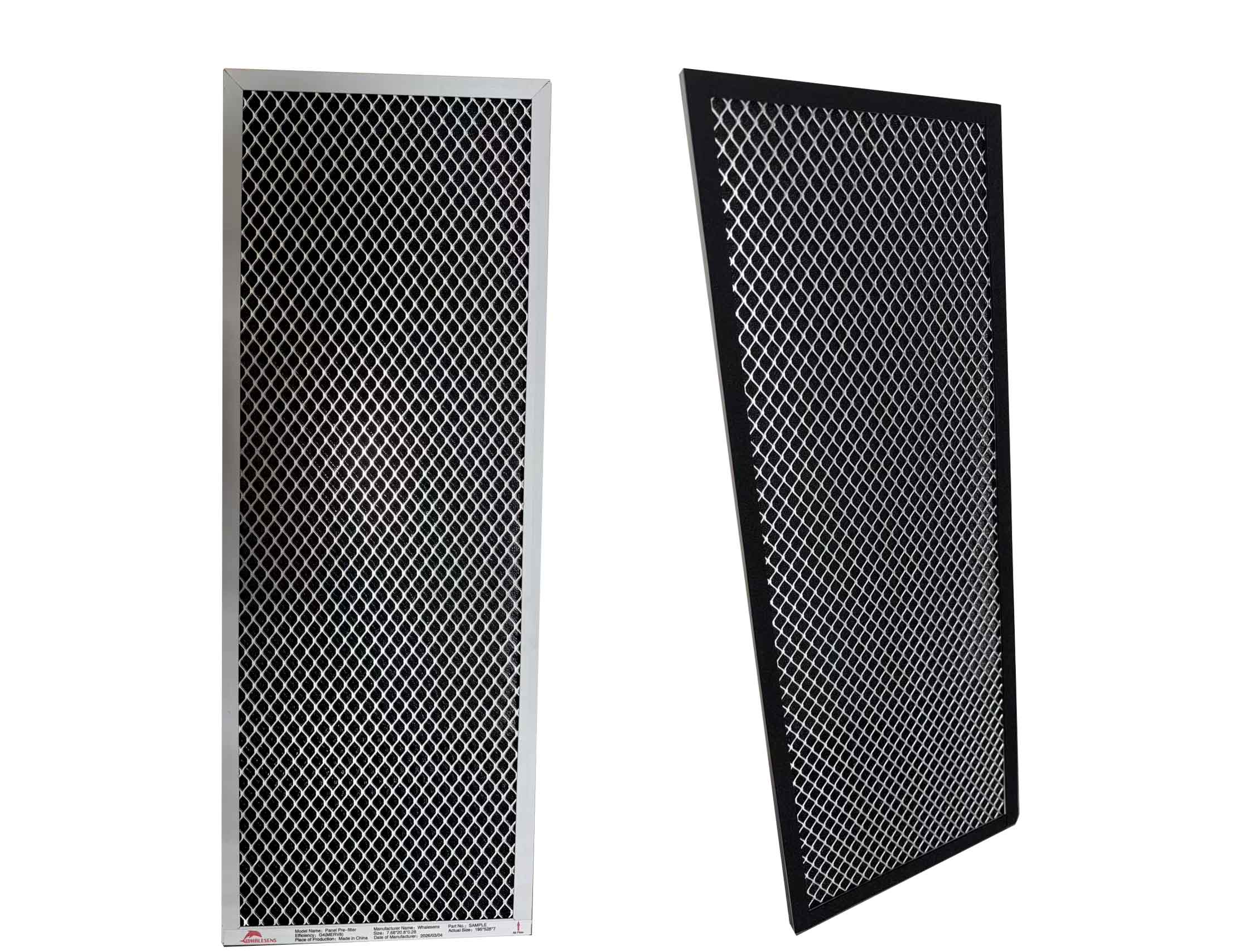
Note: The WSE-S model referenced here is an ultra-thin variant, 0.28 inches / 7mm thick
📍 Case Study 2: Coastal City Charging Network — China
Challenge: Severe corrosion failures with salt spray causing 70% of all equipment breakdowns in a coastal city network.
Solution: WSE-P Series premium filters with >95% salt spray removal & corrosion-resistant stainless steel frames.
Results: 70% ↓ corrosion failures · Uptime 93% → 98.5% · 18% ↑ annual revenue per charger.
7. Maintenance and Lifecycle Management
7.1 Condition-Based Maintenance
Fixed-interval replacement is rarely optimal for outdoor infrastructure. A charger near a highway accumulates dust far faster than one in a sheltered location. Differential pressure monitoring provides a direct indication of filter loading:
⚠️ 2× Baseline: Monitor & schedule replacement
🚨 3× Baseline: Immediate replacement required
7.2 Replacement Guidelines
| Environment Type | WSE-S Series | WSE-M Series | WSE-P Series |
|---|---|---|---|
| Urban/Clean | 12 months | — | — |
| Highway/Standard | 6-9 months | 12 months | — |
| Industrial/Dusty | 3-6 months | 6-9 months | 12 months |
| Coastal/Salt | — | 6 months | 12 months |
| Extreme/Desert | — | 3-6 months | 6-12 months |
8. Regulatory Compliance and Standards
Whalesens filters meet or exceed all relevant international standards, ensuring compliance across global markets.
9. The Future of EV Charger Filtration
9.1 Smart Filtration Systems
Industry leaders like MANN+HUMMEL are pioneering digital solutions that streamline thermal management. Whalesens is developing next-generation smart filters with:
- 📡Real-time contamination monitoring
- 🔔IoT-enabled predictive alerts
- 🔗Integration with charger management platforms
- 📊Performance analytics and optimization recommendations
9.2 Advanced Materials
- ⚛️Nanofiber Media: Higher efficiency at lower pressure drop
- 🌿Biodegradable Materials: Focus on sustainability and circular economy
- 🔄Self-Cleaning Surfaces: Extended service life with minimal downtime
- 🌀Multi-Functional Media: Combined particle and chemical filtration
9.3 Liquid Cooling Integration
As liquid cooling gains traction for ultra-high-power charging, new filtration challenges emerge. Ion exchange filters for coolant circuits maintain low conductivity, preventing short circuits and ensuring safety. Whalesens is developing integrated filtration solutions for both air-cooled and liquid-cooled systems.
10. How to Select the Right EV Charger Filter
10.1 Decision Framework
- 1Assess Your Environment
Urban center → WSE-S | Highway/Industrial → WSE-M Solution | Coastal → WSE-P - 2Determine Power Requirements
≤350kW → Standard airflow | 350-600kW → Low-pressure drop optimized | 800V → High-power certified - 3Consider Maintenance Access
Easy access → Standard replacement | Remote/difficult access → Extended-life options
10.2 Custom Engineering Support
Whalesens offers comprehensive engineering support for OEMs and large-scale operators:
- 🔧Design-Stage Collaboration: CAD models, airflow analysis, and rapid prototyping from day one.
- 🔄Retrofit Solutions: Upgrade existing stations without enclosure modification.
- 📐Custom Sizes: Tailored to your specific cabinet designs and configurations.
11. Conclusion: Filtration as a Strategic Asset
The EV charging industry stands at a crossroads. As power levels escalate and deployment expands into harsher environments, the reliability of charging infrastructure will define consumer trust and industry success. Air filtration—once dismissed as an optional accessory—has emerged as a critical strategic asset:
- 🛡️Protect Investments: Extend equipment life by 30-50%
- 📈Deliver ROI: Improve uptime & reduce total cost of ownership
- 🚀Enable Innovation: Support 800V systems and extreme environments
With the global market approaching $2.11 billion by 2032, the companies that prioritize filtration today will lead the industry tomorrow.
FAQ
Whalesens Technology — WhalePower, Pure Performance
Protect your EV charging investment with professional-grade air filtration solutions.
Get Consultation →