


EV Charging Stations
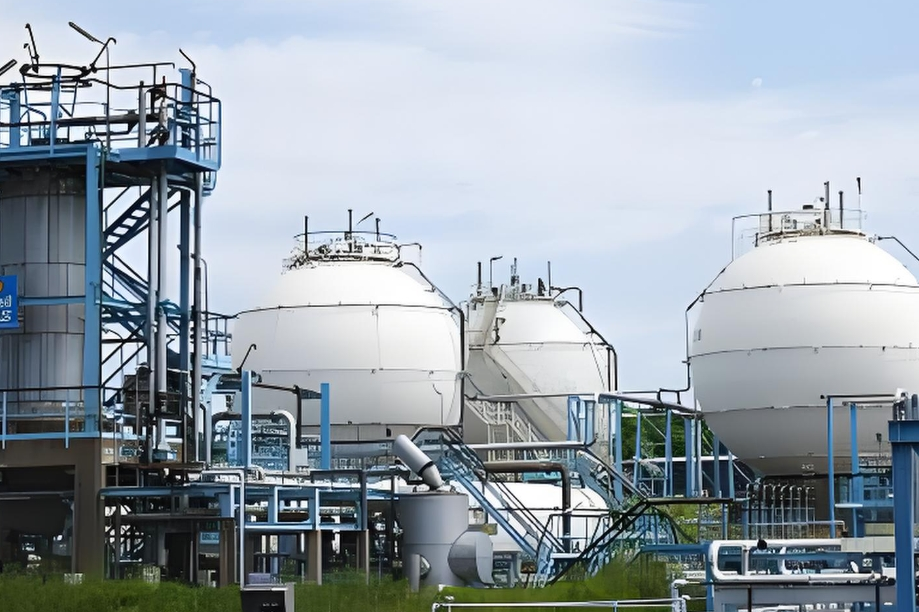
Filtration for Power Equipment
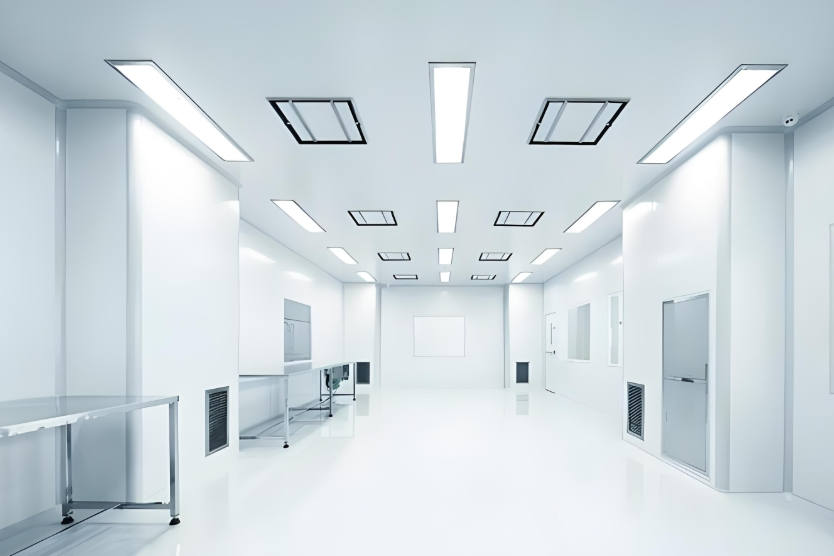
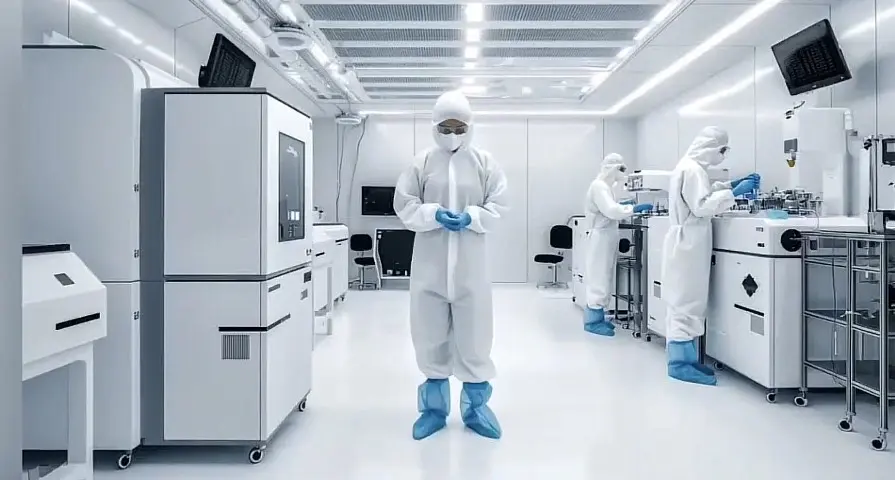
Cleanroom & Semiconductor
Ultra-High Cleanliness Filtration
Commercial HVAC
Central Air System Filtration
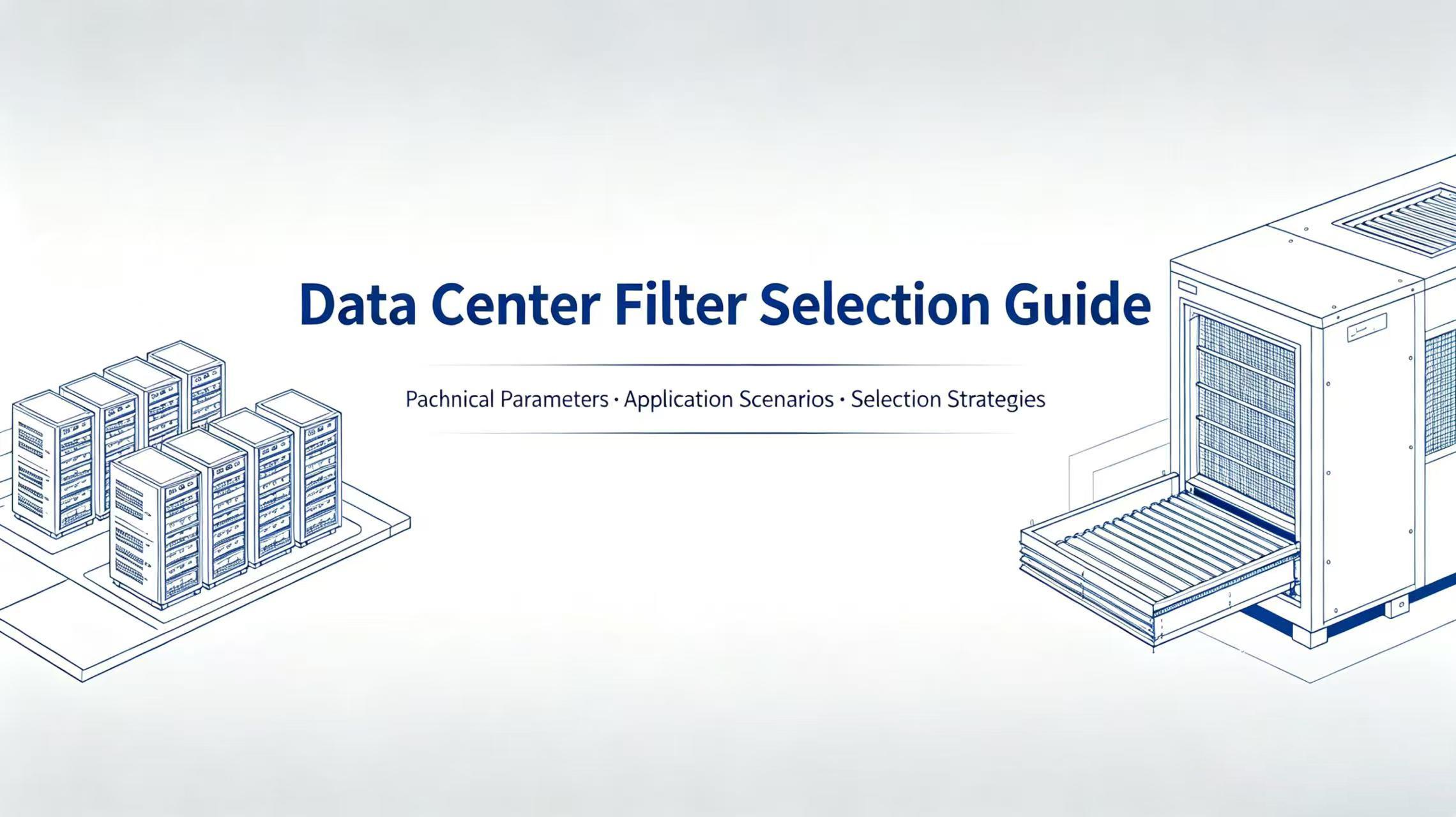
Data Centers
Precision Equipment Protection
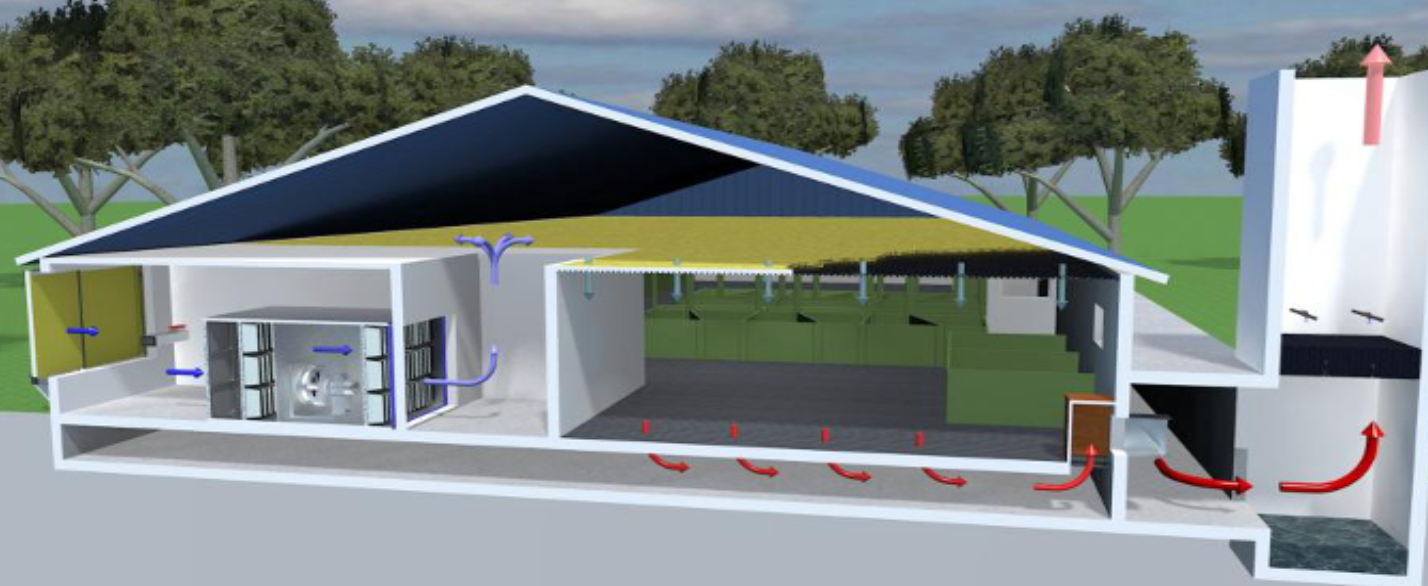
Livestock & Farming
Farming Environment Purification
Spray Booths & Industrial Dust
Paint Mist & Dust Purification
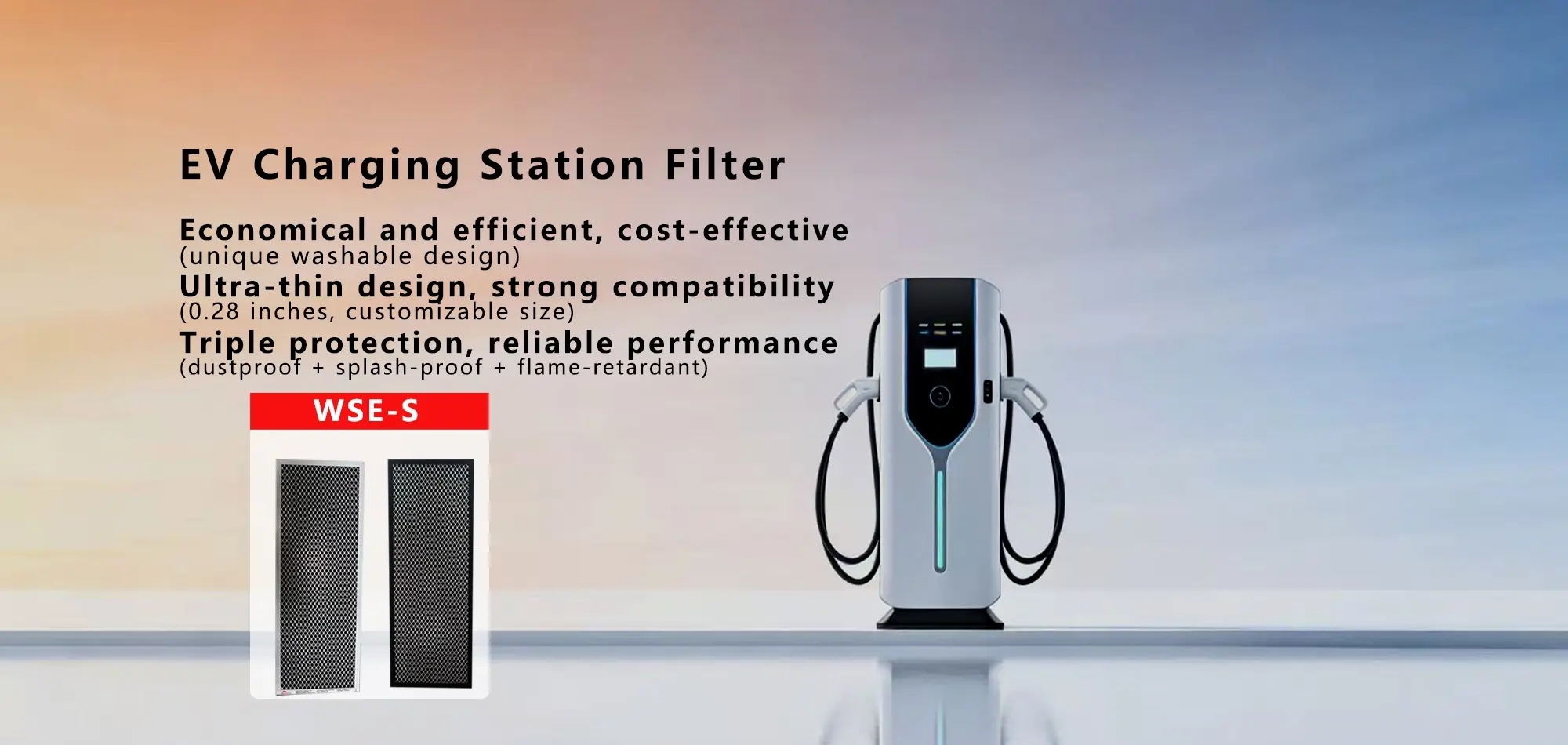
Filtration for Power Equipment
Professional air filtration for EV charging devices, protecting against dust and sand ingress to ensure stable, reliable operation of charging piles and station infrastructure.
View Related Products →Ultra-High Cleanliness Filtration
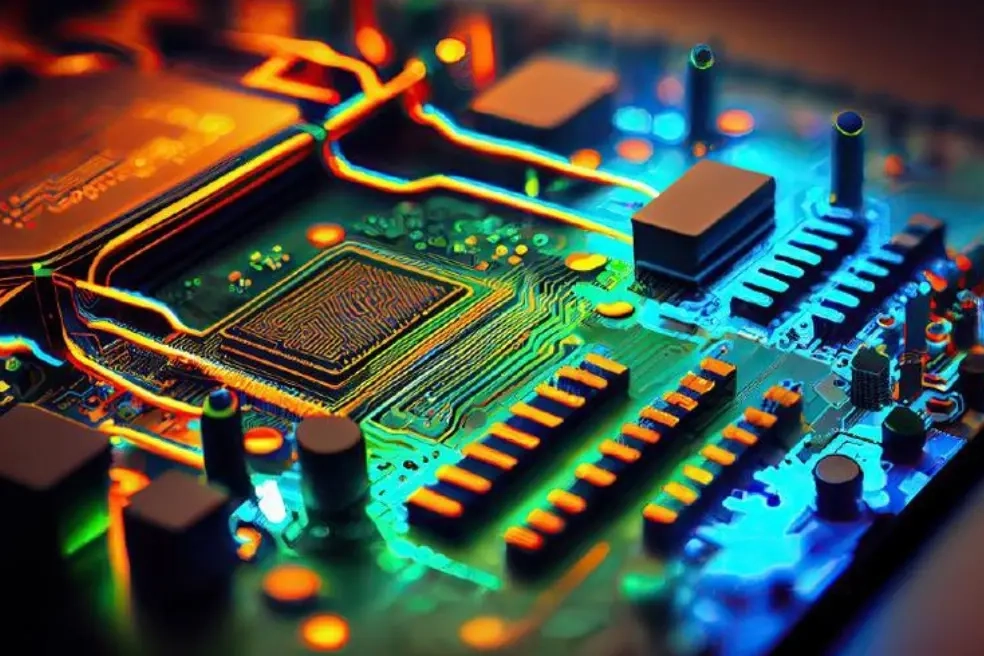
Ultra-high efficiency filtration for semiconductor wafer fabs and precision electronics cleanrooms, capturing nano-scale particles to meet ISO Class 1–3 standards and maximize product yield.
View Related Products →Central Air System Filtration
High-efficiency filtration for commercial building HVAC systems, improving indoor air quality, reducing energy consumption, and extending equipment service life.
View Related Products →Precision Equipment Protection
Precision air filtration for data centers, shielding servers and critical hardware from dust contamination to keep cooling systems running efficiently and reliably.
View Related Products →Farming Environment Purification
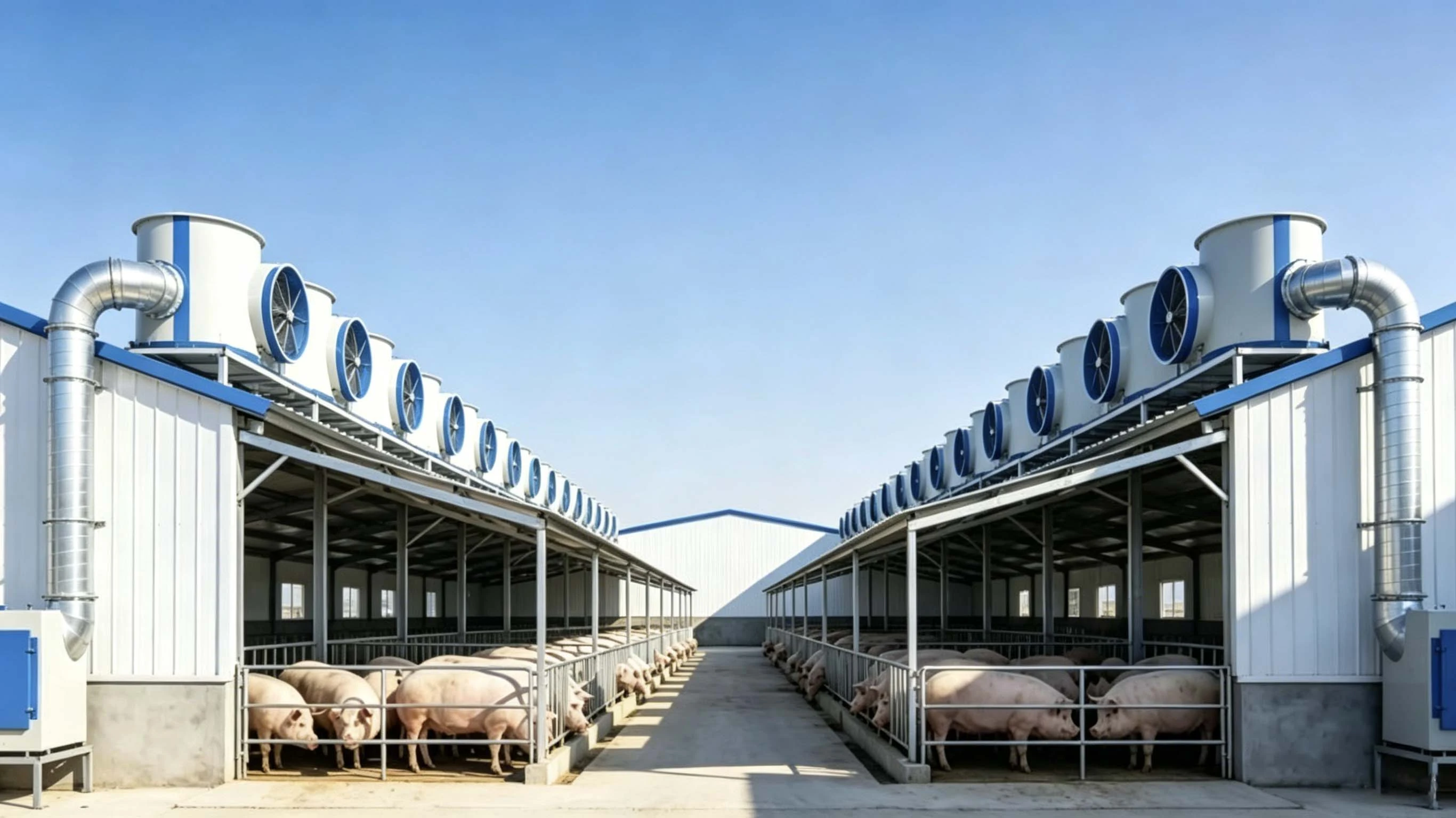
Dedicated filtration systems for farms and livestock facilities — capturing dust, adsorbing ammonia, and inhibiting pathogen spread to improve animal health and overall productivity.
View Related Products →Paint Mist & Dust Purification
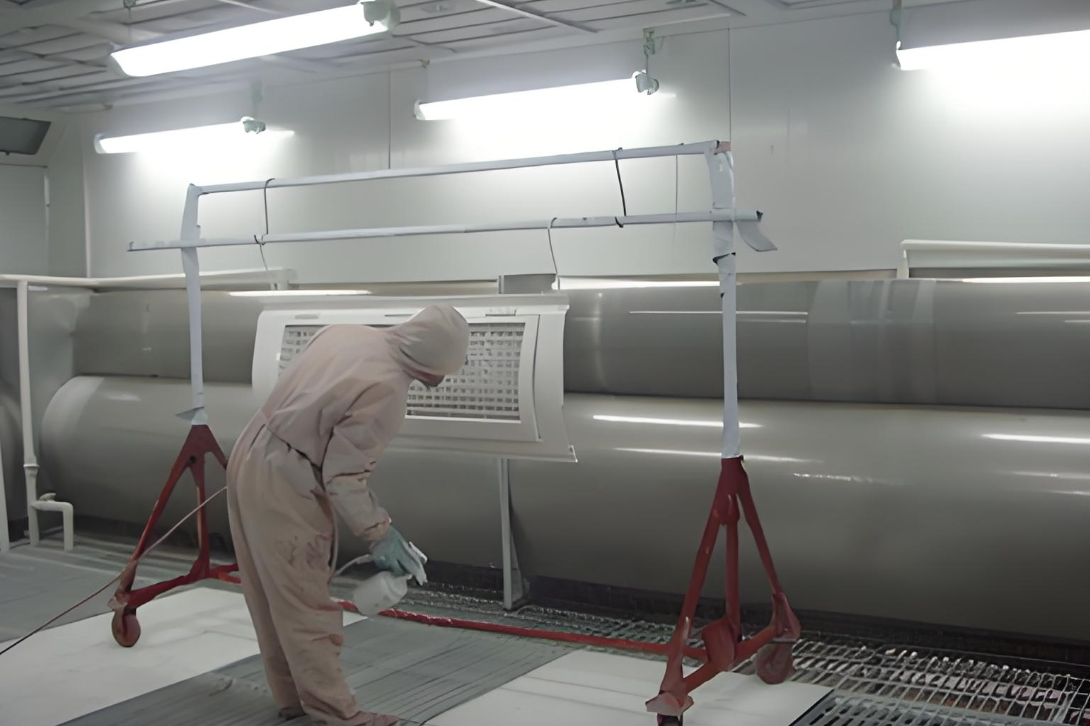
Designed for spray booths and grinding workshops, efficiently capturing paint mist, metal dust, and wood chips to meet emission standards while protecting finished surface quality.
View Related Products →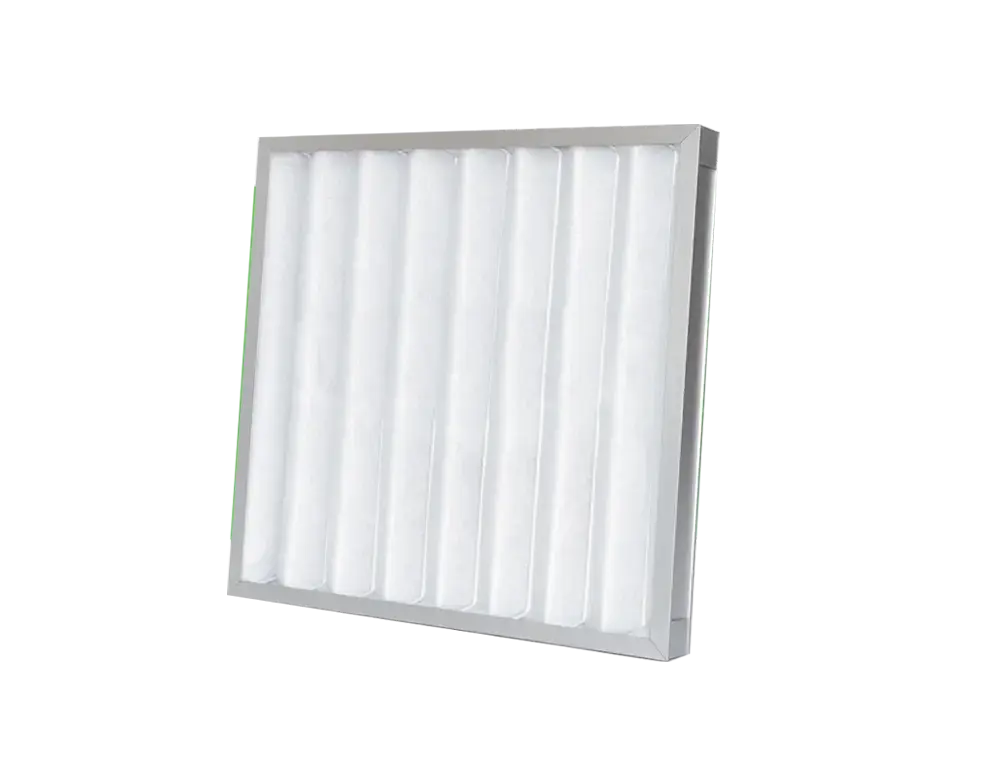
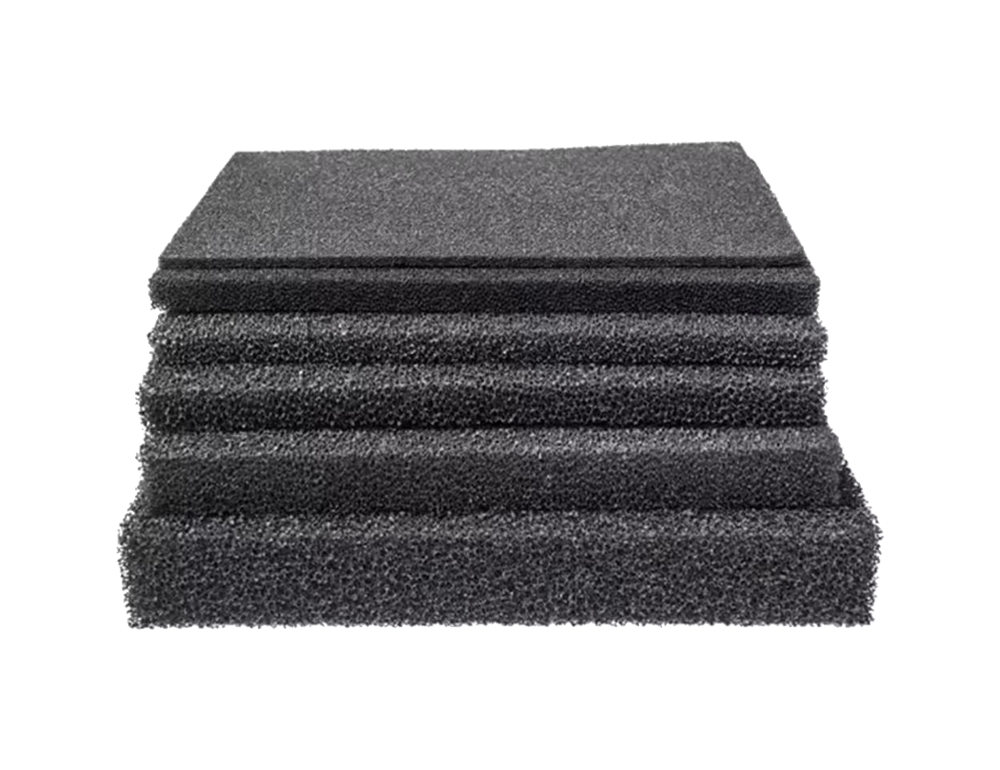
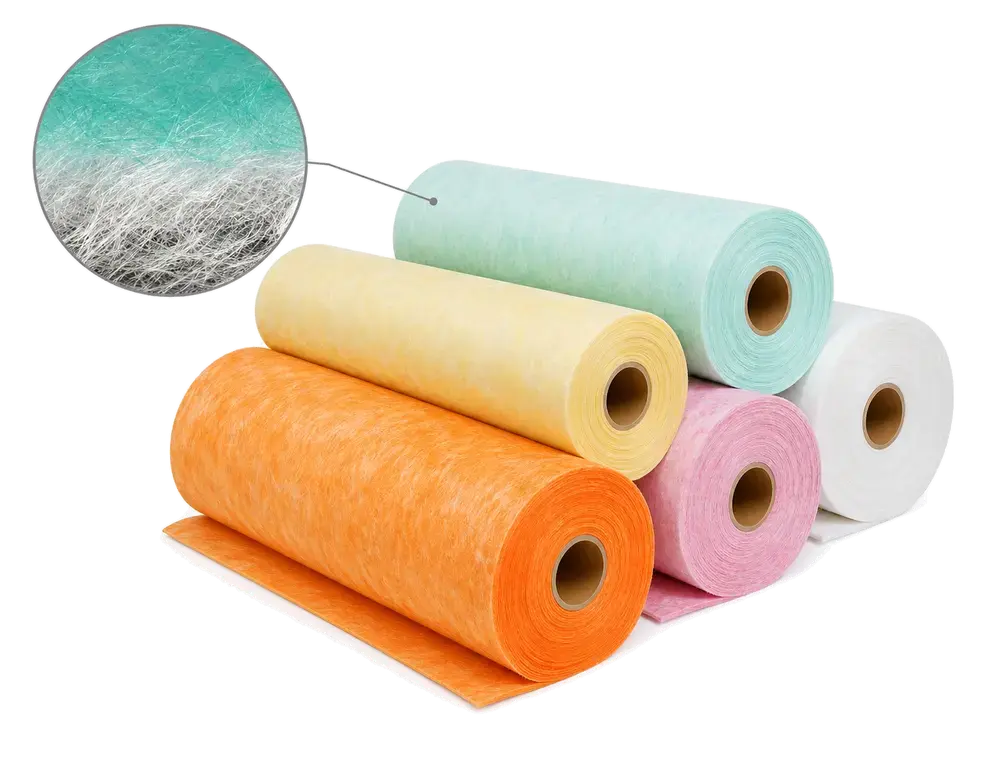
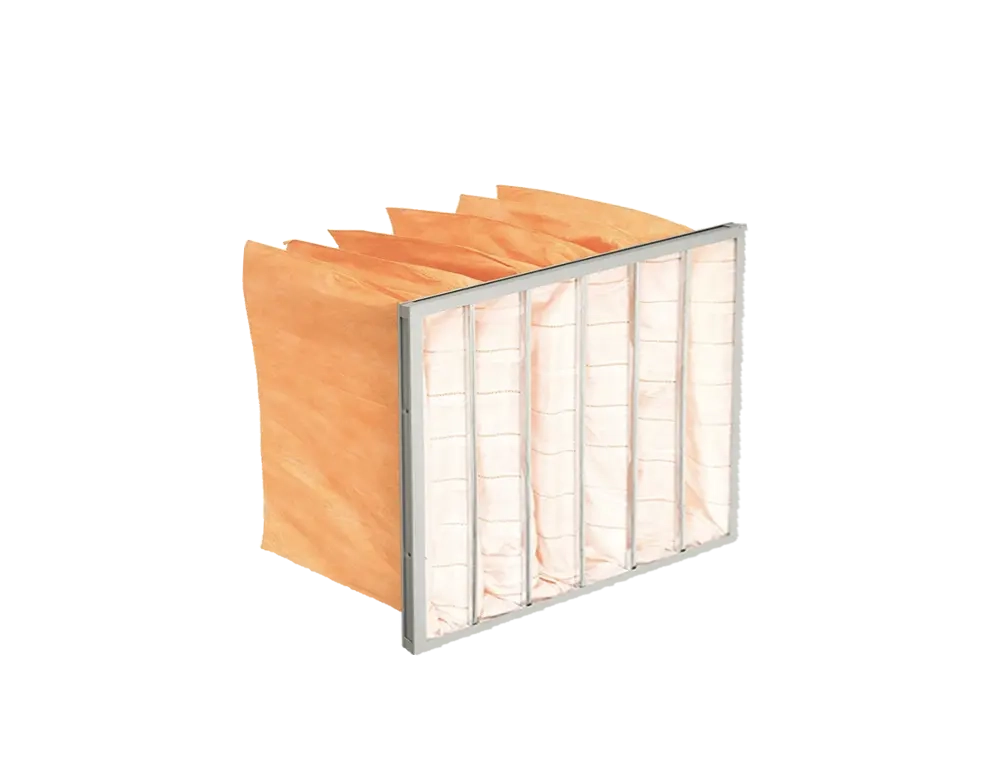
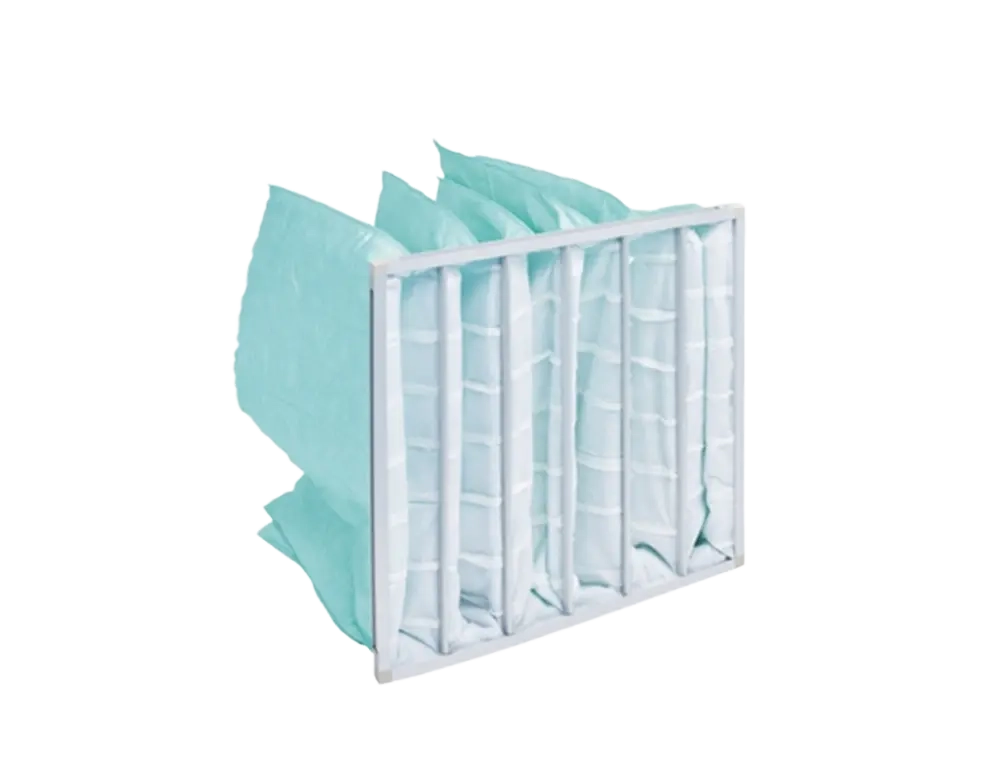
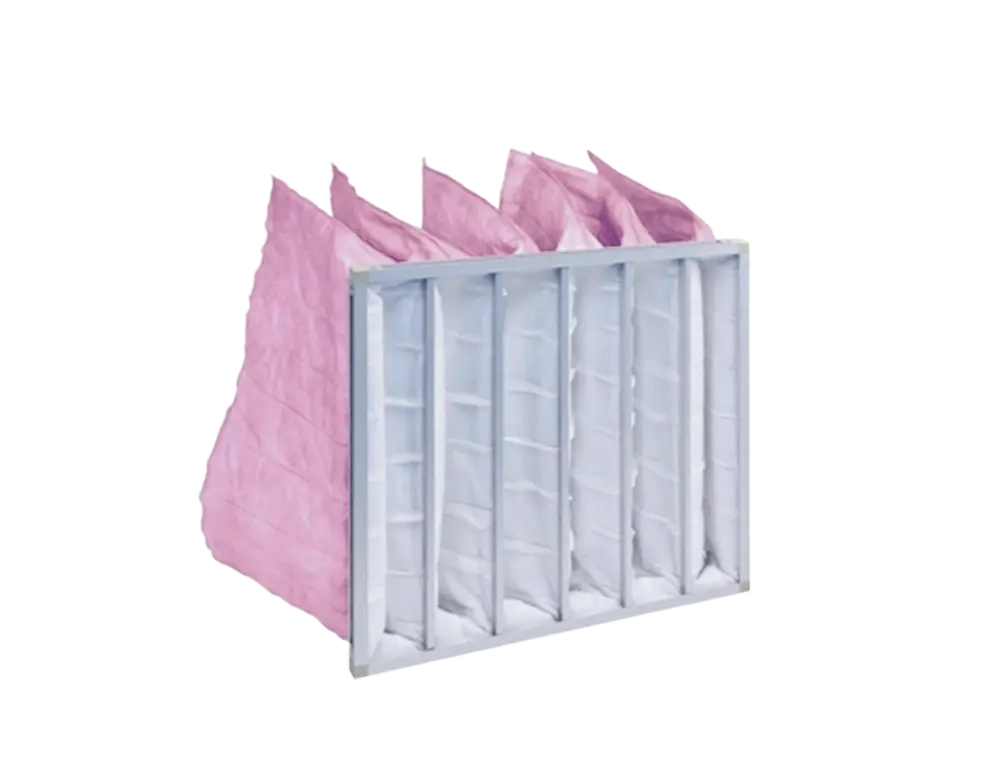
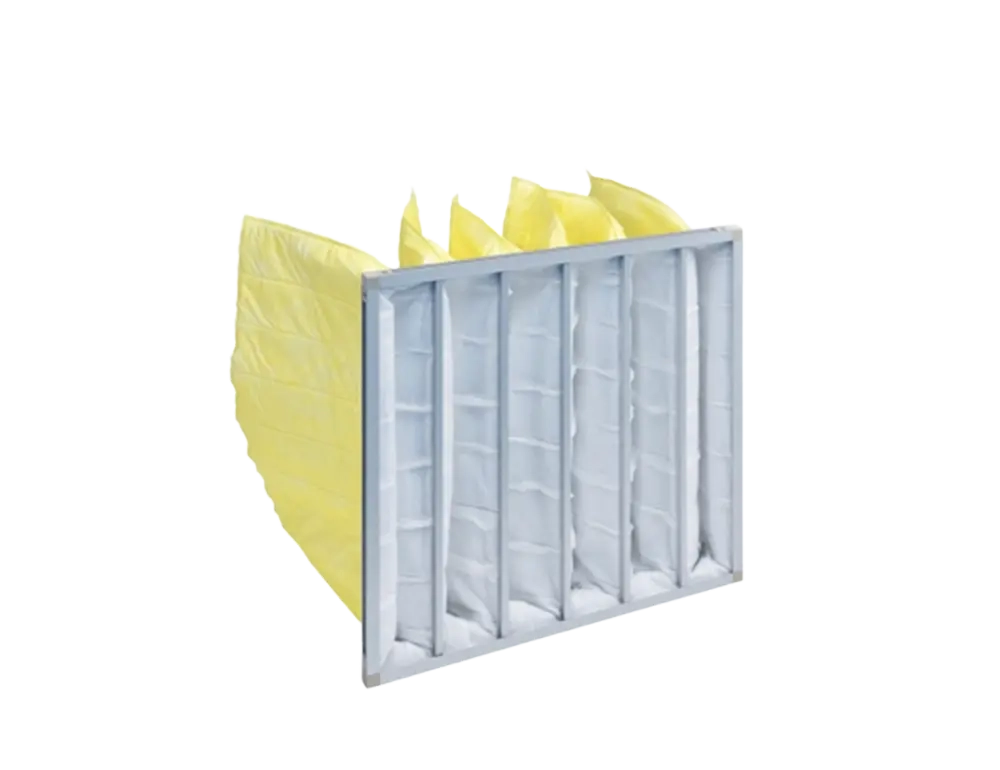
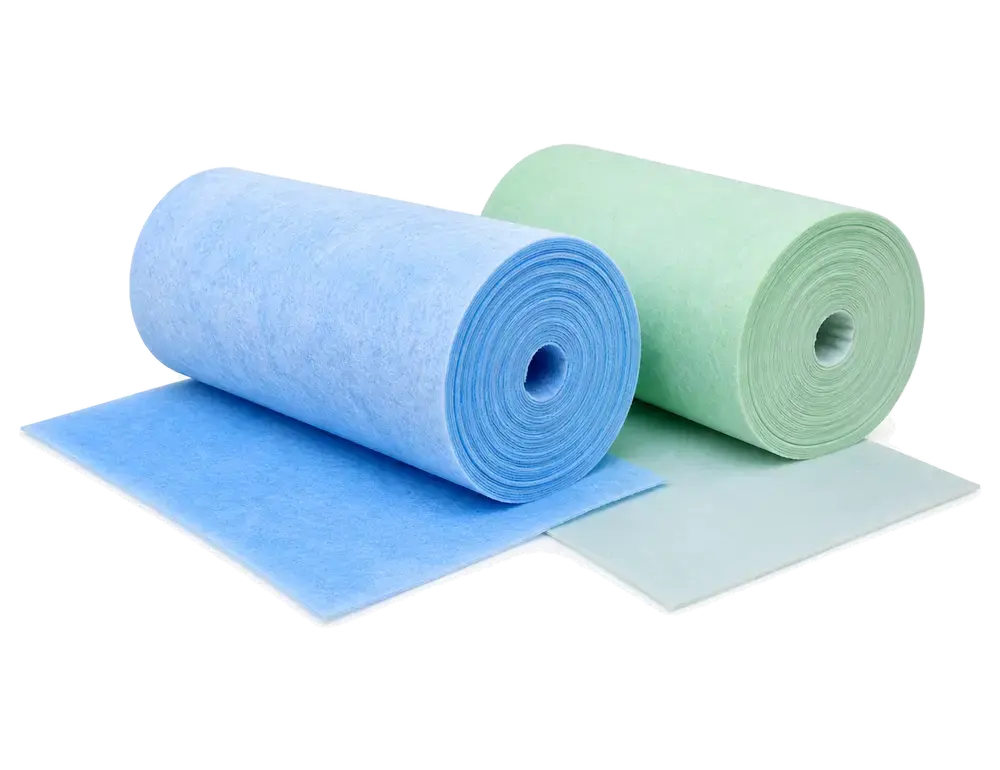
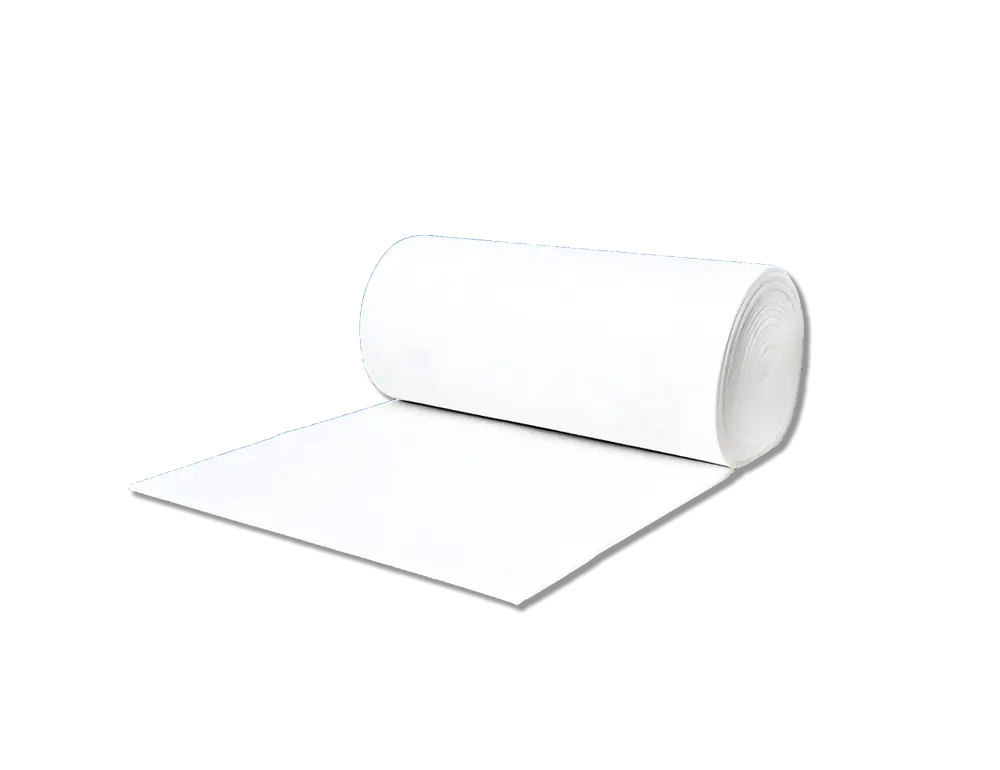
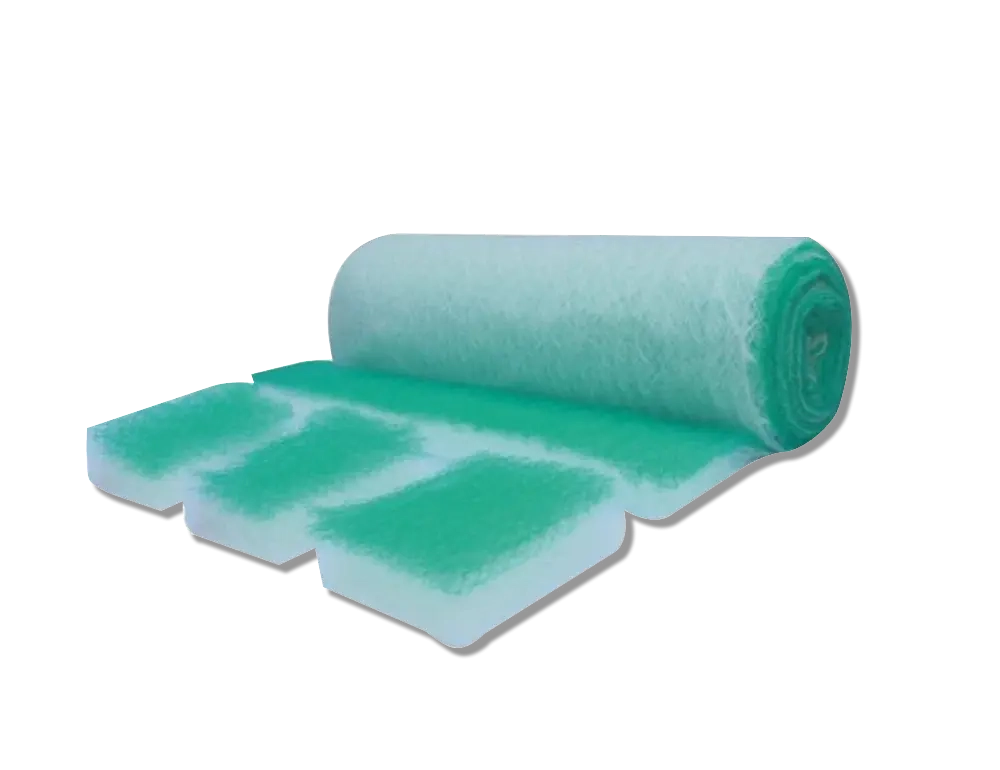
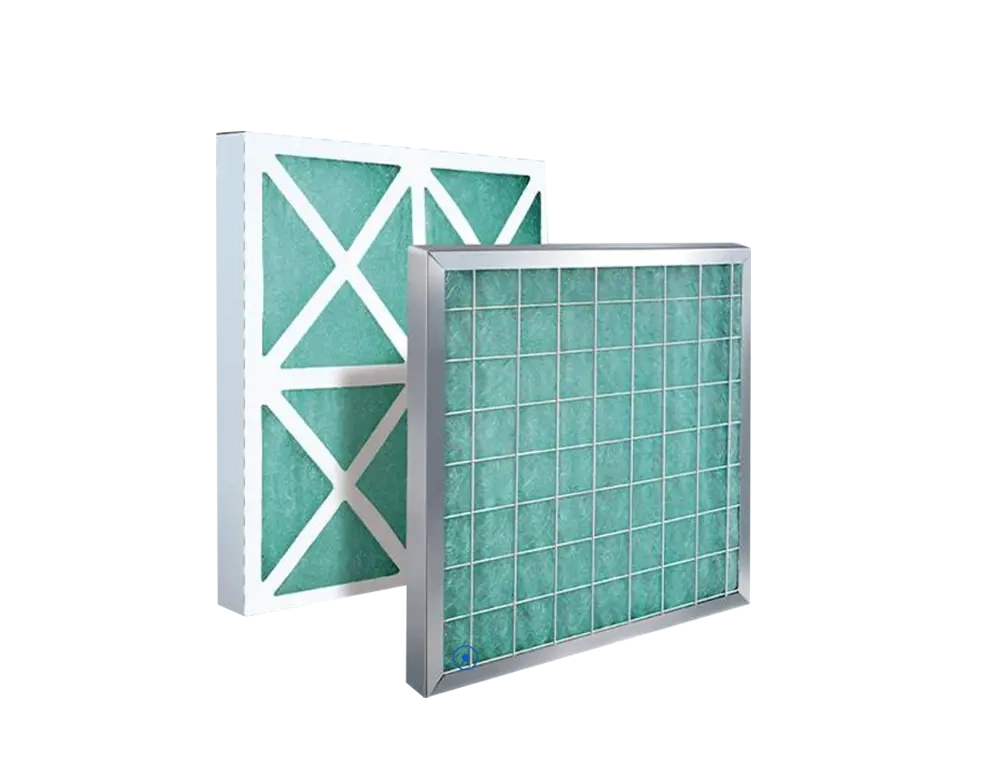
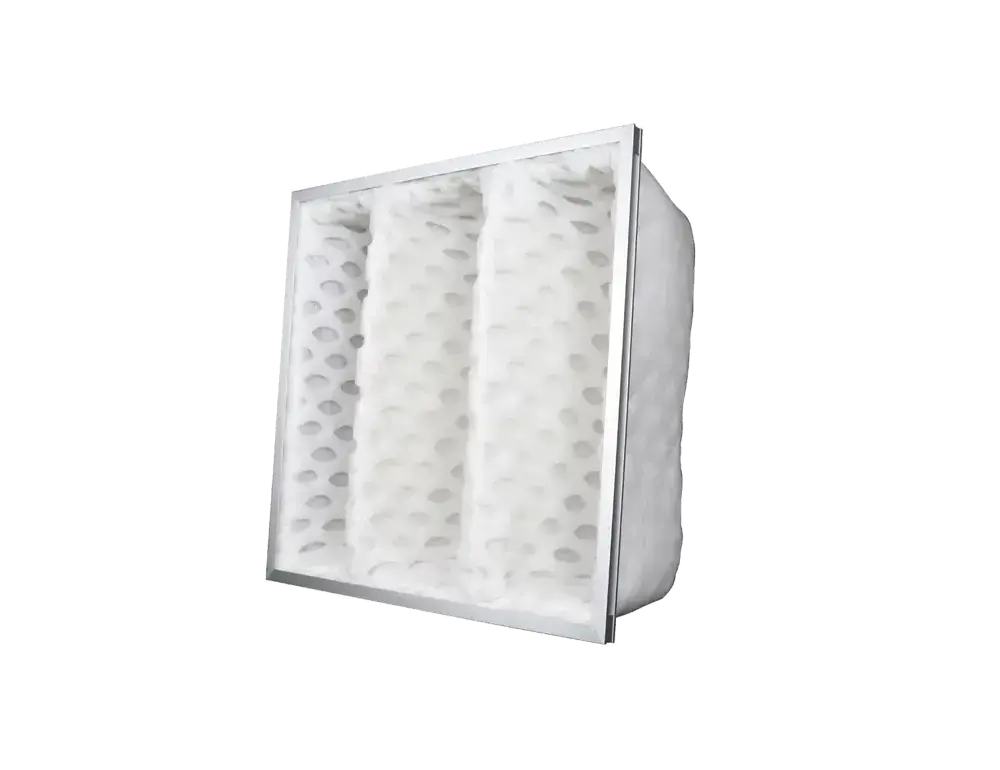
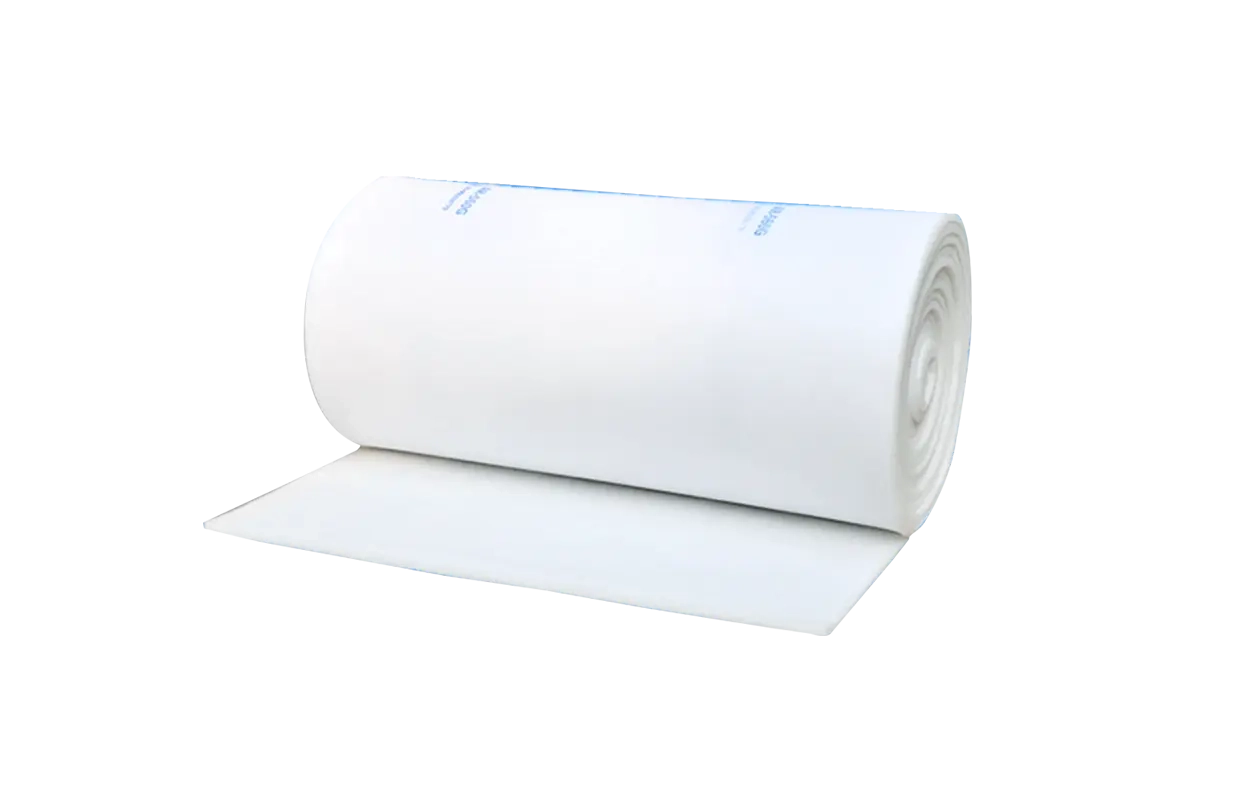
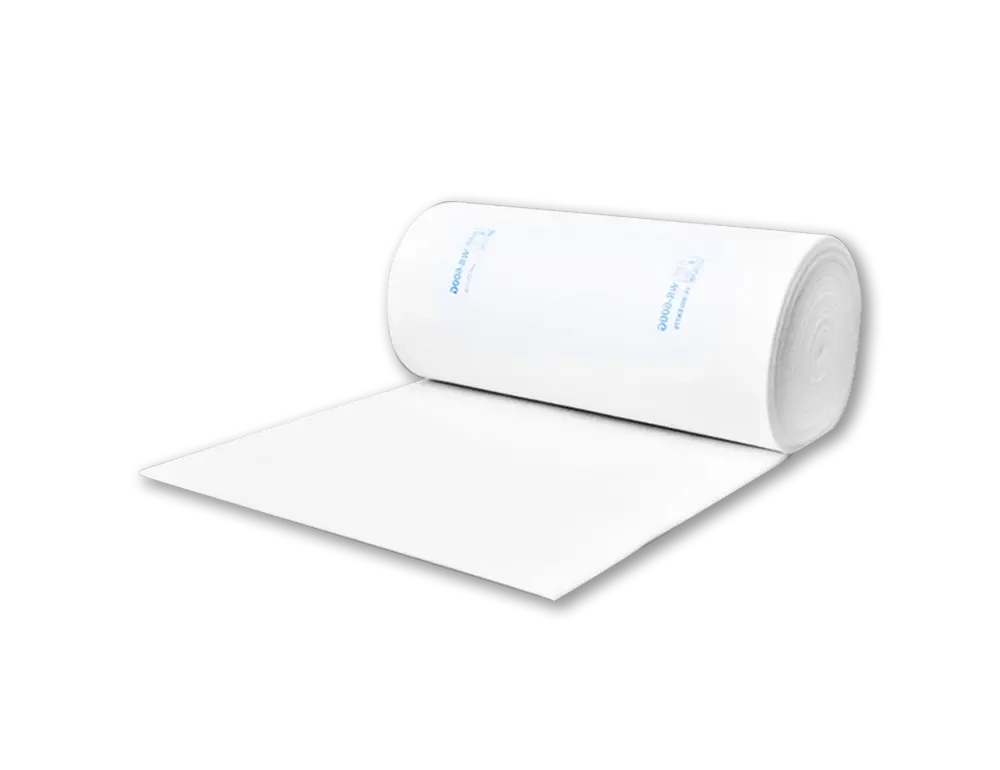
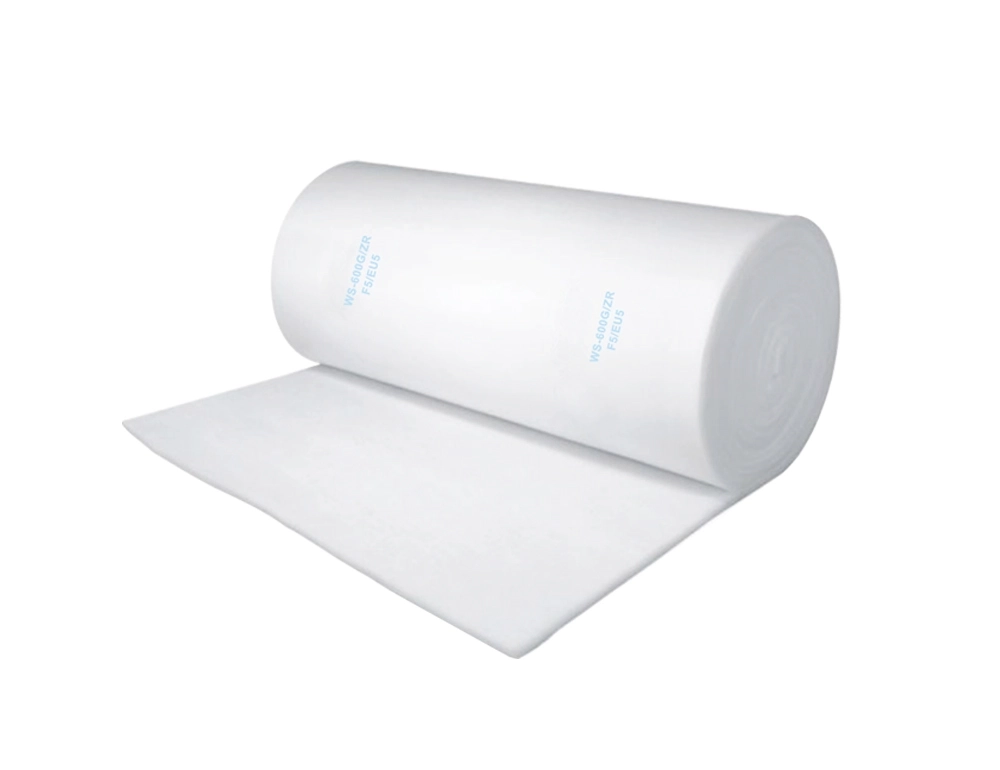
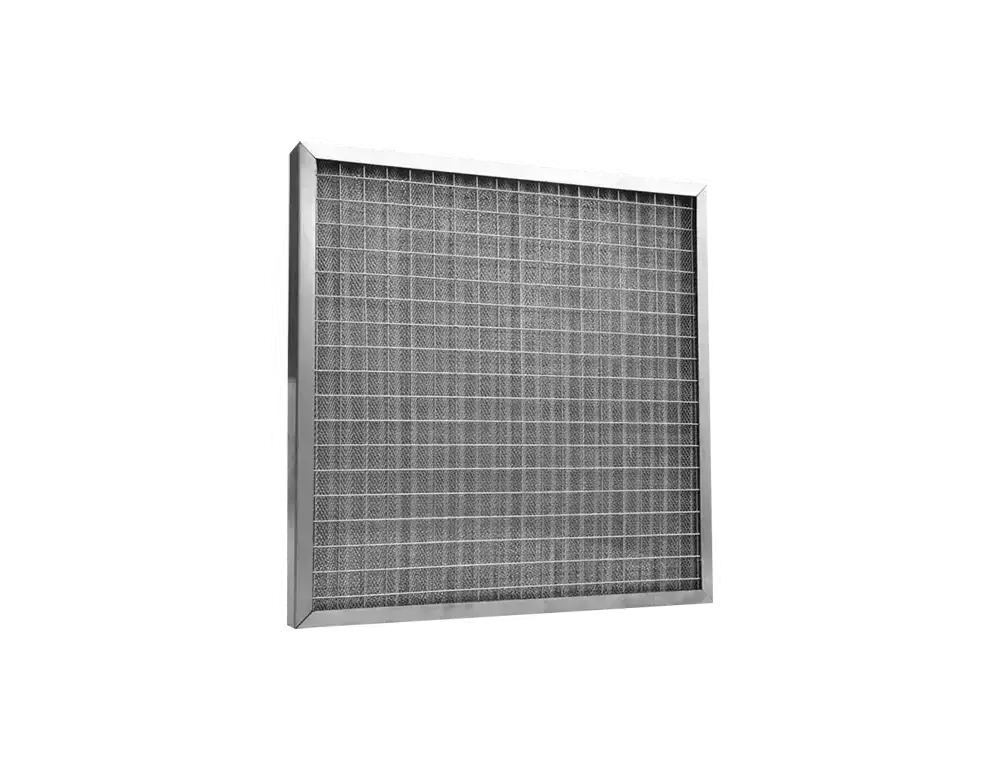
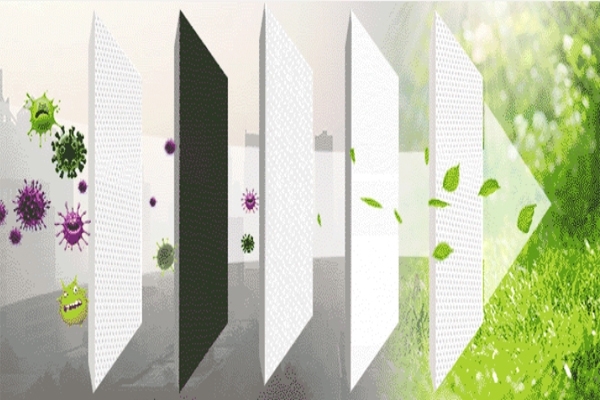
Pre-Filter (G1–G4)
First-Stage Large-Particle Capture
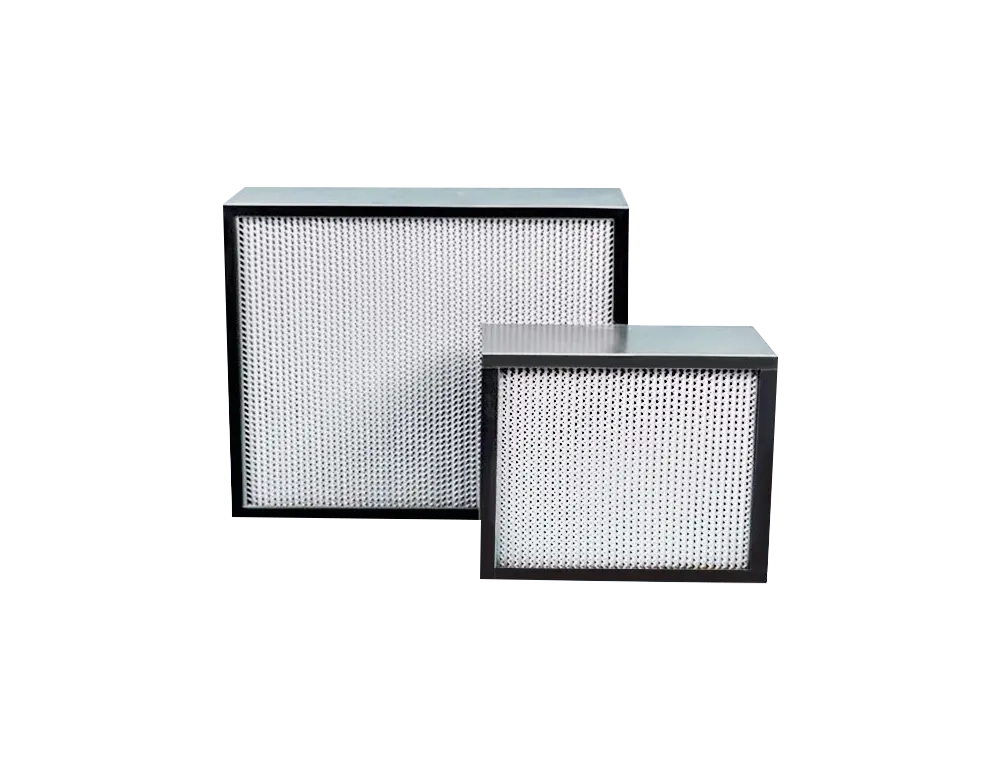
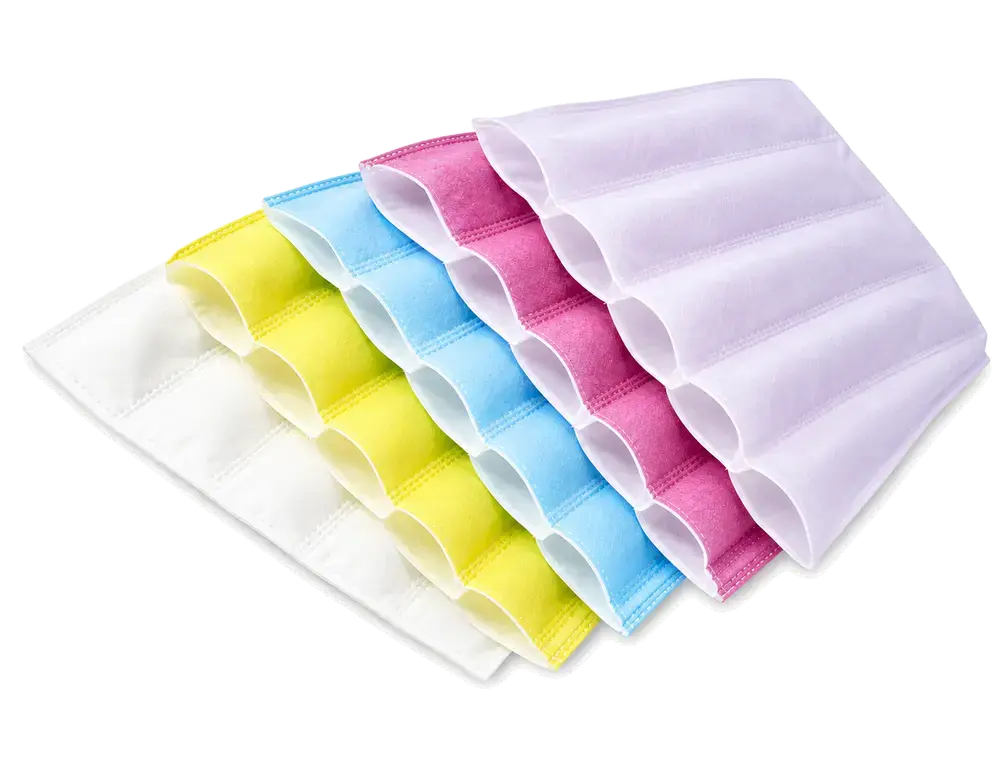
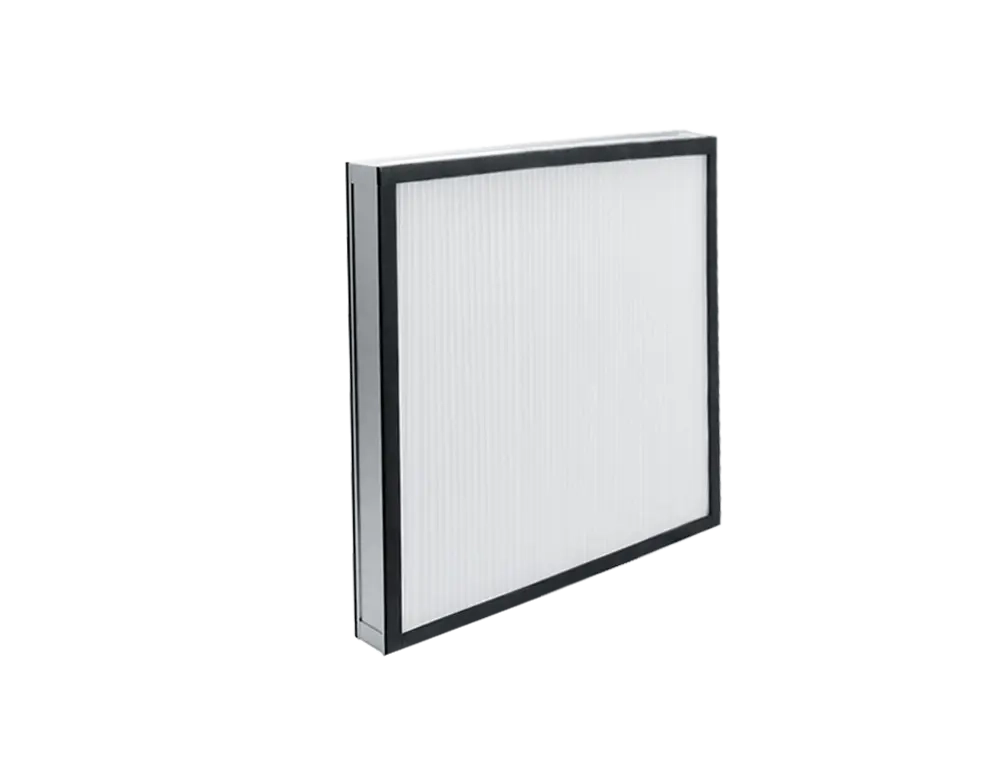
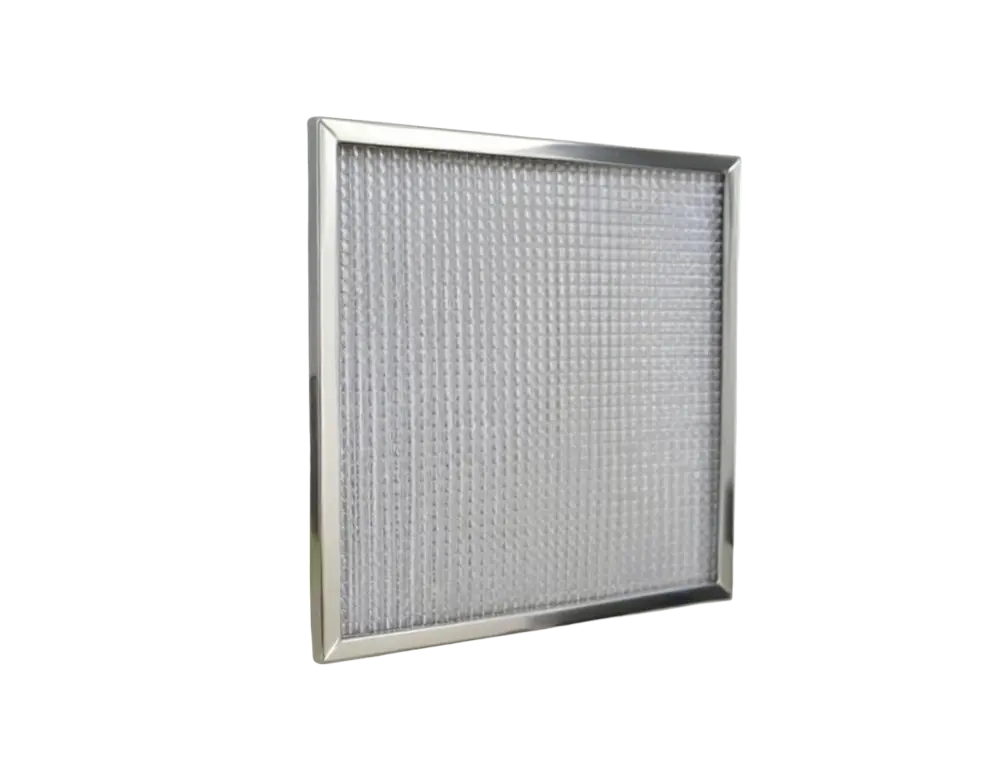
Medium-Efficiency Filter (F5–F9)
Precise PM2.5 Capture
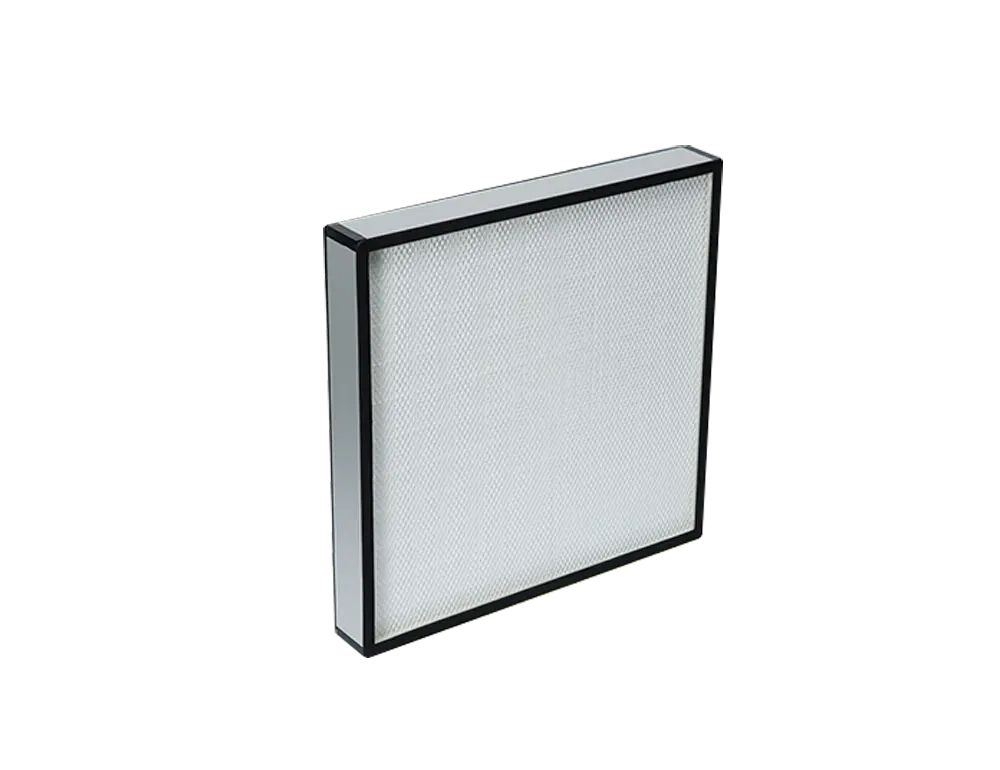
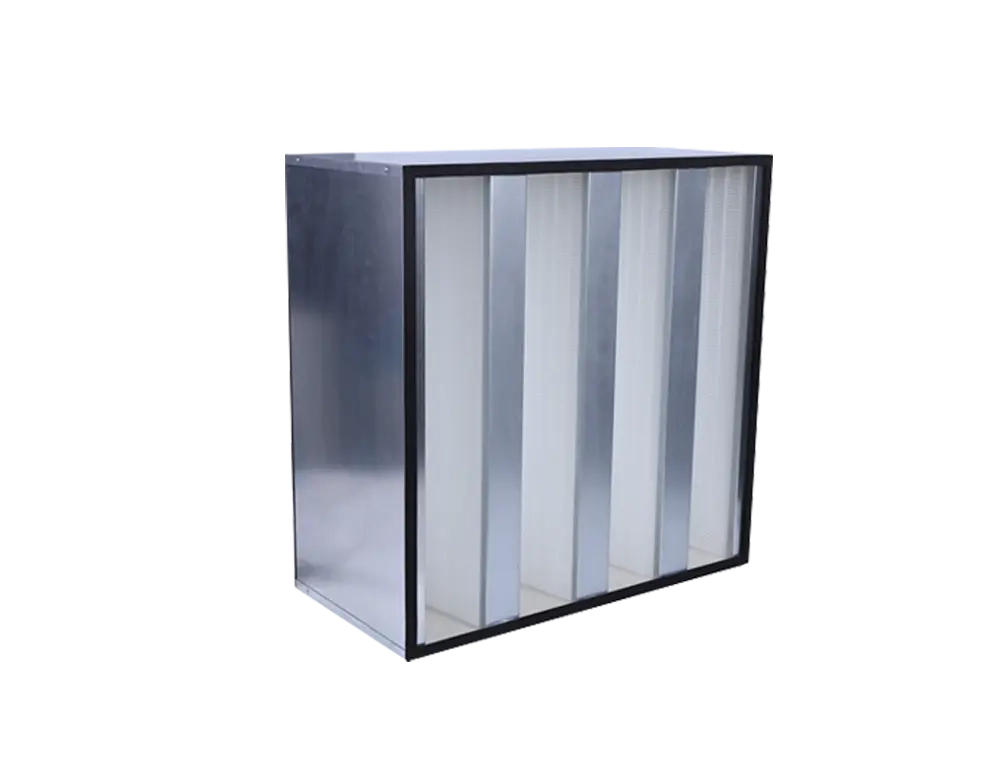
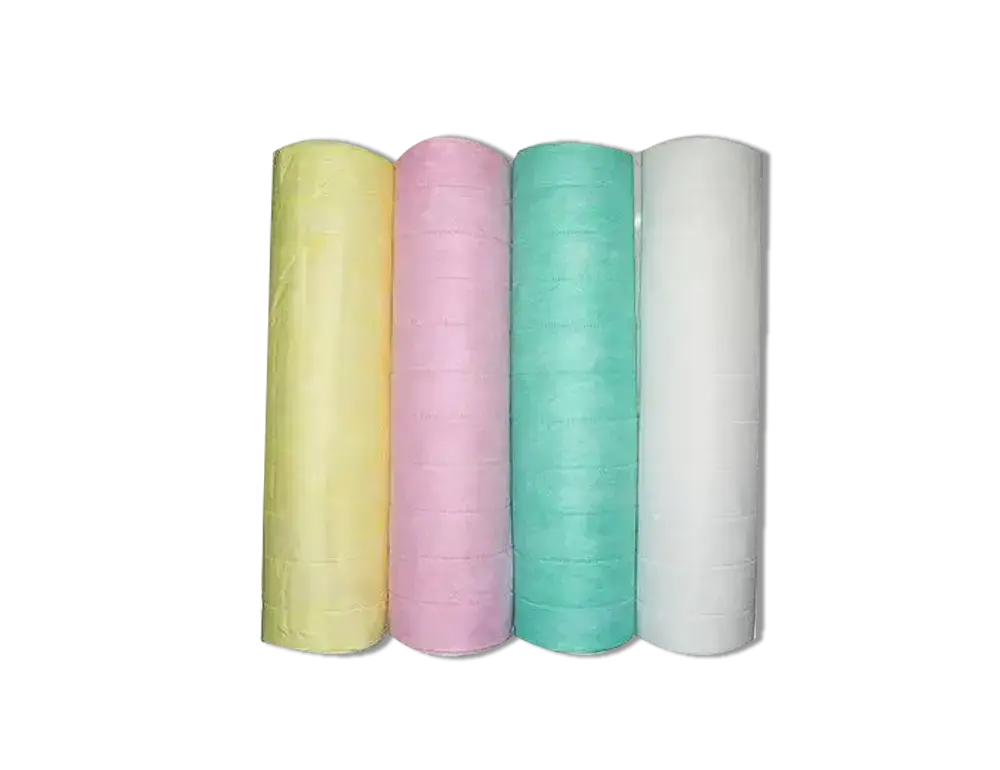
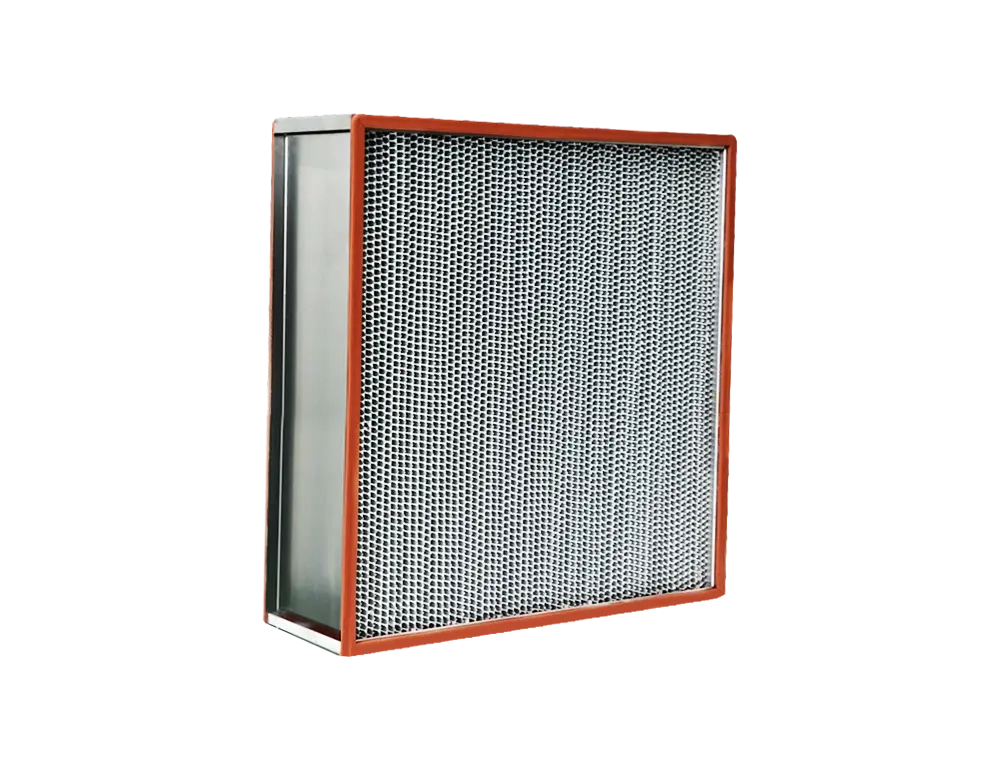
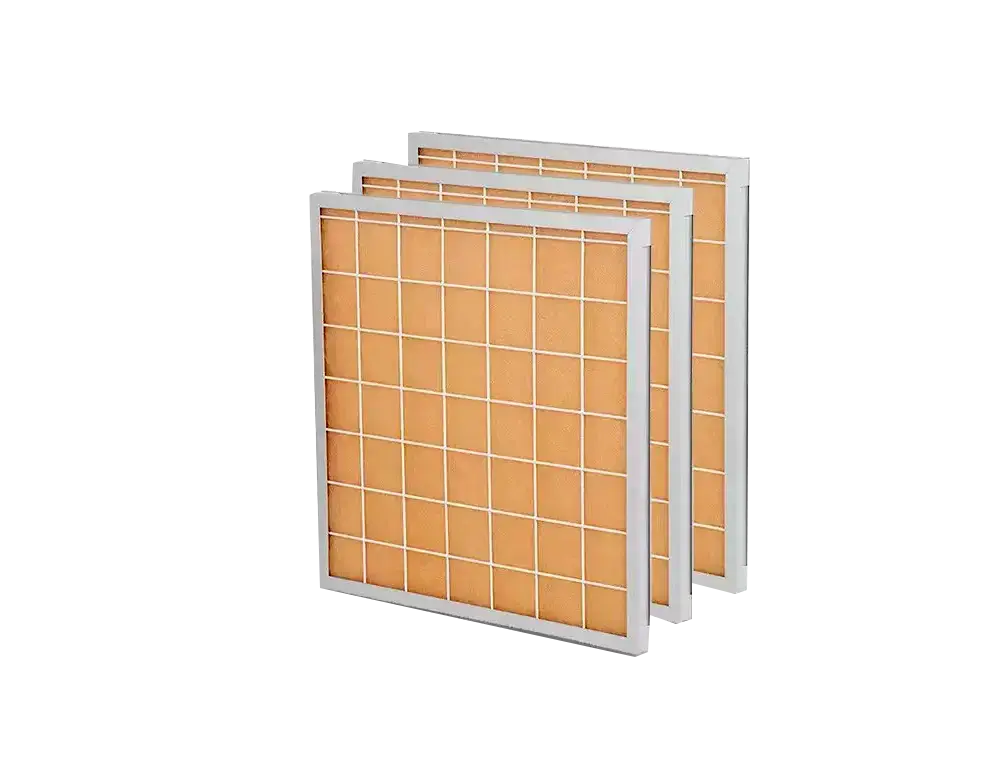
HEPA High-Efficiency Filter
Sterile-Grade Purification
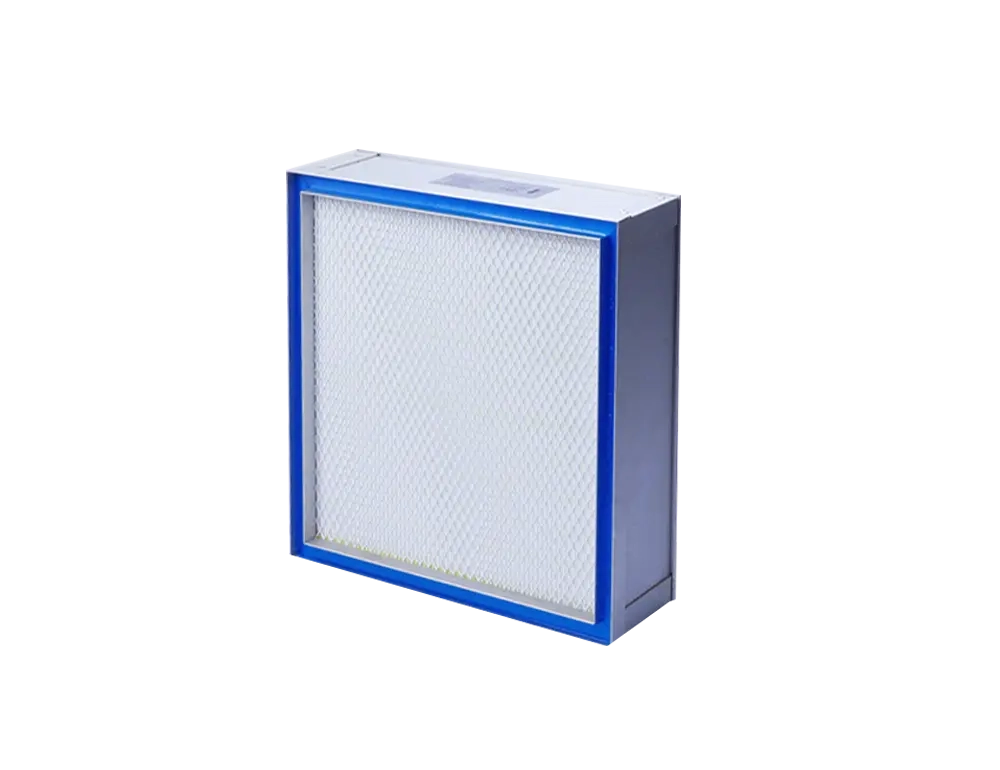
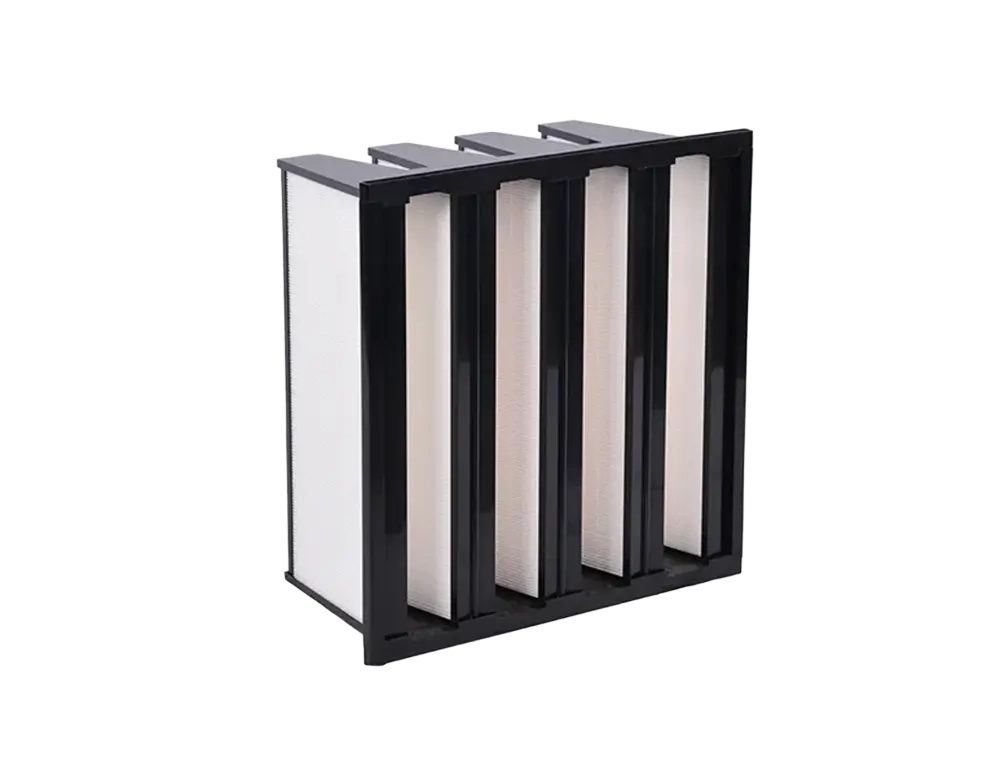
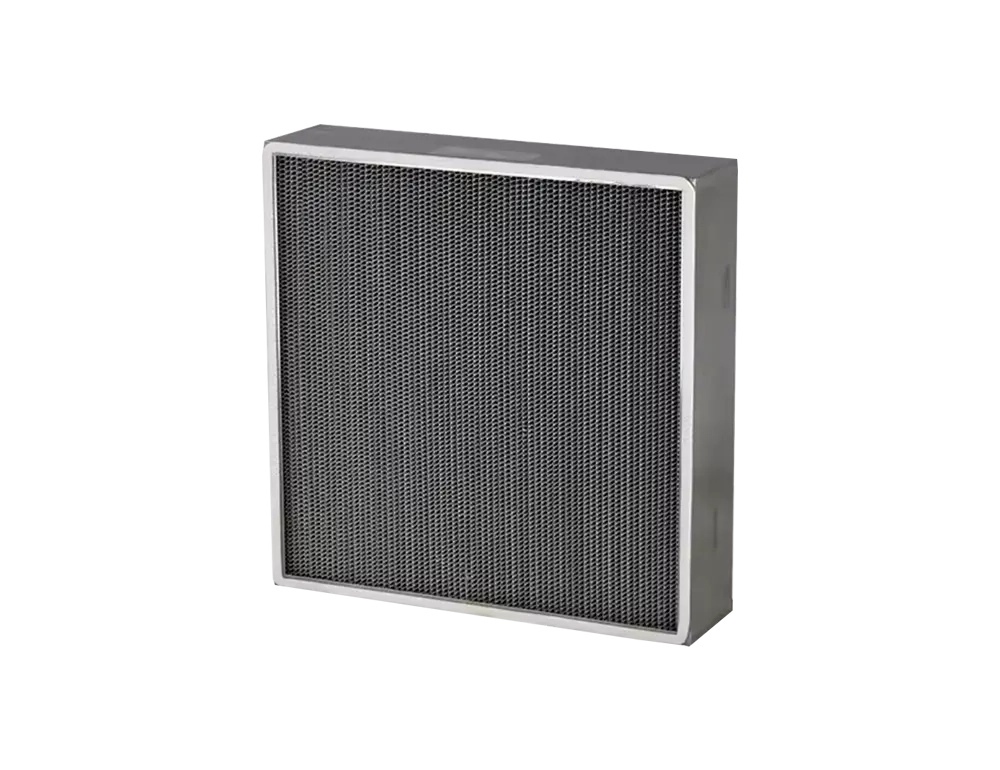
ULPA Ultra-High Efficiency Filter
Sub-Micron Particle Capture
First-Stage Large-Particle Capture
The first line of defense, capturing particles ≥5 μm such as dust, hair, and fibers to protect downstream filters and extend overall system service life.
View Related Products →Precise PM2.5 Capture
Captures fine particles of 1–5 μm including PM2.5, pollen, and mold spores, significantly improving indoor air quality for commercial HVAC and ventilation systems.
View Related Products →Sterile-Grade Purification
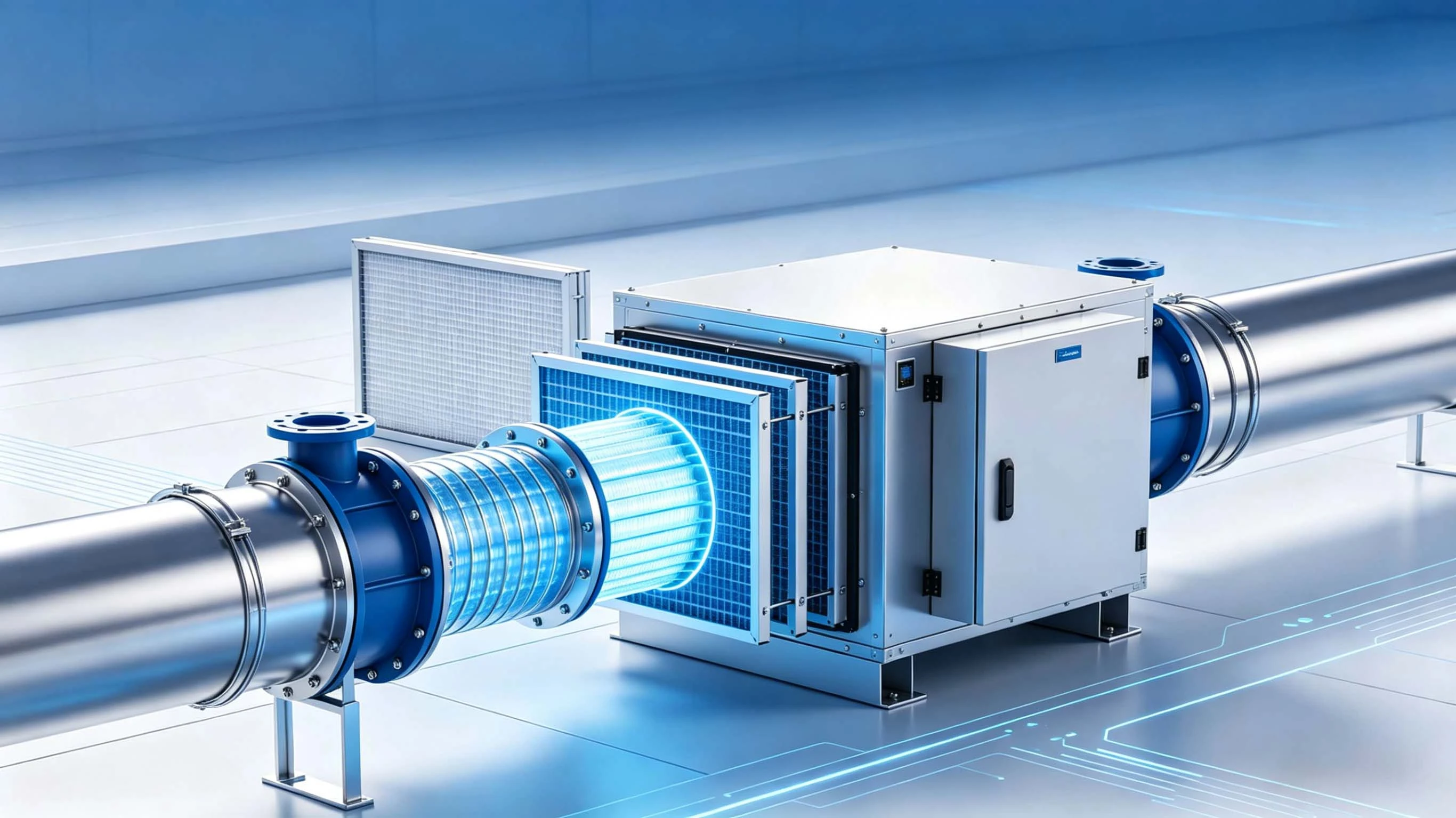
≥99.97% filtration efficiency for particles ≥0.3 μm, delivering sterile-grade clean air widely used in medical, pharmaceutical, and electronics manufacturing.
View Related Products →Sub-Micron Particle Capture
≥99.9995% efficiency for particles ≥0.12 μm, meeting the extreme cleanliness demands of semiconductor fabs, aerospace, and other ultra-precision applications.
View Related Products →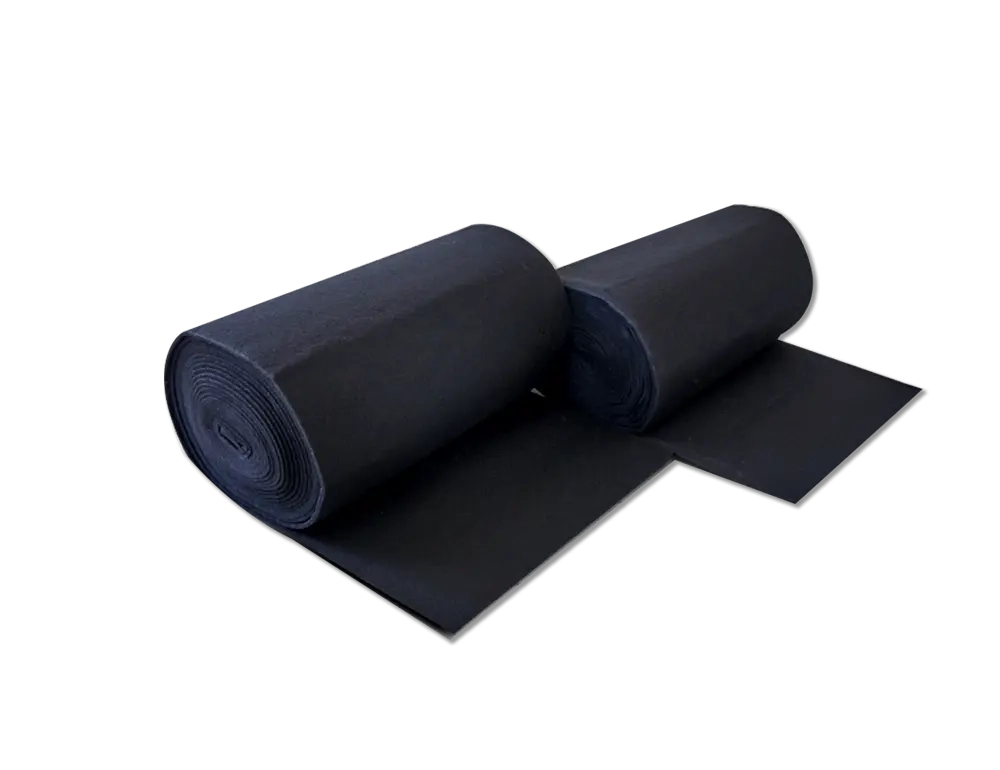
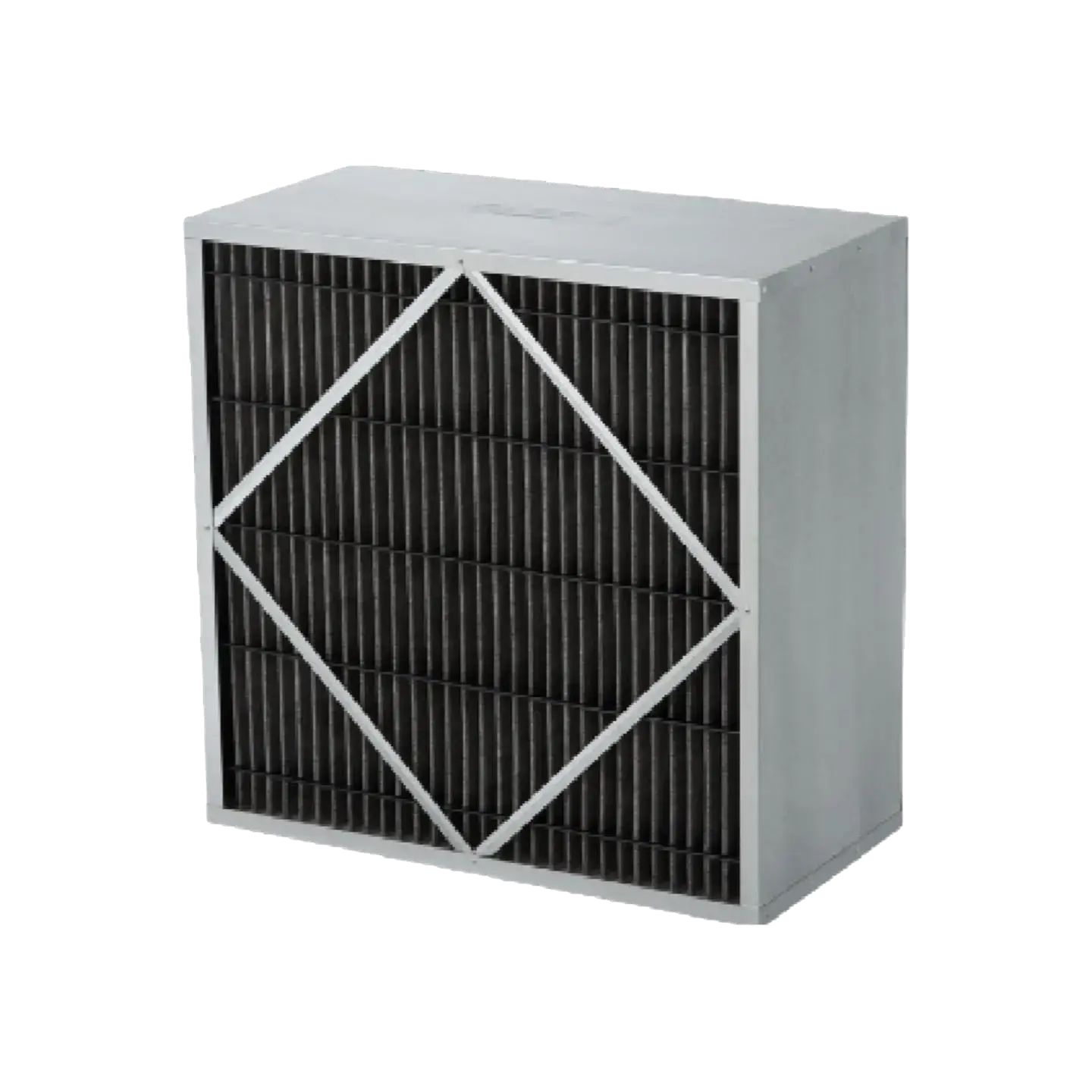
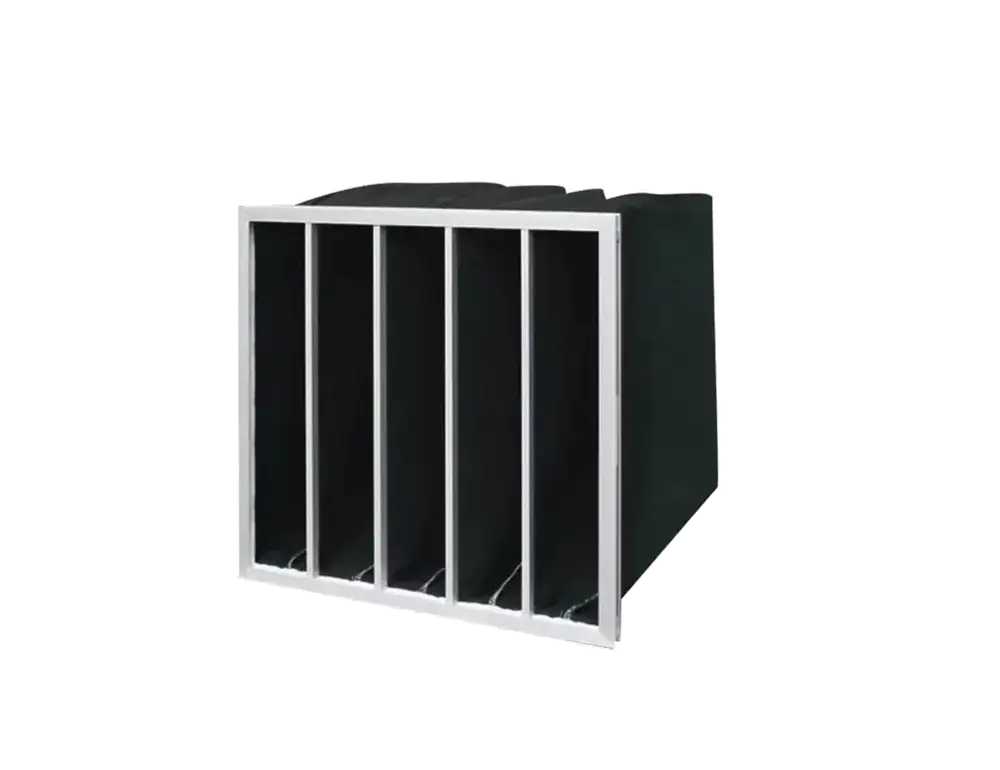
High-Temperature Resistant
Industrial-Grade Heat Tolerance
Washable & Reusable
Cut Costs, Reduce Waste
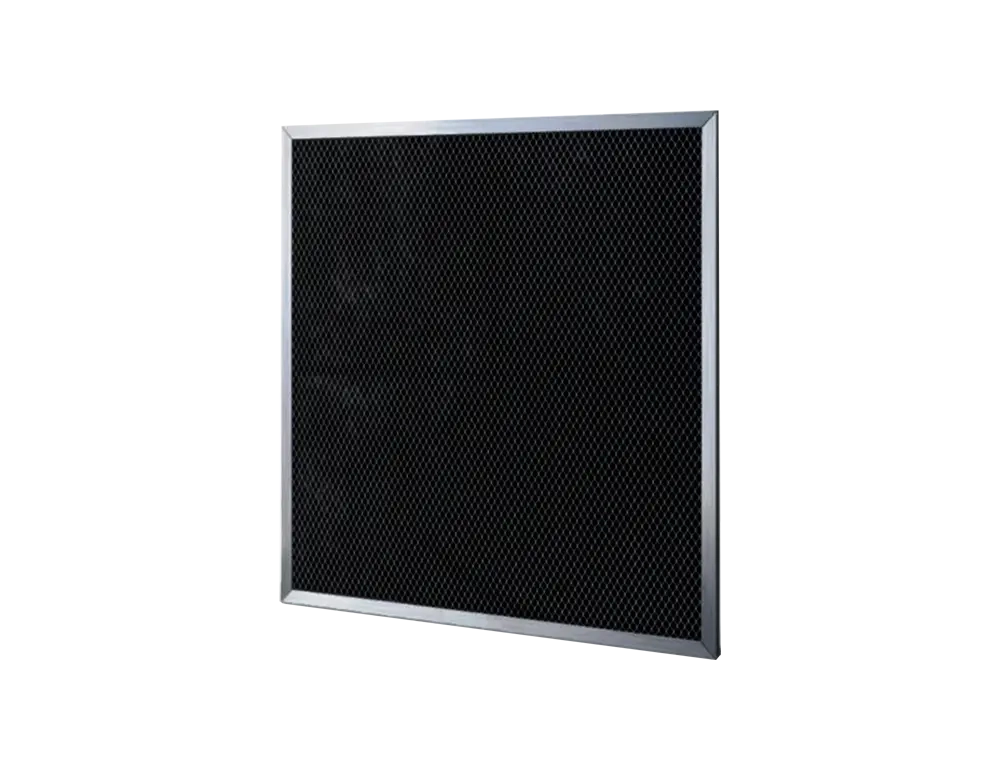
Activated Carbon
Odor & Harmful Gas Removal
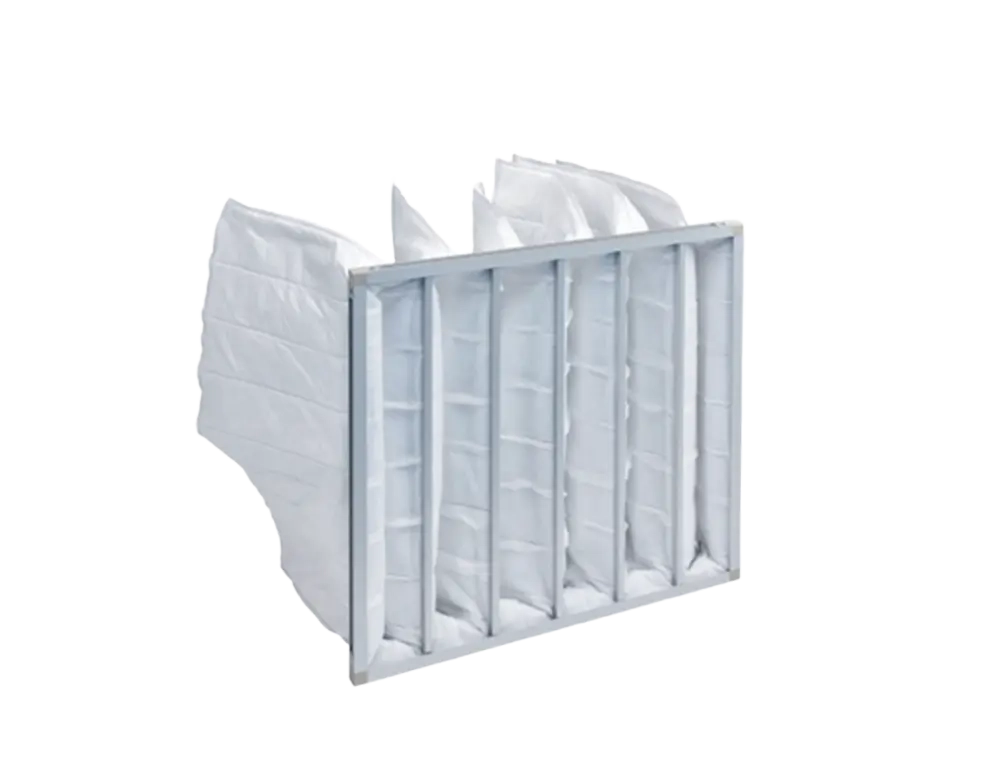
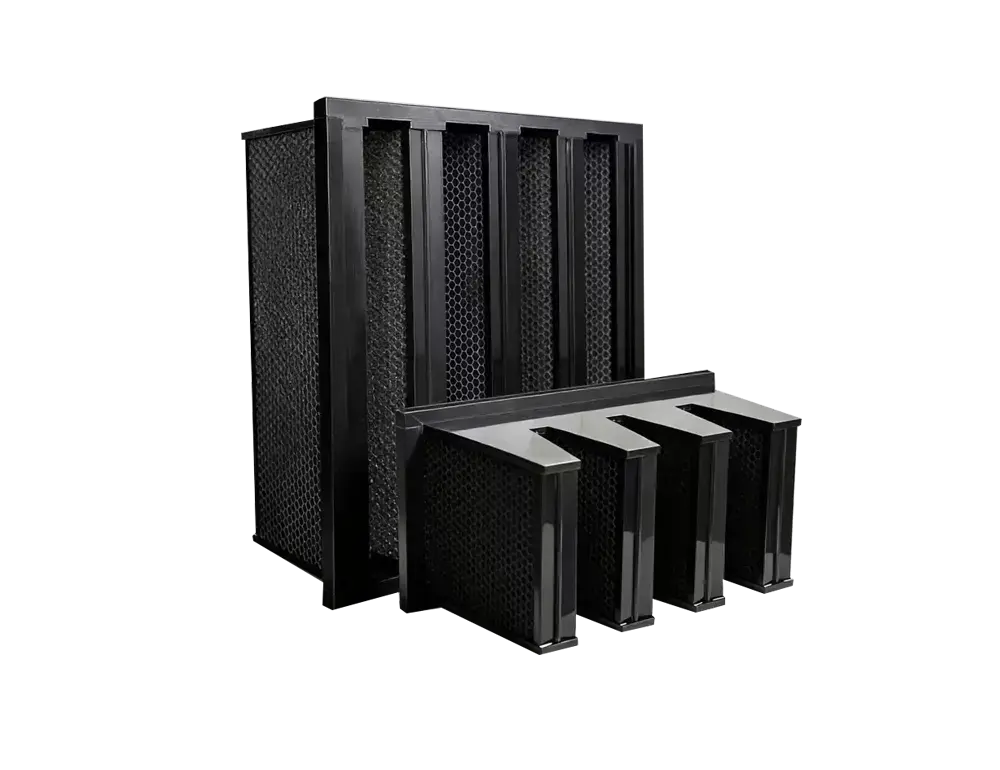
Bag Filter
High Dust-Holding, Long Life
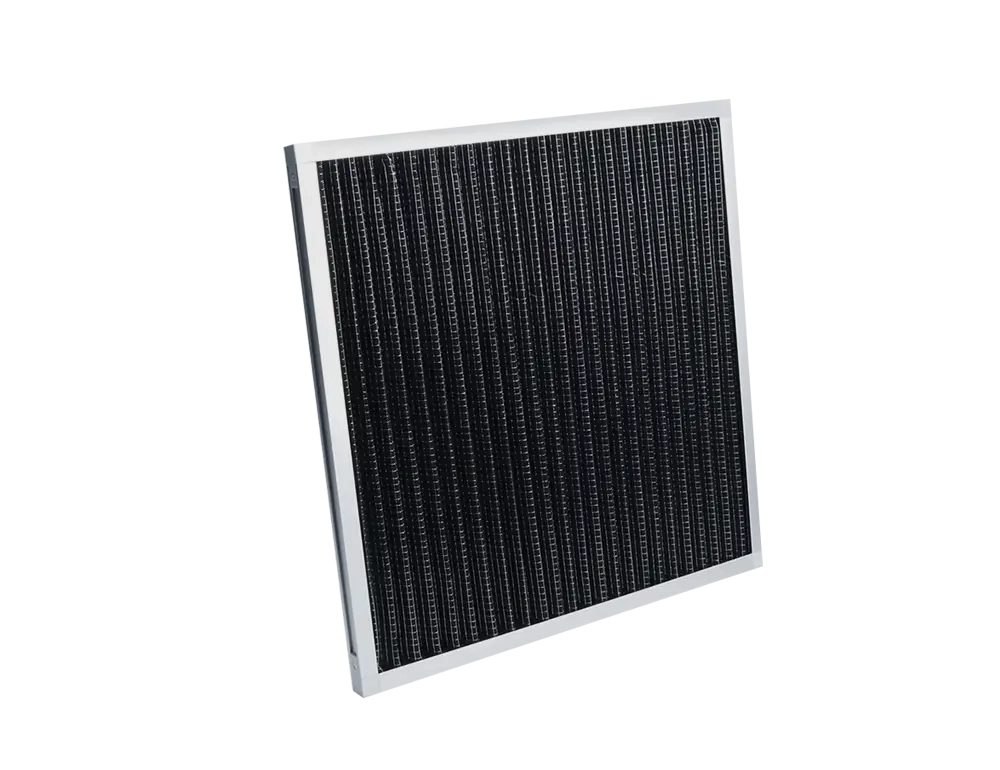
Panel / Pleated Filter
Compact Space-Saving Design
Low-Resistance Airflow
Energy-Saving Operation
Industrial-Grade Heat Tolerance
Built with specialized heat-resistant materials, operating stably up to 250°C for paint ovens, industrial dryers, and high-temperature process environments.
View Related Products →Cut Costs, Reduce Waste
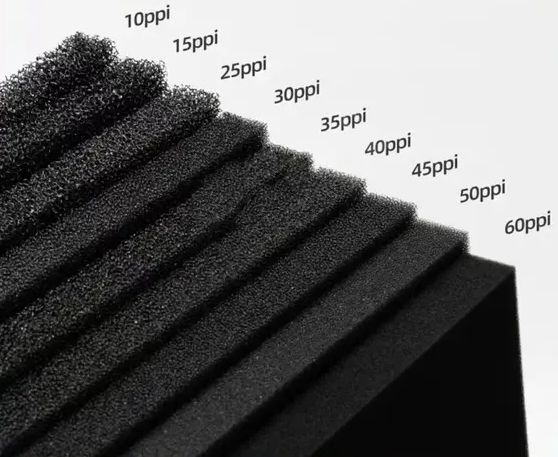
Cleanable by water washing or air blowing, reusable multiple times to significantly reduce replacement frequency and O&M costs — an economical, eco-friendly choice.
View Related Products →Odor & Harmful Gas Removal
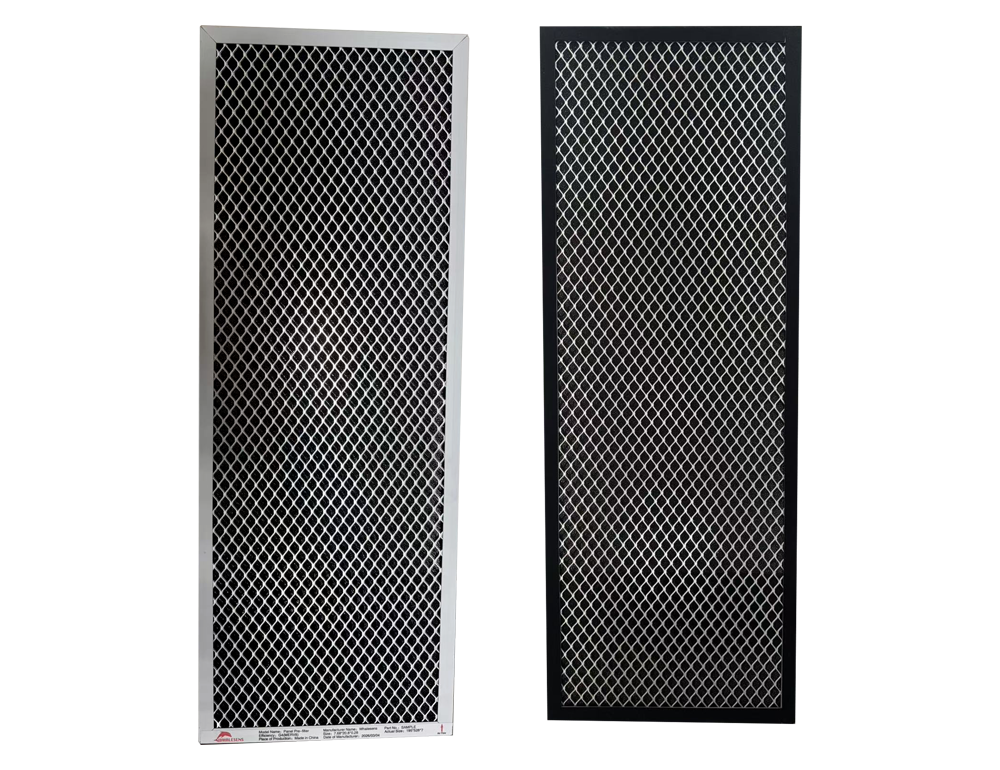
Leverages activated carbon's high adsorption capacity to eliminate odors, VOCs, and formaldehyde, ideal for newly renovated spaces and industrial exhaust treatment.
View Related Products →High Dust-Holding, Long Life
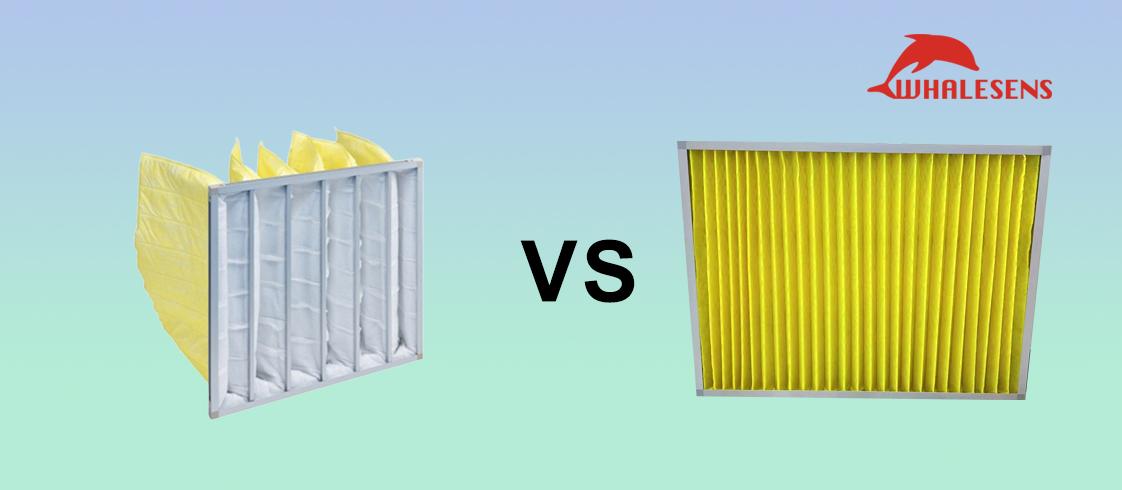
Bag-style construction delivers a larger filtration area, high dust-holding capacity, and extended service life — ideal for high-dust environments with reduced replacement frequency.
View Related Products →Compact Space-Saving Design
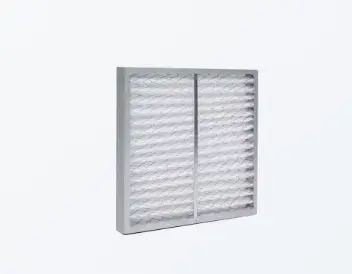
Compact form factor for easy installation and replacement; pleated structure maximizes filtration area within a small footprint for higher efficiency.
View Related Products →Energy-Saving Operation
Low-resistance design minimizes pressure drop while maintaining filtration performance, reducing fan energy consumption for cost-effective, eco-friendly operation.
View Related Products →












 English(Global)
 简体中文
简体中文 Language


Detailed Guide to Air Filter Applications in Airports and Aircraft
Introduction
Air filters play a critical role in safeguarding health and safety in both airport terminals and aircraft cabins. While both environments rely heavily on air filtration, their design approaches and focus points differ due to distinct functional needs. Airport terminals depend on HVAC systems with medium-to-high efficiency filters and large volumes of fresh air to improve overall indoor air quality. In contrast, aircraft cabins rely on HEPA high-efficiency filters combined with rapid air exchange rates and specialized airflow patterns to maintain a controlled microenvironment with extremely low levels of particles and microbes. Together, these solutions ensure a healthier and safer air environment in modern aviation.
1. Air Filters in Airport Terminals
1.1 Application Principles – Protecting Passengers and Staff
Airports are hubs of large-scale human movement, making them potential hotspots for airborne pathogens, bacteria, and allergens. Effective air filtration significantly reduces the concentration of airborne contaminants, lowers the risk of disease transmission, and enhances indoor air quality (IAQ). Additionally, good IAQ improves comfort, reduces exposure to volatile organic compounds (VOCs), and protects sensitive equipment such as security scanners, HVAC machinery, and electronic displays from dust damage.
1.2 Technology and Methods
Central HVAC systems: Large, complex air-handling units (AHUs) form the backbone of terminal air filtration.
Multi-stage filtration:
- Pre-filters (G4–M5): Capture large particles like dust, fibers, and insects, protecting downstream filters.
- Medium to high-efficiency filters (F7–F9, ISO ePM1/ePM2.5): Significantly reduce PM2.5, bacteria, mold spores, and pollen. Many international airports now adopt MERV13 or higher to further mitigate airborne risks, especially after COVID-19.
High ventilation rates: Large volumes of outdoor air are introduced to dilute indoor pollutants, working together with filtration to improve IAQ.
Localized filtration: Sensitive areas (nurseries, medical stations, VIP lounges, smoking rooms) may use HEPA filters or activated carbon filters for enhanced protection.
Maintenance: 24/7 operation requires regular monitoring of pressure drop and timely replacement of filters to maintain efficiency and control energy costs.
1.3 Outcomes and Challenges
Improved IAQ: Lower pollutant levels and healthier environments for travelers and staff.
Public health protection: Reduced risk of airborne disease transmission.
Compliance: Meets ventilation and IAQ standards in public buildings.
Challenges: Extremely high energy consumption due to large air volumes, system complexity, and the need to manage diverse pollution sources.
2. Air Filters in Aircraft Cabins
2.1 Application Principles – Protecting Passenger and Crew Health
Aircraft cabins are enclosed, densely populated spaces where controlling airborne pathogens is critical. In addition, air filtration ensures removal of dust, allergens, odors, and ozone, while meeting strict aviation safety and airworthiness regulations from agencies such as FAA, EASA, and CAAC.
2.2 Technology and Methods
Environmental Control System (ECS): Responsible for air supply, circulation, filtration, and regulation.
Air supply and circulation: Cabin air is a mix of ~50% fresh air (bleed air from the engines, sterilized by high compression and heat) and ~50% recirculated air that passes through filters.
HEPA filters: The core technology in modern commercial aircraft. These filters typically meet or exceed H13/H14 standards, with efficiencies ≥99.95–99.97% for 0.1–0.3 μm particles, effectively capturing viruses, bacteria, and aerosols.
High air exchange rates: Cabin air is completely renewed 20–30 times per hour (every 2–3 minutes), far exceeding most indoor environments.
Airflow design: Air is supplied from the ceiling and extracted at floor level near the sidewalls, creating localized vertical airflow patterns that minimize cross-contamination across rows.
Ozone converters: Reduce ozone levels from high-altitude air intake to safe limits.
Additional filtration: Kitchens and lavatories have independent exhaust systems, sometimes supported by odor-removal filters.
2.3 Outcomes and Limitations
Very high cabin air quality: Particulate and microbial levels in aircraft cabins are typically lower than in offices, schools, or homes.
Effective pathogen removal: HEPA filters significantly reduce airborne viruses and bacteria.
Regulatory compliance: Meets strict aviation airworthiness standards.
Passenger confidence: Transparency about advanced air systems helps reassure travelers in the post-pandemic era.
Limitations: Filtration cannot fully prevent short-range droplet or contact transmission between nearby passengers before air is extracted.
Conclusion
Air filters are indispensable for both airport terminals and aircraft cabins. Terminals rely on multi-stage HVAC systems with large volumes of fresh air to ensure IAQ in massive public spaces, while aircraft cabins employ HEPA filters, rapid air exchange, and specialized airflow designs to maintain extremely clean and safe environments. Together, they form a comprehensive air safety system that protects travelers and staff, reduces airborne risks, and ensures compliance with global health and safety standards.
Contact Information
Whalesens Technology – Professional Air Filter Manufacturer 🌐 Official Website: www.whalesens.com 📞 WhatsApp: (+86) 13119189886 📧 Email: whalesens@gmail.com
Need a custom air filtration solution?
Contact the Whalesens engineering team for product selection and OEM/ODM support.
Email whalesens@gmail.com