


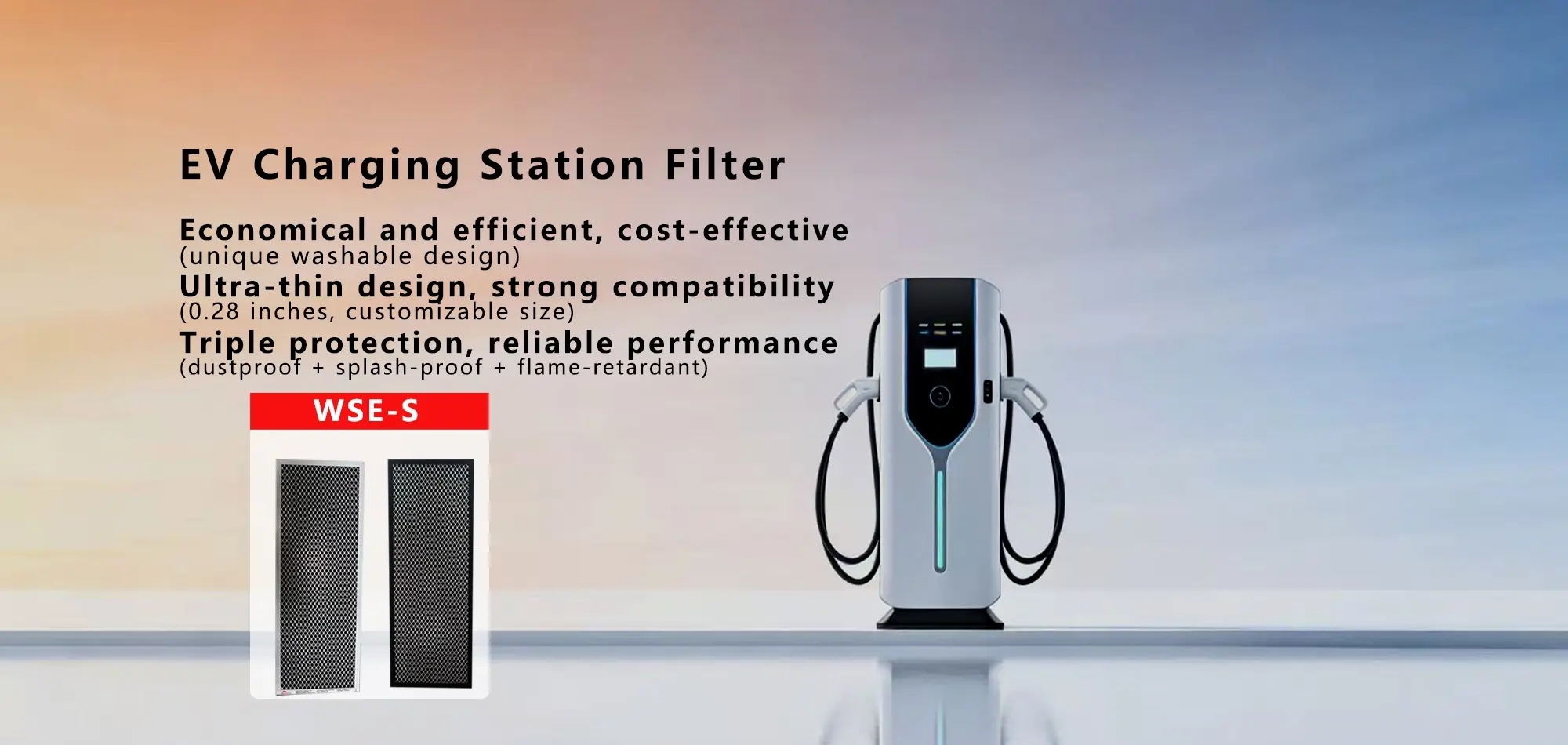
EV Charging Stations
Filtration for Power Equipment
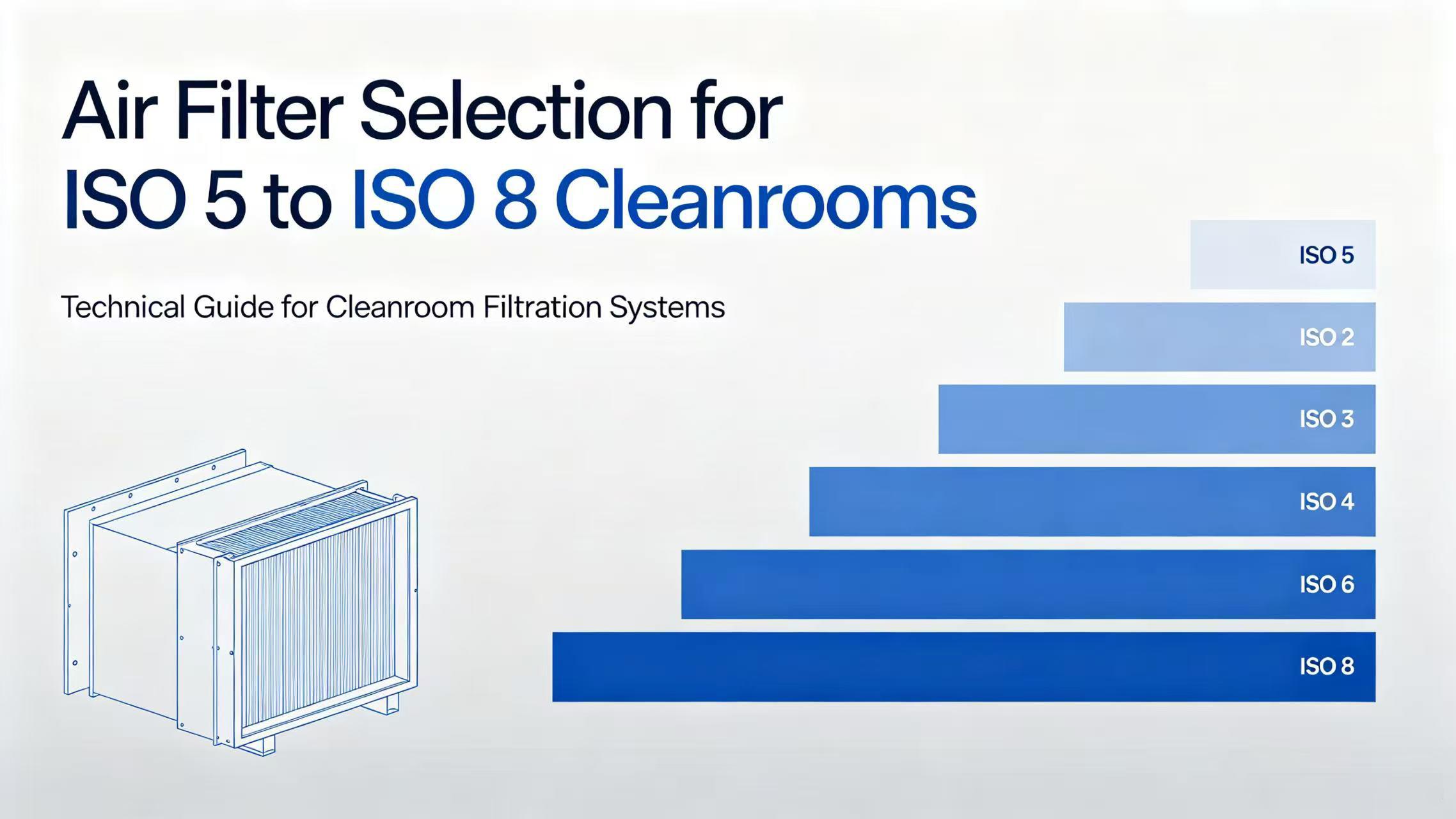
Cleanroom & Semiconductor
Ultra-High Cleanliness Filtration
Commercial HVAC
Central Air System Filtration
Data Centers
Precision Equipment Protection
Livestock & Farming
Farming Environment Purification
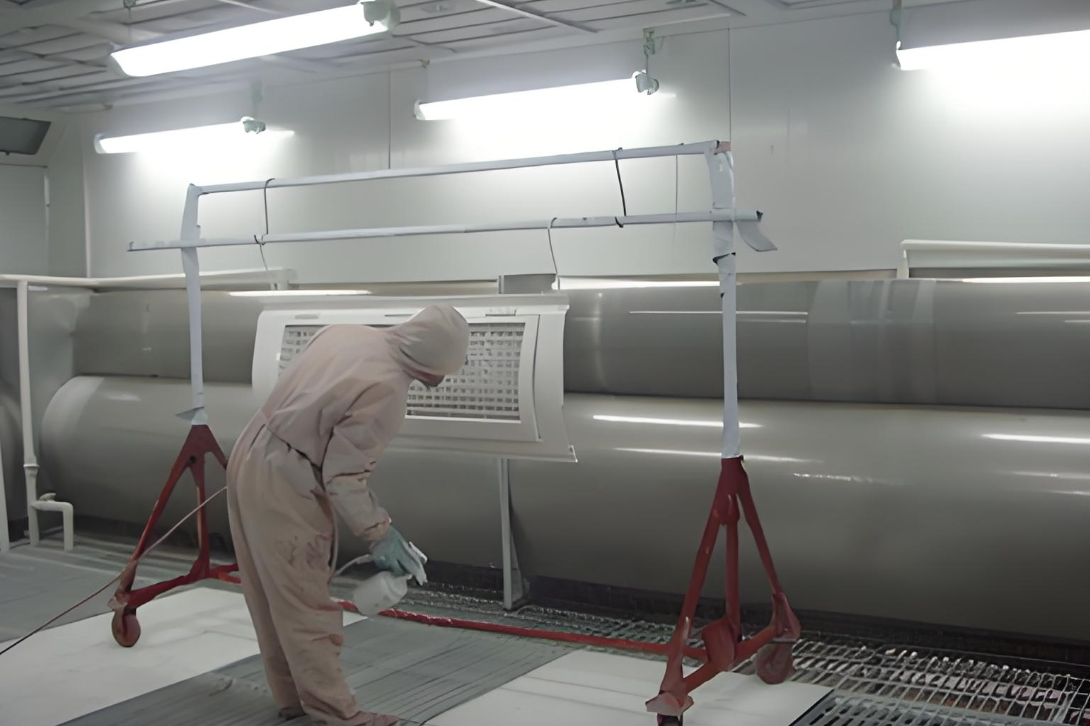
Spray Booths & Industrial Dust
Paint Mist & Dust Purification
Filtration for Power Equipment
Professional air filtration for EV charging devices, protecting against dust and sand ingress to ensure stable, reliable operation of charging piles and station infrastructure.
View Related Products →Ultra-High Cleanliness Filtration
Ultra-high efficiency filtration for semiconductor wafer fabs and precision electronics cleanrooms, capturing nano-scale particles to meet ISO Class 1–3 standards and maximize product yield.
View Related Products →Central Air System Filtration
High-efficiency filtration for commercial building HVAC systems, improving indoor air quality, reducing energy consumption, and extending equipment service life.
View Related Products →Precision Equipment Protection
Precision air filtration for data centers, shielding servers and critical hardware from dust contamination to keep cooling systems running efficiently and reliably.
View Related Products →Farming Environment Purification
Dedicated filtration systems for farms and livestock facilities — capturing dust, adsorbing ammonia, and inhibiting pathogen spread to improve animal health and overall productivity.
View Related Products →Paint Mist & Dust Purification
Designed for spray booths and grinding workshops, efficiently capturing paint mist, metal dust, and wood chips to meet emission standards while protecting finished surface quality.
View Related Products →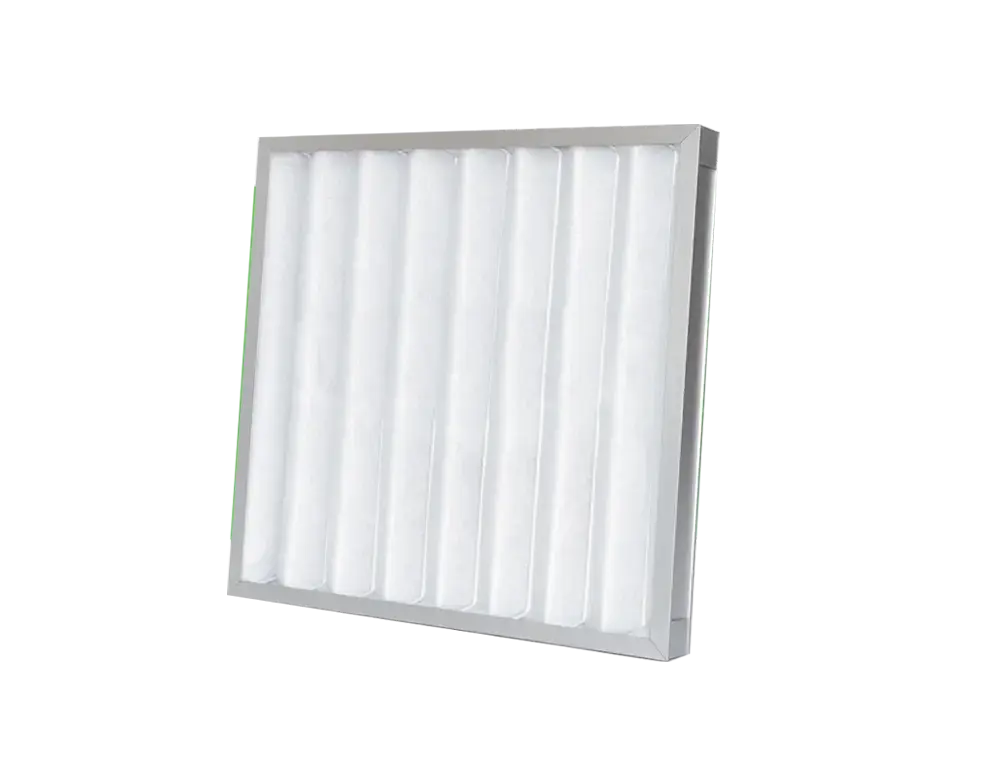
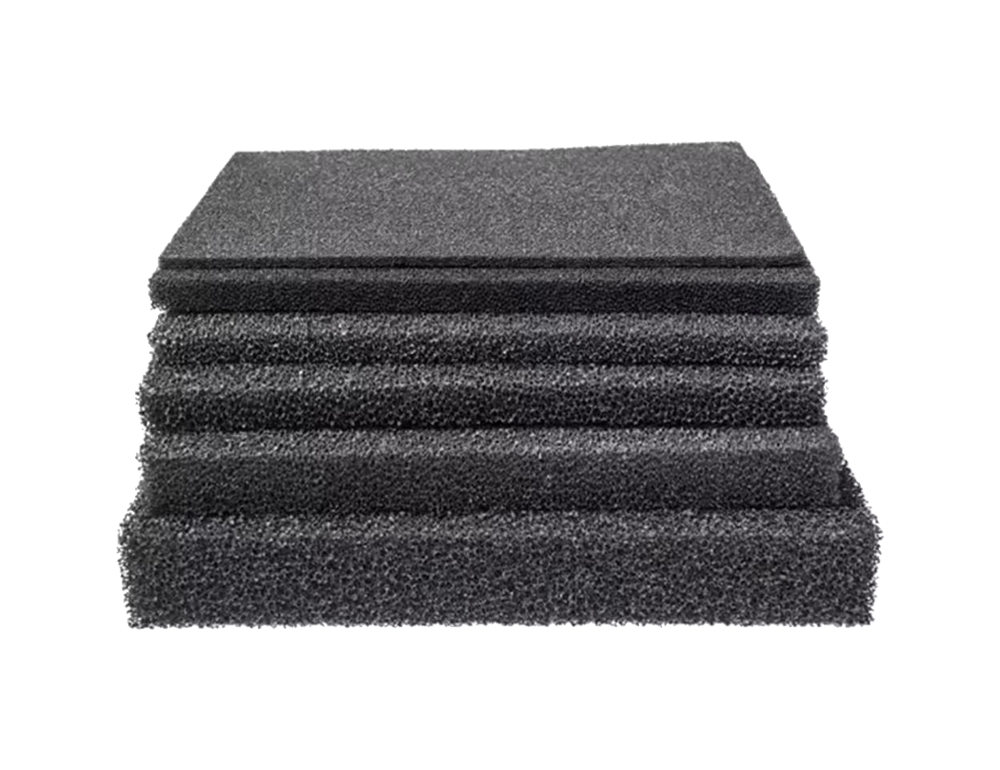
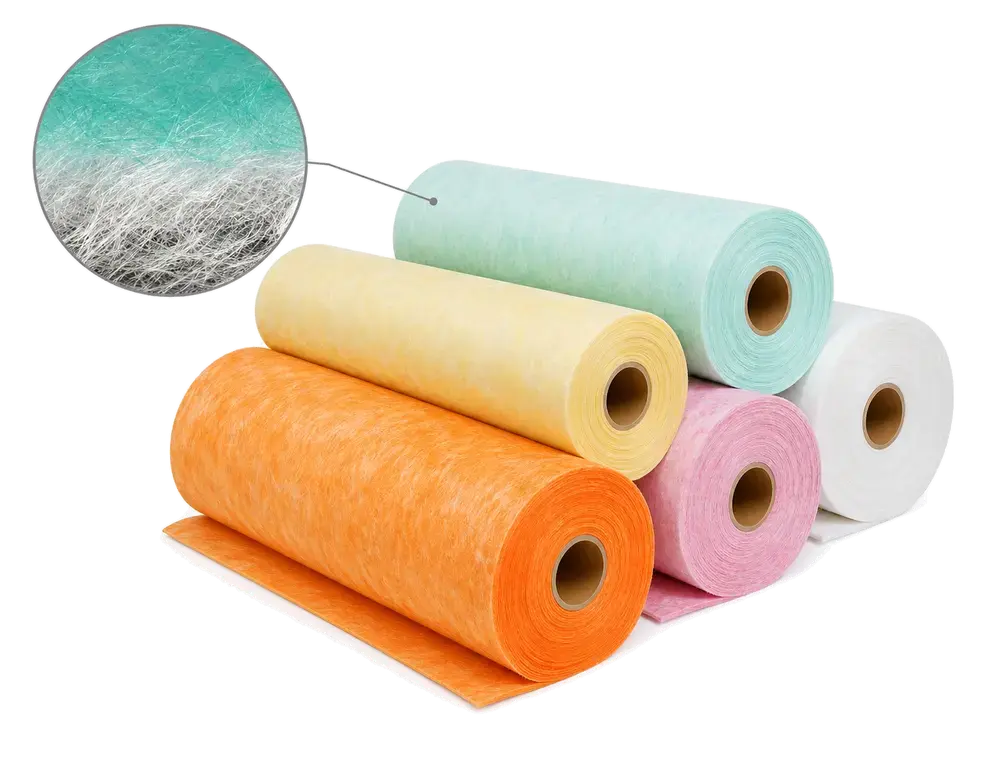
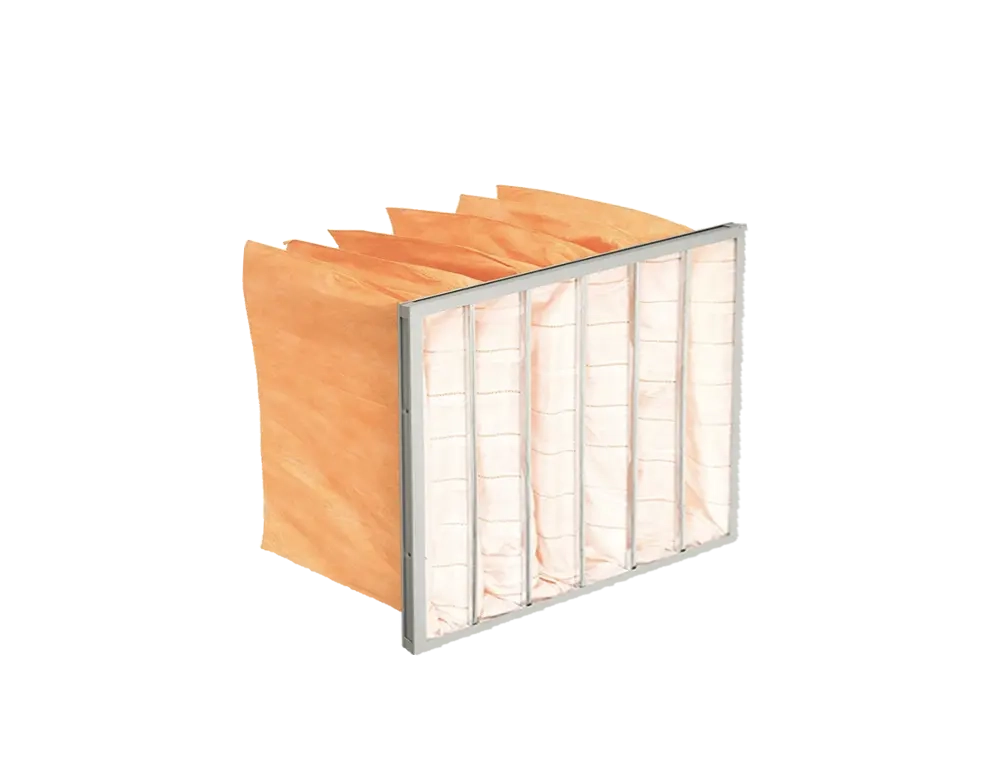
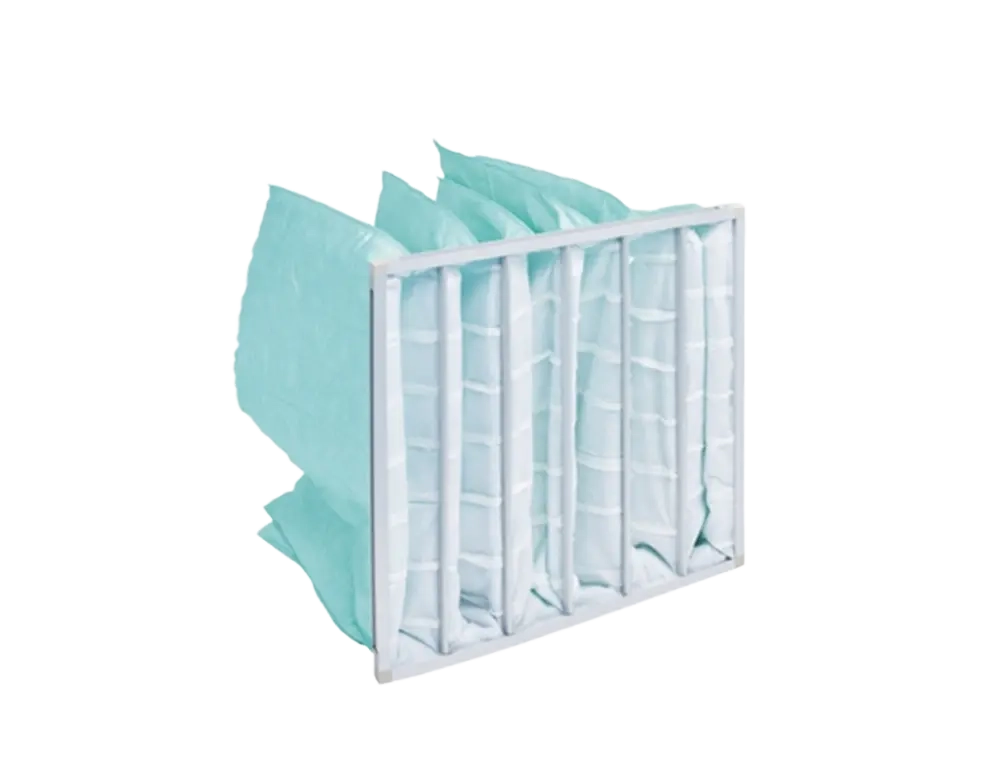
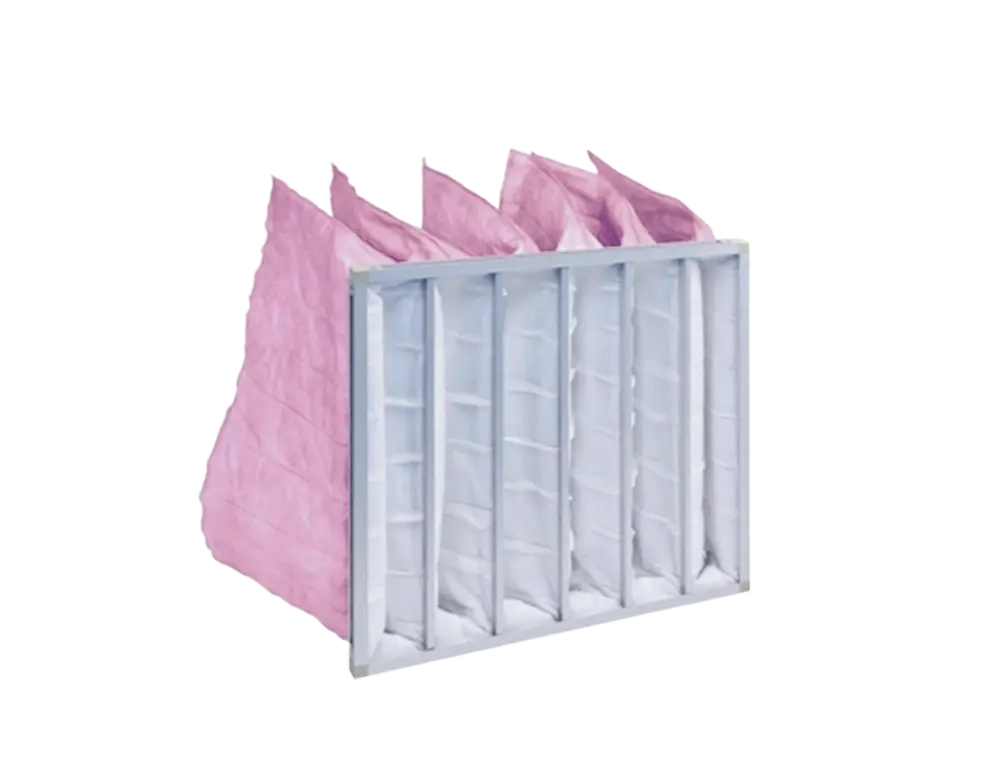
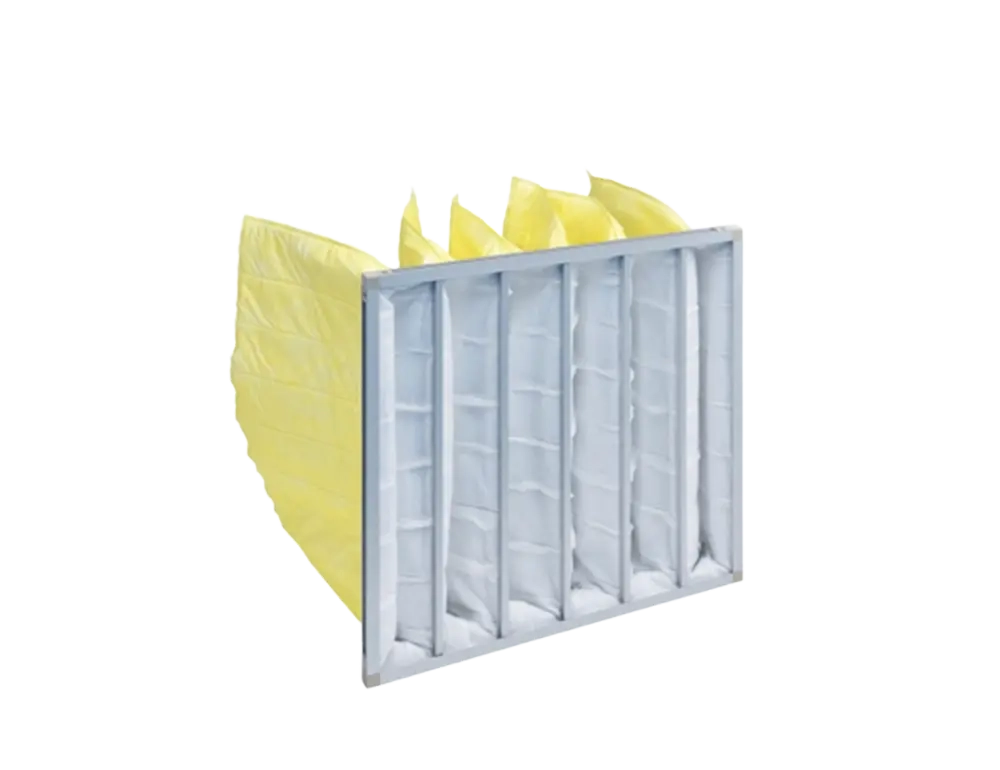
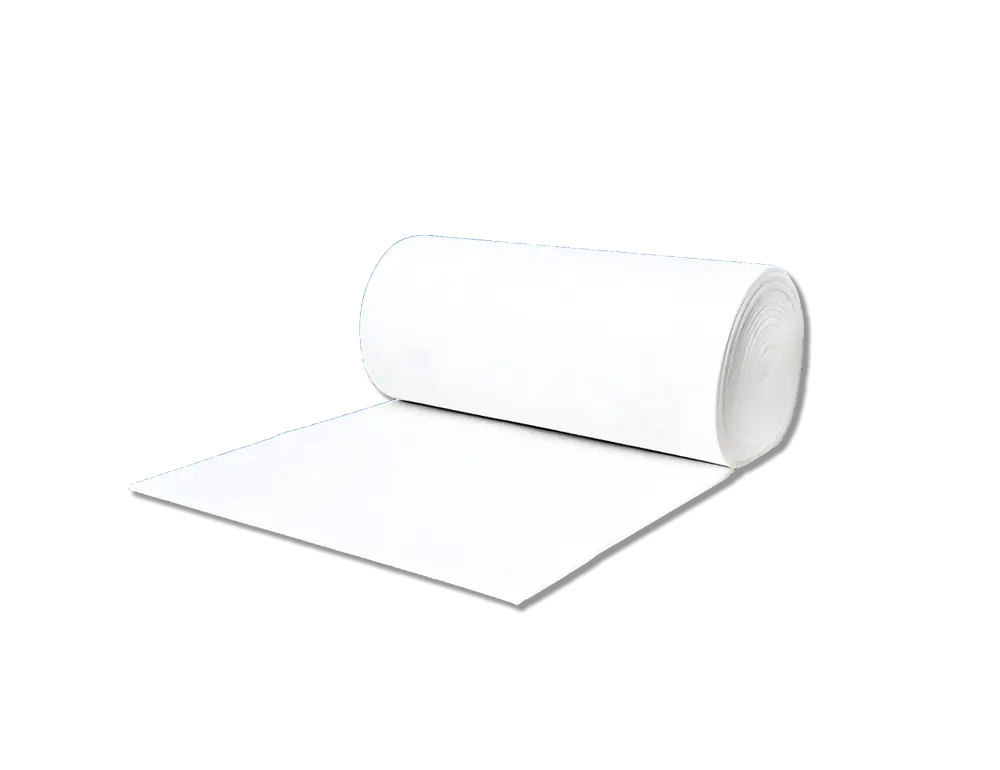
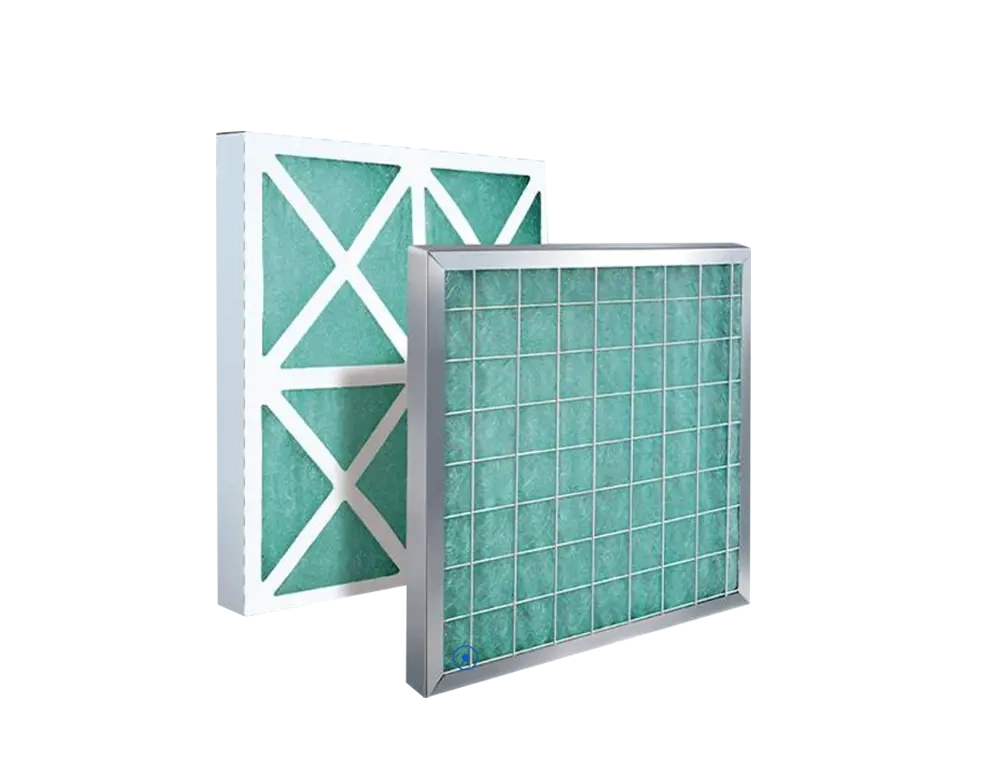
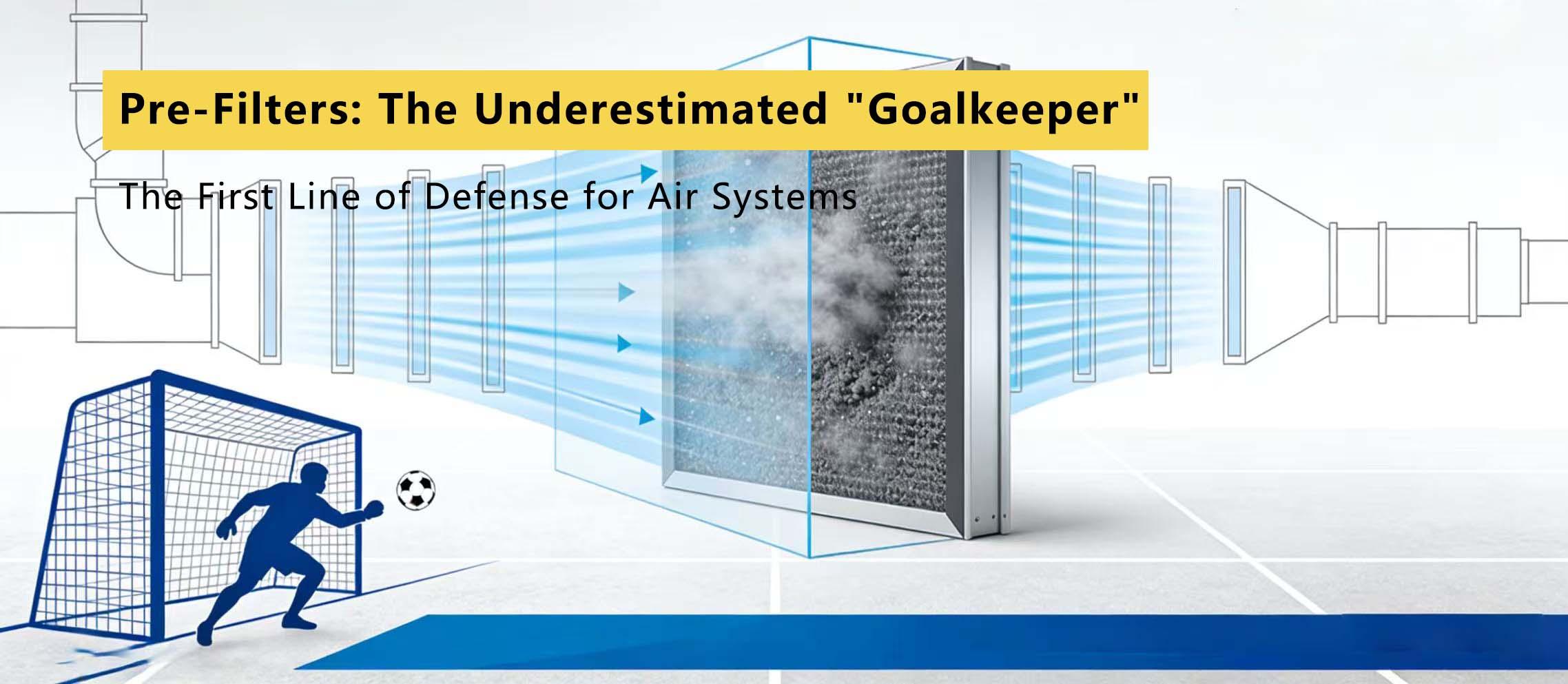
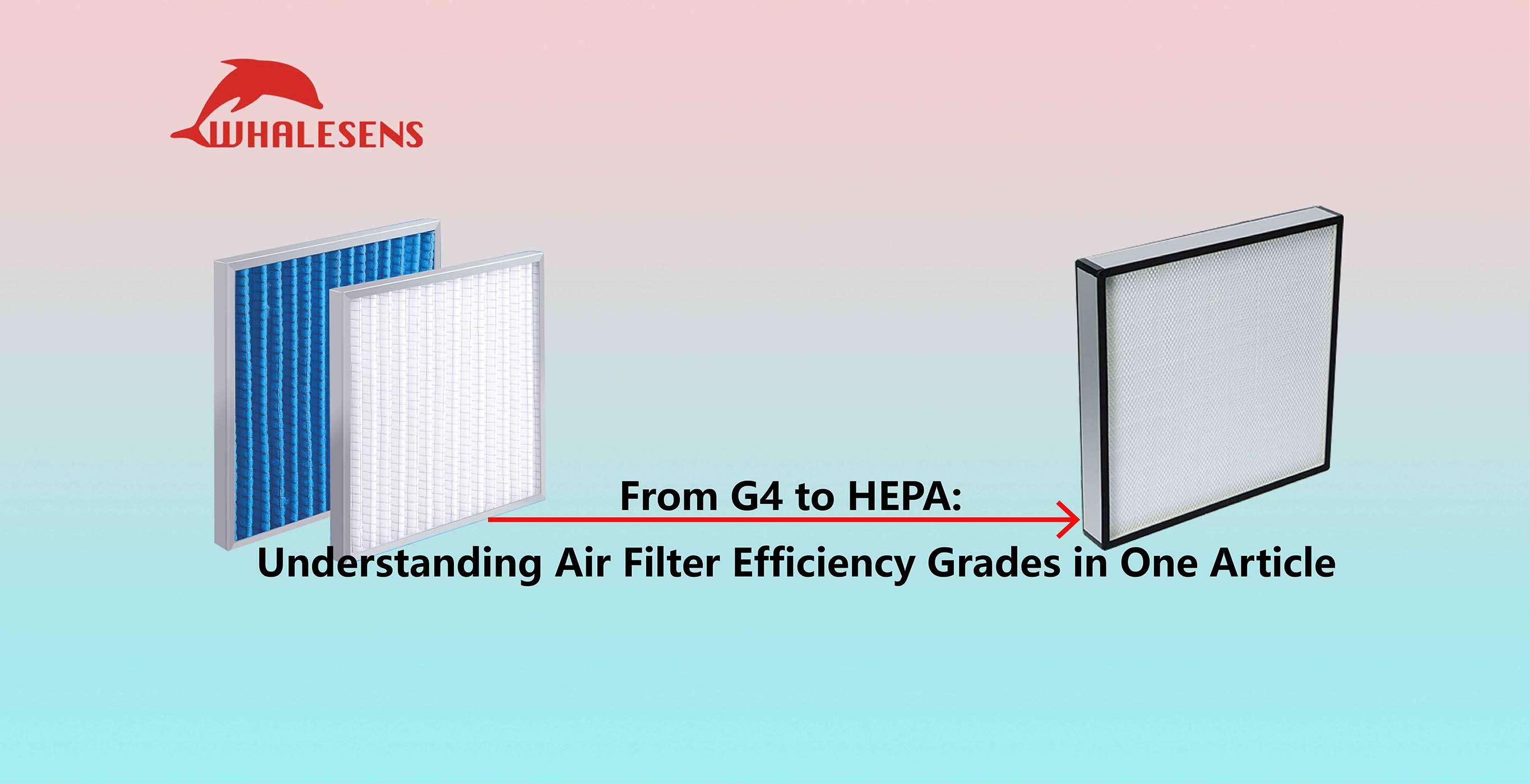
Pre-Filter (G1–G4)
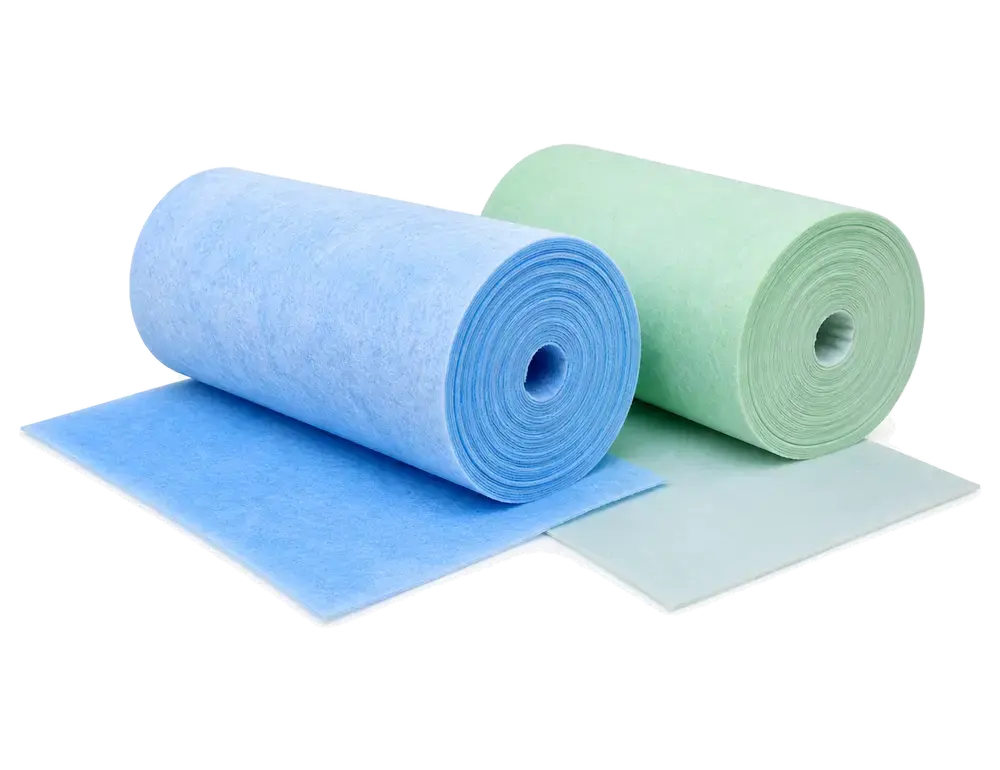
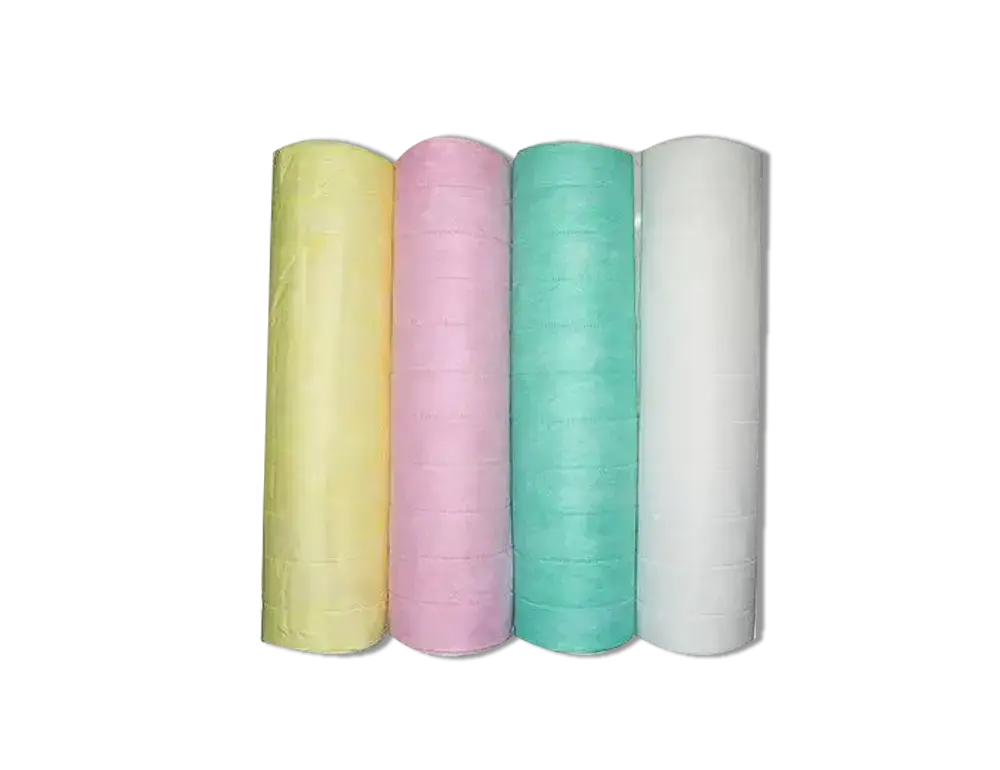
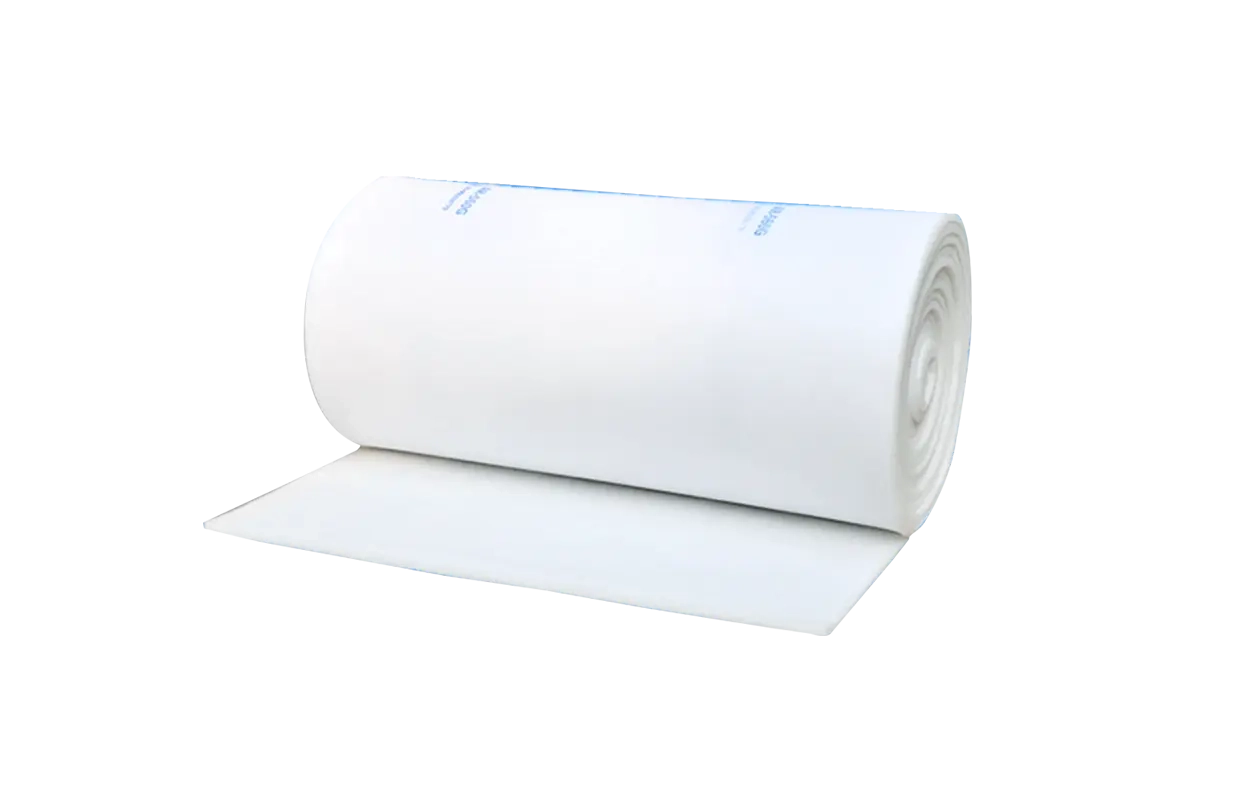
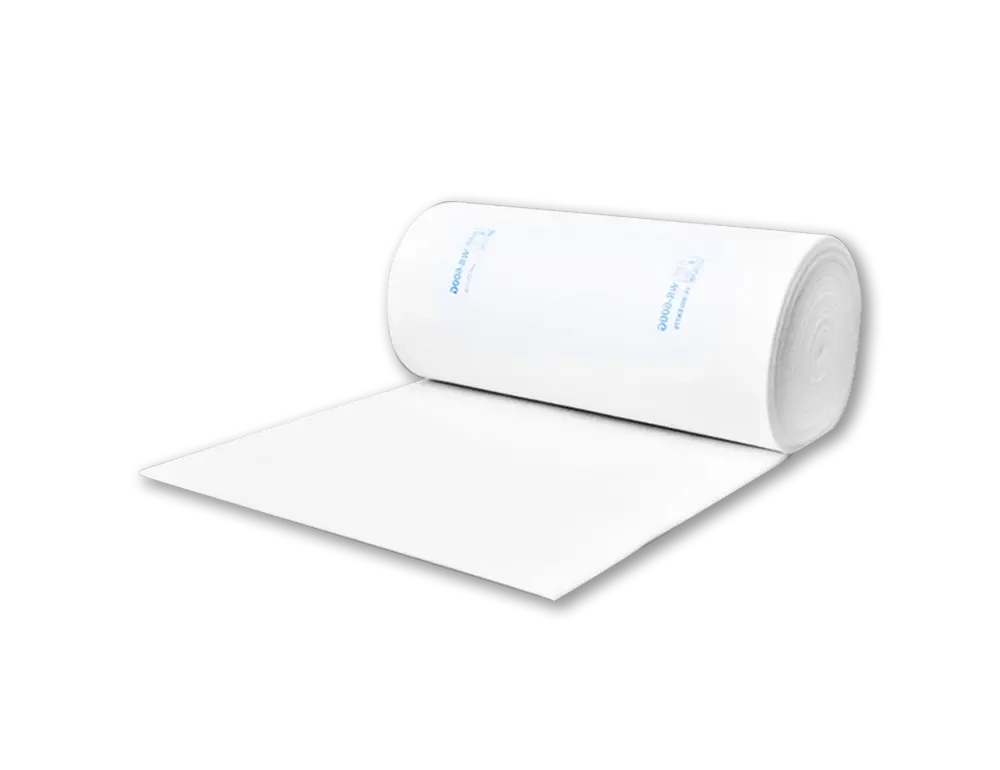
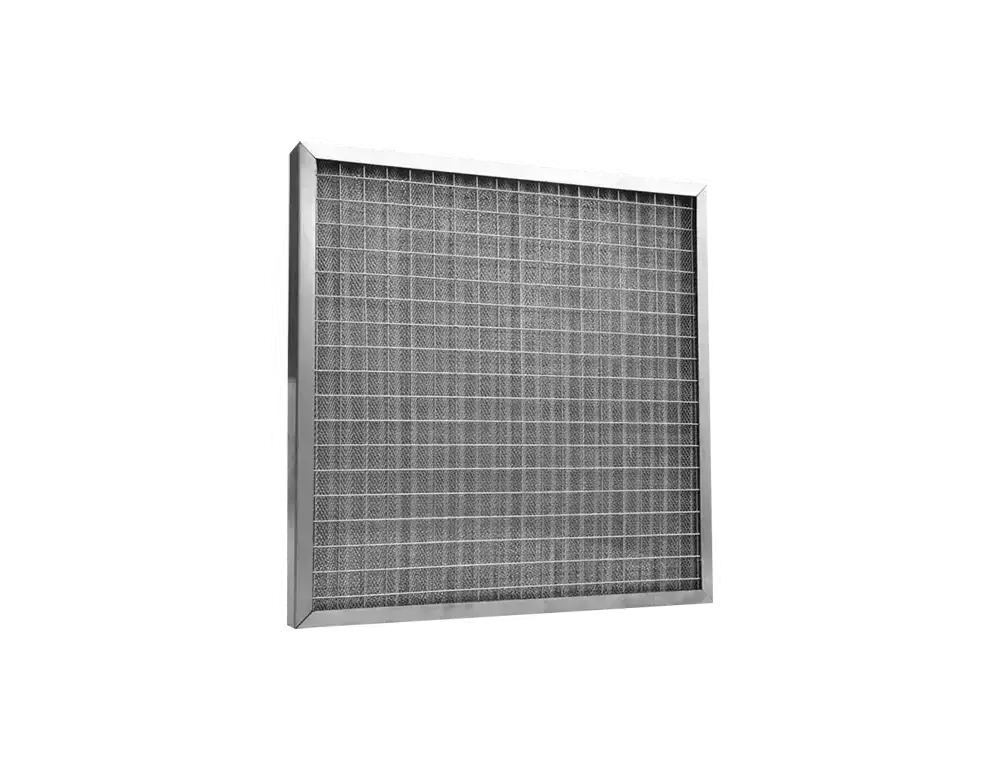
First-Stage Large-Particle Capture
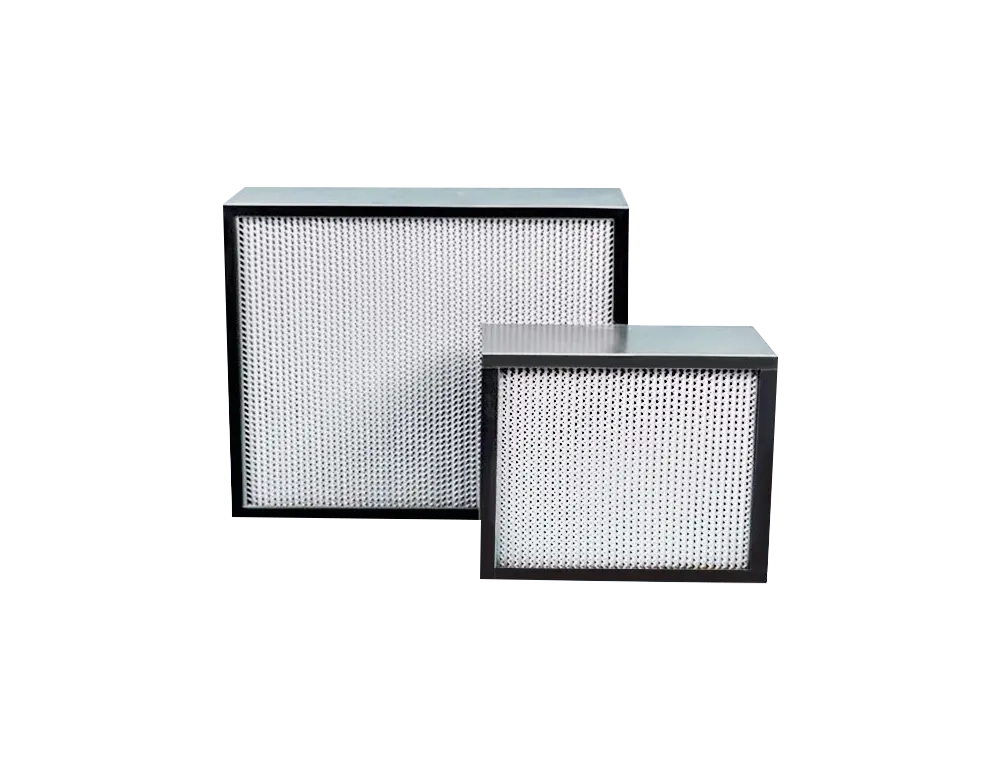
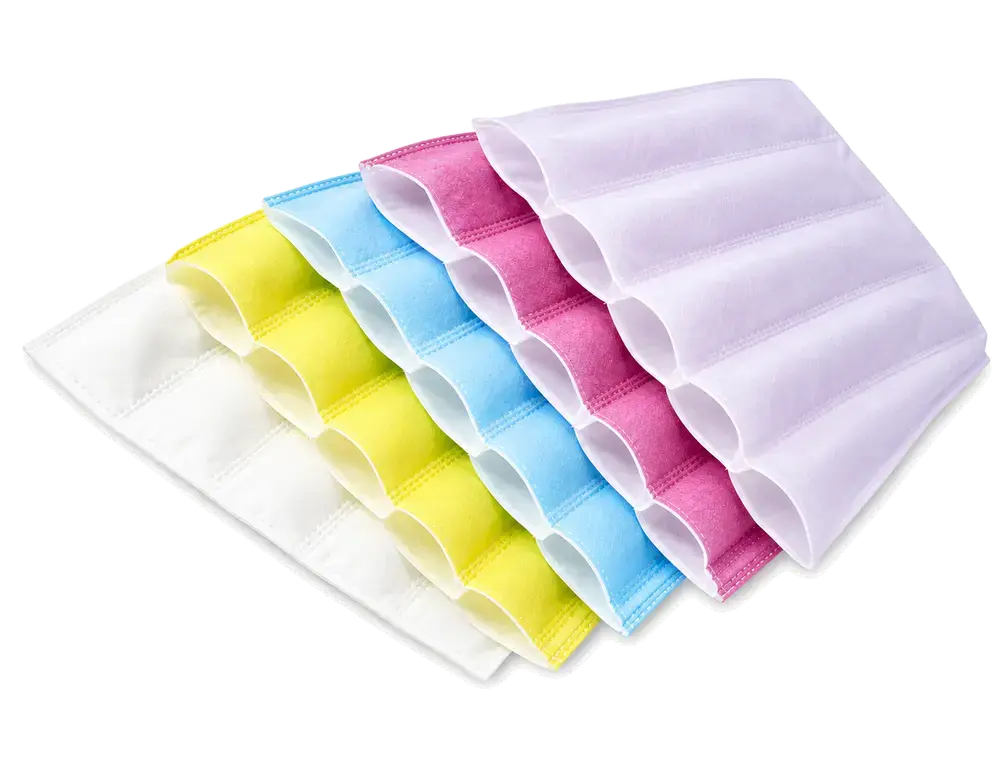
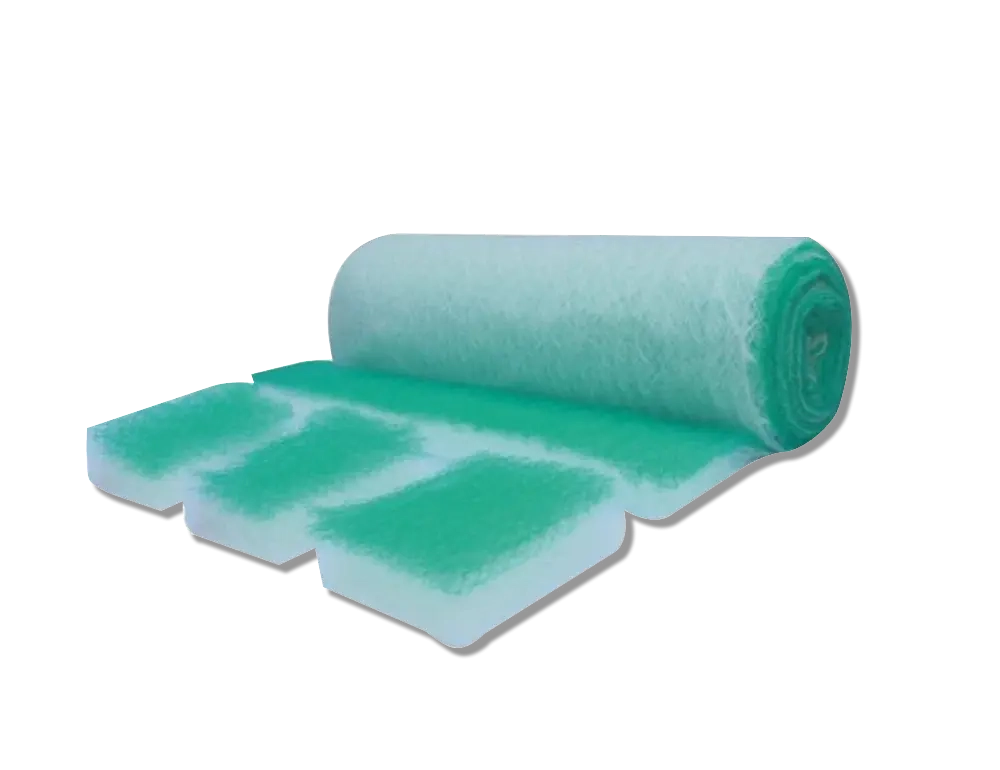
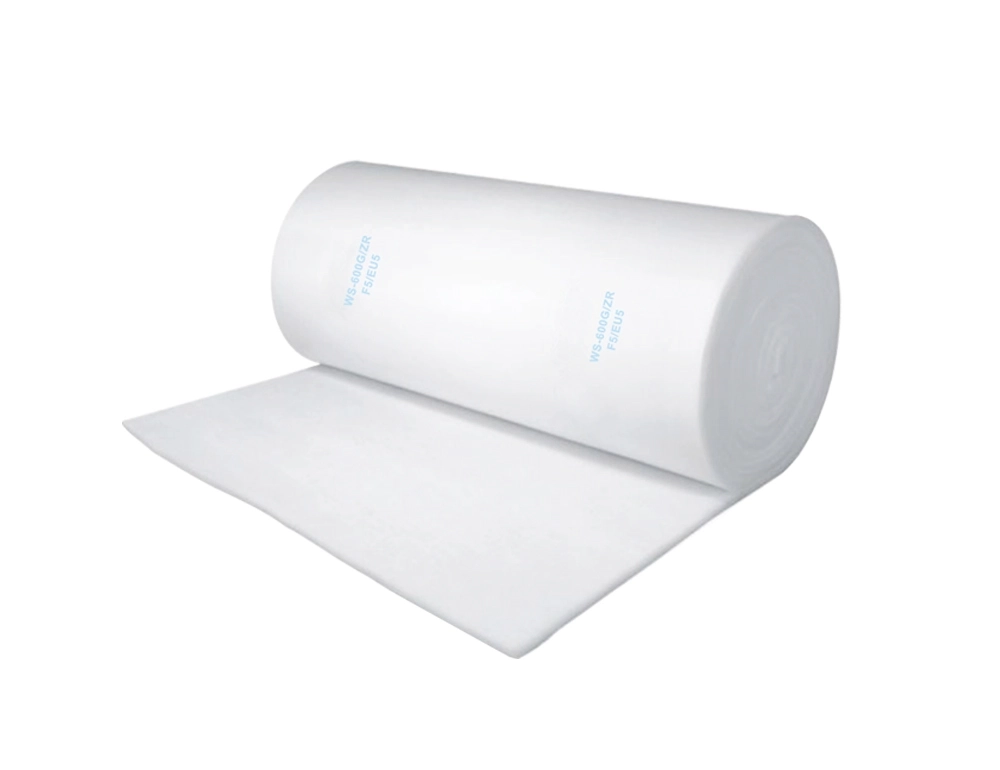
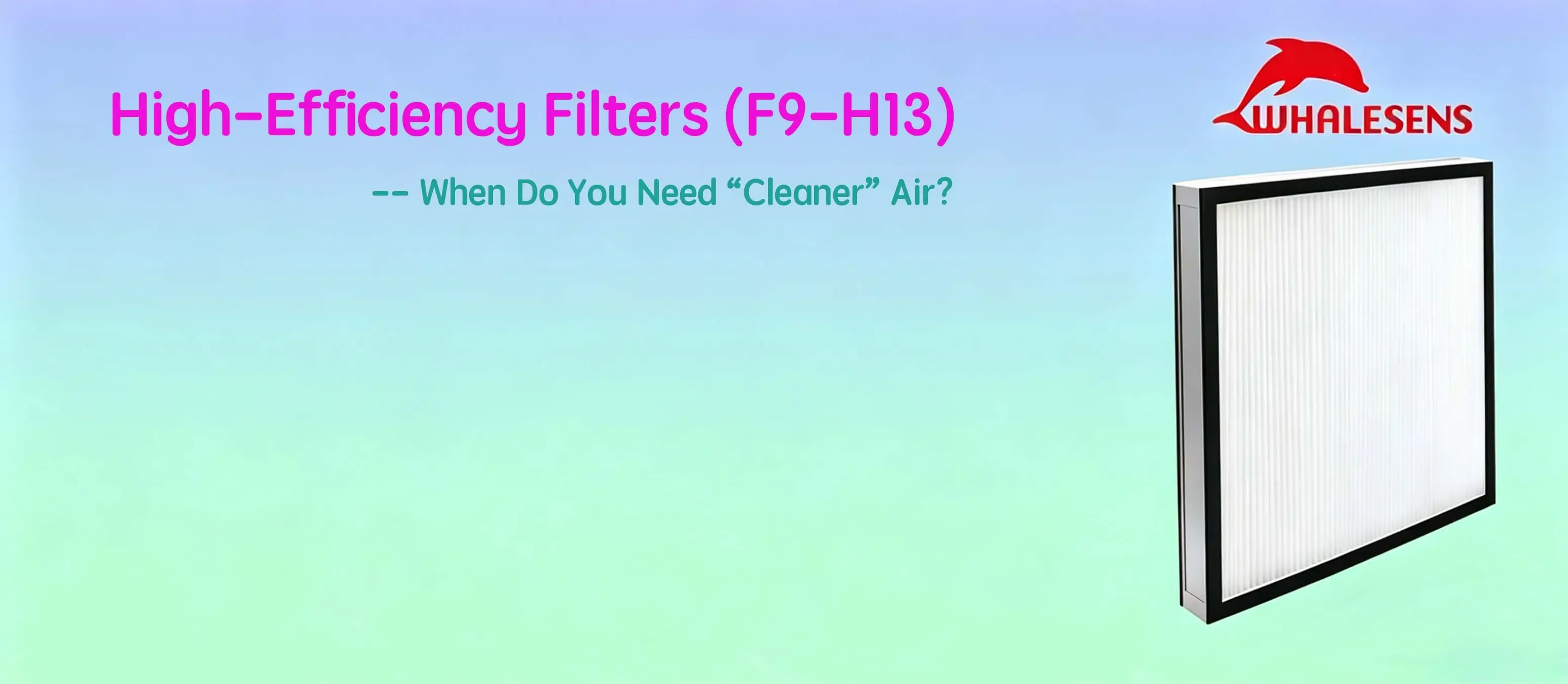
Medium-Efficiency Filter (F5–F9)
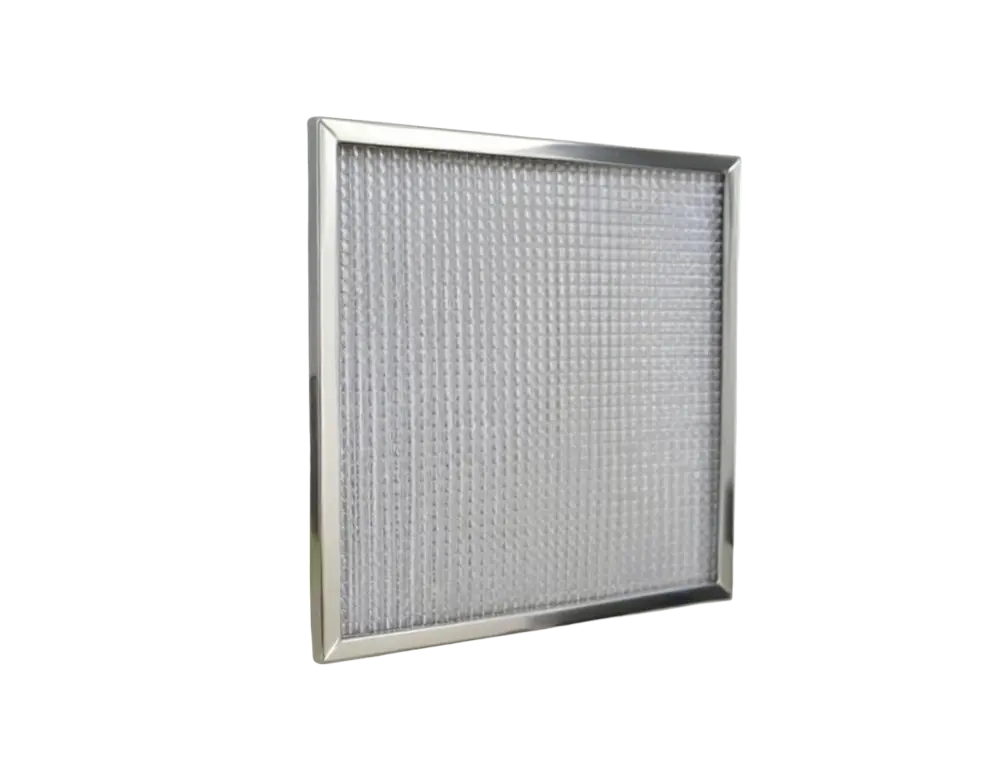
Precise PM2.5 Capture
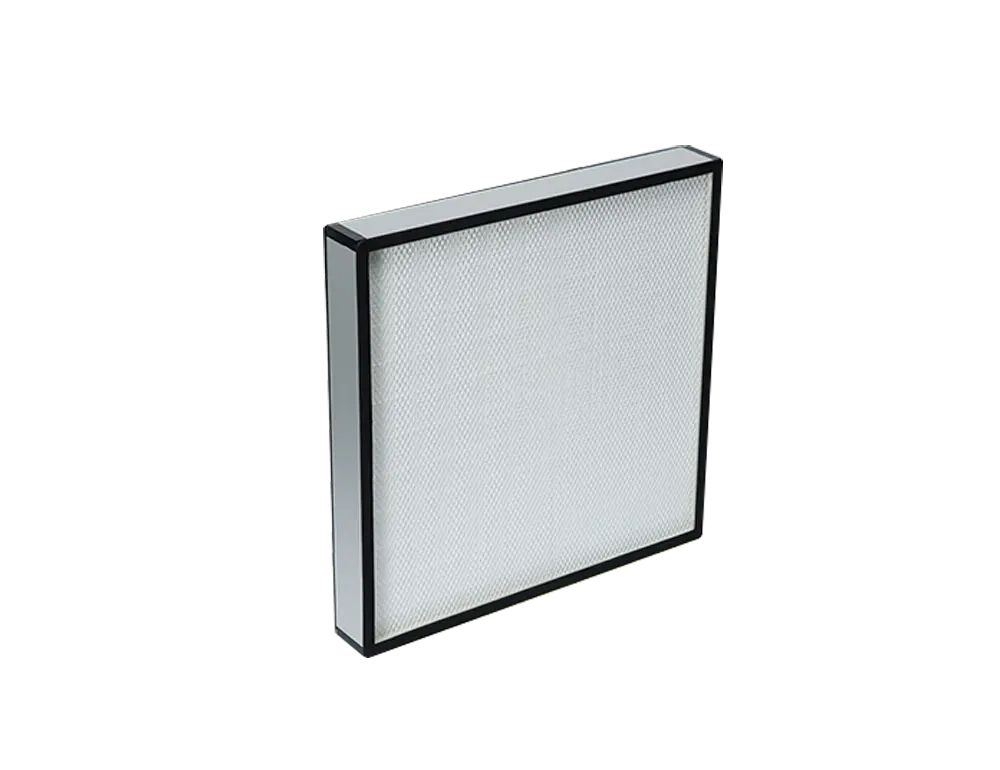
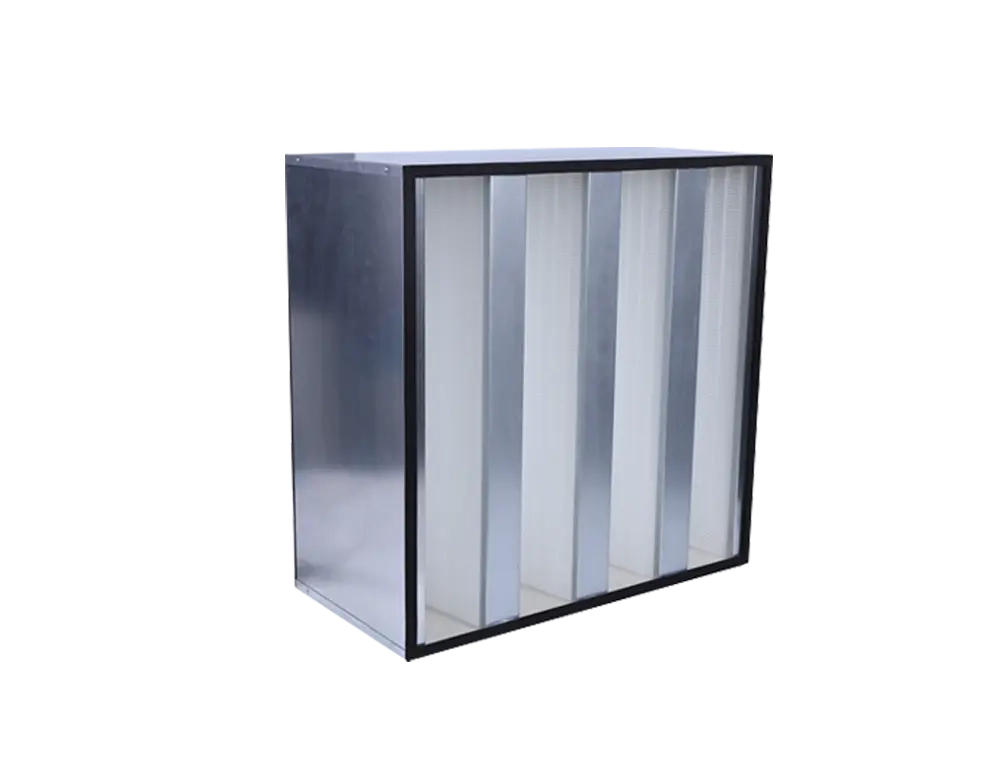
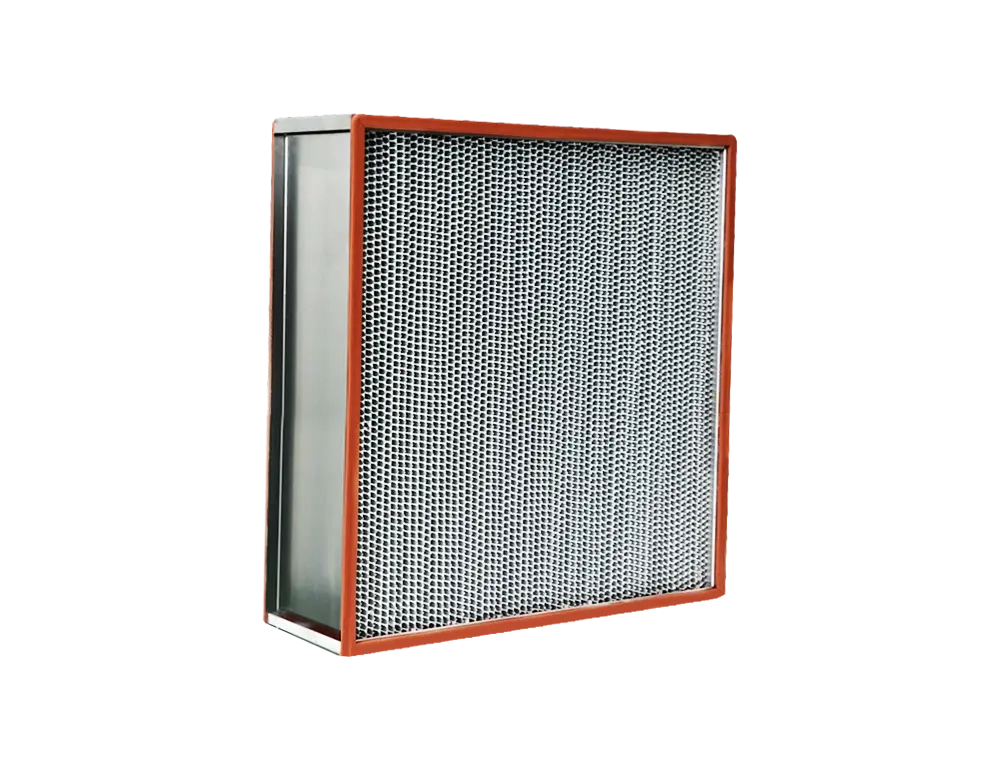
HEPA High-Efficiency Filter
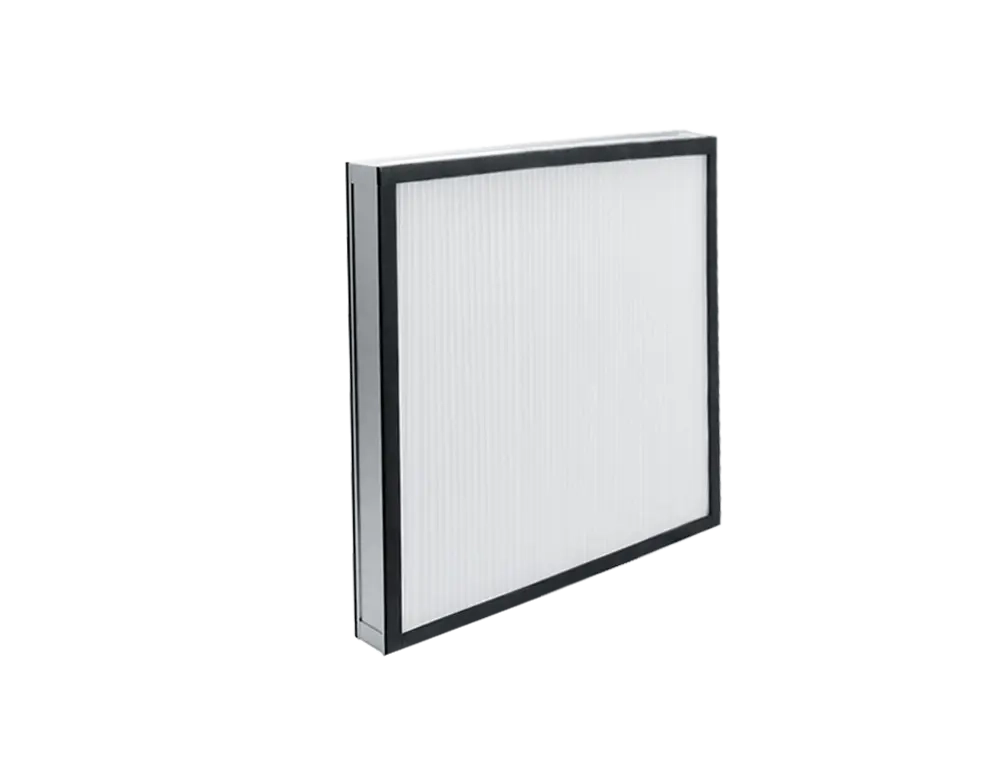
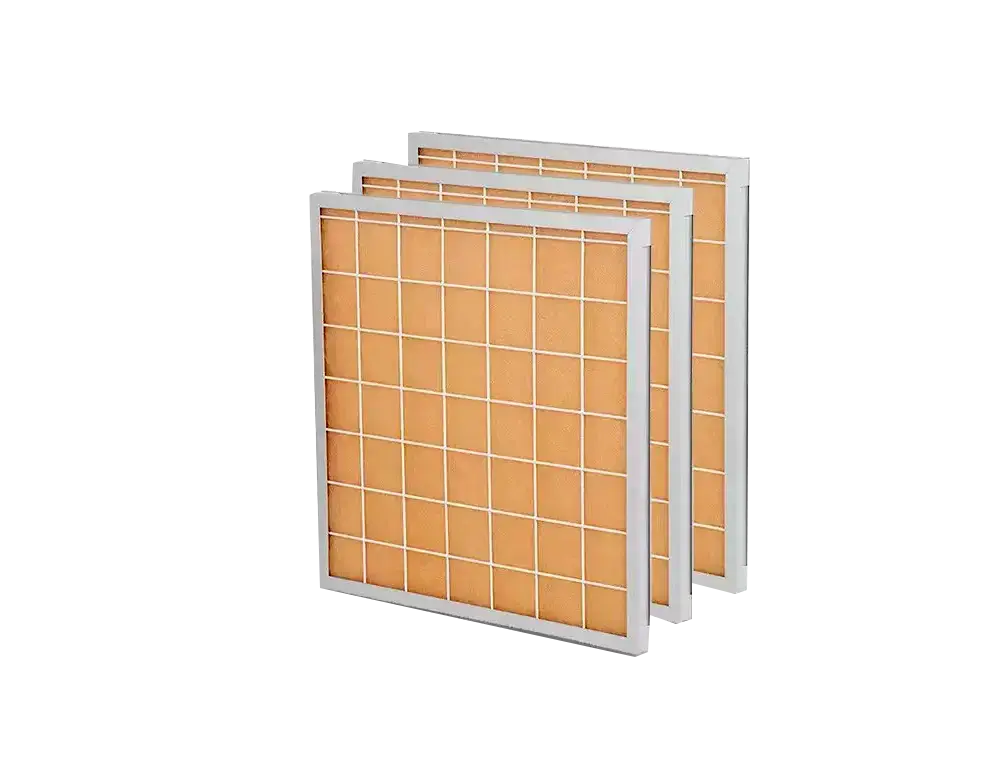
Sterile-Grade Purification
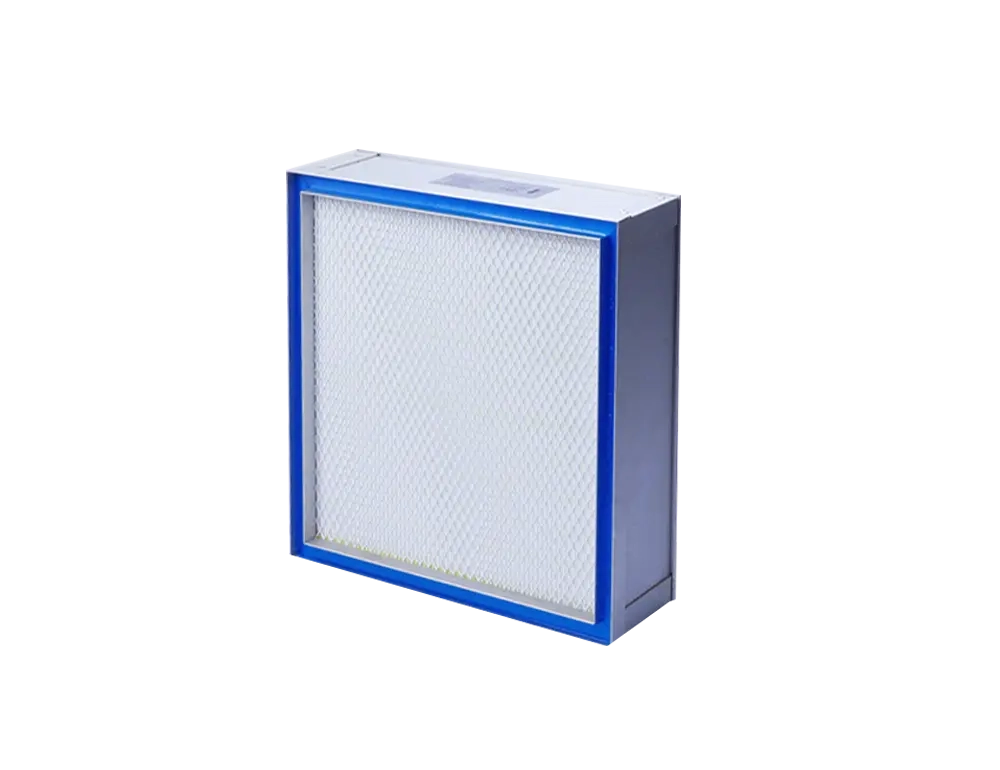
ULPA Ultra-High Efficiency Filter
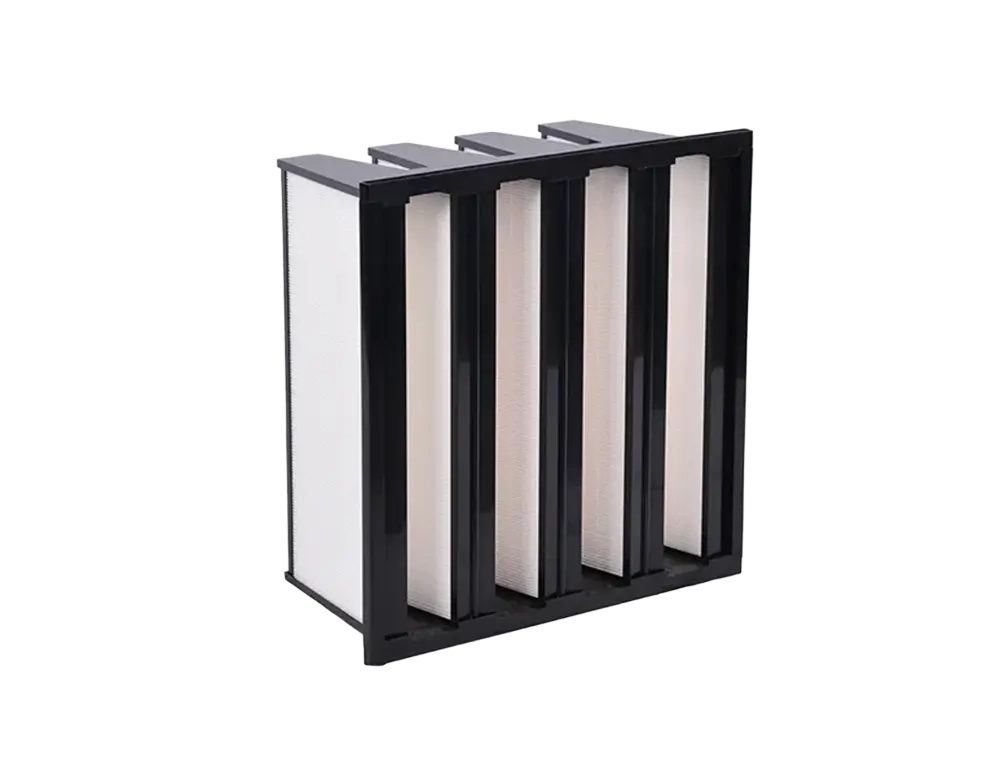
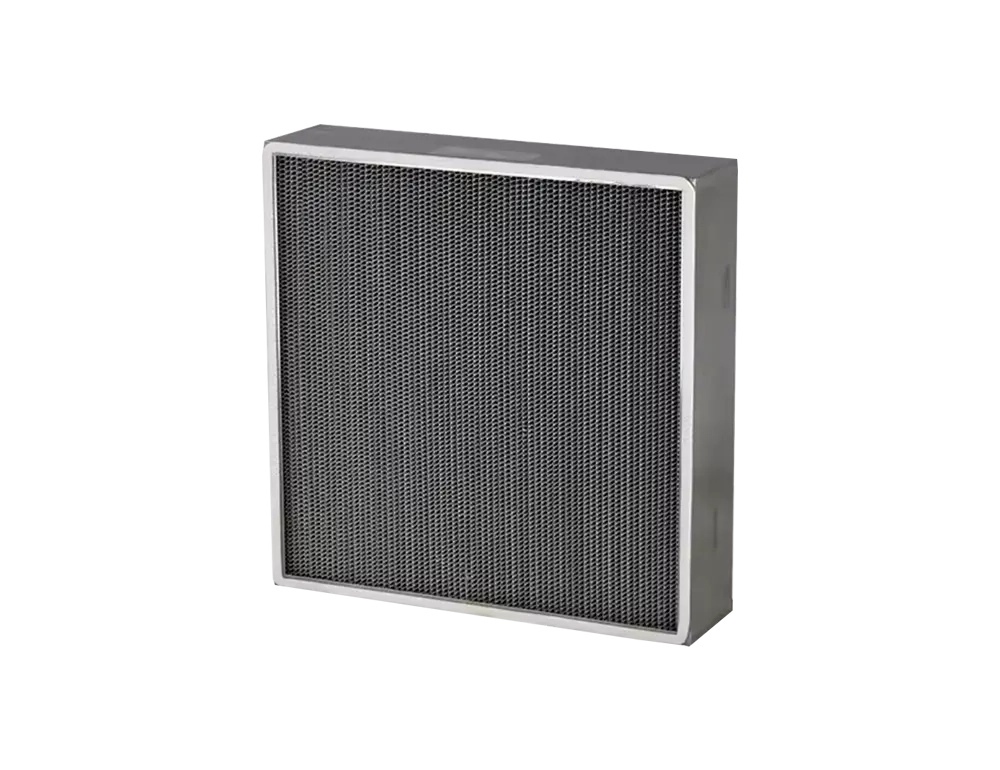
Sub-Micron Particle Capture
First-Stage Large-Particle Capture
The first line of defense, capturing particles ≥5 μm such as dust, hair, and fibers to protect downstream filters and extend overall system service life.
View Related Products →Precise PM2.5 Capture
Captures fine particles of 1–5 μm including PM2.5, pollen, and mold spores, significantly improving indoor air quality for commercial HVAC and ventilation systems.
View Related Products →Sterile-Grade Purification
≥99.97% filtration efficiency for particles ≥0.3 μm, delivering sterile-grade clean air widely used in medical, pharmaceutical, and electronics manufacturing.
View Related Products →Sub-Micron Particle Capture
≥99.9995% efficiency for particles ≥0.12 μm, meeting the extreme cleanliness demands of semiconductor fabs, aerospace, and other ultra-precision applications.
View Related Products →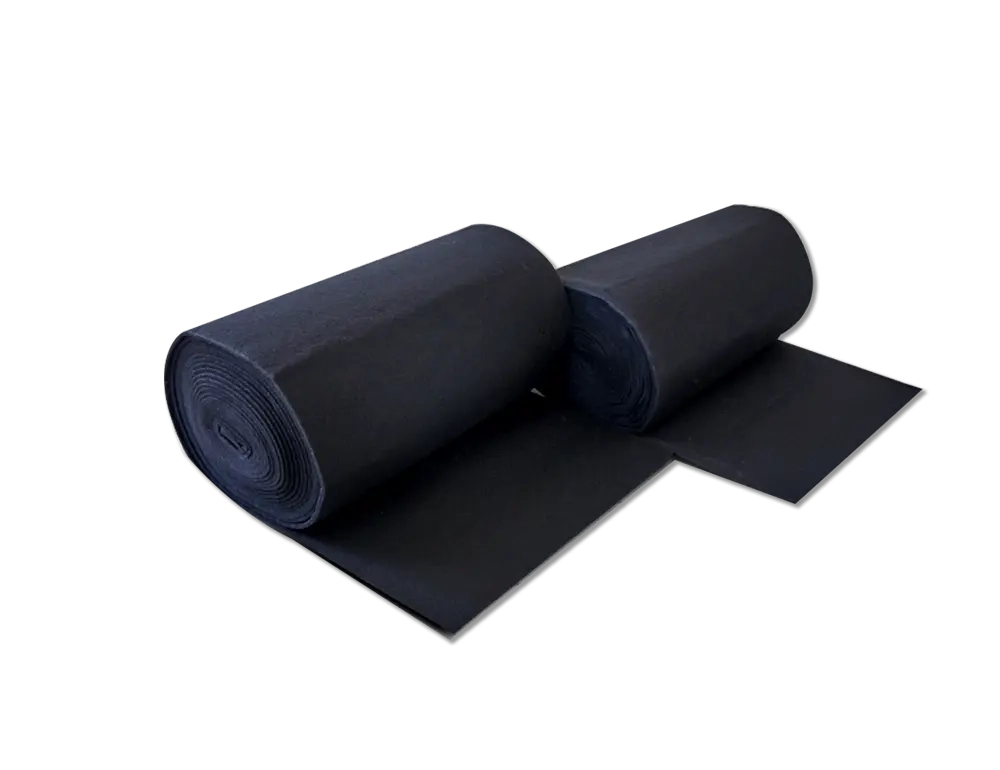
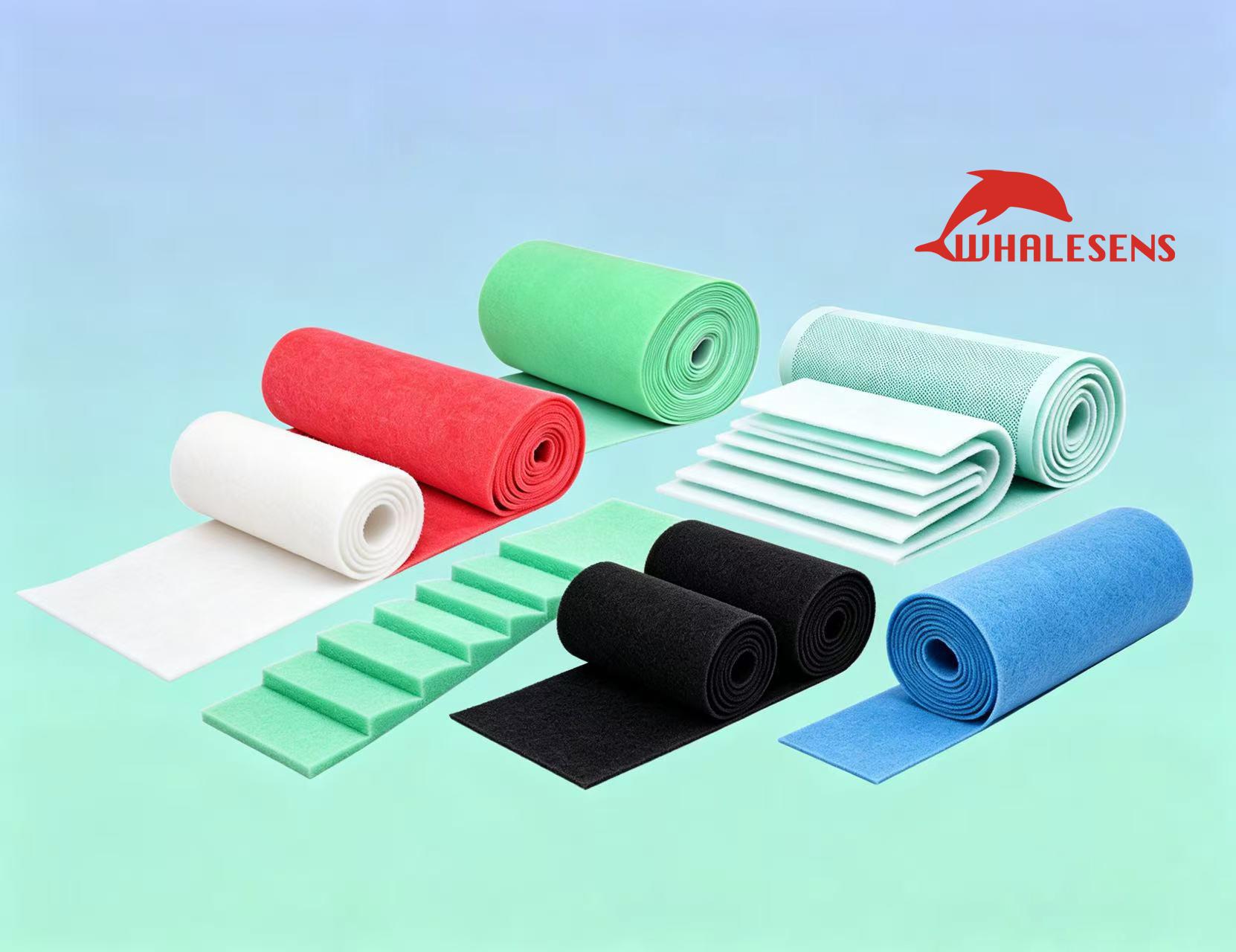
High-Temperature Resistant
Industrial-Grade Heat Tolerance
Washable & Reusable
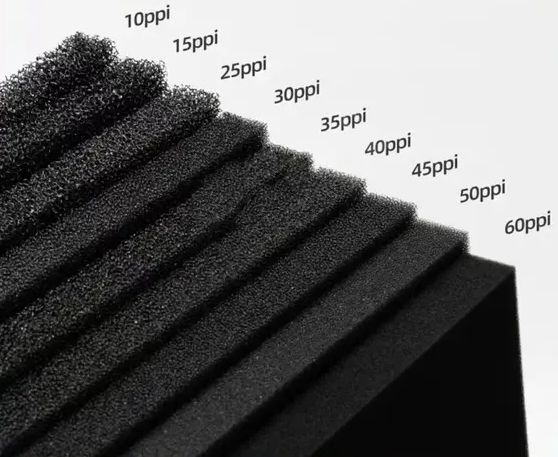
Cut Costs, Reduce Waste
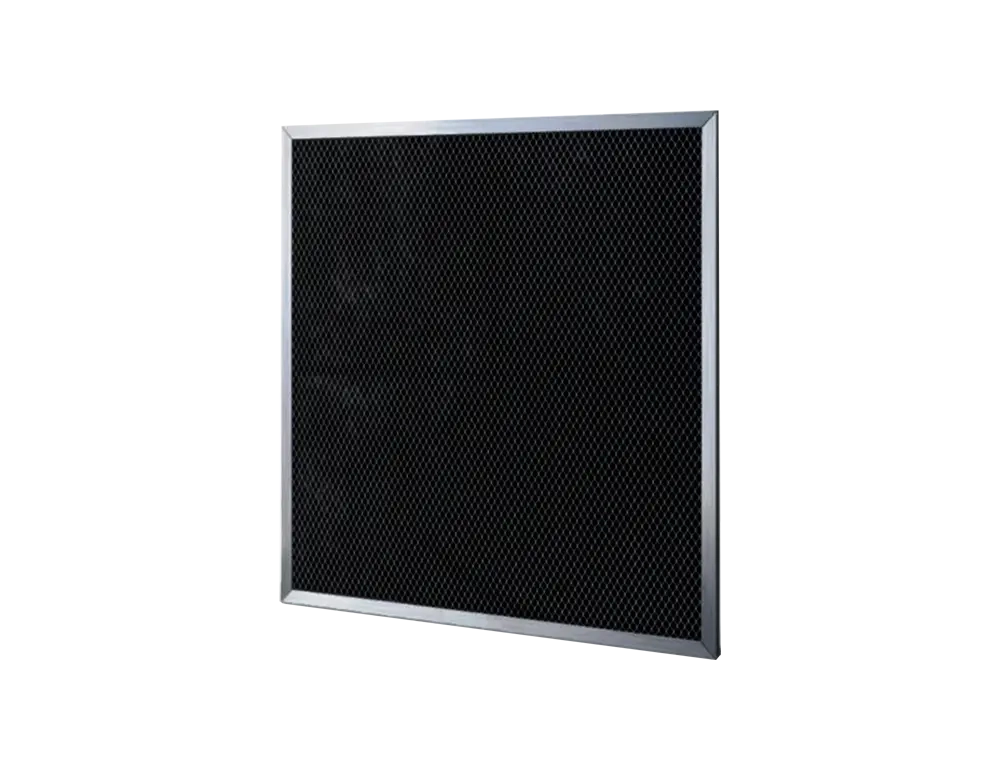
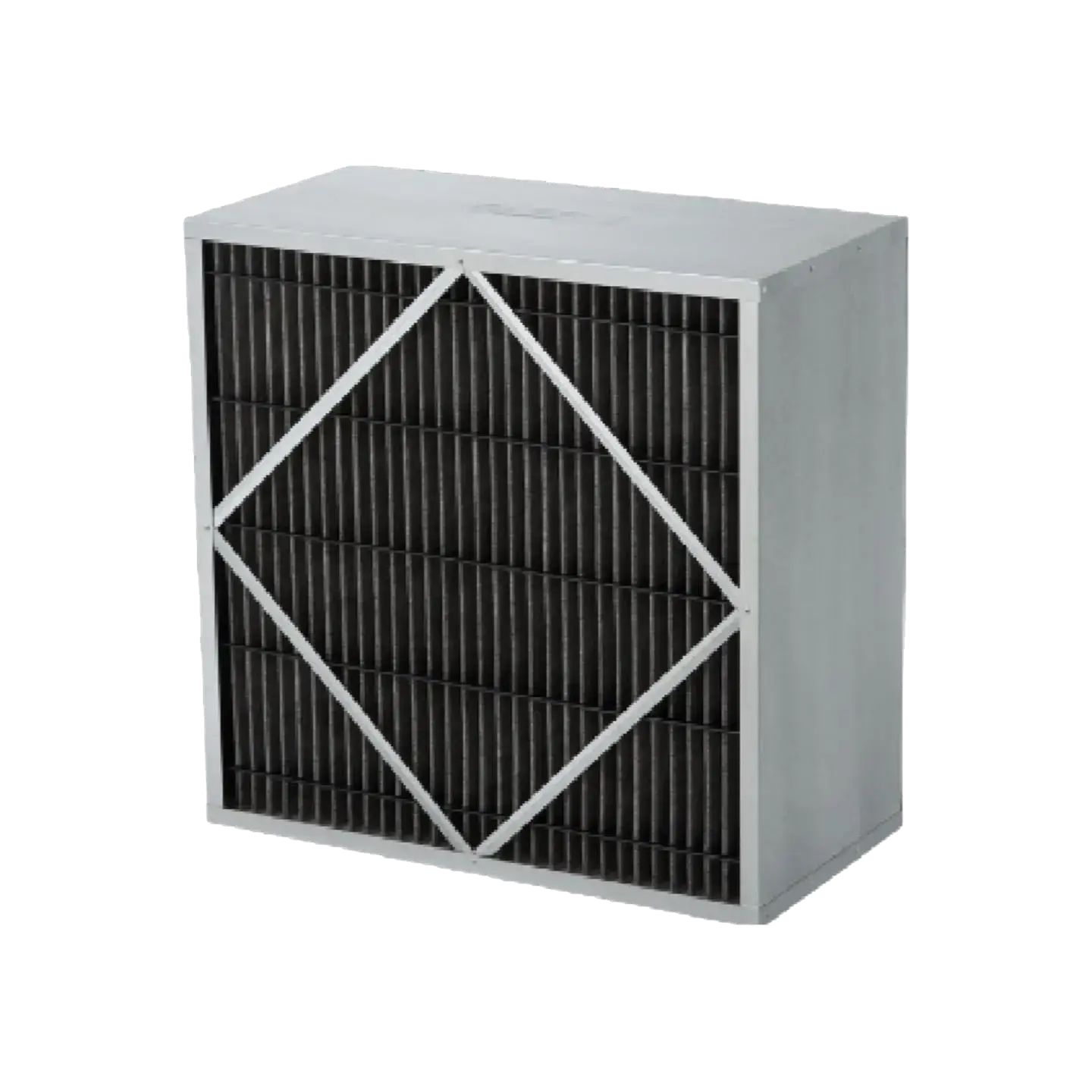
Activated Carbon
Odor & Harmful Gas Removal
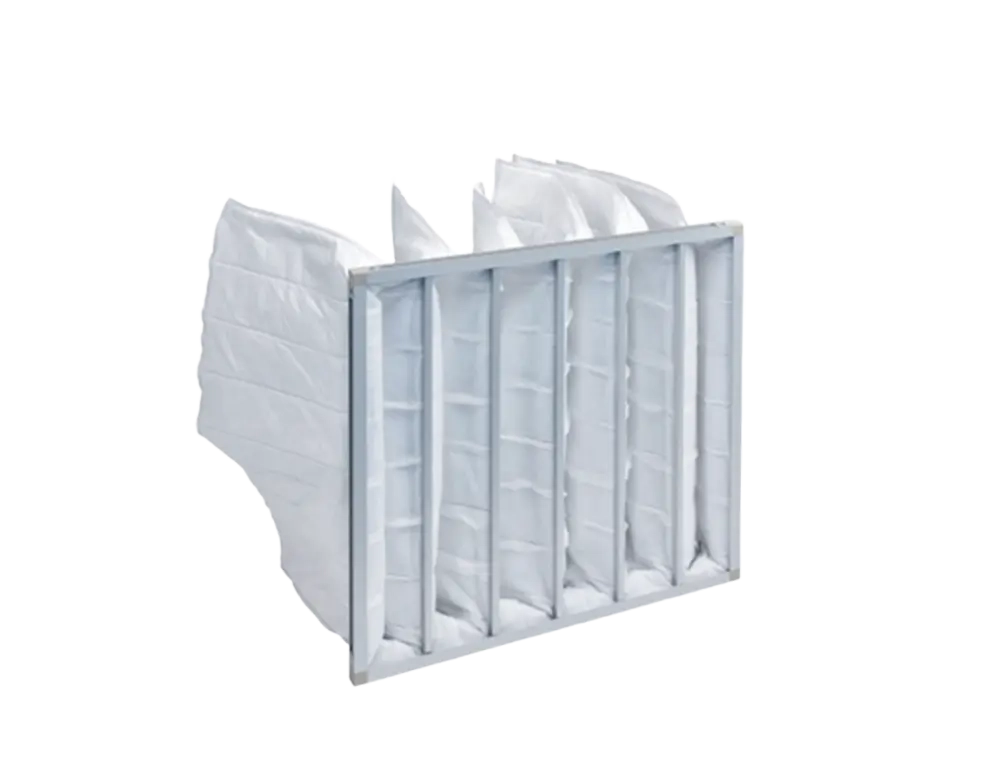
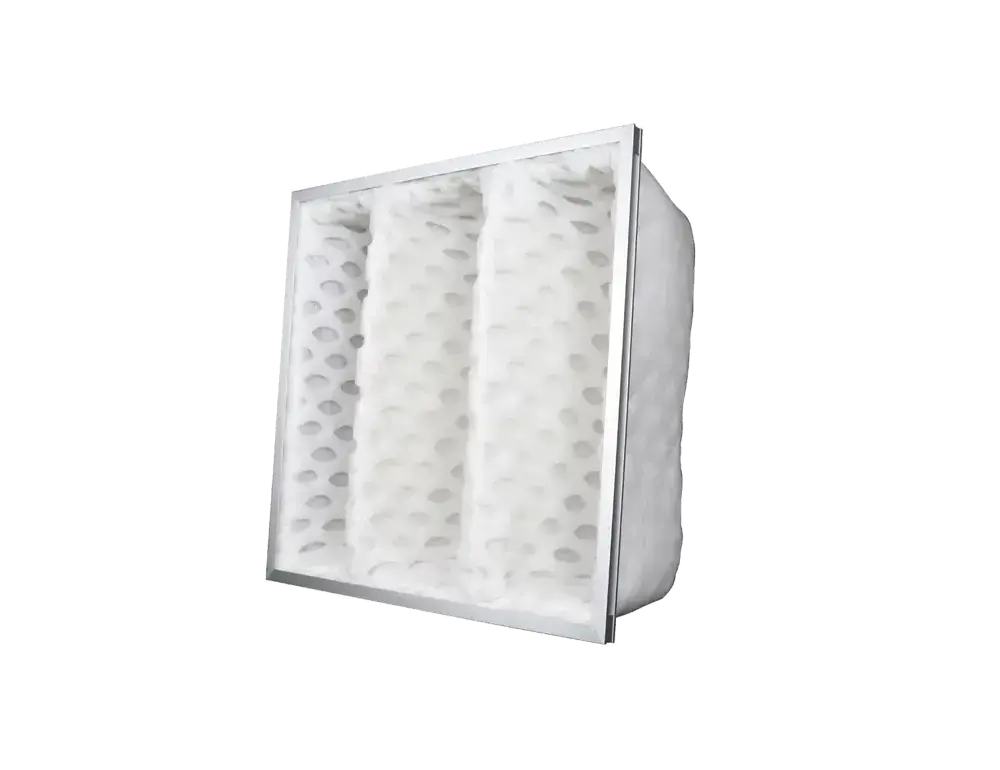
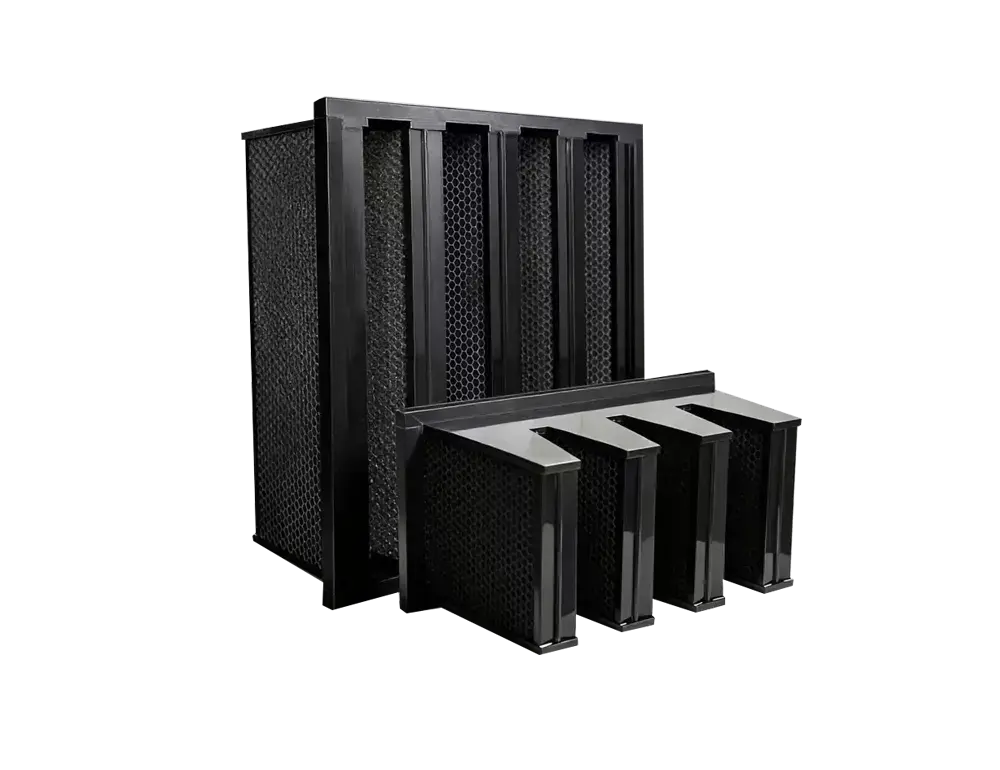
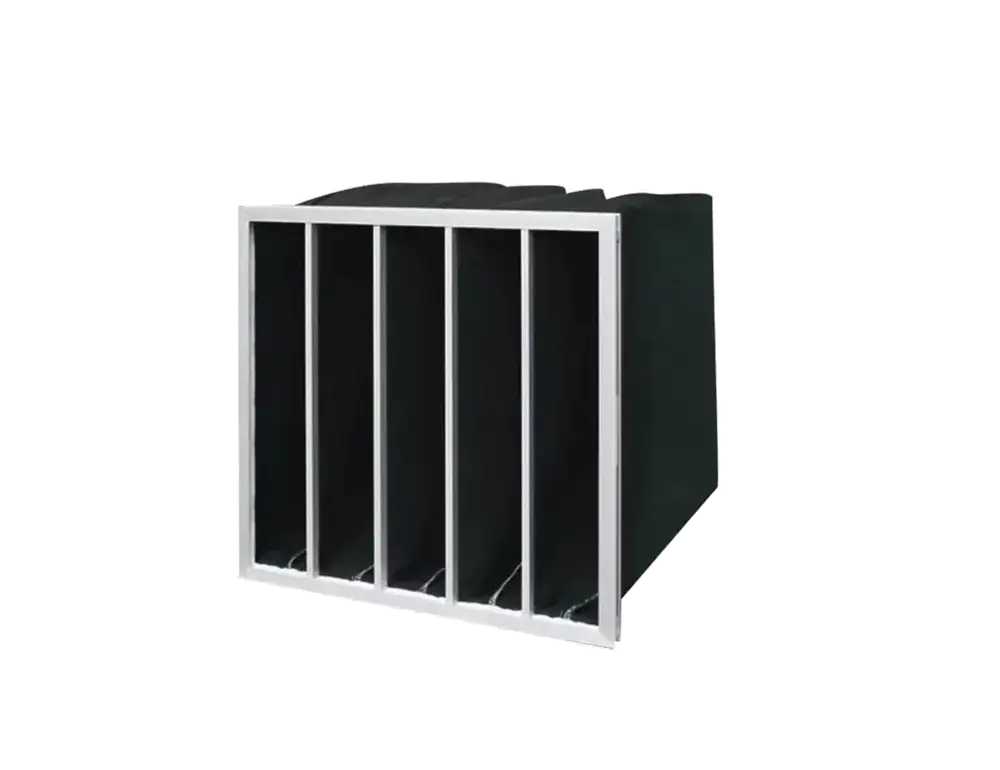
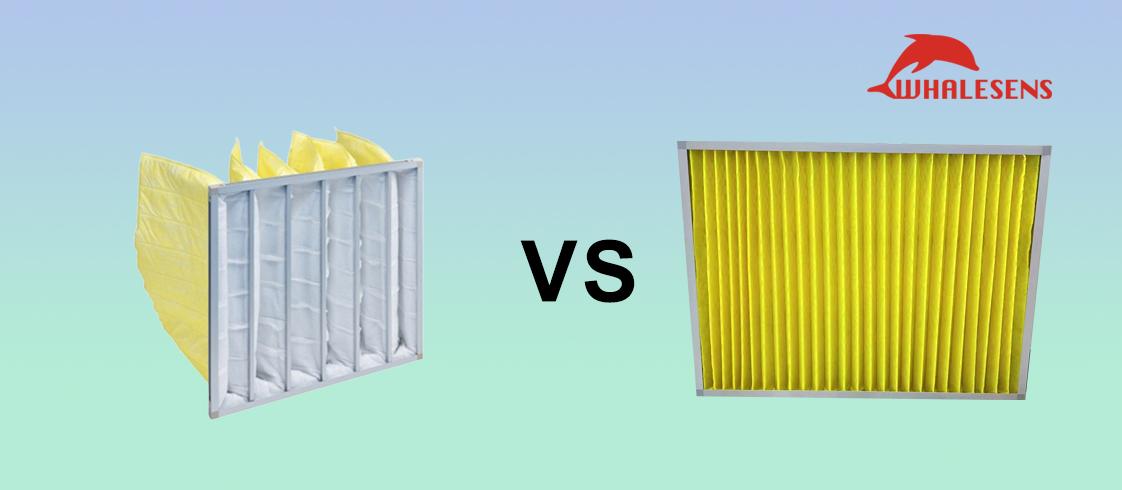
Bag Filter
High Dust-Holding, Long Life
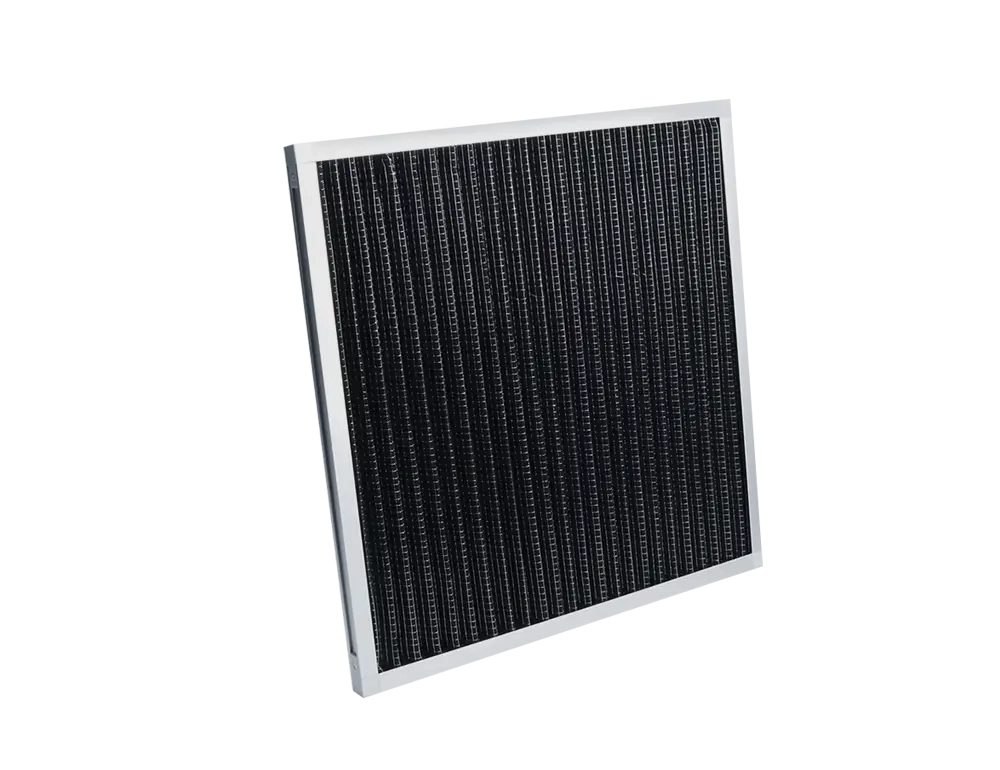
Panel / Pleated Filter
Compact Space-Saving Design
Low-Resistance Airflow
Energy-Saving Operation
Industrial-Grade Heat Tolerance
Built with specialized heat-resistant materials, operating stably up to 250°C for paint ovens, industrial dryers, and high-temperature process environments.
View Related Products →Cut Costs, Reduce Waste
Cleanable by water washing or air blowing, reusable multiple times to significantly reduce replacement frequency and O&M costs — an economical, eco-friendly choice.
View Related Products →Odor & Harmful Gas Removal
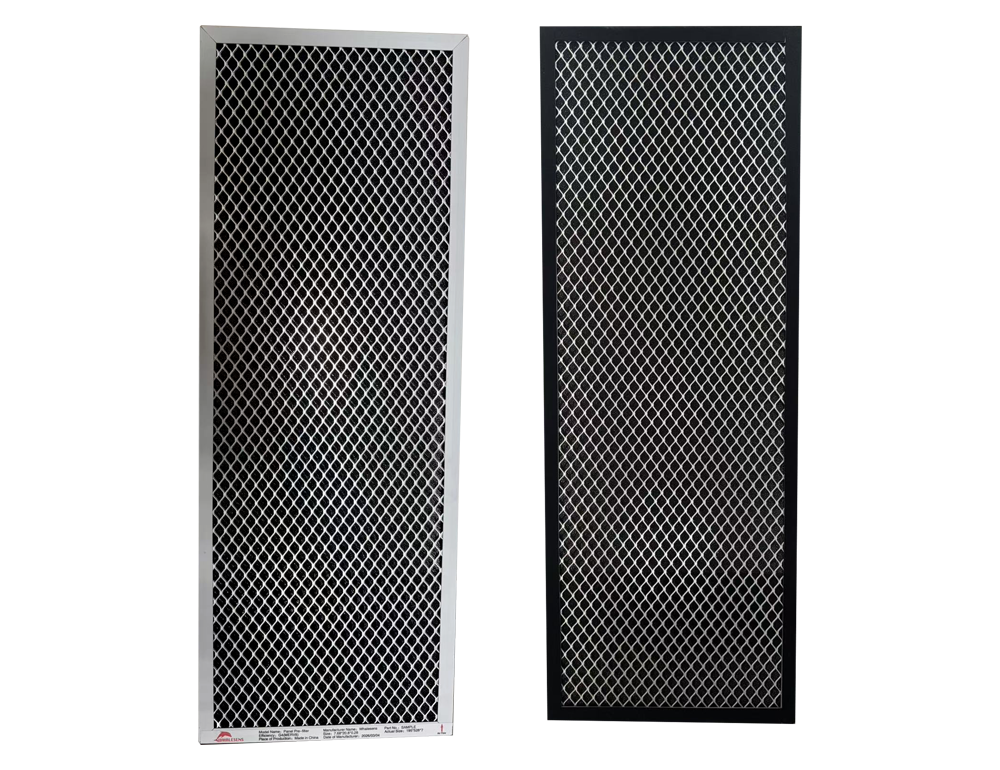
Leverages activated carbon's high adsorption capacity to eliminate odors, VOCs, and formaldehyde, ideal for newly renovated spaces and industrial exhaust treatment.
View Related Products →High Dust-Holding, Long Life
Bag-style construction delivers a larger filtration area, high dust-holding capacity, and extended service life — ideal for high-dust environments with reduced replacement frequency.
View Related Products →Compact Space-Saving Design
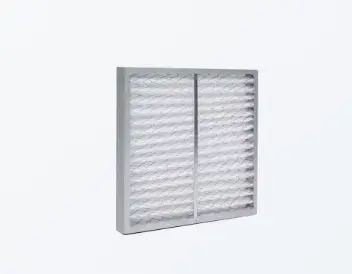
Compact form factor for easy installation and replacement; pleated structure maximizes filtration area within a small footprint for higher efficiency.
View Related Products →Energy-Saving Operation
Low-resistance design minimizes pressure drop while maintaining filtration performance, reducing fan energy consumption for cost-effective, eco-friendly operation.
View Related Products →




















 English(Global)
 简体中文
简体中文 Language




What Size Air Filter Do I Need for My House? A Complete Guide
What Size Air Filter Do I Need for My House? A Complete Guide
Choosing the right size air filter for your home is critical to maintaining indoor air quality, optimizing HVAC system efficiency, and protecting your furnace or air conditioner from debris buildup. Whether you’re shopping for household air filters, HEPA air filters, or furnace air filters, getting the correct dimensions ensures maximum filtration performance—HVAC industry data shows that properly sized filters deliver 30-50% better particle capture than ill-fitting ones. This guide walks you through how to find the perfect size, avoid common mistakes, and navigate furnace filters sizes for your home.
Why Filter Size Matters
An ill-fitting air filter for home can lead to serious issues, backed by industry research:
- Reduced filtration: Gaps around a too-small filter let dust, pollen, and allergens bypass filtration—EPA statistics show this can lower indoor air quality by 35-45%, with fine particle (PM2.5) penetration increasing by up to 60%.
- System damage: A filter that’s too large may not fit in the slot, forcing you to bend or trim it—this can tear the filter media and clog your furnace or AC coils over time. HVAC technicians report that 22% of premature furnace failures are linked to incorrectly sized filters.
- Energy waste: Poorly fitted filters restrict airflow by 15-20%, making your HVAC system work harder and increasing utility bills by 100−300 annually (per Department of Energy estimates).
- Shorter filter lifespan: Incorrect sizes cause uneven dirt accumulation, requiring 2-3x more frequent home air filter replacement—adding 50−150 in annual filter costs for the average household.
For specialized options like HEPA air filters (which trap 99.97% of particles as small as 0.3 microns), size accuracy is even more crucial—HEPA’s dense media relies on a tight seal to deliver its superior performance. Data from the American Society of Heating, Refrigerating, and Air-Conditioning Engineers (ASHRAE) shows that a 1/4-inch gap around a HEPA filter can reduce its effectiveness by 40%.
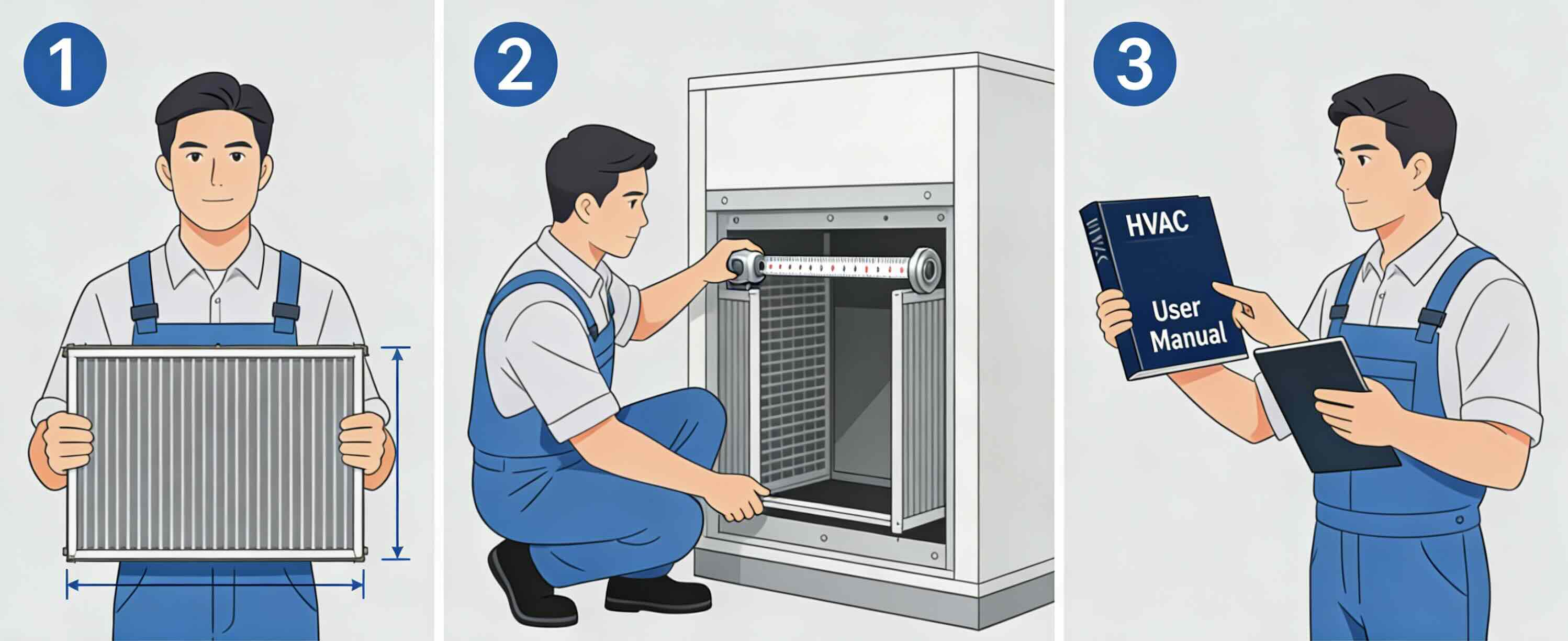
3 Steps to Find Your Home Air Filter Size
Step 1: Check the Old Filter (Easiest Method)
If you’re replacing an existing filter, start here—most household air filters and furnace air filters have their dimensions printed on the frame. Look for three numbers (e.g., 16x20x1, 20x25x4) representing width x height x depth (in inches).
These are often "nominal sizes" (standardized dimensions for easy shopping). Some filters also list "actual sizes" (slightly smaller to fit the slot—e.g., a nominal 16x20x1 filter might have an actual size of 15.75x19.75x0.75 inches).
Save this information for shopping—nominal sizes are what retailers use to categorize furnace filters sizes. Market data shows that the top 5 most popular nominal sizes account for 78% of household air filter sales:
- 20x25x1 (23% market share)
- 16x20x1 (18% market share)
- 24x30x2 (15% market share)
- 20x25x4 (12% market share)
- 14x20x1 (10% market share)
Step 2: Measure the Filter Slot (If No Old Filter)
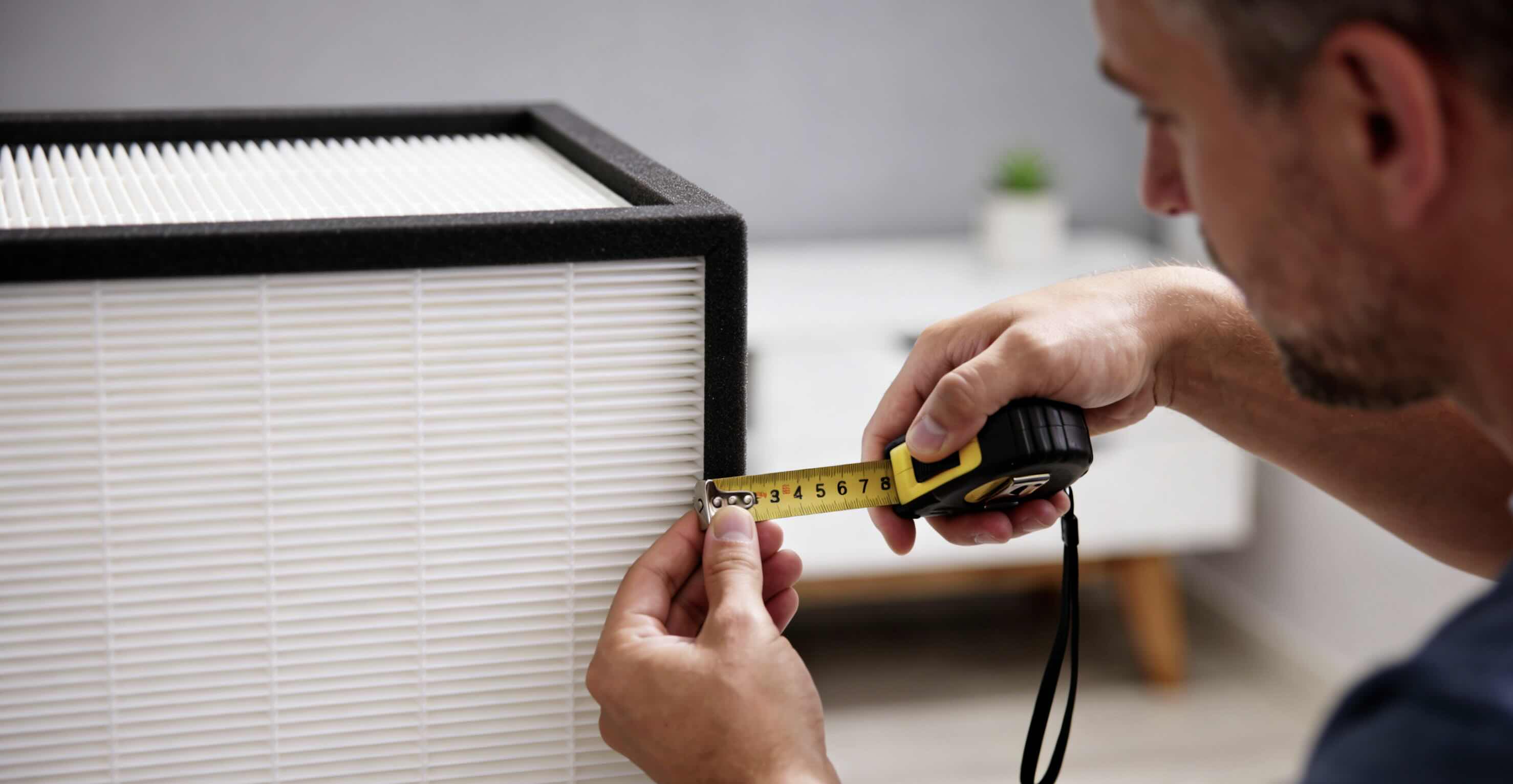
If you’re installing a filter for the first time or can’t find the old one, measure the inside dimensions of the filter compartment (usually in your furnace, air handler, or return air vent):
- Use a tape measure to record width (left to right), height (top to bottom), and depth (front to back).
- Round down to the nearest whole number—HVAC systems are designed to fit standard nominal sizes. For example:
- A slot measuring 15.5x19.5x0.8 inches = nominal size 16x20x1.
Note: Never measure the outer frame of a new filter before buying—always base measurements on the slot itself. A survey of 500 homeowners found that 37% made sizing mistakes by measuring new filters instead of the slot, leading to ill-fitting purchases.
Step 3: Consult Your HVAC Manual
If you’re unsure, check your furnace or AC unit’s user manual. It will specify recommended furnace air filters sizes and types (e.g., "1-inch disposable filter" or "4-inch pleated filter") tailored to your system’s airflow requirements. This is especially helpful for older units or systems with non-standard slots—industry data shows that 15% of homes have non-standard filter compartments, often requiring custom or less common sizes (e.g., 17x22x1, 22x28x4).
Understanding Furnace Filters Sizes: Nominal vs. Actual
One of the most common mistakes homeowners make is confusing nominal and actual sizes. Here’s a quick breakdown:
- Nominal size: The "standard" size listed on the filter (e.g., 20x25x5). This is the size you’ll use when shopping for furnace air filters sizes.
- Actual size: The exact dimensions of the filter (e.g., 19.625x24.625x4.375 inches). Manufacturers make filters slightly smaller (0.25-0.5 inches per dimension) to ensure a snug, easy fit in the slot—this tolerance is industry-standard and backed by ASHRAE guidelines.
Always rely on nominal size for purchasing—retailers (online and in-store) organize household air filters by nominal dimensions.
Choosing the Right Type for Your Size
Once you have the size, consider which type of air filter for home best fits your needs. Size often correlates with performance and lifespan, per industry data:
- Standard disposable filters (1-2 inches): Budget-friendly, ideal for basic dust filtration. Common furnace air filters sizes include 16x20x1, 20x25x1, and 24x30x2. They capture 40-60% of large particles (dust, lint) and last 1-3 months—used in 65% of U.S. households.
- Pleated filters (3-4 inches): Higher MERV rating (3-13), captures 70-90% of particles (pollen, pet dander, mold spores) and lasts 3-6 months. Popular for homes with allergies—sales of 4-inch pleated filters have grown 27% annually since 2020, with 20x25x4 being the top-selling size.
- HEPA air filters: For maximum air purification (MERV 17+), HEPA filters are thicker (4-6 inches) and require HVAC systems compatible with their airflow demands. Data shows that a properly sized HEPA filter reduces airborne allergens by 85-95% in closed spaces. Ensure your system can accommodate the depth—common HEPA sizes include 20x25x5 (used in 40% of HEPA-equipped homes) and 24x30x6.
- Electrostatic filters: Reusable, washable, and available in standard sizes. Good for eco-friendly homeowners but require monthly cleaning—they maintain 70% of their filtration efficiency over 2 years when properly maintained, compared to 50% for disposable filters of the same size.
Home Air Filter Replacement: Key Tips
Stick to your size: Even if a filter is "close" to your size, don’t force it—ill-fitting filters compromise performance. A study of 1,000 HVAC systems found that correctly sized filters improved airflow by 18-25% and reduced system strain by 30%.
- Check replacement frequency: Disposable filters (1-2 inches) need replacing every 1-3 months; pleated/HEPA filters every 3-6 months (or as recommended by the manufacturer). Homes with pets or smokers may need to replace filters 2x as often—data shows pet dander increases filter clogging by 50%.
- Match MERV rating to your system: High-MERV filters (14+) restrict airflow in older HVAC systems—consult your manual to avoid damage. For systems older than 10 years, a MERV 8-11 filter in the correct size is optimal, balancing filtration and airflow.
Common FAQs
Q: Can I use a different size filter if mine is out of stock?
A: No. Using a larger filter will not fit, and a smaller one will leave gaps. Wait for the correct size or order online—most furnace filters sizes are readily available, with 90% of standard sizes shipping within 2 business days. Data shows that using the wrong size temporarily (even 1 month) can increase indoor pollutant levels by 40%.
Q: Are HEPA air filters available in all standard sizes?
A: HEPA filters are typically available in larger depths (4-6 inches) but cover 80% of common nominal sizes (20x25x5, 16x20x6, etc.). For non-standard slots, look for custom HEPA options—they account for 10% of HEPA sales and can be tailored to unique dimensions, though they cost 25-30% more than standard sizes.
Q: How do I measure for a window AC air filter?
A: For window units, measure the filter compartment inside the AC (width x height). Most window AC filters are 10x14x1 (used in 35% of window units) or 12x16x1 (used in 28% of units), but always confirm with measurements. A properly sized window AC filter improves cooling efficiency by 10-15%, per energy efficiency studies.
Final Thoughts
Finding the right size air filter for your home boils down to three simple steps: check the old filter, measure the slot, or consult your manual. By sticking to your nominal size and choosing the right type (pleated, HEPA, disposable), you’ll ensure clean indoor air, protect your HVAC system, and avoid unnecessary replacements. Industry data confirms that homeowners who use correctly sized household air filters save an average of 200−400 annually in energy and maintenance costs, while enjoying 30-50% better indoor air quality.
Remember, household air filters and furnace air filters are not one-size-fits-all—investing time in getting the size right pays off in better air quality and energy efficiency. Whether you’re upgrading to a HEPA air filter or replacing a standard furnace filter, knowing your furnace filters sizes is the first step to a healthier home.
Common Air Filter Types
- Bag Filters: Remove medium to large particles such as dust and pollen; ideal for livestock farms, industrial facilities, and schools.
- Panel Filters: Serve as primary or medium-efficiency filters to protect equipment and extend the life of high-efficiency filters.
- HEPA Filters: Capture PM2.5, pollen, bacteria, and most airborne particulates; perfect for classrooms, laboratories, and medical environments.
- Activated Carbon Filters: Remove gaseous pollutants, odors, and volatile organic compounds; suitable for food processing, livestock, and enclosed spaces.
Explore More Articles
- Application of Air Filters in Modern Pig Farms
- Air Filtration in Schools: A Comprehensive Guide
- Case Study: Air Filtration Solutions for Semiconductor Cleanrooms
Learn more about our innovative technologies:
- 🌐 Official Website: www.whalesens.com
- 📞 WhatsApp: (+86) 13119189886
- 📧 Email: whalesens@gmail.com