


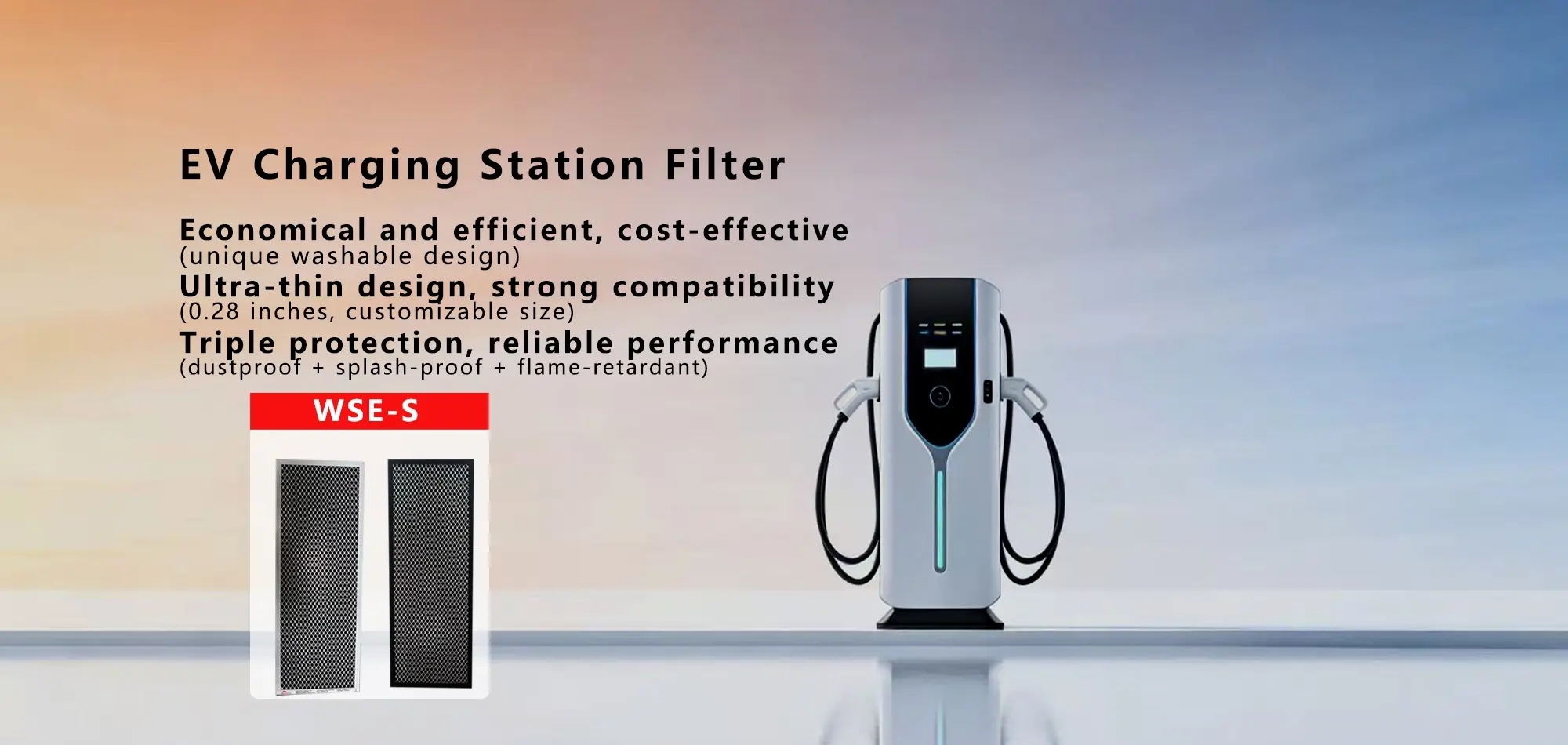
EV Charging Stations
Filtration for Power Equipment
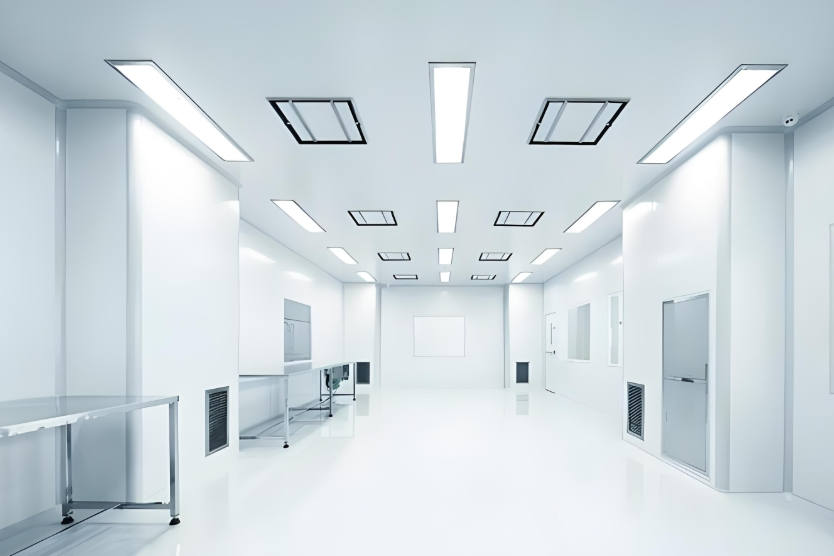
Cleanroom & Semiconductor
Ultra-High Cleanliness Filtration
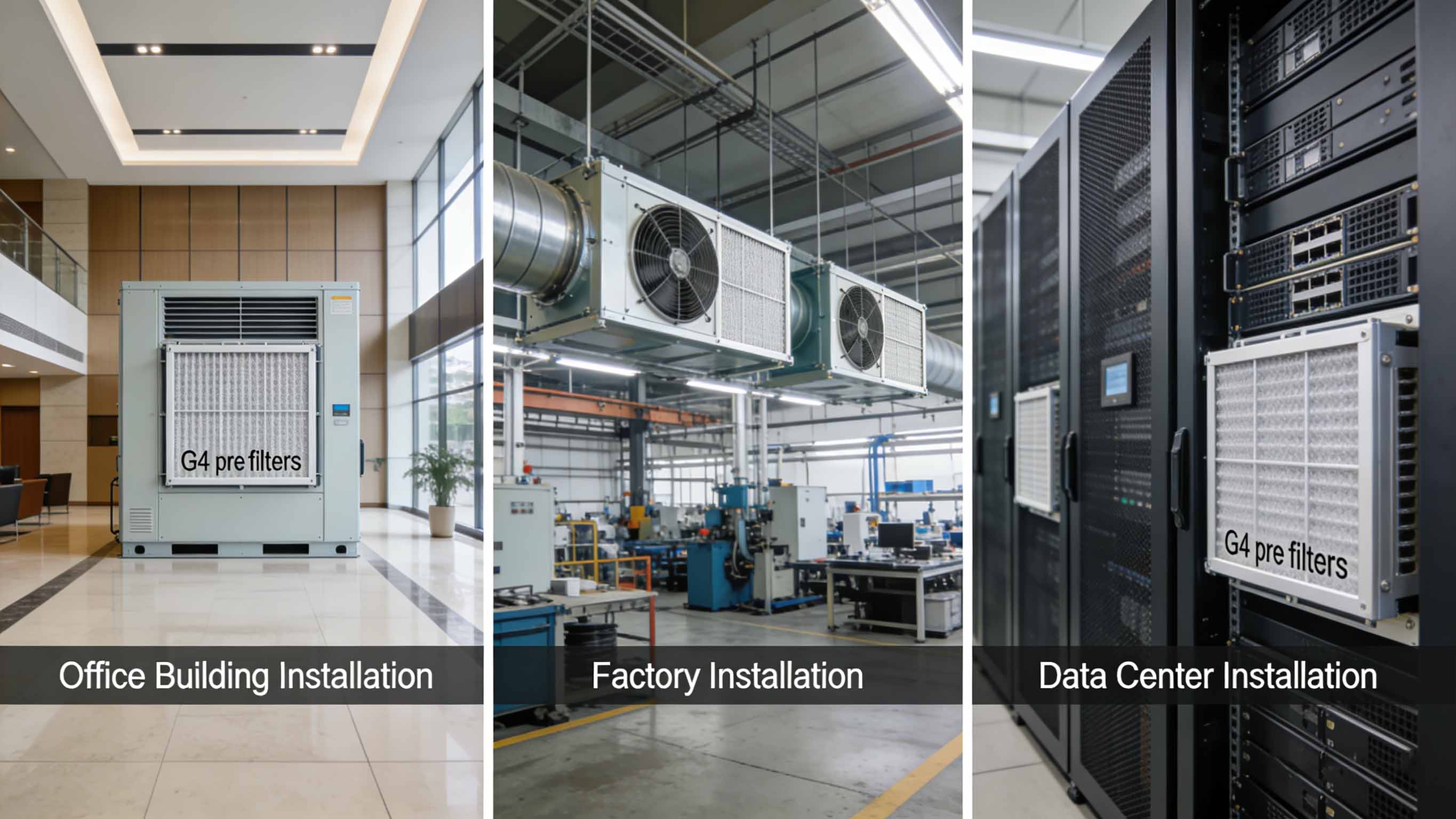
Commercial HVAC
Central Air System Filtration
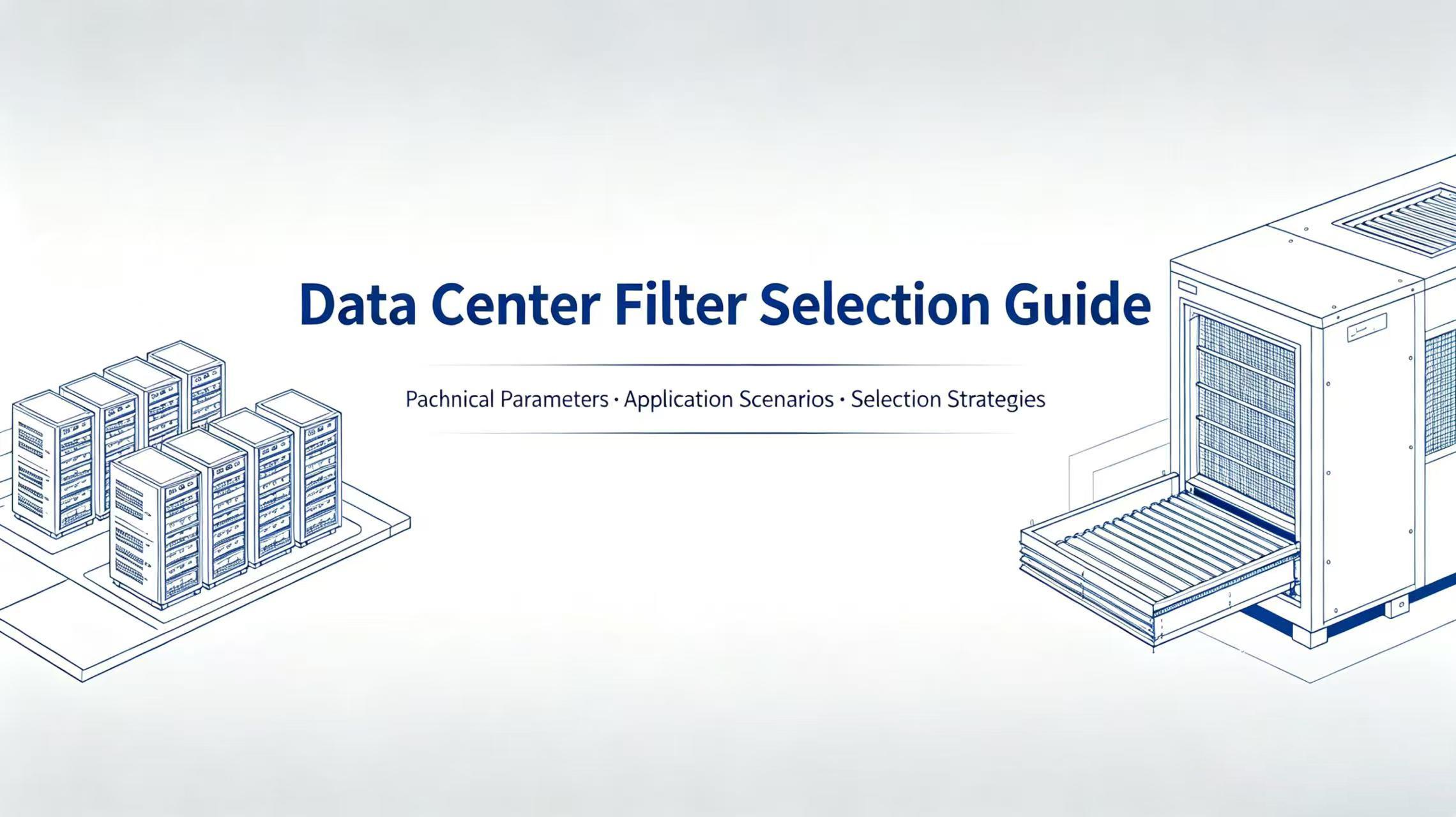
Data Centers
Precision Equipment Protection
Livestock & Farming
Farming Environment Purification
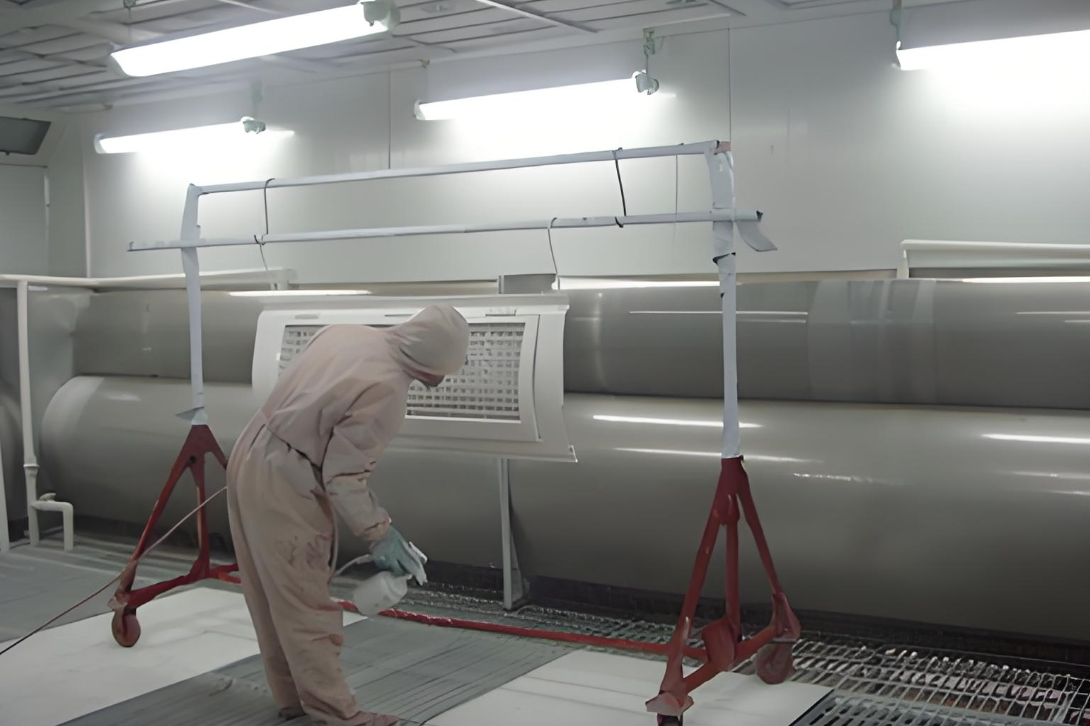
Spray Booths & Industrial Dust
Paint Mist & Dust Purification
Filtration for Power Equipment
Professional air filtration for EV charging devices, protecting against dust and sand ingress to ensure stable, reliable operation of charging piles and station infrastructure.
View Related Products →Ultra-High Cleanliness Filtration
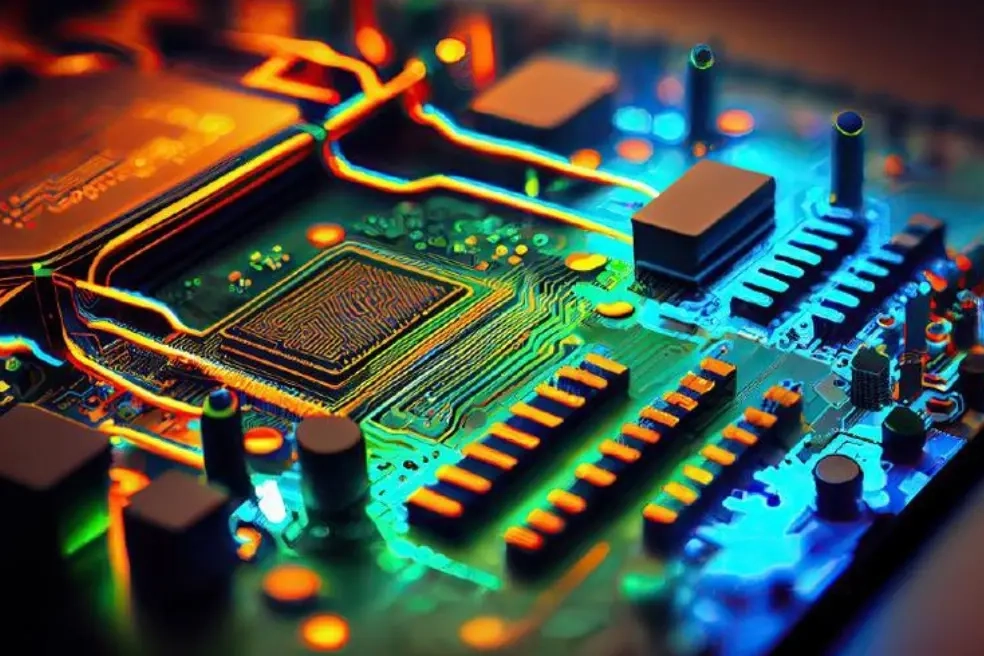
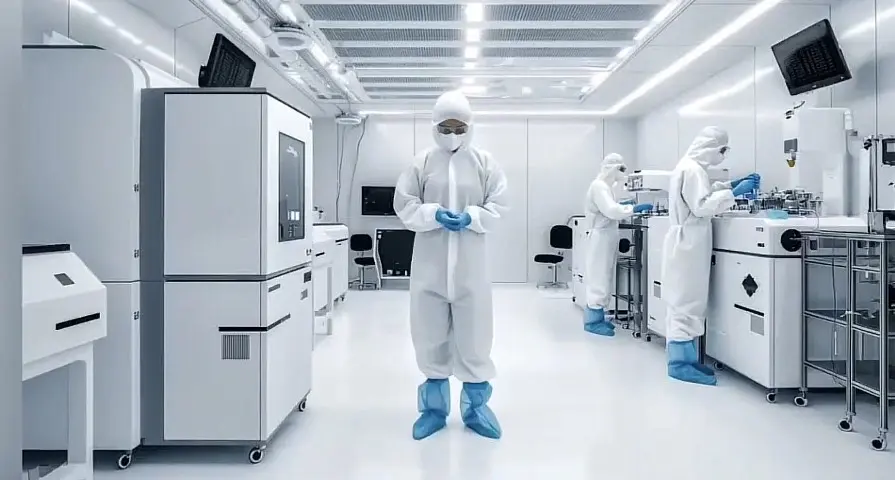
Ultra-high efficiency filtration for semiconductor wafer fabs and precision electronics cleanrooms, capturing nano-scale particles to meet ISO Class 1–3 standards and maximize product yield.
View Related Products →Central Air System Filtration
High-efficiency filtration for commercial building HVAC systems, improving indoor air quality, reducing energy consumption, and extending equipment service life.
View Related Products →Precision Equipment Protection
Precision air filtration for data centers, shielding servers and critical hardware from dust contamination to keep cooling systems running efficiently and reliably.
View Related Products →Farming Environment Purification
Dedicated filtration systems for farms and livestock facilities — capturing dust, adsorbing ammonia, and inhibiting pathogen spread to improve animal health and overall productivity.
View Related Products →Paint Mist & Dust Purification
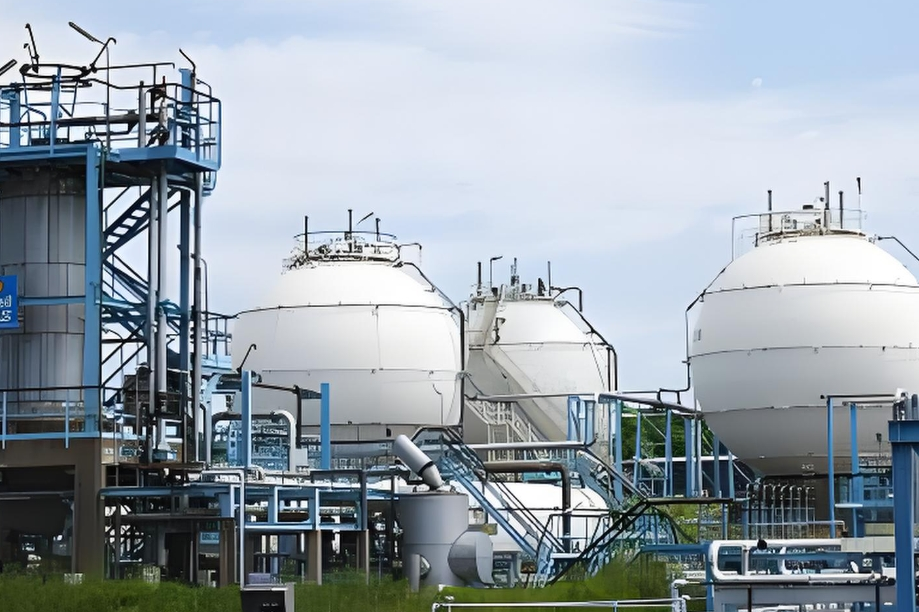
Designed for spray booths and grinding workshops, efficiently capturing paint mist, metal dust, and wood chips to meet emission standards while protecting finished surface quality.
View Related Products →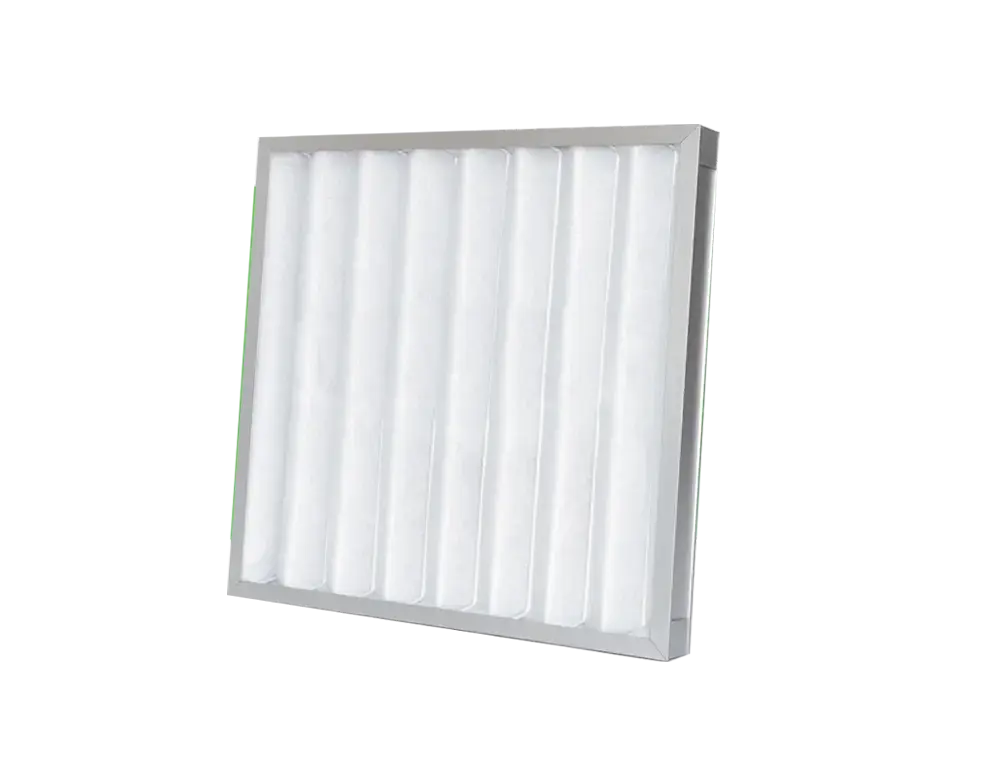
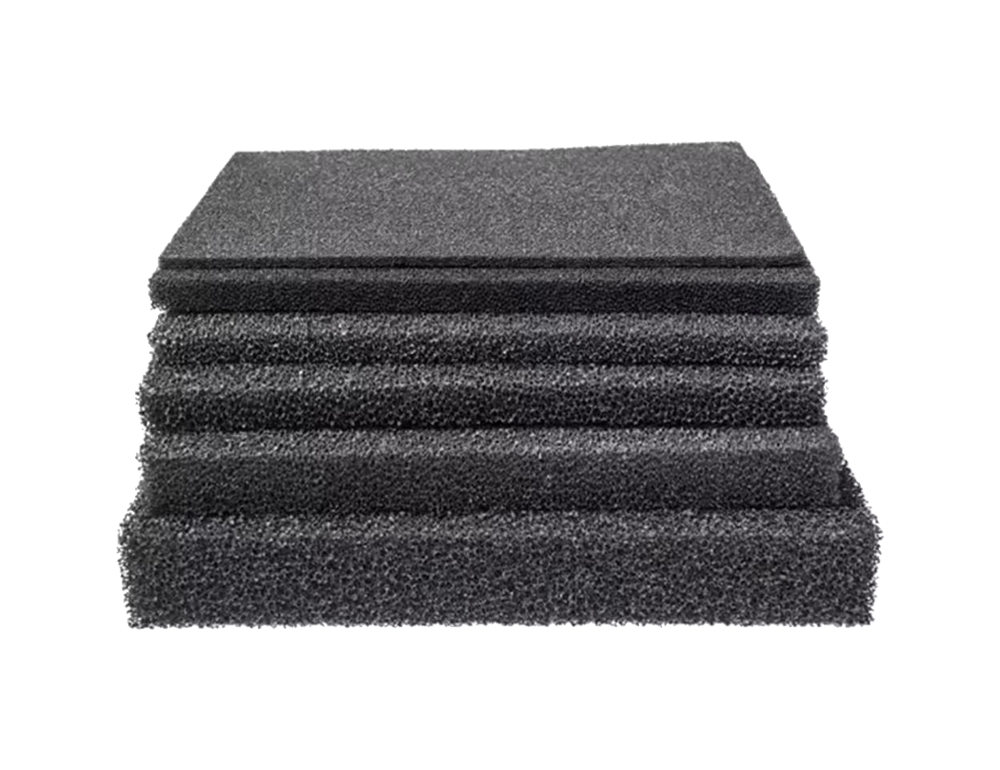
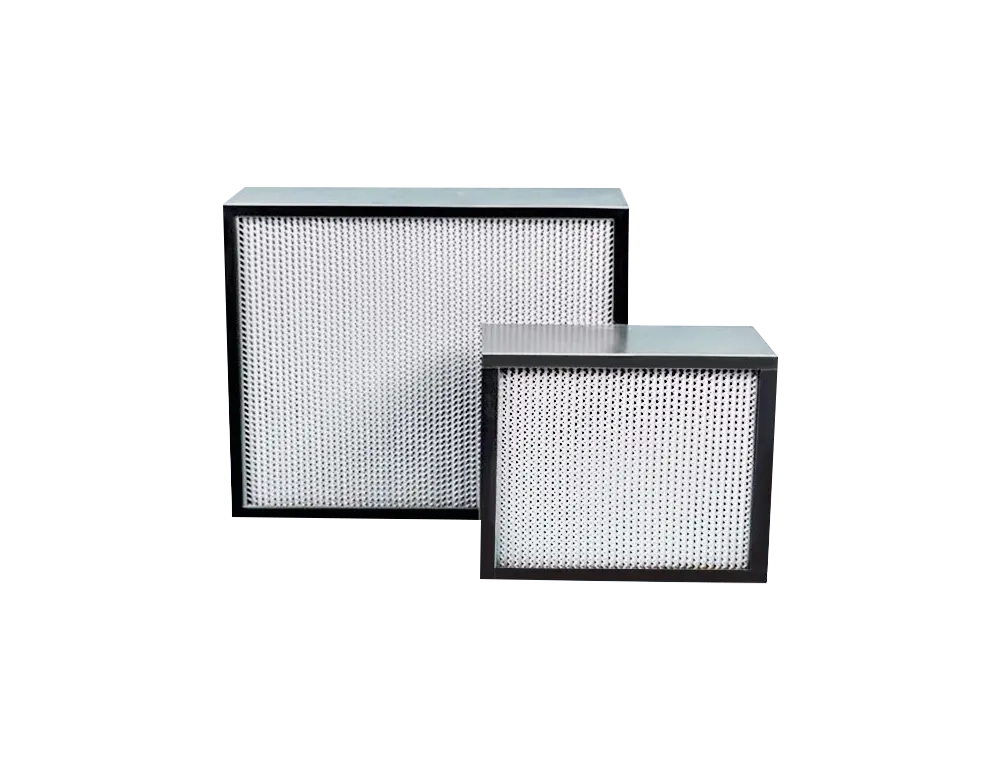
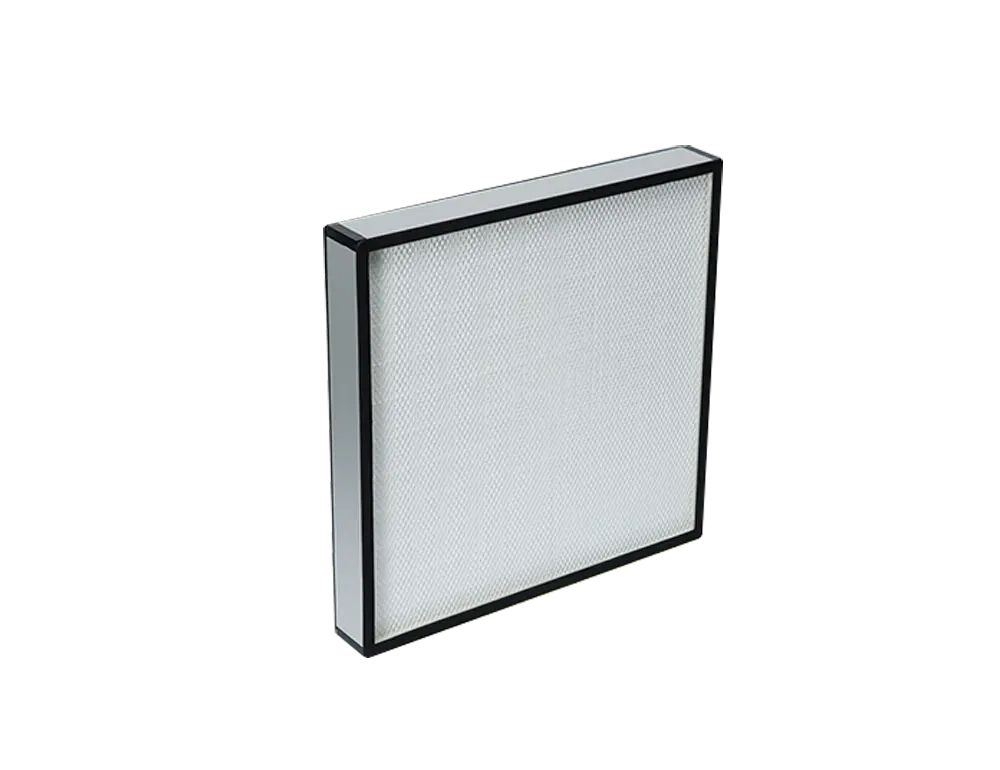
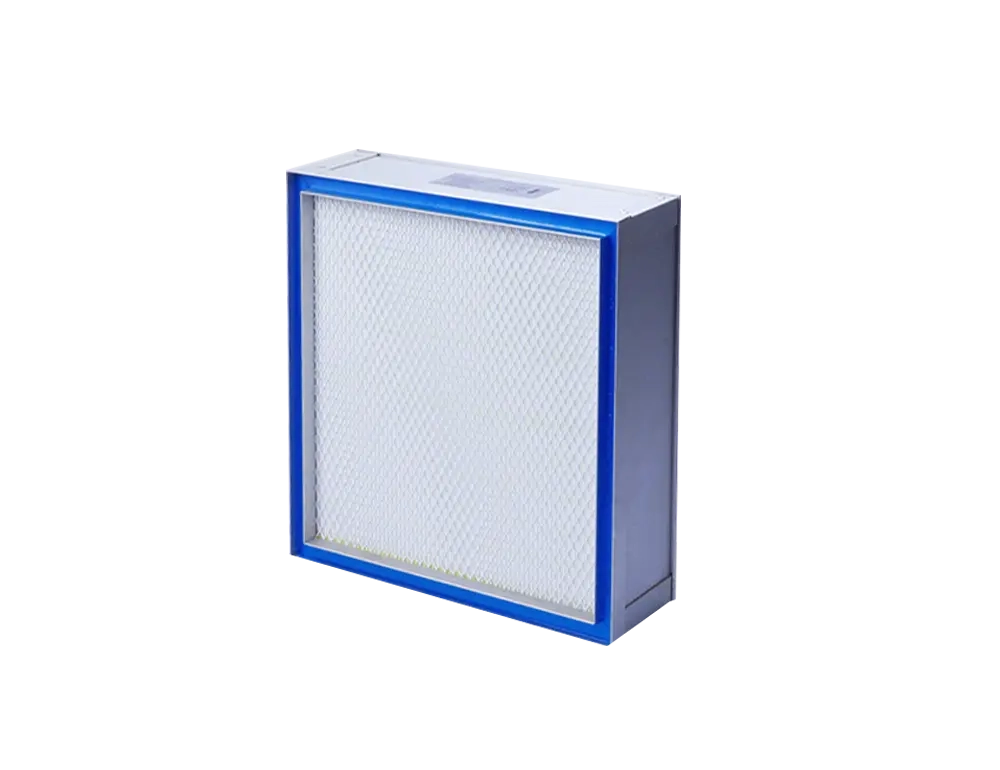
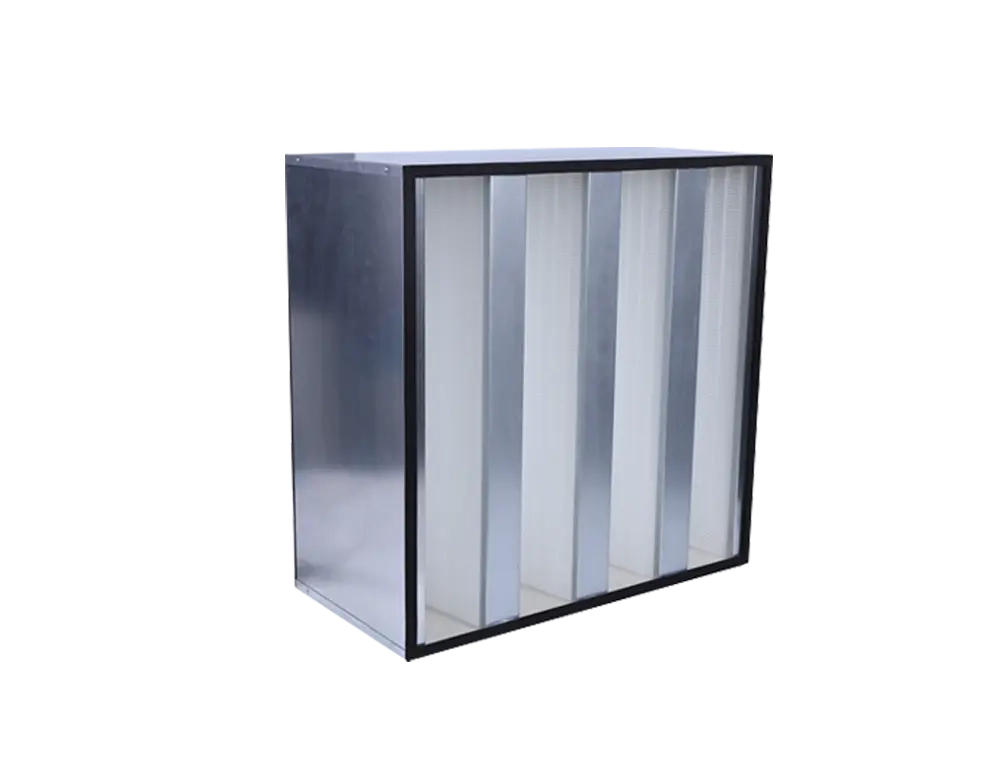

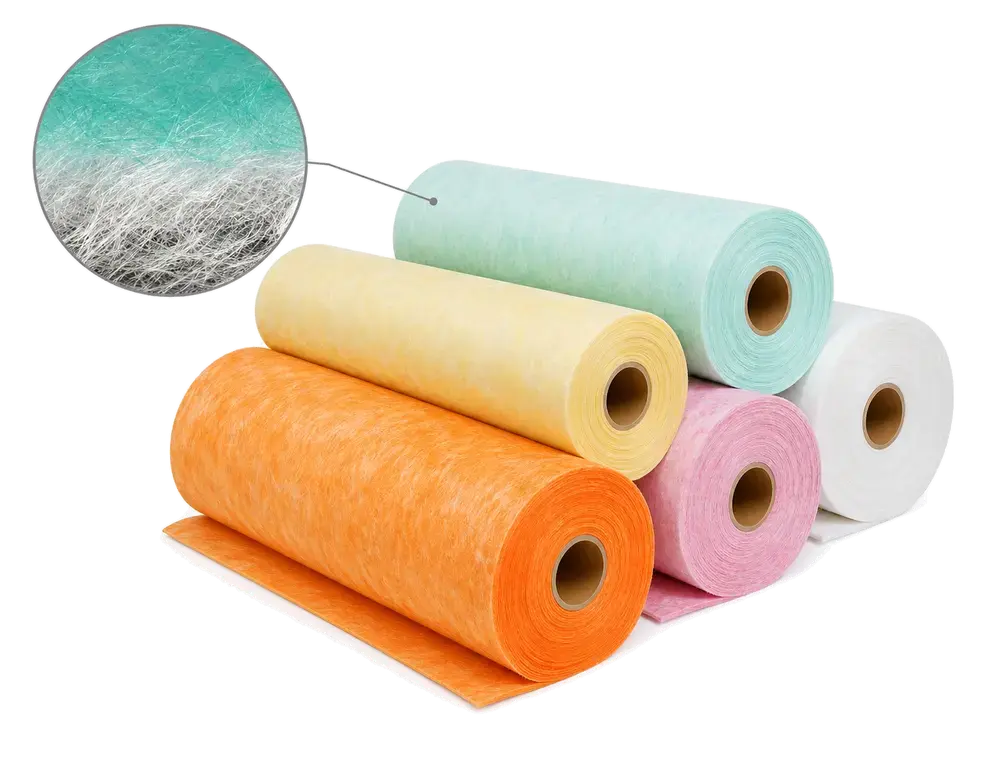
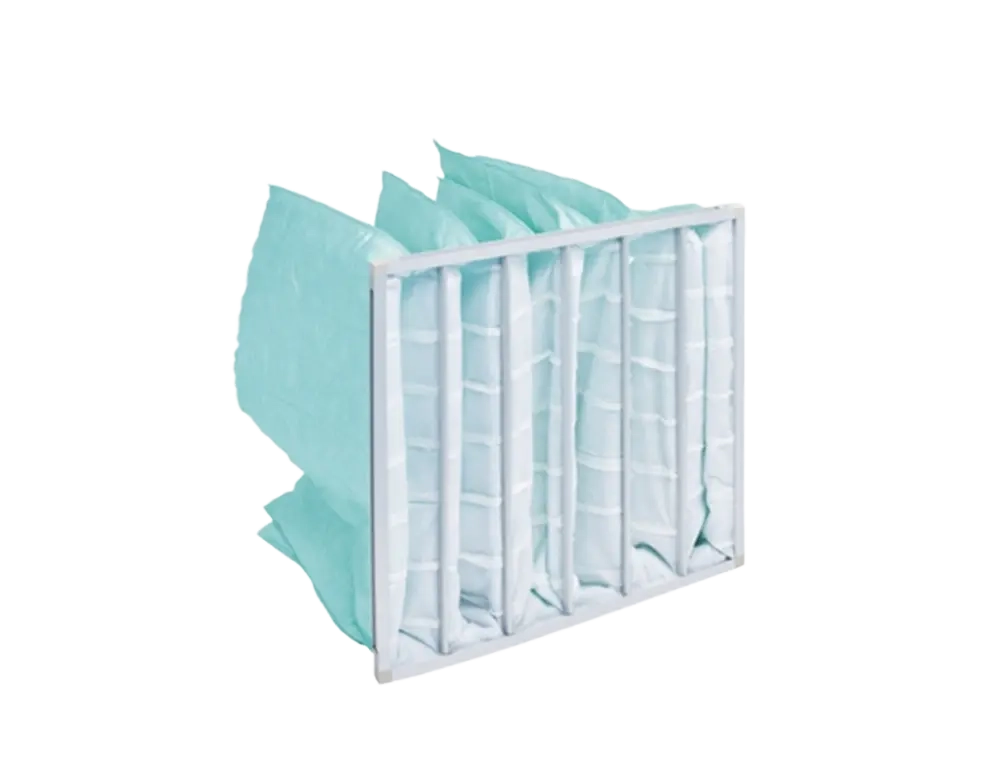
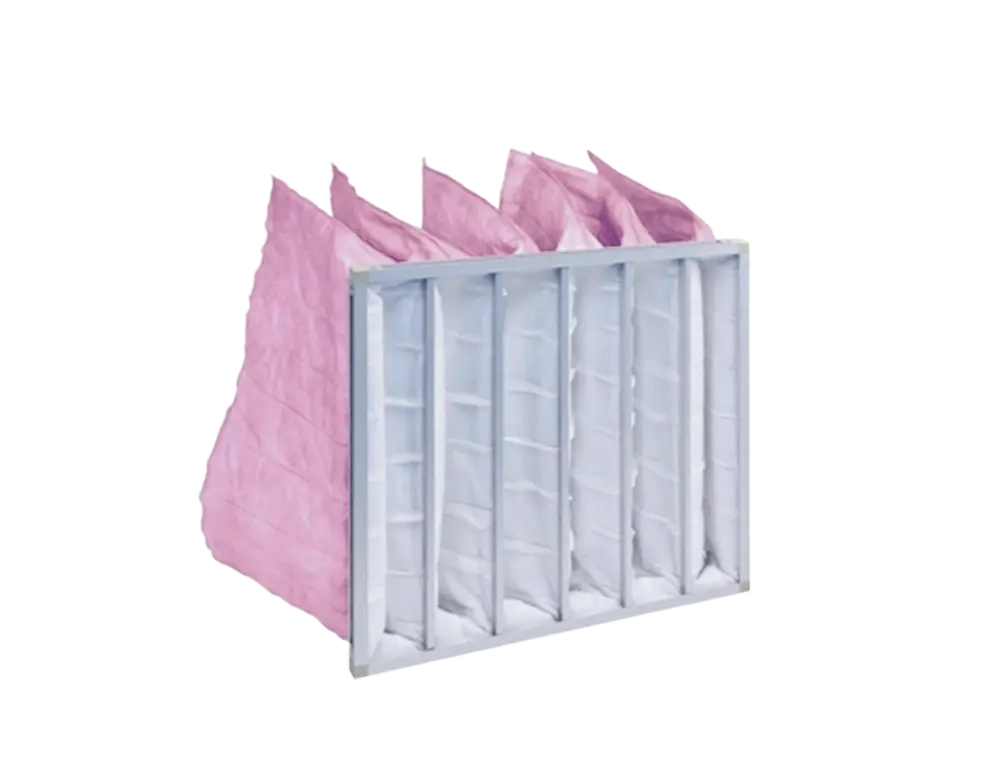

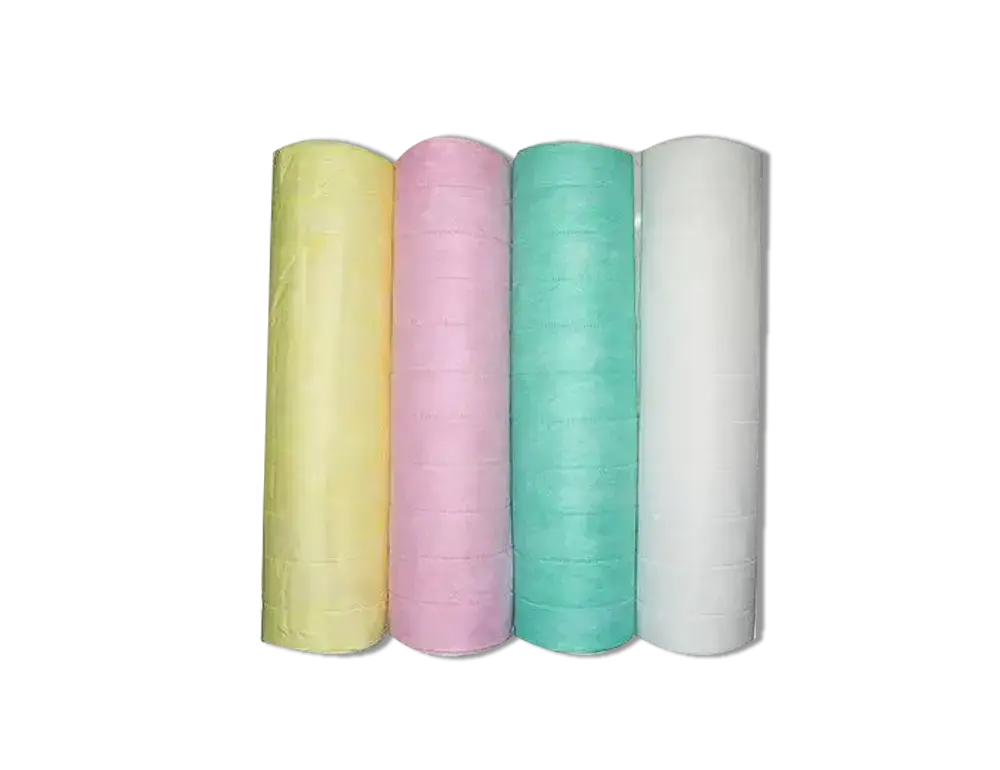
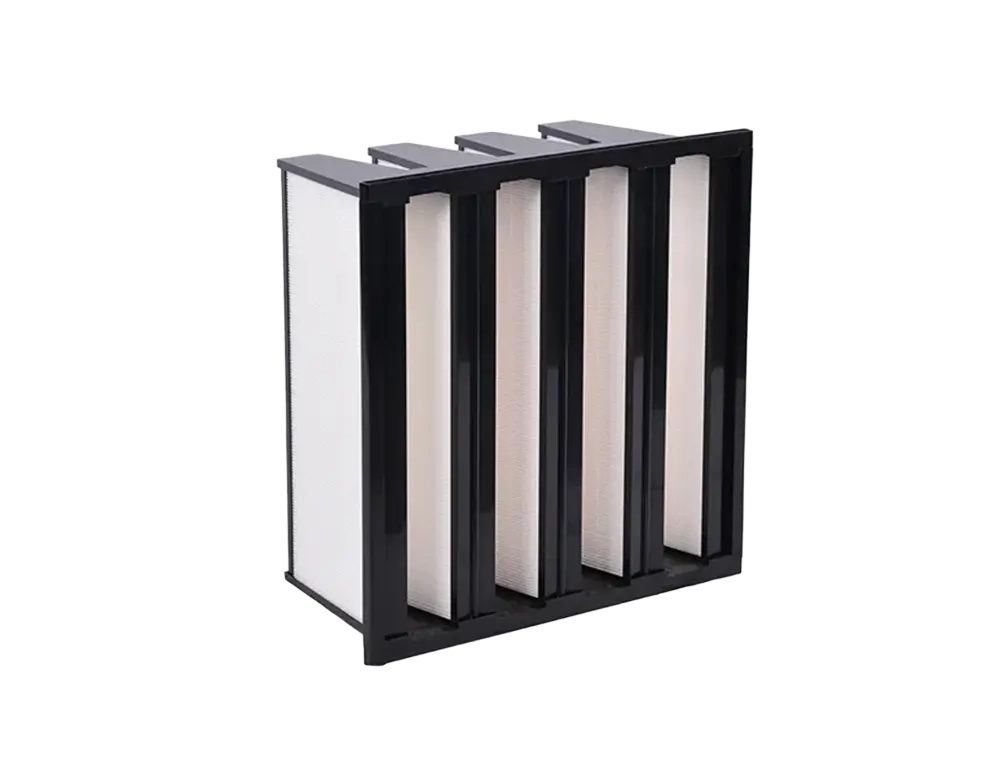
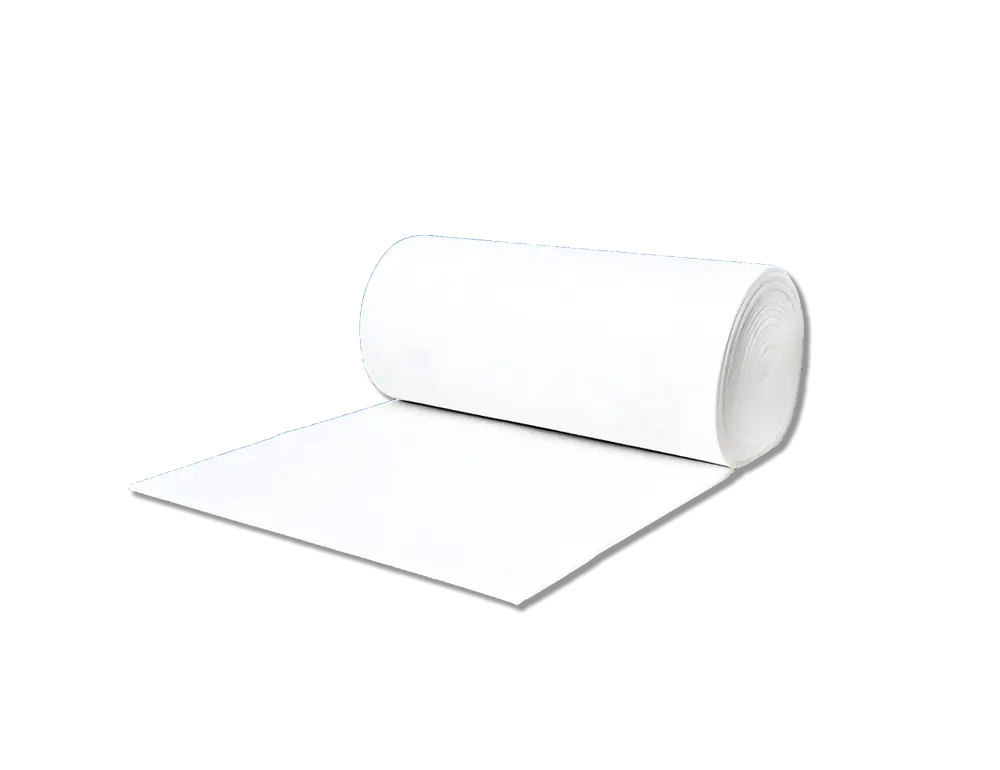
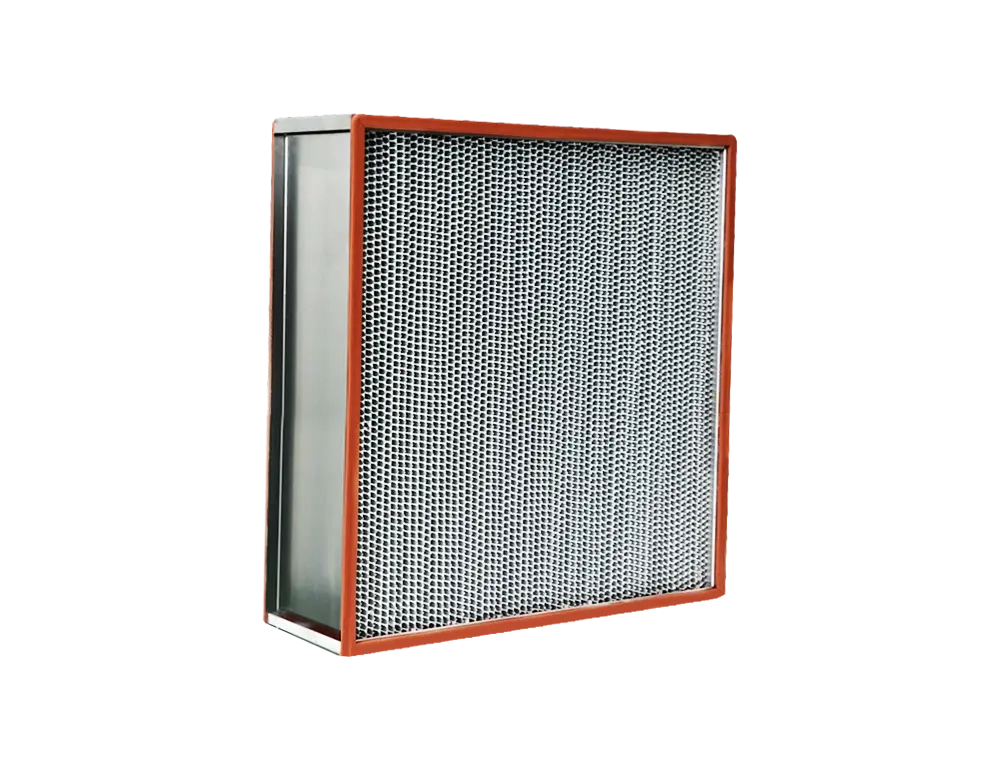
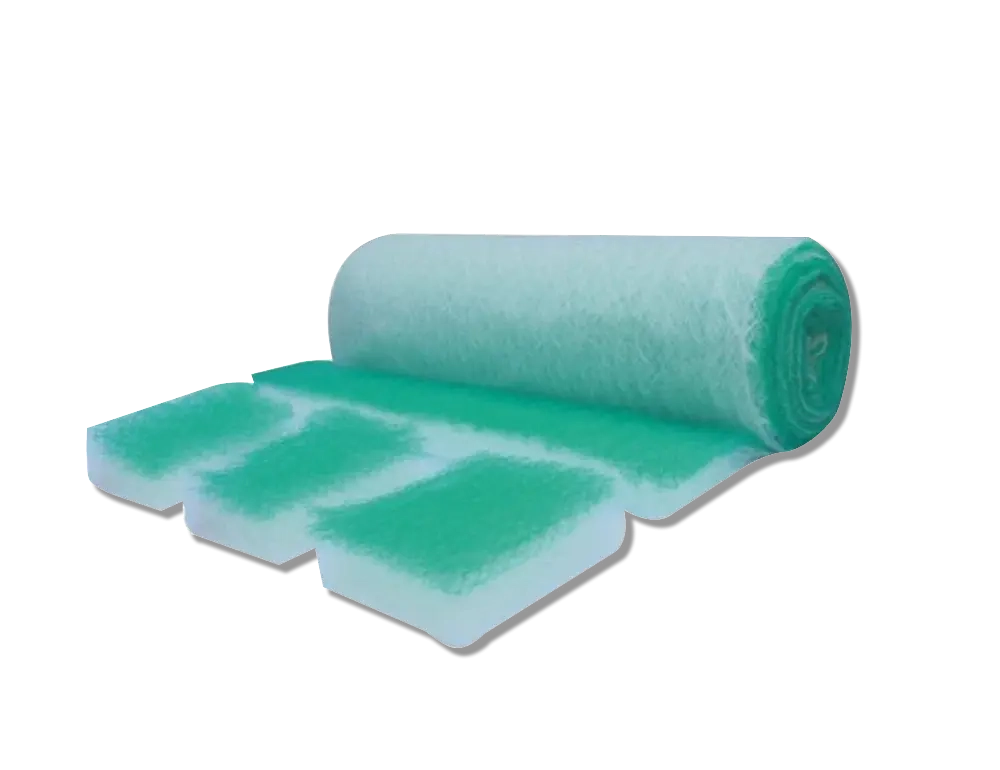
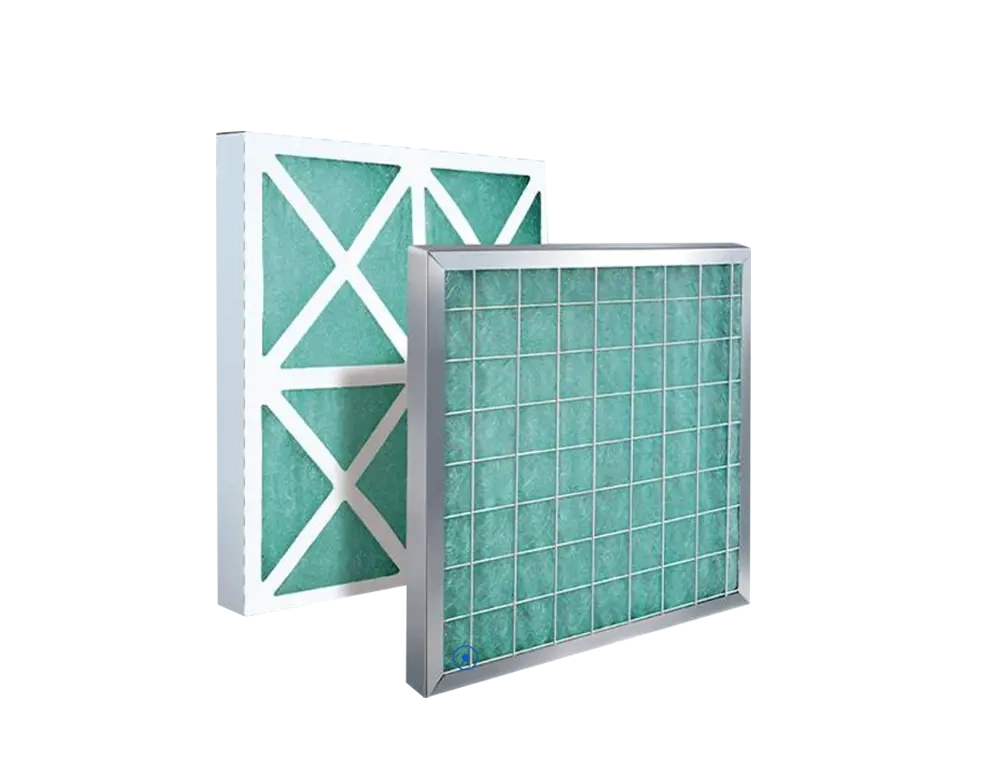
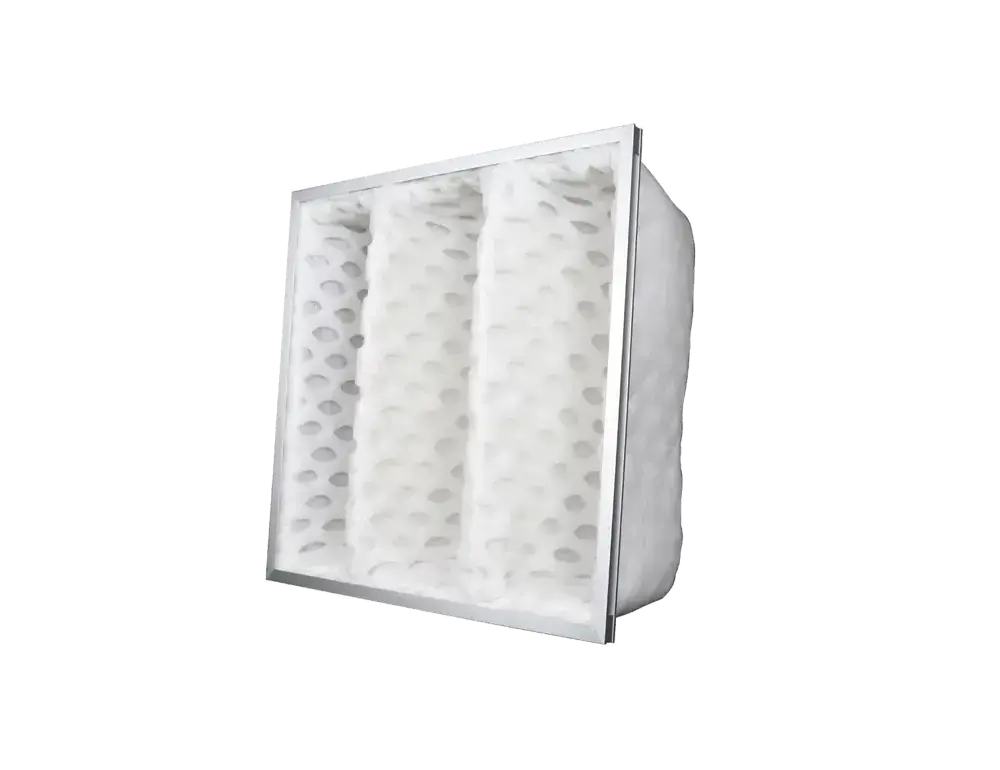
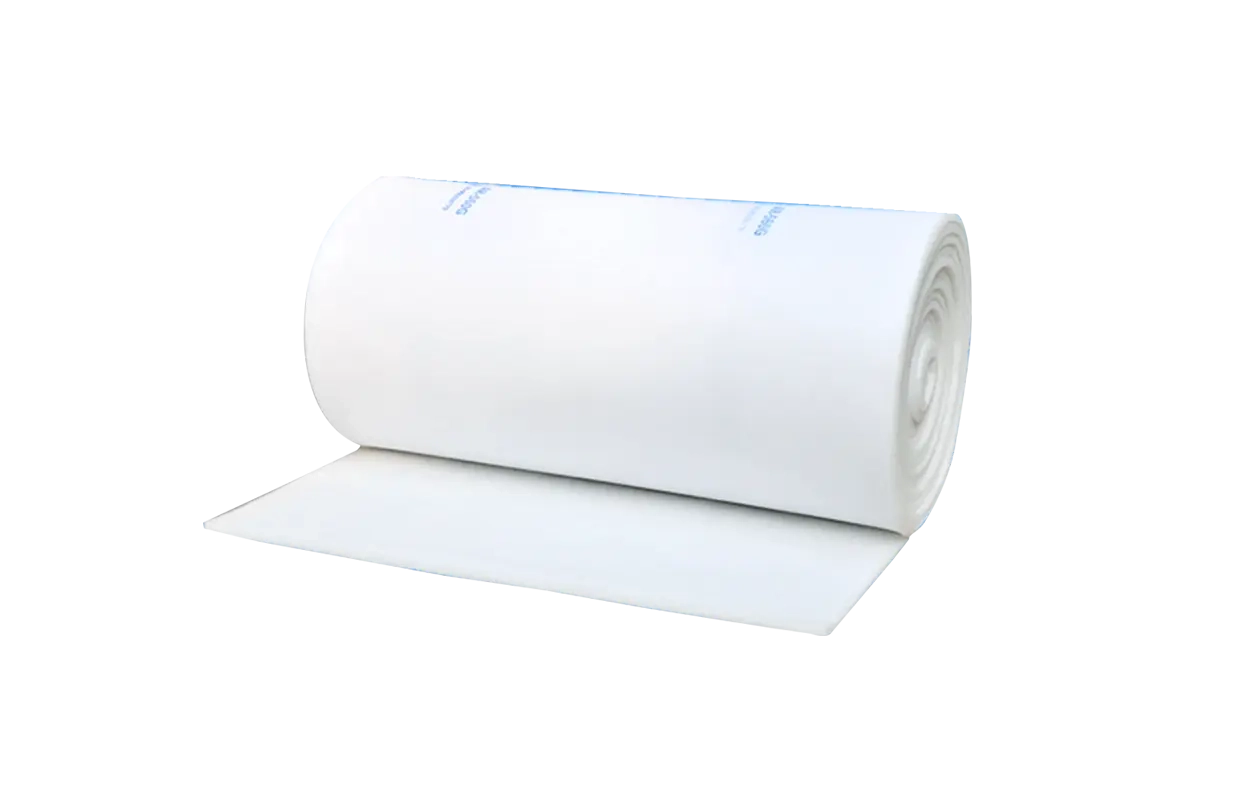
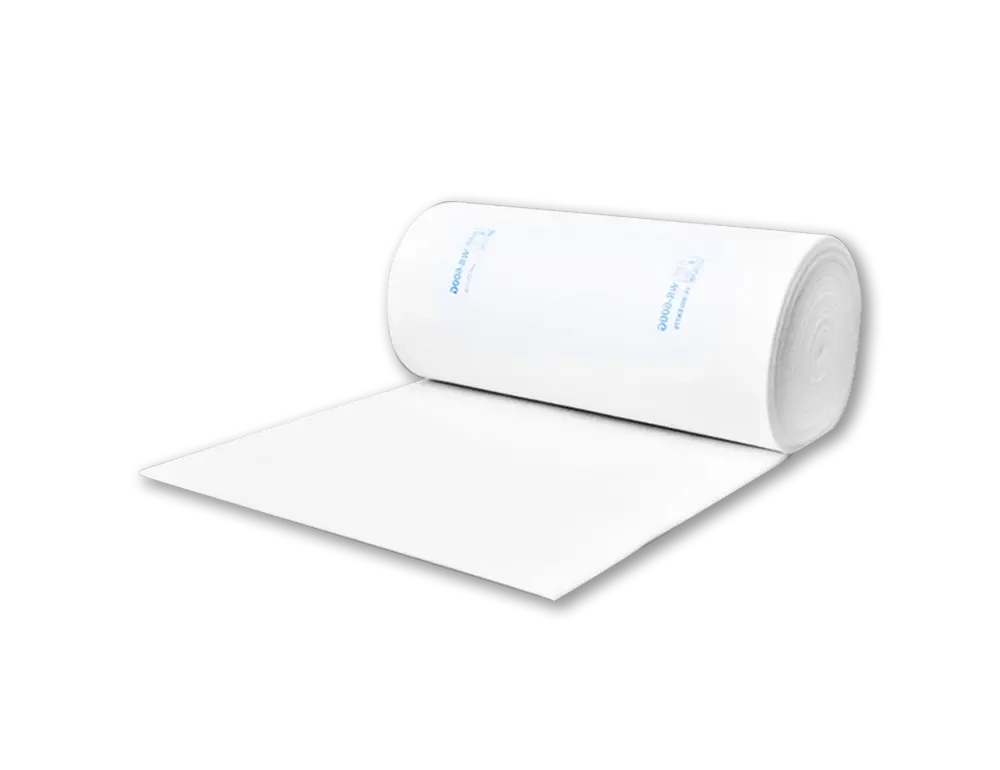
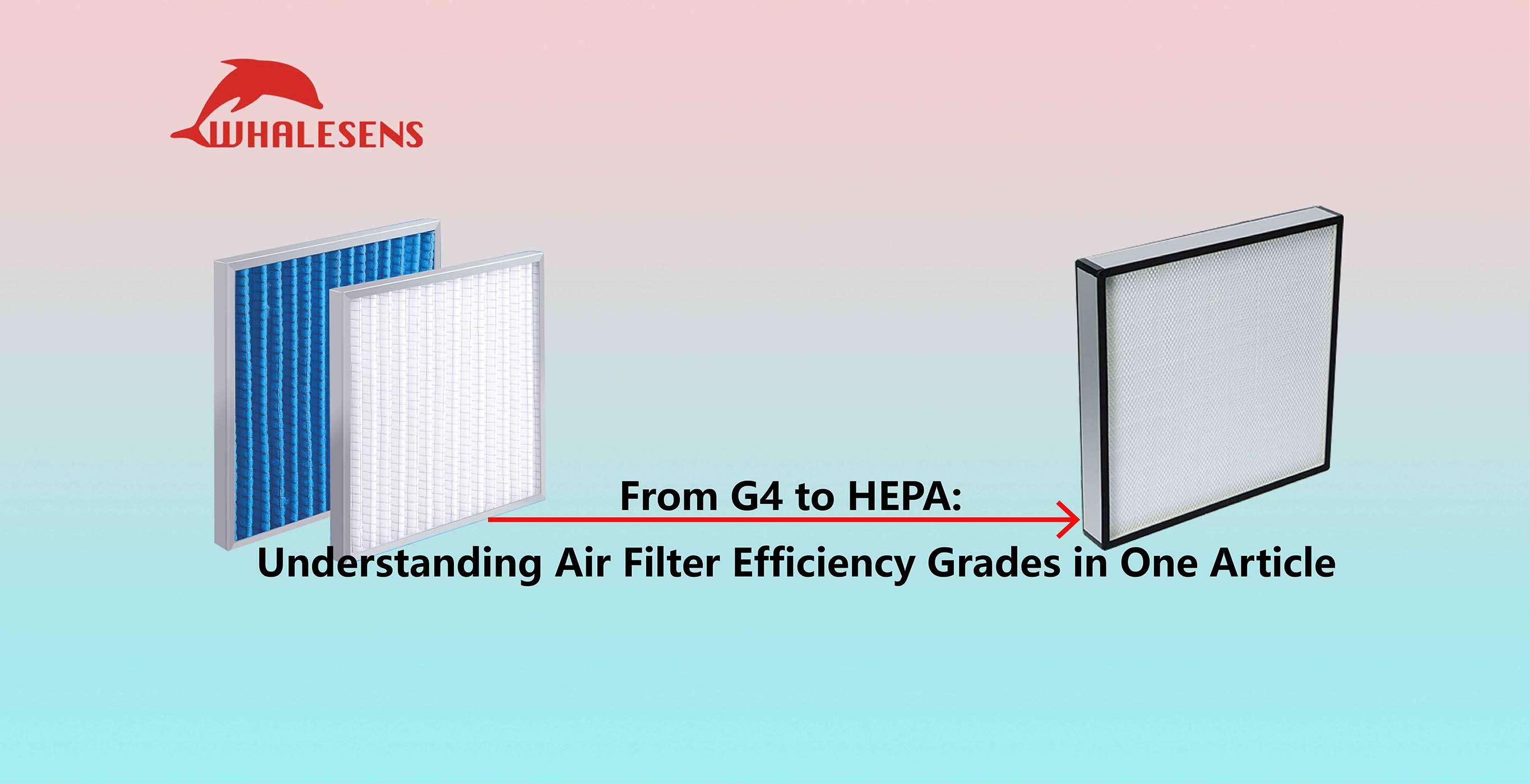
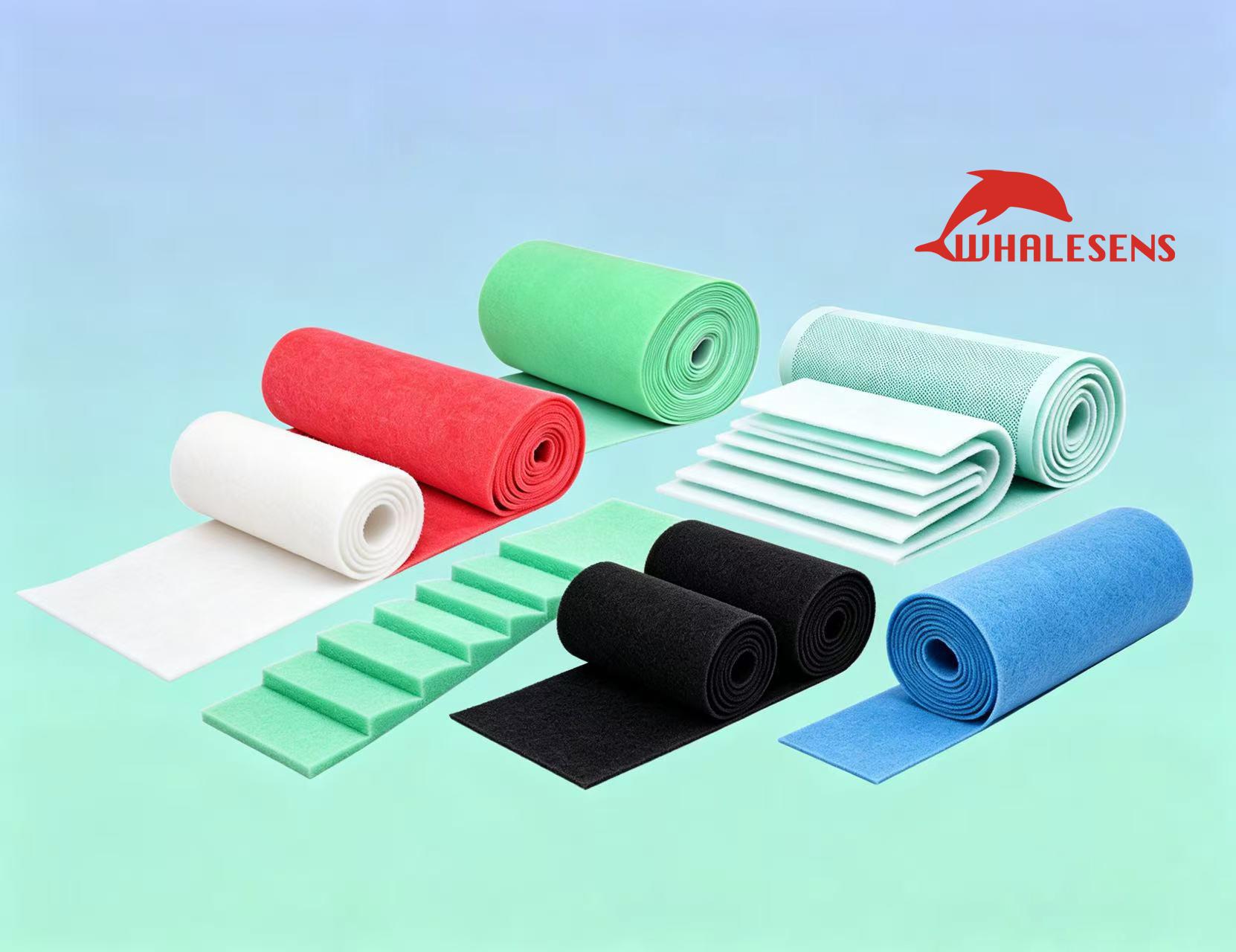
Pre-Filter (G1–G4)
First-Stage Large-Particle Capture
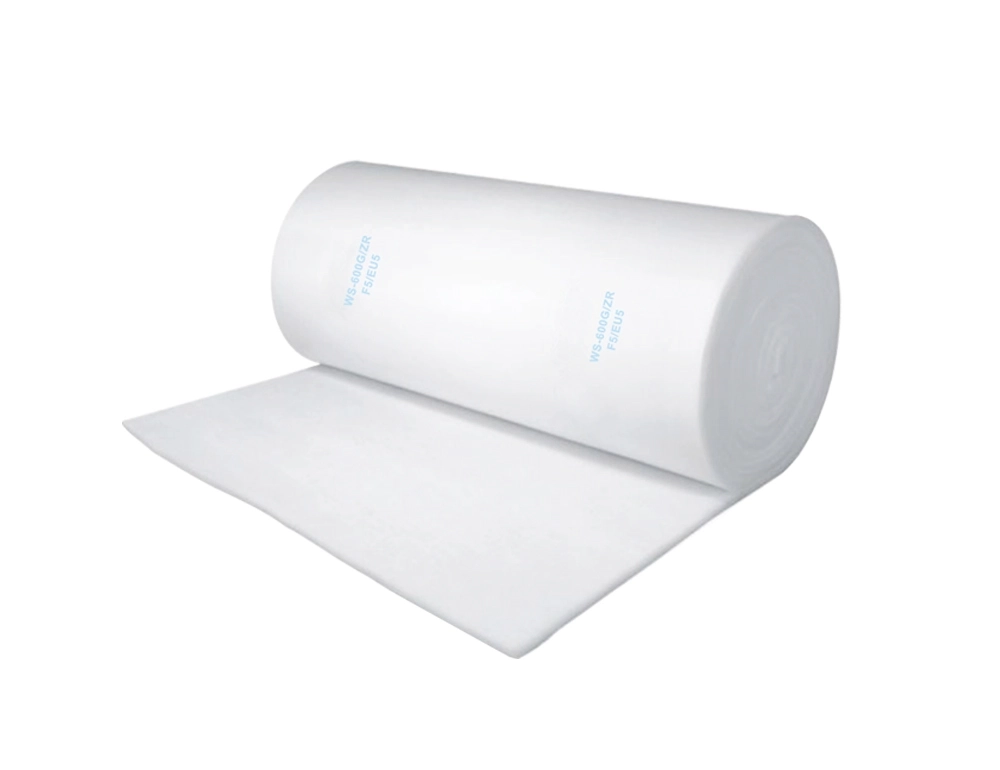
Medium-Efficiency Filter (F5–F9)
Precise PM2.5 Capture
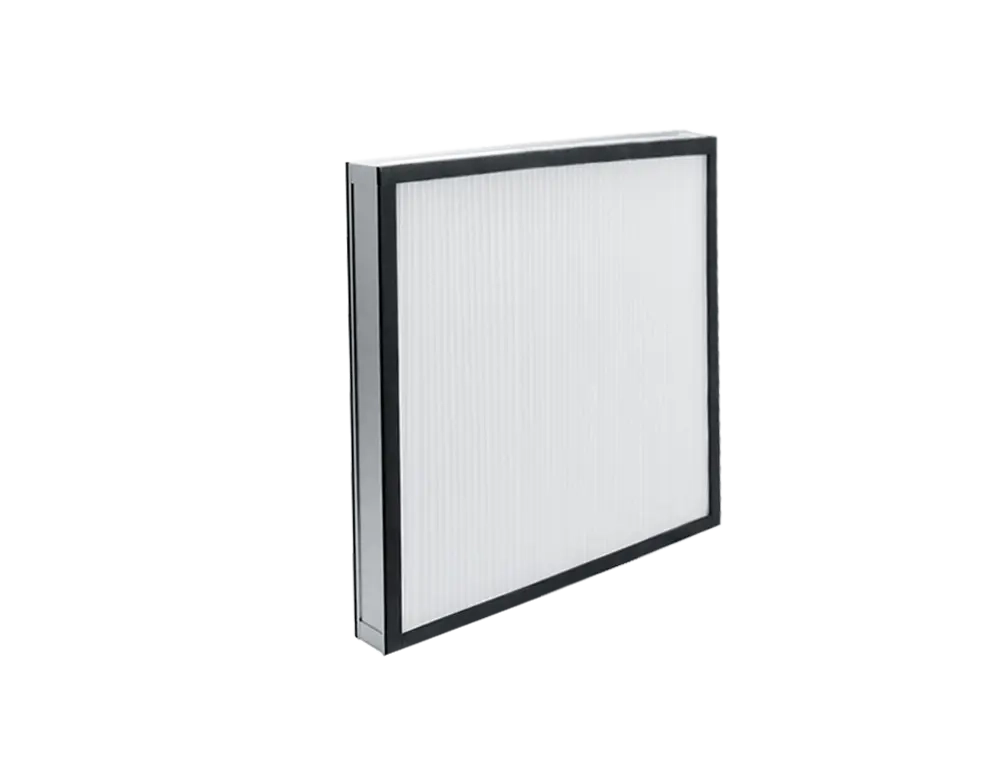
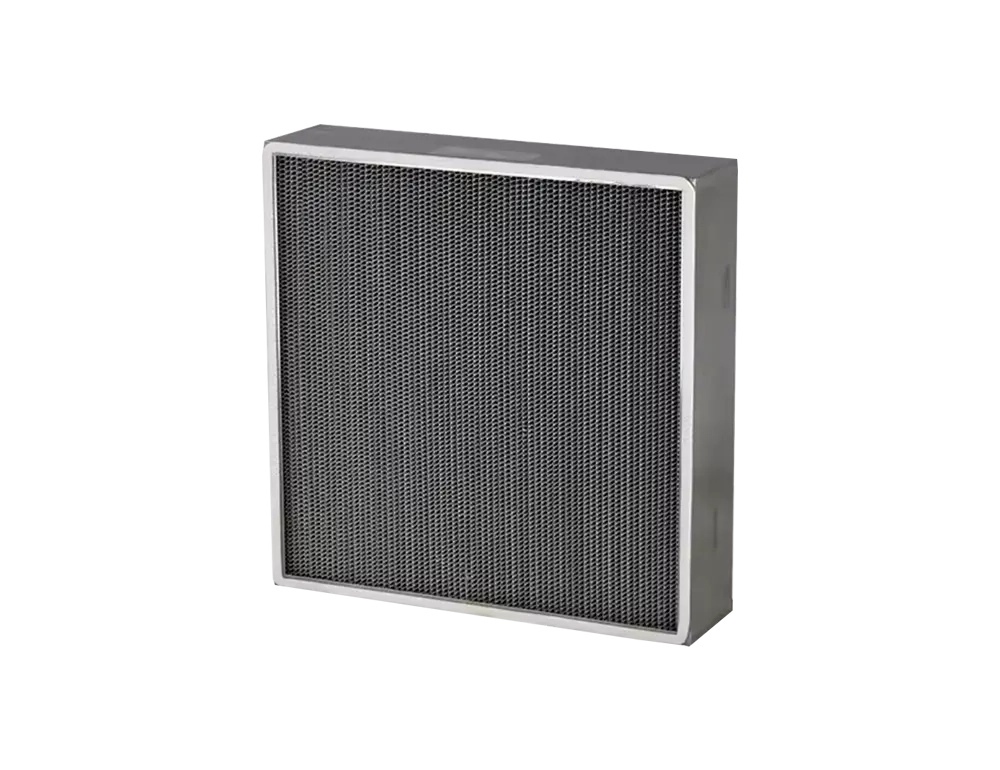
HEPA High-Efficiency Filter
Sterile-Grade Purification
ULPA Ultra-High Efficiency Filter
Sub-Micron Particle Capture
First-Stage Large-Particle Capture
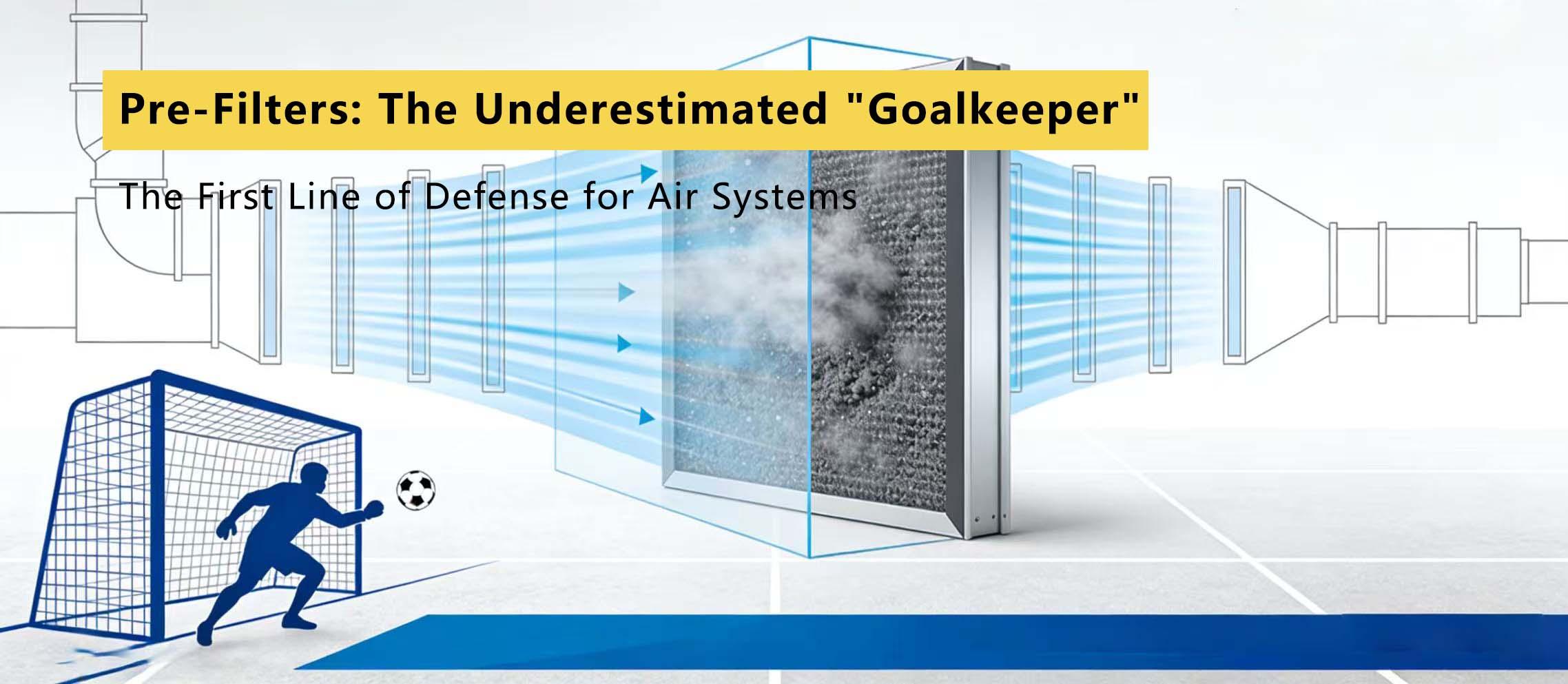
The first line of defense, capturing particles ≥5 μm such as dust, hair, and fibers to protect downstream filters and extend overall system service life.
View Related Products →Precise PM2.5 Capture
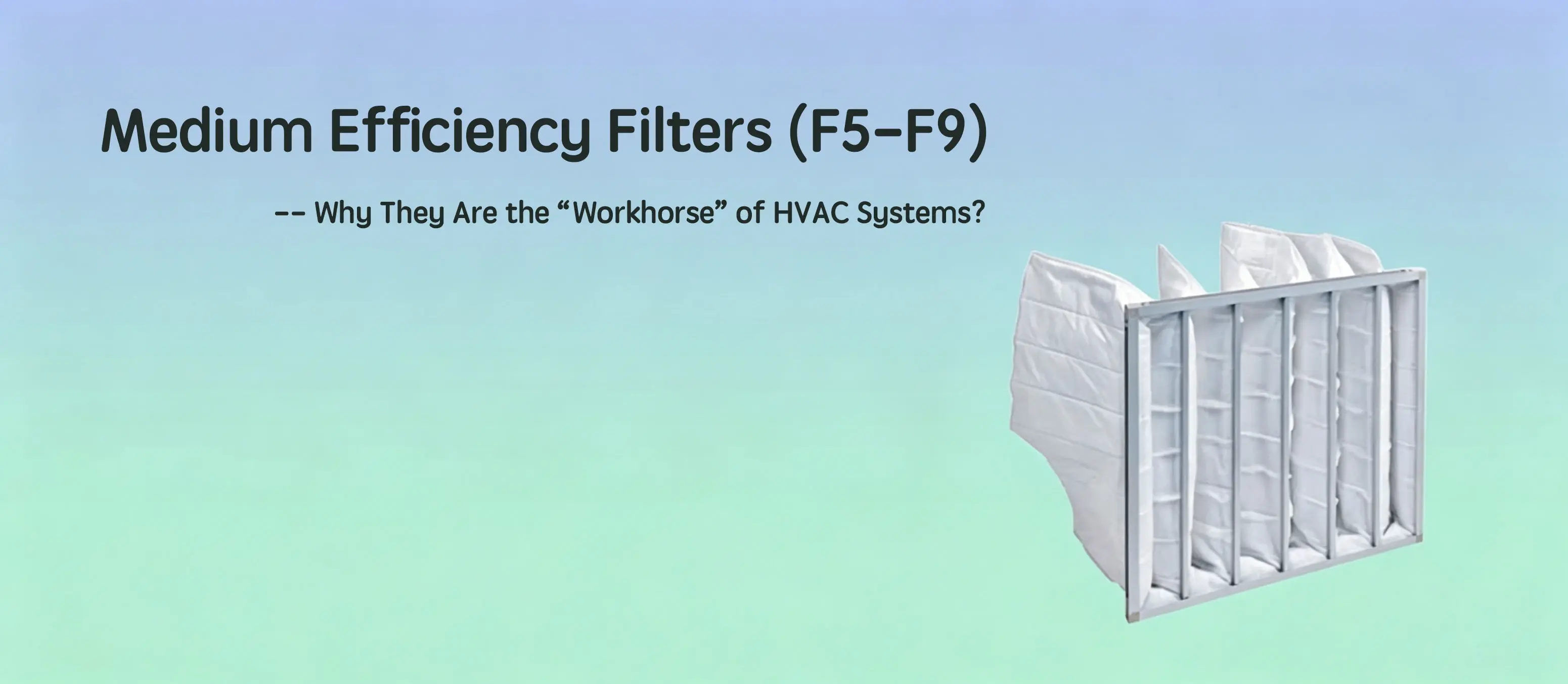
Captures fine particles of 1–5 μm including PM2.5, pollen, and mold spores, significantly improving indoor air quality for commercial HVAC and ventilation systems.
View Related Products →Sterile-Grade Purification
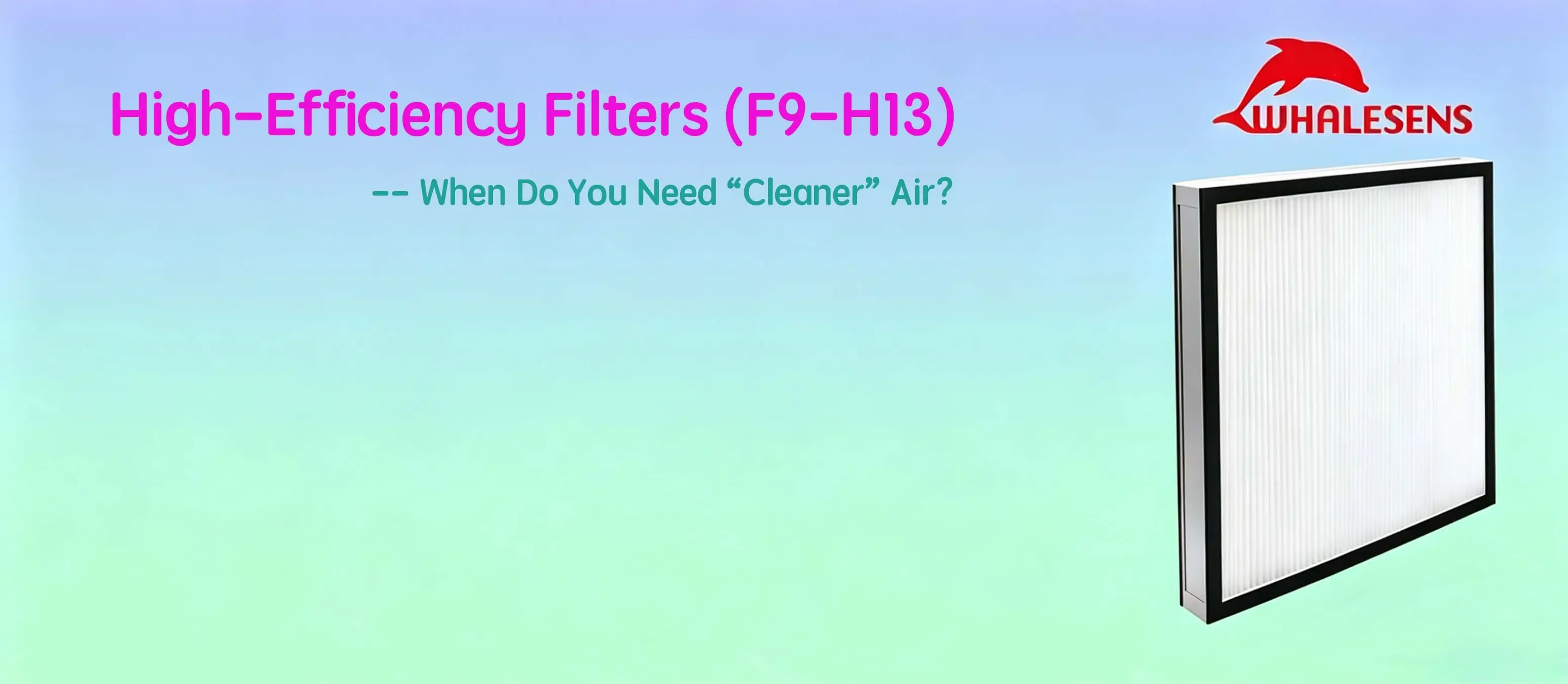
≥99.97% filtration efficiency for particles ≥0.3 μm, delivering sterile-grade clean air widely used in medical, pharmaceutical, and electronics manufacturing.
View Related Products →Sub-Micron Particle Capture
≥99.9995% efficiency for particles ≥0.12 μm, meeting the extreme cleanliness demands of semiconductor fabs, aerospace, and other ultra-precision applications.
View Related Products →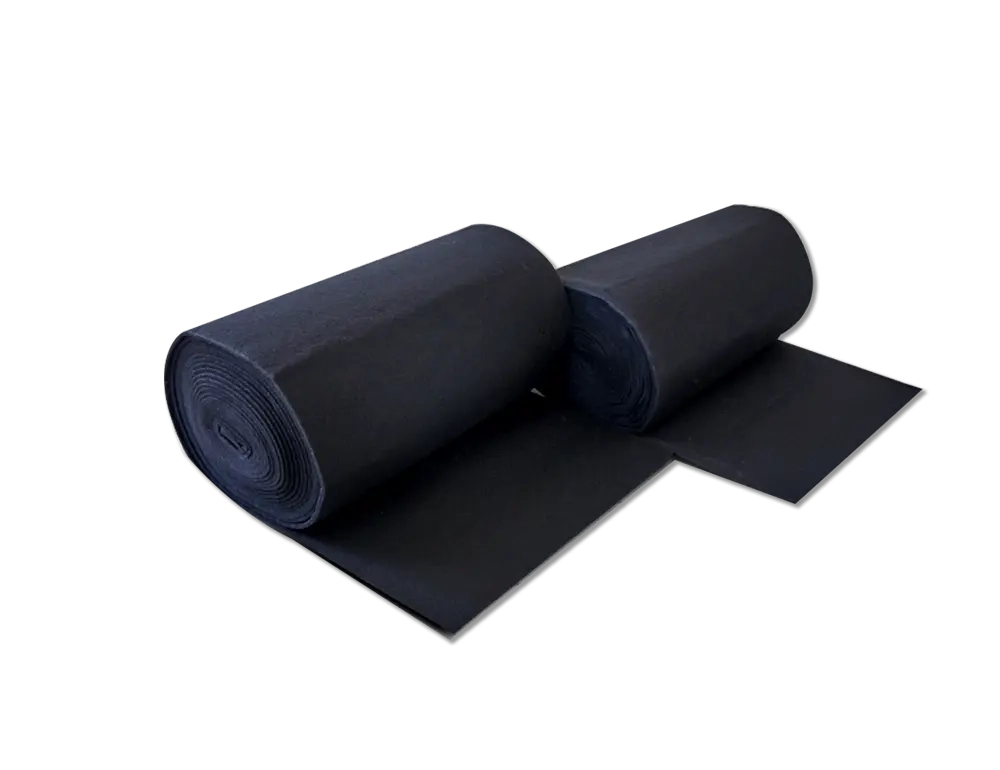
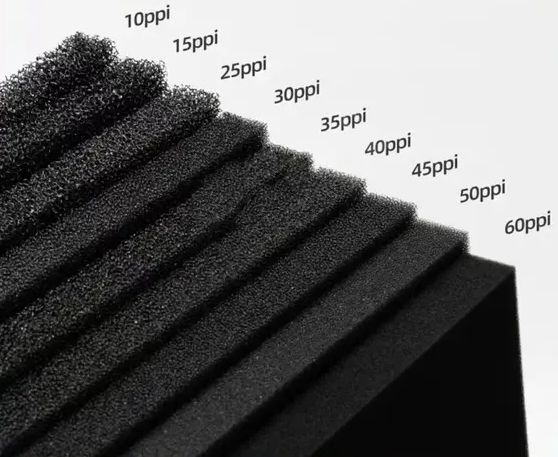
High-Temperature Resistant
Industrial-Grade Heat Tolerance
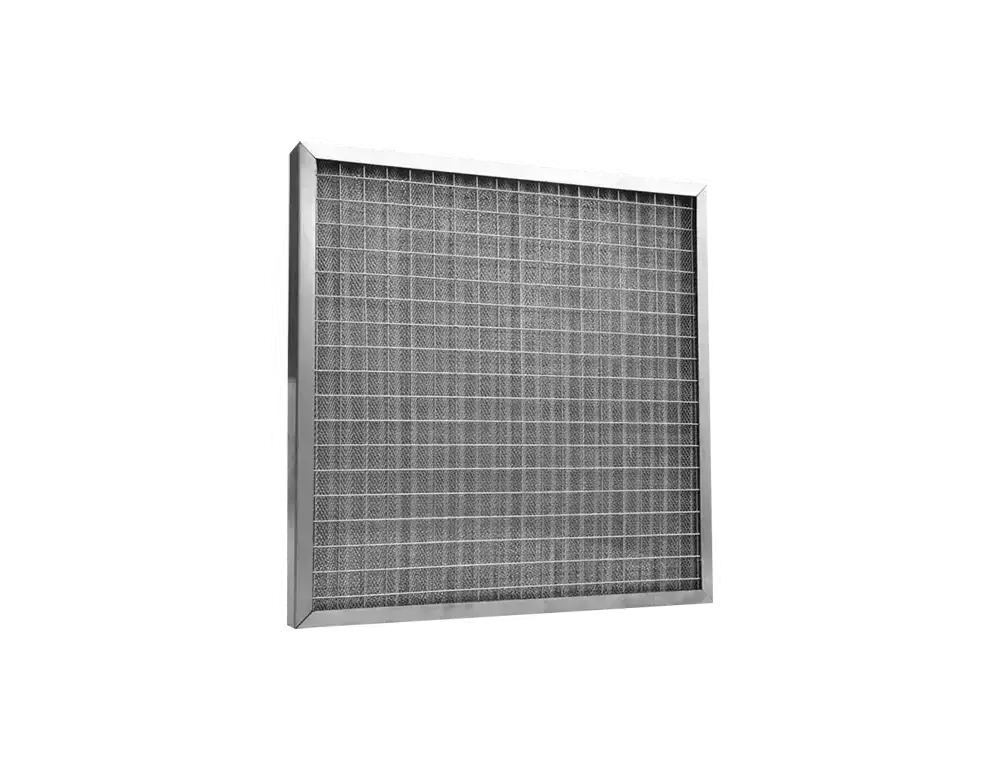
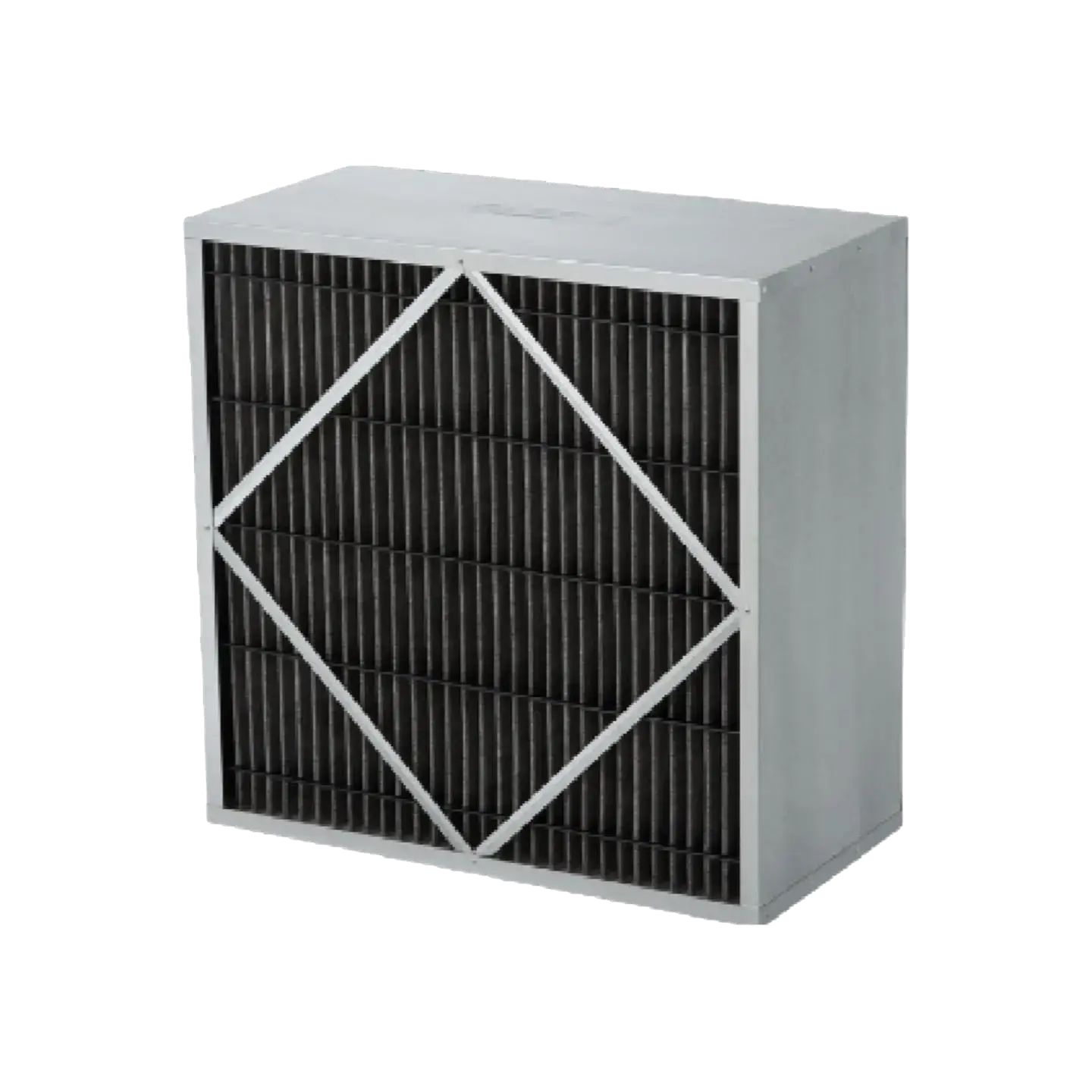
Washable & Reusable
Cut Costs, Reduce Waste
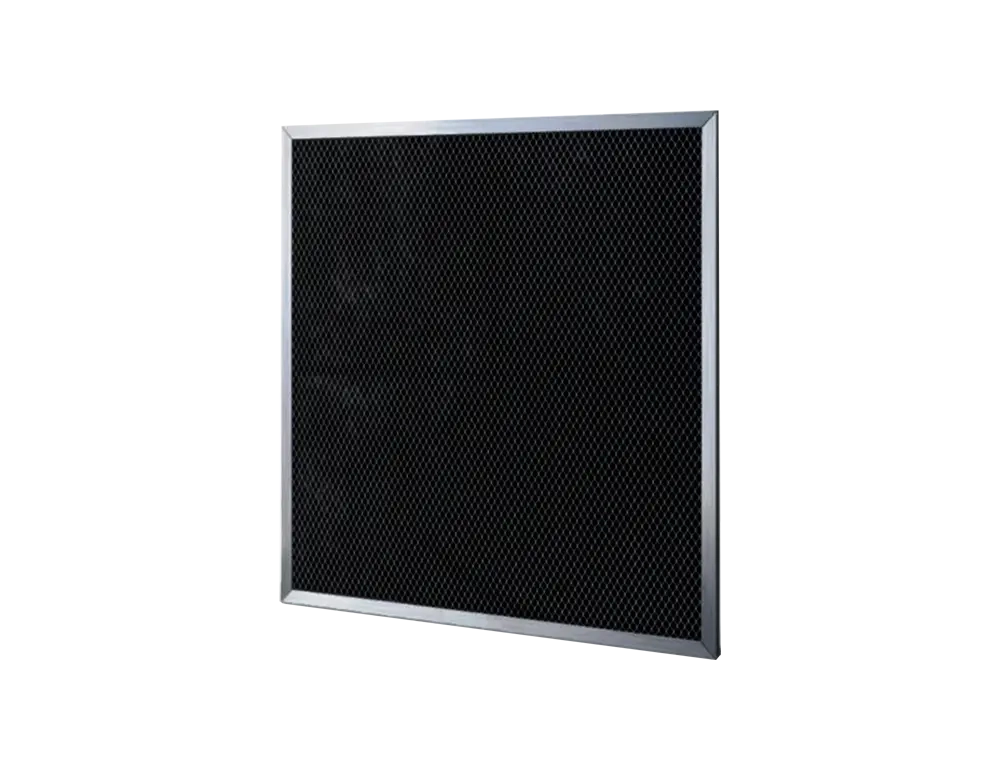
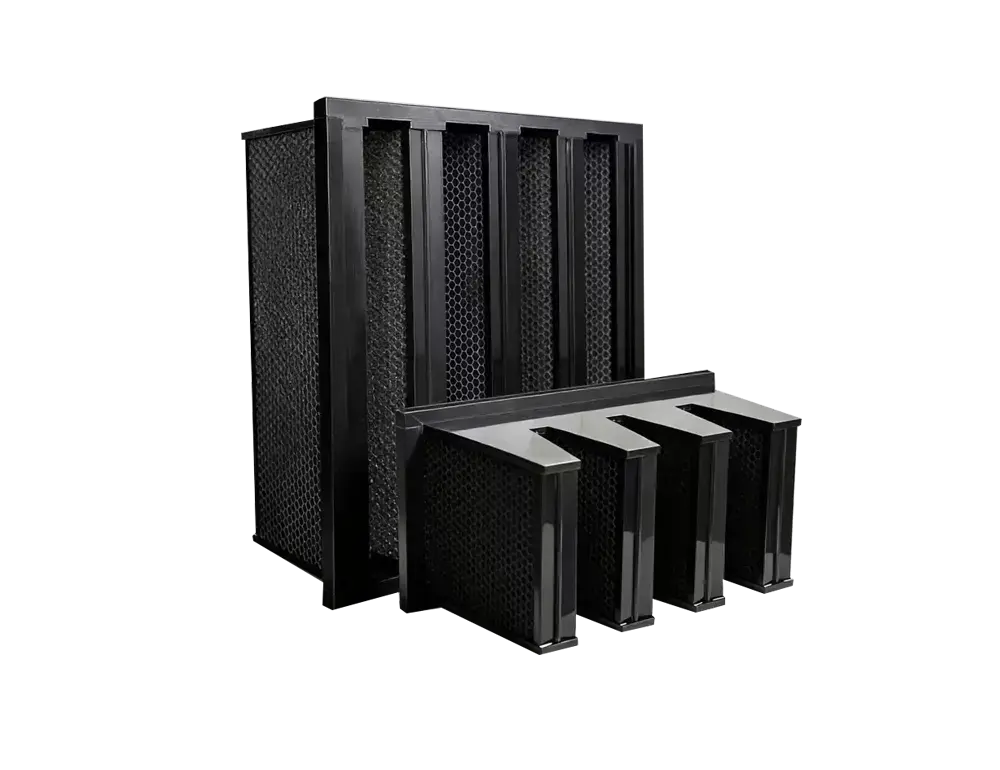
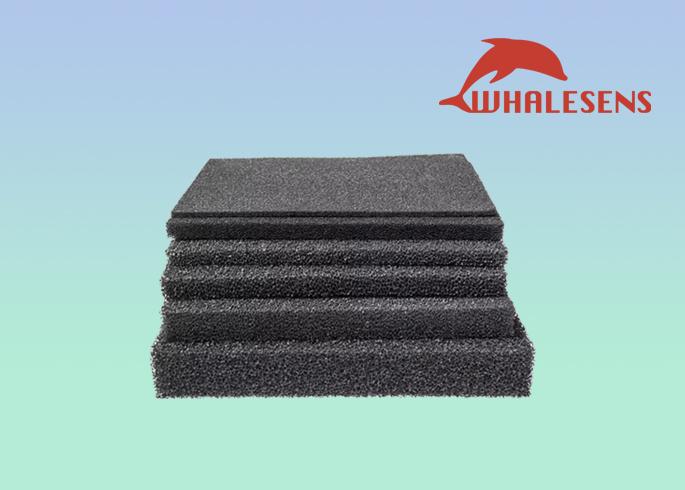
Activated Carbon
Odor & Harmful Gas Removal
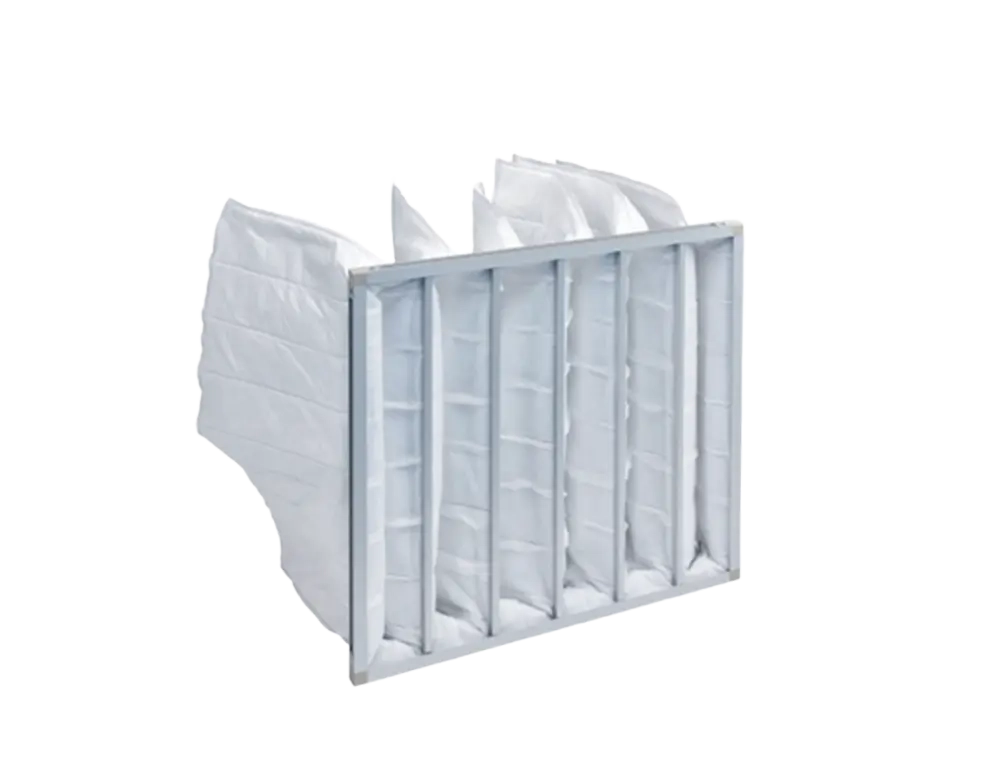
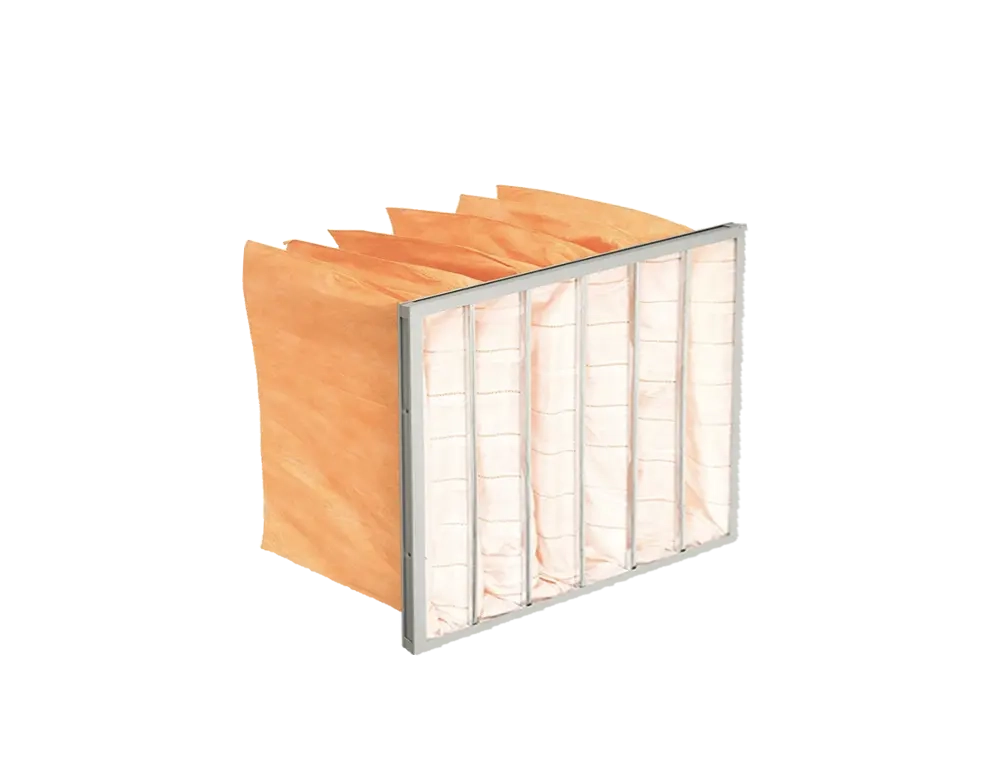
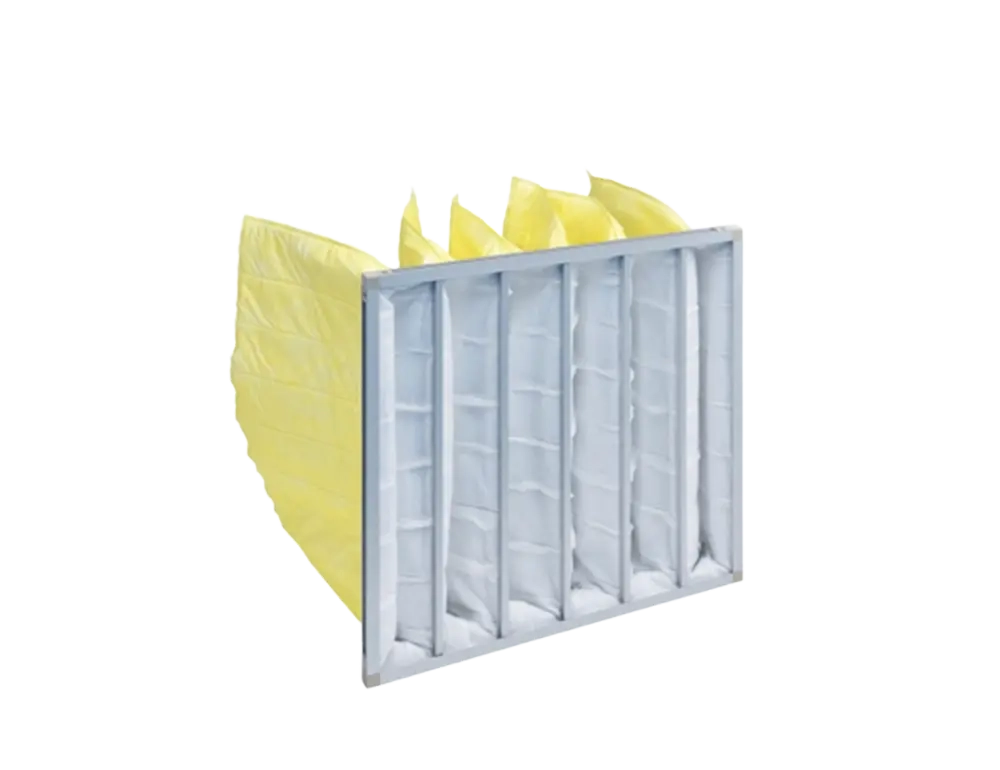
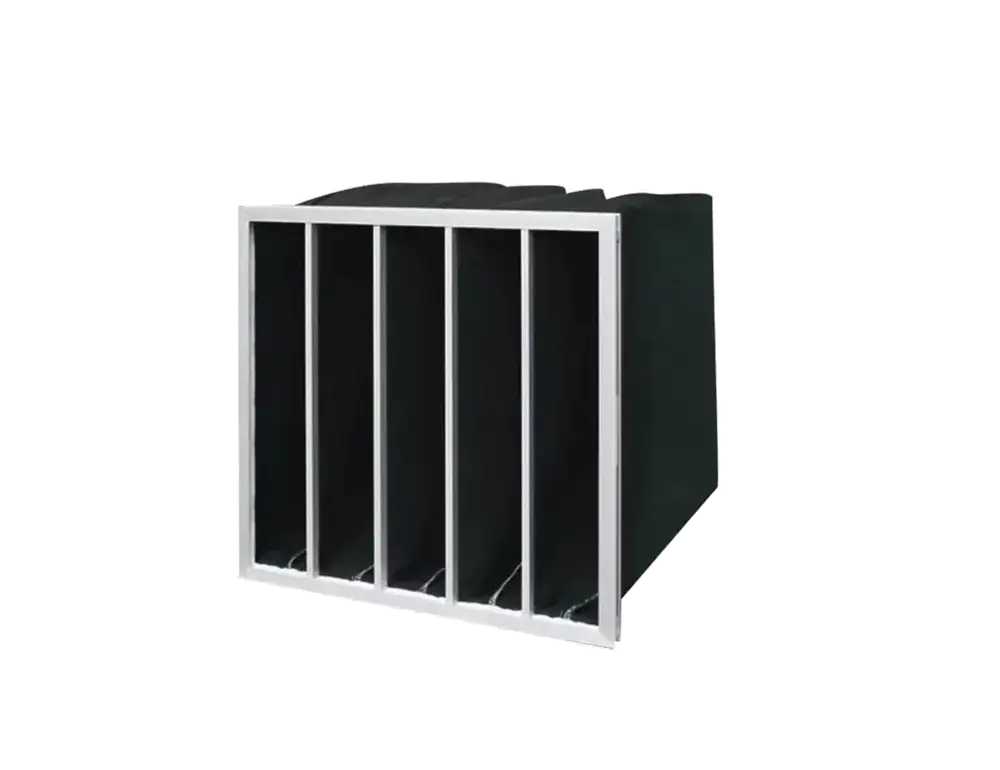
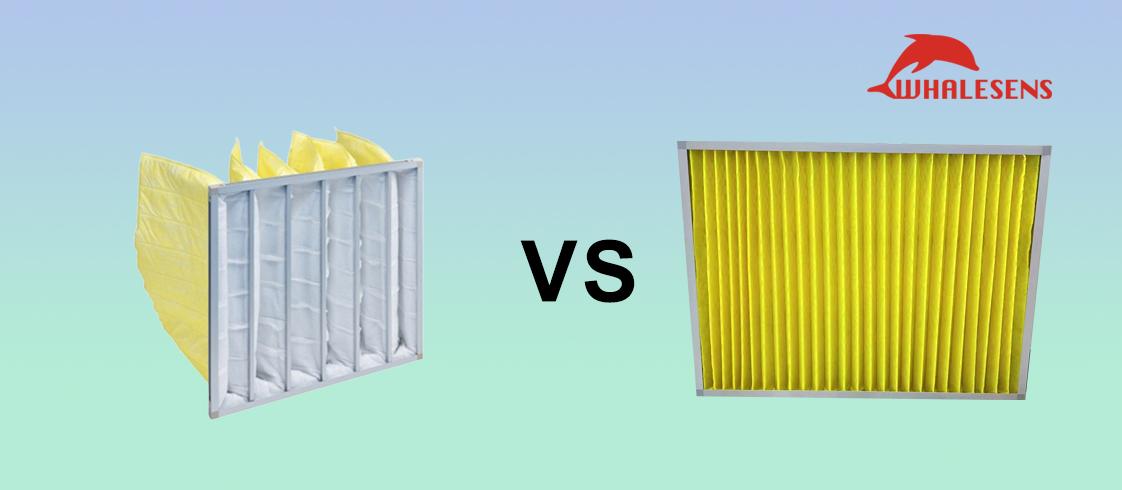
Bag Filter
High Dust-Holding, Long Life
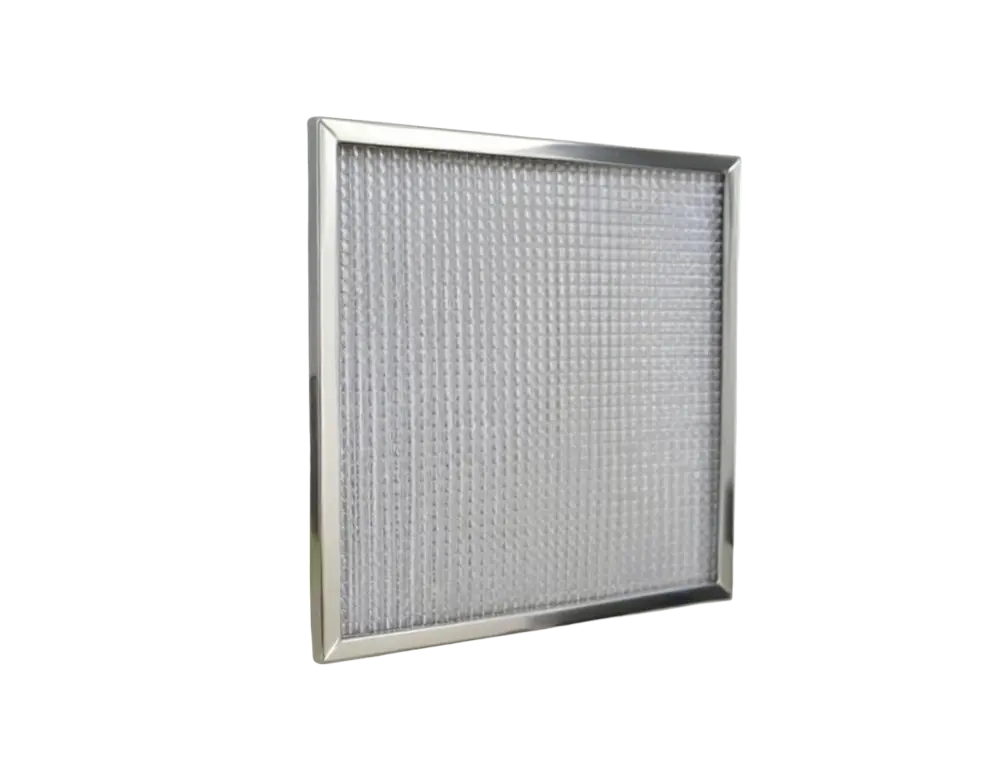
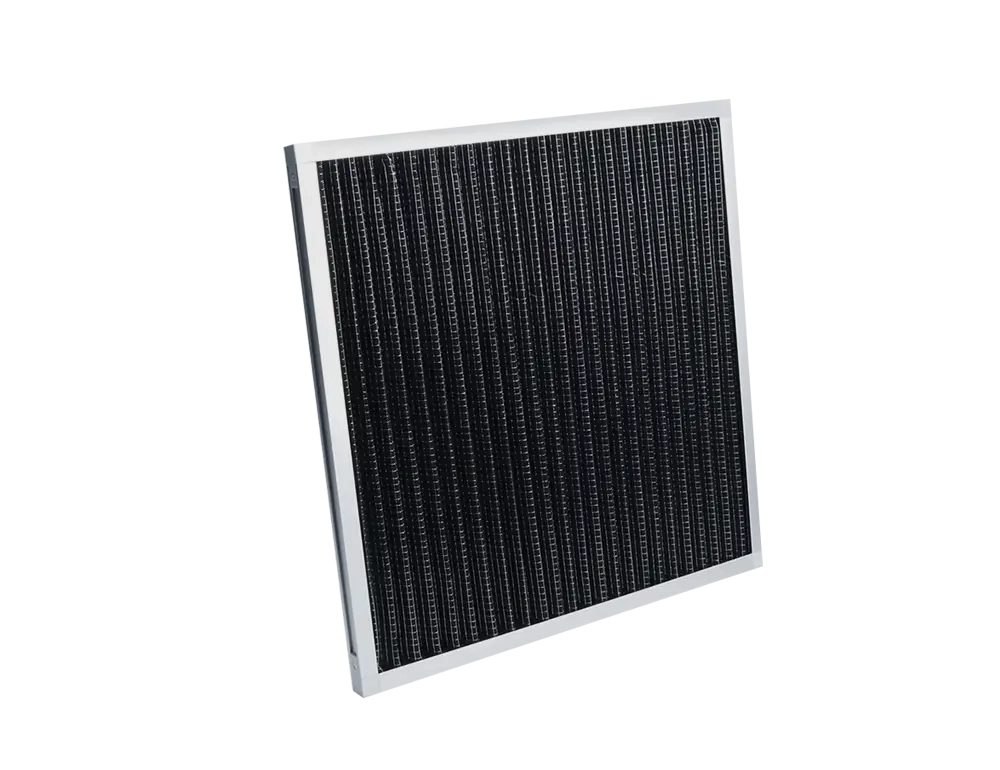
Panel / Pleated Filter
Compact Space-Saving Design
Low-Resistance Airflow
Energy-Saving Operation
Industrial-Grade Heat Tolerance
Built with specialized heat-resistant materials, operating stably up to 250°C for paint ovens, industrial dryers, and high-temperature process environments.
View Related Products →Cut Costs, Reduce Waste
Cleanable by water washing or air blowing, reusable multiple times to significantly reduce replacement frequency and O&M costs — an economical, eco-friendly choice.
View Related Products →Odor & Harmful Gas Removal
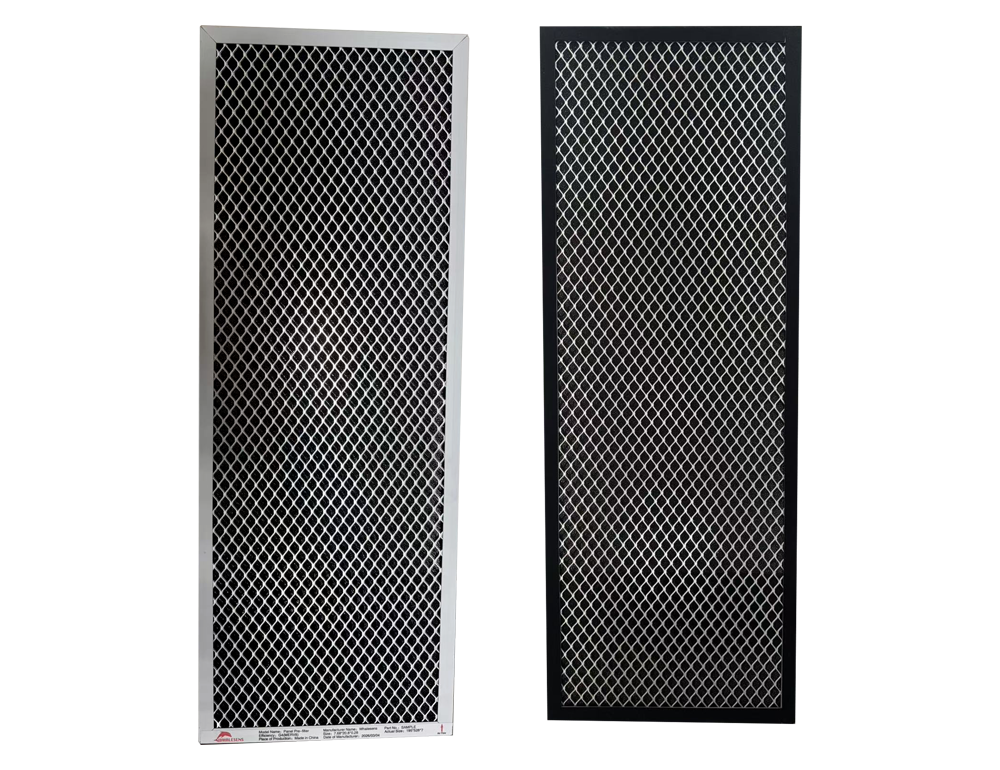
Leverages activated carbon's high adsorption capacity to eliminate odors, VOCs, and formaldehyde, ideal for newly renovated spaces and industrial exhaust treatment.
View Related Products →High Dust-Holding, Long Life
Bag-style construction delivers a larger filtration area, high dust-holding capacity, and extended service life — ideal for high-dust environments with reduced replacement frequency.
View Related Products →Compact Space-Saving Design
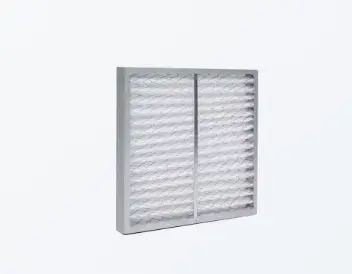
Compact form factor for easy installation and replacement; pleated structure maximizes filtration area within a small footprint for higher efficiency.
View Related Products →Energy-Saving Operation
Low-resistance design minimizes pressure drop while maintaining filtration performance, reducing fan energy consumption for cost-effective, eco-friendly operation.
View Related Products →














 English(Global)
 简体中文
简体中文 Language




Air Filtration for AI Data Centers: A Complete Selection & Customization Guide
Introduction
The training of large AI models and the operation of high-density GPU clusters have drastically raised the cleanliness requirements for data centers. Dust particles and oil mist as small as 0.3 microns in the air can cause short circuits in chips, increasing equipment failure rates by up to 40%. Traditional air filters often fail to adapt to the narrow ventilation pathways and dynamic computing power demands of these facilities. Many industrial buyers fall into the trap of "prioritizing brand over fit" and "overlooking customization needs," ultimately facing issues like insufficient filtration efficiency or excessive energy consumption.
This guide is specifically designed for AI data center purchasers and operations engineers. It breaks down the core air filtration requirements of AI server rooms, provides a complete framework from selection criteria to customized solutions, and helps you avoid common pitfalls to choose air filters that offer stability, efficiency, and cost advantages.
What is an AI Data Center Air Filter? How Does It Differ from Traditional Filters?
An AI data center air filter is a specialized purification device engineered for high-density computing environments. Its core functions are to capture micron-scale pollutants, balance ventilation and heat dissipation efficiency, and ensure the continuous operation of core equipment like GPU clusters. Compared to filters for traditional data centers, the differences are primarily threefold:
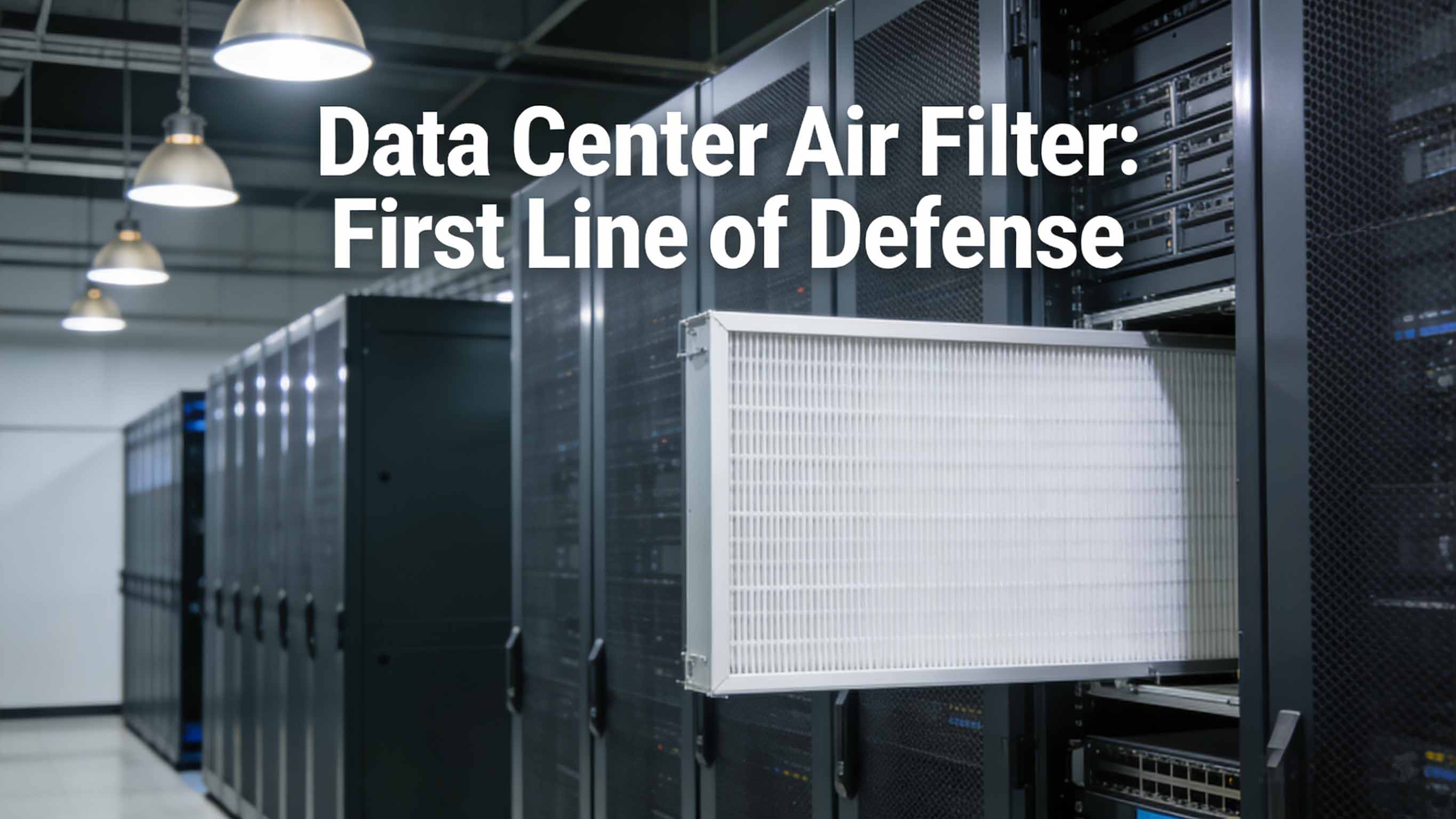
- 🔹Higher Adaptability Requirements: AI server rooms feature cabinet densities exceeding 20kW per rack, with extremely narrow ventilation channels. This demands ultra-thin, non-standard custom sizes (e.g., panel filters with a thickness of ≤50mm), whereas traditional filters are mostly standardized off-the-shelf products.
- 🔹Dynamic Adjustment Capability: AI computing power demand fluctuates significantly (peak-to-trough load differences can reach 3x). Filters must support dynamic adjustment of airflow velocity and filtration intensity, while traditional filters operate at fixed parameters.
- 🔹Stricter Reliability Standards: Downtime of just one hour during AI model training can result in millions of dollars in losses. Therefore, AI-specific filters require a service life of ≥6 months, along with superior sealing performance and high-humidity resistance.
A user on the Reddit Data Center Operations community commented: "Traditional medium-efficiency bag filters lasted only 3 months in our AI room before excessive resistance caused heat dissipation failures. Switching to a product with customized filter media finally solved the problem." This perfectly illustrates the critical difference between AI-specific and traditional filters.
How to Select Air Filters for AI Data Centers? 6 Key Steps
Step 1: Define Core Metrics for Cleanliness and Computing Density
First, determine the cleanliness class according to the EN 1822 standard: GPU cluster zones require H13 grade or higher (≥99.95% efficiency for 0.3μm particles). Support areas can use medium-efficiency bag filters (efficiency: 85%-95%). Next, calculate ventilation volume based on cabinet power, ensuring filter face velocity is controlled between 1.27-2.54 m/s to avoid resistance impeding heat dissipation.
Step 2: Match Filtration Stages to Application Scenarios
Adopt a 3-stage architecture: Panel Filter + Medium-Efficiency Bag Filter + H13 HEPA Filter.
- ✅Fresh Air Intake: Use customized panel filters to capture large dust particles and protect downstream equipment.
- ✅Return Air System: Equip with medium-efficiency bag filters to deeply remove 1-10μm particulate matter, reducing the load on HEPA filters.
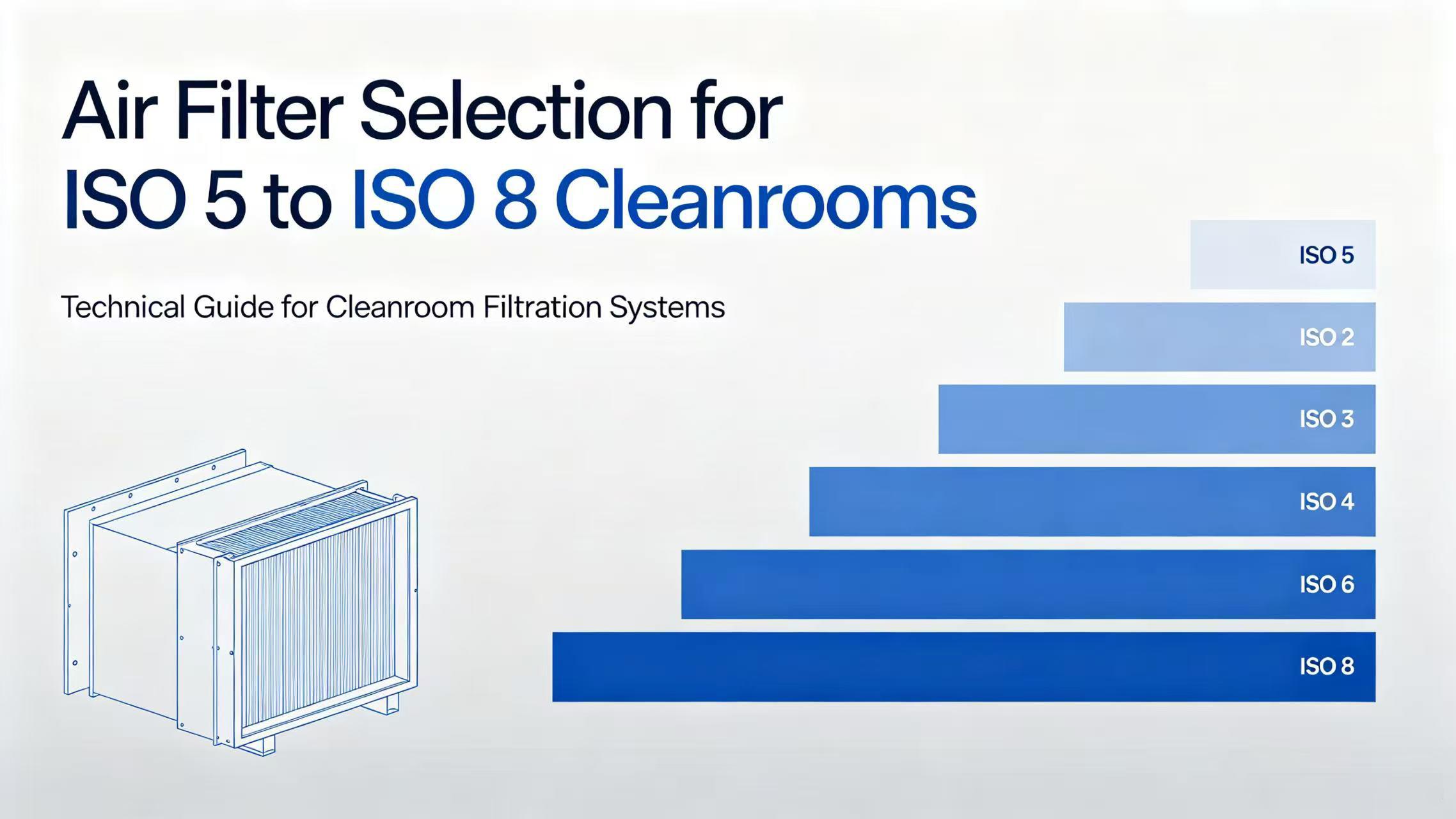
- ✅Core Server Room: Deploy HEPA filters to capture fine pollutants, meeting the ISO 14644-1 Class 5 standard.
Step 3: Confirm Customization Parameters (Size, Material, Smart Features)
Size: Customize non-standard length and width based on ventilation ducts and cabinet layout; ultra-thin designs fit confined spaces. Material: For high-humidity environments, choose silicone sealing + aluminum foil separators. For corrosive environments, use stainless steel frames + neoprene. Smart Features: Integrate differential pressure sensors and temperature/humidity modules, enabling linkage with AI data center monitoring platforms.
Step 4: Verify Key Performance Indicators (Avoid Pitfalls)
Focus on verifying 3 critical parameters to avoid false "high-efficiency, low-resistance" claims: Initial Resistance: H13 grade ≤250Pa. Dust Holding Capacity: Medium-efficiency ≥200g/m². Third-Party Certifications: EN 1822 and ISO 4402 test reports.
Step 5: Evaluate Supplier's Technical Collaboration & Delivery Capability
Prioritize direct-from-factory manufacturers (e.g., Whalesens) that offer early engagement and provide pre-selection consulting to optimize filtration schemes based on room layout. Offer a customized delivery lead time of ≤4 weeks (traditional brands typically take 6-8 weeks). Support long-term supply and regular inspection services.
Step 6: Calculate Total Cost of Ownership (Not Just Purchase Price)
Beyond the initial purchase cost, factor in: Replacement Frequency: Longer service life means better value. Energy Cost: Lower resistance reduces fan and HVAC energy consumption. Downtime Loss: Stable operation avoids costly outages. The optimal choice is the one with the best overall cost performance.
Customization Case Study: Whalesens' Practice in AI Data Centers
A leading AI enterprise's GPU cluster data center faced two major challenges: High Cabinet Density (25kW/rack): Traditional filters occupied too much space, causing poor heat dissipation. Fluctuating Computing Load: Filtration efficiency could not dynamically adapt to demand.
Whalesens' Customized Solution: Ultra-Thin Panel Filters: Custom 45mm-thick filters fit narrow ventilation channels, increasing airflow by 15%. Adjustable Medium-Efficiency Bags: Variable air volume design automatically increases airflow during GPU full load and reduces energy consumption during low-demand periods. Smart Monitoring Module: Integrated AI algorithms predict filter replacement cycles, preventing unexpected failures.
Common Selection Mistakes & Solutions (FAQs)
- ⚠️Mistake 1: Prioritizing Brand Recognition Over Custom Fit. Cause: Major brands offer mostly standardized products that cannot meet the differentiated needs of AI server rooms. Solution: Evaluate suppliers based on their customization case studies and technical team response speed, not just brand name.
- ⚠️Mistake 2: Over-Pursuing High Filtration Efficiency, Ignoring Resistance & Energy Use. Cause: H14-grade filters have extremely high resistance, causing HVAC energy consumption to surge by over 30%. Solution: Implement zone-based selection. Use H13 for core zones and medium-efficiency filters for support zones to balance efficiency and energy use.
- ⚠️Mistake 3: Failing to Consider Long-Term Supply Stability. Cause: AI data centers scale rapidly; supplier capacity shortages lead to stockouts. Solution: Choose a direct-from-factory model, sign long-term supply agreements, and clarify inventory guarantee clauses.
- ⚠️Mistake 4: Engaging Suppliers Late, Limiting Optimization. Cause: Selecting filters after system design is finalized leads to mismatches with ventilation systems. Solution: Involve the manufacturer in the early project stages for selection consulting and scheme optimization.
Advanced Optimization: AI-Driven Intelligent Upgrades for Air Filtration Systems
As computing power in AI data centers continues to rise, filtration systems must evolve toward "active adaptation": AI Algorithm Dynamic Regulation: Real-time collection of particulate concentration and equipment temperature data to automatically adjust filtration parameters for "on-demand purification." Predictive Maintenance: Historical data analysis to forecast filter lifespan, enabling proactive stocking and replacement to avoid downtime. Modular Design: Interlocking filter modules to accommodate phased data center expansion. Green & Energy-Efficient Optimization: Use of recyclable filter media combined with fresh air free cooling technology to reduce carbon footprint.
An engineer on Reddit advised: "The filtration system in an AI data center should iterate in sync with the computing system. Many vendors' smart filtration technologies can now integrate into the overall DCIM platform; this is the mainstream direction for the future."
Conclusion: The Core Logic for Selecting AI Data Center Air Filters
The core principles for selecting AI data center air filters are Adaptability + Customization + Stability. The solution must meet the cleanliness demands of high-density computing, balance energy consumption and costs, and mitigate operational risks. Remember the three keys: Zone-based selection (Panel + Medium-Efficiency Bag + HEPA). Prioritize customization (size, material, smart functions). Choose direct-from-factory suppliers (technical collaboration + stable delivery).
If your AI data center is struggling with insufficient filtration efficiency, poor heat dissipation coordination, or unmet customization needs, contact the Whalesens technical team for a free selection consultation and customized solution, making air filtration the "invisible guarantee" for stable AI computing power output.
Common Air Filter Types
Bag Filters: Remove medium to large particles such as dust and pollen; ideal for livestock farms, industrial facilities, and schools.
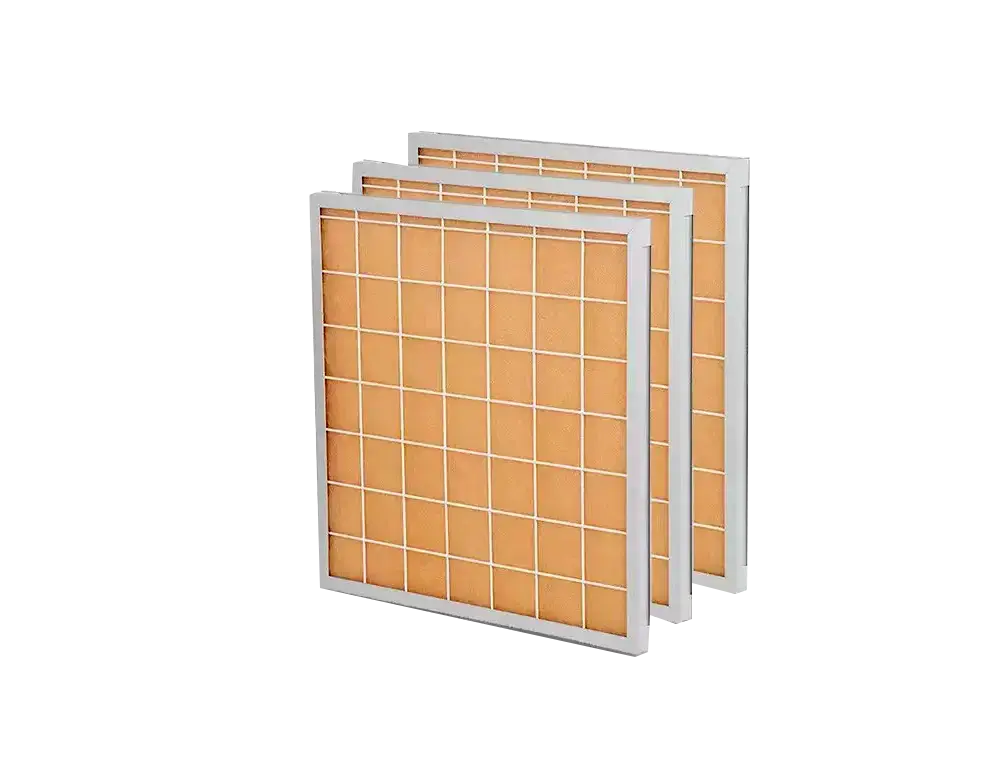
Panel Filters: Serve as primary or medium-efficiency filters to protect equipment and extend the life of high-efficiency filters.
HEPA Filters: Capture PM2.5, pollen, bacteria, and most airborne particulates; perfect for classrooms, laboratories, and medical environments.
Activated Carbon Filters: Remove gaseous pollutants, odors, and volatile organic compounds; suitable for food processing, livestock, and enclosed spaces.
Explore More Articles
- 🔍Application of Air Filters in Modern Pig Farms
- 🔍Air Filtration in Schools: A Comprehensive Guide
- 🔍Case Study: Air Filtration Solutions for Semiconductor Cleanrooms
Learn more about our innovative technologies:
🌐 Official Website: www.whalesens.com
📞 WhatsApp: (+86) 13119189886
📧 Email: whalesens@gmail.com