


EV Charging Stations
Filtration for Power Equipment
Cleanroom & Semiconductor
Ultra-High Cleanliness Filtration
Commercial HVAC
Central Air System Filtration
Data Centers
Precision Equipment Protection
Livestock & Farming
Farming Environment Purification
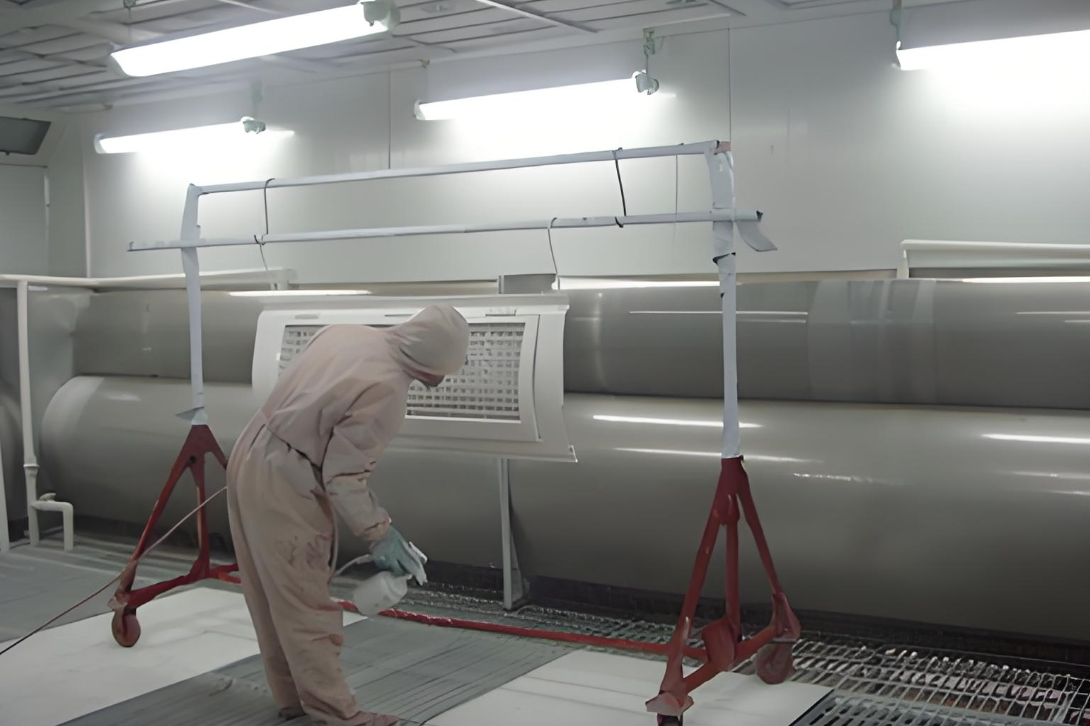
Spray Booths & Industrial Dust
Paint Mist & Dust Purification
Filtration for Power Equipment
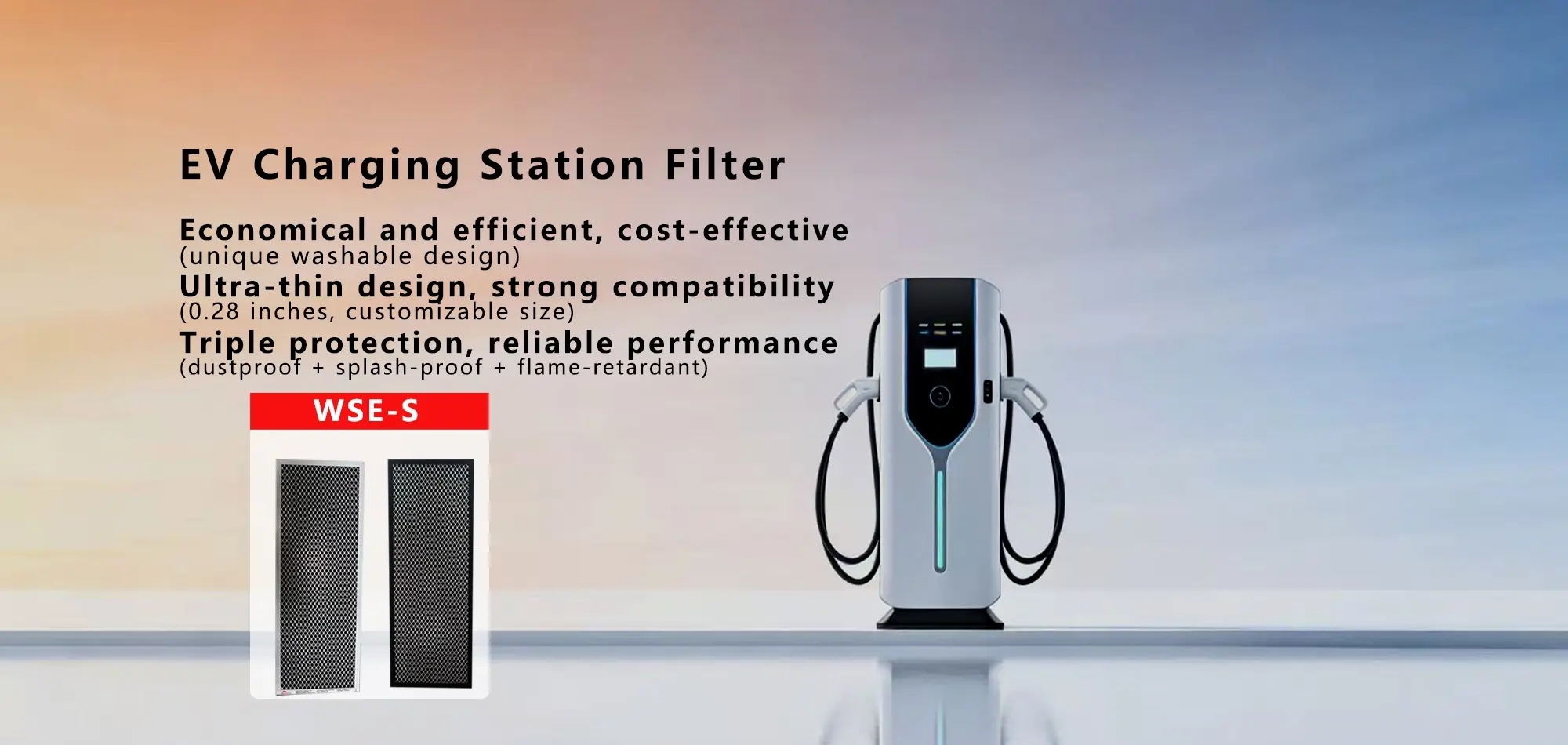
Professional air filtration for EV charging devices, protecting against dust and sand ingress to ensure stable, reliable operation of charging piles and station infrastructure.
View Related Products →Ultra-High Cleanliness Filtration
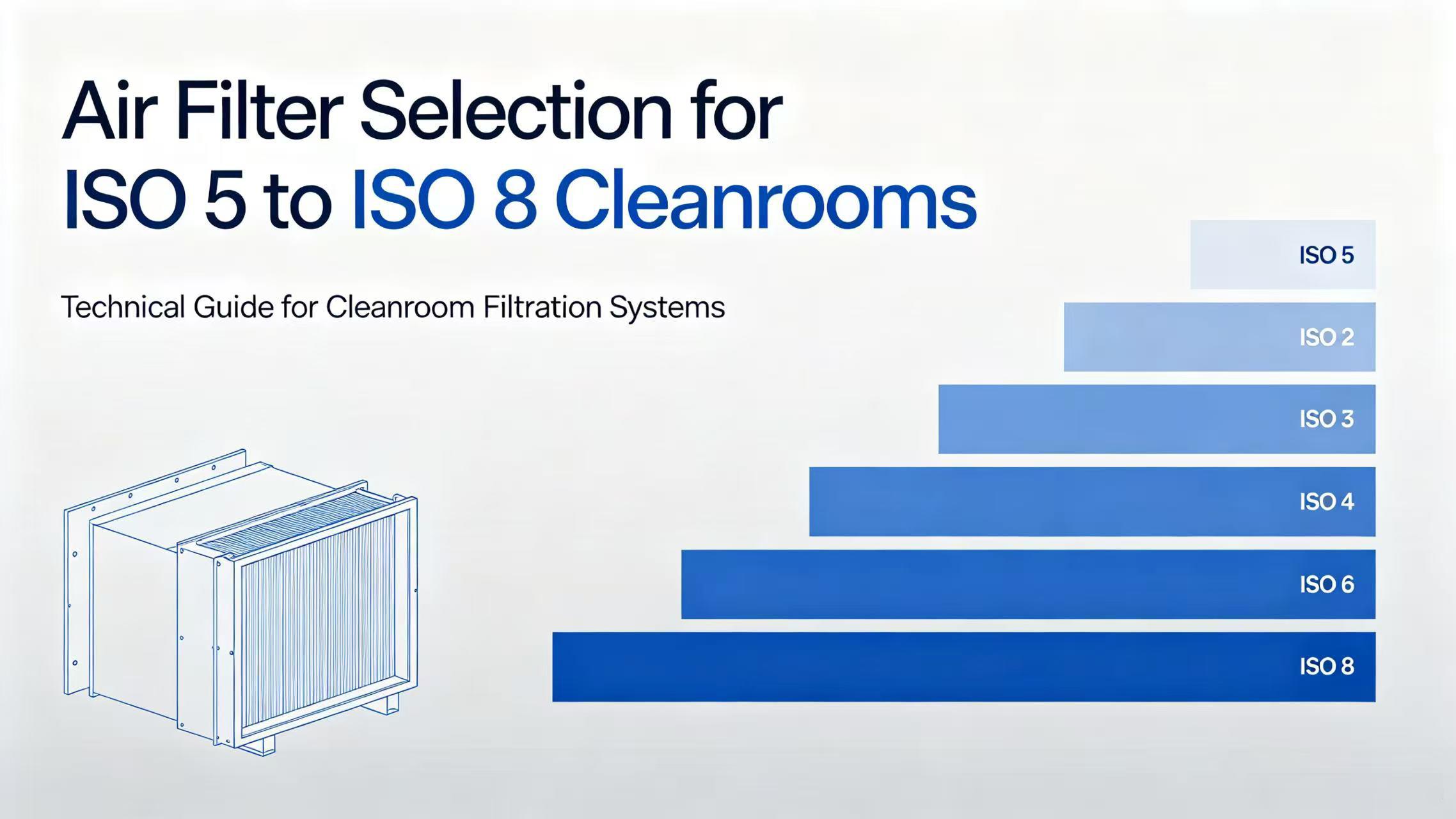
Ultra-high efficiency filtration for semiconductor wafer fabs and precision electronics cleanrooms, capturing nano-scale particles to meet ISO Class 1–3 standards and maximize product yield.
View Related Products →Central Air System Filtration
High-efficiency filtration for commercial building HVAC systems, improving indoor air quality, reducing energy consumption, and extending equipment service life.
View Related Products →Precision Equipment Protection
Precision air filtration for data centers, shielding servers and critical hardware from dust contamination to keep cooling systems running efficiently and reliably.
View Related Products →Farming Environment Purification
Dedicated filtration systems for farms and livestock facilities — capturing dust, adsorbing ammonia, and inhibiting pathogen spread to improve animal health and overall productivity.
View Related Products →Paint Mist & Dust Purification
Designed for spray booths and grinding workshops, efficiently capturing paint mist, metal dust, and wood chips to meet emission standards while protecting finished surface quality.
View Related Products →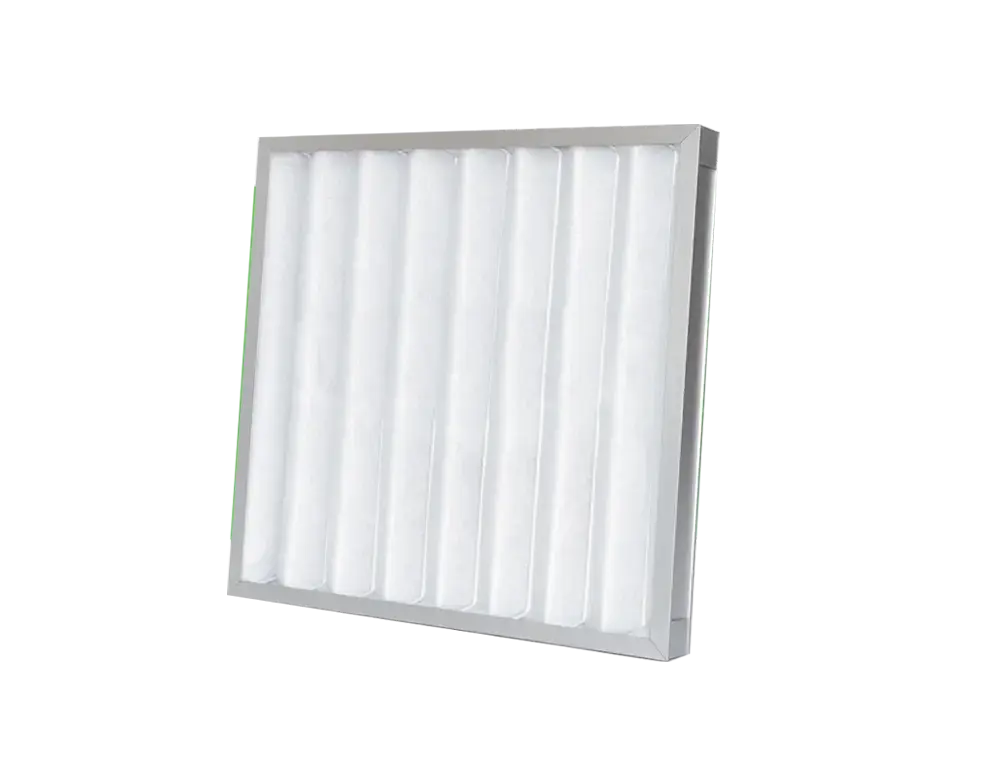



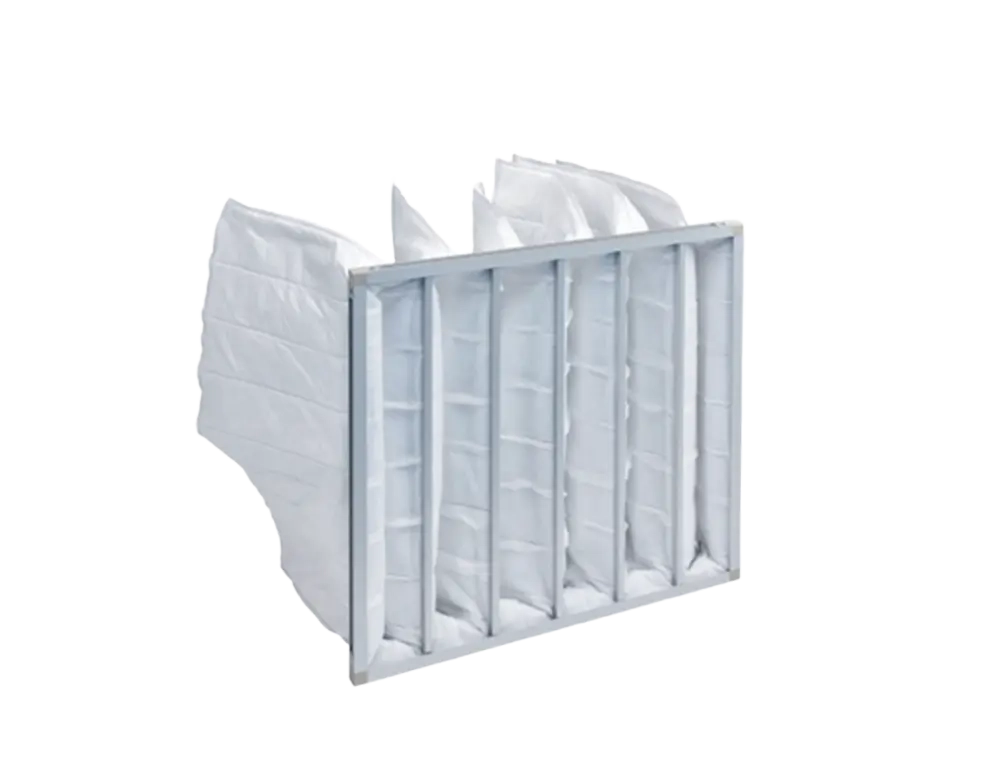
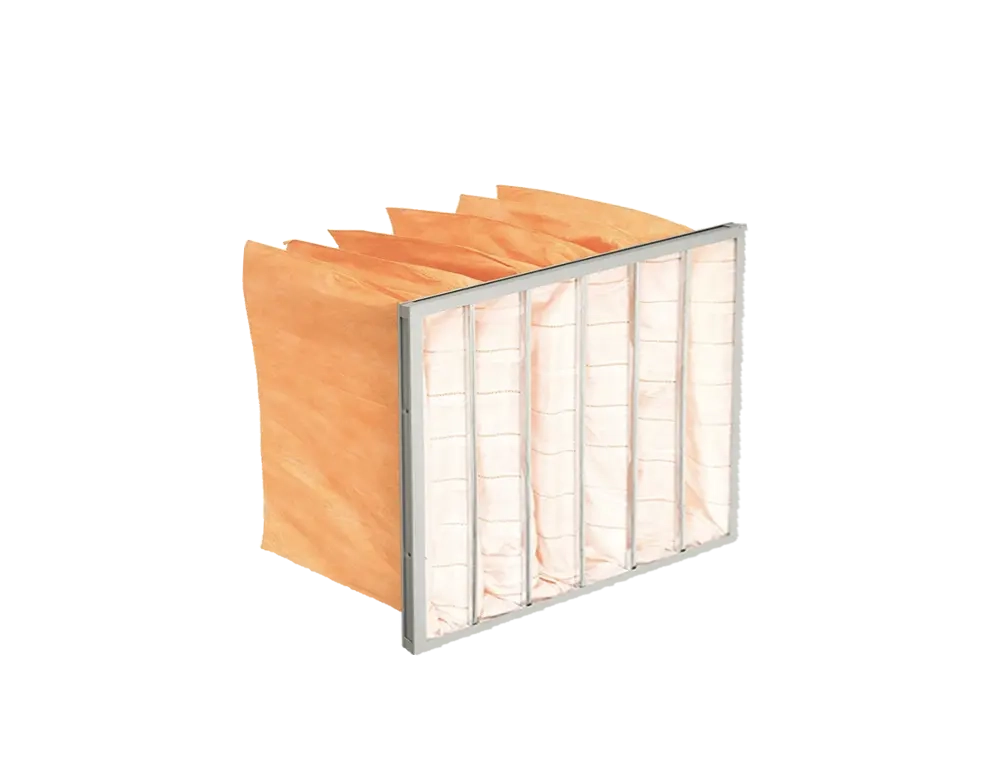
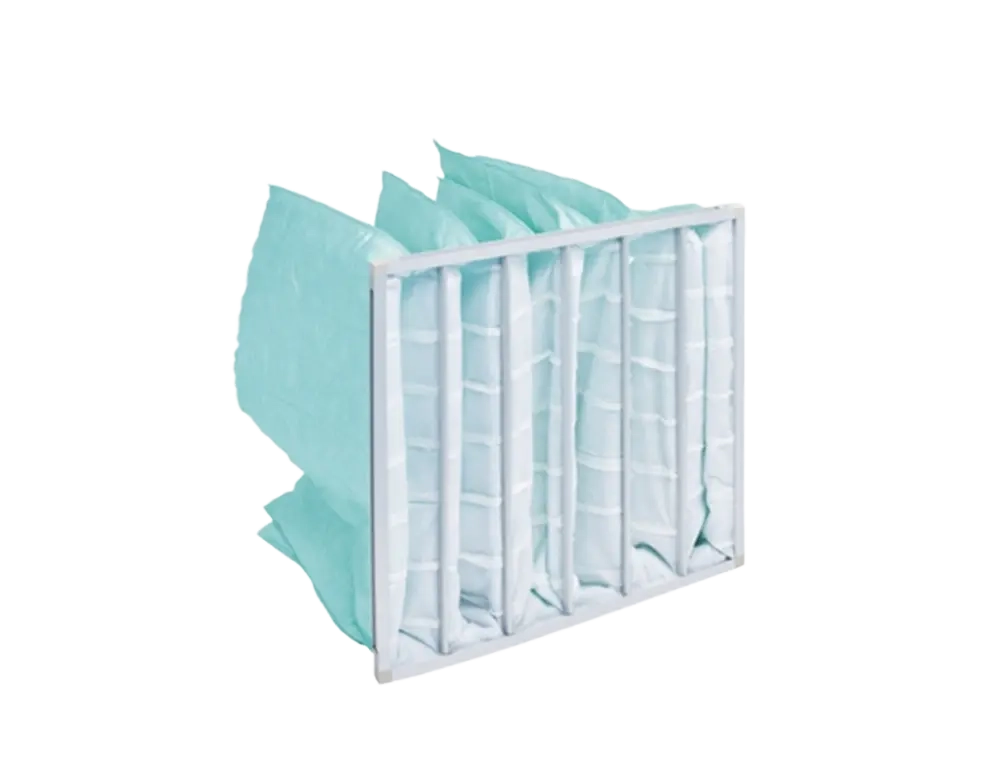
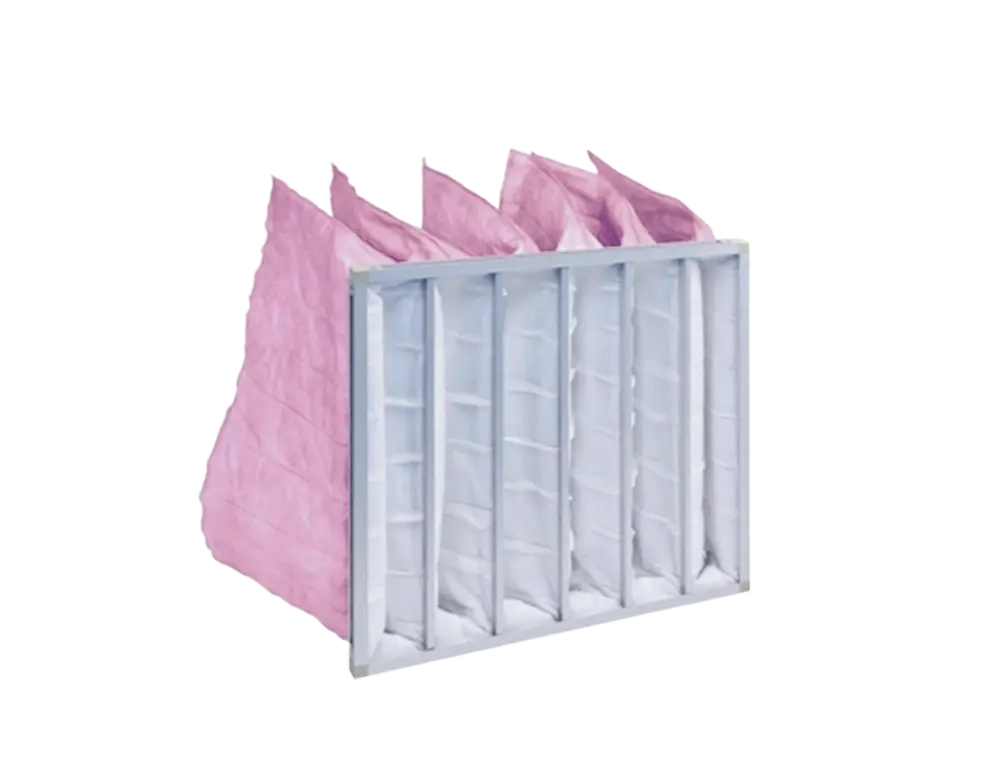
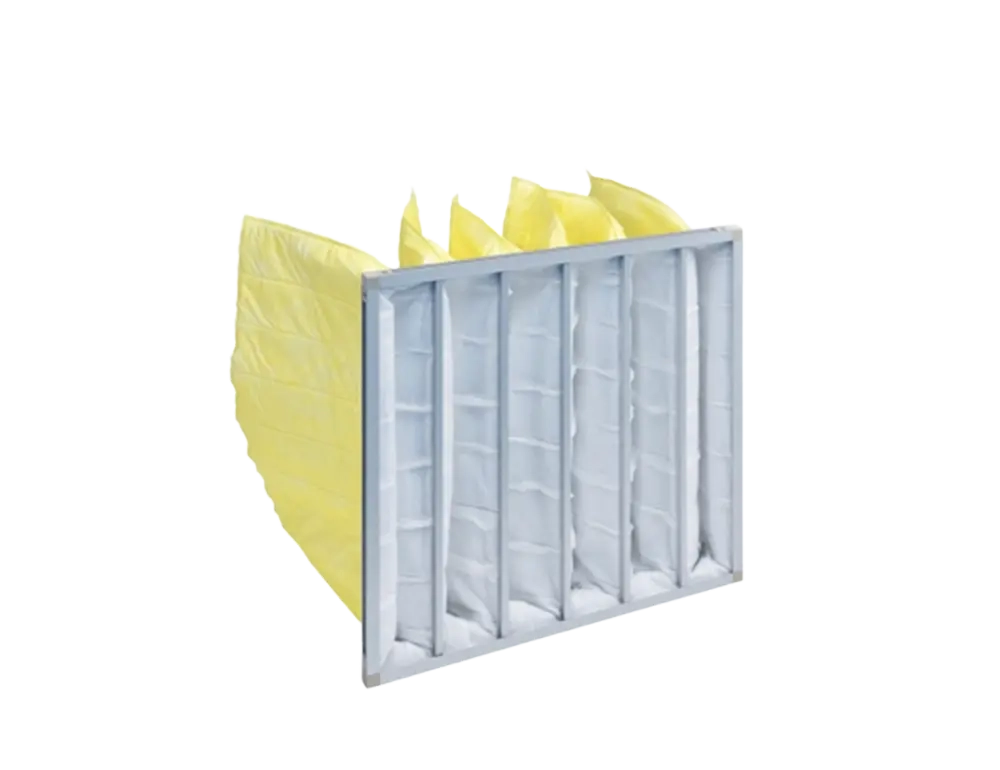

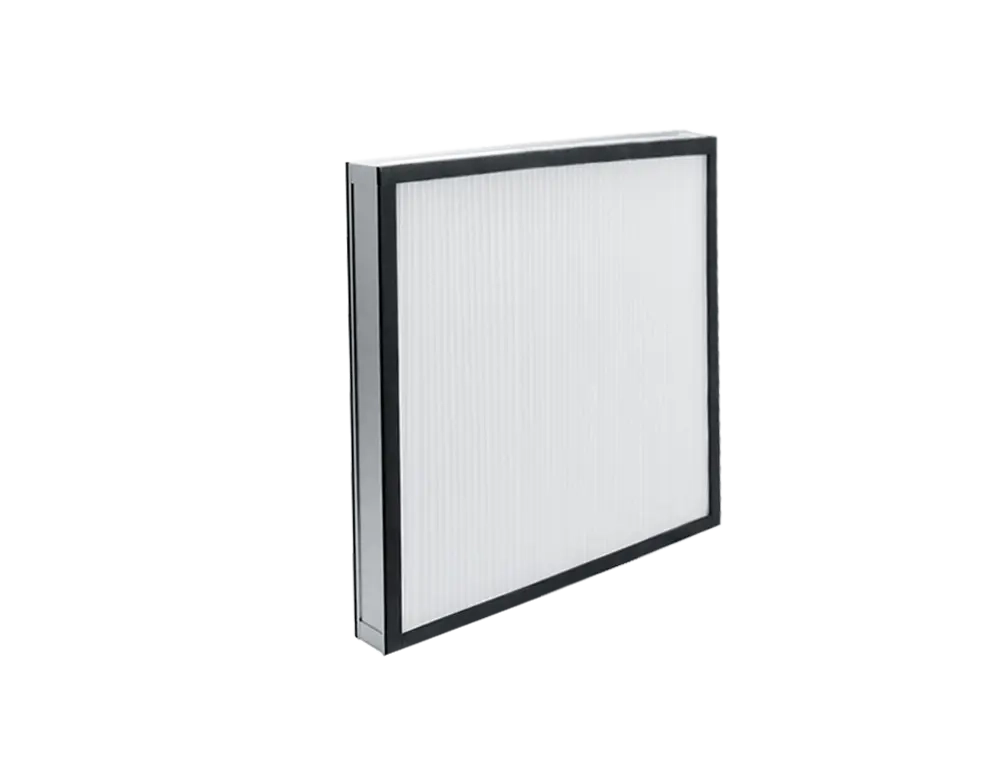
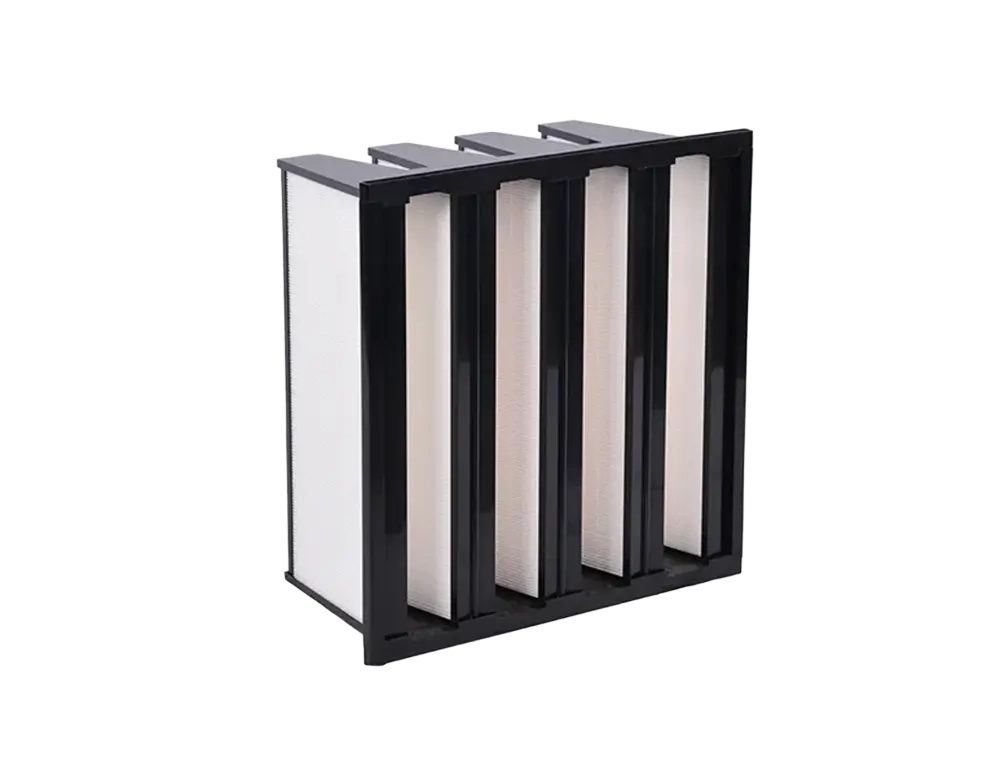
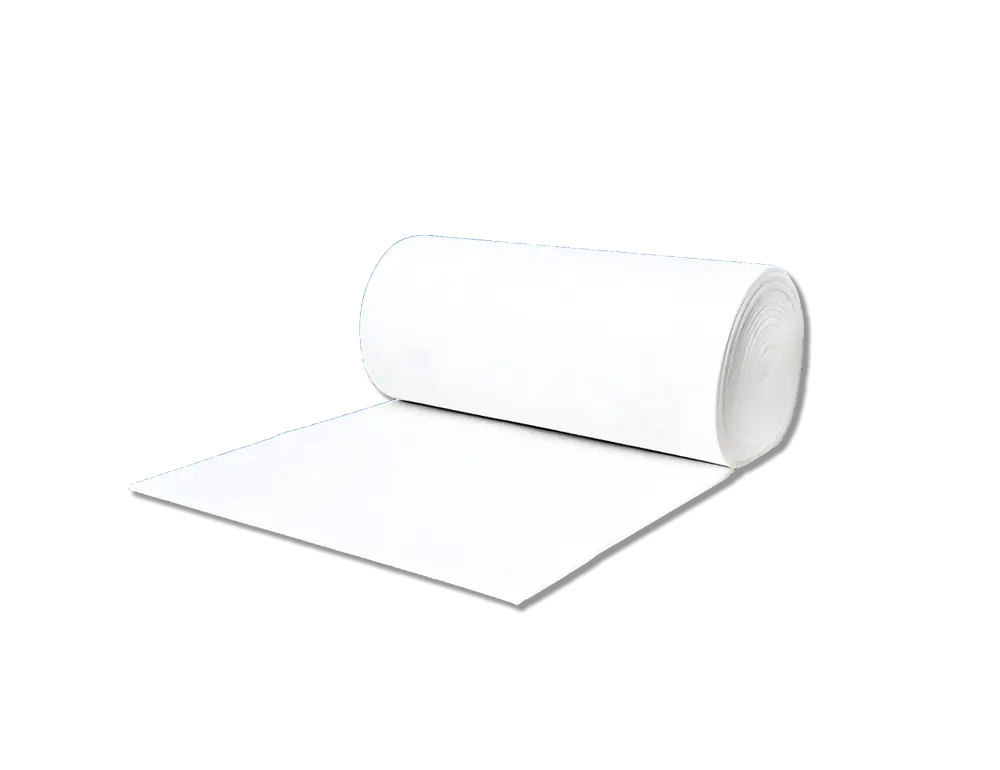
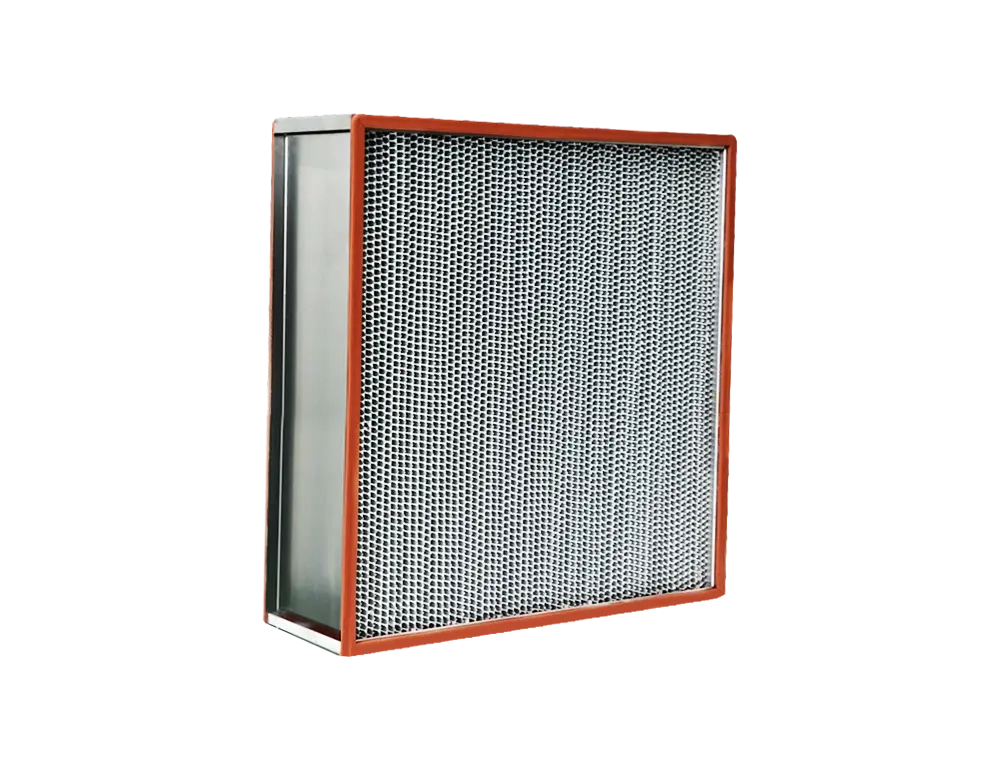
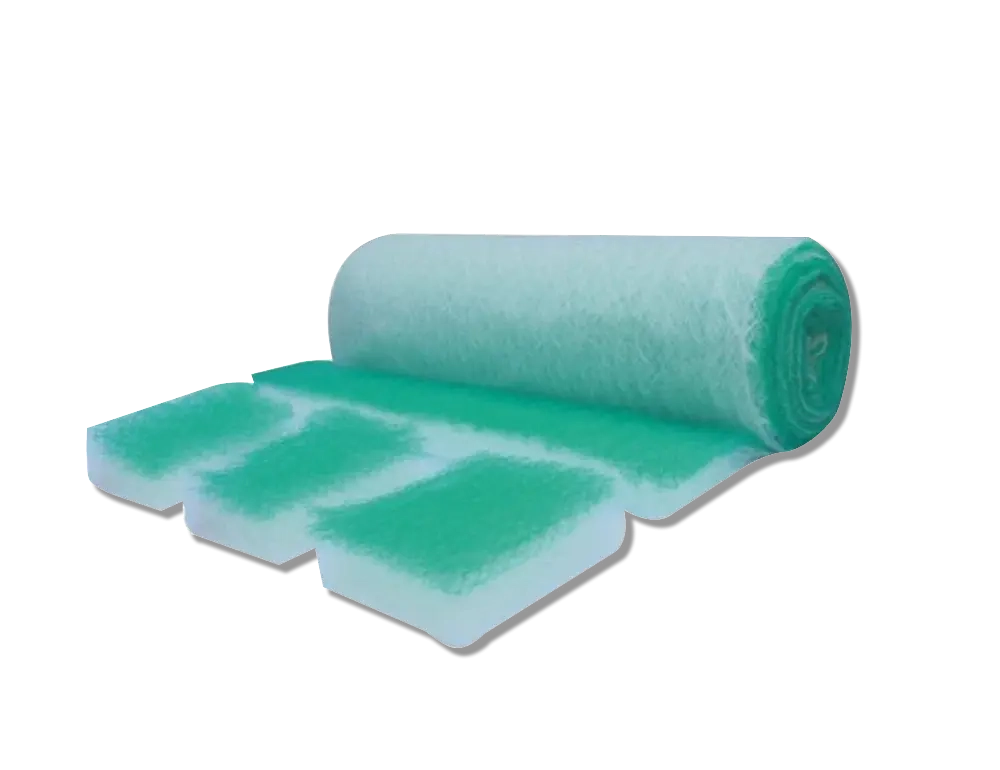
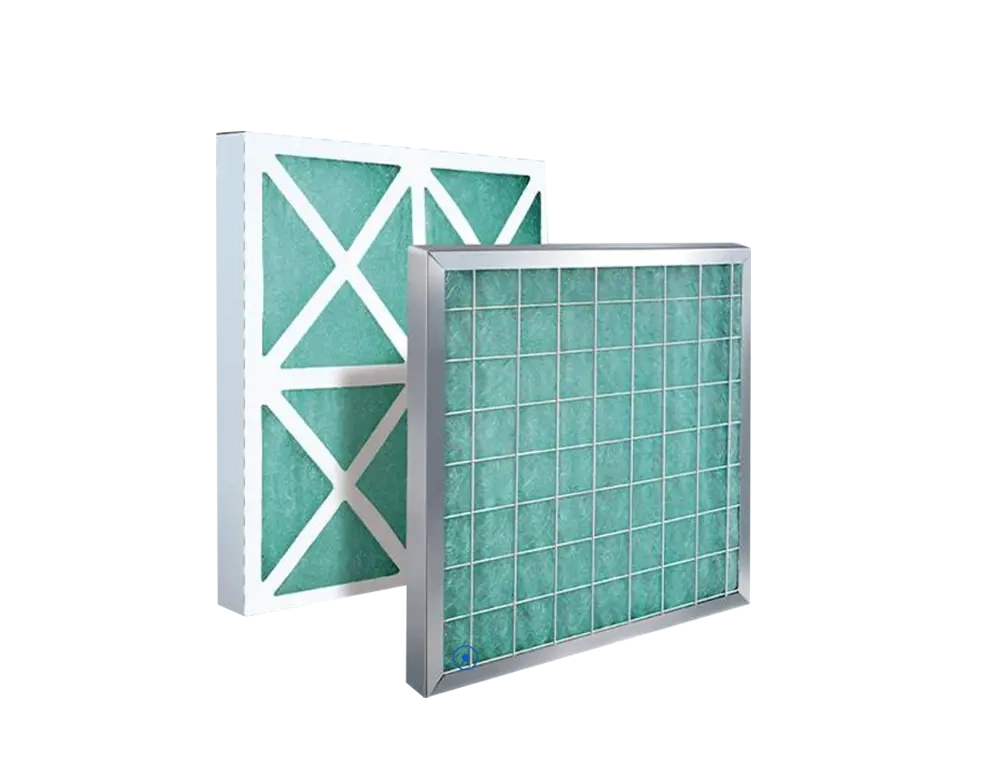
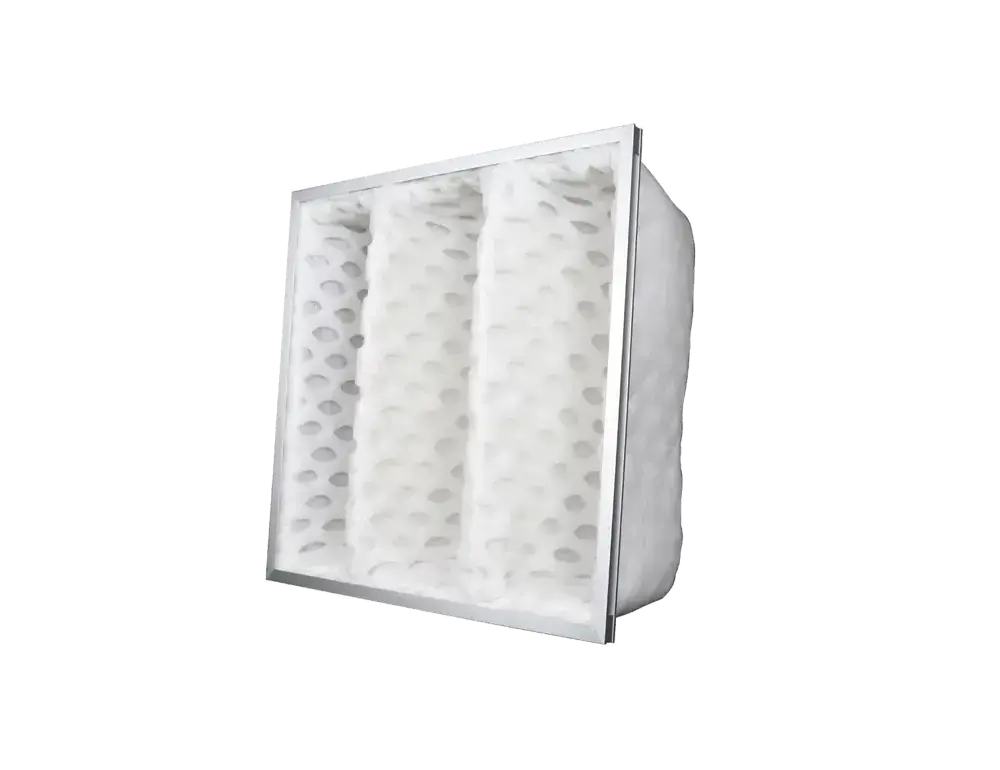
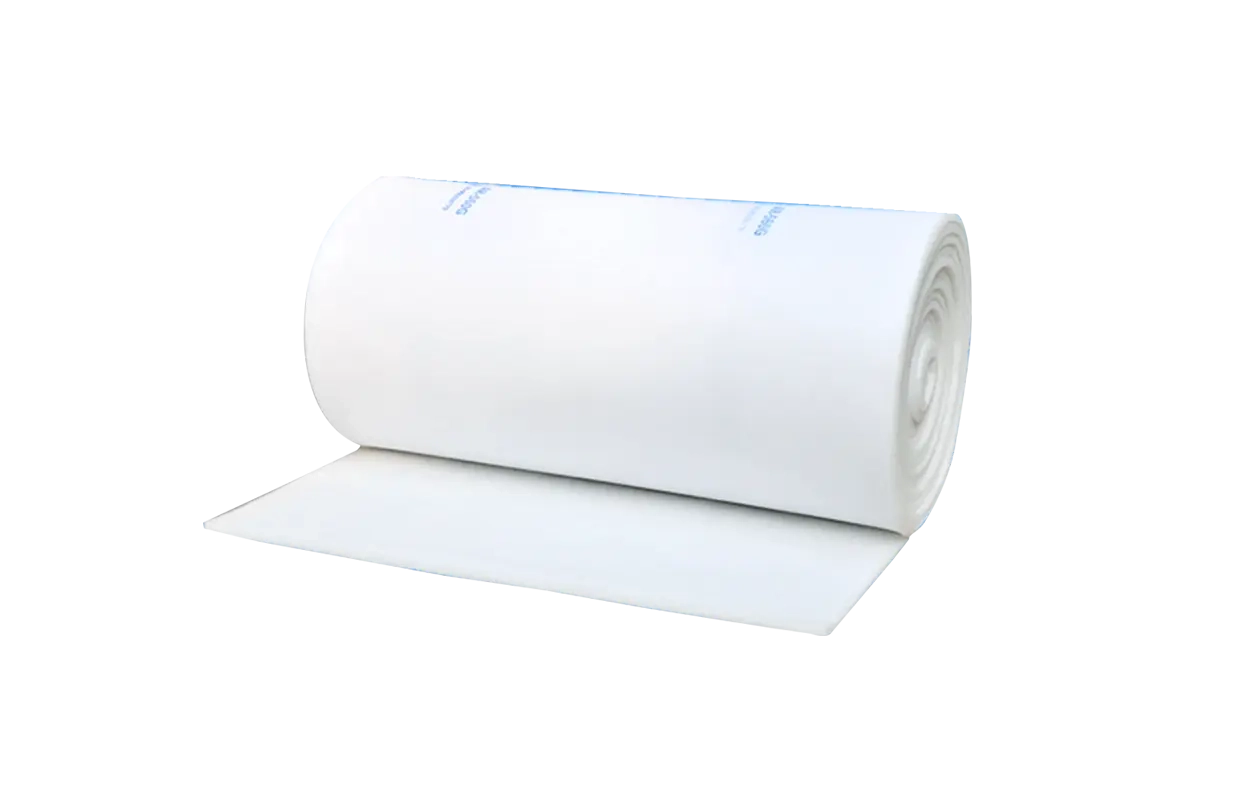
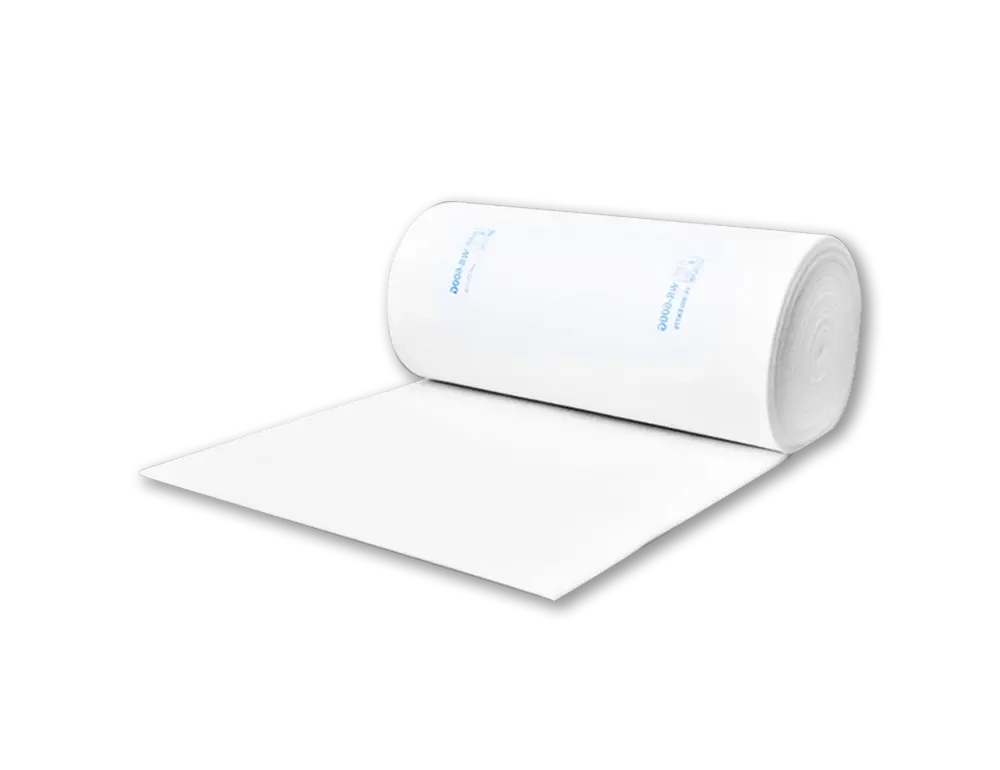
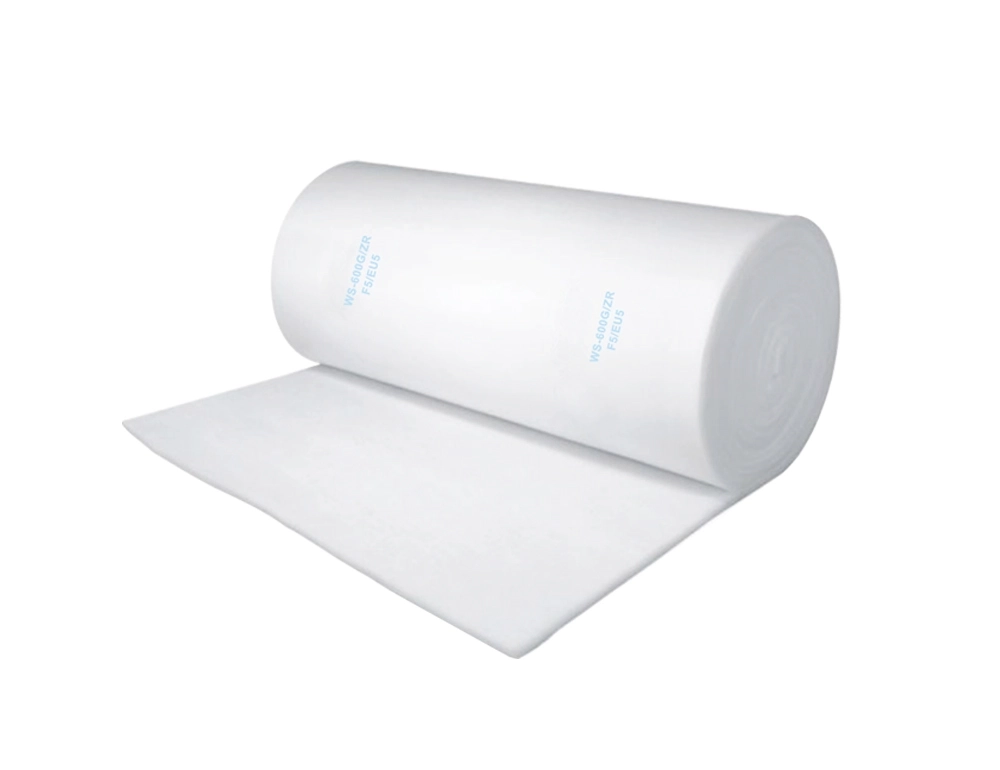
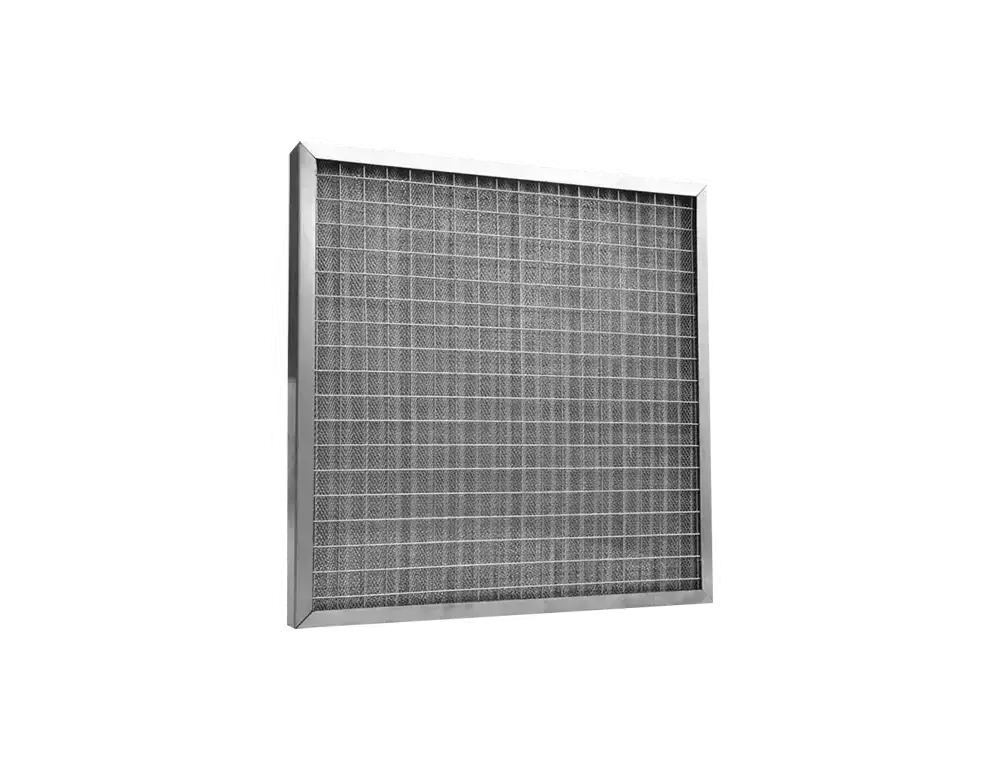
Pre-Filter (G1–G4)
First-Stage Large-Particle Capture
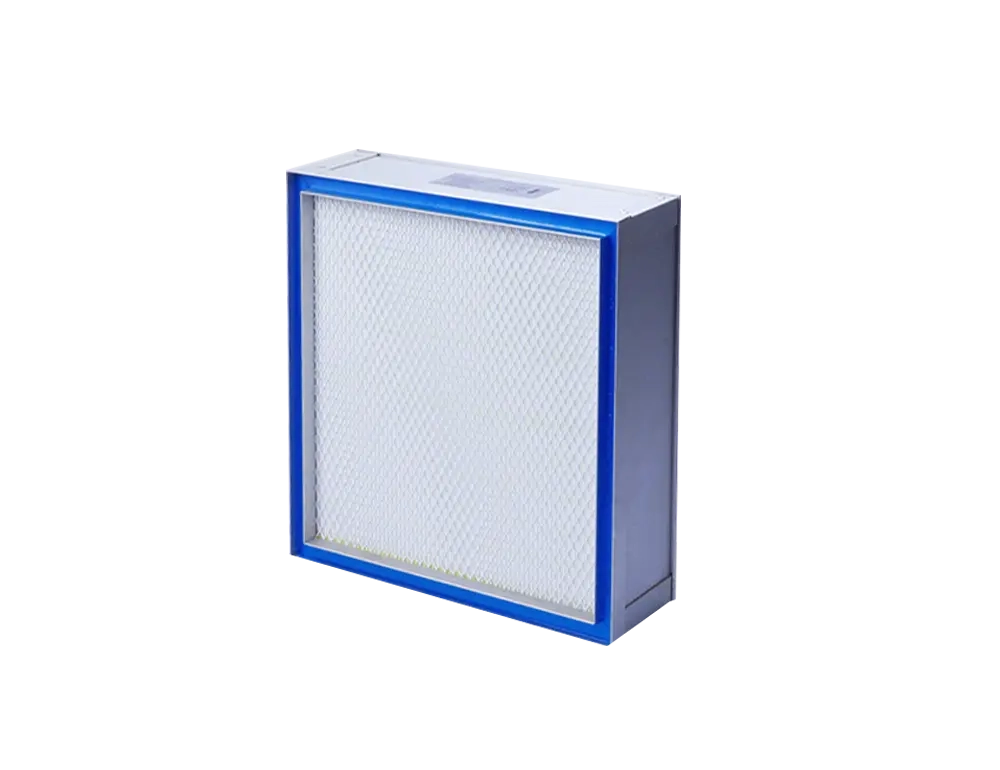
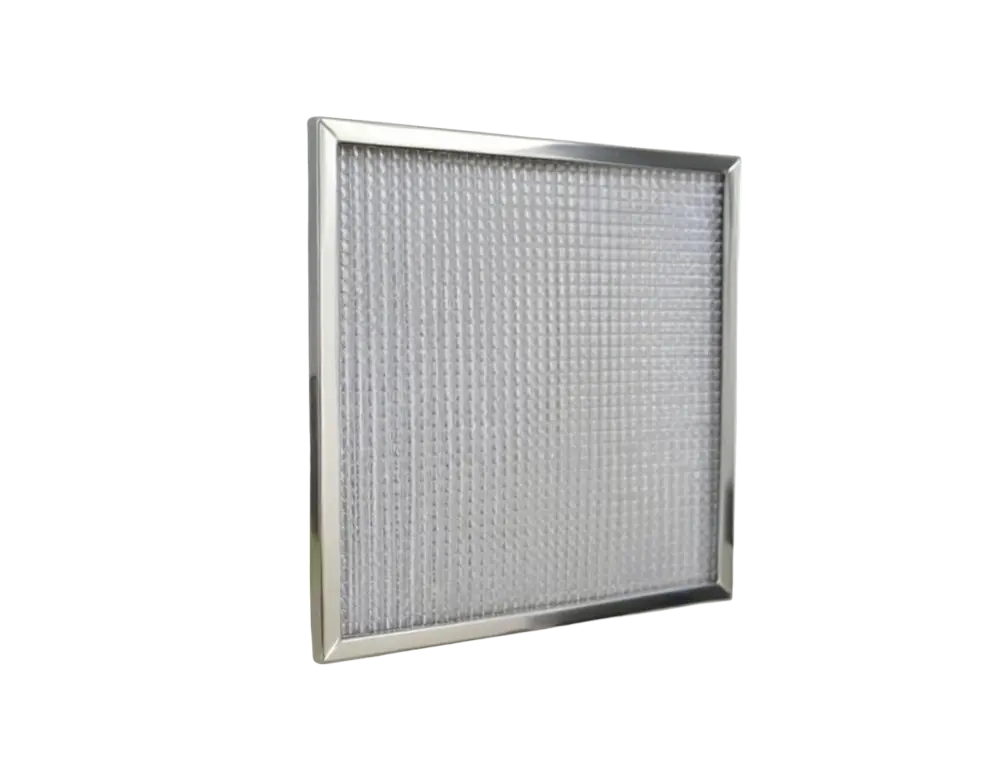
Medium-Efficiency Filter (F5–F9)
Precise PM2.5 Capture
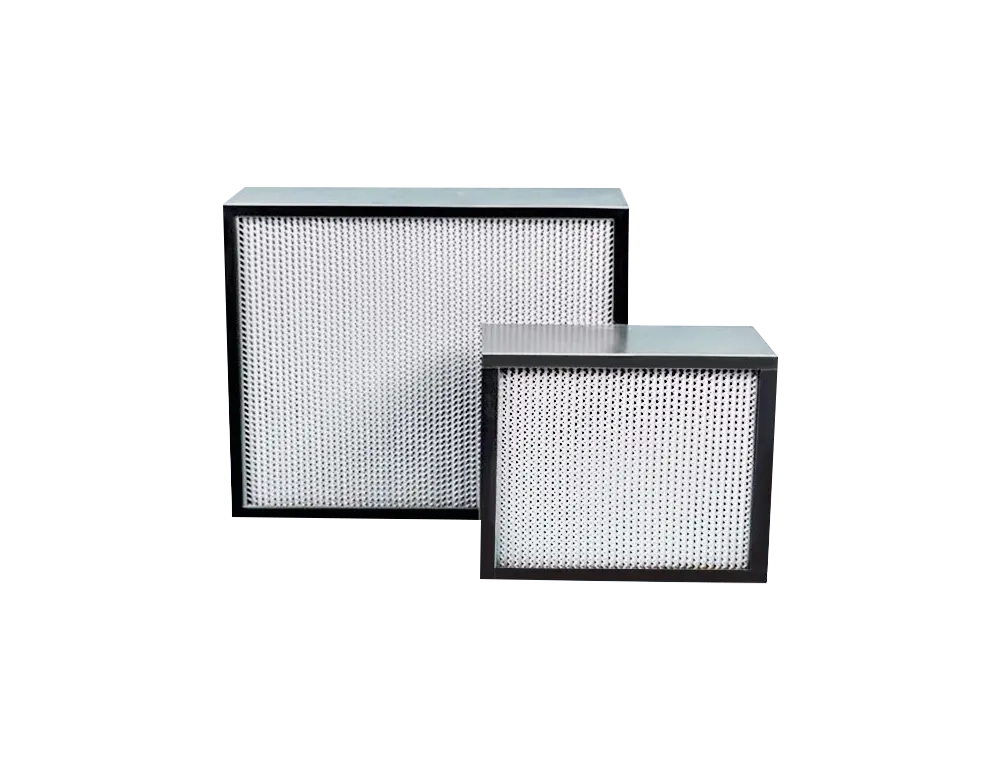
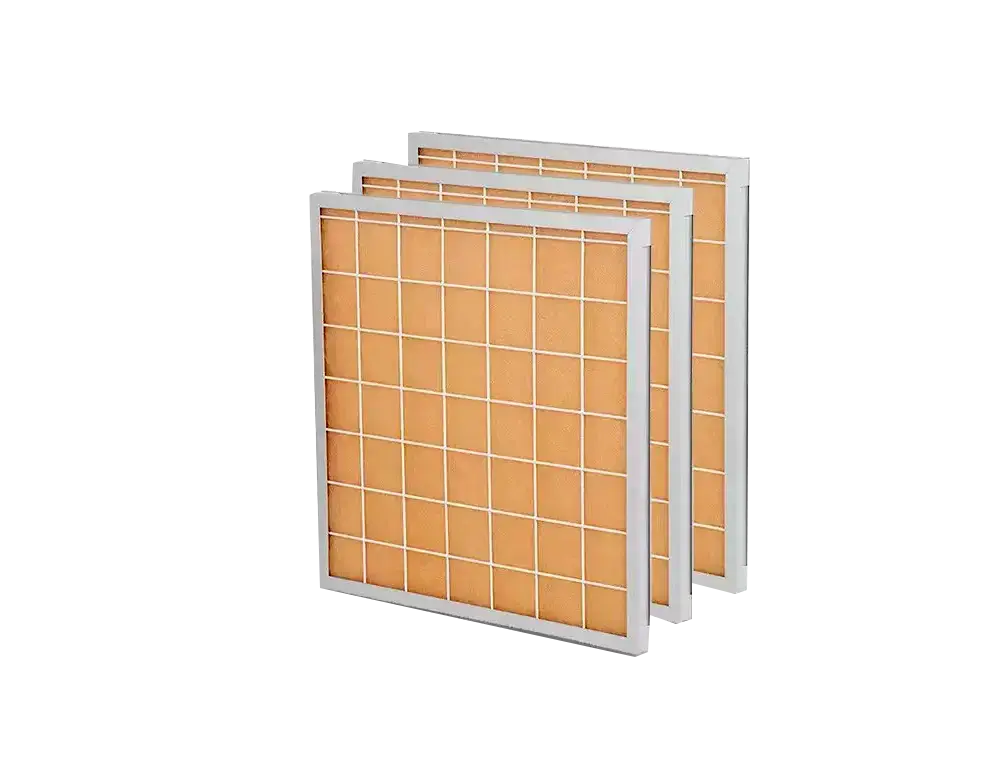
HEPA High-Efficiency Filter
Sterile-Grade Purification
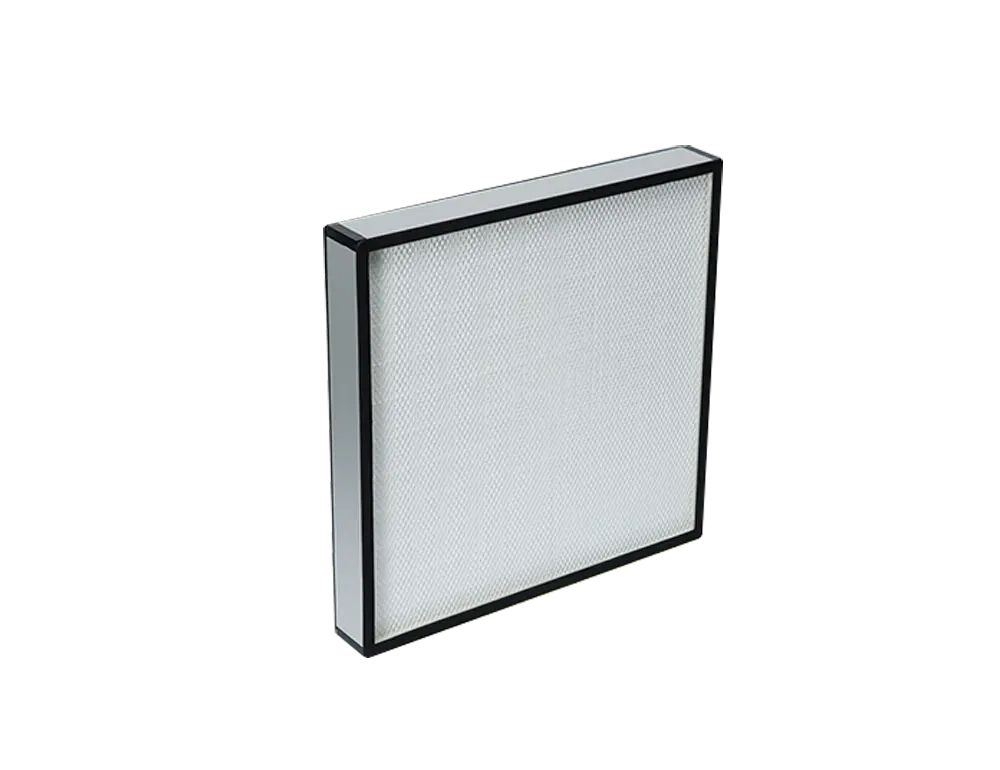
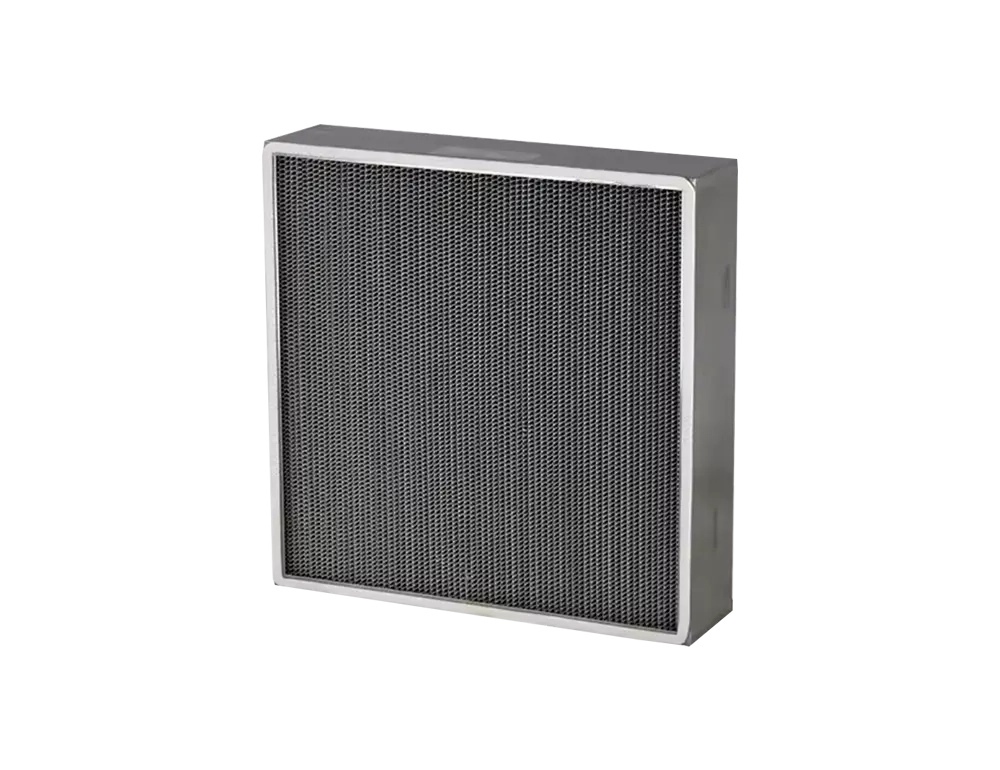
ULPA Ultra-High Efficiency Filter
Sub-Micron Particle Capture
First-Stage Large-Particle Capture
The first line of defense, capturing particles ≥5 μm such as dust, hair, and fibers to protect downstream filters and extend overall system service life.
View Related Products →Precise PM2.5 Capture
Captures fine particles of 1–5 μm including PM2.5, pollen, and mold spores, significantly improving indoor air quality for commercial HVAC and ventilation systems.
View Related Products →Sterile-Grade Purification
≥99.97% filtration efficiency for particles ≥0.3 μm, delivering sterile-grade clean air widely used in medical, pharmaceutical, and electronics manufacturing.
View Related Products →Sub-Micron Particle Capture
≥99.9995% efficiency for particles ≥0.12 μm, meeting the extreme cleanliness demands of semiconductor fabs, aerospace, and other ultra-precision applications.
View Related Products →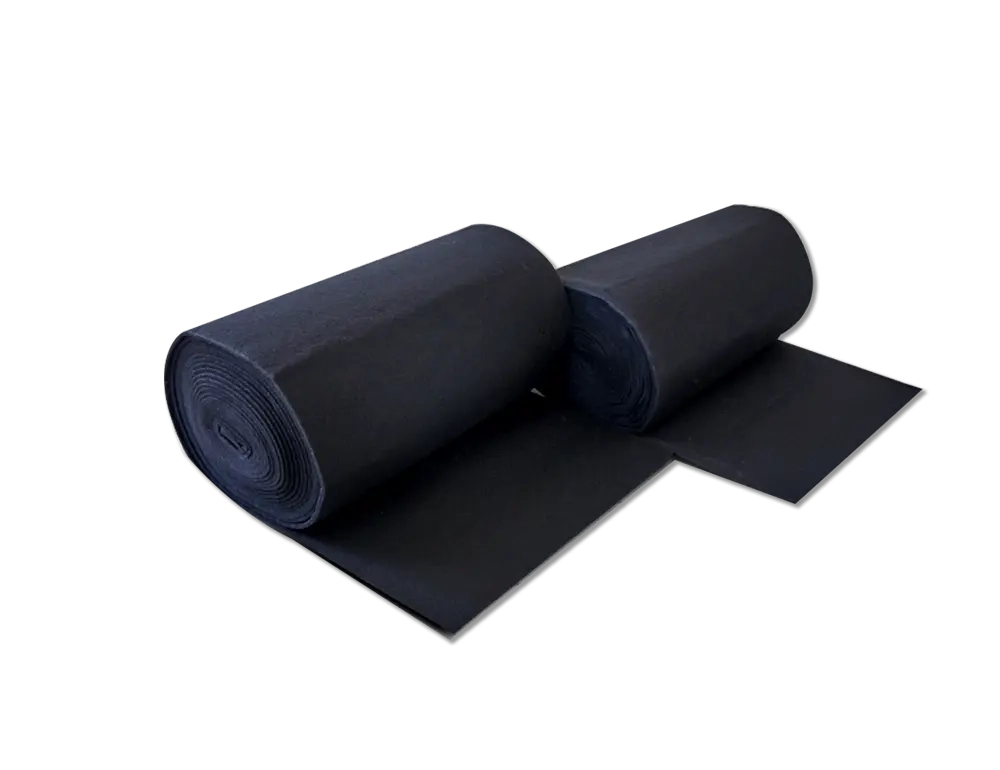
High-Temperature Resistant
Industrial-Grade Heat Tolerance
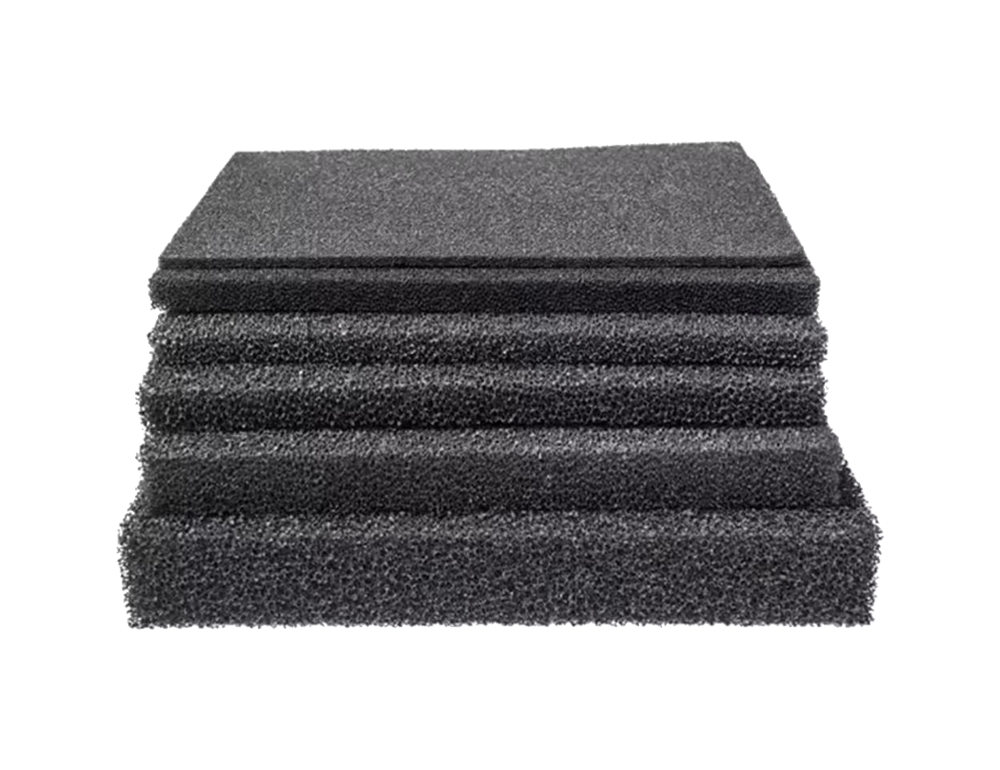
Washable & Reusable
Cut Costs, Reduce Waste
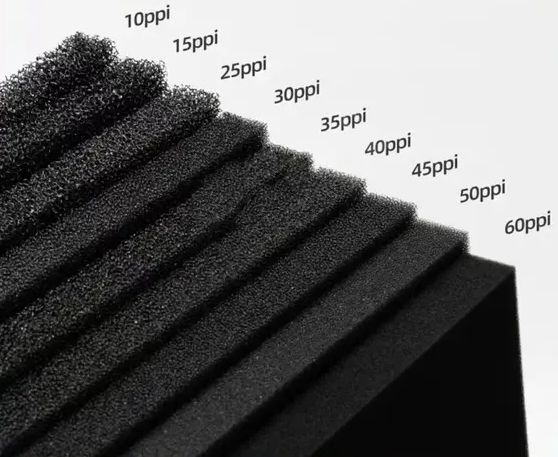
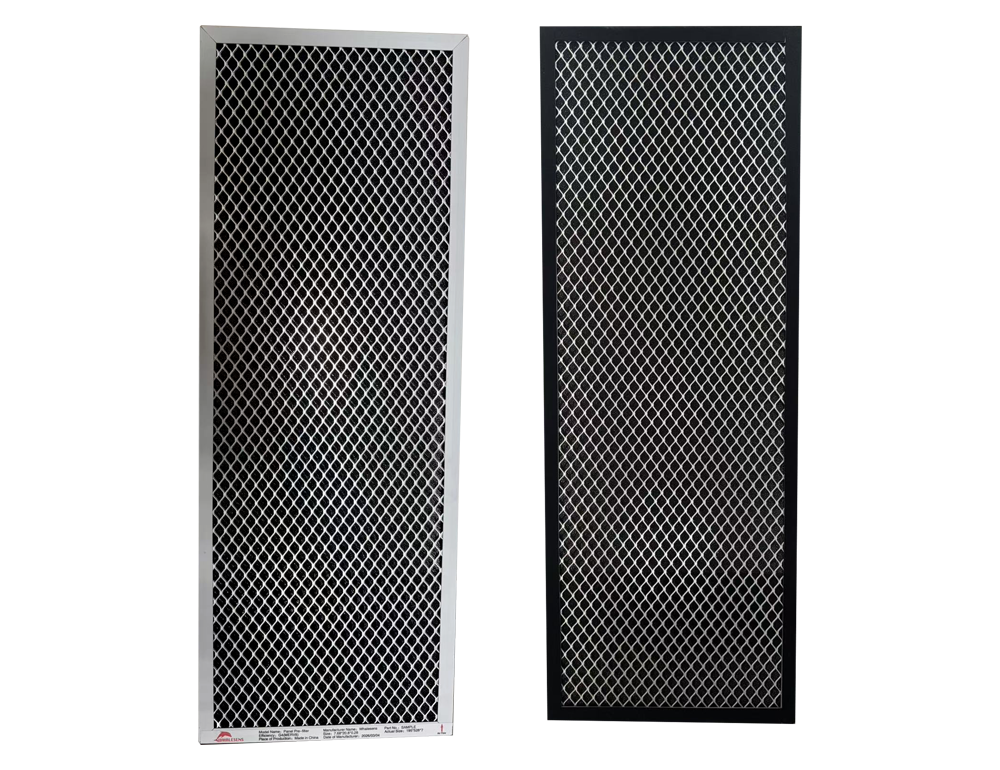
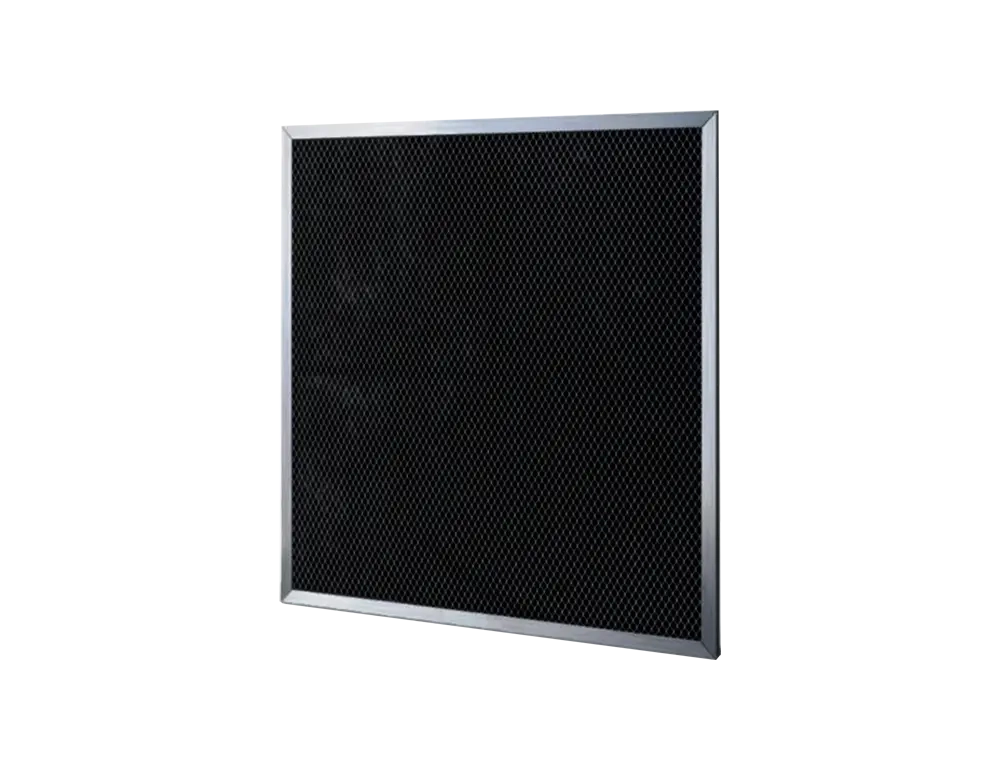
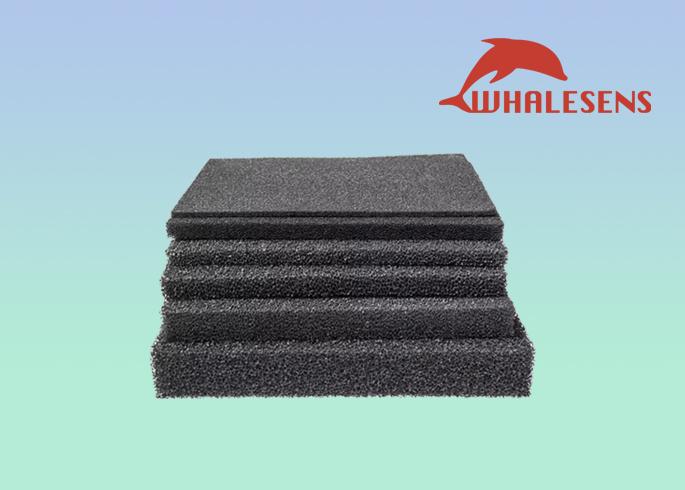
Activated Carbon
Odor & Harmful Gas Removal
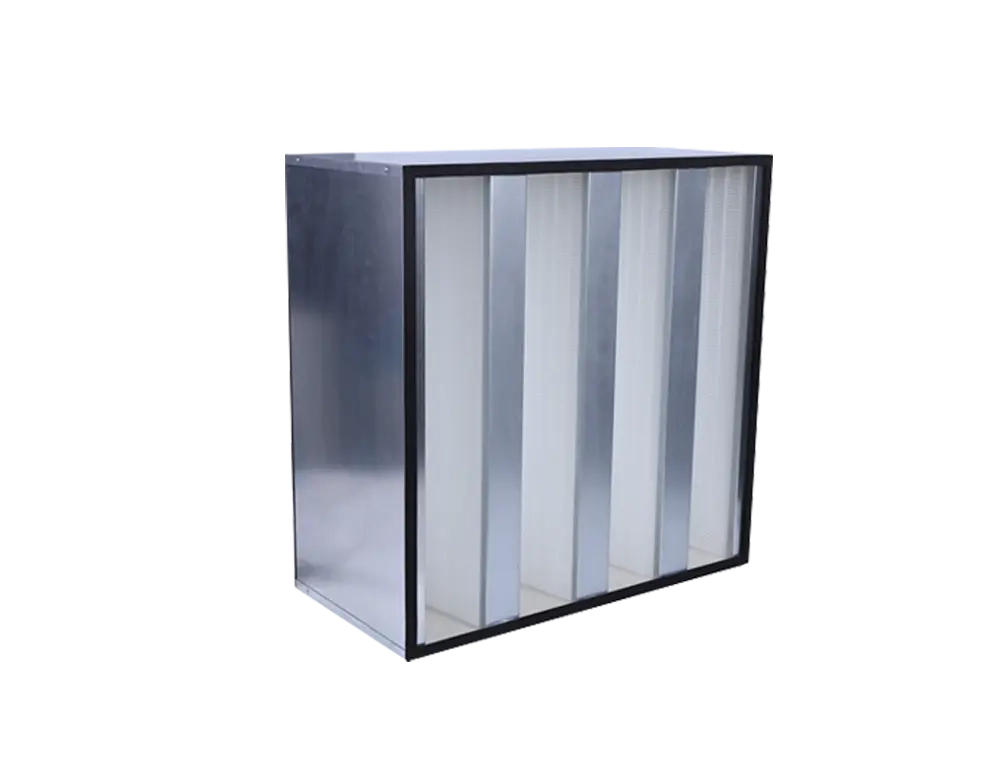
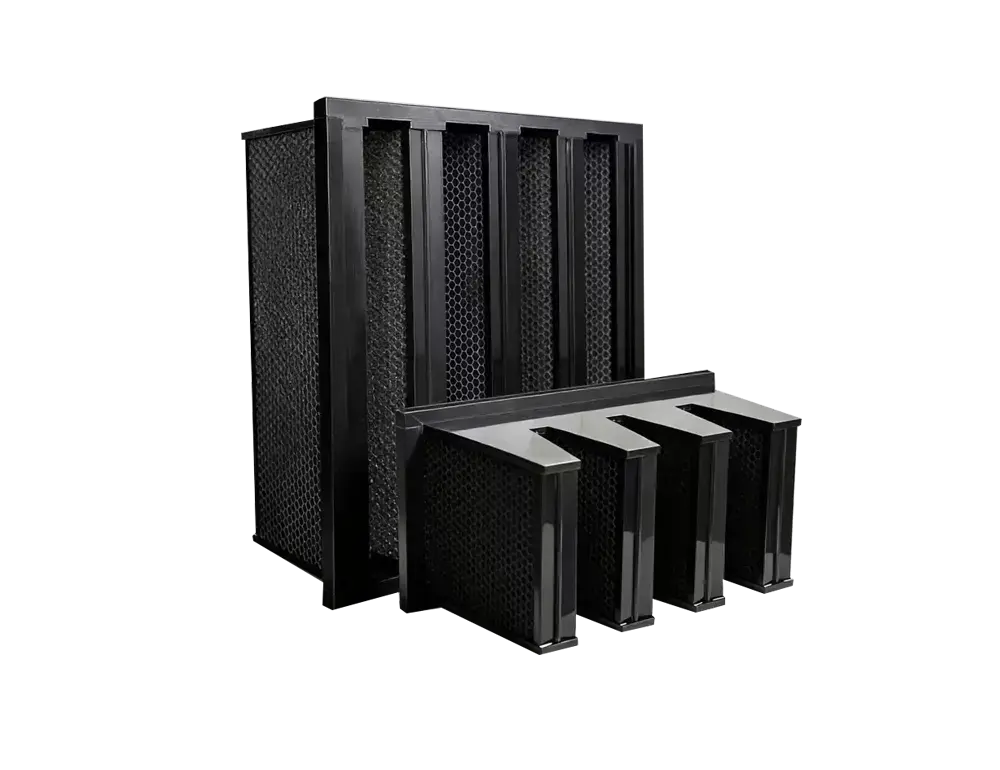
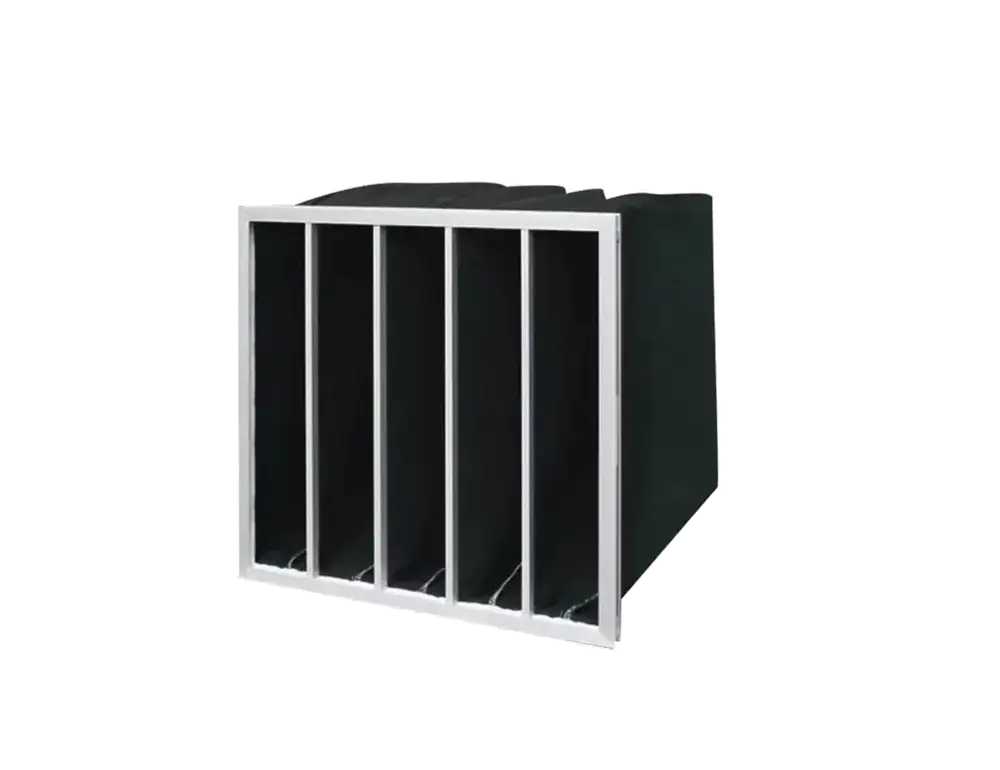
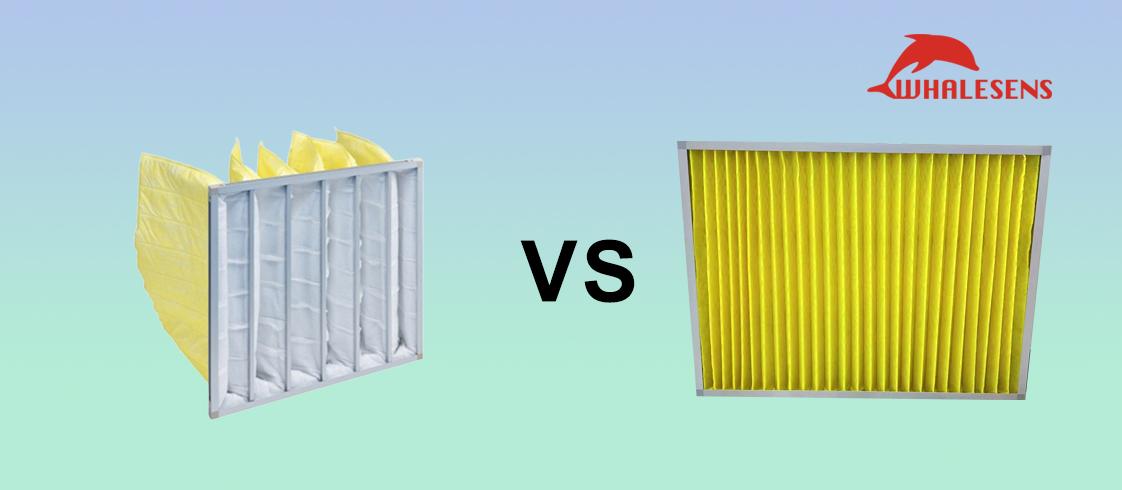
Bag Filter
High Dust-Holding, Long Life
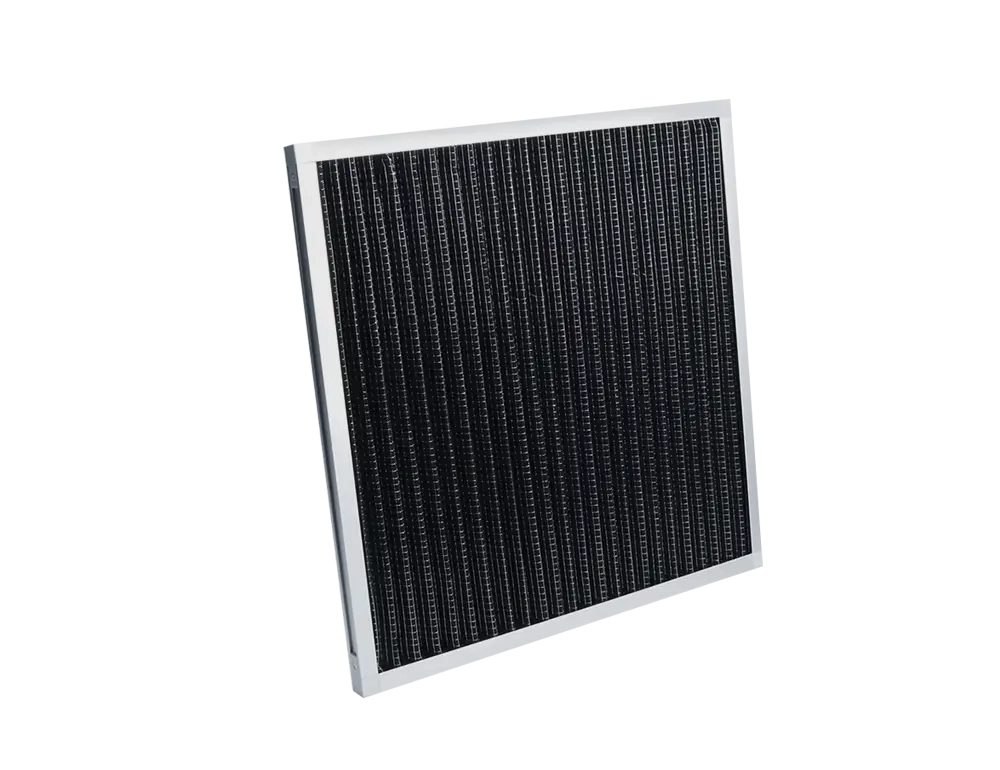
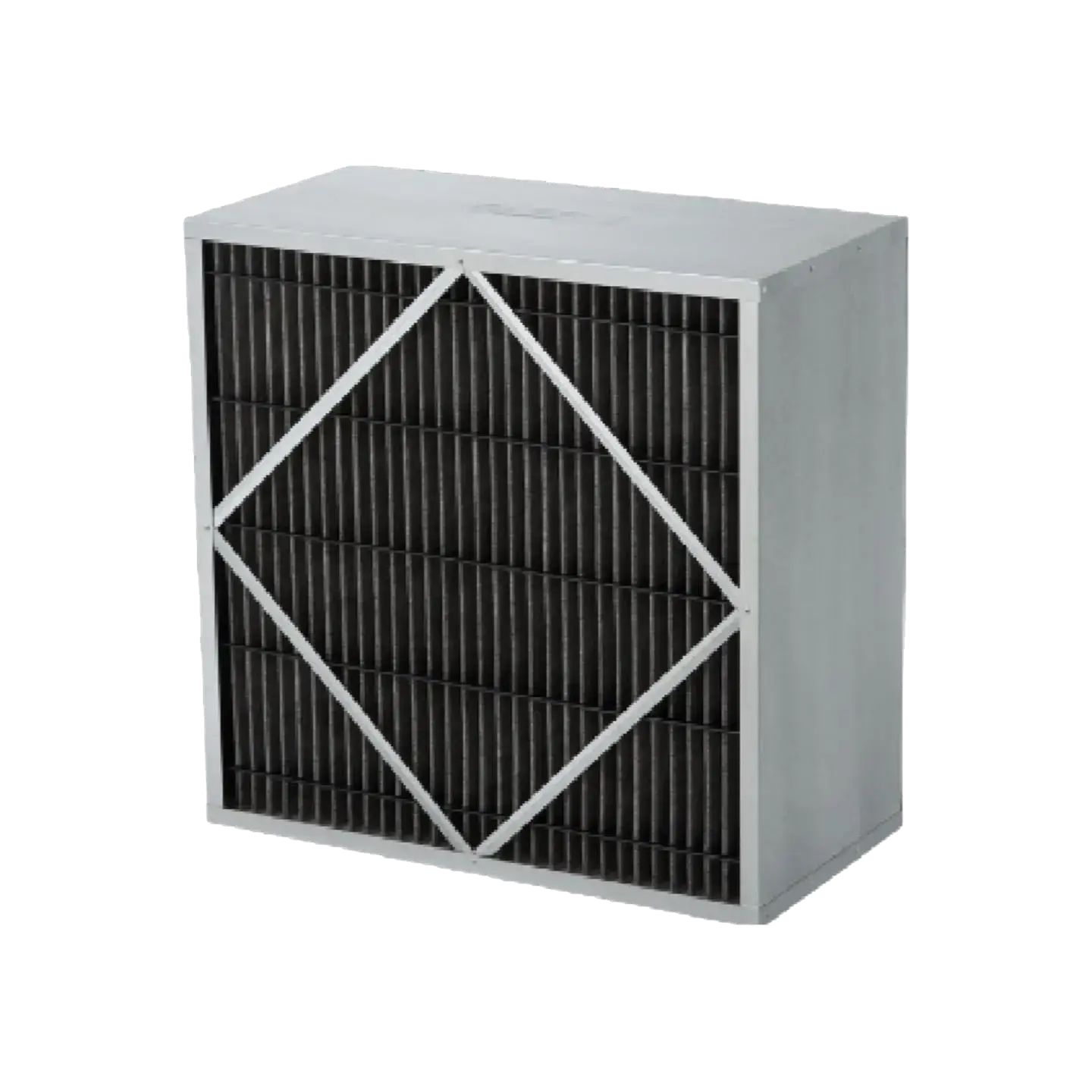
Panel / Pleated Filter
Compact Space-Saving Design
Low-Resistance Airflow
Energy-Saving Operation
Industrial-Grade Heat Tolerance
Built with specialized heat-resistant materials, operating stably up to 250°C for paint ovens, industrial dryers, and high-temperature process environments.
View Related Products →Cut Costs, Reduce Waste
Cleanable by water washing or air blowing, reusable multiple times to significantly reduce replacement frequency and O&M costs — an economical, eco-friendly choice.
View Related Products →Odor & Harmful Gas Removal
Leverages activated carbon's high adsorption capacity to eliminate odors, VOCs, and formaldehyde, ideal for newly renovated spaces and industrial exhaust treatment.
View Related Products →High Dust-Holding, Long Life
Bag-style construction delivers a larger filtration area, high dust-holding capacity, and extended service life — ideal for high-dust environments with reduced replacement frequency.
View Related Products →Compact Space-Saving Design
Compact form factor for easy installation and replacement; pleated structure maximizes filtration area within a small footprint for higher efficiency.
View Related Products →Energy-Saving Operation
Low-resistance design minimizes pressure drop while maintaining filtration performance, reducing fan energy consumption for cost-effective, eco-friendly operation.
View Related Products →





















 English(Global)
 简体中文
简体中文 Language




The Air Filter Industry is embracing new opportunities, with innovative technologies driving future development.
With the acceleration of global urbanization and continuous industrial development, air pollution has become an increasingly serious problem. According to the latest data from the World Health Organization (WHO), approximately 7 million people die each year from diseases caused by air pollution, highlighting the growing attention to the air filter industry and its critical role in protecting public health.
Market Opportunities and Growth Drivers
In recent years, the air filter market has been experiencing unprecedented growth opportunities. From the application of sustainable materials to breakthroughs in advanced filter media technology, companies are innovating on a large scale to improve product performance while reducing manufacturing costs. The integration of emerging technologies is fundamentally transforming how air filtration systems operate and deliver value to end users.
Particularly noteworthy is the integration of Artificial Intelligence (AI) and Internet of Things (IoT) technologies, which enables smart air filters to adjust filtration efficiency in real time based on environmental conditions. These intelligent systems offer users more personalized solutions, automatically adapting to changes in air quality, occupancy patterns, and specific contaminant profiles.
| Growth Driver | Impact Level | Key Factors |
|---|---|---|
| Environmental Regulations | High | Stricter air quality standards worldwide |
| Health Awareness | High | Increased consumer focus on indoor air quality |
| Urbanization | Medium-High | Growing urban populations in developing regions |
| Smart Technology Integration | Medium-High | AI and IoT-enabled air quality monitoring |
Market research data from Zhiyan Consulting confirms this positive trajectory, projecting that the industry will maintain its robust growth momentum through at least 2028. This expansion is fueled by both regulatory pressures and a fundamental shift in consumer expectations regarding indoor environmental quality.
Technological Innovations Transforming Air Filtration
The air filter industry is experiencing a wave of technological innovations that are fundamentally changing how filtration systems are designed, manufactured, and operated. Many forward-thinking companies are introducing bio-based technologies into air filtration, leveraging natural processes and materials to achieve superior performance characteristics.
Advanced Bio-Based Filter Media
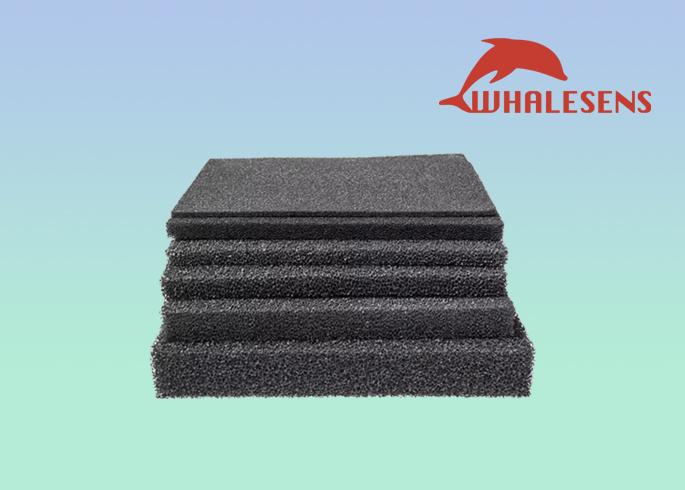
One of the most promising developments involves sponge-like filter media with unique microstructures that can effectively capture bacteria and viruses while maintaining low pressure drop. These bio-inspired materials significantly improve filtration efficiency compared to traditional synthetic fibers, offering enhanced protection against airborne pathogens without compromising airflow performance.
Renewable Energy Integration
Another groundbreaking innovation involves the application of renewable energy technologies within filtration systems. Some manufacturers are developing photoelectric conversion technology that transforms captured airborne pollutants into usable electricity. This dual-function approach not only cleans the air but also generates clean energy for users, creating a more sustainable and cost-effective solution.
Key Innovation Areas
Key Market Segmentation and Applications
The air filter market serves diverse applications across multiple sectors, each with unique requirements and performance criteria. Understanding these distinct market segments is essential for manufacturers developing targeted solutions that address specific customer needs and regulatory requirements.
| Market Segment | Key Requirements | Growth Drivers | Market Share |
|---|---|---|---|
| Residential Use | Aesthetics, quiet operation, energy efficiency | Health awareness, home automation | 35% |
| Automotive | High efficiency, easy replacement, compact size | EV adoption, cabin air quality standards | 28% |
| Healthcare | HEPA/ULPA grade, pathogen removal, reliability | Infection control, cleanroom requirements | 22% |
| Commercial Buildings | Energy savings, low maintenance, large capacity | Green building certifications, IAQ standards | 15% |
Residential Applications: Aesthetics Meets Performance
In the residential sector, air filter products must balance both aesthetic appeal and functional performance. Modern consumers expect filtration systems that seamlessly integrate with home décor while delivering superior air quality improvements. Smart features like app connectivity, filter life monitoring, and automated operation schedules are becoming standard expectations rather than premium features.
Automotive Sector: Efficiency and Convenience
The automotive air filter segment prioritizes high efficiency and ease of replacement. As electric vehicle adoption accelerates and cabin air quality standards become more stringent, manufacturers are developing compact, high-performance filters that can remove particulates, VOCs, and allergens without compromising HVAC system efficiency or passenger comfort.
Healthcare Industry: Mission-Critical Filtration
Customized solutions for the healthcare industry represent a rapidly growing market segment. Applications range from isolation wards and operating rooms to patient transport vehicles and pharmaceutical manufacturing facilities. These specialized systems must meet stringent HEPA or ULPA filtration standards while maintaining reliable performance in mission-critical environments where filtration failure could have serious consequences.
Government Policy and Regulatory Impact
Government policies and environmental regulations play a pivotal role in driving air filter market development and technological innovation. Stringent air quality standards and emission control requirements create both compliance pressure and market opportunities for manufacturers of advanced filtration systems.
China's Environmental Initiatives
In China, major cities have implemented strict air quality standards aligned with WHO guidelines. The country's rapid transition to electric and new energy vehicles has been accompanied by continuously rising emission regulations, which significantly boost demand for high-efficiency air filtration systems in both automotive and stationary applications. Government subsidies for clean energy and environmental protection technologies further accelerate market adoption.
European Union Regulations
Similarly, the European Union has introduced some of the world's most stringent environmental regulations through directives like the Industrial Emissions Directive (IED) and the Ambient Air Quality Directive. These policies mandate regular emissions monitoring, installation of best available control technologies (BAT), and achievement of specific particulate matter reduction targets. Such regulatory frameworks accelerate technological upgrades and market expansion across the air filtration industry.
| Region | Key Regulations | Impact on Air Filter Market |
|---|---|---|
| China | GB 3095 Air Quality Standard, NEV emission regulations | High-efficiency automotive and industrial filters |
| European Union | IED, Ambient Air Quality Directive, Euro 7 standards | Advanced filtration technologies, sustainable materials |
| United States | Clean Air Act, EPA NAAQS, ASHRAE 62.1 standards | HVAC system upgrades, MERV-rated filters |
| India | NCAP (National Clean Air Programme), BS-VI emission norms | Rapidly expanding market for all filter types |
Building Codes and HVAC Standards
Beyond environmental regulations, building codes and HVAC standards such as ASHRAE 62.1 (Ventilation for Acceptable Indoor Air Quality) and ASHRAE 52.2 (filter testing methodology) establish minimum filtration requirements for commercial and residential buildings. These standards create baseline market demand while encouraging innovation in higher-efficiency products that exceed minimum requirements.
Industry Challenges and Strategic Solutions
Despite strong growth prospects, the air filter industry faces several significant challenges that manufacturers must address to maintain competitive advantage and achieve sustainable expansion. Understanding these obstacles and developing effective mitigation strategies is essential for long-term success.
Material Cost Pressures
Developing and producing high-end nanomaterials and bio-based filter media involves substantial research and manufacturing costs. Advanced materials like electrospun nanofibers, graphene-enhanced media, and bio-engineered substrates require specialized equipment and expertise. These cost pressures can make it difficult to compete with conventional synthetic fiber filters on price alone, necessitating clear value communication to justify premium pricing.
Cost Management Strategies
- Economies of Scale: Invest in high-volume manufacturing capabilities to reduce per-unit costs
- Material Optimization: Use computational modeling to minimize material usage while maintaining performance
- Supply Chain Diversification: Develop multiple supplier relationships to mitigate raw material price volatility
- Lifecycle Value Positioning: Emphasize total cost of ownership rather than initial purchase price
- Modular Design: Create product platforms that share common components across multiple product lines
Technology Deployment Challenges
Rapidly bringing innovative technologies from laboratory development to mass-market commercialization presents significant obstacles. The transition from pilot production to full-scale manufacturing often reveals unforeseen technical challenges, quality control issues, and scaling limitations. Additionally, market education and customer acceptance of new technologies require time and resources.
Product Lifecycle Management
Optimizing each stage from initial design and material selection through manufacturing, distribution, use, and end-of-life recycling demands sophisticated systems thinking. Manufacturers increasingly face pressure to implement circular economy principles, designing products for disassembly, material recovery, and sustainable disposal. This holistic approach requires collaboration across the value chain and may necessitate new business models focused on filter leasing or take-back programs.
Future Outlook and Industry Trends
With ongoing technological advancements and strengthening policy support, the air filter industry is positioned for substantial growth over the coming decade. The convergence of health consciousness, environmental regulations, and technological innovation creates a powerful tailwind for market expansion and product evolution.
Emerging Technology Trends
Several technological trends will shape the industry's future direction. Artificial intelligence and machine learning will enable predictive maintenance systems that anticipate filter replacement needs based on actual usage patterns rather than arbitrary time intervals. Nanotechnology will continue advancing, producing filter media with unprecedented efficiency and durability characteristics. Self-cleaning filters using electrostatic or photocatalytic technologies will extend service life and reduce maintenance requirements.
Market Expansion Opportunities
Geographic expansion into developing markets presents significant opportunities as urbanization accelerates in Asia, Africa, and Latin America. Rising middle-class populations in these regions increasingly prioritize health and environmental quality, creating demand for air filtration products across residential, automotive, and commercial applications. Manufacturers who establish early presence in these emerging markets can build strong brand recognition and distribution networks.
| Trend Category | Key Developments | Expected Timeline | Market Impact |
|---|---|---|---|
| Smart Integration | AI-driven predictive maintenance, IoT connectivity | 2024-2026 | High |
| Sustainable Materials | Bio-based media, recyclable components, circular economy | 2024-2028 | High |
| Nanomaterials | Graphene-enhanced media, electrospun nanofibers | 2025-2027 | Medium-High |
| Self-Cleaning Tech | Photocatalytic coatings, electrostatic regeneration | 2026-2029 | Medium |
| Energy Harvesting | Pollutant-to-energy conversion, thermoelectric generation | 2027-2030 | Emerging |
Sustainability and Circular Economy
Environmental sustainability will become a defining competitive differentiator. Companies that successfully implement circular economy principles—designing for longevity, repairability, and end-of-life material recovery—will gain advantage with environmentally conscious customers and increasingly stringent extended producer responsibility regulations. Bio-based and biodegradable filter media will transition from niche products to mainstream offerings as manufacturing costs decrease and performance characteristics improve.
Integration with Building Management Systems
In commercial applications, air filtration systems will become fully integrated components of intelligent building management platforms. Real-time air quality monitoring, automated damper control, and demand-controlled ventilation will work in concert with advanced filtration to optimize both indoor environmental quality and energy efficiency. This systems-level integration creates opportunities for service-based business models where manufacturers provide ongoing air quality management rather than simply selling hardware.
Key Takeaways: Air Filter Industry Future
- The global air filter market will exceed $7 billion by 2028, driven by regulatory pressure and health awareness
- Smart filtration technologies integrating AI and IoT will become standard rather than premium features
- Sustainable materials and circular economy practices will evolve from nice-to-have to market requirements
- Healthcare and pharmaceutical sectors offer the highest growth rates at 12-15% annually
- Emerging markets in Asia, Africa, and Latin America present significant expansion opportunities
- Innovation in bio-based materials and energy harvesting will create new value propositions beyond traditional filtration
Frequently Asked Questions
Partner with Whalesens for Advanced Filtration Solutions
Expert engineering support for your air quality challenges
Contact Our Technical Team →