


EV Charging Stations
Filtration for Power Equipment
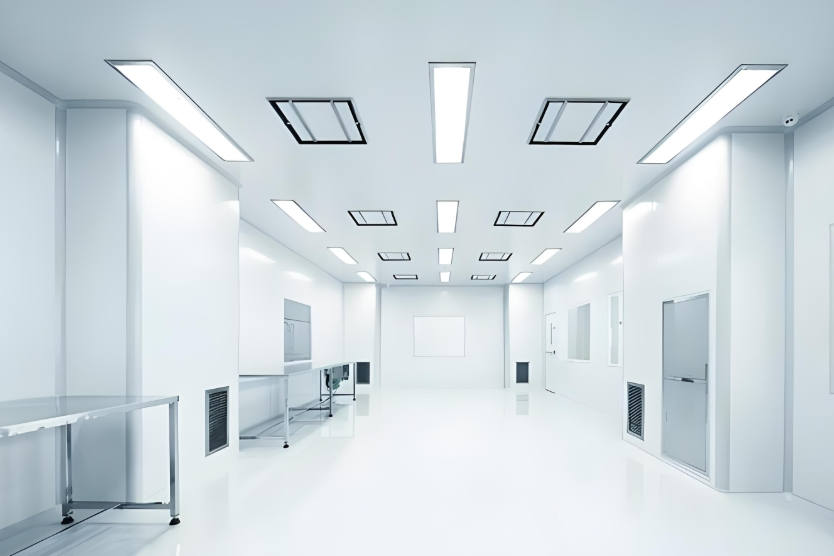
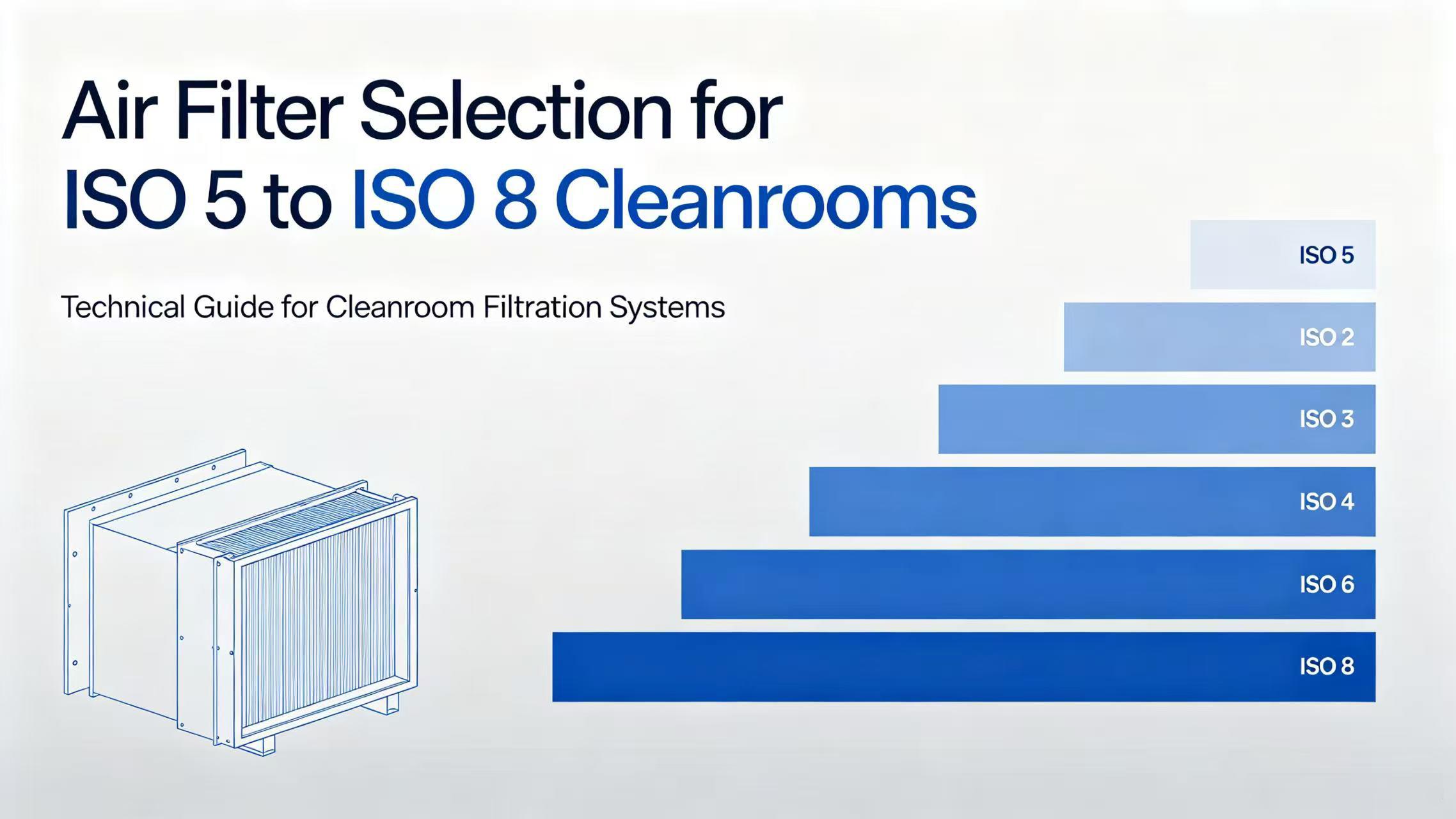
Cleanroom & Semiconductor
Ultra-High Cleanliness Filtration
Commercial HVAC
Central Air System Filtration
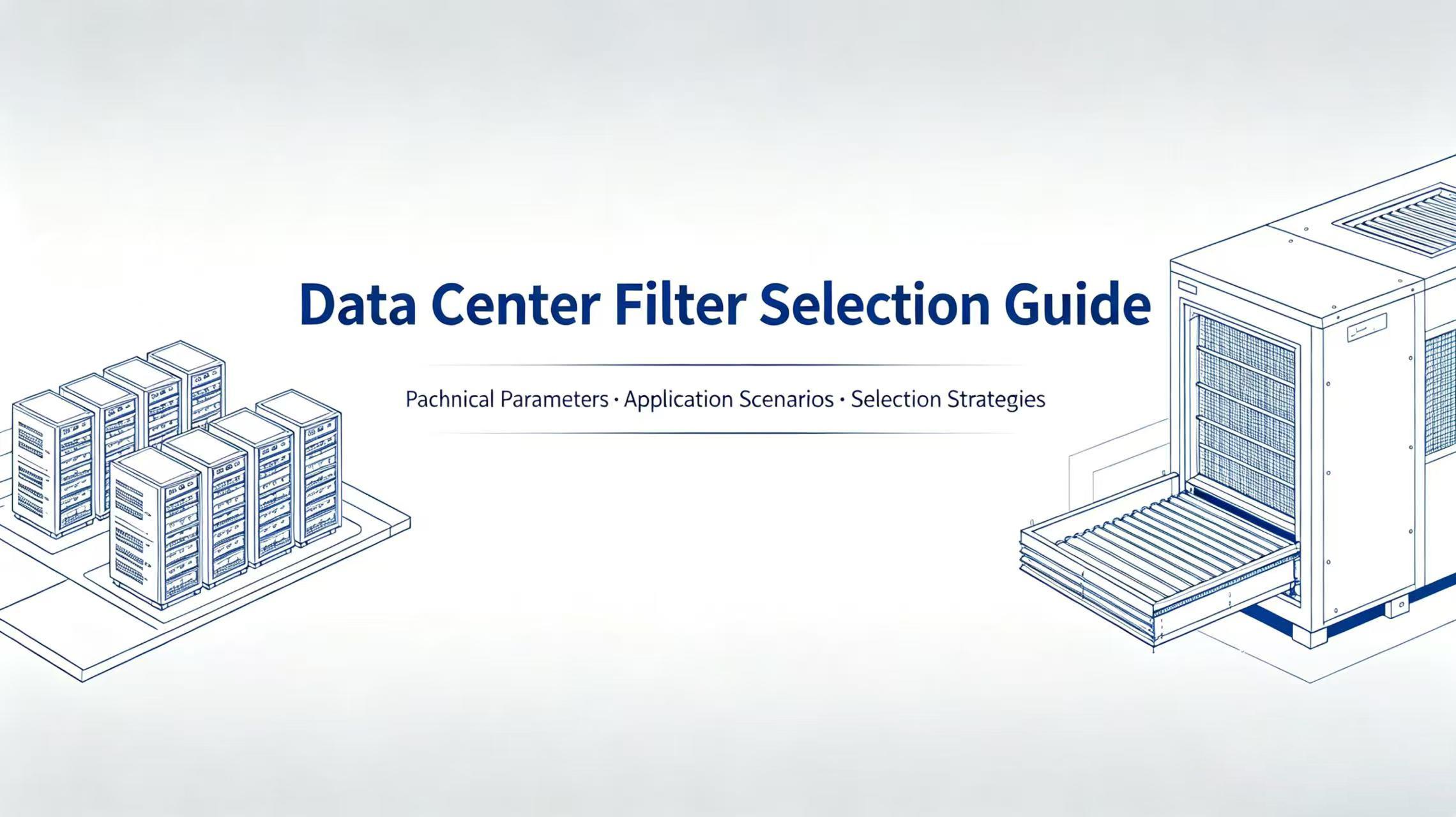
Data Centers
Precision Equipment Protection
Livestock & Farming
Farming Environment Purification
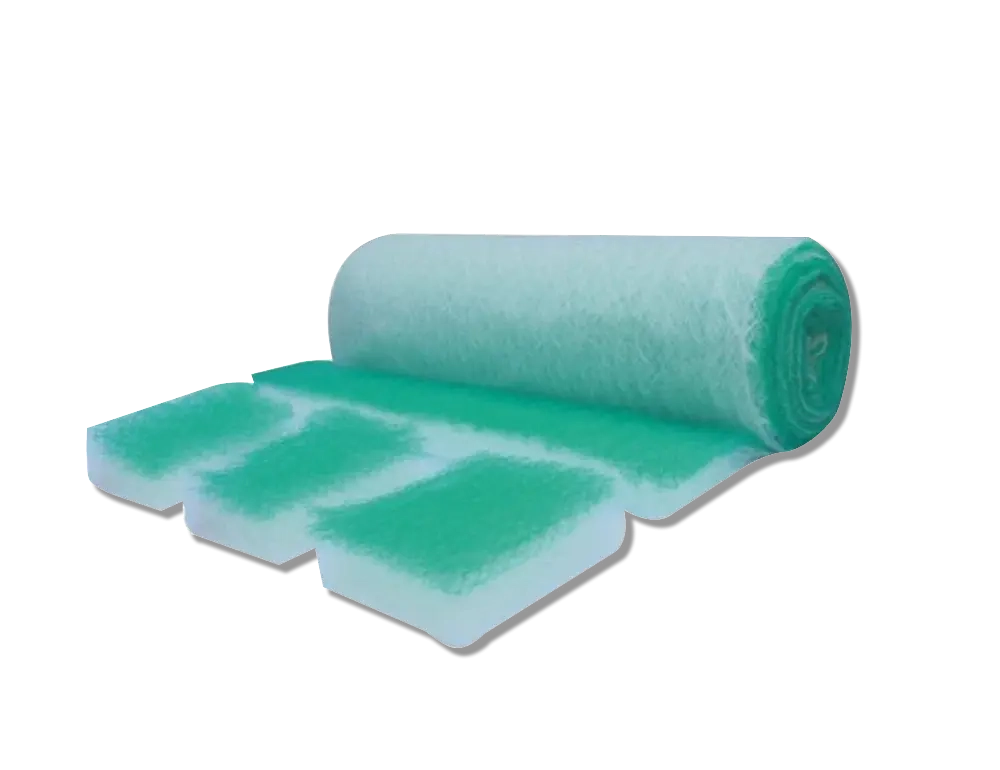
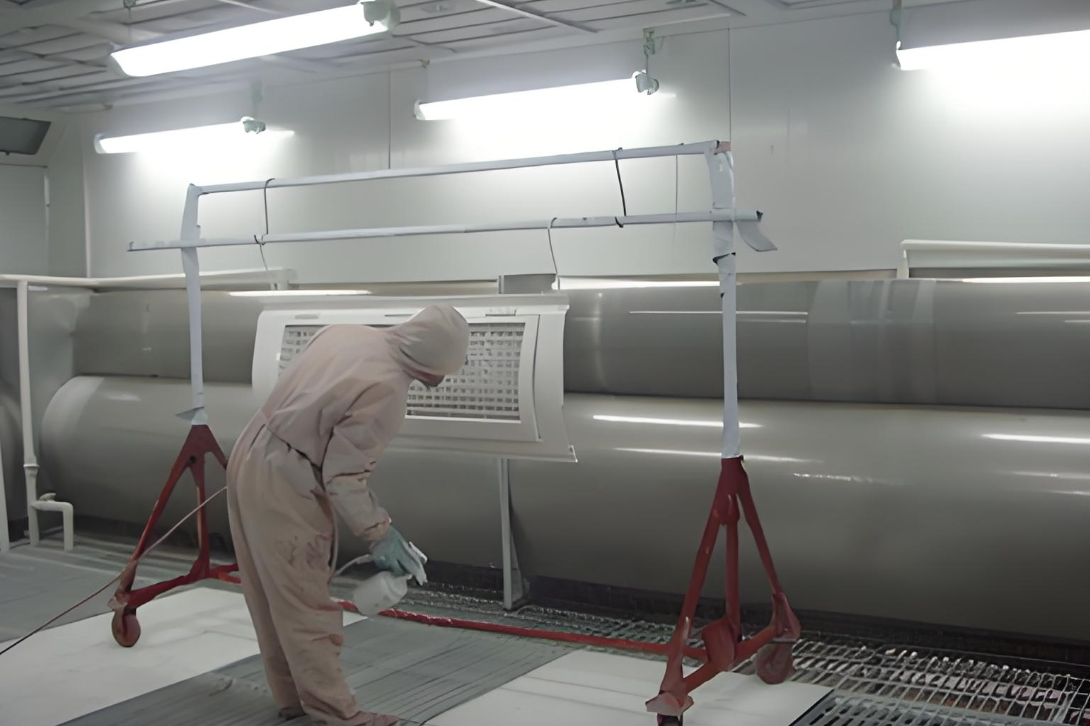
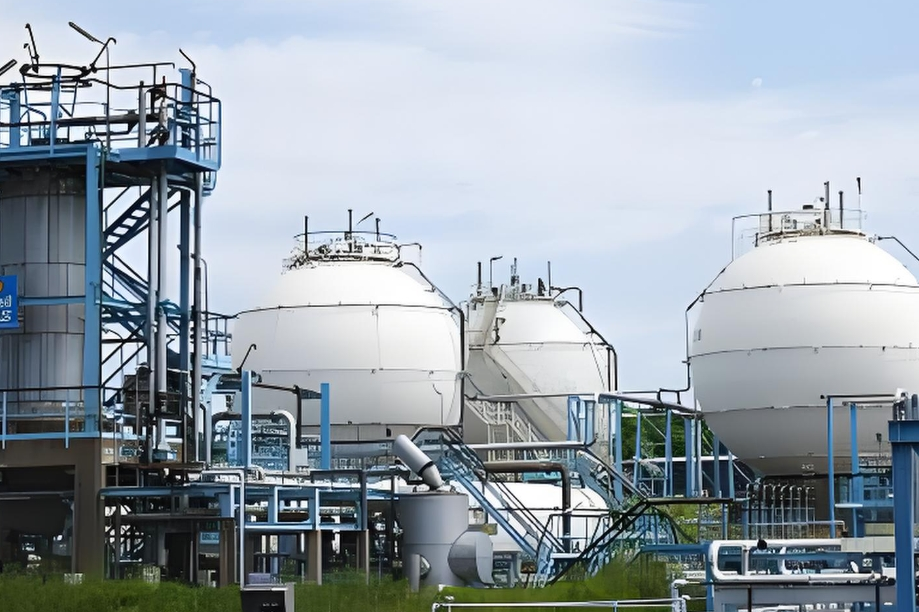
Spray Booths & Industrial Dust
Paint Mist & Dust Purification
Filtration for Power Equipment
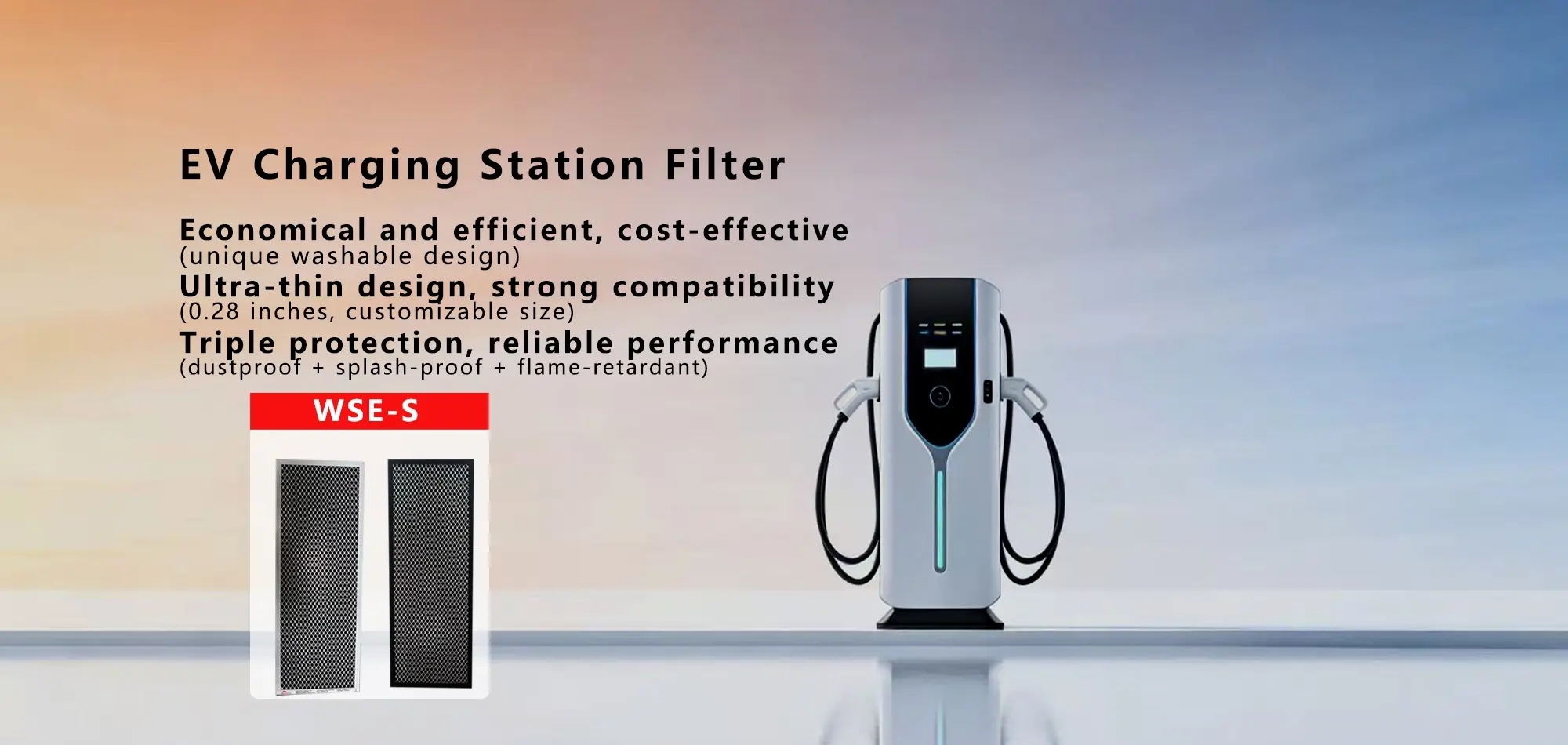
Professional air filtration for EV charging devices, protecting against dust and sand ingress to ensure stable, reliable operation of charging piles and station infrastructure.
View Related Products →Ultra-High Cleanliness Filtration
Ultra-high efficiency filtration for semiconductor wafer fabs and precision electronics cleanrooms, capturing nano-scale particles to meet ISO Class 1–3 standards and maximize product yield.
View Related Products →Central Air System Filtration
High-efficiency filtration for commercial building HVAC systems, improving indoor air quality, reducing energy consumption, and extending equipment service life.
View Related Products →Precision Equipment Protection
Precision air filtration for data centers, shielding servers and critical hardware from dust contamination to keep cooling systems running efficiently and reliably.
View Related Products →Farming Environment Purification
Dedicated filtration systems for farms and livestock facilities — capturing dust, adsorbing ammonia, and inhibiting pathogen spread to improve animal health and overall productivity.
View Related Products →Paint Mist & Dust Purification
Designed for spray booths and grinding workshops, efficiently capturing paint mist, metal dust, and wood chips to meet emission standards while protecting finished surface quality.
View Related Products →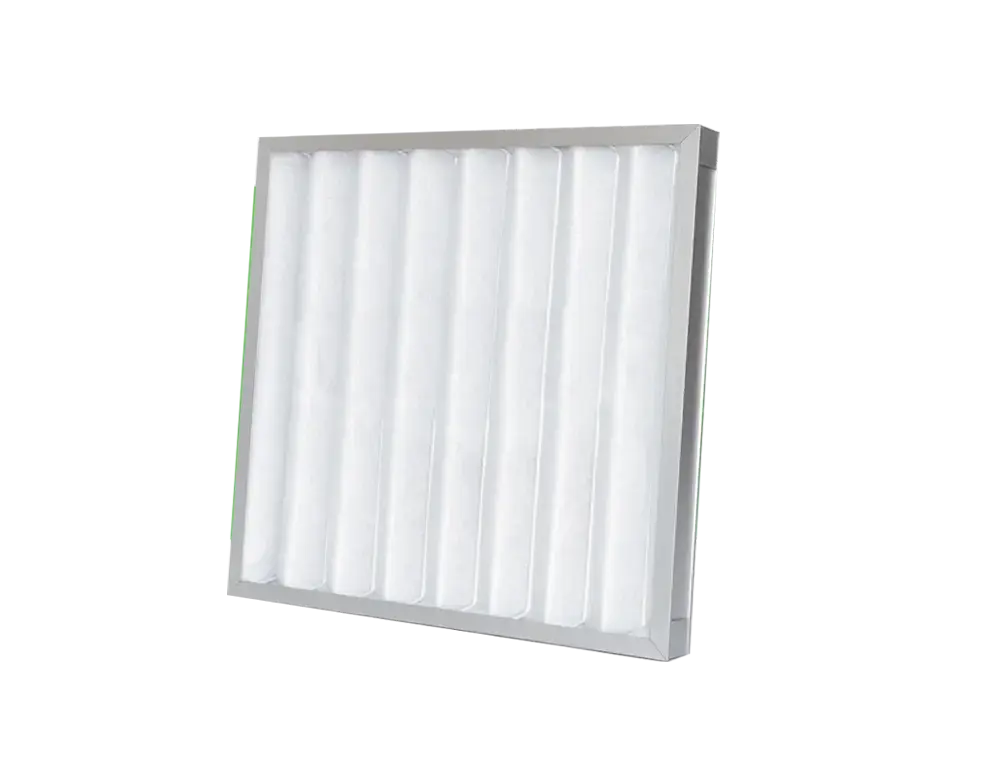
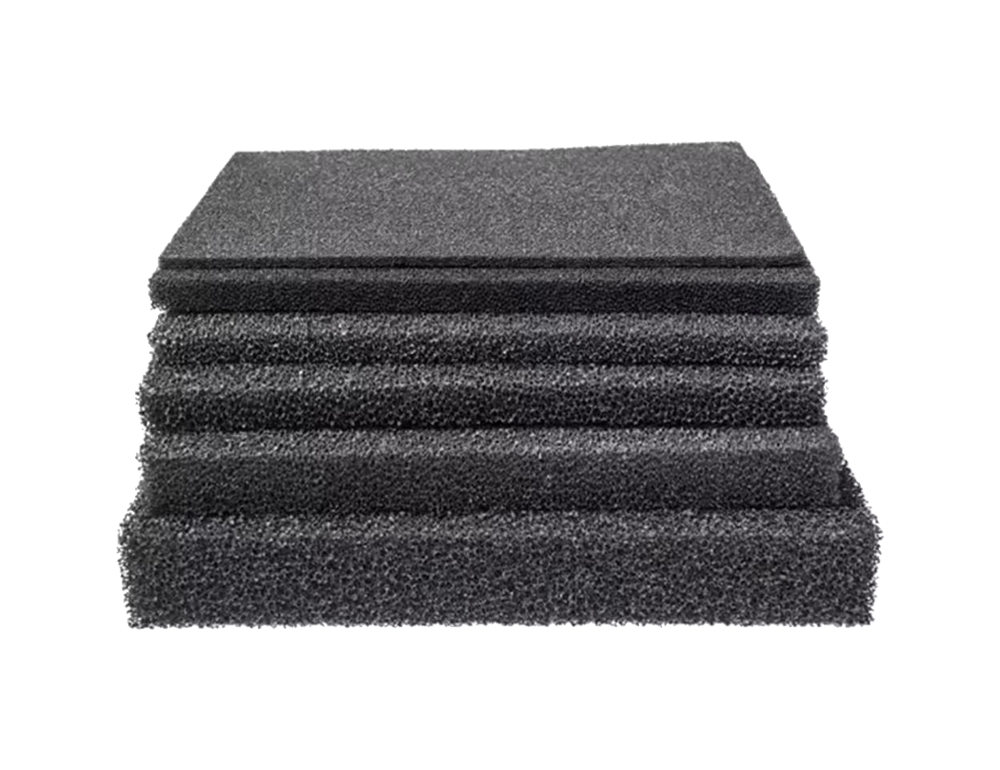
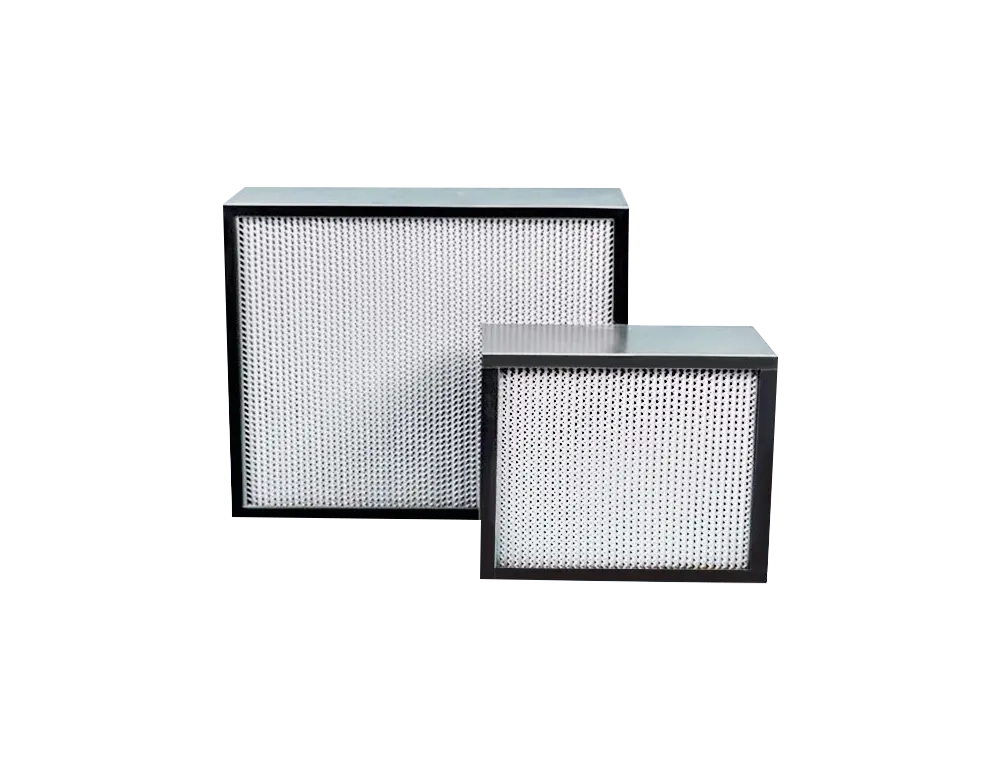
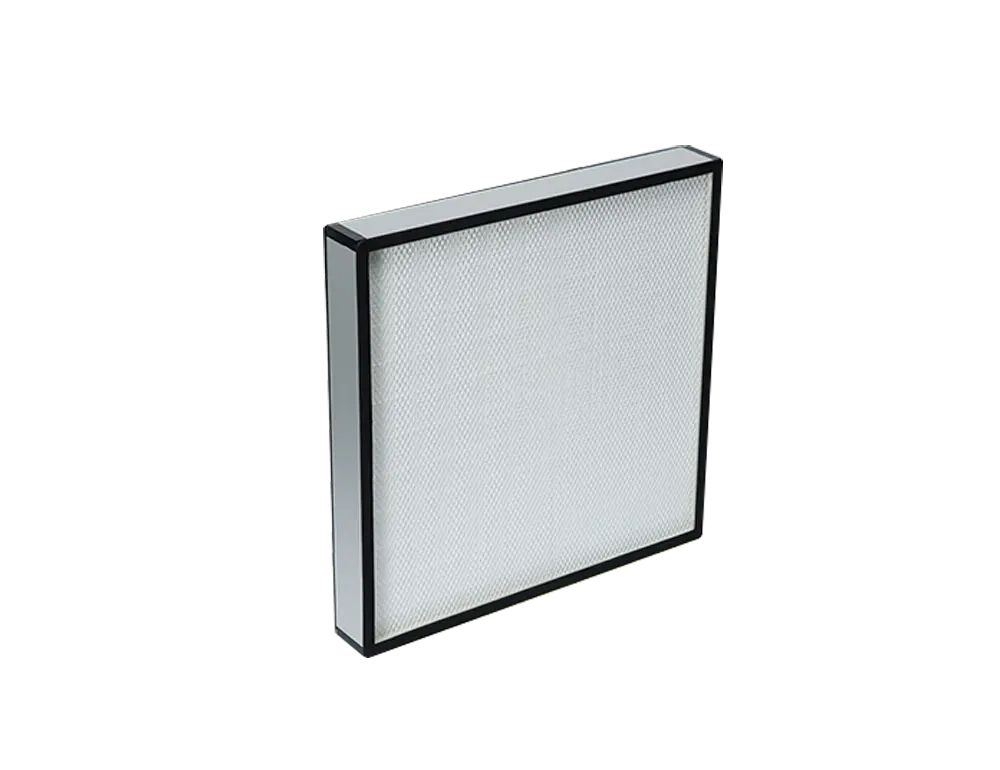
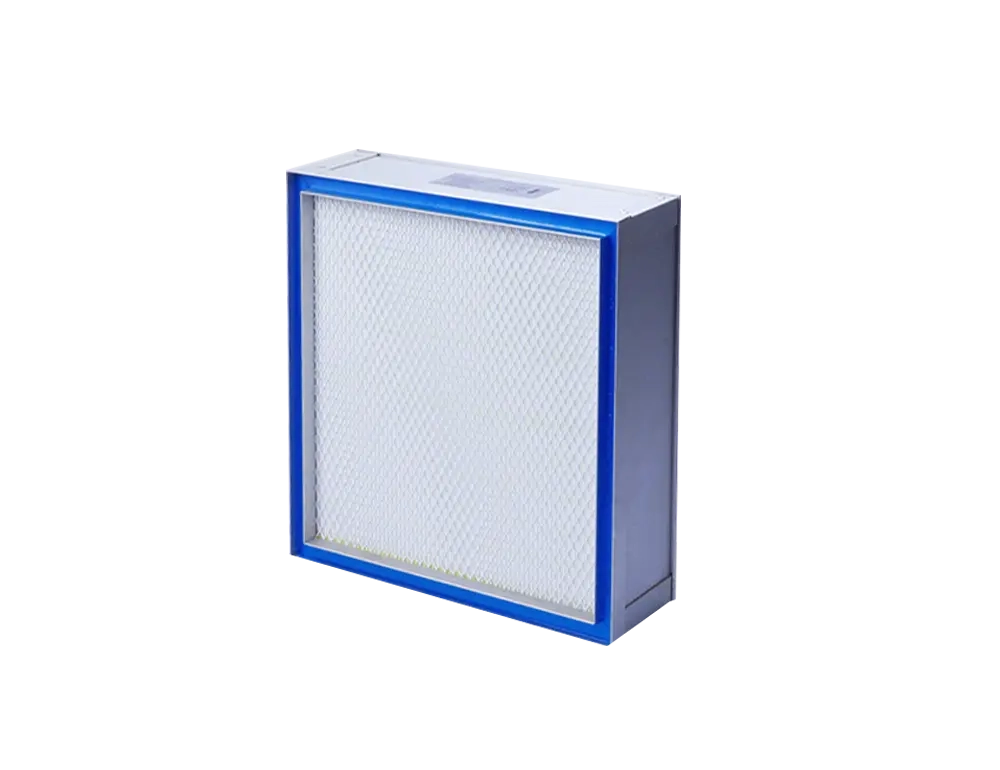
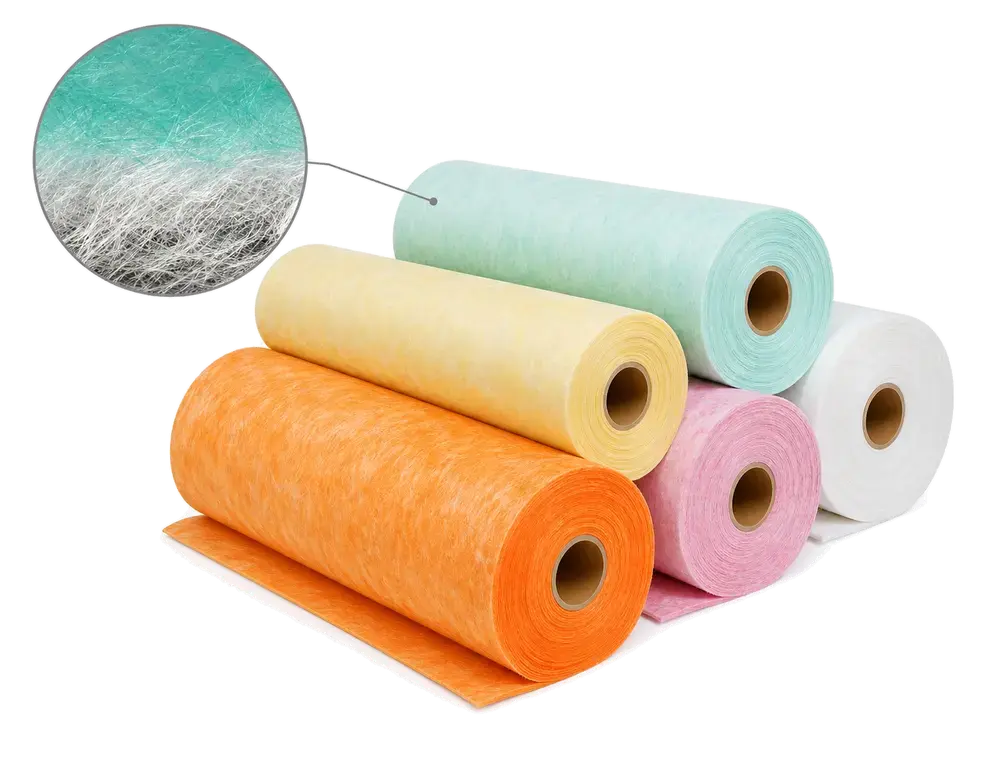
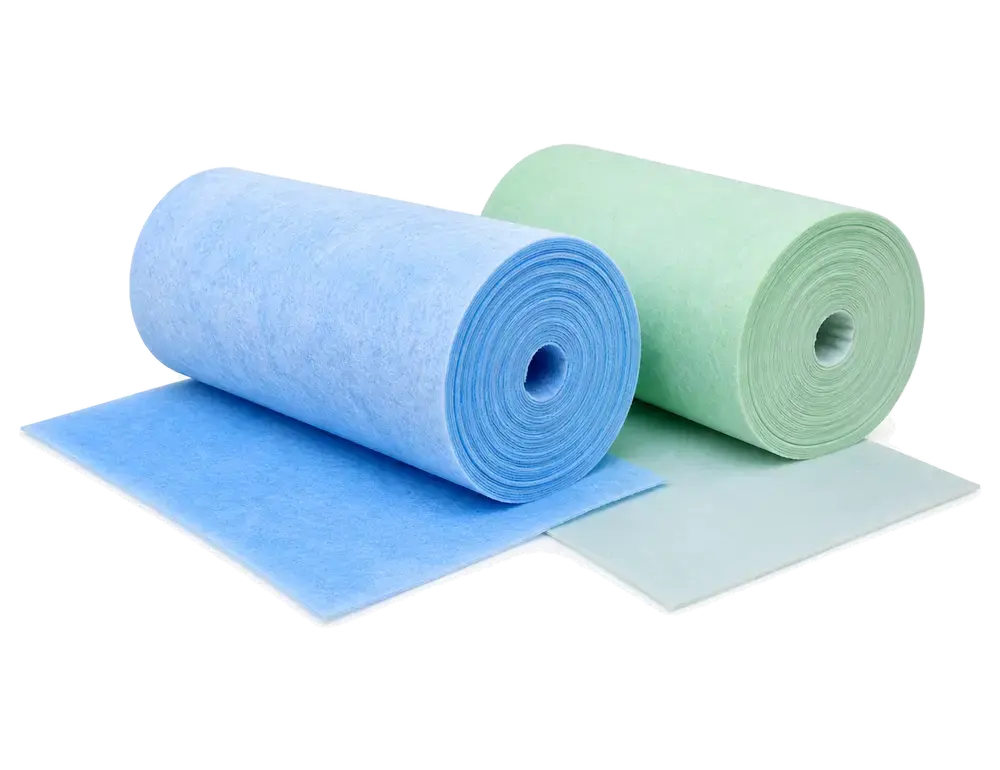
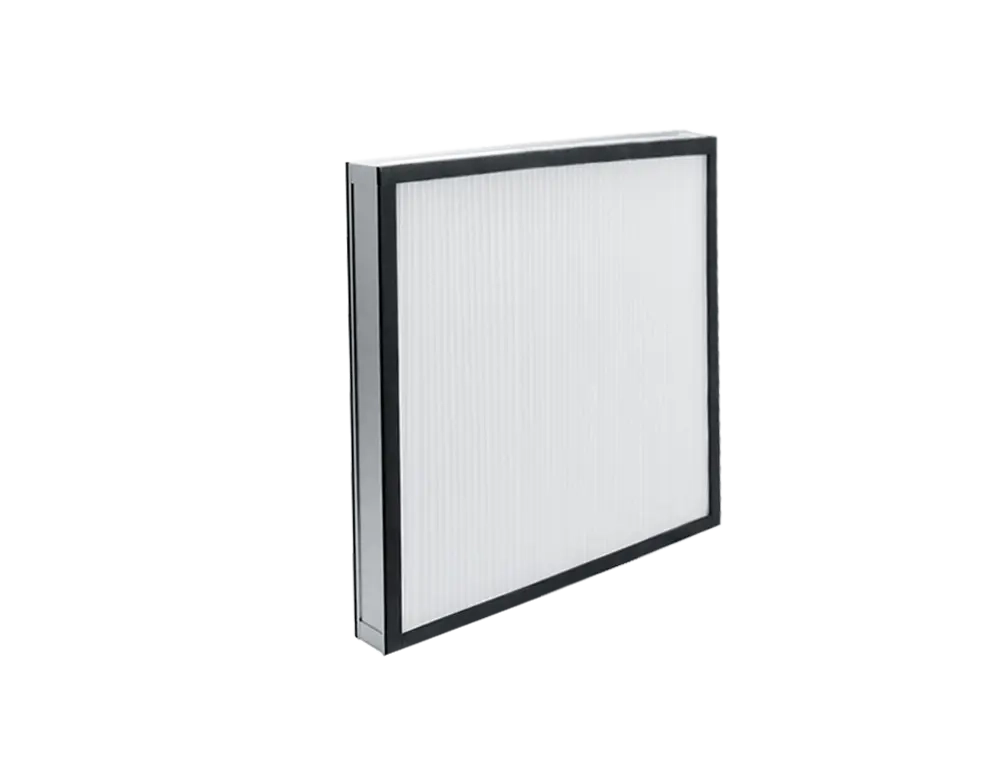
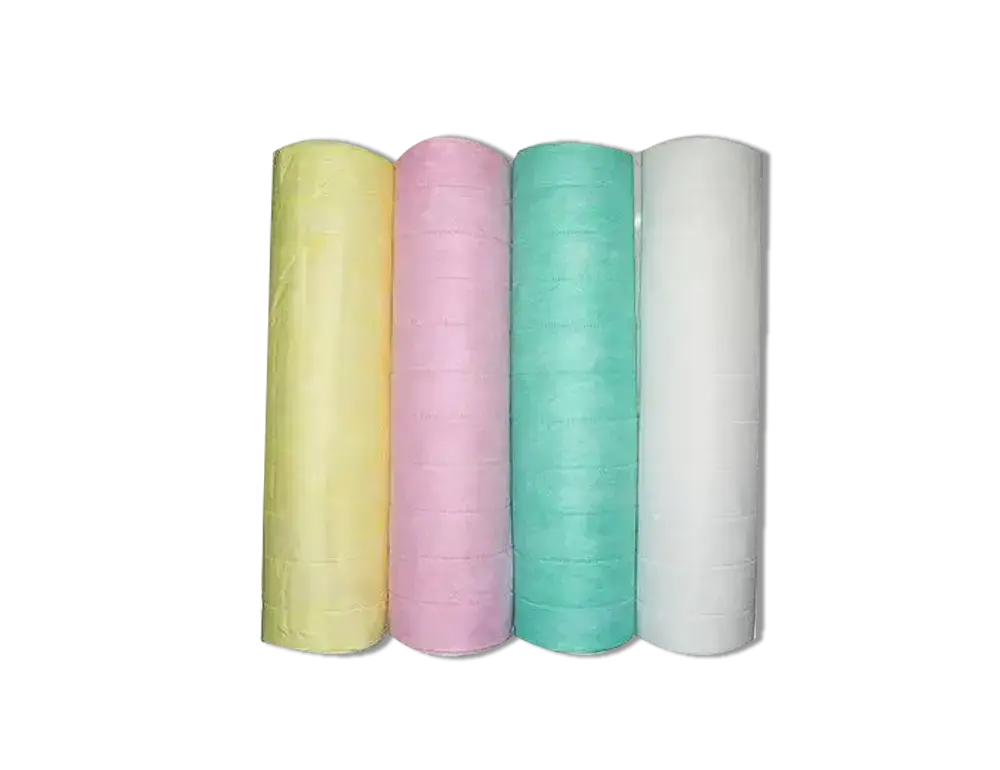
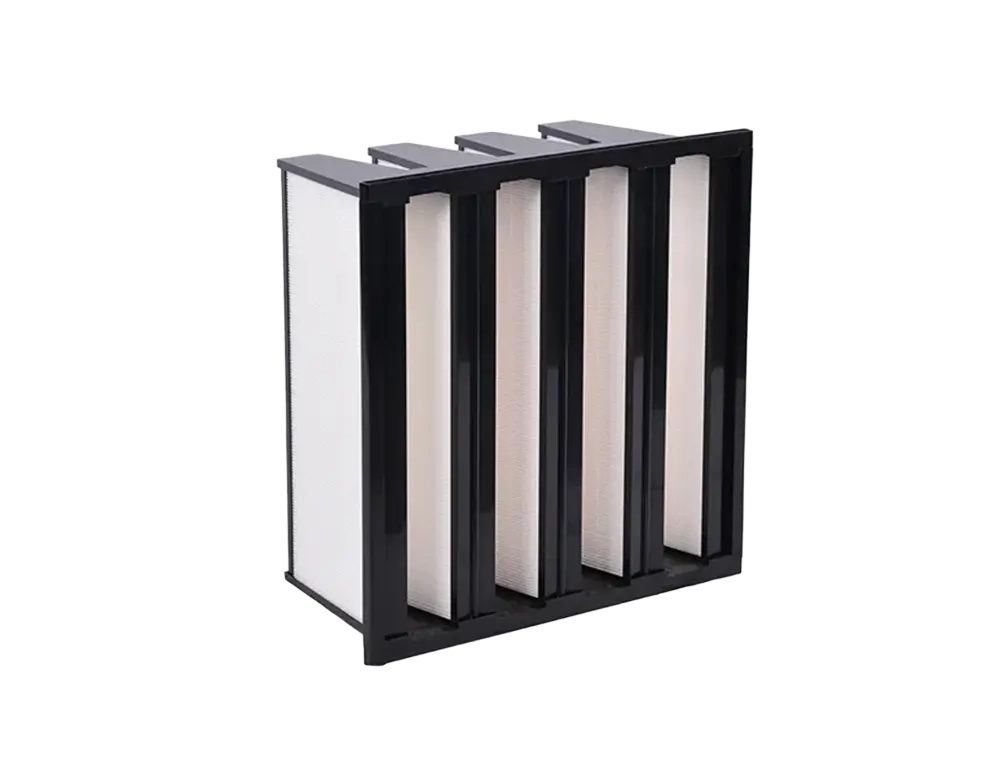
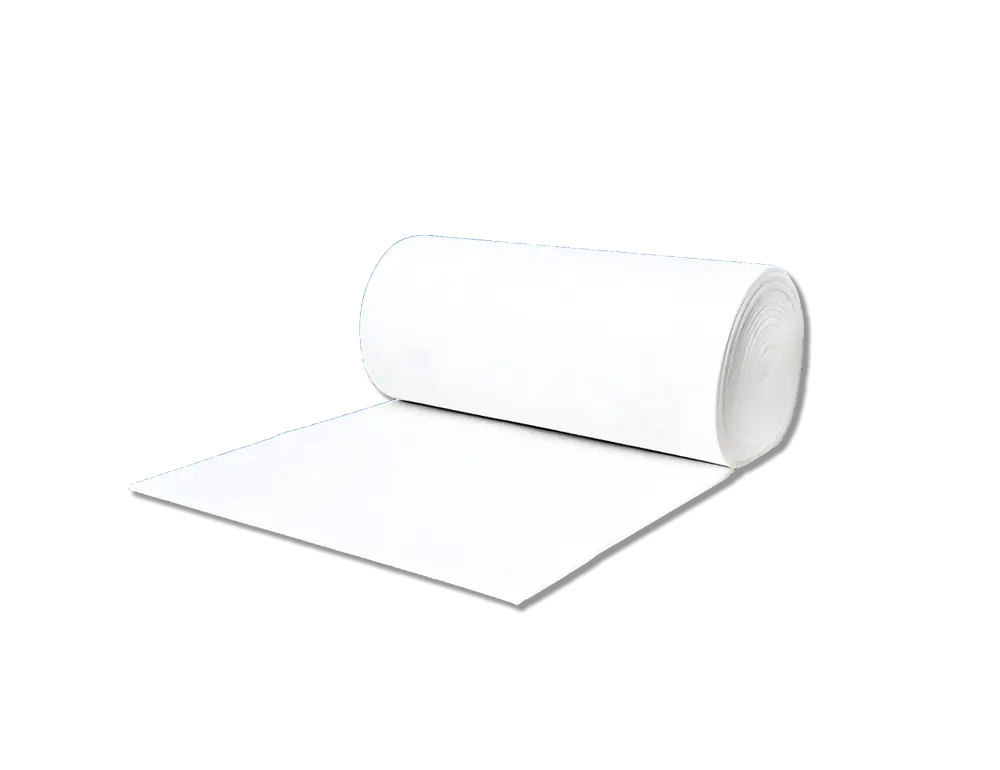
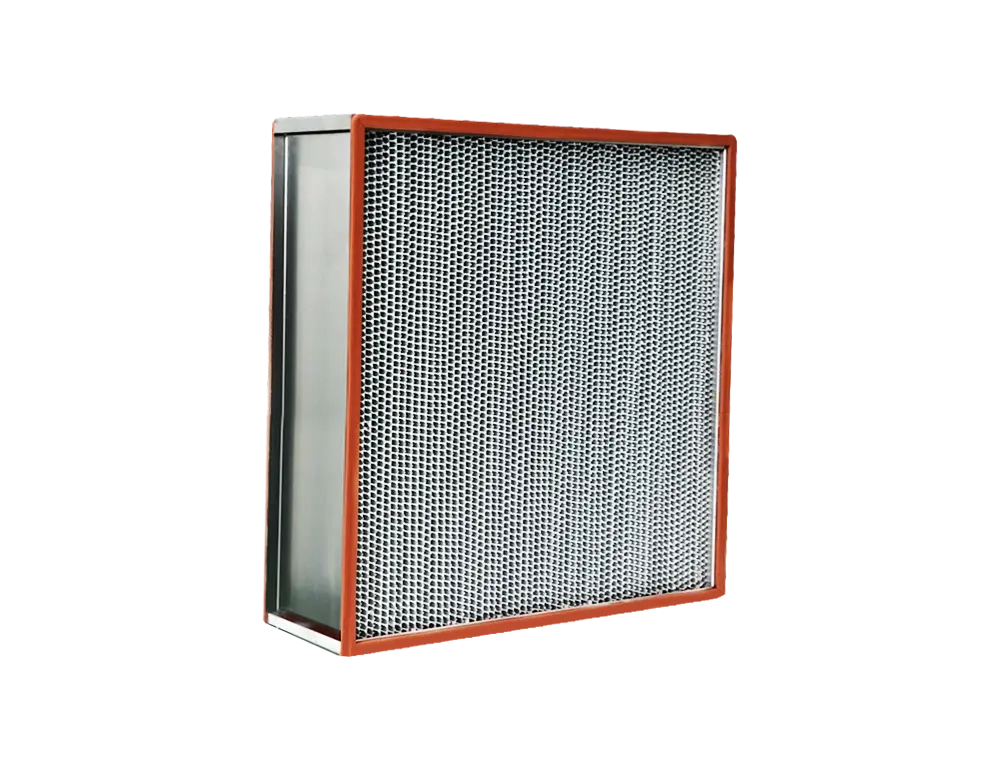
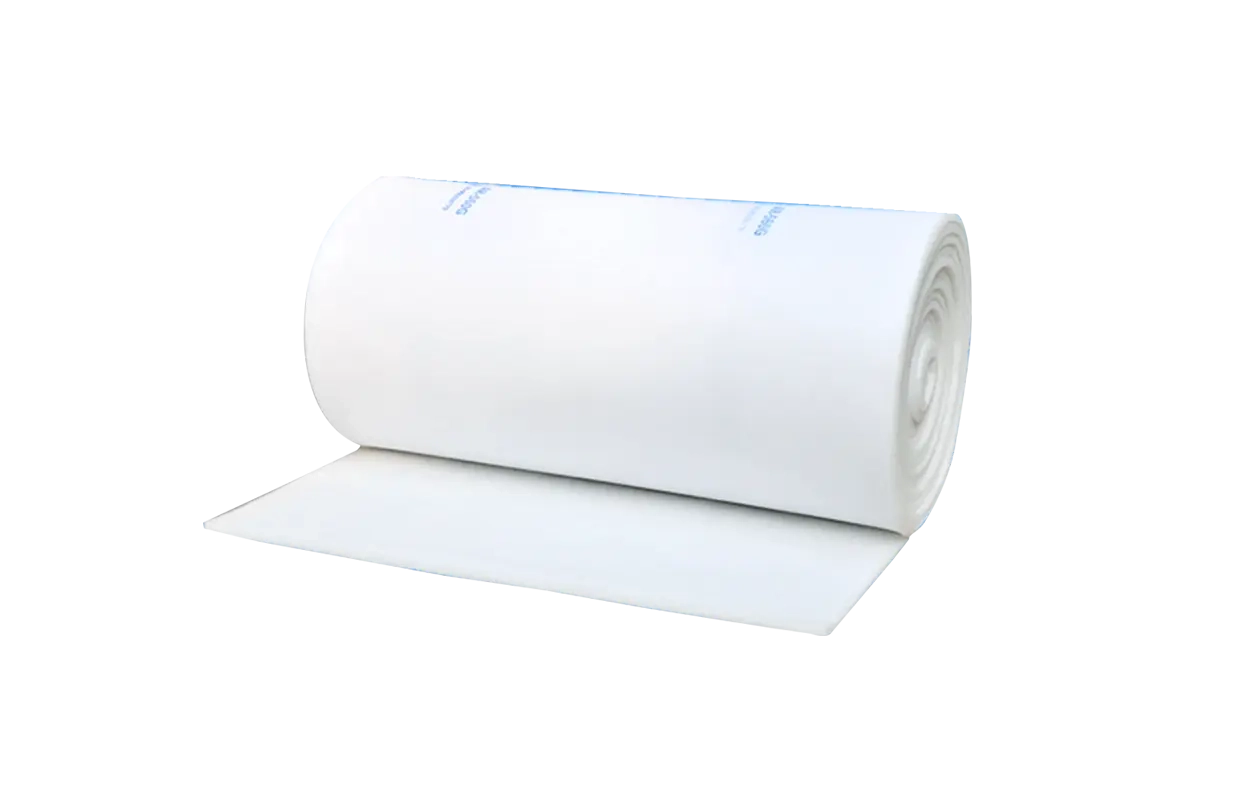
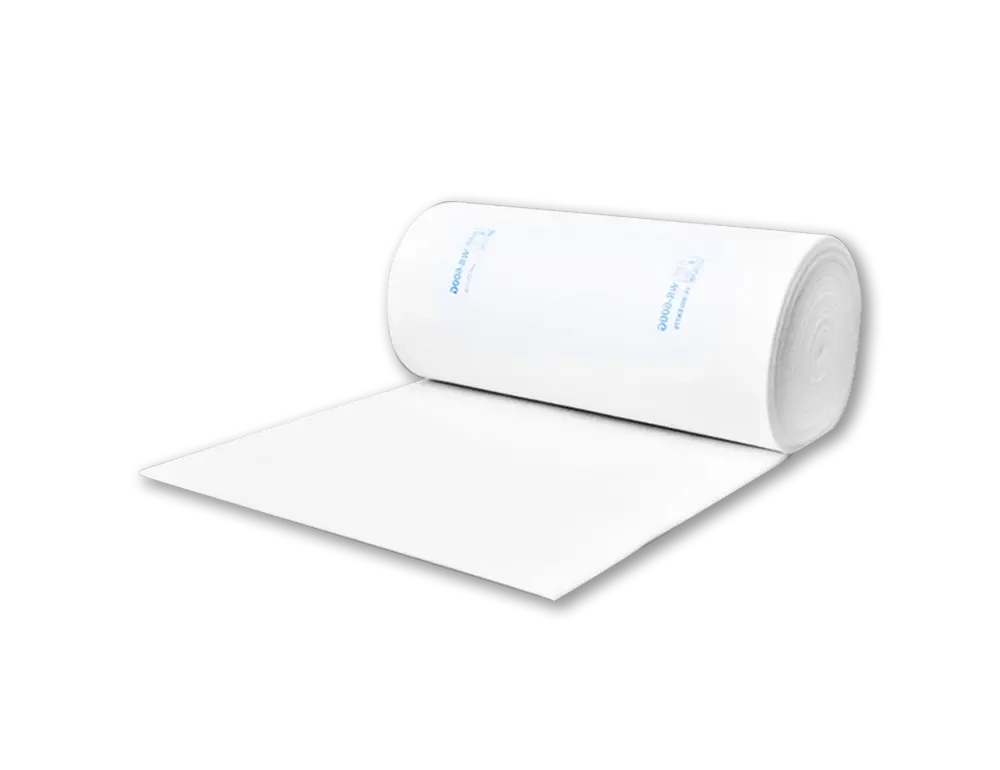
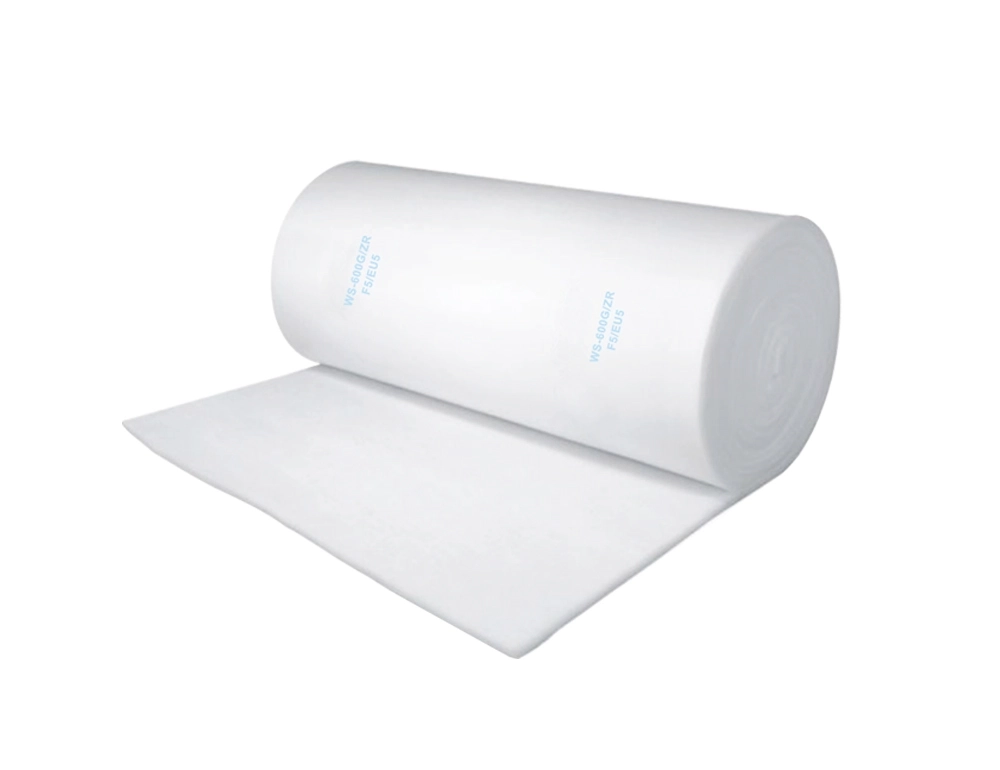
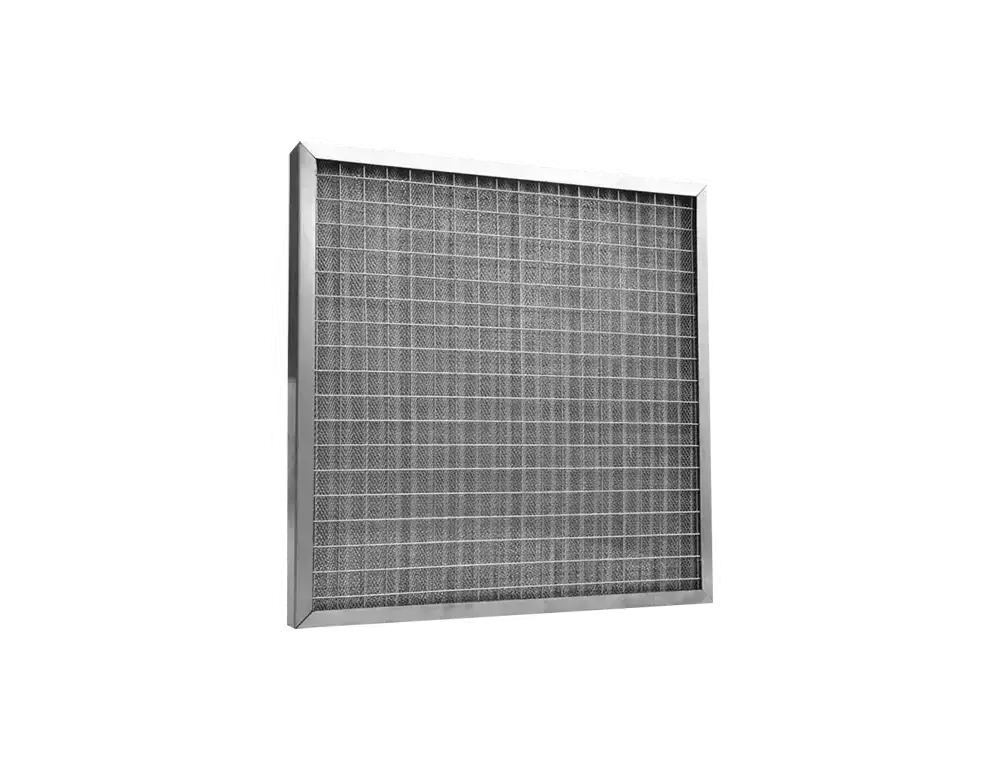
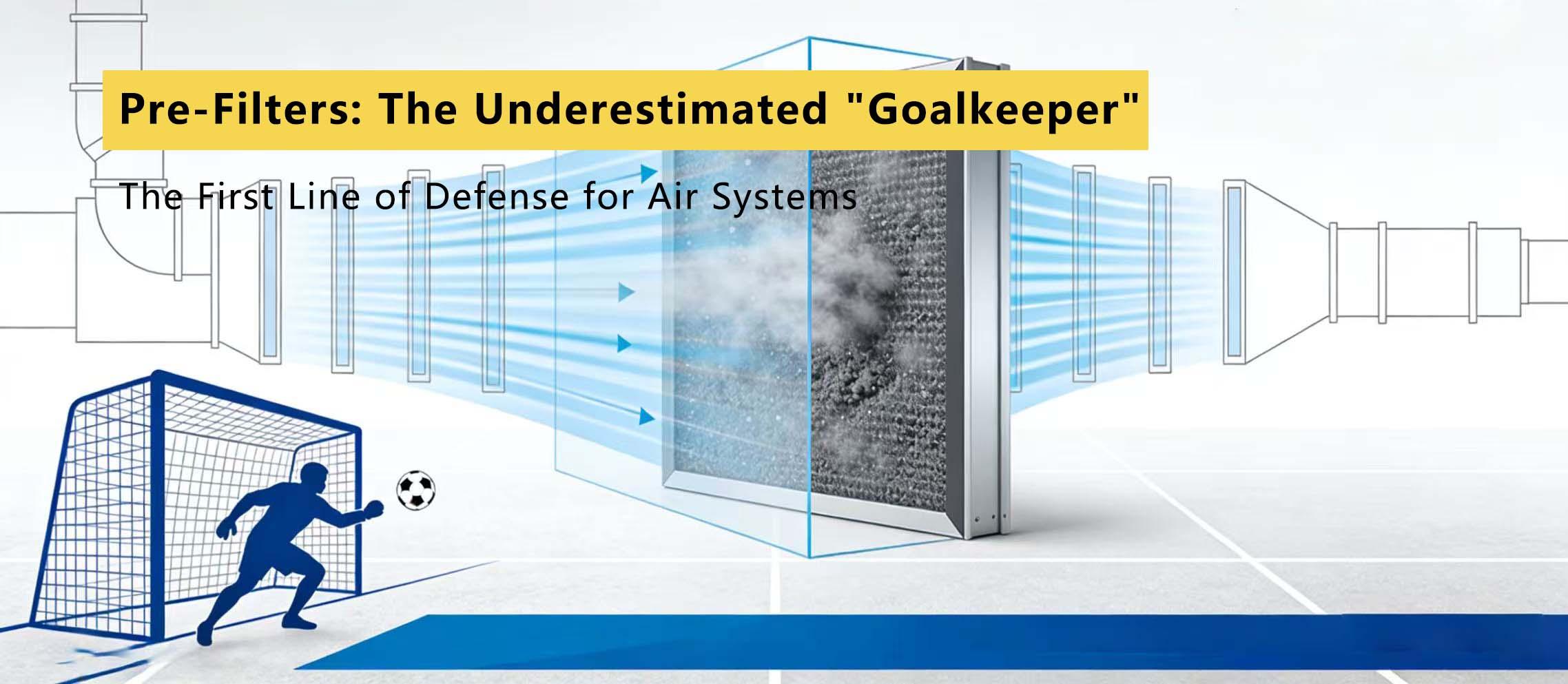
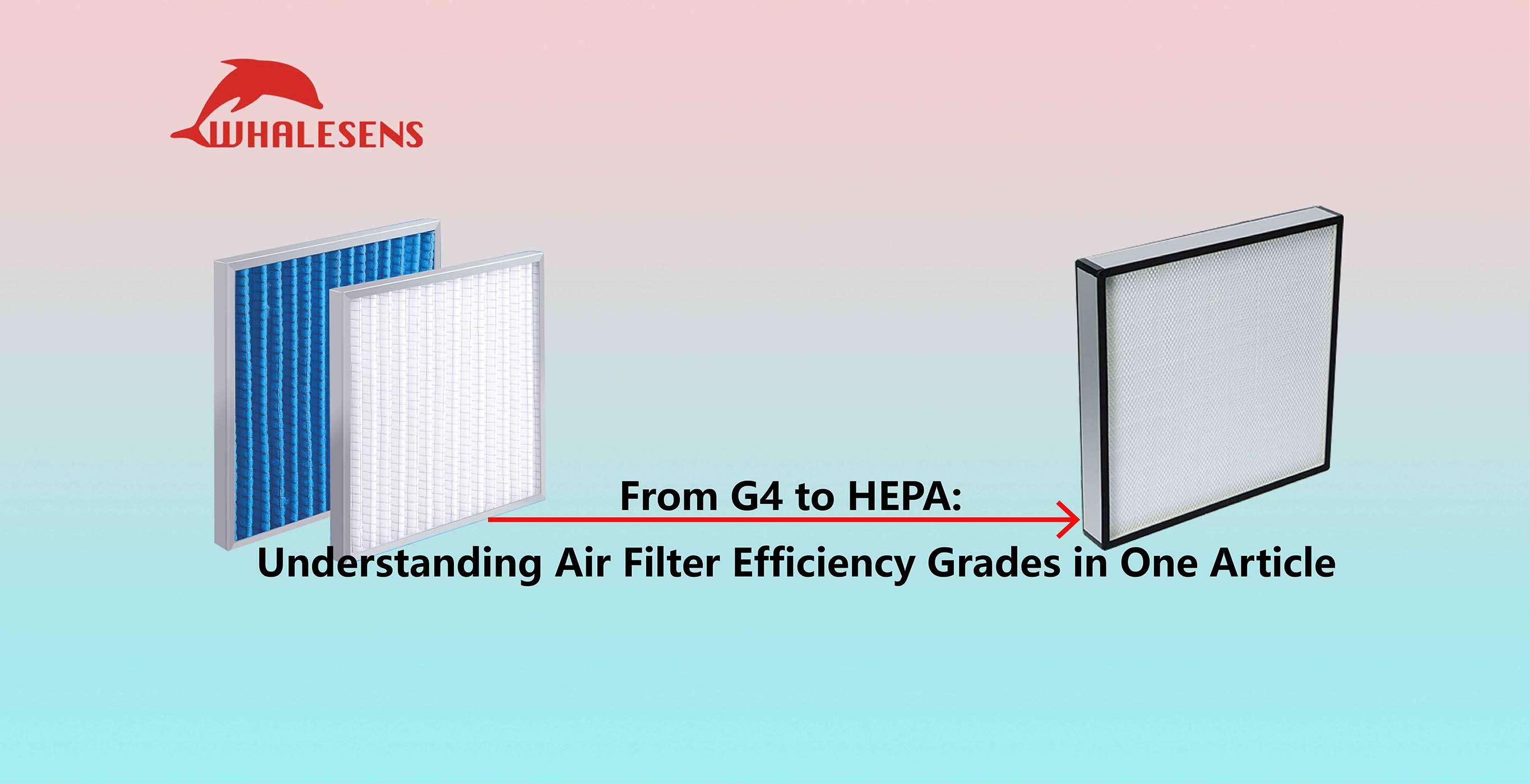
Pre-Filter (G1–G4)
First-Stage Large-Particle Capture
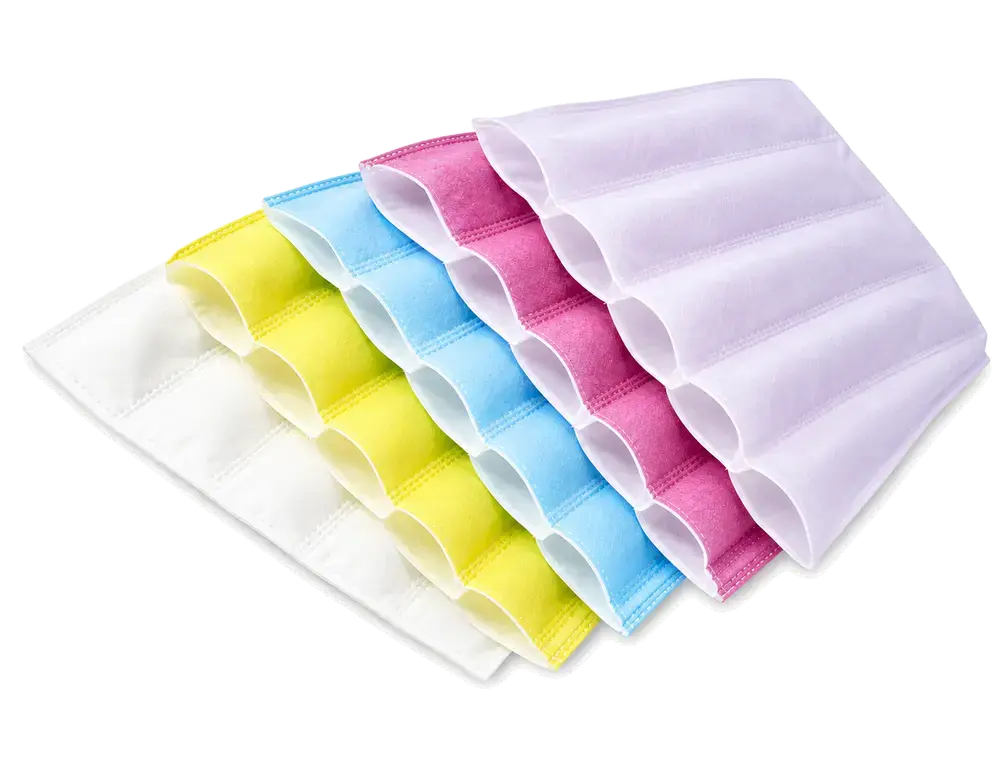
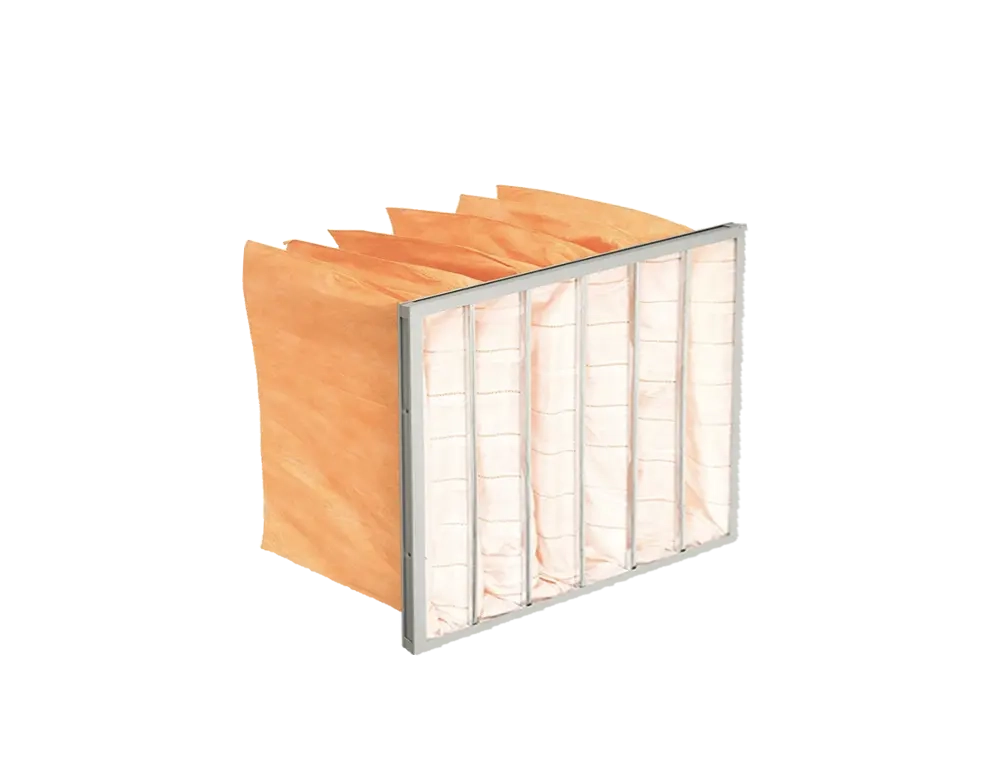
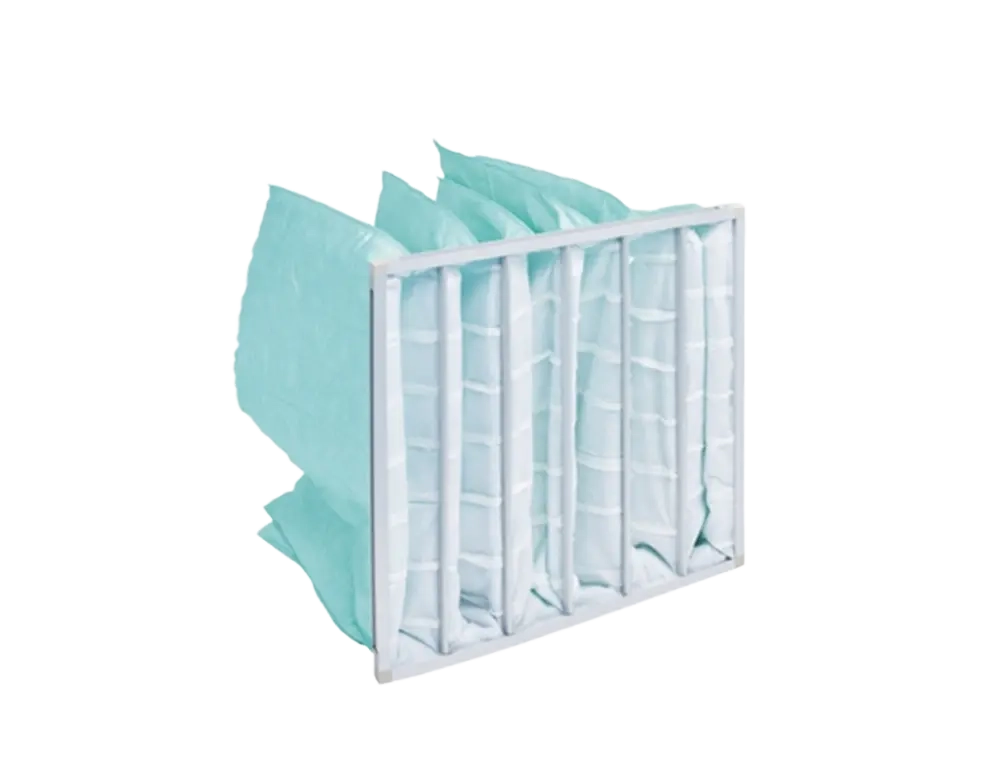
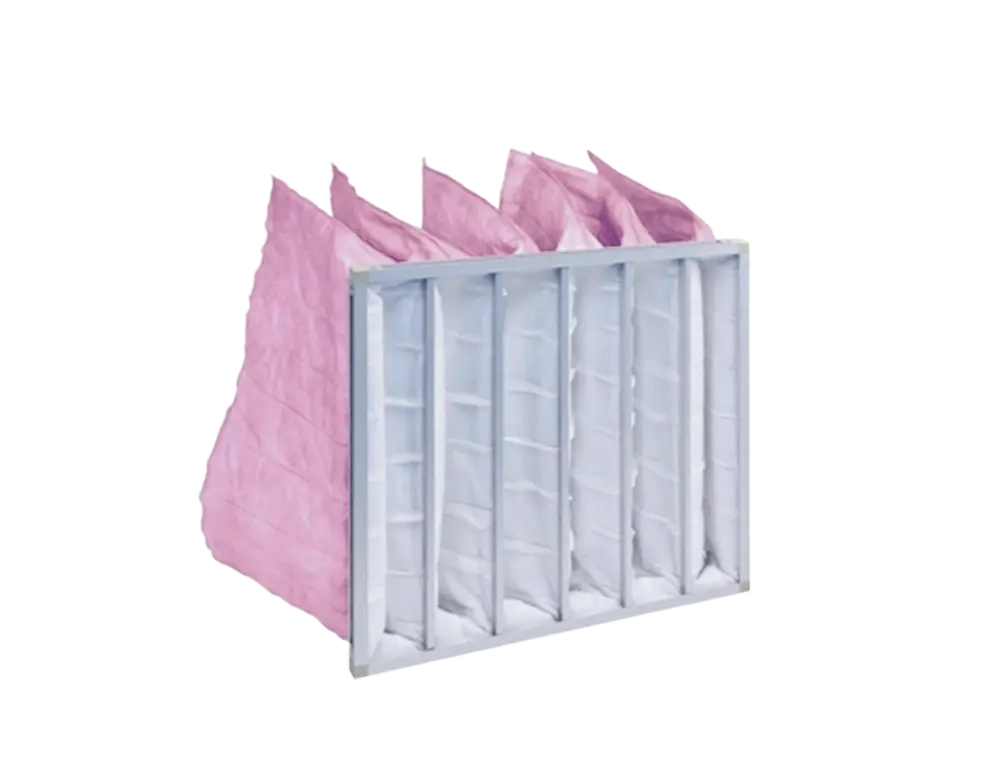
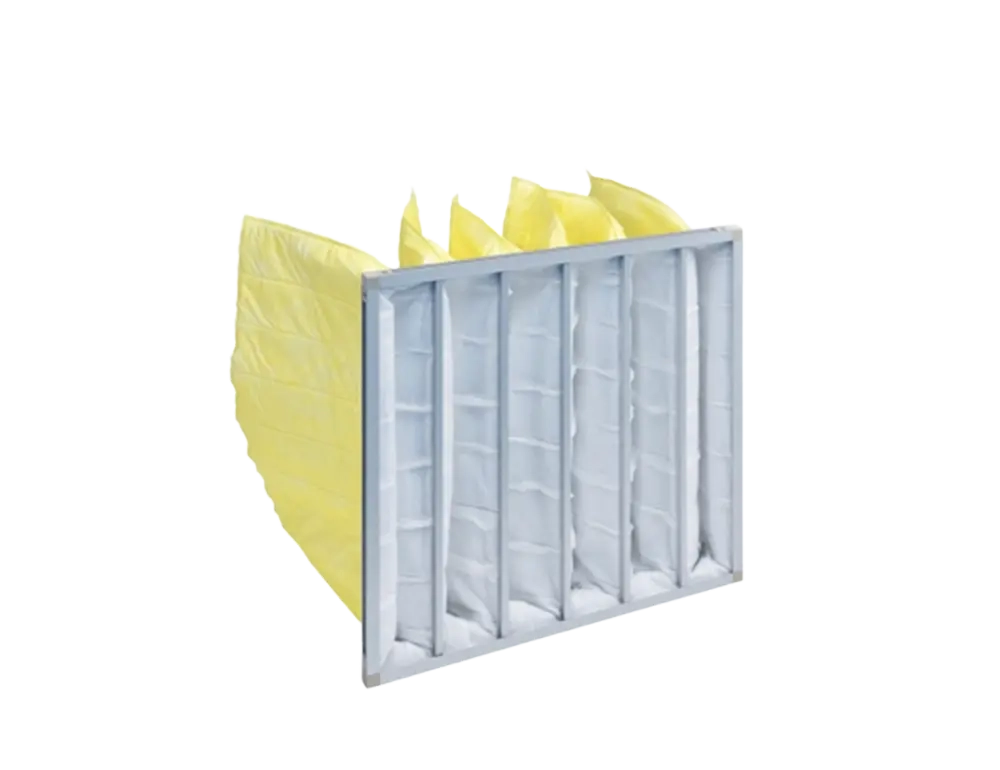
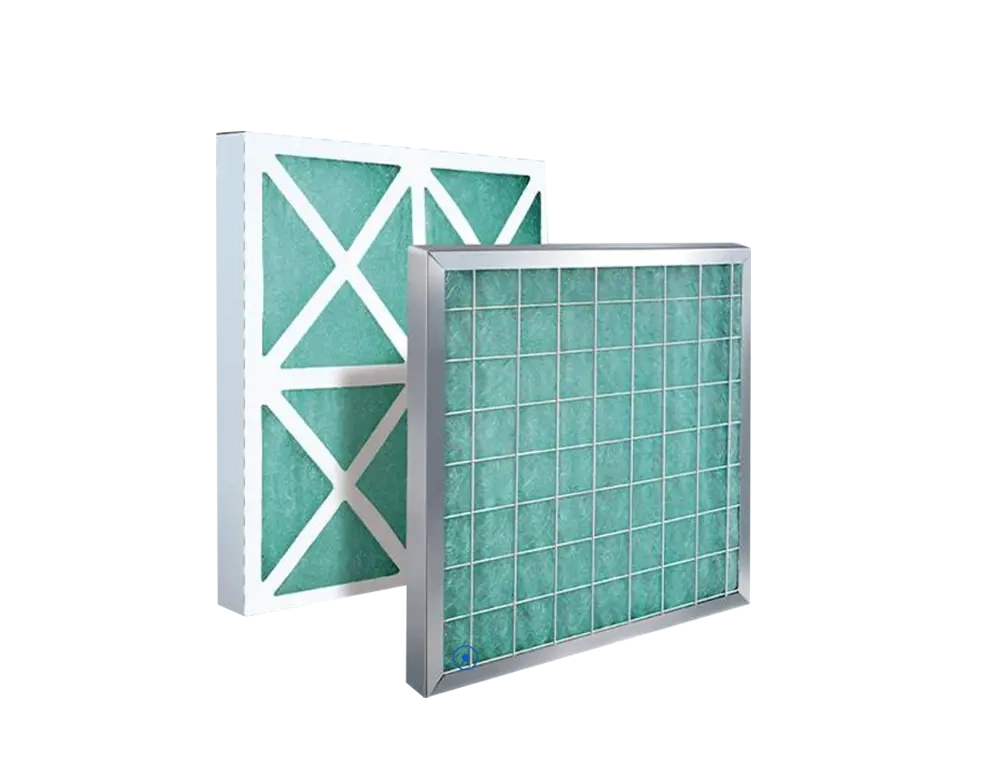
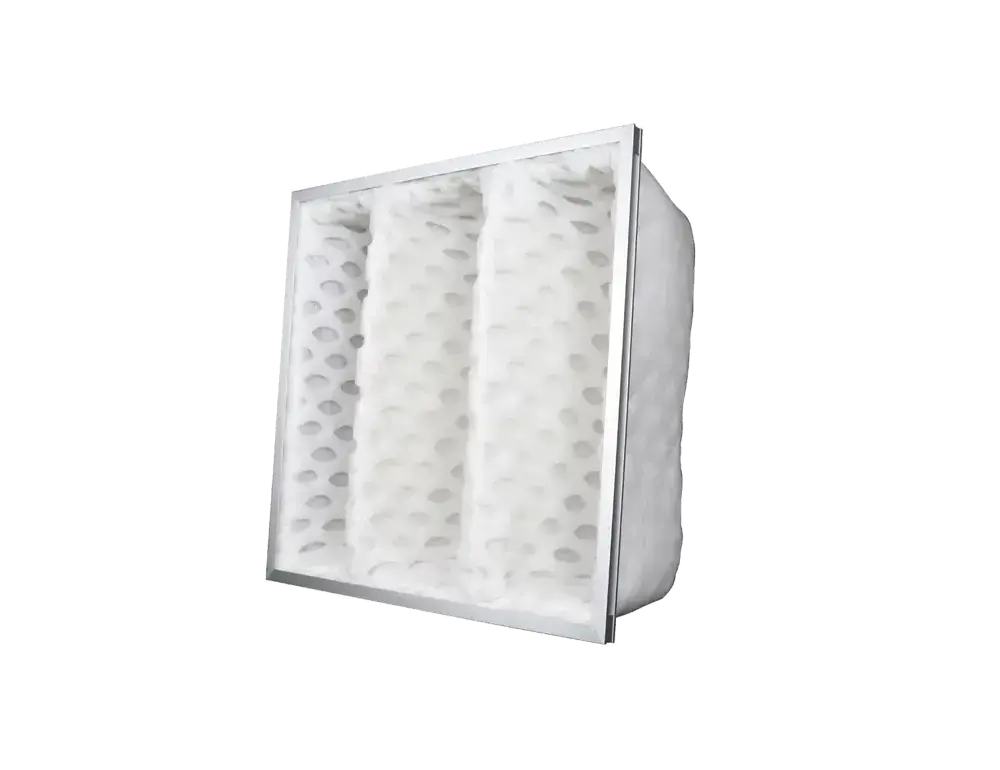
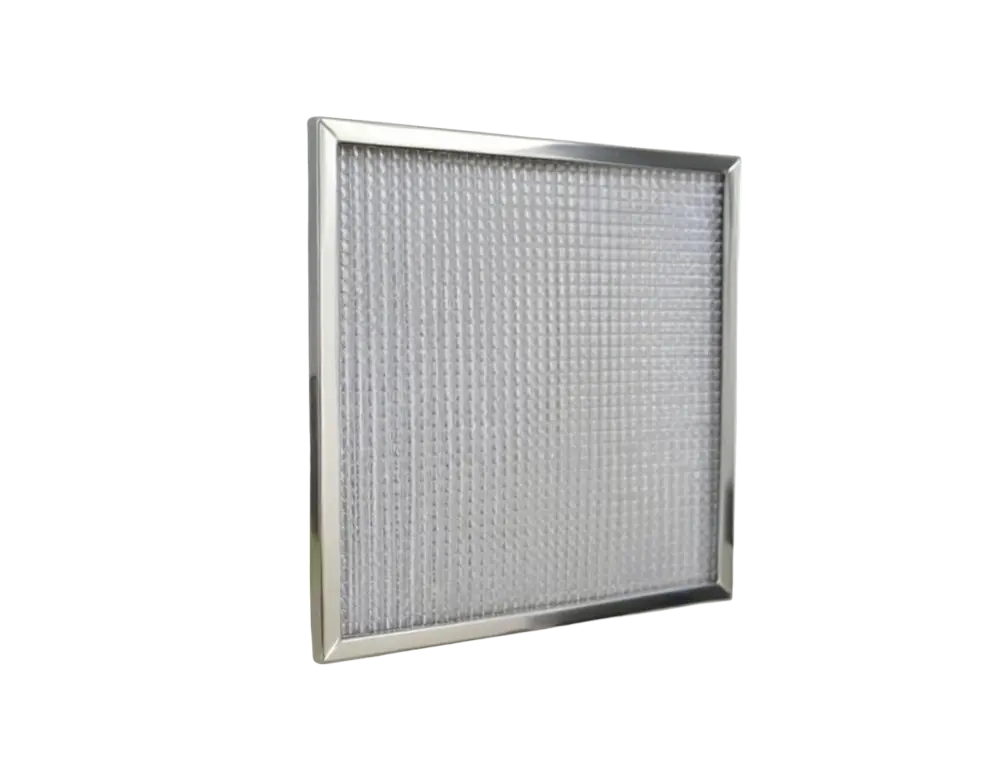
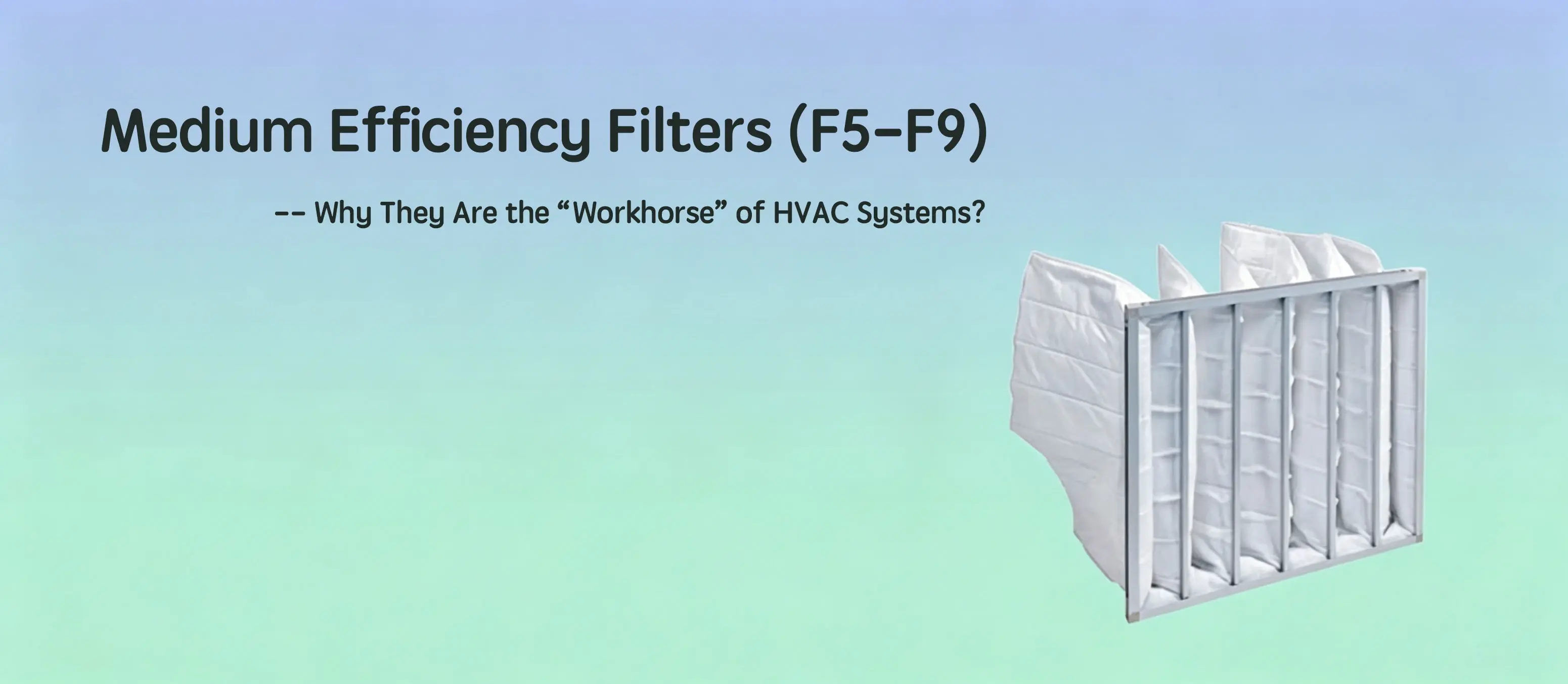
Medium-Efficiency Filter (F5–F9)
Precise PM2.5 Capture
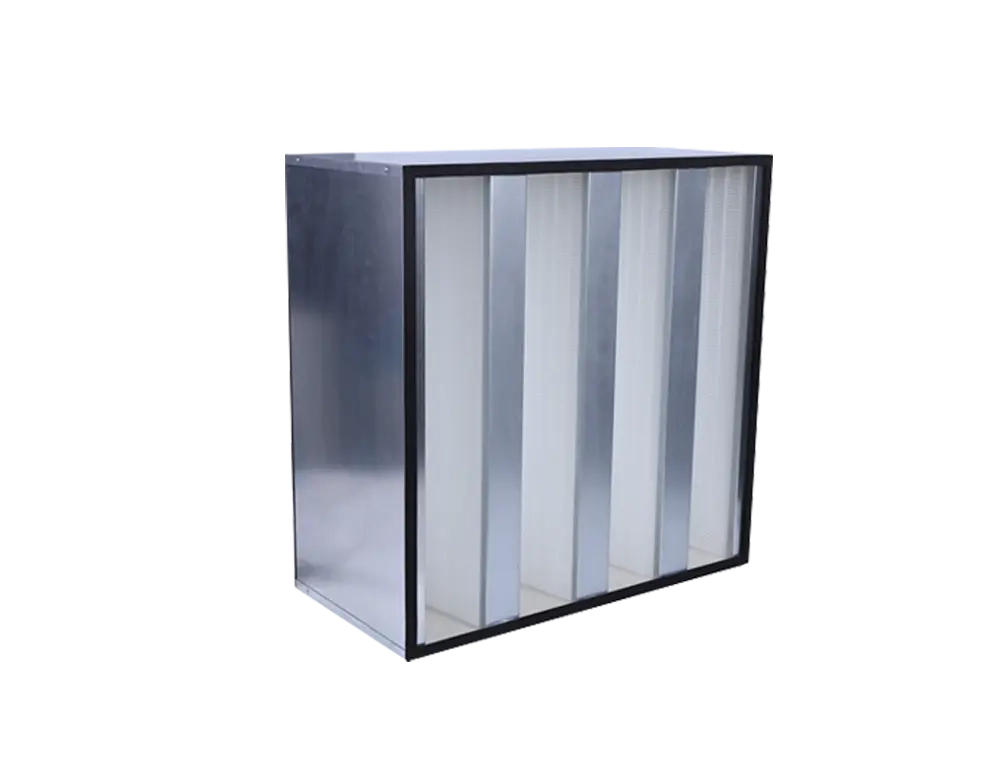
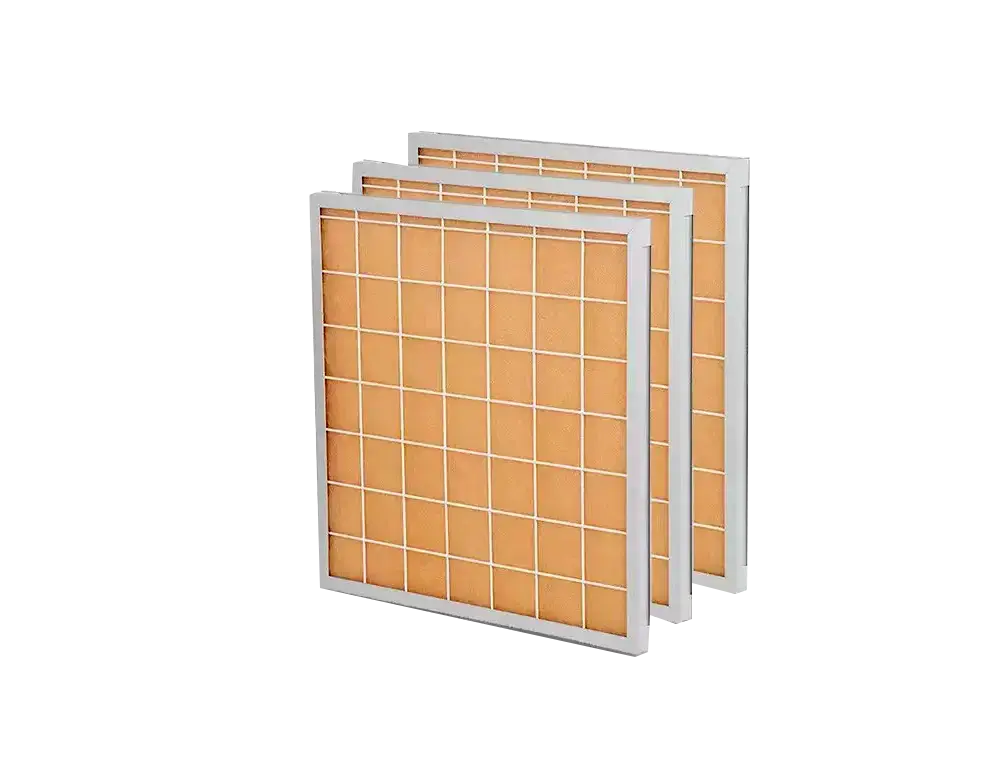
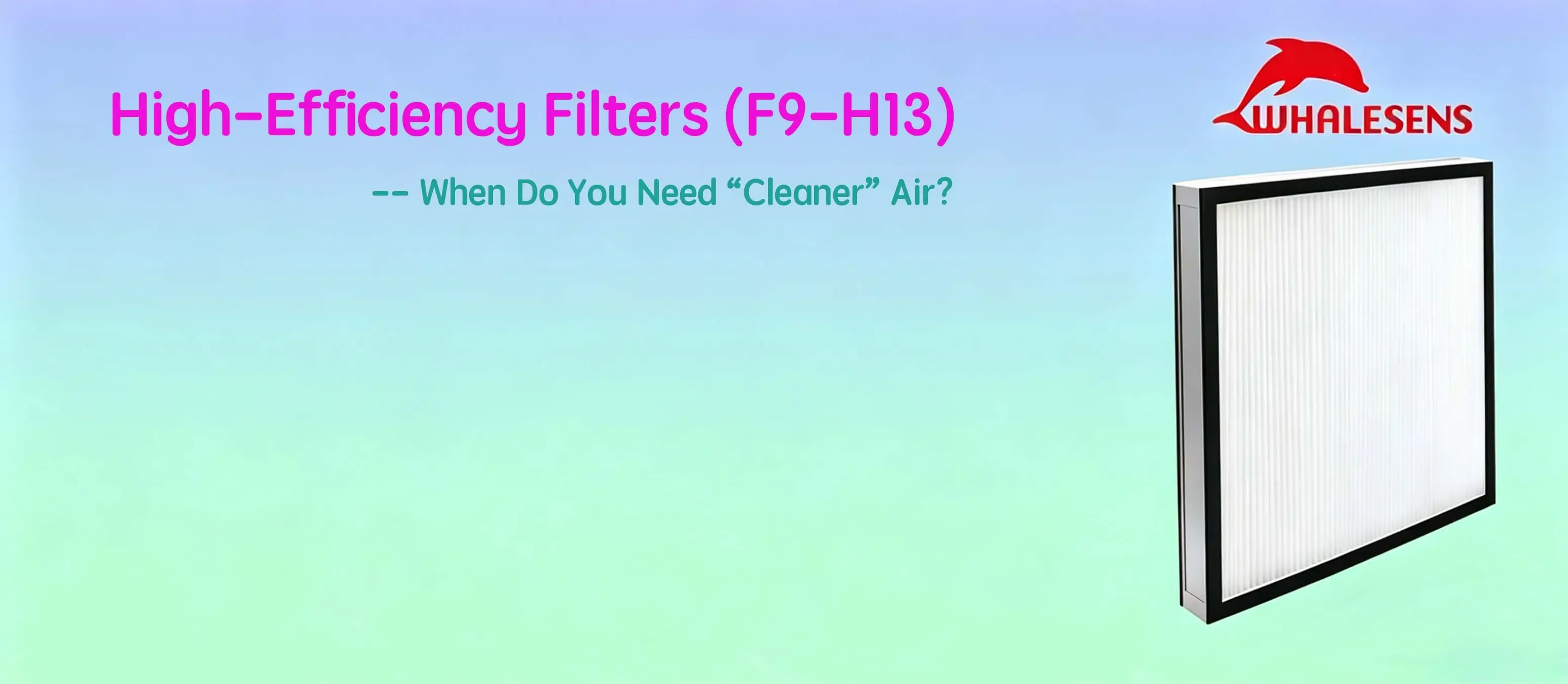
HEPA High-Efficiency Filter
Sterile-Grade Purification
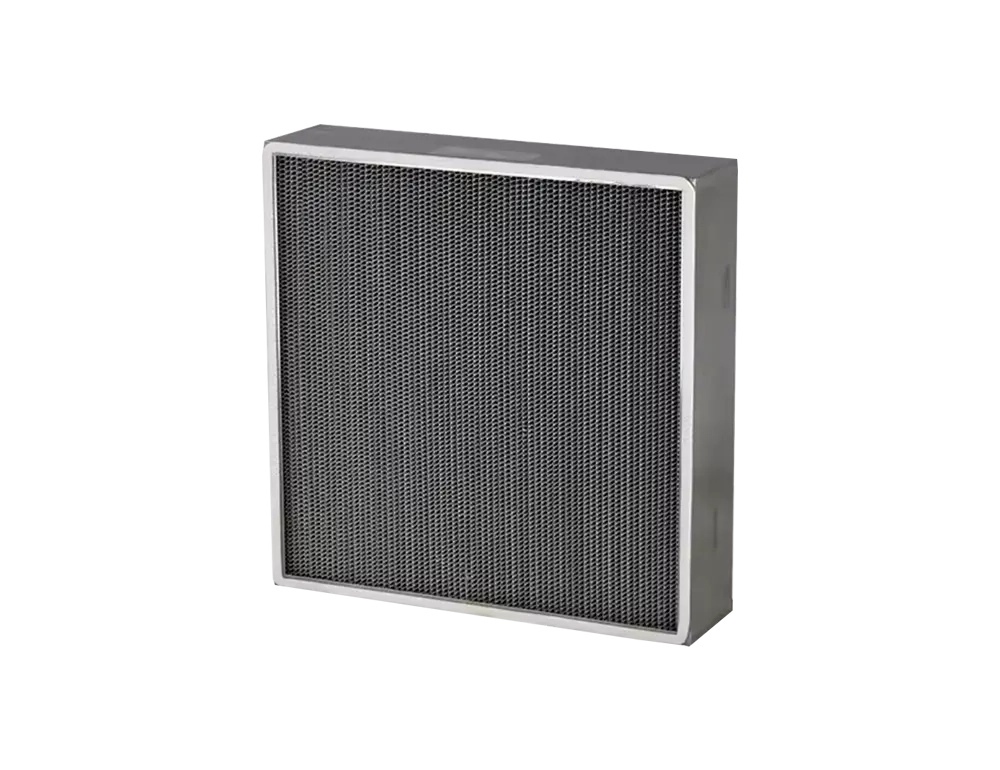
ULPA Ultra-High Efficiency Filter
Sub-Micron Particle Capture
First-Stage Large-Particle Capture
The first line of defense, capturing particles ≥5 μm such as dust, hair, and fibers to protect downstream filters and extend overall system service life.
View Related Products →Precise PM2.5 Capture
Captures fine particles of 1–5 μm including PM2.5, pollen, and mold spores, significantly improving indoor air quality for commercial HVAC and ventilation systems.
View Related Products →Sterile-Grade Purification
≥99.97% filtration efficiency for particles ≥0.3 μm, delivering sterile-grade clean air widely used in medical, pharmaceutical, and electronics manufacturing.
View Related Products →Sub-Micron Particle Capture
≥99.9995% efficiency for particles ≥0.12 μm, meeting the extreme cleanliness demands of semiconductor fabs, aerospace, and other ultra-precision applications.
View Related Products →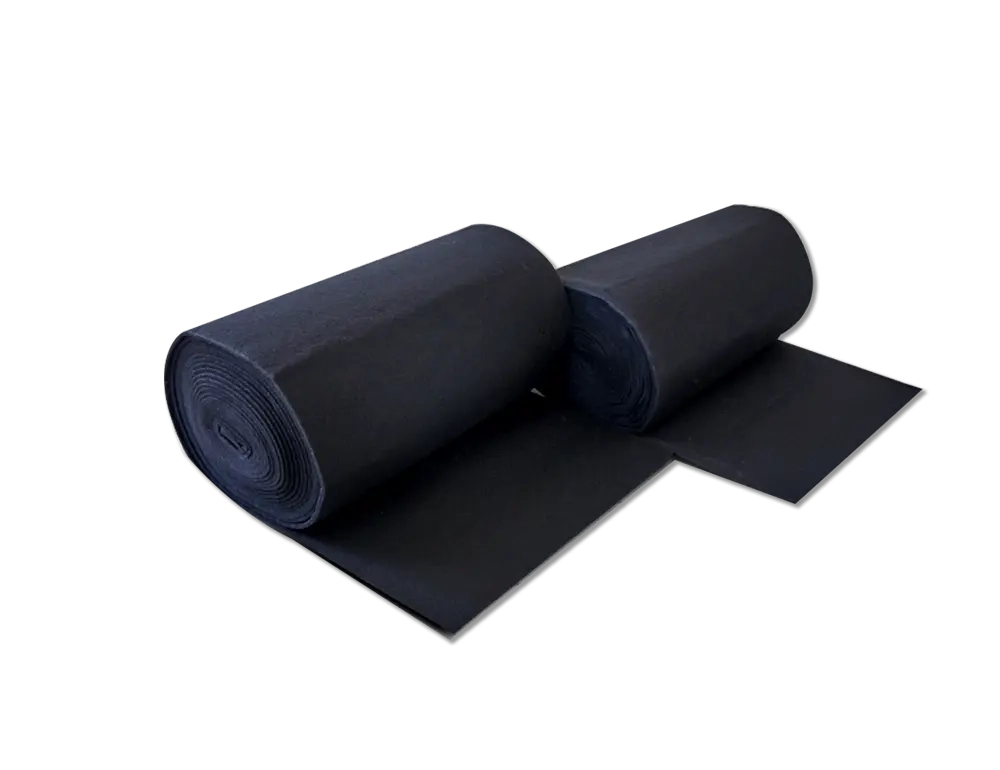
High-Temperature Resistant
Industrial-Grade Heat Tolerance
Washable & Reusable
Cut Costs, Reduce Waste
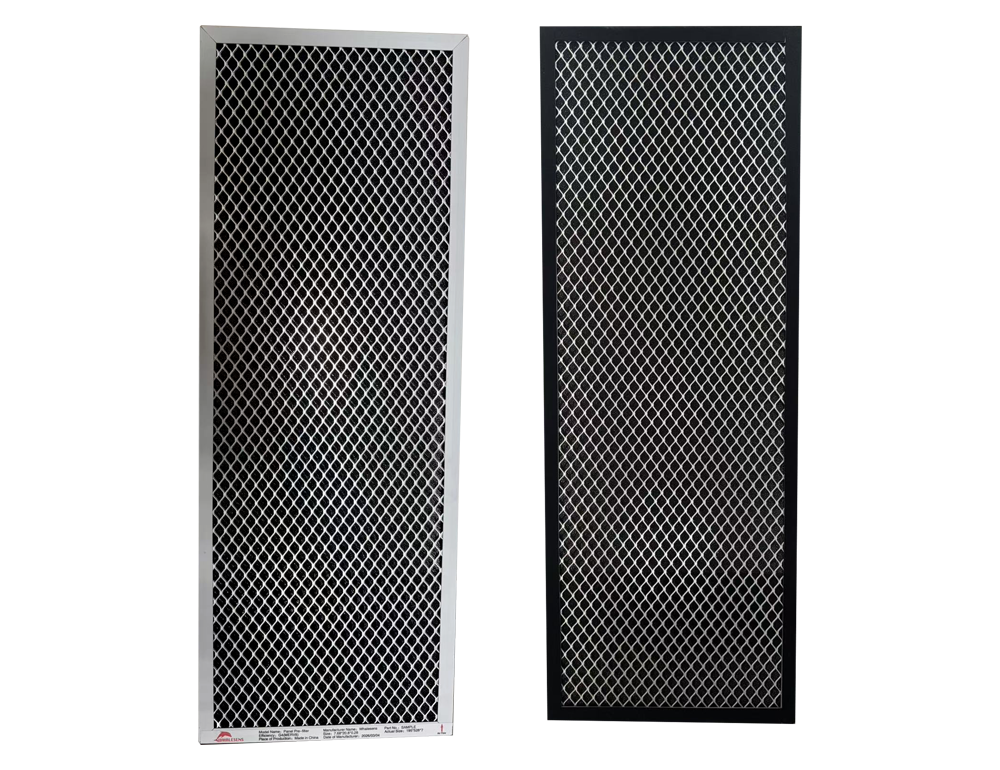
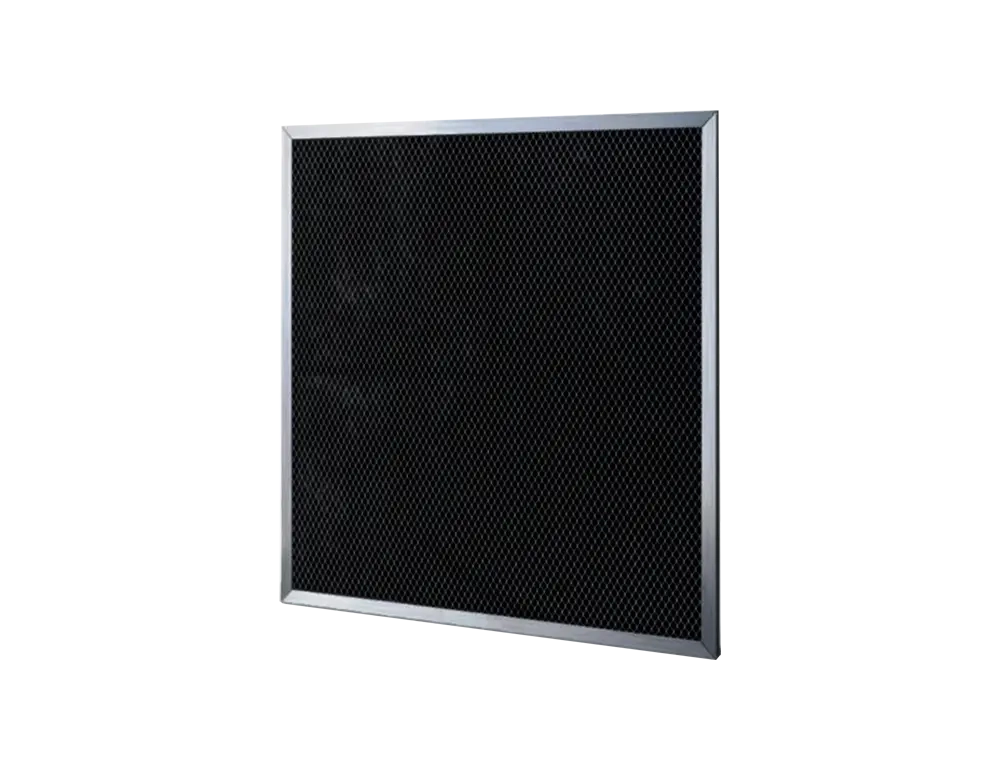
Activated Carbon
Odor & Harmful Gas Removal
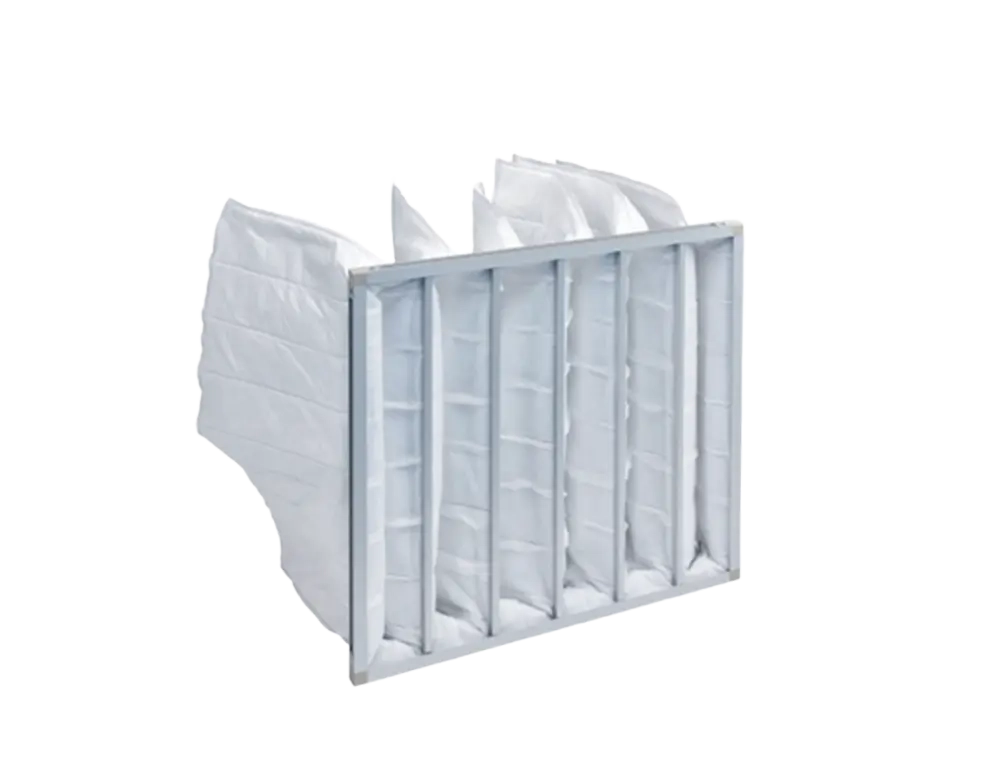
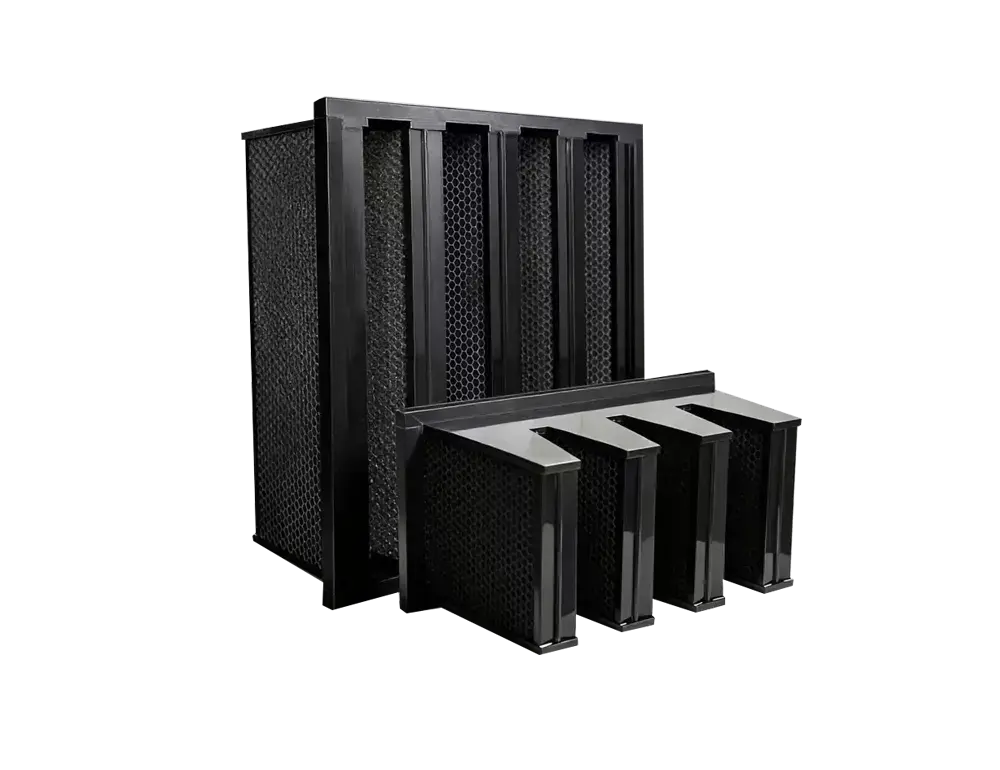
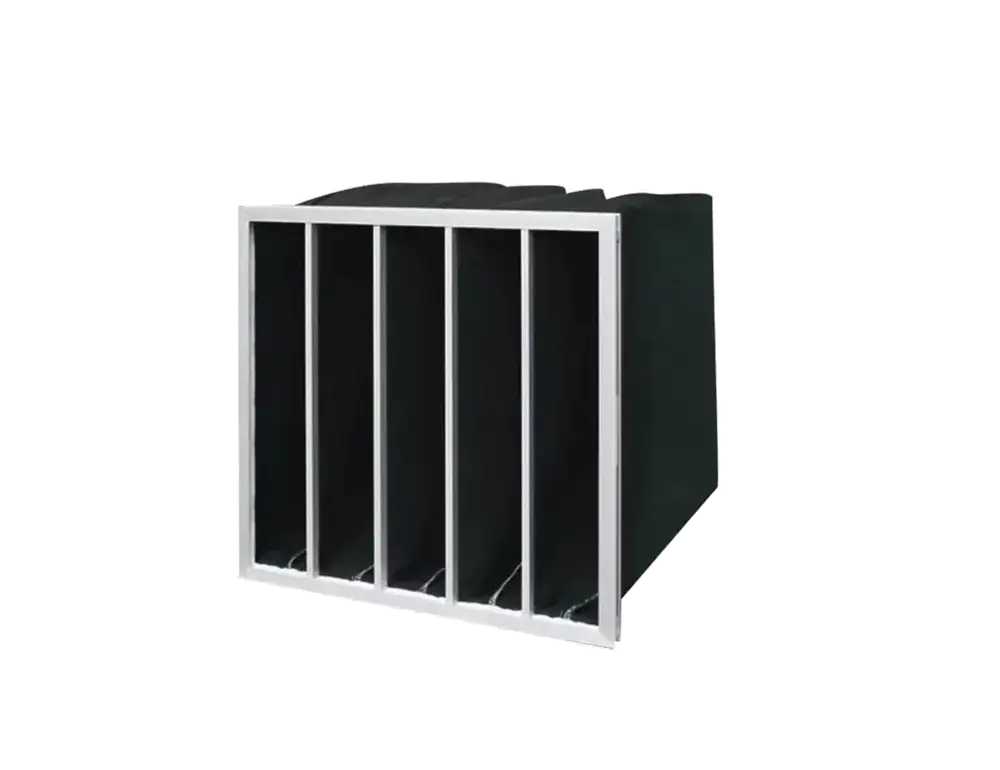
Bag Filter
High Dust-Holding, Long Life
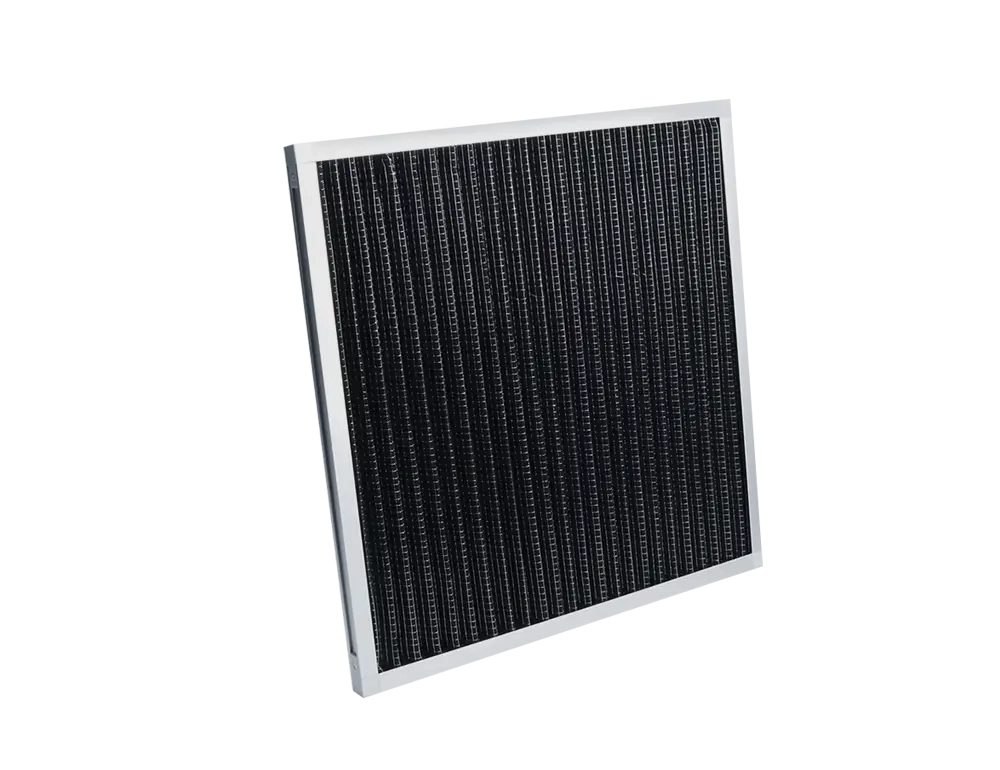
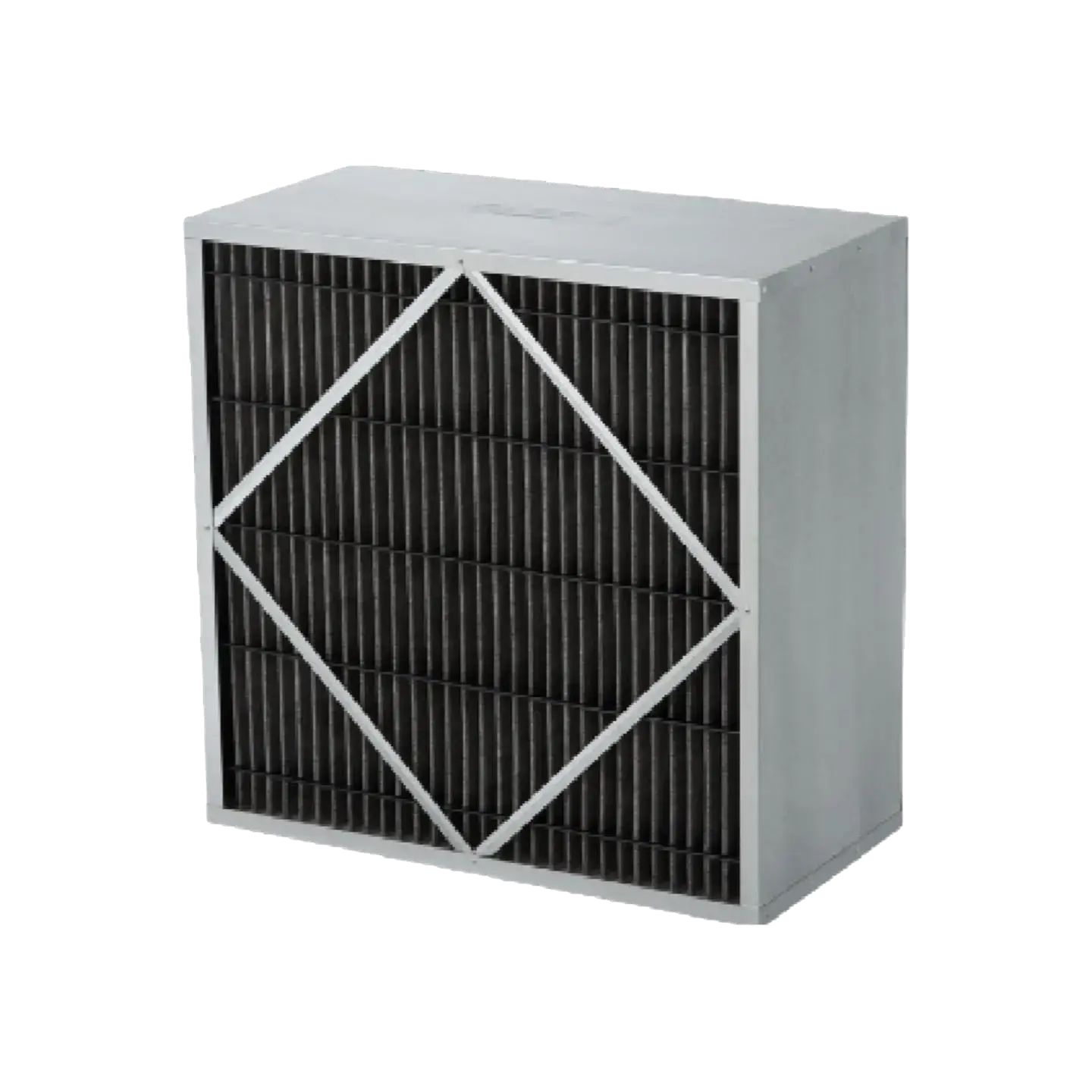
Panel / Pleated Filter
Compact Space-Saving Design
Low-Resistance Airflow
Energy-Saving Operation
Industrial-Grade Heat Tolerance
Built with specialized heat-resistant materials, operating stably up to 250°C for paint ovens, industrial dryers, and high-temperature process environments.
View Related Products →Cut Costs, Reduce Waste
Cleanable by water washing or air blowing, reusable multiple times to significantly reduce replacement frequency and O&M costs — an economical, eco-friendly choice.
View Related Products →Odor & Harmful Gas Removal
Leverages activated carbon's high adsorption capacity to eliminate odors, VOCs, and formaldehyde, ideal for newly renovated spaces and industrial exhaust treatment.
View Related Products →High Dust-Holding, Long Life
Bag-style construction delivers a larger filtration area, high dust-holding capacity, and extended service life — ideal for high-dust environments with reduced replacement frequency.
View Related Products →Compact Space-Saving Design
Compact form factor for easy installation and replacement; pleated structure maximizes filtration area within a small footprint for higher efficiency.
View Related Products →Energy-Saving Operation
Low-resistance design minimizes pressure drop while maintaining filtration performance, reducing fan energy consumption for cost-effective, eco-friendly operation.
View Related Products →













 English(Global)
 简体中文
简体中文 Language




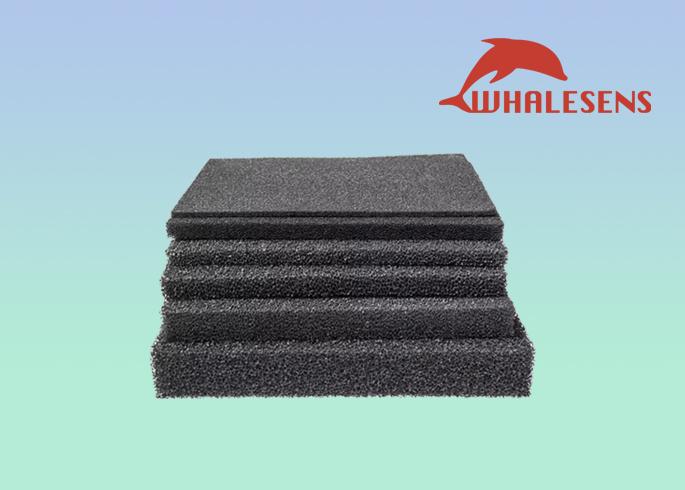
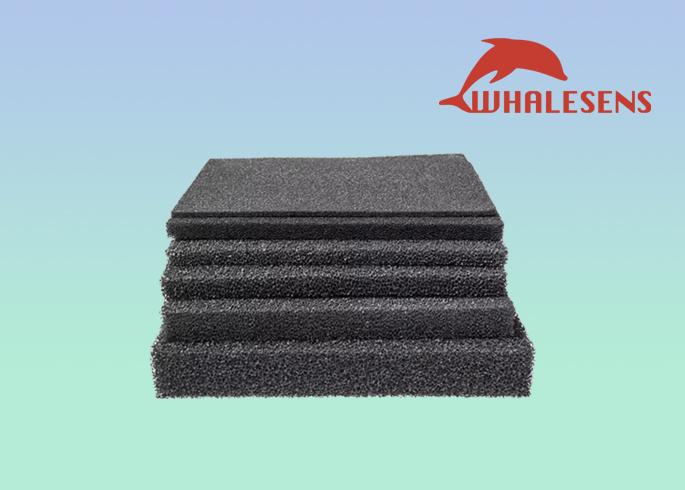
Why Polyurethane Foam Filter for EV Charger Must Meet UL94 HF-1
polyurethane foam filter is a key specification for safe, reliable industrial air filtration in this application.
Understanding UL94 HF-1: The Critical Difference for Foam Filters
When engineers source a polyurethane foam filter for EV charger cabinets, they often assume any flame-rated foam will do. The reality is starkly different—the gap between a standard HB-rated foam and a UL94 HF-1 certified foam can mean the difference between a self-extinguishing filter and one that becomes a secondary fire source. UL94 is the globally recognized standard for flammability of plastic materials, but for foam products like polyurethane filter media, HF-1 is the definitive benchmark.
- Slow burning allowed
- No drip requirements
- Not designed for foam
- Passes with limited flame resistance
- Extremely slow burn rate
- Zero flaming drips
- Specifically for foam materials
- Rigorous self-extinguishing within seconds
HB tests a clean, new sample in a controlled horizontal burn. HF-1, on the other hand, is designed explicitly for cellular polymeric materials such as polyurethane foam. It imposes stricter limits on afterflame time, afterglow time, and burn rate, and it absolutely forbids any flaming particles or molten drips. For an EV charger—packed with high‑voltage modules, capacitors, and wiring—a flaming drip from a filter falling onto these components can instantly escalate a minor arc into a catastrophic fire.
Why EV Charger Cooling Demands UL94 HF-1 Flame Retardant Air Filter
Modern DC fast chargers push power modules to their thermal limits. Internal temperatures around IGBTs and rectifiers can exceed 85°C continuously, while air‑cooled enclosures rely on intake fans that draw in ambient air—and contaminants. A polyurethane foam filter for EV charger serves as the first line of defense, trapping dust, moisture, and salt-laden particles. But this trapped debris turns the filter into a potential fuel bed. Over time, thermal aging degrades the polymer structure, lowering the foam’s ignition point. Salt and oily residues from vehicle exhaust or coastal environments further accelerate this degradation.
items:
Thermal Cycling: -20°C to +70°C ambient, +85°C internal
Contaminants: Road salt, dust, hydrocarbons
Aging: 24/7 operation, 10+ year service life
Fire Triggers: Arc faults, capacitor failure, loose connections
An HB‑rated foam might perform adequately in a clean, moderate‑temperature lab. But after years of absorbing salt spray near a coastal highway or fine dust in a desert corridor, its flammability can change drastically. Only a UL94 HF-1 flame retardant air filter is validated to maintain its safety margin under these real‑world conditions, because the certification tests the foam’s performance in worst‑case orientation (horizontal) and explicitly prevents dripping—a critical safeguard when the filter is mounted above sensitive electronics.
Real-World Fire Hazards in EV Charger Installations
Fire incidents in EV charging stations, while not daily occurrences, are well documented. The root cause often traces back to electrical arcs or component overheating inside the charger enclosure. An unprotected filter can then become the first ignited material.
“A filter foam that burns and drips is no longer a filter—it becomes an accelerant.
”
Consider a typical fast charger installed at a highway rest stop. The enclosure filters out diesel soot and road grime continuously. If a capacitor inside fails and creates an arc, the nearby filter—already oil‑impregnated—can catch fire. Without HF‑1 compliance, the foam may sustain combustion, drip onto the DC busbar or communication module, and spread the fire beyond the initial compartment. Such a fire not only destroys the charger (replacement cost tens of thousands of dollars) but also threatens vehicle and user safety, leading to legal and reputational damage for the operator.
The True Cost of Skipping HF-1 Certification
Choosing a non‑HF‑1 filter might save a few dollars per unit, but the total cost of a fire event is orders of magnitude higher.
These figures, based on industry incident reports, do not account for potential injury, insurance premium hikes, or regulatory fines. Meanwhile, a UL 94 certified filter foam that meets HF‑1 adds marginal cost—typically under 5% of the enclosure’s bill of materials. For a charger with a designed service life of 10 to 15 years, the incremental investment in certified foam is negligible.
How to Verify Genuine UL94 HF-1 Compliance for Polyurethane Foam Filters
The market is flooded with suppliers claiming “HF‑1 equivalent” or “self‑developed flame retardant.” Relying on such claims is risky. Below is a field‑ready validation checklist.
- ✔Request a UL‑accredited third‑party test report (not an internal declaration)
- ✔Confirm the tested material specifications (density, thickness, color) match delivery
- ✔Verify the supplier’s file number in the UL iQ online database
- ✔Perform a quick in‑house burn test: flame should self‑extinguish within seconds, zero drops
- ✔Audit the manufacturer’s ongoing consistency certification (UL Follow‑Up Service)
If a supplier cannot provide a traceable UL file number, the filter likely has not passed the full certification process. This is especially important for global projects where local fire codes now mandate UL94 HF‑1 or equivalent for polymeric materials inside electrical enclosures.
Final Word: HF-1 Is the Minimum, Not an Option
As EV infrastructure expands from temperate climates to deserts, coastlines, and high‑humidity regions, the safety margins of every component shrink. A polyurethane foam filter for EV charger that lacks HF‑1 certification is a liability waiting to be exposed by time and environment. It is not over‑engineering; it is acknowledging that the filter is a passive fire guard, not just an air cleaner.
Ensure your EV charger designs are protected with genuinely UL94 HF-1 flame retardant air filters. Contact Whalesens Technology to discuss customized polyurethane foam filter solutions backed by certified compliance.
Contact the Whalesens engineering team for product selection and OEM/ODM support.
Email whalesens@gmail.com
Get a free consultation →