


EV Charging Stations
Filtration for Power Equipment
Cleanroom & Semiconductor
Ultra-High Cleanliness Filtration
Commercial HVAC
Central Air System Filtration
Data Centers
Precision Equipment Protection
Livestock & Farming
Farming Environment Purification
Spray Booths & Industrial Dust
Paint Mist & Dust Purification
Filtration for Power Equipment
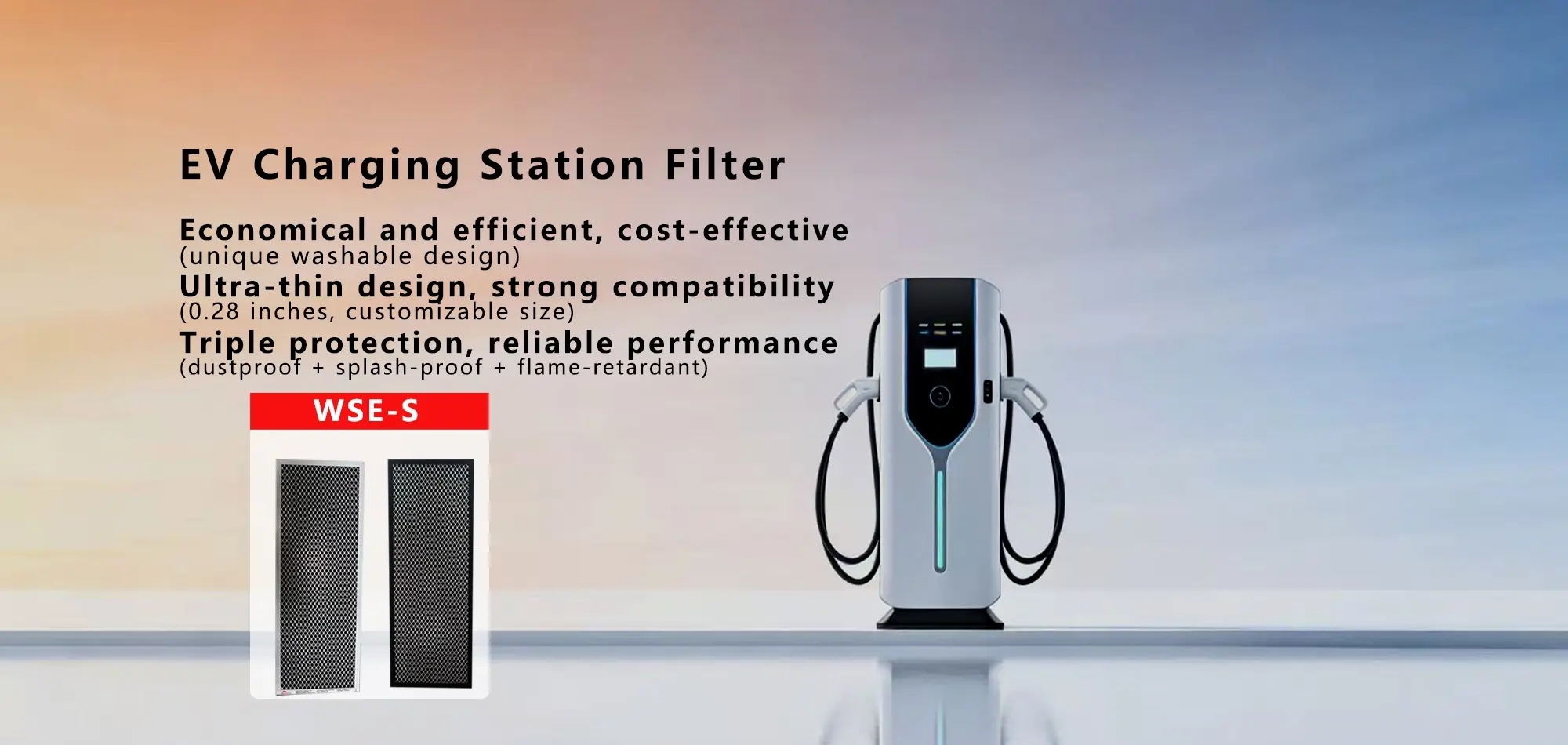
Professional air filtration for EV charging devices, protecting against dust and sand ingress to ensure stable, reliable operation of charging piles and station infrastructure.
View Related Products →Ultra-High Cleanliness Filtration
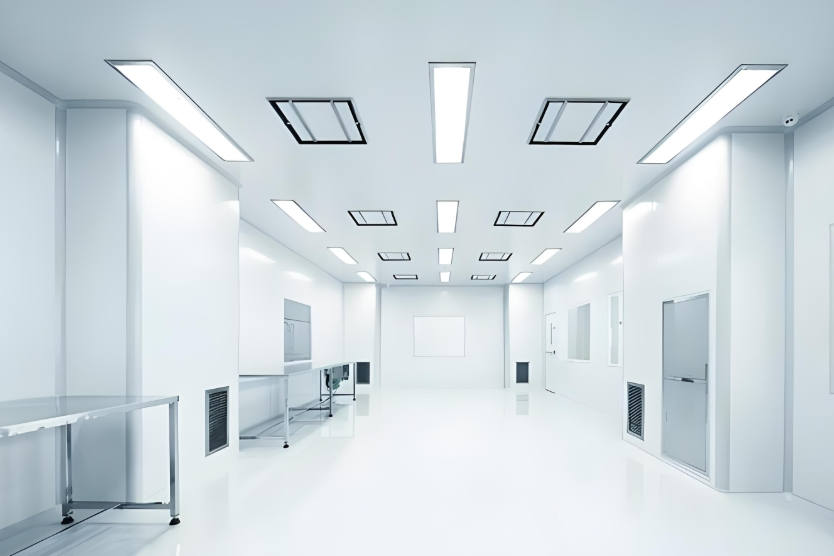
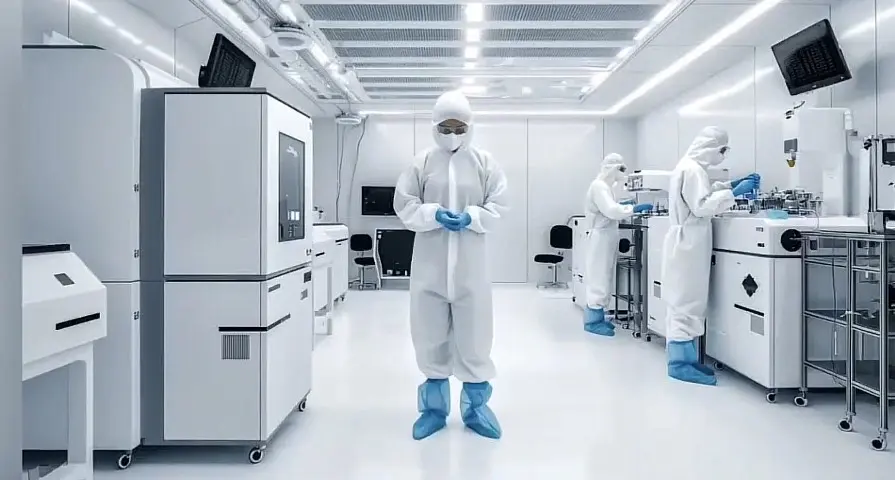
Ultra-high efficiency filtration for semiconductor wafer fabs and precision electronics cleanrooms, capturing nano-scale particles to meet ISO Class 1–3 standards and maximize product yield.
View Related Products →Central Air System Filtration
High-efficiency filtration for commercial building HVAC systems, improving indoor air quality, reducing energy consumption, and extending equipment service life.
View Related Products →Precision Equipment Protection
Precision air filtration for data centers, shielding servers and critical hardware from dust contamination to keep cooling systems running efficiently and reliably.
View Related Products →Farming Environment Purification
Dedicated filtration systems for farms and livestock facilities — capturing dust, adsorbing ammonia, and inhibiting pathogen spread to improve animal health and overall productivity.
View Related Products →Paint Mist & Dust Purification
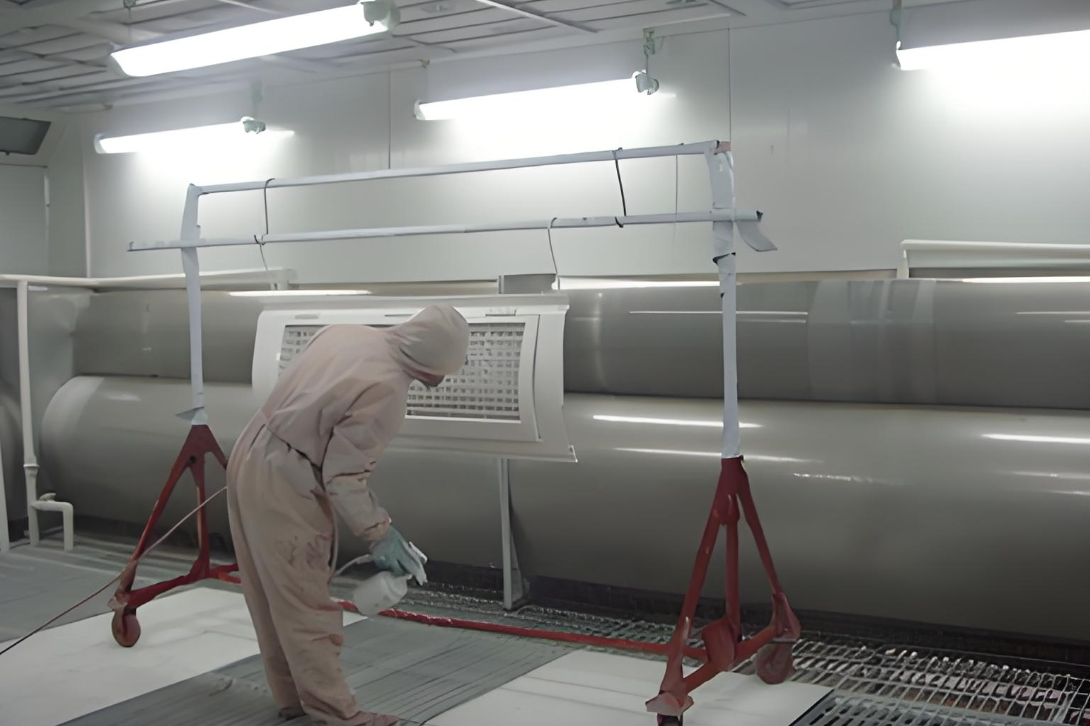
Designed for spray booths and grinding workshops, efficiently capturing paint mist, metal dust, and wood chips to meet emission standards while protecting finished surface quality.
View Related Products →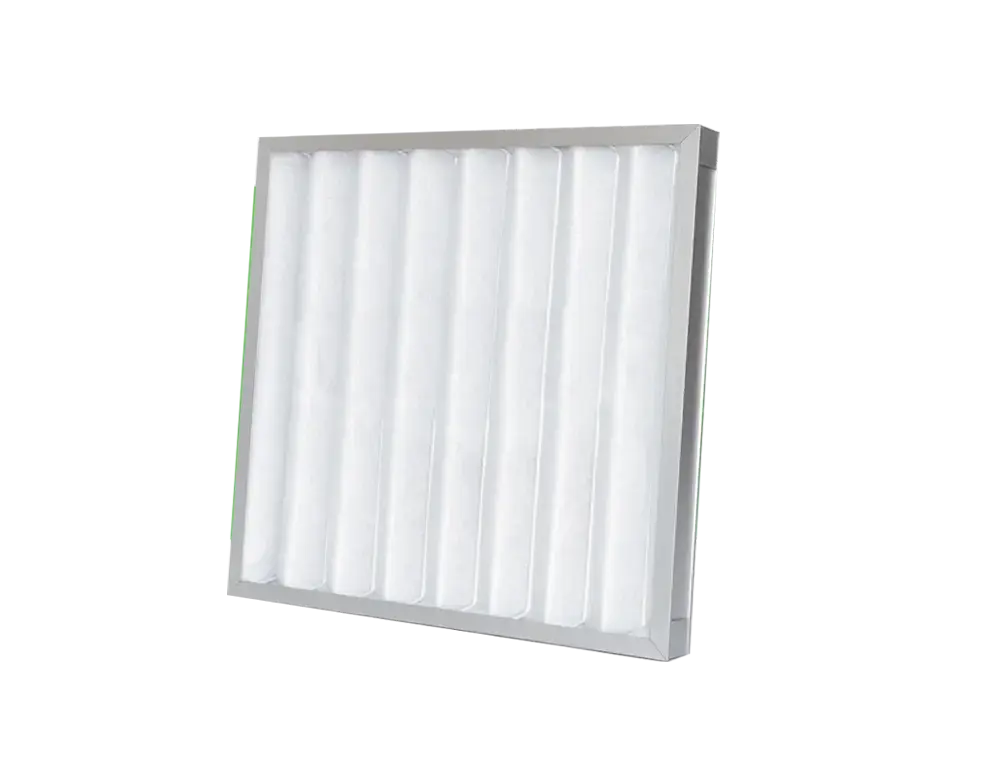
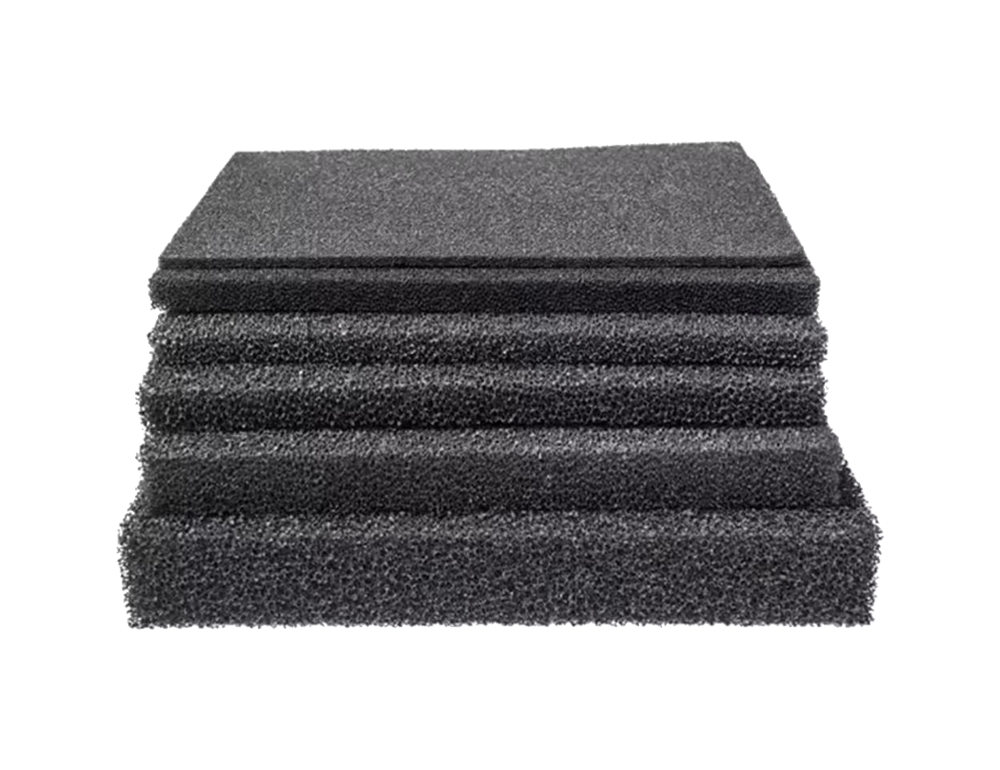
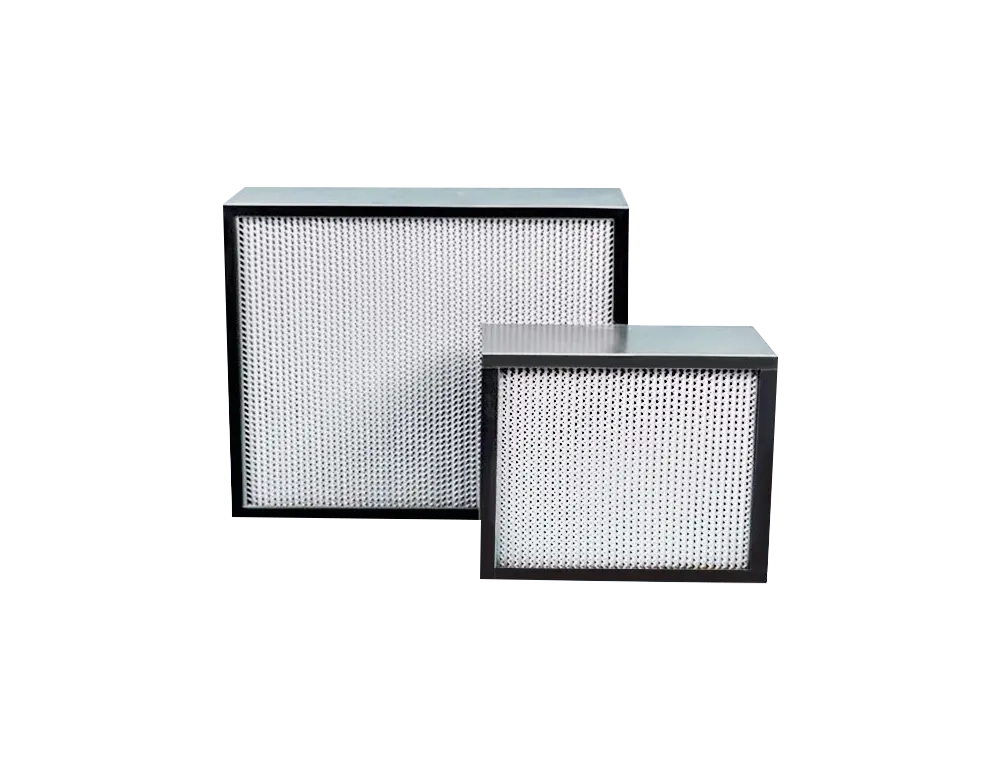
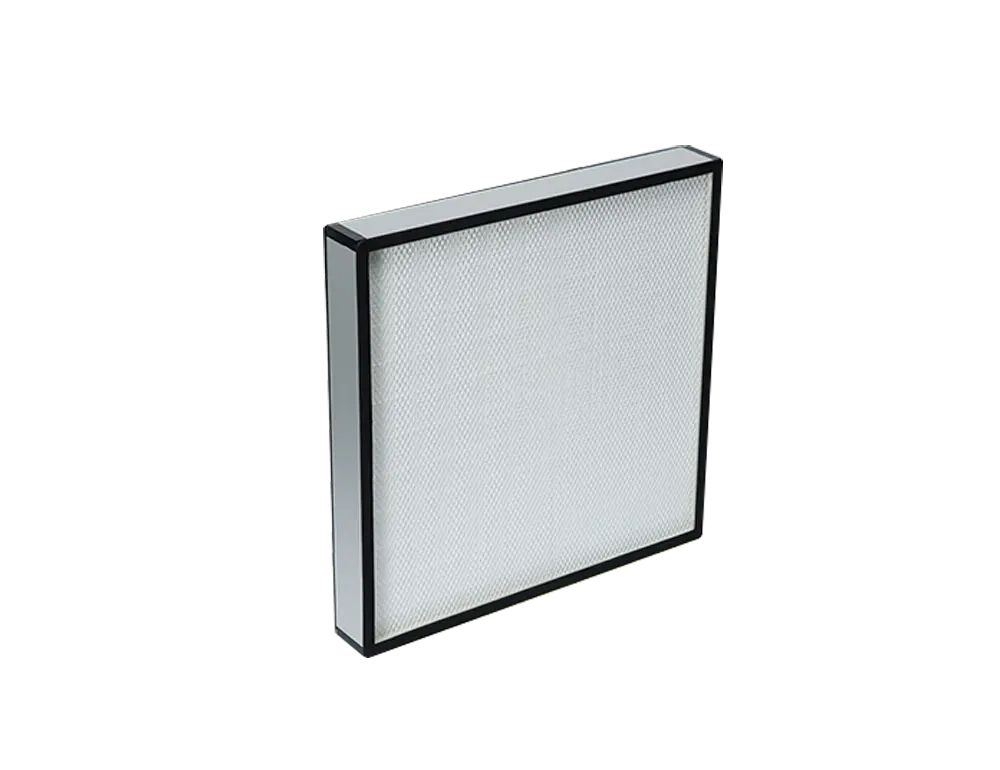
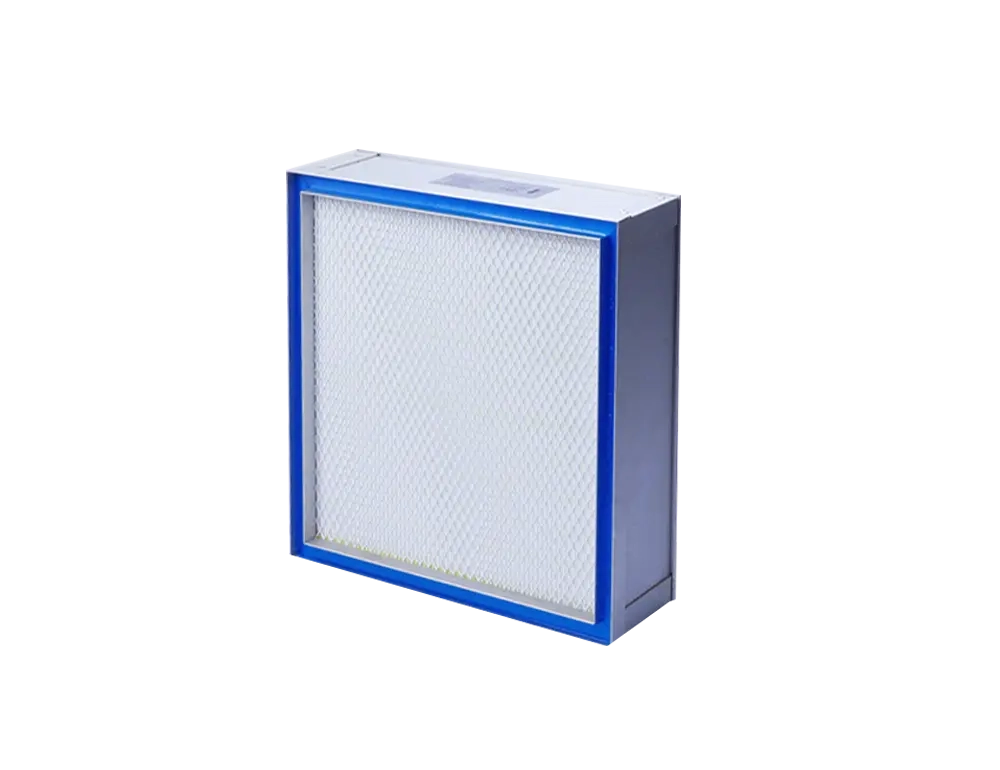

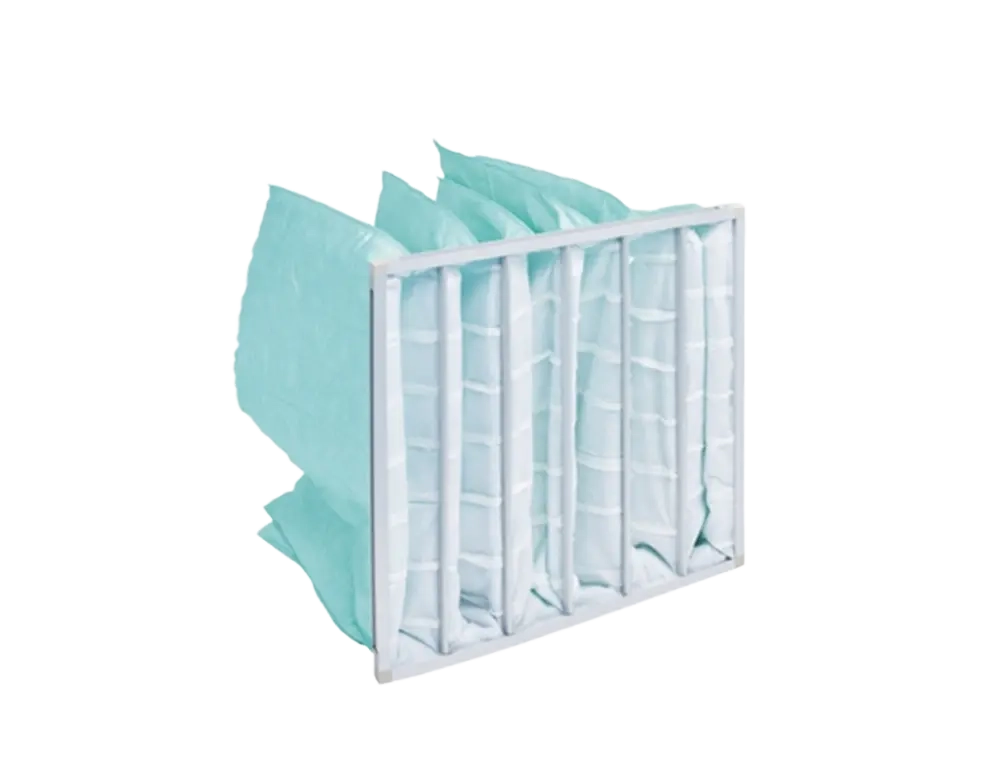
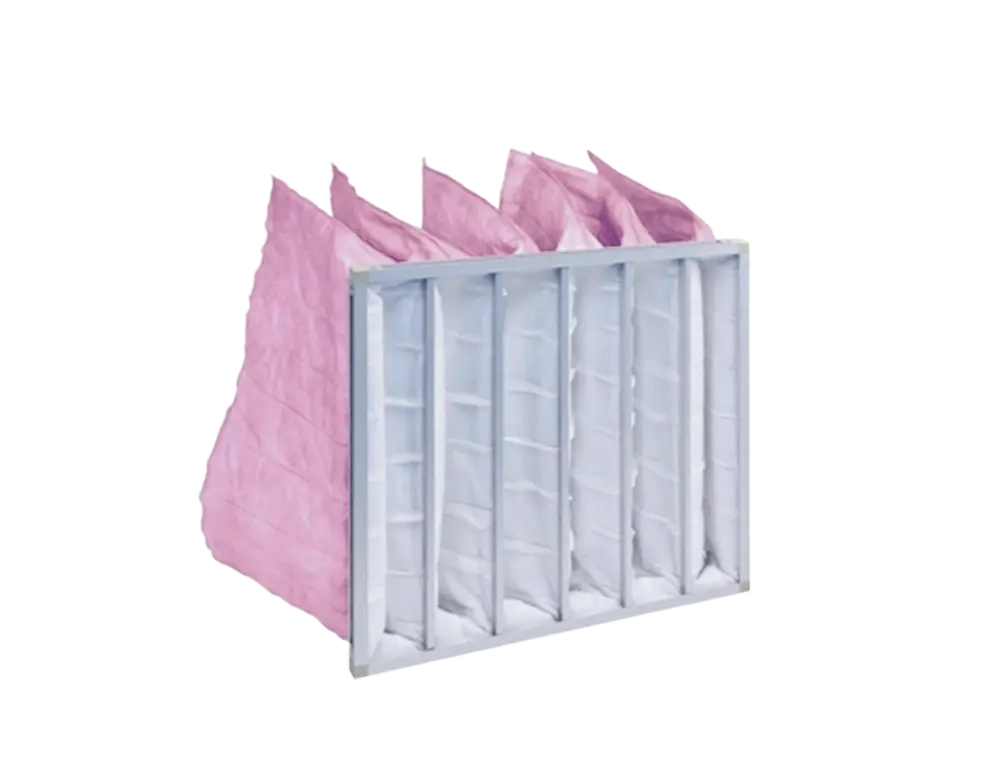
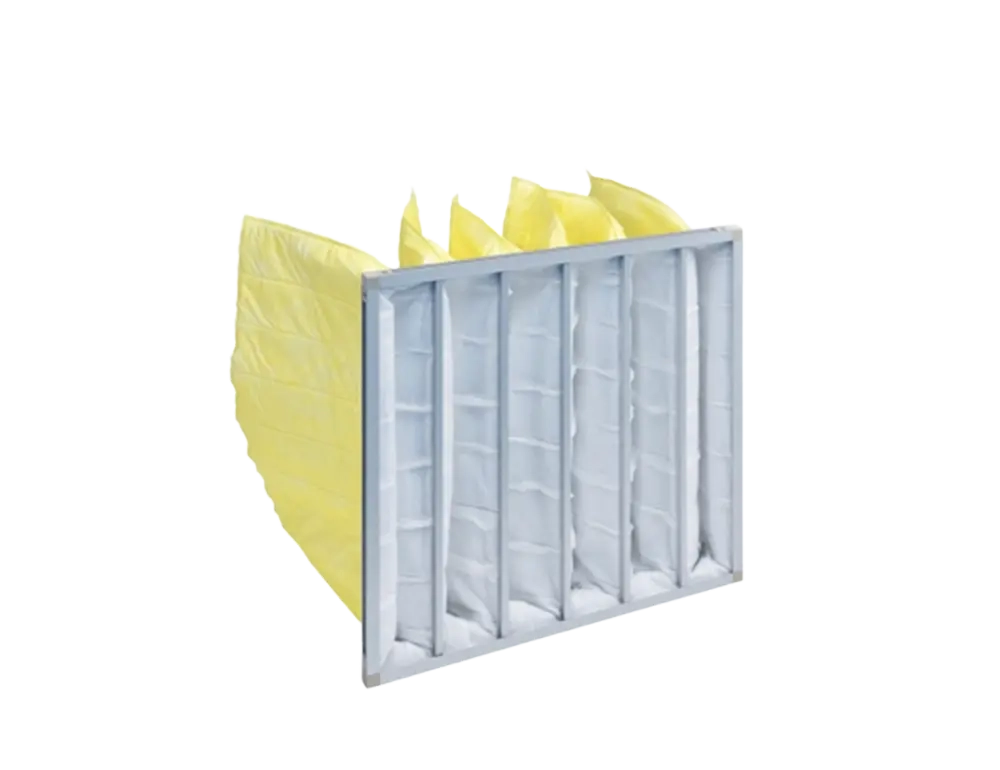

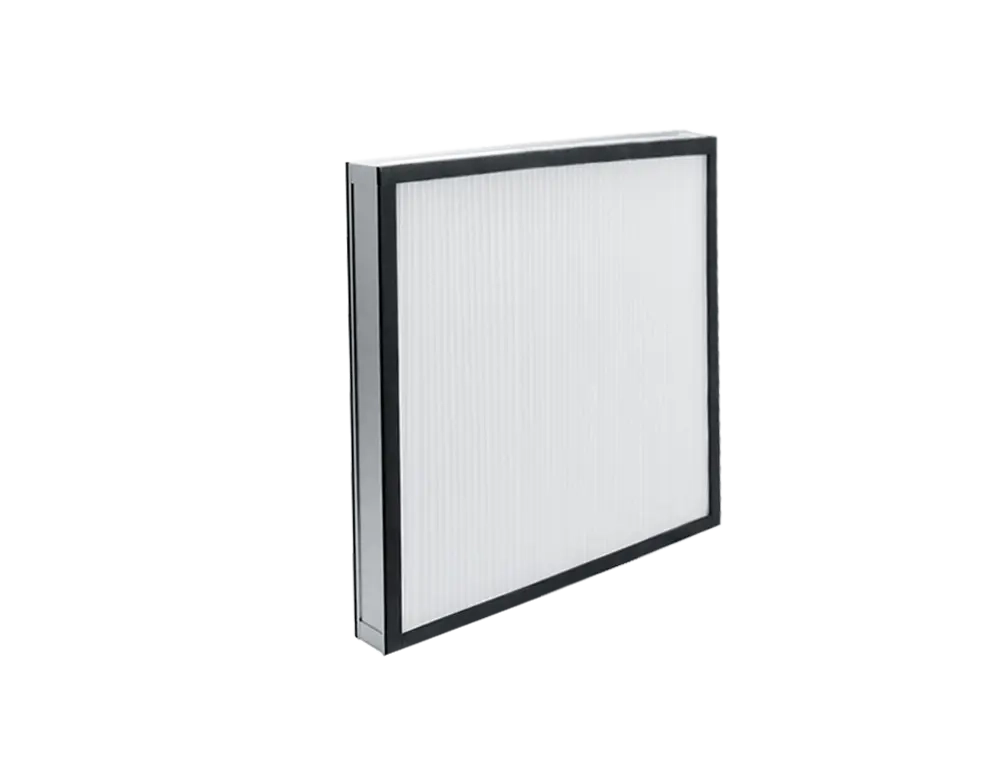
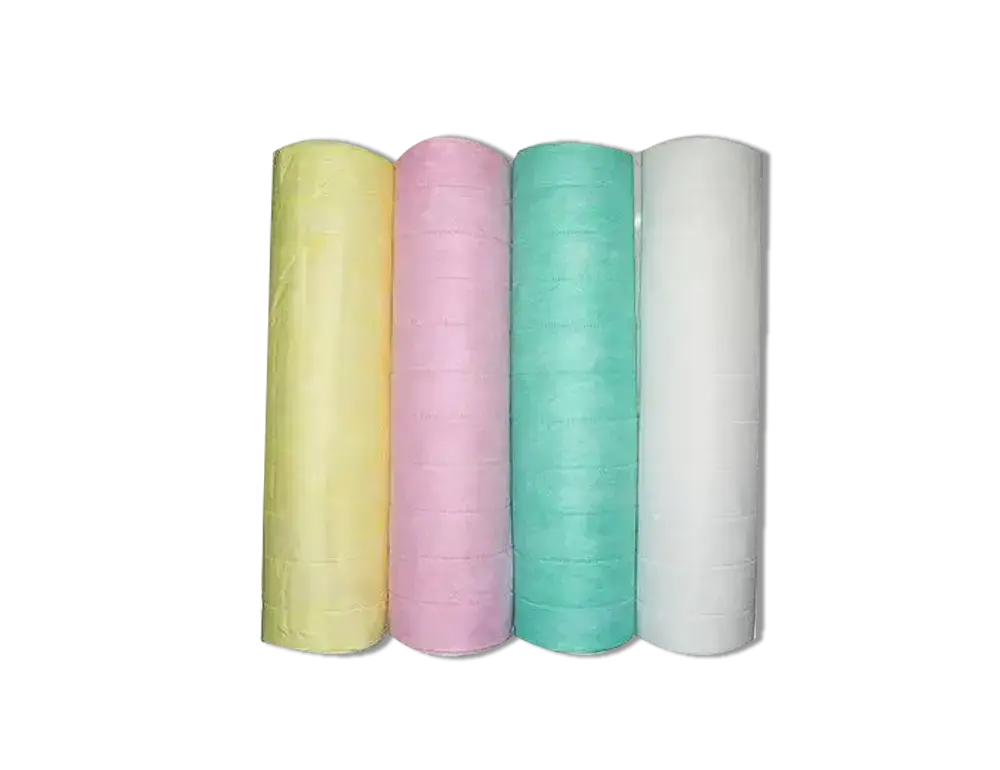
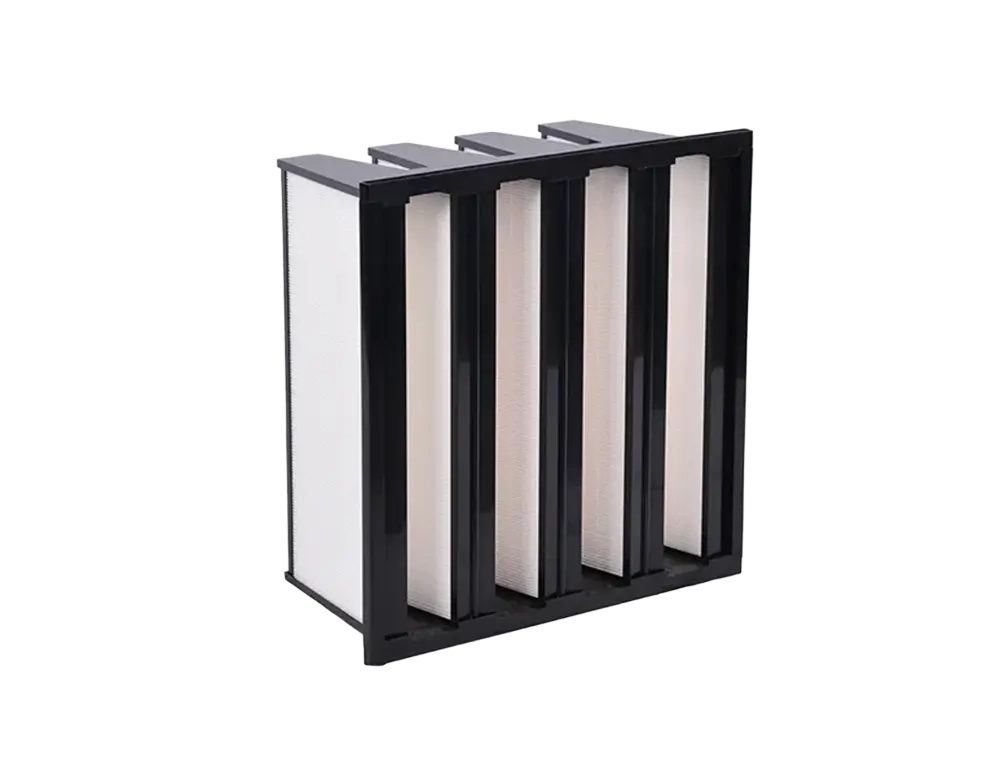
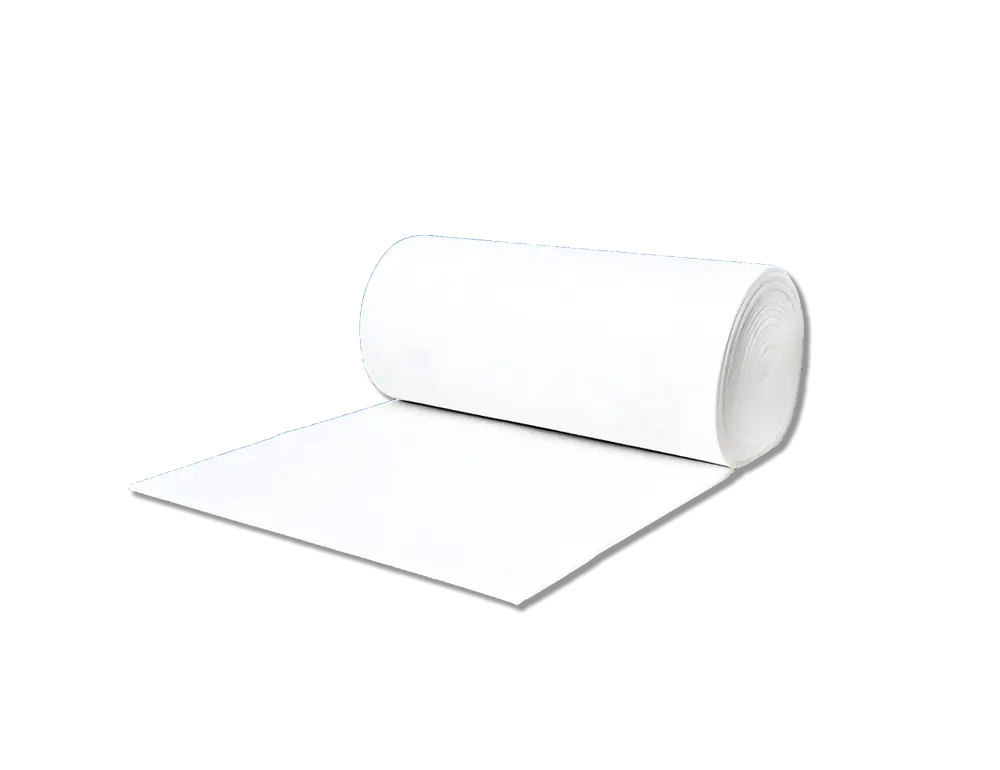
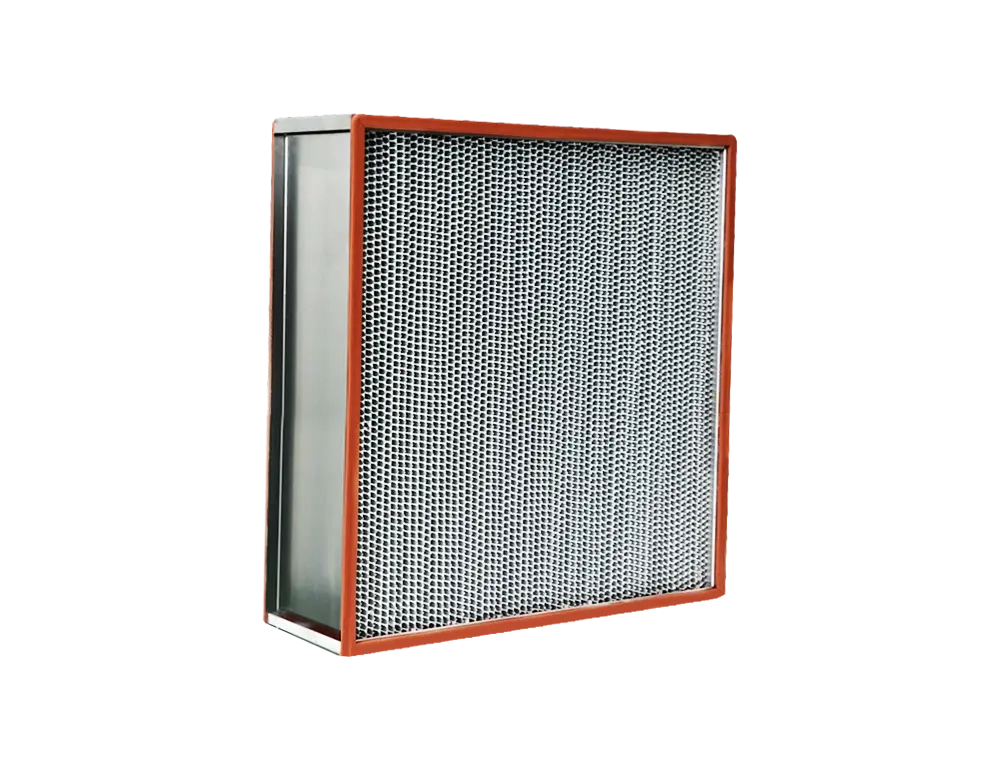
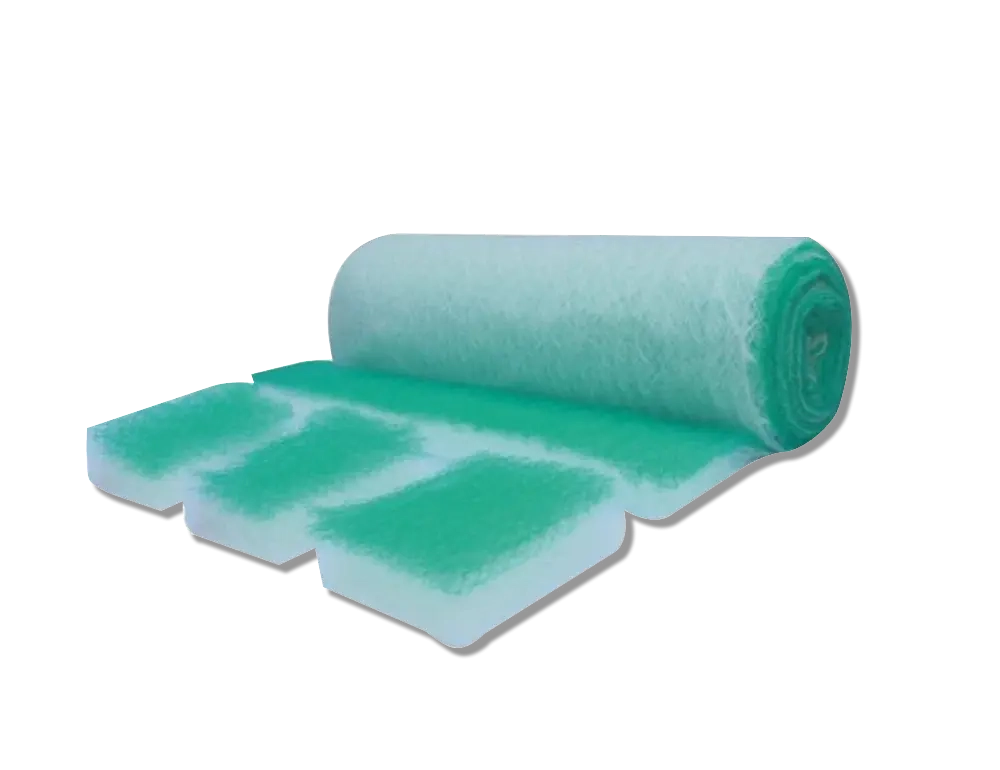
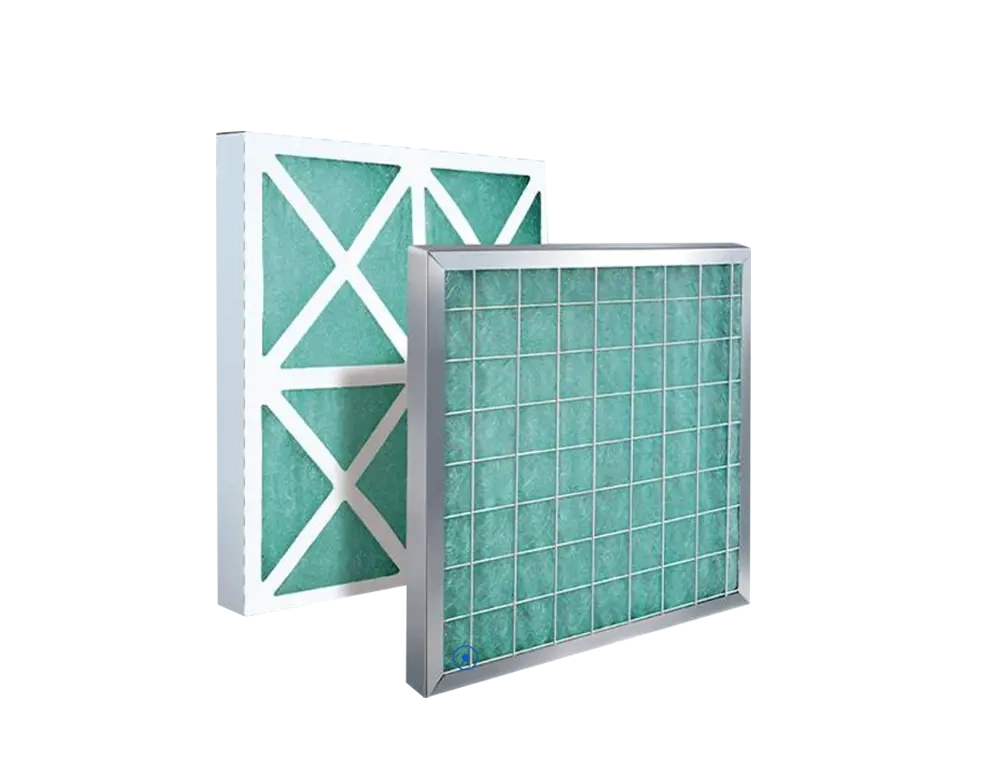
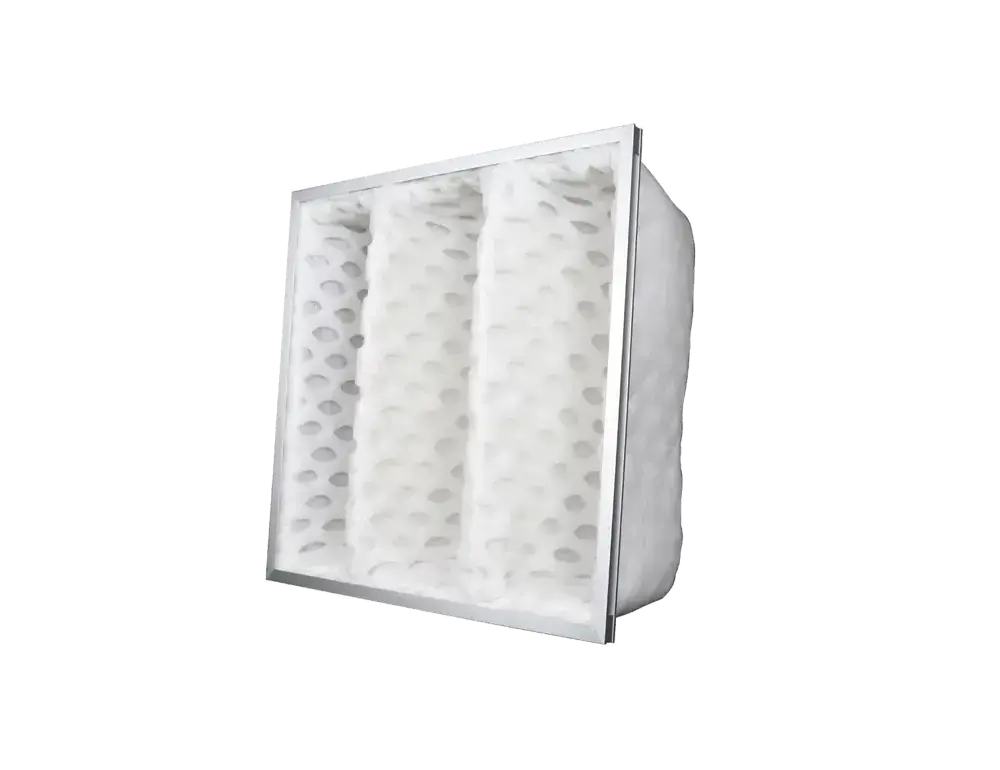
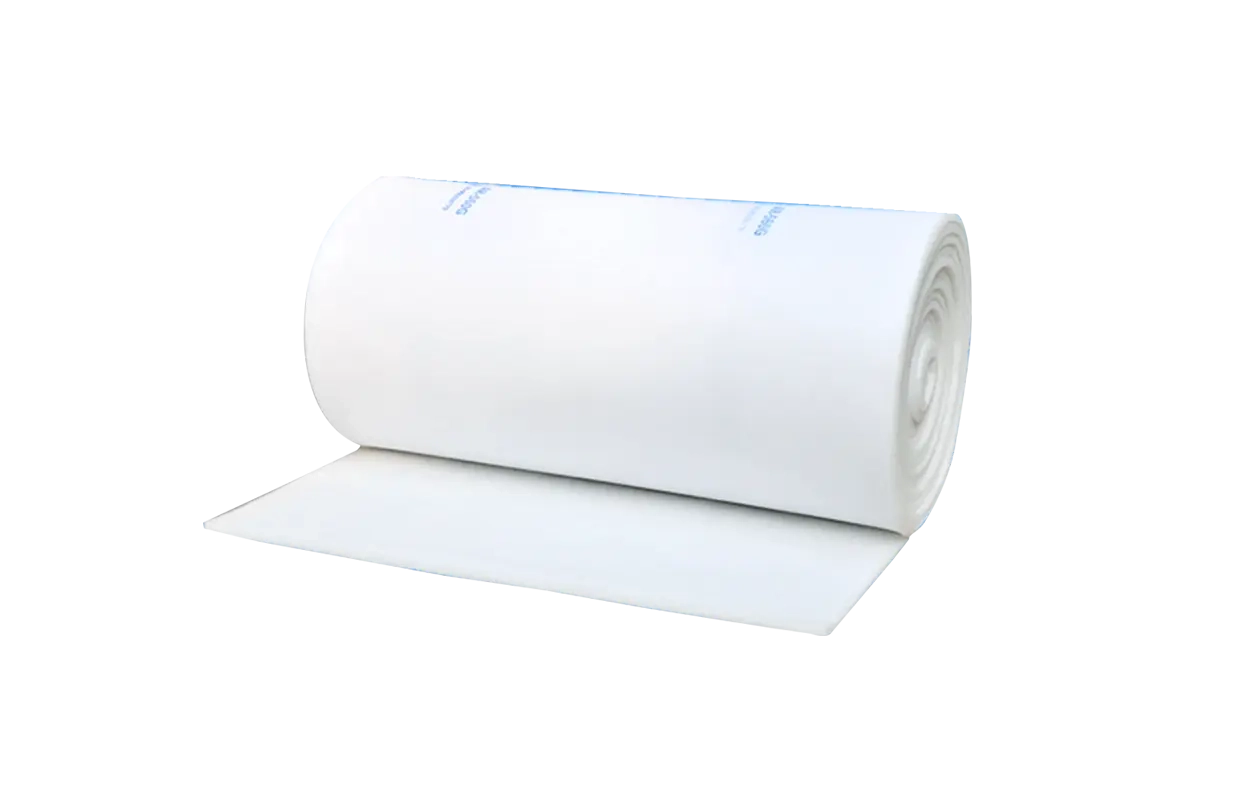
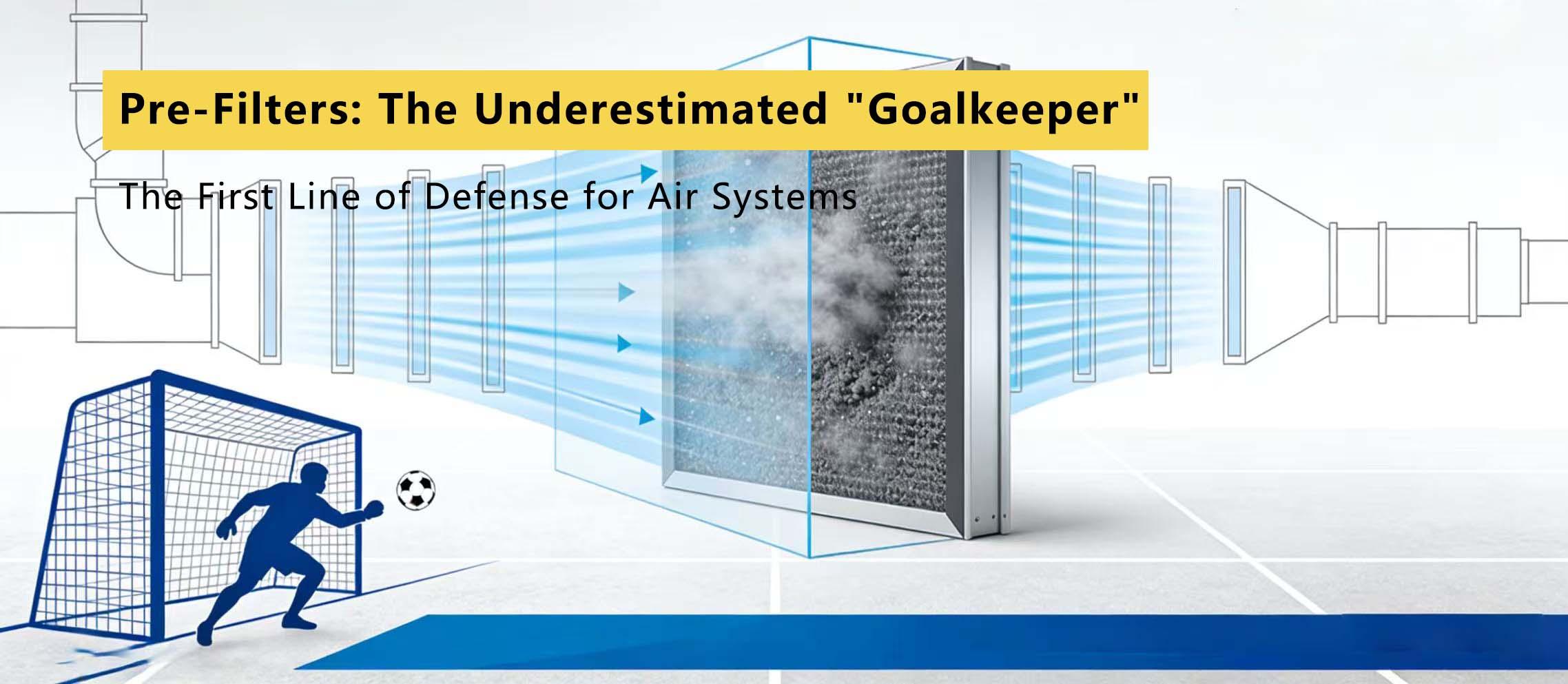
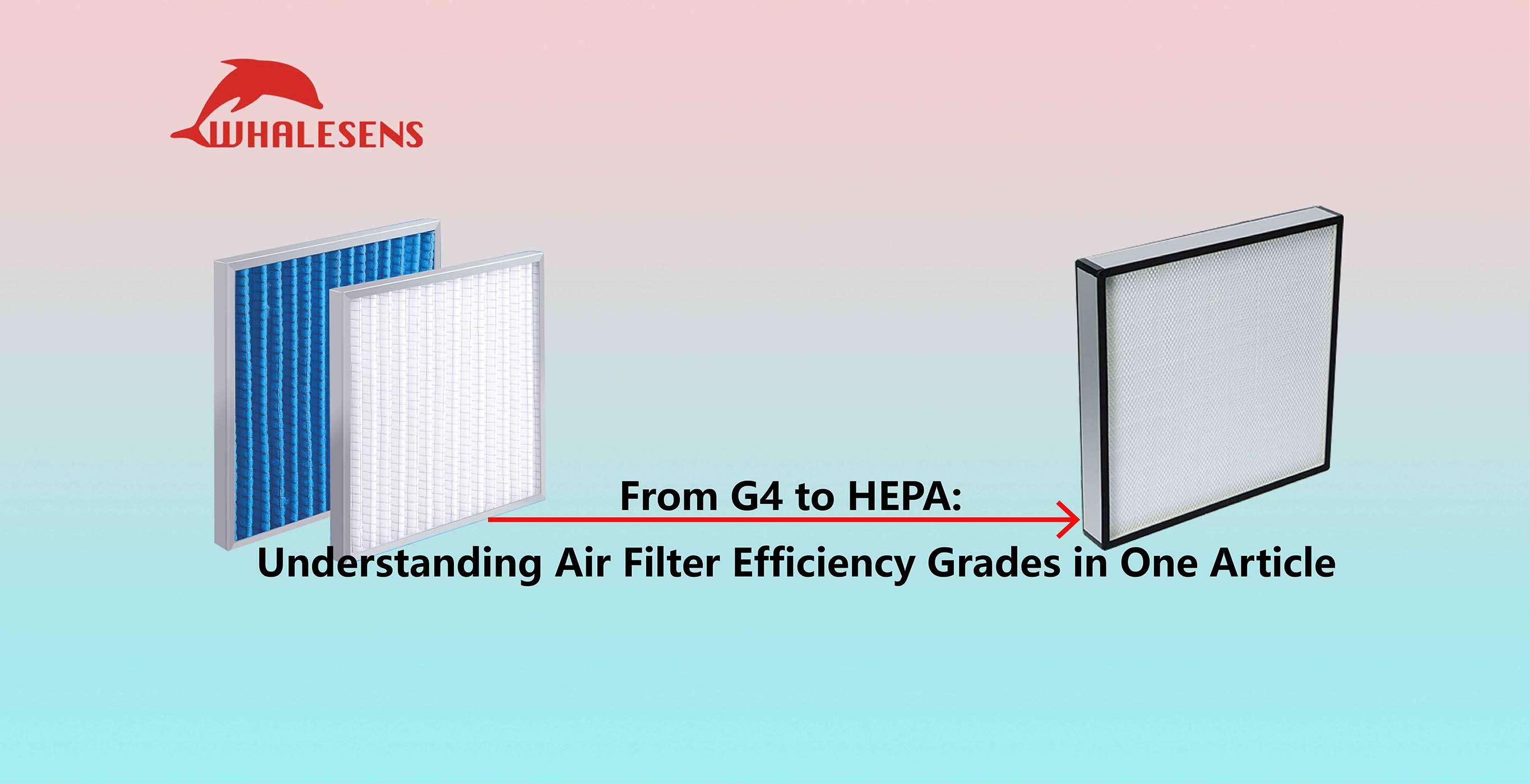
Pre-Filter (G1–G4)
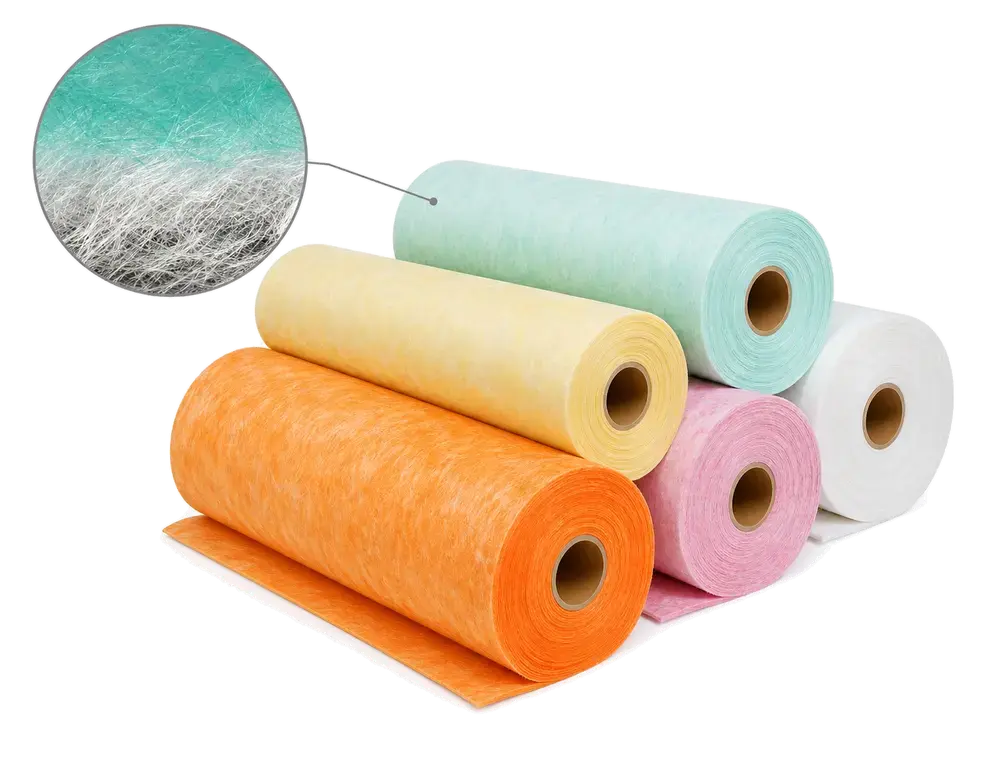
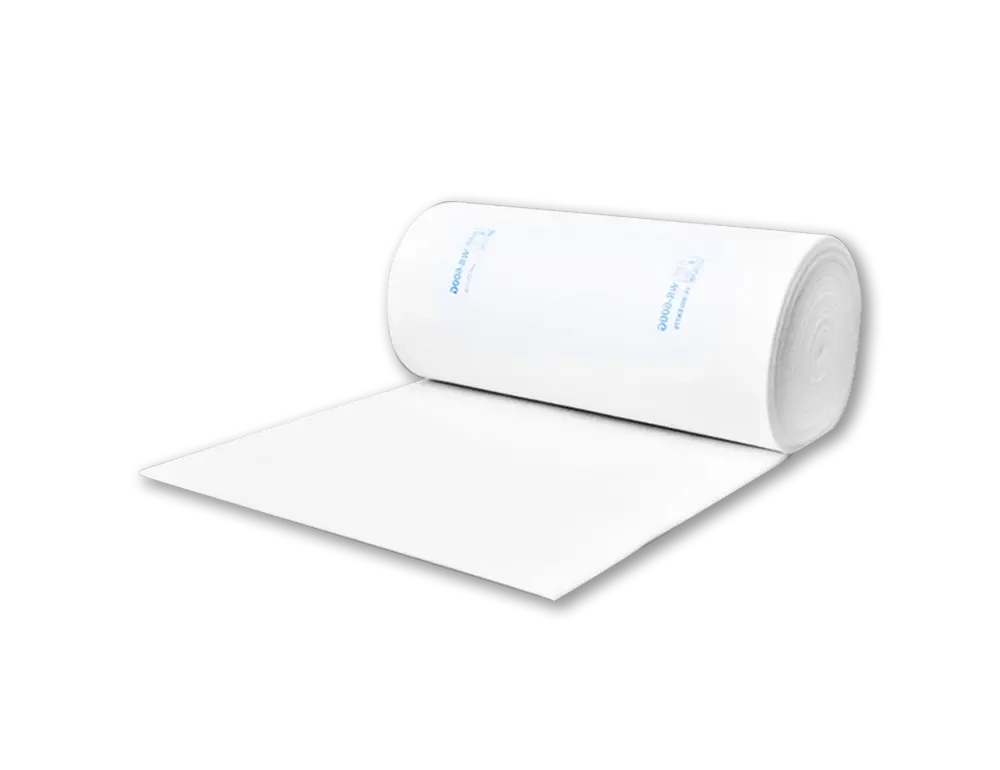
First-Stage Large-Particle Capture
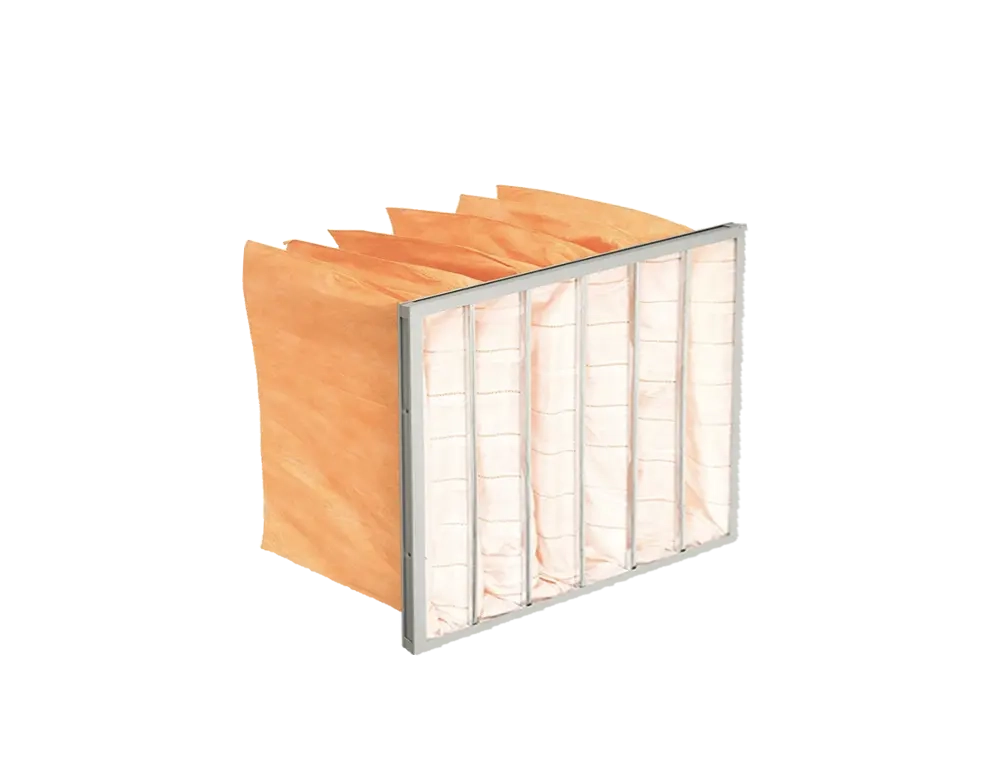
Medium-Efficiency Filter (F5–F9)
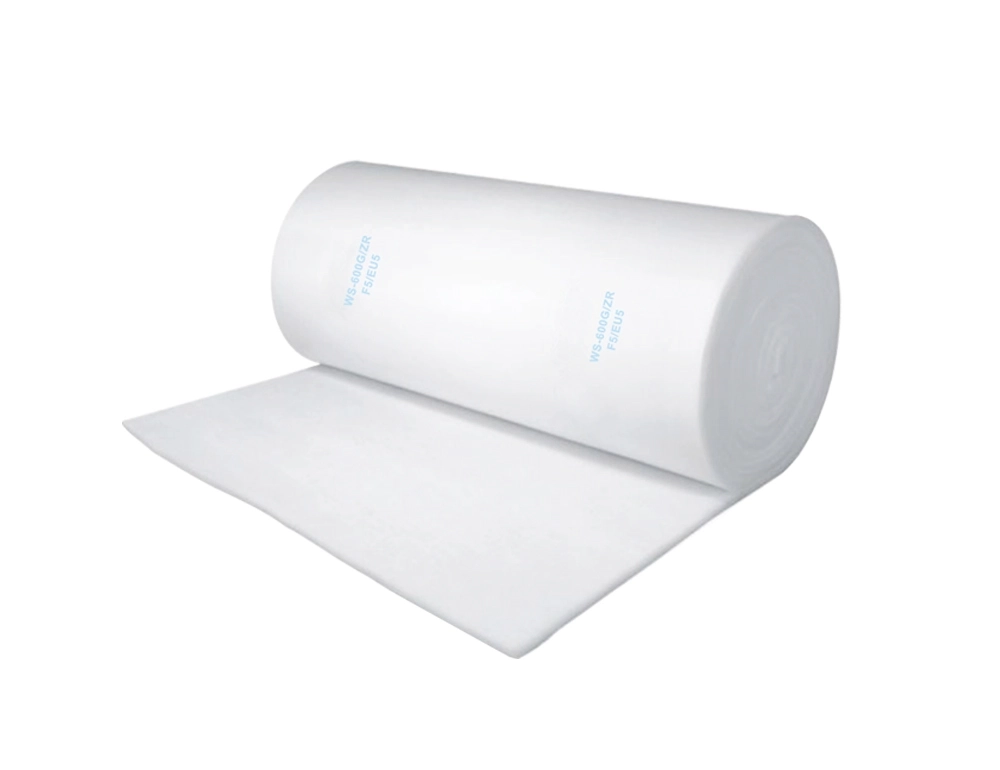
Precise PM2.5 Capture
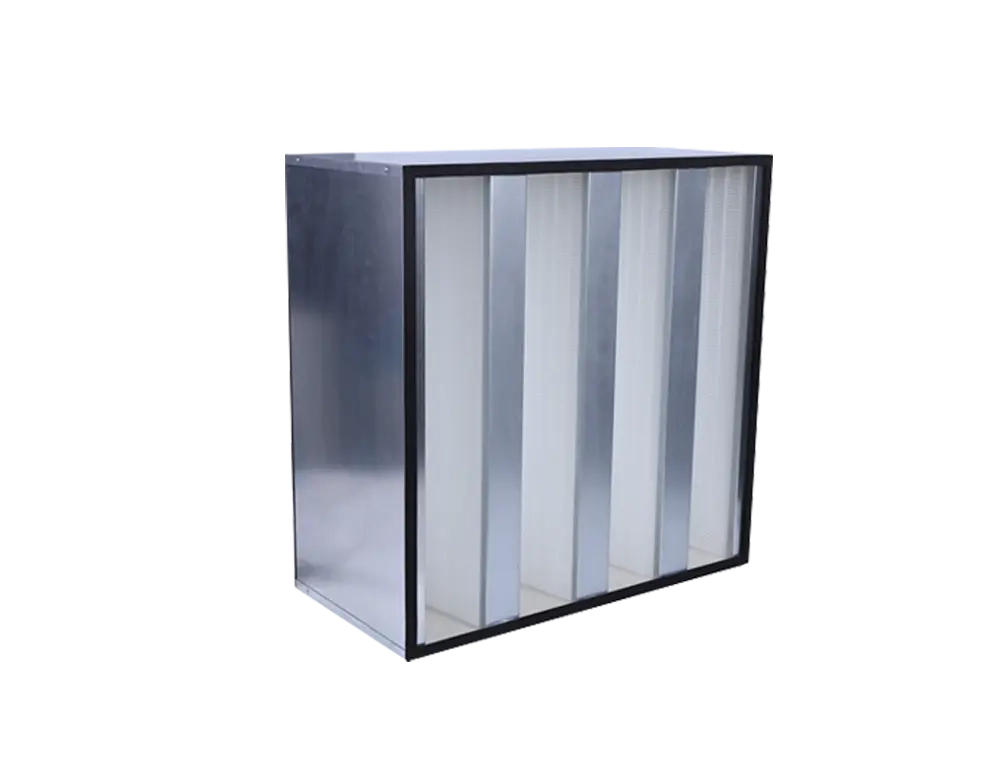
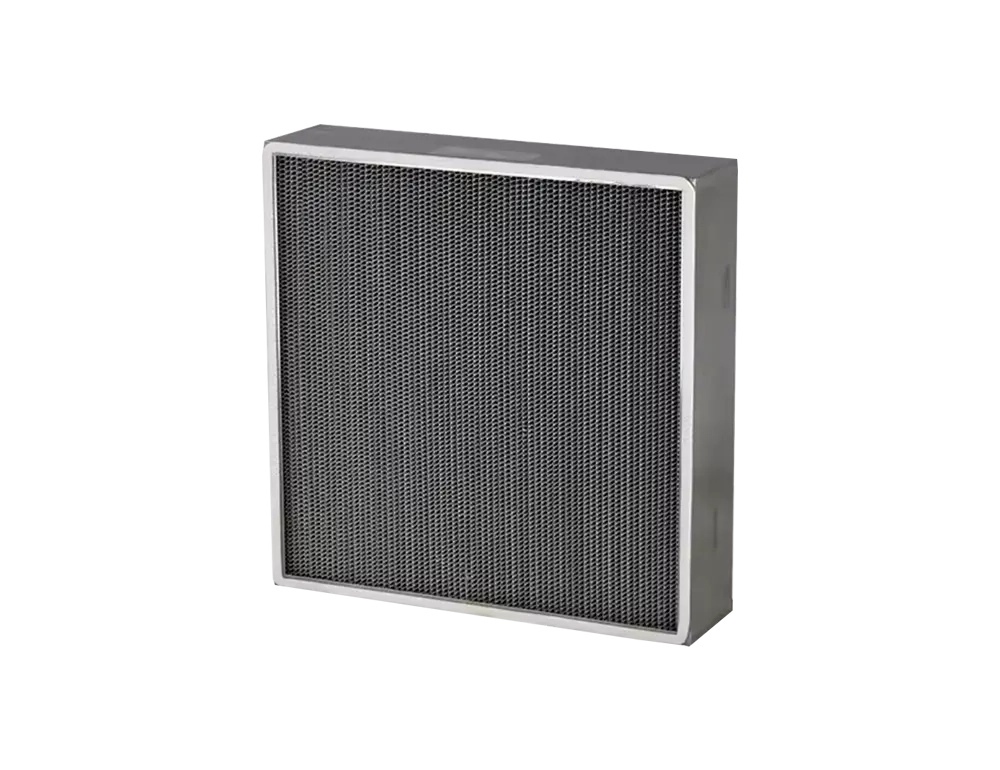
HEPA High-Efficiency Filter
Sterile-Grade Purification
ULPA Ultra-High Efficiency Filter
Sub-Micron Particle Capture
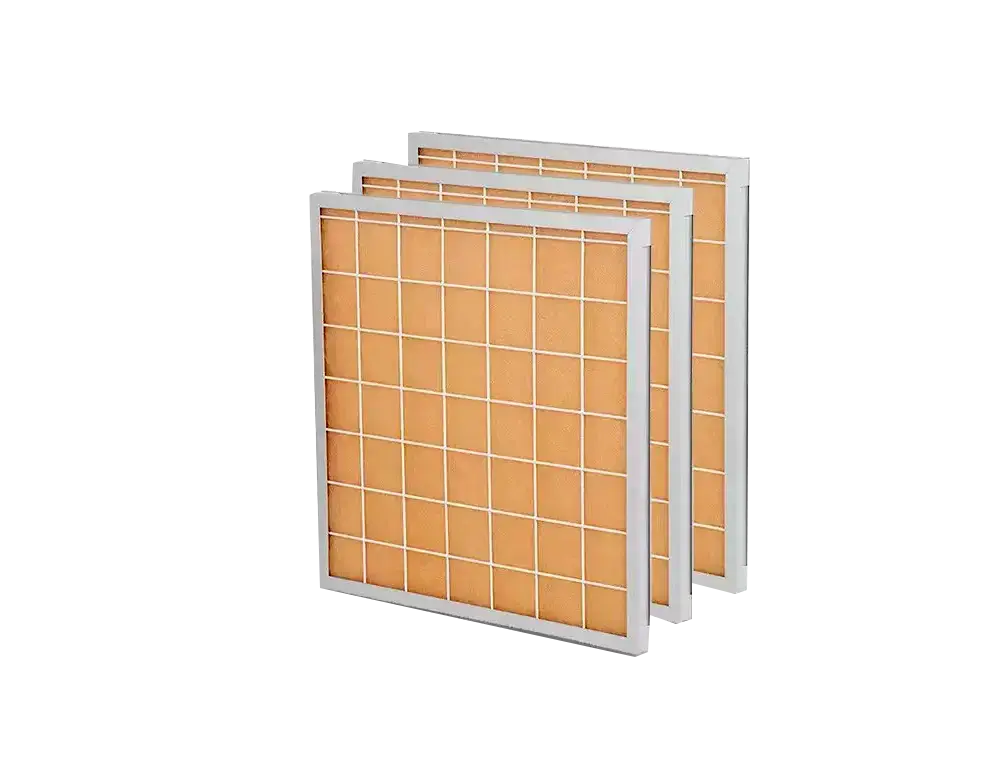
First-Stage Large-Particle Capture
The first line of defense, capturing particles ≥5 μm such as dust, hair, and fibers to protect downstream filters and extend overall system service life.
View Related Products →Precise PM2.5 Capture
Captures fine particles of 1–5 μm including PM2.5, pollen, and mold spores, significantly improving indoor air quality for commercial HVAC and ventilation systems.
View Related Products →Sterile-Grade Purification
≥99.97% filtration efficiency for particles ≥0.3 μm, delivering sterile-grade clean air widely used in medical, pharmaceutical, and electronics manufacturing.
View Related Products →Sub-Micron Particle Capture
≥99.9995% efficiency for particles ≥0.12 μm, meeting the extreme cleanliness demands of semiconductor fabs, aerospace, and other ultra-precision applications.
View Related Products →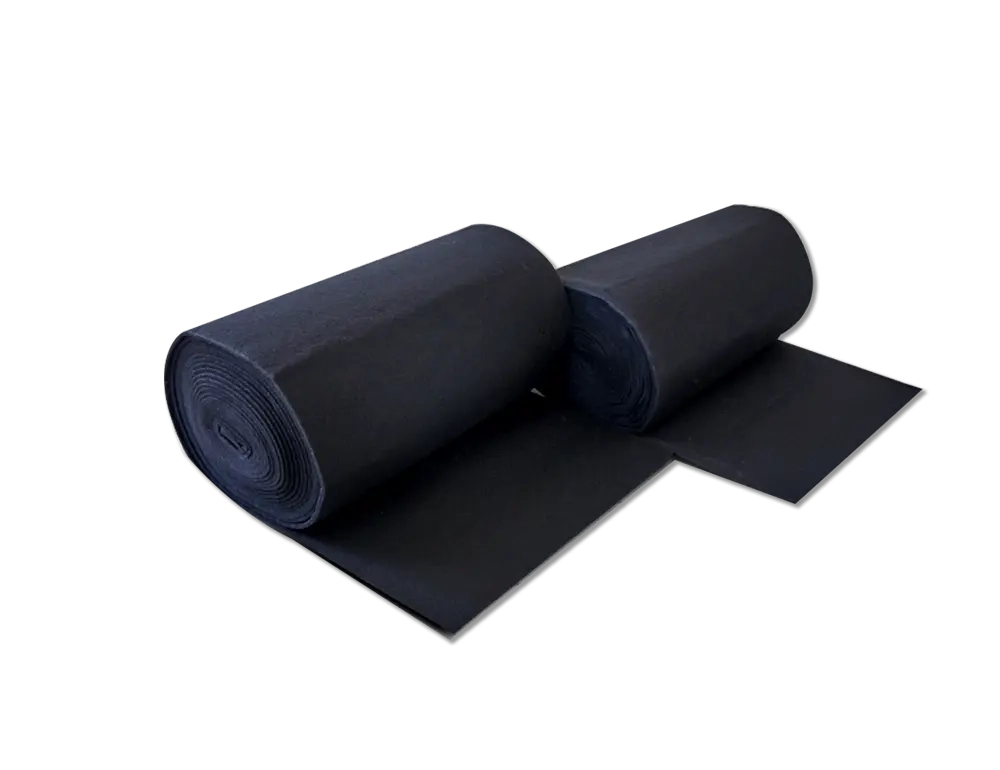
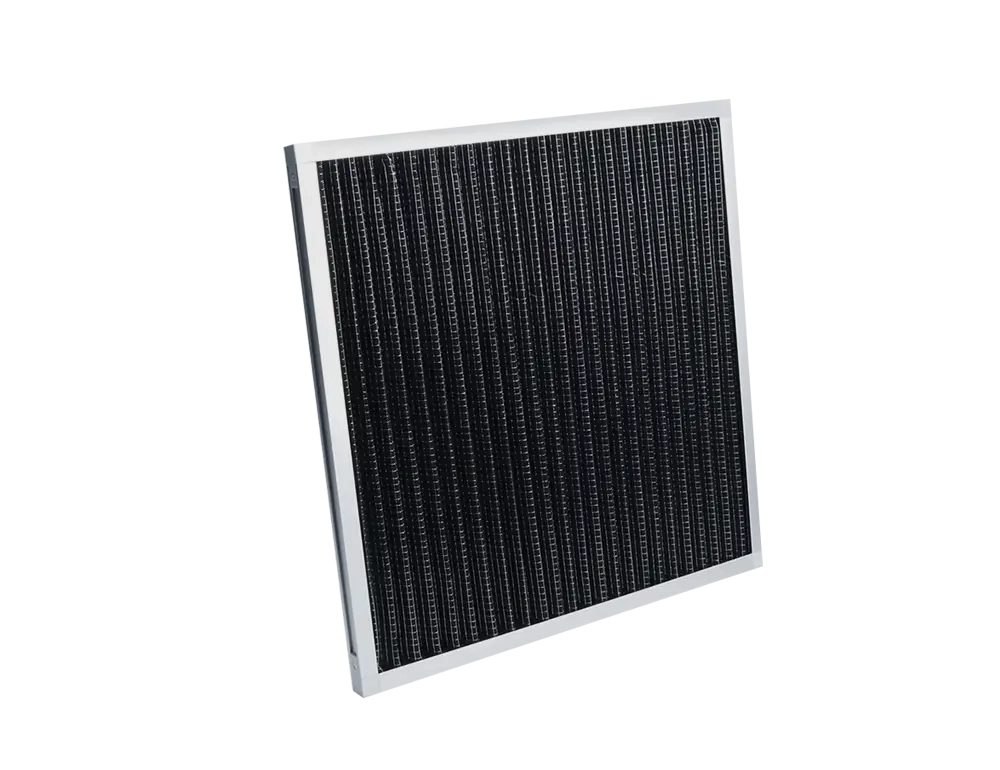
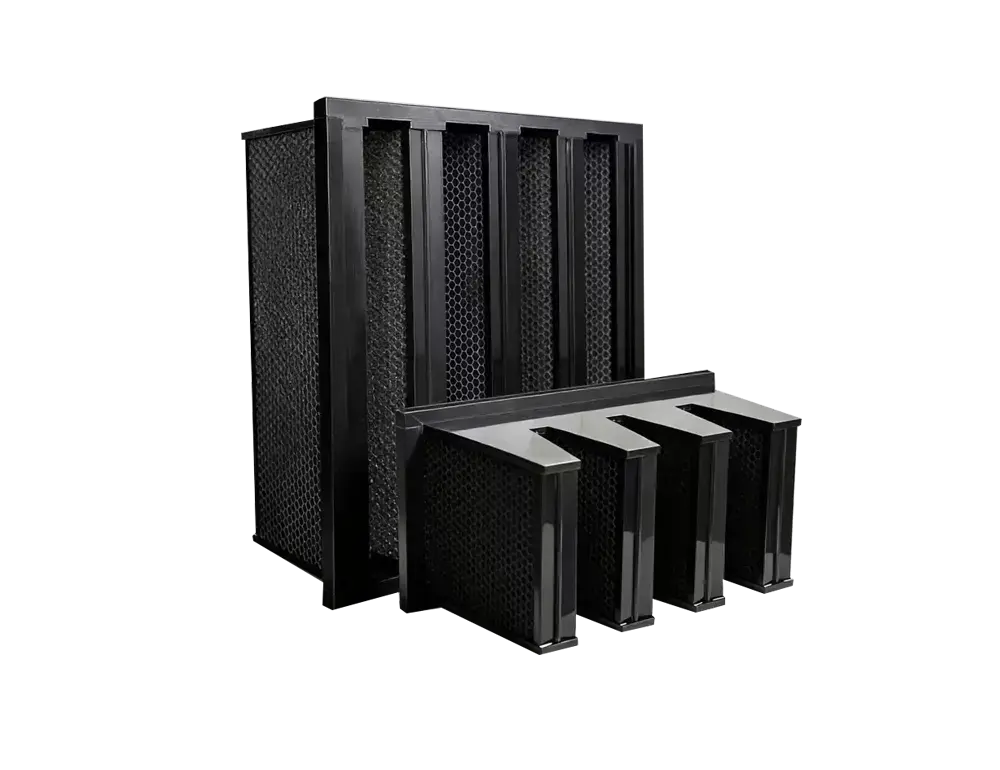
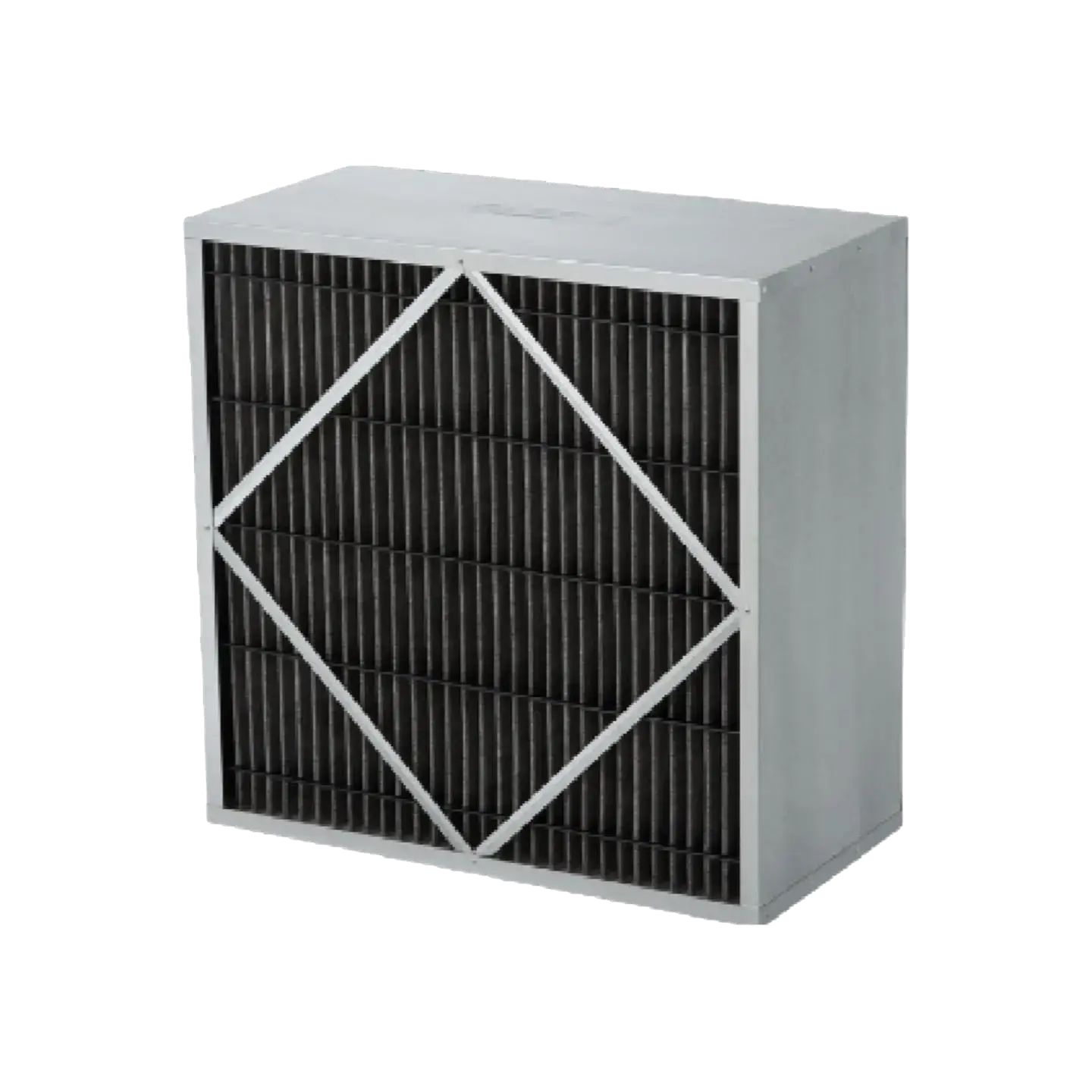
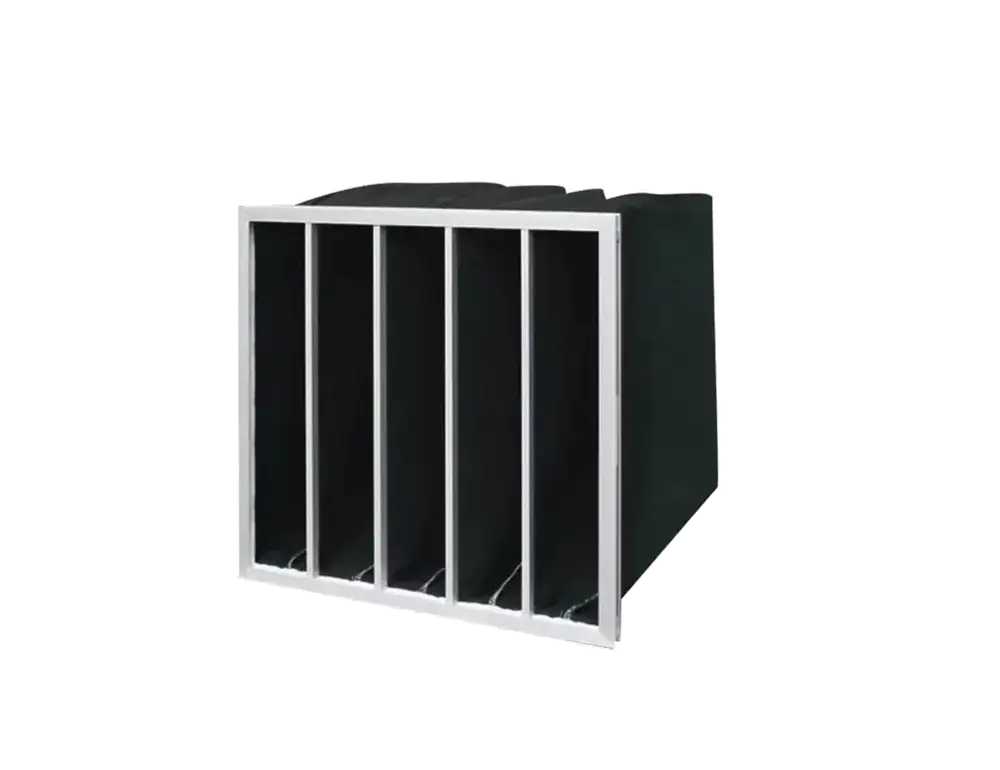
High-Temperature Resistant
Industrial-Grade Heat Tolerance
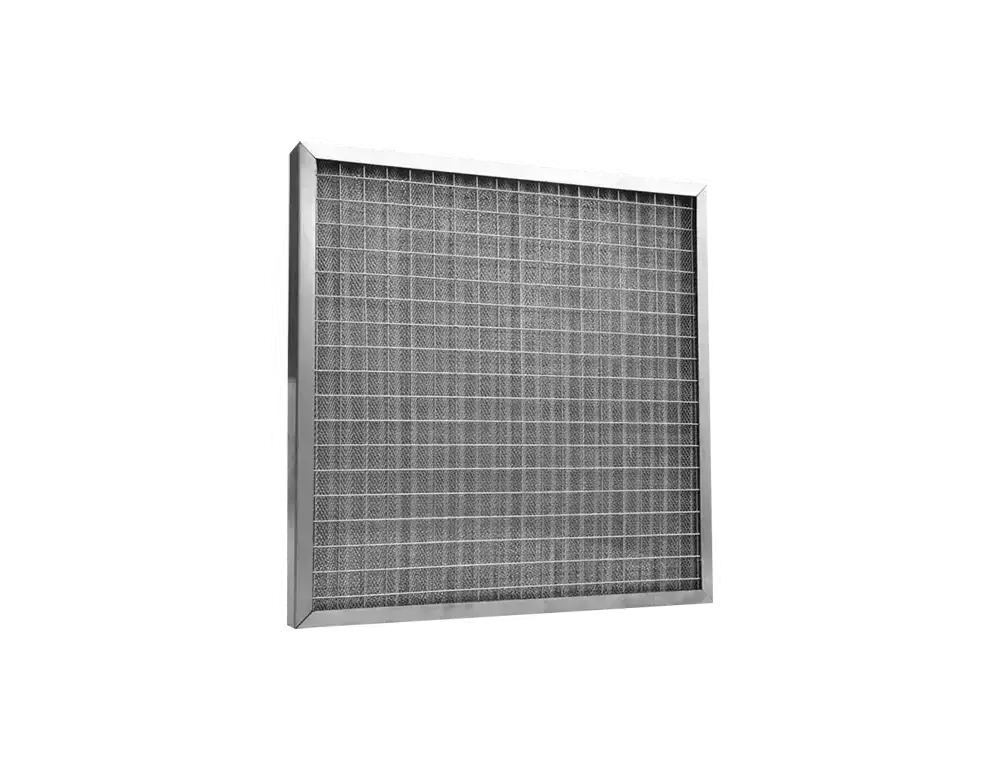
Washable & Reusable
Cut Costs, Reduce Waste
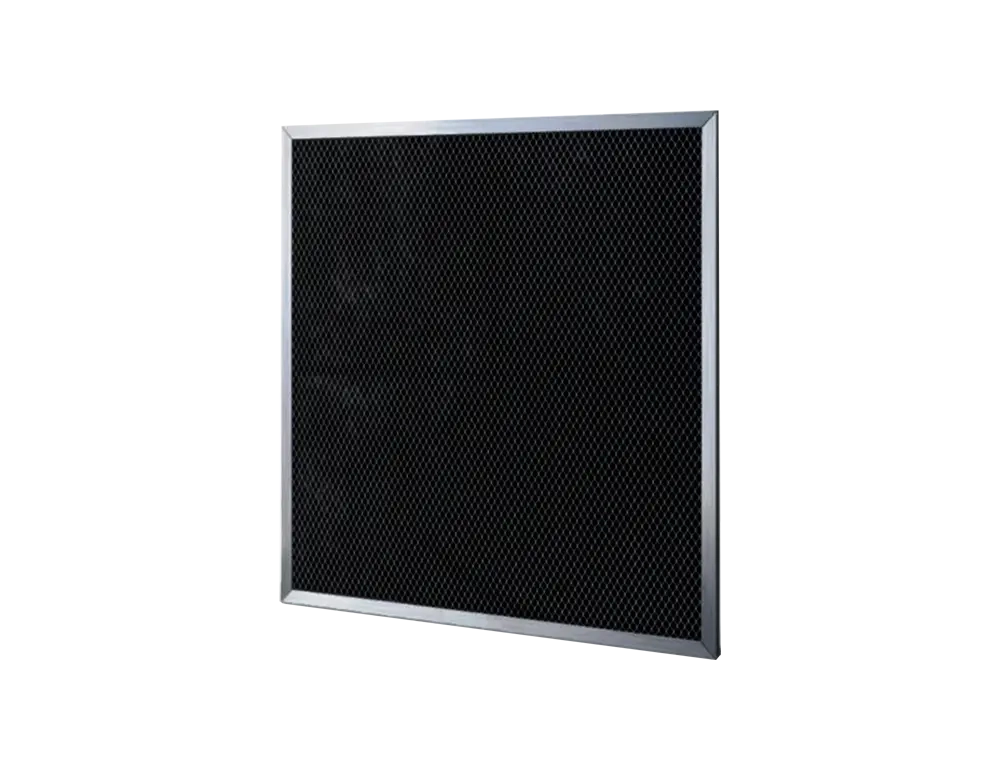
Activated Carbon
Odor & Harmful Gas Removal
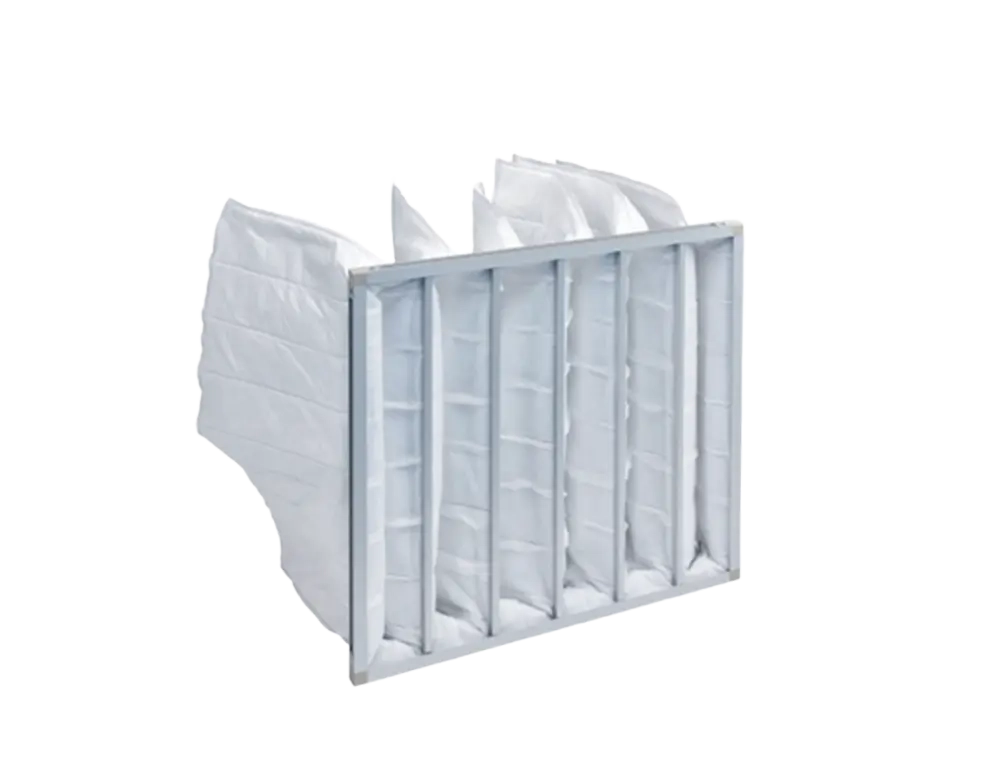
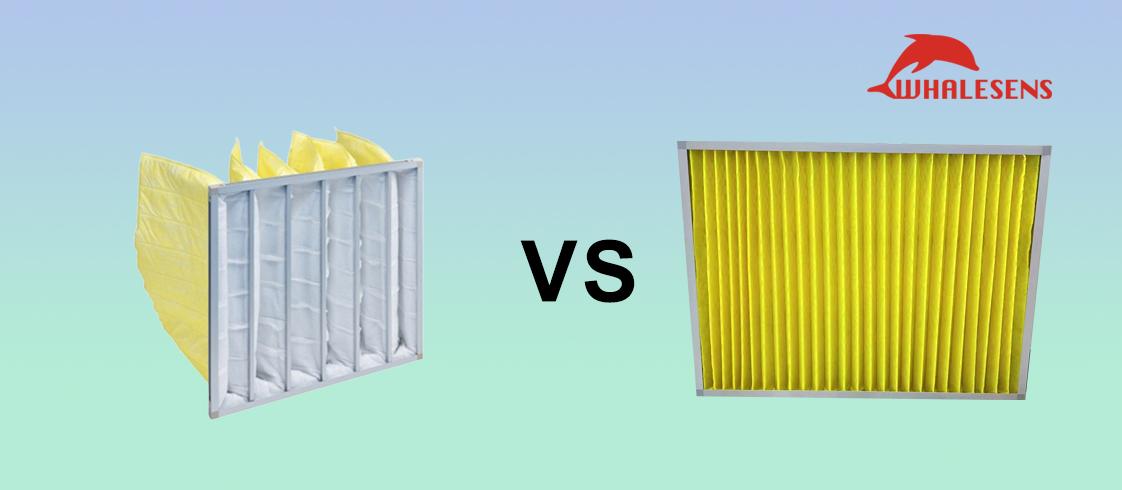
Bag Filter
High Dust-Holding, Long Life
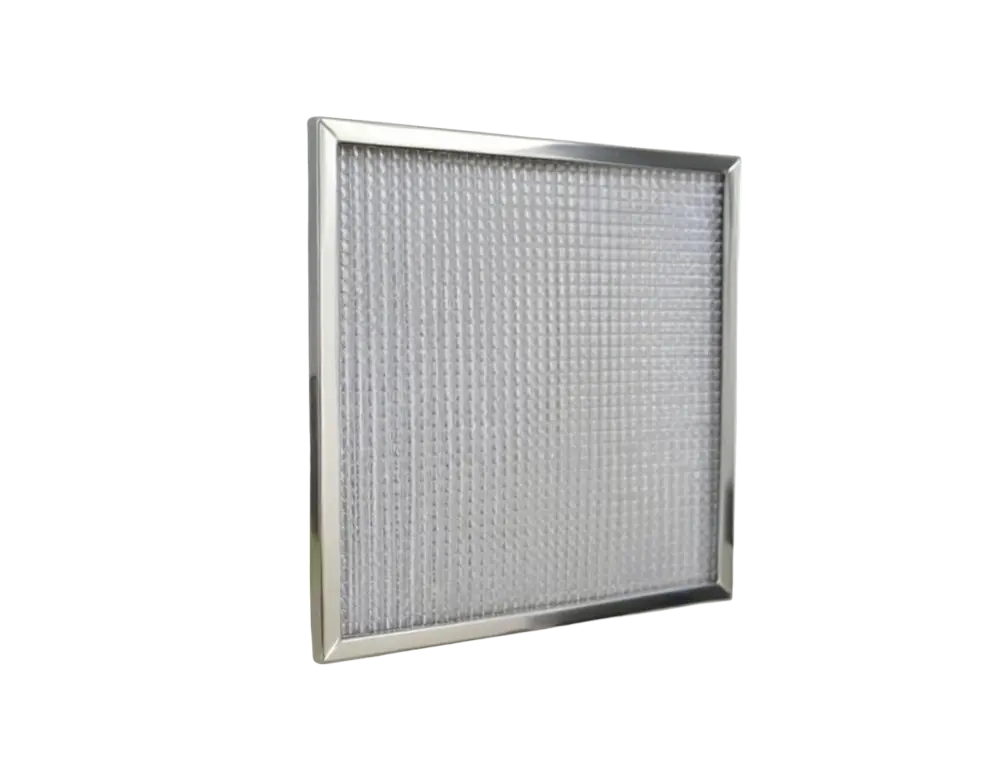
Panel / Pleated Filter
Compact Space-Saving Design
Low-Resistance Airflow
Energy-Saving Operation
Industrial-Grade Heat Tolerance
Built with specialized heat-resistant materials, operating stably up to 250°C for paint ovens, industrial dryers, and high-temperature process environments.
View Related Products →Cut Costs, Reduce Waste
Cleanable by water washing or air blowing, reusable multiple times to significantly reduce replacement frequency and O&M costs — an economical, eco-friendly choice.
View Related Products →Odor & Harmful Gas Removal
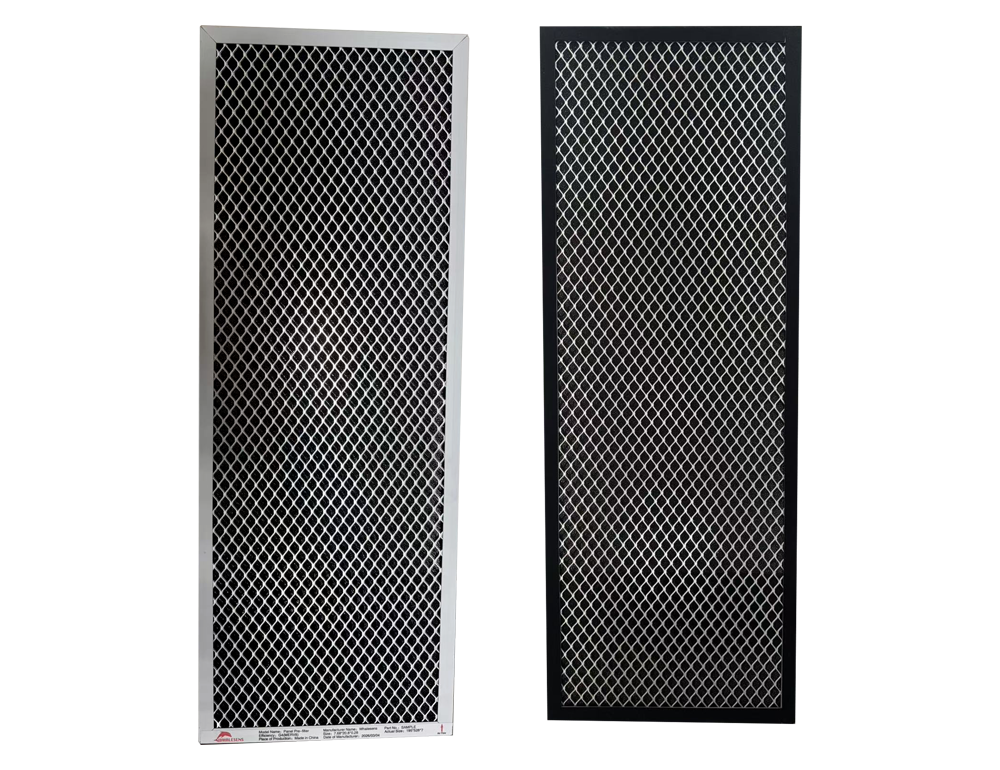
Leverages activated carbon's high adsorption capacity to eliminate odors, VOCs, and formaldehyde, ideal for newly renovated spaces and industrial exhaust treatment.
View Related Products →High Dust-Holding, Long Life
Bag-style construction delivers a larger filtration area, high dust-holding capacity, and extended service life — ideal for high-dust environments with reduced replacement frequency.
View Related Products →Compact Space-Saving Design
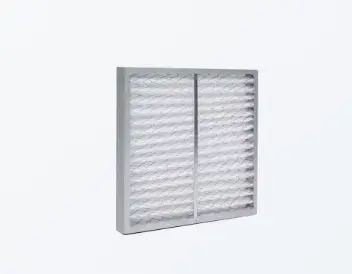
Compact form factor for easy installation and replacement; pleated structure maximizes filtration area within a small footprint for higher efficiency.
View Related Products →Energy-Saving Operation
Low-resistance design minimizes pressure drop while maintaining filtration performance, reducing fan energy consumption for cost-effective, eco-friendly operation.
View Related Products →


















 English(Global)
 简体中文
简体中文 Language




Industrial Air Filtration: Clean, Energy, Replacement 2026
Industrial Air Filtration Opportunities 2026: Three Growth Engines
As 2026 enters its second half, the industrial air filtration sector stands at a pivotal growth juncture. Driven by rising clean-manufacturing requirements, intensifying energy and carbon regulations, and the arrival of a massive replacement cycle, industrial air filtration opportunities 2026 are crystallizing around three pillars: clean manufacturing, energy-saving technologies, and the replacement market. According to industry analysts, the global industrial air filtration market is projected to grow at a CAGR of 6.2%, with the Asia-Pacific region expanding at 8–9% due to booming semiconductor, pharmaceutical, and new energy manufacturing. For industrial decision-makers, understanding these forces is critical to capturing value in a rapidly evolving landscape.
This article examines each growth engine, providing specific data, regulatory insights, and practical strategies to help filtration manufacturers, service providers, and end-users navigate the second half of the decade.
Clean Manufacturing Drives High-Efficiency Filter Demand
Semiconductor fabrication, flat-panel displays, biopharmaceuticals, and other advanced manufacturing sectors are driving unprecedented demand for higher-grade air filtration. In 2026 alone, an estimated 18 new 12‑inch wafer fabs will come online or expand in mainland China, each allocating 3–5% of total construction cost to air filtration systems. This translates into significant volumes of HEPA, ULPA, and even molecular-level filtration media. As ISO 14644 standards continue to tighten—especially for sub‑0.1 μm particle control—ULPA filter usage is rising sharply. In the biopharma sector, sterile fill-finish and cell/gene therapy facilities are propelling orders for PTFE membrane filters and chemical filtration units, with year‑over‑year growth exceeding 20%.
Cleanroom users are also demanding higher energy efficiency alongside stringent cleanliness. Traditional glass‑fiber HEPAs are increasingly being replaced by ePTFE membrane composites, which achieve equivalent filtration efficiency with up to 30% lower pressure drop. Their foldable designs further save space, aligning with modular cleanroom trends. Filtration manufacturers should prioritize nanofiber technology development and partner directly with end‑users to co‑engineer customized filter units, embedding themselves deeper into the supply chain.
Energy-Saving Technology Becomes a Core Competitiveness
Under global decarbonization mandates, energy consumption of industrial air filtration systems is now a hard performance indicator. Fans alone account for 15–25% of cleanroom total energy use, and every 10 Pa reduction in filter pressure drop can save thousands of dollars annually in electricity costs. Combining low‑resistance filter media, smart variable‑speed fans, and demand‑based control strategies can slash system energy consumption by 20–40%. For example, a major LCD panel manufacturer retrofitted its FFUs with variable‑speed drives and differential pressure sensors, achieving annual power savings of 1.2 million kWh and reducing CO₂ emissions by roughly 800 tons.
On the regulatory front, the updated GB/T 14295 (expected Q4 2026) will raise filter energy efficiency requirements in China, while the EU’s energy labelling directive now covers non‑residential ventilation filters. The Eurovent energy rating system already incorporates filter energy consumption, allowing A+‑rated products to command price premiums of 15–20%. Manufacturers that obtain high‑efficiency certifications early will not only gain market advantage but may also qualify for green subsidies. Accelerating R&D on third‑generation nanofiber media and designing products for disassembly and recyclability are key to addressing lifecycle carbon footprint assessments.
- Initial pressure drop ~250 Pa
- Annual filter replacement ~1.2 times
- Energy consumption ~15,000 kWh/1000 m³
- No IoT connectivity
- Initial pressure drop ~160 Pa
- Filter life extended to 2+ years
- Energy consumption ~9,000 kWh/1000 m³
- Supports IoT predictive maintenance
Replacement Market Hits a Cyclical Peak
Large‑scale air filtration systems typically require filter replacement every 1–3 years, depending on operating conditions and cleanliness class. The massive plant construction wave of 2020–2022—especially in semiconductors and pharmaceuticals—is now entering a dense replacement cycle. The second half of 2026 marks the peak of this wave. It is estimated that the semiconductor and display panel sectors alone replace over 3 million high‑efficiency filters annually, representing a market worth approximately USD 7 billion, with aftermarket margins significantly higher than those of new installations. Moreover, a growing number of factories are adopting “filtration‑as‑a‑service” models, where suppliers provide lifecycle monitoring, cleaning, and replacement for a predictable per‑use fee.
This replacement wave is not just about swapping old for new; it’s a strategic entry point for energy retrofits and digital upgrades. Upgrading standard HEPAs to low‑resistance, high‑efficiency models yields immediate energy savings, while adding differential pressure sensors and gateways during replacement enables integration into industrial IoT platforms. Service providers must build rapid‑response teams and regional spare‑parts hubs, aiming for a 48‑hour onsite replacement standard to strengthen customer loyalty and capture long‑term service contracts.
Regulatory Standards Push Industry Upgrade
Industrial air filtration is facing a wave of tightened global standards. In addition to China’s GB/T 14295 revision, the EU is updating EN 1822, and ASHRAE 52.2 is incorporating stricter ePM₁.₀ and ePM₂.₅ classifications. These standards increasingly emphasize energy efficiency alongside particle removal. The new Eurovent energy rating, for example, directly ties filter energy consumption to rating tiers, making A+ products a differentiator worth 15–20% price premiums. Many regional governments are also offering subsidies for ultra‑low emission retrofits, where filtration systems play a central role.
To stay compliant and competitive, companies must bridge gaps between existing product lines and emerging requirements. Obtaining third‑party certifications, restructuring SKUs by energy class, and aligning export products with EU labels are immediate priorities. Participation in standards committees further ensures influence over future specifications.
- ✔Audit existing products against revised GB/T 14295 and international standards
- ✔Obtain third‑party certification for at least one high‑efficiency filter
- ✔Organize SKUs by filter energy efficiency class
- ✔Align export products with EU energy label directives
- ✔Participate in industry standard‑setting to influence specifications
How to Seize Industrial Air Filtration Opportunities in 2026
Capturing the industrial air filtration opportunities 2026 demands a three‑dimensional approach: product innovation, service transformation, and market focus.
Product: Prioritize low‑resistance media such as nanofibers and PTFE membranes. Develop modular filter units that can be quickly configured and delivered, reducing lead times and inventory costs. Early movers in high‑efficiency, low‑energy products are already seeing order growth rates above 25% year‑over‑year.
Service: The shift from selling filters to selling “clean air as a service” is accelerating. Pay‑per‑use models, remote monitoring, and predictive replacement services lock in multi‑year contracts and stabilize revenue. Leading providers report renewal rates above 90% for such managed service contracts.
Market: Deepen engagement in semiconductor, new energy, and biopharma sectors, while also exploring emerging demand from data centers and commercial building air quality upgrades. These adjacent markets offer further growth vectors as indoor air quality awareness rises globally.
Small and medium enterprises should leverage industry alliances and vertical trade events for precise lead generation and collaborate with key accounts on joint R&D to build technical moats. The competition in H2 2026 is not merely for orders—it is a battle over technology roadmaps and service models that will define the next decade of industrial air filtration.
Looking for reliable industrial air filtration solutions? Contact Whalesens Technology for customized proposals and quotes.
Contact the Whalesens engineering team for product selection and OEM/ODM support.
Email whalesens@gmail.com
Get a free consultation →