


EV Charging Stations
Filtration for Power Equipment
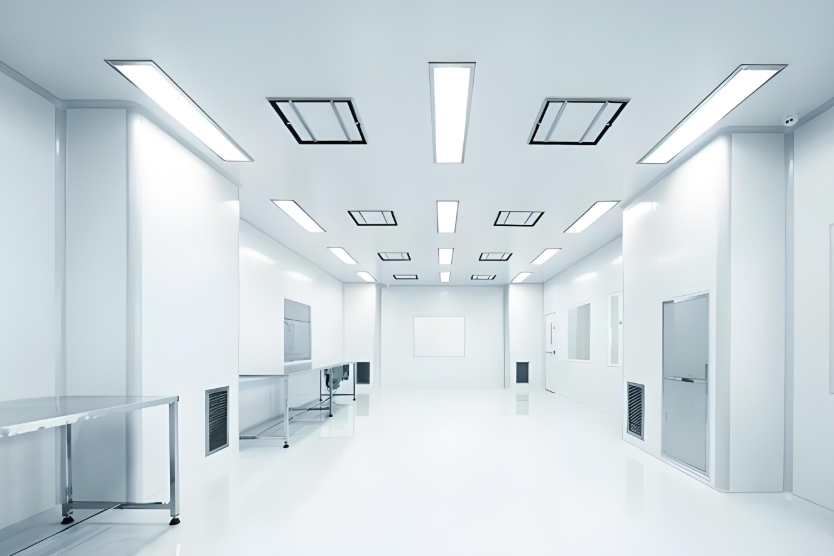
Cleanroom & Semiconductor
Ultra-High Cleanliness Filtration
Commercial HVAC
Central Air System Filtration
Data Centers
Precision Equipment Protection
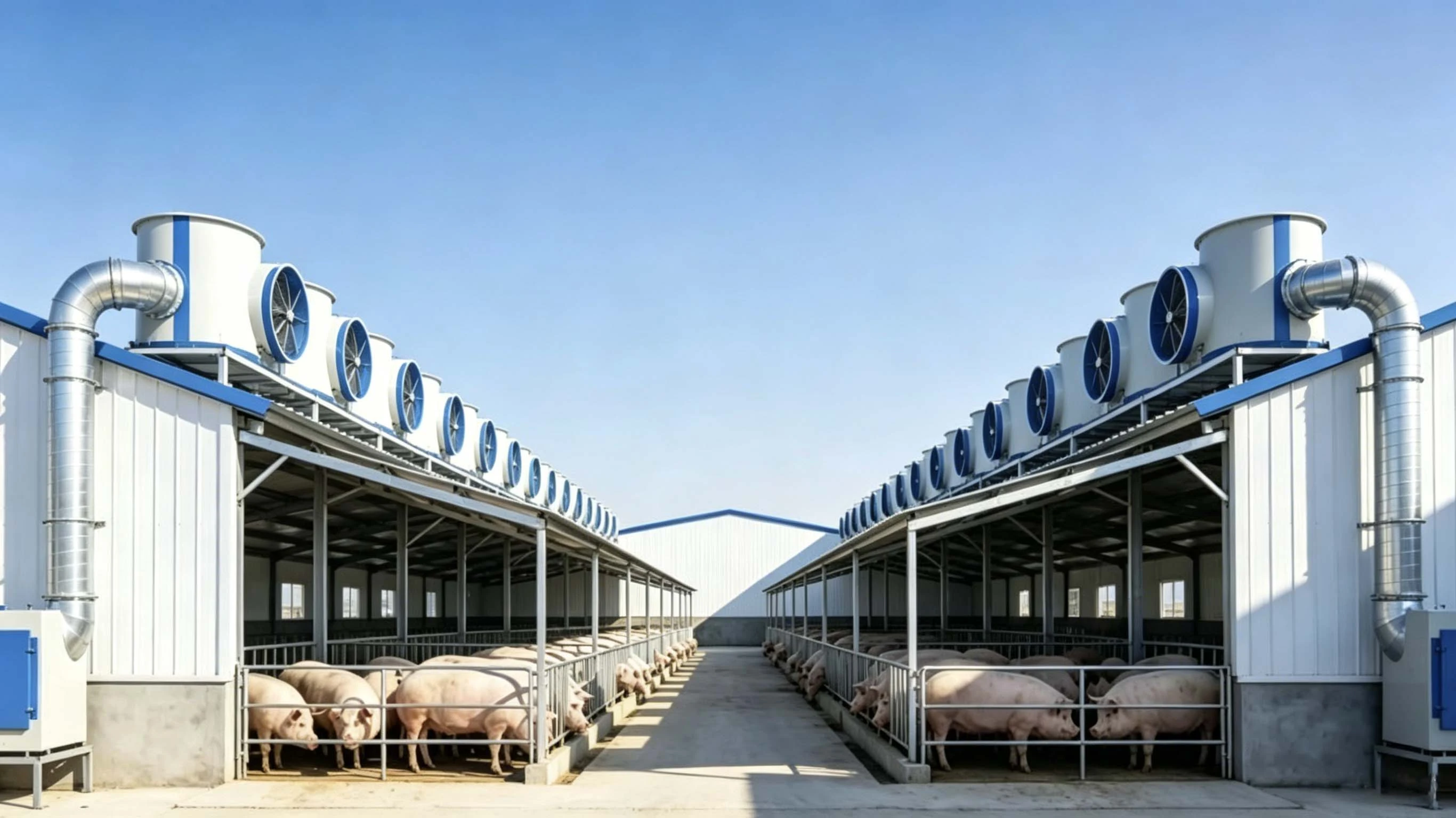
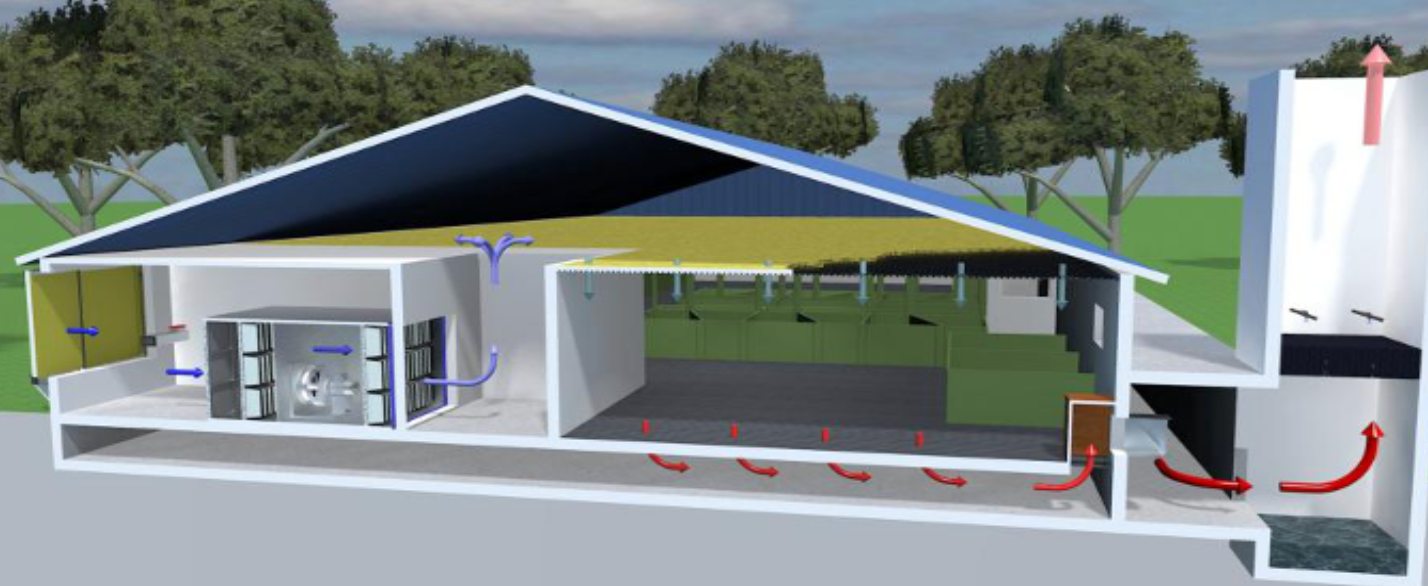
Livestock & Farming
Farming Environment Purification
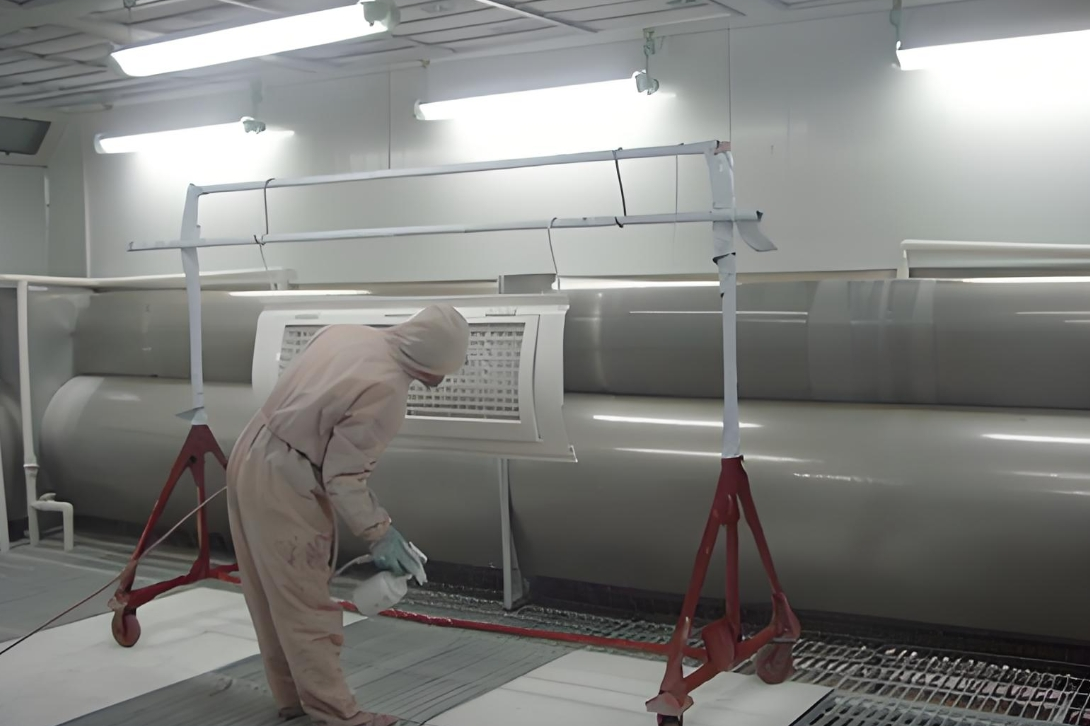
Spray Booths & Industrial Dust
Paint Mist & Dust Purification
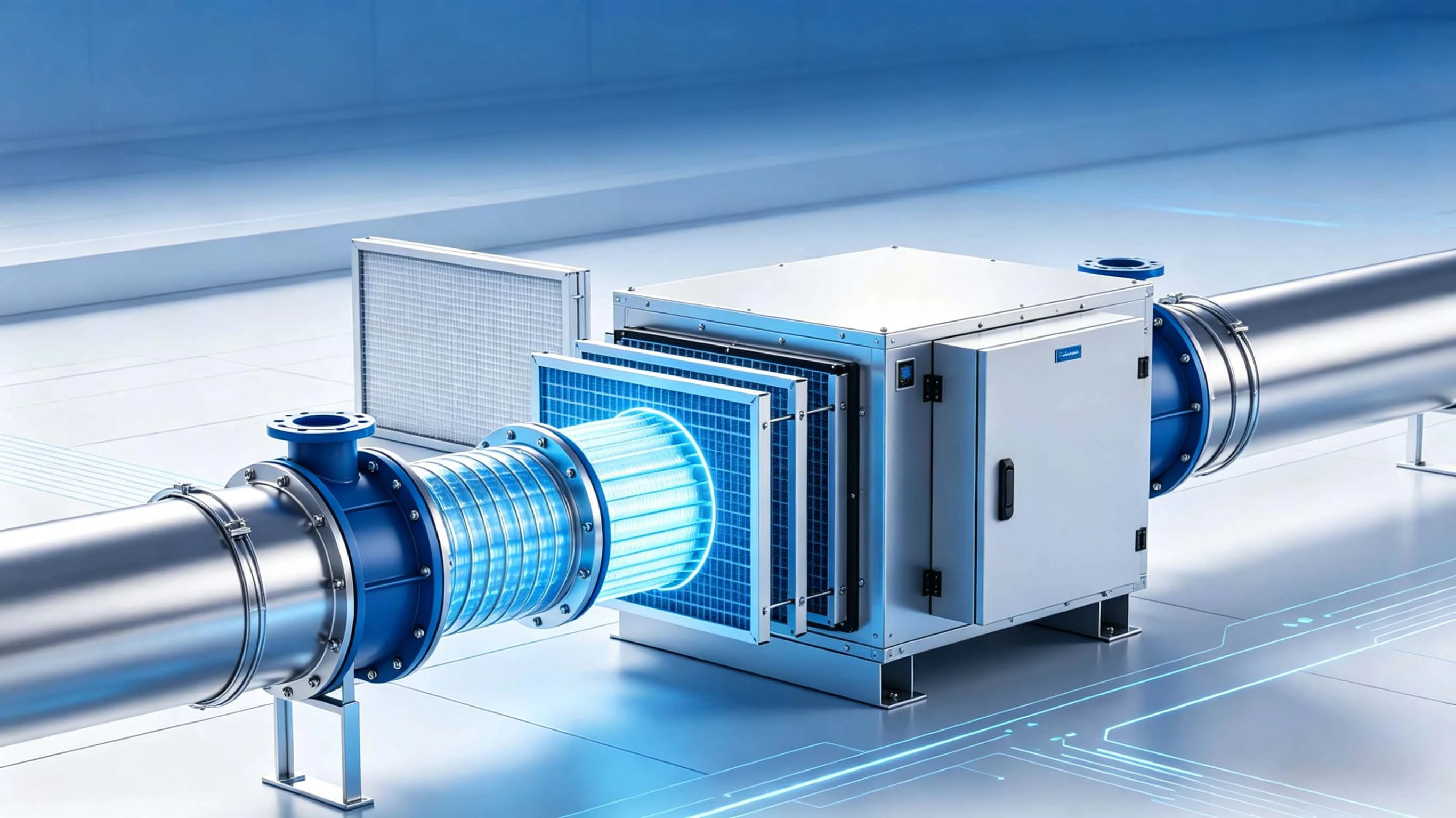
Filtration for Power Equipment
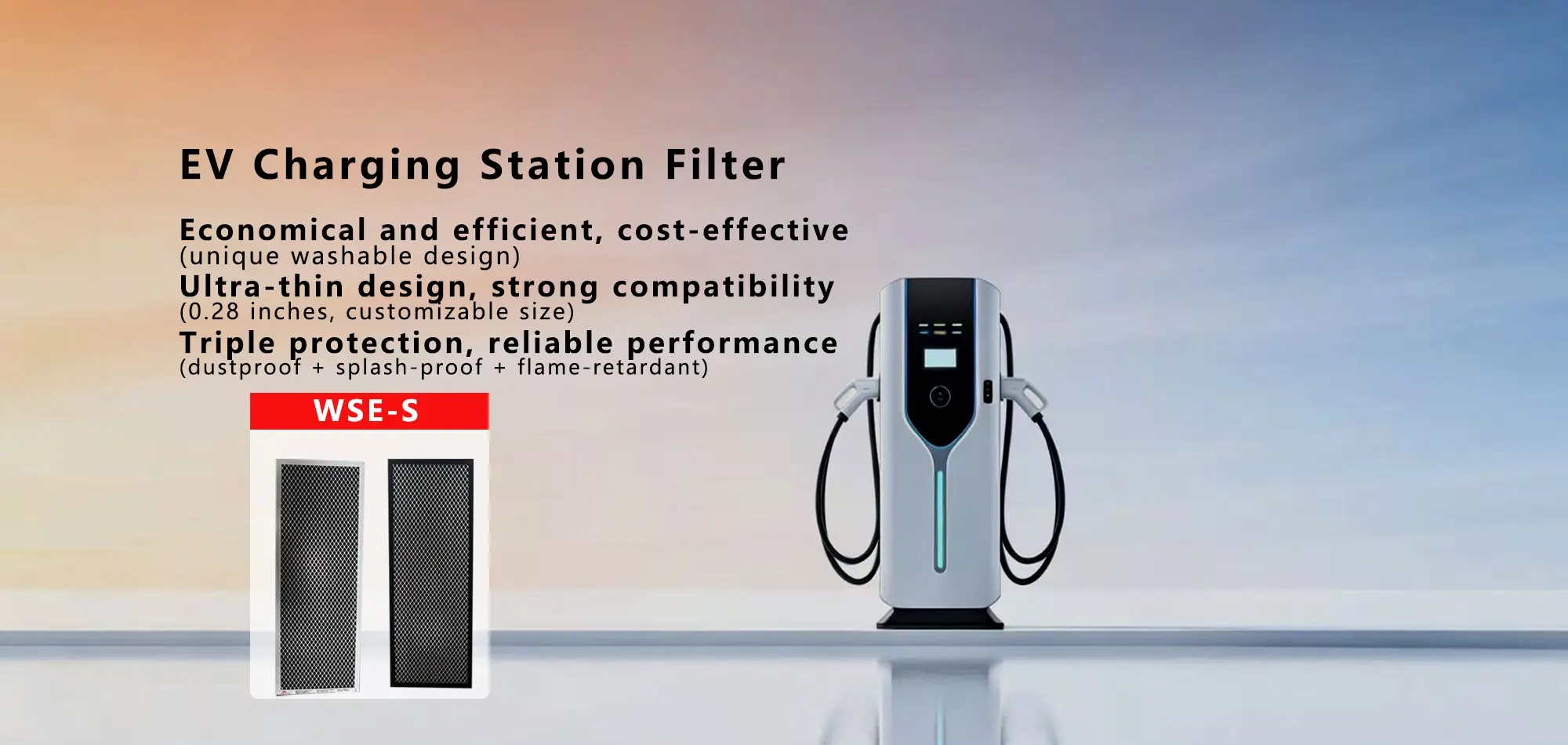
Professional air filtration for EV charging devices, protecting against dust and sand ingress to ensure stable, reliable operation of charging piles and station infrastructure.
View Related Products →Ultra-High Cleanliness Filtration
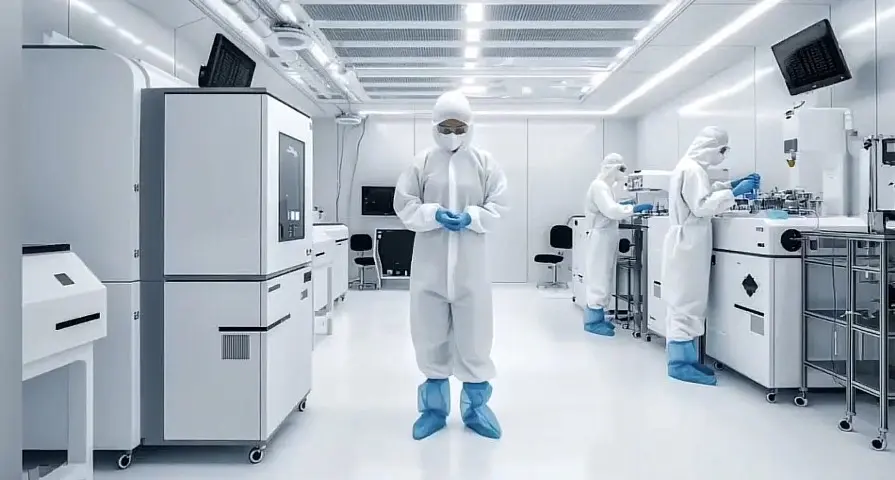
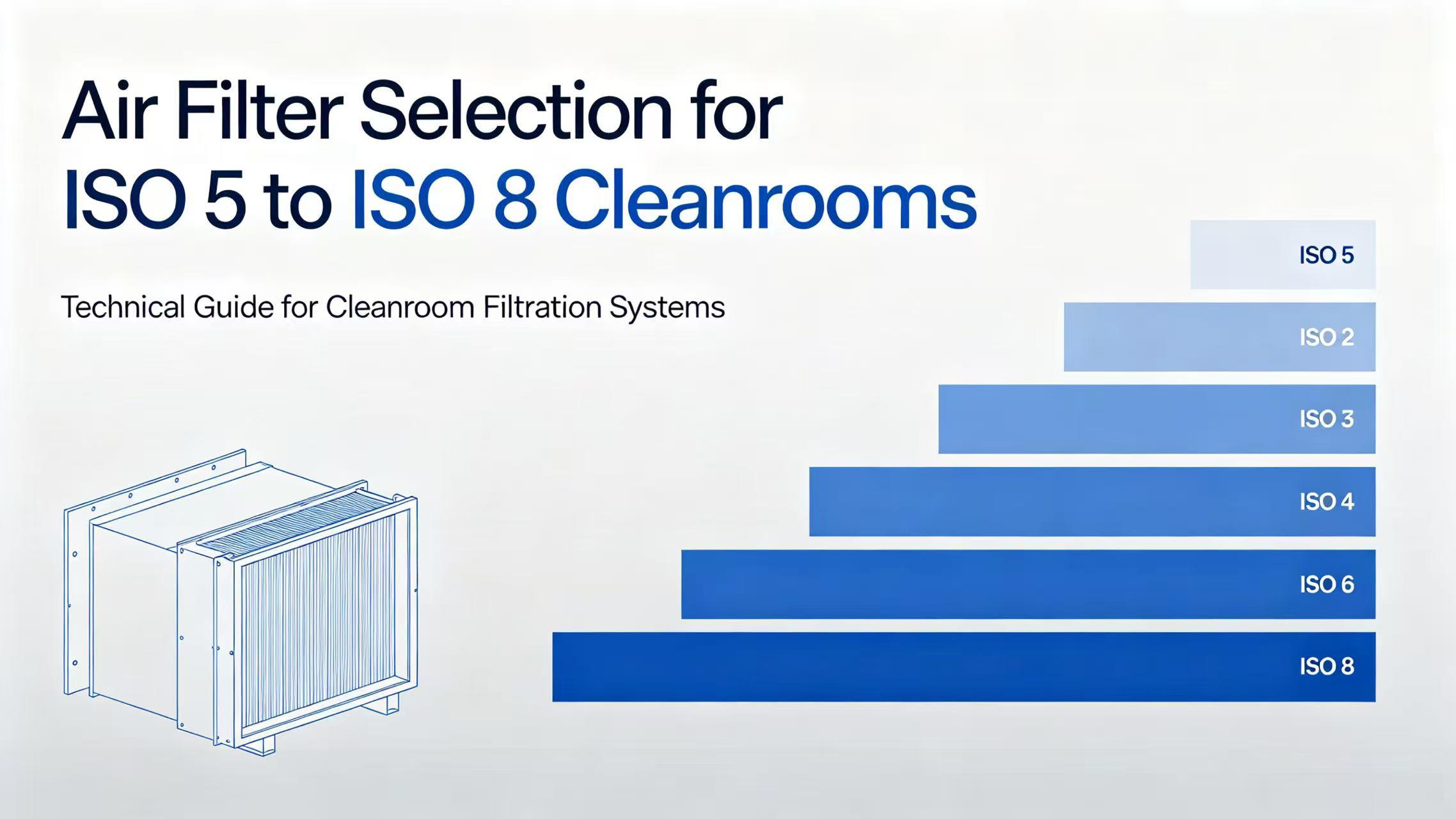
Ultra-high efficiency filtration for semiconductor wafer fabs and precision electronics cleanrooms, capturing nano-scale particles to meet ISO Class 1–3 standards and maximize product yield.
View Related Products →Central Air System Filtration
High-efficiency filtration for commercial building HVAC systems, improving indoor air quality, reducing energy consumption, and extending equipment service life.
View Related Products →Precision Equipment Protection
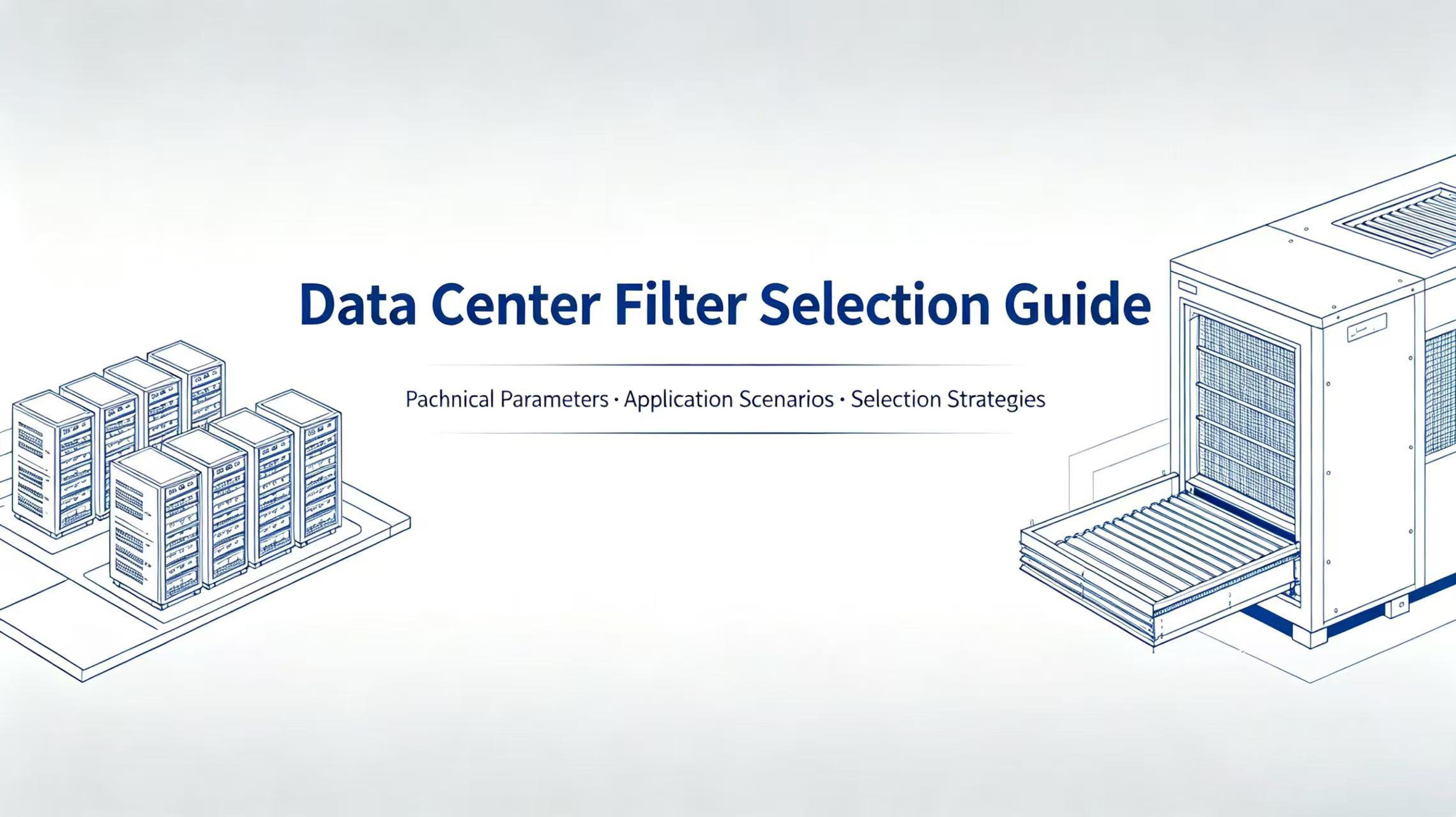
Precision air filtration for data centers, shielding servers and critical hardware from dust contamination to keep cooling systems running efficiently and reliably.
View Related Products →Farming Environment Purification
Dedicated filtration systems for farms and livestock facilities — capturing dust, adsorbing ammonia, and inhibiting pathogen spread to improve animal health and overall productivity.
View Related Products →Paint Mist & Dust Purification
Designed for spray booths and grinding workshops, efficiently capturing paint mist, metal dust, and wood chips to meet emission standards while protecting finished surface quality.
View Related Products →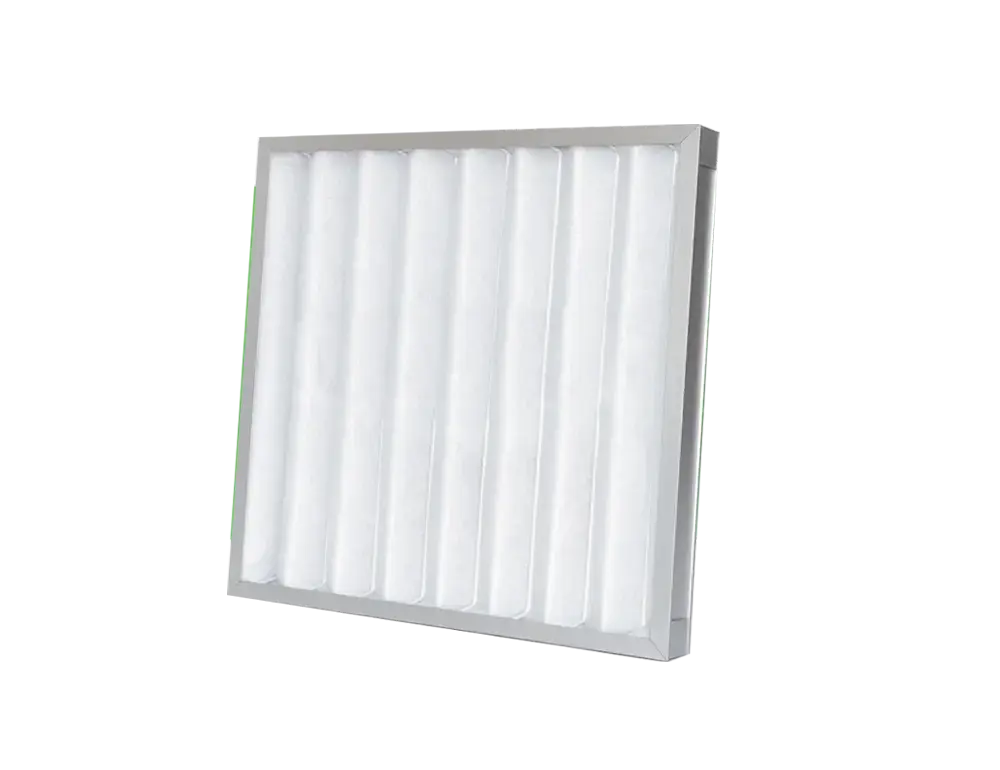
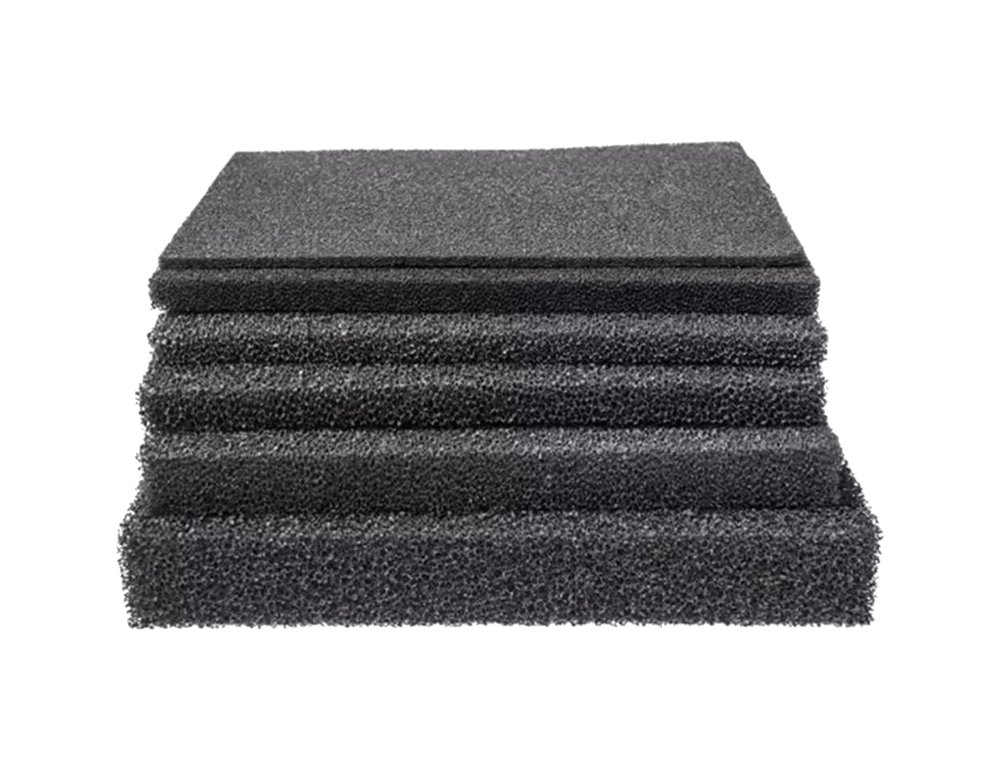
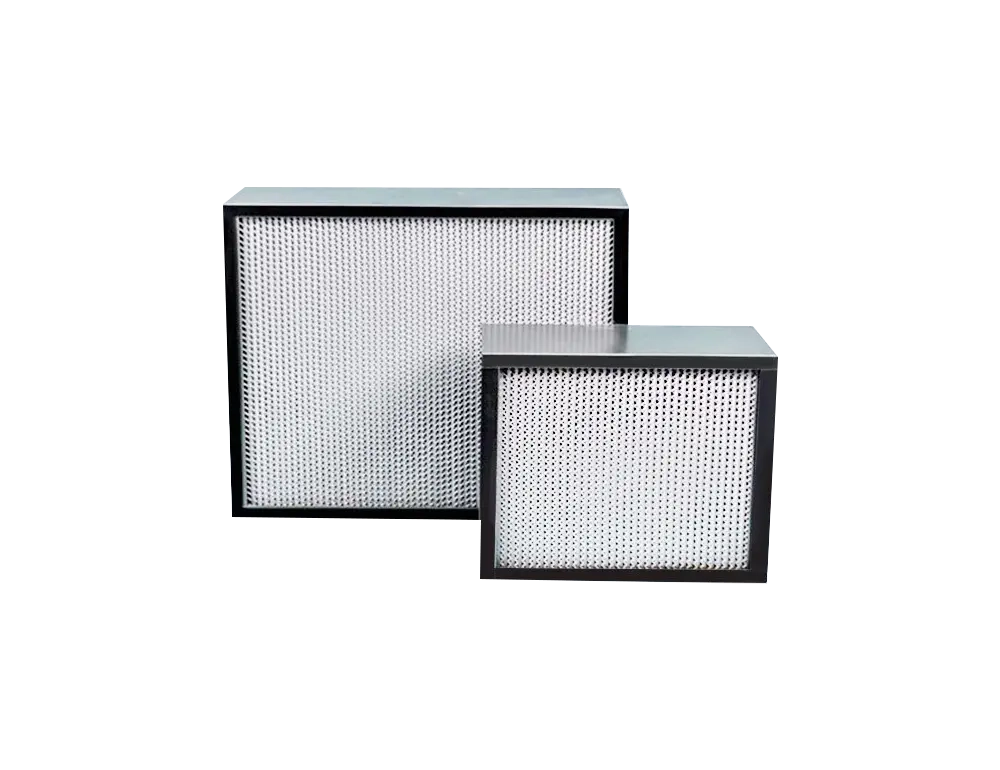
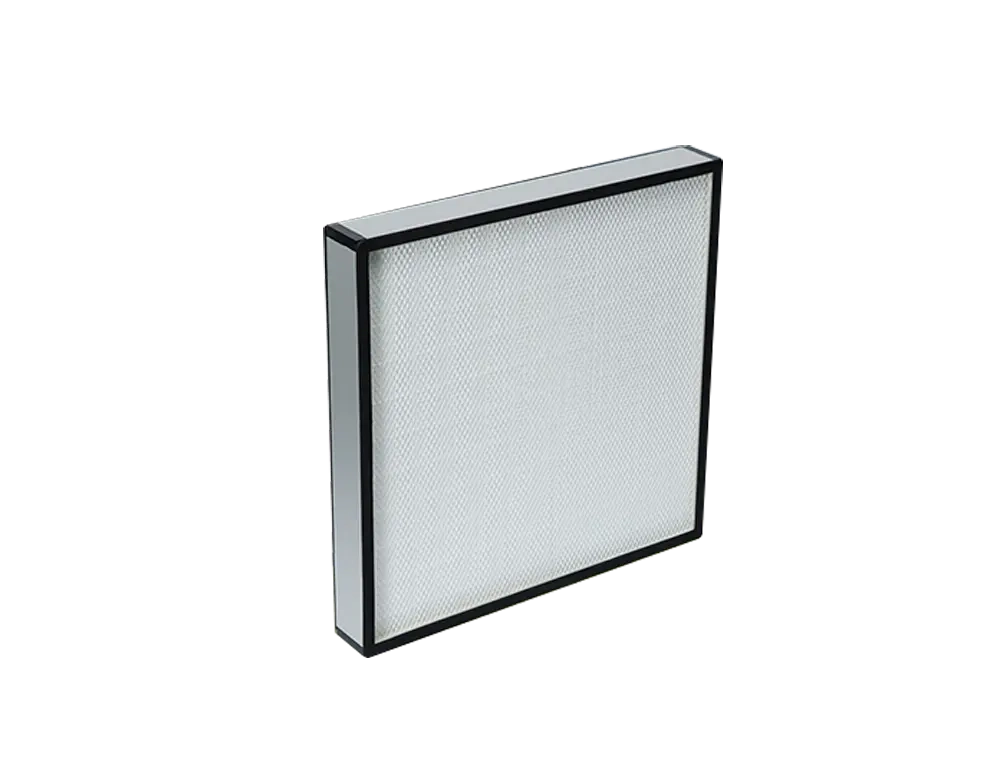
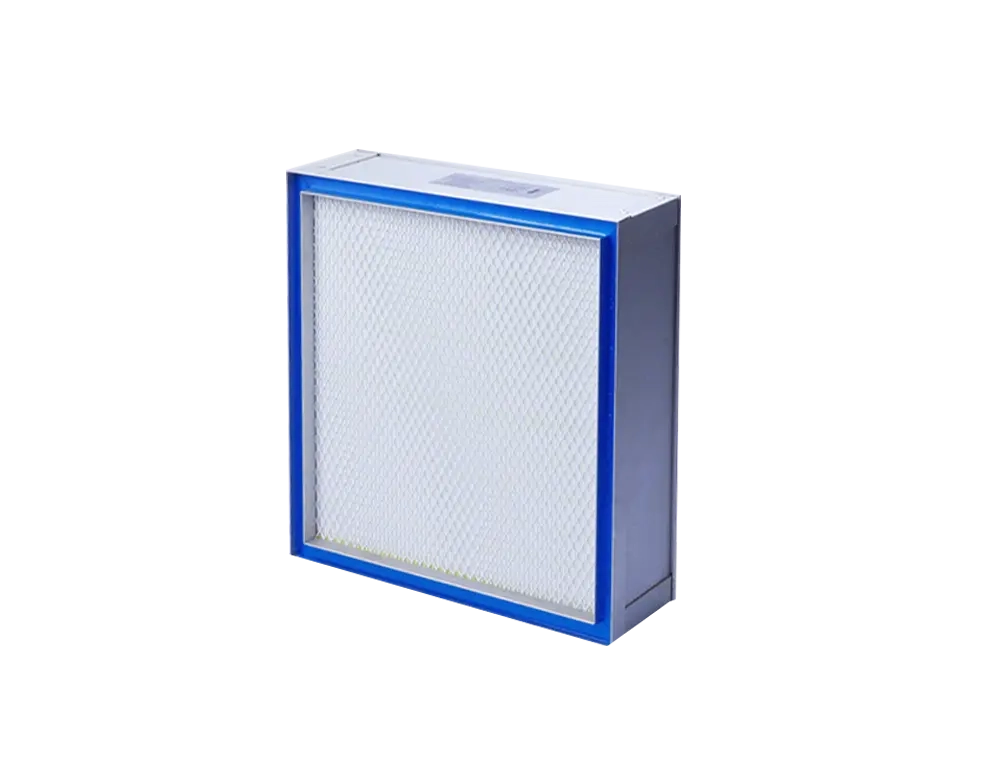
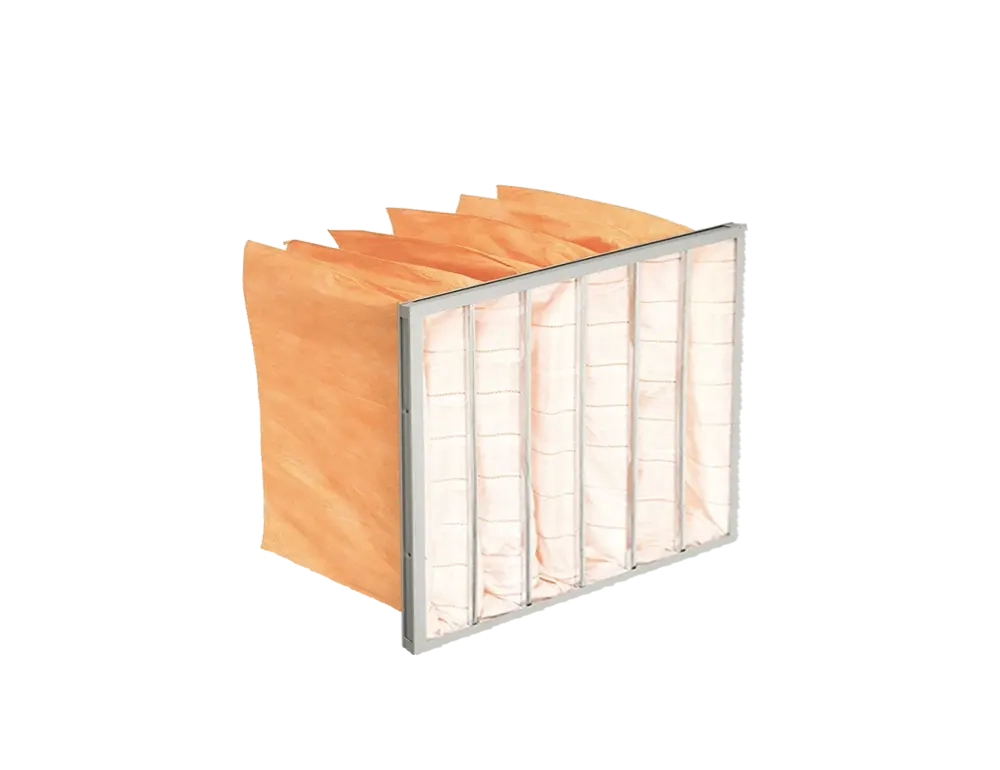
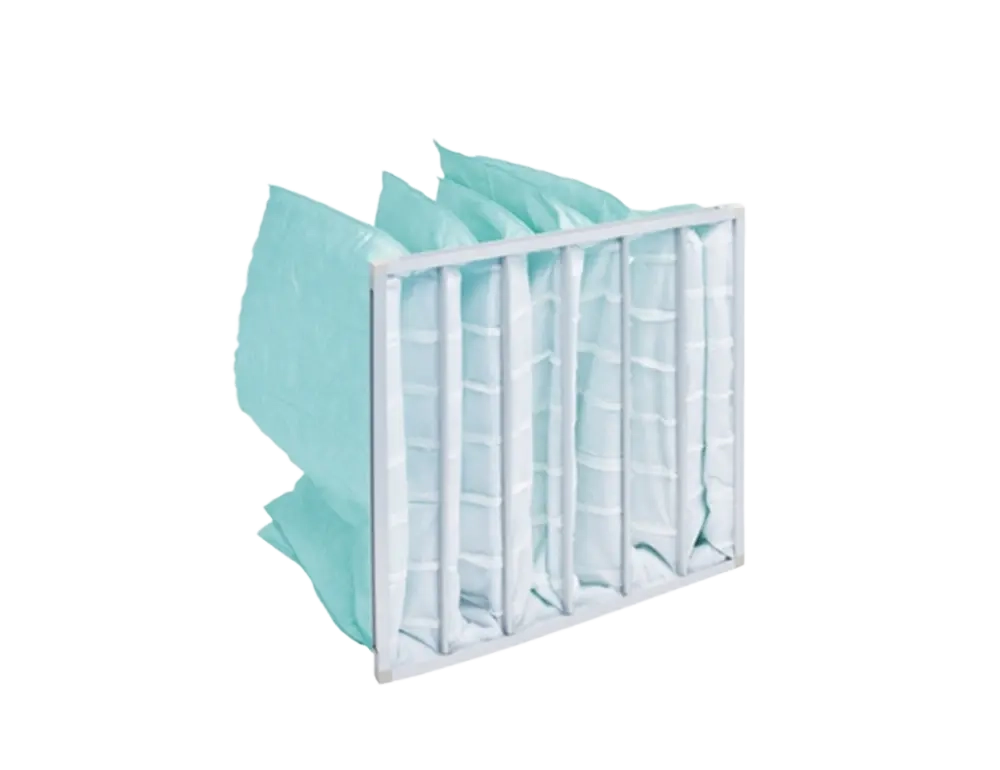
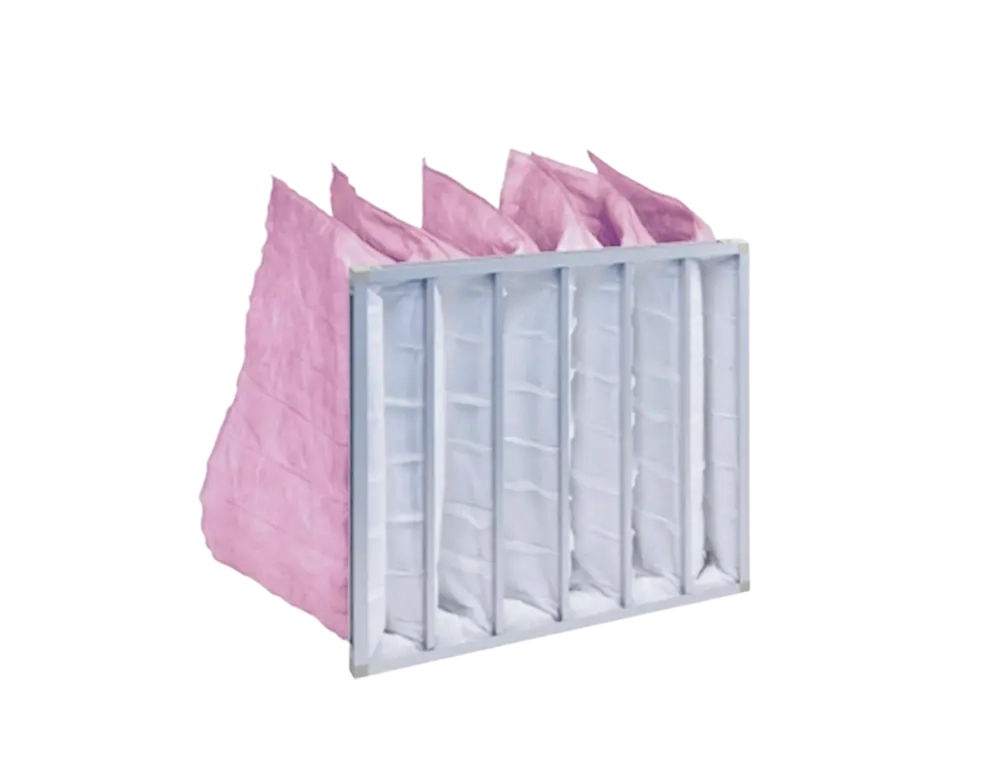
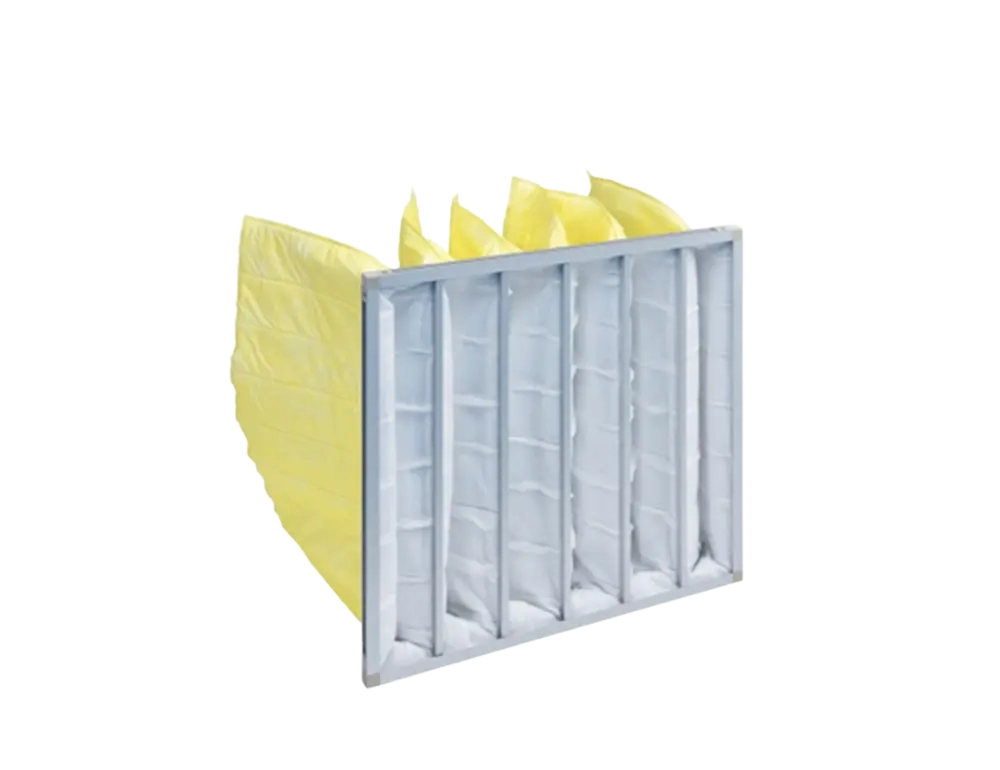
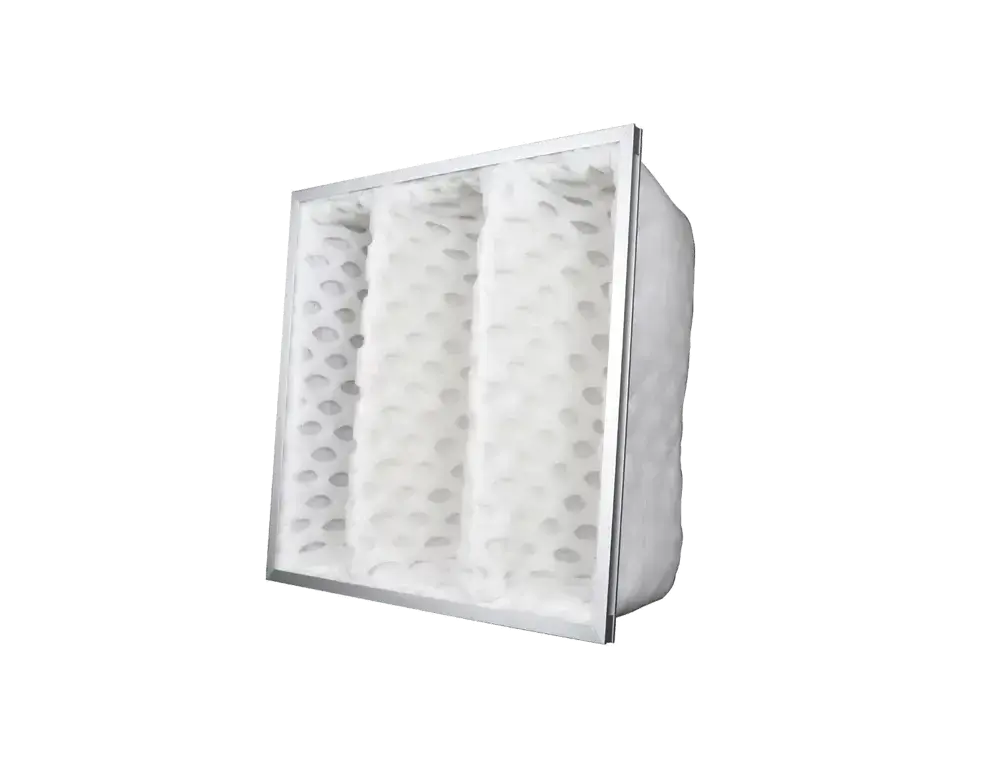
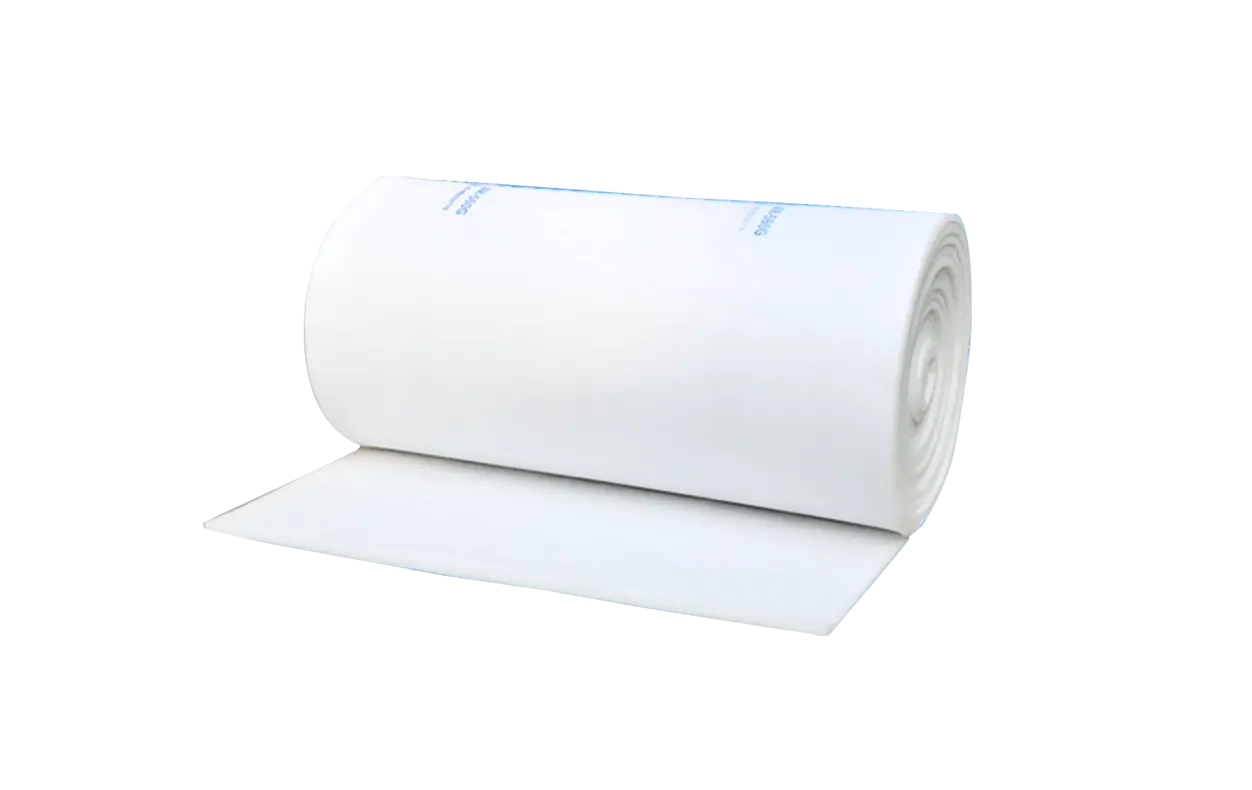
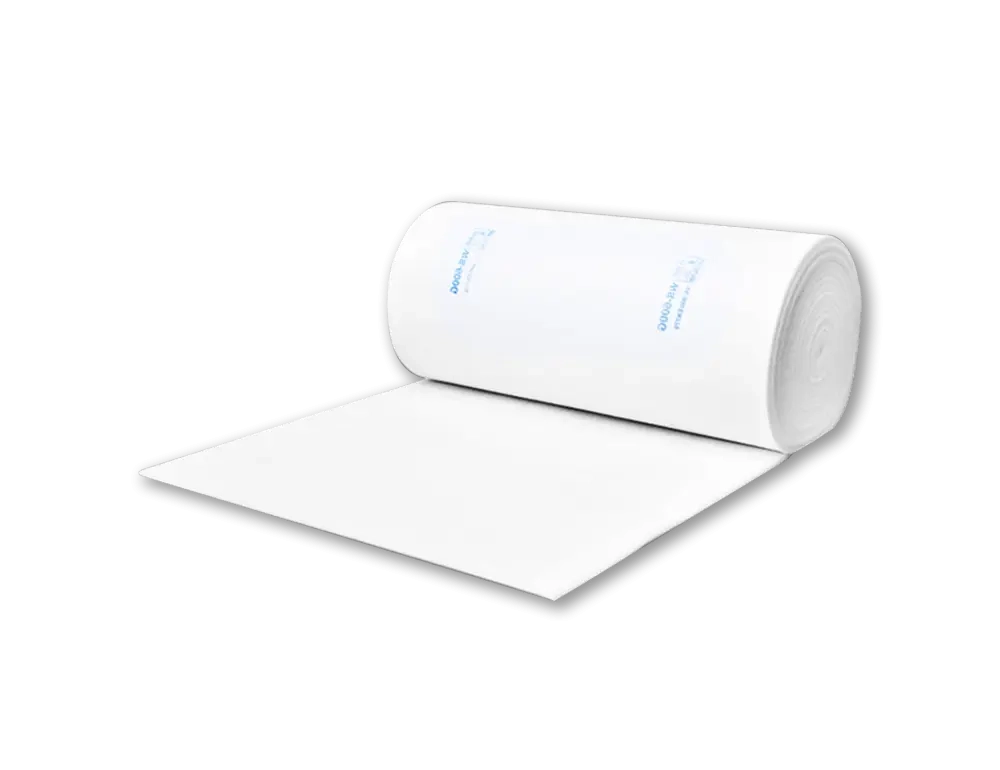
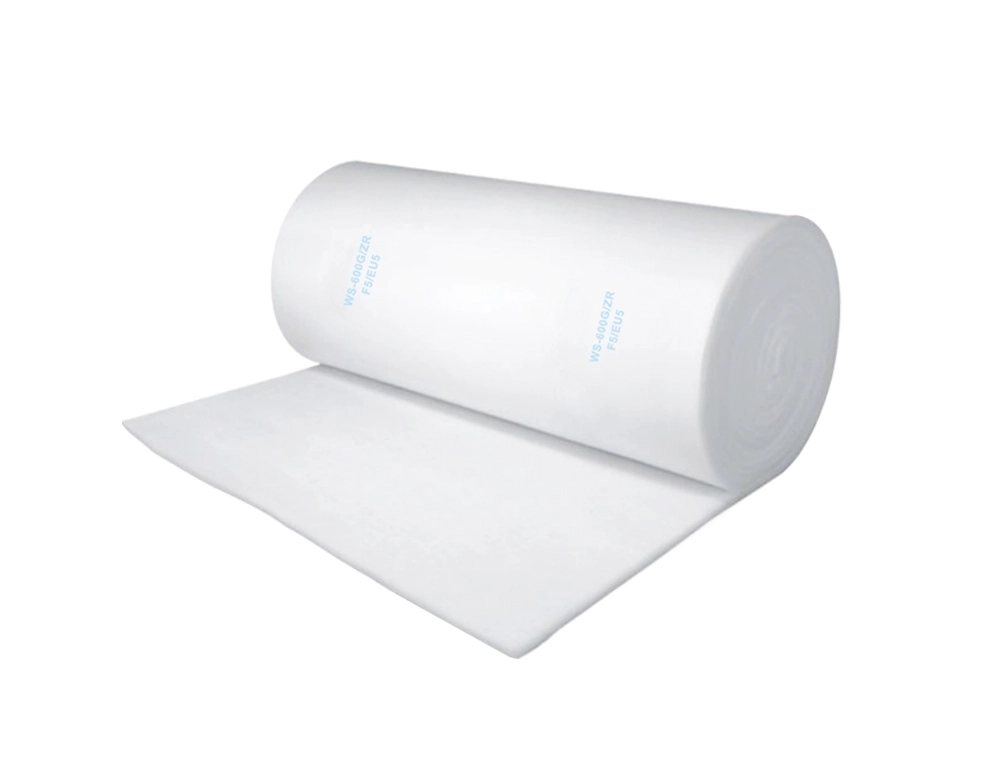
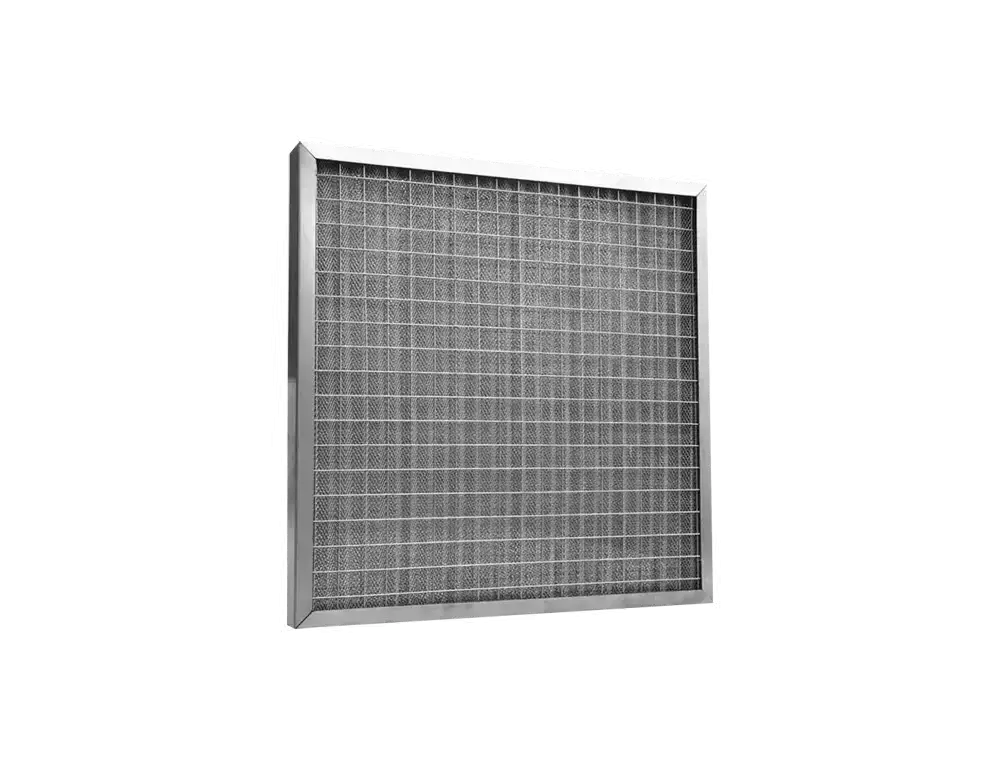
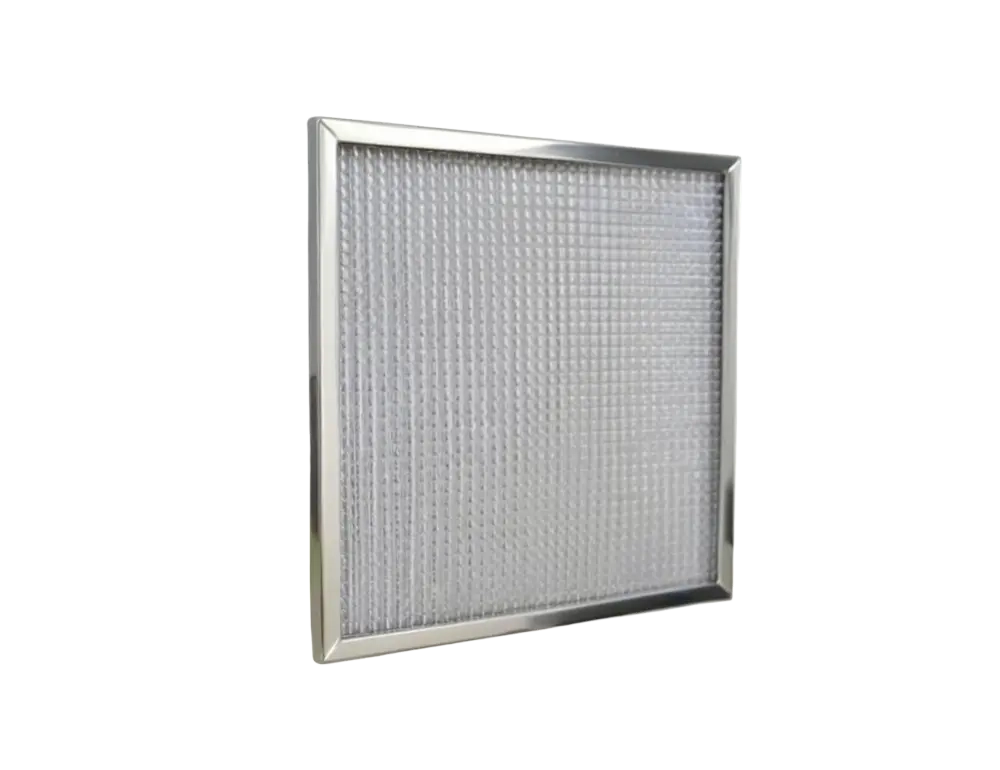
Pre-Filter (G1–G4)
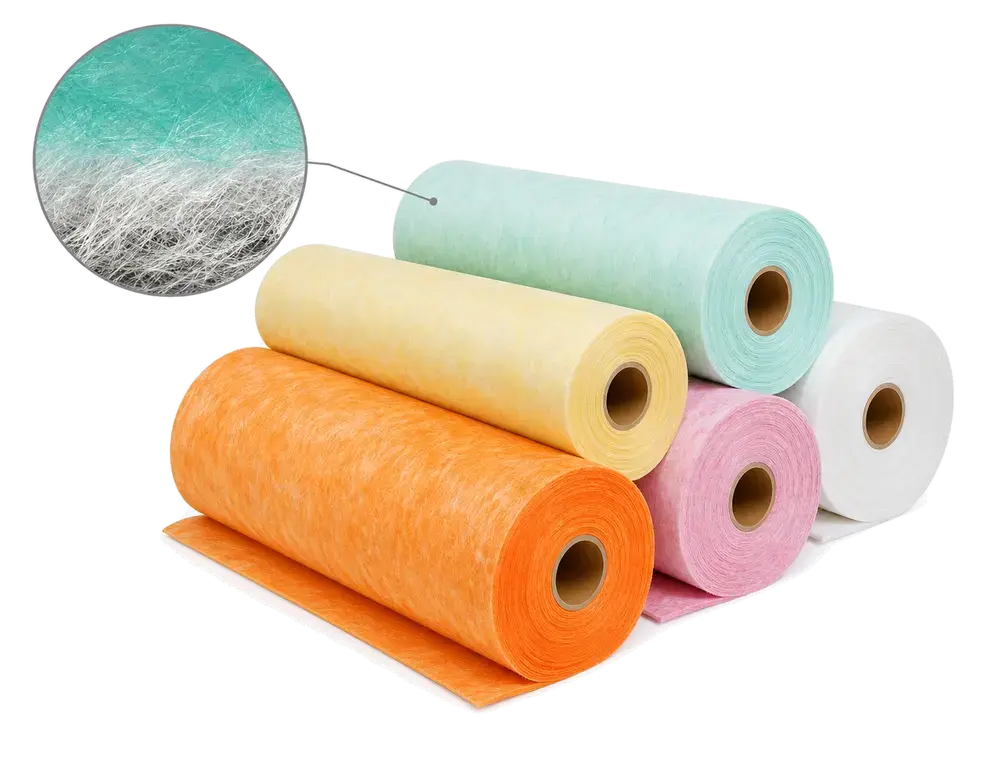
First-Stage Large-Particle Capture
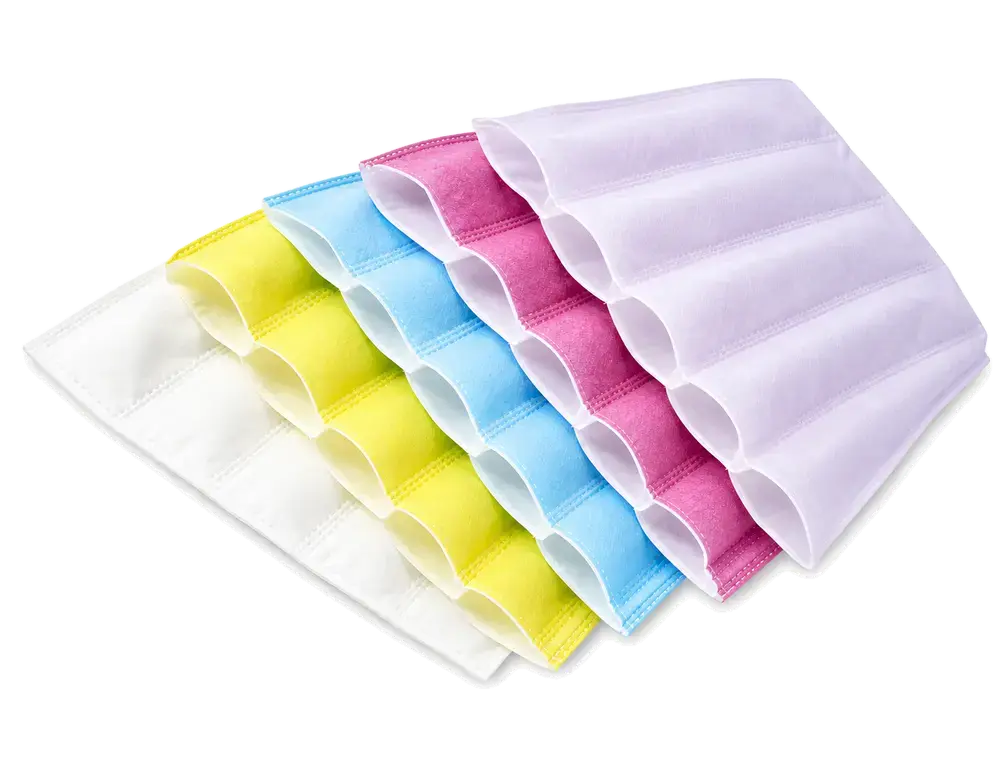
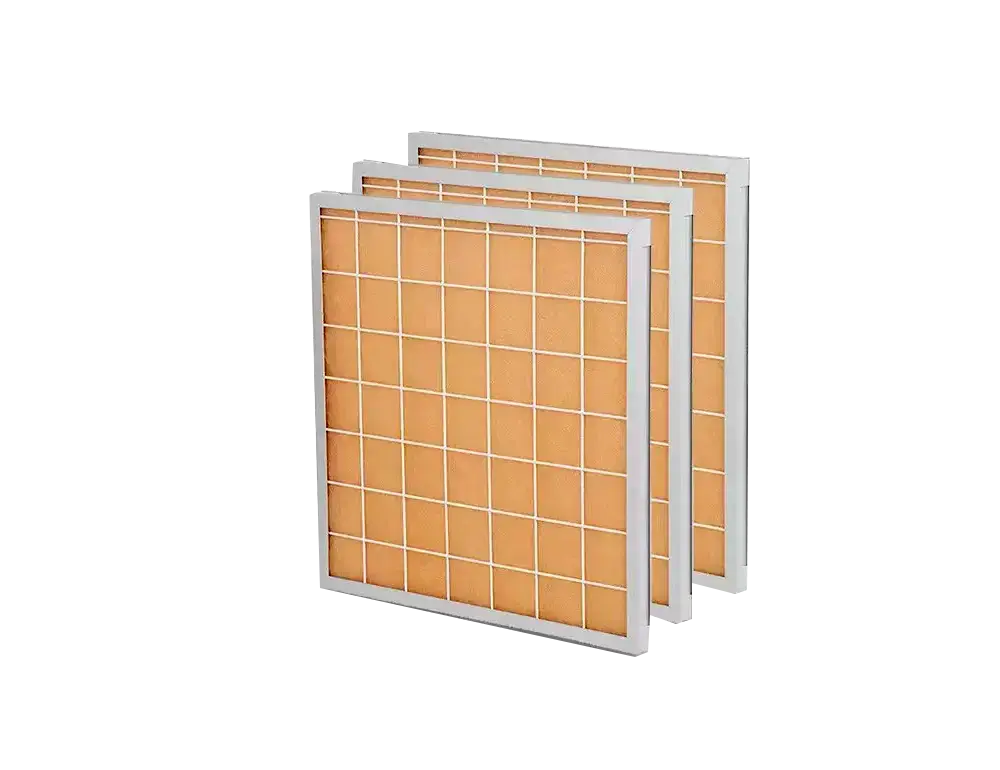
Medium-Efficiency Filter (F5–F9)
Precise PM2.5 Capture
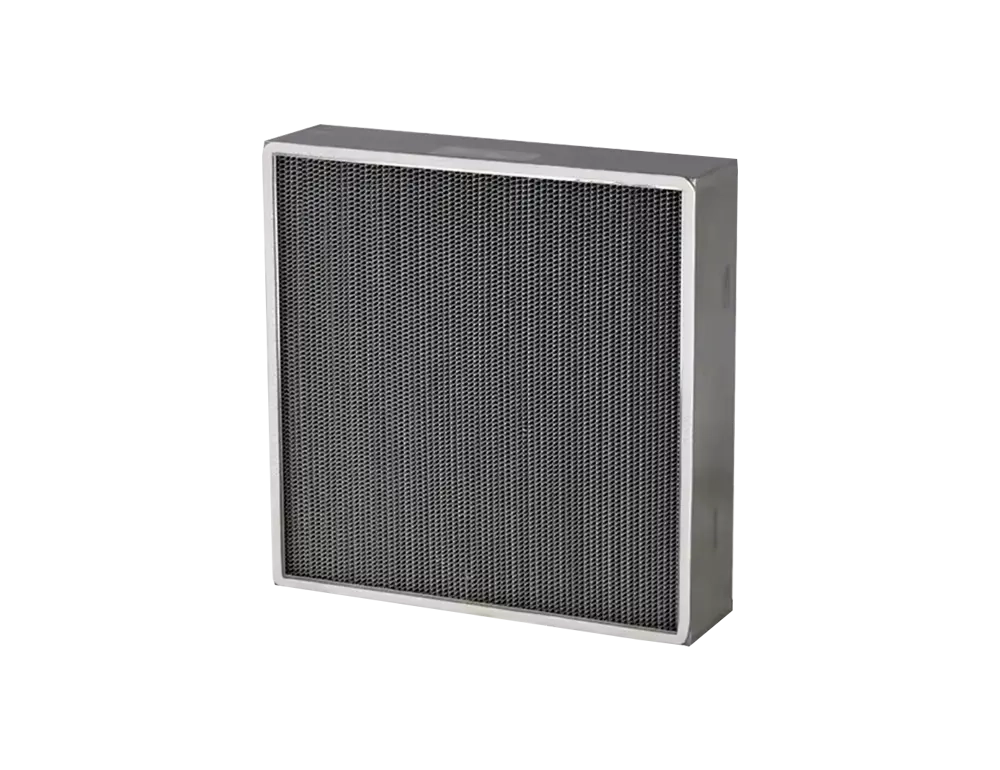
HEPA High-Efficiency Filter
Sterile-Grade Purification
ULPA Ultra-High Efficiency Filter
Sub-Micron Particle Capture
First-Stage Large-Particle Capture
The first line of defense, capturing particles ≥5 μm such as dust, hair, and fibers to protect downstream filters and extend overall system service life.
View Related Products →Precise PM2.5 Capture
Captures fine particles of 1–5 μm including PM2.5, pollen, and mold spores, significantly improving indoor air quality for commercial HVAC and ventilation systems.
View Related Products →Sterile-Grade Purification
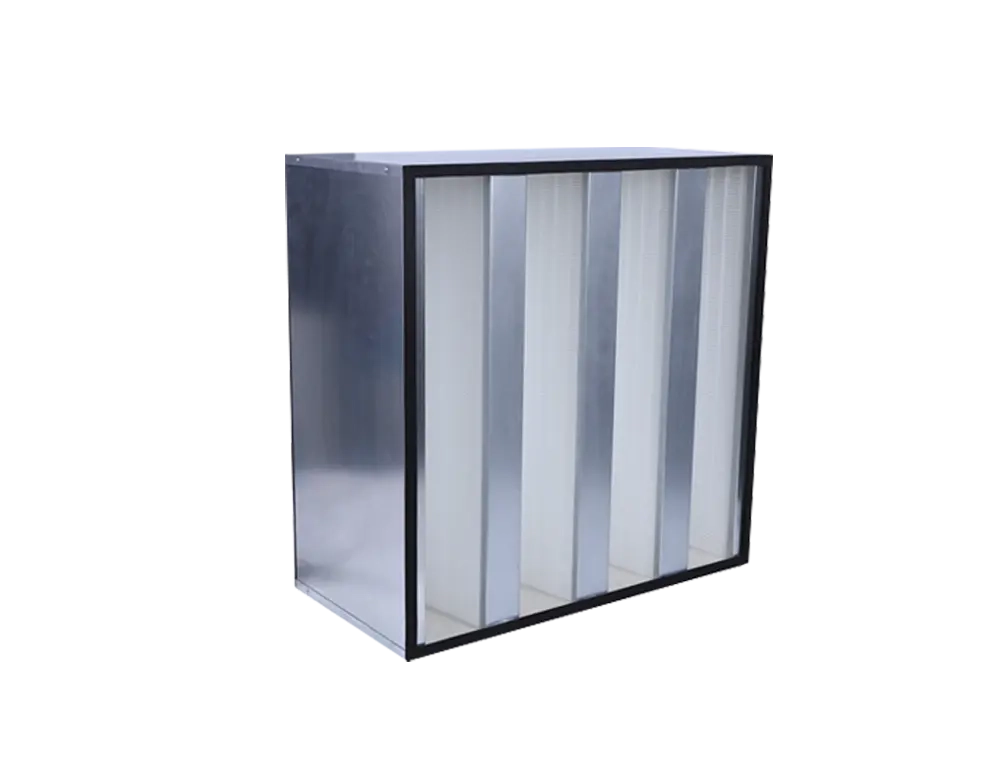
≥99.97% filtration efficiency for particles ≥0.3 μm, delivering sterile-grade clean air widely used in medical, pharmaceutical, and electronics manufacturing.
View Related Products →Sub-Micron Particle Capture
≥99.9995% efficiency for particles ≥0.12 μm, meeting the extreme cleanliness demands of semiconductor fabs, aerospace, and other ultra-precision applications.
View Related Products →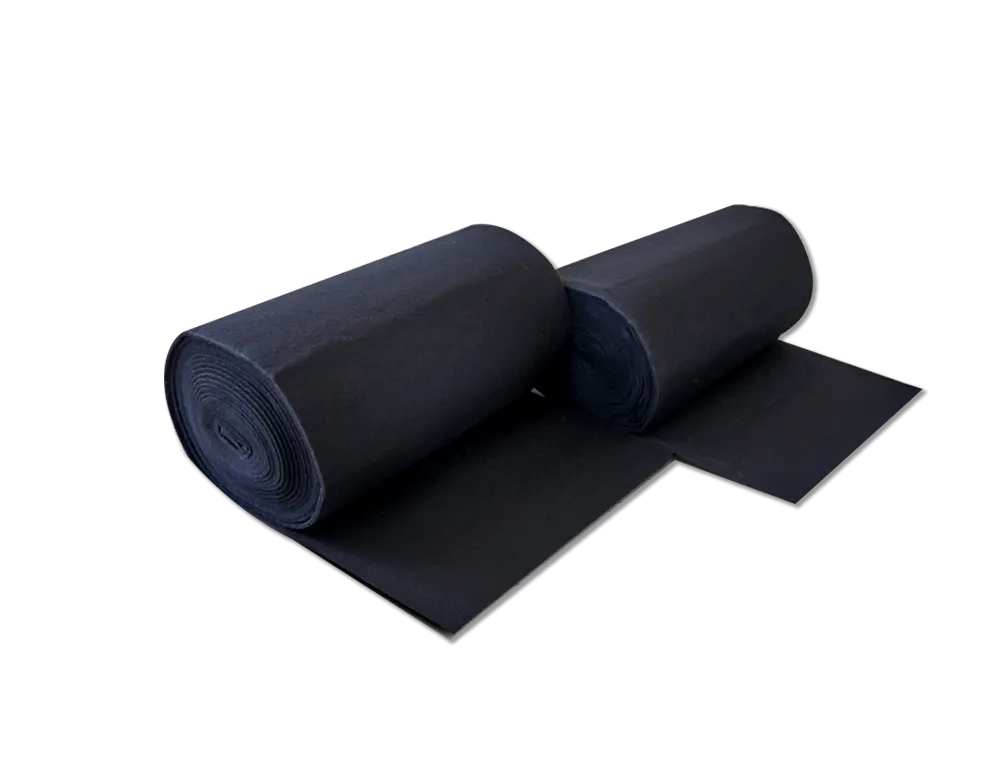
High-Temperature Resistant
Industrial-Grade Heat Tolerance
Washable & Reusable
Cut Costs, Reduce Waste
Activated Carbon
Odor & Harmful Gas Removal
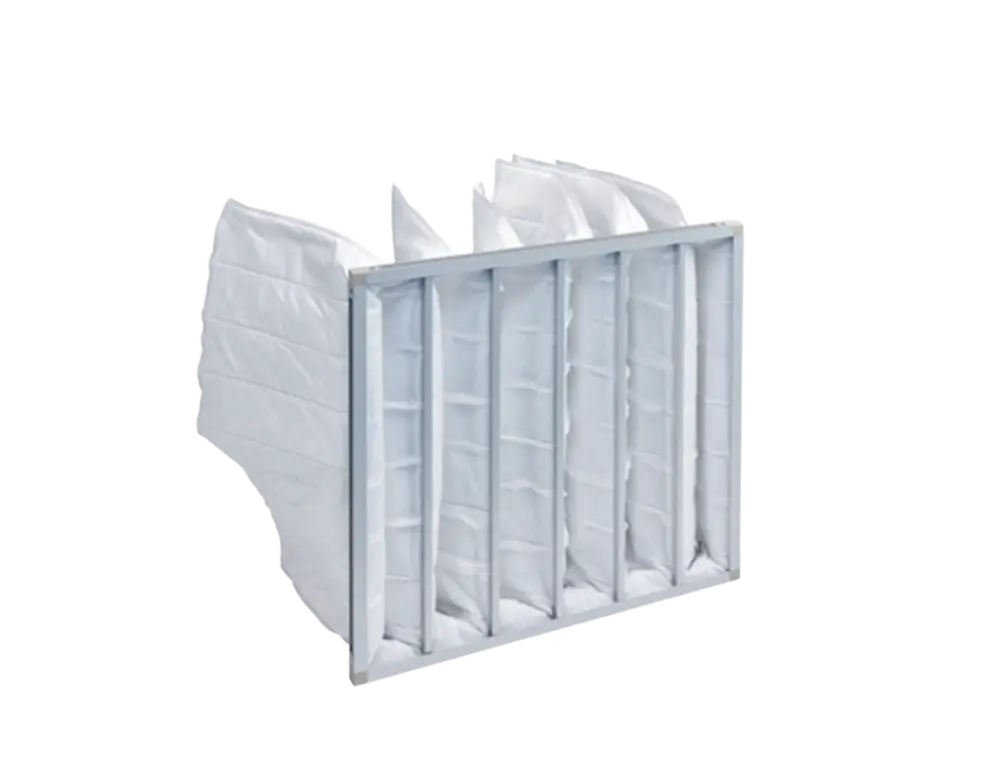
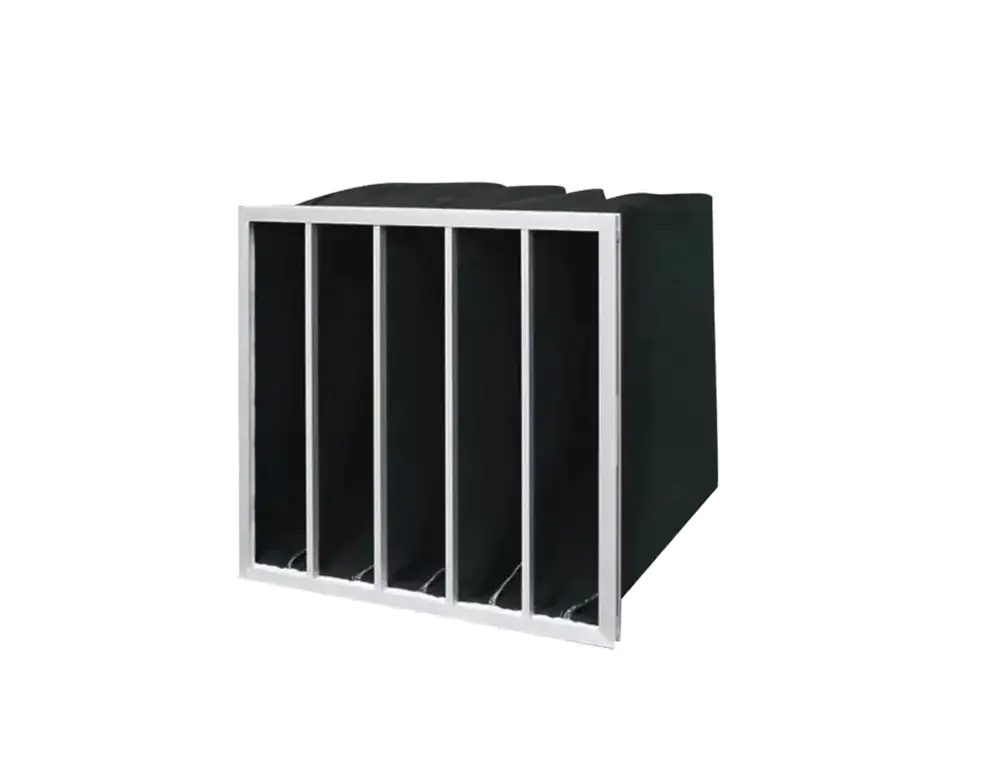
Bag Filter
High Dust-Holding, Long Life
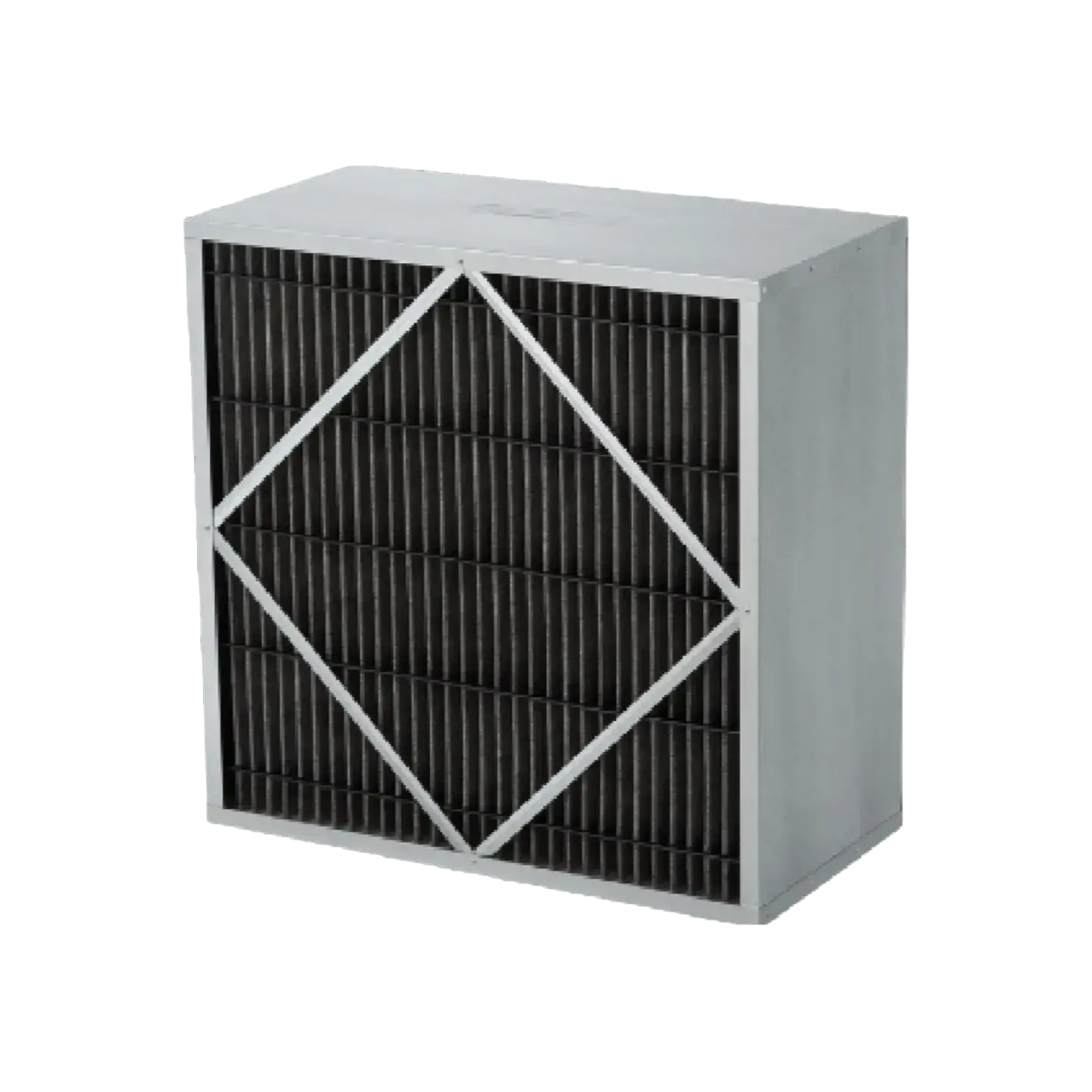
Panel / Pleated Filter
Compact Space-Saving Design
Low-Resistance Airflow
Energy-Saving Operation
Industrial-Grade Heat Tolerance
Built with specialized heat-resistant materials, operating stably up to 250°C for paint ovens, industrial dryers, and high-temperature process environments.
View Related Products →Cut Costs, Reduce Waste
Cleanable by water washing or air blowing, reusable multiple times to significantly reduce replacement frequency and O&M costs — an economical, eco-friendly choice.
View Related Products →Odor & Harmful Gas Removal
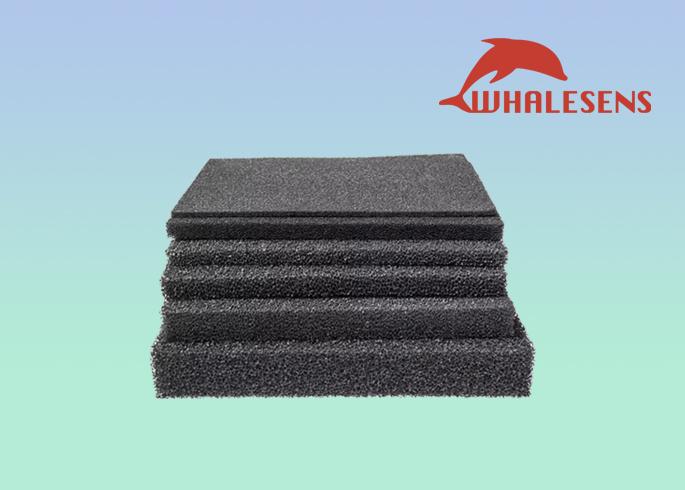
Leverages activated carbon's high adsorption capacity to eliminate odors, VOCs, and formaldehyde, ideal for newly renovated spaces and industrial exhaust treatment.
View Related Products →High Dust-Holding, Long Life
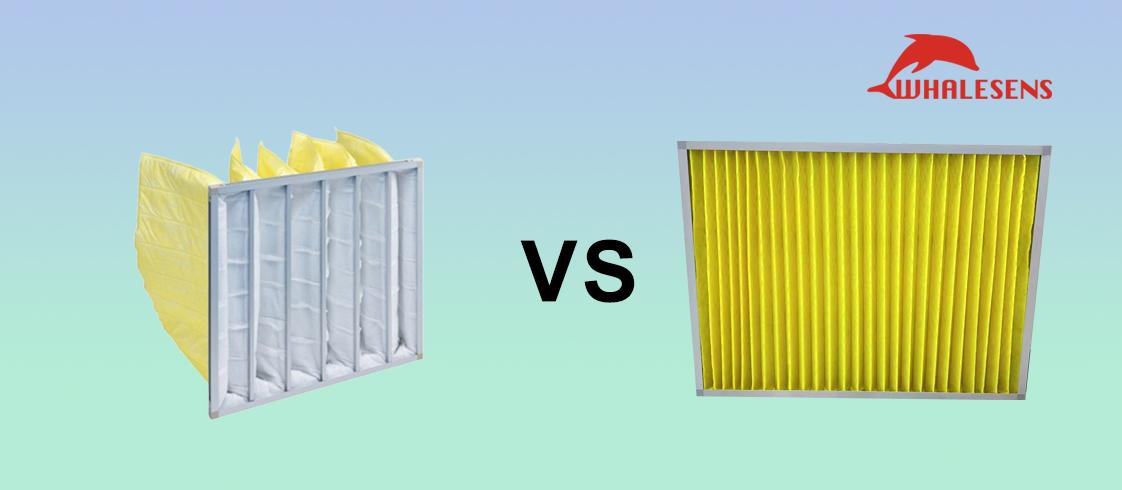
Bag-style construction delivers a larger filtration area, high dust-holding capacity, and extended service life — ideal for high-dust environments with reduced replacement frequency.
View Related Products →Compact Space-Saving Design
Compact form factor for easy installation and replacement; pleated structure maximizes filtration area within a small footprint for higher efficiency.
View Related Products →Energy-Saving Operation
Low-resistance design minimizes pressure drop while maintaining filtration performance, reducing fan energy consumption for cost-effective, eco-friendly operation.
View Related Products →

















 English(Global)
 简体中文
 Language




What Is an Air Filter? Understand the Core Definition and Working Principle in 3 Minutes
A useful air filter definition is short: it is a device that separates particles from an air stream by passing that air through a porous medium. The definition is easy; what makes air filter specification difficult is that a filter is judged on three numbers at once — how much it captures, what it costs in pressure drop, and how long it lasts before it has to be changed. A definition that stops at "removes particles" leaves out everything a buyer actually needs.
A working air filter definition
The formal air filter definition covers the mechanism, the medium and the purpose, and each part has a practical consequence. Read that way, the air filter definition becomes a checklist rather than a sentence.
Three claims sit inside that air filter definition. "Separates particulate contaminants" excludes gases, which need an adsorptive stage. "Porous medium" excludes electrostatic precipitators in the strict sense, though they are usually grouped with filters in specification. "Meets a stated requirement" is the part that turns a definition into a specification, because it forces the requirement to be written down.
The three parts of every air filter
Those three parts explain why an air filter definition based on media alone is incomplete, and why the definition has to name the frame and seal as well. Two filters can use the same media and behave differently in service because of frame rigidity and seal integrity.
What an air filter faces: three pollutant categories
An air filter definition should also be clear about what the device is expected to remove, because the three categories behave differently. Ambiguity here is the most common source of a wrong air filter definition.
| Category | Typical size | Examples | How it is removed |
|---|---|---|---|
| Solid particulates | 0.1–100 µm | Dust, pollen, PM2.5, metal fume, micro-organisms | Mechanical capture in fibrous media |
| Liquid aerosols | 0.1–10 µm | Oil mist, water mist, machining coolant, lab aerosols | Coalescing and hydrophobic media |
| Gases and vapours | Molecular | Formaldehyde, VOCs, ammonia, sulphur compounds | Adsorption on activated carbon or catalysis |
The first two are particulate and are handled by an air filter in the usual sense. The third is not, and no efficiency class makes a particulate filter effective against it. Systems that need both use a combined construction, and the two stages are specified and replaced on different criteria.

How an air filter works: four capture mechanisms
Media is not a uniform sieve. Fibres form a three-dimensional network, and a particle's path through it determines whether it is captured.
All four operate at once, and their relative weight changes with particle size, which is the part of the air filter definition that surprises most buyers. That is why an air filter has a minimum efficiency at an intermediate size rather than behaving like a simple screen. The particle size at which capture is weakest is the most penetrating particle size, and it is the basis on which HEPA and ULPA classes are defined.

What the grade letters mean
An air filter definition for procurement purposes has to include the efficiency class, because the class is what can be tested. That is the air filter definition a supplier can be held to.
| Band | Grades | Basis of rating | Typical duty |
|---|---|---|---|
| Coarse | G1–G4 | Average arrestance, or ISO Coarse | Intake protection, first stage |
| Fine | M5–M6, F7–F9 | Counting efficiency at 0.4 µm, or ePM1/ePM2.5/ePM10 | Main ventilation stage |
| EPA | E10–E12 | MPPS efficiency from 85% | Ahead of HEPA in cleanroom systems |
| HEPA | H13–H14 | MPPS efficiency 99.95% and 99.995% | Pharmaceutical and electronics cleanrooms |
| ULPA | U15–U17 | MPPS efficiency from 99.9995% | Semiconductor and biosafety applications |
Two conventions sit inside that table. The G and F grades come from the ventilation standard, now ISO 16890 following the withdrawal of EN 779. The E, H and U grades come from EN 1822 and ISO 29463 and are rated at MPPS with local penetration assessed per unit. The two conventions are not interchangeable, and a filter specification that mixes them without naming the standard is not a specification at all.

Five misconceptions about air filter definition and selection
Five points that are routinely got wrong
- A higher class is not automatically better — higher efficiency usually means higher pressure drop, and if airflow falls the cleanliness target can be missed.
- Air filter definition does not cover gases — odours, VOCs and acidic gases need a separate adsorptive stage.
- The class is a minimum threshold, not a measured value — two filters in the same class can differ substantially in pressure drop and service life.
- Efficiency figures are only comparable at the same particle size and under the same standard.
- Filter life should be set by pressure drop, not by the calendar — the pressure trend is the only usable signal of where a filter is in its life.
The first and last points account for most avoidable cost in filter selection, and both follow directly from the air filter definition rather than from any particular product. Buying a higher class than the application needs raises fan energy for no benefit, and replacing on a fixed schedule either changes filters too early or discovers blockages in between.

Where the definition leads
Once the air filter definition is settled, selection becomes a sequence rather than a preference, and the sequence narrows the options quickly. Fix the target cleanliness, which sets the class. Measure the available depth and airflow, which sets the construction. Identify the pollutant categories, which decides whether a gas-phase stage is needed at all.
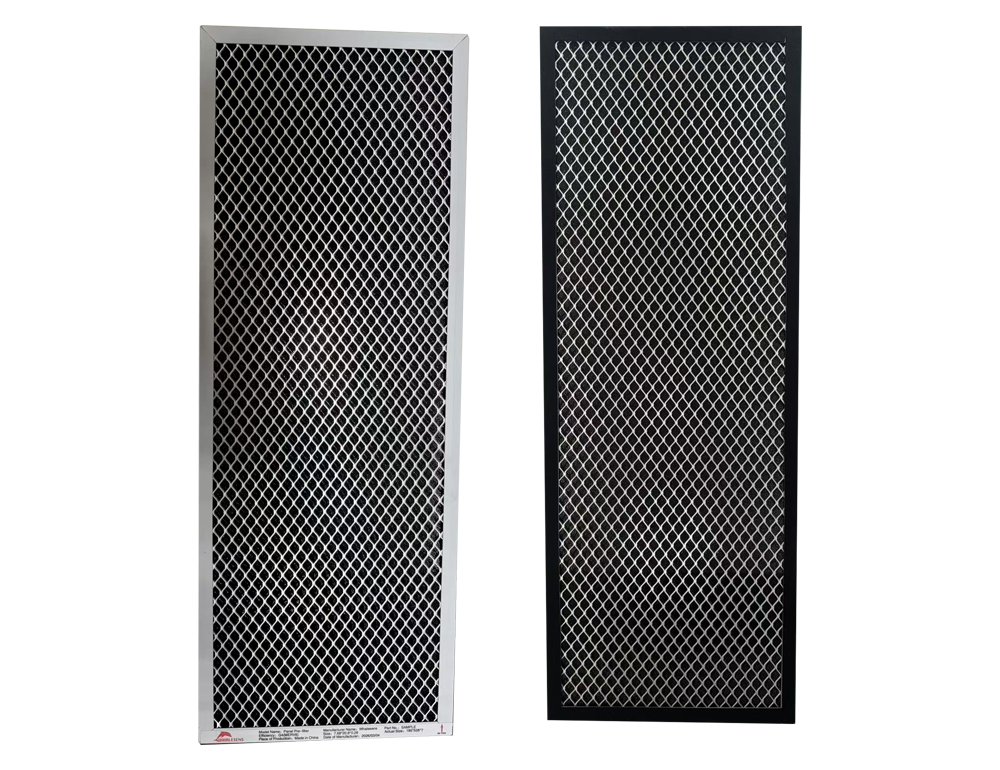
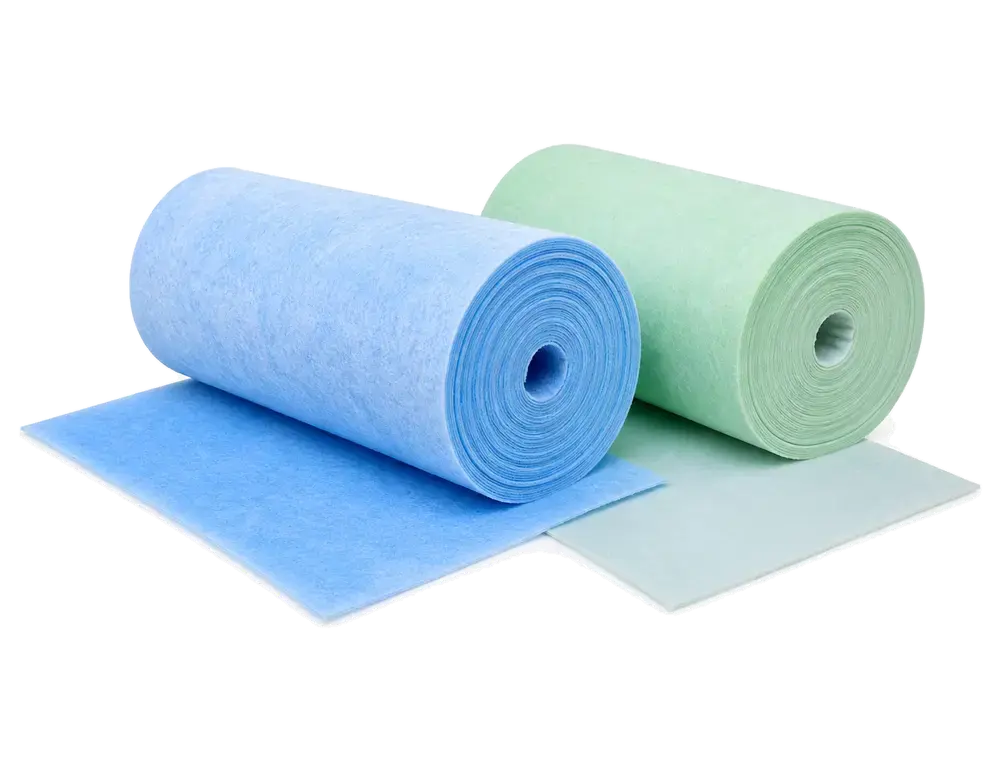
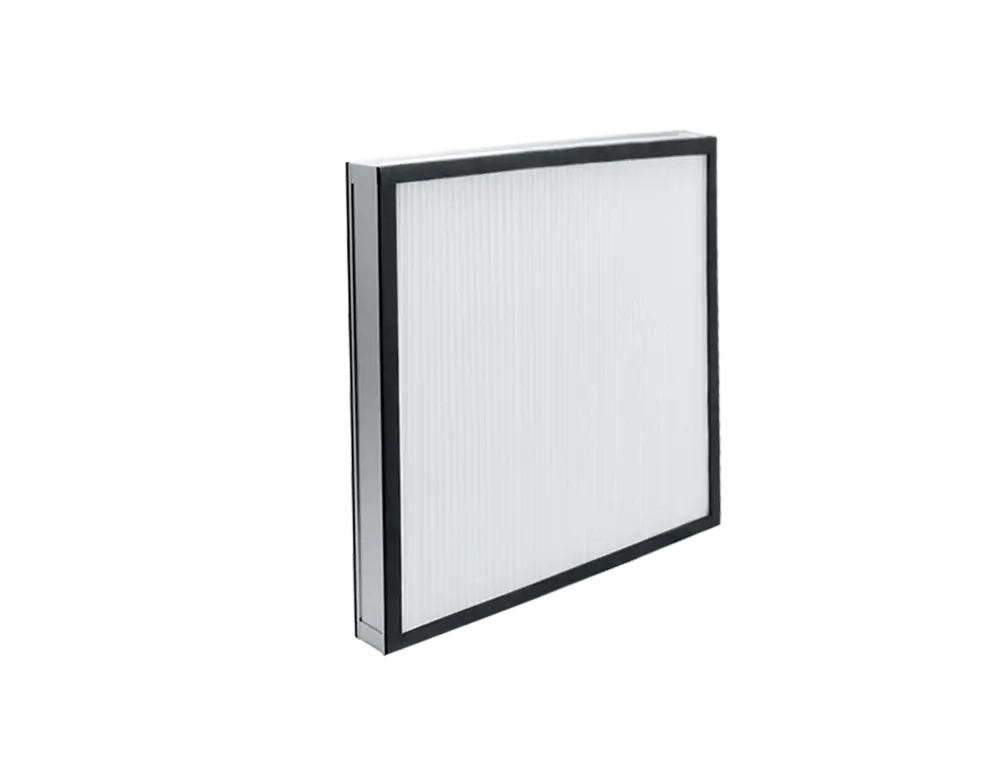
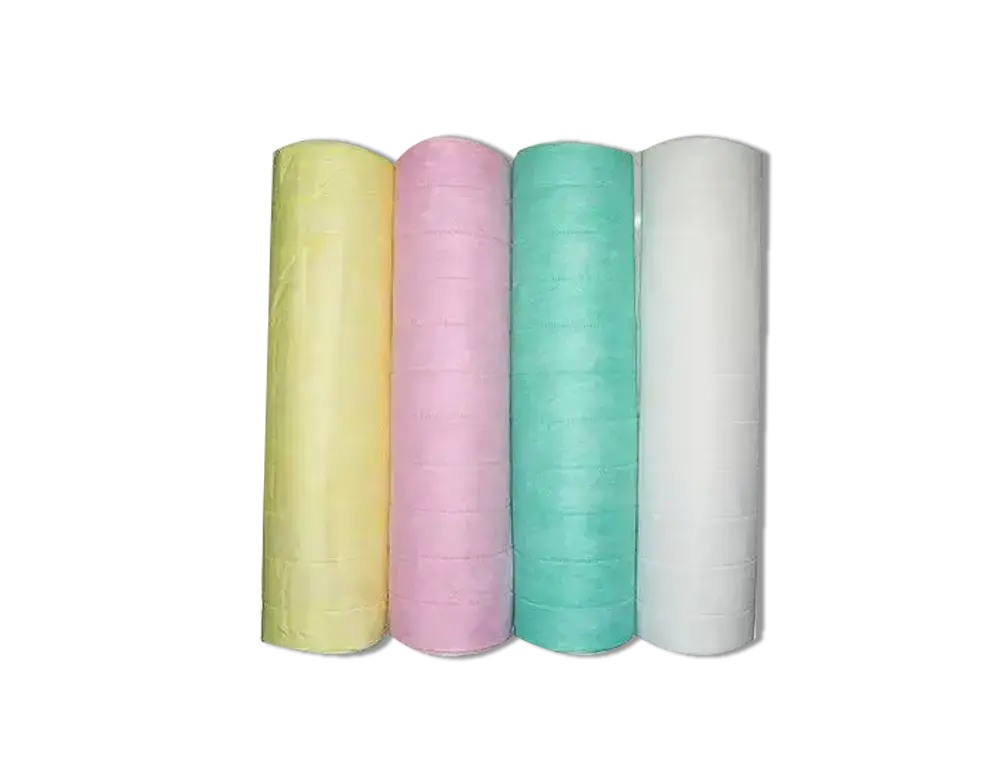
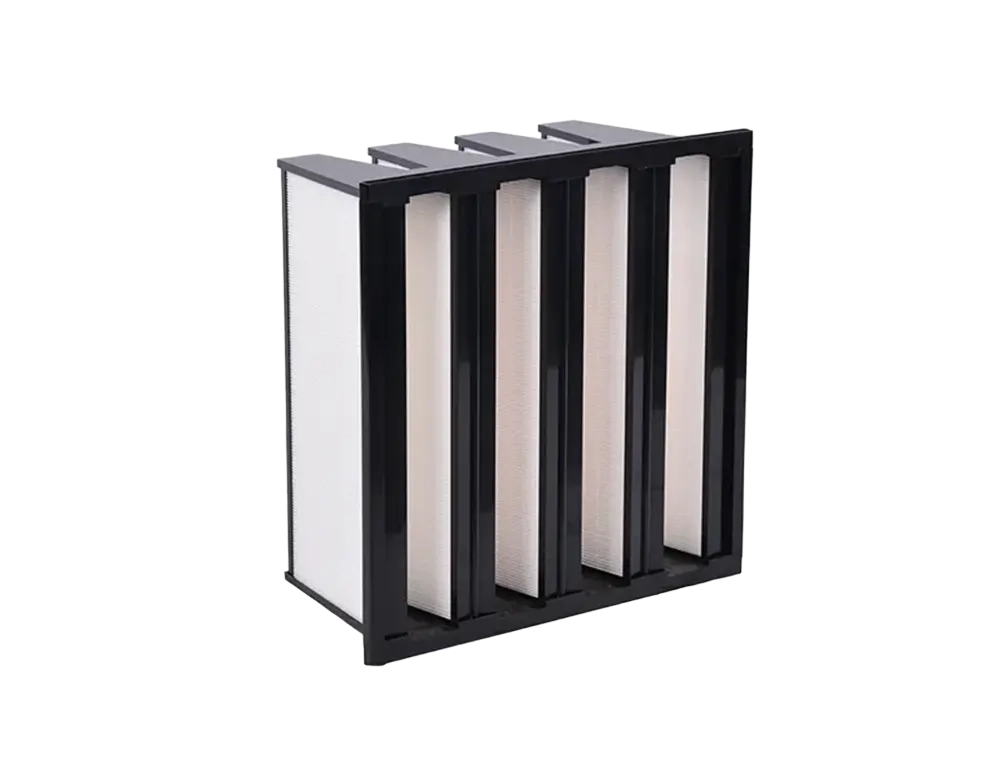
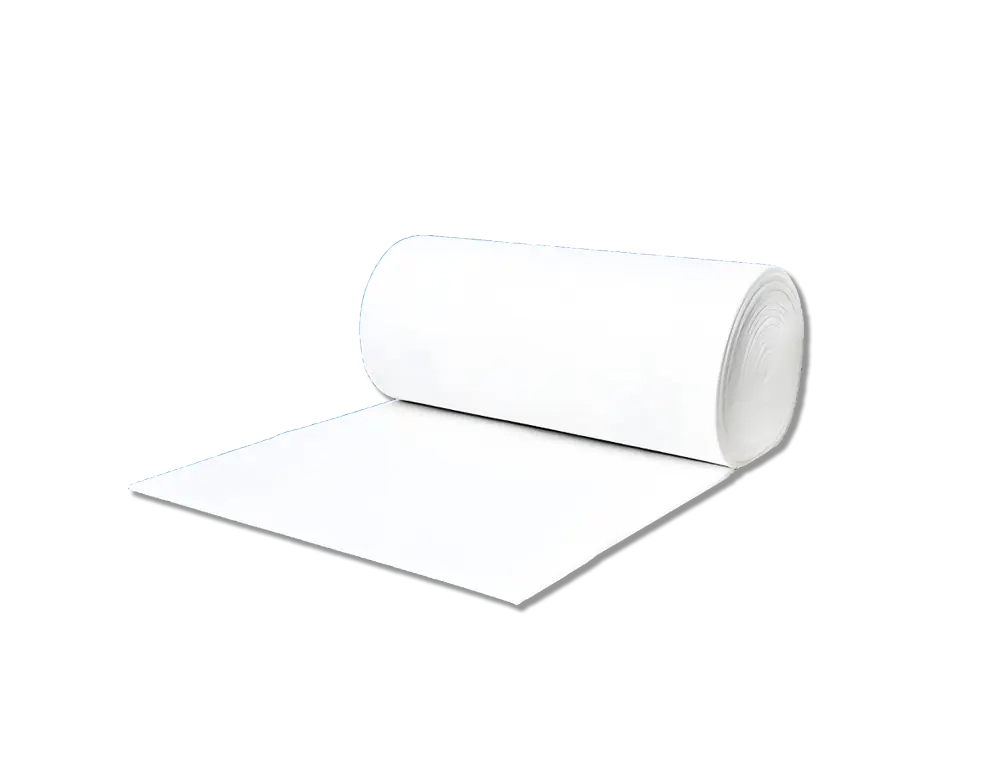
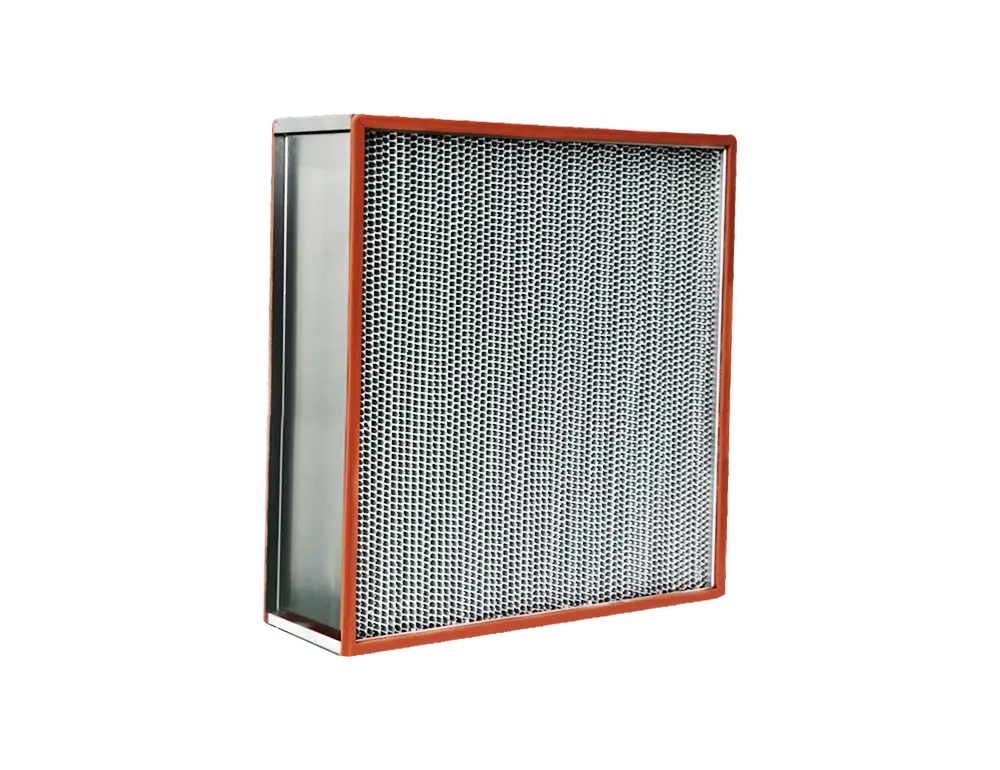
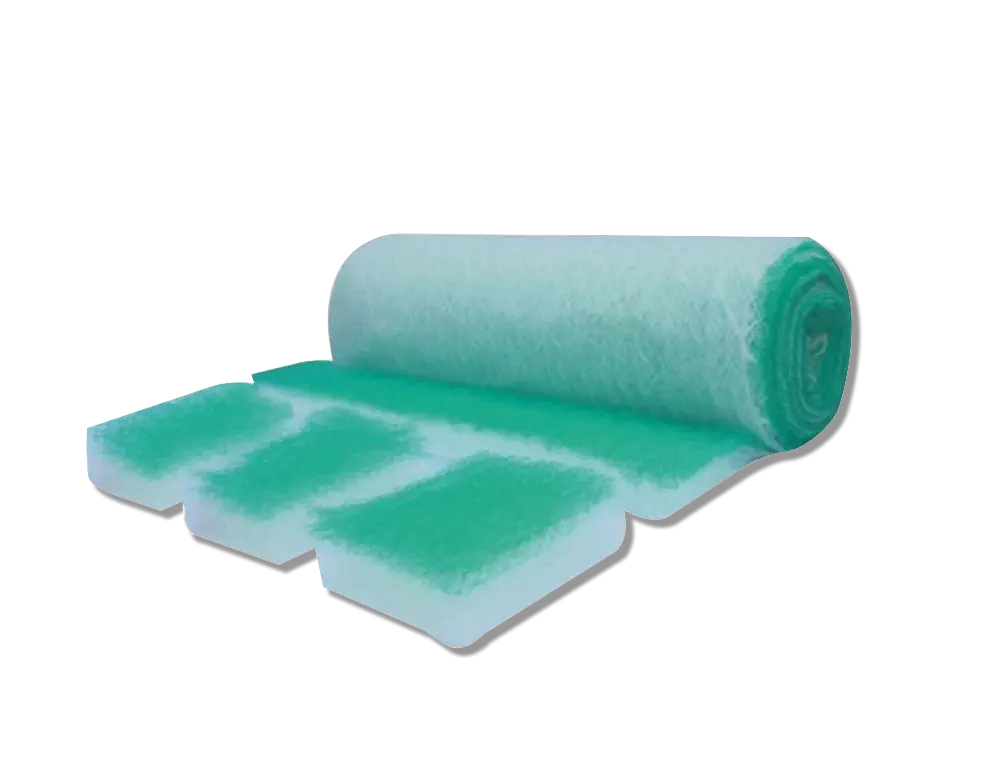
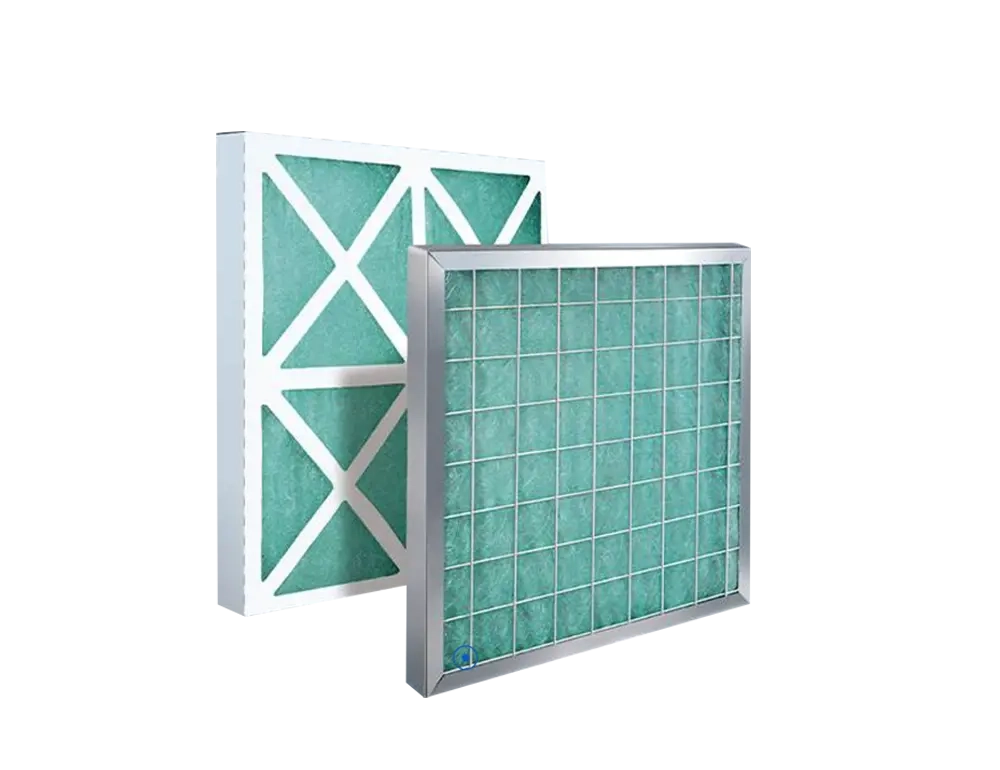
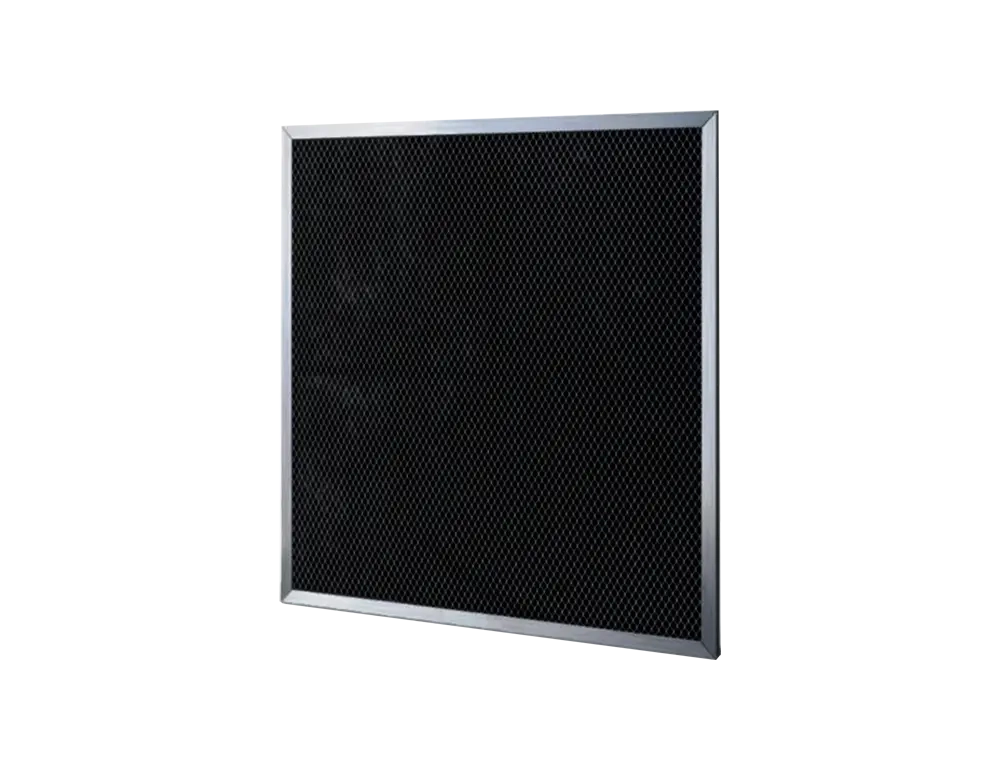
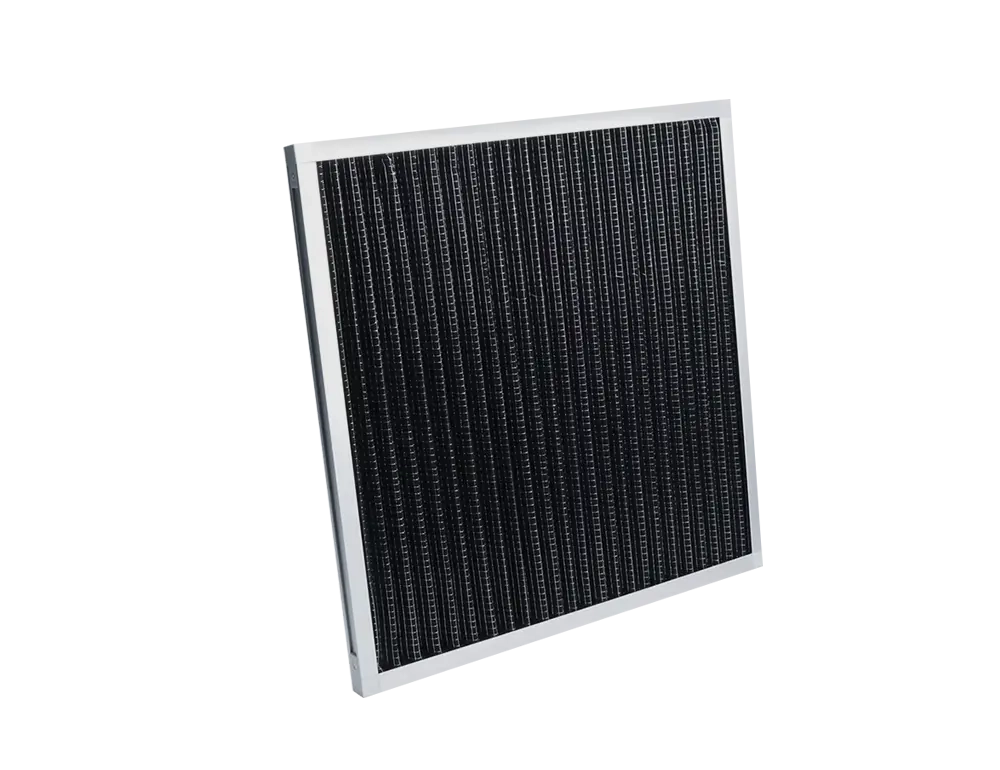
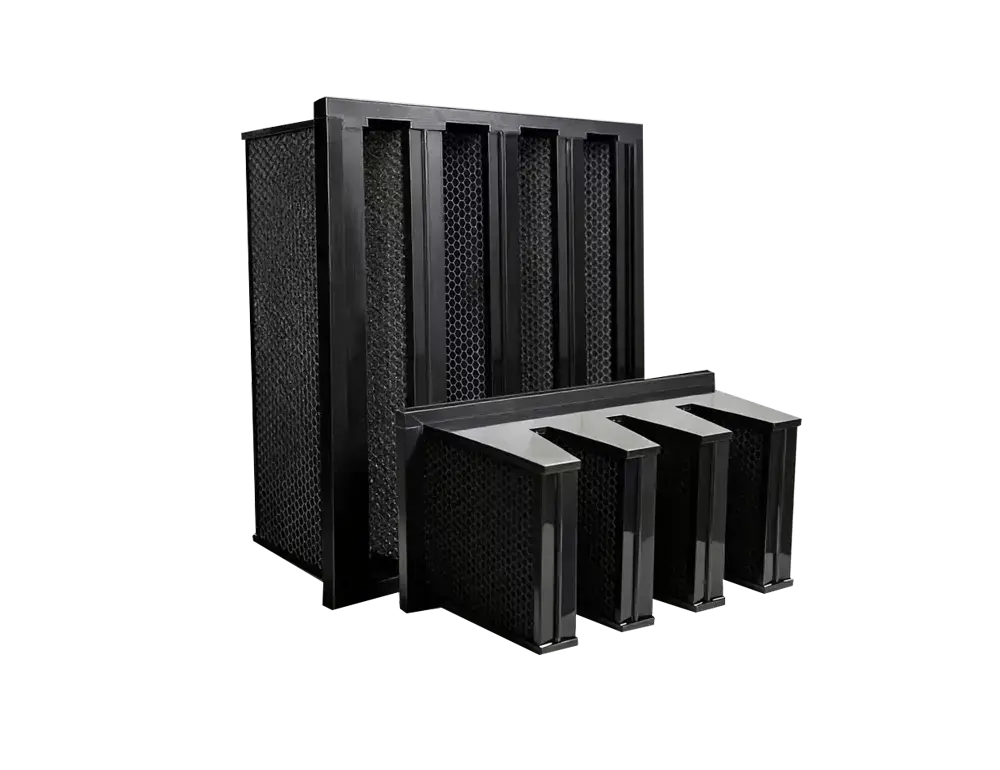
The first stage in most systems is a coarse media such as the pre air filter media format, which carries the bulk of the load and protects everything downstream. Where the target is a cleanroom or an equipment room requiring HEPA, the choice is between a deep pleated HEPA filter and a V-bank HEPA filter depending on the frame depth available. Where the air carries odours, VOCs or acidic gases, an activated carbon filter media stage is added after the particulate stages rather than in place of them. The class ladder itself is set out in air filter classification, and the parameters behind each class in air filter performance.
Need a custom air filtration solution?
Contact the Whalesens engineering team for product selection and OEM/ODM support.
Email whalesens@gmail.com
Related Products
These products cover the filtration stages discussed above; see each product page for full specifications.
ProductPre Air Filter MediaFirst stage in most multi-stage installations, carrying the bulk of the particulate loadView product details →ProductDeep Pleated HEPA FilterHigh-efficiency stage rated under EN 1822, for cleanroom and equipment-room dutyView product details → ProductV-Bank HEPA FilterThe same high-efficiency class in a format suited to higher airflow and limited frame depthView product details →ProductActivated Carbon Filter MediaThe gas-phase stage, for odours, VOCs and acidic gases that a particulate filter cannot retainView product details →
Frequently Asked Questions
The questions our engineering team receives most often on this topic.
What is the simplest accurate air filter definition?
A device that separates particulate contaminants from an air stream by passing it through a porous medium. The definition matters because it sets the boundary: particulate contaminants, not gases, and a porous medium, which is why filter classes are written around particle capture. Anything the definition leaves out — gas-phase control, for instance — has to be provided by a separate stage.
How does an air filter actually work?
By four mechanisms acting together. Interception catches particles that touch a fibre, inertial impaction catches larger particles that cannot follow the air as it curves, diffusion catches the smallest particles as they move randomly, and electrostatic attraction in electret media pulls particles onto charged fibres. Their relative weight changes with particle size, which is why capture efficiency reaches a minimum at an intermediate size rather than rising steadily.
Does a higher efficiency class always mean better filtration?
No. Higher efficiency normally comes with higher pressure drop, and if the fan has no margin the airflow falls and the cleanliness target can be missed. The practical approach is to specify the lowest class that satisfies the requirement, then improve pressure drop and dust holding capacity by increasing media area rather than by moving to a higher class.
Can an air filter remove odours or chemical vapours?
Not a particulate air filter. Gases and vapours are molecular and pass through fibrous media regardless of the efficiency class, so odour, VOC and acid gas control requires an adsorptive stage using activated carbon or a catalyst. Where both are needed, the gas-phase stage is placed after the particulate stages and is replaced on breakthrough rather than on pressure drop.
What determines when an air filter should be replaced?
Pressure drop, not elapsed time. Resistance rises as dust accumulates, and the filter should be changed when it reaches the specified final pressure drop or when it no longer returns to a stable value after maintenance. Recording the clean initial pressure drop at commissioning gives the baseline that makes every later judgement possible.