


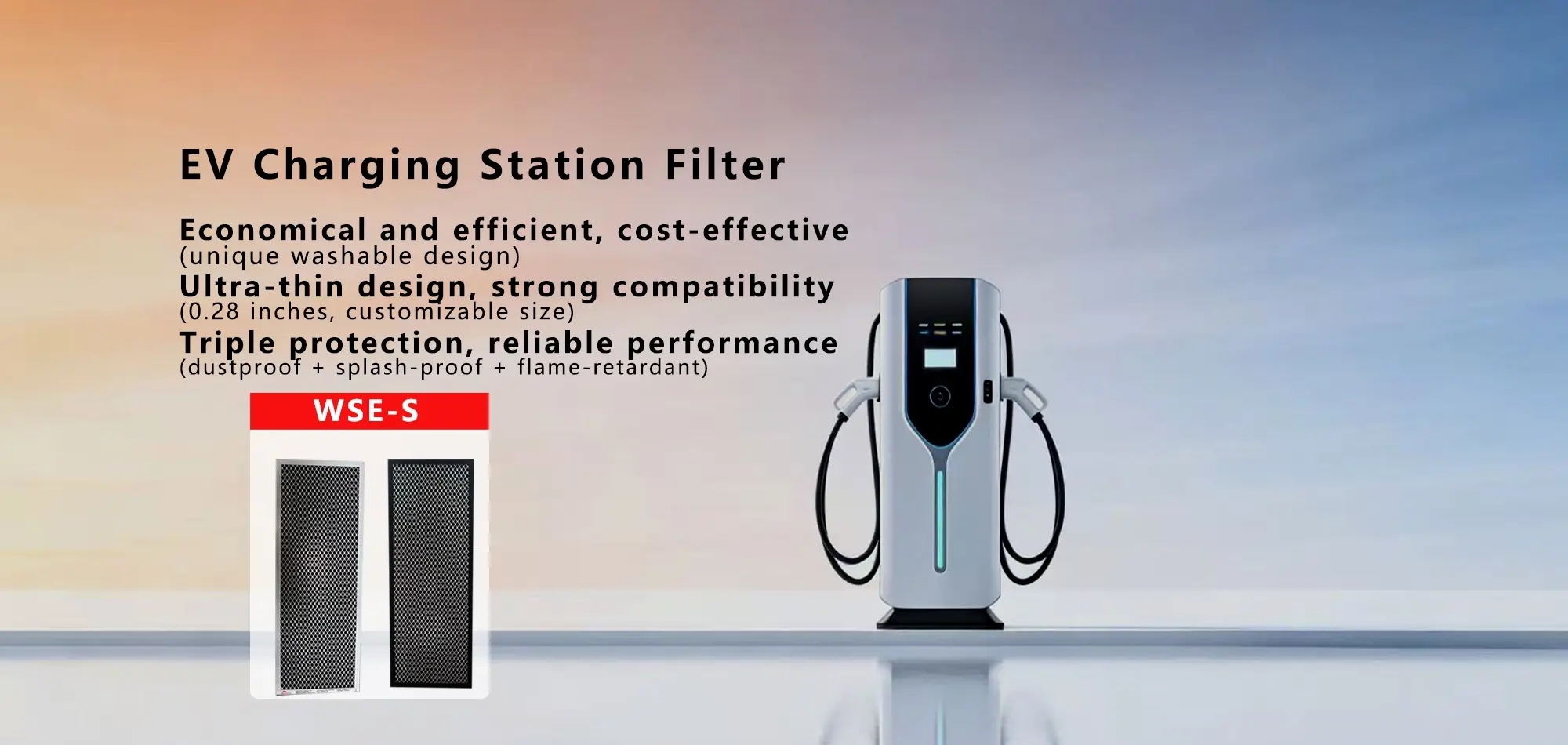
EV Charging Stations
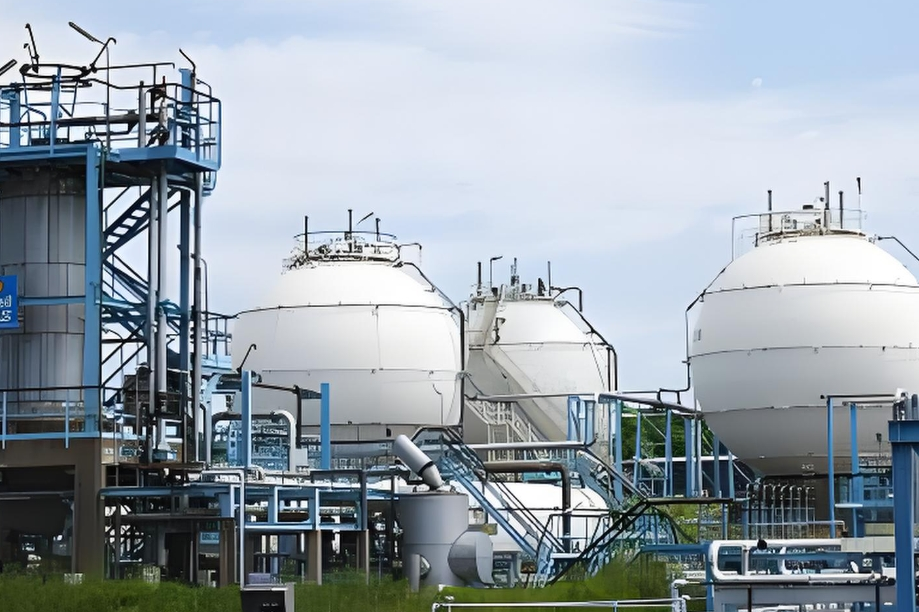
Filtration for Power Equipment
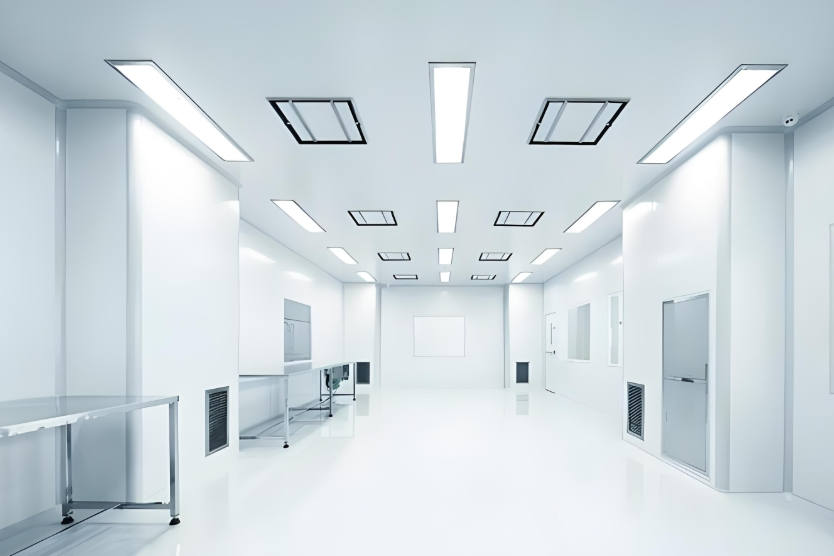
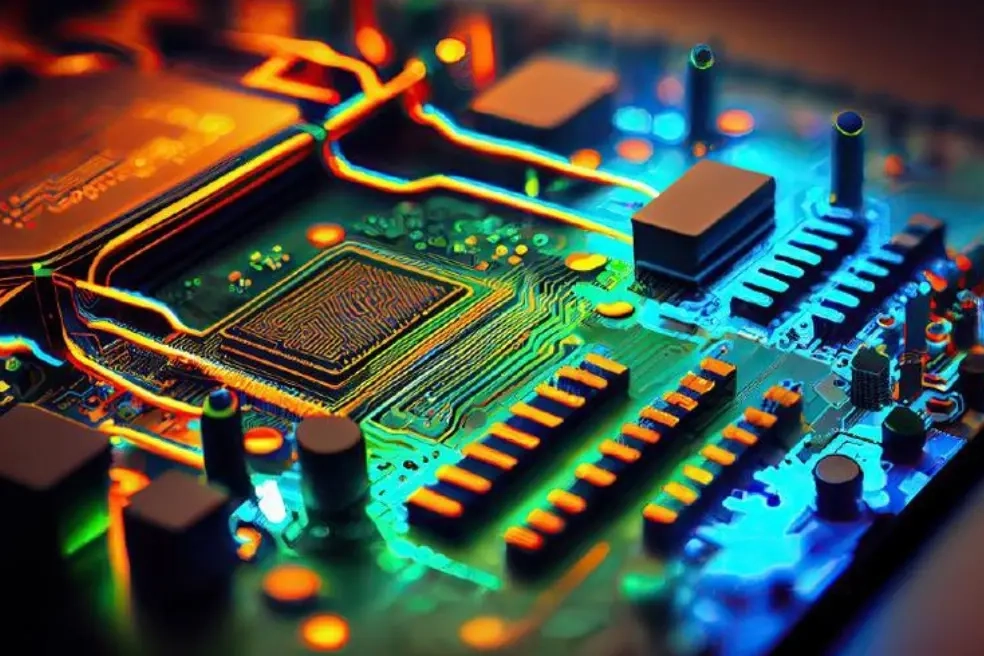
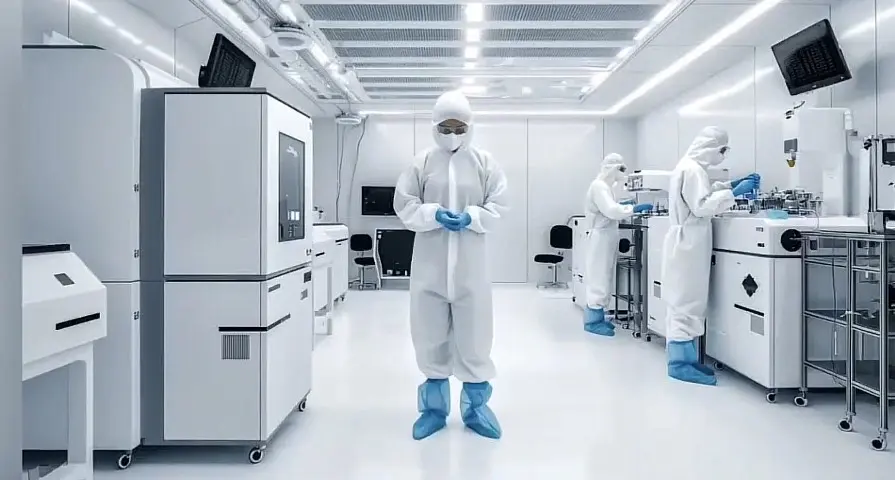
Cleanroom & Semiconductor
Ultra-High Cleanliness Filtration
Commercial HVAC
Central Air System Filtration
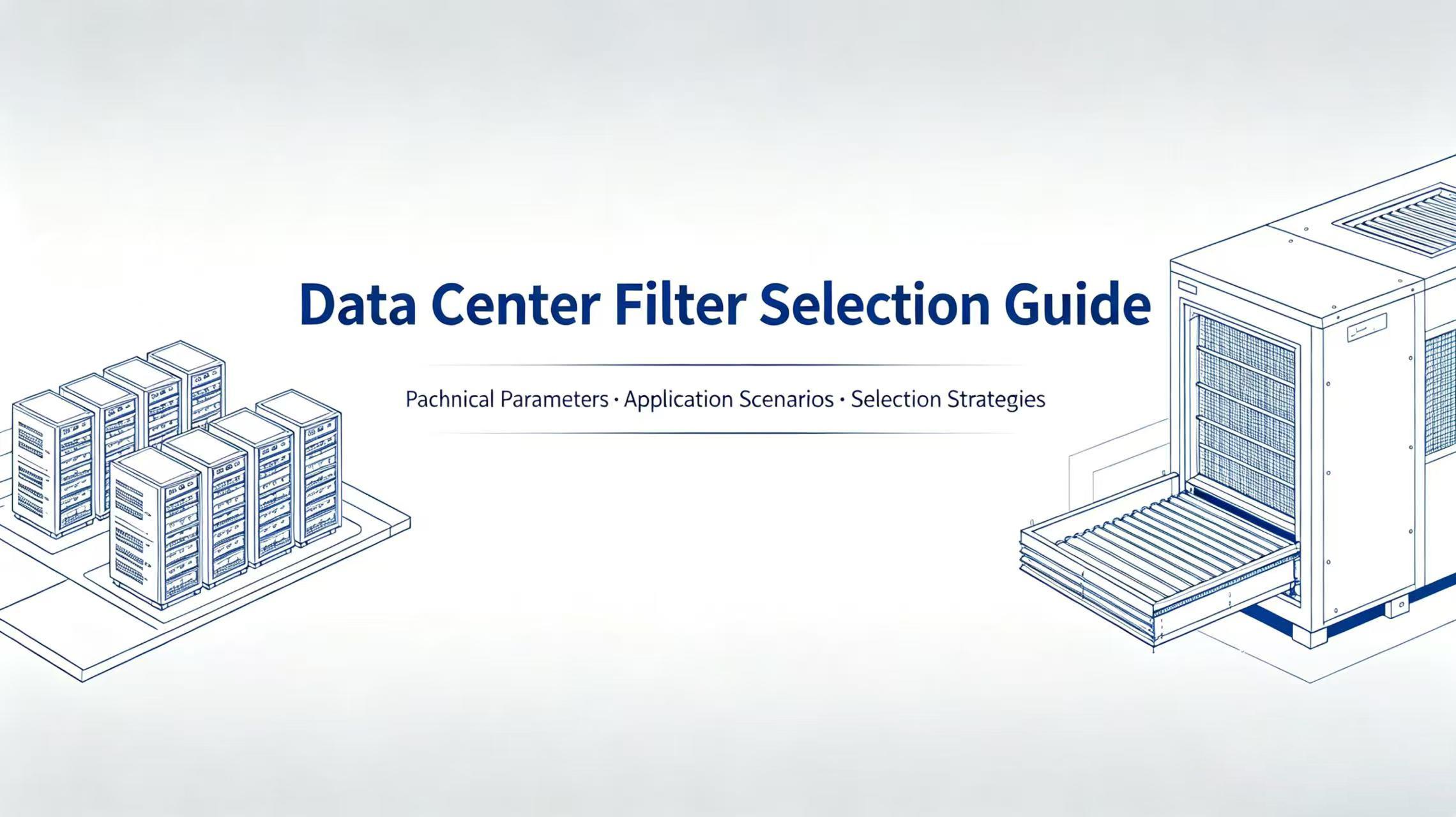
Data Centers
Precision Equipment Protection
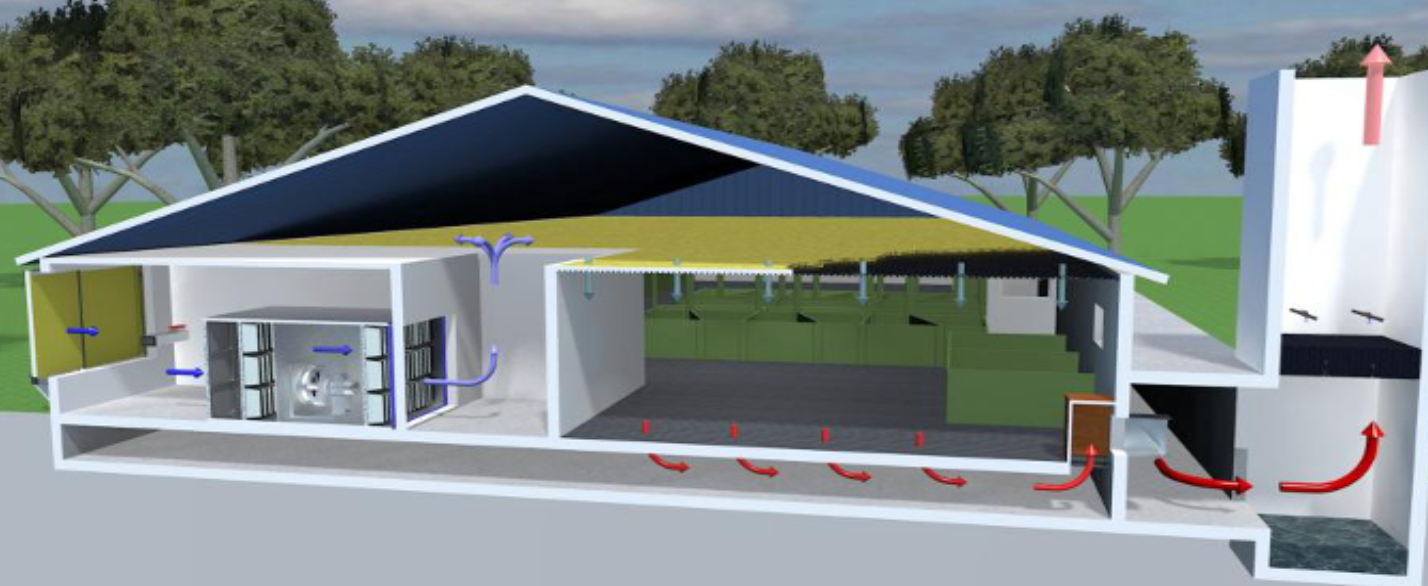
Livestock & Farming
Farming Environment Purification
Spray Booths & Industrial Dust
Paint Mist & Dust Purification
Filtration for Power Equipment
Professional air filtration for EV charging devices, protecting against dust and sand ingress to ensure stable, reliable operation of charging piles and station infrastructure.
View Related Products →Ultra-High Cleanliness Filtration
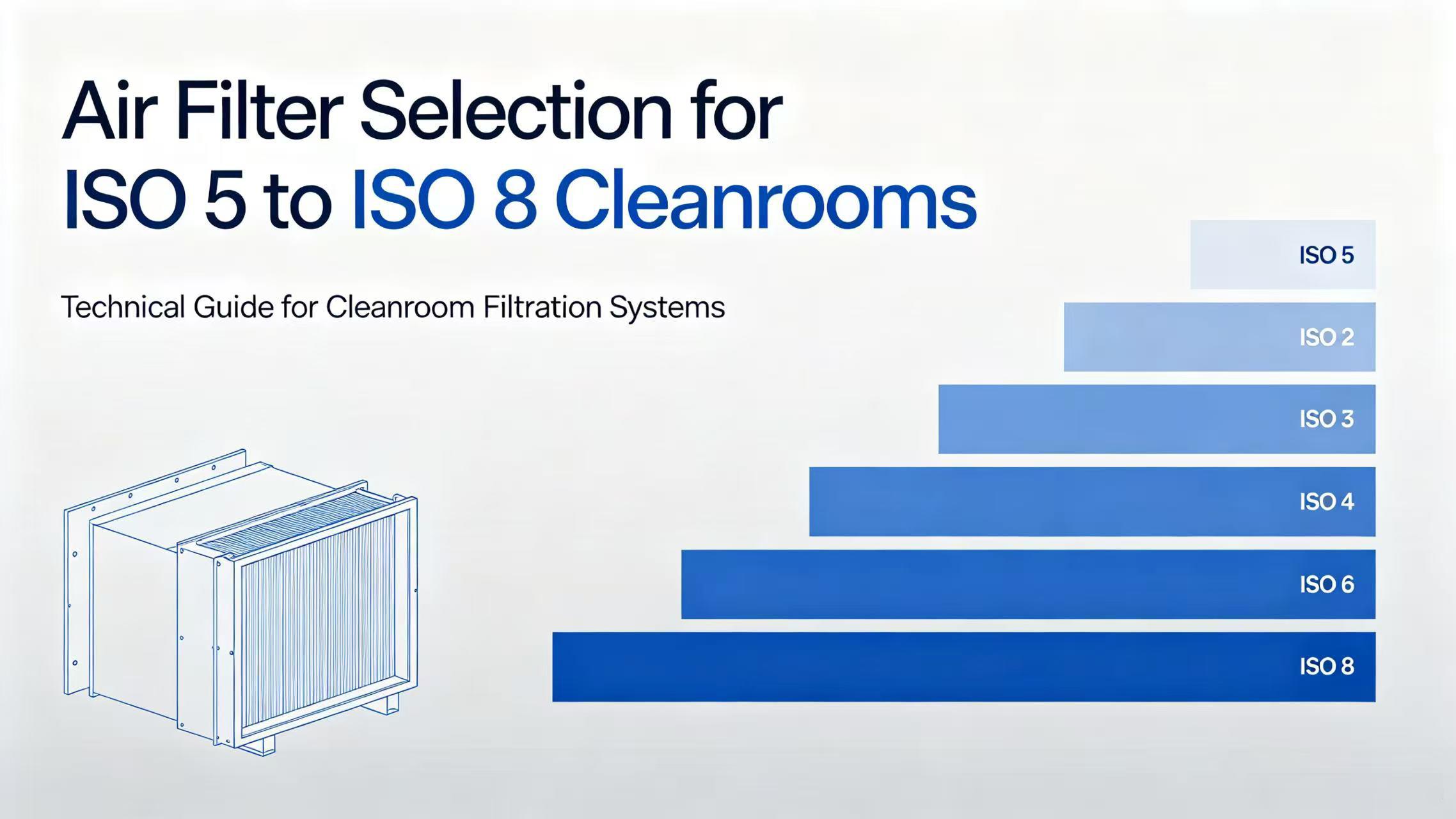
Ultra-high efficiency filtration for semiconductor wafer fabs and precision electronics cleanrooms, capturing nano-scale particles to meet ISO Class 1–3 standards and maximize product yield.
View Related Products →Central Air System Filtration
High-efficiency filtration for commercial building HVAC systems, improving indoor air quality, reducing energy consumption, and extending equipment service life.
View Related Products →Precision Equipment Protection
Precision air filtration for data centers, shielding servers and critical hardware from dust contamination to keep cooling systems running efficiently and reliably.
View Related Products →Farming Environment Purification
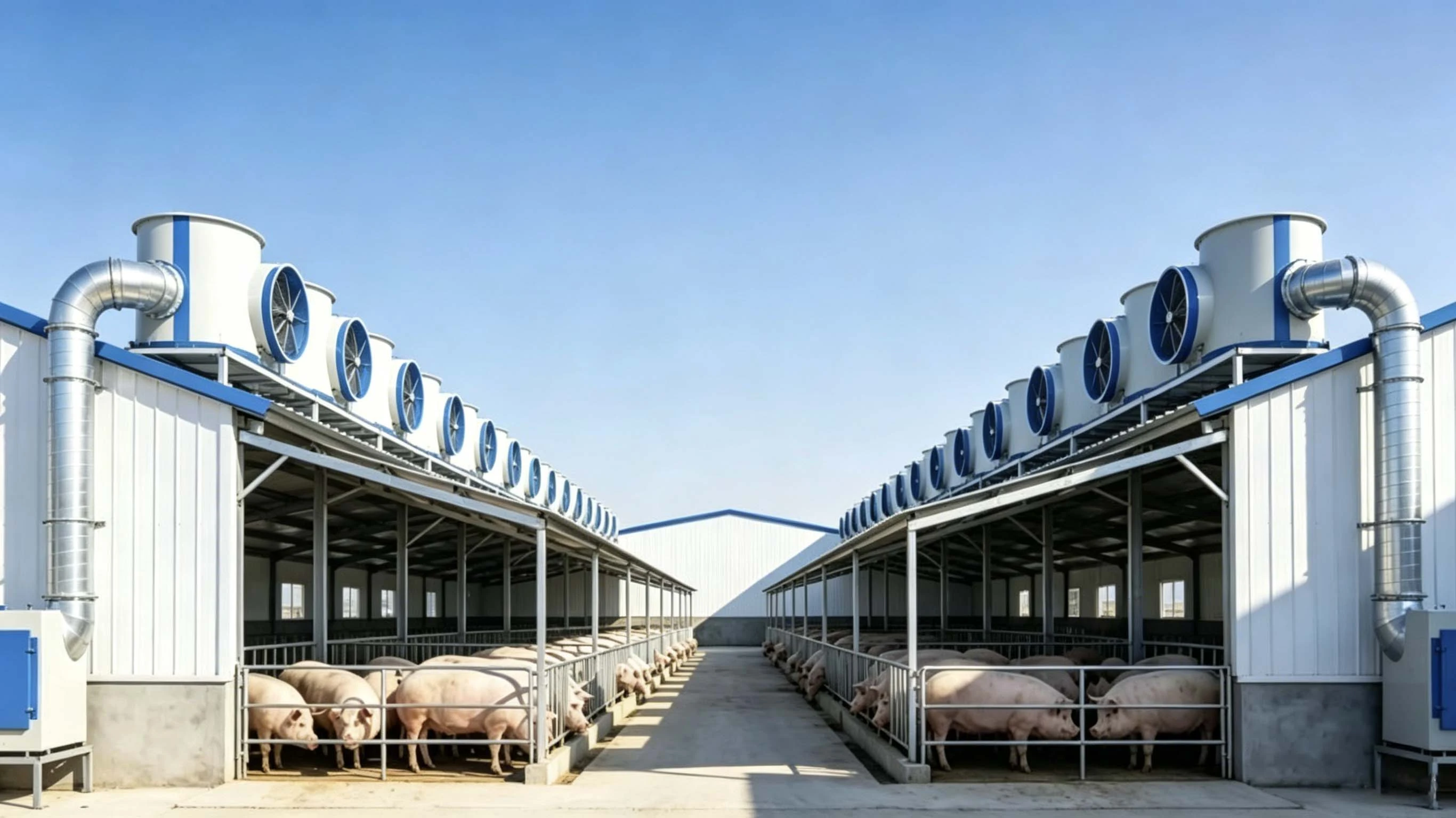
Dedicated filtration systems for farms and livestock facilities — capturing dust, adsorbing ammonia, and inhibiting pathogen spread to improve animal health and overall productivity.
View Related Products →Paint Mist & Dust Purification
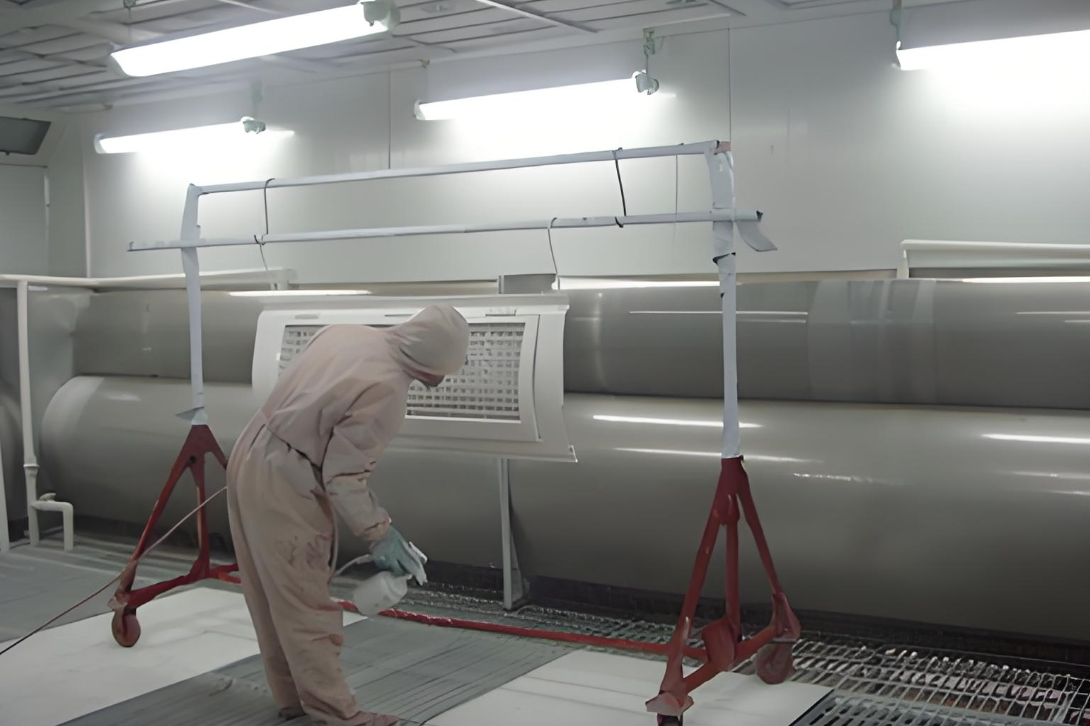
Designed for spray booths and grinding workshops, efficiently capturing paint mist, metal dust, and wood chips to meet emission standards while protecting finished surface quality.
View Related Products →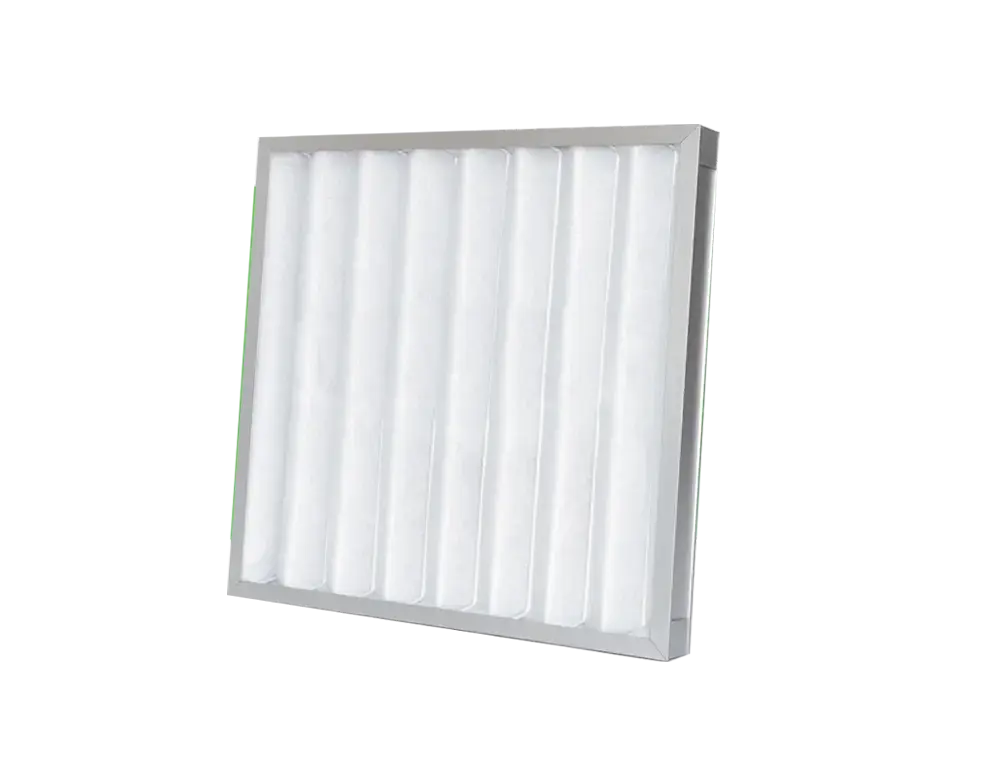
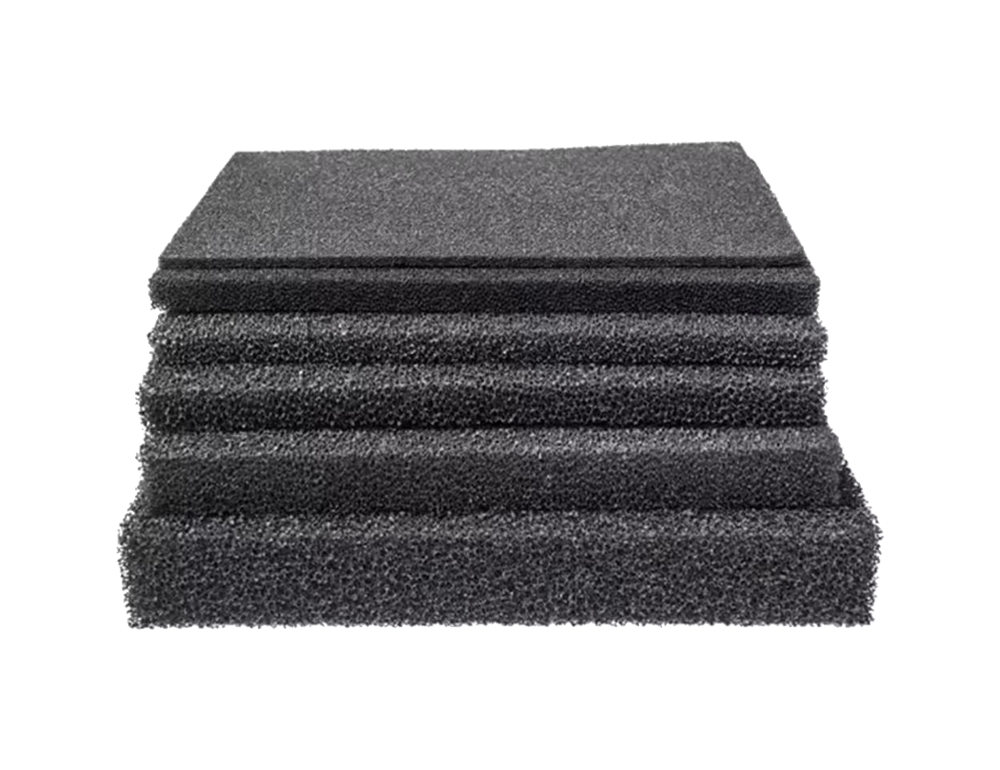
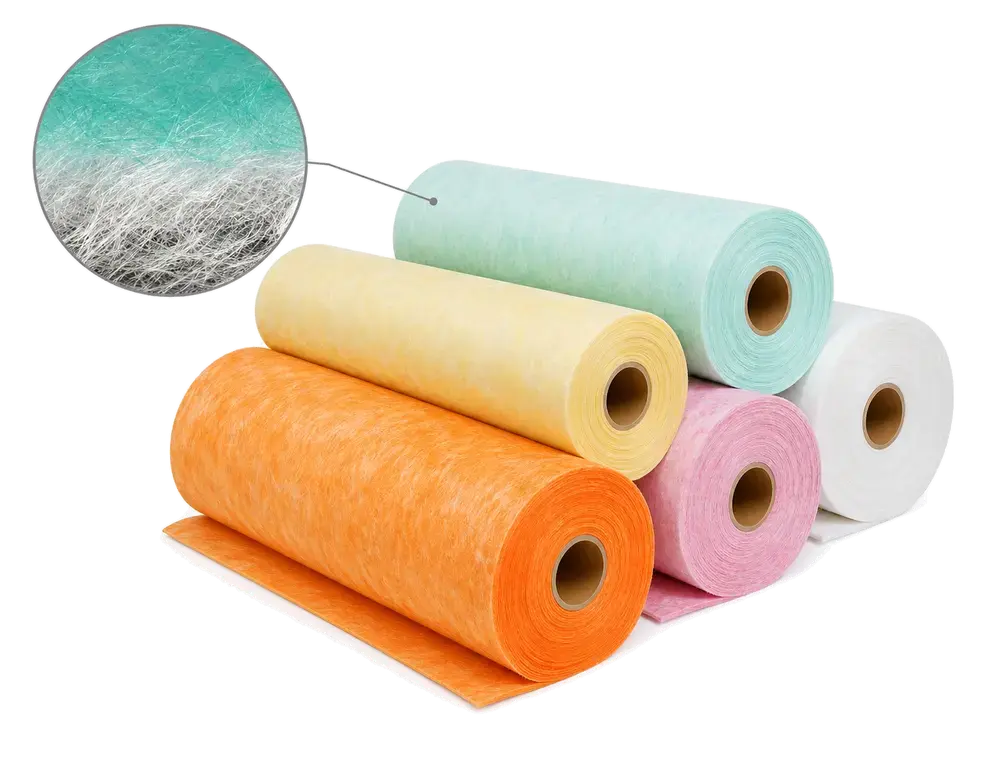
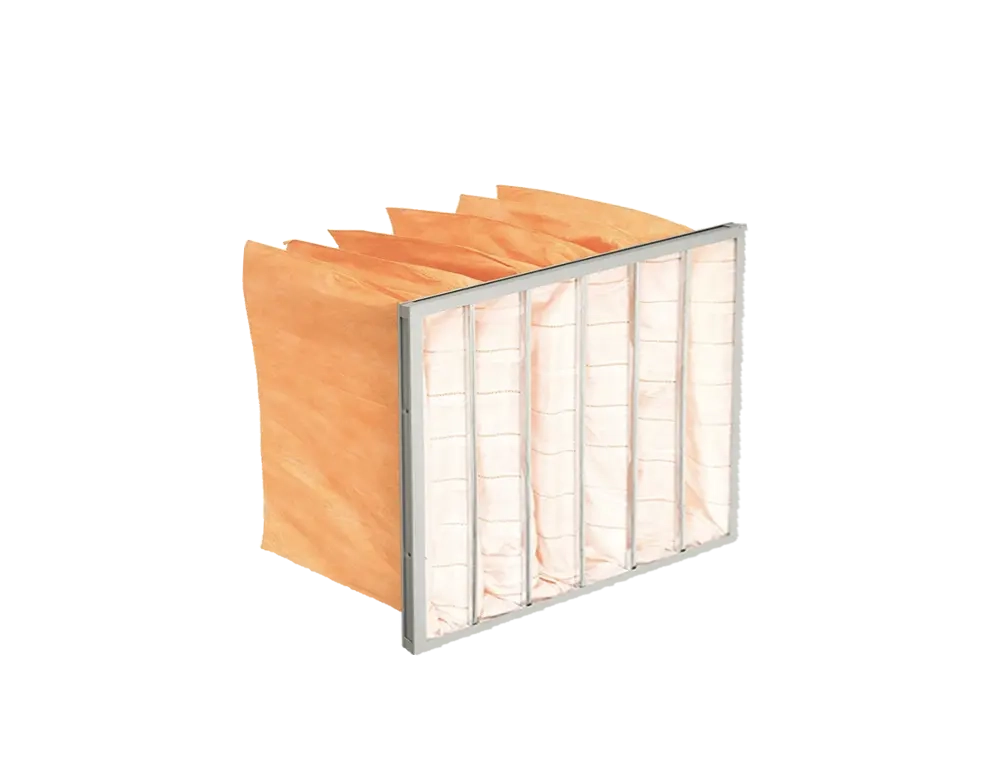
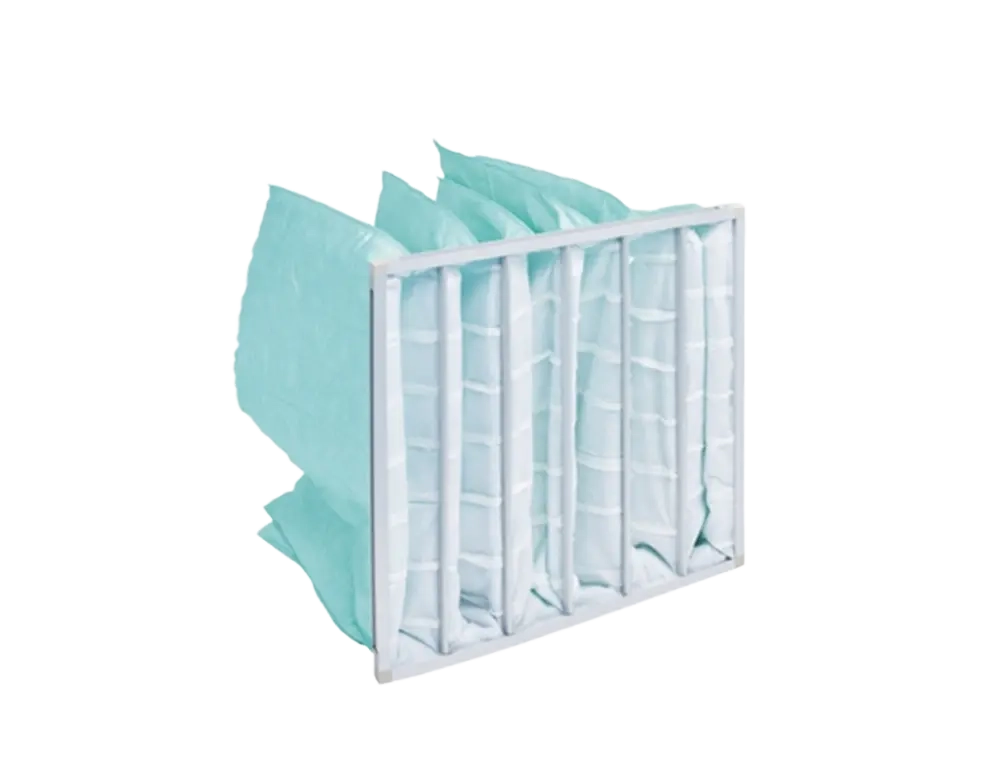
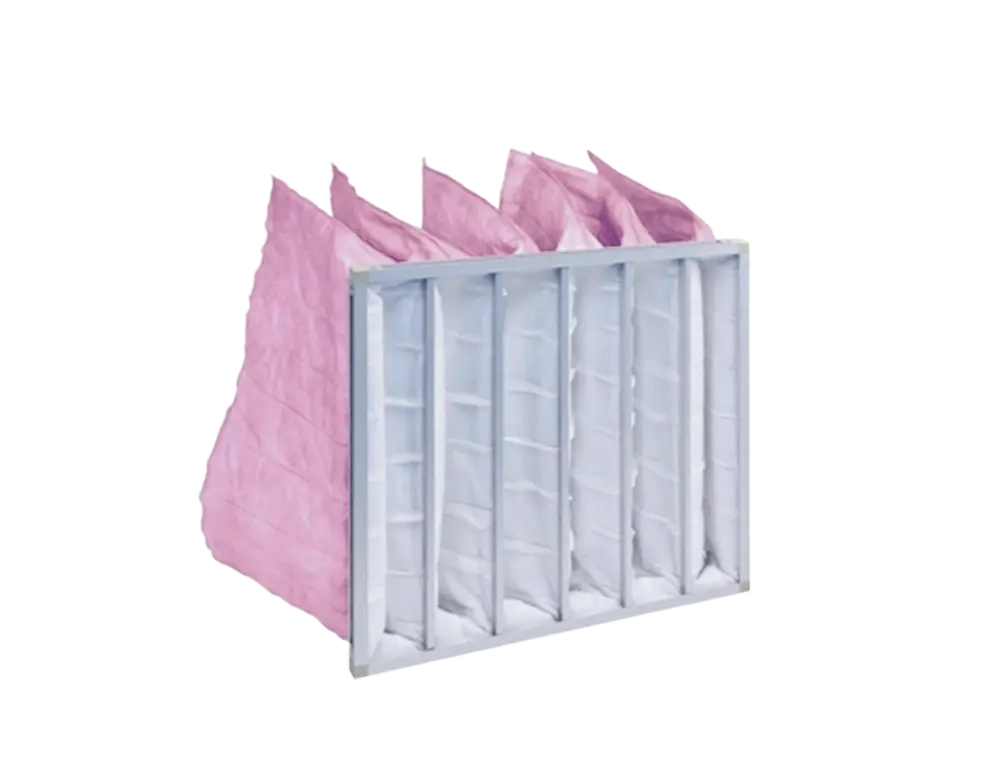
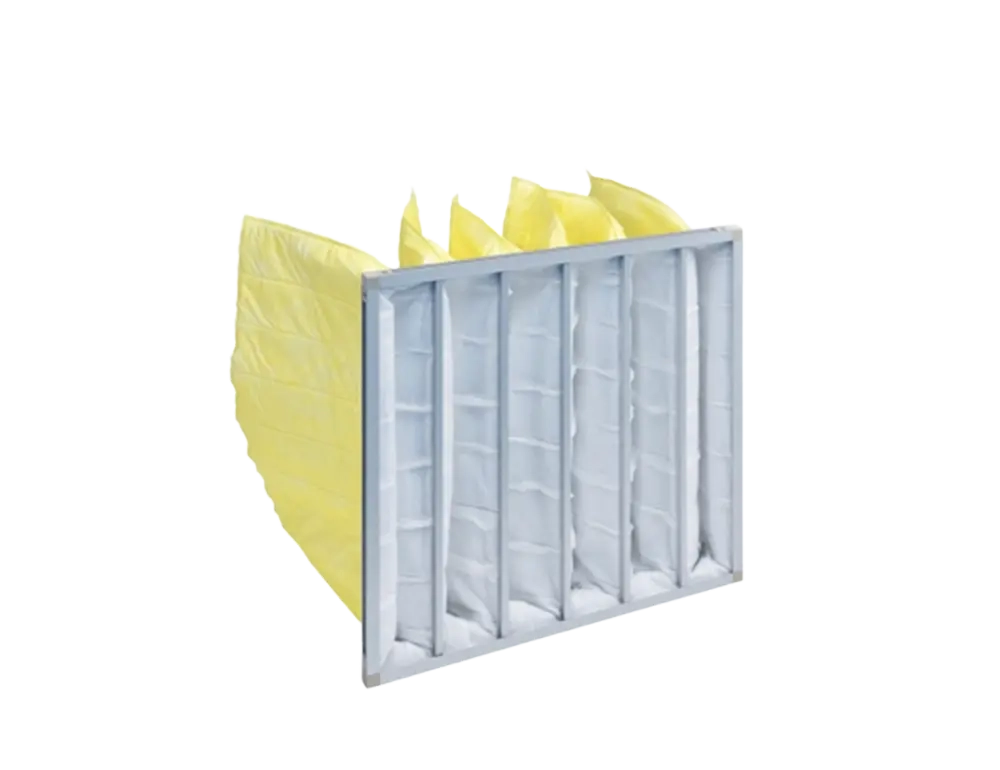
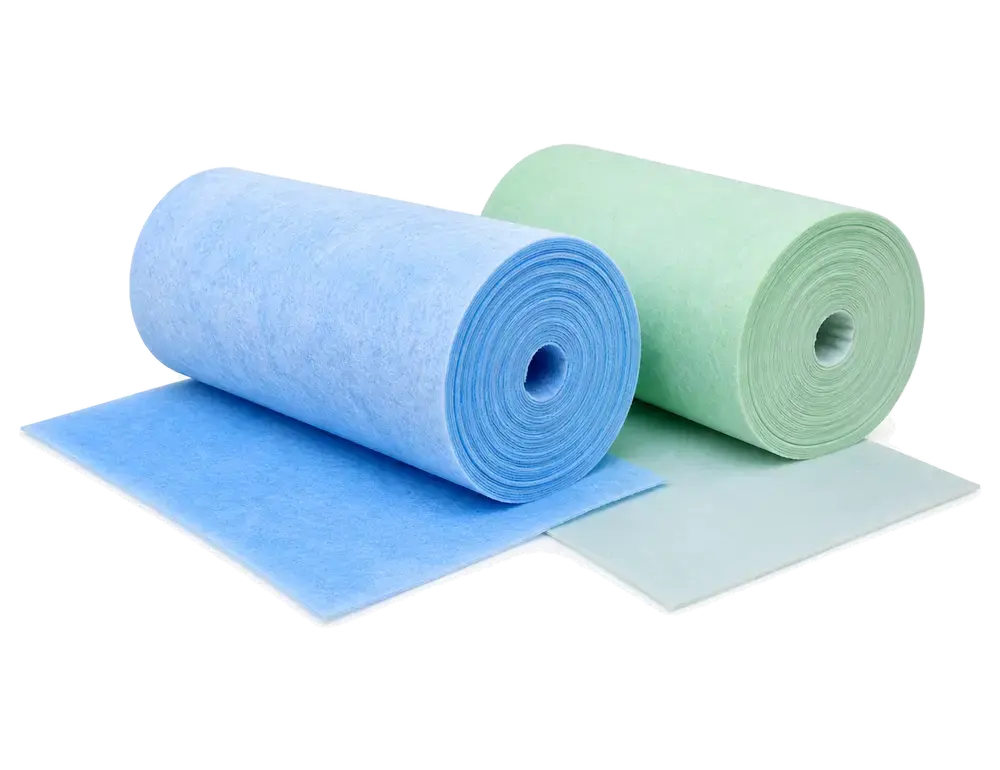
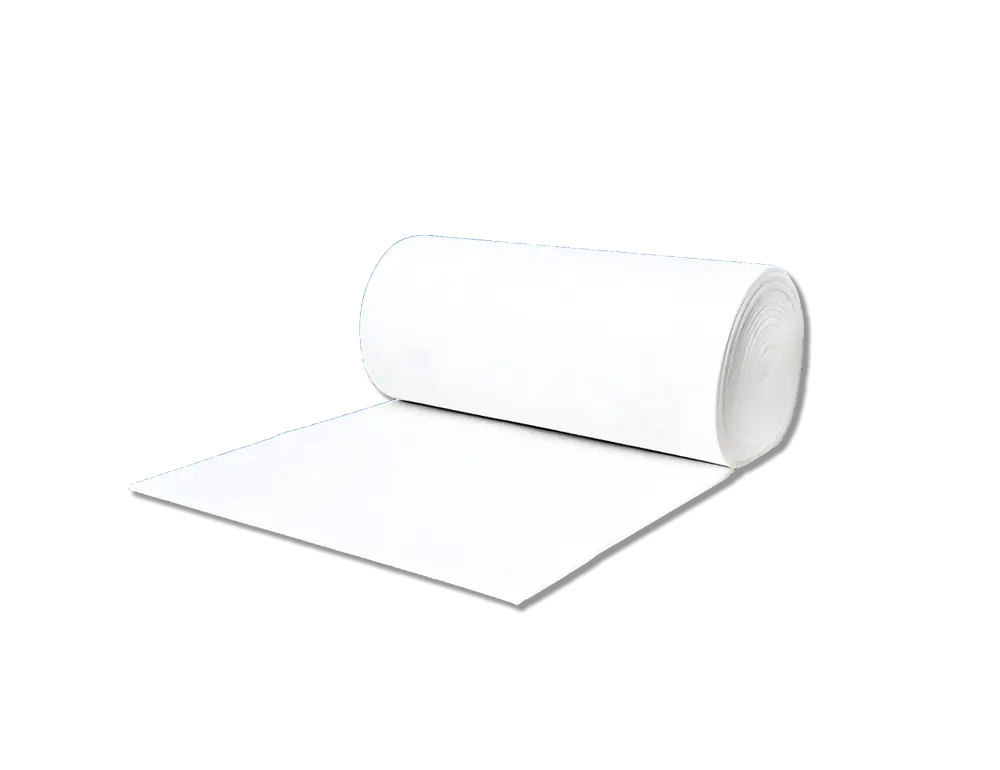
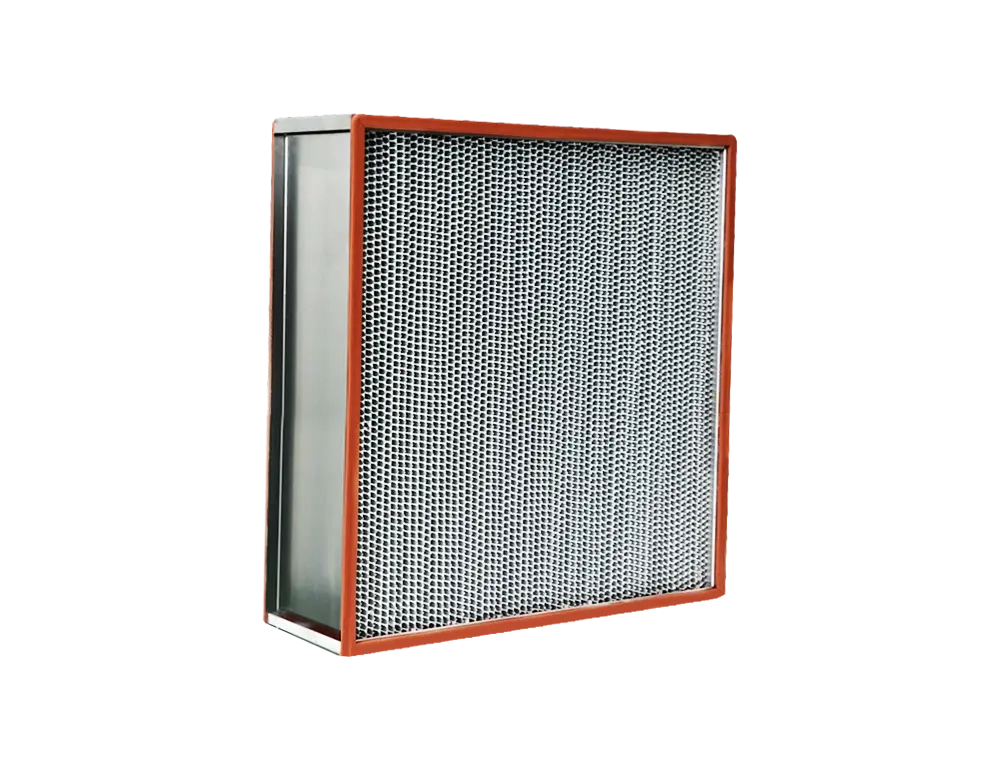
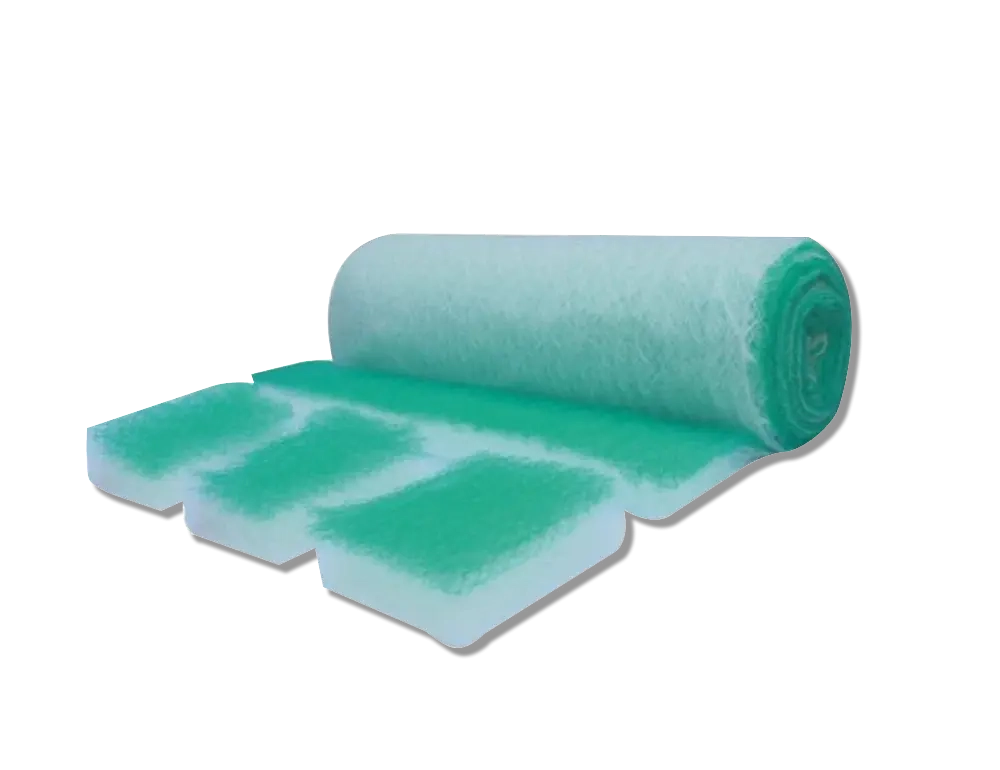
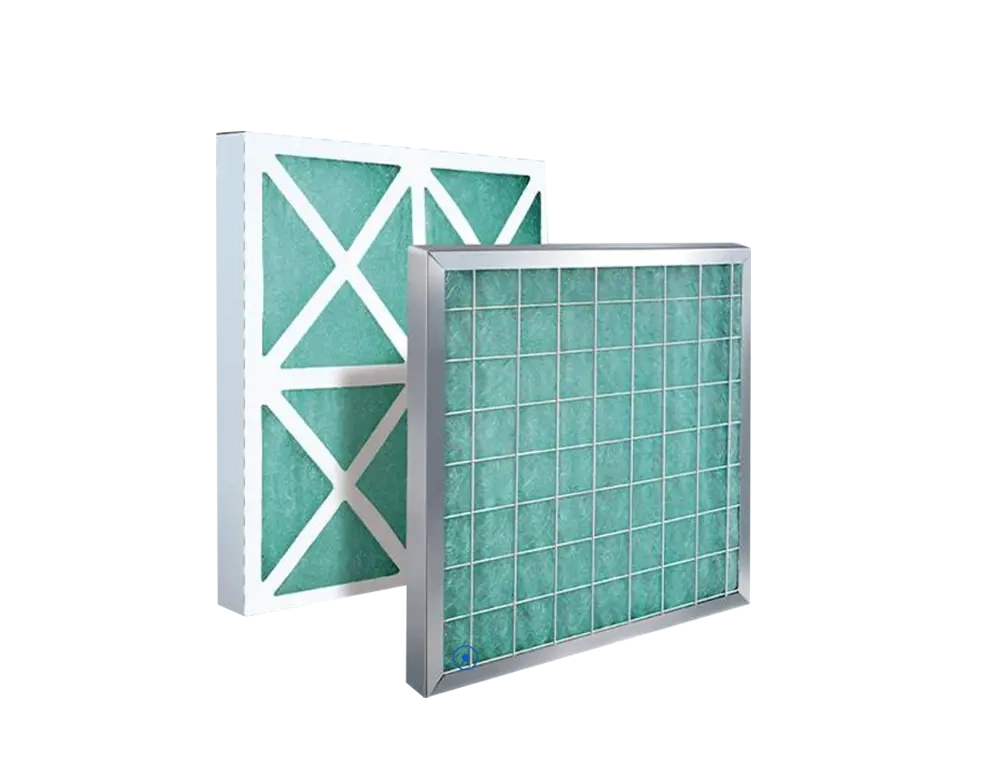
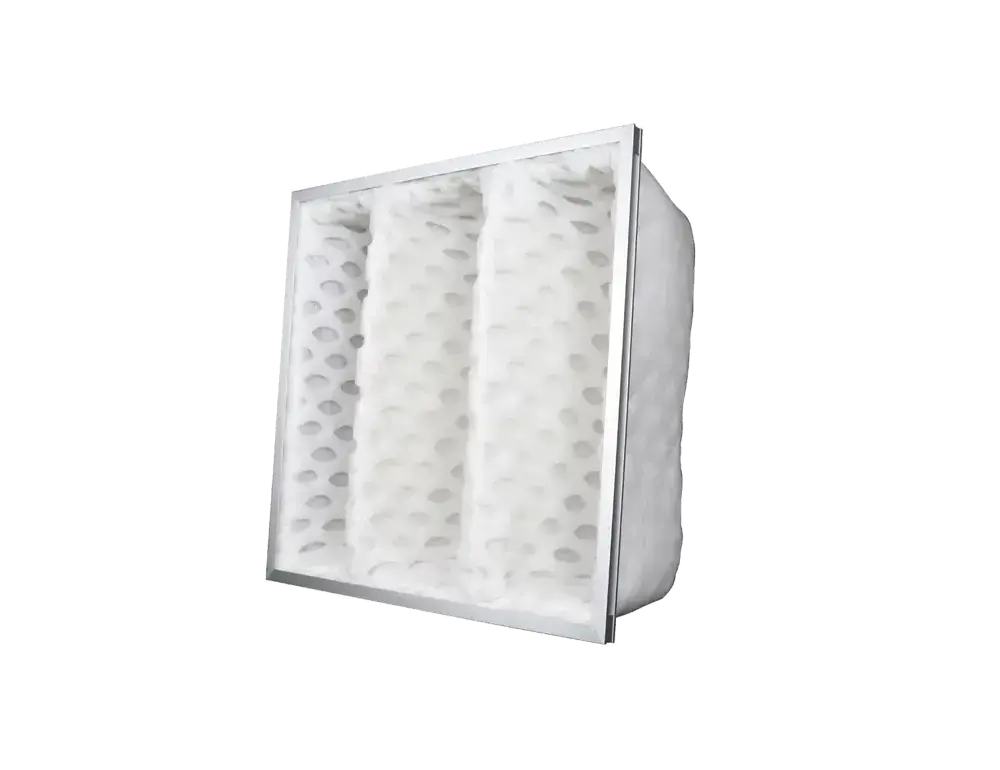
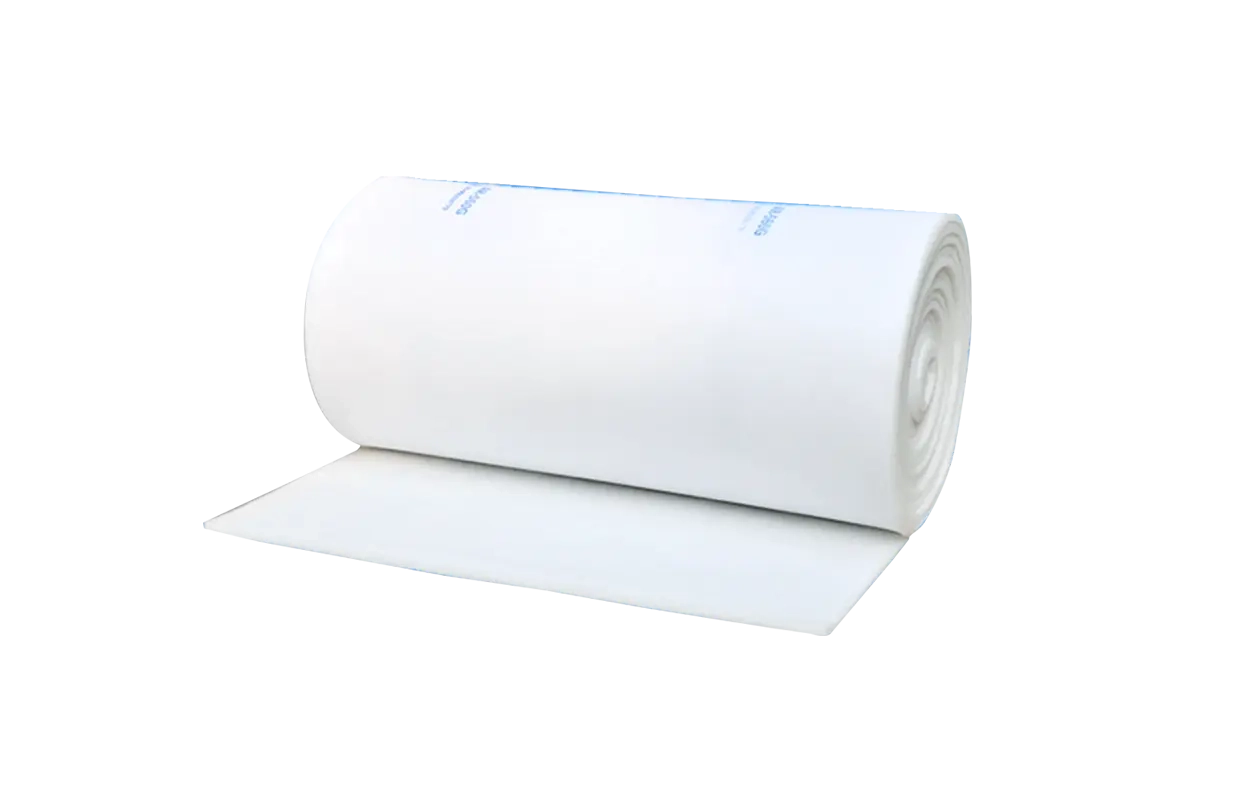
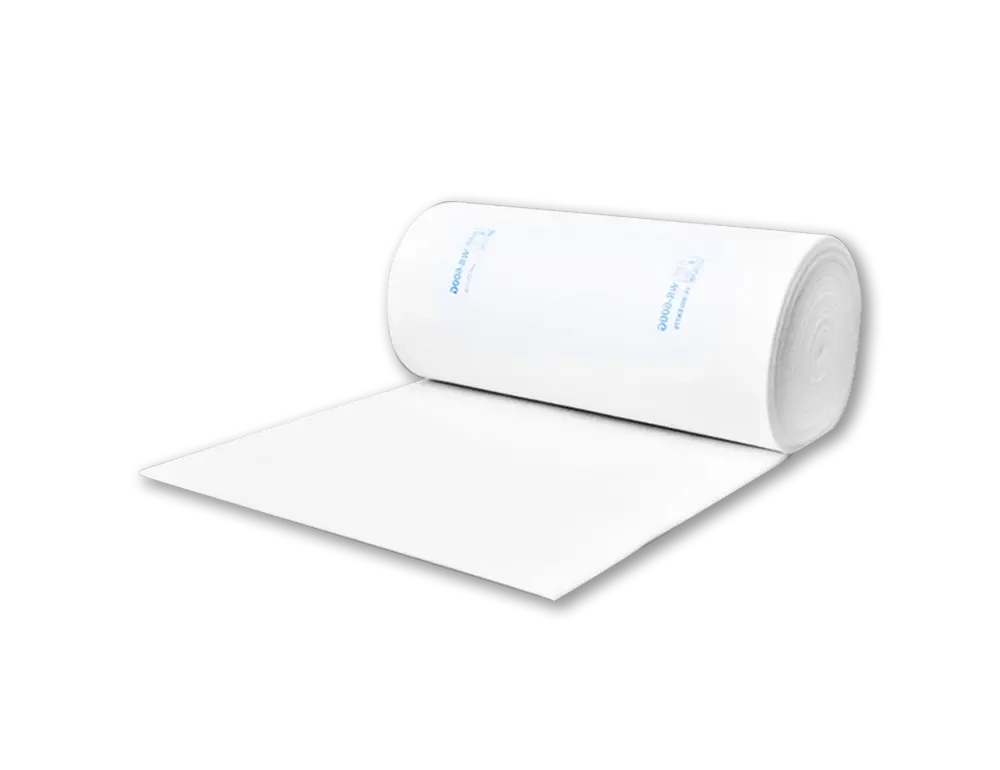
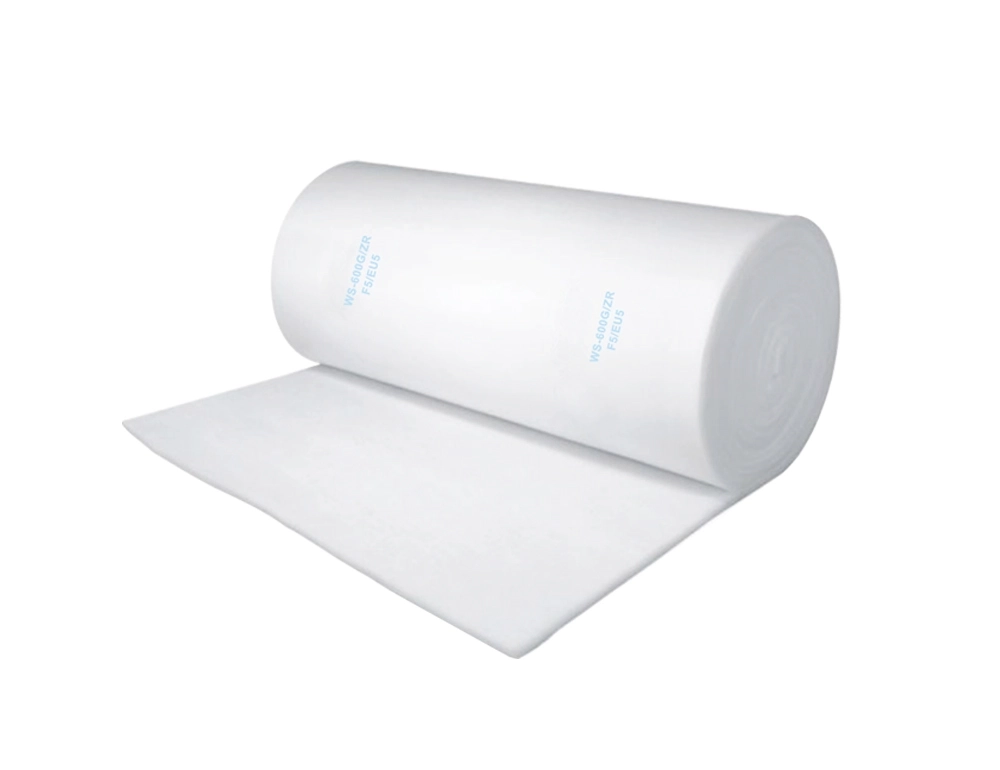
Pre-Filter (G1–G4)
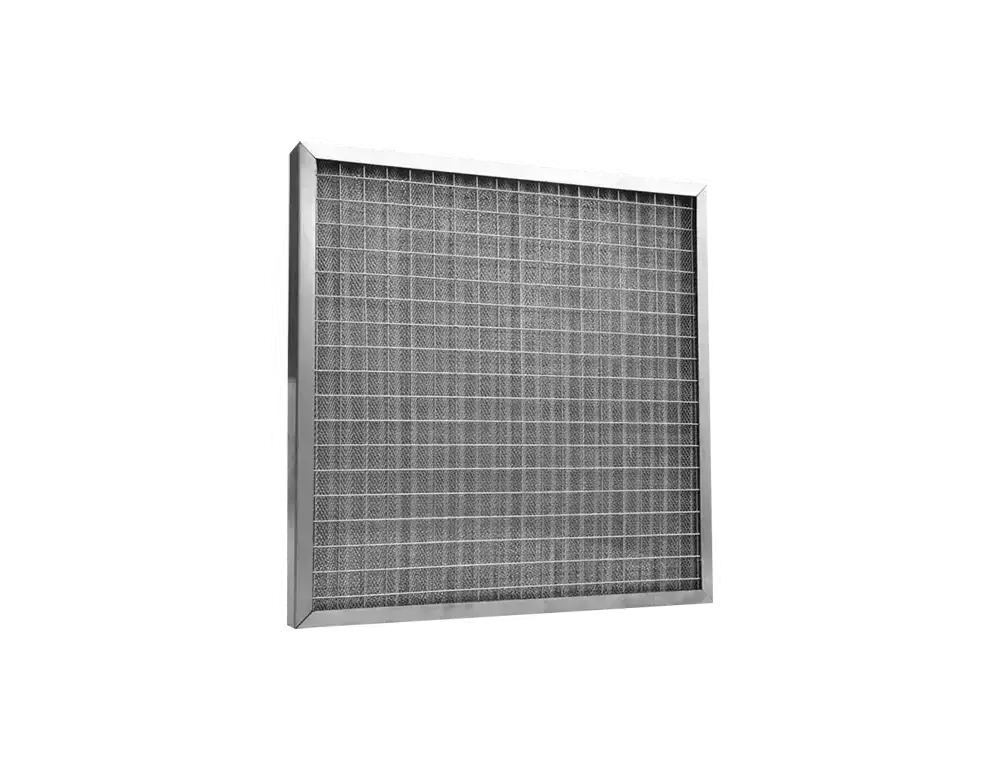
First-Stage Large-Particle Capture
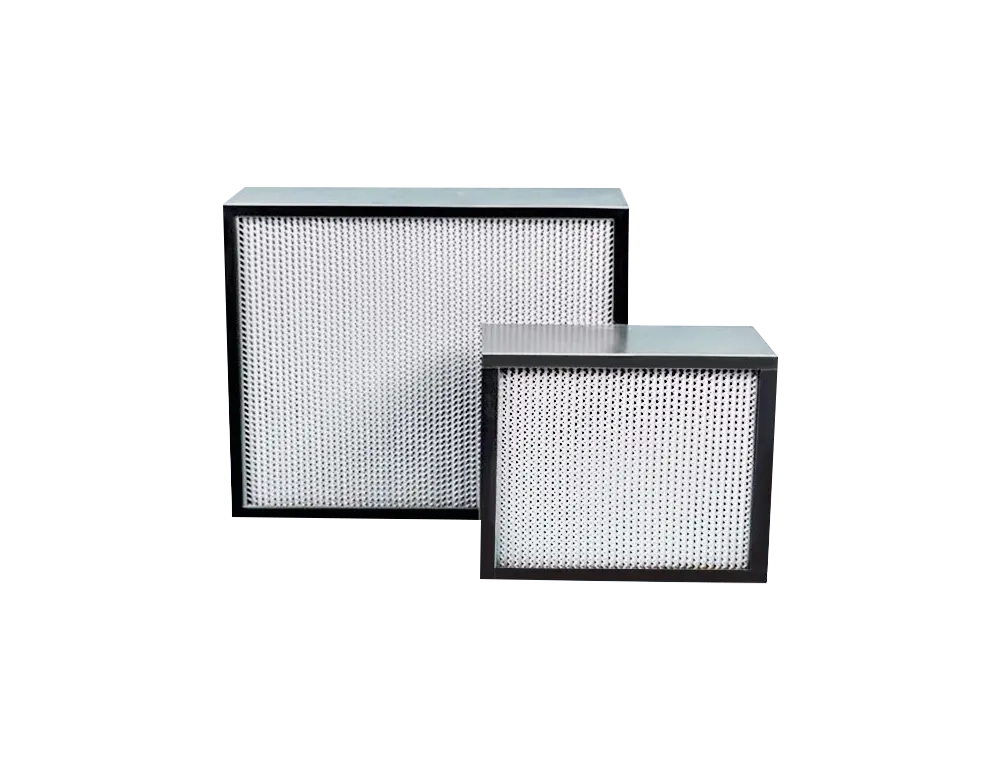
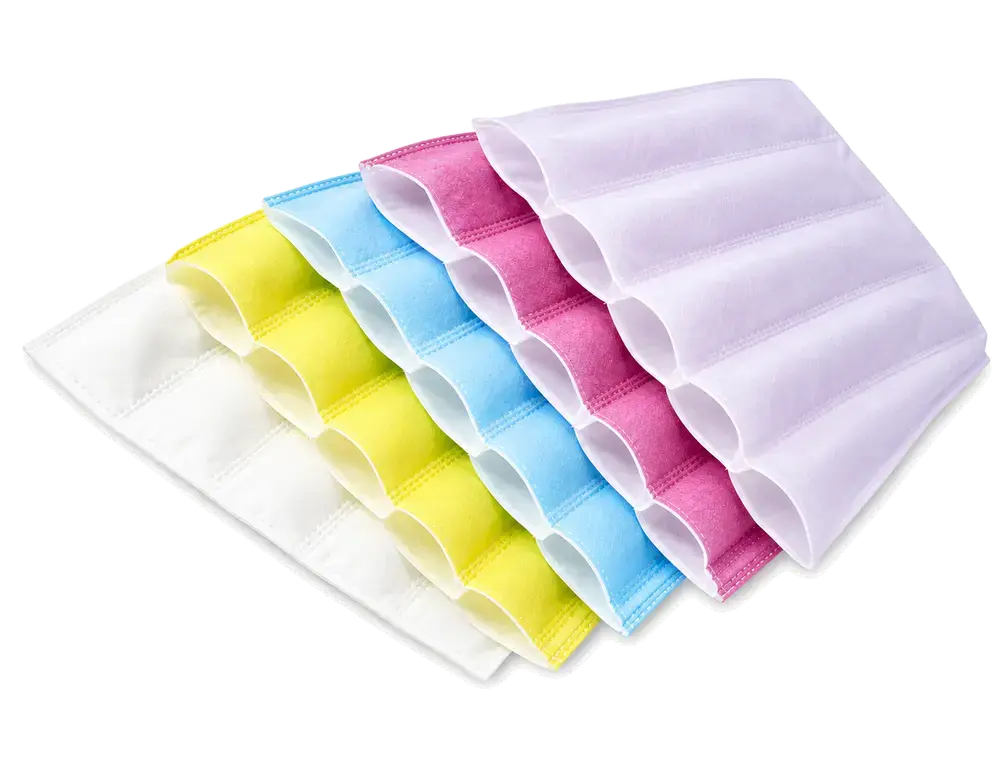
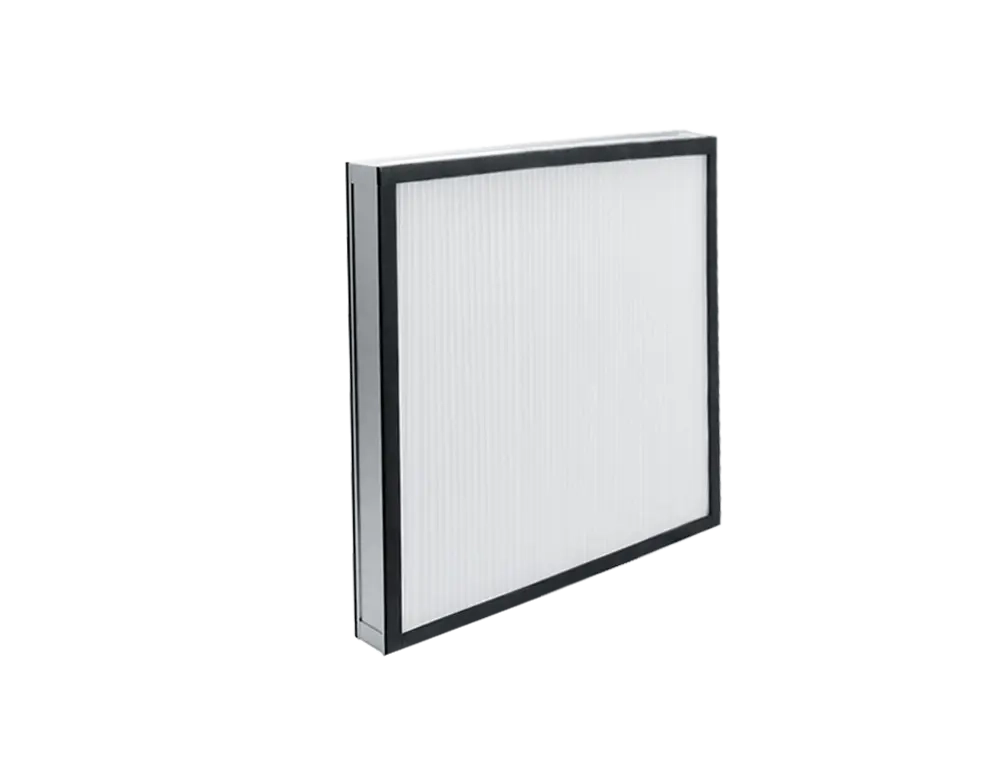
Medium-Efficiency Filter (F5–F9)
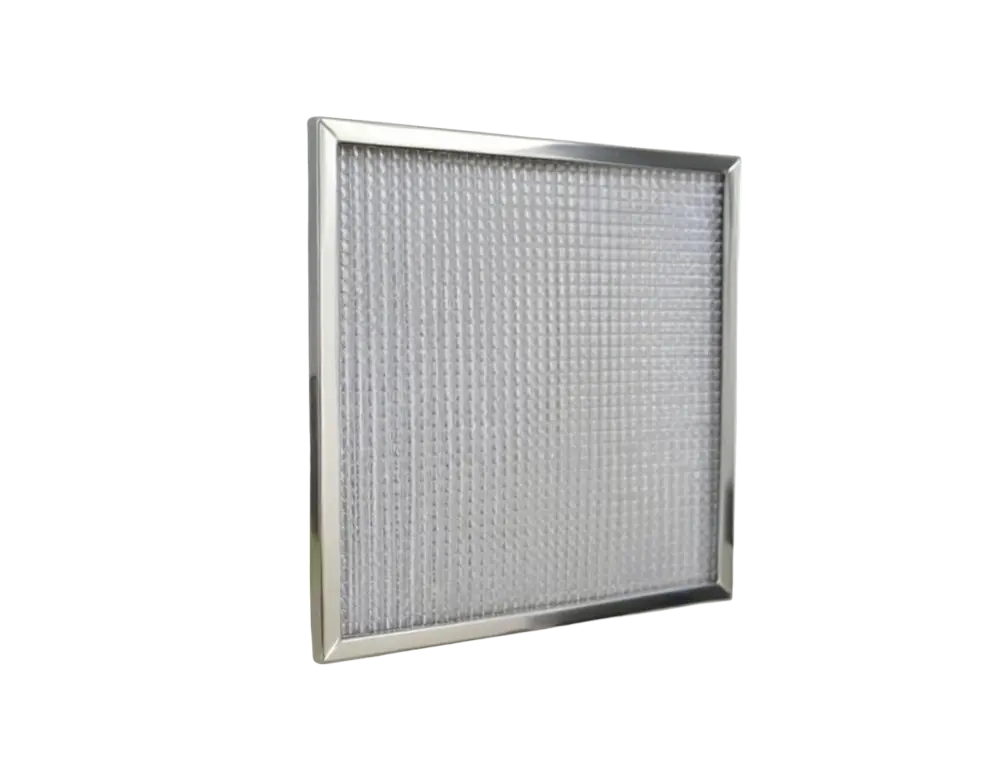
Precise PM2.5 Capture
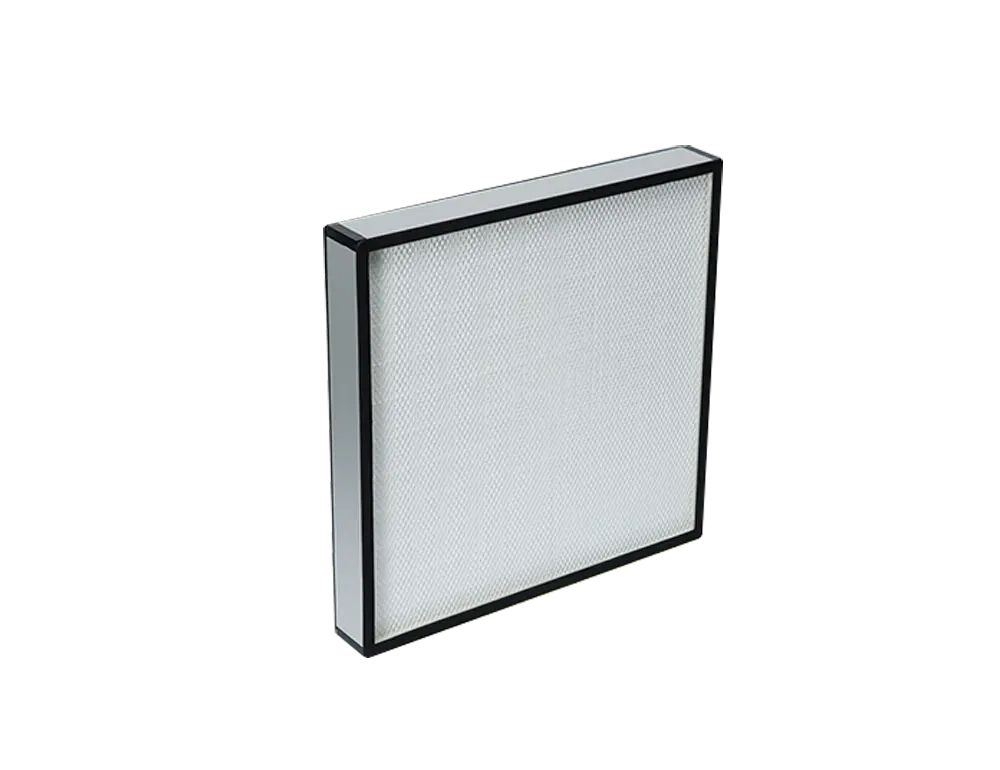
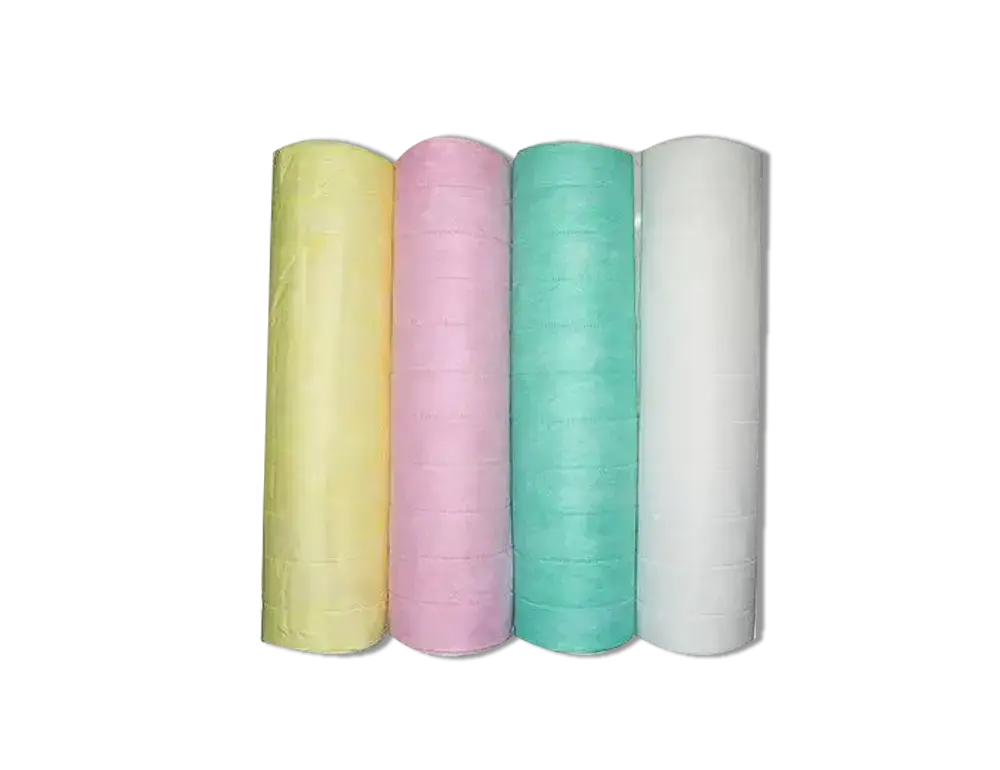
HEPA High-Efficiency Filter
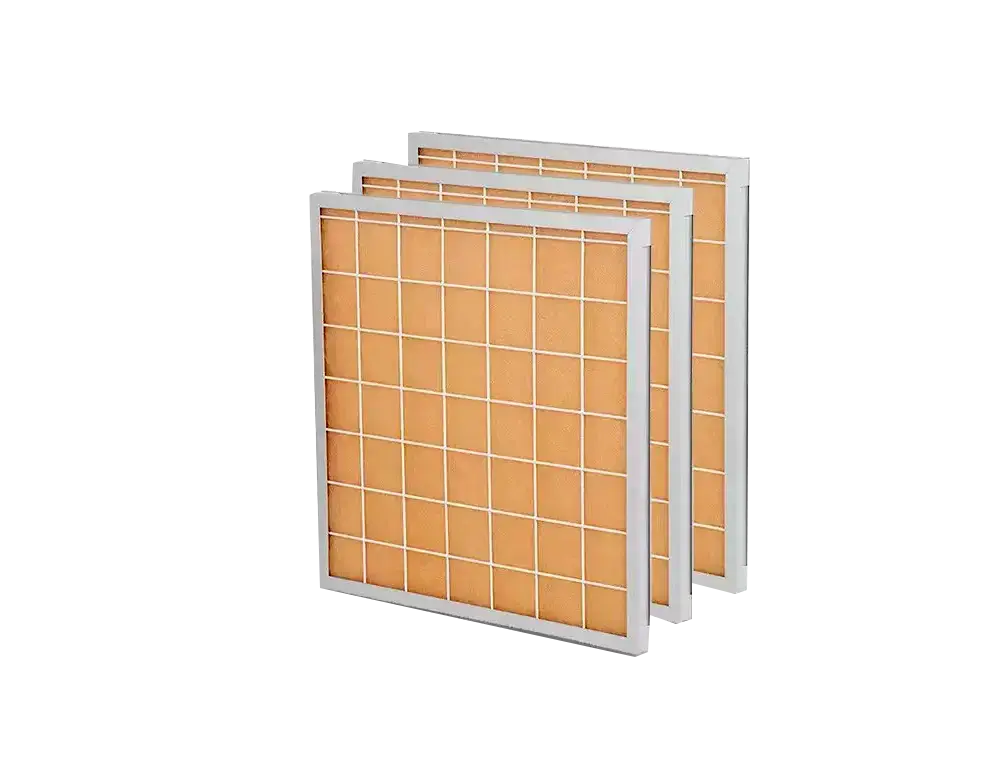
Sterile-Grade Purification
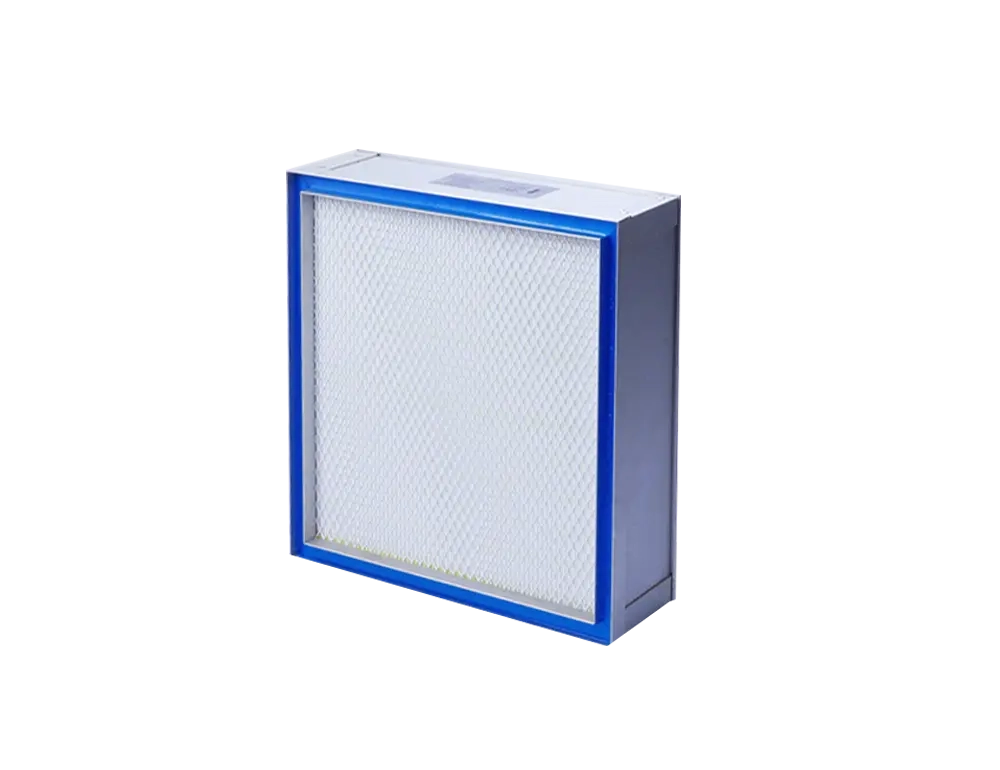
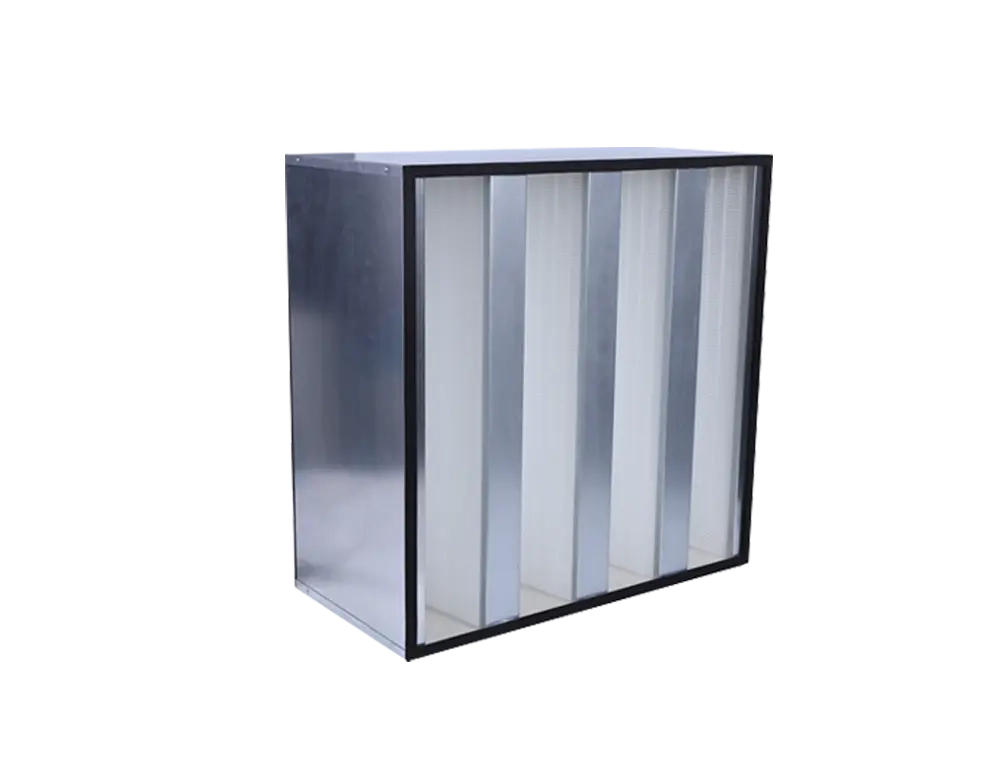
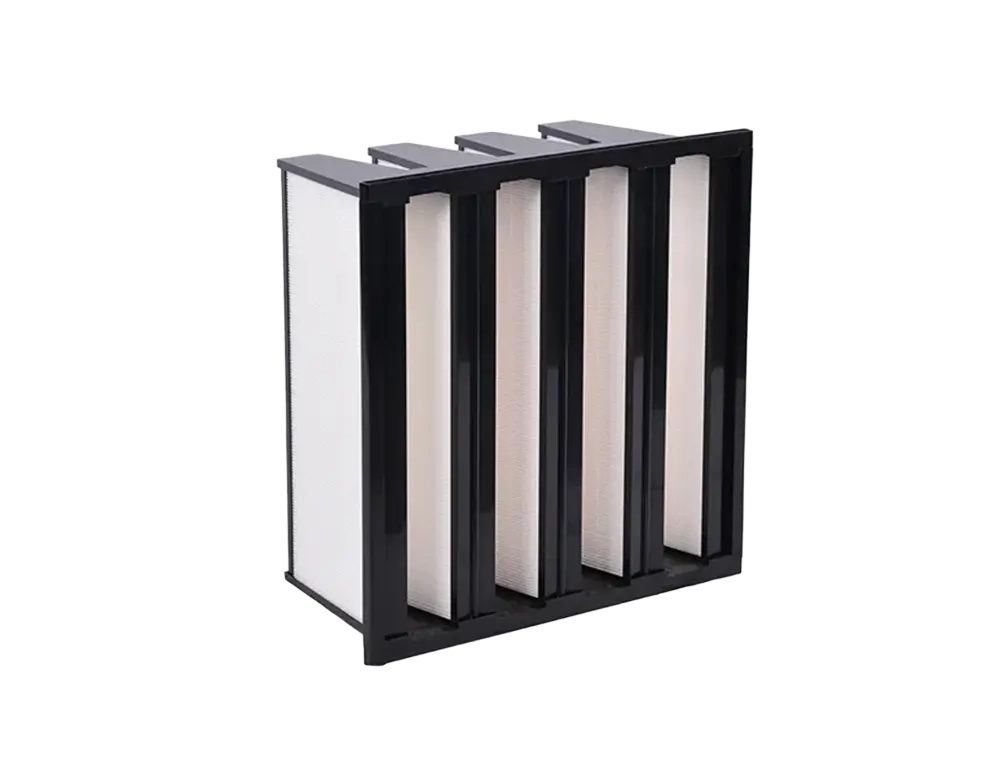
ULPA Ultra-High Efficiency Filter
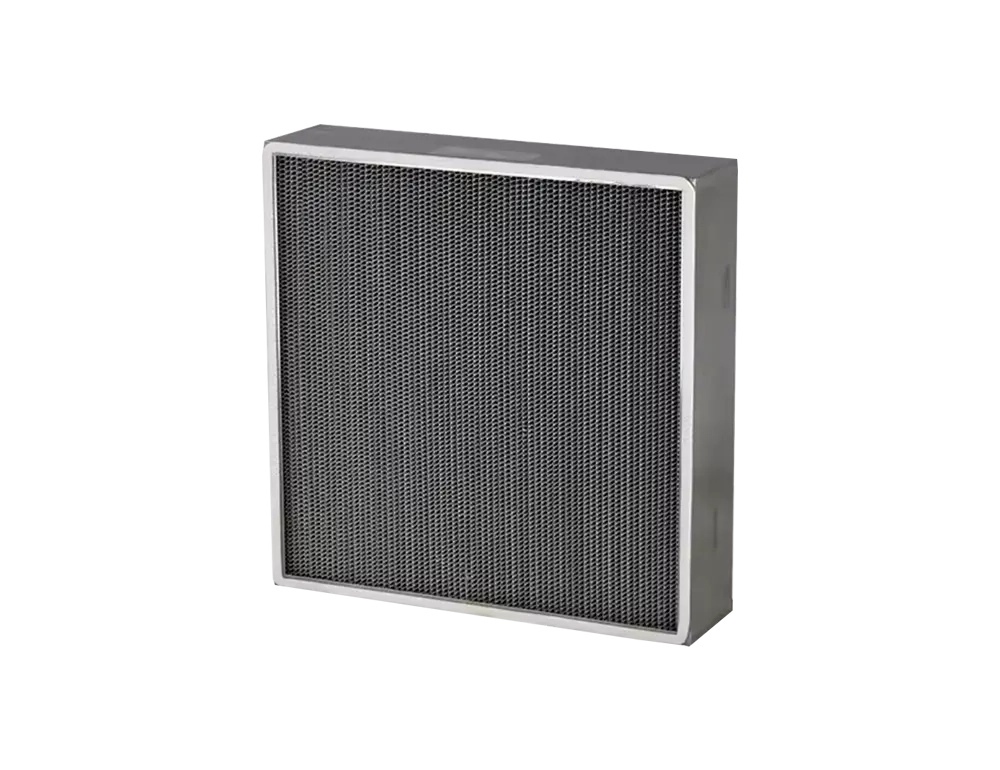
Sub-Micron Particle Capture
First-Stage Large-Particle Capture
The first line of defense, capturing particles ≥5 μm such as dust, hair, and fibers to protect downstream filters and extend overall system service life.
View Related Products →Precise PM2.5 Capture
Captures fine particles of 1–5 μm including PM2.5, pollen, and mold spores, significantly improving indoor air quality for commercial HVAC and ventilation systems.
View Related Products →Sterile-Grade Purification
≥99.97% filtration efficiency for particles ≥0.3 μm, delivering sterile-grade clean air widely used in medical, pharmaceutical, and electronics manufacturing.
View Related Products →Sub-Micron Particle Capture
≥99.9995% efficiency for particles ≥0.12 μm, meeting the extreme cleanliness demands of semiconductor fabs, aerospace, and other ultra-precision applications.
View Related Products →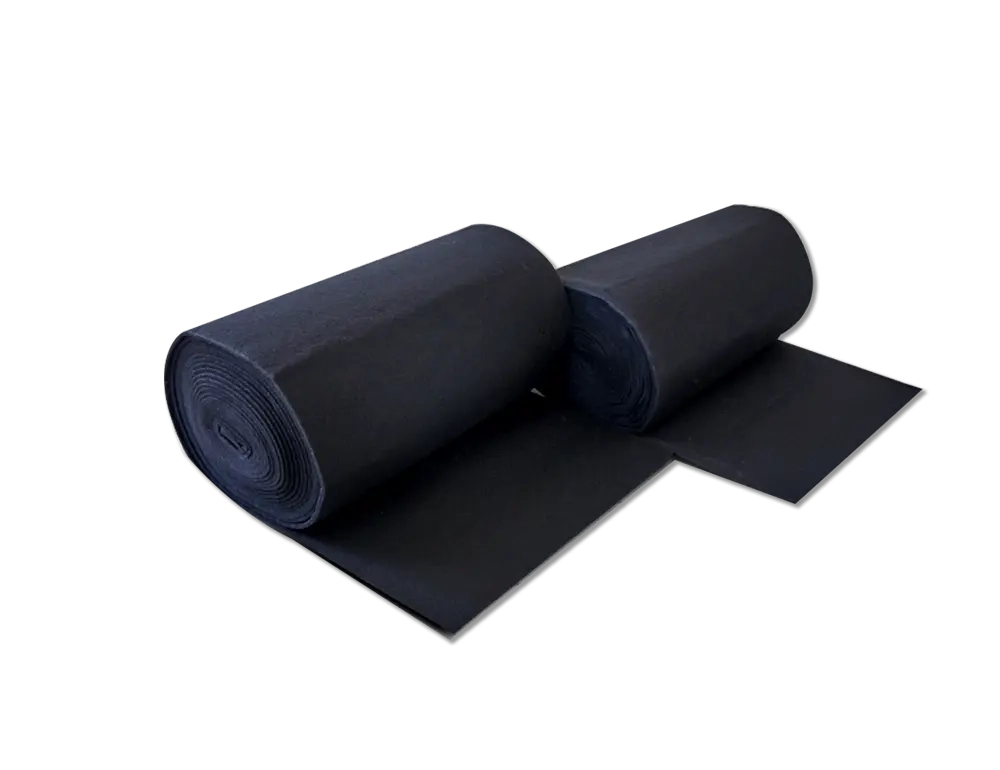
High-Temperature Resistant
Industrial-Grade Heat Tolerance
Washable & Reusable
Cut Costs, Reduce Waste
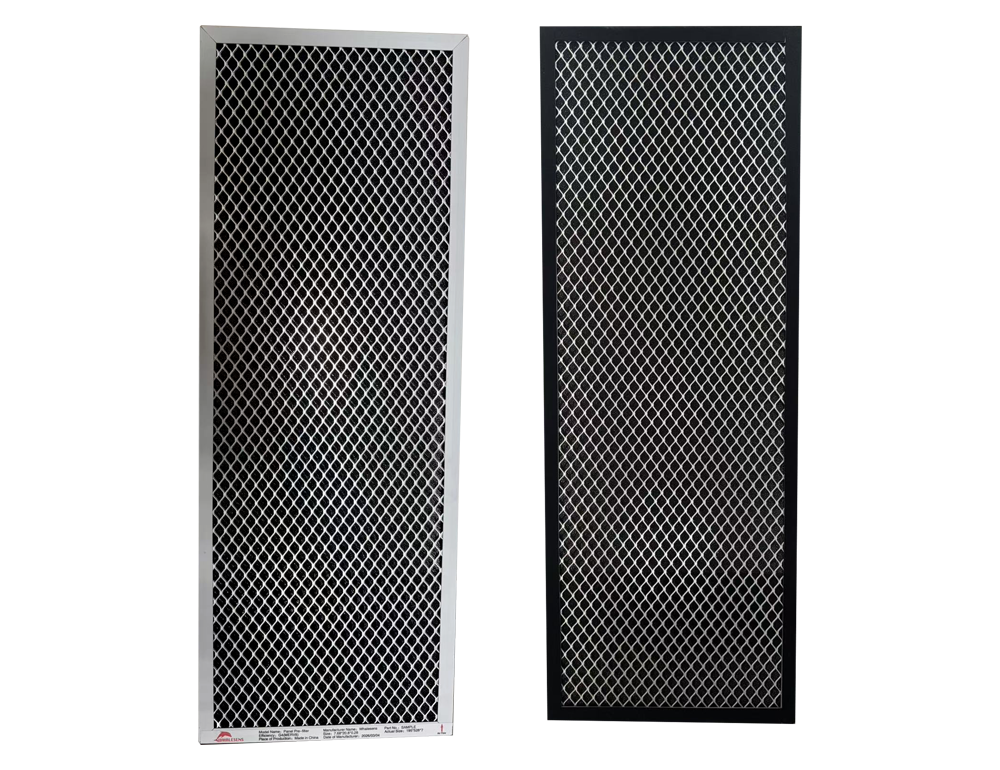
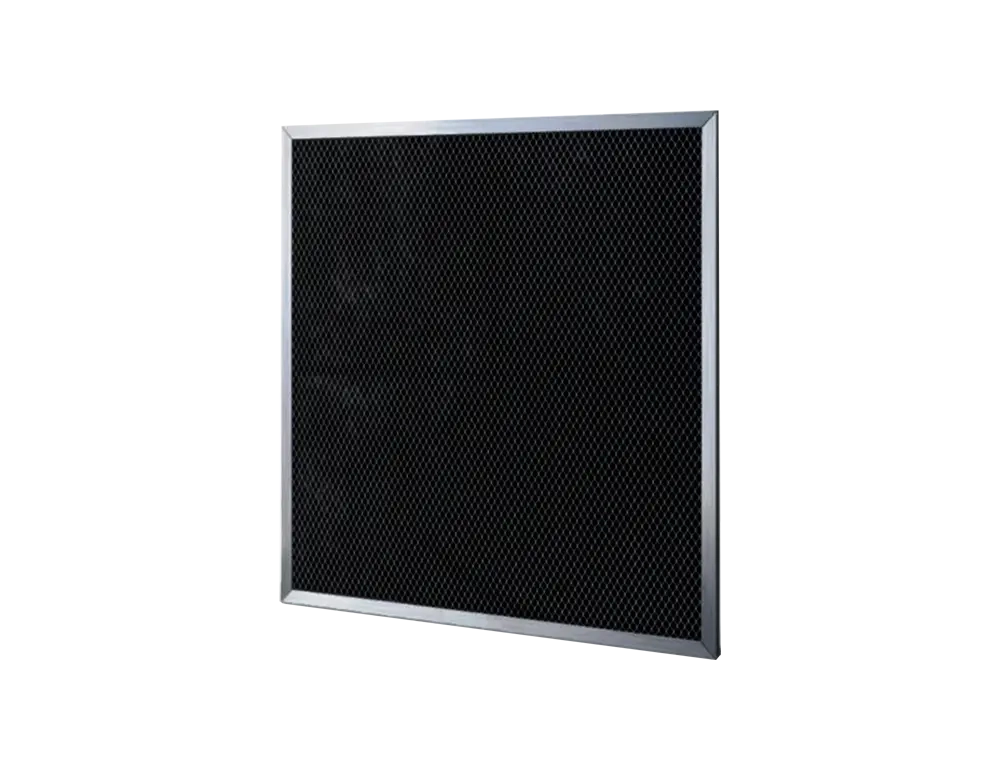
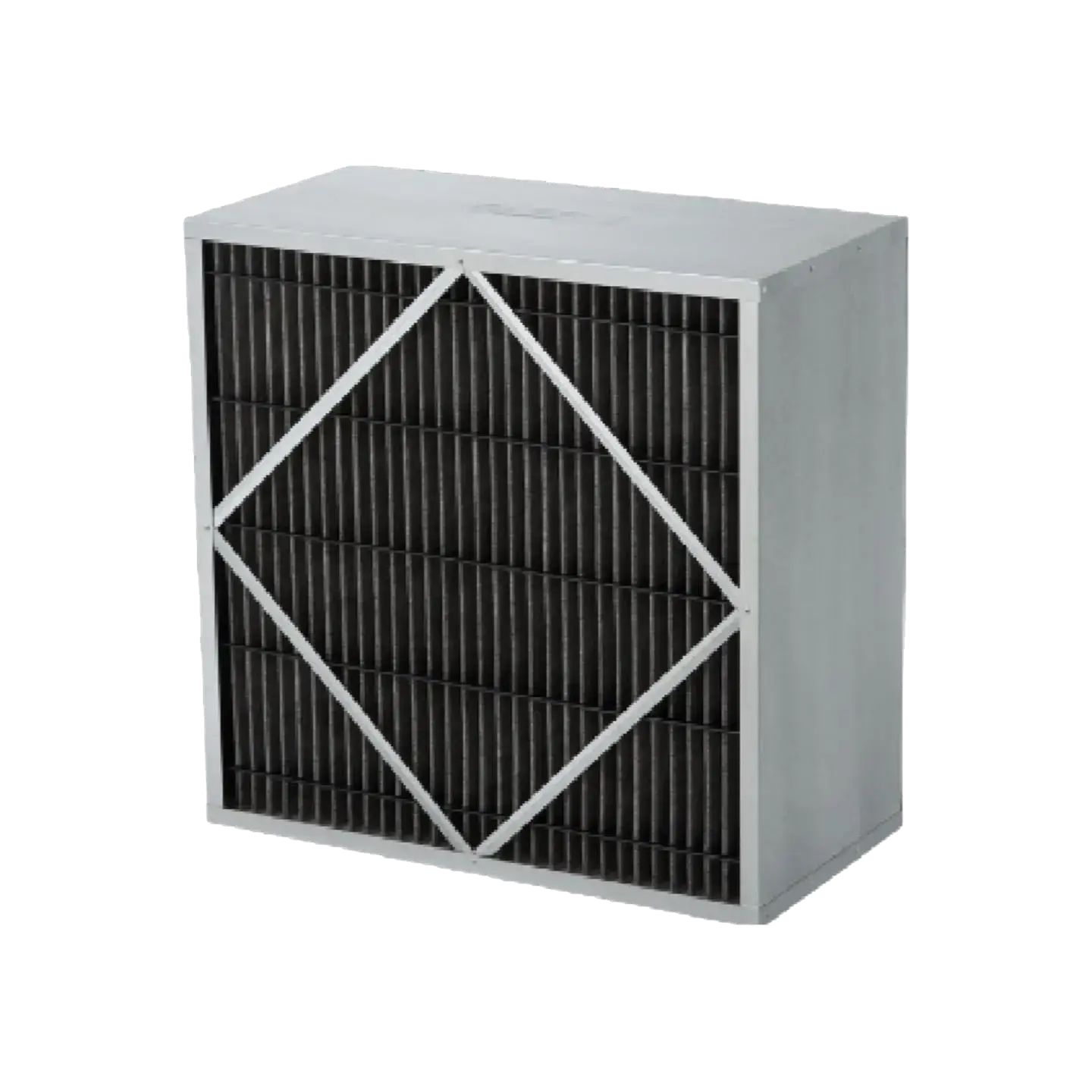
Activated Carbon
Odor & Harmful Gas Removal
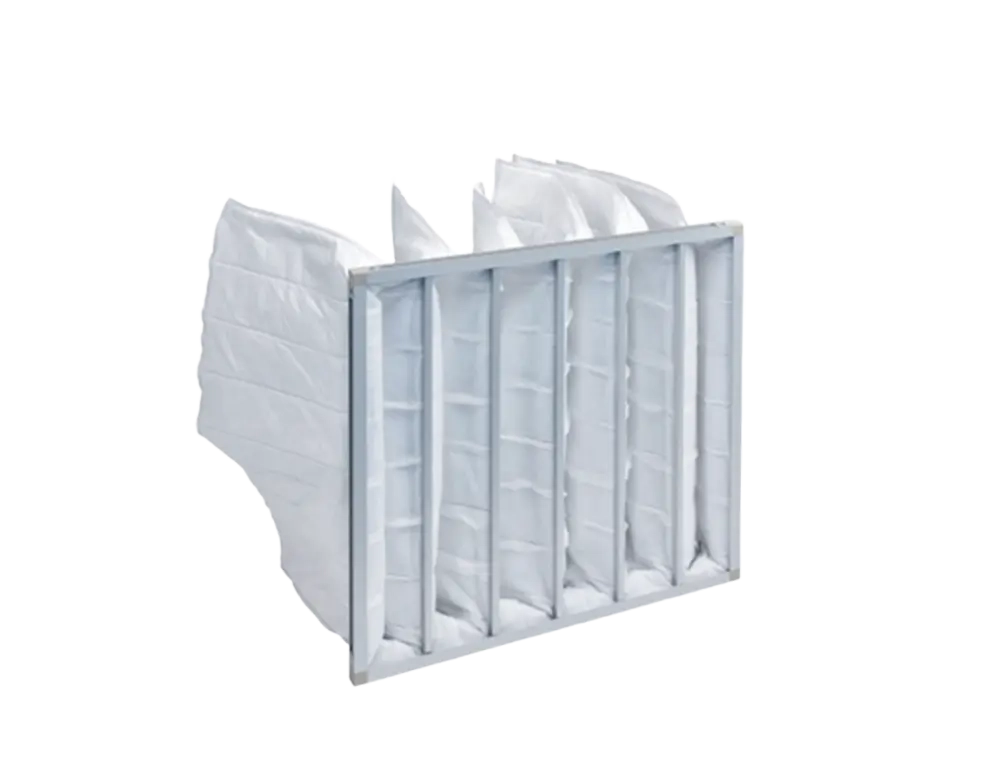
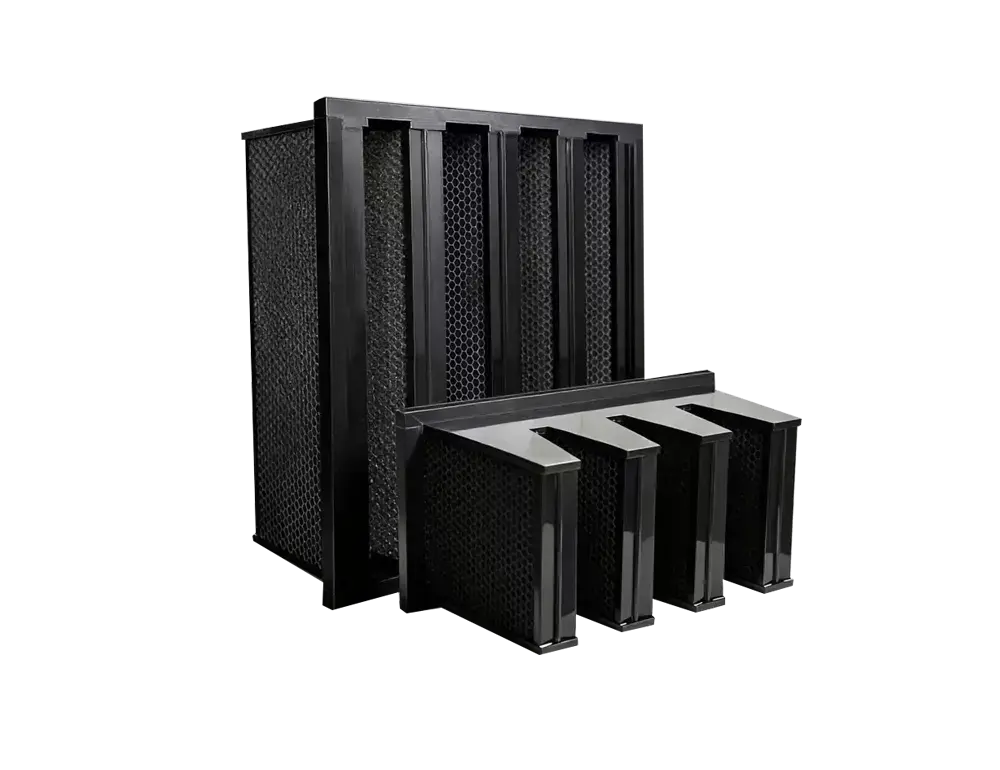
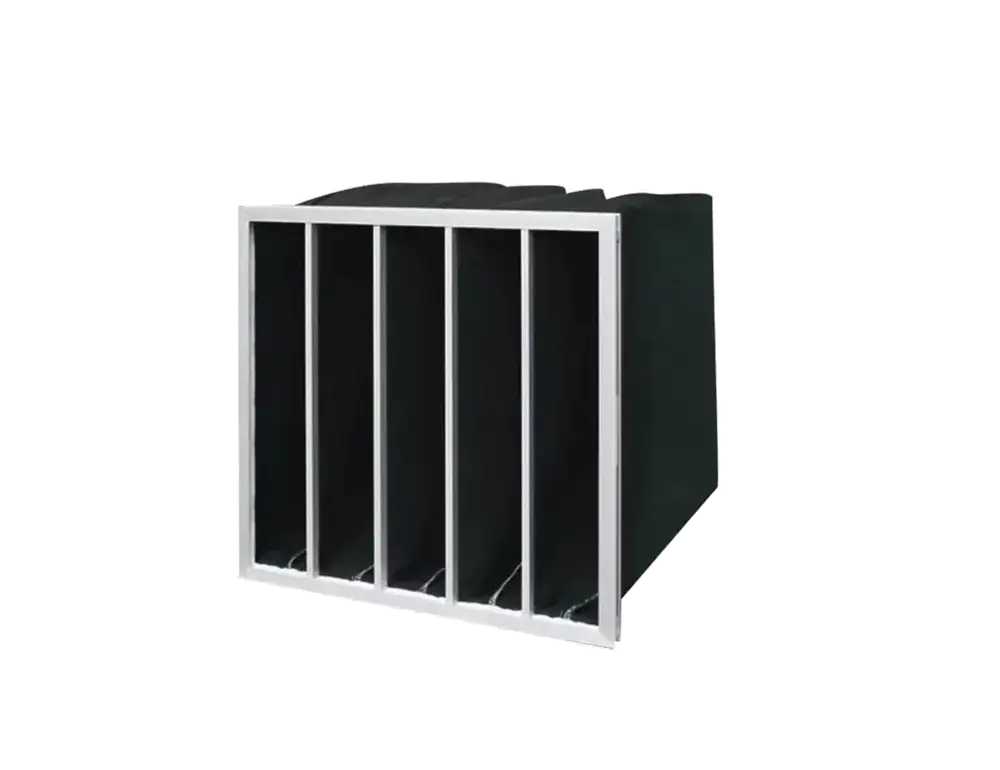
Bag Filter
High Dust-Holding, Long Life
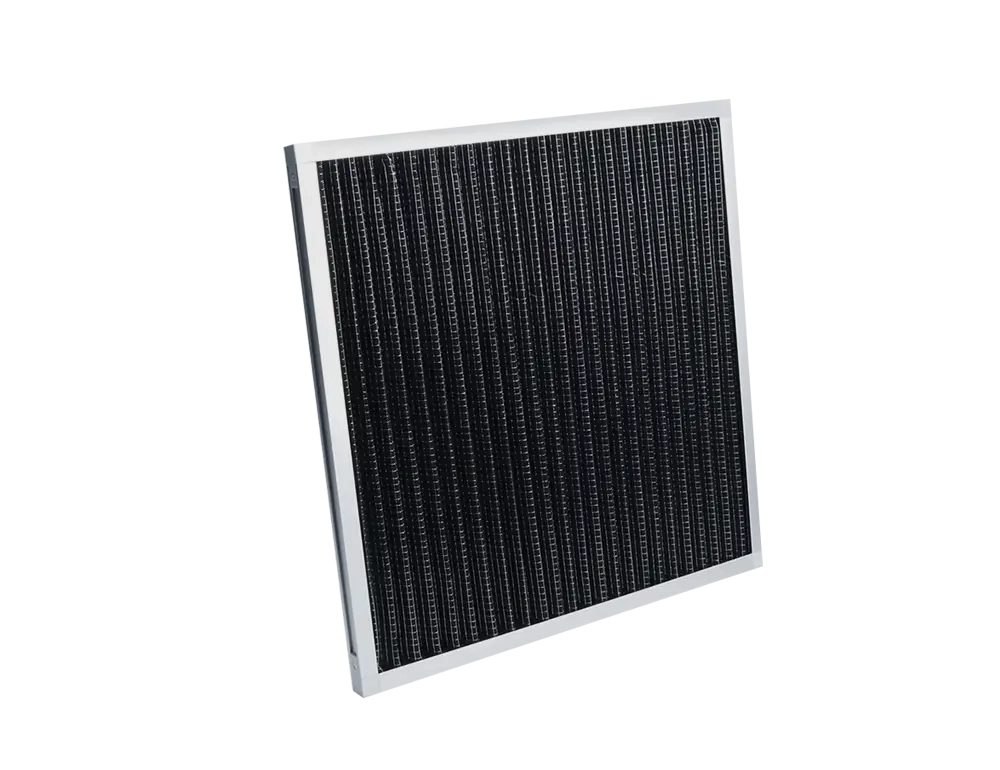
Panel / Pleated Filter
Compact Space-Saving Design
Low-Resistance Airflow
Energy-Saving Operation
Industrial-Grade Heat Tolerance
Built with specialized heat-resistant materials, operating stably up to 250°C for paint ovens, industrial dryers, and high-temperature process environments.
View Related Products →Cut Costs, Reduce Waste
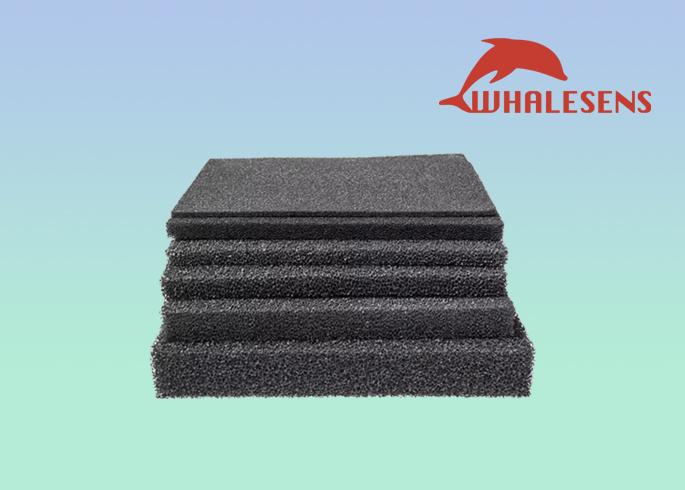
Cleanable by water washing or air blowing, reusable multiple times to significantly reduce replacement frequency and O&M costs — an economical, eco-friendly choice.
View Related Products →Odor & Harmful Gas Removal
Leverages activated carbon's high adsorption capacity to eliminate odors, VOCs, and formaldehyde, ideal for newly renovated spaces and industrial exhaust treatment.
View Related Products →High Dust-Holding, Long Life
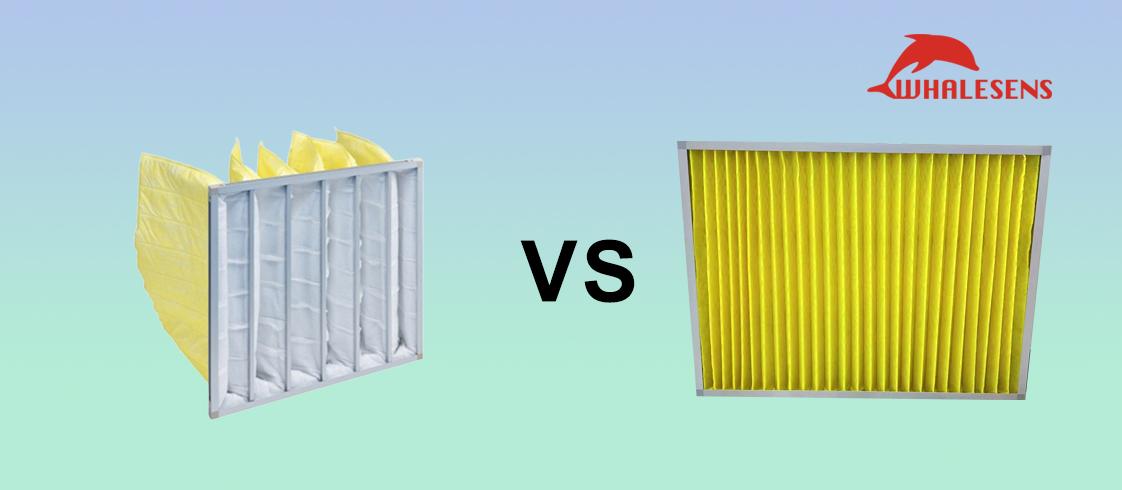
Bag-style construction delivers a larger filtration area, high dust-holding capacity, and extended service life — ideal for high-dust environments with reduced replacement frequency.
View Related Products →Compact Space-Saving Design
Compact form factor for easy installation and replacement; pleated structure maximizes filtration area within a small footprint for higher efficiency.
View Related Products →Energy-Saving Operation
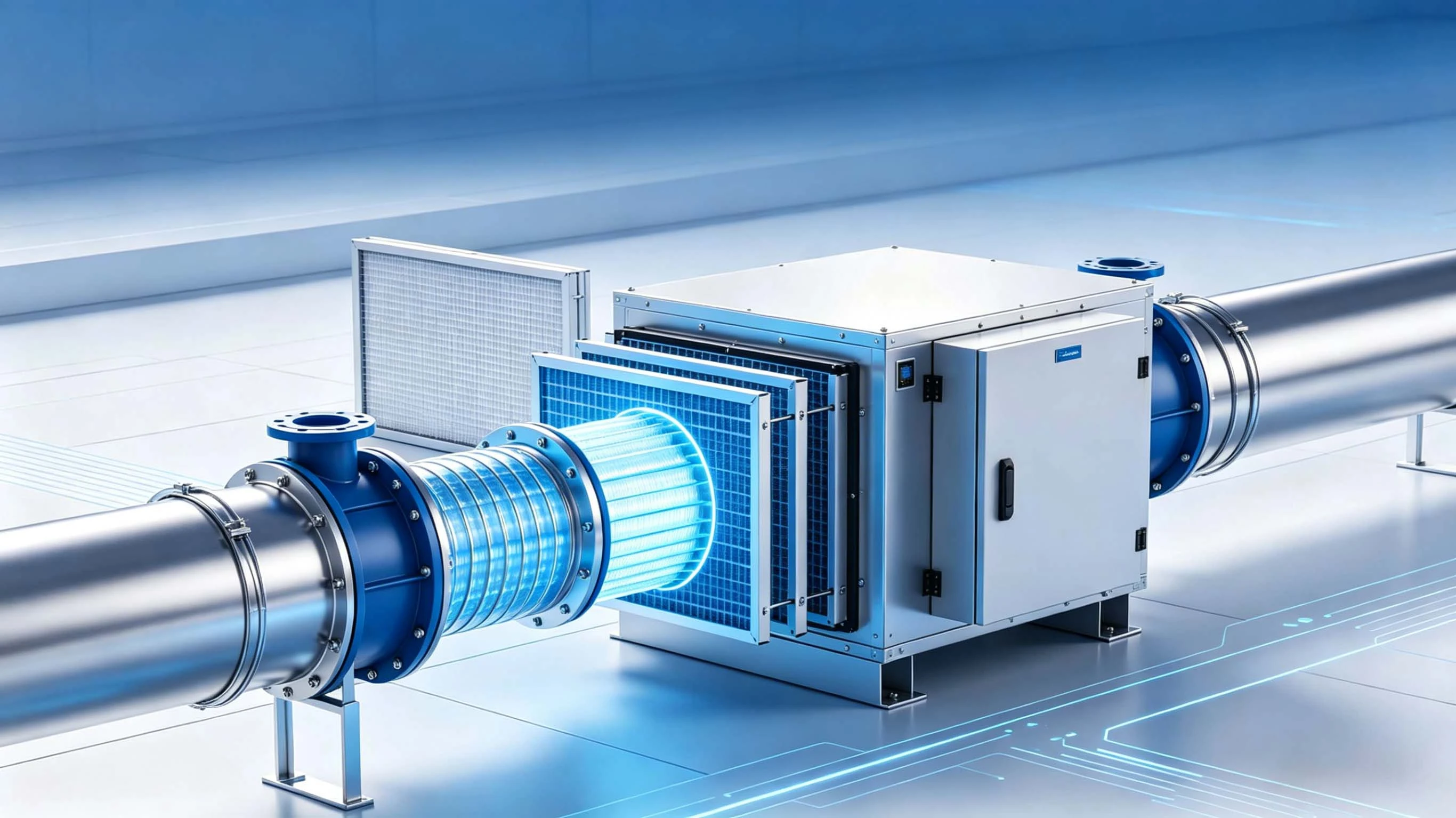
Low-resistance design minimizes pressure drop while maintaining filtration performance, reducing fan energy consumption for cost-effective, eco-friendly operation.
View Related Products →



















 English(Global)
 简体中文
简体中文 Language




HEPA Filter Leak Testing: Principles, PAO Scanning, and Acceptance
Why Installed HEPA Filter Leak Testing Matters
Reliable HEPA filter leak testing confirms that the installed filtration system performs as intended, not merely that the filter passed a factory efficiency test. A documented HEPA filter leak testing method also makes the acceptance decision reproducible.
HEPA filter leak testing is not a repeat of the factory efficiency test. It verifies that the filter media, seals, frame, and installation assembly do not have local leakage above the permitted limit. A pinhole, a damaged gasket, or a bypass path can raise downstream particle levels even when the filter itself was factory-approved. Reliable HEPA filter leak testing must therefore assess the complete installed assembly.
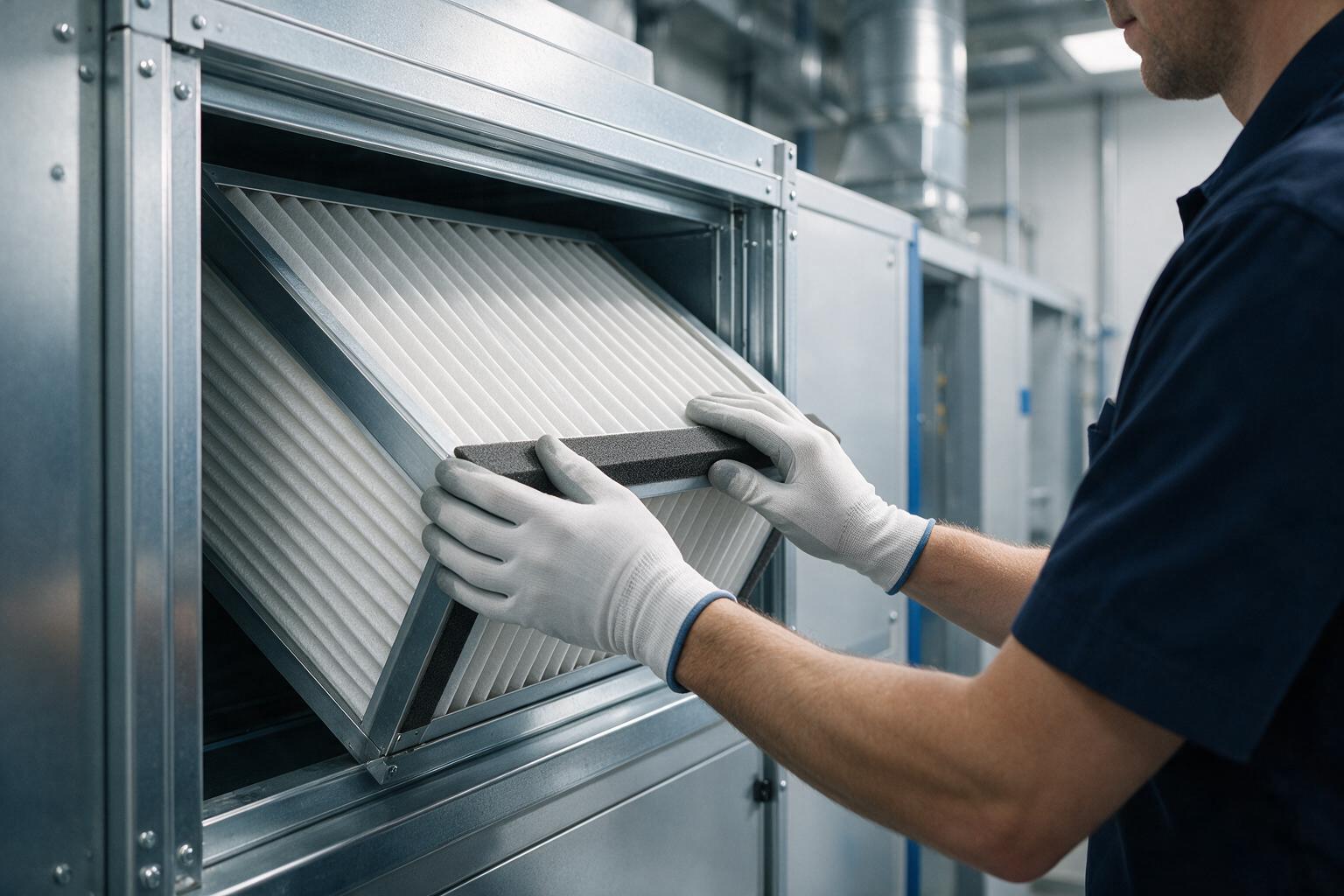
Transport damage, uneven clamping, displaced gaskets, and poorly sealed housings can create leakage after delivery. The inspection should cover the media face, the media-to-frame joint, the seal between the filter and its mounting grid, and the joints between the grid, plenum, ceiling, or wall.
- ✔Filter media and pleats
- ✔Media-to-frame joints
- ✔Filter-to-grid and gasket seals
- ✔Mounting frame, plenum, and enclosure joints
PAO Photometer Scanning vs. Particle Counting
PAO photometer scanning
An aerosol challenge such as PAO is introduced upstream. A photometer measures the upstream reference concentration, then a probe scans the downstream face. The instrument reports downstream penetration relative to the upstream reference; a reading above the project limit is held and rechecked to locate the leak.
PAO is a common abbreviation for polyalphaolefin aerosol. In HEPA filter leak testing, the challenge aerosol must remain stable enough for the upstream reference to be meaningful. DOP was widely used in historical filter testing, while current projects often specify PAO or another approved challenge aerosol. Aerosol type, generator, instrument calibration, and the validation method must be treated as one test system.
Photometer scanning is fast and makes local leaks easy to locate, which is why it is widely used for terminal cleanroom filters, laminar-flow equipment, and installed filter systems. It remains a practical starting point for HEPA filter leak testing in many field projects.
Light-scattering particle counters
A particle counter method also requires a stable upstream challenge. The same traceability principle applies to HEPA filter leak testing with a particle counter. The downstream probe scans or samples the filter, and particle counts are evaluated against the applicable method. Results depend on particle size, sample time, flow rate, background counts, and statistical variation.
“Three times the factory value” is not a universal particle-counter acceptance rule. The particle size, sample duration, acceptable count, and calculation method must come from the selected standard, validation protocol, or equipment procedure.
HEPA Filter Leak Testing Preparation
Confirm that the air-handling system is stable and that pressure drop, airflow, or face velocity is within the design or validation range before starting HEPA filter leak testing. Prepare the aerosol generator, calibrated photometer, anemometer or airflow hood, marking tools, and test records.
The instrument should be within its calibration period and checked for warm-up, clean-air zero, range, and sample-line integrity. Before scanning, measure the upstream challenge concentration and confirm that it is within the instrument range, reasonably uniform, and stable throughout the test.
Some photometer procedures use 10–20 μg/L as an upstream reference range, equivalent to 10–20 mg/m³. The actual setting must follow the instrument manual and project method; an overly low concentration reduces sensitivity, while an excessive concentration can saturate the instrument or contaminate the system.
Five Steps for HEPA Filter Leak Testing
- **Set the upstream reference.** Zero the photometer with clean air, measure the upstream aerosol, and set that value as the 100% reference.
- **Scan the entire media face.** Move the probe in overlapping parallel paths across the downstream face. A probe distance of about 2–5 cm and a maximum scan speed around 5 cm/s are common field references, but the governing standard and method take priority.
- **Scan every seal boundary.** Follow the perimeter, media-to-frame joint, gasket, clamping hardware, mounting-grid joints, outlet, and housing connections.
- **Hold and confirm abnormal readings.** A transient rise may result from probe distance, turbulence, upstream drift, or external aerosol. Return to the maximum reading, hold the probe, and confirm that the value is stable and repeatable.
- **Recheck the upstream challenge.** Measure the upstream concentration at reasonable intervals and after scanning to confirm that the reference has not drifted.

HEPA Filter Leak Testing Acceptance Criteria and Corrective Action
The basic photometer rule in HEPA filter leak testing is that local downstream penetration must remain below the maximum permitted value defined by the project. This is the central acceptance principle for HEPA filter leak testing. ISO 14644-3:2019 commonly references a designated leak value of 0.01% of the upstream challenge aerosol, but the customer specification, filter class, process risk, and validation protocol may define a different limit. The applicable edition of GB/T 25915.3 and the project method should be stated in the report.
Record the method version, challenge aerosol, upstream reference, local limit, and decision rule. “PAO test passed” without the applicable test basis is not a sufficiently traceable result.
Media pinholes, damaged pleats, or extensive media damage normally require filter replacement. Seal or clamping leaks require inspection of gaskets, liquid tanks, knife edges, and compression. Housing or frame leaks require structural sealing. Repair materials must be approved by the project, filter manufacturer, or validation protocol; ordinary epoxy or silicone should not be treated as a universal cleanroom repair method.
After corrective action, rescan the complete filter and its installation boundary. Do not close a HEPA filter leak testing deviation based only on a local repair-point check. This complete HEPA filter leak testing cycle should be recorded as final acceptance evidence. Where required, recheck airflow, face velocity, pressure drop, and room cleanliness.

HEPA Filter Leak Testing Frequency and Records
Test after installation, replacement, disassembly, repair, or system modification. These events should trigger a documented HEPA filter leak testing review before the area returns to routine operation. For operating systems, set the interval from cleanliness class, process risk, product requirements, validation documents, and historical trends. Critical applications may use annual or shorter intervals, but the frequency should not be treated as a universal rule without project justification.
Records for HEPA filter leak testing should include filter ID and location, size, instrument model and calibration status, aerosol type, upstream concentration, airflow or face velocity, probe distance and scan speed, standard or method version, leak limit, leak-location map, corrective action, retest result, date, and responsible personnel. These records make HEPA filter leak testing traceable over the service life of the system and support future maintenance decisions.
Consistent HEPA filter leak testing also gives maintenance teams a reliable baseline for later comparisons.
“Stabilize the challenge, scan every boundary, confirm abnormal readings, apply the correct limit, and rescan after repair. Keep the HEPA filter leak testing record traceable.
”
Contact the Whalesens engineering team for product selection and OEM/ODM support.
Email whalesens@gmail.com
Contact Whalesens
