


EV Charging Stations
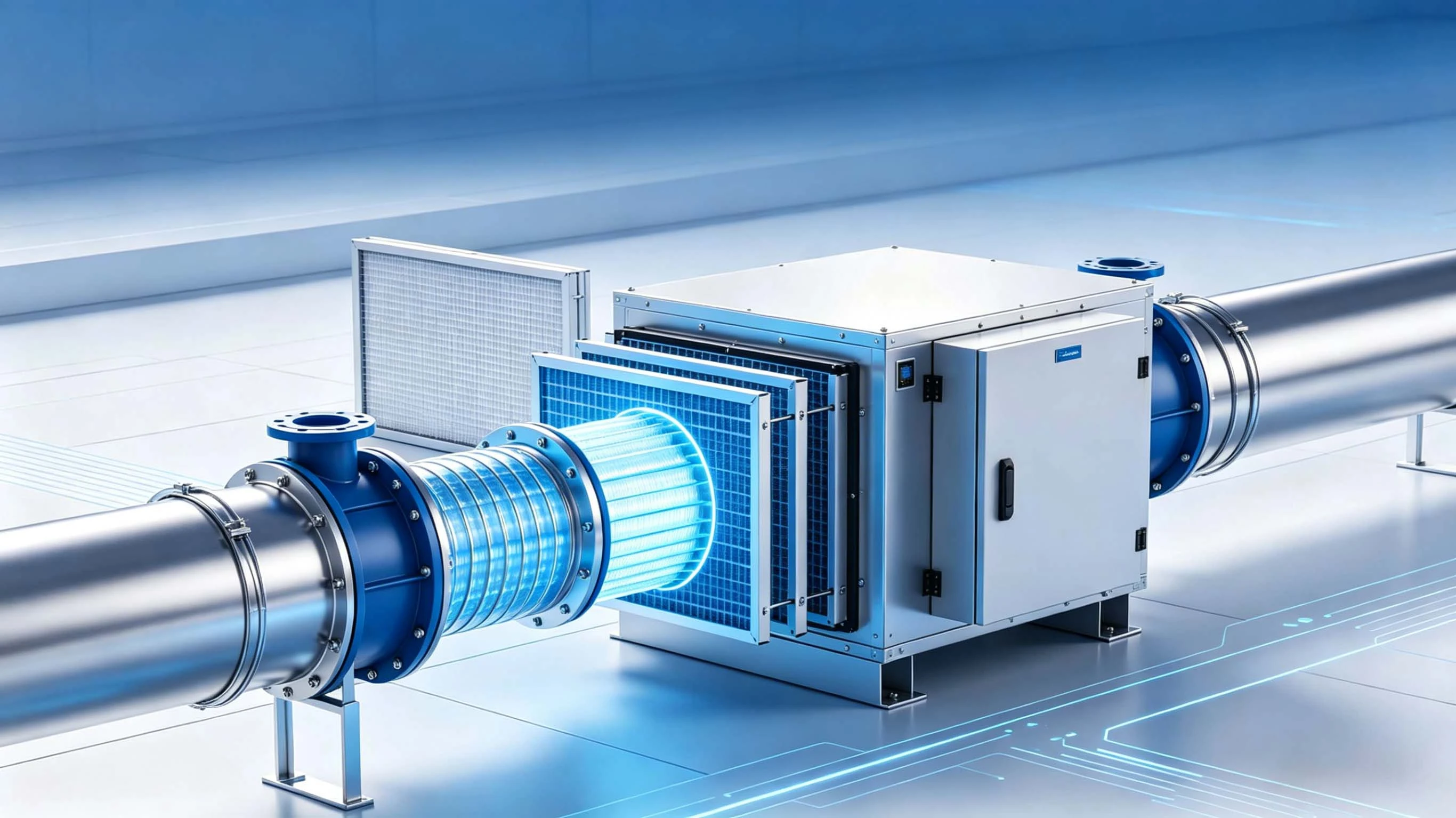
Filtration for Power Equipment
Cleanroom & Semiconductor
Ultra-High Cleanliness Filtration
Commercial HVAC
Central Air System Filtration
Data Centers
Precision Equipment Protection
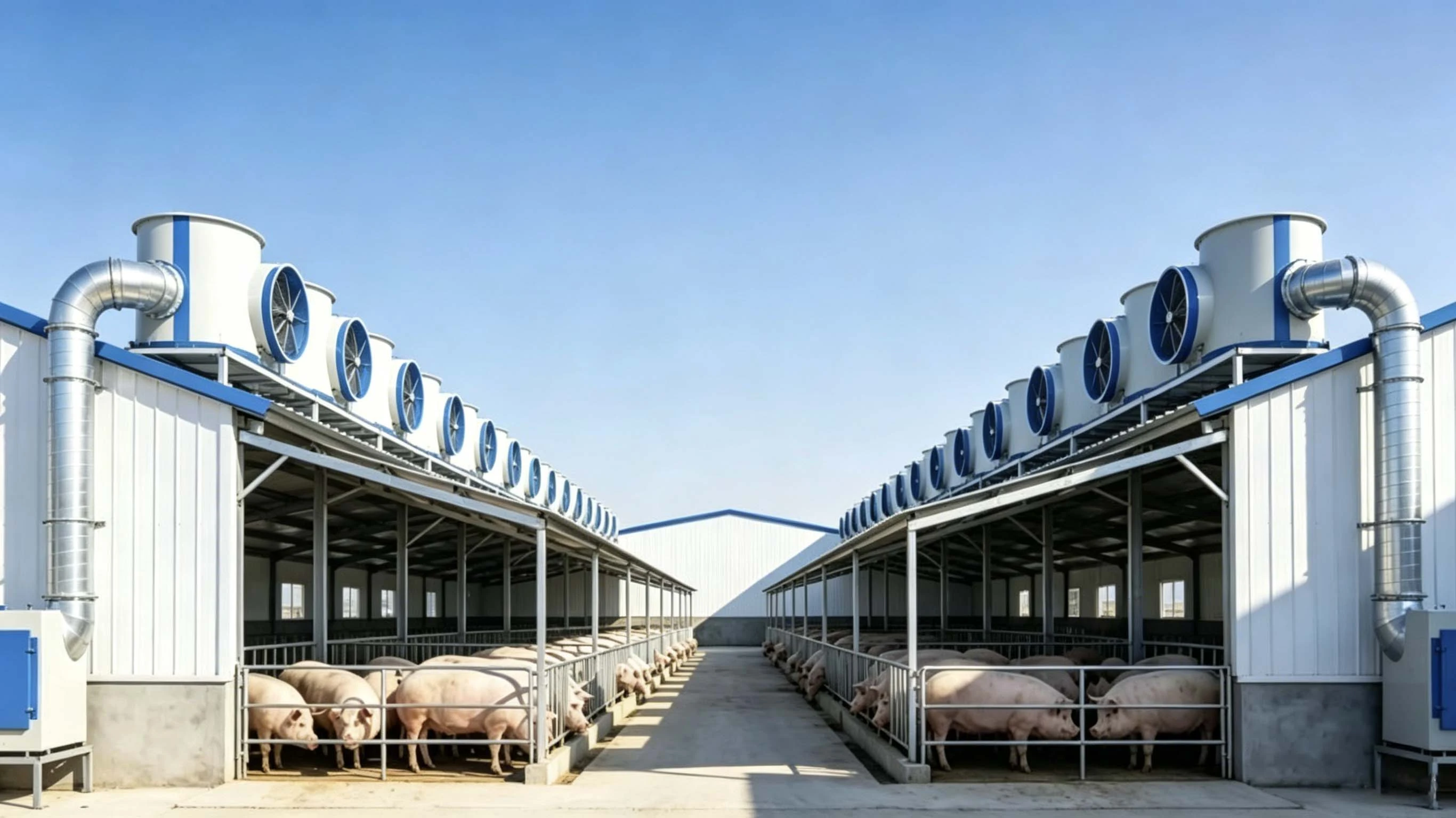
Livestock & Farming
Farming Environment Purification
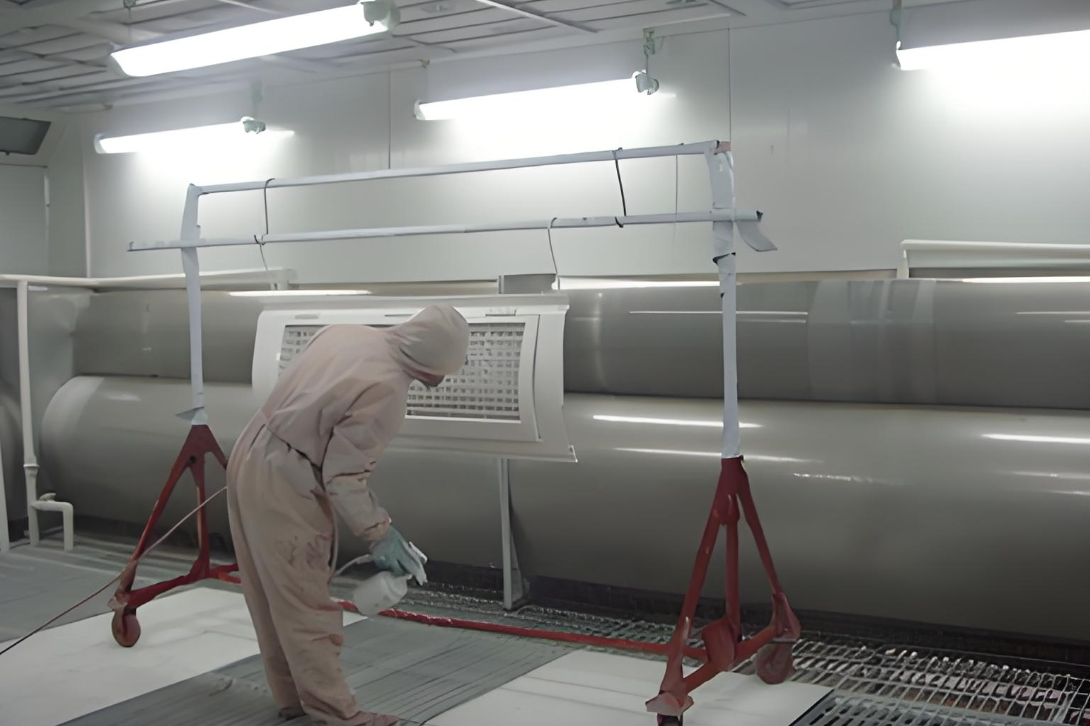
Spray Booths & Industrial Dust
Paint Mist & Dust Purification
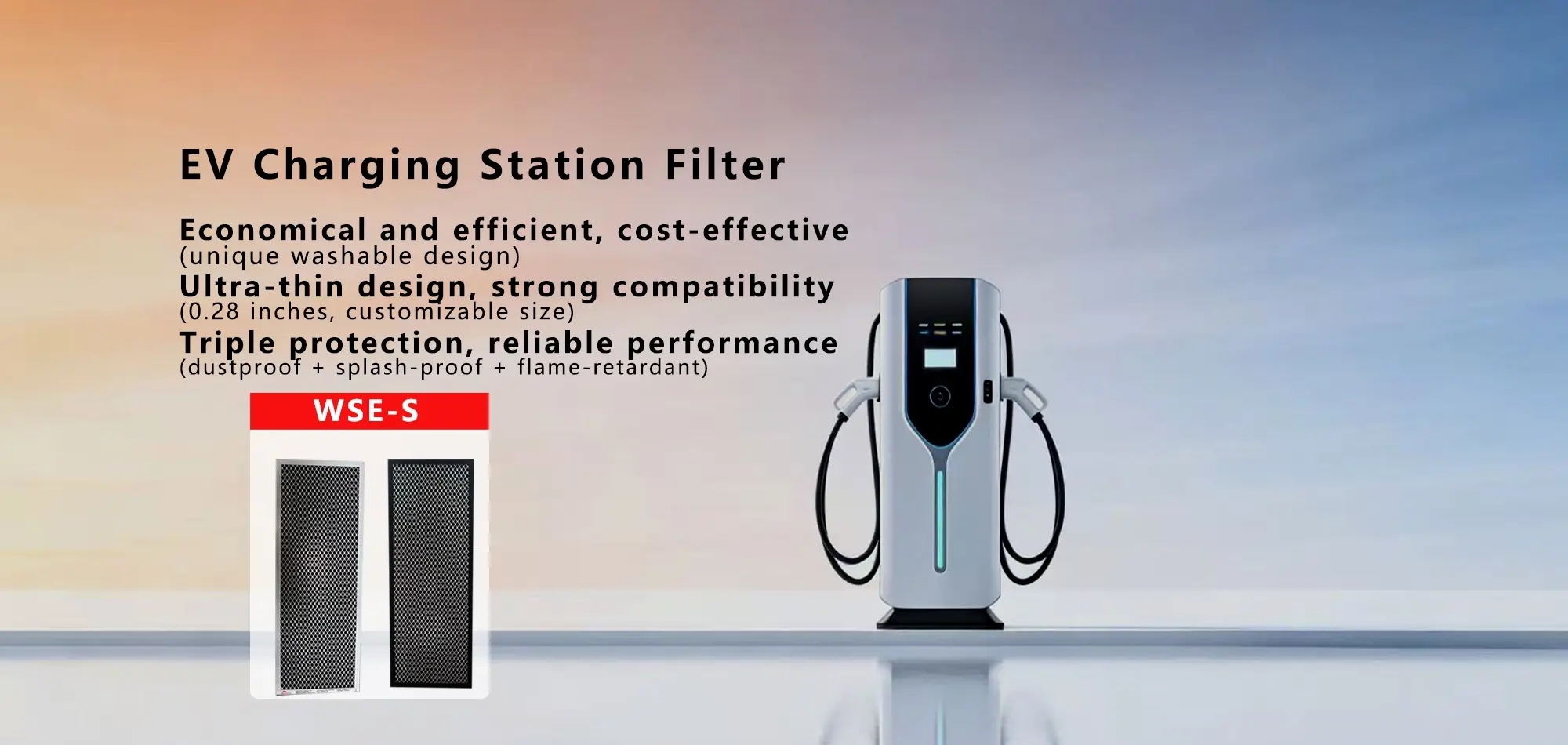
Filtration for Power Equipment
Professional air filtration for EV charging devices, protecting against dust and sand ingress to ensure stable, reliable operation of charging piles and station infrastructure.
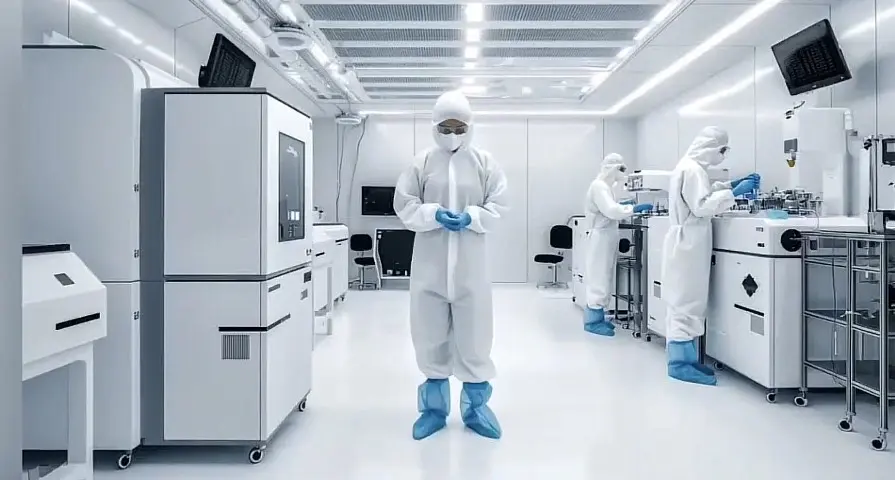
View Related Products →Ultra-High Cleanliness Filtration
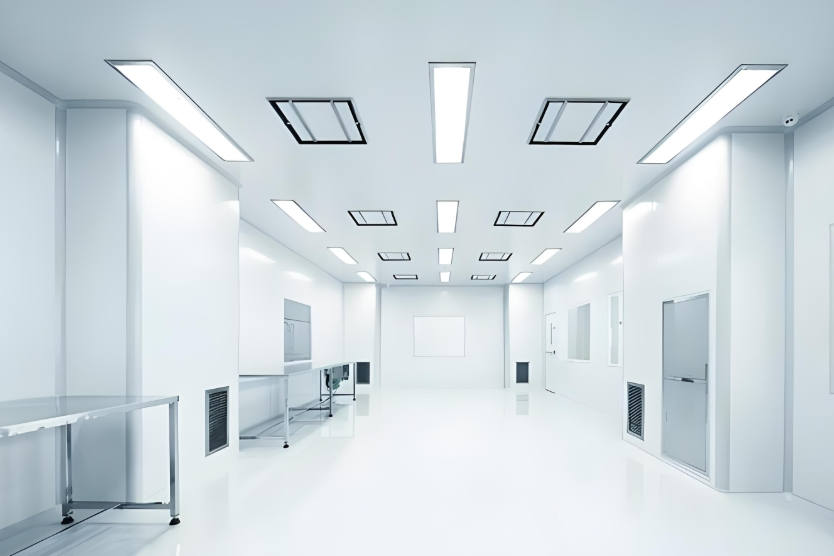
Ultra-high efficiency filtration for semiconductor wafer fabs and precision electronics cleanrooms, capturing nano-scale particles to meet ISO Class 1–3 standards and maximize product yield.
View Related Products →Central Air System Filtration
High-efficiency filtration for commercial building HVAC systems, improving indoor air quality, reducing energy consumption, and extending equipment service life.
View Related Products →Precision Equipment Protection
Precision air filtration for data centers, shielding servers and critical hardware from dust contamination to keep cooling systems running efficiently and reliably.
View Related Products →Farming Environment Purification
Dedicated filtration systems for farms and livestock facilities — capturing dust, adsorbing ammonia, and inhibiting pathogen spread to improve animal health and overall productivity.
View Related Products →Paint Mist & Dust Purification
Designed for spray booths and grinding workshops, efficiently capturing paint mist, metal dust, and wood chips to meet emission standards while protecting finished surface quality.
View Related Products →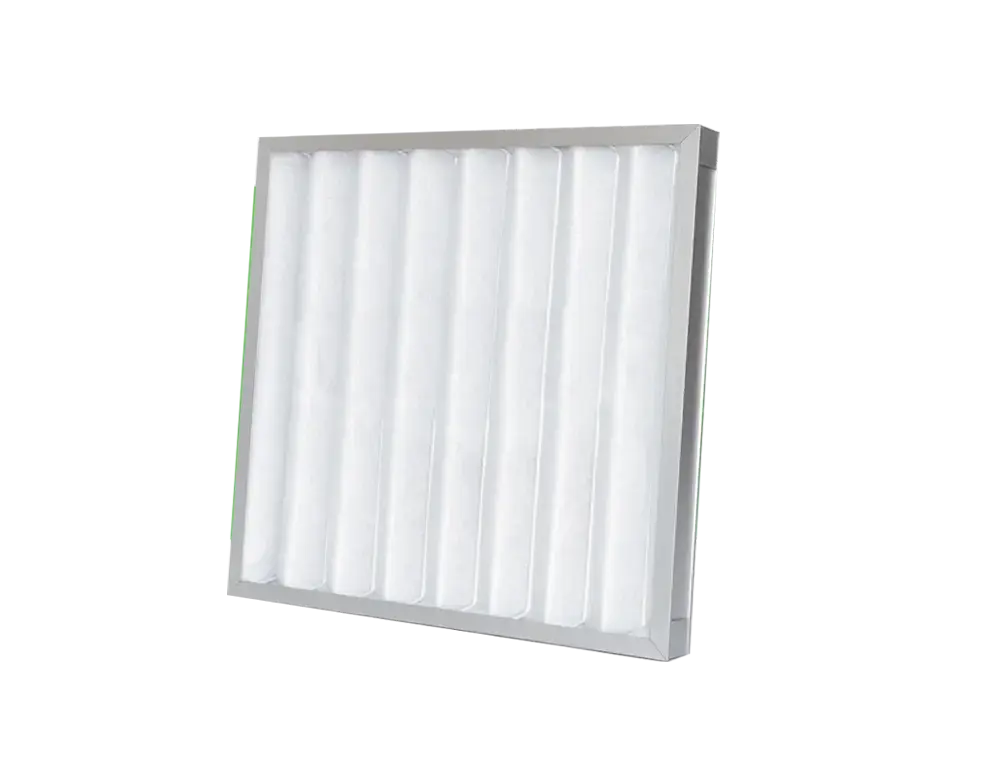
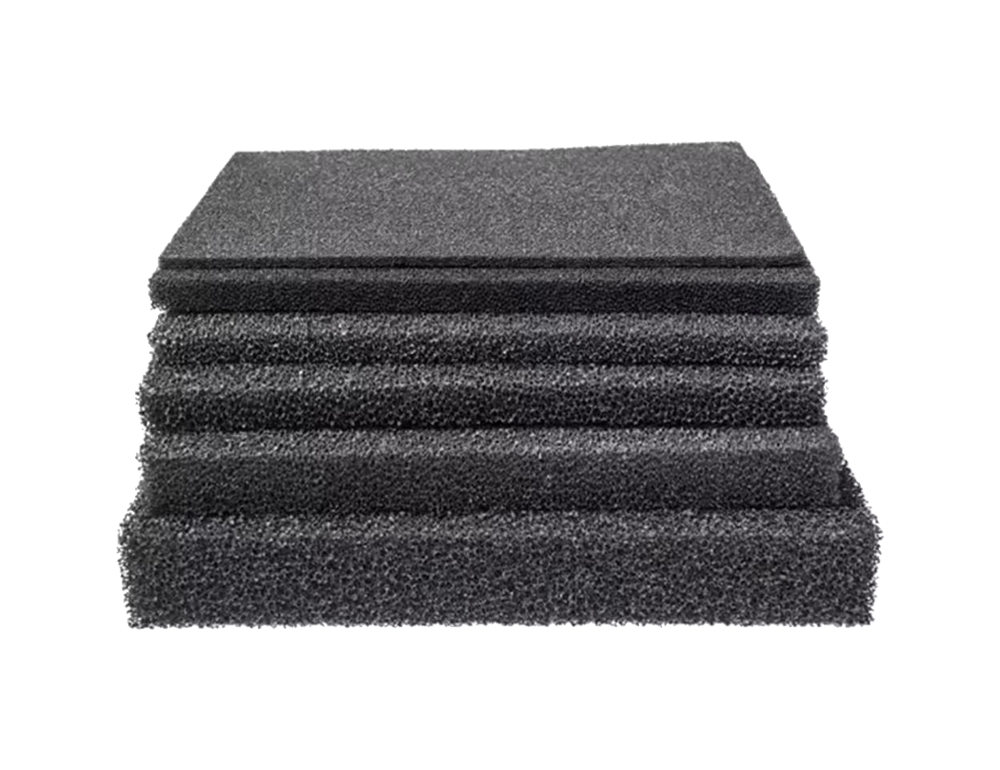
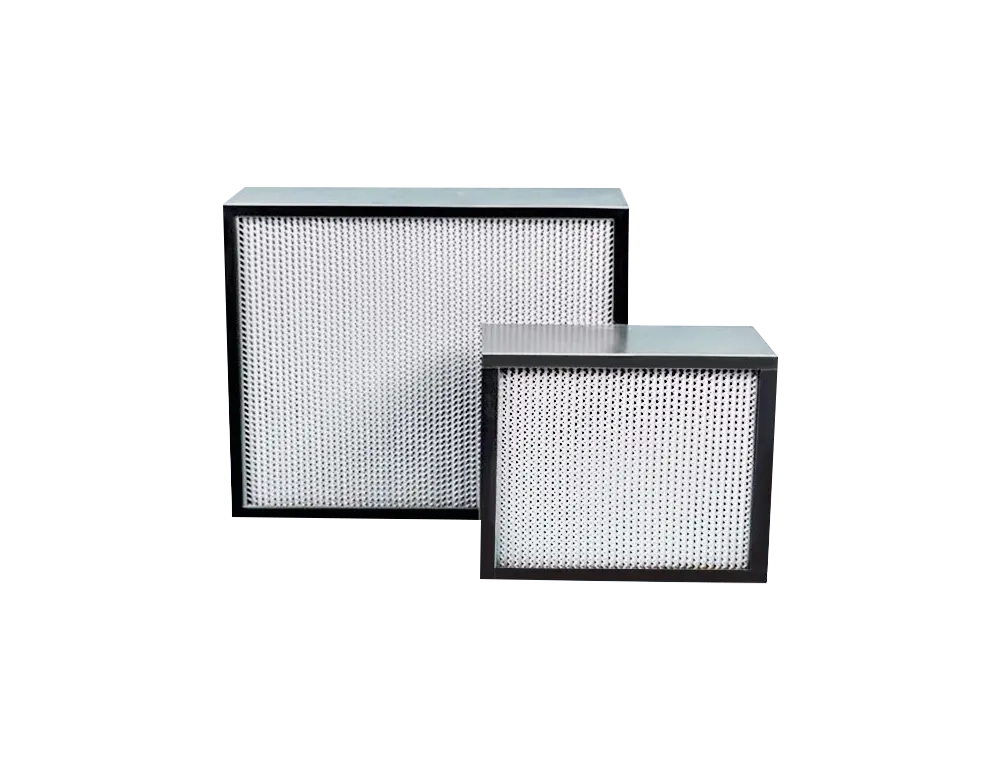
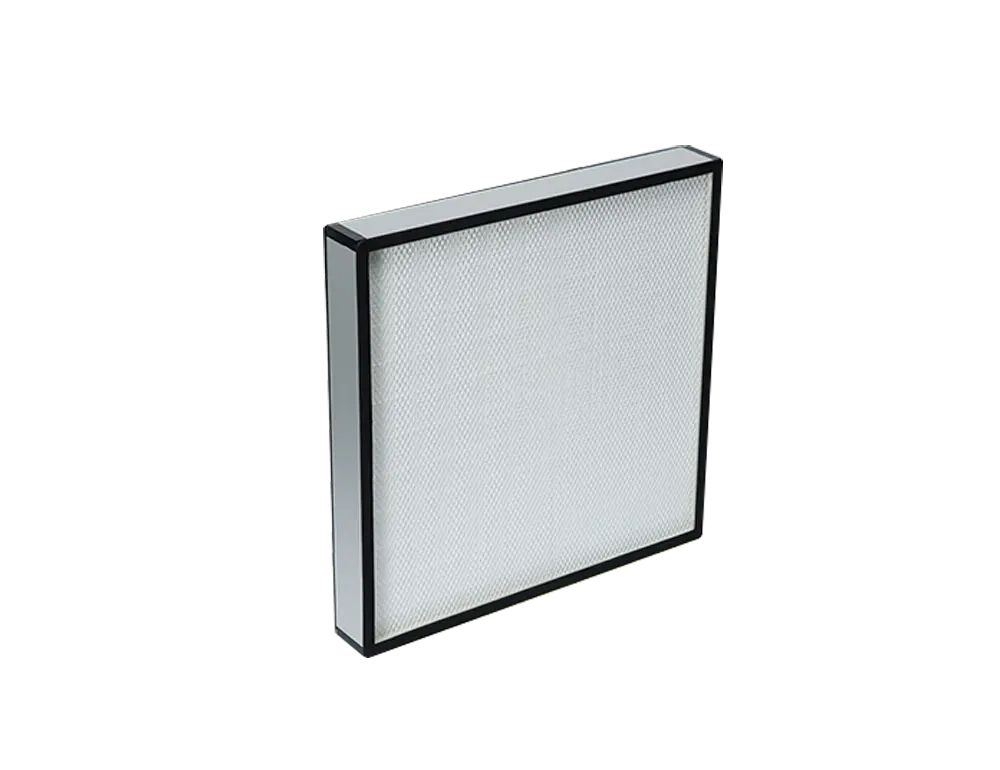
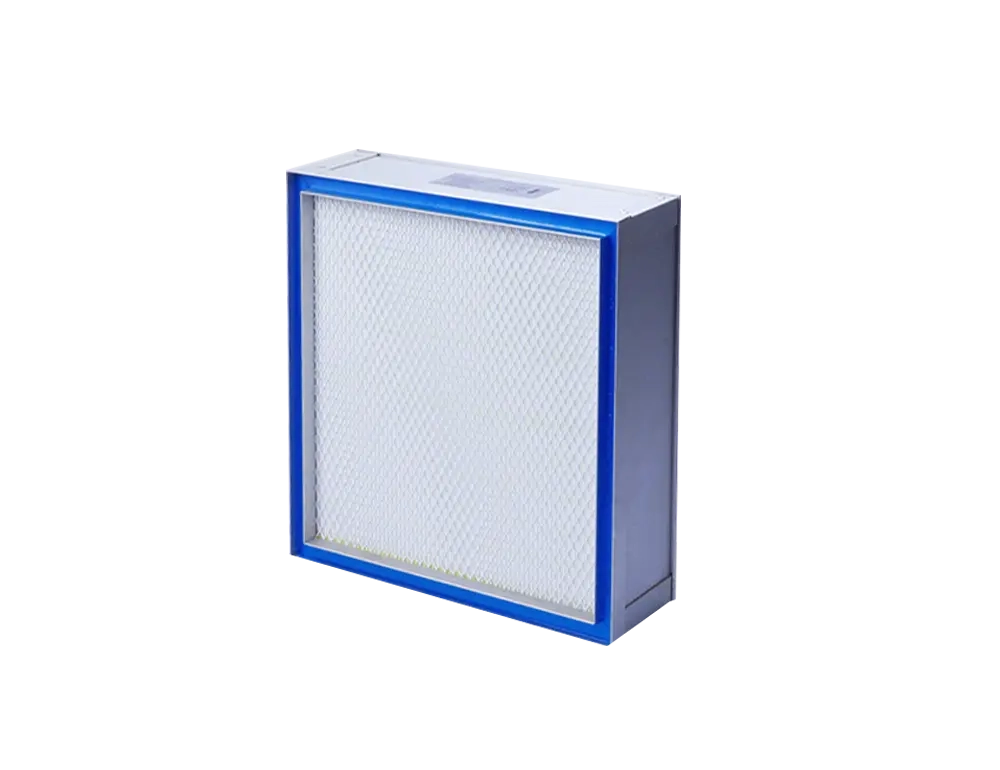
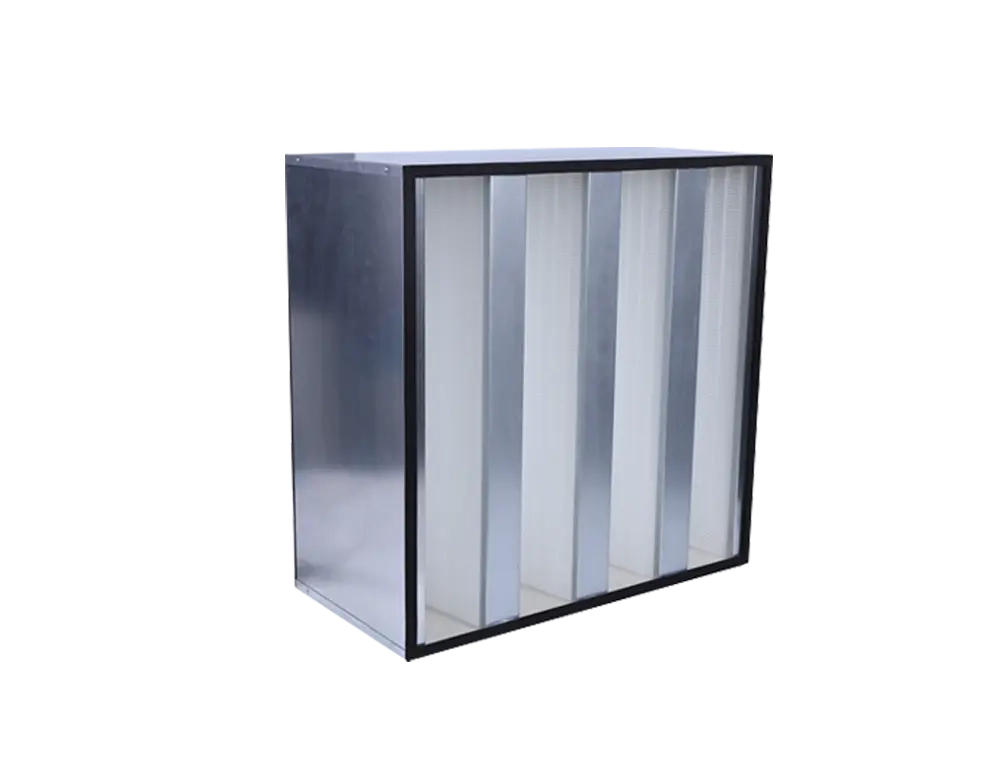
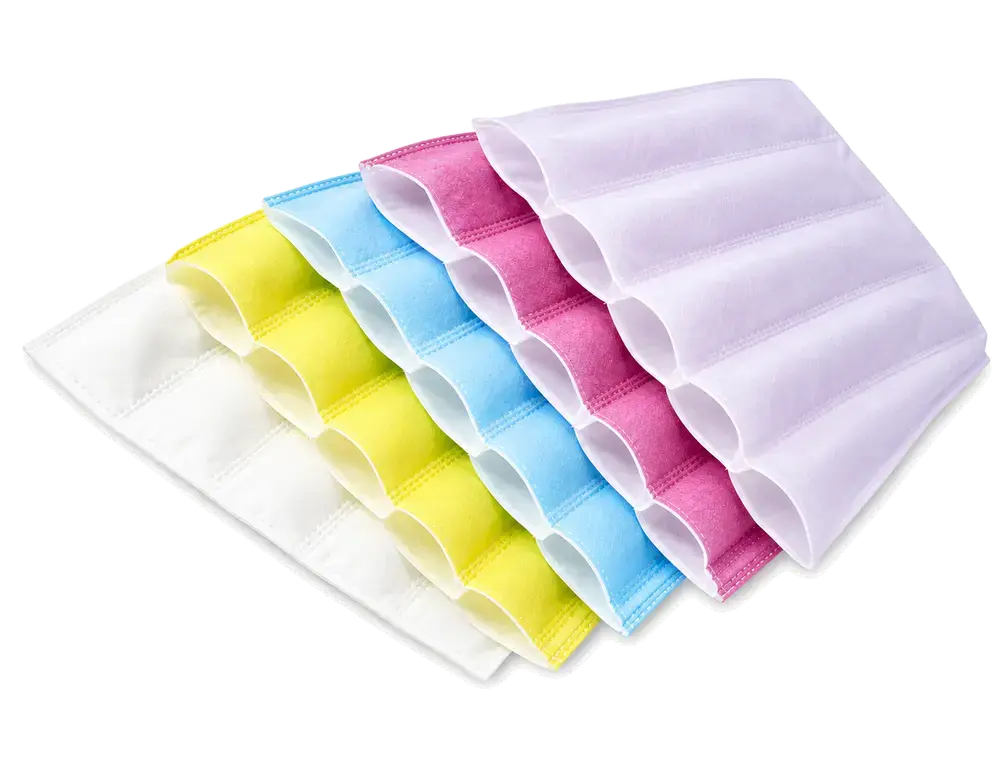
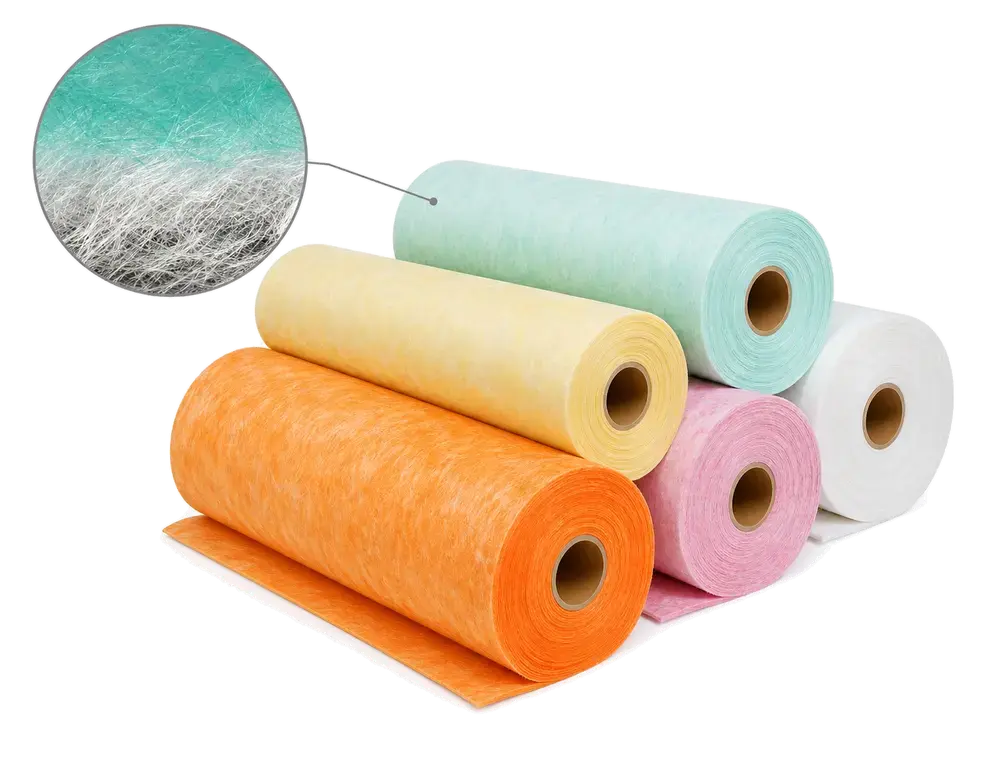
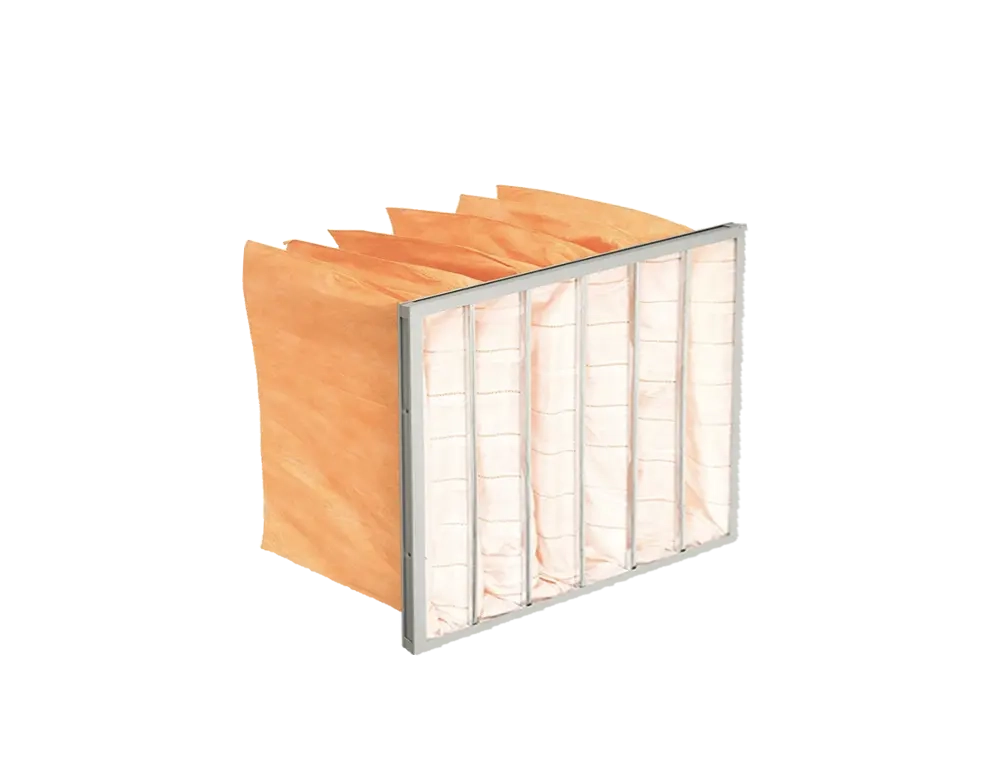
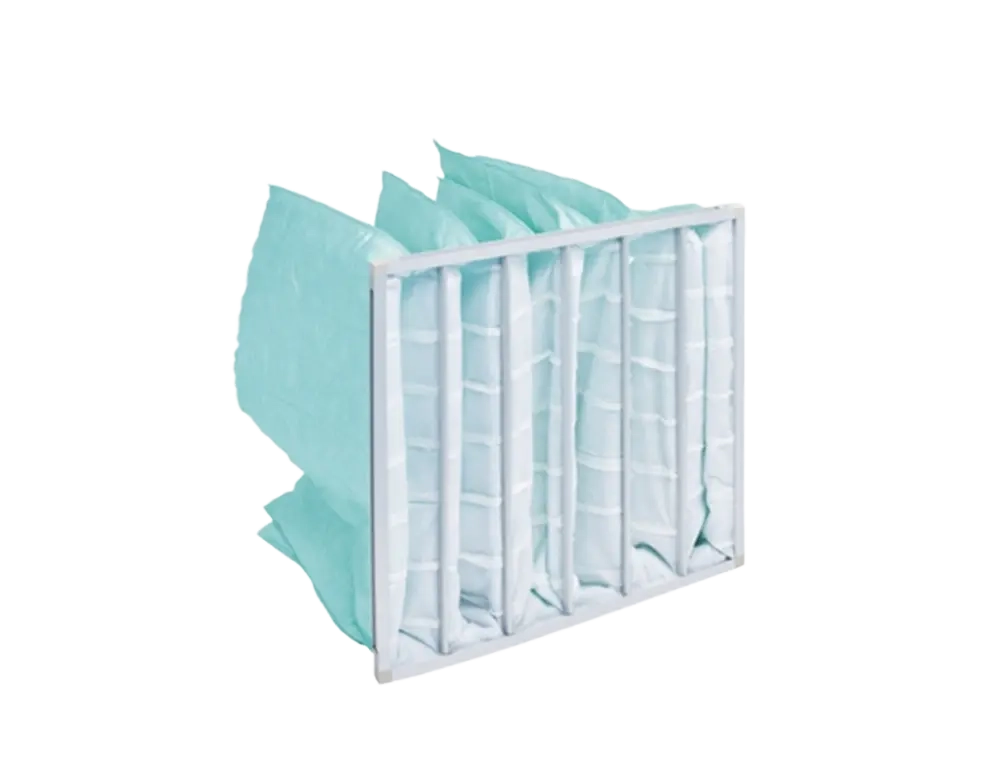
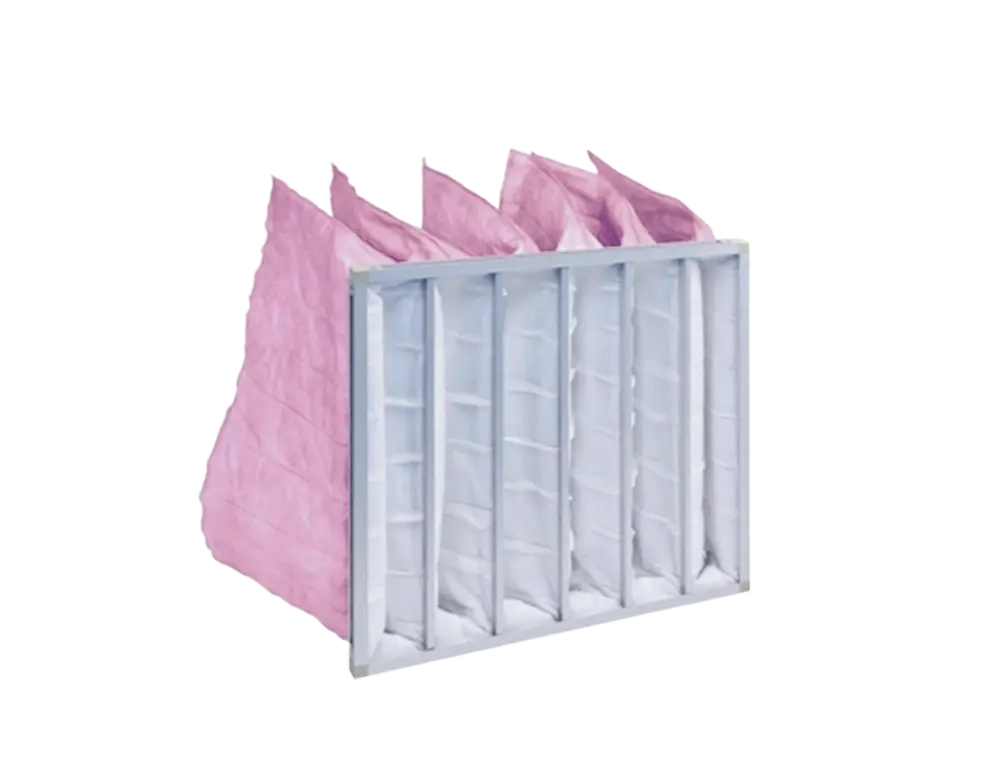
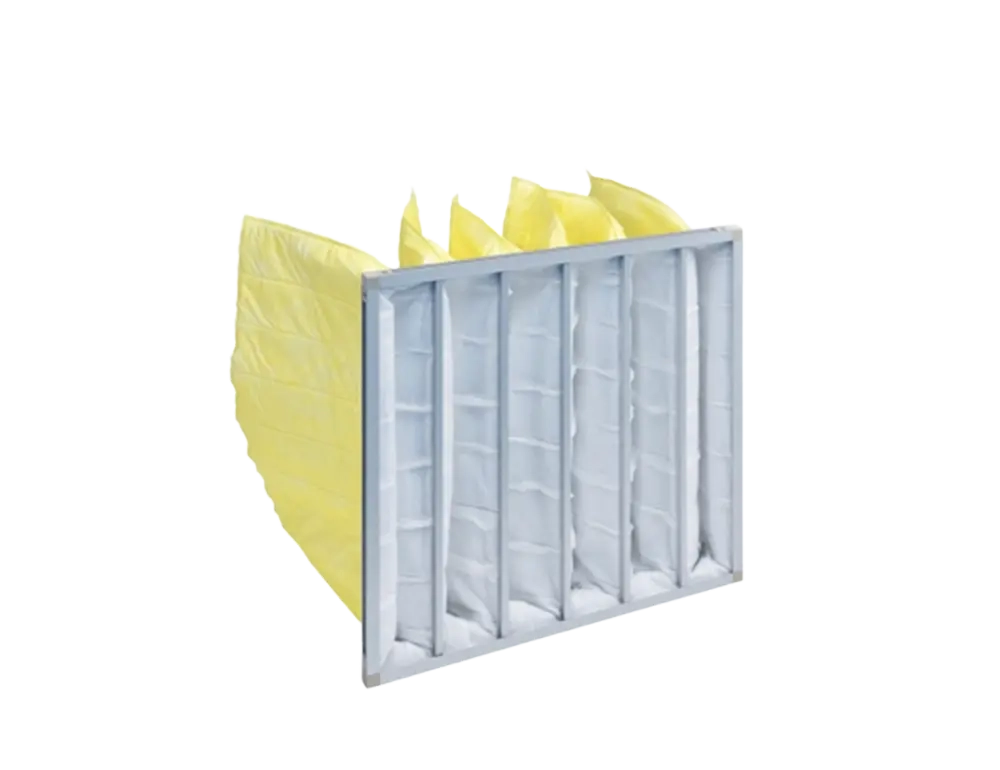
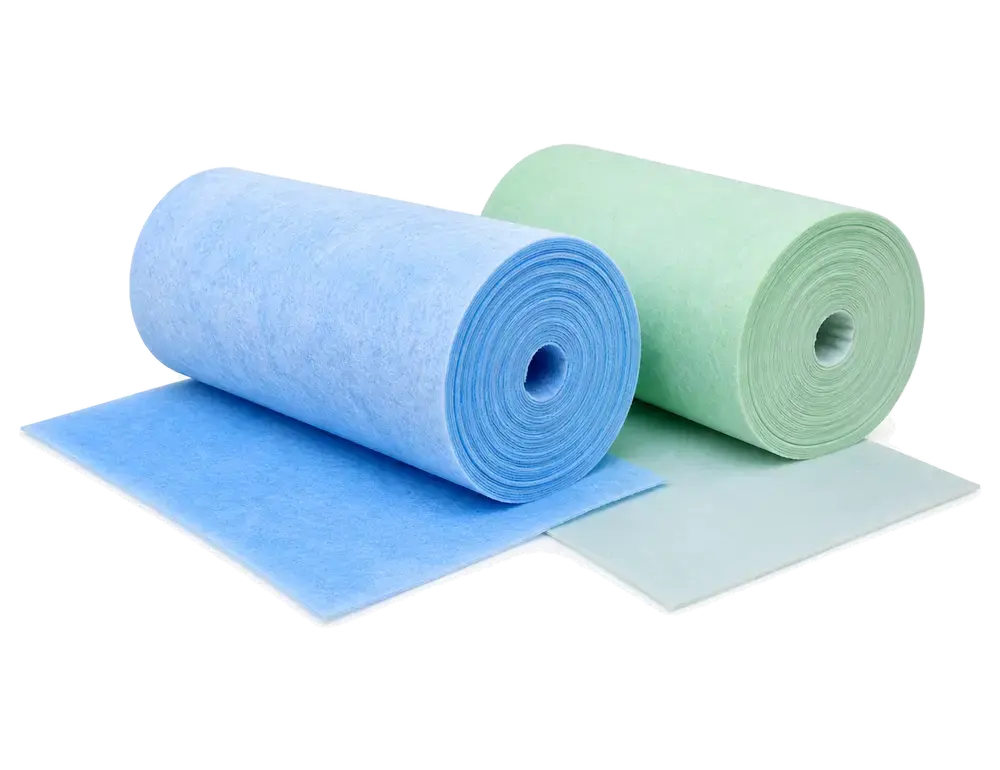
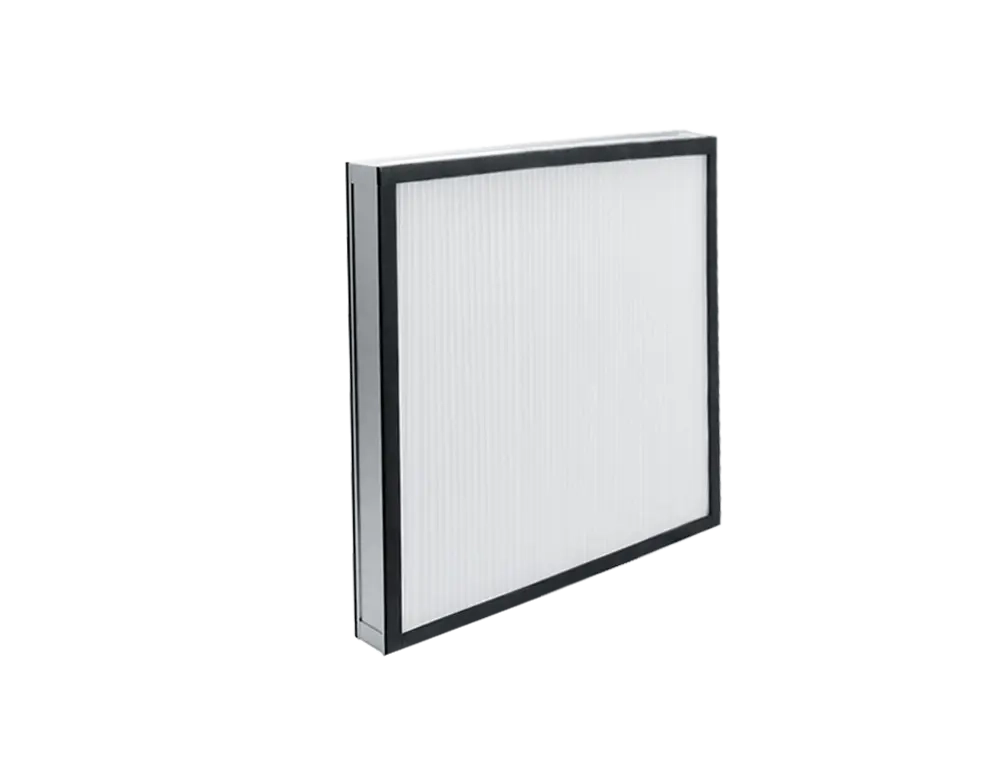
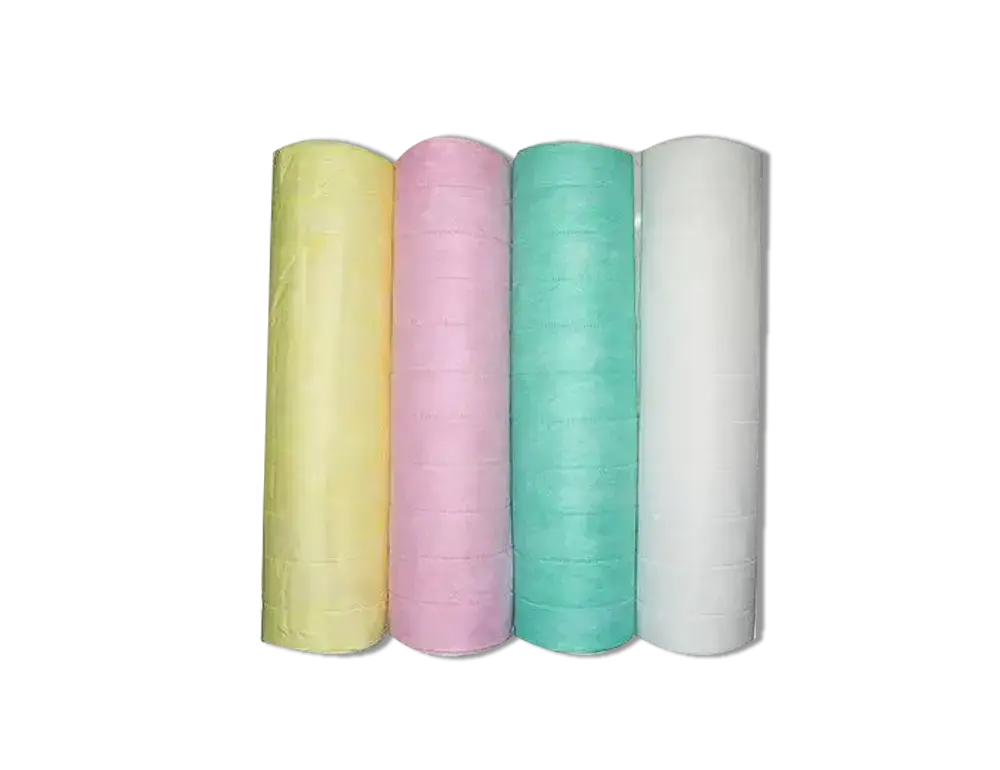
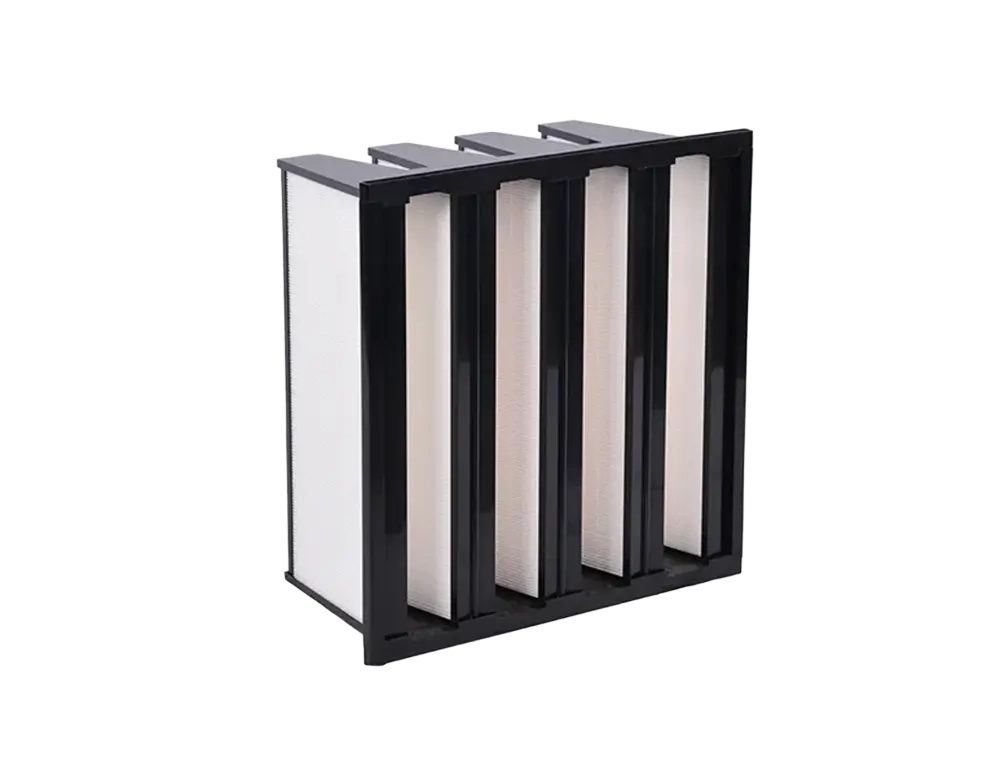
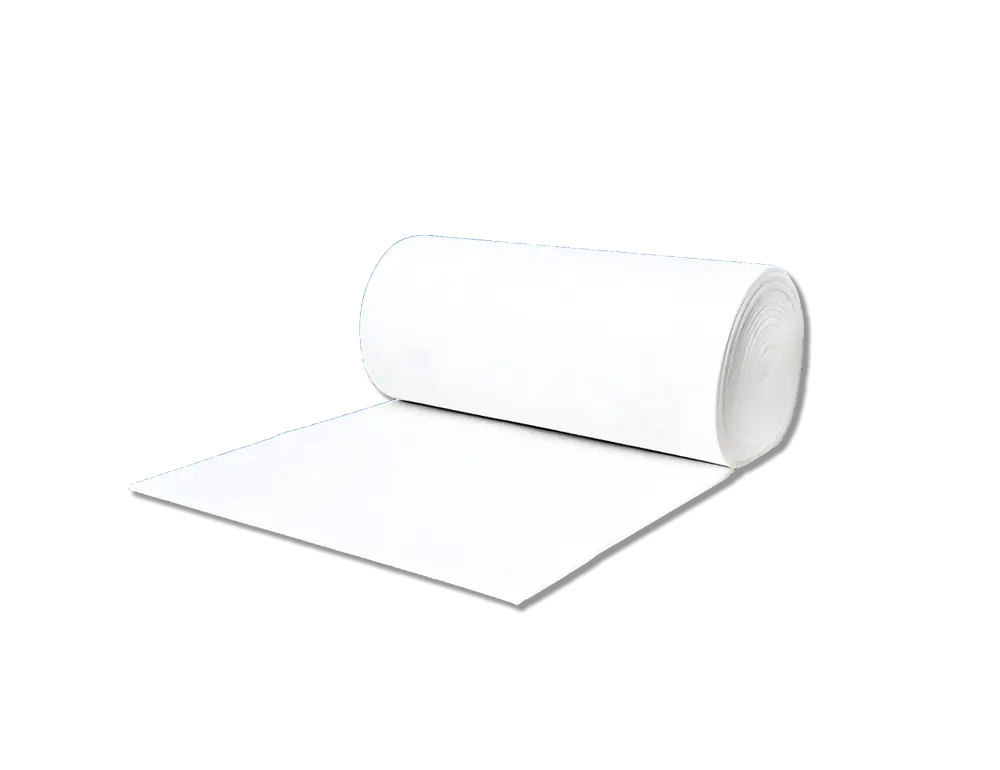
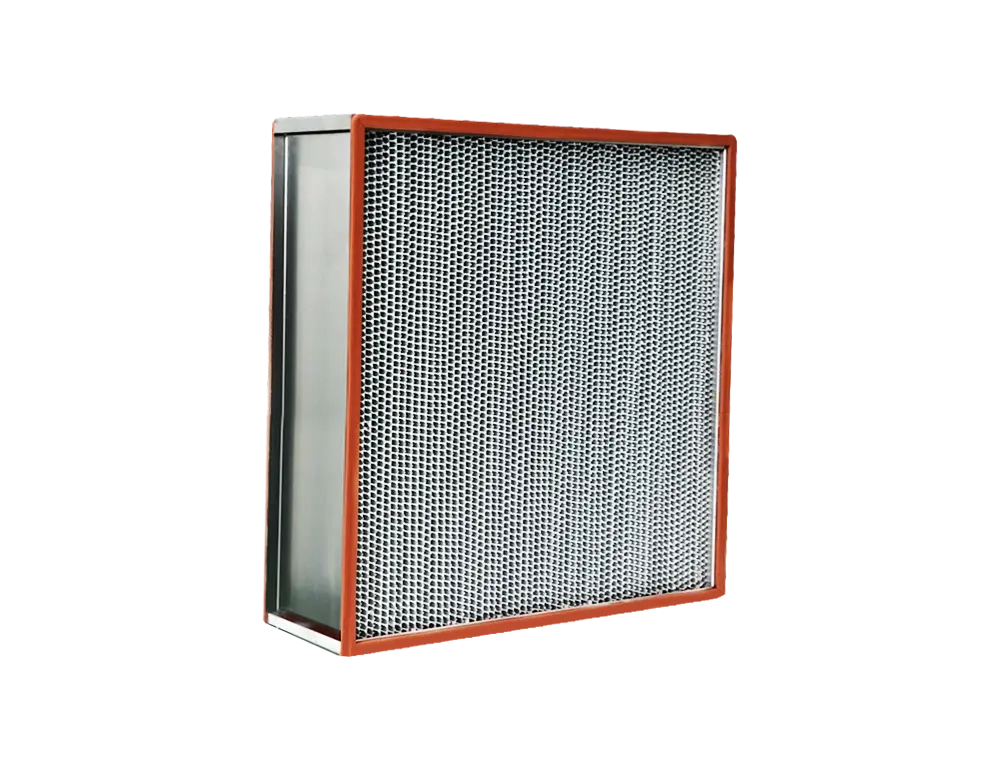
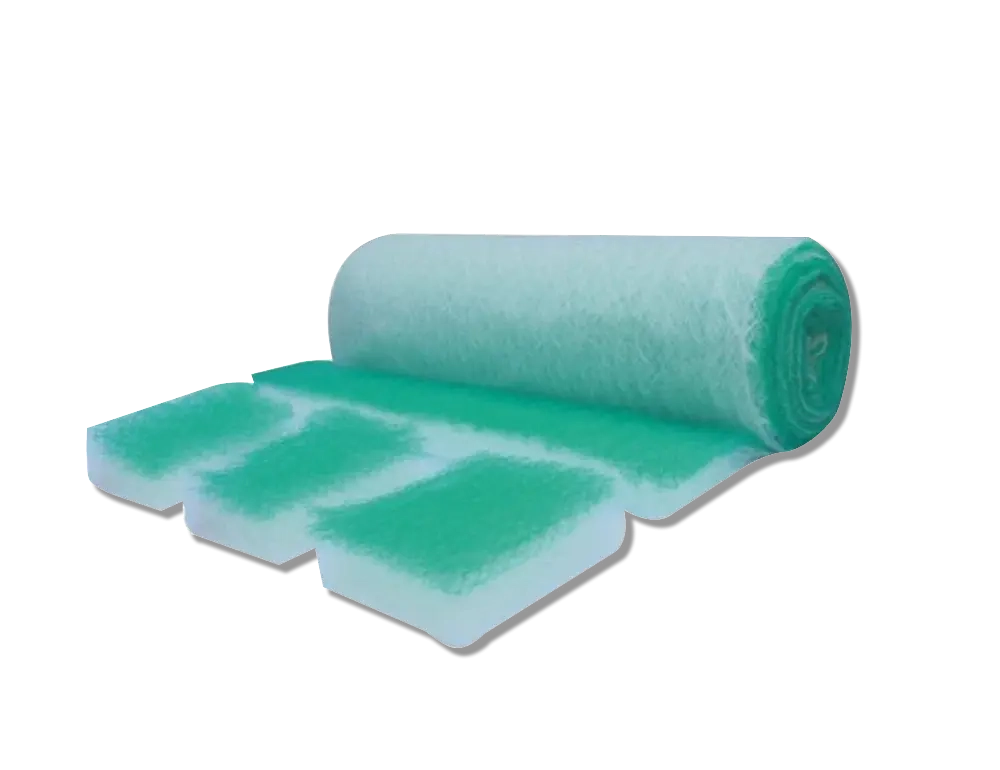
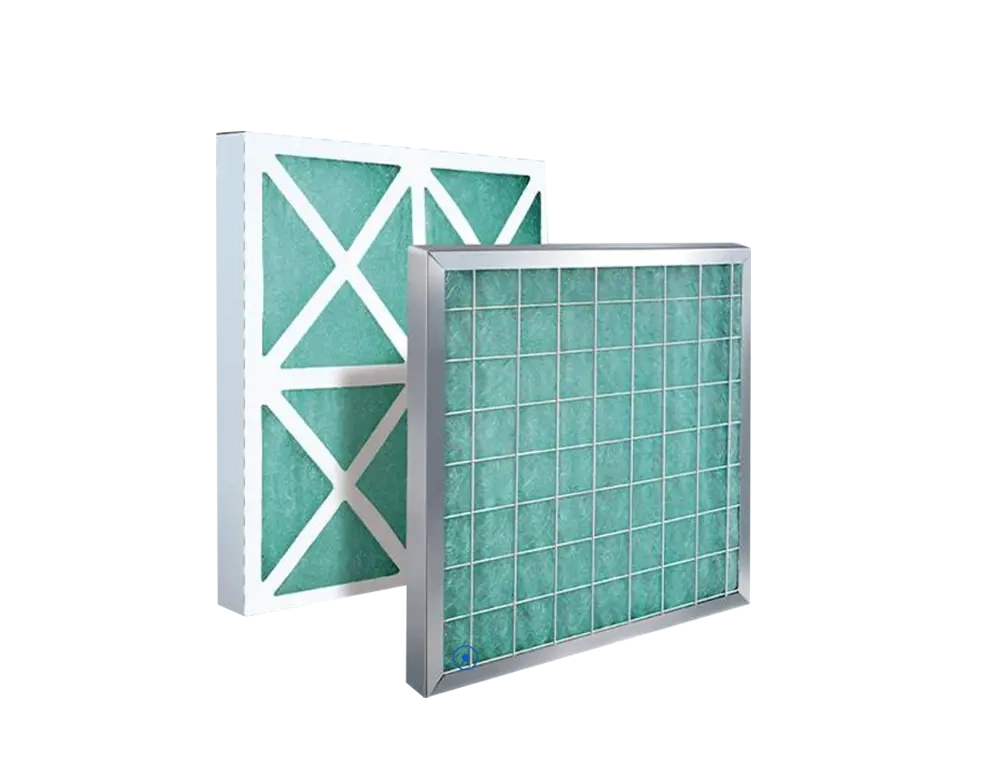
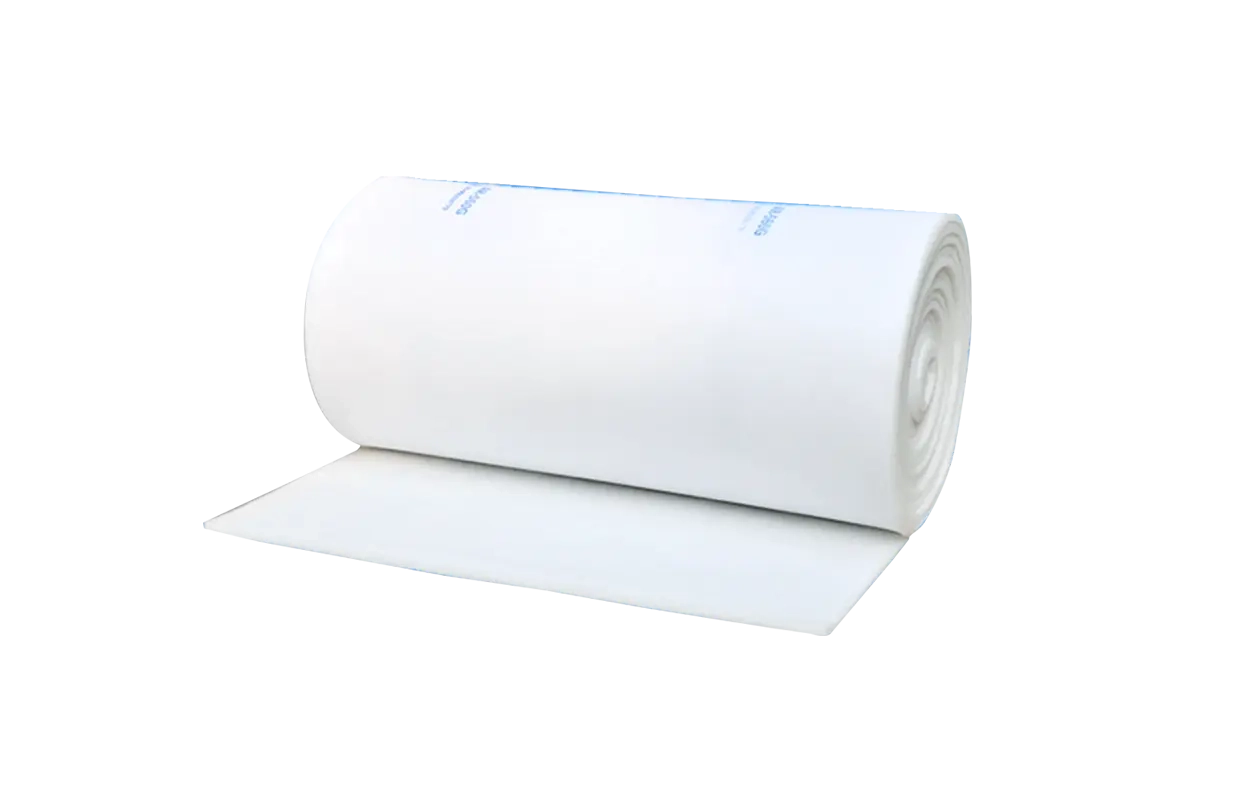
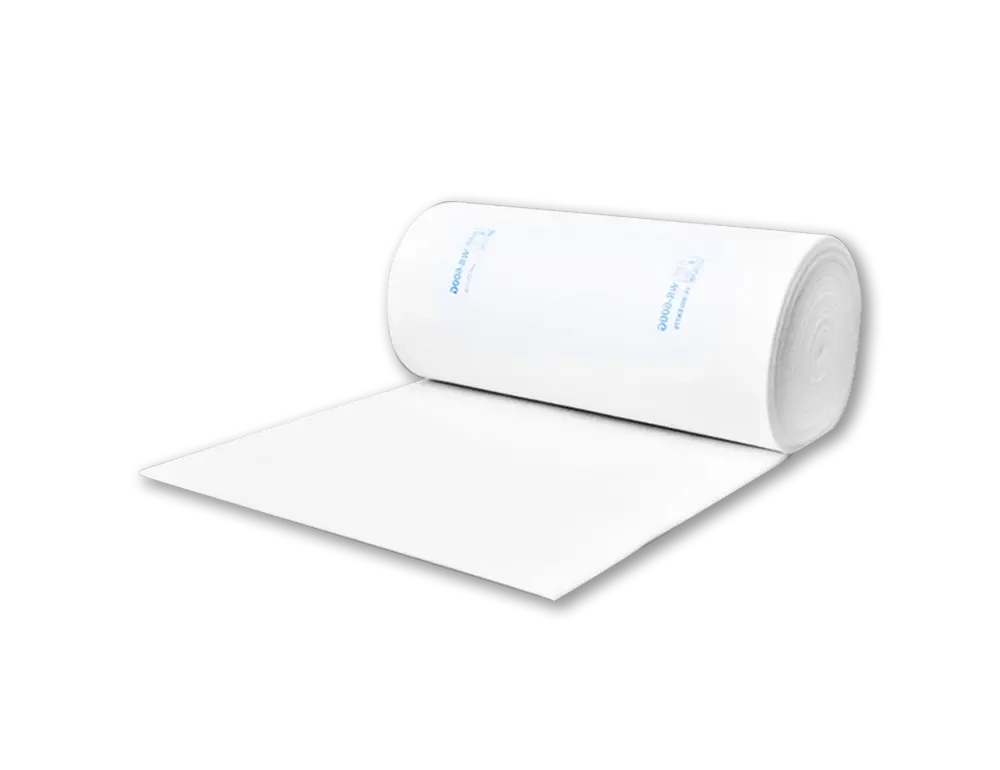
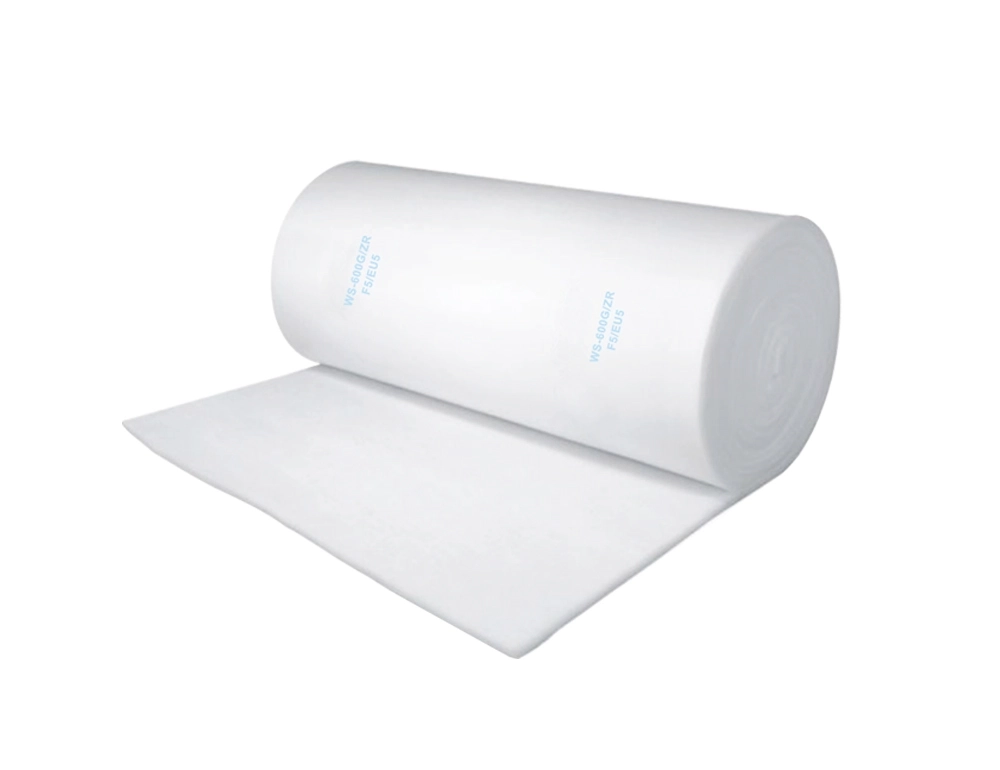
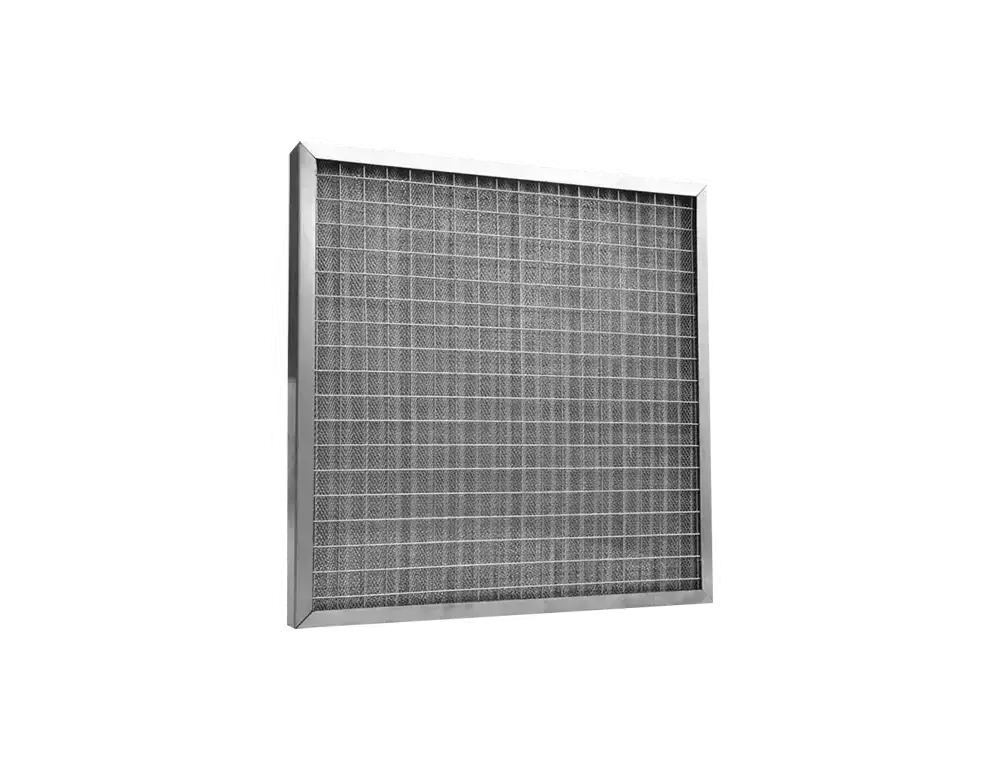
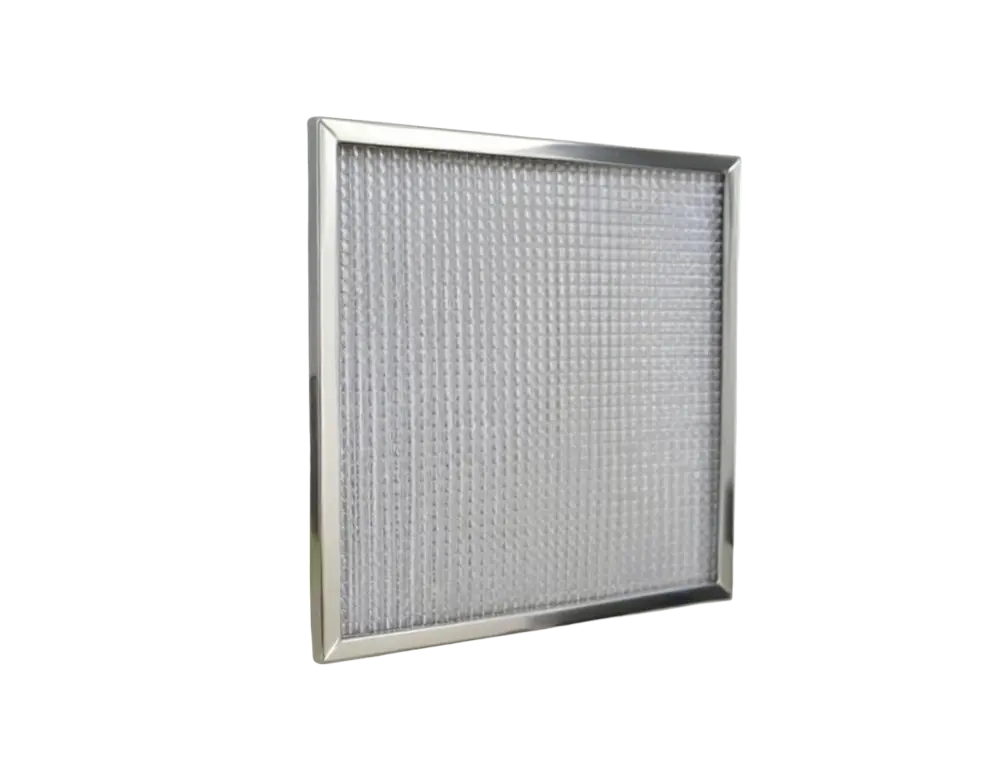
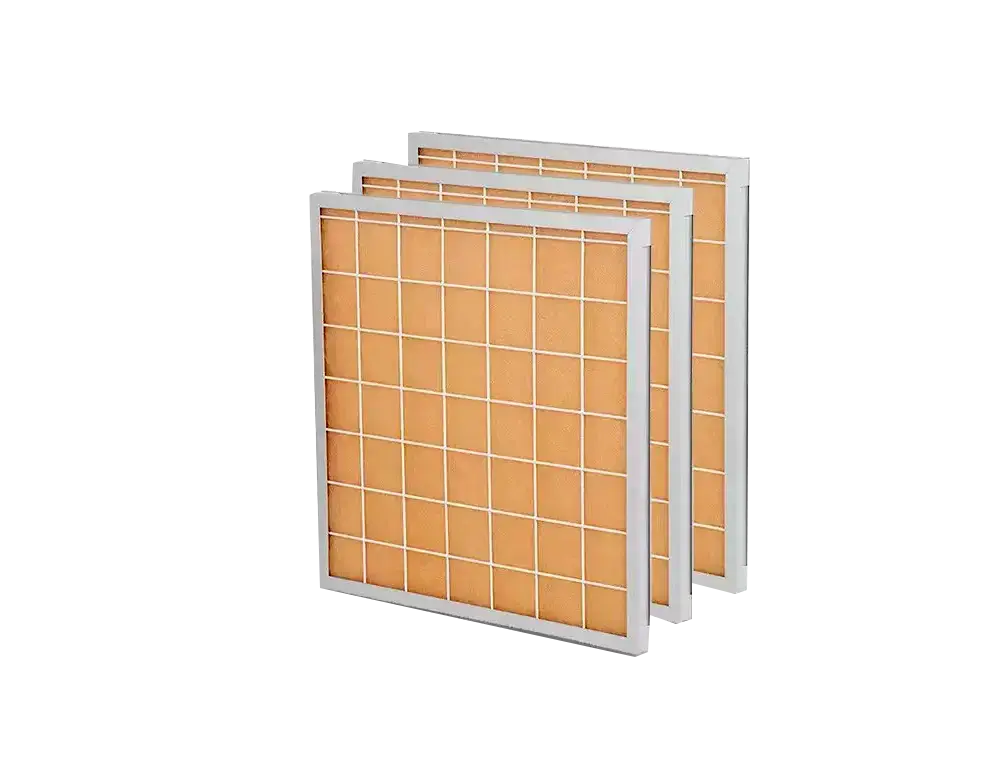
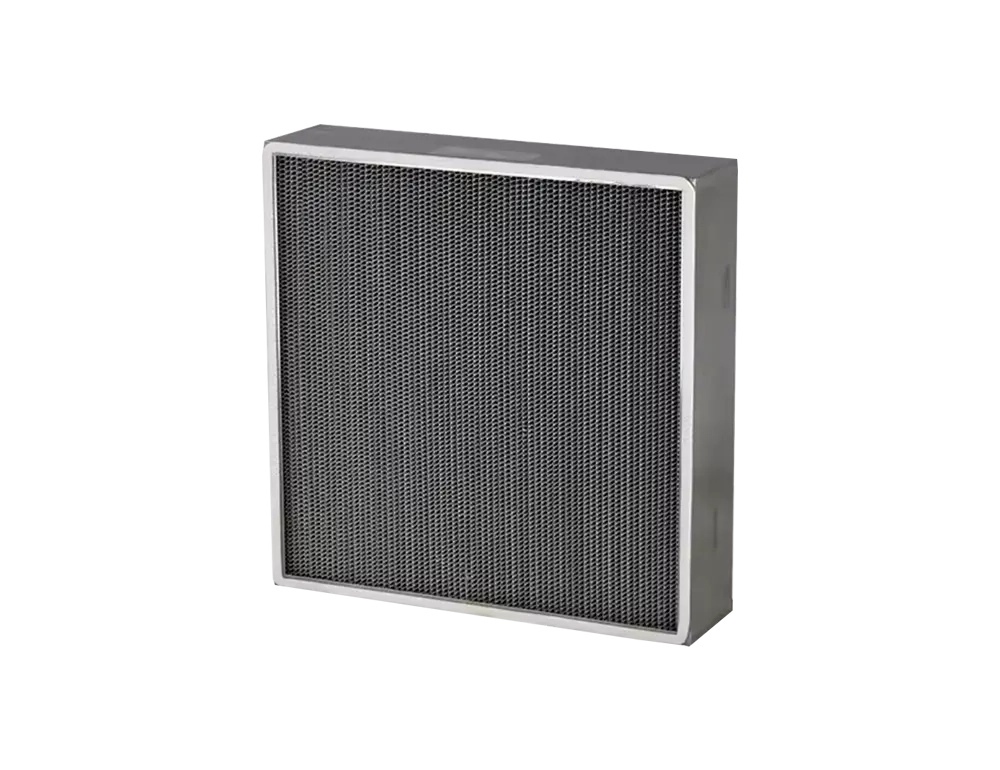
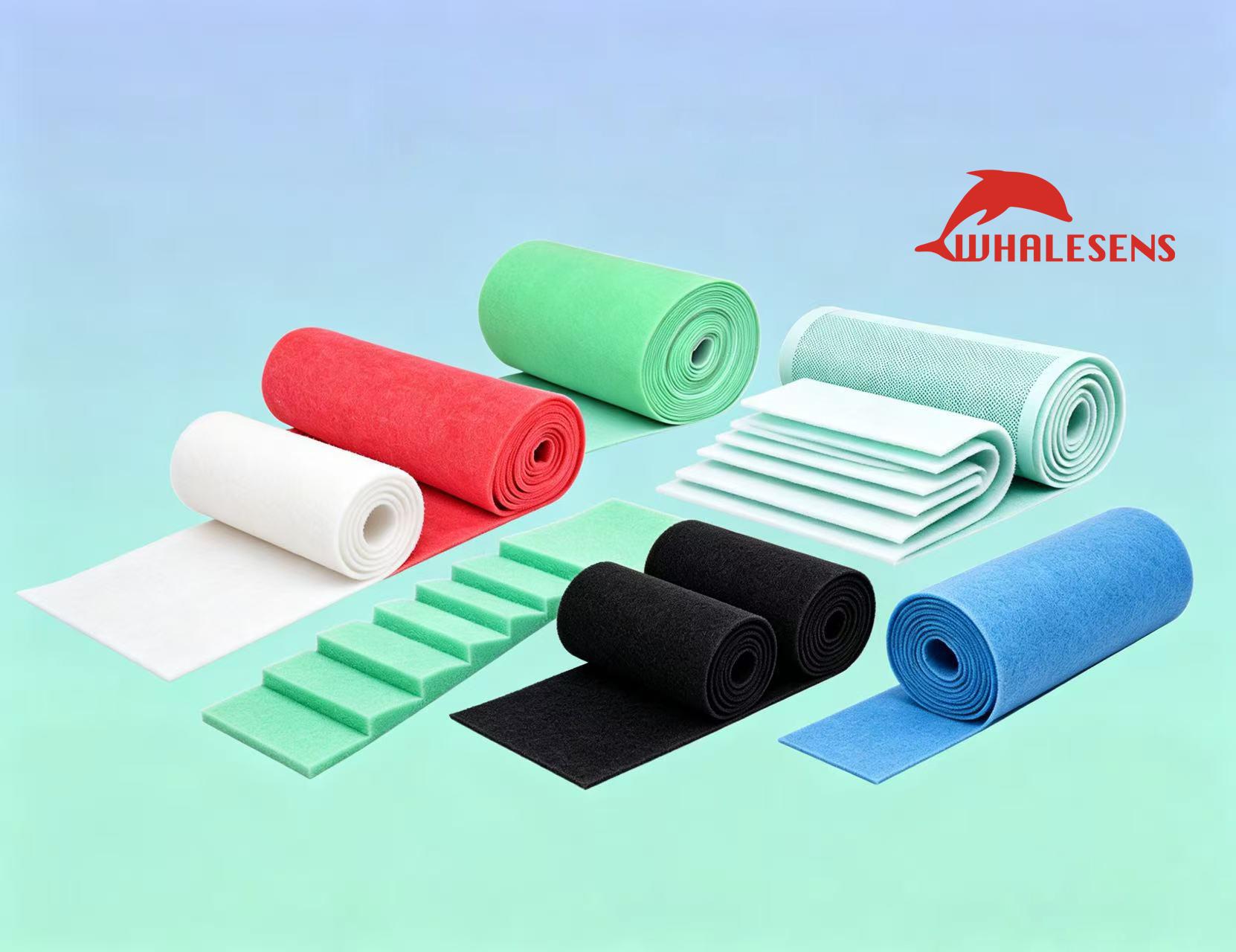
Pre-Filter (G1–G4)
First-Stage Large-Particle Capture
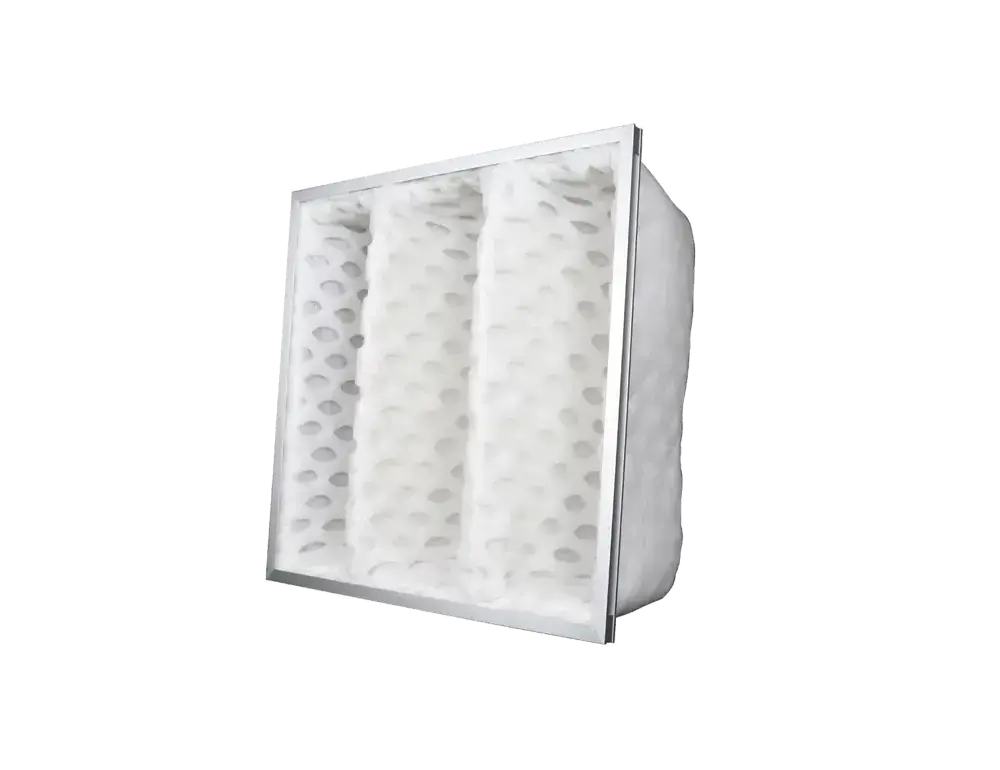
Medium-Efficiency Filter (F5–F9)
Precise PM2.5 Capture
HEPA High-Efficiency Filter
Sterile-Grade Purification
ULPA Ultra-High Efficiency Filter
Sub-Micron Particle Capture
First-Stage Large-Particle Capture
The first line of defense, capturing particles ≥5 μm such as dust, hair, and fibers to protect downstream filters and extend overall system service life.
View Related Products →Precise PM2.5 Capture
Captures fine particles of 1–5 μm including PM2.5, pollen, and mold spores, significantly improving indoor air quality for commercial HVAC and ventilation systems.
View Related Products →Sterile-Grade Purification
≥99.97% filtration efficiency for particles ≥0.3 μm, delivering sterile-grade clean air widely used in medical, pharmaceutical, and electronics manufacturing.
View Related Products →Sub-Micron Particle Capture
≥99.9995% efficiency for particles ≥0.12 μm, meeting the extreme cleanliness demands of semiconductor fabs, aerospace, and other ultra-precision applications.
View Related Products →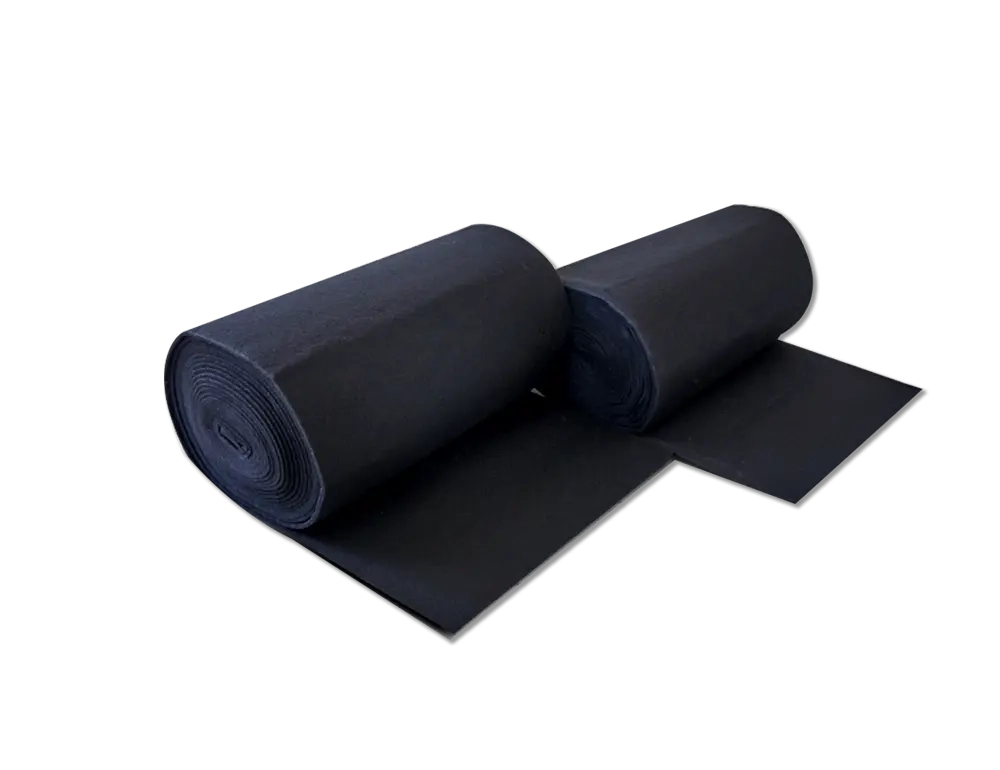
High-Temperature Resistant
Industrial-Grade Heat Tolerance
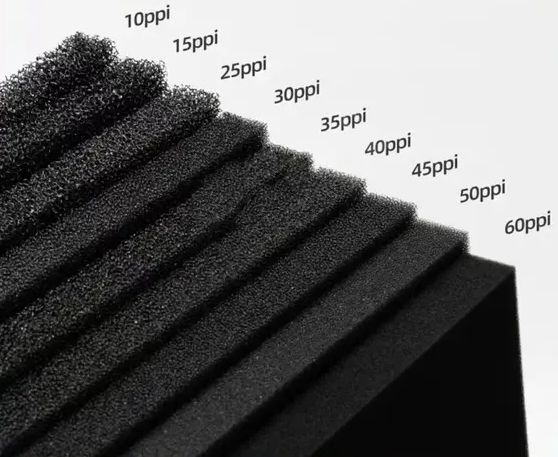
Washable & Reusable
Cut Costs, Reduce Waste
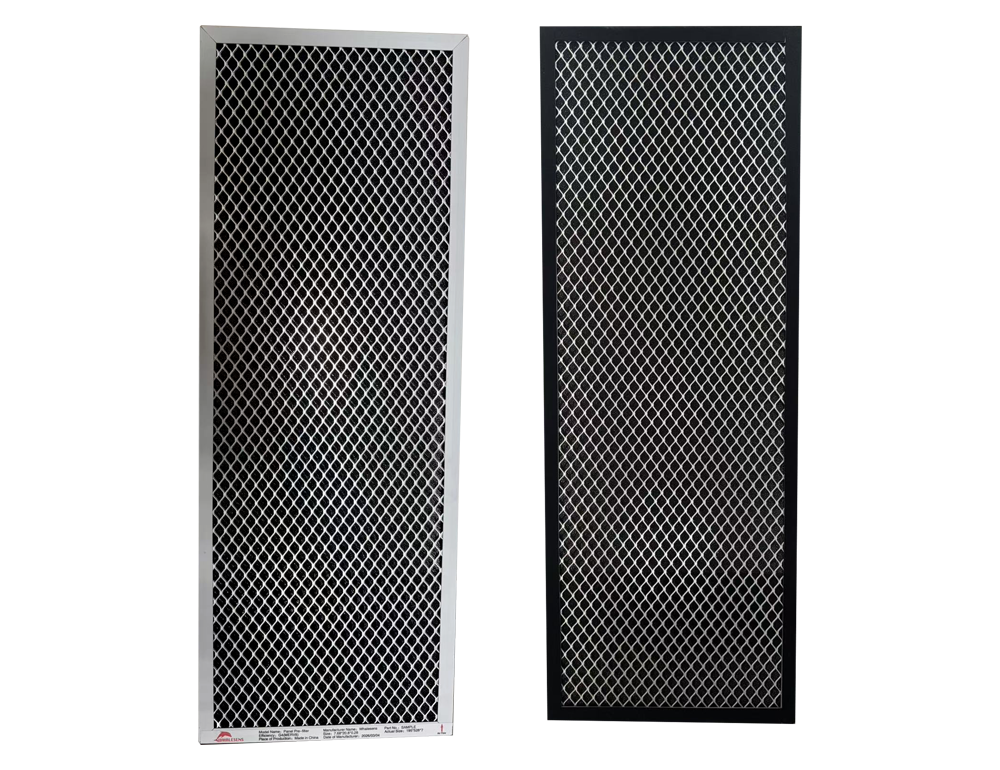
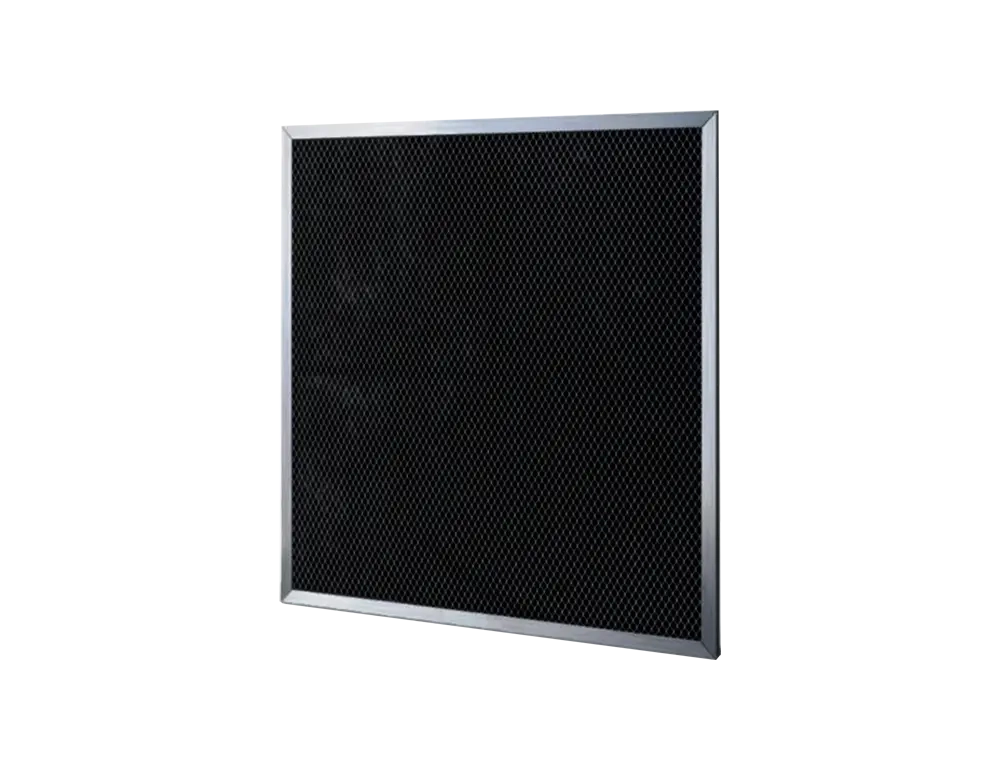
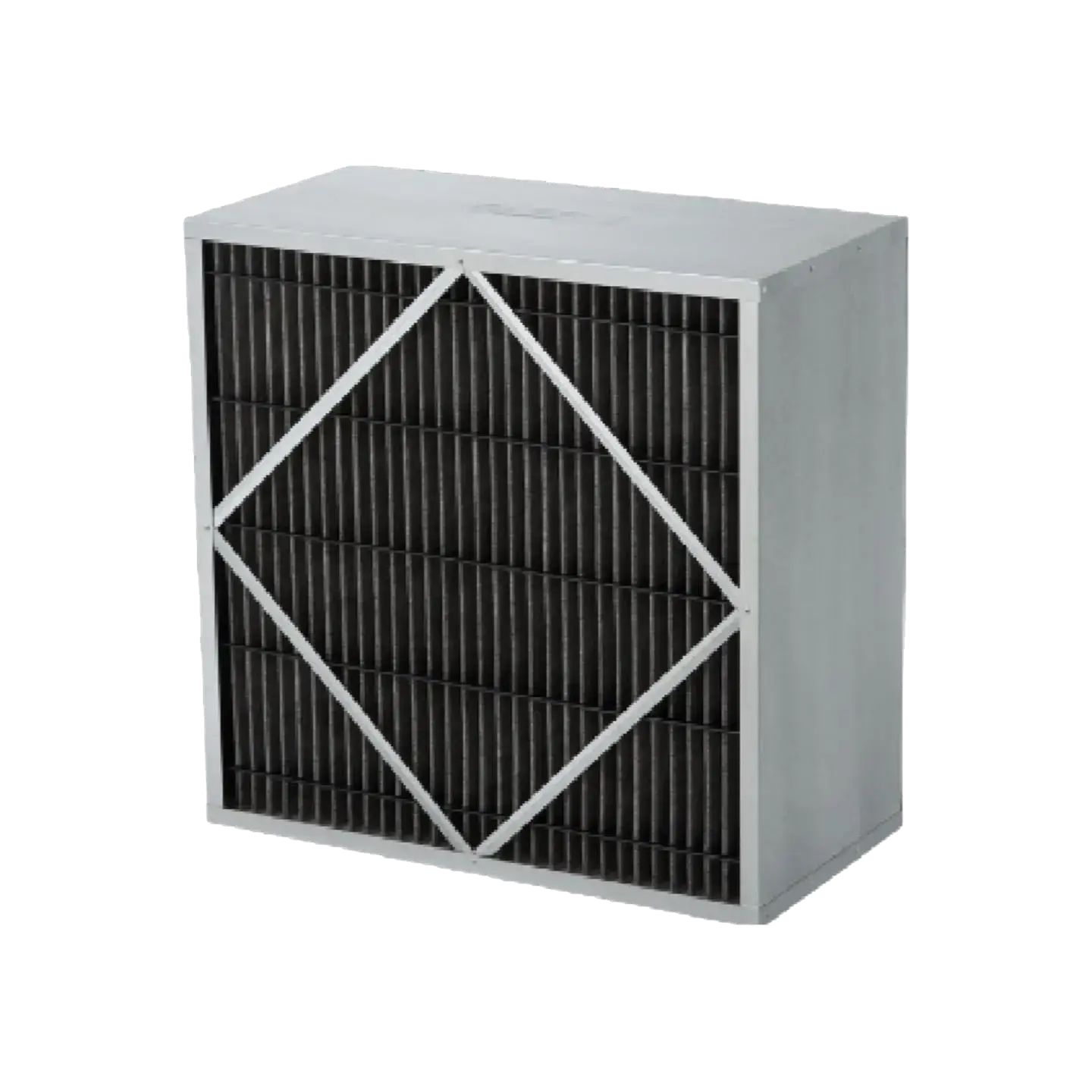
Activated Carbon
Odor & Harmful Gas Removal
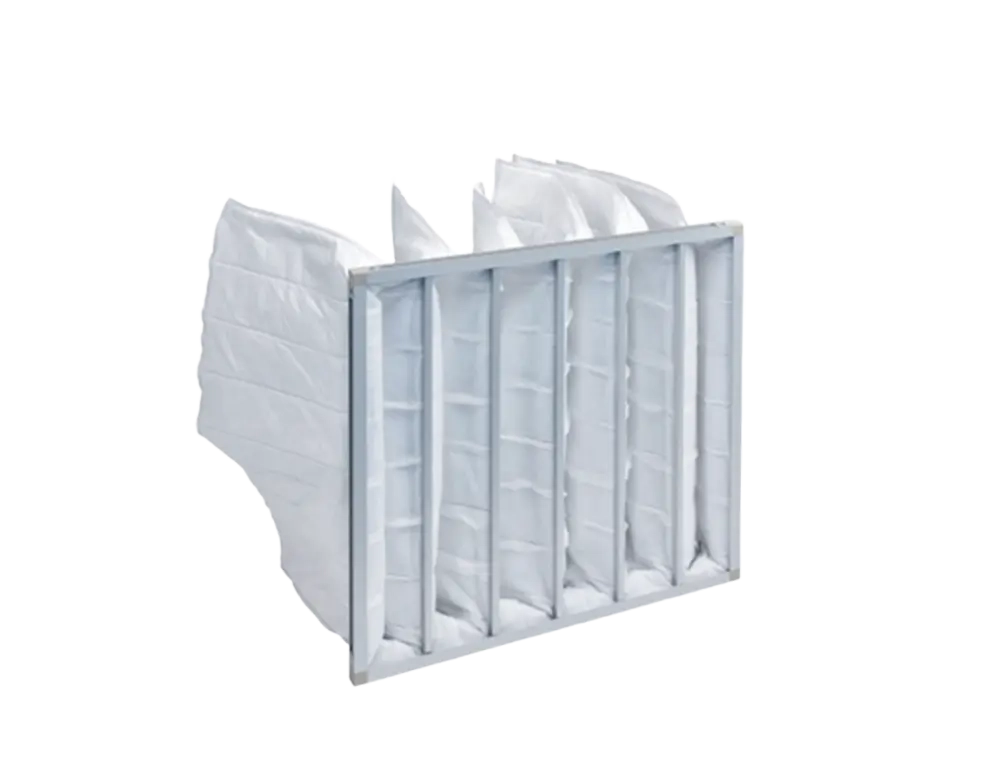
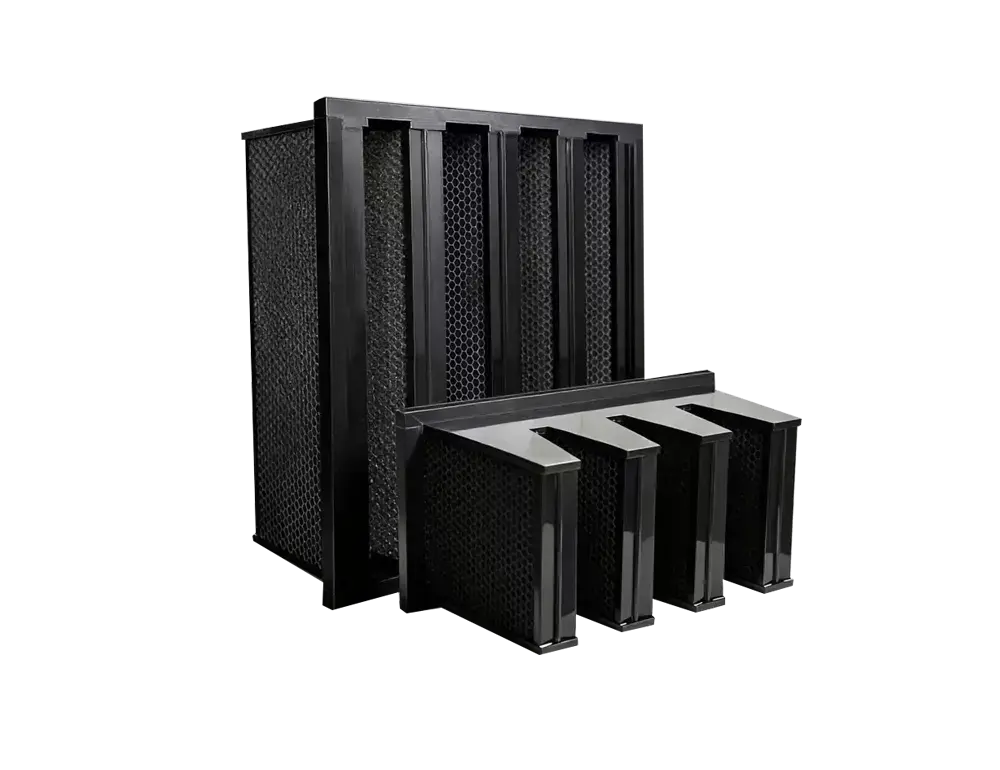
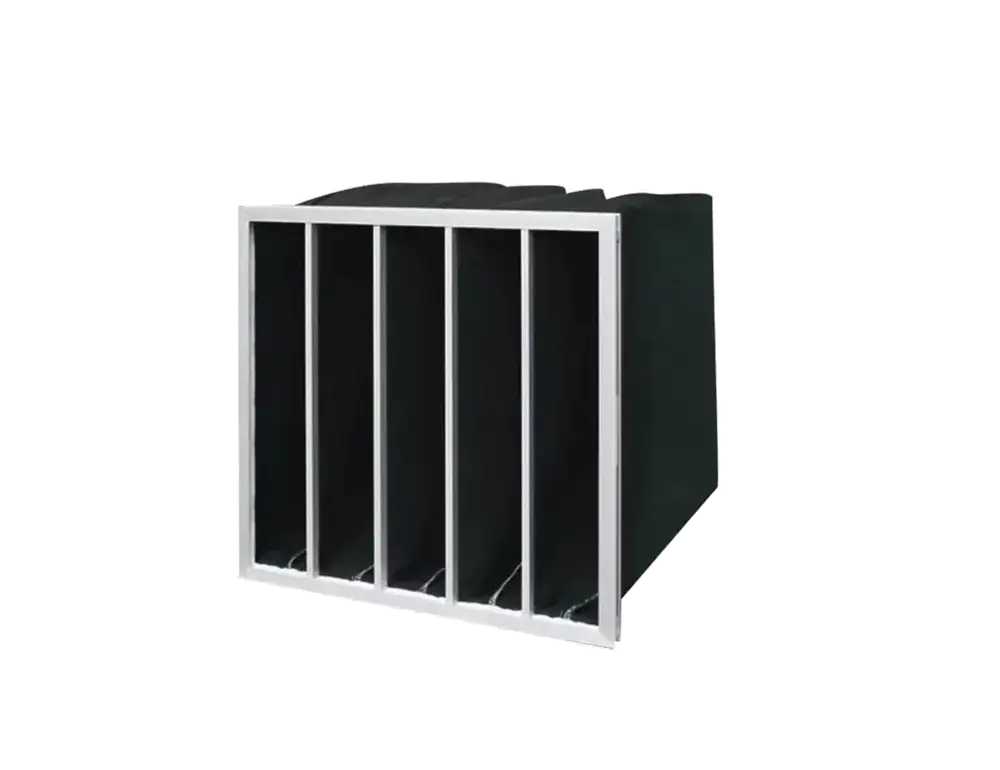
Bag Filter
High Dust-Holding, Long Life
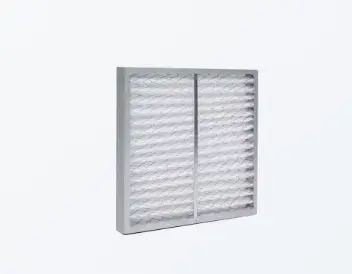
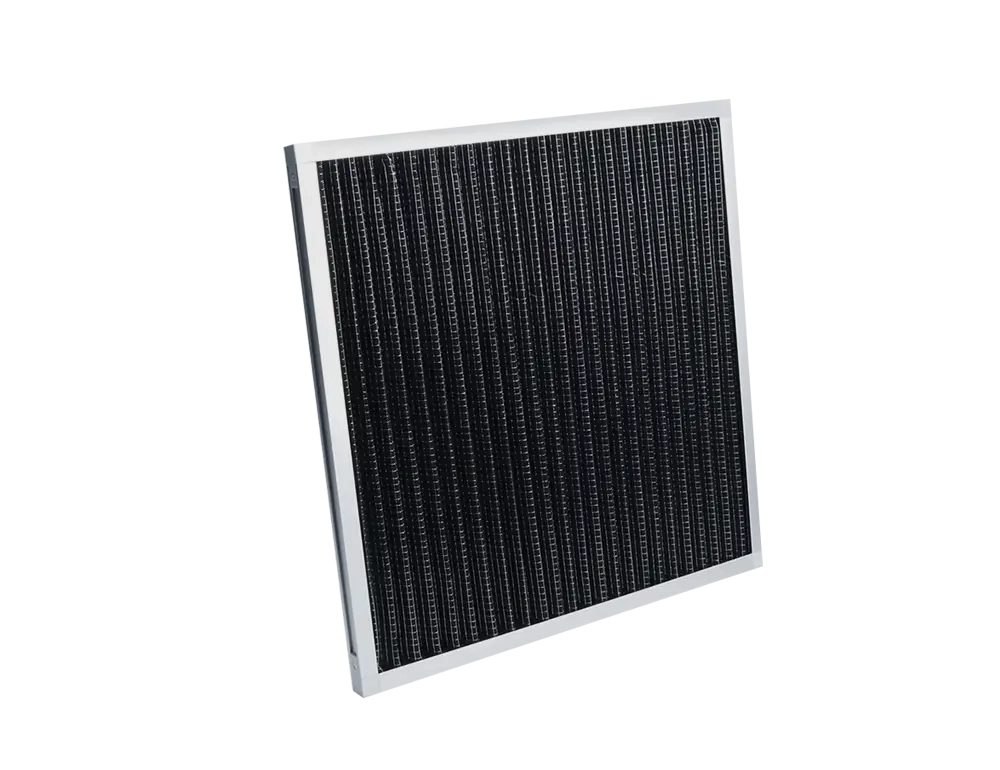
Panel / Pleated Filter
Compact Space-Saving Design
Low-Resistance Airflow
Energy-Saving Operation
Industrial-Grade Heat Tolerance
Built with specialized heat-resistant materials, operating stably up to 250°C for paint ovens, industrial dryers, and high-temperature process environments.
View Related Products →Cut Costs, Reduce Waste
Cleanable by water washing or air blowing, reusable multiple times to significantly reduce replacement frequency and O&M costs — an economical, eco-friendly choice.
View Related Products →Odor & Harmful Gas Removal
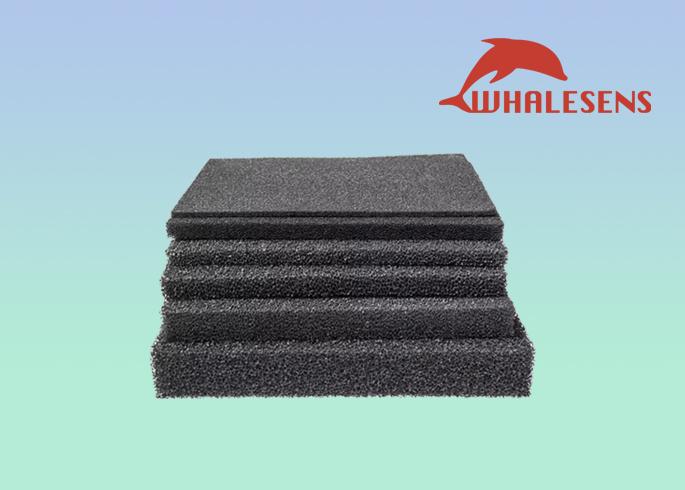
Leverages activated carbon's high adsorption capacity to eliminate odors, VOCs, and formaldehyde, ideal for newly renovated spaces and industrial exhaust treatment.
View Related Products →High Dust-Holding, Long Life
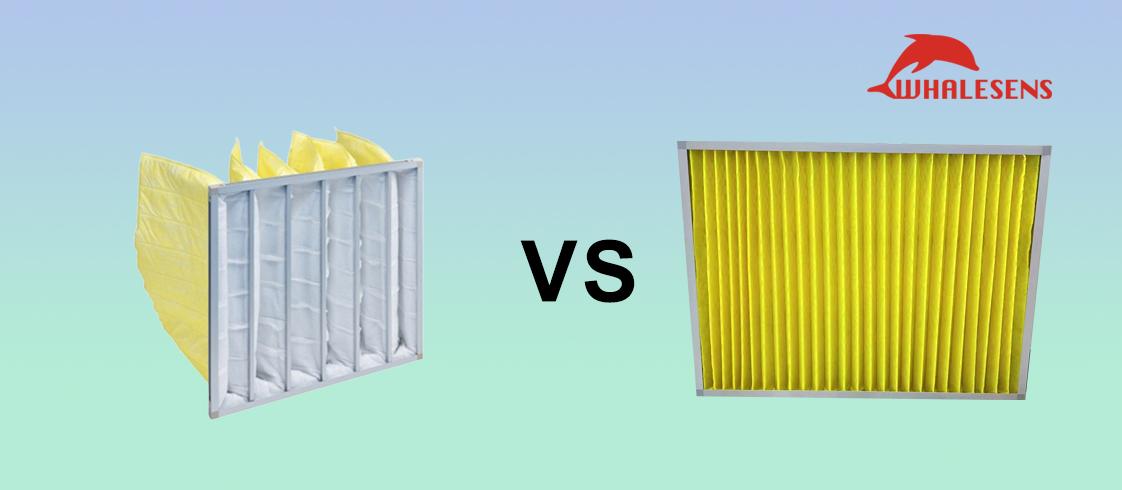
Bag-style construction delivers a larger filtration area, high dust-holding capacity, and extended service life — ideal for high-dust environments with reduced replacement frequency.
View Related Products →Compact Space-Saving Design
Compact form factor for easy installation and replacement; pleated structure maximizes filtration area within a small footprint for higher efficiency.
View Related Products →Energy-Saving Operation
Low-resistance design minimizes pressure drop while maintaining filtration performance, reducing fan energy consumption for cost-effective, eco-friendly operation.
View Related Products →



















 English(Global)
 简体中文
简体中文 Language




Animal Husbandry & Biosecurity Solutions
Why animal husbandry and biosecurity are hard on air filtration
Dust is how pathogens travel
PRRS, swine influenza and other viruses attach to aerosol particles and move between barns on the air. Filtering the incoming air is the barrier.
Ammonia and hydrogen sulfide are always present
Livestock buildings produce corrosive gases continuously. They affect animal health, staff comfort and the service life of equipment.
Most barns run under negative pressure
Ventilation pulls air in through every available opening. If the inlet is not filtered and sealed, unfiltered air simply finds another path.
The environment destroys ordinary media
High humidity, washing cycles and ammonia attack many filter materials. Media and frames must be chosen for a barn, not for an office.
Recommended filtration system
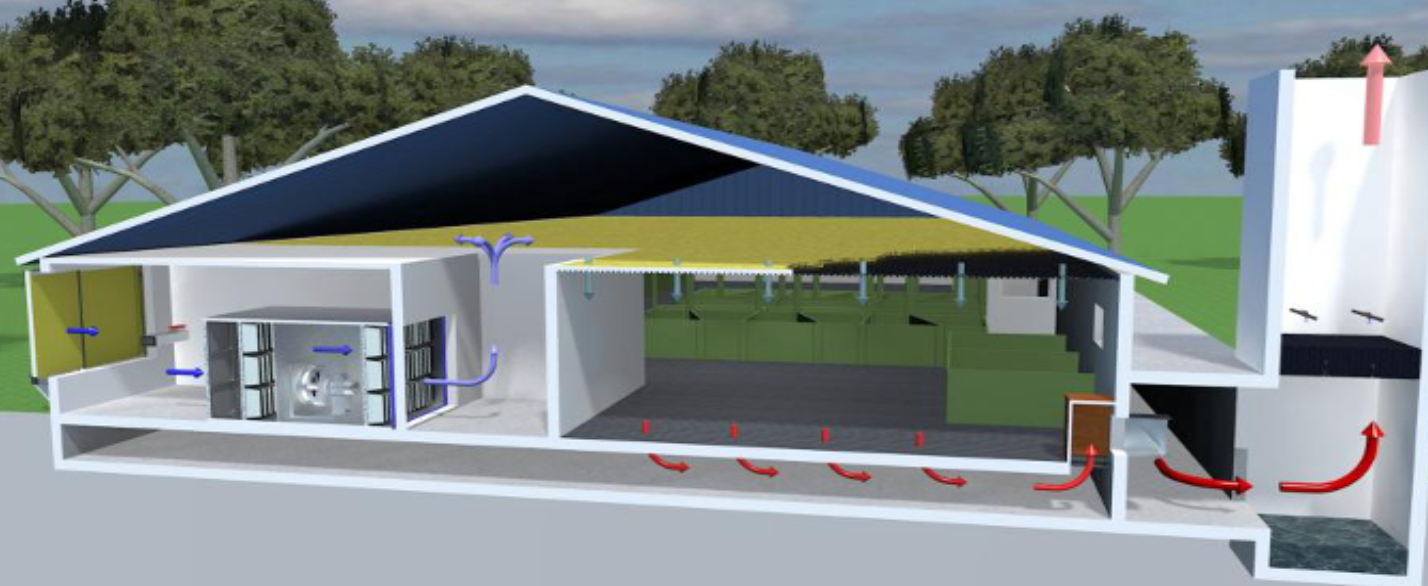
Biosecurity filtration is normally two stages on the incoming air, with a positive-pressure arrangement for the highest-value barns such as boar studs and SPF herds.
| Stage | Typical class | What it captures | Recommended product |
|---|---|---|---|
| Pre-filtration | G4 / ISO Coarse | Coarse dust, feed, feathers | Pre air filter media |
| Main filtration | H13 HEPA | Pathogen-carrying aerosols ≥0.3 µm | HEPA filter |
| Optional gas stage | Activated carbon | Ammonia, hydrogen sulfide, odour | Activated carbon filter |
Key control points
- 1Filter the incoming air, then control the pressure. Positive pressure inside the barn means air leaves through leaks instead of entering through them.
- 2Two stages, minimum. The pre-filter takes the coarse load so the H13 stage can hold efficiency for a full production cycle.
- 3Seal the building envelope. Filtration is only as good as the weakest gap. Door seals, fan shutters and cable entries all matter.
- 4Choose moisture-tolerant construction. Standard paper separators and untreated frames do not survive wash-down and ammonia.
- 5Change on pressure drop. A wet or overloaded filter reduces airflow, raises ammonia concentration and stresses the animals.
Frequently Asked Questions
Does air filtration really reduce disease in a pig farm?
Yes. Because several major viruses travel on aerosols between barns, filtering incoming air reduces the airborne challenge. It works alongside, not instead of, conventional biosecurity.
What is the difference between negative and positive pressure filtration?
Negative-pressure barns exhaust more air than they supply; filtered inlets still admit unfiltered air through leaks. Positive-pressure barns supply filtered air in excess so the envelope leaks outward — the arrangement used for SPF and boar stud units.
What filter class is used in a livestock barn?
A G4 pre-filter followed by an H13 HEPA stage is the common configuration. The pre-filter protects the HEPA; the H13 stage removes pathogen-carrying aerosols.
How do we handle ammonia and odour?
Ammonia and hydrogen sulfide are gases and pass through particle filters. Control them with ventilation rate, management practice and, where needed, an activated carbon stage.
How often should the filters be changed?
On measured pressure drop rather than a fixed date. In a finishing barn the pre-filter may be changed several times per HEPA cycle; in a breeding unit the interval is usually longer but must be checked.
Key Takeaways — Filter the air coming in, hold the barn under positive pressure, and protect the H13 stage with a proper pre-filter. Dust control becomes disease control.