


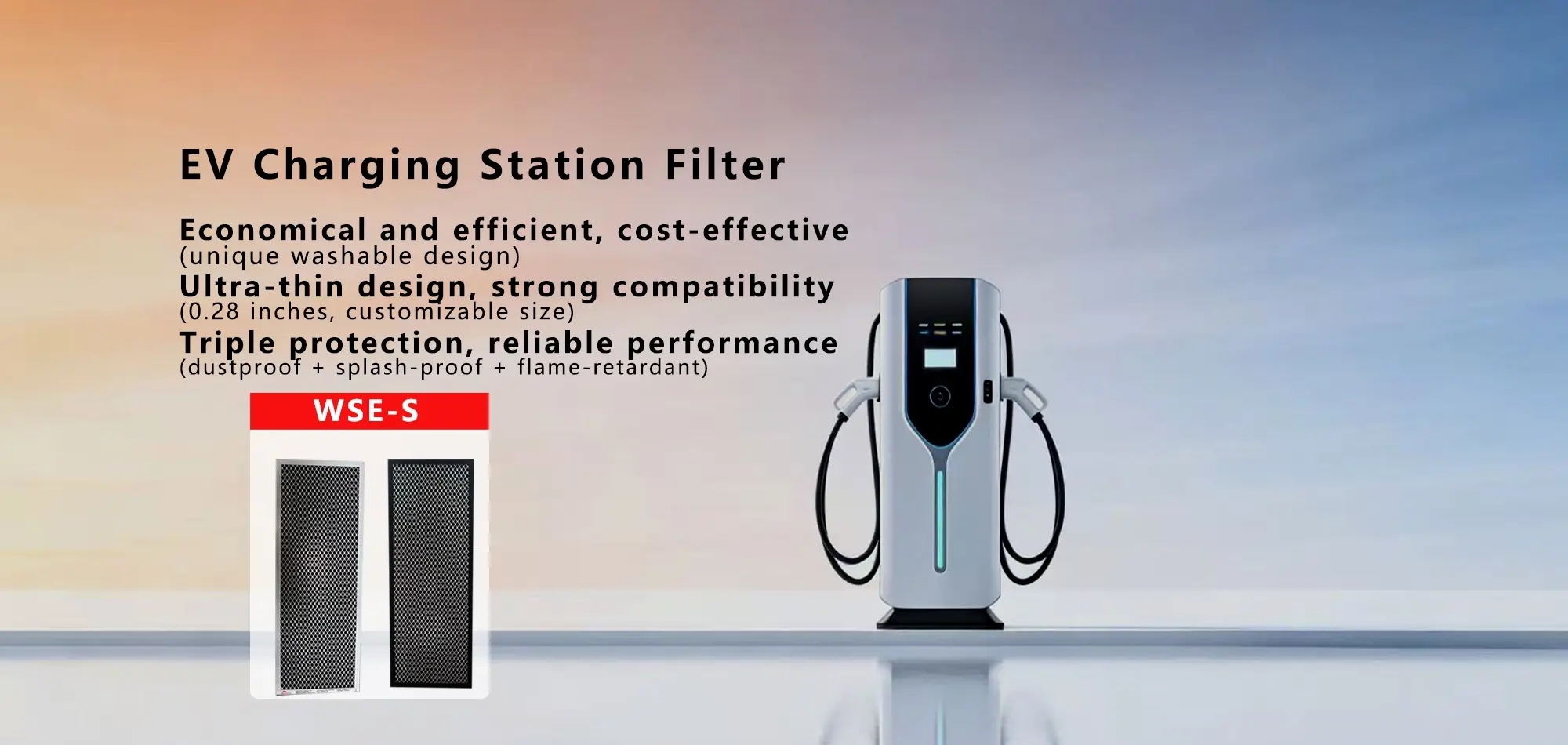
EV Charging Stations
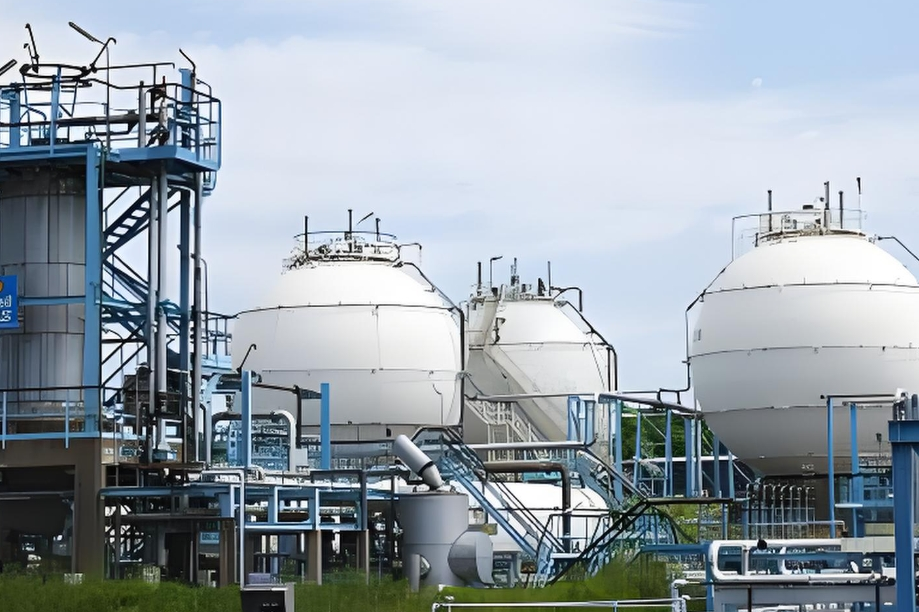
Filtration for Power Equipment
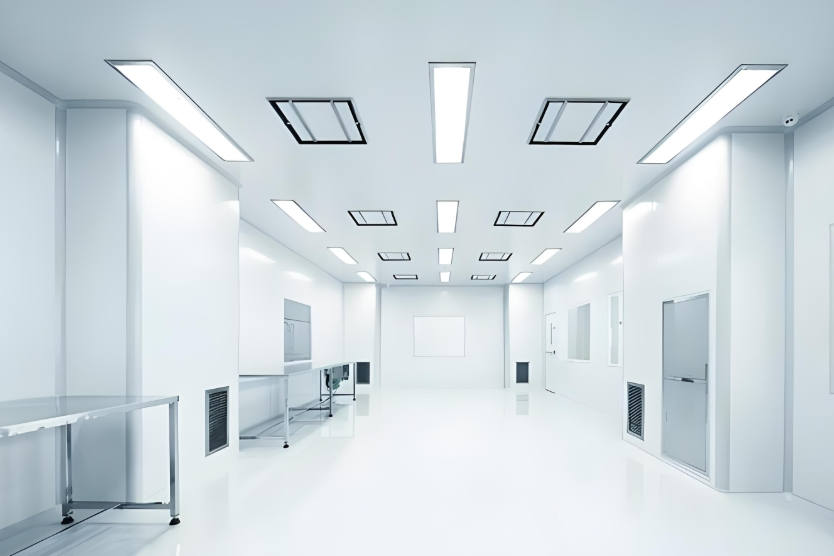
Cleanroom & Semiconductor
Ultra-High Cleanliness Filtration
Commercial HVAC
Central Air System Filtration
Data Centers
Precision Equipment Protection
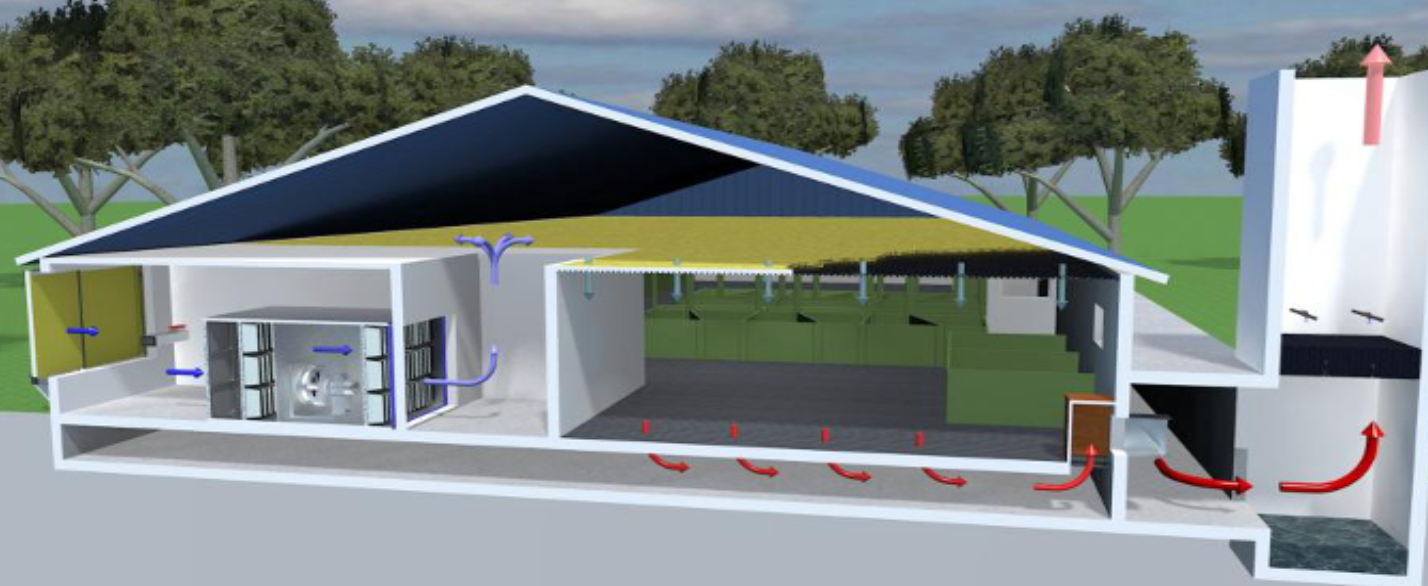
Livestock & Farming
Farming Environment Purification
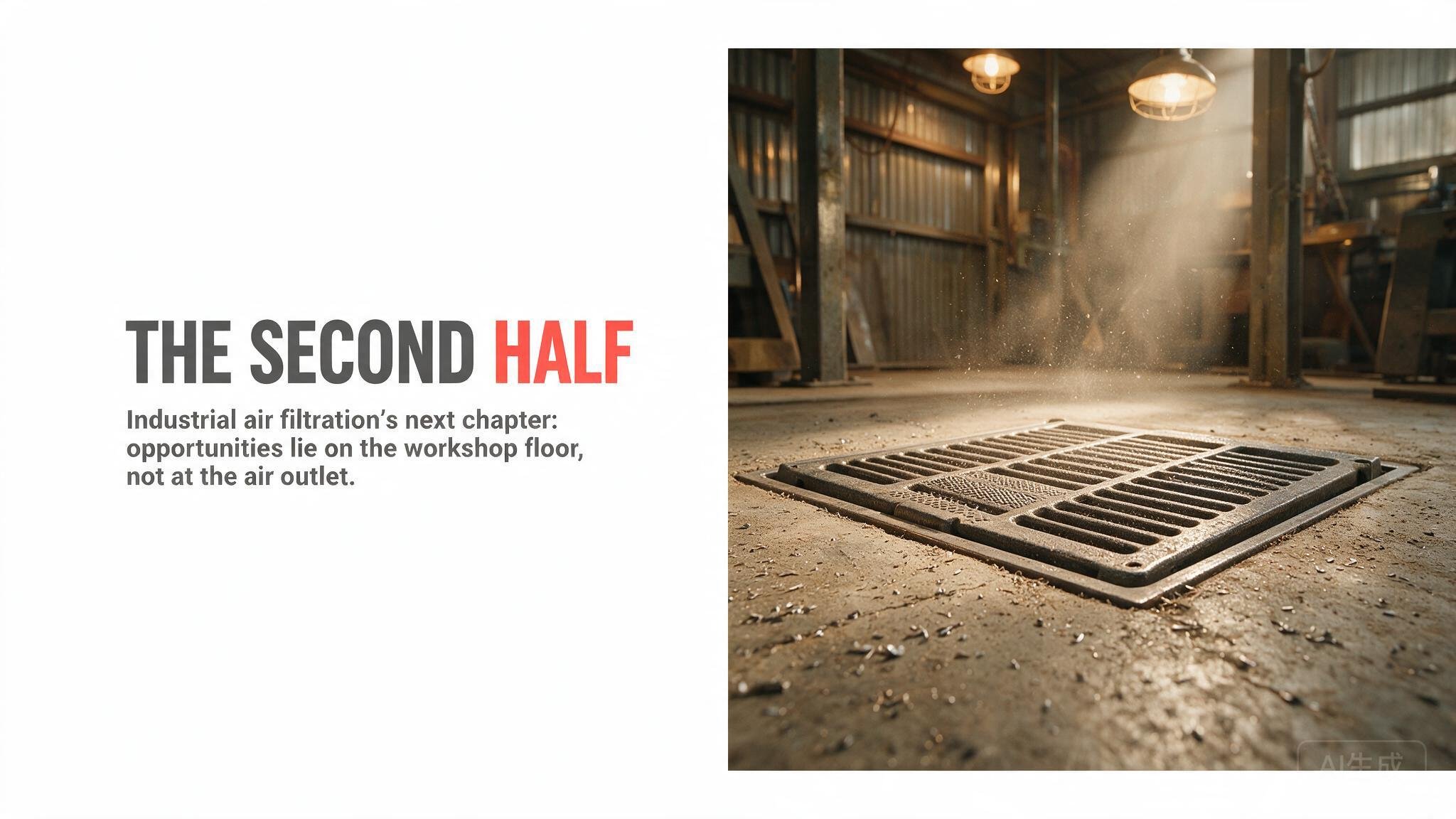
Spray Booths & Industrial Dust
Paint Mist & Dust Purification
Filtration for Power Equipment
Professional air filtration for EV charging devices, protecting against dust and sand ingress to ensure stable, reliable operation of charging piles and station infrastructure.
View Related Products →Ultra-High Cleanliness Filtration
Ultra-high efficiency filtration for semiconductor wafer fabs and precision electronics cleanrooms, capturing nano-scale particles to meet ISO Class 1–3 standards and maximize product yield.
View Related Products →Central Air System Filtration
High-efficiency filtration for commercial building HVAC systems, improving indoor air quality, reducing energy consumption, and extending equipment service life.
View Related Products →Precision Equipment Protection
Precision air filtration for data centers, shielding servers and critical hardware from dust contamination to keep cooling systems running efficiently and reliably.
View Related Products →Farming Environment Purification
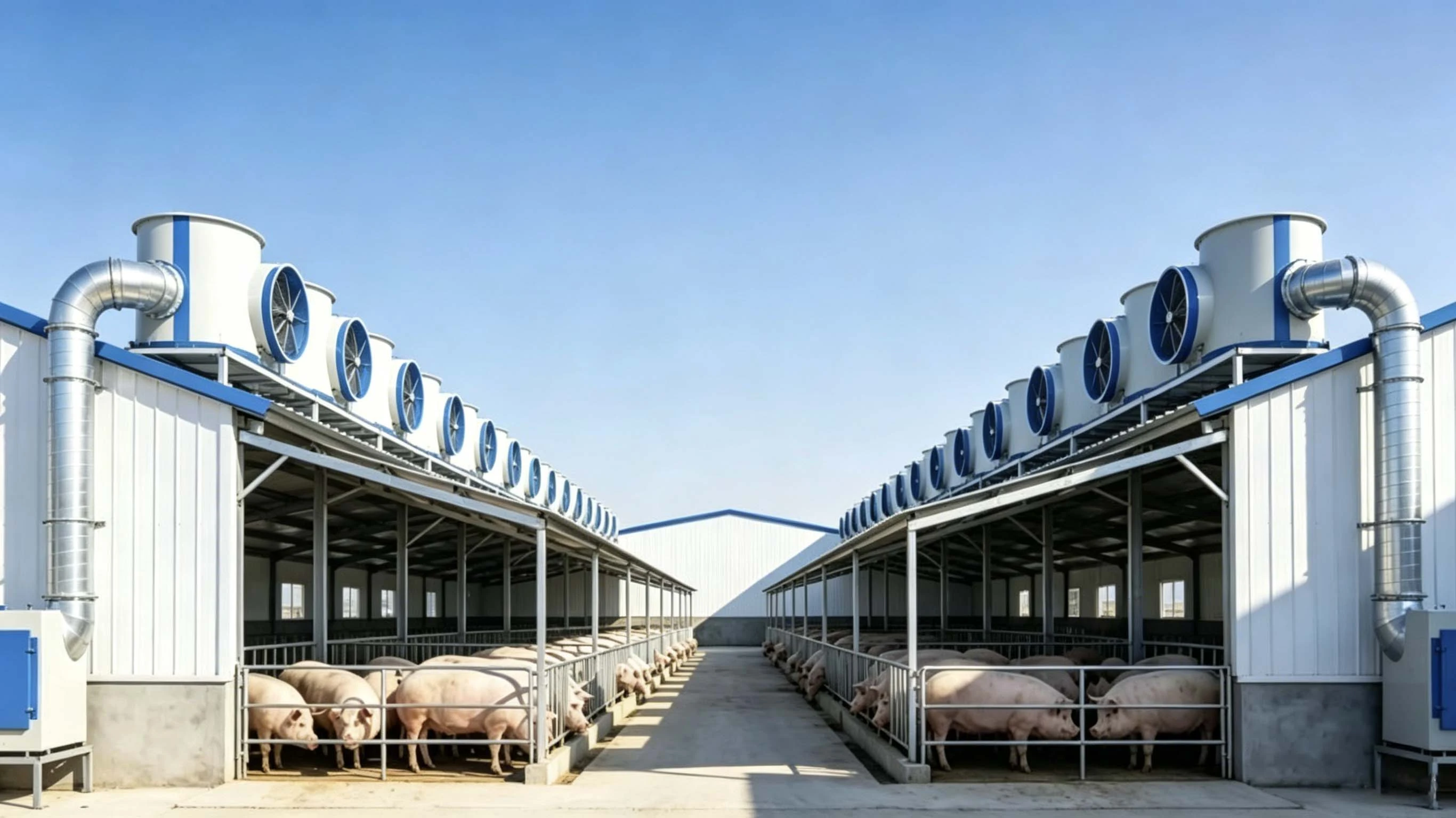
Dedicated filtration systems for farms and livestock facilities — capturing dust, adsorbing ammonia, and inhibiting pathogen spread to improve animal health and overall productivity.
View Related Products →Paint Mist & Dust Purification
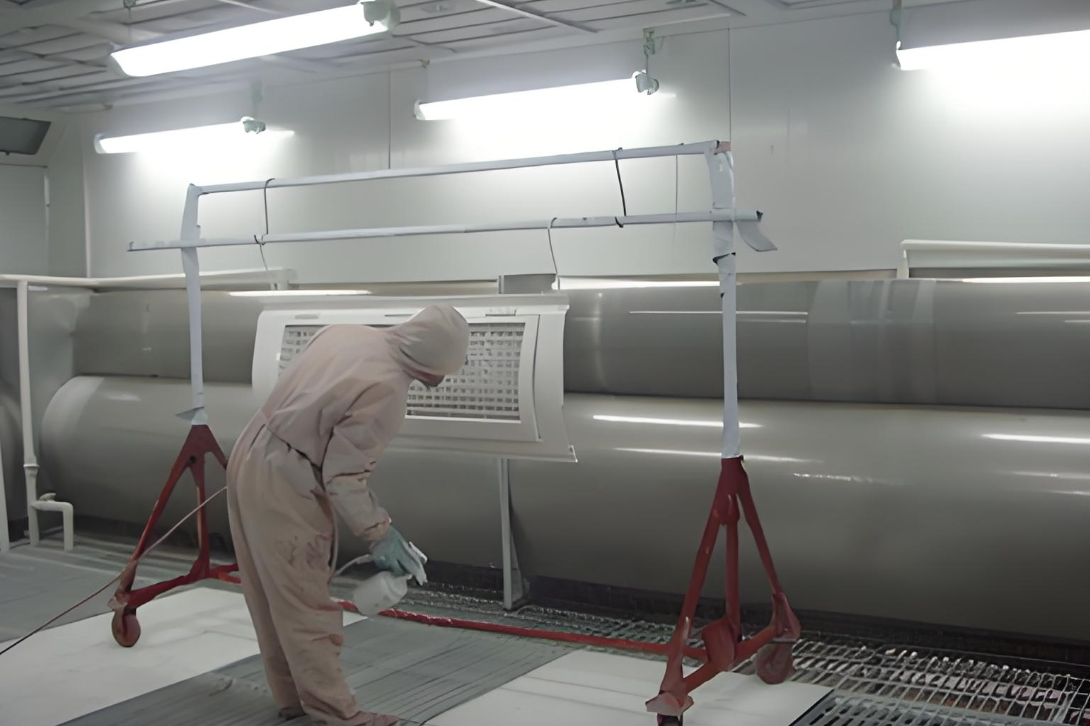
Designed for spray booths and grinding workshops, efficiently capturing paint mist, metal dust, and wood chips to meet emission standards while protecting finished surface quality.
View Related Products →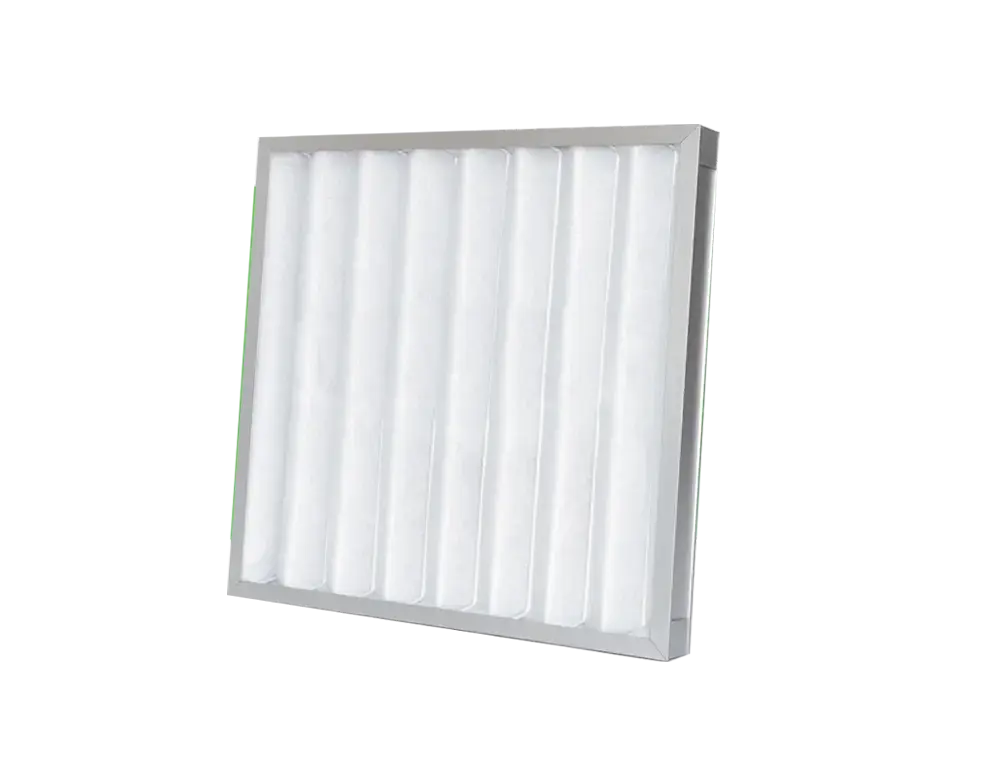
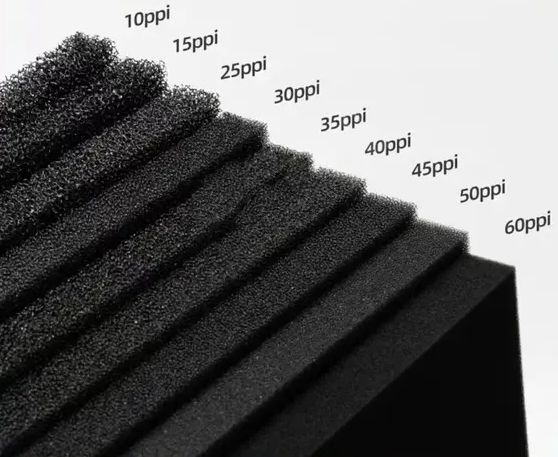
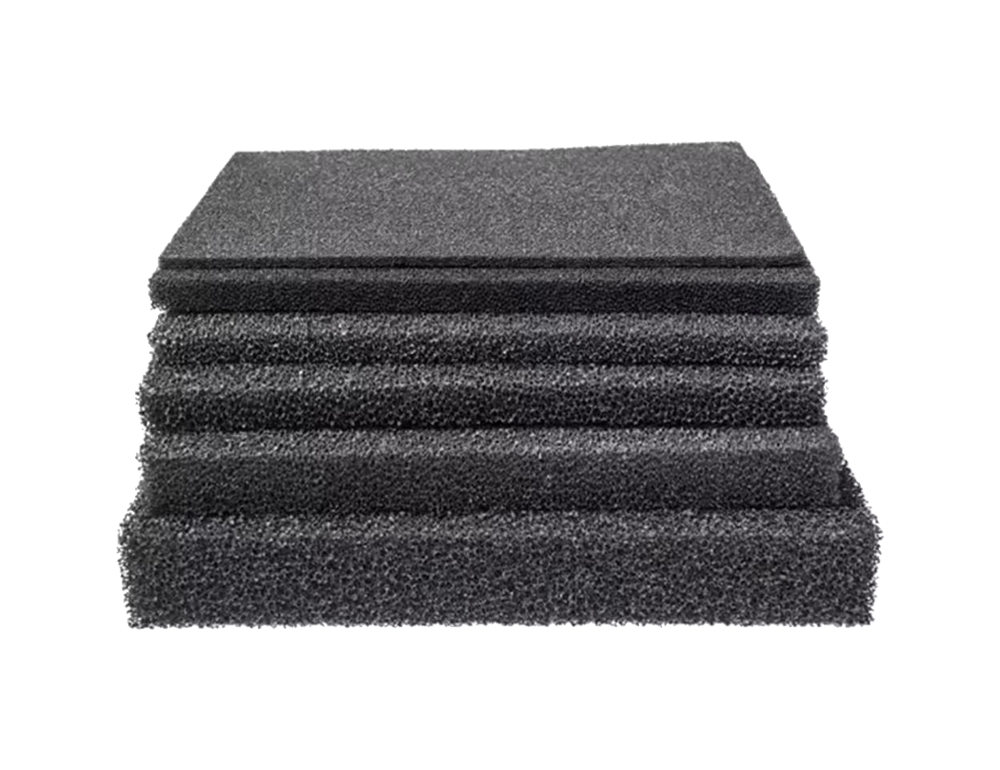
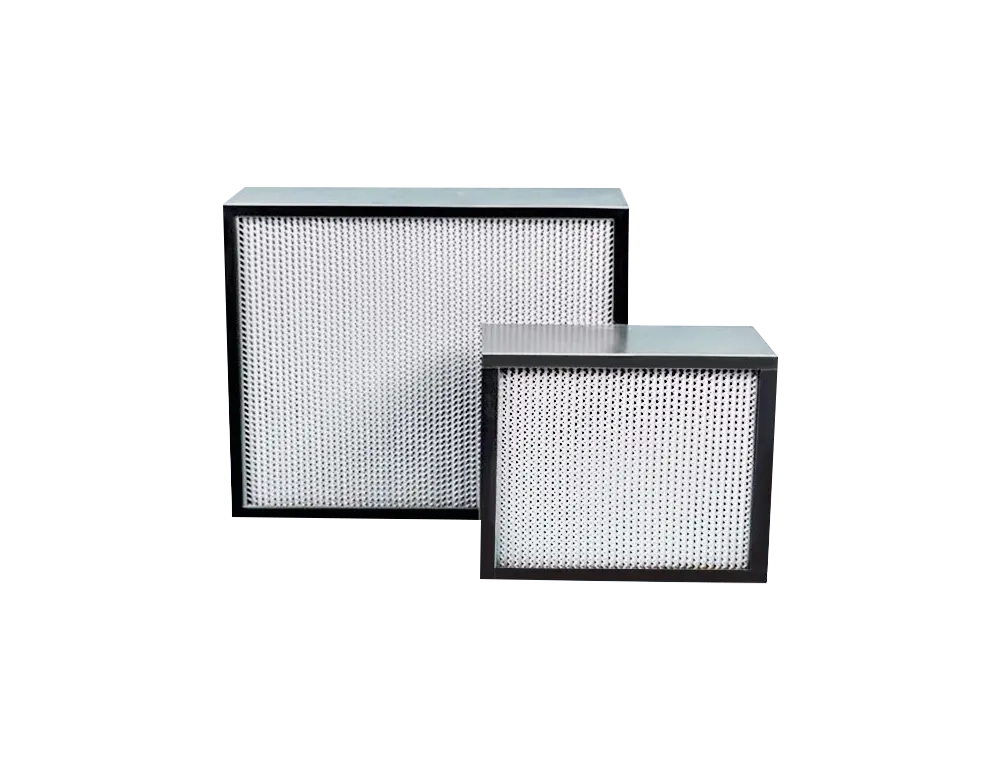
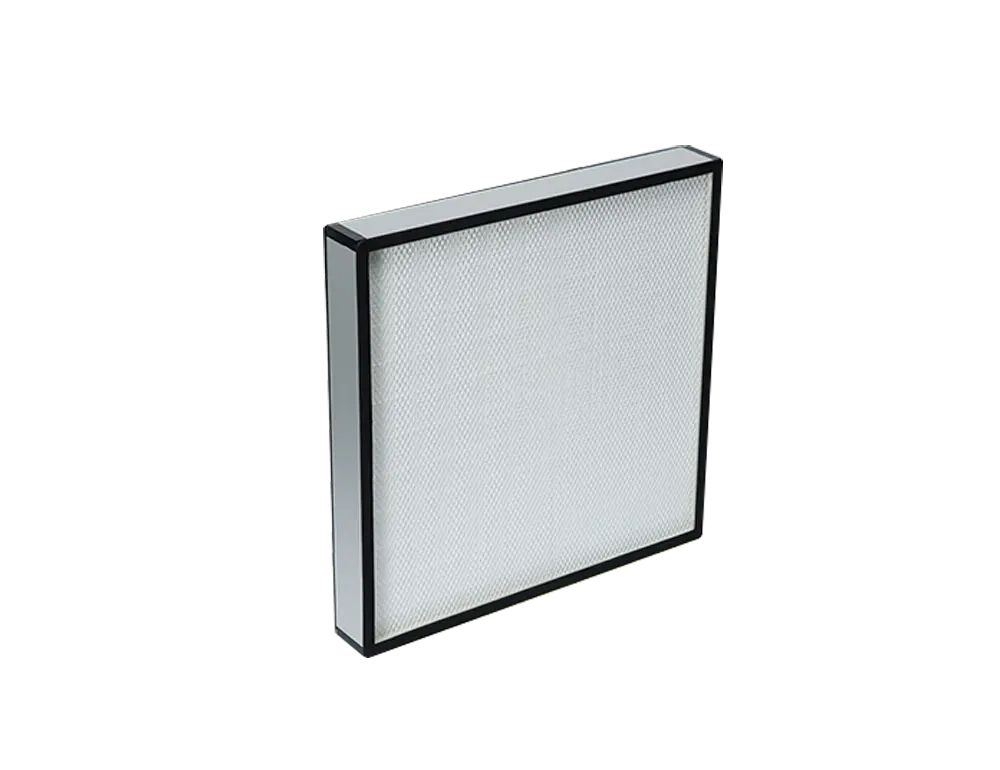
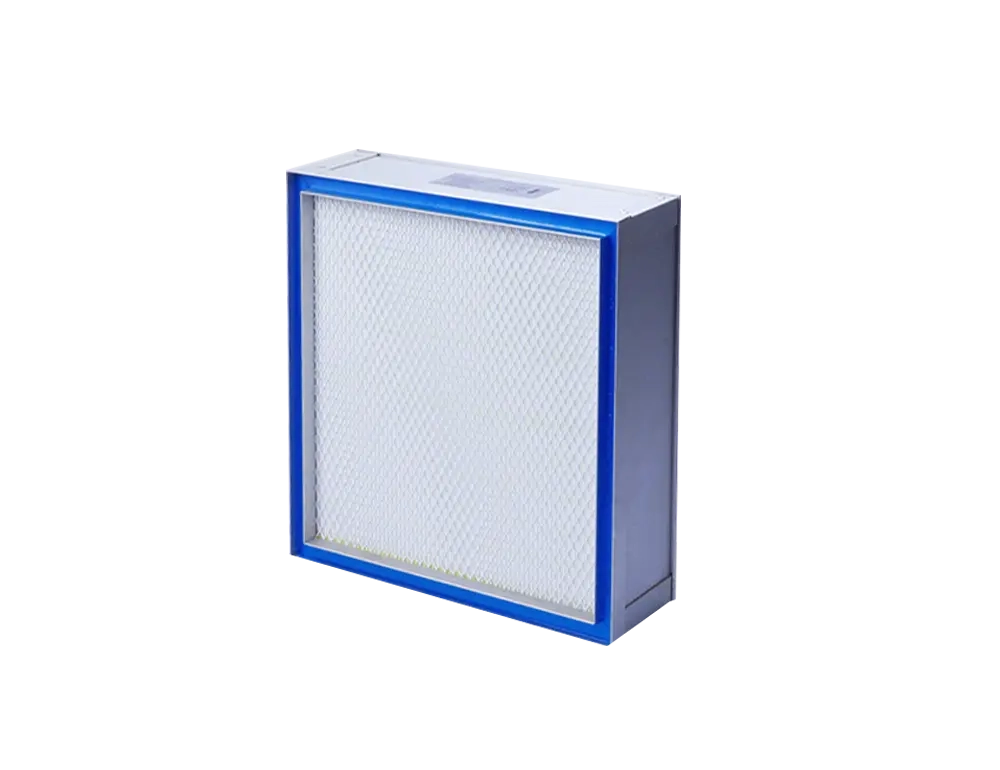
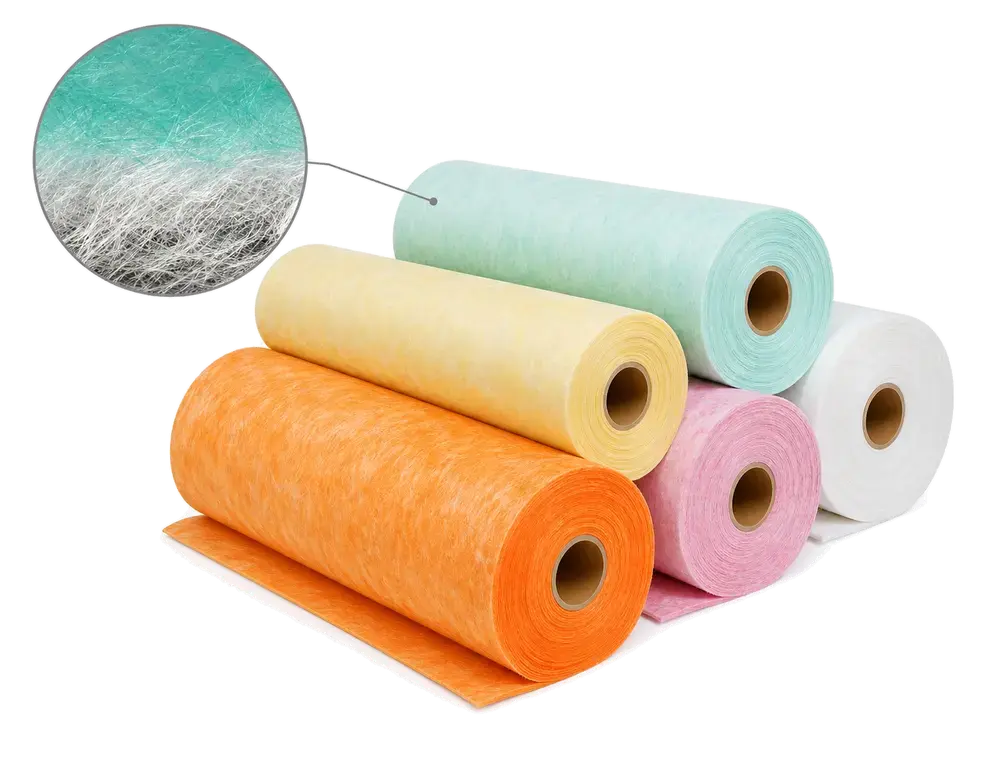
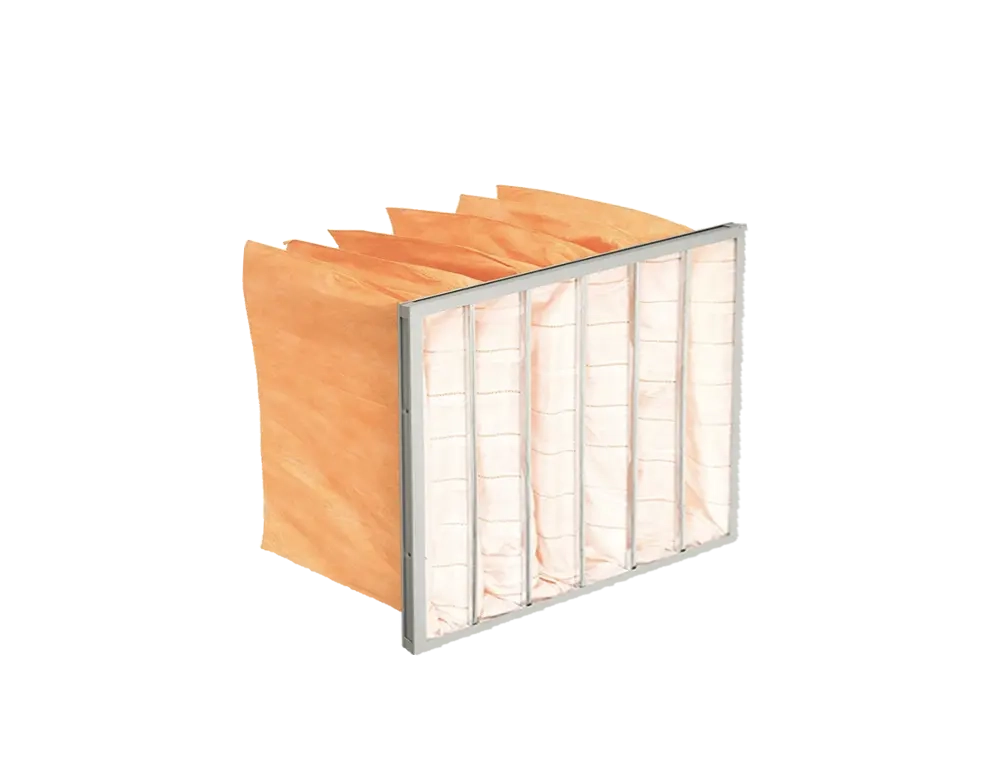
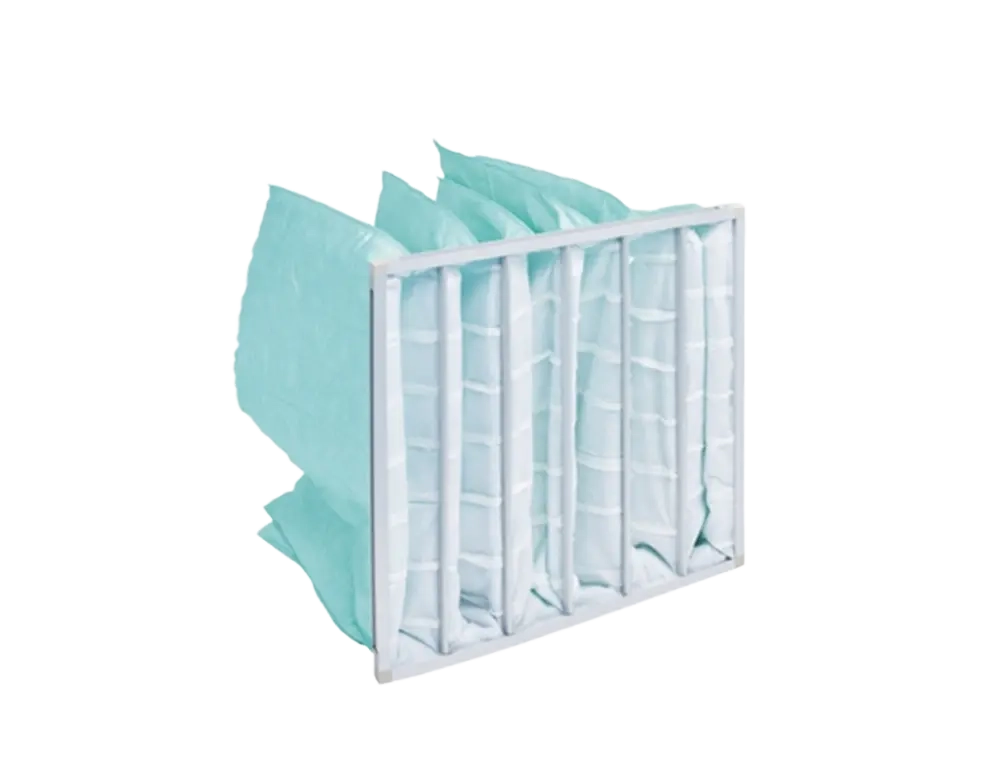
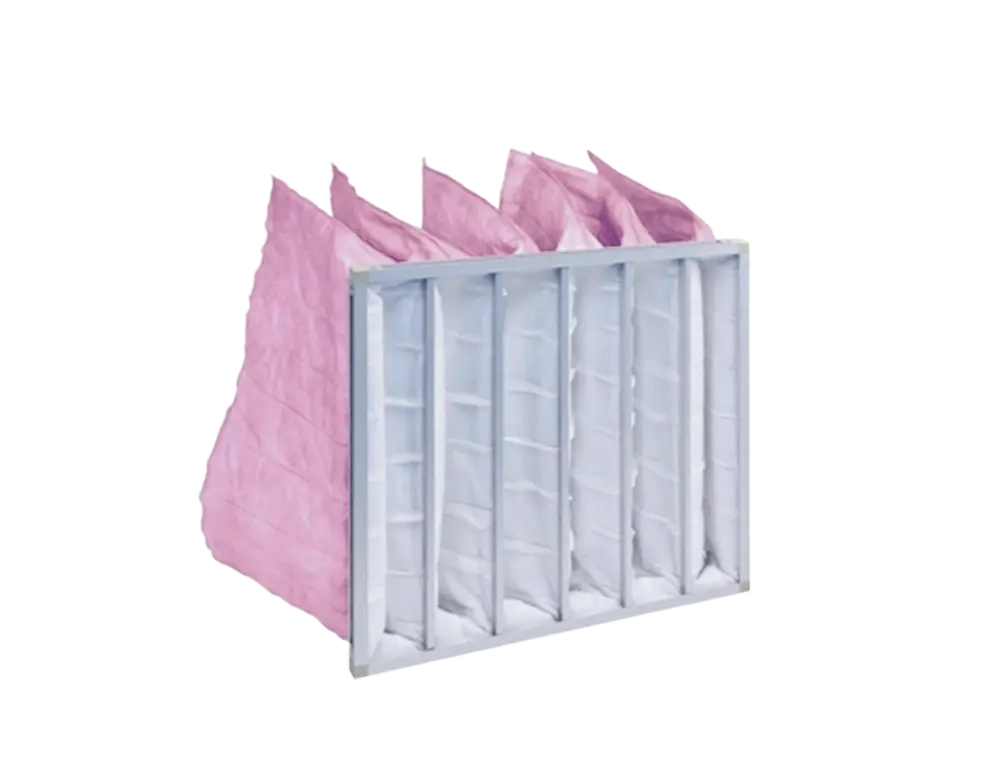
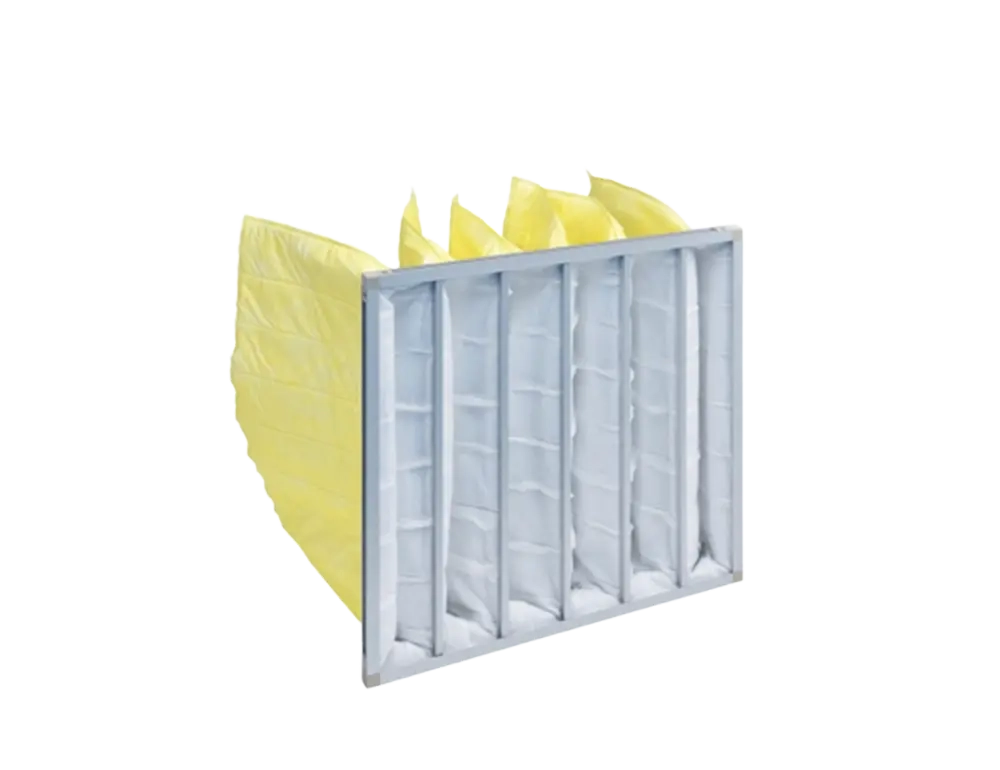
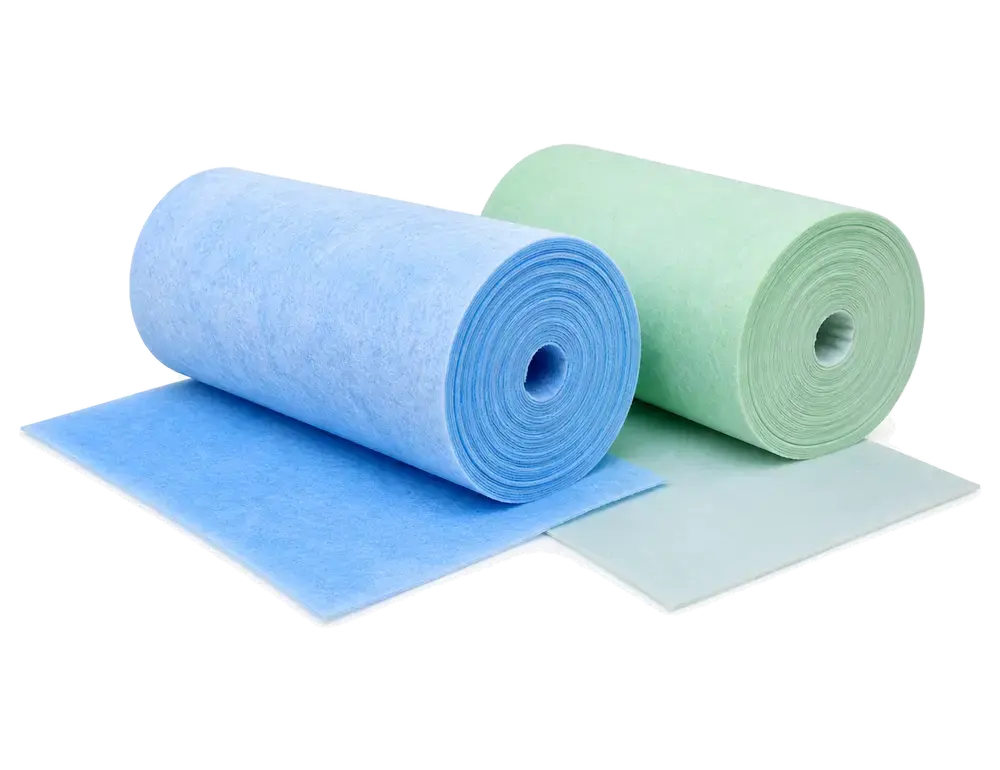
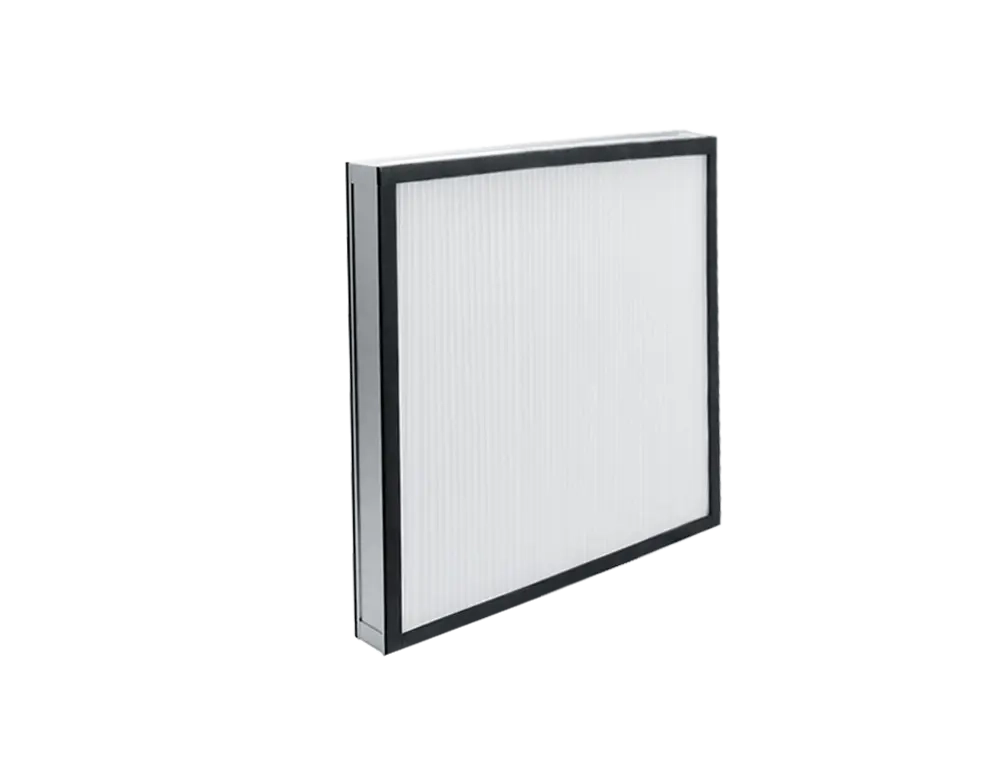
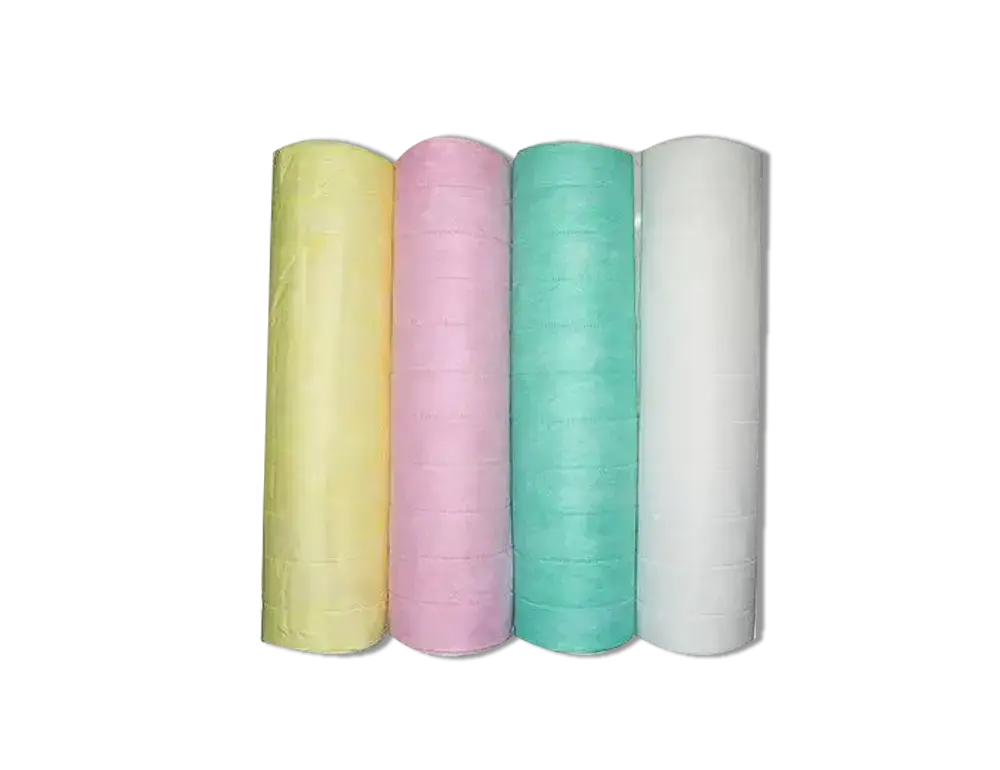
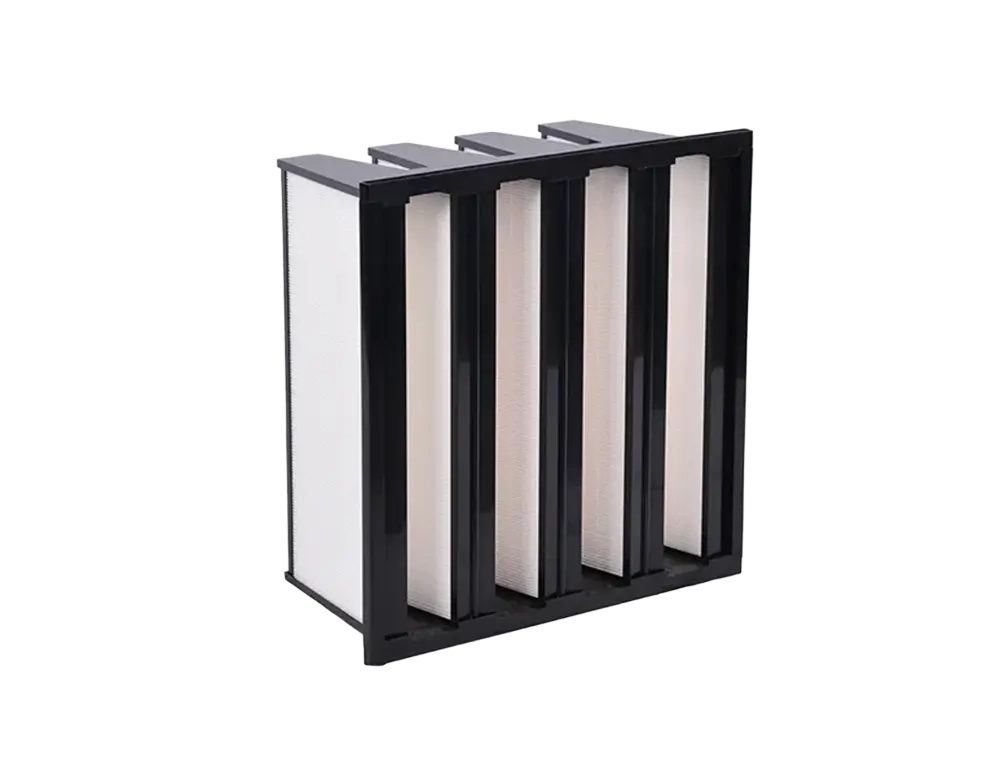
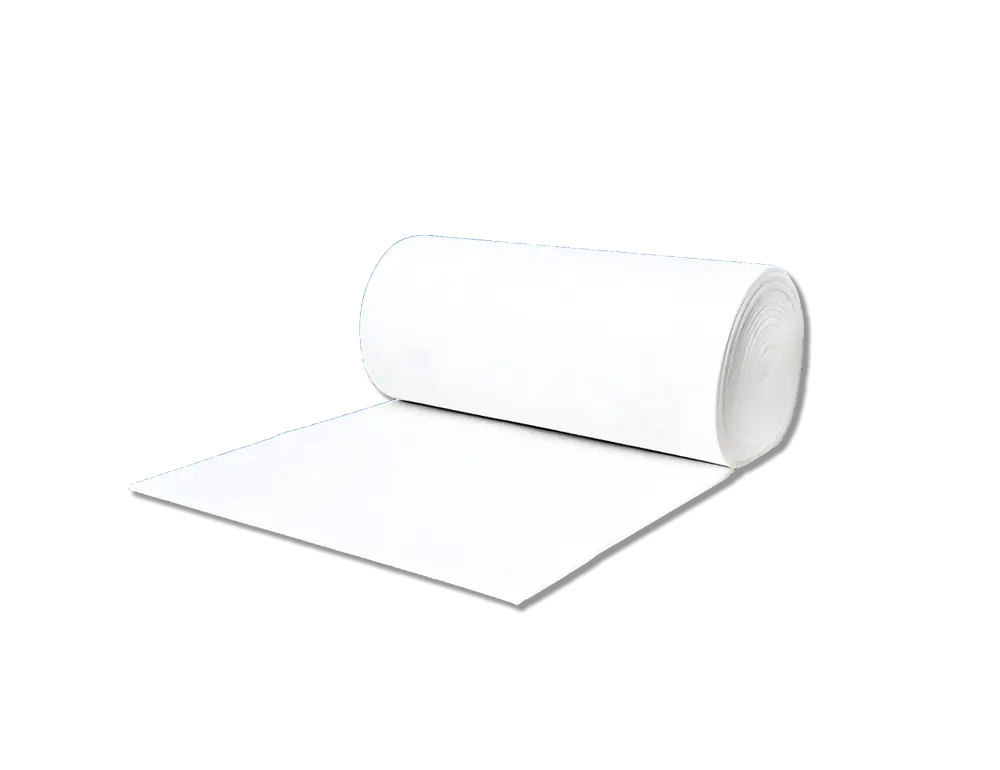
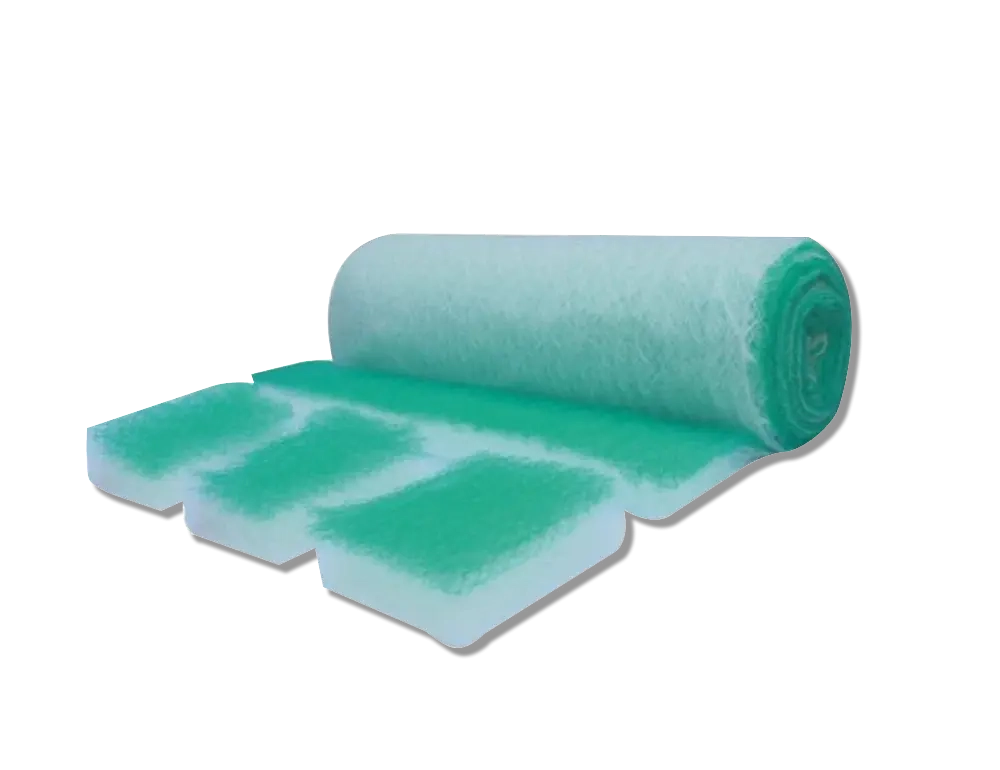
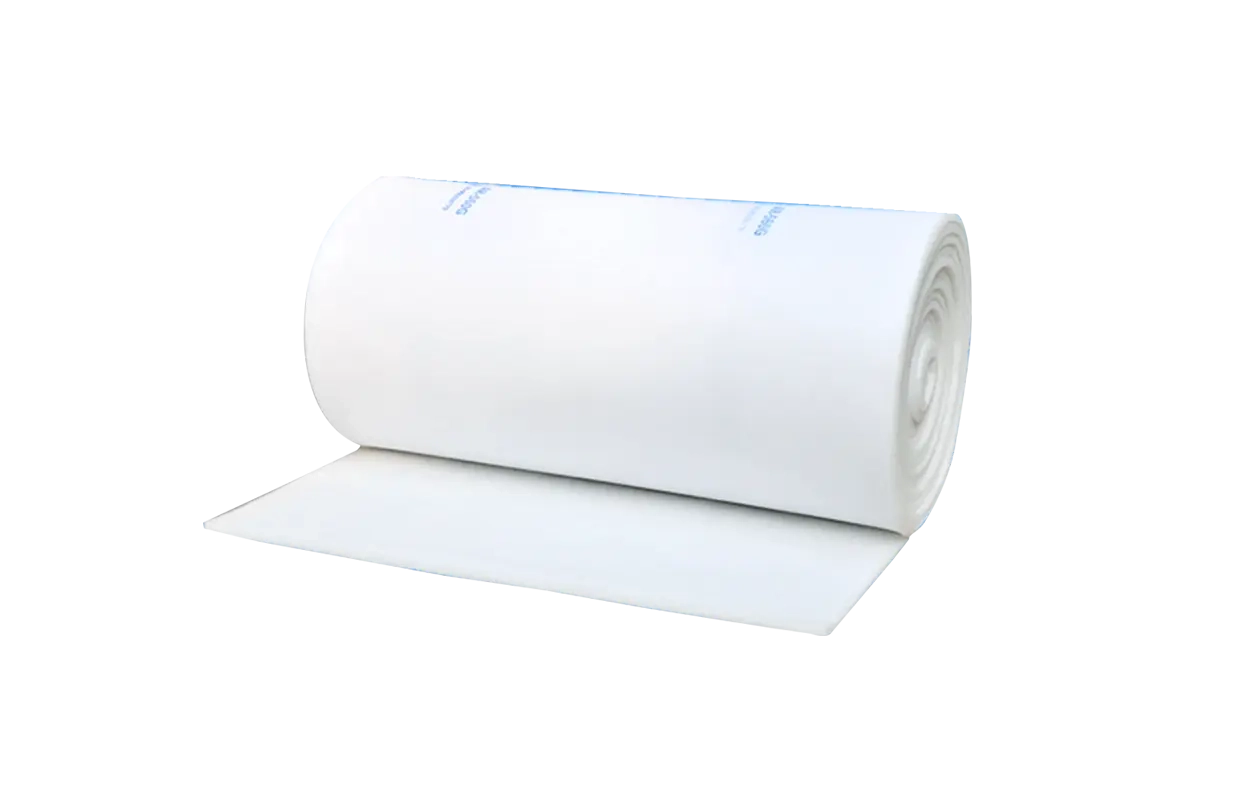
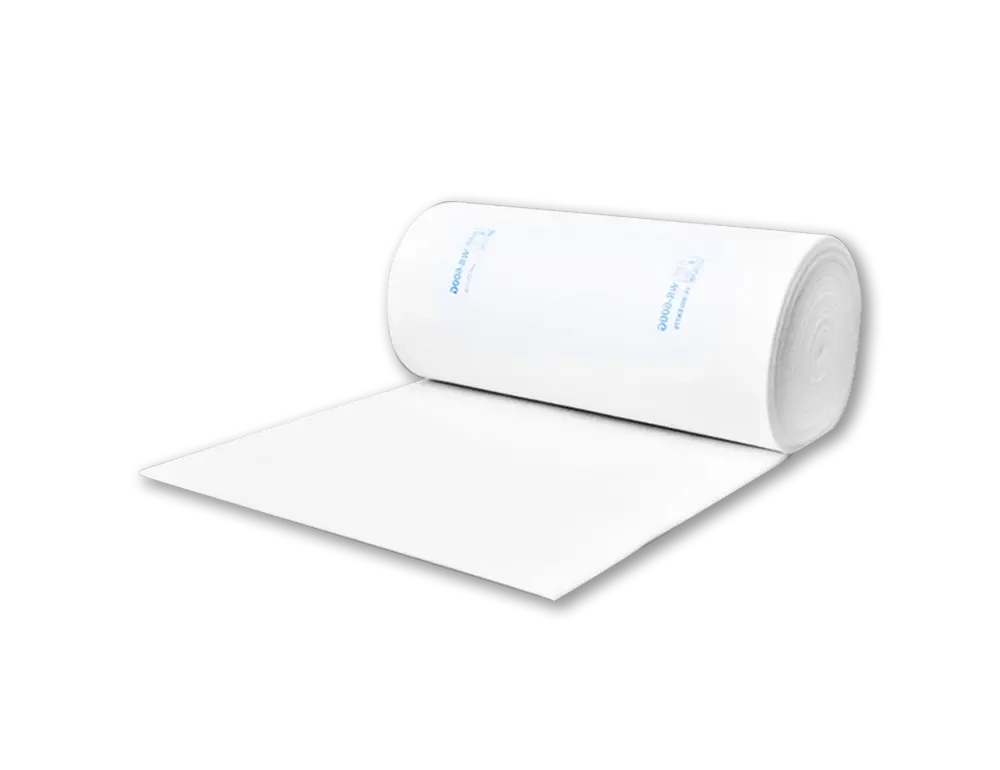
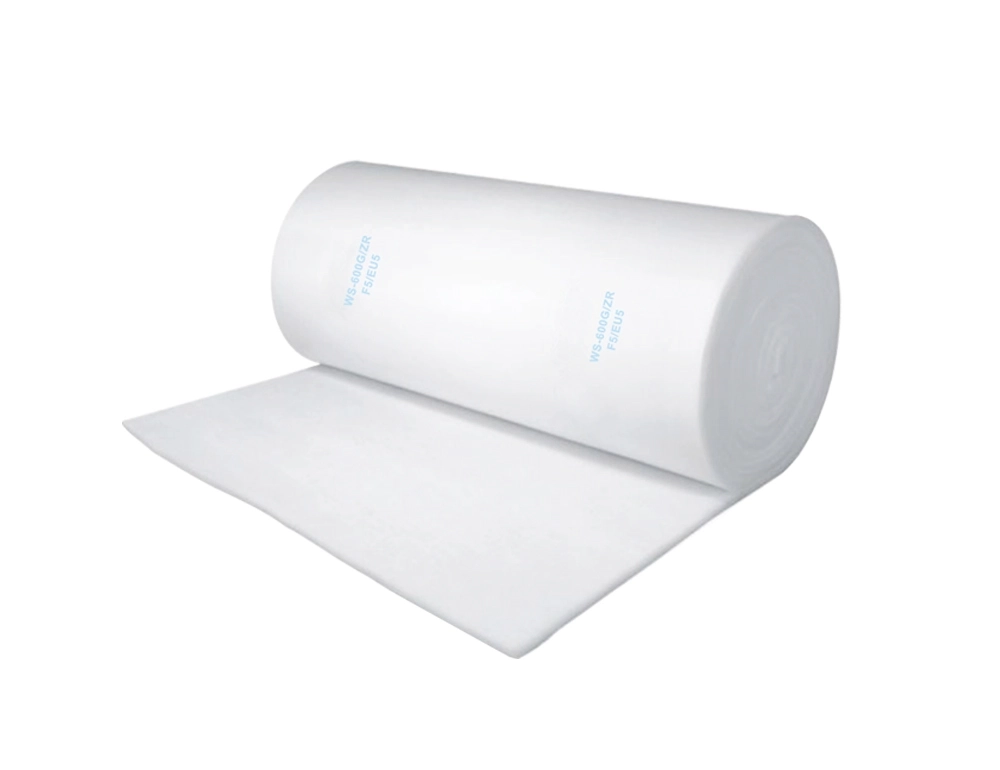
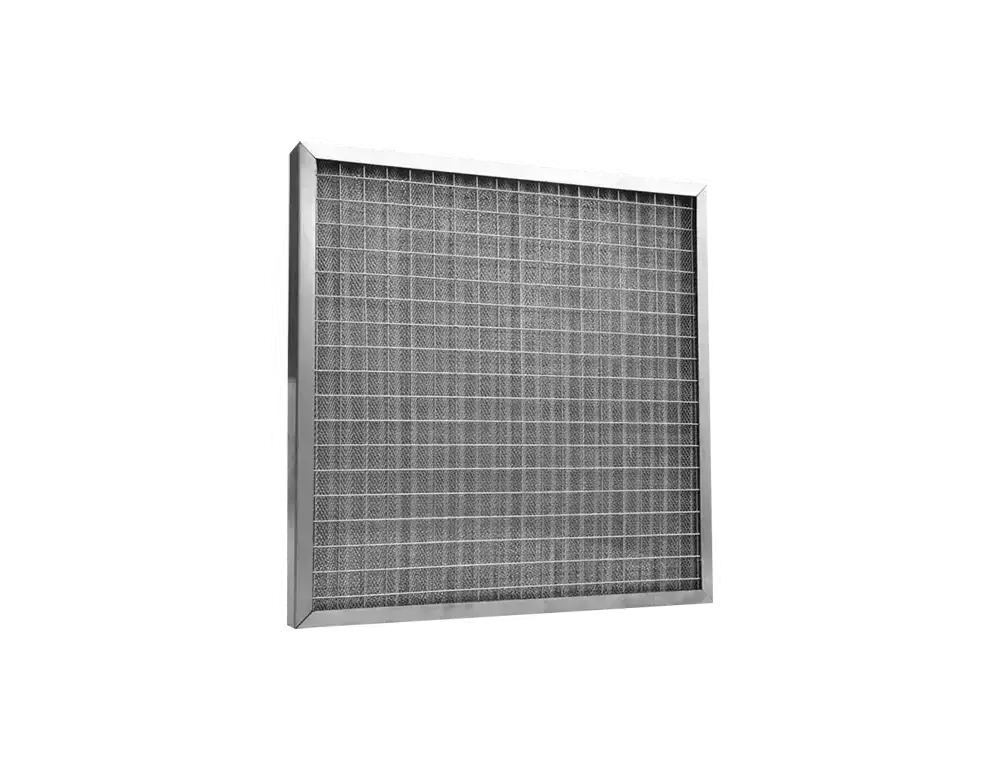
Pre-Filter (G1–G4)
First-Stage Large-Particle Capture
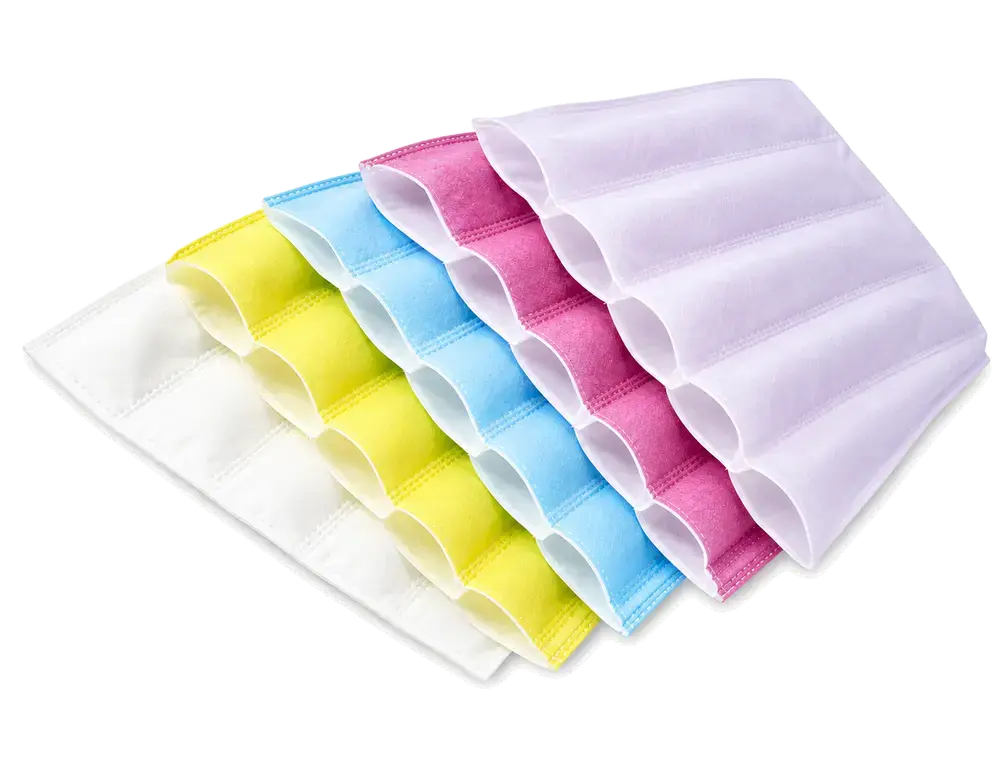
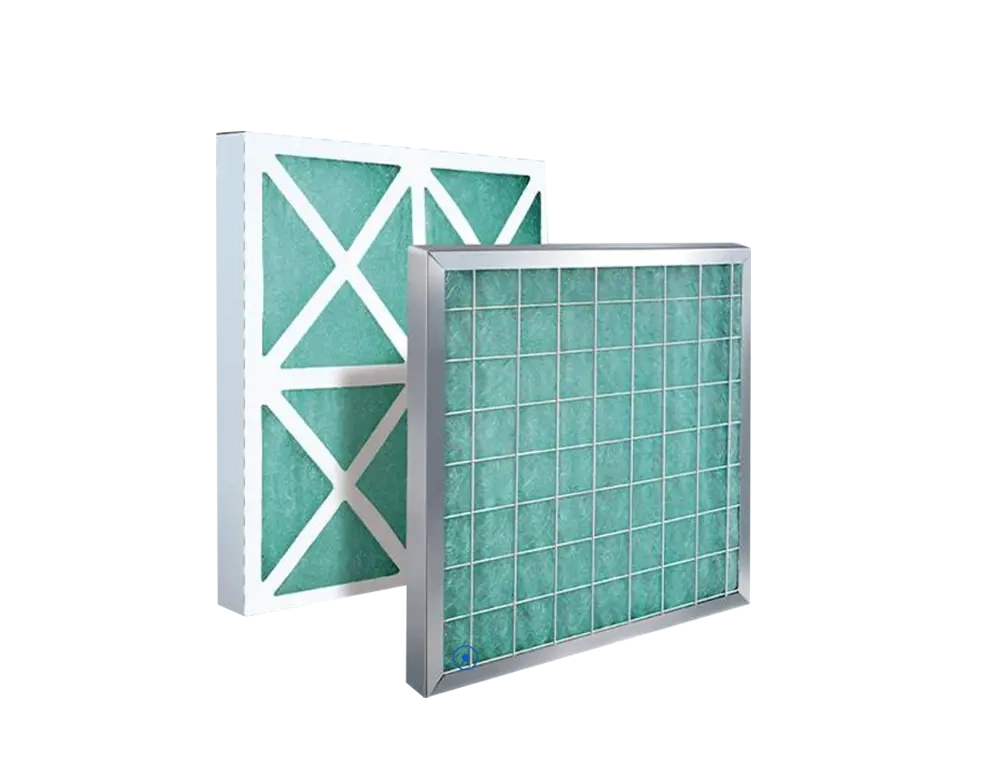
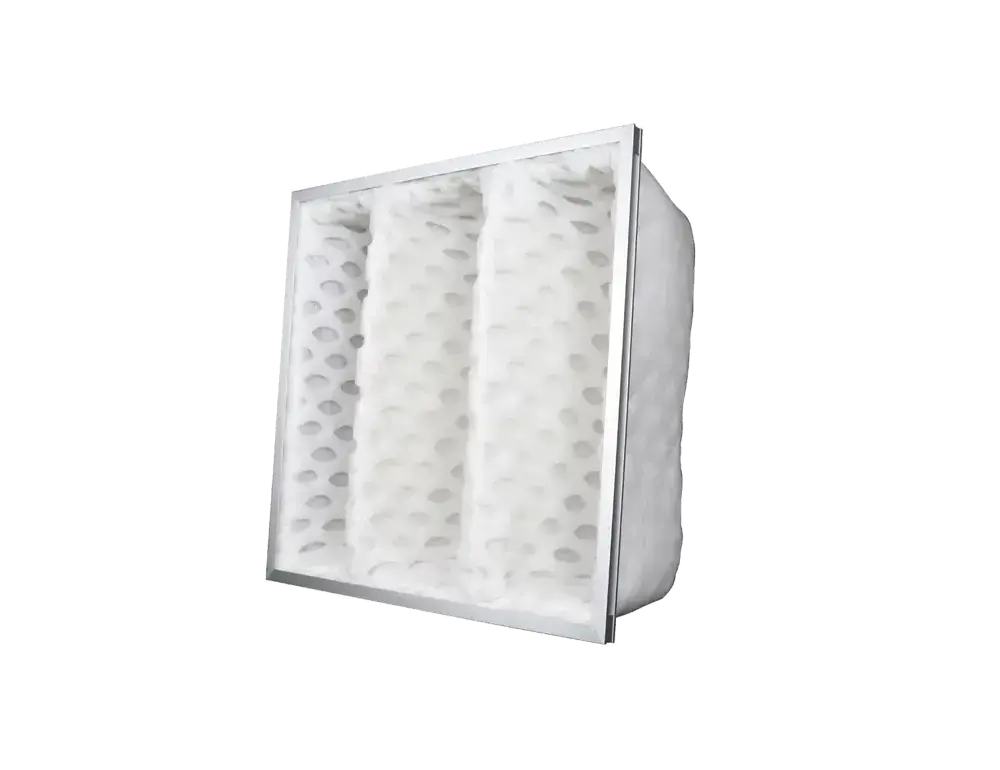
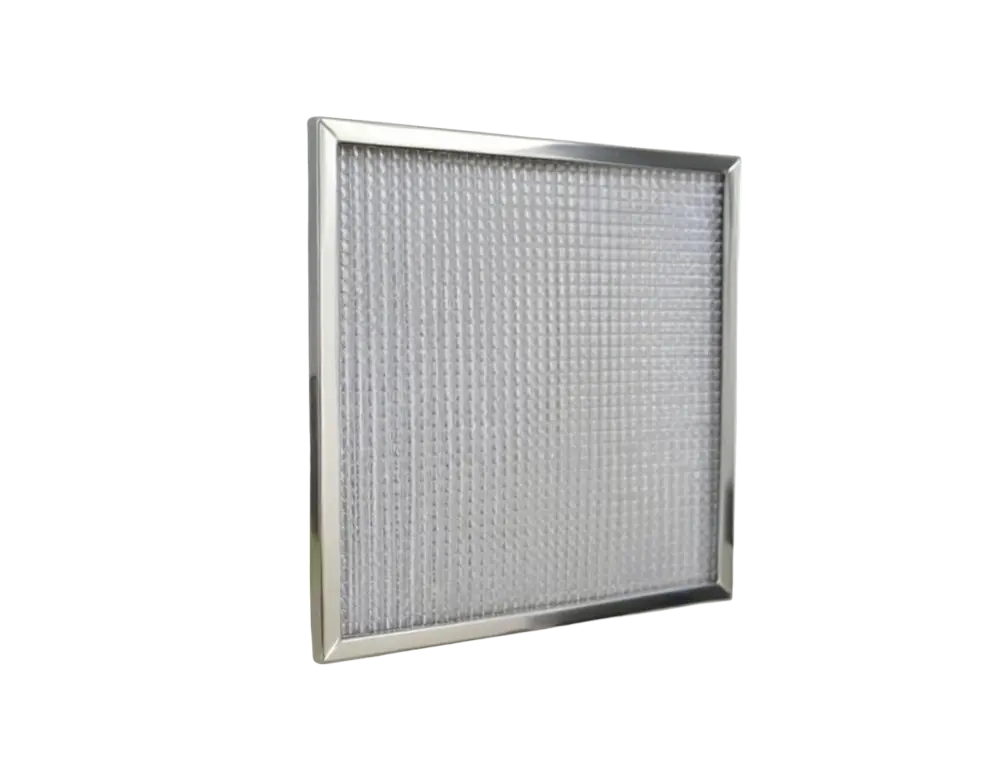
Medium-Efficiency Filter (F5–F9)
Precise PM2.5 Capture
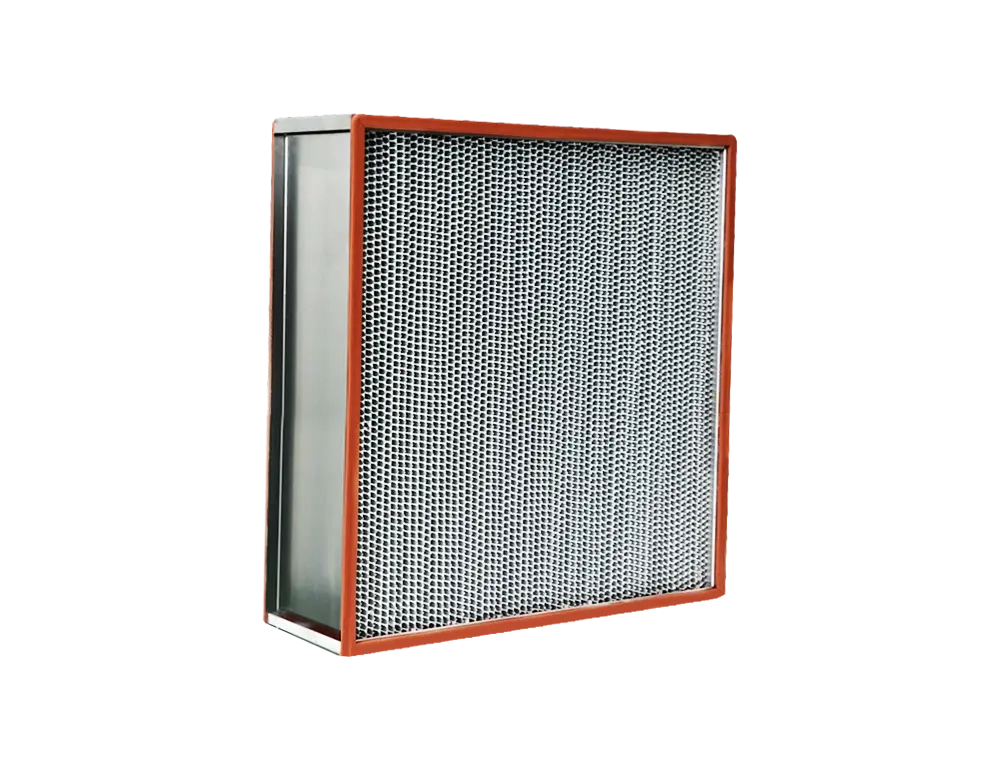
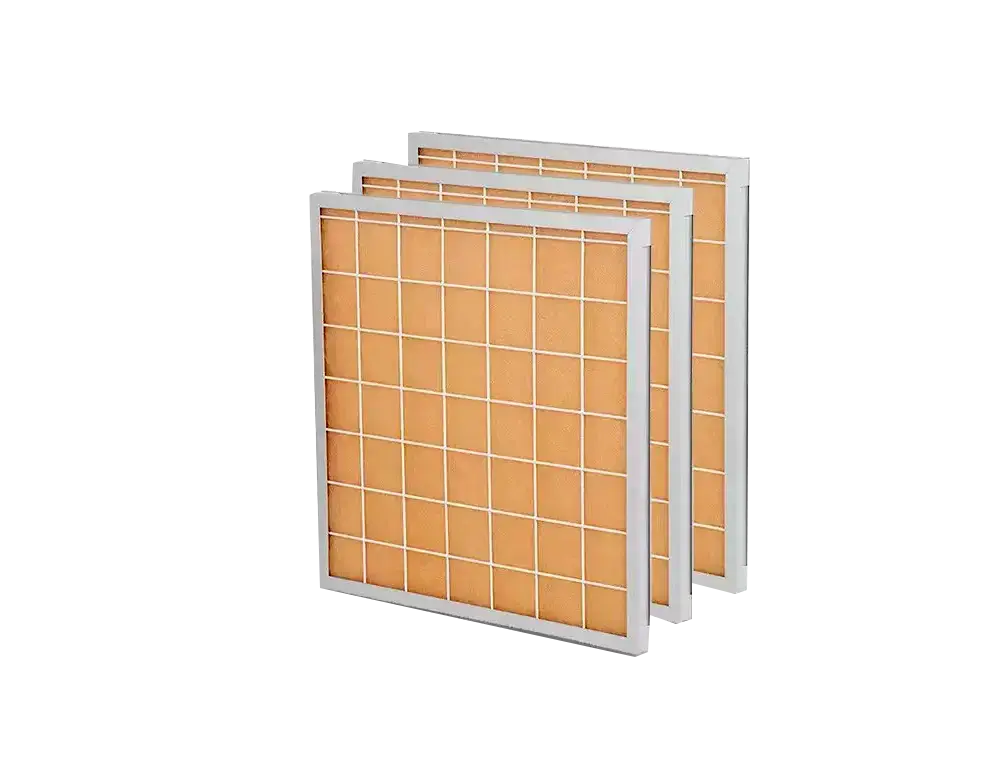
HEPA High-Efficiency Filter
Sterile-Grade Purification
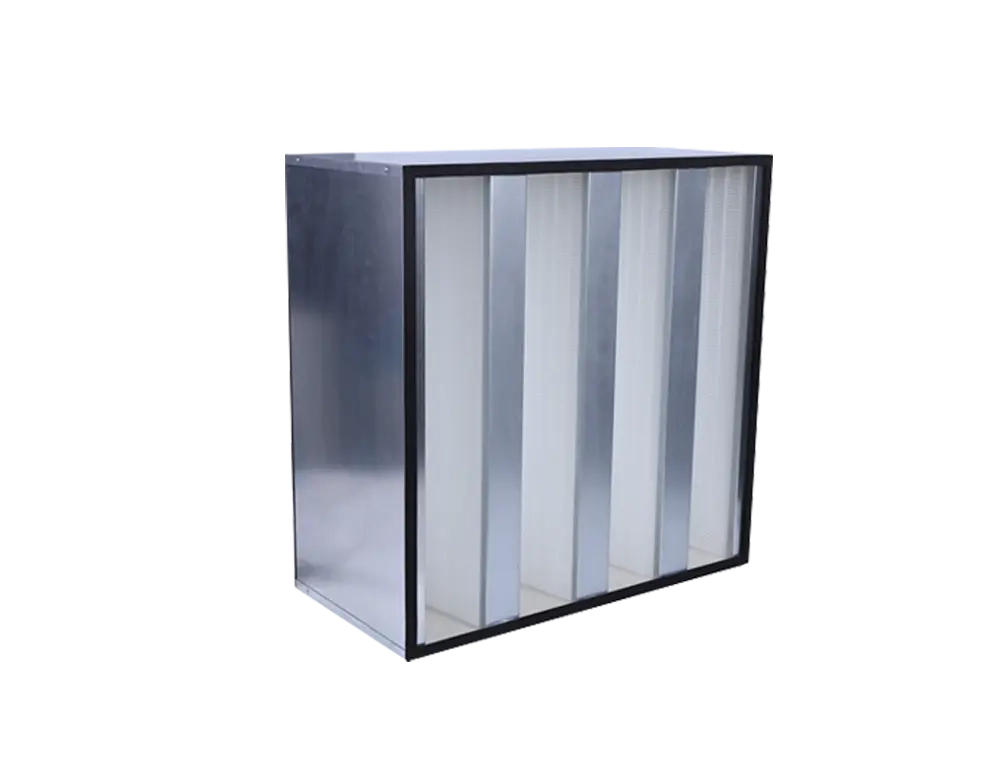
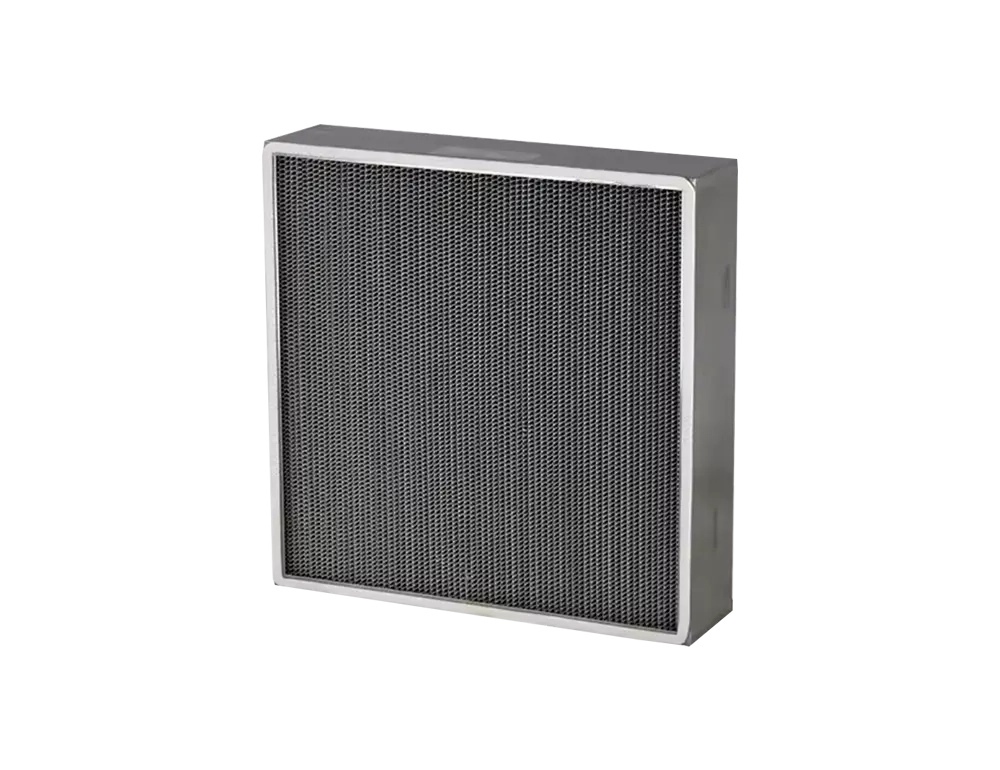
ULPA Ultra-High Efficiency Filter
Sub-Micron Particle Capture
First-Stage Large-Particle Capture
The first line of defense, capturing particles ≥5 μm such as dust, hair, and fibers to protect downstream filters and extend overall system service life.
View Related Products →Precise PM2.5 Capture
Captures fine particles of 1–5 μm including PM2.5, pollen, and mold spores, significantly improving indoor air quality for commercial HVAC and ventilation systems.
View Related Products →Sterile-Grade Purification
≥99.97% filtration efficiency for particles ≥0.3 μm, delivering sterile-grade clean air widely used in medical, pharmaceutical, and electronics manufacturing.
View Related Products →Sub-Micron Particle Capture
≥99.9995% efficiency for particles ≥0.12 μm, meeting the extreme cleanliness demands of semiconductor fabs, aerospace, and other ultra-precision applications.
View Related Products →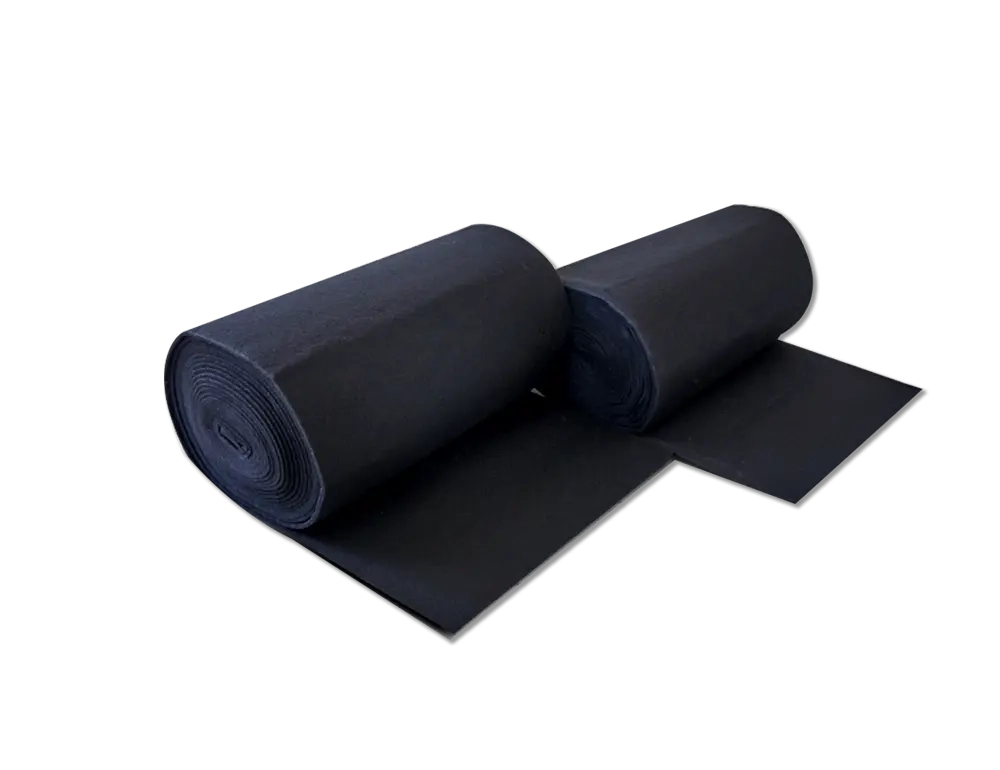
High-Temperature Resistant
Industrial-Grade Heat Tolerance
Washable & Reusable
Cut Costs, Reduce Waste
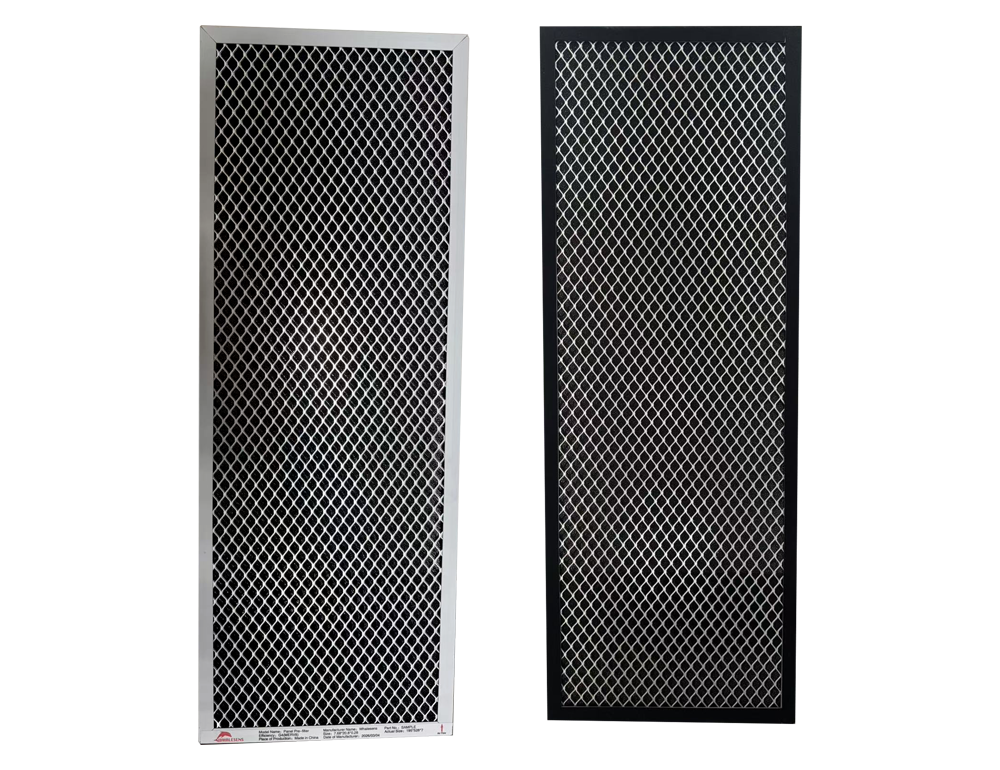
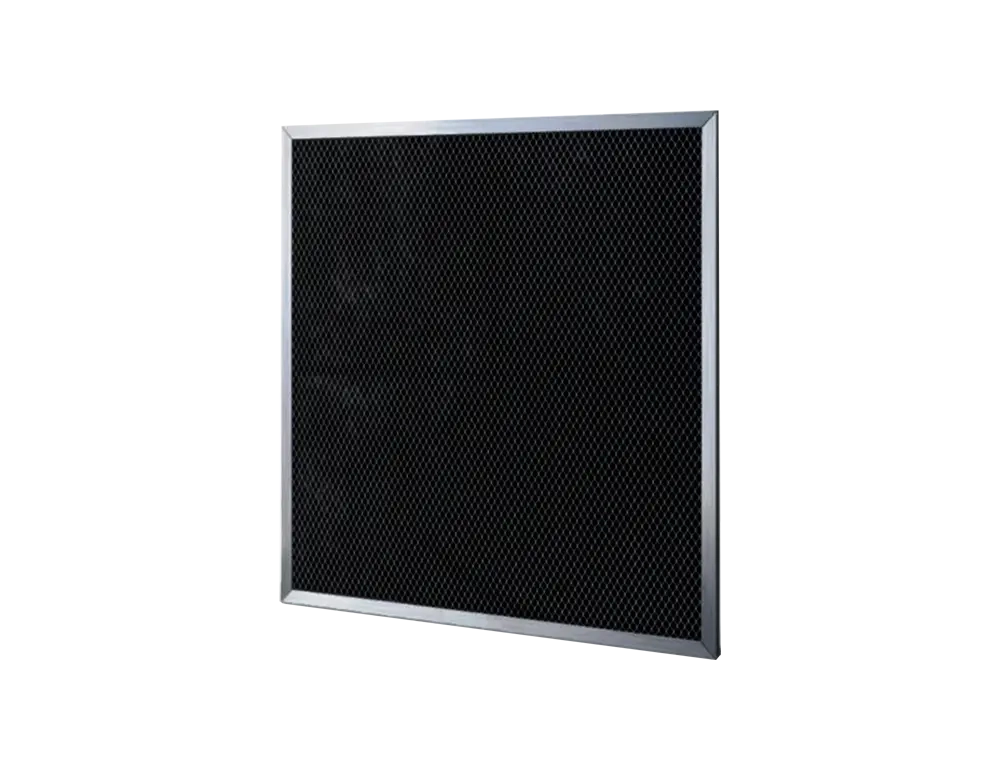
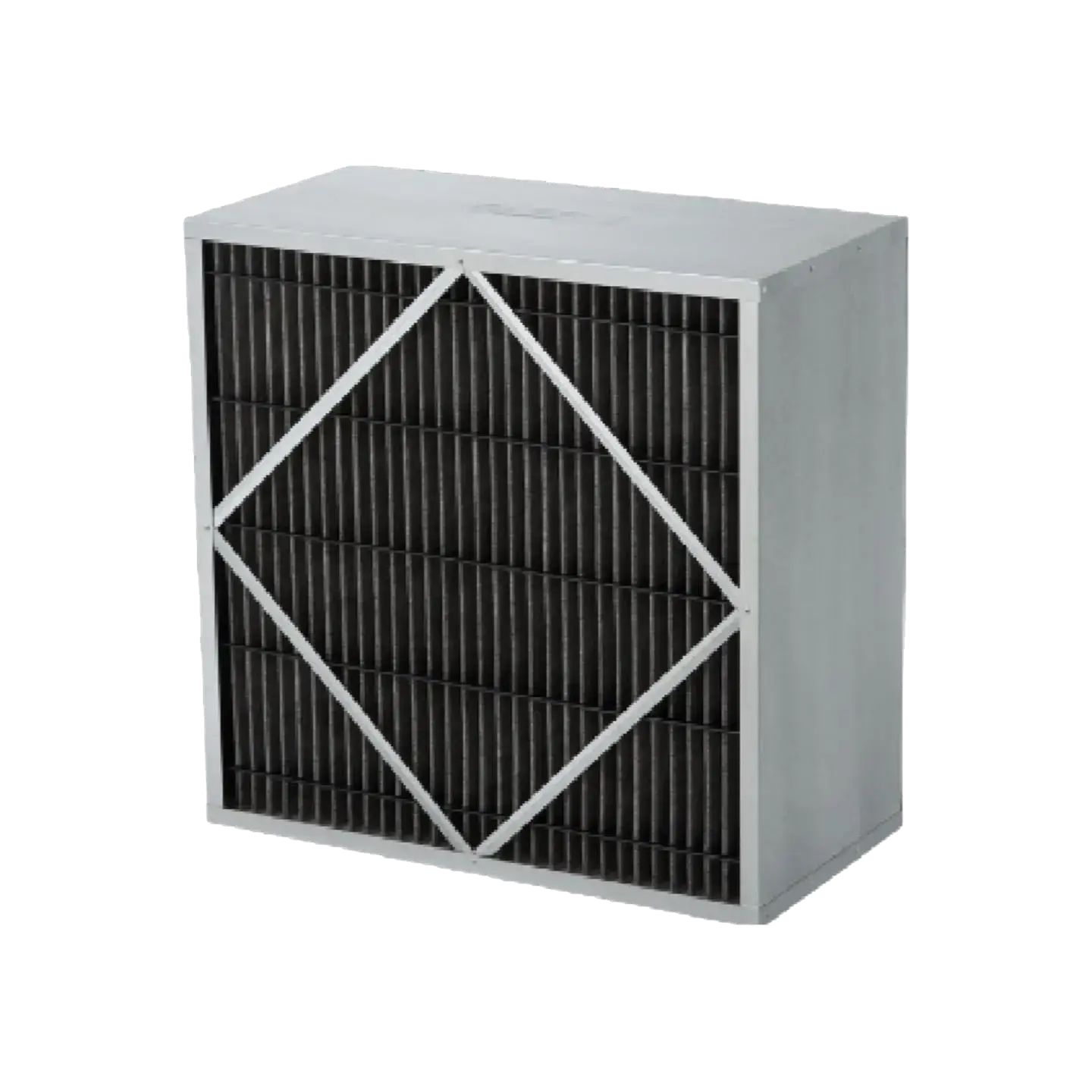
Activated Carbon
Odor & Harmful Gas Removal
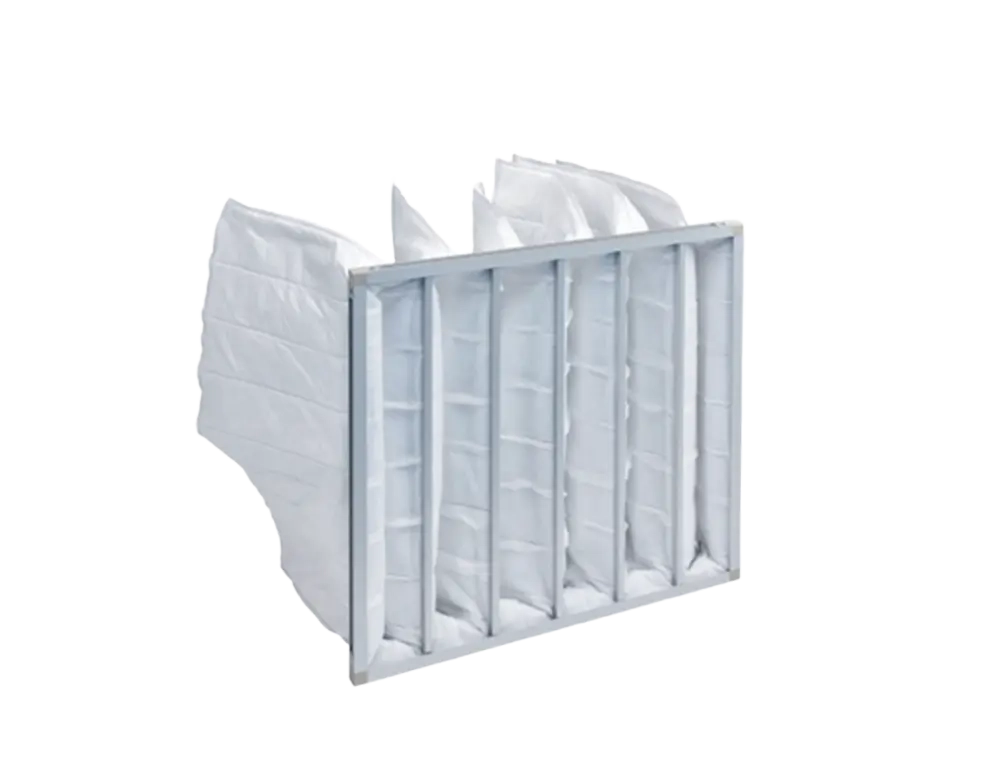
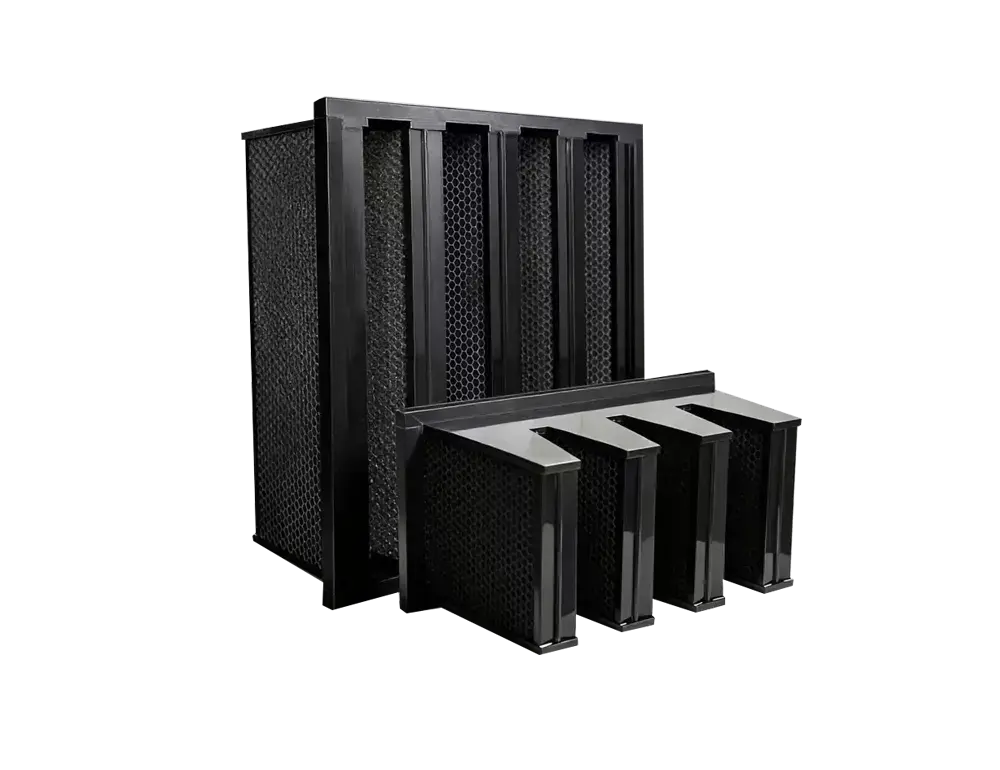
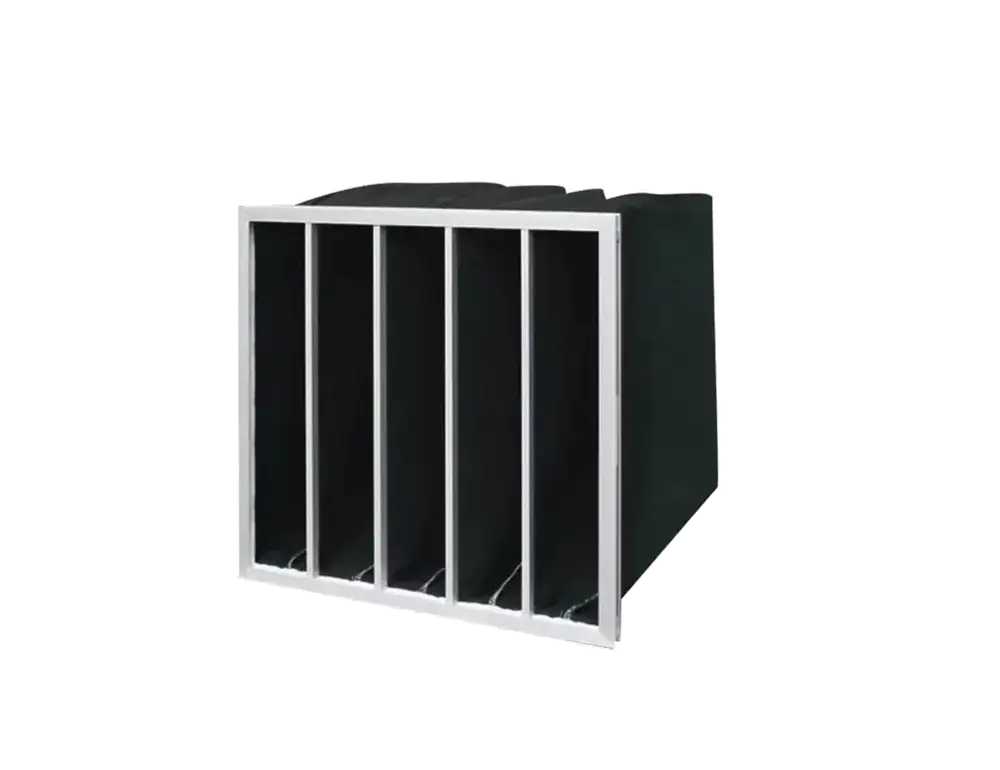
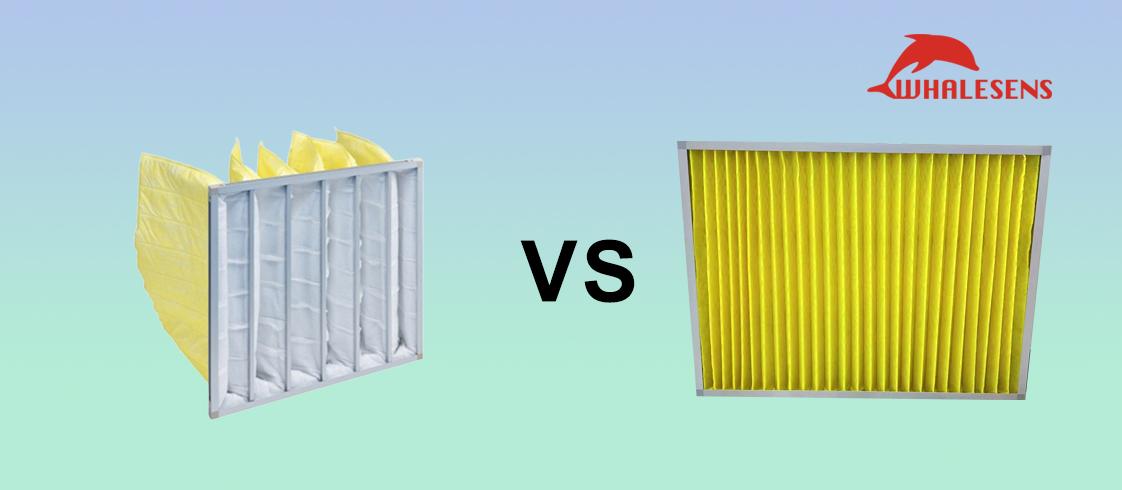
Bag Filter
High Dust-Holding, Long Life
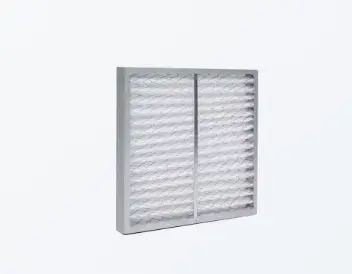
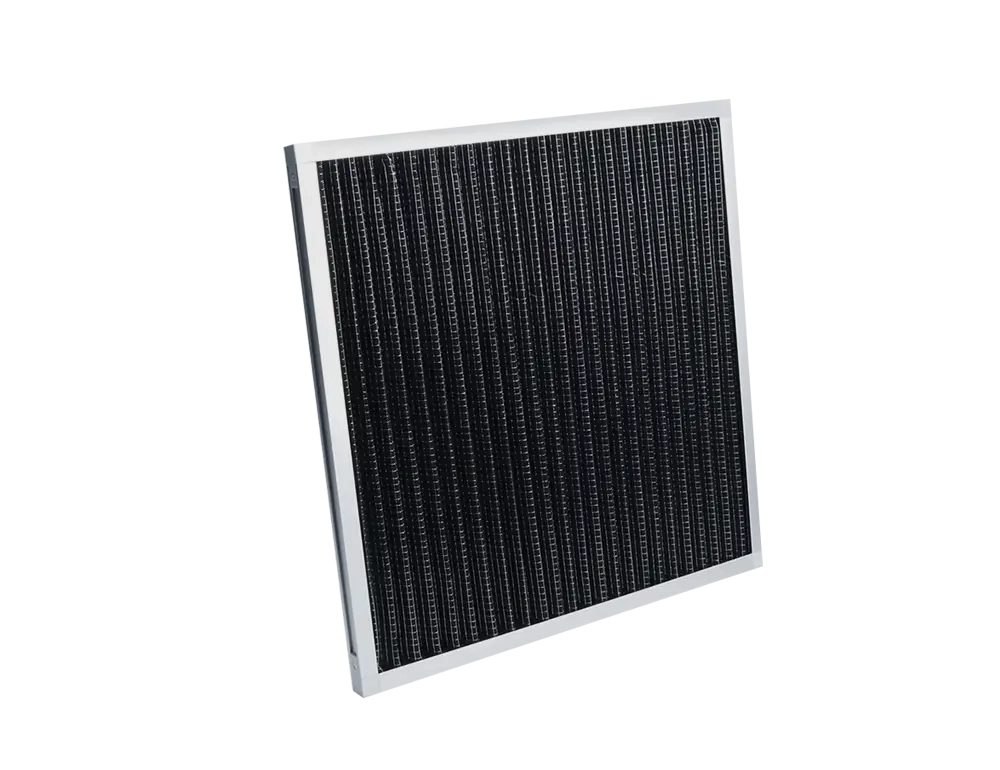
Panel / Pleated Filter
Compact Space-Saving Design
Low-Resistance Airflow
Energy-Saving Operation
Industrial-Grade Heat Tolerance
Built with specialized heat-resistant materials, operating stably up to 250°C for paint ovens, industrial dryers, and high-temperature process environments.
View Related Products →Cut Costs, Reduce Waste
Cleanable by water washing or air blowing, reusable multiple times to significantly reduce replacement frequency and O&M costs — an economical, eco-friendly choice.
View Related Products →Odor & Harmful Gas Removal
Leverages activated carbon's high adsorption capacity to eliminate odors, VOCs, and formaldehyde, ideal for newly renovated spaces and industrial exhaust treatment.
View Related Products →High Dust-Holding, Long Life
Bag-style construction delivers a larger filtration area, high dust-holding capacity, and extended service life — ideal for high-dust environments with reduced replacement frequency.
View Related Products →Compact Space-Saving Design
Compact form factor for easy installation and replacement; pleated structure maximizes filtration area within a small footprint for higher efficiency.
View Related Products →Energy-Saving Operation
Low-resistance design minimizes pressure drop while maintaining filtration performance, reducing fan energy consumption for cost-effective, eco-friendly operation.
View Related Products →















 English(Global)
 简体中文
简体中文 Language




Cleanrooms · Healthcare · Semiconductor Solutions
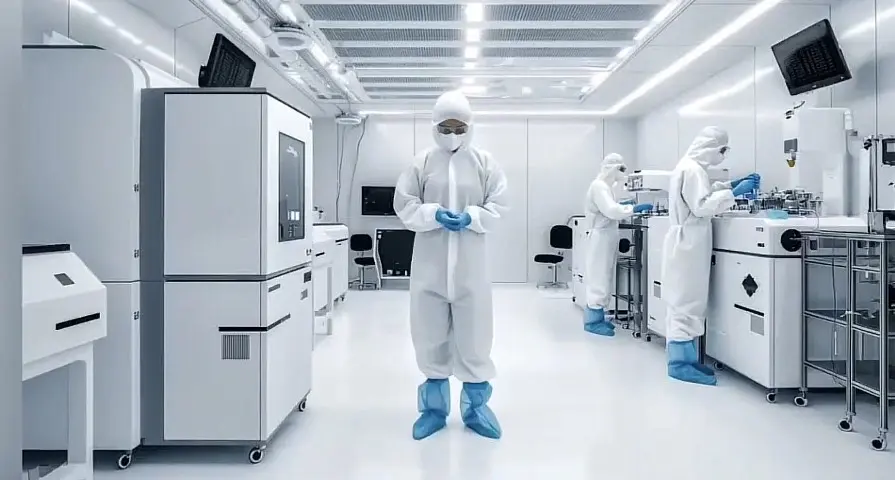
Why cleanrooms, healthcare and semiconductor plants are hard on air filtration
Cleanliness is a number, not a feeling
ISO 14644 defines how many particles of a given size may remain per cubic metre. Every filtration stage exists to make that number reachable and verifiable, not just to "look clean".
The terminal stage decides the class
Pre-filters protect the HEPA; the HEPA or ULPA at the point of use decides the achievable class. A weak final stage cannot be compensated by more pre-filtration.
Clean air is also energy
Cleanroom HVAC runs continuously and is a major share of plant energy. Every pascal of avoidable pressure drop is paid for 24 hours a day, all year.
Contamination has many sources
People, processes, materials and outdoor air all bring particles in. Filtration has to match each source, which is why a single stage is never enough.
Recommended filtration system
A three-stage chain is the standard configuration: the first two stages absorb the load so the terminal stage can hold the class without being changed prematurely.
| Stage | Typical class | What it captures | Recommended product |
|---|---|---|---|
| Pre-filtration | G4 / ISO Coarse | Coarse dust, lint, insects | Pleated panel pre-filter |
| Medium filtration | F7–F9 / ISO ePM1 | Fine dust, pollen, microorganisms | Medium-efficiency bag filter |
| Terminal filtration | H13–U17 HEPA / ULPA | ≥0.3 µm and ≥0.12 µm particles | Mini-pleated or V-bank HEPA |
Key control points
- 1Grade by ISO 14644 class, not by habit. The required class, air changes and recovery time determine the final filter grade; work backwards to the pre-filters from there.
- 2Keep the pressure cascade. Air must always flow from the cleanest space to the less clean one. If the cascade reverses, contamination travels with it.
- 3Seal the frame, not just the media. Bypass around a gasket can defeat a H14 filter. Check frame, gel seal and clamping force at commissioning.
- 4Change on resistance, not on a calendar. A terminal HEPA is changed when its pressure drop roughly doubles, or when the room can no longer hold the class.
- 5Validate with a quantitative test. PAO/DOP scan plus particle counting at commissioning and on a fixed interval is what makes the class defensible in an audit.
Frequently Asked Questions
What filter class do I need for an ISO Class 5 cleanroom?
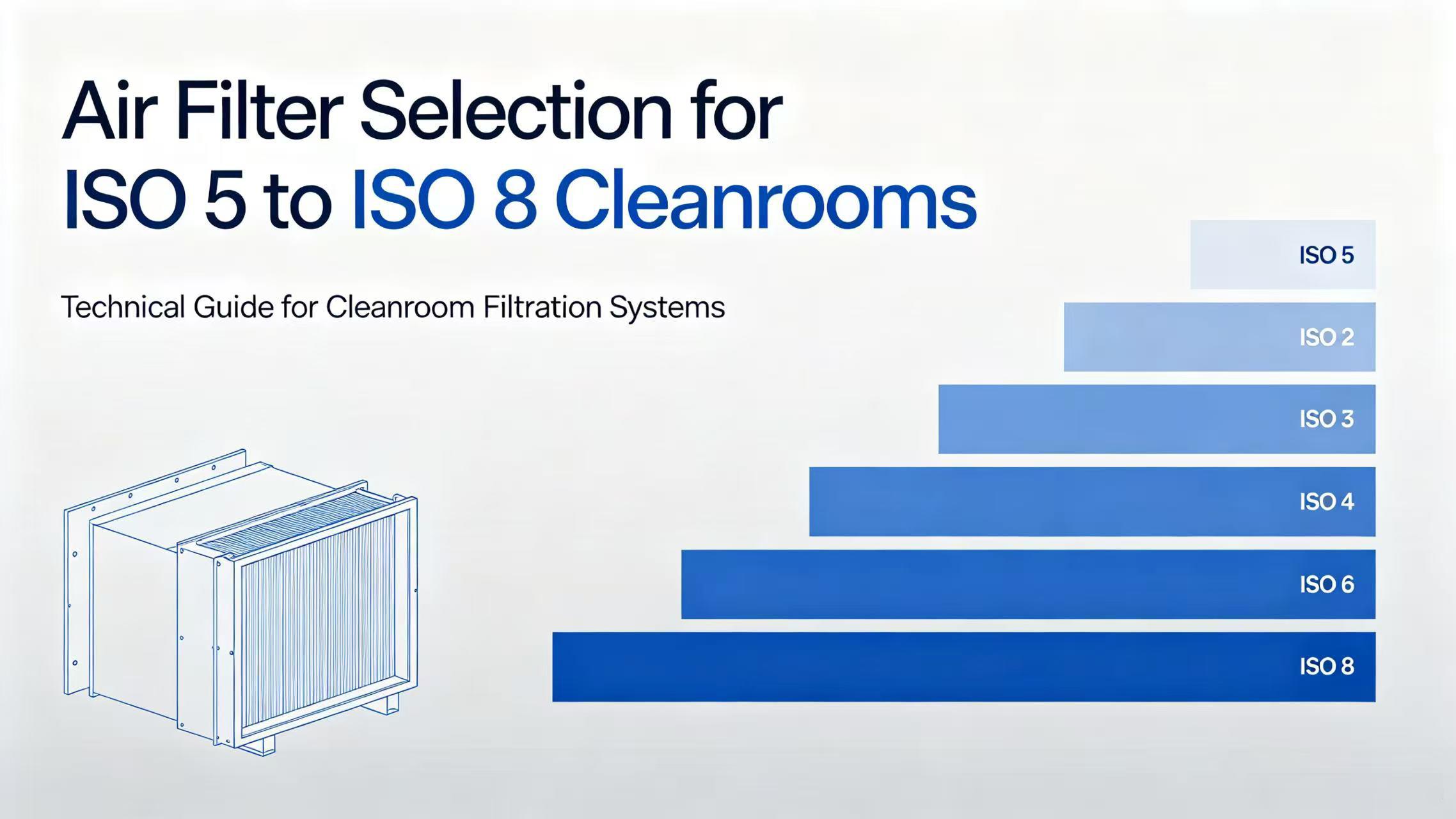
ISO Class 5 is normally reached with an H14 (or U15) terminal filter behind F7–F9 medium filtration, plus G4 pre-filtration. The exact grade depends on the particle size you must control and the air-change rate of the room.
H13 or H14 — which should I choose?
H13 is rated ≥99.95% at 0.3 µm, H14 ≥99.995%. Choose H14 when the class or the product requires it, and H13 where it is sufficient — a higher grade than needed costs more and adds resistance.
How often should HEPA filters be replaced?
Not on a fixed calendar. Replace when the pressure drop reaches about twice the clean initial value, when airflow can no longer be maintained, or when integrity testing fails. In a well-protected system this is commonly several years.
Can HEPA filters be cleaned and reused?
No. HEPA and ULPA media are not washable, and cleaning damages the media and the seal. The correct way to extend their life is better pre-filtration.
Do we need antimicrobial filter media?
Where microbial control is part of the requirement — operating rooms, pharmaceutical production, food-adjacent areas — antimicrobial or antiviral media adds a layer of control. It complements, and does not replace, correct filtration grades and pressure relationships.
Key Takeaways — Match the grade to the class, protect the terminal stage with proper pre-filtration, seal it, and change it on resistance. That is what keeps yield and patient safety predictable.