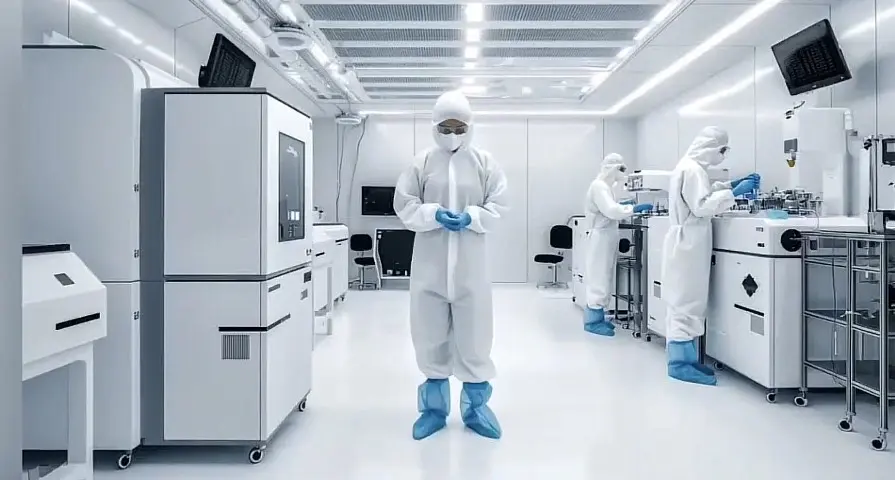
In the industrial cleanroom sector, the performance of High-Efficiency Particulate Air (HEPA) filters directly determines the cleanliness level of production environments, which is critical to product quality and process stability in core industries such as semiconductor manufacturing, biopharmaceuticals, and precision electronics. Scientific test methods are the core prerequisite for verifying HEPA filter efficiency and ensuring reliable operation.
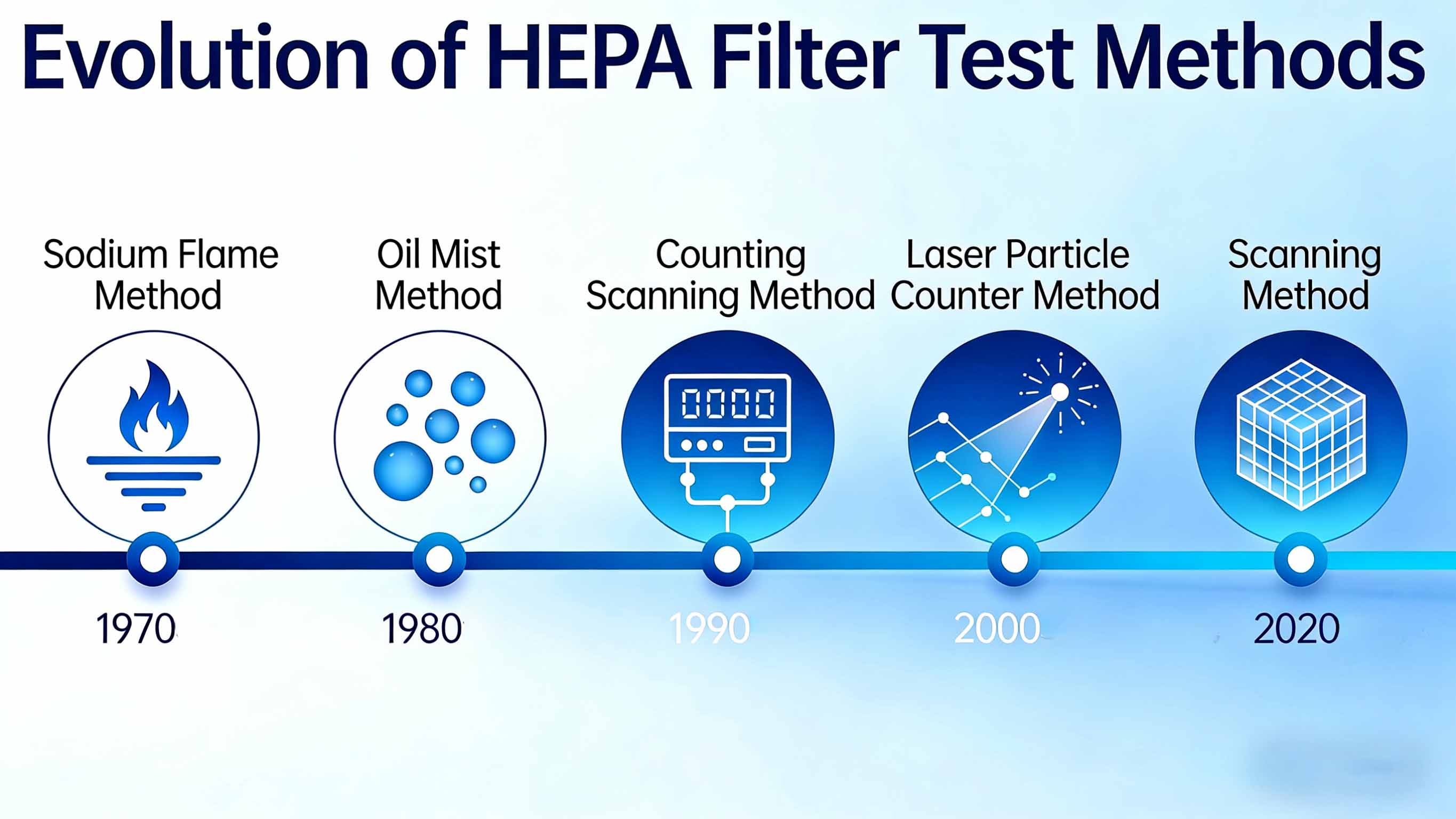
From classic flame-based and oil mist methods in the mid-20th century to the current mainstream technical scanning method globally, the evolution of HEPA filter test technologies has always kept pace with the upgrading of industrial demands. This article systematically sorts out the technical principles, application scenarios, and development trends of five mainstream test methods, providing professional references for enterprises in selection and testing.
Sodium Flame Method: A Classic National Standard Originated in the UK
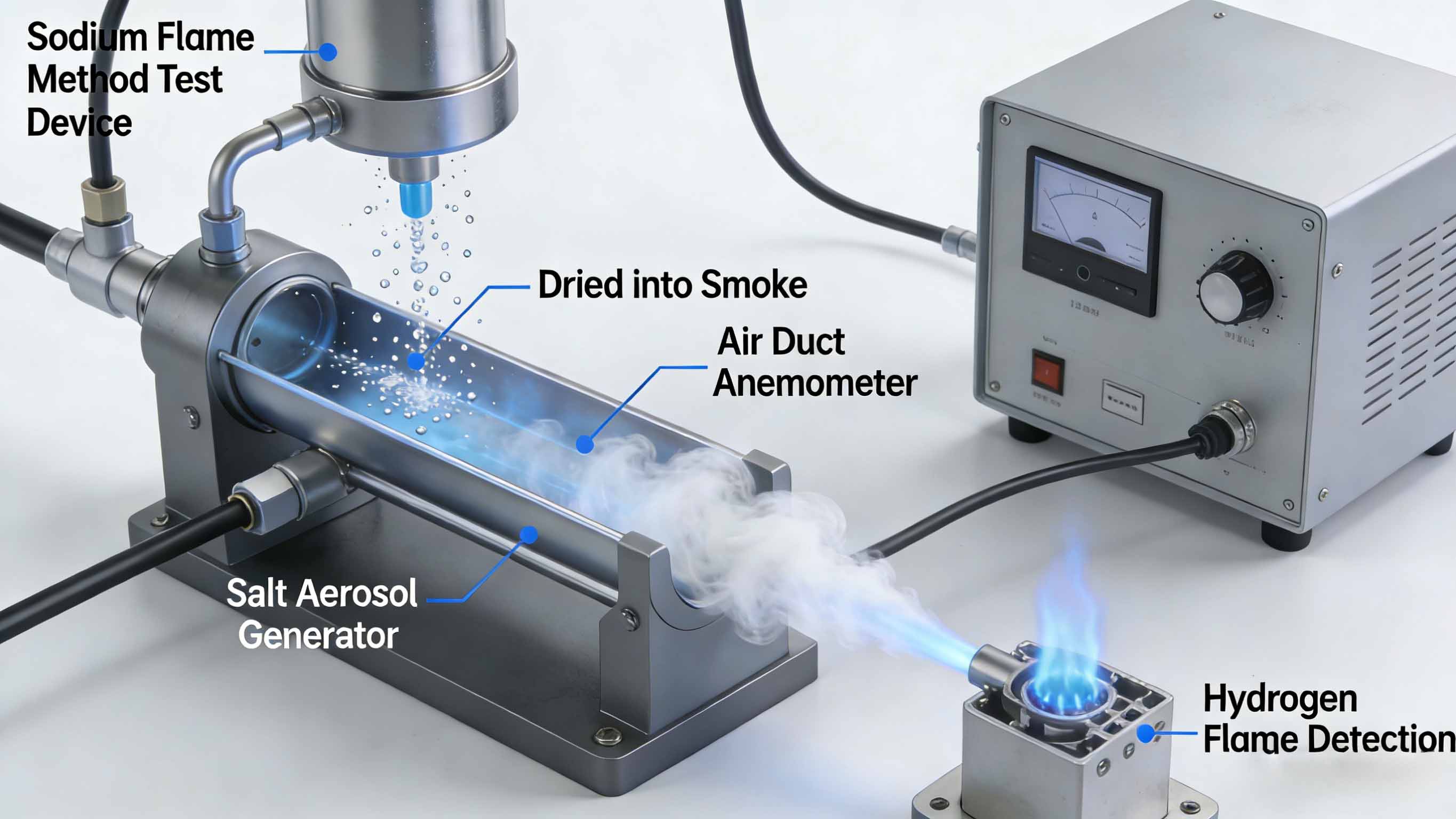
The Sodium Flame Method is a widely adopted HEPA filter testing method in China and was once prevalent in many European countries. Its technical principle is highly representative. The test uses monodisperse sodium chloride (NaCl) aerosol as the test medium. Brine is agitated by compressed air to form tiny droplets, which are dried before entering the air duct. The core of the detection lies in utilizing the reaction characteristics between hydrogen flame and NaCl aerosol—when the aerosol-containing gas is introduced into the hydrogen flame, the flame turns blue and its brightness increases significantly. Test personnel use a photometer to collect gas samples before and after the filter, determine the change in air aerosol concentration by comparing the flame brightness difference, and finally calculate the filter efficiency.
According to Chinese national standards, the average diameter of test aerosol particles is 0.4 microns, but the actual measurement result of existing domestic devices is approximately 0.5 microns; early European measurement data showed the particle diameter to be 0.65 microns.
As a time-honored testing method, the Sodium Flame Method has long occupied a dominant position in the domestic HEPA filter testing market due to its relatively simple operation and controllable cost. However, with the popularization of the technical scanning method, Europe has gradually phased out this method, while domestic enterprises still regard it as an important compliance testing tool.
DOP Method: A Globally Used Standard for Over 50 Years
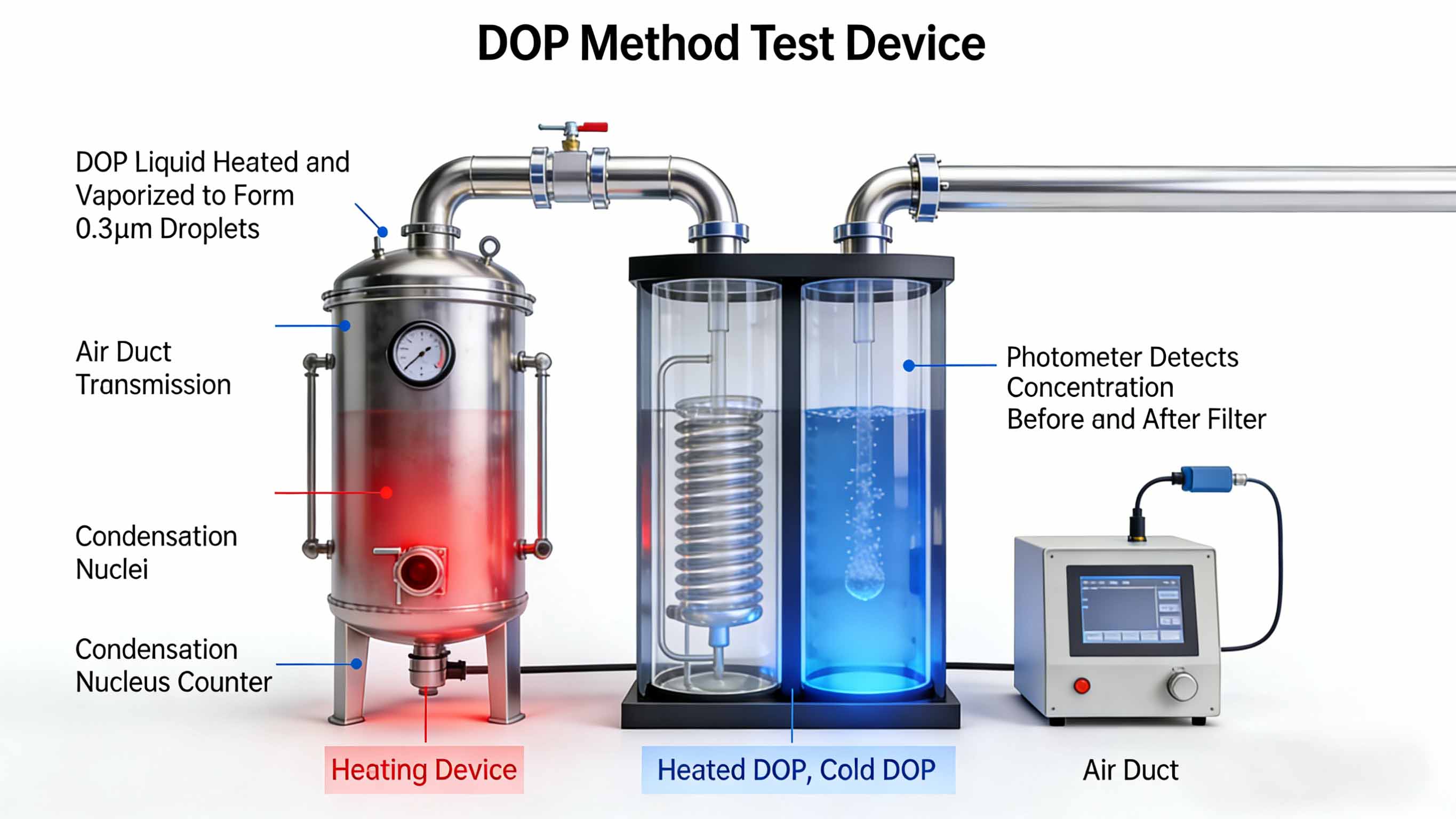
Originating in the United States, the DOP Method is an internationally accepted HEPA filter testing method with a history of over 50 years and once became the global industry benchmark. This method uses 0.3-micron monodisperse dioctyl phthalate (DOP) droplets as the test dust source. DOP is a common plasticizer in the plastics industry. During the test, it is vaporized by heating, and the vapor condenses into tiny droplets under specific temperature and pressure conditions.
After classification, uniform particles of approximately 0.3 microns are selected and sent into the air duct. A photometer is also used as the detection instrument to determine the filter efficiency for DOP particles by measuring the turbidity difference of gas samples before and after the filter.
In the early days, the industry generally believed that 0.3 microns is the most difficult particle size for HEPA filters to capture, so this particle size became the core testing standard of the DOP Method. According to the dust generation method, the DOP Method is divided into Hot DOP and Cold DOP: the former refers to the above-mentioned heating vaporization and condensation method, while the latter uses compressed air to impact DOP liquid to form polydisperse droplets, which is often used for scanning leak detection of filters.
Despite its widespread application, the limitations of the DOP Method have gradually become apparent with the refined development of testing technology, and it is currently being phased out by the technical scanning method.
Technical Scanning Method: The Global Mainstream Precision Testing Solution
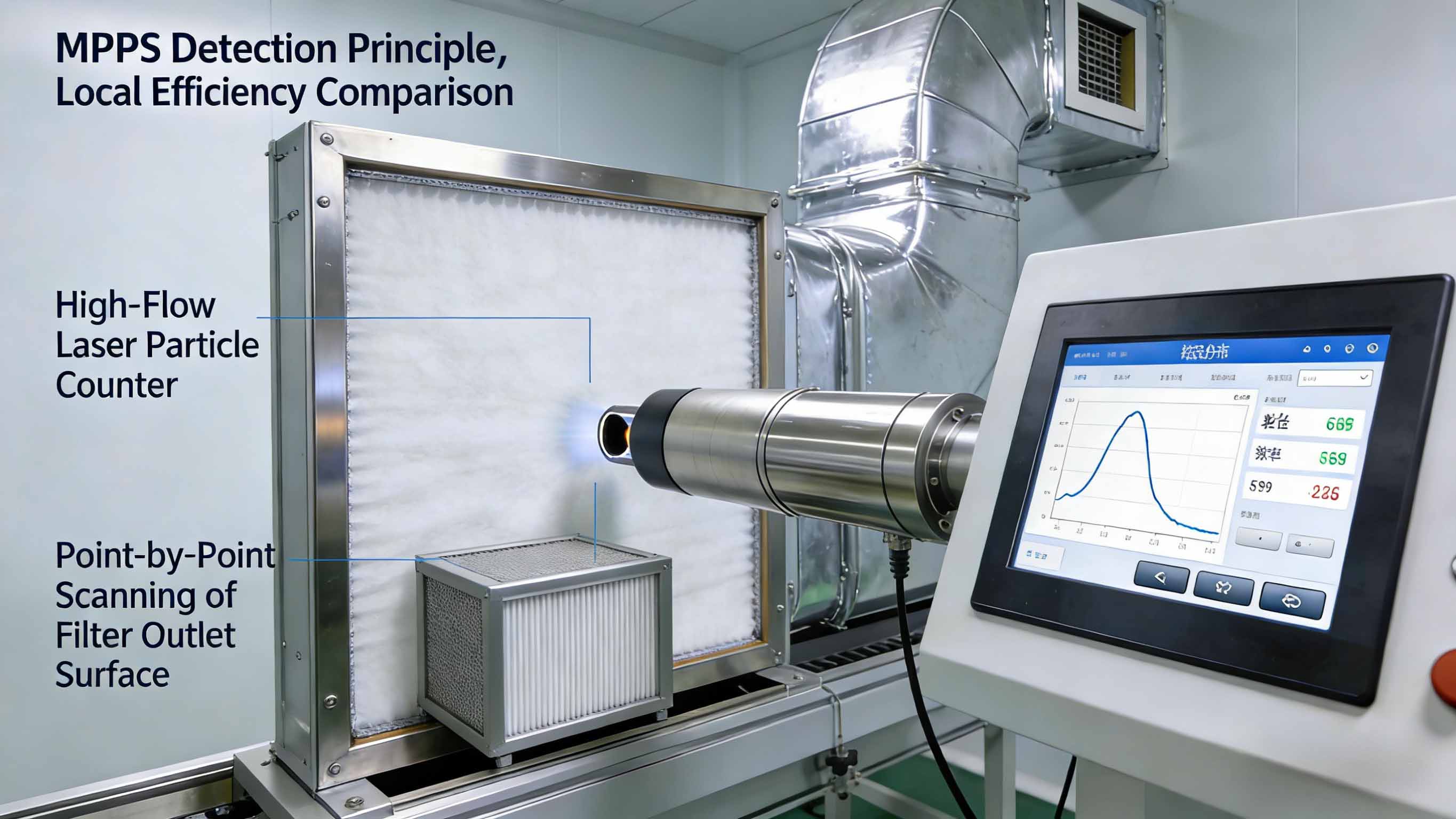
The Technical Scanning Method is the current mainstream HEPA filter testing method internationally and is recognized as the strictest and most accurate testing technology, representing the future trend of industry development. Different from the "overall efficiency testing" of traditional methods, the core advantage of the Technical Scanning Method lies in performing point-by-point scanning inspection on the entire air outlet surface of the filter. The test uses a high-flow laser particle counter or condensation nucleus counter as the core instrument, which can accurately capture the number and particle size distribution of dust particles at each detection point. This feature not only calculates the average filtration efficiency of the filter but also intuitively compares the local efficiency of each area, accurately locates leak points, and provides data support for filter quality optimization.
Based on European industry experience, the Most Penetrating Particle Size (MPPS) for HEPA filters ranges between 0.1 and 0.25 microns. Therefore, the standard process of the Technical Scanning Method is: first accurately test the MPPS of the target filter, then conduct continuous scanning detection for dust of that particle size to ensure the stringency and representativeness of the test results. Europe refers to this precise MPPS-targeted testing approach as MPPS; the US standard is more direct, explicitly requiring testing only for the 0.1~0.2 micron range.
The test dust source is flexible and diverse, including polydisperse droplets generated by LASKIN nozzles or DHS nozzles, solid dust with a determined particle size, and in some cases, atmospheric dust or industry-specific dust can be used according to user requirements. It should be noted that if a condensation nucleus counter is used, monodisperse test dust with a known particle size must be used to ensure detection accuracy.
It is worth mentioning that the detection speed of a single scanning device is relatively slow, which is difficult to match the efficiency of large-scale production lines. Therefore, mainstream filter manufacturers usually configure multiple scanning devices to balance production capacity and detection quality.
Oil Mist Method: A Former Mainstream Testing Method in Germany, the Soviet Union, and China
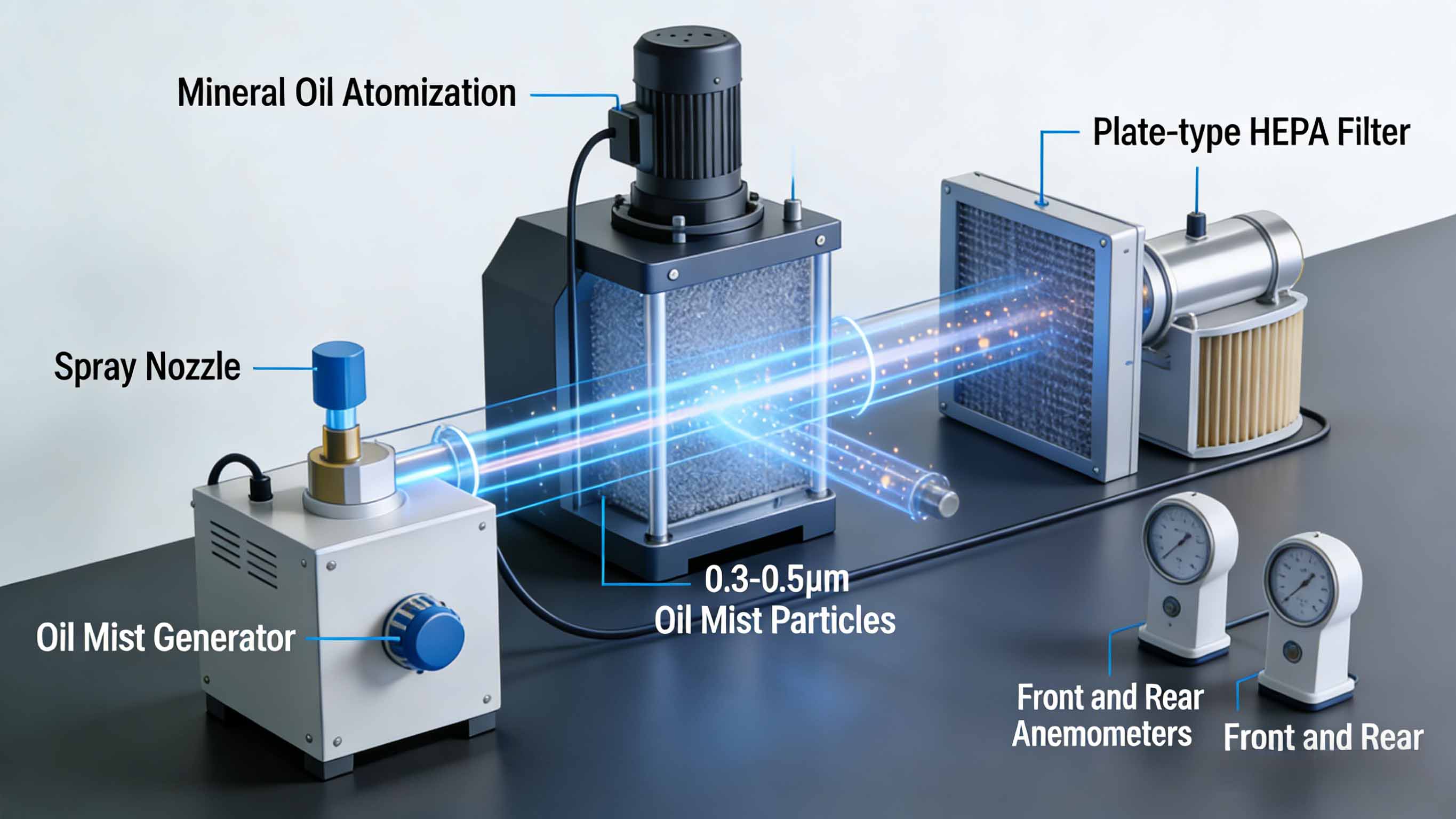
The Oil Mist Method is a HEPA filter testing method once widely adopted in the former Federal Republic of Germany, the Soviet Union, and China, and its application scenarios have gradually narrowed. This method uses oil mist as the test medium, and determines the filtration efficiency by measuring the turbidity difference of gas samples before and after the filter with a nephelometer. Different countries have slightly different technical parameter requirements for oil mist: German standards explicitly require the use of paraffin oil, with the oil mist particle size controlled between 0.3~0.5 microns; Chinese standards stipulate that the mass-average diameter of oil mist particles is 0.28~0.34 microns, without specific restrictions on the type of oil.
With technological iteration, Germany took the lead in incorporating the Technical Scanning Method into its national standards in 1993, and the European standard EN1882 was also formulated based on Germany's relevant standards. Today in China, the application scope of the Oil Mist Method has been greatly reduced, and only some filter material manufacturers still use it when testing filter material performance.
Uranine Fluorescence Method: A Niche Testing Solution Exclusive to France
The Uranine Fluorescence Method is a HEPA filter testing method unique to France and is currently only used for special testing scenarios of some nuclear industry filters, with a relatively niche application scope. The test uses uranine (fluorescein sodium) dust generated by a nebulizer as the test medium. The detection process consists of three core steps: first, sampling is performed before and after the filter to collect dust on filter paper; then, the uranine on the filter paper is dissolved in water to prepare an aqueous solution; finally, professional equipment is used to measure the fluorescence brightness of the aqueous solution under specific conditions, which indirectly reflects the dust mass concentration. The filtration efficiency is then calculated through the brightness difference between the front and rear samples.
According to the French standard NFX 44011 (1972 edition), the dust particles generated by the Uranine Fluorescence Method test device have a number-average diameter of 0.08 microns and a volume-average diameter of 0.15 microns.
In practical application, the Uranine Fluorescence Method has a relatively cumbersome operation process, involving sampling, dissolution, and fluorescence detection, resulting in low detection efficiency. In the past, French filter manufacturers preferred the DOP Method over their national standard Uranine Fluorescence Method; today, France has also incorporated the European Technical Scanning Method into its national standards, and only uses the Uranine Fluorescence Method to meet the special needs of traditional customers such as the nuclear industry.
Smoke Leak Detection Method: An Efficient Auxiliary Method for Leak Point Localization
The Smoke Leak Detection Method is an efficient auxiliary method for HEPA filter leak point localization, often used in conjunction with other testing methods. The operation scenario of this method is extremely simple: in a darkroom environment, smoke is introduced upstream of the filter, and a strong light beam is used to illuminate the air outlet surface of the filter. Once the filter has a leak point, a wisp of smoke escaping from the leak point can be clearly seen, enabling rapid and accurate leak point localization.
The Smoke Leak Detection Method is not used for quantitative detection of filtration efficiency, but its intuitive and convenient advantages make it an important auxiliary tool for factory leak detection of filters and on-site installation acceptance, helping technicians promptly identify and repair problems.
Conclusion
From traditional methods relying on flame brightness and turbidity to modern technologies for precise scanning of particle sizes, the evolution of HEPA filter test methods reflects the unremitting pursuit of "precision control" in the industrial cleanroom sector. For enterprises, the selection of testing methods needs to balance industry standards, application scenarios, and quality requirements: the Sodium Flame Method can be preferred for complying with domestic standards, the Technical Scanning Method should be benchmarked for exporting to European and American markets, and methods such as the Smoke Leak Detection Method can be used as effective supplements for quality control.
In the future, as industrial manufacturing's requirements for cleanliness continue to increase, HEPA filter testing technology will continue to develop in the direction of higher precision, higher efficiency, and smarter solutions.
Whalesens Technology — Experience the Future of Air Purification
Free Technical Consultation: Expert guidance on the latest technologies and applicability.
Customized Solutions: Tailored filter systems designed for your specific needs.
Get Consultation →Common Air Filter Types
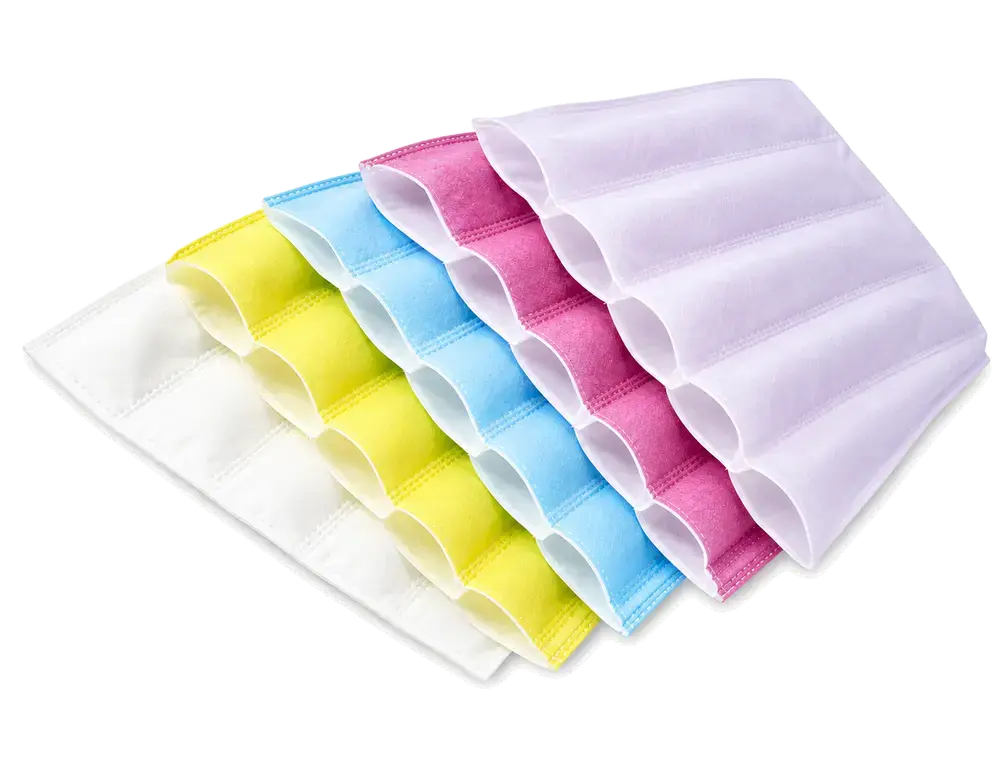
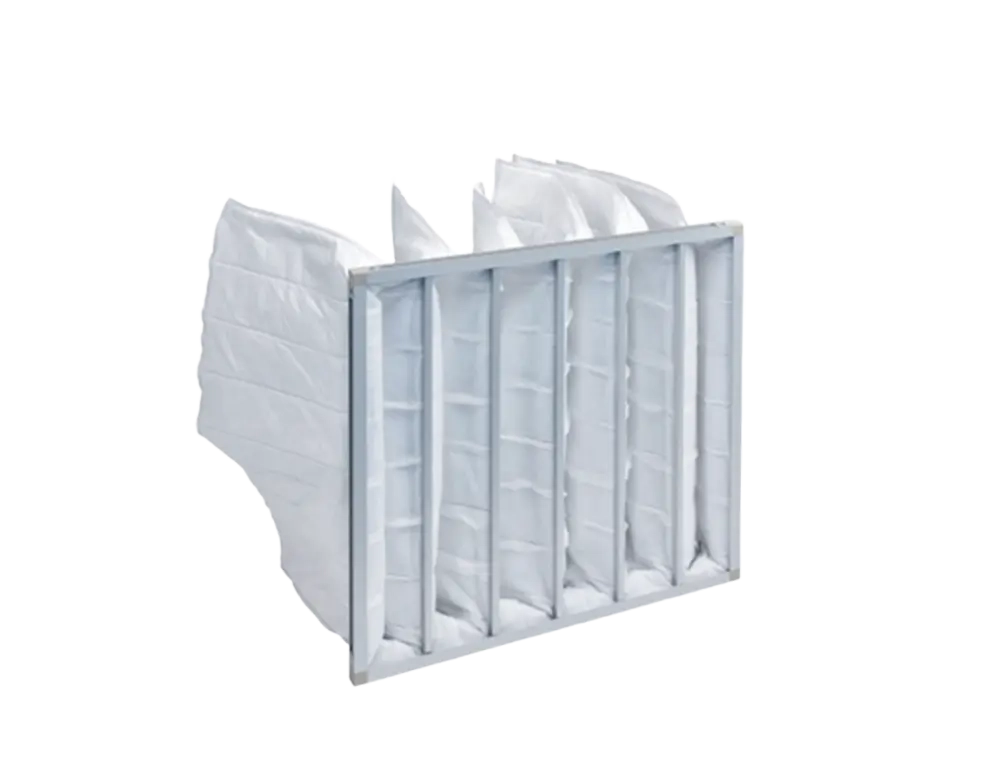
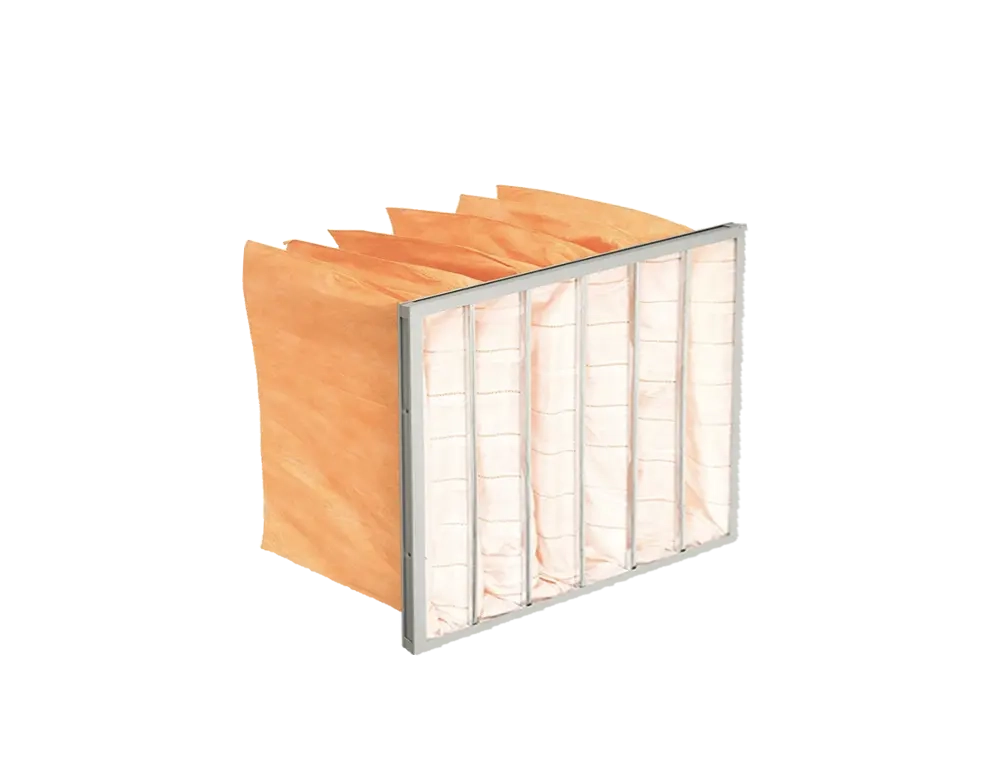
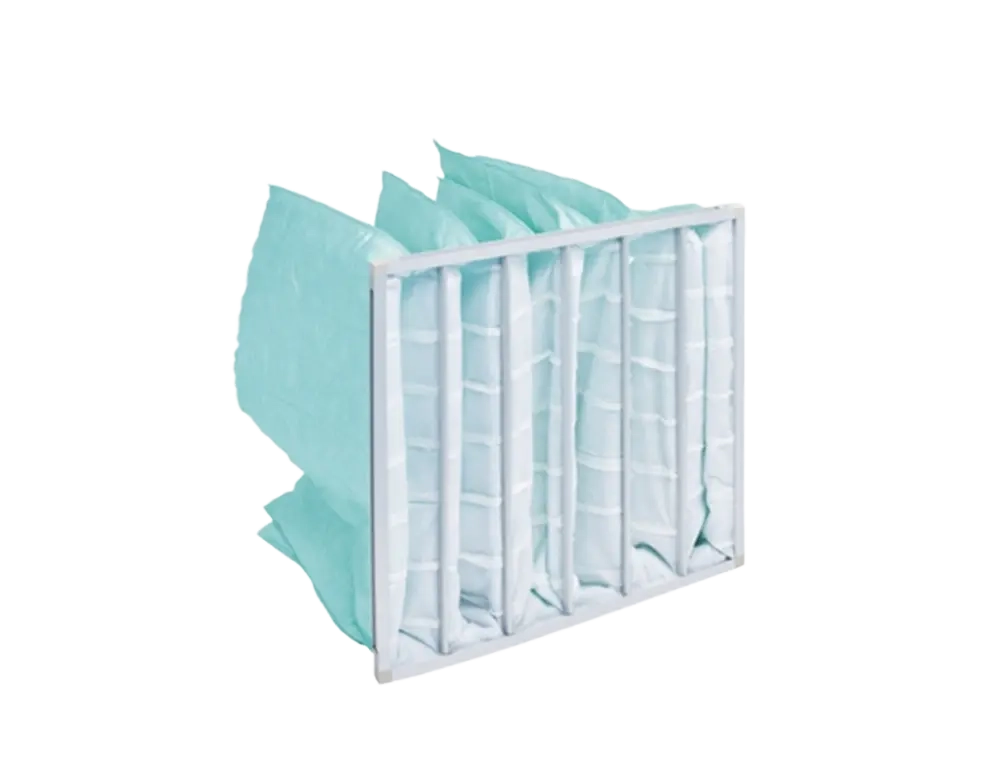
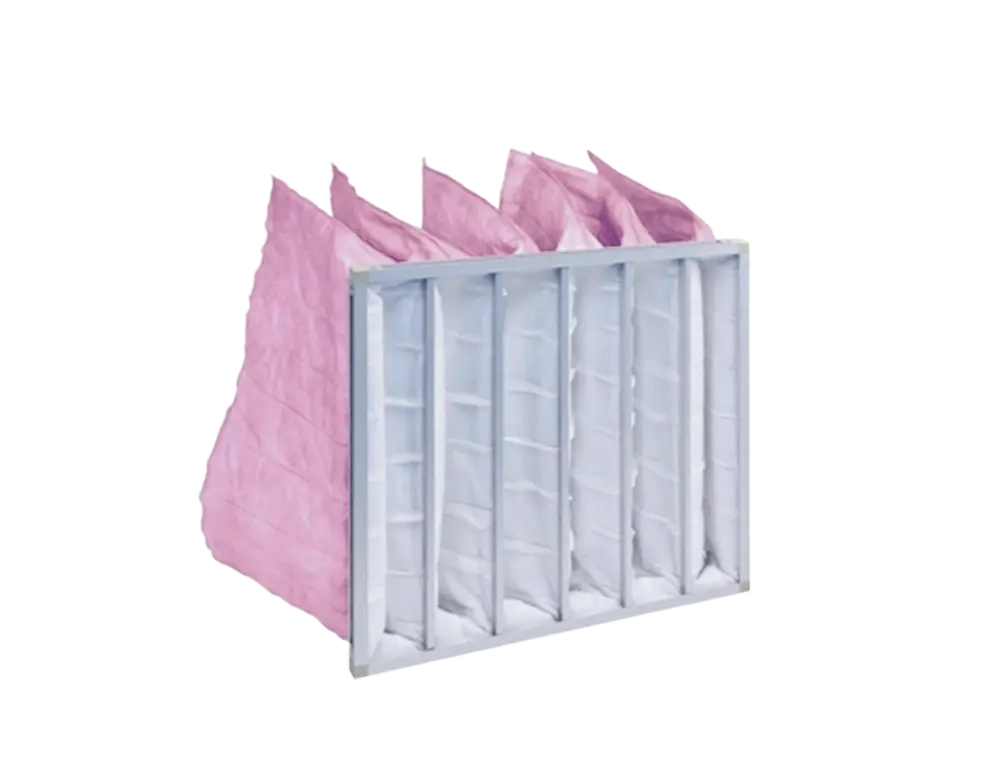
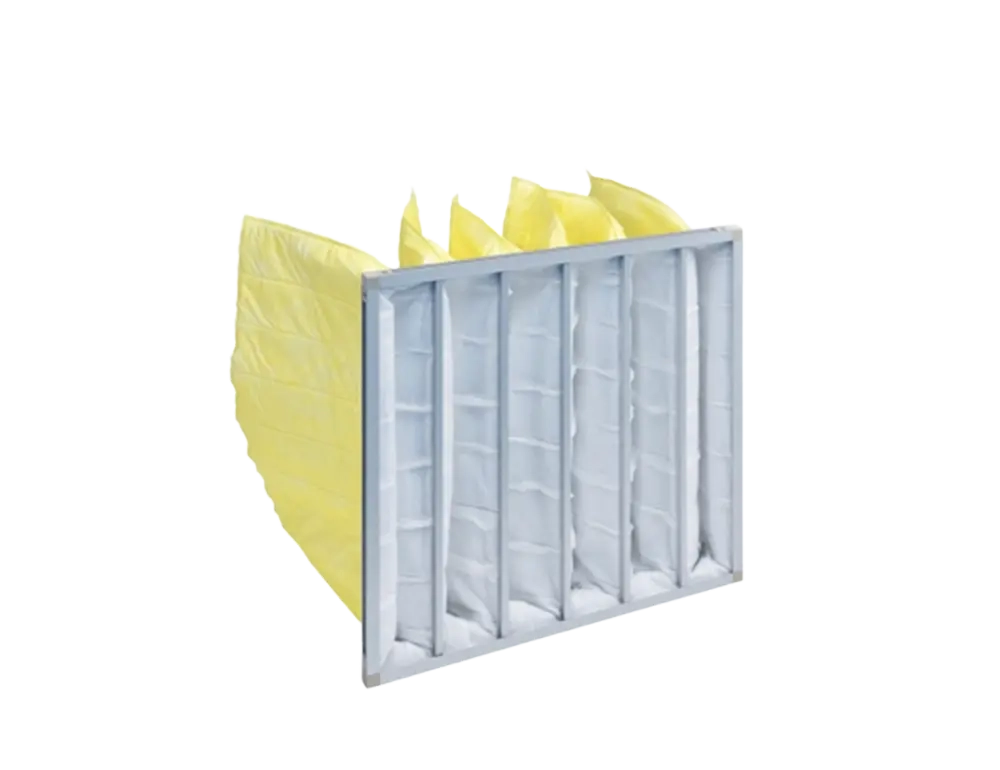
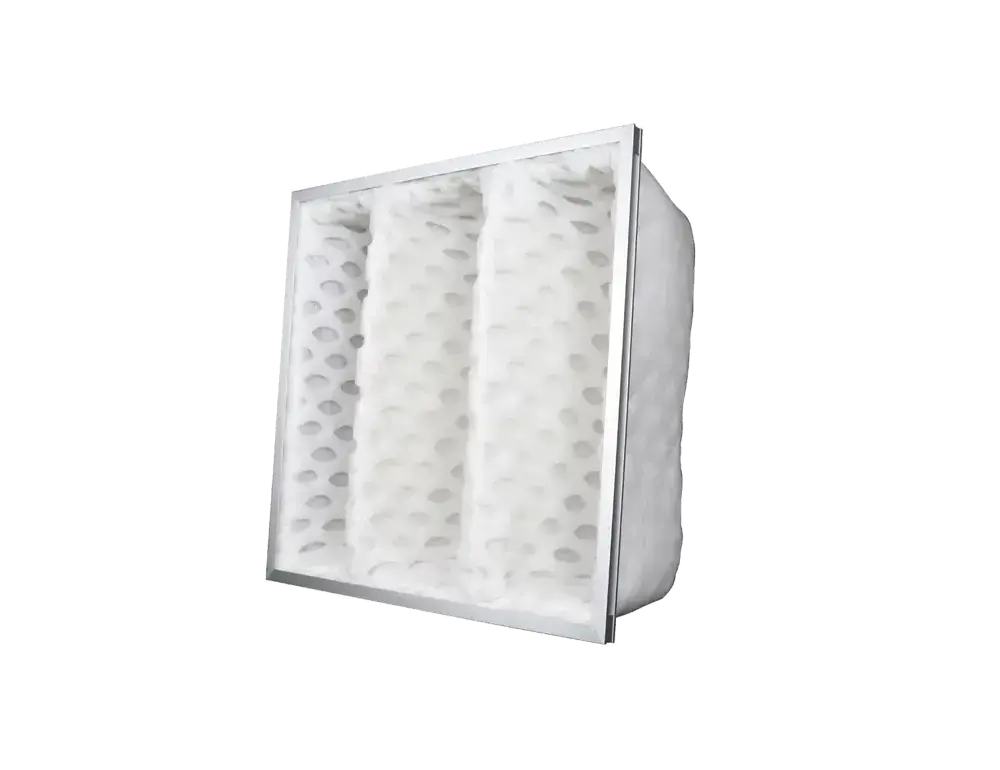
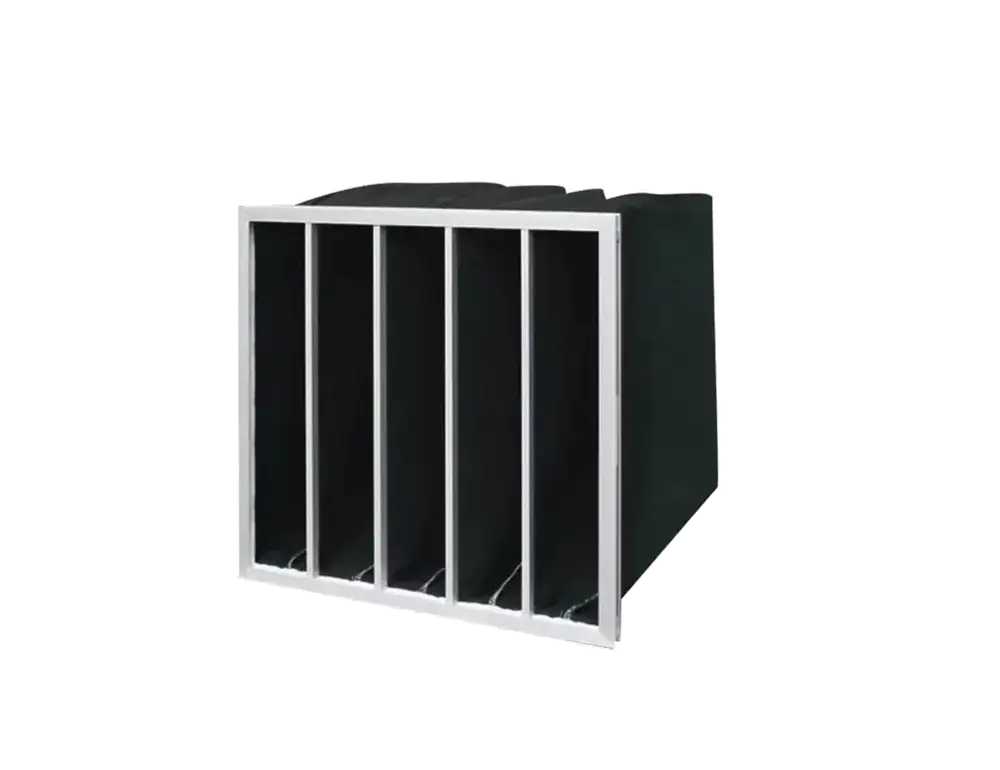
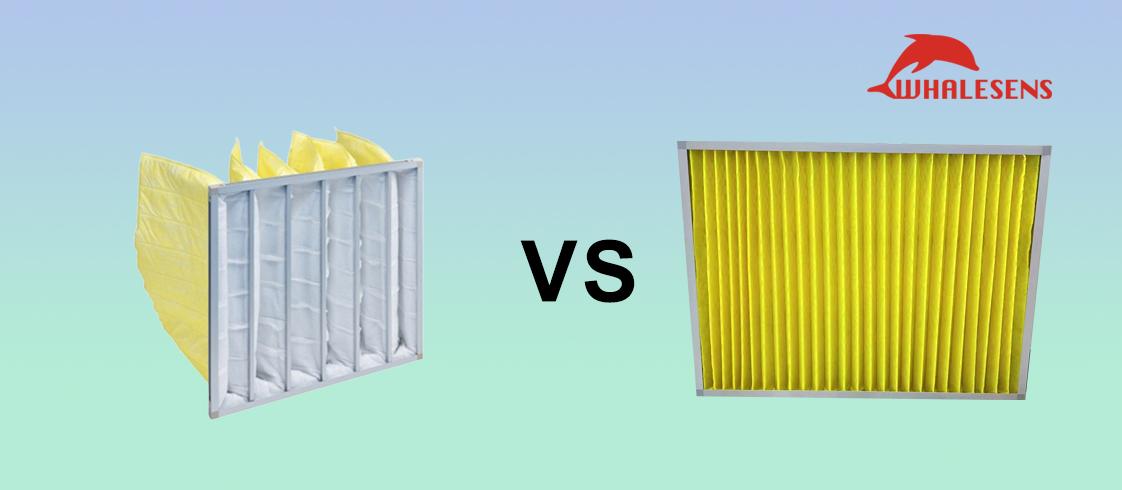
Bag Filters: Remove medium to large particles such as dust and pollen; ideal for livestock farms, industrial facilities, and schools.
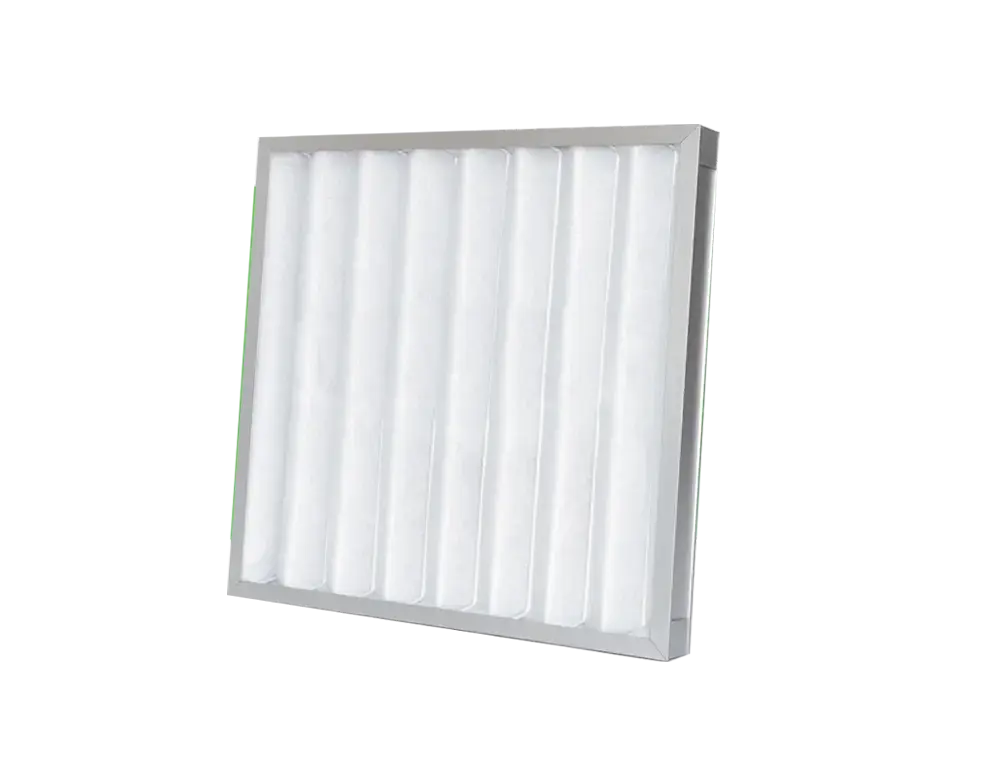
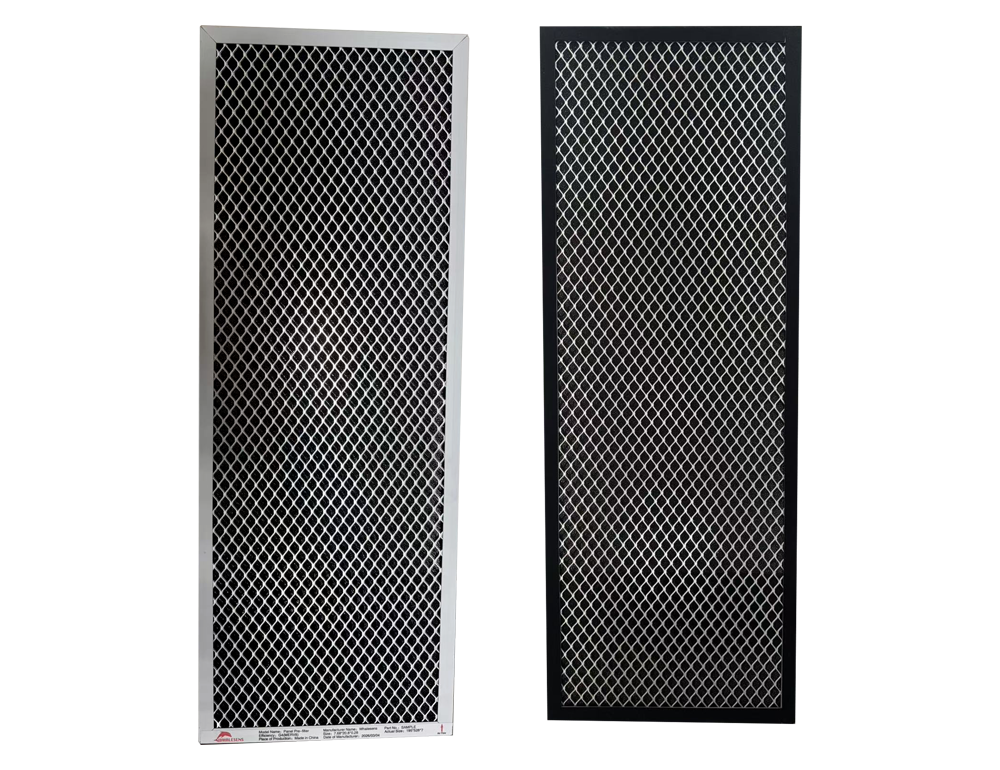
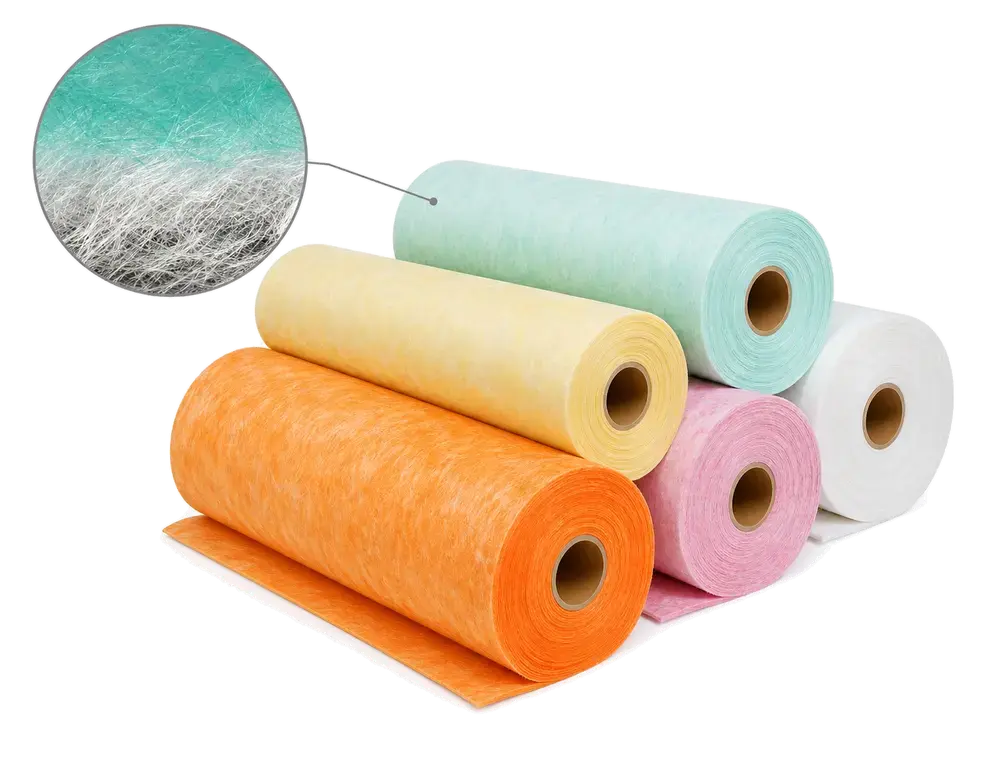
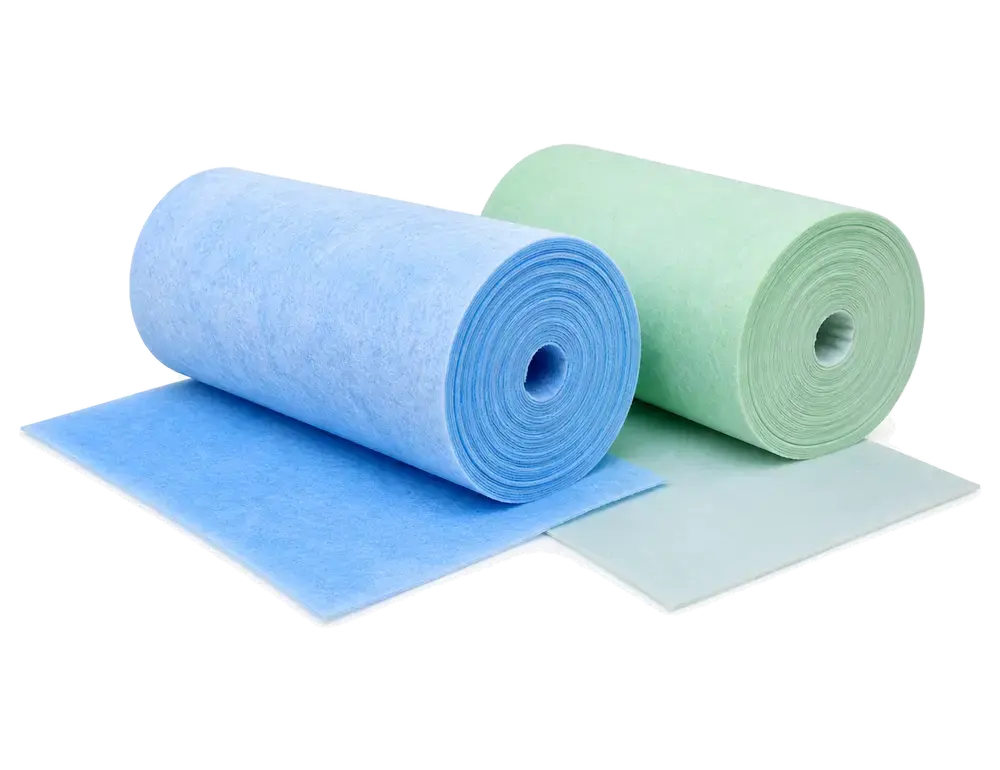
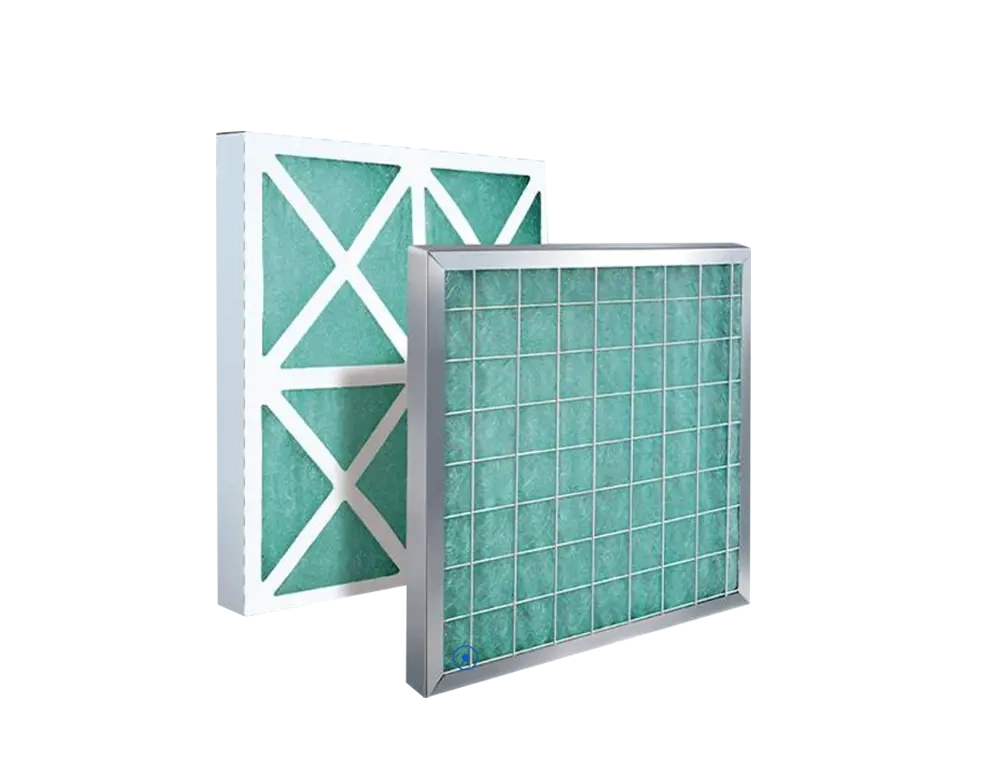
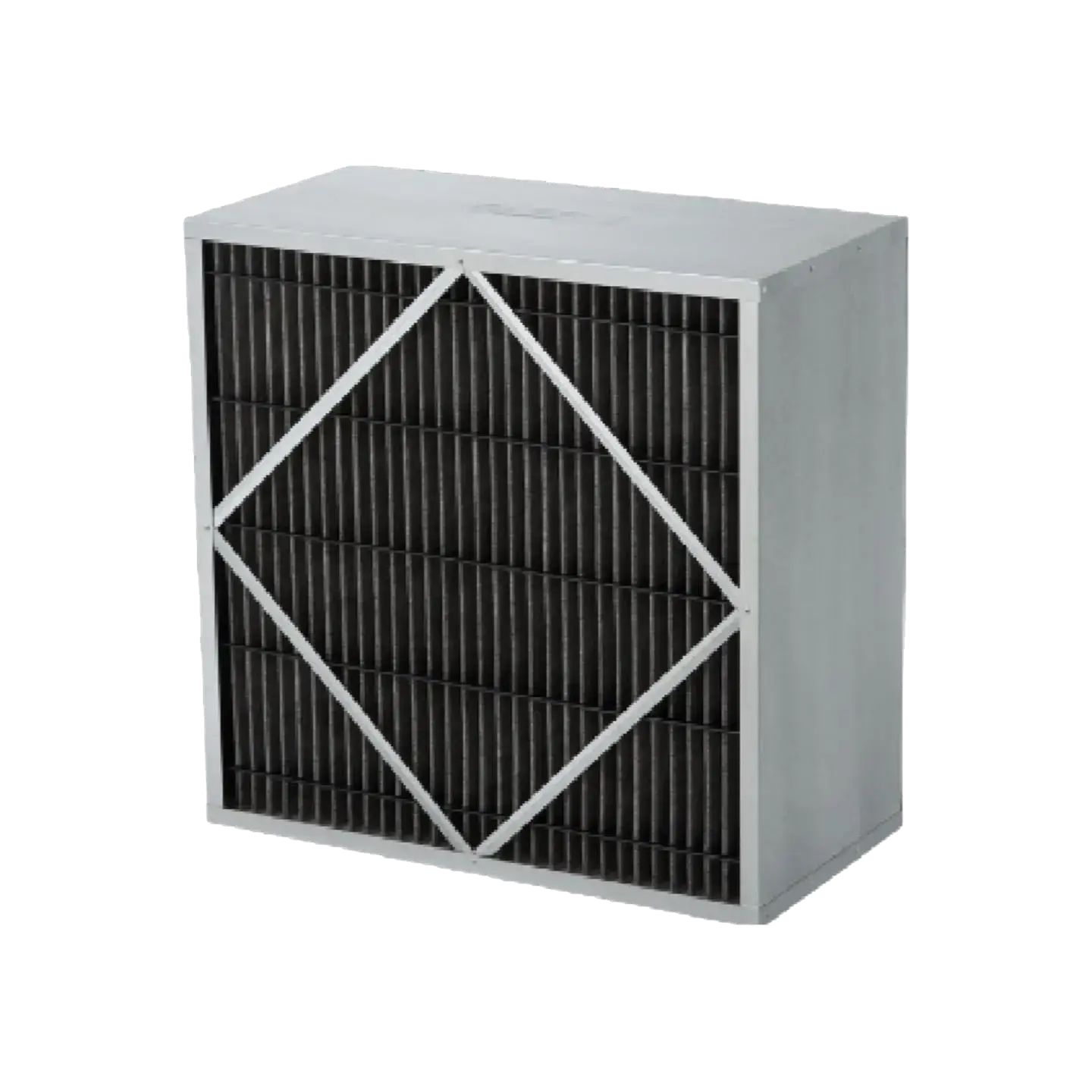
Panel Filters: Serve as primary or medium-efficiency filters to protect equipment and extend the life of high-efficiency filters.
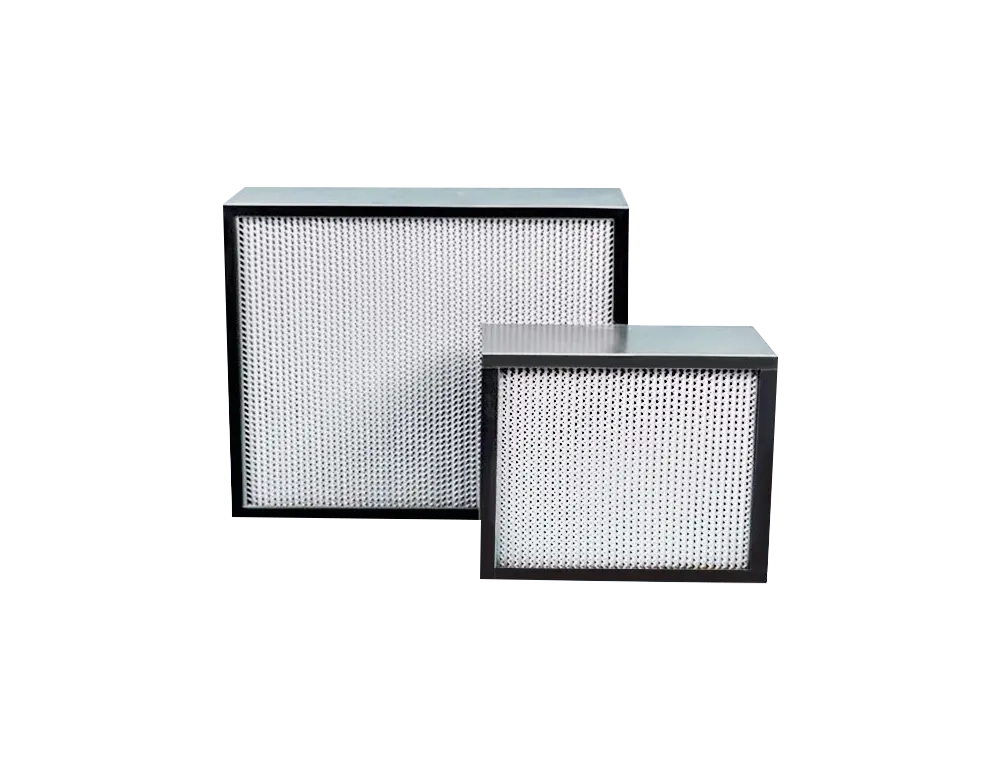
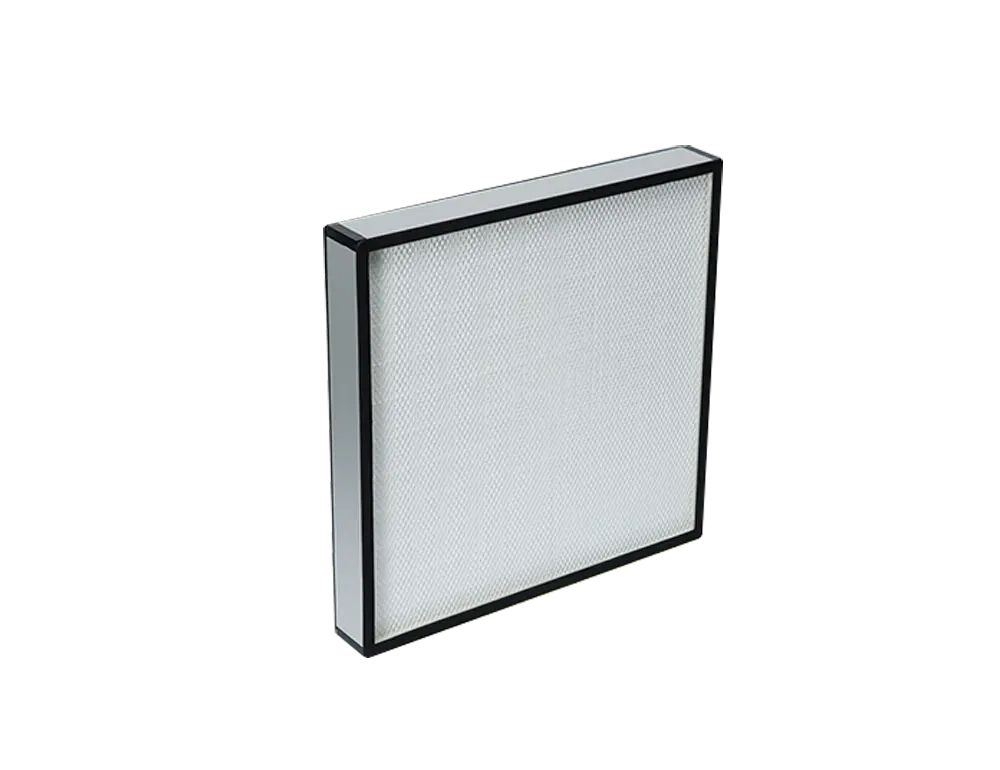
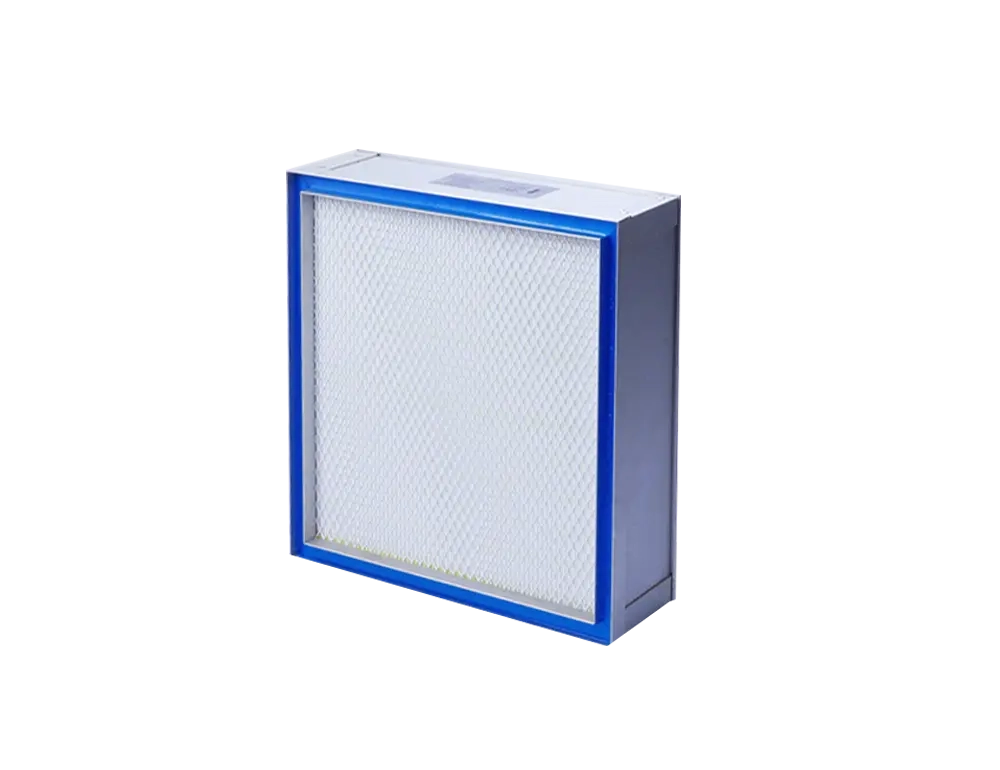
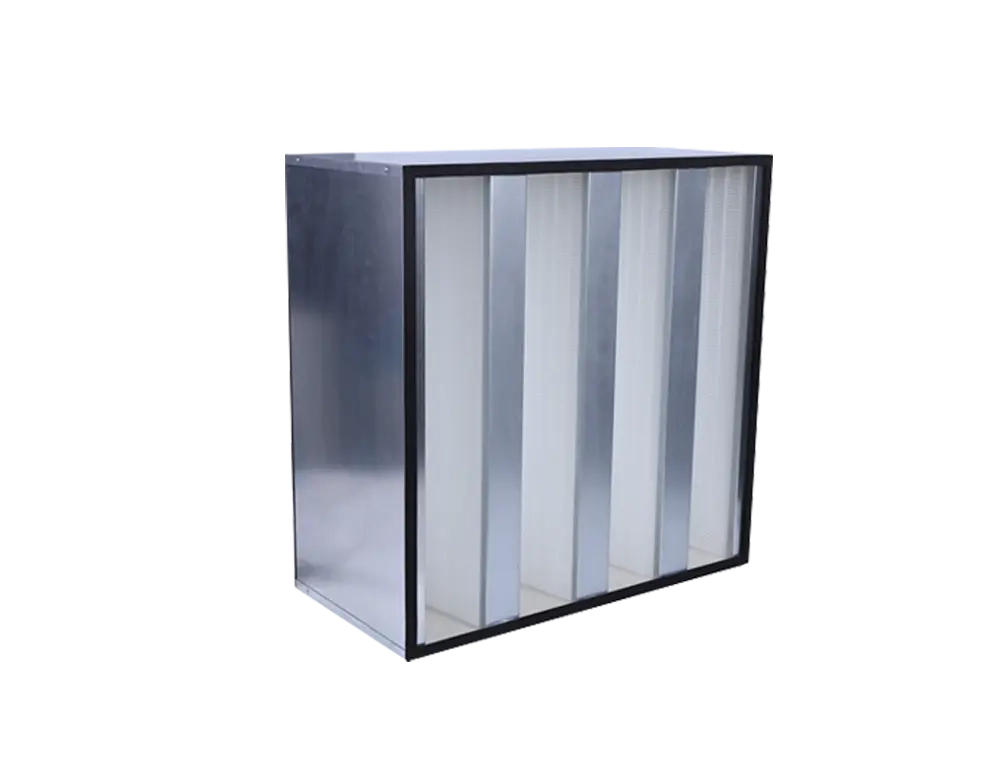
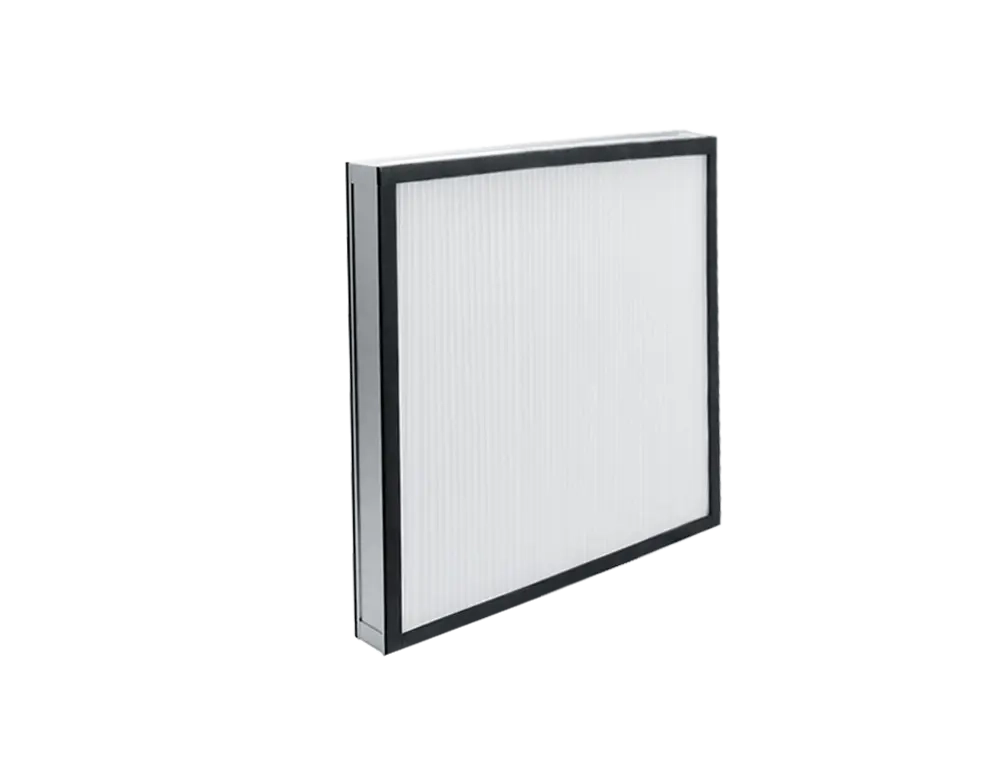
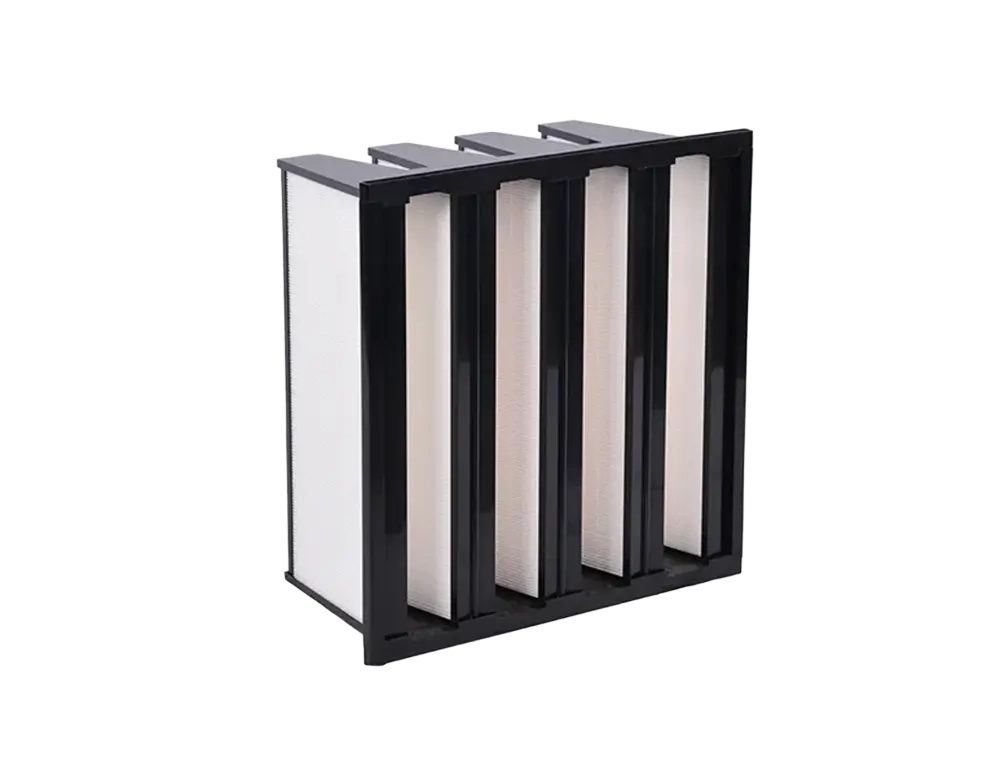
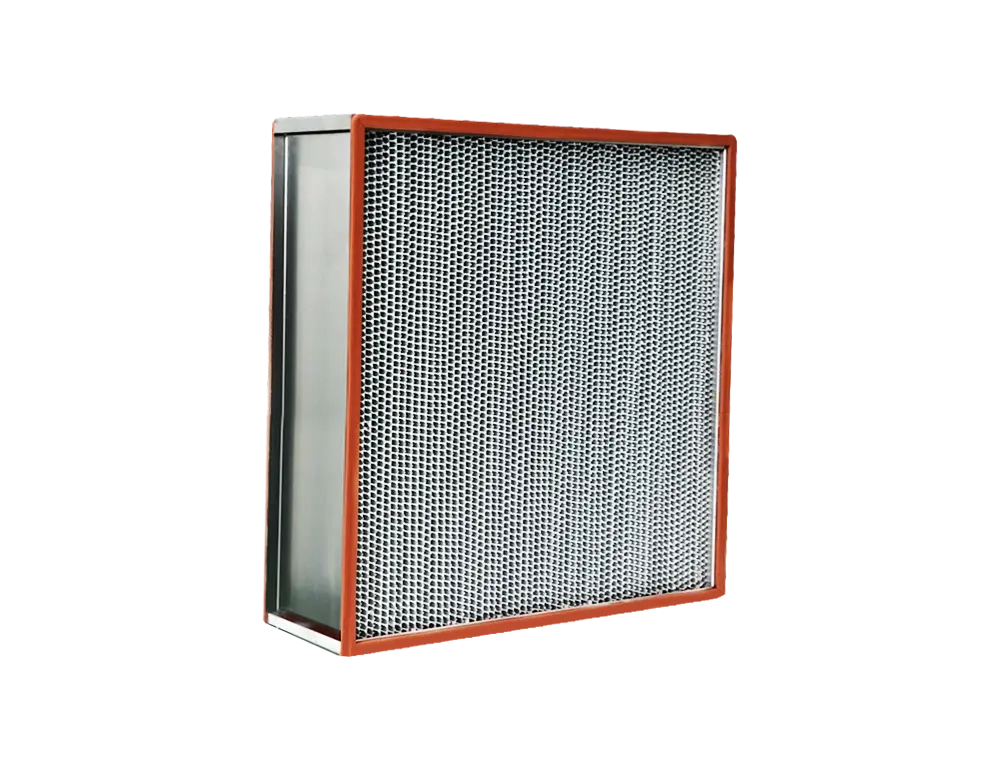
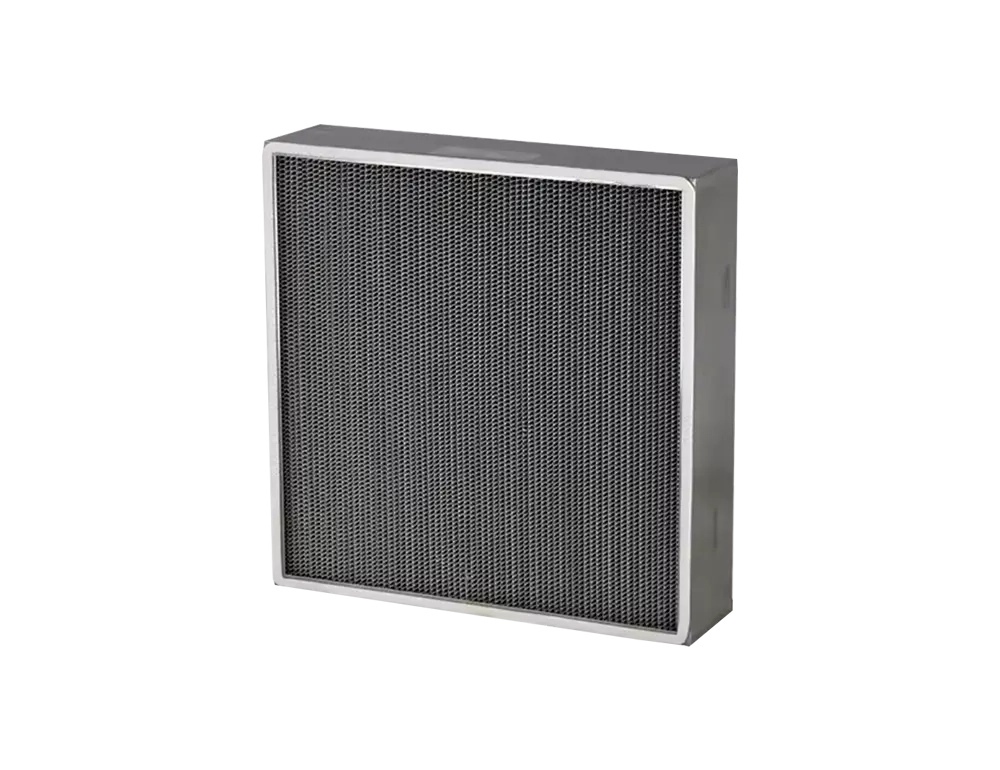
HEPA Filters: Capture PM2.5, pollen, bacteria, and most airborne particulates; perfect for classrooms, laboratories, and medical environments.
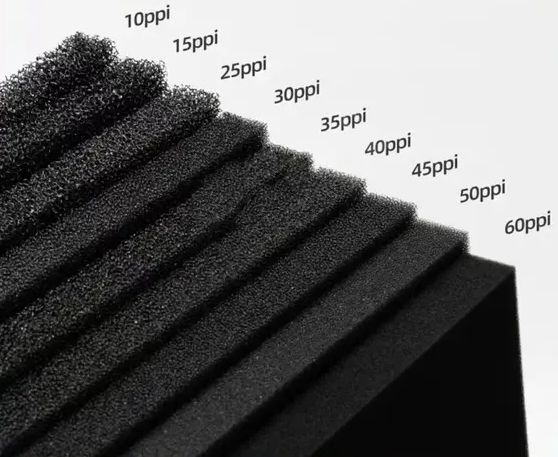
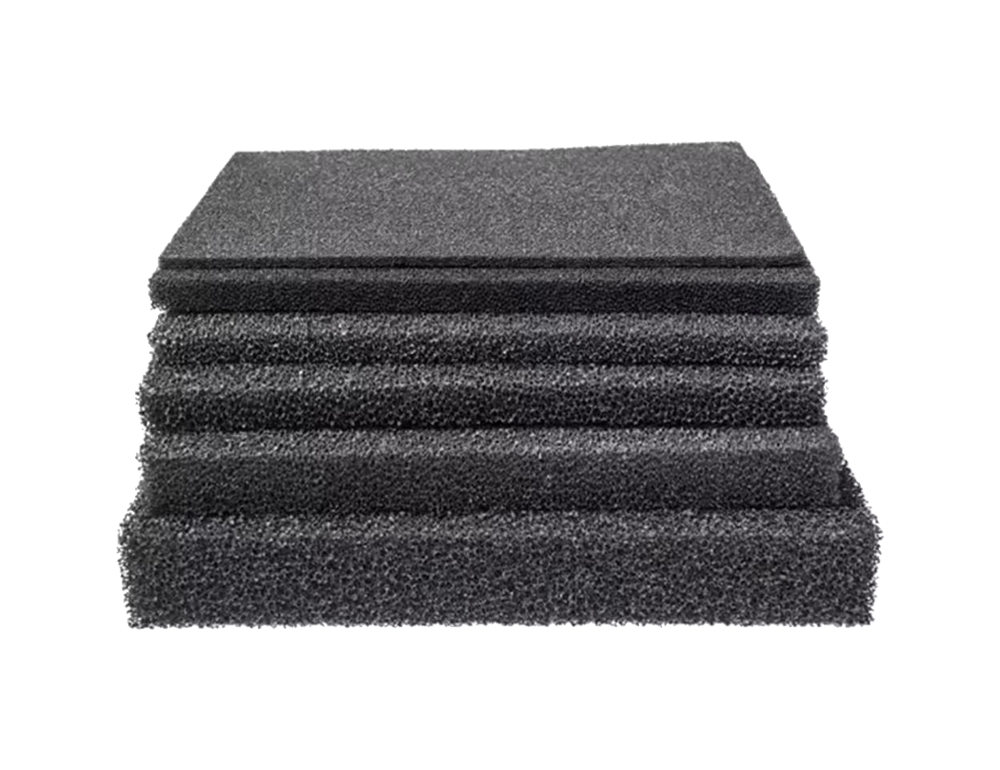
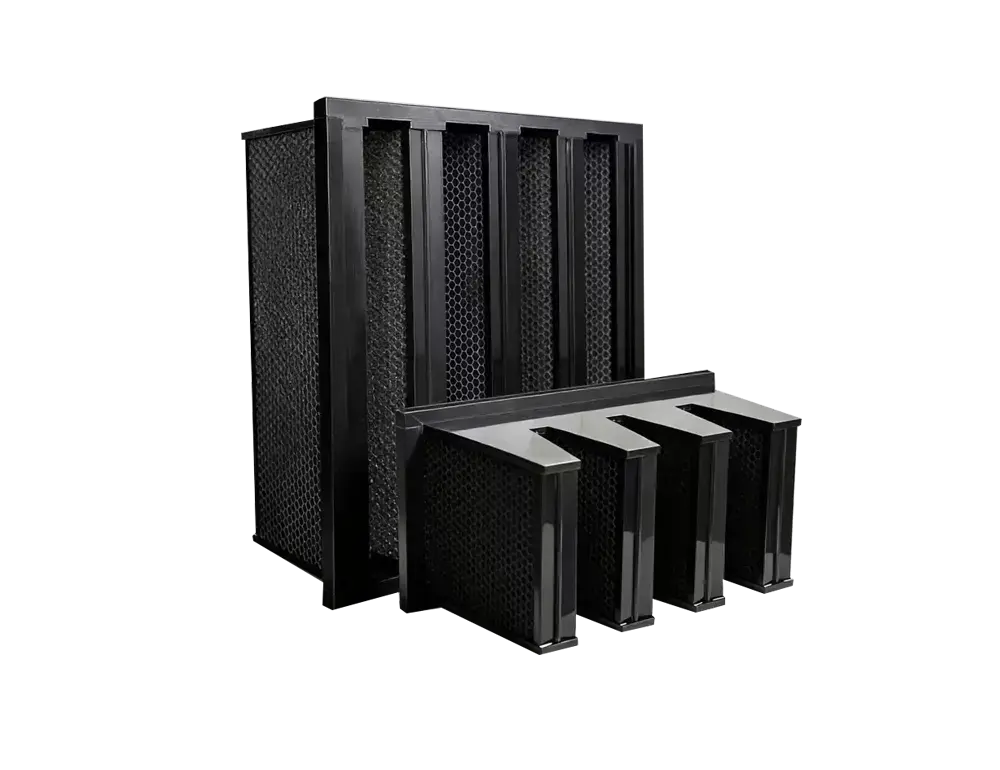
Activated Carbon Filters: Remove gaseous pollutants, odors, and volatile organic compounds; suitable for food processing, livestock, and enclosed spaces.
Explore More Articles
Application of Air Filters in Modern Pig Farms
Air Filtration in Schools: A Comprehensive Guide
Case Study: Air Filtration Solutions for Semiconductor Cleanrooms
Learn more about our innovative technologies:
🌐 Official Website: www.whalesens.com
📞 WhatsApp: (+86) 13119189886
📧 Email: whalesens@gmail.com















 English(Global)
 简体中文
简体中文 Language