


EV Charging Stations
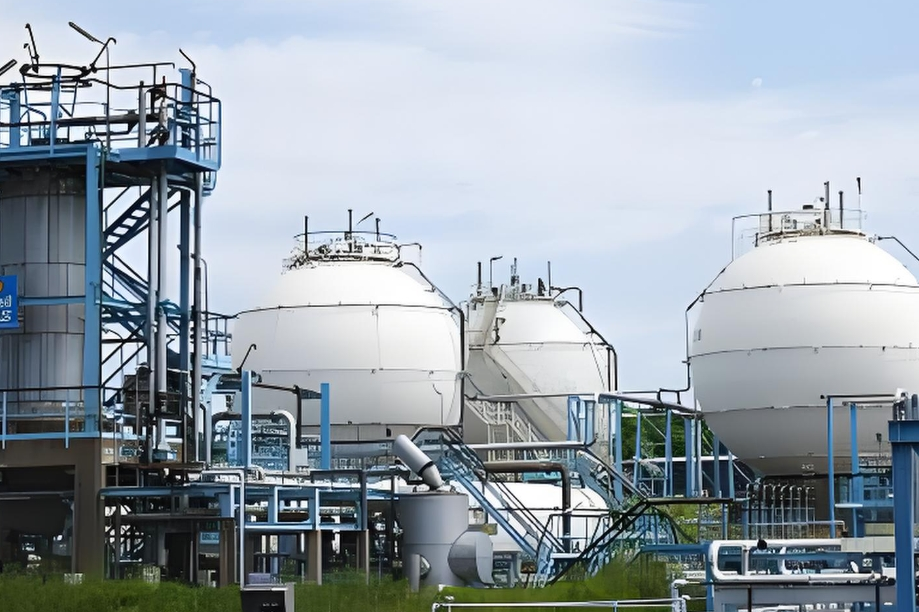
Filtration for Power Equipment
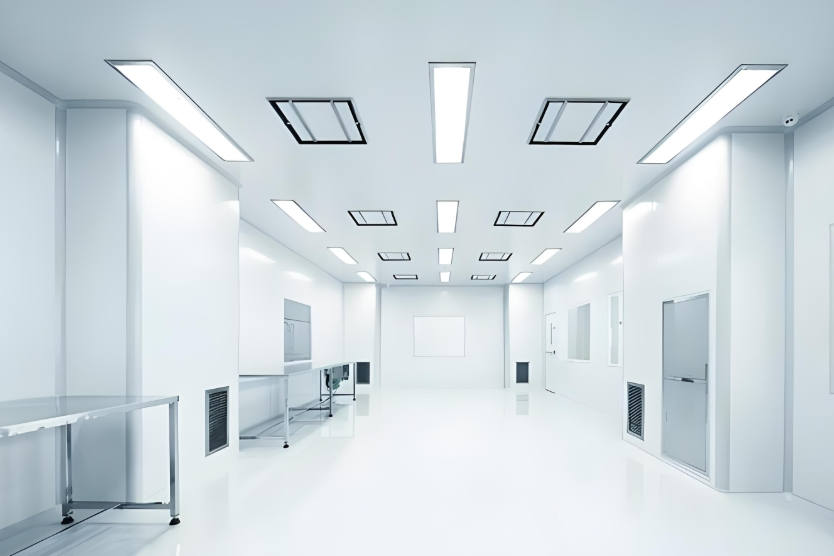
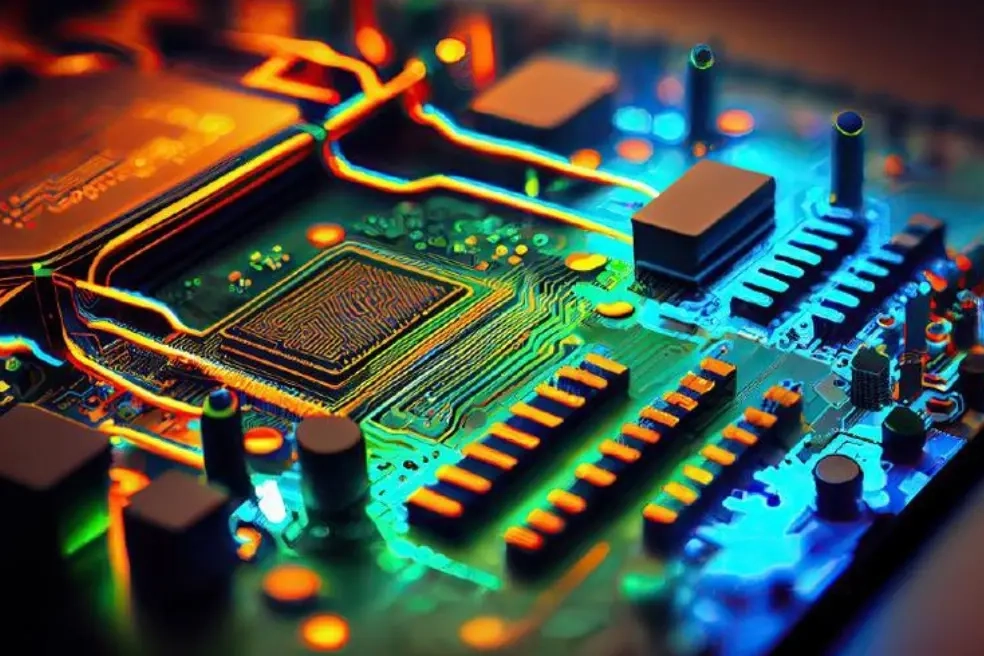
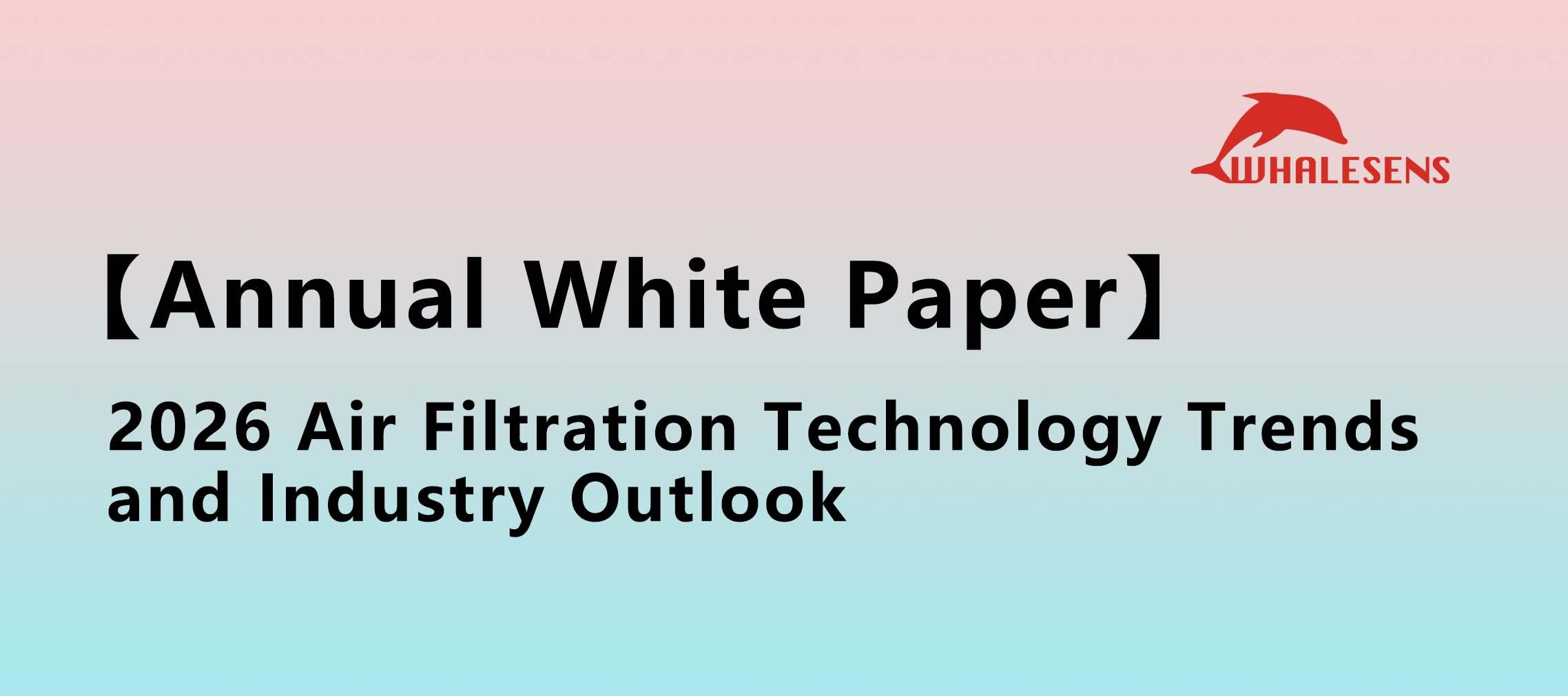
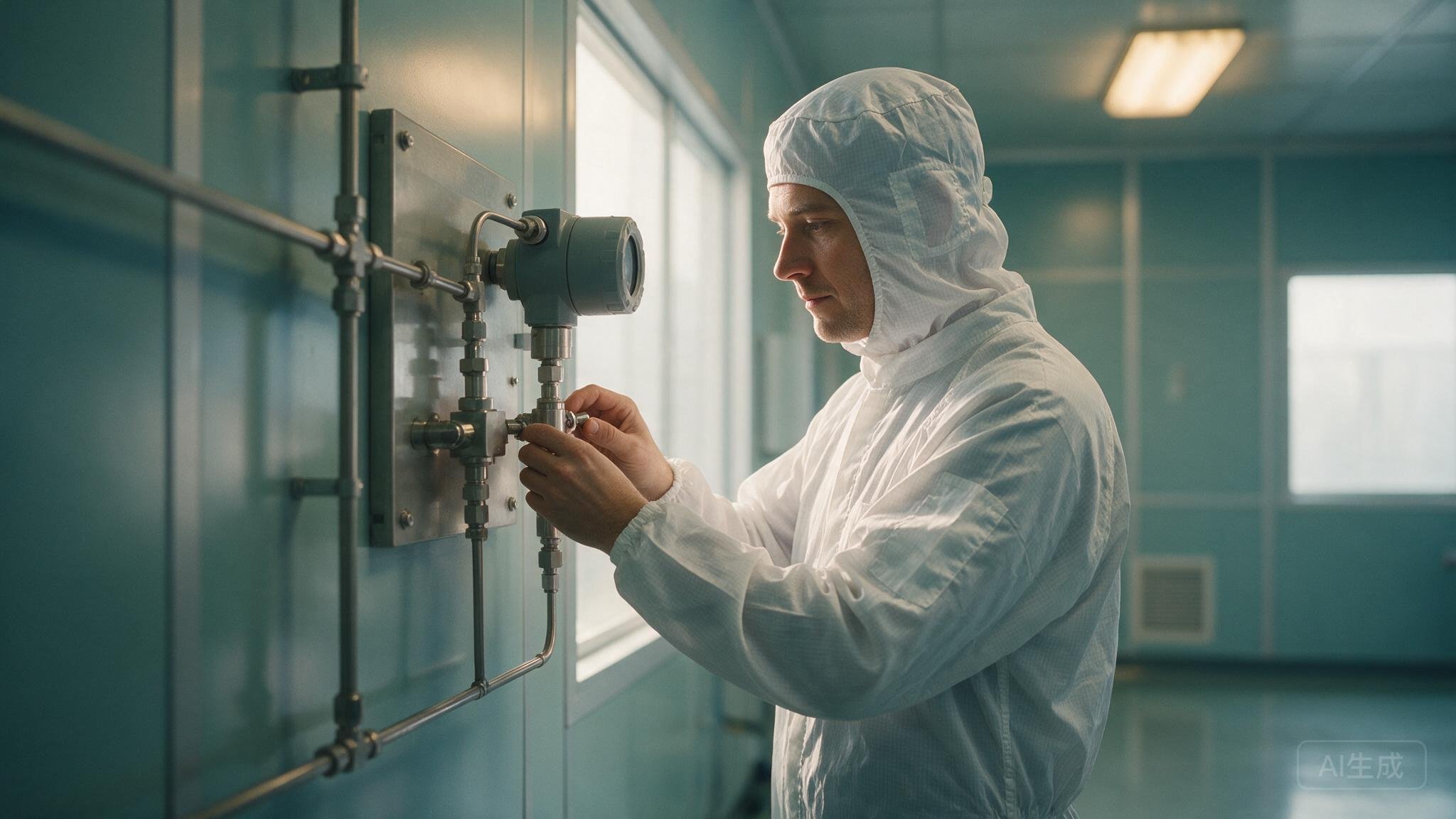
Cleanroom & Semiconductor
Ultra-High Cleanliness Filtration
Commercial HVAC
Central Air System Filtration
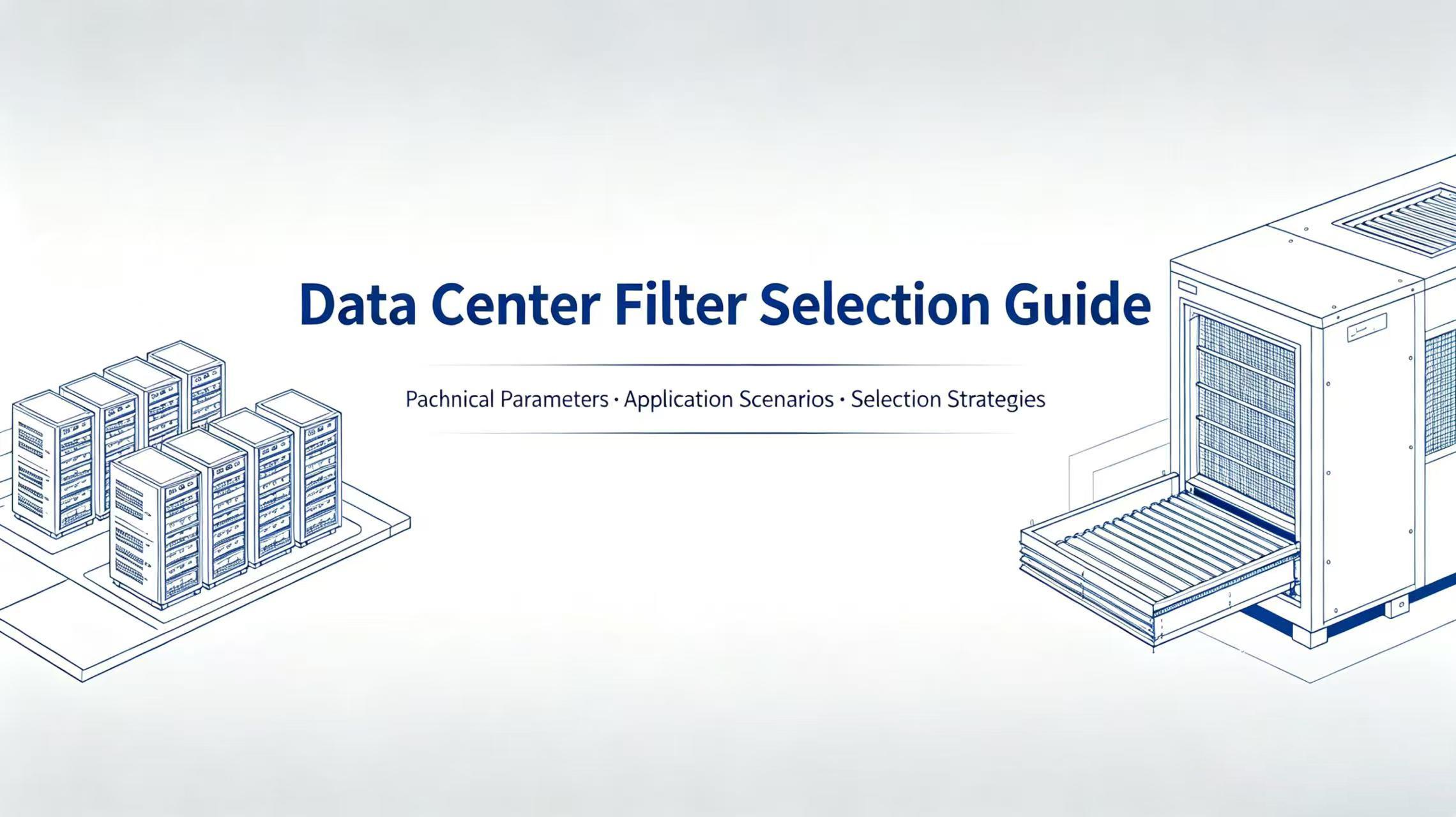
Data Centers
Precision Equipment Protection
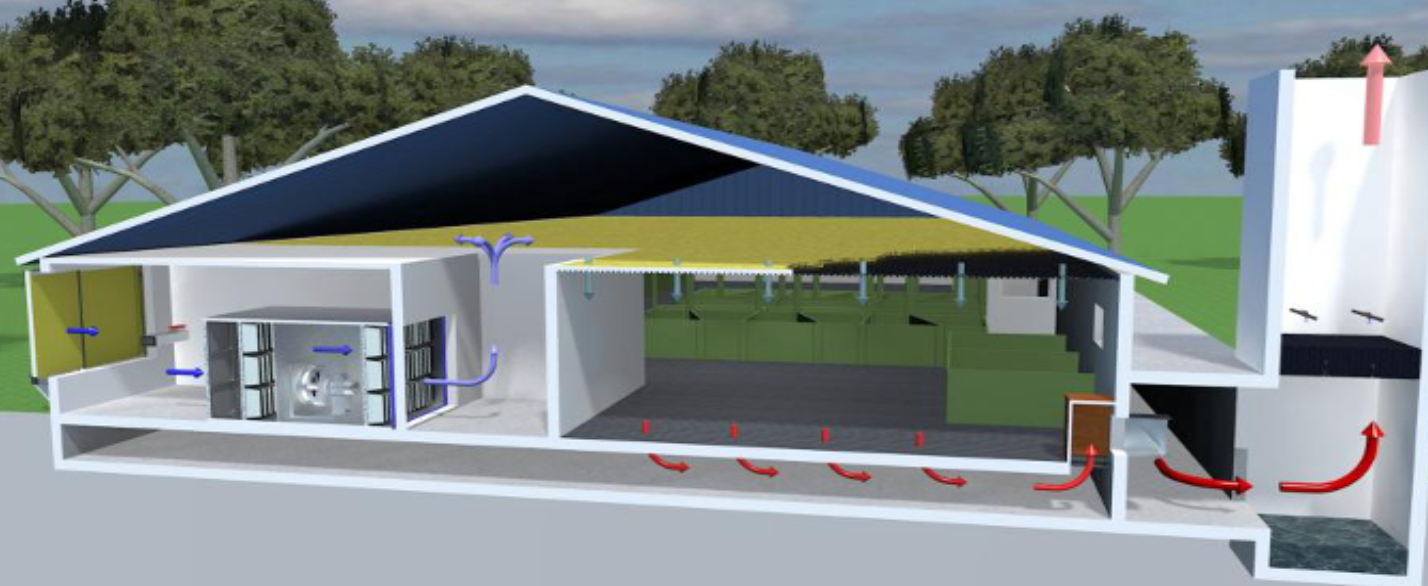
Livestock & Farming
Farming Environment Purification
Spray Booths & Industrial Dust
Paint Mist & Dust Purification
Filtration for Power Equipment
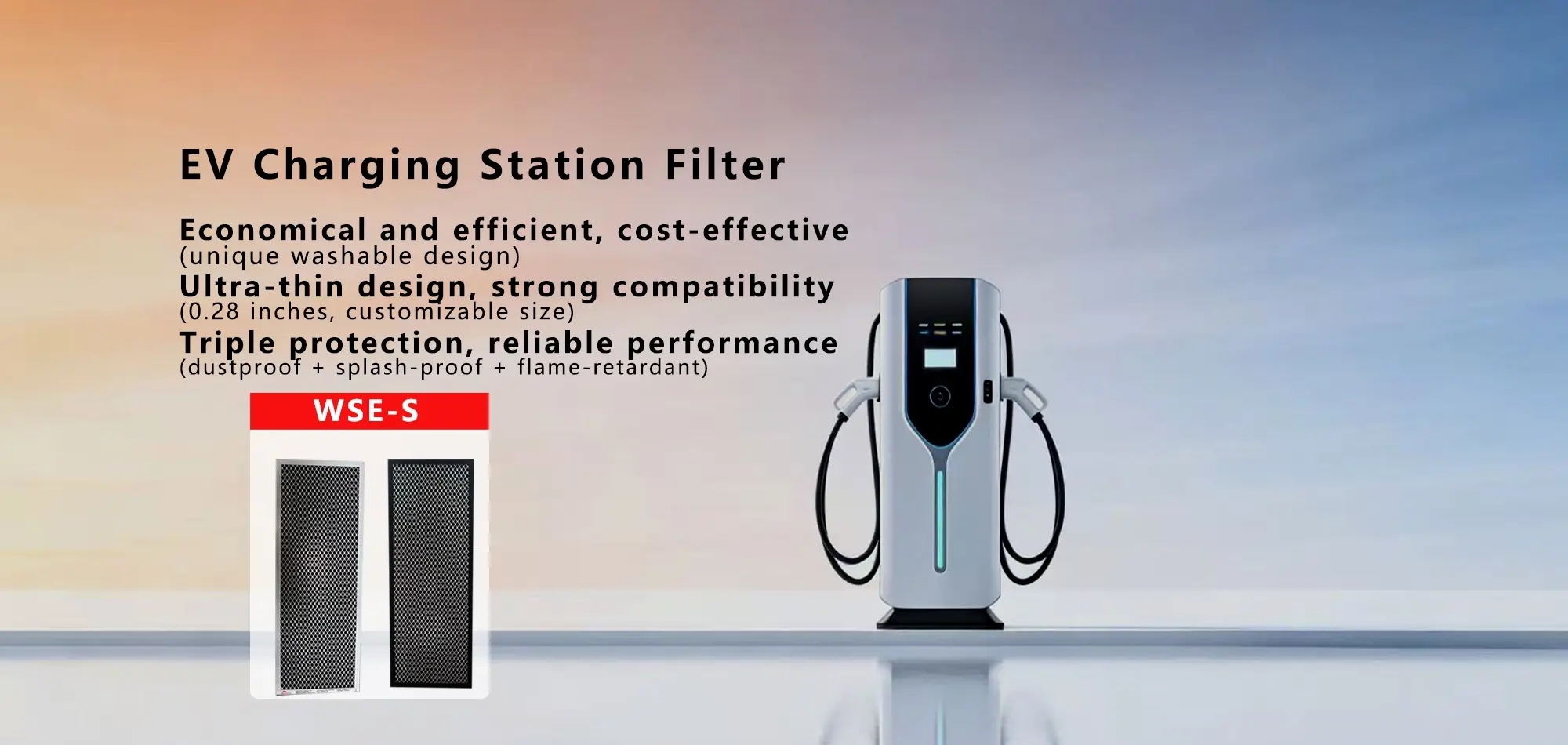
Professional air filtration for EV charging devices, protecting against dust and sand ingress to ensure stable, reliable operation of charging piles and station infrastructure.
View Related Products →Ultra-High Cleanliness Filtration
Ultra-high efficiency filtration for semiconductor wafer fabs and precision electronics cleanrooms, capturing nano-scale particles to meet ISO Class 1–3 standards and maximize product yield.
View Related Products →Central Air System Filtration
High-efficiency filtration for commercial building HVAC systems, improving indoor air quality, reducing energy consumption, and extending equipment service life.
View Related Products →Precision Equipment Protection
Precision air filtration for data centers, shielding servers and critical hardware from dust contamination to keep cooling systems running efficiently and reliably.
View Related Products →Farming Environment Purification
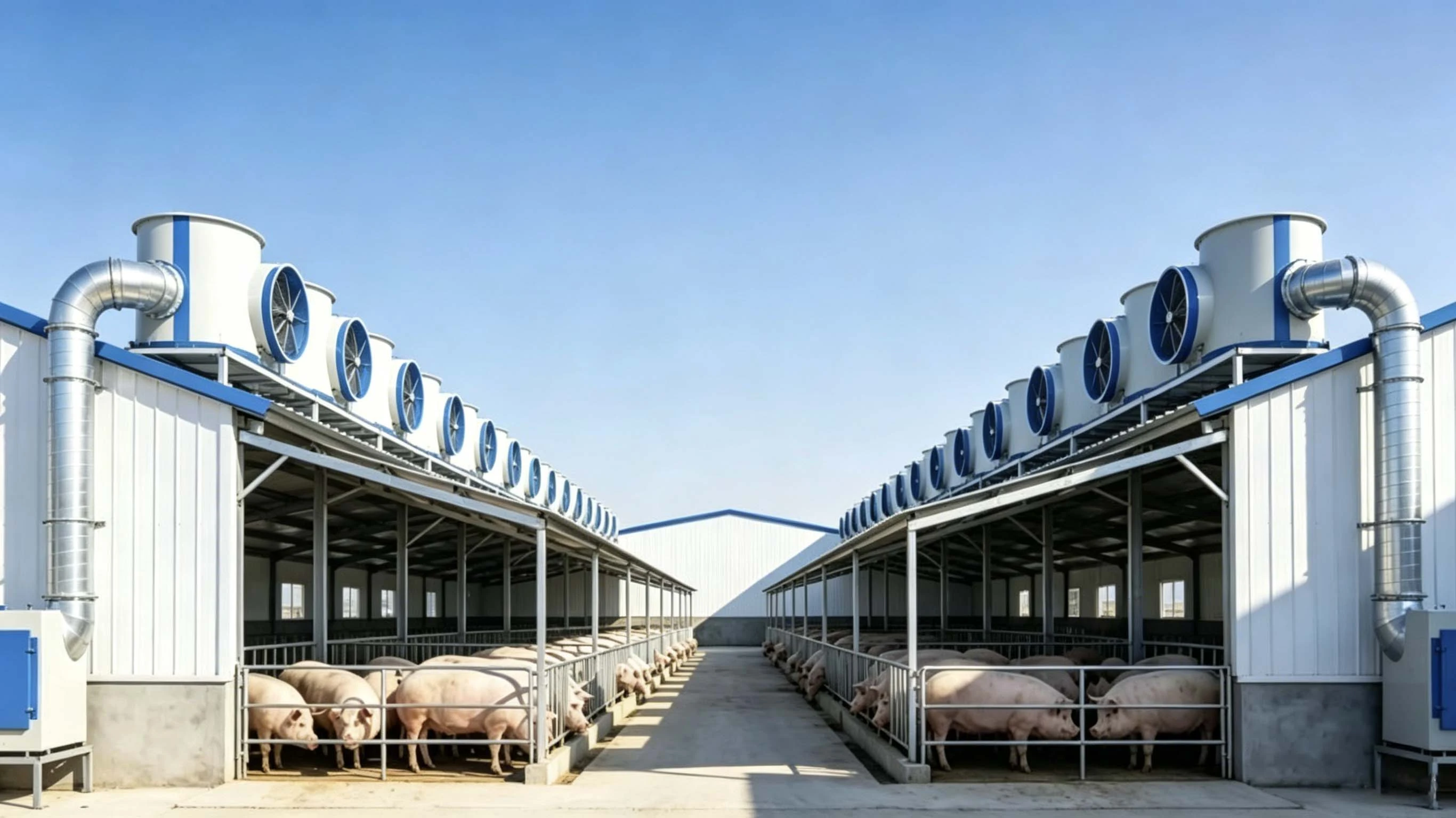
Dedicated filtration systems for farms and livestock facilities — capturing dust, adsorbing ammonia, and inhibiting pathogen spread to improve animal health and overall productivity.
View Related Products →Paint Mist & Dust Purification
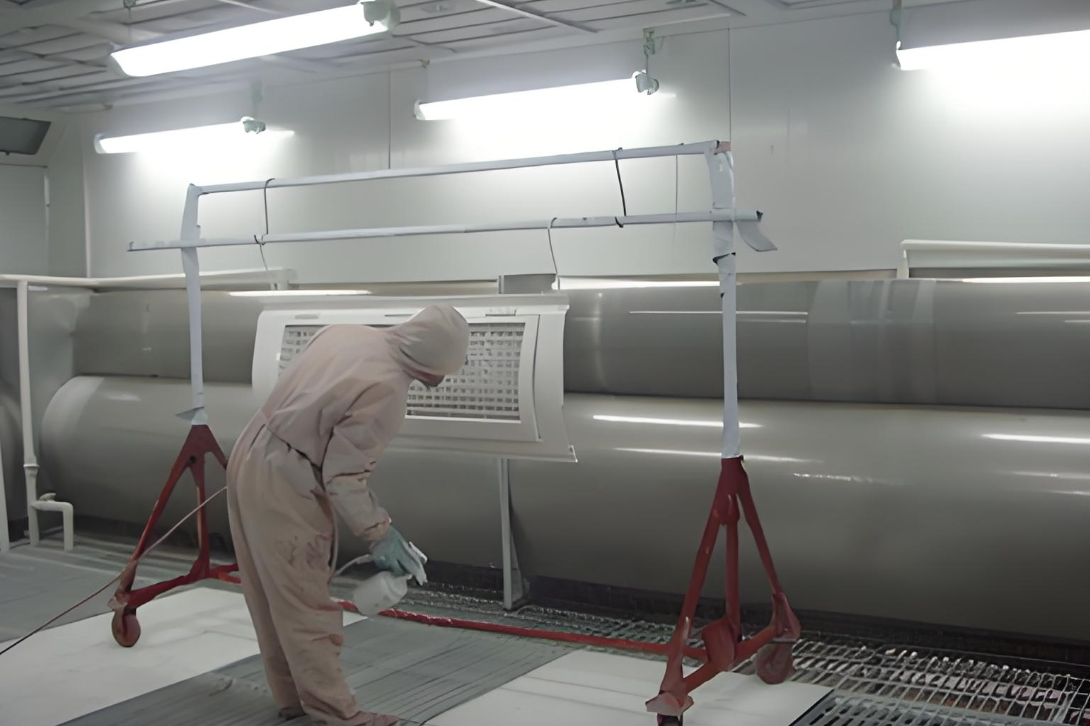
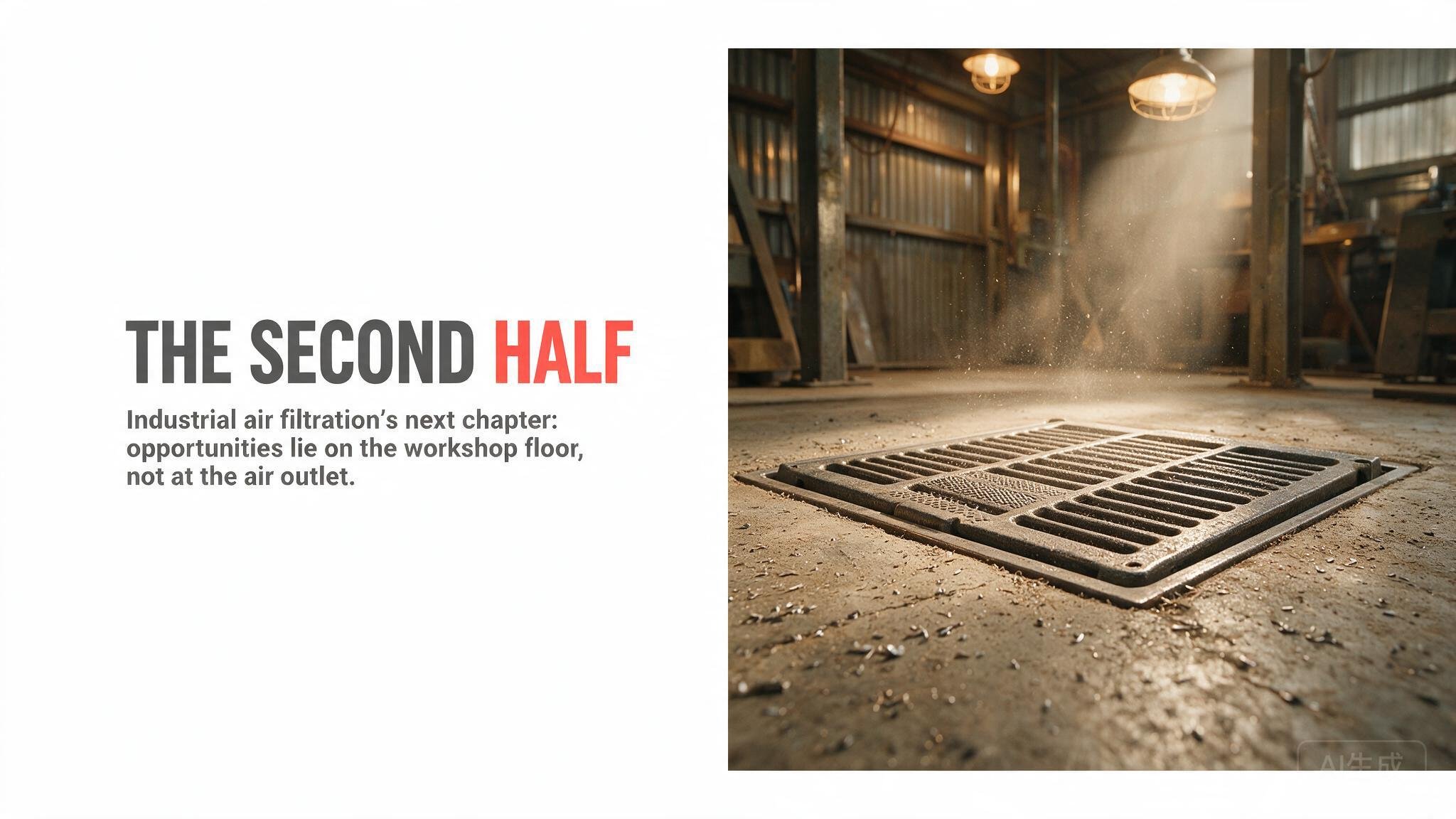
Designed for spray booths and grinding workshops, efficiently capturing paint mist, metal dust, and wood chips to meet emission standards while protecting finished surface quality.
View Related Products →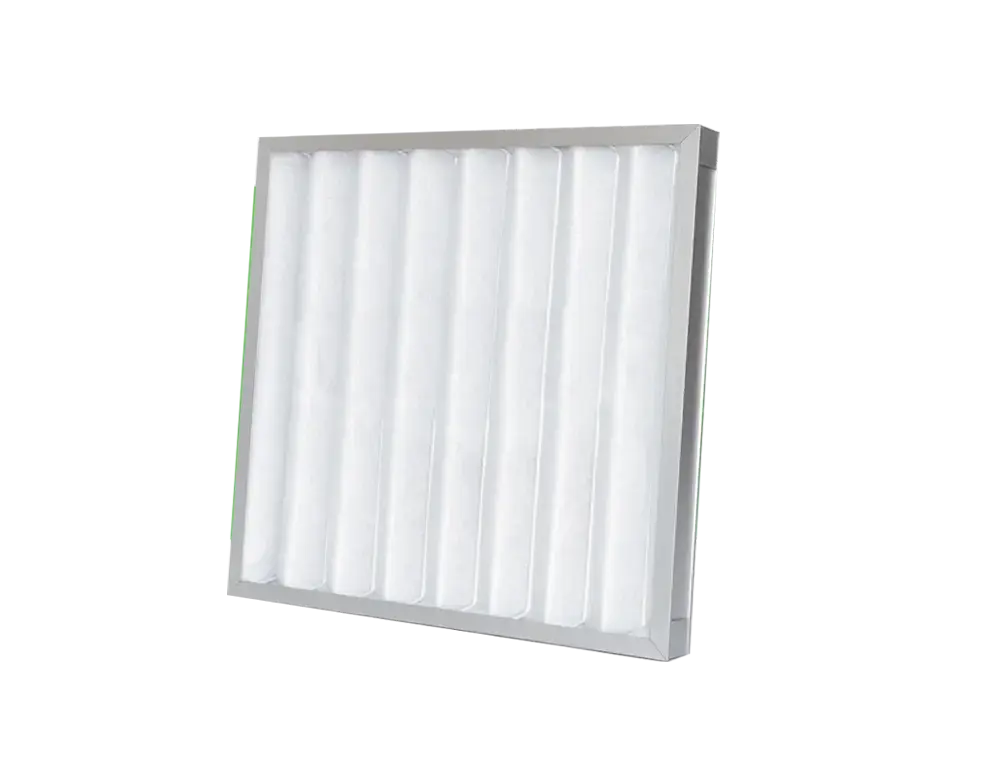
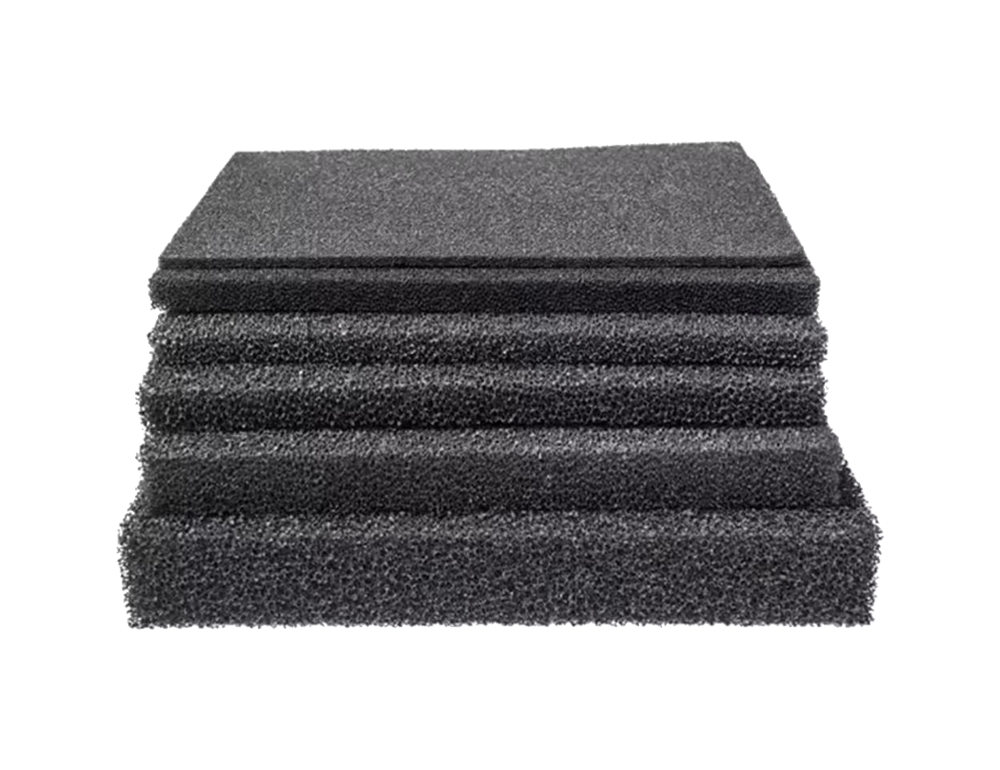
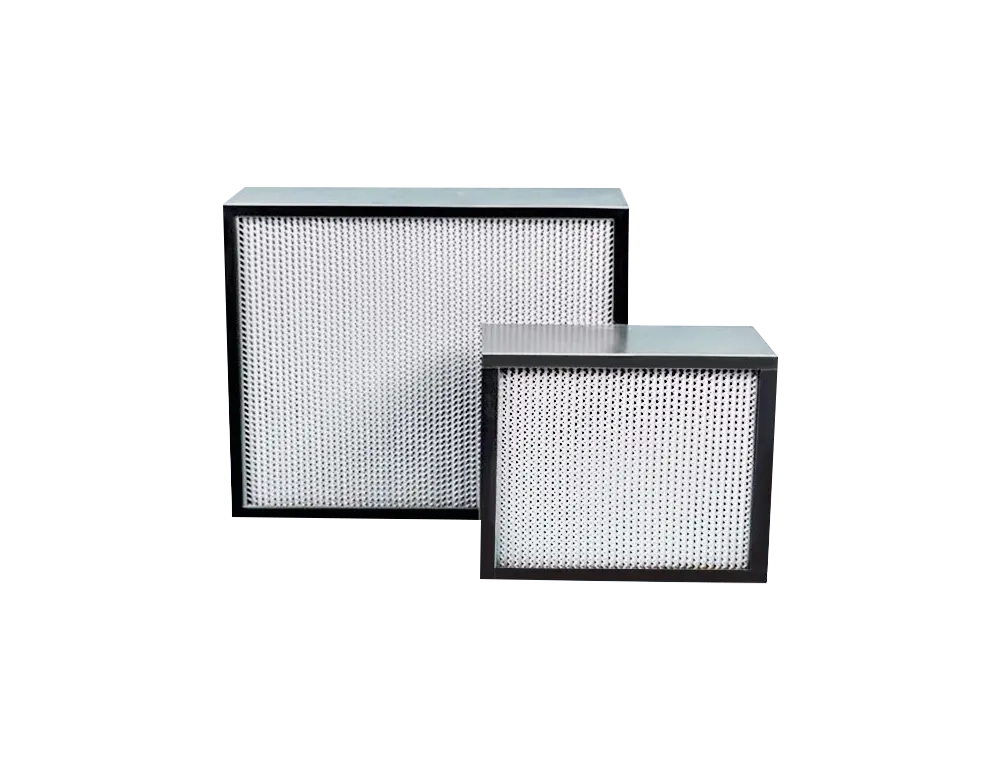
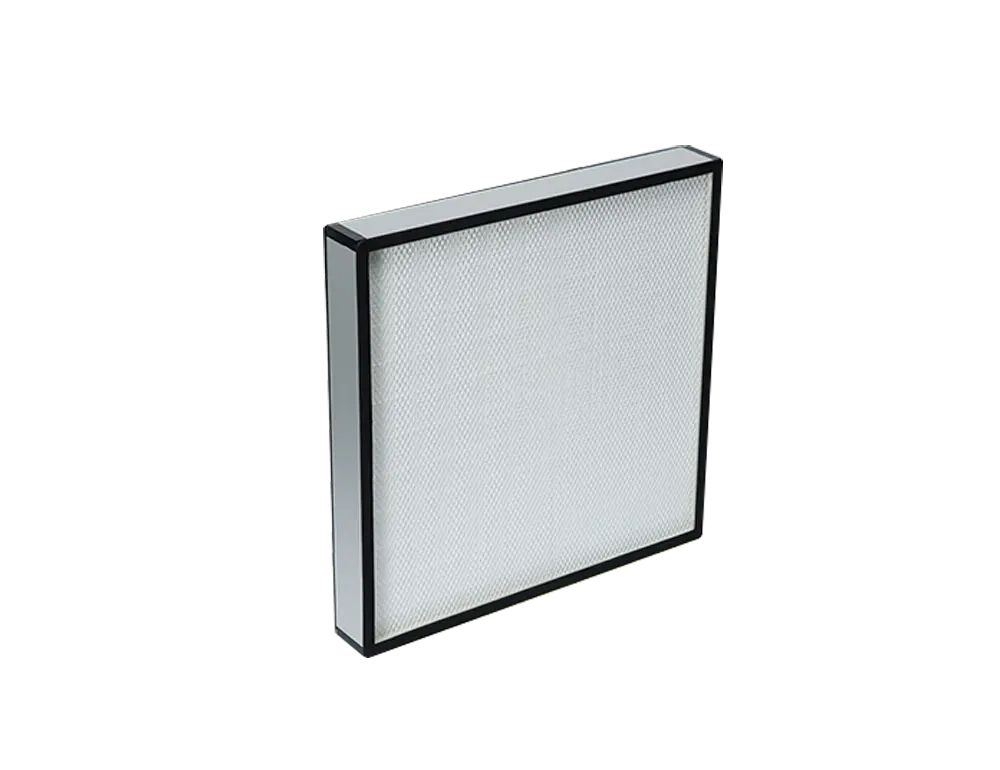
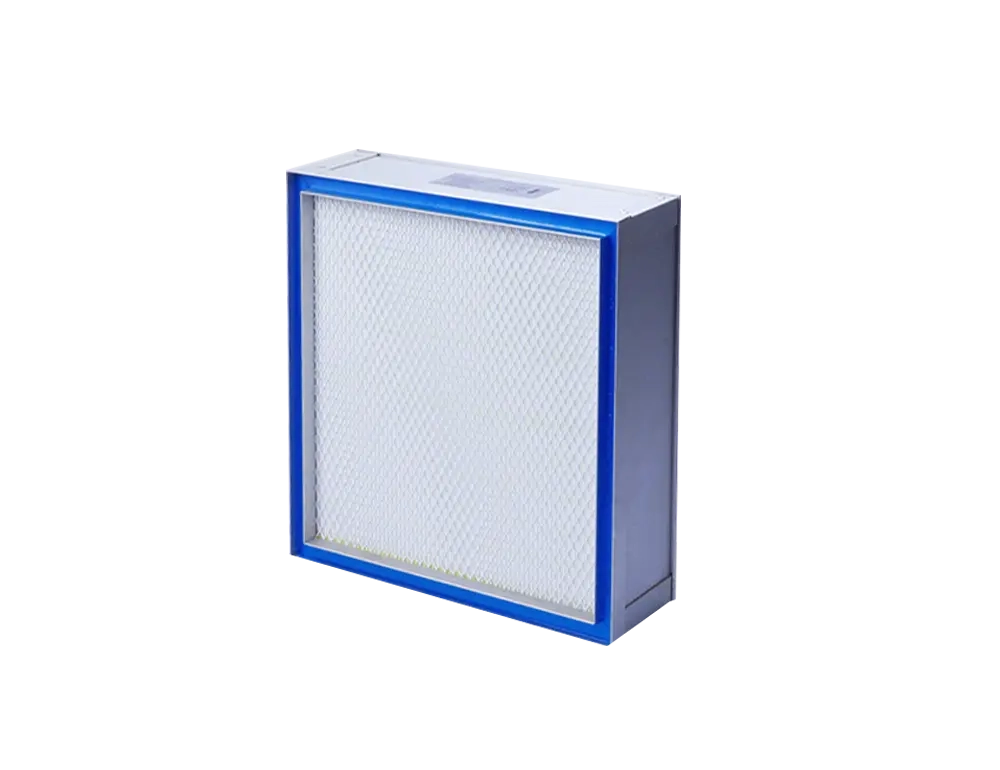
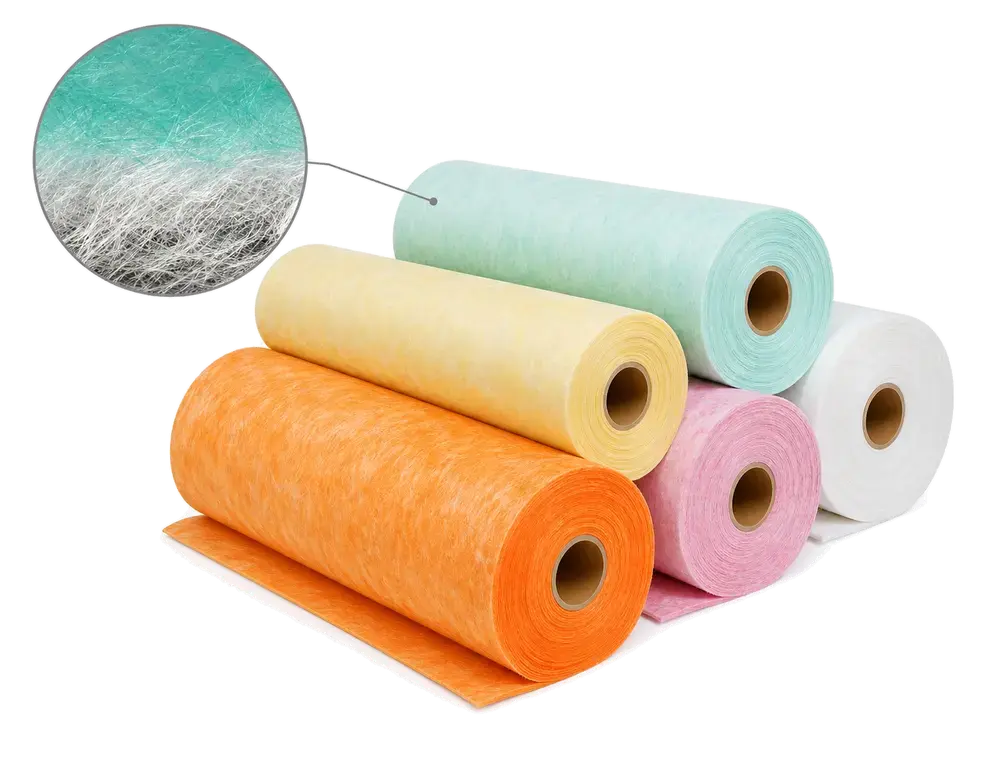
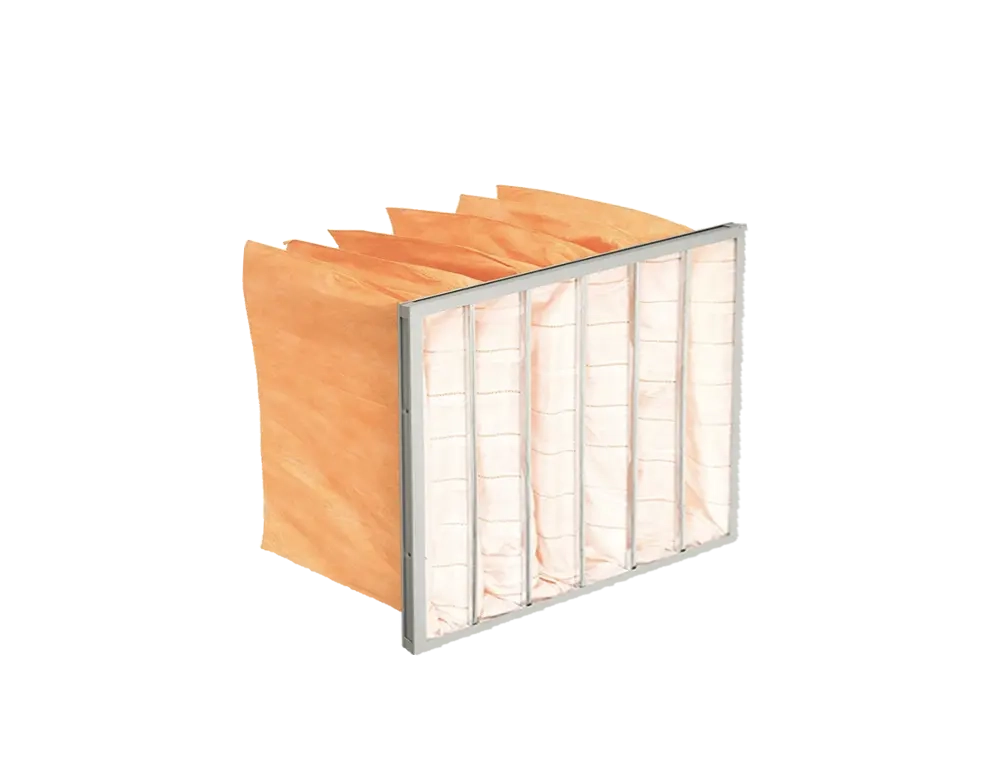
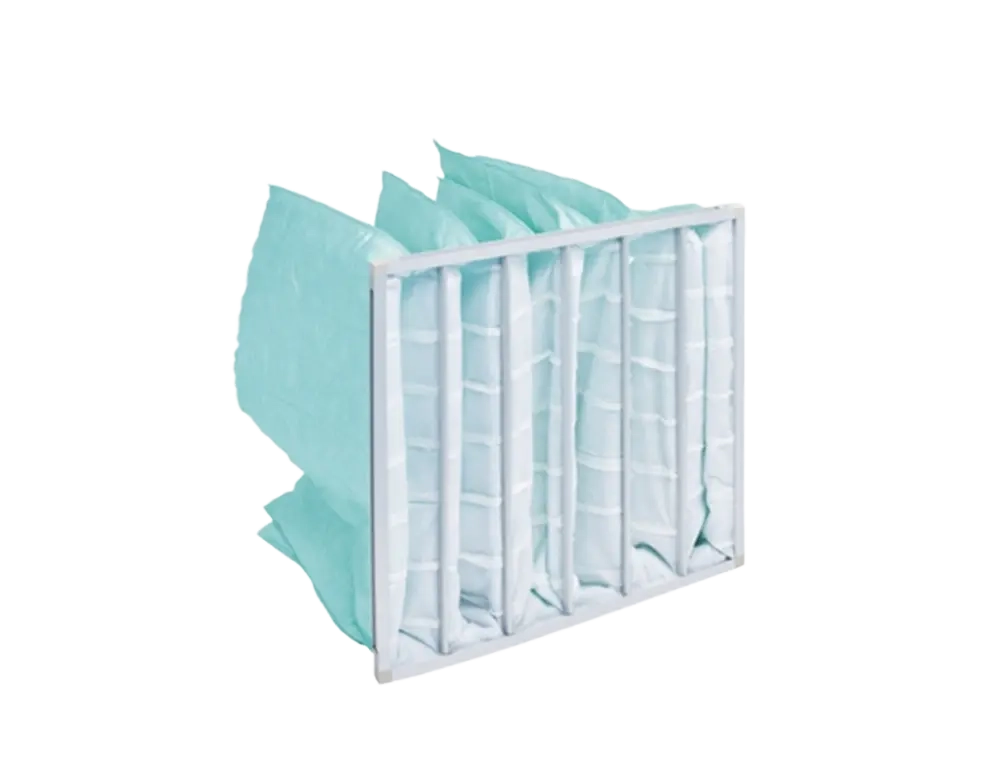
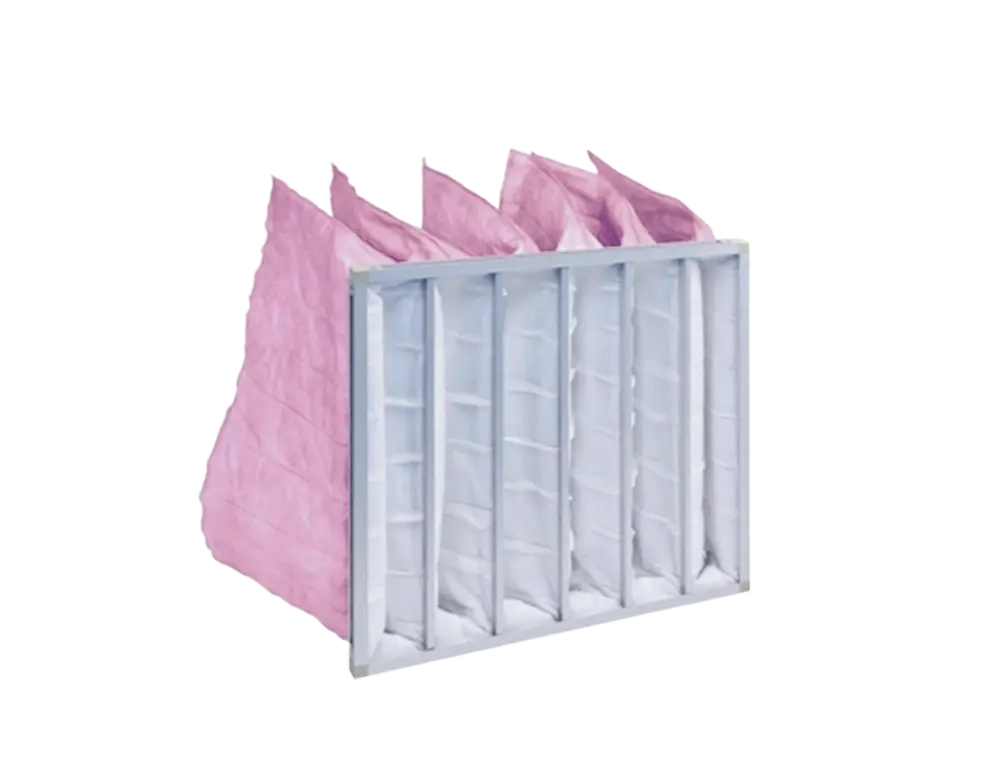
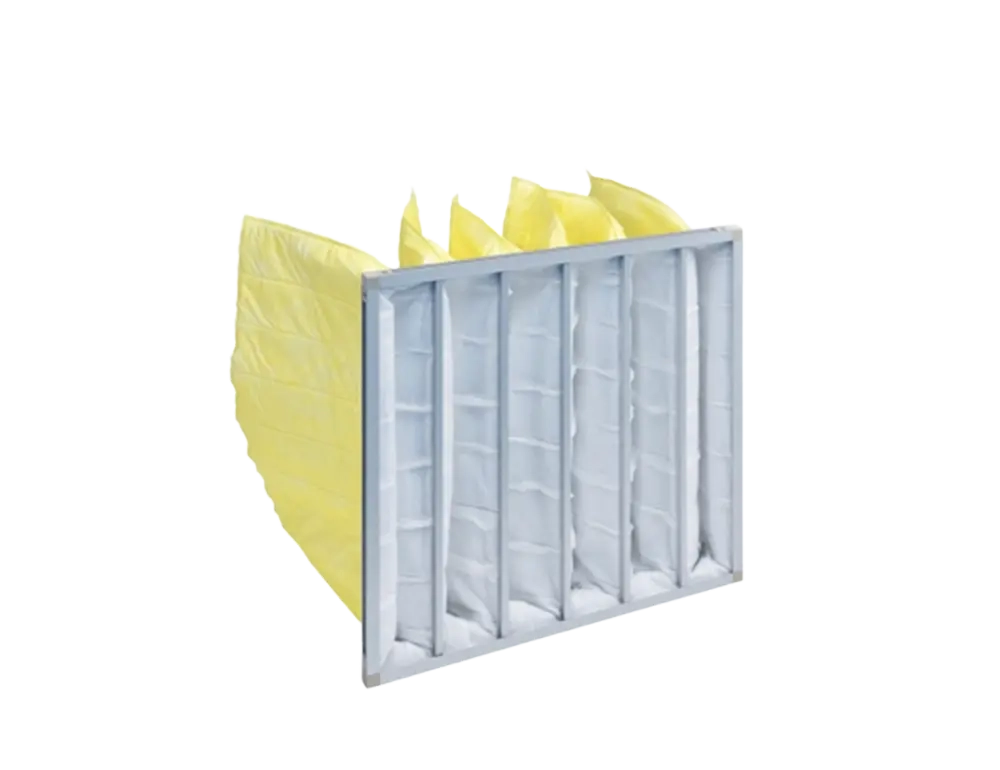
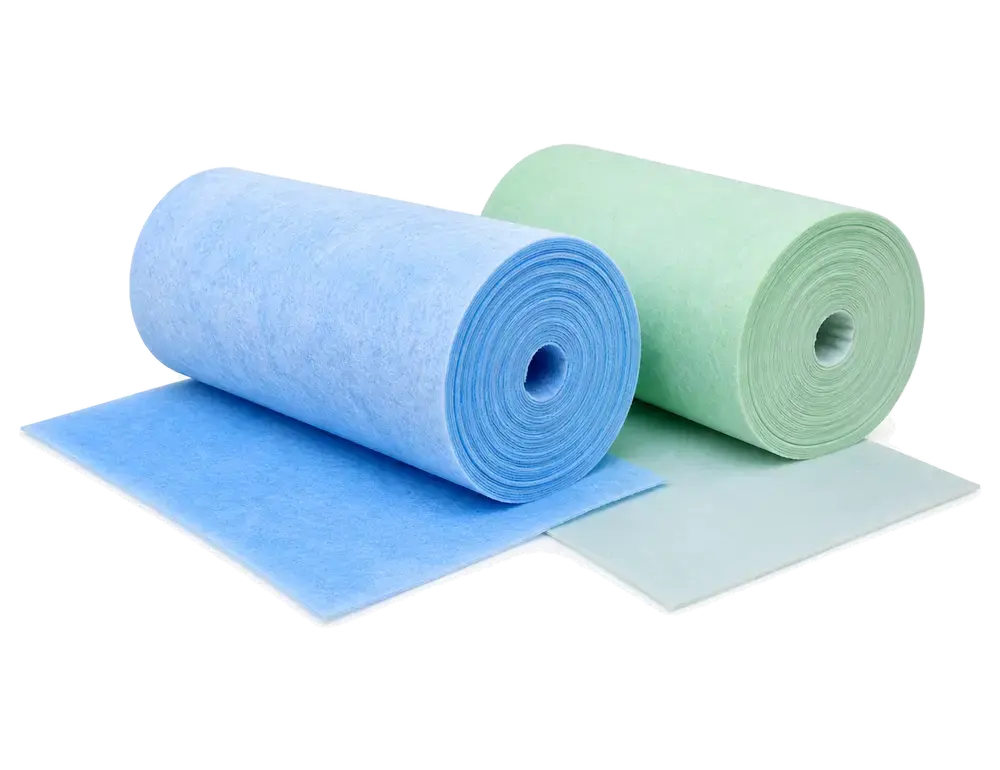
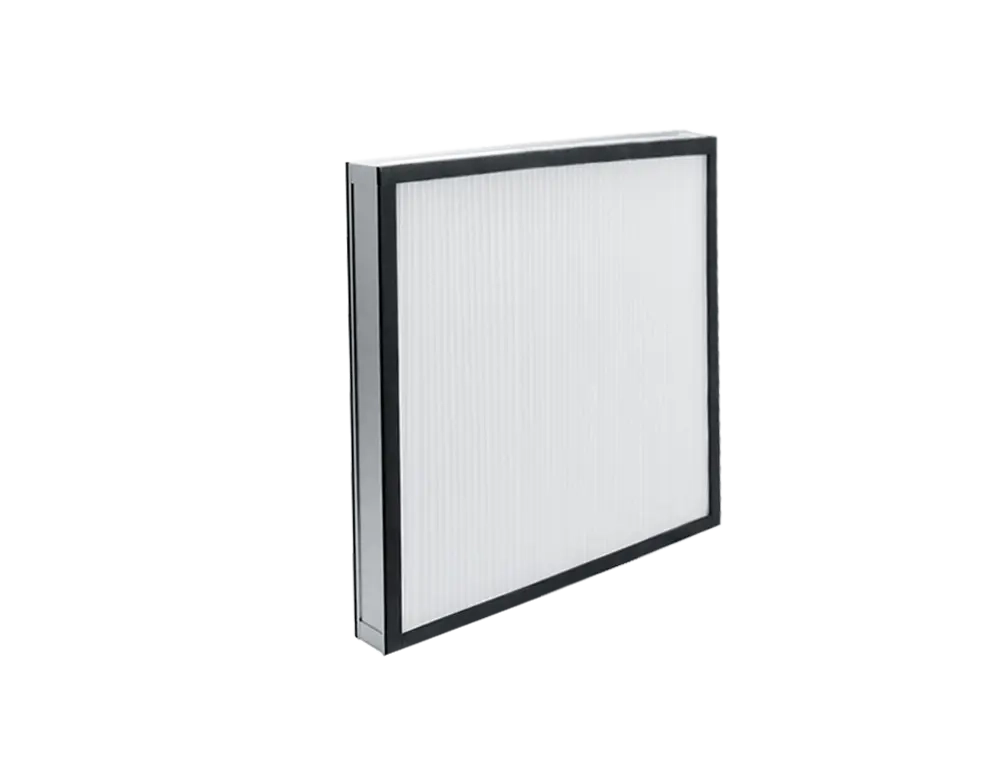
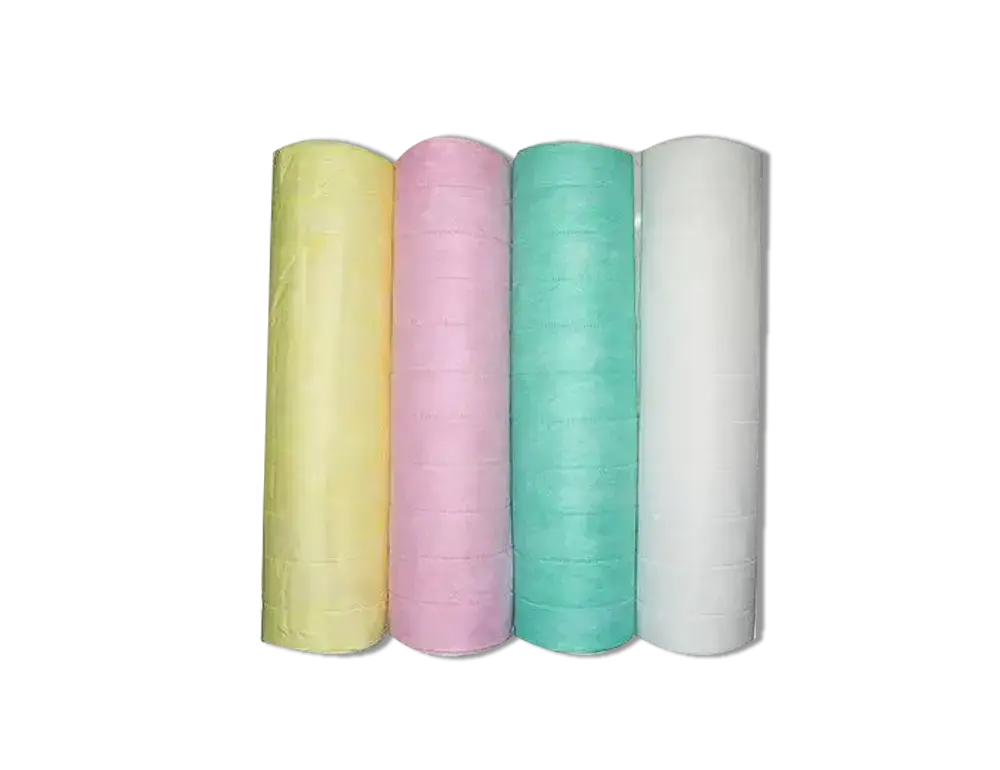
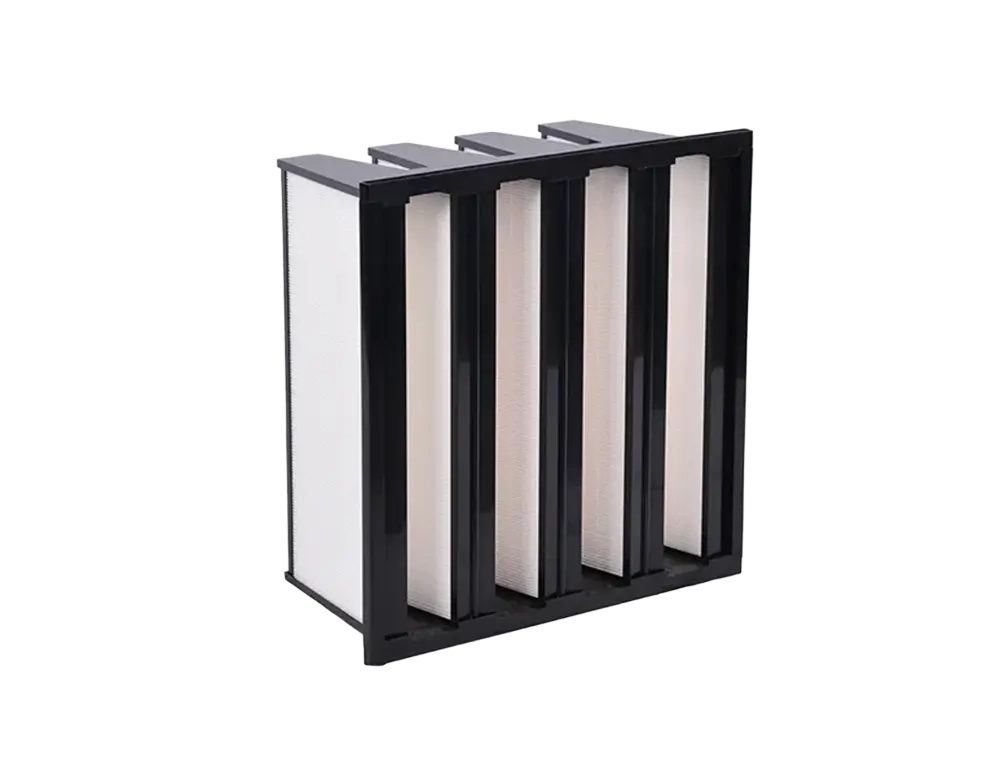
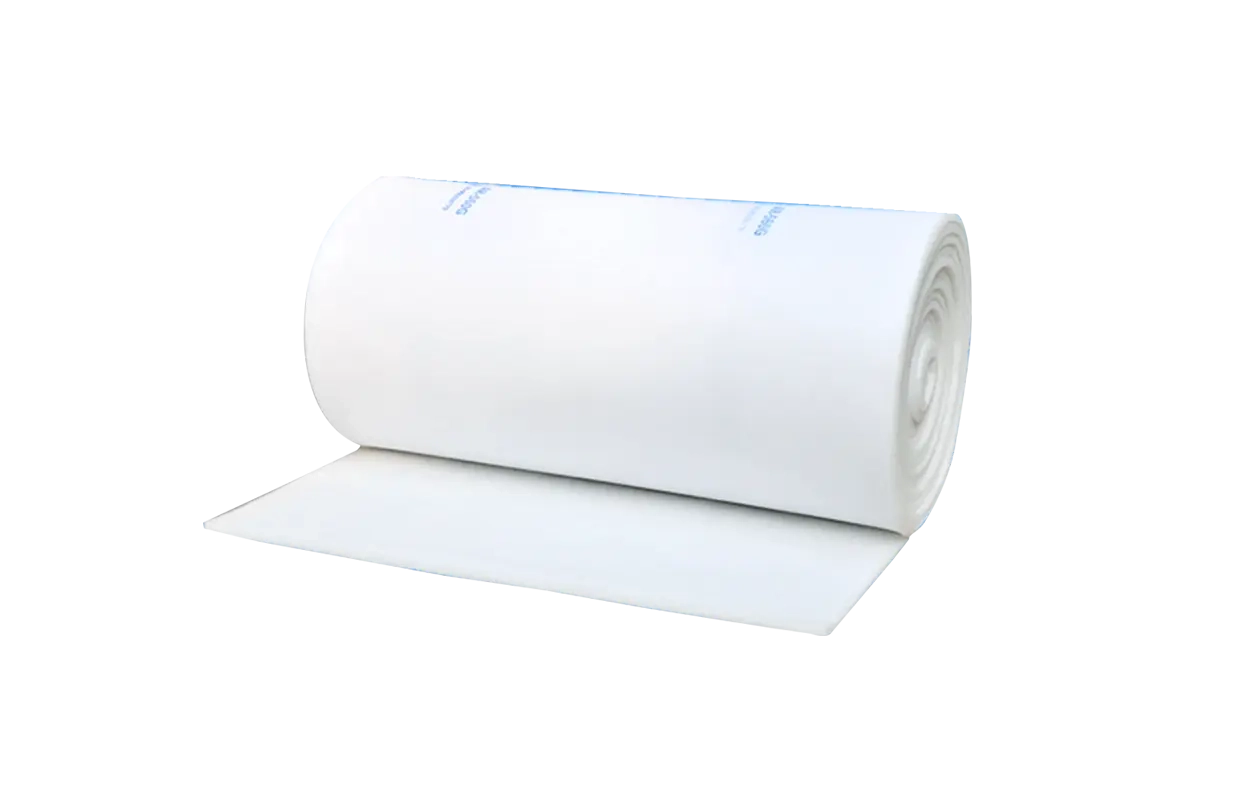
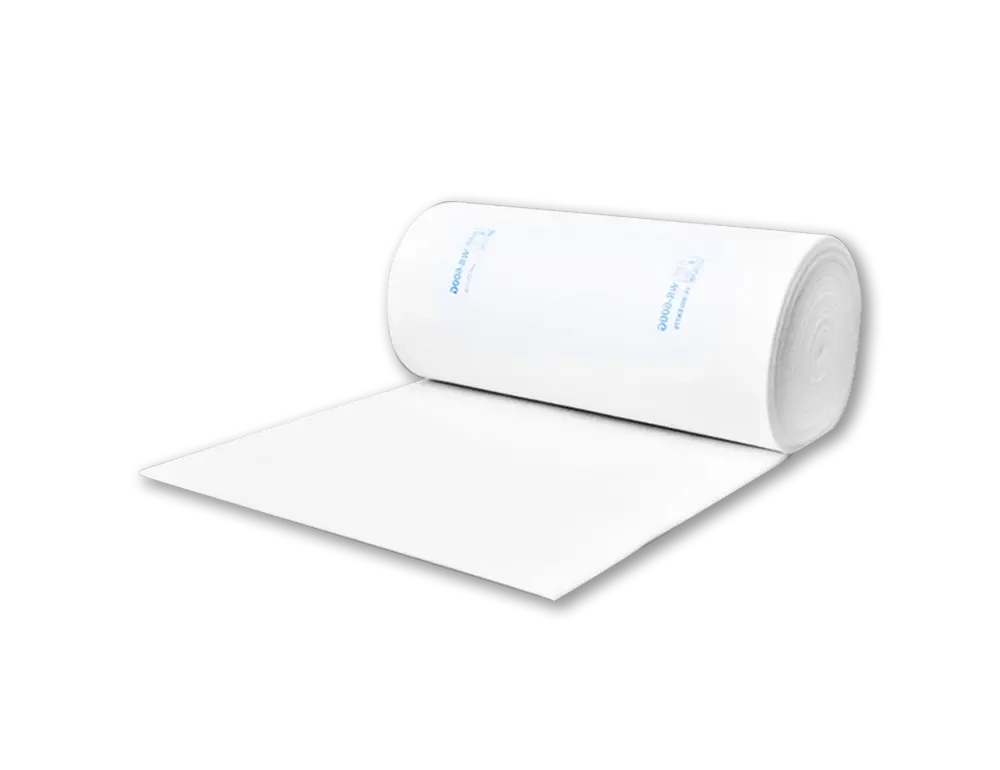
Pre-Filter (G1–G4)
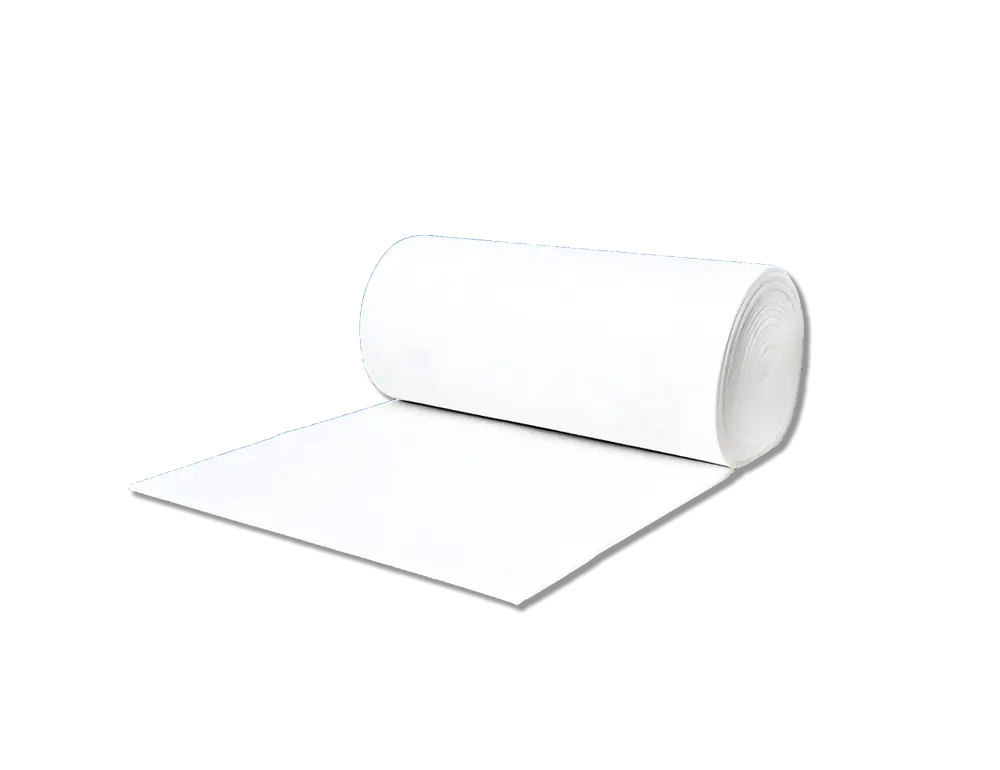
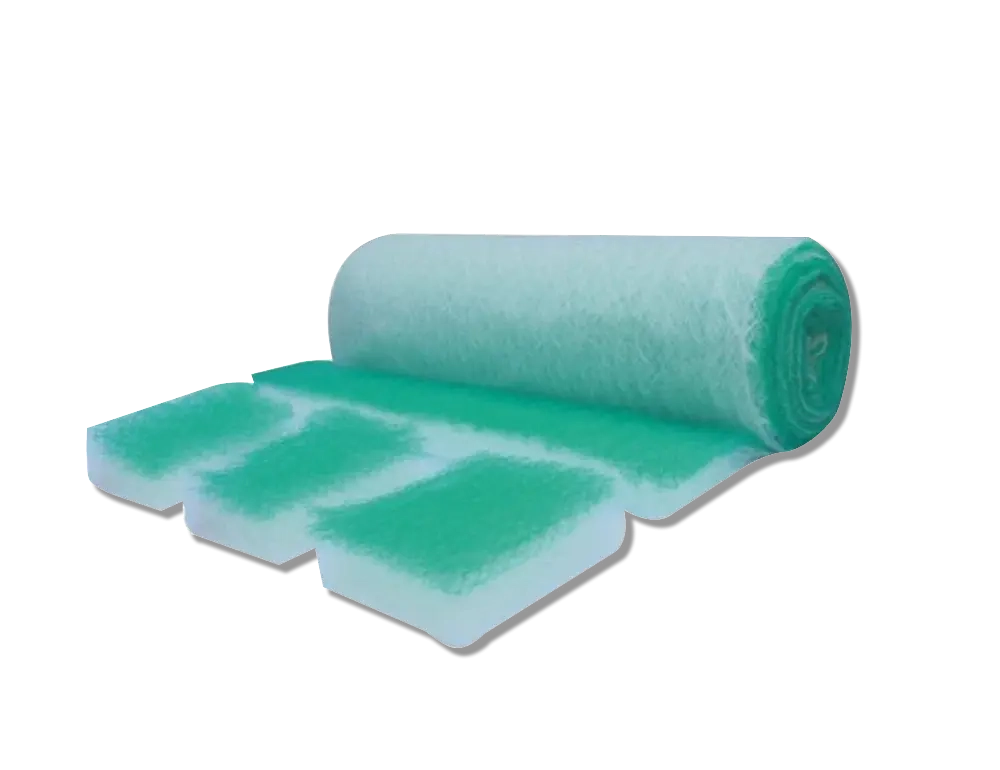
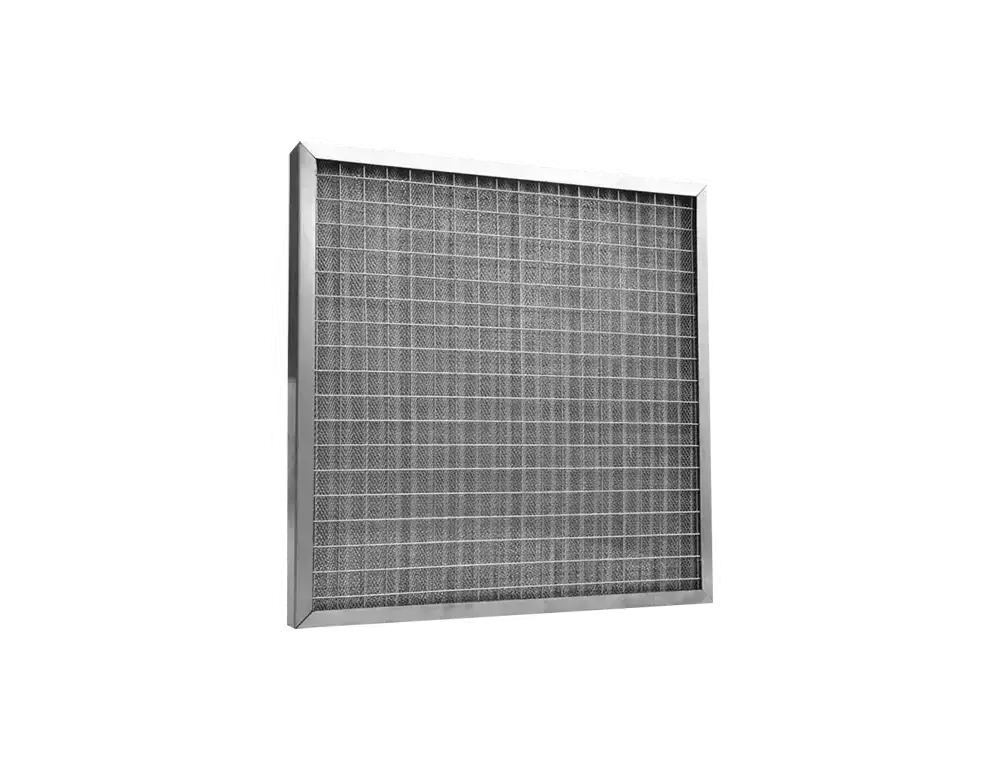
First-Stage Large-Particle Capture
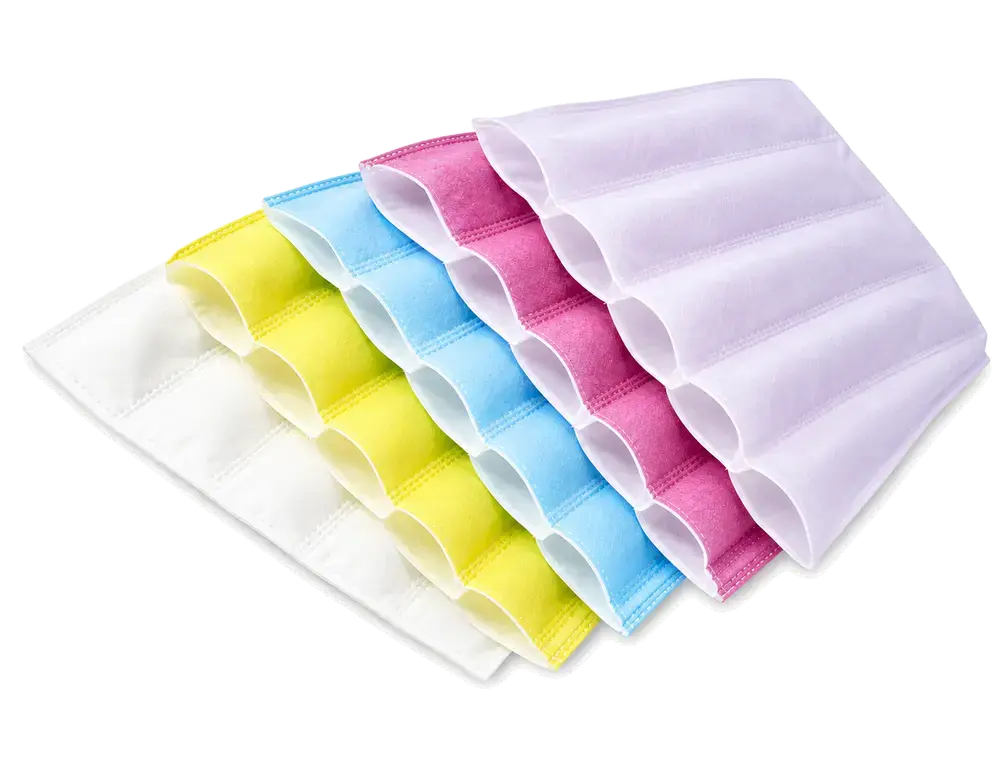
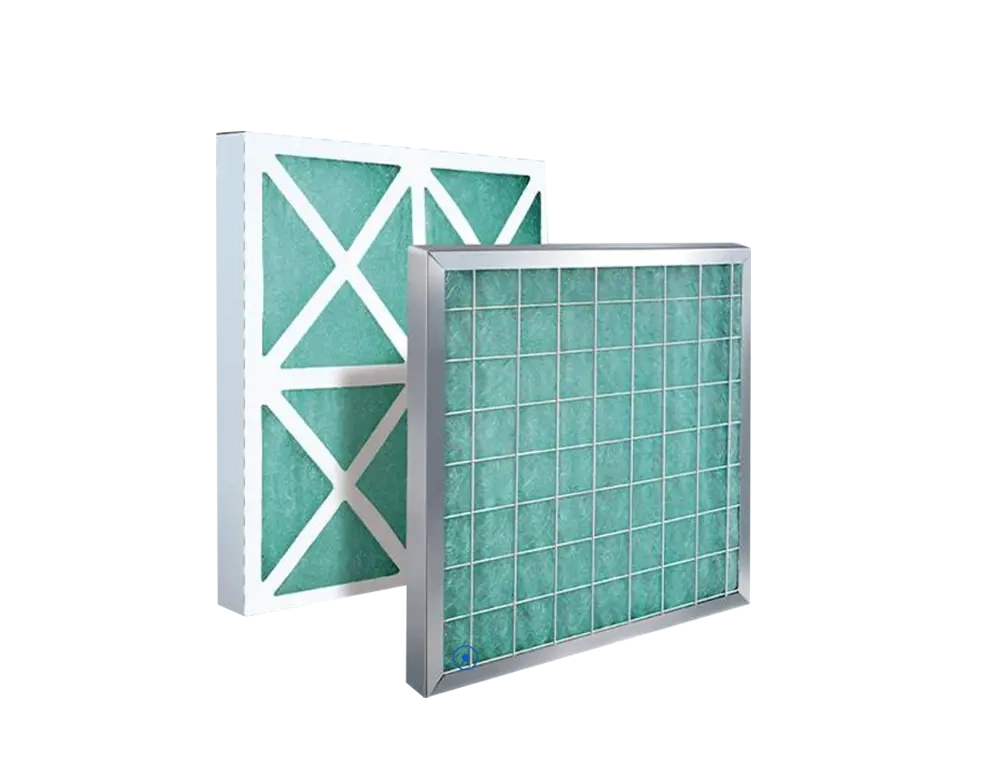
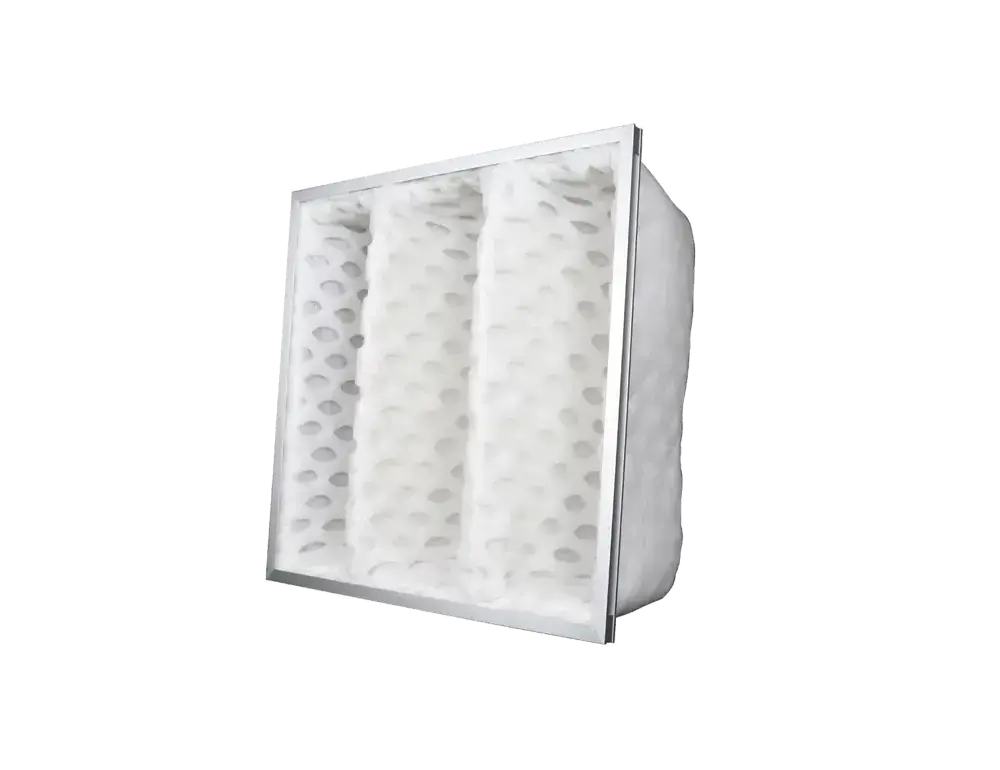
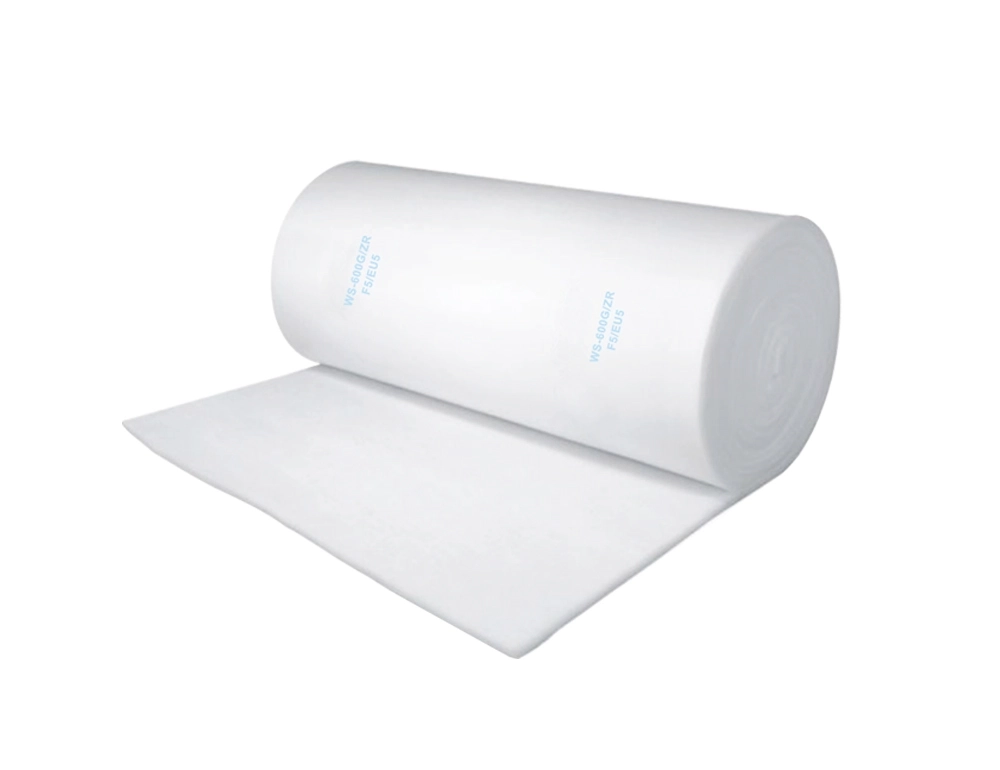
Medium-Efficiency Filter (F5–F9)
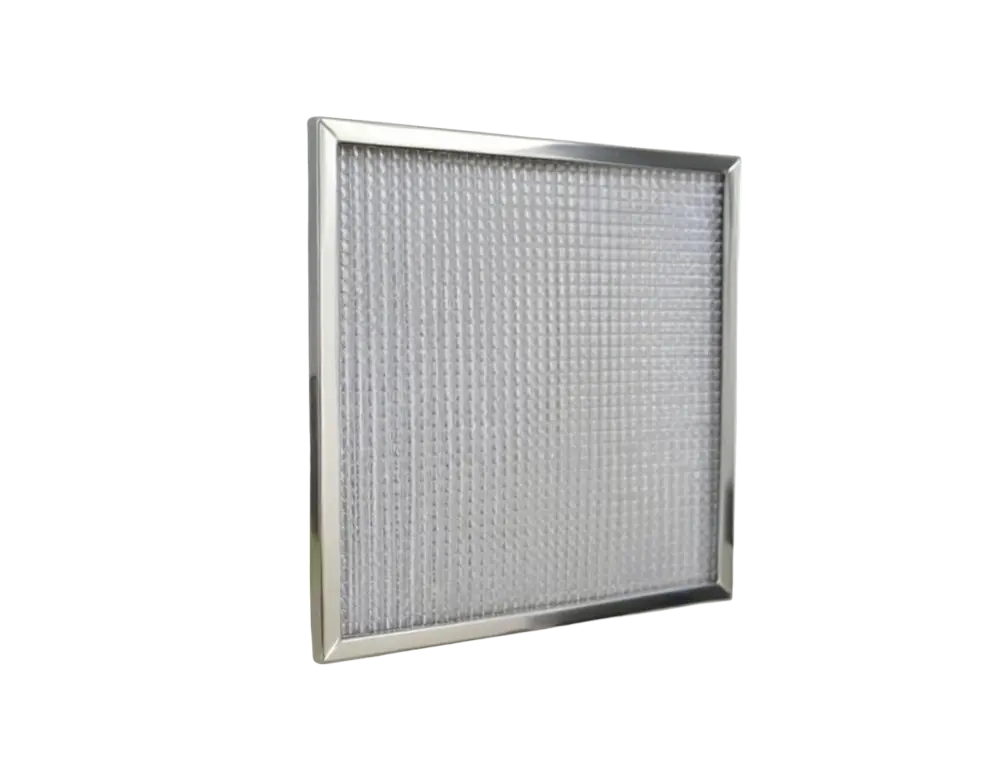
Precise PM2.5 Capture
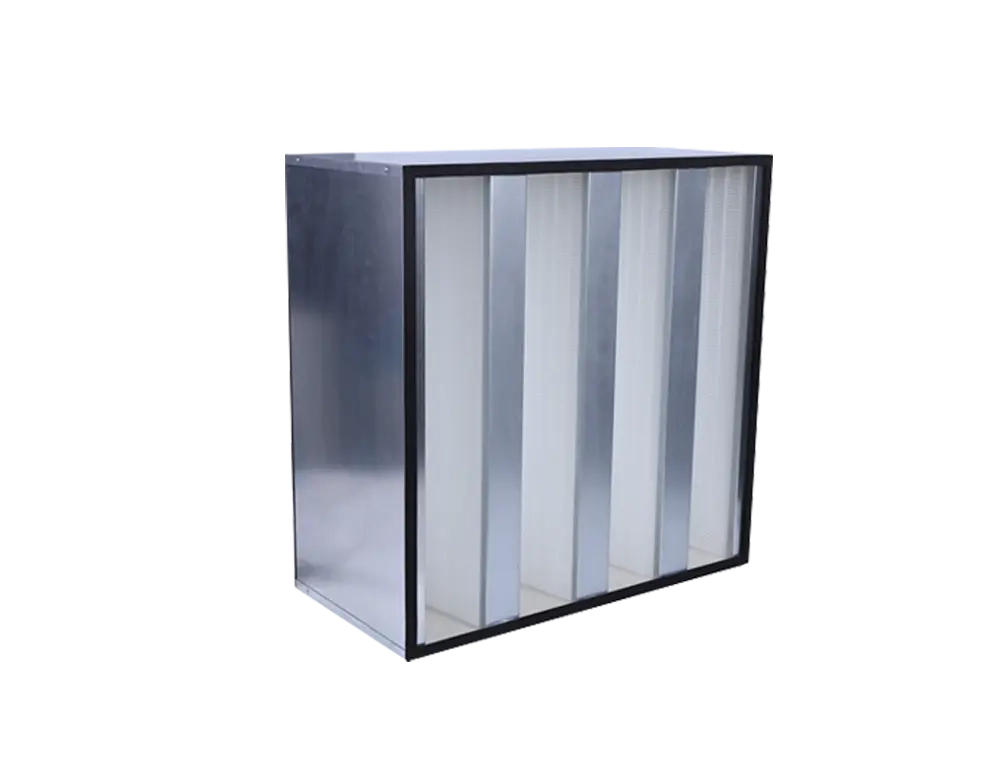
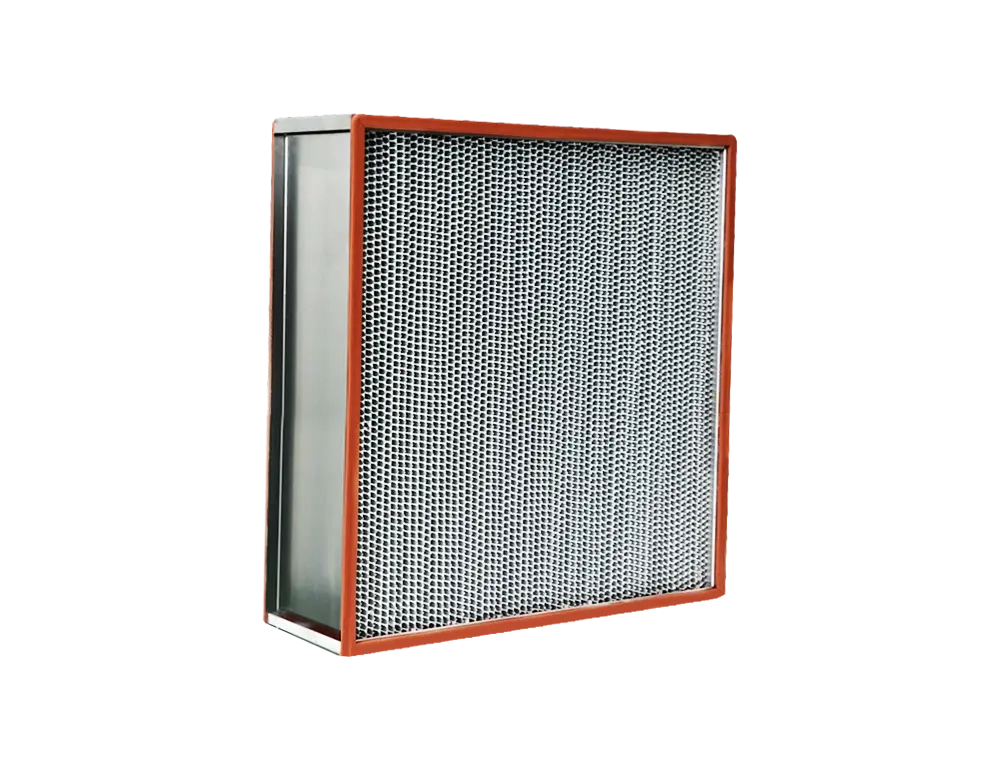
HEPA High-Efficiency Filter
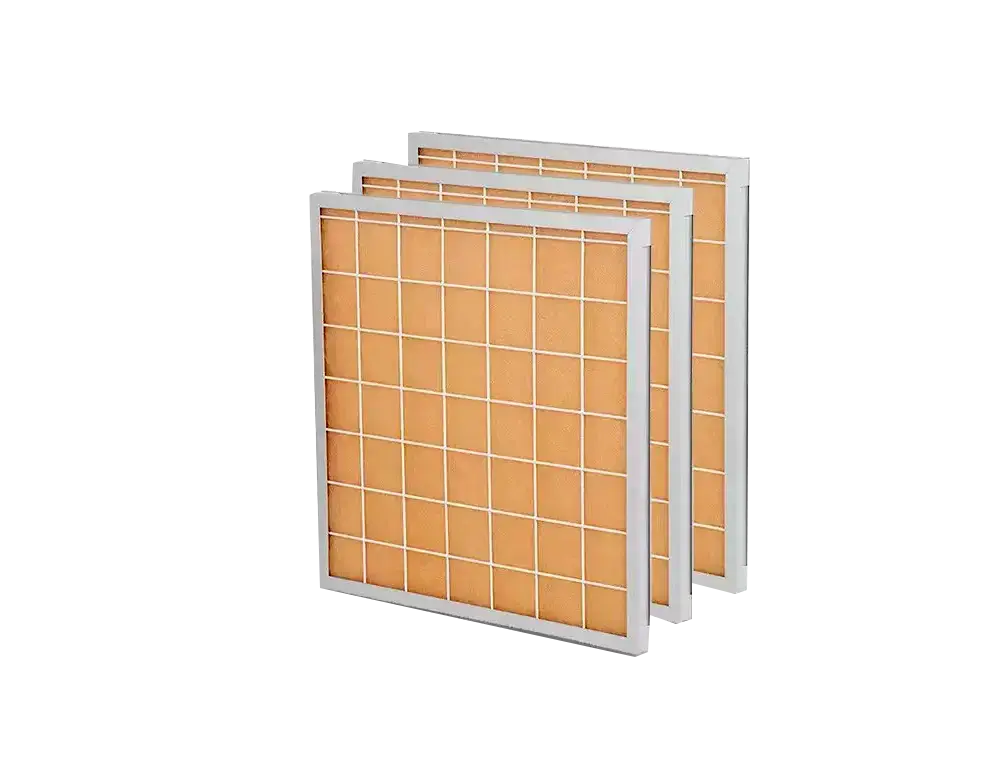
Sterile-Grade Purification
ULPA Ultra-High Efficiency Filter
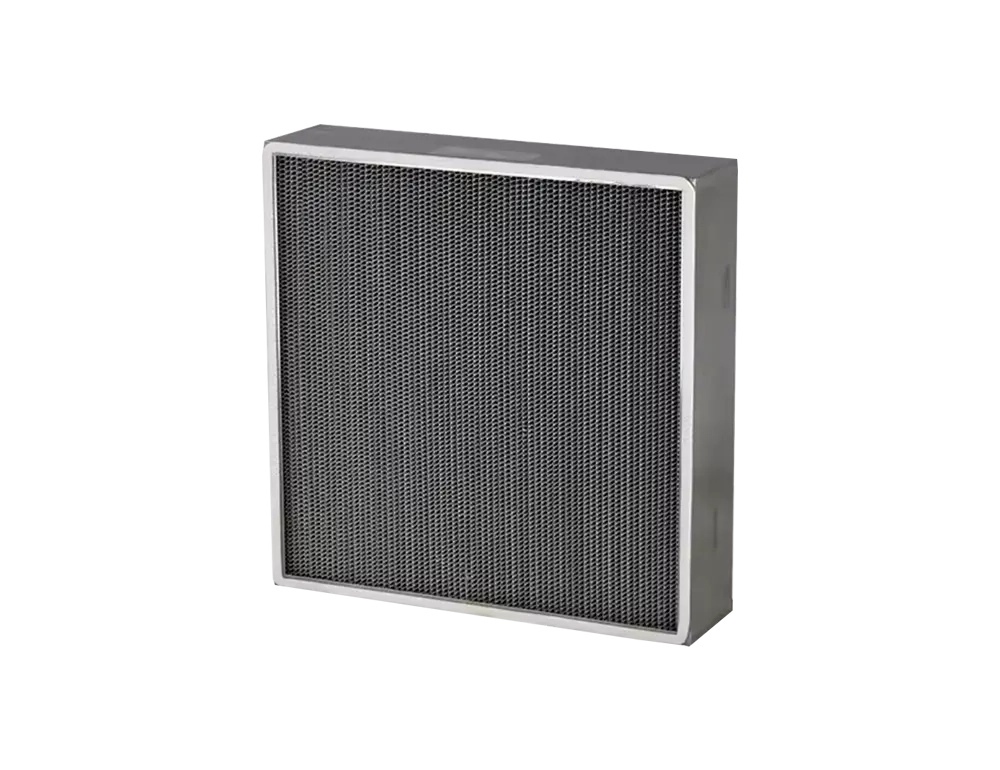
Sub-Micron Particle Capture
First-Stage Large-Particle Capture
The first line of defense, capturing particles ≥5 μm such as dust, hair, and fibers to protect downstream filters and extend overall system service life.
View Related Products →Precise PM2.5 Capture
Captures fine particles of 1–5 μm including PM2.5, pollen, and mold spores, significantly improving indoor air quality for commercial HVAC and ventilation systems.
View Related Products →Sterile-Grade Purification
≥99.97% filtration efficiency for particles ≥0.3 μm, delivering sterile-grade clean air widely used in medical, pharmaceutical, and electronics manufacturing.
View Related Products →Sub-Micron Particle Capture
≥99.9995% efficiency for particles ≥0.12 μm, meeting the extreme cleanliness demands of semiconductor fabs, aerospace, and other ultra-precision applications.
View Related Products →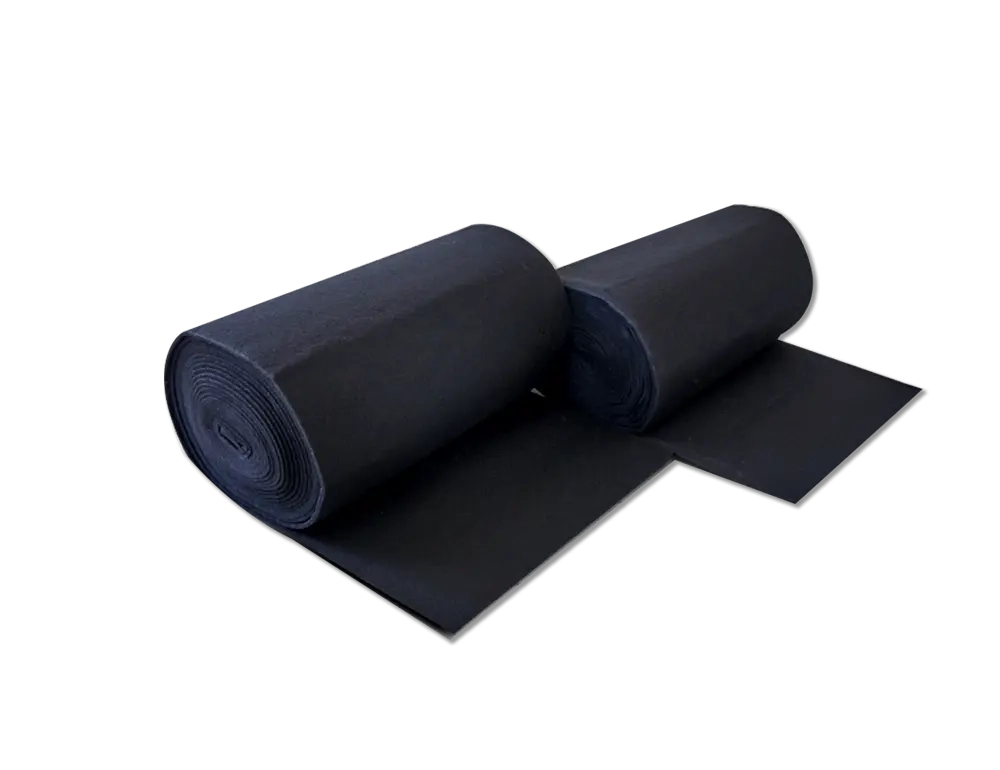
High-Temperature Resistant
Industrial-Grade Heat Tolerance
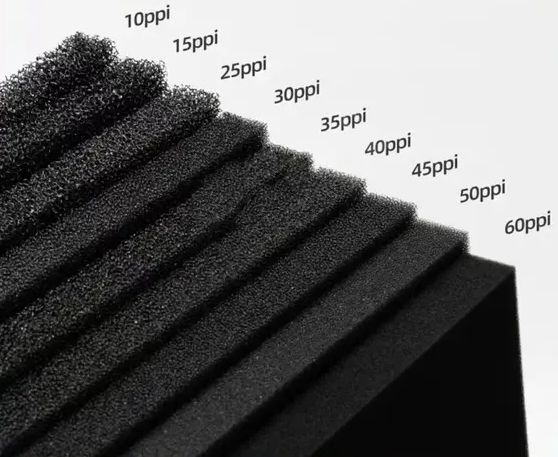
Washable & Reusable
Cut Costs, Reduce Waste
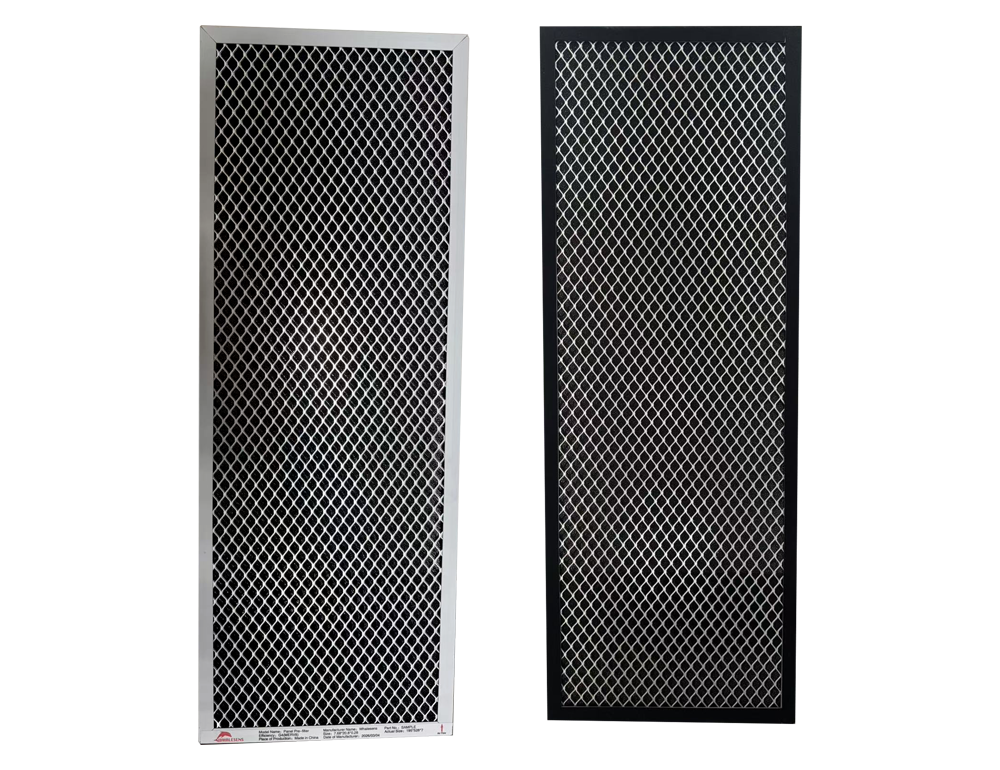
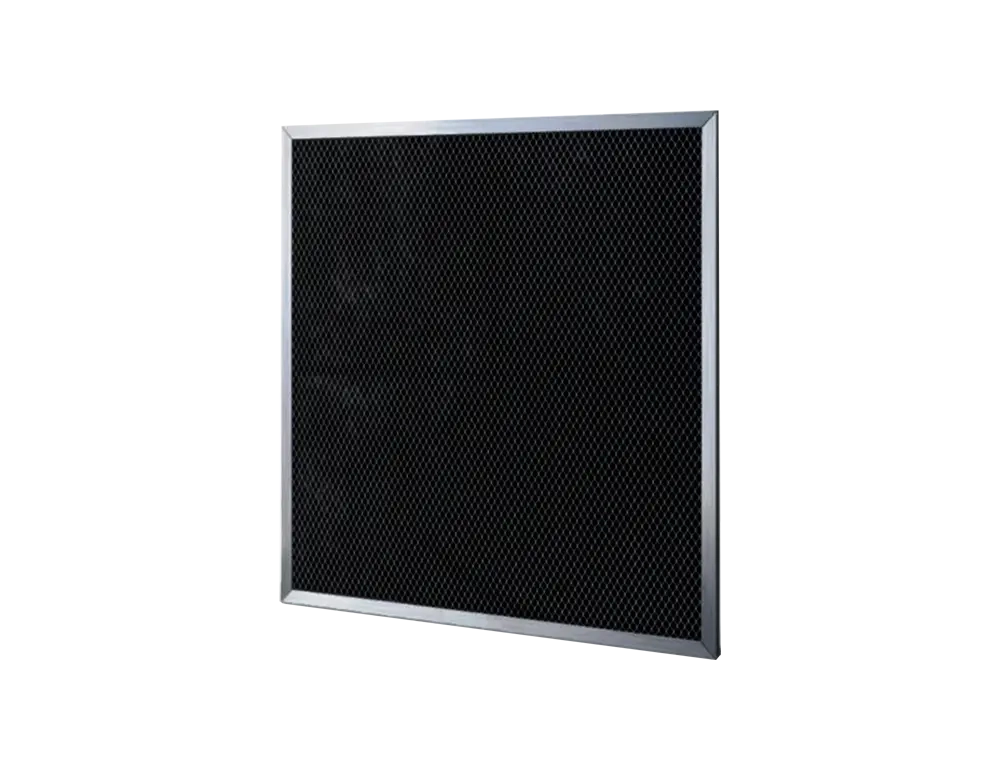
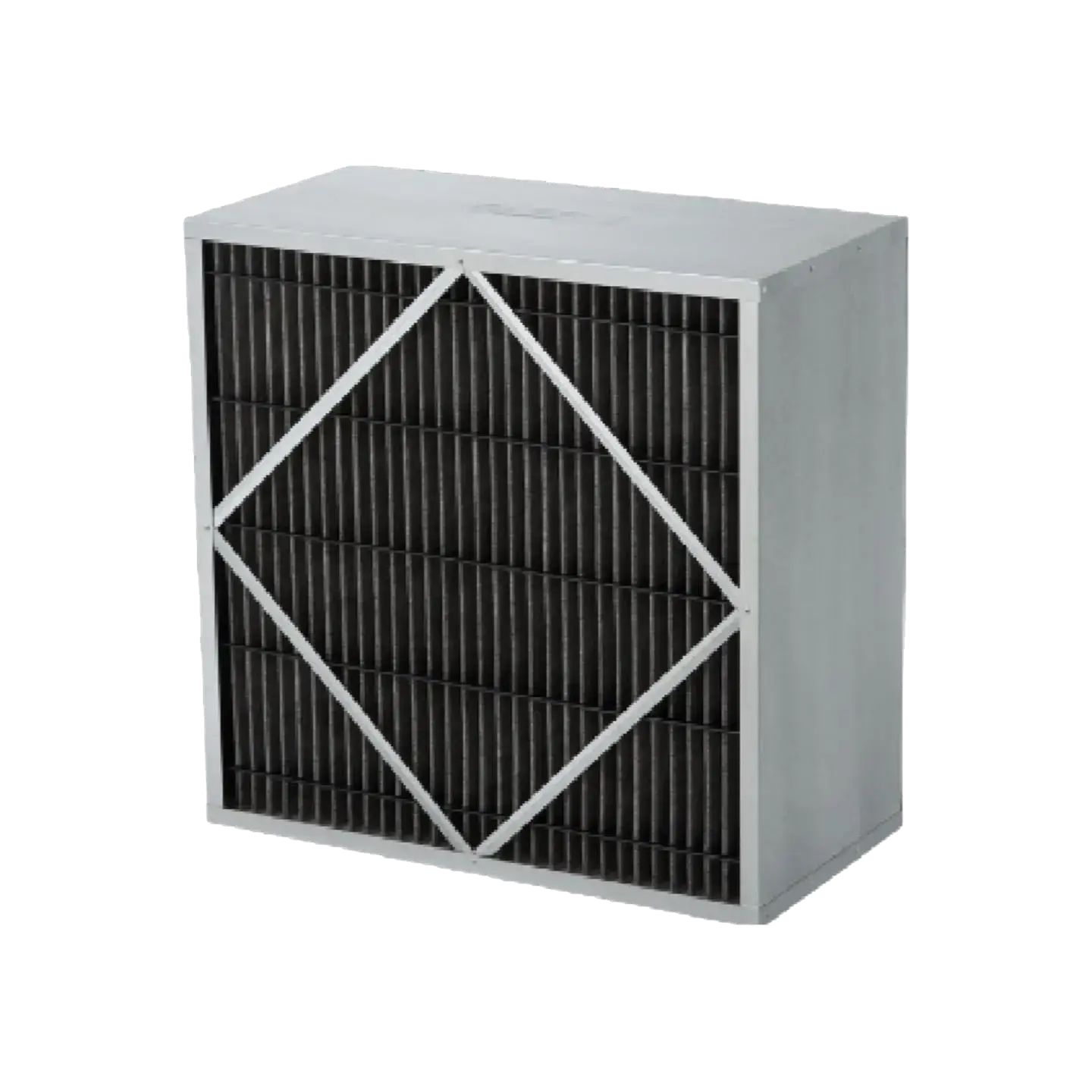
Activated Carbon
Odor & Harmful Gas Removal
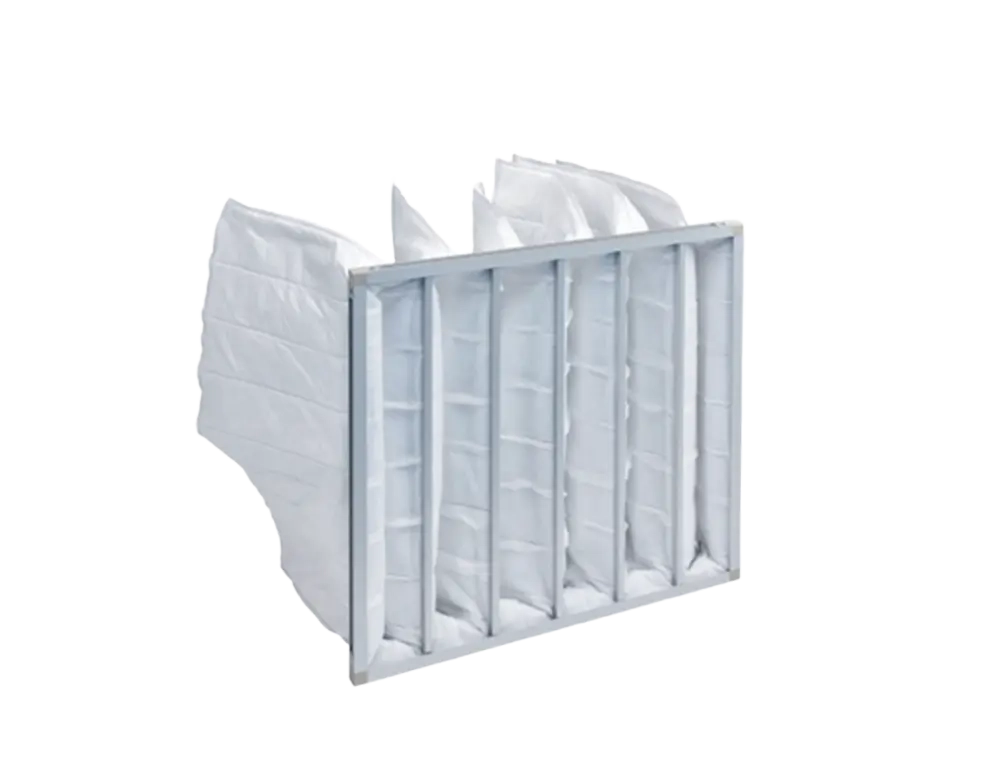
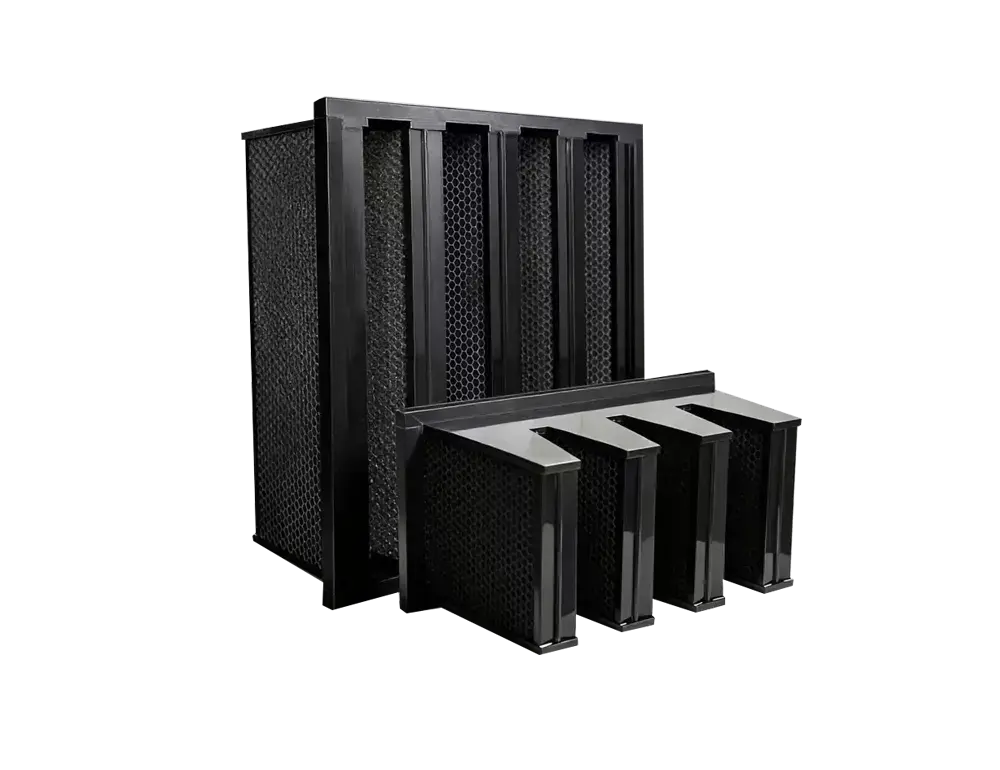
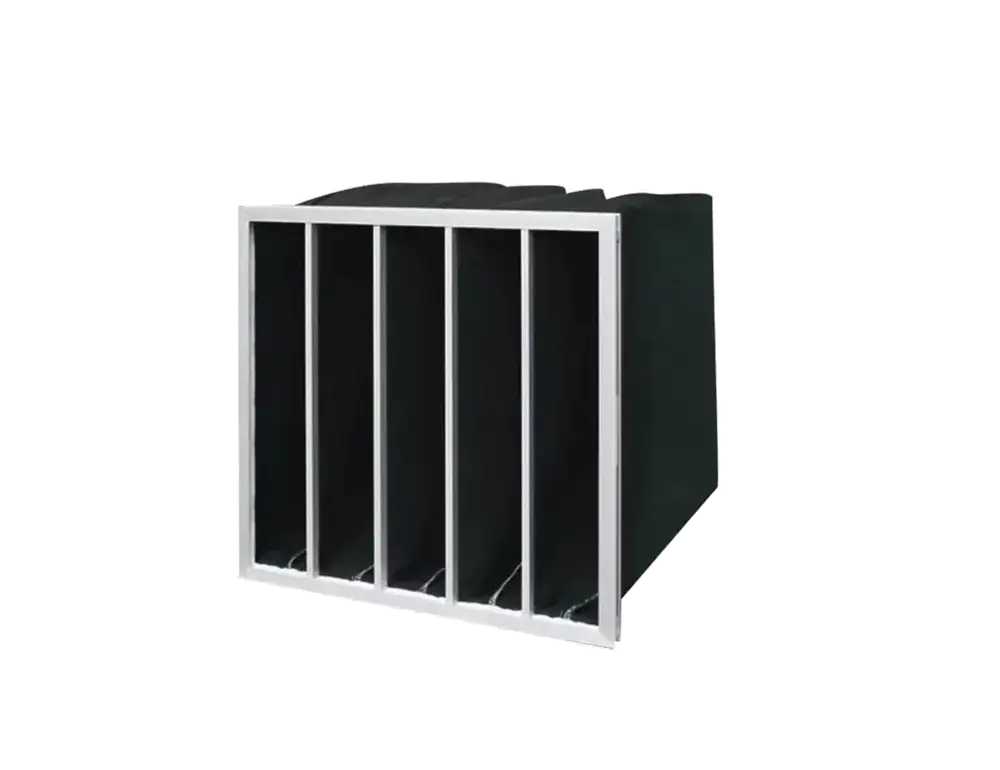
Bag Filter
High Dust-Holding, Long Life
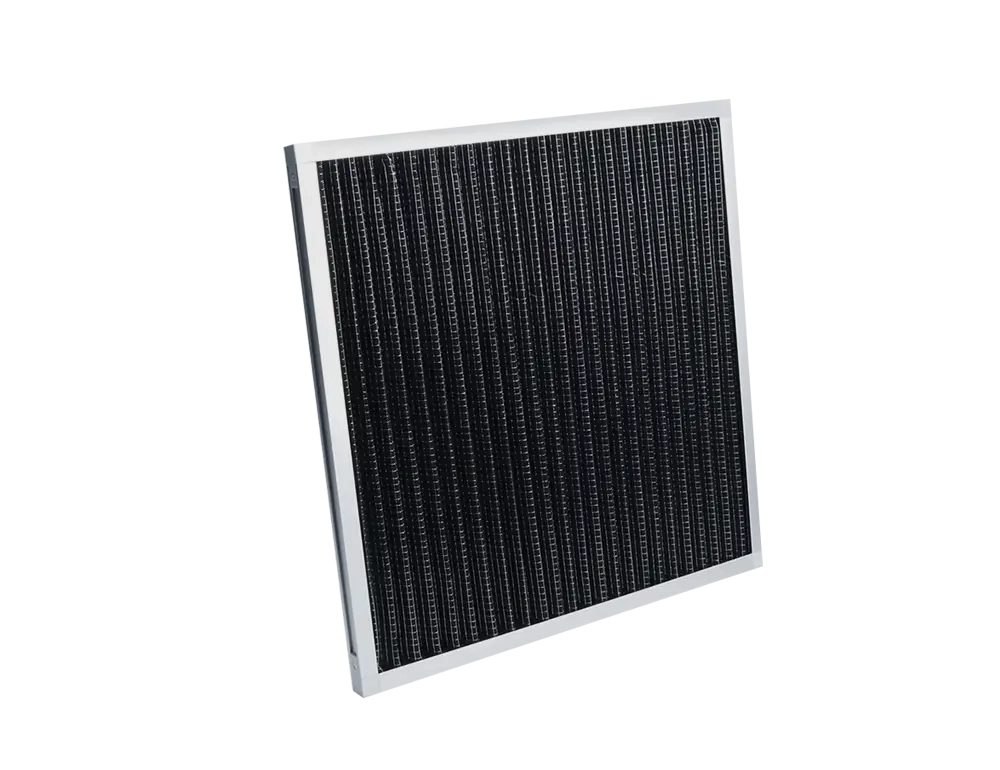
Panel / Pleated Filter
Compact Space-Saving Design
Low-Resistance Airflow
Energy-Saving Operation
Industrial-Grade Heat Tolerance
Built with specialized heat-resistant materials, operating stably up to 250°C for paint ovens, industrial dryers, and high-temperature process environments.
View Related Products →Cut Costs, Reduce Waste
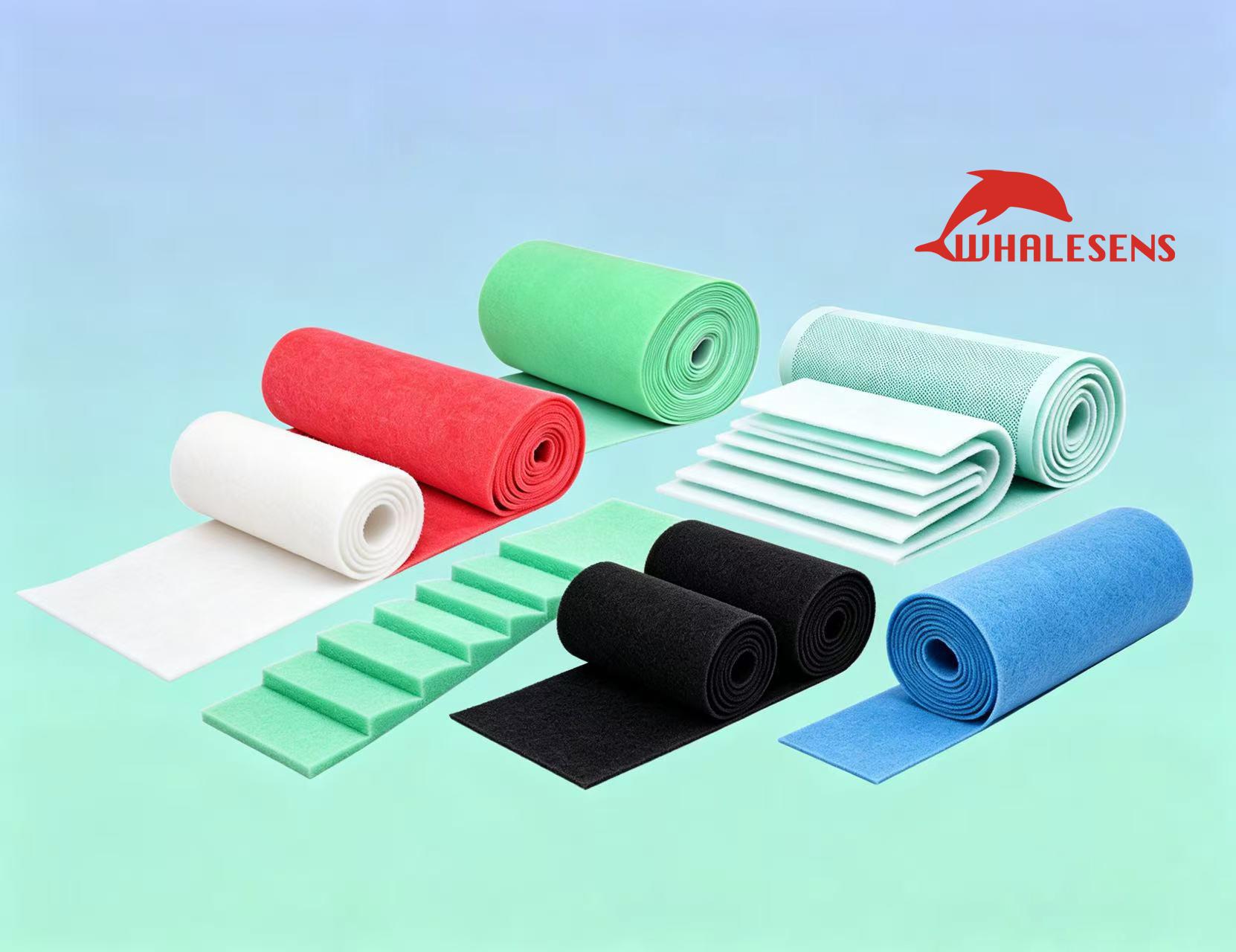
Cleanable by water washing or air blowing, reusable multiple times to significantly reduce replacement frequency and O&M costs — an economical, eco-friendly choice.
View Related Products →Odor & Harmful Gas Removal
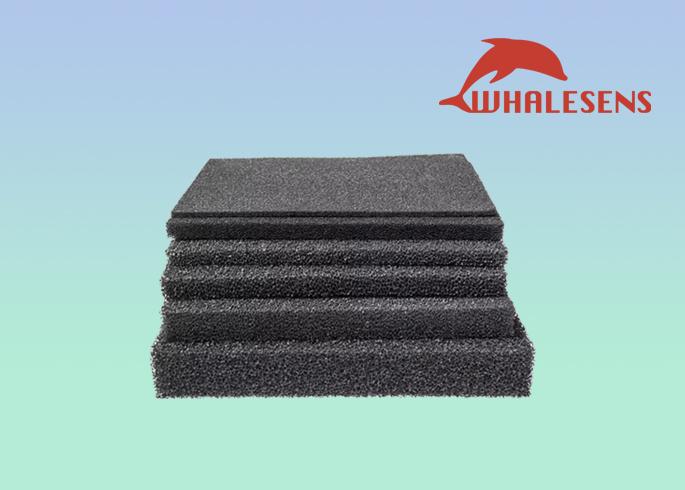
Leverages activated carbon's high adsorption capacity to eliminate odors, VOCs, and formaldehyde, ideal for newly renovated spaces and industrial exhaust treatment.
View Related Products →High Dust-Holding, Long Life
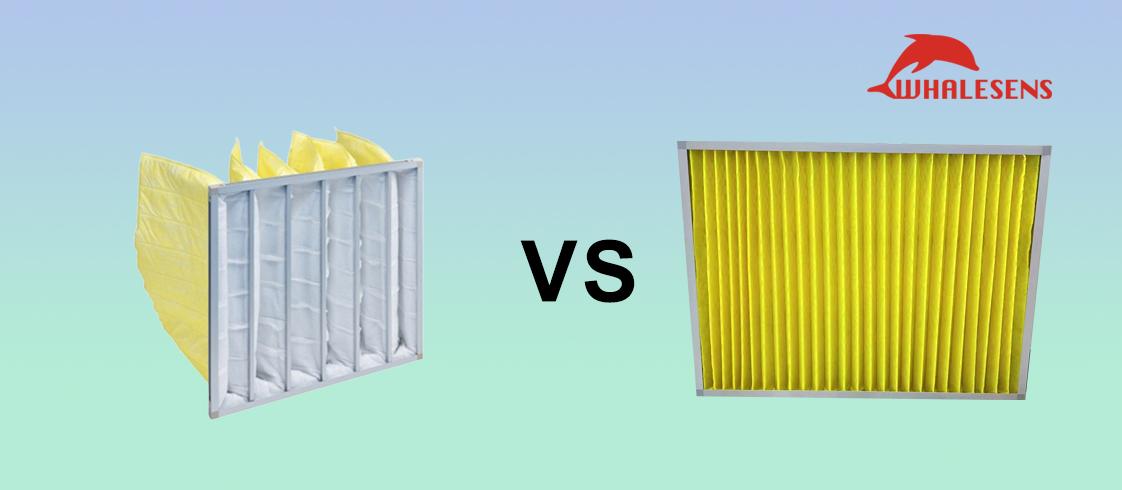
Bag-style construction delivers a larger filtration area, high dust-holding capacity, and extended service life — ideal for high-dust environments with reduced replacement frequency.
View Related Products →Compact Space-Saving Design
Compact form factor for easy installation and replacement; pleated structure maximizes filtration area within a small footprint for higher efficiency.
View Related Products →Energy-Saving Operation
Low-resistance design minimizes pressure drop while maintaining filtration performance, reducing fan energy consumption for cost-effective, eco-friendly operation.
View Related Products →















 English(Global)
 简体中文
简体中文 Language
HEPA Filters
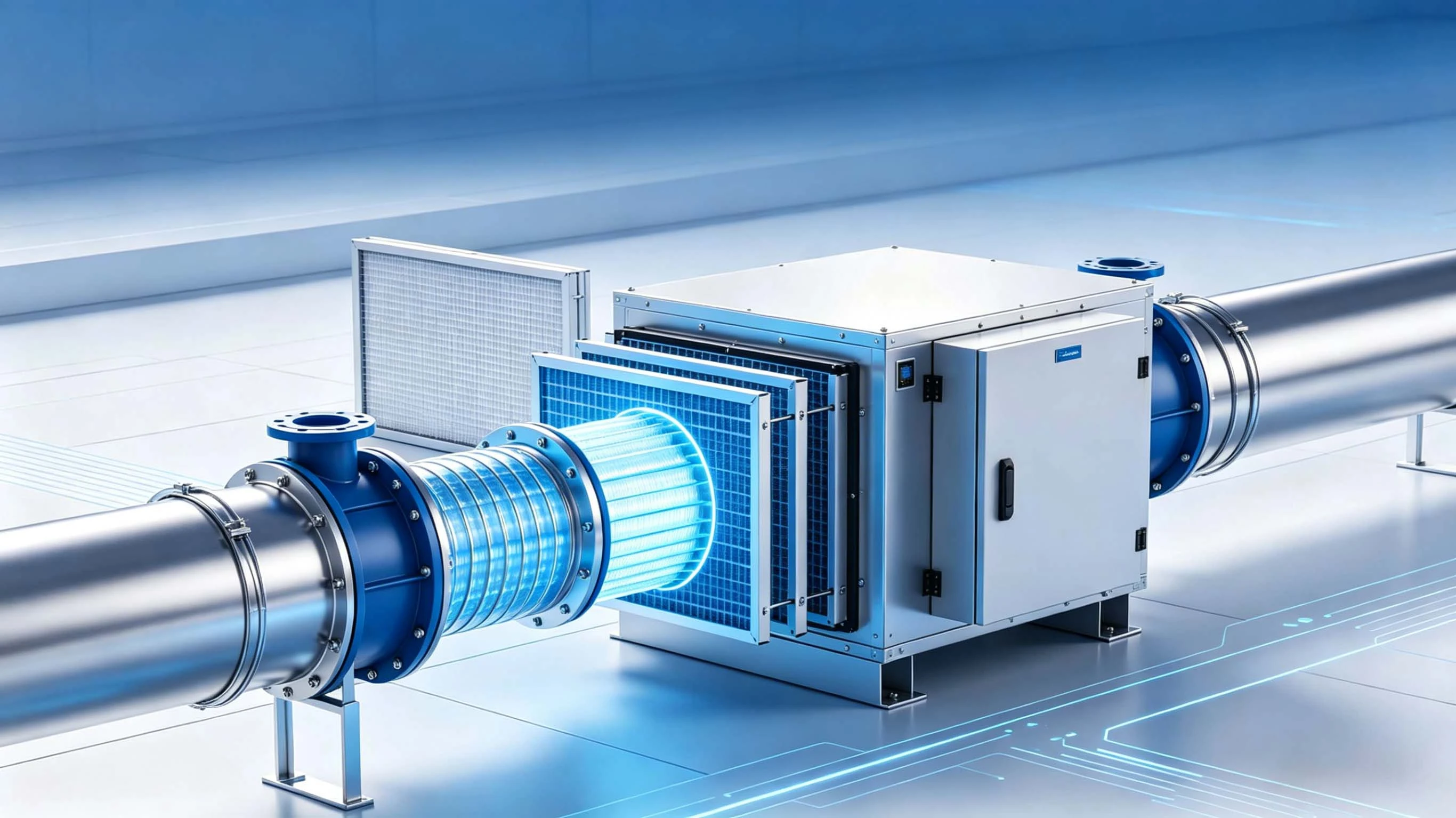
Whalesens supplies HEPA and ULPA filters from H13 through U17 for cleanrooms, pharmaceutical production, spray booths, data centers and commercial HVAC. The range covers deep-pleated, mini-pleated, V-bank, high-temperature panel and liquid-tank gel-seal constructions, in aluminium, stainless steel or hot-melt sealed frames.
Every type is built to order: choose the filtration grade, frame material, gasket and size for your installation. Send us your airflow, efficiency target and duct dimensions and we will quote a configuration.
HEPA Filters range
Selection table
| Model | Filtration grade | Media | Frame | Temperature | Moisture |
|---|---|---|---|---|---|
| 350 Degree High Temperature Pleated Panel HEPA Filter | H13 (EN 1822) | Special glass fiber filter paper | 1.5 mm 304 stainless steel | ≤350 °C | 100% RH |
| 250 Degree High Temperature Pleated Panel HEPA Filter | H10, H11, H12, H13, H14 | Ultrafine glass fiber filter paper | Aluminum profile, stainless steel or galvanized frame | ≤250 °C | 100% RH |
| V-Bank HEPA Filter | F9, H10, H13 and H14 in the standard size table; the family also covers M6, F7, F8, H15, H16 and UH17 to UH19 | Ultrafine glass fibre filter paper | Galvanised steel, aluminium or stainless steel | ≤80°C | 100% RH |
| Liquid Tank HEPA Filter | H13, H14, U15, U16, U17 (EN779) | Ultra-fine glass fibre paper, mini-pleated | Aluminium alloy or stainless steel | ≤ 80 °C | 100% RH |
| Deep Pleated HEPA Filter | F6, F7, F8, F9, H10, H13, H14; MERV11 to MERV16-19 | High-density paper made with ultra-fine glass fiber | Galvanized steel, aluminum or ABS plastic | ≤80 °C | 100% RH |
| Mini-Pleated HEPA Filter | H13, H14, U15, U16; UH17 to UH20; MERV17 to MERV20 | Ultrafine glass fibers or HE PP paper | Aluminum, stainless or galvanized steel | ≤80 °C | 100% RH |
How it compares
HEPA vs activated carbon
A HEPA stage removes particles; an activated carbon stage removes gases, vapours and odours. They are complementary rather than alternatives, which is why chemical laboratories, coating lines and cleanrooms usually run a carbon panel or a carbon bag filter ahead of, or behind, the HEPA terminal filter. If your problem is smell or solvent, HEPA alone will not fix it; if your problem is particles, carbon alone will not either.
HEPA vs ULPA
ULPA sits above HEPA: the same construction, a tighter media grade and a higher efficiency at the most penetrating particle size. The trade-off is resistance and airflow — a ULPA grade costs more pressure drop for the same face area, so fan energy goes up. Choose ULPA only where the classification or the process demands it; our H13 to U17 grades are built in the same frames, so the decision can be deferred to the size table.
MERV vs HEPA
MERV is an ASHRAE 52.2 rating; HEPA is an EN 1822 / ISO 29463 classification. They are measured on different test dusts and different particle sizes, so a MERV number cannot be converted into an H-grade. As a rule of thumb MERV 13-16 covers fine filtration in general HVAC, while H13 and above is terminal filtration for cleanrooms, and the two are used in series rather than chosen against each other.
Where it is used
Cleanrooms and semiconductor
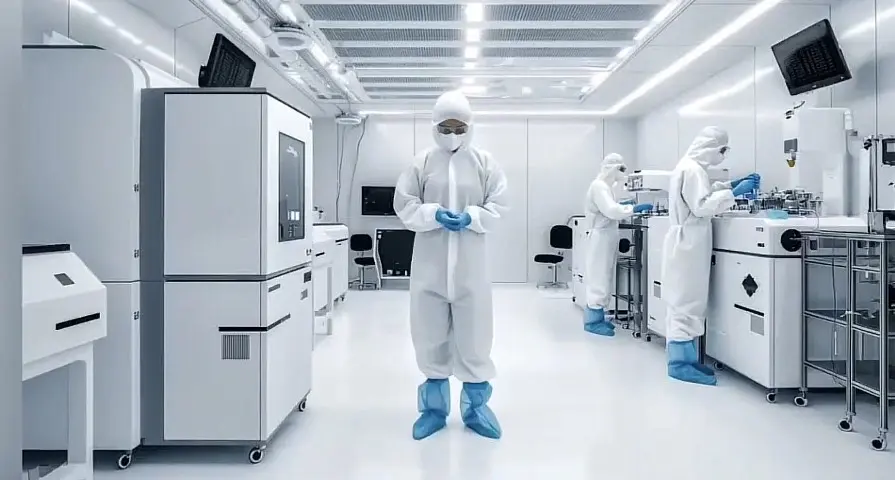
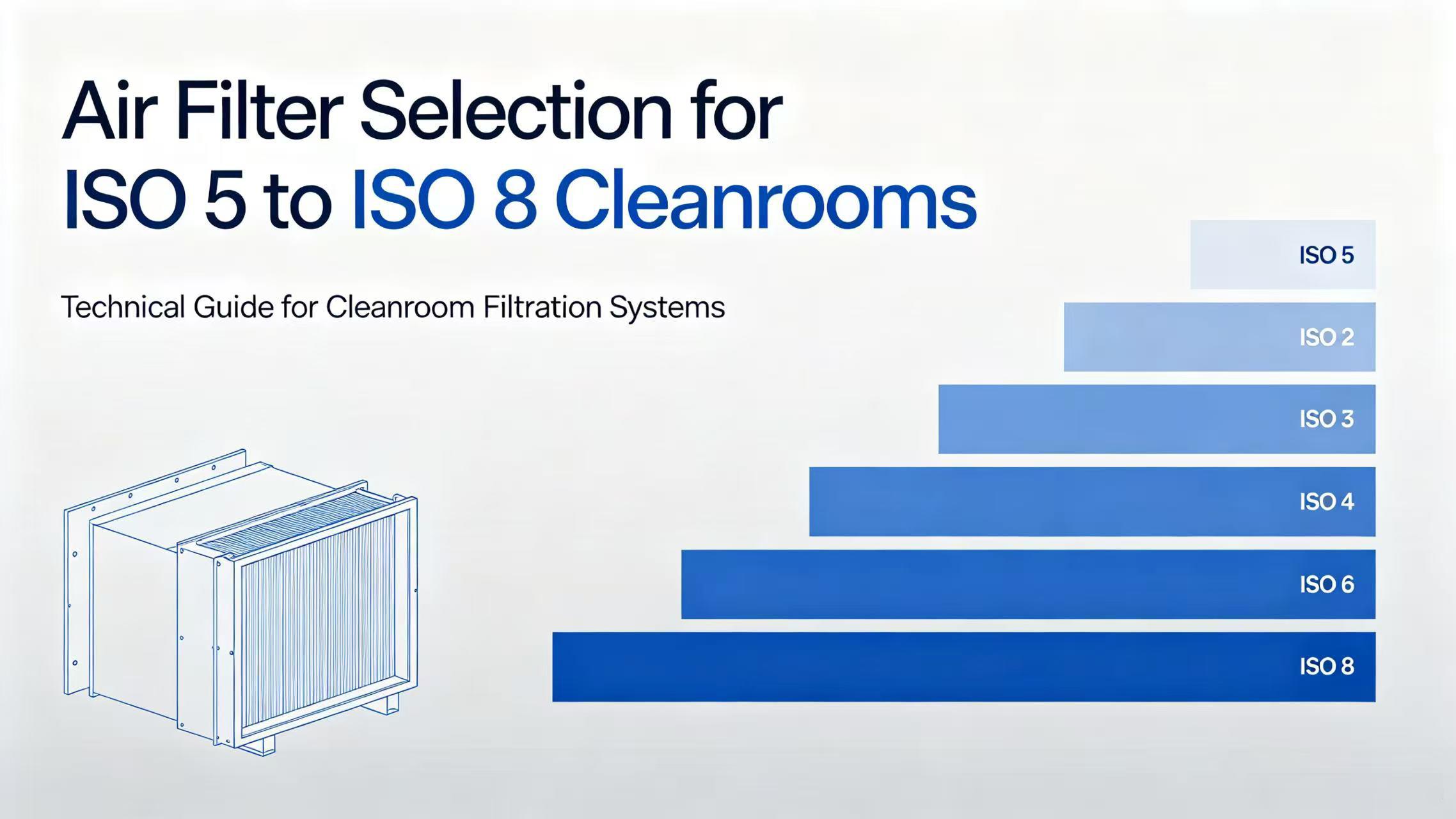
Terminal filtration for ISO Class 5-8 rooms, wafer fabs, display lines and laminar flow benches, where the filter is the last barrier before the product.
Cleanroom filtration solutions →Pharmaceutical and healthcare
GMP cleanrooms, sterile filling, operating theatres and isolation rooms, where filter integrity is documented with a leak test at commissioning.
Pharmaceutical HEPA case →Spray booths and coating lines
Ceiling and terminal HEPA downstream of the paint-arrestor stages, so overspray is captured before it reaches the HEPA media.
Paint spray booth case →Data centers and commercial HVAC
High-efficiency final stages for computer rooms, laboratories and public buildings, usually paired with a carbon stage where outdoor air quality is poor.
Data center HVAC solutions →