


EV Charging Stations
Filtration for Power Equipment
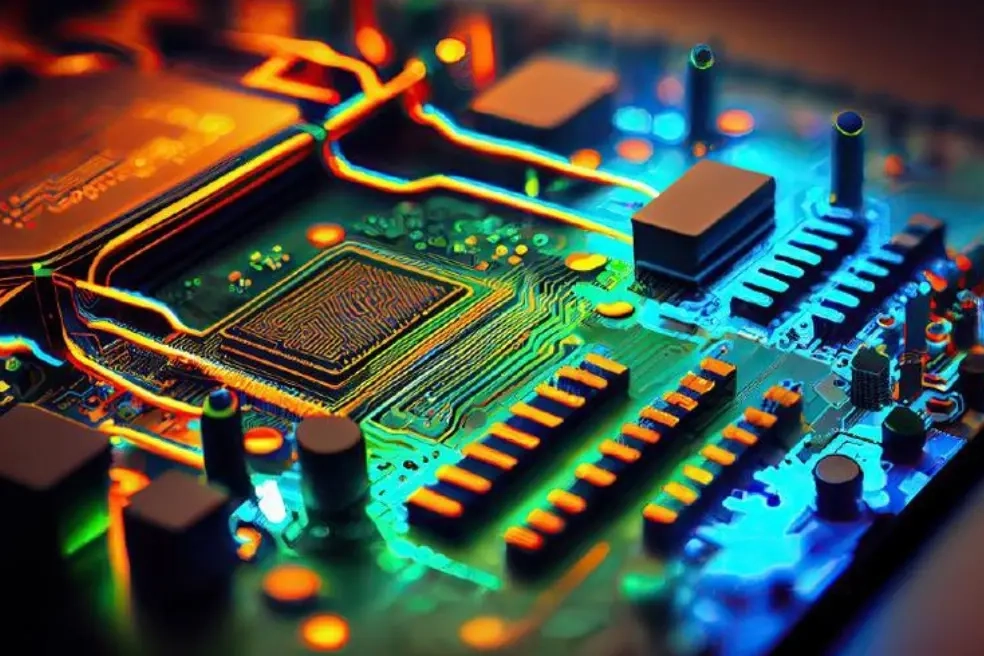
Cleanroom & Semiconductor
Ultra-High Cleanliness Filtration
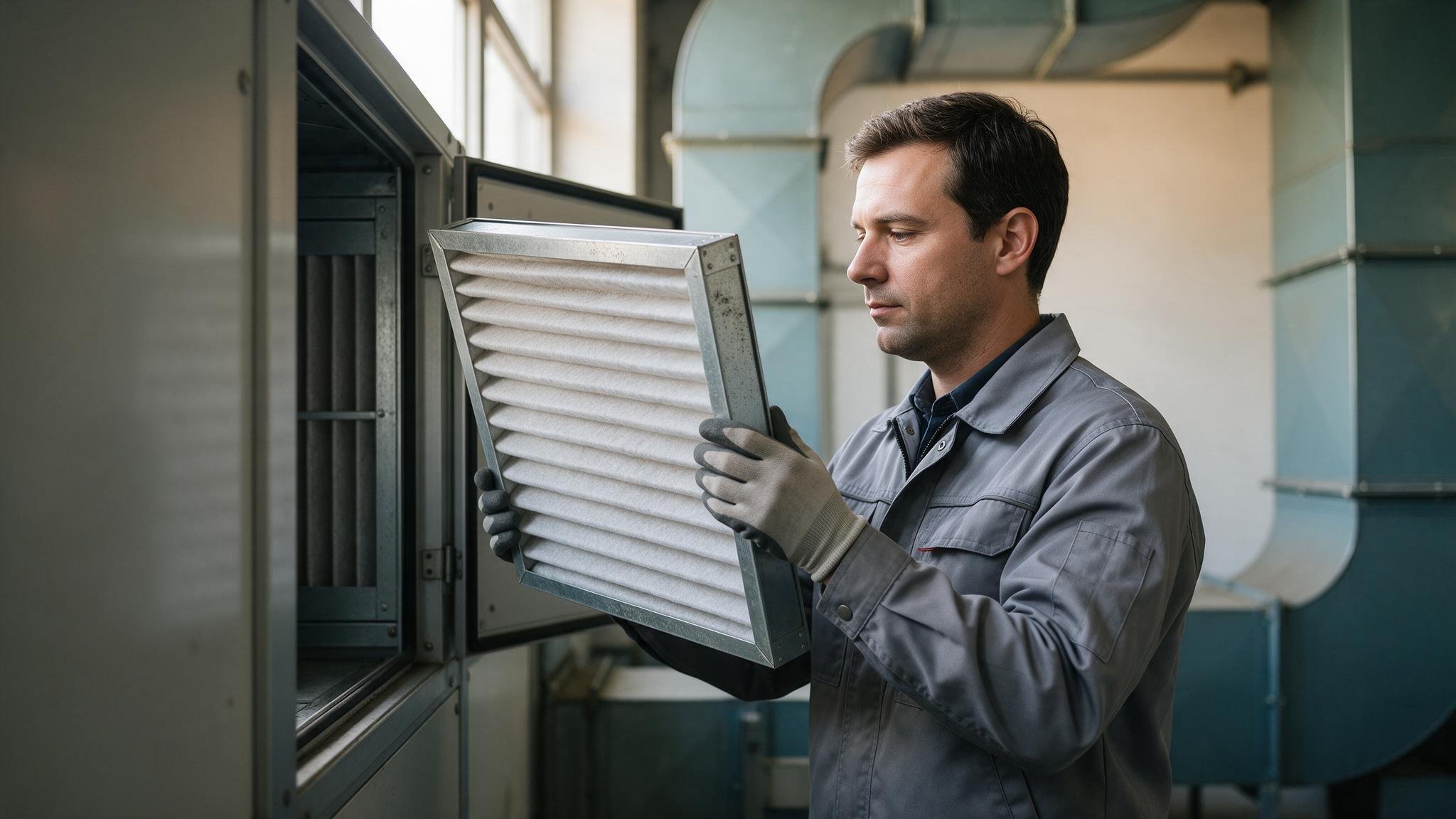
Commercial HVAC
Central Air System Filtration
Data Centers
Precision Equipment Protection
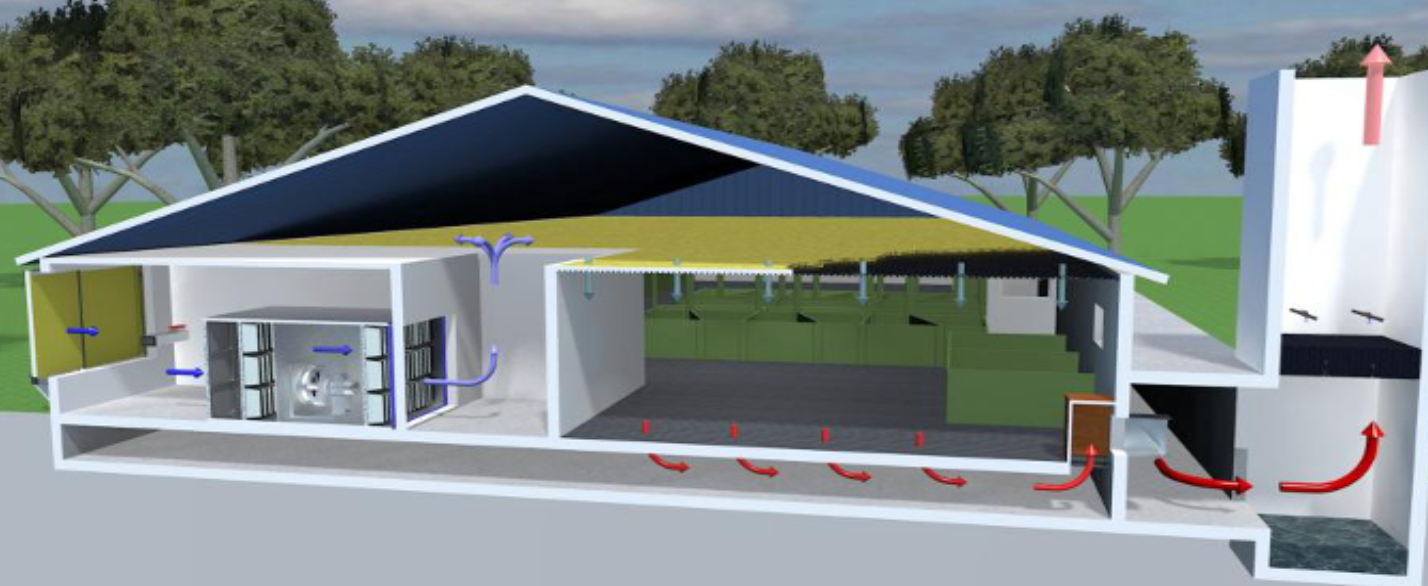
Livestock & Farming
Farming Environment Purification
Spray Booths & Industrial Dust
Paint Mist & Dust Purification
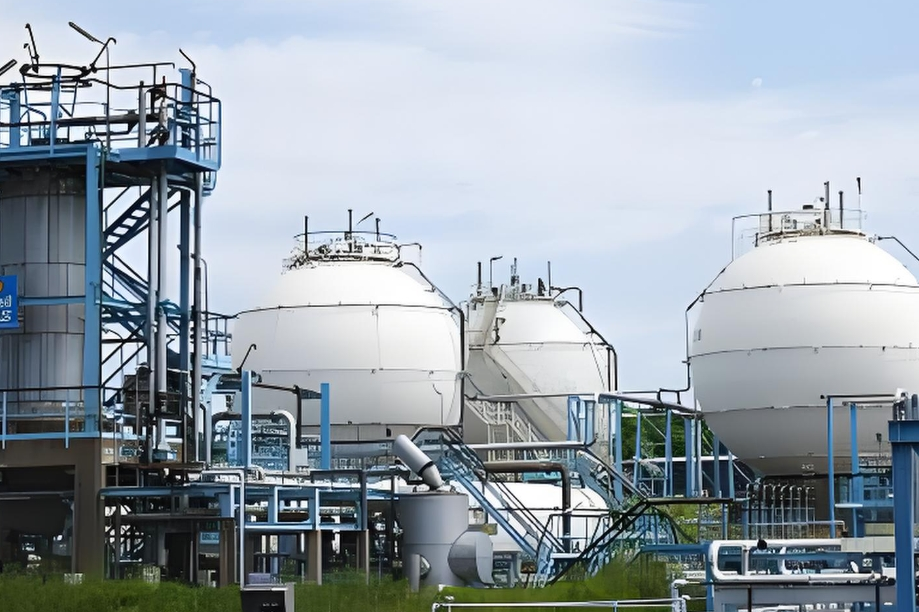
Filtration for Power Equipment
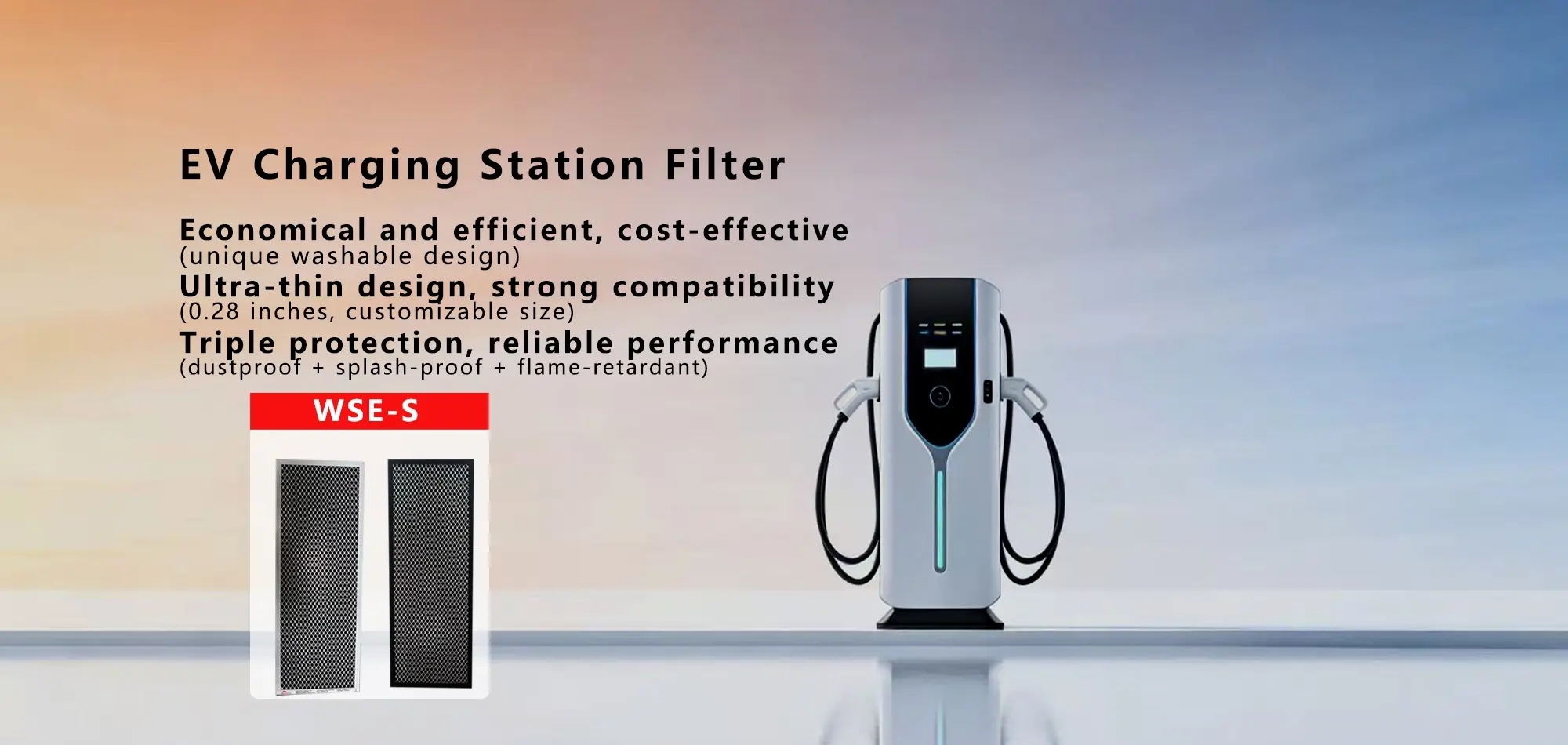
Professional air filtration for EV charging devices, protecting against dust and sand ingress to ensure stable, reliable operation of charging piles and station infrastructure.
View Related Products →Ultra-High Cleanliness Filtration
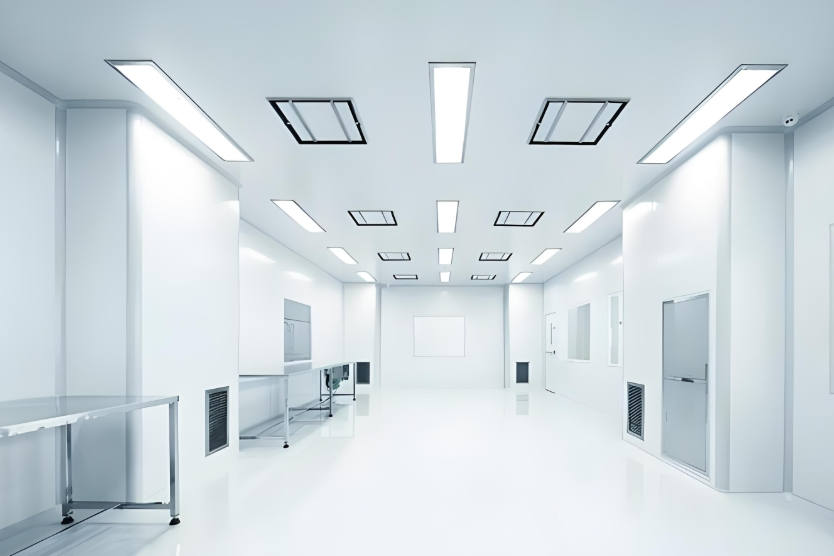
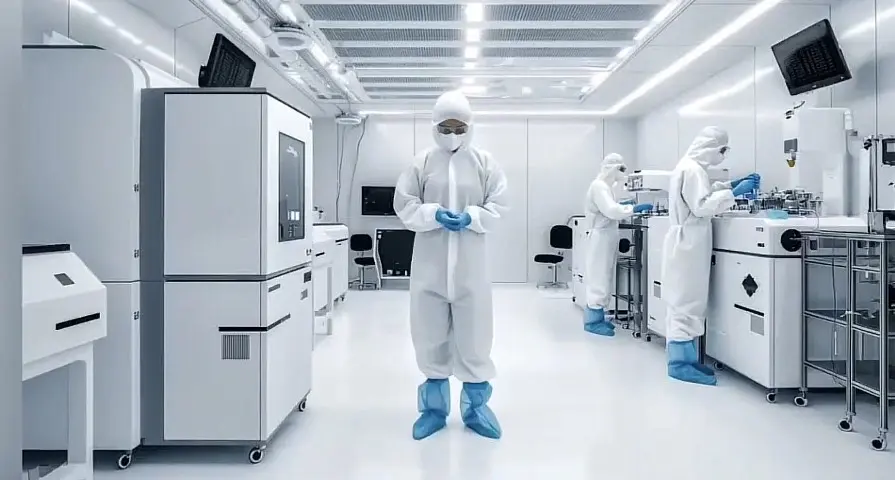
Ultra-high efficiency filtration for semiconductor wafer fabs and precision electronics cleanrooms, capturing nano-scale particles to meet ISO Class 1–3 standards and maximize product yield.
View Related Products →Central Air System Filtration
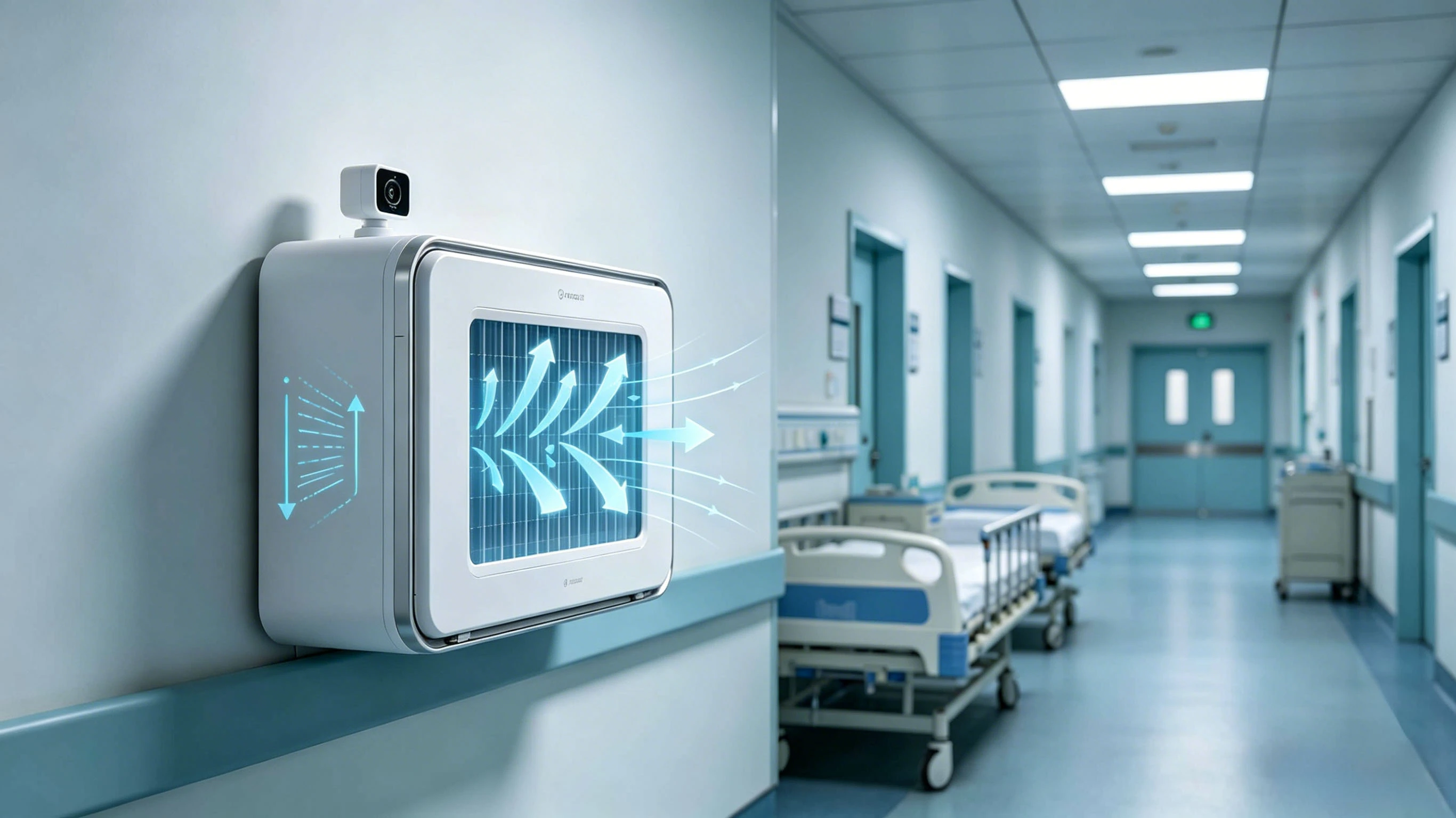
High-efficiency filtration for commercial building HVAC systems, improving indoor air quality, reducing energy consumption, and extending equipment service life.
View Related Products →Precision Equipment Protection
Precision air filtration for data centers, shielding servers and critical hardware from dust contamination to keep cooling systems running efficiently and reliably.
View Related Products →Farming Environment Purification
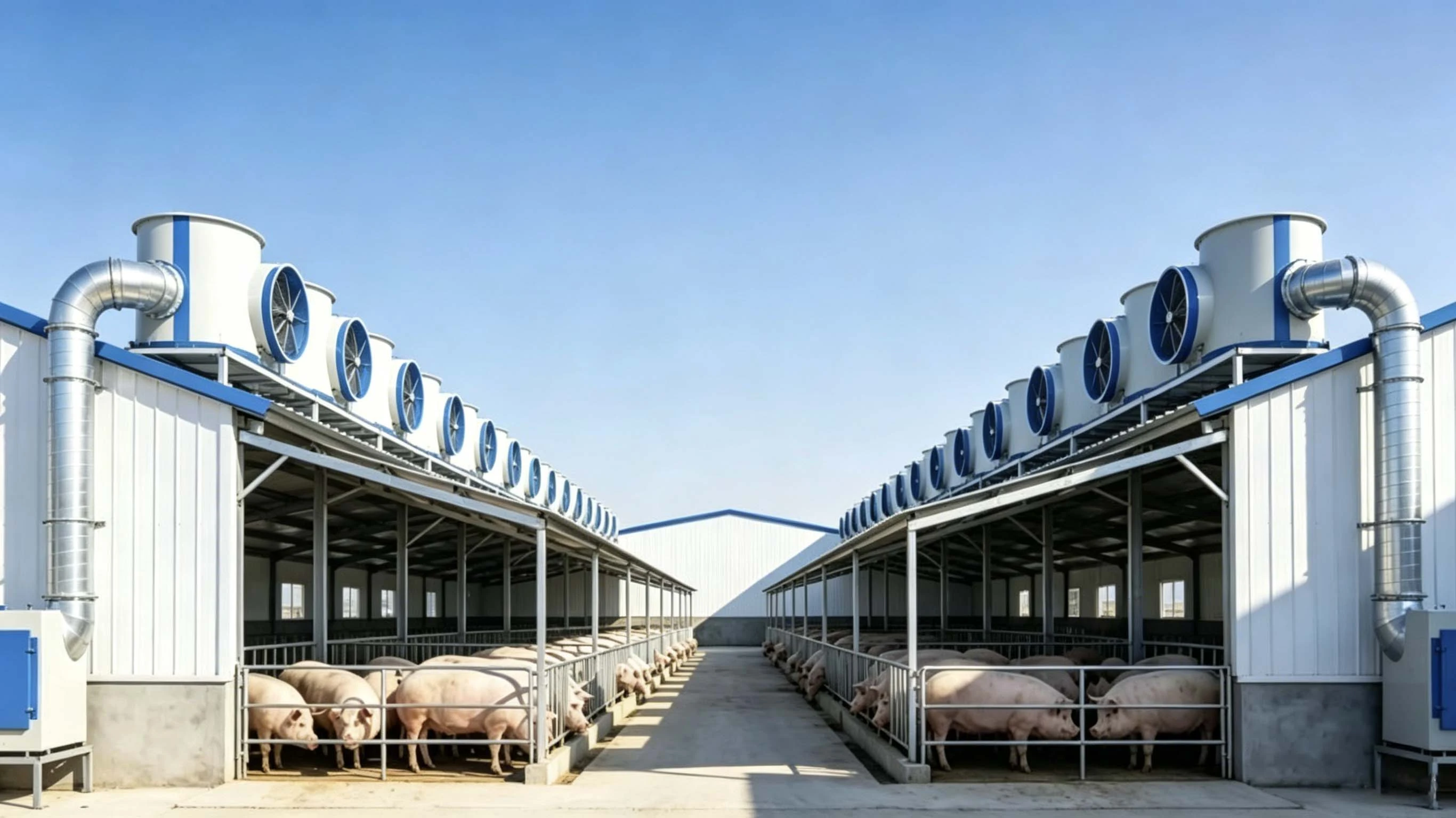
Dedicated filtration systems for farms and livestock facilities — capturing dust, adsorbing ammonia, and inhibiting pathogen spread to improve animal health and overall productivity.
View Related Products →Paint Mist & Dust Purification
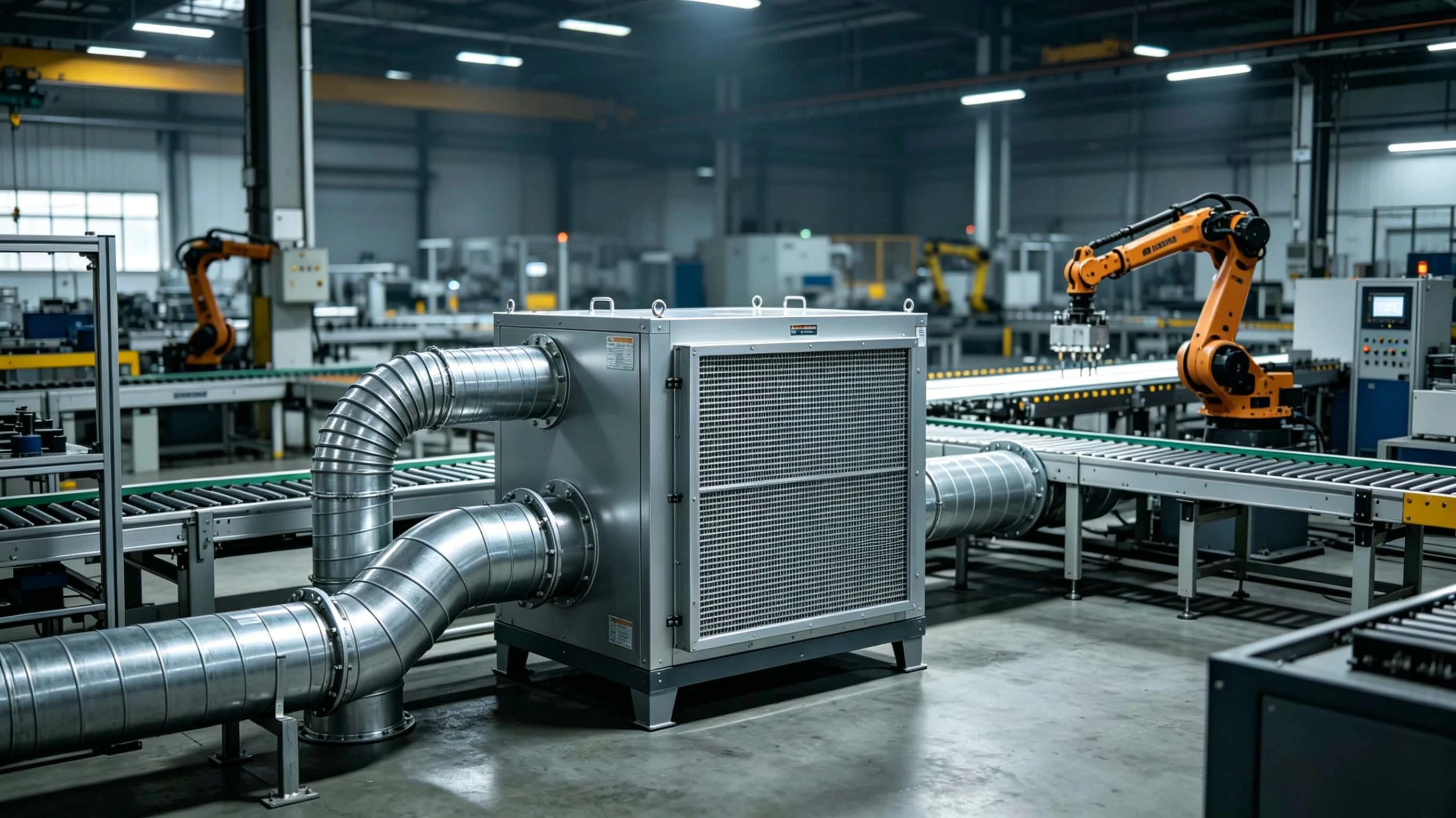
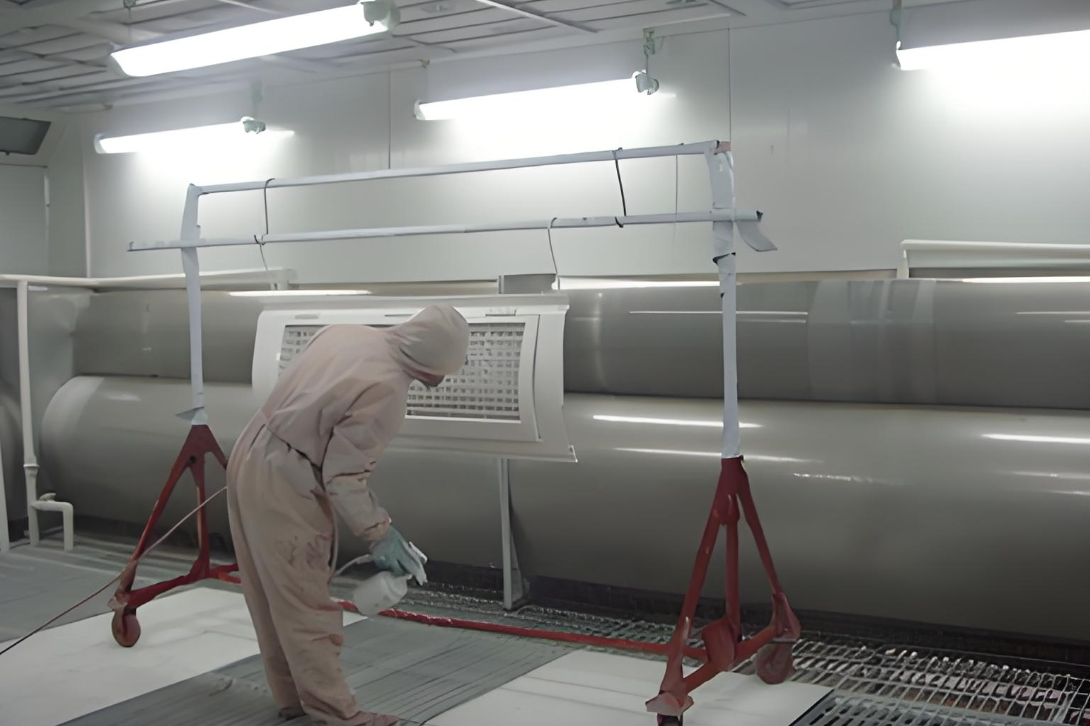
Designed for spray booths and grinding workshops, efficiently capturing paint mist, metal dust, and wood chips to meet emission standards while protecting finished surface quality.
View Related Products →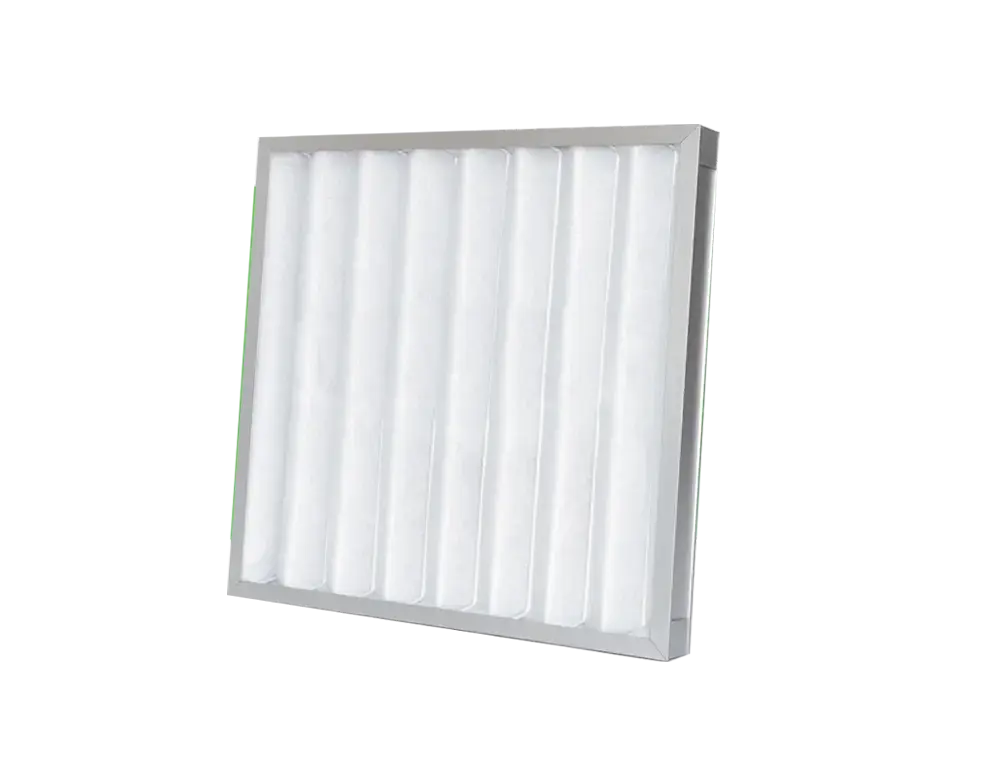
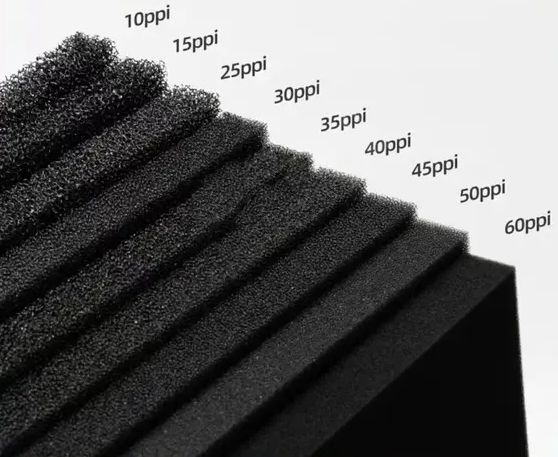
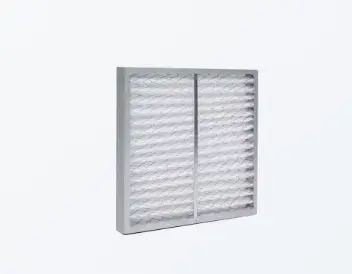
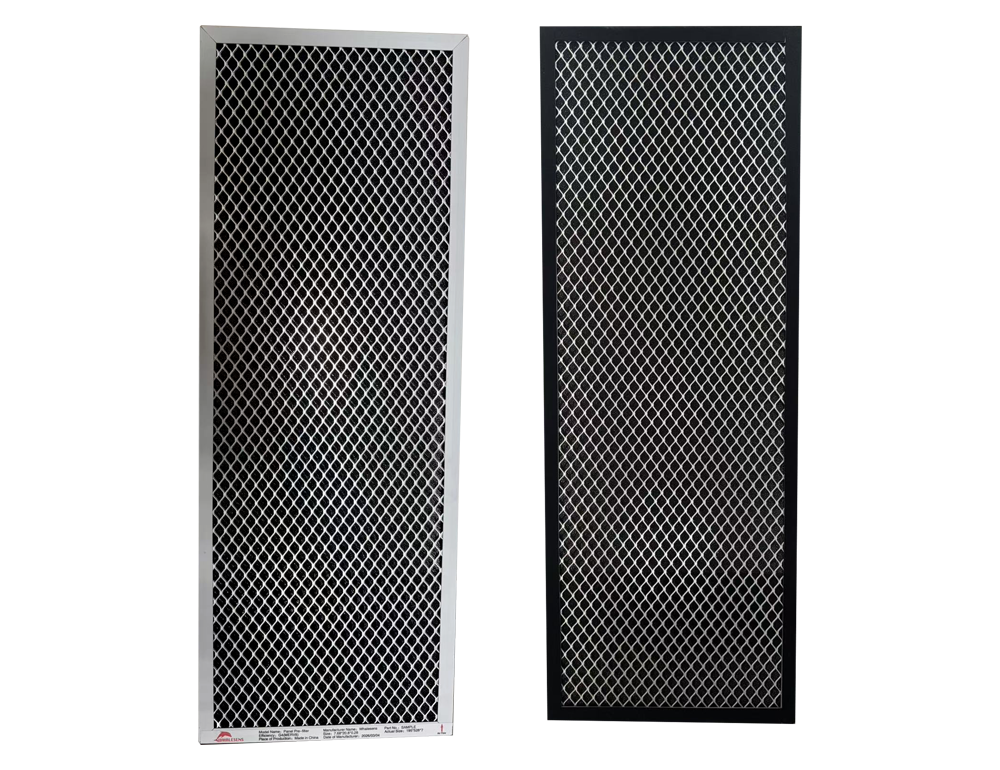
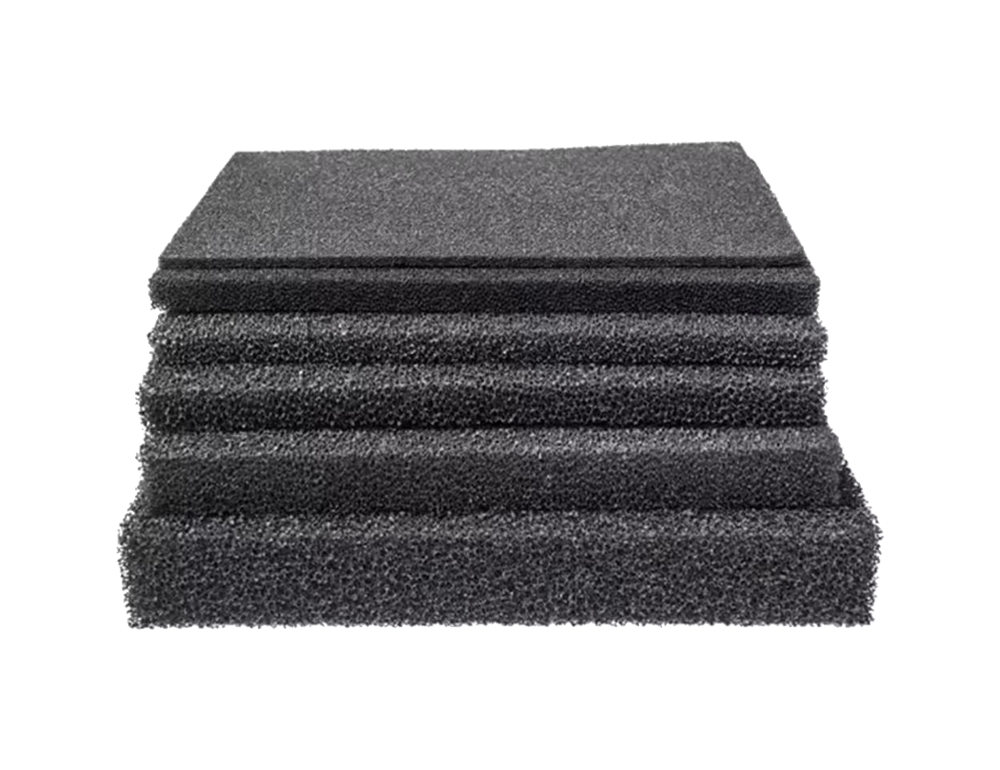
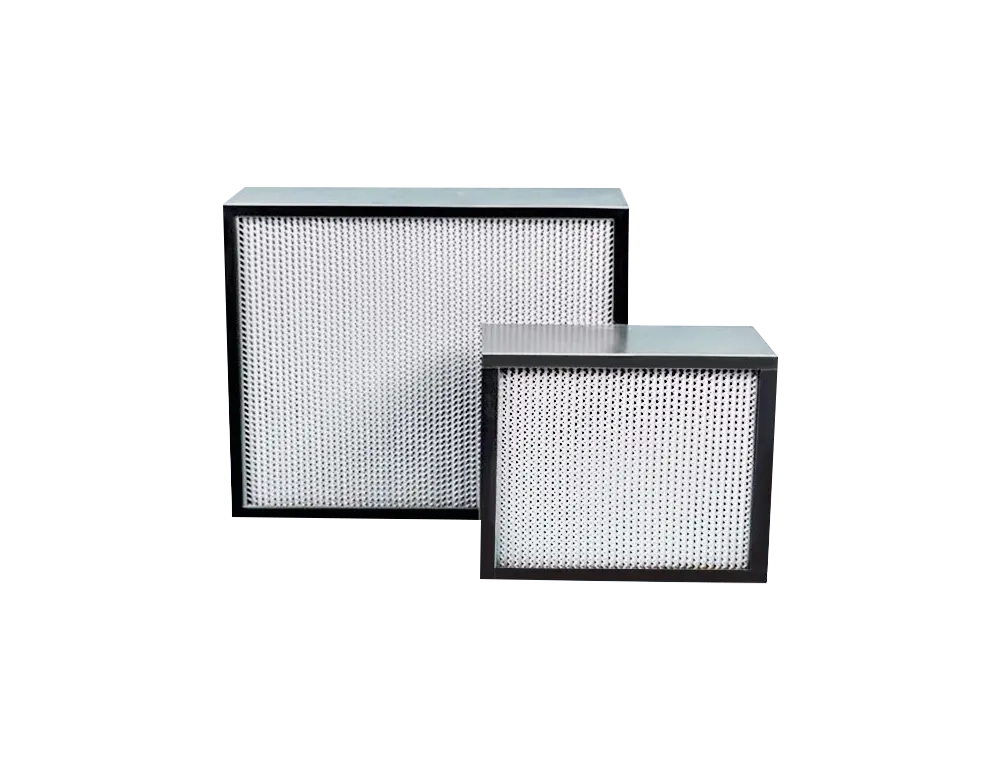
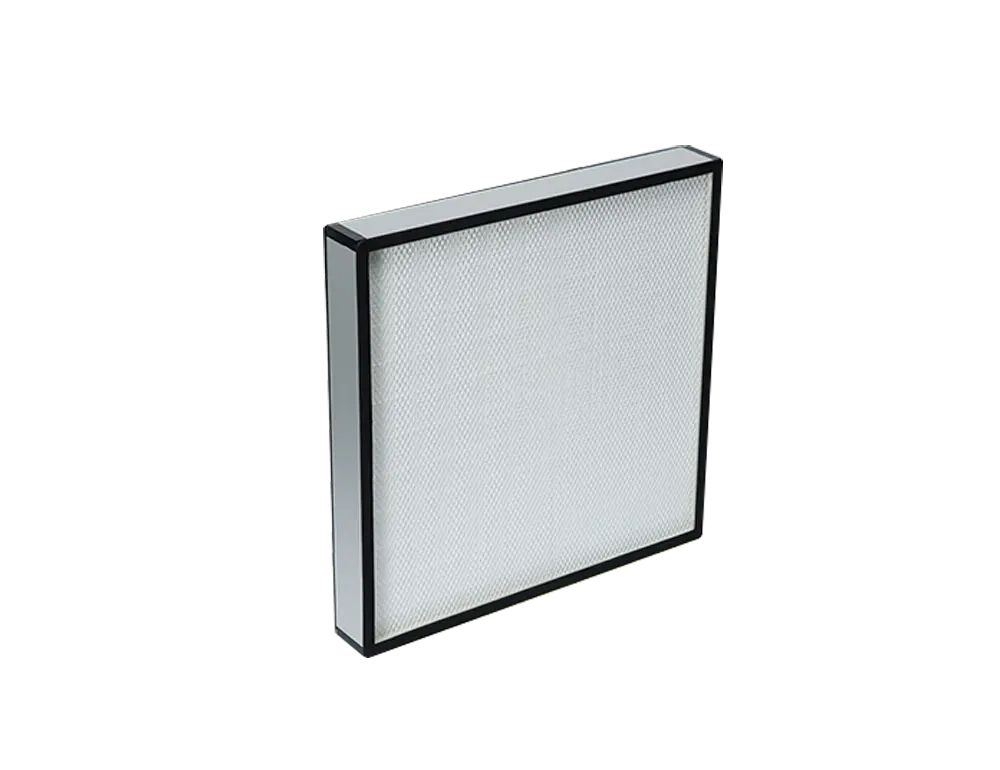
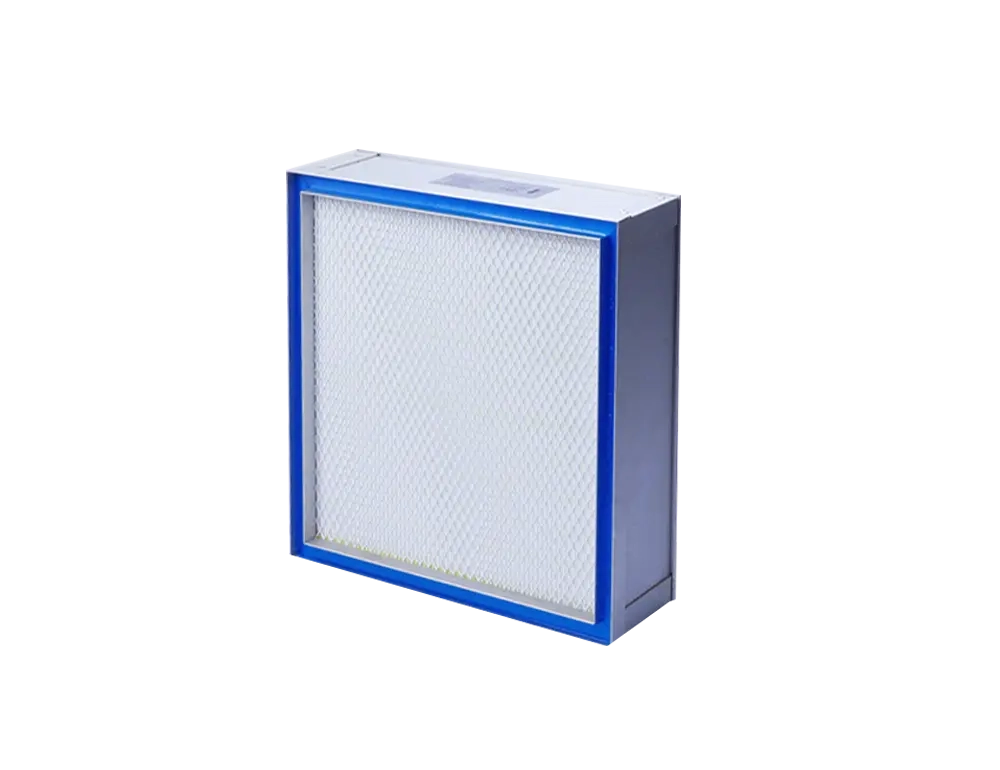
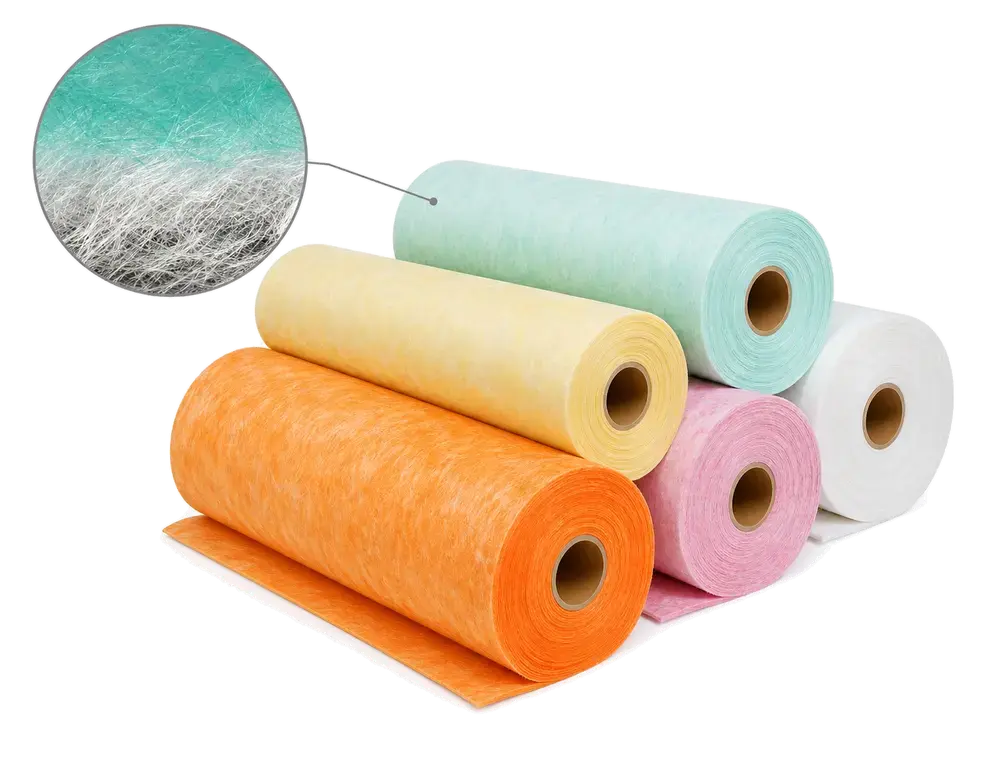
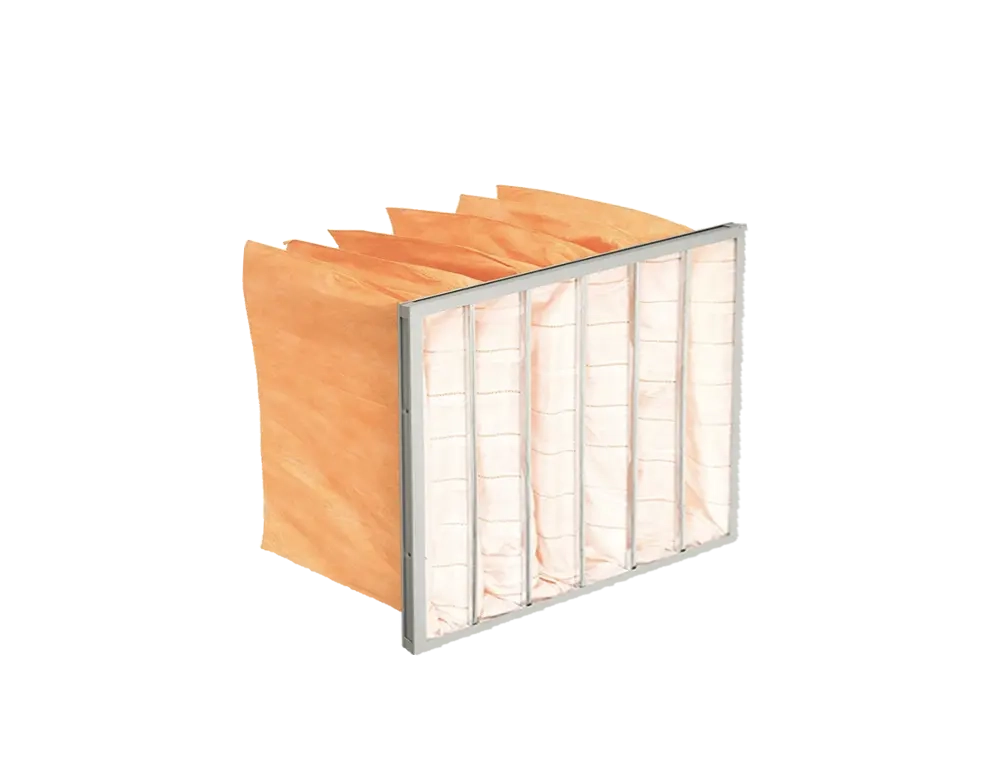
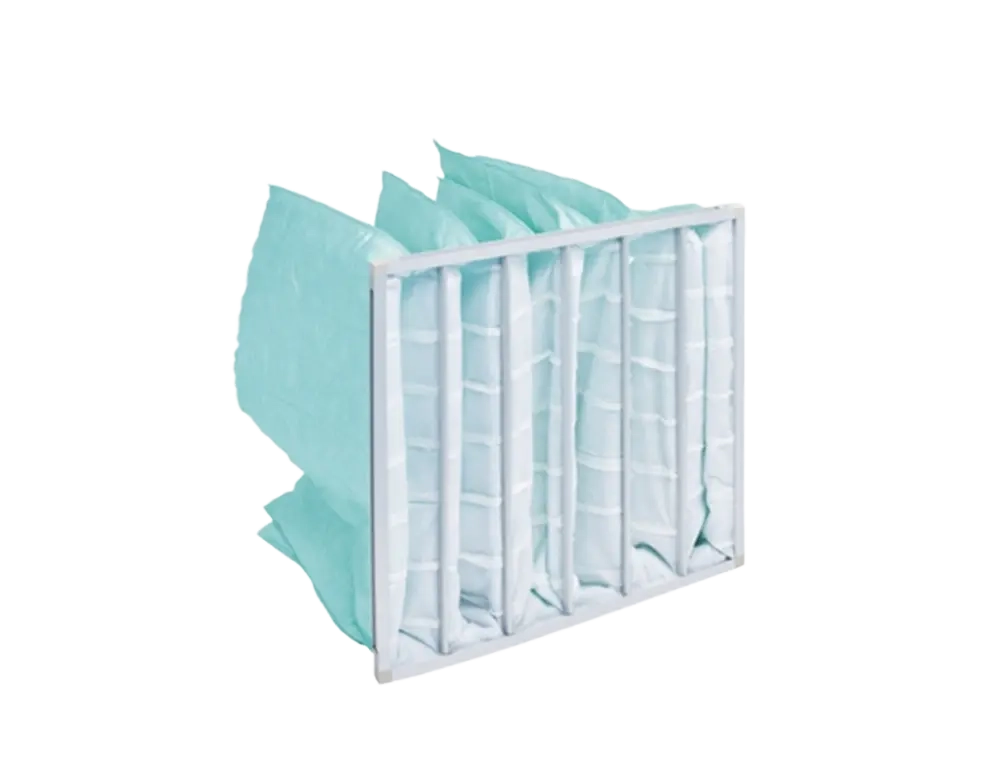
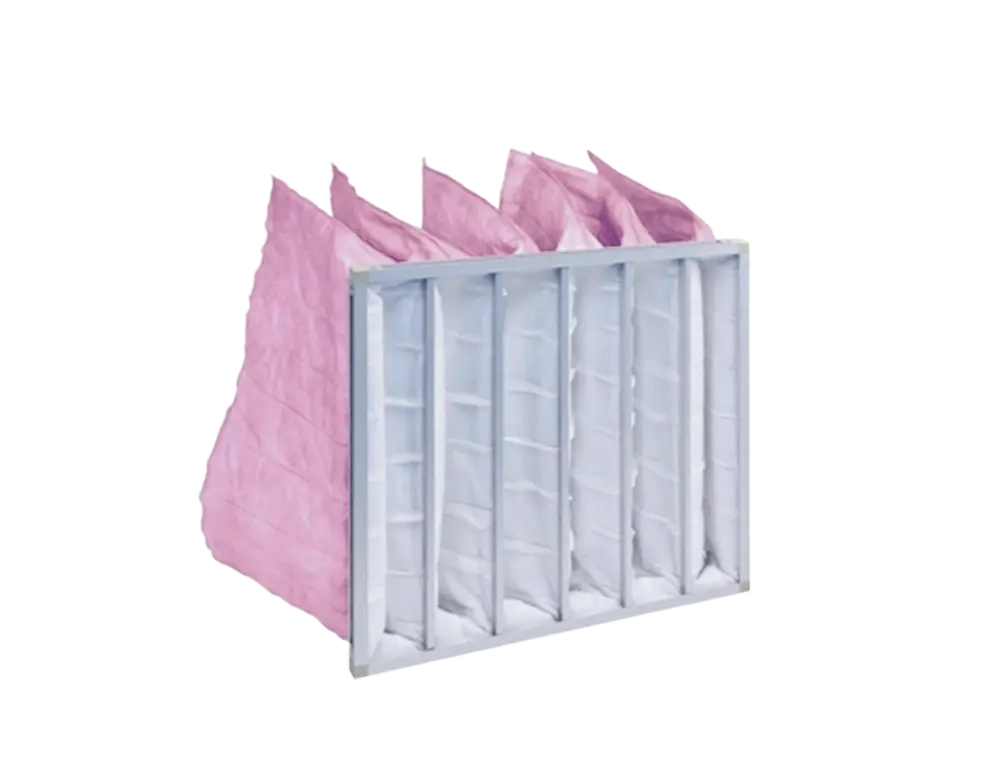
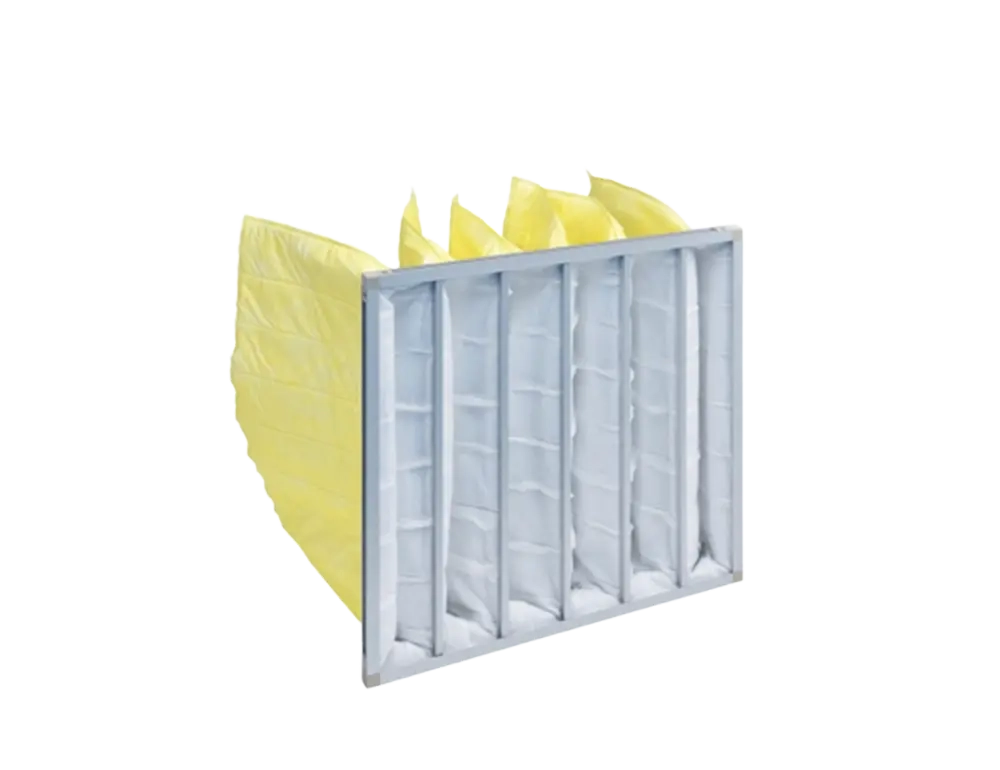

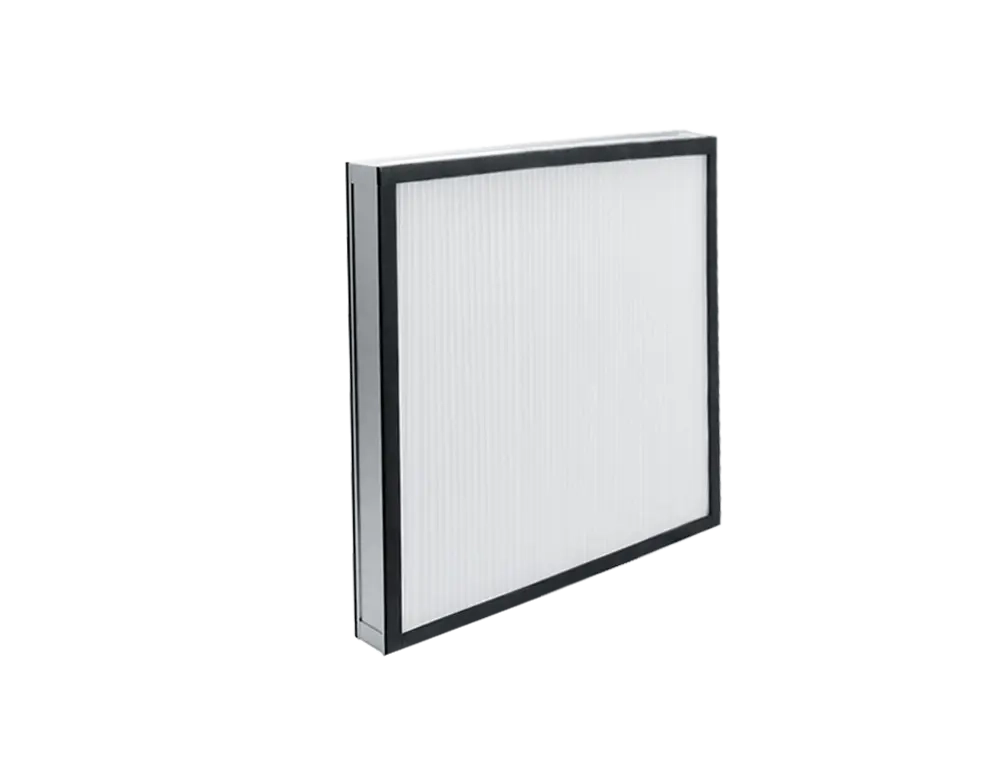
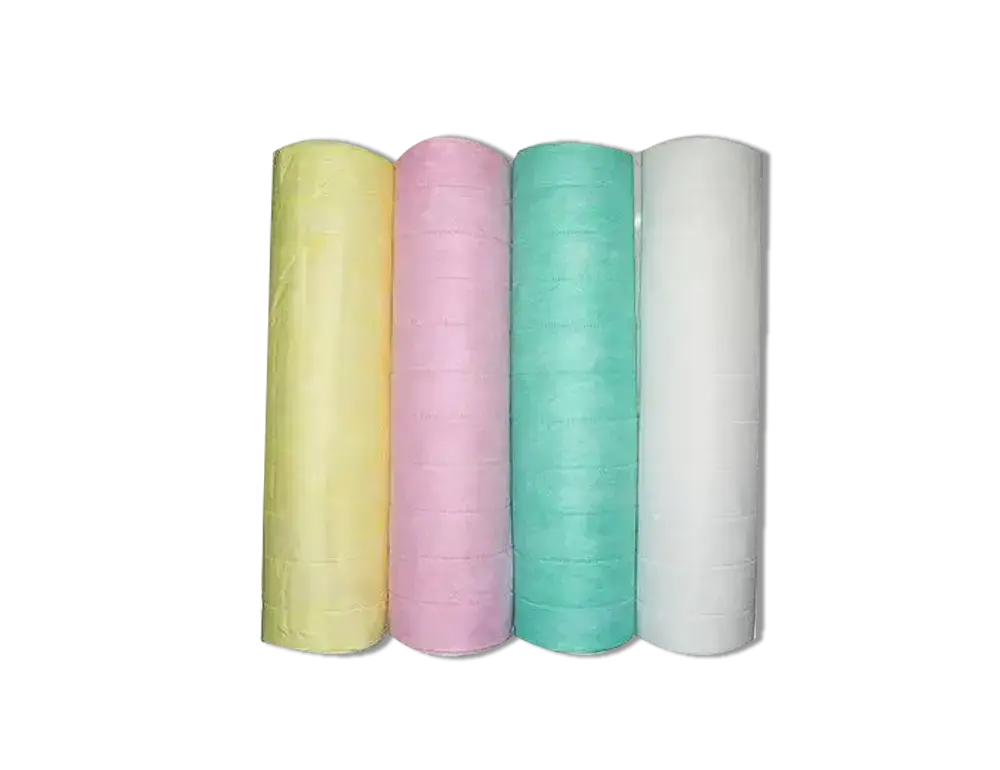
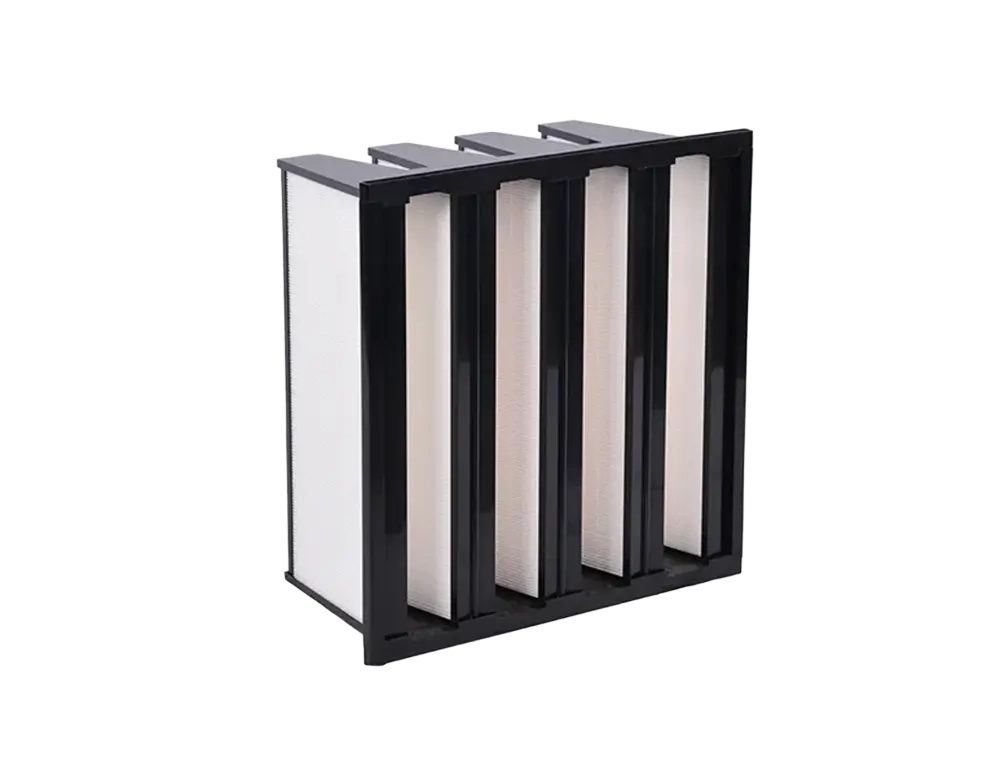
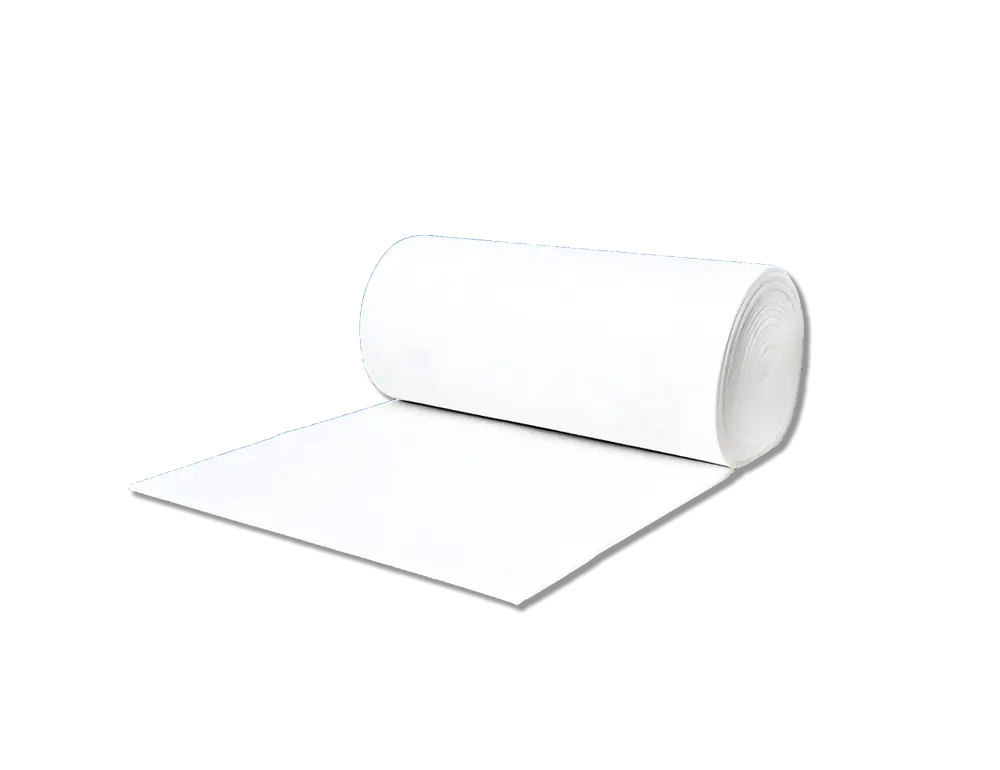
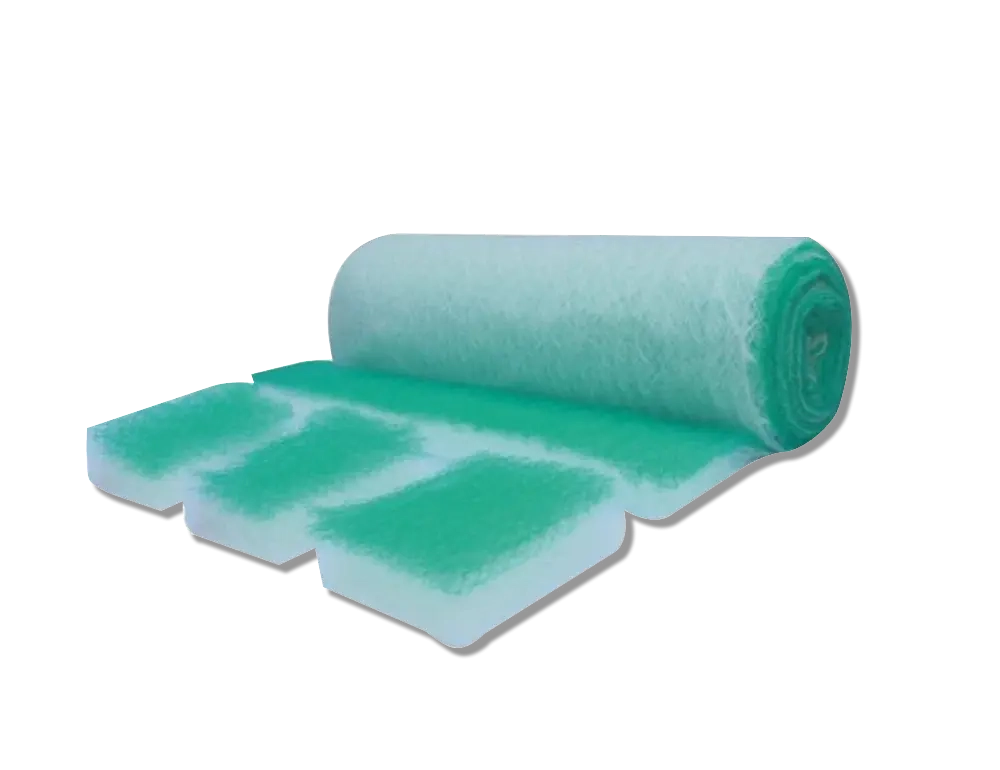
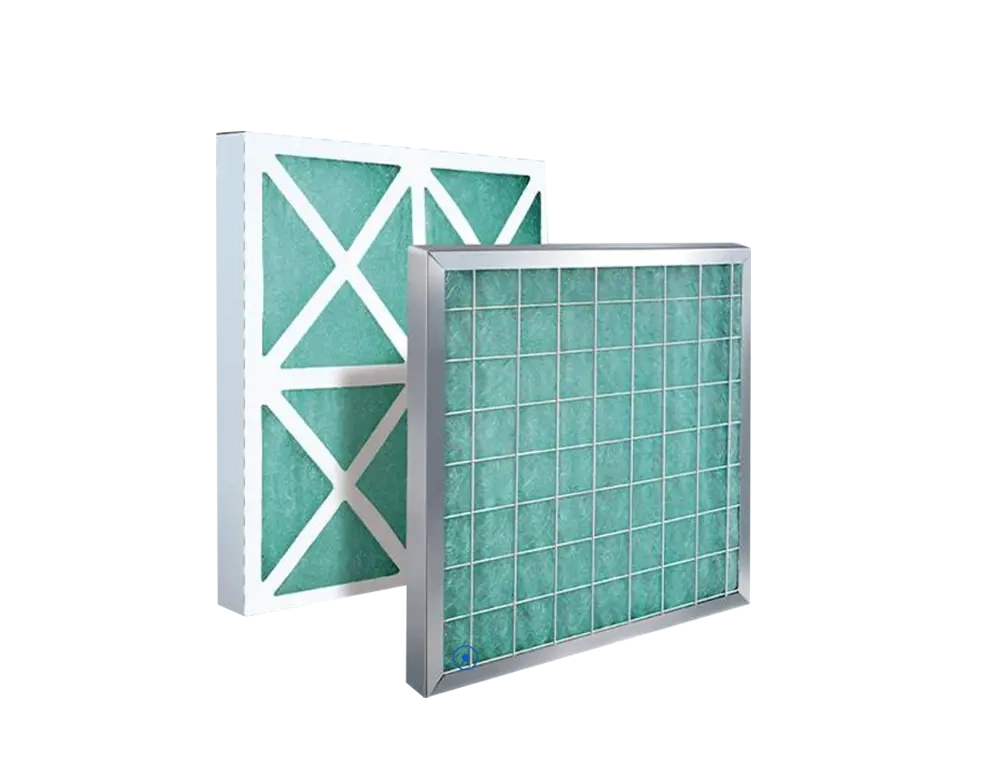
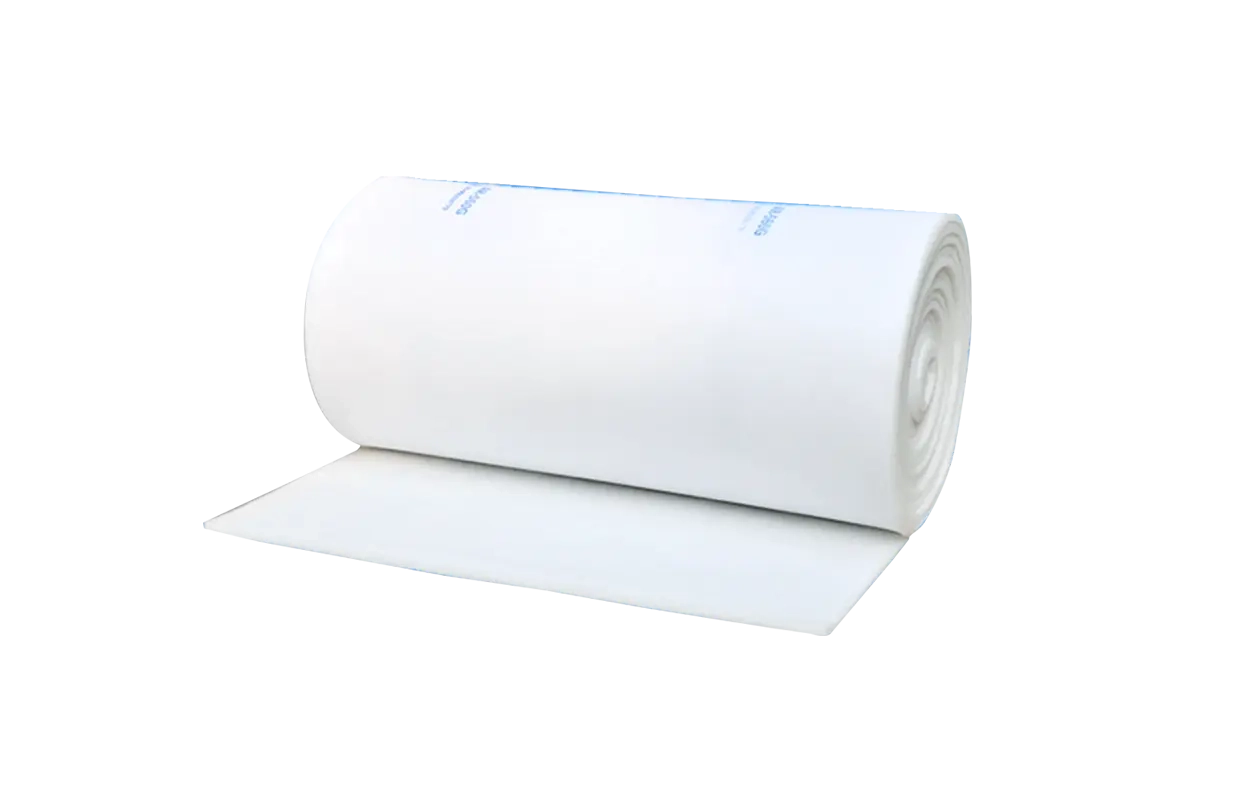
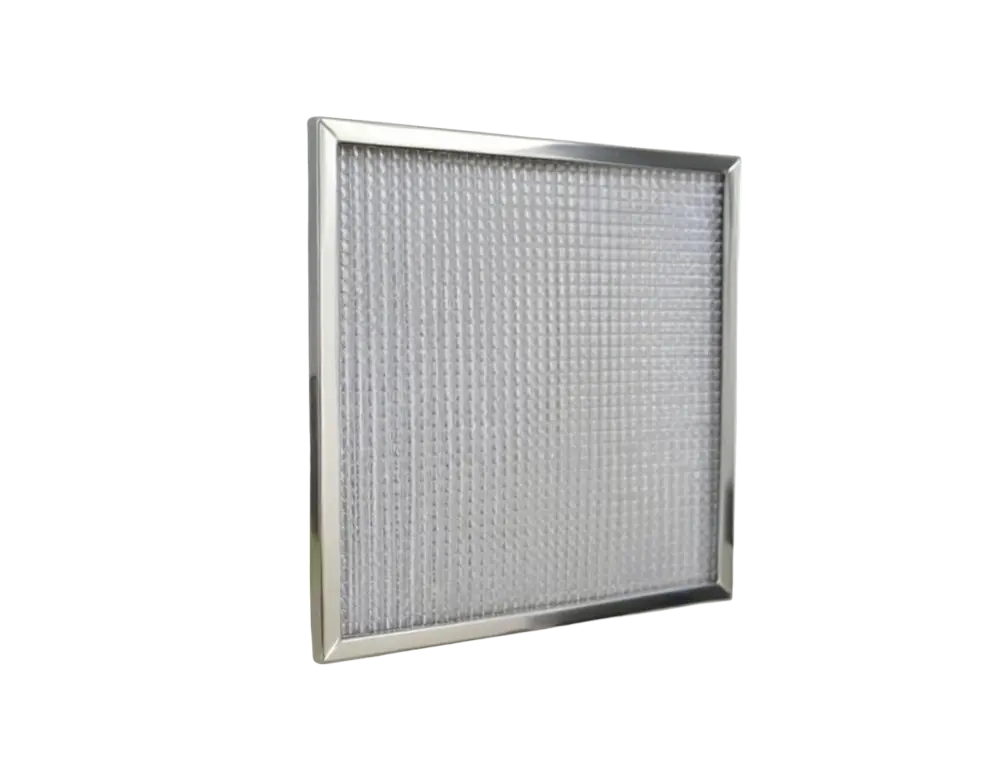
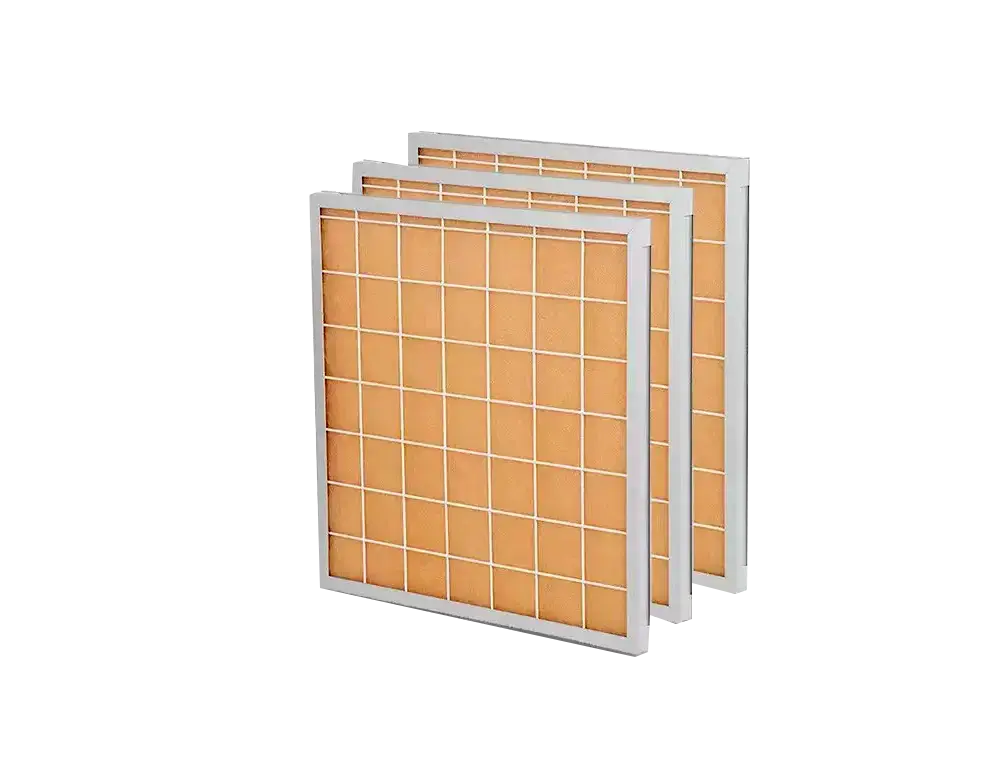
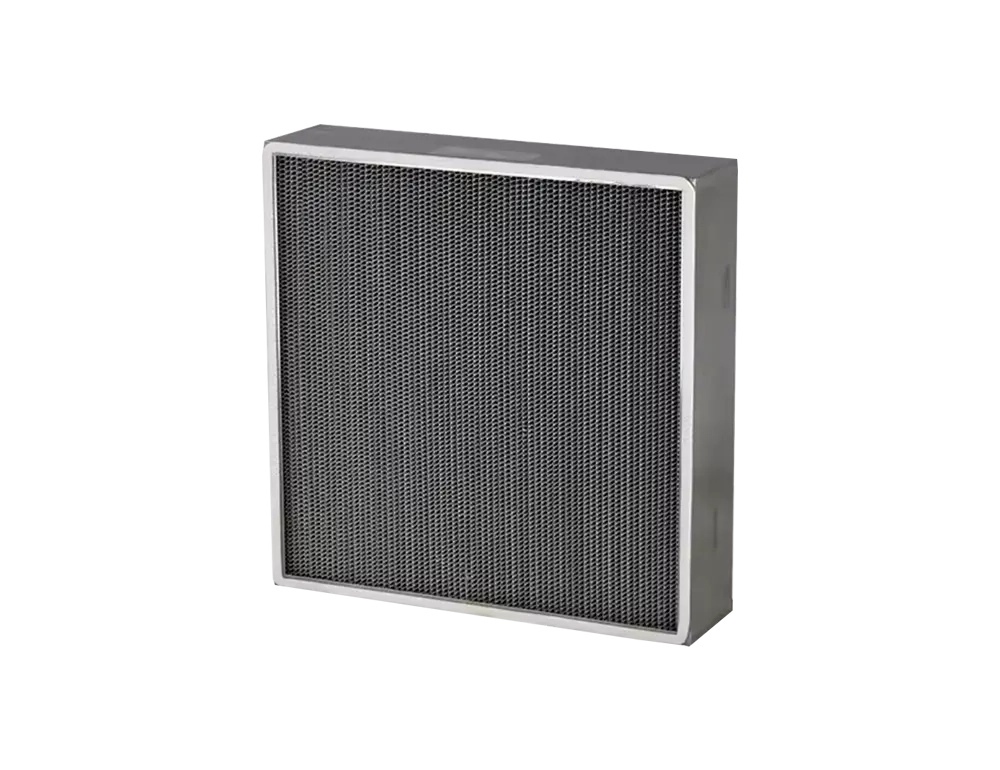
Pre-Filter (G1–G4)
First-Stage Large-Particle Capture
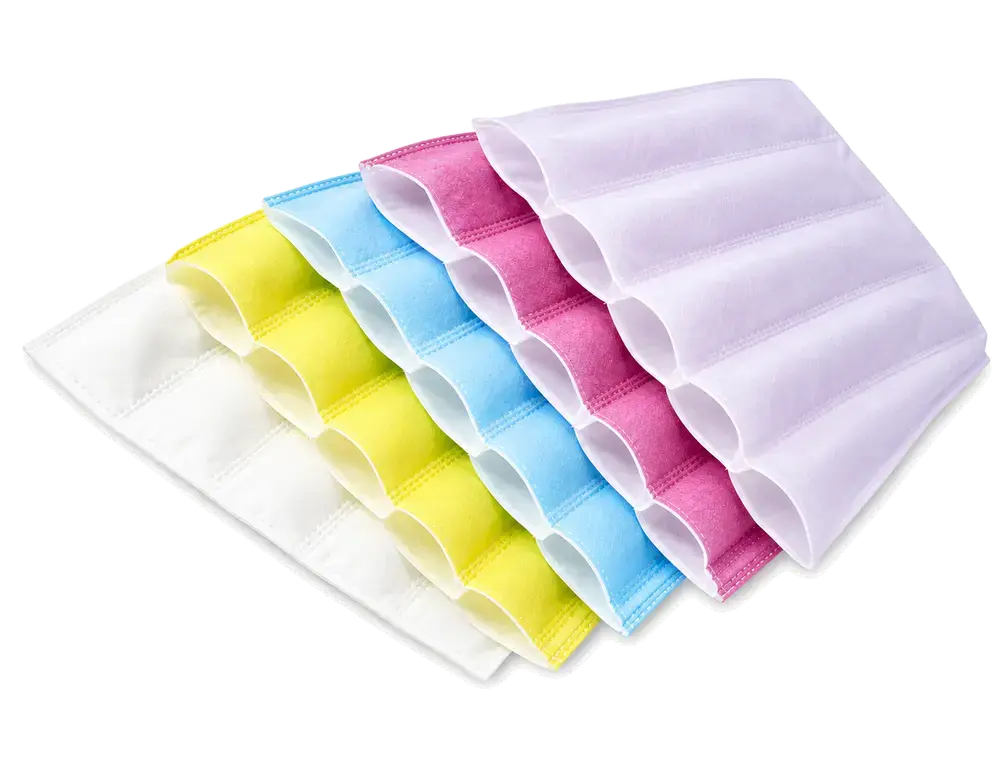
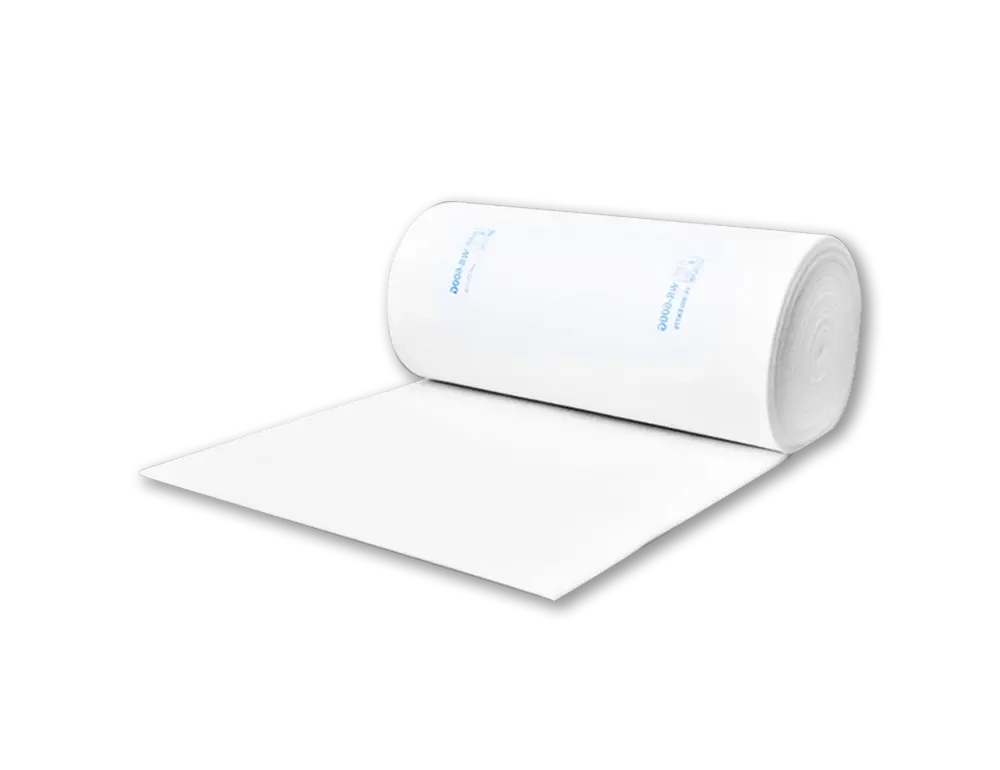
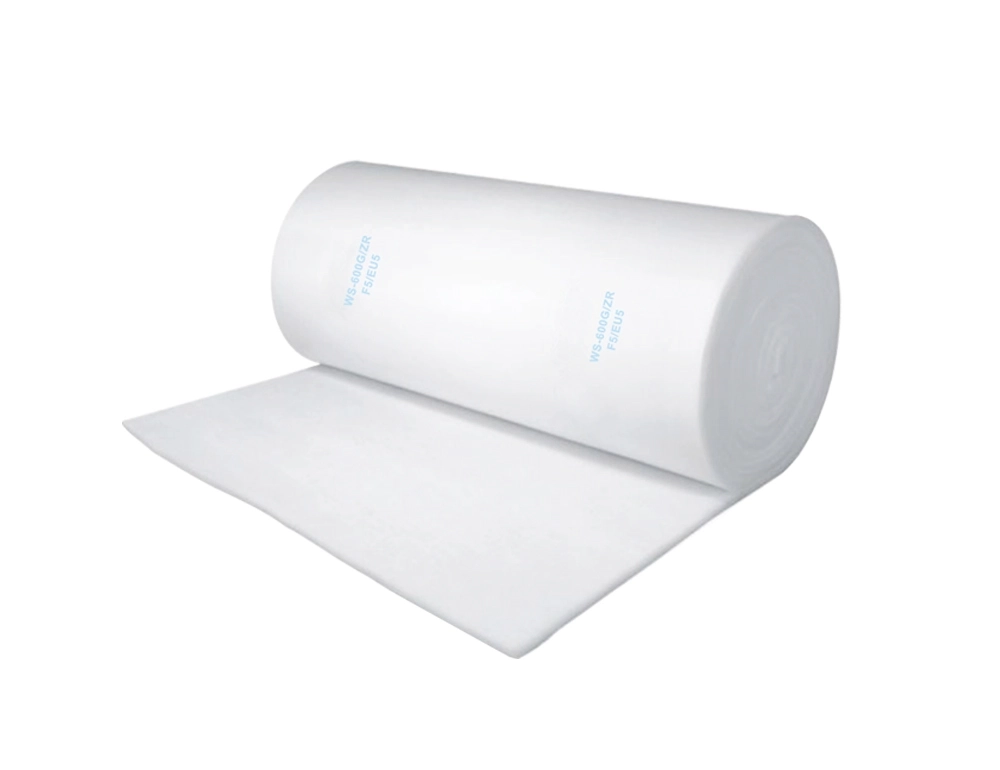
Medium-Efficiency Filter (F5–F9)
Precise PM2.5 Capture
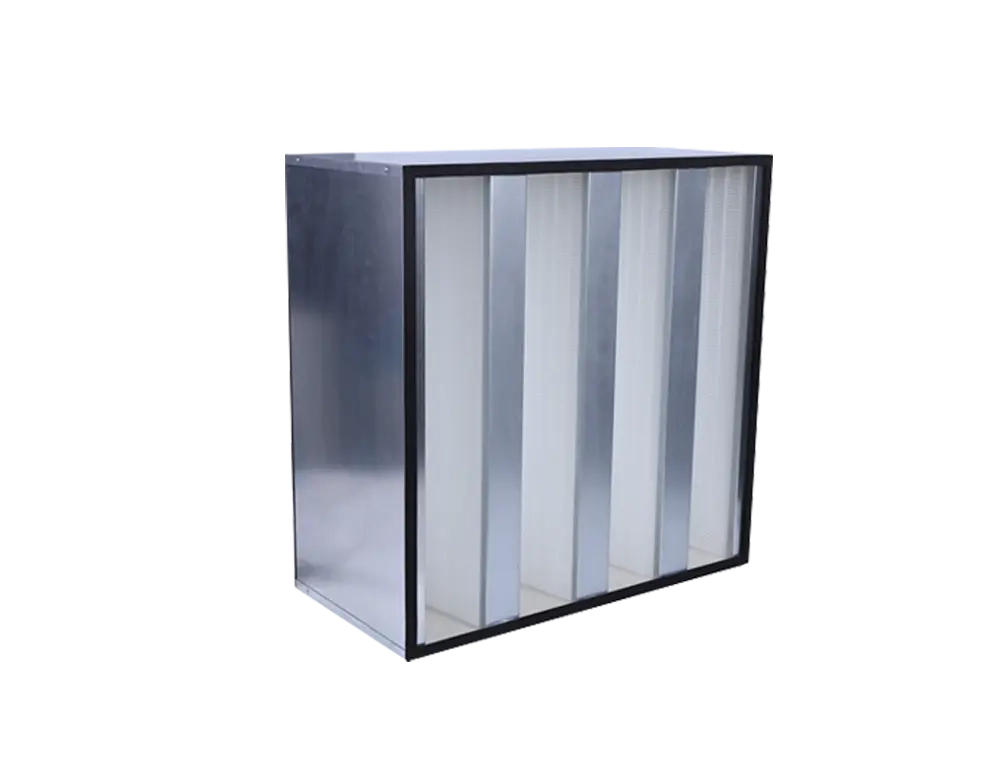
HEPA High-Efficiency Filter
Sterile-Grade Purification
ULPA Ultra-High Efficiency Filter
Sub-Micron Particle Capture
First-Stage Large-Particle Capture
The first line of defense, capturing particles ≥5 μm such as dust, hair, and fibers to protect downstream filters and extend overall system service life.
View Related Products →Precise PM2.5 Capture
Captures fine particles of 1–5 μm including PM2.5, pollen, and mold spores, significantly improving indoor air quality for commercial HVAC and ventilation systems.
View Related Products →Sterile-Grade Purification
≥99.97% filtration efficiency for particles ≥0.3 μm, delivering sterile-grade clean air widely used in medical, pharmaceutical, and electronics manufacturing.
View Related Products →Sub-Micron Particle Capture
≥99.9995% efficiency for particles ≥0.12 μm, meeting the extreme cleanliness demands of semiconductor fabs, aerospace, and other ultra-precision applications.
View Related Products →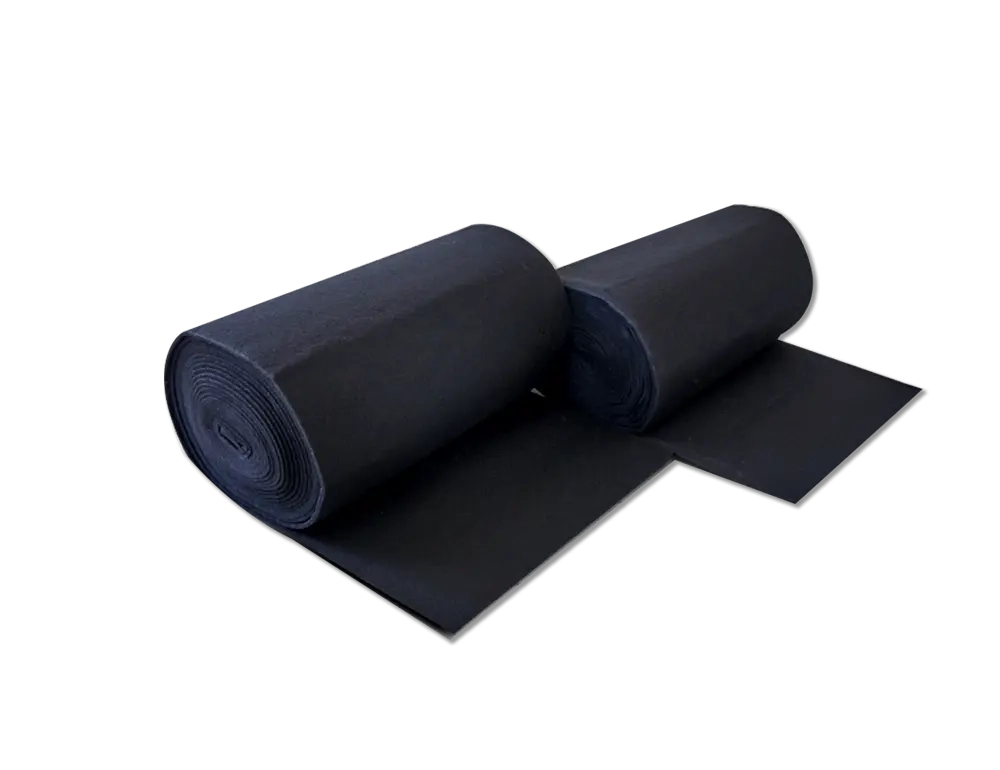
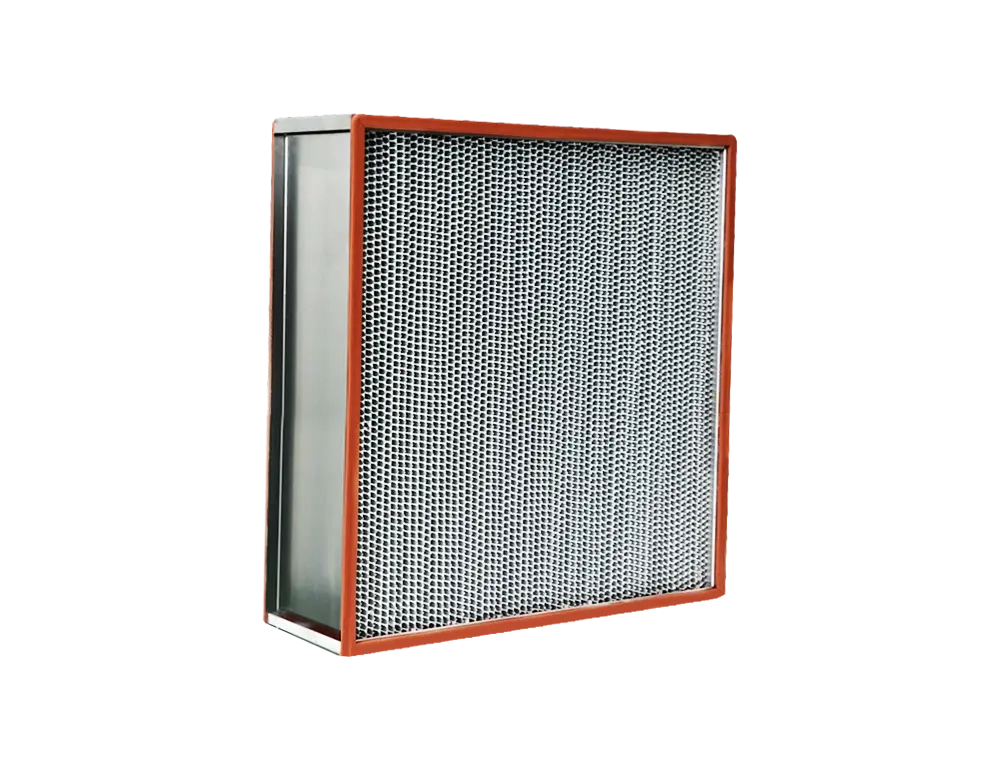
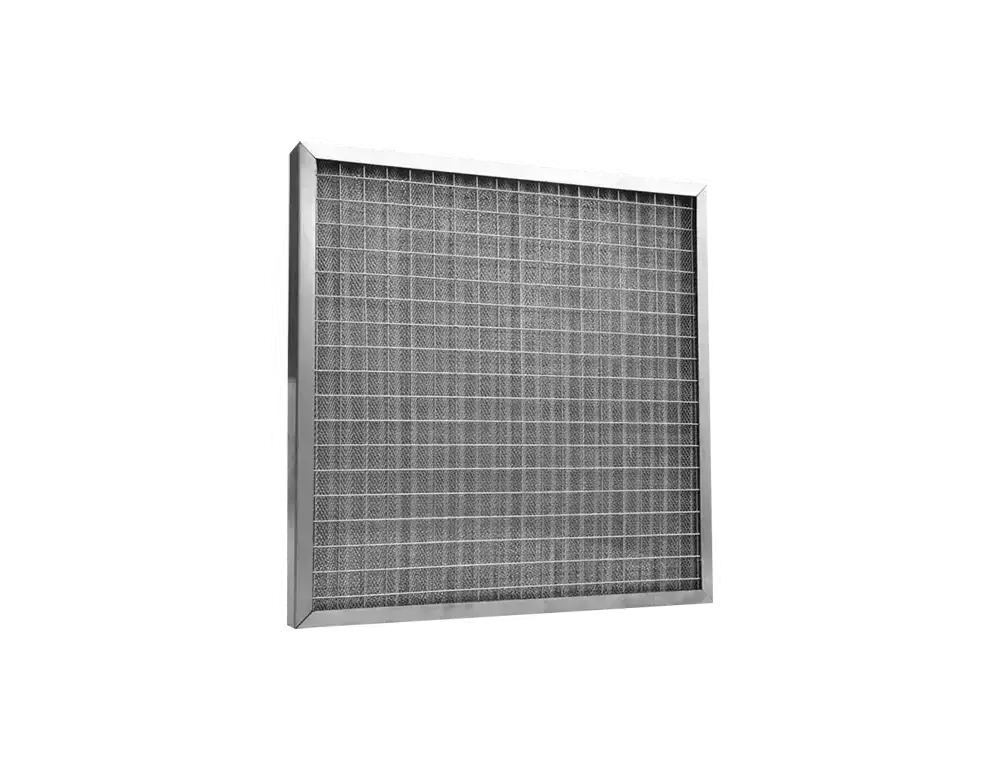
High-Temperature Resistant
Industrial-Grade Heat Tolerance
Washable & Reusable
Cut Costs, Reduce Waste
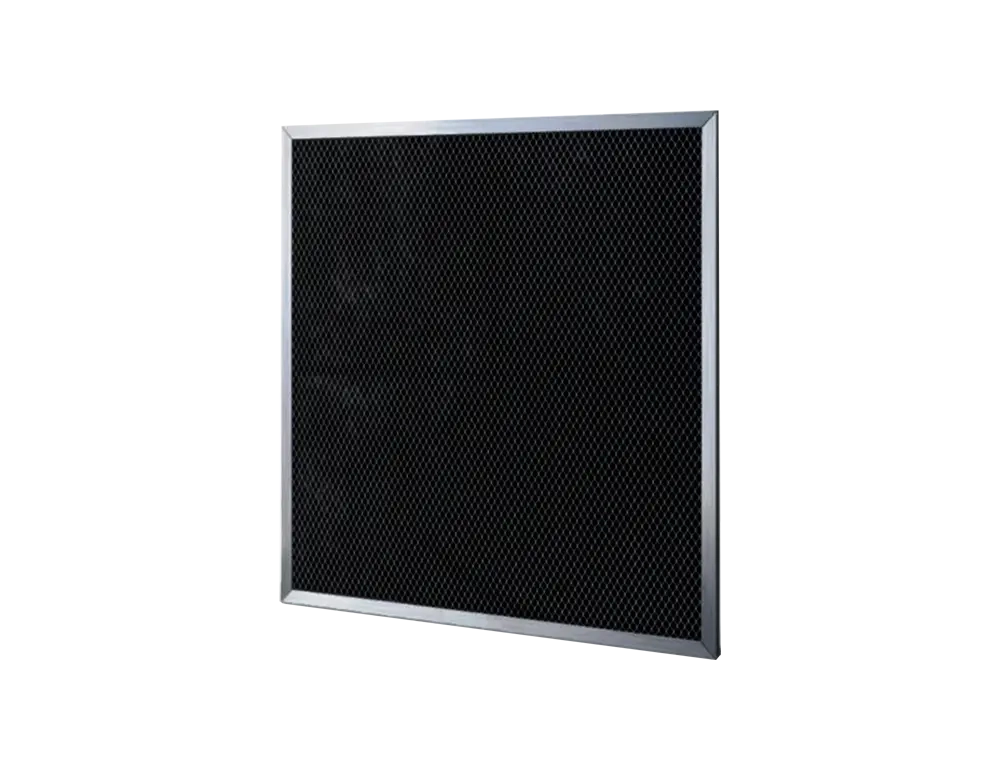
Activated Carbon
Odor & Harmful Gas Removal
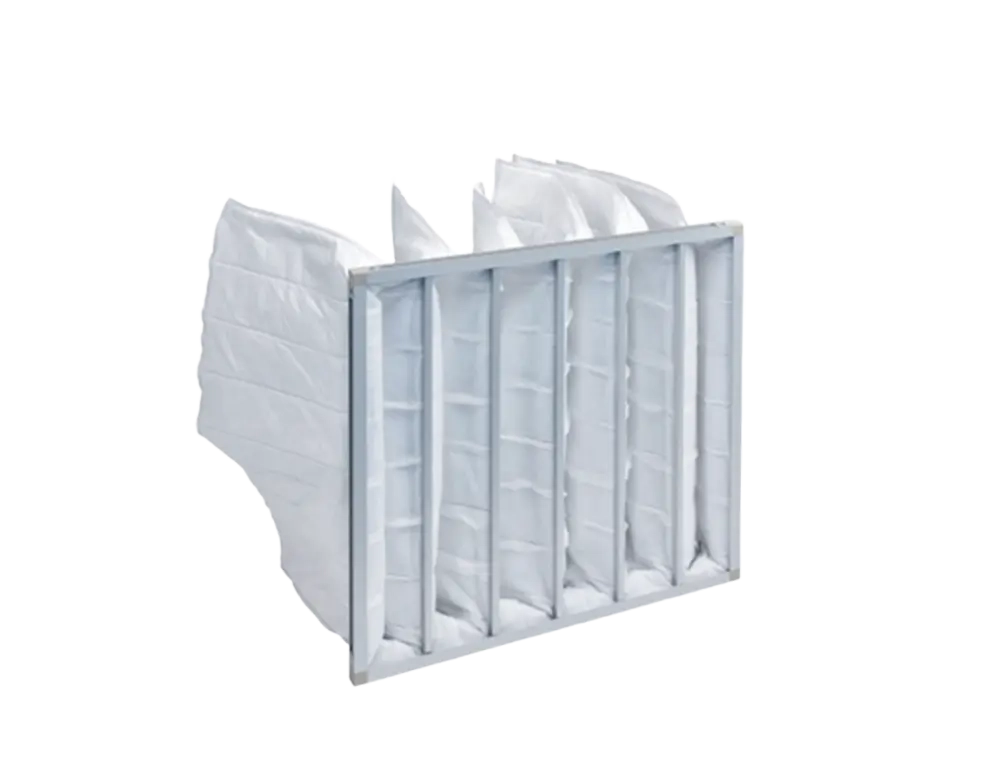
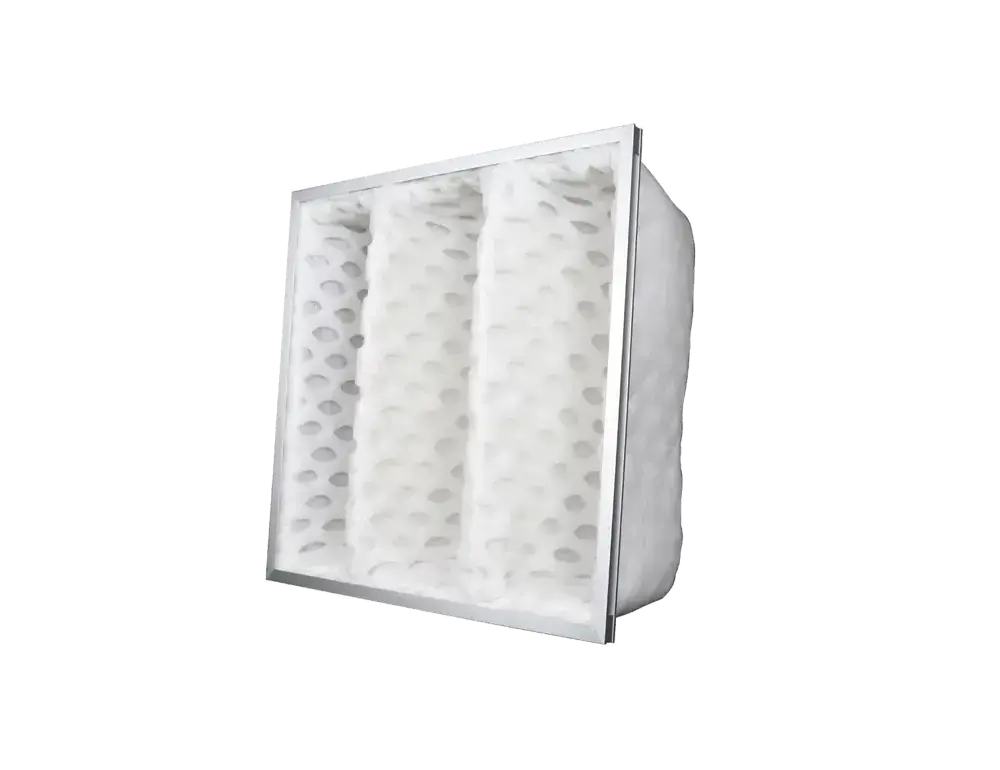
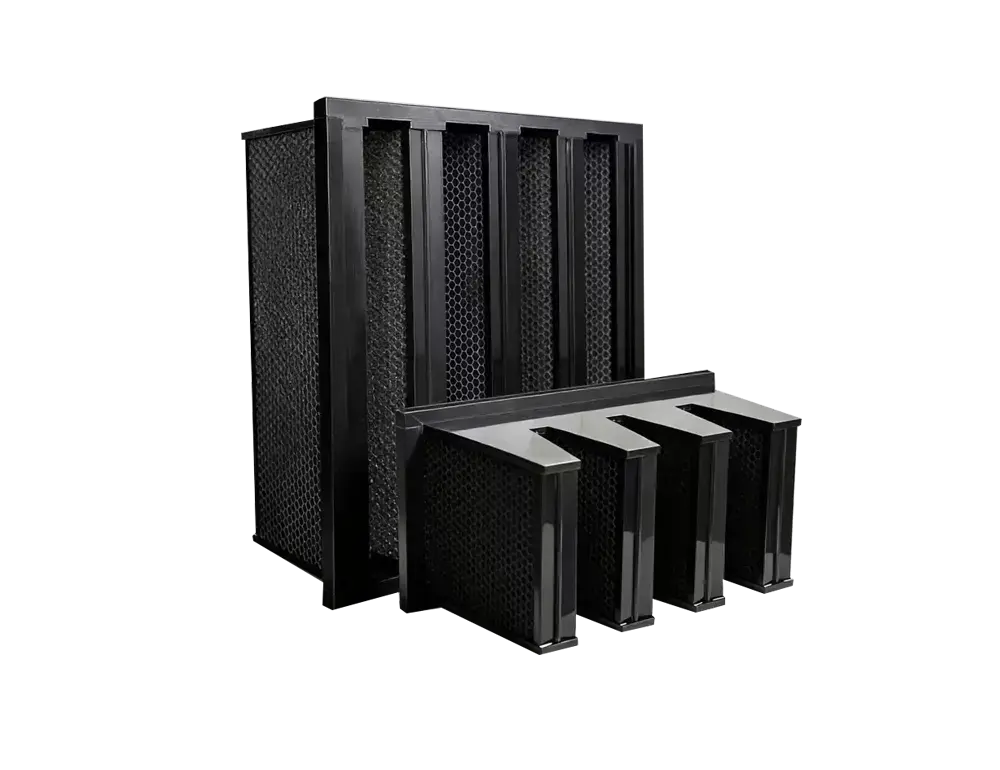
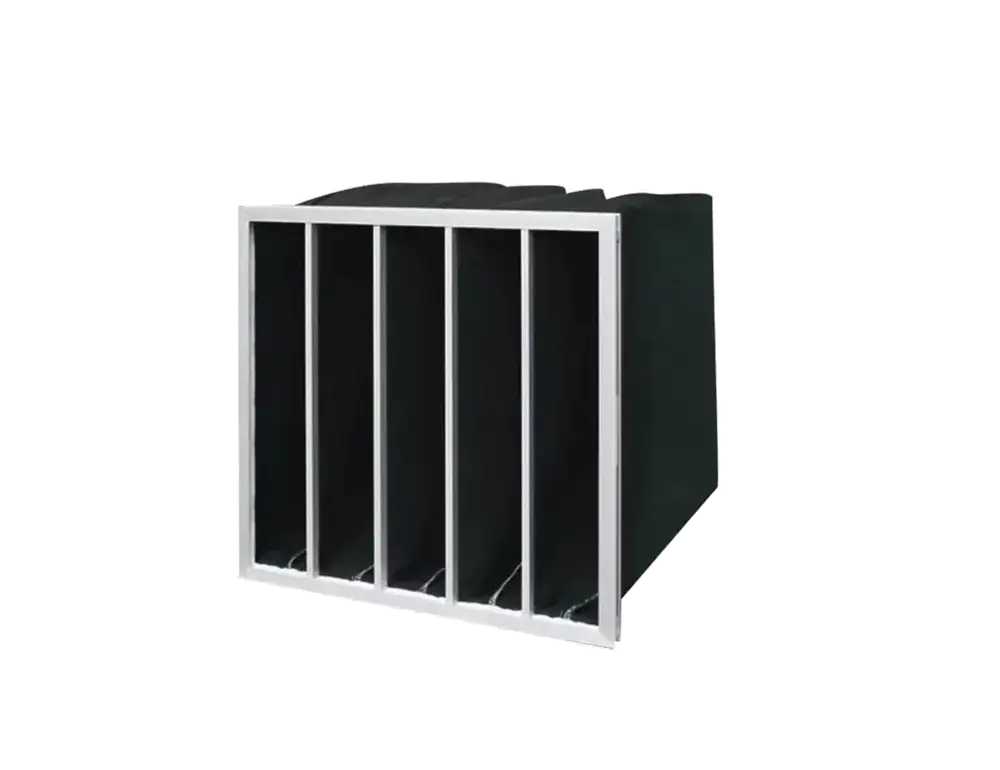
Bag Filter
High Dust-Holding, Long Life
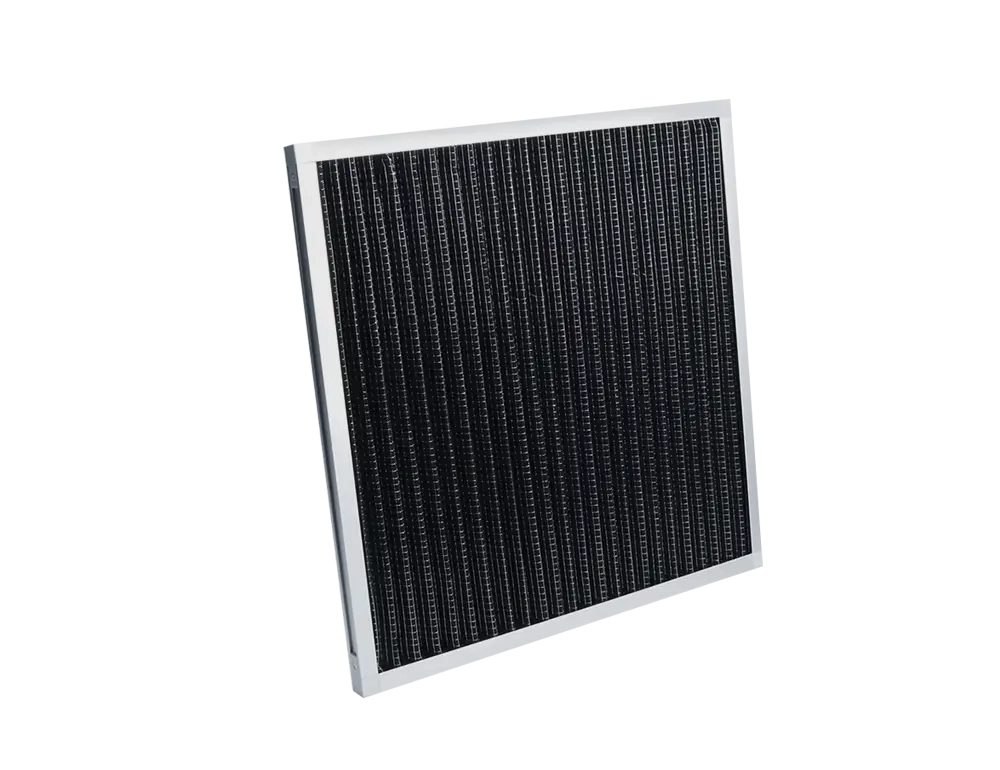
Panel / Pleated Filter
Compact Space-Saving Design
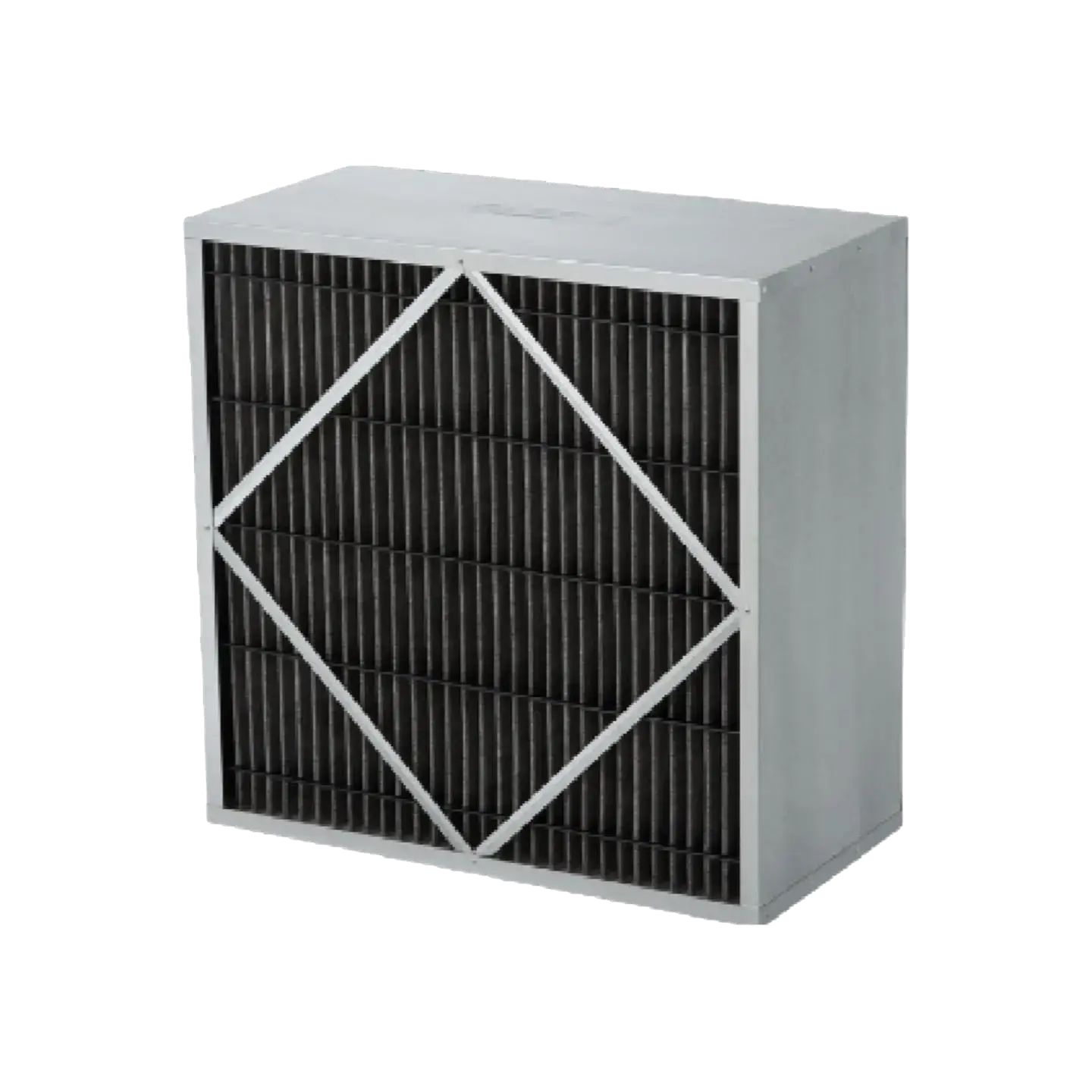
Low-Resistance Airflow
Energy-Saving Operation
Industrial-Grade Heat Tolerance
Built with specialized heat-resistant materials, operating stably up to 250°C for paint ovens, industrial dryers, and high-temperature process environments.
View Related Products →Cut Costs, Reduce Waste
Cleanable by water washing or air blowing, reusable multiple times to significantly reduce replacement frequency and O&M costs — an economical, eco-friendly choice.
View Related Products →Odor & Harmful Gas Removal
Leverages activated carbon's high adsorption capacity to eliminate odors, VOCs, and formaldehyde, ideal for newly renovated spaces and industrial exhaust treatment.
View Related Products →High Dust-Holding, Long Life
Bag-style construction delivers a larger filtration area, high dust-holding capacity, and extended service life — ideal for high-dust environments with reduced replacement frequency.
View Related Products →Compact Space-Saving Design
Compact form factor for easy installation and replacement; pleated structure maximizes filtration area within a small footprint for higher efficiency.
View Related Products →Energy-Saving Operation
Low-resistance design minimizes pressure drop while maintaining filtration performance, reducing fan energy consumption for cost-effective, eco-friendly operation.
View Related Products →


















 English(Global)
 简体中文
简体中文 Language




Air Filter Troubleshooting: Common Problems, Root Causes, and Solutions (A Must‑Have Guide for Facility and Maintenance Teams)
Air filter troubleshooting begins when an air filter system shows signs of trouble. The first reaction on many job sites is: “Just replace it with a new one.”
Sometimes a replacement does solve the problem. But many faults are not caused by the filter itself.
Pressure drop rising too fast? The pre‑filter might have failed. Cleanliness not up to standard? There could be bypass leakage. Odour control failing? The wrong filter type may have been chosen. Bag filters collapsing? That could point to uneven airflow or a structural mismatch.
If you don’t identify the root cause, repeatedly changing the filter media will only let the same problems recur – and maintenance costs will keep climbing.
This article follows a logical on‑site diagnostic approach. It outlines common filter faults, their possible causes, and practical solutions – helping facility managers and maintenance engineers move from “replace and hope” to “analyse and solve”.
1. Diagnostic Principle: Measure First, Judge Second
The biggest mistake in air filter troubleshooting is relying on intuition without data.
Before doing anything else, record these seven pieces of information:
- Filter model, efficiency rating, and dimensions.
- Installation date and total service hours.
- Rated airflow and actual operating airflow.
- Initial pressure drop and current pressure drop.
- Recommended final resistance or change‑out pressure.
- Any changes in upstream contamination sources.
- Recent construction, maintenance, airflow adjustments, or equipment changes.
Without this baseline, it is easy to mistake normal dust loading for a fault, or to misdiagnose a bypass leak as a media quality problem.
A simple rule of thumb:
- A slow, steady rise in pressure drop usually means normal dust loading.
- A sudden jump in pressure drop often points to an abnormal contamination load or airflow surge.
- A persistently low pressure drop may indicate bypass leakage, damaged media, or improper installation.
- Cleanliness fails while pressure drop is normal – check seals and bypass paths first.
- Filter life suddenly shortens – investigate pre‑filter performance and upstream contamination changes.
2. Fault 1: Pressure Drop Rises Too Quickly
Typical Symptoms
A new or recently installed filter reaches its final resistance shortly after being put into service. Airflow drops, the AHU sounds an alarm, or maintenance staff notice that replacement intervals have become significantly shorter.
Possible Causes
- Increased upstream dust load – e.g., nearby construction, outdoor dust storms, seasonal pollen, changes in production processes, or heavier paint overspray.
- Pre‑filter failure – The pre‑filter may be missing, damaged, poorly sealed, or its change‑out interval may be too long, allowing coarse dust to reach the medium/high‑efficiency stages.
- Insufficient dust‑holding capacity – Even at the same efficiency rating, filter designs vary in media area, number of bags, pocket depth, pleat depth, and structure – all affecting dust‑holding capacity.
- Excessive face velocity – Operating above the rated airflow accelerates resistance rise and overloads the media.
- Clogging due to wet or oily particles – Standard dry‑dust media can quickly become blocked when exposed to moist dust, oil mist, or paint overspray.
How to Diagnose
First, examine the pressure‑drop trend curve. A gradual rise is normal; a sudden jump points to a change in contamination load or airflow.
Next, inspect the filter surface. Even dust loading suggests a general overload; heavy accumulation only on one side or in one area indicates uneven airflow distribution, misaligned dampers, or poor inlet design.
Finally, check the pre‑filter stage. Many short‑lived medium or HEPA filters are victims of inadequate pre‑filtration, not of their own limitations.
Solutions
- Upgrade or add a pre‑filter stage.
- Choose a filter with larger media area or higher dust‑holding capacity.
- Verify actual airflow – avoid continuous operation above rated airflow.
- For wet particles, oil mist, or paint overspray, use application‑specific filter media.
- Establish a pressure‑drop monitoring record – do not rely solely on calendar‑based replacement.
3. Fault 2: Cleanliness or Air Quality Fails to Meet Standards
Typical Symptoms
Particle counts in a cleanroom exceed limits, indoor PM2.5 levels remain high, dust accumulates inside equipment, or final‑stage monitoring results are inconsistent.
Possible Causes
- Efficiency grade too low – The selected filter does not target the required particle sizes, or generic terms like “medium/high efficiency” have been used instead of clear performance standards.
- Installation bypass – The filter media itself may be fine, but gaps at the frame, gasket, clamping mechanism, or mounting frame allow unfiltered air to bypass.
- Damaged media or seal – Transport, installation, or on‑site handling can cause localised leaks, especially in HEPA filters.
- Airflow pattern issues – Even with good filters, poor supply‑return relationships, incorrect room pressurisation, or turbulent airflow can allow contaminants into critical zones.
- Missing maintenance records – Without baseline pressure drop, leak‑test results, or particle‑count data, it is hard to determine when the problem started.
How to Diagnose
Determine whether the problem is uniform (whole zone) or localised. A whole‑zone issue is more likely a grade, airflow, or external contamination problem; a localised issue points to bypass, seal failure, or airflow short‑circuiting.
Inspect the downstream side of the filter frame – dark edges, grey streaks, or localised dust accumulation often indicate poor sealing.
For HEPA filters, the final check must be an on‑site scanning leak test, not just the factory test report.
Solutions
- Specify a clear standard – ISO 16890, MERV, EN 1822, or ISO 29463.
- Check filter orientation, clamping force, and sealing gasket condition.
- Perform on‑site scanning leak tests after HEPA installation.
- Investigate airflow organisation and pressure gradients around local contamination points.
- Establish a three‑stage record: incoming inspection, installation verification, and operational monitoring.
4. Fault 3: Filter Life Is Significantly Shortened
Typical Symptoms
A filter that used to last three months now fails within one month. The same batch of filters shows very different service lives in different zones. HEPA filters reach their change‑out condition much earlier than expected.
Possible Causes
Shortened life is rarely caused by a single factor.
It could be due to deteriorating outdoor air quality, increased process dust, a missing pre‑filter, insufficient dust‑holding capacity in the medium stage, increased system airflow, or localised airflow concentrating on a few filters.
Pre‑filter protection is especially important for HEPA filters. When coarse dust reaches the HEPA stage, its pressure drop rises sharply and operating costs increase significantly.
How to Diagnose
Compare pressure‑drop records from different positions in the same system.
If all filters show shorter life, investigate the overall contamination load and airflow. If only one zone is affected, check airflow distribution, local leakage, or installation. If HEPA life is short, examine the condition of the pre‑filter and medium‑efficiency stages.
Solutions
- Adjust pre‑filter replacement intervals based on actual loading.
- Upgrade the dust‑holding capacity of the medium‑efficiency stage.
- Balance airflow distribution to prevent local overload.
- During high‑pollution seasons or nearby construction, temporarily strengthen upstream filtration.
- Use pressure‑drop trend data, not a fixed calendar schedule, to decide change‑out timing.
5. Fault 4: Media Damage, Frame Deformation, or Bag Collapse
Typical Symptoms
The filter arrives or is installed with a deformed frame, cracked or holed media, bag filters that stick together or collapse during operation, or HEPA filters that fail a leak test.
Possible Causes
- Transport and handling damage – HEPA, bag, and large‑format filters are all vulnerable to impact, crushing, and moisture.
- Incorrect installation – Forcing, hammering, uneven clamping, or wrong orientation can break seals and damage media.
- Unsuitable structure for the application – Excessive airflow, high humidity, or sticky dust puts extra stress on the frame and media.
- Bag design mismatch – If bags are too long or too few for the airflow and space, they can fold together, reducing effective filtration area.
How to Diagnose
Separate the problem into three phases: before delivery, during installation, and during operation.
Deformation found at delivery points to poor packaging. Deformation during installation suggests a problem with the mounting frame or clamping method. Collapse during operation points to airflow, humidity, bag‑support, or structural issues.
Solutions
- Photograph packaging, frame, media, and seals during incoming inspection.
- Protect HEPA filters from pressure on the media and avoid impacts to the corners during handling.
- Follow the manufacturer’s airflow direction and clamping guidelines during installation.
- For bag filters, verify bag length, number of bags, and available space before installation.
- In high‑humidity or special environments, choose materials and frame constructions that suit the conditions.
6. Fault 5: Odour, VOCs, or Corrosive Gas Breakthrough
Typical Symptoms
Odours persist in the room or exhaust stream. Activated carbon filters fail shortly after replacement. Corrosive gas risks are detected in data centres, laboratories, or industrial environments.
Possible Causes
The most common mistake is trying to solve a gas‑phase problem with a particle filter.
Coarse, medium, and HEPA filters are designed for particulates. Odours, VOCs, and acid/base gases require activated carbon, impregnated carbon, molecular sieves, or other chemical filtration media.
Activated carbon is not a “fit and forget” solution. Insufficient contact time, inadequate bed depth, lack of particulate pre‑filtration, high humidity, or pollutant concentrations above the design level all reduce performance.
How to Diagnose
First, identify the pollutant type – is it odorous gases, volatile organics, corrosive gases, or particulates?
Next, check whether the activated carbon stage has adequate particulate pre‑filtration. Dust clogging the carbon surface will reduce both efficiency and service life.
Finally, check the air velocity. If the air moves too fast, contact time is too short for effective adsorption.
Solutions
- Separate particulate and gas‑phase contamination into distinct filtration stages.
- For gas‑phase contaminants, use activated carbon or chemical filtration media.
- Install medium‑efficiency pre‑filtration upstream of the activated carbon stage.
- Calculate activated carbon volume and contact time based on the actual pollutant load and airflow.
- Establish a scheduled replacement cycle or use a gas‑sensing breakthrough monitoring system.
7. Fault 6: Localised Dust Accumulation, Dark Edges, or Particulate Bypass
Typical Symptoms
Grey or black streaks appear on the downstream side of a filter; dark edges form near the frame; dust accumulates on downstream equipment; or certain filters in a row are much dirtier than others.
Possible Causes
These symptoms are usually caused by bypass leakage or uneven airflow.
The cause could be a degraded sealing gasket, insufficient clamping, a distorted mounting frame, out‑of‑tolerance filter dimensions, or airflow maldistribution that overloads certain filters.
Dark edges do not necessarily mean the filter media is failing – they usually indicate that air has found a path around the media.
How to Diagnose
Inspect the sealing gasket, clamping mechanism, frame flatness, and maintenance‑door seals.
If possible, use smoke, tracer gas, or a scanning leak test to identify bypass paths. For cleanroom HEPA filters, a scanning leak test is required to confirm integrity.
Solutions
- Replace aged sealing gaskets.
- Adjust clamping mechanisms to ensure even pressure.
- Correct distorted mounting frames.
- Verify filter dimensions and tolerances.
- Improve airflow distribution to prevent localised overloading.
8. Fault 7: After Replacing the Filter, Performance Remains Poor
Typical Symptoms
After installing new filters, pressure drop, airflow, or air quality is still not satisfactory. The site suspects product quality, but multiple batches have been tried without success.
Possible Causes
This usually indicates that the problem is not with the individual filter, but with the system.
Possible causes include insufficient fan capacity, duct leakage, internal bypass within the AHU, poor maintenance‑door sealing, an incorrect staging of filter grades, or inconsistent test methods and measurement locations.
How to Diagnose
Don’t just look at the filter – check the entire air‑handling path. Measure airflow, static pressure, damper positions, duct leakage, cabinet sealing, and the pressure distribution across the whole system.
In cleanrooms, also check room pressurisation, air‑change rates, airflow patterns, personnel/material flows, and cleaning procedures.
Solutions
- Expand the investigation from the filter itself to the complete system.
- Perform leakage checks on the AHU casing, ductwork, access doors, and filter‑bank sections.
- Recalculate the system airflow and resistance balance.
- Verify test methods and measurement locations.
- Integrate filter selection, installation, and operational data into a unified management record.
9. On‑Site Air Filter Troubleshooting Checklist – 10 Steps
| Step | What to Check | Purpose |
|---|---|---|
| 1 | Model, dimensions, and efficiency rating | Confirm correct selection |
| 2 | Initial pressure drop and current pressure drop | Identify whether it is normal dust loading |
| 3 | Pressure‑drop trend | Distinguish sudden faults from normal wear |
| 4 | Changes in upstream contamination sources | Find the root cause of blockage |
| 5 | Pre‑filter condition | Check if the medium stage is being overloaded |
| 6 | Media, frame, and seal appearance | Identify damage or deformation |
| 7 | Installation orientation and clamping | Check for reversal or bypass |
| 8 | Airflow and face velocity | Check for operation above rated airflow |
| 9 | Downstream cleanliness or dust accumulation | Assess real filtration effectiveness |
| 10 | Test reports and replacement records | Establish a basis for review |
10. Prevention Is More Cost‑Effective Than Emergency Repair
The key to avoiding filter faults is to move from “run‑to‑failure” to “trend‑based management”.
Maintain three types of records:
- Installation records – model, batch number, location, installation date, initial pressure drop, and installer.
- Operational records – periodic readings of pressure drop, airflow, and particle counts or cleanliness indicators. Monitor trends, not isolated snapshots.
- Replacement records – reason for replacement (final resistance reached, damage, bypass, odour breakthrough, or process change).
With these records, future filter selection can be based on real data rather than guesswork.
11. Conclusion: When a Filter Fails, First Check the System, Then the Product
An air filter may look like a consumable item, but most of its faults are symptoms of systemic issues.
Pressure drop, service life, cleanliness, odour, bypass, and mechanical damage each have their own diagnostic pathways.
The professional approach is not to replace on sight, but to answer three questions: Is the problem in the media, the installation, the system, or the maintenance practice?
Only when the root cause is correctly identified can the filter perform reliably – and the whole system can run with confidence.
About Whalesens
Whalesens – From Filter Media to Finished Products, Your Full‑Process Air Filtration Solutions Expert
We are dedicated to the R&D, manufacturing, and application integration of air filtration. With full in‑house control from filter media to finished filters, our product range covers the entire efficiency spectrum, from coarse G2 to ultra‑high efficiency U17, and we support customised designs for diverse industrial needs.
We understand that what you truly need is not a list of specifications, but a practical solution that solves real‑world operating challenges. Whether it is cooling for wind turbine nacelles, outdoor protection for EV charging stations, PUE optimisation for data centres, or sterile environments for cleanrooms – Whalesens Technology offers end‑to‑end manufacturing from media to finished filters, combined with one‑stop services covering selection, system design, and maintenance. Our mission is to deliver clean, efficient, and reliable air environments for every application through our proprietary technologies.
Website:www.whalesens.com Email: whalesens@gmail.com WhalePower, Pure Performance.
Need a custom air filtration solution?
Contact the Whalesens engineering team for product selection and OEM/ODM support.
Email whalesens@gmail.com