


EV Charging Stations
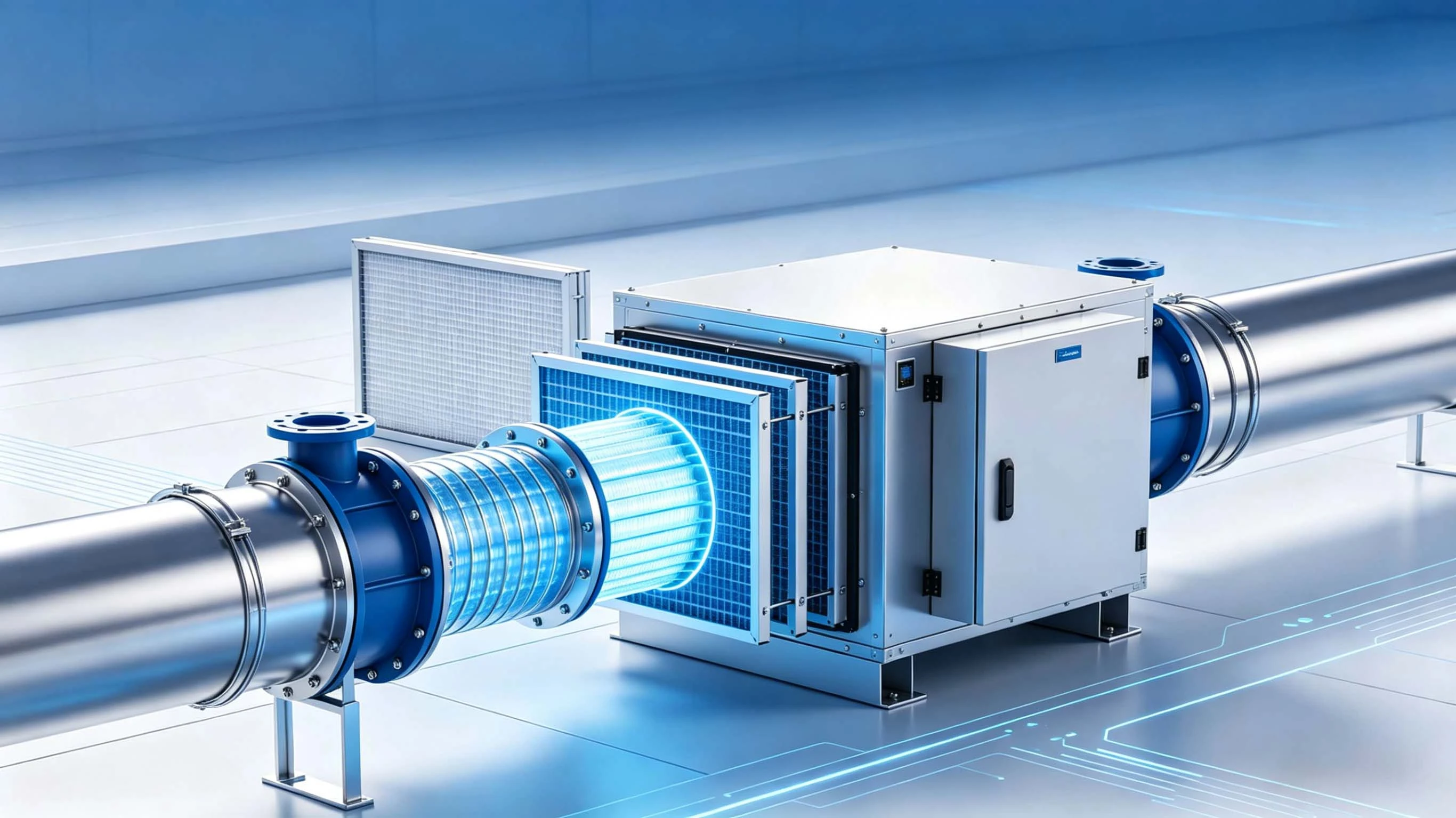
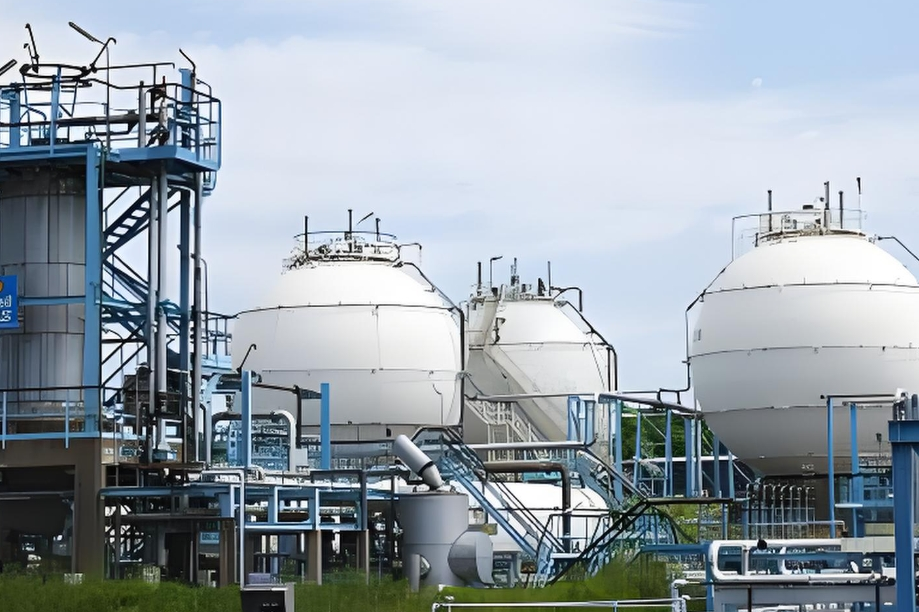
Filtration for Power Equipment
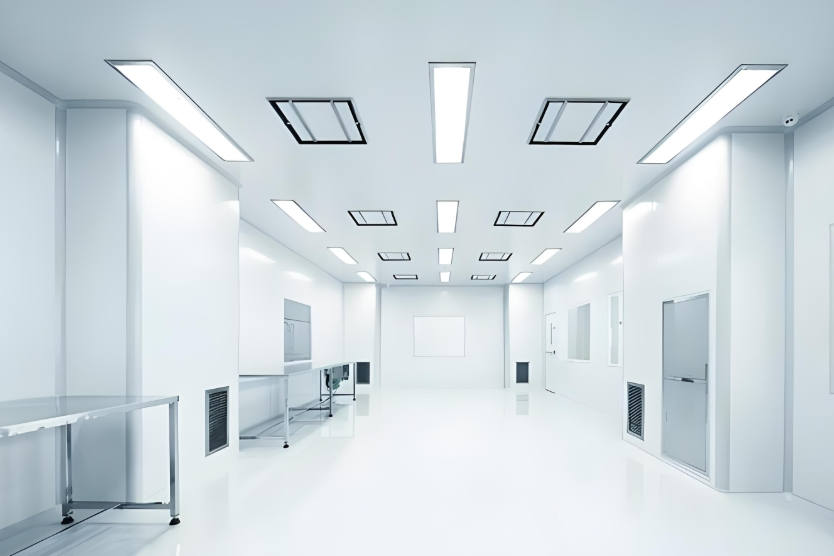
Cleanroom & Semiconductor
Ultra-High Cleanliness Filtration
Commercial HVAC
Central Air System Filtration
Data Centers
Precision Equipment Protection
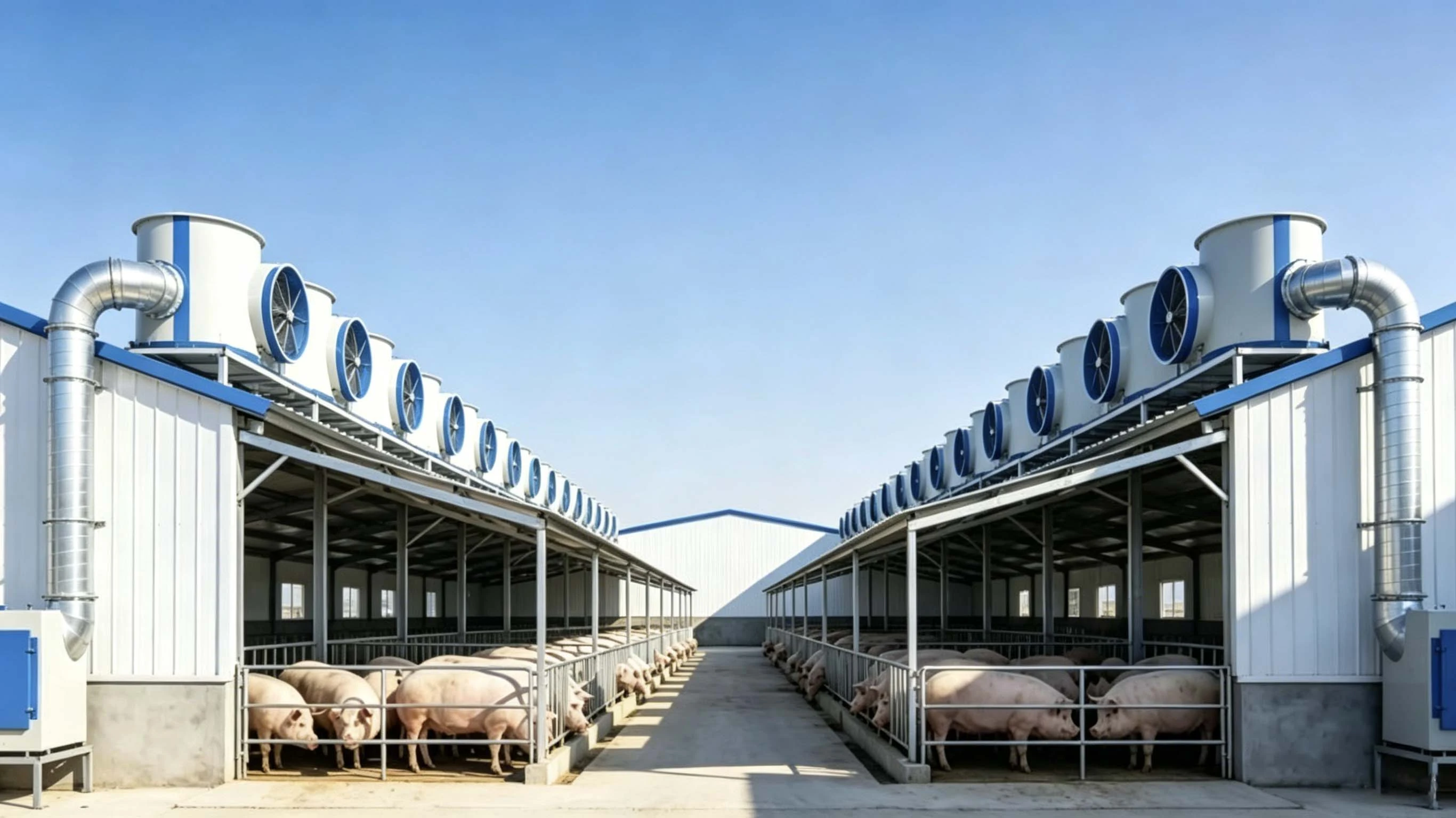
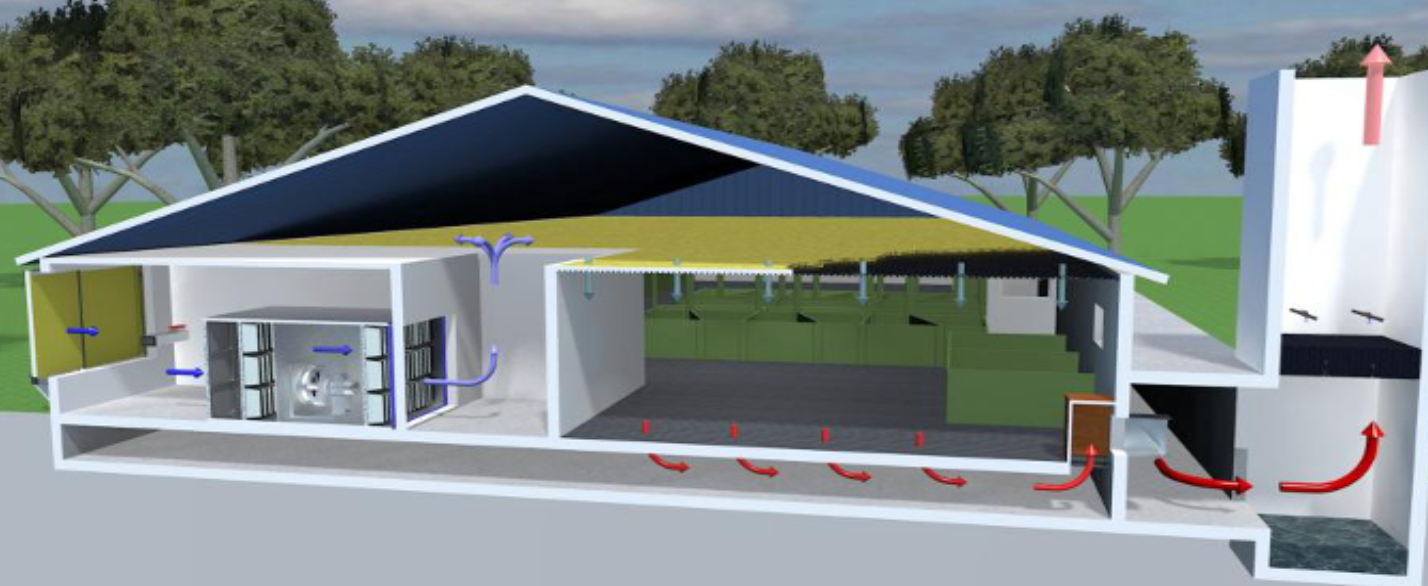
Livestock & Farming
Farming Environment Purification
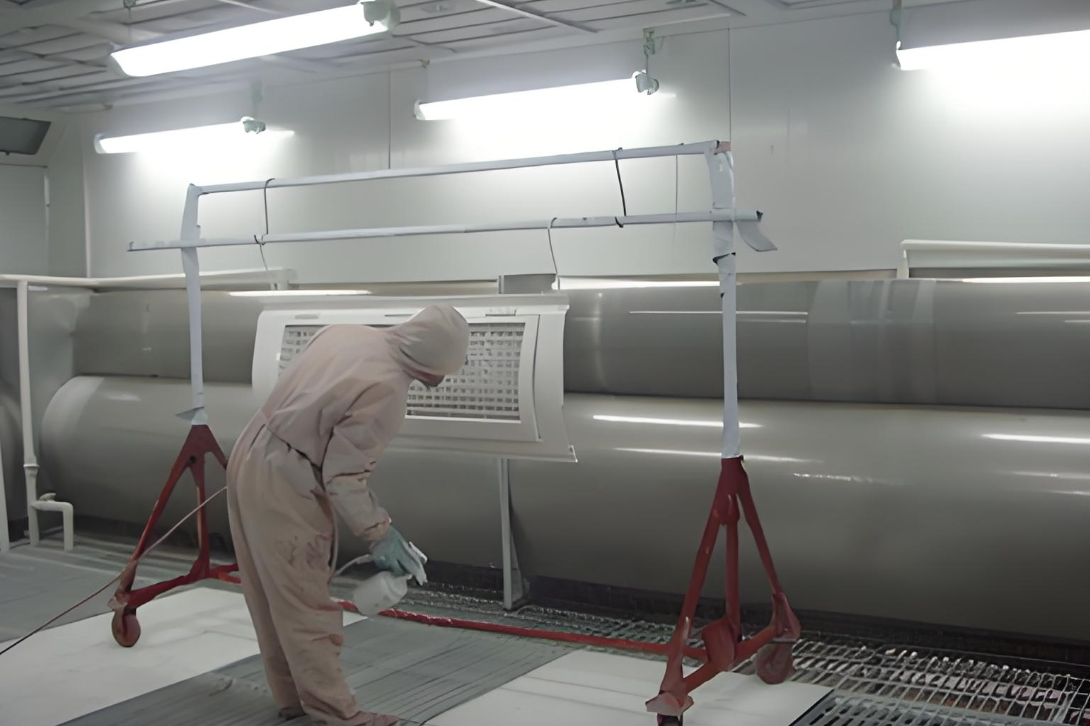
Spray Booths & Industrial Dust
Paint Mist & Dust Purification
Filtration for Power Equipment
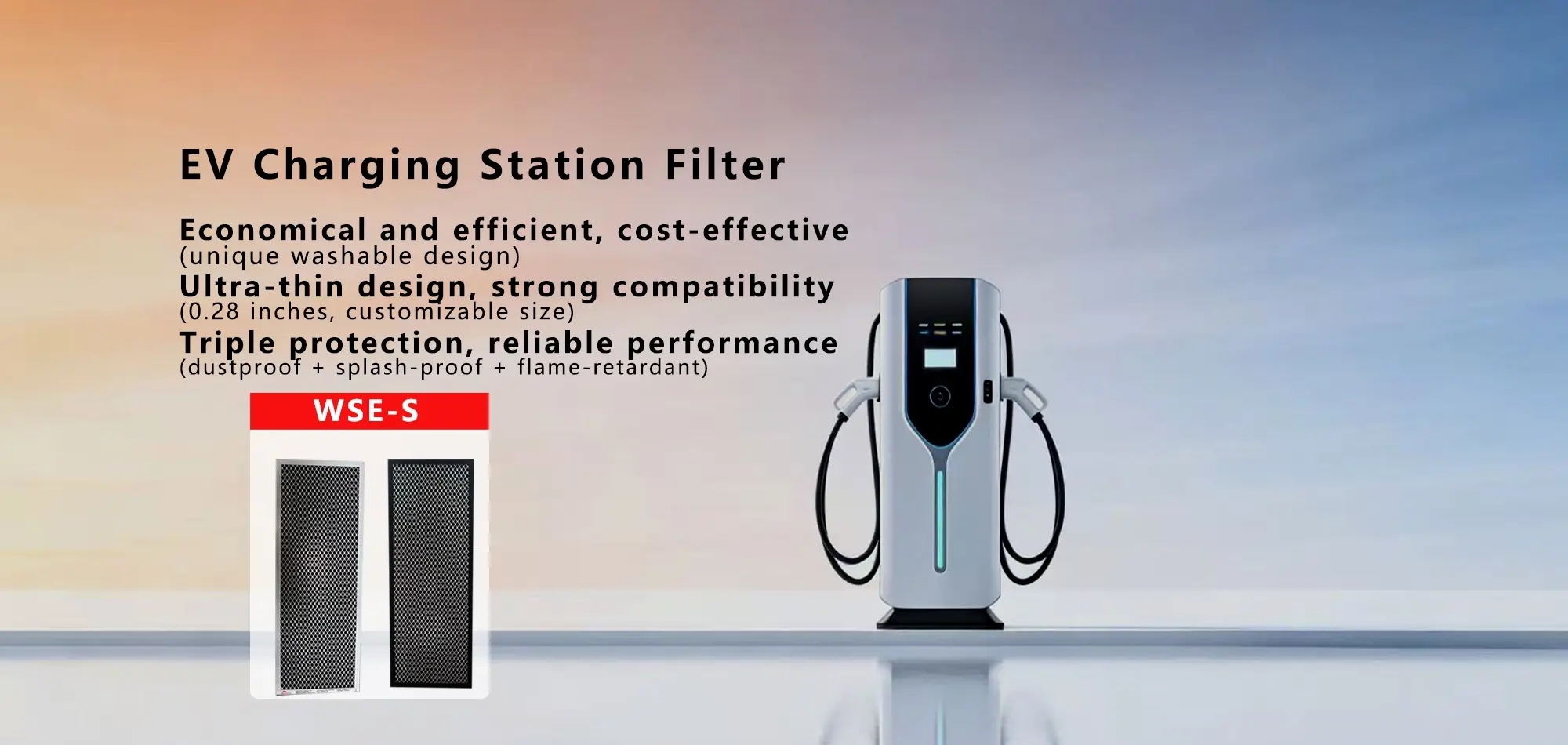
Professional air filtration for EV charging devices, protecting against dust and sand ingress to ensure stable, reliable operation of charging piles and station infrastructure.
View Related Products →Ultra-High Cleanliness Filtration
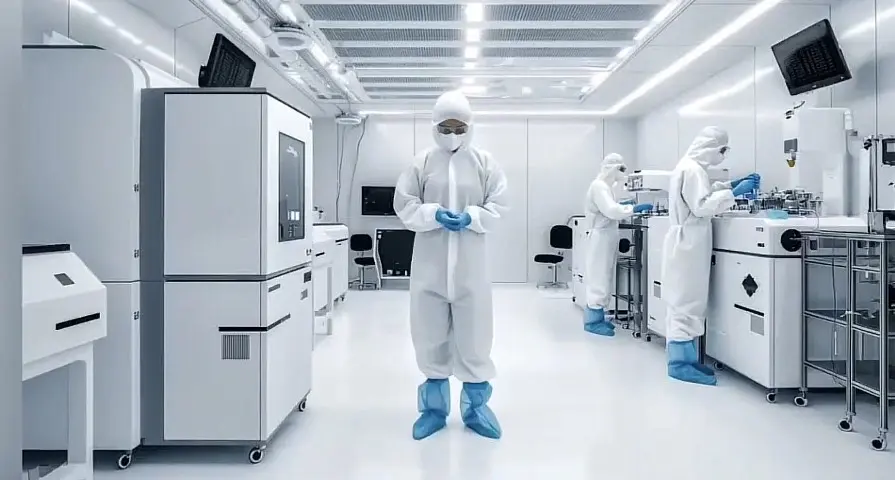
Ultra-high efficiency filtration for semiconductor wafer fabs and precision electronics cleanrooms, capturing nano-scale particles to meet ISO Class 1–3 standards and maximize product yield.
View Related Products →Central Air System Filtration
High-efficiency filtration for commercial building HVAC systems, improving indoor air quality, reducing energy consumption, and extending equipment service life.
View Related Products →Precision Equipment Protection
Precision air filtration for data centers, shielding servers and critical hardware from dust contamination to keep cooling systems running efficiently and reliably.
View Related Products →Farming Environment Purification
Dedicated filtration systems for farms and livestock facilities — capturing dust, adsorbing ammonia, and inhibiting pathogen spread to improve animal health and overall productivity.
View Related Products →Paint Mist & Dust Purification
Designed for spray booths and grinding workshops, efficiently capturing paint mist, metal dust, and wood chips to meet emission standards while protecting finished surface quality.
View Related Products →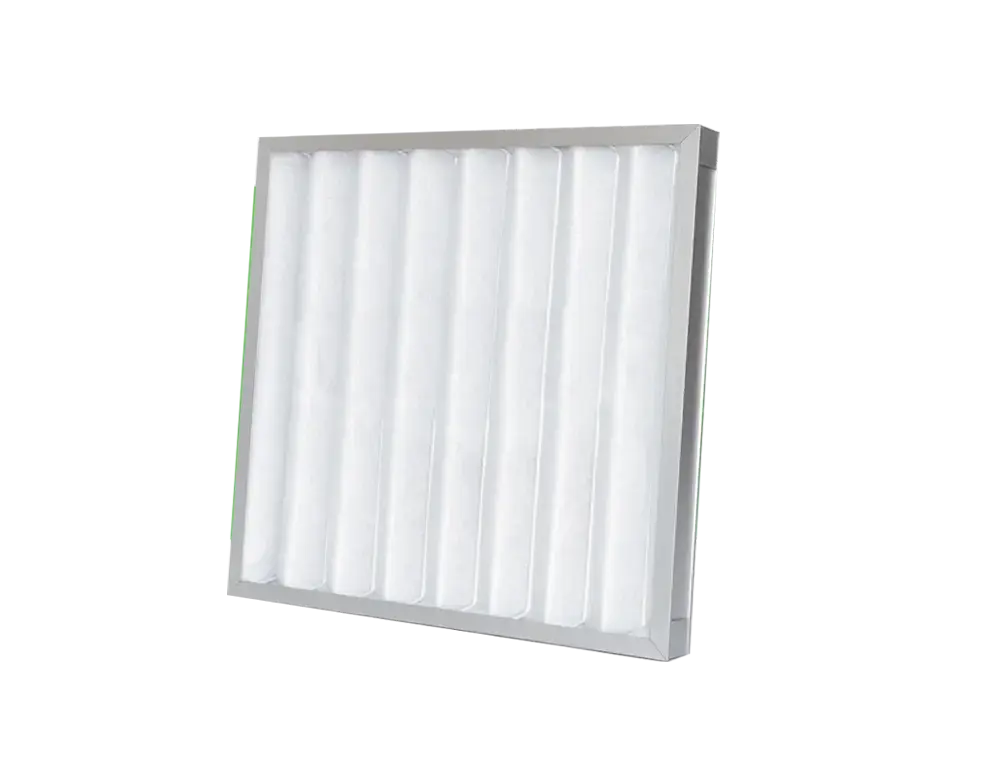
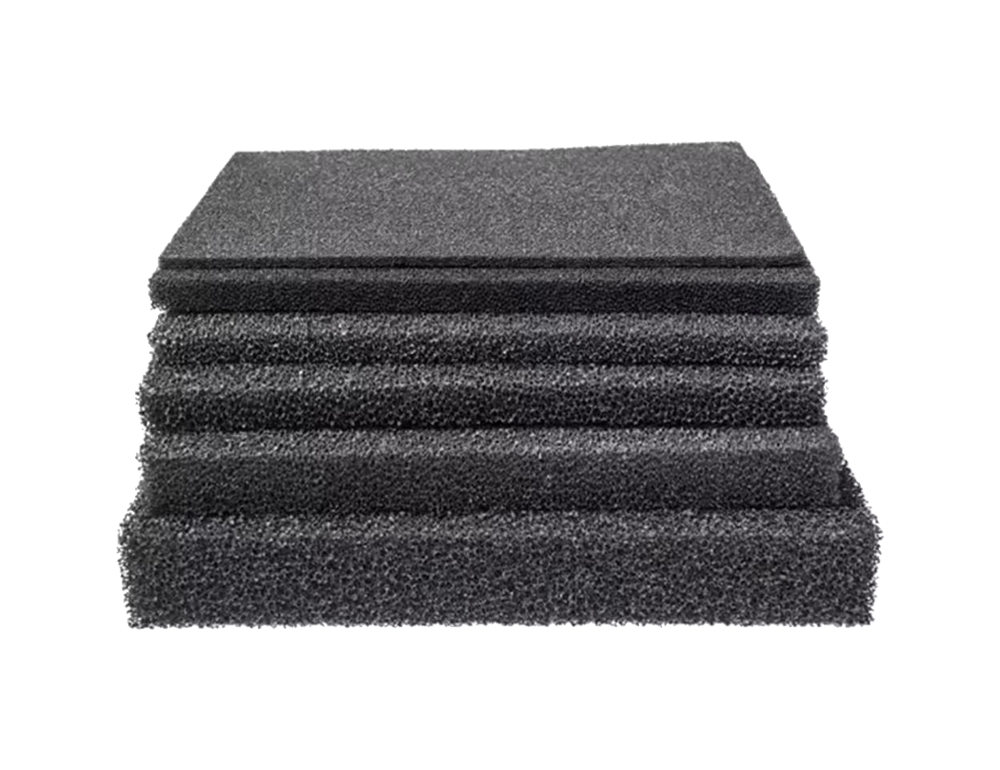
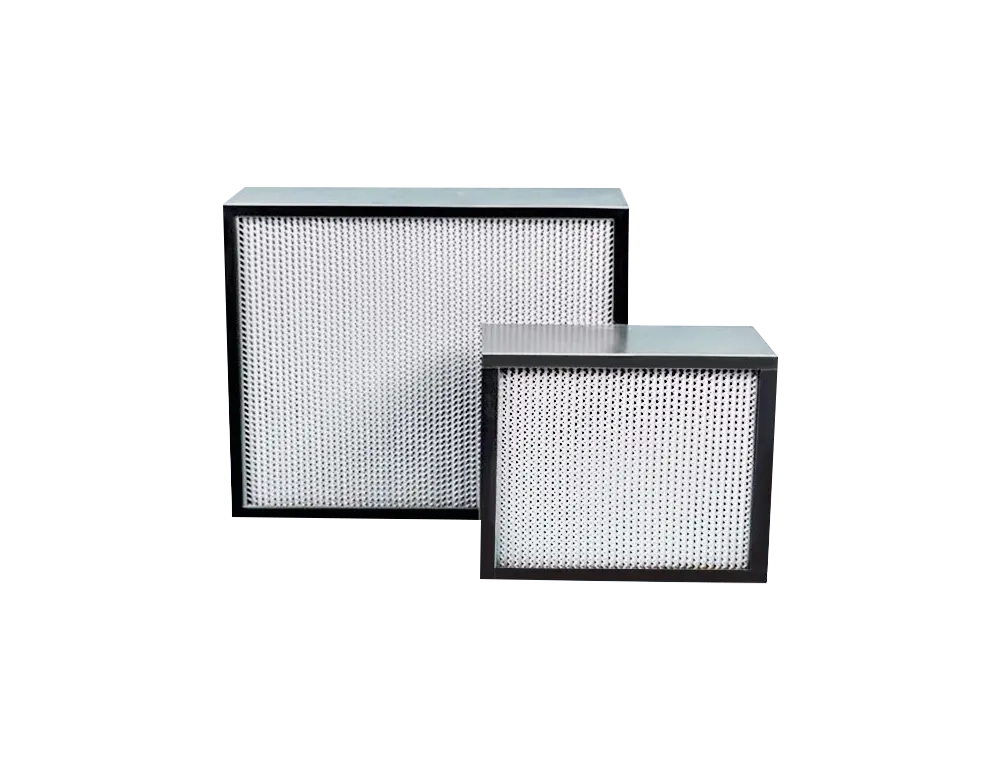
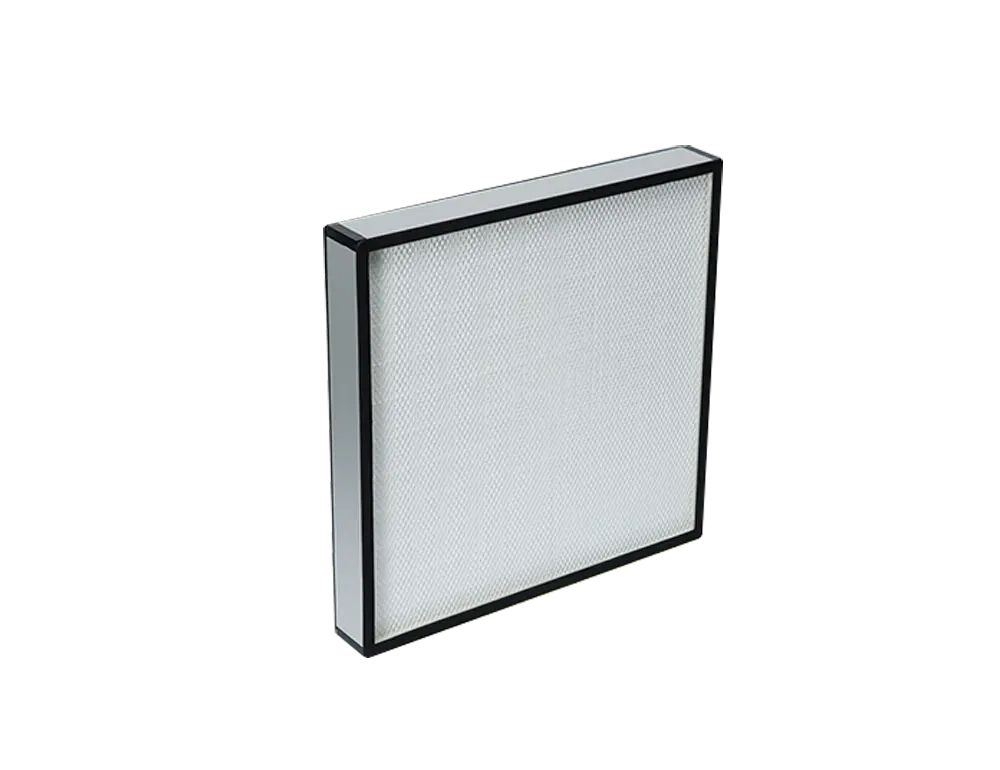
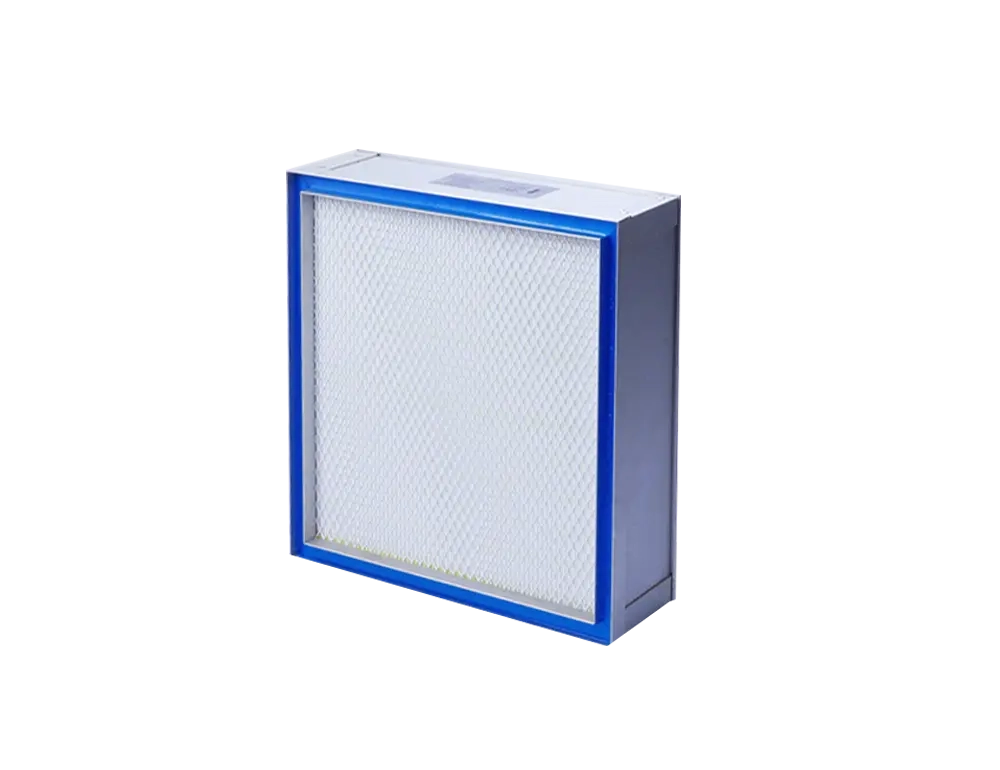
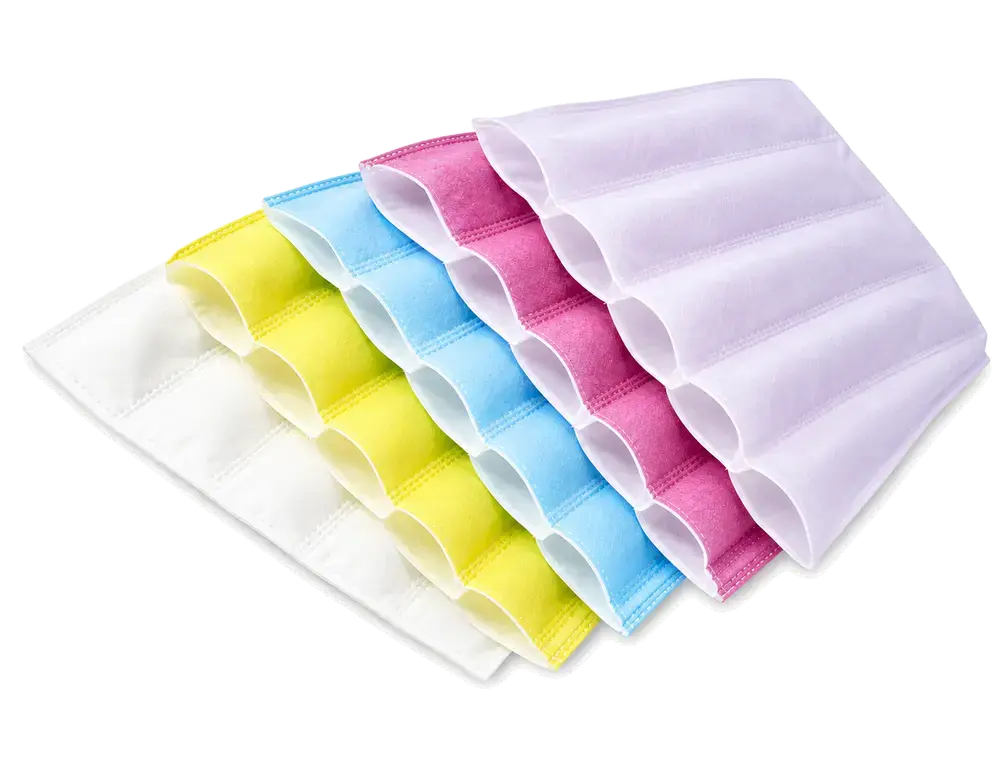
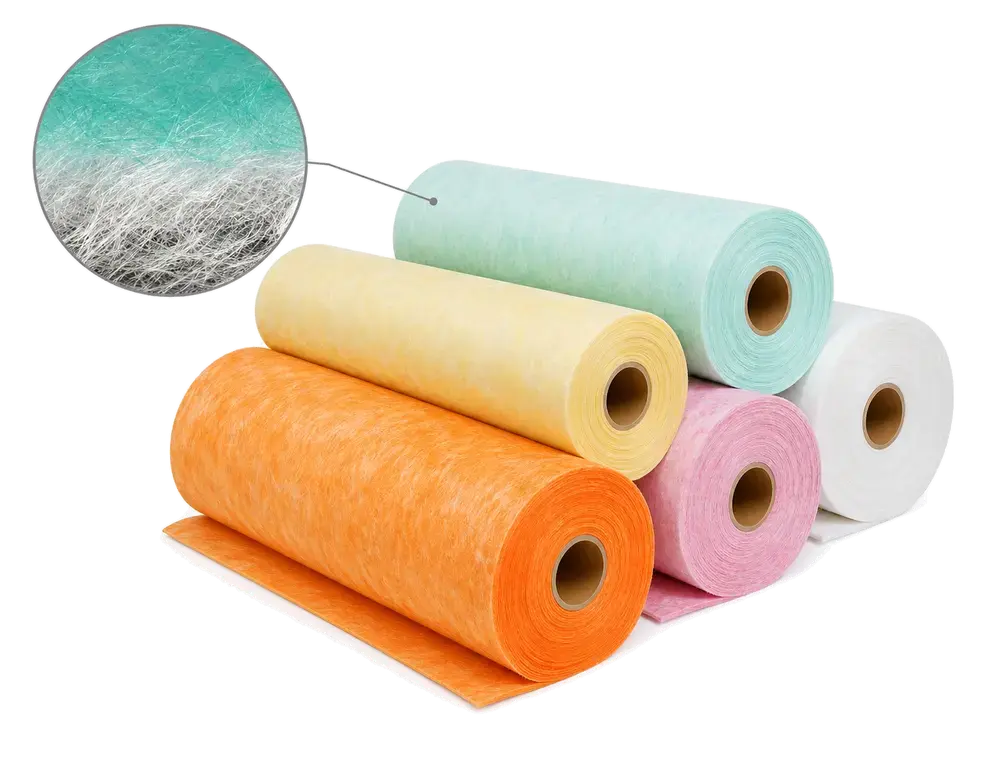
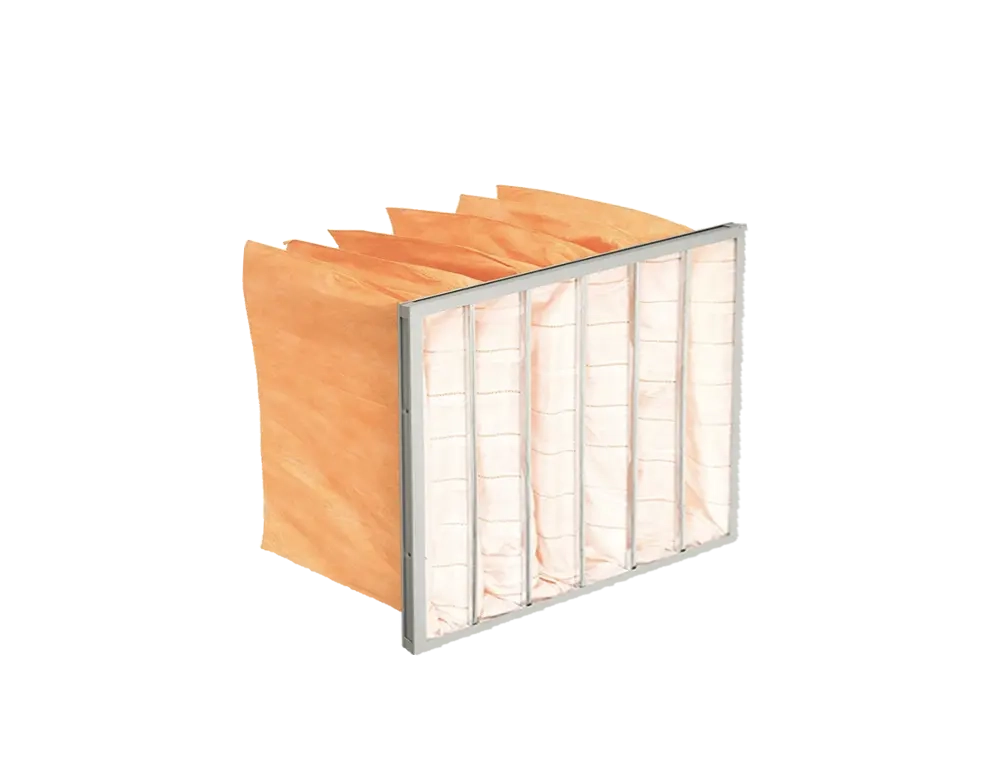
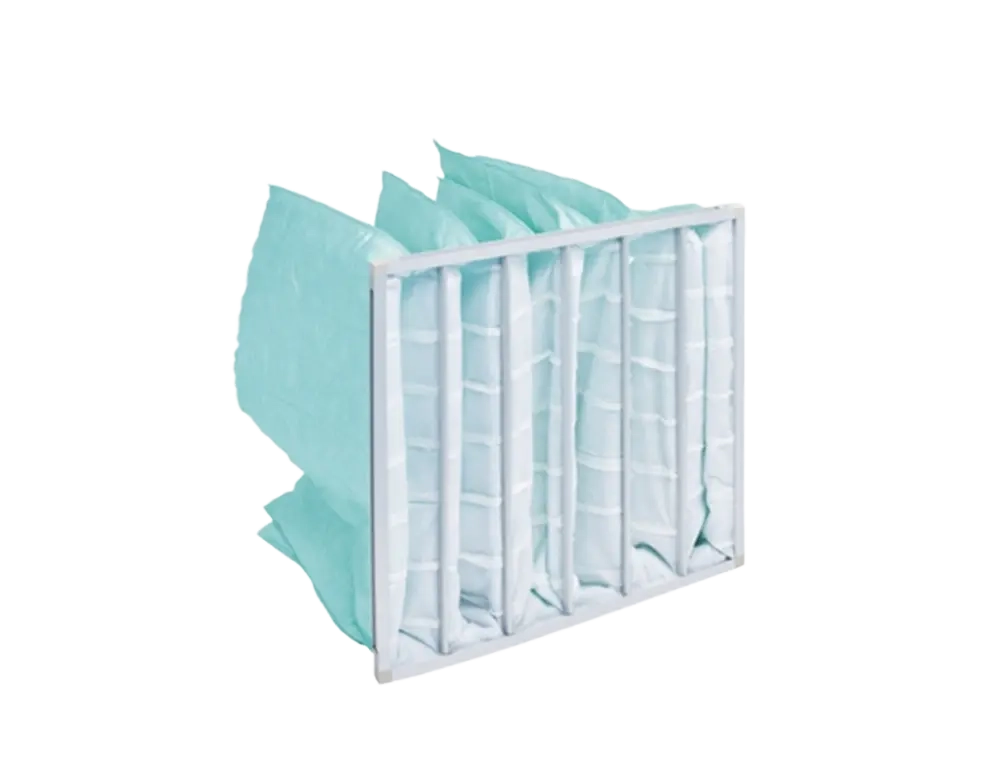
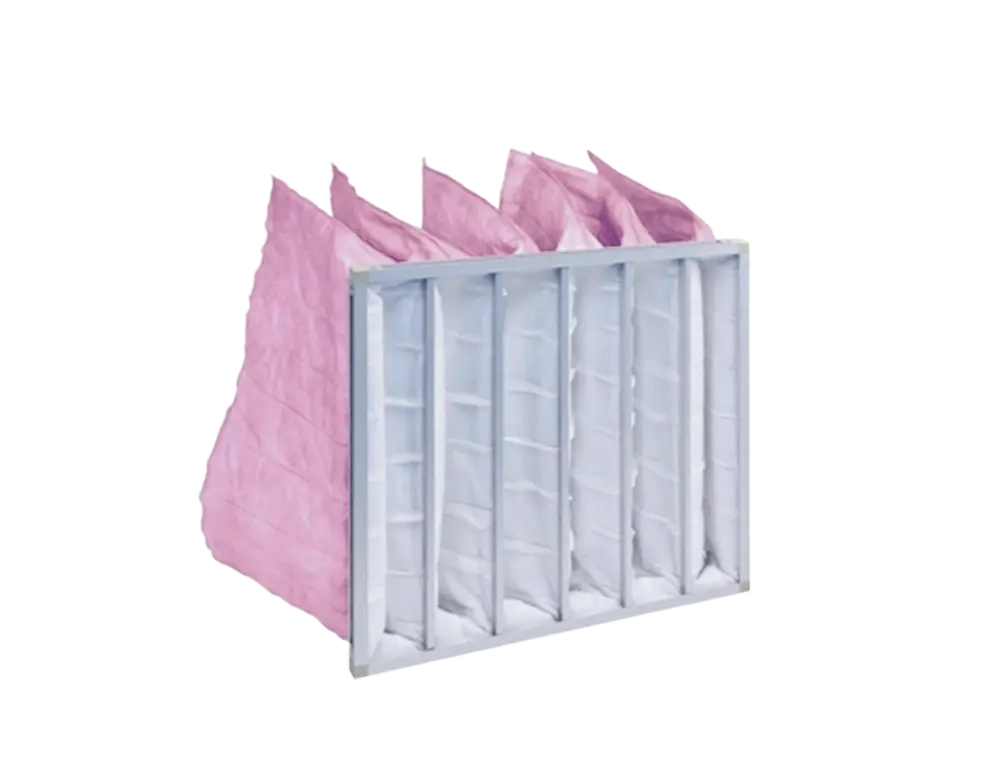
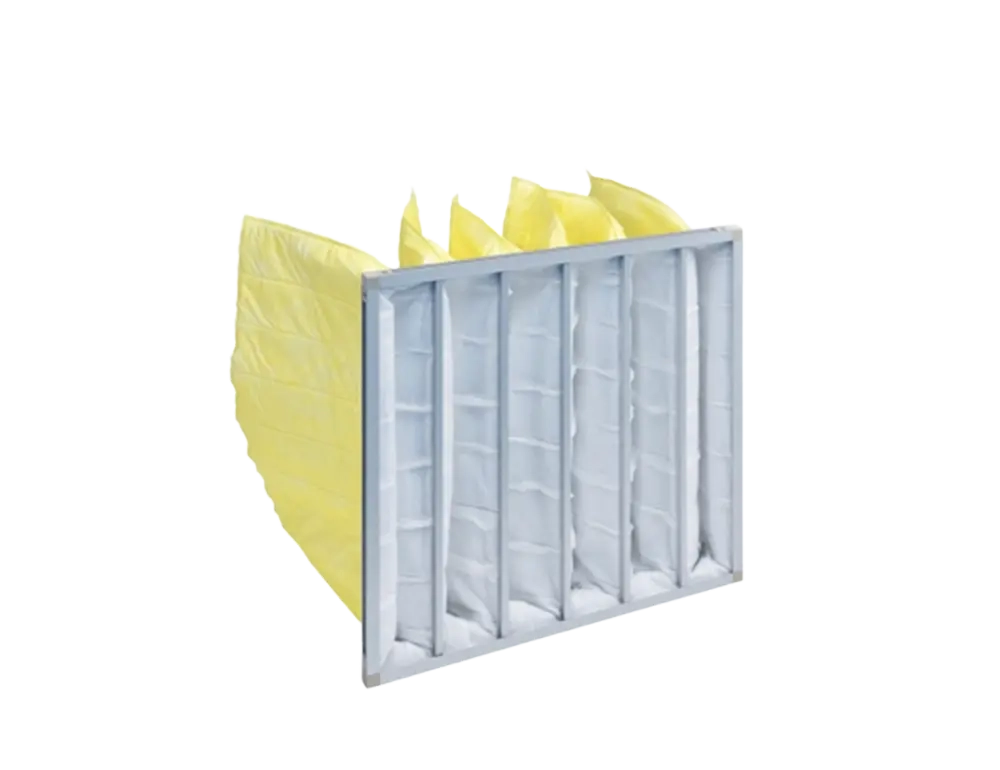
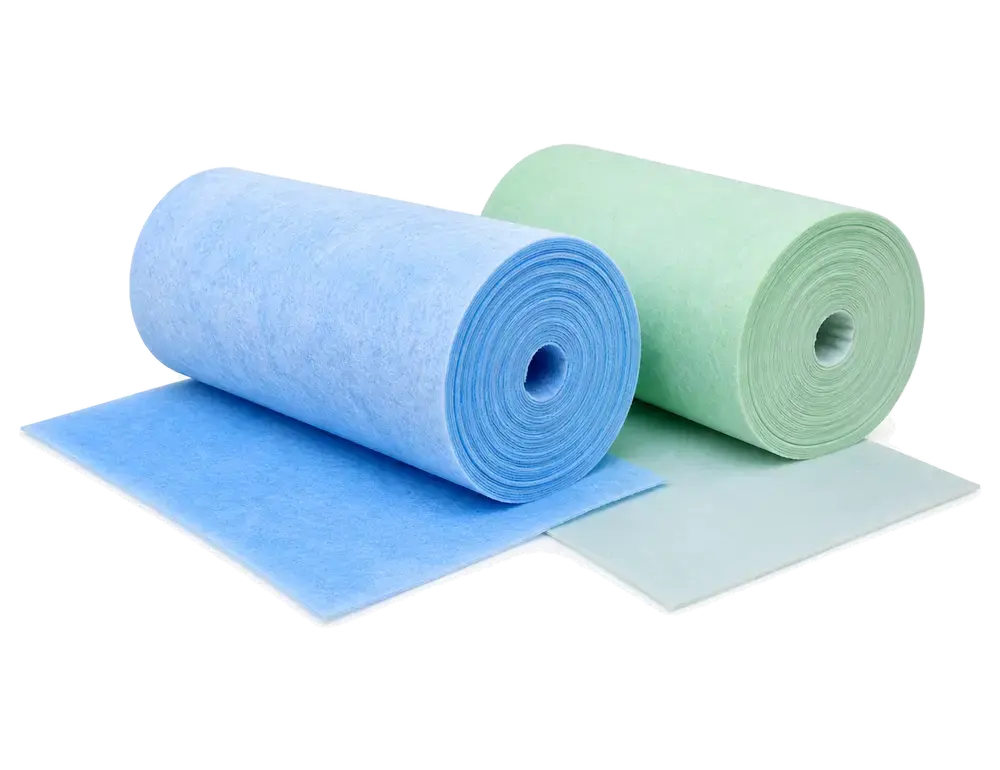
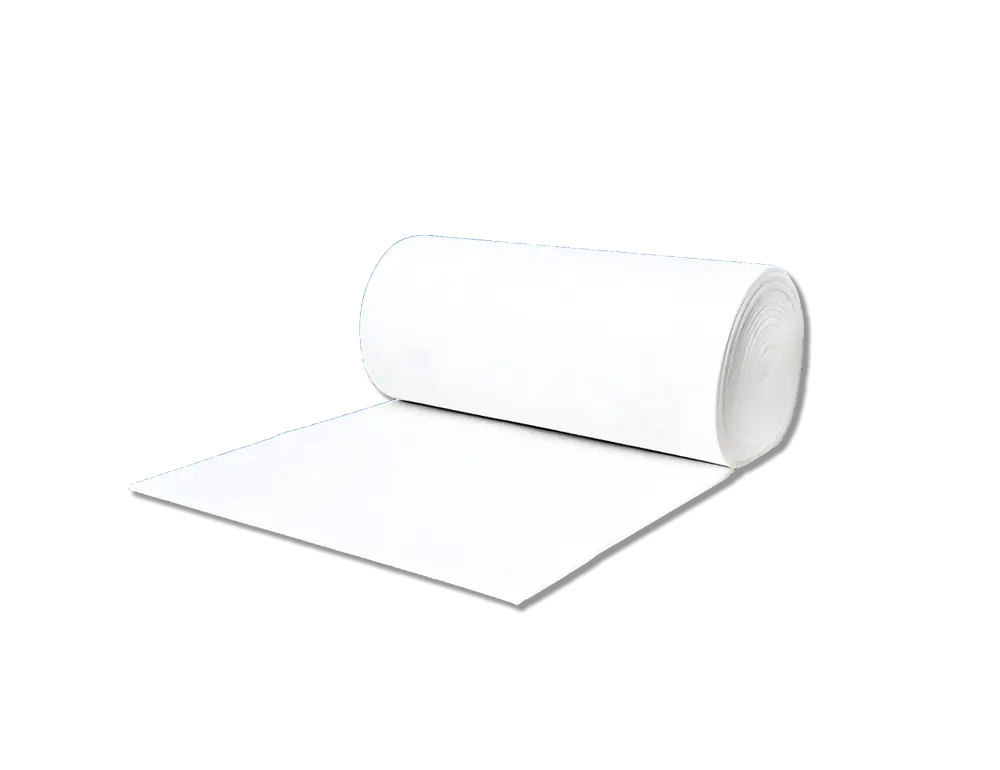
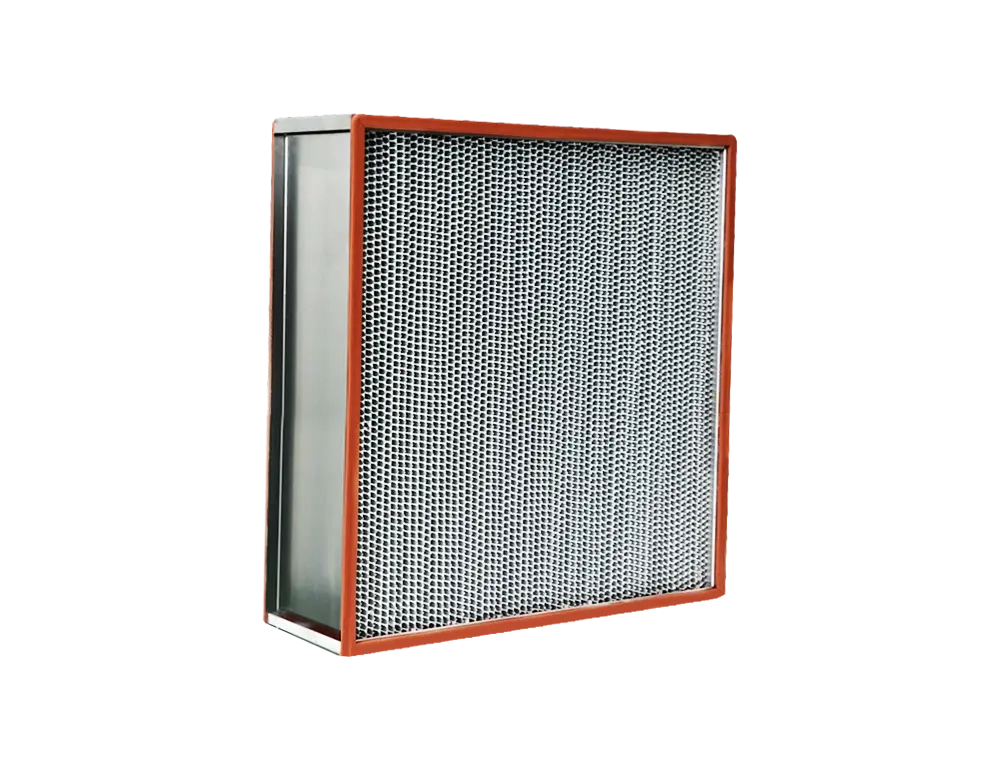
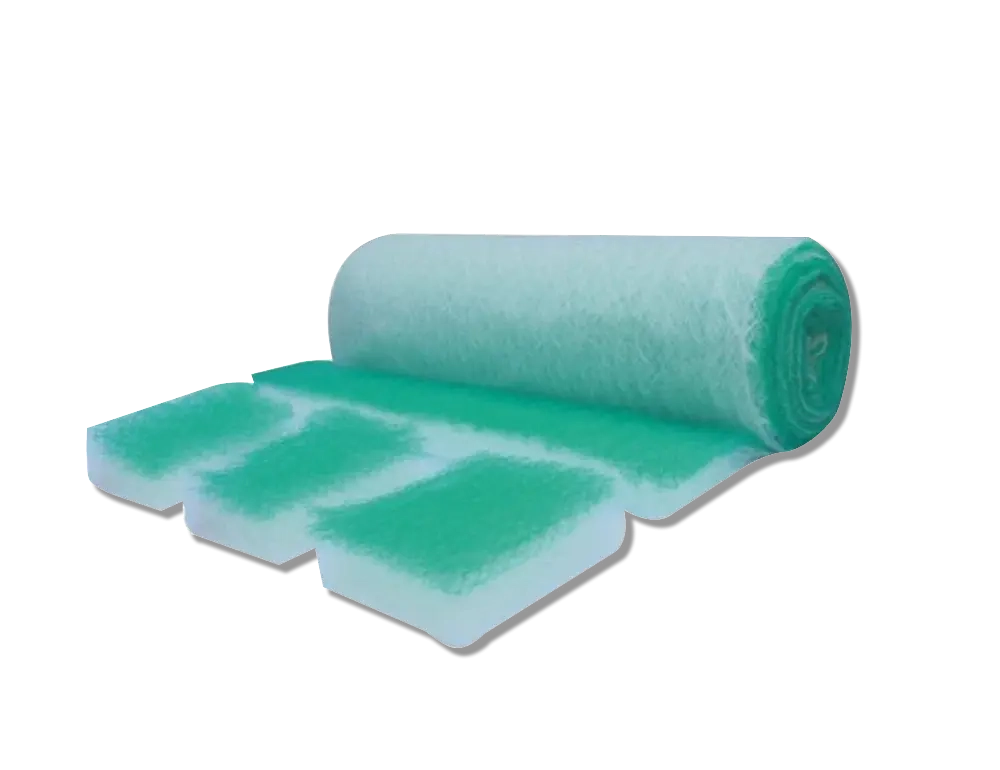
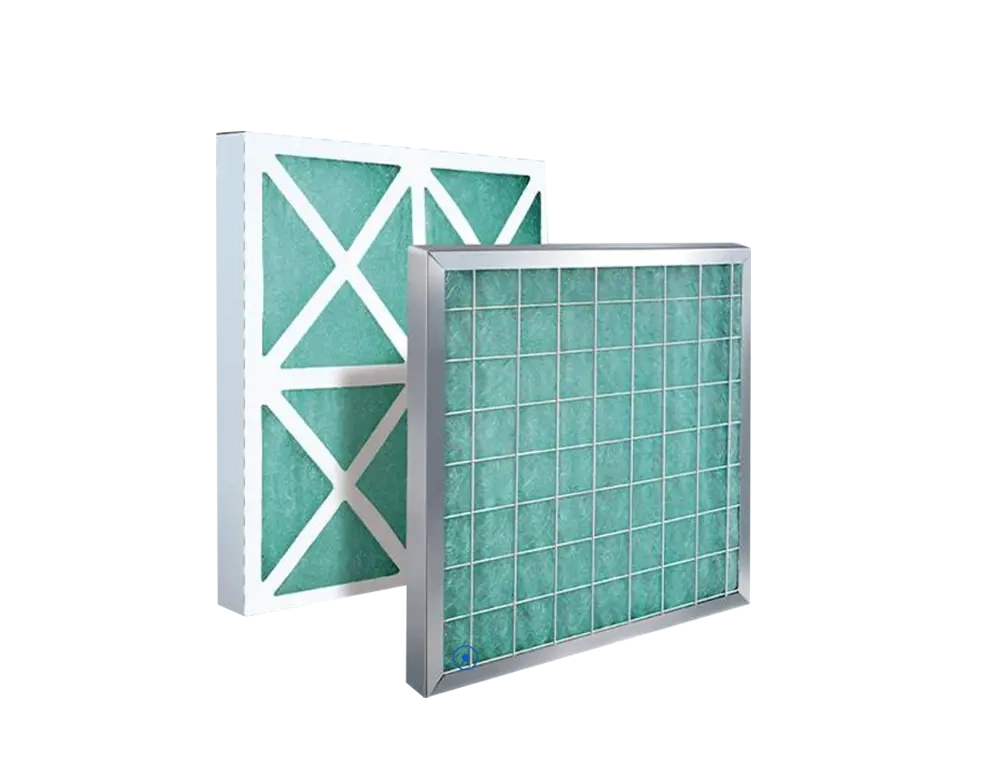
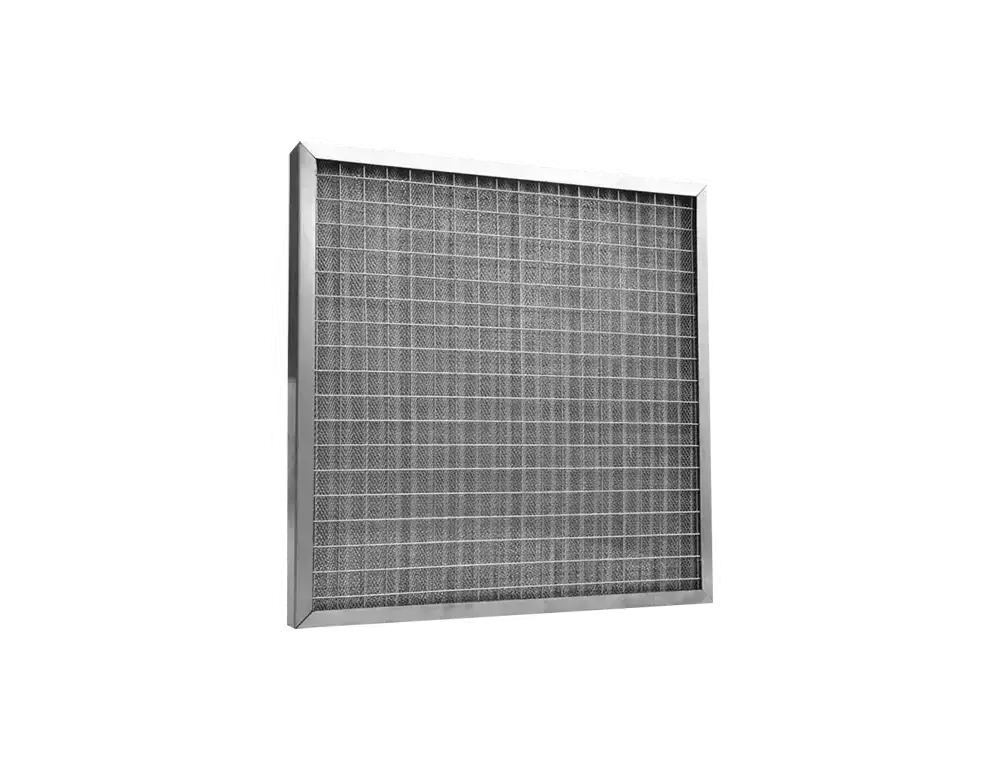
Pre-Filter (G1–G4)
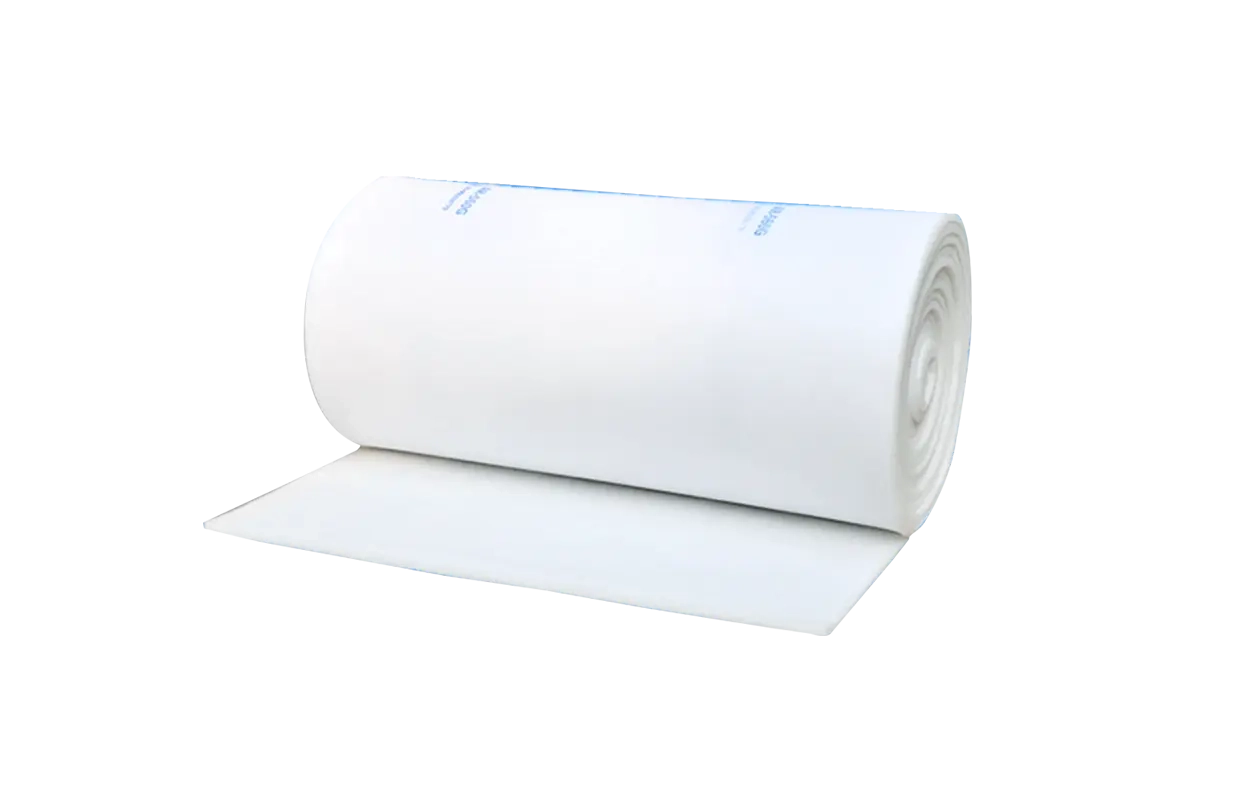
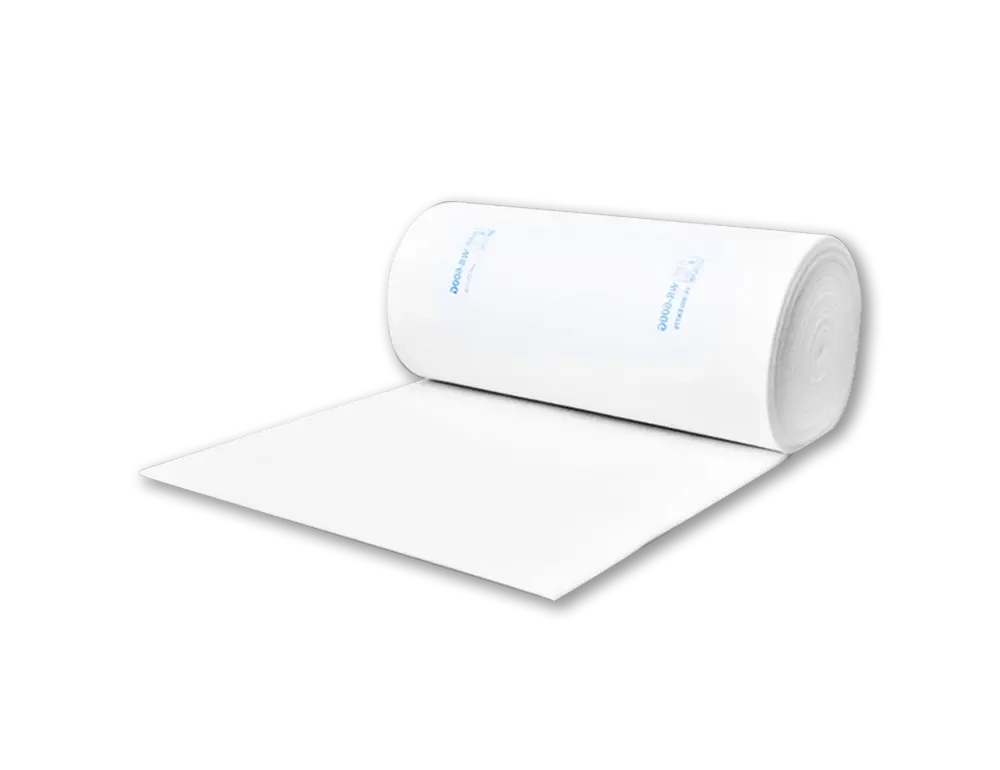
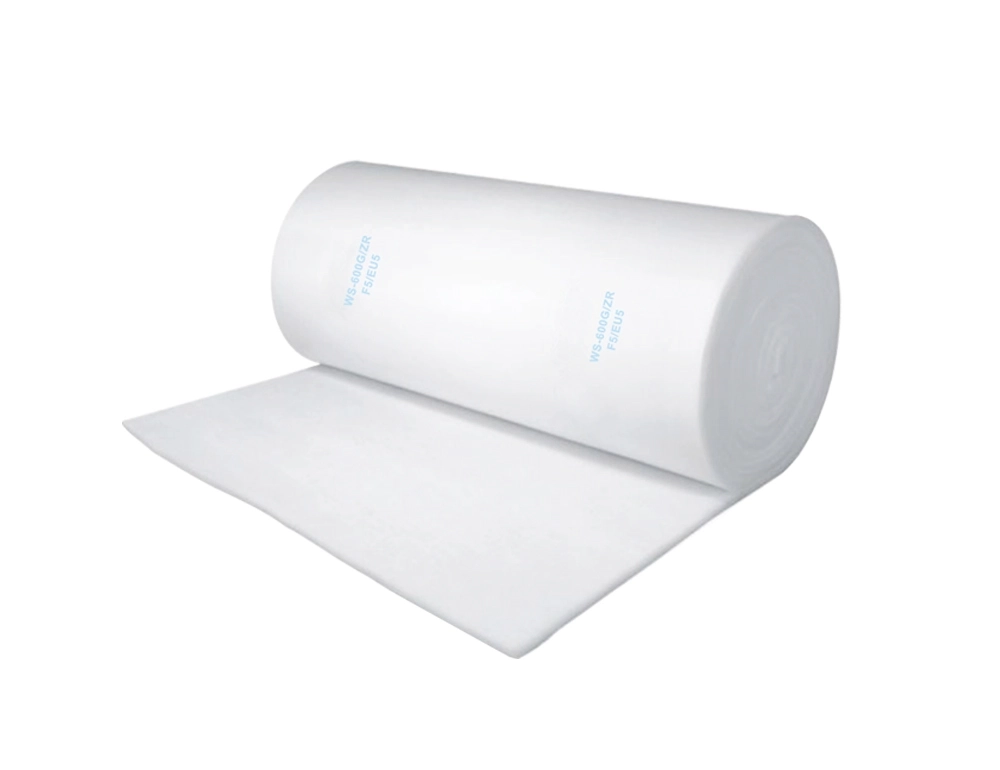
First-Stage Large-Particle Capture
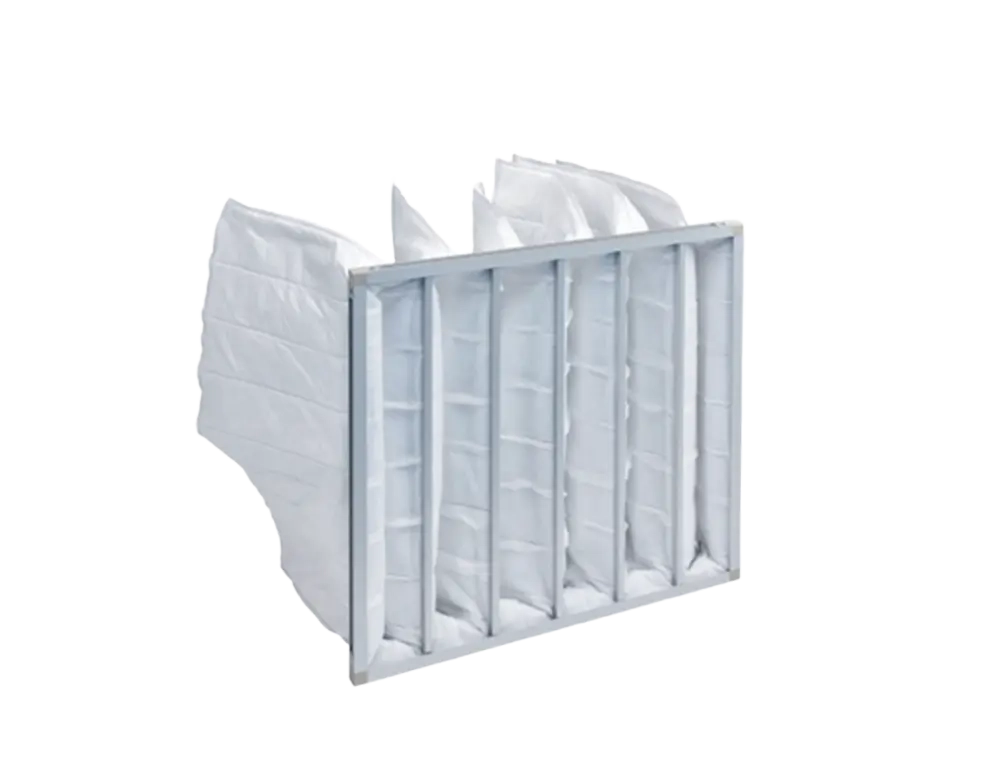
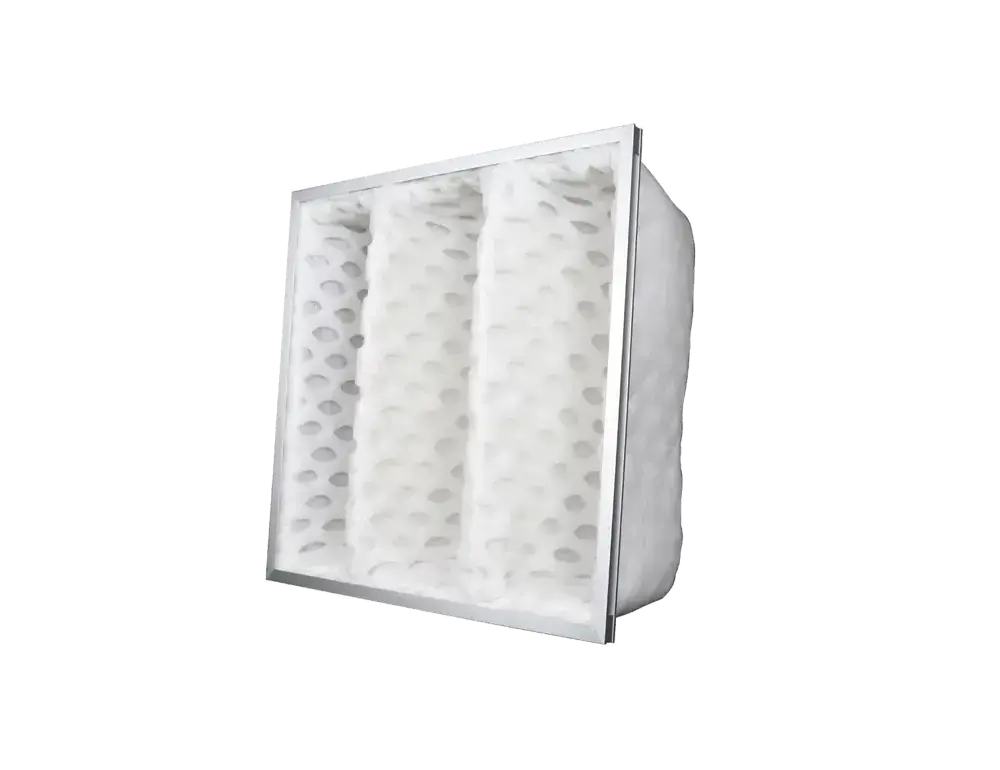
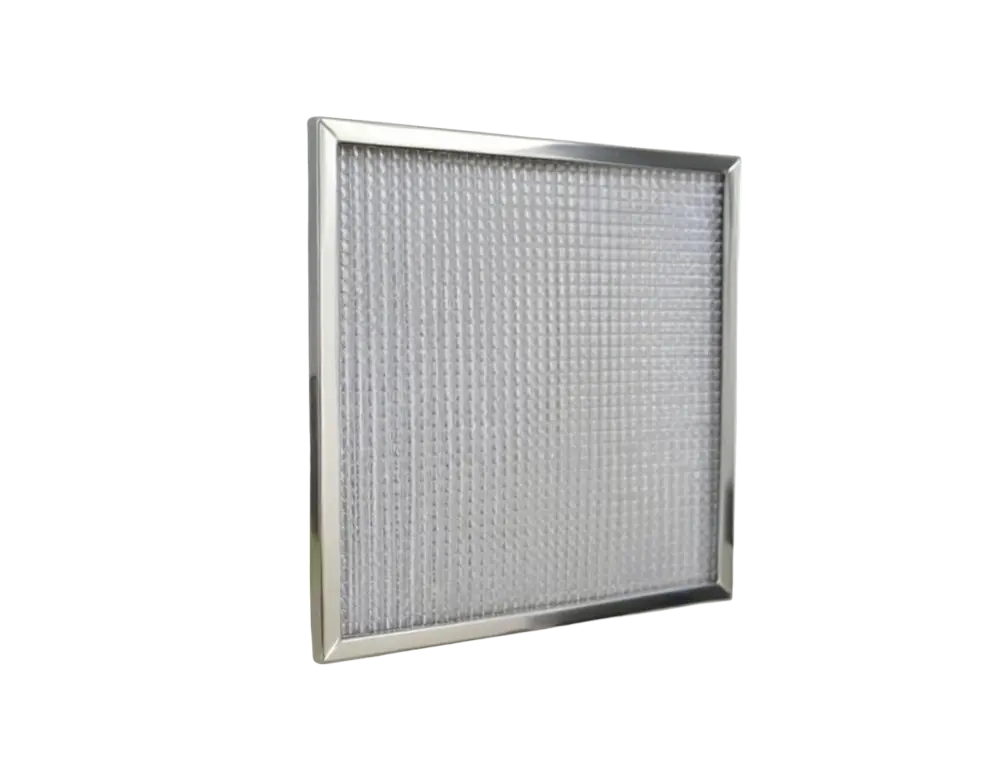
Medium-Efficiency Filter (F5–F9)
Precise PM2.5 Capture
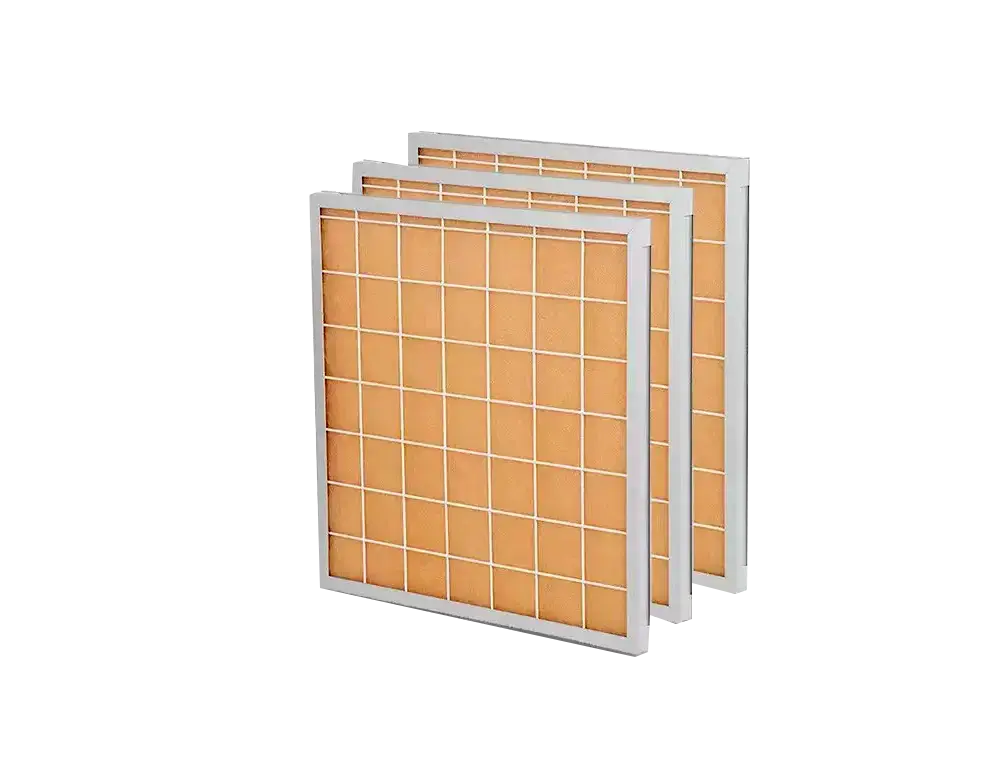
HEPA High-Efficiency Filter
Sterile-Grade Purification
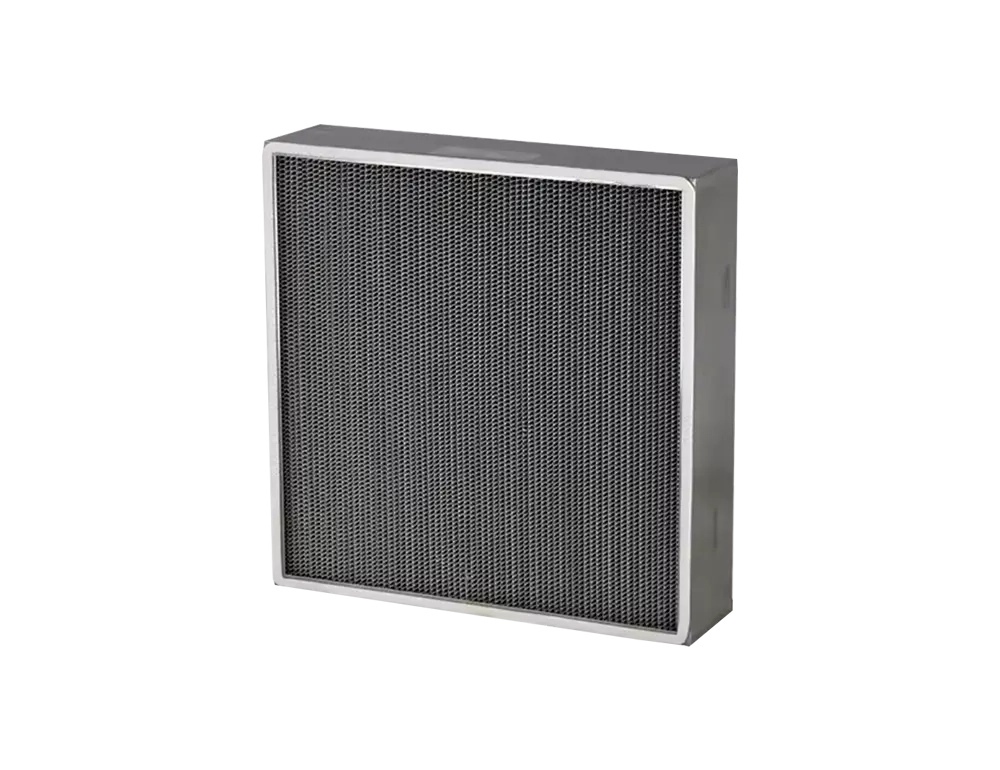
ULPA Ultra-High Efficiency Filter
Sub-Micron Particle Capture
First-Stage Large-Particle Capture
The first line of defense, capturing particles ≥5 μm such as dust, hair, and fibers to protect downstream filters and extend overall system service life.
View Related Products →Precise PM2.5 Capture
Captures fine particles of 1–5 μm including PM2.5, pollen, and mold spores, significantly improving indoor air quality for commercial HVAC and ventilation systems.
View Related Products →Sterile-Grade Purification
≥99.97% filtration efficiency for particles ≥0.3 μm, delivering sterile-grade clean air widely used in medical, pharmaceutical, and electronics manufacturing.
View Related Products →Sub-Micron Particle Capture
≥99.9995% efficiency for particles ≥0.12 μm, meeting the extreme cleanliness demands of semiconductor fabs, aerospace, and other ultra-precision applications.
View Related Products →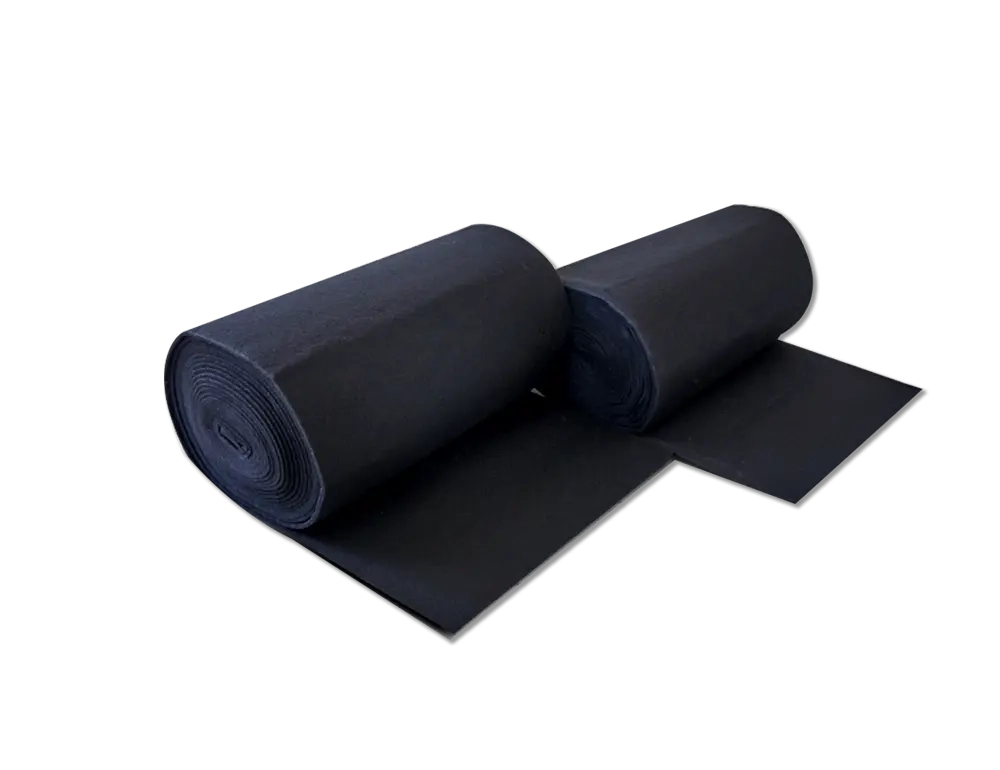
High-Temperature Resistant
Industrial-Grade Heat Tolerance
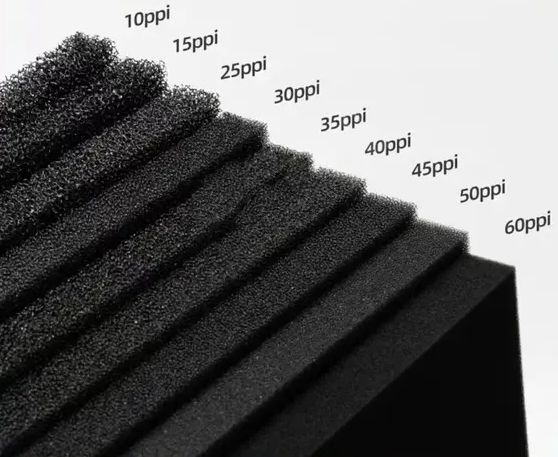
Washable & Reusable
Cut Costs, Reduce Waste
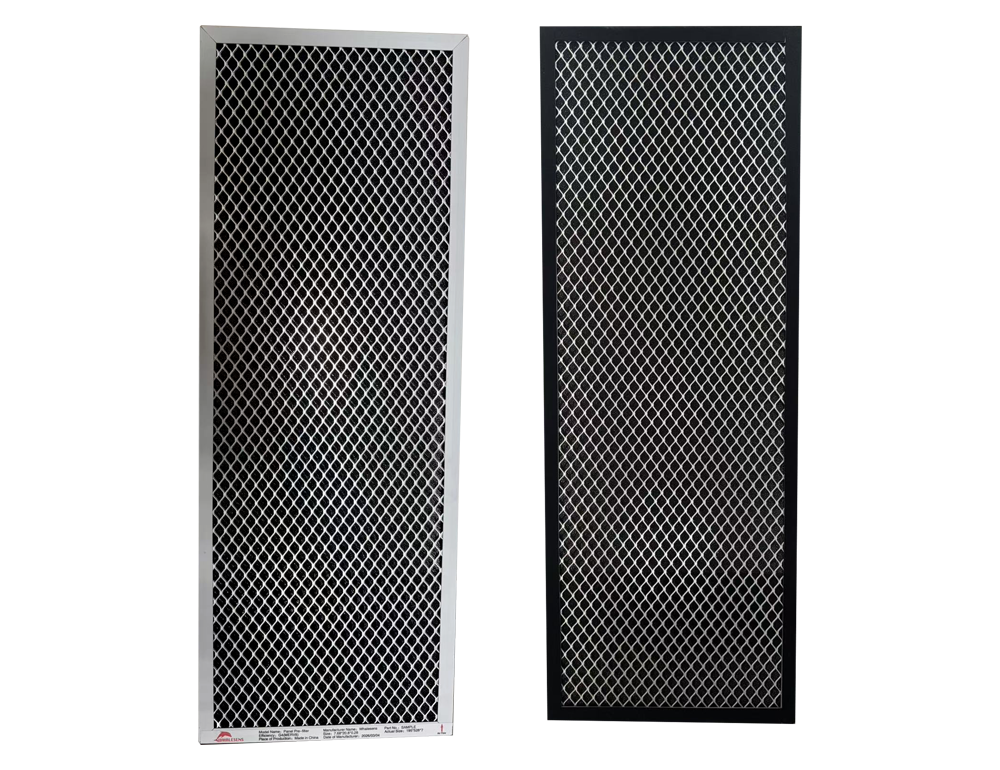
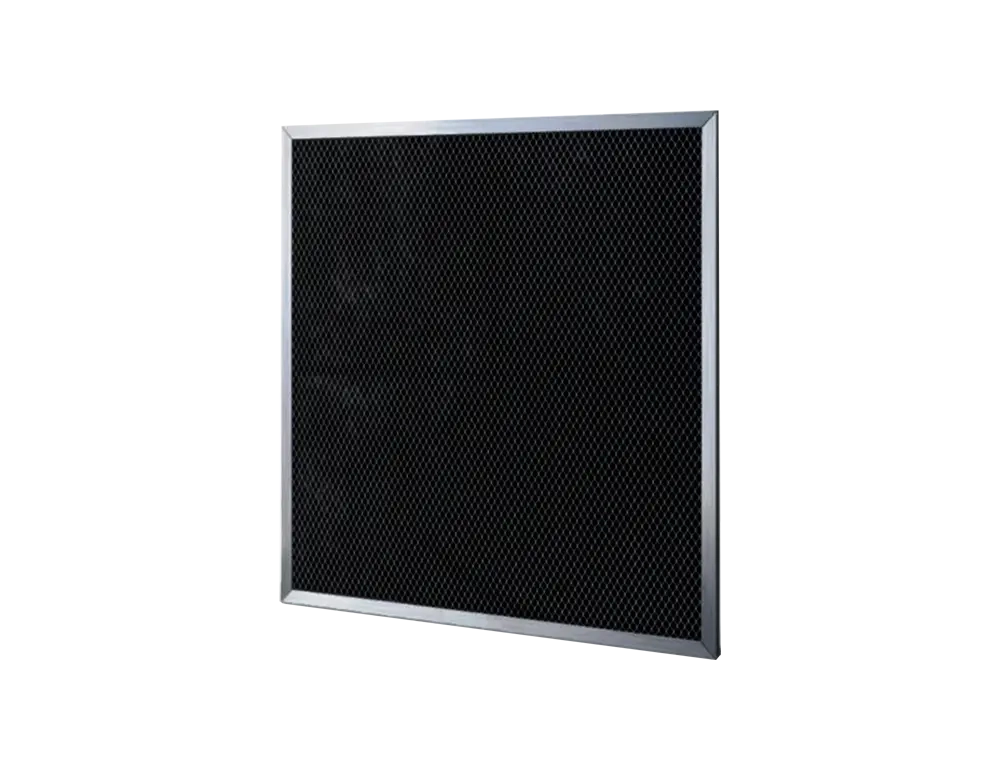
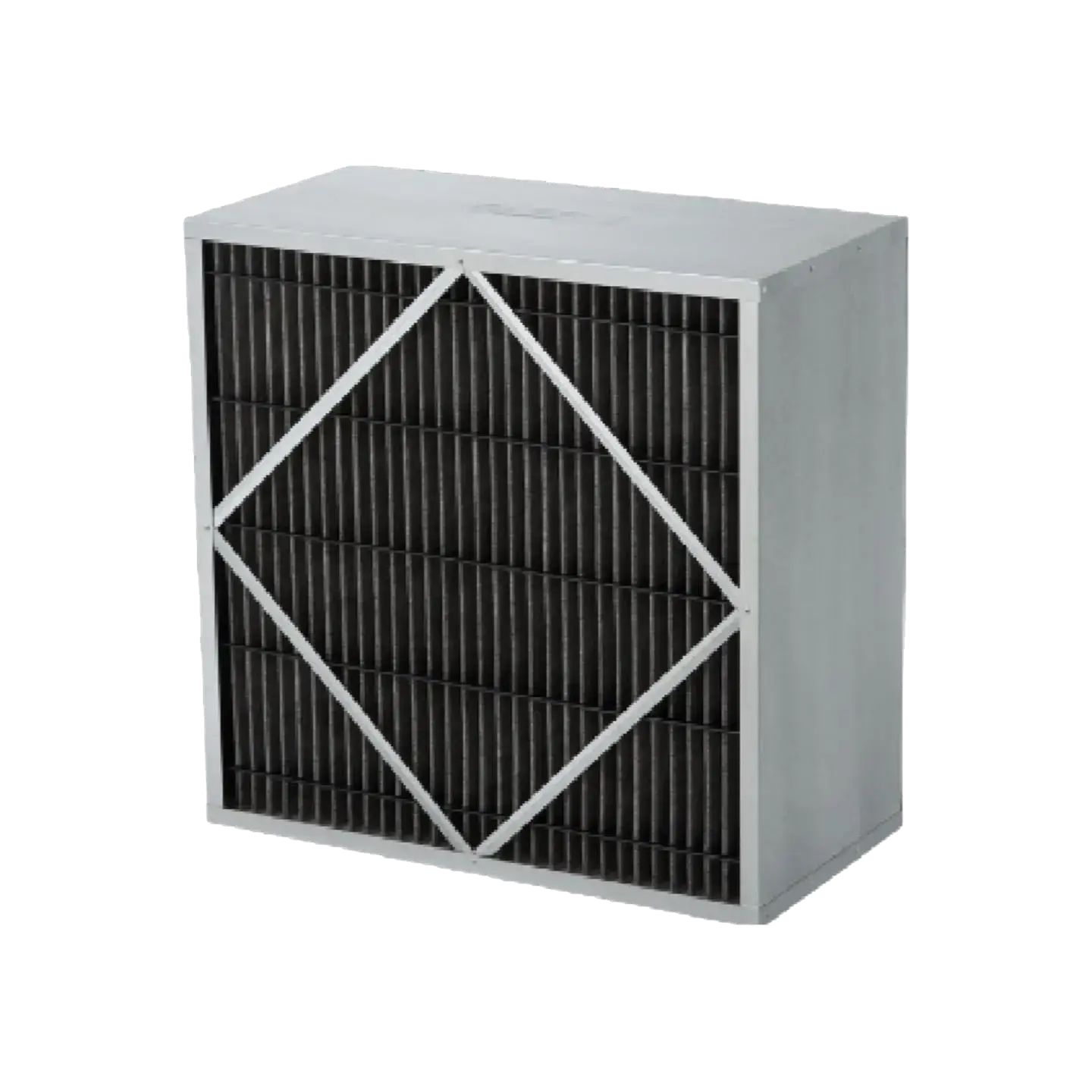
Activated Carbon
Odor & Harmful Gas Removal
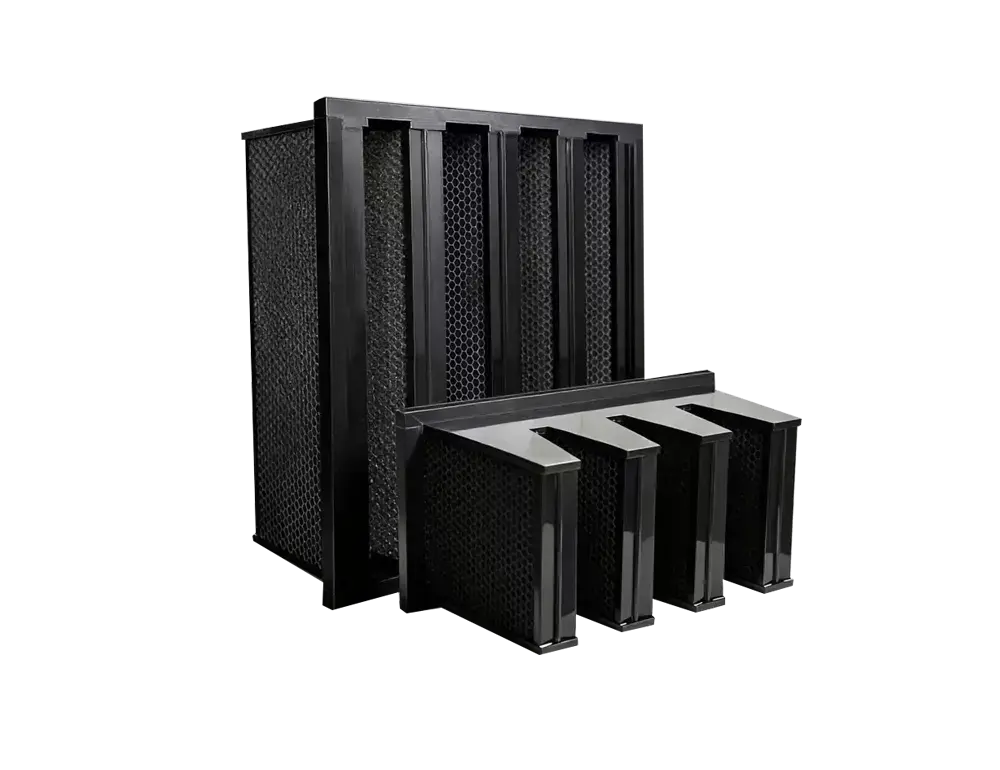
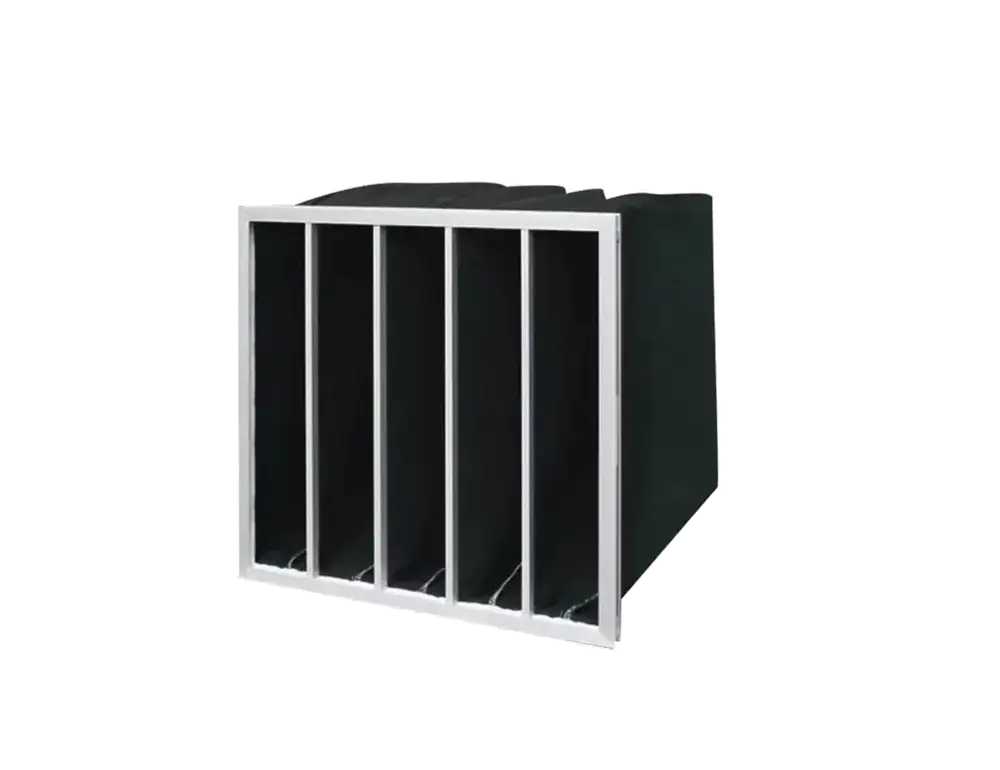
Bag Filter
High Dust-Holding, Long Life
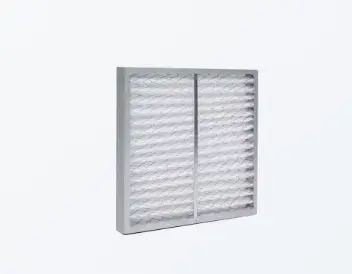
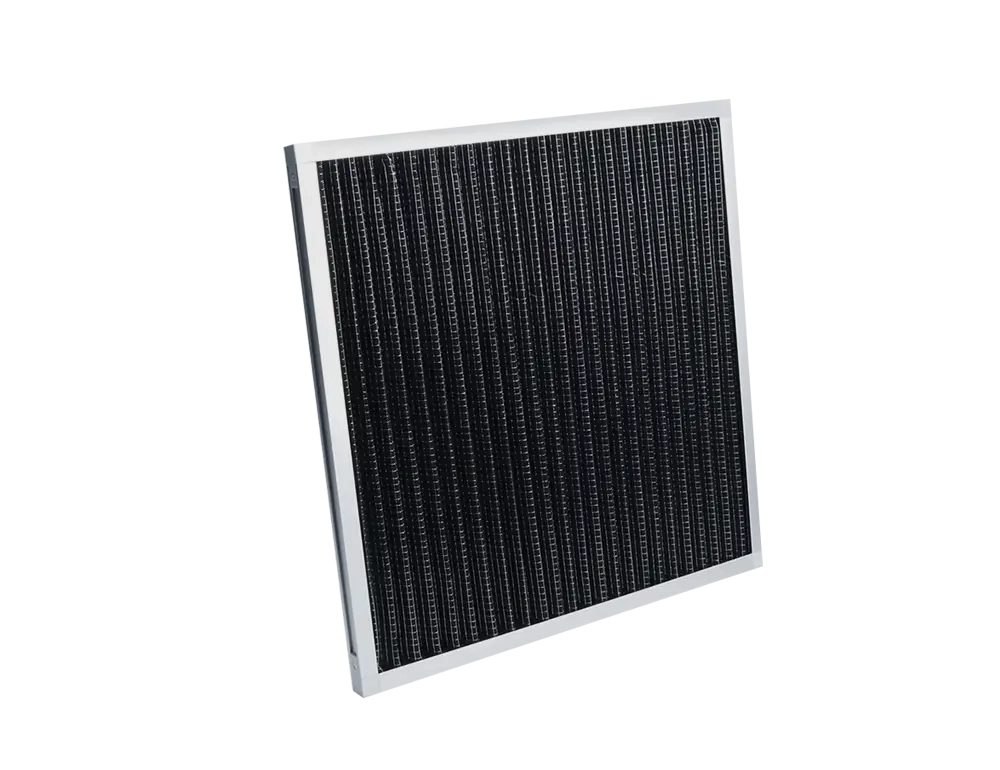
Panel / Pleated Filter
Compact Space-Saving Design
Low-Resistance Airflow
Energy-Saving Operation
Industrial-Grade Heat Tolerance
Built with specialized heat-resistant materials, operating stably up to 250°C for paint ovens, industrial dryers, and high-temperature process environments.
View Related Products →Cut Costs, Reduce Waste
Cleanable by water washing or air blowing, reusable multiple times to significantly reduce replacement frequency and O&M costs — an economical, eco-friendly choice.
View Related Products →Odor & Harmful Gas Removal
Leverages activated carbon's high adsorption capacity to eliminate odors, VOCs, and formaldehyde, ideal for newly renovated spaces and industrial exhaust treatment.
View Related Products →High Dust-Holding, Long Life
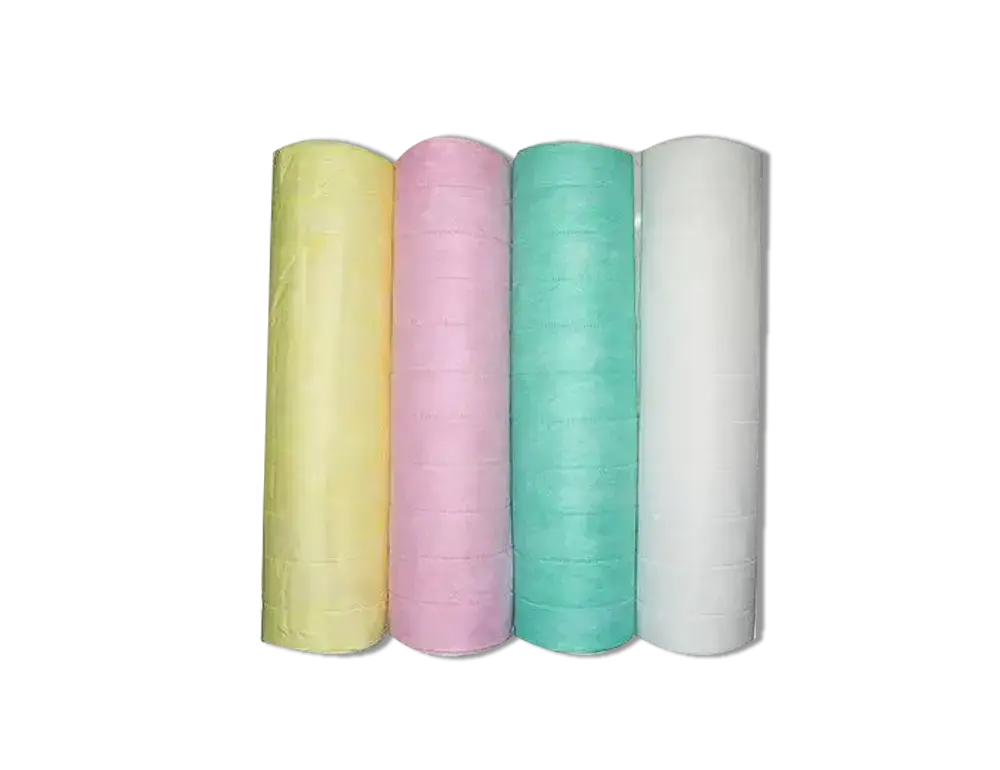
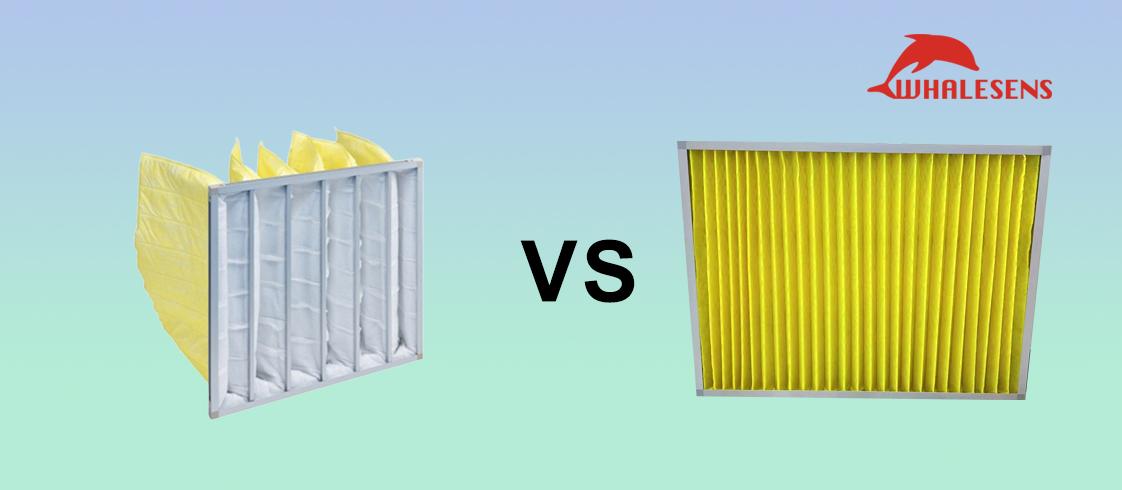
Bag-style construction delivers a larger filtration area, high dust-holding capacity, and extended service life — ideal for high-dust environments with reduced replacement frequency.
View Related Products →Compact Space-Saving Design
Compact form factor for easy installation and replacement; pleated structure maximizes filtration area within a small footprint for higher efficiency.
View Related Products →Energy-Saving Operation
Low-resistance design minimizes pressure drop while maintaining filtration performance, reducing fan energy consumption for cost-effective, eco-friendly operation.
View Related Products →














 English(Global)
 简体中文
简体中文 Language


AI Data Center HEPA Filter Selection: Balancing Cleanliness and PUE
In 2026, AI-ready data centers are scaling fast. Rack densities that once topped out at 5–10 kW are now pushing 30–60 kW and beyond. That shift puts air filtration under real pressure: GPU servers are highly sensitive to sub-micron particles, yet PUE targets keep tightening. Every extra Pascal of filter resistance can translate into significant annual fan energy cost. For HVAC engineers and data center operators, choosing the right HEPA filter configuration is no longer a secondary decision — it directly affects both IT reliability and operating expense.
Bottom line: For AI compute facilities, the current industry best practice is a three-stage architecture — G4 pre-filter + F7/F9 medium-efficiency bags + H13 mini-pleat (separatorless) HEPA at the AHU terminal. Keep terminal initial resistance in the 90–130 Pa range, pair it with online differential pressure monitoring, and you can cut filtration-related fan energy by roughly 10%–15% while maintaining IT-grade air cleanliness.
Table of Contents
- Why AI Data Centers Demand Higher Filtration Standards
- Three-Stage Filtration: From Pre-Filter to HEPA
- Mini-Pleat HEPA Filters: The PUE Optimization Lever
- Differential Pressure Monitoring and Smart O&M
- Frequently Asked Questions
99.95%
H13 HEPA efficiency at ≥0.3 μm
10–15%
Fan energy savings with mini-pleat design
1.25
PUE target for new AI facilities
Why AI Data Centers Demand Higher Filtration Standards
Traditional commercial data centers often run MERV 11–13 (ISO ePM1 50%–70%) and meet ASHRAE TC 9.9 baseline requirements. AI compute clusters are different in three ways that push filtration specs higher.
First, power density drives higher airflow demand. A fully loaded NVIDIA H100 GPU server can draw around 700 W per card. With CPU, memory, and storage included, a single rack easily exceeds 10 kW. When facility density climbs from 5 kW/m² to 15–20 kW/m², CRAC/CRAH units must move more air — and filters face higher dust loading per unit area.
Second, tighter GPU fin spacing increases contamination risk. Compared with general-purpose x86 servers, AI accelerator cards use denser heatsink fins. Conductive dust in the 0.3–1 μm range can build up on heat transfer surfaces, raise thermal resistance, and trigger throttling or downtime. That is why more AI facilities now deploy H13-grade HEPA air filters at the AHU terminal instead of relying on medium-efficiency filtration alone.
Third, PUE and carbon targets create hard constraints. Cooling systems typically account for 30%–40% of total data center energy use, and a meaningful share of that goes to overcoming filter resistance. Filter selection has shifted from "good enough" to "efficiency and low pressure drop together" — a key step toward moving PUE from 1.4 toward 1.25 or lower.
Three-Stage Filtration: From Pre-Filter to HEPA
In field practice, we recommend a staged air filtration architecture for AI-ready facilities. Each stage has a defined job — avoiding a single high-resistance filter that loads quickly and wastes energy.
| Stage | Recommended Class | Efficiency | Function |
|---|---|---|---|
| Stage 1 (outdoor air intake) | G4 pre-filter | ≥90% (≥5 μm) | Capture dust, insects, fibers |
| Stage 2 (AHU mid-section) | F7–F9 bag filters | ePM2.5 65%–85% | Intercept PM2.5, protect HEPA |
| Stage 3 (supply air terminal) | H13 mini-pleat HEPA | ≥99.95% (≥0.3 μm) | Primary barrier for rack inlet air |
Outdoor Air Side: Adjust for Local Air Quality
Facilities in dusty or industrial regions should upgrade the medium-efficiency stage to F8/F9 and add auto-cleaning pre-filters at the intake. For sites using indirect evaporative cooling or air-side economizers, ASHRAE TC 9.9 requires outdoor air filtration of at least MERV 13 (ISO ePM1 60%) — aligning with high-grade HVAC air filters in the supply path.
Recirculated Air: Protect HEPA Service Life
Many teams under-specify return-air filtration and only protect the outdoor air path. In reality, internal dust from maintenance, packaging, and foot traffic accelerates HEPA loading. Installing F7 bag filters on the return section can extend HEPA replacement intervals from 12 months to 18–24 months and improve lifecycle cost (LCC).
Mini-Pleat HEPA Filters: The PUE Optimization Lever
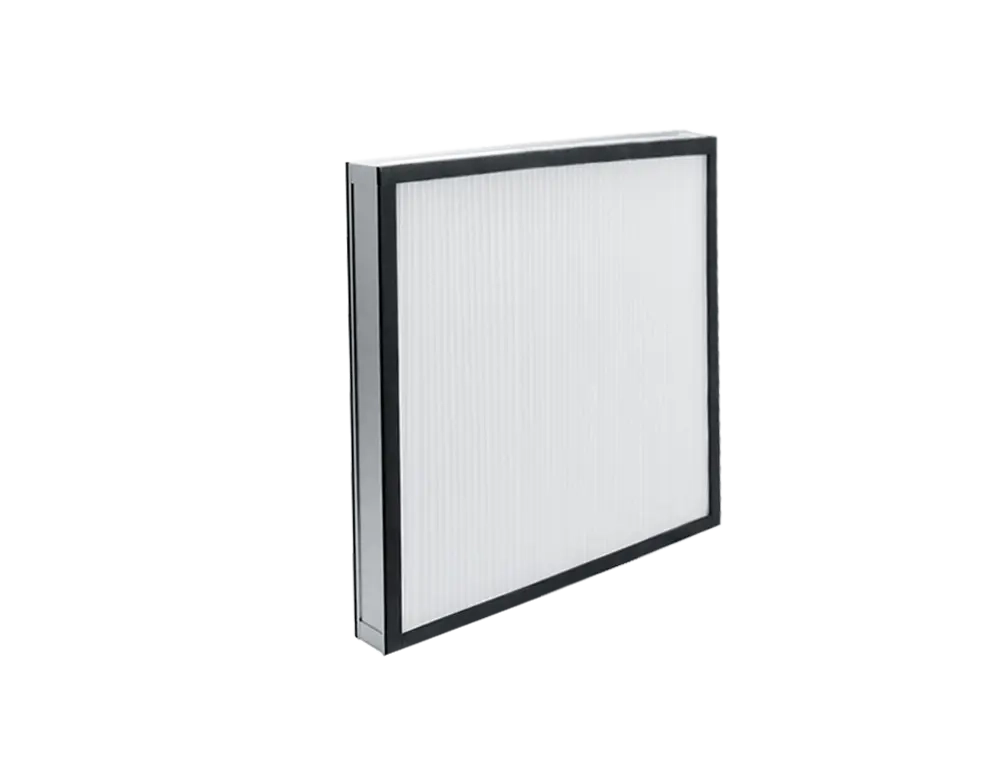
Among H13/H14 options, mini-pleat (separatorless) HEPA filters have become the default for AI data center AHU terminals. Compared with traditional deep-pleat designs using aluminum separators, separatorless construction uses polyurethane hot-melt spacing to hold media folds — delivering much lower resistance at the same efficiency class.
| Parameter | Deep-Pleat HEPA (H13) | Mini-Pleat HEPA (H13) |
|---|---|---|
| Initial resistance | 220–280 Pa | 90–130 Pa |
| Rated airflow (610×610) | 800–1,000 m³/h | 1,000–1,600 m³/h |
| Depth | 292 mm | 69–150 mm |
| Dust holding capacity | 400–600 g | 600–900 g |
| Typical service life | 3–5 years | 5–7 years |
For a 10 MW AI facility, upgrading AHU terminals from deep-pleat H13 to mini-pleat H13 can reduce fan power by roughly 10%–15% at rated airflow. At 8,760 operating hours per year, payback often falls within 1–2 years.
H13 or H14? Do Not Overspecify by Default
H14 (99.995%) is only 0.045 percentage points more efficient than H13 (99.95%), yet initial resistance is typically 30%–50% higher. For standard AI training halls, H13 is sufficient to hold ≥0.3 μm particle counts below 100 particles/L. Reserve H14 or ULPA for lithography support areas or ISO 14644-1 Class 5 and above.
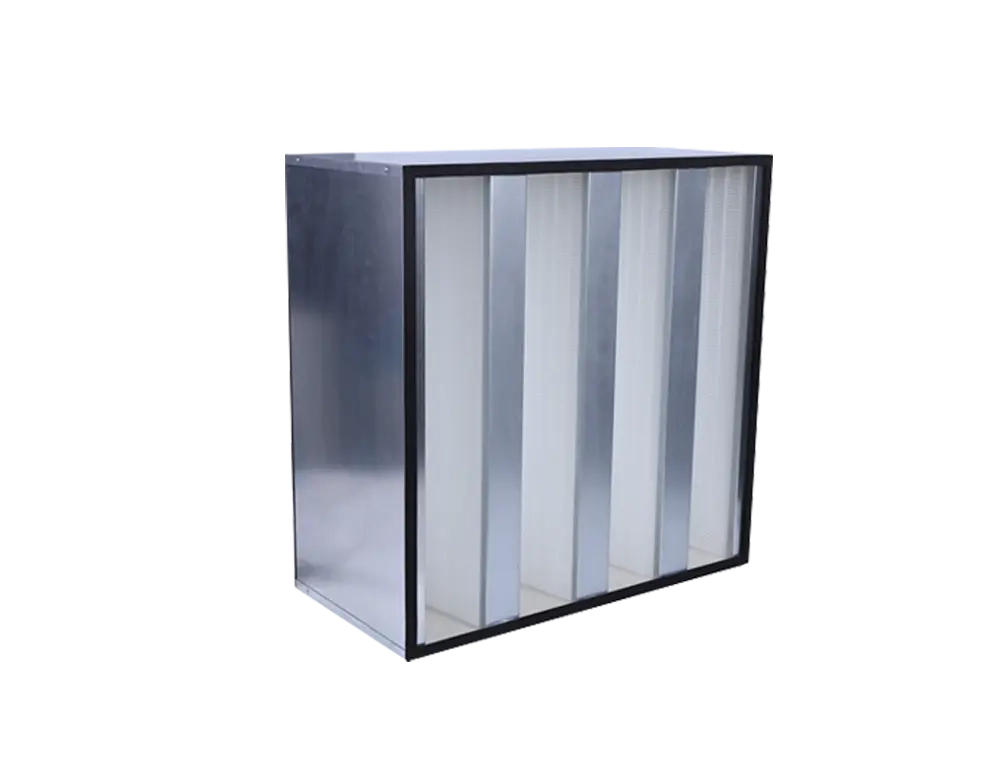
V-Bank Designs for High-Airflow AHUs
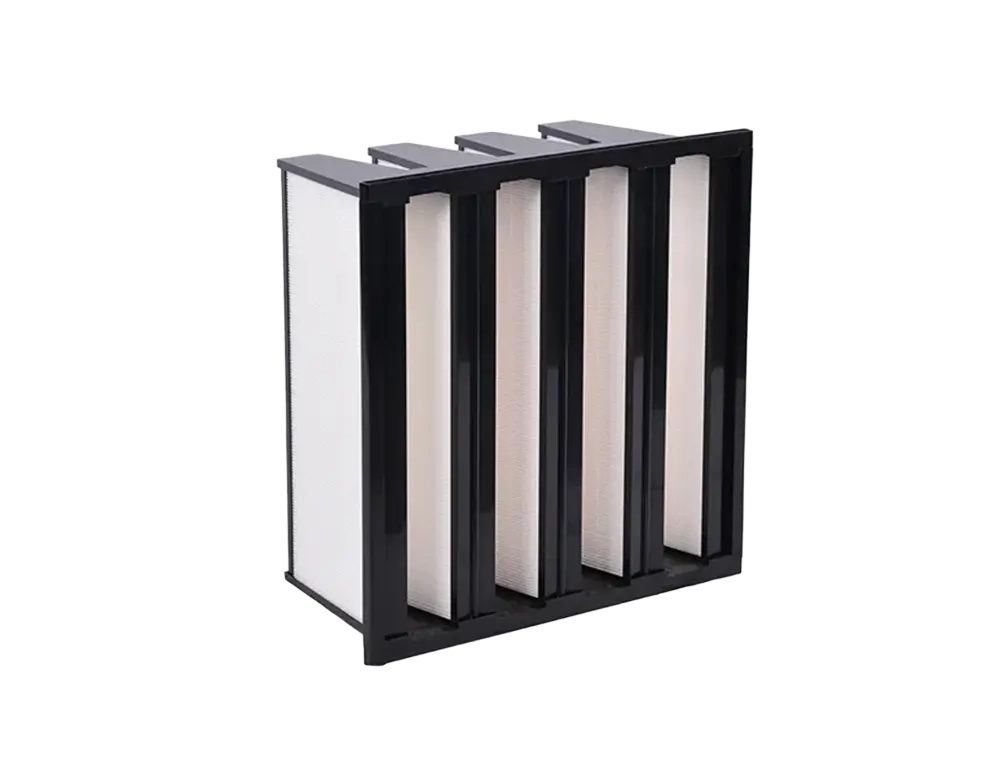
When a single AHU exceeds 30,000 m³/h, one mini-pleat box may not provide enough media area. V-bank (W-type) HEPA assemblies expand effective filtration area 2–3× within the same footprint, keeping face velocity in the 0.45–0.65 m/s range.
Differential Pressure Monitoring and Smart O&M
Correct filter selection only holds if operations keep pace. We recommend a data-driven maintenance model built around four steps.
- 1 Install differential pressure sensors upstream and downstream of each filter stage. Feed data into BMS/DCIM. Set final-resistance alarms at 2–2.5× initial resistance.
- 2 Deploy particle counters at cold aisles or rack inlets. Trigger leak inspections when PM2.5/PM0.3 levels stay elevated — not only when pressure alarms fire.
- 3 Define tiered replacement SOPs: inspect pre-filters every 3–6 months, assess medium-efficiency stages every 6–12 months, test HEPA every 12–18 months. Avoid fixed calendar replacement that wastes media or runs filters too long.
- 4 Track lifecycle cost: include purchase price, labor, replacement frequency, incremental fan energy, and disposal in LCC models to support the next procurement cycle.
⚠️ Operations Note
Setting final resistance too low (e.g., replacing HEPA at 200 Pa) wastes filter life. Setting it too high (above 450 Pa) spikes fan energy and can disrupt airflow balance, triggering GPU thermal throttling. Optimize replacement points in the 250–350 Pa range based on fan curves.
Frequently Asked Questions
Q: Do AI data centers require HEPA filters?
A: For facilities above 15 kW per rack, H13 HEPA at the AHU terminal is the current best practice. General cloud environments may use MERV 13–15, but GPU-dense racks need HEPA-grade protection due to tighter heatsink geometry.
Q: Mini-pleat vs. deep-pleat HEPA — which should I choose?
A: Prioritize mini-pleat HEPA for data centers. Resistance is 40%–50% lower than deep-pleat equivalents at the same efficiency class. Deep-pleat designs remain useful in cleanroom lines requiring higher structural strength.
Q: How much does filtration affect PUE?
A: Added filter resistance directly raises fan power. A mini-pleat H13 upgrade can cut overall PUE by 0.02–0.05 — meaningful savings at scale.
Q: Do liquid-cooled facilities still need HEPA?
A: Yes, for ambient air protection of non-liquid-cooled equipment. Requirements are often reduced to G4 plus F7 rather than terminal HEPA everywhere.
Key Takeaways
HEPA filter selection for AI data centers is a balance between cleanliness and energy. Use G4 + F7/F9 + H13 mini-pleat at the terminal, keep initial resistance at 90–130 Pa, and pair it with differential pressure monitoring and LCC analysis. Do not overspecify efficiency class, do not skip return-air filtration, and do not set final resistance thresholds too low — get these three right and both PUE and IT reliability improve.
Need a Custom Air Filtration Solution?
Contact the Whalesens engineering team for AI data center HEPA filter consultation and OEM/ODM support.
Get Free Consultation →
Related Products
Mini-Pleated HEPA Filter Low-resistance H13/H14 design for AI data center AHU terminals and precision cooling supply paths View Product → V-Bank HEPA Filter High-airflow V-bank assembly for large AHUs in data center air handling systems View Product → F9 Medium Efficiency Bag Air Filter High dust-holding medium-efficiency stage to extend downstream HEPA service life View Product → F7 Medium Efficiency Bag Filter Return-air section standard for PM2.5 capture and HEPA protection View Product → Liquid Tank HEPA Filter Liquid-seal design for high-grade clean zones and semiconductor support areas View Product →
Need a custom air filtration solution?
Contact the Whalesens engineering team for product selection and OEM/ODM support.
Email whalesens@gmail.com