


EV Charging Stations
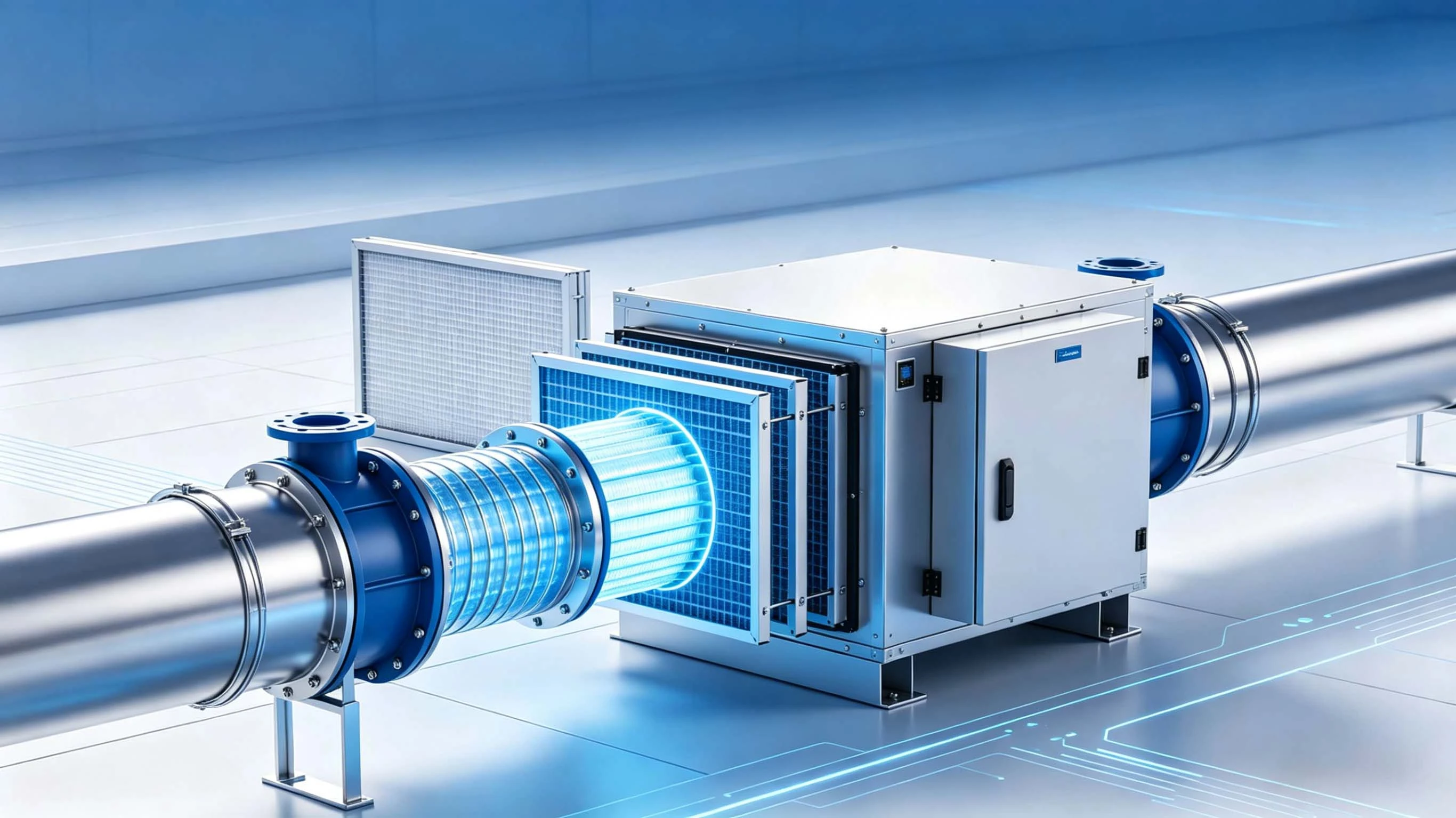
Filtration for Power Equipment
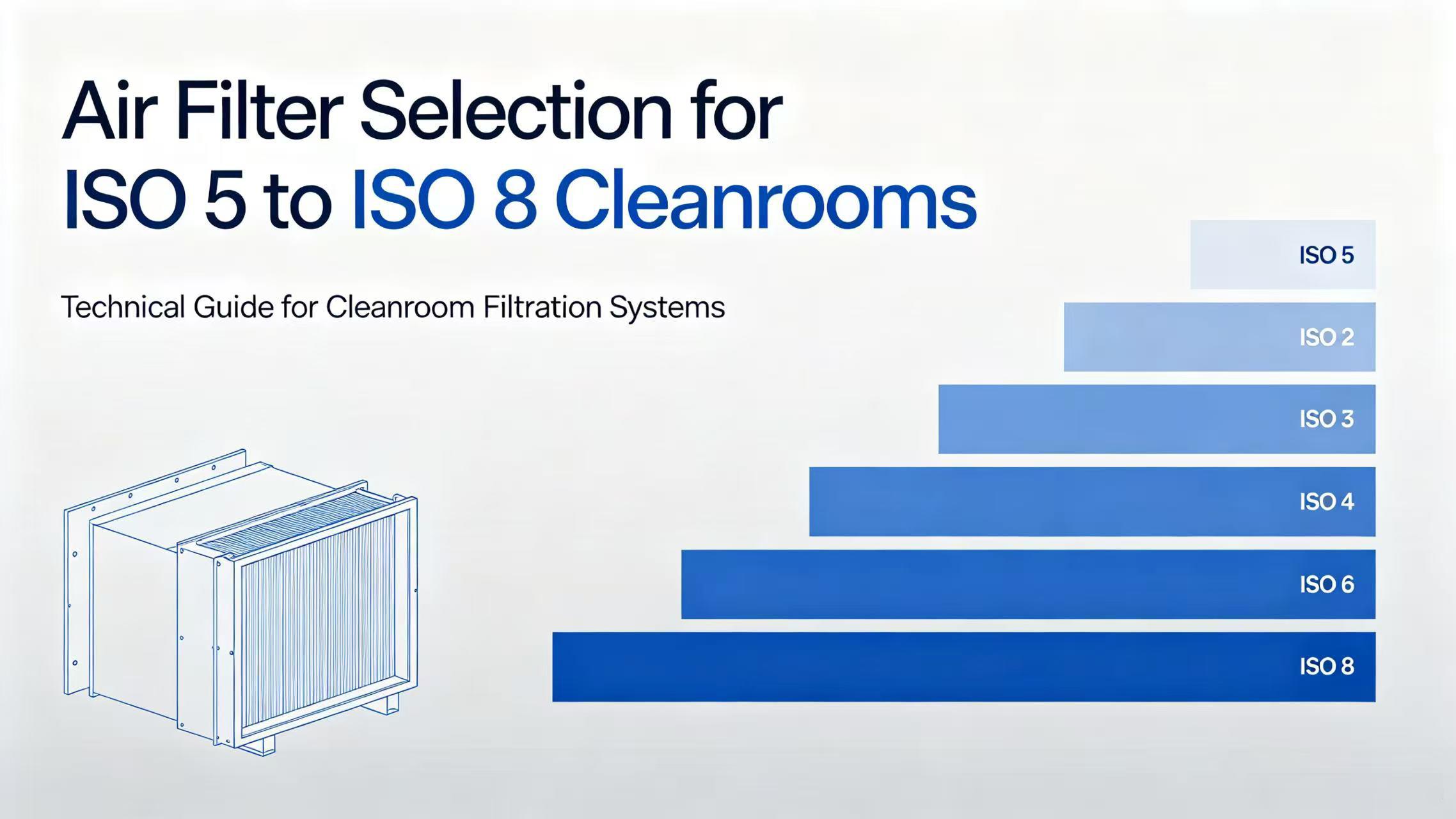
Cleanroom & Semiconductor
Ultra-High Cleanliness Filtration
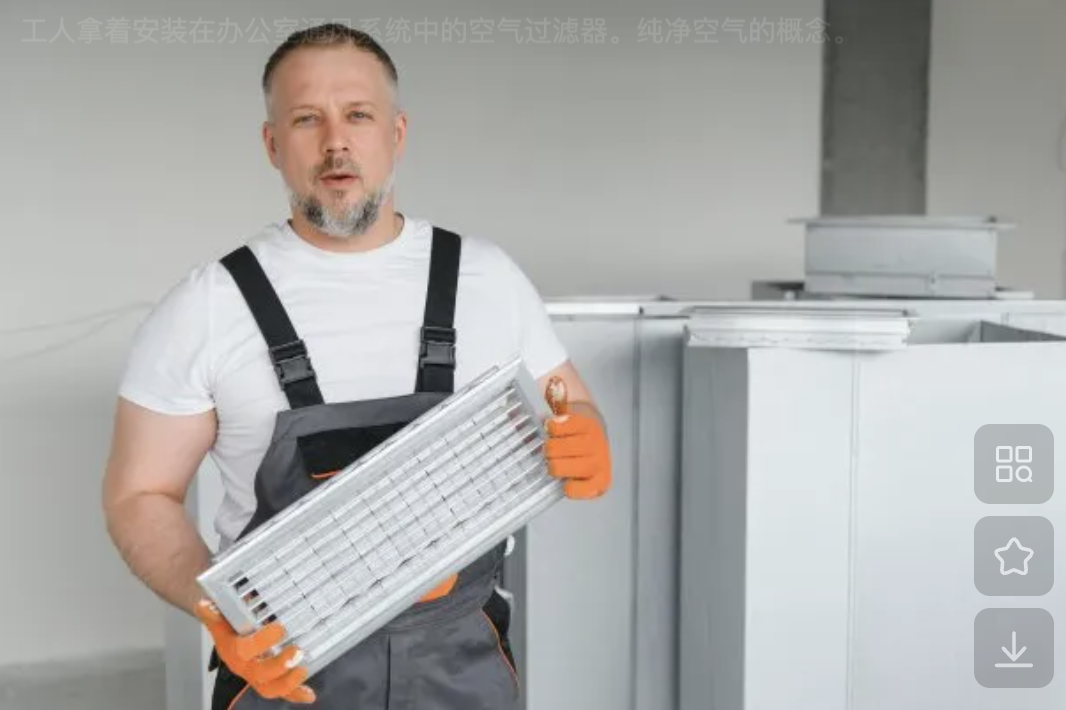
Commercial HVAC
Central Air System Filtration
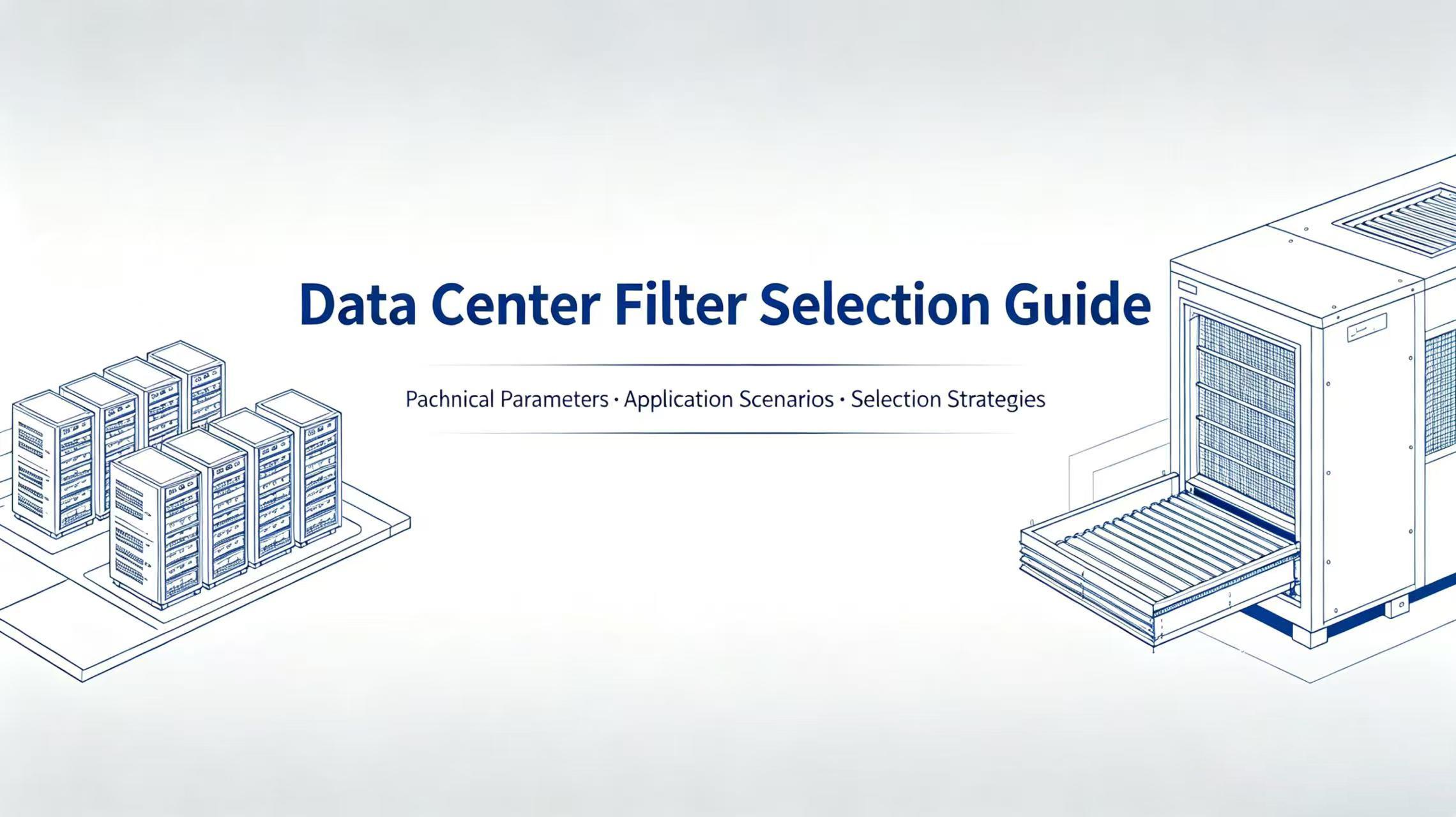
Data Centers
Precision Equipment Protection
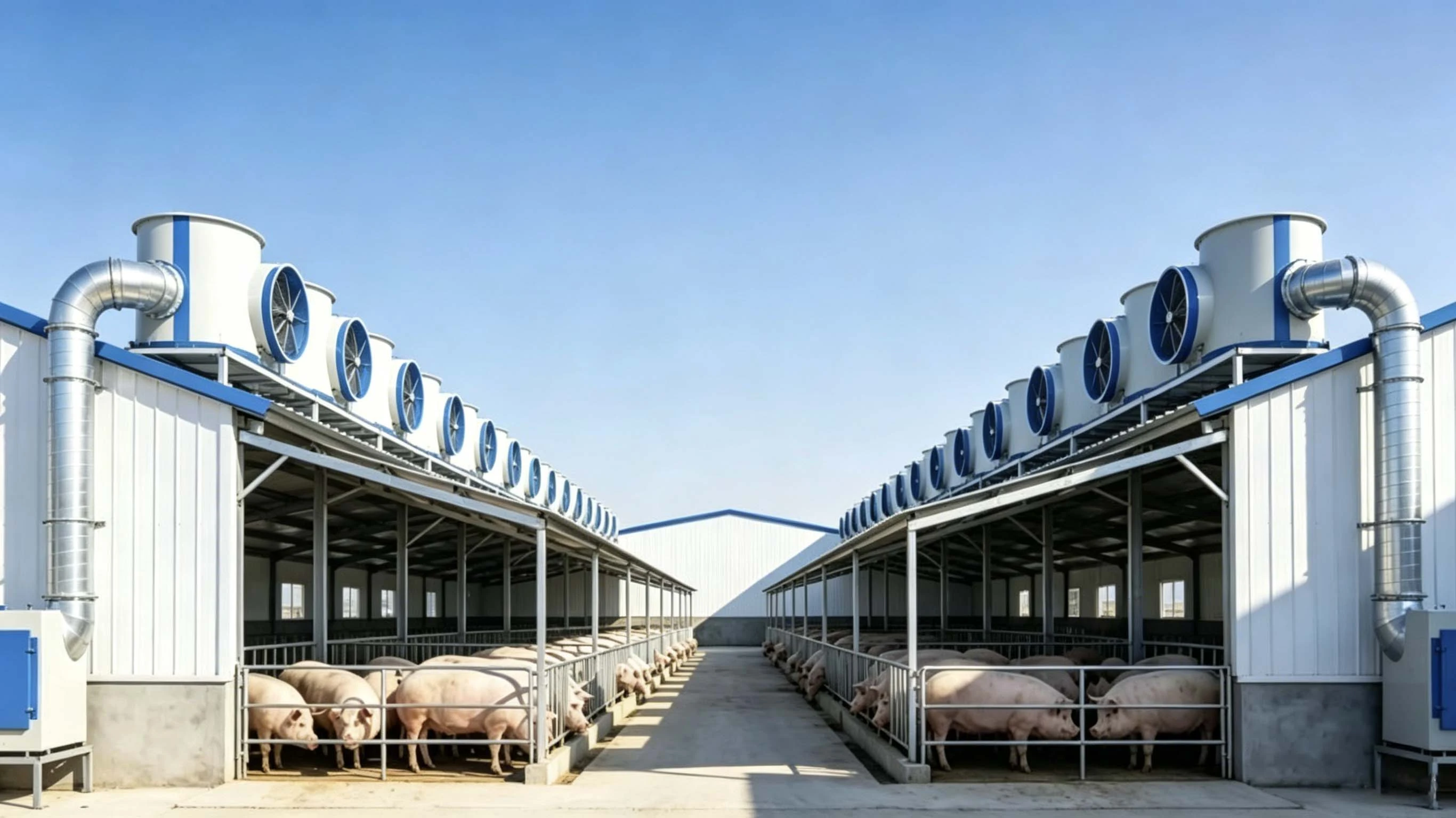
Livestock & Farming
Farming Environment Purification
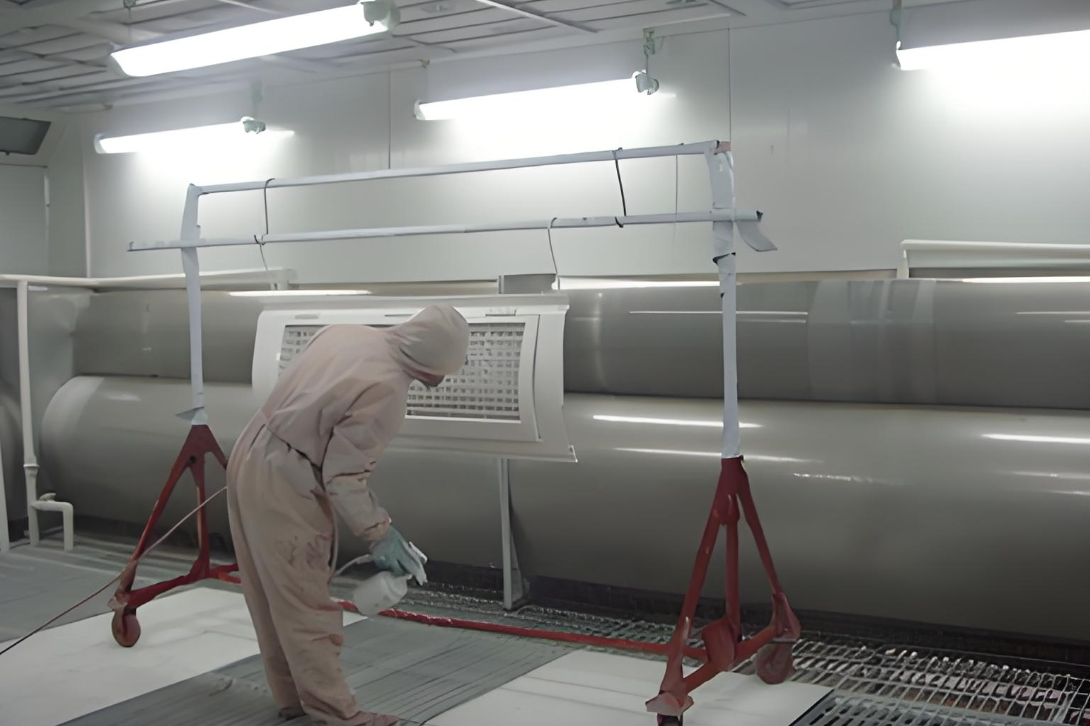
Spray Booths & Industrial Dust
Paint Mist & Dust Purification
Filtration for Power Equipment
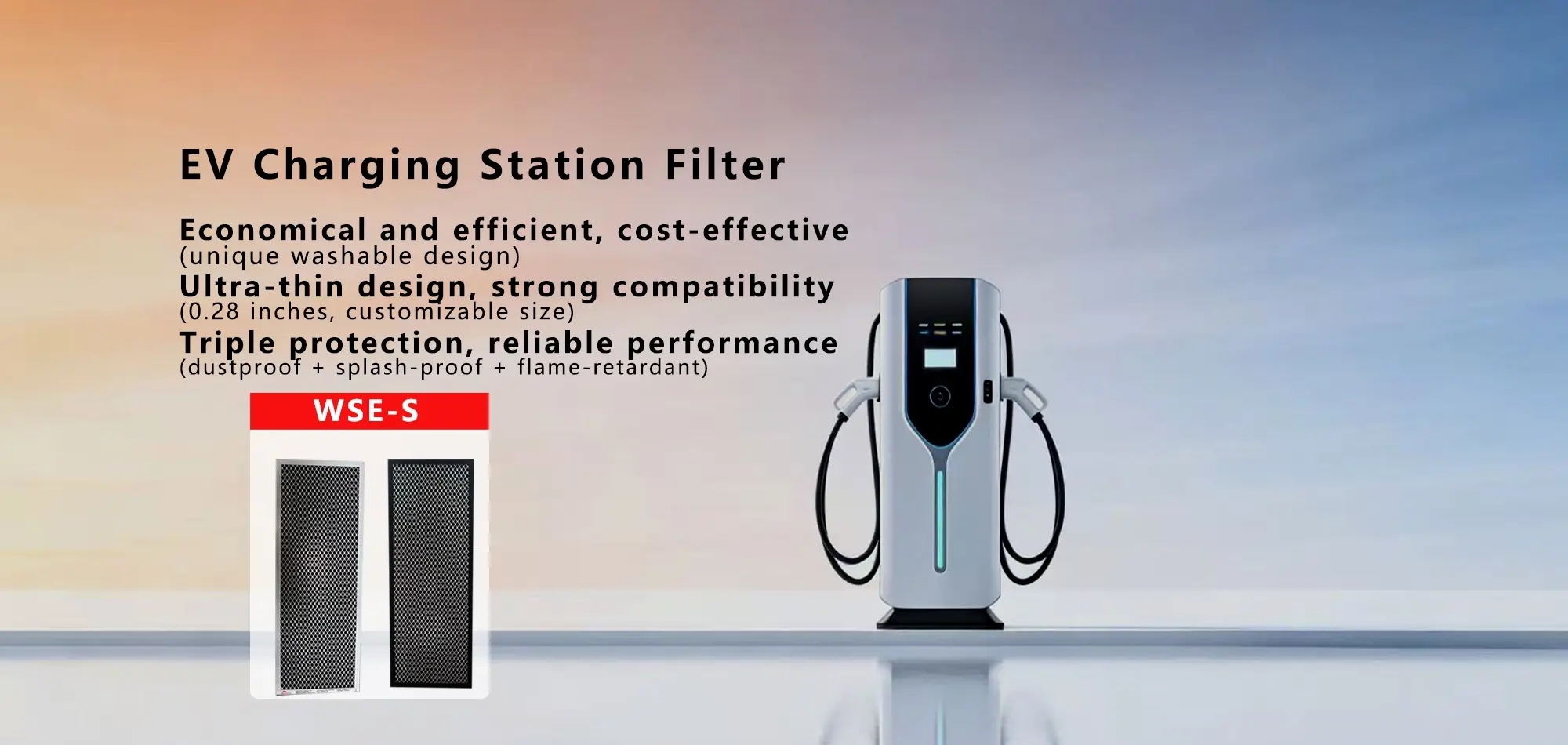
Professional air filtration for EV charging devices, protecting against dust and sand ingress to ensure stable, reliable operation of charging piles and station infrastructure.
View Related Products →Ultra-High Cleanliness Filtration
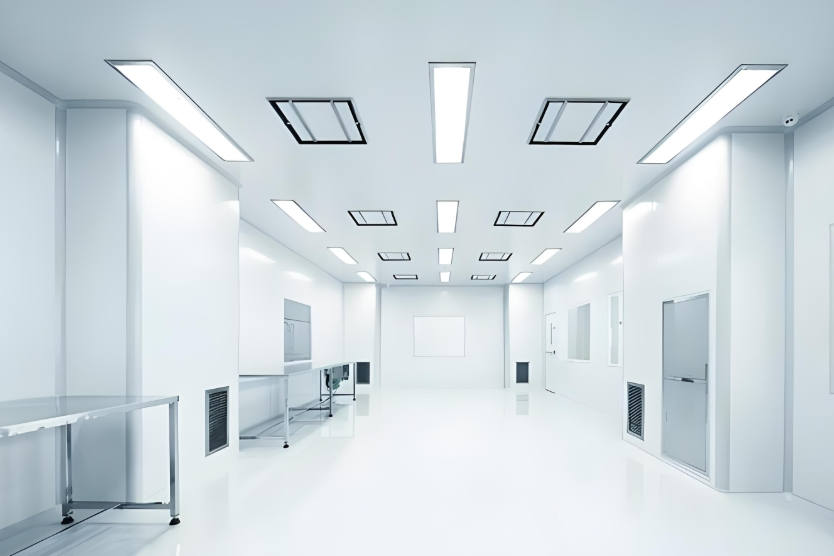
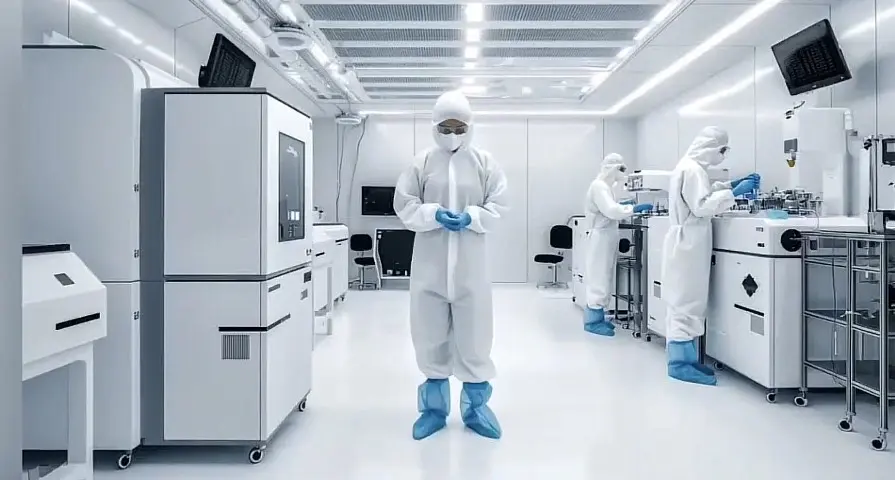
Ultra-high efficiency filtration for semiconductor wafer fabs and precision electronics cleanrooms, capturing nano-scale particles to meet ISO Class 1–3 standards and maximize product yield.
View Related Products →Central Air System Filtration
High-efficiency filtration for commercial building HVAC systems, improving indoor air quality, reducing energy consumption, and extending equipment service life.
View Related Products →Precision Equipment Protection
Precision air filtration for data centers, shielding servers and critical hardware from dust contamination to keep cooling systems running efficiently and reliably.
View Related Products →Farming Environment Purification
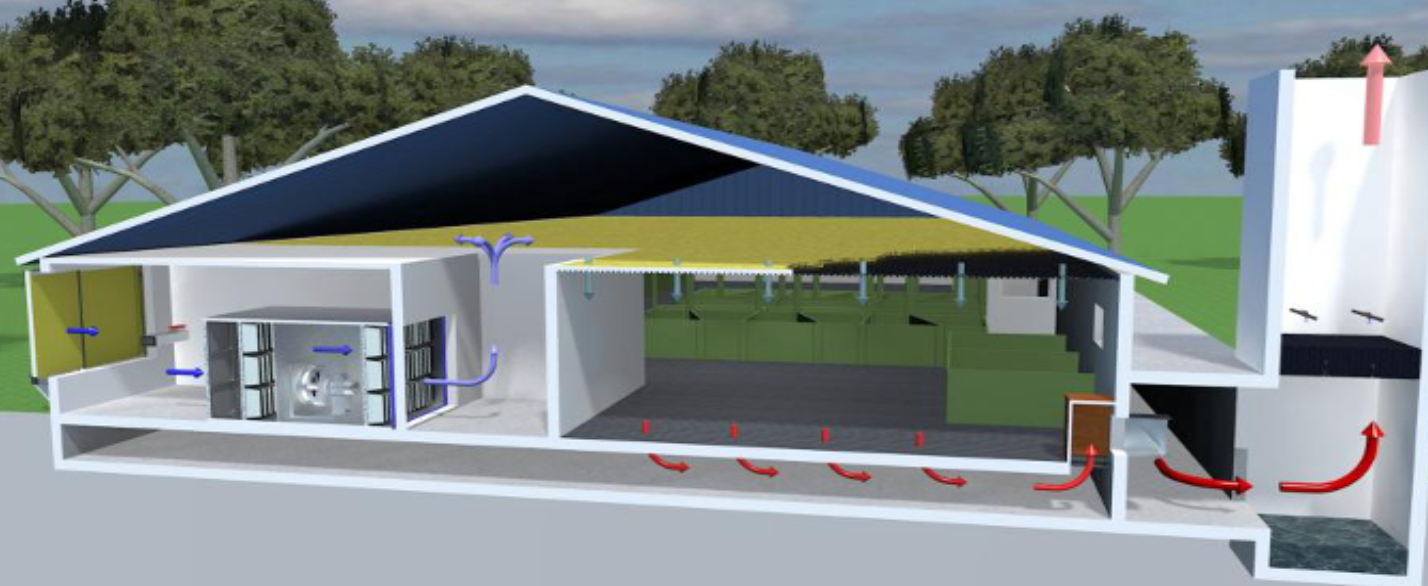
Dedicated filtration systems for farms and livestock facilities — capturing dust, adsorbing ammonia, and inhibiting pathogen spread to improve animal health and overall productivity.
View Related Products →Paint Mist & Dust Purification
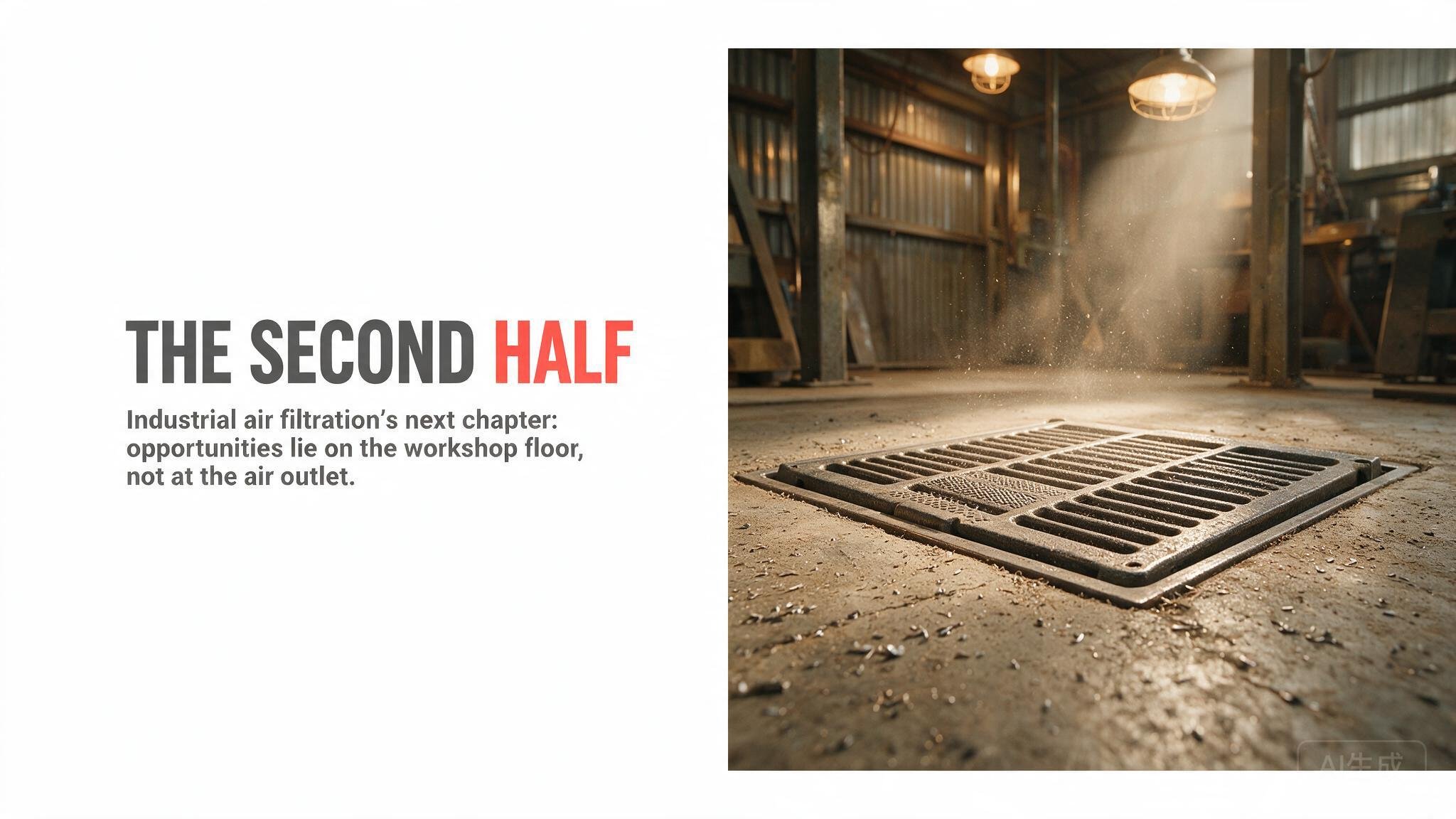
Designed for spray booths and grinding workshops, efficiently capturing paint mist, metal dust, and wood chips to meet emission standards while protecting finished surface quality.
View Related Products →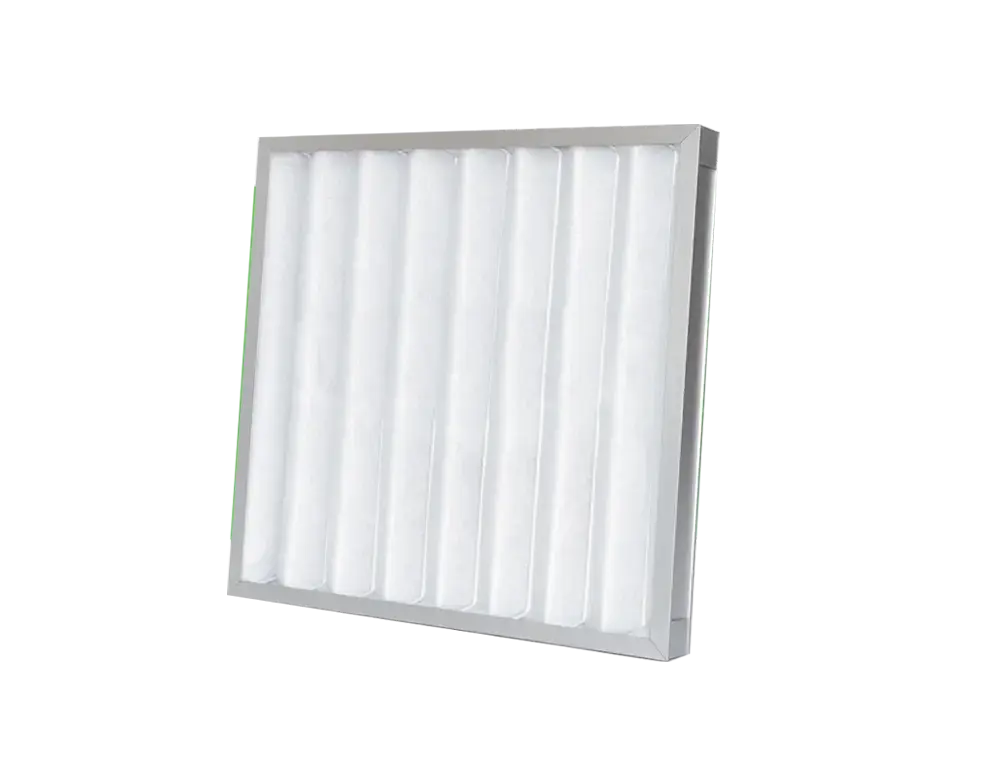
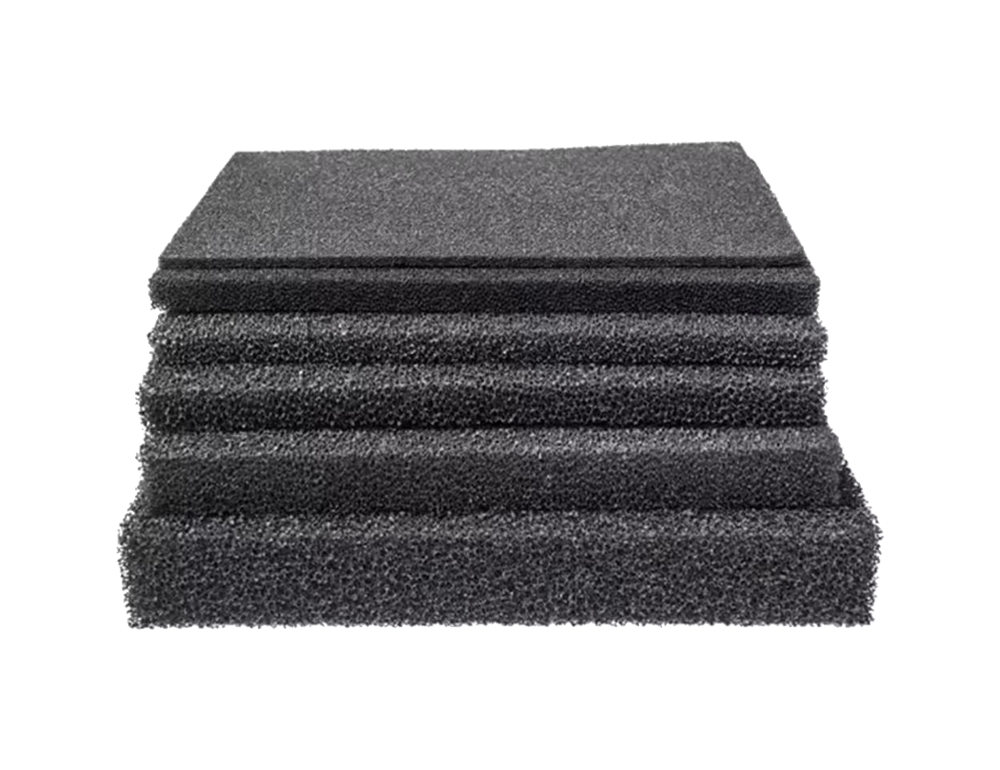
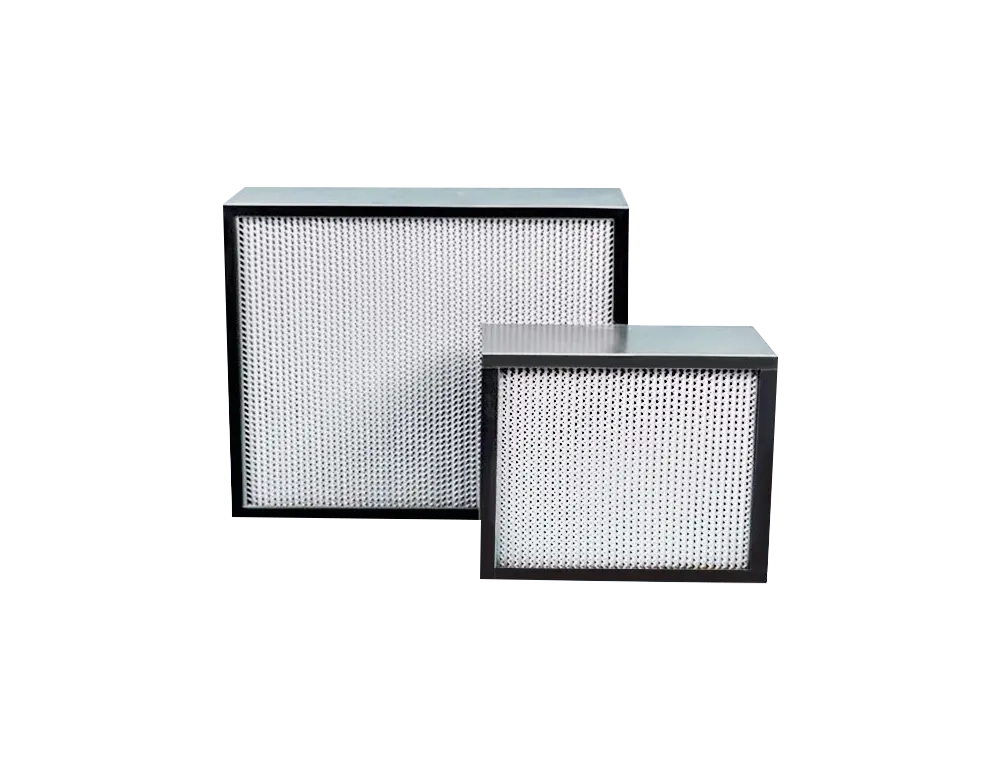
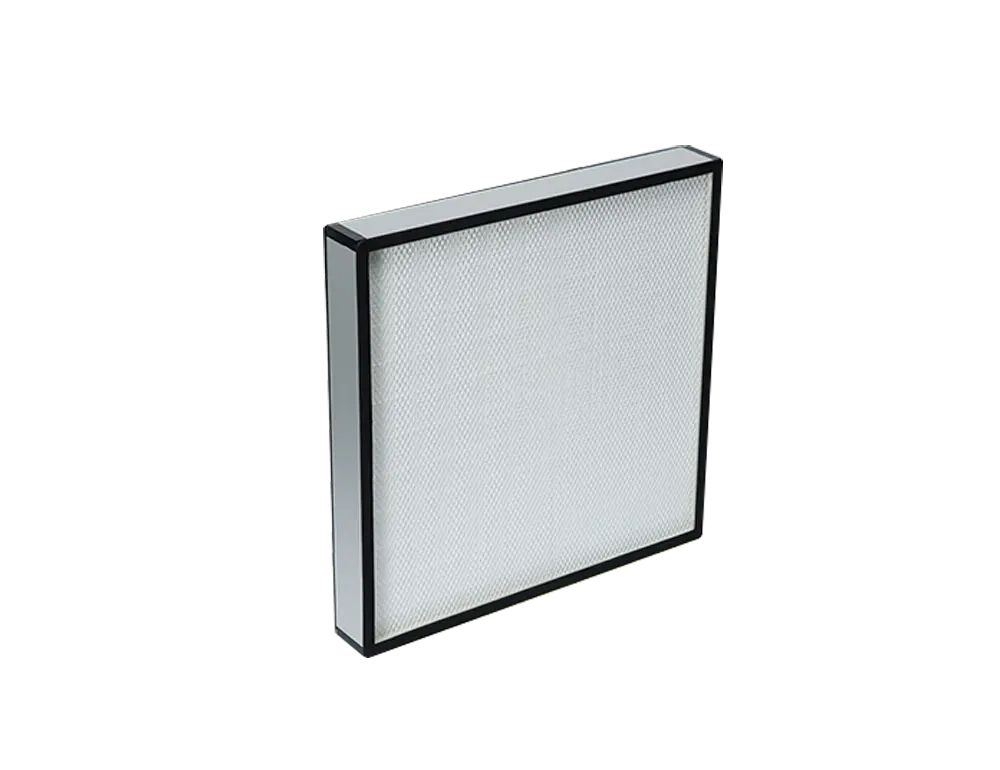
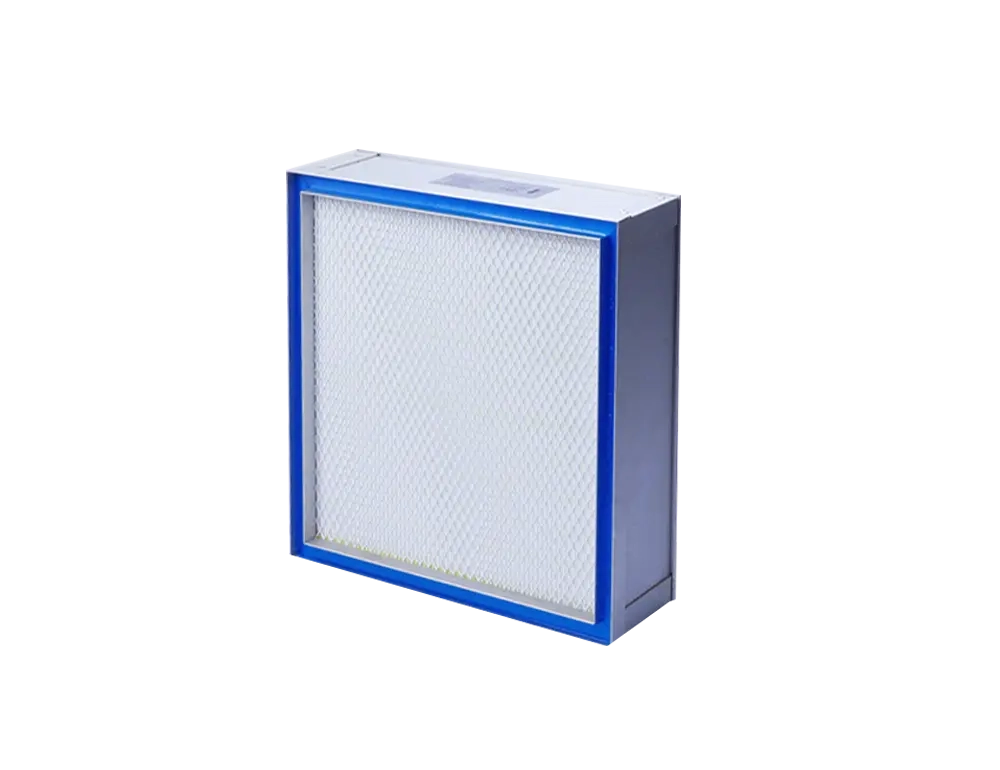
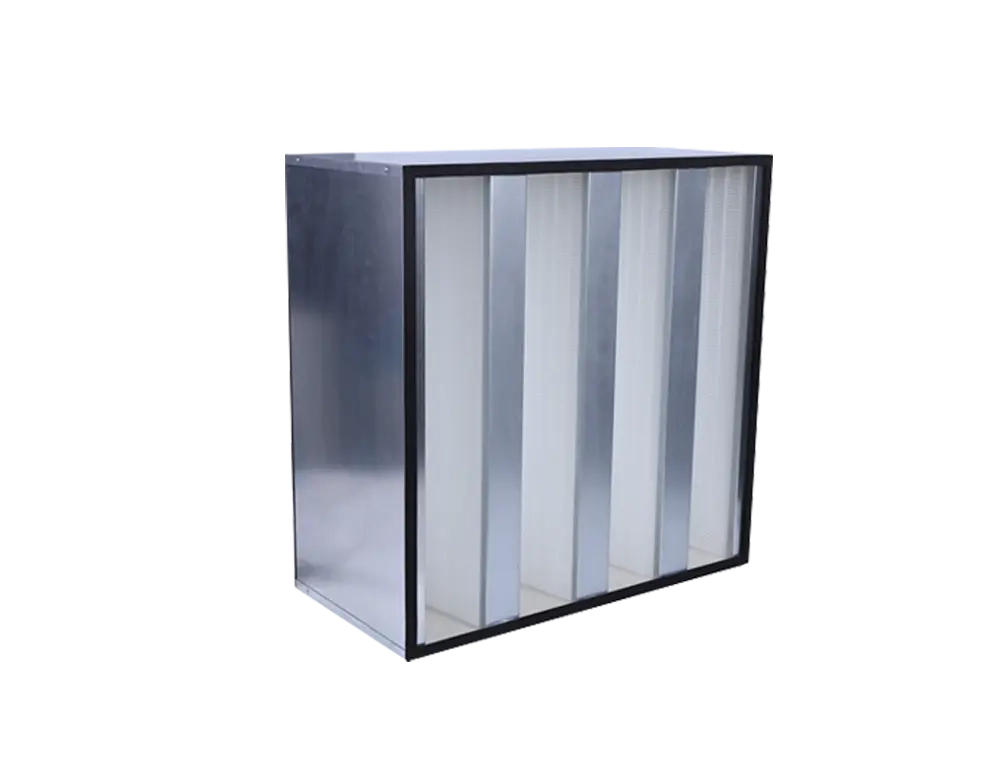
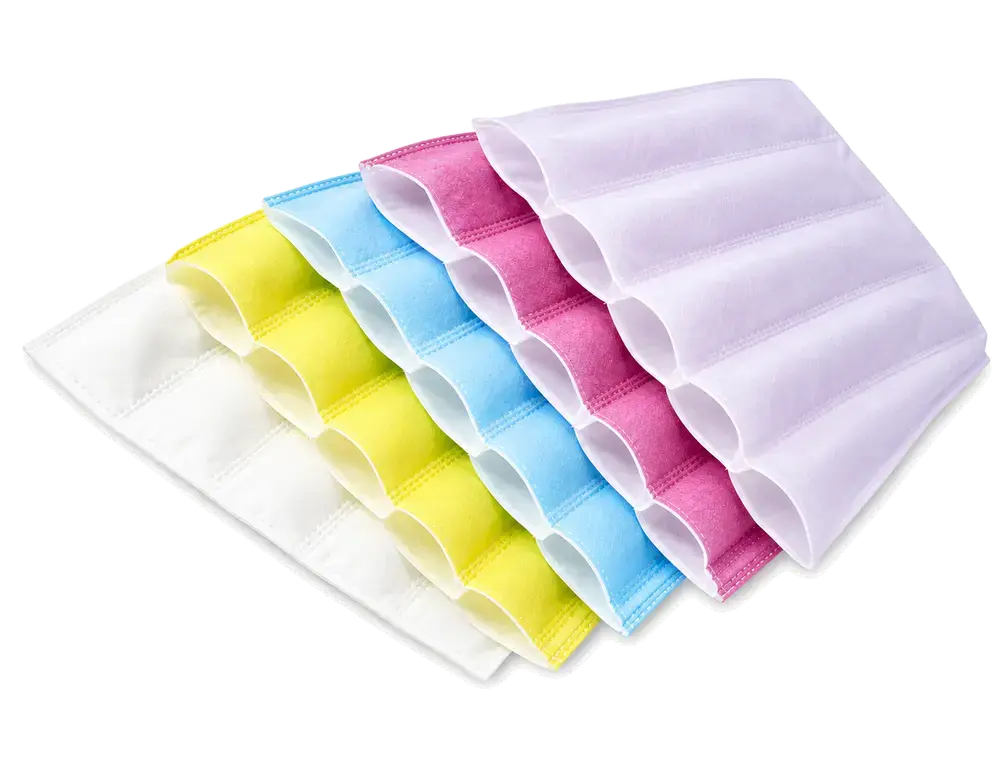
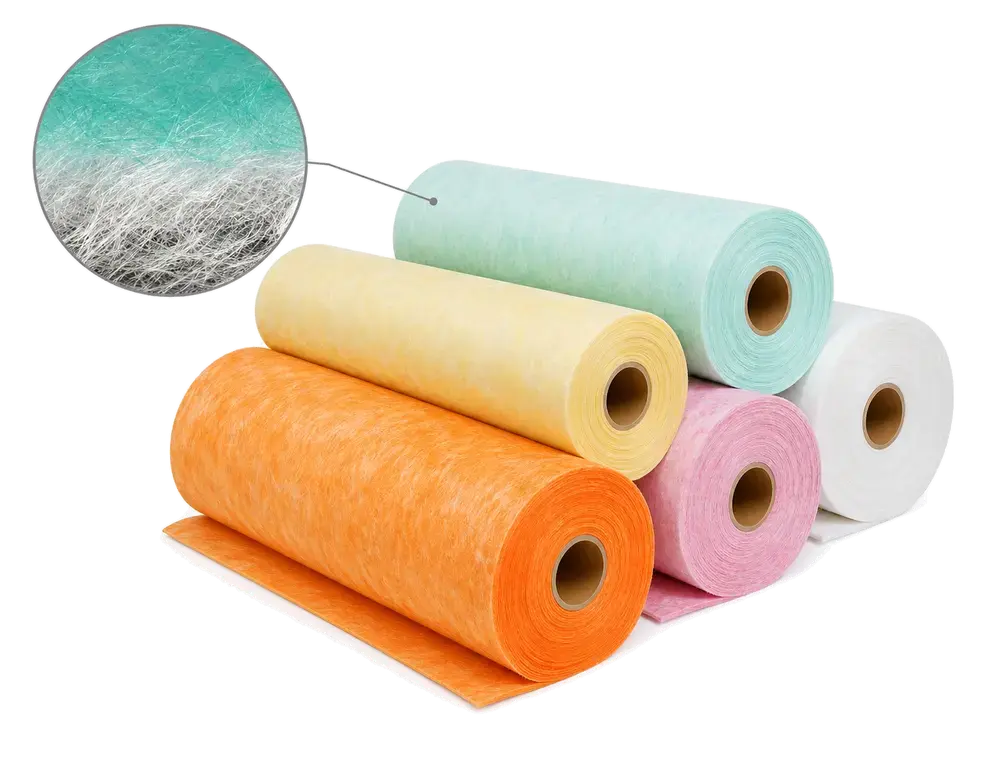
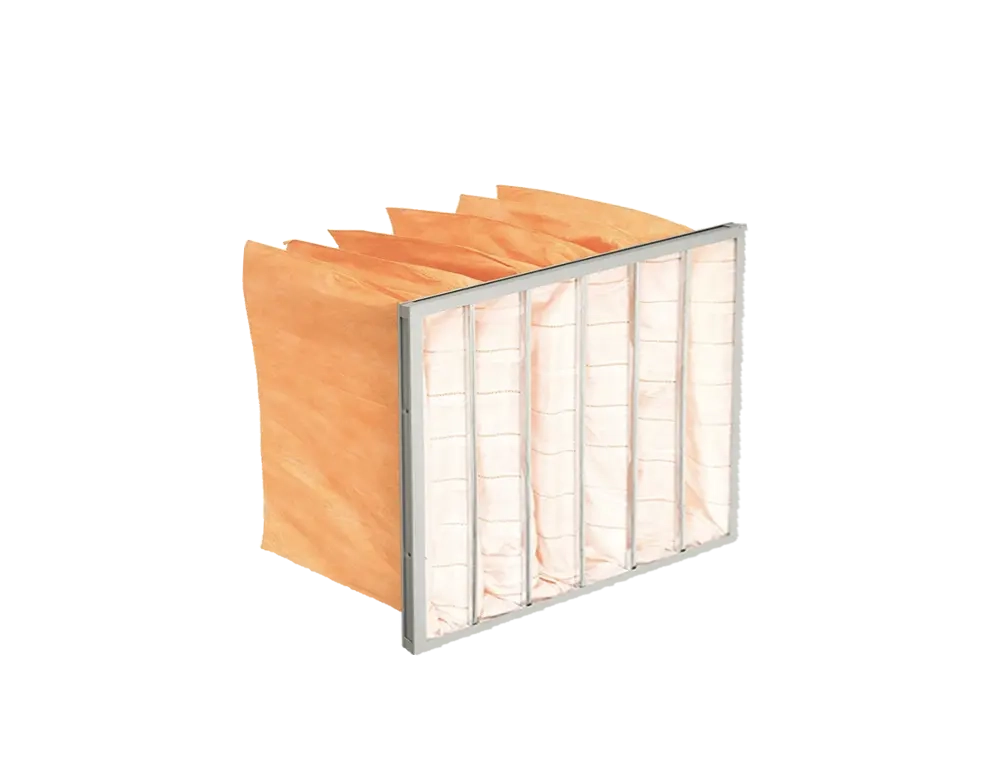
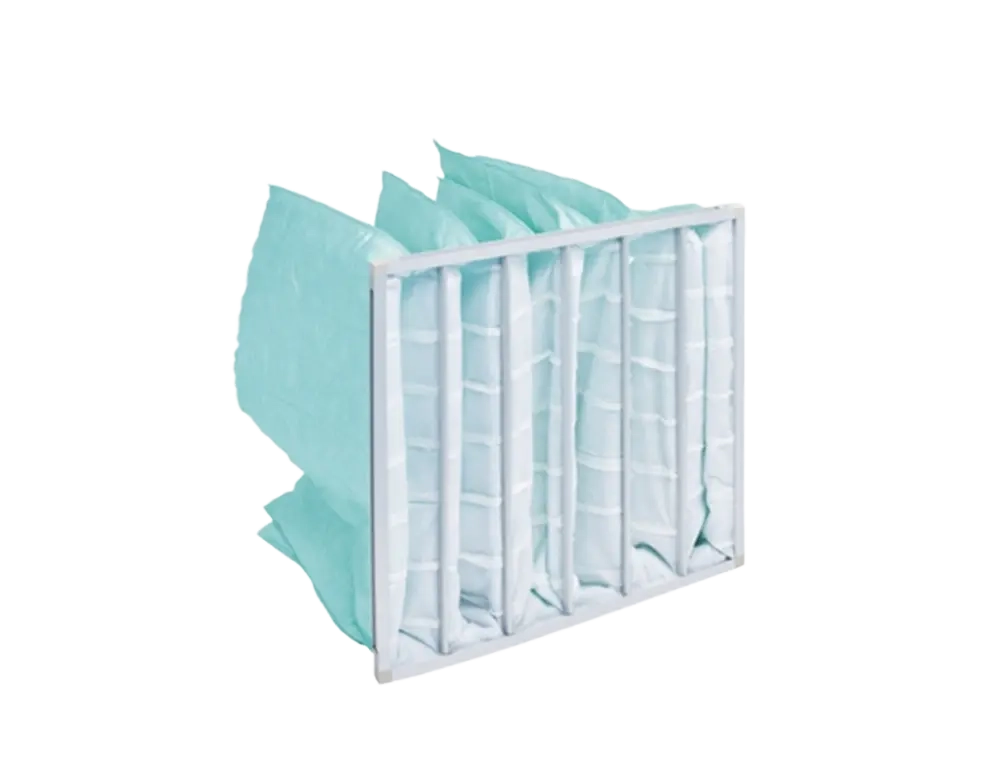
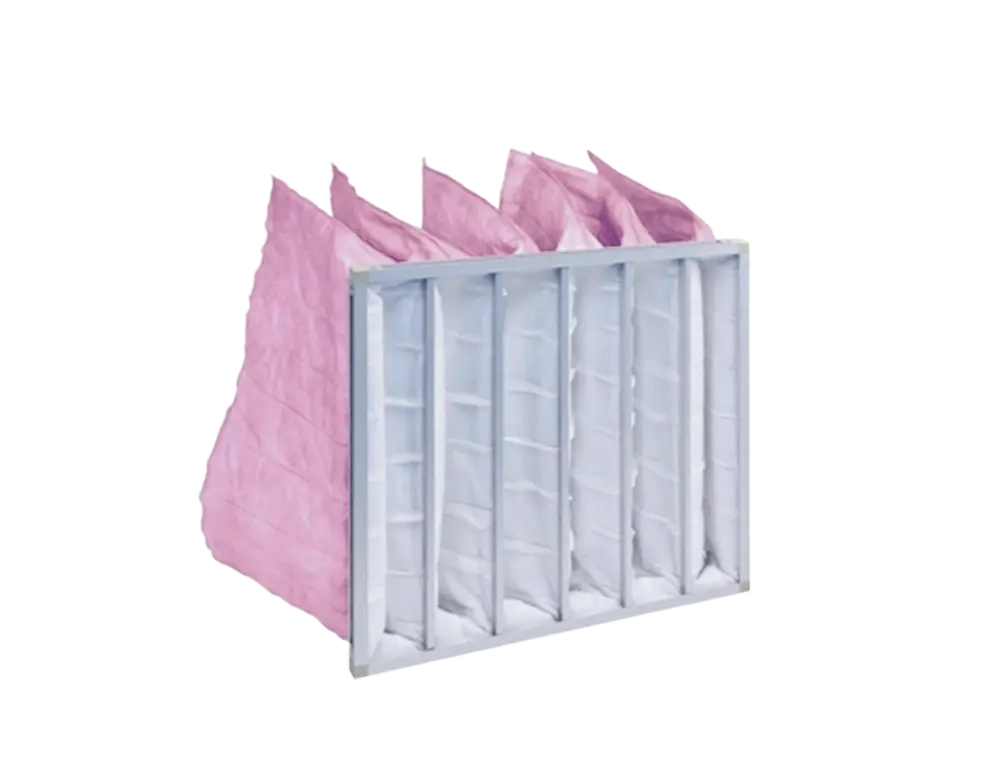
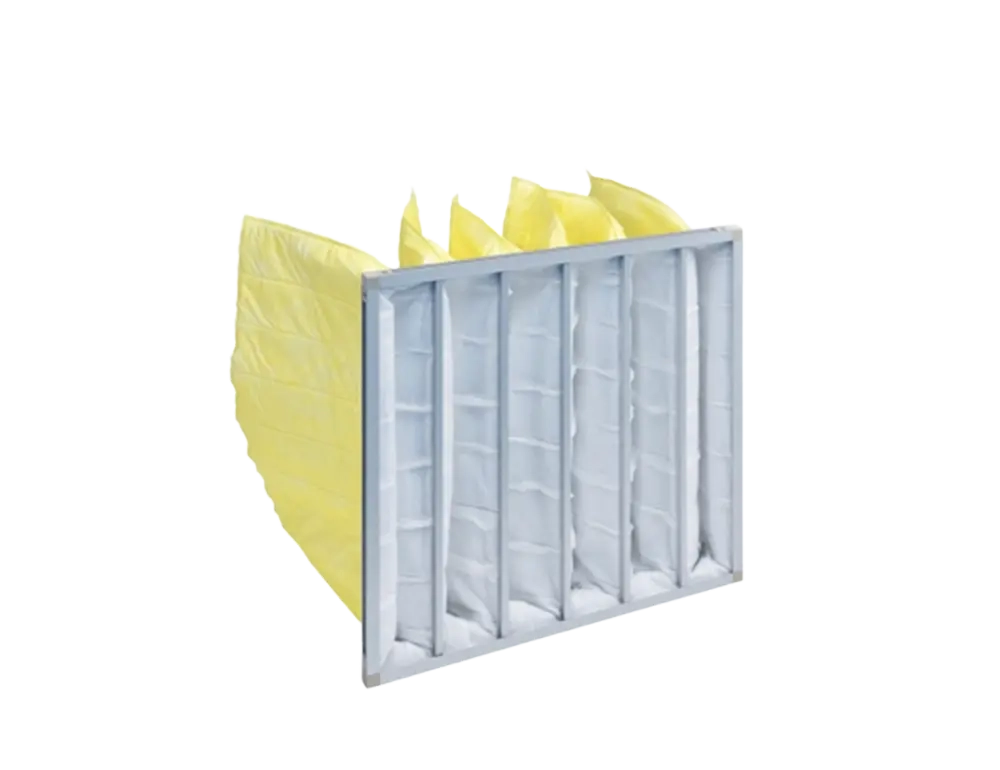
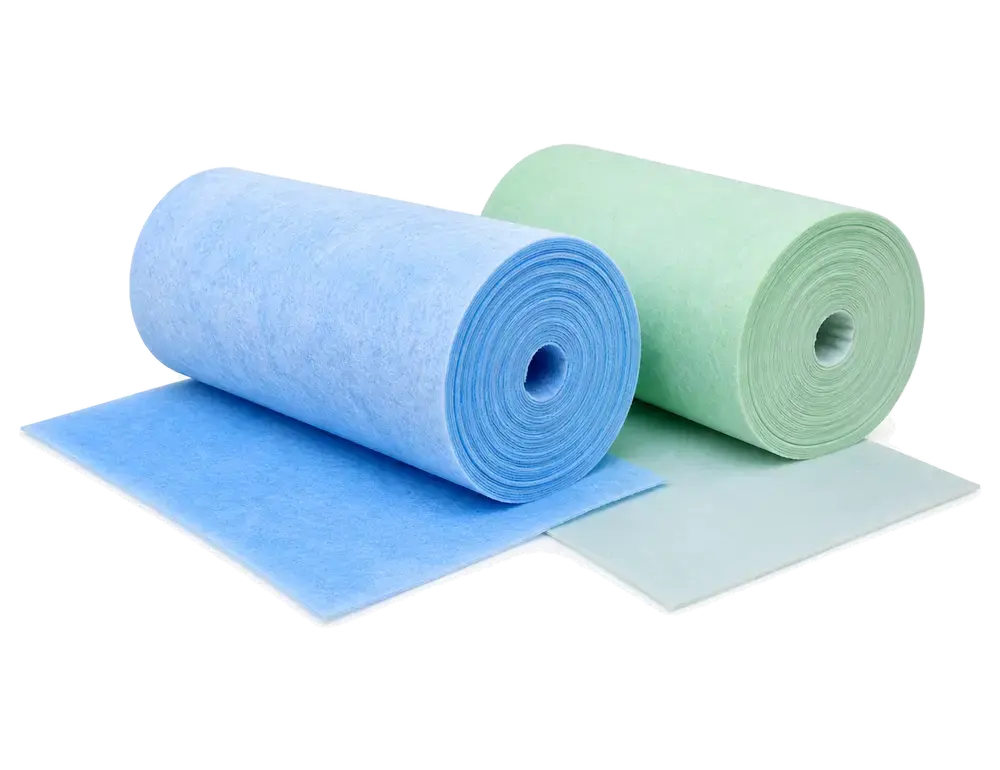
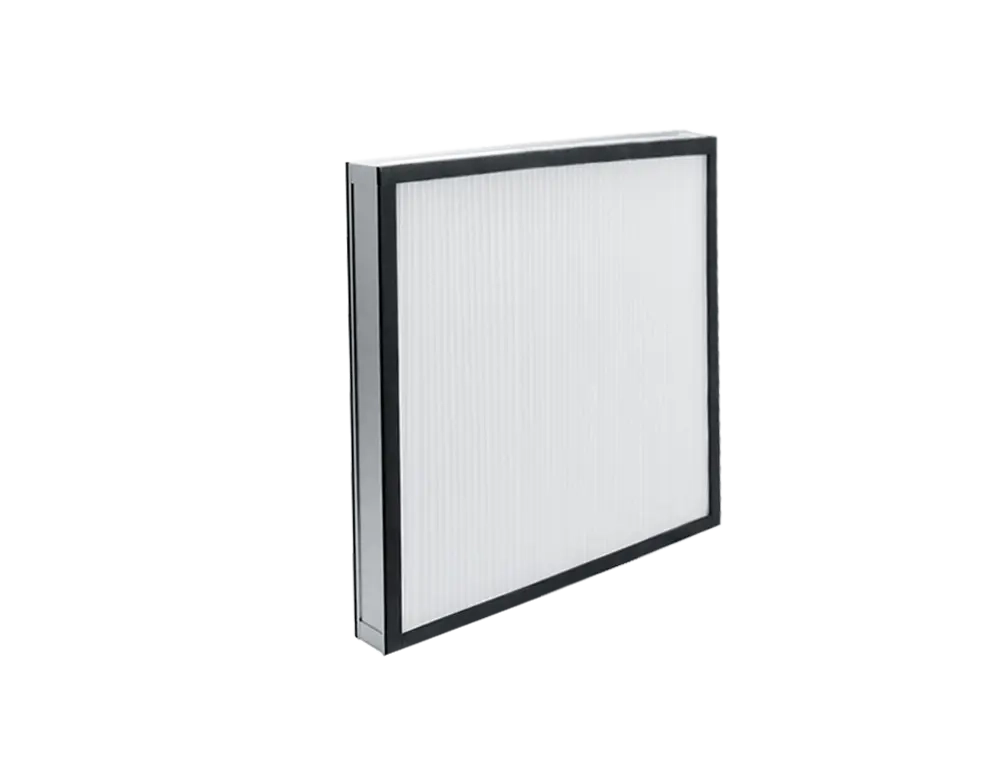
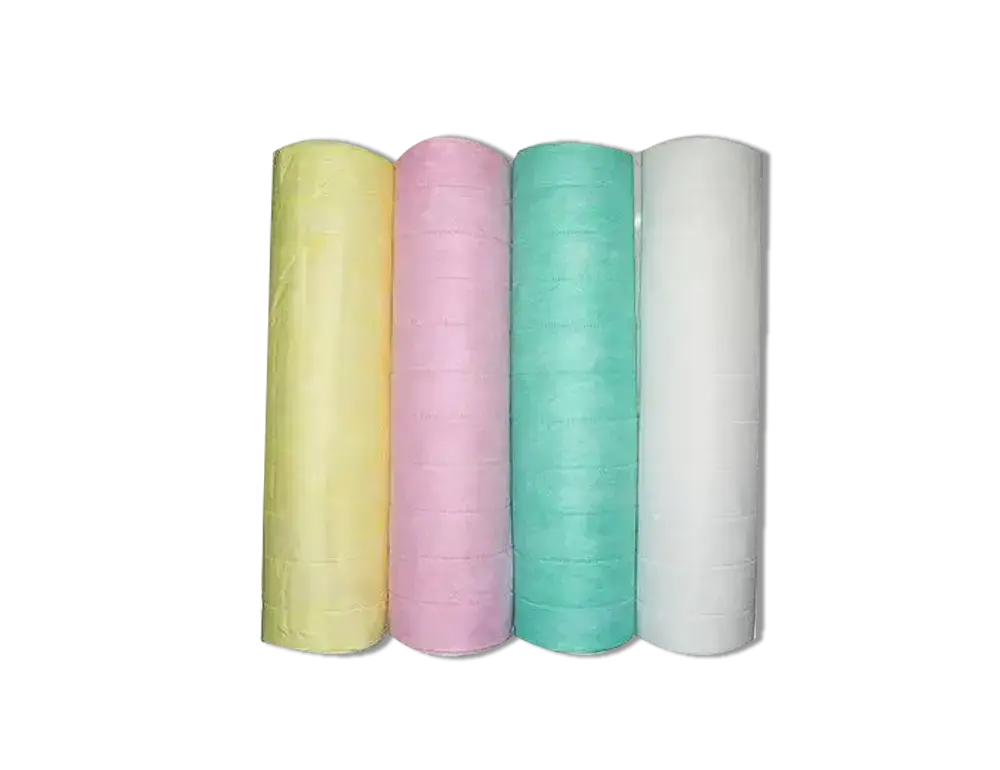
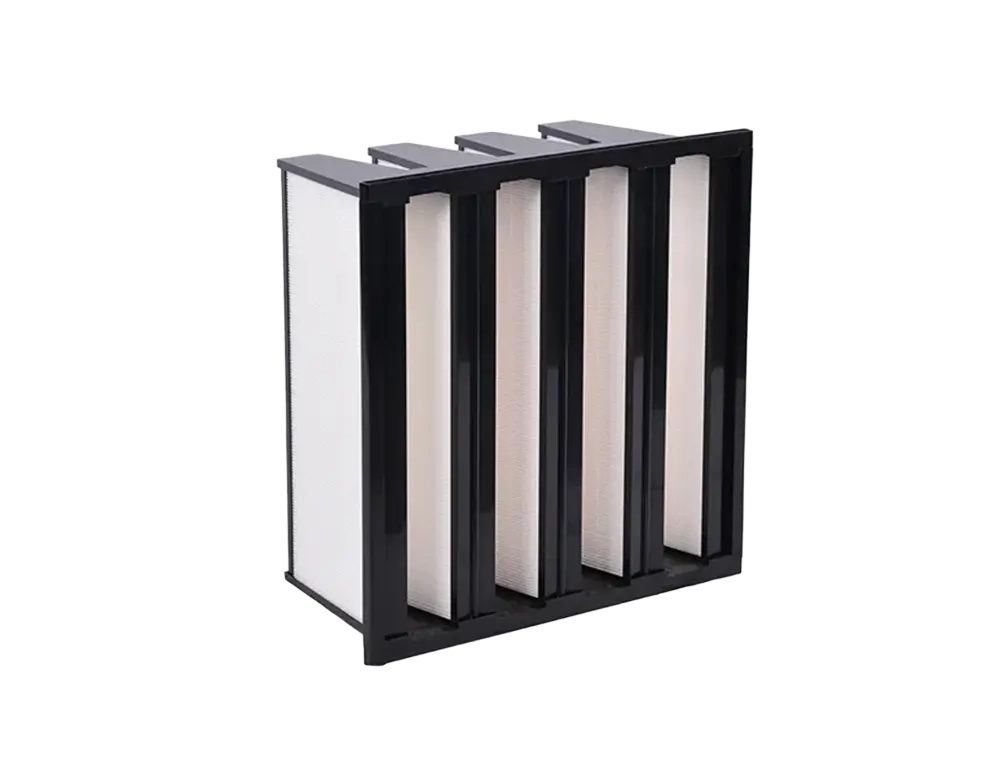
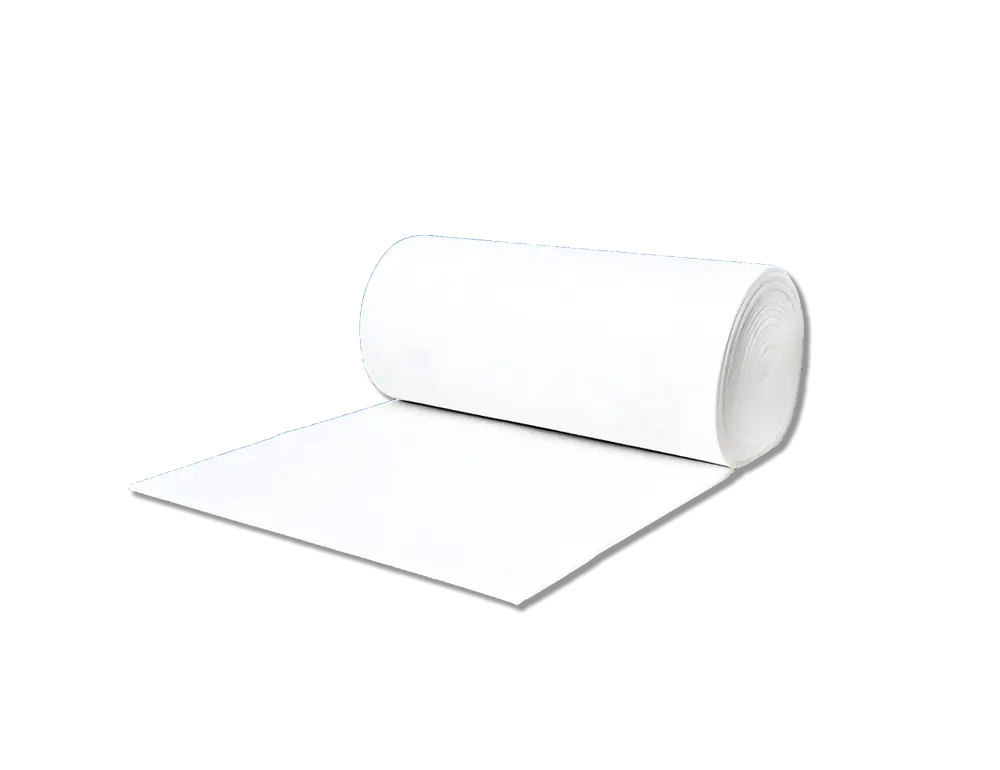
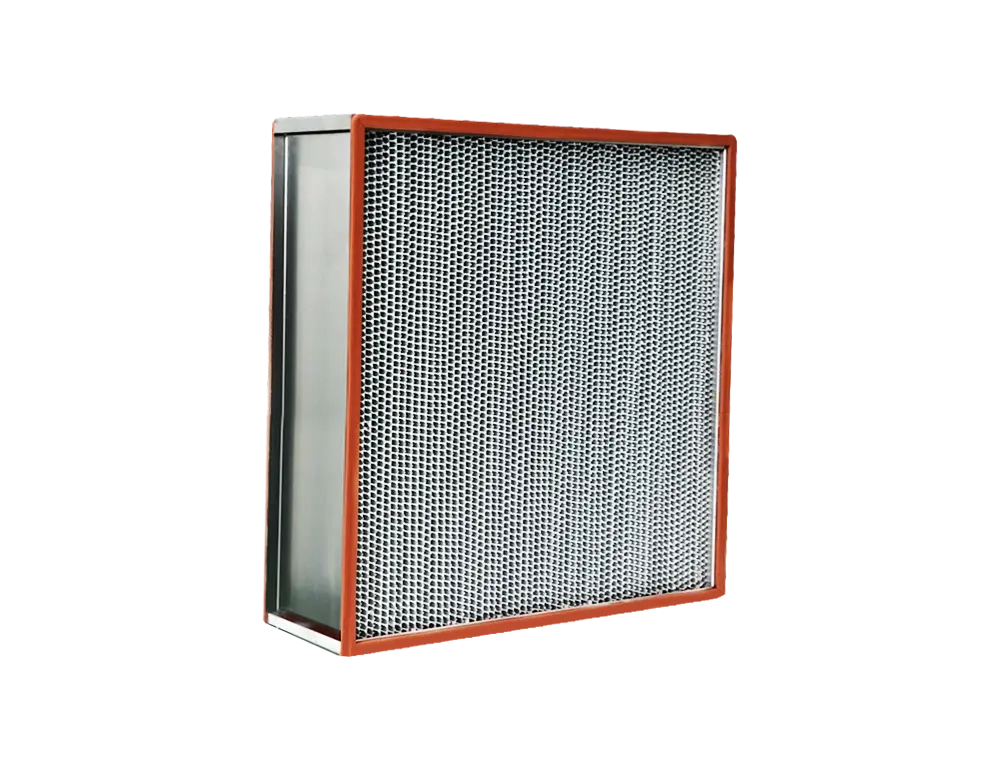
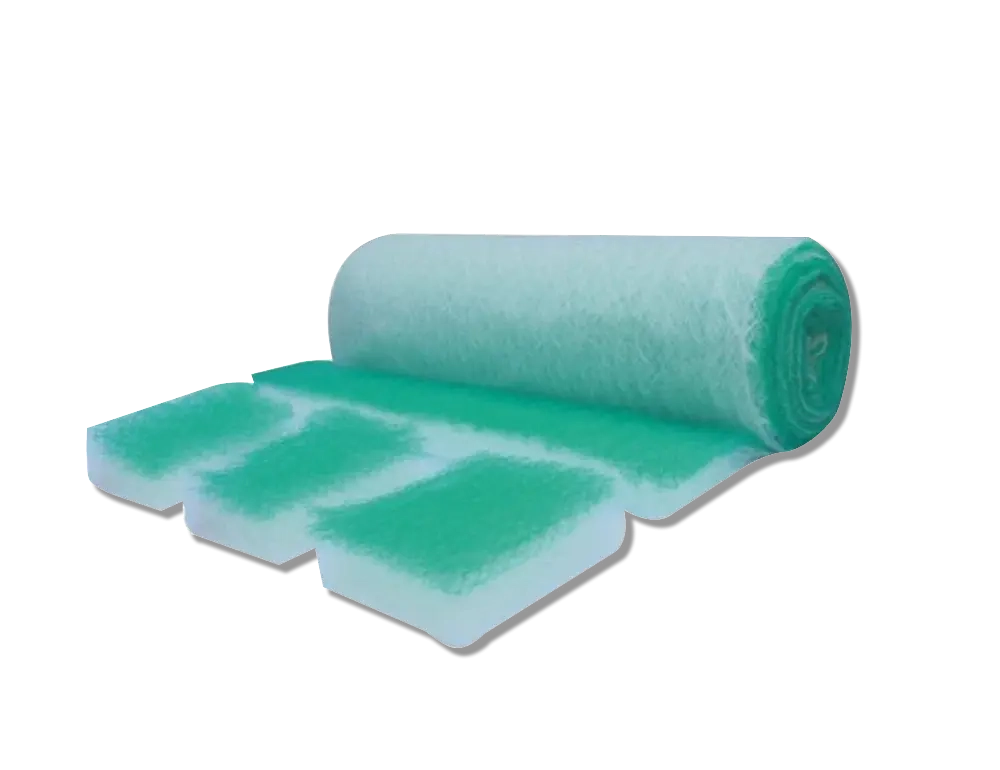
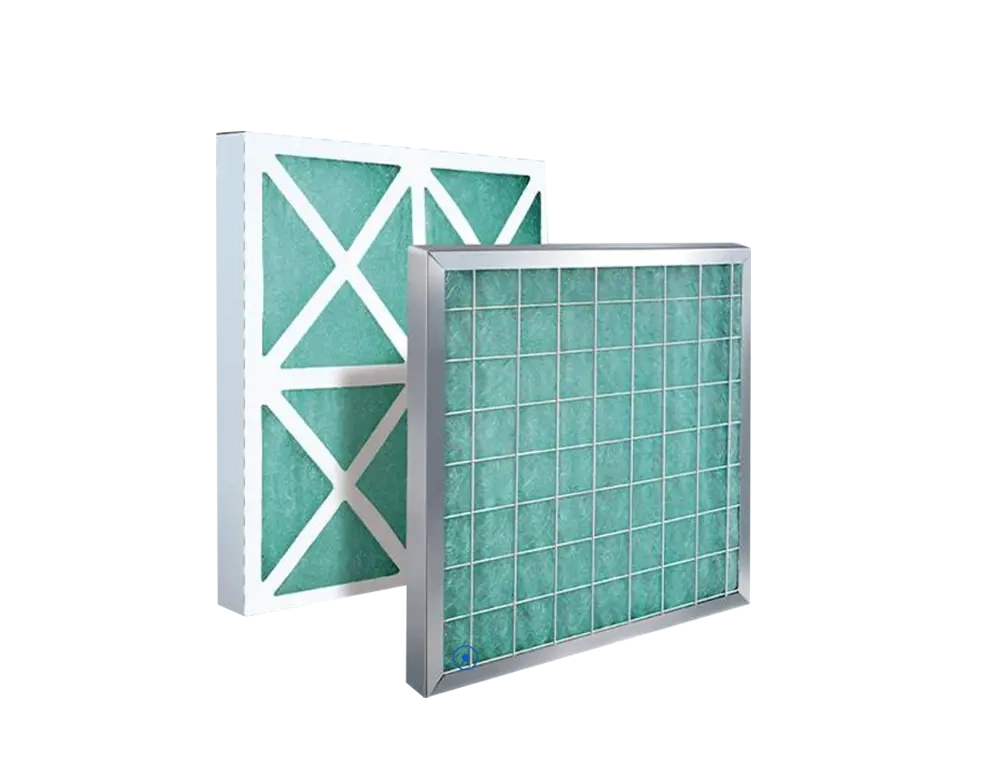
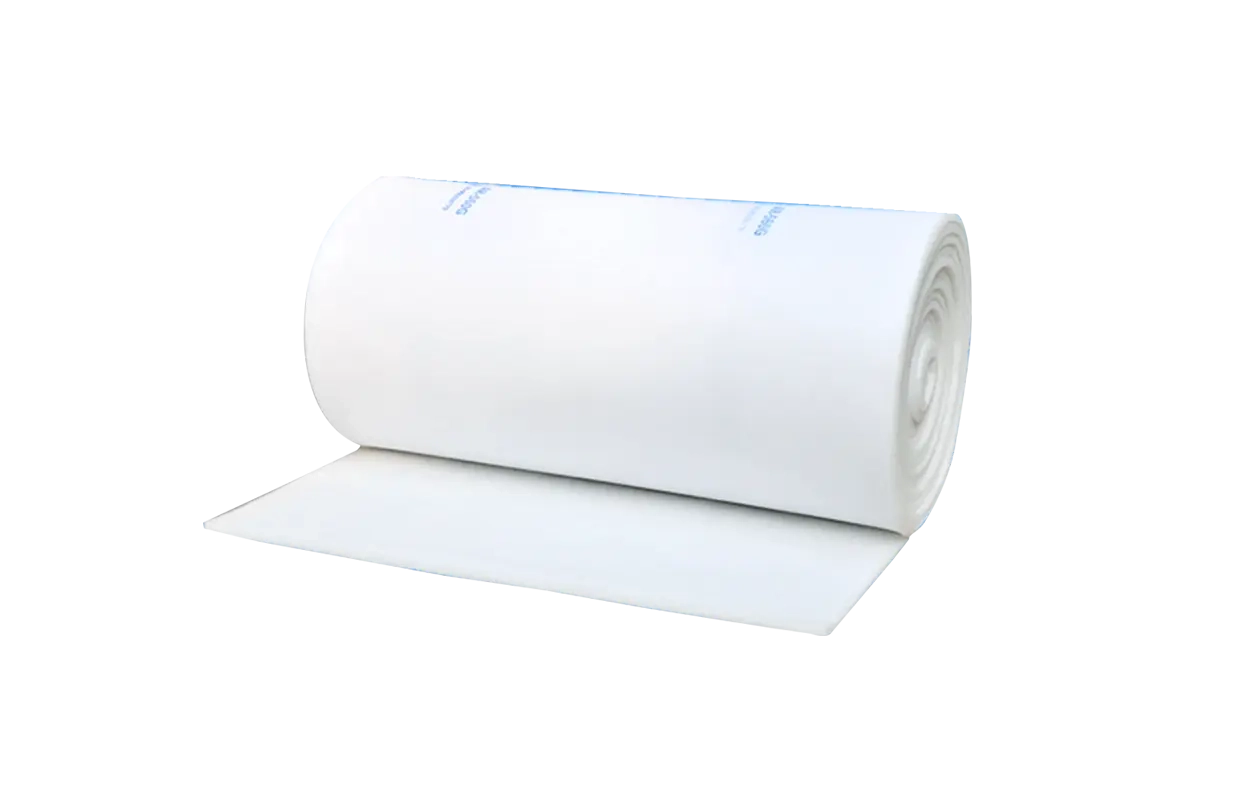
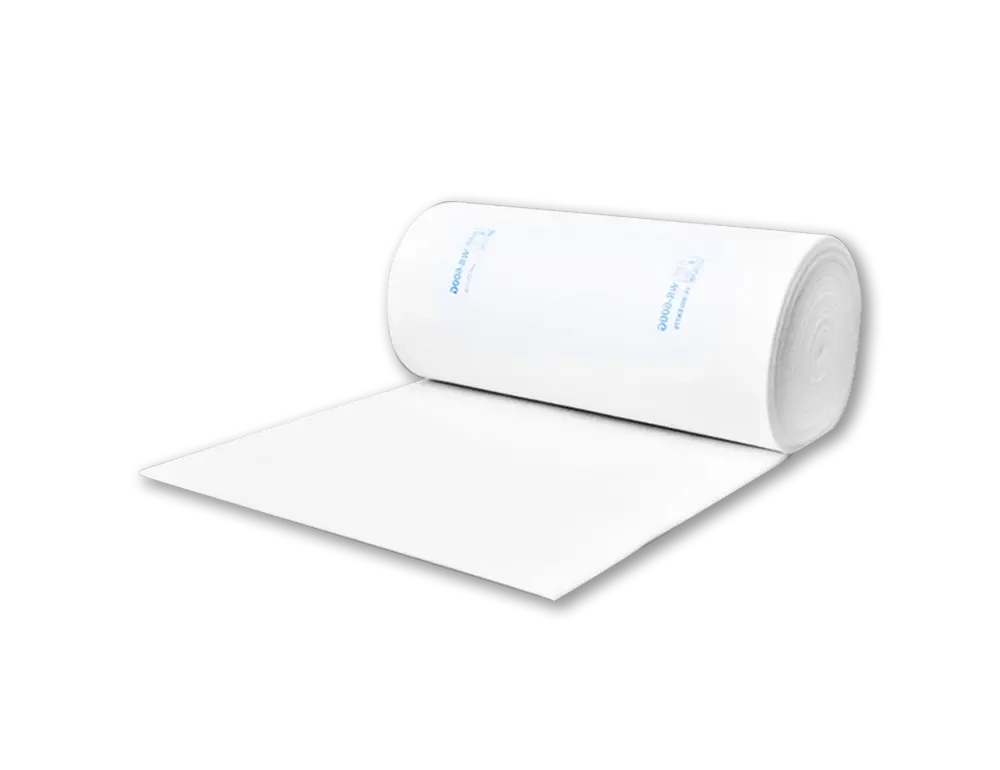
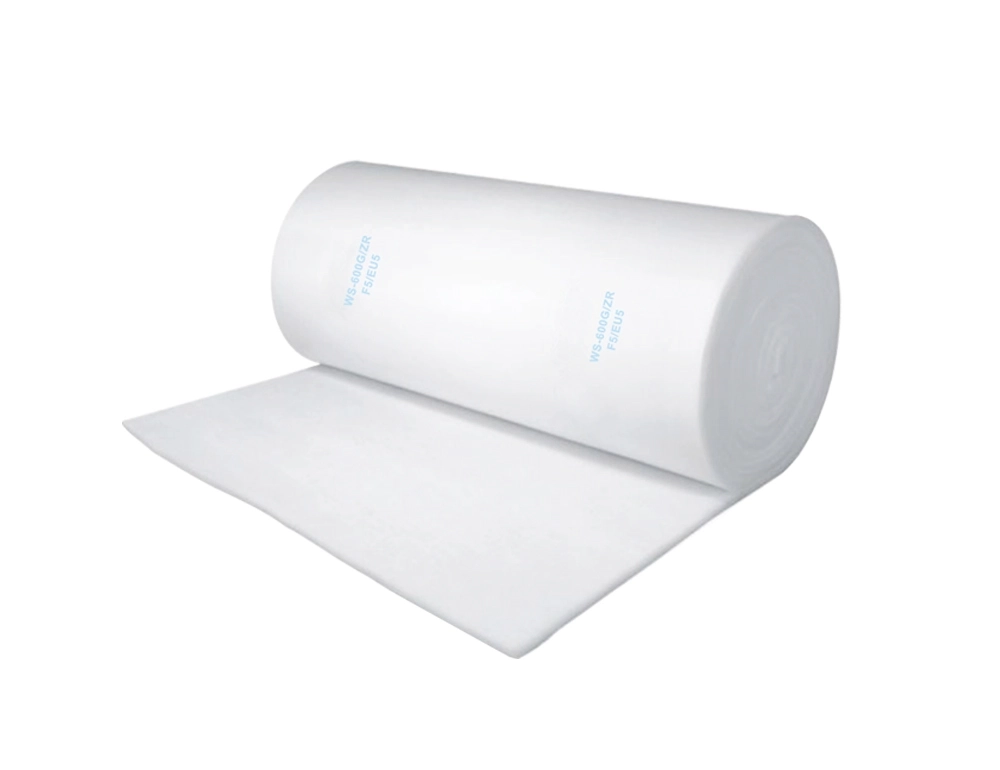
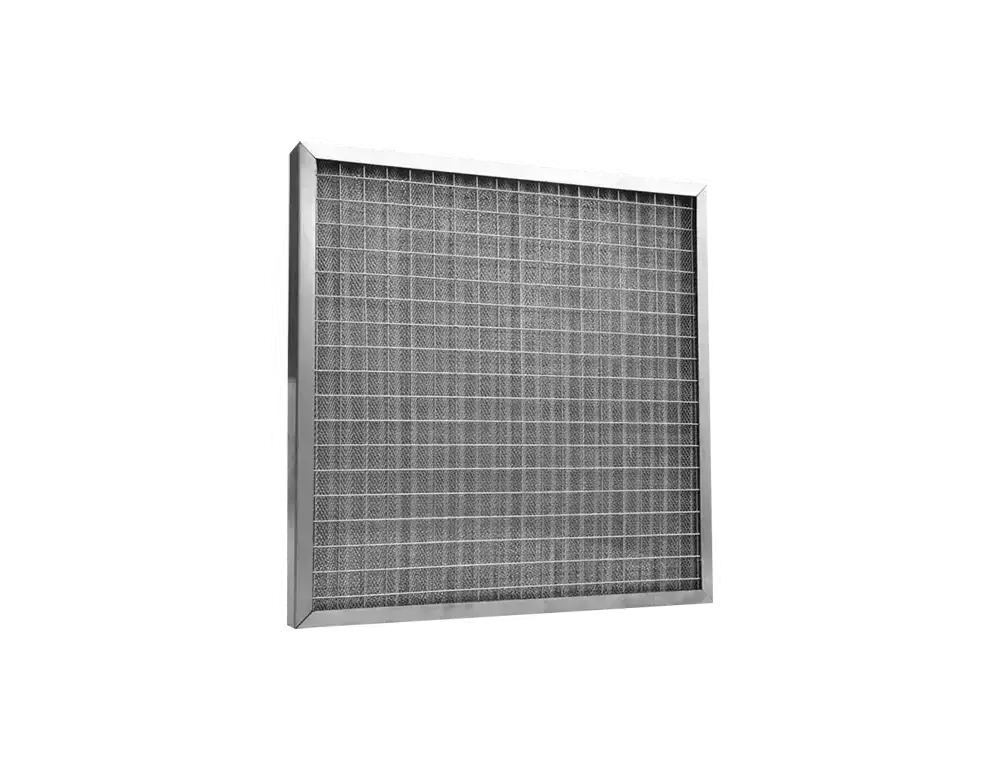
Pre-Filter (G1–G4)
First-Stage Large-Particle Capture
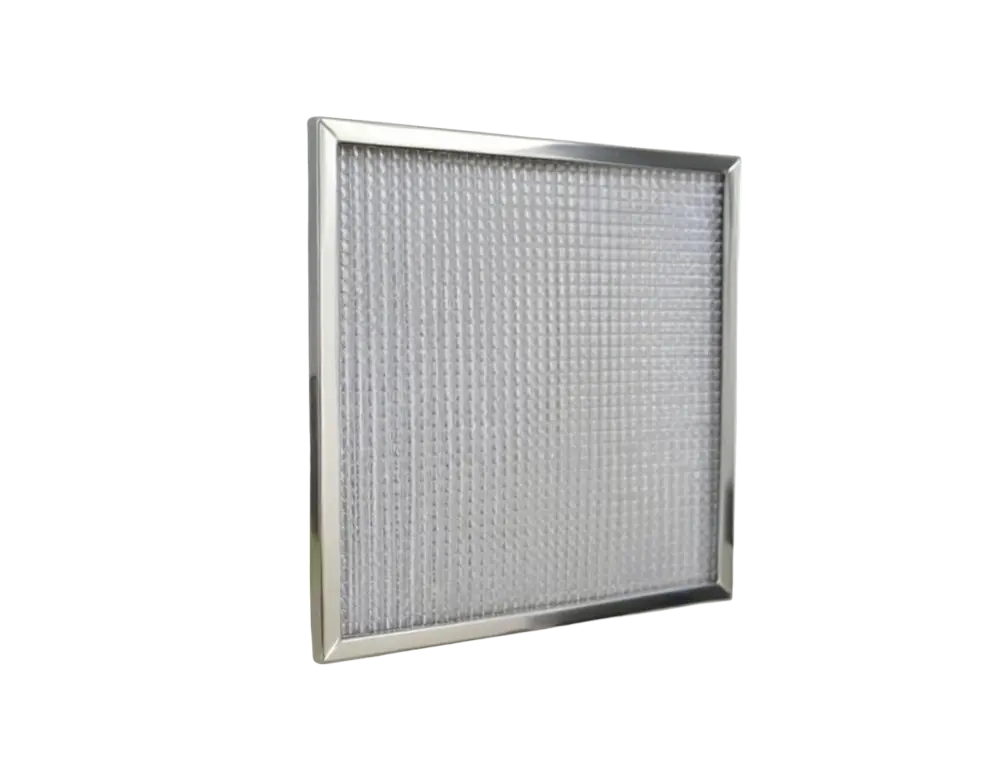
Medium-Efficiency Filter (F5–F9)
Precise PM2.5 Capture
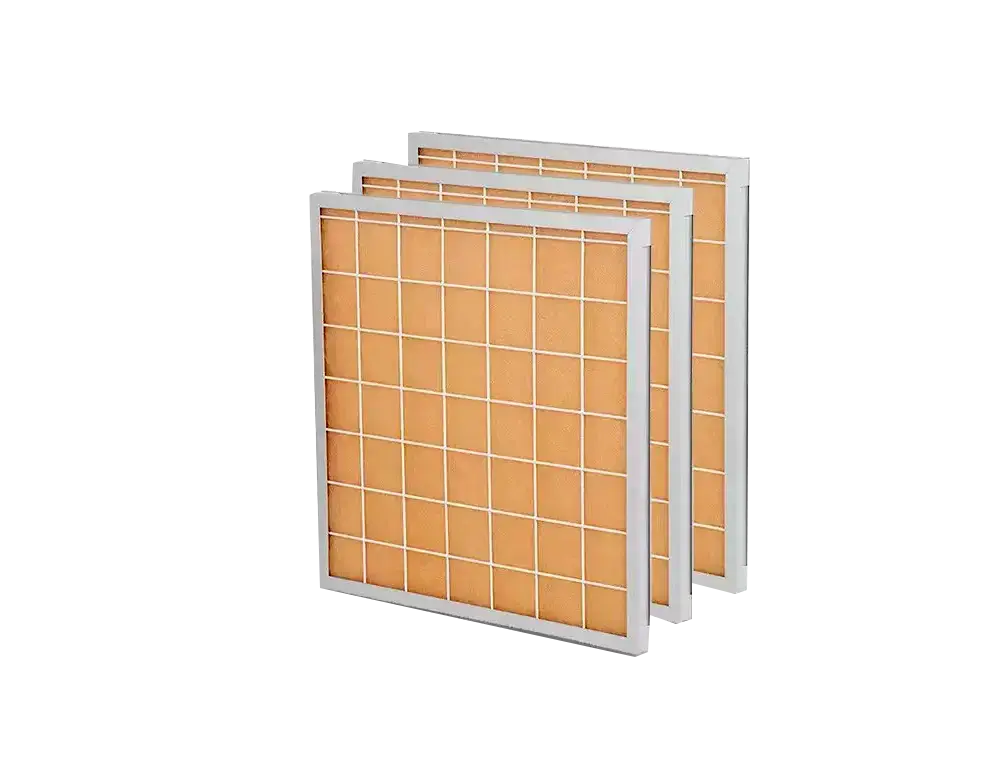
HEPA High-Efficiency Filter
Sterile-Grade Purification
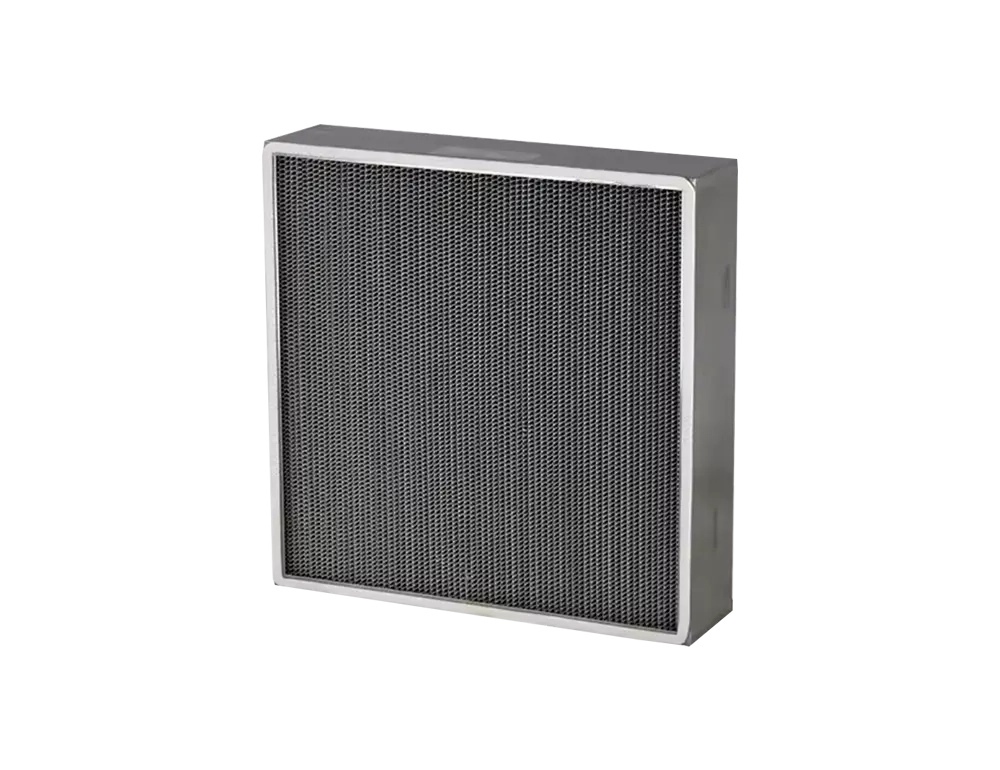
ULPA Ultra-High Efficiency Filter
Sub-Micron Particle Capture
First-Stage Large-Particle Capture
The first line of defense, capturing particles ≥5 μm such as dust, hair, and fibers to protect downstream filters and extend overall system service life.
View Related Products →Precise PM2.5 Capture
Captures fine particles of 1–5 μm including PM2.5, pollen, and mold spores, significantly improving indoor air quality for commercial HVAC and ventilation systems.
View Related Products →Sterile-Grade Purification
≥99.97% filtration efficiency for particles ≥0.3 μm, delivering sterile-grade clean air widely used in medical, pharmaceutical, and electronics manufacturing.
View Related Products →Sub-Micron Particle Capture
≥99.9995% efficiency for particles ≥0.12 μm, meeting the extreme cleanliness demands of semiconductor fabs, aerospace, and other ultra-precision applications.
View Related Products →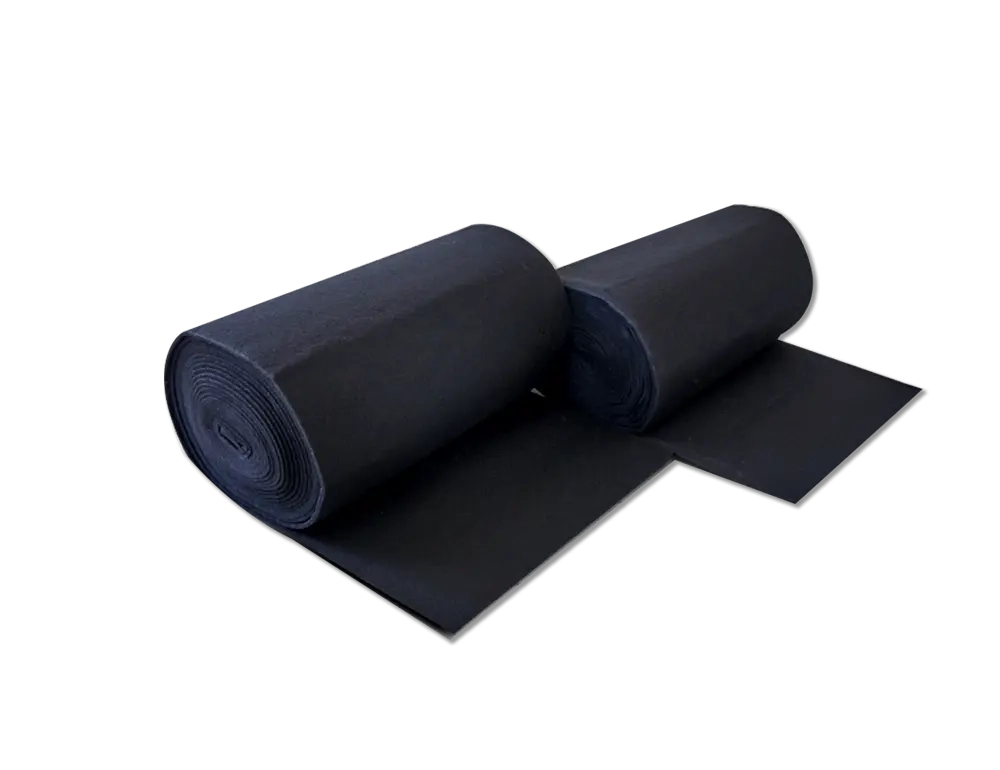
High-Temperature Resistant
Industrial-Grade Heat Tolerance
Washable & Reusable
Cut Costs, Reduce Waste
Activated Carbon
Odor & Harmful Gas Removal
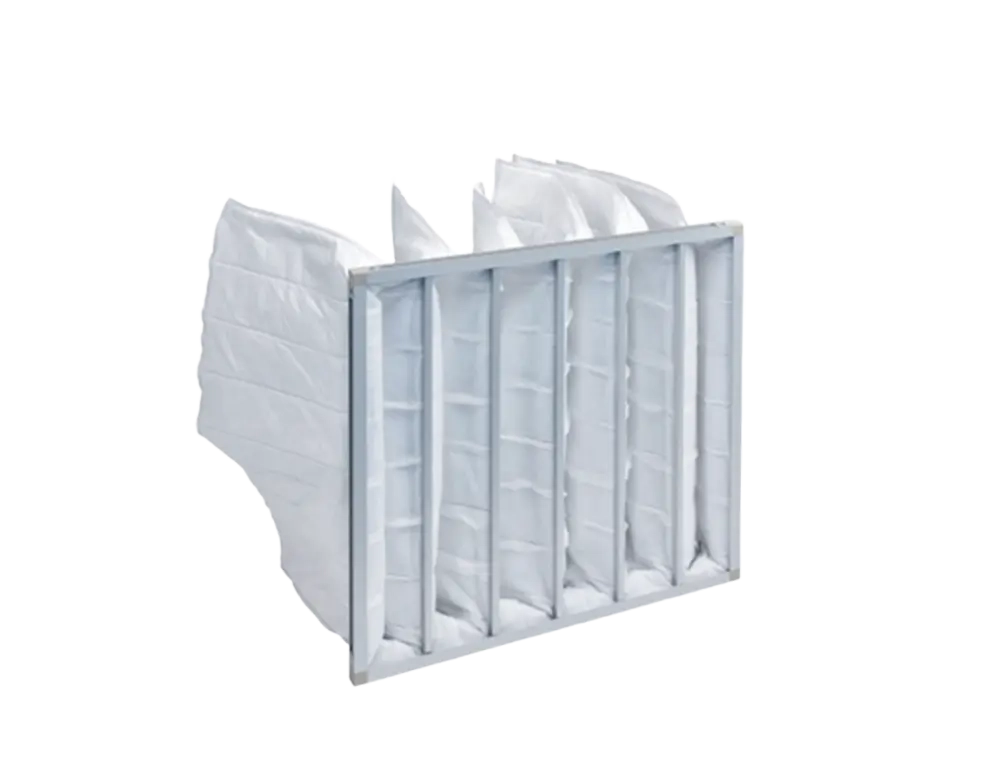
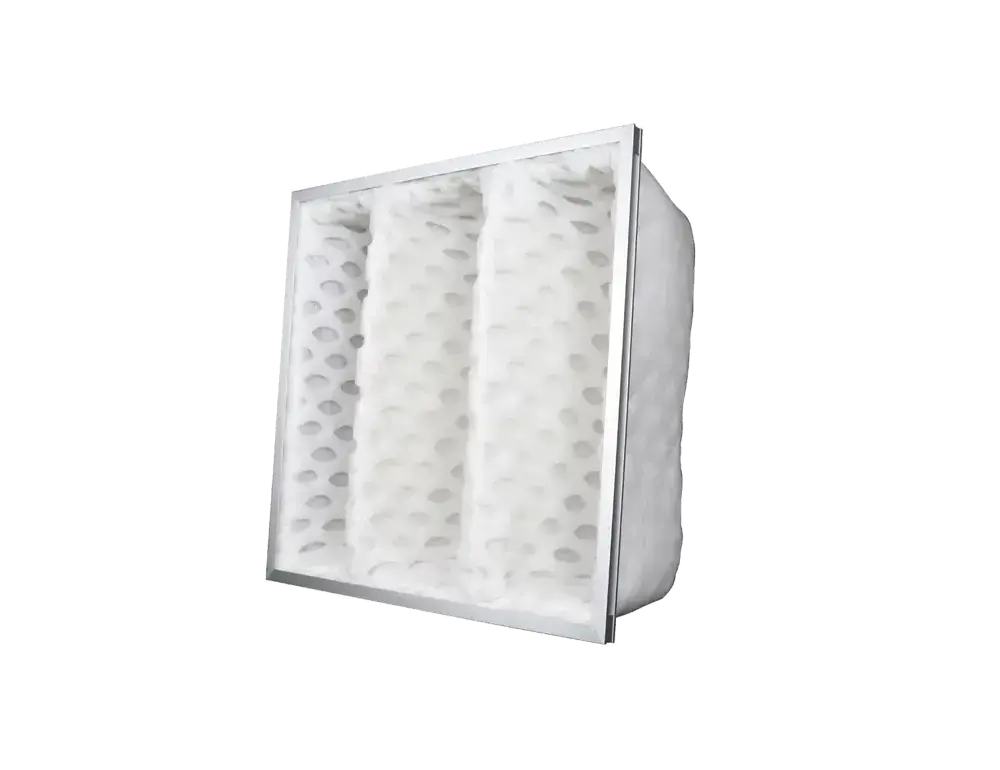
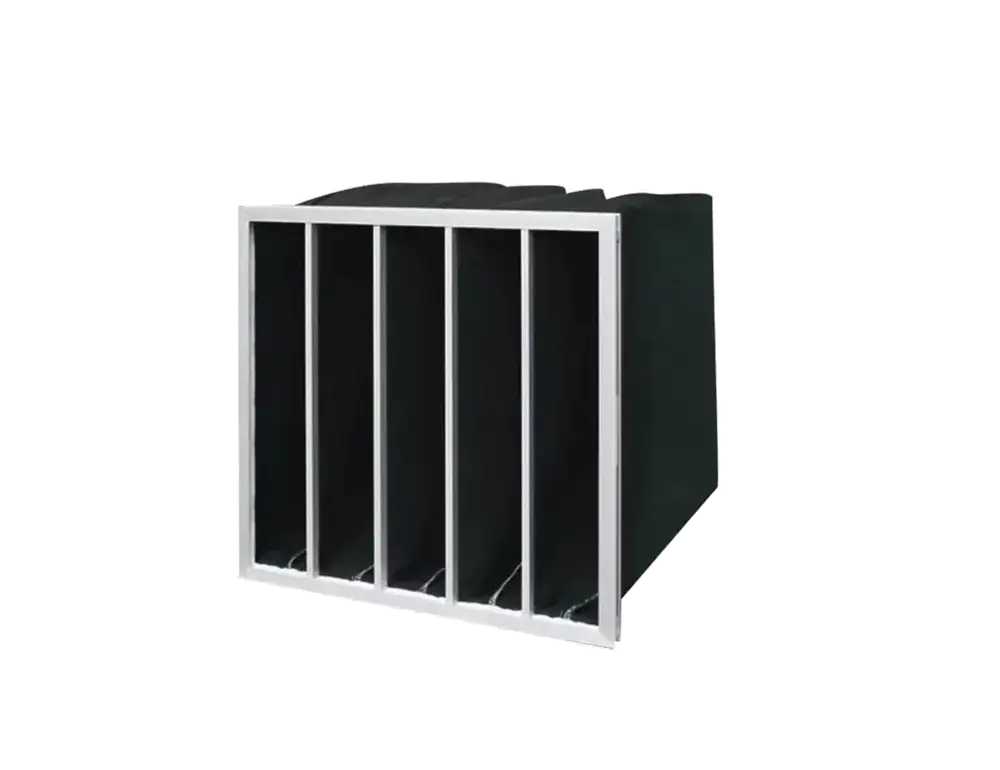
Bag Filter
High Dust-Holding, Long Life
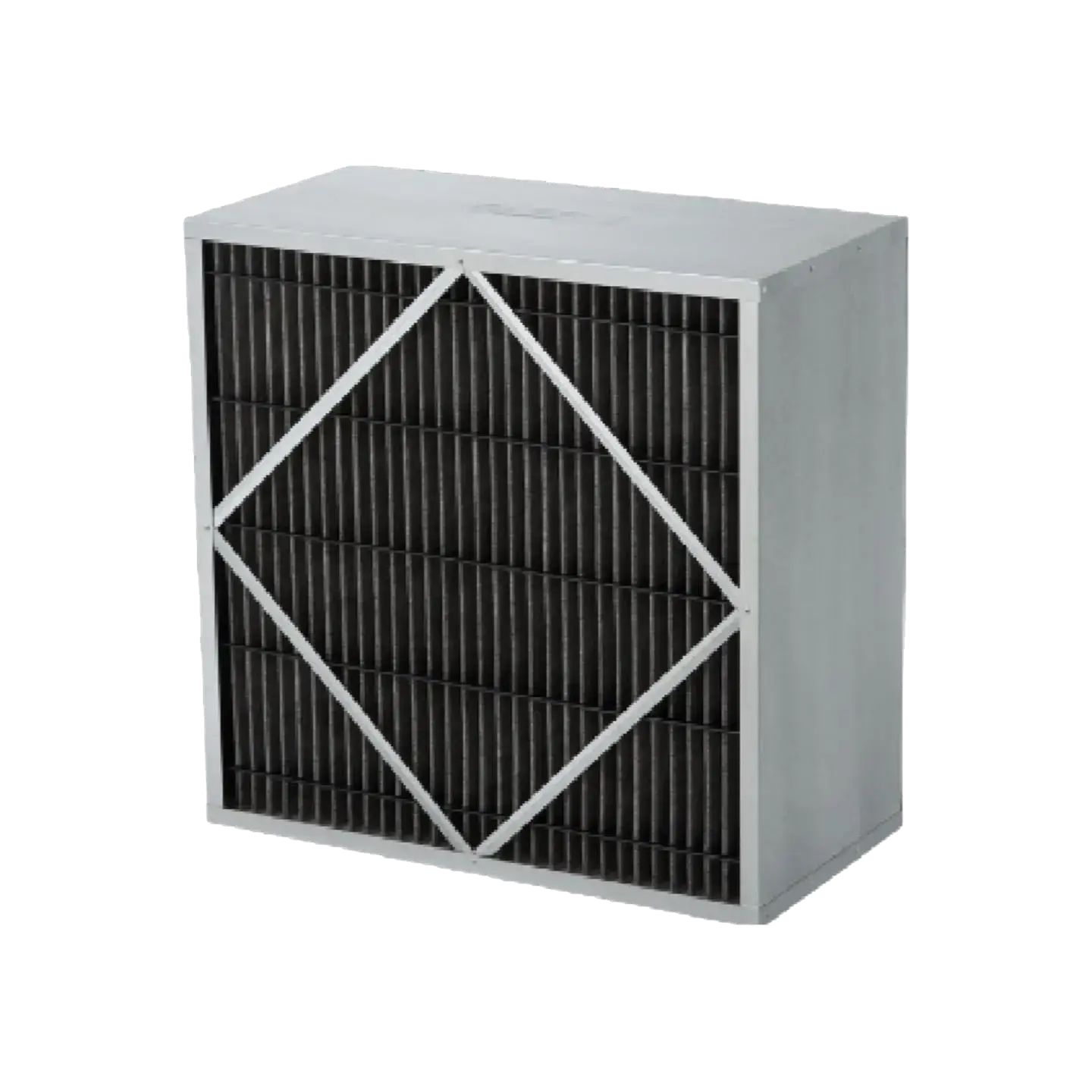
Panel / Pleated Filter
Compact Space-Saving Design
Low-Resistance Airflow
Energy-Saving Operation
Industrial-Grade Heat Tolerance
Built with specialized heat-resistant materials, operating stably up to 250°C for paint ovens, industrial dryers, and high-temperature process environments.
View Related Products →Cut Costs, Reduce Waste
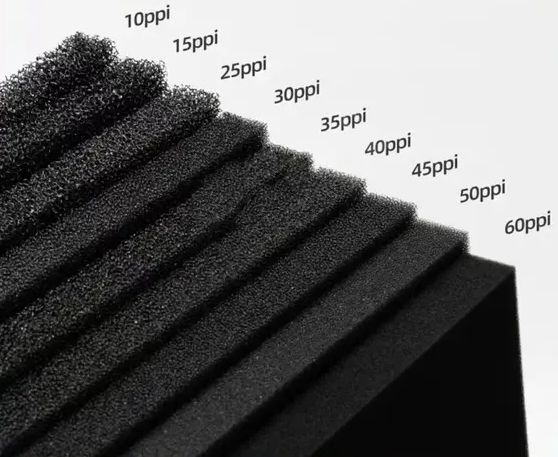
Cleanable by water washing or air blowing, reusable multiple times to significantly reduce replacement frequency and O&M costs — an economical, eco-friendly choice.
View Related Products →Odor & Harmful Gas Removal
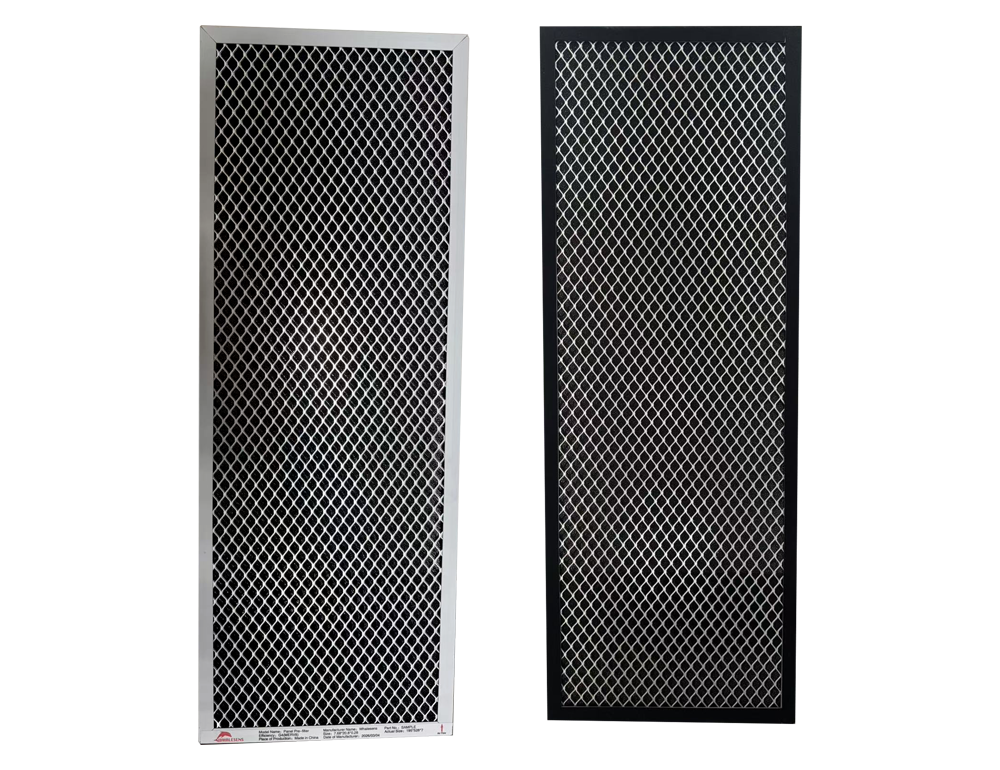
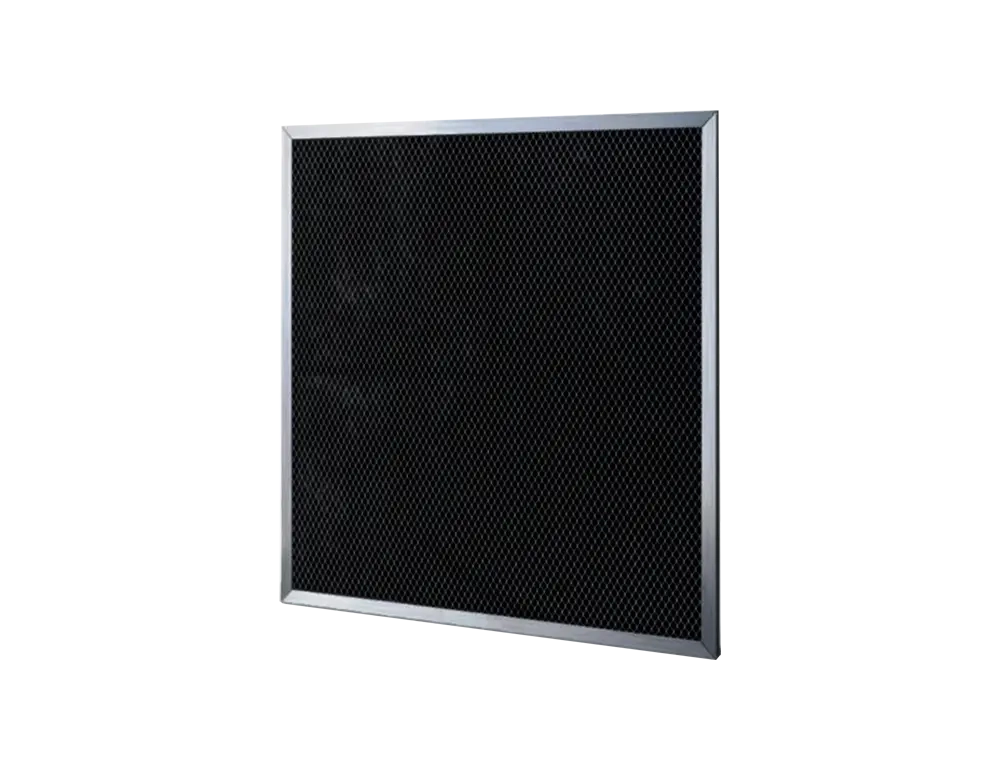
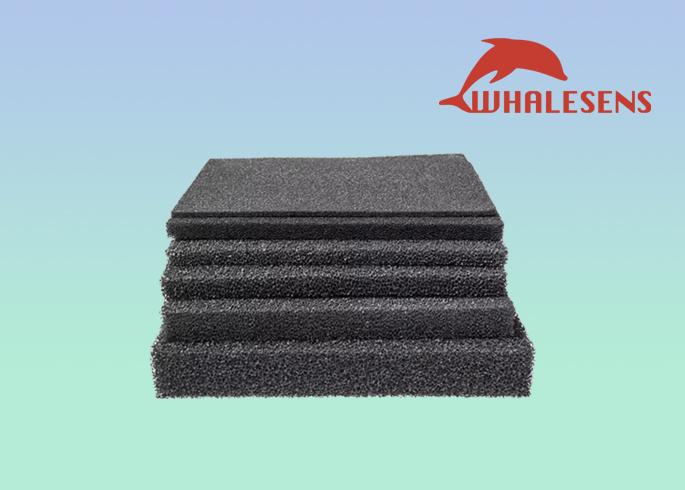
Leverages activated carbon's high adsorption capacity to eliminate odors, VOCs, and formaldehyde, ideal for newly renovated spaces and industrial exhaust treatment.
View Related Products →High Dust-Holding, Long Life
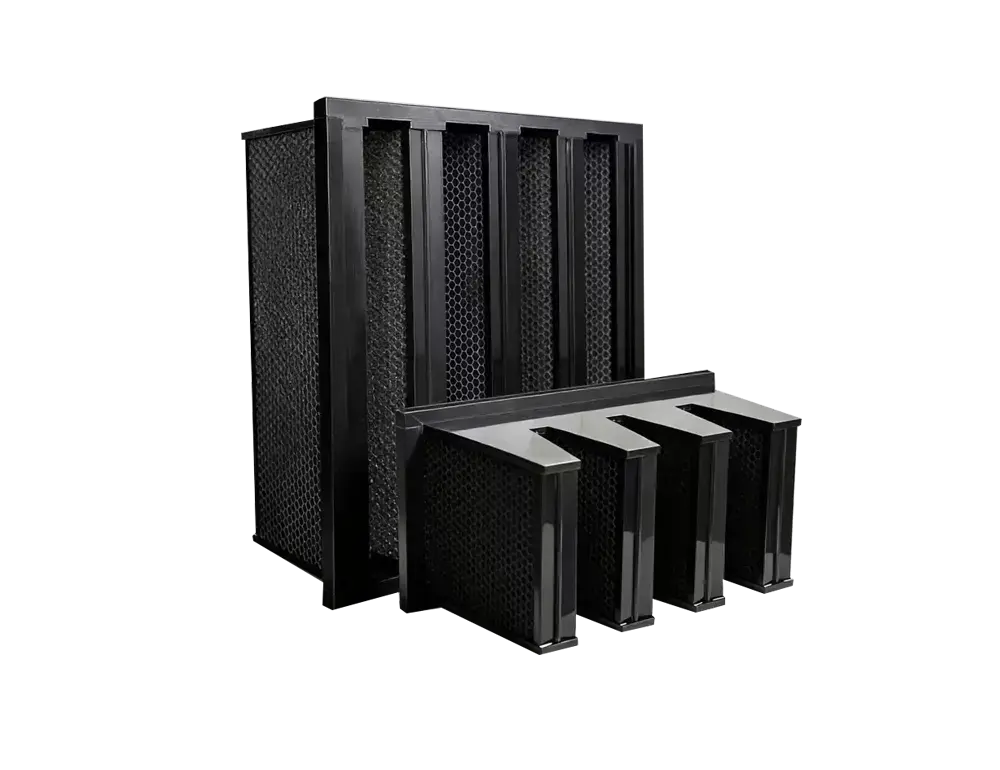
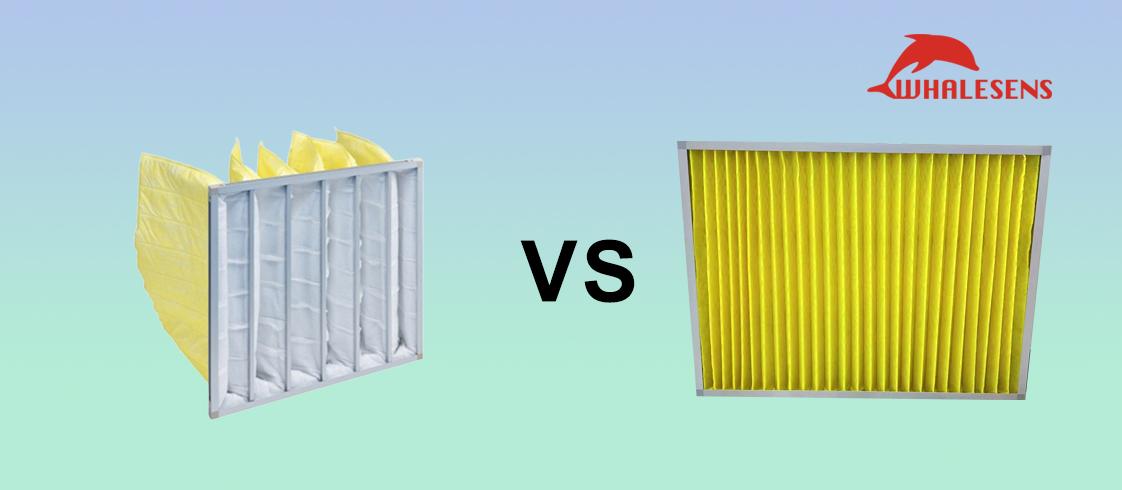
Bag-style construction delivers a larger filtration area, high dust-holding capacity, and extended service life — ideal for high-dust environments with reduced replacement frequency.
View Related Products →Compact Space-Saving Design
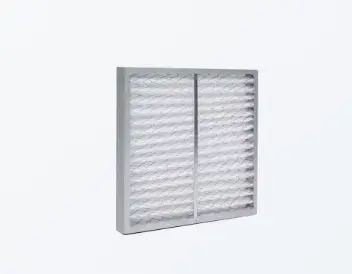
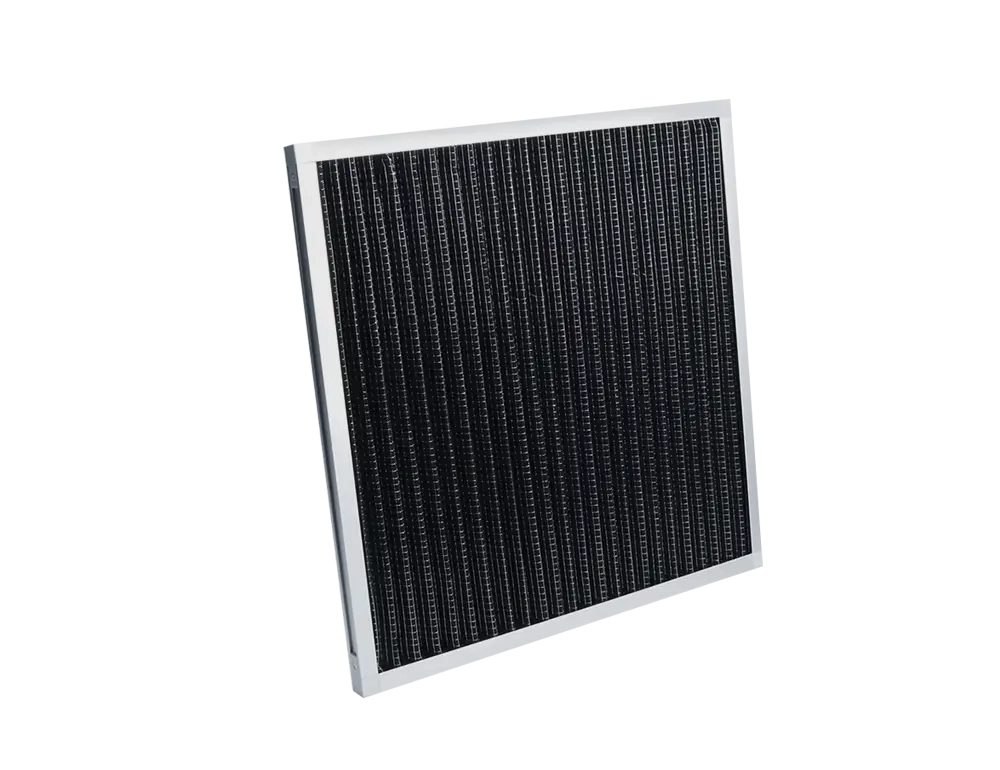
Compact form factor for easy installation and replacement; pleated structure maximizes filtration area within a small footprint for higher efficiency.
View Related Products →Energy-Saving Operation
Low-resistance design minimizes pressure drop while maintaining filtration performance, reducing fan energy consumption for cost-effective, eco-friendly operation.
View Related Products →


















 English(Global)
 简体中文
简体中文 Language




Data Center & Commercial HVAC Solutions
Why data centers and commercial HVAC are hard on air filtration
Two threats, not one
Particulate loading clogs heat exchangers and raises temperatures; gaseous contaminants corrode the same electronics. A particle filter alone only solves half the problem.
Corrosion is invisible until it fails
Copper and silver corrosion from sulfur and chlorine compounds proceeds quietly. ASHRAE TC 9.9 defines the ISA classification that data halls are expected to meet.
Fan energy is a permanent cost
Filters run continuously for years. Resistance that looks small on a datasheet becomes a significant share of PUE over a full service life.
Filter changes interrupt operations
Every change works against availability. Longer service life and lower change frequency have operational value, not just material value.
Recommended filtration system
Data centers and commercial buildings share the same logic: staged particulate filtration sized for low resistance, plus a gas-phase stage where corrosive gases are present.
| Stage | Typical class | What it captures | Recommended product |
|---|---|---|---|
| Pre-filtration | G4 / ISO Coarse | Coarse dust, pollen | Pleated panel pre-filter |
| Medium filtration | F7–F9 / ISO ePM1 | Fine particles, PM2.5 | Medium-efficiency bag filter |
| Gas phase | Activated carbon | SO₂, NOₓ, H₂S, VOCs | Activated carbon panel or V-bank filter |
| Final (where required) | H13 HEPA | ≥0.3 µm particles | Mini-pleated HEPA filter |
Key control points
- 1Design to the current standards. Test and classify media to ASHRAE 52.2 and ISO 16890; EN 779 is withdrawn and its old classes no longer map directly.
- 2Set a corrosion target. Where the room must meet ISA G1, the gas-phase stage is part of the design, not an upgrade to consider later.
- 3Buy resistance, not just efficiency. Two filters with the same class can differ substantially in pressure drop, and that difference is paid every hour.
- 4Stage the filtration properly. A finer final stage behind a weak pre-filter loads quickly and costs more to own than a well-staged chain.
- 5Instrument the pressure drop. Knowing when a filter is loading lets you schedule changes with operations instead of reacting to an alarm.
Frequently Asked Questions
Is ISO 16890 replacing EN 779?
Yes. EN 779 has been withdrawn and filters are now classified by ISO 16890 into ISO Coarse, ePM10, ePM2.5 and ePM1. Older F5–F9 labels do not translate one-to-one, so compare on the new ratings.
Do data centers need activated carbon filters?
Where corrosive gases are present, yes. Gaseous contamination is a recognised cause of electronics failure, and ASHRAE TC 9.9 sets the corrosion classification that the gas-phase stage exists to meet.
What is ISA G1?
It is a corrosion classification for the data hall environment under ASHRAE TC 9.9, based on measured copper and silver coupon corrosion rates. G1 is the least corrosive class and the usual target for modern facilities.
How can we lower filter-related energy use?
Specify low-resistance media at the required class, keep the staging correct so filters are not overloaded, and avoid over-filtering stages that do not need it.
How often should HVAC filters be changed?
On measured pressure drop against a defined set point, or on the manufacturer’s maximum, whichever comes first. Fixed calendars either change filters too early or too late.
Key Takeaways — Control particles and gases together, specify low resistance at the class you actually need, and change on measured pressure drop. That protects uptime and PUE at the same time.