From Class 100 to Class 100,000 – Understanding the “Air Code” of Cleanrooms – Essential Reading for Pharmaceutical, Electronics, and Healthcare Professionals
Abstract
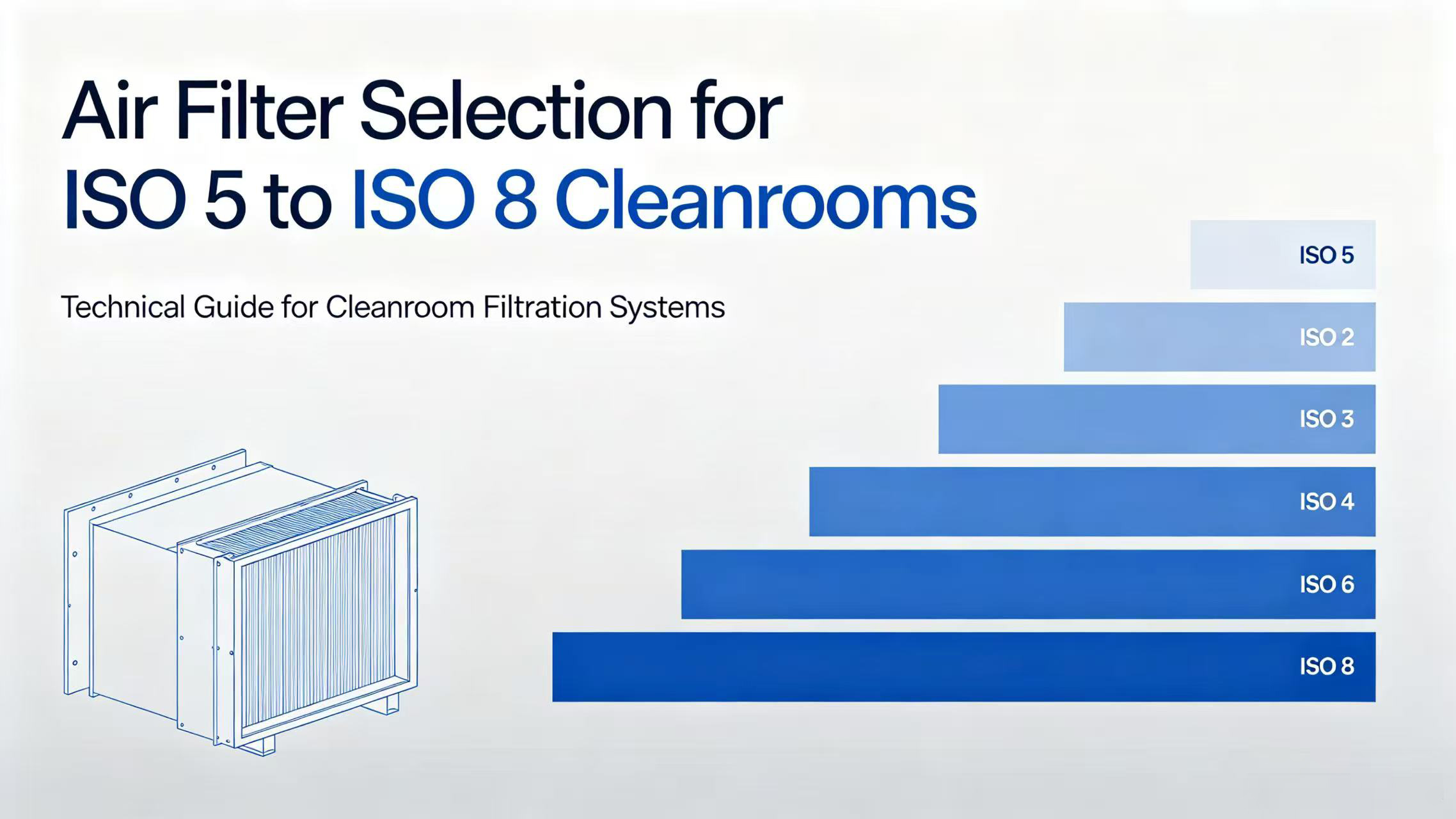
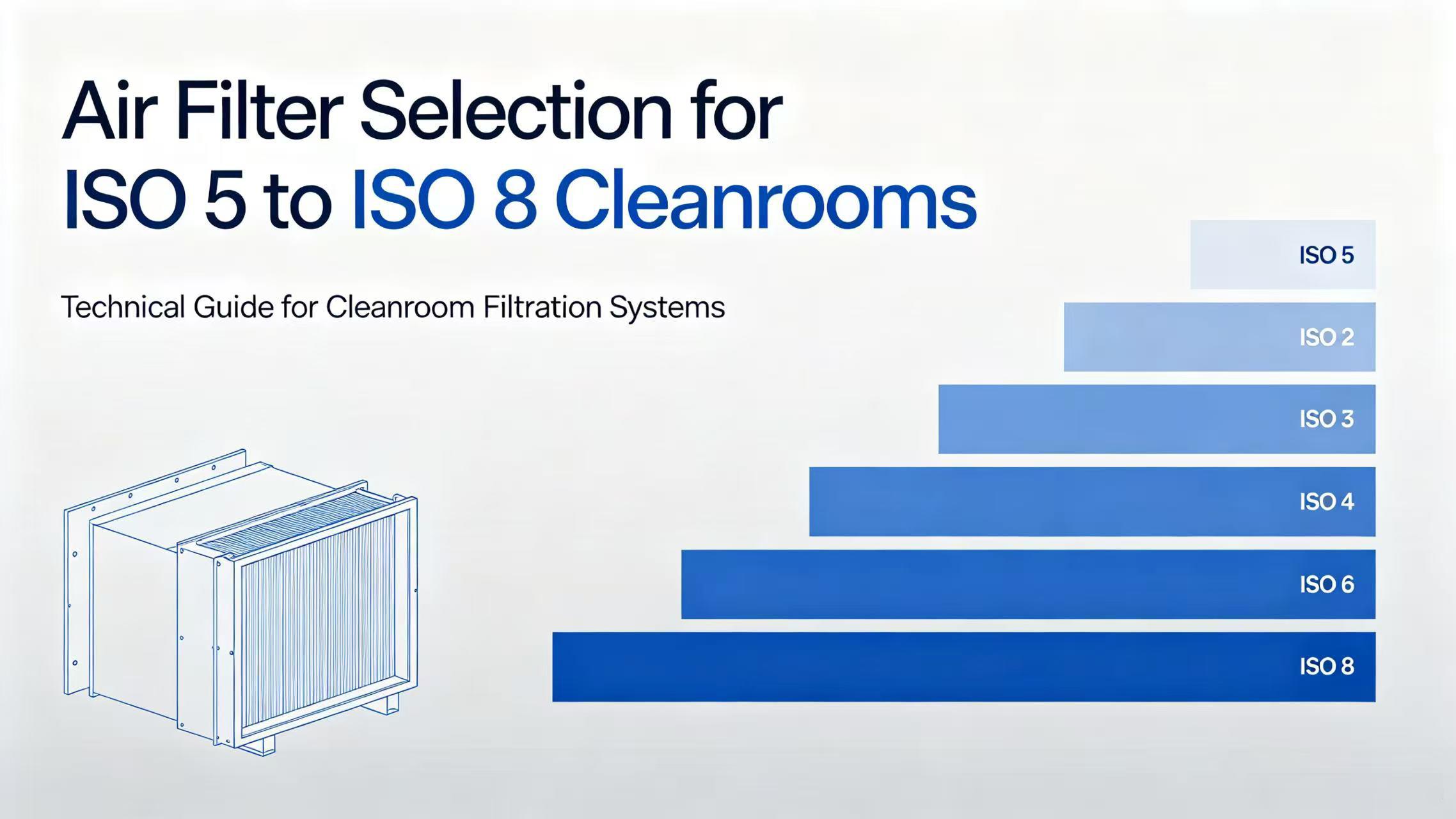
ISO 14644‑1 is the cornerstone standard for cleanroom design and validation. It divides cleanroom air cleanliness into nine classes from ISO 1 to ISO 9. Among them, ISO 5, ISO 6, ISO 7 and ISO 8 are the most commonly used grades in mainstream industries such as pharmaceuticals, semiconductors and medical devices. From the basic protection of ISO 8 (Class 100,000) to the aseptic operations of ISO 5 (Class 100) – the requirements for air filtration systems differ dramatically across these classes. This article systematically explains the ISO 14644‑1 cleanroom classification system, details the cleanliness parameters for ISO 5 to ISO 8, their corresponding GMP grades and traditional equivalents, and provides filter selection guidelines along with supporting maintenance recommendations – helping engineers and procurement professionals quickly establish a sound selection logic.
1. ISO 14644‑1 Cleanroom Classification Standard
1.1 Origin and Evolution
ISO 14644‑1 Cleanrooms and associated controlled environments – Part 1: Classification of air cleanliness was first published in 1999, with a major revision in 2015 (ISO 14644‑1:2015) and a further update in 2025 (ISO 14644‑1:2025). This standard replaced the long‑used U.S. Federal Standard FS 209E, classifying cleanrooms into classes ISO 1 to ISO 9 based on the maximum concentration of airborne particles per cubic metre. ISO 1 is the highest cleanliness level and ISO 9 the lowest.
China’s GB 50346‑2024 Technical code for construction of biosafety laboratories was released in December 2023 and came into effect on 1 September 2024. It fully incorporates the classification philosophy of ISO 14644 into design, construction, ventilation and gas pipeline provisions, pushing domestic cleanroom engineering towards standardisation.
1.2 Cleanliness Class as a Dynamic Balance
Achieving a target cleanliness level in a cleanroom is the combined result of filter efficiency and ventilation parameters such as airflow organisation and air change rate. It must be emphasised that there is no absolute formula of “one filter permanently matching one class”. In practice, the design logic should follow: “define the class → calculate air change rate / face velocity → select the filter”. If the air change rate or airflow velocity is not properly designed, even high‑efficiency filters alone will often fail acceptance tests. Adequate filtration efficiency without sufficient air changes cannot meet the requirements of high‑class cleanrooms.
1.3 Key Updates in the 2025 Edition
| Update |
Core Content |
Industry Impact |
| Dynamic stability testing |
New verification requirements for the stability of cleanrooms under dynamic operation, tolerance within ±10% |
More standardised for industries requiring continuous critical environment monitoring (pharmaceuticals, semiconductors) |
| Energy efficiency inclusion |
Energy consumption control officially incorporated into the ISO compliance framework, promoting sustainable operation |
Cleanroom design must balance cleanliness with lifecycle energy optimisation |
| FFU selection refinement |
Clear calculation methods and efficiency criteria for matching FFU to ISO class |
More practical selection guidance for large cleanroom projects in semiconductors and pharmaceuticals |
2. Core Parameter Comparison: ISO 5 to ISO 8
| ISO Class |
≥0.3 μm particles (particles/m³) |
≥0.5 μm particles (particles/m³) |
Traditional Equivalent |
Airflow Pattern |
Air Changes per Hour (ACH) |
Typical Applications |
| ISO 5 |
10,200 |
3,520 |
Class 100 |
Unidirectional flow (laminar) |
300‑600 |
Sterile filling, wafer lithography, Grade A zone |
| ISO 6 |
102,000 |
35,200 |
Class 1,000 |
Non‑unidirectional or mixed flow |
70‑160 |
Precision assembly, Grade B background, ECU production |
| ISO 7 |
not required |
352,000 |
Class 10,000 |
Non‑unidirectional (turbulent) |
20‑70 |
Medical devices, pharmaceutical Grade C, general electronics assembly |
| ISO 8 |
not required |
3,520,000 |
Class 100,000 |
Non‑unidirectional (turbulent) |
10‑20 |
Food packaging, Grade D, general electronic assembly |
Remarks:
Unidirectional vs. non‑unidirectional flow: ISO 5 and above require unidirectional (laminar) flow, i.e. uniform face velocity of 0.2‑0.5 m/s across the entire zone, pushing contaminants out by a “piston” effect. Non‑unidirectional cleanrooms rely on dilution of indoor particles by fresh clean air. The air change rate for ISO 5 (300‑600 ACH) is an essential design factor that cannot be replaced by high‑efficiency filters alone.
Pharmaceutical industry: ISO 5 strictly corresponds to GMP Grade A at rest, while GMP Grade A under dynamic conditions is even stricter, requiring additional controls for unidirectional flow and microbial limits.
Electronics industry: Semiconductor wafer fabs typically set lithography areas to ISO 5/ISO 4, with gradually lower grades for peripheral zones.
At‑rest vs. operational: ISO standards usually refer to “at‑rest” or “as‑built” classes; EU GMP Annex 1 mandates compliance under “operational” conditions, requiring sufficient design margins.
3. Filter Selection Solutions for Different Cleanliness Classes
3.1 Selection Overview (from highest to lowest)
The table below summarises the recommended filter solutions for each ISO class. Again, selection must simultaneously satisfy air change rate, airflow organisation and terminal filter leak testing.
| ISO Class |
Recommended Terminal Filter |
Recommended Medium Filter |
Recommended Pre‑filter |
Filter Test Method |
Acceptance Reference |
| ISO 5 |
H14 (MPPS≥99.995%) or ULPA |
F9 |
G4 |
In‑situ scanning leak (PAO/DOP, leak rate ≤0.005%) |
GB/T 36370: ≥ISO40H |
| ISO 6 |
H13‑H14 (MPPS≥99.95%) |
F8‑F9 |
G4 |
In‑situ scanning leak (≤0.01%) |
GB/T 36370: ≥ISO35H |
| ISO 7 |
H13/H12 (MPPS≥99.95%) |
F8 |
G4 |
In‑situ scanning or overall efficiency validation |
ACH 20‑70 |
| ISO 8 |
H11/H12 (MPPS≥99.5%) or F9+terminal HEPA |
F7‑F8 |
G4 |
Factory overall efficiency test |
ACH 10‑20 |
H13 HEPA: MPPS efficiency ≥99.95% – suitable for most pharmaceutical, food and general electronics manufacturing, covering ISO 7‑8 areas.
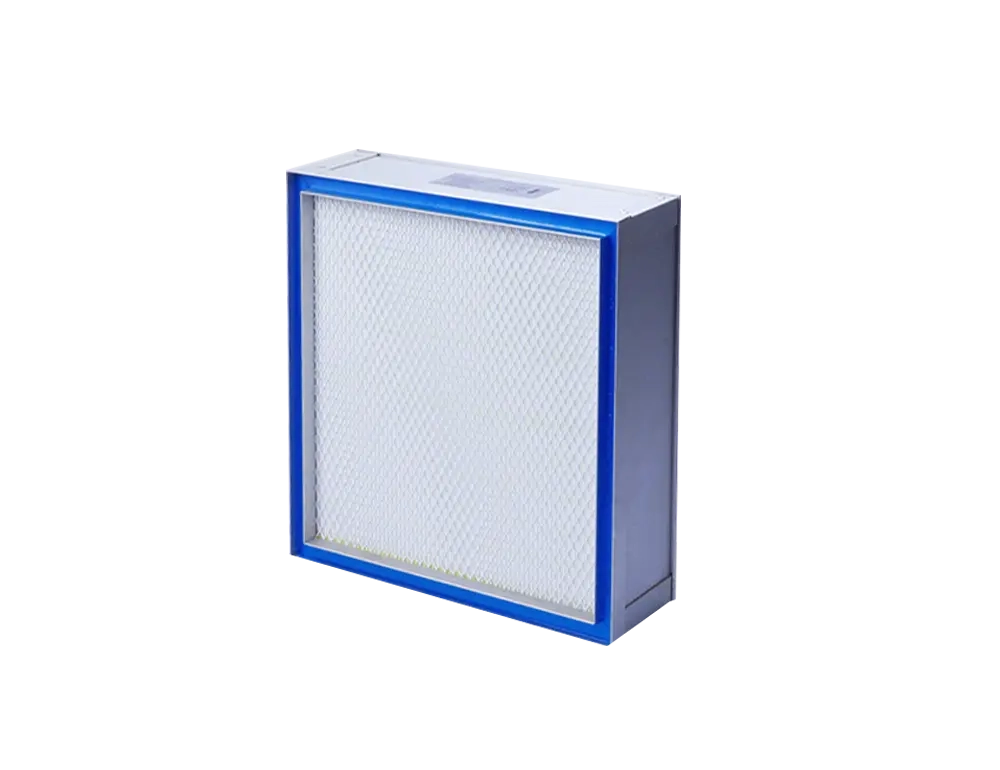
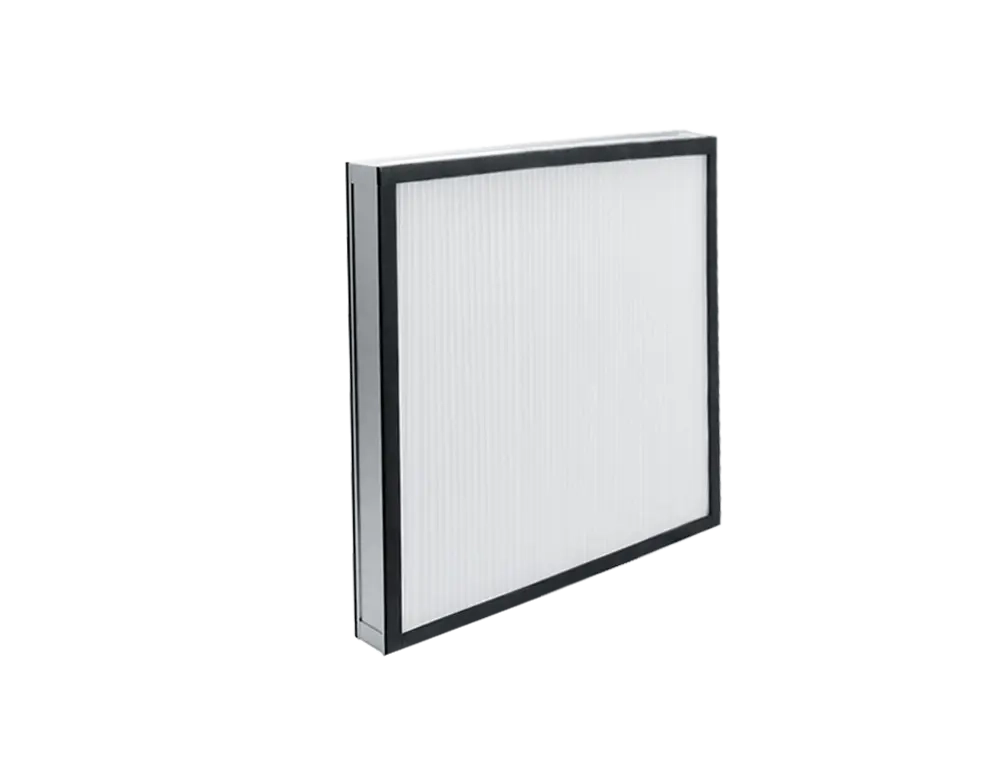
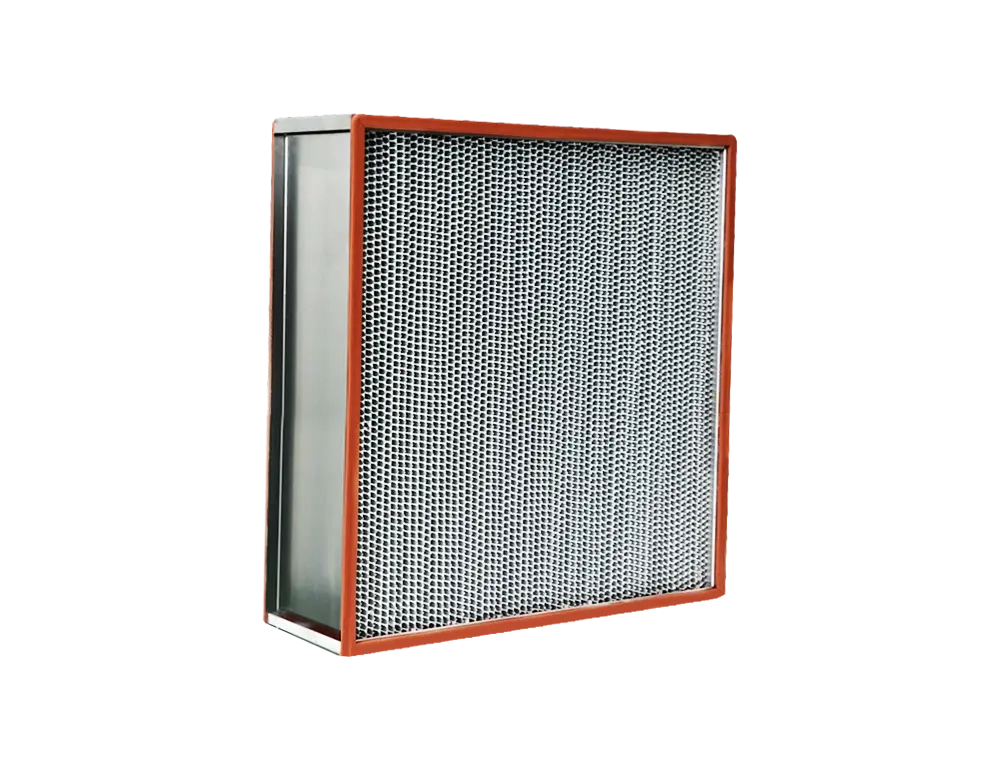
H14 HEPA: MPPS efficiency ≥99.995% – widely used for sterile filling lines, chip lithography and other critical zones, supporting ISO 5.
ULPA: efficiency ≥99.9995% @ 0.12 μm – used for ISO 4‑5, meeting extreme cleanliness needs of advanced semiconductors.
3.2 Detailed Selection Guidelines
ISO 5 Cleanroom (Class 100) Filter Selection
ISO 5 typically requires H14 or ULPA filters, coupled with unidirectional laminar flow (terminal HEPA diffusers covering the entire work area). Whether for chip lithography or sterile filling lines, new filters must pass scanning leak tests. In‑house standards usually set leak rate ≤0.005%. To be safe, terminal H14 efficiency should be ≥99.99%‑99.995% to meet GB or international guidelines.
Recommended terminal filter: H14/ULPA (MPPS ≥99.995%)
Recommended medium filter: F9 (EN 779) or ISO 16890 ePM1 ≥80%
Recommended pre‑filter: G4
Key requirements: Must undergo in‑situ PAO/DOP scanning leak test after installation, leak rate ≤0.005%; microbial limits according to GMP; positive pressure differential ≥10 Pa relative to lower‑grade zones.
Test frequency reference: Under normal conditions, Grade A zones should be tested for airborne particles every 6 months (ISO 14644‑2 suggests ≤6 months for ISO 5 and below).
ISO 6 Cleanroom (Class 1,000) Filter Selection
Recommended terminal filter: H13/H14 HEPA
Recommended medium filter: F8‑F9
Recommended pre‑filter: G4
Key requirements: In‑situ scanning leak test after installation (H13 leak rate ≤0.01%), periodic verification that particle concentrations meet limits (≥0.5 μm ≤35,200 particles/m³).
ISO 7 Cleanroom (Class 10,000) Filter Selection
Recommended terminal filter: H13 HEPA (H12 may be used for economy)
Recommended medium filter: F8
Recommended pre‑filter: G4
Key requirements: Non‑unidirectional (turbulent) air supply is acceptable; ACH 20‑70; may use overall efficiency testing or scanning leak tests; microbial limits must meet GMP Grade C.
ISO 8 Cleanroom (Class 100,000) Filter Selection
Recommended terminal filter: H11/H12 (or F9 terminal, using pre‑filter + medium filter combination)
Recommended medium filter: F7‑F8
Recommended pre‑filter: G4
Key requirements: ACH 15‑25; pressure differential at least 5‑10 Pa; terminal HEPA may be omitted to save cost by using medium/high‑efficiency systems; pay attention to viable and settle plate microbial limits for GMP compliance.
4. Multi‑Stage Filtration Configuration Logic
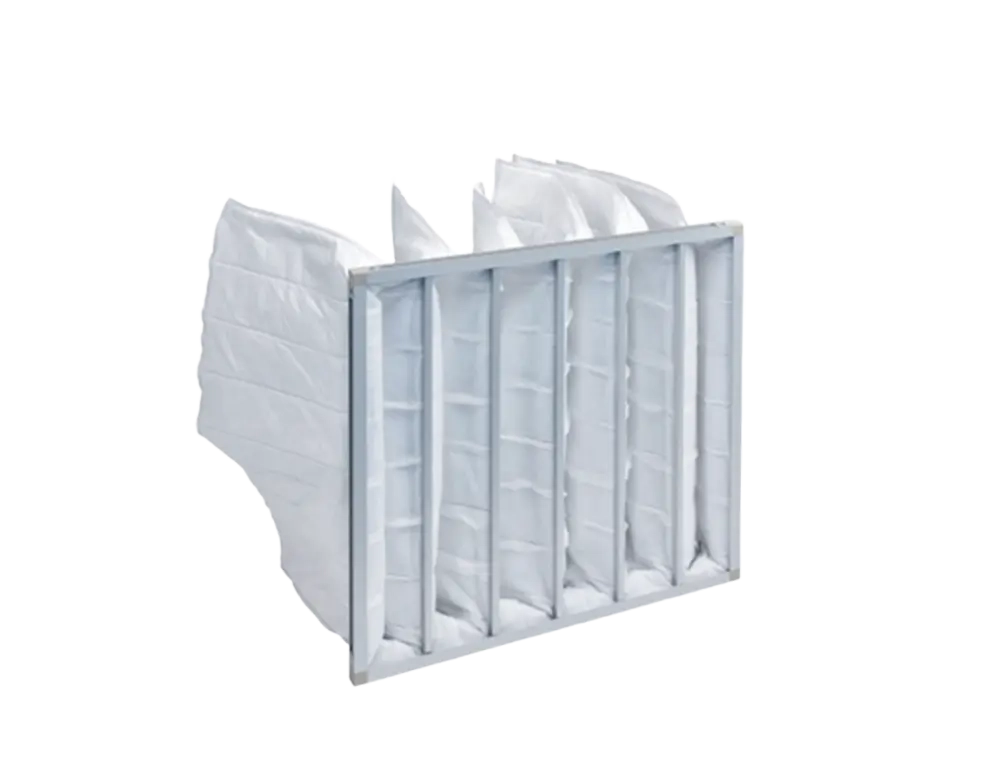
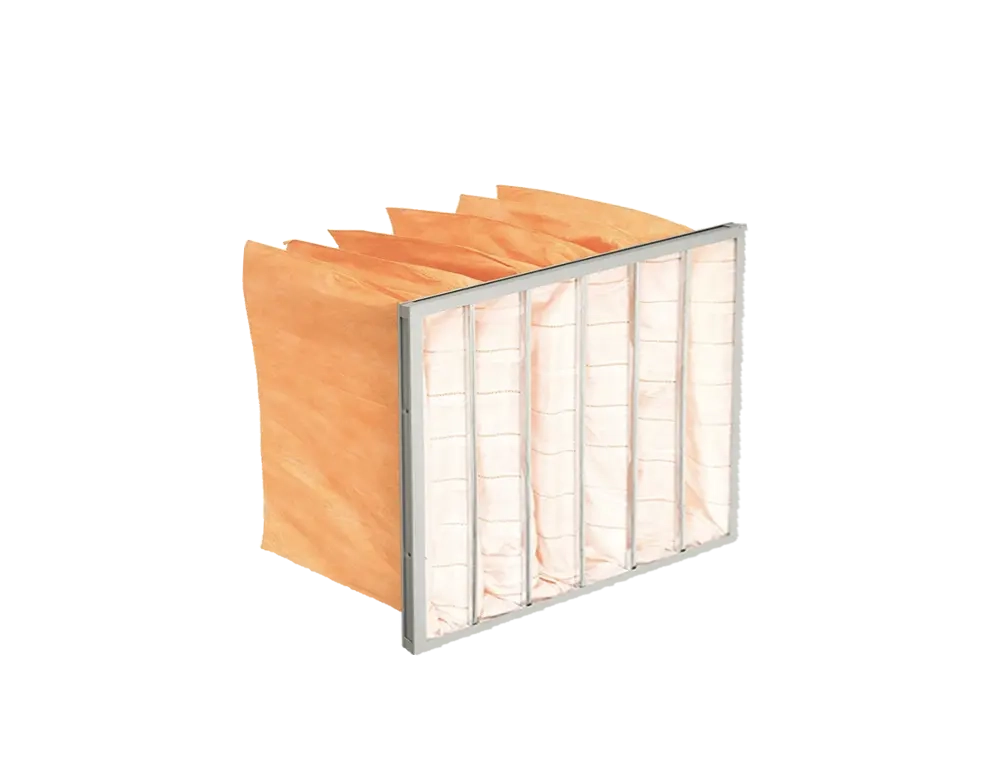
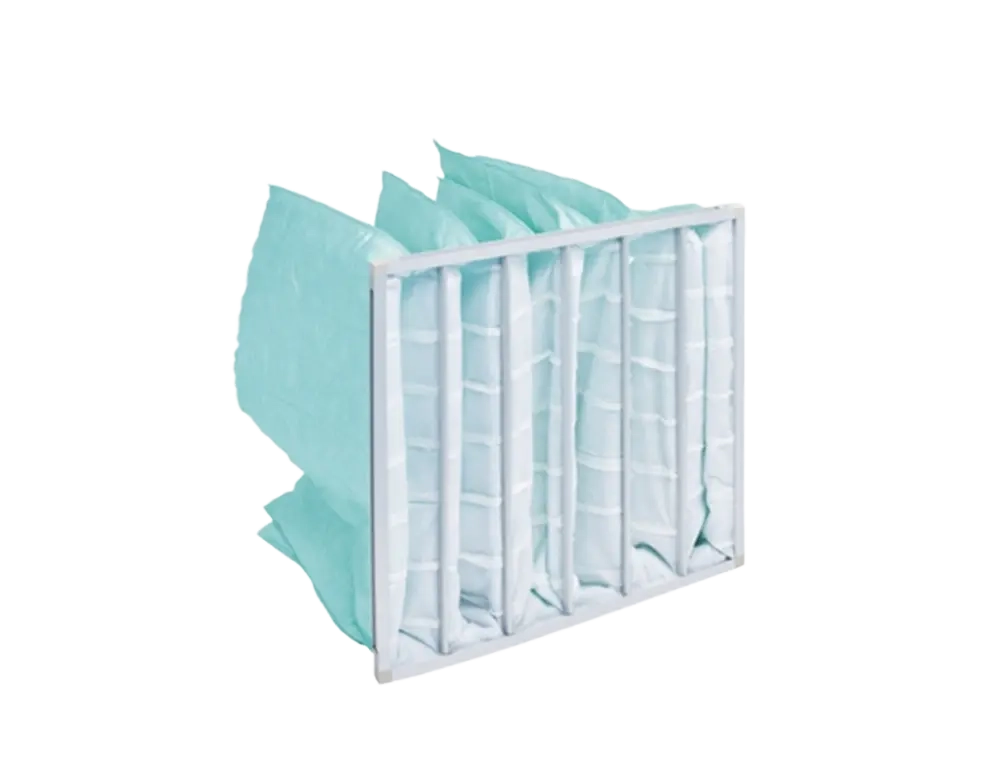
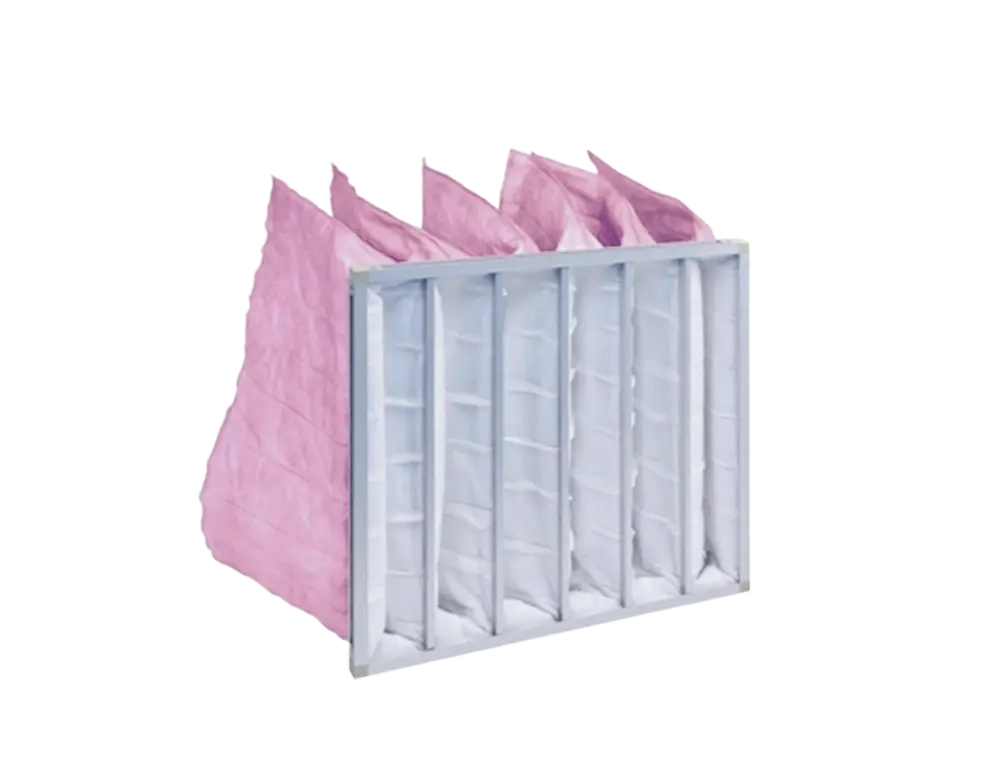
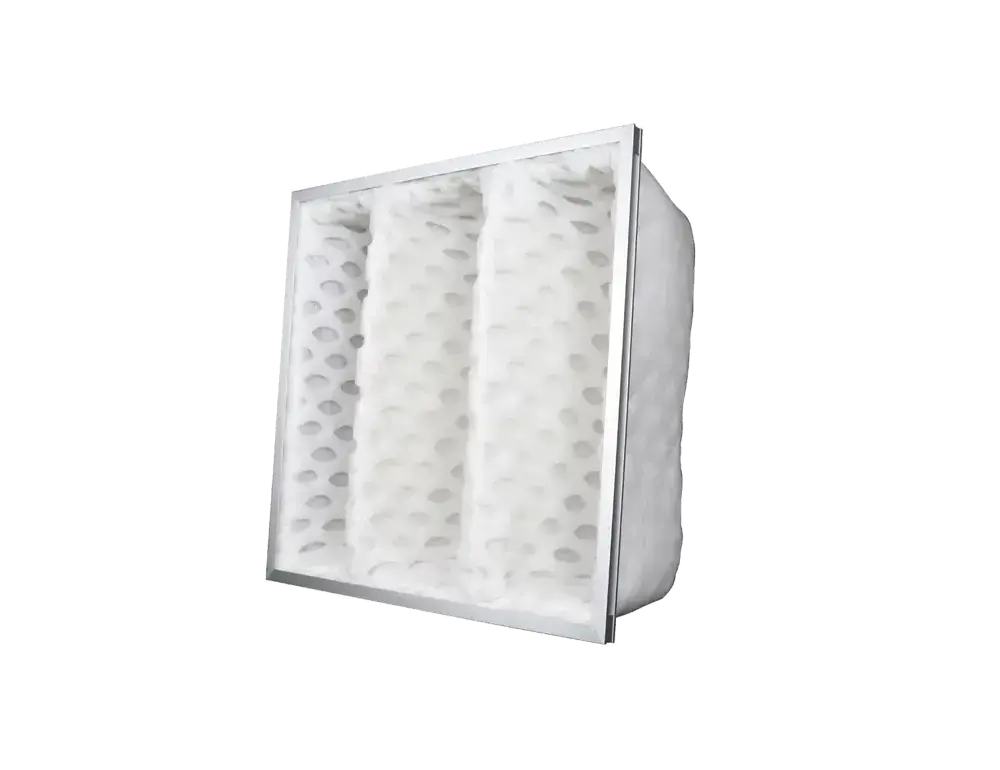
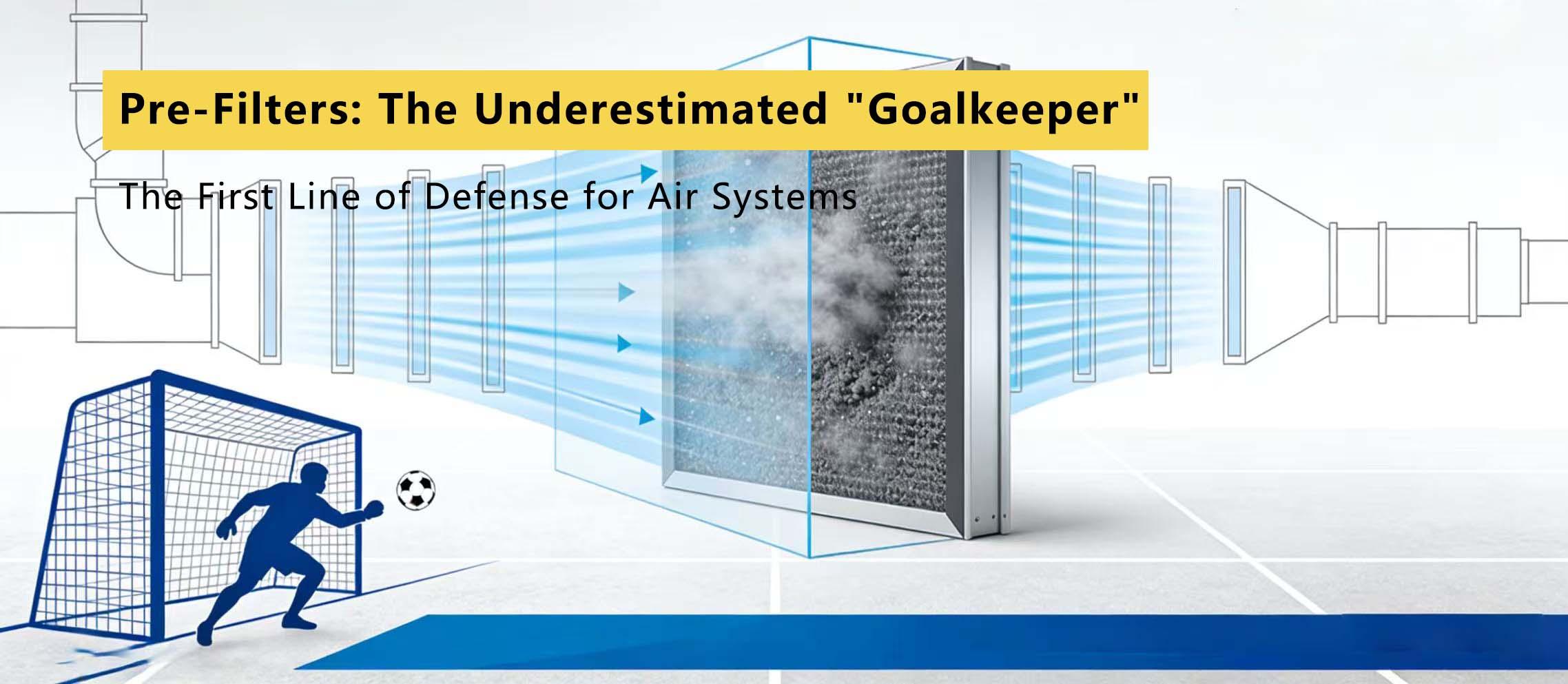
Cleanroom control strategies typically adopt a three‑stage filtration setup: coarse (G4) + medium (F8/F9) + terminal high‑efficiency (H13/H14/ULPA). The design intent and selection suggestions are as follows:
| Stage |
Typical Grade |
Particle Size Targeted |
Function |
Selection Advice |
| Pre‑filter |
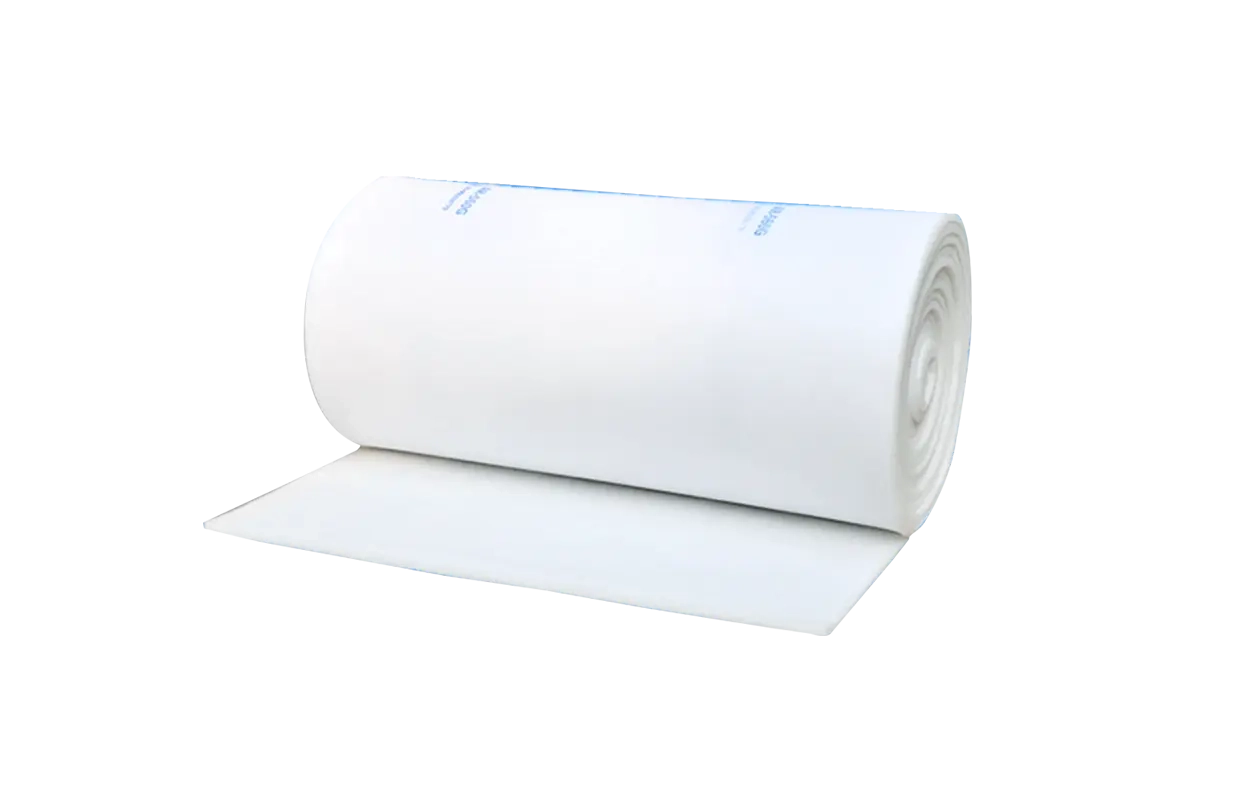
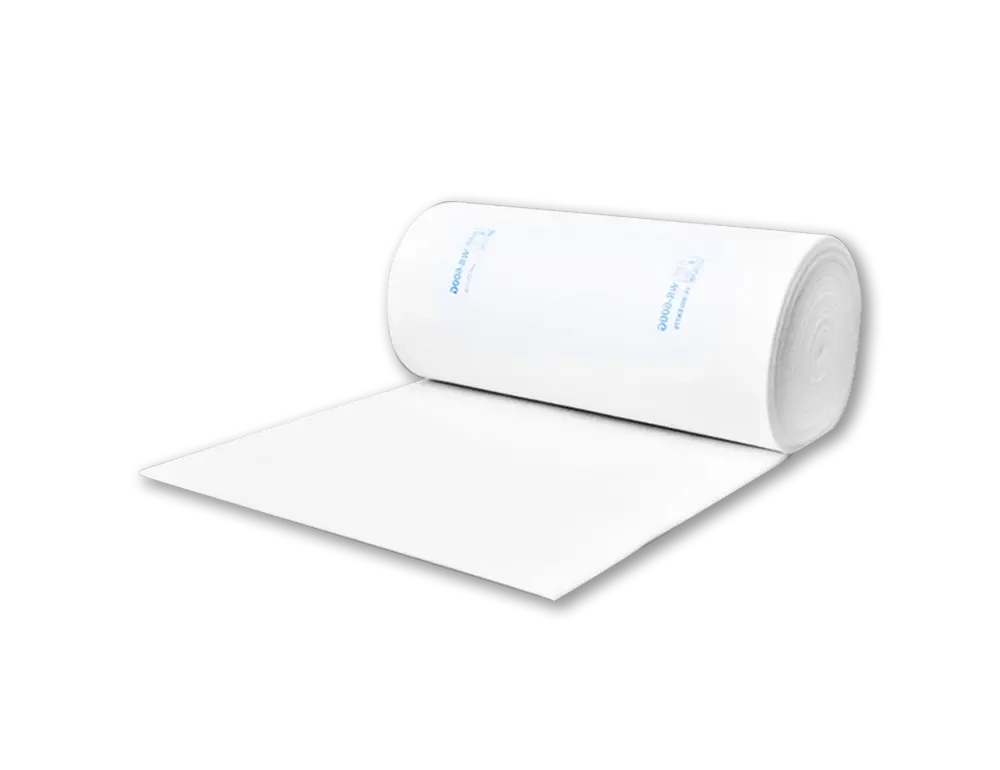
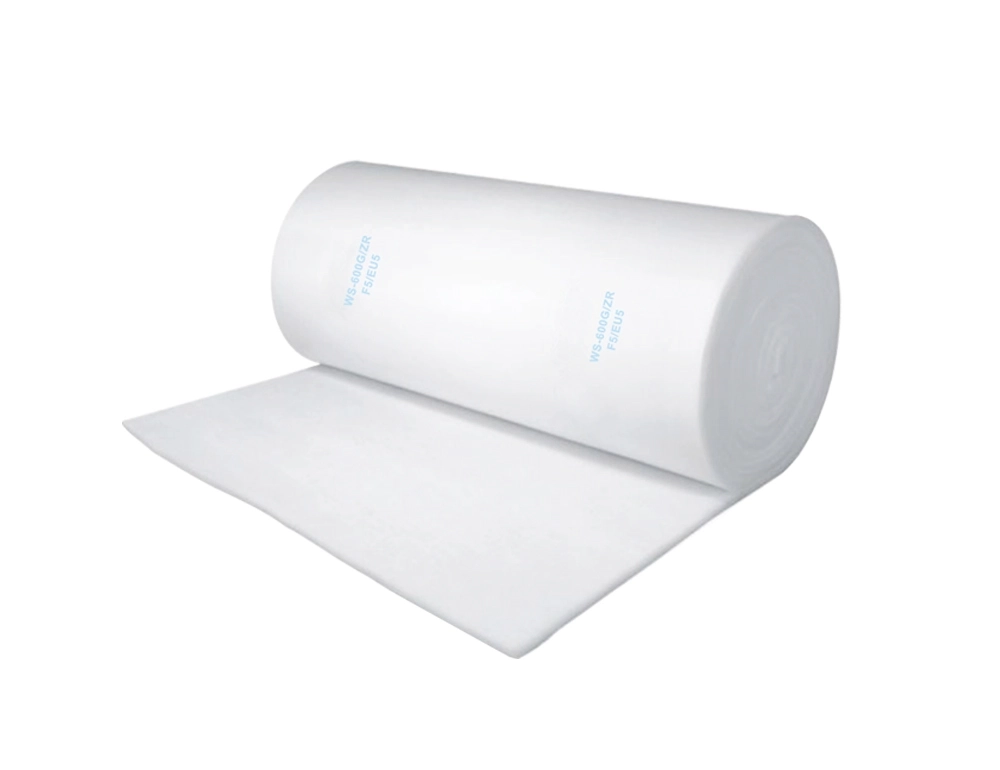
G4 |
≥5 μm |
Intercepts large particles (dust, insects) protects downstream filters |
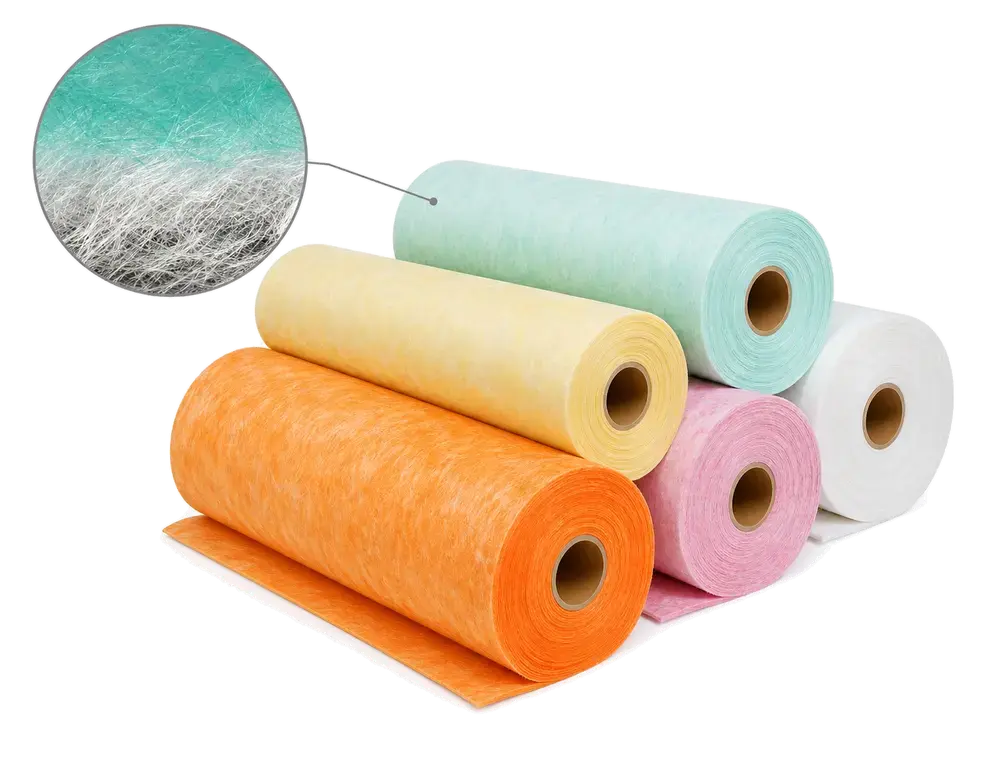
Choose high dust‑holding capacity, easy maintenance; add extra pre‑filtration or shorten change intervals in dusty environments |
| Medium filter |
F8‑F9 |
≥1 μm |
Captures medium particles, carries main filtration load, extends HEPA life |
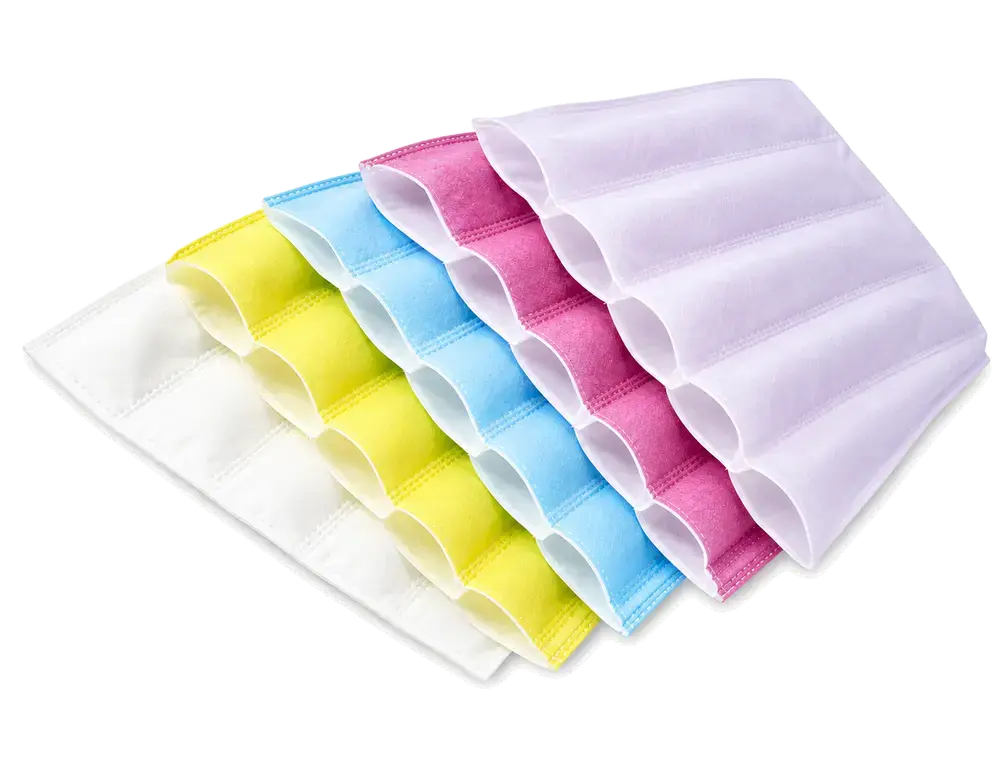
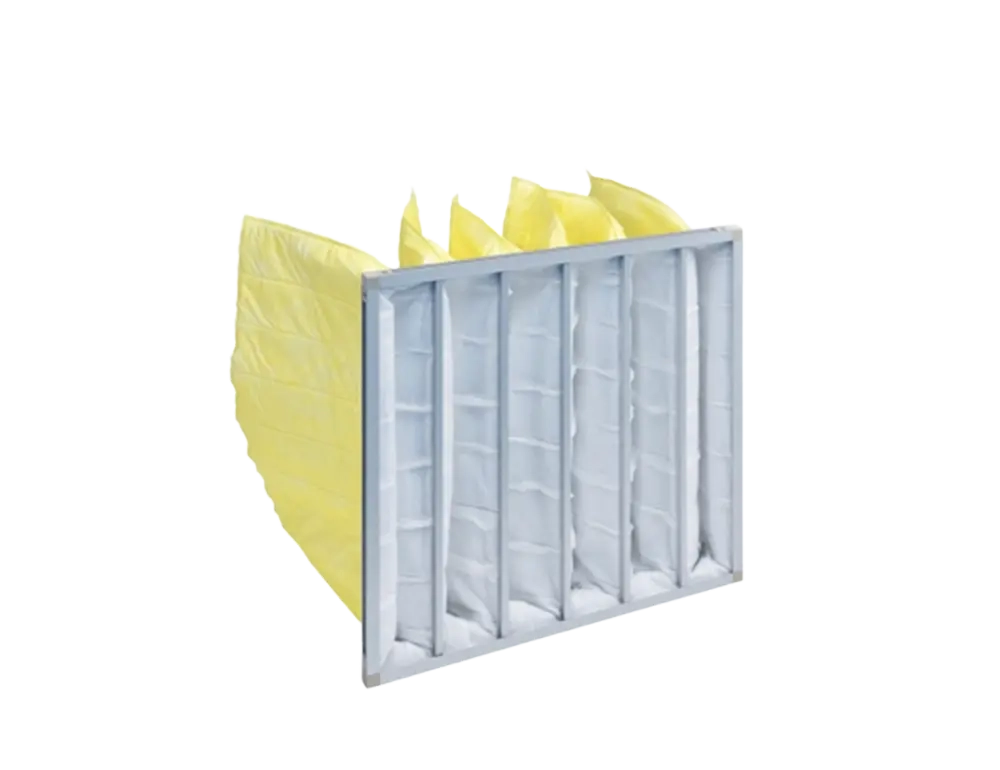
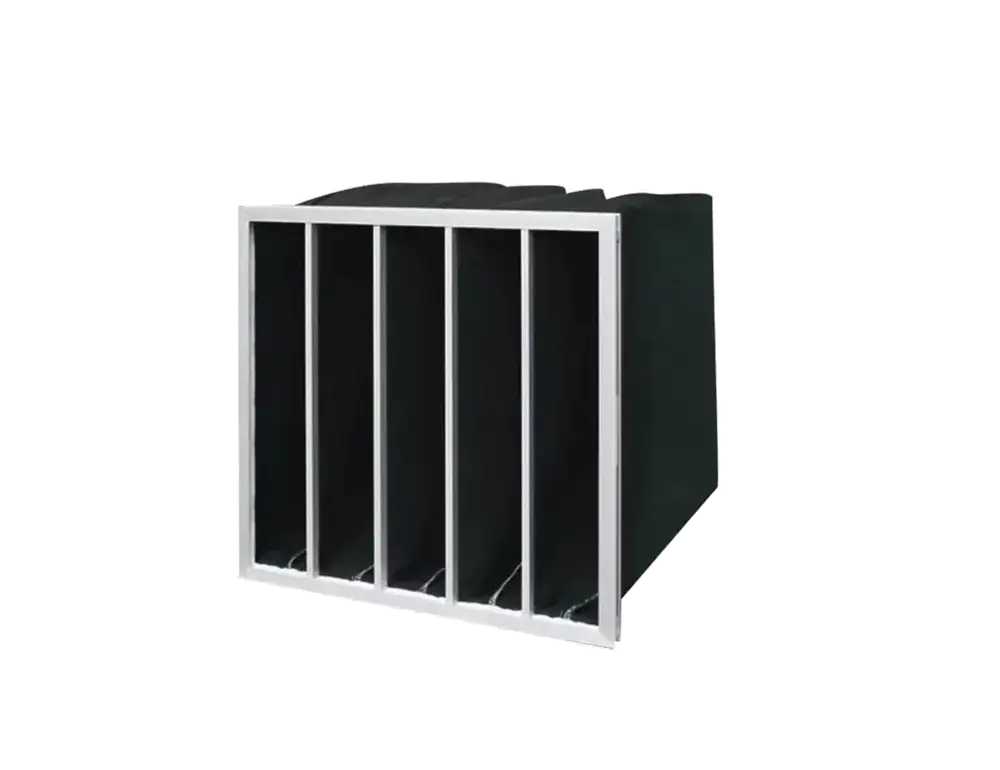
Use with coarse pre‑filter; for variable airflow, choose low‑ΔP, pulse‑resistant bag construction |
| Terminal filter |
H13/H14/ULPA |
≥0.3 μm |
Core barrier, ensures cleanliness in critical zones |
Select H13 or H14 (and above) based on cleanliness class and GMP/FDA requirements. Install, then perform PAO/DOP or particle counter scanning leak test on each unit to ensure integrity. |
5. GMP Equivalents and Industry Applications
Under China GMP, EU GMP and WHO GMP, cleanroom air cleanliness is not a rigid adoption of ISO classes, but four grades A, B, C and D are defined based on both particle and microbial limits:
| GMP Grade |
Corresponding ISO Class (At‑rest) |
Minimum Terminal Filter |
Typical Activities |
| Grade A |
ISO 5 |
H14 |
Sterile filling, sterile connections |
| Grade B |
ISO 5 |
H14 |
Background for Grade A |
| Grade C |
ISO 7‑8 |
H13/H14 |
Ancillary steps for sterile product manufacturing |
| Grade D |
ISO 8 |
H12/H13 |
General production, oral solid dosage forms |
Material weighing and formulation areas for aseptic processes are typically set as Grade C with Grade A air supply (local ISO 5, but not full‑room laminar). Sterile filling areas must maintain full‑room ISO 5 (Grade A) with positive pressure relative to the Grade B background. EU GMP Annex 1 emphasises the “Contamination Control Strategy (CCS)” concept, integrating filtration system design and maintenance into overall risk management. Smoke studies (visualisation of airflow patterns) are now a compliance requirement during design. China’s GMP is broadly equivalent to EU standards, so domestic pharmaceutical projects can directly reference them.
6. Pressure Differential Control and Validation Essentials
6.1 Pressure Differential Gradient Design
ISO 14644 and GMP require a well‑designed pressure cascade to ensure airflow from higher cleanliness to lower cleanliness:
| Adjacent Areas |
Recommended ΔP (Pa) |
Function |
| Higher clean → lower clean |
≥5‑10 |
Prevents backflow from lower grade |
| Core (ISO 5 / Grade B) → adjacent lower grade |
≥10‑15 |
Ensures sterile barrier |
| Clean zone → non‑clean (outside) |
≥10‑15 |
Prevents ingress of external contaminants |
6.2 Filter Validation Essentials
Leak rate limits: For ISO 5 critical zones with H14 filters, leak rate ≤0.005%; for ISO 6‑7 H13, leak rate ≤0.01%.
Leak test methods: PAO (DOP) aerosol photometer method is the international standard; for some diffuser grilles, particle counter method may be used.
Periodic re‑validation: Grade A/B areas should have HEPA leak tests every 6 months; Grade C/D areas can be extended to once per year.
Initial ΔP and final resistance: Initial resistance of HEPA filters is typically 150‑250 Pa. When ΔP rises to 1.5‑2× initial, schedule leak testing and prepare for replacement. In non‑unidirectional cleanrooms, if filter leak tests are continuously satisfactory, air change rate often carries more weight for cleanliness than filter efficiency.
6.3 Lifecycle Maintenance Reference
Pre‑filter / medium filter: Coarse filters every 1‑3 months, medium every 6‑12 months (depending on ΔP and dust load).
Terminal HEPA: Under normal conditions, service life 3‑5 years, but always “change when ΔP exceeds limit or leak test fails” – do not rely solely on calendar years. HEPA media do not inherently have antimicrobial properties; for microbe‑sensitive industries, also monitor viable particle / settle plate data as part of risk assessment.
7. Special Industry Filter Selection Recommendations
7.1 Biosafety Laboratories (BSL‑3/4)
Must use H14 HEPA filters; exhaust must pass through two stages in series and be equipped with BIBO (Bag‑In/Bag‑Out) safe‑change housings.
Both supply and exhaust HEPAs must undergo in‑situ decontamination (VHP) and scanning leak tests before being placed into service.
7.2 Automotive Parts Manufacturing
High‑precision sensors, ECUs: ISO 5 or higher, ULPA or H14 filters with laminar flow.
Fuel injection systems, precision valves: ISO 6, H13/H14 HEPA.
Brake system assemblies, interior trim lines: ISO 7‑8, H13/H12 HEPA or HEPA + F9 combination.
7.3 Semiconductor / Electronics Manufacturing
Lithography areas: ISO 5 or ISO 4, must use ULPA filters with high‑precision differential pressure sensors.
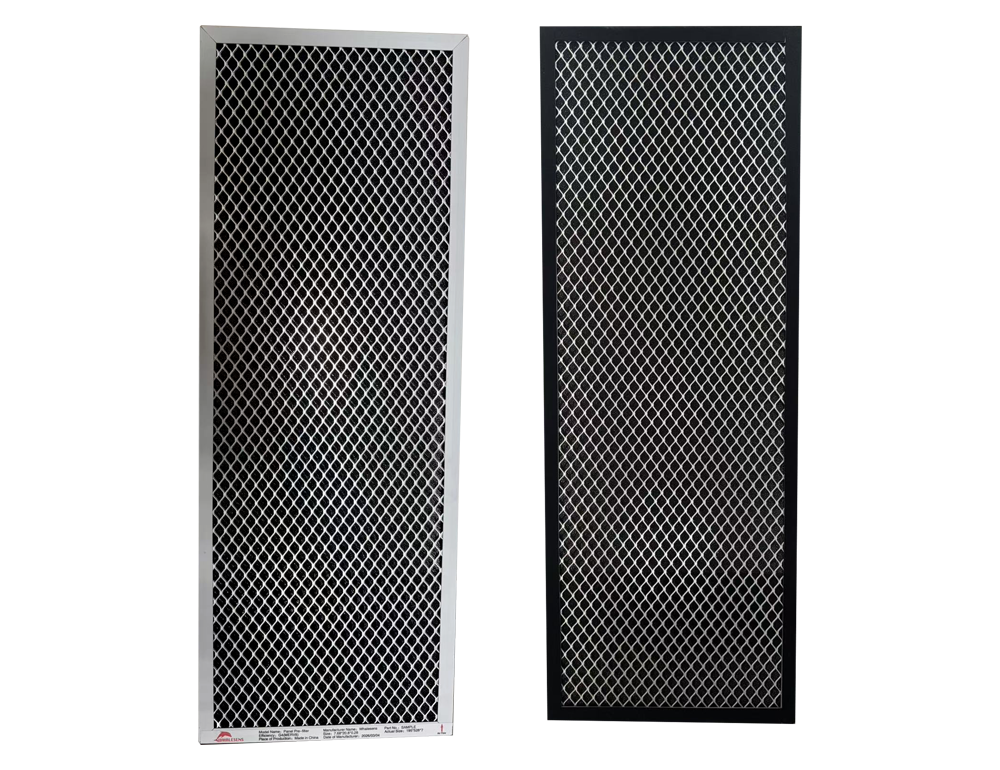
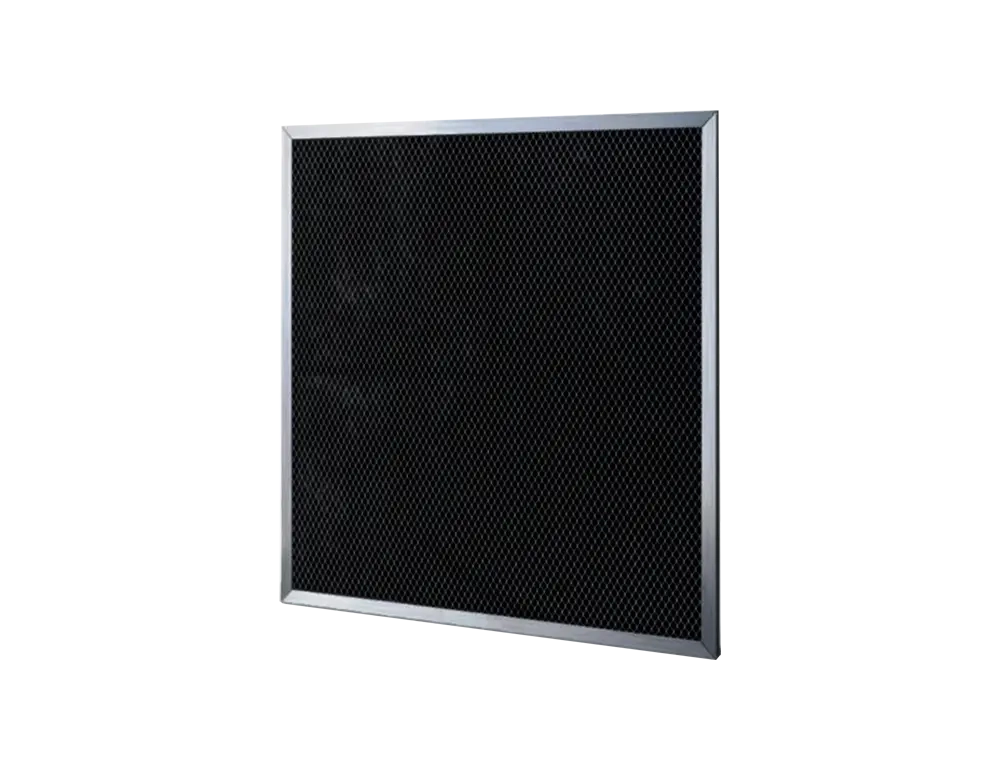
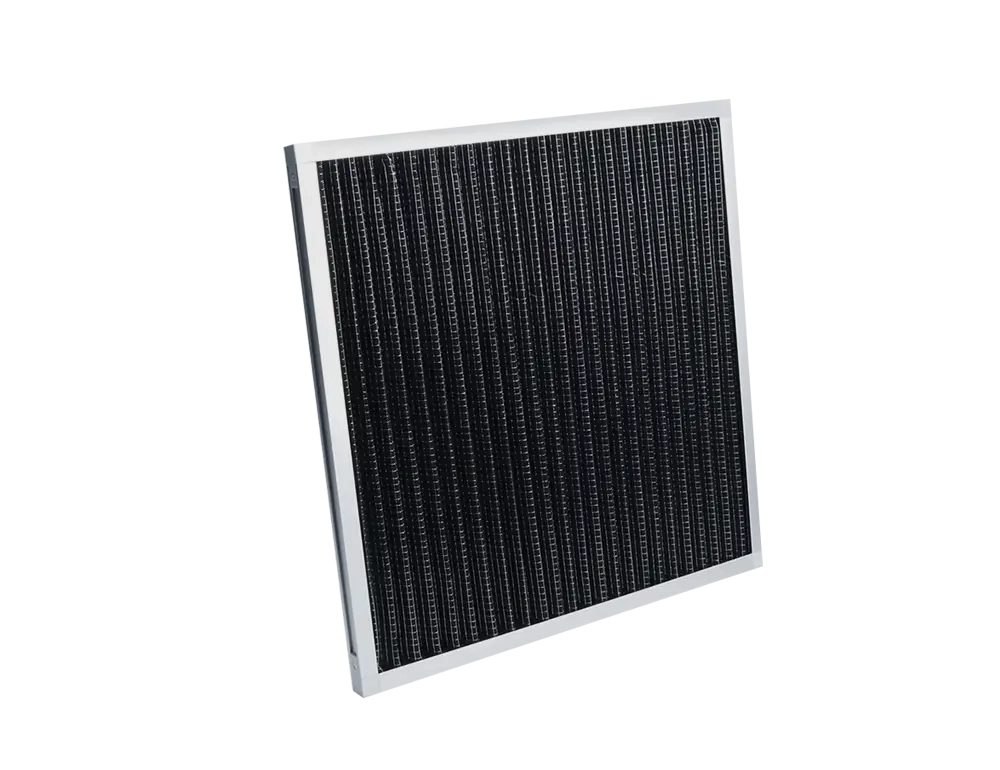
Packaging and test areas: ISO 6‑7, H13/H14 HEPA, plus chemical filters (activated carbon) for AMC control.
General electronics assembly: ISO 7‑8, H13/H12 HEPA or medium/high‑efficiency combination.
7.4 Food / Dietary Supplement Manufacturing
Core filling zones: ISO 7 (or local ISO 5), recommend H13/H14 HEPA with easy‑clean stainless steel frames.
General production / packaging areas: ISO 8, H11/H12 HEPA or medium/high‑efficiency combination, focusing on microbial control.
7.5 Laboratories (Biological / Chemical Testing)
BSL‑2 laboratories: H13 HEPA acceptable; exhaust must be HEPA‑filtered.
Cell culture / molecular biology labs: Recommend H13 HEPA with periodic integrity testing; control indoor temperature and humidity to avoid prolonged high‑moisture exposure of the media.
8. Frequently Asked Questions (FAQ)
Q1: For an ISO 5 cleanroom, is H13 HEPA sufficient?
A: Some users believe H13 (≥99.95%) is enough for ISO 5, but GB/T 36370 and industry practice require that terminal filters for ISO 5 cleanrooms must meet at least ISO 40H (MPPS ≥99.99%), i.e. H14 or higher. In lithography and sterile filling areas, using H13 incurs higher risks of penetration during leak tests and particle counts.
Q2: Can an ISO 7 cleanroom omit terminal HEPA filters?
A: This does not meet GMP requirements for sterile manufacturing (both particle and microbial criteria). For non‑sterile applications or general electronics assembly, an economic solution using F9 HEPA diffusers + medium filters may be considered, but must be supported by a regulatory risk assessment. For Grade C backgrounds, terminal HEPA is still recommended to provide a reliable barrier.
Q3: Is air change rate more important than filter efficiency in a cleanroom?
A: Both are complementary; there is no absolute “more important”. At high cleanliness levels, filter efficiency is the primary guarantee. At lower classes, if leak tests are consistently passed, air change rate often contributes more to dilution of particles.
Q4: What is MPPS? Why is MPPS testing used for HEPA?
A: MPPS (Most Penetrating Particle Size) is the particle size (typically 0.1‑0.3 μm) at which a HEPA filter has its lowest efficiency. EN 1822 and ISO 29463 require testing near MPPS – this is the filter’s minimum efficiency point, representing the worst‑case performance under real conditions. Therefore, a H13’s “≥99.95%” is a guaranteed value measured at MPPS, not an inflated peak efficiency.
Q5: How to select an FFU based on ISO class?
A: For ISO 5, use H14 mini‑pleat FFUs with face velocity controlled at 0.35‑0.55 m/s. For ISO 6‑7, H13/H14 FFUs are acceptable; calculate FFU density to match air change rate (typically 15‑25% coverage).
Q6: What are the filter efficiency requirements in GB/T 36370‑2018?
A: This standard requires that terminal filters for ISO 6 cleanrooms meet ≥ISO 35H (MPPS ≥99.95%), i.e. H13; for ISO 5 and above, terminal filters must meet ≥ISO 40H (MPPS ≥99.99%), i.e. H14 or higher ULPA. This aligns with the H13/H14 recommendations widely used in the industry.
9. Conclusion
From ISO 8 to ISO 5, each step up in cleanliness level increases the demands on the air filtration system exponentially. Scientifically sound filter selection not only ensures environmental quality in critical zones but also optimises project investment and operating energy while meeting regulatory requirements. Cleanroom design is a systematic engineering effort – final compliance depends on air change rate (or face velocity), filter efficiency, pressure gradient, internal particle generation and maintenance discipline.
Key action tips:
-
✔
Determine the required class (and at‑rest / operational target) based on GMP or ISO 14644‑1.
-
✔
Choose matching filter efficiency grades according to this guide and standards such as GB/T 36370.
-
✔
Simultaneously verify that the design air change rate or average face velocity meets the target during the design phase.
-
✔
After installation, strictly perform in‑situ scanning leak tests and periodically carry out HEPA integrity testing.
-
✔
Establish a predictive maintenance plan based on pressure drop monitoring to ensure sustained cleanroom reliability.
Keywords
#ISO5Cleanroom #ISO6Cleanroom #ISO7Cleanroom #ISO8Cleanroom #CleanroomFilterSelection #HEPAFilter #ULPAFilter #H13Filter #H14Filter #GBT36370 #ISO14644 #GMPCleanroom #GradeAAsepticArea #SemiconductorCleanroom #PharmaceuticalCleanroom #MedicalDeviceCleanroom #NonUnidirectionalCleanroom #LaminarFlow #CleanroomClassification #FilterLeakTesting #PAO_DOP #MPPS
About Whalesens Technology
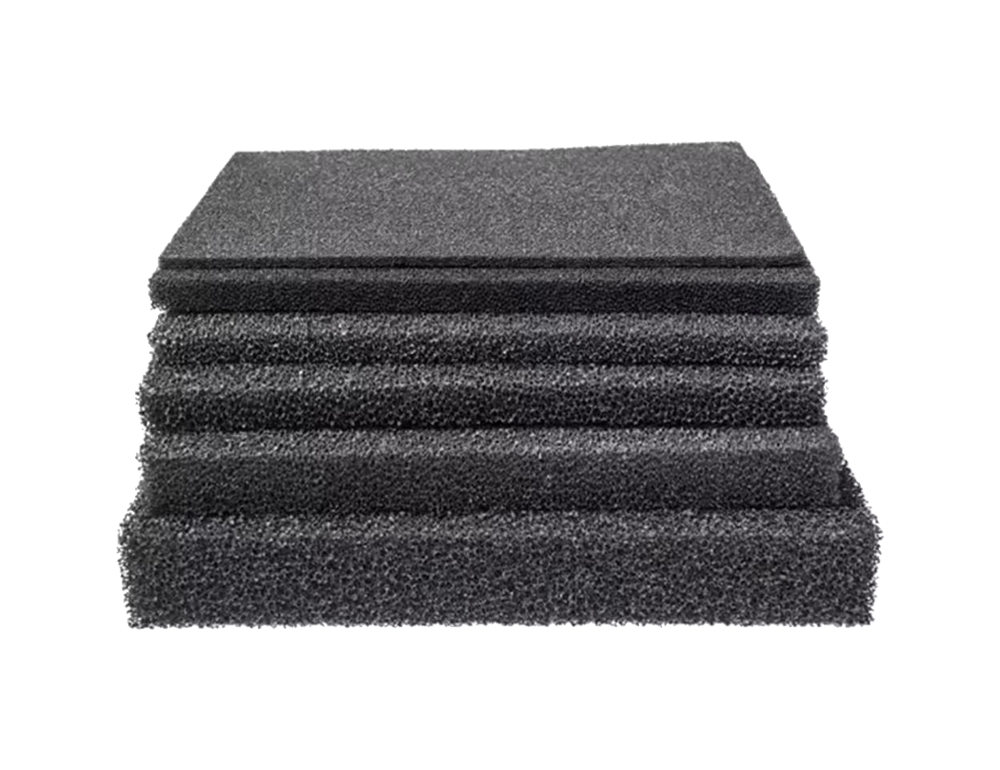
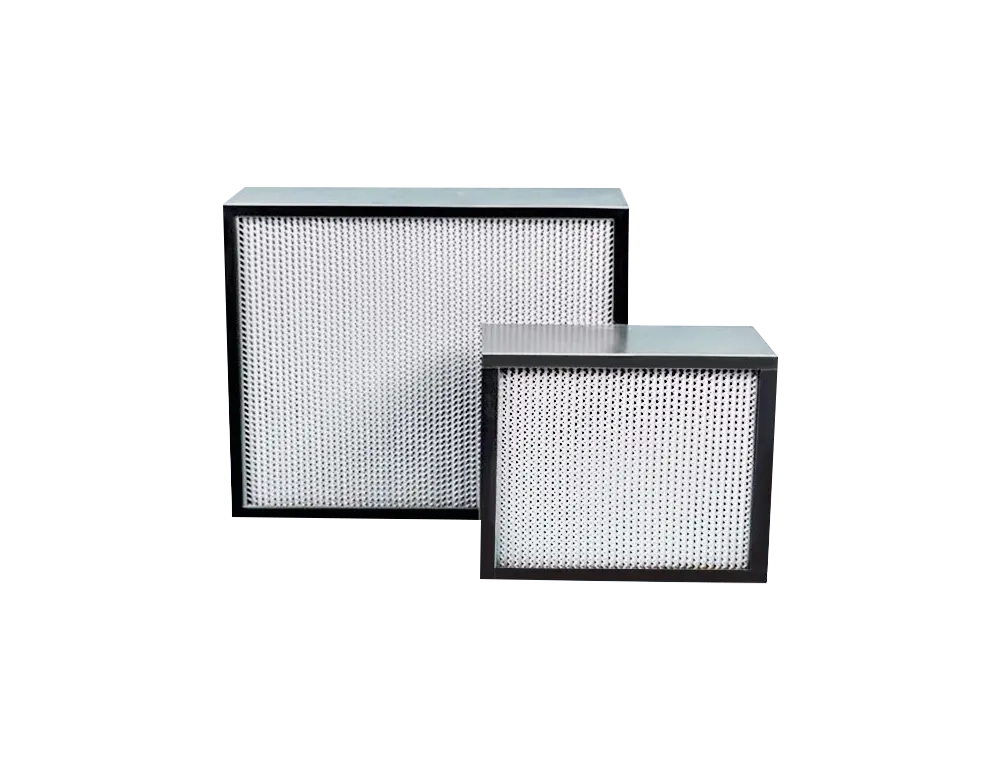
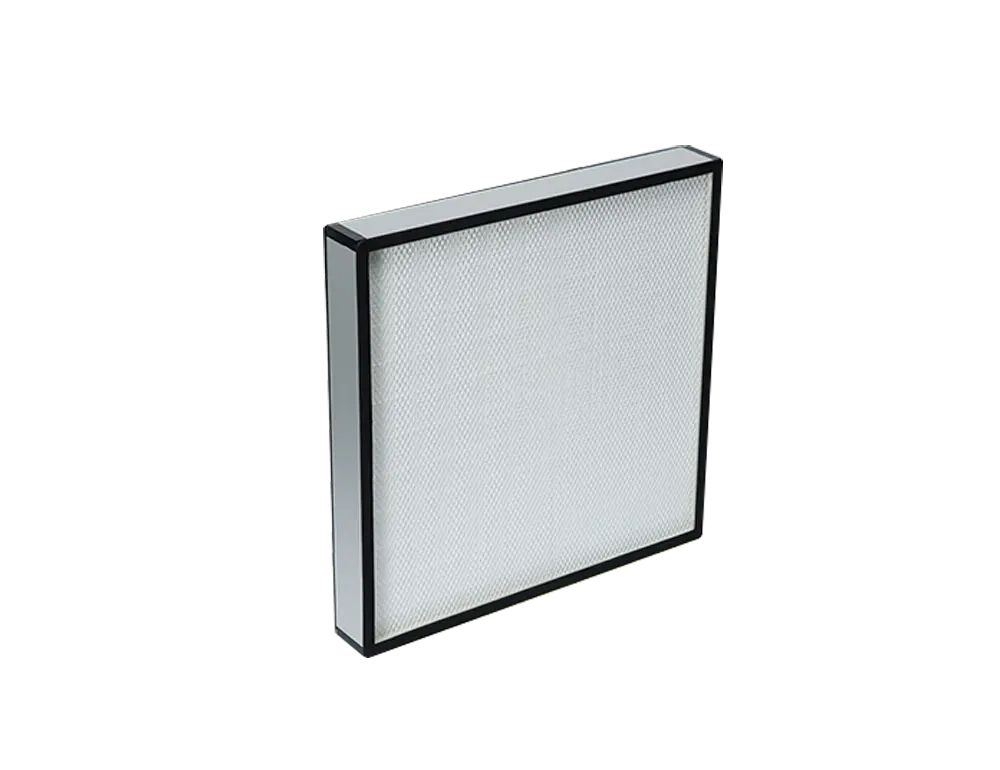
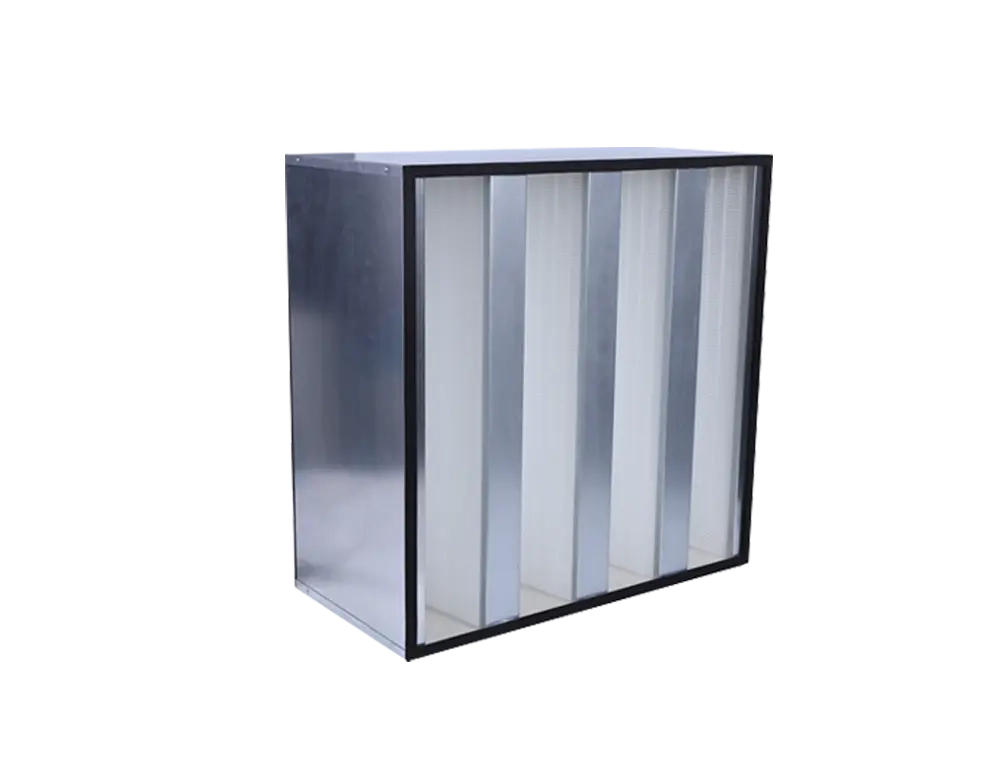
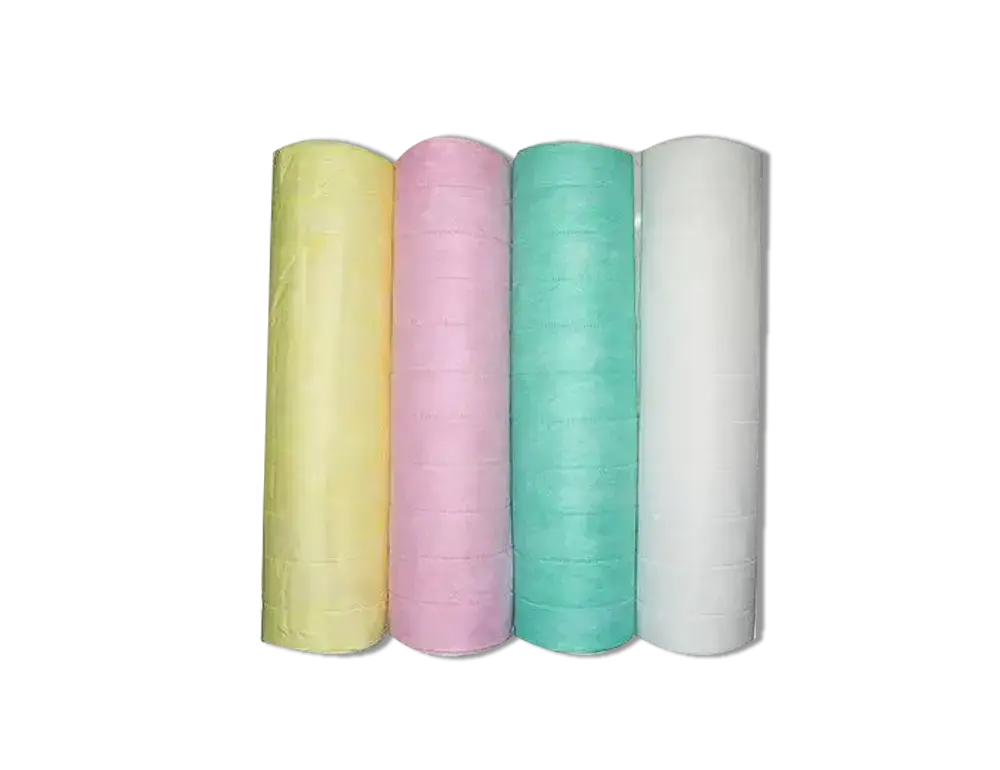
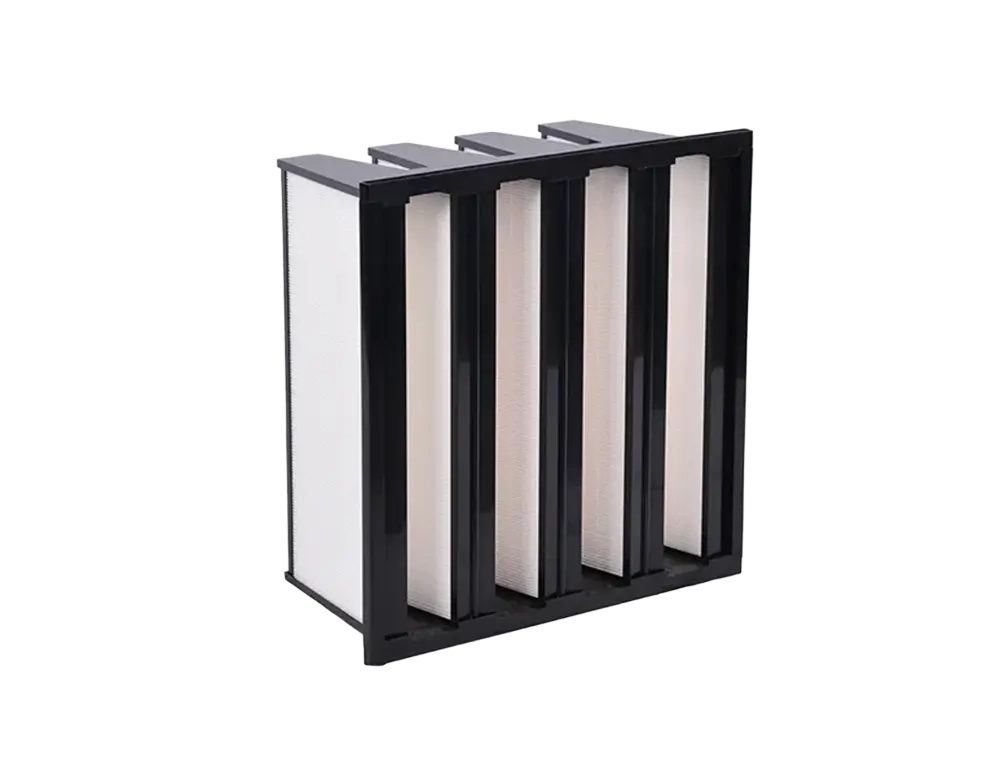
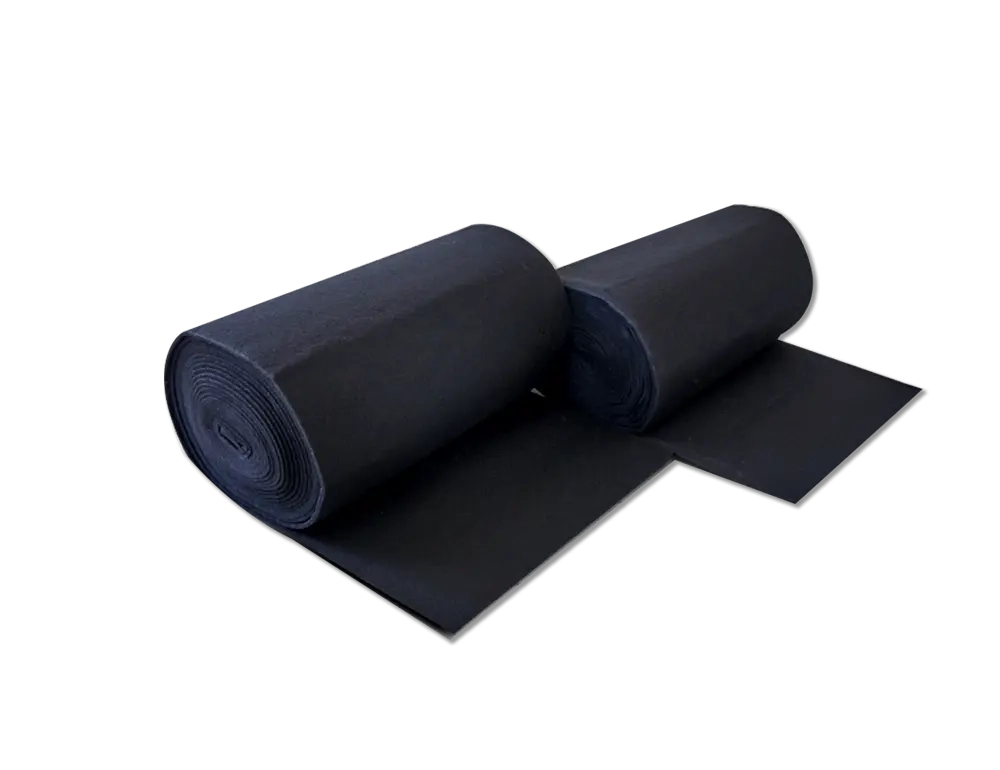
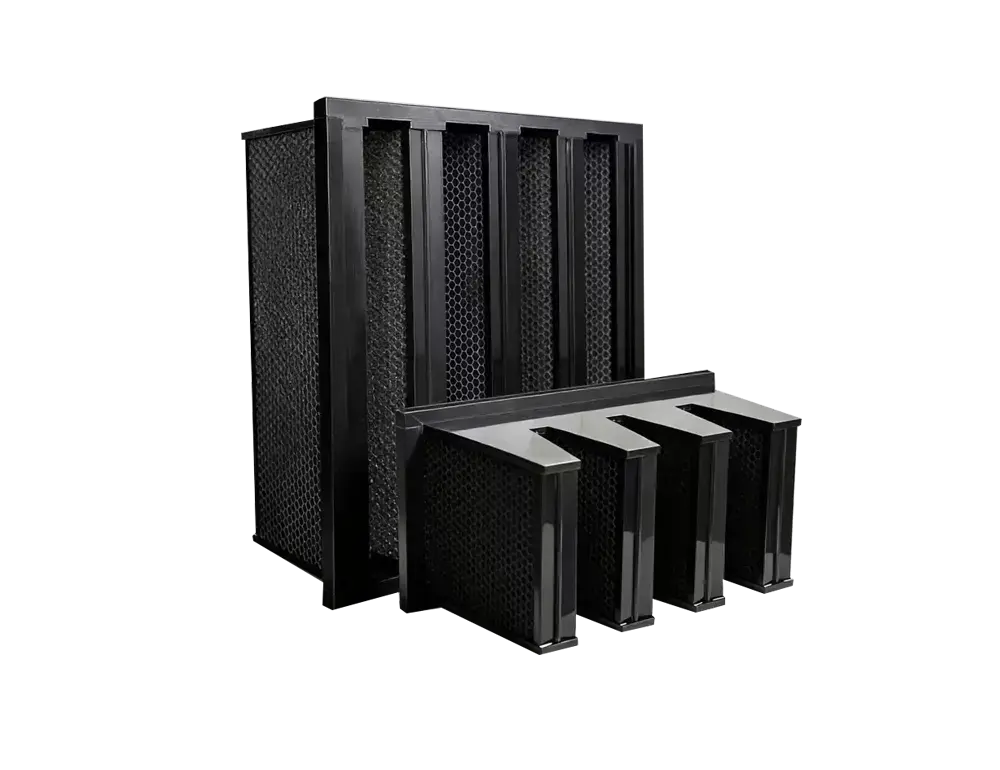
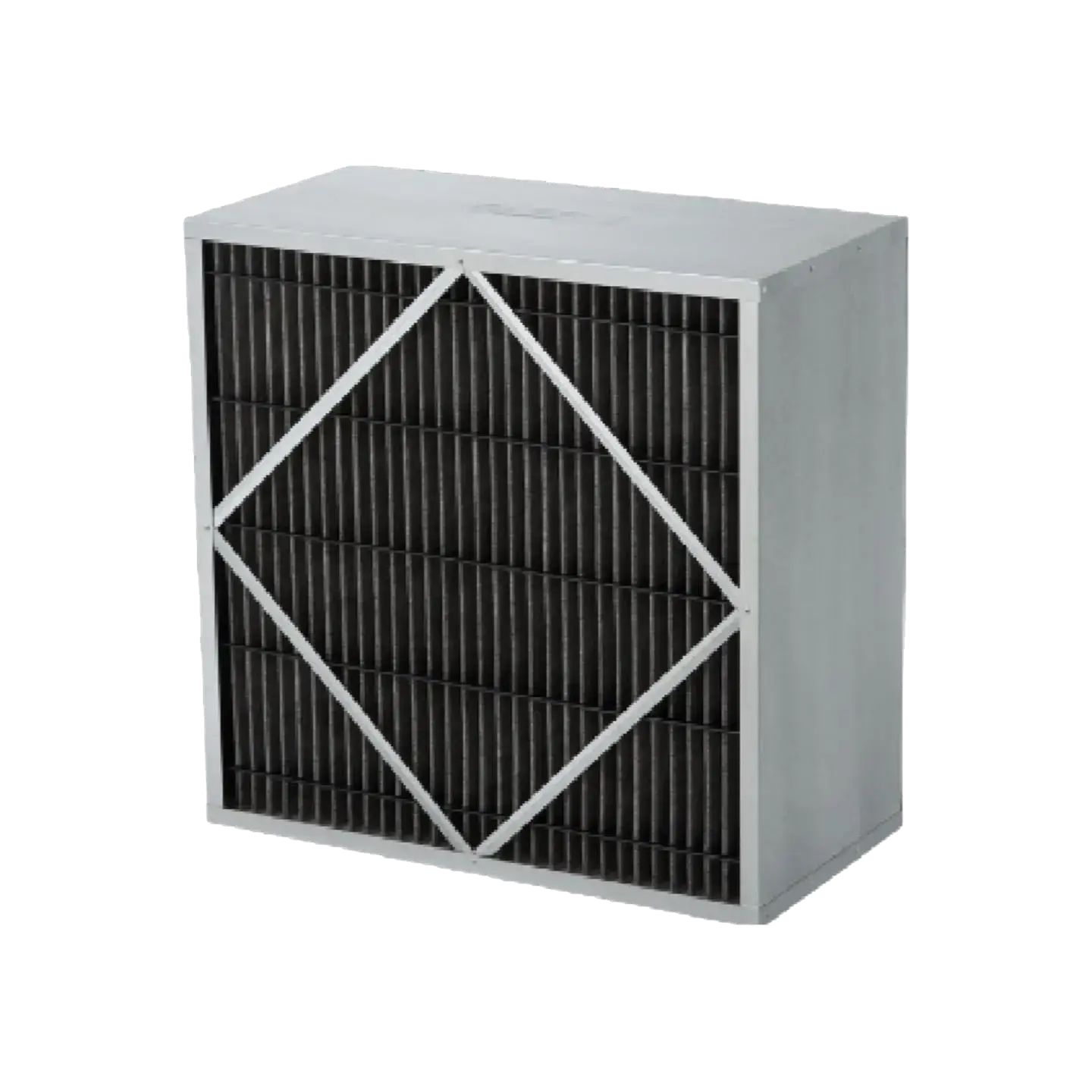
Whalesens Technology Co., Ltd. (Whalesens) is an innovator in the air filtration industry, focusing on providing “full efficiency, full scenario” air filtration solutions for pharmaceutical cleanrooms, semiconductor fabs, data centres and new energy applications. Our products cover the complete range of coarse (G4), medium (F7‑F9), high‑efficiency (H13‑H14) and ultra‑high efficiency (ULPA U15‑U17) air filters, as well as V‑bank compact filters, activated carbon chemical filters and custom non‑standard products.
Core strengths:
-
✅
Original equipment manufacturer – full process quality control
-
✅
Complete efficiency coverage – solutions from GMP Grades A/B/C/D to ISO 4‑8
-
✅
One‑stop services for PAO/DOP scanning leak tests, filter pressure drop monitoring and replacement
-
✅
Strict compliance with ISO 14644, GMP, GB/T 36370, EN 1822 and other international / domestic standards
Contact us:
Website:
www.whalesens.com
Email: whalesens@gmail.com
WhatsApp: +86 131 1918 9886
Welcome to enquire about technical solutions, sample testing or on‑site assessment services.


















 English(Global)
 简体中文
简体中文 Language